Istanbul Itinerary: 4 Days of Food, Markets, Mosques & Palaces



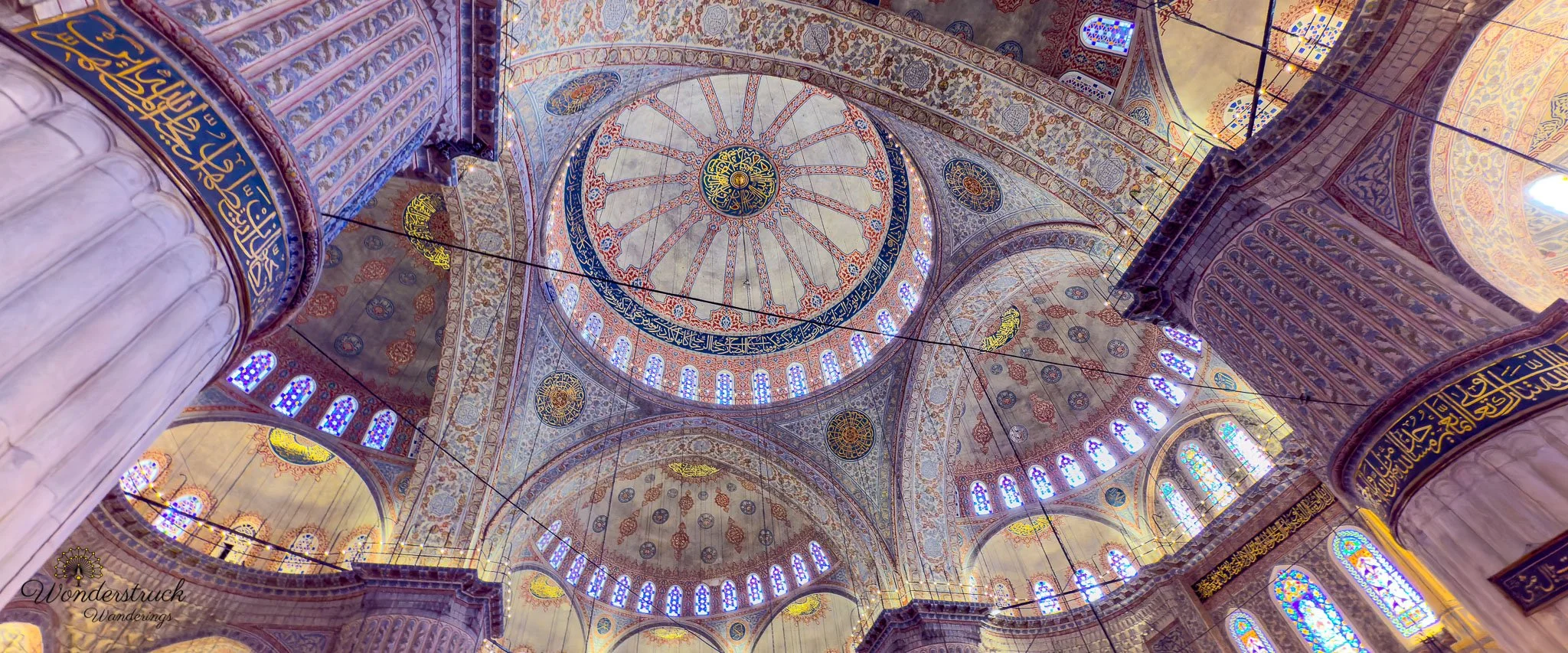
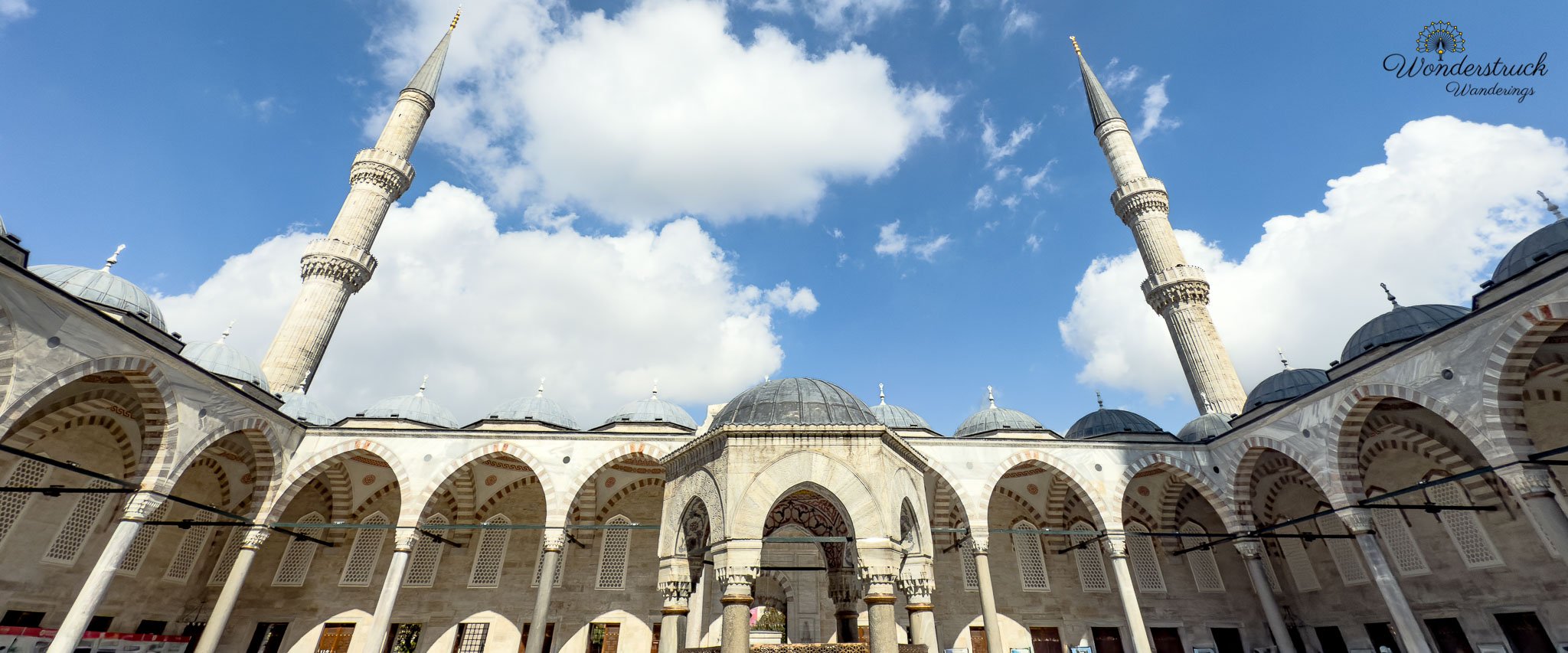
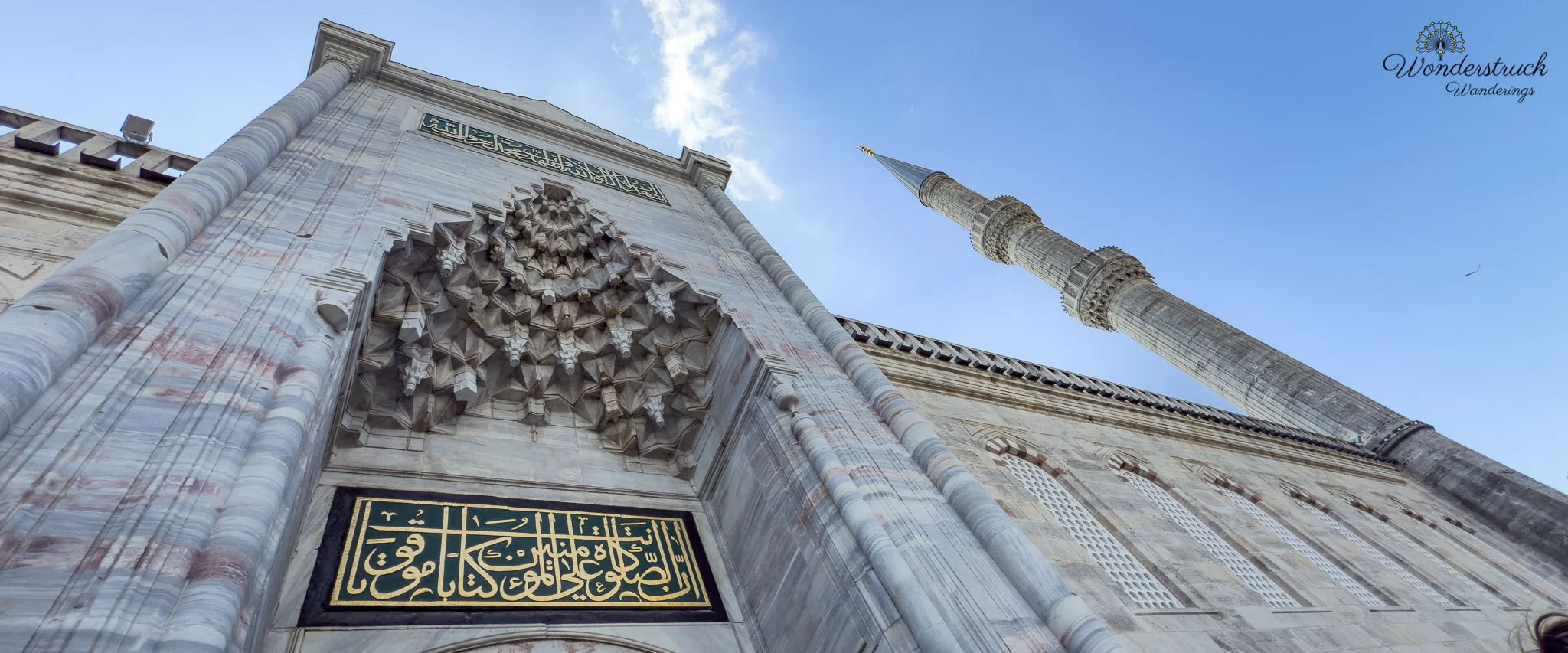
Some trips are planned for years; others simply happen when you need them to. Istanbul had been on our minds for as long as we could remember — that place between worlds, where minarets kiss the clouds and continents hold hands across a ribbon of blue. But with most of our vacation days spent on earlier adventures, and a long-planned India trip at year’s end, all we had was an extended weekend. So we decided to go — just three and a half days in one of the world’s most storied cities. No grand circuit across Turkey this time, no Cappadocia or Ephesus or Pamukkale. Just Istanbul. Just enough to listen to its heartbeat and see what the city would show us. The plan was simple: arrive, walk, eat, photograph. Spend mornings in mosques that once ruled empires and evenings chasing sunsets from rooftops where seagulls and prayers share the same sky. To trade sleep for tea and baklava, maps for instinct, and itineraries for moments. To indulge in Istanbul’s celebrated street food and lose ourselves in its historic bazaars, hunting for keepsakes with stories to tell.
Day1-Arrival, Galata Views, Street Food and Sunset Magic
-
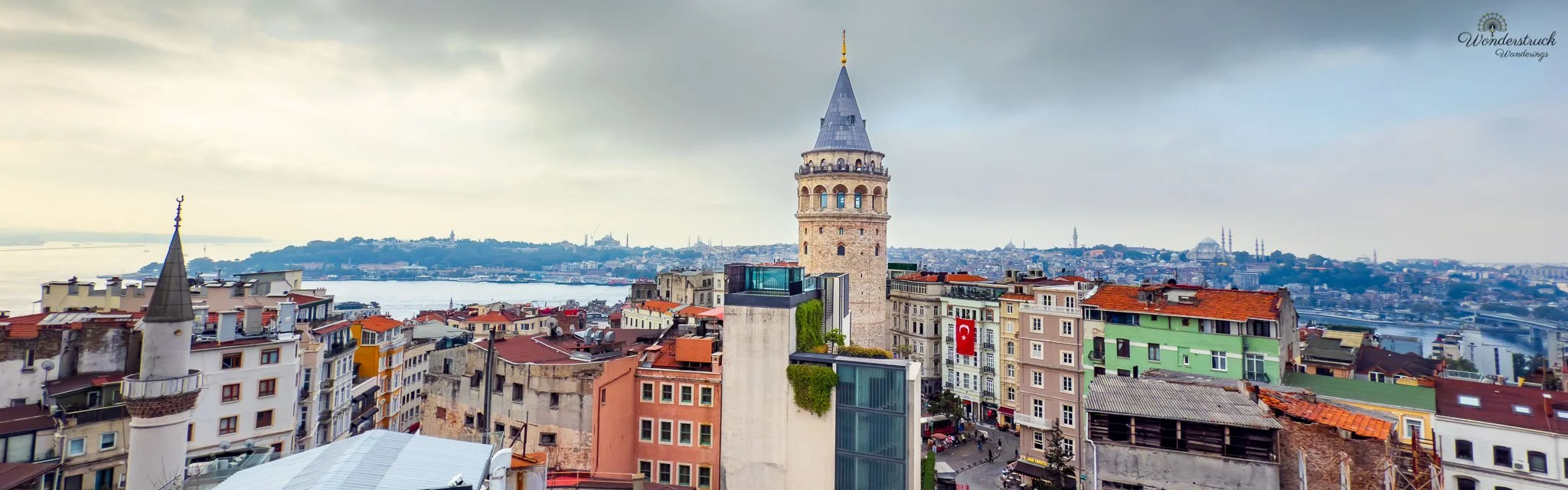
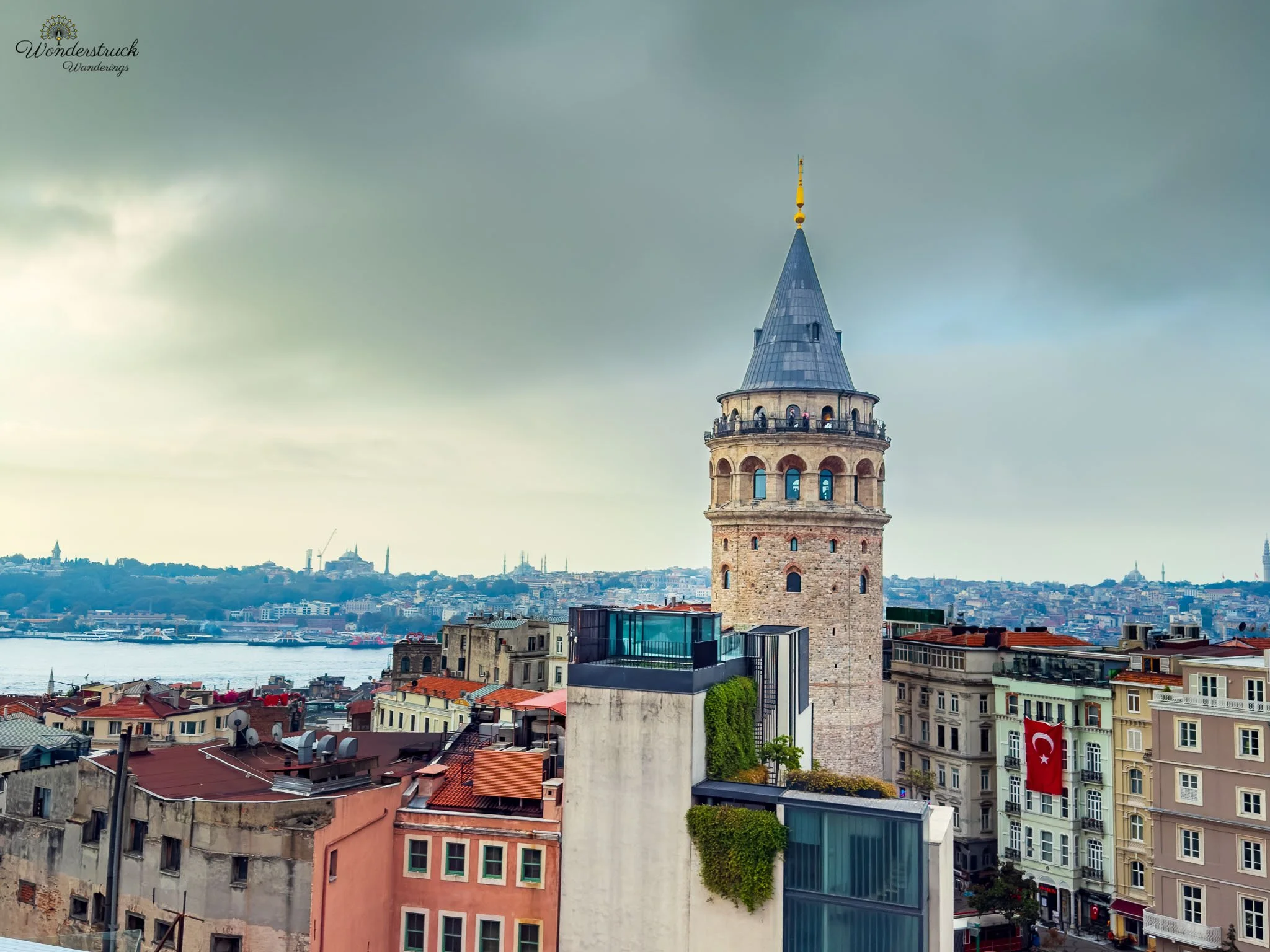
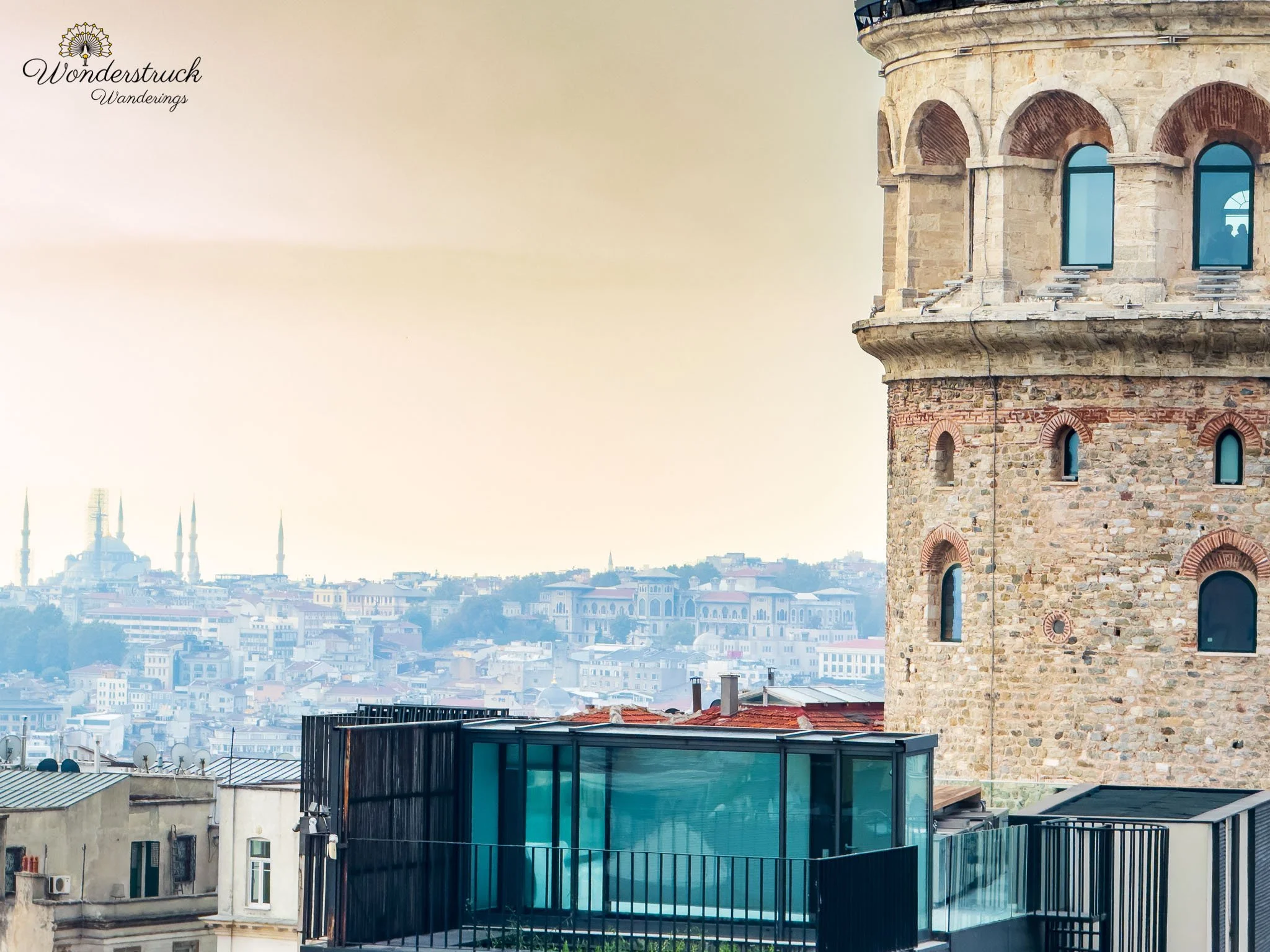
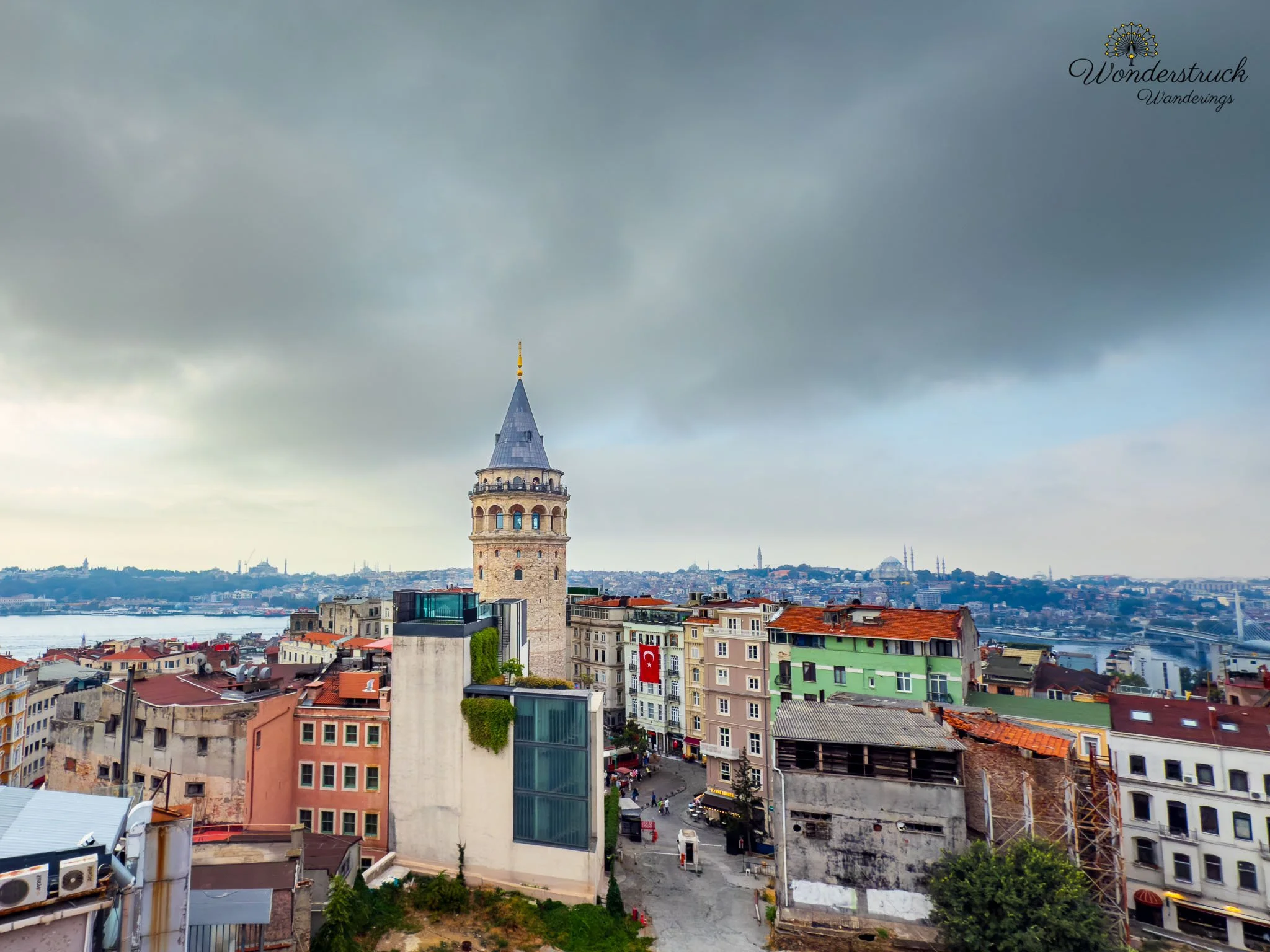
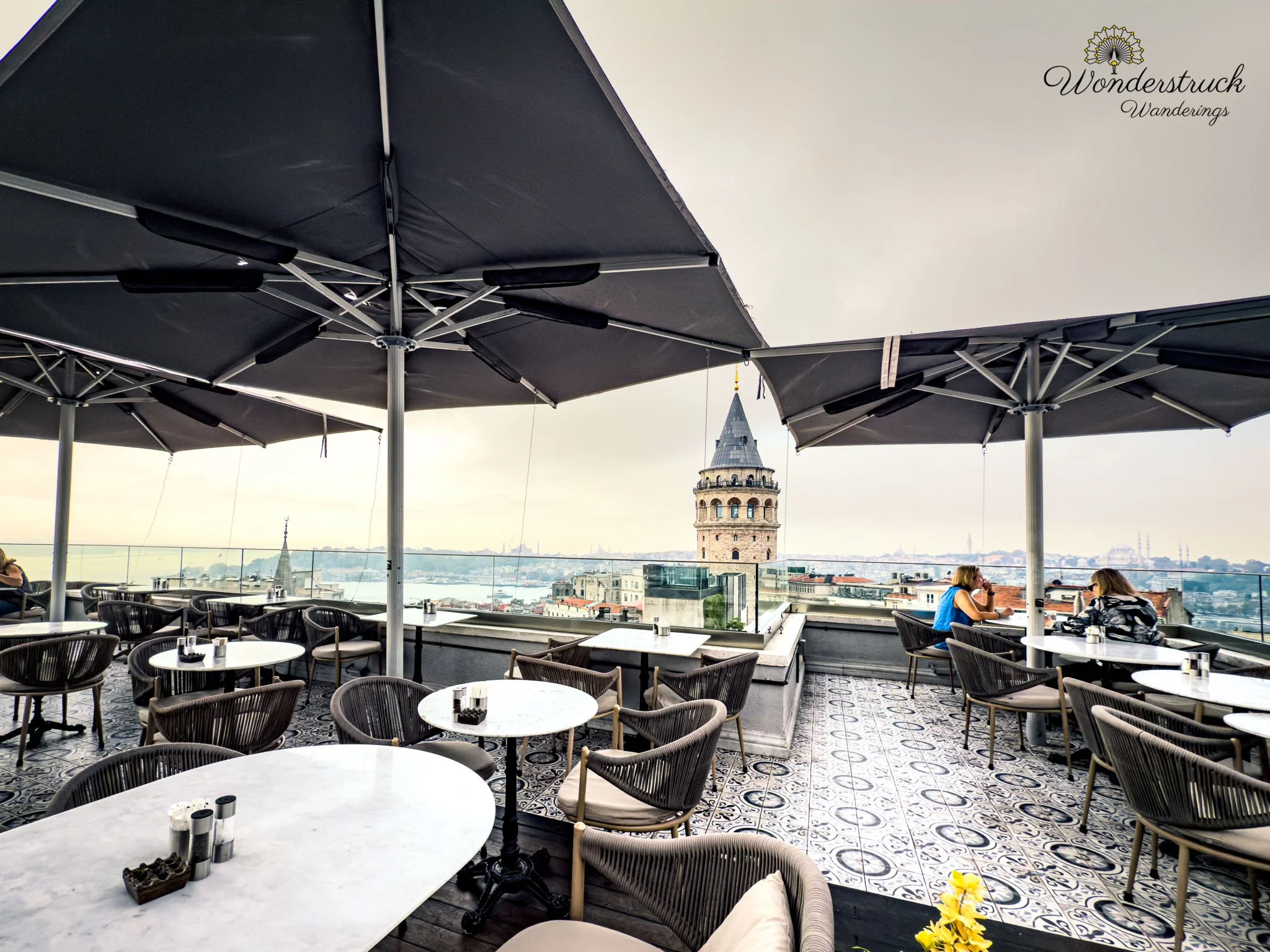
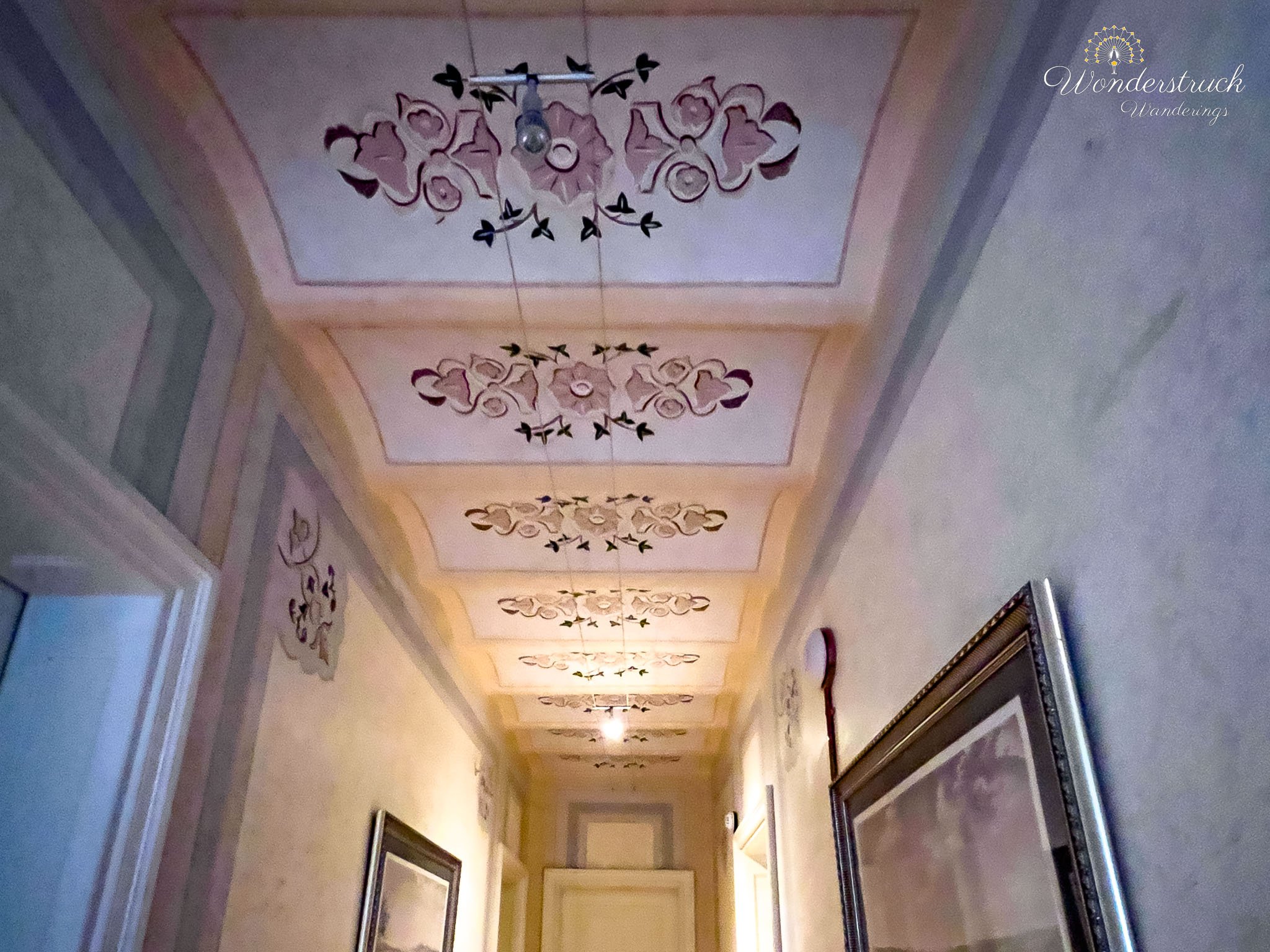
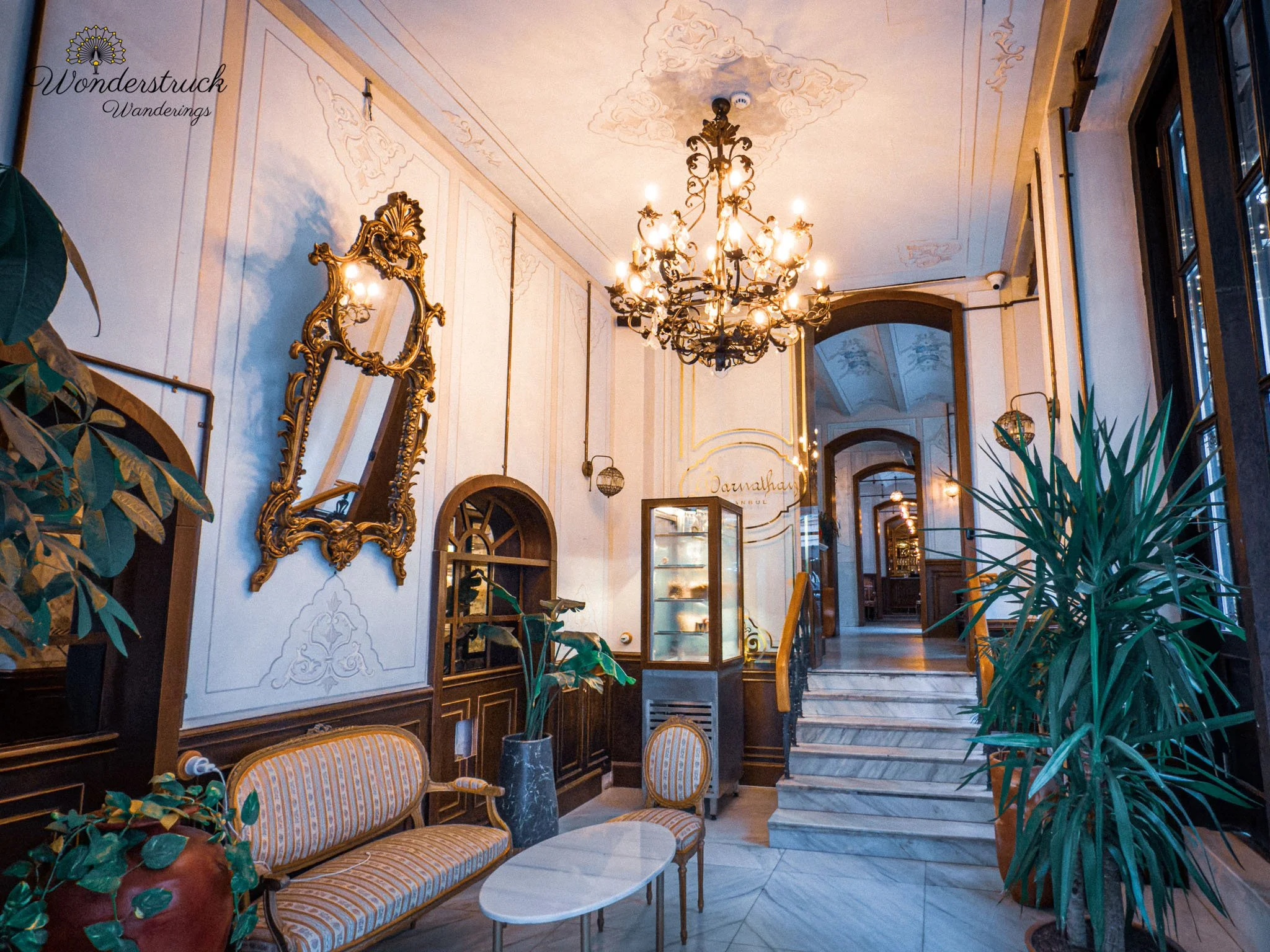
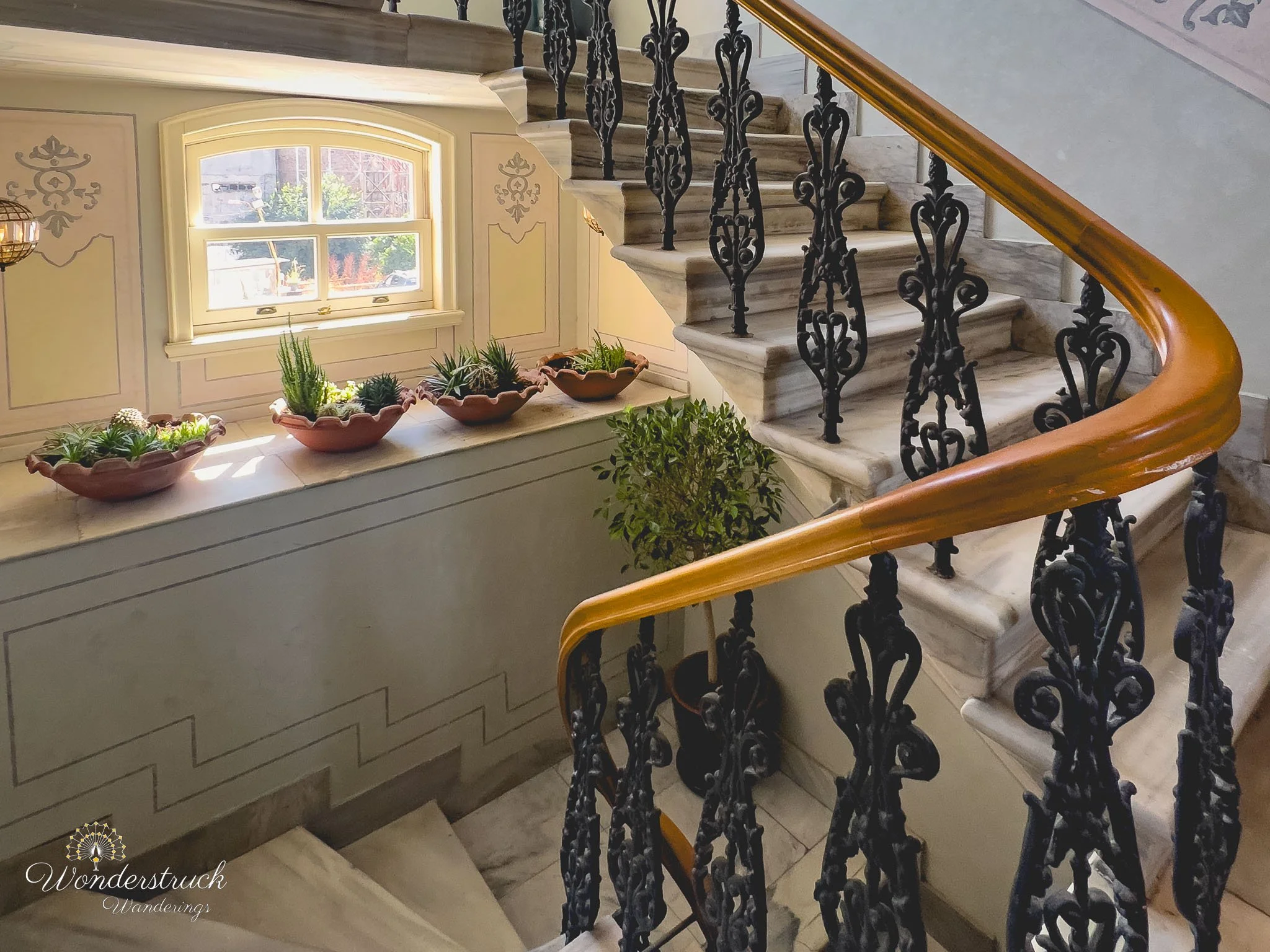
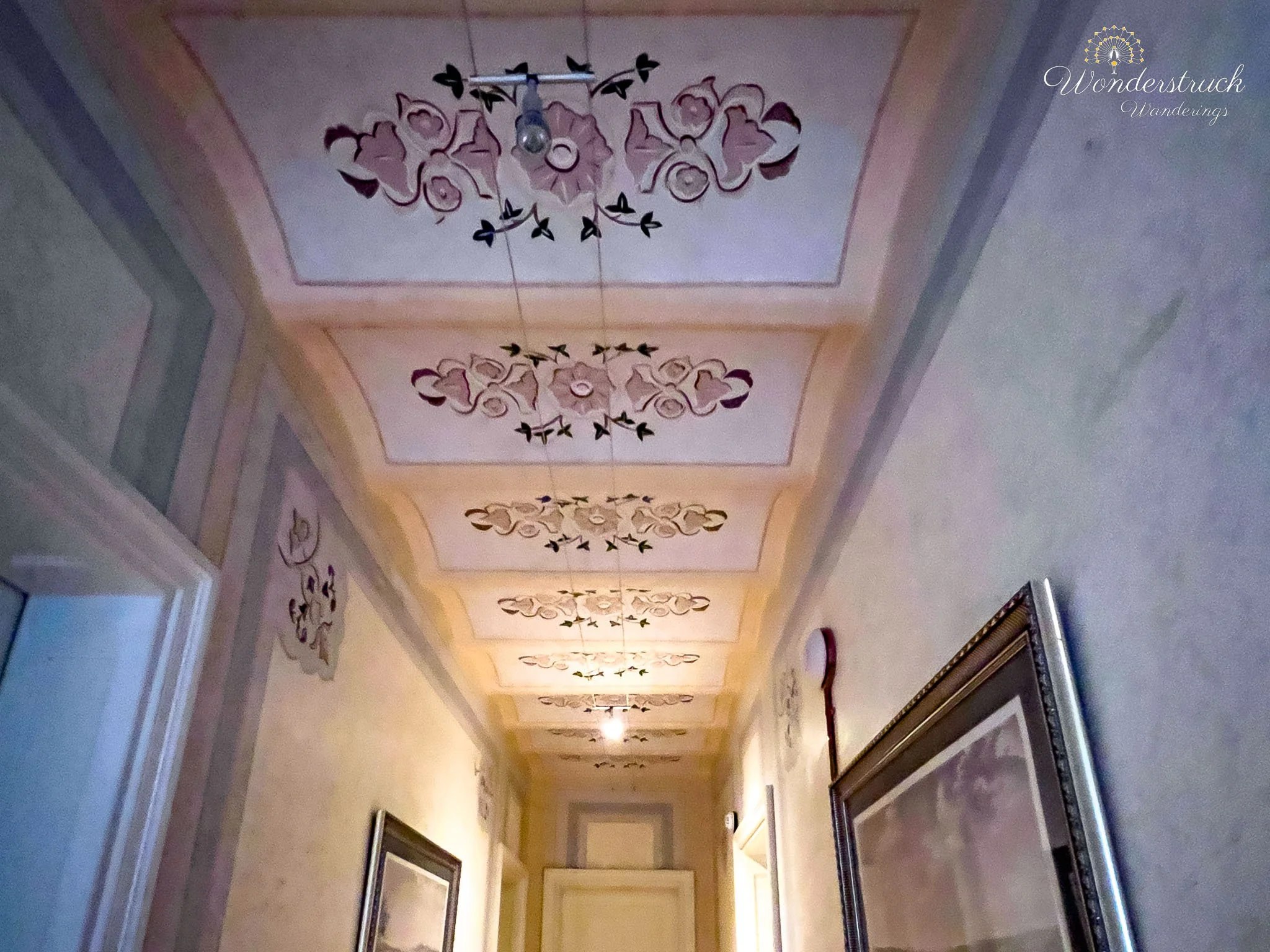
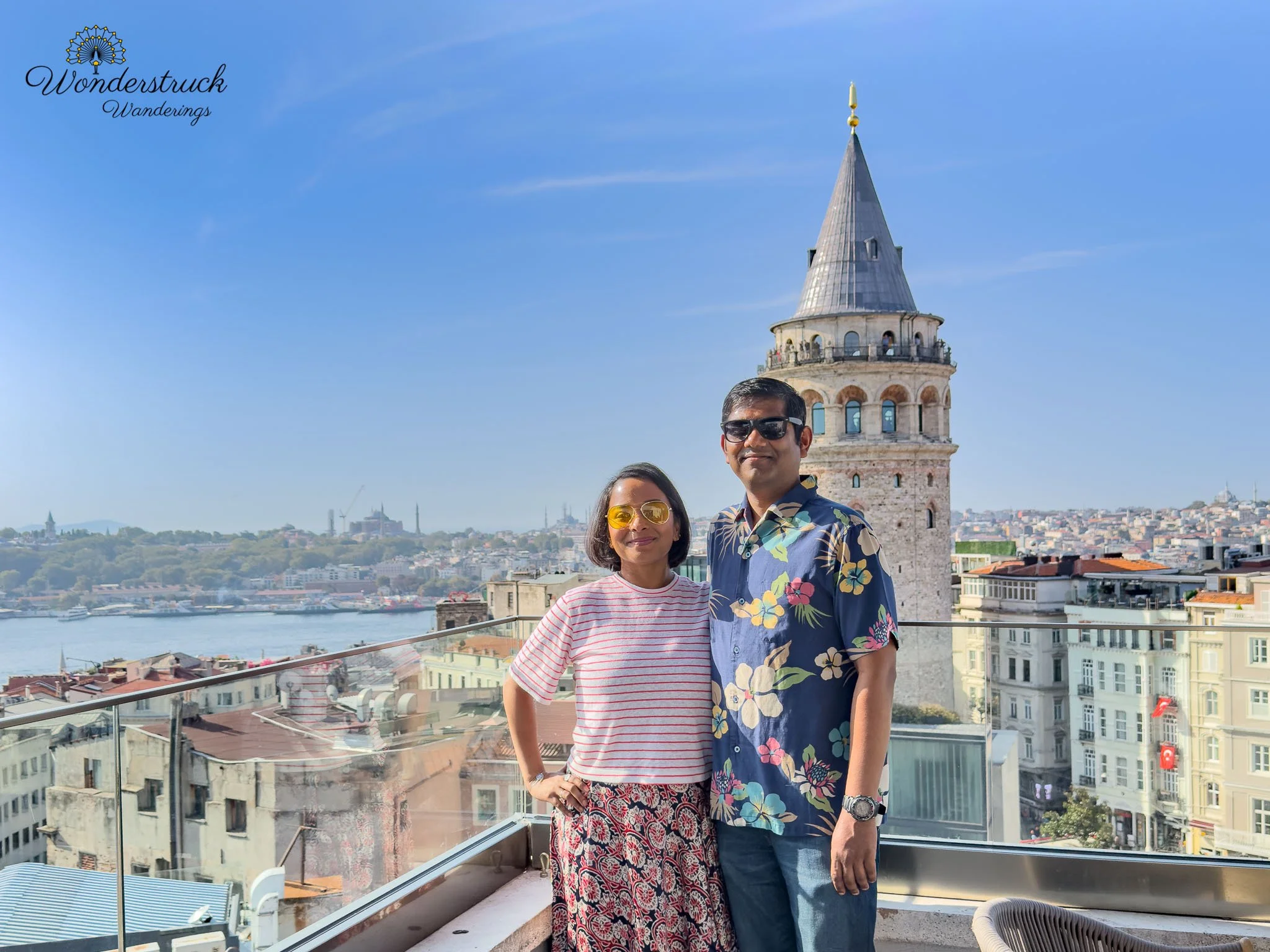
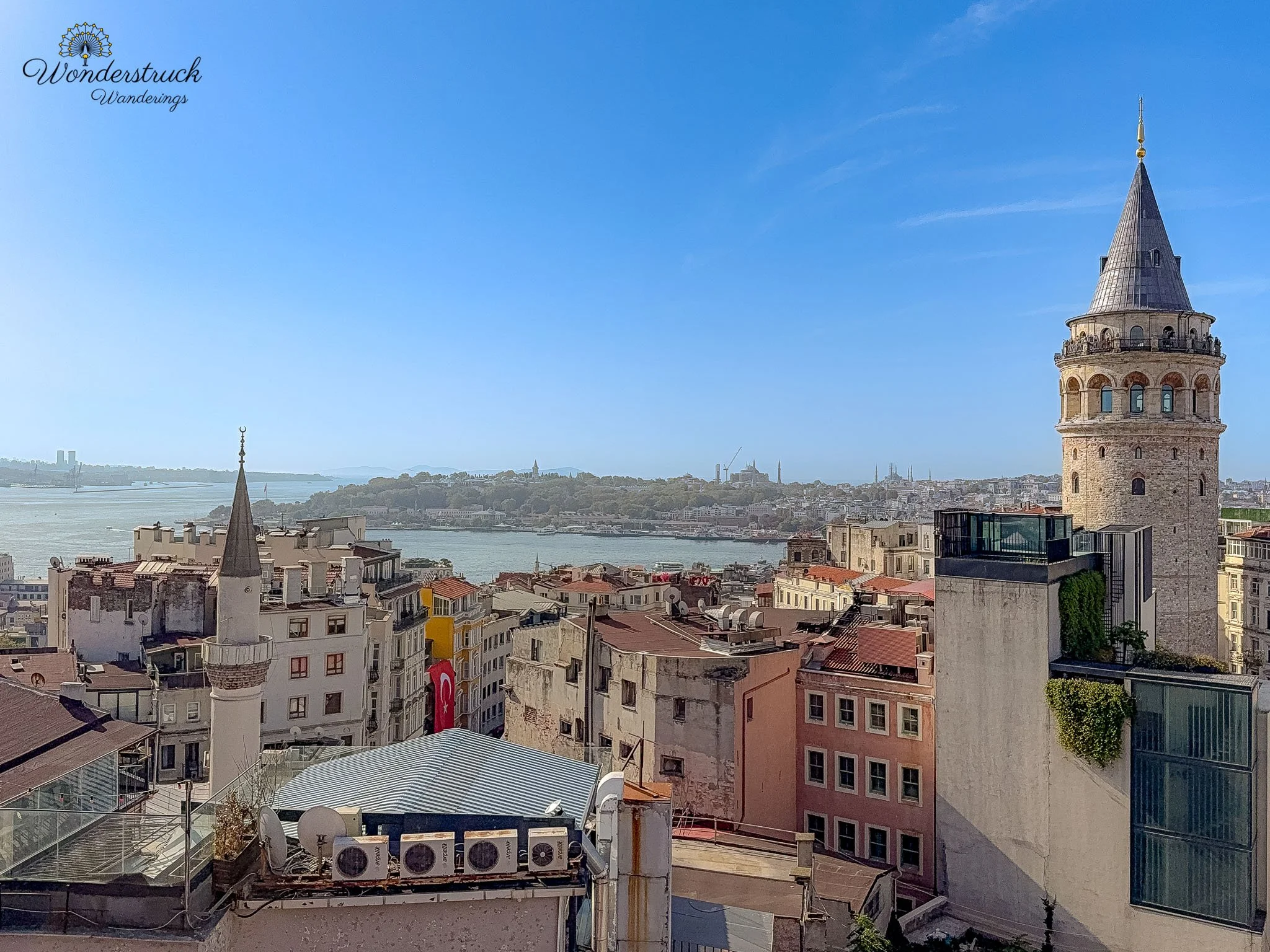
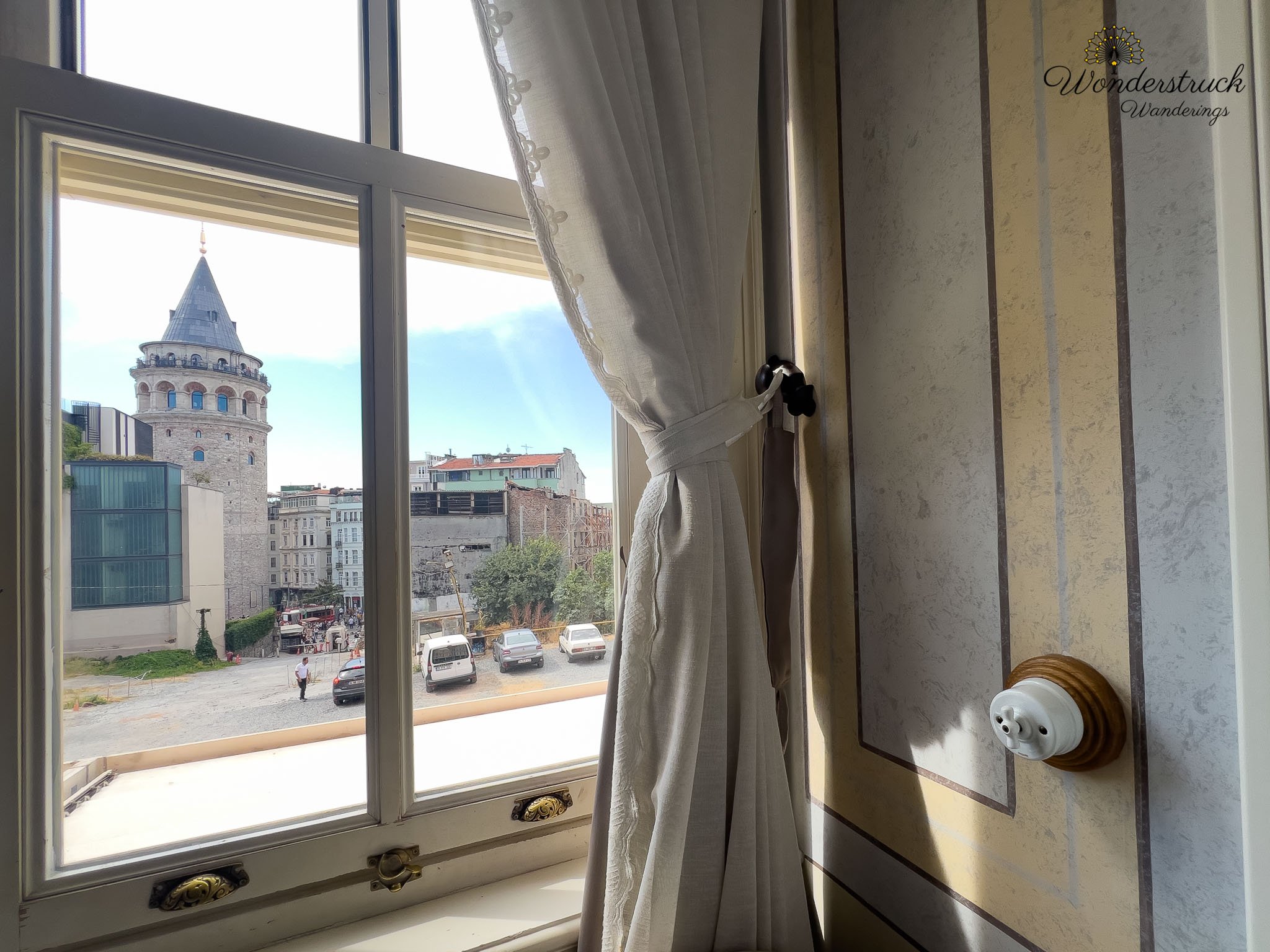
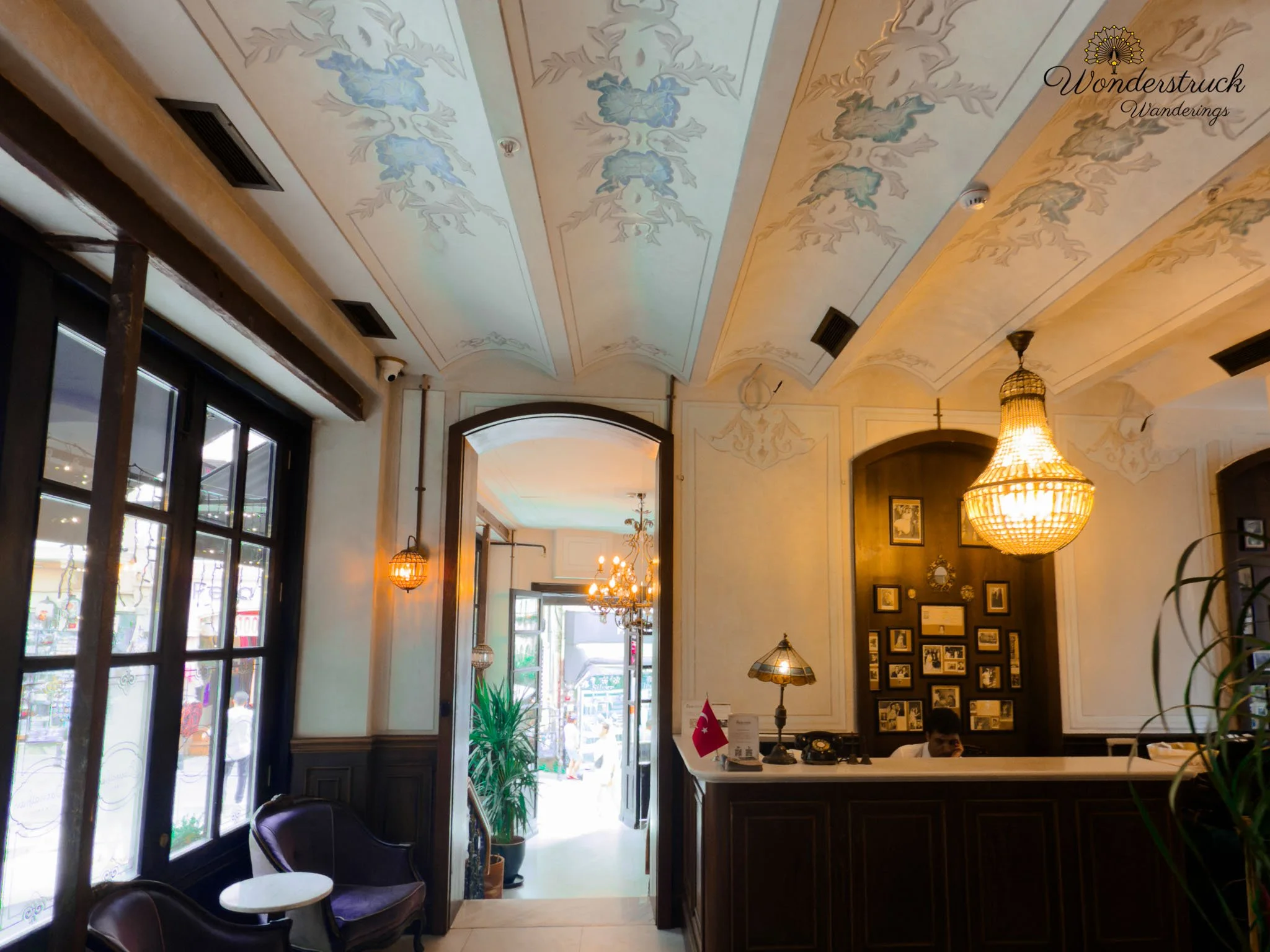
Meroddi Barnathan Hotel, Galata - a charming heritage boutique hotel tucked right beside Galata Tower. Originally part of a late Ottoman-era school complex, it’s been beautifully restored with arched windows, tiled floors, and brass fixtures.The highlight is its Barnathan Roof — a rooftop terrace offering panoramic views of Galata Tower, the Bosphorus, and the Sultanahmet skyline. Rooms are compact but atmospheric.
-
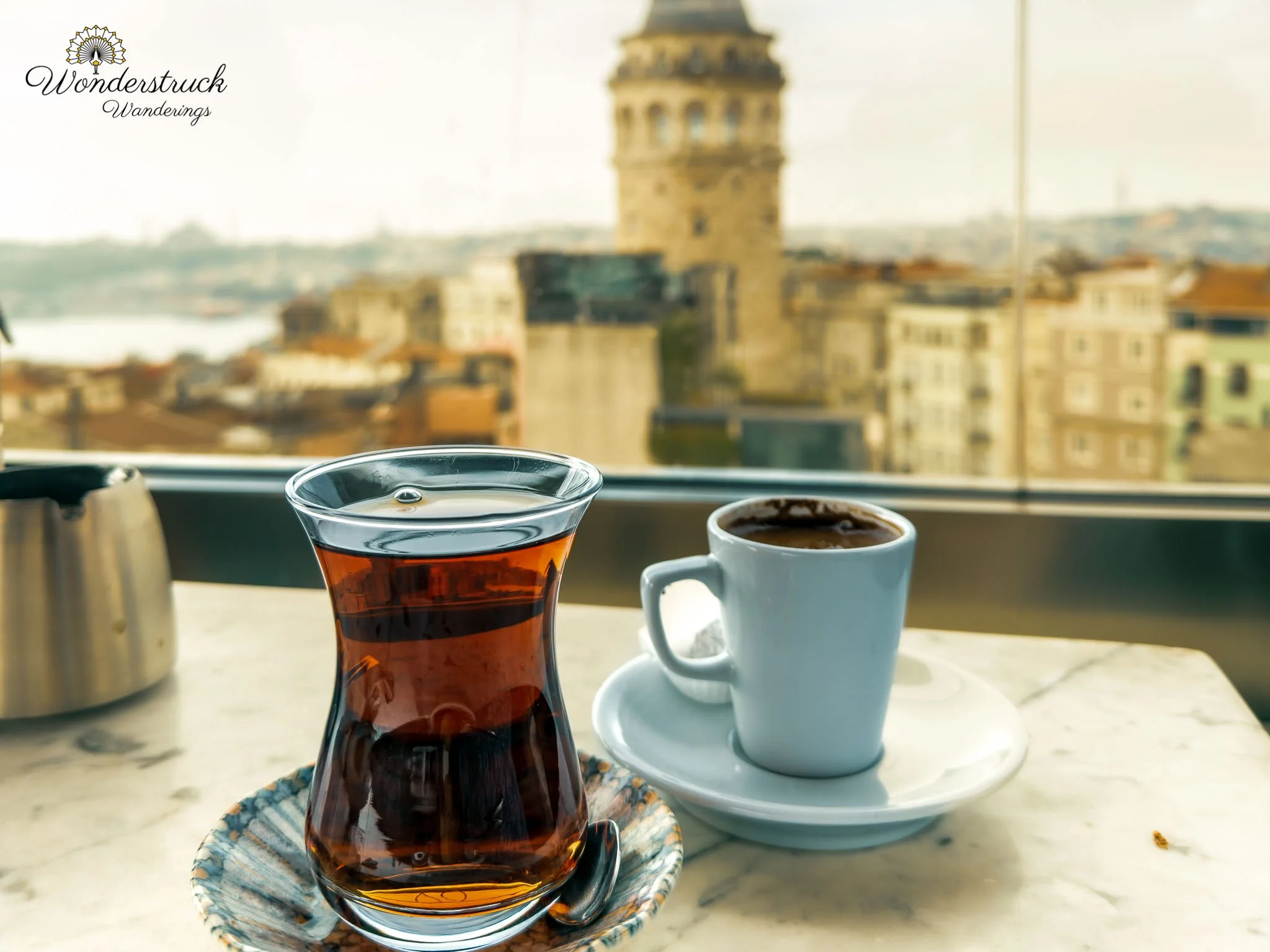
Karaköy Özsüt – Famous for its silky kaymak (buffalo milk clotted cream) served with honey and Turkish tea. The buffalo sausage platter is another must-try — smoky, rich, and perfectly balanced against the sweetness of kaymak.
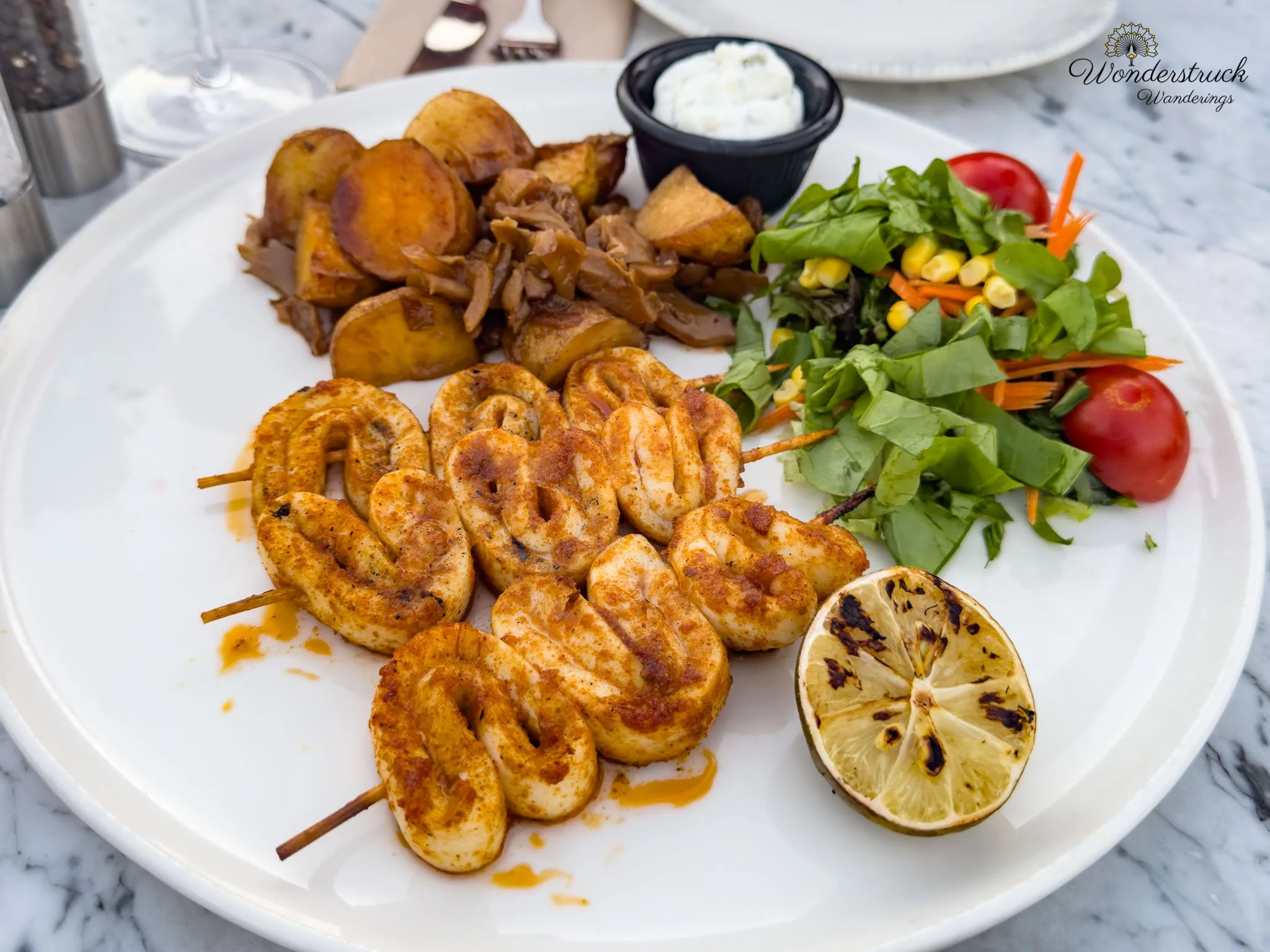
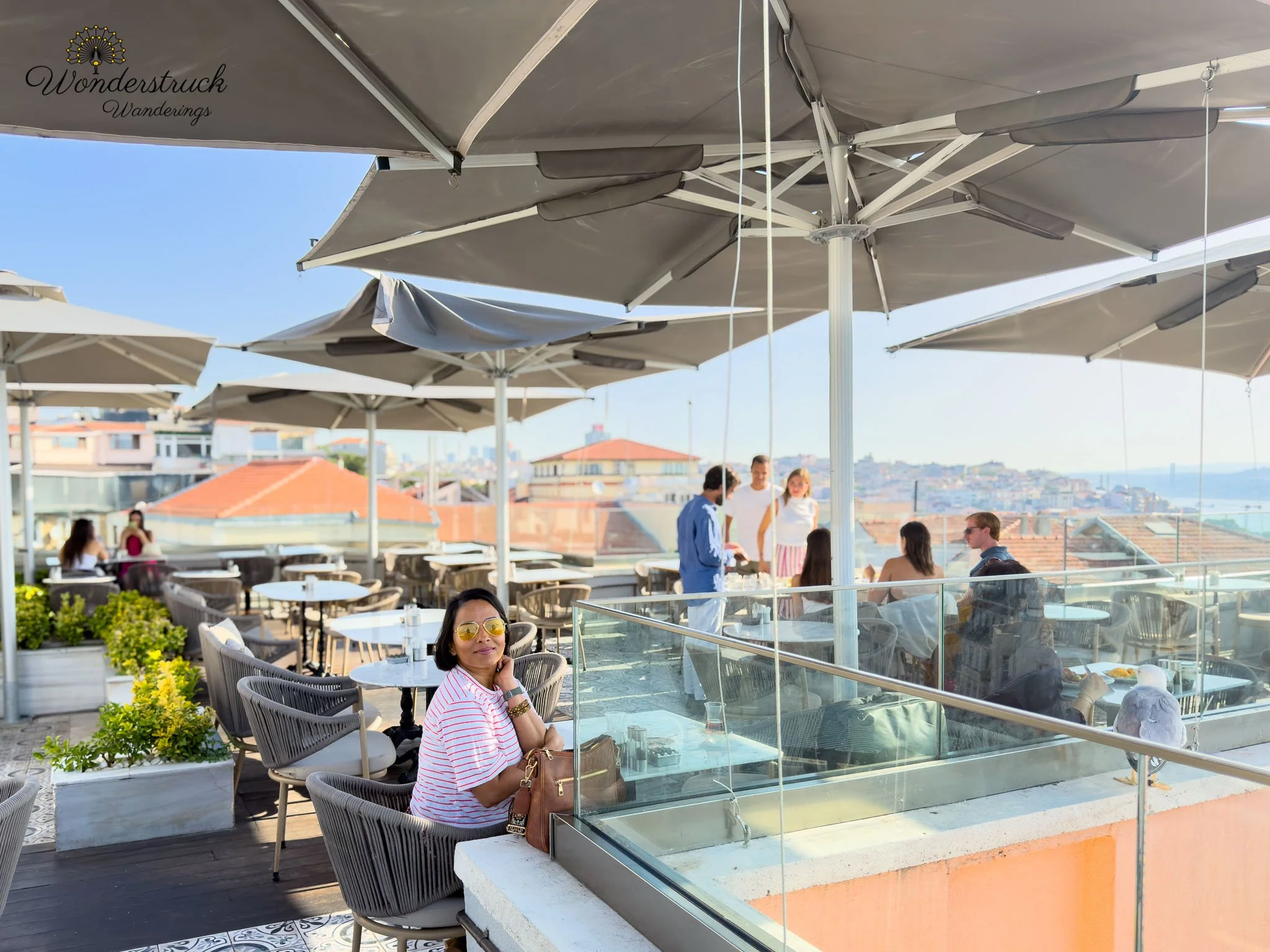
Barnathan Roof (Hotel Rooftop) – Ideal for a relaxed meal or evening drink. Order the grilled calamari or Turkish meatballs, and watch the city lights flicker on as the azan (call to prayer) echoes through the skyline. The food is decent; the view, unforgettable.
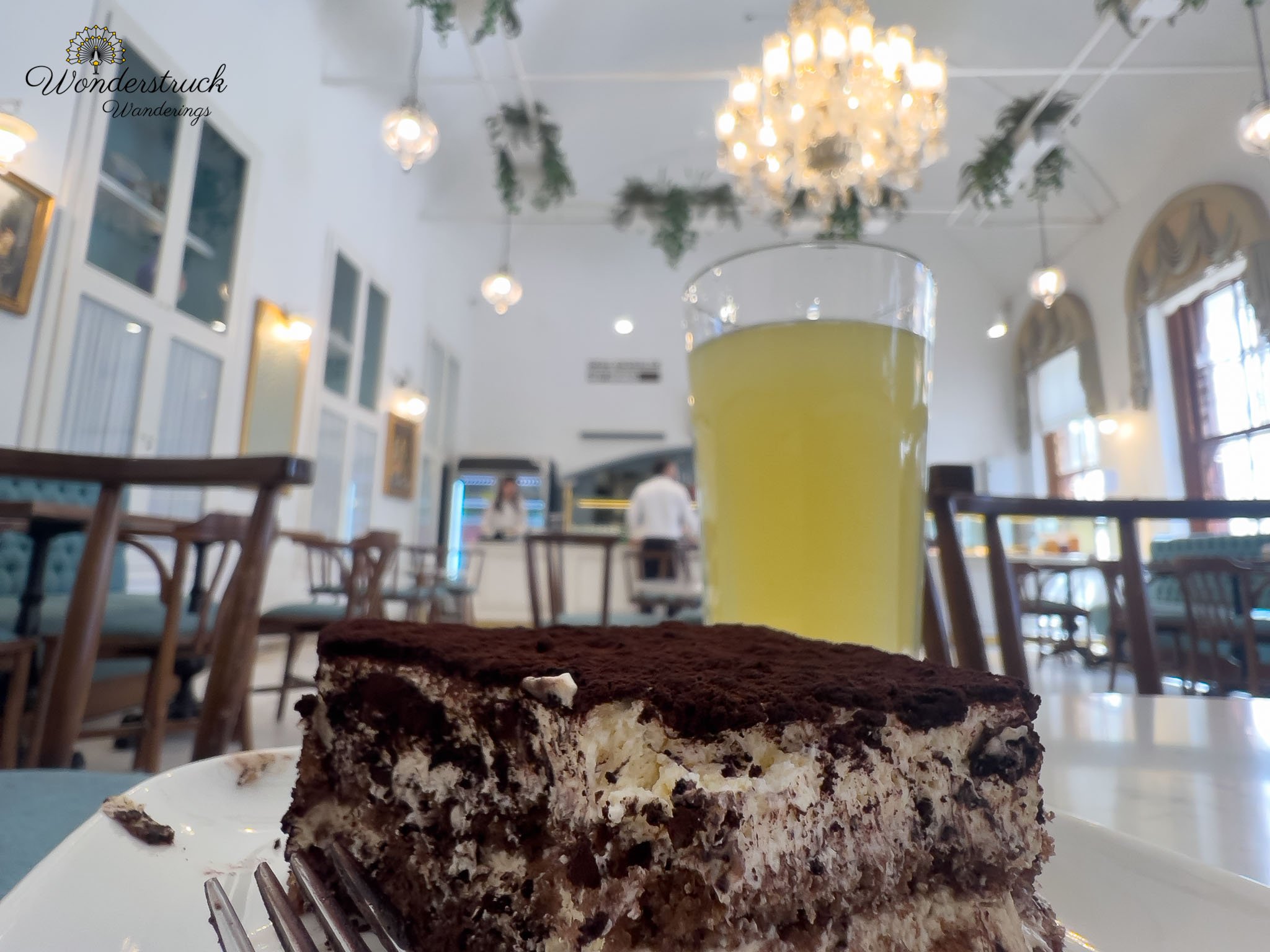
Beyzade Künefe – A cozy, late-night dessert stop with künefe oozing with syrup and molten cheese, paired with flaky baklava and strong Turkish tea.
Emek Börek – A local legend for traditional börek — flaky layers of pastry stuffed with tangy cheese or spinach. We skipped it this time since it was too far, but it’s a must-try on a future trip.
-
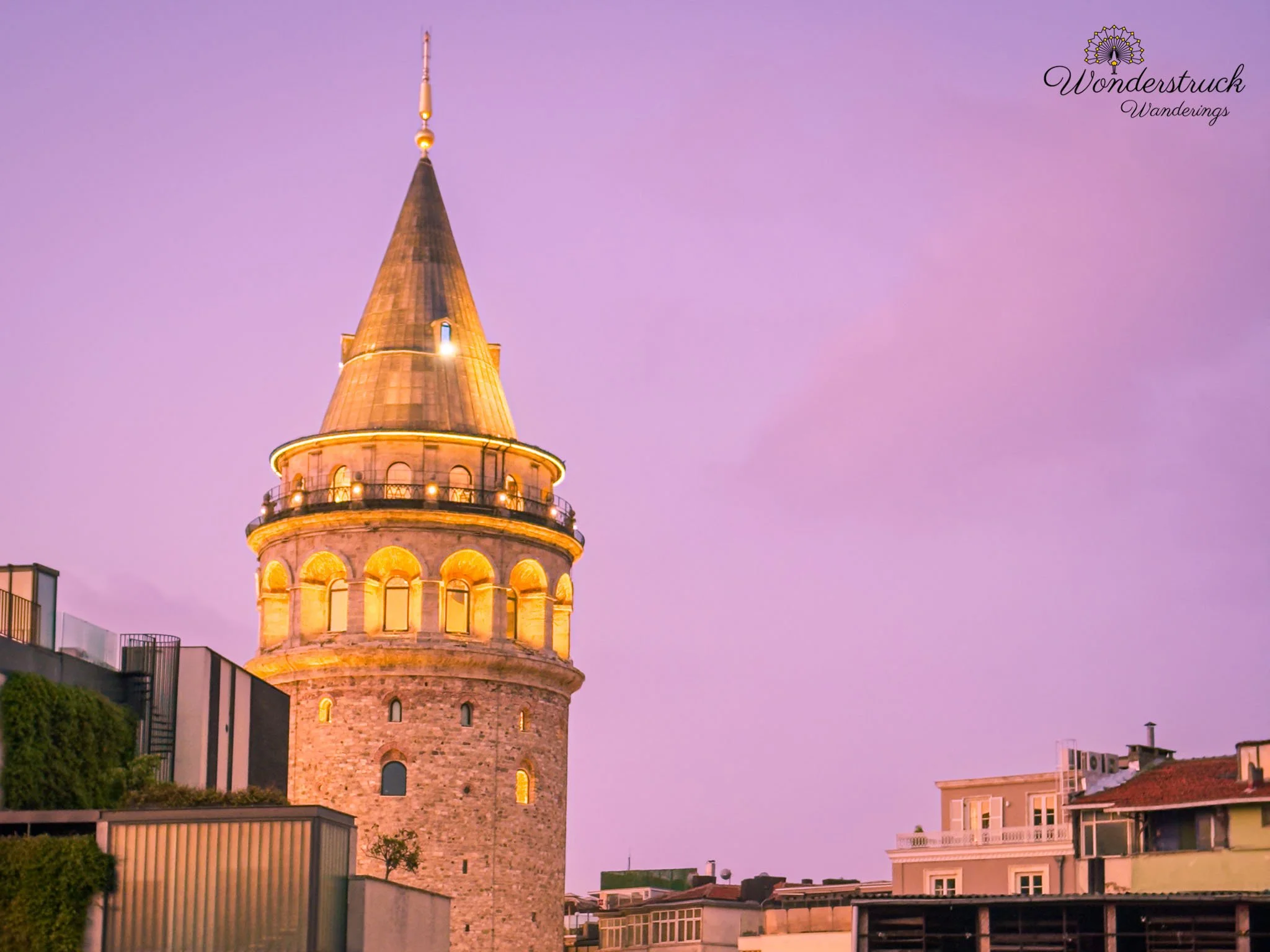
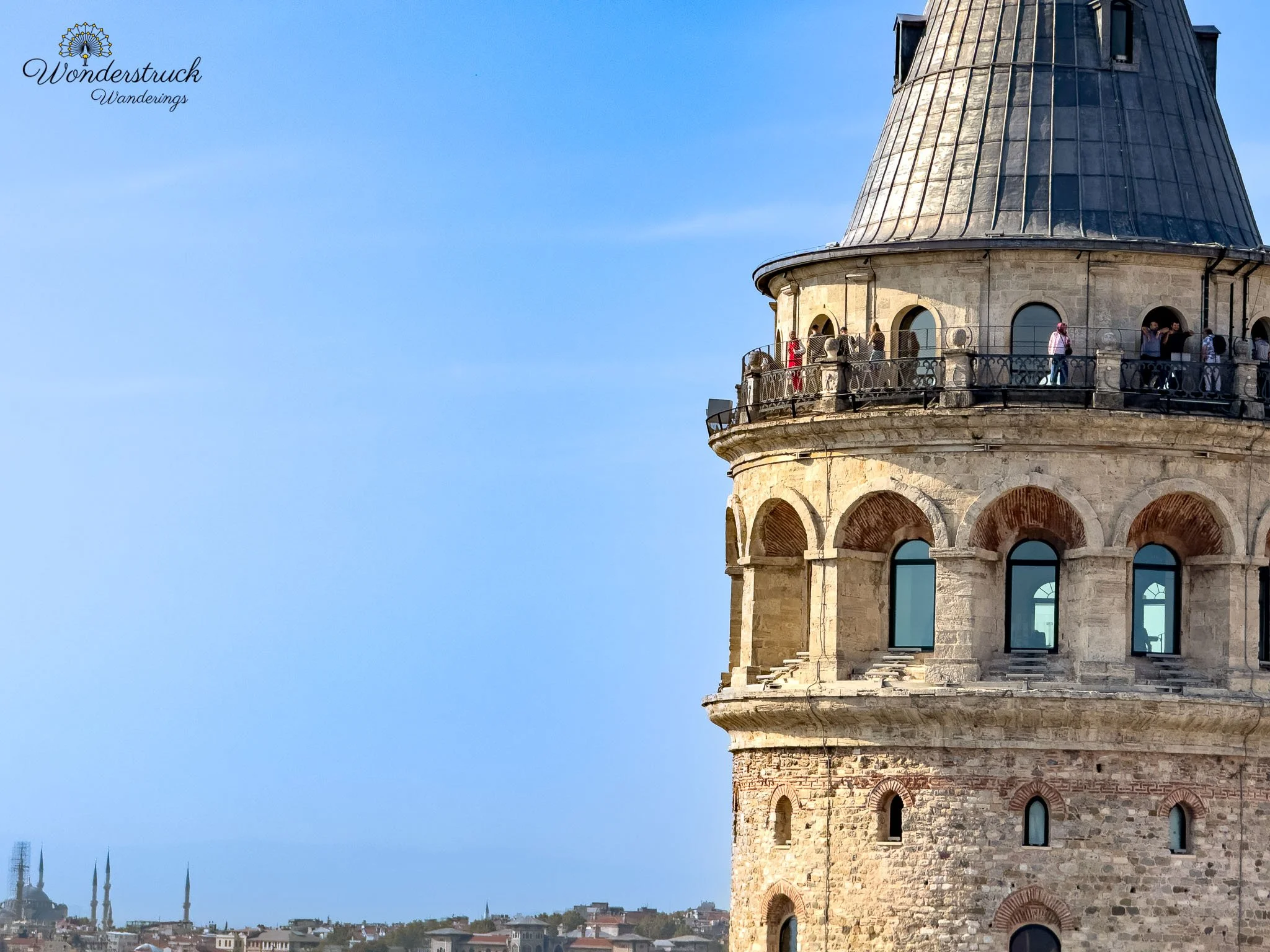
Galata Tower – The landmark heart of the neighborhood and one of Istanbul’s oldest watchtowers. Best photographed during early morning or sunset when the crowd thins and the light turns golden.
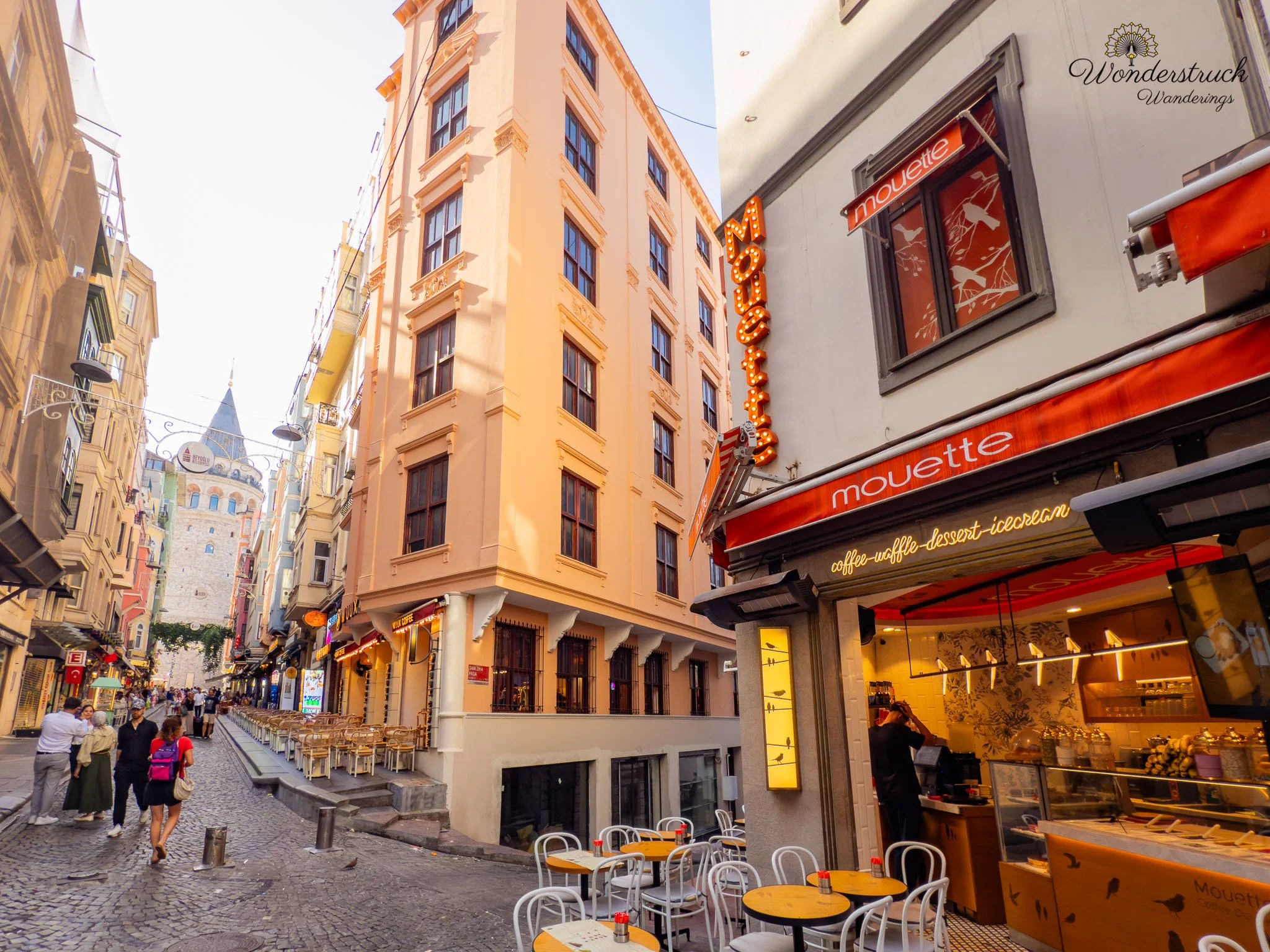
Instagram Street (Galata Kulesi Sokak) – Famous for its perfectly framed tower backdrop — but expect crowds of photographers and couples posing for the same shot.
Karaköy District – A creative, waterfront neighborhood packed with art galleries, cafes, boutique shops, and murals. Great for evening walks and street photography.
Umbrella Street (Hoca Tahsin Street) – One of Istanbul’s most colorful streets, covered in vibrant umbrellas overhead. Filled with souvenir boutiques selling evil eye charms, hand-painted ceramics, Turkish delight, and local art.
Kılıç Ali Pasa Mosque – A 16th-century masterpiece by architect Mimar Sinan, serene and majestic even at night. Beautiful to photograph under the streetlights.
Kronotrop Coffee – One of Istanbul’s first specialty coffee spots. Minimalist interiors, exceptional espresso — perfect for a quiet pause after exploring Karaköy.
Evening Rooftop at Barnathan Roof - Don’t miss the sunset view from the rooftop — the Galata Tower glowing orange, mosques lighting up across the Golden Horn, and the sound of the azan weaving through the dusk.
-
Flight (U.S. to Istanbul): ~10.5 hours nonstop on Turkish Airlines
Time Zone Difference: +9 hours ahead of U.S. Central Time
Istanbul Airport to Galata: ~40–60 minutes (by Uber/taxi, depending on traffic)
Galata Tower – 2-minute walk from hotel
Karaköy District – 12–15 minute downhill walk from Galata
Kılıç Ali Pasa Mosque- 10-15 minute walk from the main road
Umbrella Street (Hoca Tahsin Street) and Kronotrop Coffee is on the way to the mosque
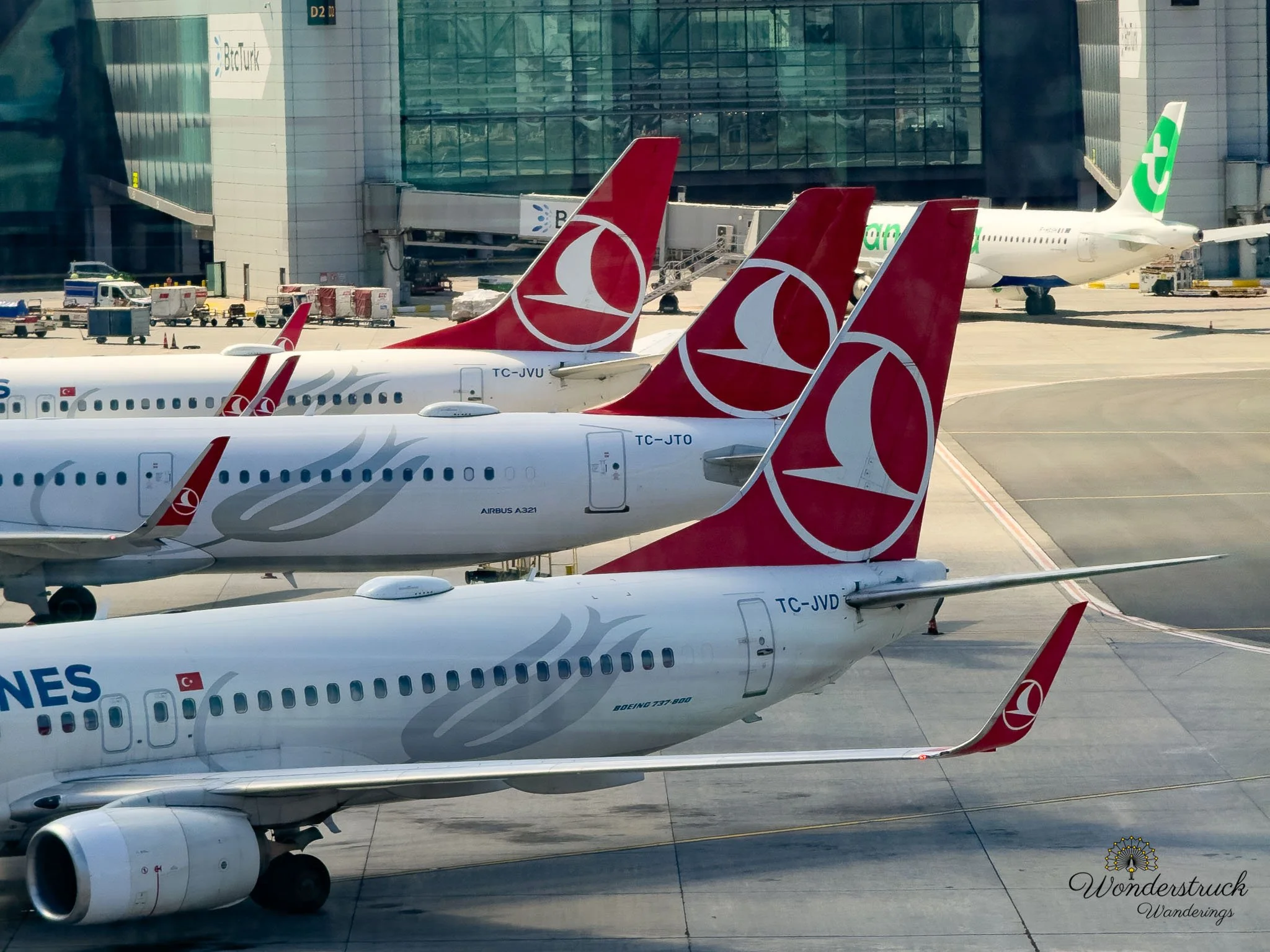
Our first day in Istanbul unfolded like a story written in sunlight and stone. After a full day of work, we boarded our 10.5-hour Turkish Airlines flight and landed nine hours ahead in a city that thrums with life. The vast Istanbul Airport felt like a world in itself — shiny, efficient, but sprawling — and after brisk immigration lines, we found ourselves outside debating how to reach the city. From buses and trains to taxis and Ubers, every option seemed like a different adventure, each promising a different first impression of the city. We settled on an Uber and soon found ourselves rolling through Istanbul’s outer suburbs, the skyline of domes and towers coming into view.

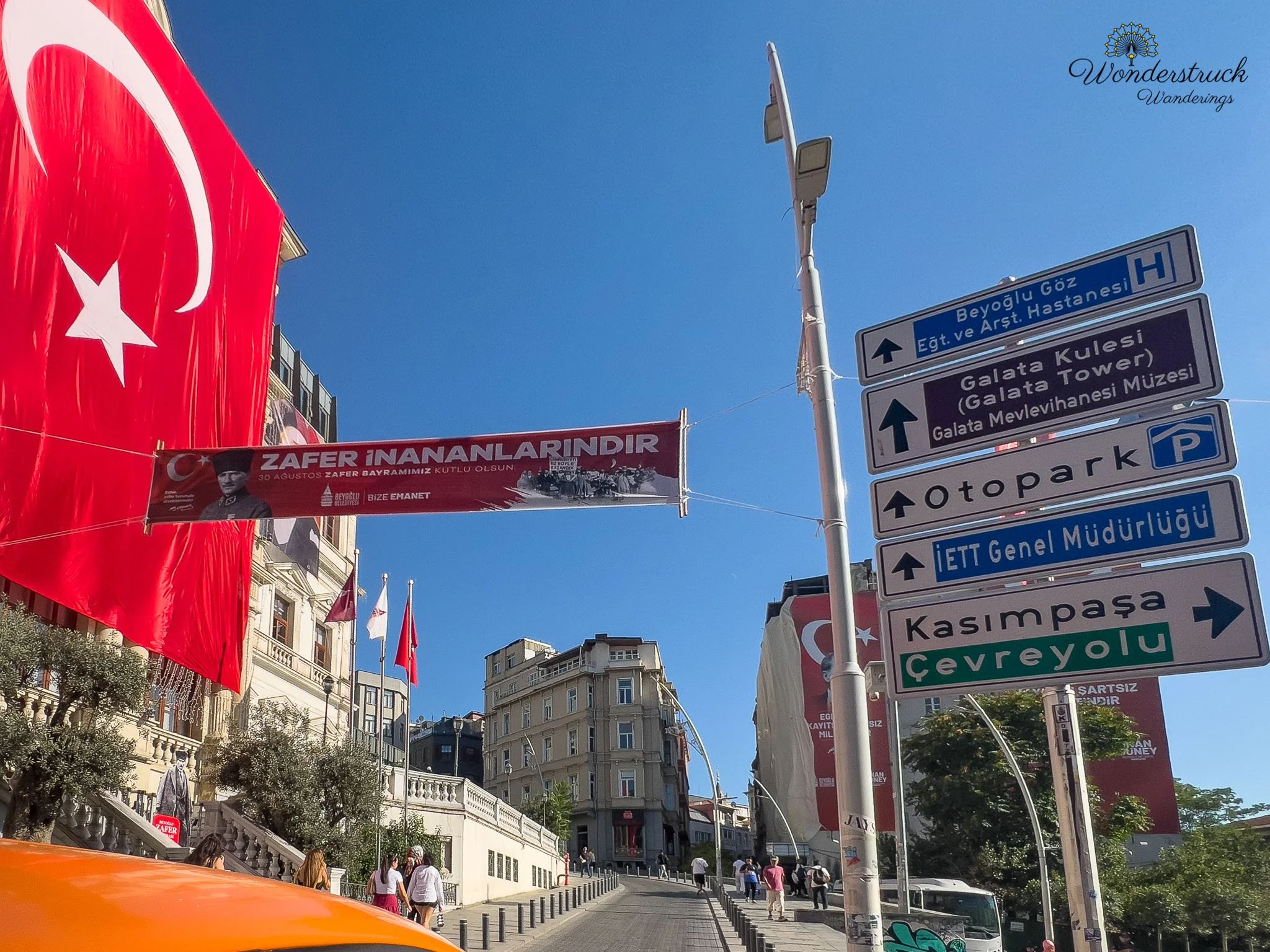
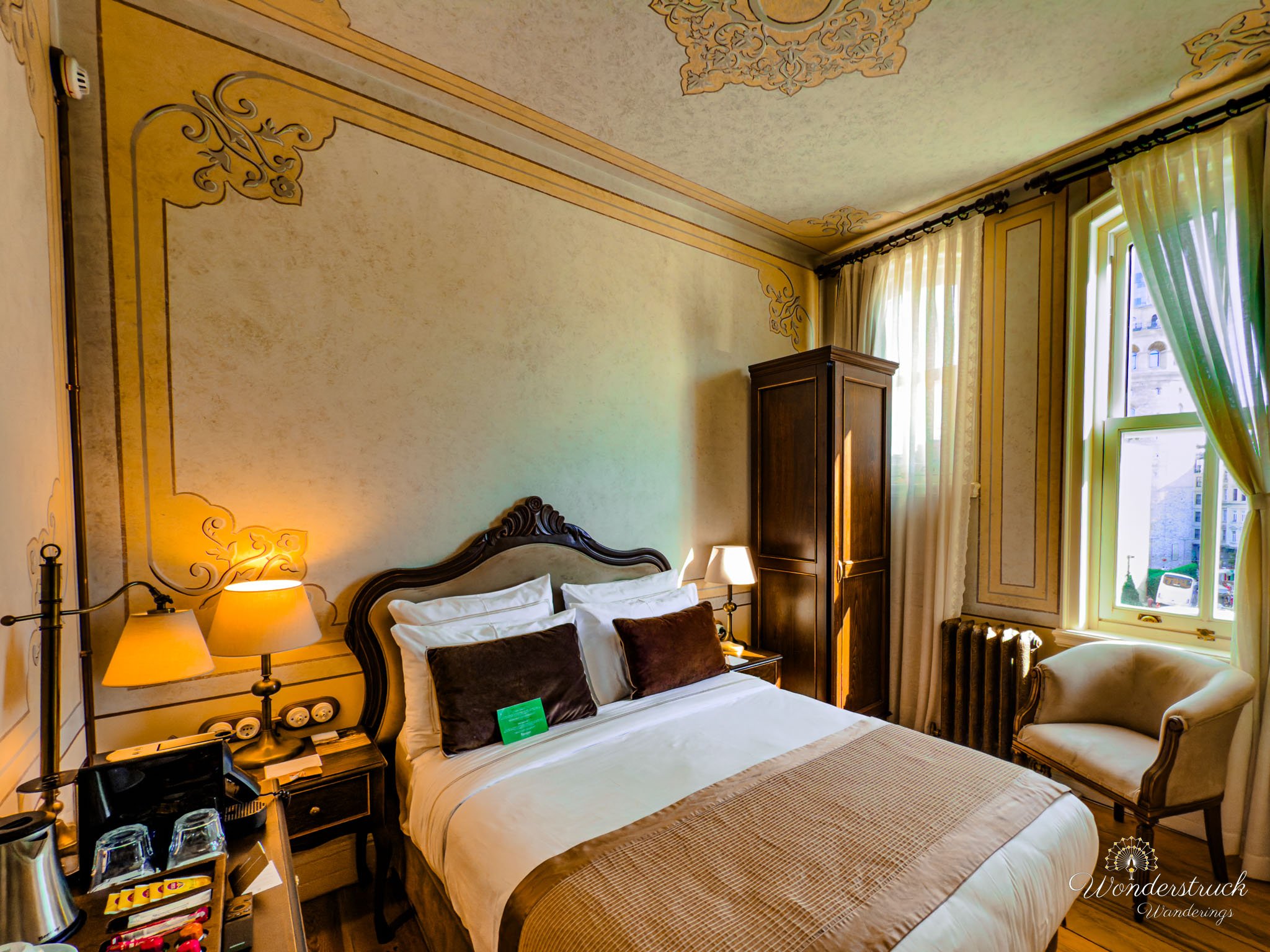
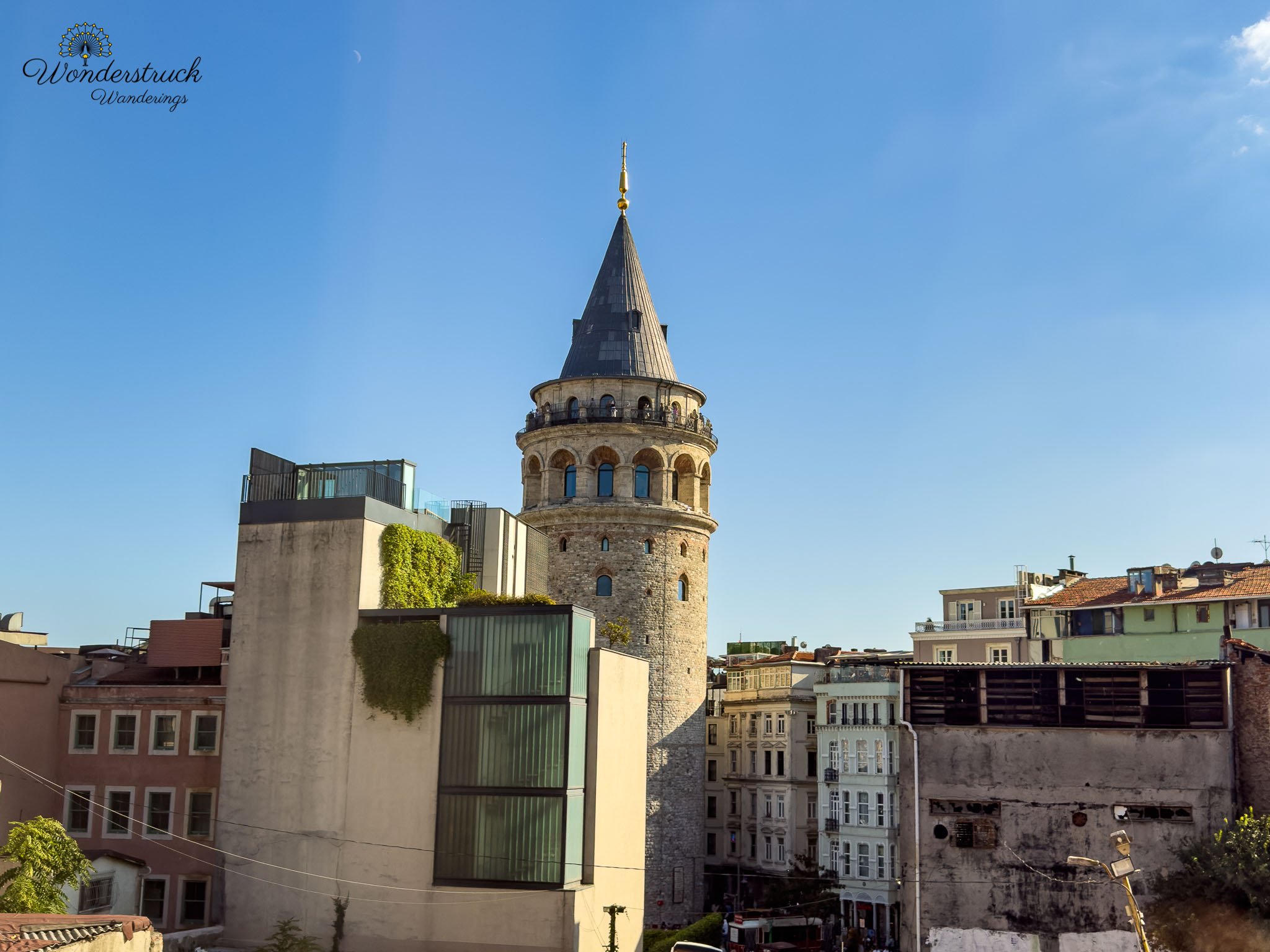
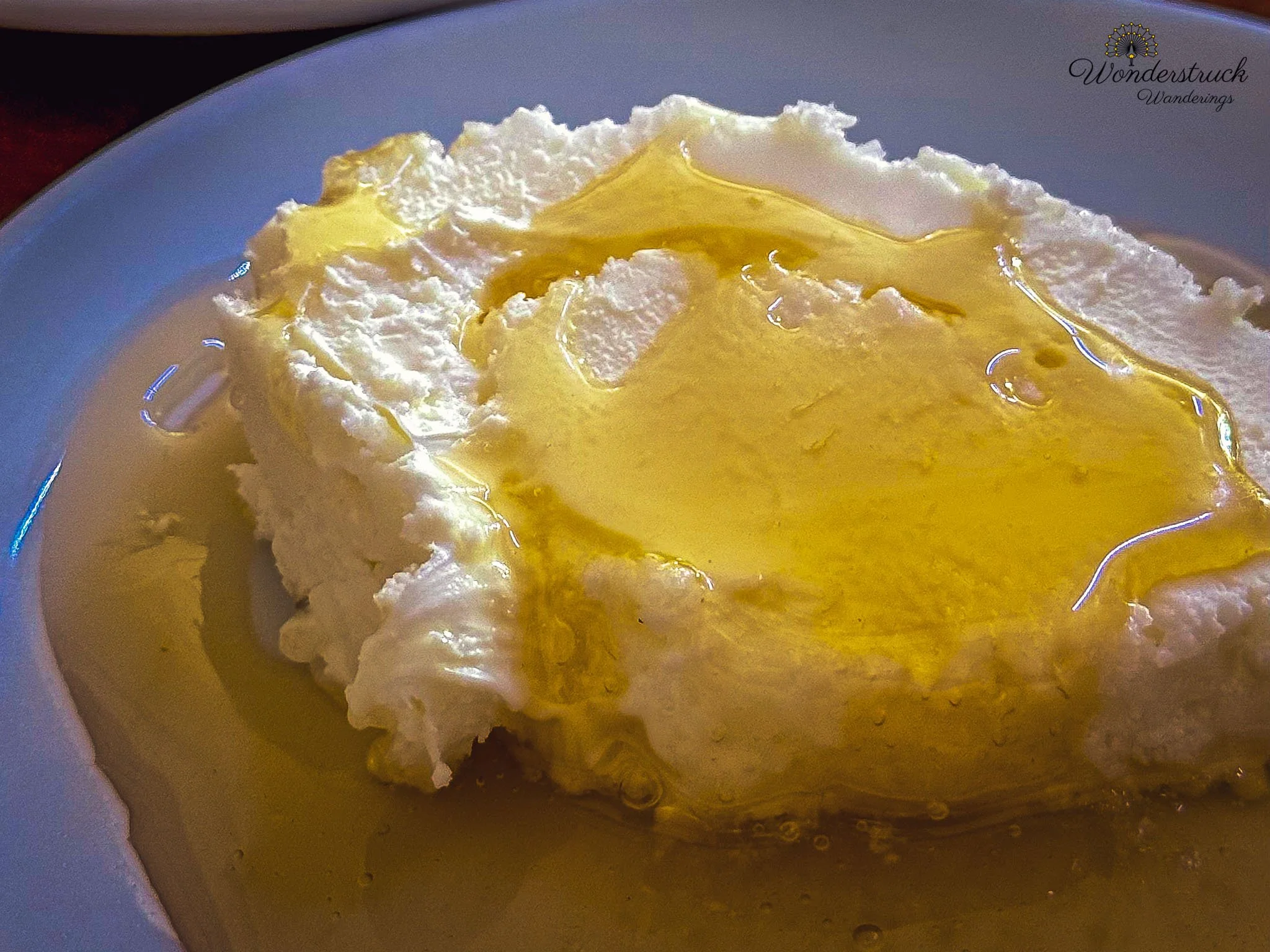
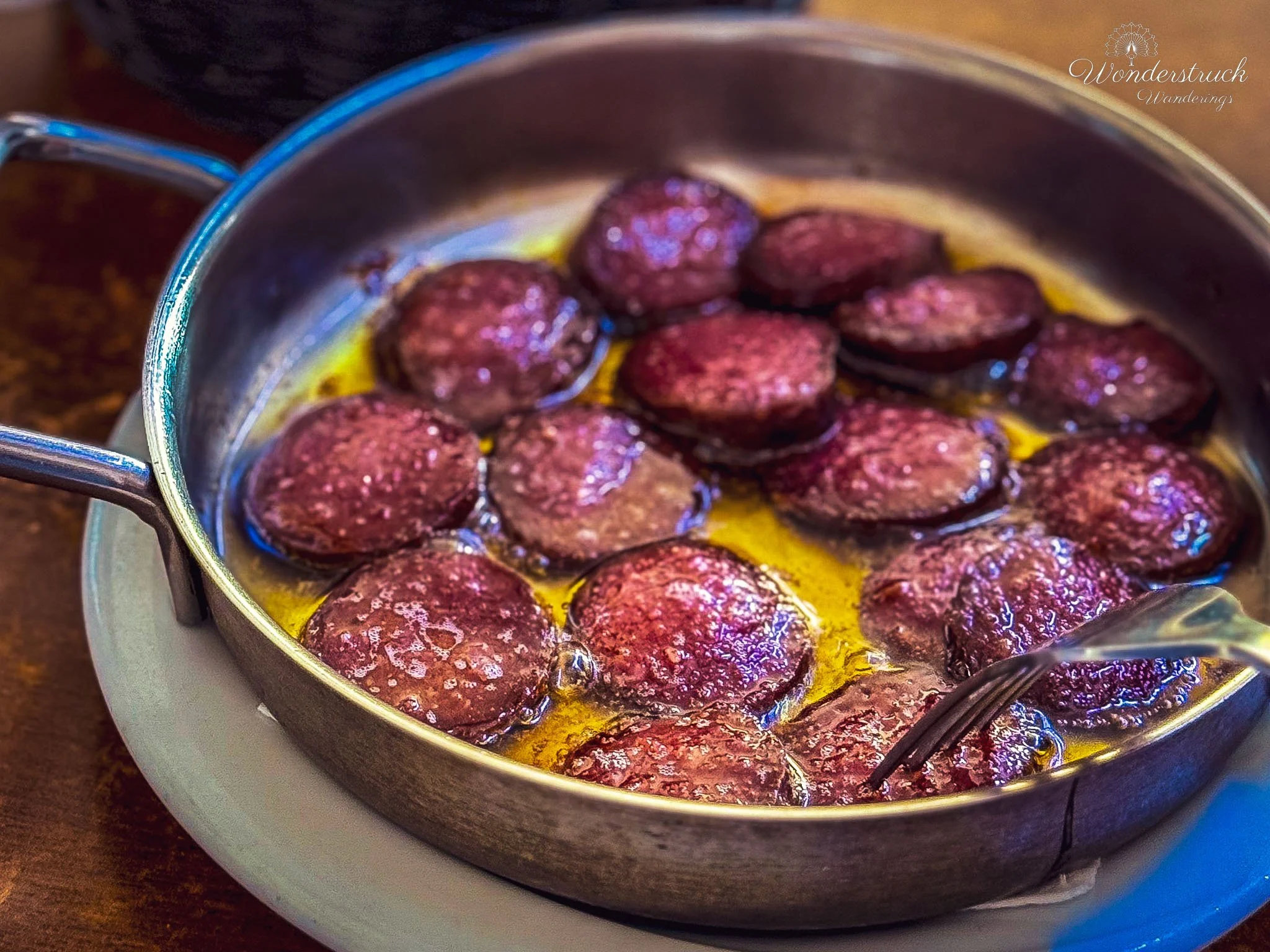
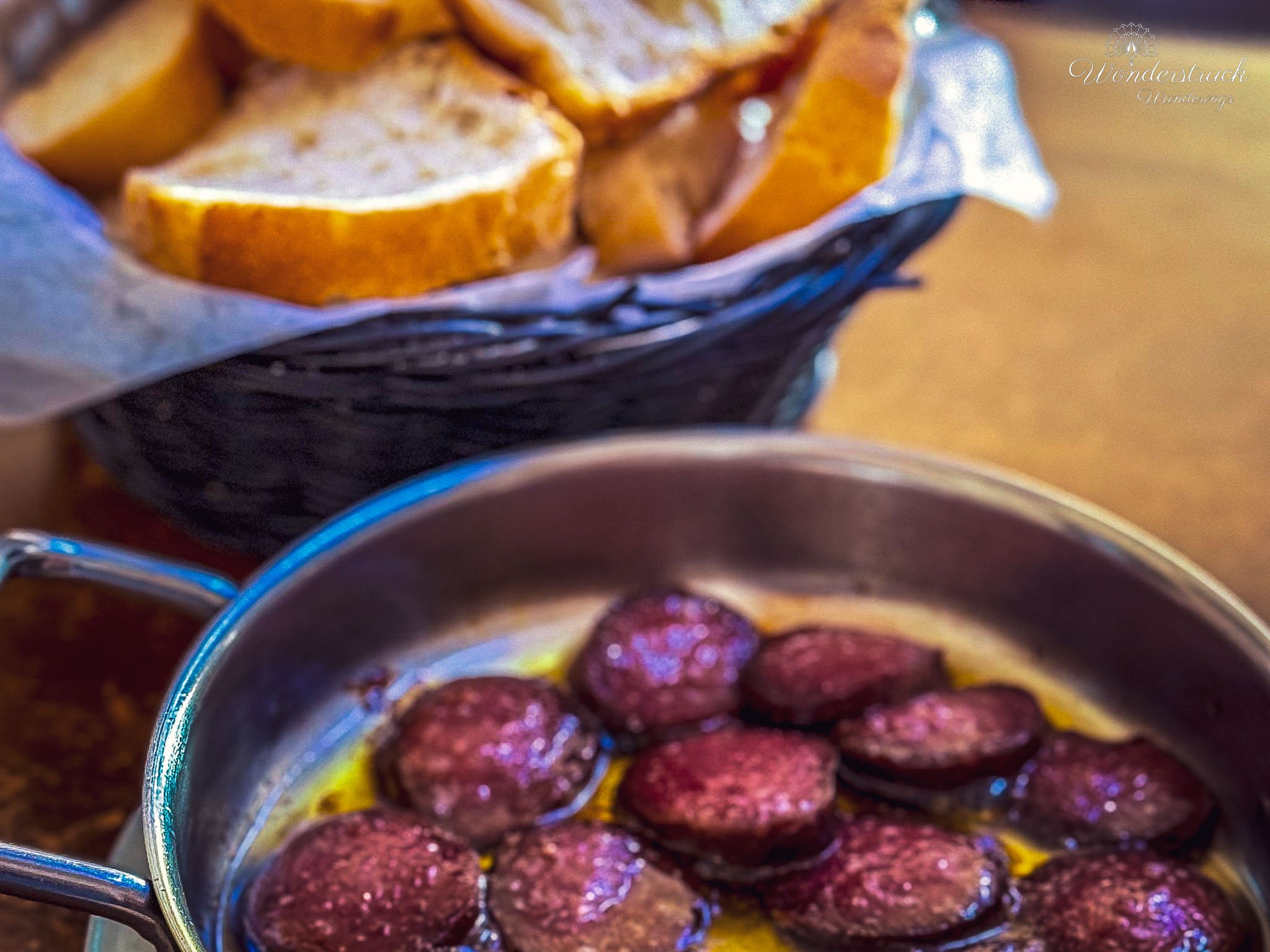
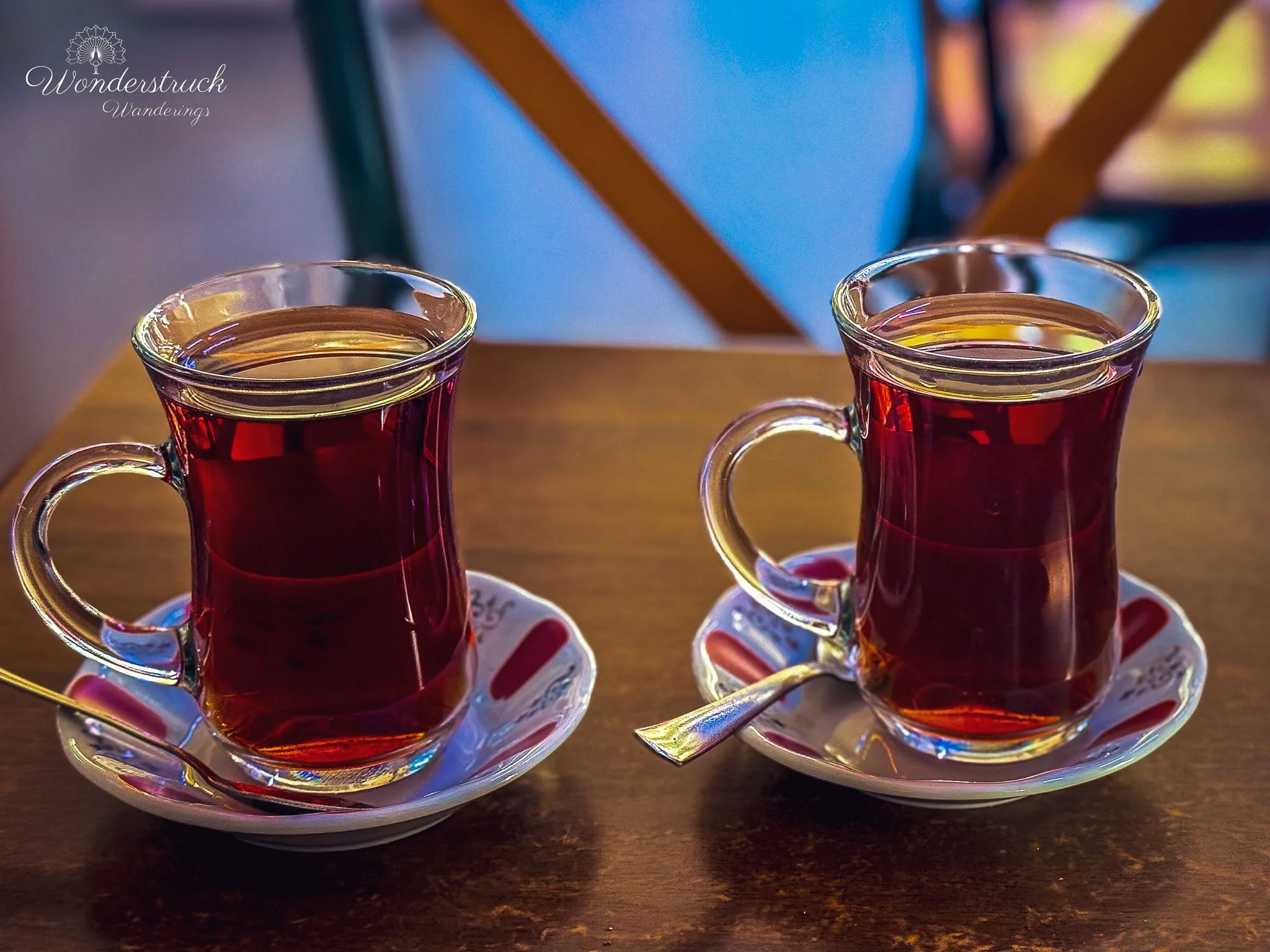
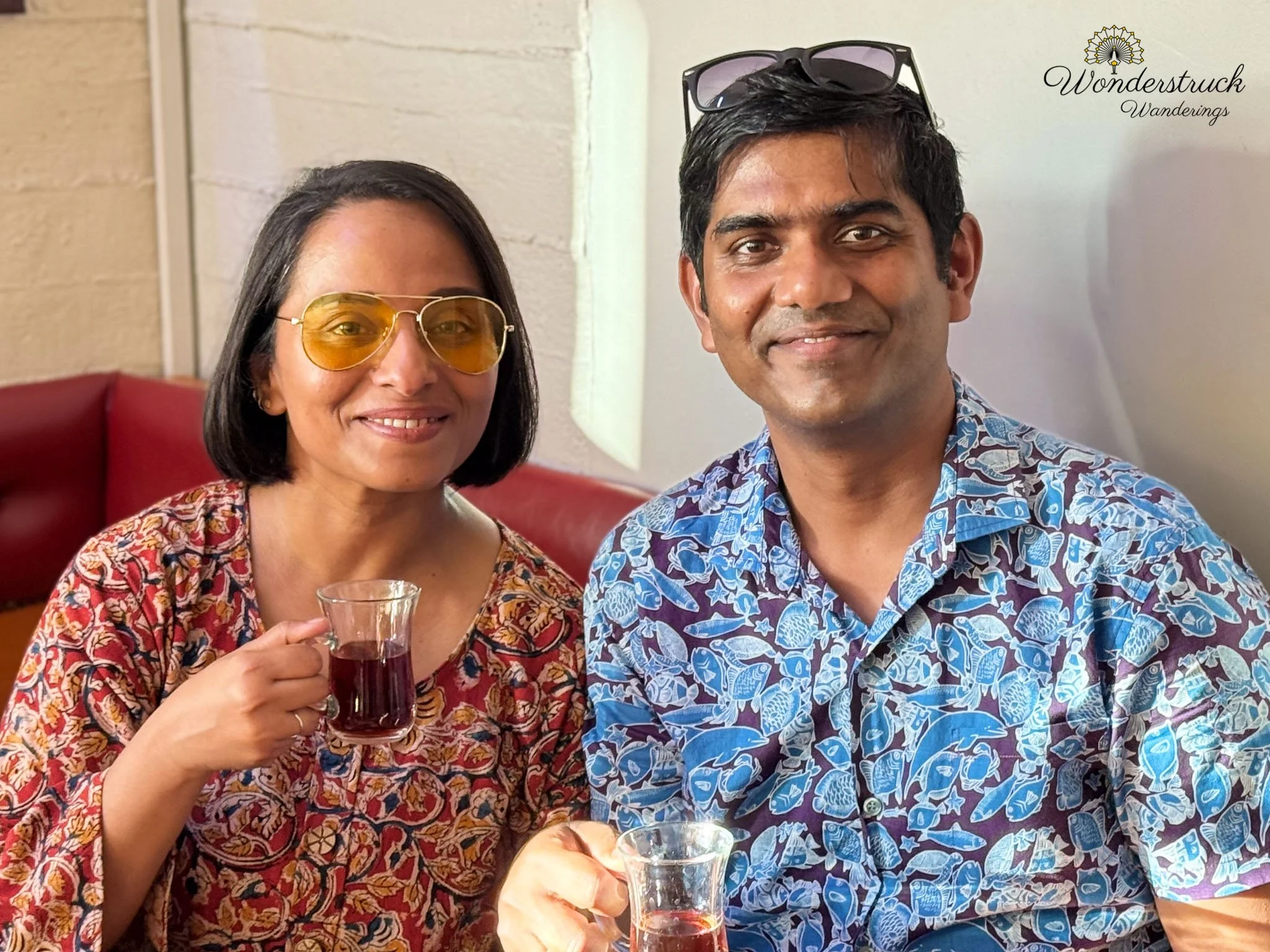
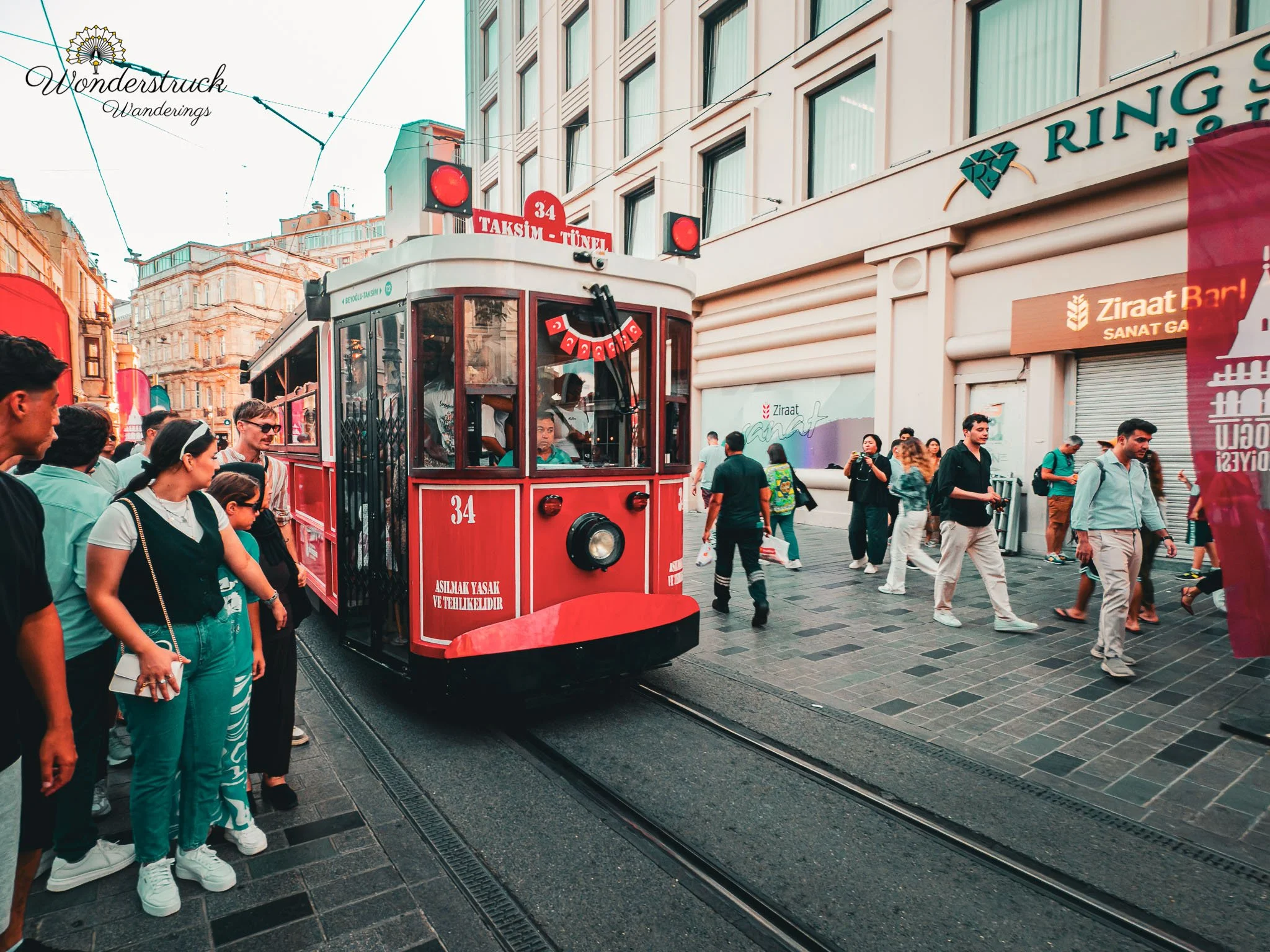
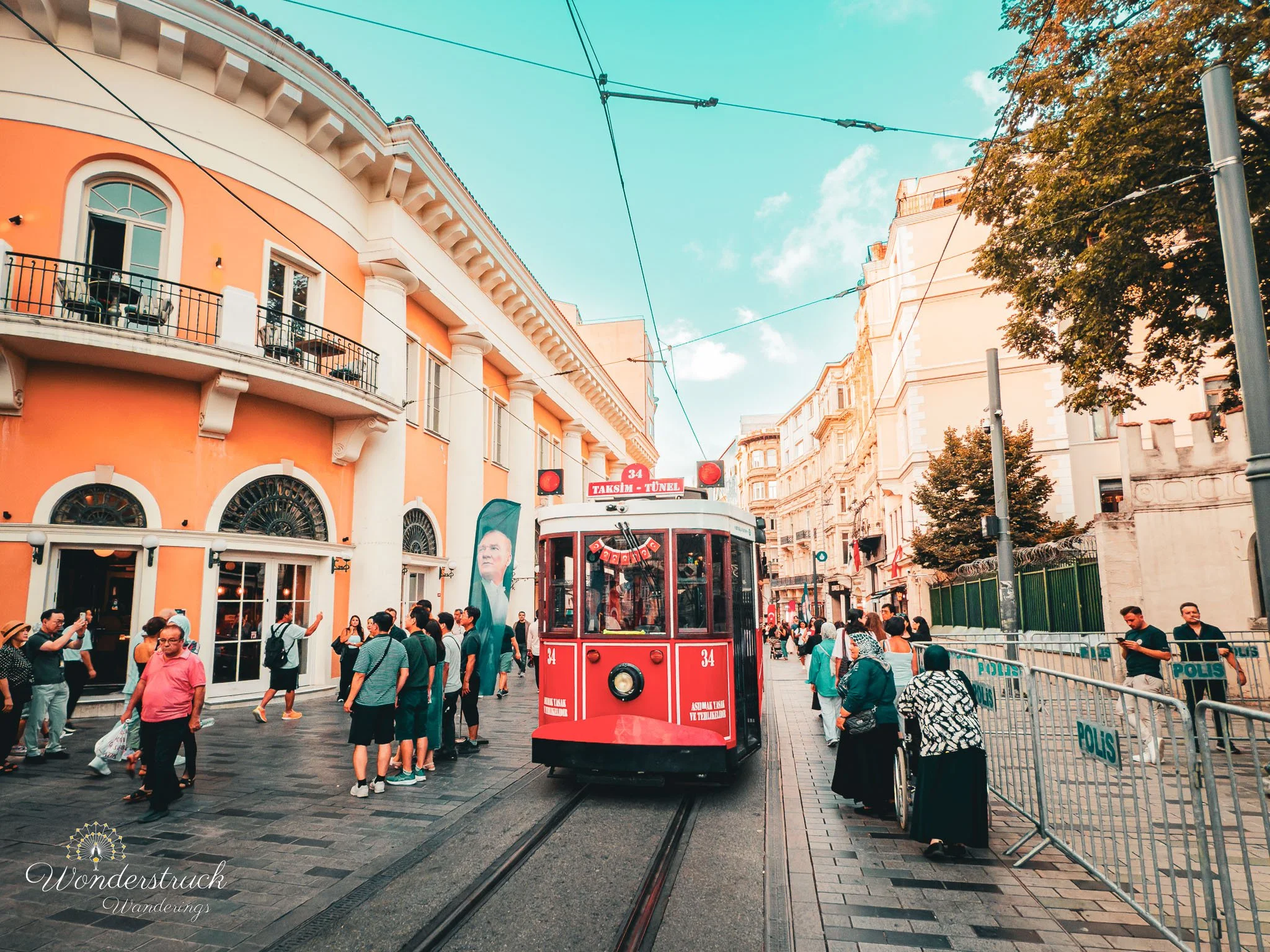
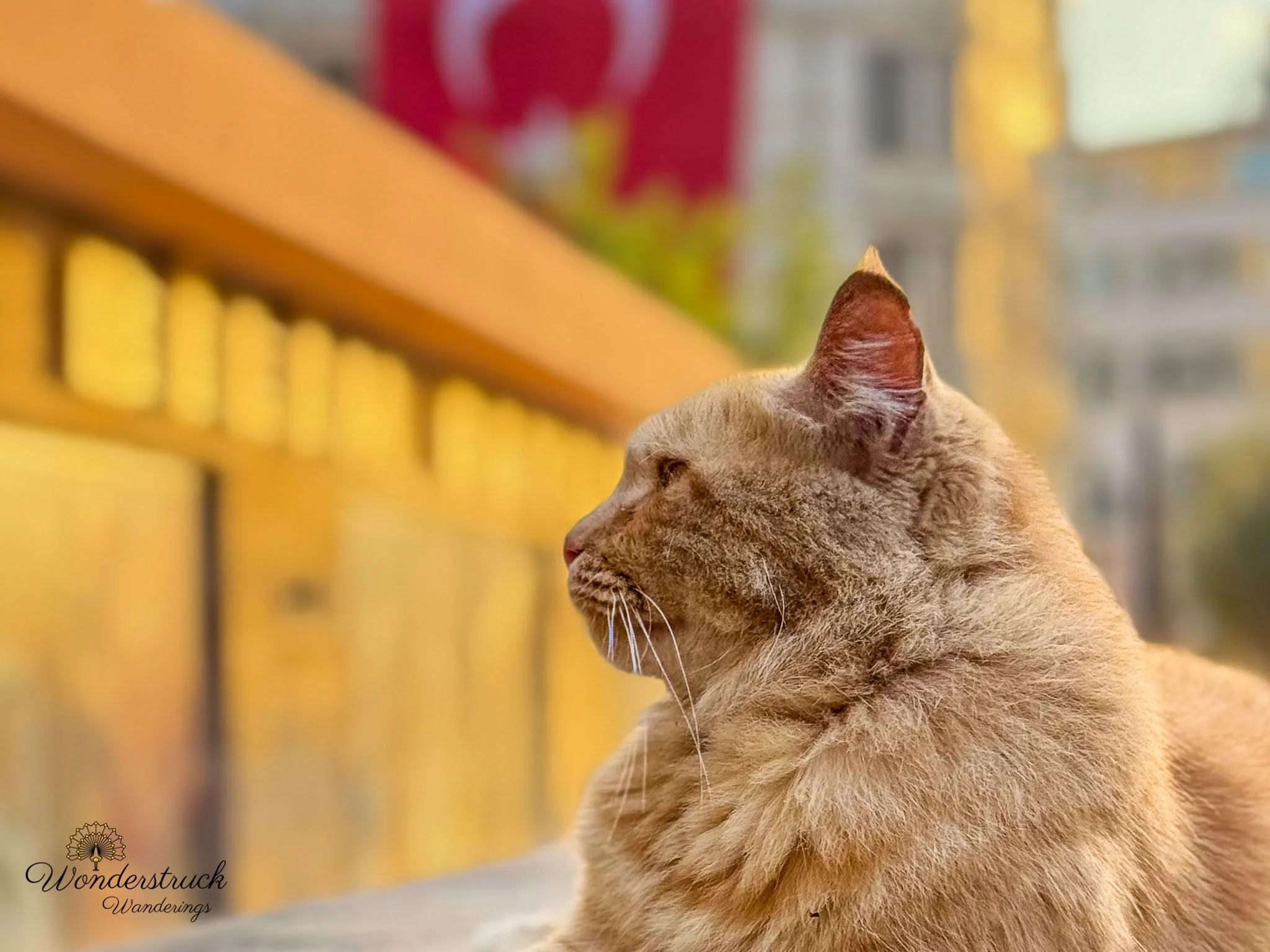
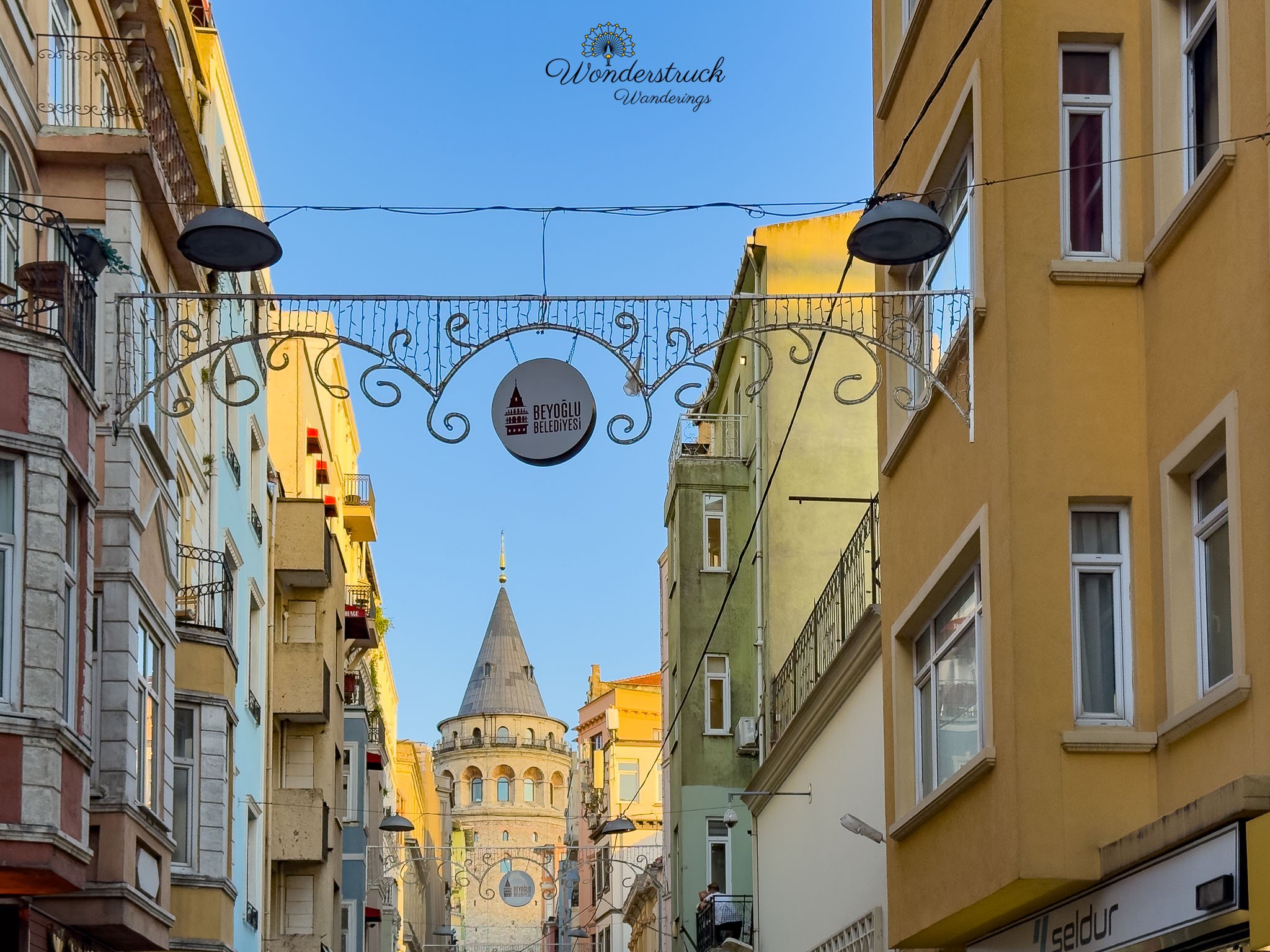
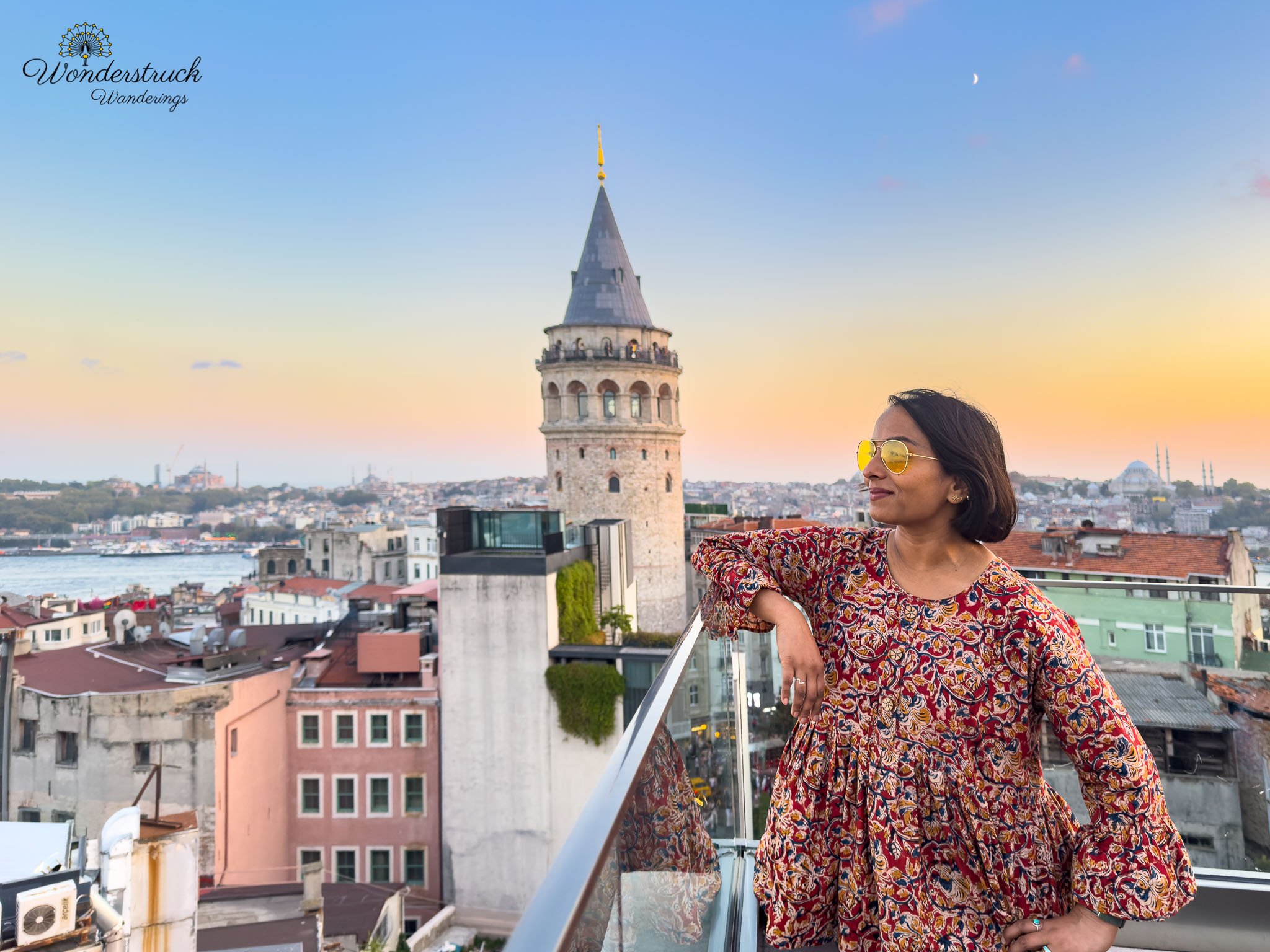
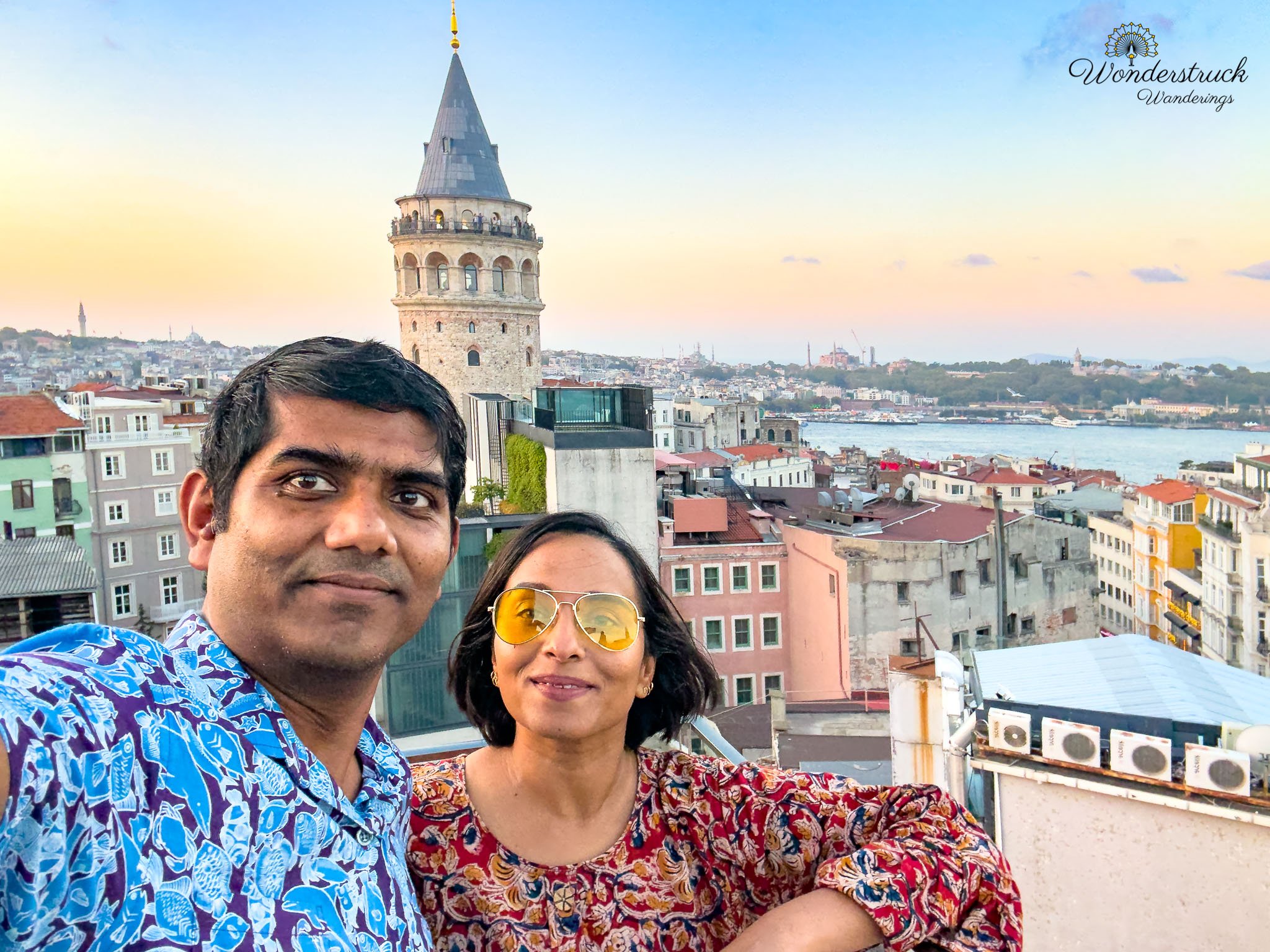
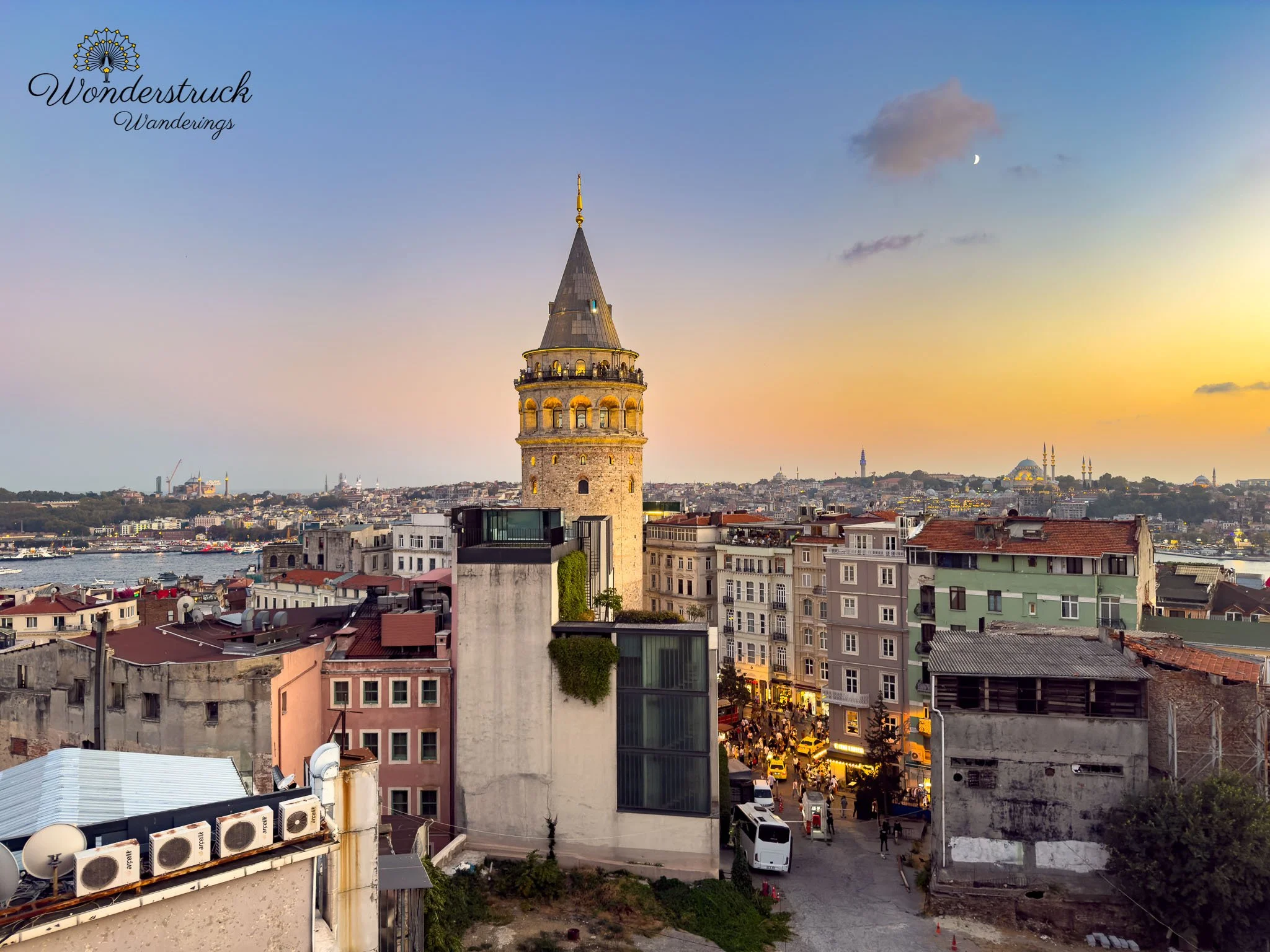
For this trip, we decided to split our stay between the old-world heart of Sultanahmet and the bohemian charm of Galata. Our first two nights were at the Meroddi Barnathan Hotel, a restored heritage gem just steps from Galata Tower, its history echoing the layered stories of the city itself. Our room was small but atmospheric, and the Barnathan Roof rooftop terrace was the showstopper. With sweeping views of the Golden Horn, Sultanahmet’s skyline, and the glowing Galata Tower, it felt like a postcard come to life. As photographers, it was paradise. By late afternoon, hunger had overtaken jet lag, and we set out for Karaköy Özsüt, a tiny, historic shop famous for its kaymak — luscious clotted cream made from buffalo milk — served with honey and Turkish tea. We also tried their buffalo sausage platter, smoky and earthy with a texture unlike any sausage we’d tasted before. That mix of creamy, sweet, and savory felt like a masterclass in Ottoman-era indulgence.

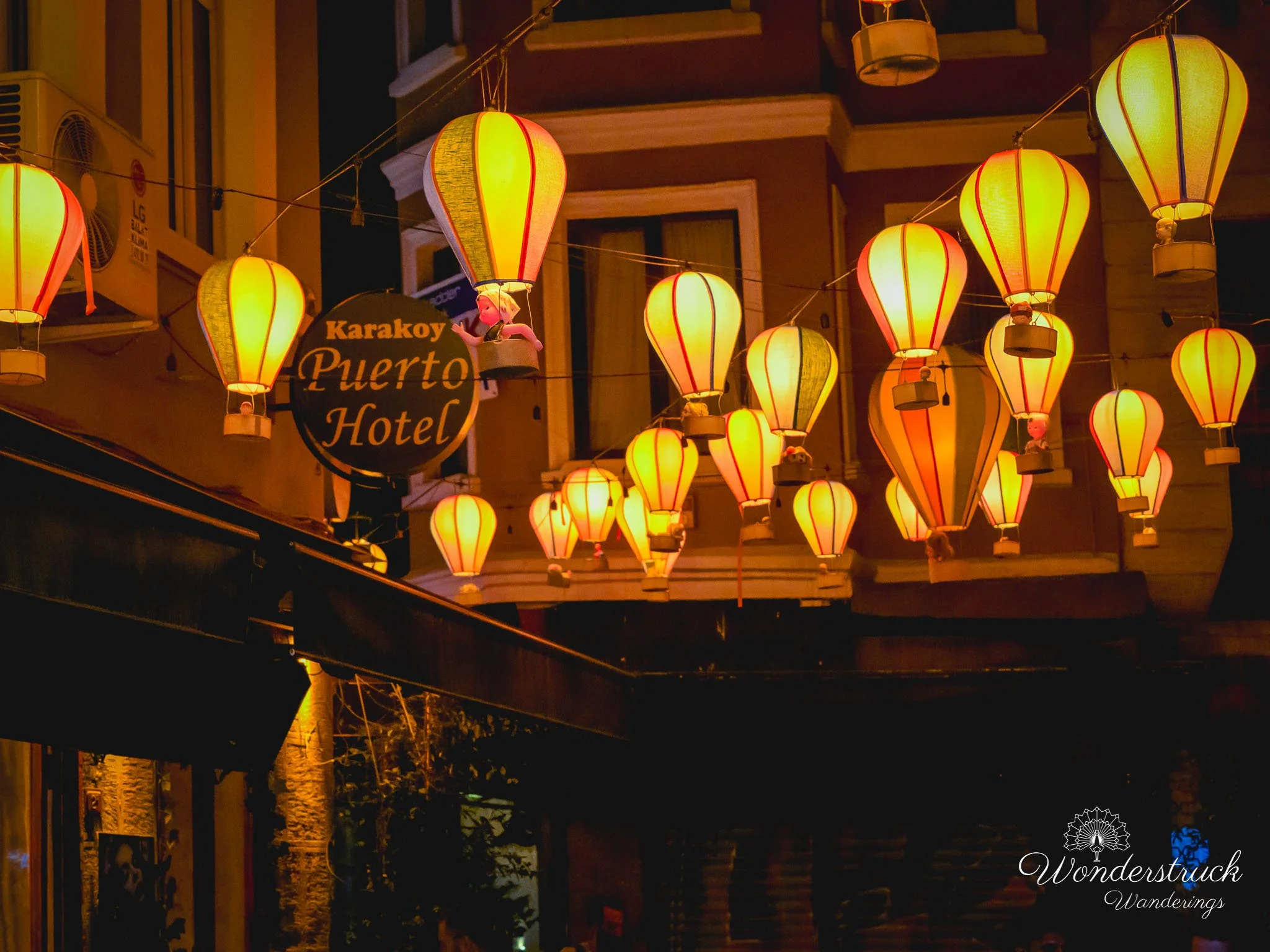
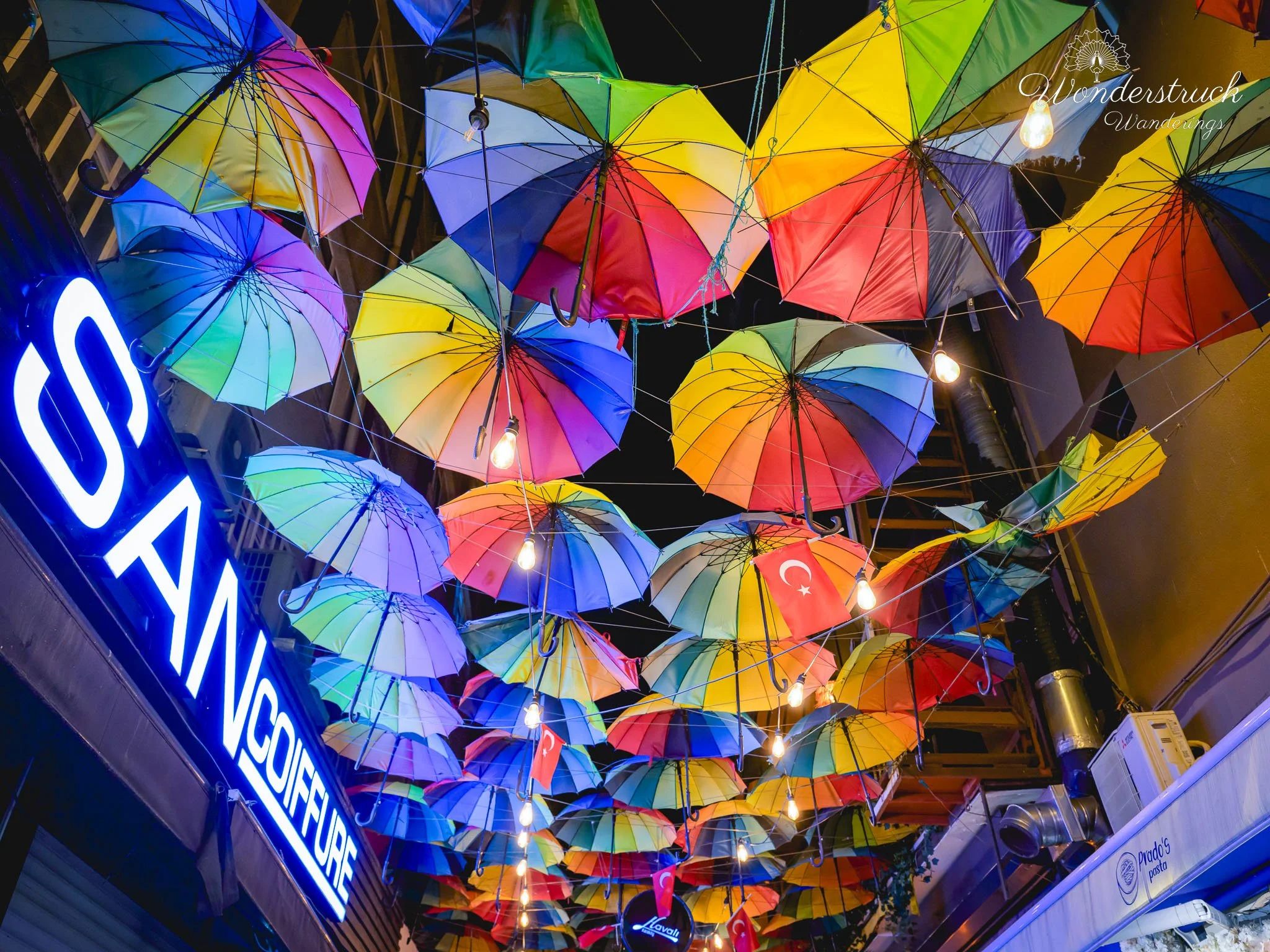
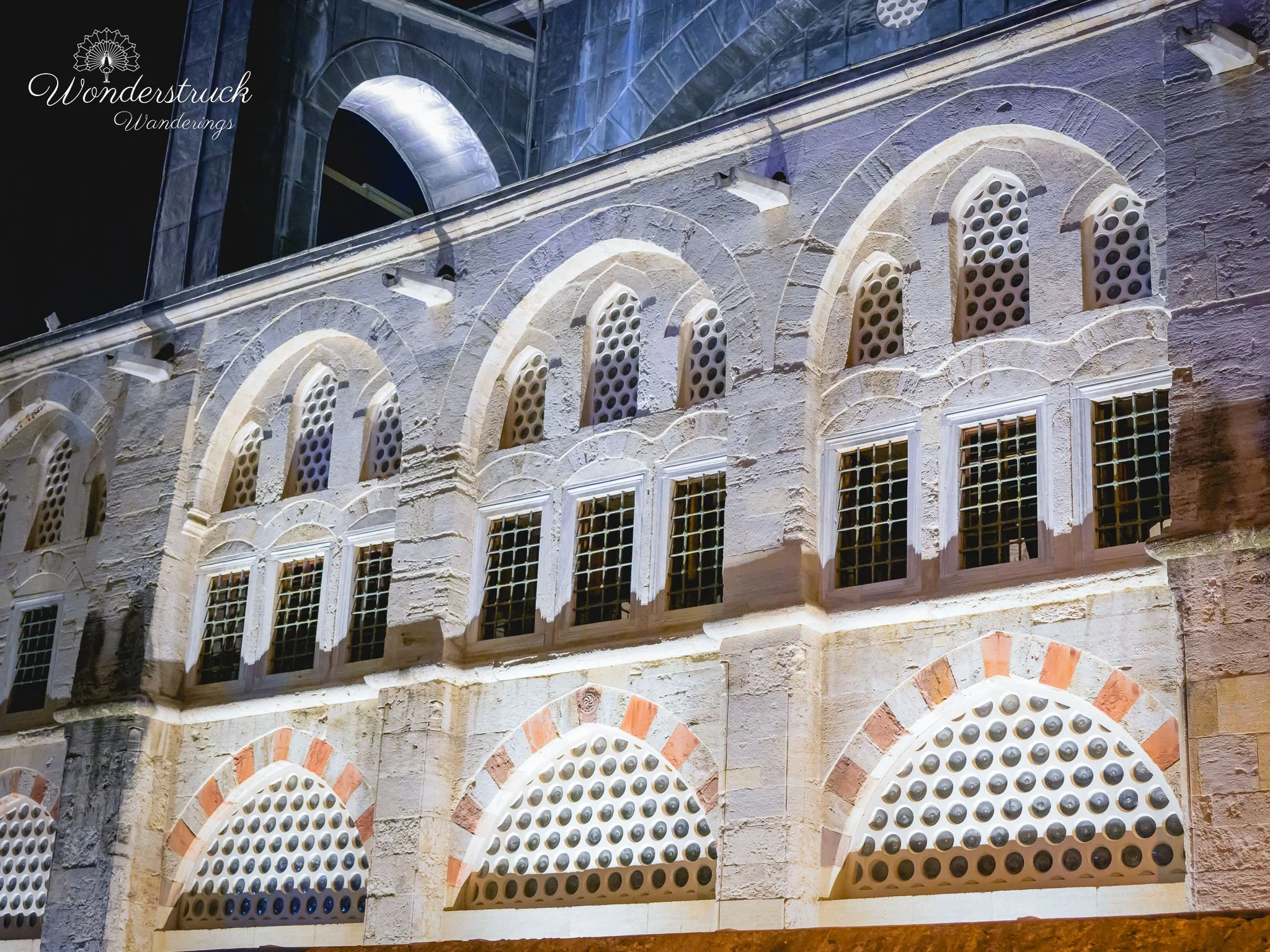
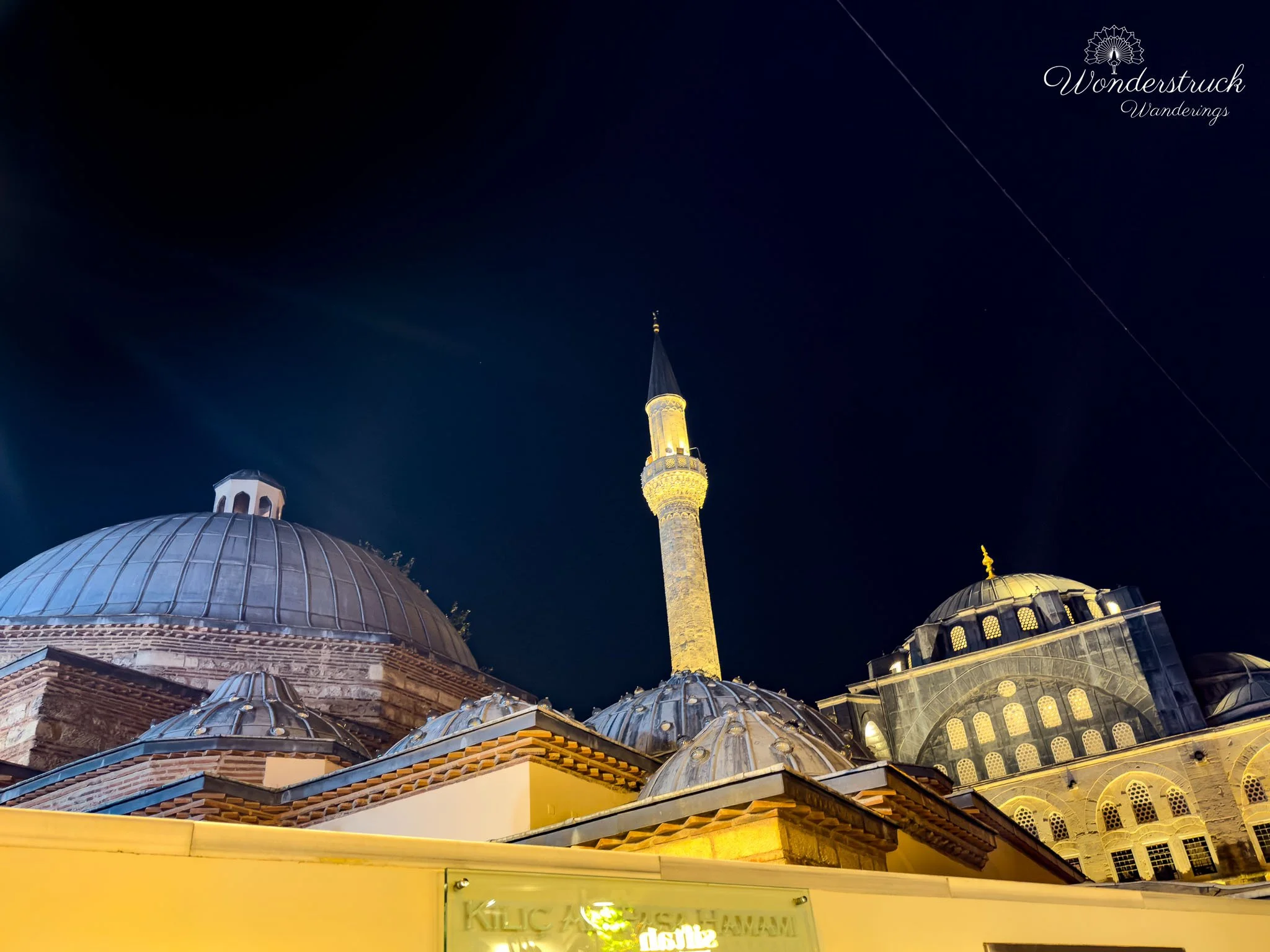
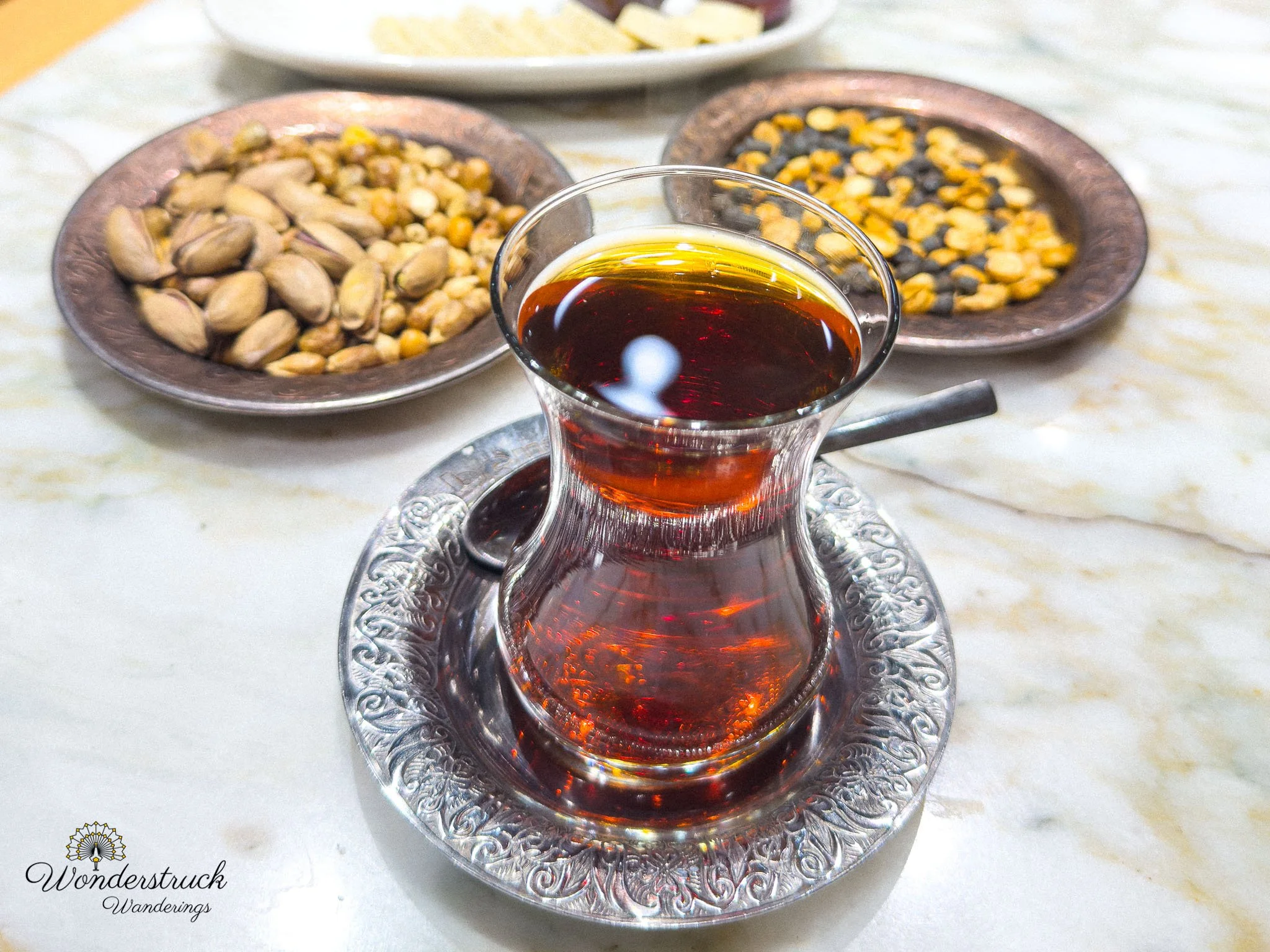
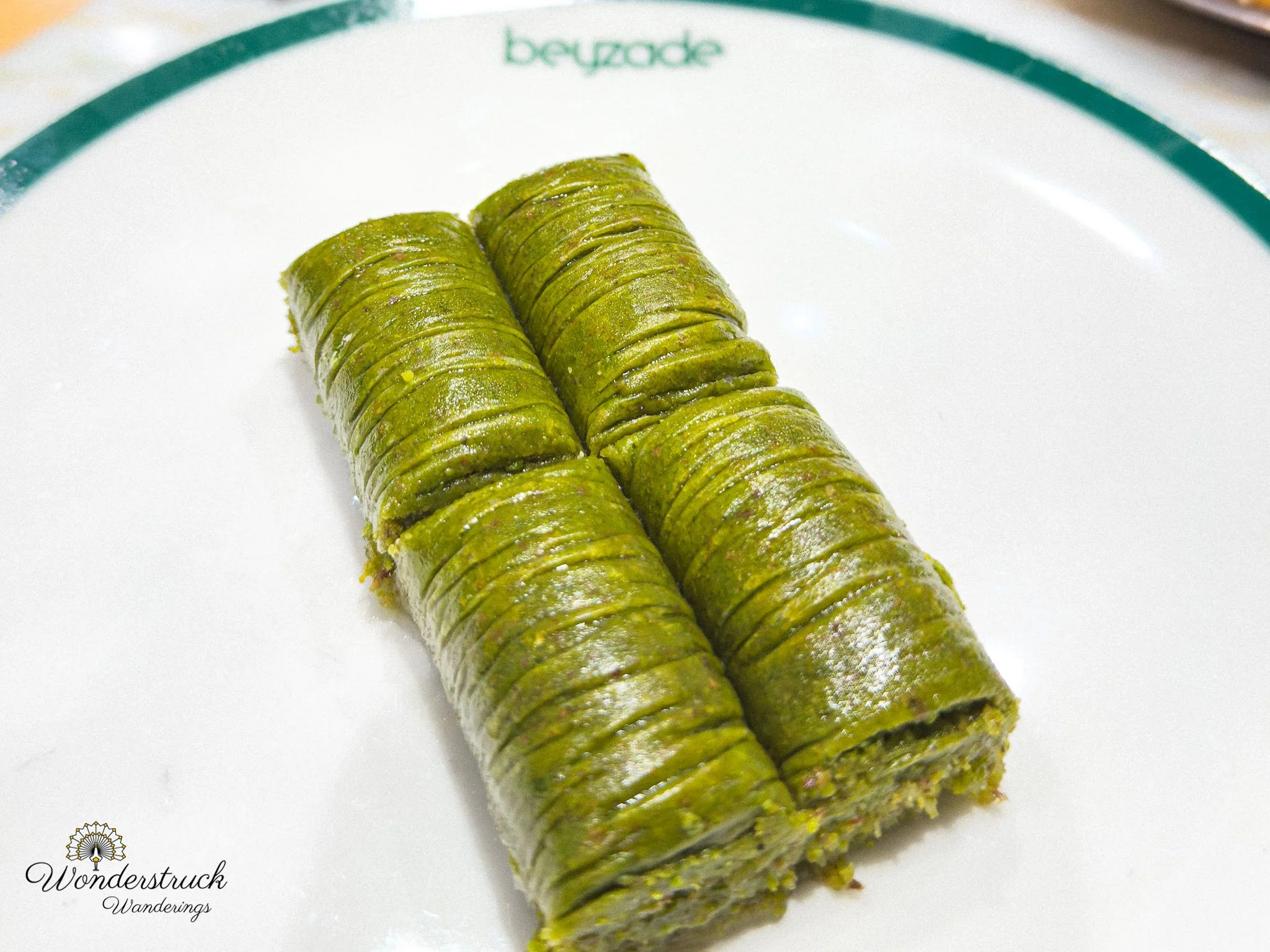
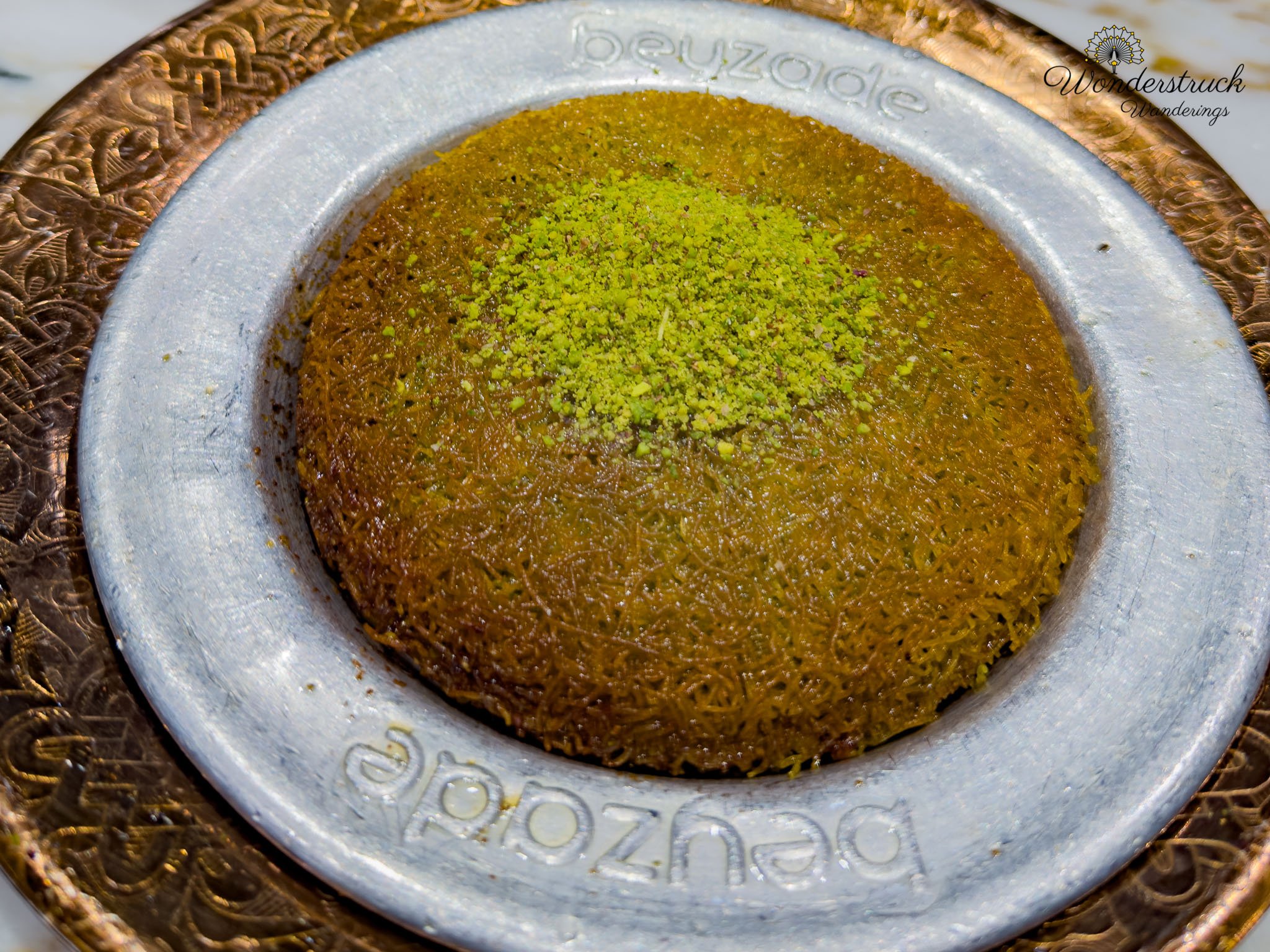

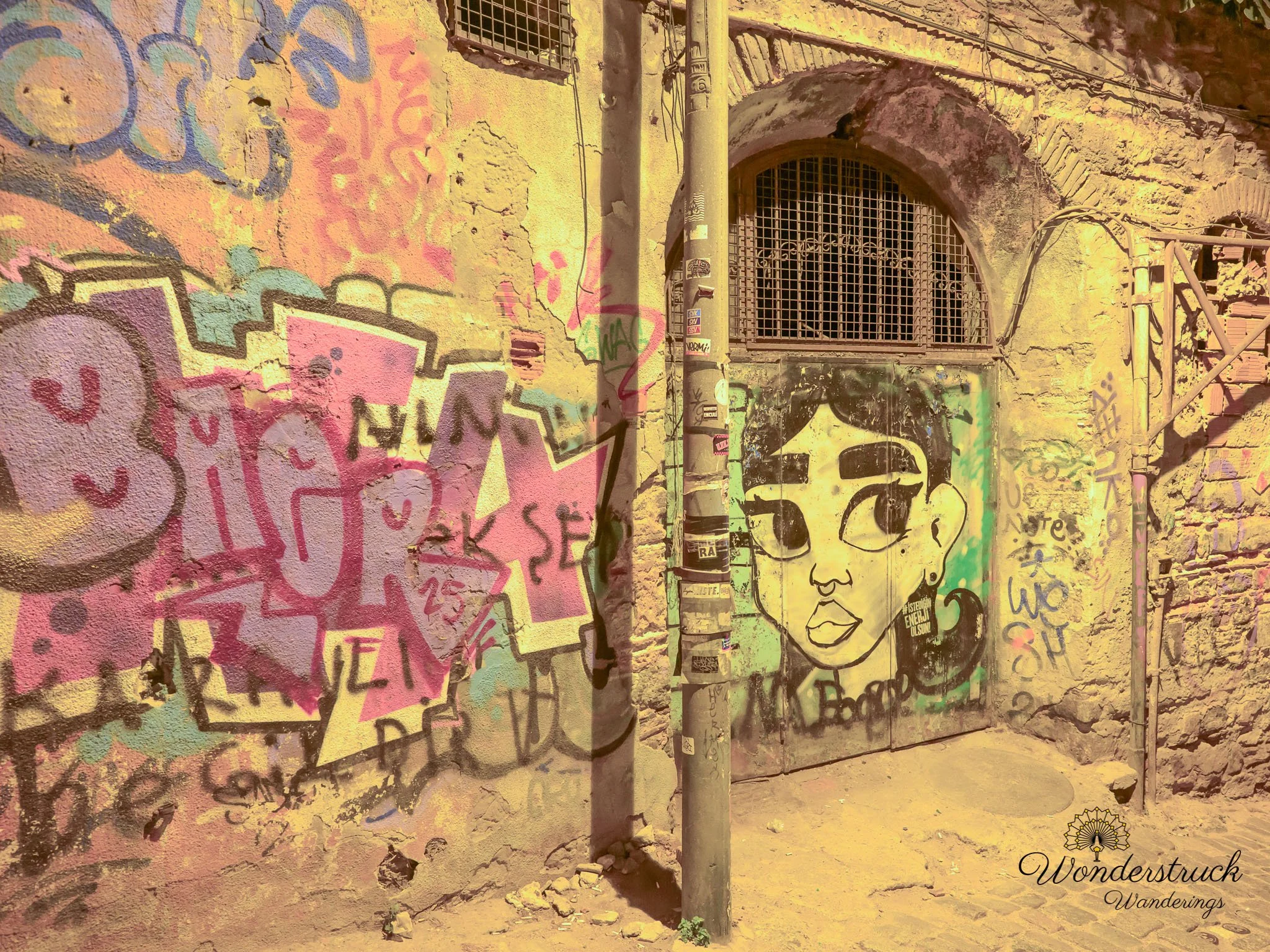
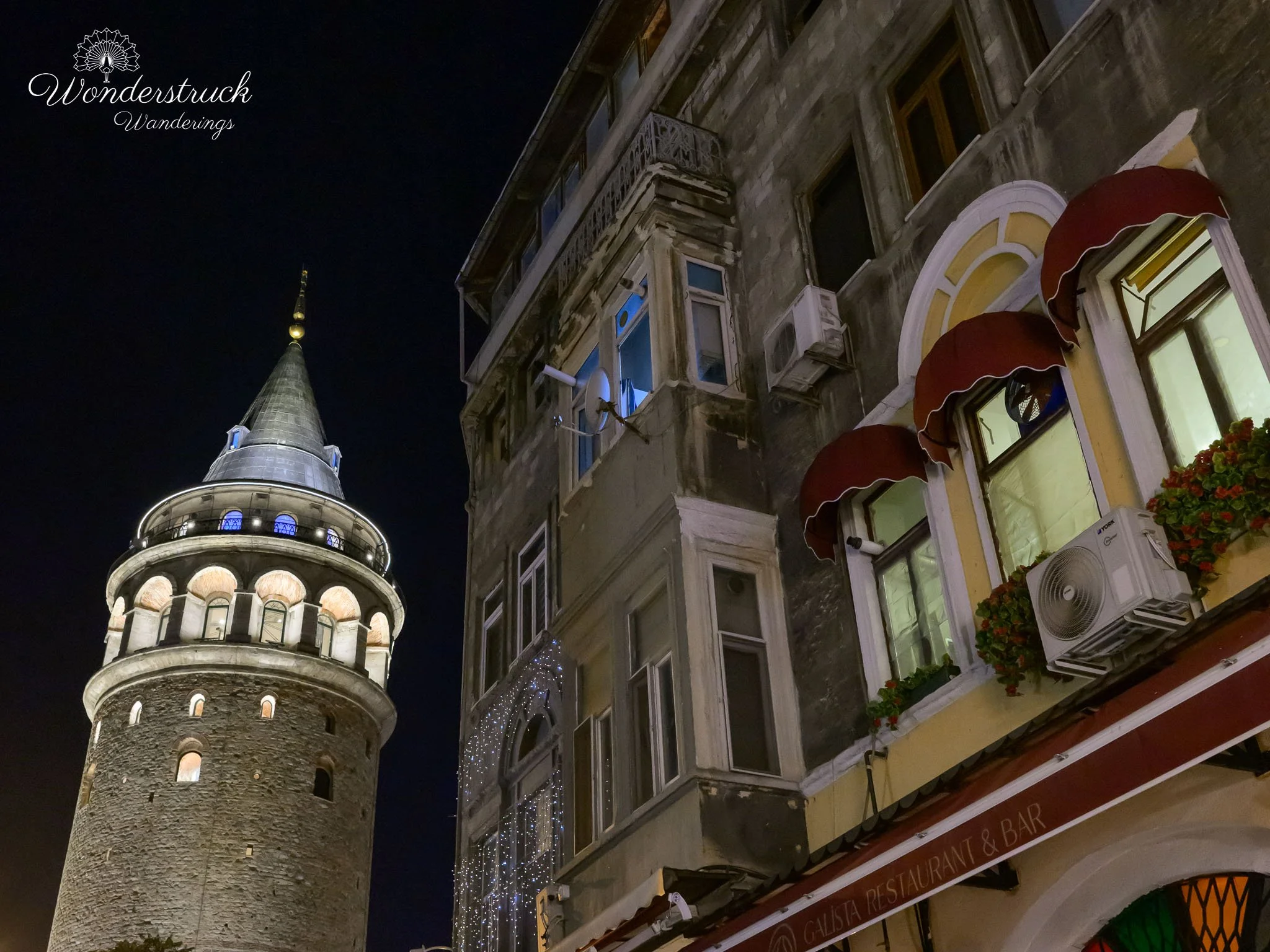
As twilight deepened, we returned to the rooftop for wine, grilled calamari, and Turkish meatballs as the azan floated across the city. When the lights flickered on — mosques glowing, ferries crossing, the Galata Tower blazing orange — it felt like Istanbul itself had exhaled. But the night was far from over. We wandered down into Karaköy, past umbrella-covered Hoca Tahsin Street, where we lingered to browse handmade ceramics, magnets, and sweets from smiling shopkeepers. The street buzzed with color, music, and laughter — a perfect microcosm of Istanbul’s rhythm. We admired the Kılıç Ali Pasa Mosque from outside, its illuminated dome a serene contrast to the nearby nightlife, then stopped for coffee at Kronotrop, and dessert at Beyzade Künefe — tea, künefe, and golden baklava sealing our first night in sugary bliss. By 11:30, we were back in our room, lights off, Galata Tower framed by our window like a promise. We set alarms for sunrise at Ortaköy Mosque, though neither of us believed we’d actually wake up for it. But that’s the thing about Istanbul — even in exhaustion, it keeps calling. Read more on Daily Diaries.
Day2-Exploring Topkapı’s Grandeur, Istanbul’s Hidden Artisan Markets, and missed Bosphorus sunset cruise
-
Meroddi Barnathan Hotel, Galata - a charming heritage boutique hotel tucked right beside Galata Tower. Originally part of a late Ottoman-era school complex, it’s been beautifully restored with arched windows, tiled floors, and brass fixtures.The highlight is its Barnathan Roof — a rooftop terrace offering panoramic views of Galata Tower, the Bosphorus, and the Sultanahmet skyline. Rooms are compact but atmospheric.
-
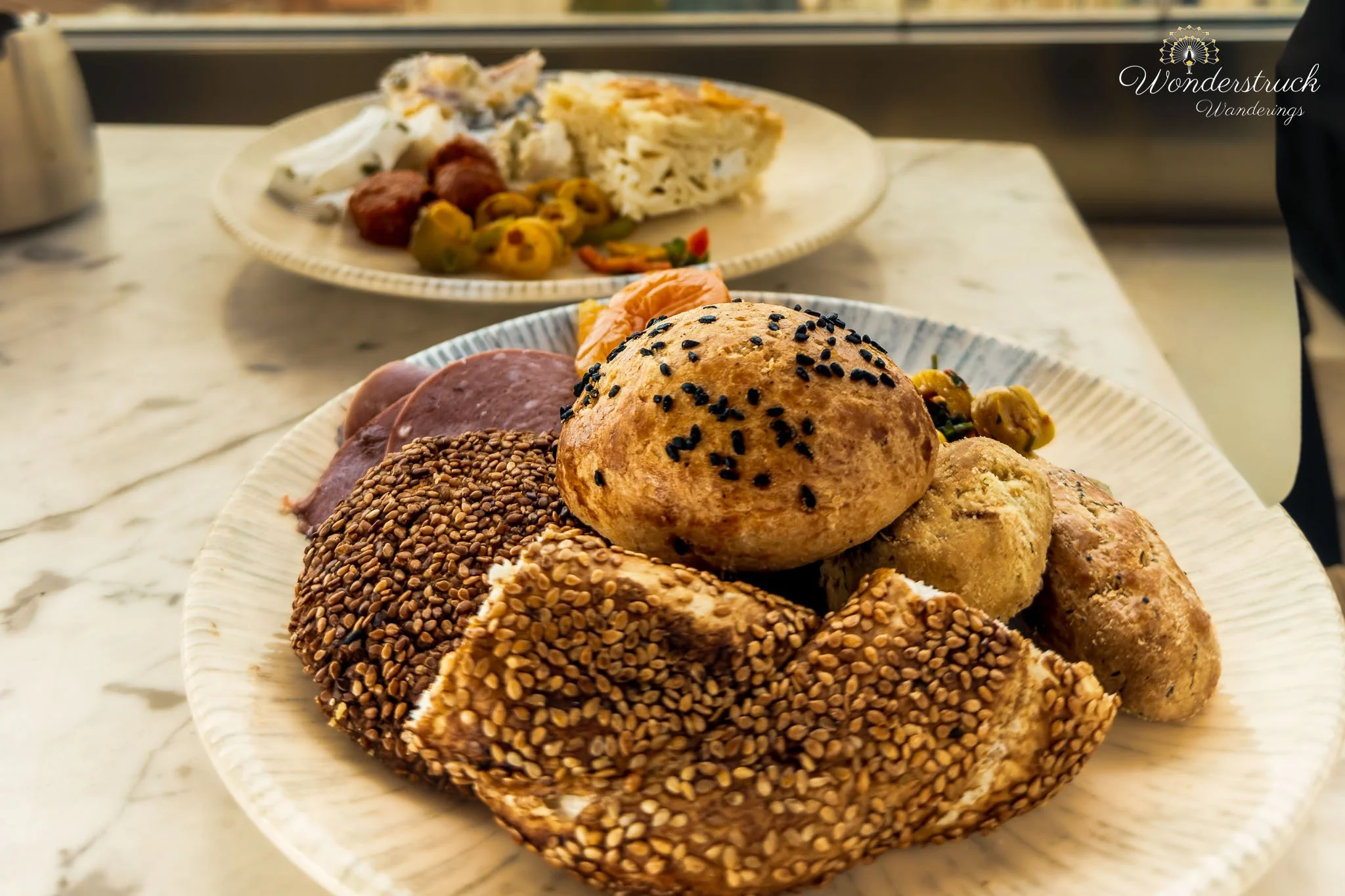
Barnathan Roof – Hotel breakfast on the rooftop with a full Turkish spread (cheeses, olives, tomatoes-cucumbers, simit, eggs, jams/honey) and clear Galata Tower views—an easy, slow start before the crowds hit the streets.
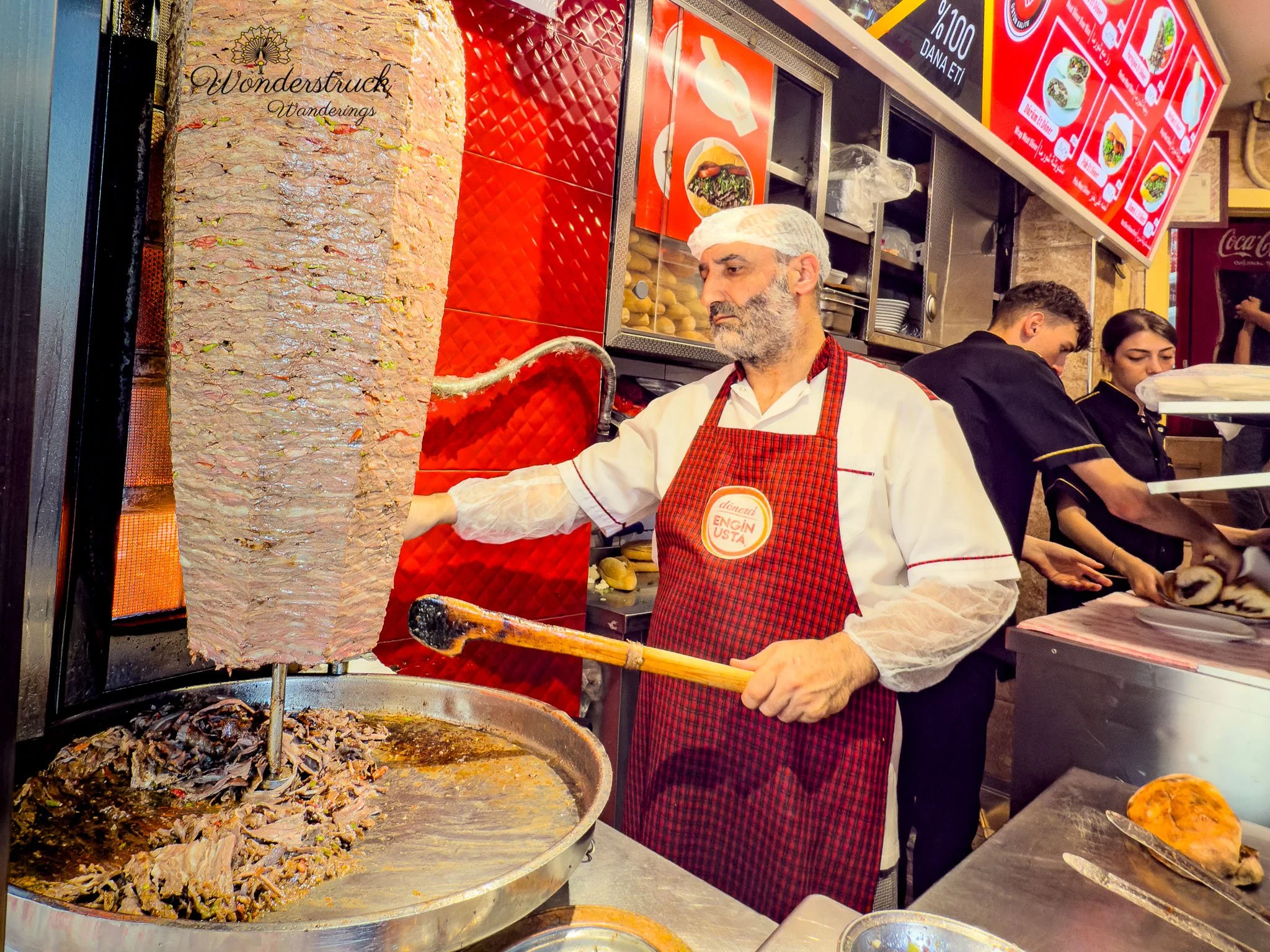
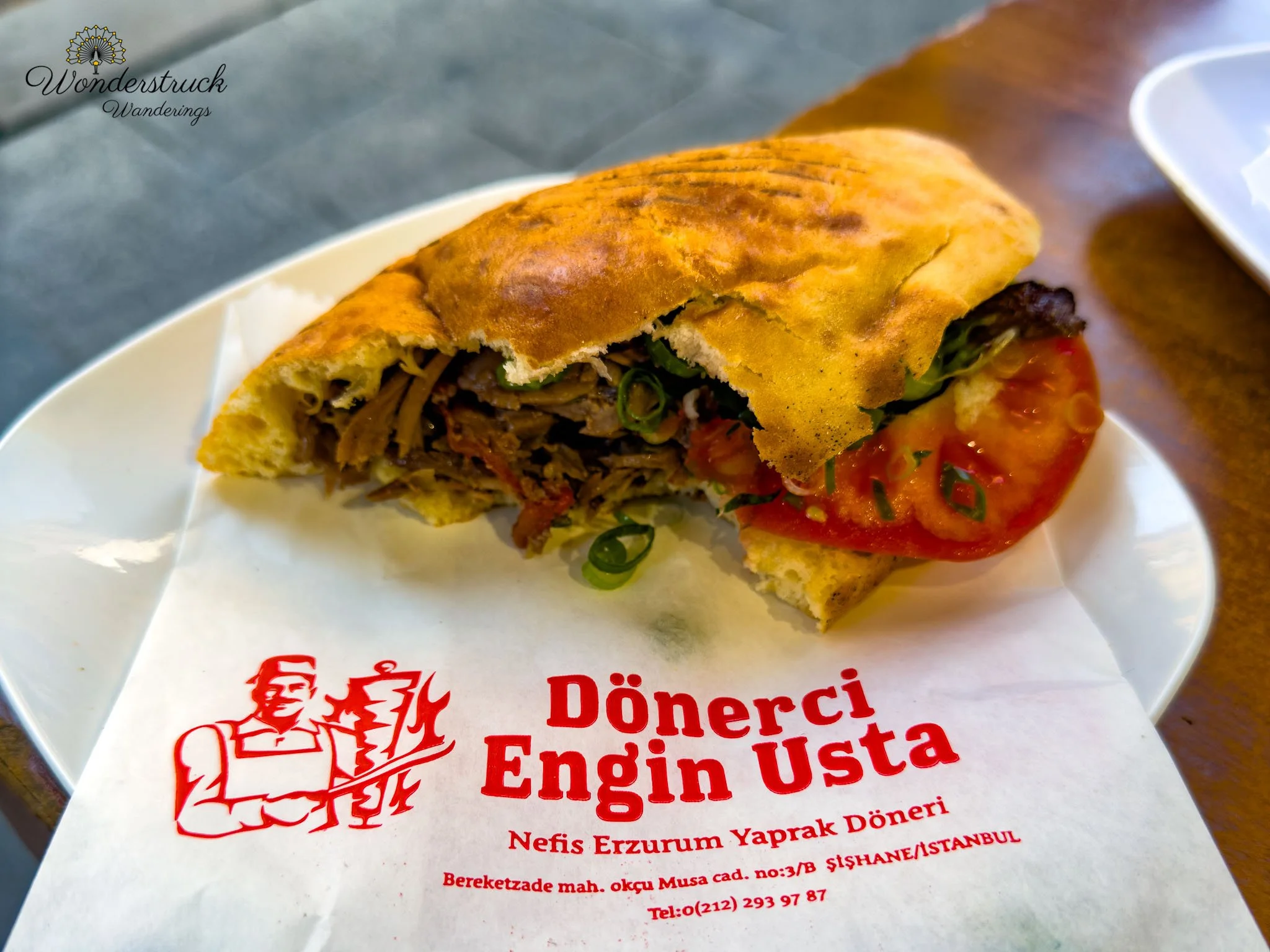
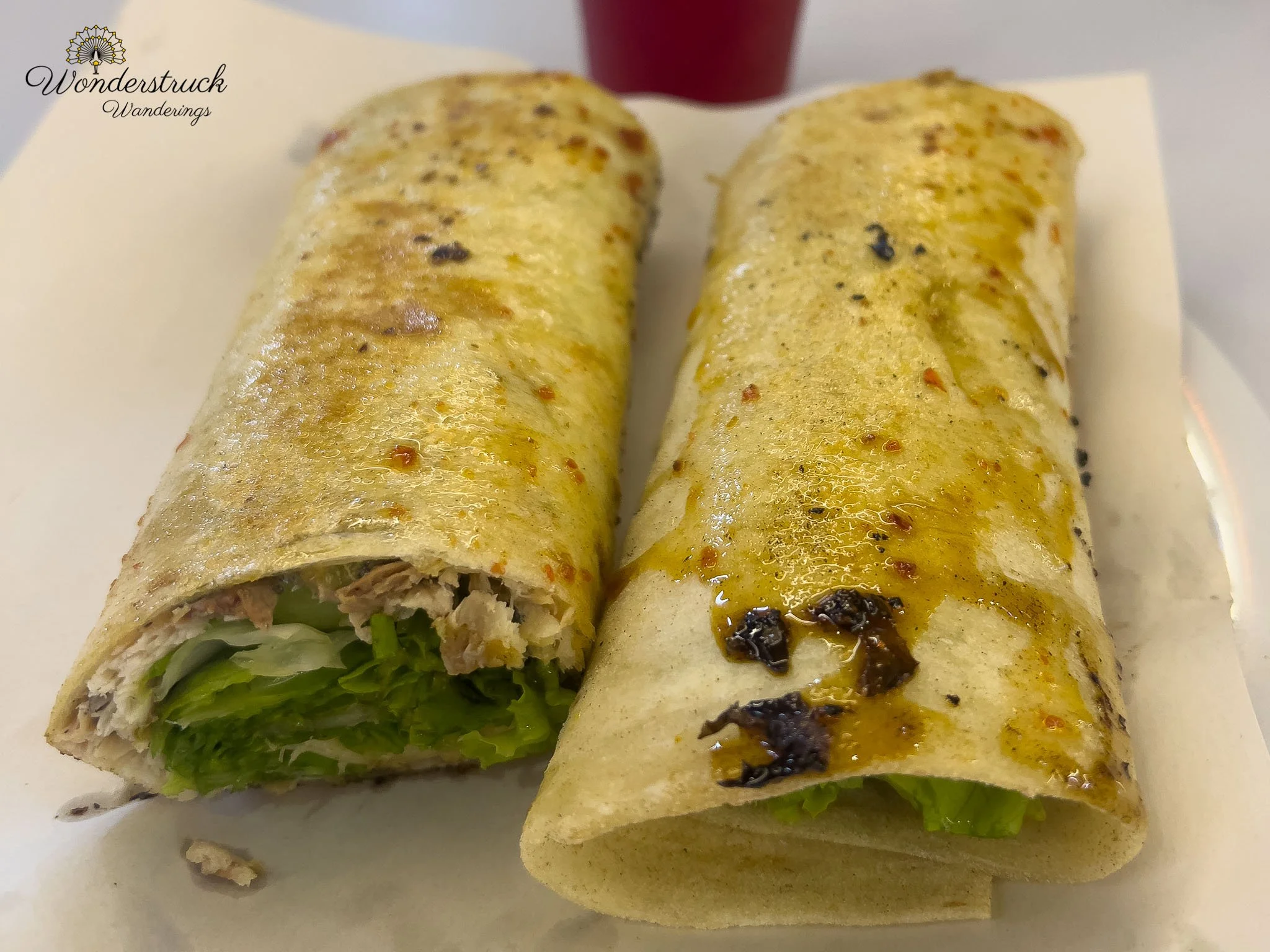
Dönerci Engin Usta’nın Yeri – No-frills, proper local döner: warm wraps stuffed with meat, punchy pickles, and just the right sauces. Big flavor for the price, fast service, and the kind of spot you’re happy to stumble on twice.
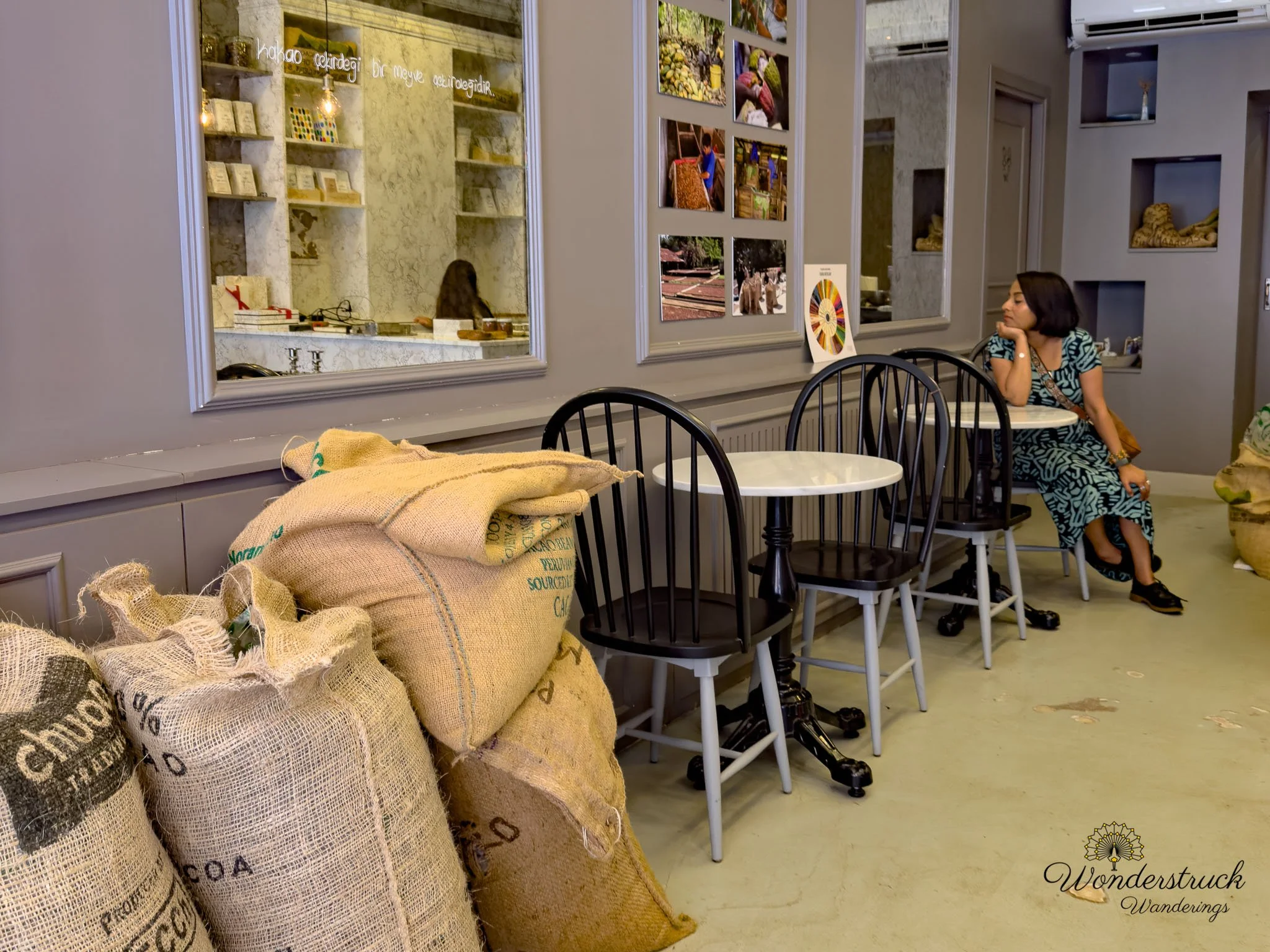
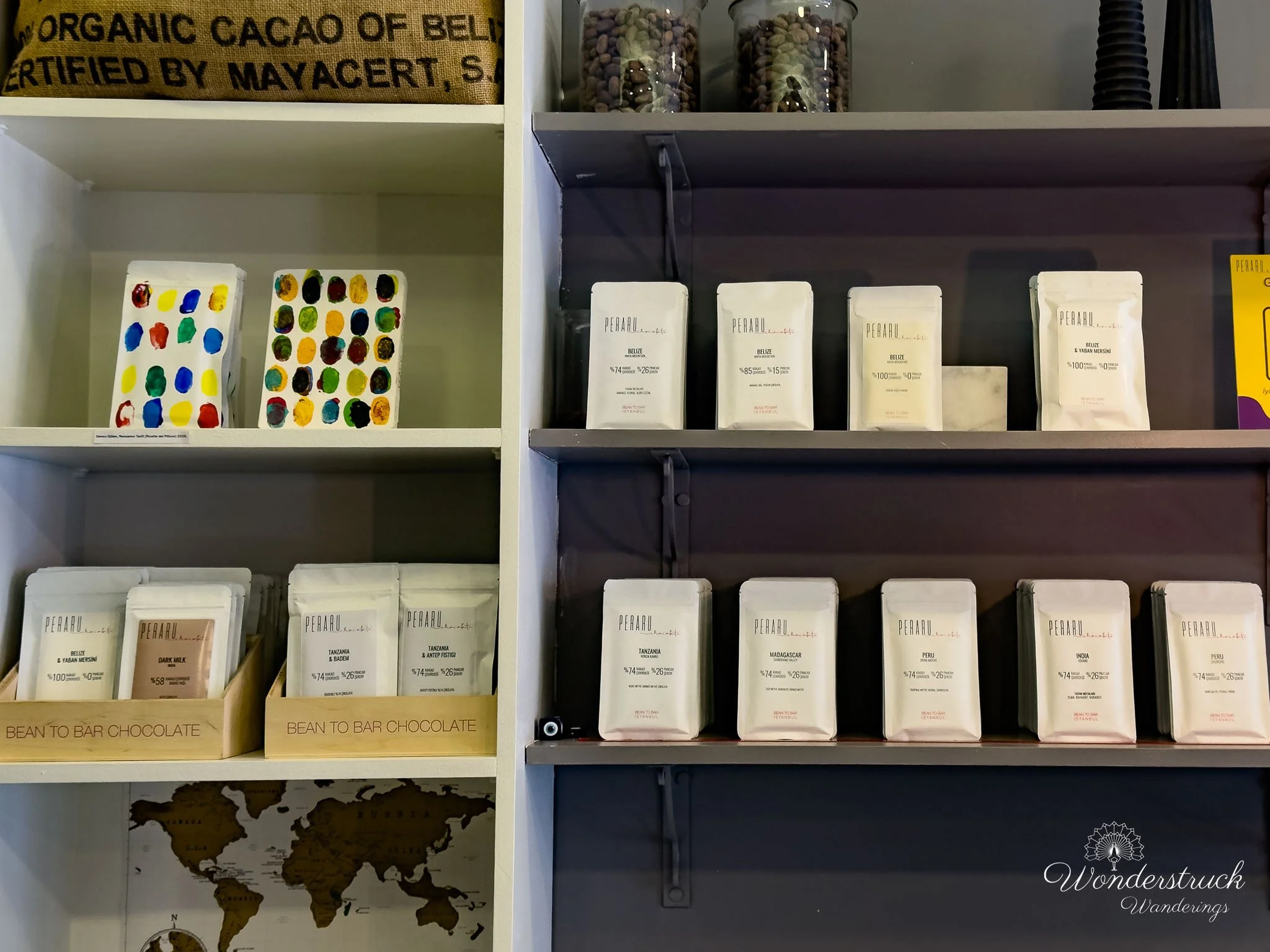
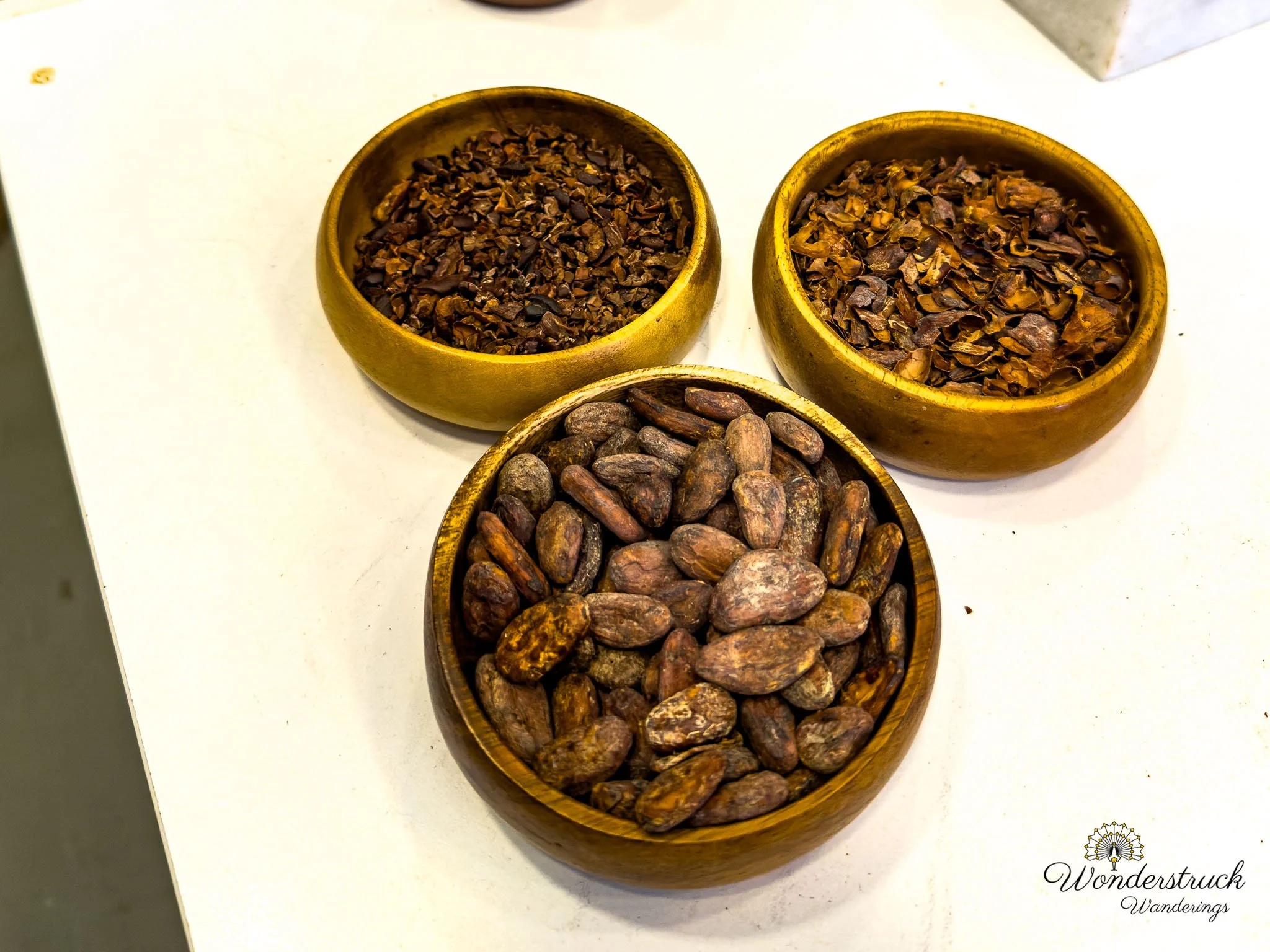
Peraru Chocolate (Beşiktaş) – A small bean-to-bar artisan chocolate studio where everything feels thoughtful—rich cacao, clean flavors, and small-batch bars that make great souvenirs (or “I’ll save it for later” snacks that never survive the day).
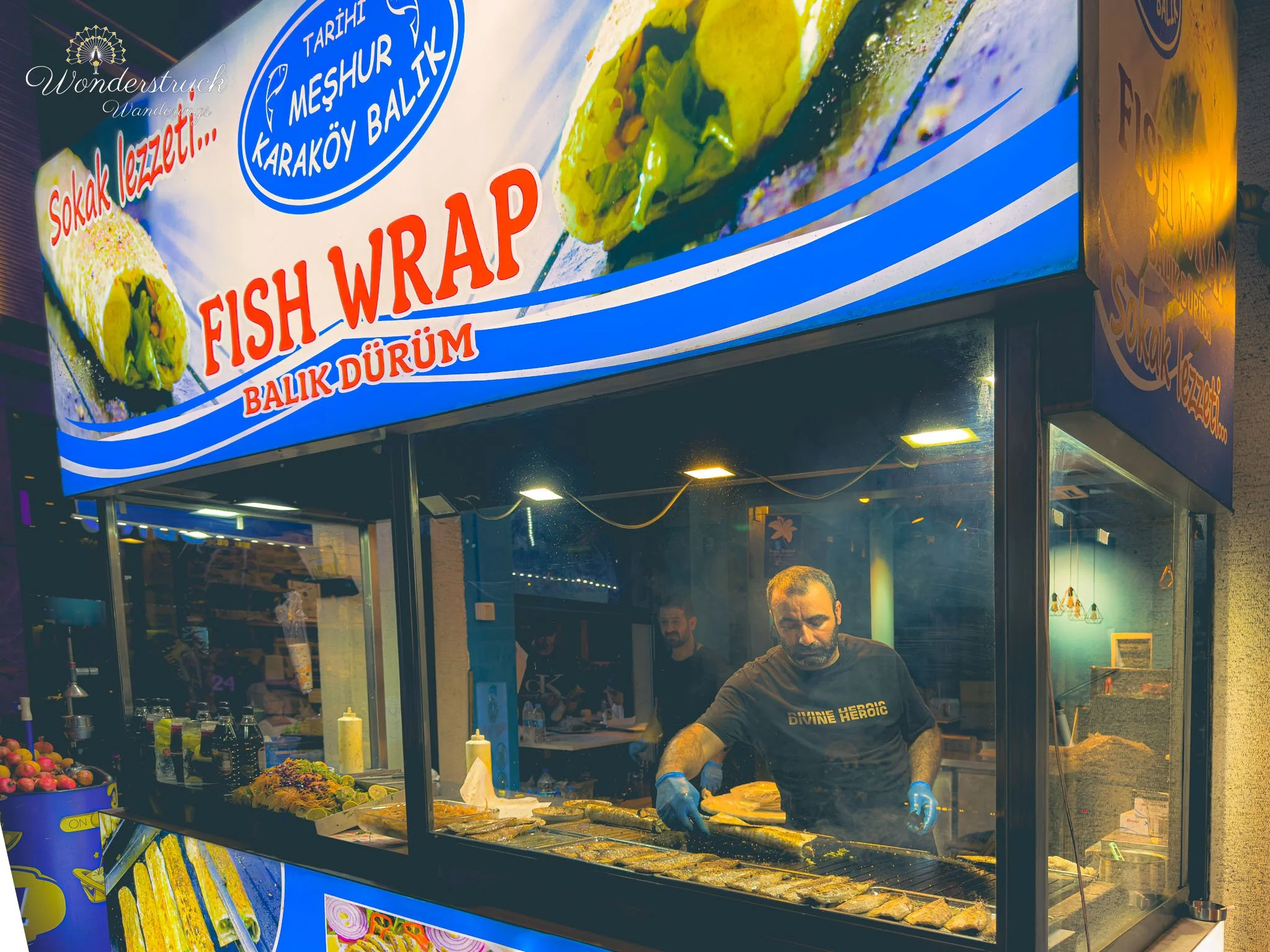
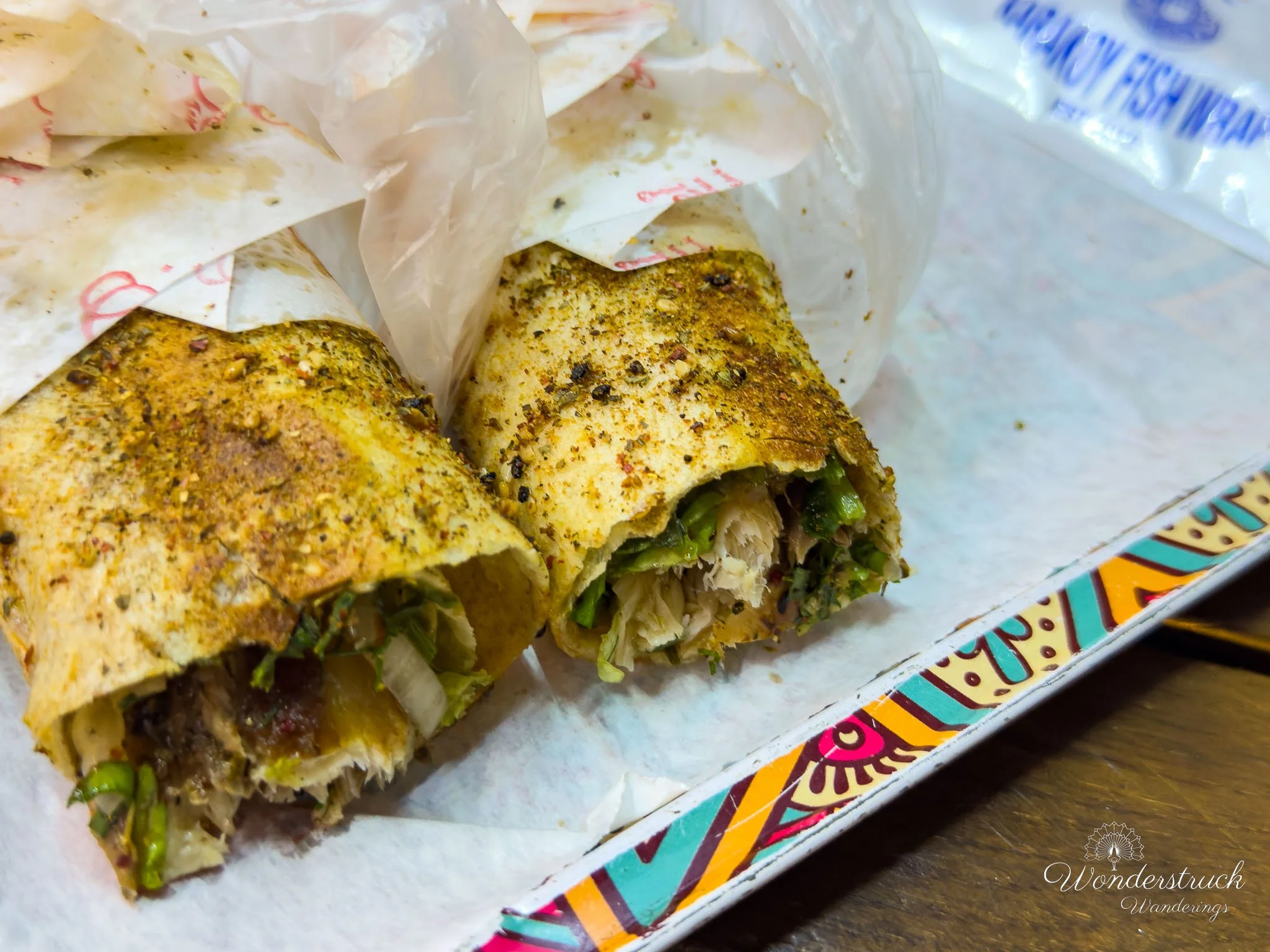
Restaurant under the Galata Bridge – Sit right on the water for balık ekmek (fish wraps), watch the fishermen above, and do it the Turkish way: chase a bite with a sip of pickle juice (turşu suyu)—salty, sour, weirdly refreshing, and strangely addictive.
Faruk Güllüoğlu – A classic, legendary baklava stop. Go straight for the pistachio varieties, ideally with hot Turkish tea to cut the sweetness. Perfect as an afternoon sugar recharge between neighborhoods or as a nightcap.
-
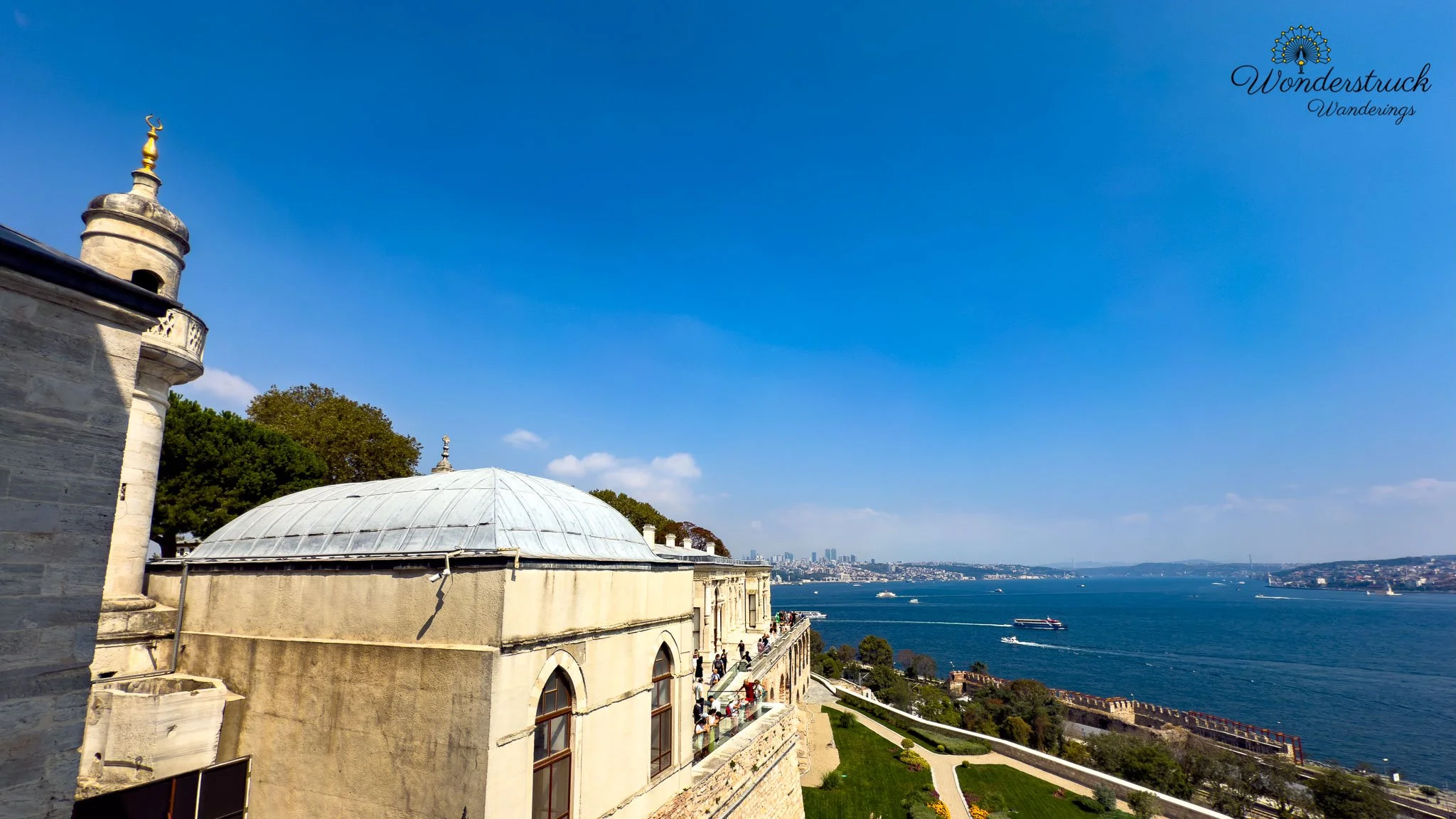
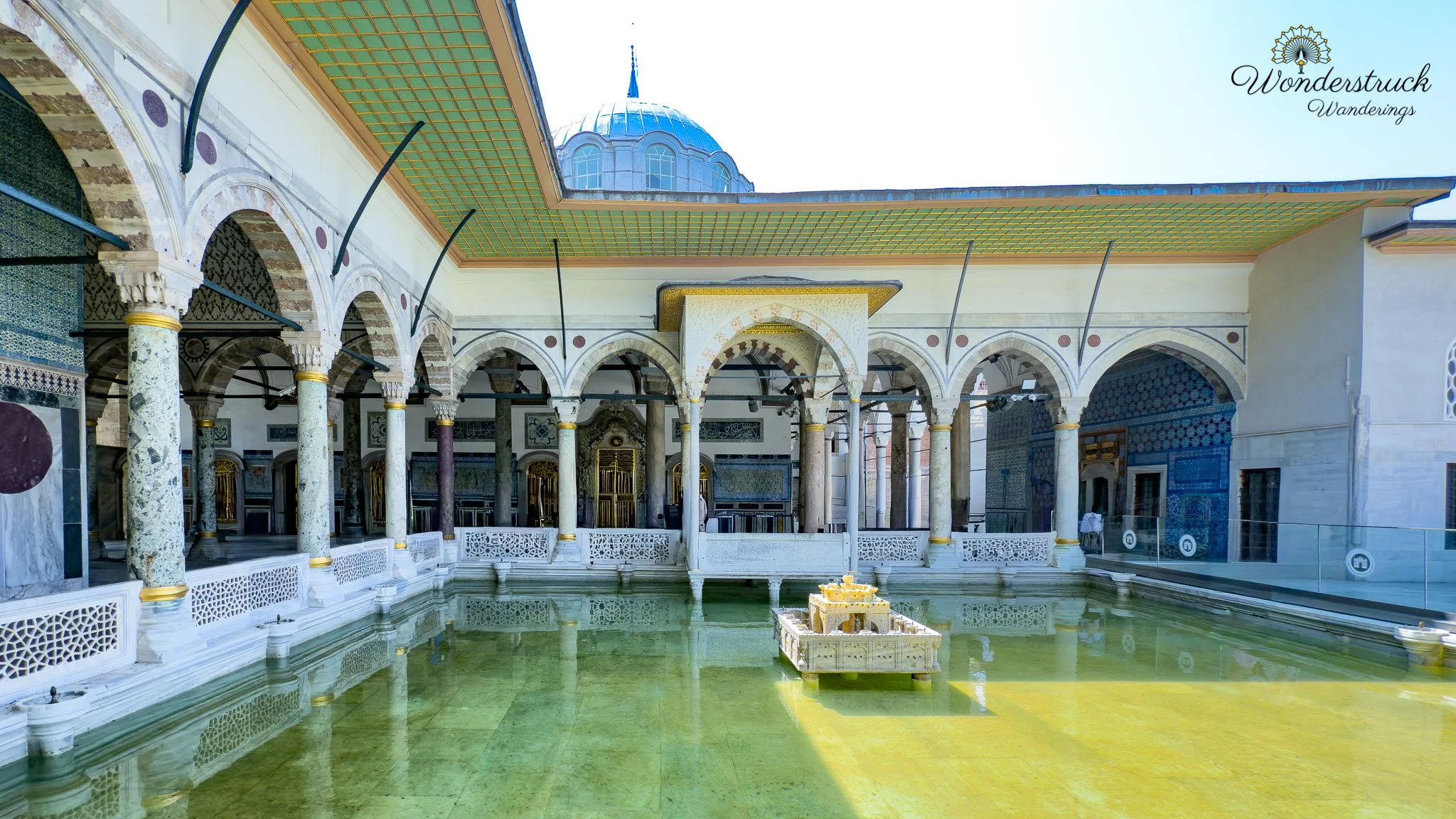
Topkapı Palace (Topkapı Sarayı) – A sprawling 15th-century Ottoman palace complex that feels like a small city of courtyards, gardens, pavilions, and views. Give it time and walk all four courtyards—the experience builds as you move deeper into the “private” heart of empire, with quieter corners and increasingly impressive vantage points.
Harem Dairesi – The most intimate (and often most memorable) part of Topkapı: a maze of tiled corridors, layered rooms, and stories. You’ll trace the world of the Sultan’s family, the influence of the Valide Sultan (Queen Mother), and the strict power structure enforced by the Black Eunuchs—history that feels personal, political, and surprisingly cinematic.
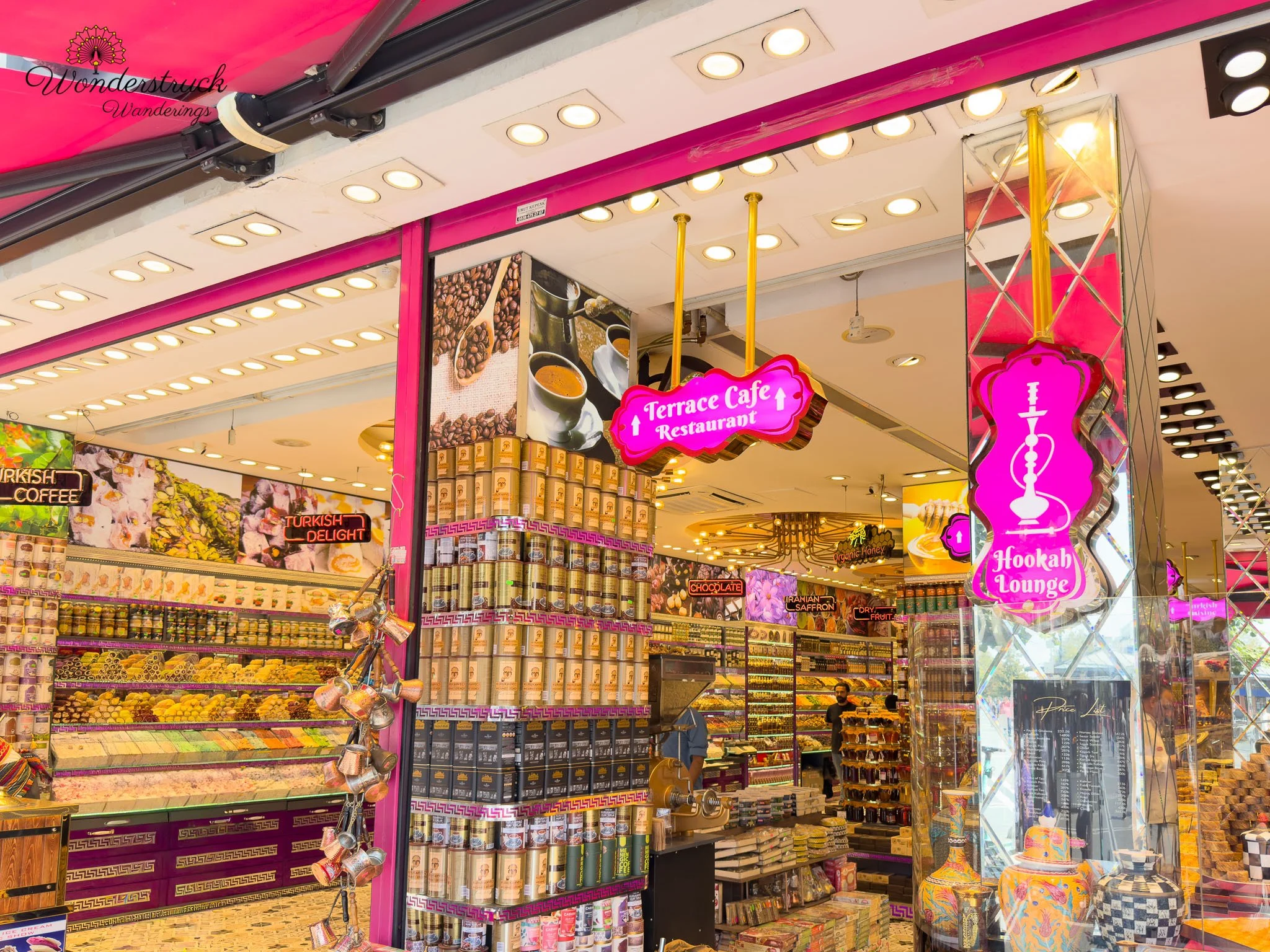
Spice Bazaar (Mısır Çarşısı) – Total sensory overload in the best way: mountains of spices, dried fruits, nuts, tea blends, and glowing displays of lokum (Turkish delight). It’s a great place to buy small, packable food souvenirs—just take a slow loop, sample a little, and let your nose do the navigation.
Bosphorus Sunset Cruise (Bosphorus Sunset Trip) – If you do one “Istanbul postcard” experience, make it this: an evening boat ride where the skyline shifts from soft gold to full-on night sparkle. You’ll glide past palaces, waterfront mansions (yalı), minarets, and bridges, with the call to prayer drifting across the water at just the right moment. Aim to be on deck for the golden-hour stretch, bring a light jacket (it gets breezy), and keep your camera ready—every turn feels like a new frame.
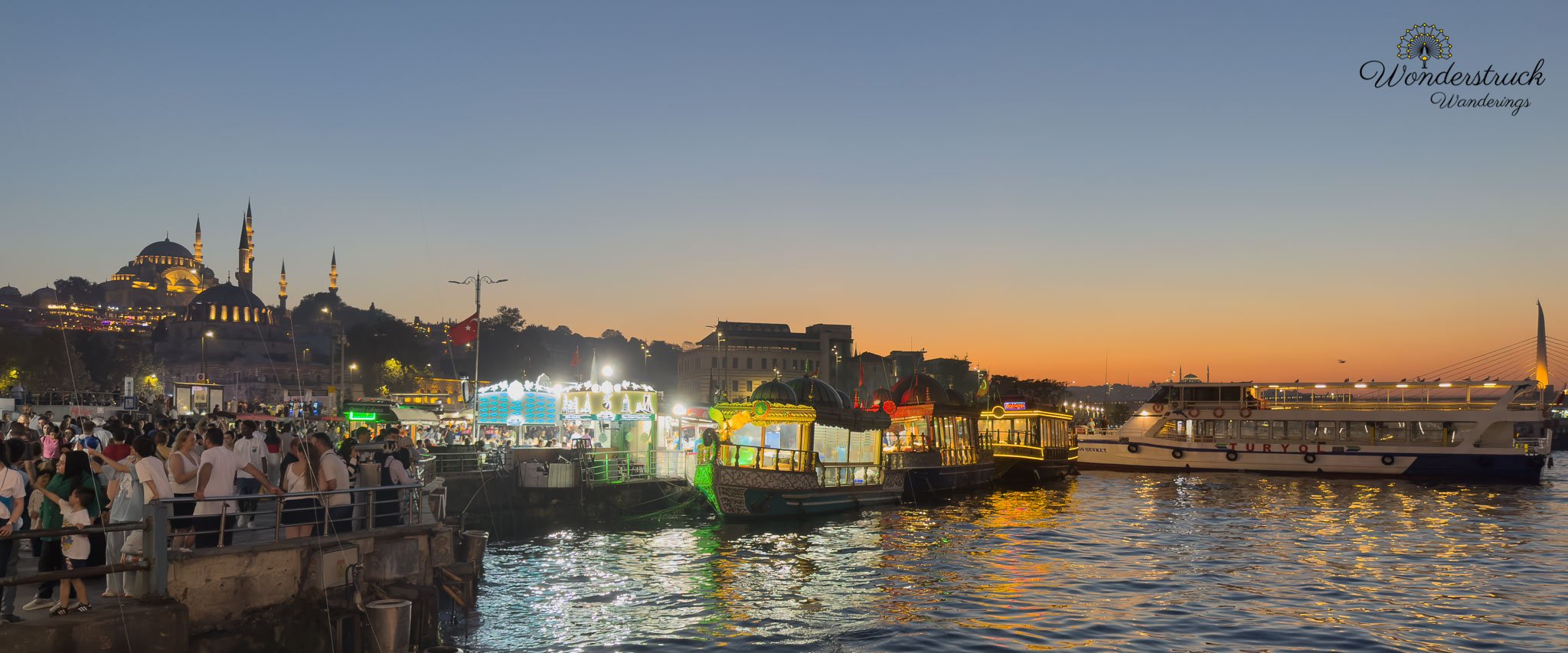
Galata Bridge – A classic Istanbul in-between moment: walk across at sunset with the city turning gold, fishermen lining the rails, and the water catching the last light. Then head downstairs to the restaurants beneath the bridge for Golden Horn views, lively atmosphere, and the feeling that Istanbul is performing—casually—for anyone who stops to watch.
NT Rugs & İznik Tiles – A solid stop for authentic Turkish craftsmanship—handmade rugs with real texture and İznik-style ceramics that photograph beautifully (those cobalt blues and tulip motifs never miss). Even if you don’t buy, it’s worth browsing for décor inspiration, detail shots, and the kind of visual storytelling that makes travel photos feel tactile.
-
Hotel → Topkapı Palace: ~15 min (Uber, ~$10)
Topkapı → Dönerci Engin Usta: ~20 min
Dönerci → Peraru Chocolate (Beşiktaş): ~25 min
Peraru → Spice Bazaar (Eminönü): ~30 min
Spice Bazaar → Galata Bridge: ~10 min walk
Galata Bridge → NT Rugs → Hotel: ~20 min walk
Our second day in Istanbul began with a slow, golden morning over Galata Tower, followed by breakfast on the rooftop of Meroddi Barnathan Hotel. We watched the city wake beneath a cloud-diffused sky before heading to one of its most storied landmarks: Topkapı Palace (Topkapı Sarayı). Once the beating heart of the Ottoman Empire, the palace’s four courtyards unfolded like living chapters of history — from the Imperial Gate (Bab-ı Hümayun) to the Gate of Felicity (Babüssaade) and the sultans’ private realm.
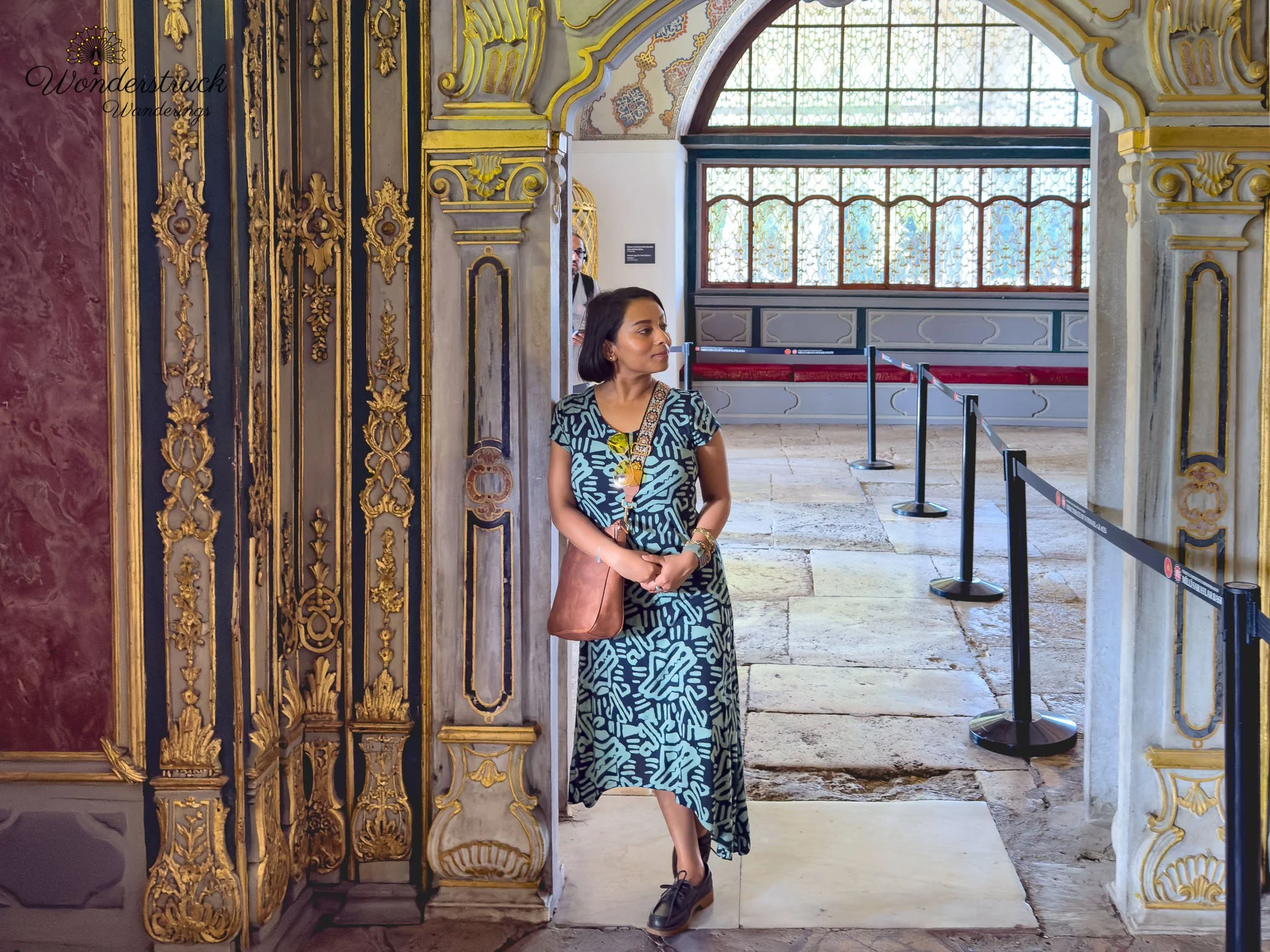

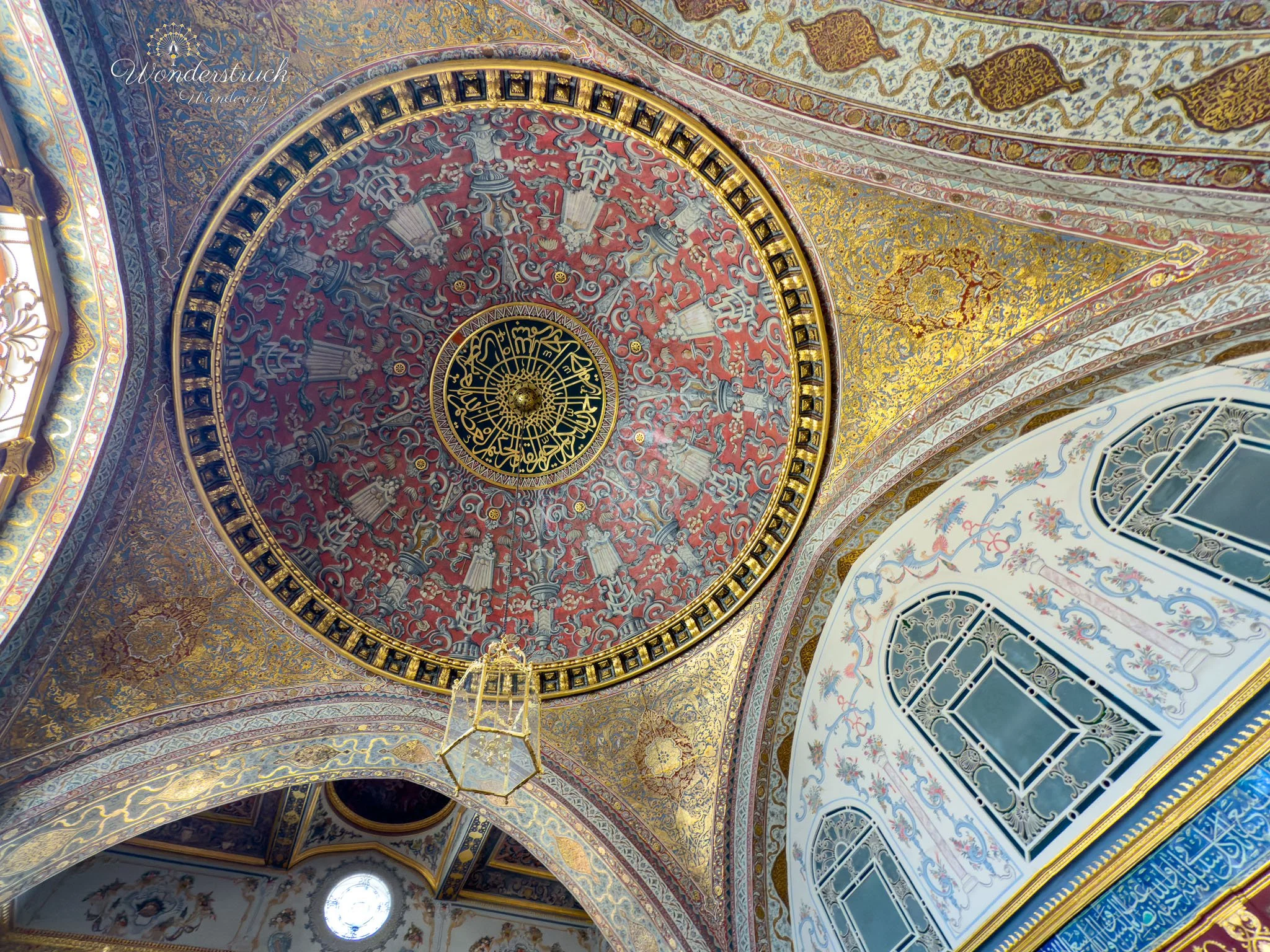
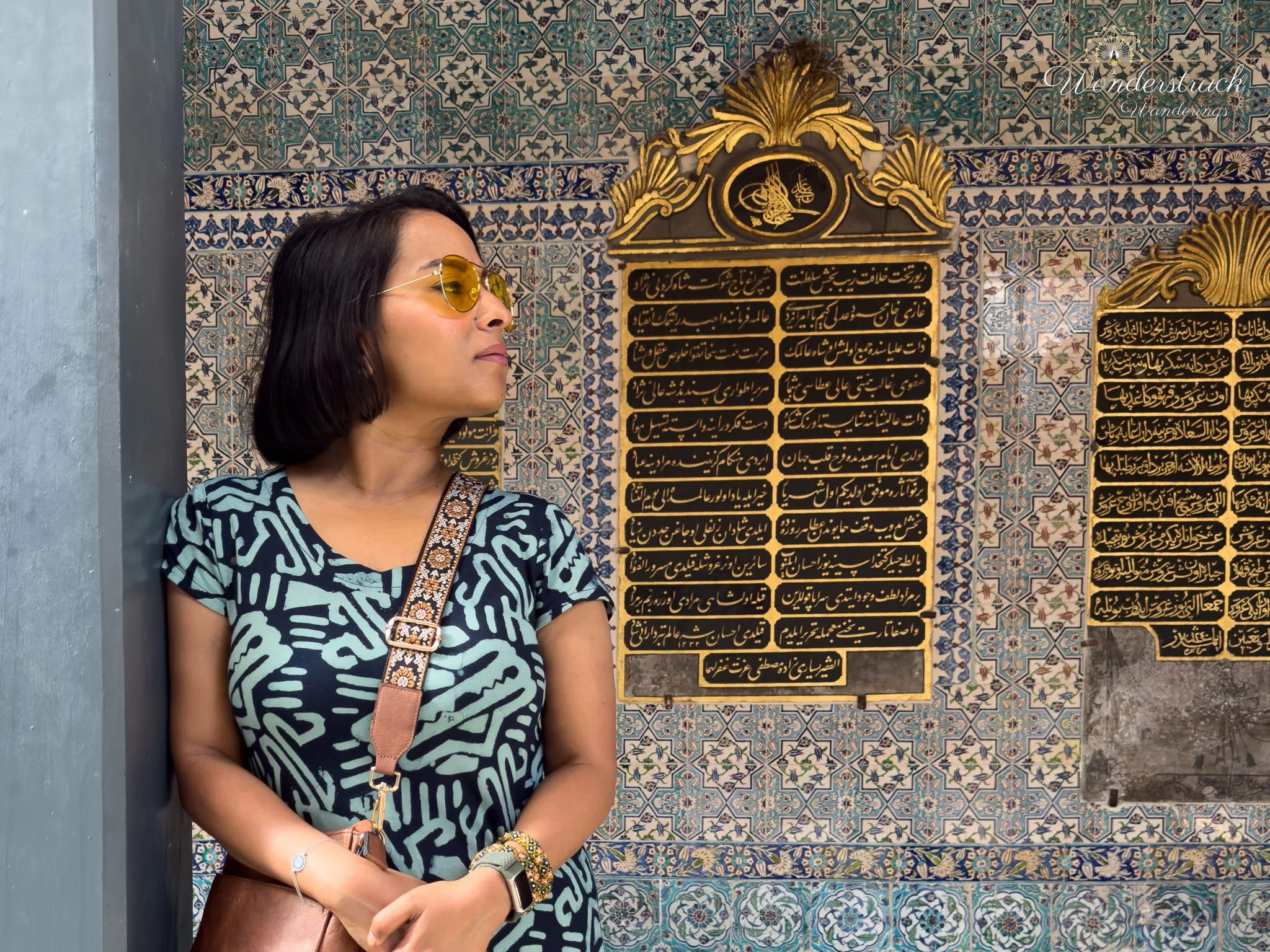
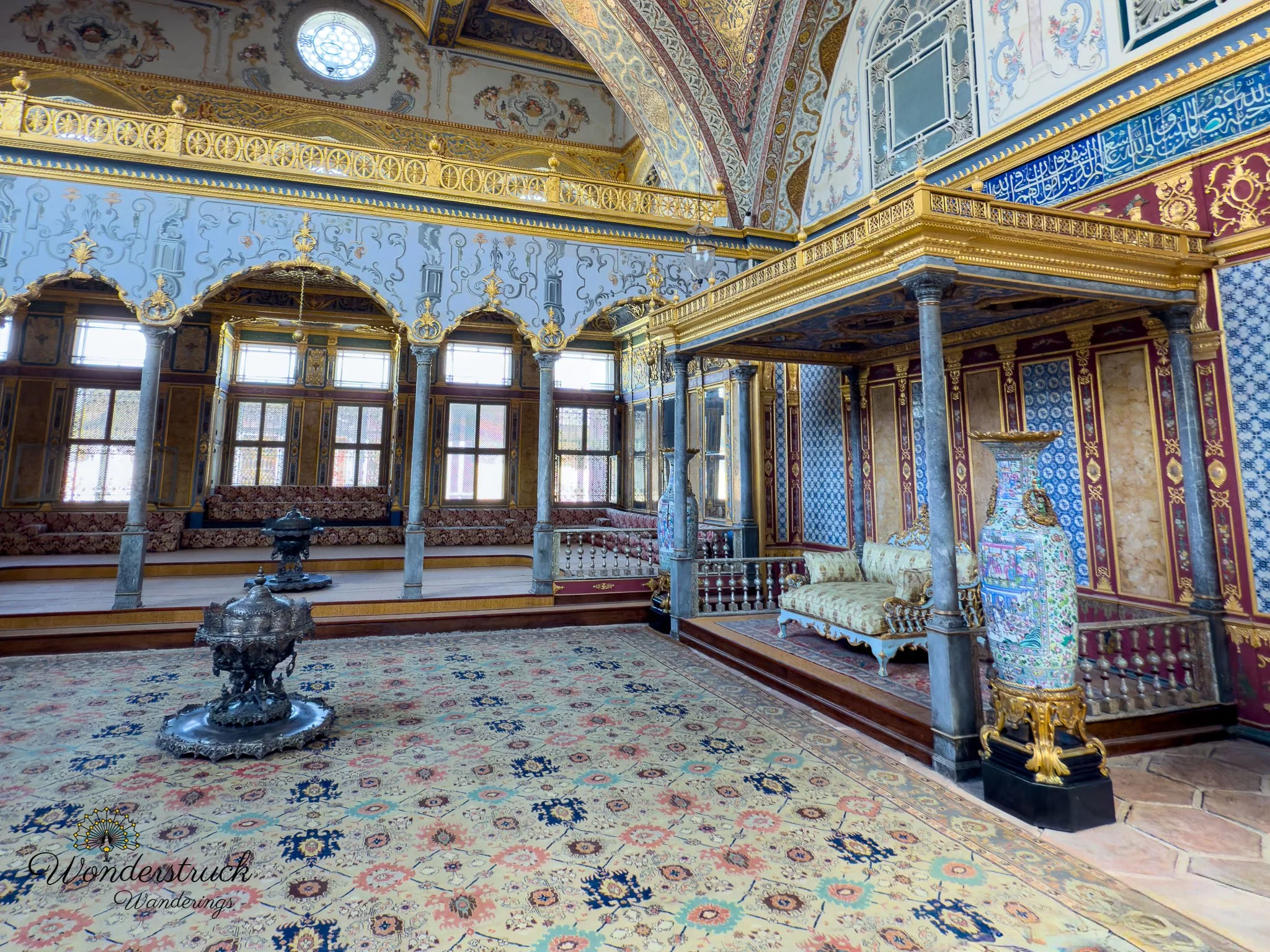
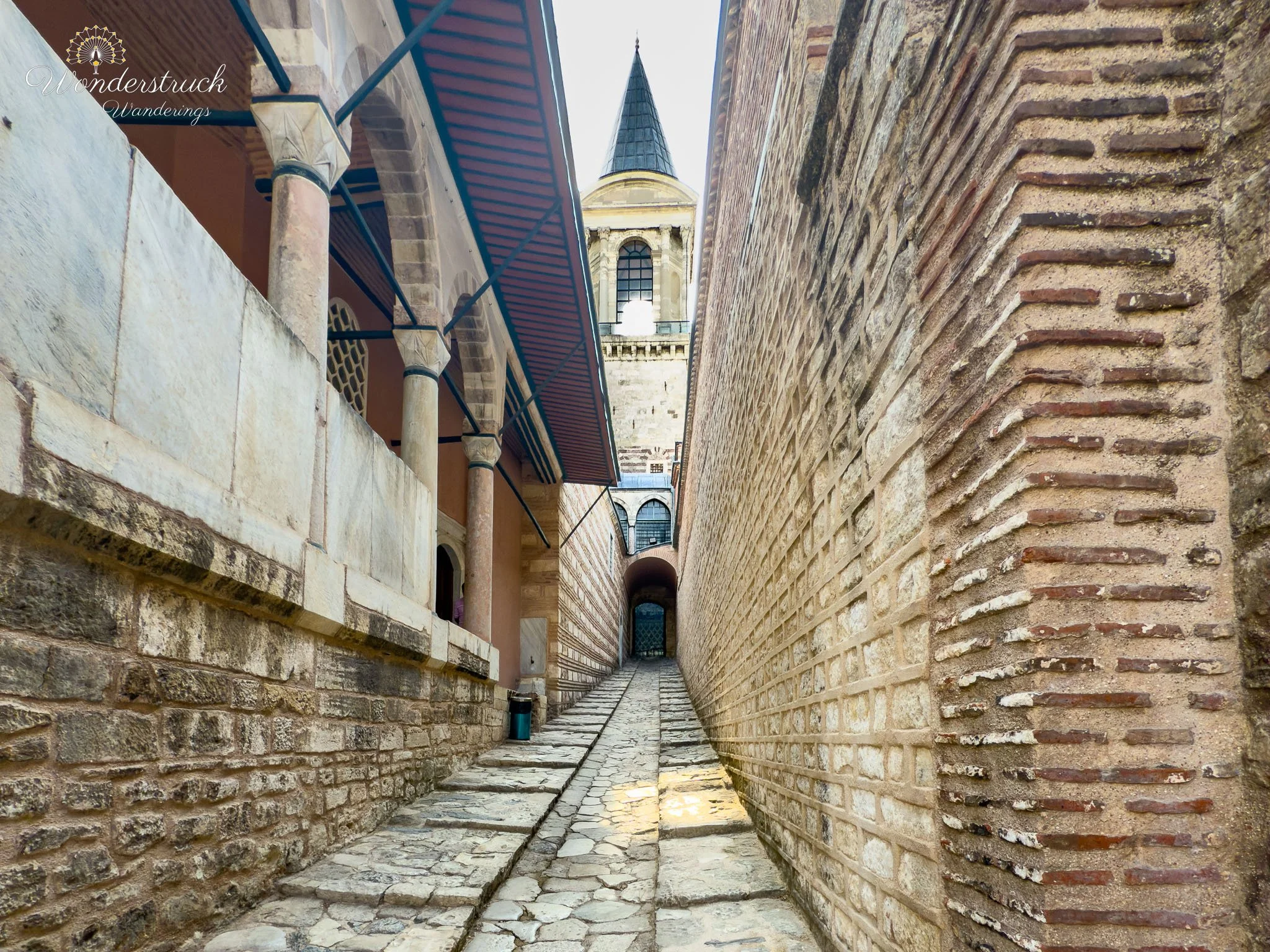
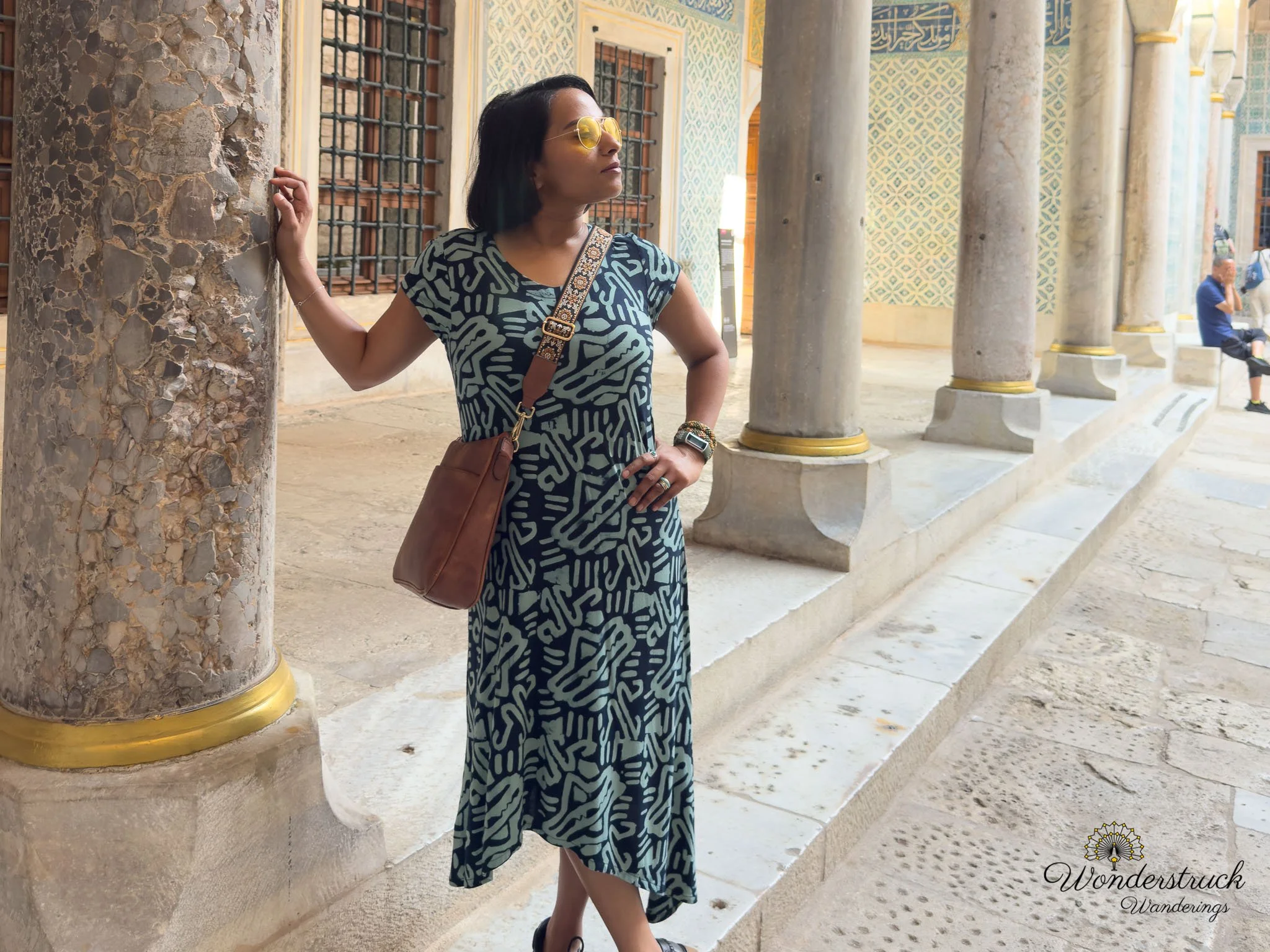
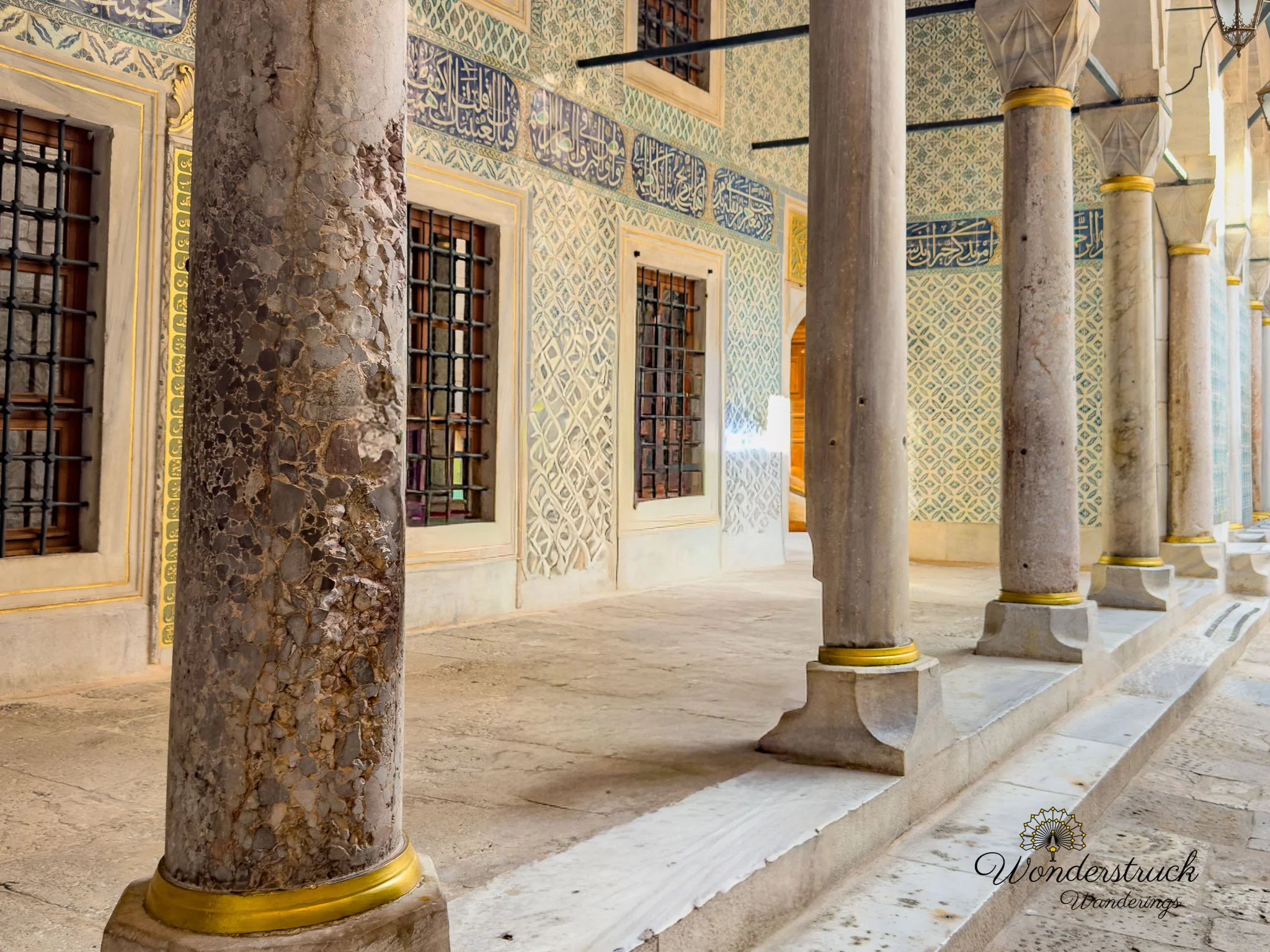
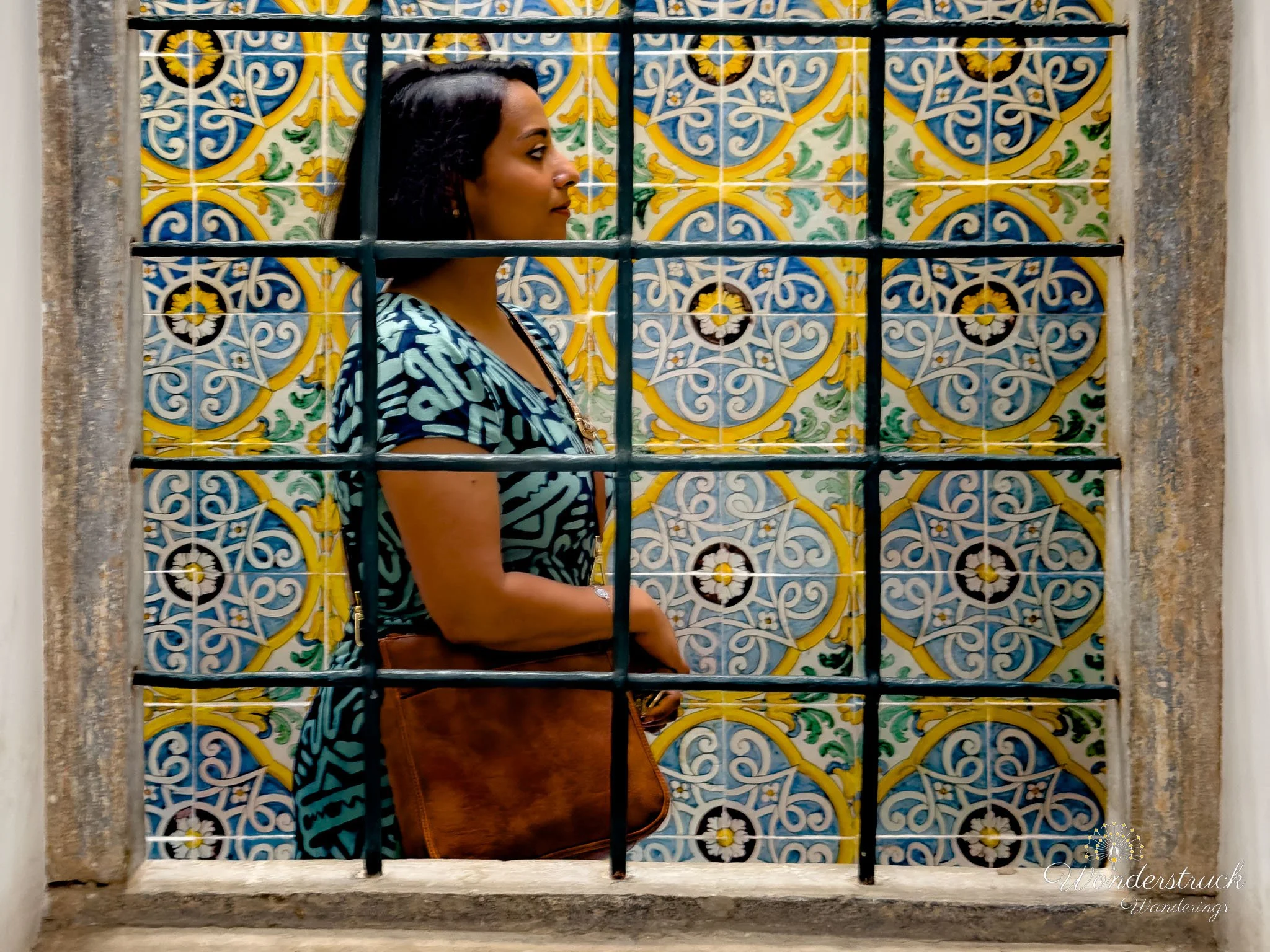
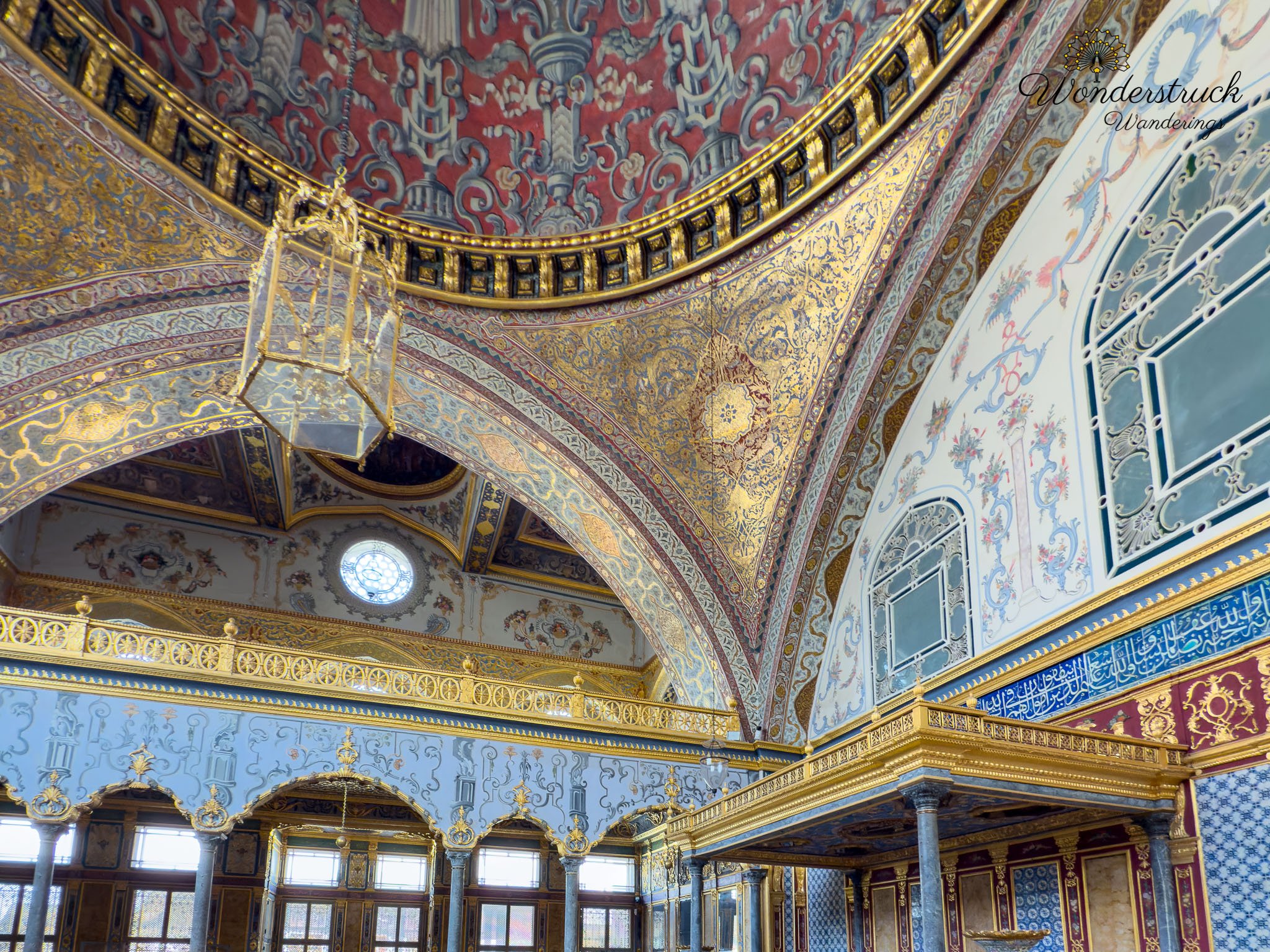
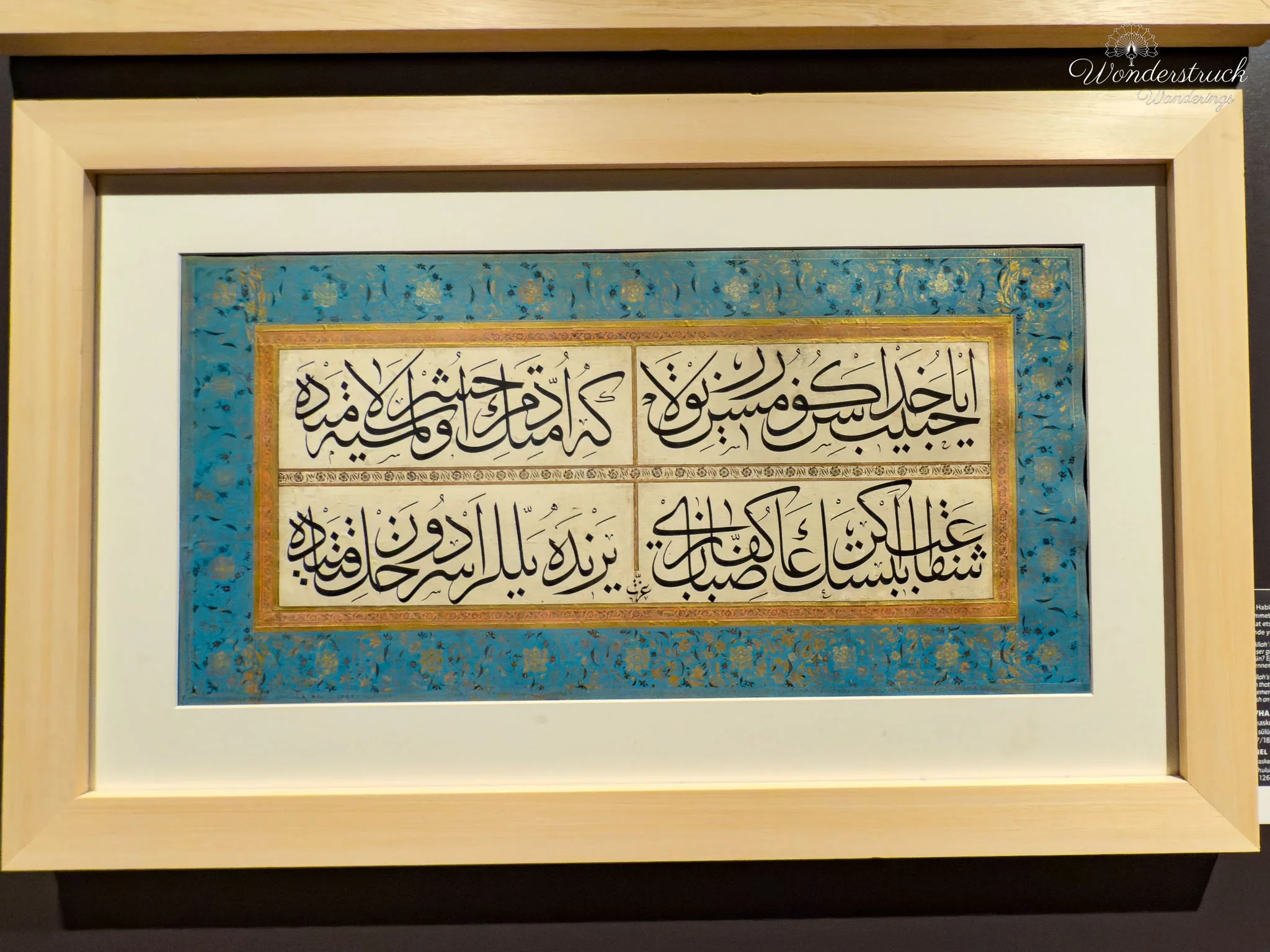
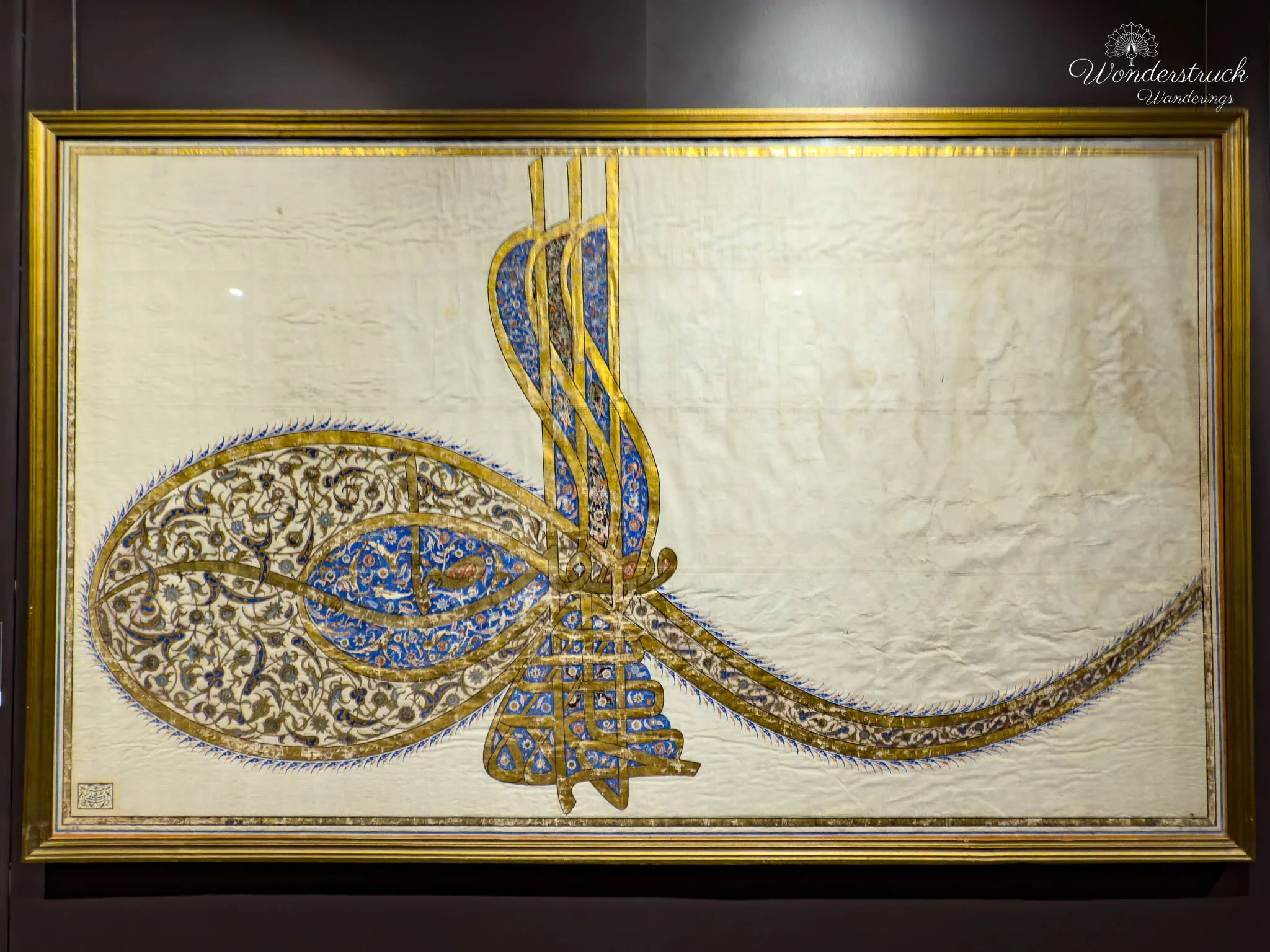
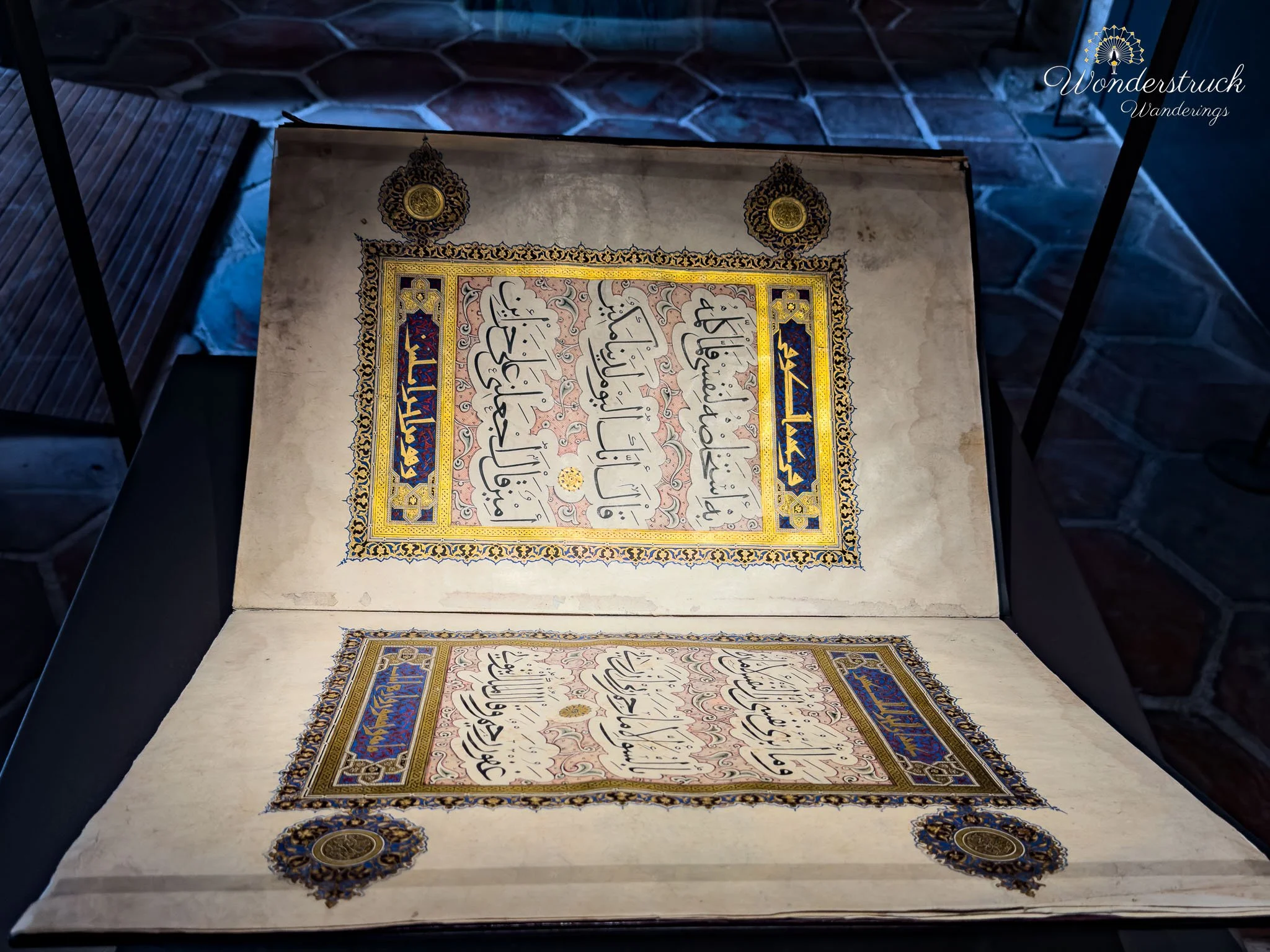
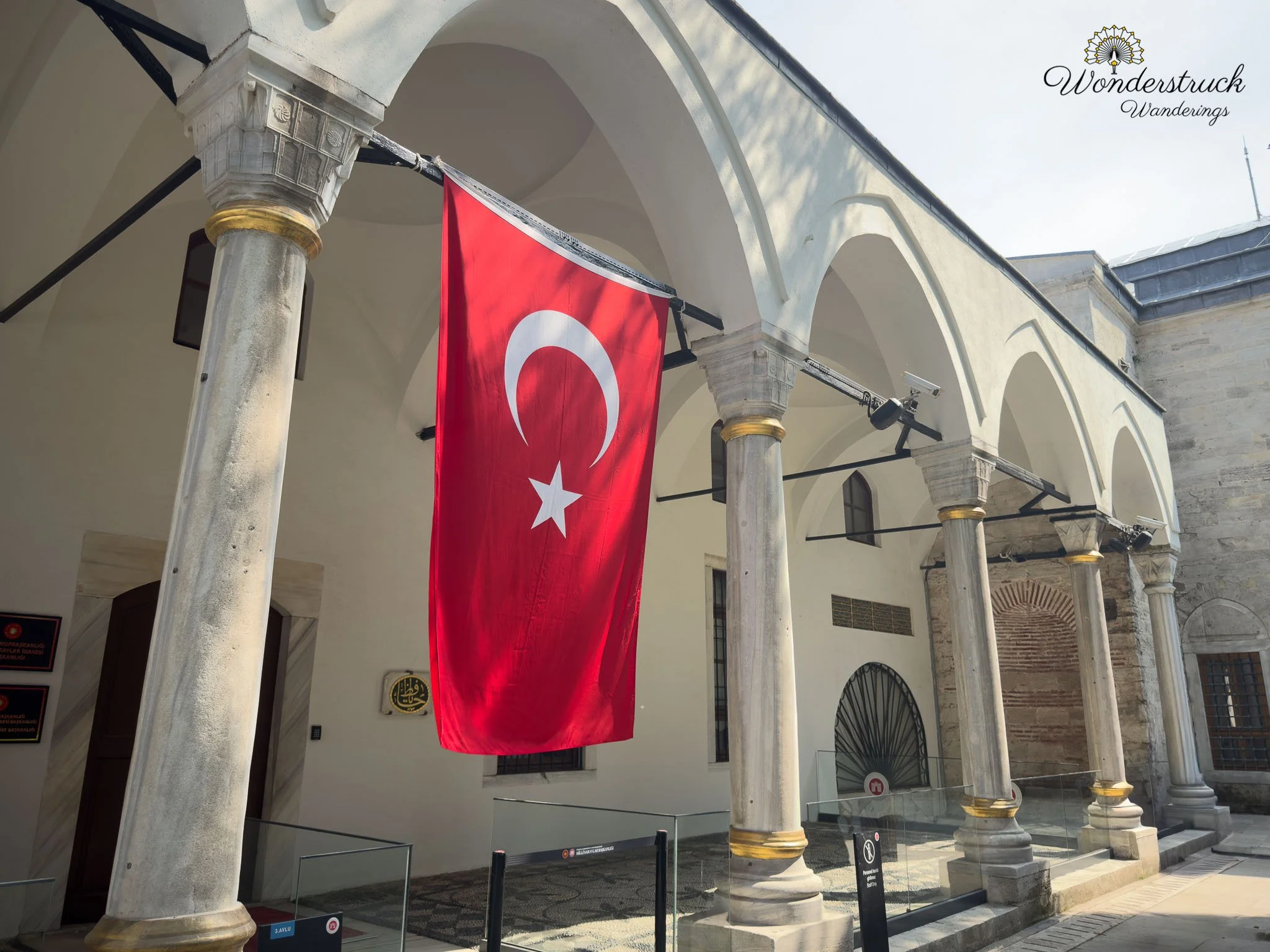
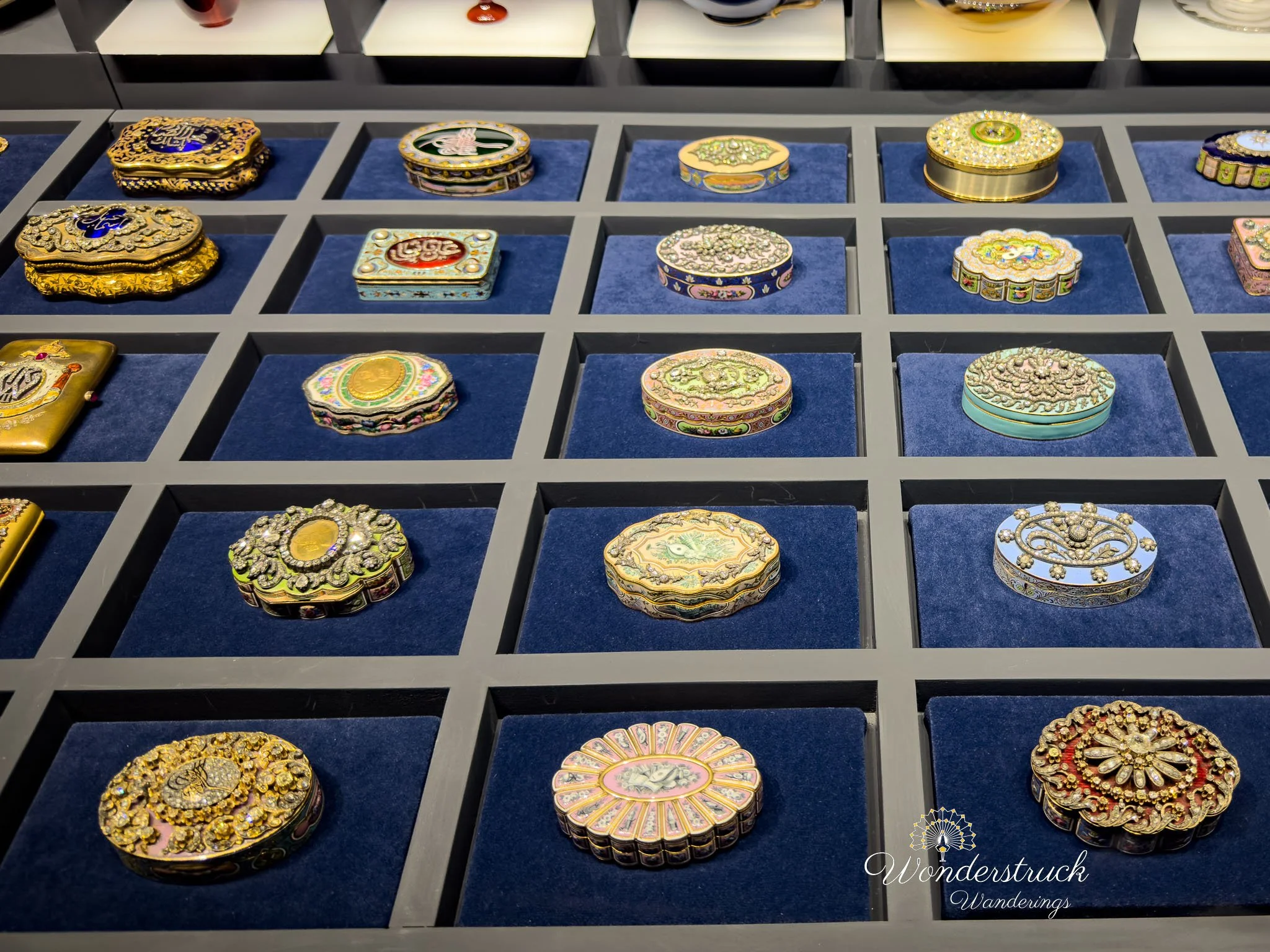
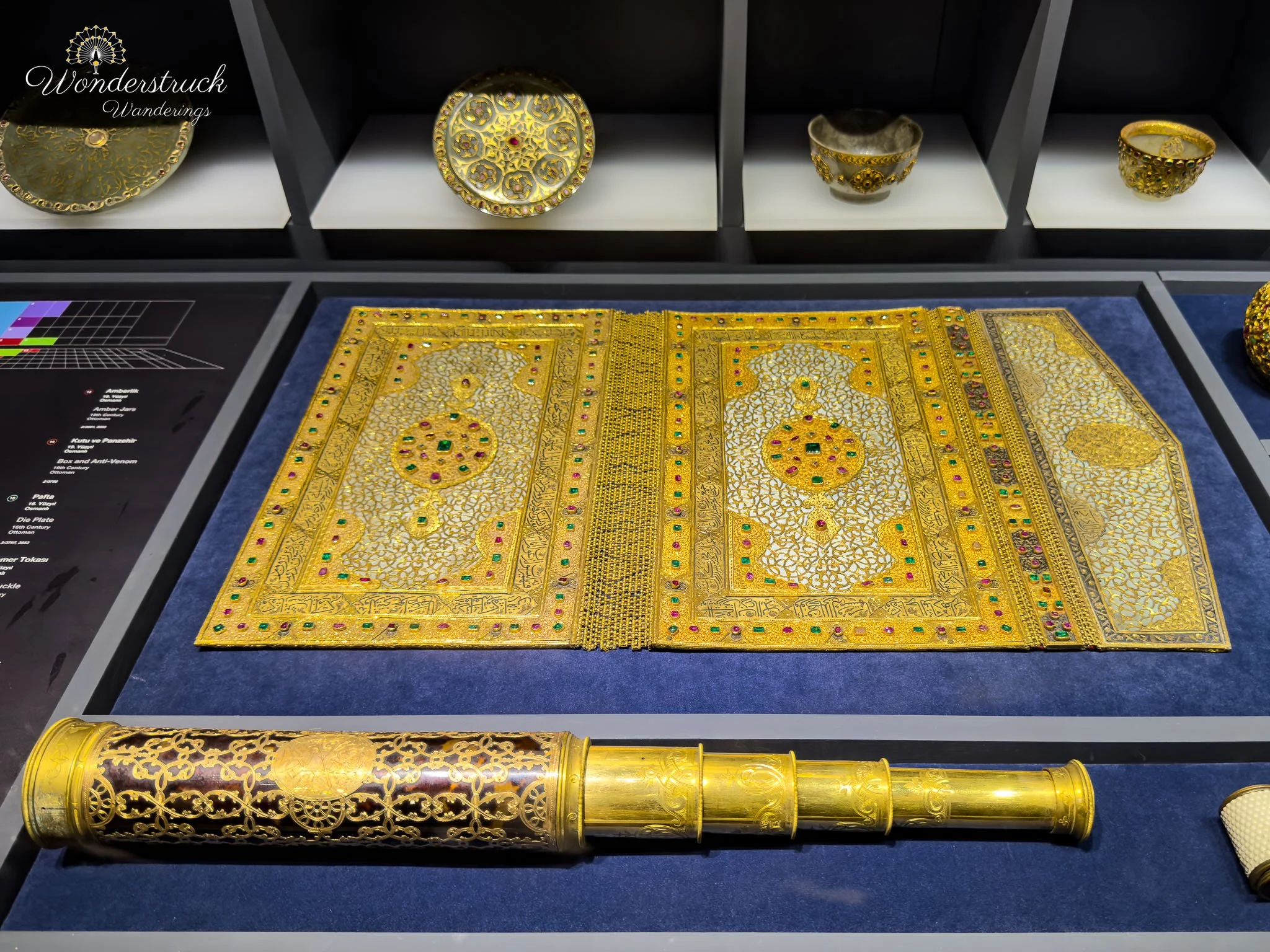
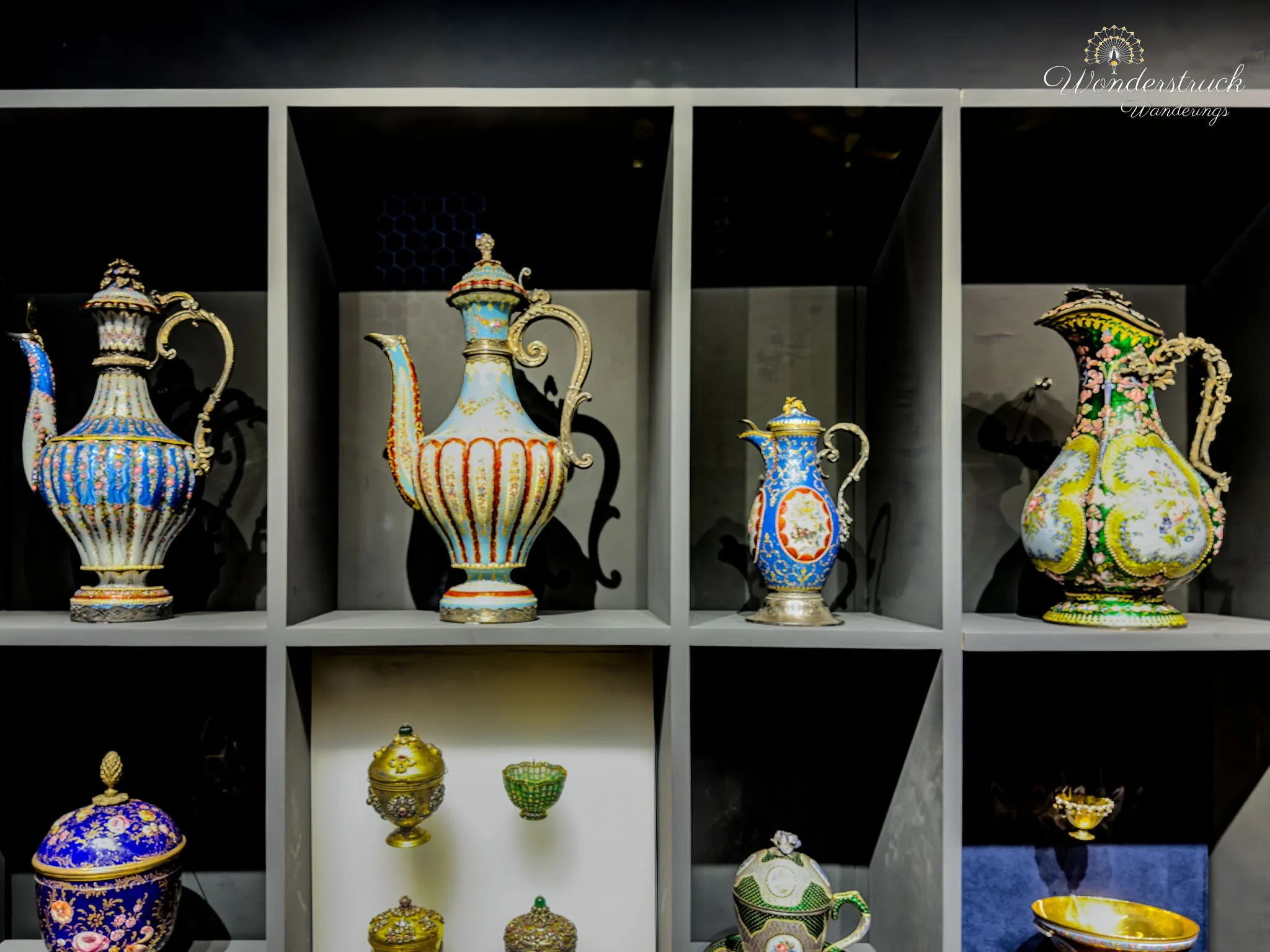
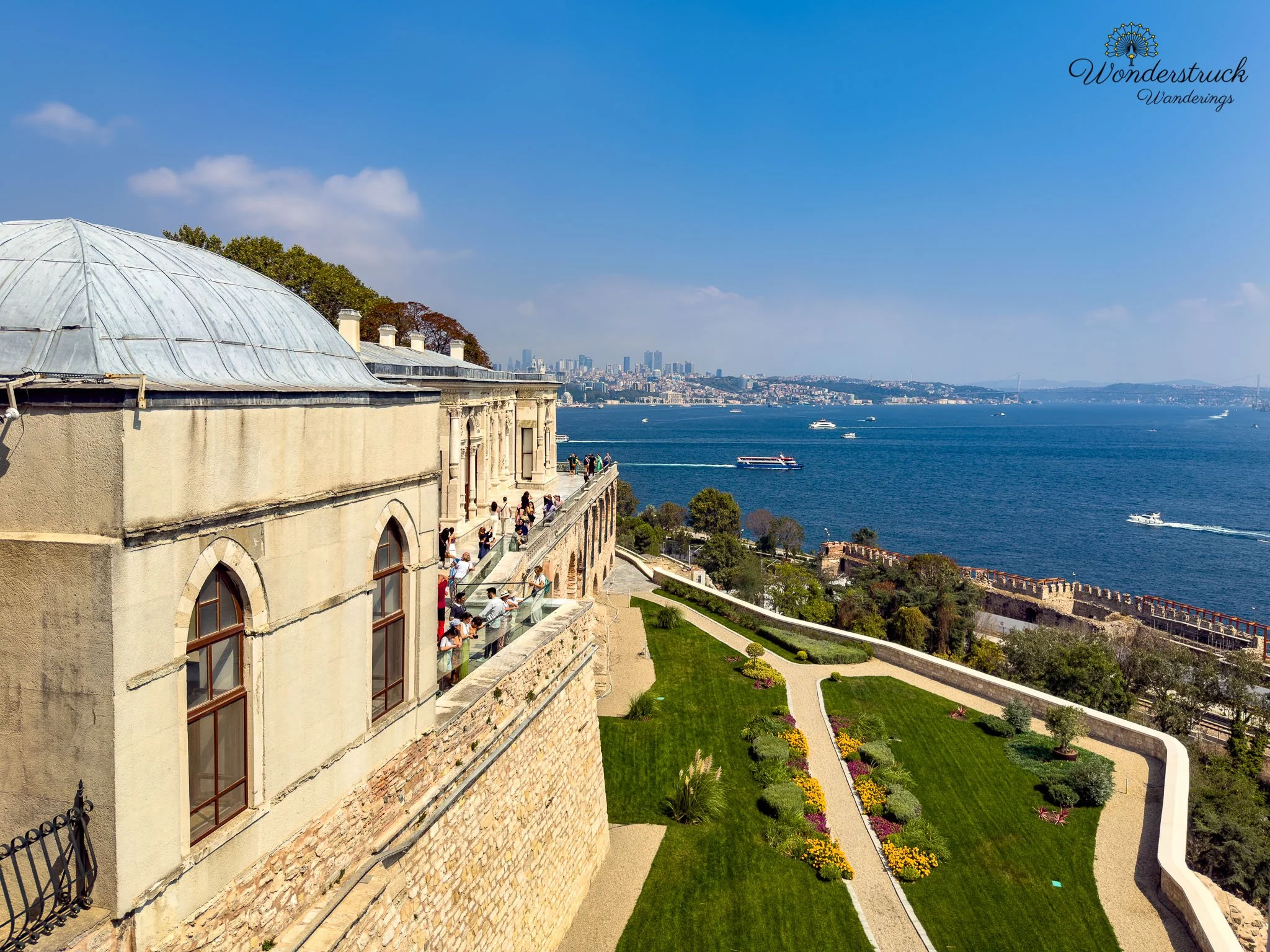
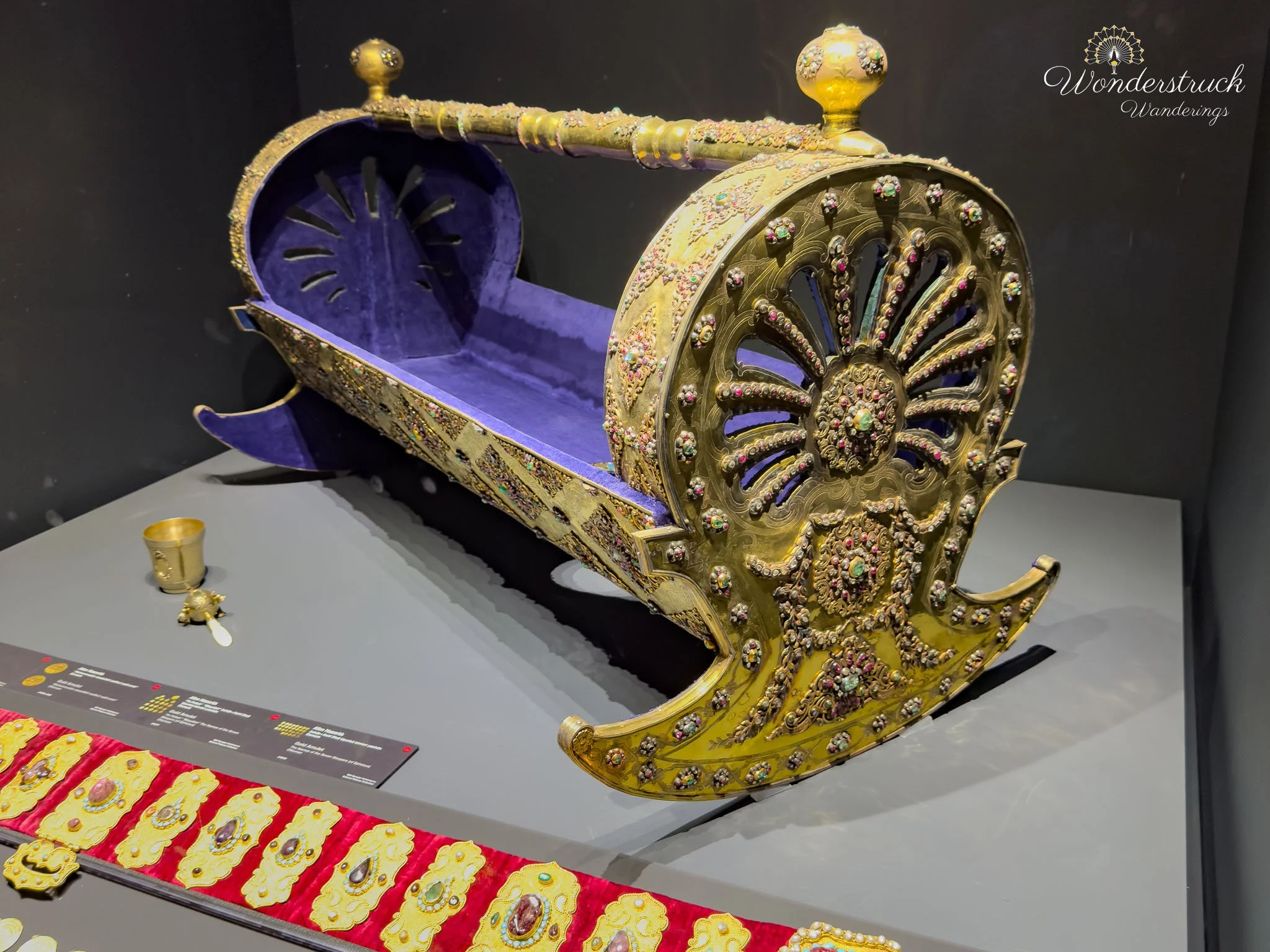
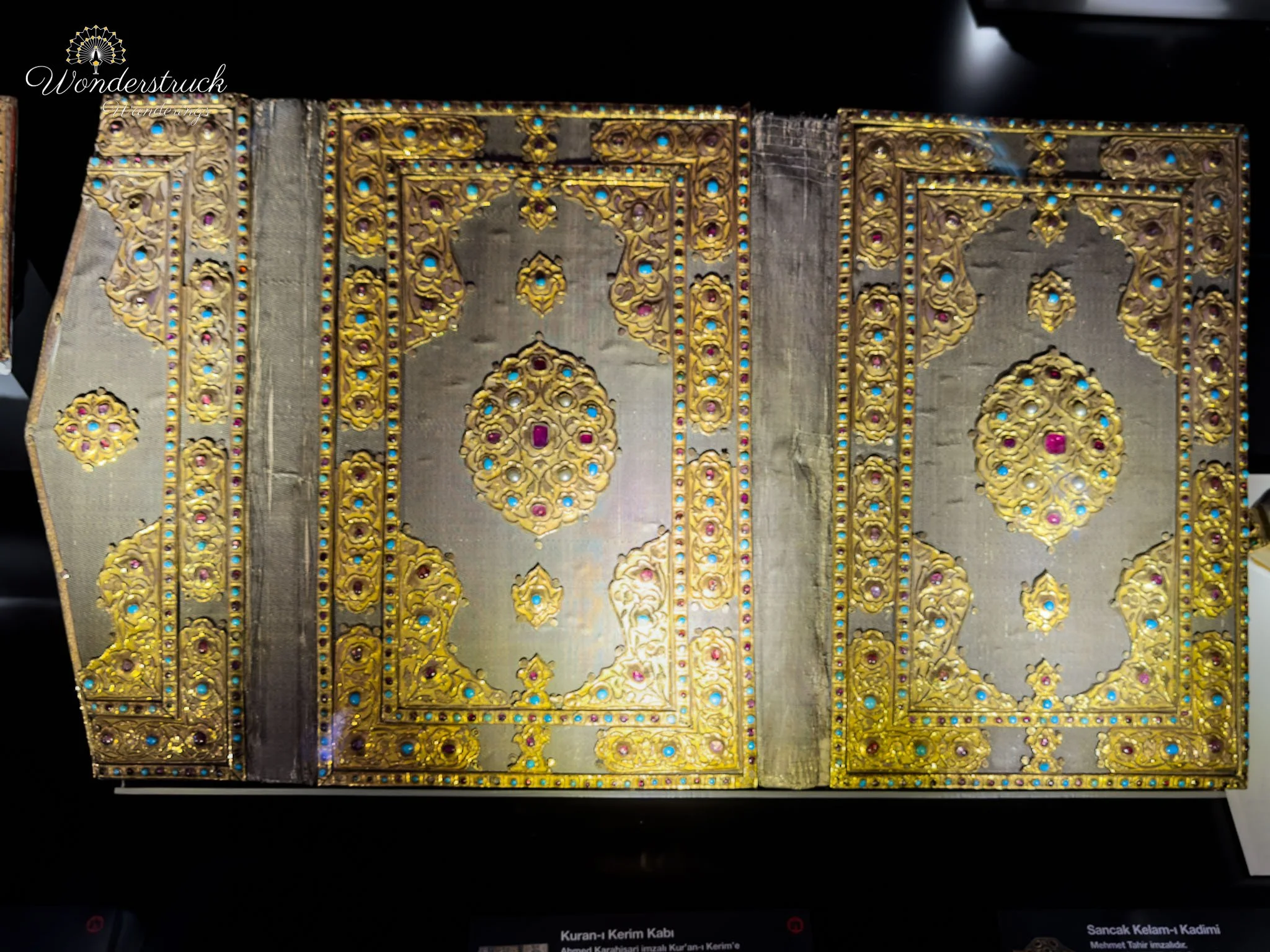
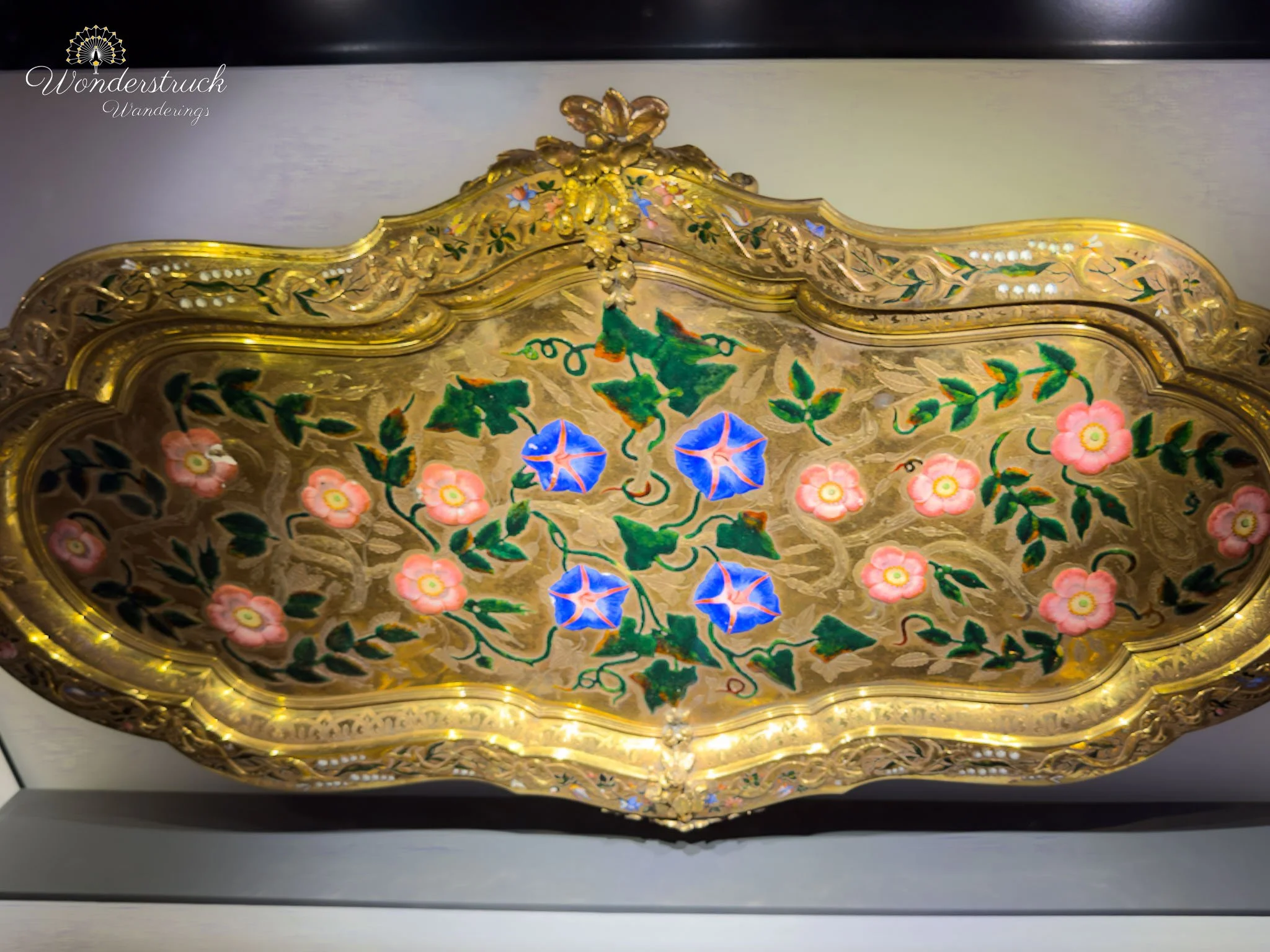
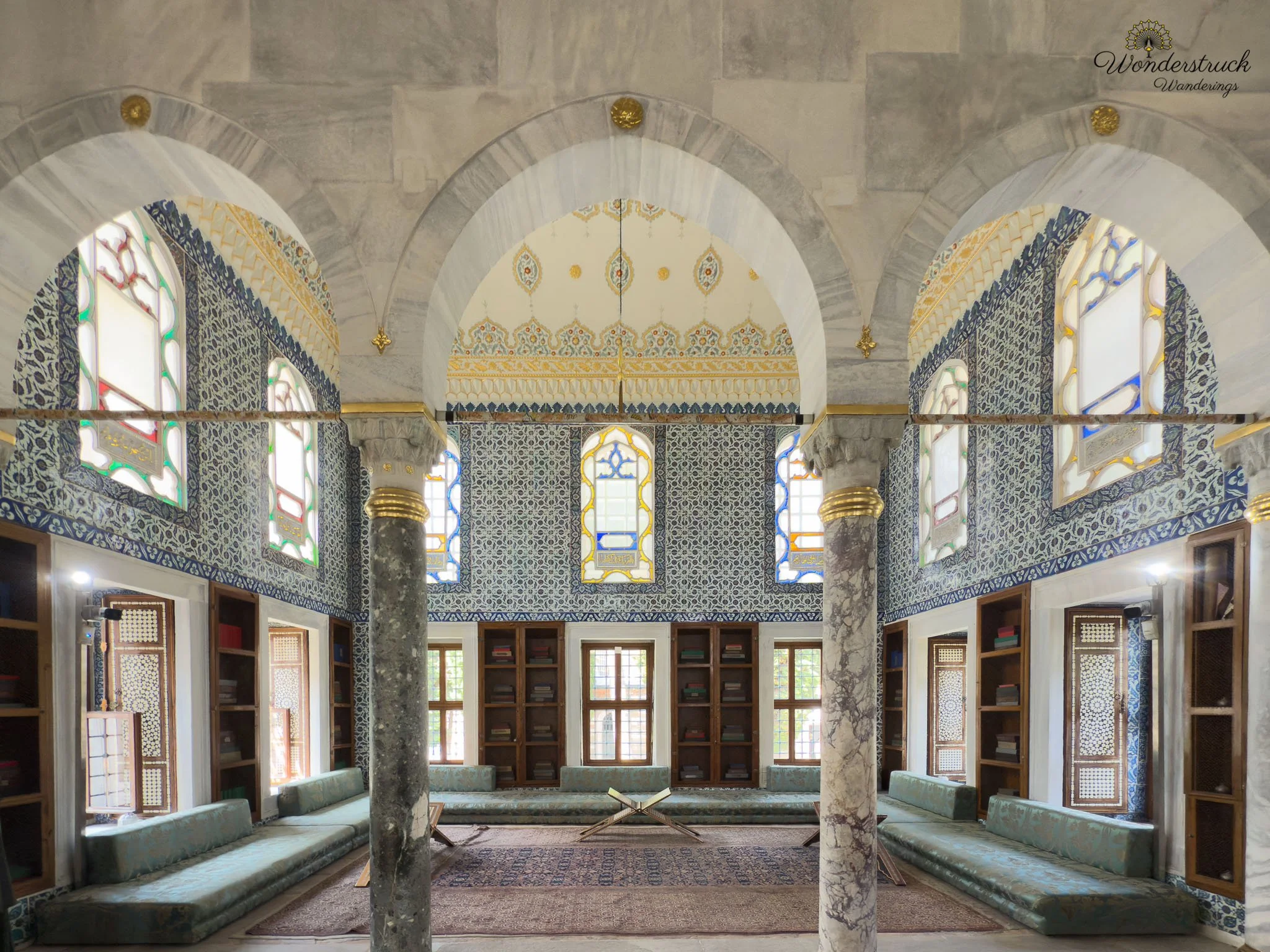
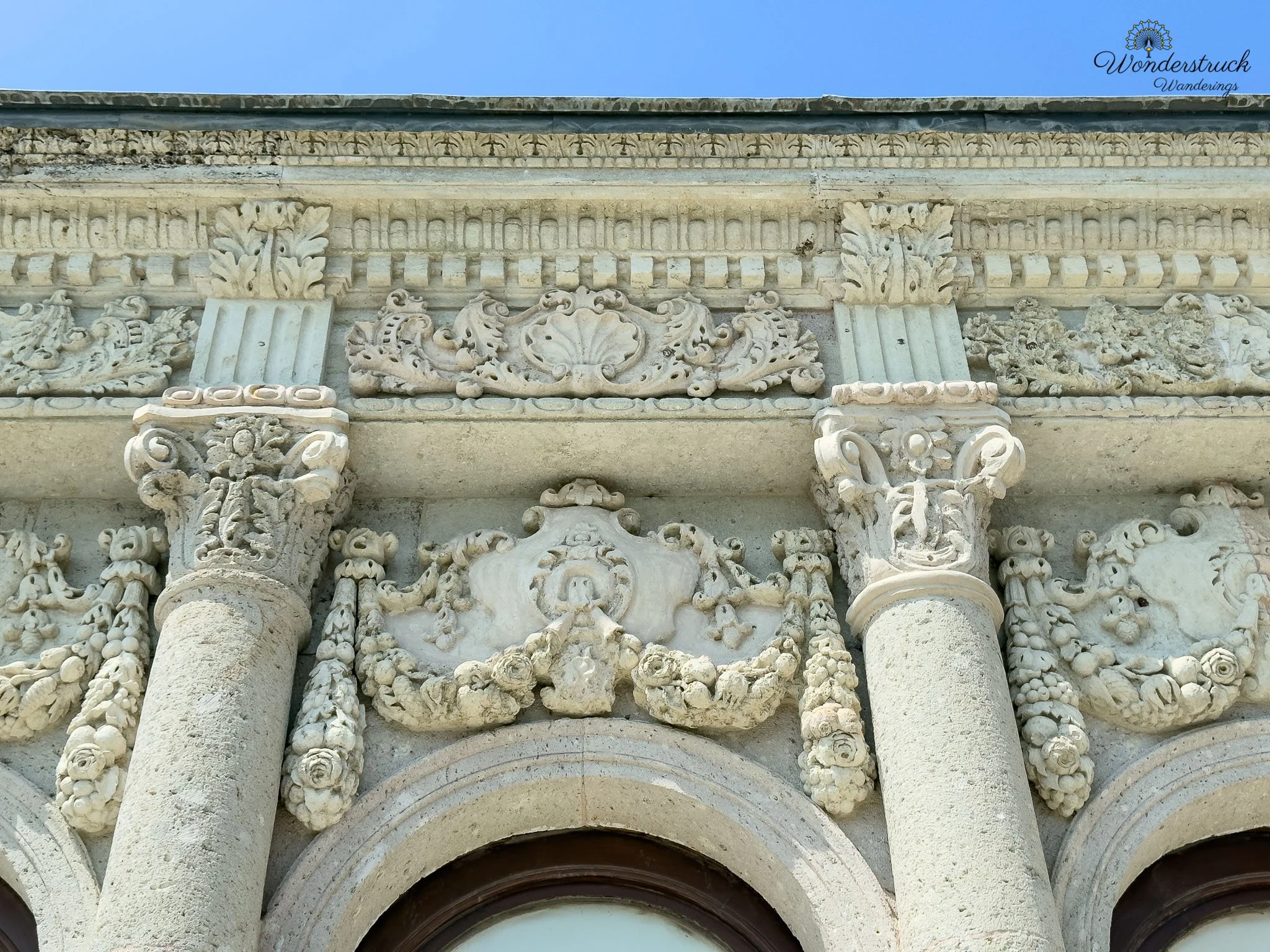
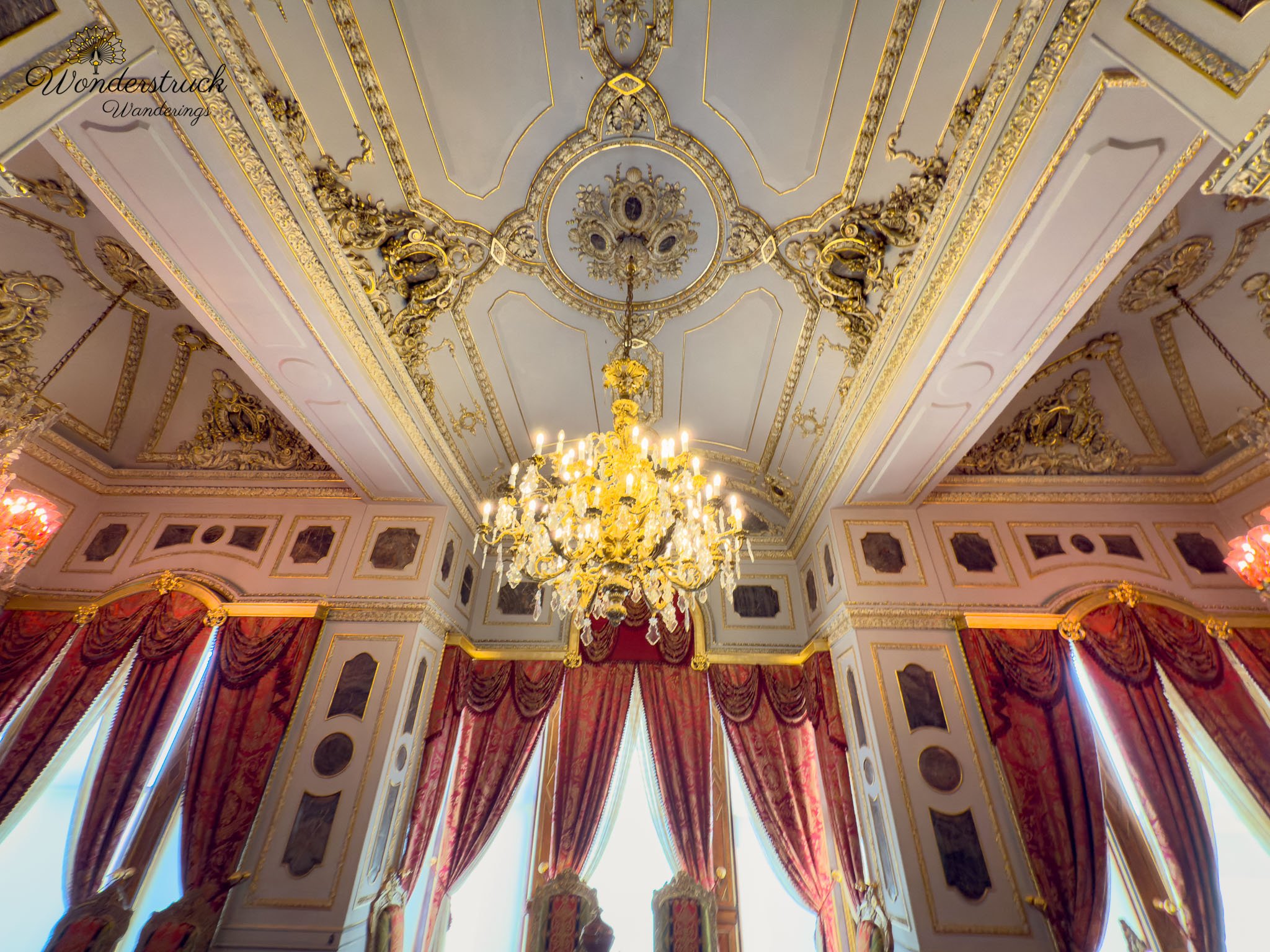
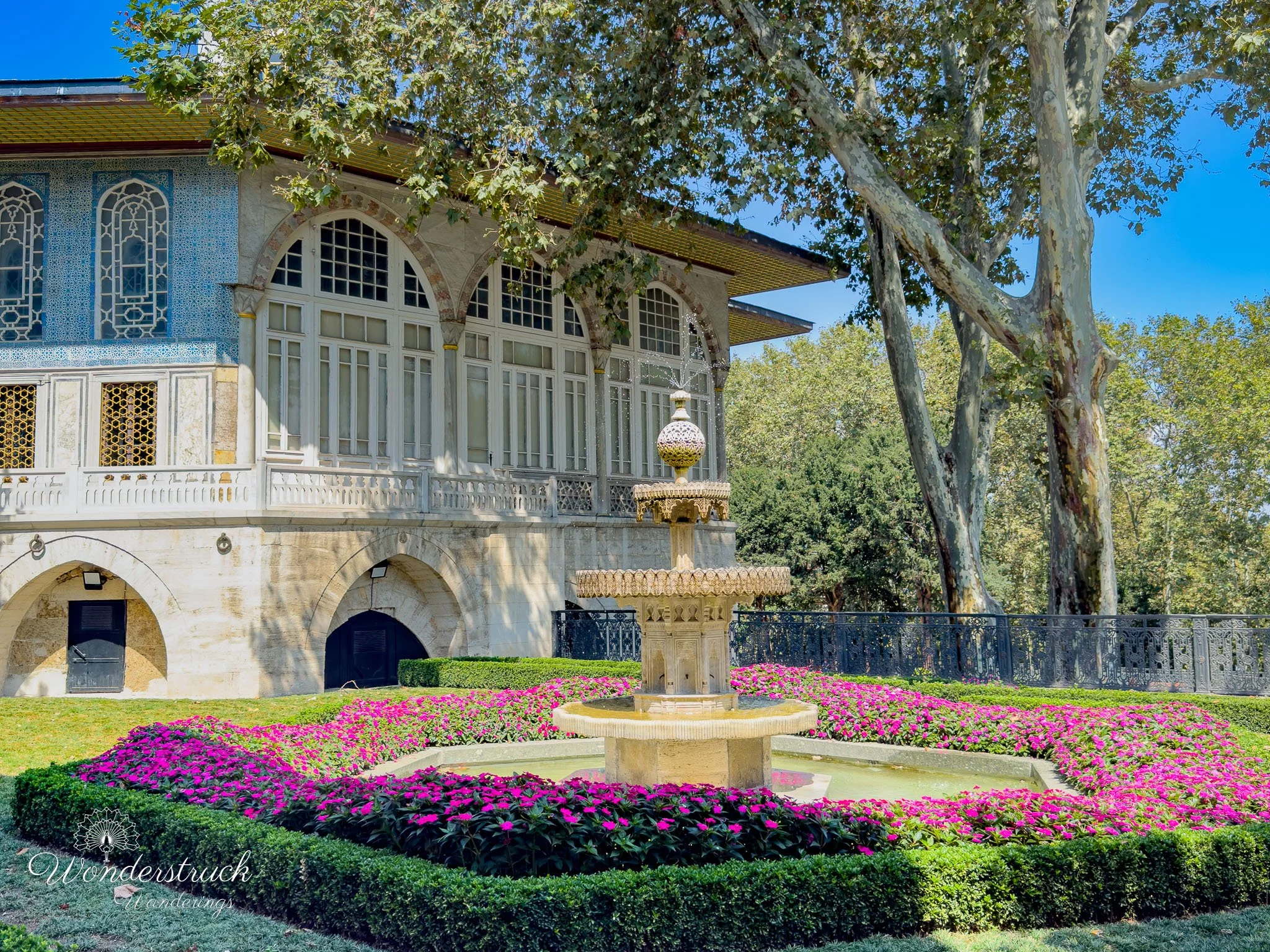
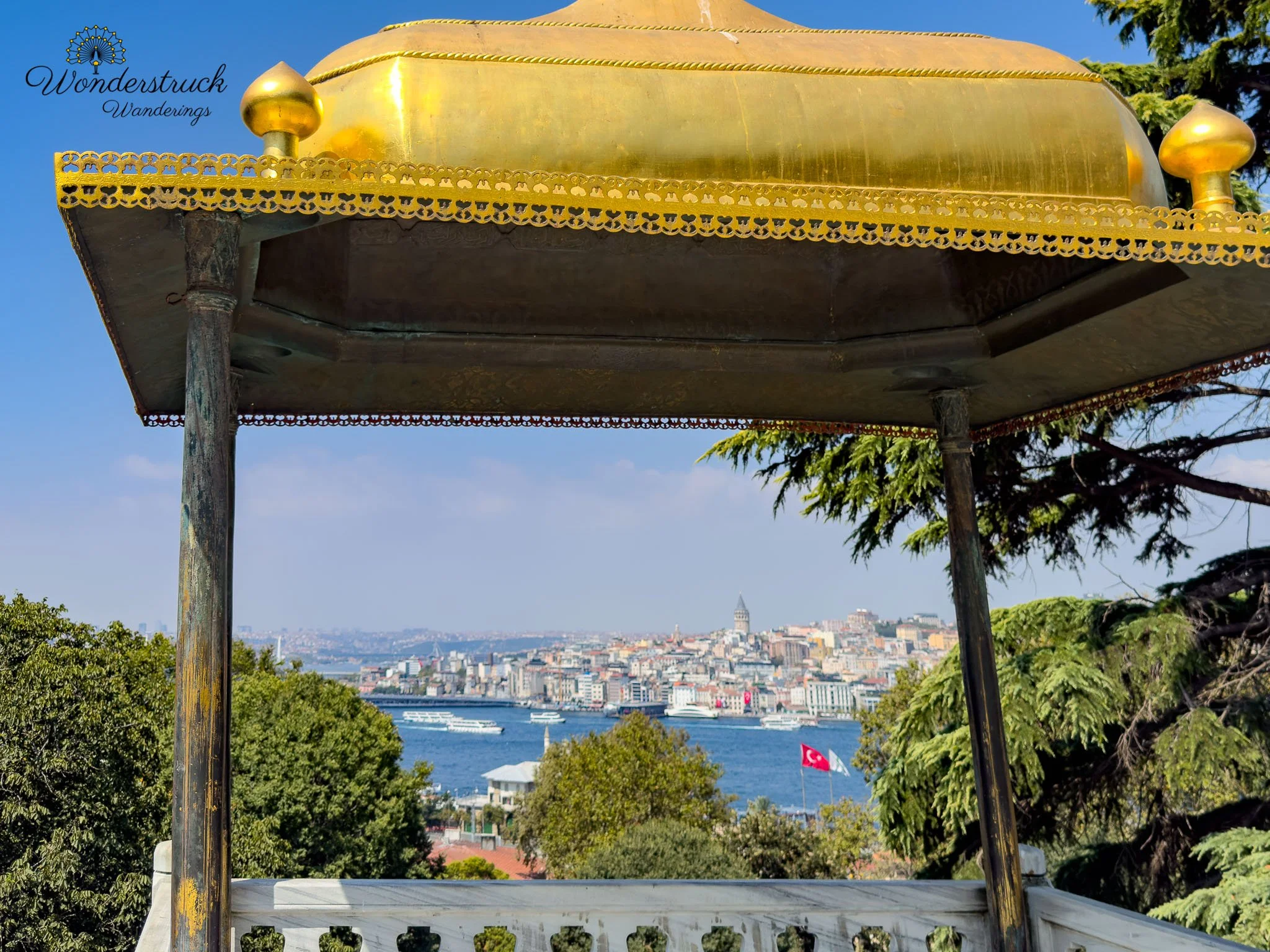
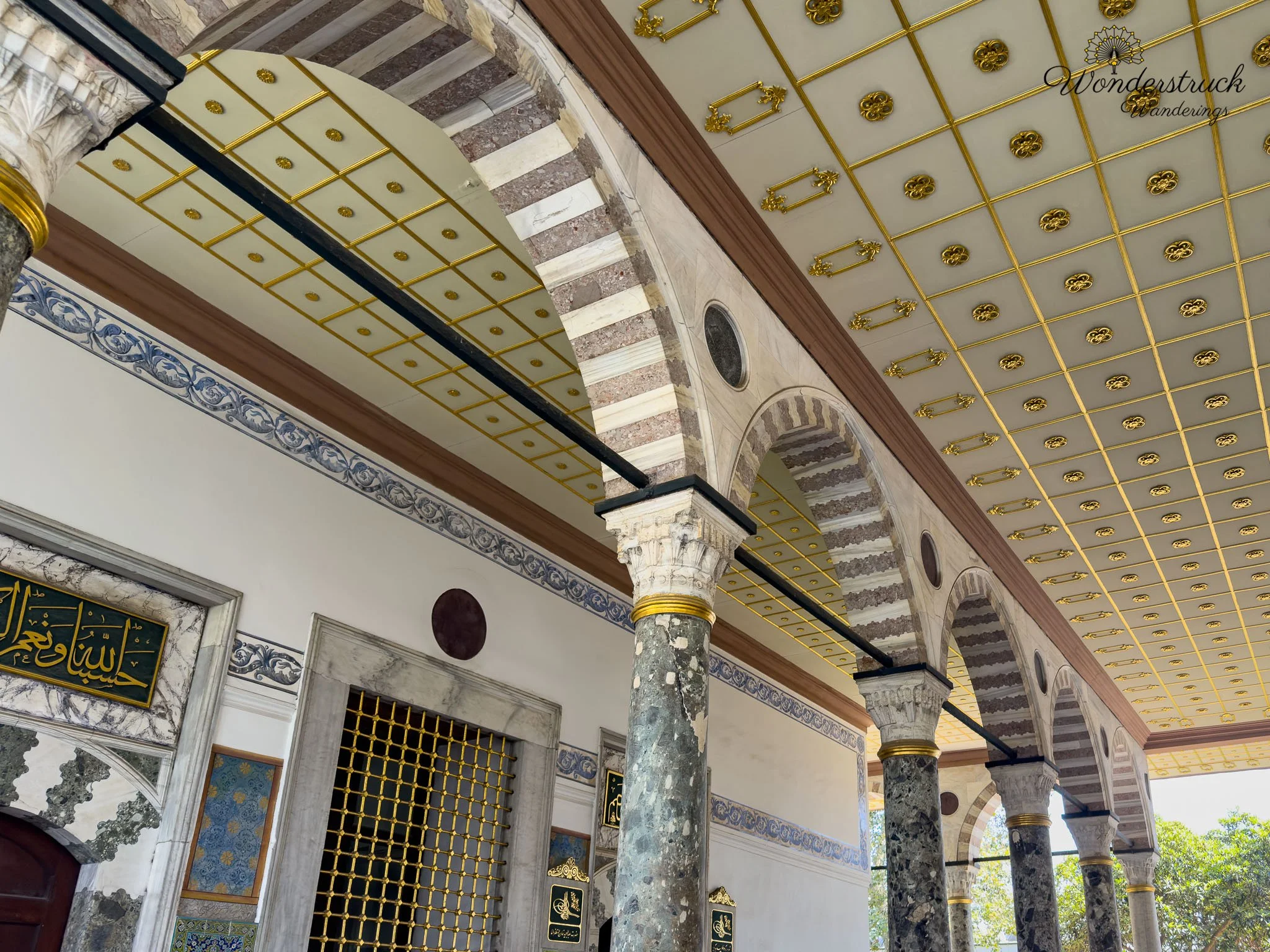
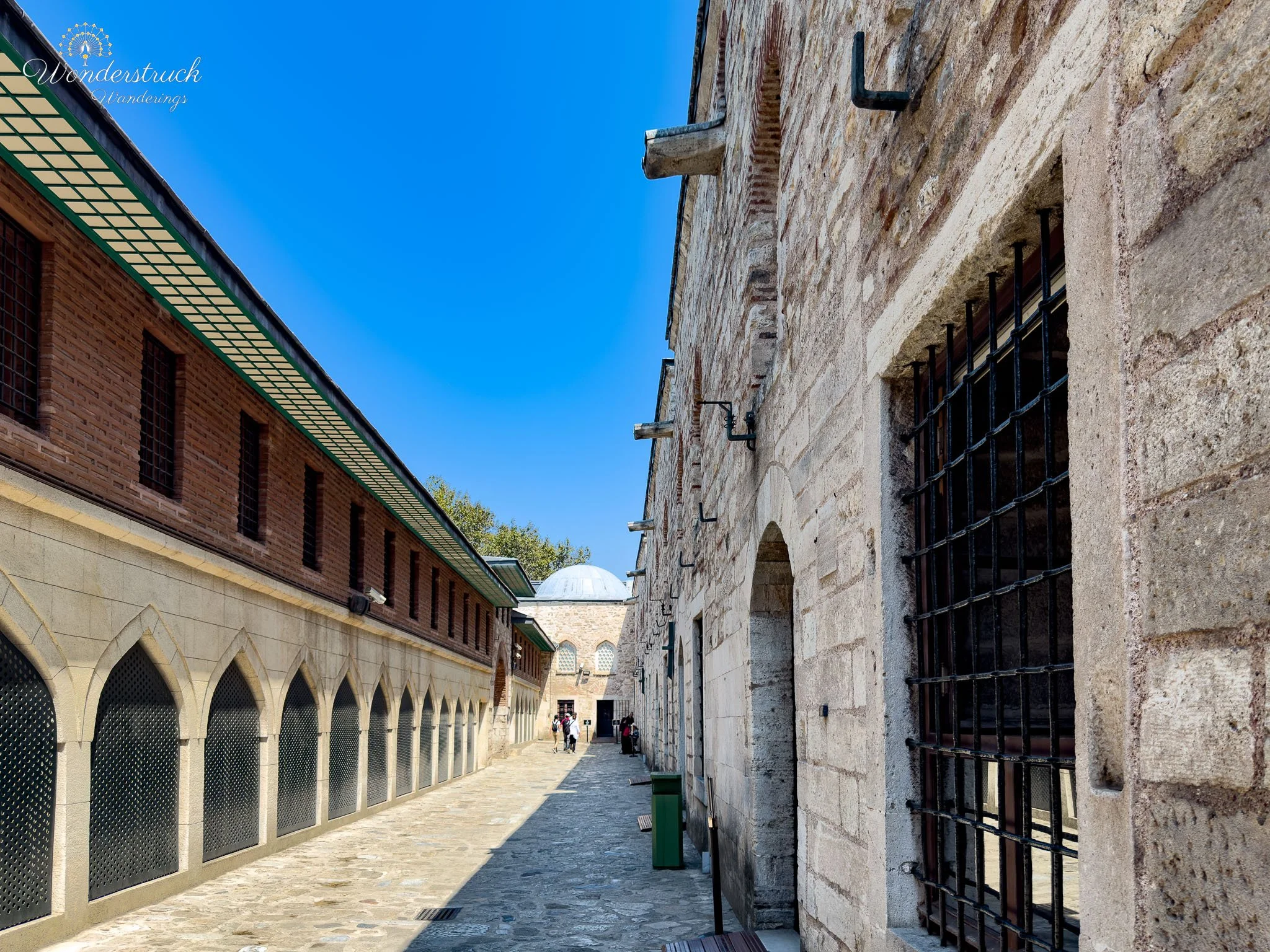
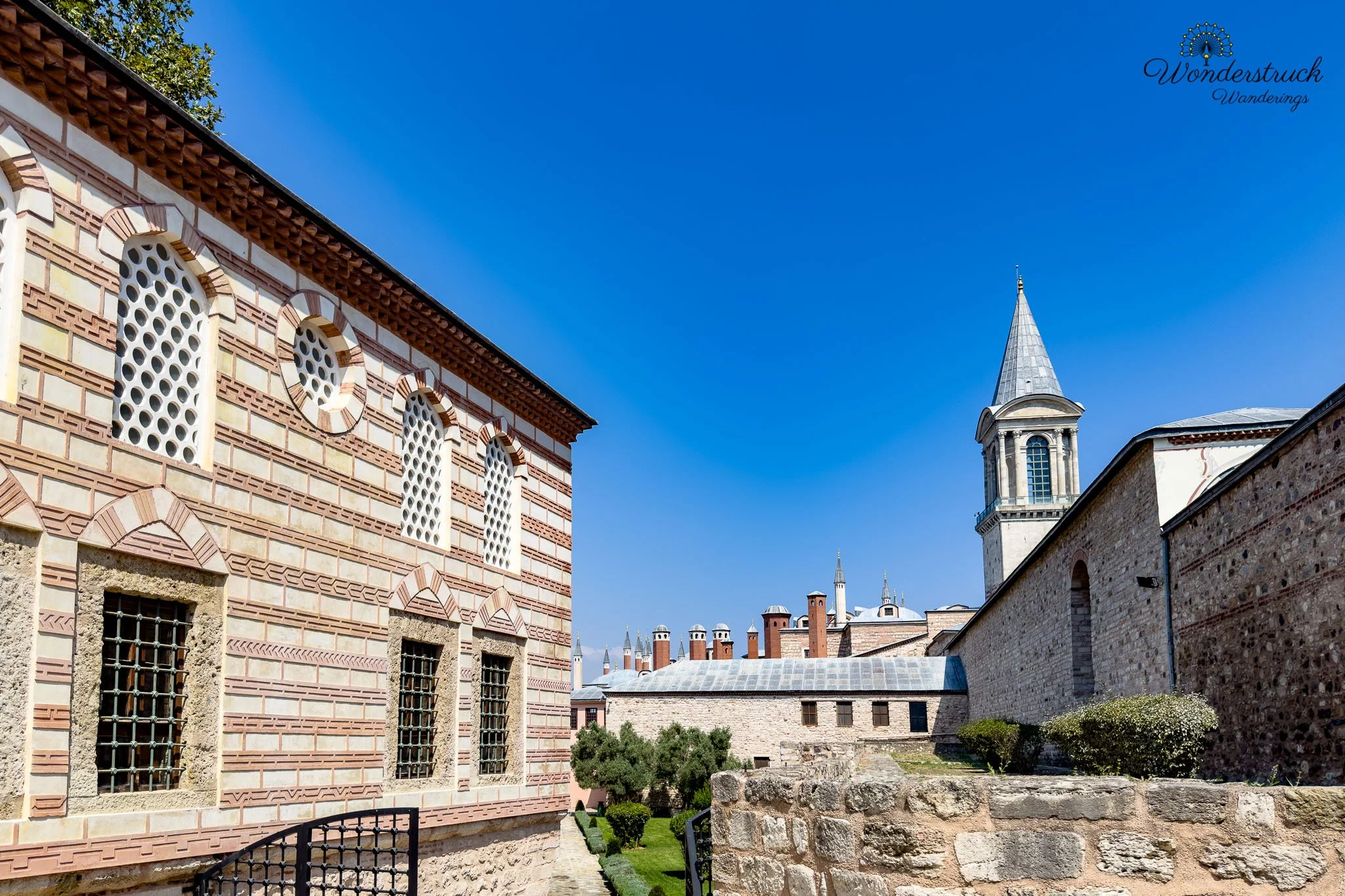
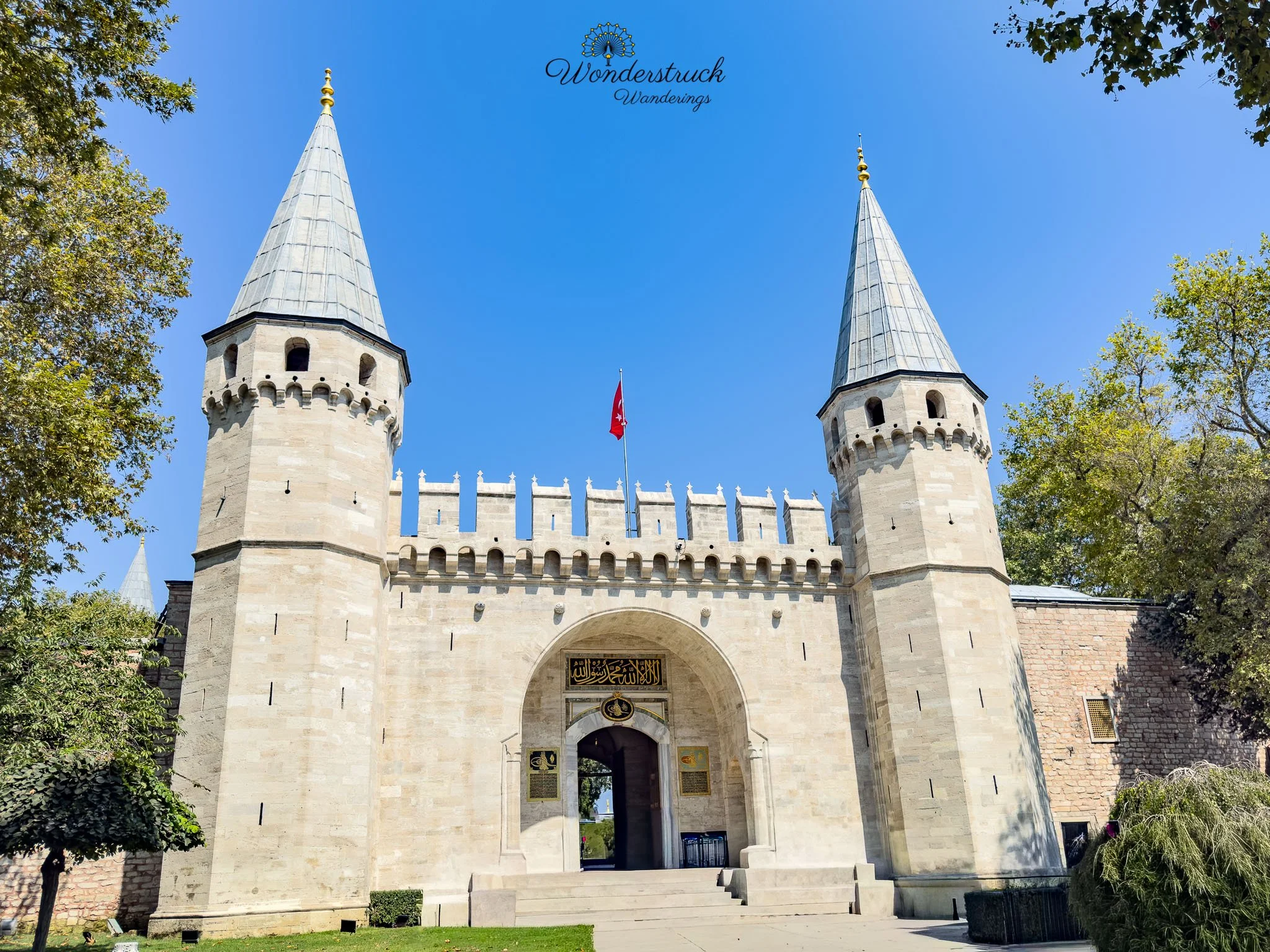
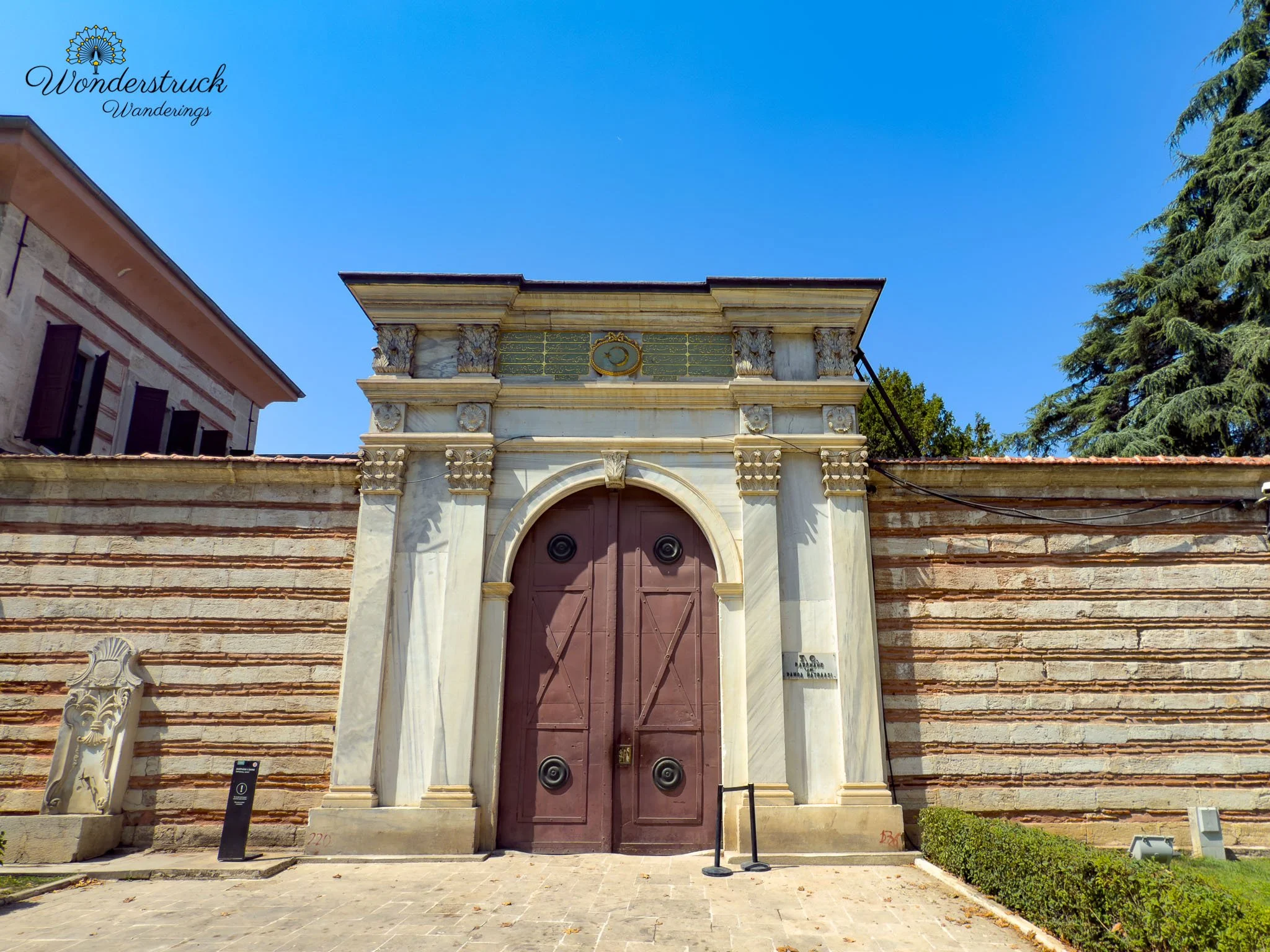
We wandered through gardens, council chambers, and kitchens before entering the Harem (Harem Dairesi) — a maze of ornate rooms, courtyards, and mosaics that told stories of discipline, power, and hierarchy. From the Courtyard of the Black Eunuchs (Harem Ağaları Taşlığı) to the Apartments of the Valide Sultan (Valide Sultan Dairesi) and the glittering Courtyard of the Favourites (Gözdeler Taşlığı), every corner revealed another facet of palace life. The Imperial Treasury dazzled with jewels like the Topkapı Dagger and Spoonmaker’s Diamond, while the Mecidiye Pavilion’s European elegance offered a glimpse of the empire’s twilight. After nearly five hours, we left the palace dizzy with awe and took an Uber back to Galata for a quick refresh before lunch at Dönerci Engin Usta`nın Yeri. The döner was perfection — tender slices of meat wrapped in lavash with tangy pickles. From there, we met the passionate artisans at Peraru Chocolate in Beşiktaş, a bean-to-bar chocolate maker crafting ethical, small-batch cocoa bars that felt like edible art.
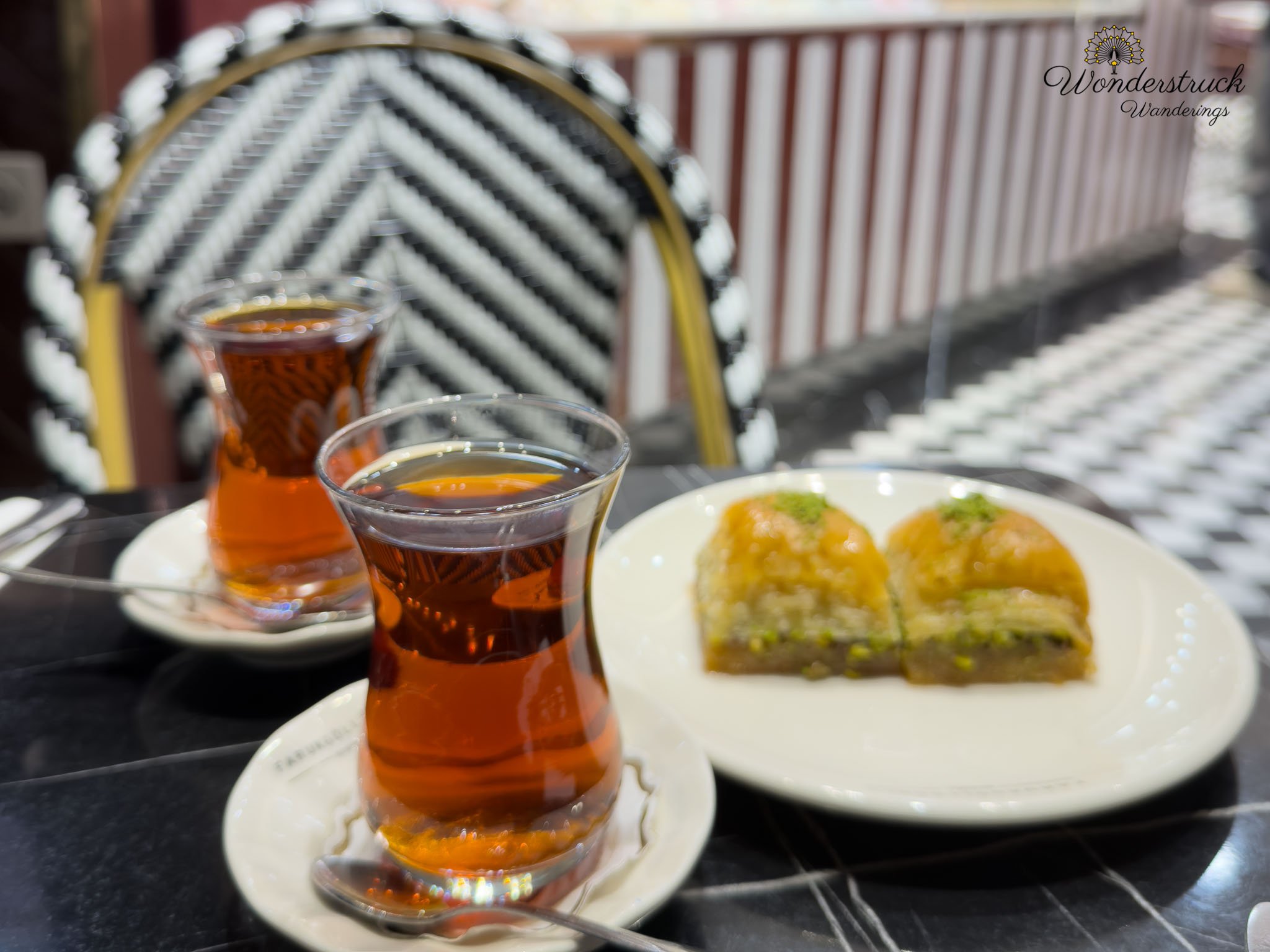
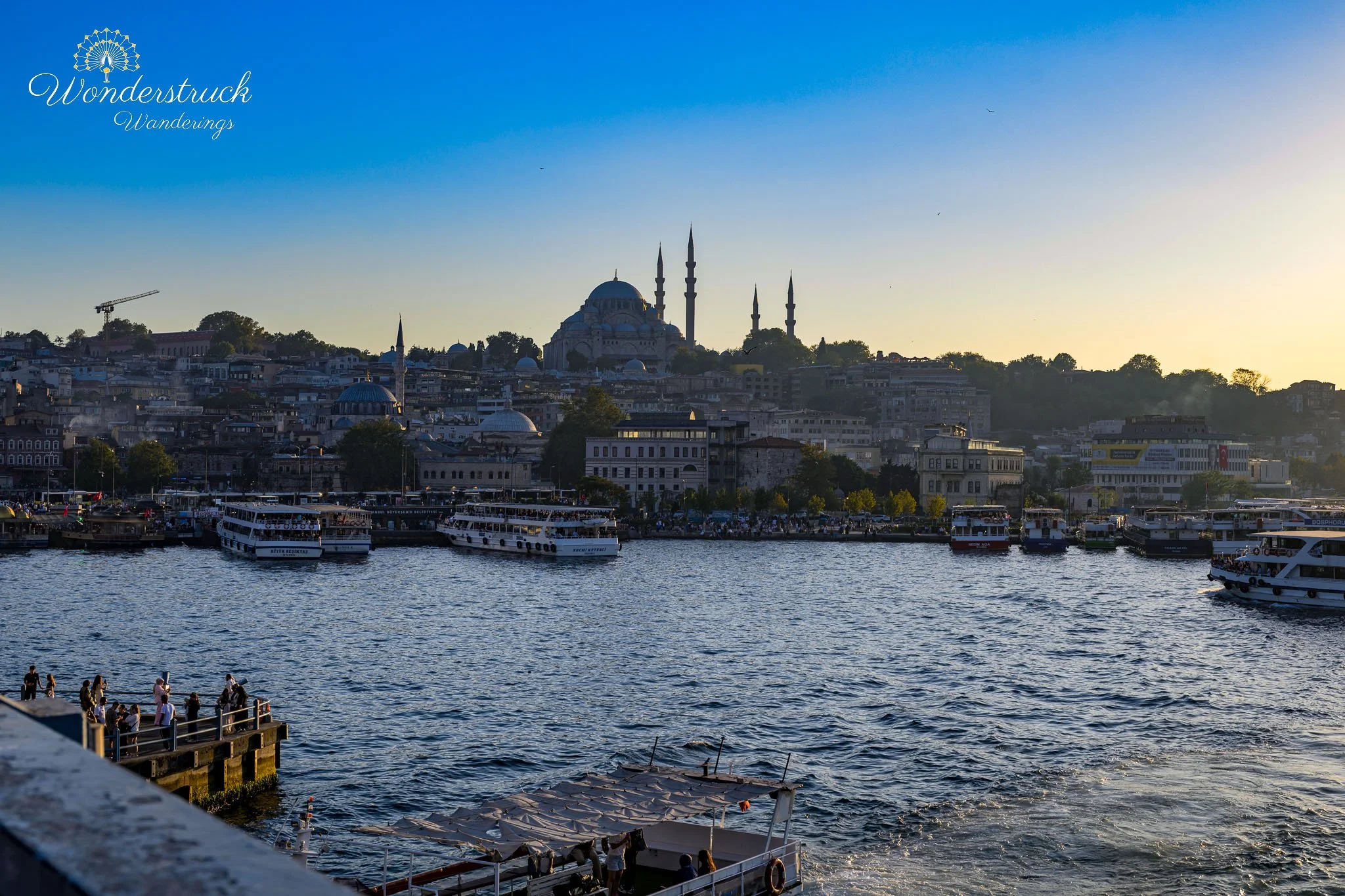
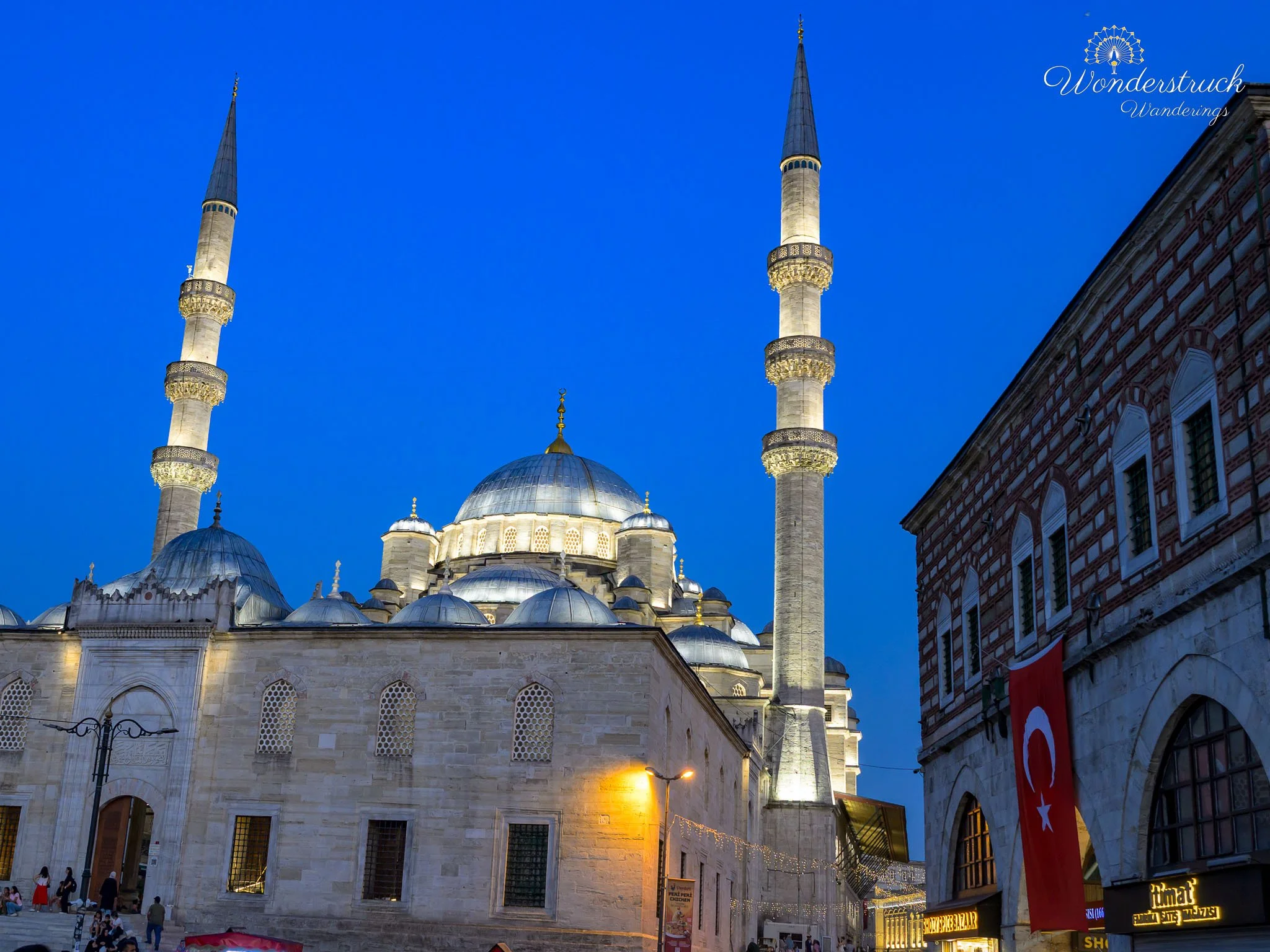
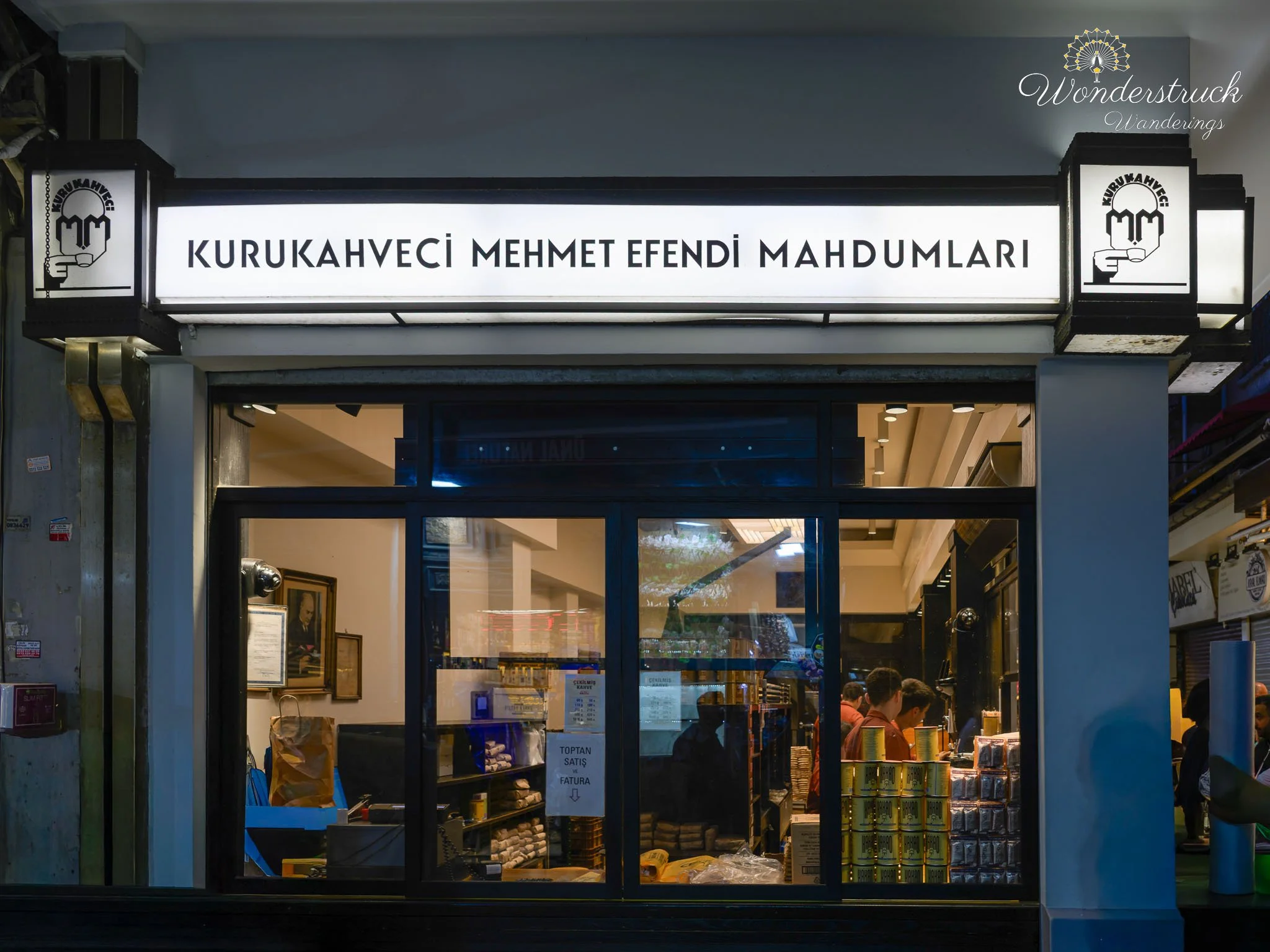
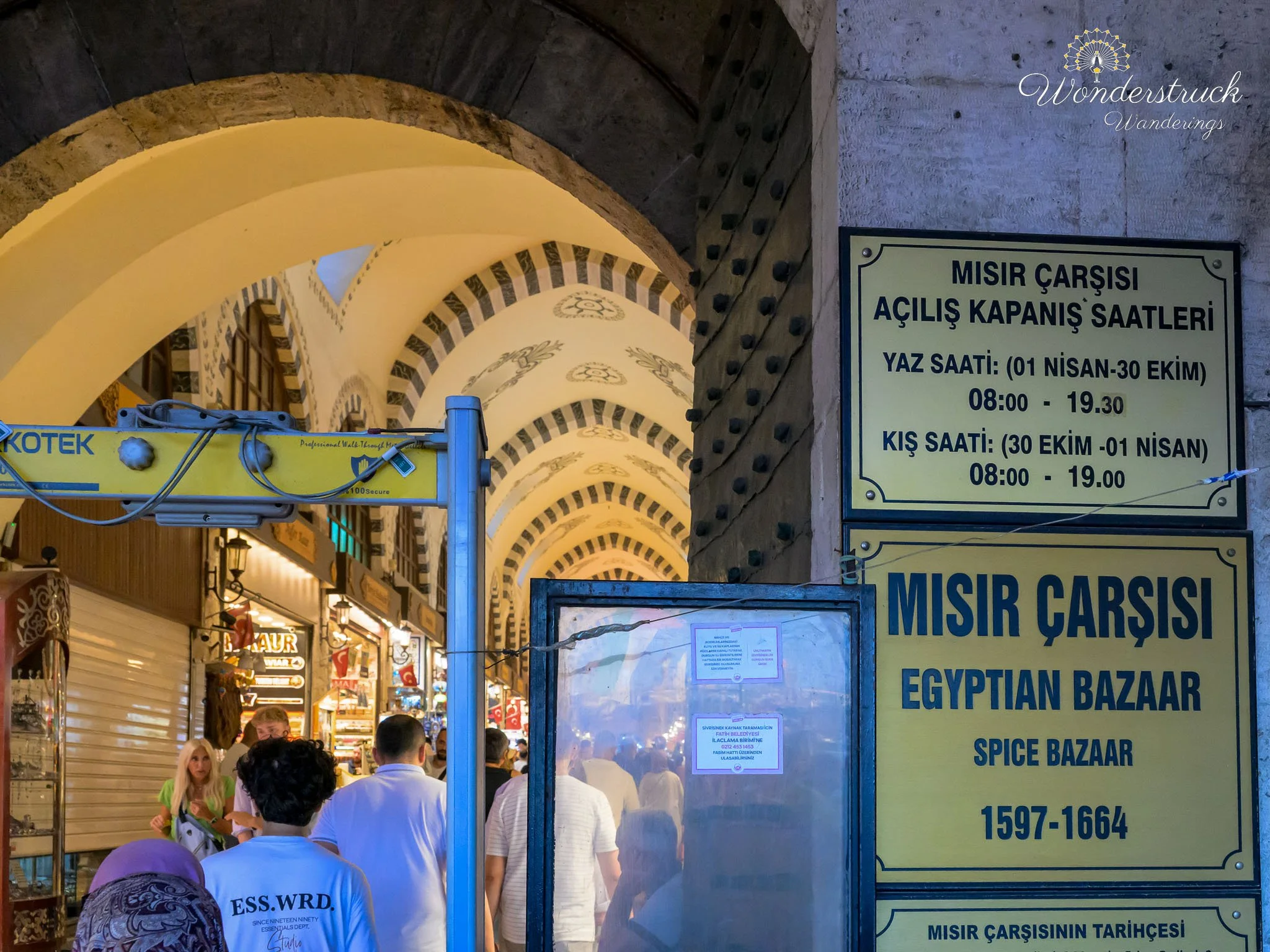
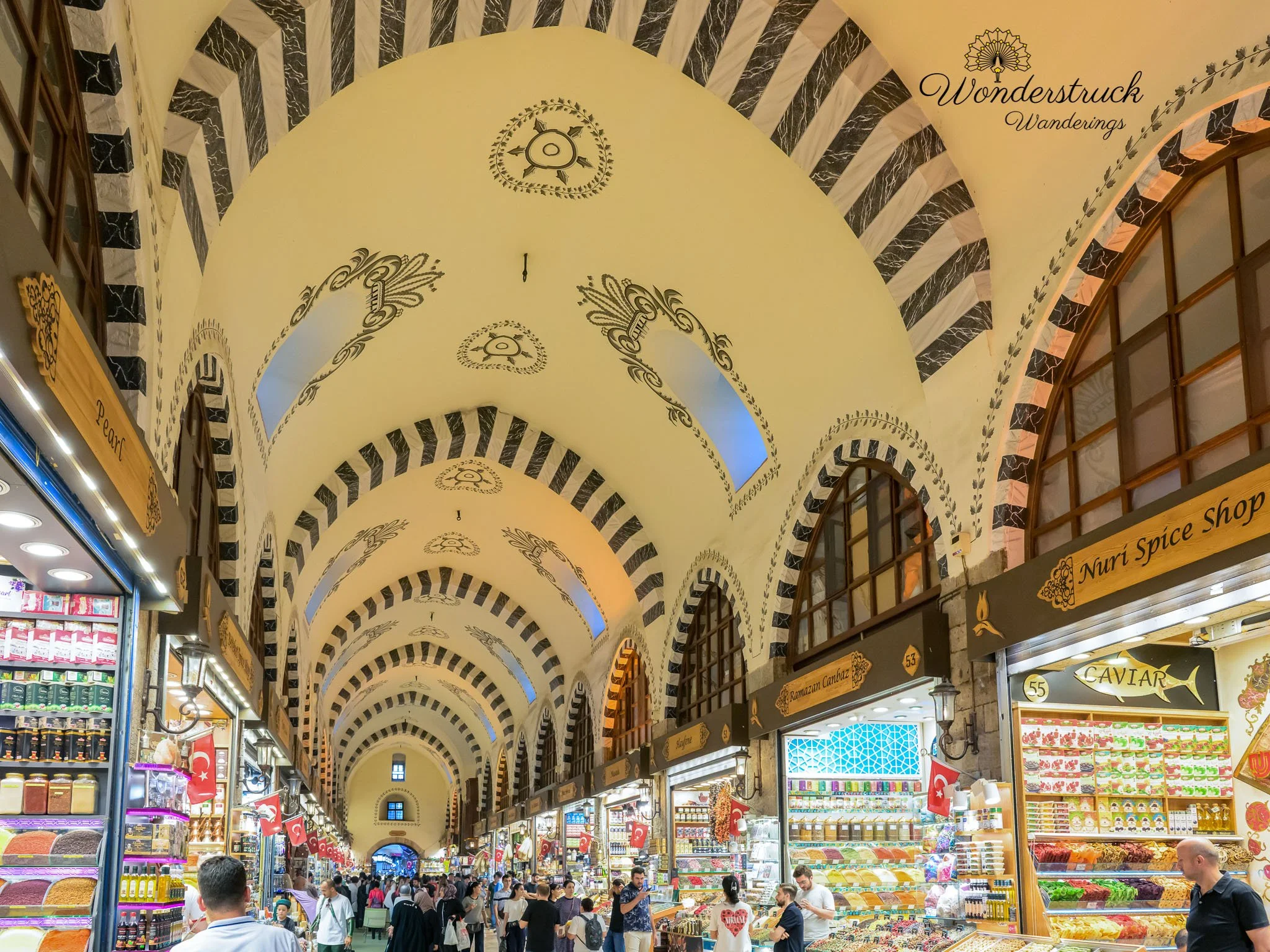
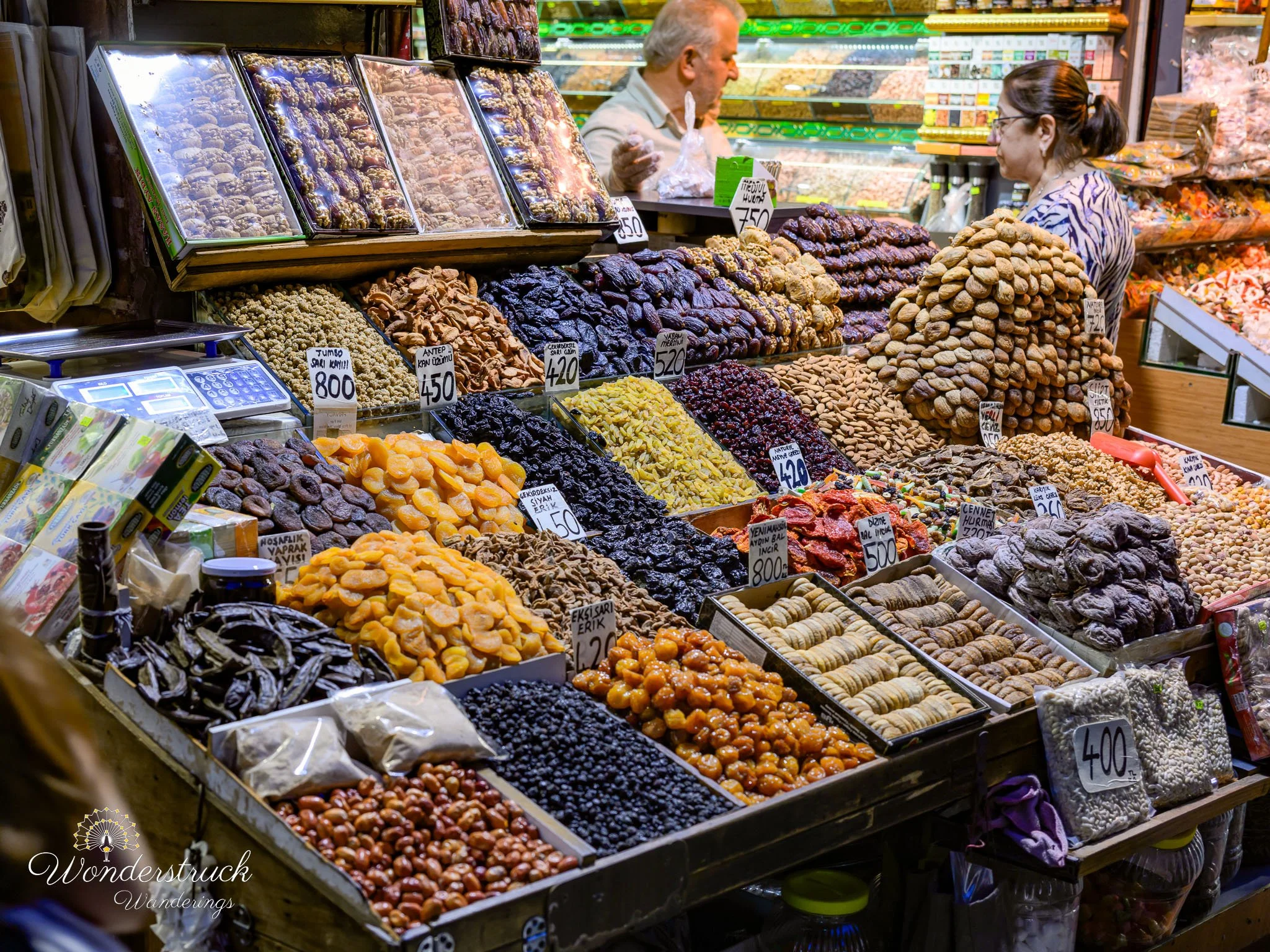
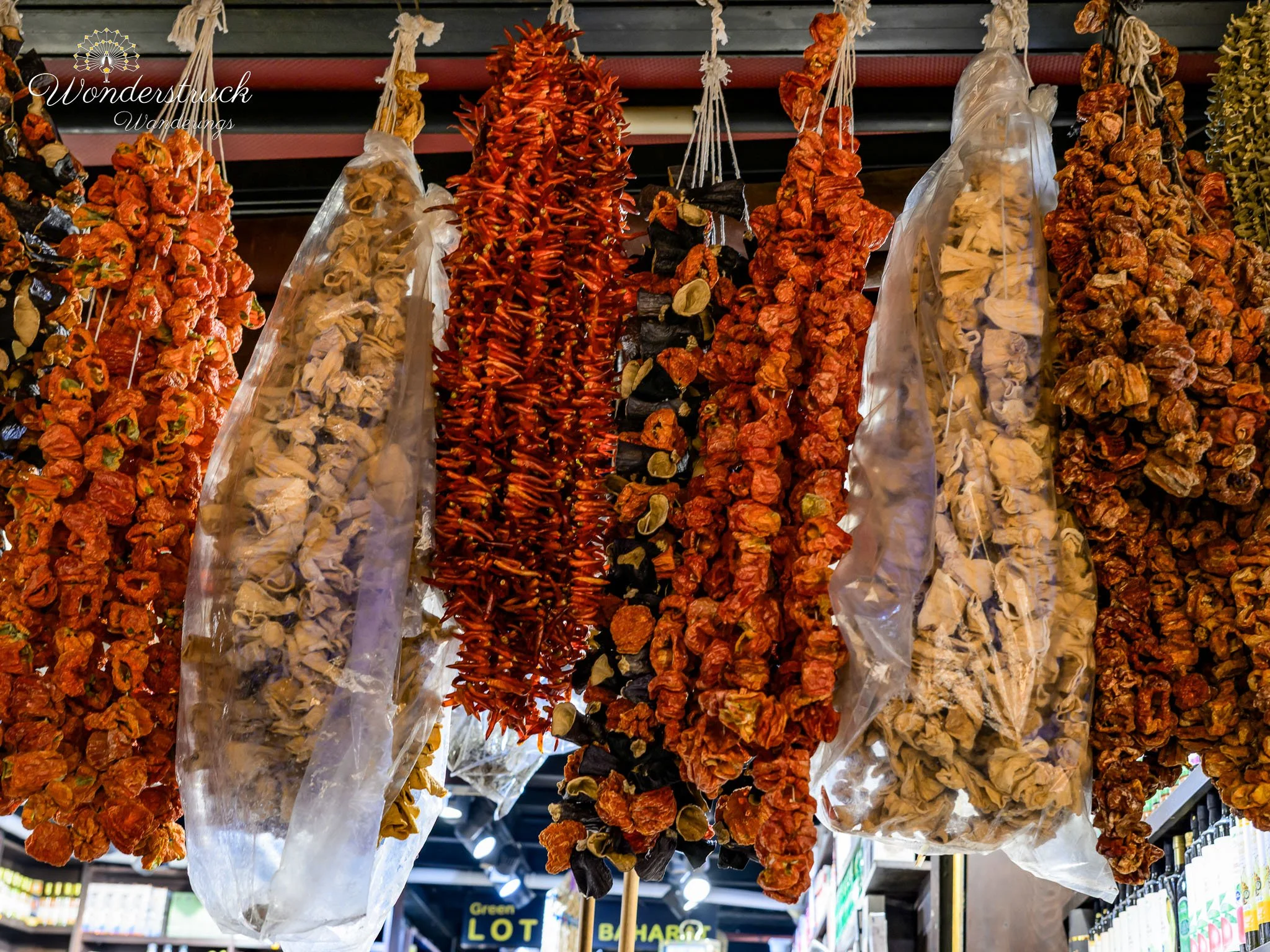
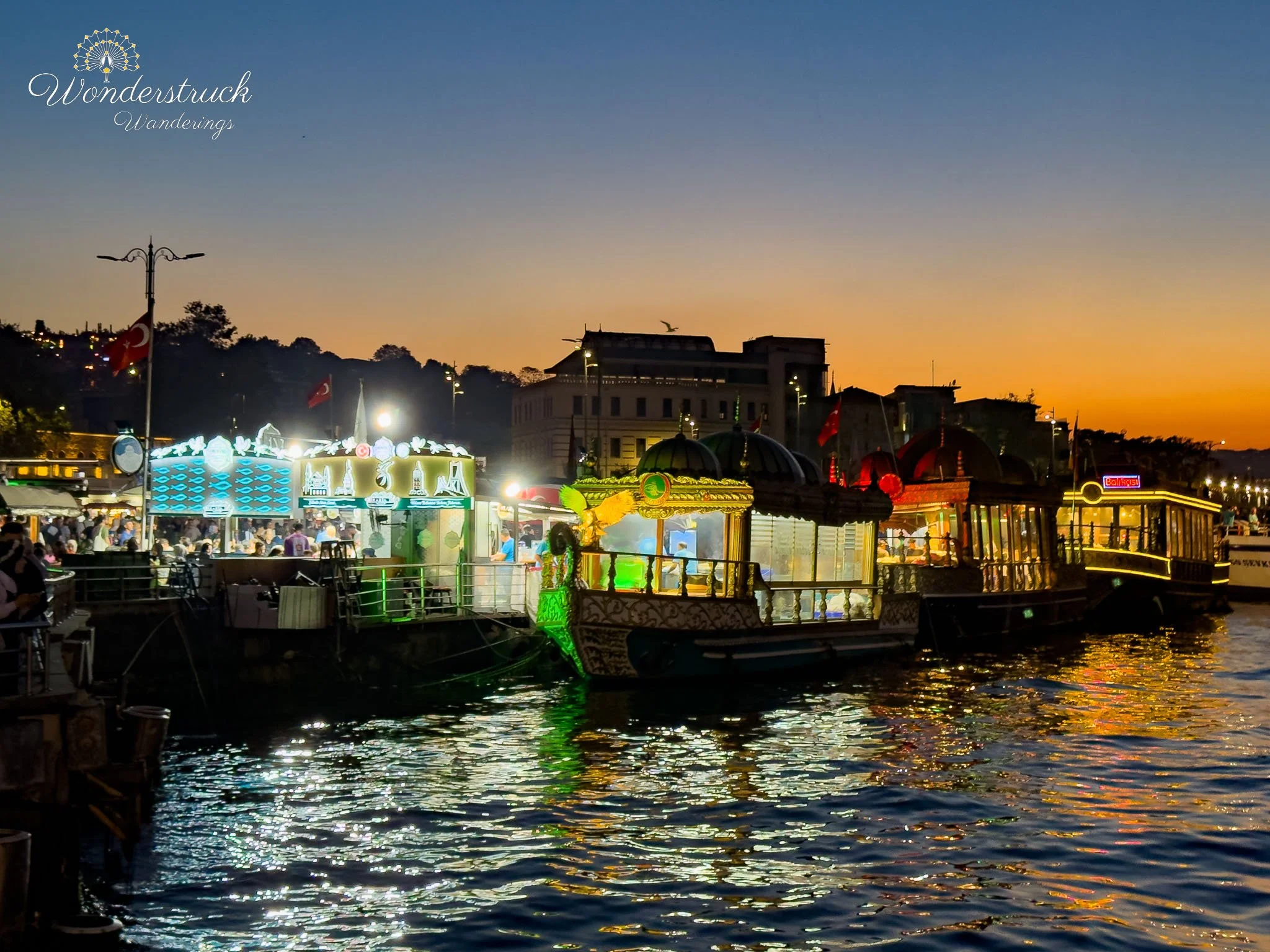
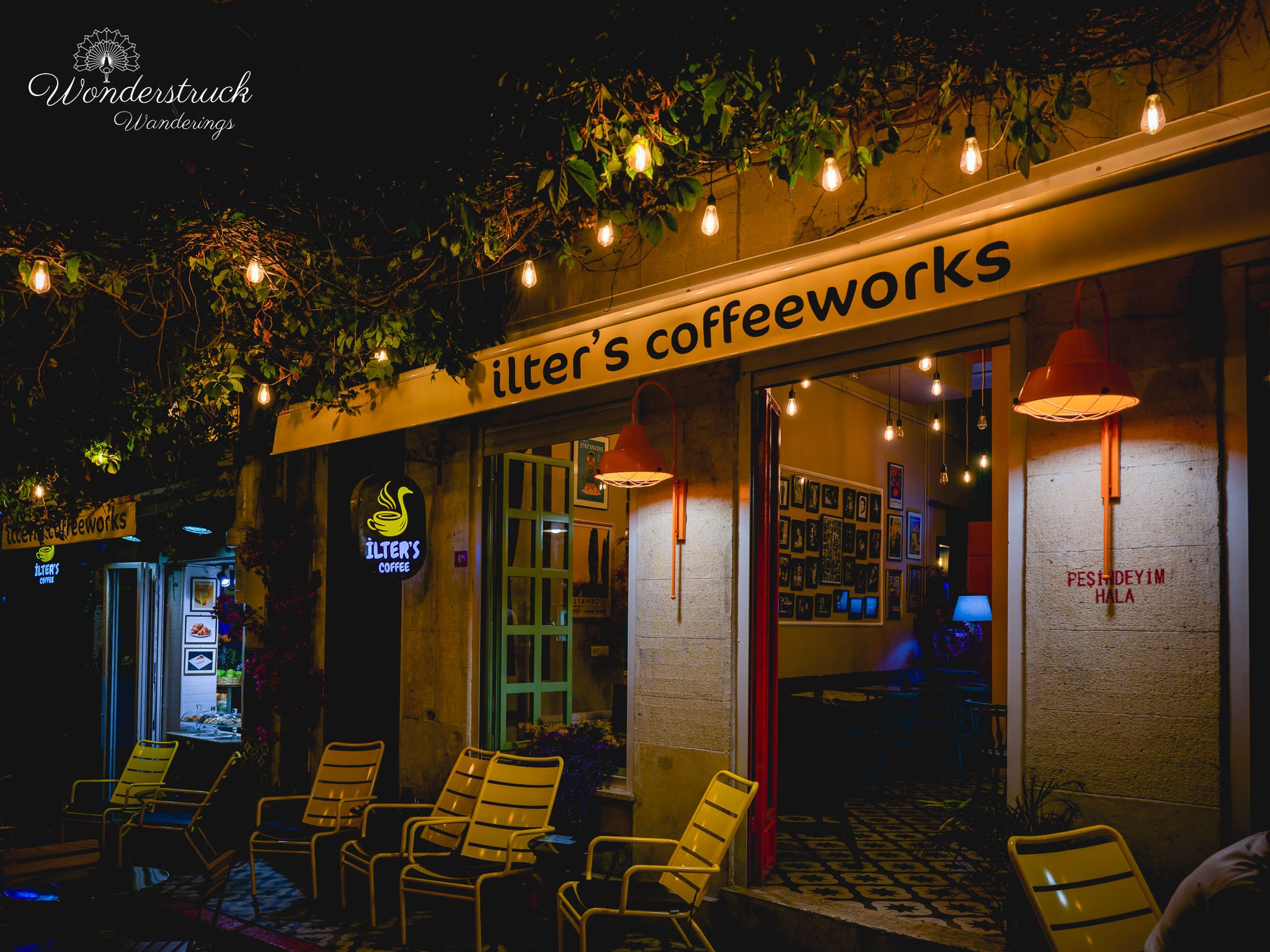
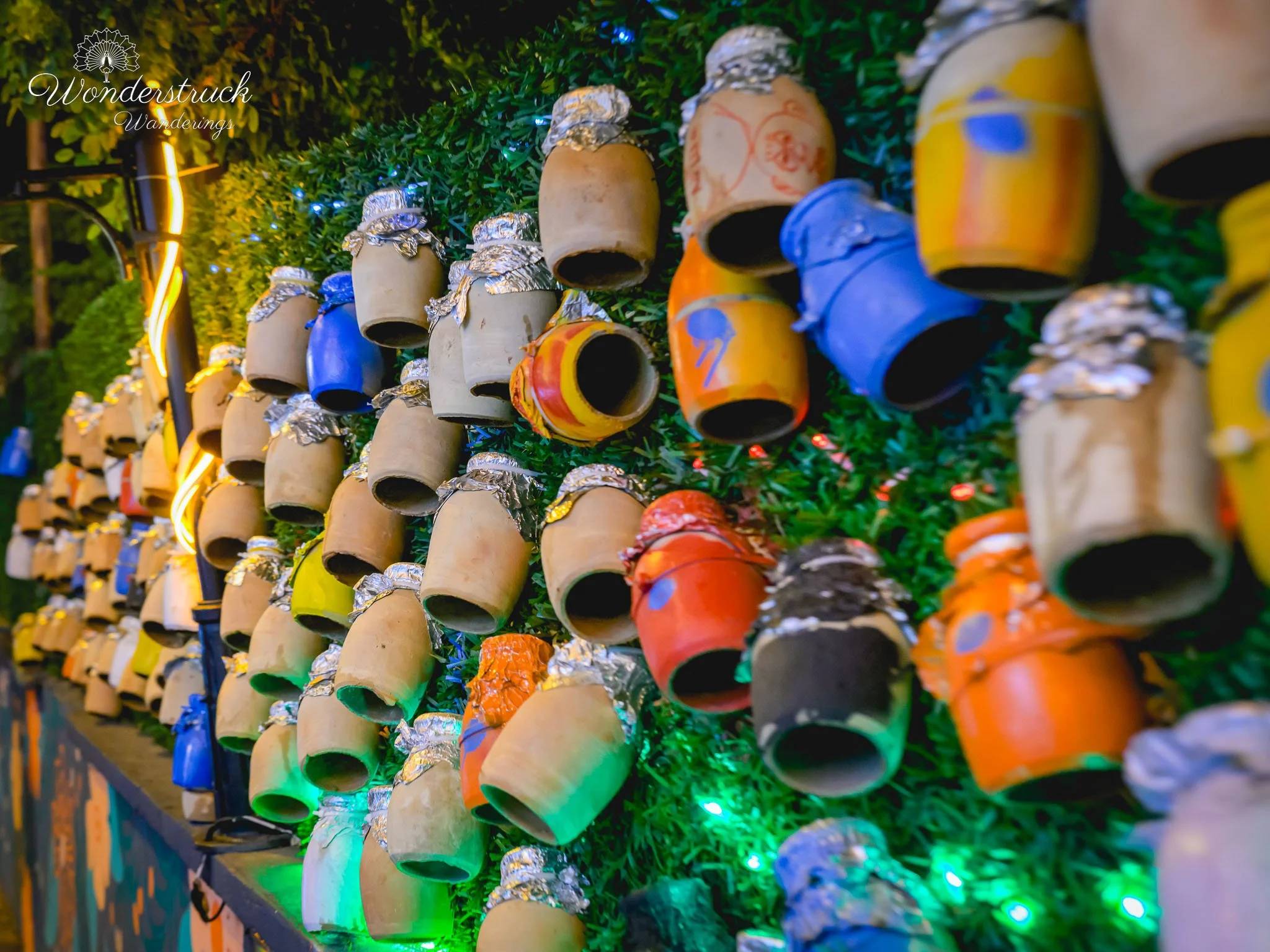
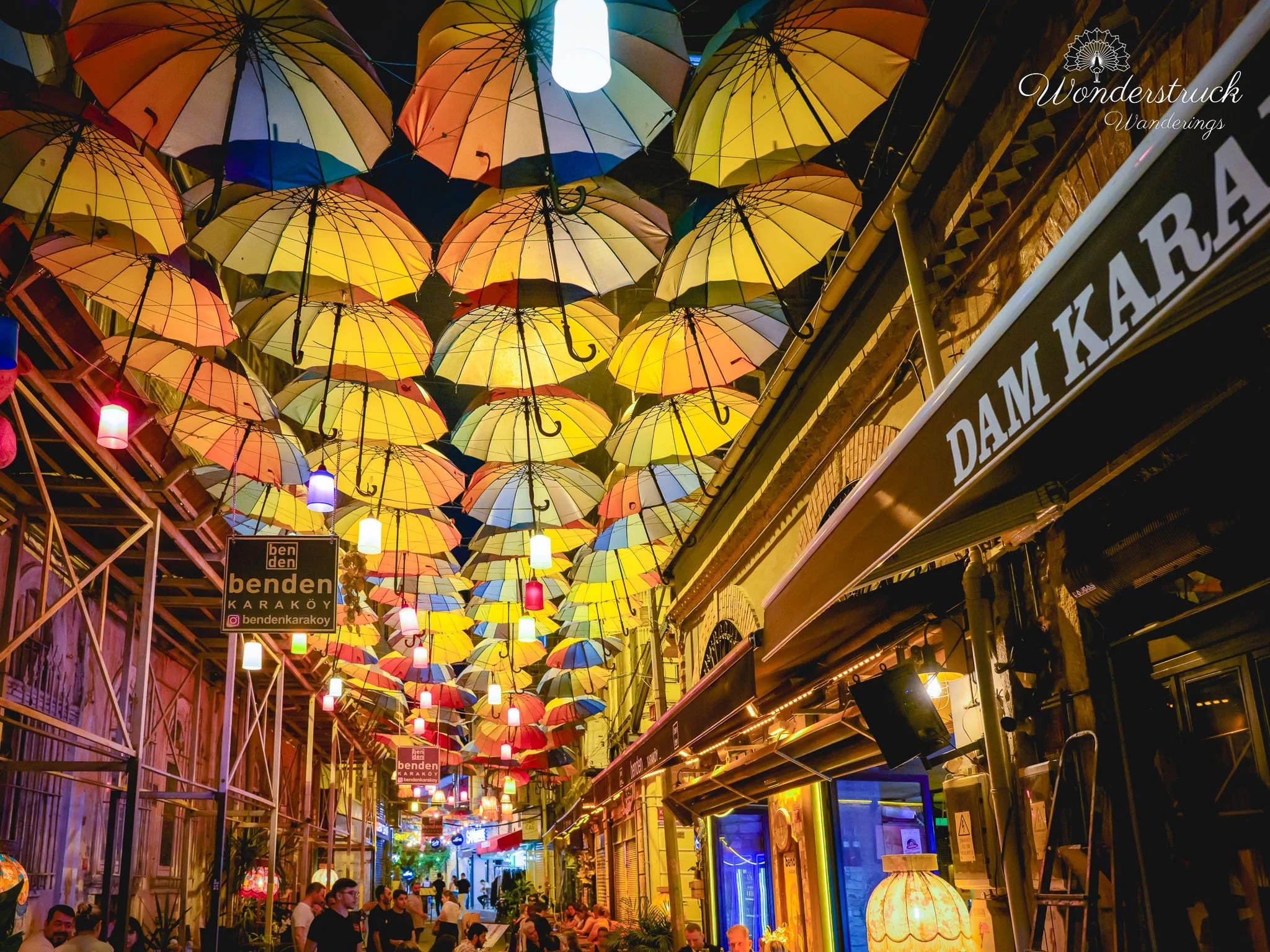
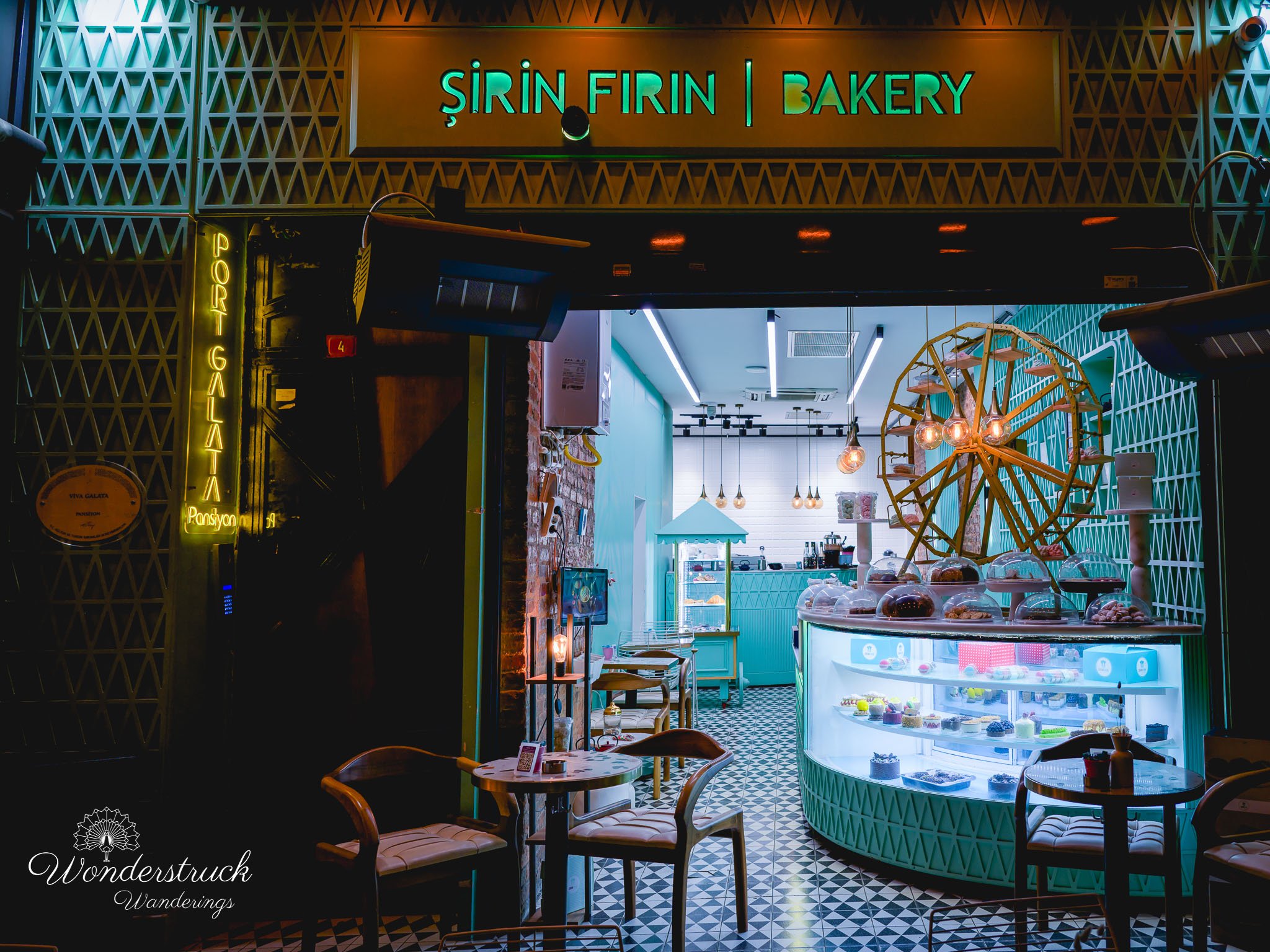
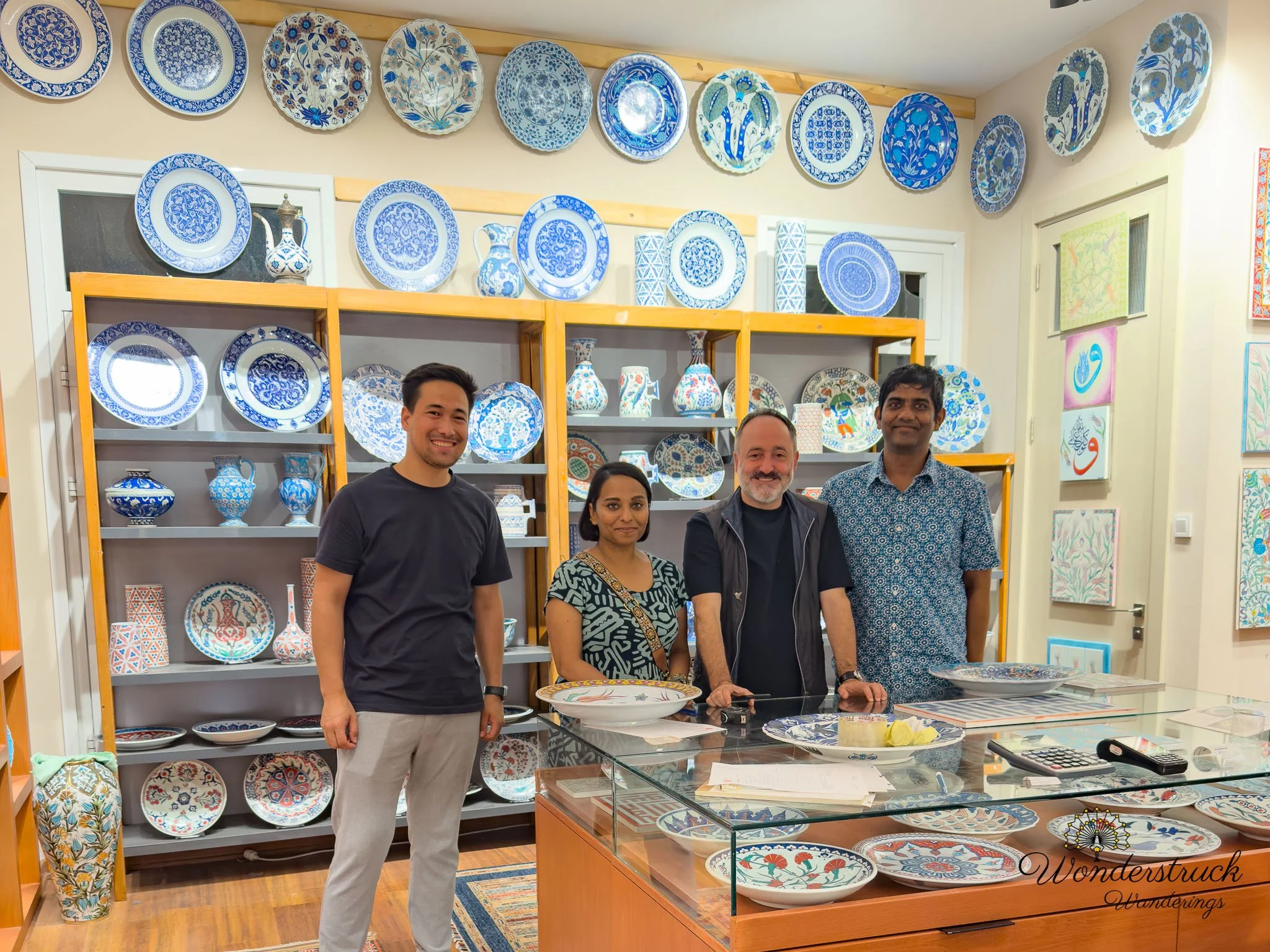
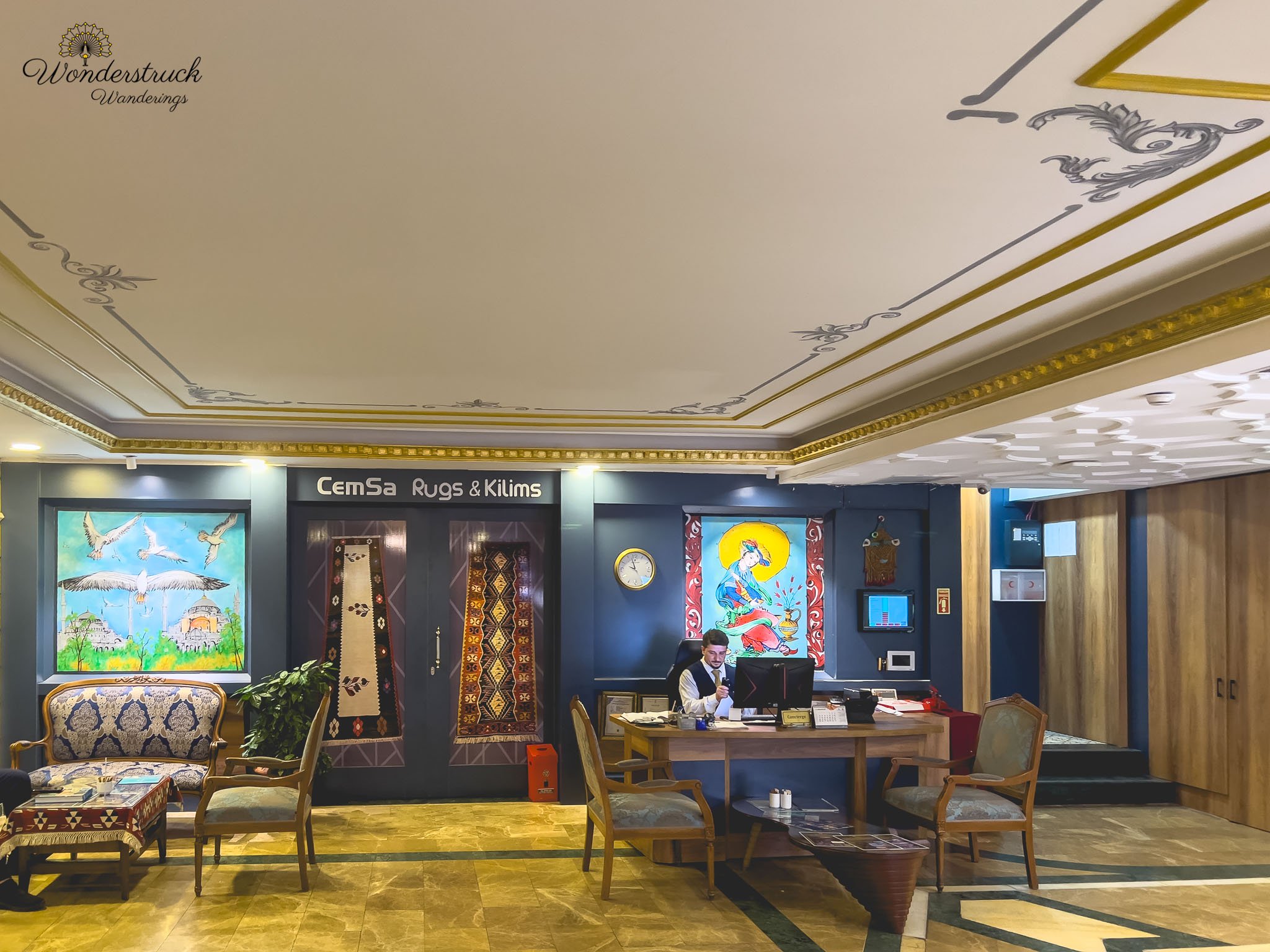
We had planned to end the day with a Bosphorus sunset cruise, but Istanbul’s infamous traffic had other plans. Missing the boat turned disappointment into serendipity — we found ourselves exploring the Spice Bazaar (Mısır Çarşısı) instead. Surrounded by the scent of saffron, rose petals, and roasted nuts, we shopped for teas, Turkish delight, and copper trinkets before crossing the Galata Bridge (Galata Köprüsü) as fishermen cast their lines into the sunset. Dinner was a simple fish wrap paired with tangy pickle juice (turşu suyu), a uniquely Turkish pairing. Later, we found sweetness at Faruk Güllüoğlu, savoring pistachio baklava and tea before drifting into Umbrella Street for some last-minute shopping. That’s when we stumbled upon NT Rugs, where a friendly merchant unfolded carpets like stories — each one woven with meaning. We chose a wool Anatolian rug, small enough to carry home, and admired shimmering İznik tiles made from ground quartz by artisan İsmail. By the time we walked back up to Galata, the city was glowing — the tower lit orange against the night sky. We returned to our room tired but content, a Turkish rug under one arm and a bar of dark chocolate in our bag — proof that even the days that go “off script” in Istanbul somehow end perfectly. Read more on Daily Diaries.
Day3-Exploring Galata tower, Dolmabahçe Palace, Ortaköy Mosque & Istanbul’s Hidden and Sultanahmet sunset
-
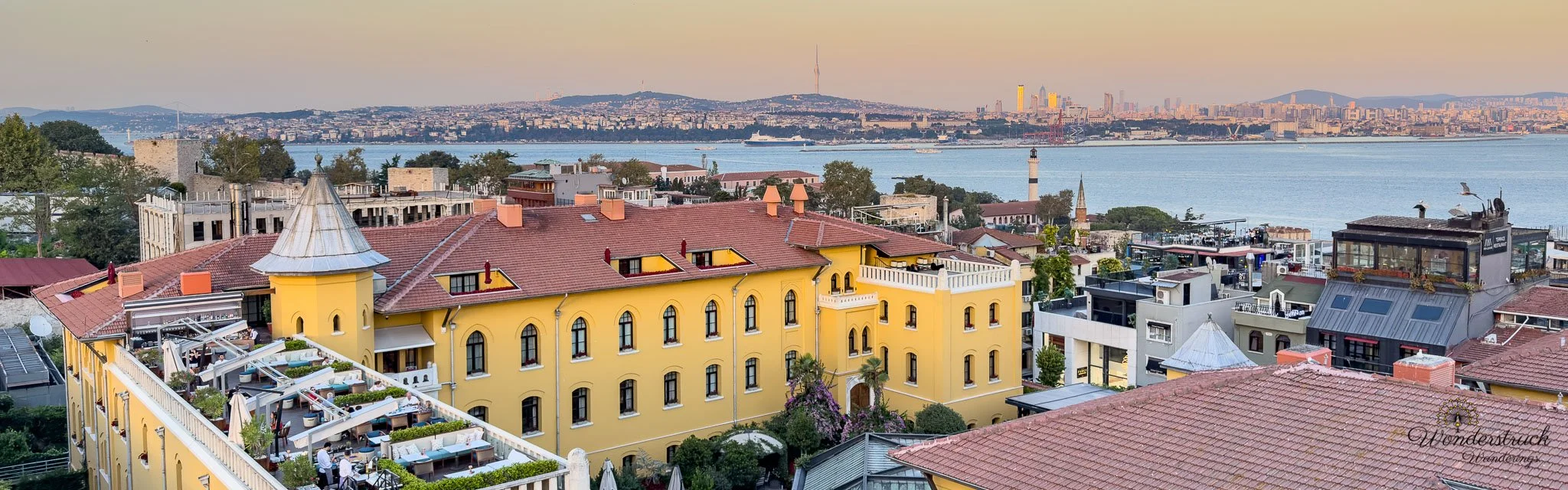
Seven Hills Hotel (Sultanahmet) – One of the most iconic panoramic terraces in the old city, perfectly positioned “between” Hagia Sophia and the Blue Mosque. Best for sunrise or sunset when the domes and minarets glow, stay for the sea breeze and rooftop ambiance.
-
Barnathan Roof – Hotel breakfast on the rooftop with a full Turkish spread (cheeses, olives, tomatoes-cucumbers, simit, eggs, jams/honey) and clear Galata Tower views—an easy, slow start before the crowds hit the streets.
Yelken Cafe (Ortaköy) – A relaxed Ortaköy stop for kebab platters with a straight-up Bosphorus view. Come hungry, linger over tea, and let the boats and bridge traffic do the background entertainment—especially nice in late afternoon when the light softens.
Şehzade Kebab – The place to try cağ kebab the way it’s meant to be: meat roasted on a horizontal spit, carved into skewers, and served hot with simple sides. It’s authentic, hearty, and focused—less about fuss, more about flavor.
Hafız Mustafa 1864 – A classic Istanbul sweets institution for baklava, lokum, and syrupy everything (in the best way). Go for the pistachio-heavy options, pair it with Turkish tea, and consider taking a boxed assortment—dangerous to carry, because you’ll keep “sampling” it.
Ali Usta – A reliable late-night tea and dessert stop near Sultanahmet when you want something sweet after a long day of walking. Think simple comfort: warm hospitality, quick service, and the kind of place that feels like a small reward before you call it a night.
-
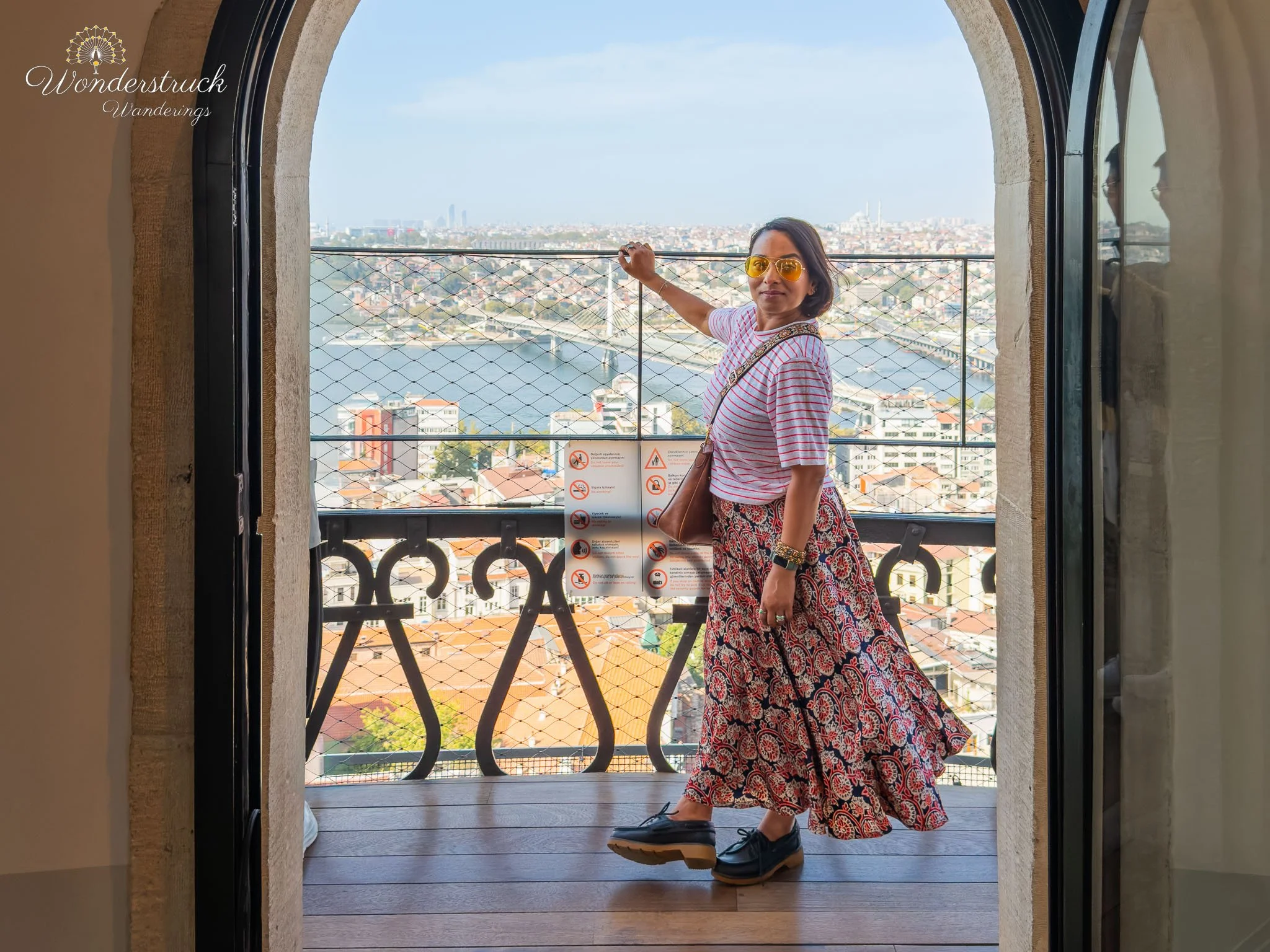
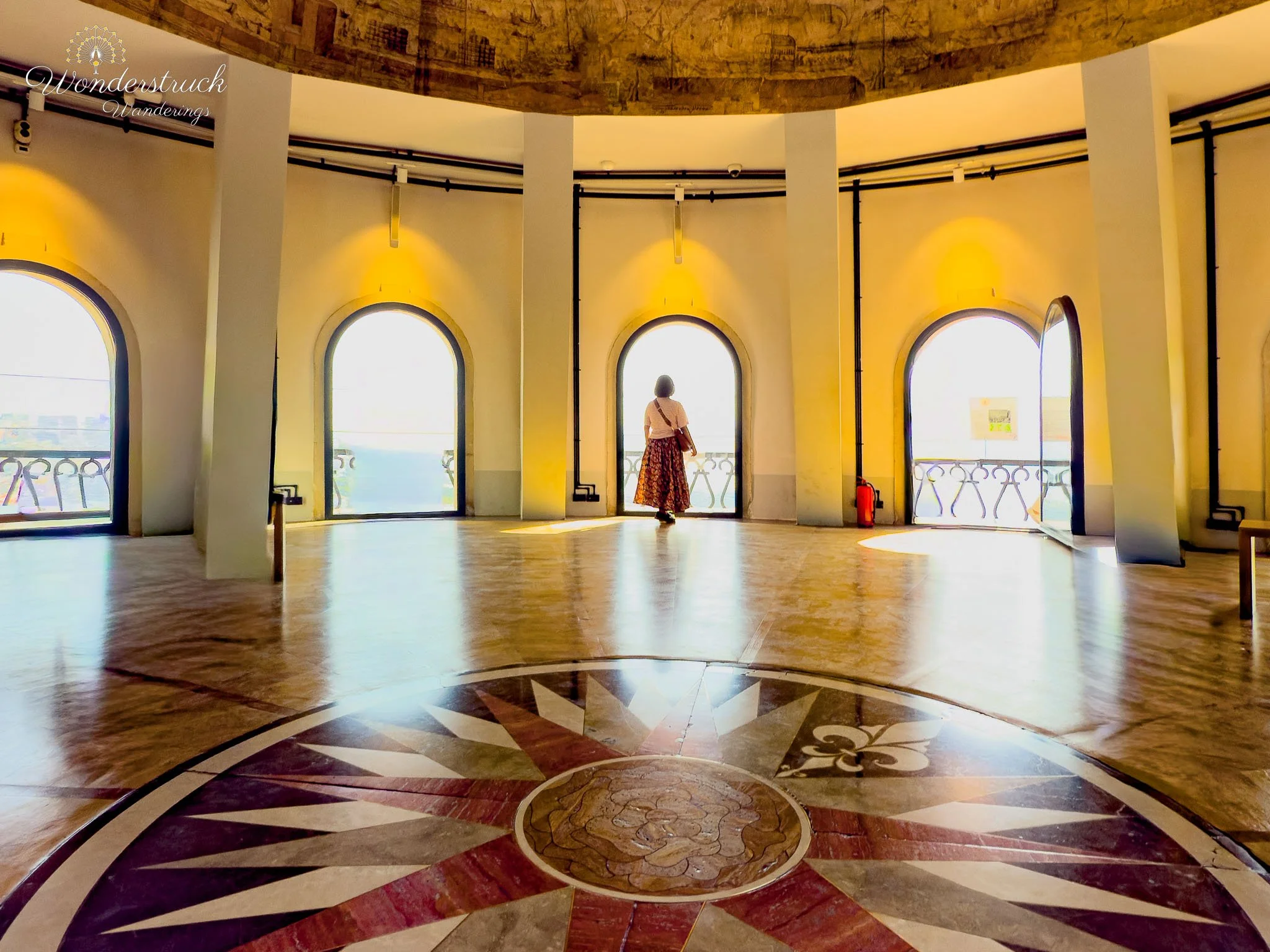
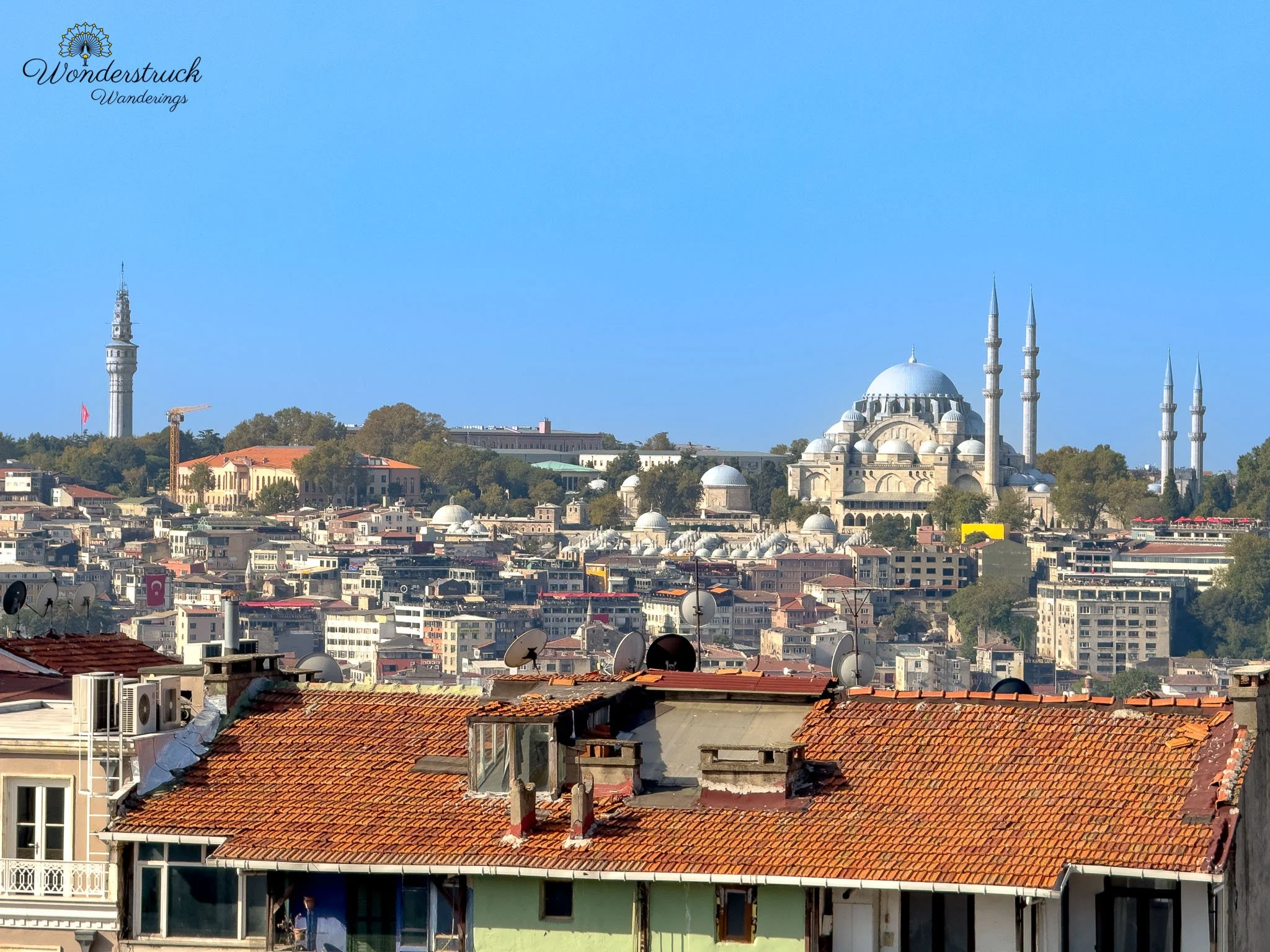
Galata Tower – Climb up for a panoramic Istanbul view—a full 360° sweep of rooftops, minarets, the Bosphorus, and the Golden Horn. Go earlier in the day (or right at opening) if you want cleaner photos and fewer people in your frames.
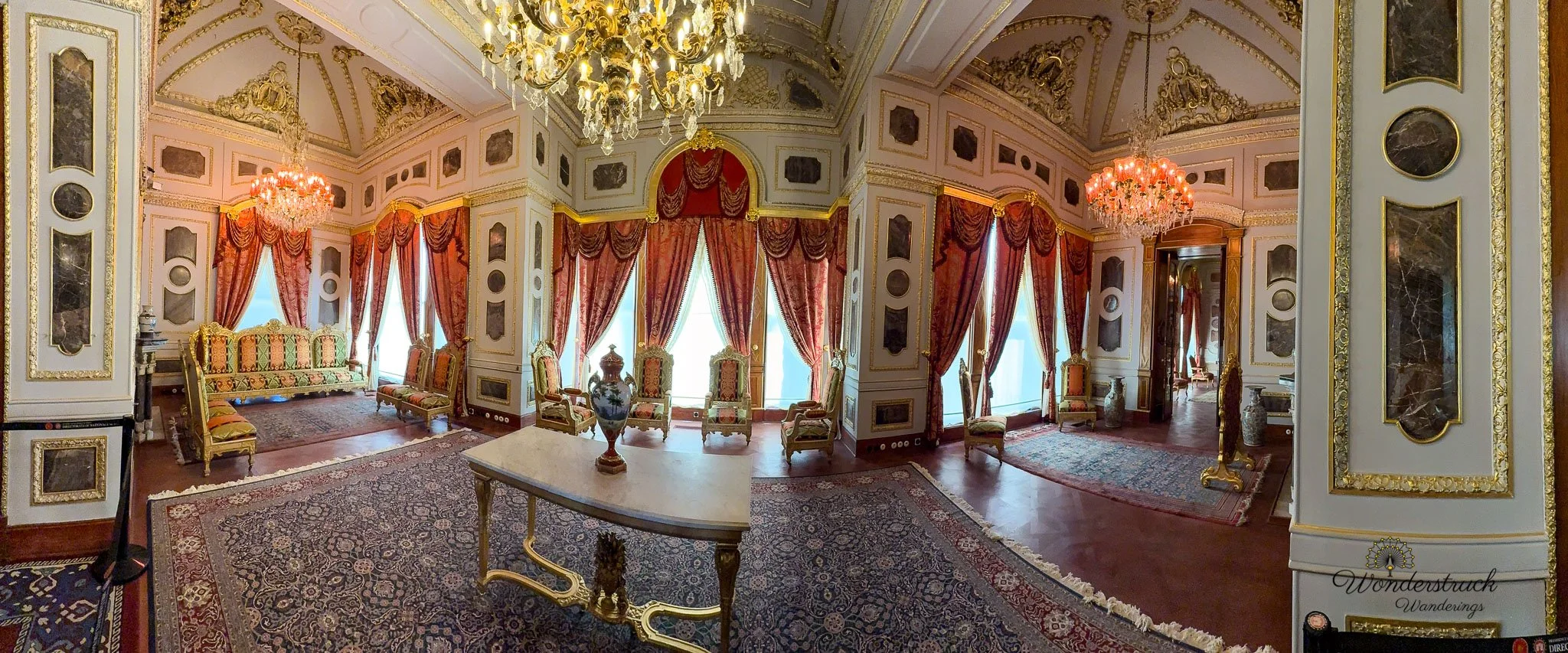
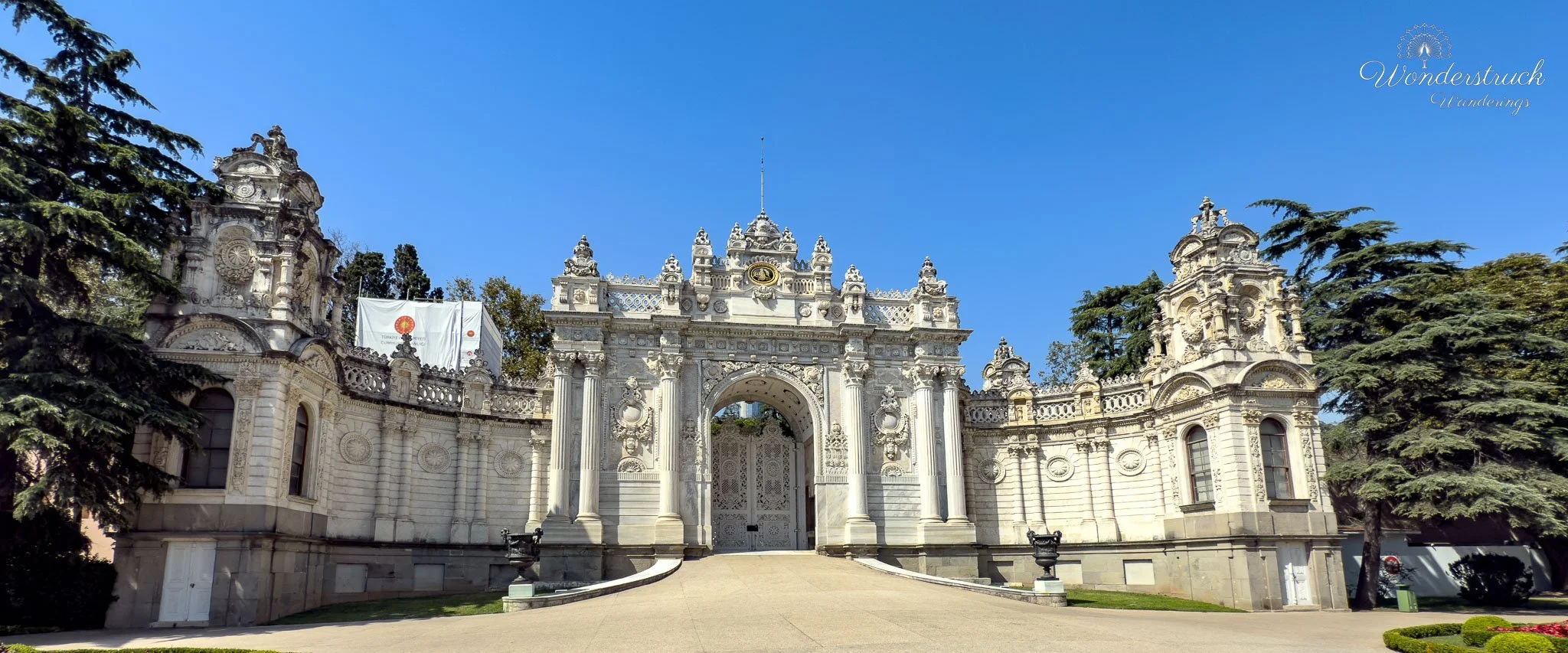
Dolmabahçe Palace – Peak Ottoman opulence on the waterfront. Prioritize the big three: the Selamlık (state rooms), the Harem (private quarters), and the jaw-dropping Muayede Hall—the ceremonial heart of the palace where everything feels intentionally oversized and dazzling.
National Palaces Painting Museum – A quieter, underrated stop for anyone who likes visual storytelling. Expect Ottoman and early Republican-era art, with works that add context to the empire-to-modern-nation transition—and it’s a nice breather from the crowds and marble grandeur next door.
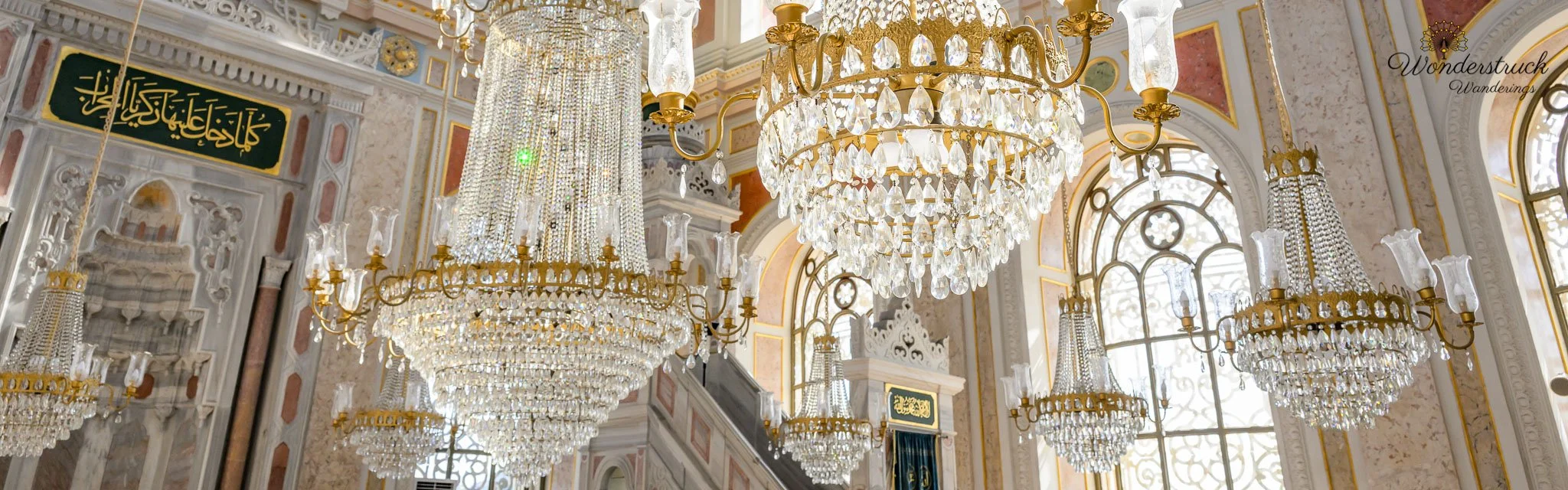
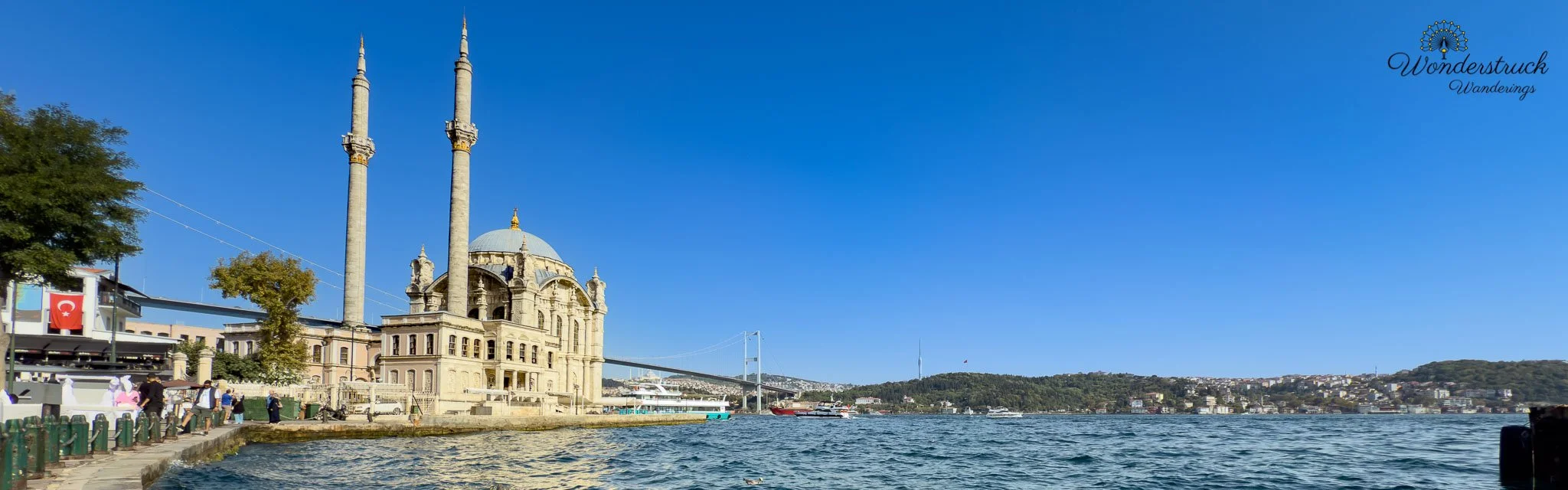
Ortaköy Mosque – One of the most photogenic waterfront mosques in the city, framed by the Bosphorus Bridge. Come for golden hour when the light hits the stone and the water turns metallic—this spot basically begs for wide-angle shots.
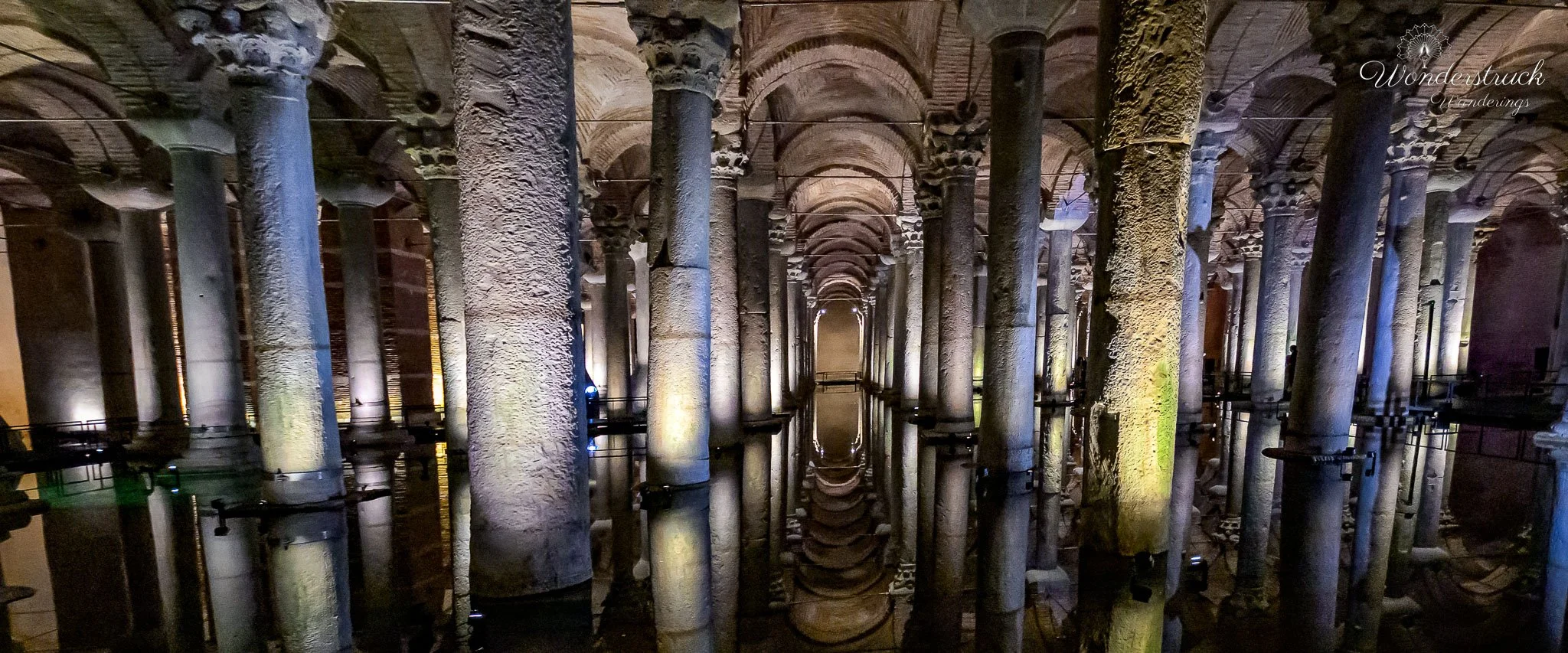
Basilica Cistern – A moody, atmospheric underground world of columns, reflections, and soft lighting. Don’t miss the Medusa heads—iconic, slightly eerie—and the modern light installations that make the space feel equal parts ancient and cinematic.
Theodosius Water Cistern (Şerefiye Sarnıcı) – A smaller, calmer alternative to the Basilica Cistern, it’s all elegant columns, mirror-like water reflections, and tasteful light-and-sound displays that make the space feel quietly magical rather than crowded.
Seven Hills Rooftop – A classic rooftop perch for sunset views with the city’s biggest icons in frame—usually Hagia Sophia and the Blue Mosque balancing the skyline. It’s touristy, yes, but the “between two empires” view is hard to beat when the sky starts turning pink.
-
Galata → Dolmabahçe Palace – ~20 min (Uber)
Dolmabahçe → Ortaköy – ~10 min(Uber)
Ortaköy → Sultanahmet – ~30 min (Uber)
All Sultanahmet sites – 5–10 min walking radius
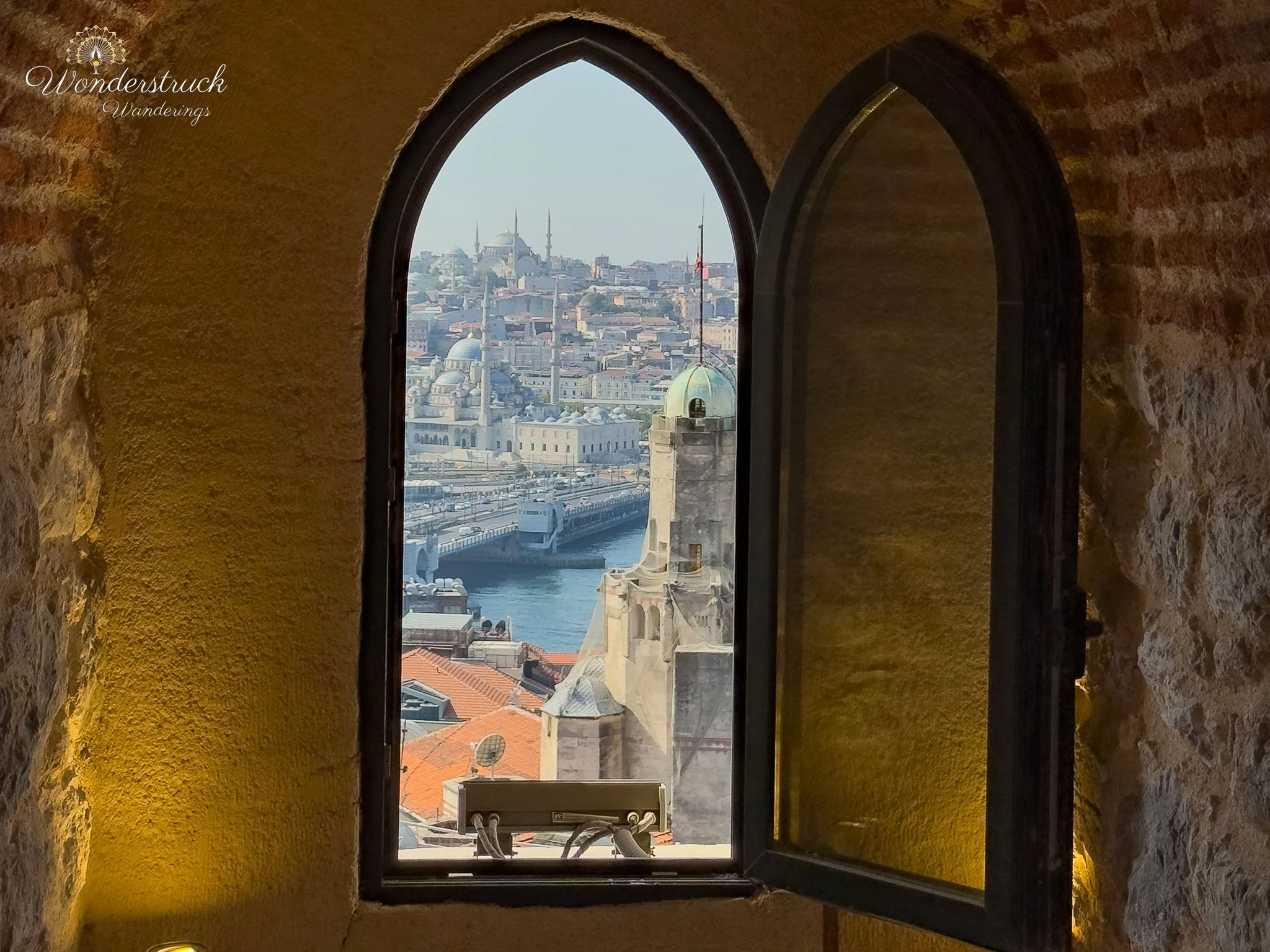
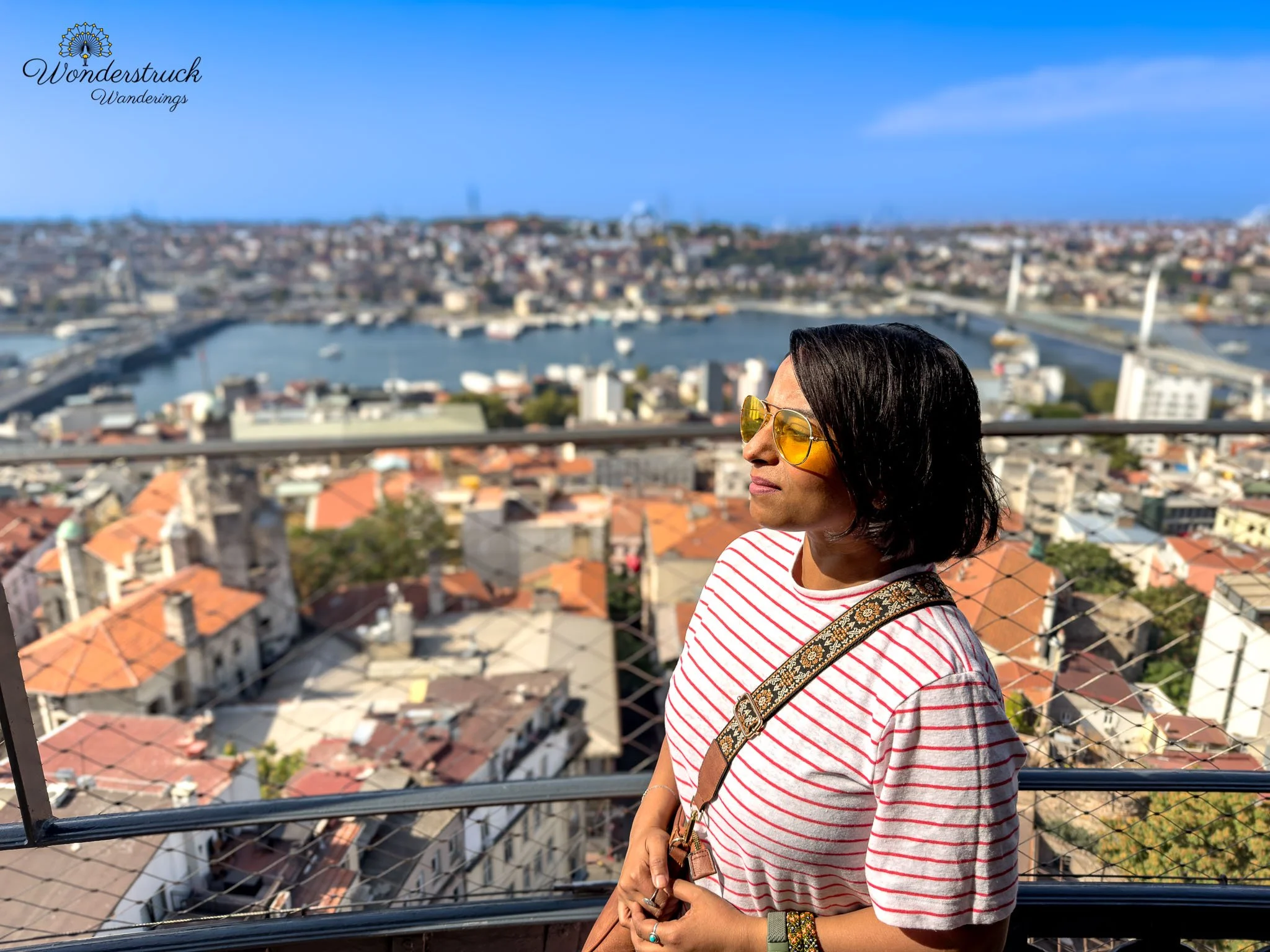
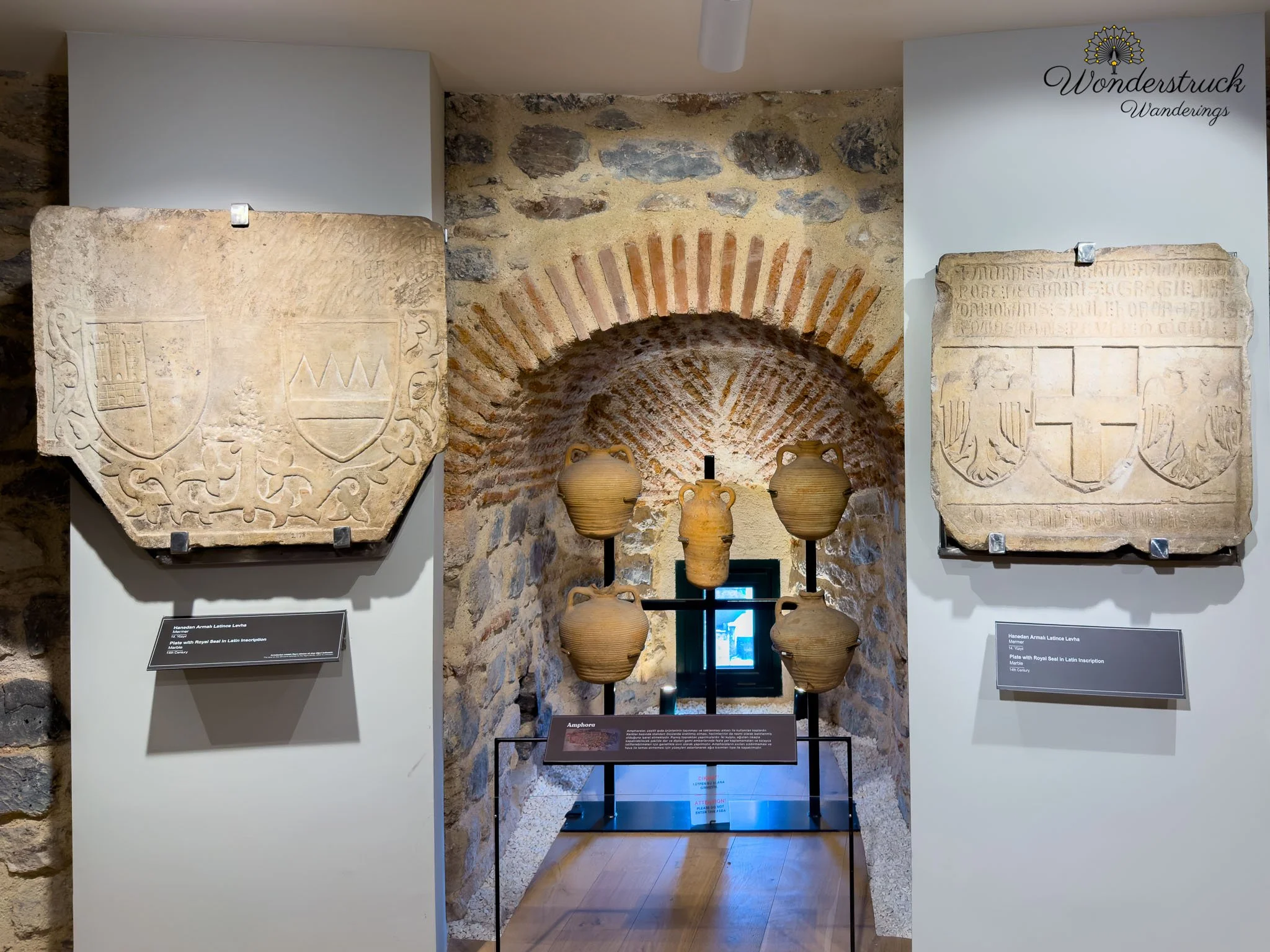
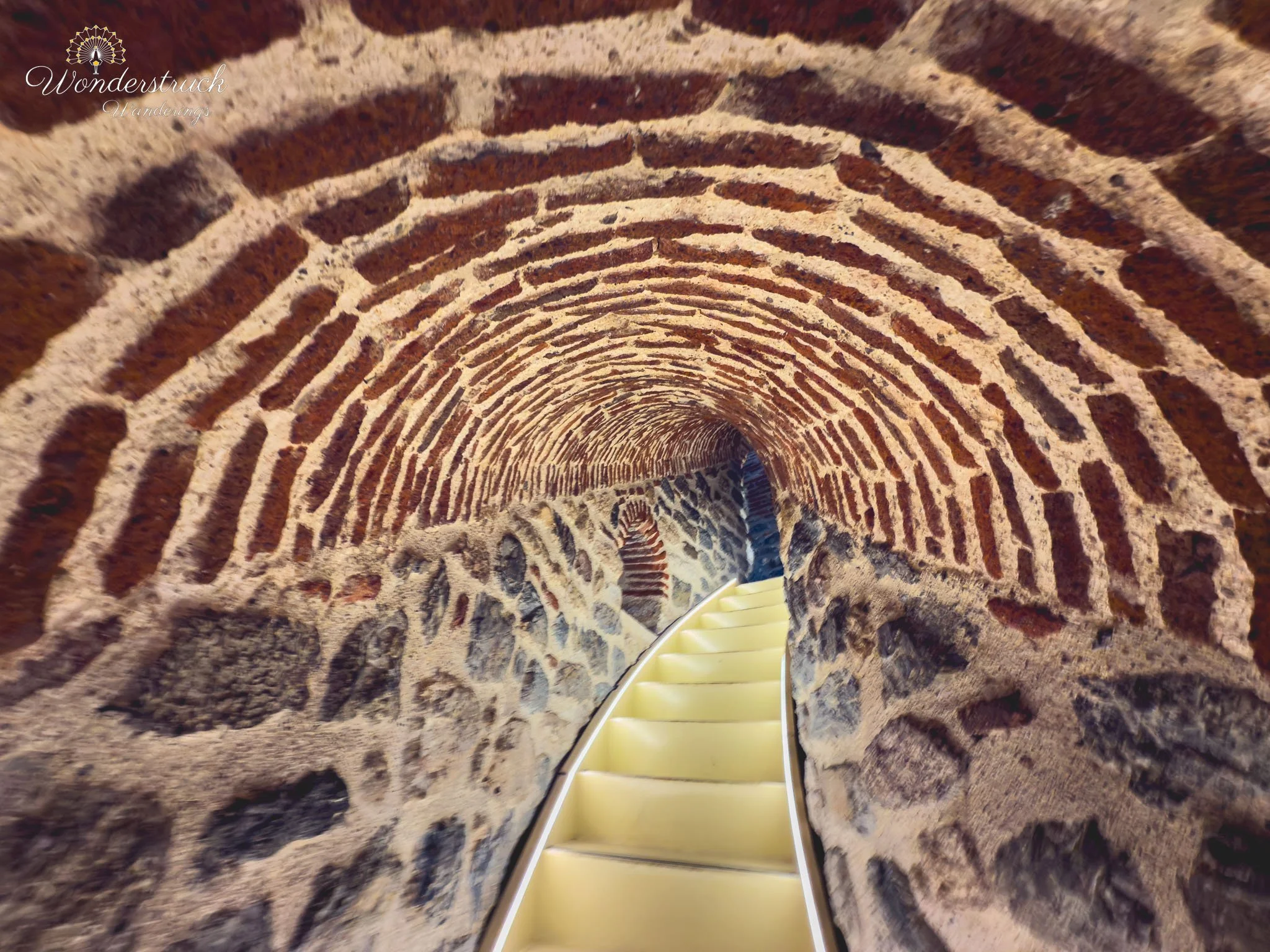
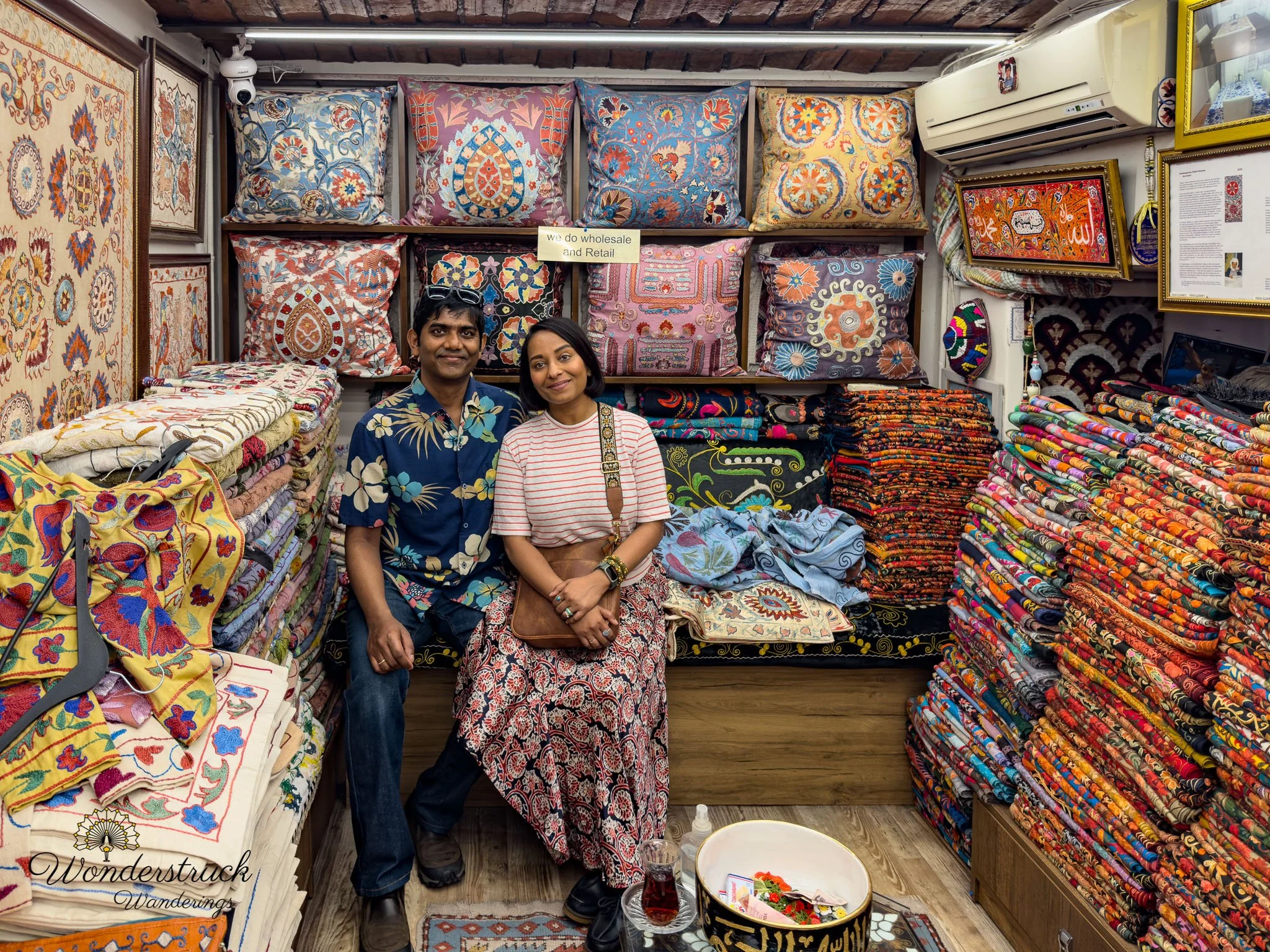
Our third day in Istanbul began slowly, sunlight spilling over the rooftops of Galata as we lingered over coffee and olives on the hotel terrace. Below us, the city stretched awake; above, seagulls wheeled against the tower that has watched this skyline for seven centuries. Climbing Galata Tower (Galata Kulesi), we traced its Genoese roots, admired its Romanesque arches, and learned the story of Hezarfen Ahmed Çelebi, who legendarily flew from this tower across the Bosphorus. From its narrow balcony we spotted every major landmark shimmering in morning light before wandering cobblestone lanes for souvenirs and embroidered textiles.
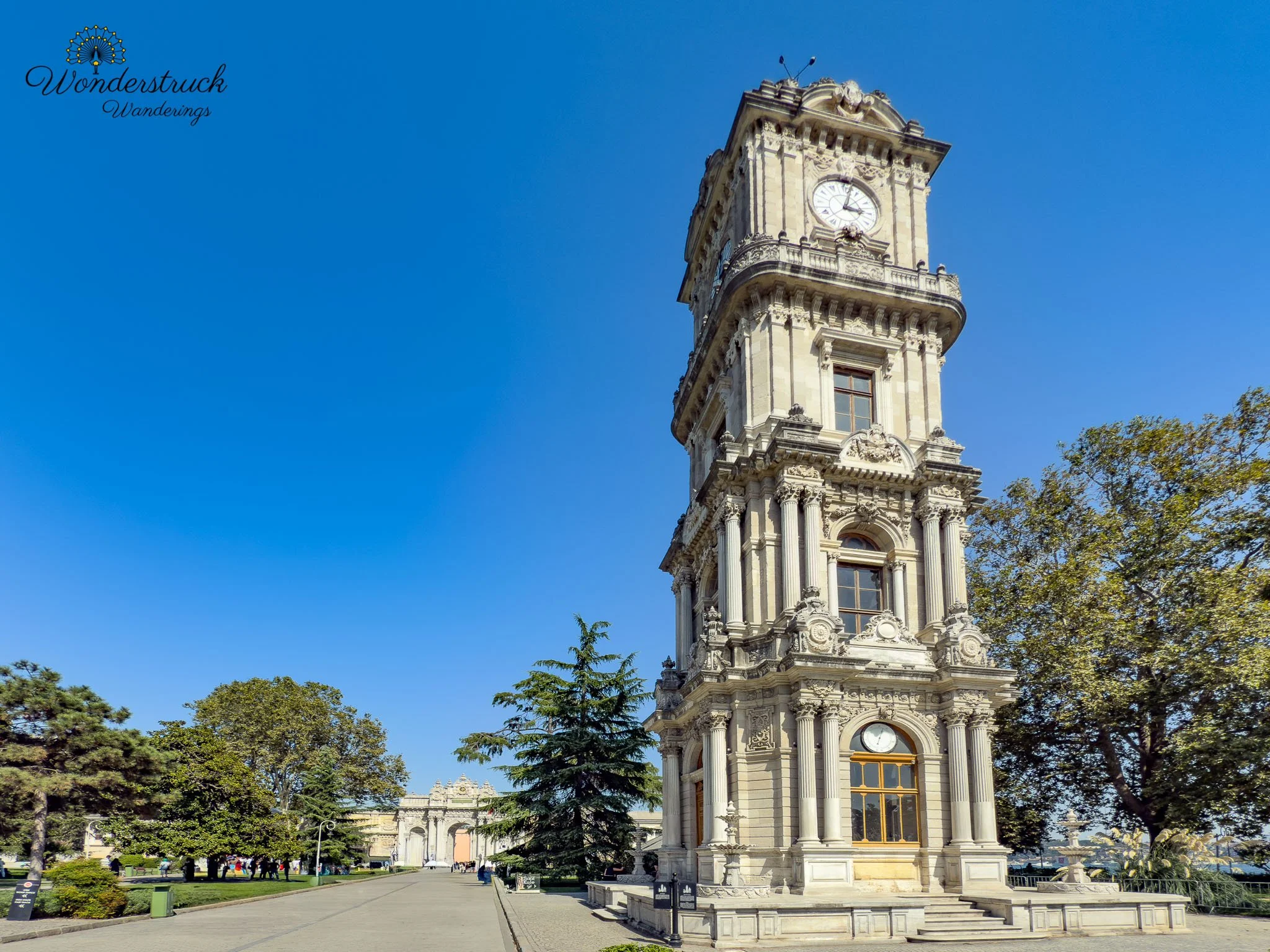

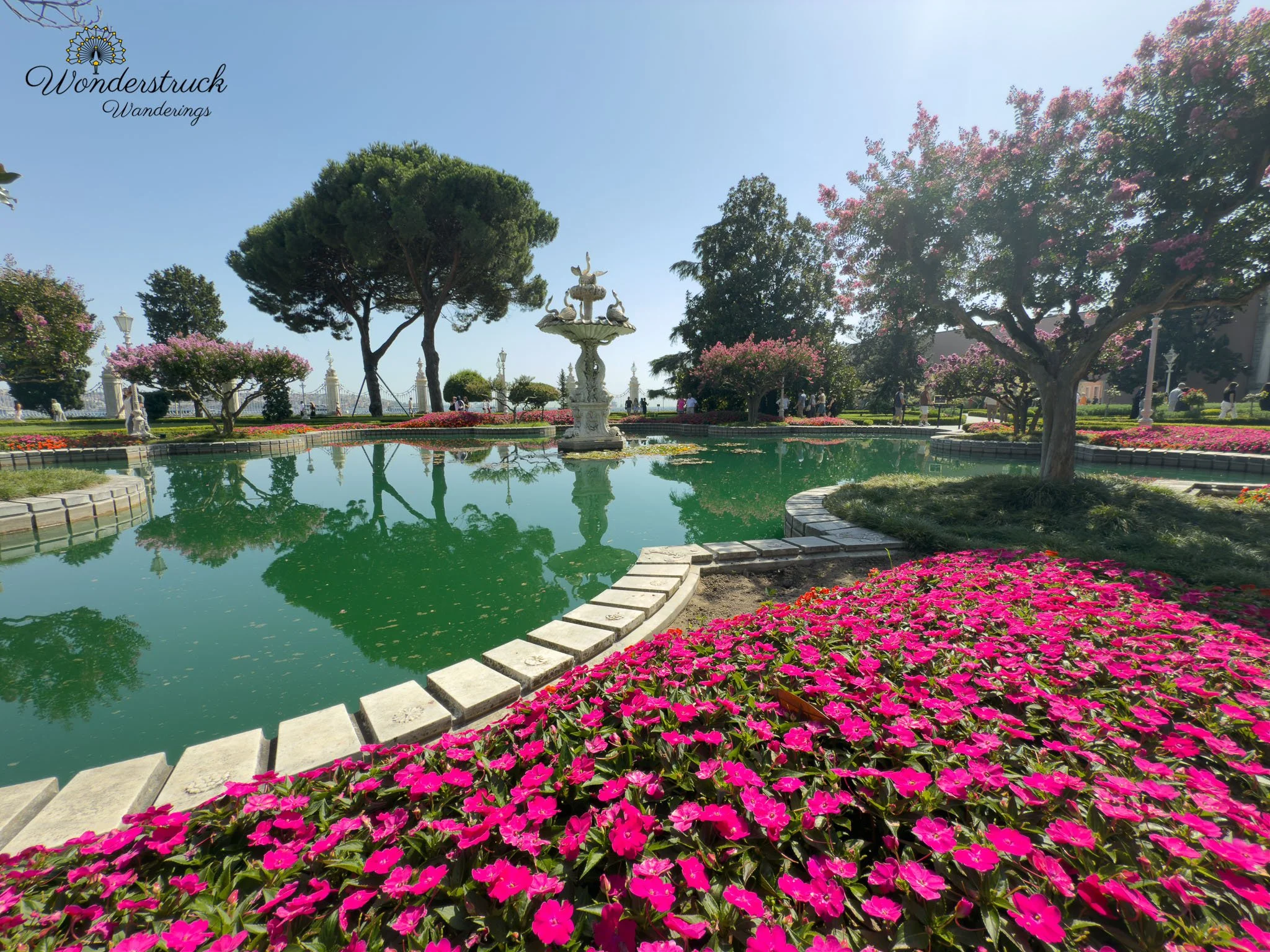
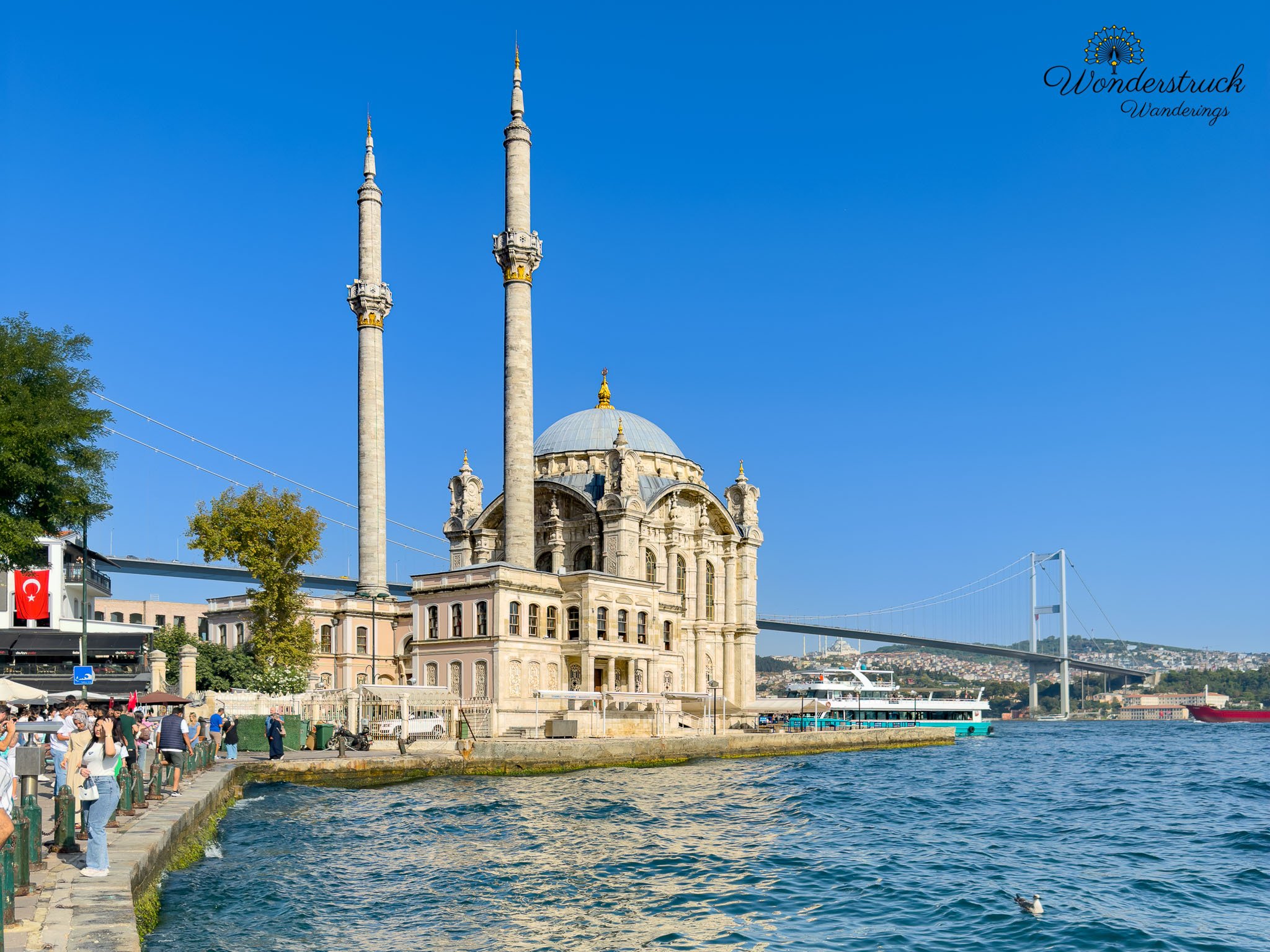
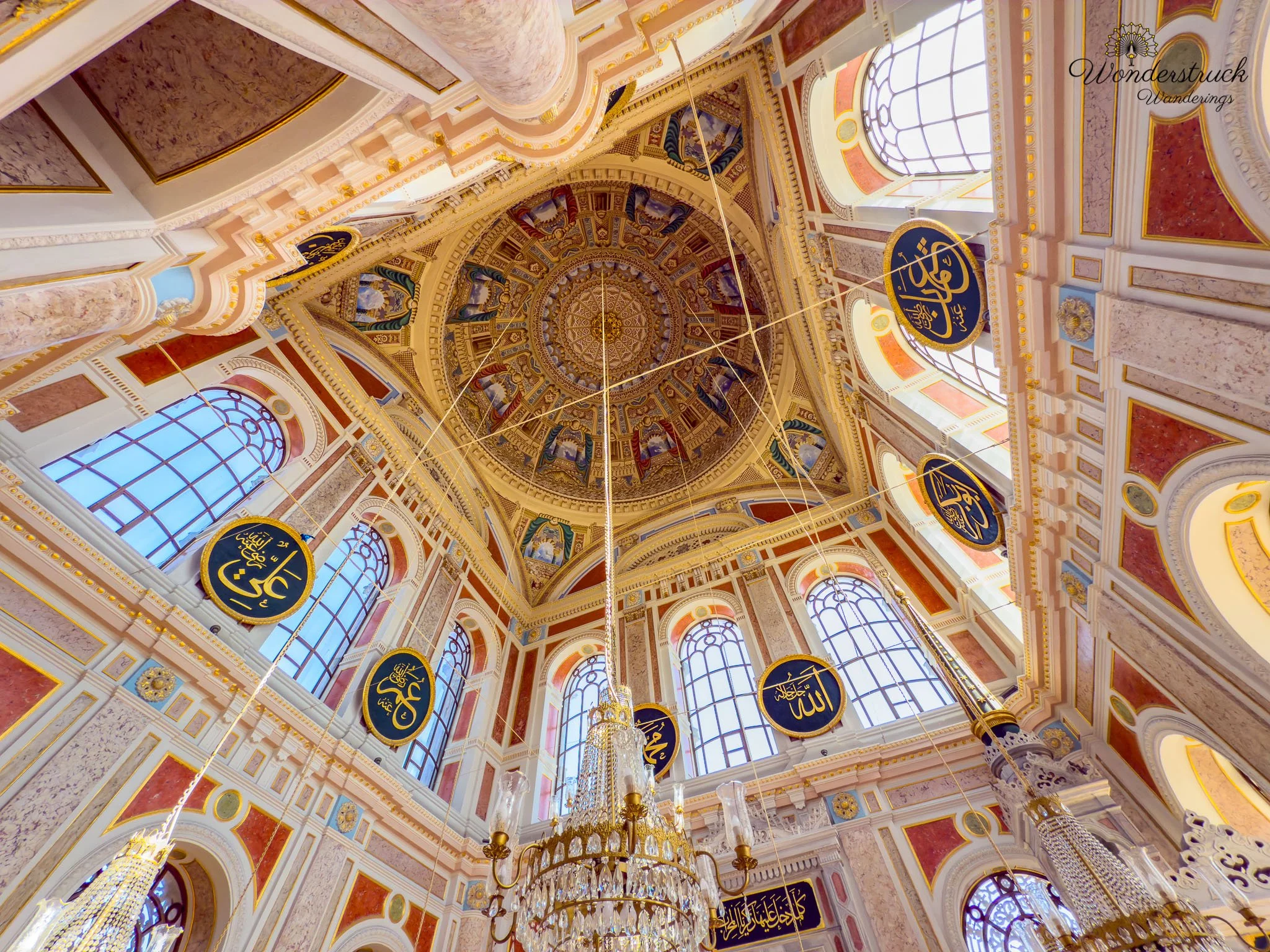
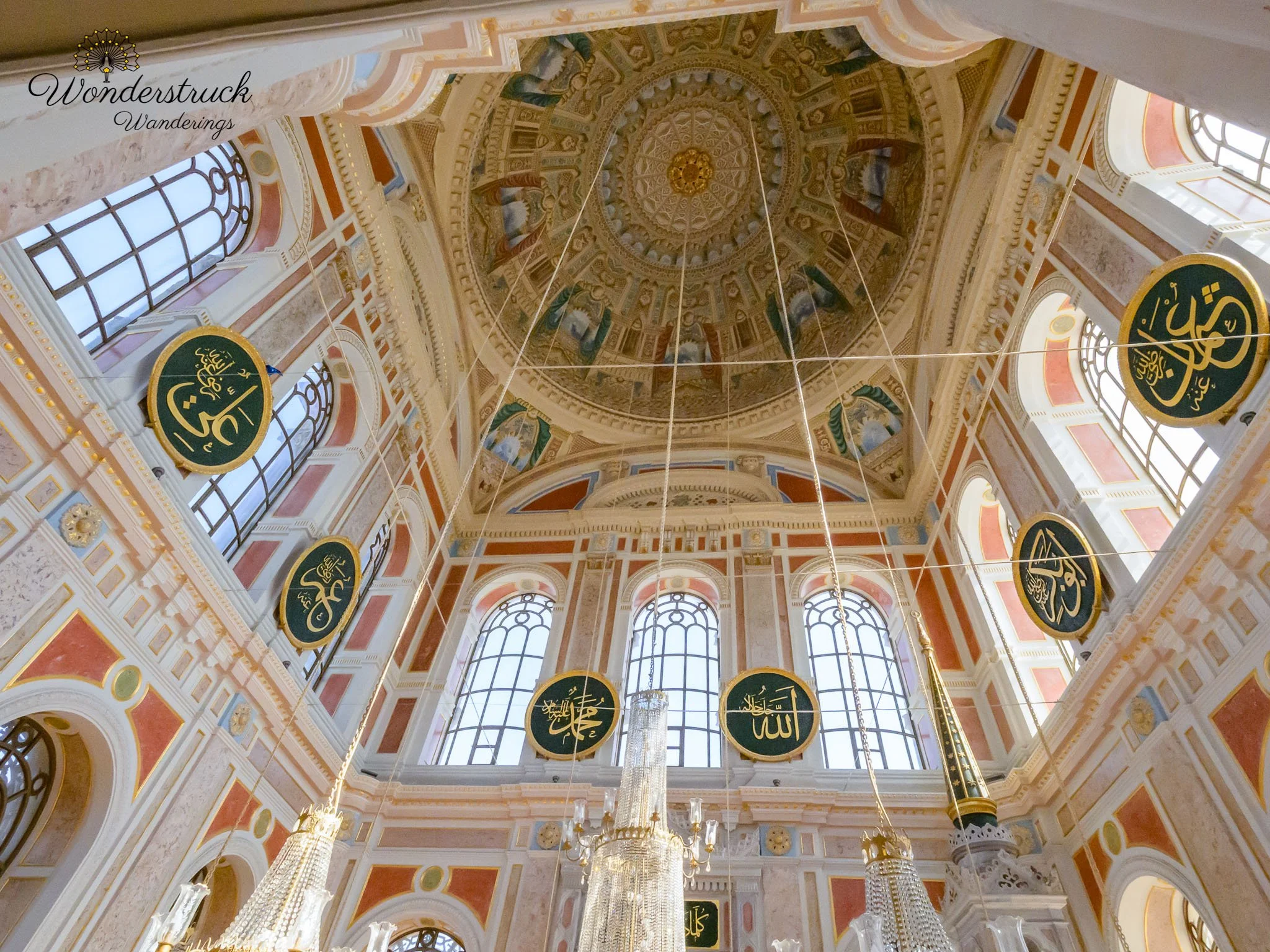
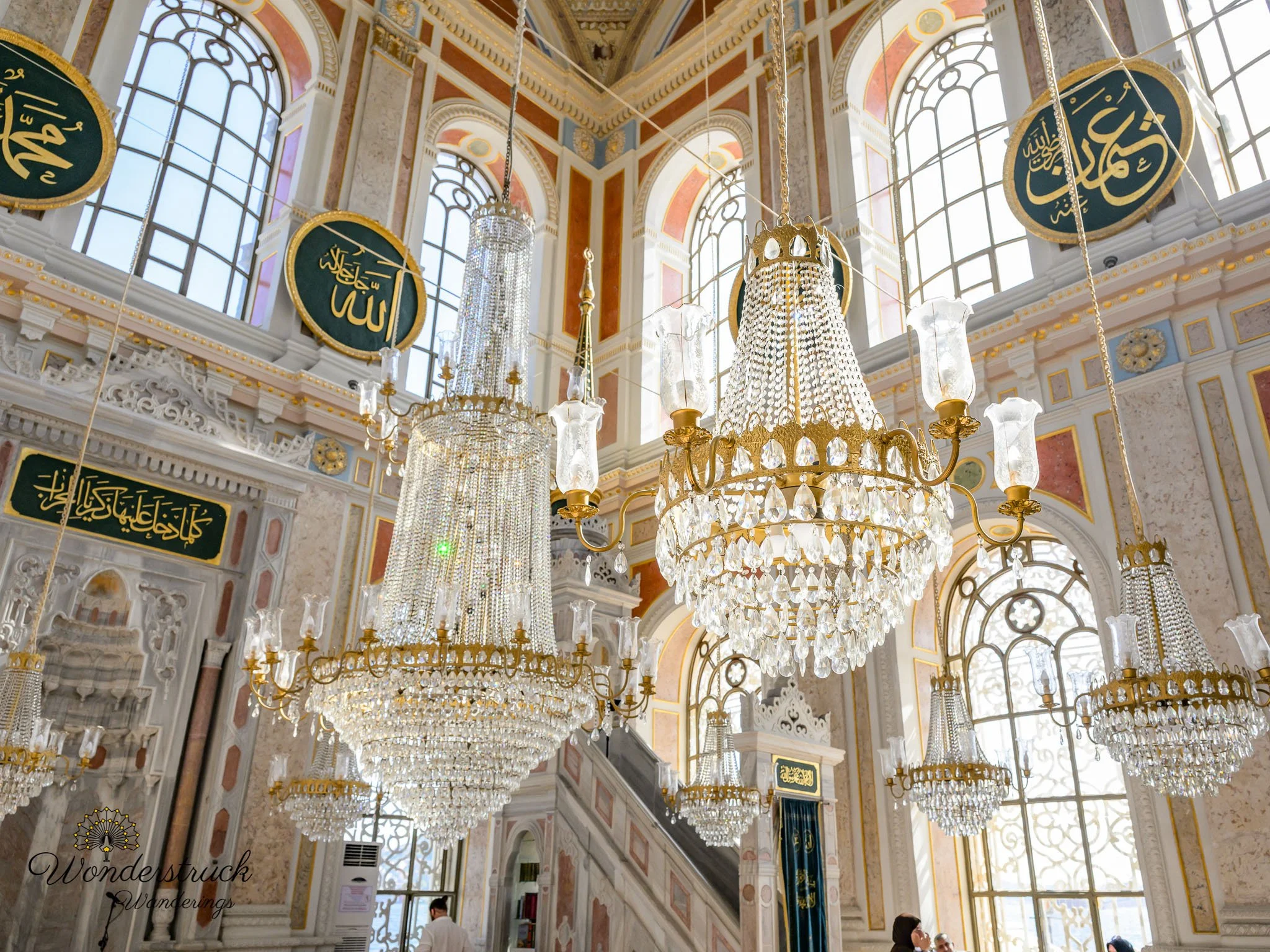
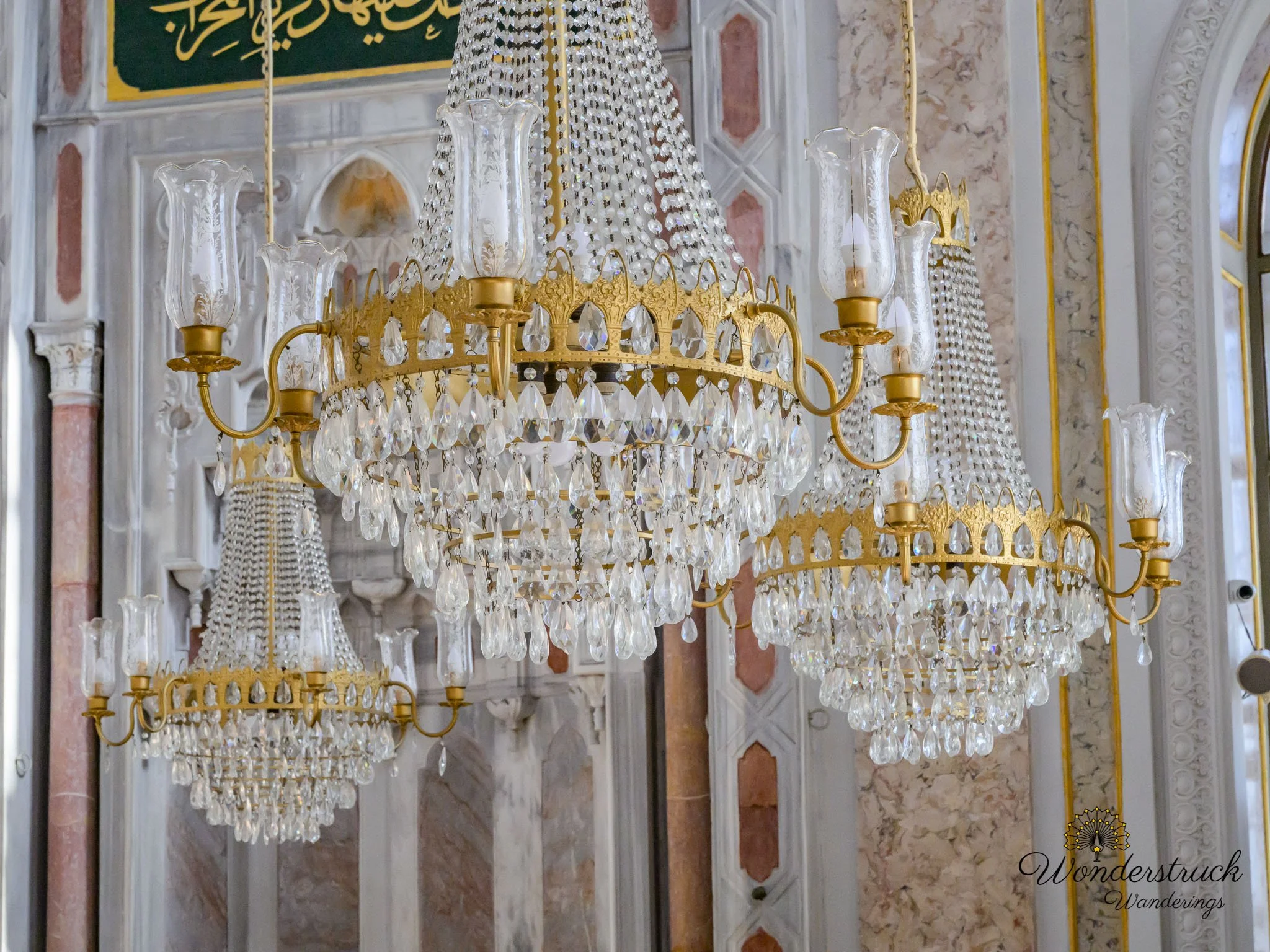
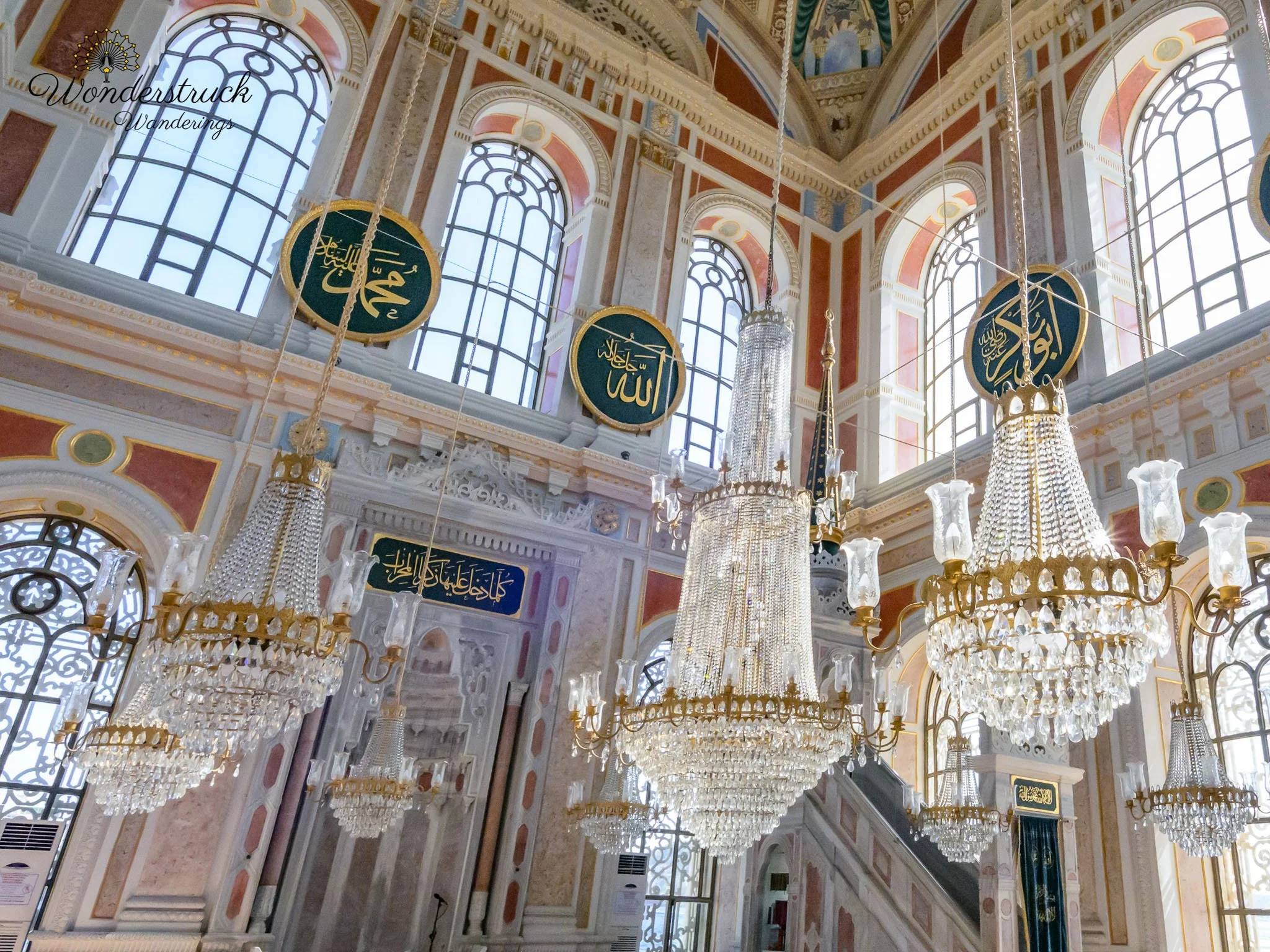
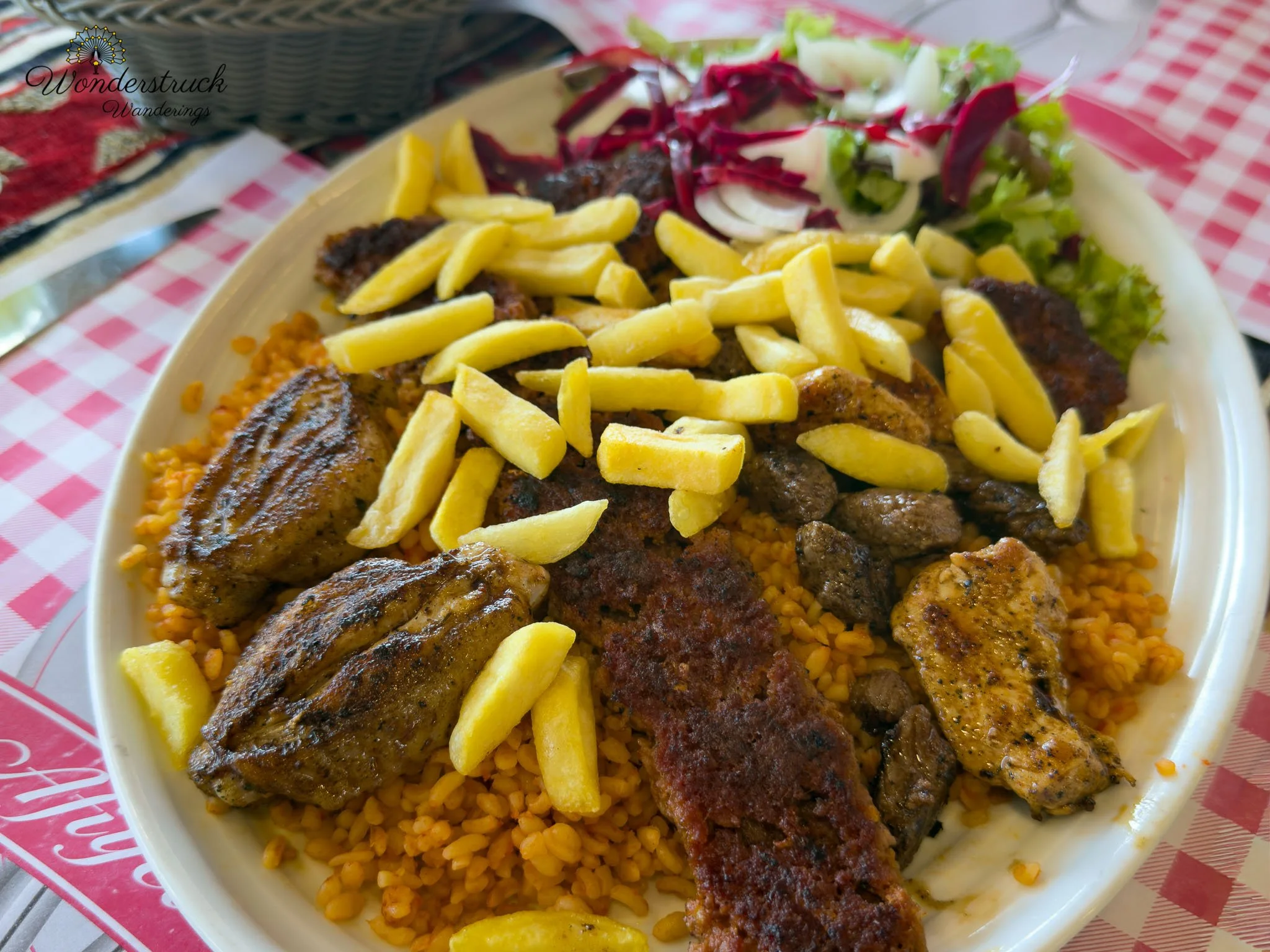
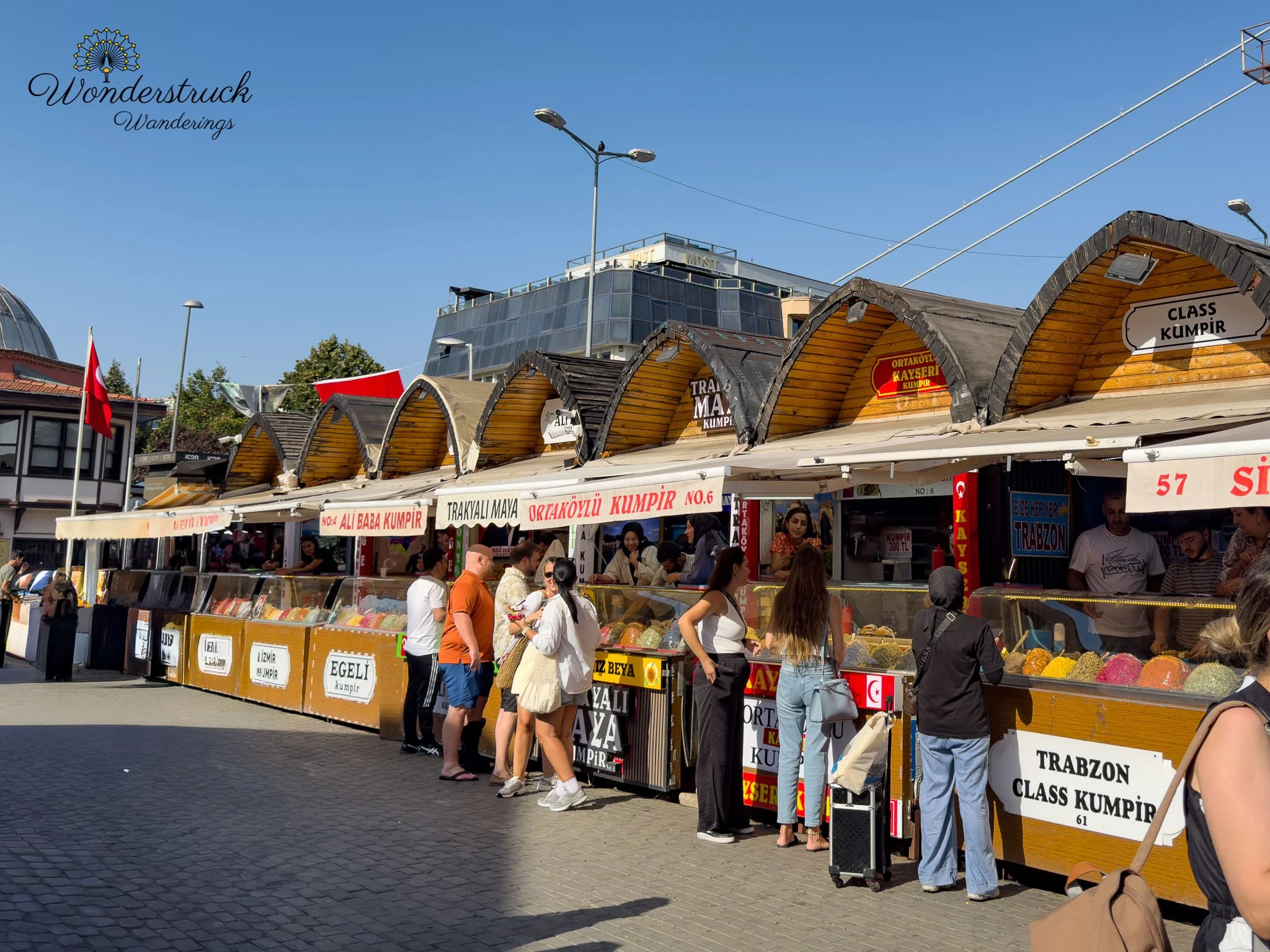
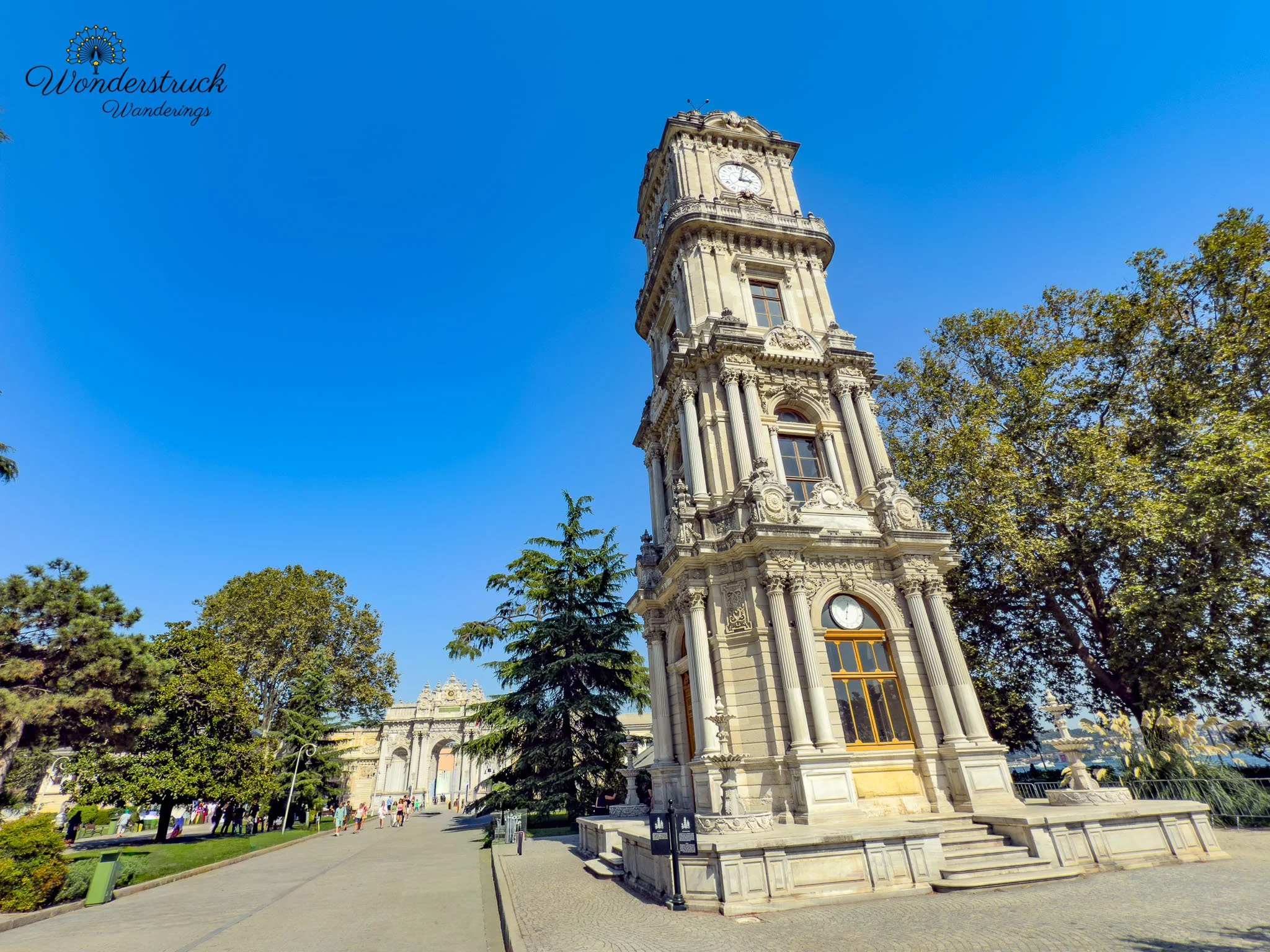
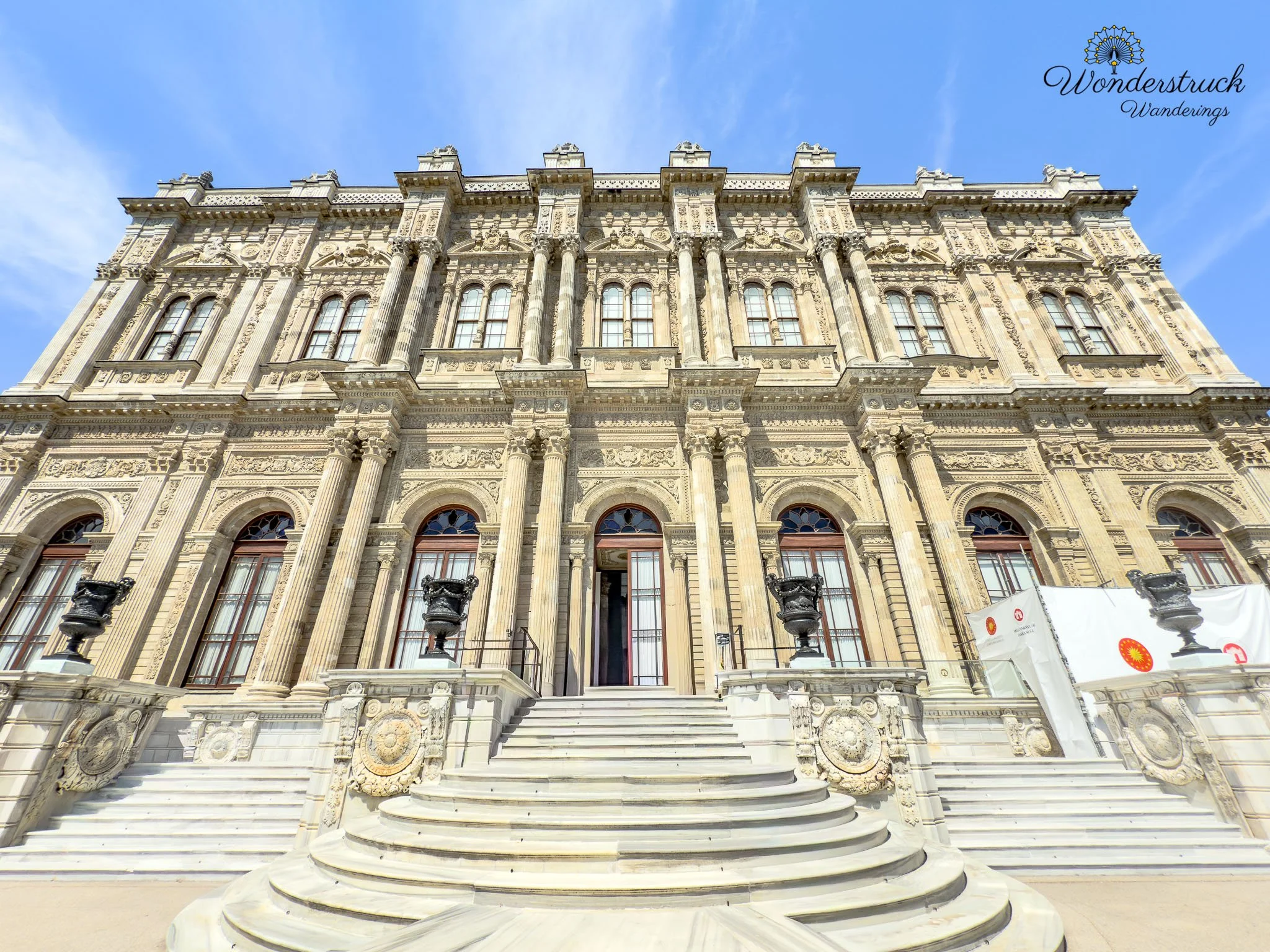
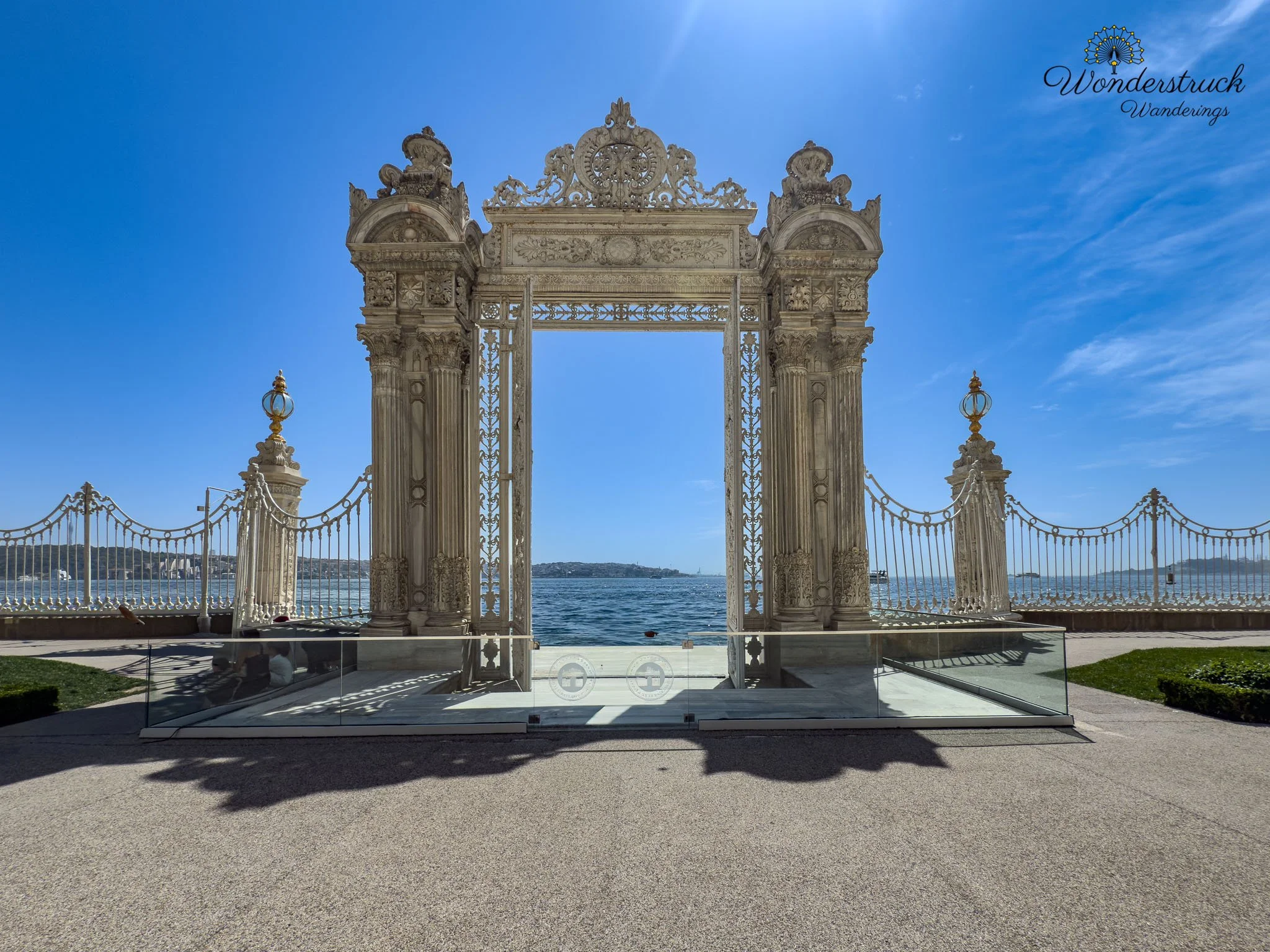
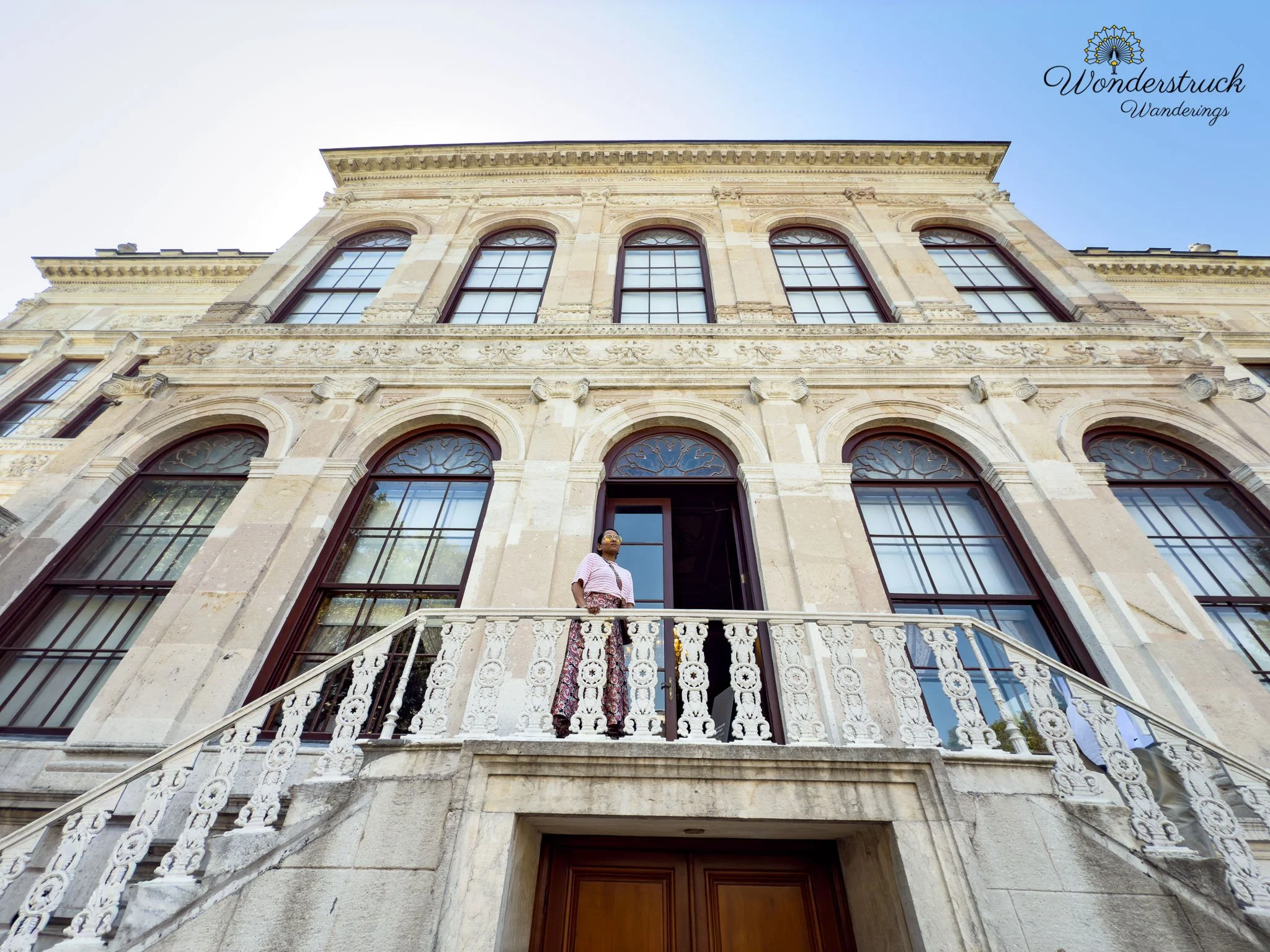
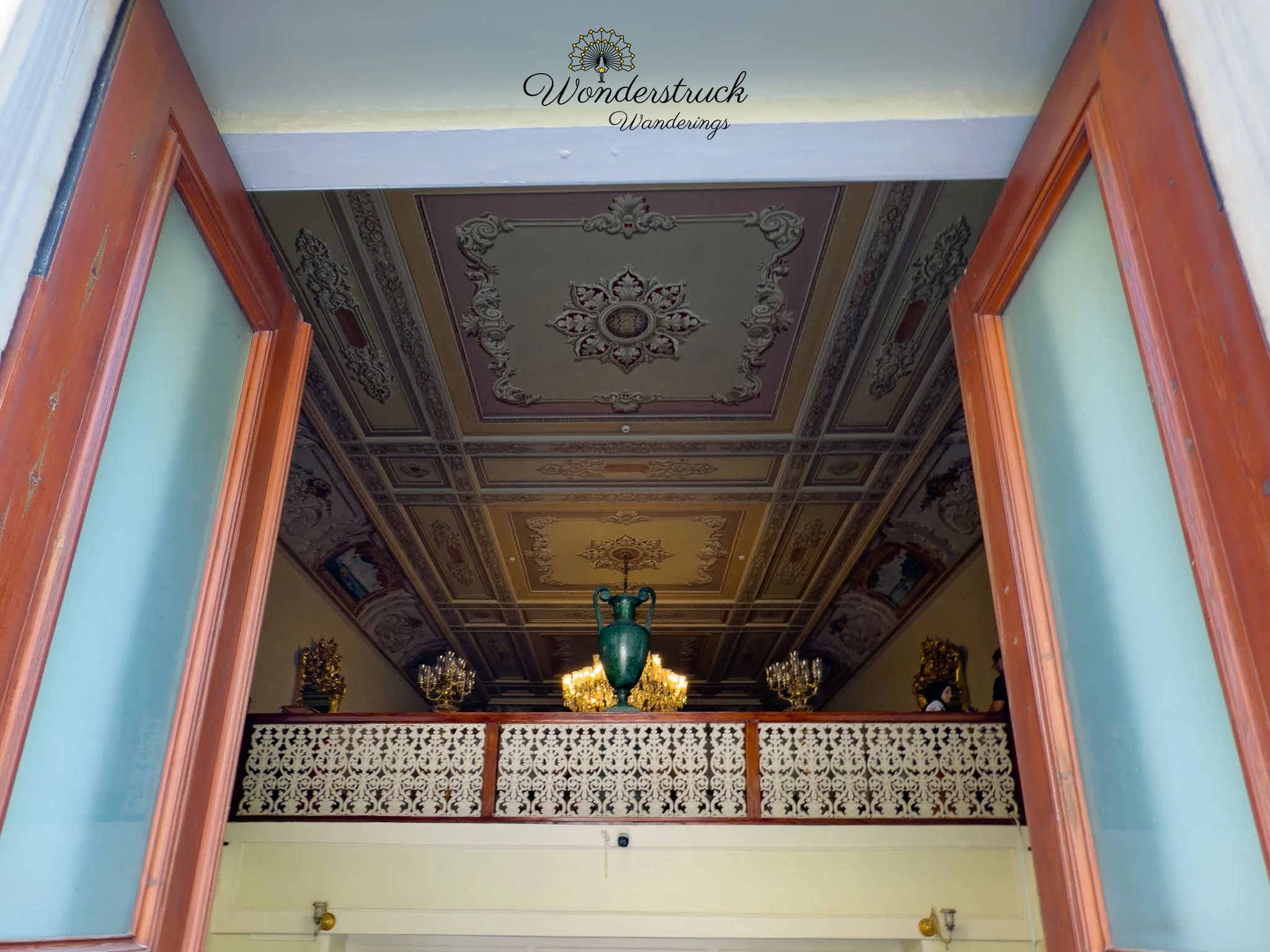
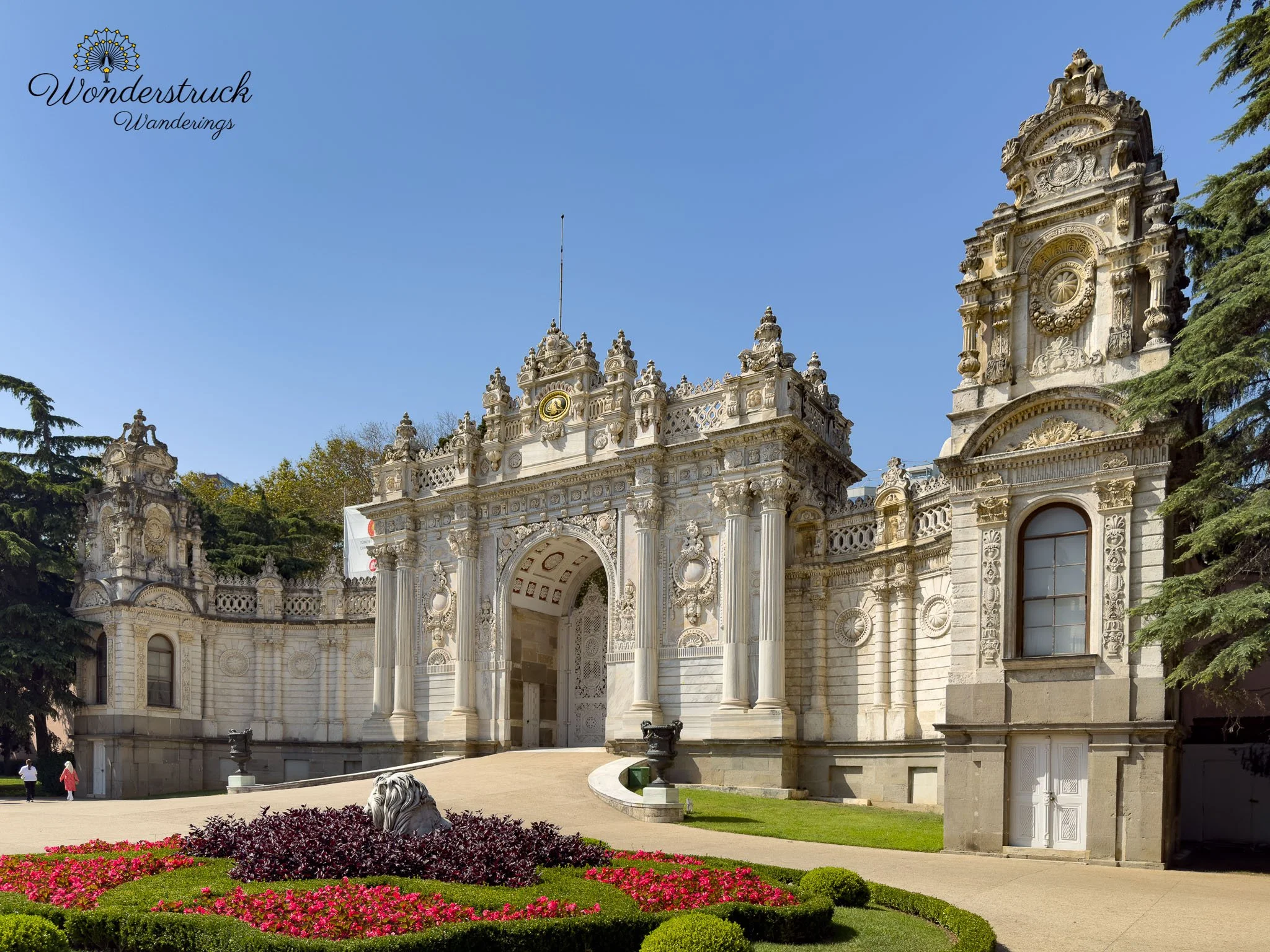
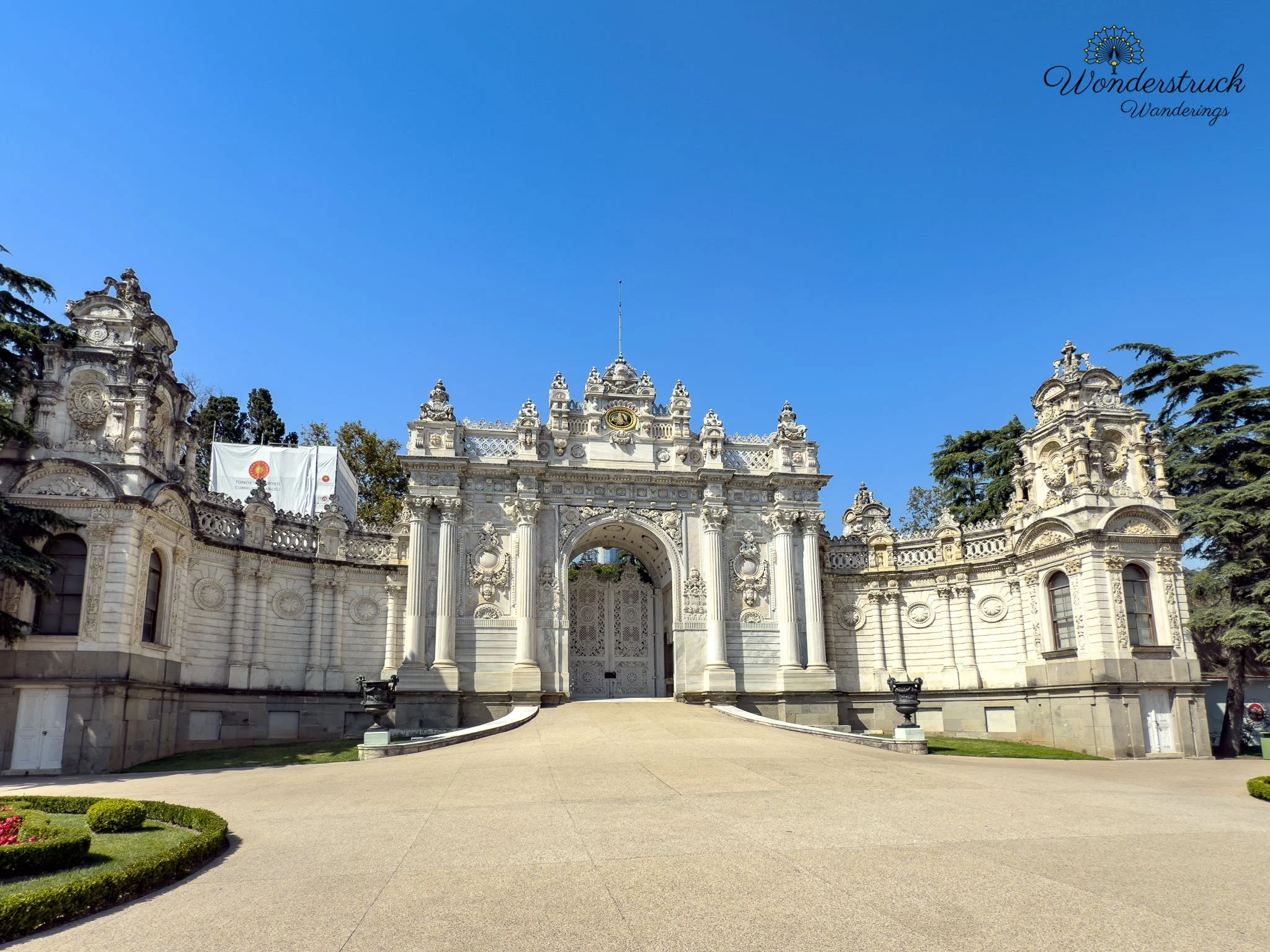
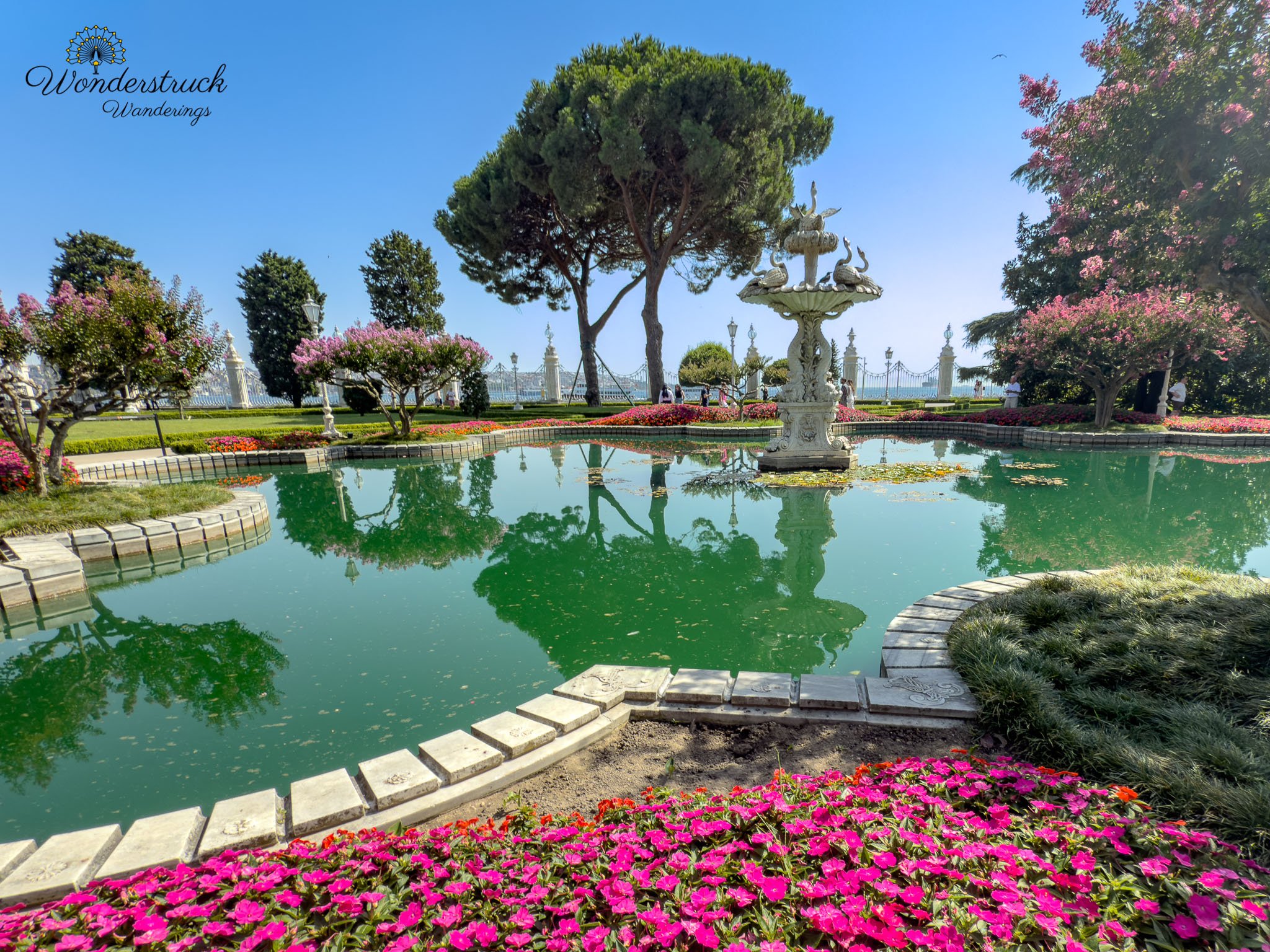
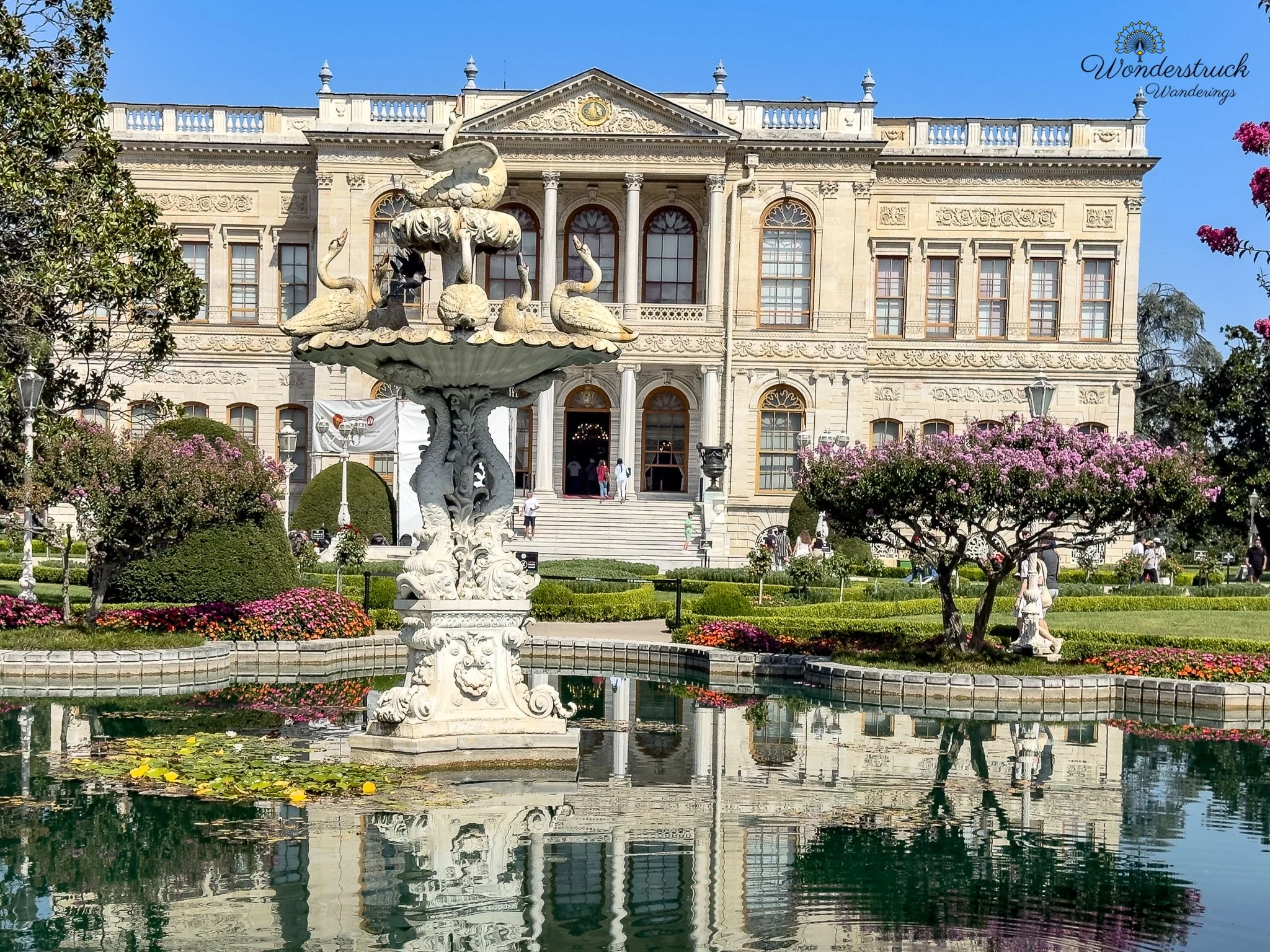
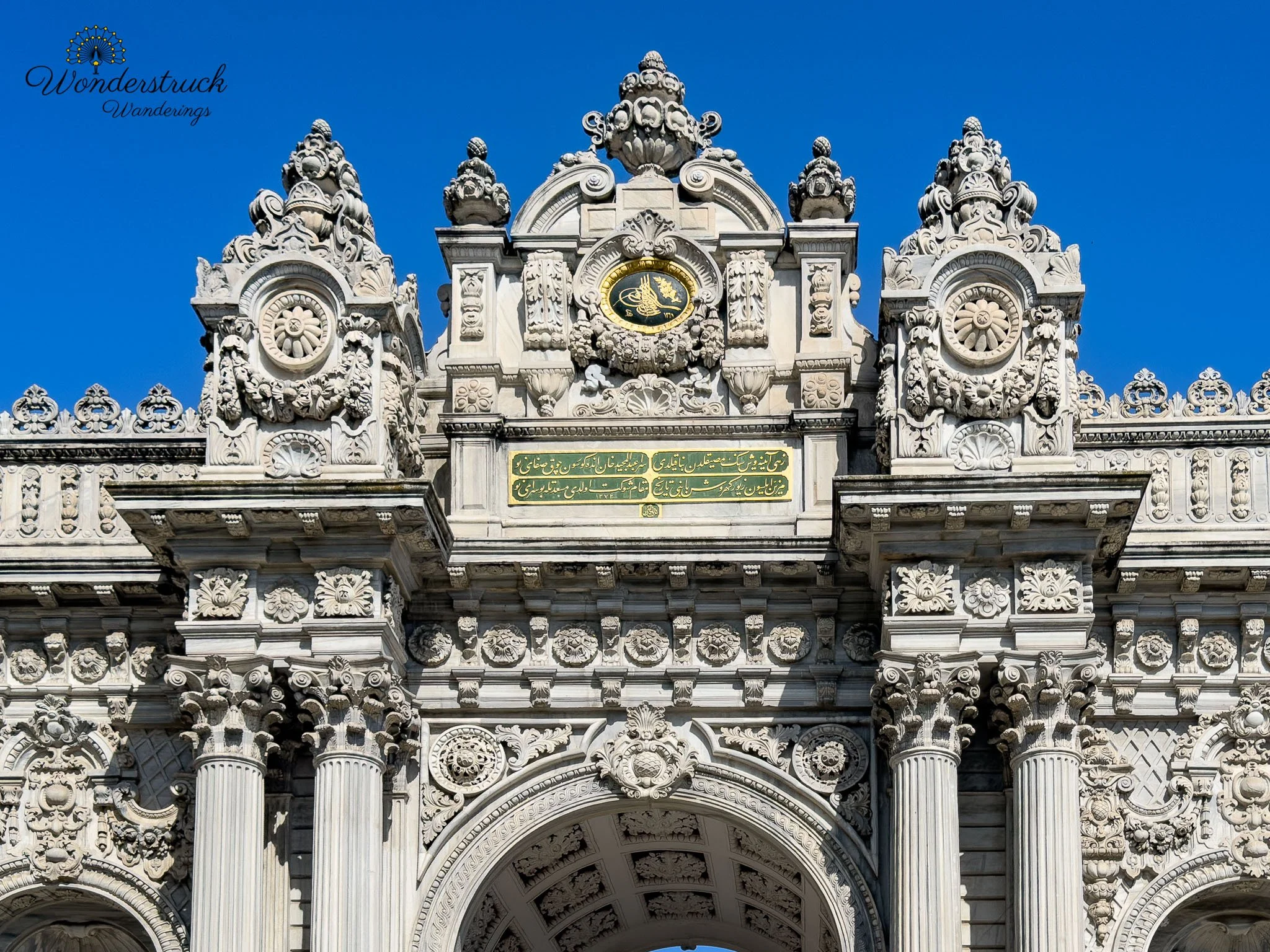
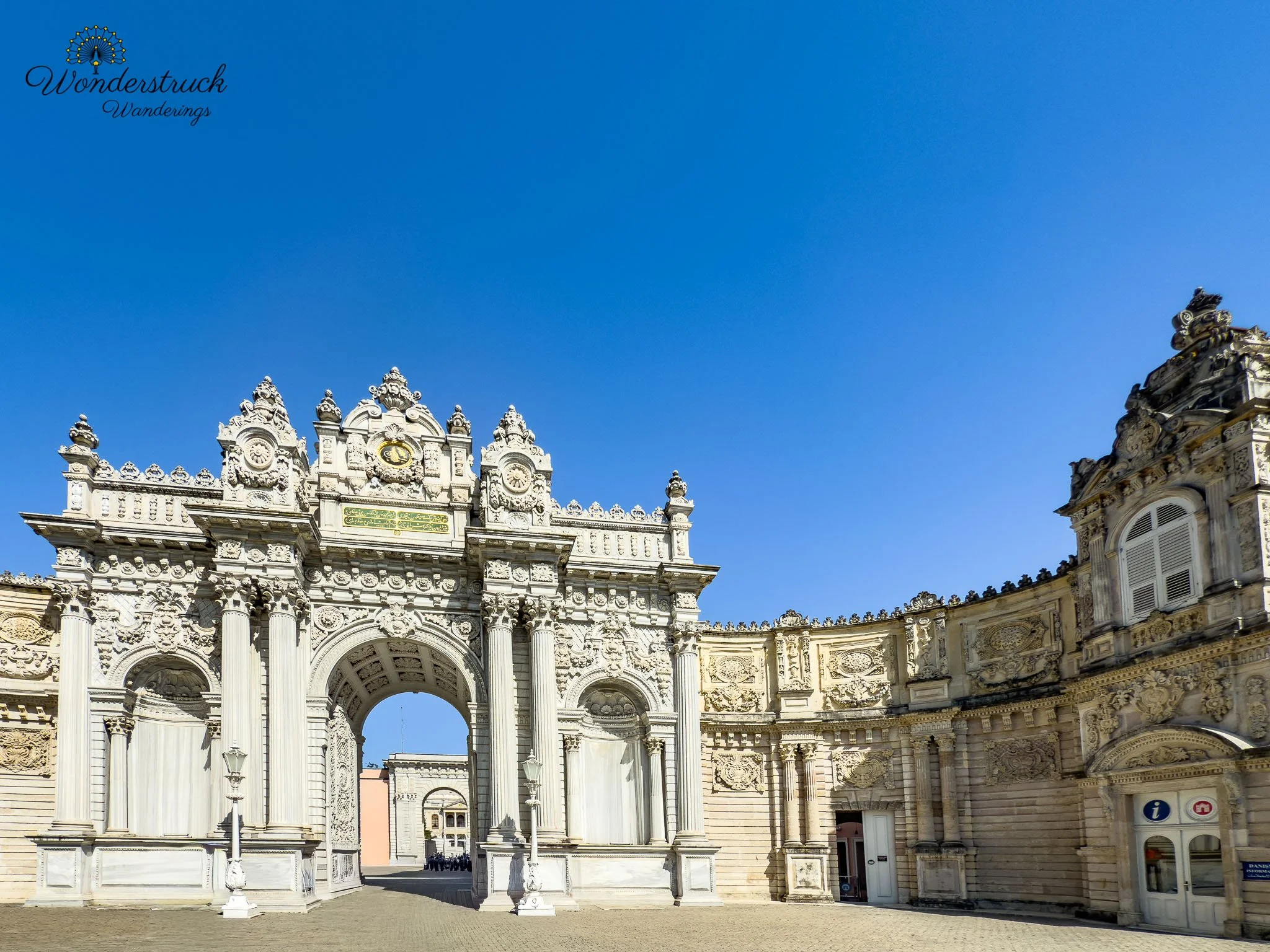
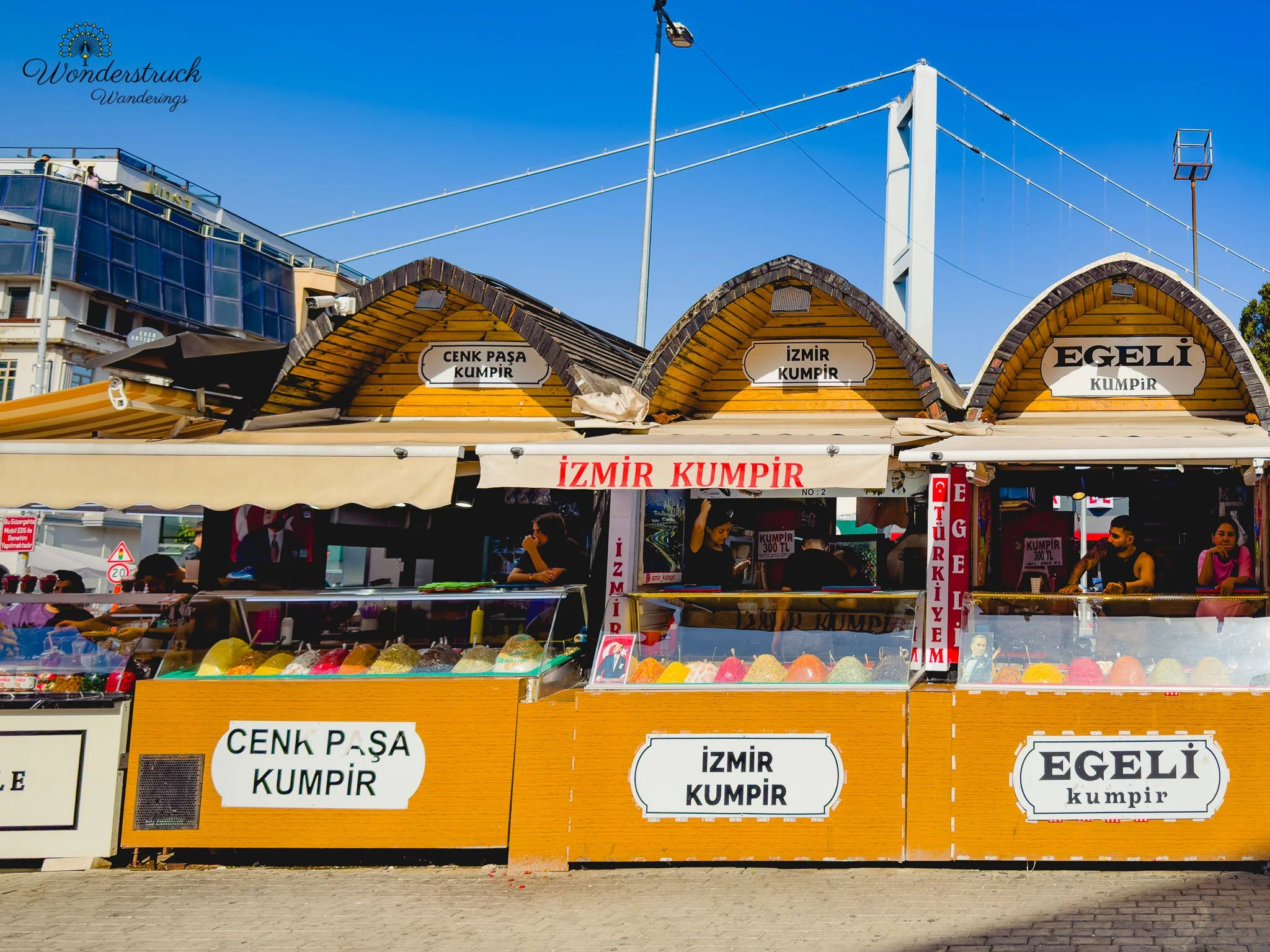
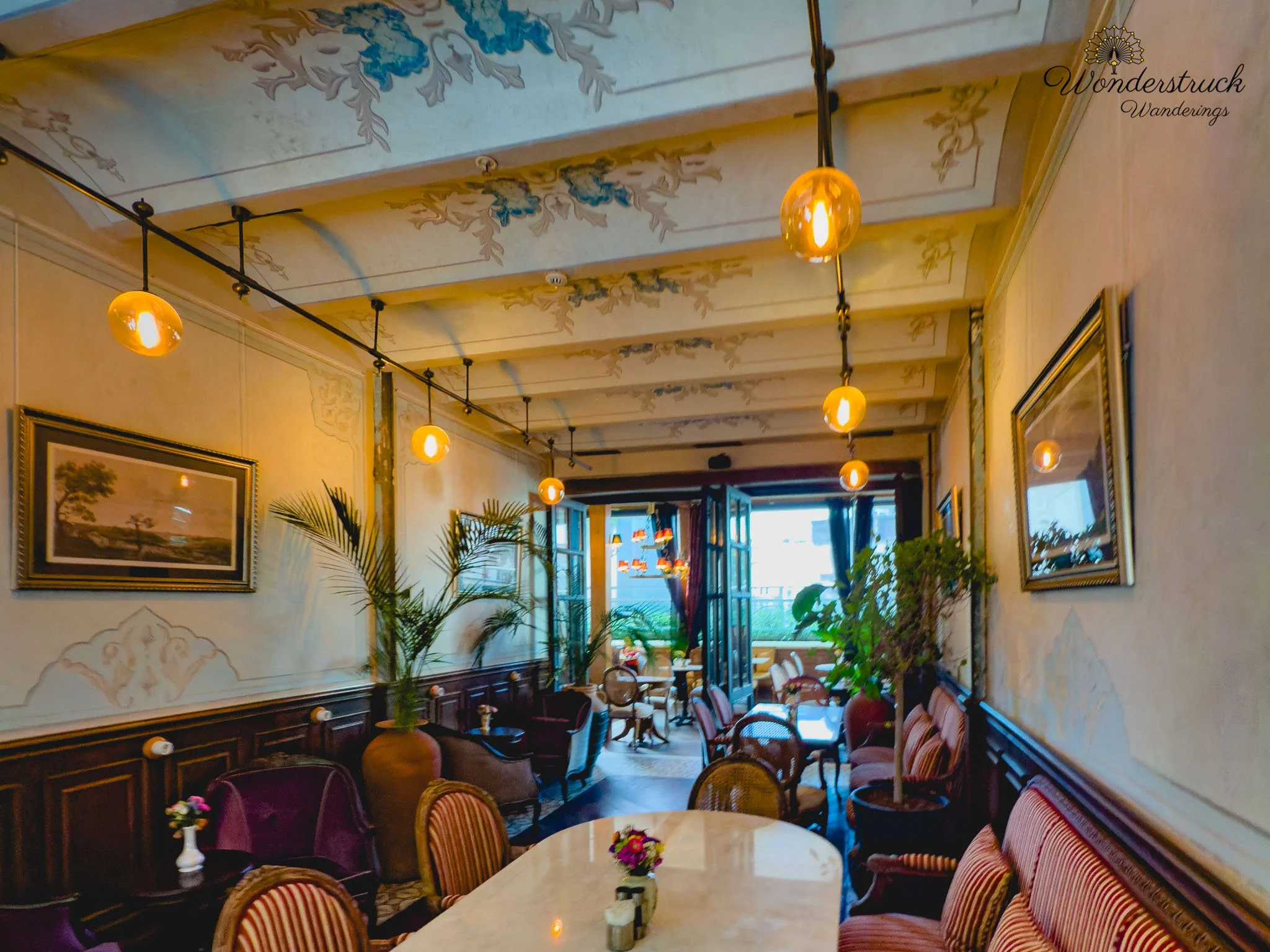
By late morning we were en route to Dolmabahçe Palace (Dolmabahçe Sarayı). The 20-minute Uber ride ended beside the Clock Tower (Saat Kulesi) and Bezmialem Valide Sultan Mosque, marble glowing under the heat. Through rose gardens and fountains we entered the Selamlık, the ceremonial wing designed by the Balyan family under Sultan Abdülmecid I. Inside, Charles Séchan’s Parisian Rococo vision dazzled: crystal staircases, Aivazovsky’s paintings, the Red Room, the Sultan’s marble hamam, and finally the Muayede Salonu, its 36-meter dome and 4.5-ton chandelier shimmering like frozen light. Next door, the National Palaces Painting Museum (Milli Saraylar Resim Müzesi) revealed the quieter soul of the empire. Works by Pierre-Désiré Guillemet, Şeker Ahmet Paşa, Osman Hamdi Bey, Halil Paşa, and Aivazovsky captured the moment Ottoman art bridged East and West. The hall smelled of varnish and sea breeze, each canvas glowing under Bosphorus light. After a brief rest we entered Harem Dairesi, where the Sultan’s family once lived. The Kadın Efendiler Salonu, the intimate Harem Hamamı, and the pastel suite of Pertevniyal Valide Sultan told stories of domestic grace — silk divans, mother-of-pearl tables, laughter behind carved screens. Afternoon took us to Ortaköy (Büyük Mecidiye Camii), the mosque appearing to float on the Bosphorus beneath the suspension bridge. Its Neo-Baroque curves and sunlight-filled dome framed our kebab lunch at Yelken Cafe. Afterward came street performances of elastic dondurma, tempting stalls of buttery kumpir, and a breeze that smelled of salt and roasted corn.
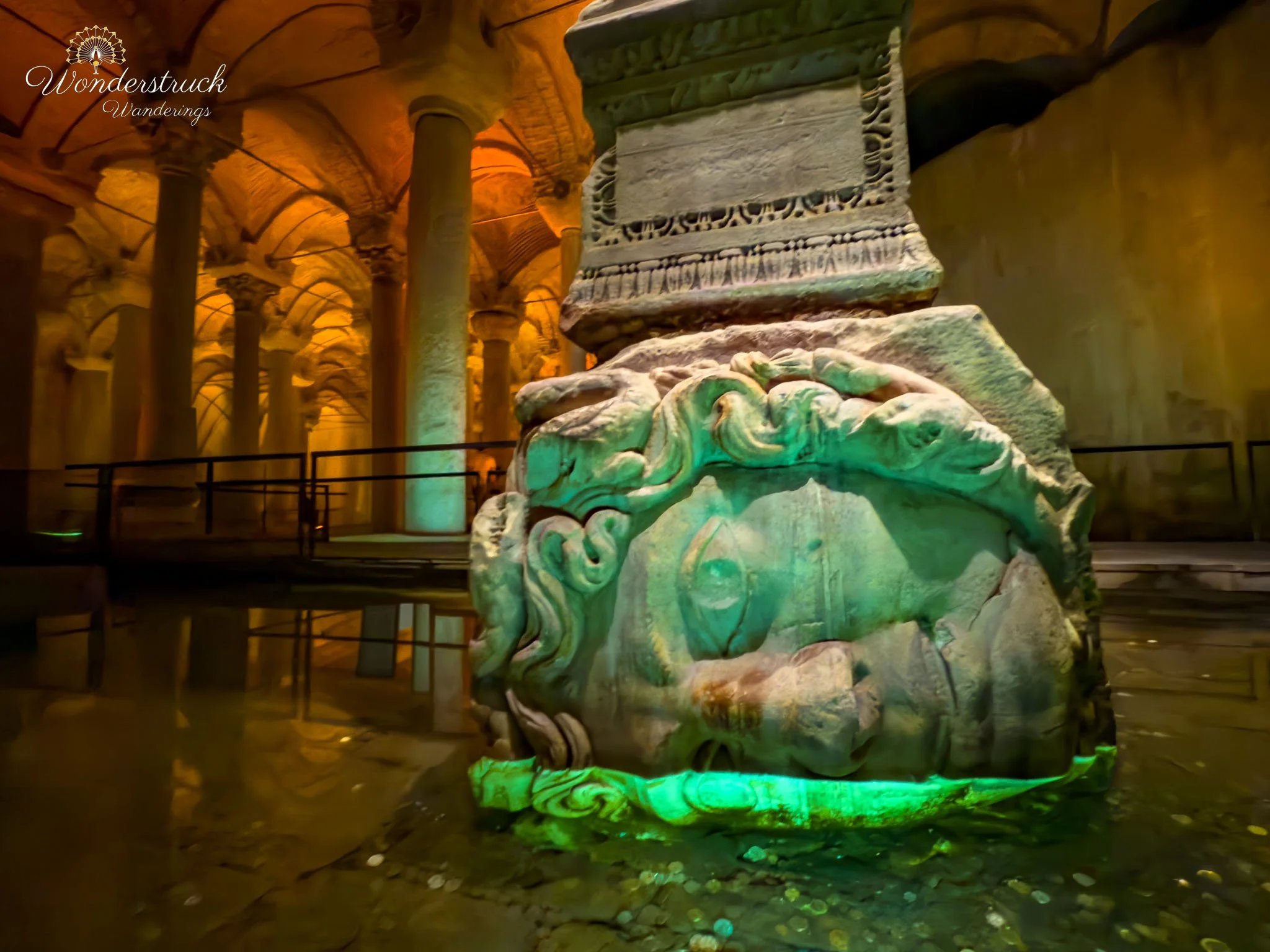
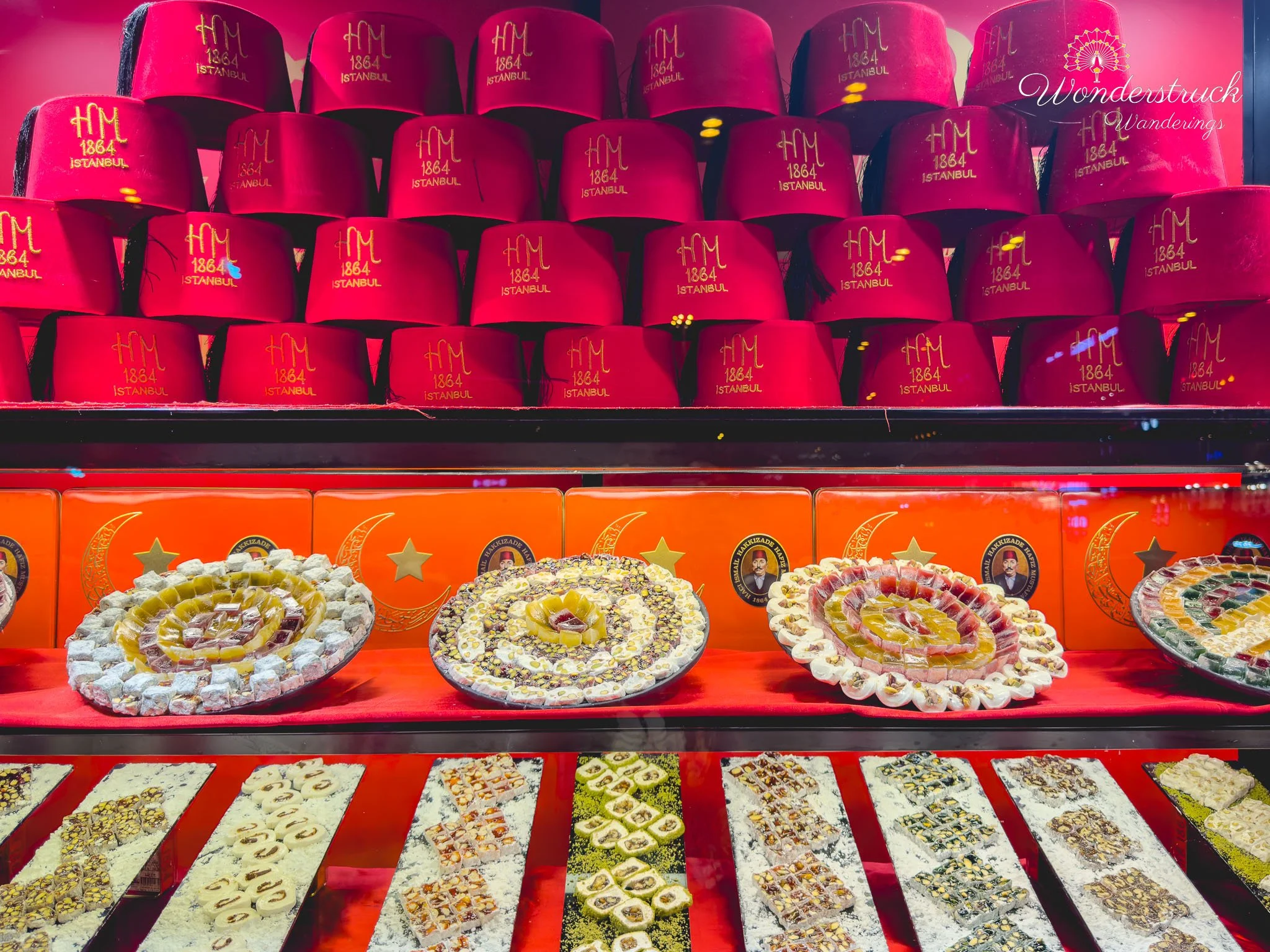
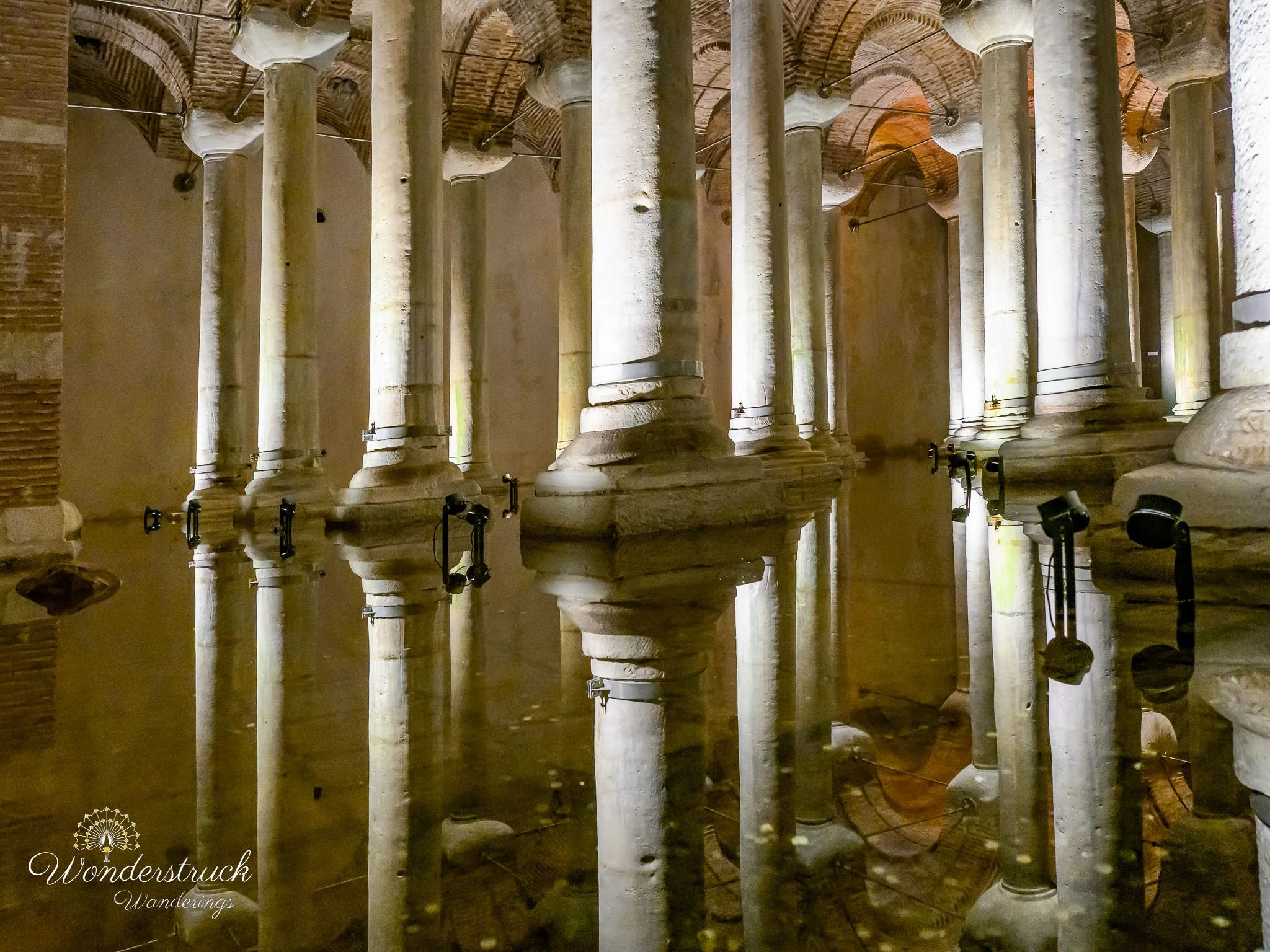
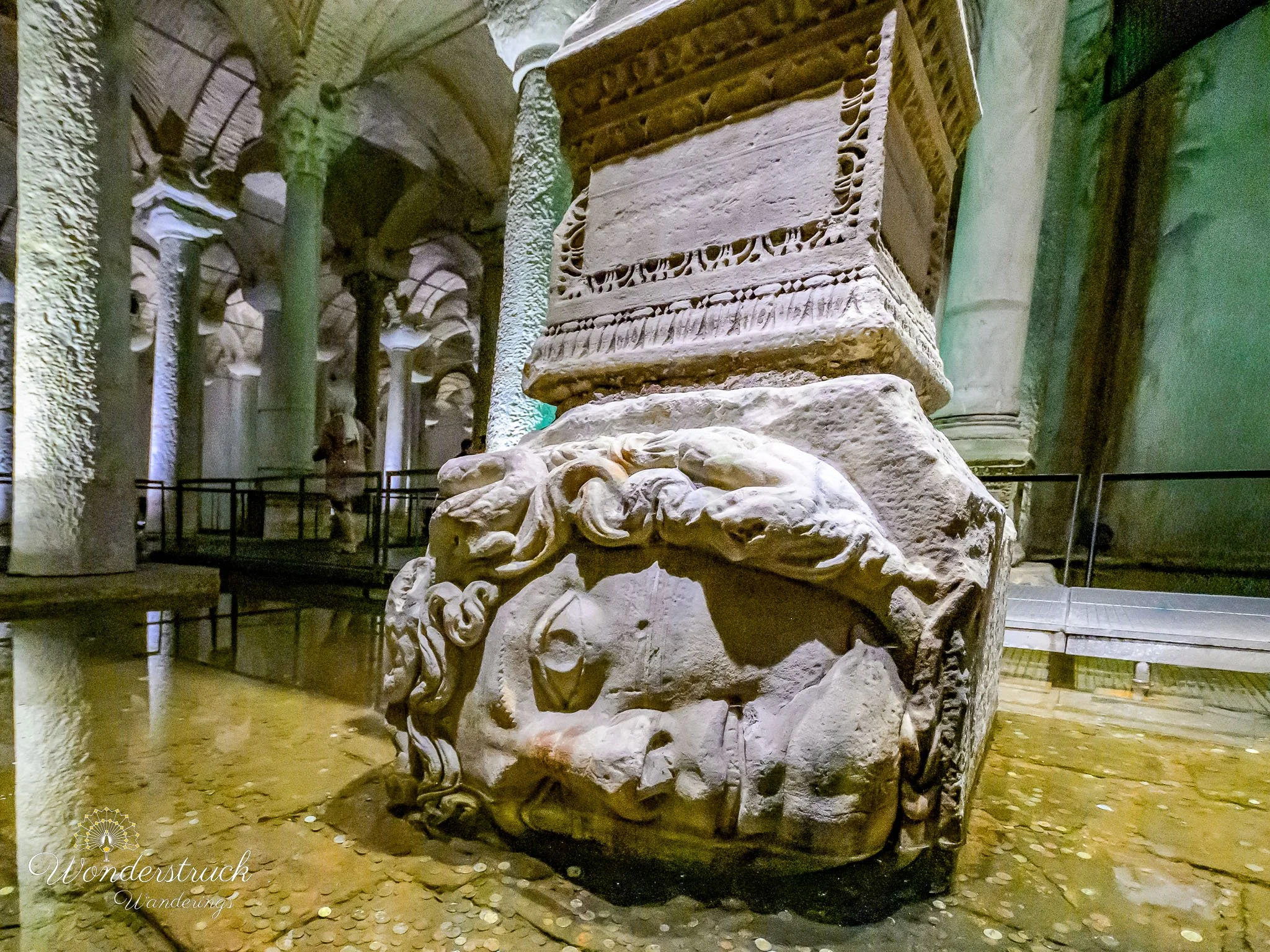
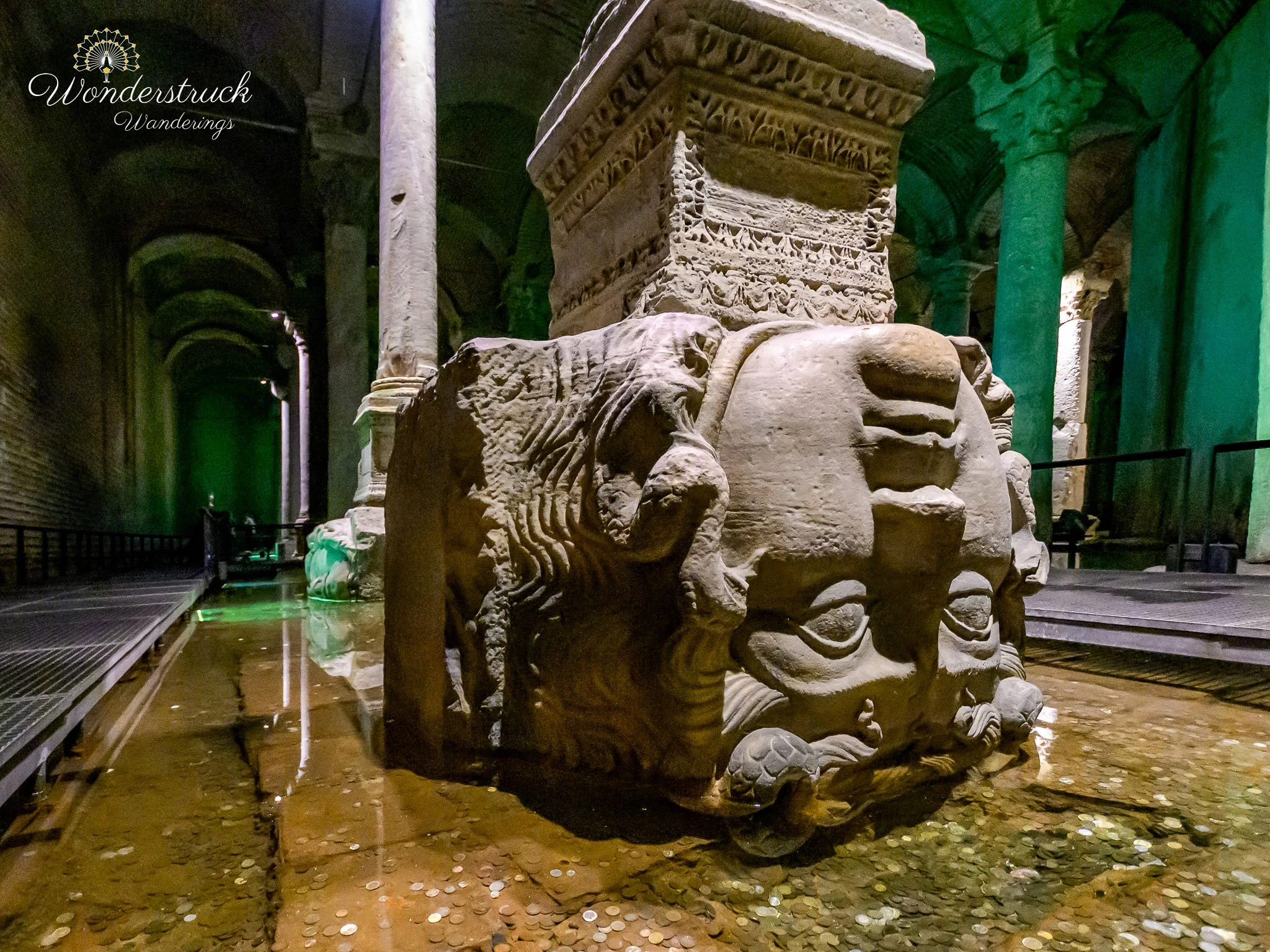
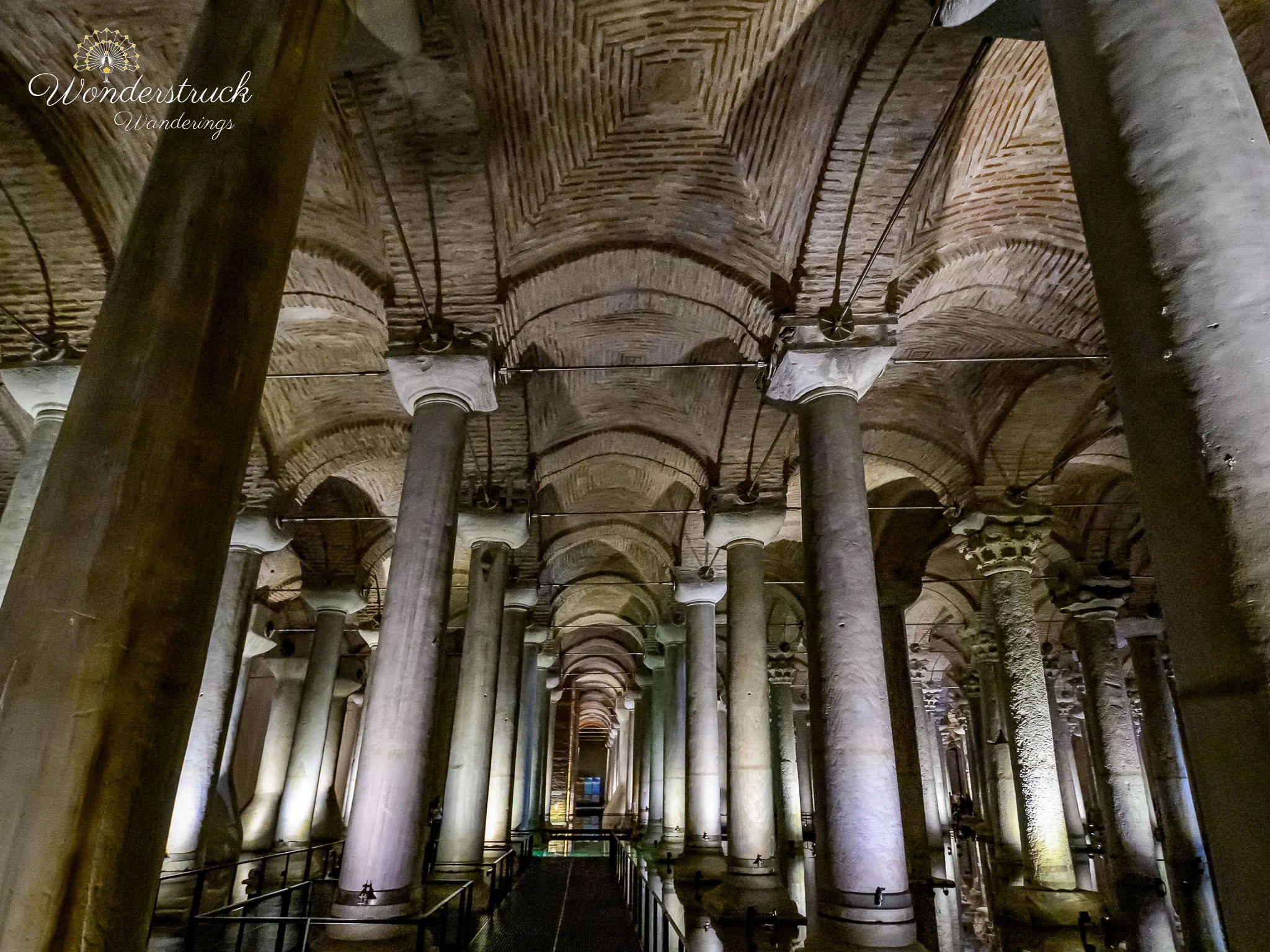
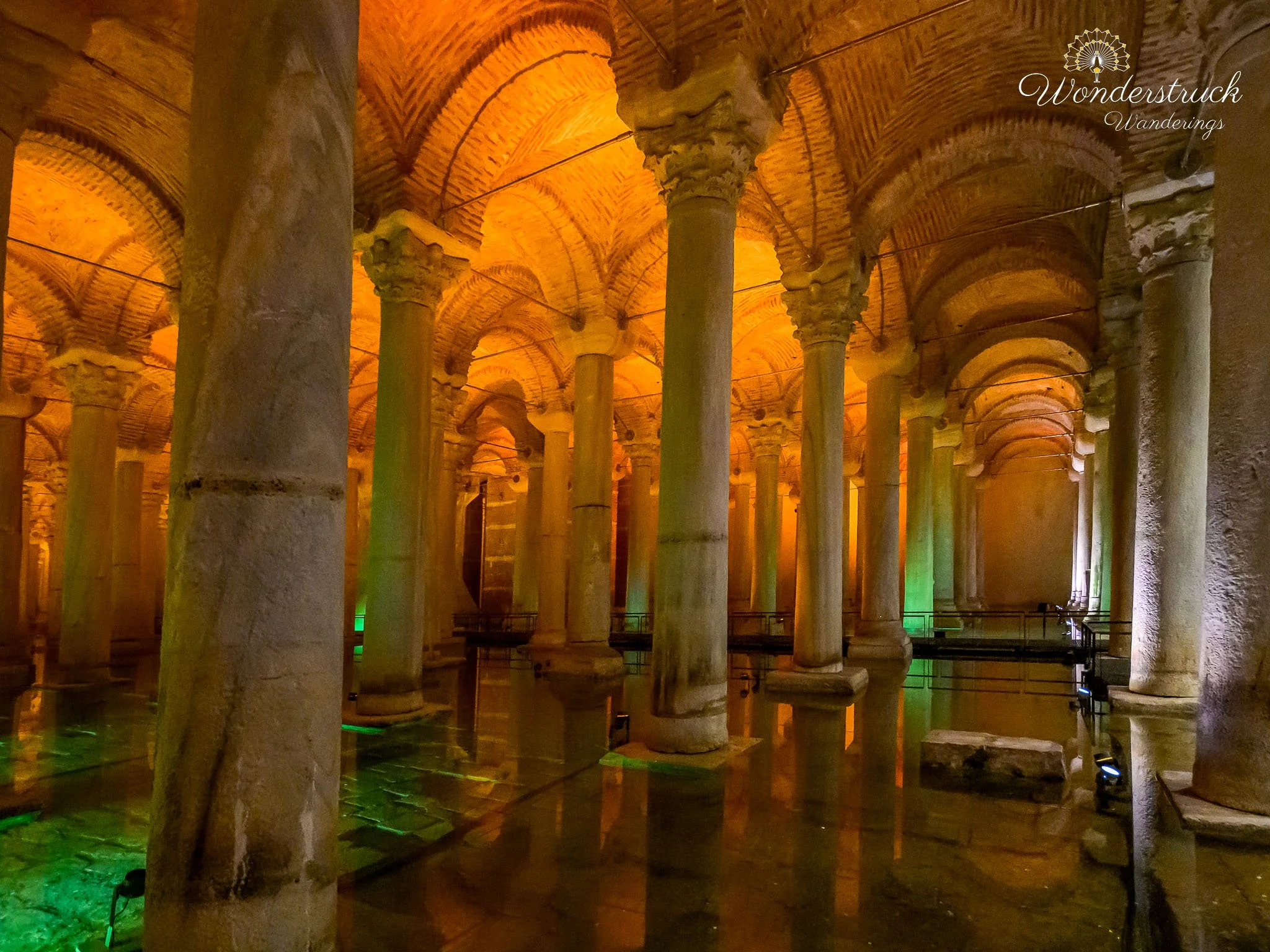
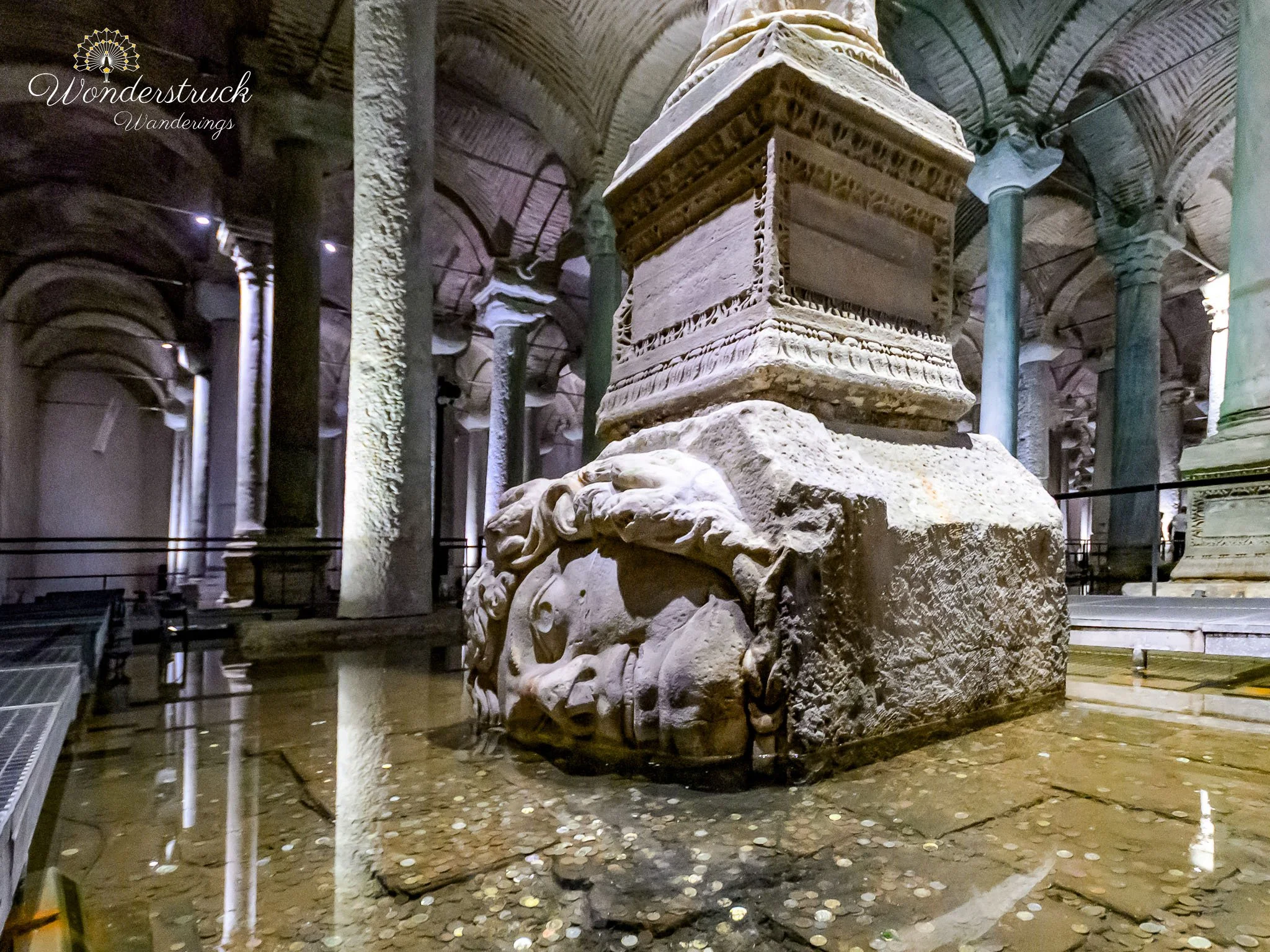
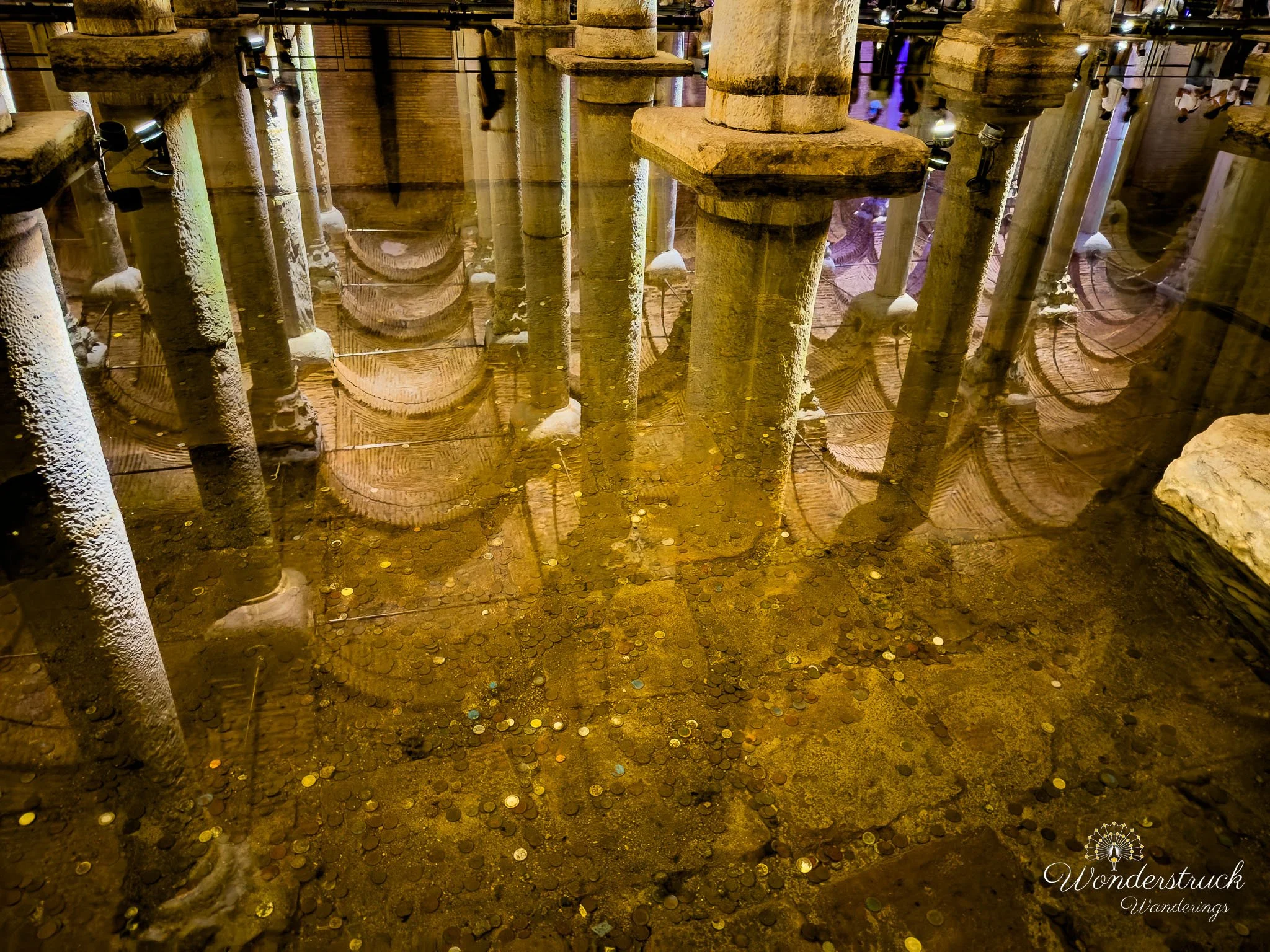
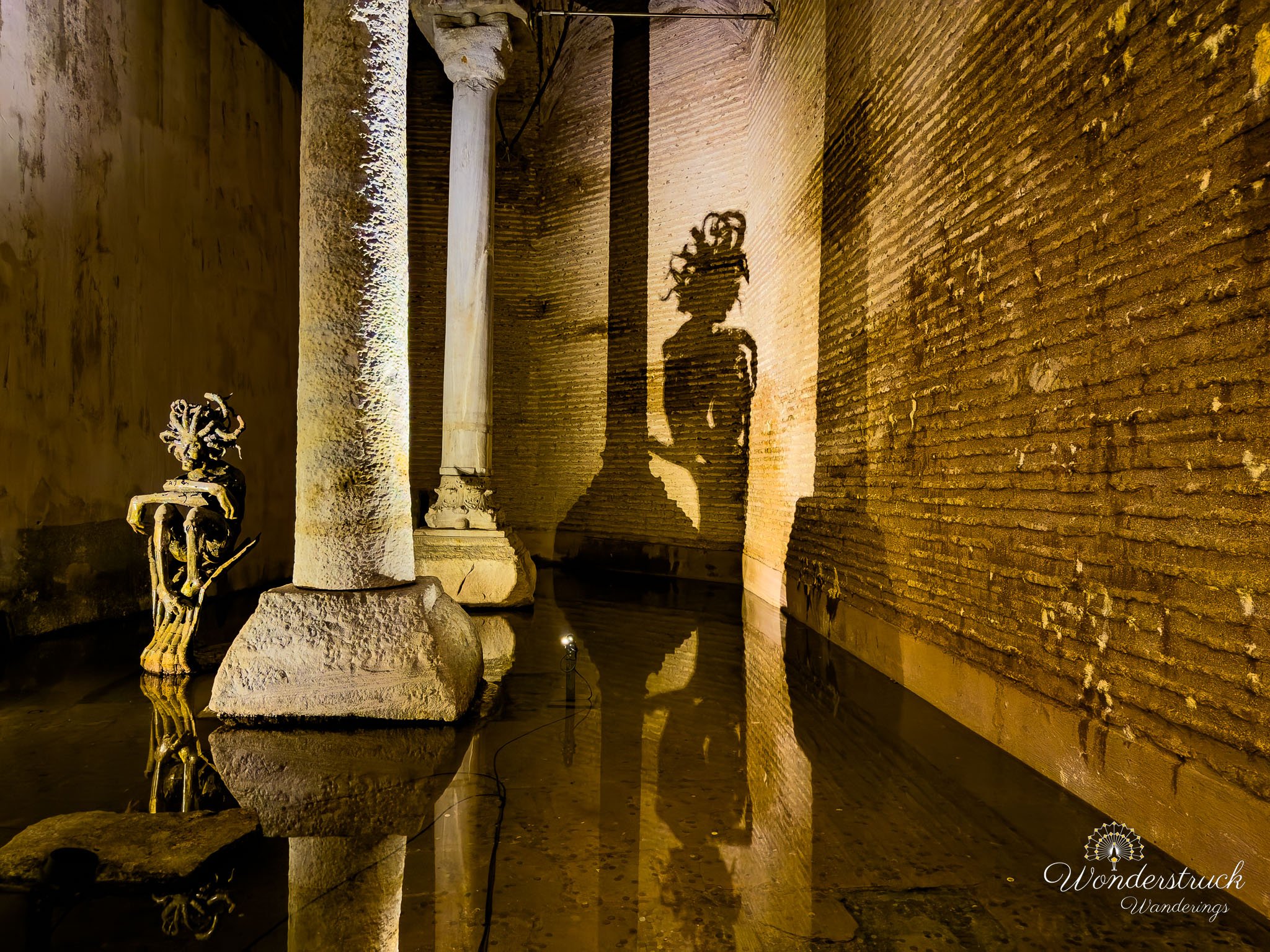
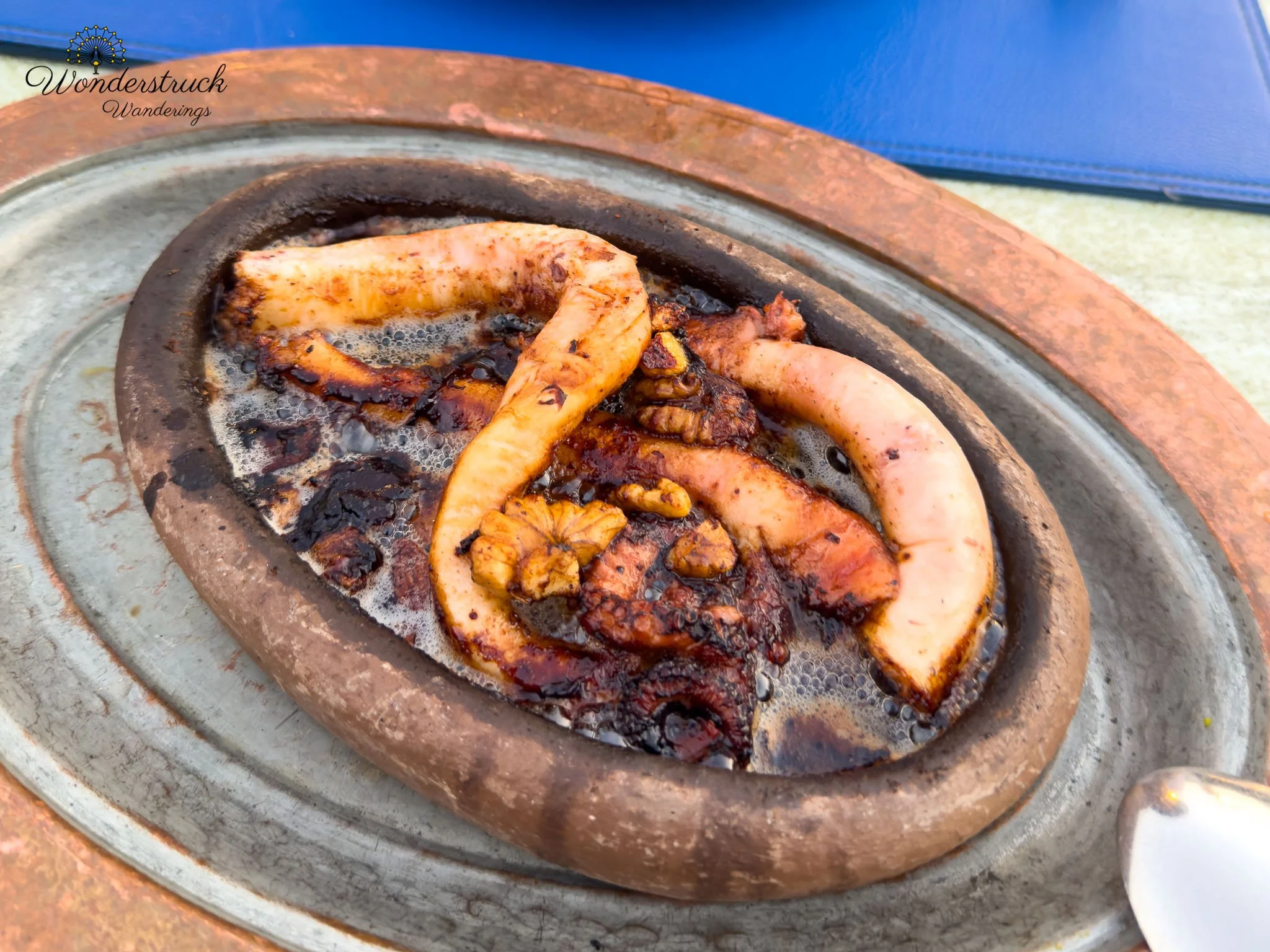
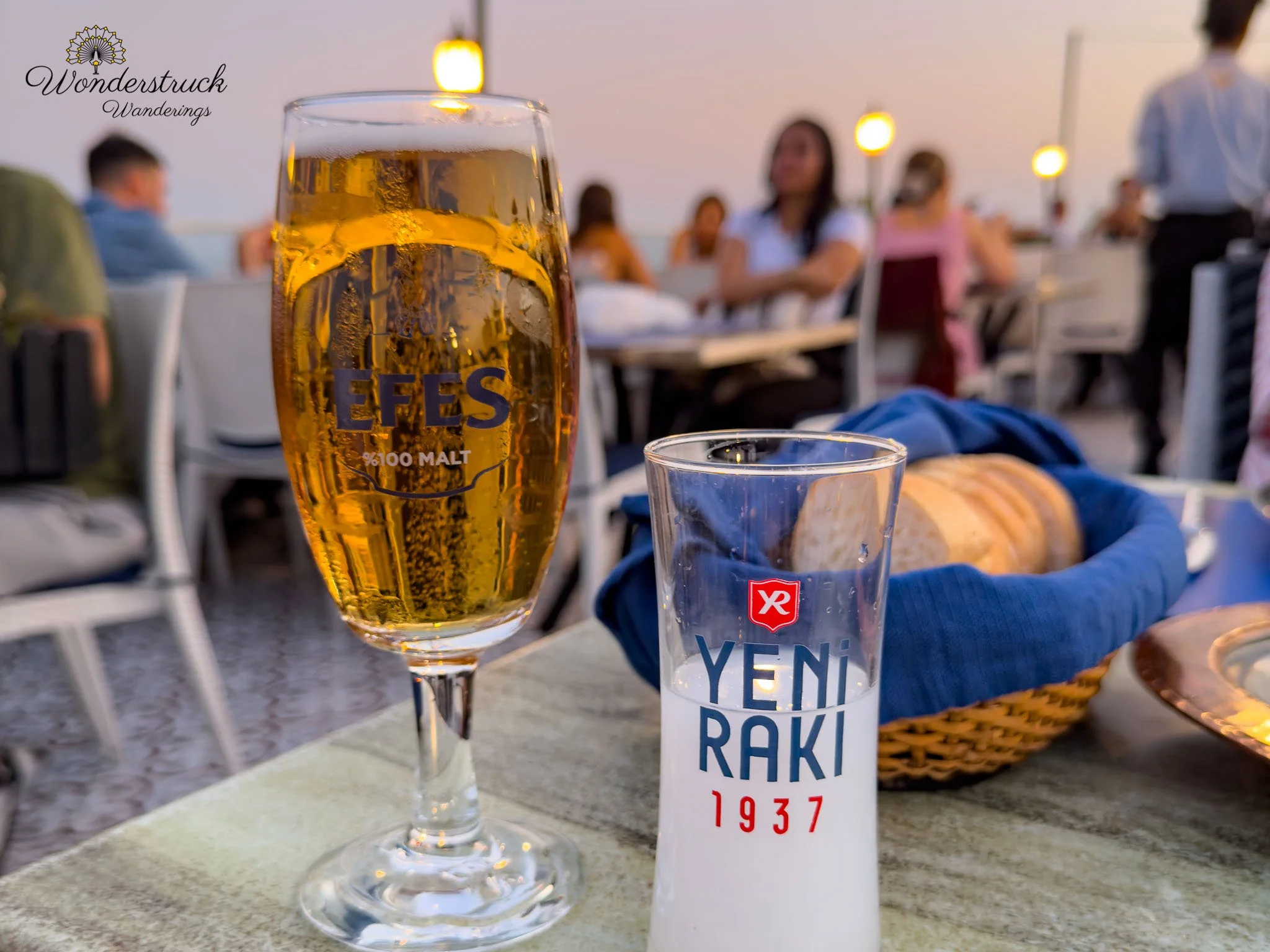
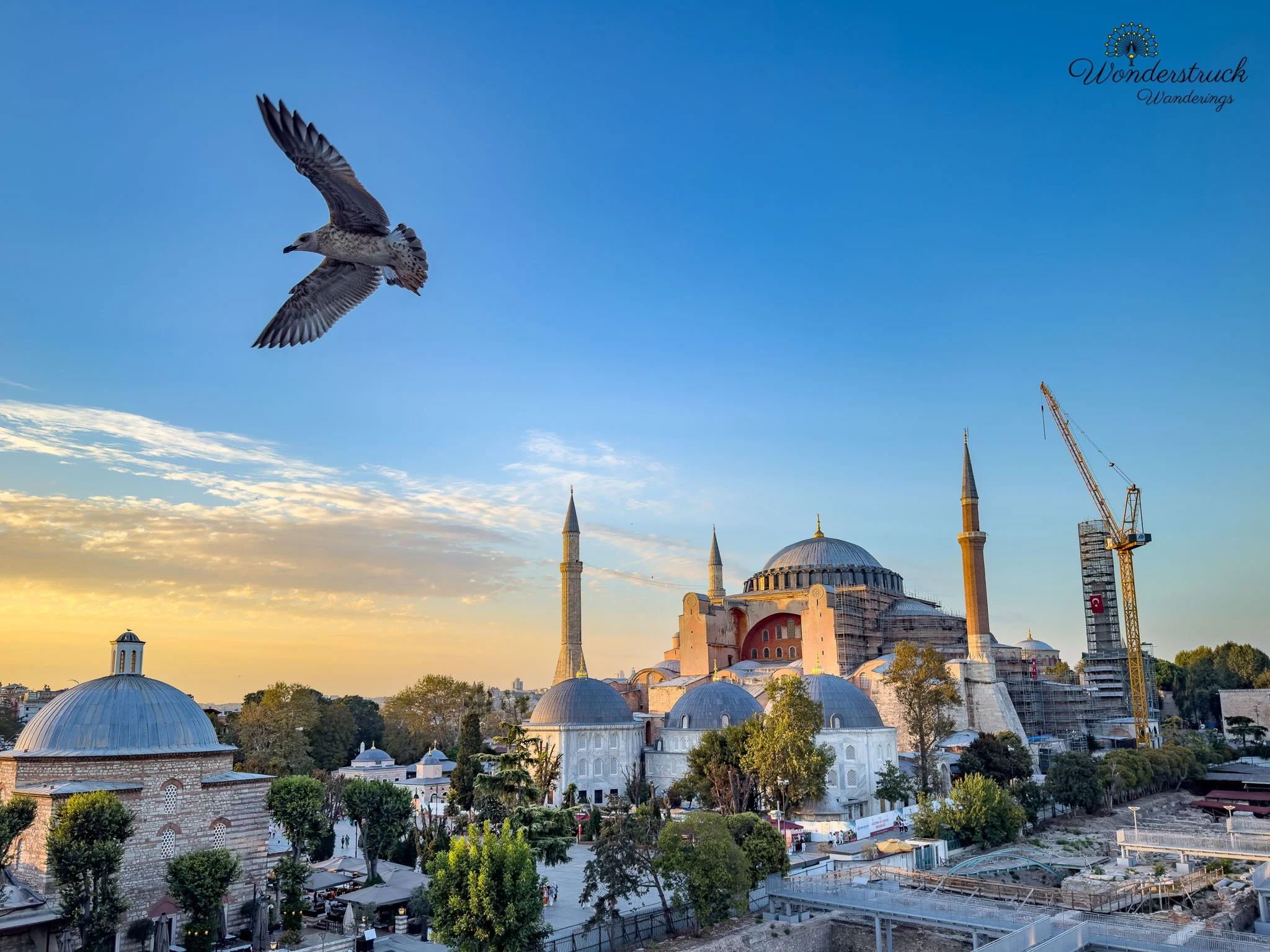

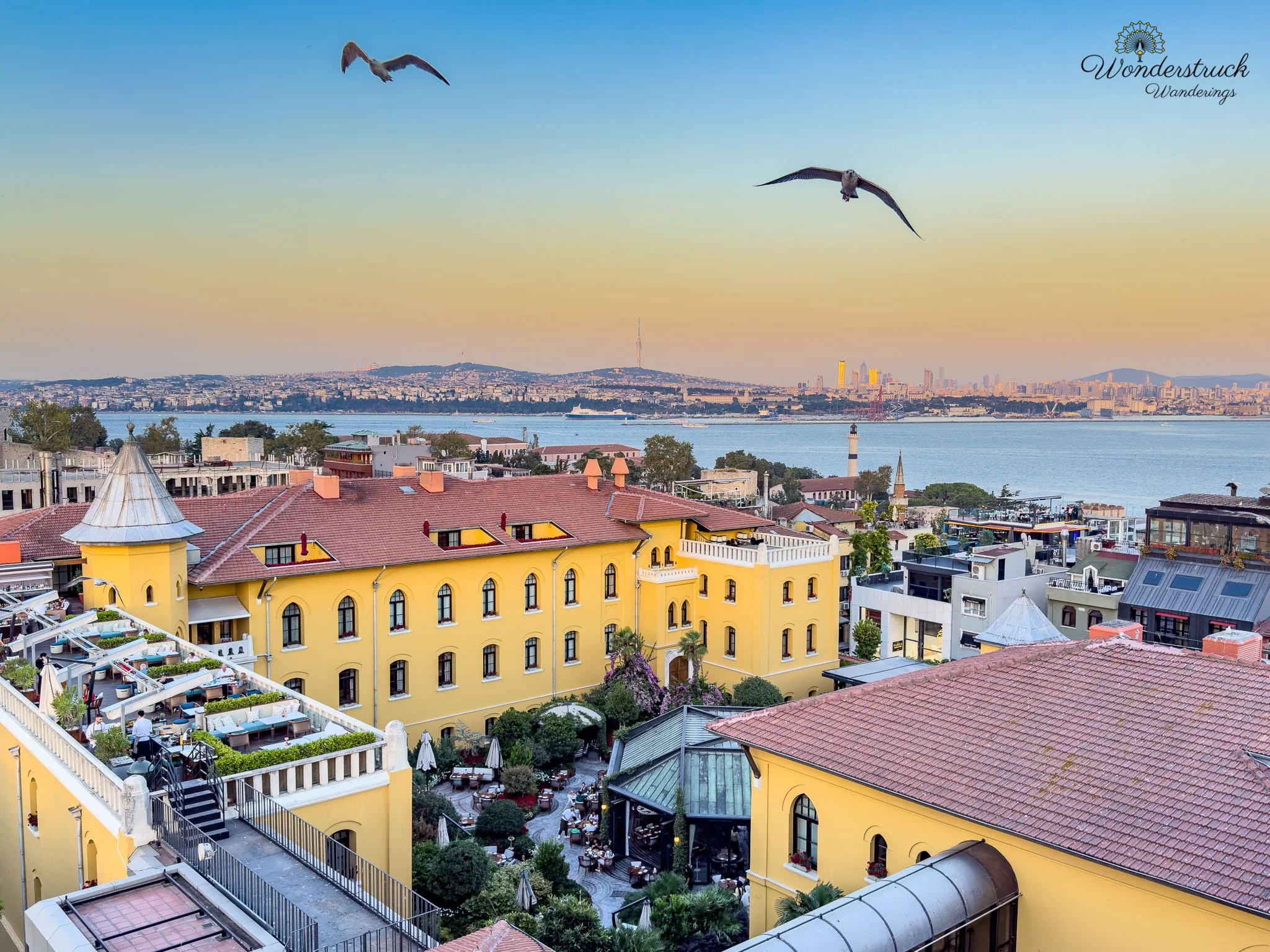
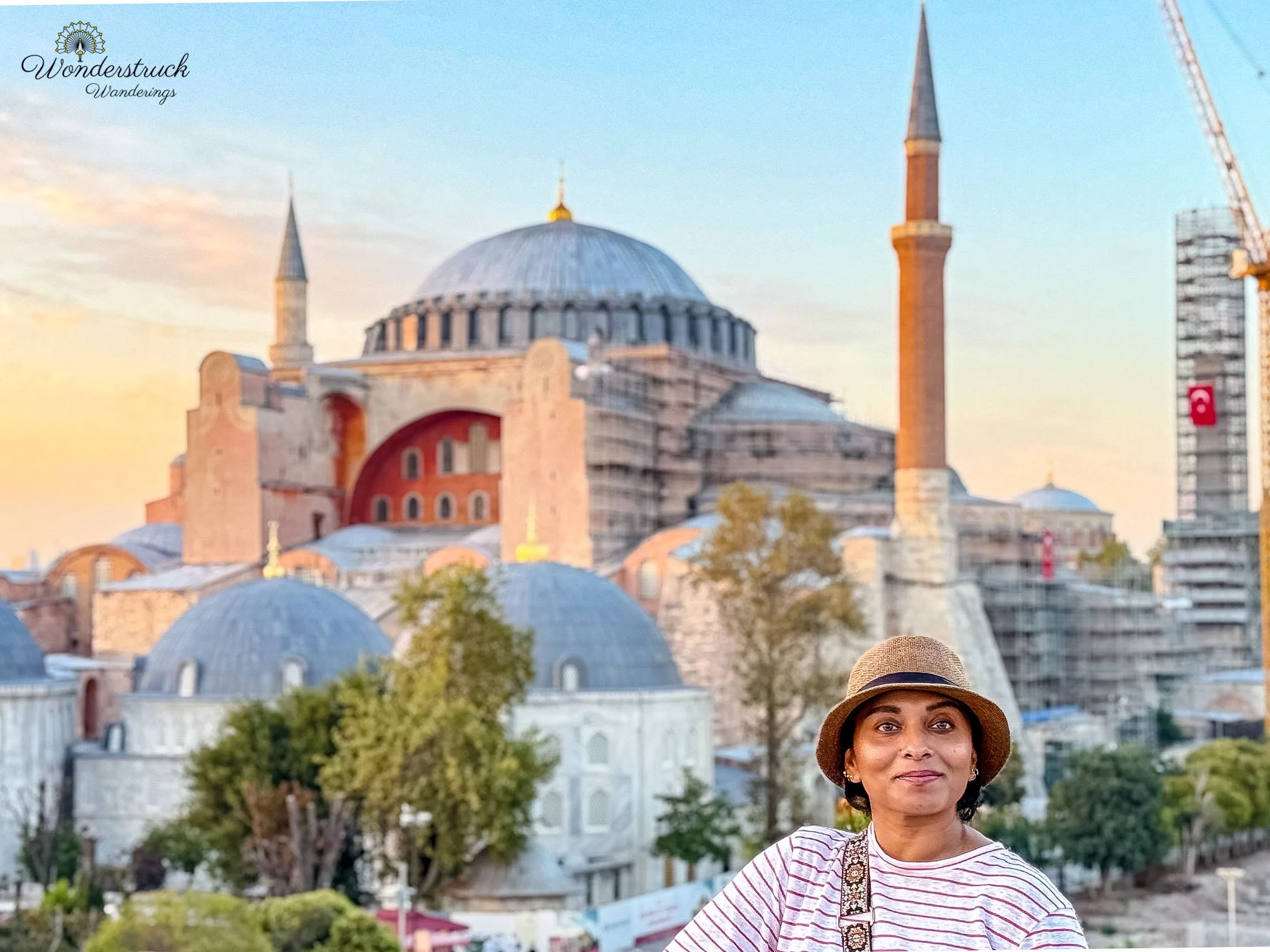
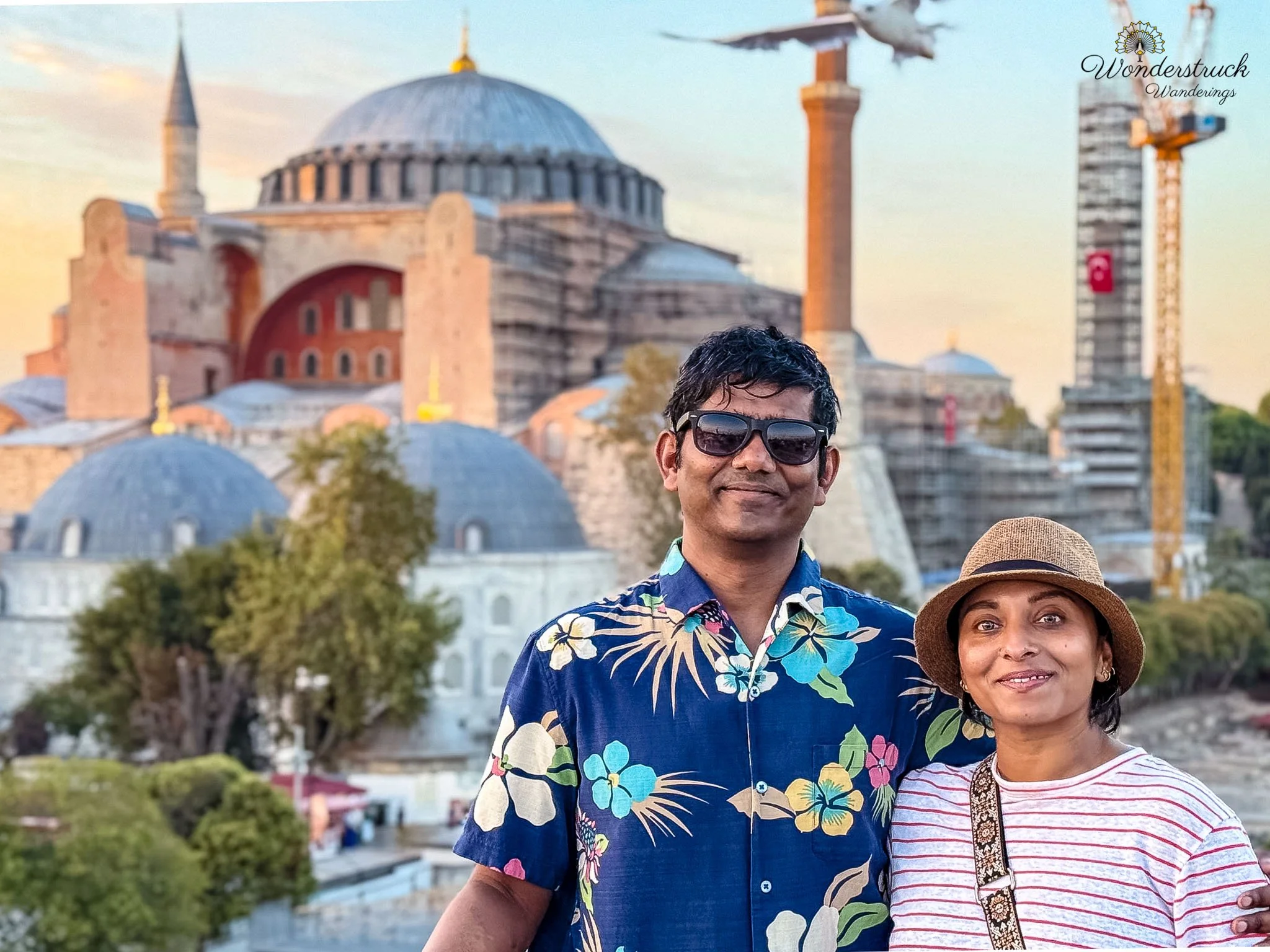
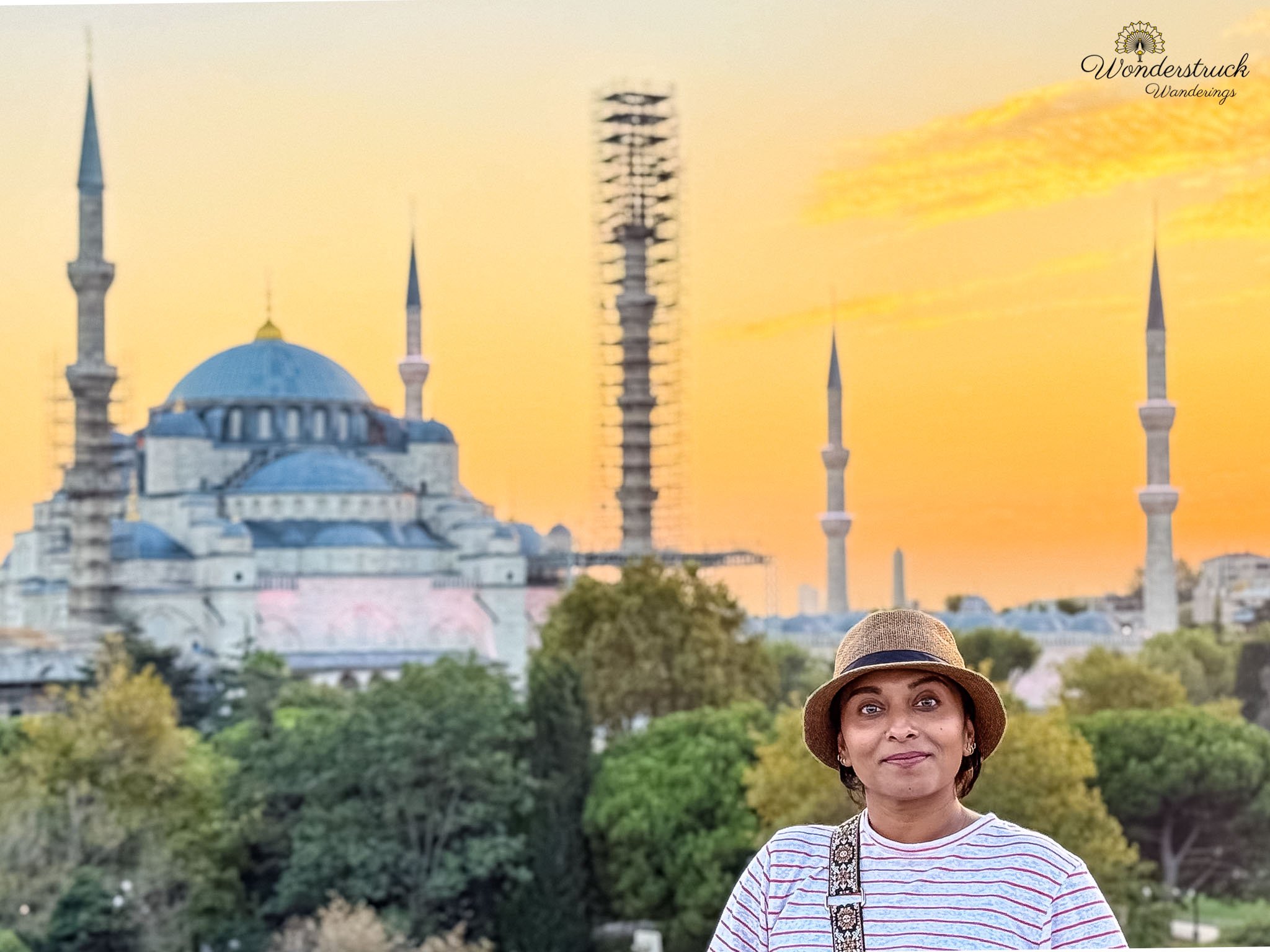
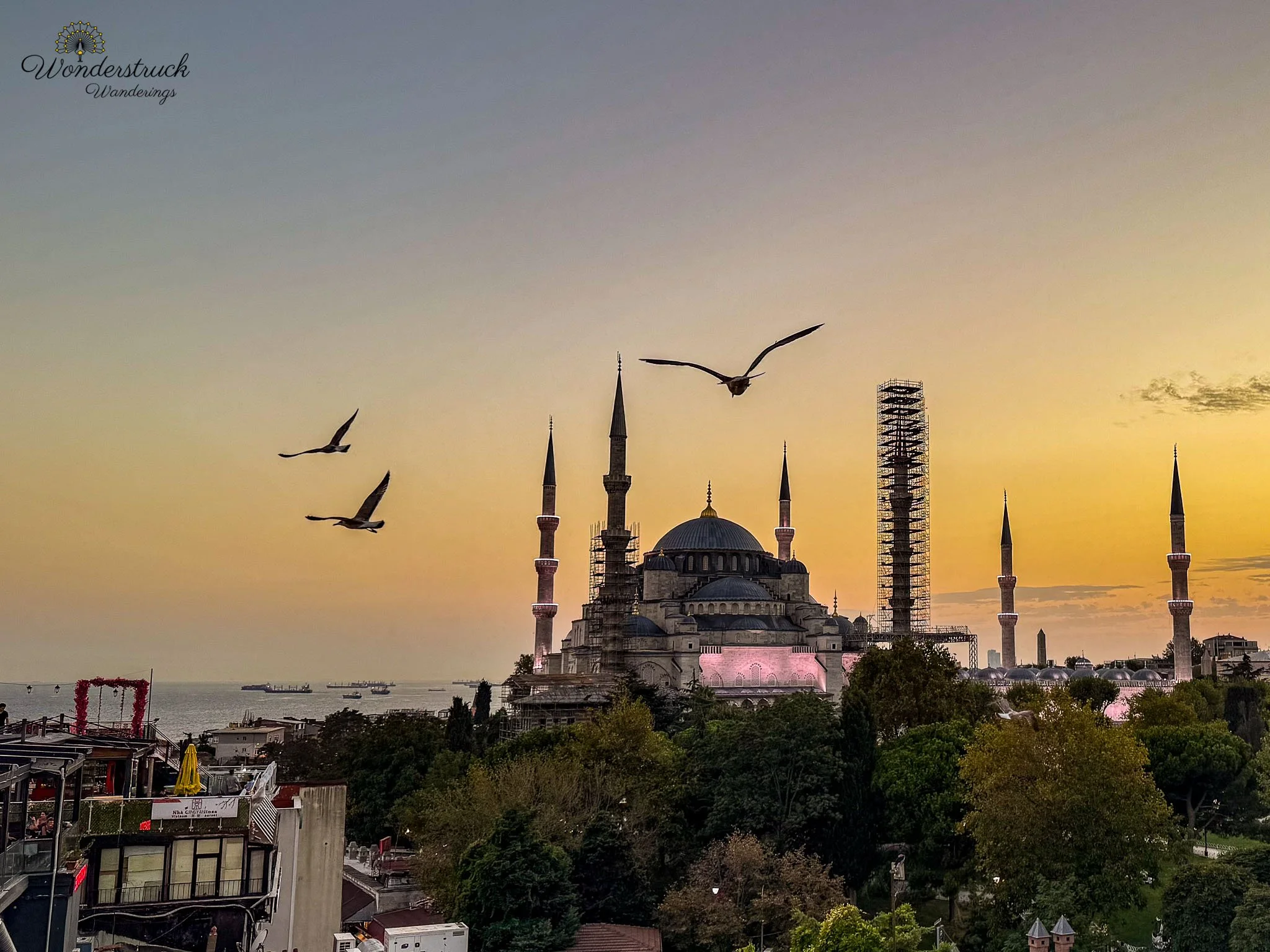
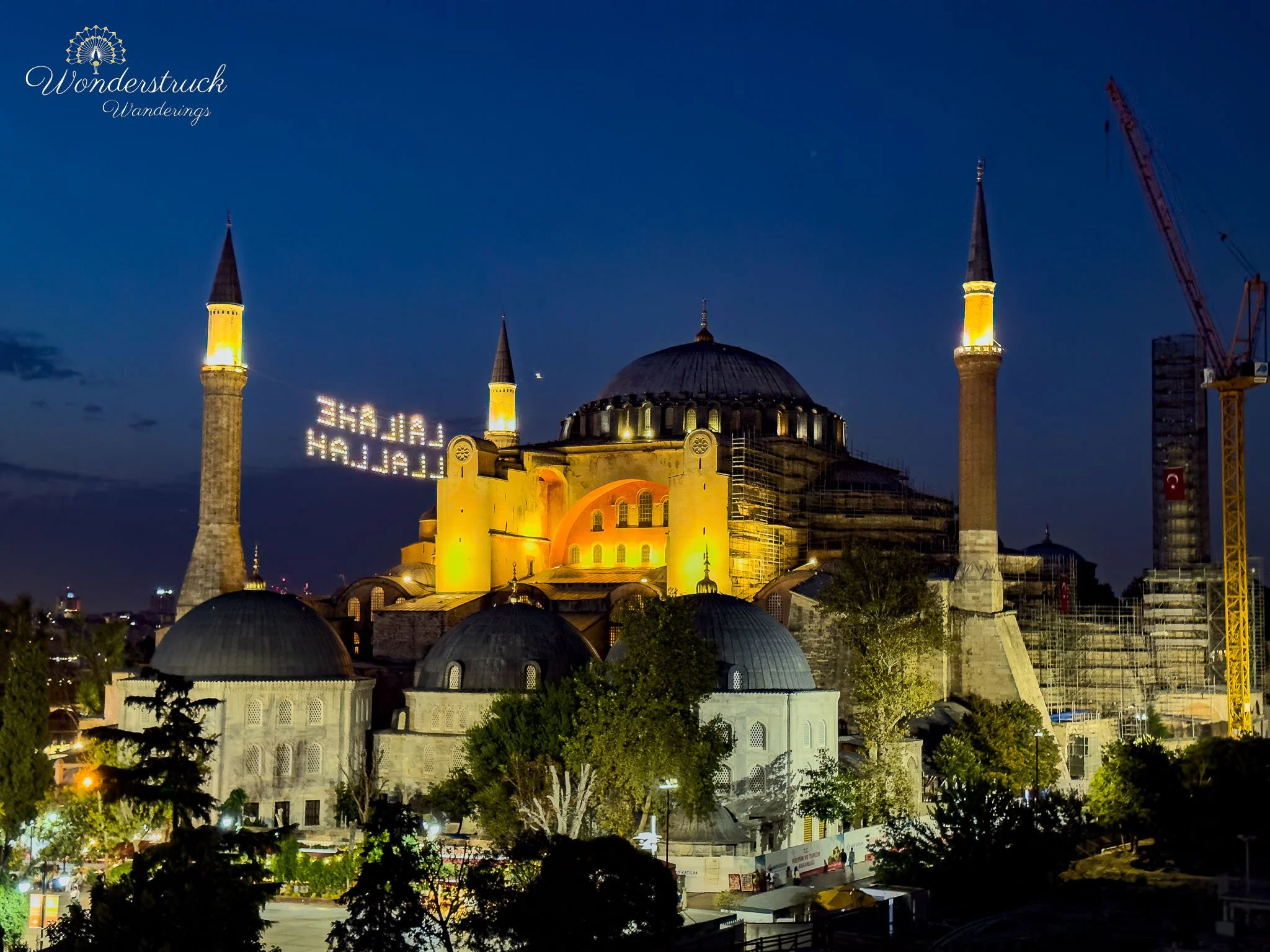
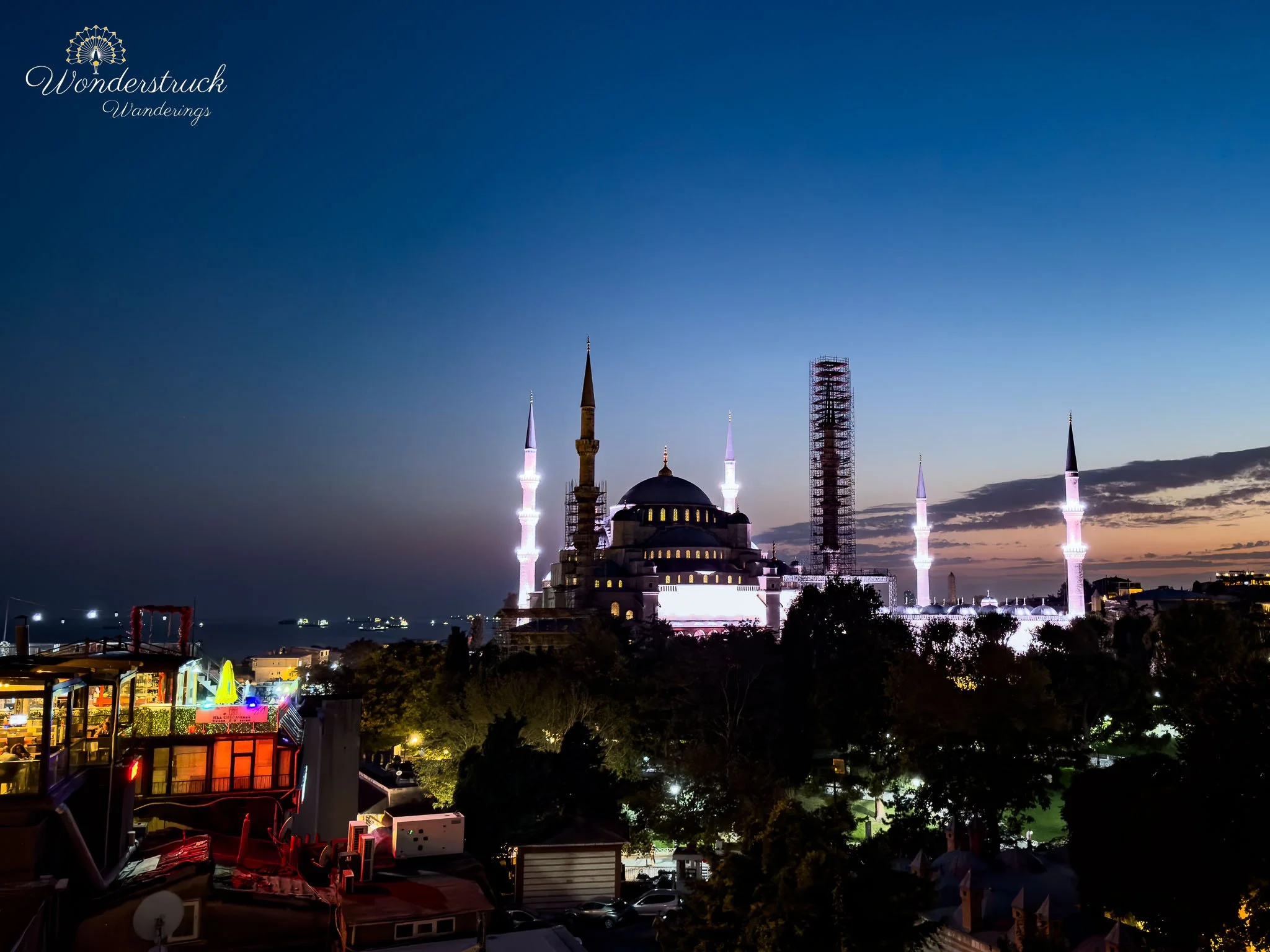
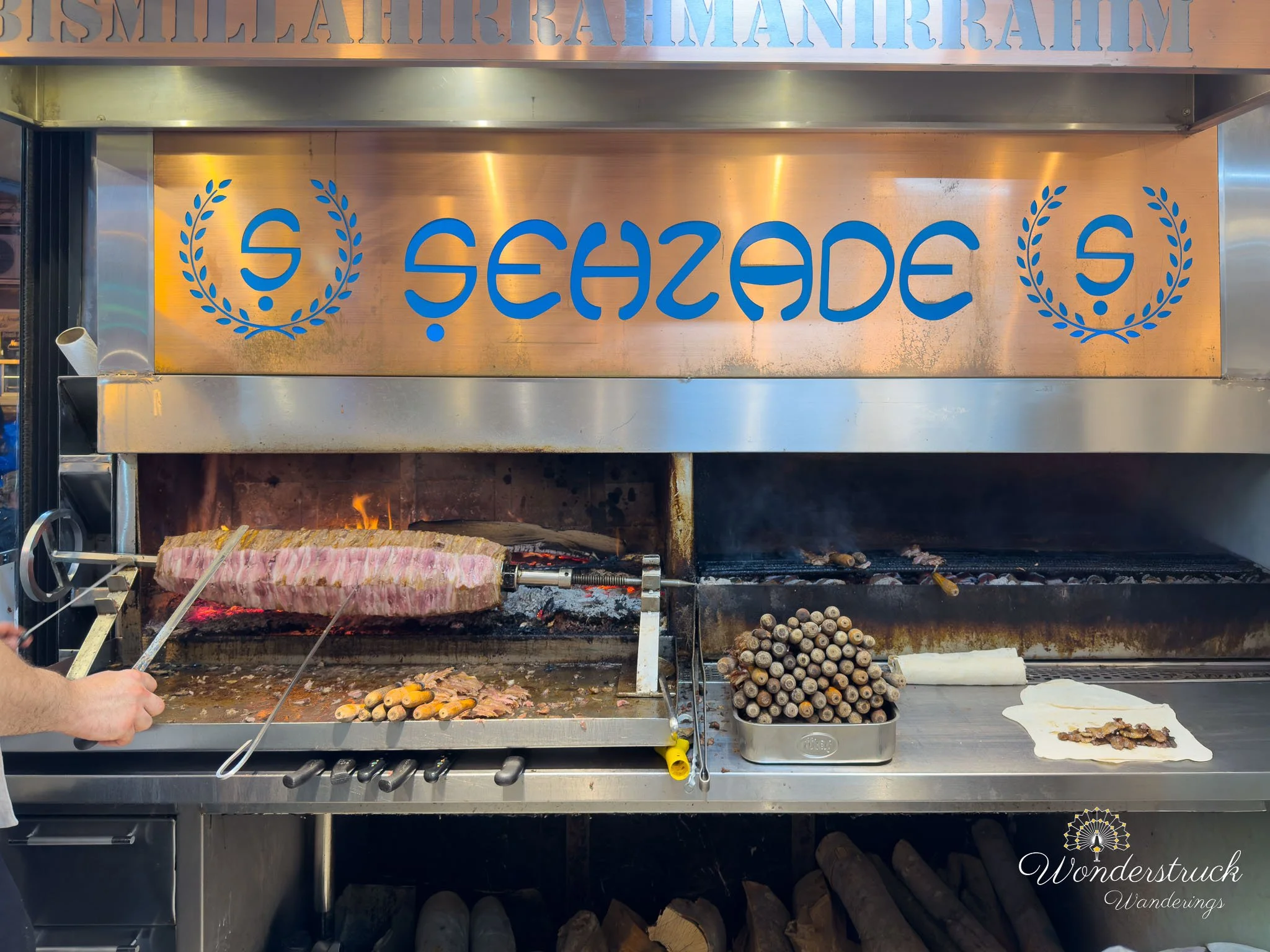
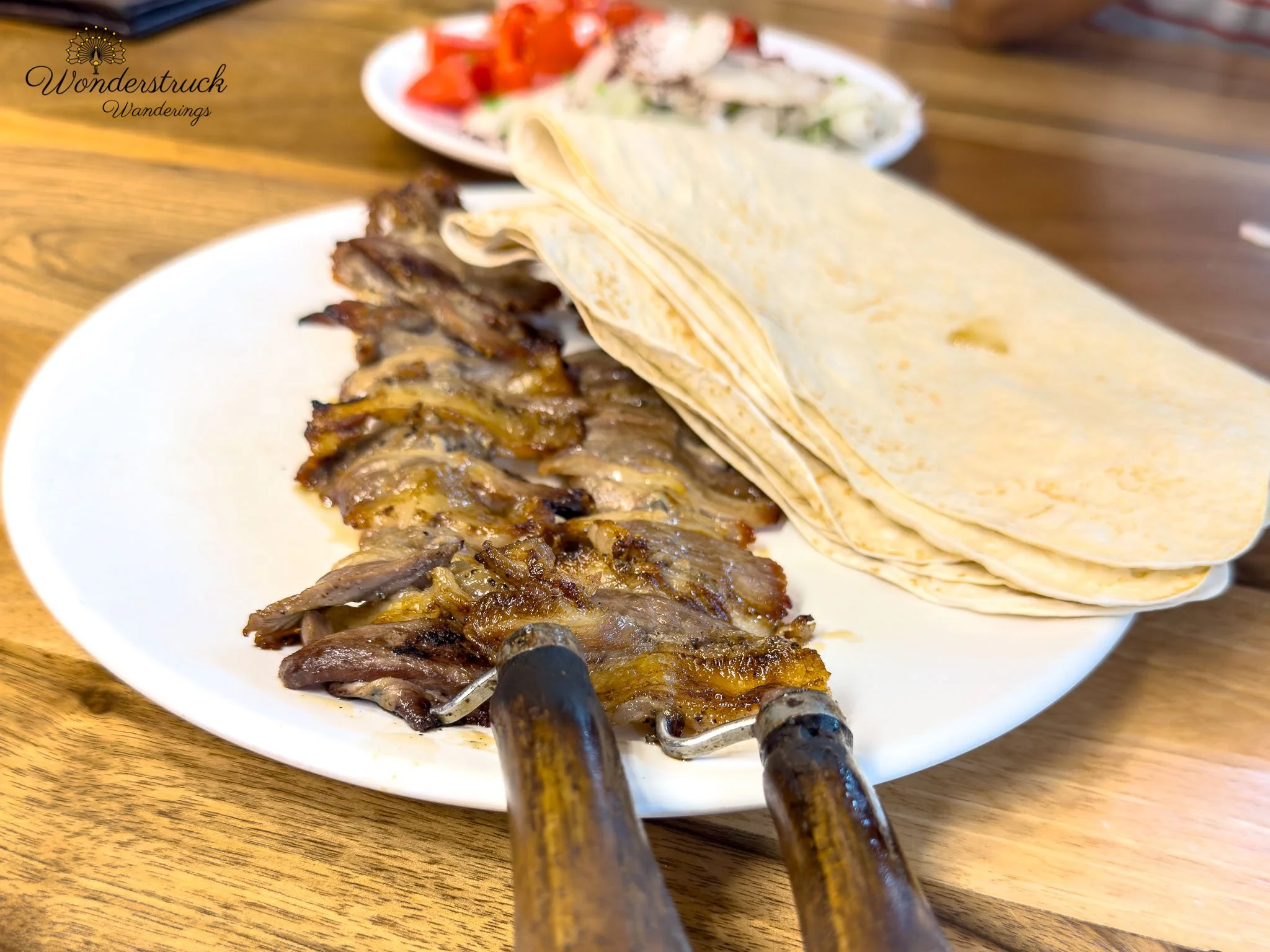
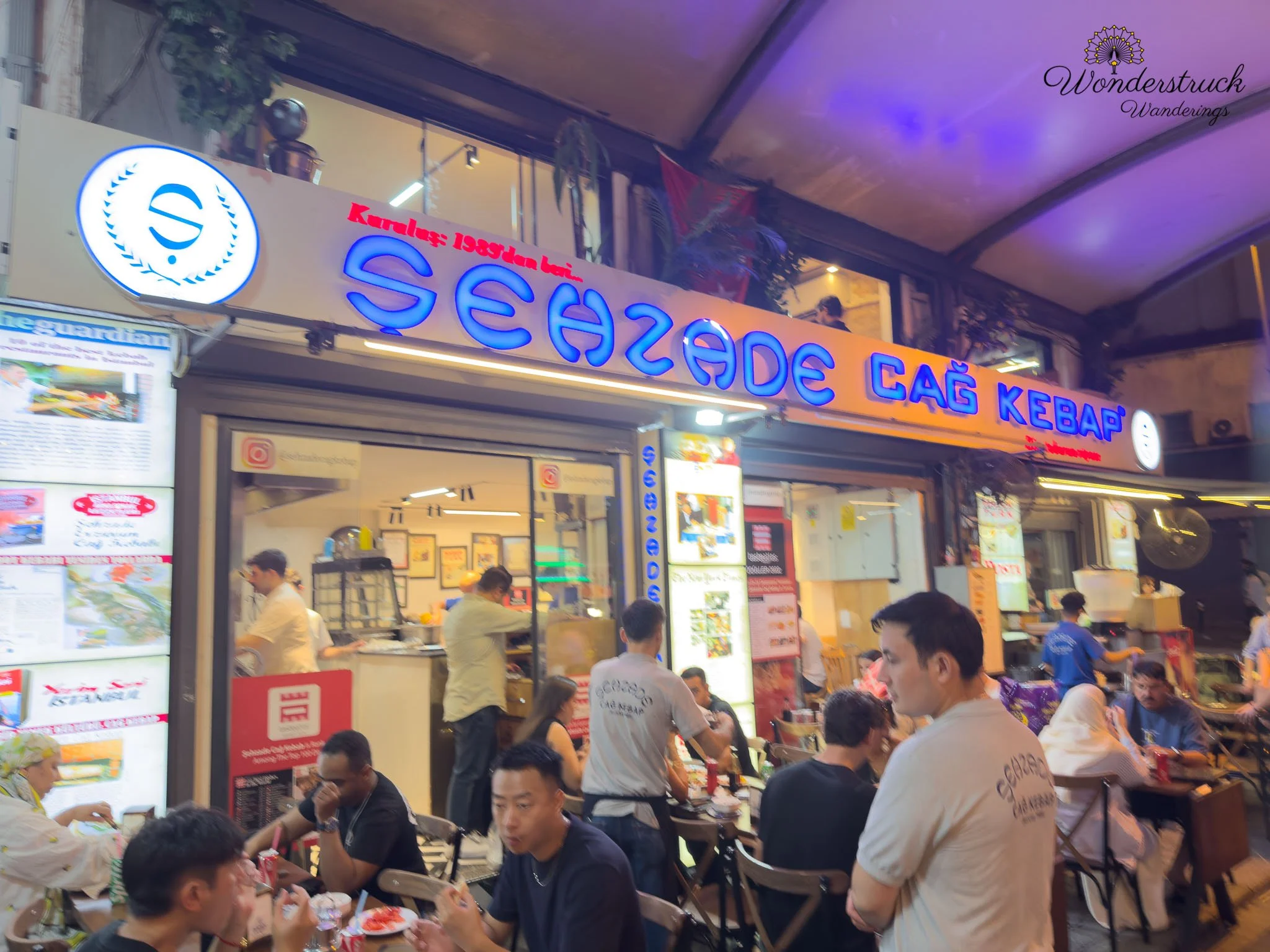
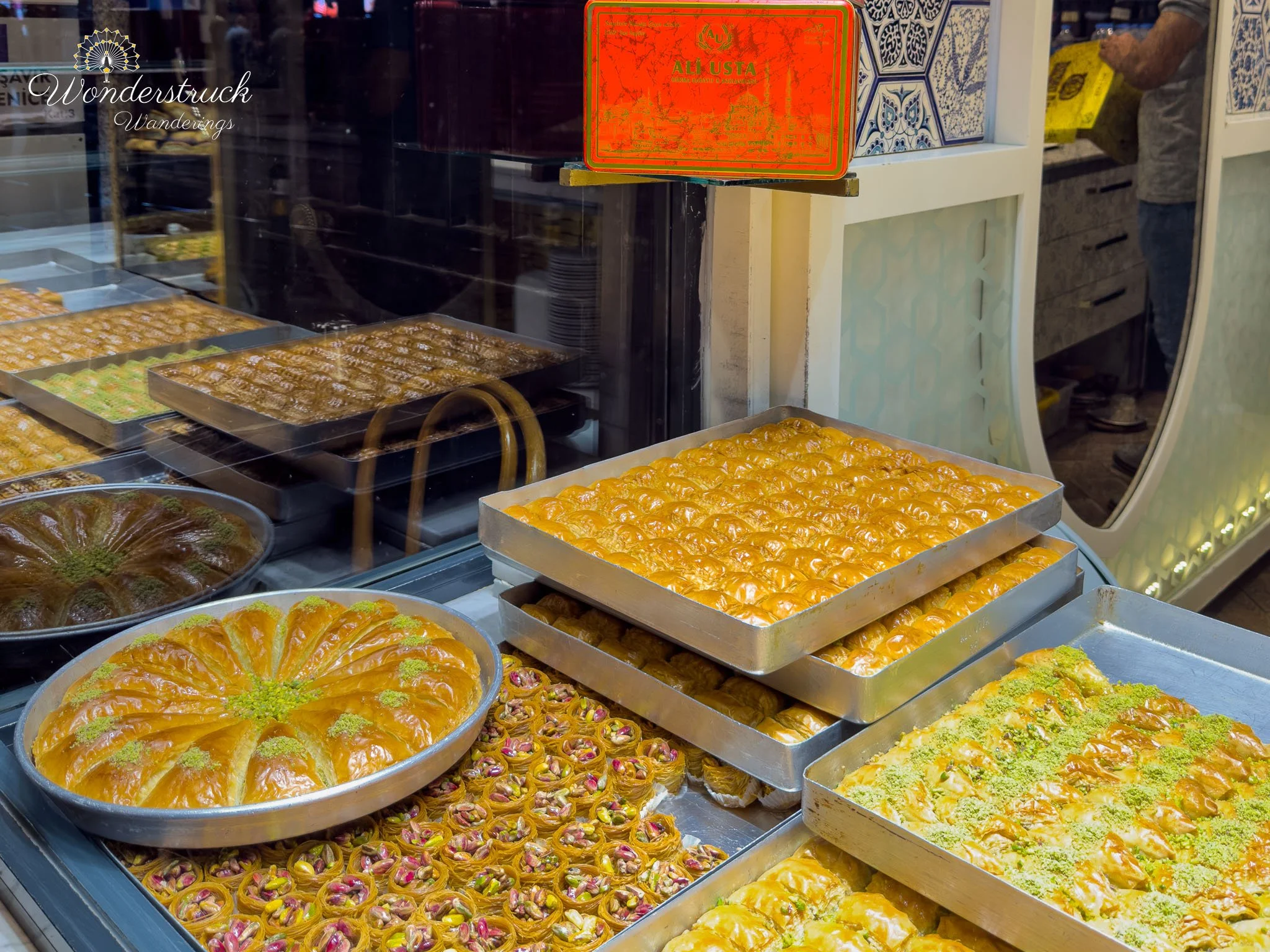
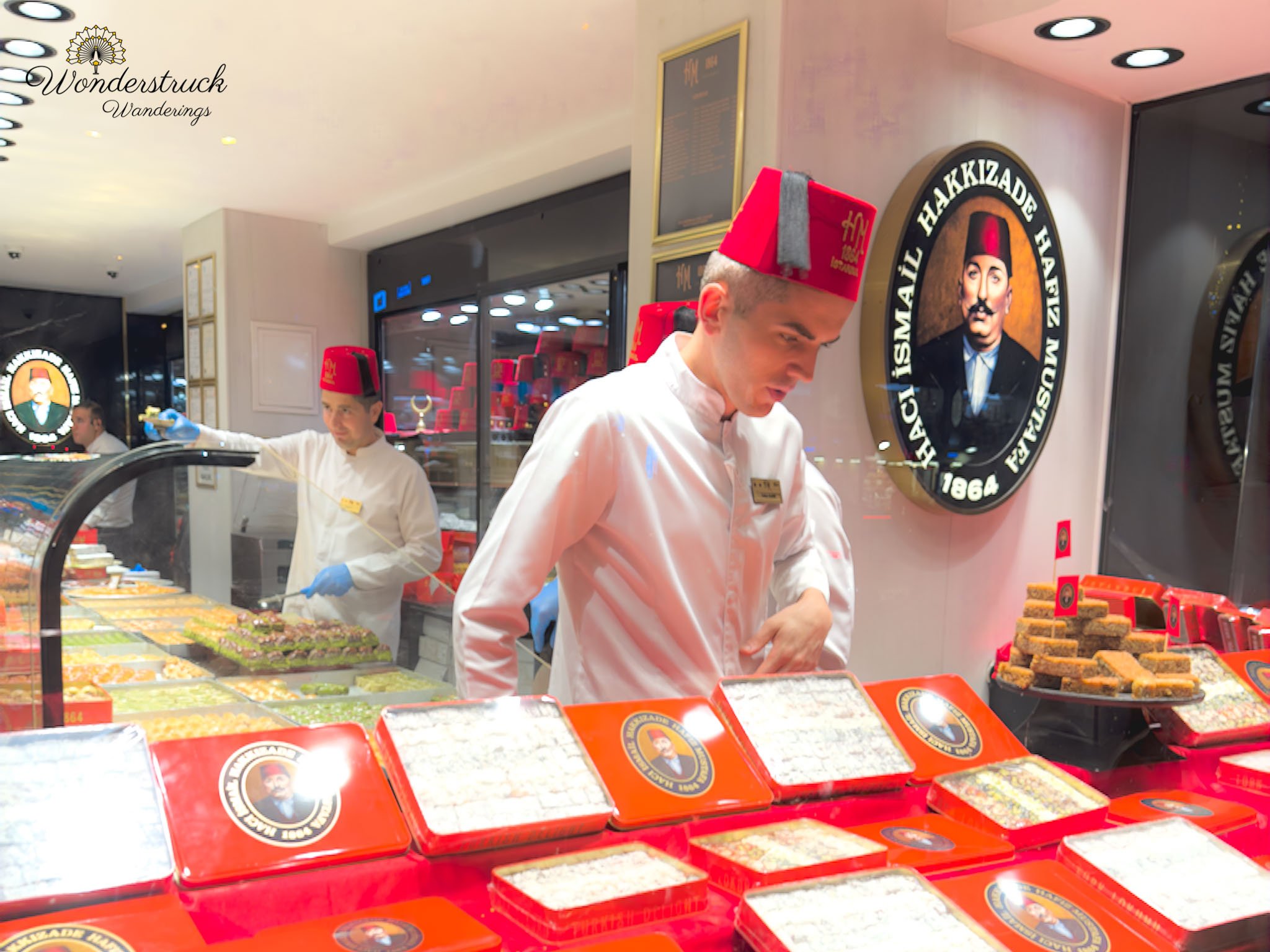
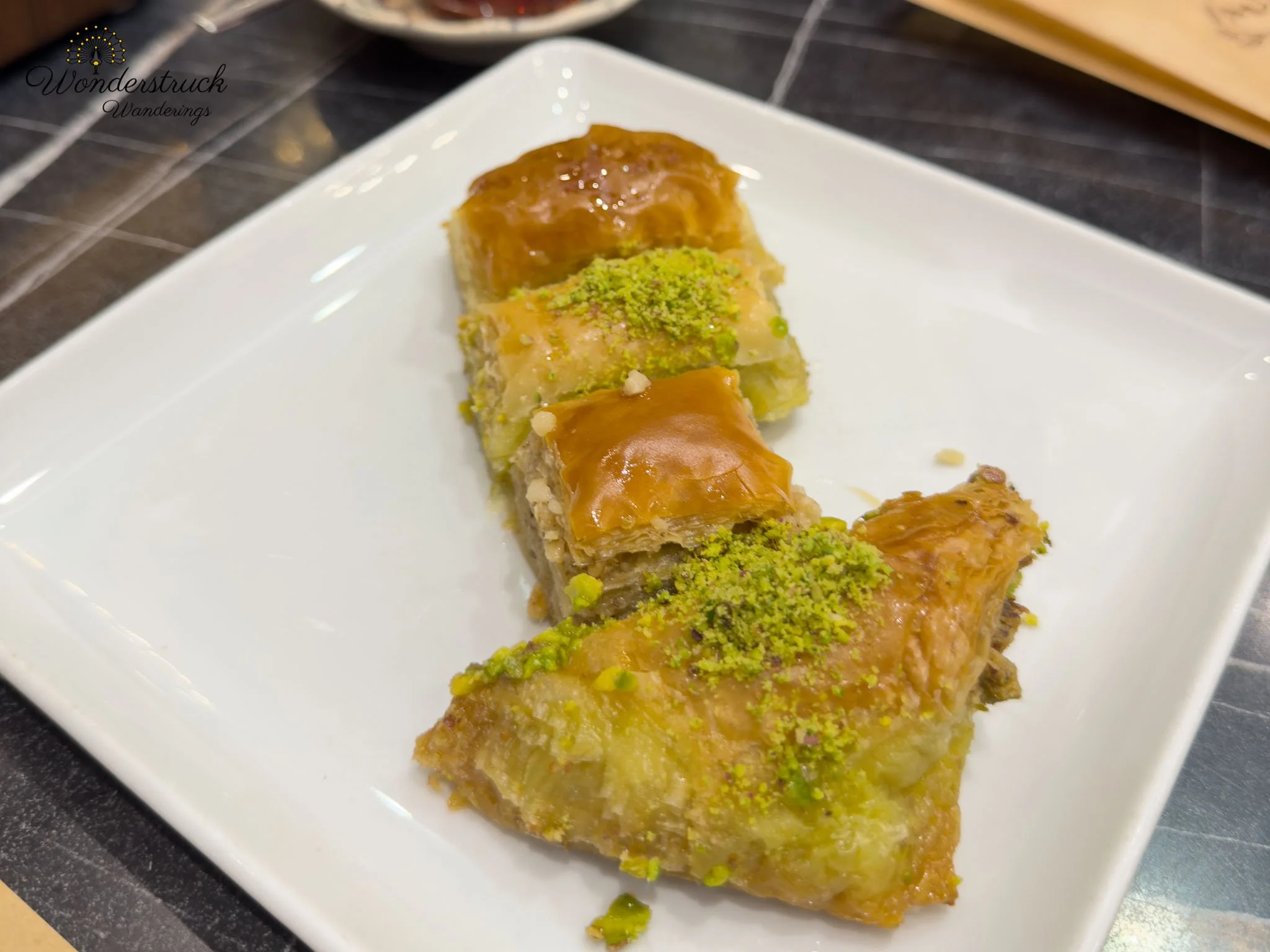
Evening found us in Sultanahmet, checking into the Seven Hills Hotel, our room framing Hagia Sophia’s domes. Nearby, the Basilica Cistern (Yerebatan Sarnıcı) awaited — hundreds of columns mirrored in rippling light, Medusa heads submerged in gold and blue illumination. Emerging at sunset, we climbed back to the rooftop to watch day fade between Hagia Sophia and the Blue Mosque, the azan echoing through rose-colored sky. Dinner was grilled octopus and Yeni Rakı beneath lanterns and sea breeze. But Istanbul saves its sweetest notes for night. Şehzade Kebab delivered perfection in simplicity; Hafız Mustafa 1864 glowed with trays of pistachio baklava and jewel-bright lokum. Over steaming çay at Ali Usta, the city hummed softly — ferries, footsteps, laughter. Walking back past illuminated minarets, we felt the day’s rhythm settle: from tower to sea, from chandelier to cistern, from sunlight to syrup. Read more on Daily Diaries.
Day4-Exploring Hagia Sophia, Blue Mosque, Grand Bazaar to Maiden’s Tower and Kadıköy on the Asian side
-
Seven Hills Hotel (Sultanahmet) – One of the most iconic panoramic terraces in the old city, perfectly positioned “between” Hagia Sophia and the Blue Mosque. Best for sunrise or sunset when the domes and minarets glow, stay for the sea breeze and rooftop ambiance.
-
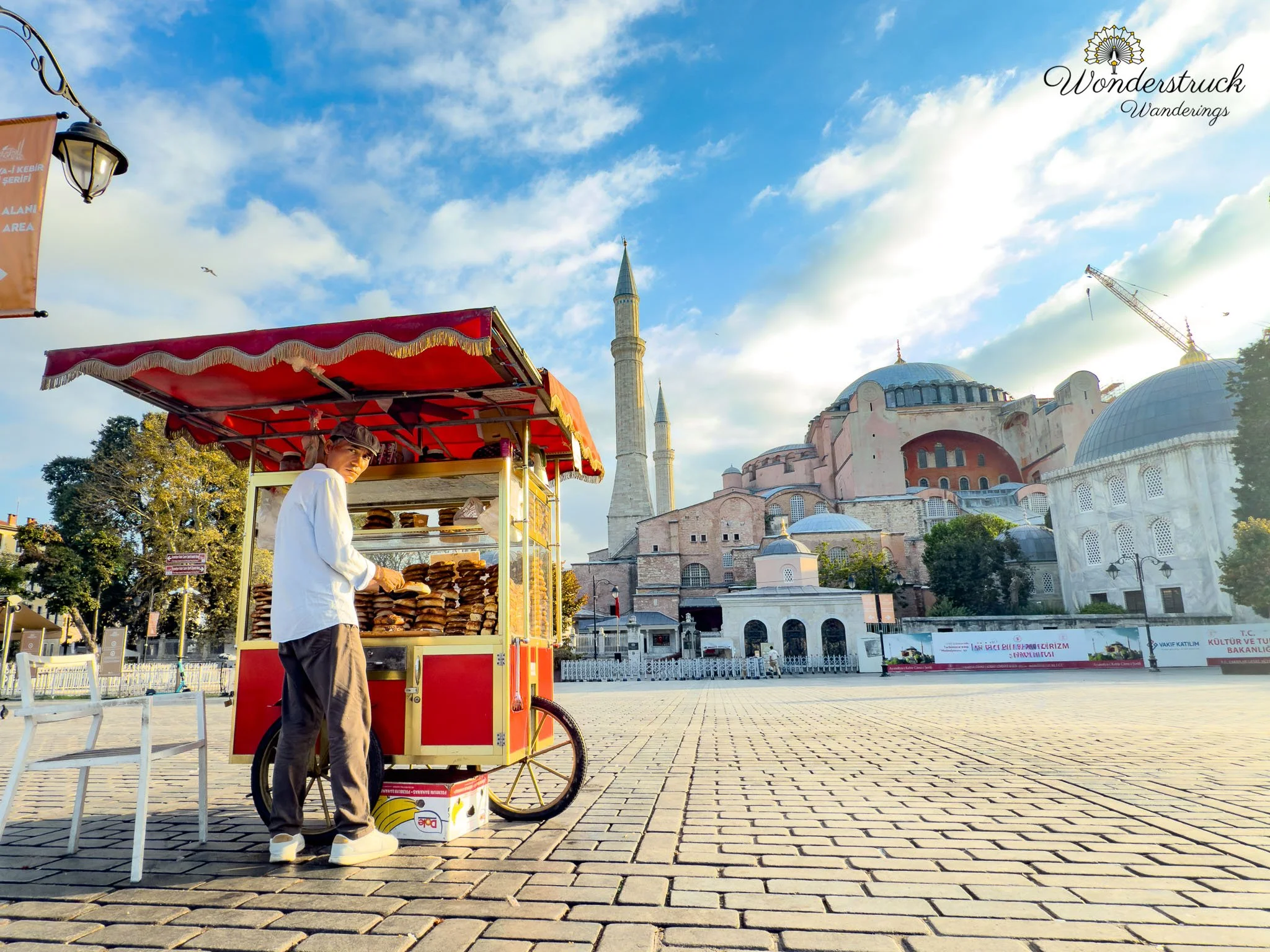
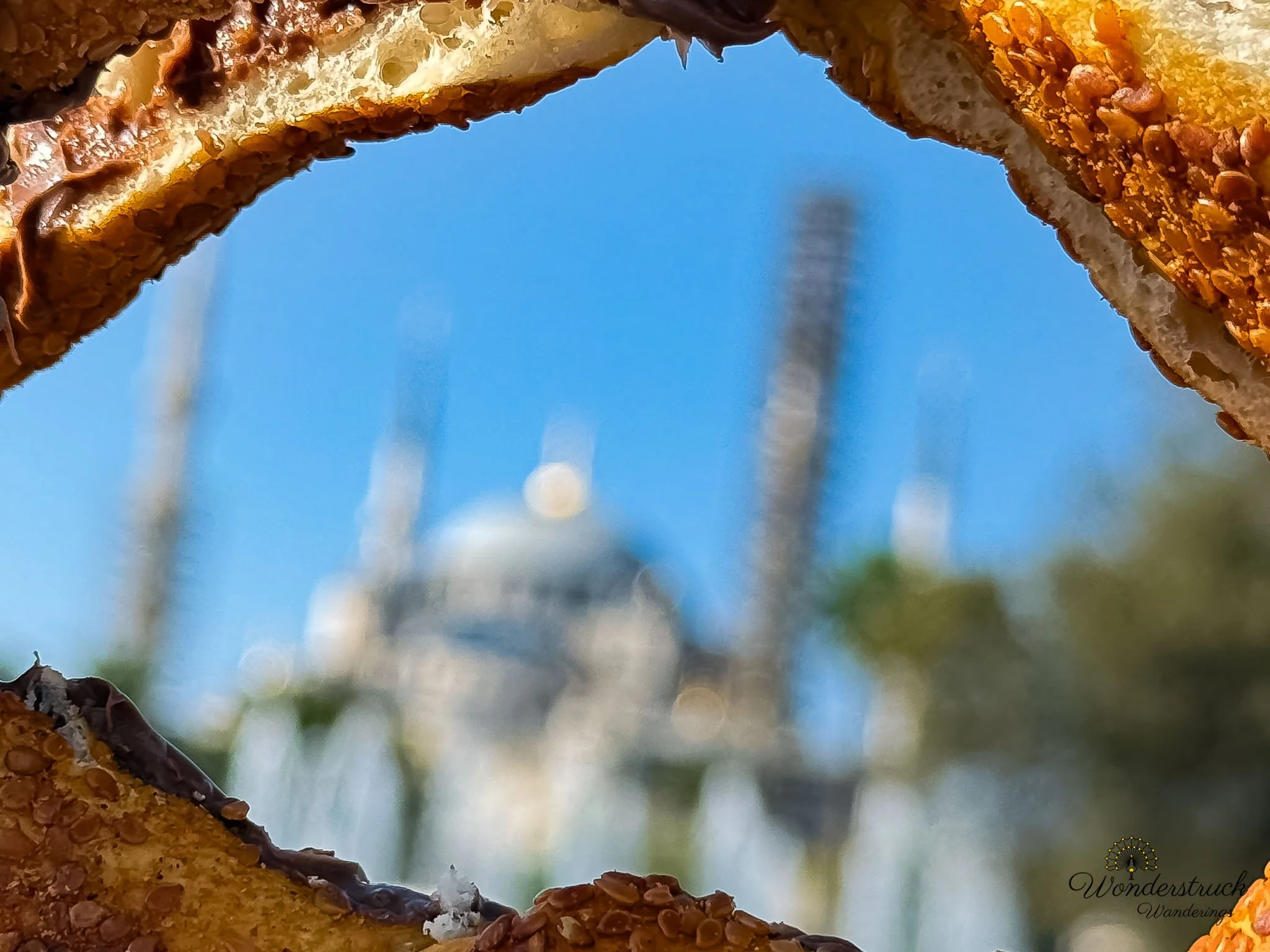
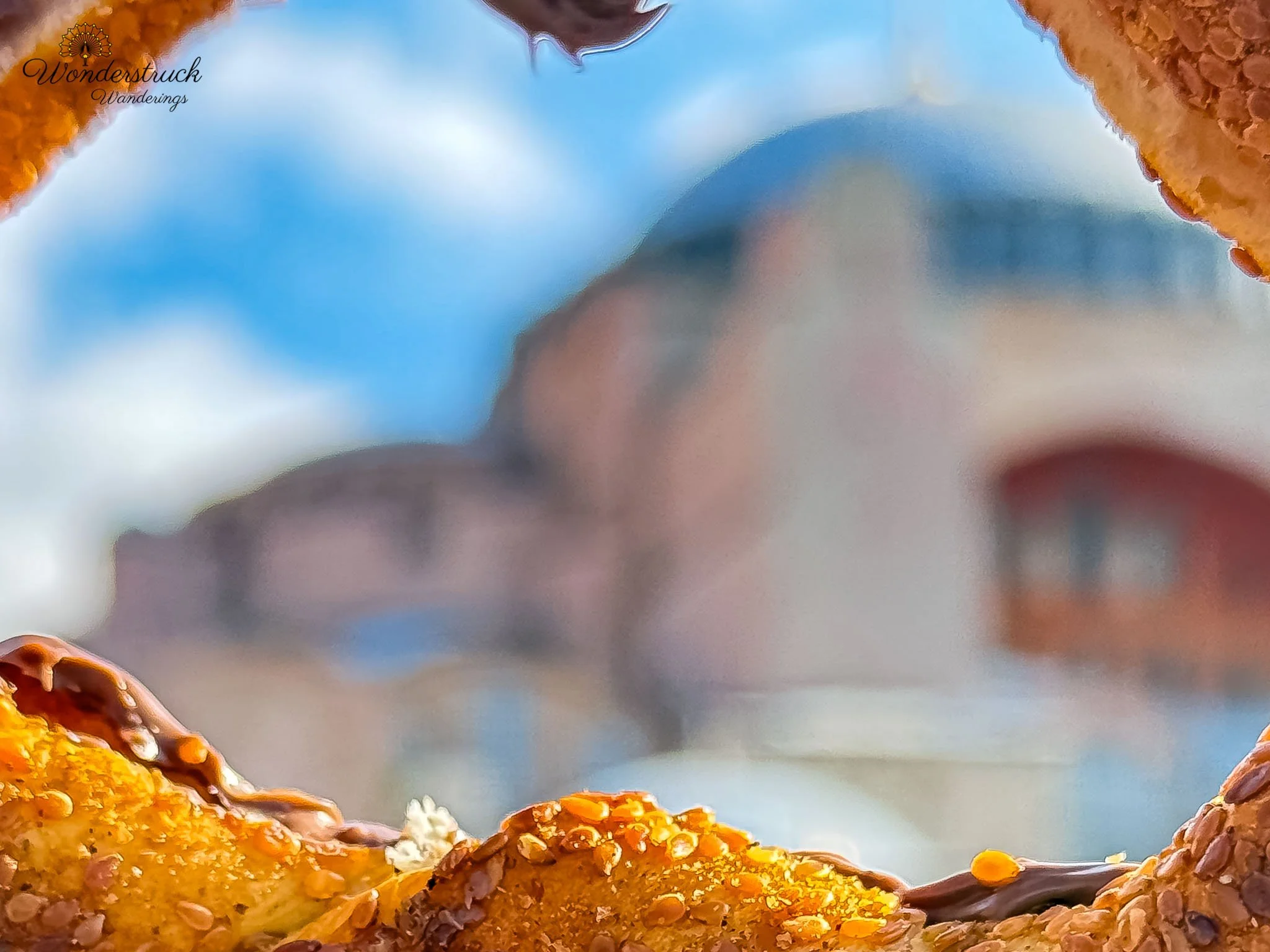
Simit in Sultanahmet Square – Grab a warm simit from the street carts around Sultanahmet and eat it right in the square while the city does its thing around you. With cheese or Nutella or plain ,perfect with a quick sip of tea . It’s the simplest Istanbul snack—cheap, filling, and weirdly memorable when you’re sitting between the Blue Mosque and Hagia Sophia with pigeons milling at your feet.
Çorlulu Ali Paşa Medresesi – One of the most atmospheric places in the city for old-school tea and hookah: you’re sitting in a historic courtyard under domes, with a low-key buzz that feels timeless. Even if you skip the hookah, it’s worth stopping for the vibe—especially in the evening when it’s at its coziest.
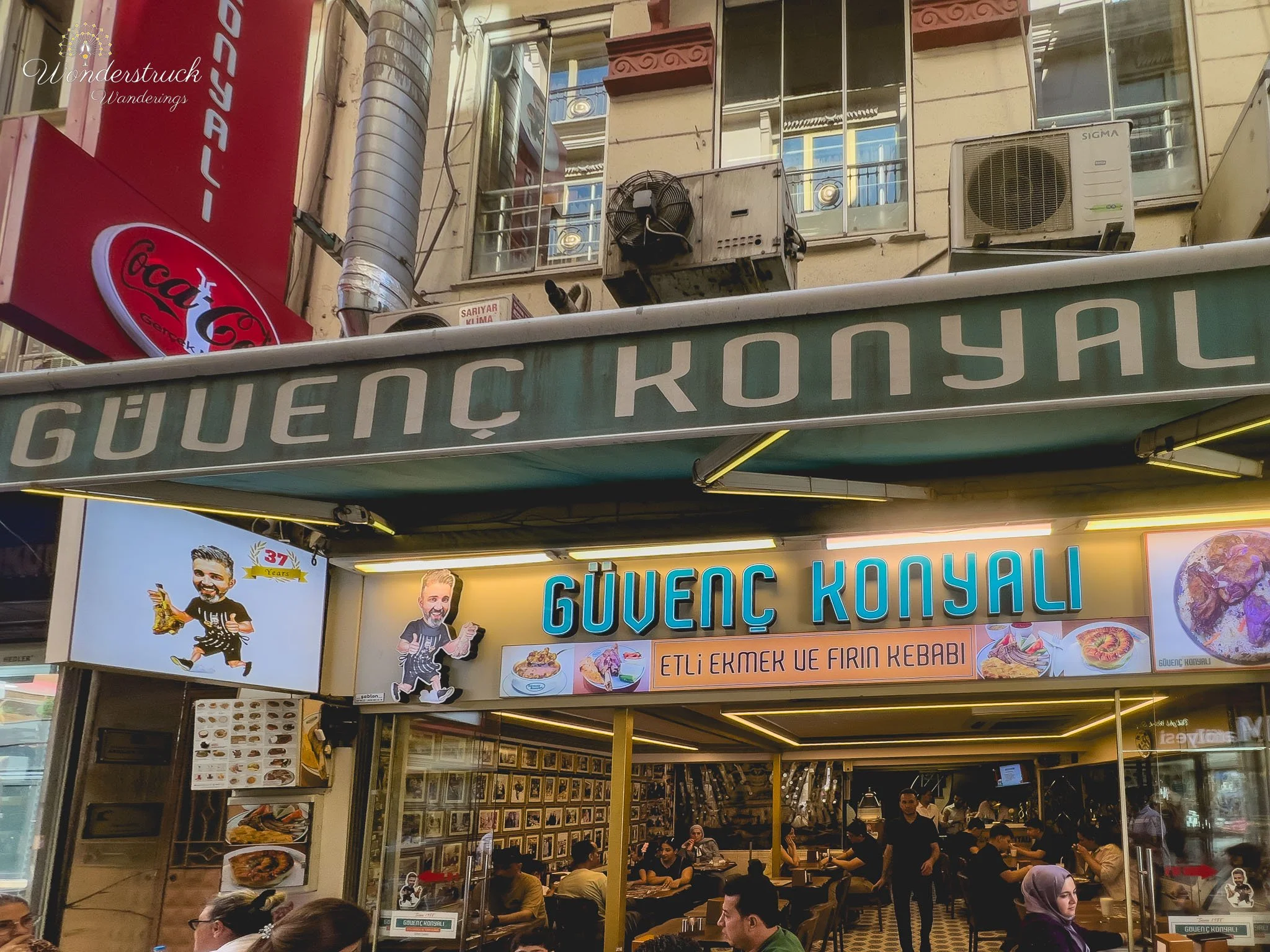
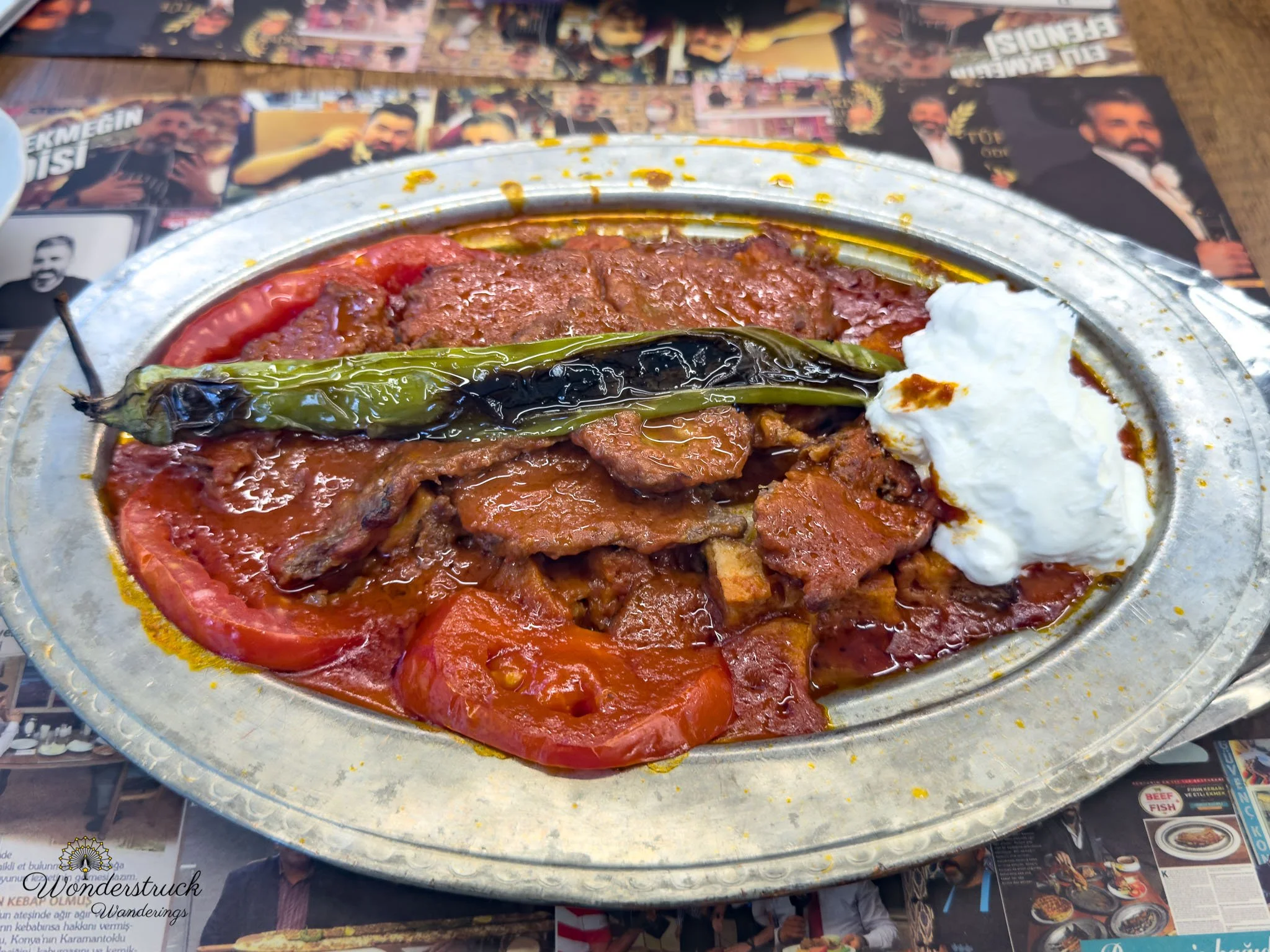
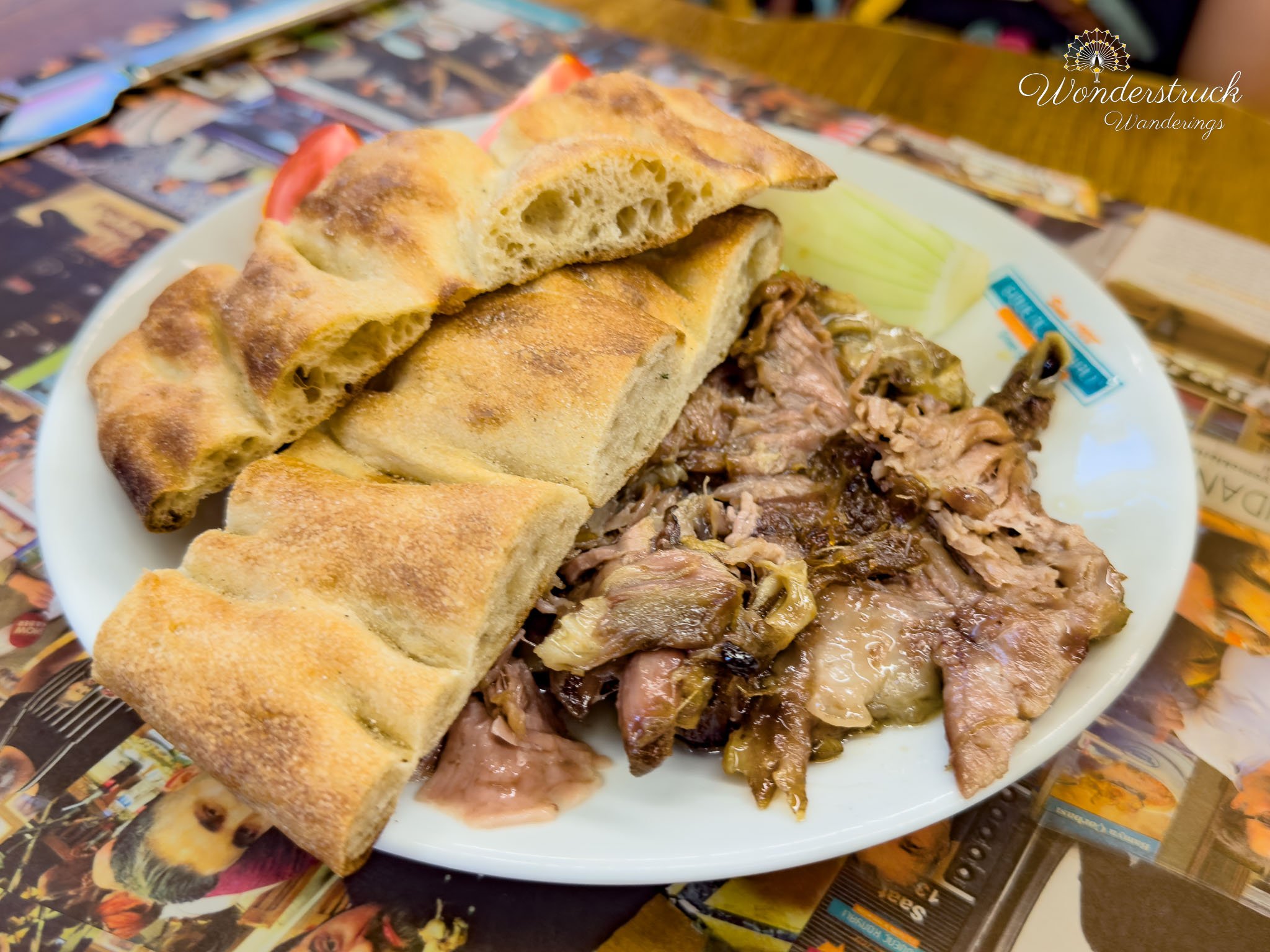
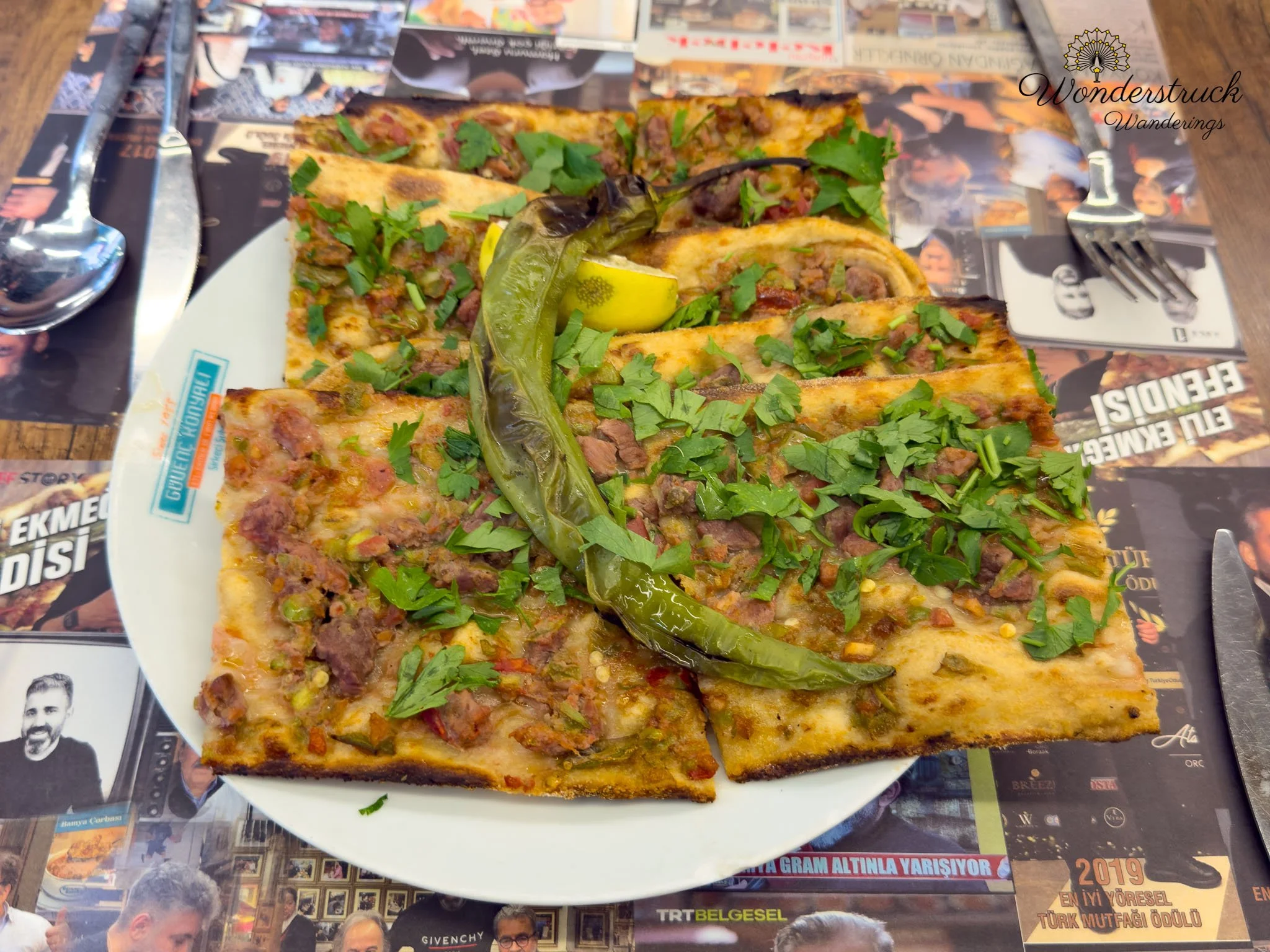
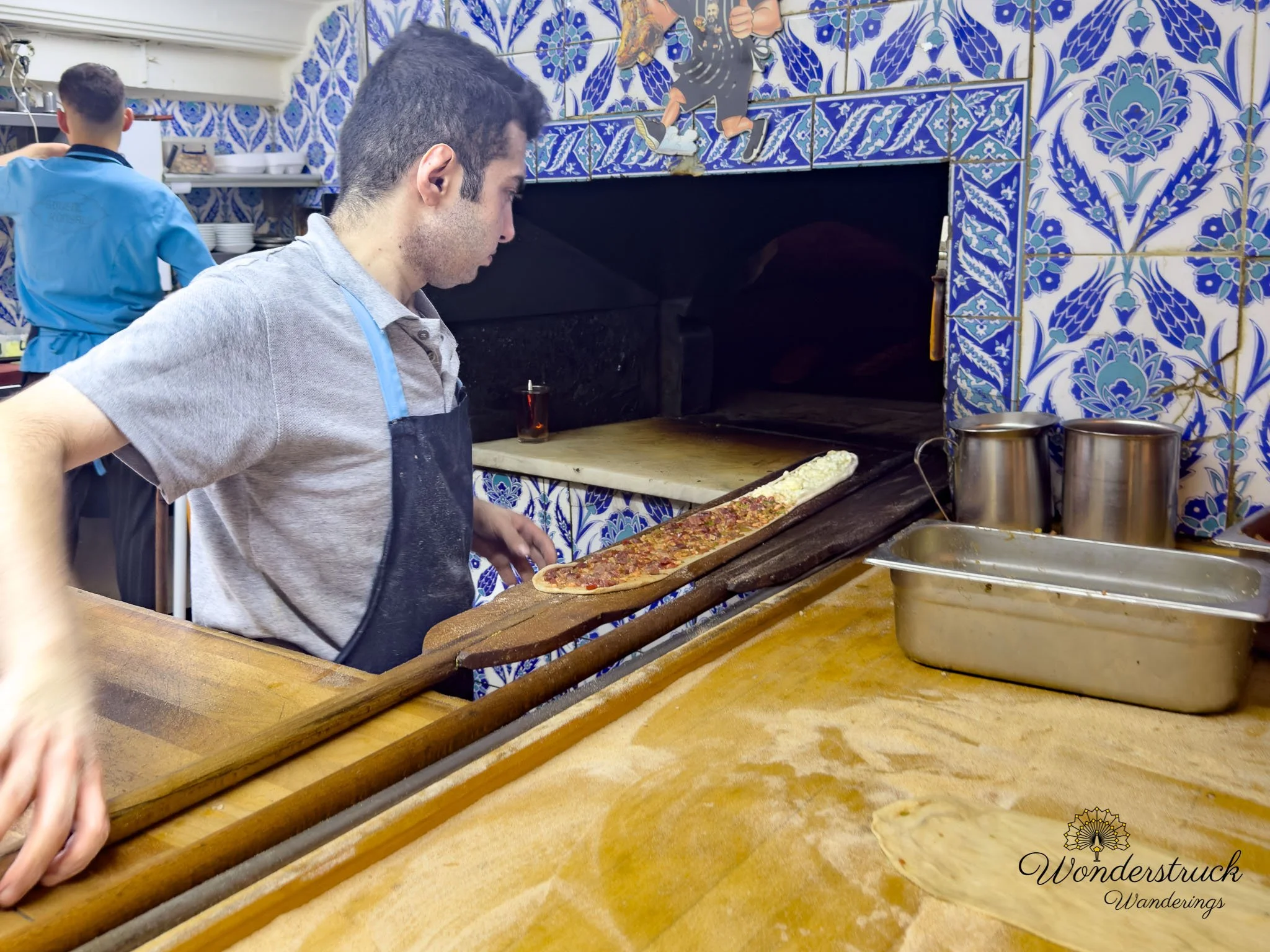
Güvenç Konyalı – A solid pick for Konya-style oven dishes, especially etli ekmek (that long, thin “Turkish pizza” with minced meat) and hearty fırın kebabs that come out hot, crisp-edged, and deeply savory. Comfort food energy, done the traditional way.
Nisan Balık (Kadıköy) – A classic fish-and-rakı night on the Asian side: fresh seafood, lively Kadıköy atmosphere, and that slow, chatty dinner rhythm Istanbul does so well. Order a few meze to start, then let the fish be the main event.
Faruk Güllüoğlu – An iconic stop for baklava that’s consistently excellent—go pistachio, pair it with hot Turkish tea, and consider taking a small box for later (even if “later” mysteriously becomes five minutes from now).
-
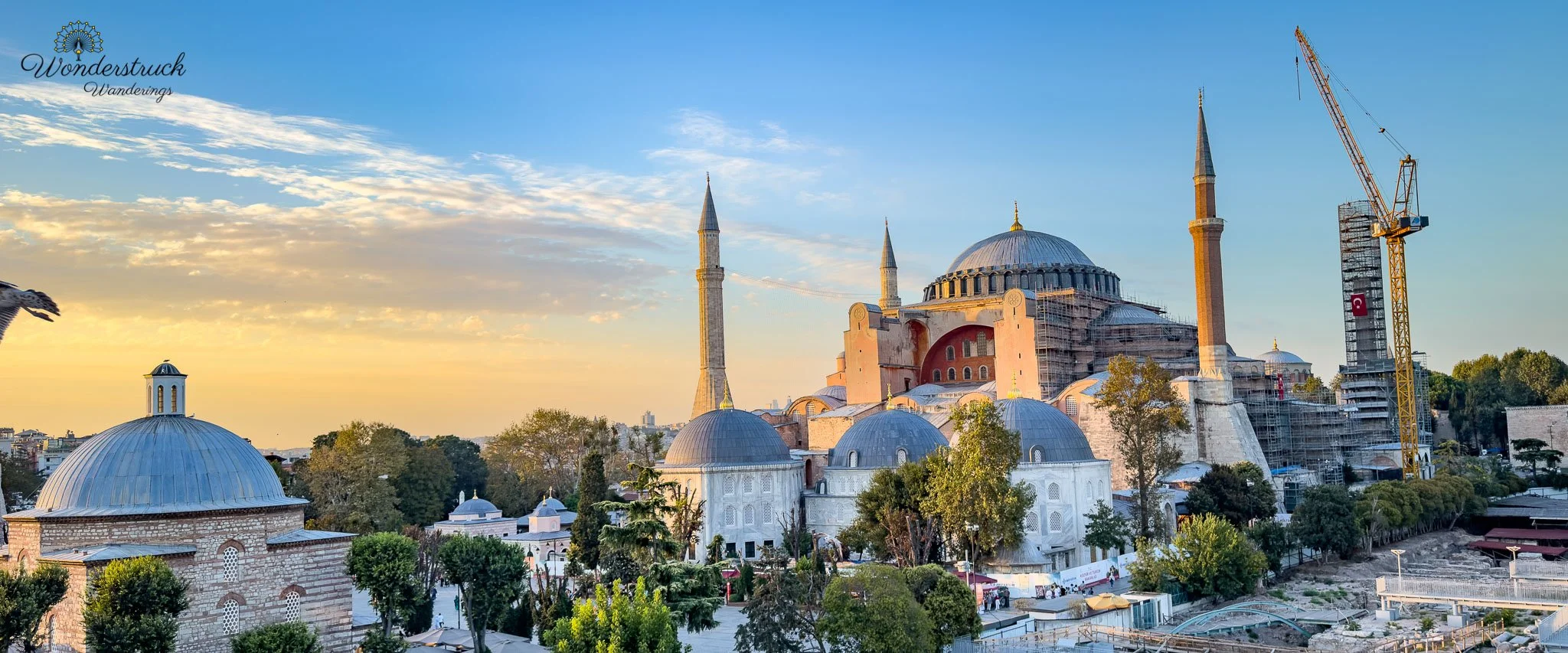
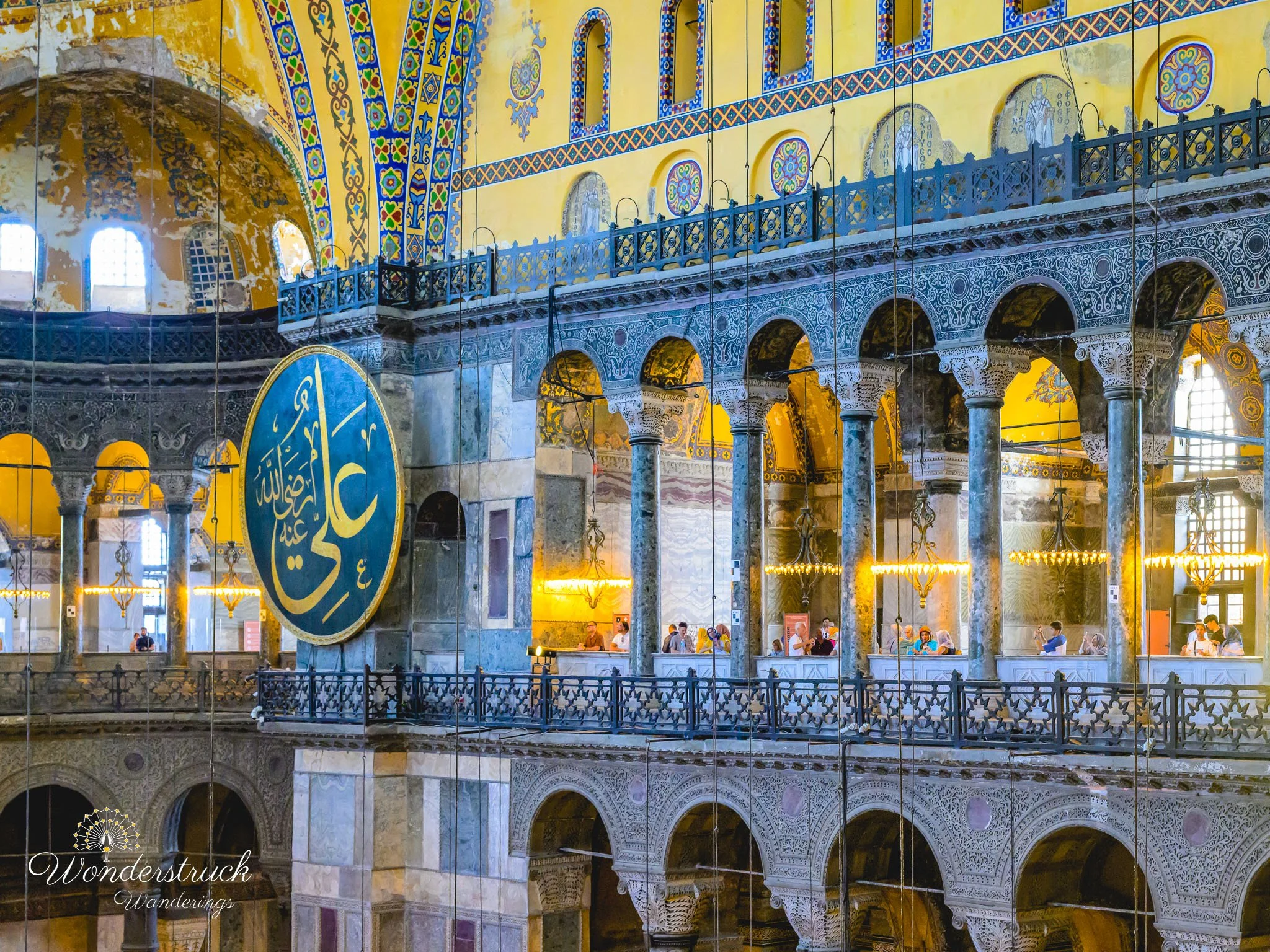
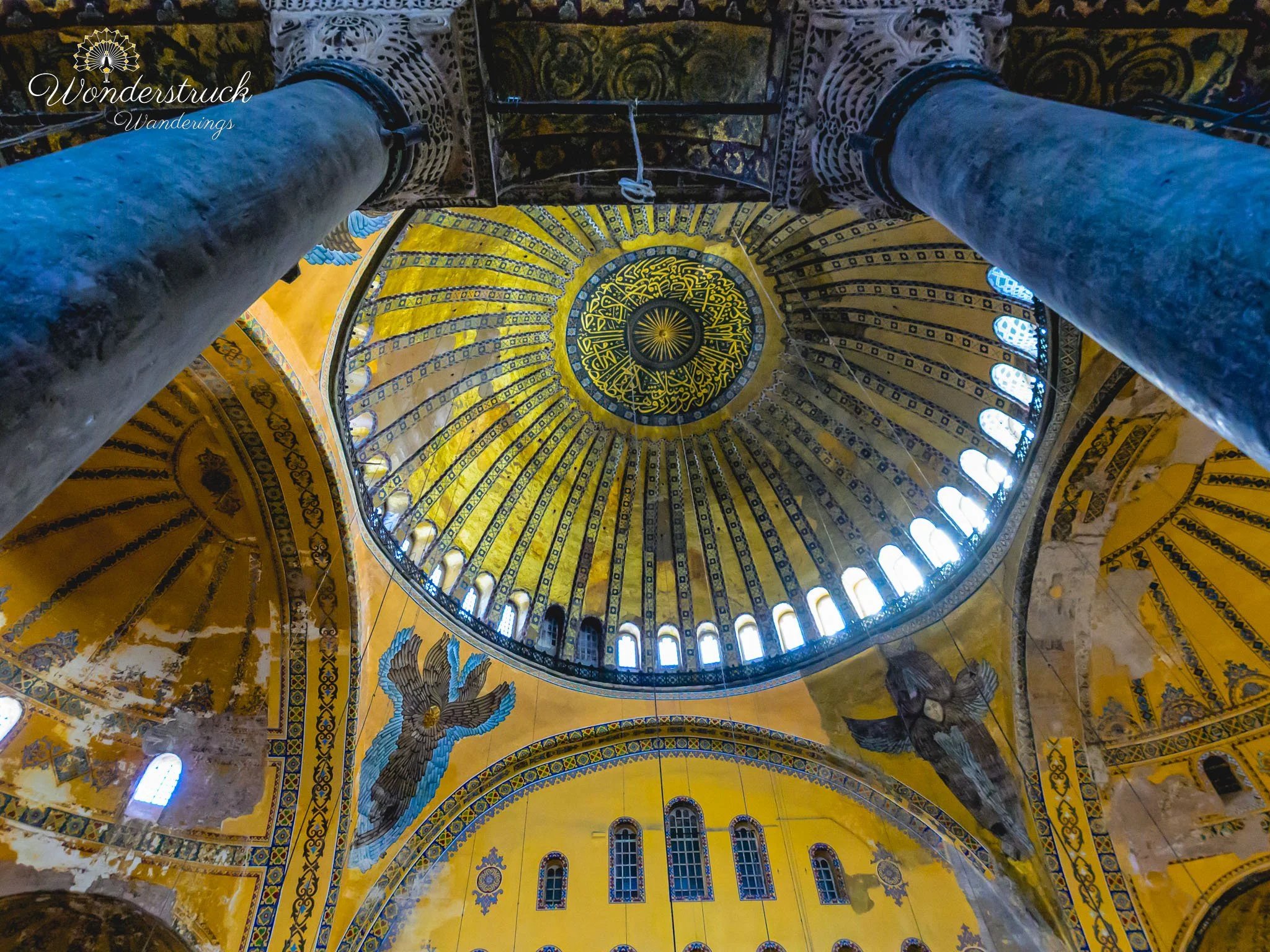
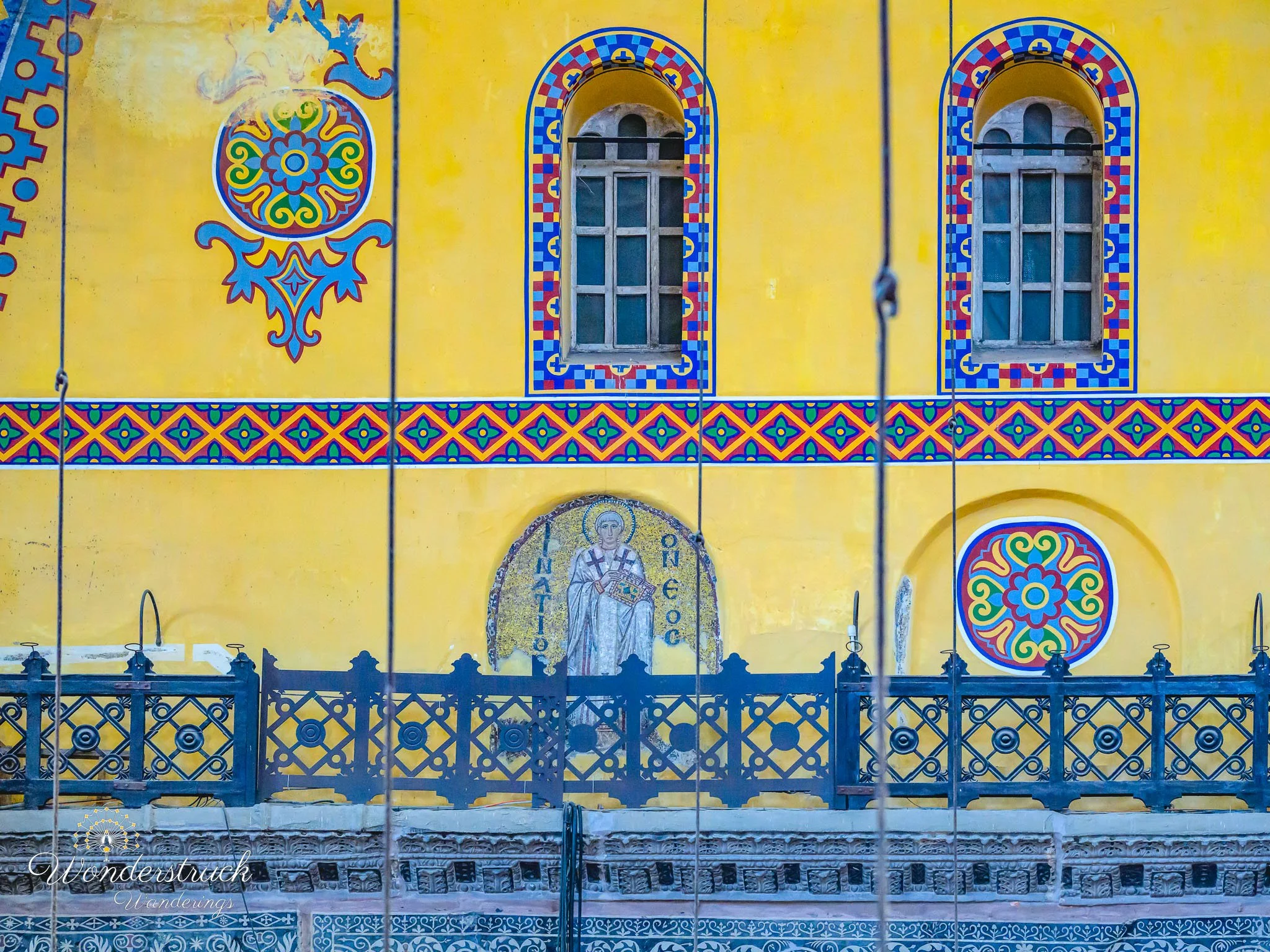
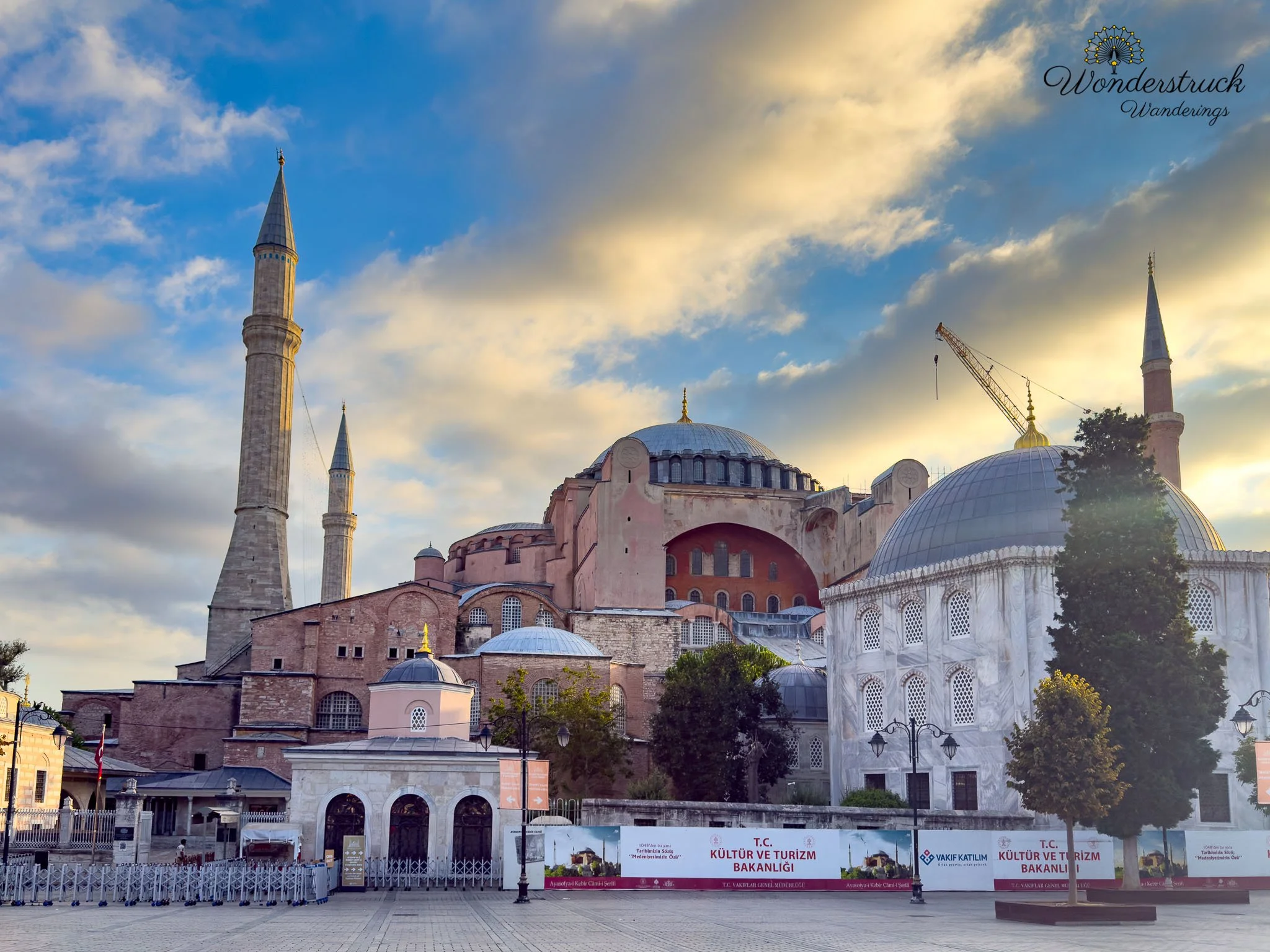
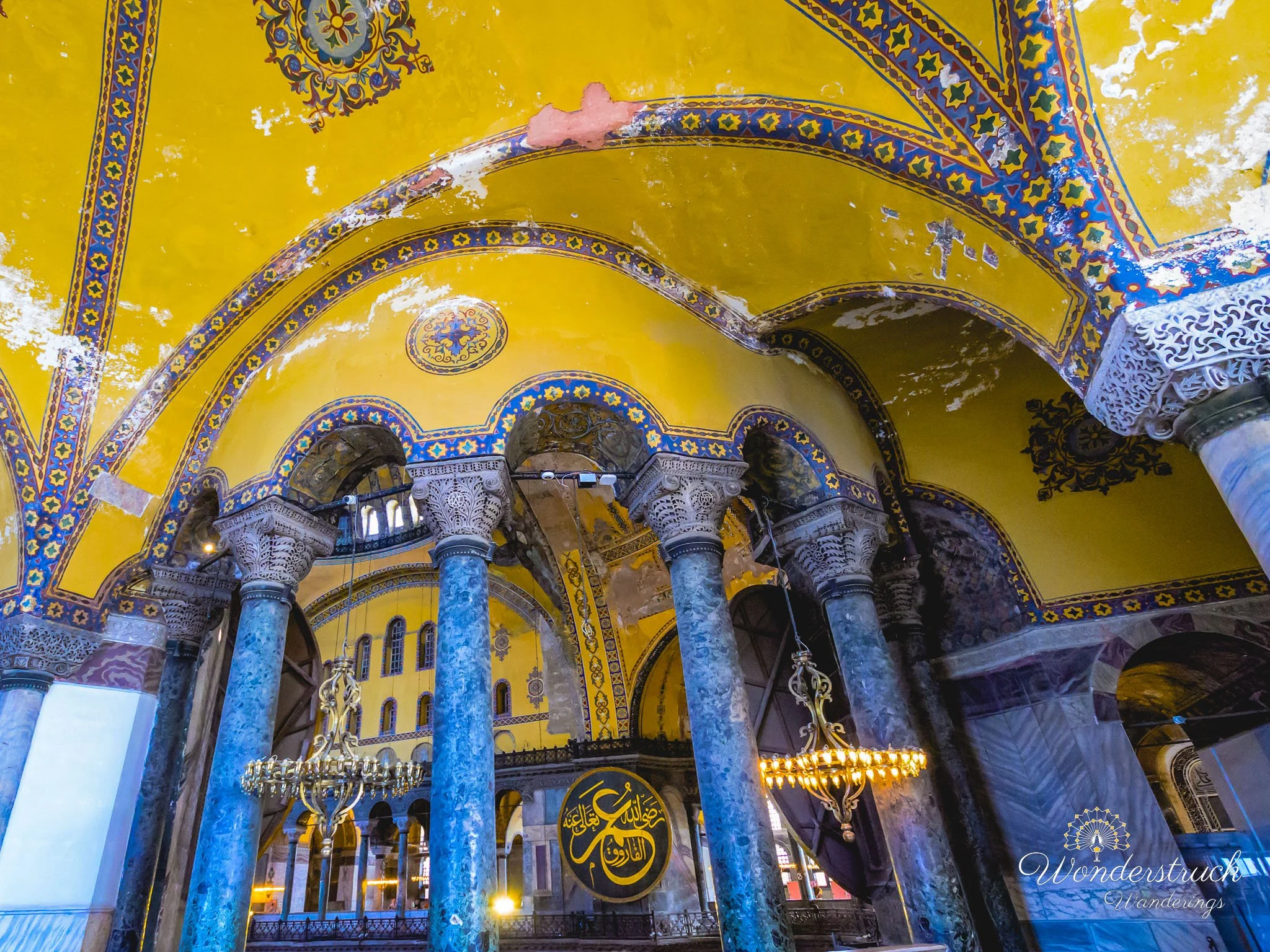
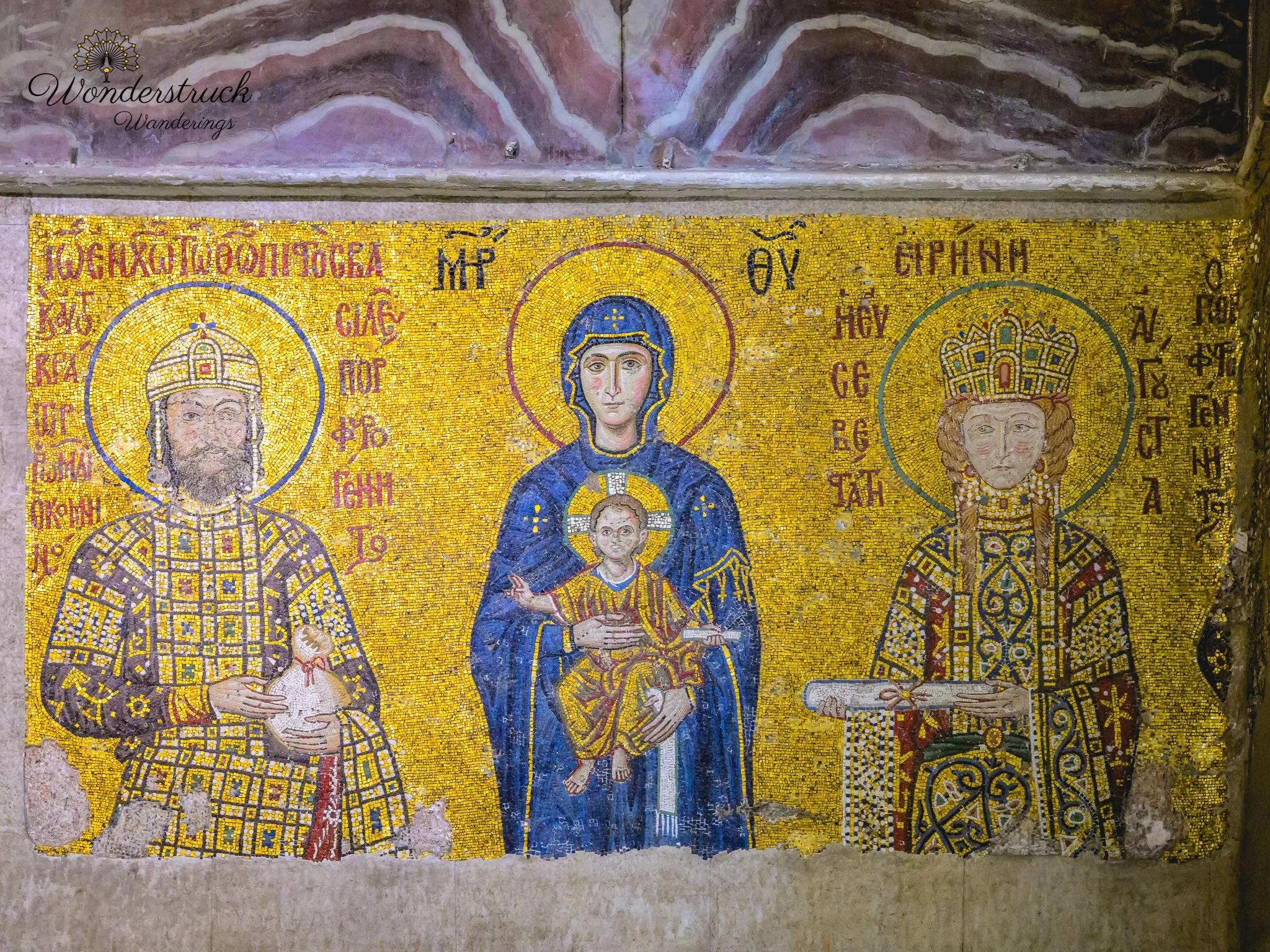
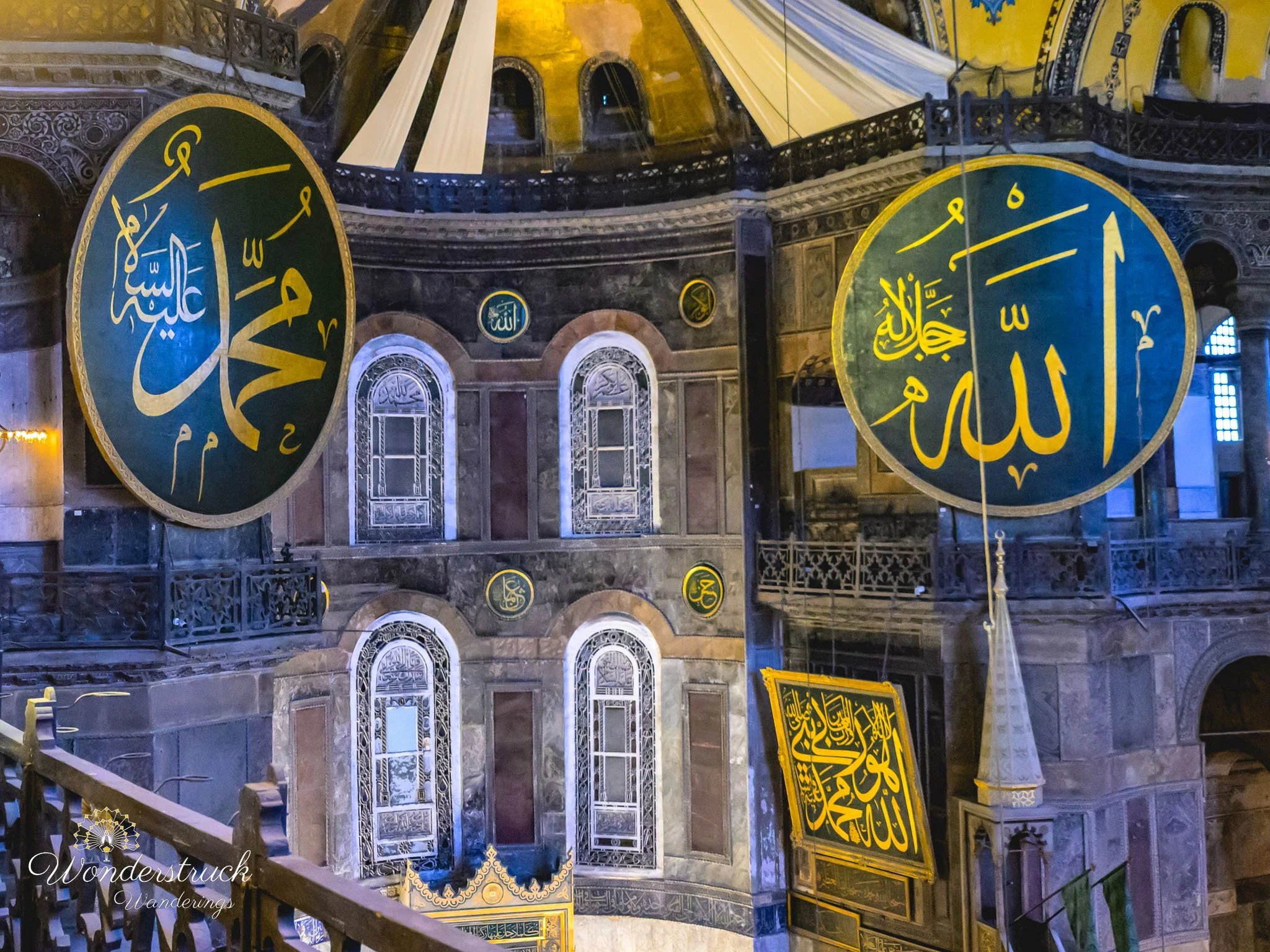
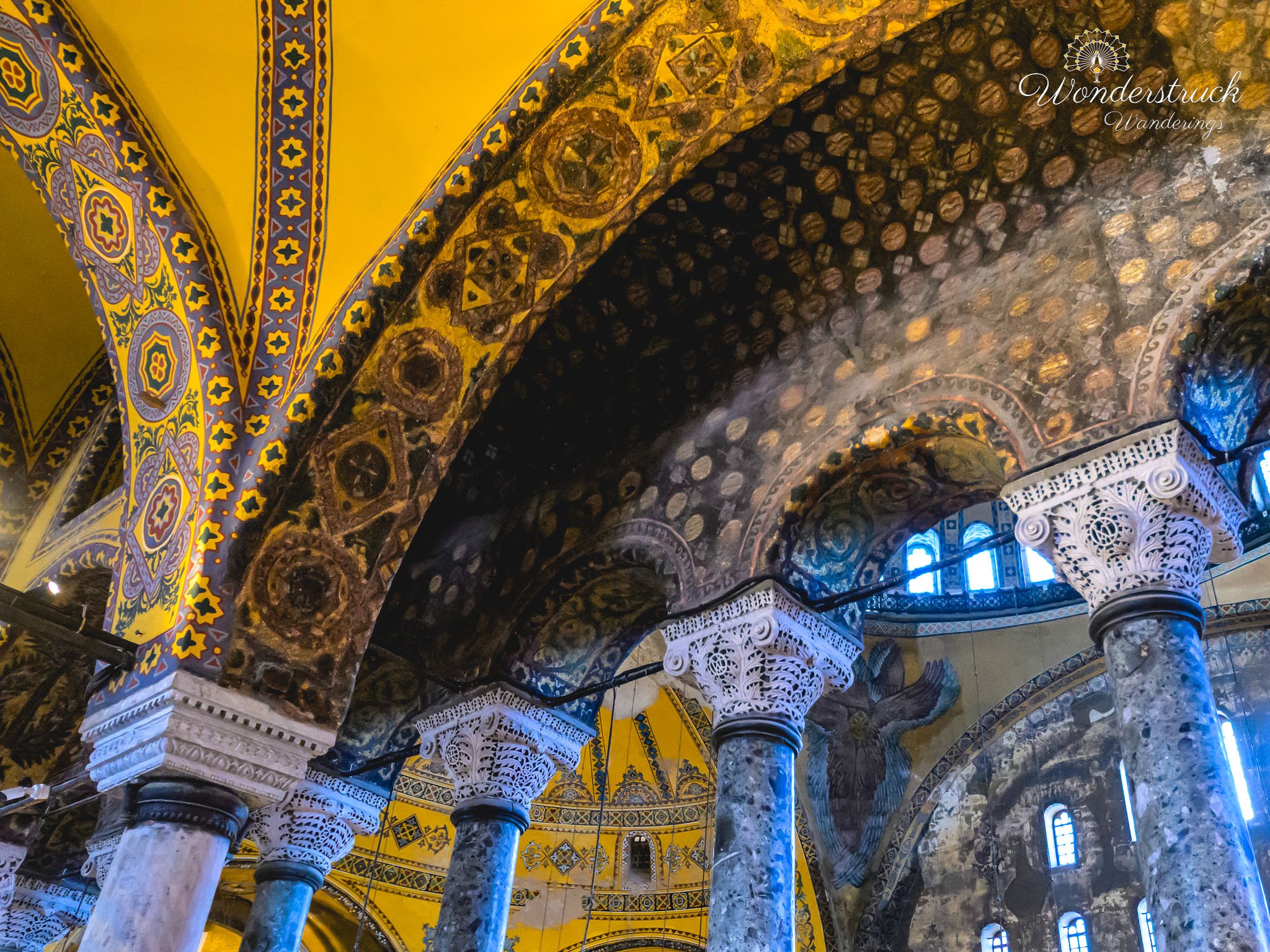
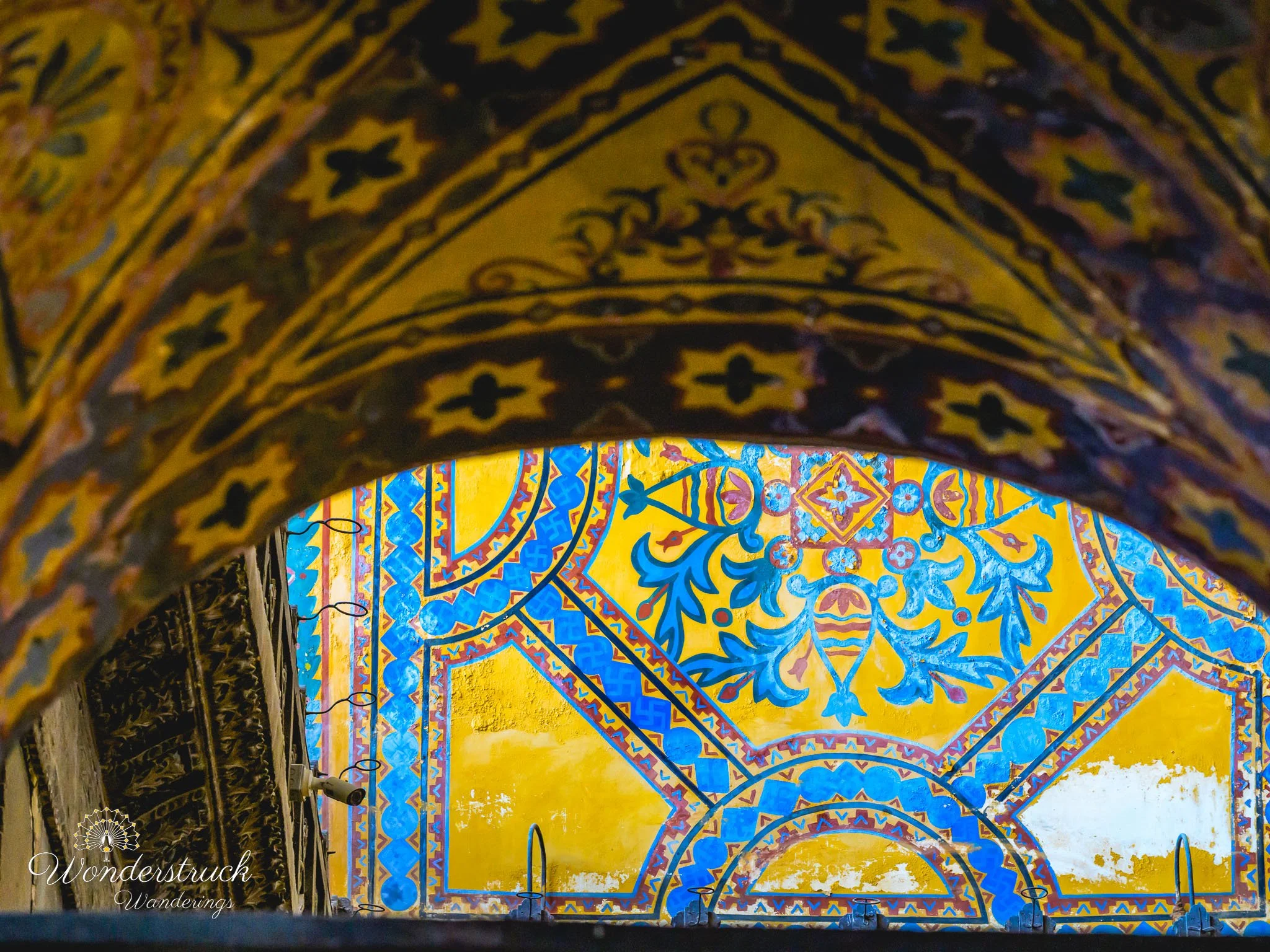
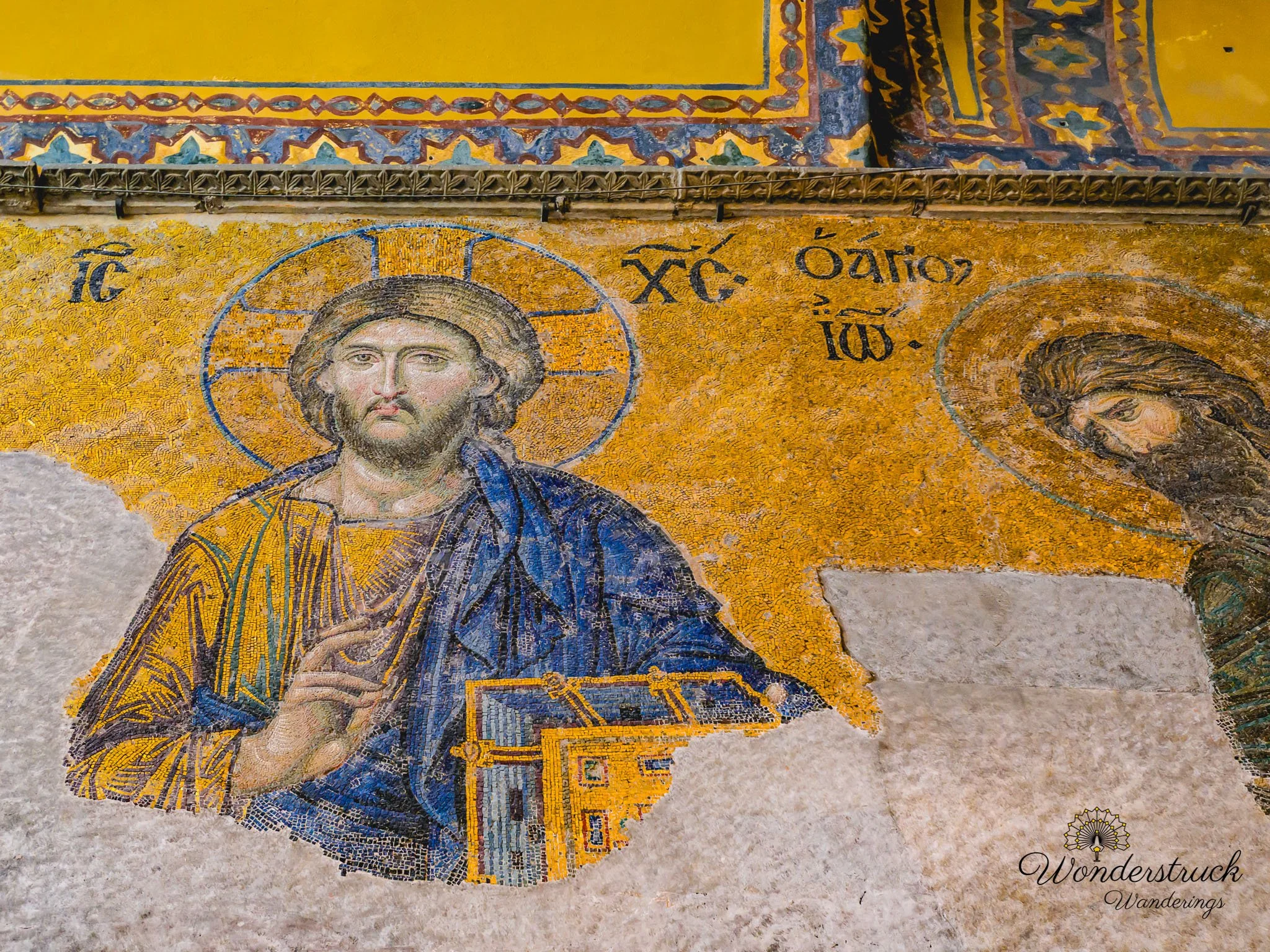
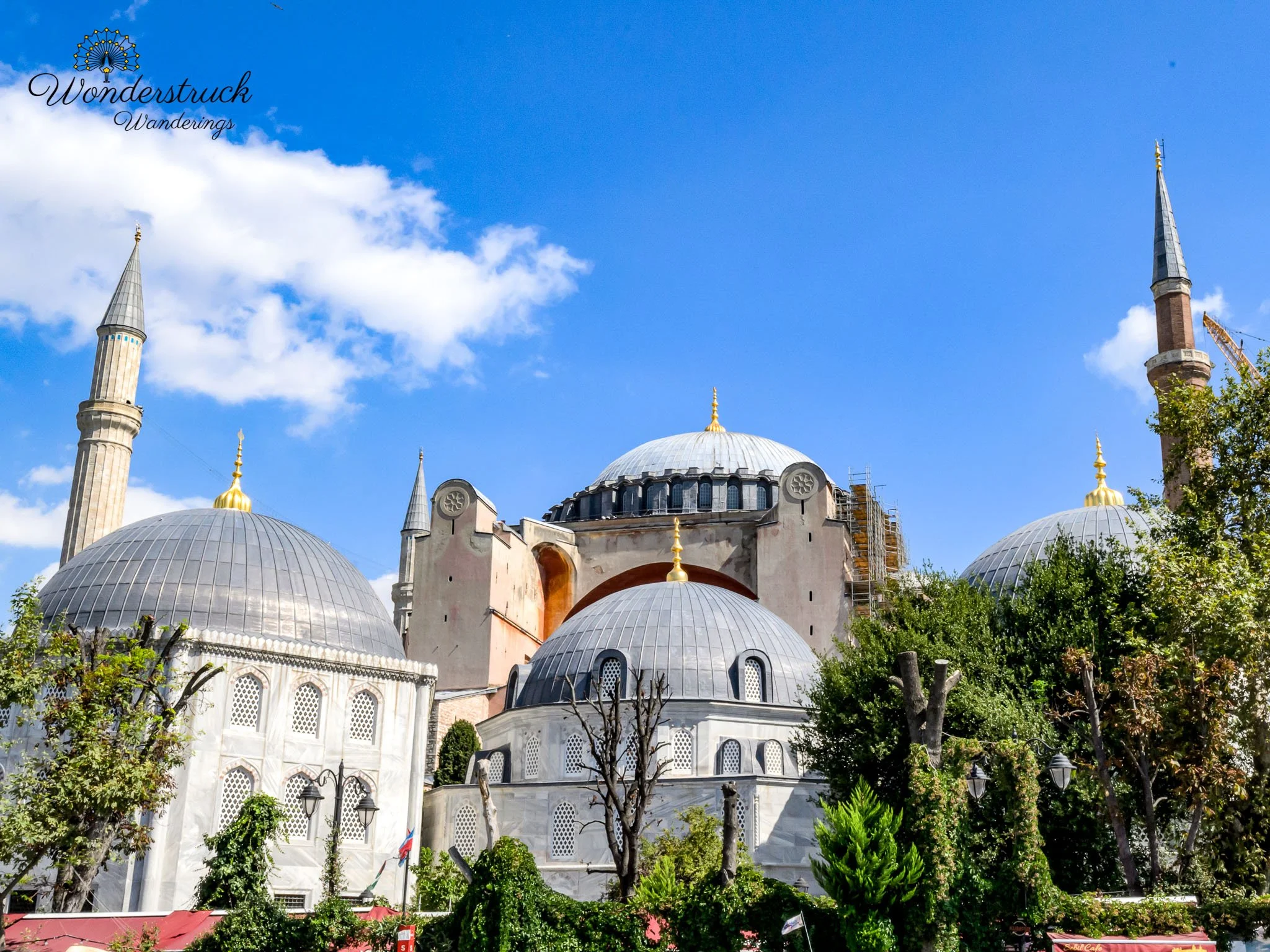
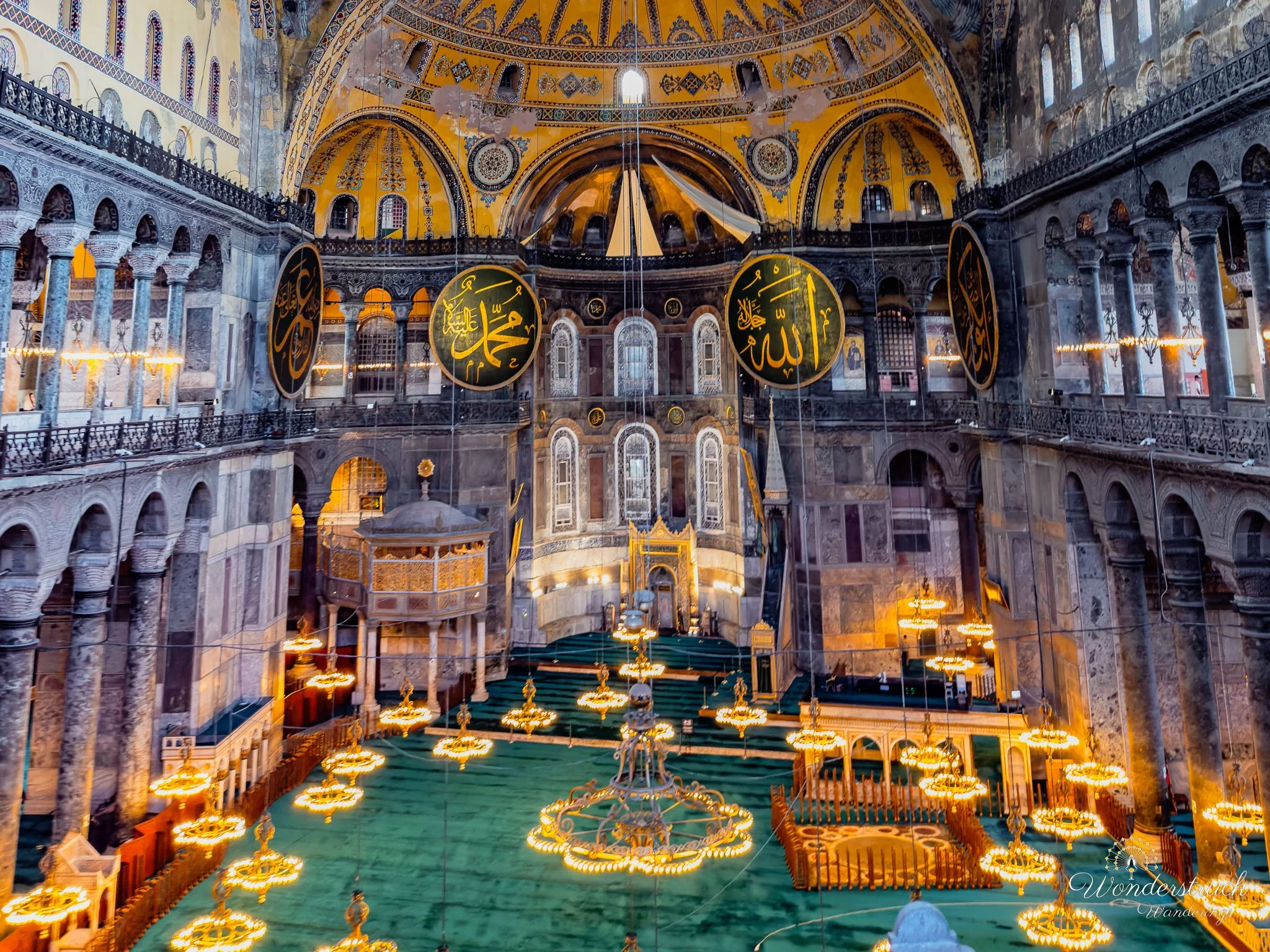
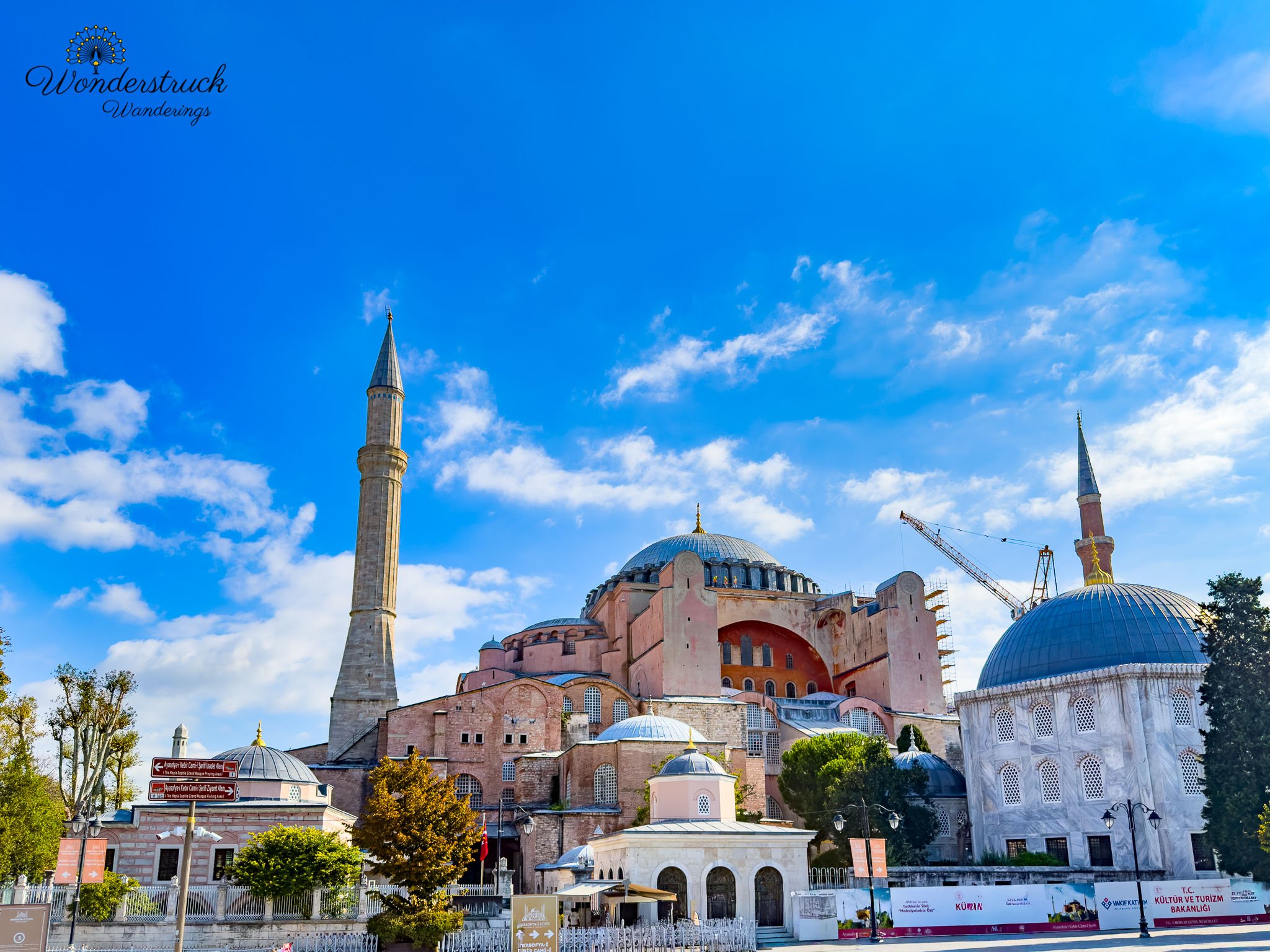
Hagia Sophia (Ayasofya Camii) – A true architectural palimpsest: Byzantine engineering and scale layered with Ottoman-era additions. Step inside and look up—the vast dome, shifting light, and mix of Christian and Islamic elements make it feel less like one monument and more like Istanbul’s entire history in a single space.
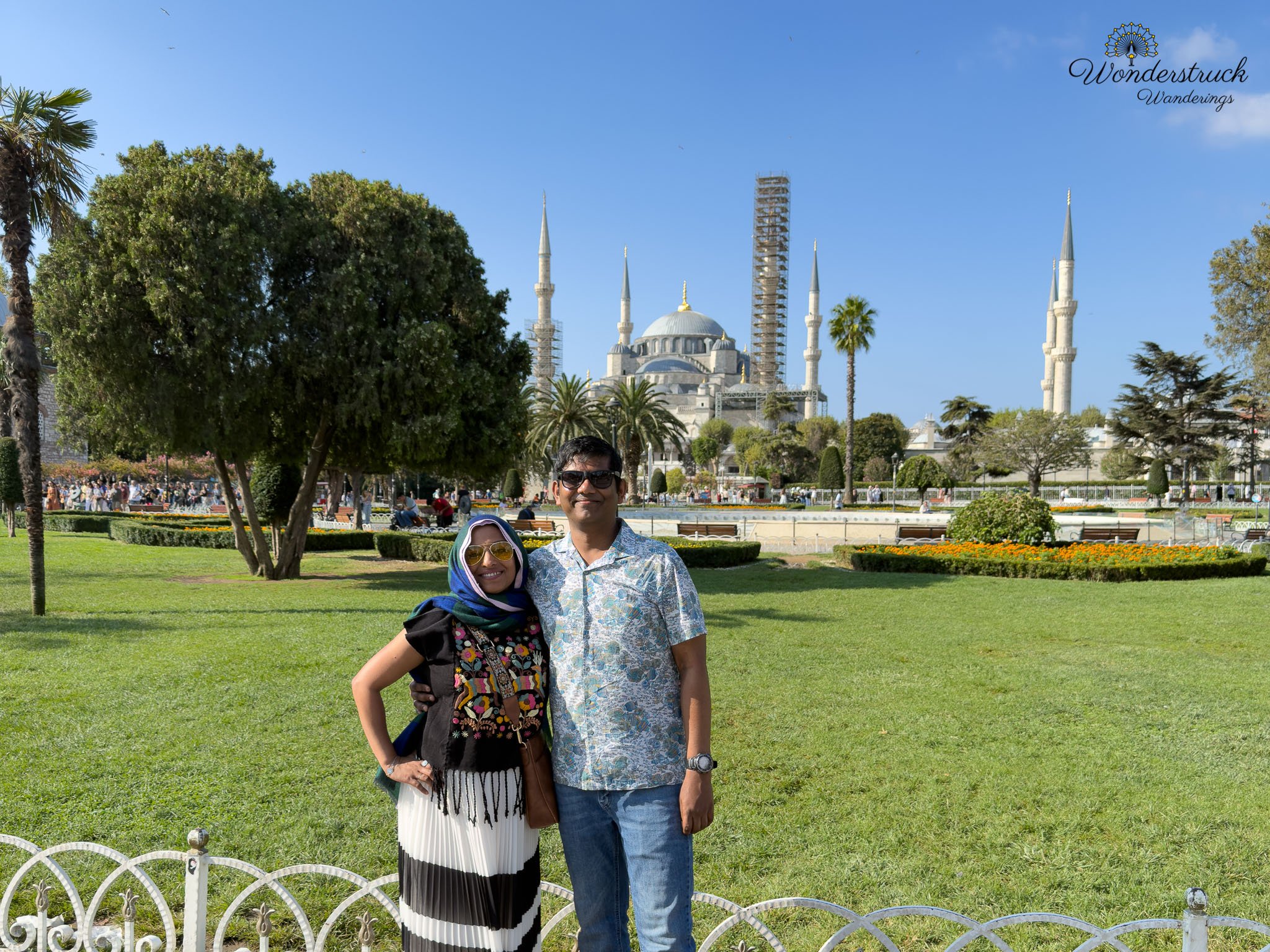
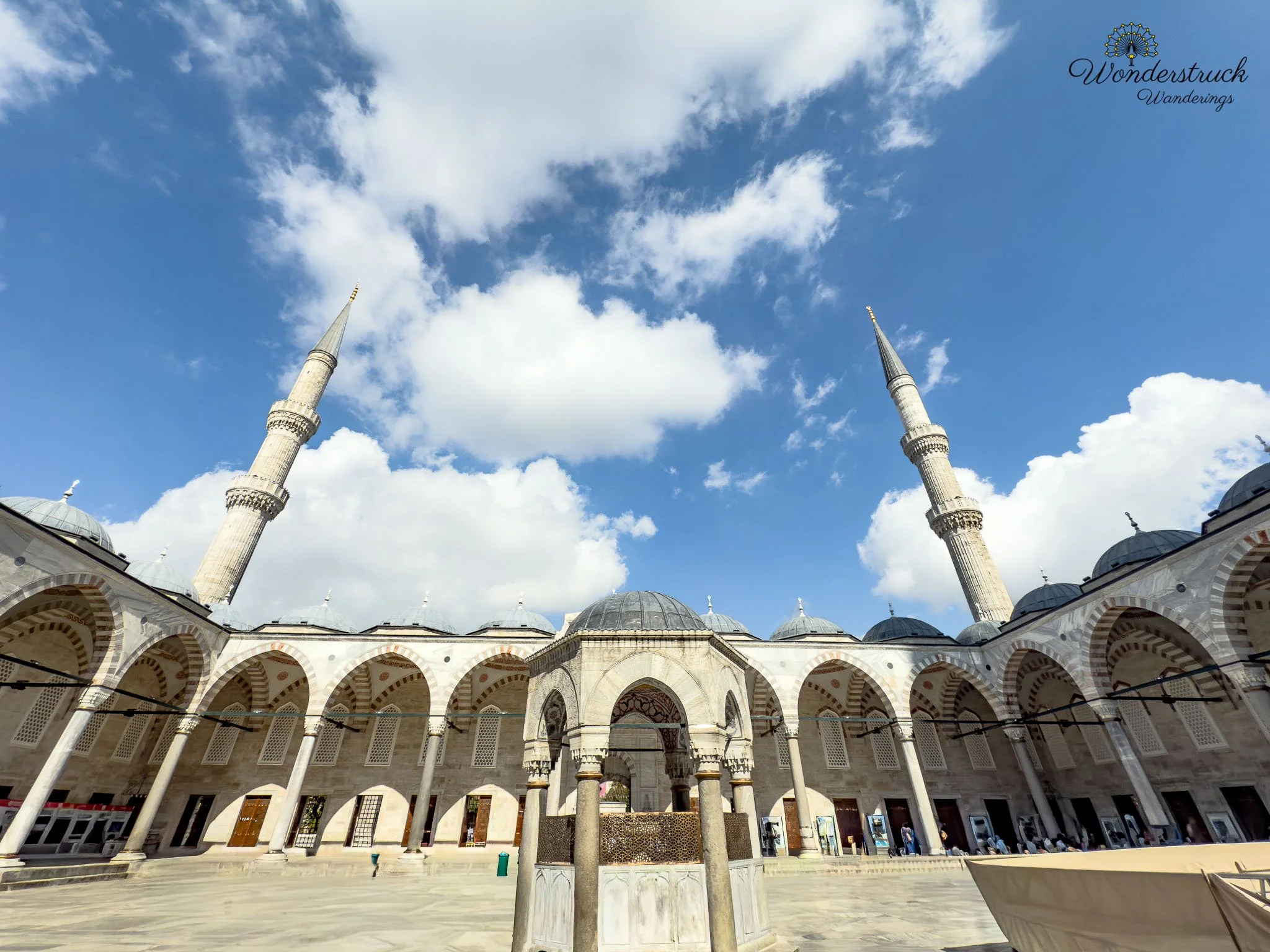
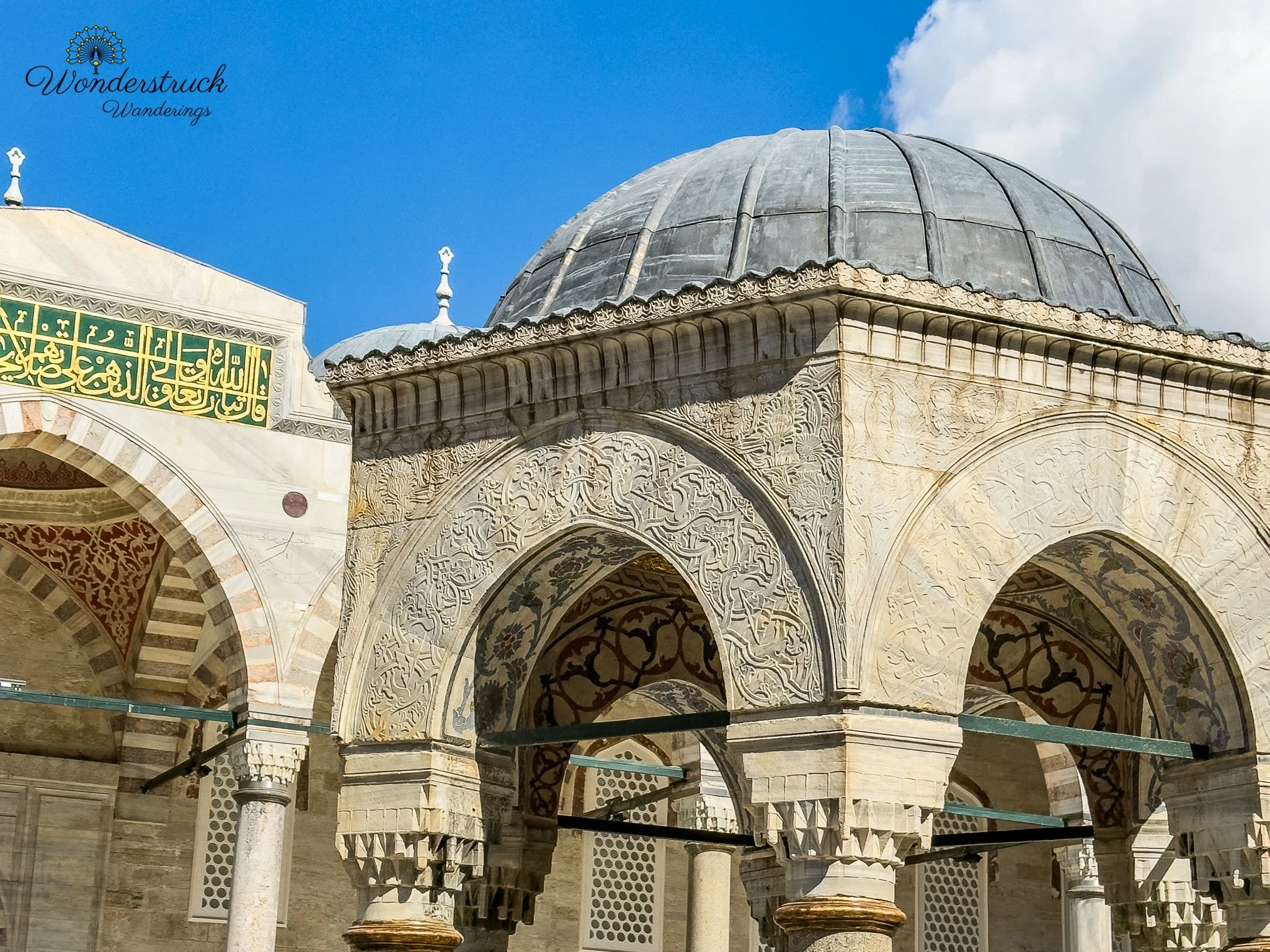
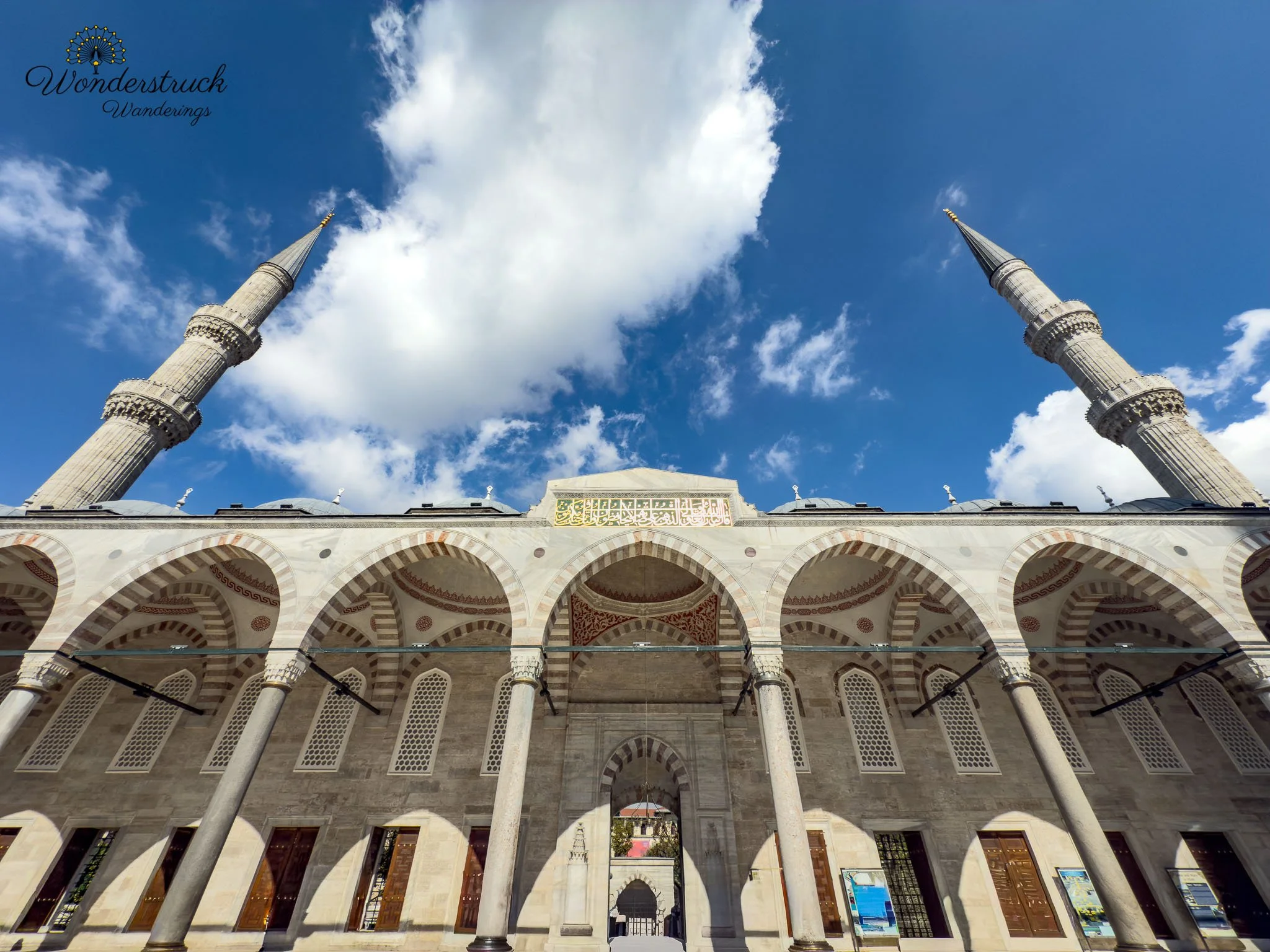
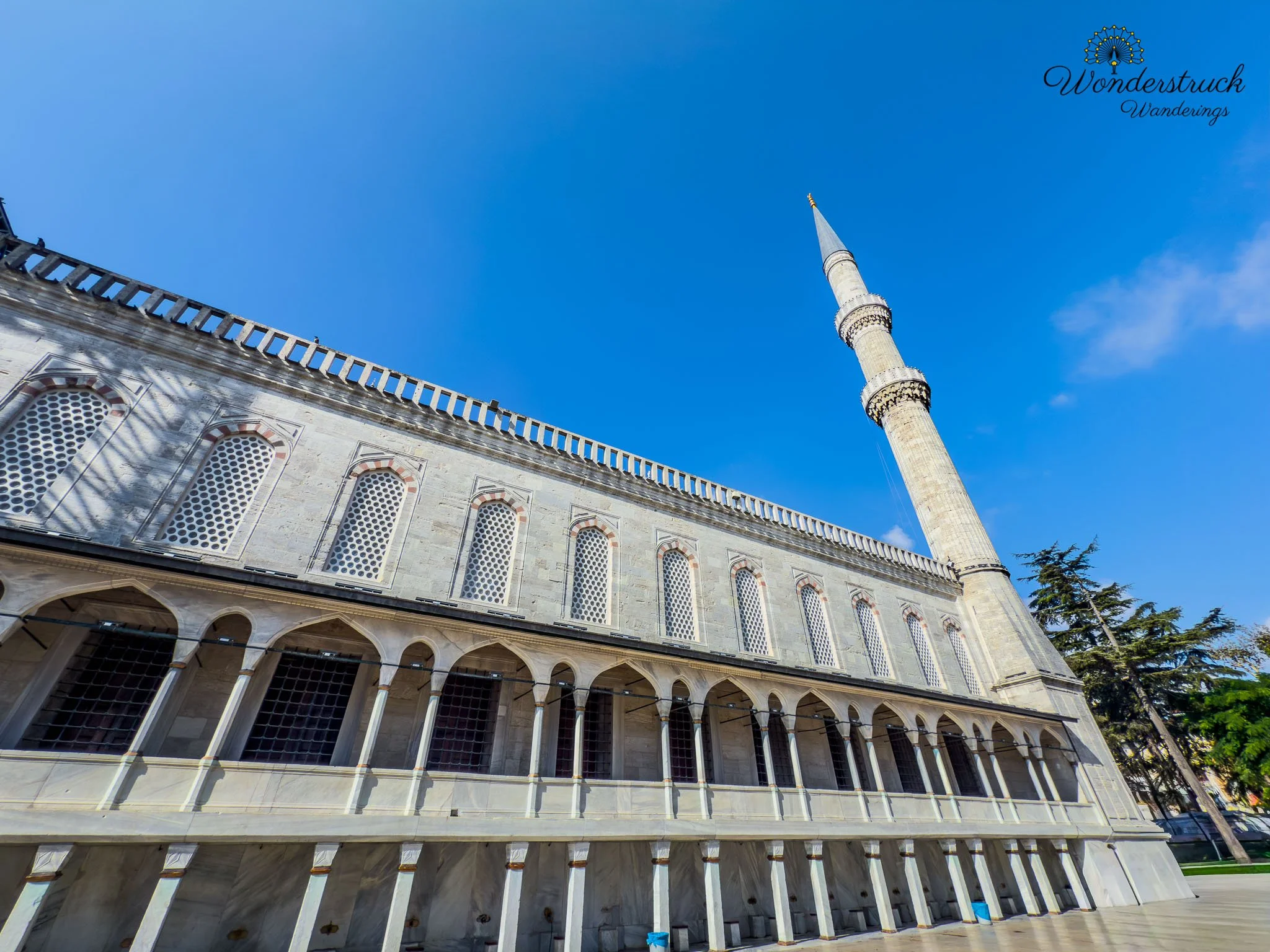
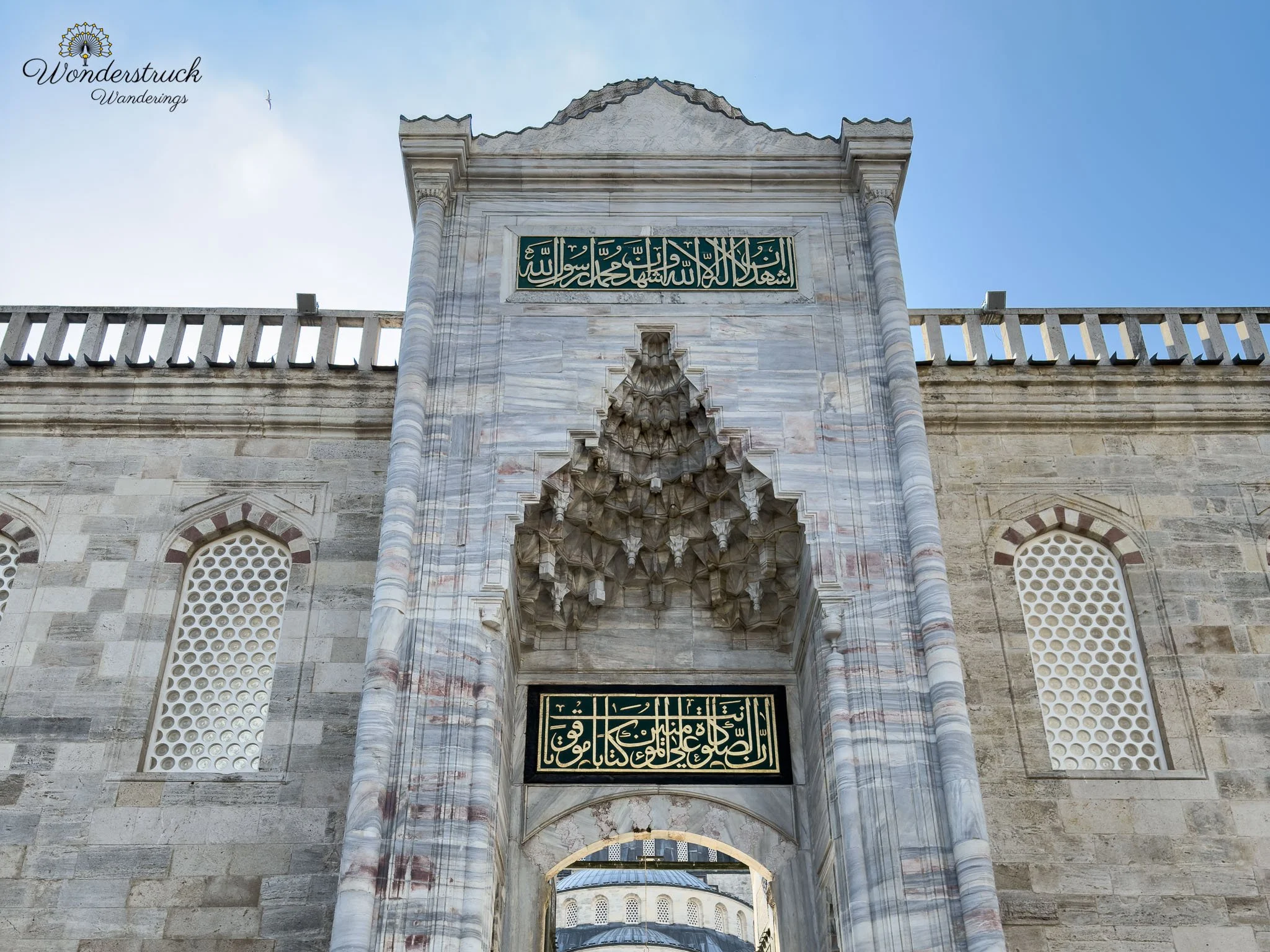
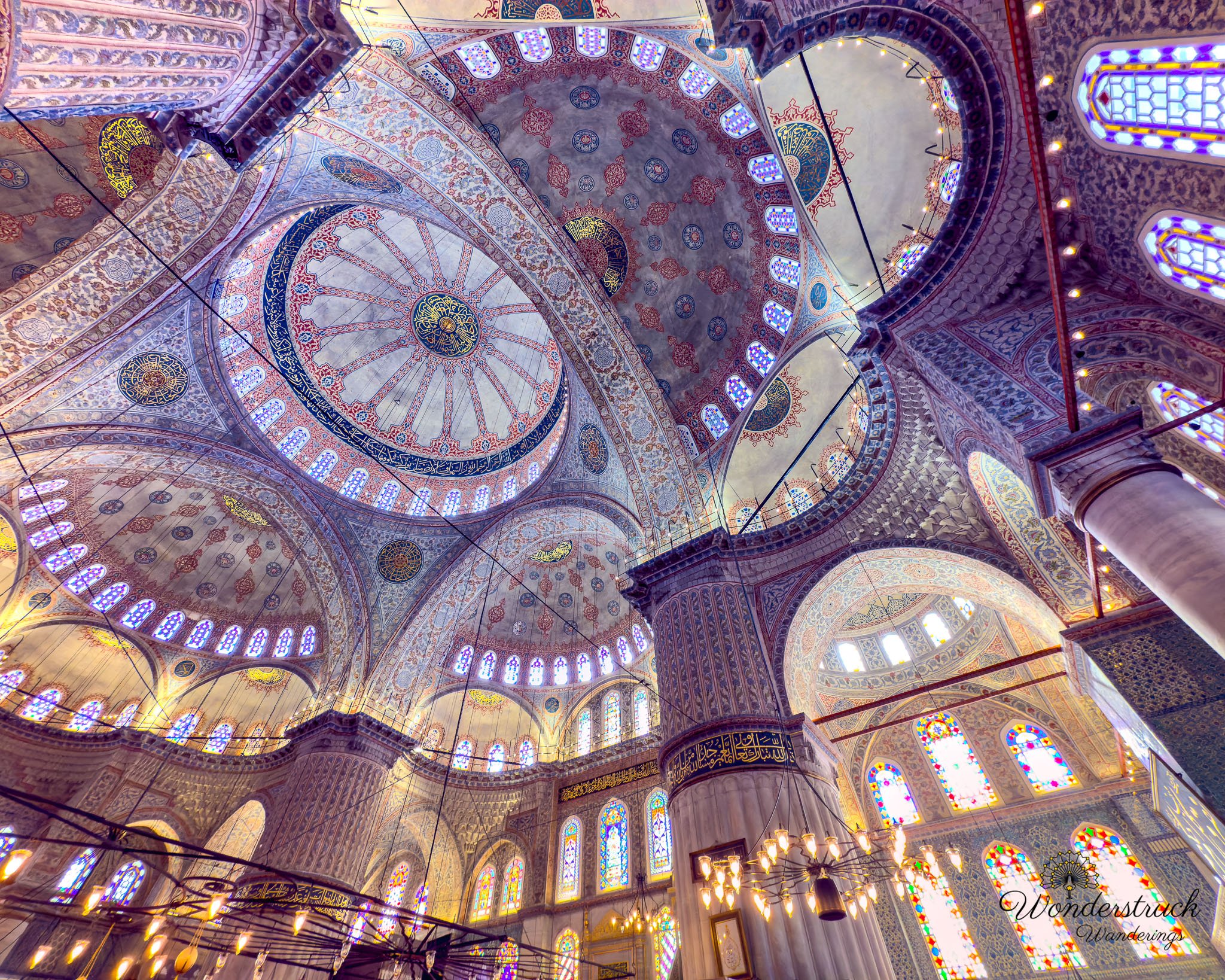
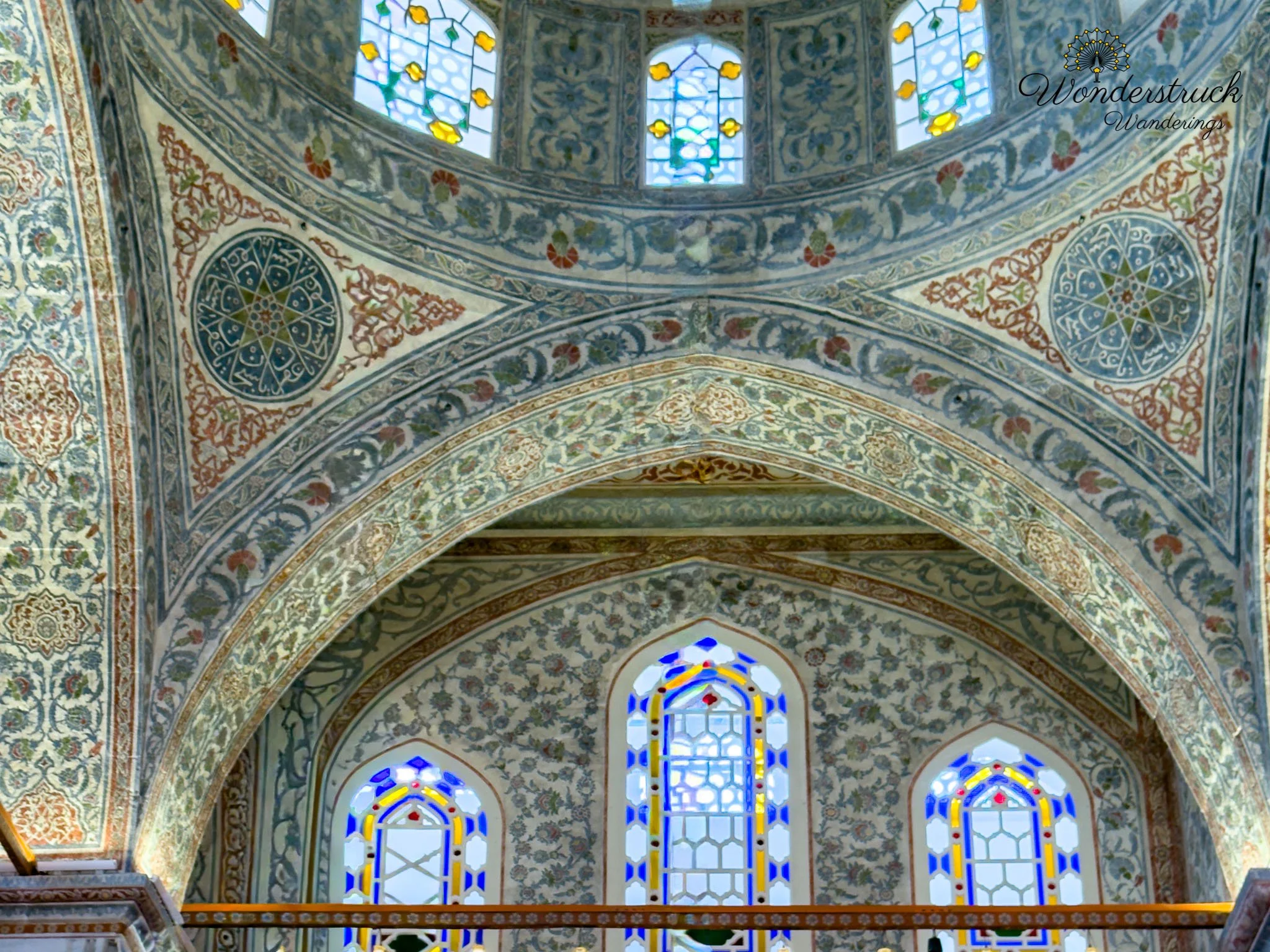
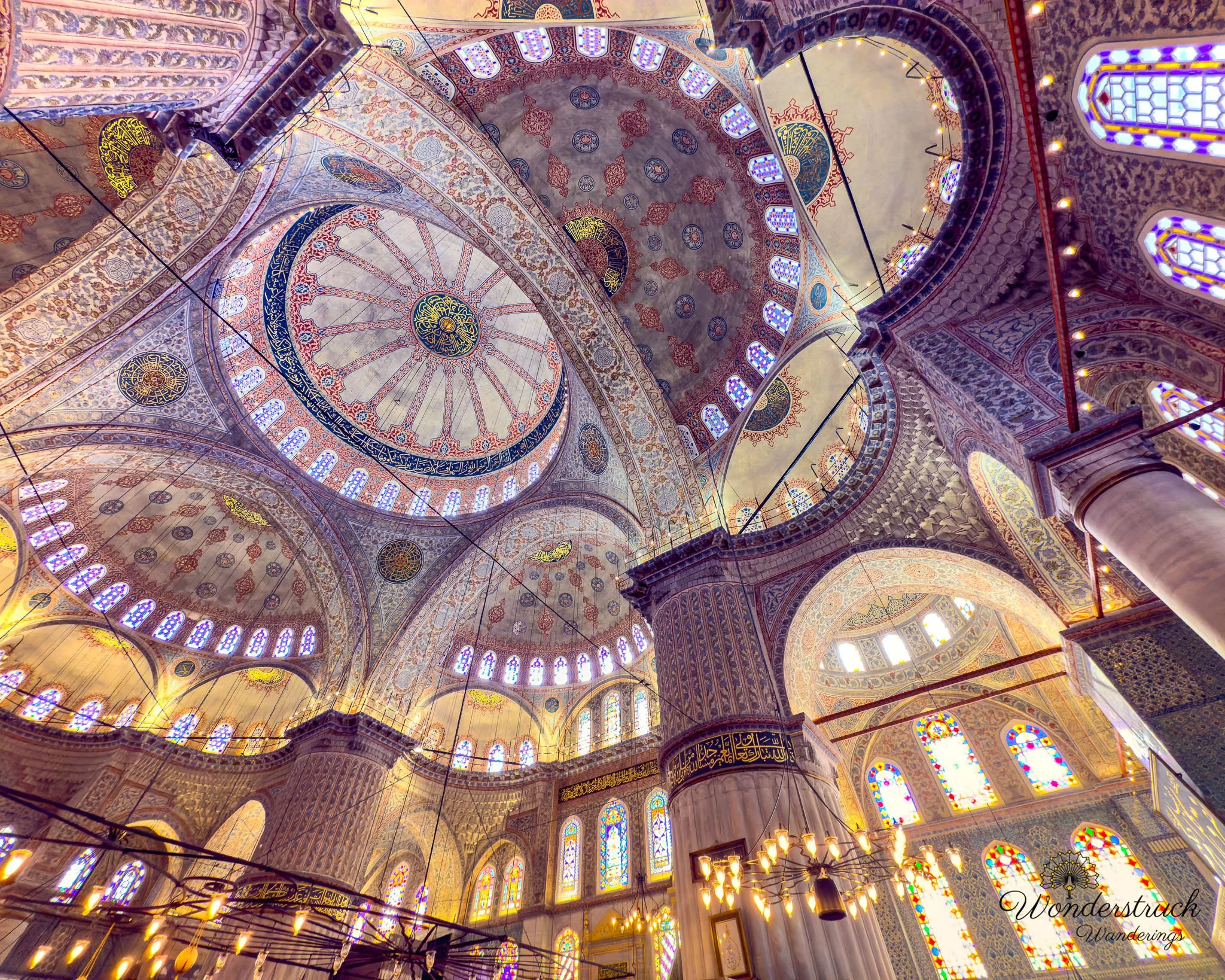
Blue Mosque (Sultanahmet Camii) – The classic Ottoman silhouette in Sultanahmet, famous for its cascading domes and interior glow of İznik tiles. It’s especially striking when the light is soft—early morning or late afternoon—when the blues feel deeper and the courtyard feels calmer.
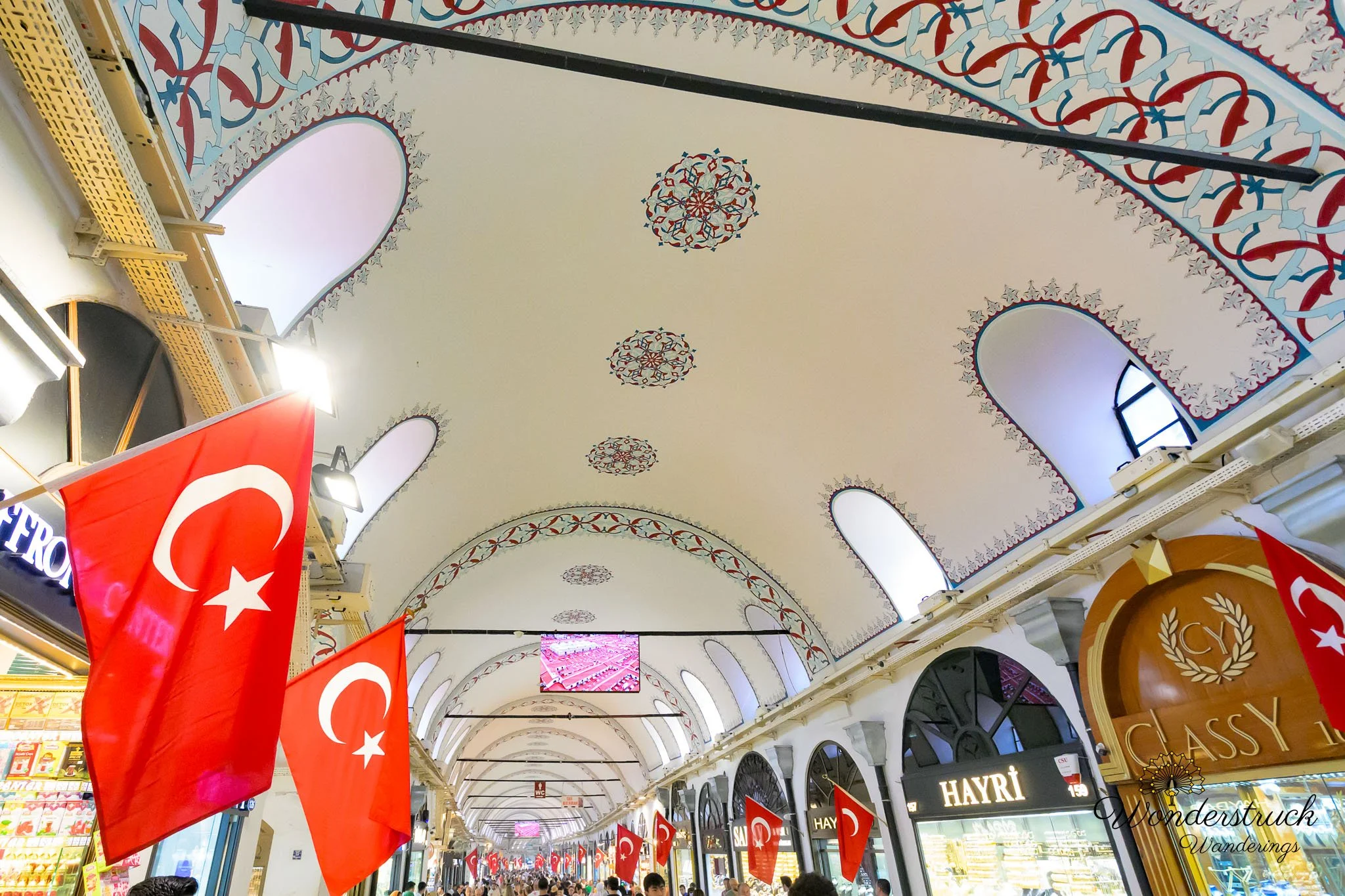
Grand Bazaar (Kapalıçarşı) – A living labyrinth: covered lanes, vaulted ceilings, thousands of shops, and constant motion. Even if you’re not buying, it’s worth wandering for the atmosphere—lamps, textiles, jewelry, leather, ceramics—then popping out for a breather when your senses hit peak Istanbul.
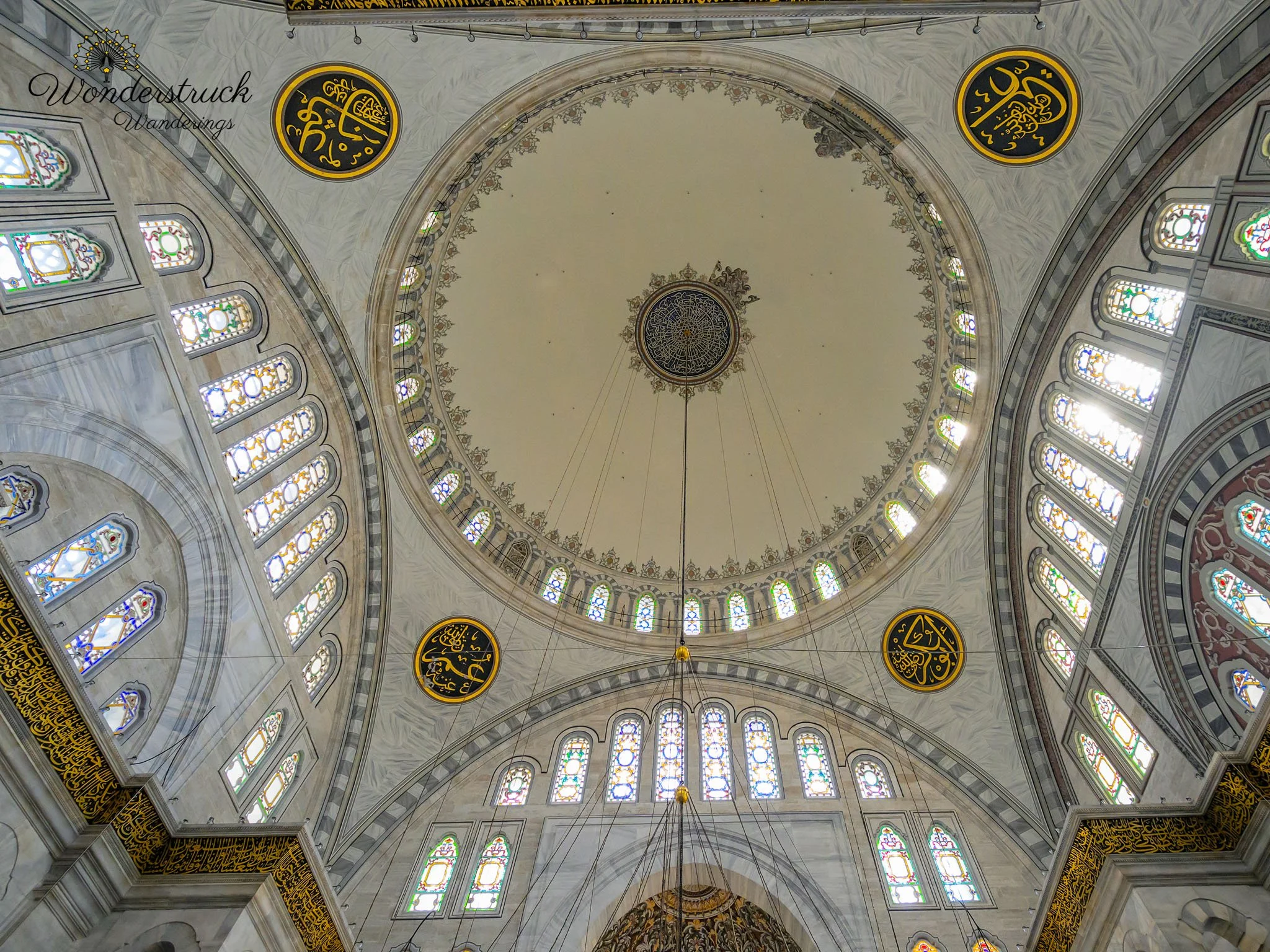
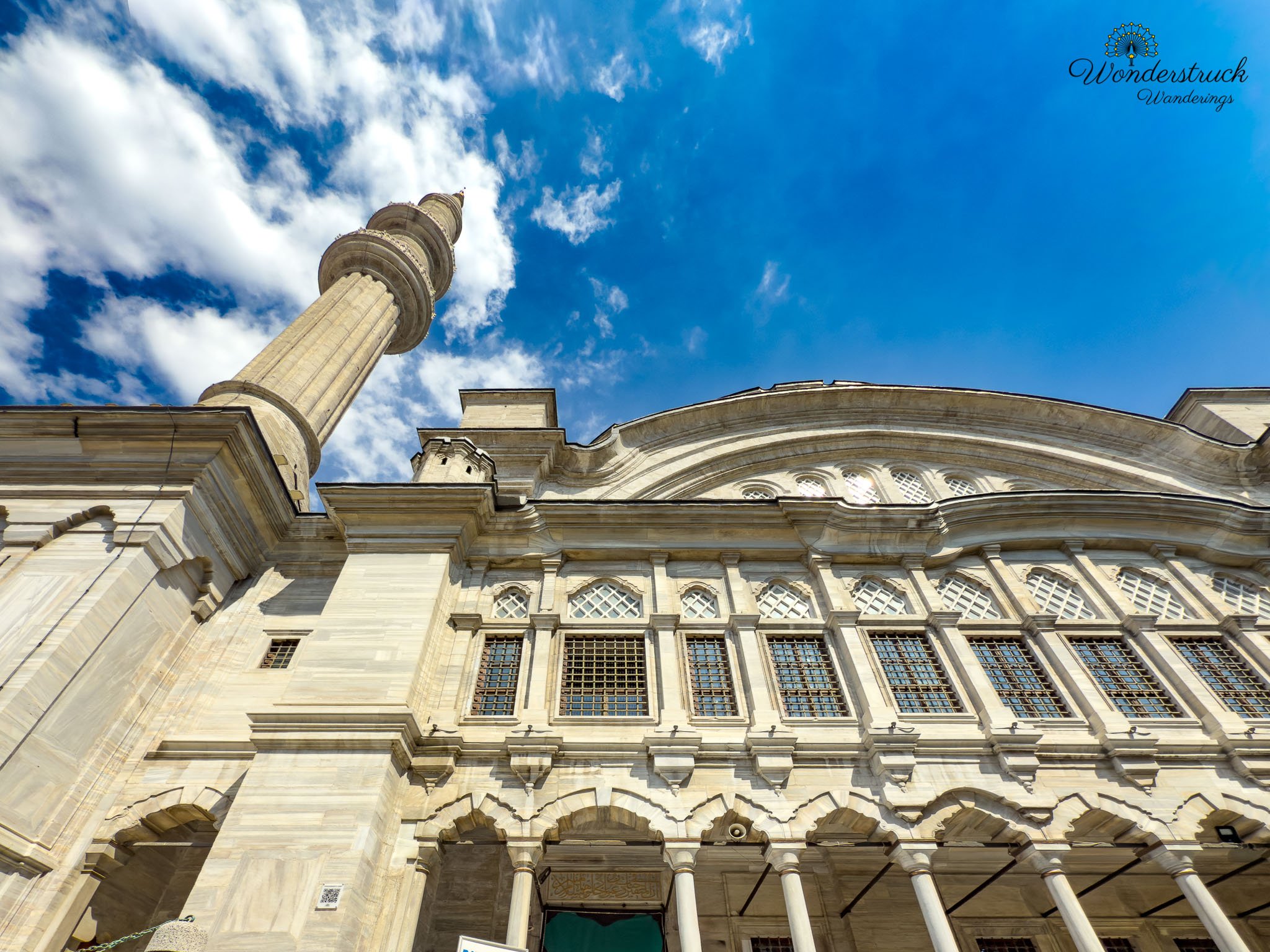
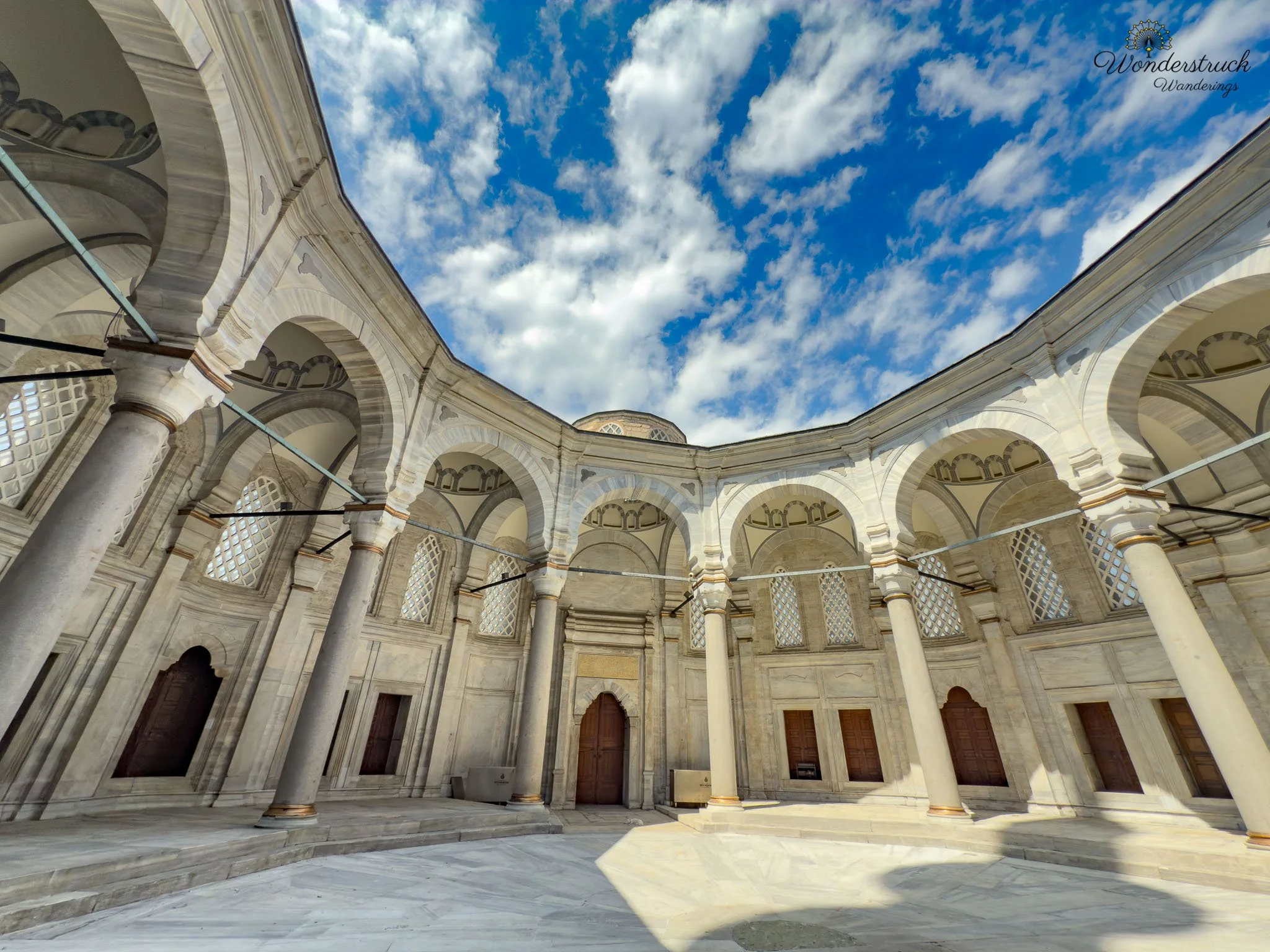
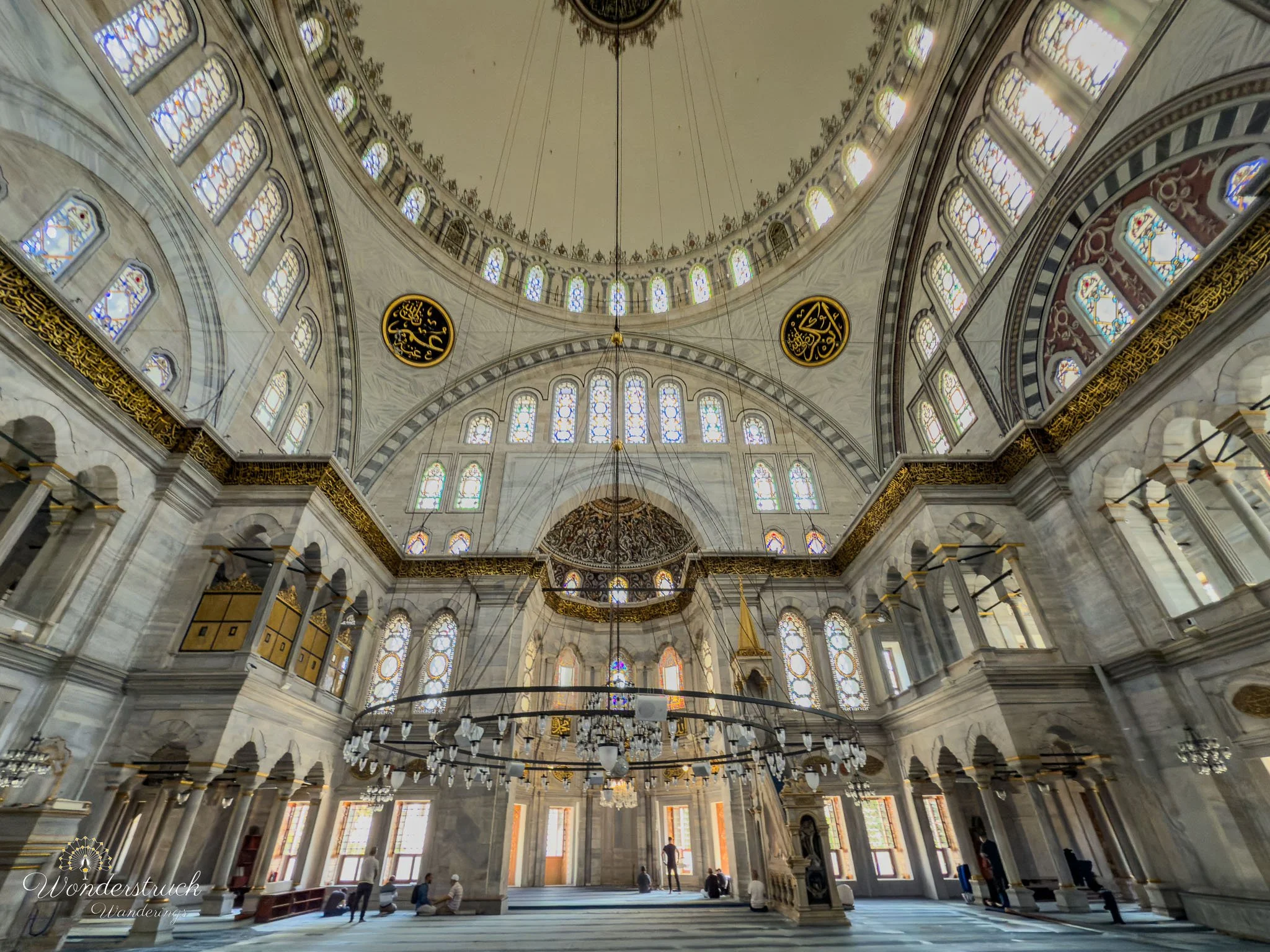
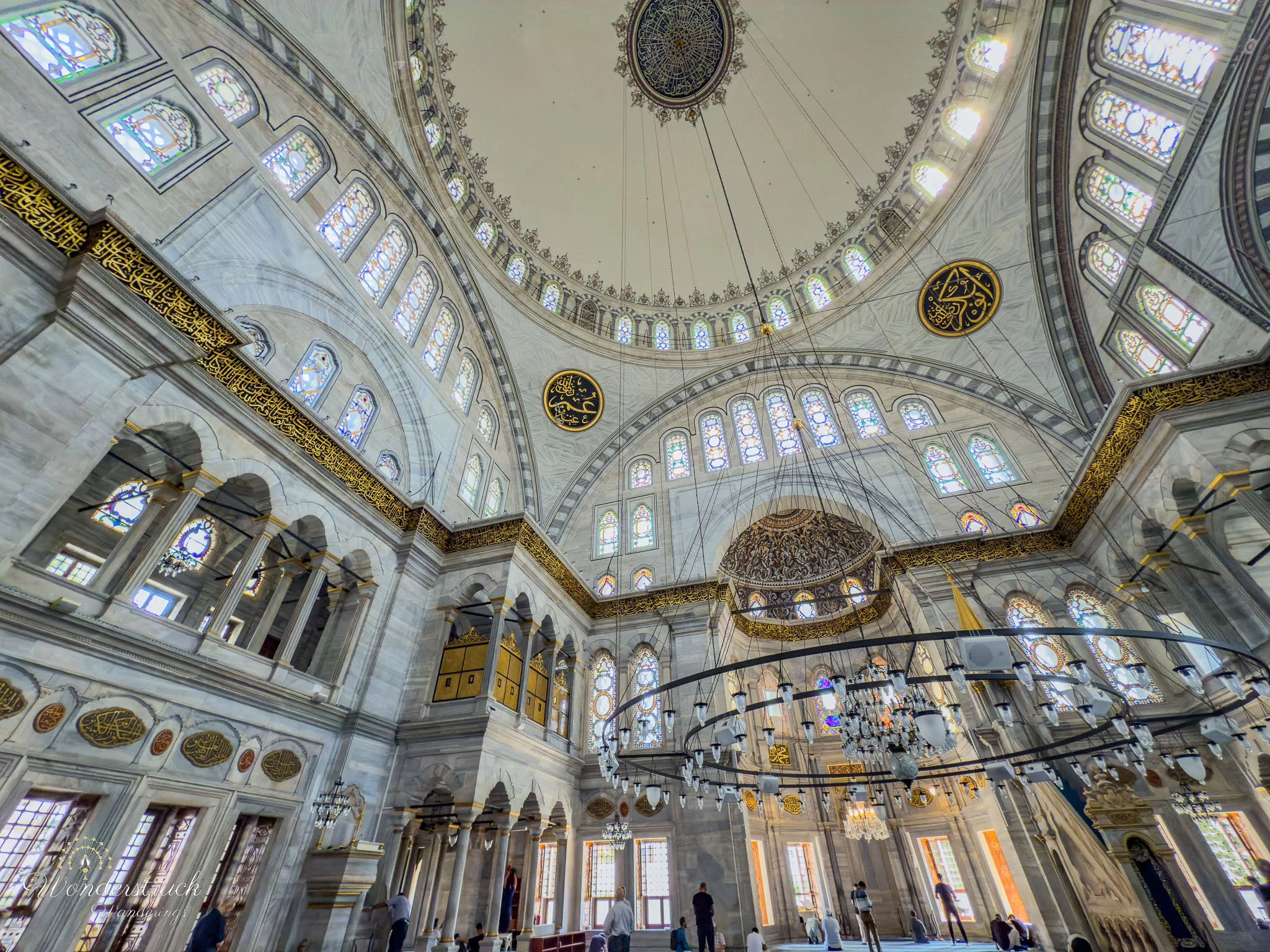
Nuruosmaniye Mosque – Right by one of the Grand Bazaar entrances, and an excellent “pause and reset” stop. The style leans Ottoman Baroque—more curves, more flourish, a different mood than the older imperial mosques—and it’s a beautiful contrast after the bazaar’s intensity.
Süleymaniye Mosque (Süleymaniye Camii) – One of Istanbul’s most majestic, quietly powerful sights—built for Sultan Süleyman the Magnificent and designed by Mimar Sinan. It sits high on a hill, so the approach alone feels cinematic, and the payoff is a calm, airy interior plus some of the best Golden Horn and Bosphorus views from the grounds. It’s often less hectic than Sultanahmet, which makes it perfect for slowing down, listening to the city, and letting the scale of Ottoman Istanbul really sink in.
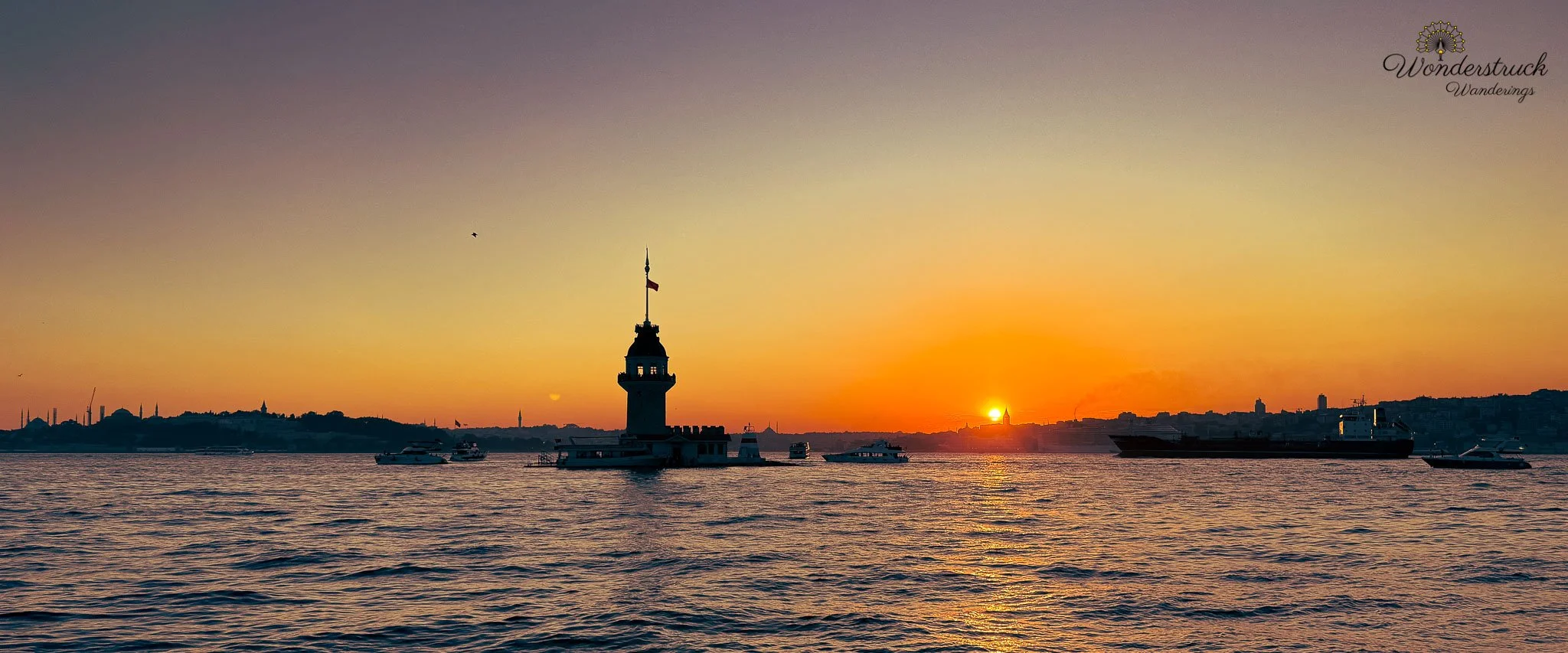
Maiden’s Tower (Kız Kulesi) – That postcard landmark sitting on its tiny islet, wrapped in legends and skyline drama. Whether you view it from the European shore, Üsküdar, or on a boat, it’s one of those Istanbul visuals that keeps reappearing—and somehow never gets old.
Kadıköy waterfront – Come to the Asian side for a more local, everyday Istanbul: markets, casual eateries, meze spots, coffee, and desserts, plus an easy waterfront stroll when the day cools off. It’s ideal for sunset—ferries gliding by, gulls overhead, and the European skyline across the water turning gold.
-
Sultanahmet walking circuit – 10–15 min between sites.
Eminönü → Üsküdar (ferry) – 20 min
Üsküdar → Kadıköy – 15 min (Uber/taxi)
Kadıköy → Üsküdar sunset viewpoint – 10 min drive
Üsküdar → Eminönü (return ferry) – 30 min
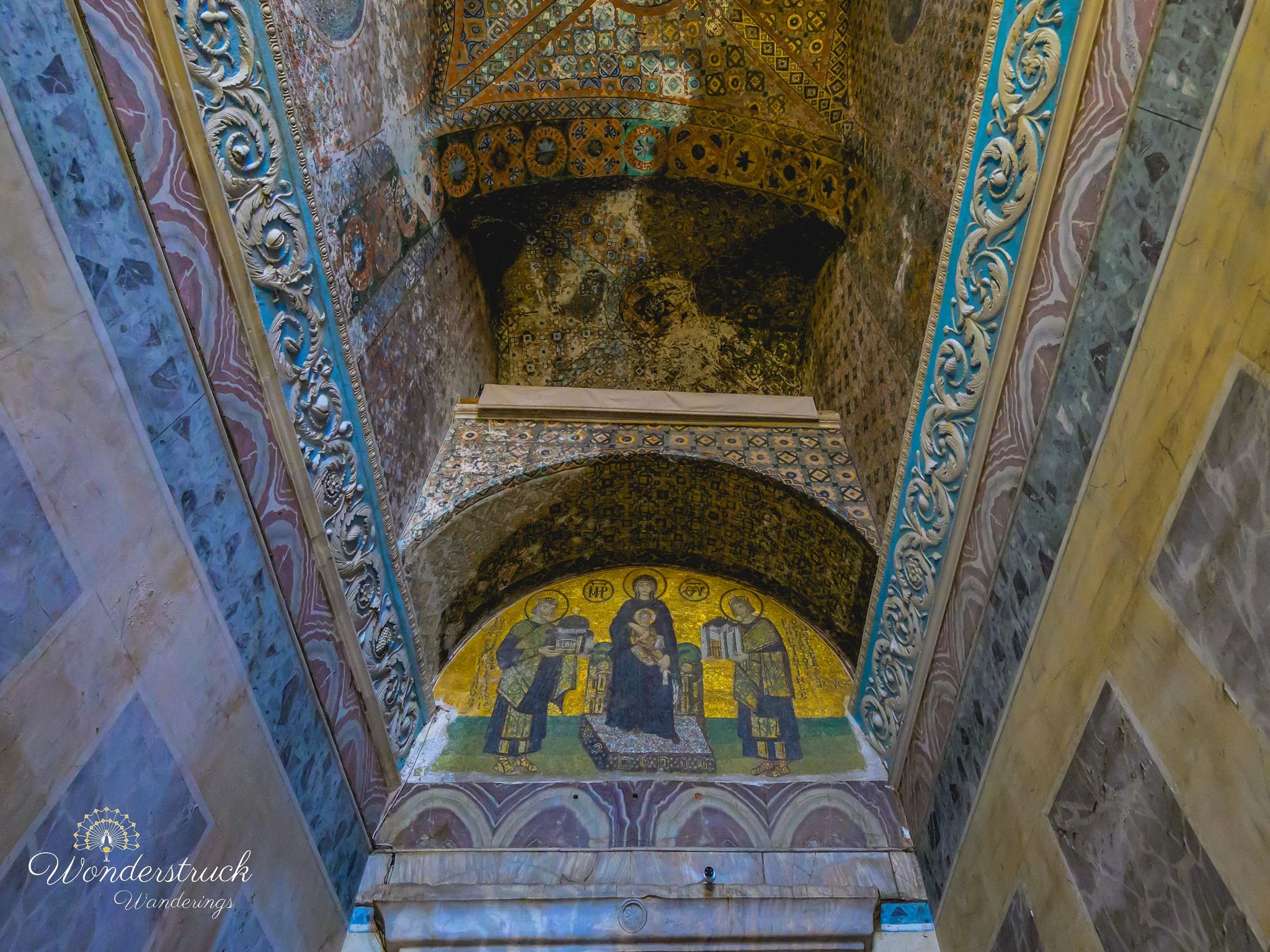
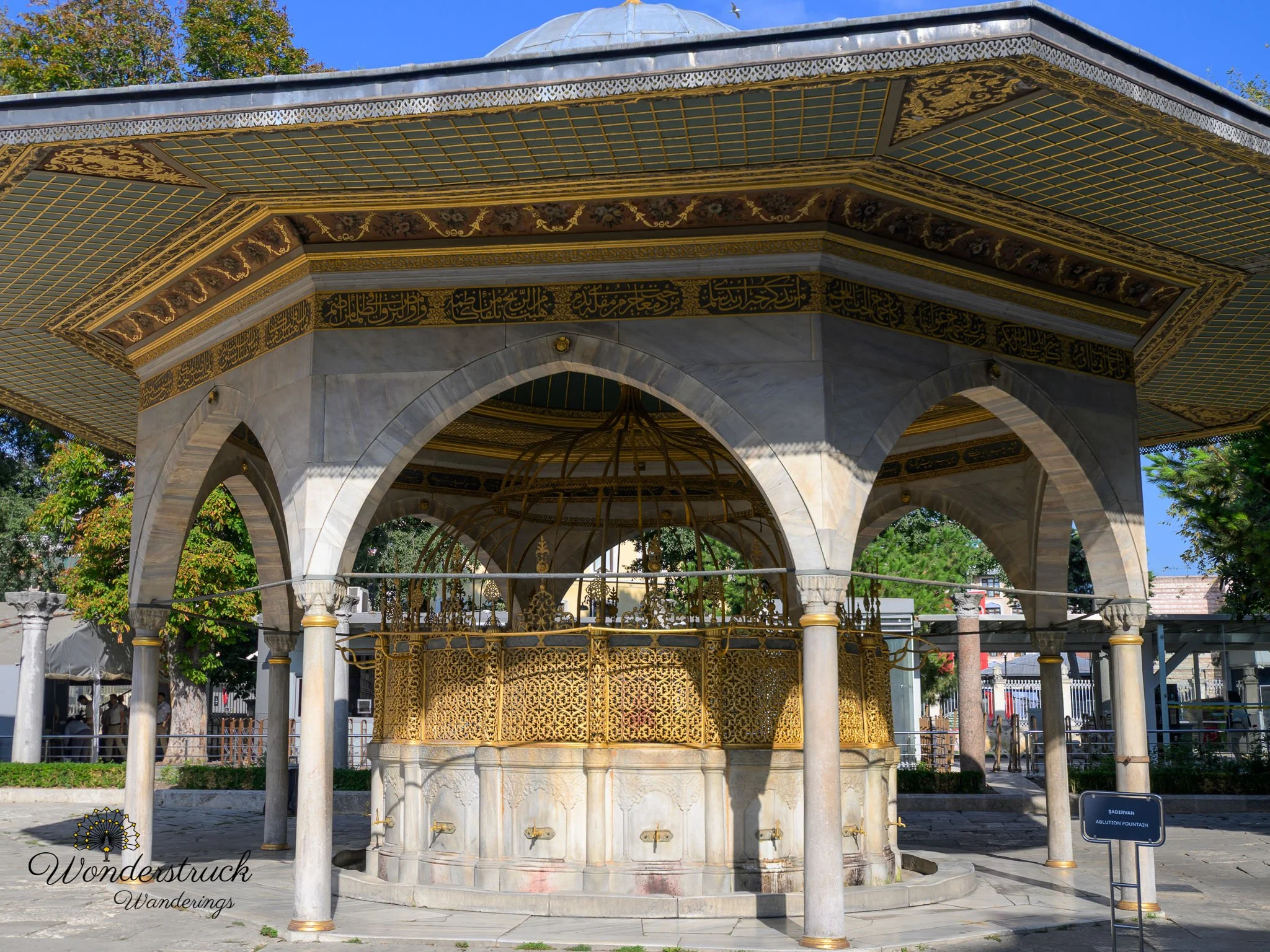
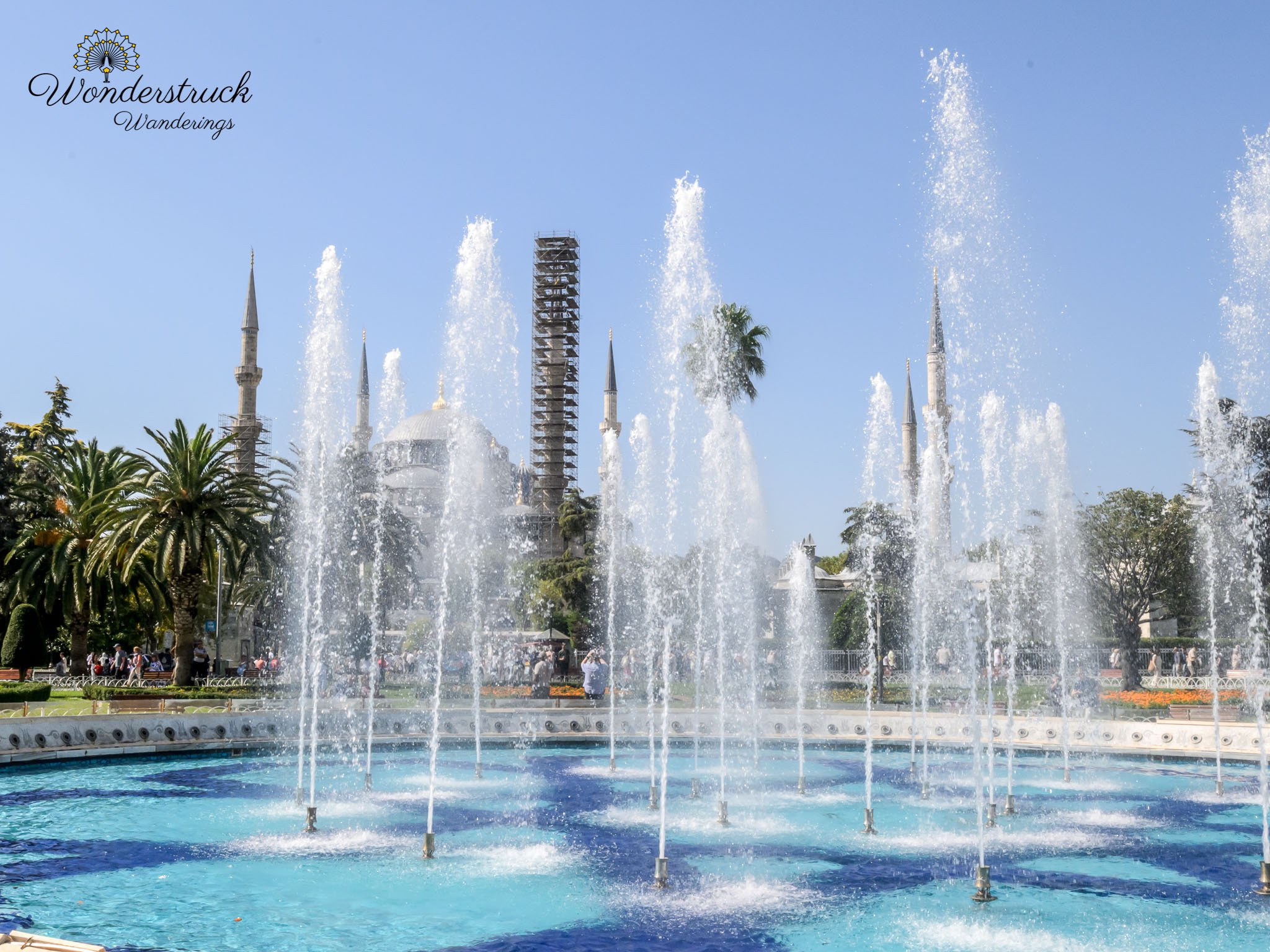
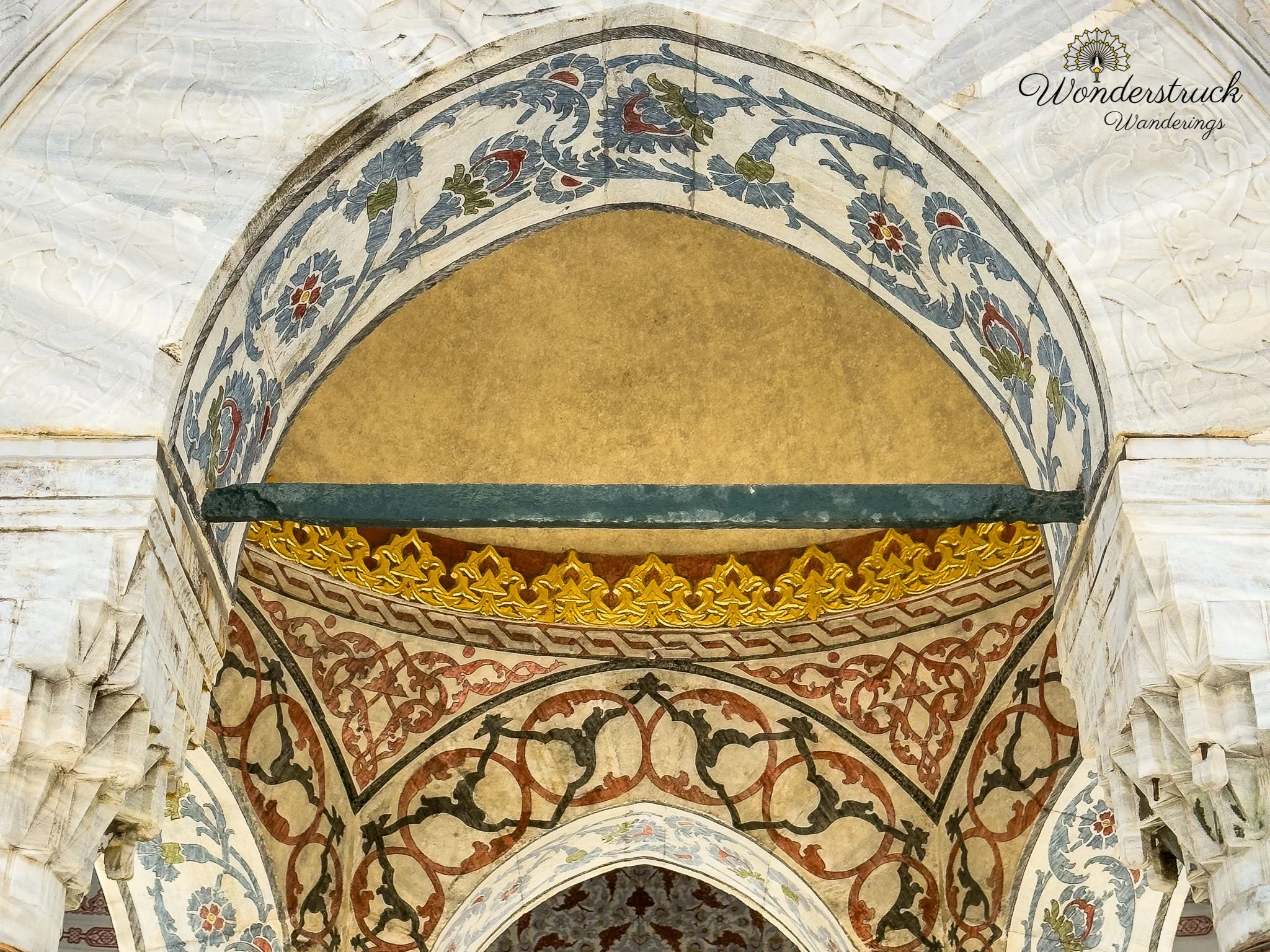
Day four began before sunrise, the streets of Sultanahmet still quiet and silver with dew. We reached Hagia Sophia (Ayasofya Camii) before opening, sipping hot tea and nibbling simit as the line slowly formed. Inside, we climbed the worn ramp to the upper gallery, where Byzantine mosaics gleamed between Islamic medallions — the Virgin and Child beside Allah’s name, two faiths sharing one sacred sky. The morning light poured through forty arched windows, turning the marble floor to liquid gold. Outside, the Blue Mosque (Sultanahmet Camii) awaited — six minarets, cascading domes, and twenty thousand İznik tiles glowing in shades of turquoise. Inside, the scent of carpet and rosewater mingled, chandeliers hung low like constellations, and the hum of prayer filled the air. The balance of architecture and faith was mesmerizing.
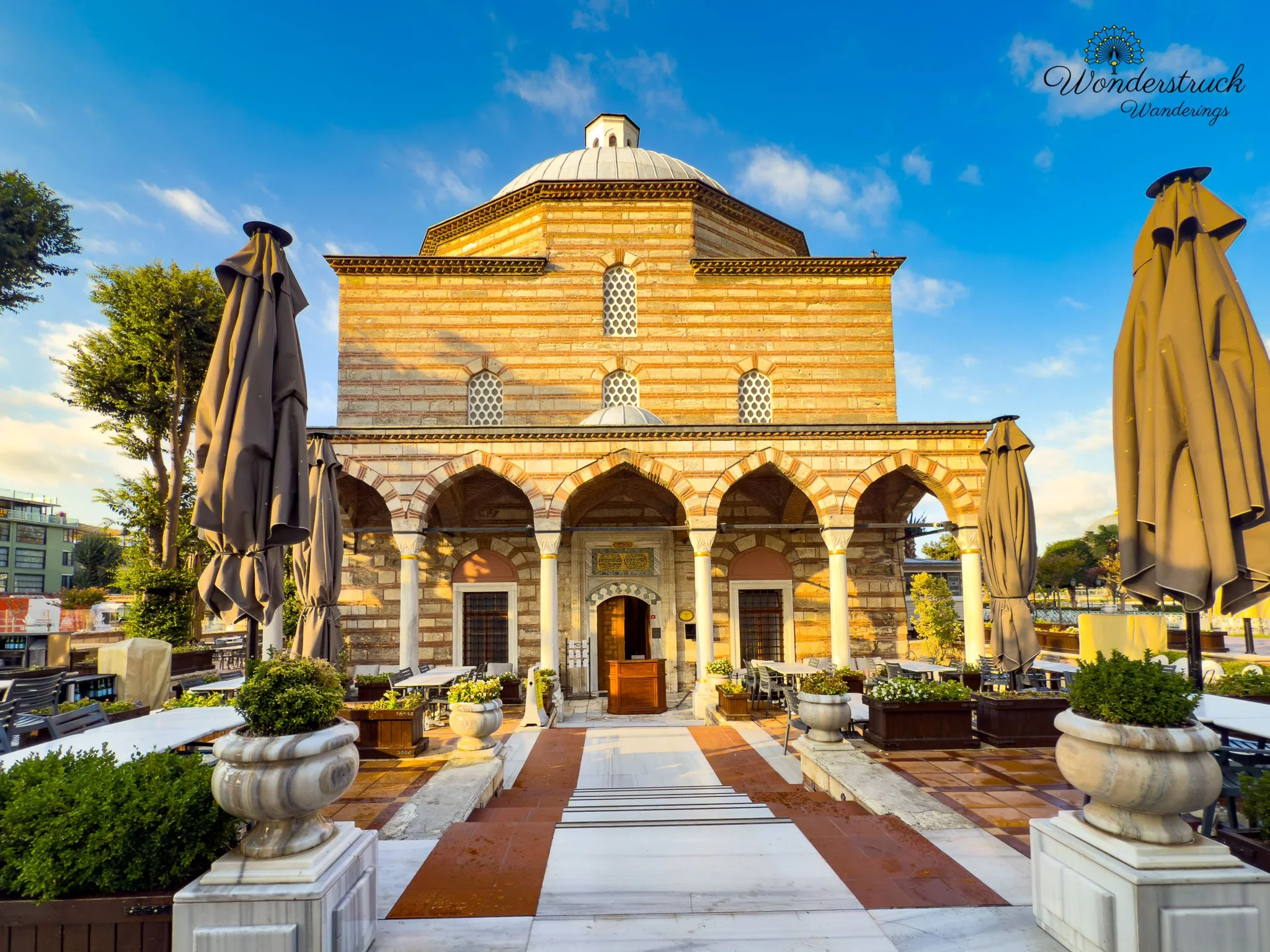
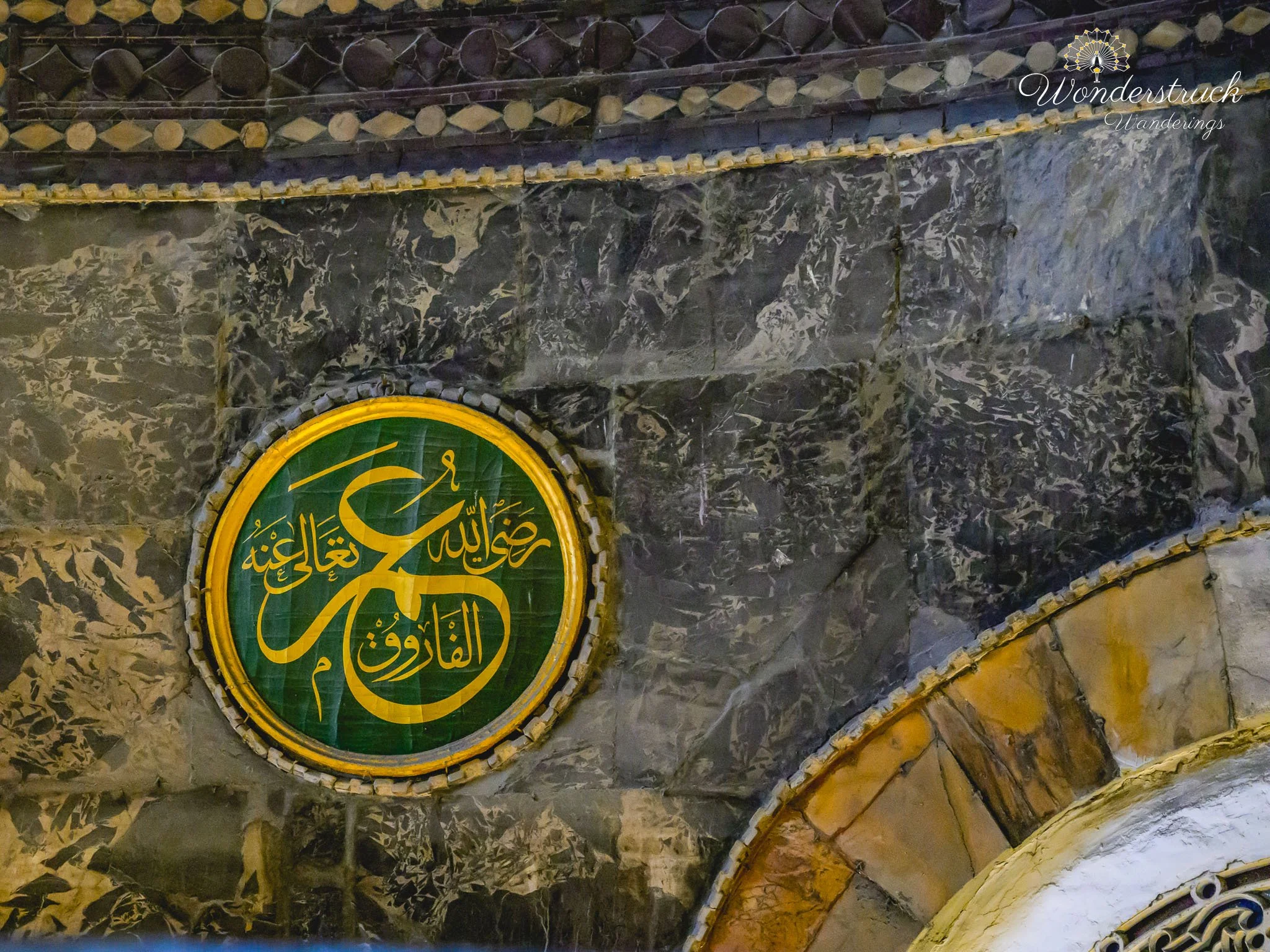
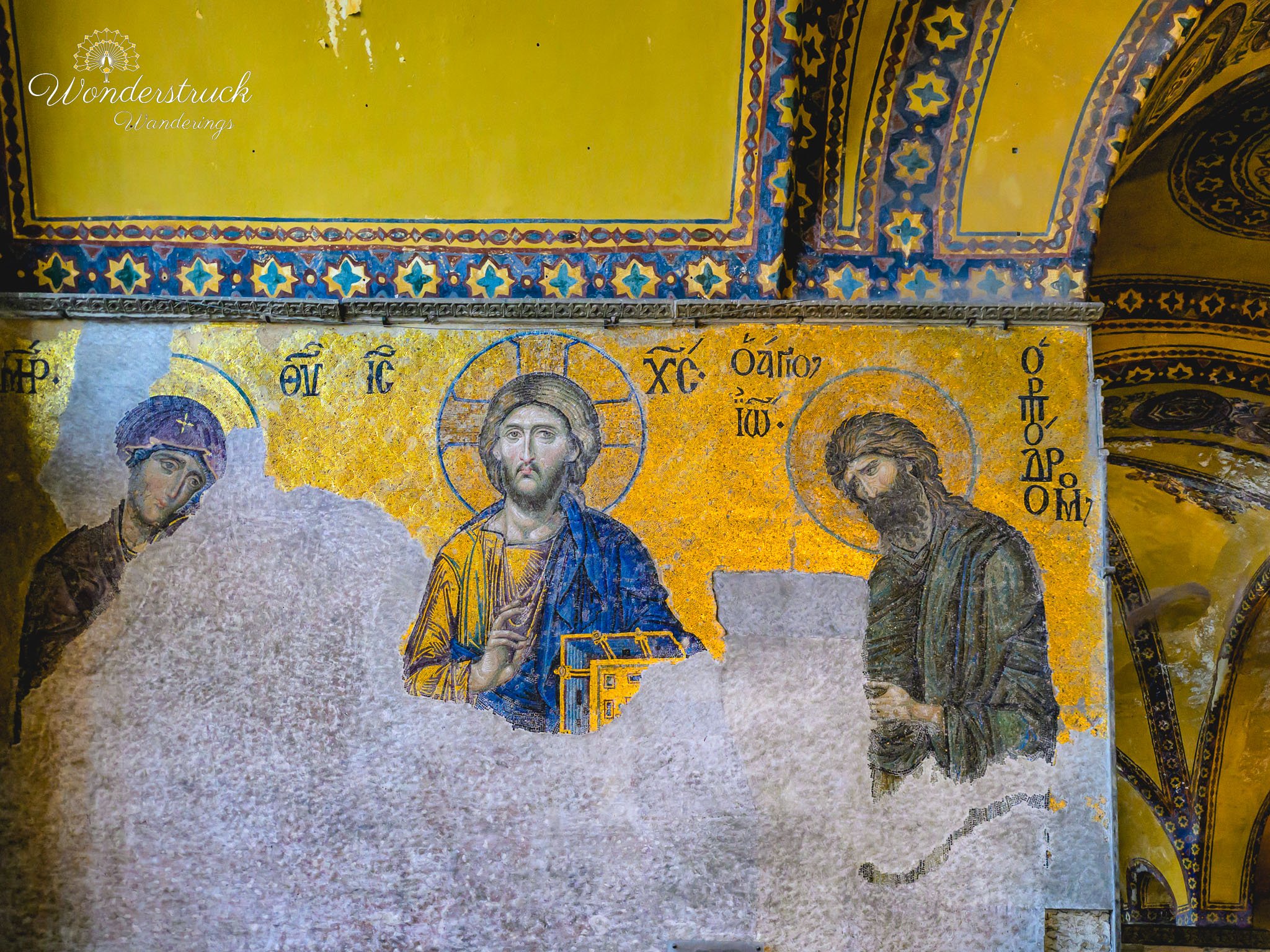
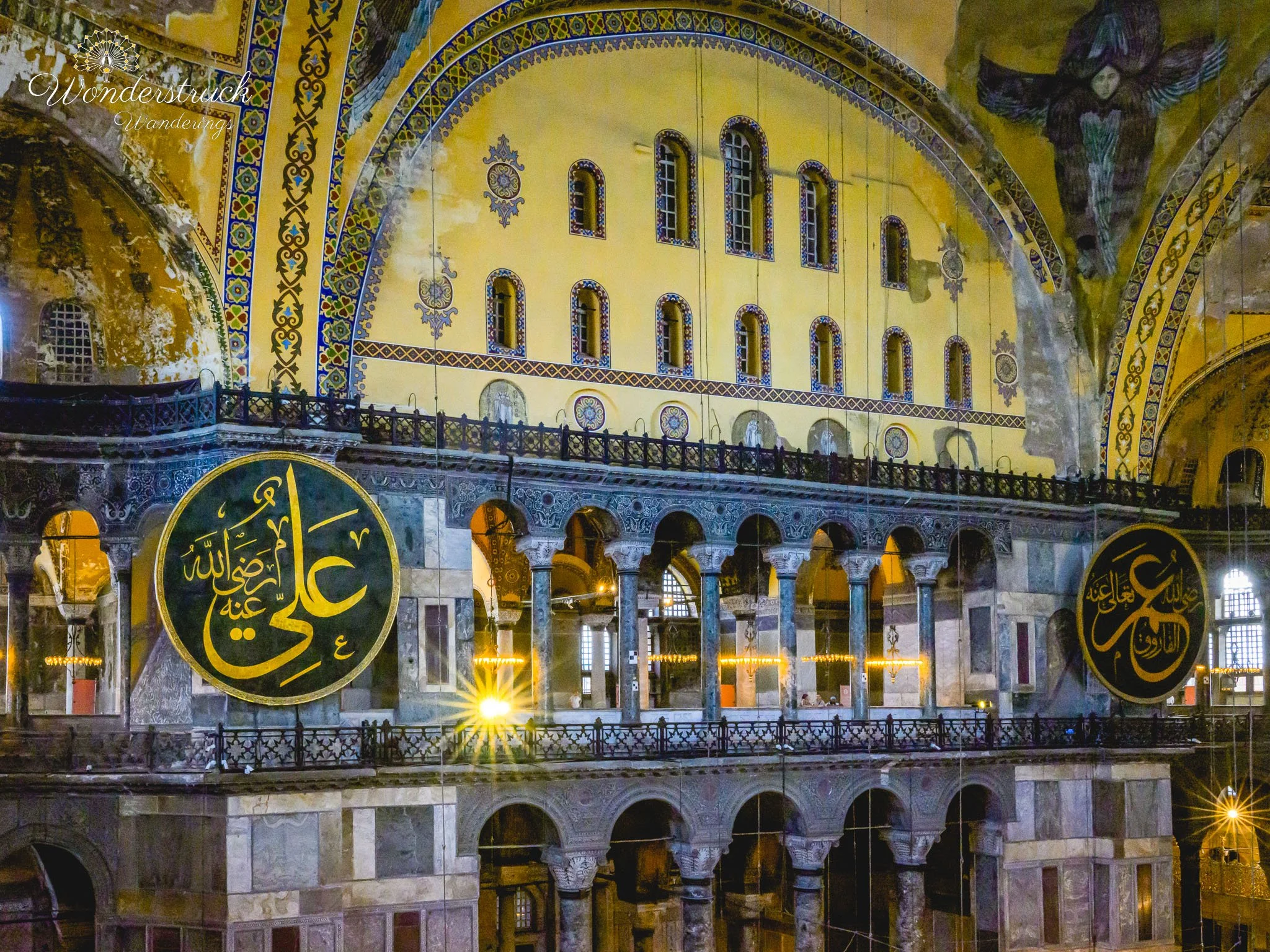
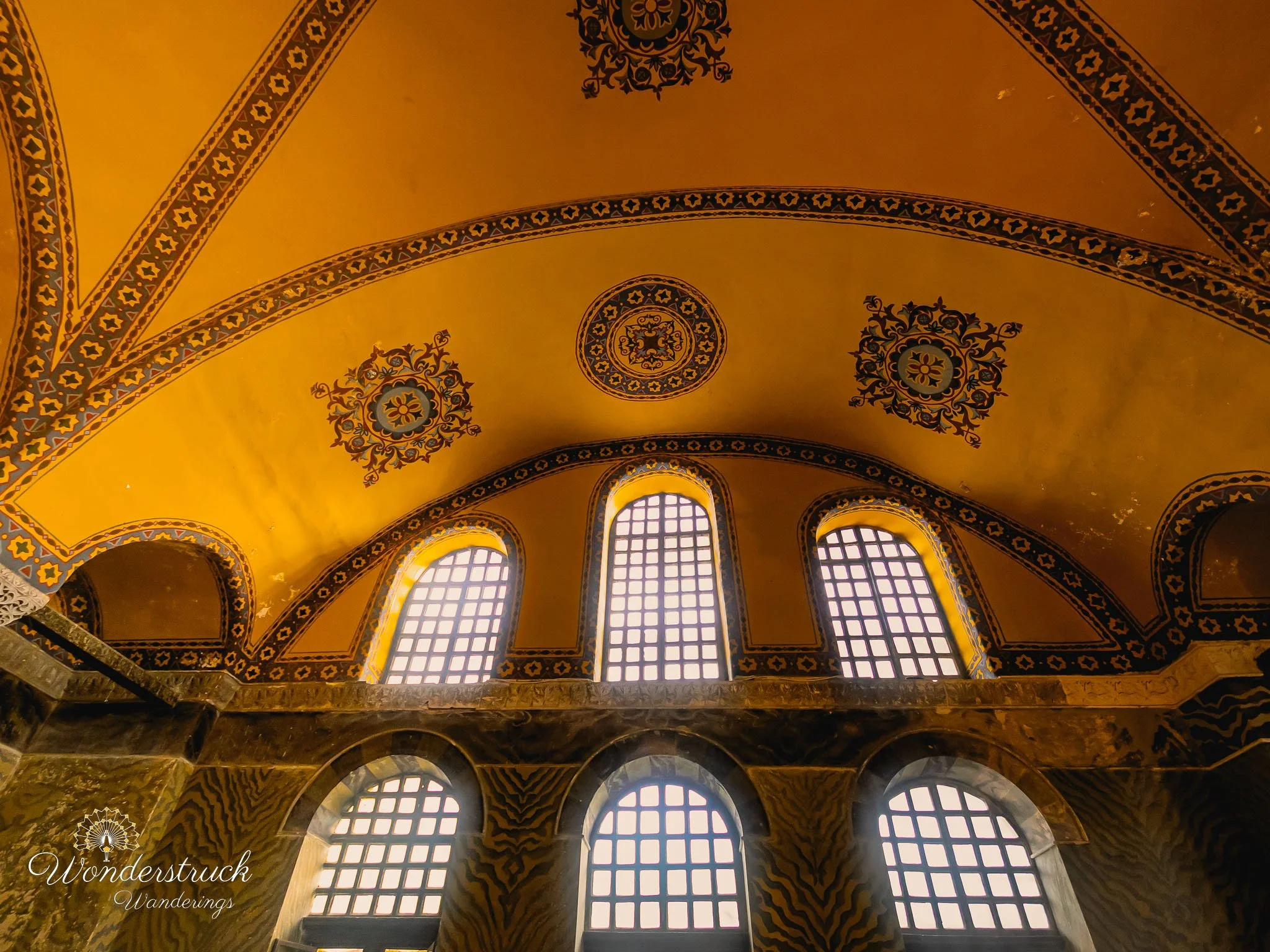

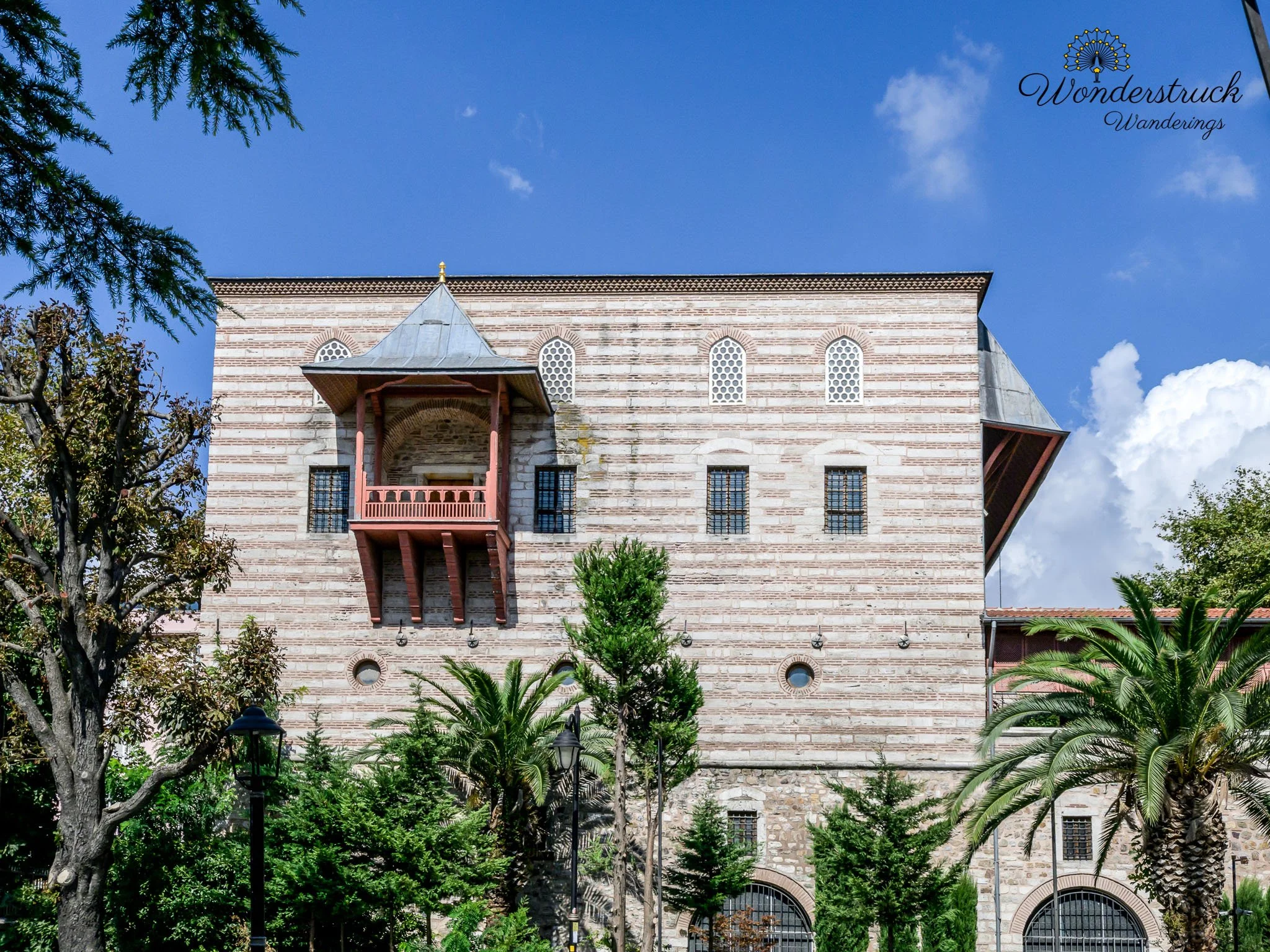
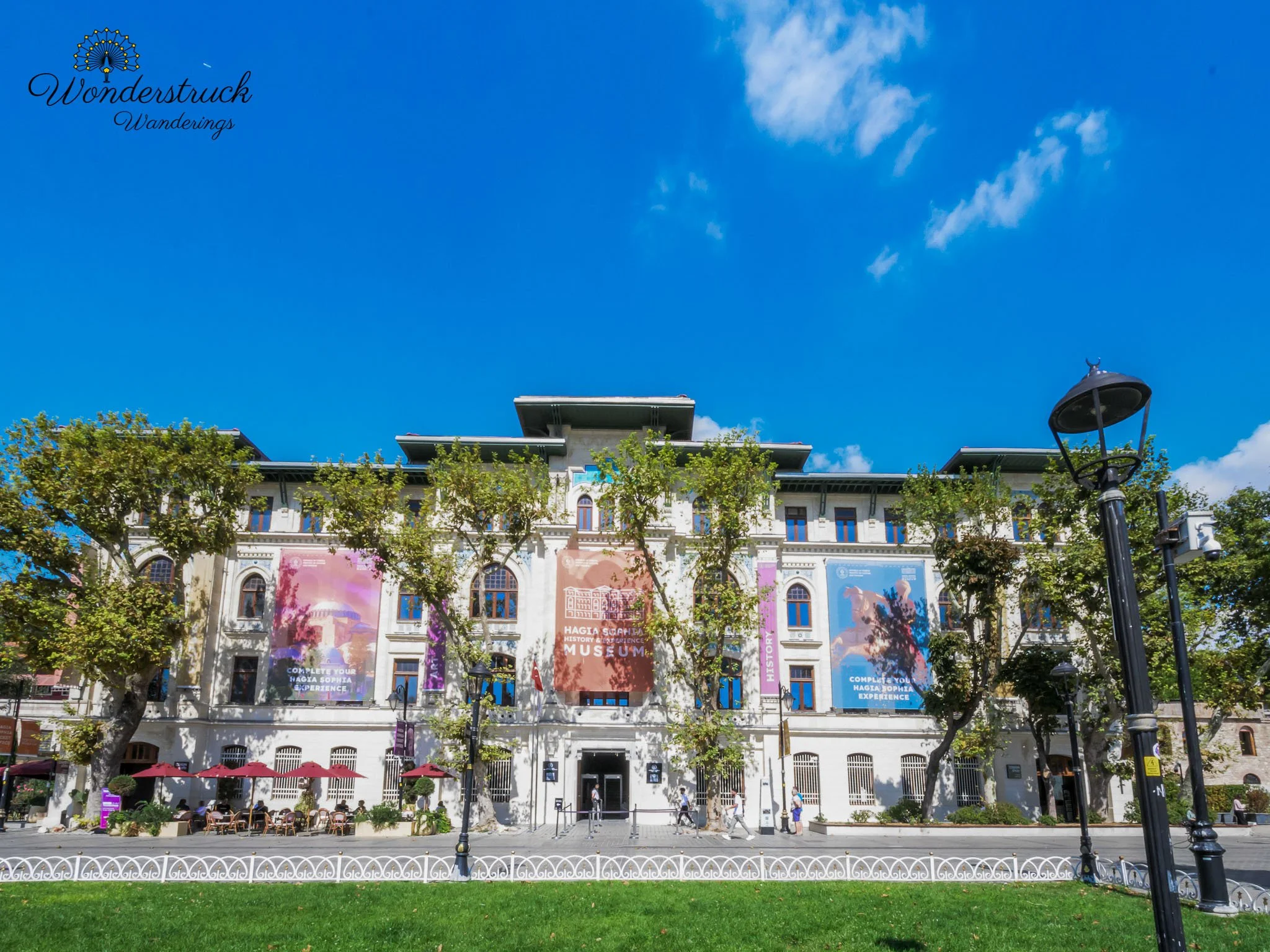
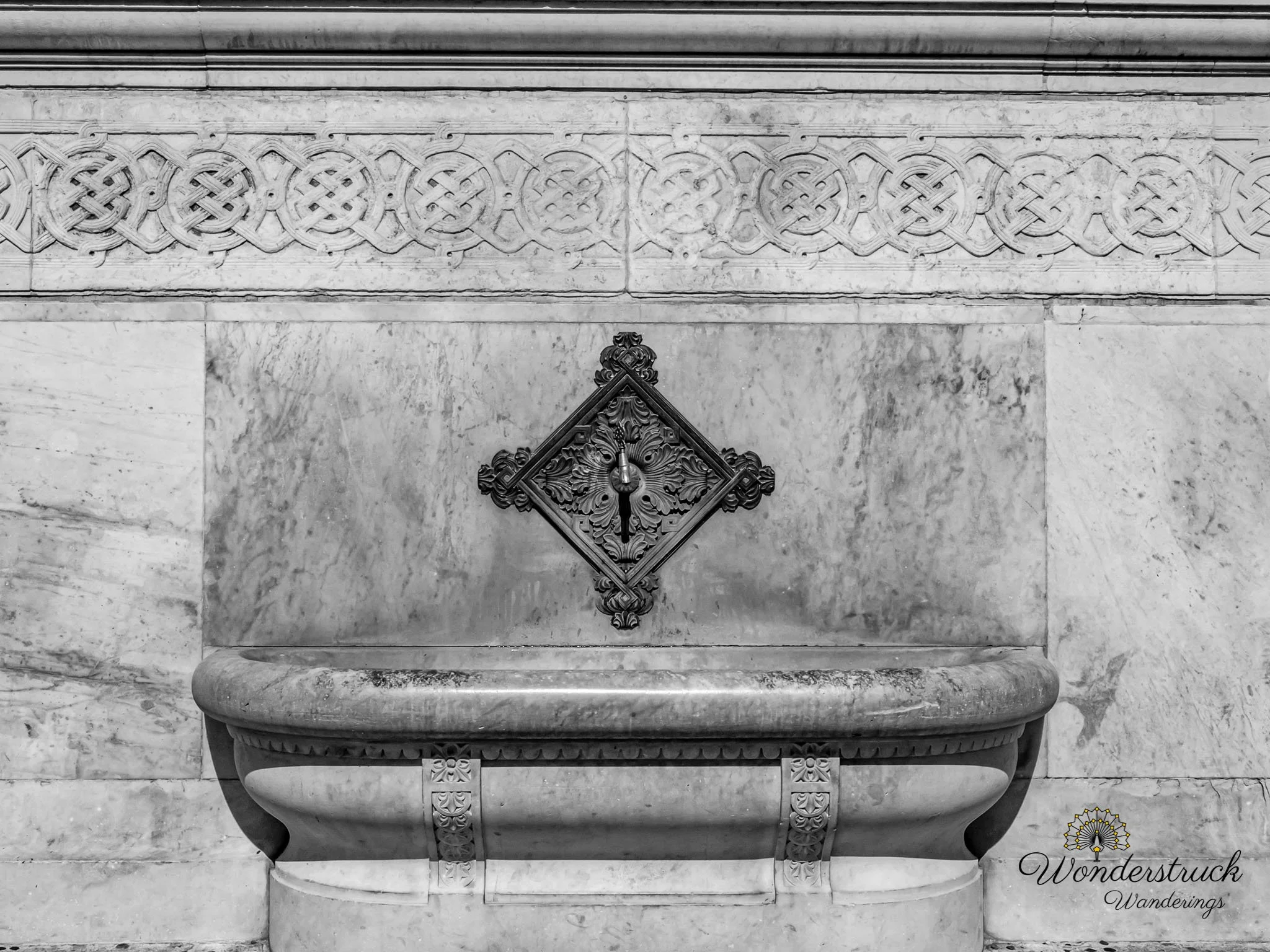
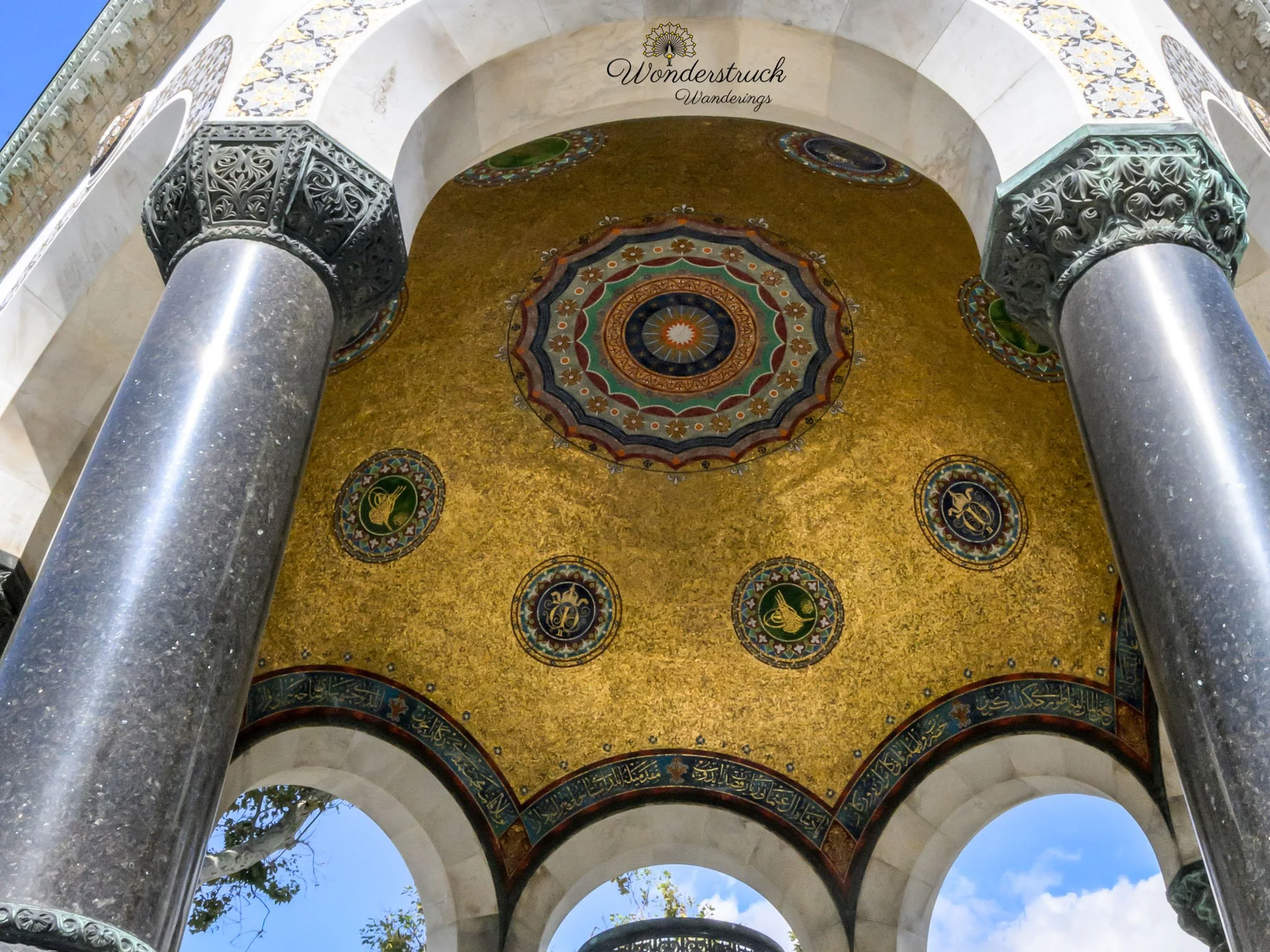


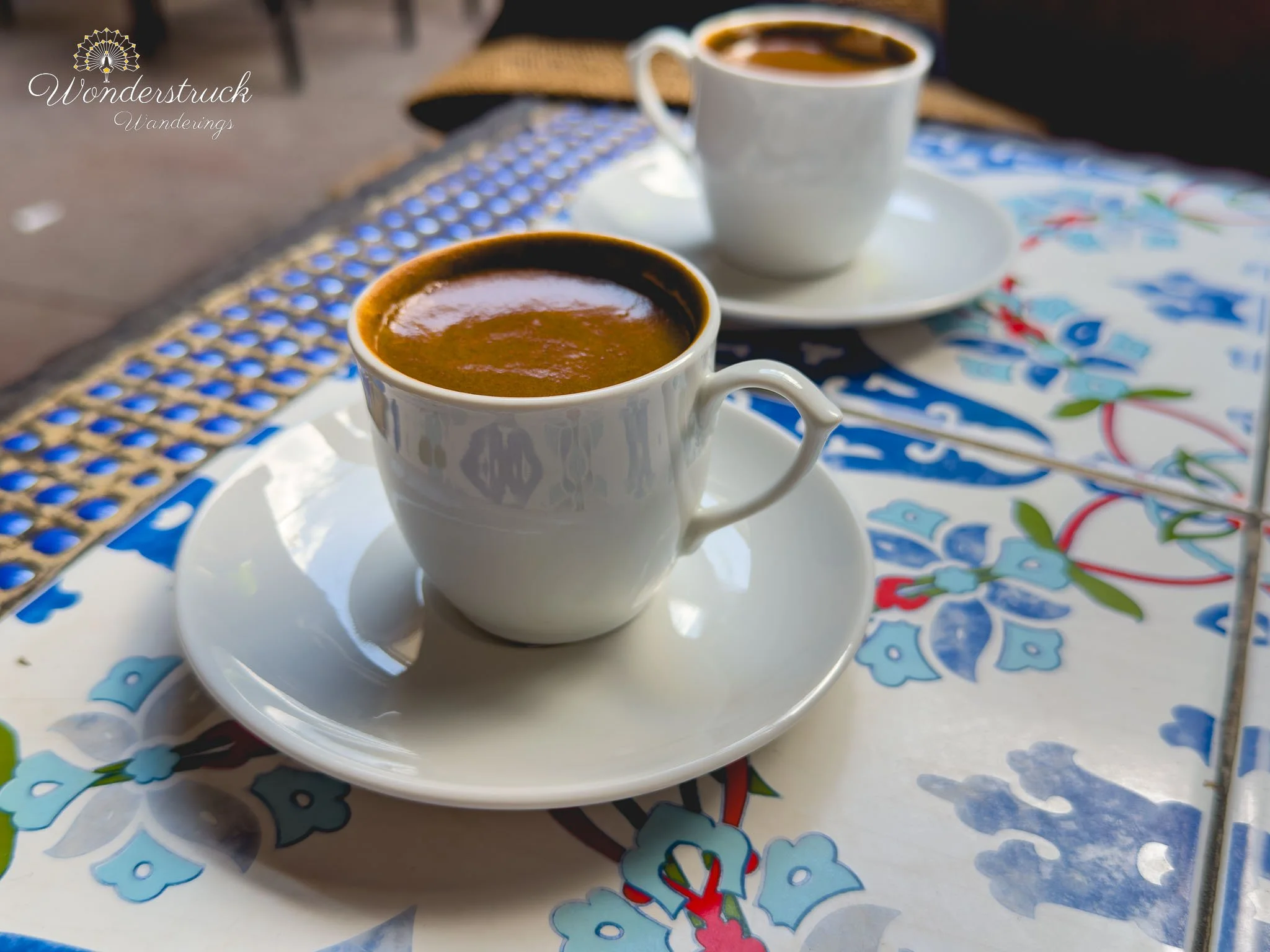
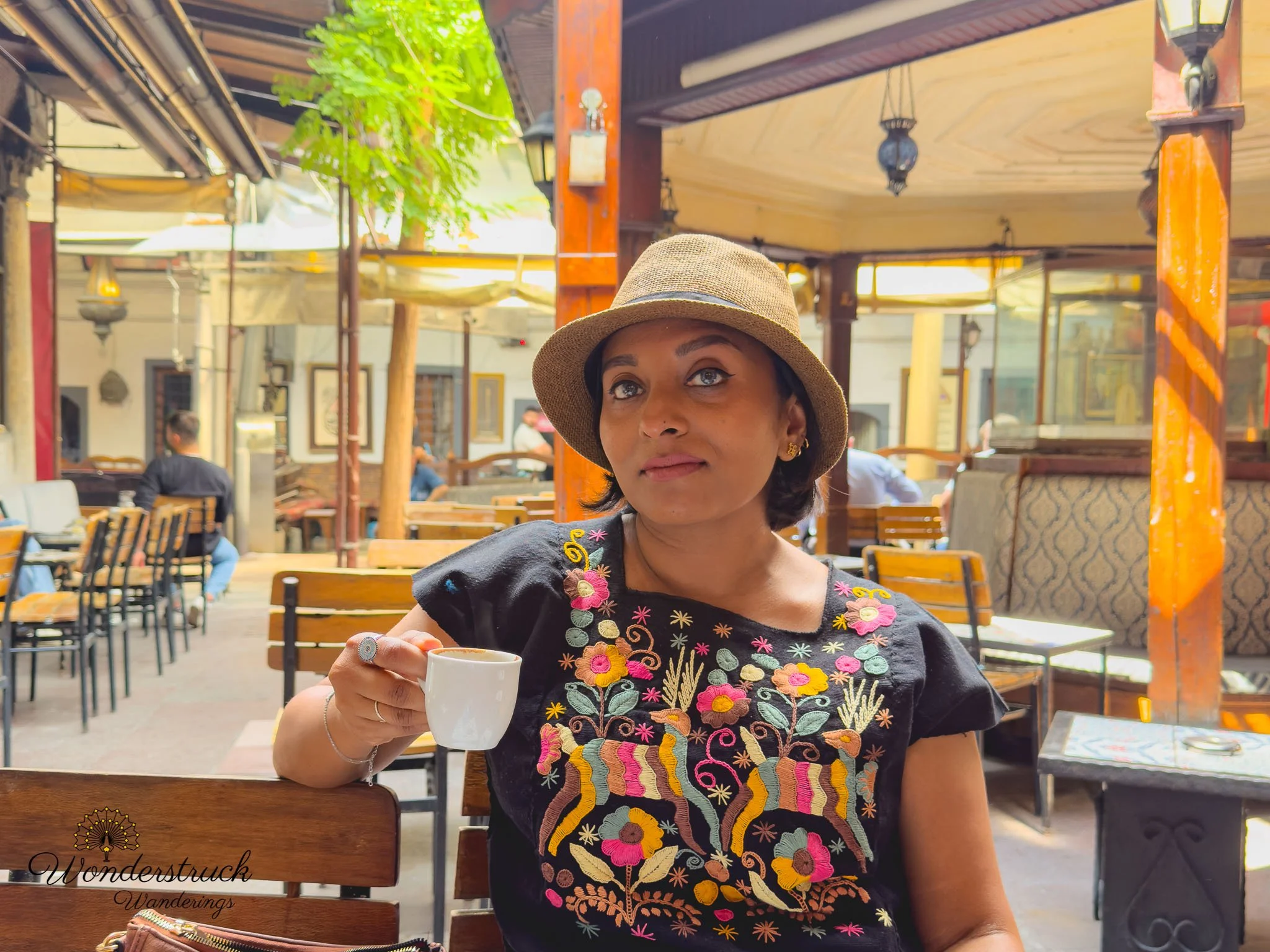
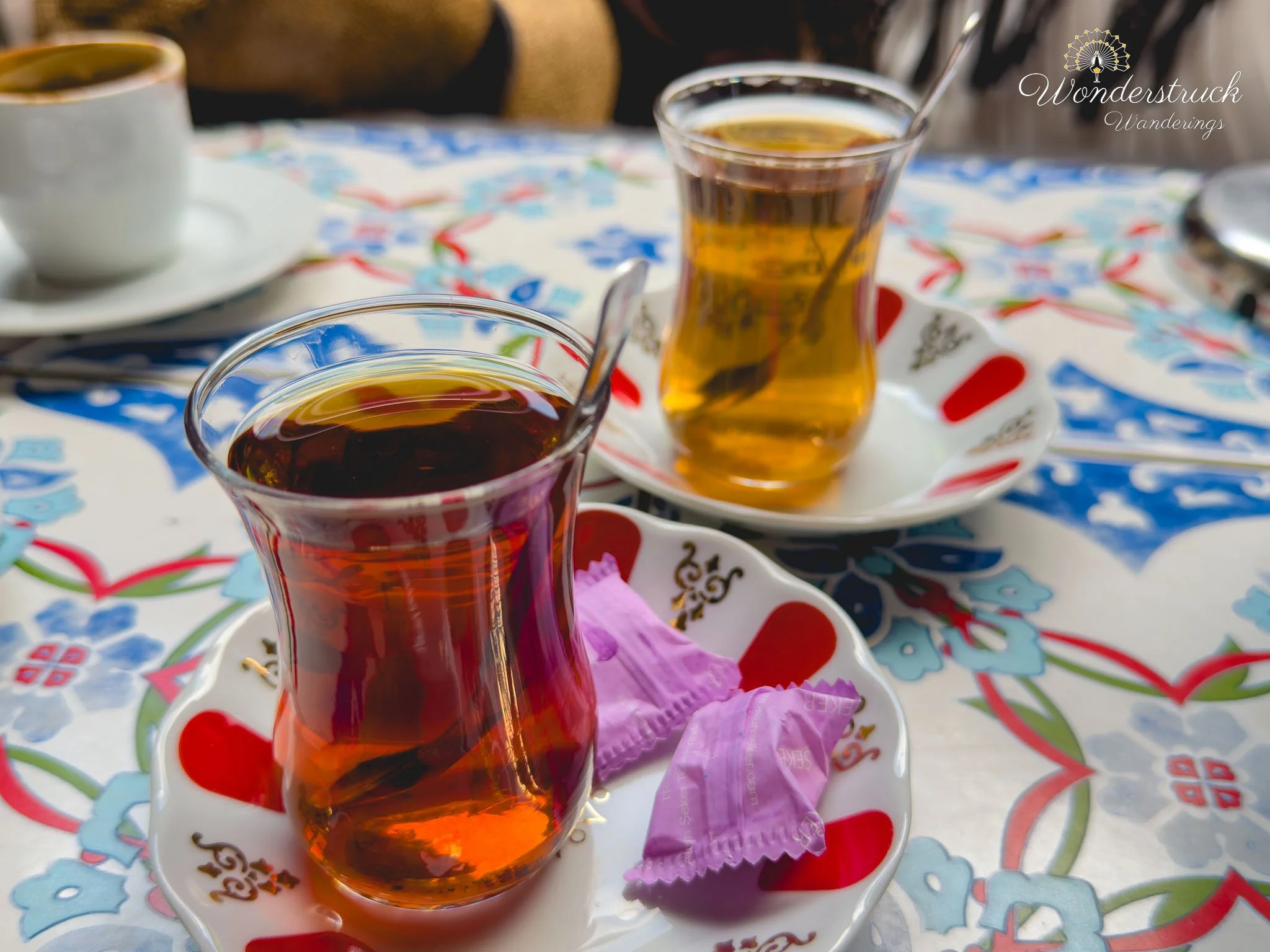
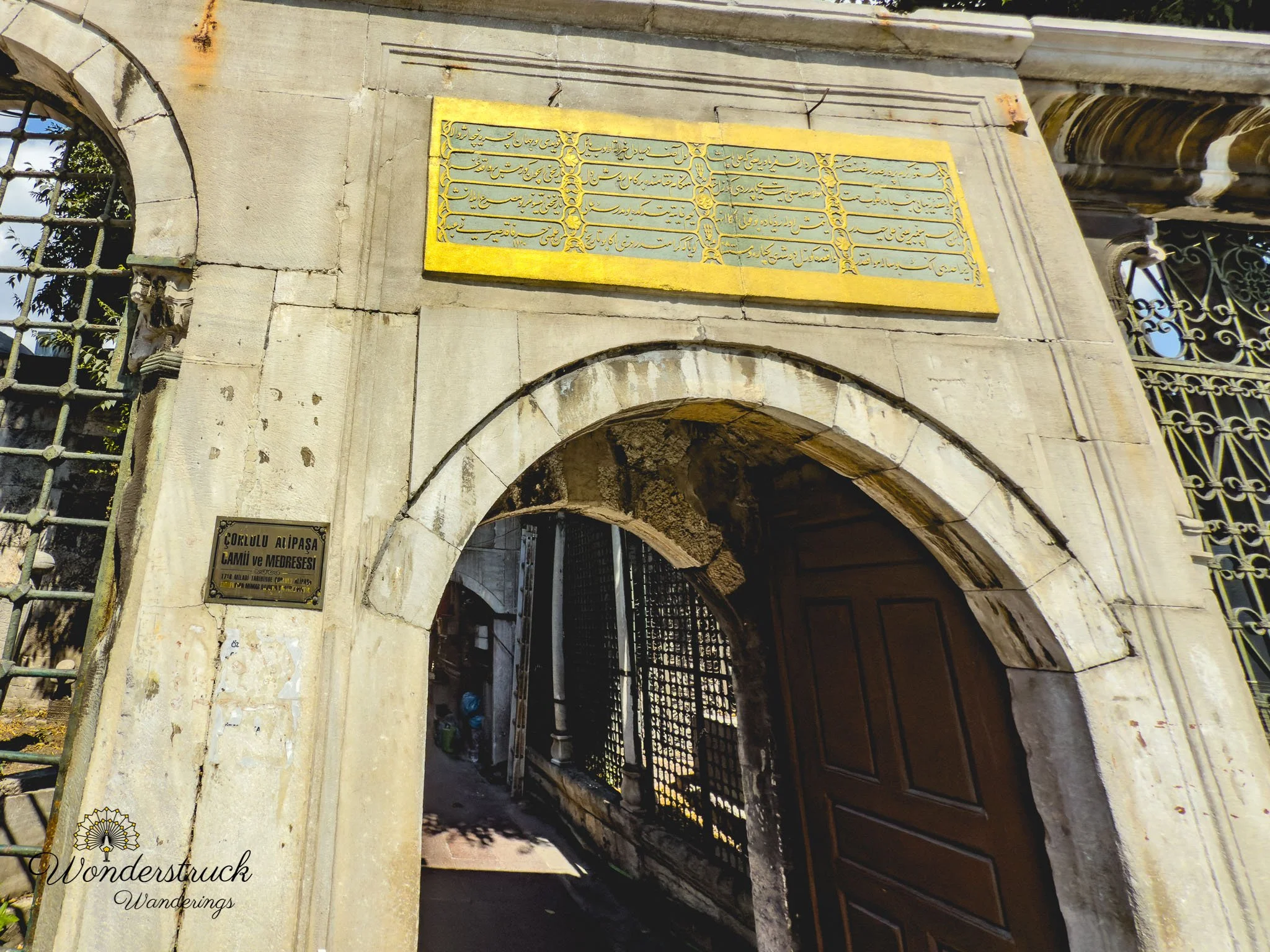

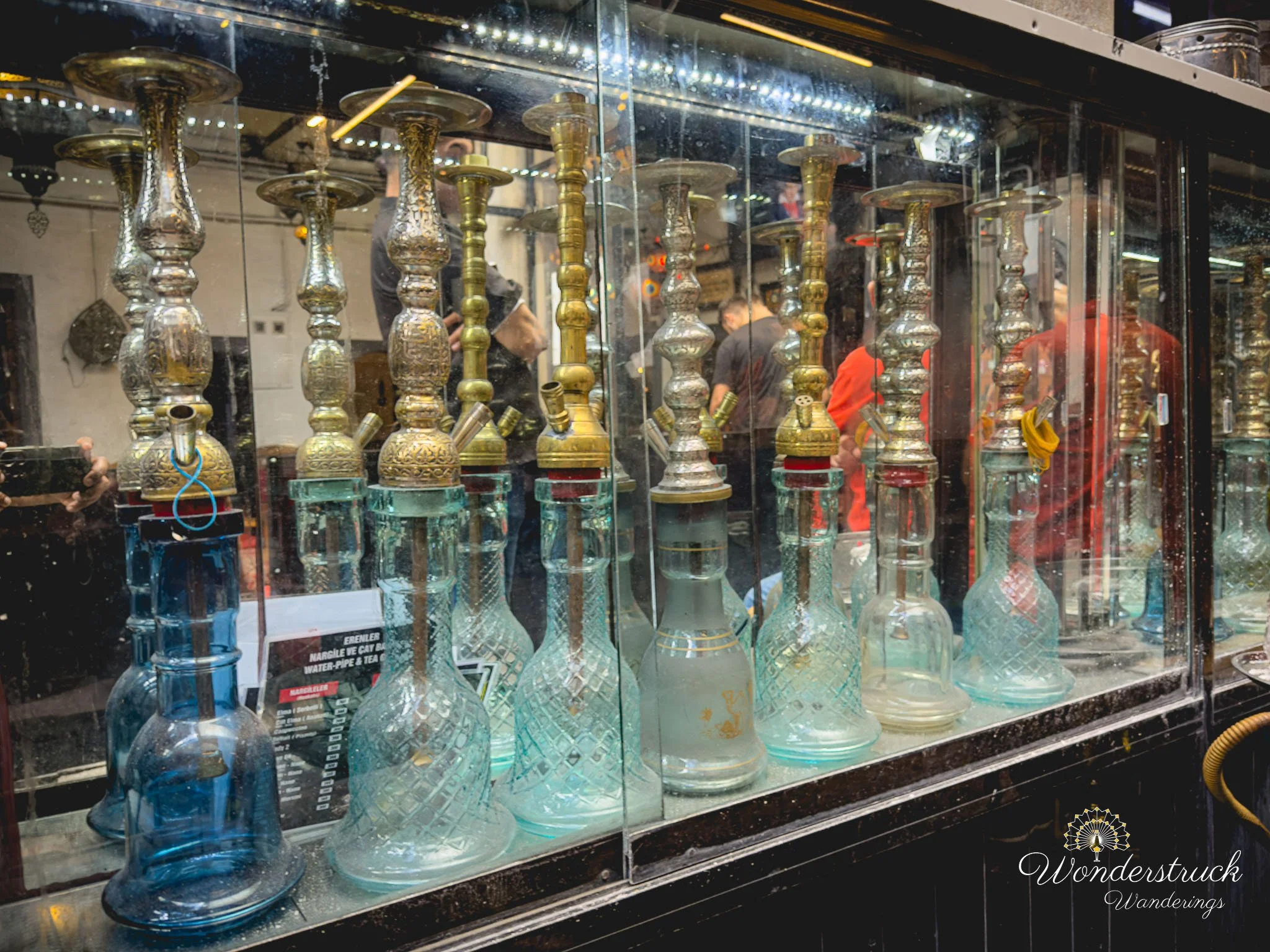
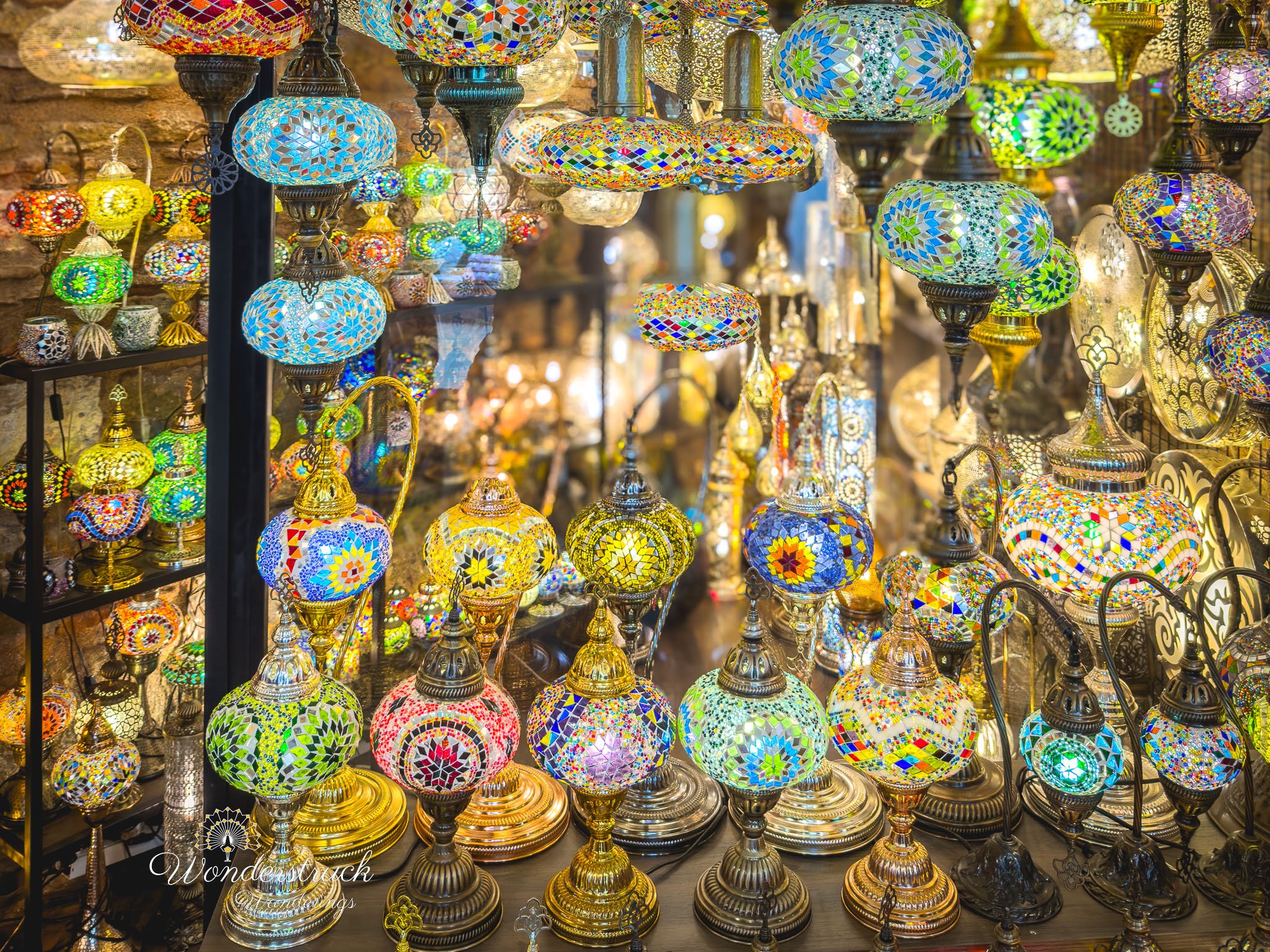
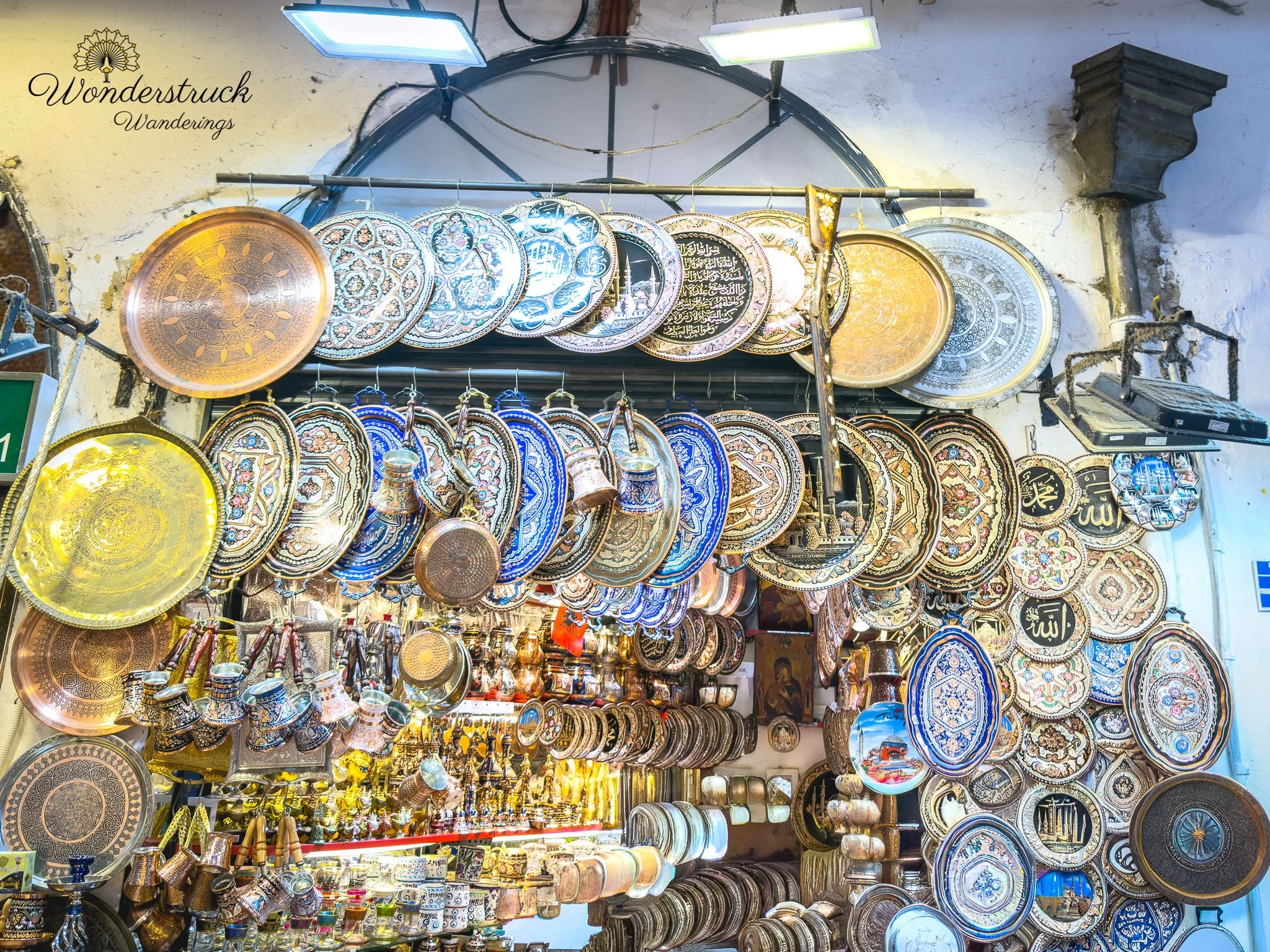
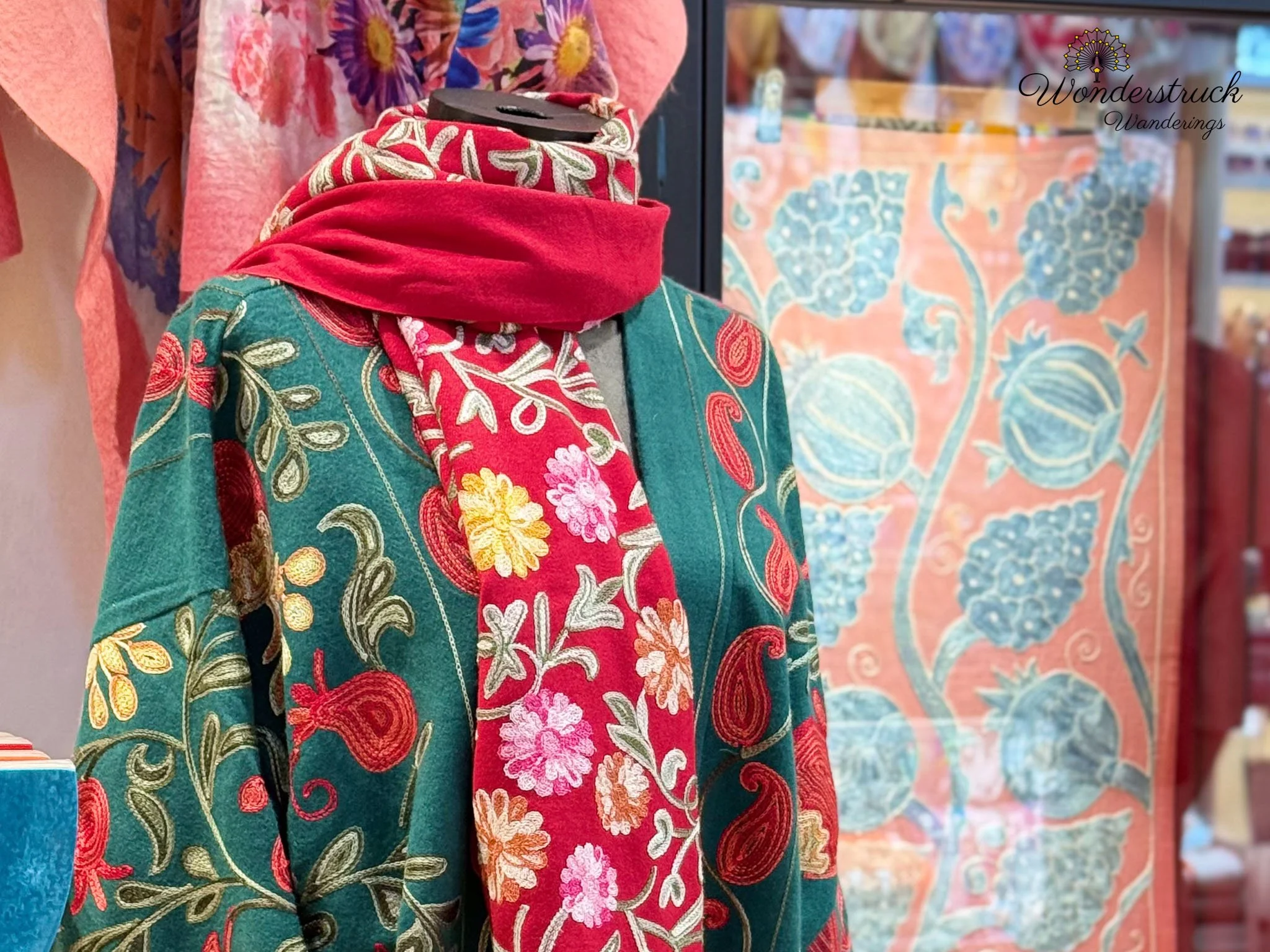
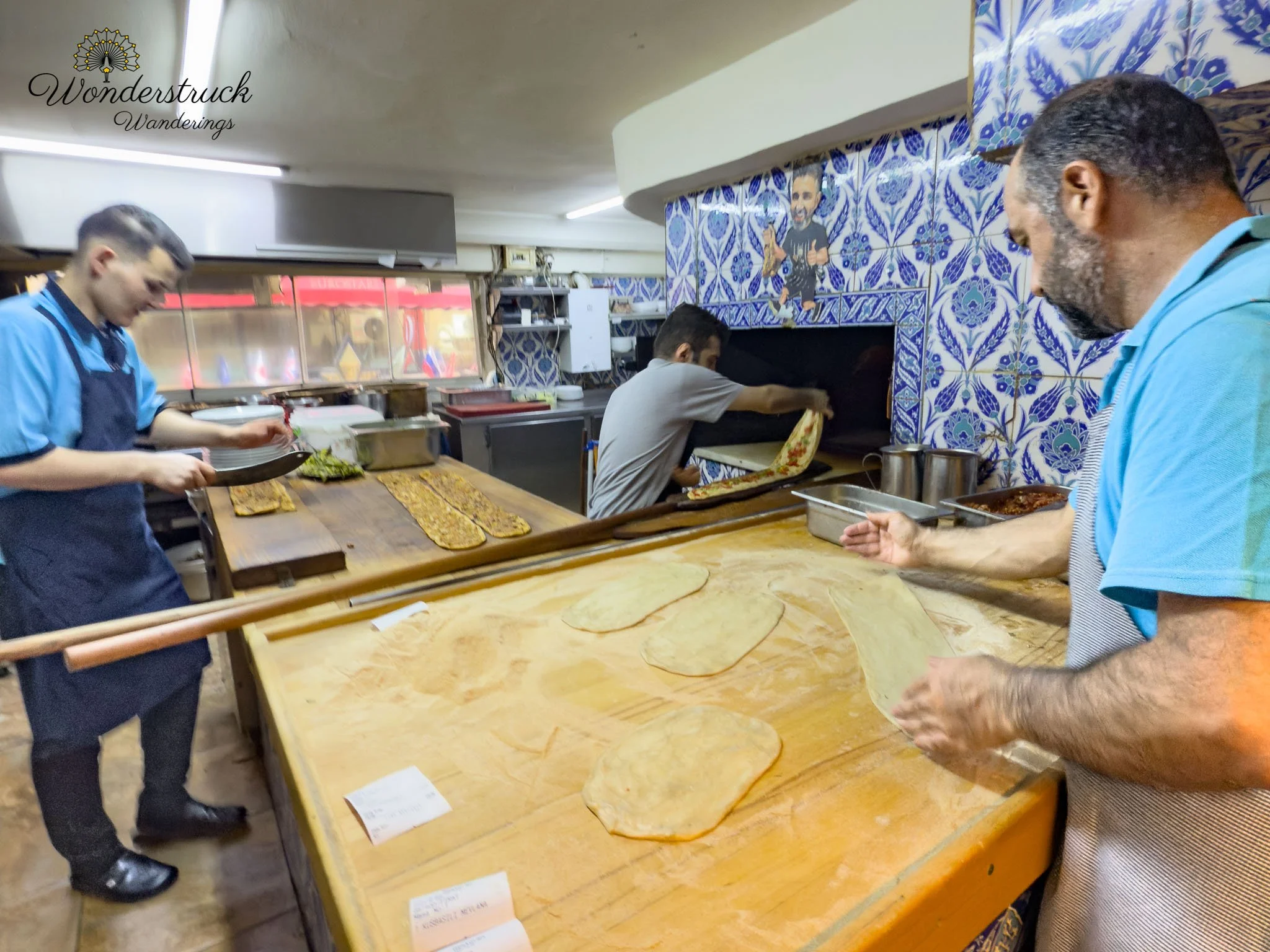
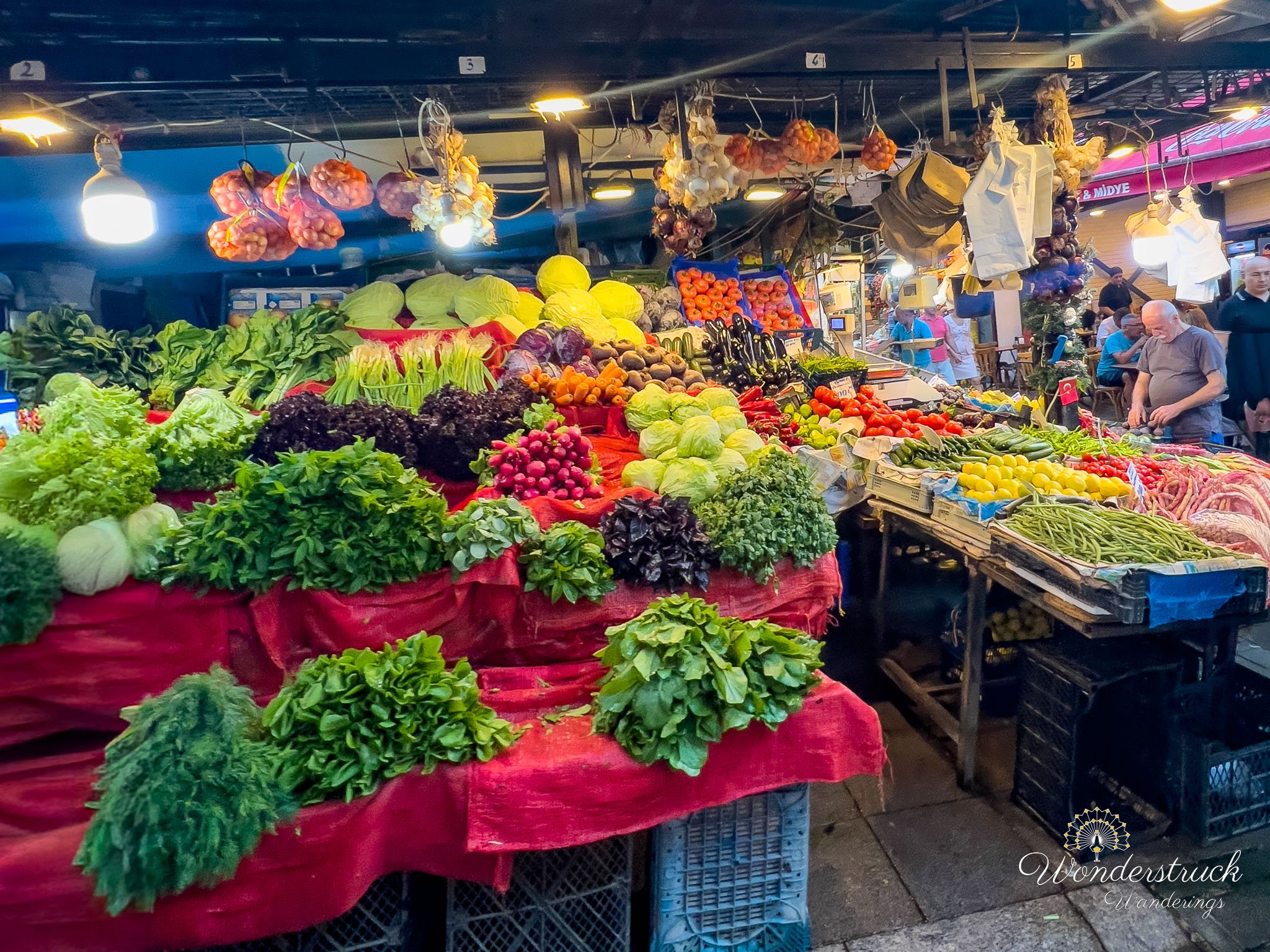
We wandered next to Çorlulu Ali Paşa Medresesi, a centuries-old tea and hookah house hidden behind a stone archway. Beneath its brick domes we drank Turkish coffee thick as ink and watched cats nap between cushions as apple-scented smoke curled toward the ceiling. It felt like stepping into another century. From there, we dove into the Grand Bazaar (Kapalıçarşı) — a riot of color, sound, and scent. Domed corridors brimmed with silver jewelry, carpets, lanterns, and spices. We picked up evil-eye charms, embroidered pillow covers, and copper coffee cups before escaping into sunlight again at Nuruosmaniye Mosque (Nuruosmaniye Camii), its Baroque lightness and marble geometry offering the perfect contrast to the bazaar’s intensity. Lunch was a Konya-style feast at Güvenç Konyalı, where lamb roasted in stone ovens fell apart like silk and İskender kebab arrived sizzling in butter. We finished with Kuşbaşılı etli ekmek, a thin, crisp bread topped with minced meat, onions, and peppers — rustic, honest, perfect. The chef even let us peek into the kitchen to see the glowing oven that made it all possible.
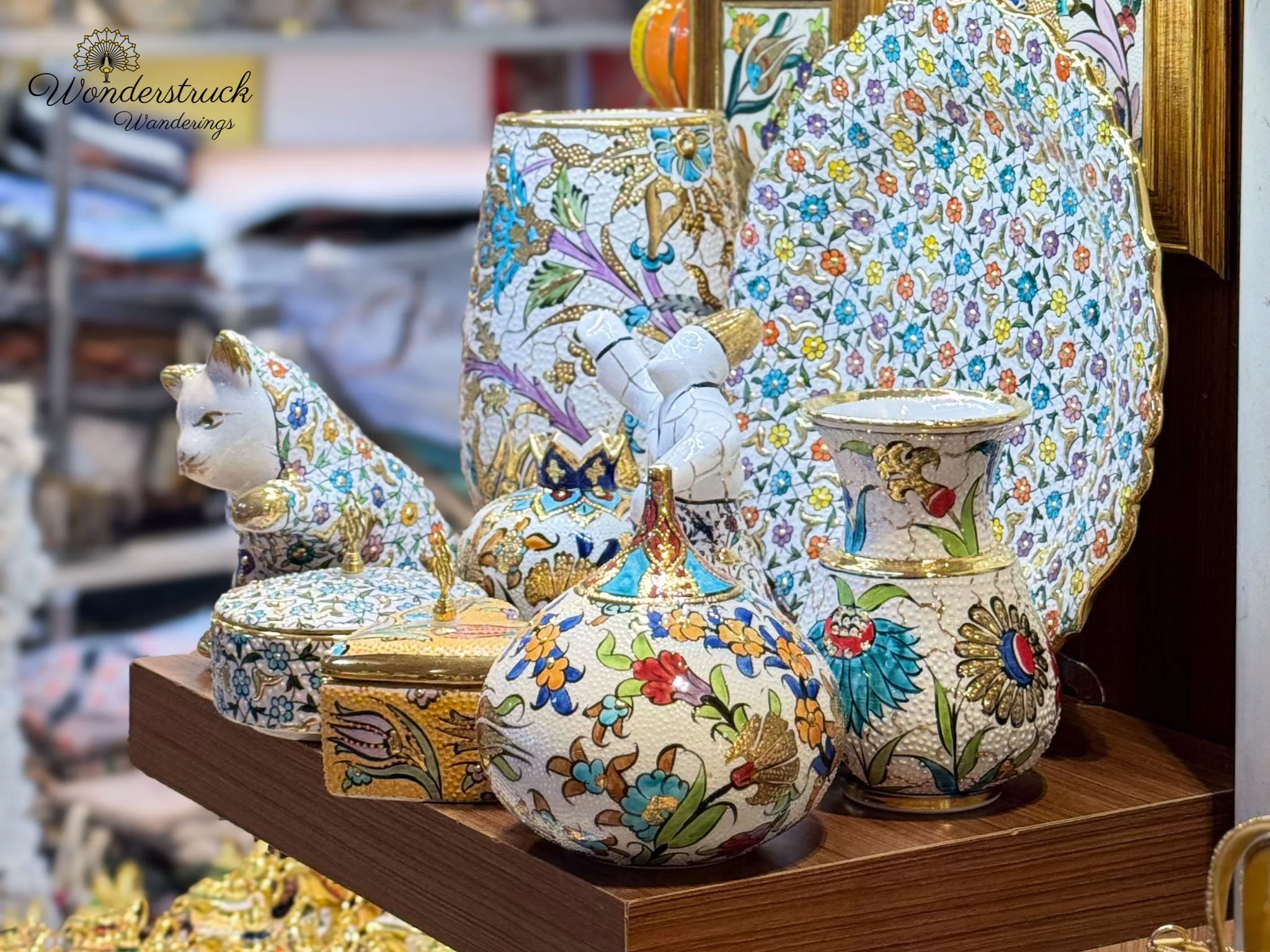
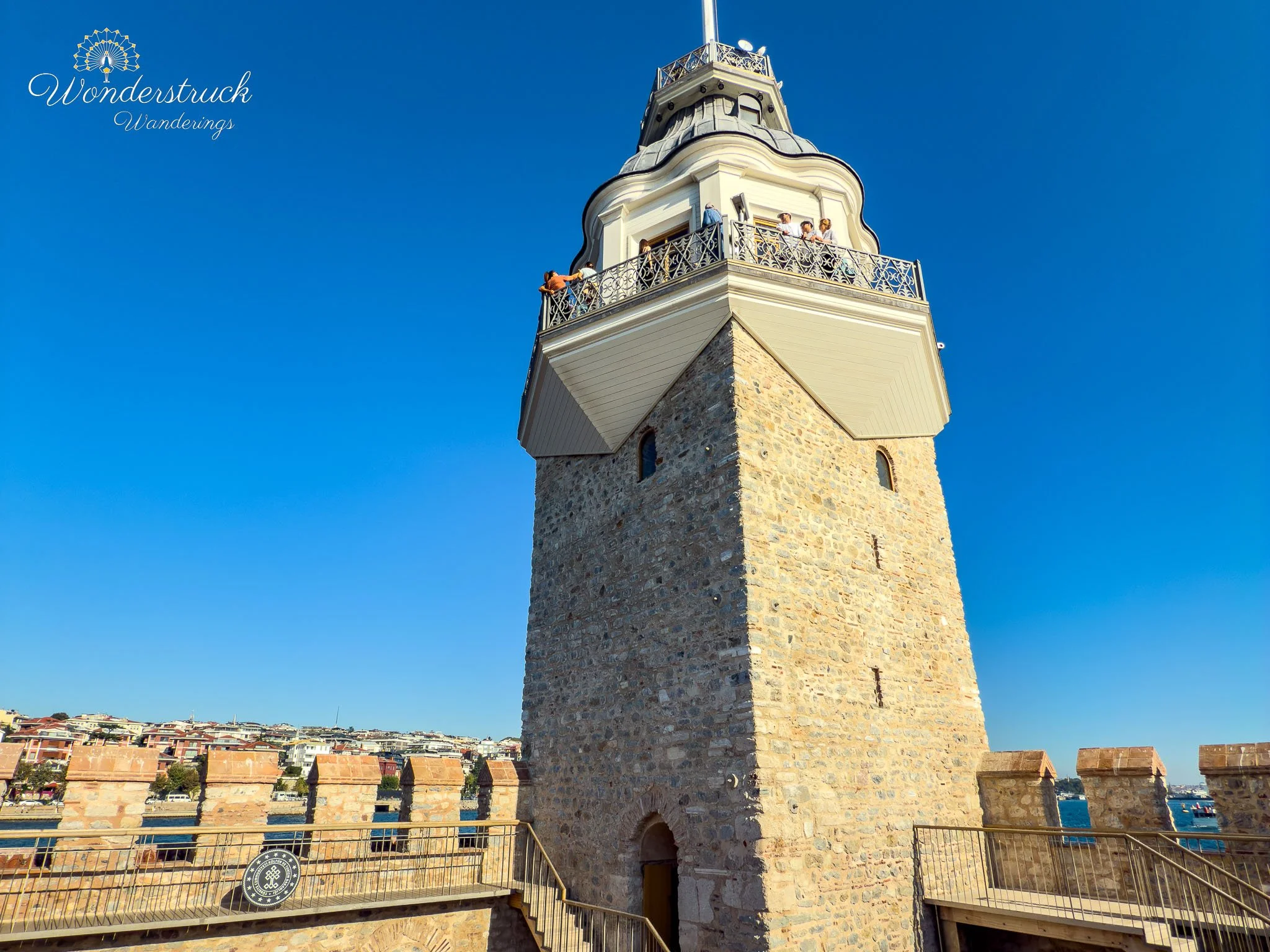
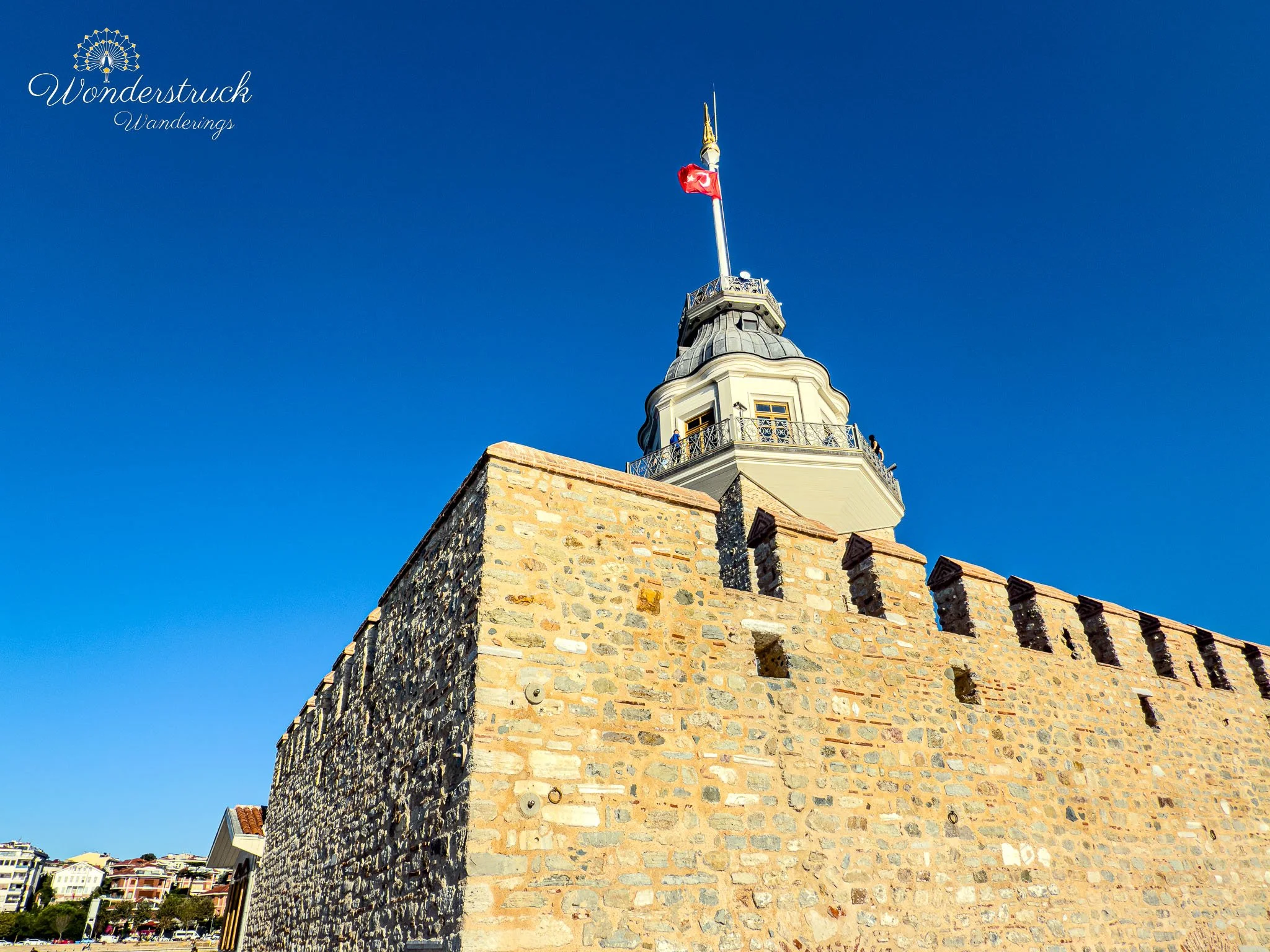
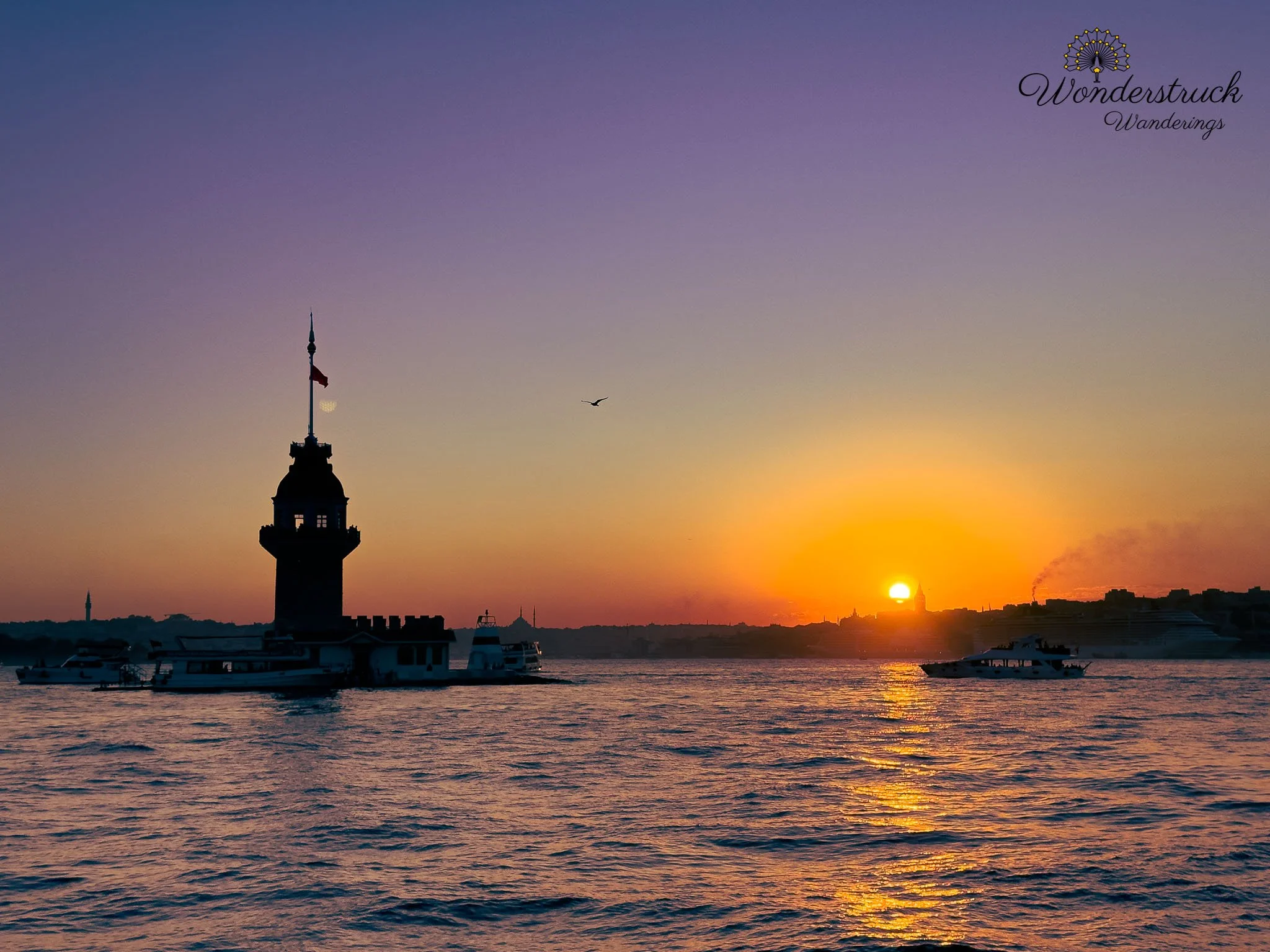
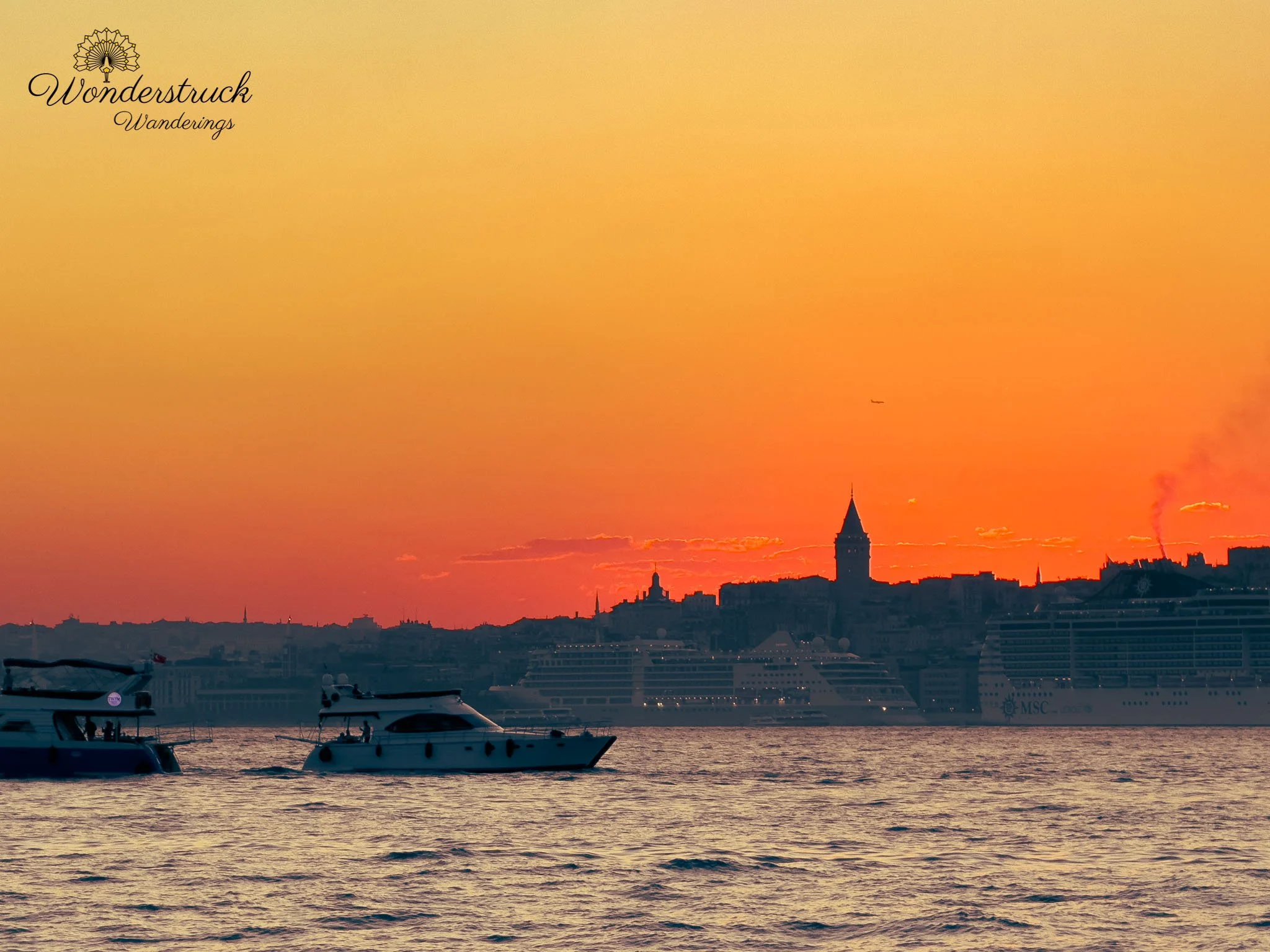
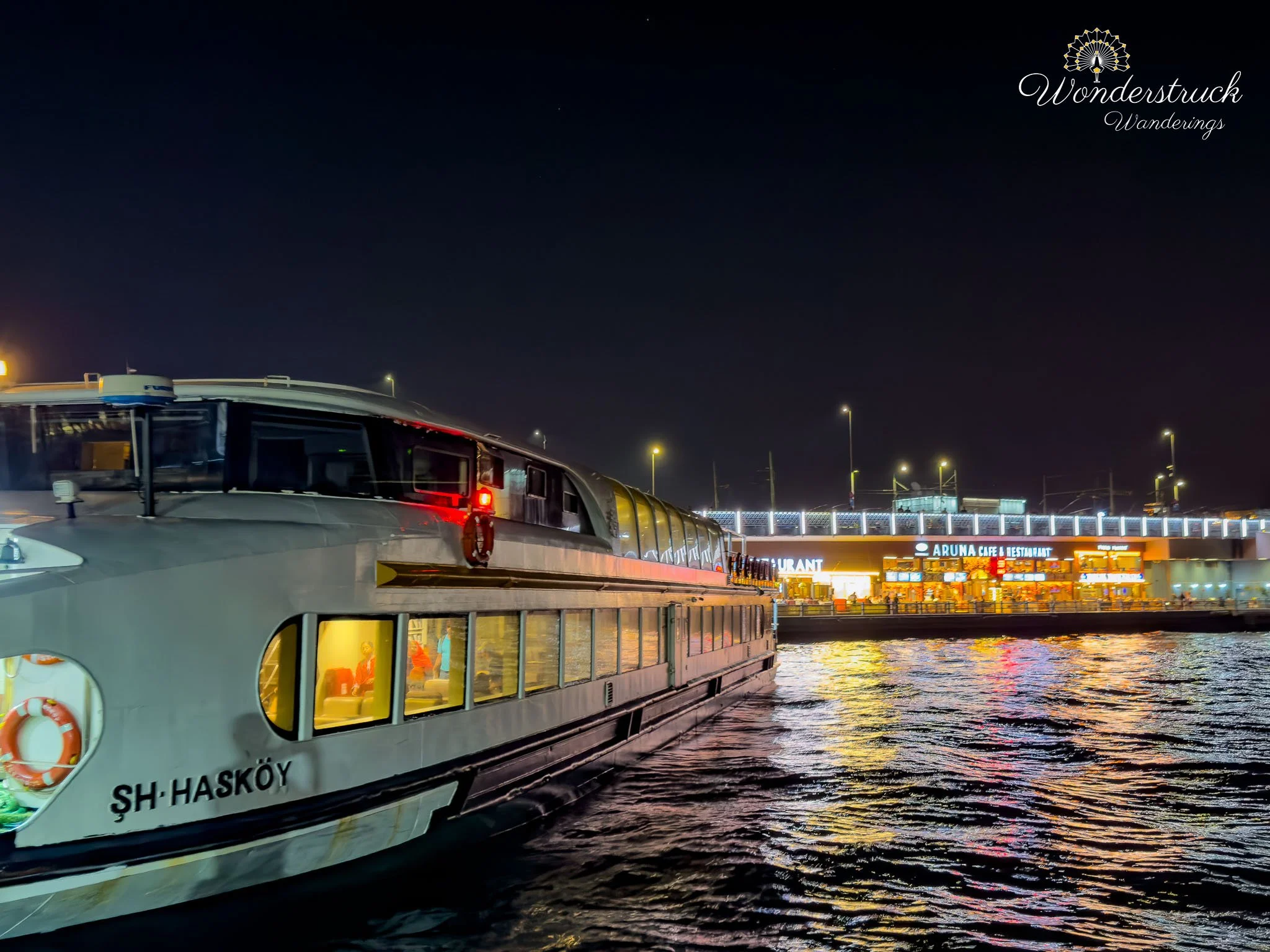

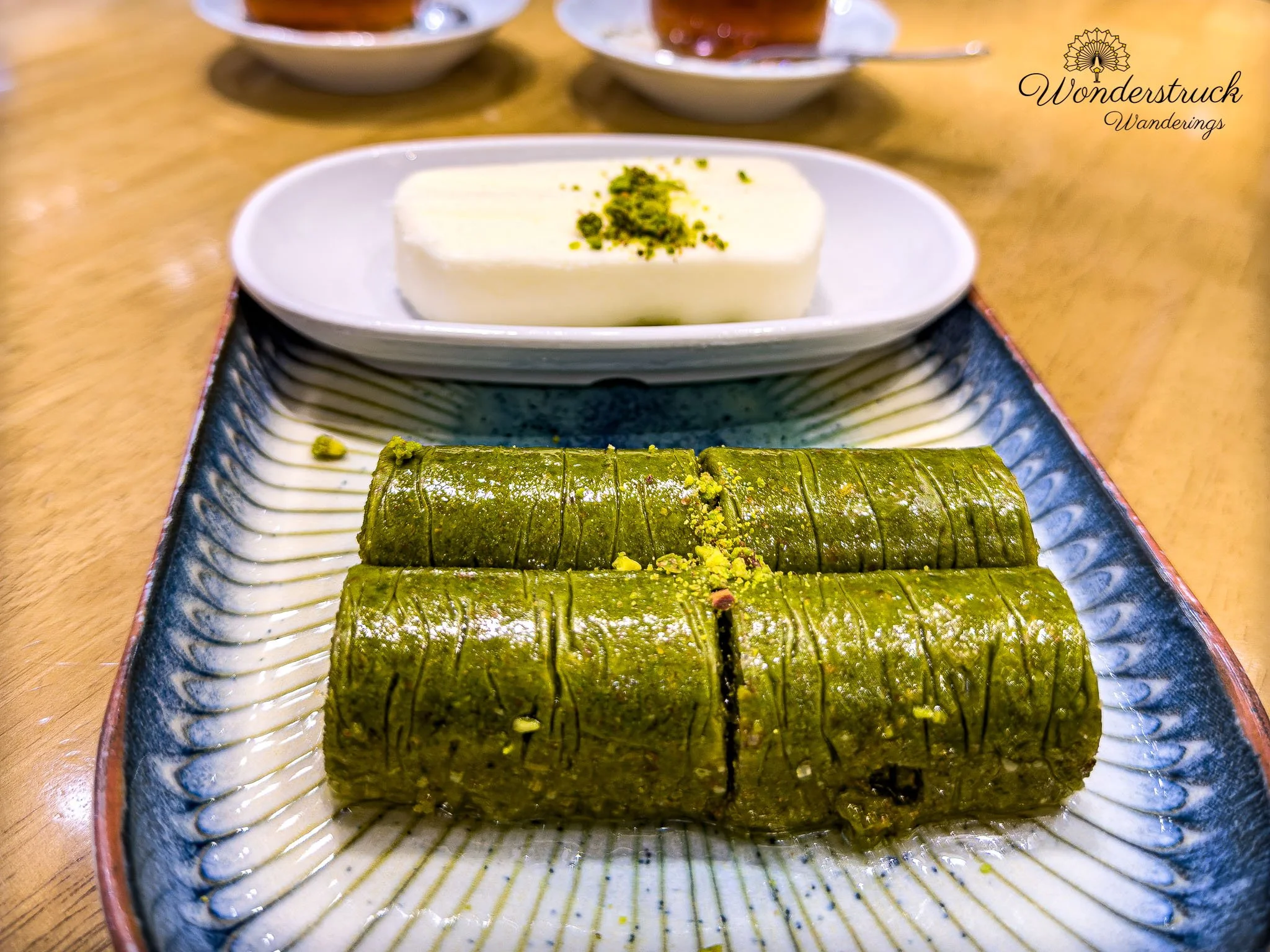
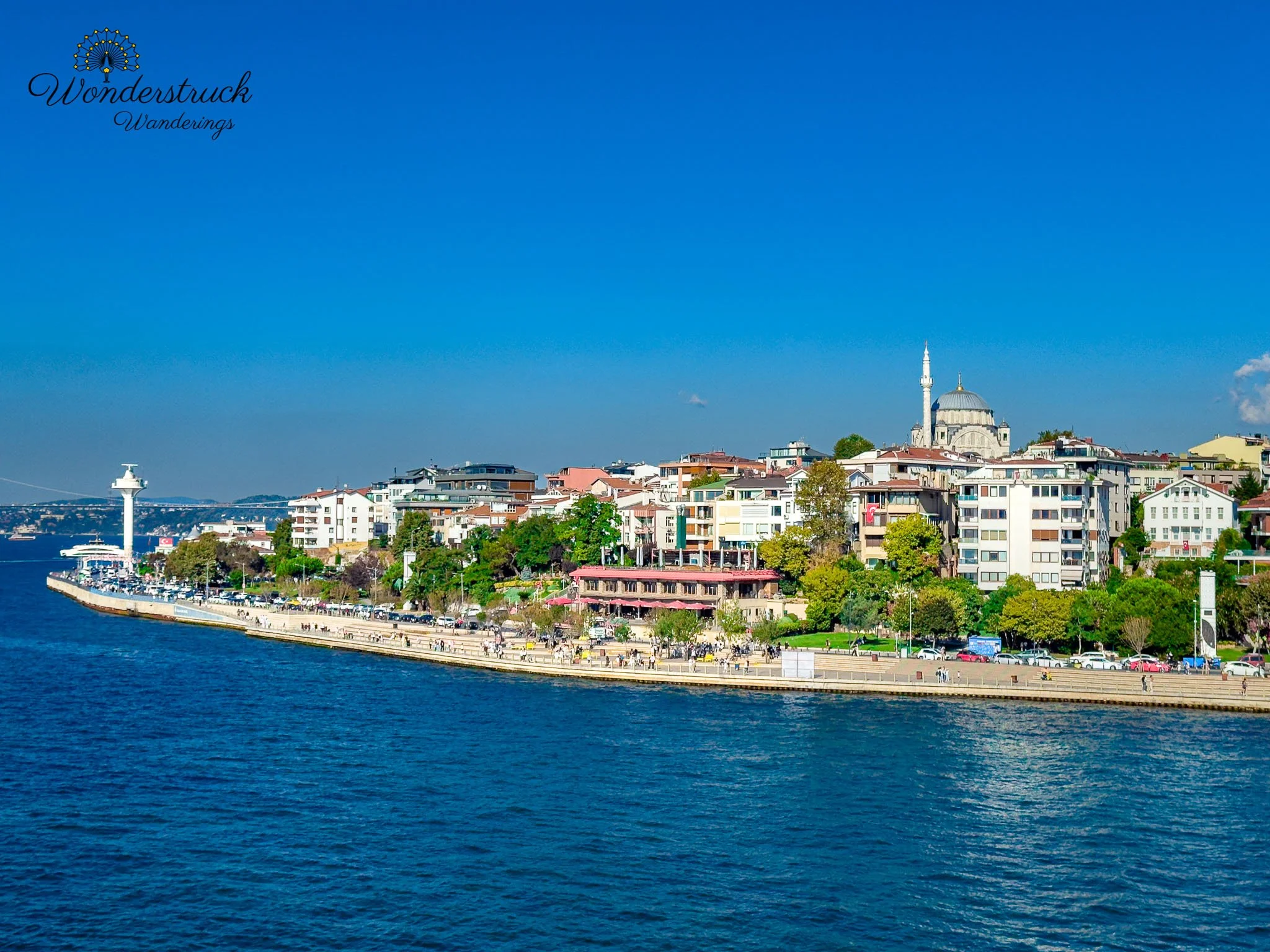
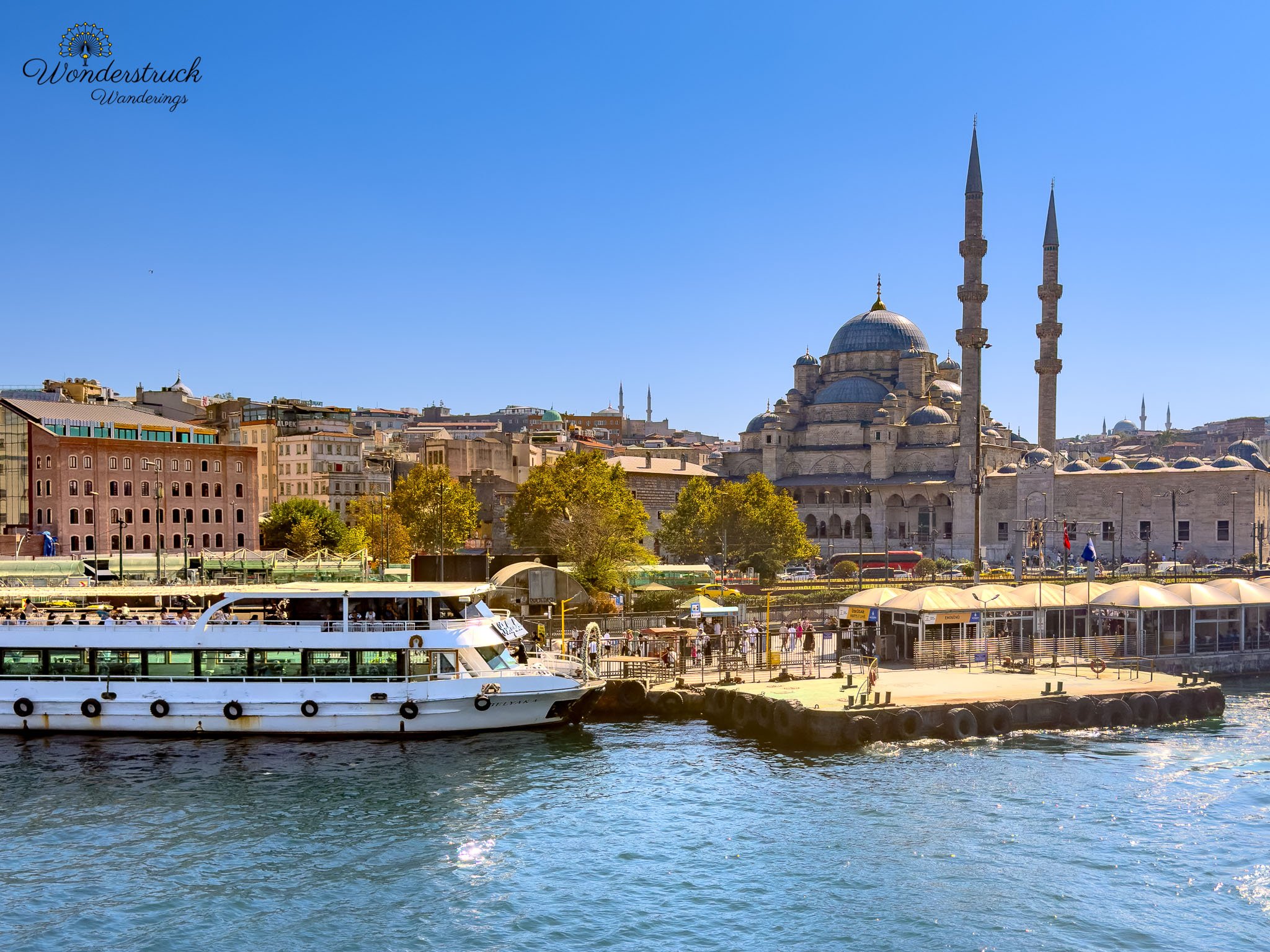
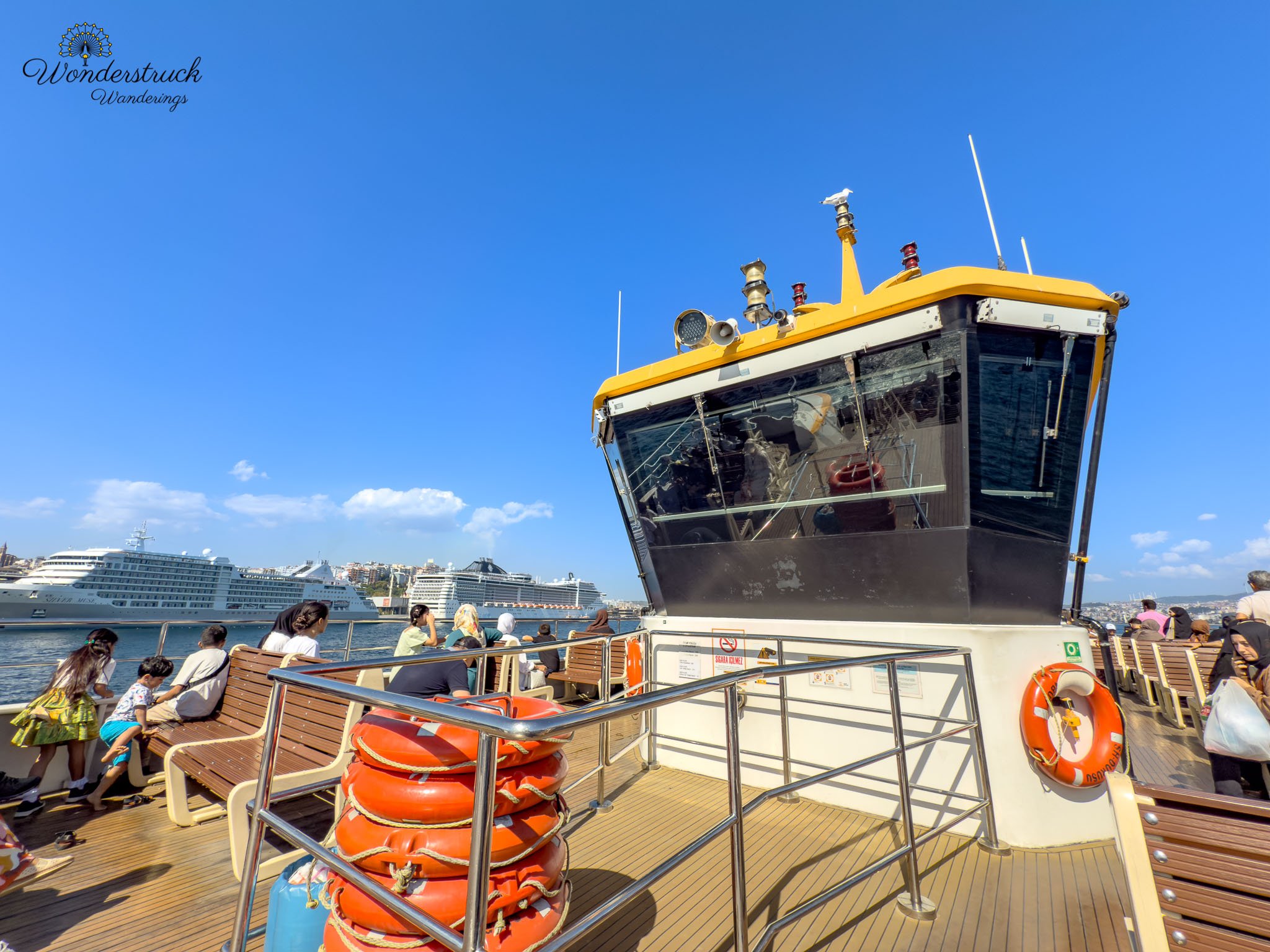
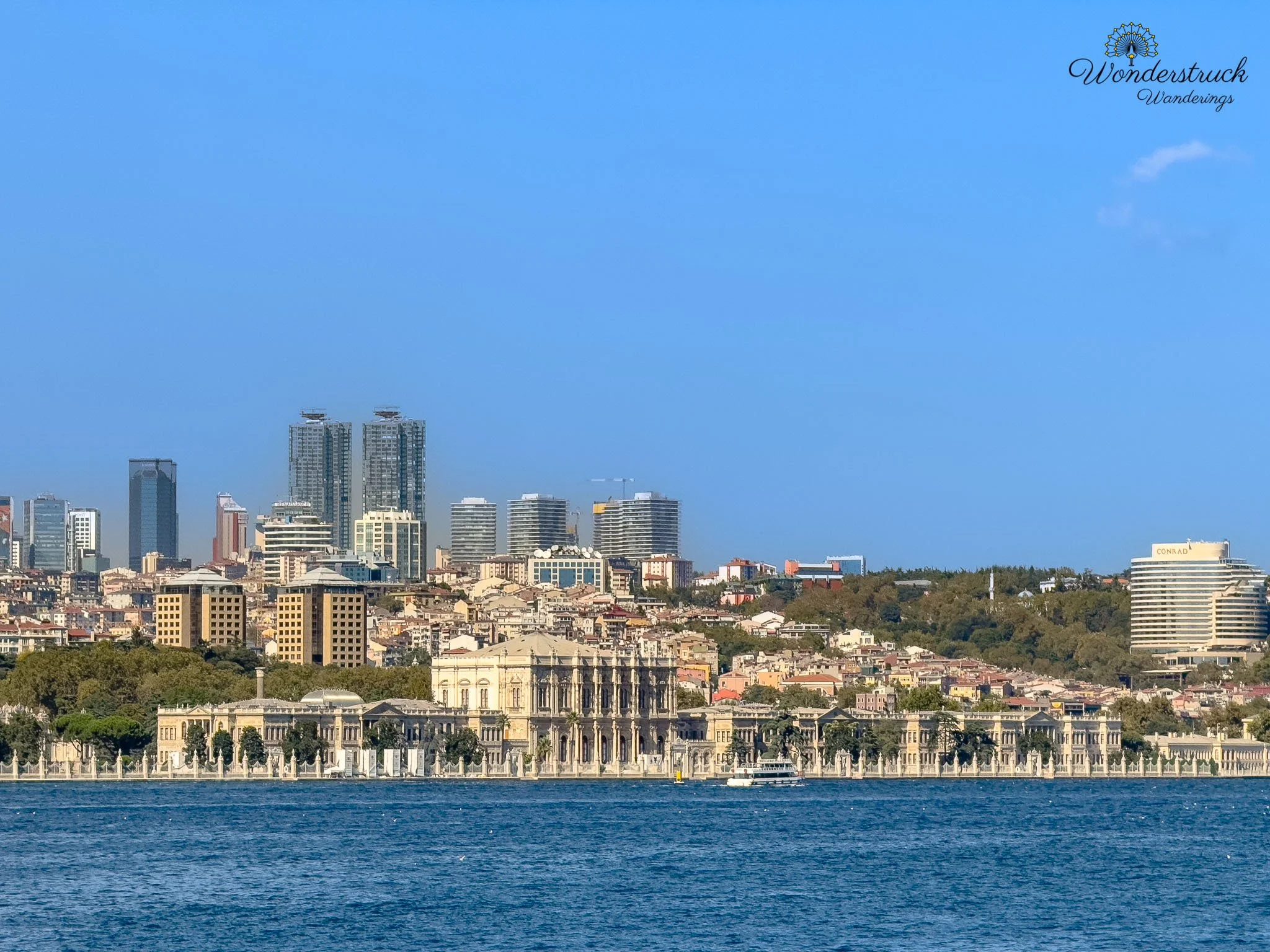
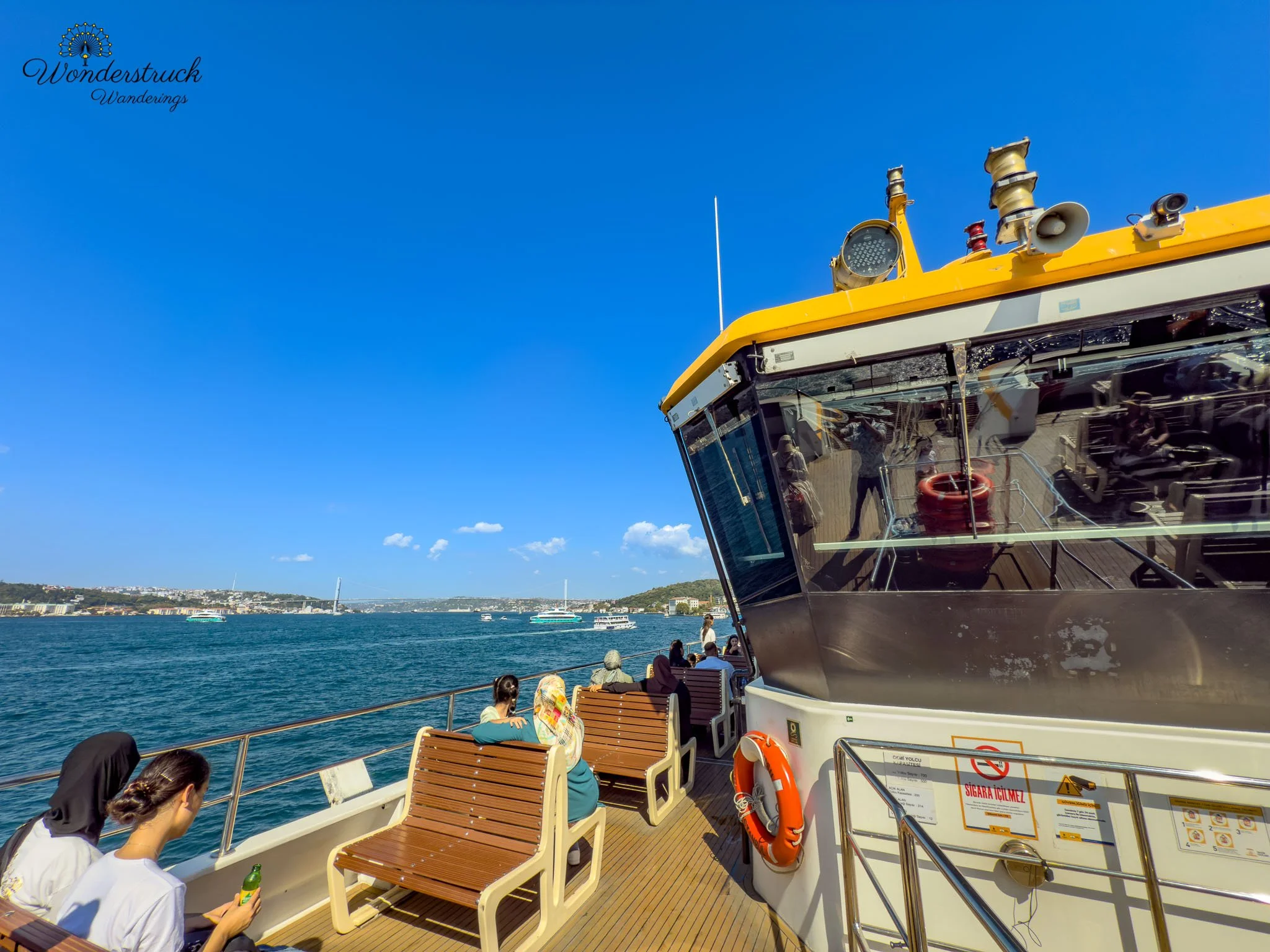
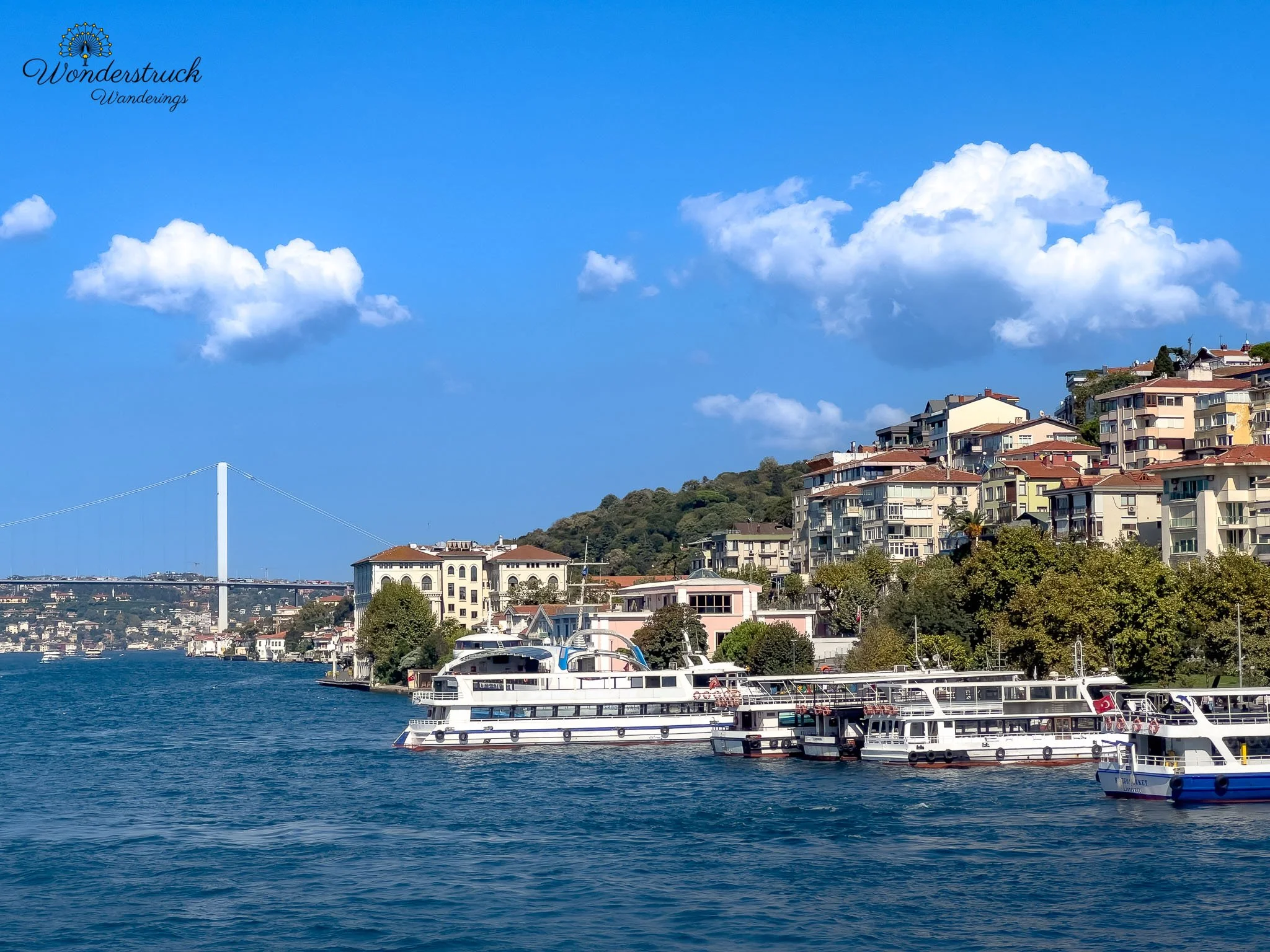
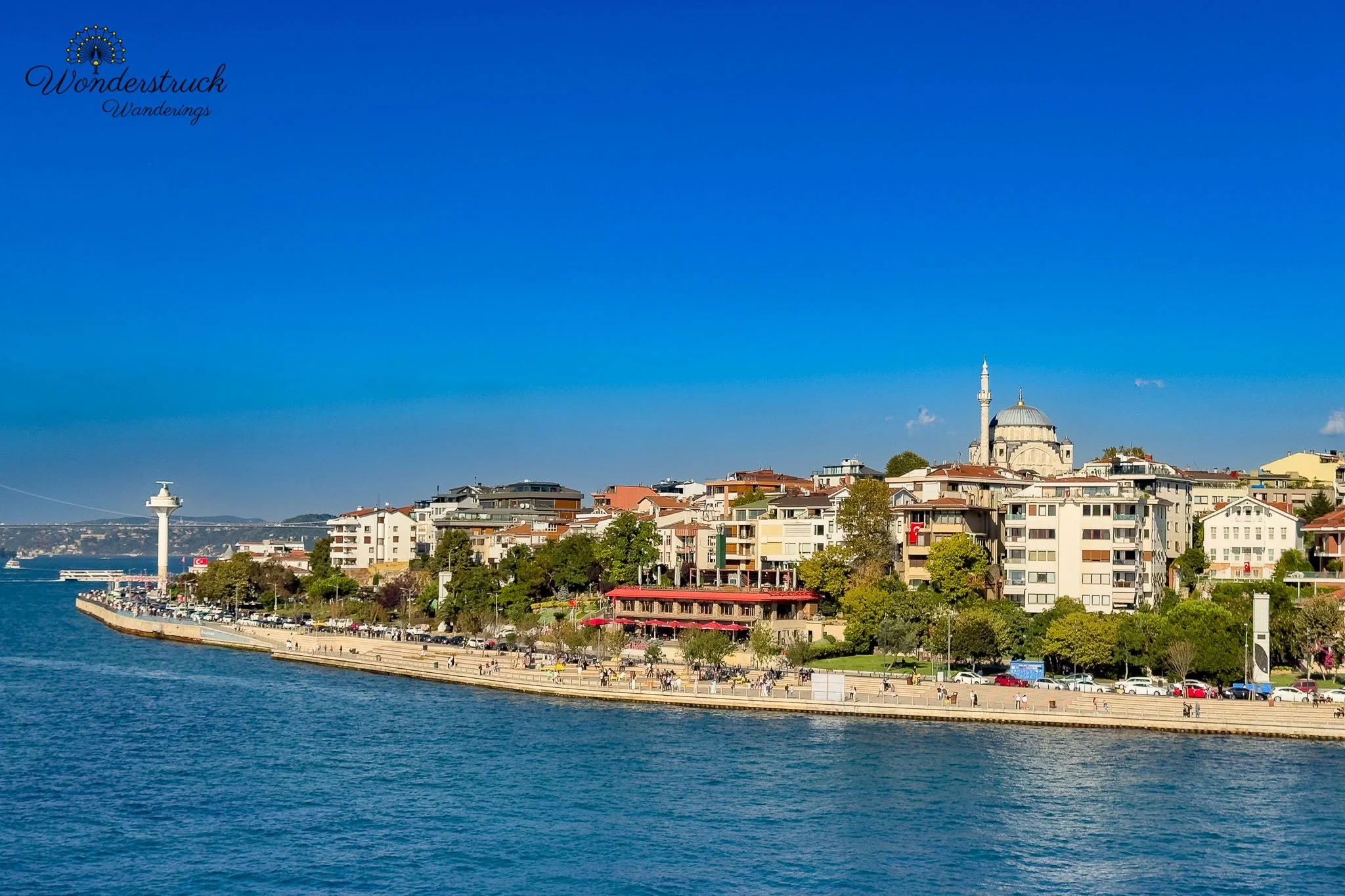
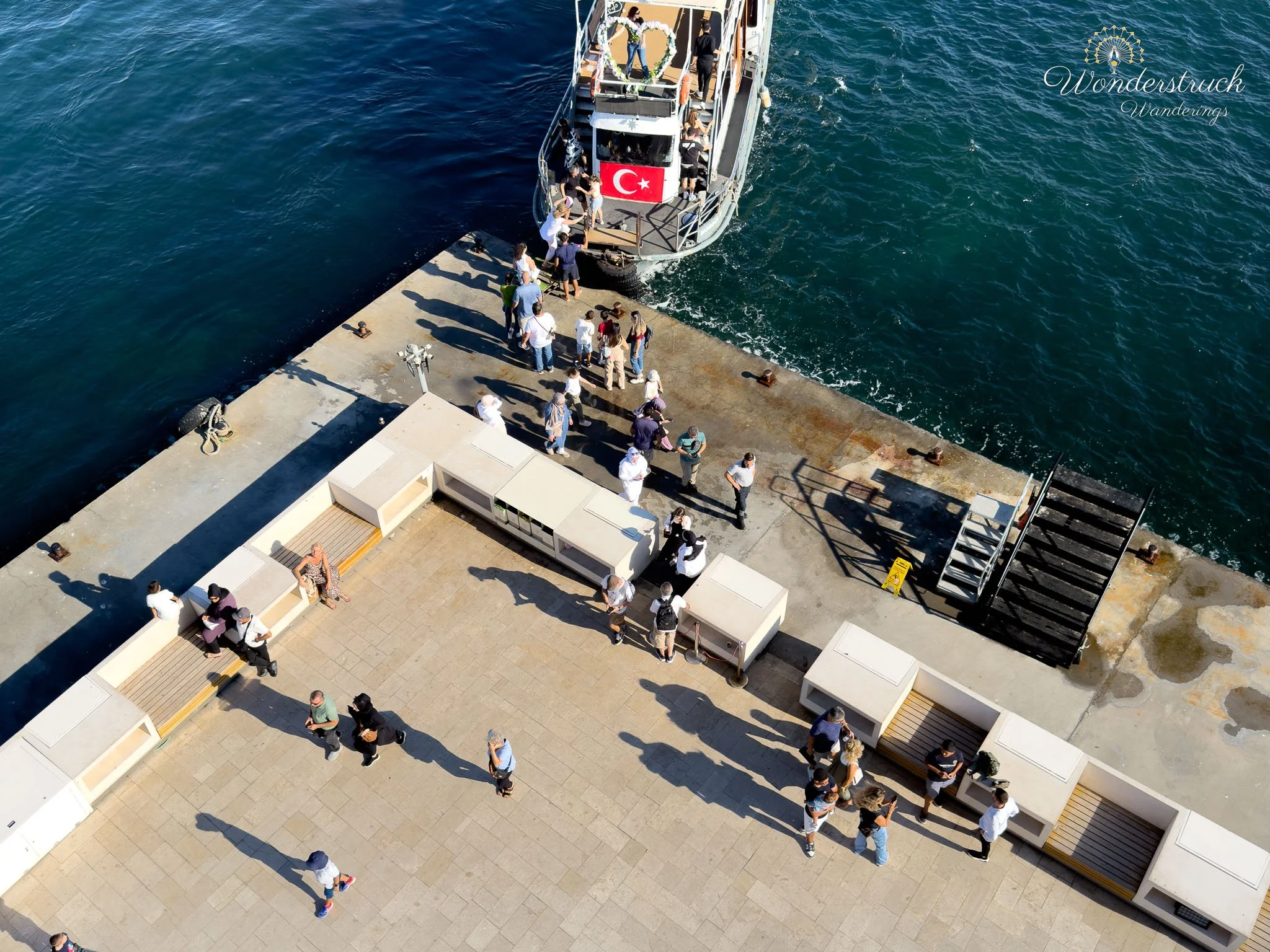
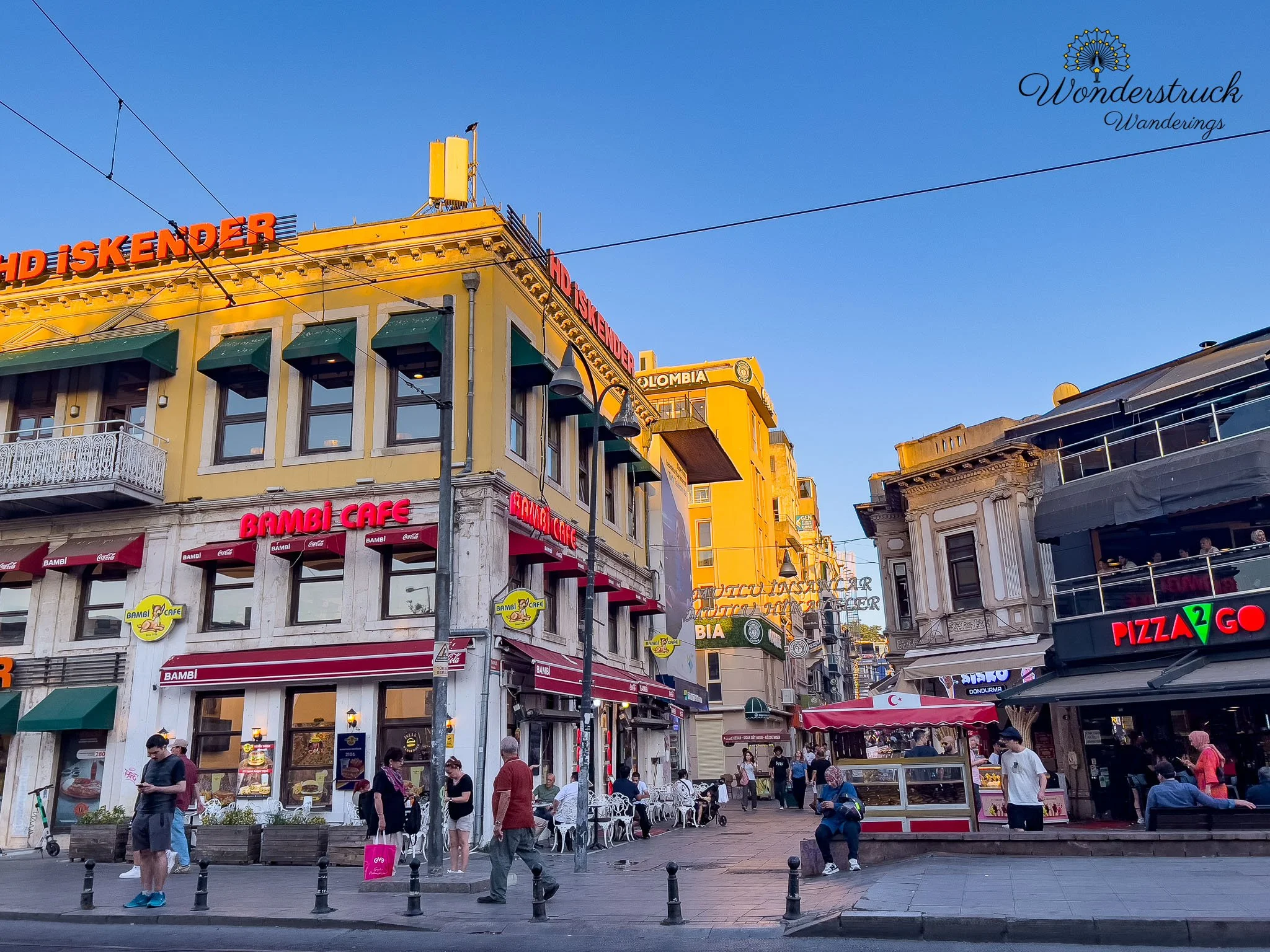
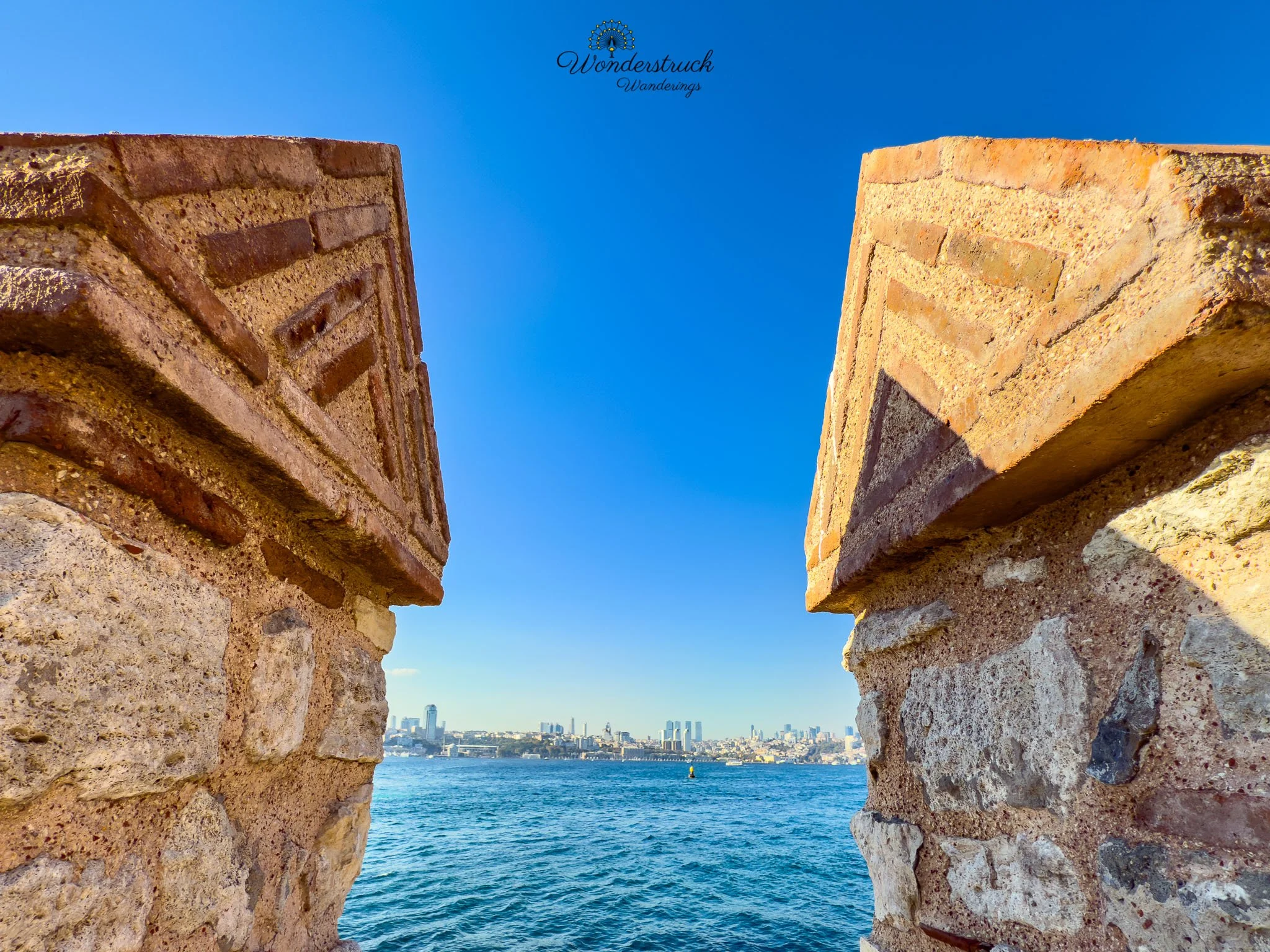
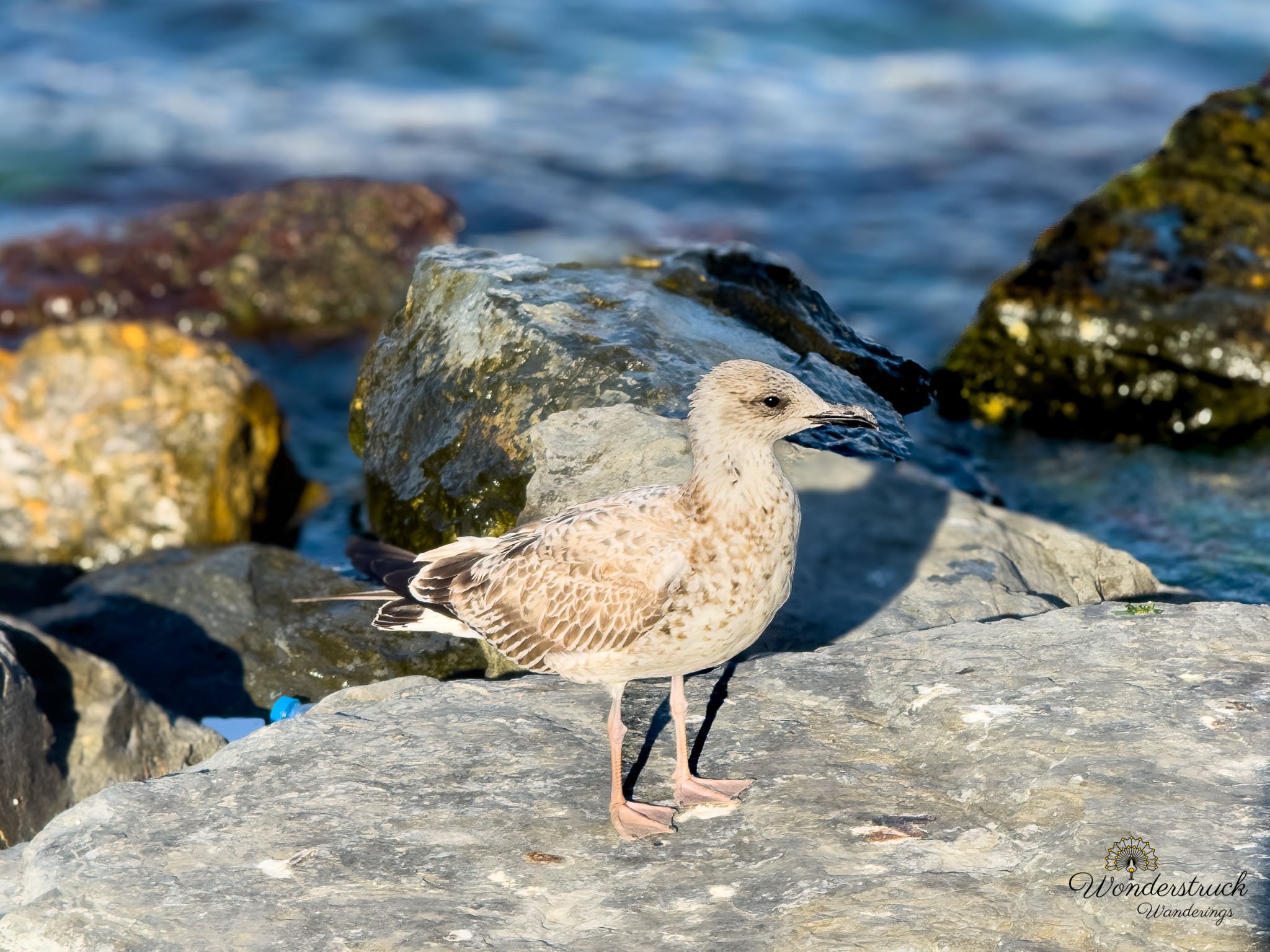
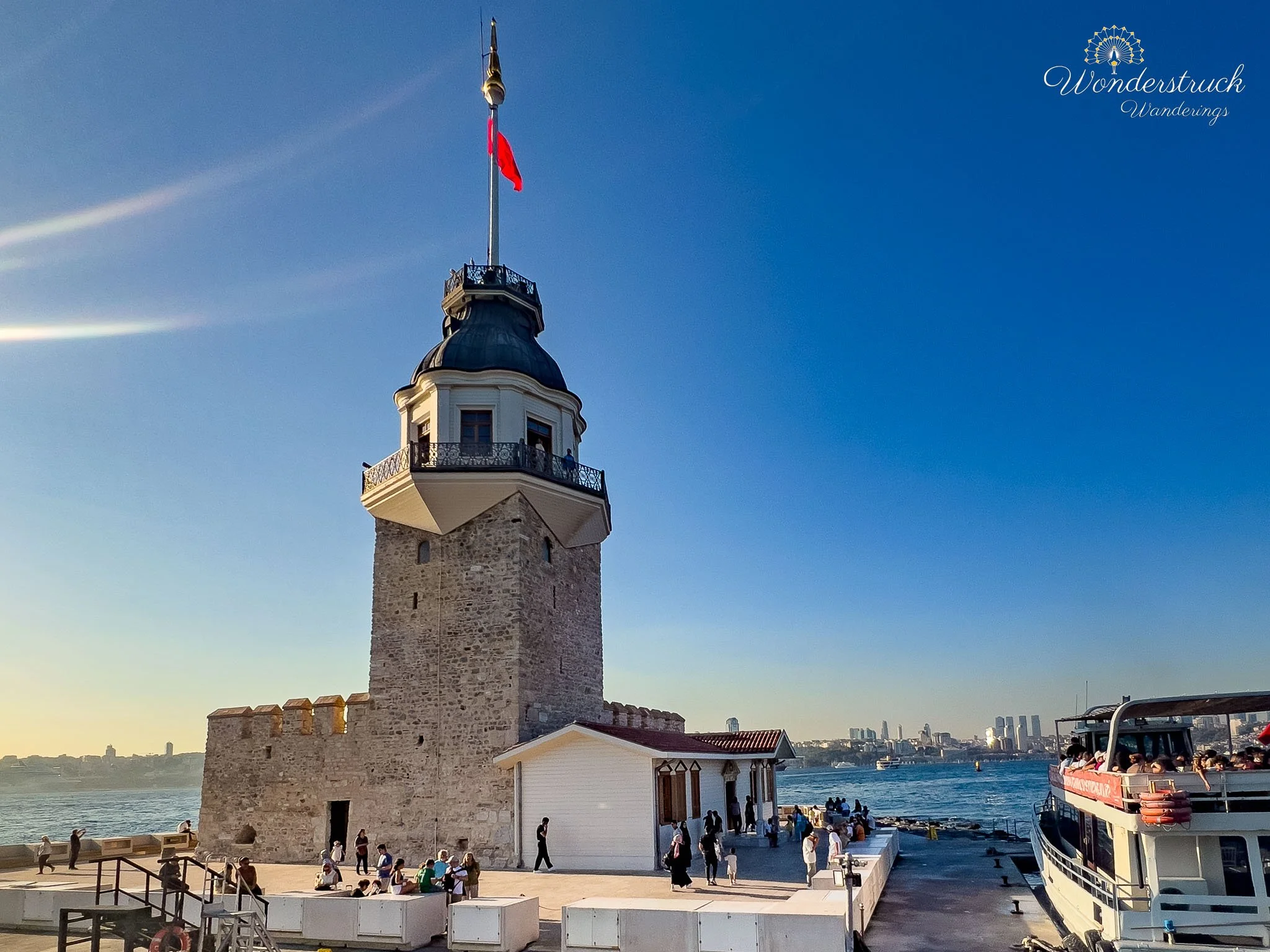
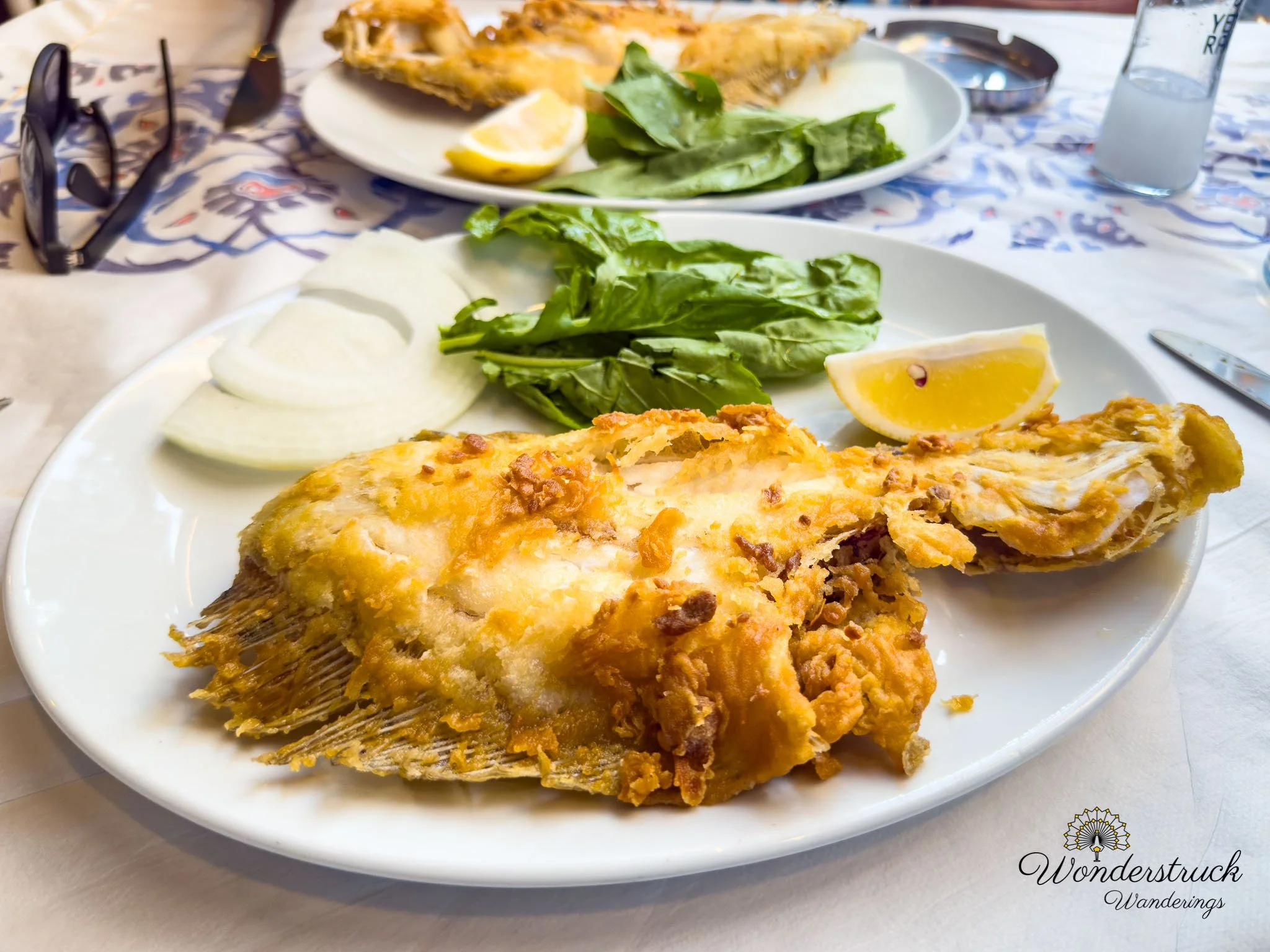
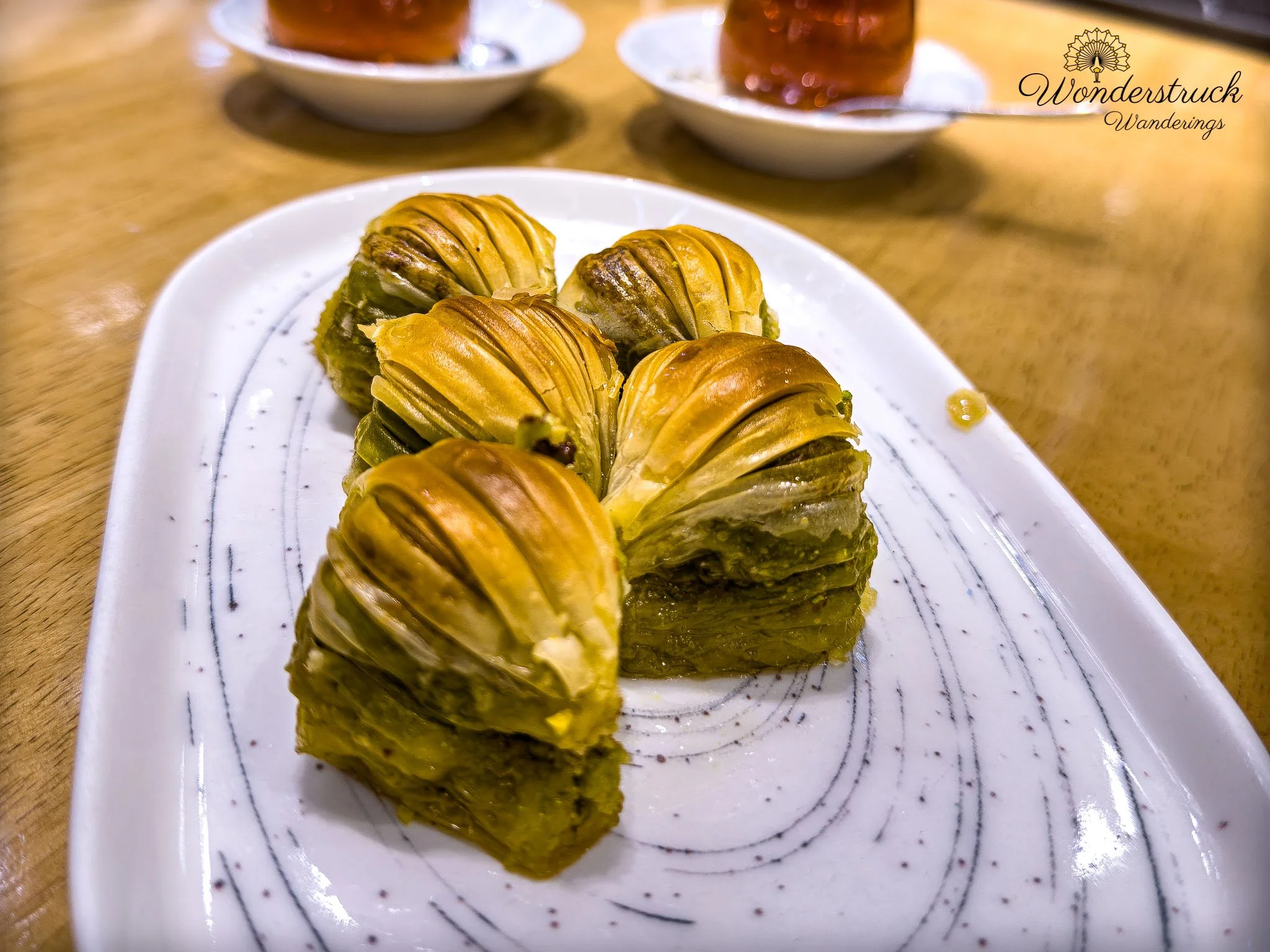
In the afternoon, we took the Şehir Hatları ferry from Eminönü to Üsküdar, crossing continents for just a few lira. The skyline shimmered behind us — Hagia Sophia, Blue Mosque, and Galata Tower framed in sea light. From Üsküdar, we walked the promenade to the Maiden’s Tower (Kız Kulesi), caught the small boat to its islet, and explored its museum of myths and maps. Legend says a Byzantine princess once lived here, hidden from a prophecy, only to meet her fate by a serpent’s bite. The tower glowed white against the blue, and from its balcony, the 360° view stitched together two worlds. By evening, we were in Kadıköy, the city’s laid-back, bohemian heart. Dinner at Nisan Balık brought pan-fried sole so fresh the waiter had fetched it from the fish market moments earlier, paired with Yeni Rakı, the anise spirit known as “lion’s milk.” The drink turned milky white as we added water, its flavor sharp and smooth — the taste of Istanbul itself. As sunset neared, we returned to Üsküdar’s shoreline, where families picnicked and street musicians played as the sky blazed orange. The sun dipped behind the Galata Tower and Hagia Sophia, the Maiden’s Tower glowing in the foreground. Later, a ferry carried us back across the dark water, Istanbul’s skyline glittering like memory. We ended at Faruk Güllüoğlu, our favorite dessert stop, with one last plate of pistachio baklava and tea. The sweetness lingered as we packed for our early morning flight — a quiet, perfect farewell to the city that never quite lets you go. Read more on Daily Diaries.
It’s hard to leave Istanbul. Four days went by like a dream told in fragments. We came expecting history and architecture. We left remembering faces, flavors, and sounds — the small things that never make postcards but define a place. The shopkeeper who offered us tea instead of a sales pitch. The waiter who ran to the fish market to find us fresh sole. The cats who seemed to own every street and every heart. We knew, we hadn’t seen everything, Not even close. But we’d seen enough to understand why no one really leaves Istanbul — they just pause, until the next time.