Leaving San Pedro at Dawn and Flying Over the Desert to Santiago
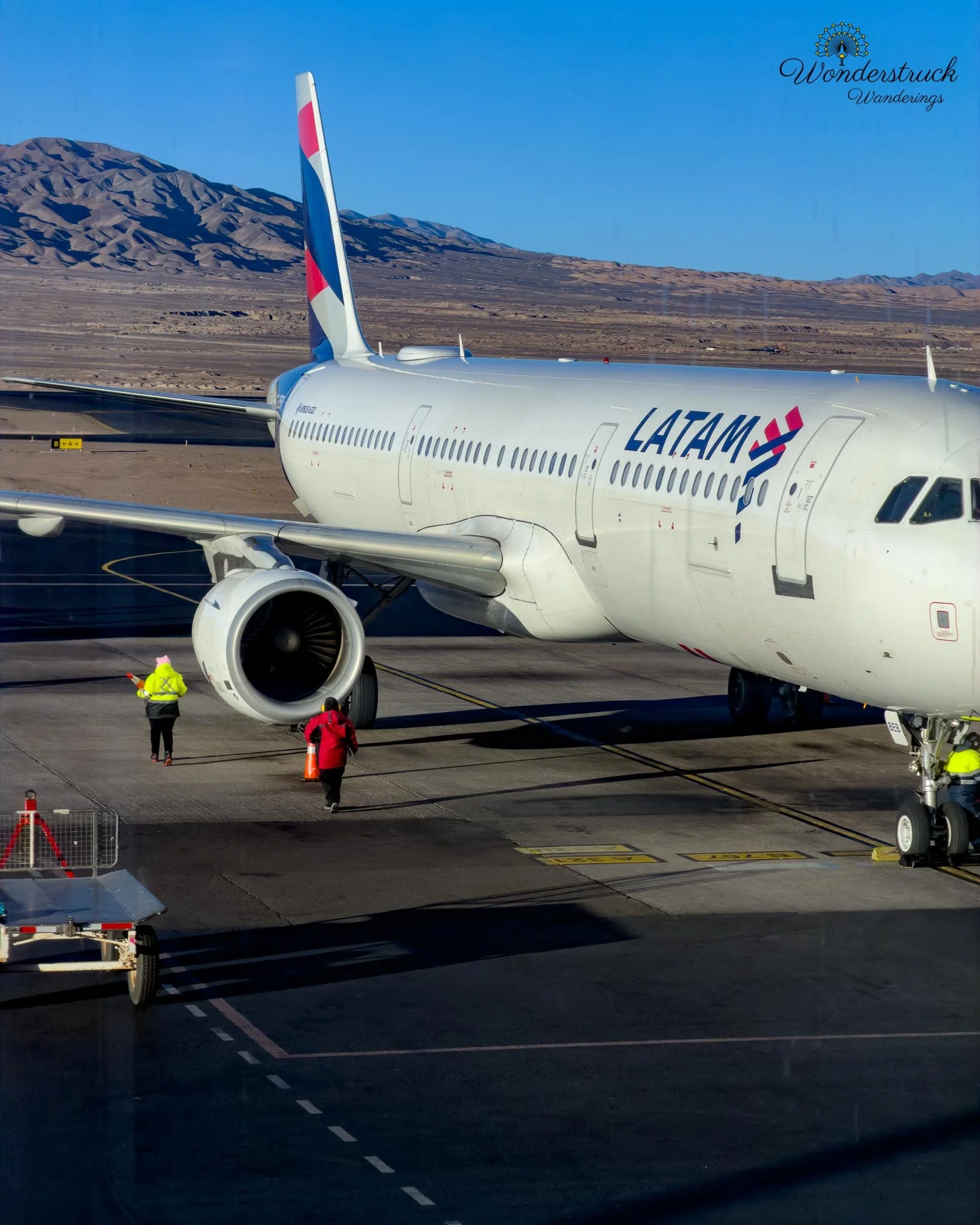
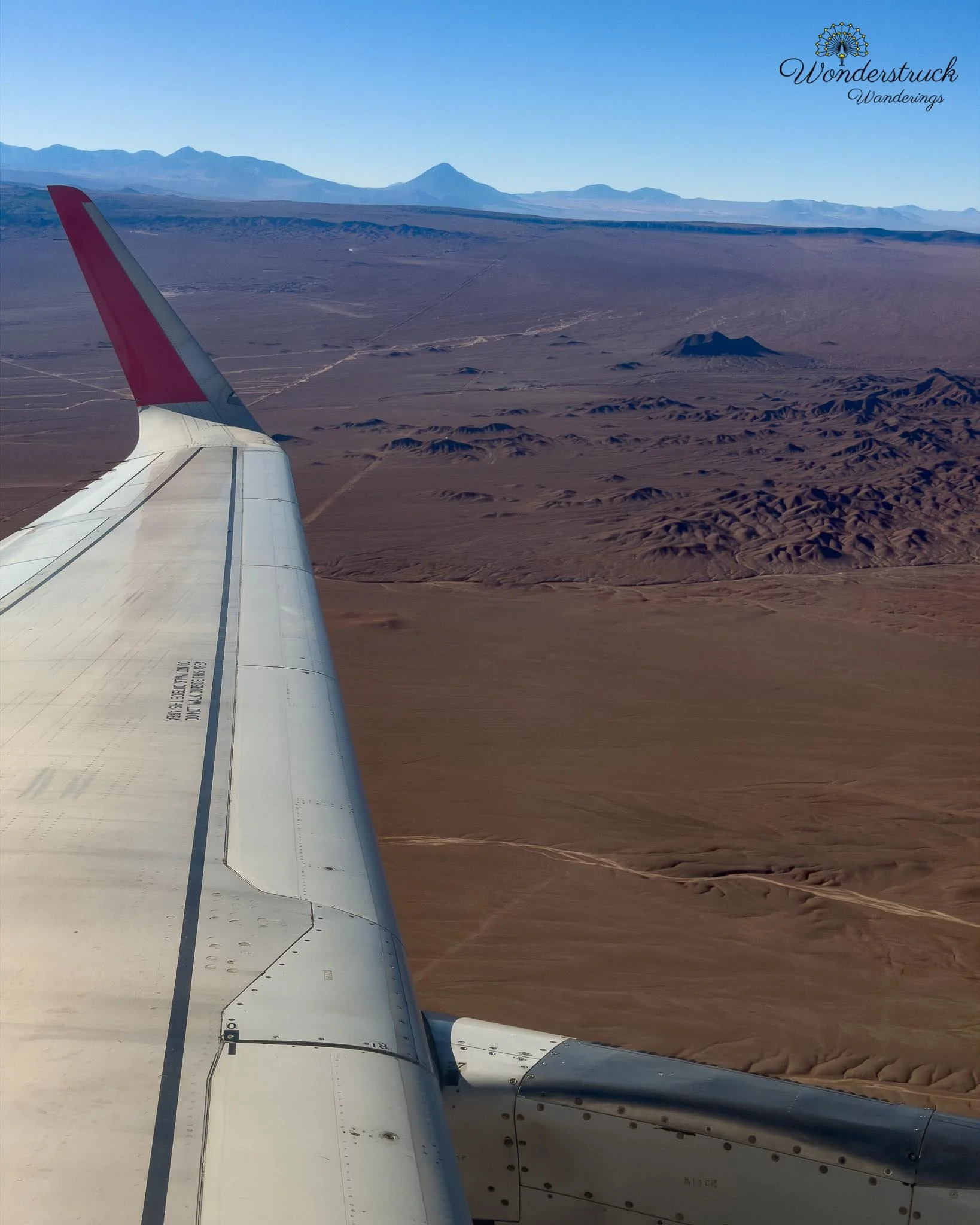
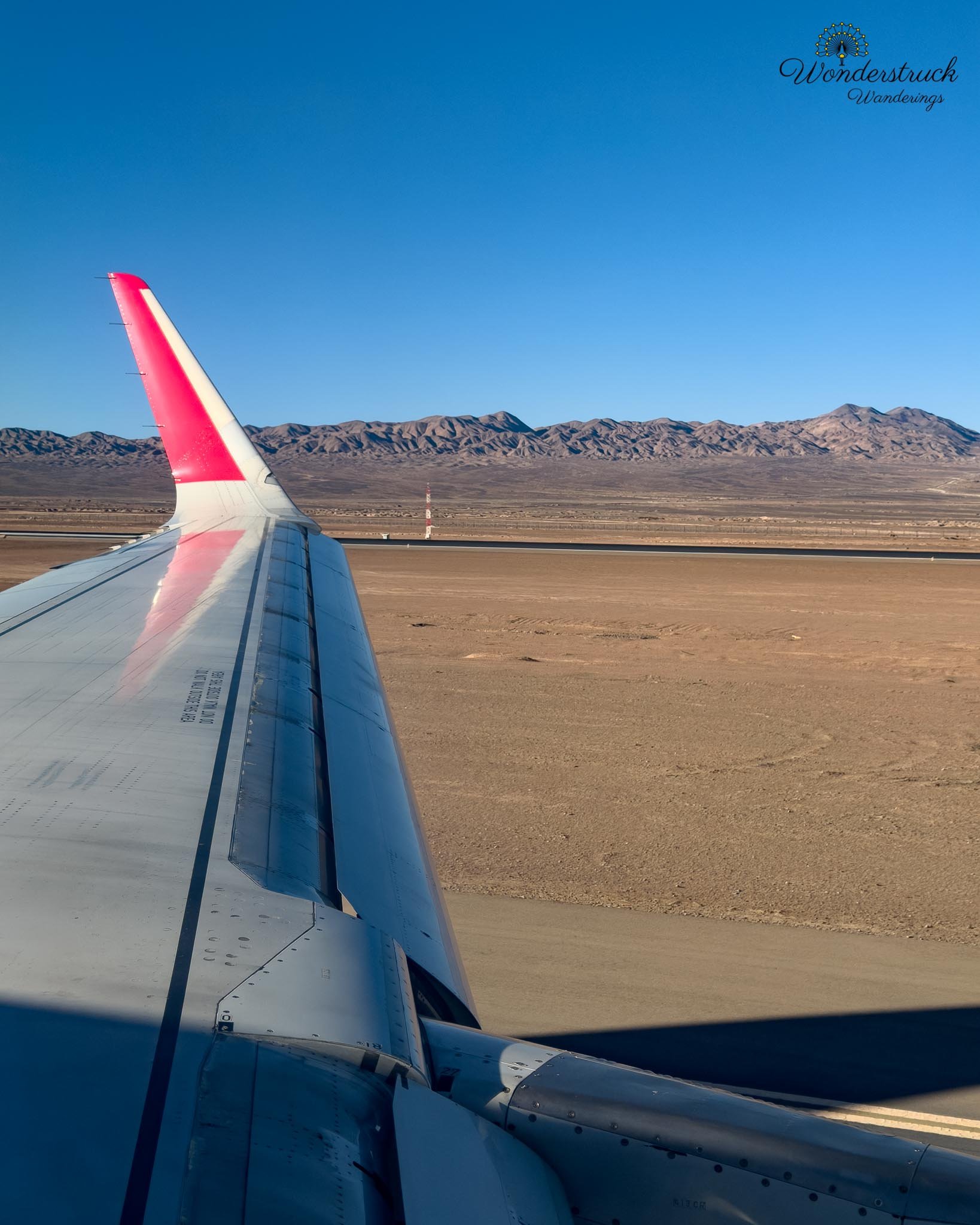
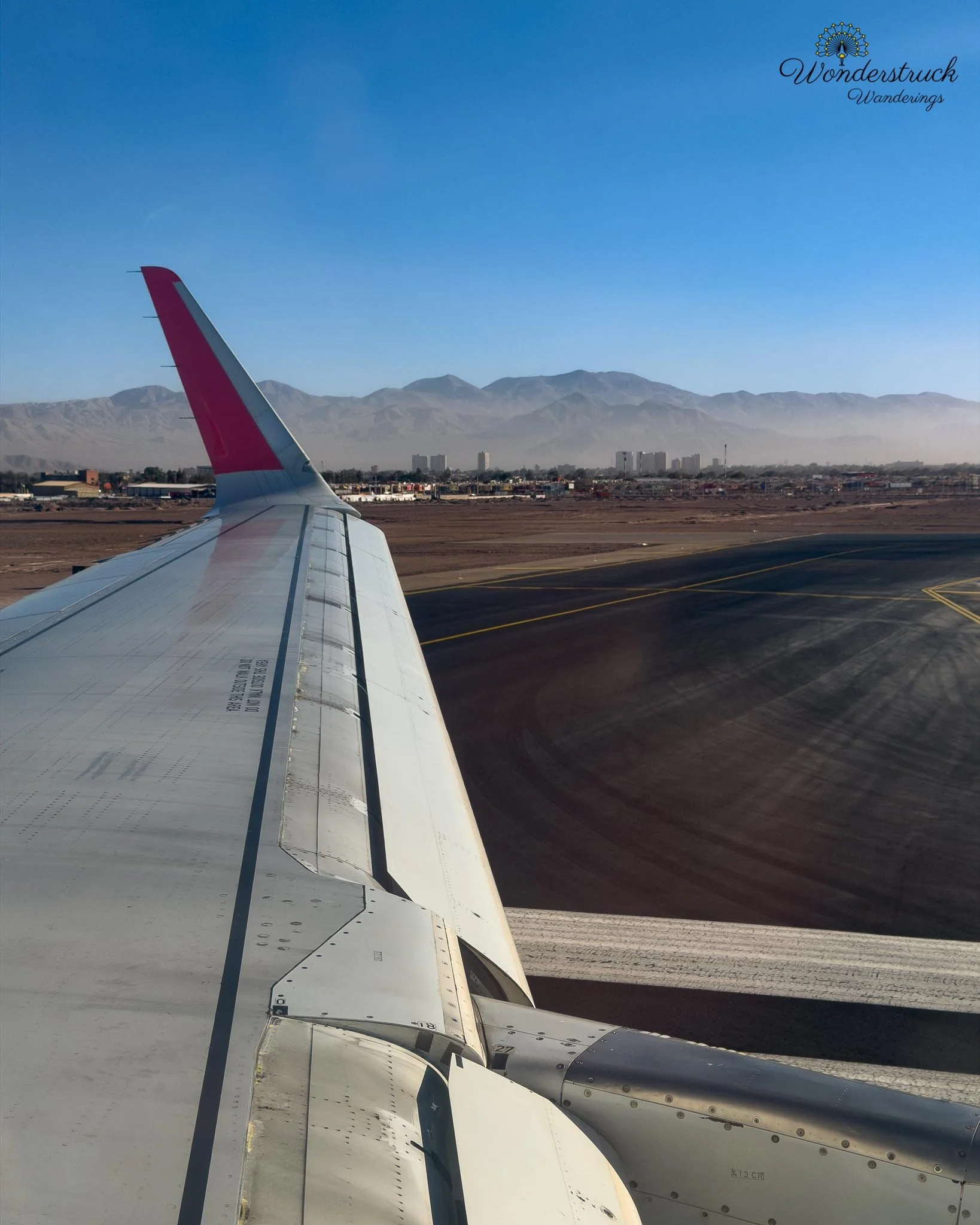
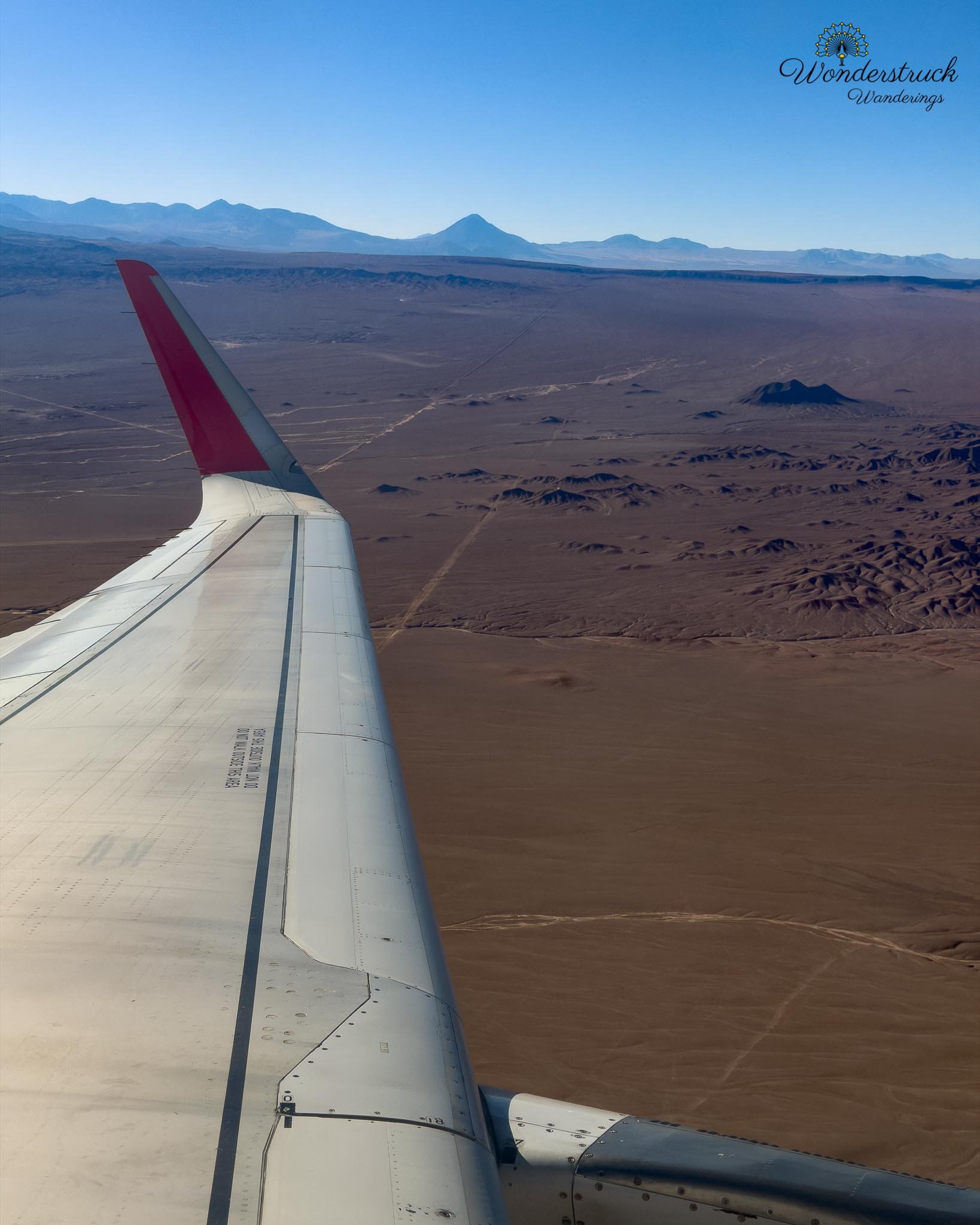
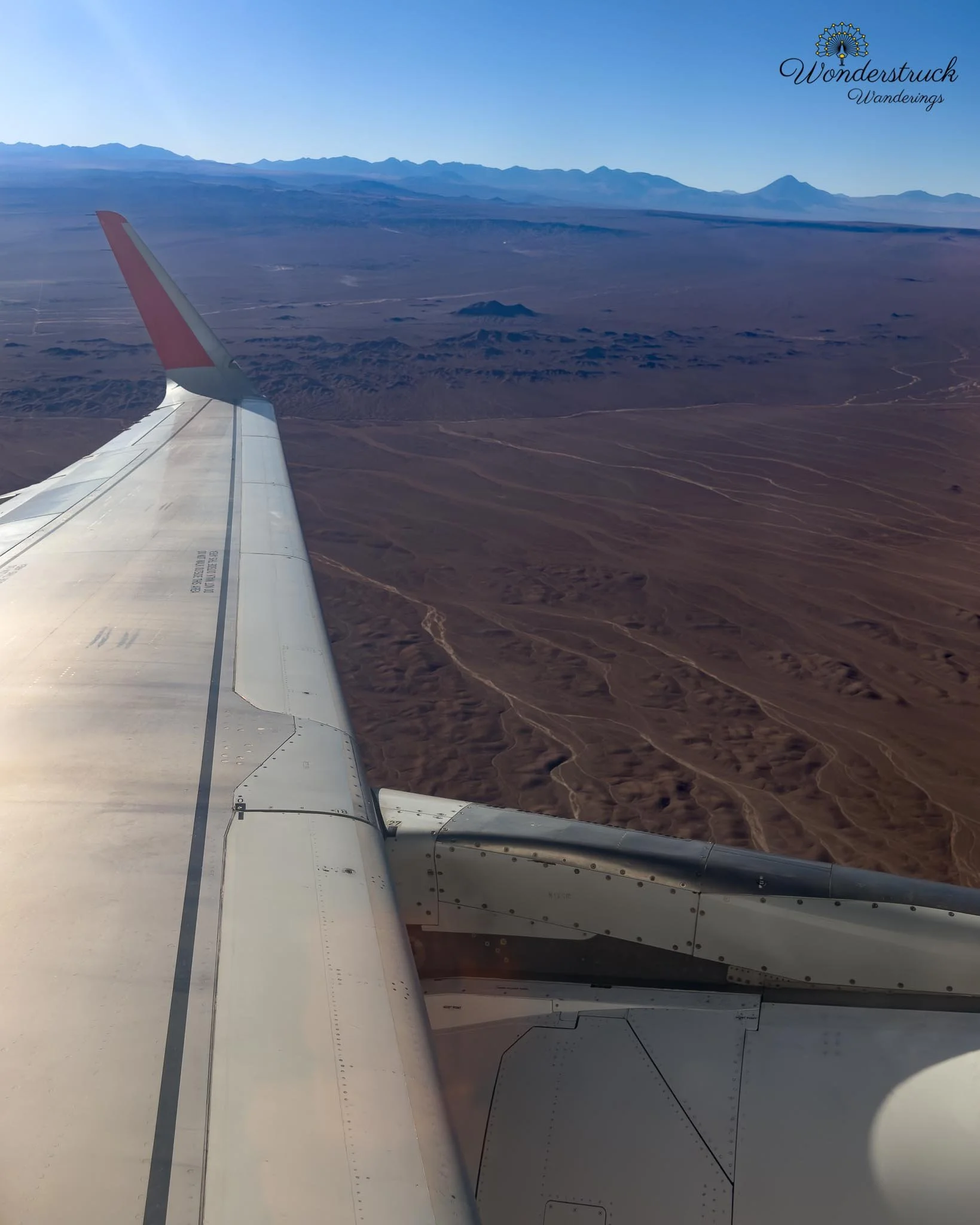
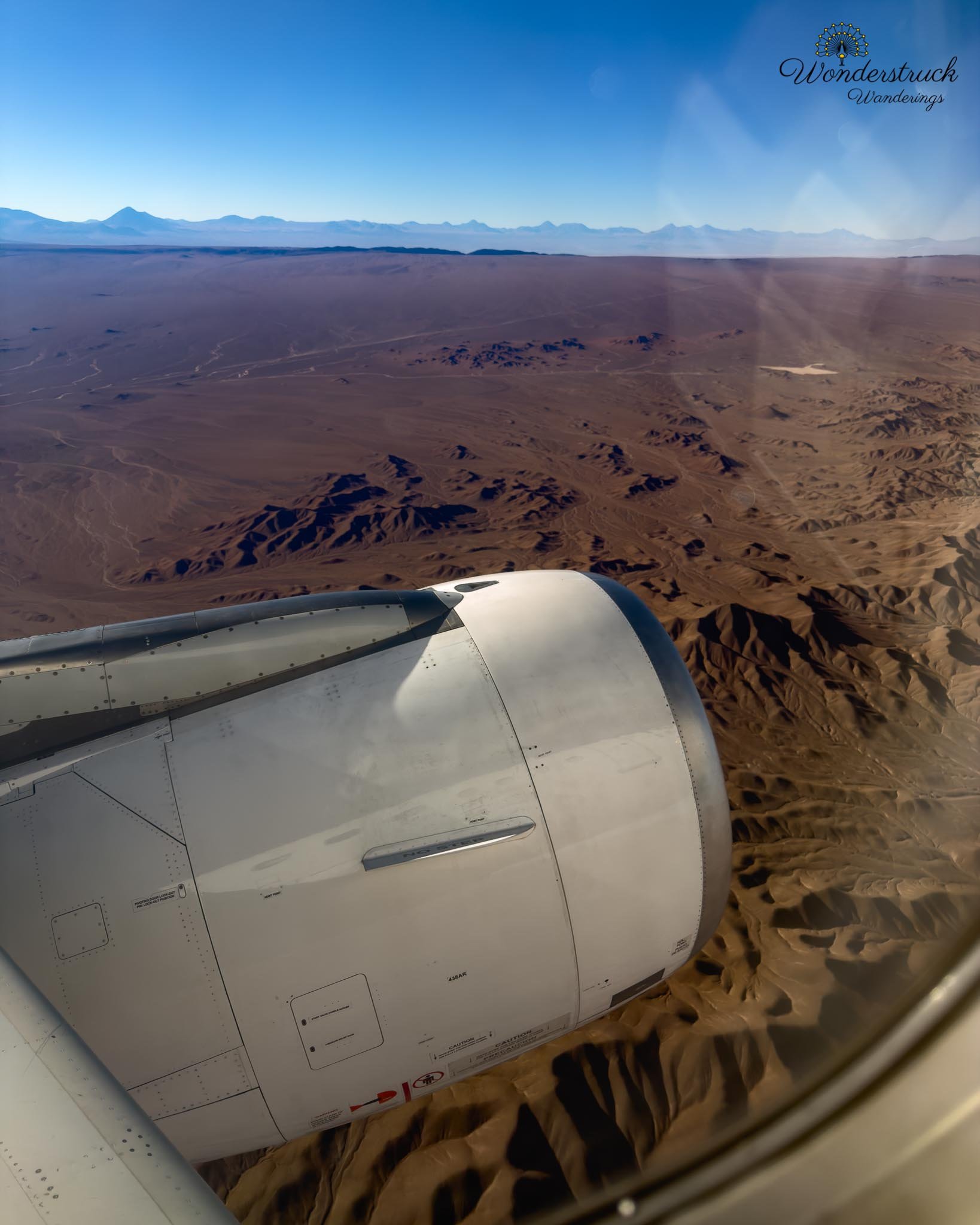
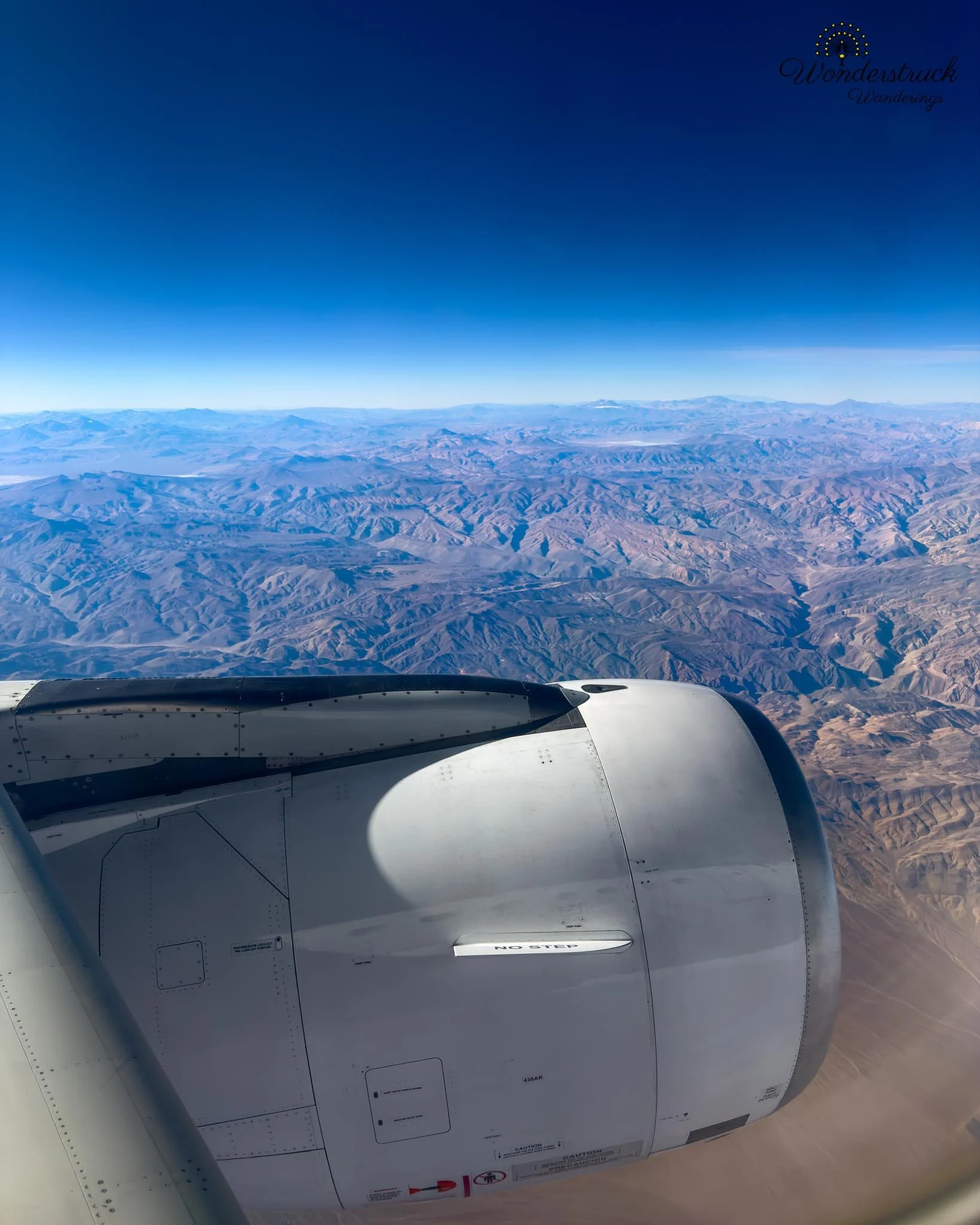
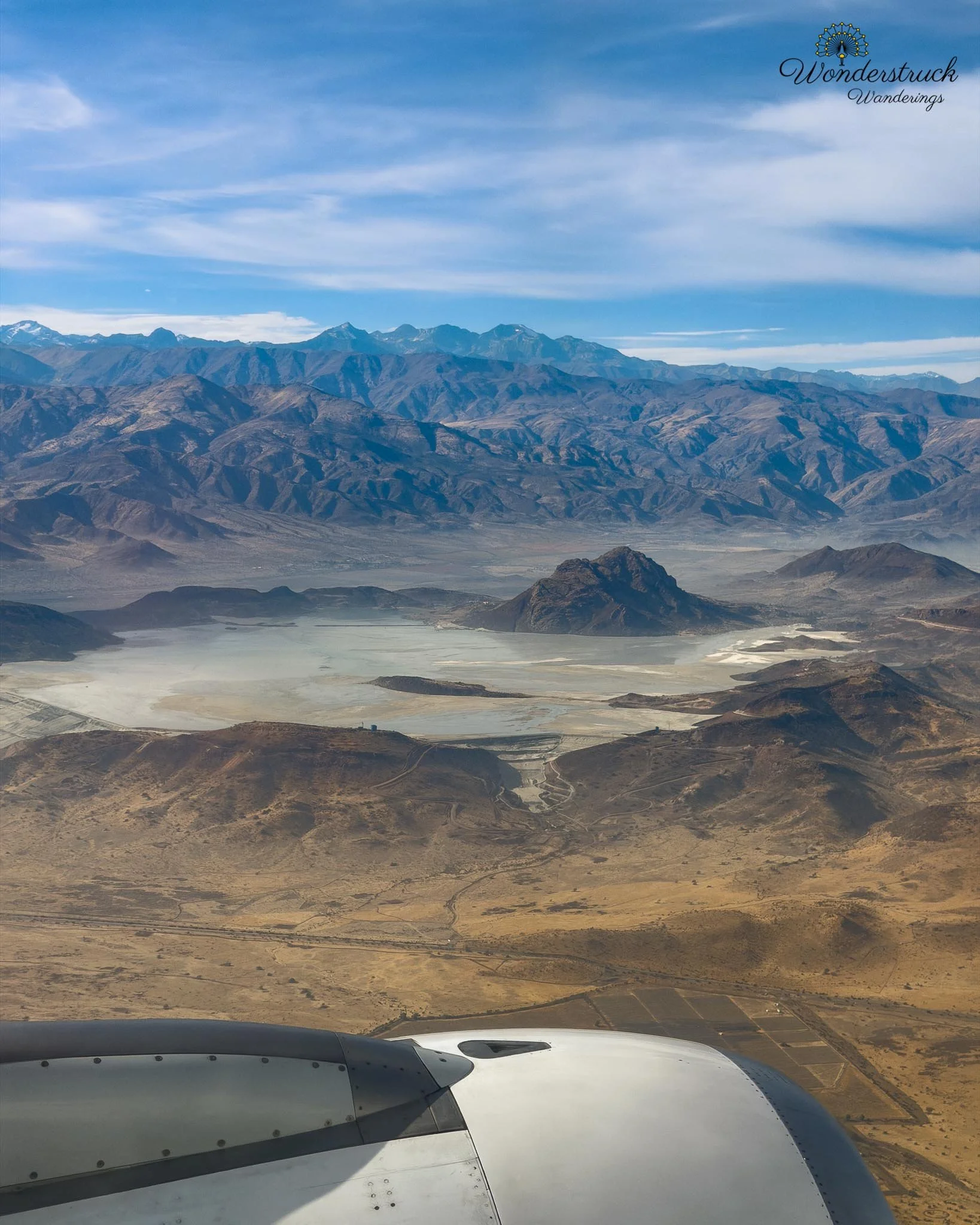
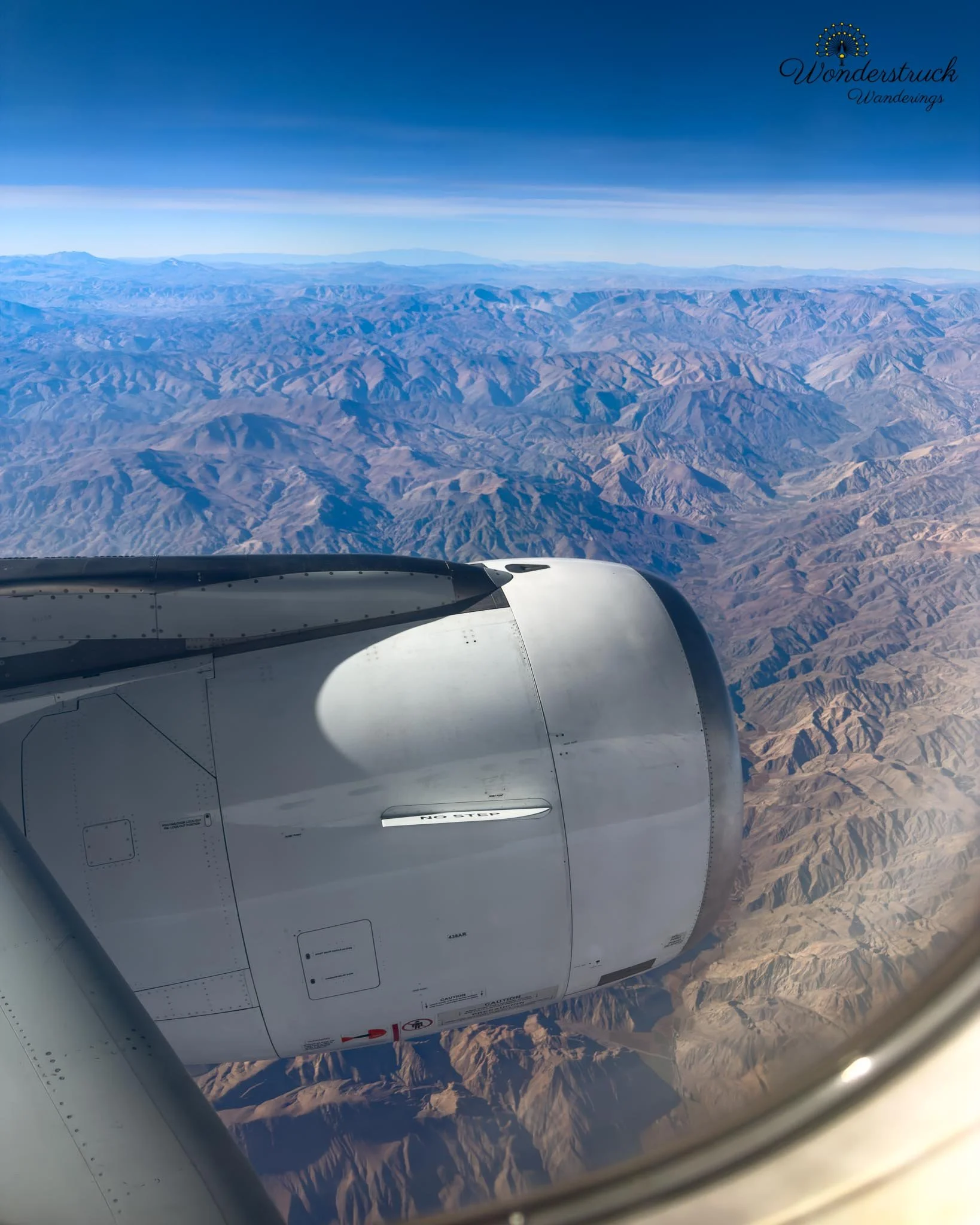
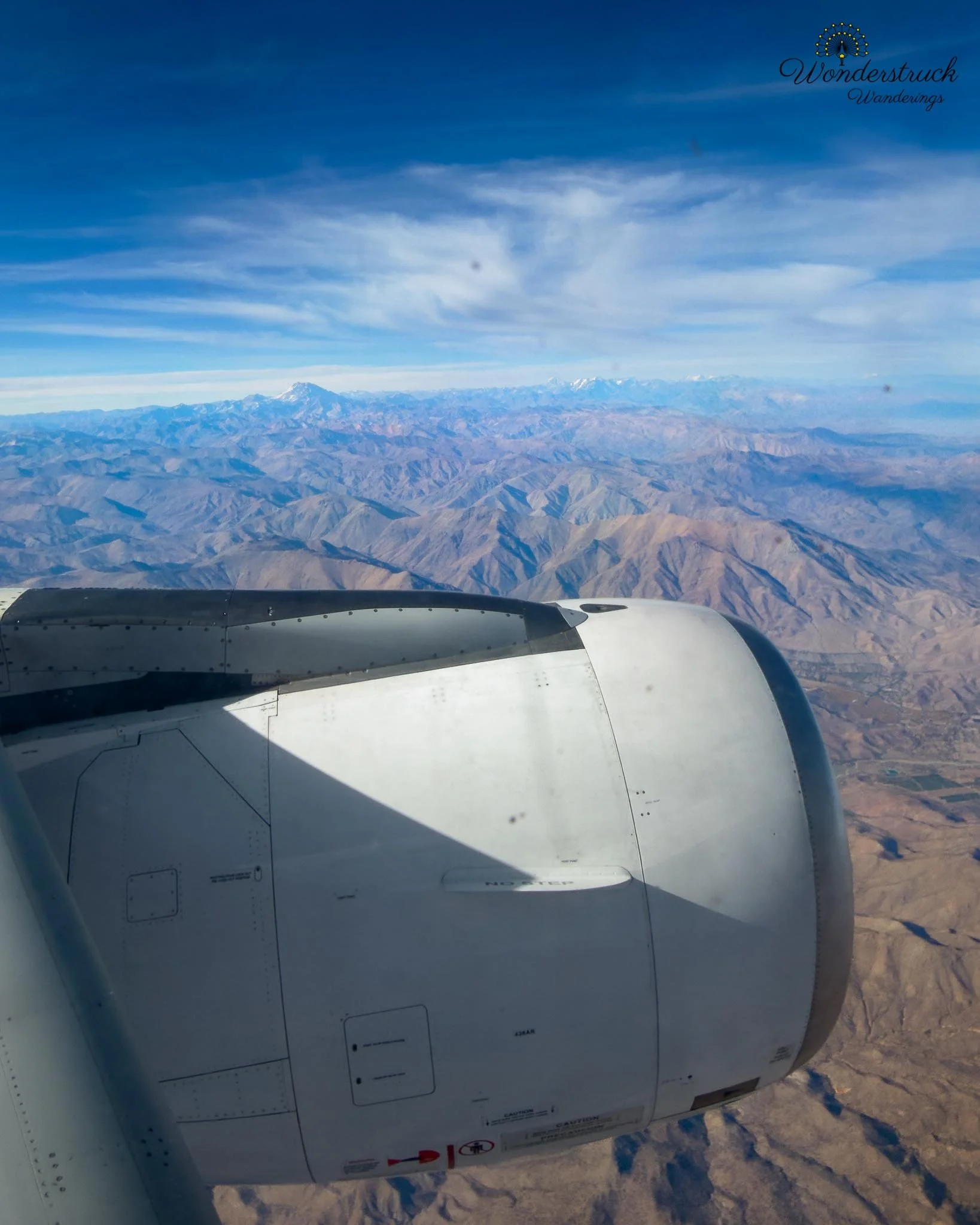
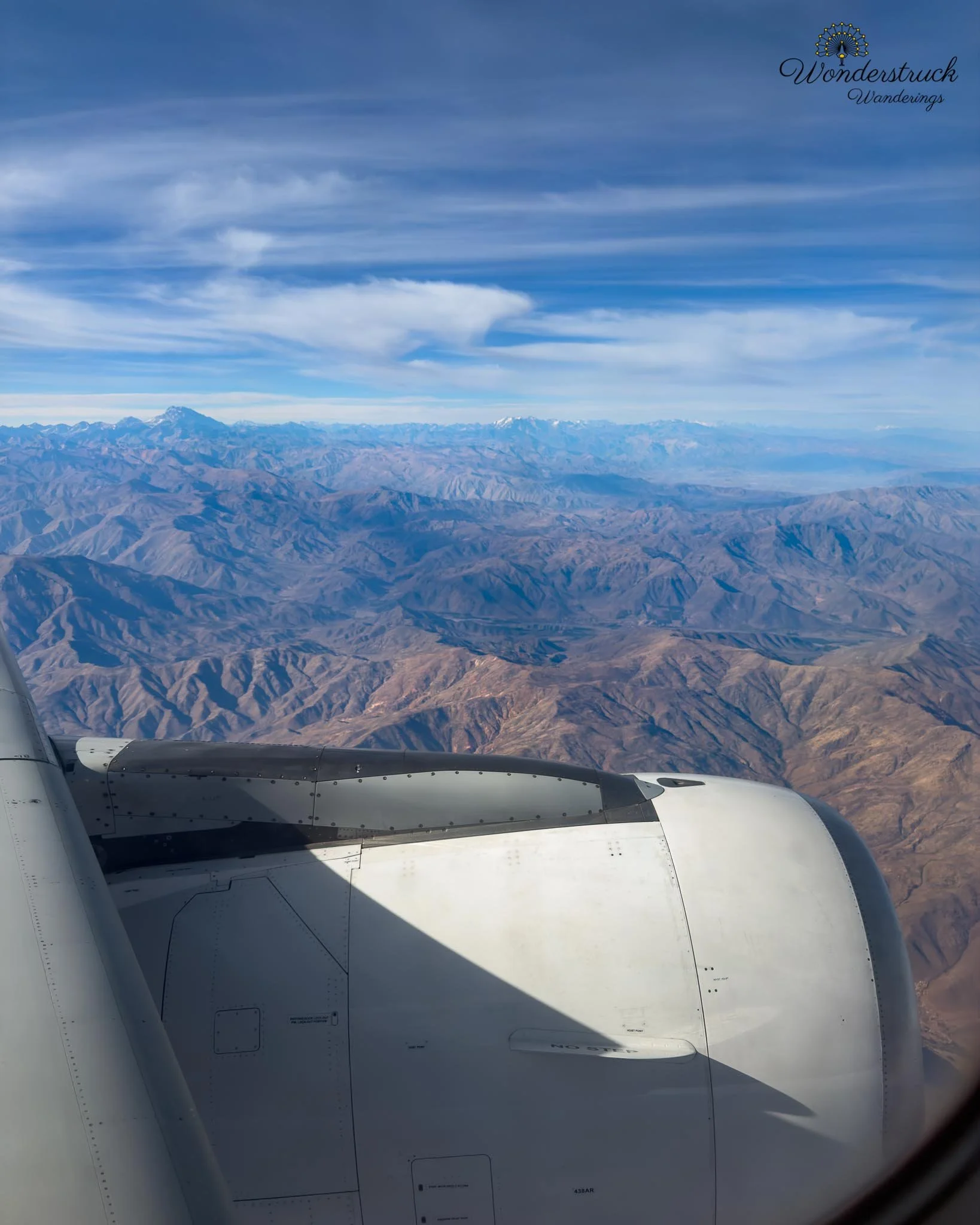
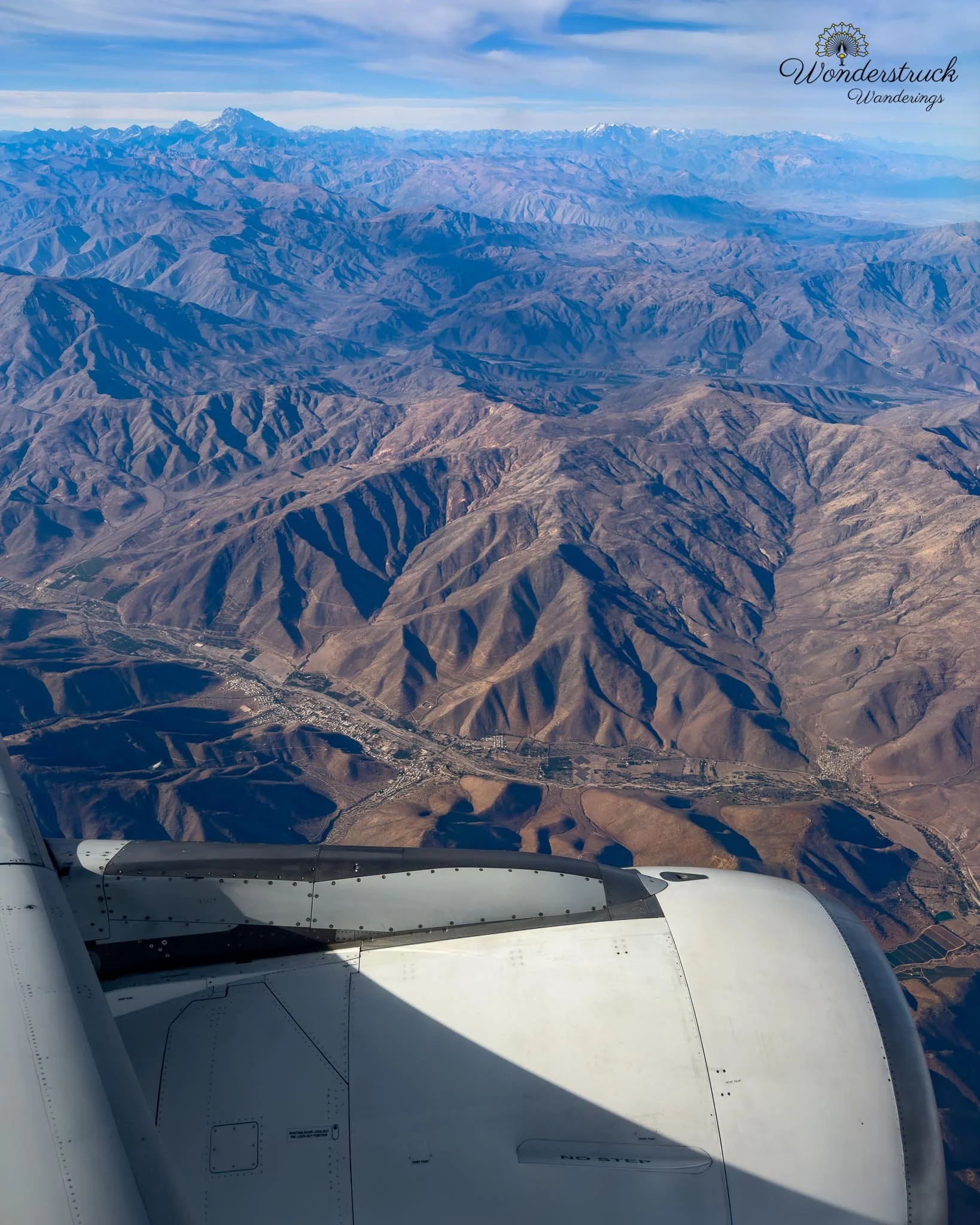
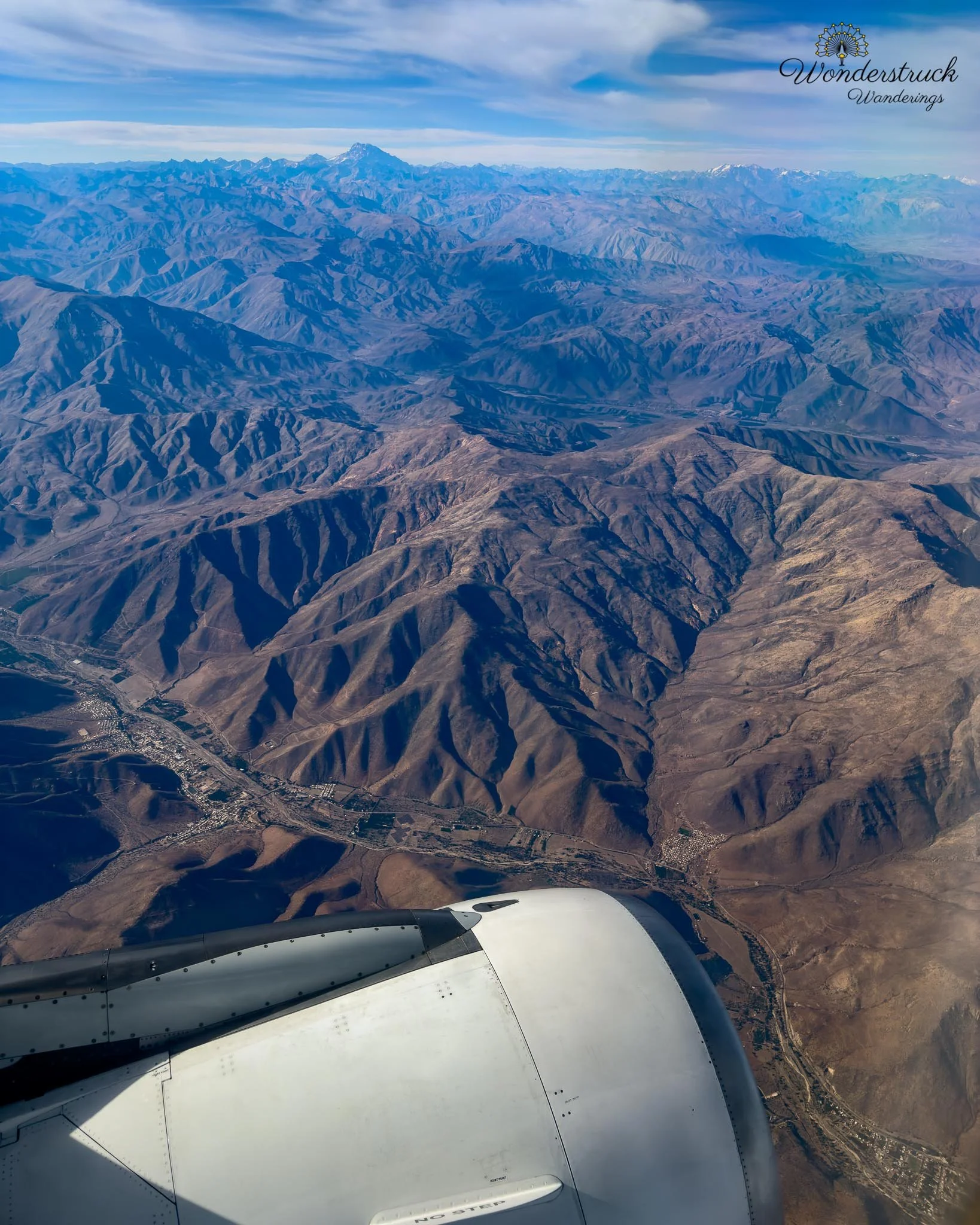
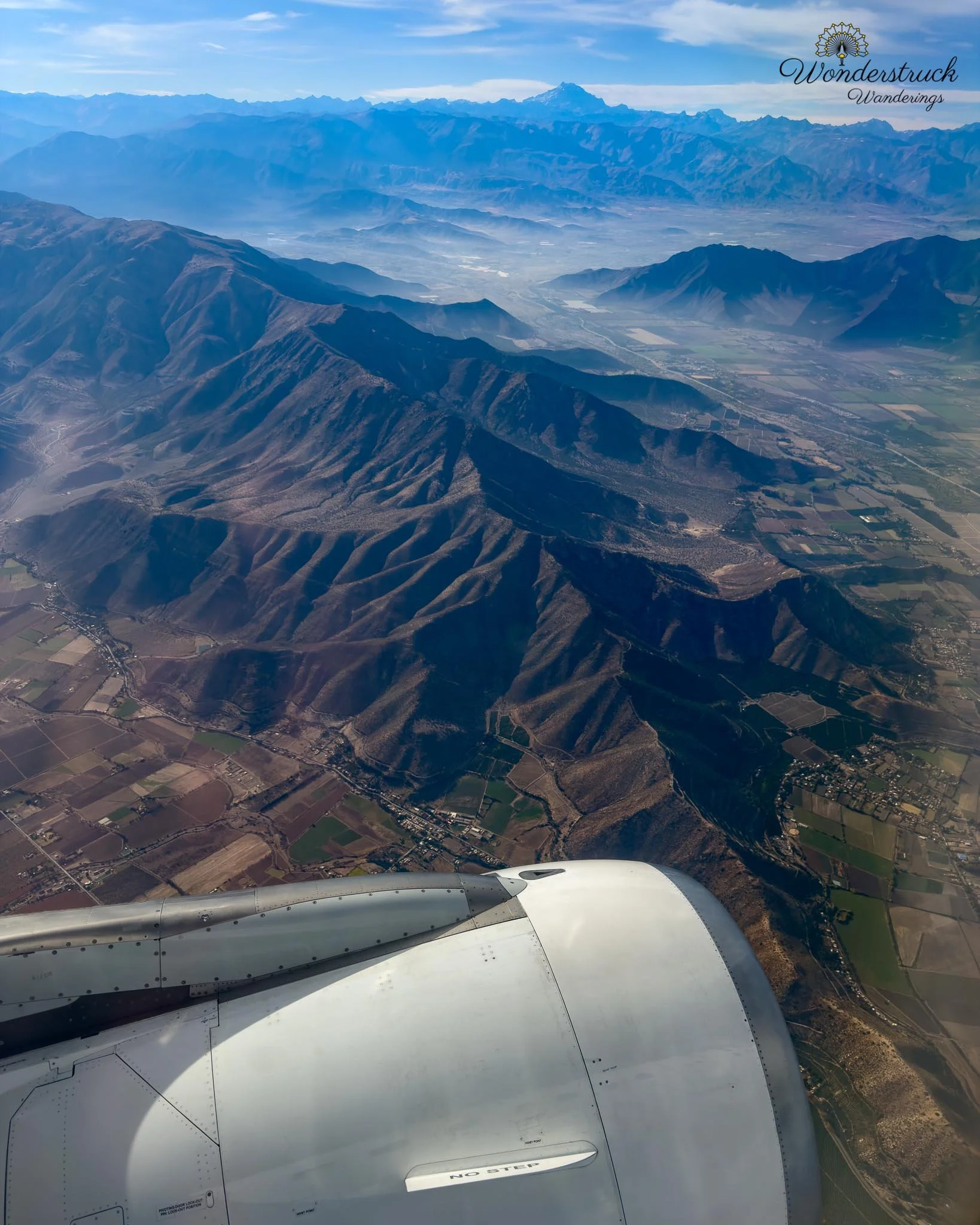
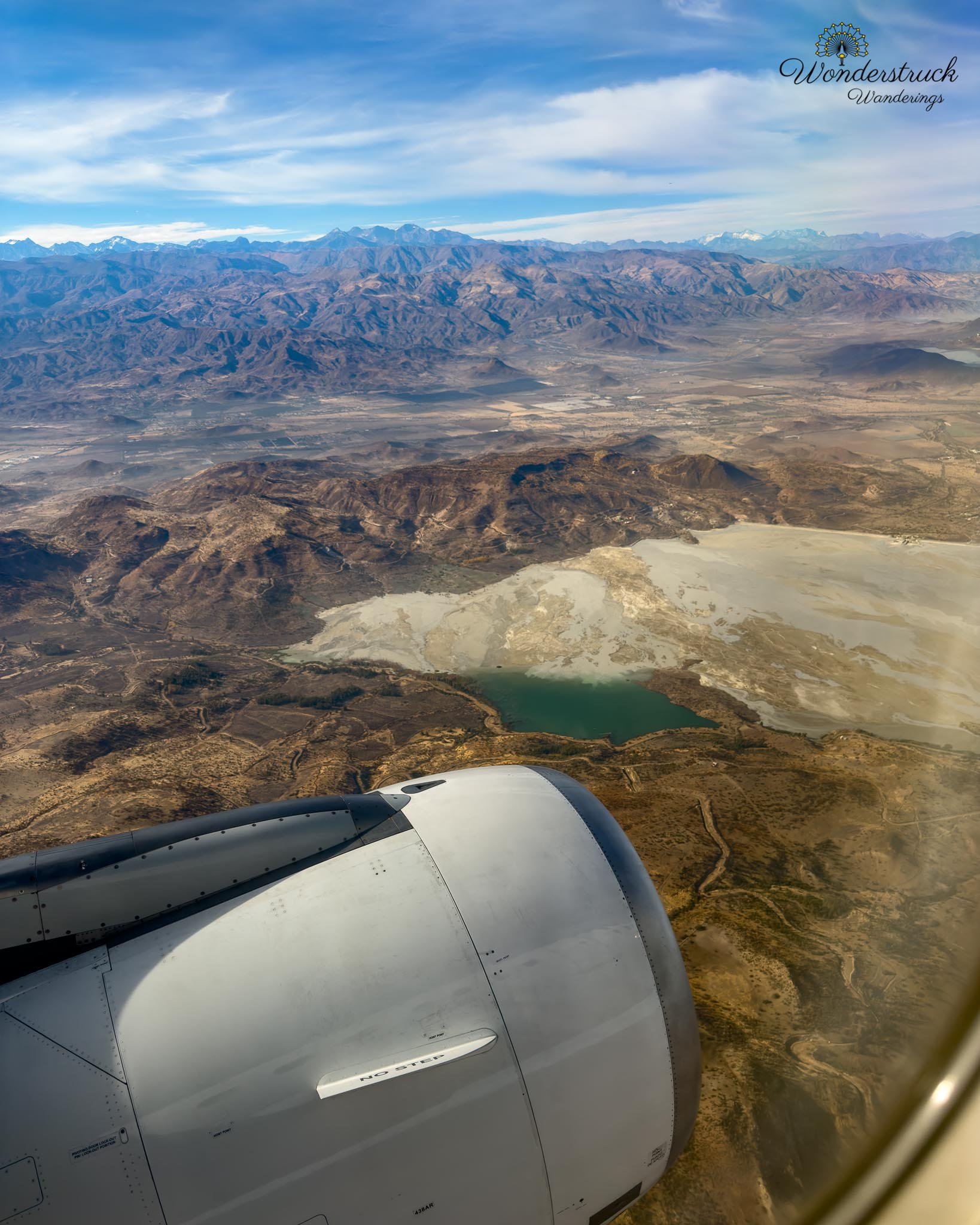
We left early in the morning, around 5 a.m., for the Calama airport. After five nights in San Pedro de Atacama, it felt strange to be driving away from the desert in the dark. The town was quiet, the roads were empty, and the sky above us was still full of stars. That was one of the gifts of leaving before sunrise: even though we were tired, the Atacama gave us one last dark-sky drive before we traded volcanoes, salt flats, and desert dust for Chile's wine valleys. The drive from San Pedro to Calama was uneventful, which is exactly what we wanted before a flight. We had done enough adventurous driving over the past few days - El Tatio in the dark, Ruta 27 at altitude, Piedras Rojas, Rainbow Valley dirt roads, and several sunrise and sunset dashes. This time, we just needed to get to the airport, fill up the gas tank, return the car, and check in without drama. We stopped for gas in Calama, dropped the rental key at Avis, checked our luggage, and made our way to the gate. It was a cold morning, and we waited for the flight to arrive from Santiago before it would turn around and take us back south. The inside-flight pattern in Chile started to make sense by this point. Because the country is so long and narrow, and because Santiago sits as the main hub, you often fly back through the capital before continuing to another region. For us, the pattern was simple: Santiago to Calama for the Atacama, then Calama back to Santiago before driving into wine country. Once we took off, the flight became a quiet recap of the previous several days. From the plane, we could see the desert that we had just spent nearly a week exploring from the ground. Roads, ridges, empty basins, and mountain edges looked more abstract from above, but the Atacama's scale was still unmistakable. It is one thing to drive through it, feeling each hour of distance and each change in light. It is another to fly over it and realize how much emptiness surrounds every place you visited. Then the flight followed the Andes southward toward Santiago. The mountains stretched beside us in long folds of rock, and shadow with some snow, the same mountain spine that had framed so much of our trip from Santiago to San Pedro. Eventually, the desert gave way to the central valleys, and we landed in hazy Santiago.
At the baggage belt, we waited for our luggage, which took its sweet time. We were still in that half-alert airport mode when Shay suddenly smelled wine. That is never a good sign. As soon as we pulled the bag off the belt, we knew something had gone wrong. One of the wine bottles had broken. We quickly opened the luggage right there and started unpacking everything. Thankfully, it looked like the bottle had broken very late in the process, probably right around baggage claim, so we were able to salvage almost everything except the bottle itself. Everything smelled like wine, of course, but it could have been much worse. The annoying part was that the bottle had been packed in one of those inflatable wine sleeves. I had trusted the inflated wine-protection sleeve too much and had not packed the luggage with my usual carefulness. That was the mistake. This was our first broken-bottle incident in fifteen years of carrying wine home from trips, and it immediately made me promise myself that I would go back to my old method: wrap carefully, cushion properly, distribute pressure, and never trust fancy packaging alone. It was frustrating, but at least it did not derail the day. We cleaned up as best we could, reorganized the bag, and moved on.
Driving West Toward Chile's Coastal Wine Country
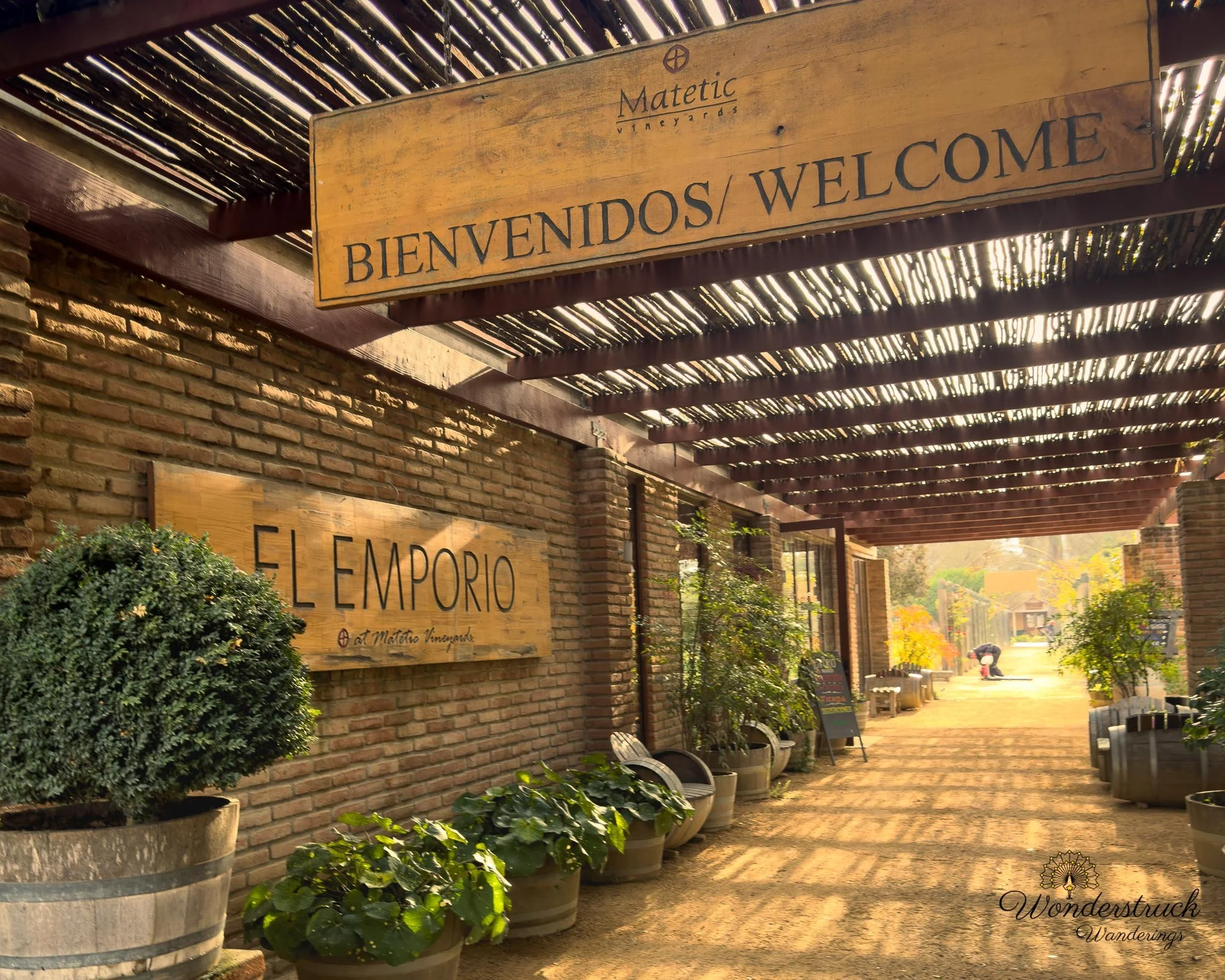
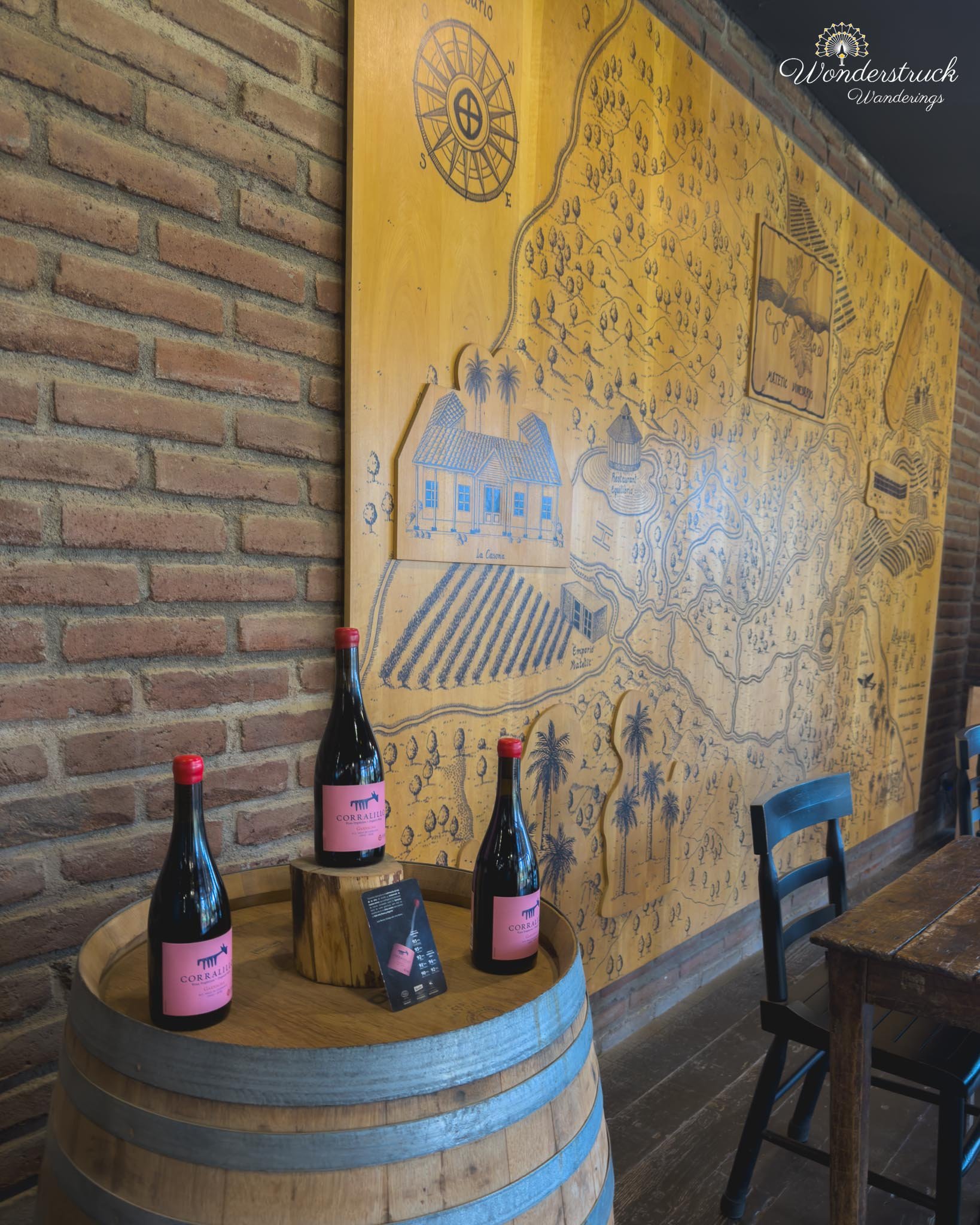
After getting our new rental car from Avis, we drove west from Santiago toward Valparaíso before turning through the Casablanca wine region. The change from the Atacama was immediate. We had spent days in a world of salt, volcanoes, desert wind, and high-altitude lagoons. Now the road moved through greener, softer, more cultivated country.Casablanca Valley was the first wine region on the route. It is one of Chile's best-known cool-climate valleys, strongly influenced by the Pacific and especially associated with Sauvignon Blanc, Chardonnay, and Pinot Noir. Even just driving through, Casablanca had a different feel from the wine countries we had visited elsewhere. It reminded us a little of Southern California wine landscapes on the other side of the globe: sun, dry hills, vineyards, coastal influence, and long golden light. But Chile had its own geometry - the Andes behind, the Pacific not far away, and a sense that every valley had been shaped by both mountain and ocean. Our main destination, though, was not Casablanca. We were heading to Matetic Vineyards, in the Rosario Valley of the San Antonio wine region. San Antonio is one of Chile's coastal wine areas and is especially known for cool-climate varieties such as Sauvignon Blanc, Chardonnay, Pinot Noir, and Syrah. Matetic sits between the Pacific Ocean and the Coastal Mountains, and that coastal influence was the reason we had wanted to visit. After days in the Atacama, we were ready for a different Chile: wine, food, gardens, birds, and rolling valley light.
Lunch at Equilibrio Restaurant at Matetic
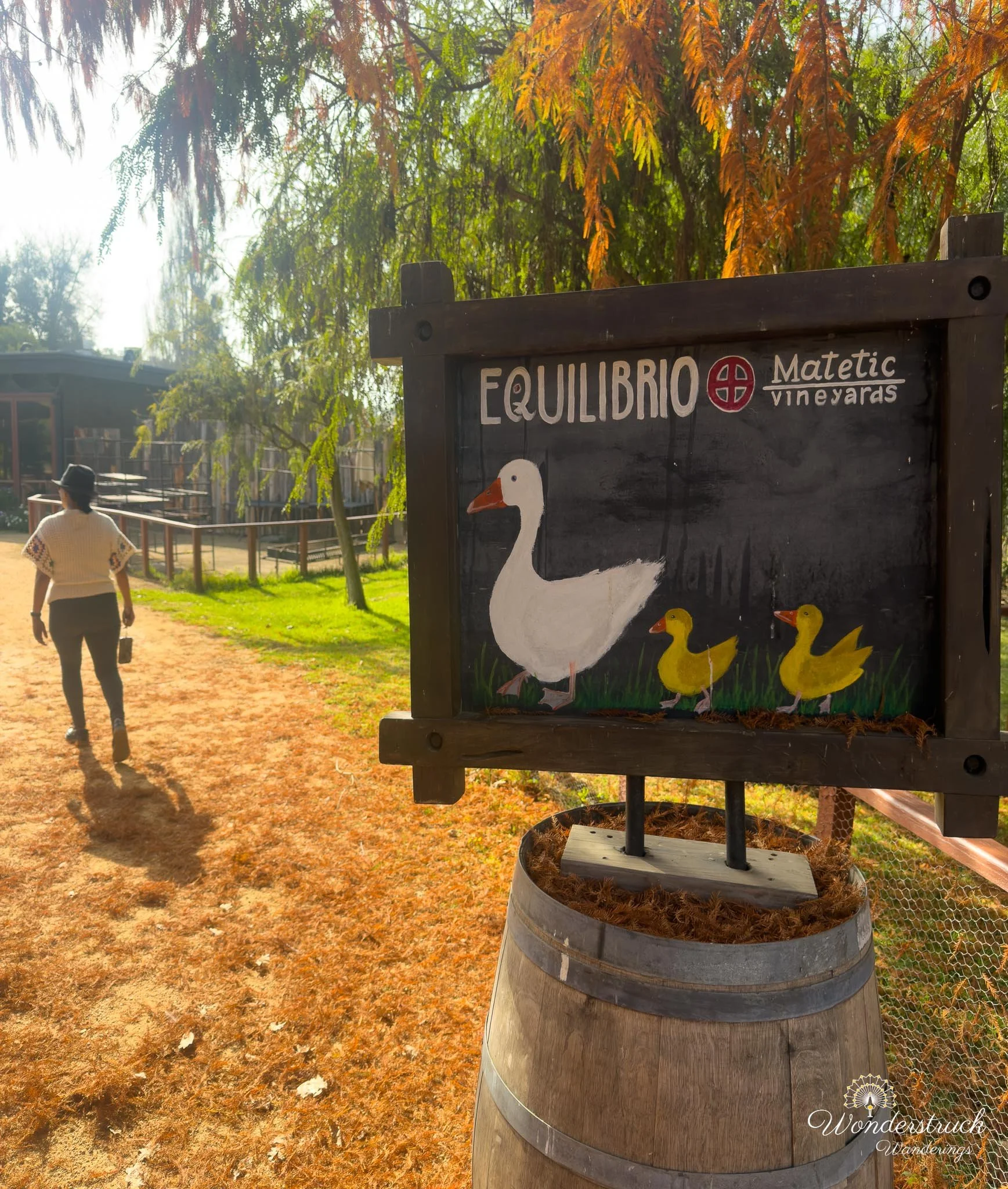
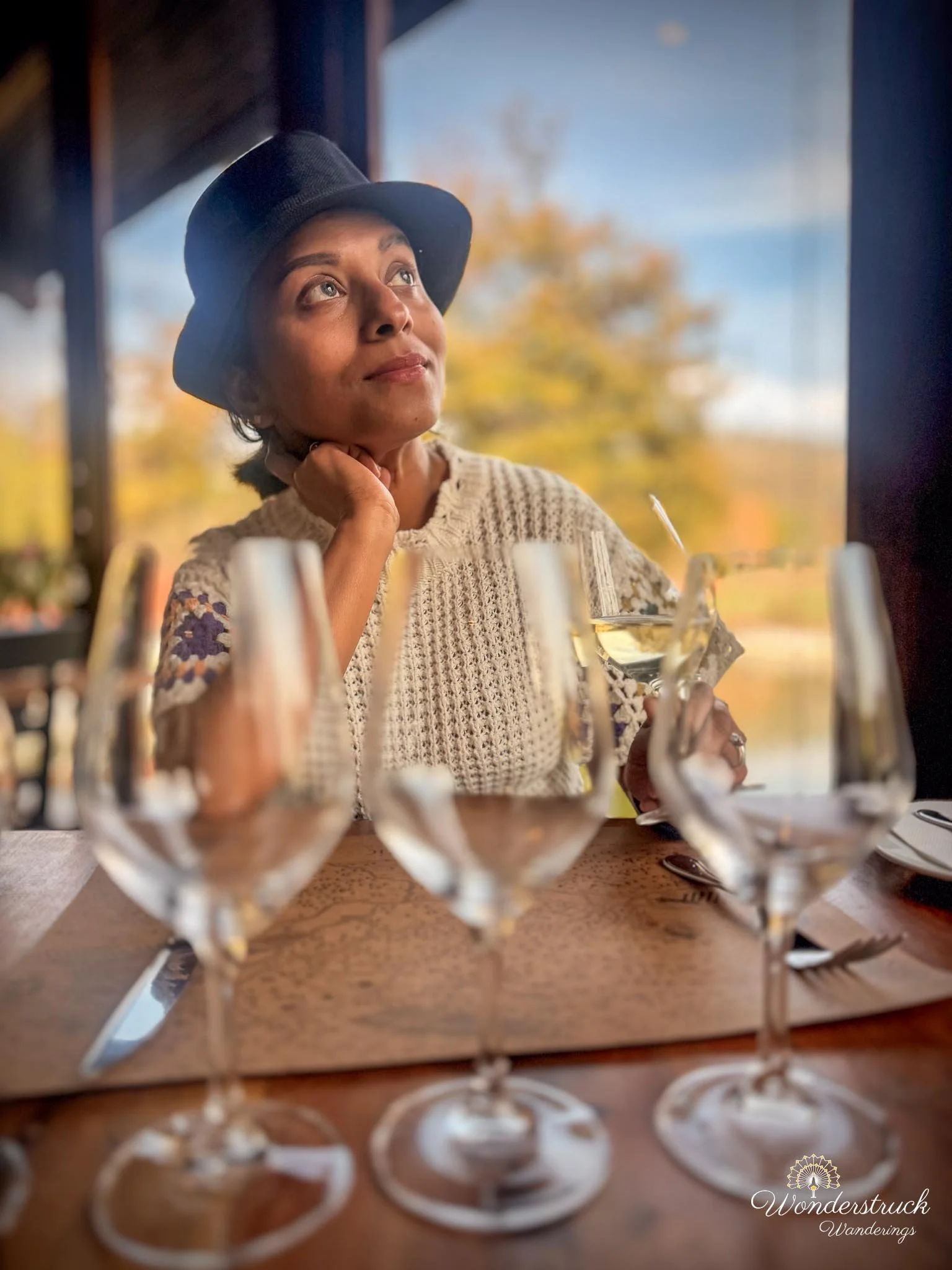
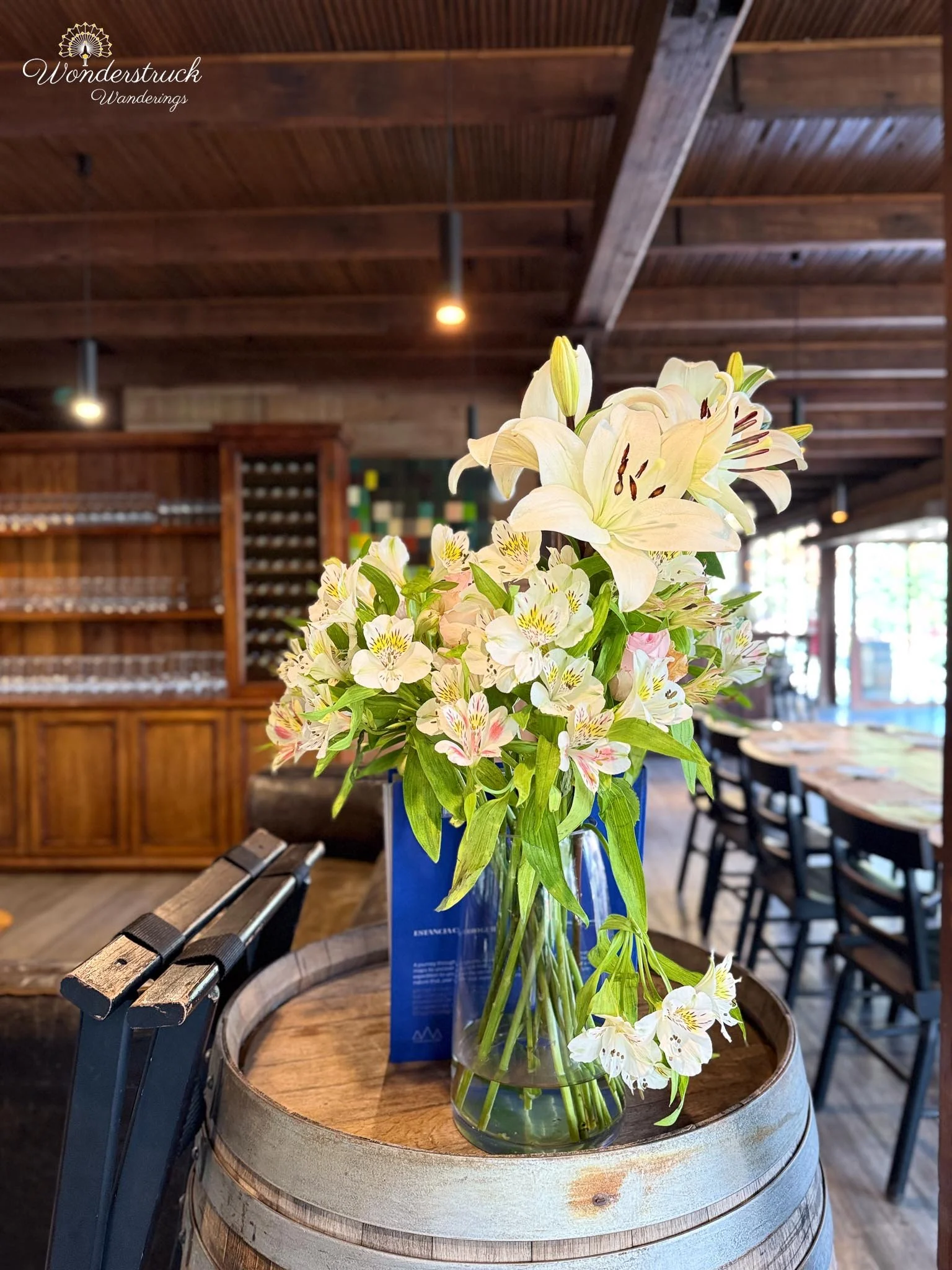
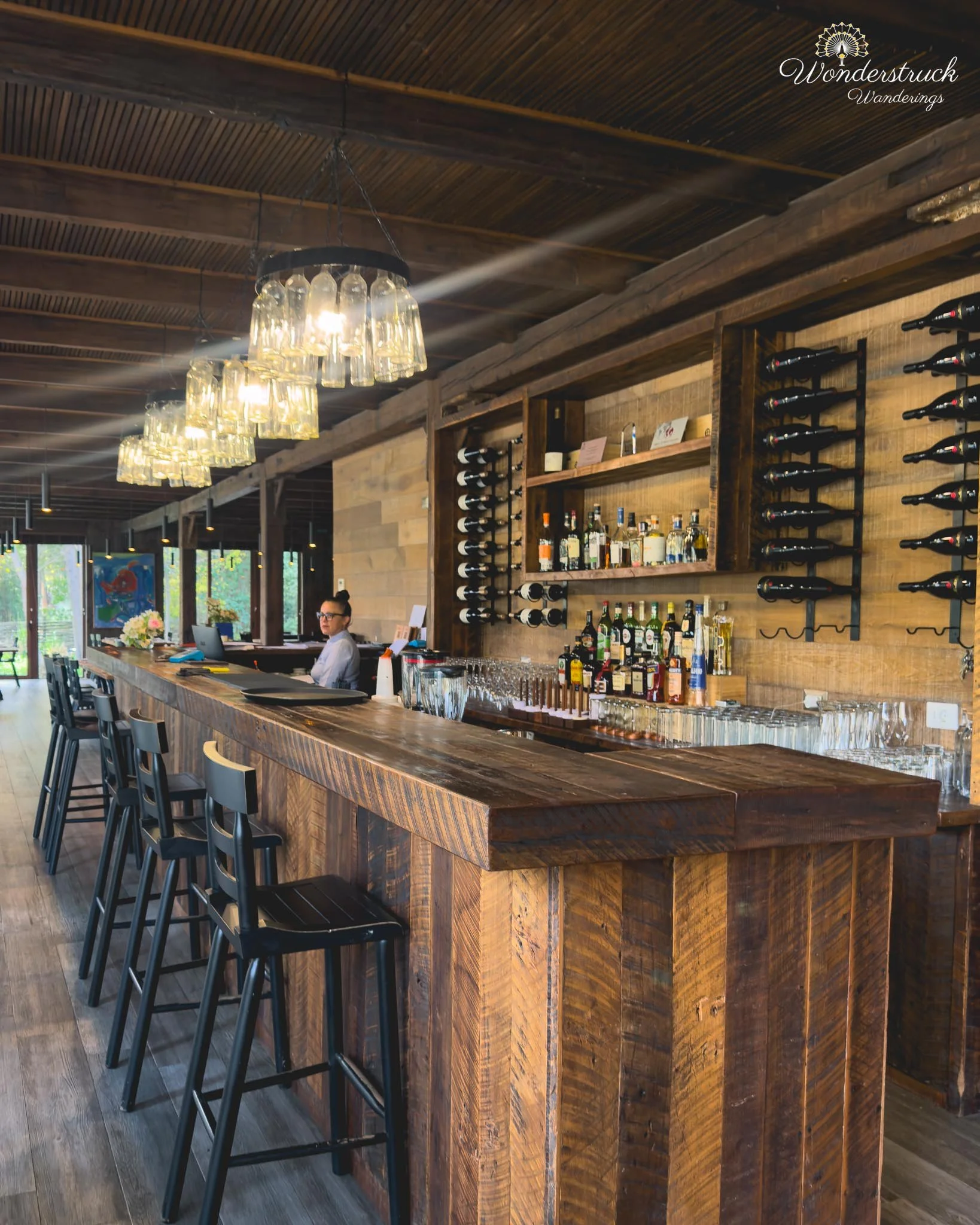
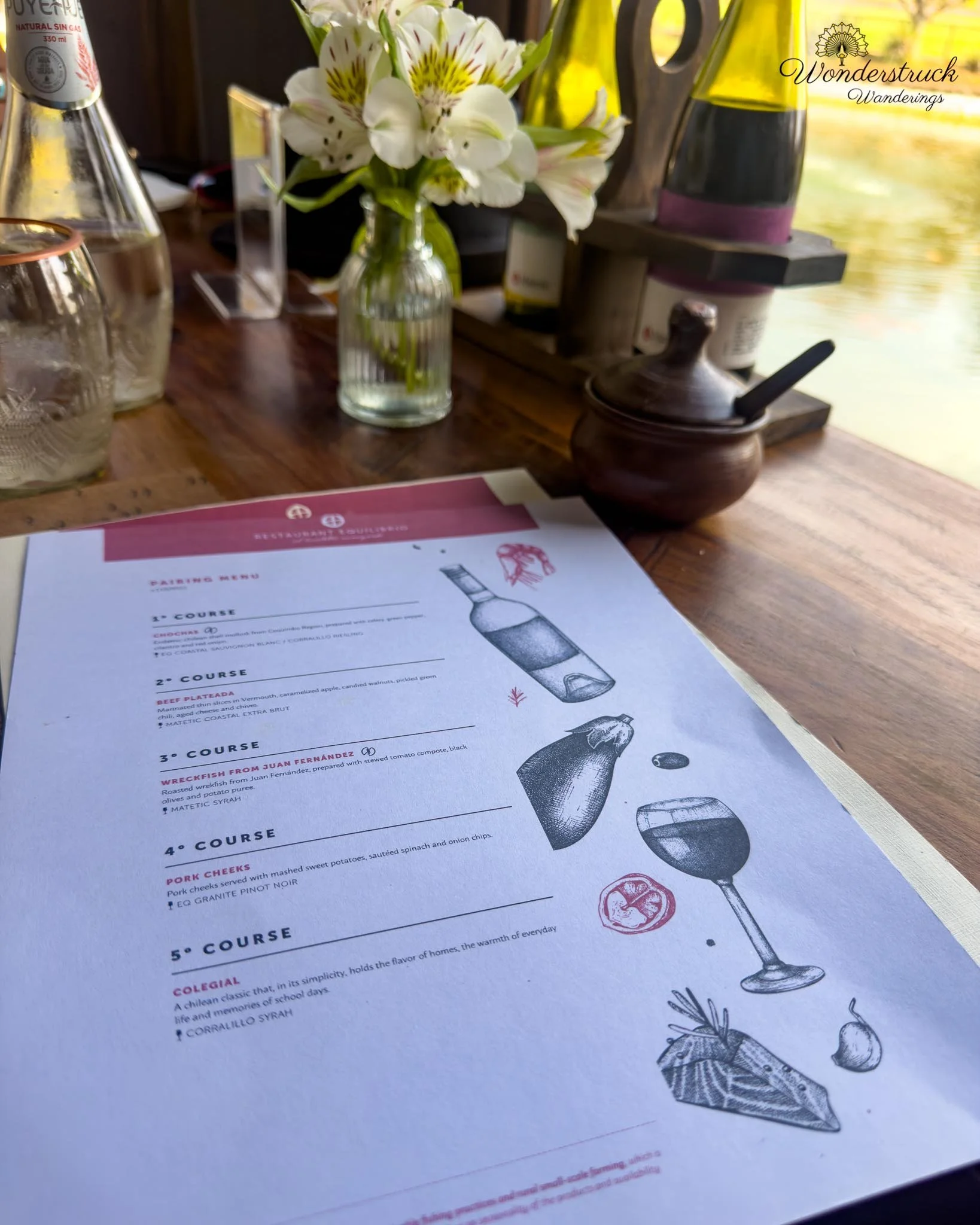
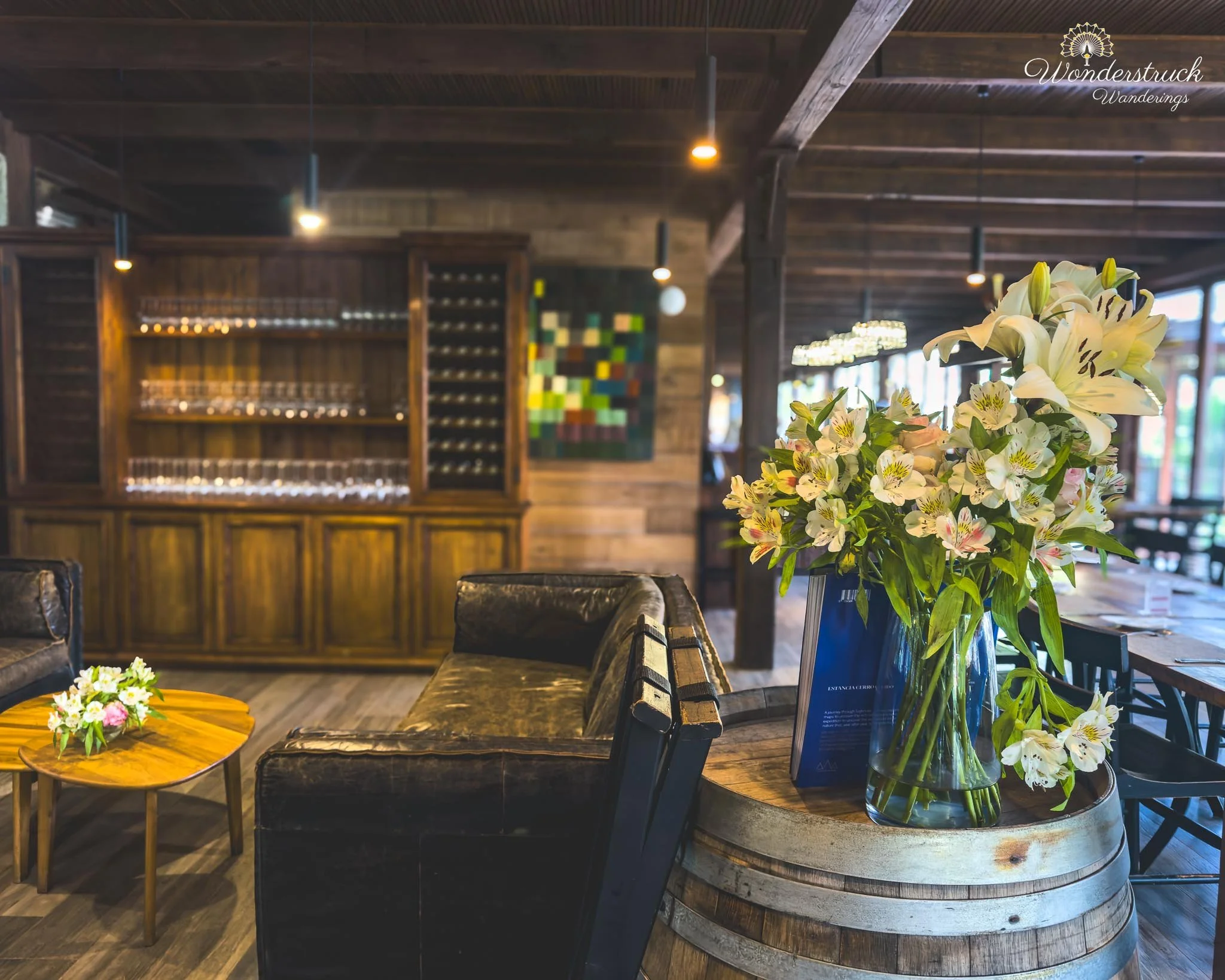
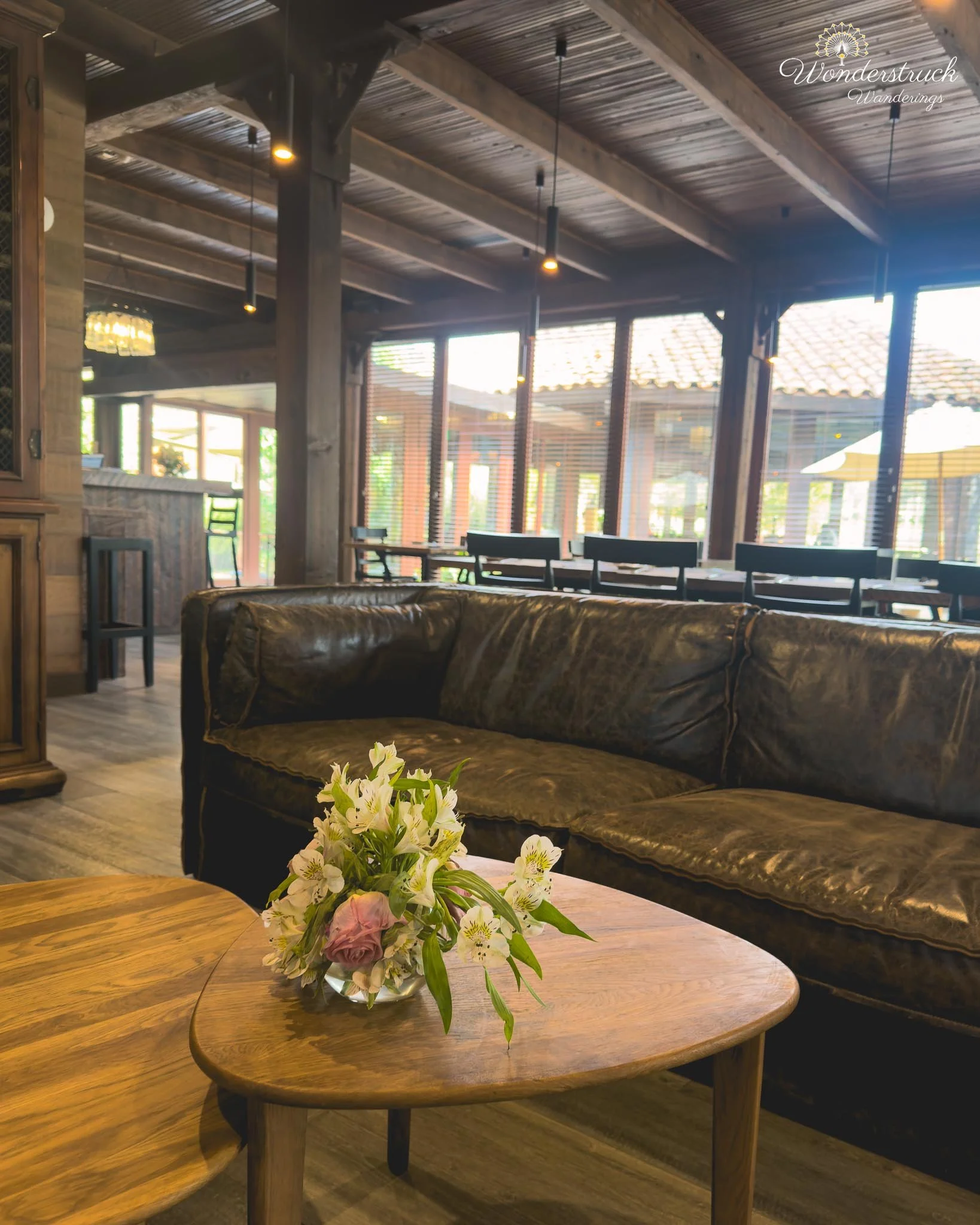
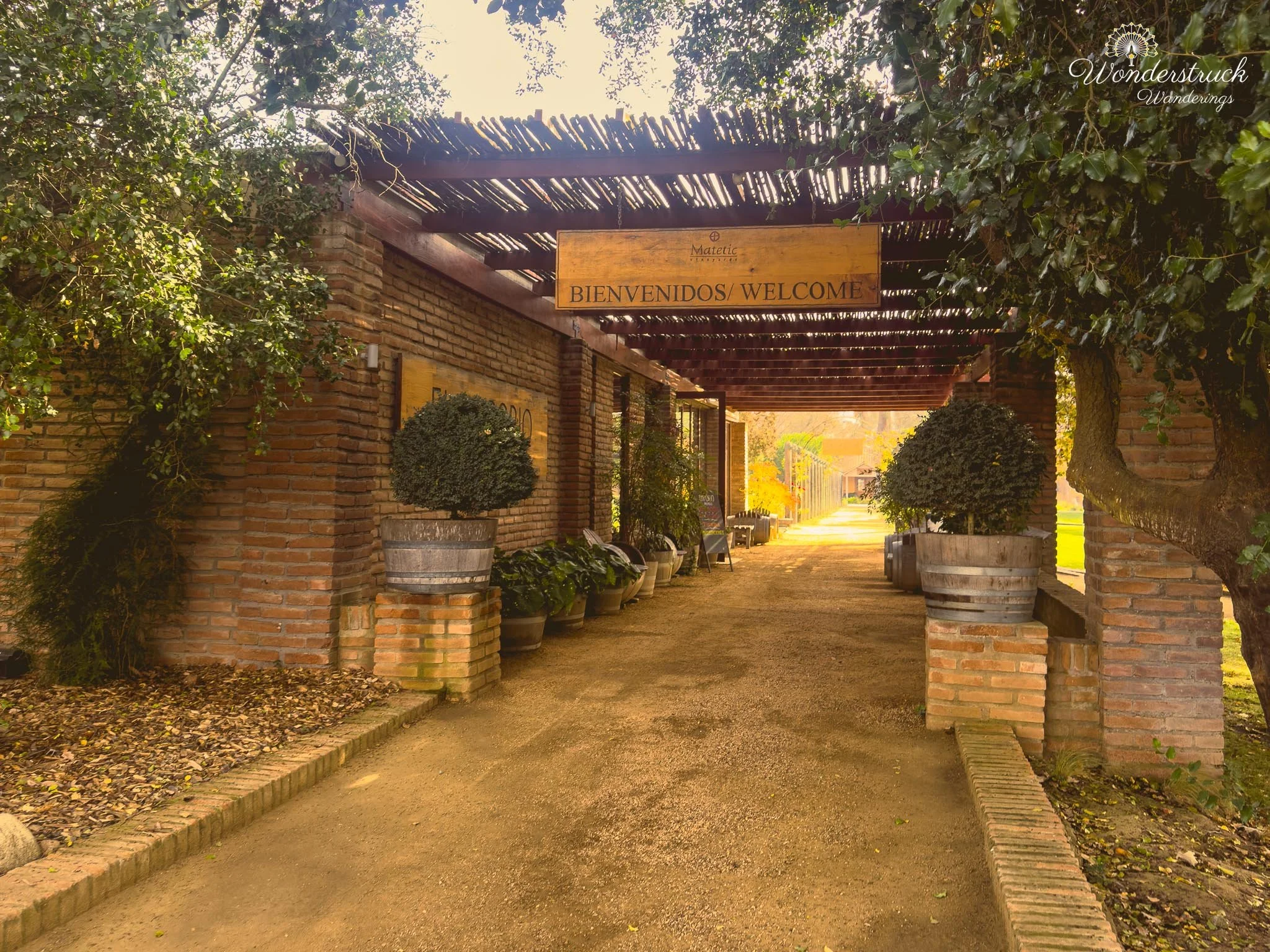
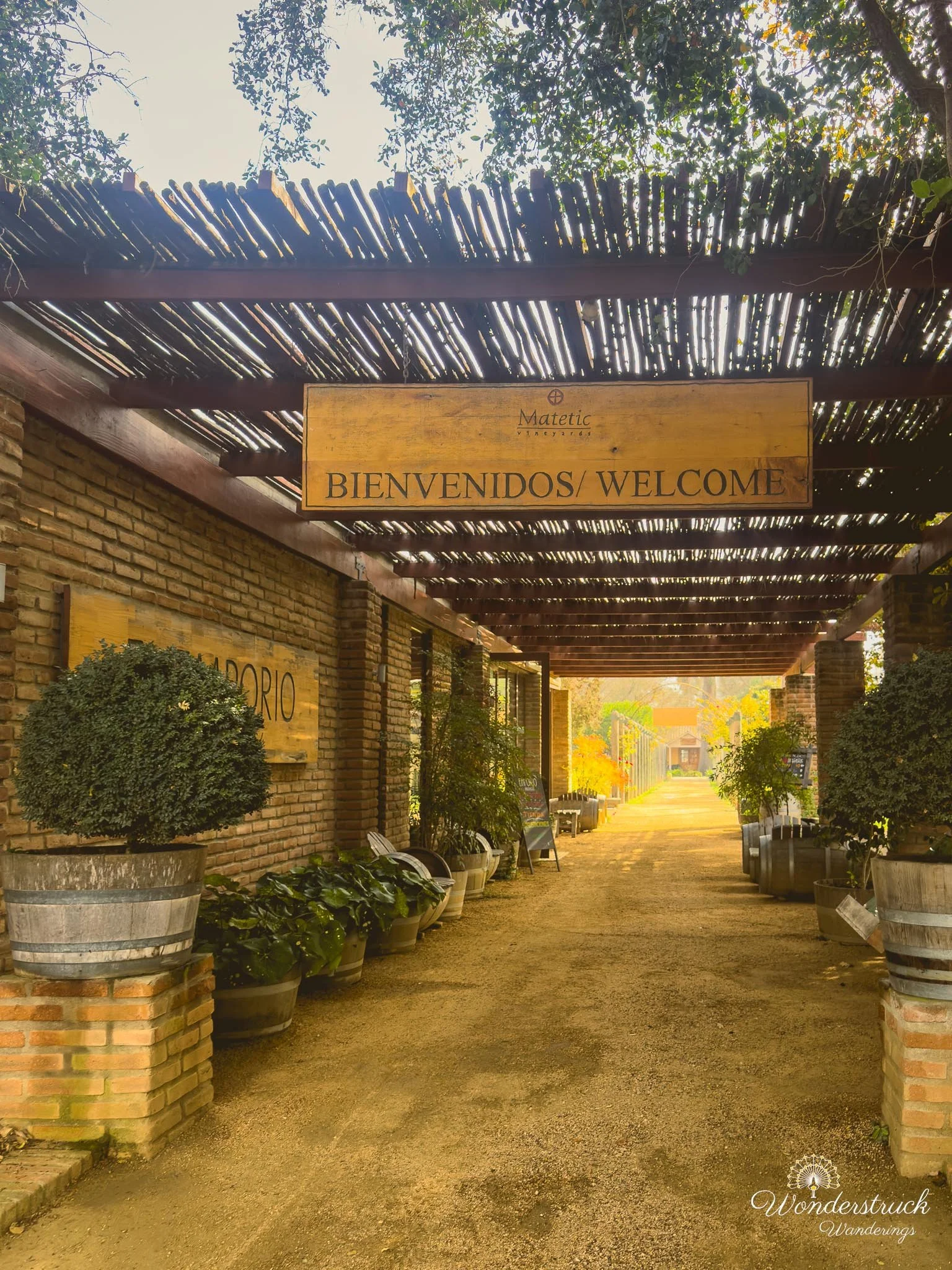
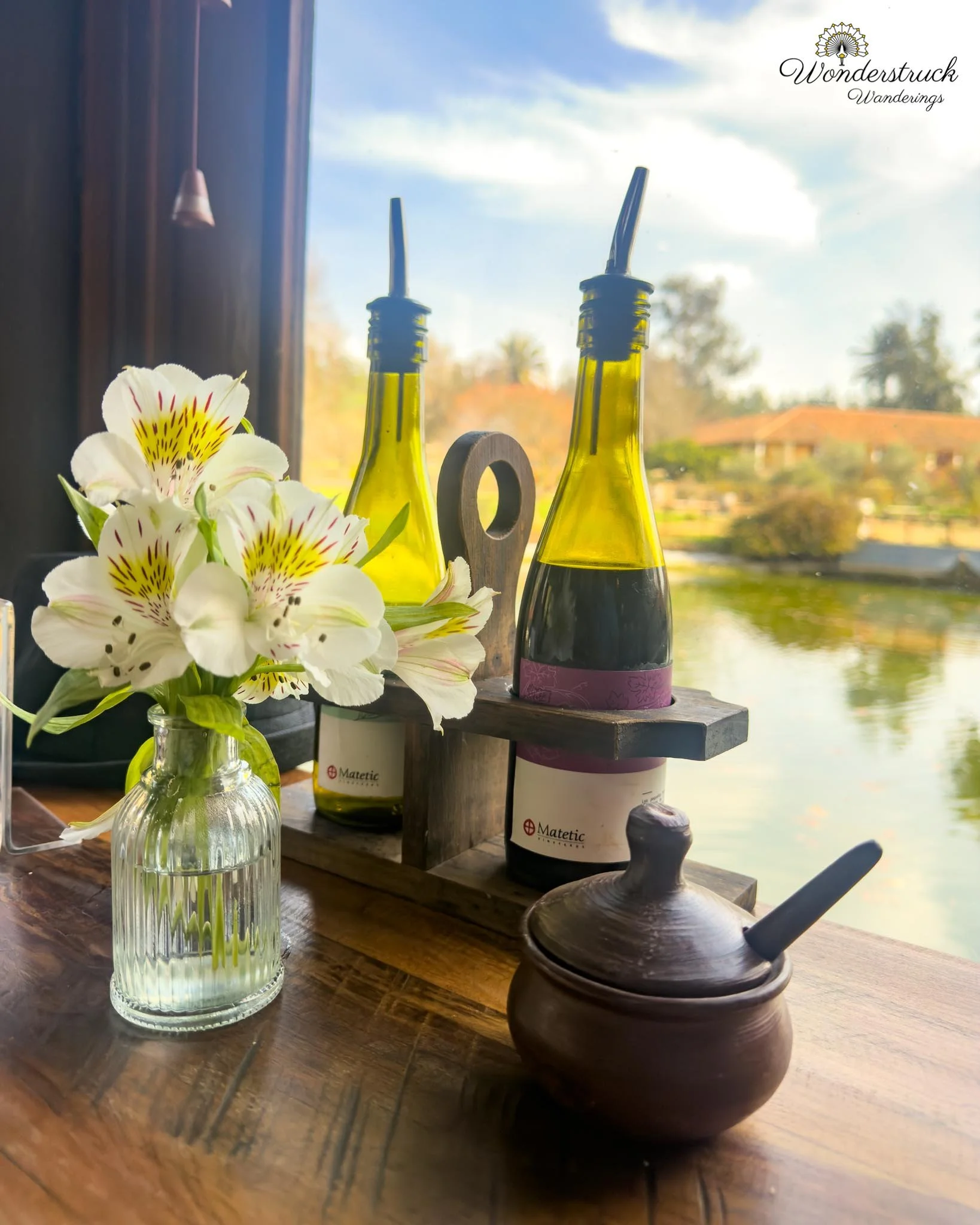
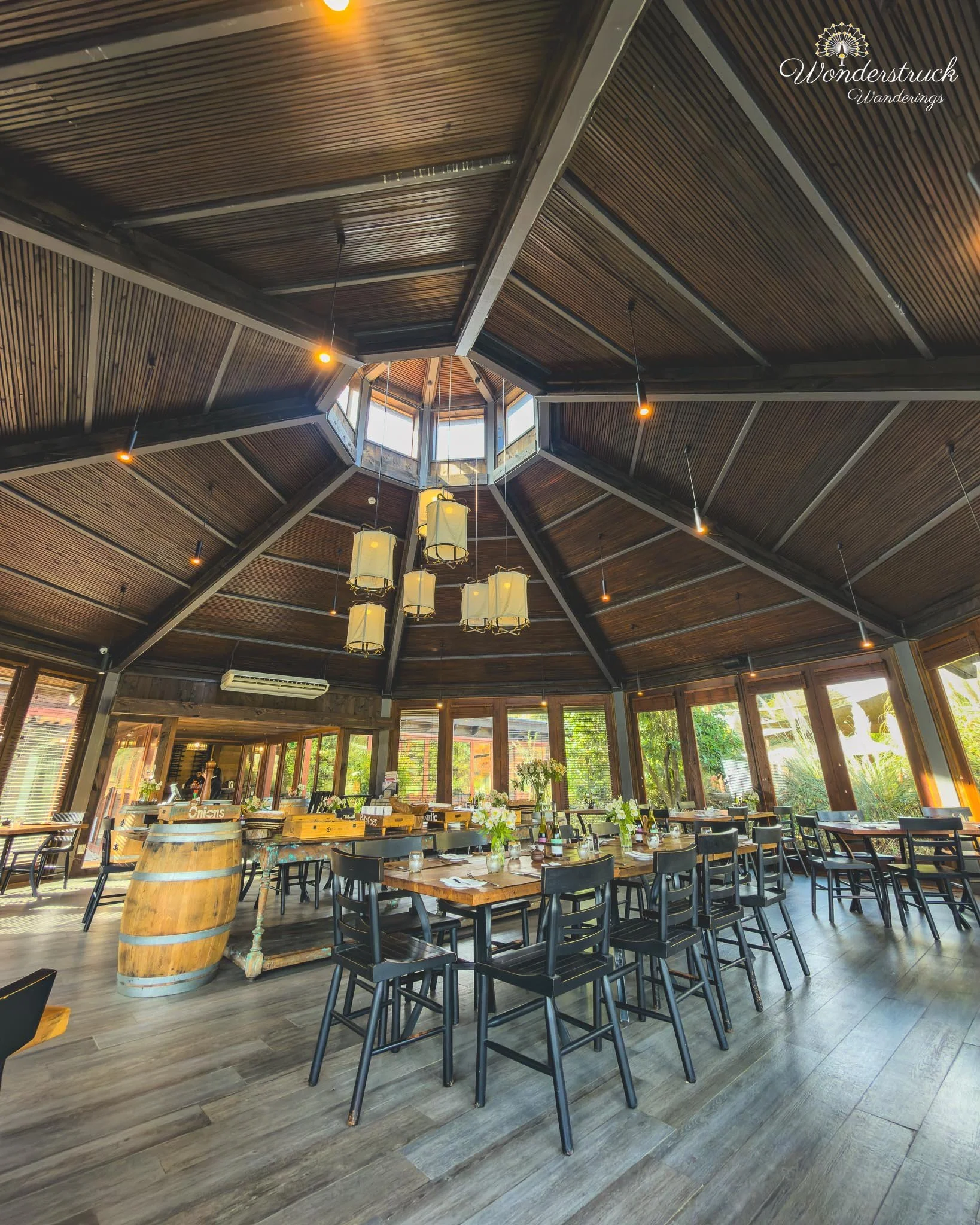
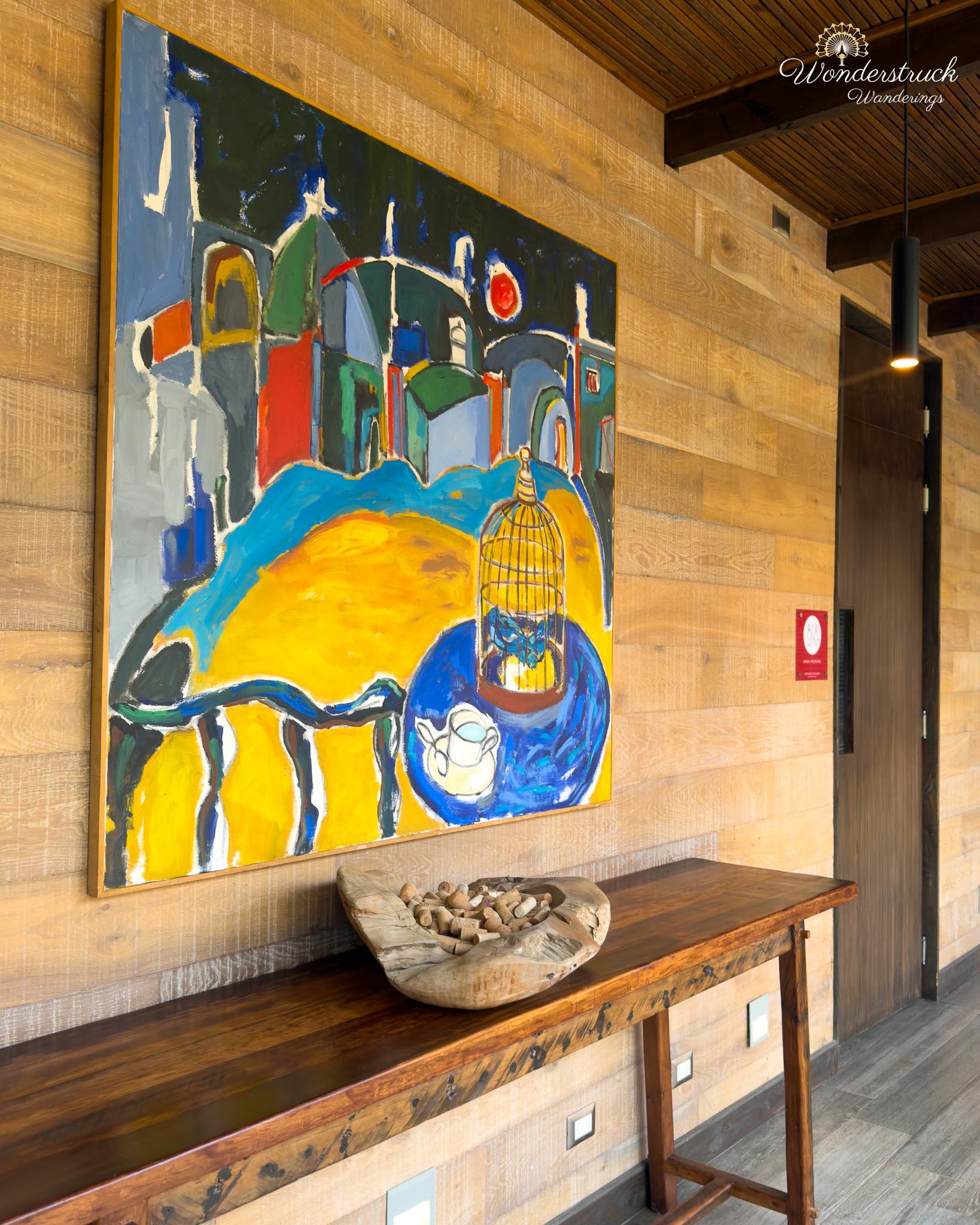
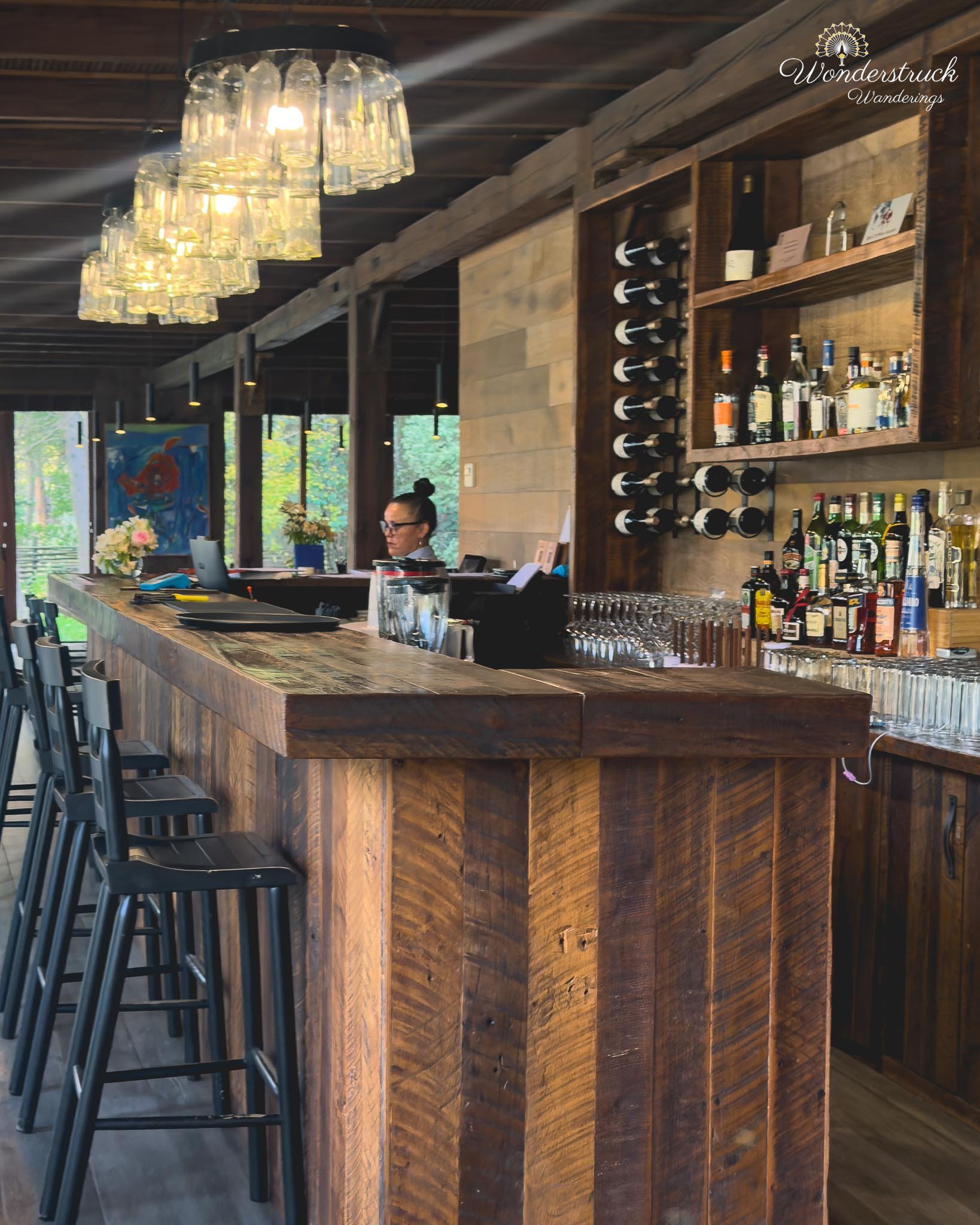
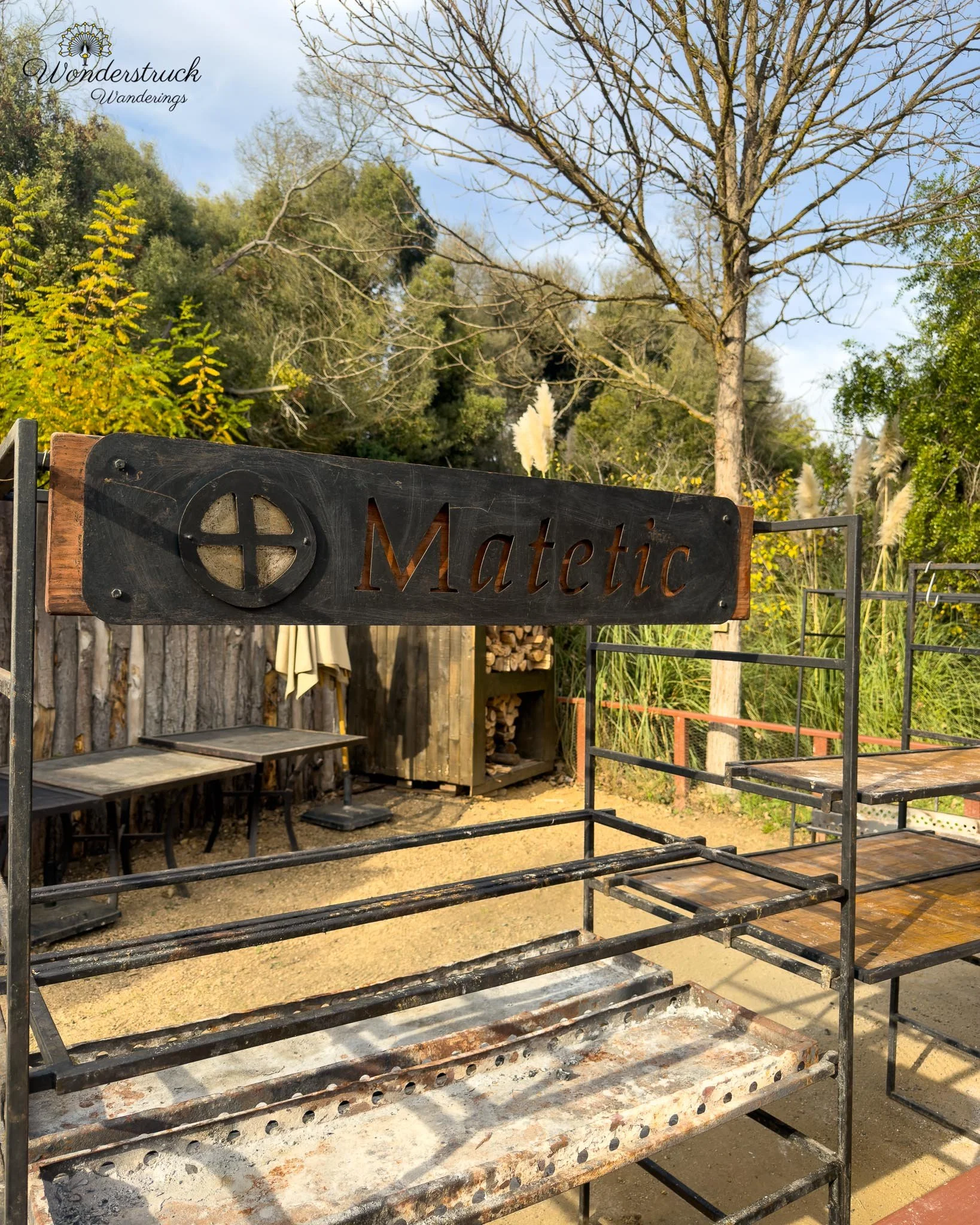
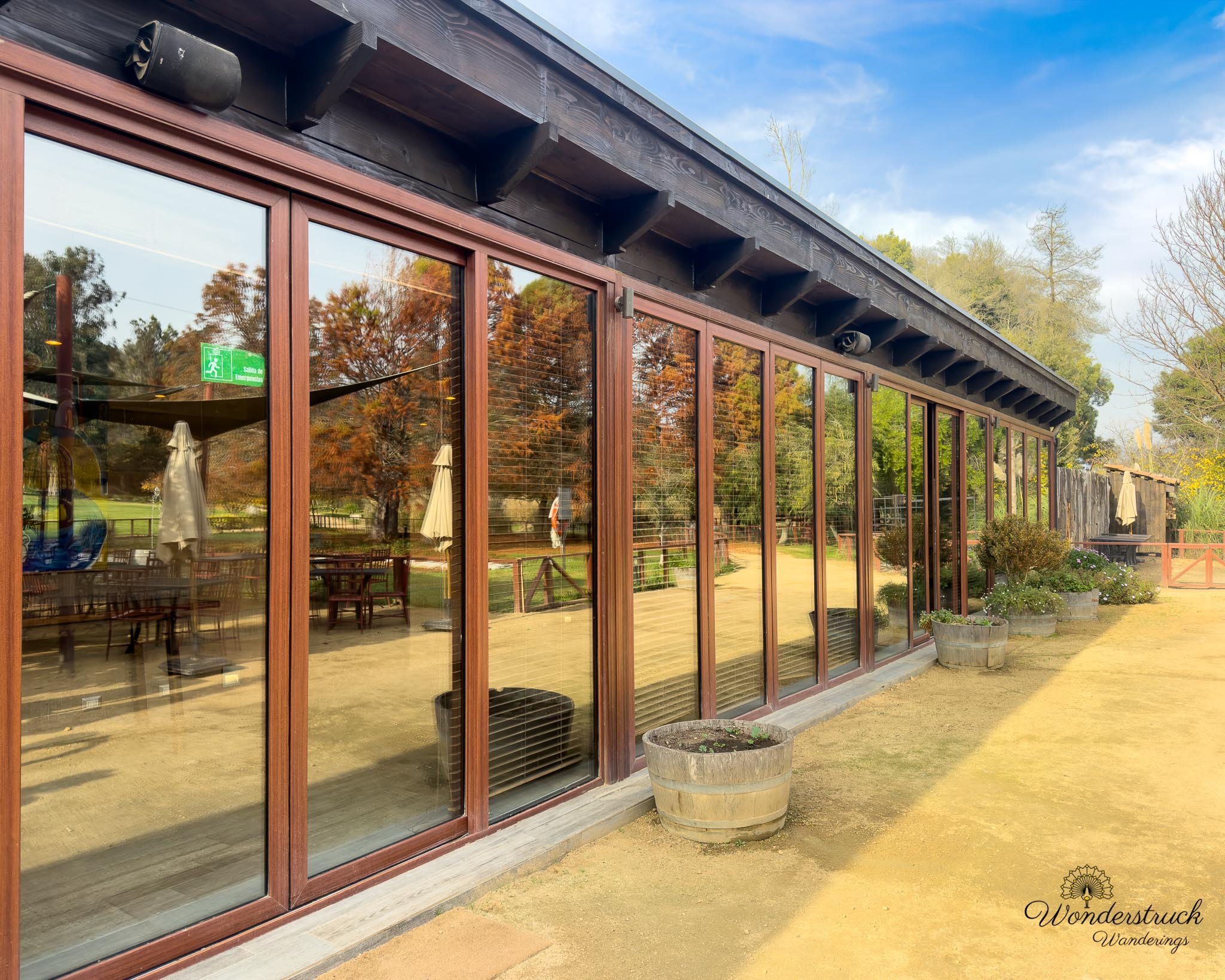
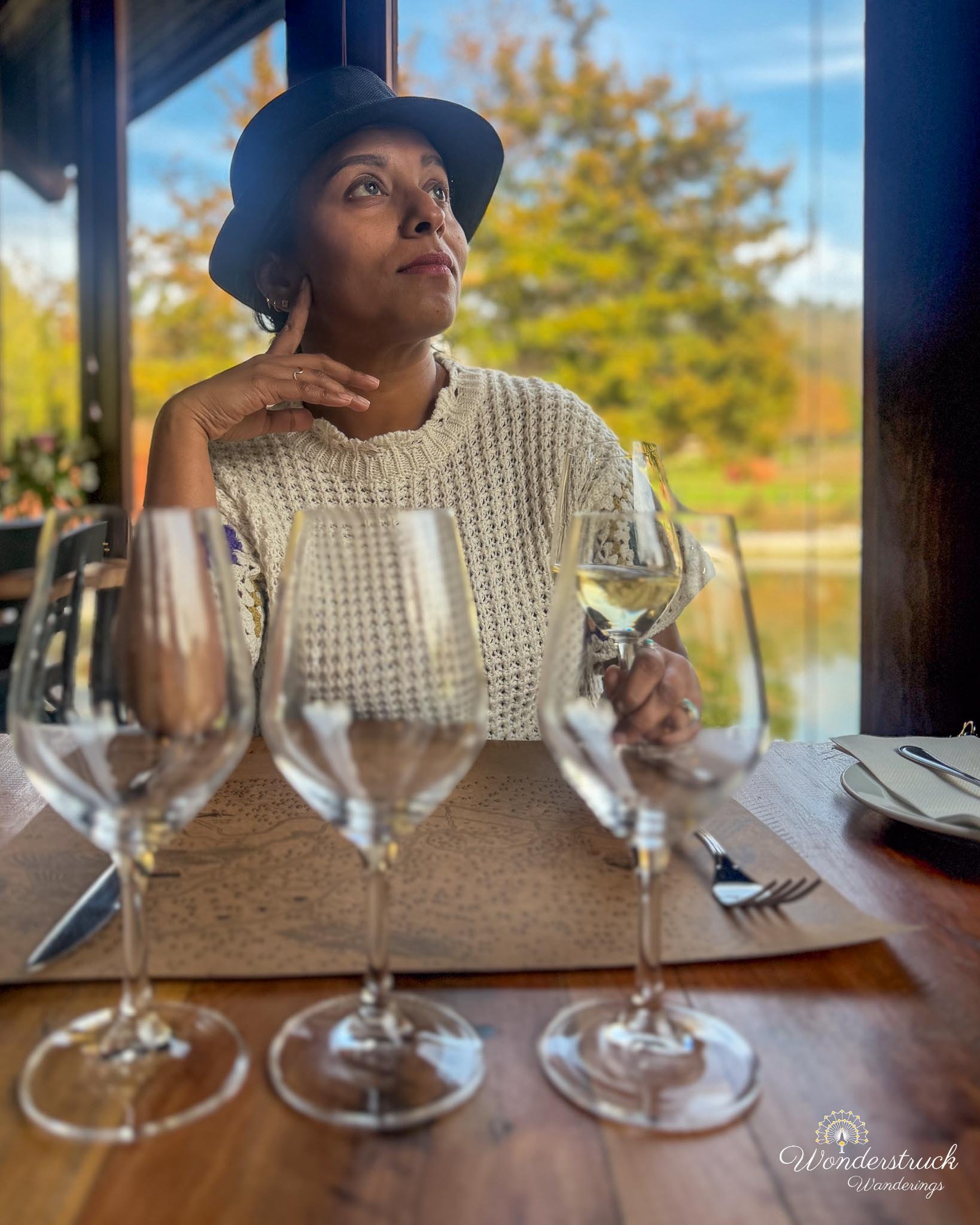
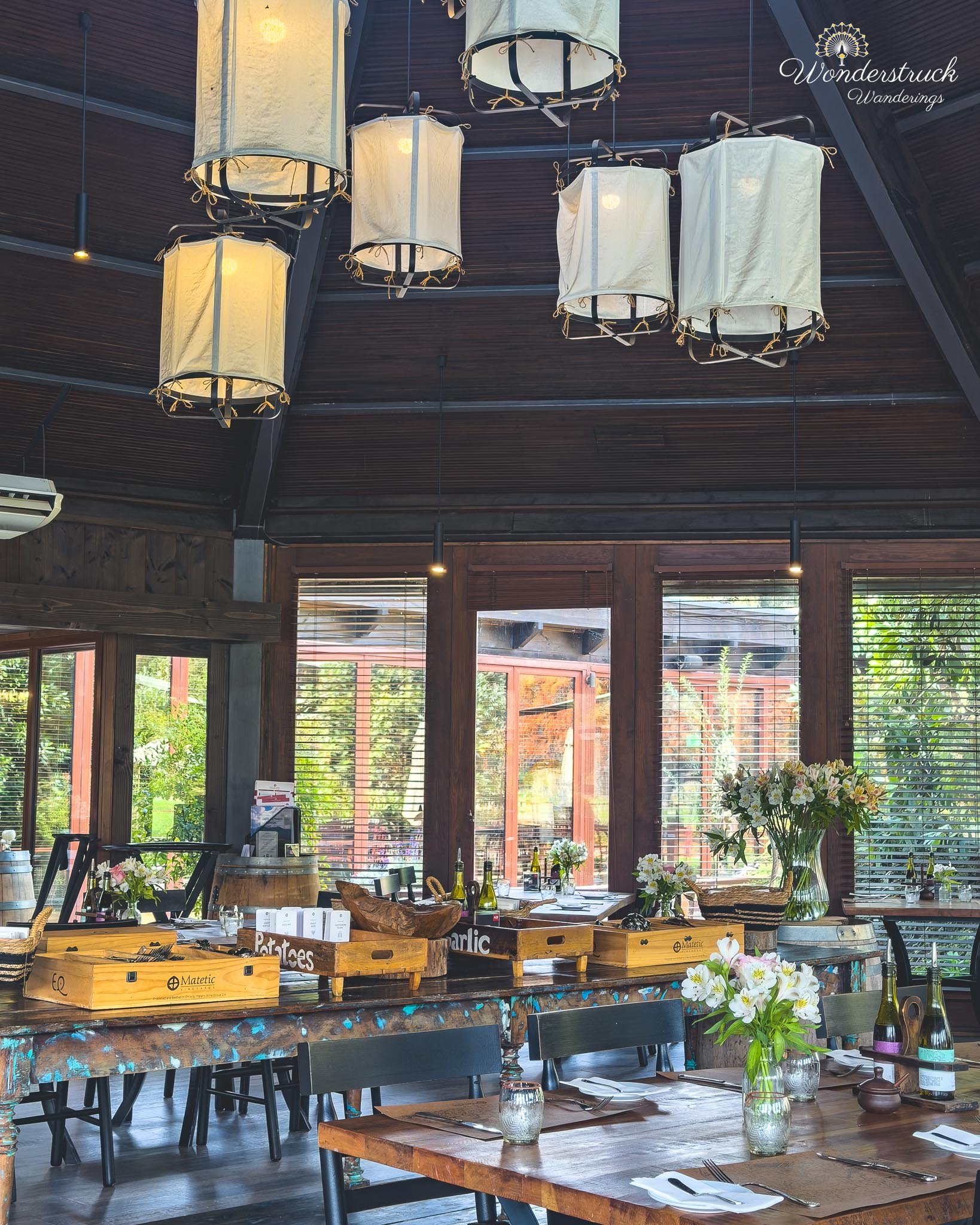
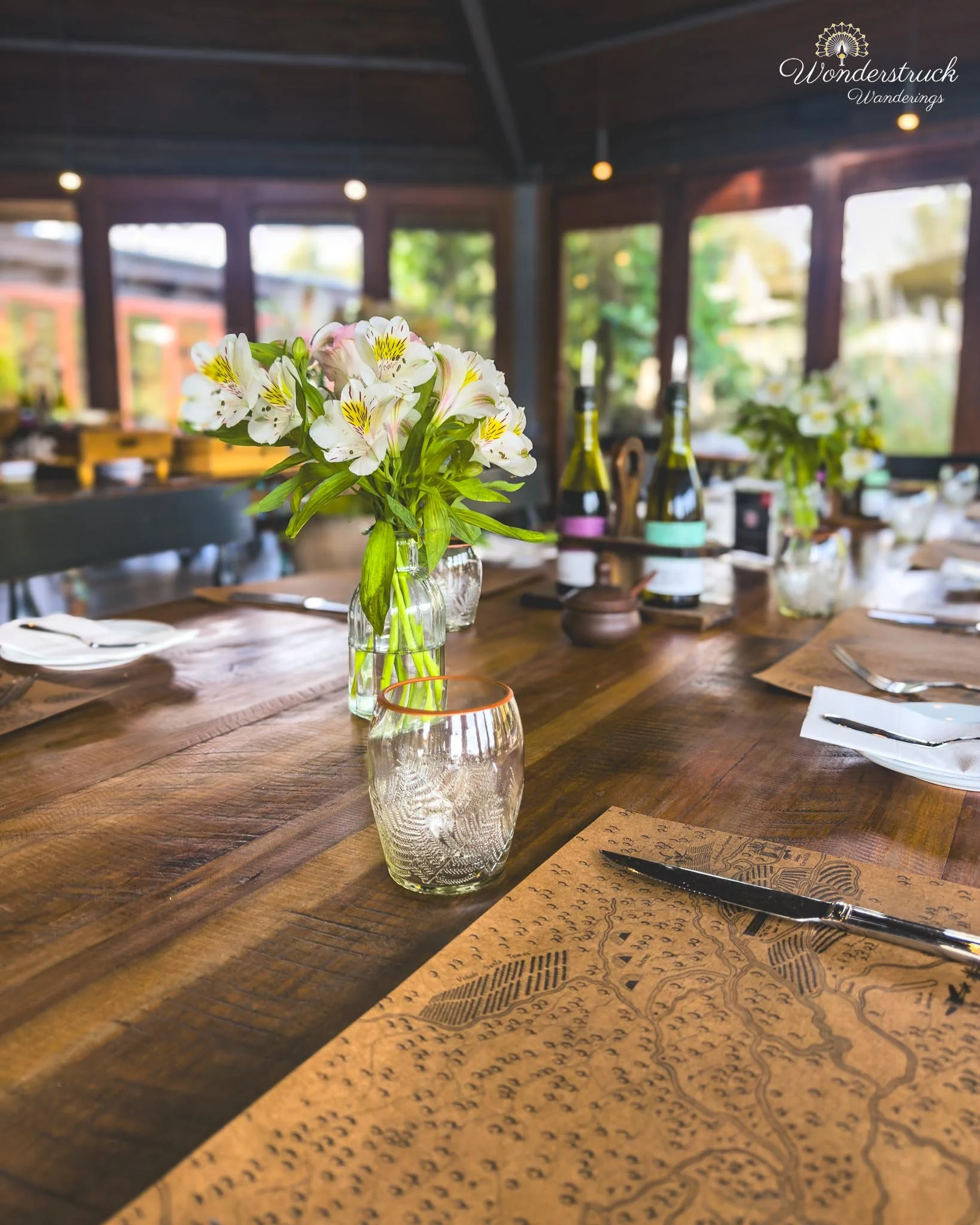
We had a reservation for lunch at Equilibrio Restaurant at Matetic. The restaurant is part of Matetic's La Casona wine tourism experience, and the setting immediately felt calm and polished without being stiff. Large windows looked out toward the grounds, the room had that warm wine-country restaurant feel, and the whole place carried the Matetic idea of equilibrium between wine, food, landscape, and agriculture. Shay went with the five-course pairing menu. It was seasonal, so the dishes change, but the version she had moved through the meal in a very satisfying arc. Since Chile has strict drinking-and-driving laws, I ordered from the à la carte menu and kept the wine to small tastes from Shay's pairings rather than doing a full pairing myself. That was the responsible choice, even if it was painful in a restaurant like this.
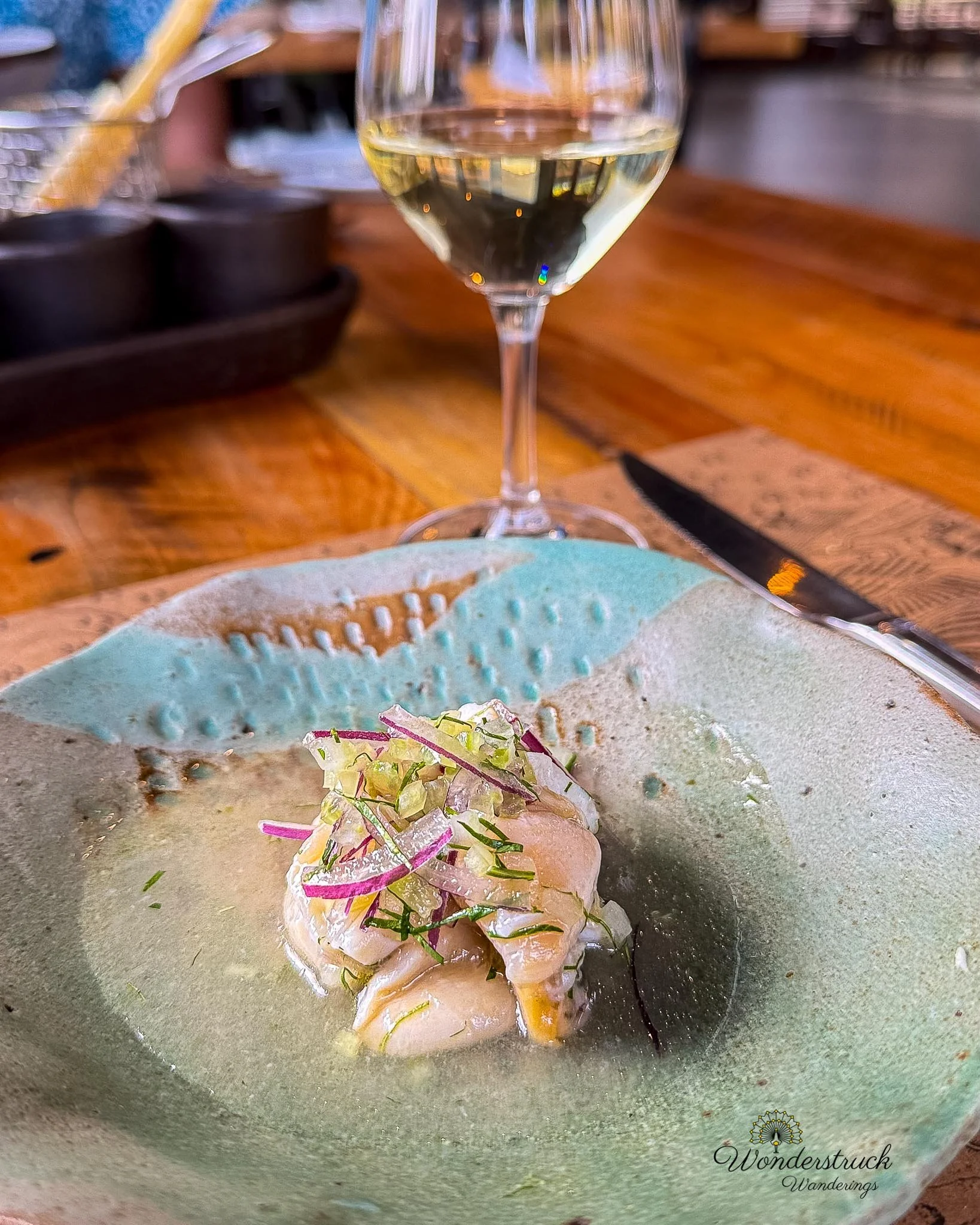
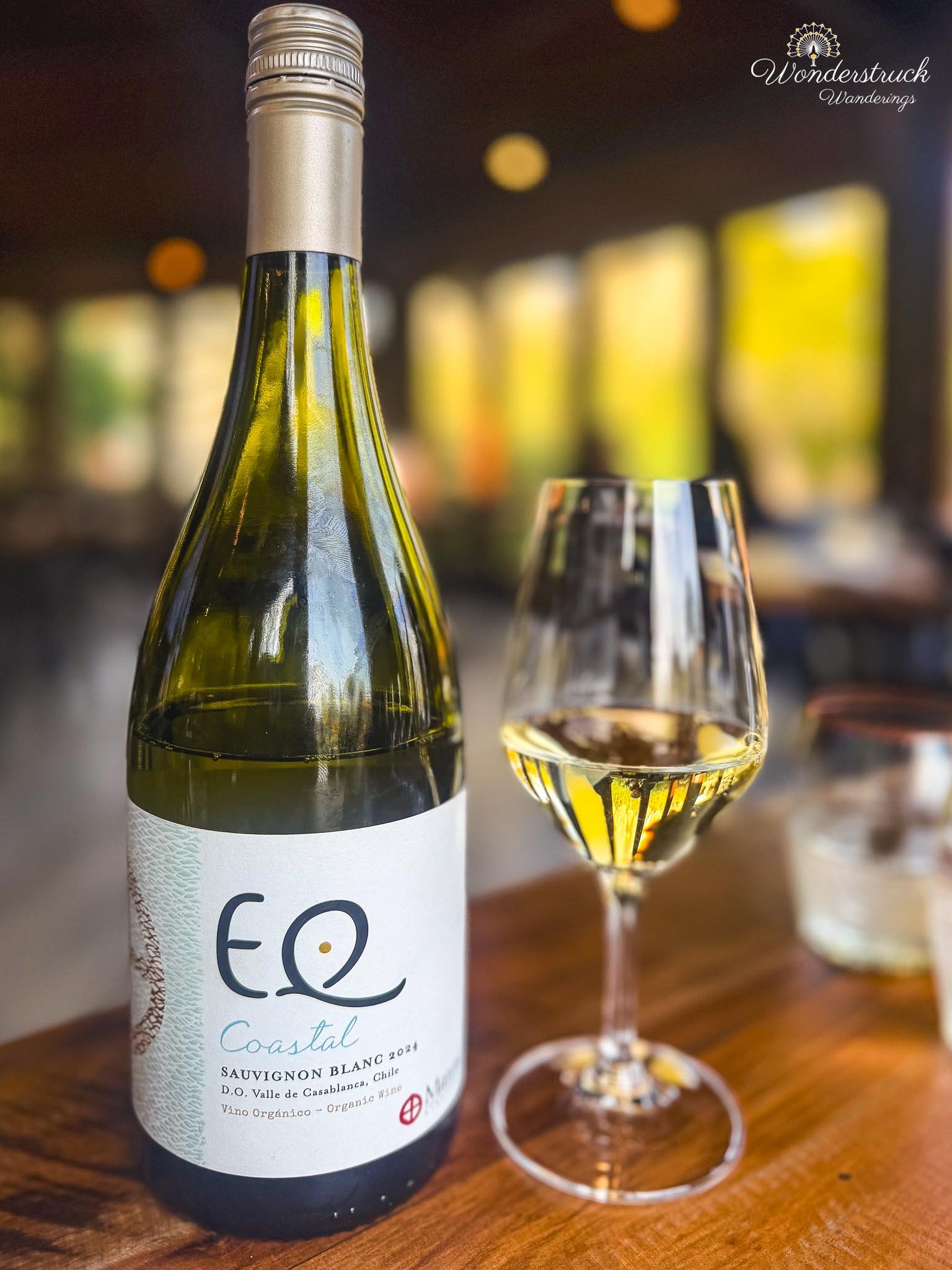
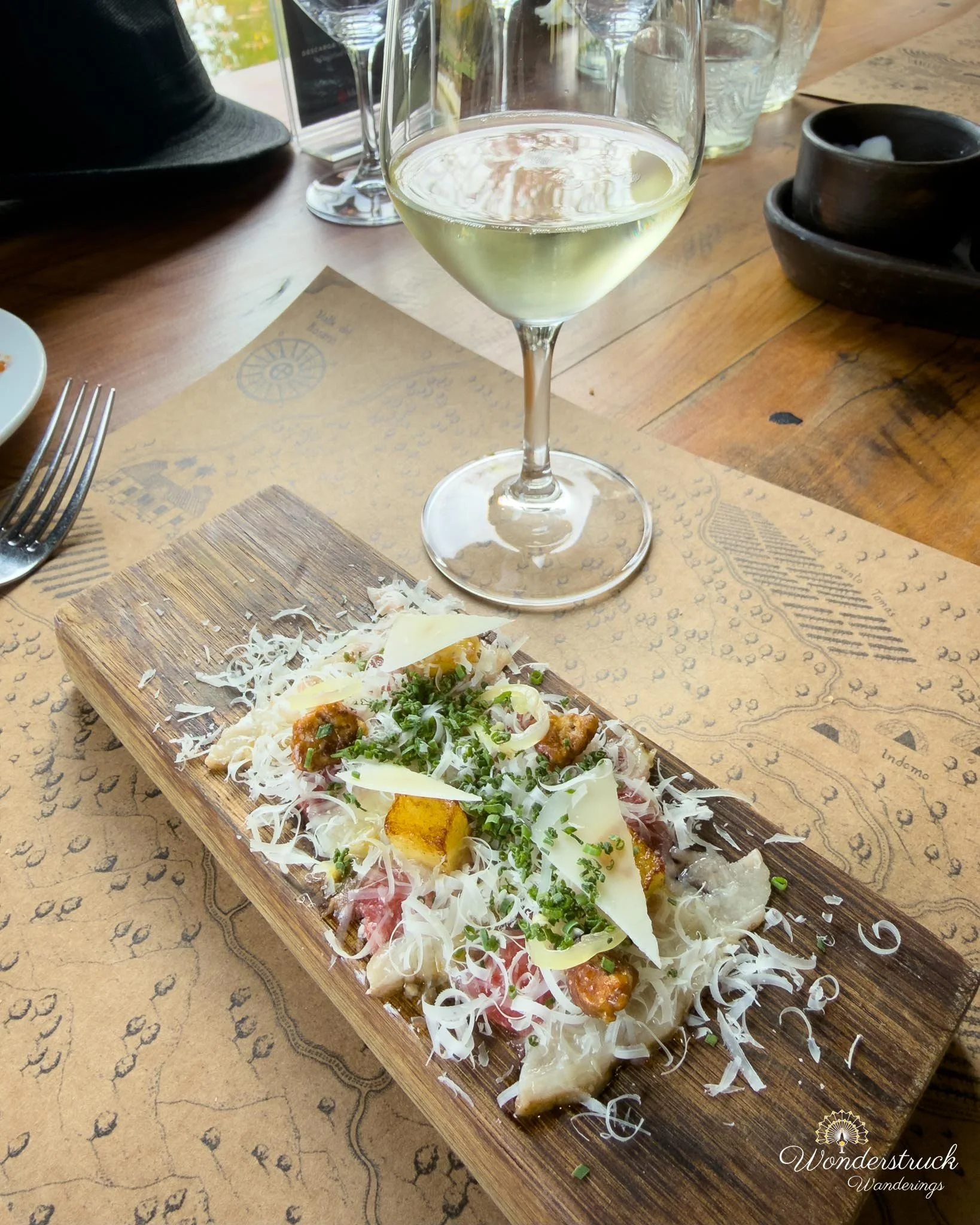
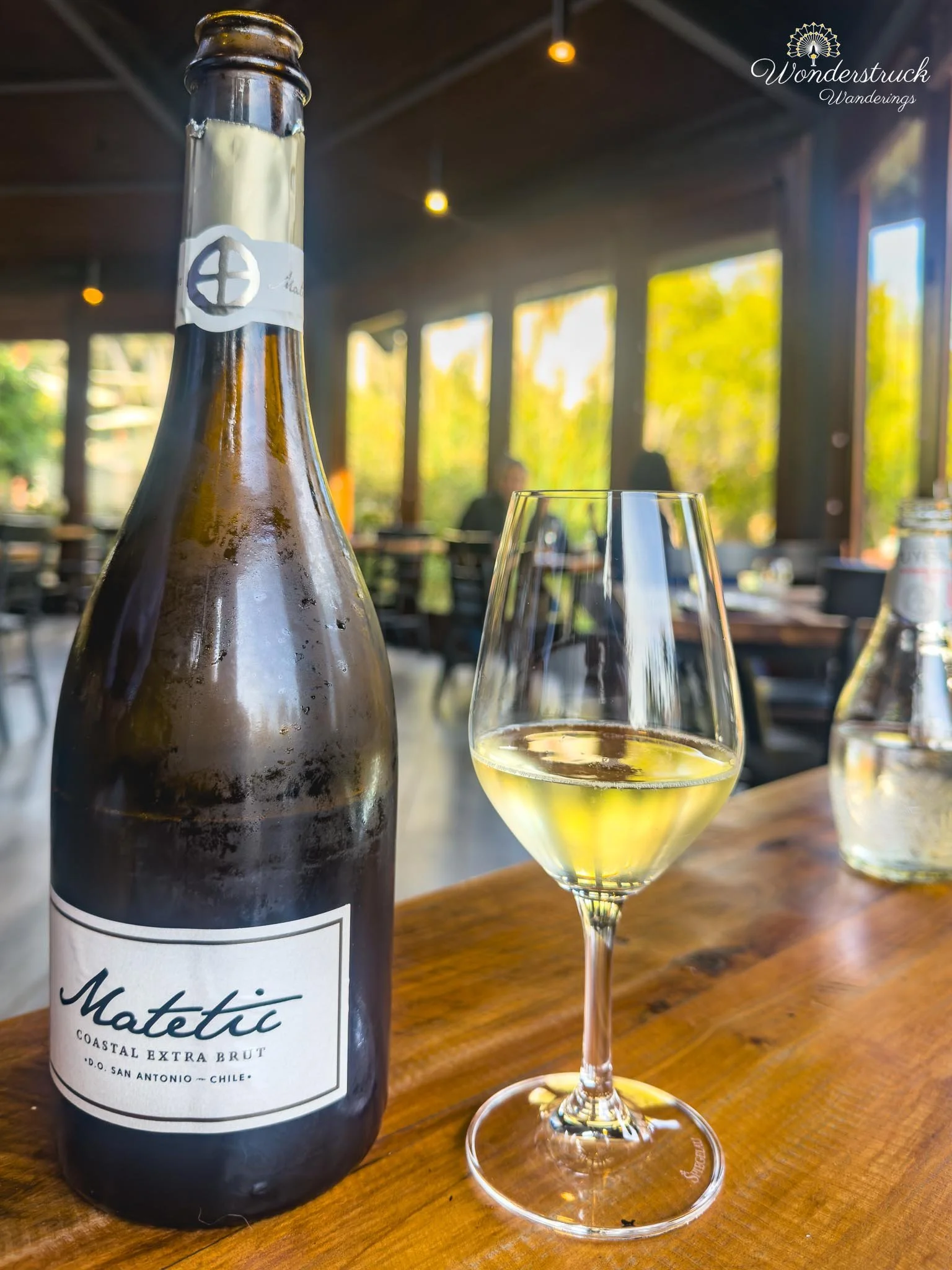
The first course was chochar, an endemic Chilean shell mollusk from the Quintero region, prepared with celery, green pepper, cilantro, and red onion, and paired with EQ Coastal Sauvignon Blanc. It was a bright, briny, coastal opening to the meal. The crunch and freshness of the vegetables worked well with the mollusk's ocean flavor, while the Sauvignon Blanc brought acidity and lift, keeping the whole first course sharp, clean, and refreshing. The second course was beef plateada, paired with Matetic Coastal Extra Brut. At Equilibrio, it came as thin slices of beef marinated in vermouth, layered with caramelized apple, walnuts, pickled green chili, aged cheese, and chives. It was one of those dishes where the richness of the beef was balanced by brightness, crunch, sweetness, and a little chili sharpness. The caramelized apple and walnuts gave it warmth and texture, while the pickled green chili kept the plate from becoming too soft or sweet. Pairing it with the Coastal Extra Brut was bold but made sense after trying it because the sparkling wine cut through the richness and lifted the whole dish, turning it into a lighter, more elegant course than expected.
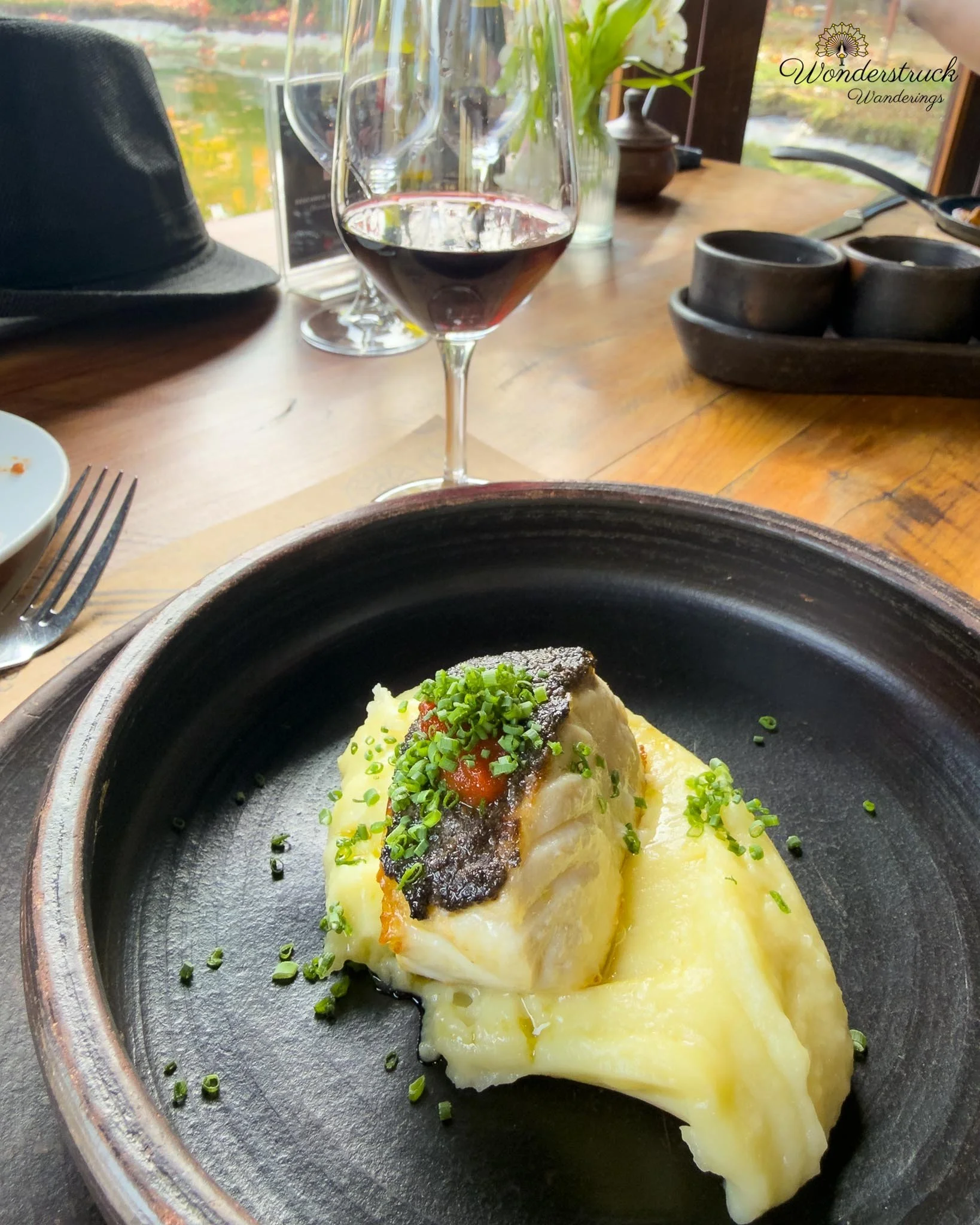
The third course was roasted wreckfish from Juan Fernández, prepared with stewed tomato compote, black olives, and potato purée, and paired with their iconic Matetic Syrah. We saw a lot of seafood from the Juan Fernández Archipelago, which sits far off the Chilean coast in the Pacific, best known for its remote islands, cold waters, seafood, and endemic wildlife. Seeing wreckfish from Juan Fernández on the menu immediately made the dish feel tied to a very specific part of Chile, not just a generic coastal ingredient. This was a deeper, more savory seafood course than the bright chochar opening. The wreckfish had a firm, meaty texture that could stand up to the Syrah, while the tomato compote and black olives brought a Mediterranean-style richness and saltiness to the plate. The potato purée softened everything underneath, making the dish feel comforting without losing the coastal identity of the fish. Pairing it with Syrah made more sense once we tasted the dish - the preparation had enough structure, earthiness, and savory depth to work with a red wine rather than needing a white.
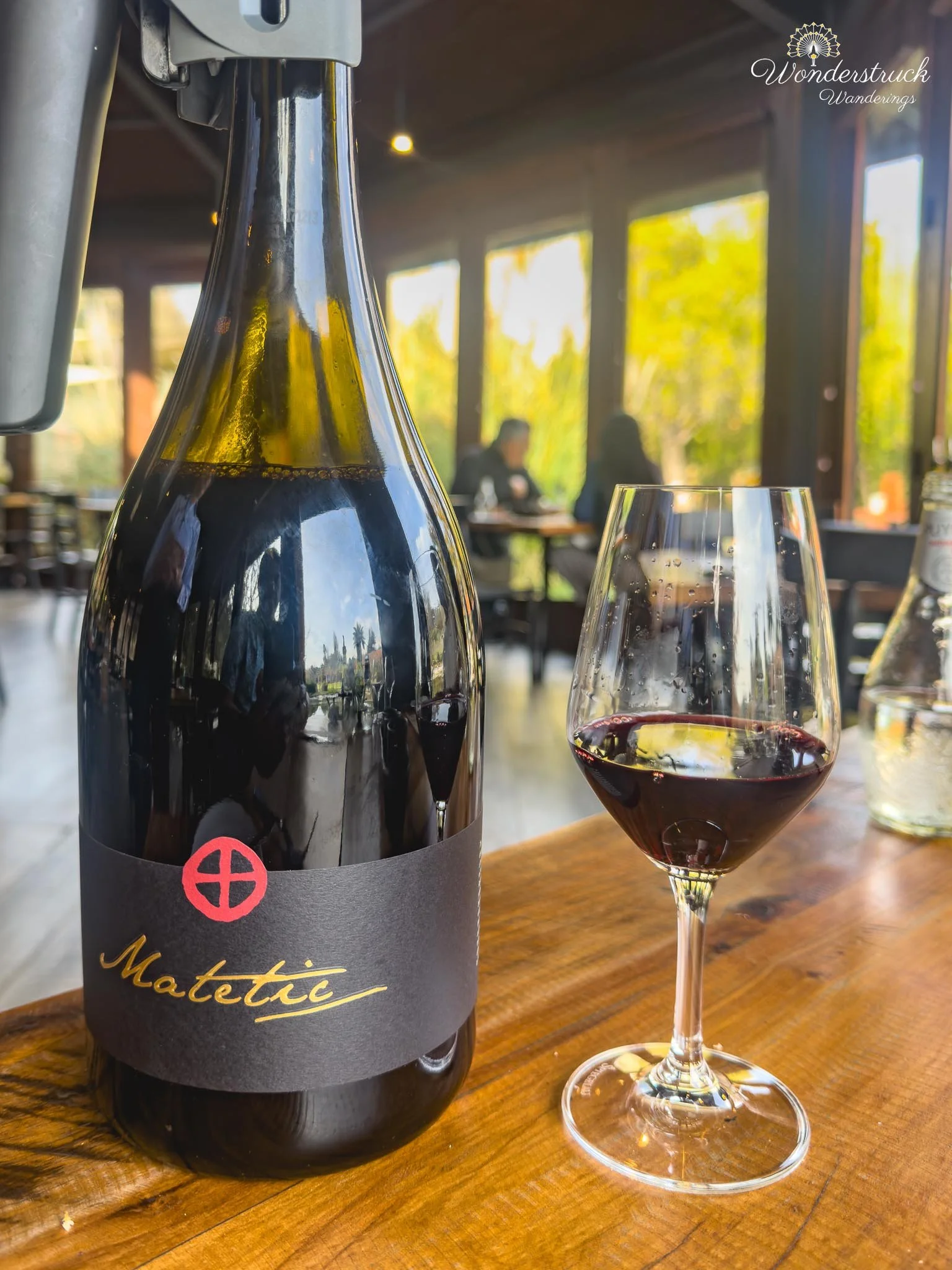
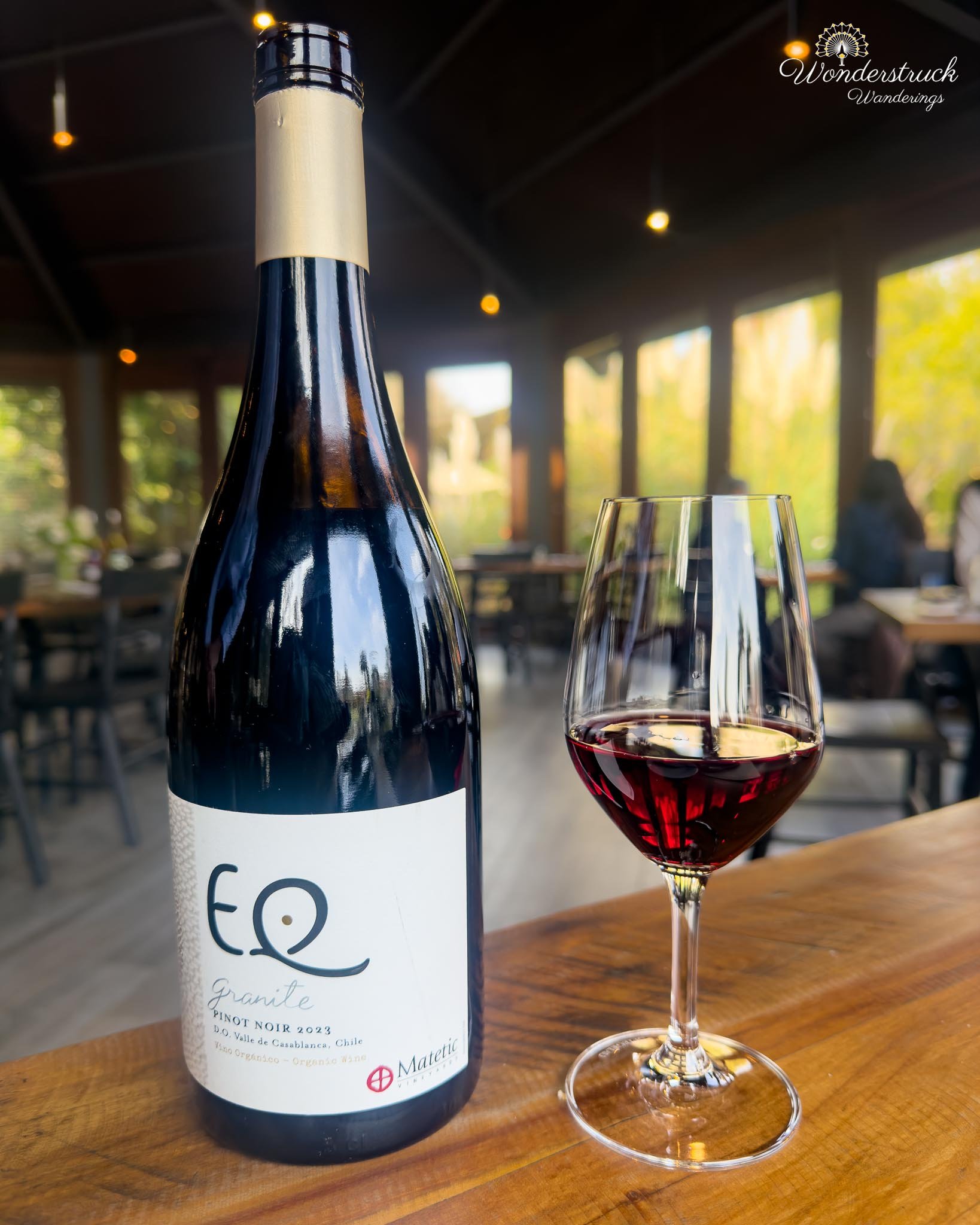
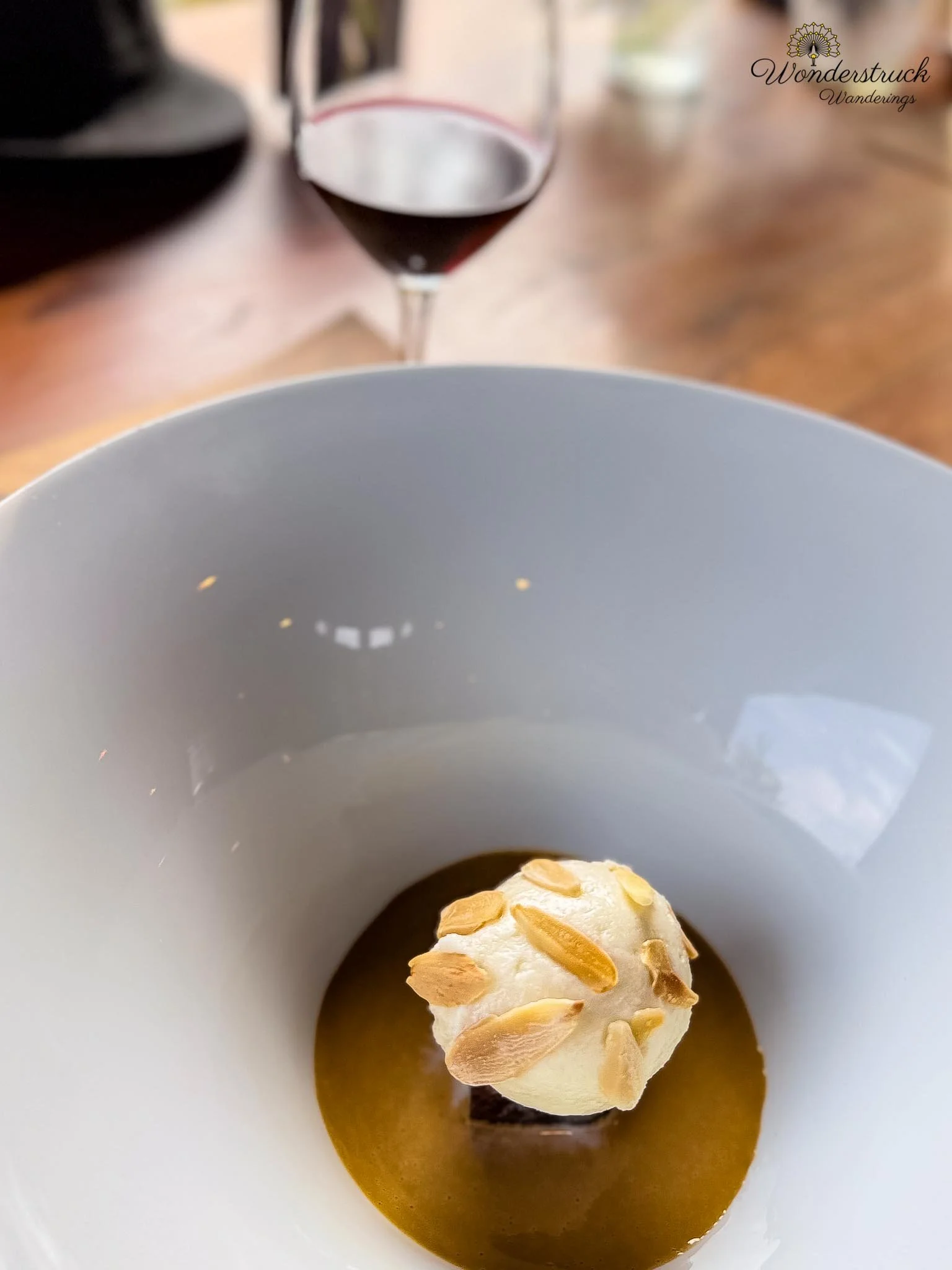
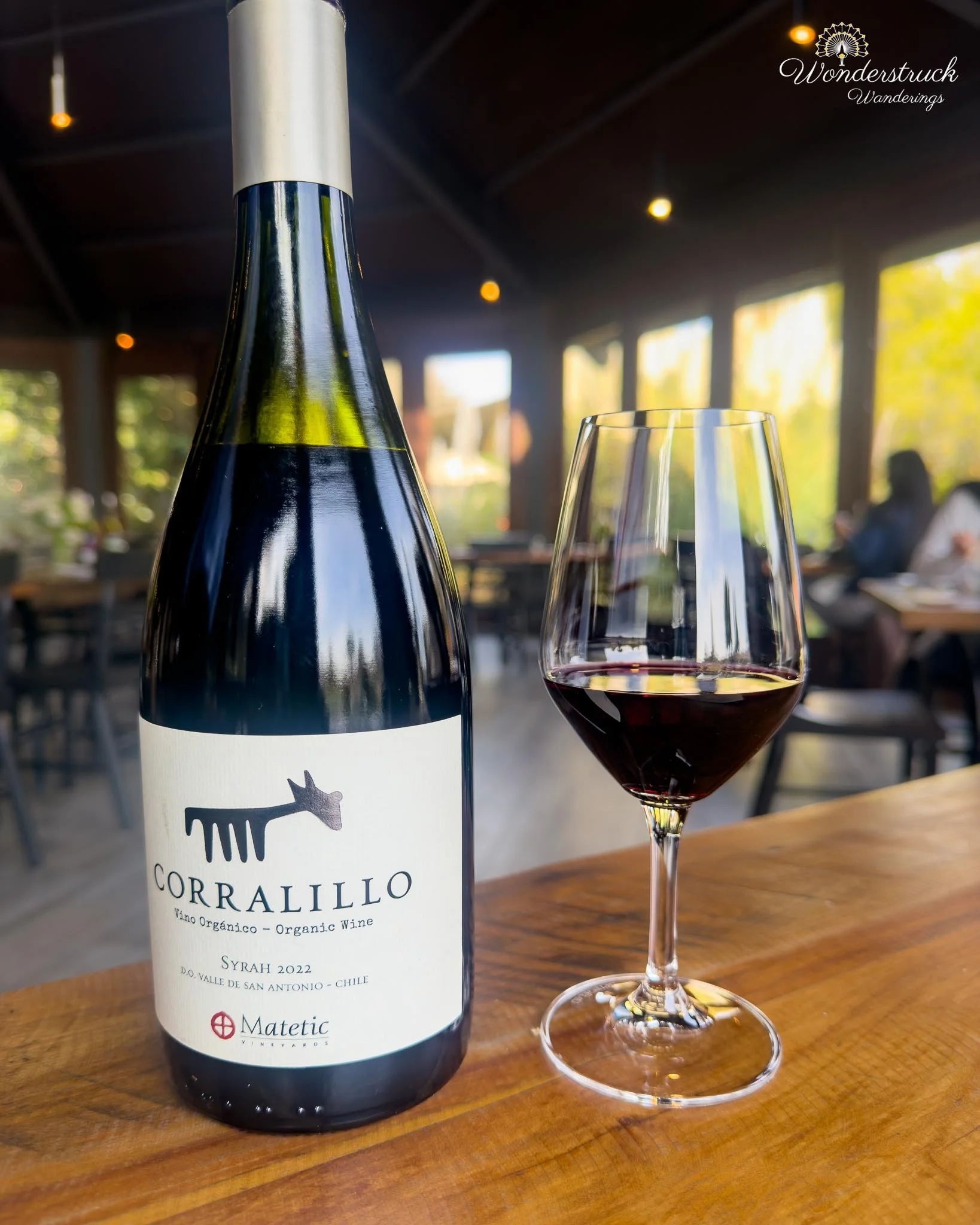
The fourth course was pork cheeks, served with mashed sweet potato, sautéed spinach, and onion chips, paired with EQ Granite Pinot Noir. This was one of the warmer, more comforting dishes in the tasting menu. The pork cheeks were rich and tender, while the mashed sweet potato added a soft earthy sweetness underneath. The sautéed spinach brought a little green balance, and the onion chips gave the plate texture and a savory crispness. The EQ Granite Pinot Noir worked well here because it had enough acidity and red-fruit brightness to cut through the richness of the pork without overpowering the softer sweet potato and spinach elements. But some one liked the course so much that they gobbled it up without taking a picture. The fifth course was colegial, paired with Corralillo Syrah. Colegial is a classic Chilean dessert that, and is essentially a humble bread-pudding-style dessert, traditionally made by soaking leftover or day-old bread in milk, then mixing it with eggs, sugar, vanilla, and warm spices such as cinnamon. Many versions include raisins, citrus zest, or a caramel layer, depending on the family or kitchen. What makes it special is not complexity but nostalgia: stale bread transformed into something soft, sweet, comforting, and familiar. The Corralillo Syrah gave the dessert a darker fruit note, making the simple sweetness feel deeper and more wine-country appropriate.
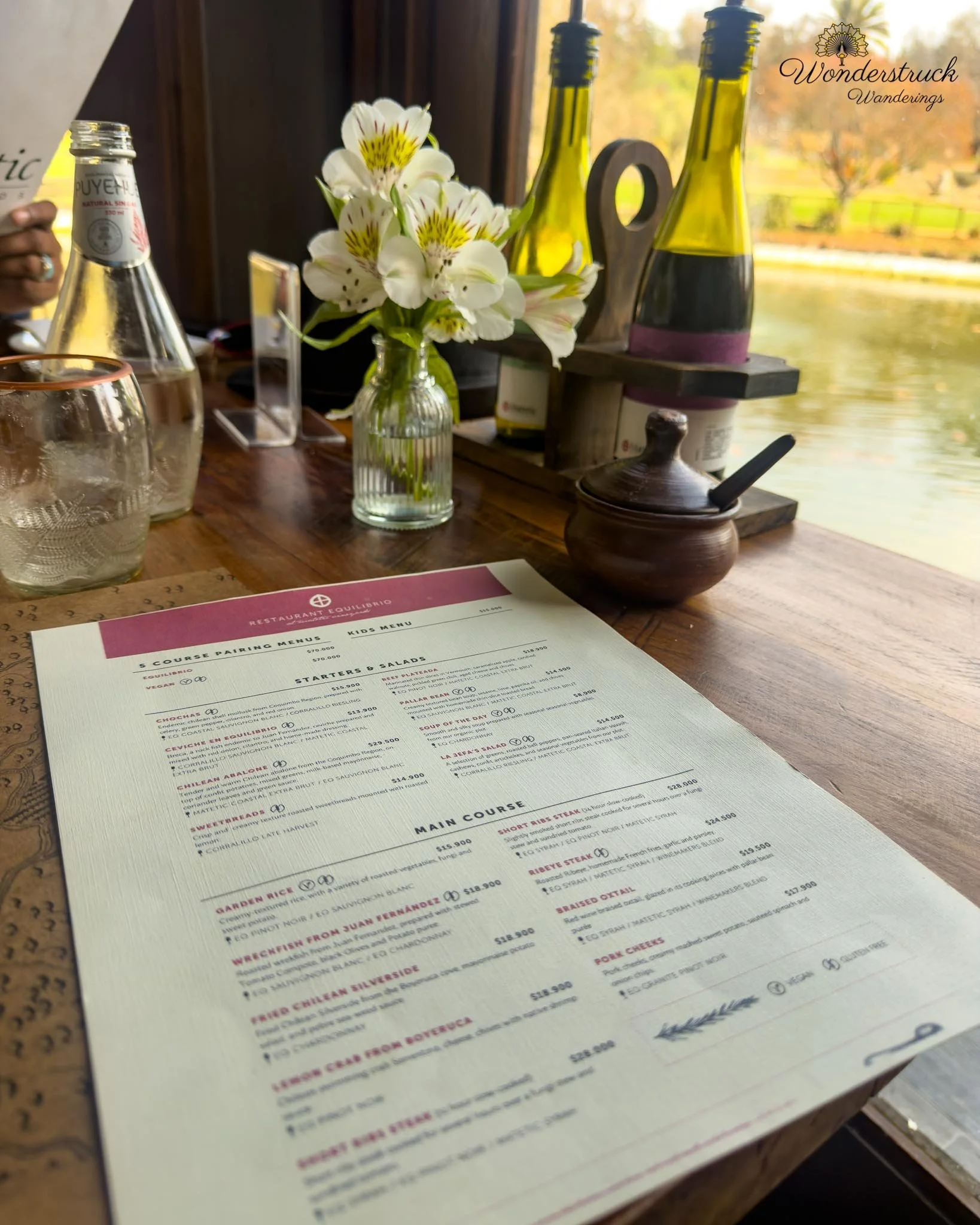
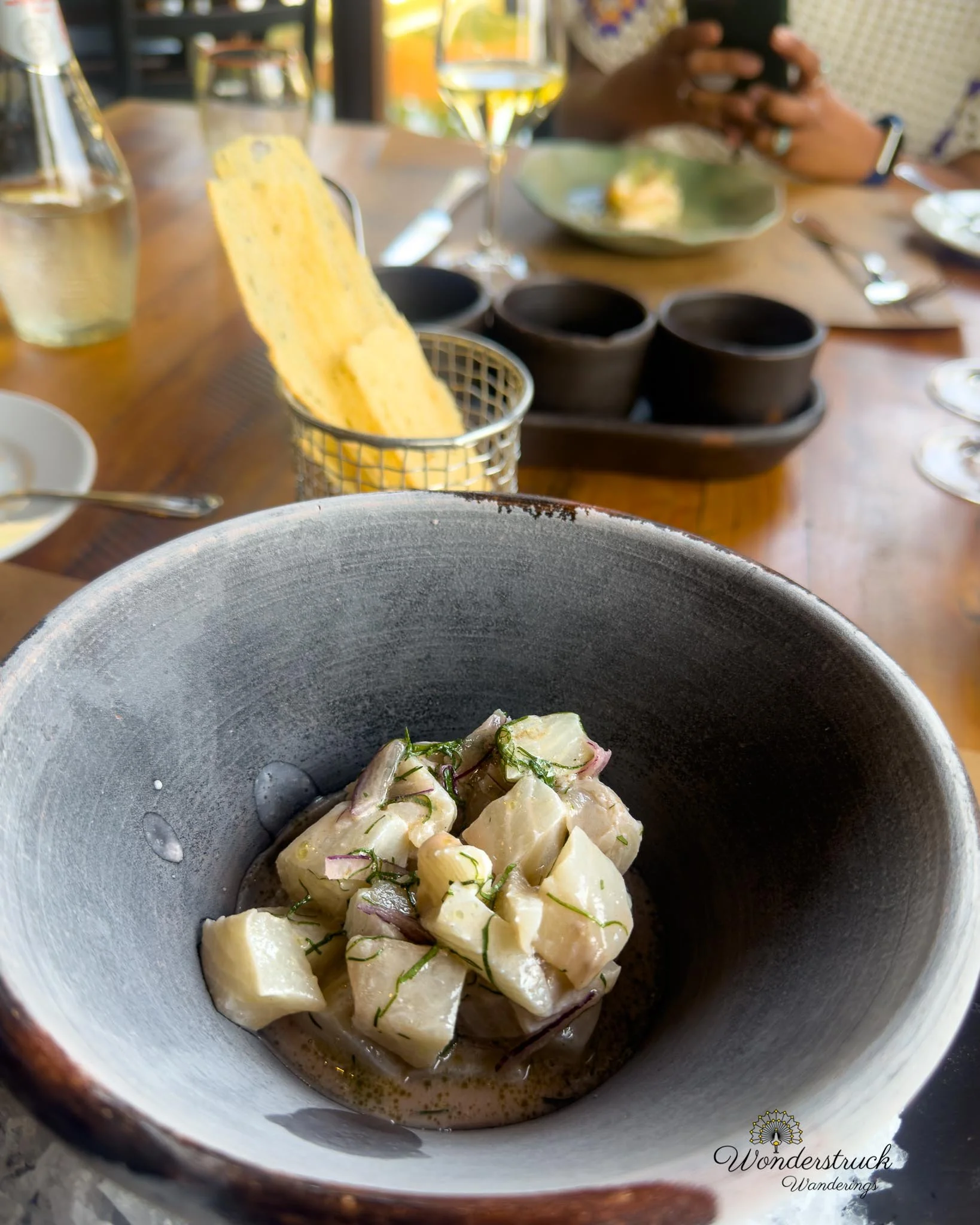
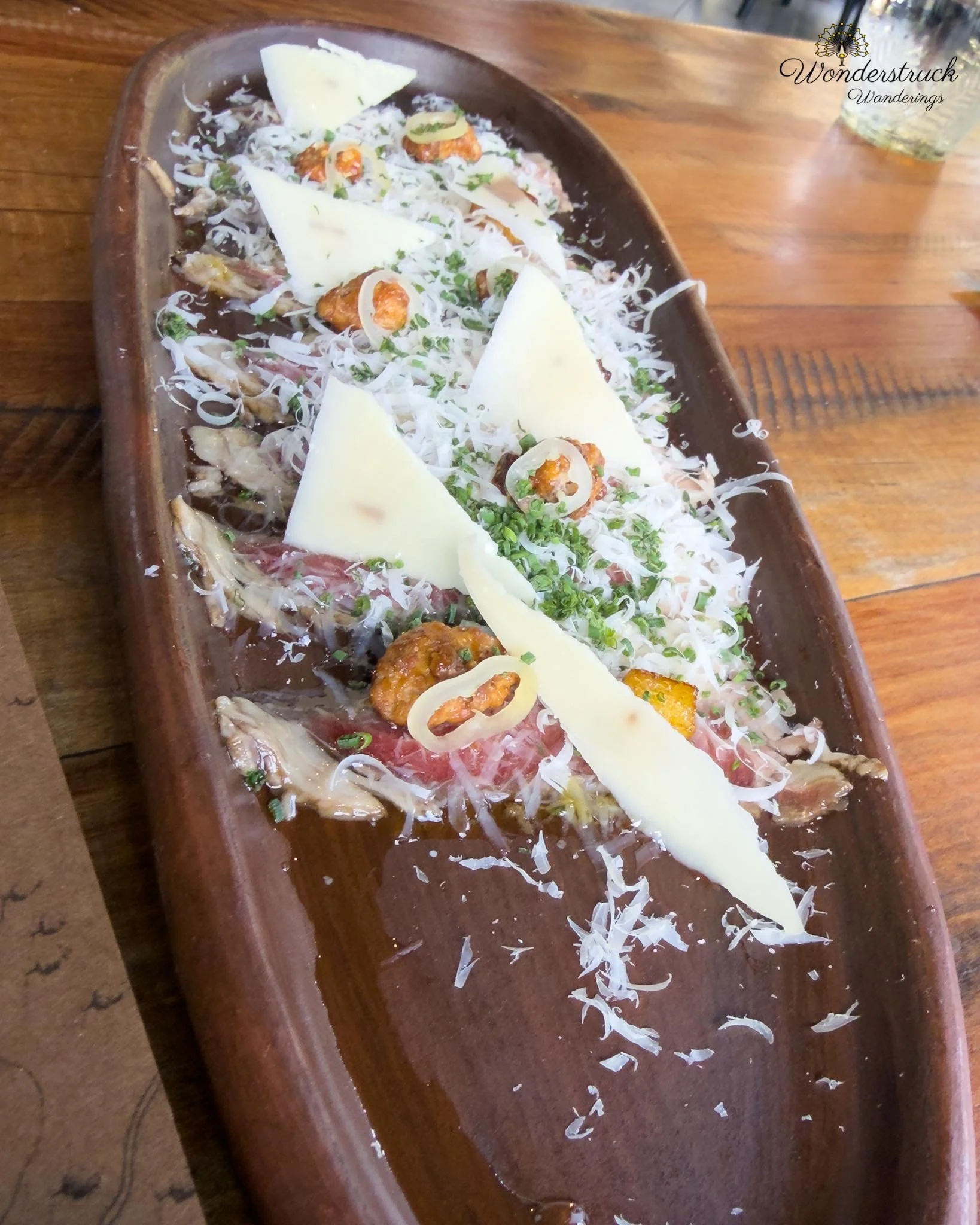
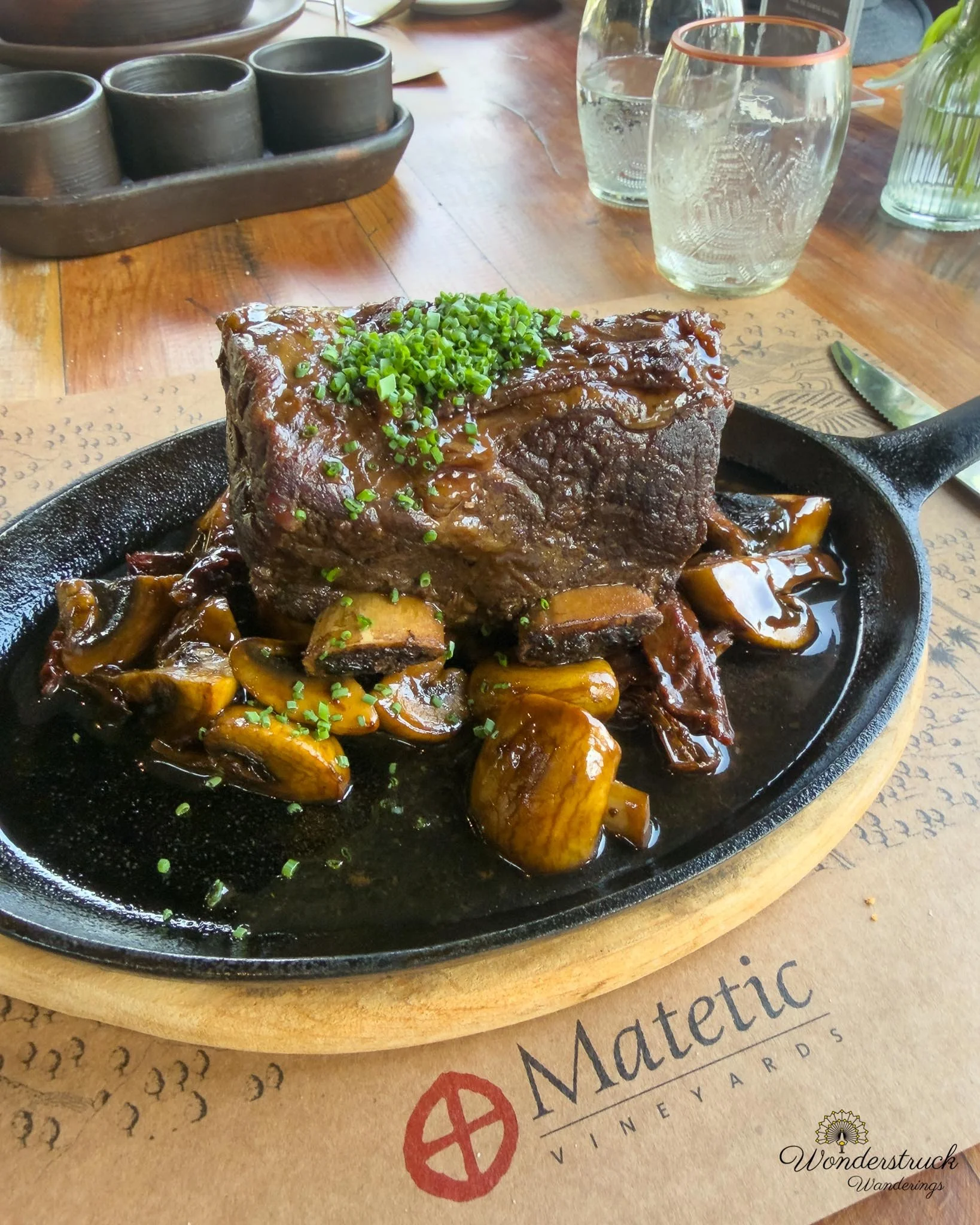
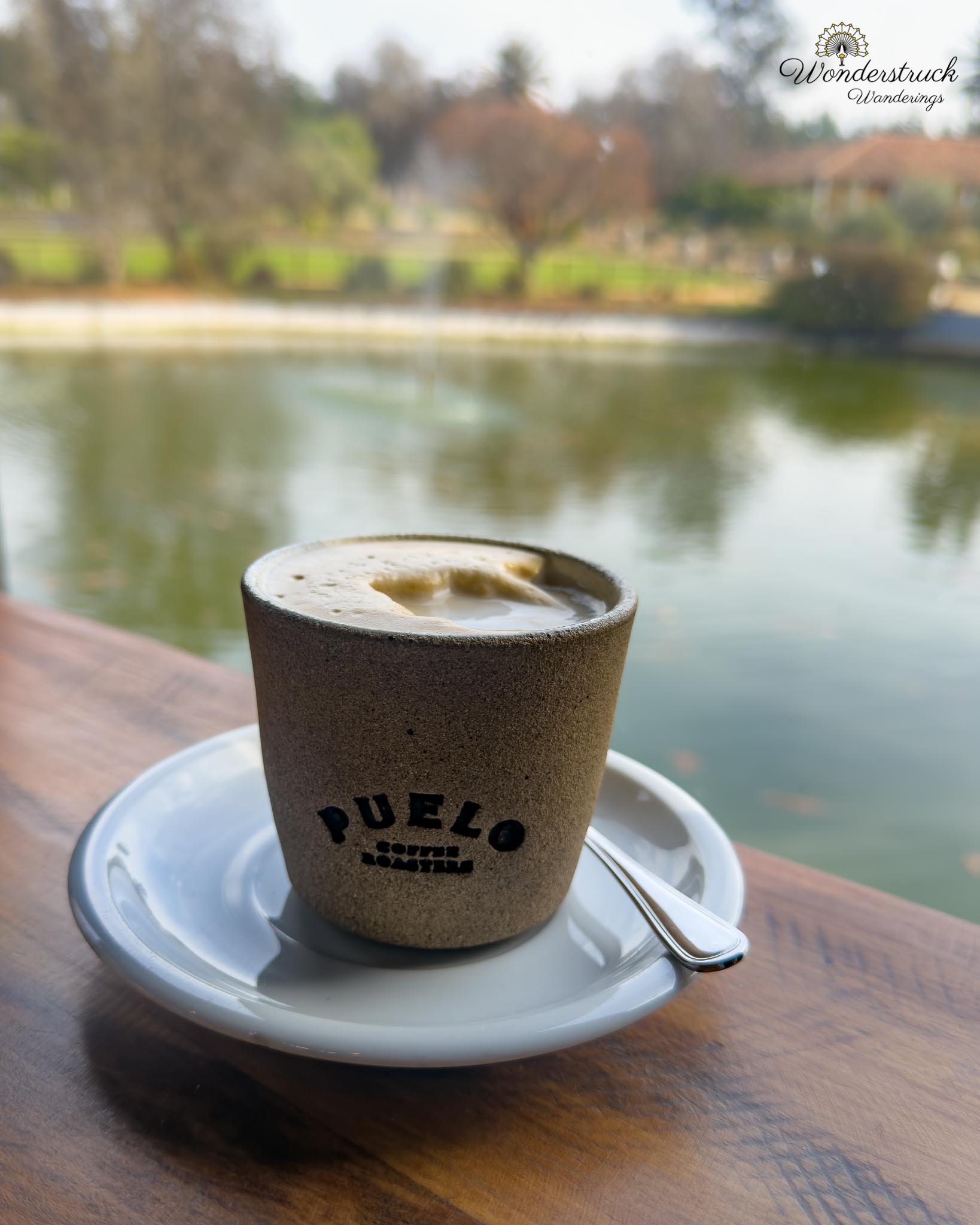
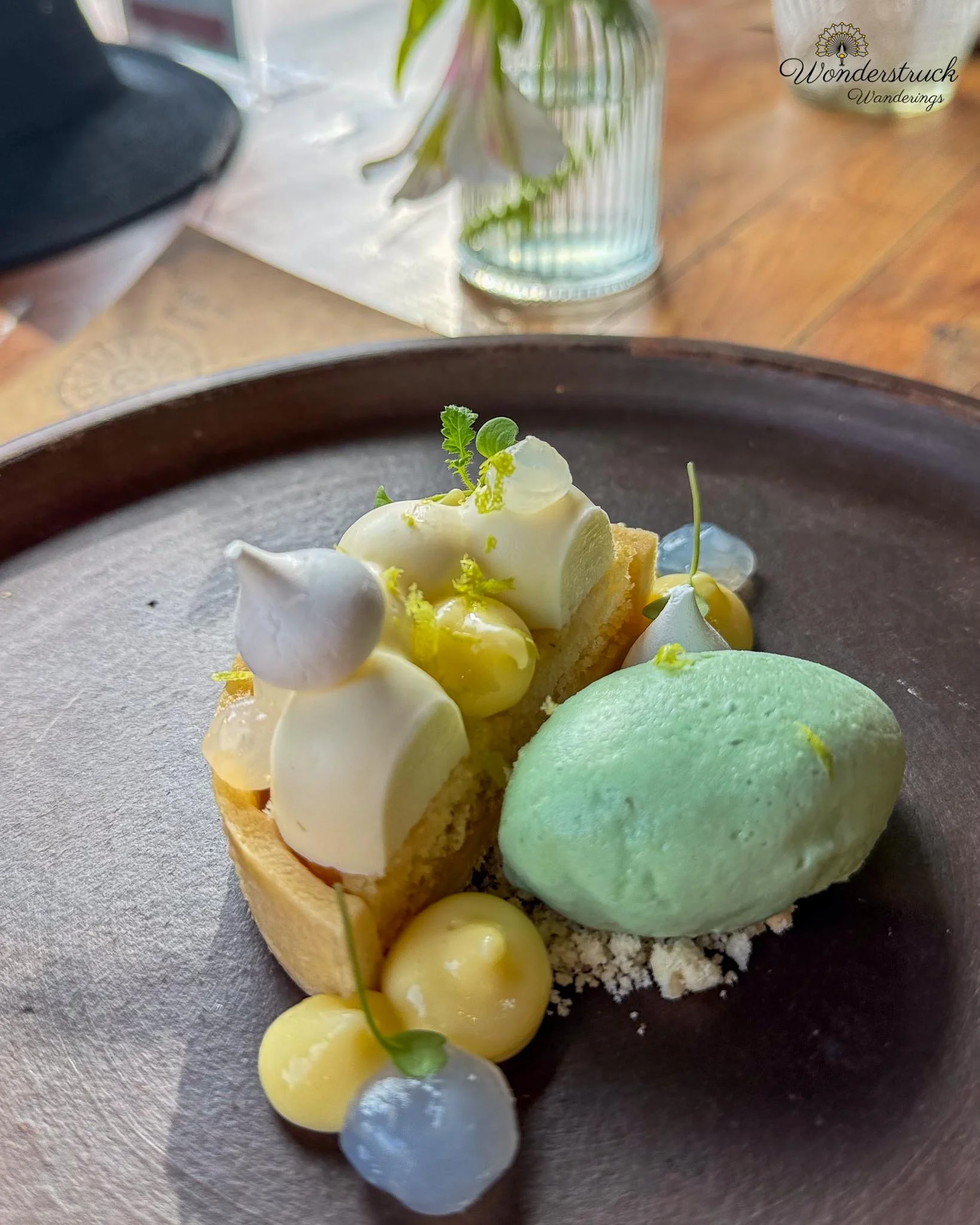
For my à la carte meal, I started with Ceviche en Equilibrio, a rockfish ceviche that kept the meal bright and coastal. It was fresh, sharp, and exactly what I wanted after the morning flight and airport chaos. I had hoped to order the 24-hour short rib, but it was not available, so I went with the 12-hour short rib instead. Then, after tasting Shay's beef plateada course, I ordered a full plate for myself. The thin vermouth-marinated beef, caramelized apple, walnuts, pickled green chile, aged cheese, and chives worked so well together that one bite was enough to make the decision for me. It was rich without being heavy, bright without being too sharp, and probably one of the most memorable savory plates of the lunch.
Birding From the Lunch Table and the Matetic Grounds
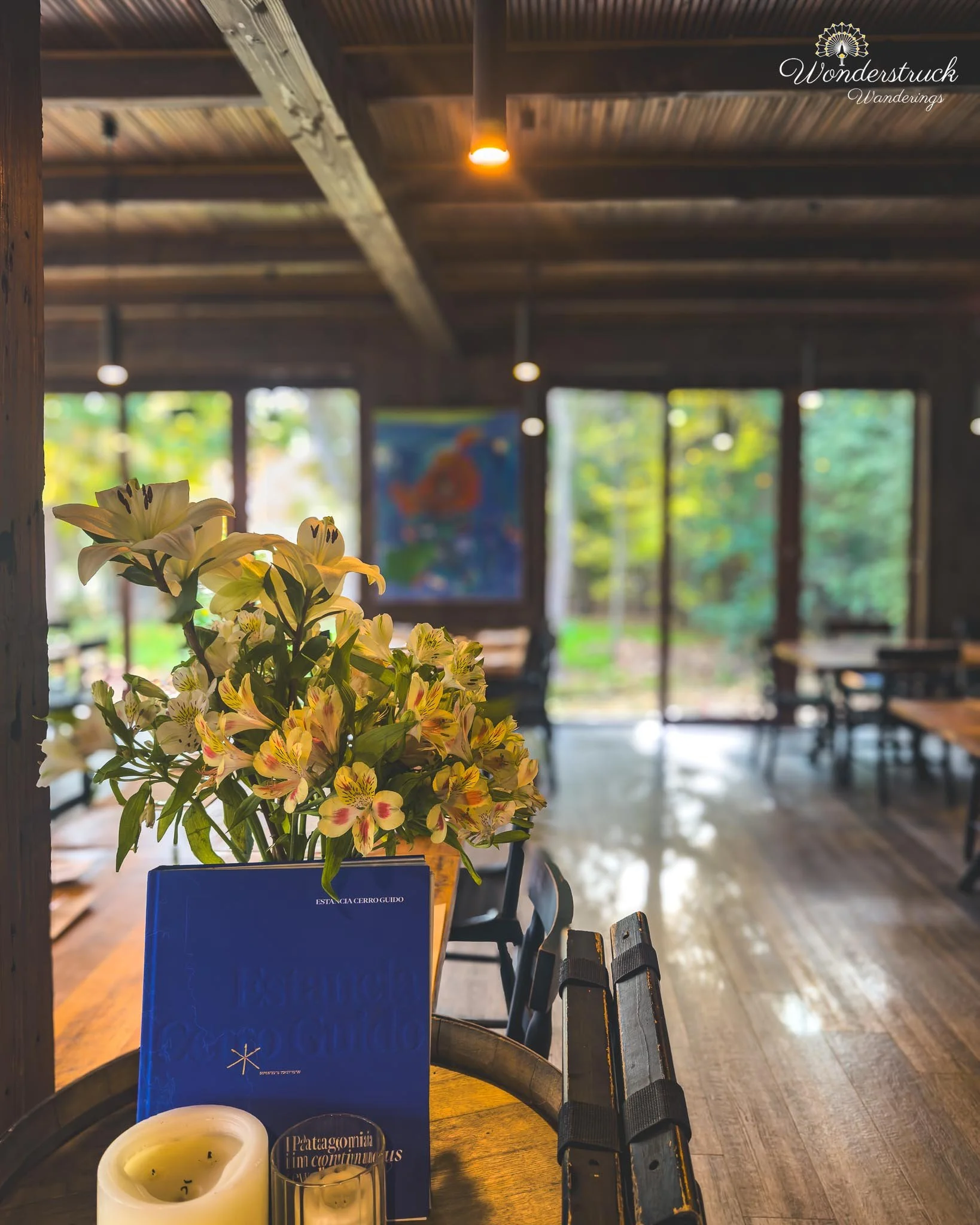
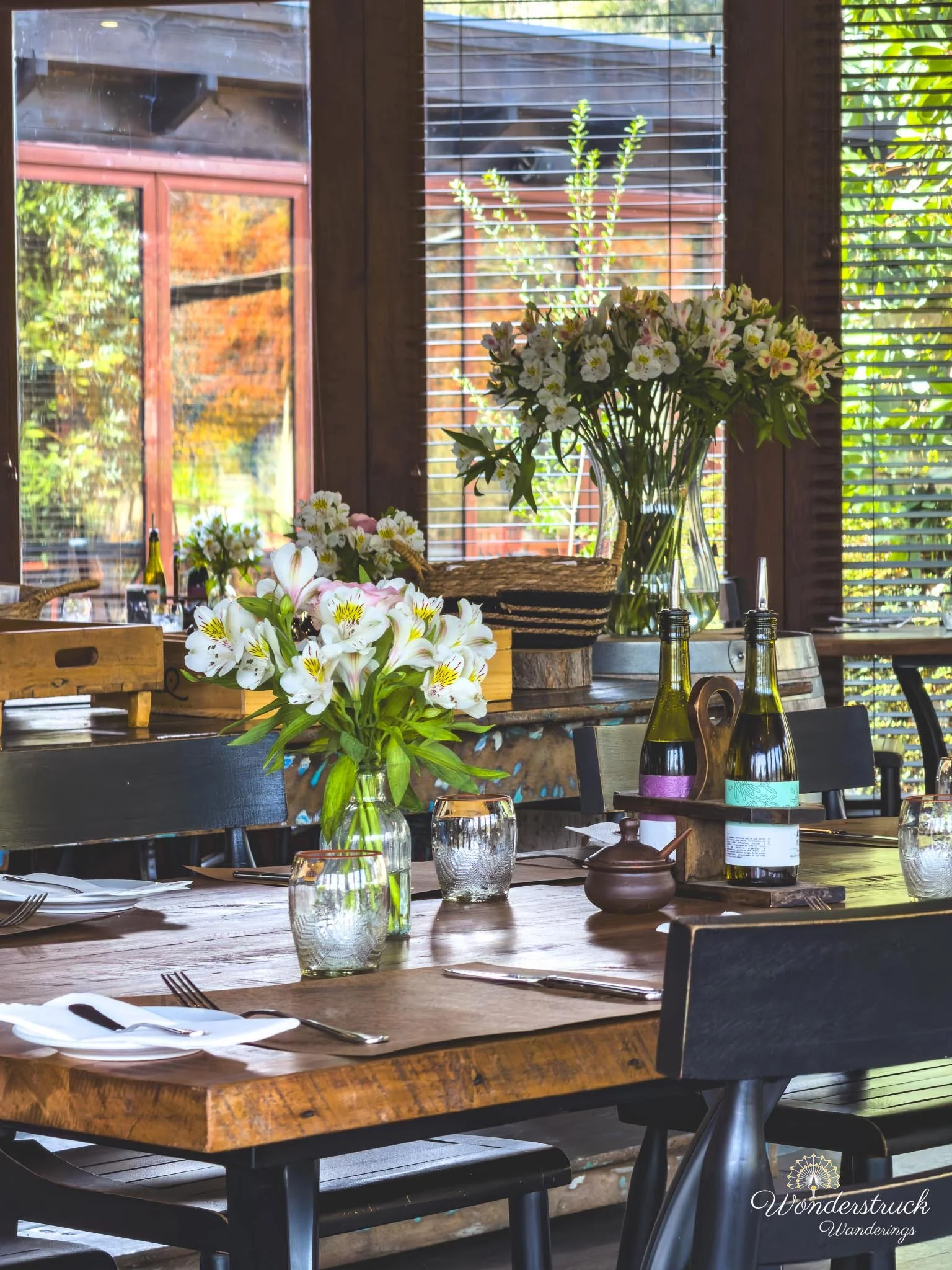
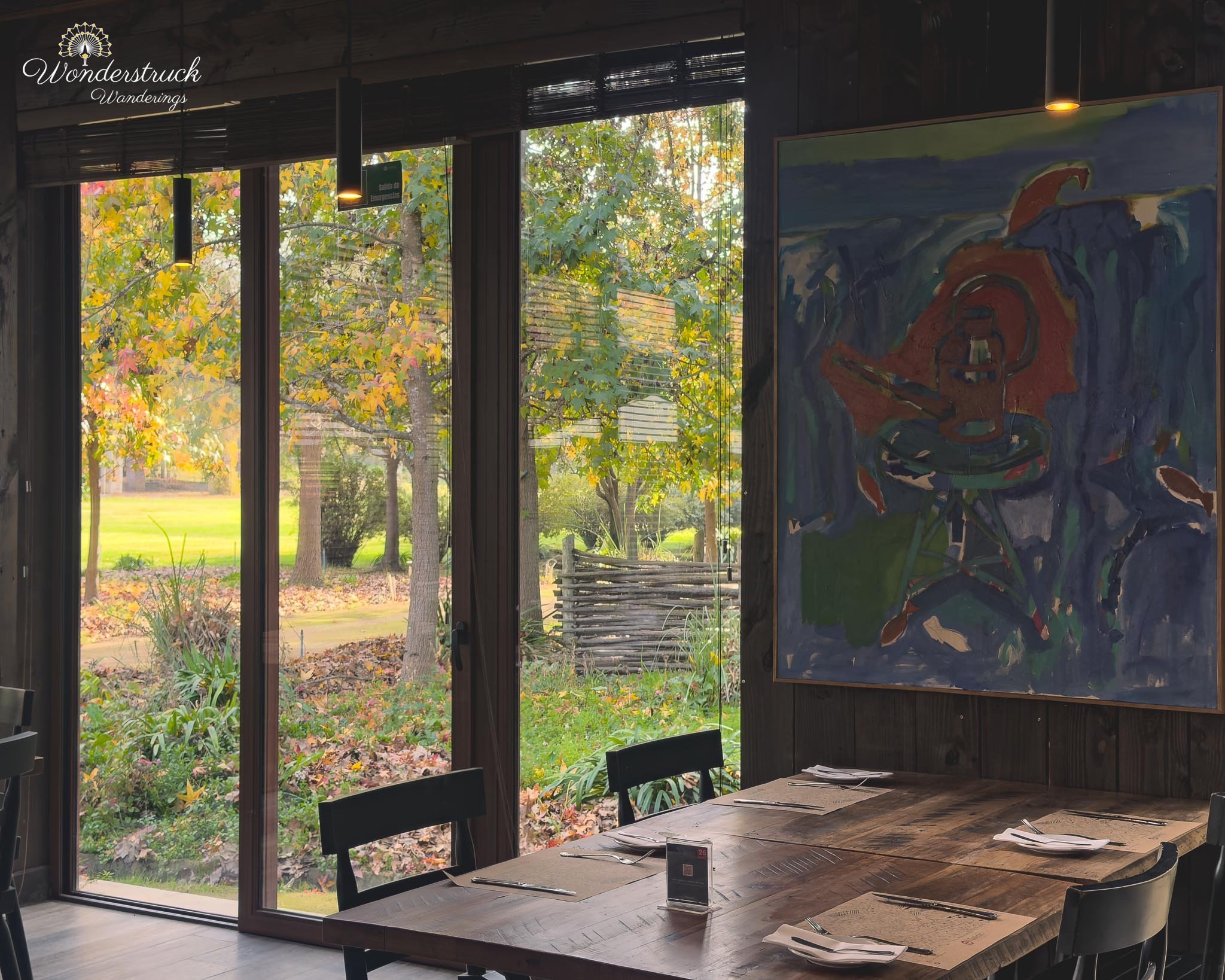
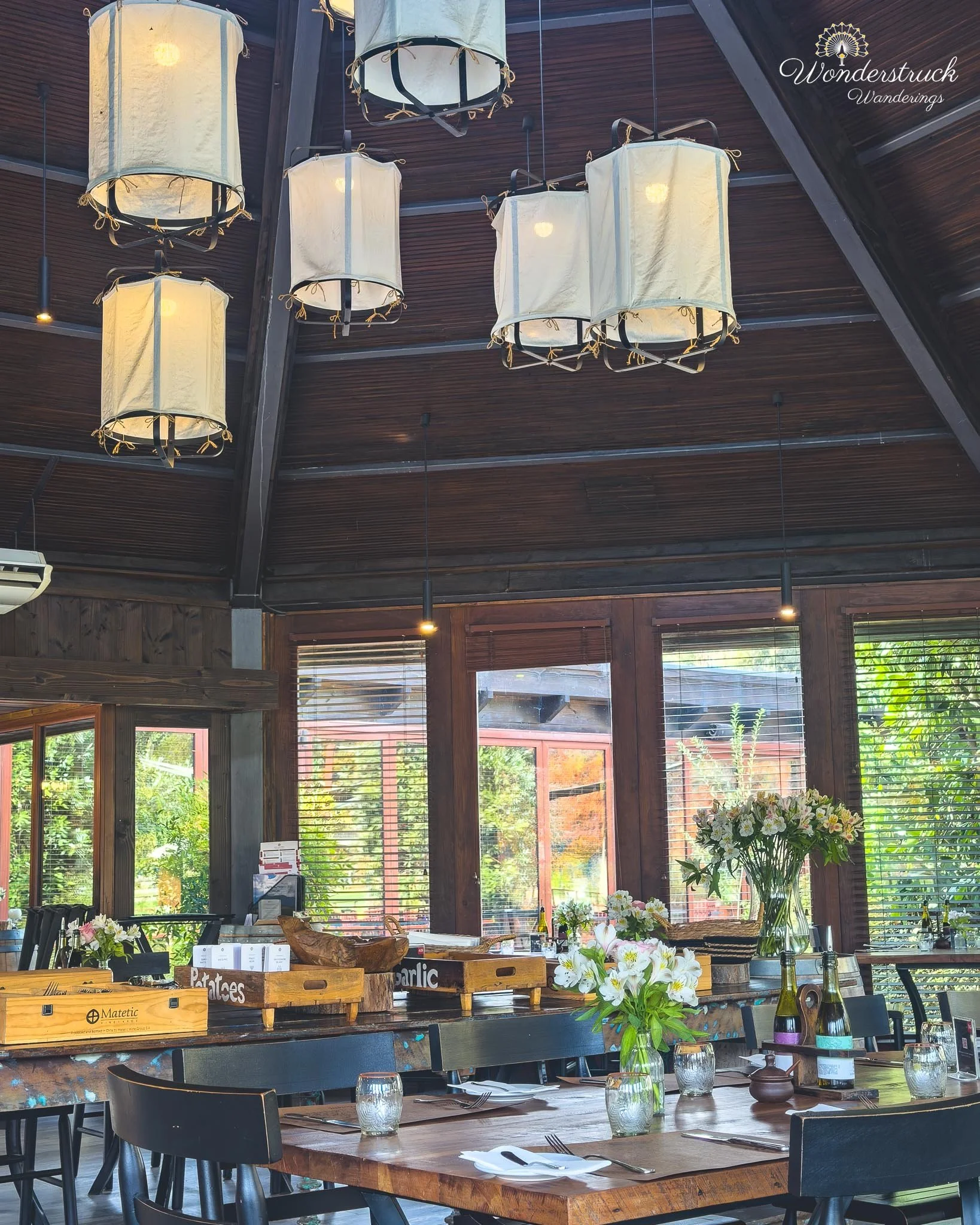
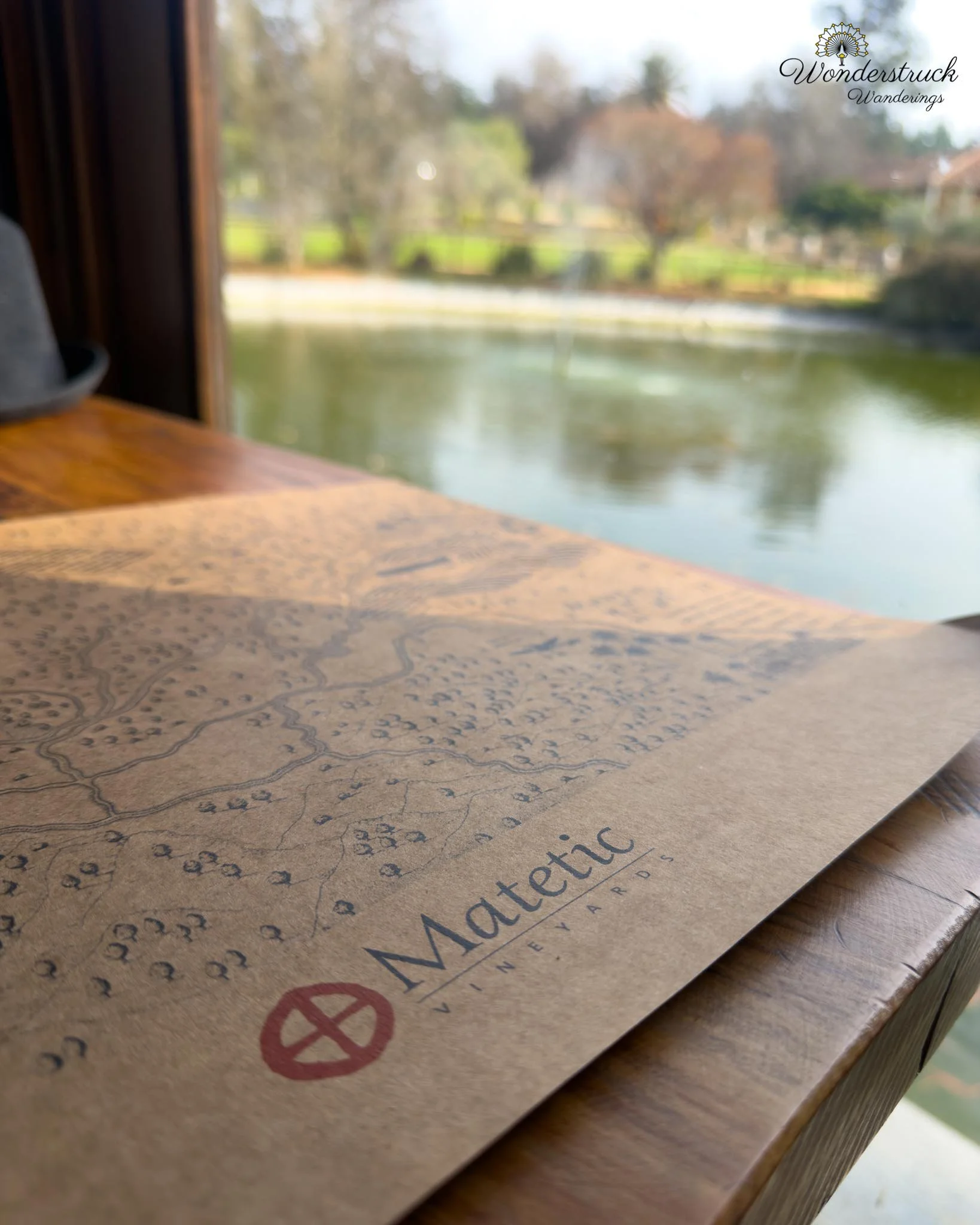
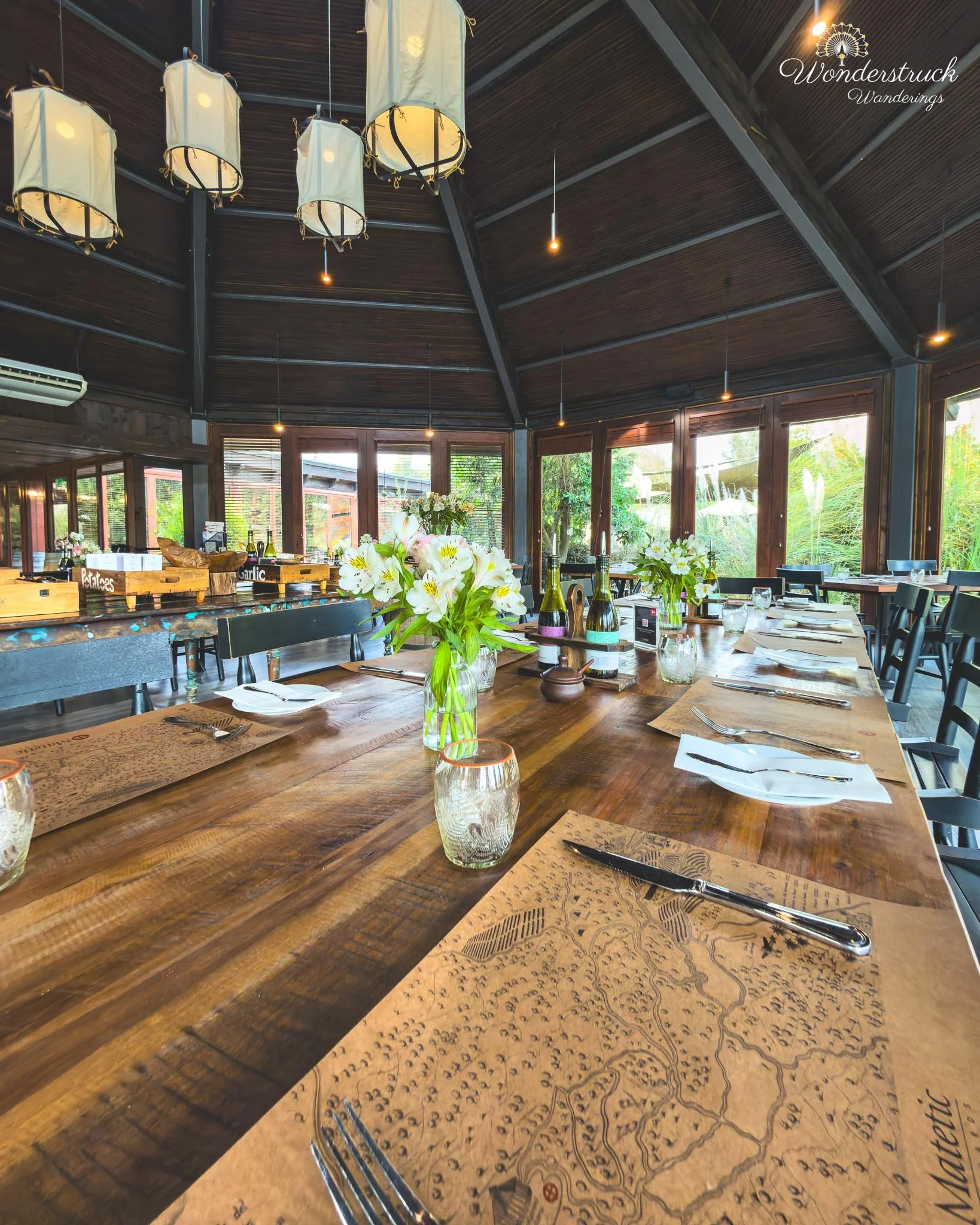
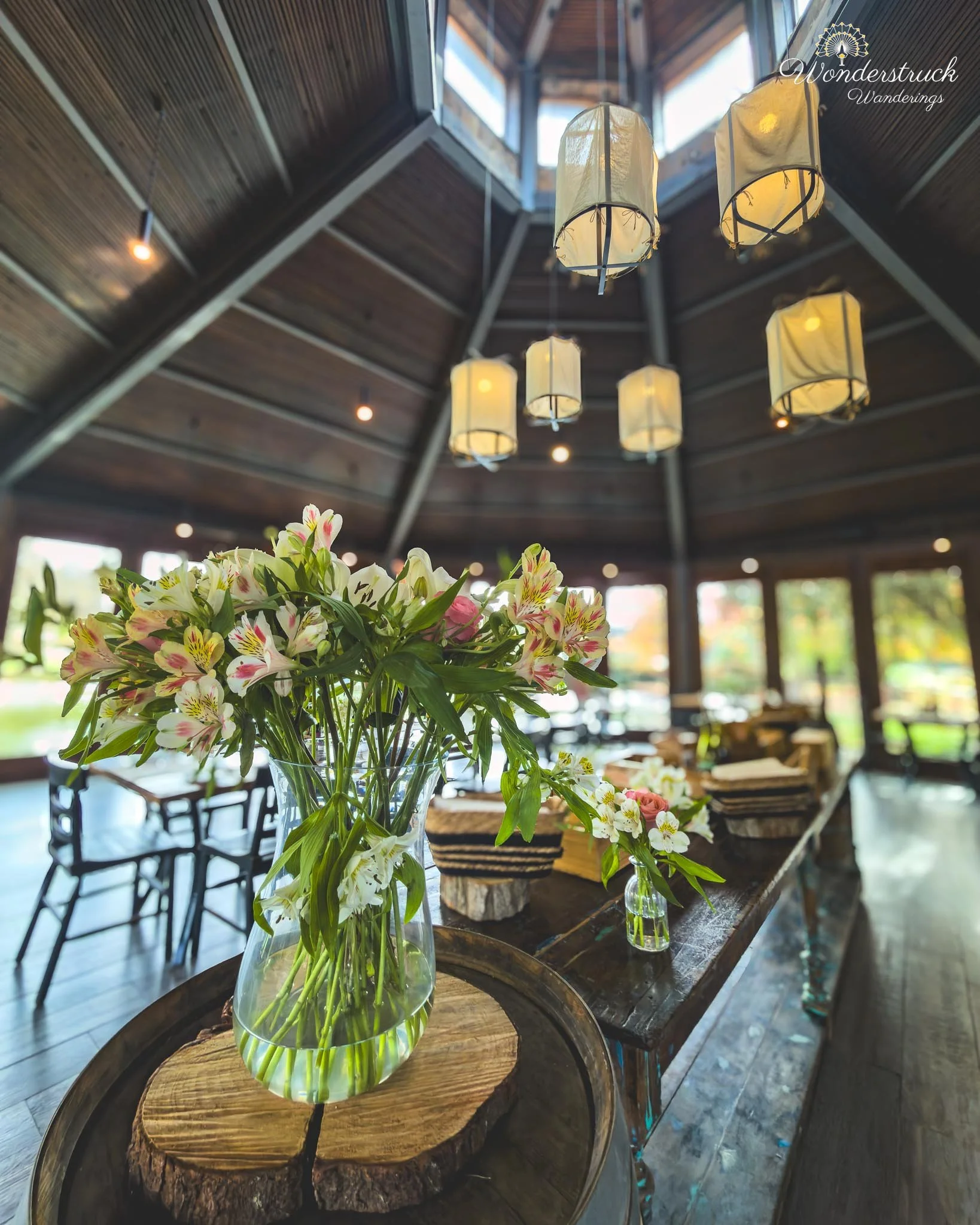
All the while, we kept seeing birds through the huge restaurant windows. This is one of the things I love about traveling with birding always running quietly in the background. Even during a long lunch at a winery, the eyes keep moving. A bird crosses the lawn. Something lands in a tree. A shape moves near the edge of the garden. Suddenly, lunch becomes a birding session with better wine glasses. At Matetic, the grounds were active enough that we could bird from the table between courses. After days of desert birds, it felt like we had entered a completely different avian chapter of Chile. The habitat around the restaurant - gardens, vineyard edges, trees, open grass, and water features - gave us species we had not seen in the Atacama. We recorded Green-backed Firecrown, which immediately brought hummingbird energy back into the trip. We also picked up Southern Lapwing, Black-crowned Night-Heron, Gray-flanked Cinclodes, Tufted Tit-Tyrant, Chilean Swallow, Chilean Mockingbird, Austral Thrush, Long-tailed Meadowlark, Austral Blackbird, and Gray-hooded Sierra Finch. The Chilean Mockingbird and Long-tailed Meadowlark felt especially place-specific in that central Chile wine-country setting, while the Green-backed Firecrown gave the grounds a flash of movement and color.
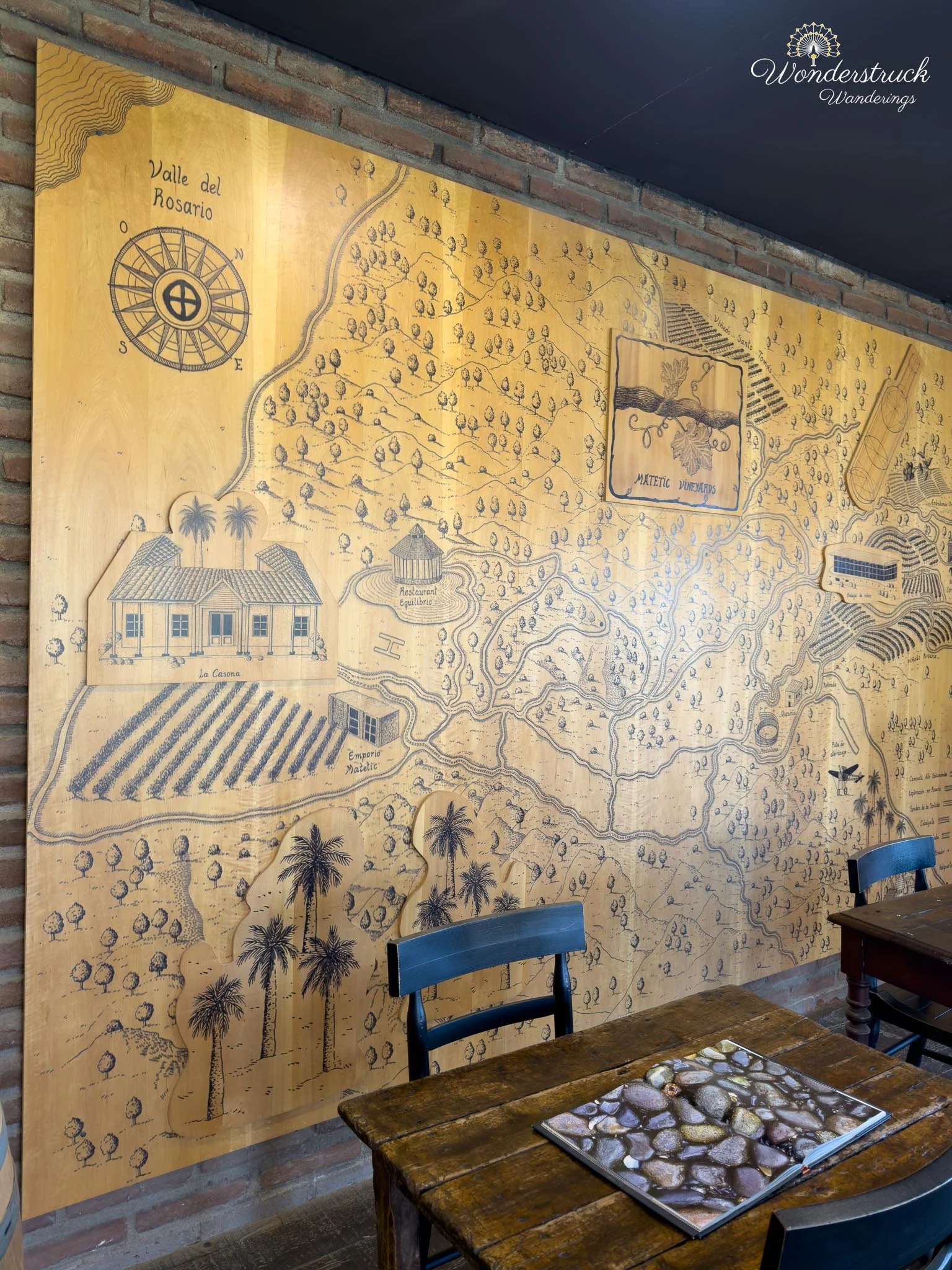
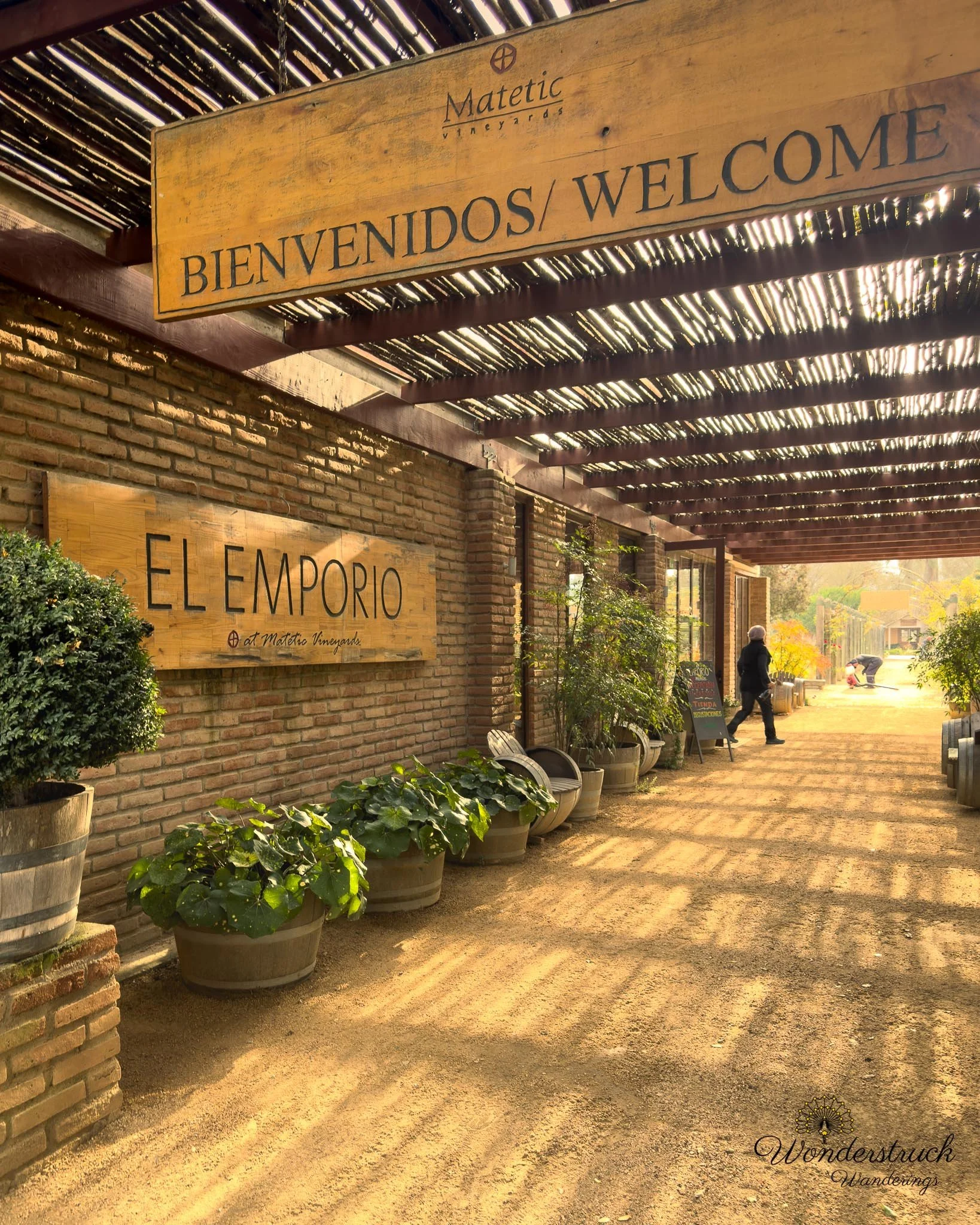
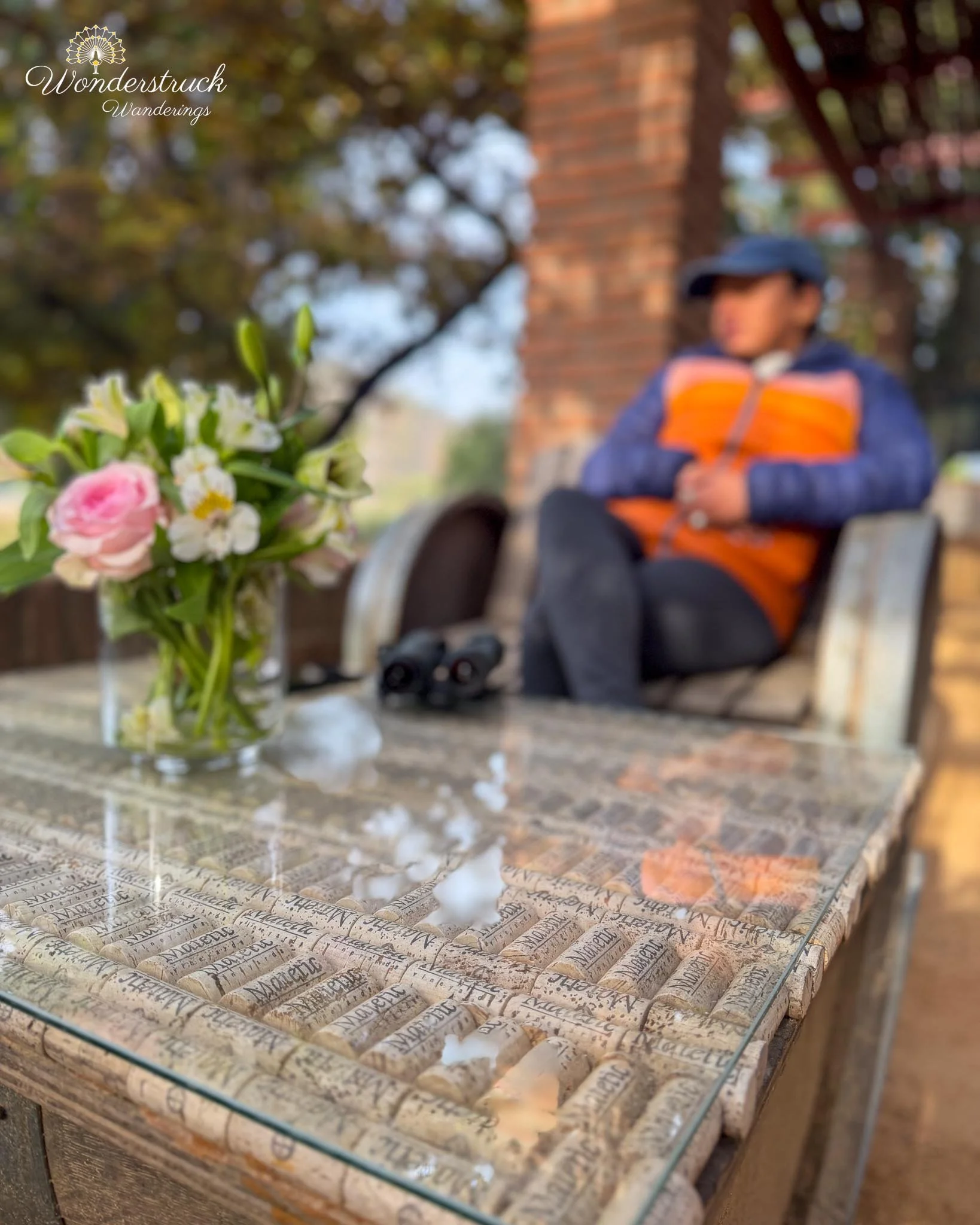
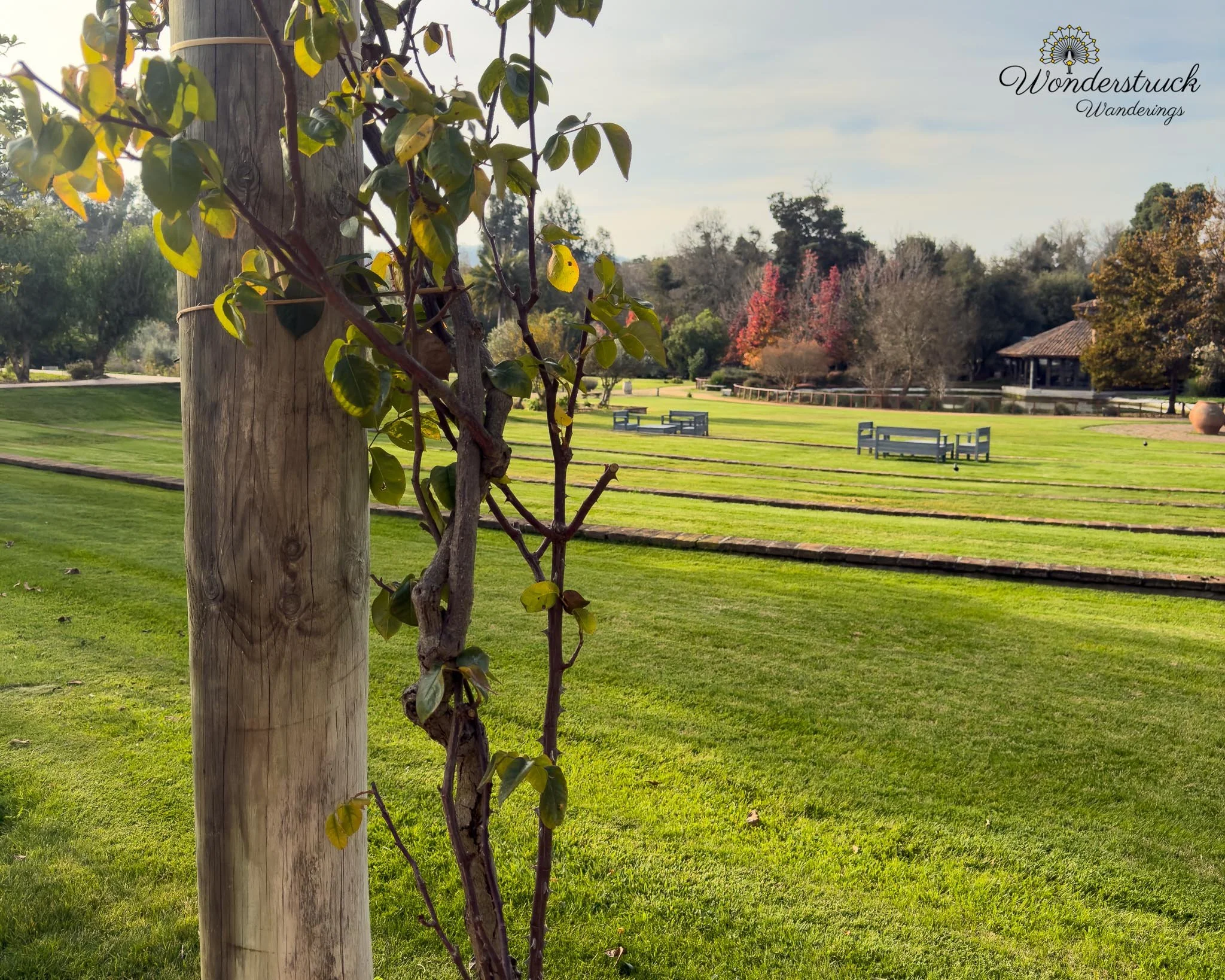
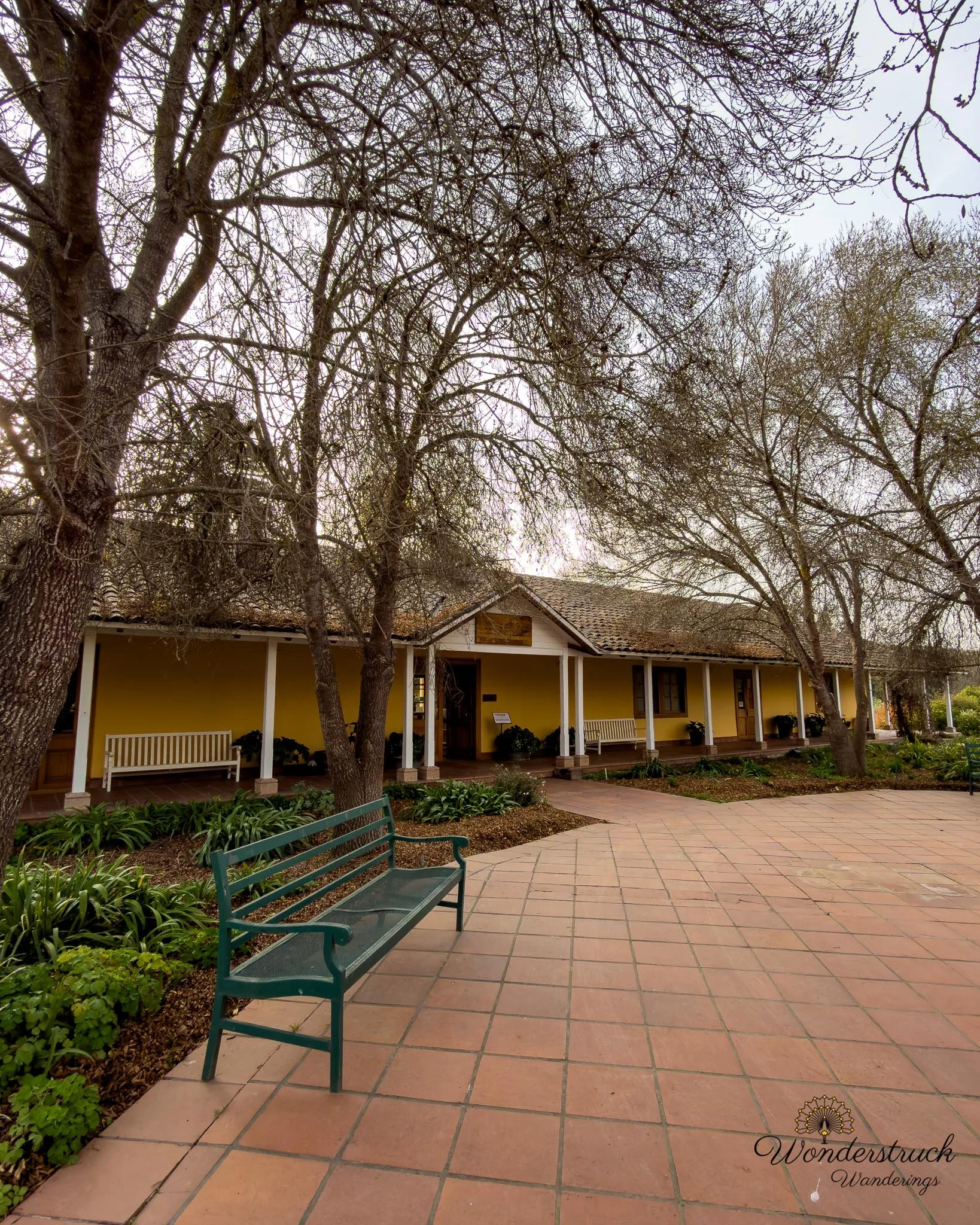
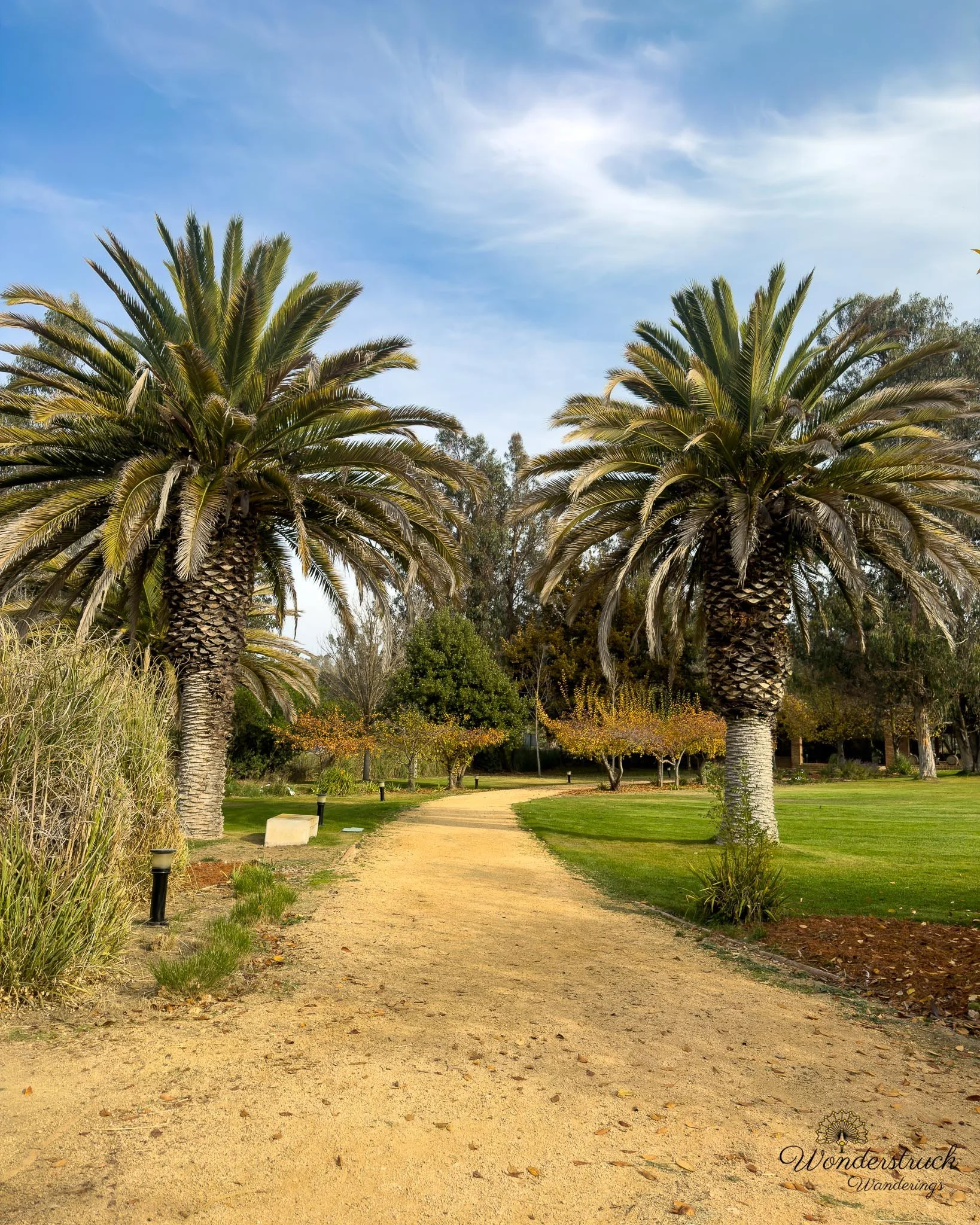
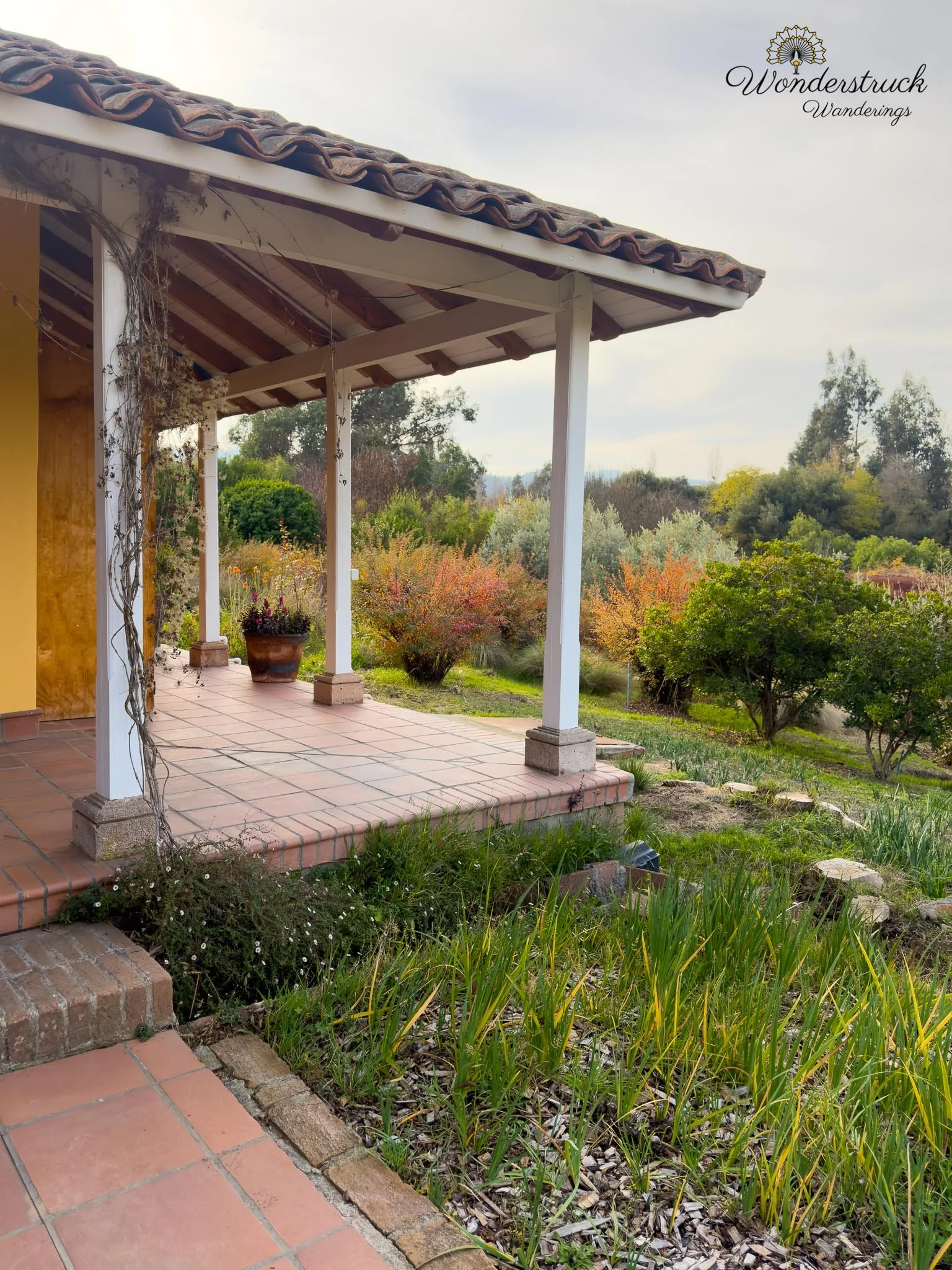
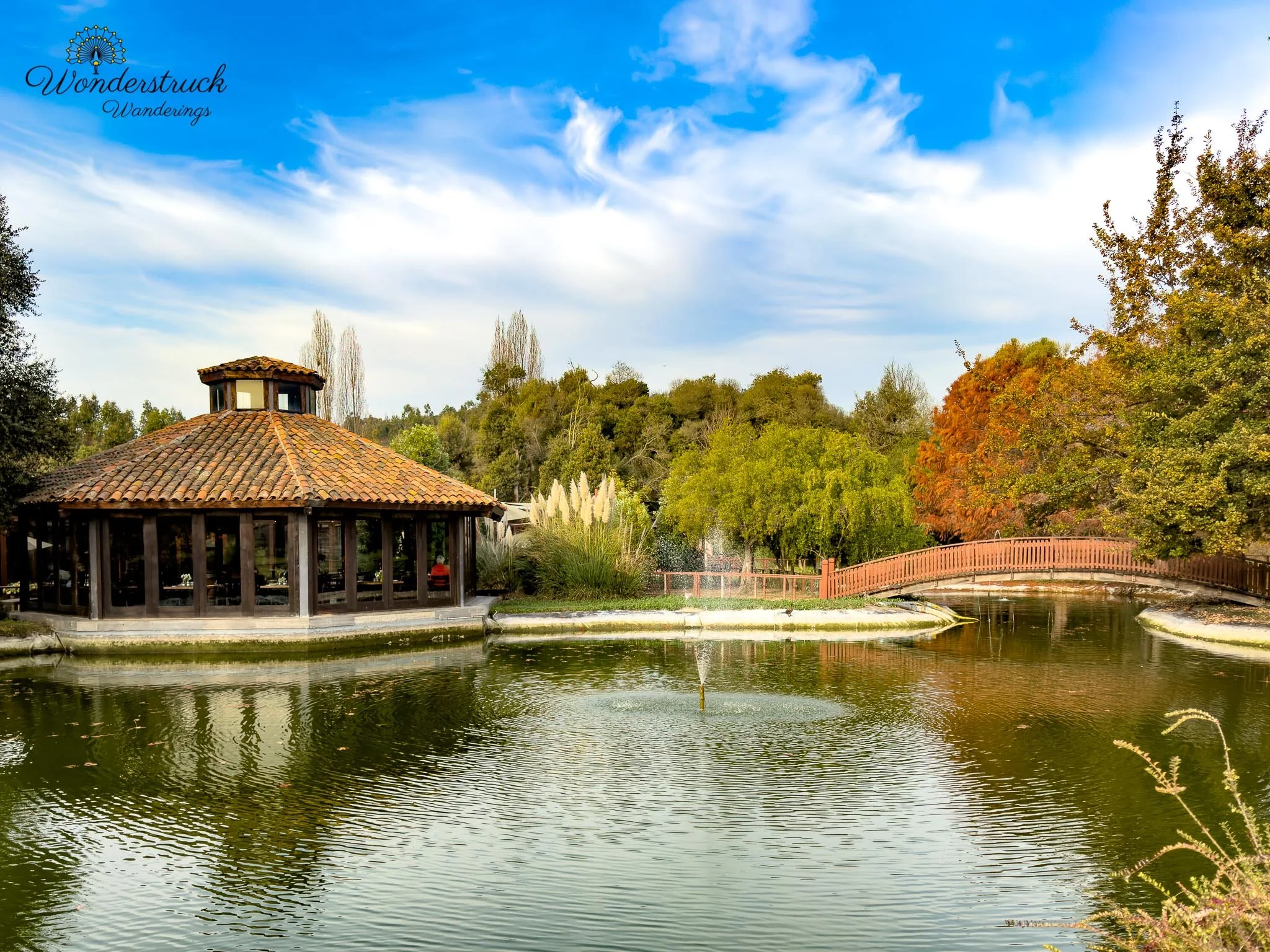
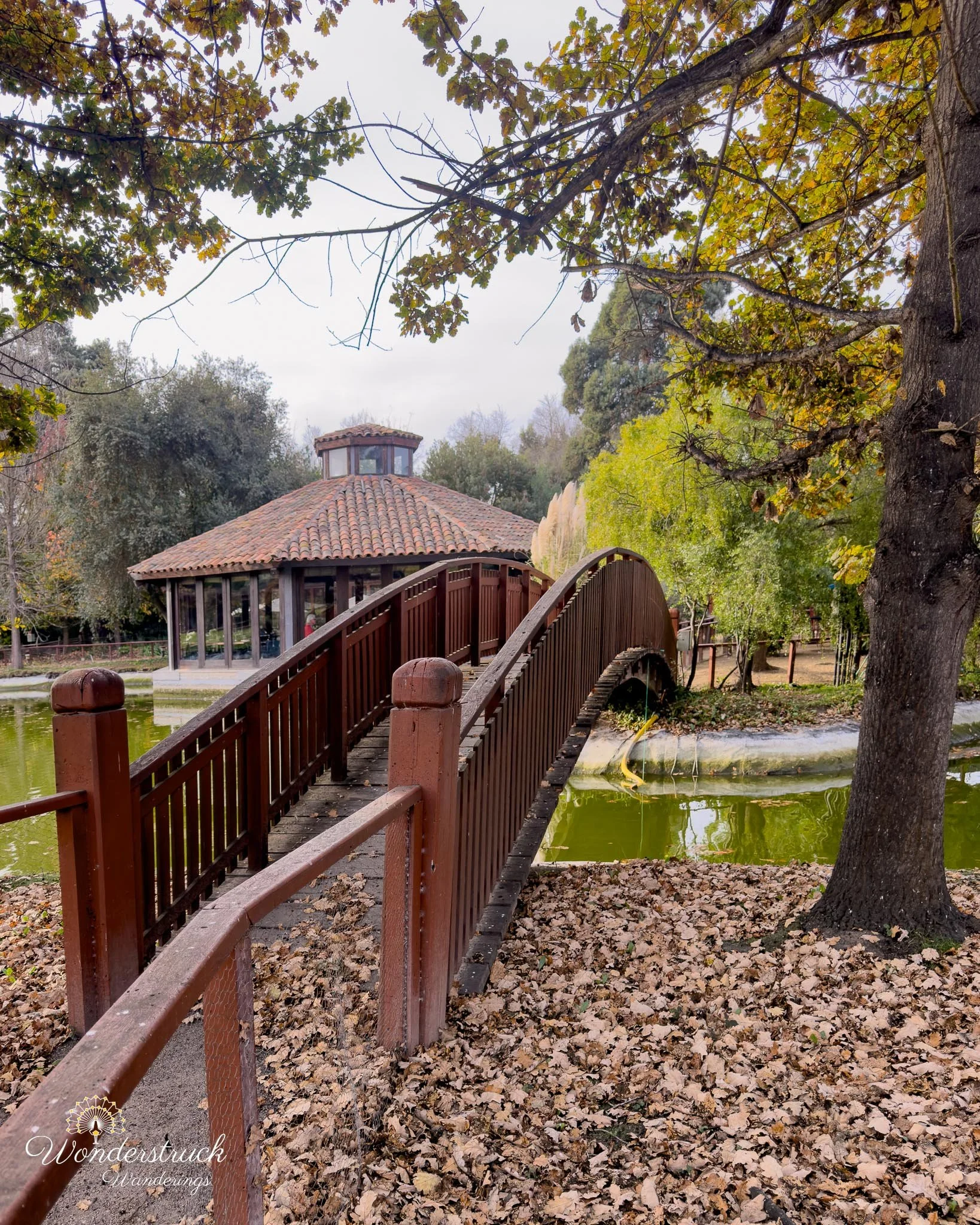
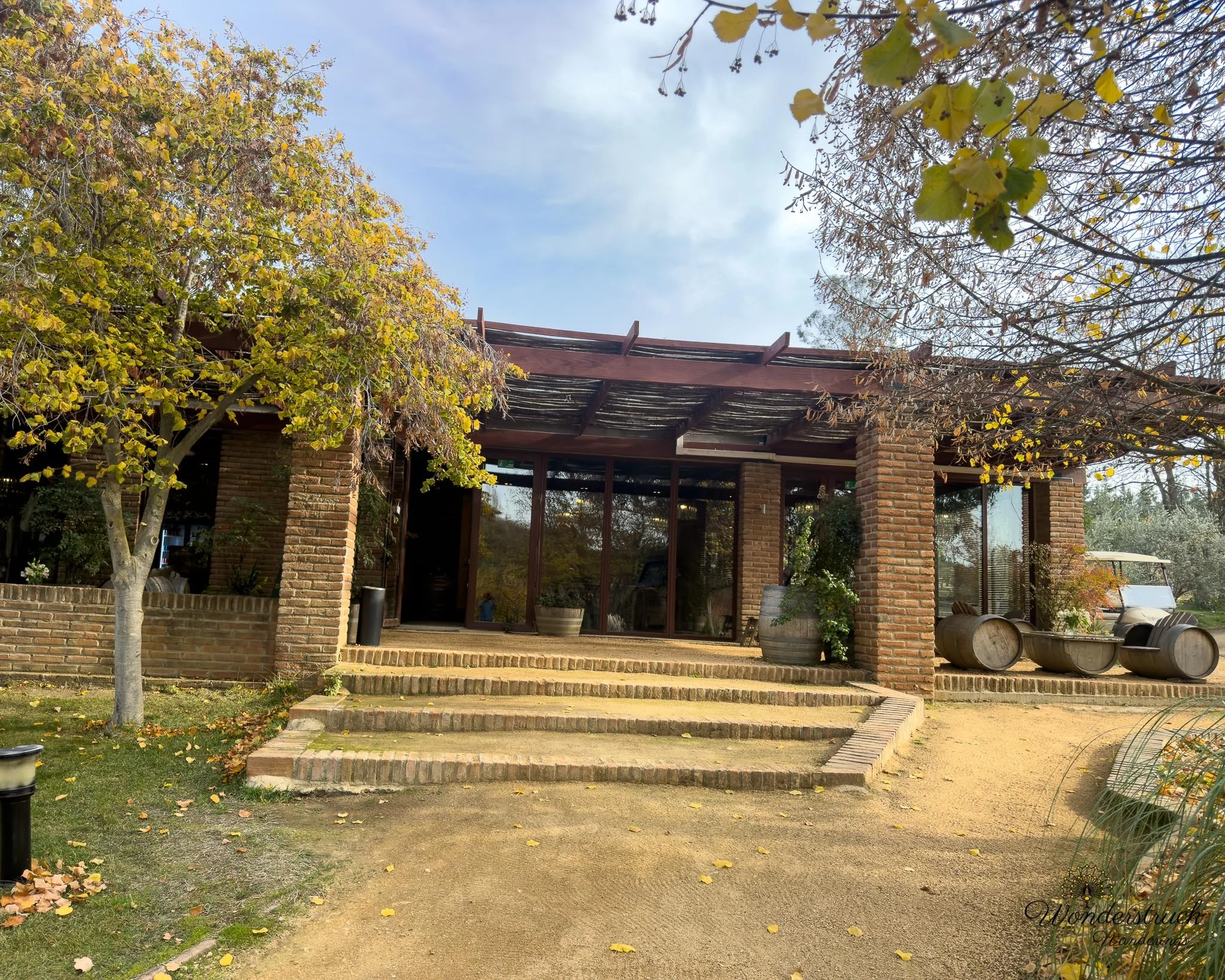
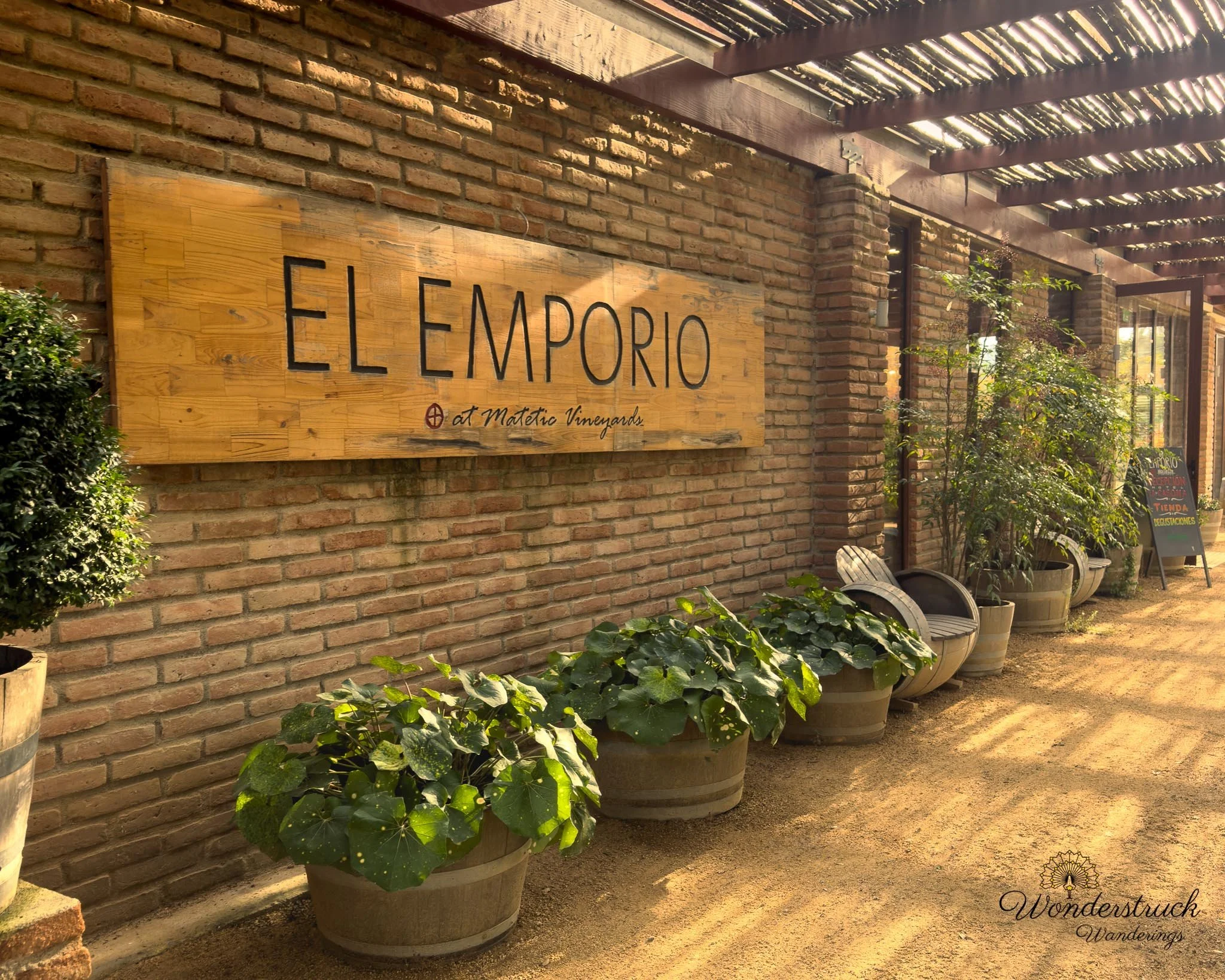
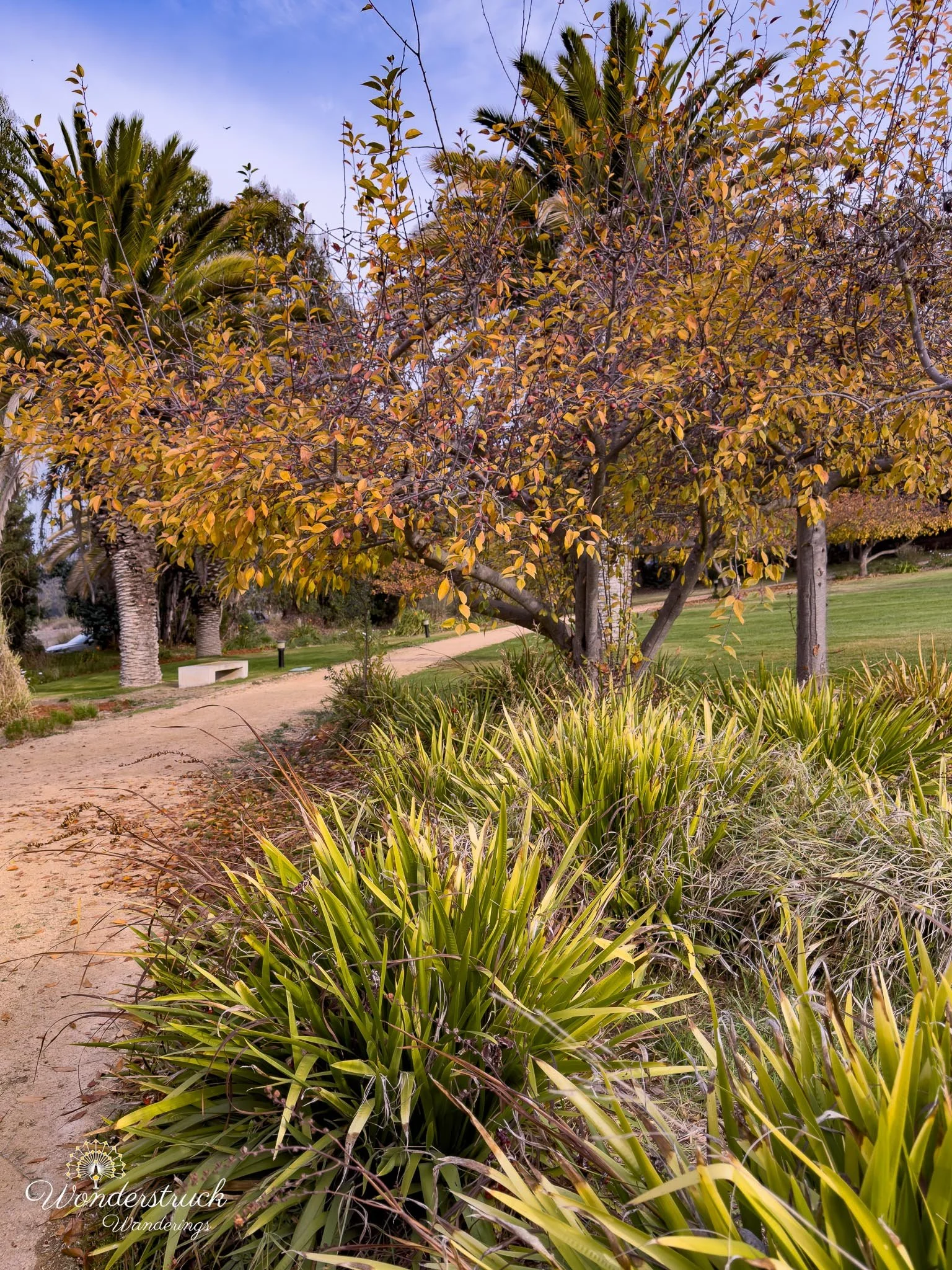
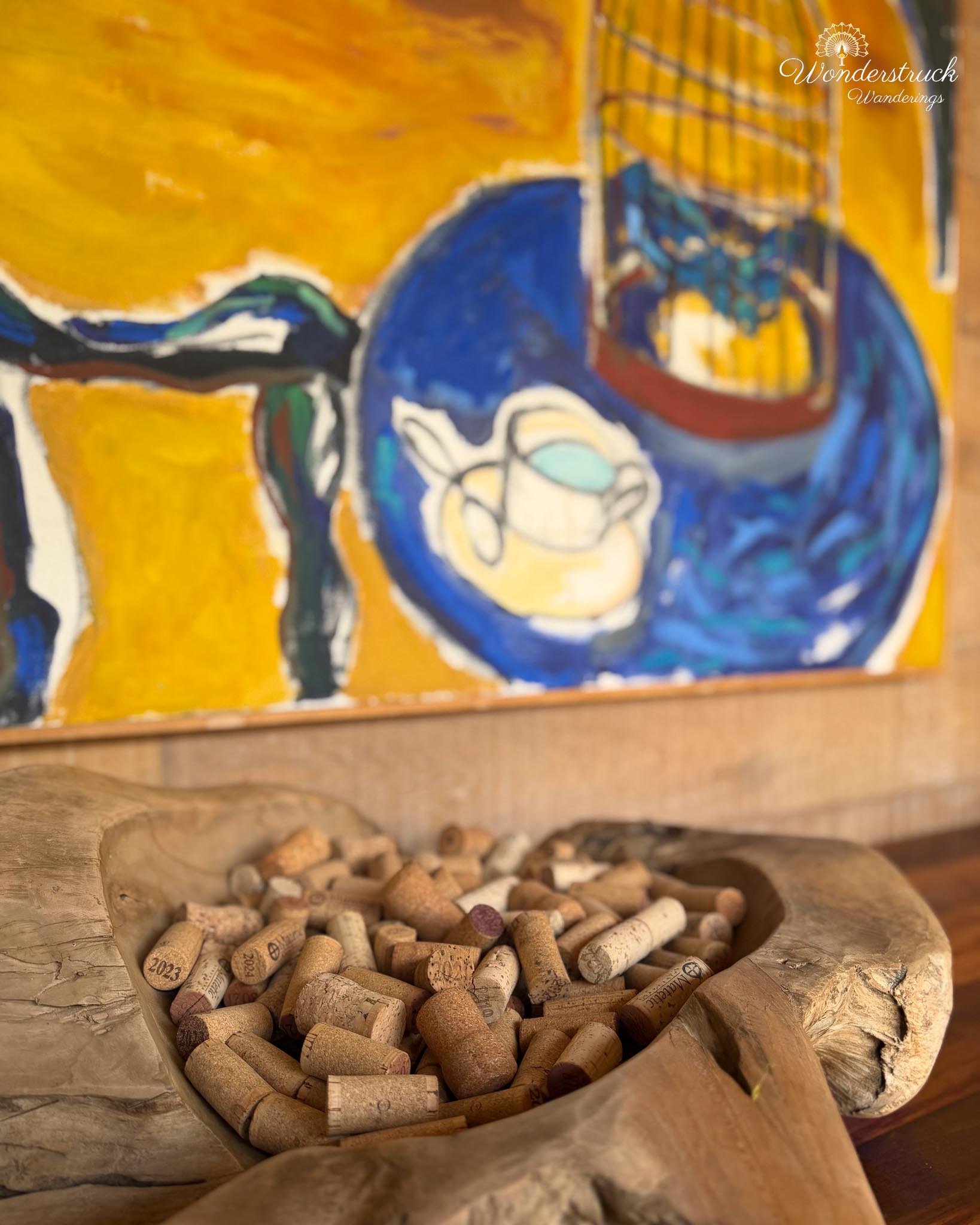
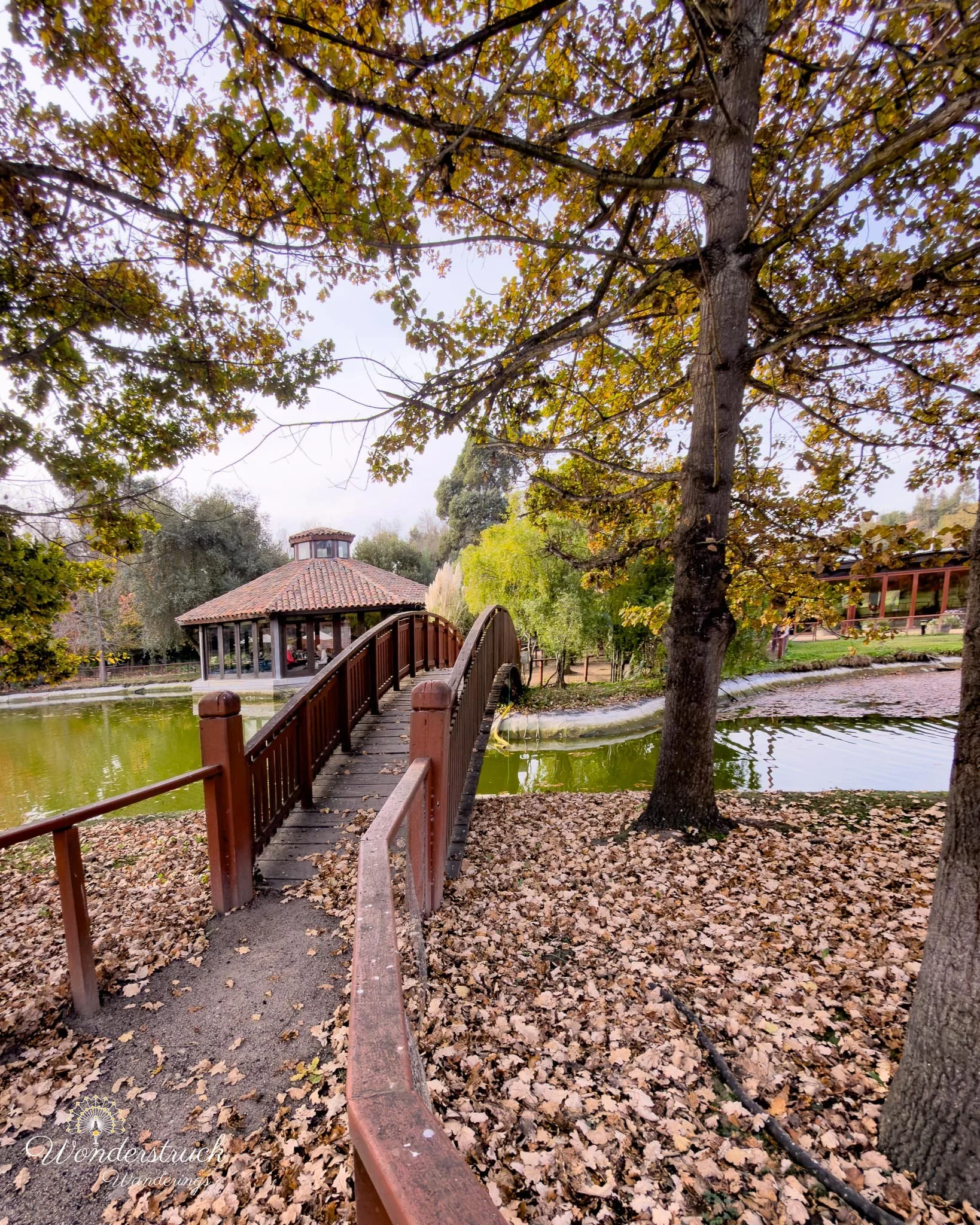
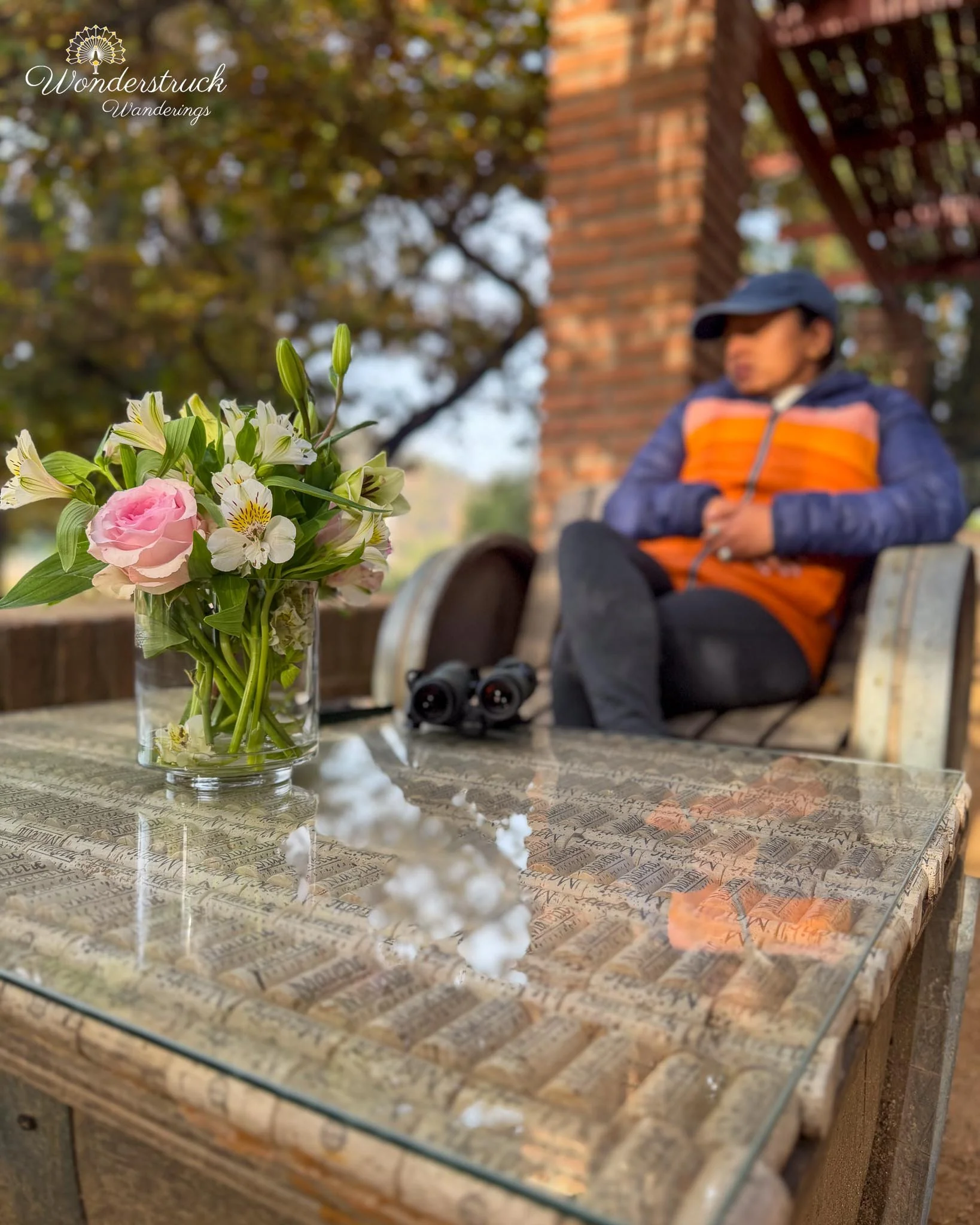
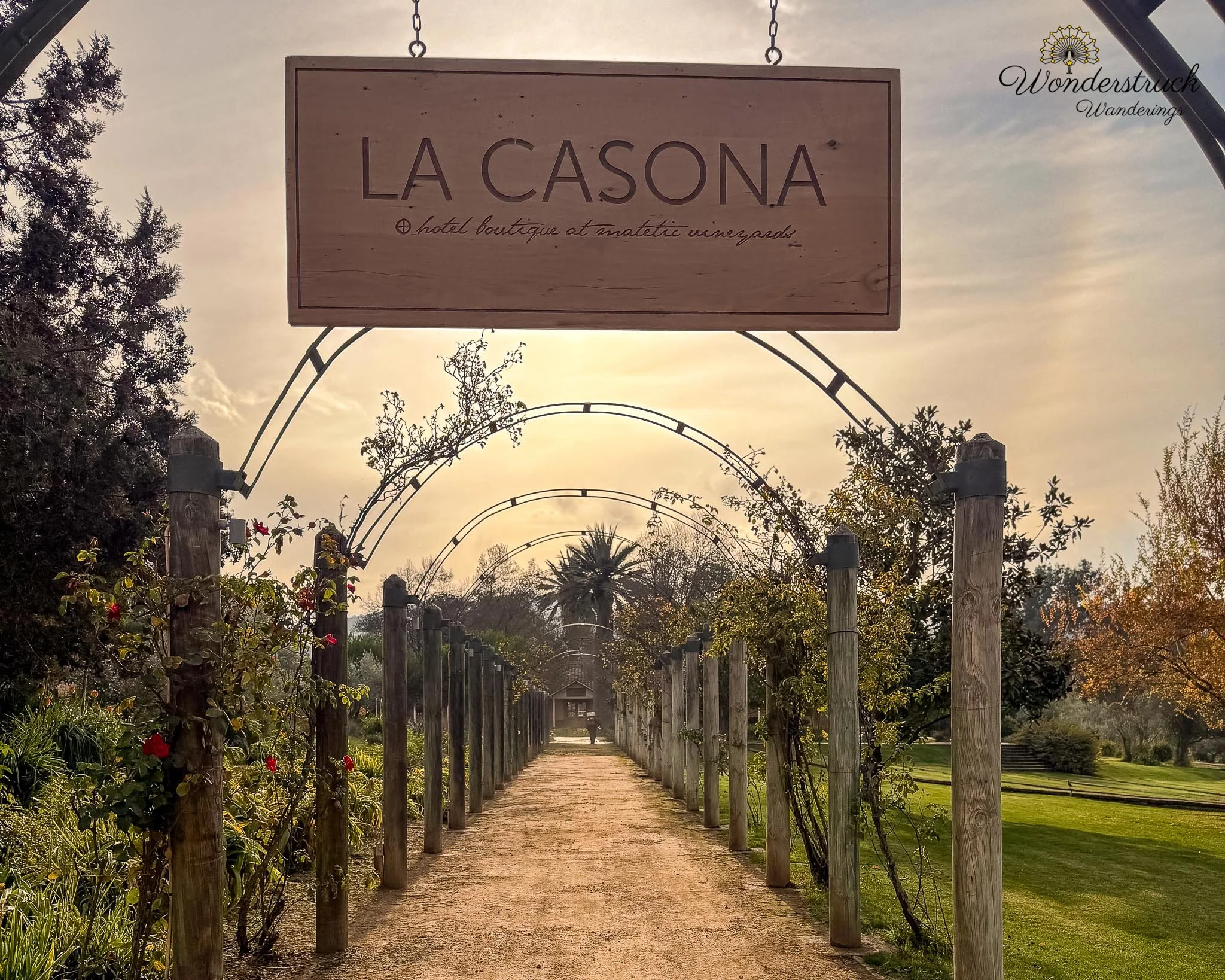
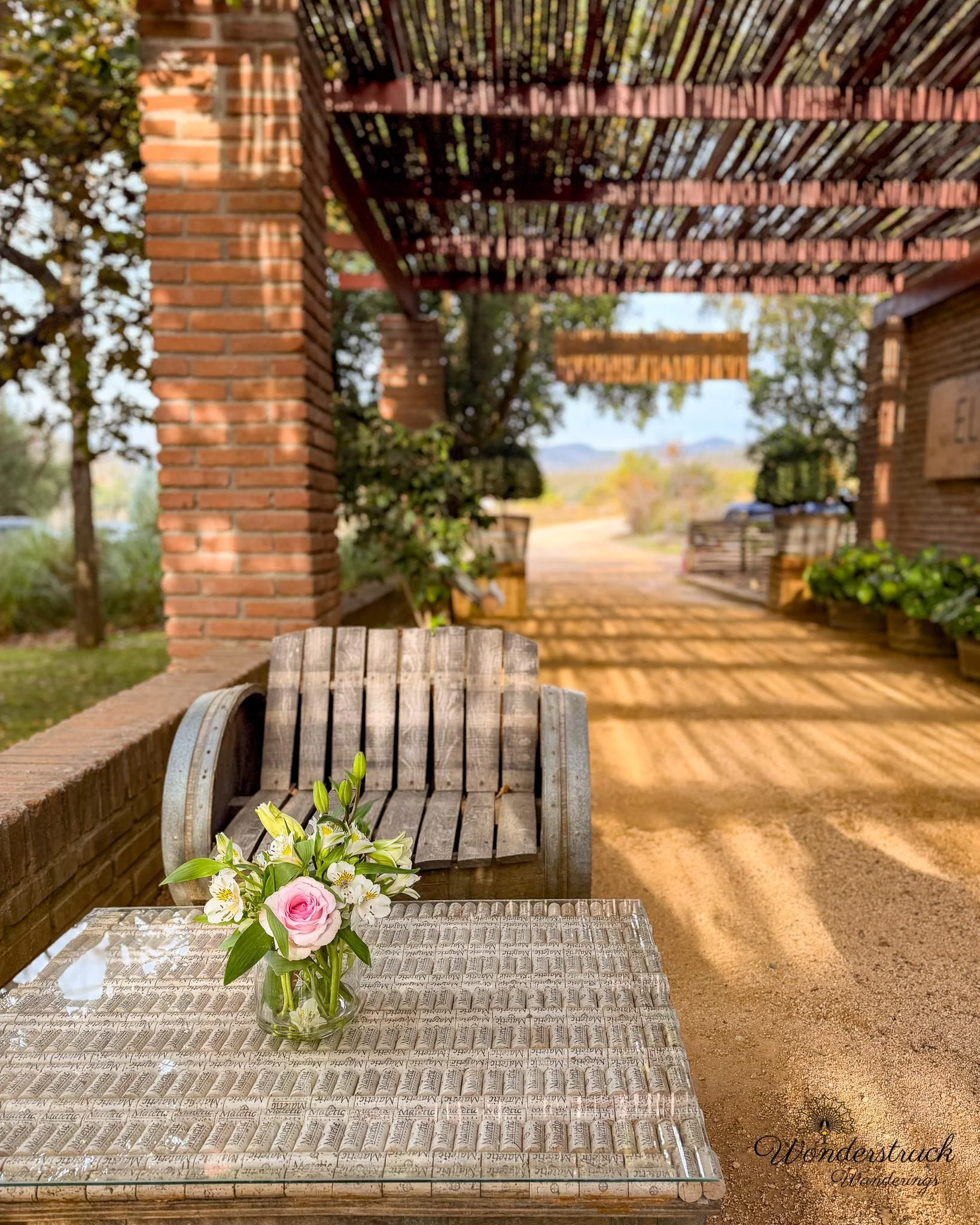
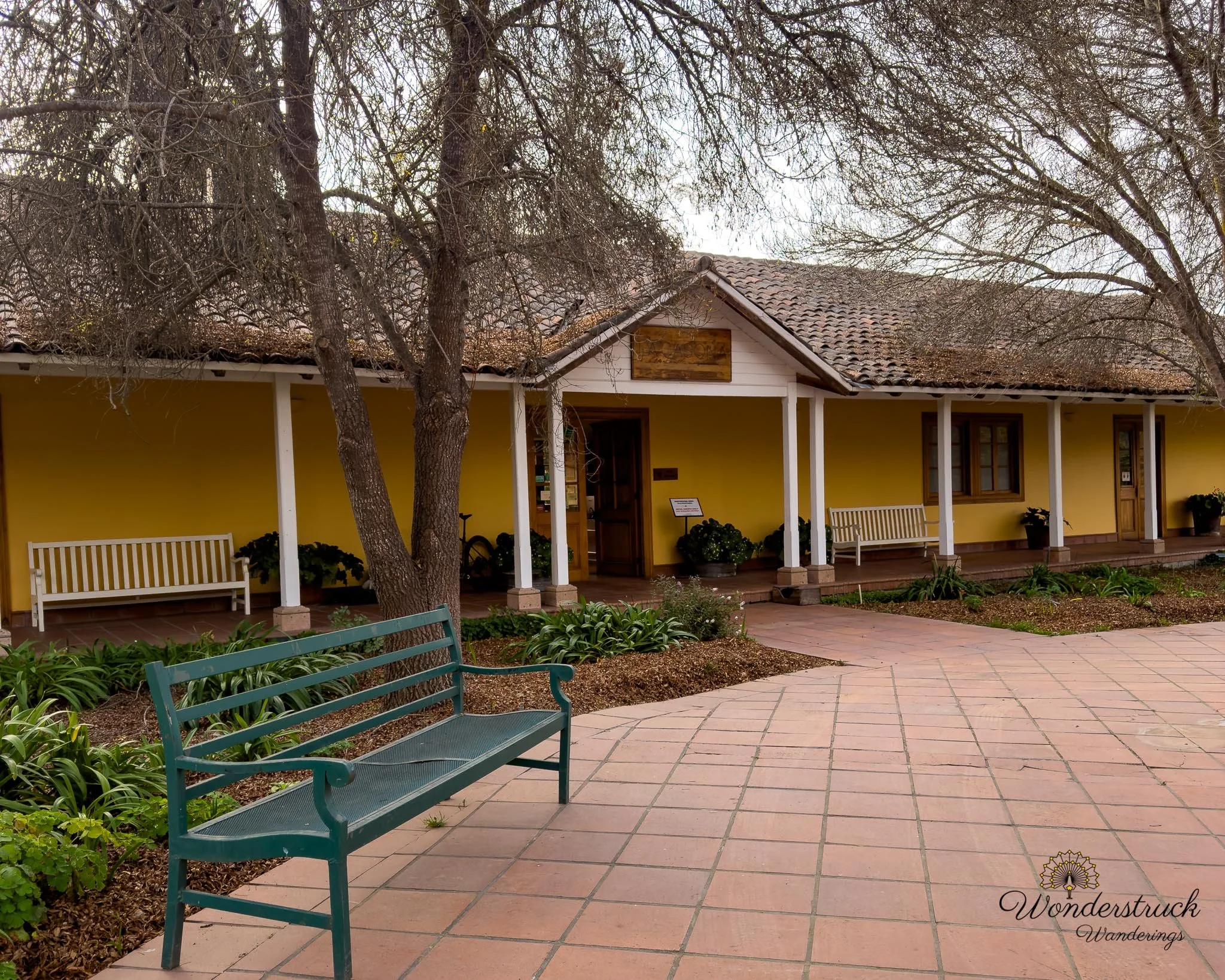
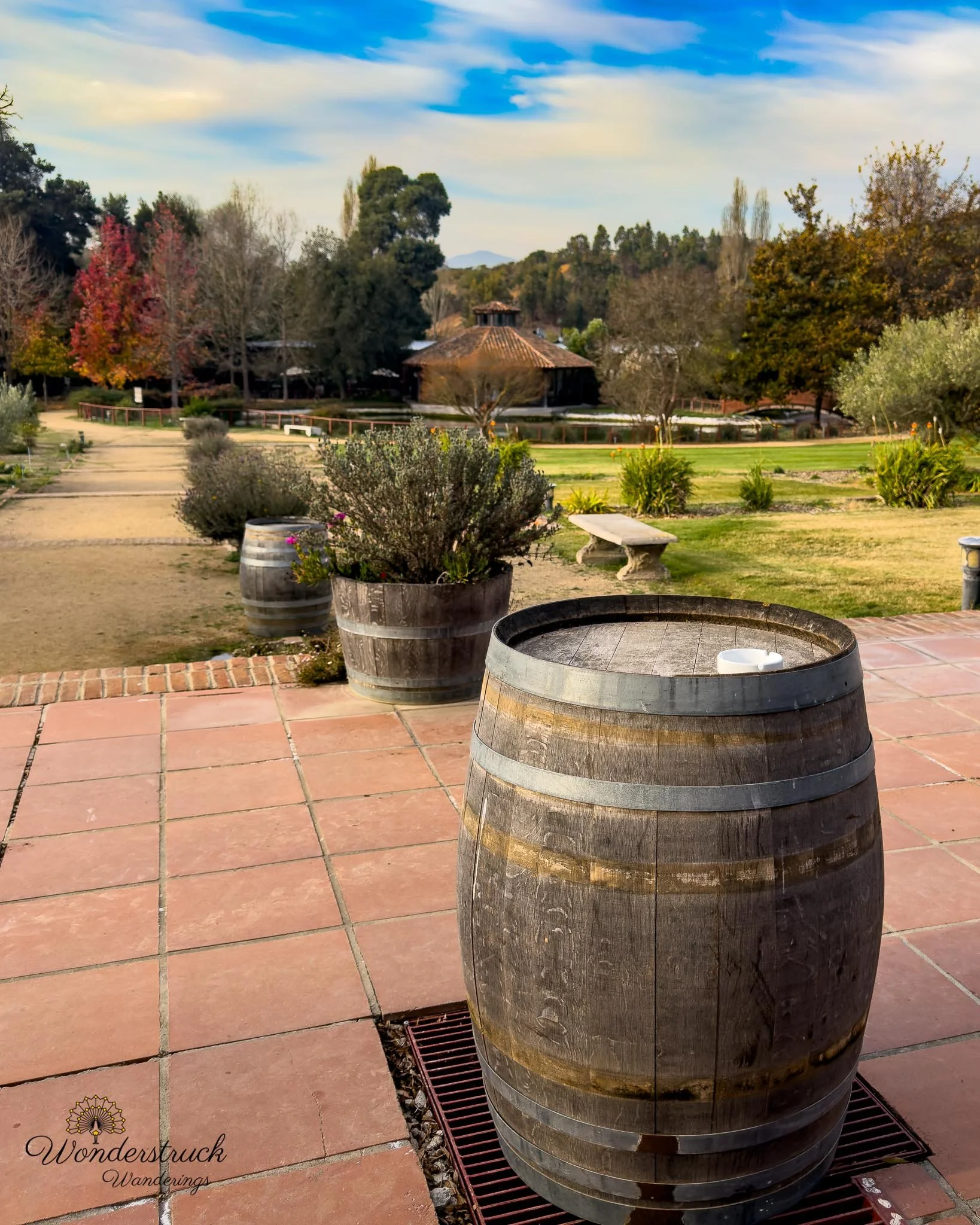
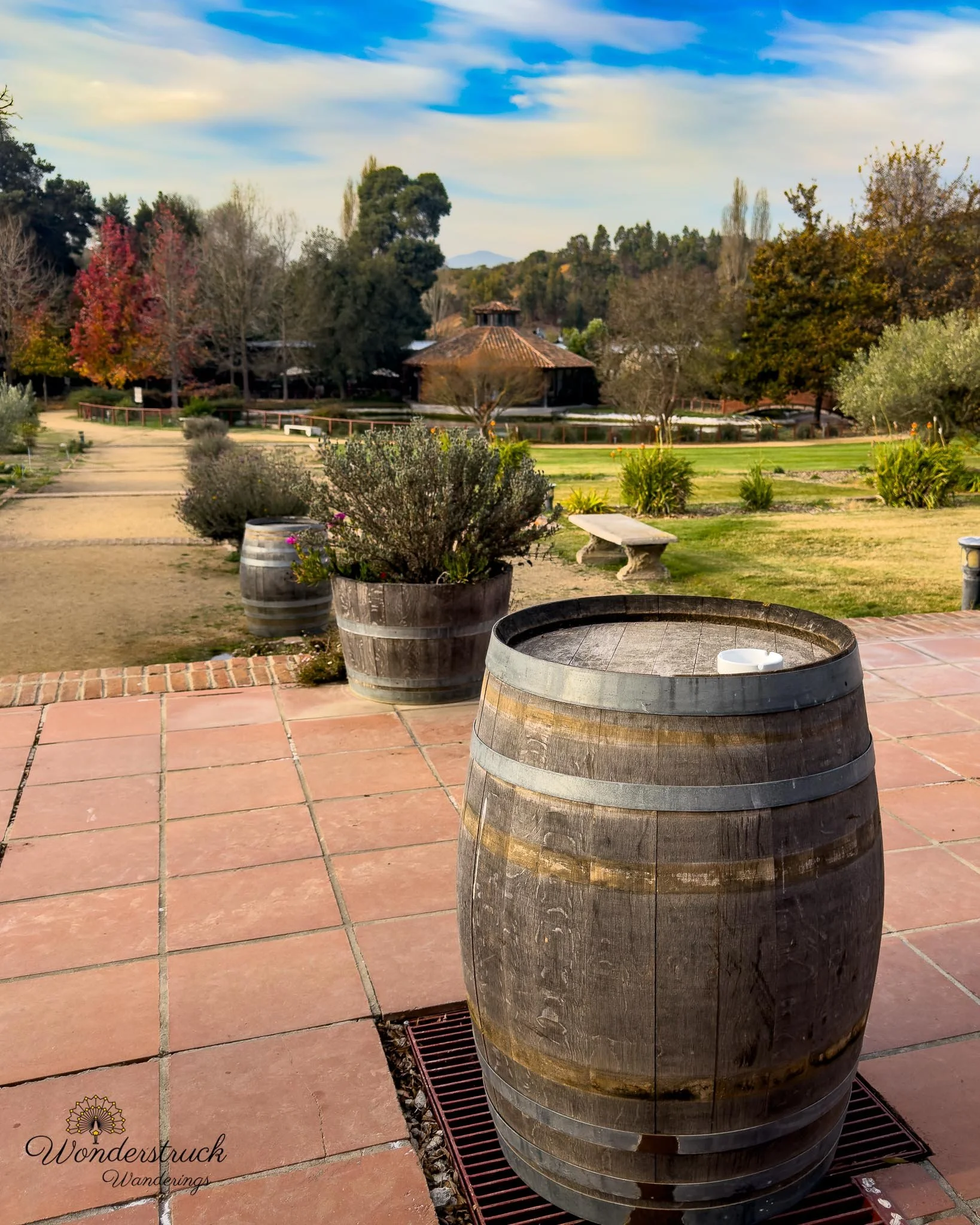
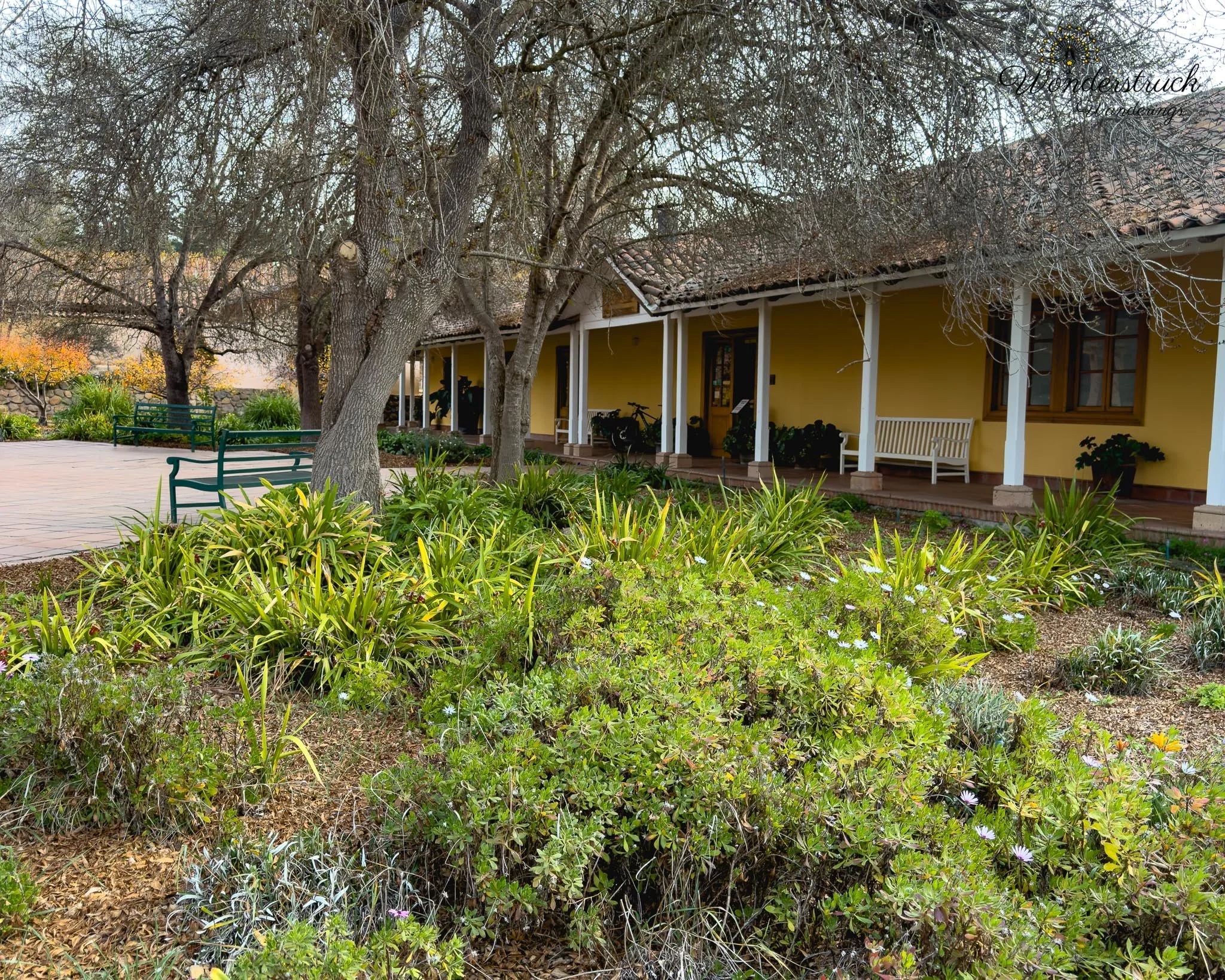
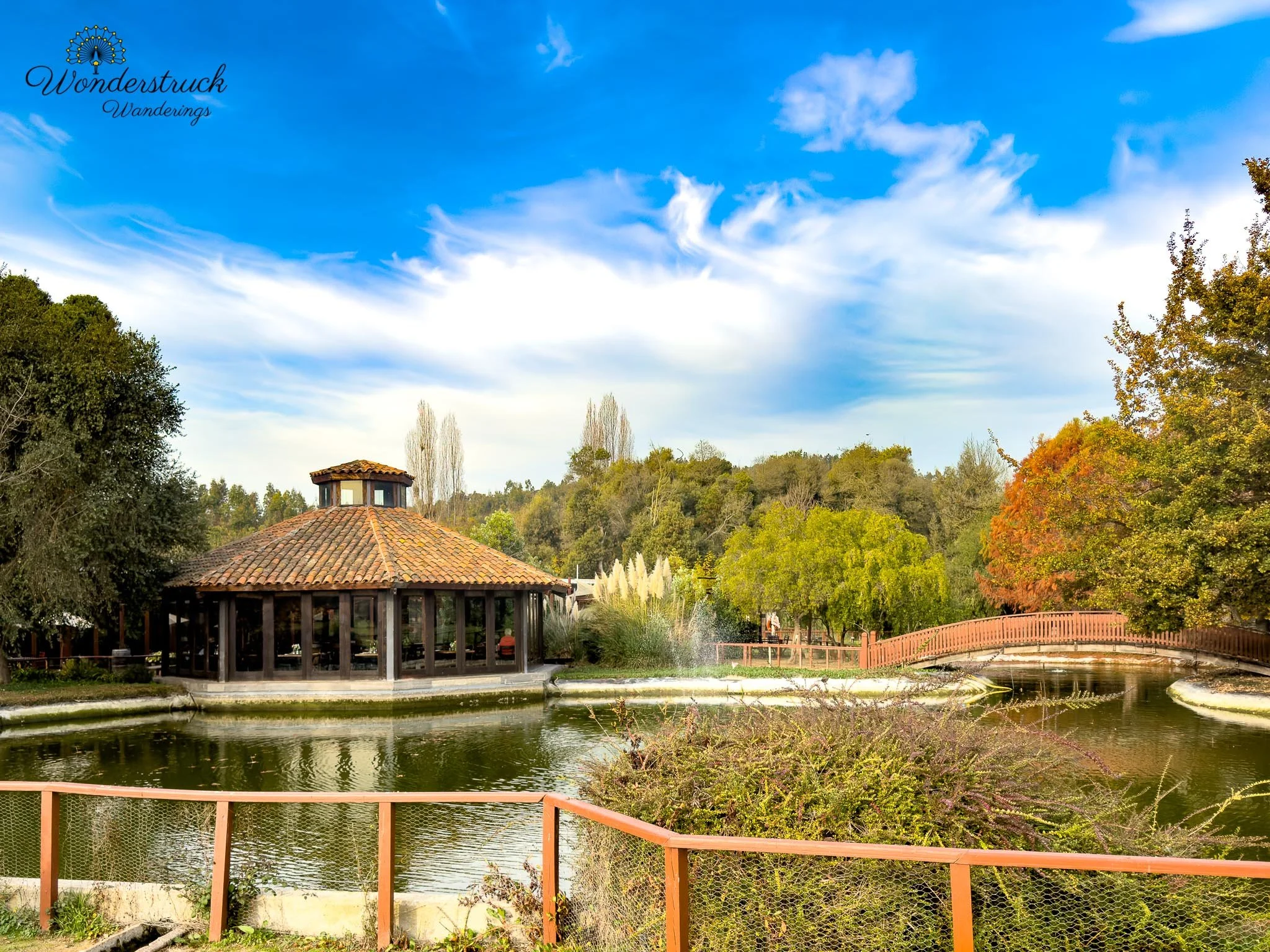
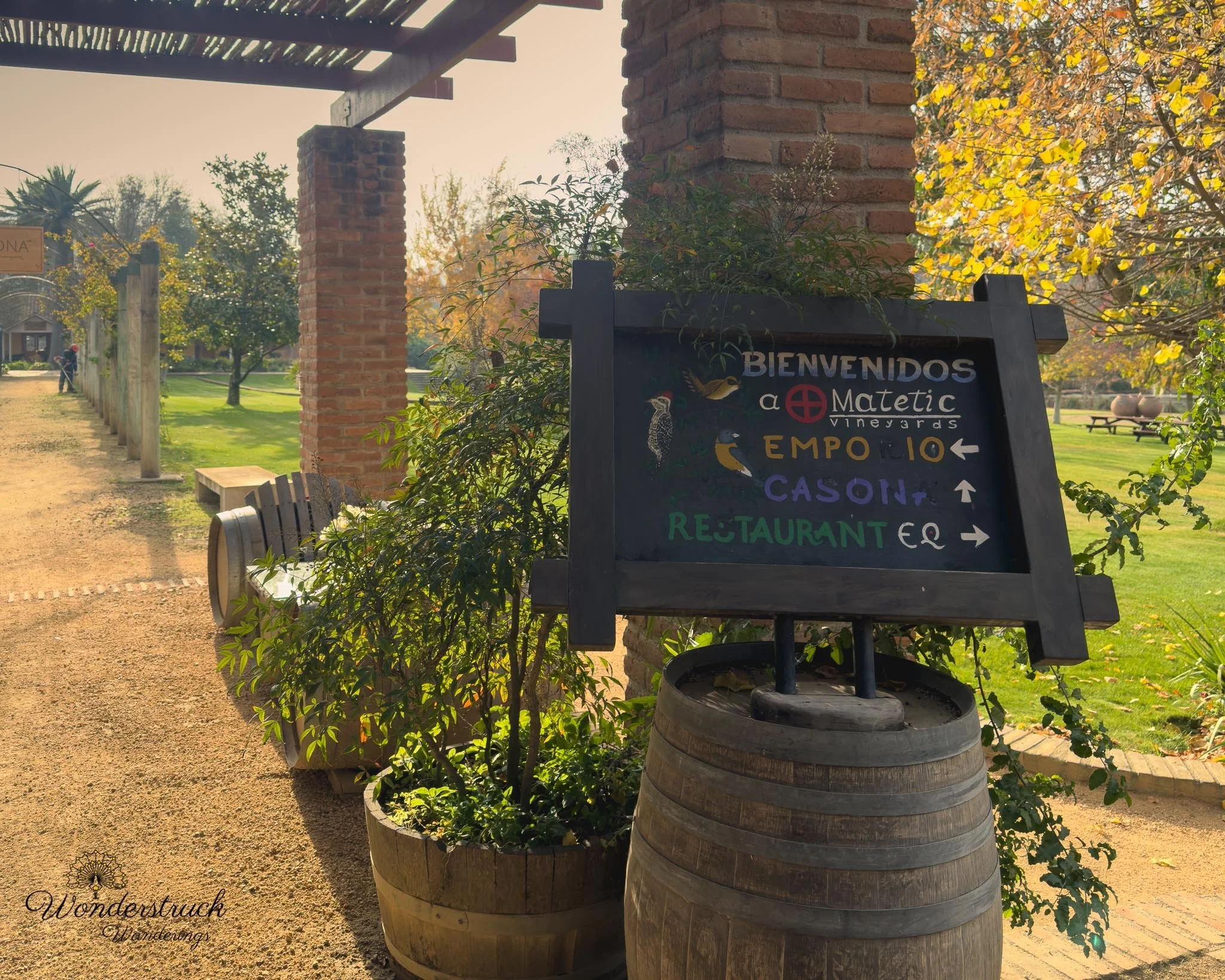
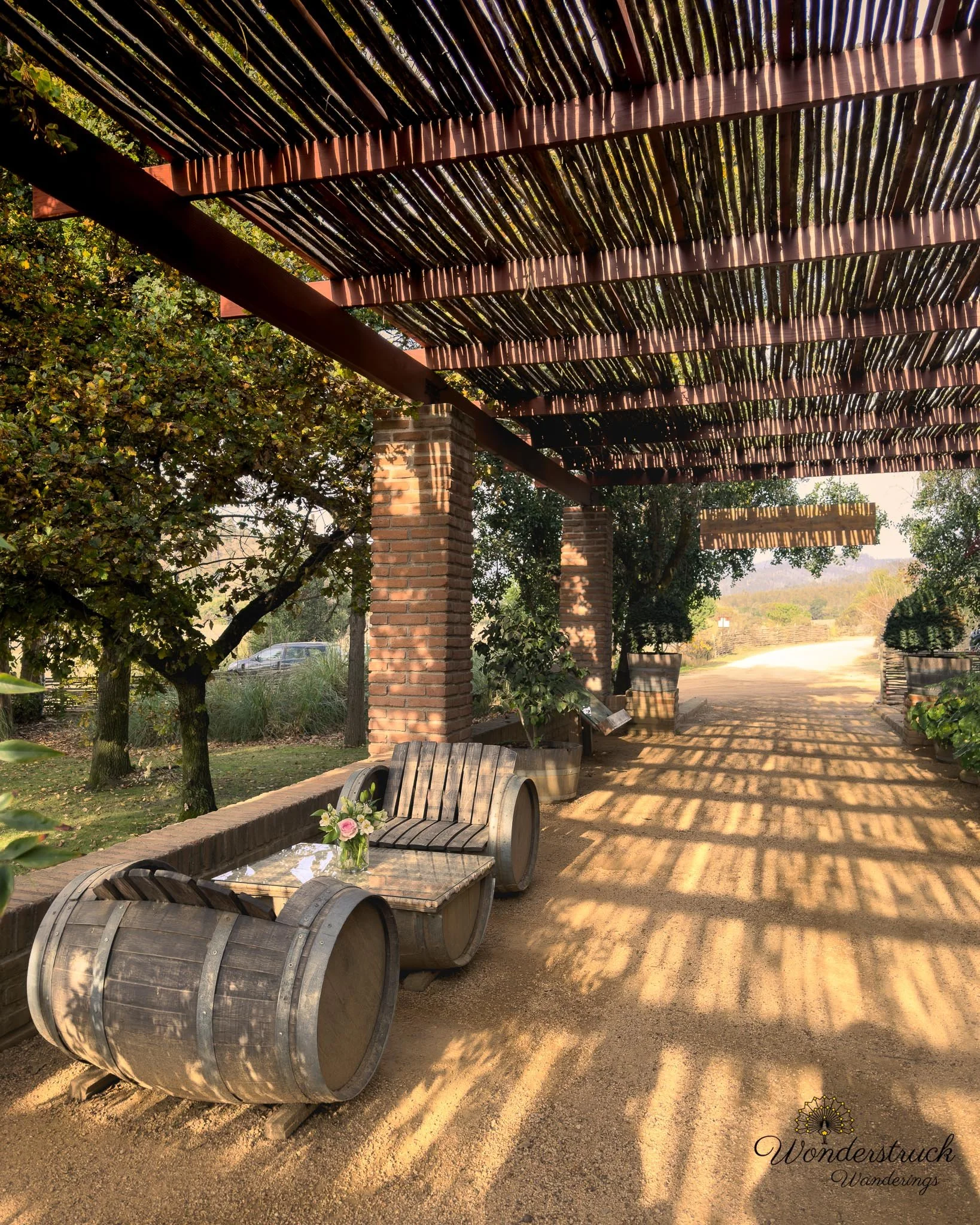
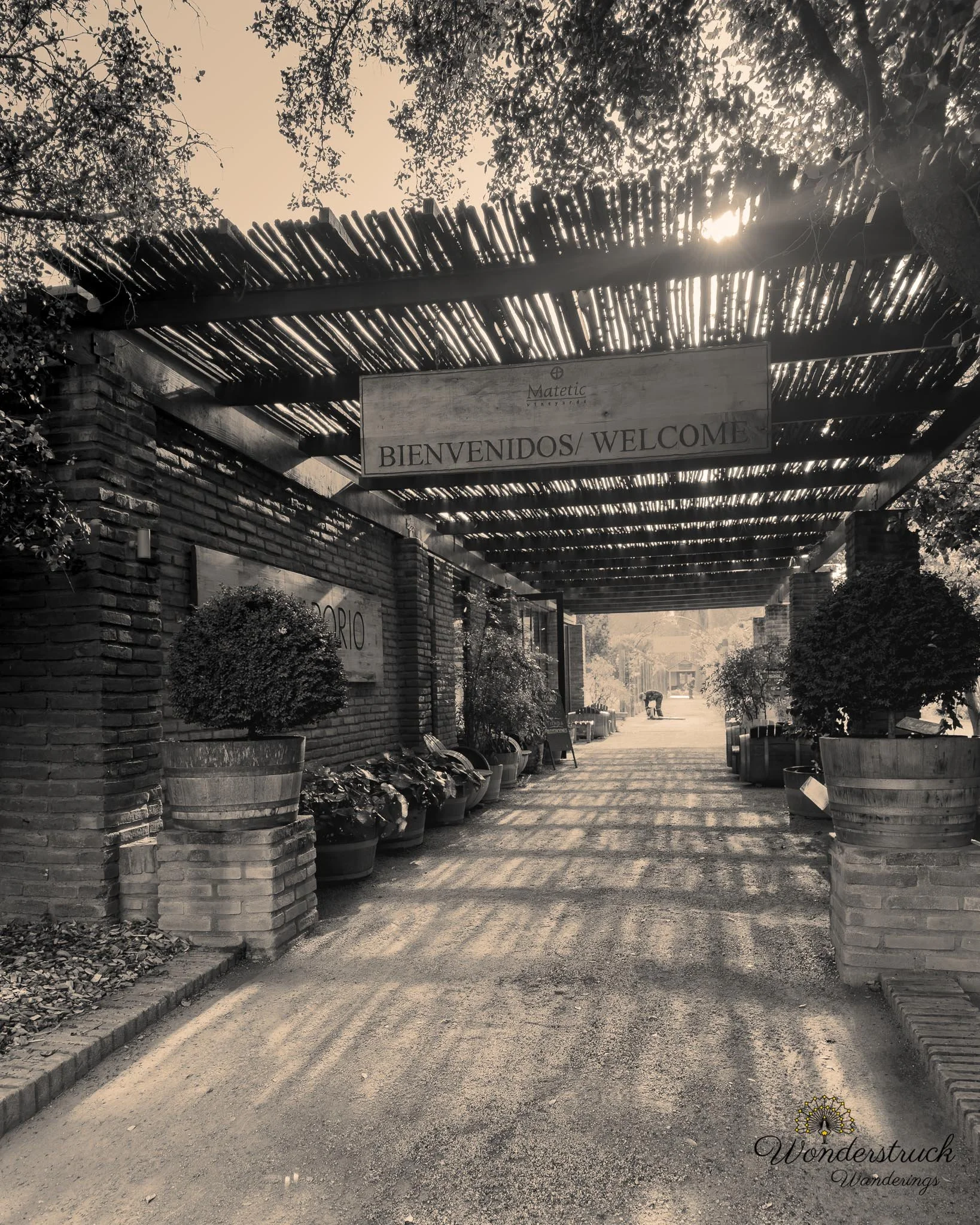
After lunch, we went to the store and picked up wine to bring home. We chose Matetic Syrah, which had clearly earned its reputation, and also picked up a Cordillera Grenache that was not part of the tasting menu but came highly regarded. After losing one bottle at Santiago baggage claim earlier that day, buying more wine felt slightly defiant, but also necessary. We just knew it would be packed much more carefully from now on. After shopping, we walked around the Matetic grounds for more birding and to take in the property. The whole place had a peaceful, spacious feel: vineyards, gardens, the wine shop, restaurant, and the boutique hotel La Casona all tied together within the Rosario Valley setting. We had originally considered staying at La Casona for this night. It would have been a beautiful place to stay, especially after lunch and wine tasting, but the logistics did not quite work. We had an early plan for VIK the next day, and staying at Matetic would have added too much time to the morning drive. It was also expensive enough that we decided the smarter move was to continue toward Colchagua and stay closer to the next day's route. Still, walking around after lunch made us understand why people stay. The property encourages lingering. It is not just a restaurant or tasting room; it is a full wine-country retreat.
A San Antonio Coastal Detour and driving Into Colchagua at Sunset
On the way out, we took a small detour toward Laguna Ojos de Mar and Mirador Valle del Mar in the San Antonio area, hoping for a bit more birding and maybe a coastal landscape moment. The sunset spot itself was beautiful, and because it was Friday, everyone seemed to be out walking, relaxing, and enjoying the day. That was great for local life, but not ideal for birding. When a place is full of people walking, talking, exercising, and enjoying the evening, birding can become secondary very quickly. We looked around, enjoyed the atmosphere, and then decided not to force it. We still had a long drive ahead to Colchagua, and the day had already included a pre-dawn desert departure, a flight, a broken wine bottle, a long lunch, wine shopping, and birding at Matetic. So we pushed onward.
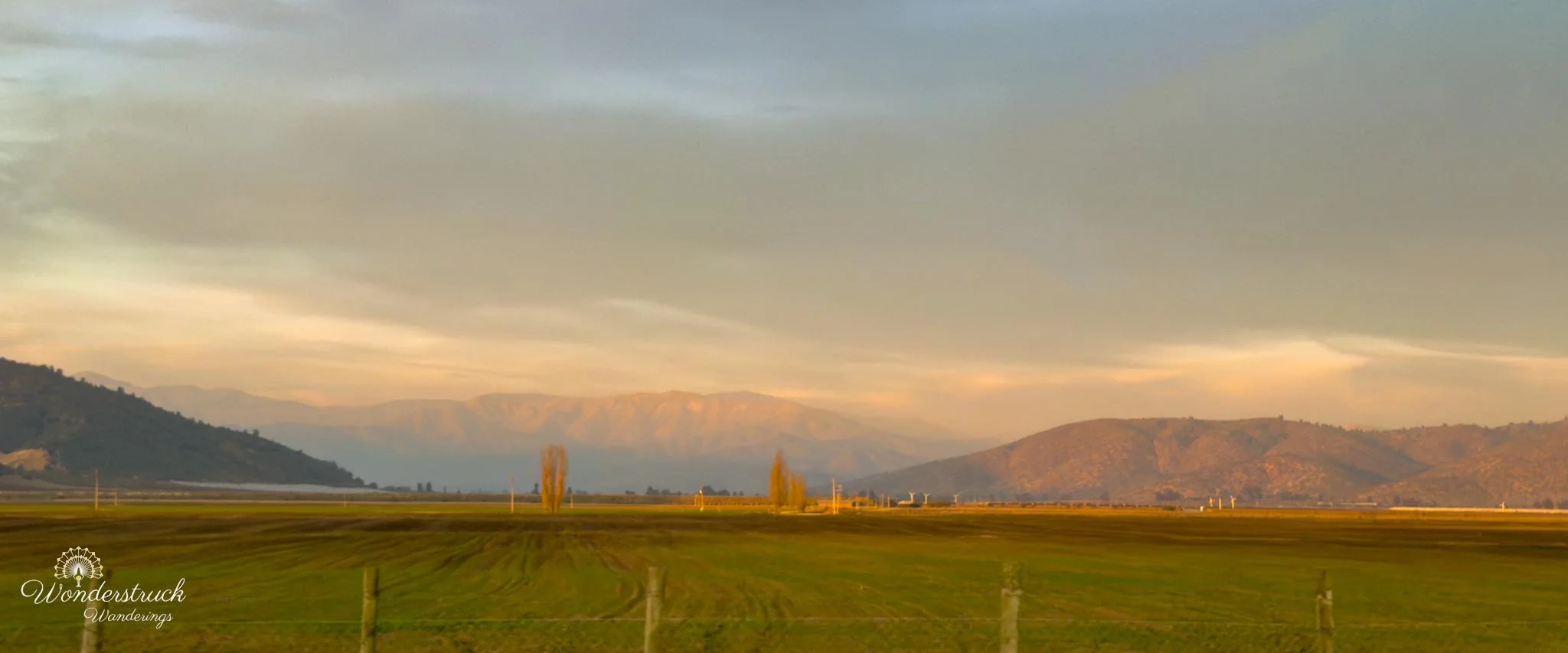
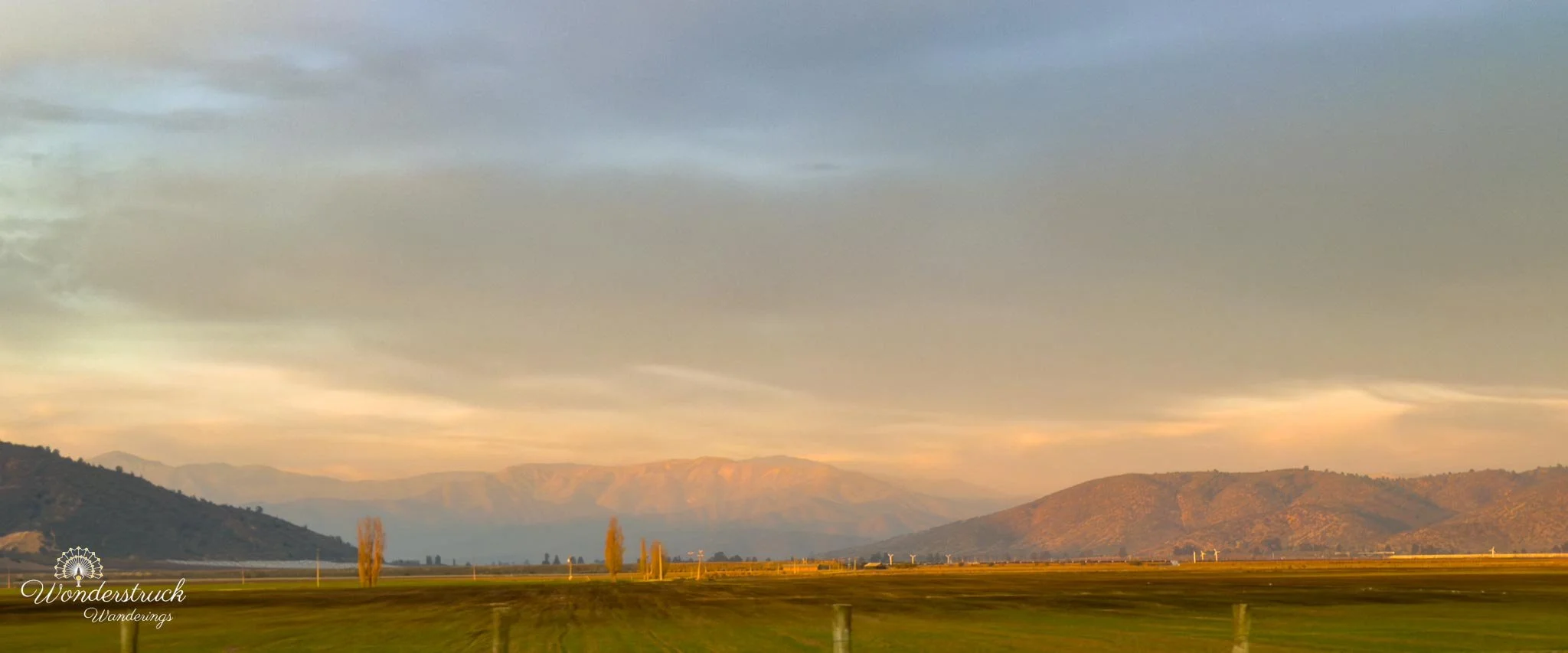
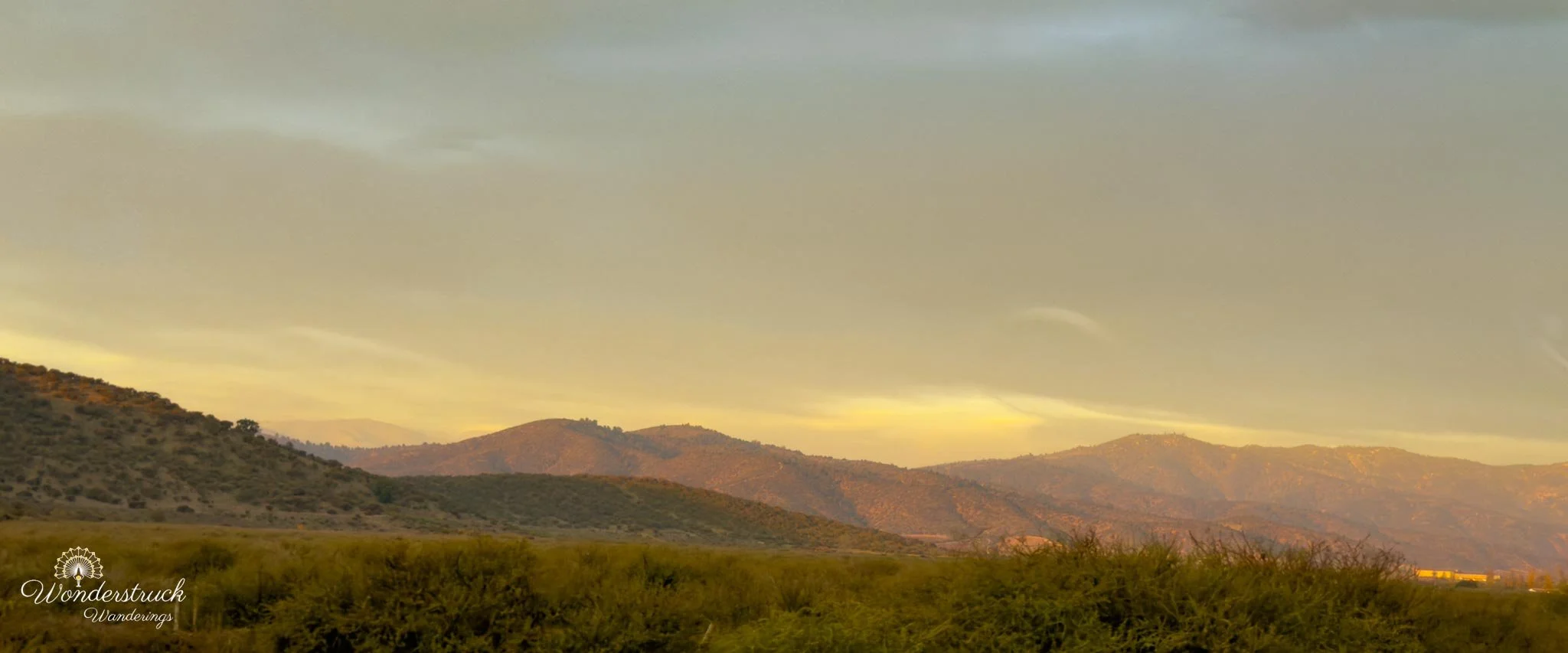
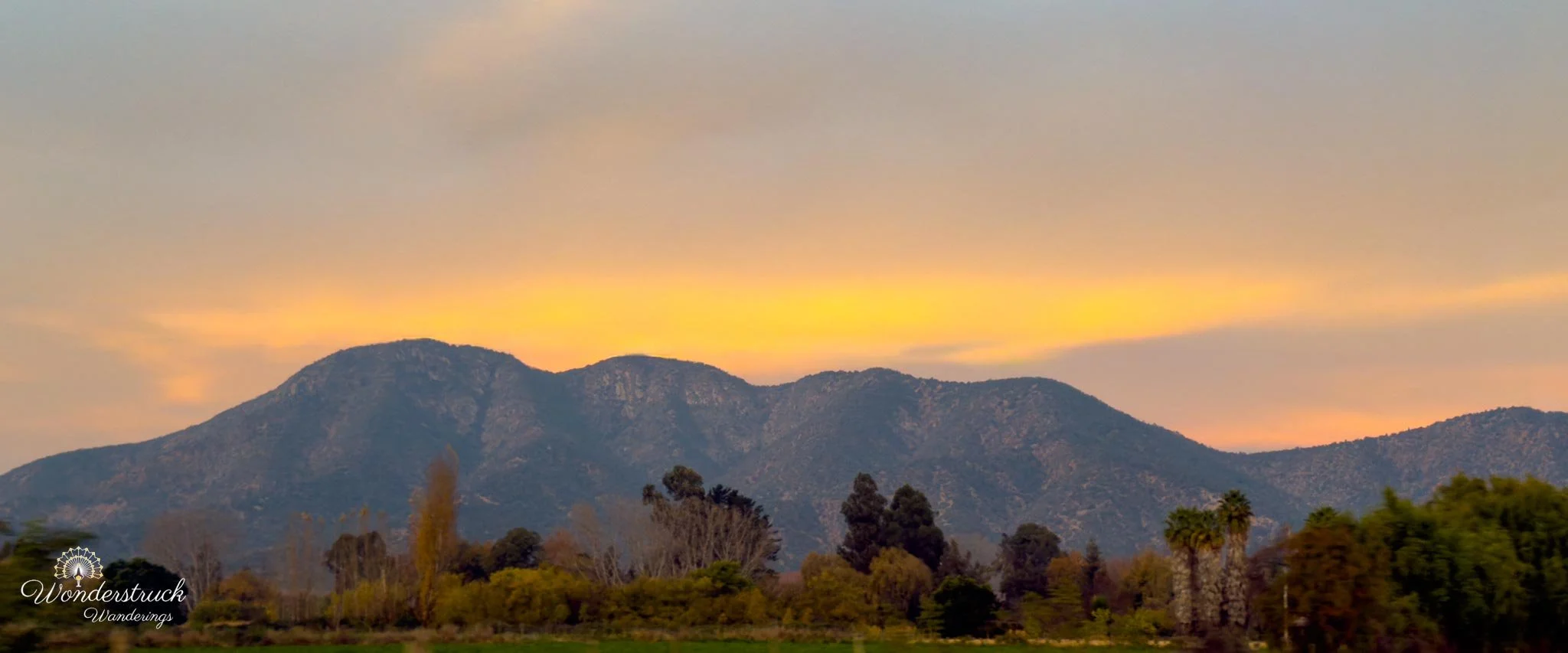
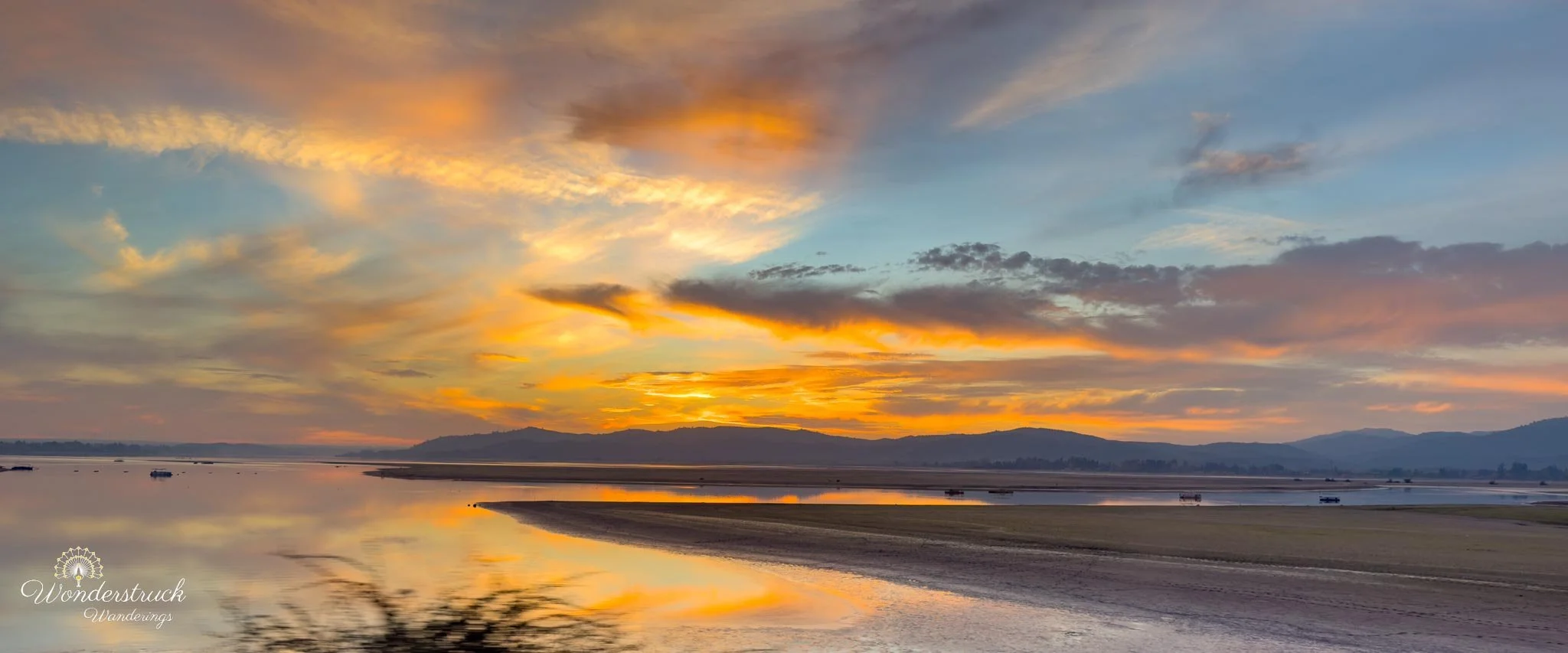
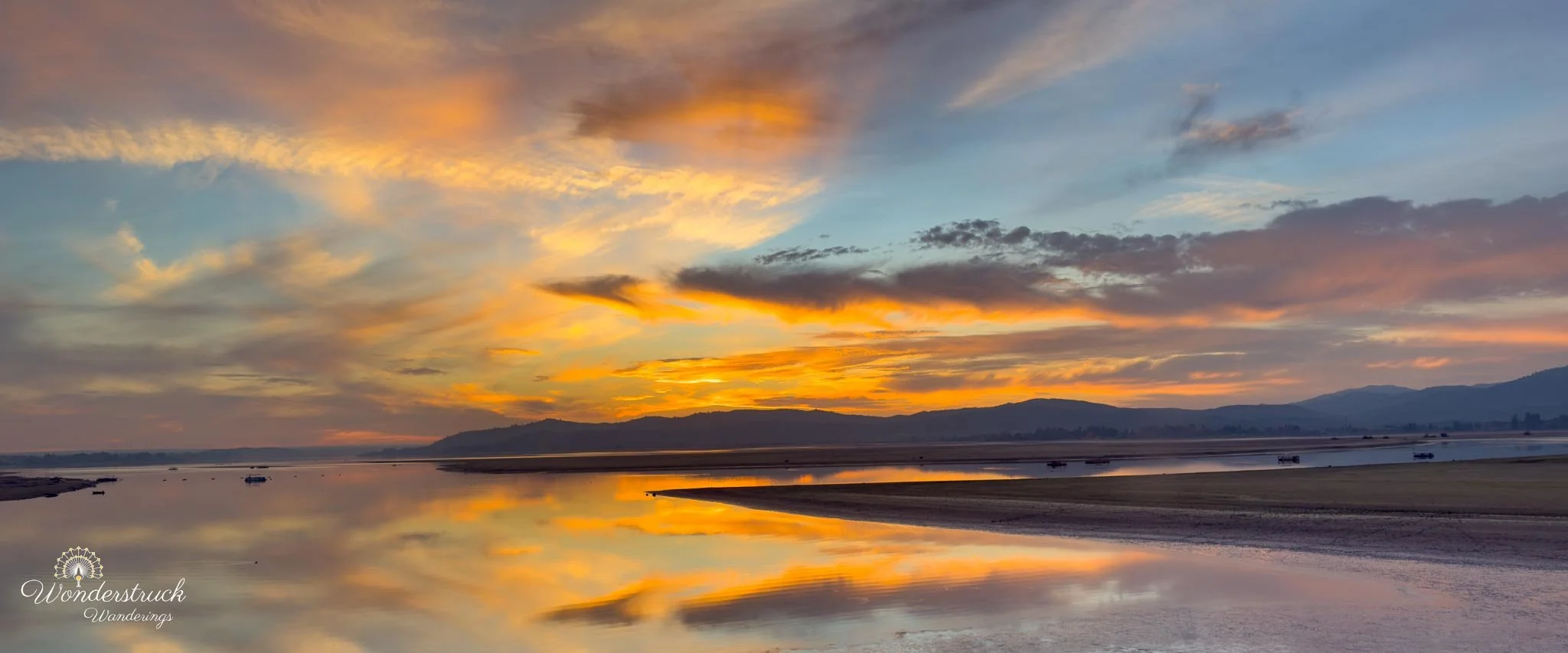
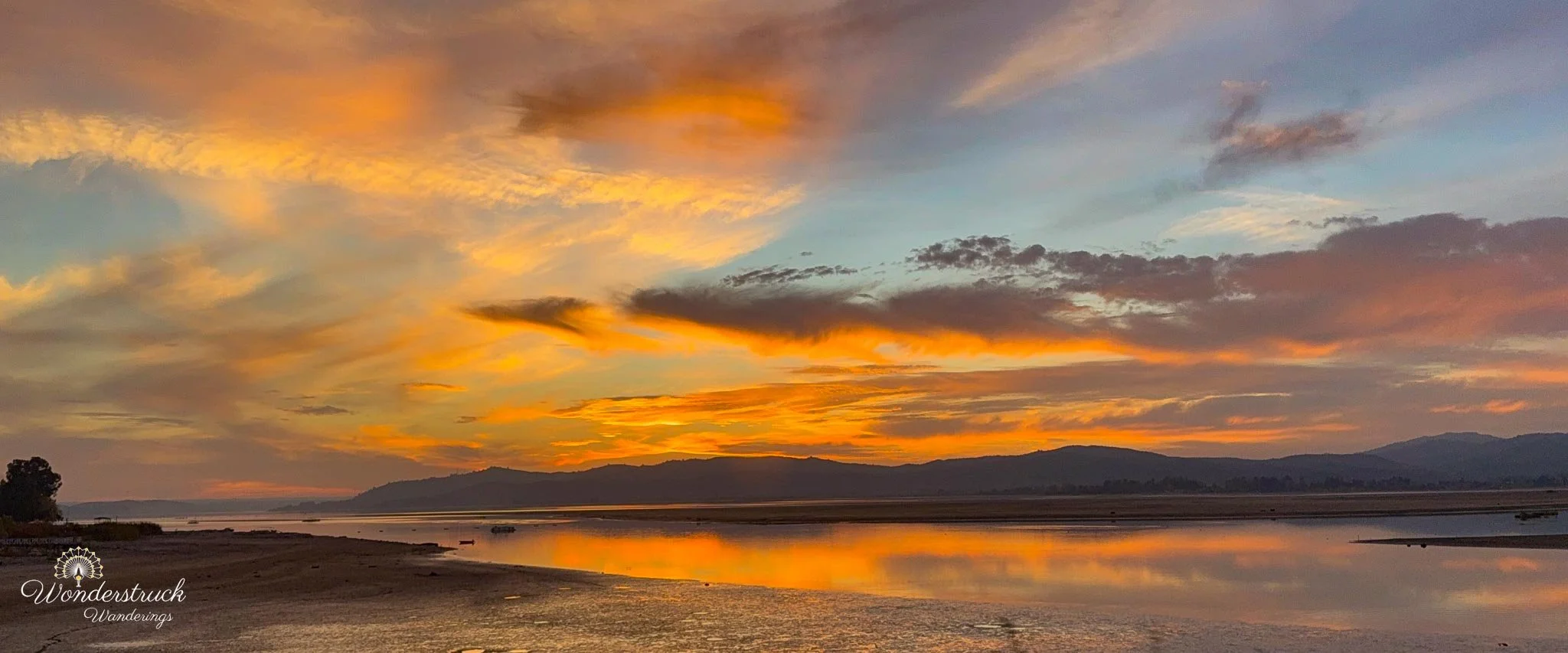
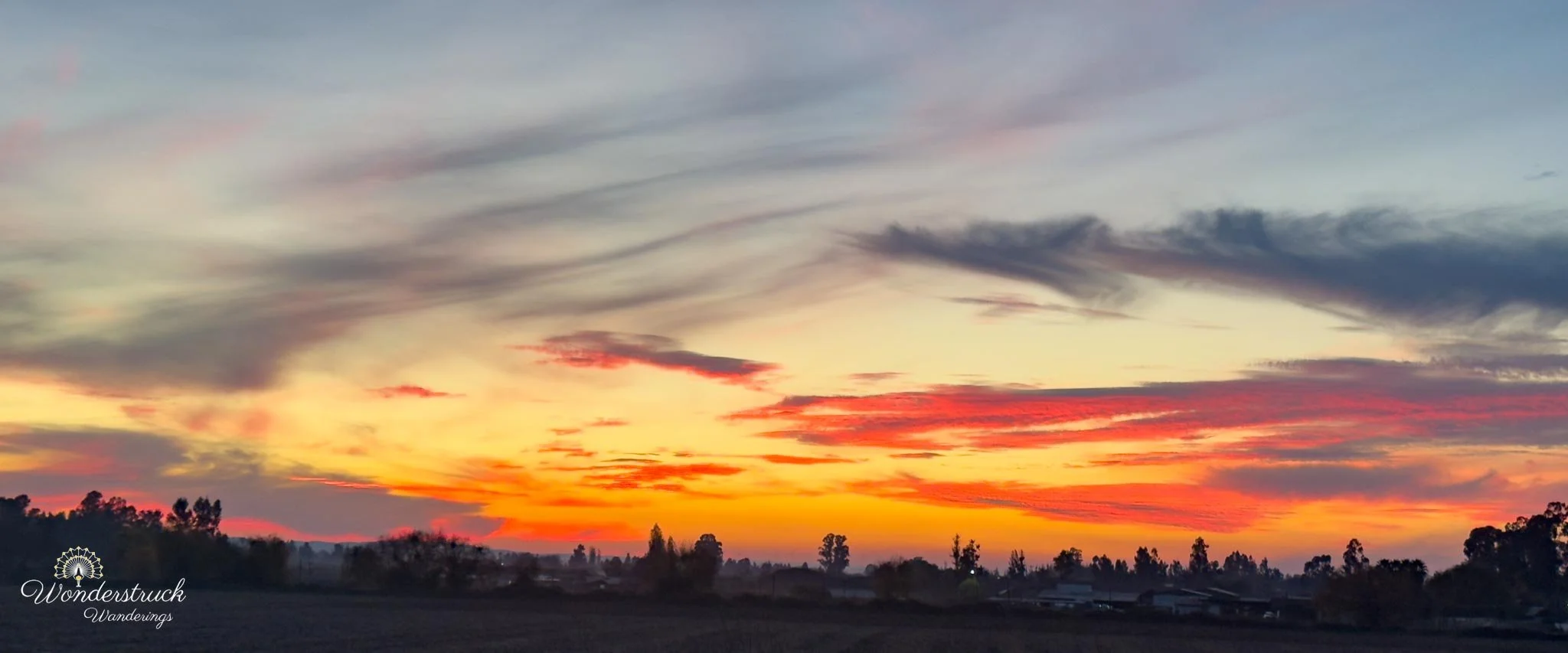
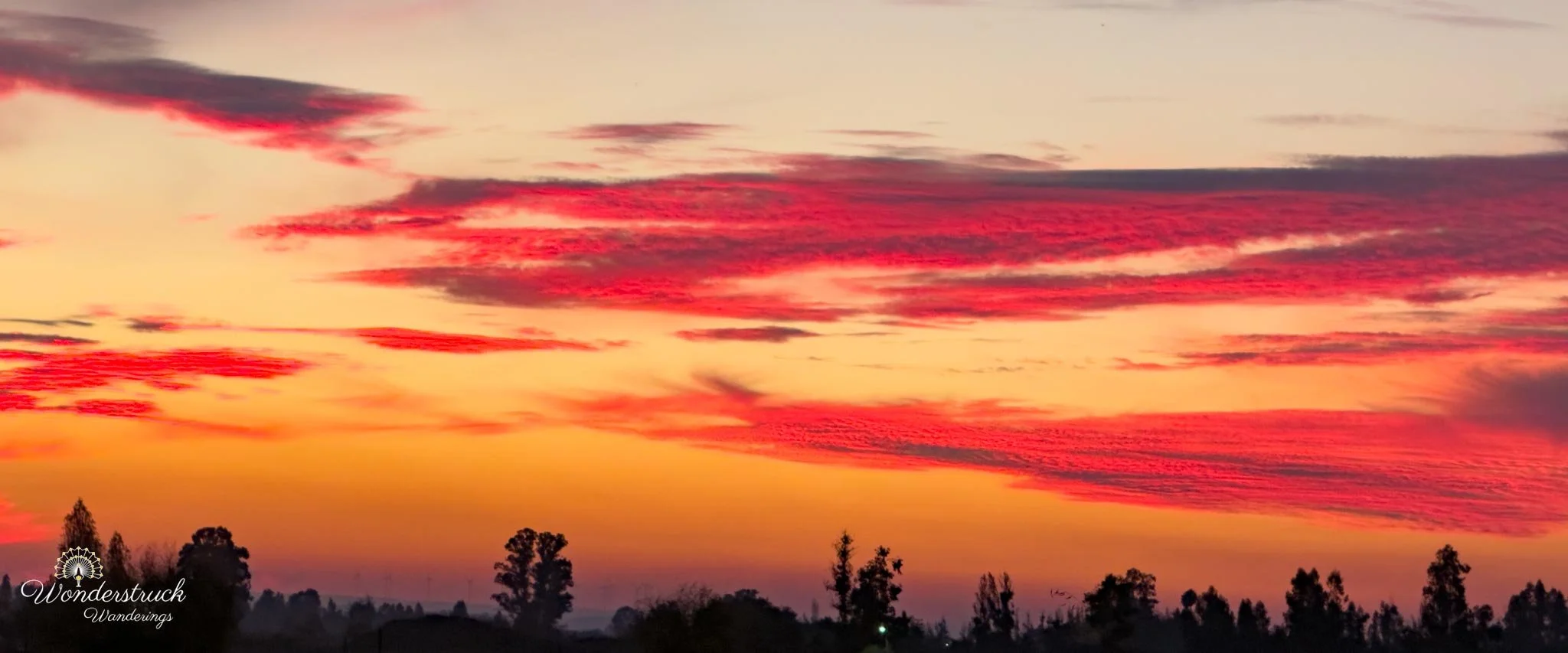
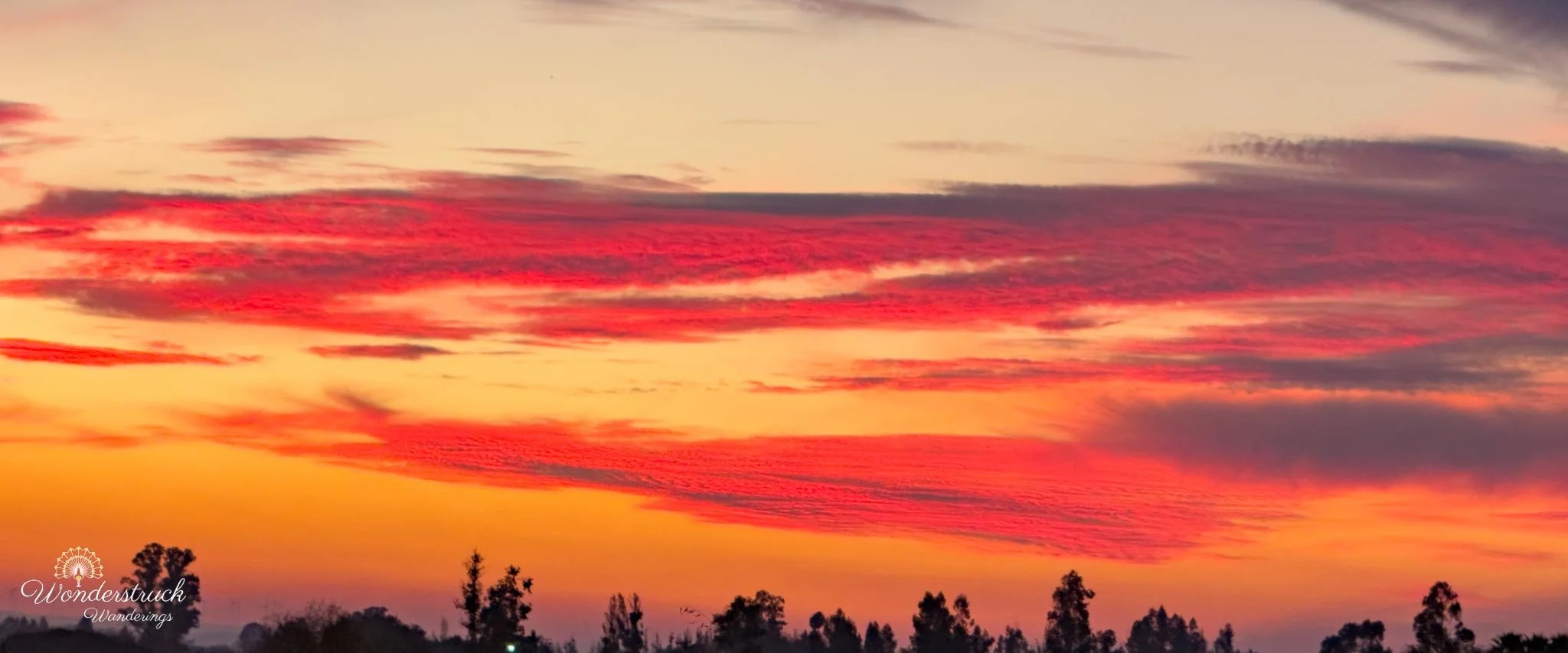
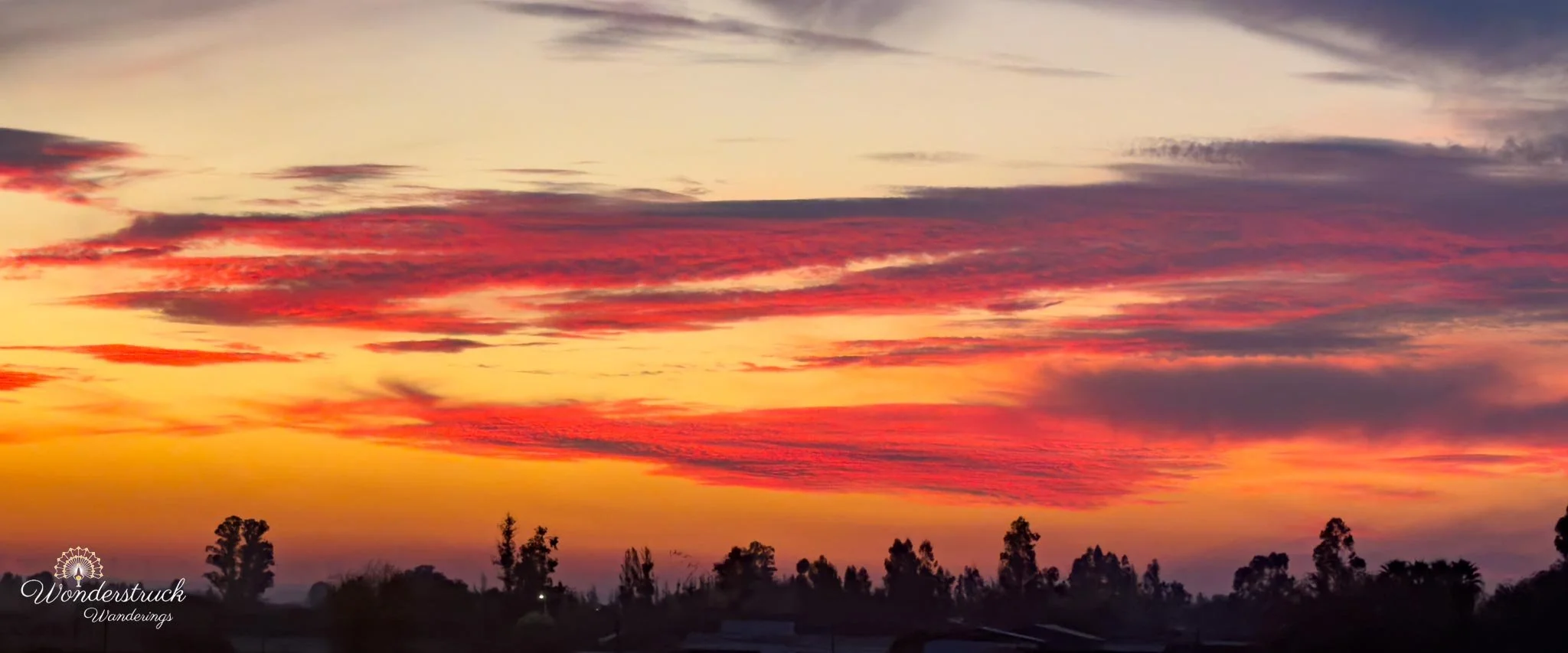
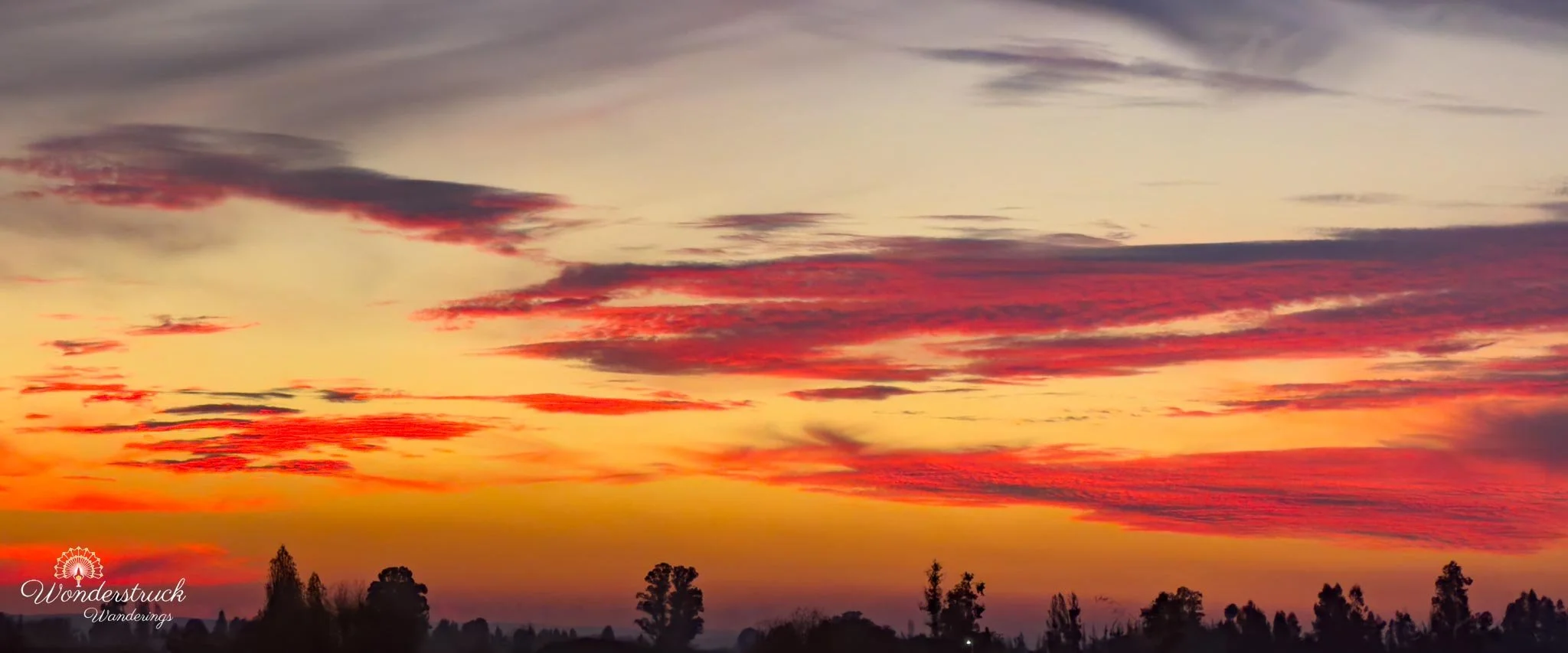
The drive to NOI Blend Colchagua turned out to be one of the most beautiful drives of the day. We had the Andes foothills on our left and the sun setting on our right, and the whole landscape started shifting into warm gold. Every now and then we crossed rivers or low areas where the light reflected orange, and the combination of vines, hills, open road, and sunset made the central wine country feel completely different from the Atacama. This was the moment when Chile's wine country started making visual sense. The sun, the terrain, the dry hills, the cooled evening air, and the long valleys all seemed to explain why this region produces wine. It reminded us again of Southern California in some ways, but with a Chilean scale and backdrop - similar light logic on the other side of the globe. Colchagua Valley is one of Chile's major red-wine regions, especially known for full-bodied reds such as Cabernet Sauvignon, Carménère, Malbec, and Syrah. After the coastal freshness of Matetic and San Antonio, driving into Colchagua felt like entering a warmer, deeper red-wine landscape. By the time we reached the hotel, fog had started to settle in, softening the edges of the property and making the arrival feel quieter than expected.
NOI Blend Colchagua and a Wine-Country Dinner
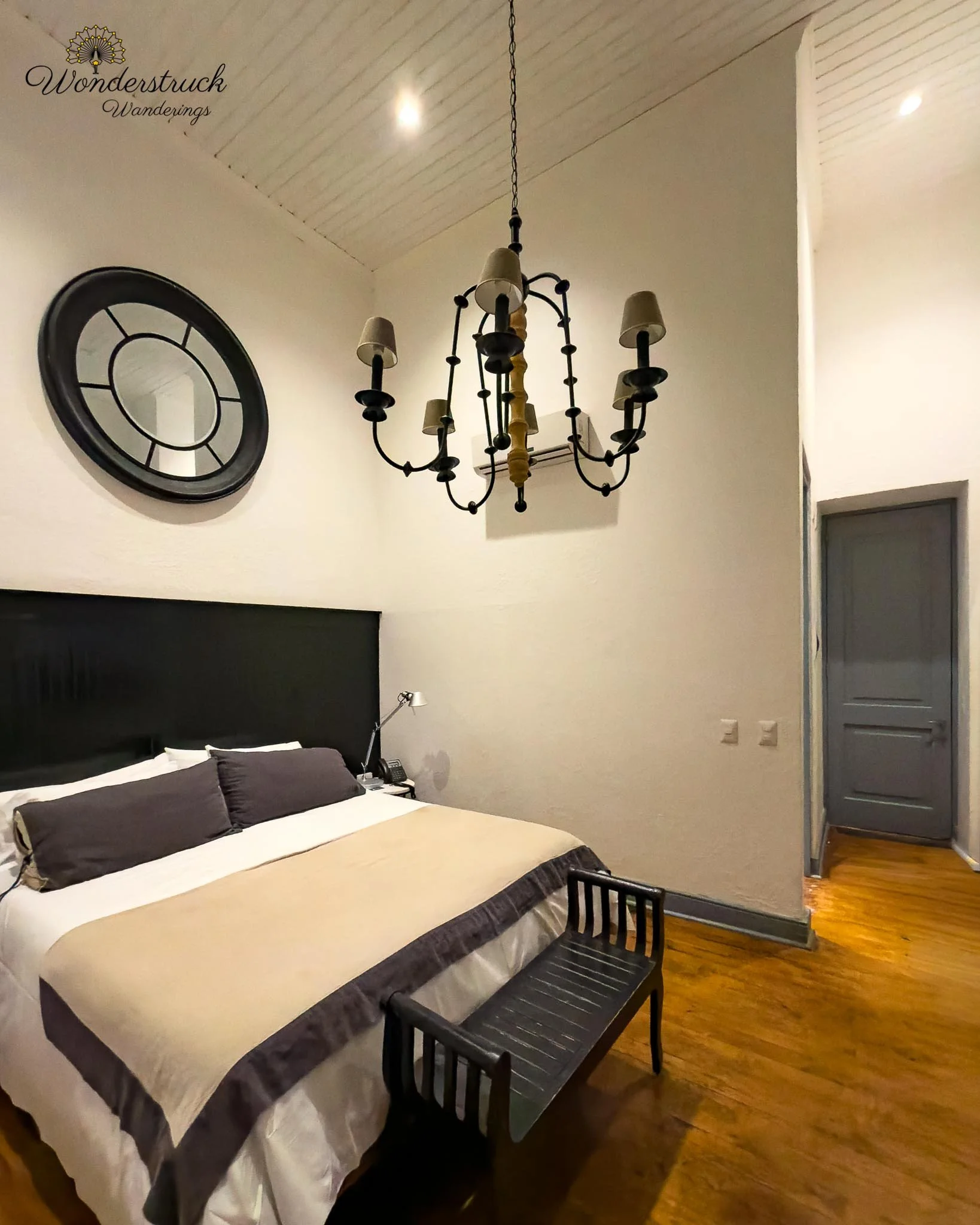
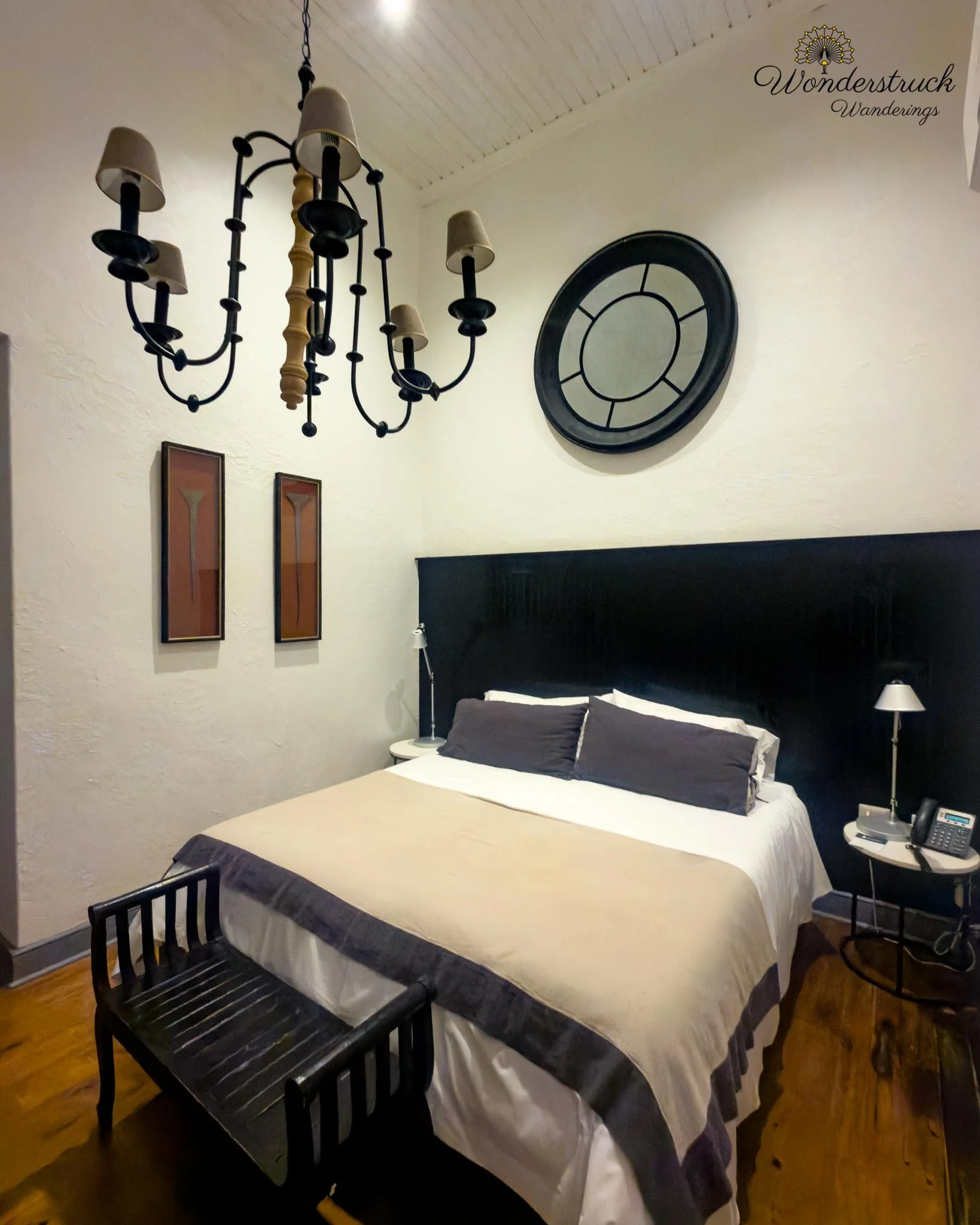
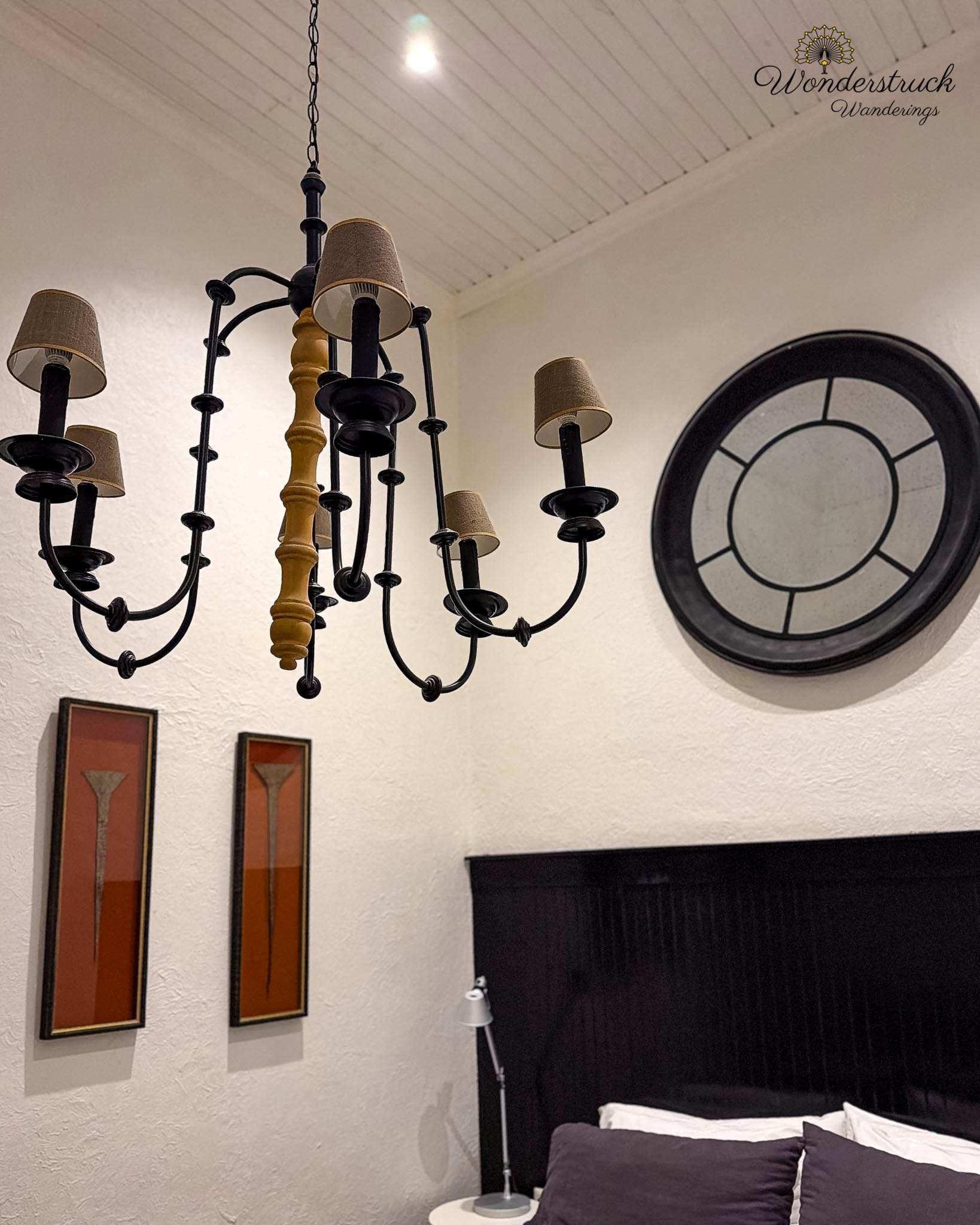
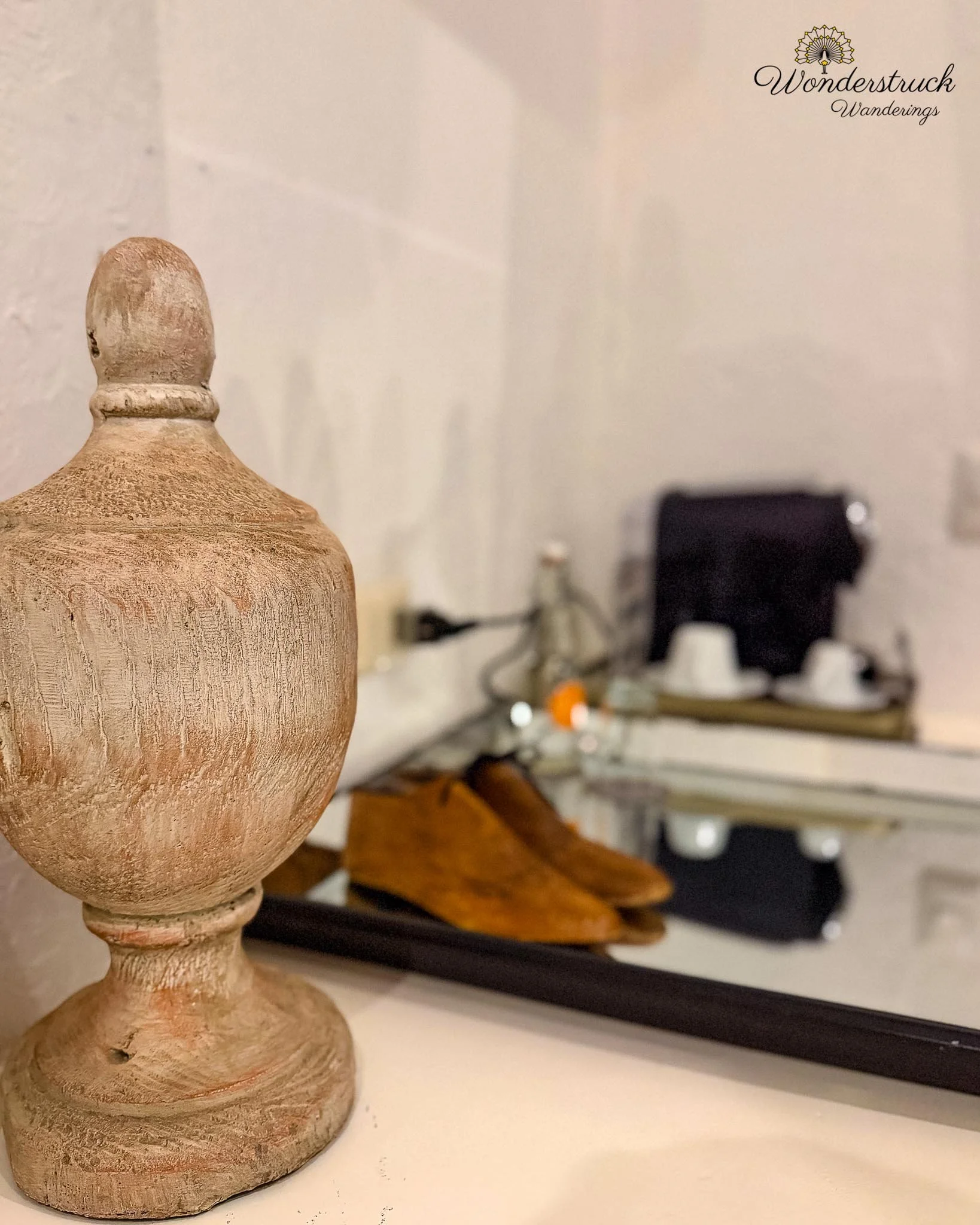
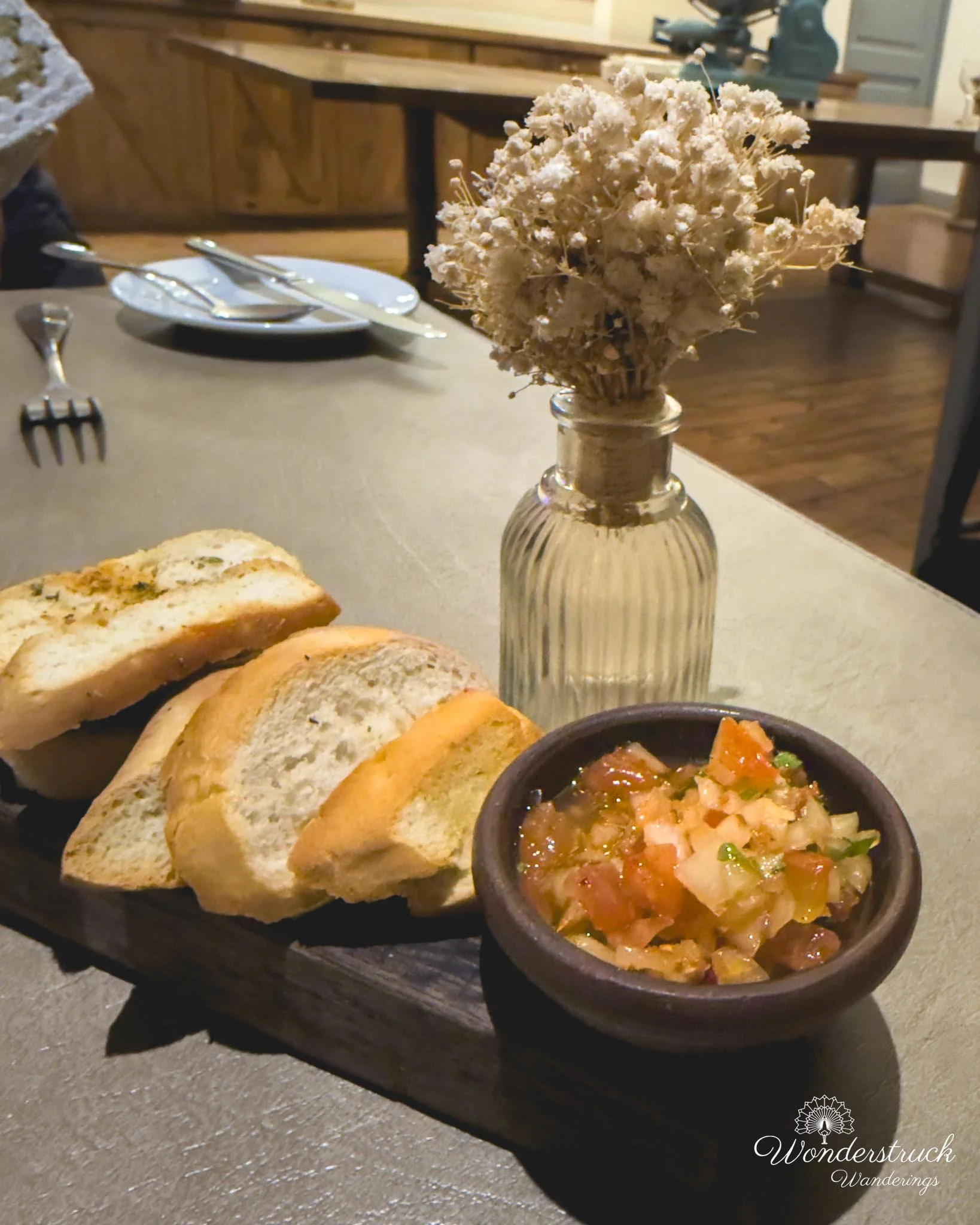
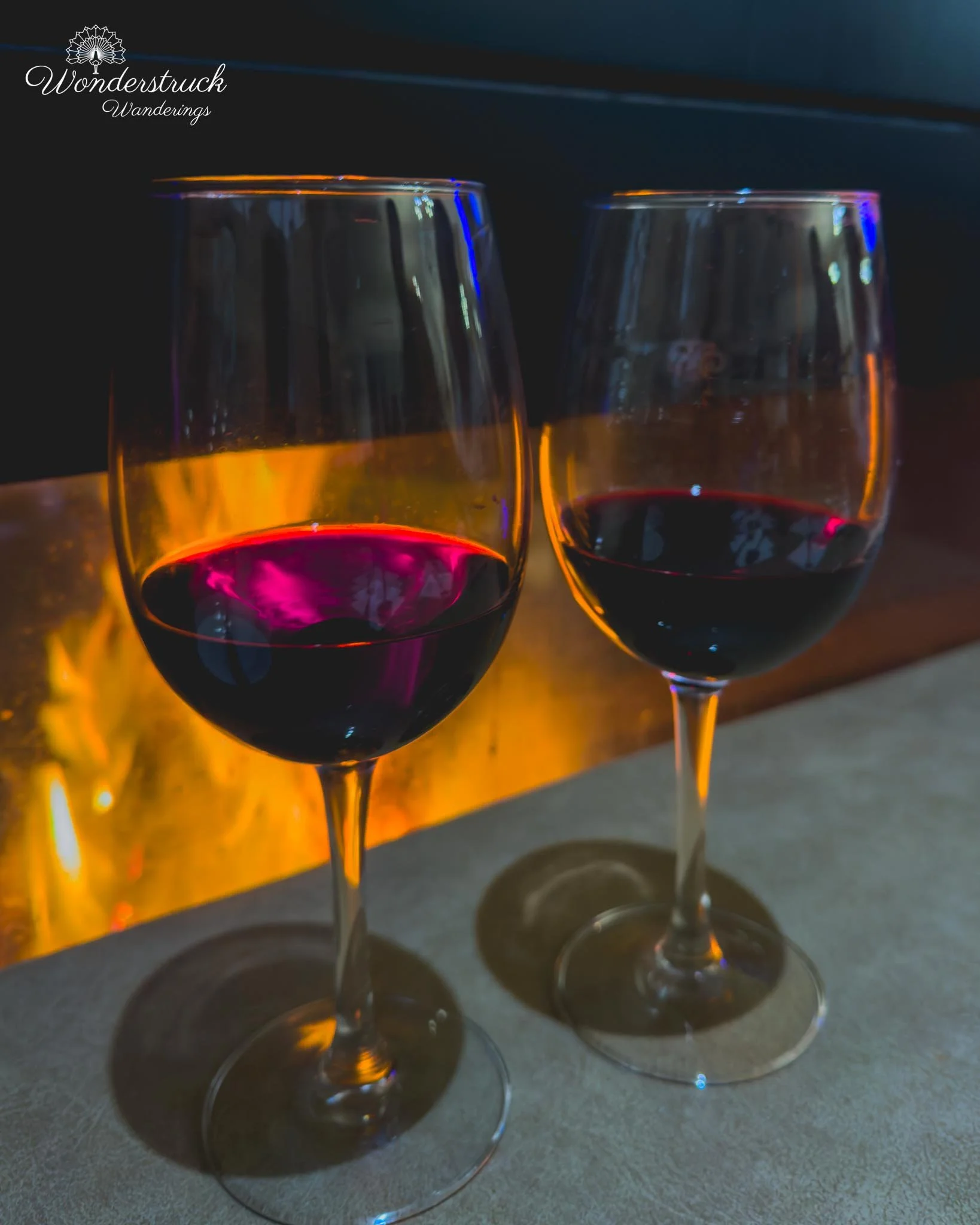
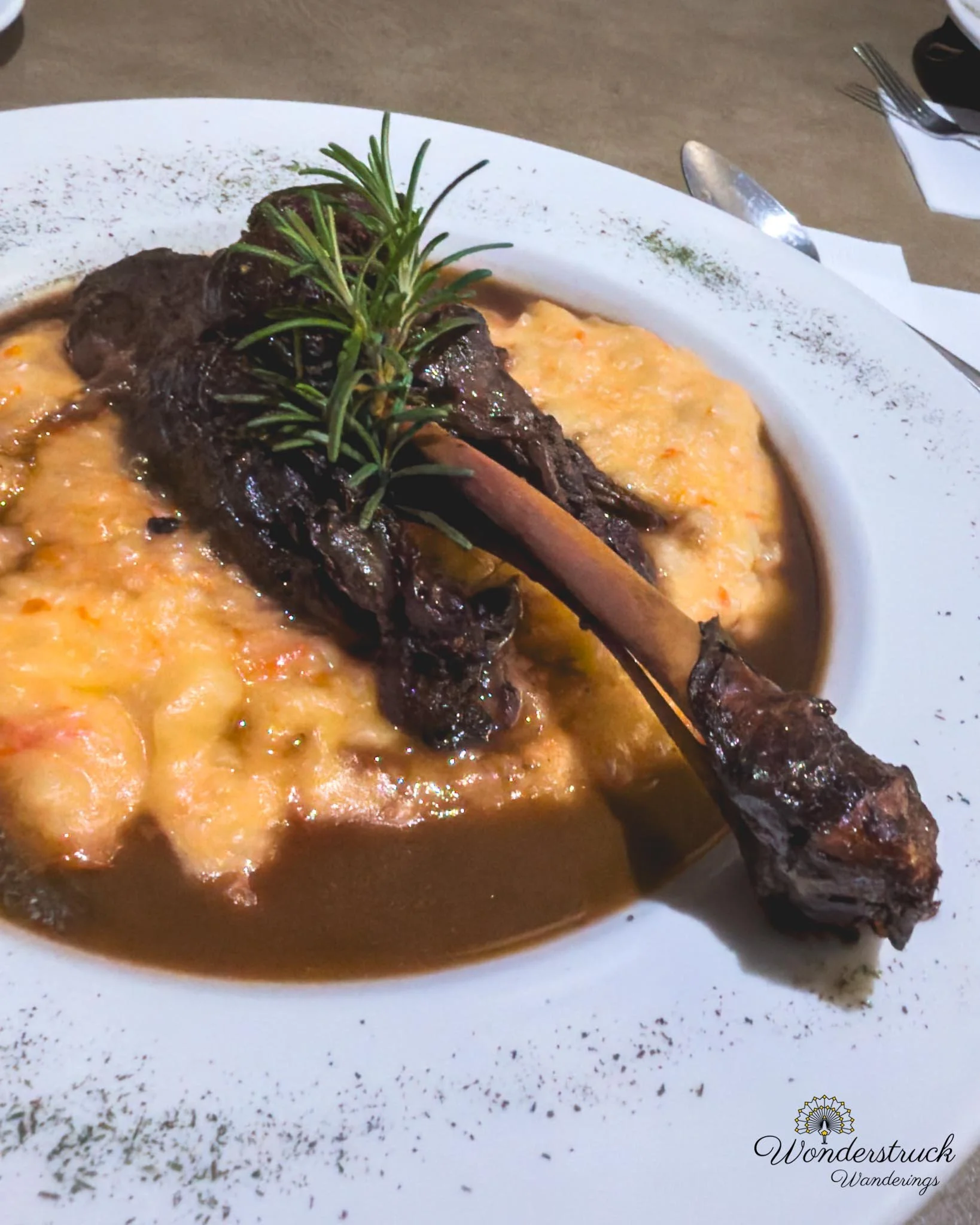
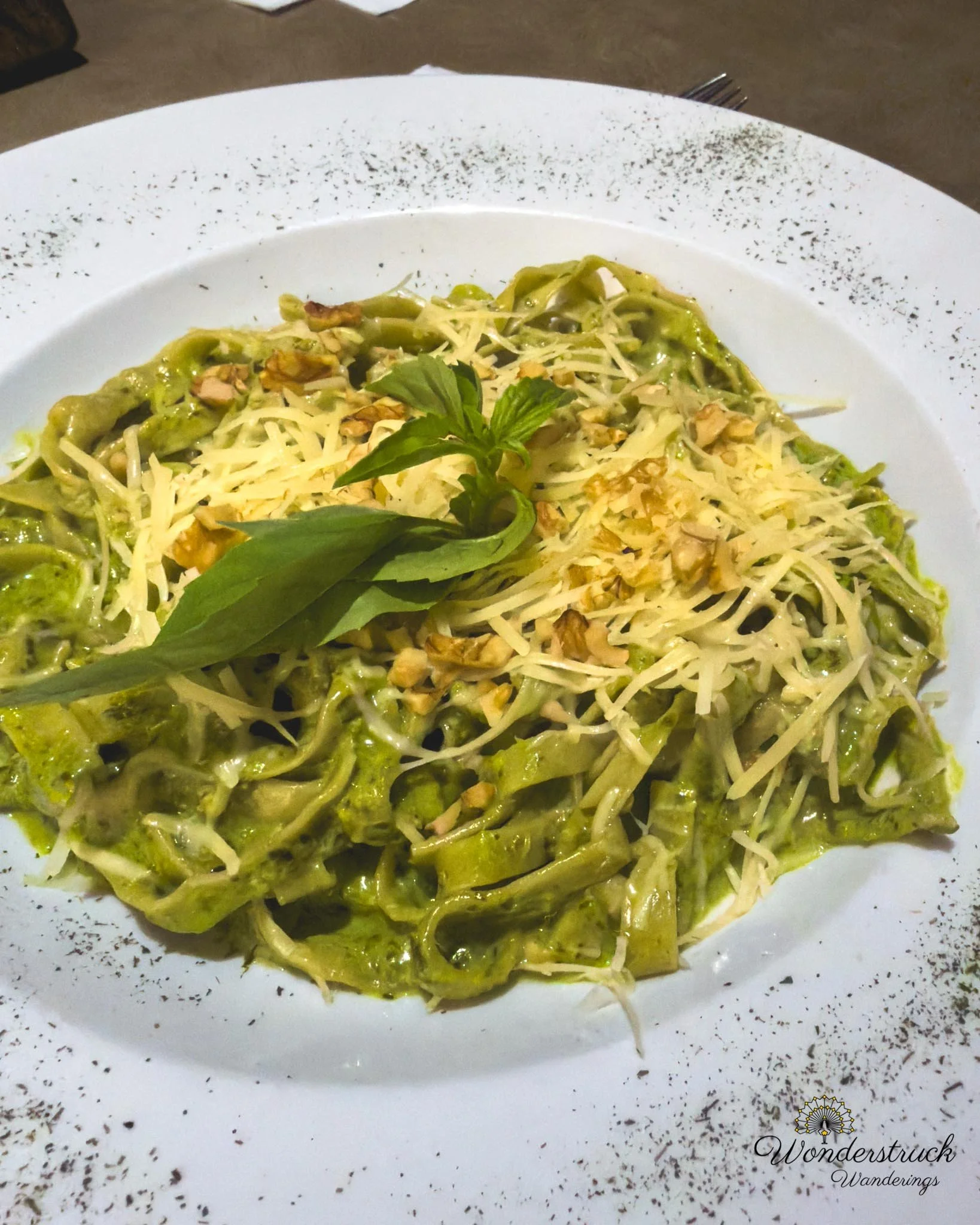
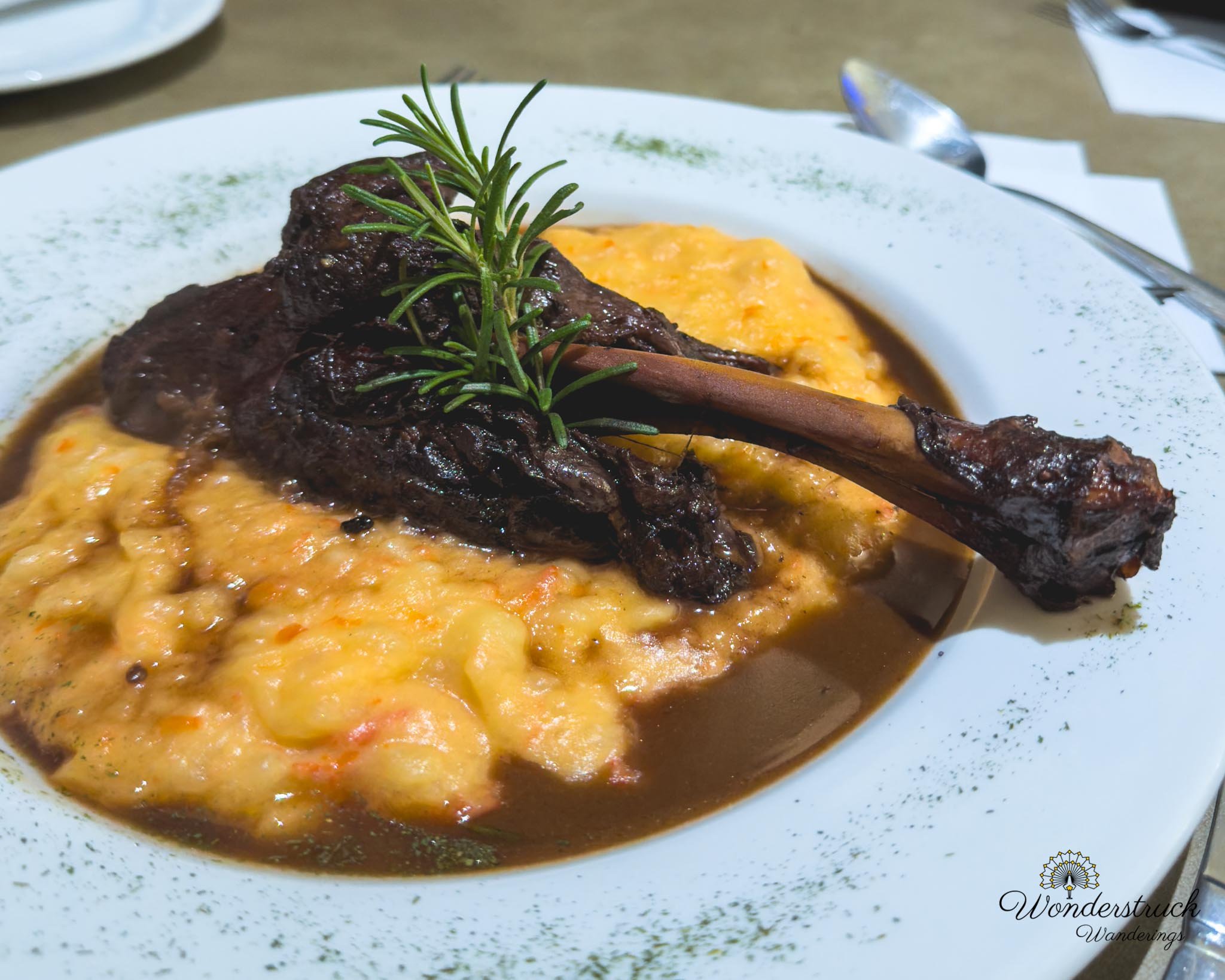
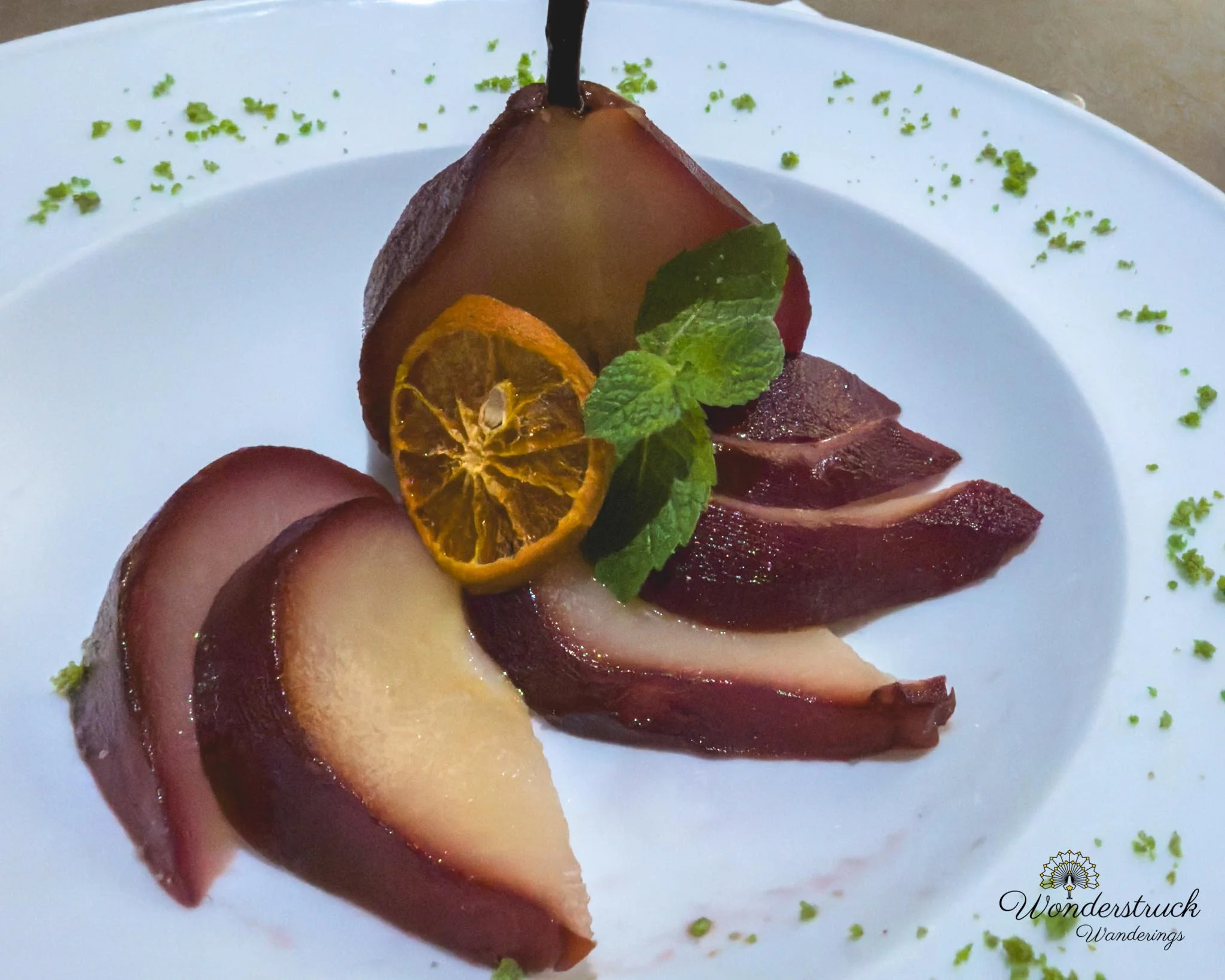
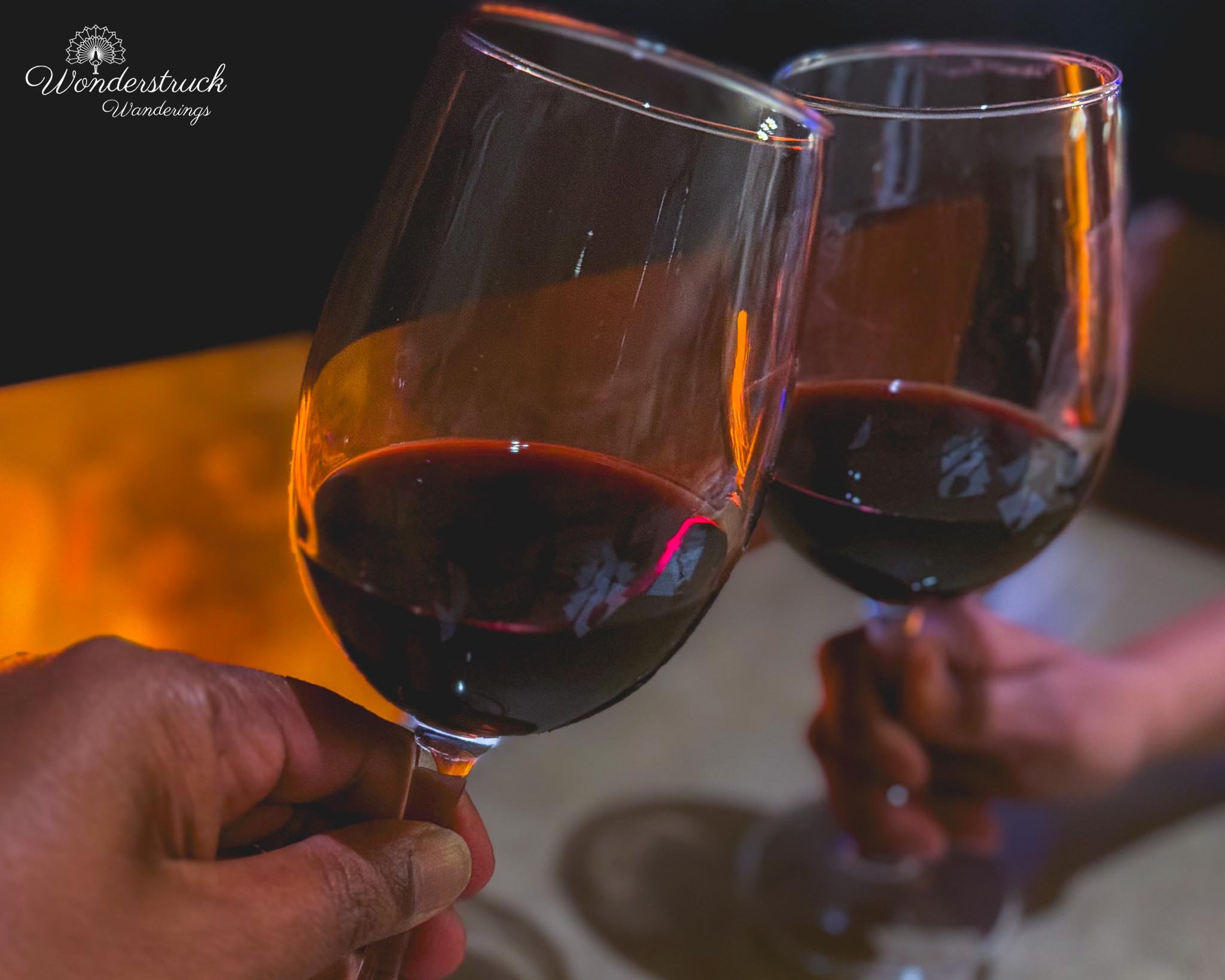
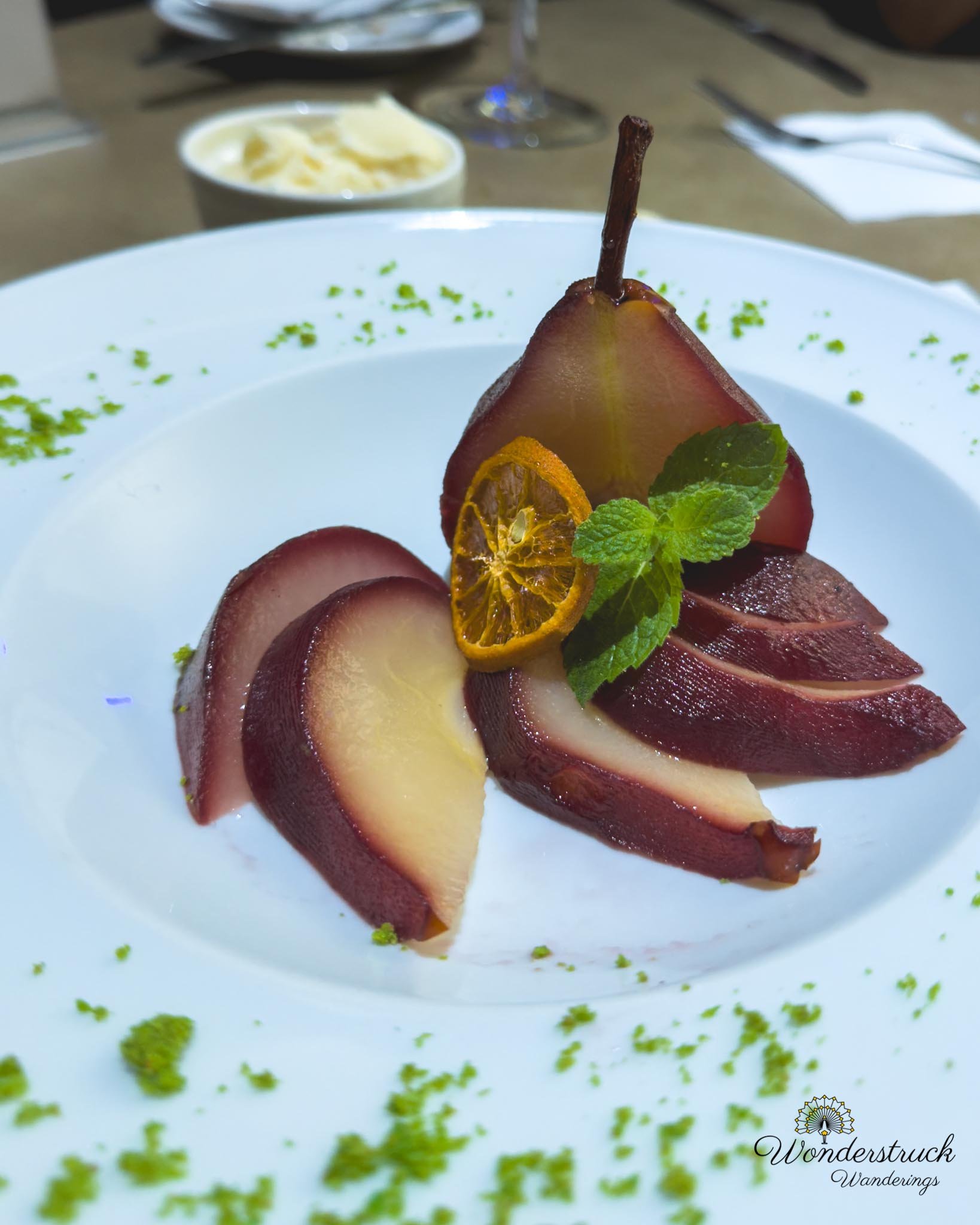
NOI Blend Colchagua had a very different feel from Our Habitas Atacama. Habitas had been desert-toned, open, and minimalist against the dry landscape. NOI Blend felt more eclectic and wine-country oriented, with gardens, fog, and a softer evening atmosphere. We checked in, freshened up, and went for dinner. The hotel had welcome drinks for us, and because there was no more driving that night, I could finally have wine properly. Shay chose Carménère, and I had Cabernet Sauvignon from Casa Silva of the Colchagua valley. Since we were not extremely hungry after the big lunch at Matetic, we kept dinner relatively simple. Shay ordered fresh fettuccine pasta in pesto sauce with plenty of cheese. I ordered leg of lamb cooked in wine. The flavors were deeper and more comforting than lunch, less refined perhaps, but satisfying in that evening-hotel-restaurant way when all you want is a good plate of food, a glass of wine, and no more logistics. When they told me they had wine-poached pear for dessert, I could not resist. It is rare for me to find a dessert that can work without lactose, and they could serve the ice cream separately. The pear came soft, wine-stained, and gently spiced, with that deep red-wine sweetness that feels perfect at the end of a wine-country day.
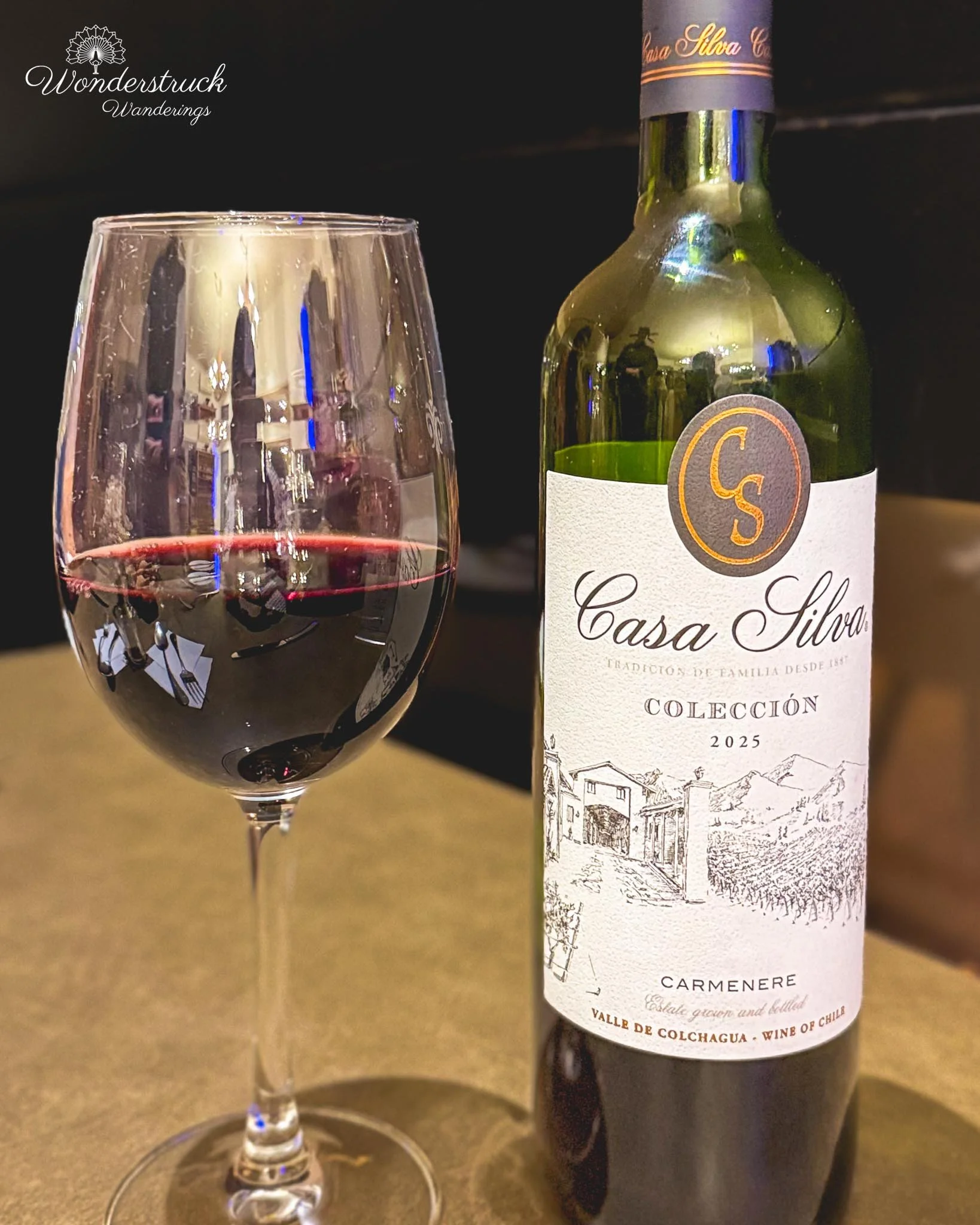
After dinner, we looked around the facility a little, packed our bags for the next day, and went to sleep. Day 7 had started under Atacama stars and ended in Colchagua fog. In between, we flew over the desert, dealt with a broken wine bottle, drove through Casablanca and San Antonio wine country, had a beautiful lunch at Matetic, birded from a restaurant table, bought Syrah and Grenache, made a short coastal detour, watched the sunset burn across the central Chilean valleys, and finally settled into NOI Blend with Carménère, lamb, and wine-poached pear. It was a transition day, but not a filler day. It was the bridge between two completely different versions of Chile: the hard, bright, volcanic north and the softer, greener, wine-soaked valleys of the center.