Foggy Morning at NOI Blend Colchagua
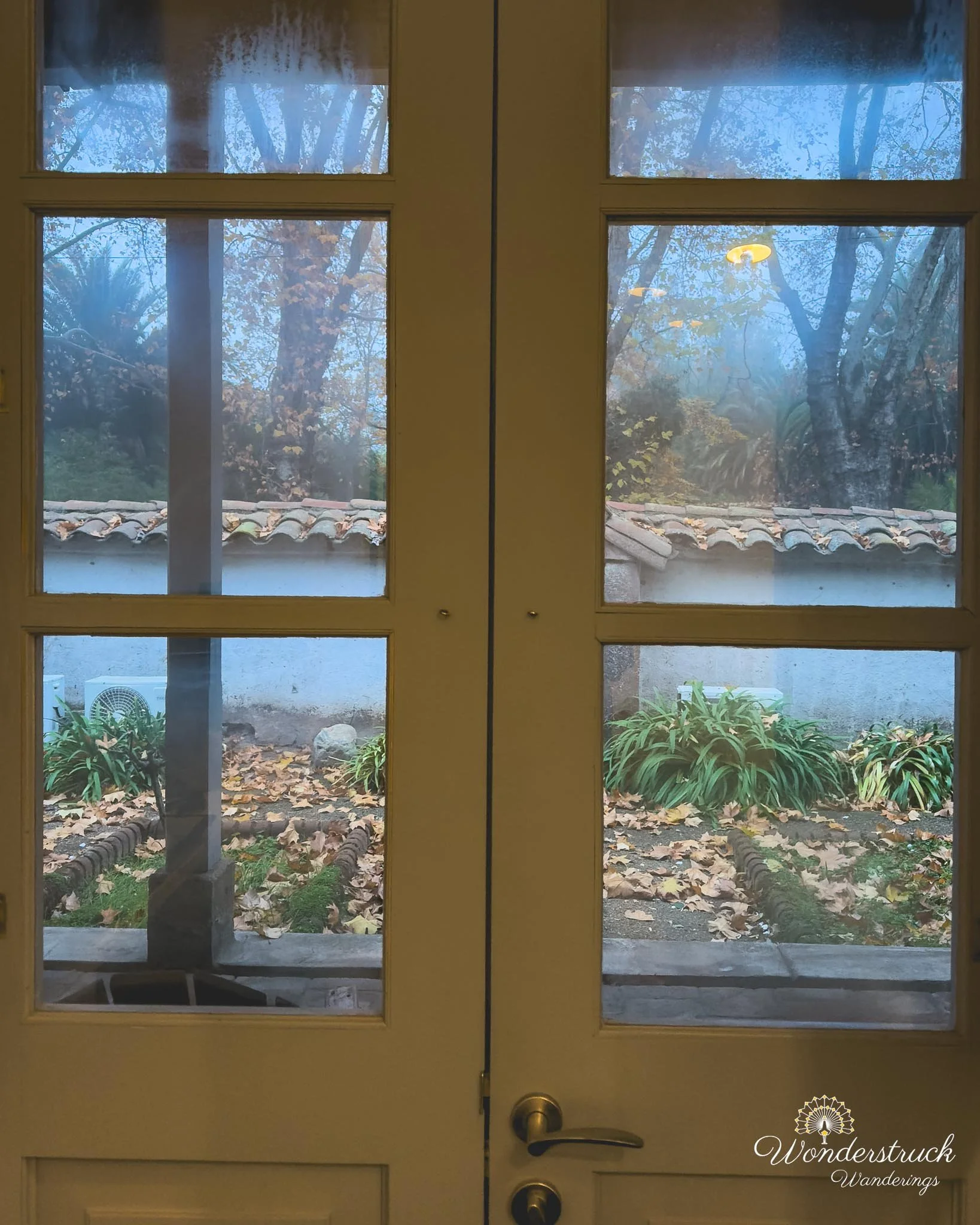
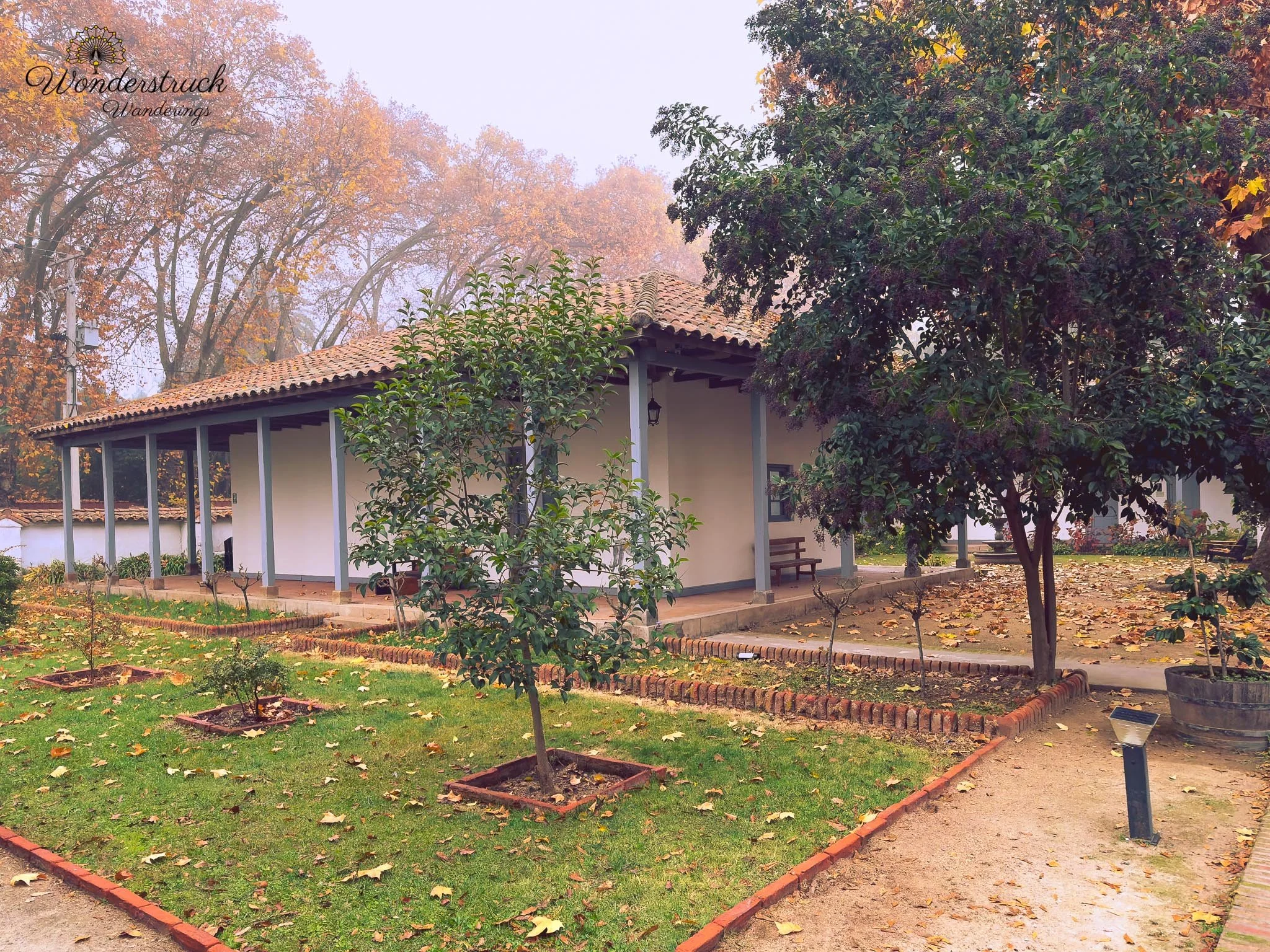
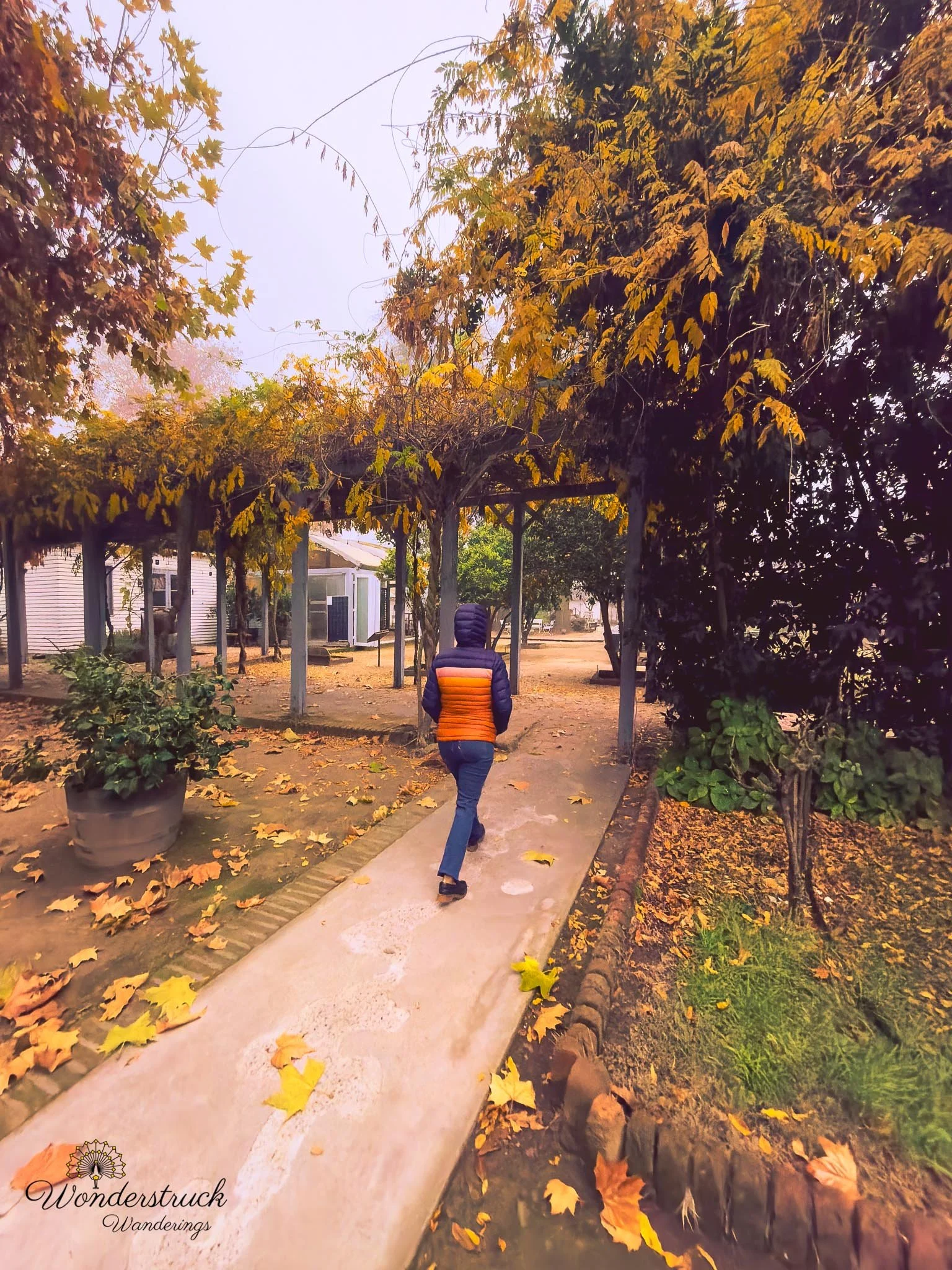
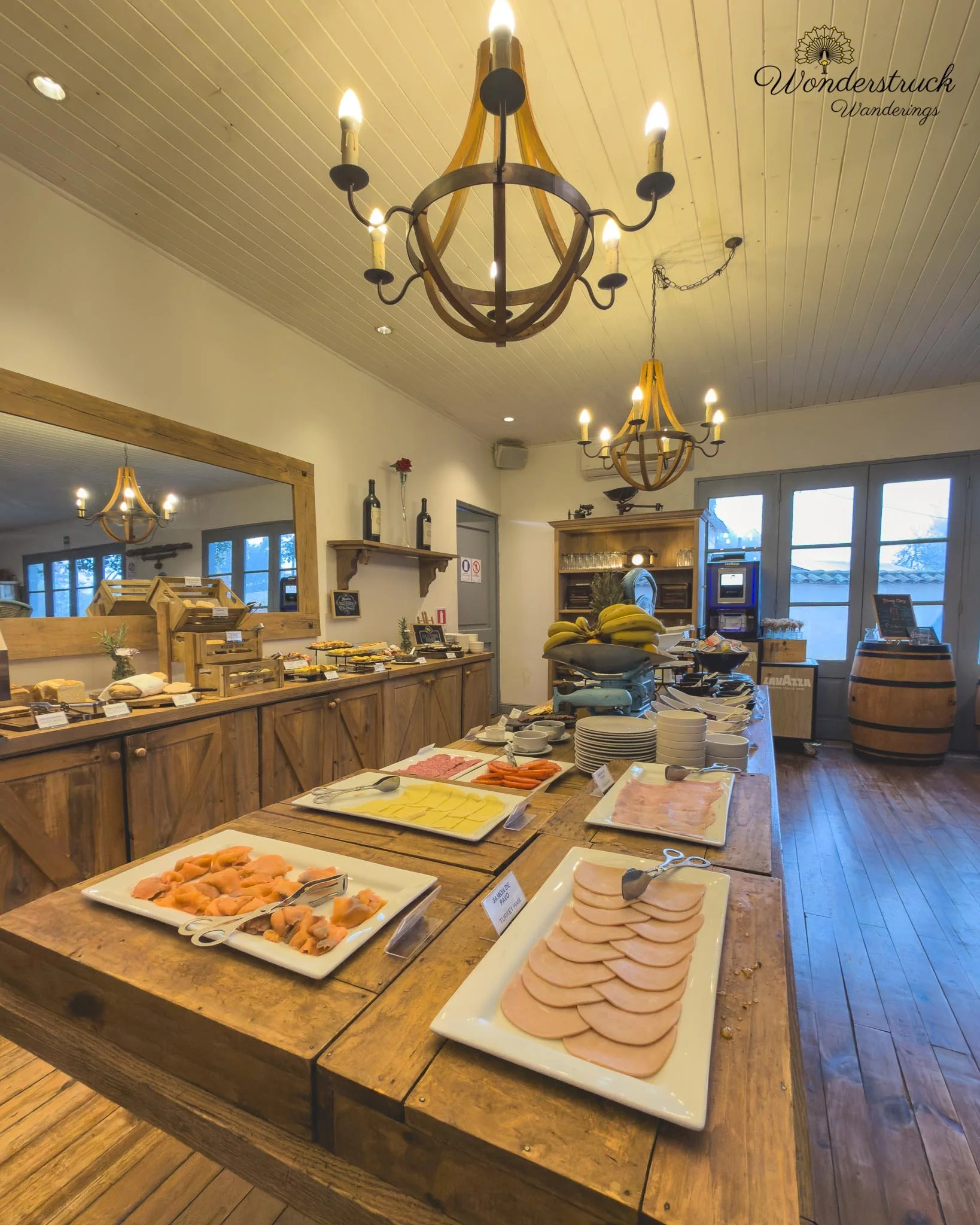
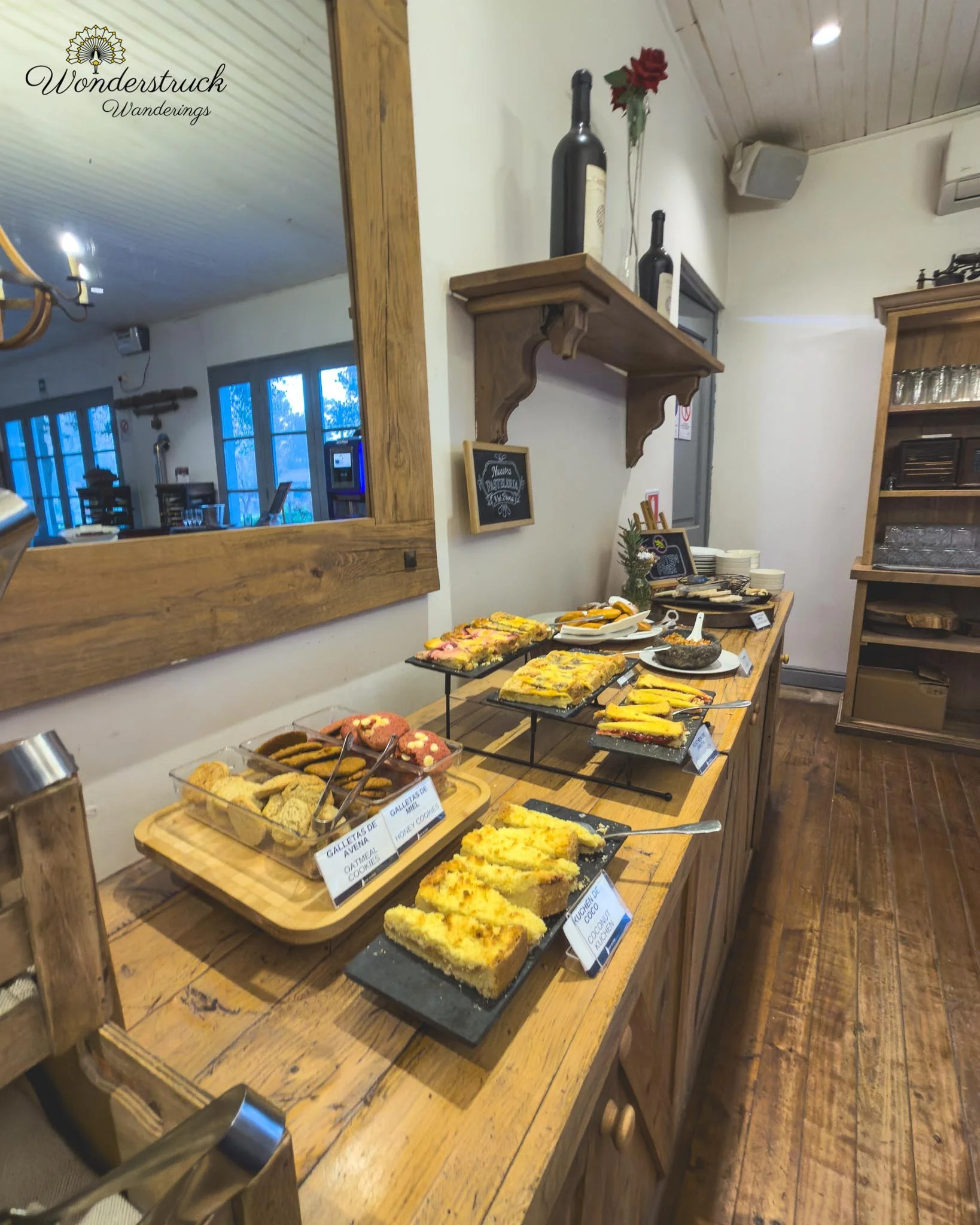
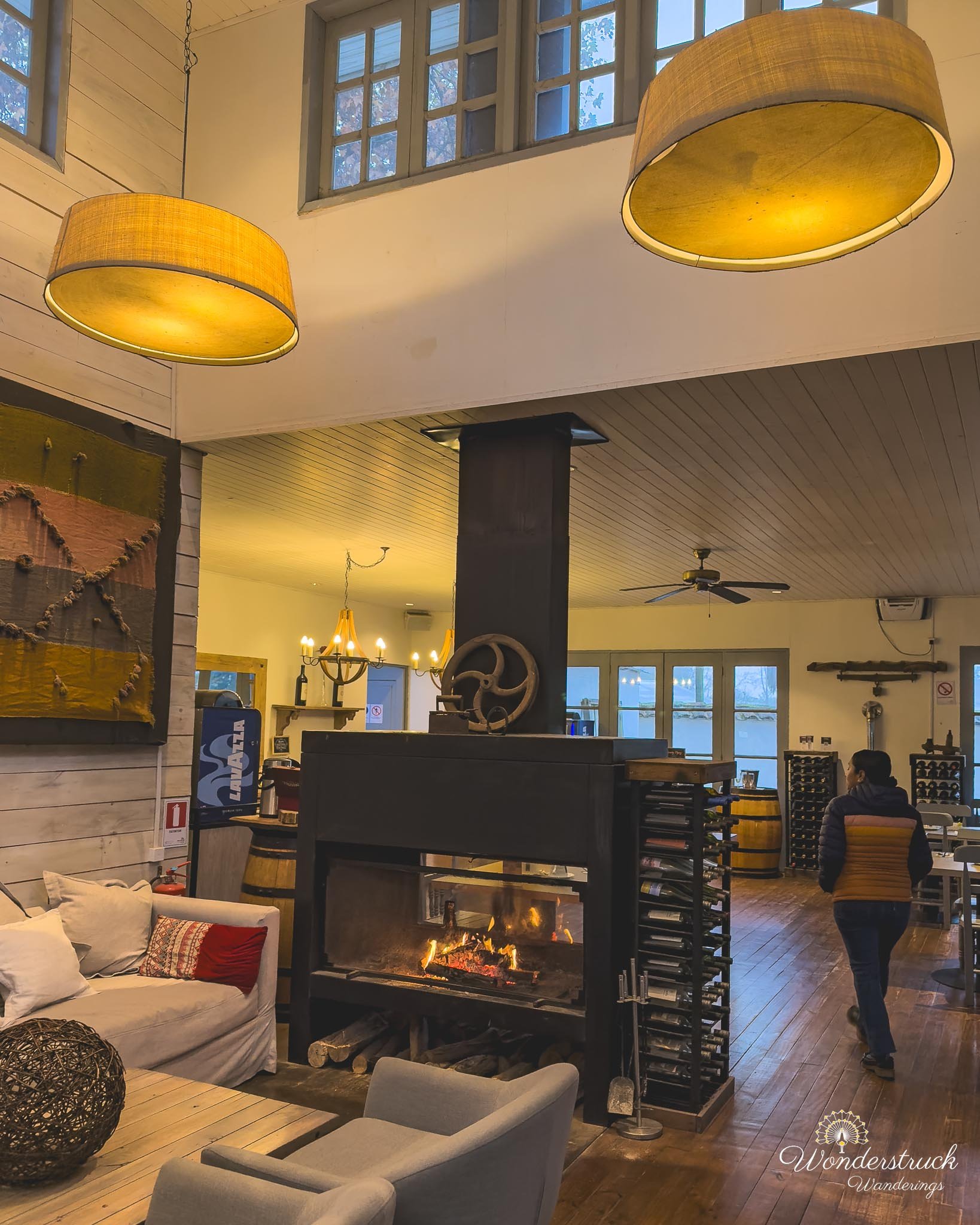
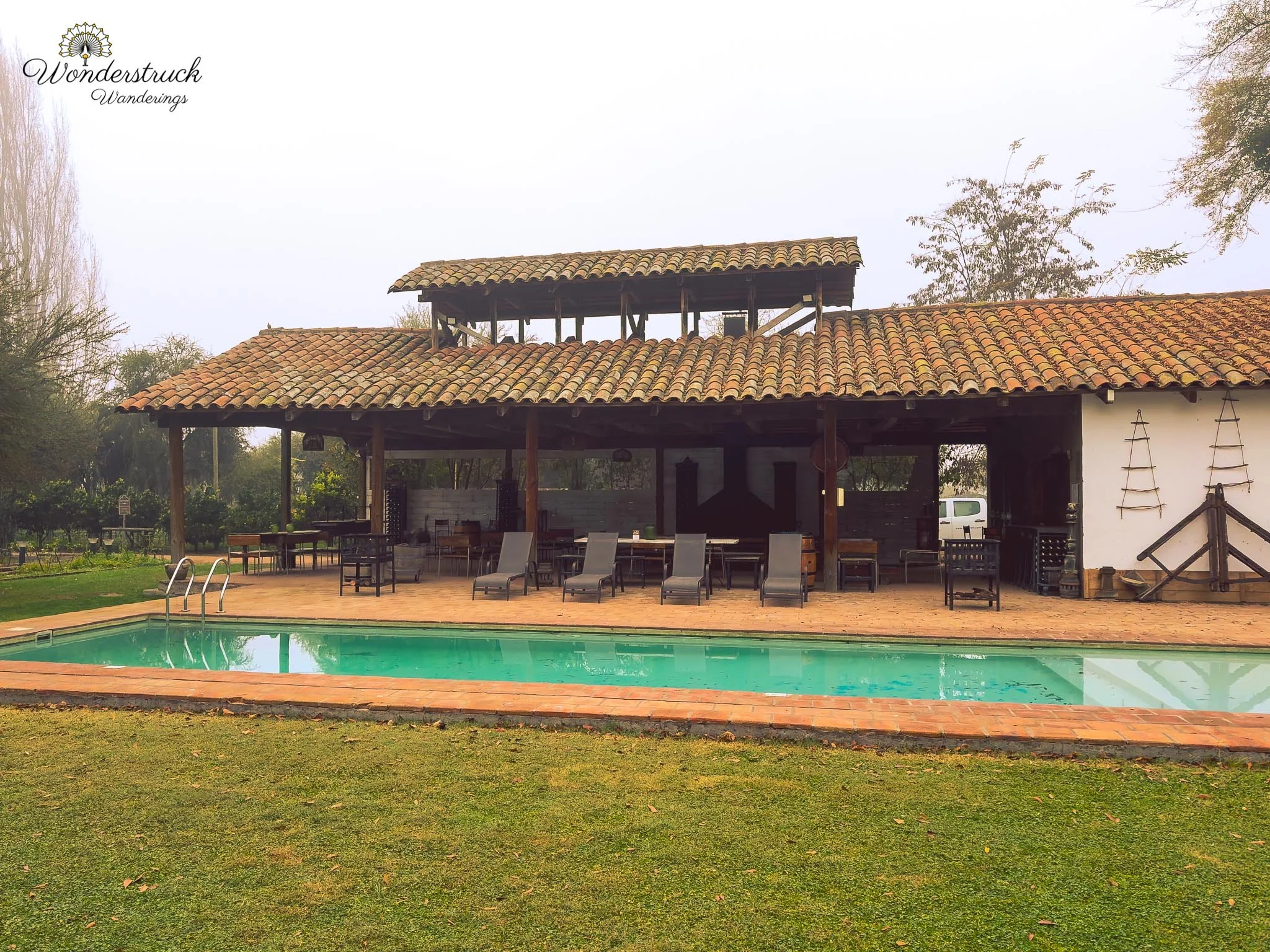
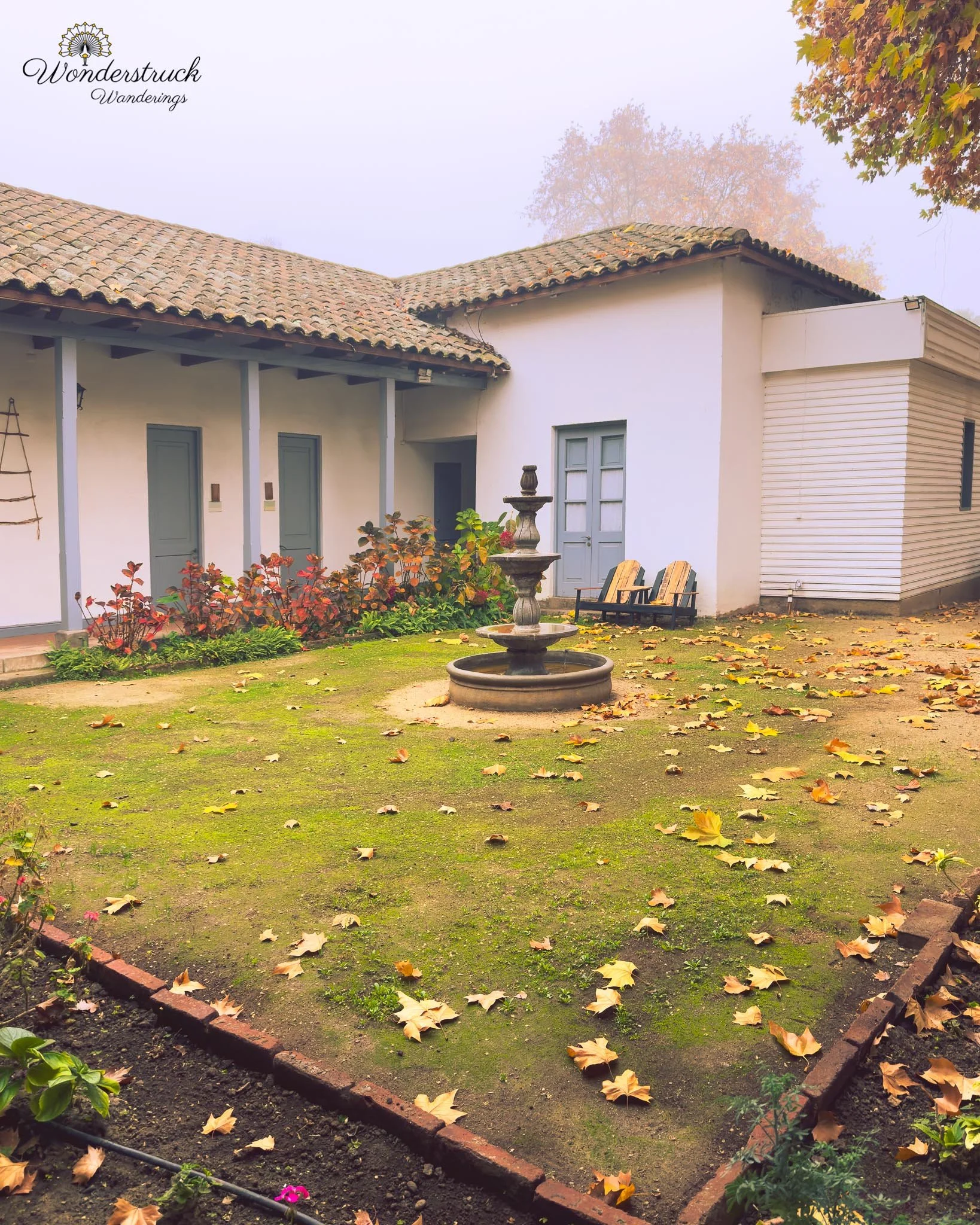
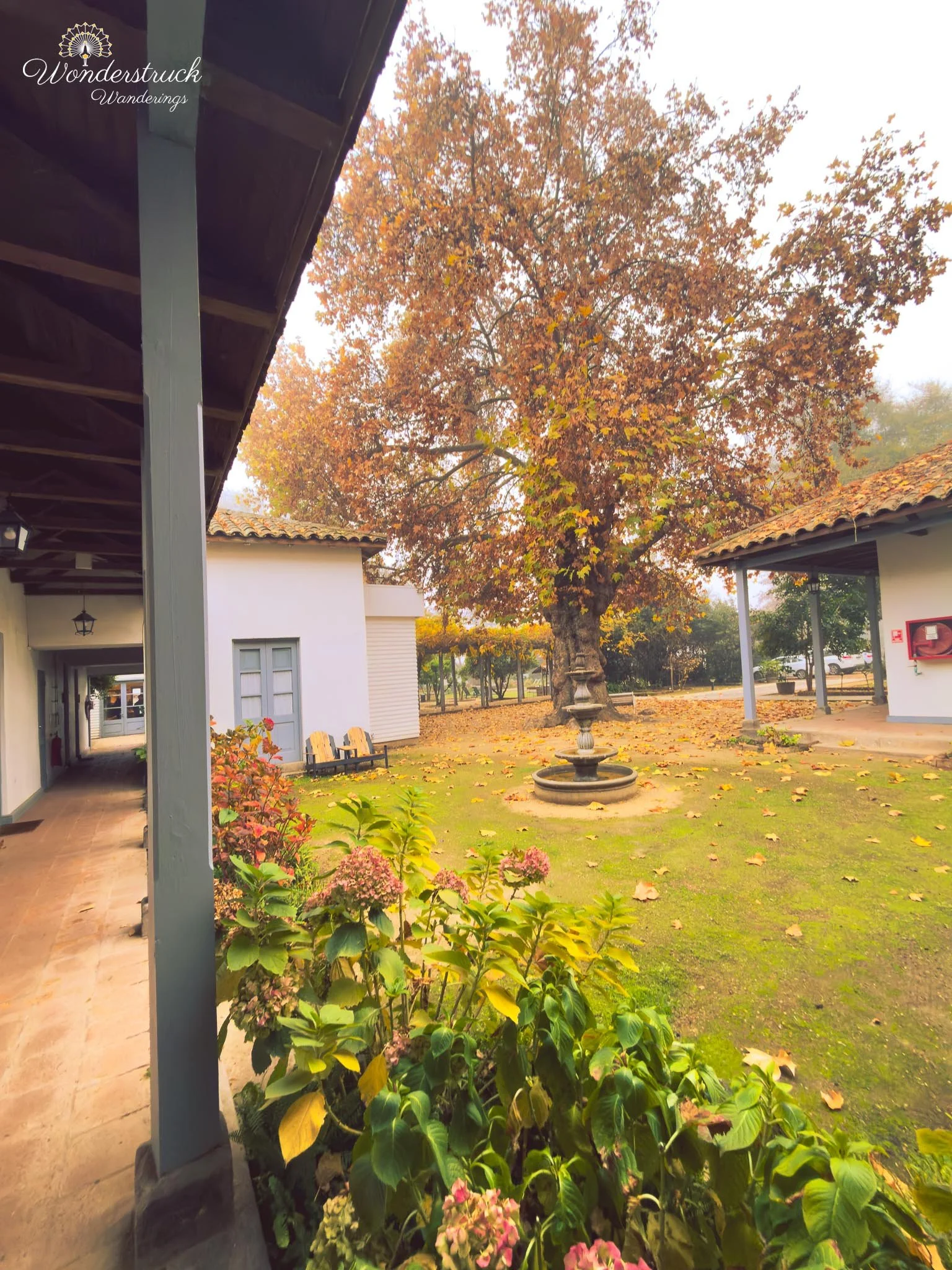
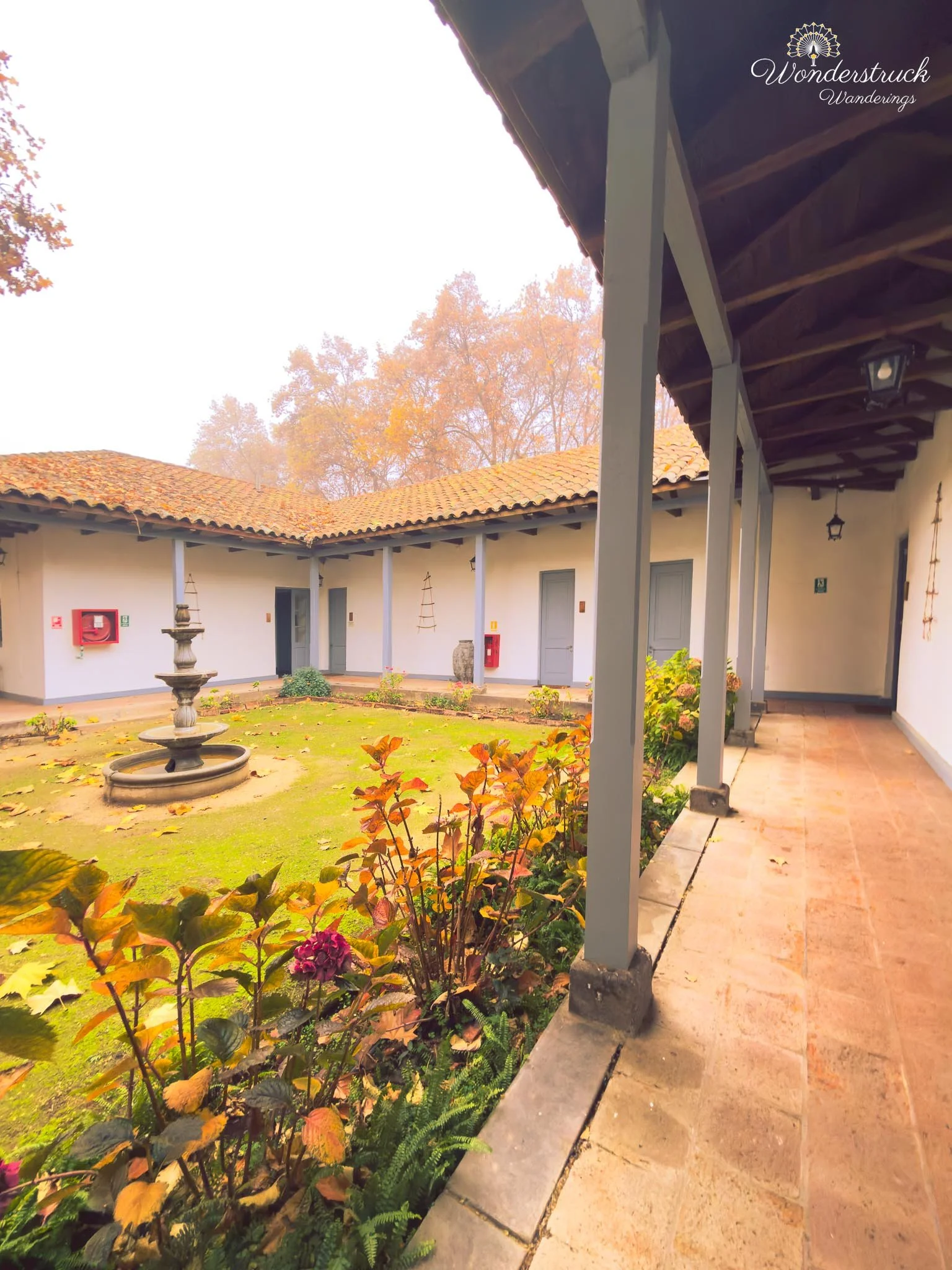
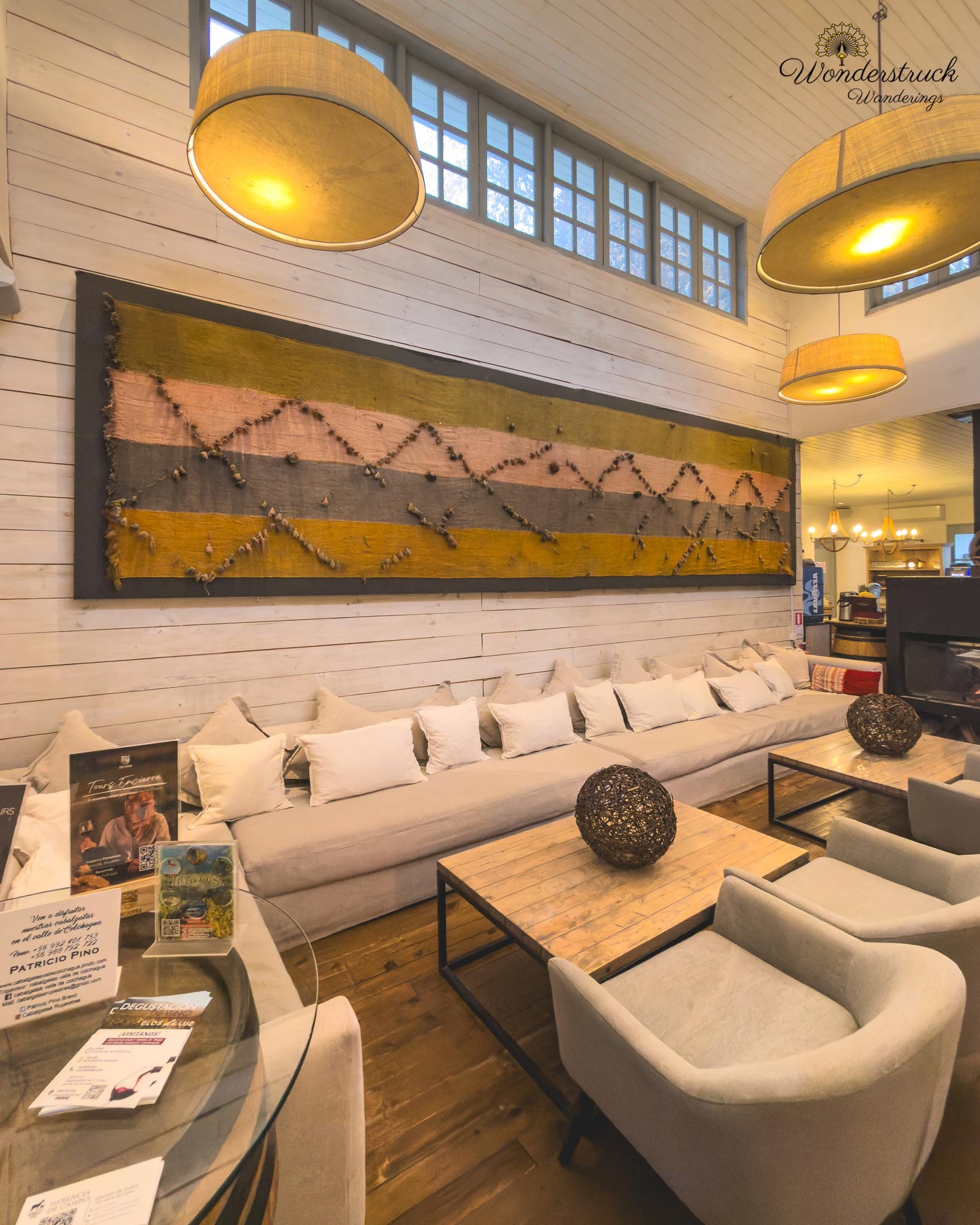
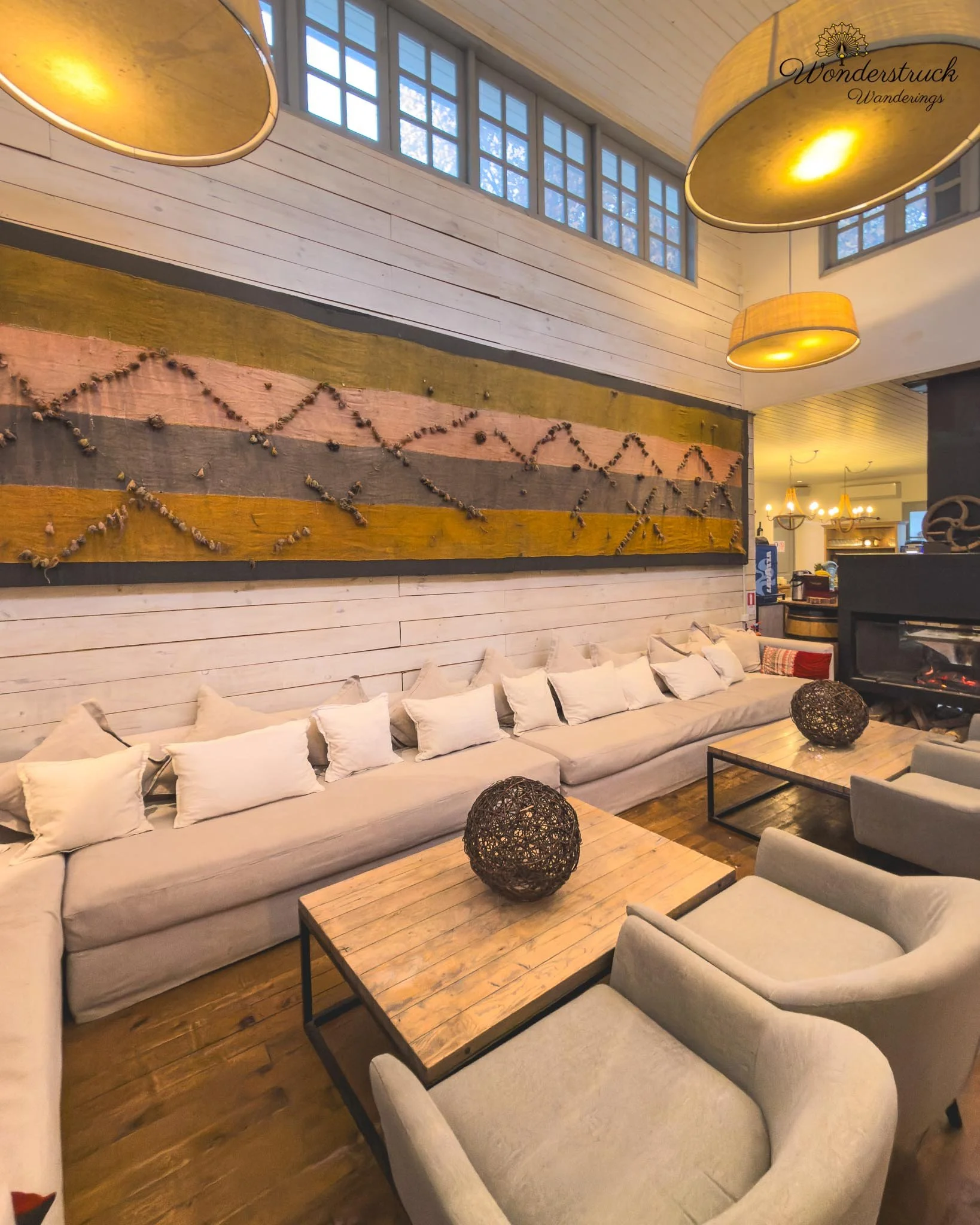
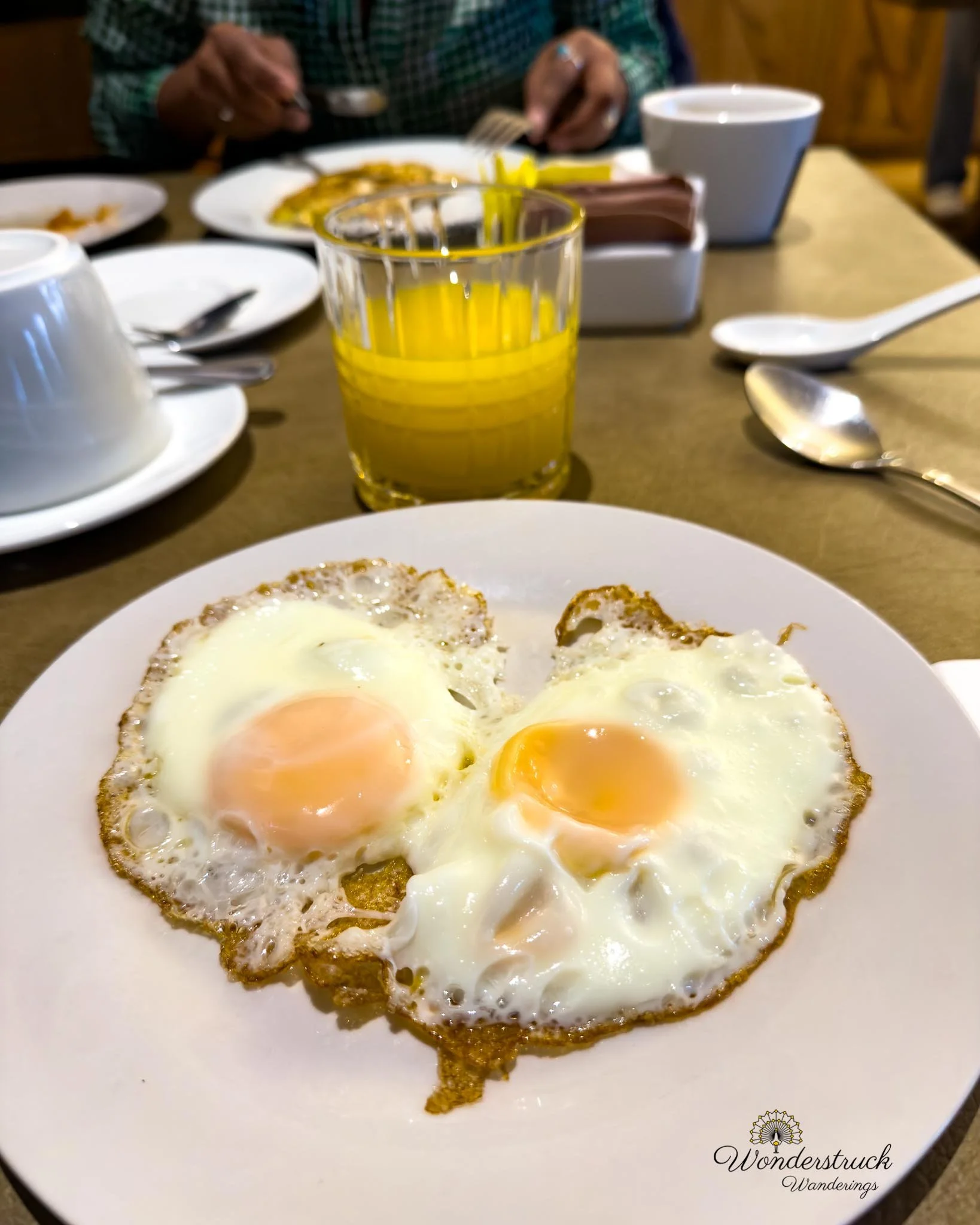
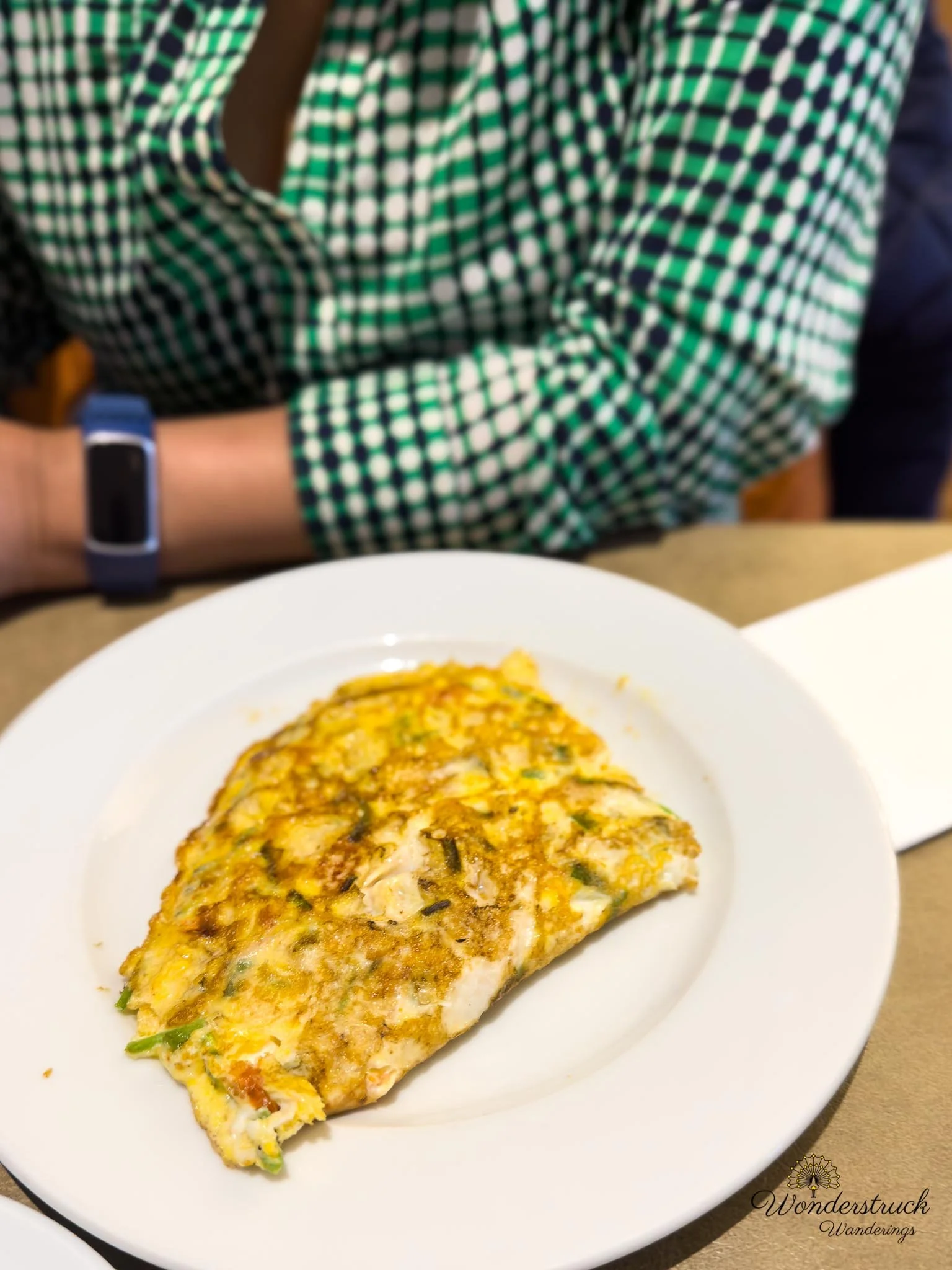
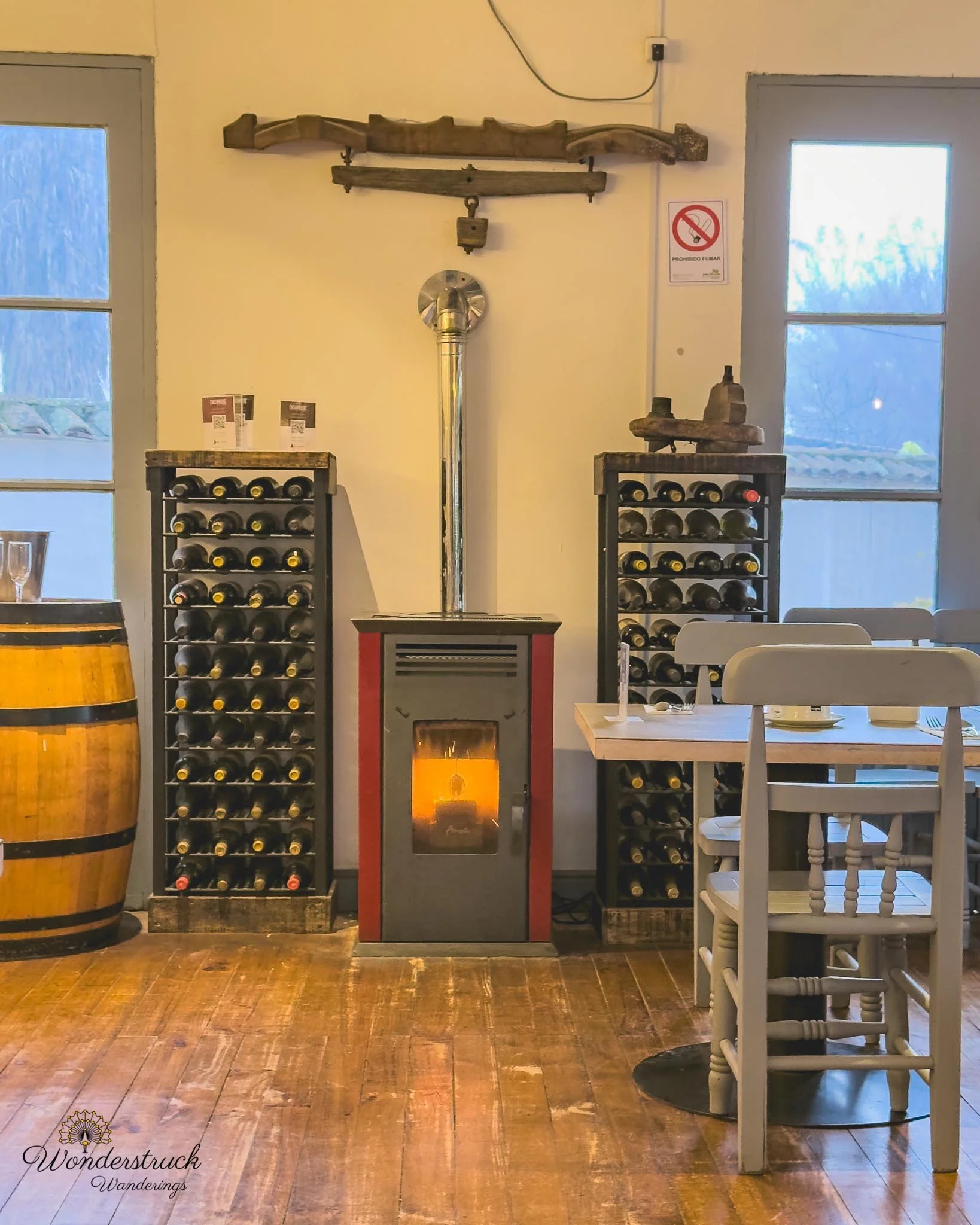
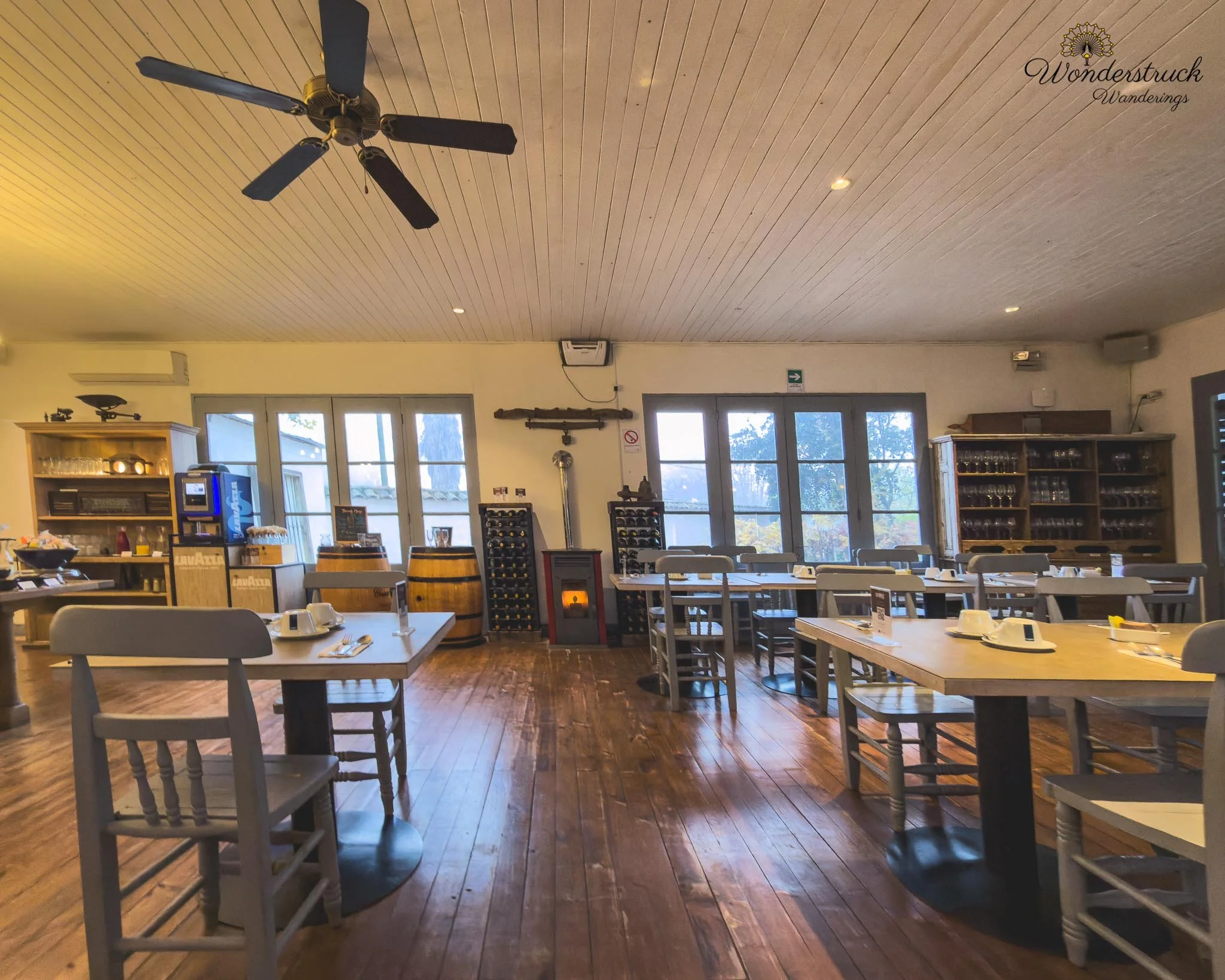
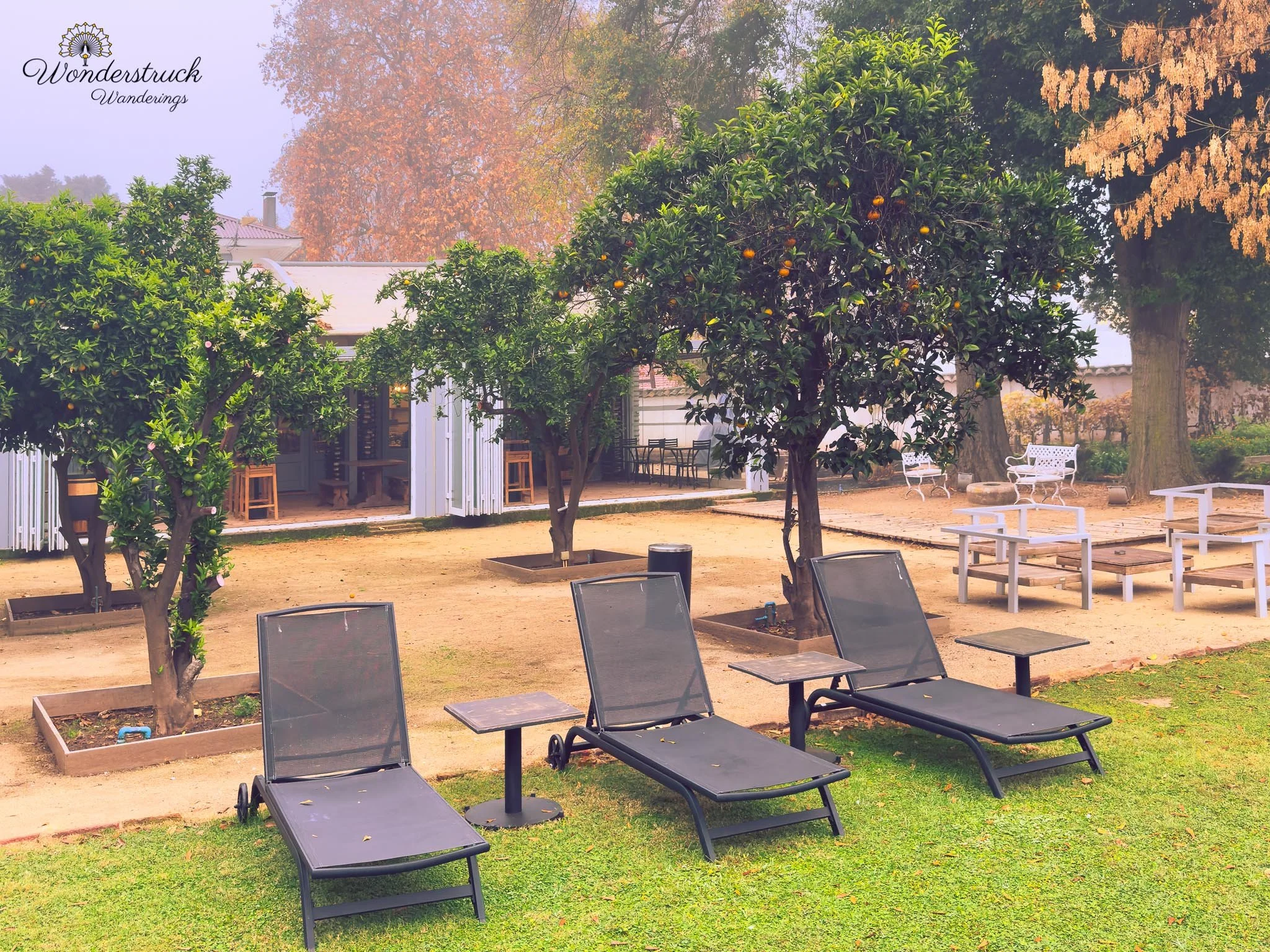
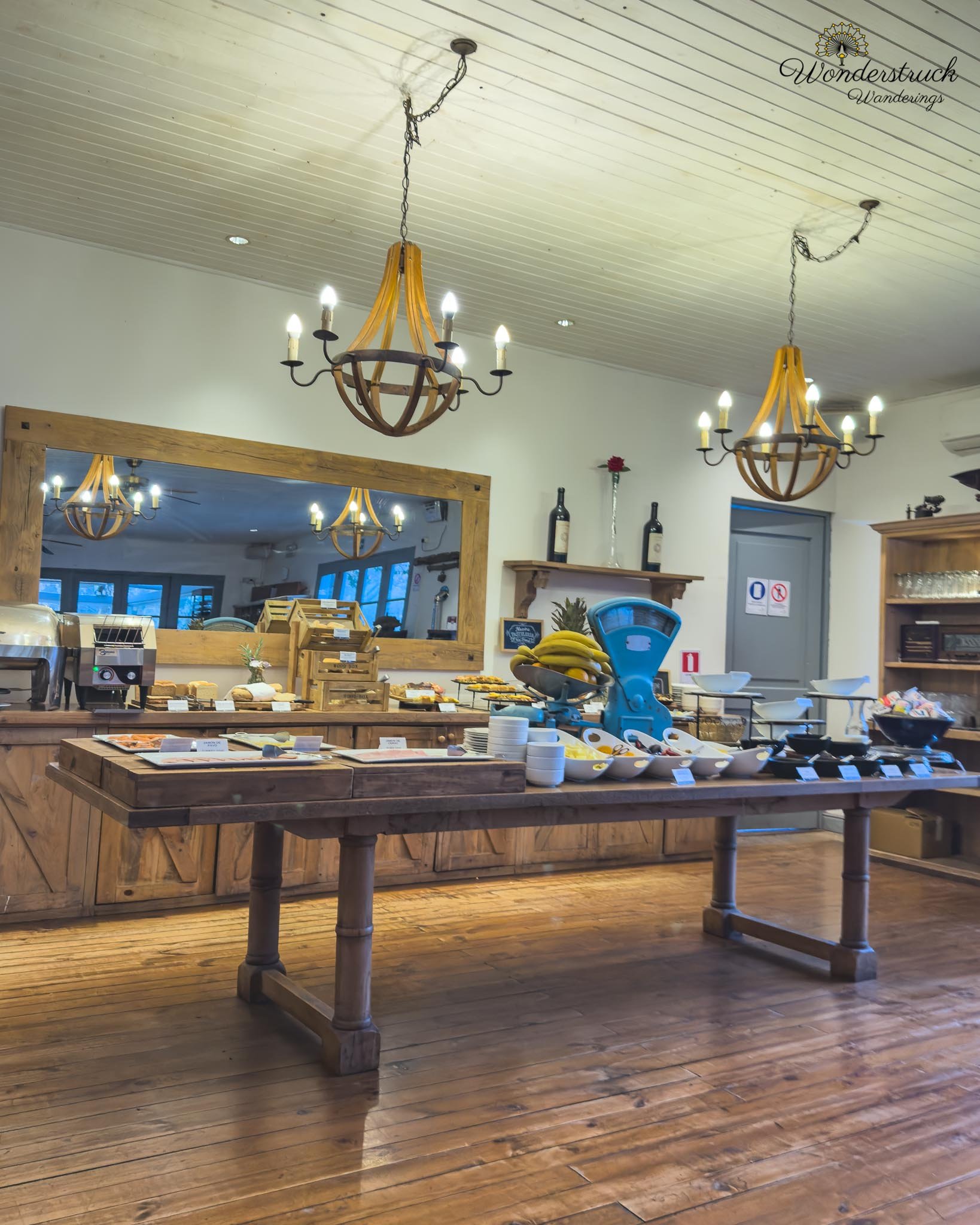
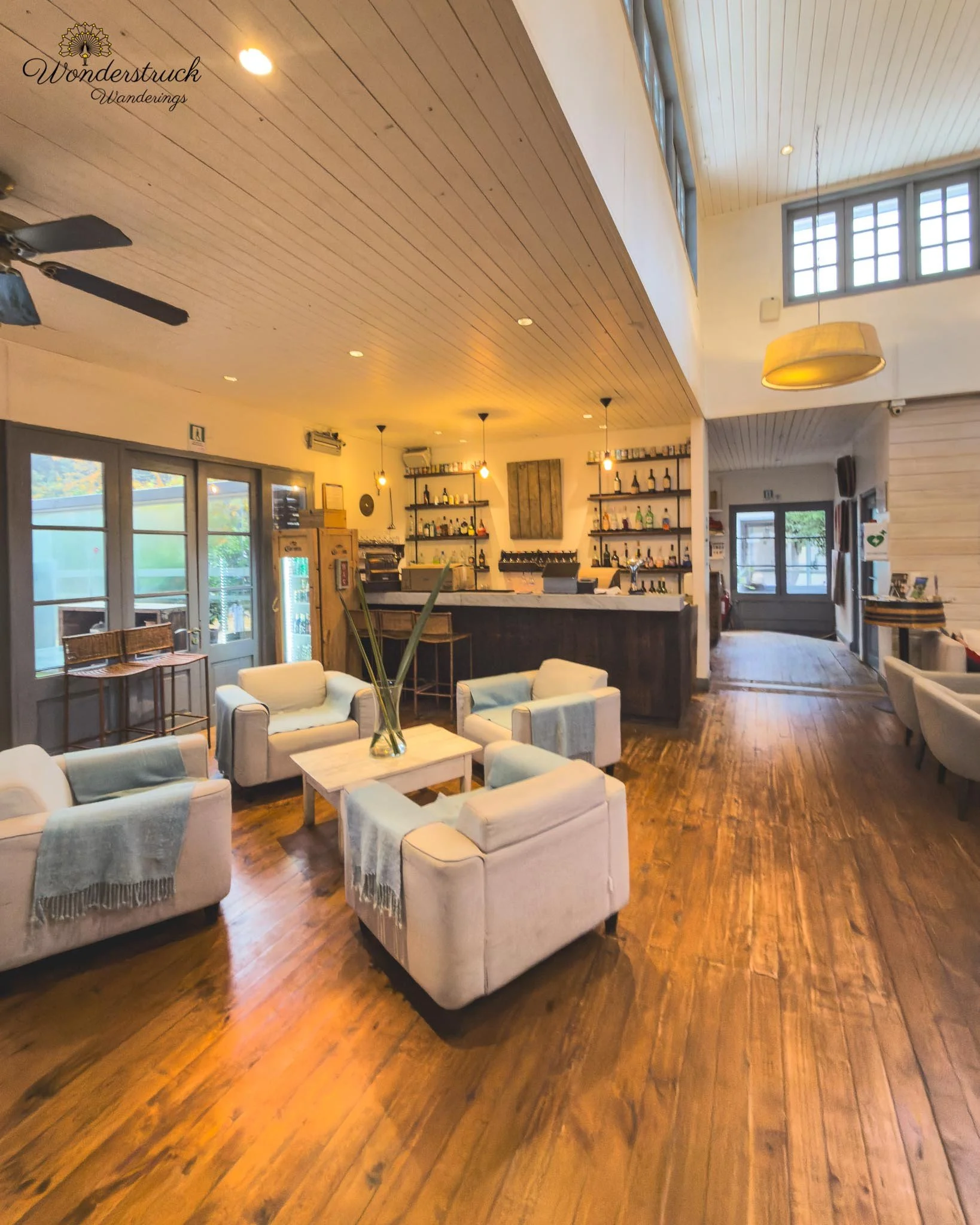
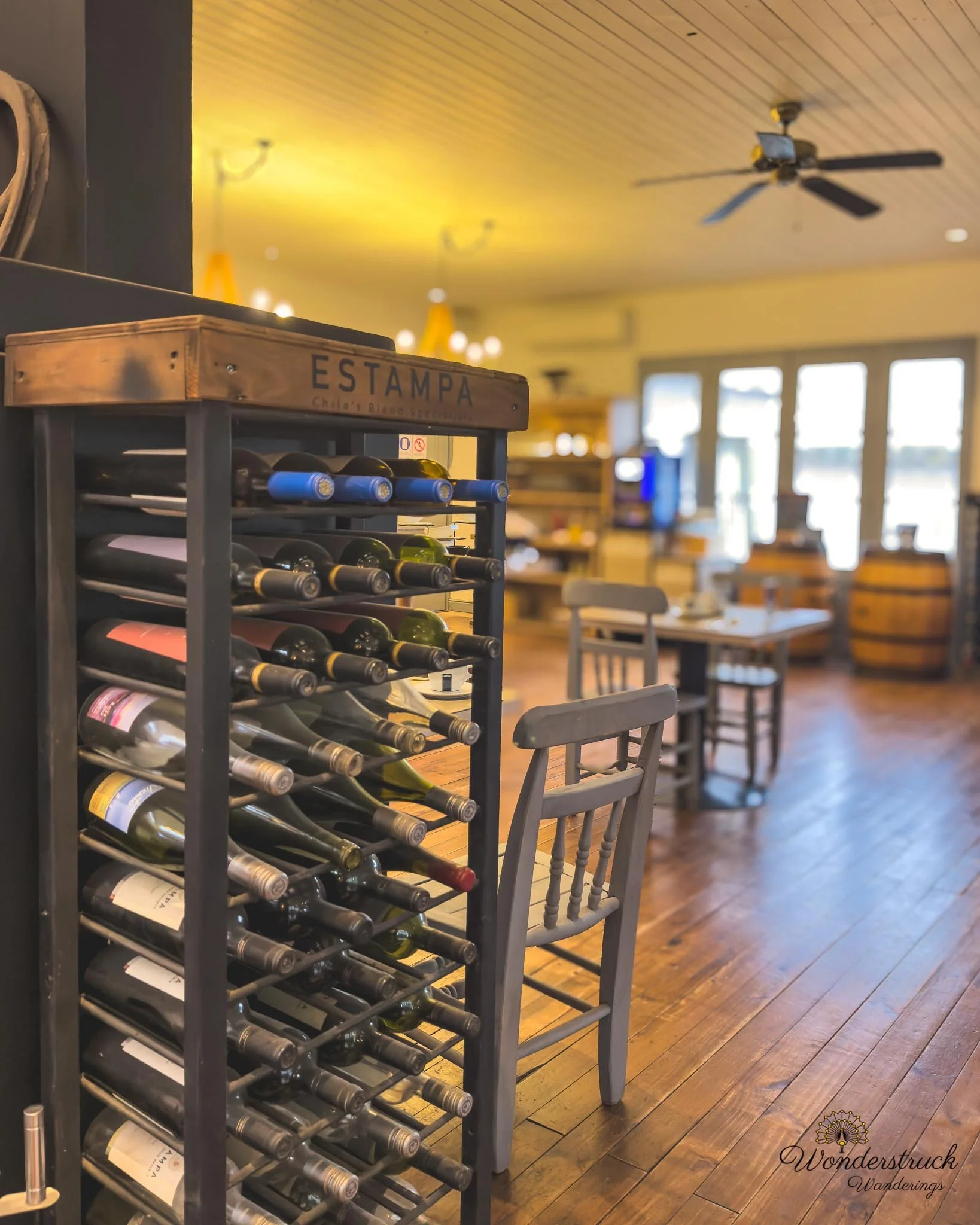
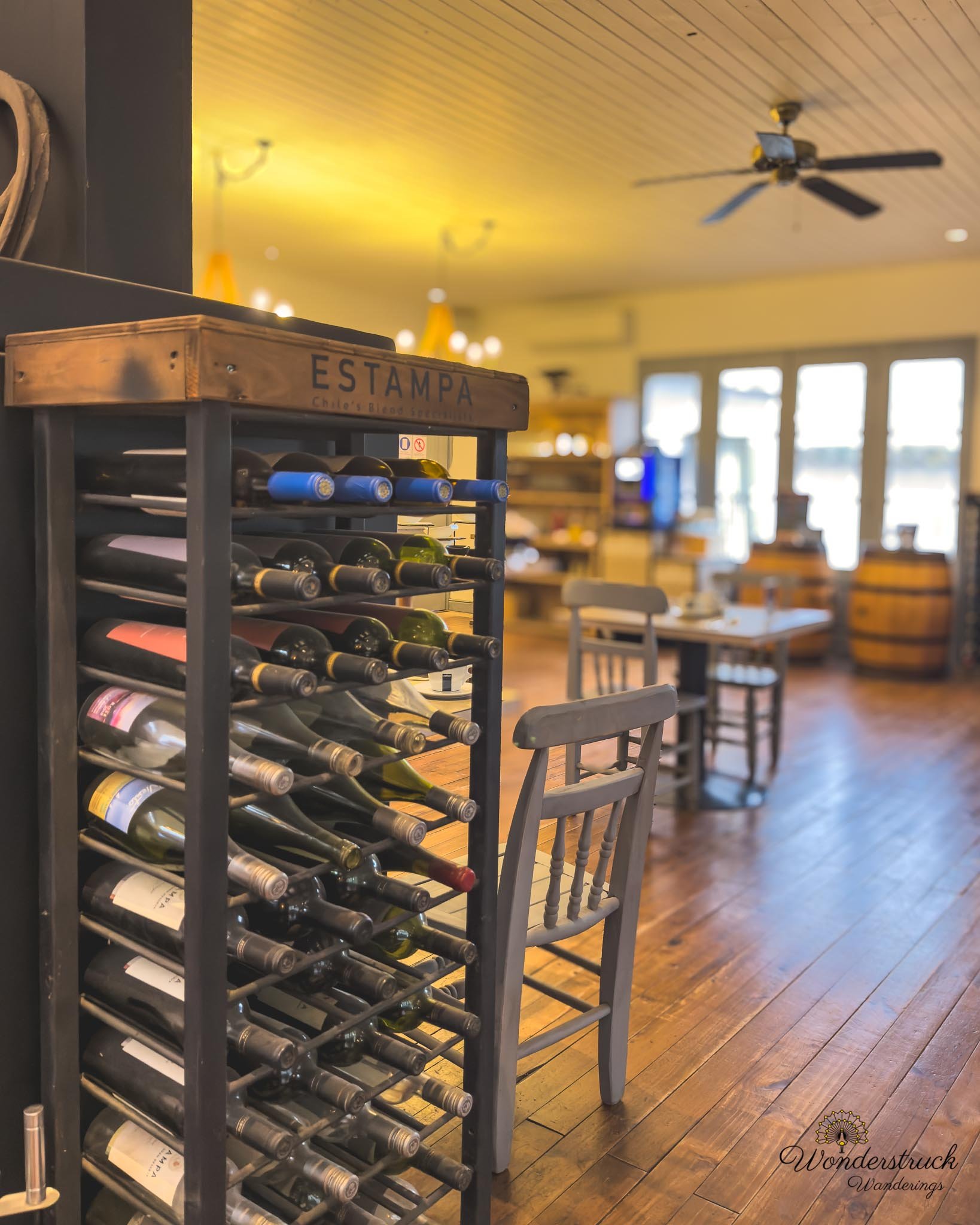
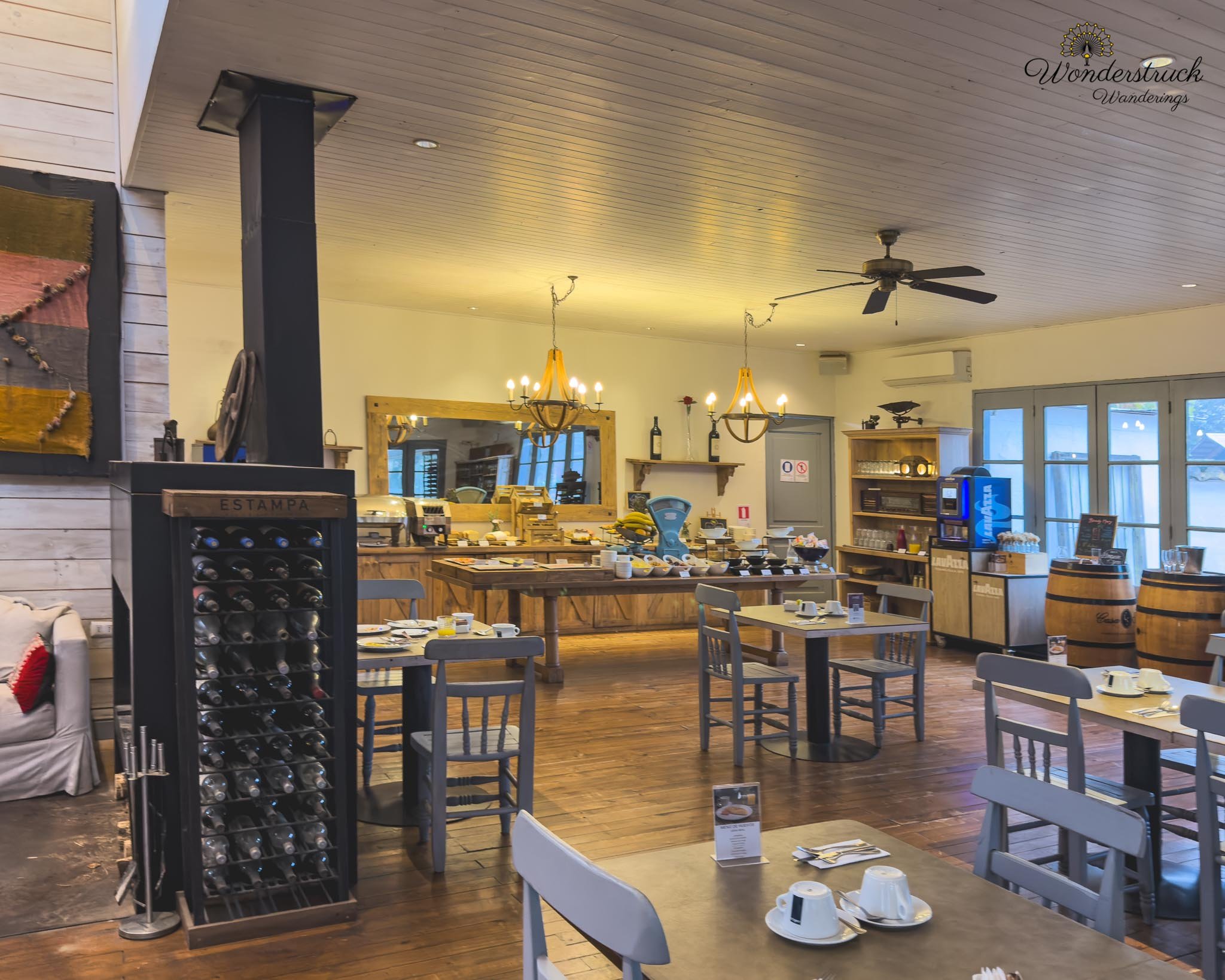
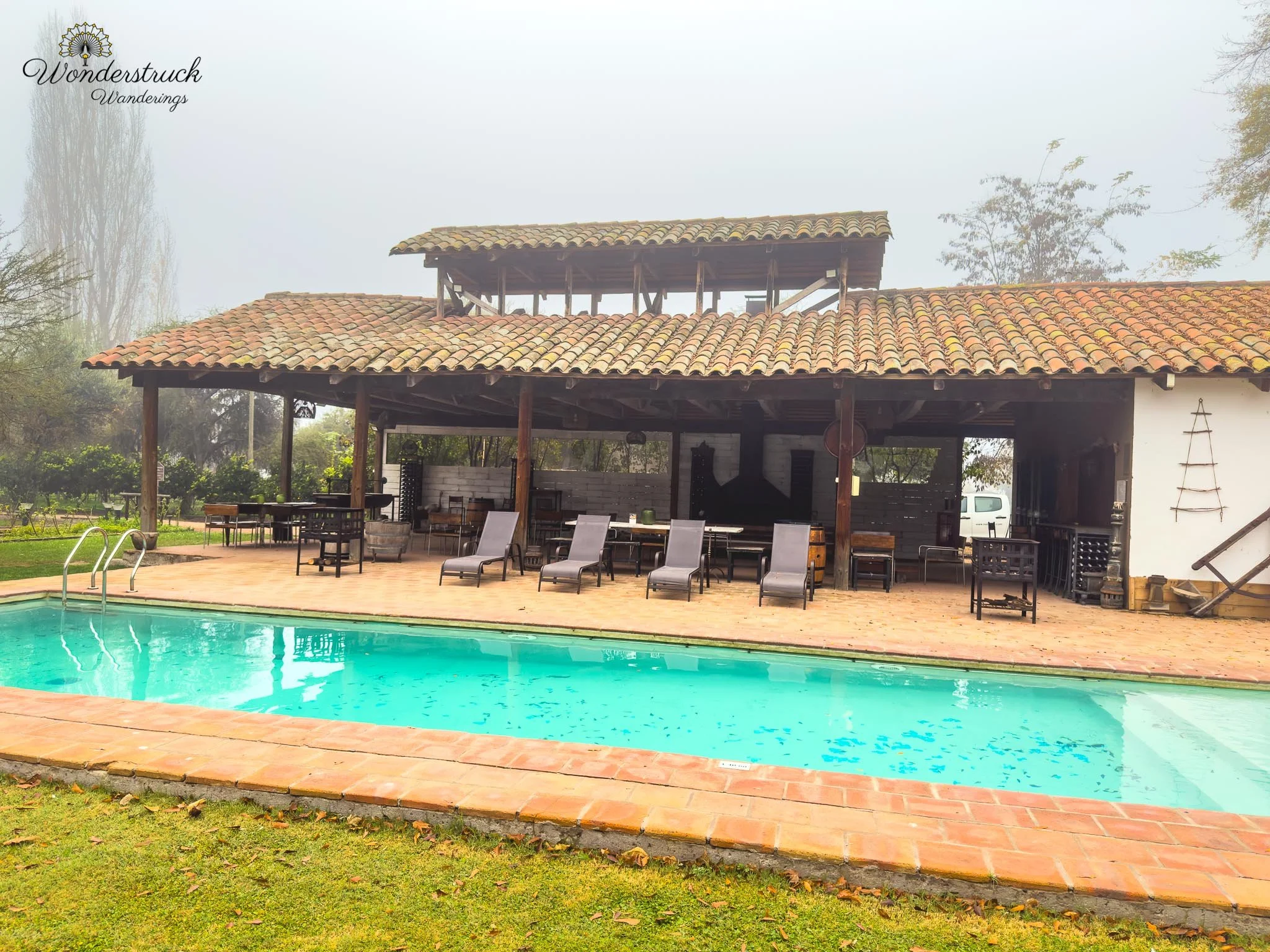
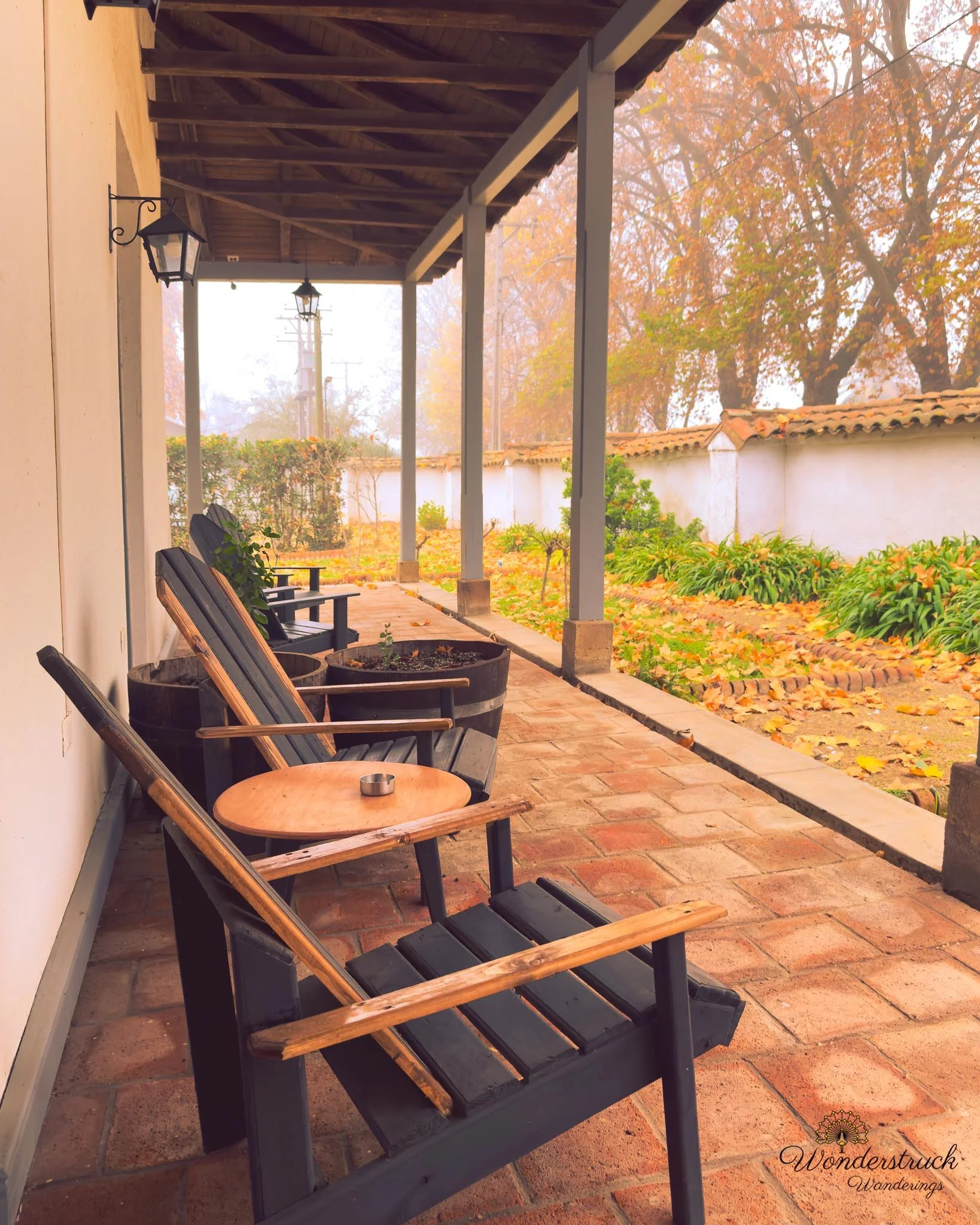
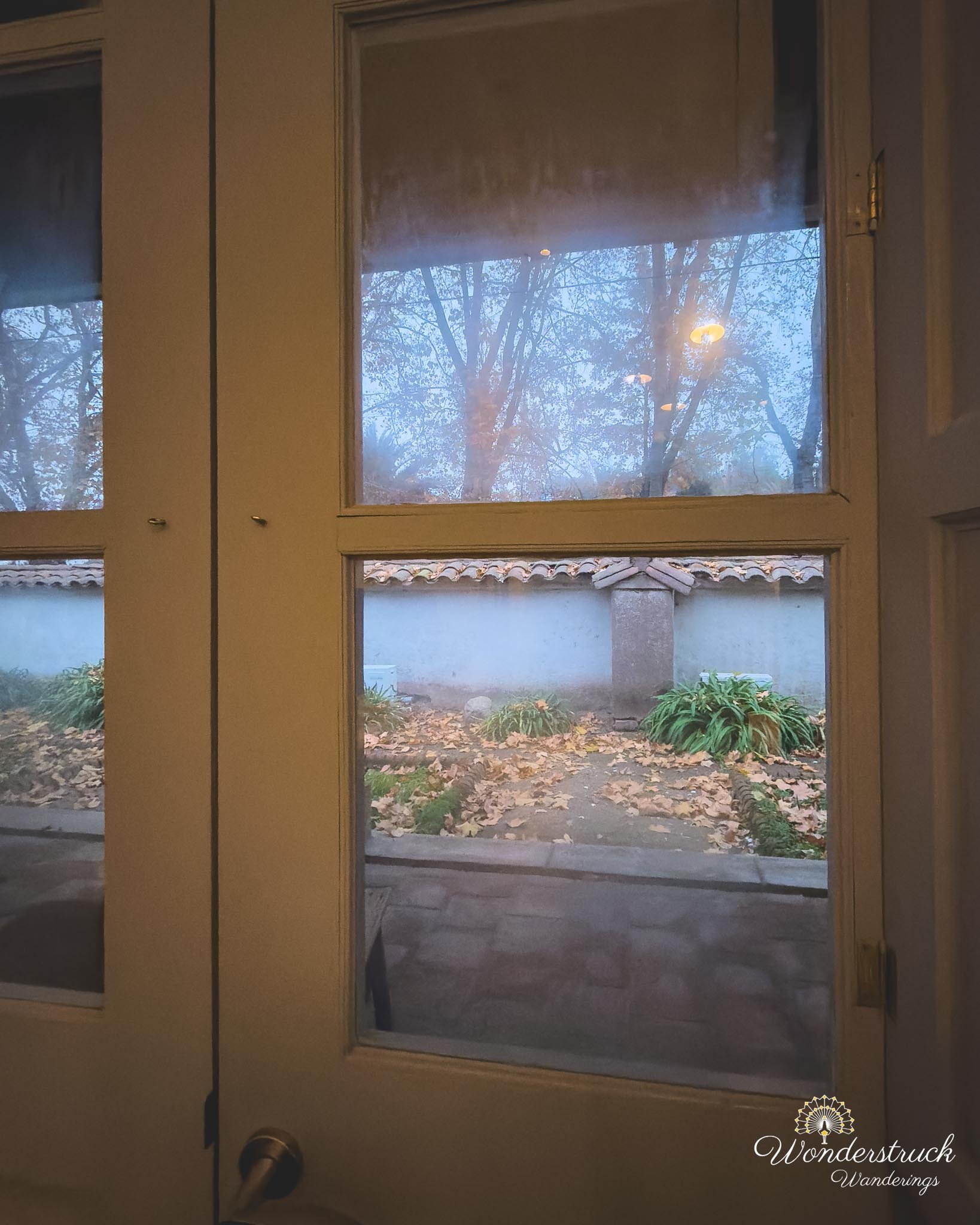
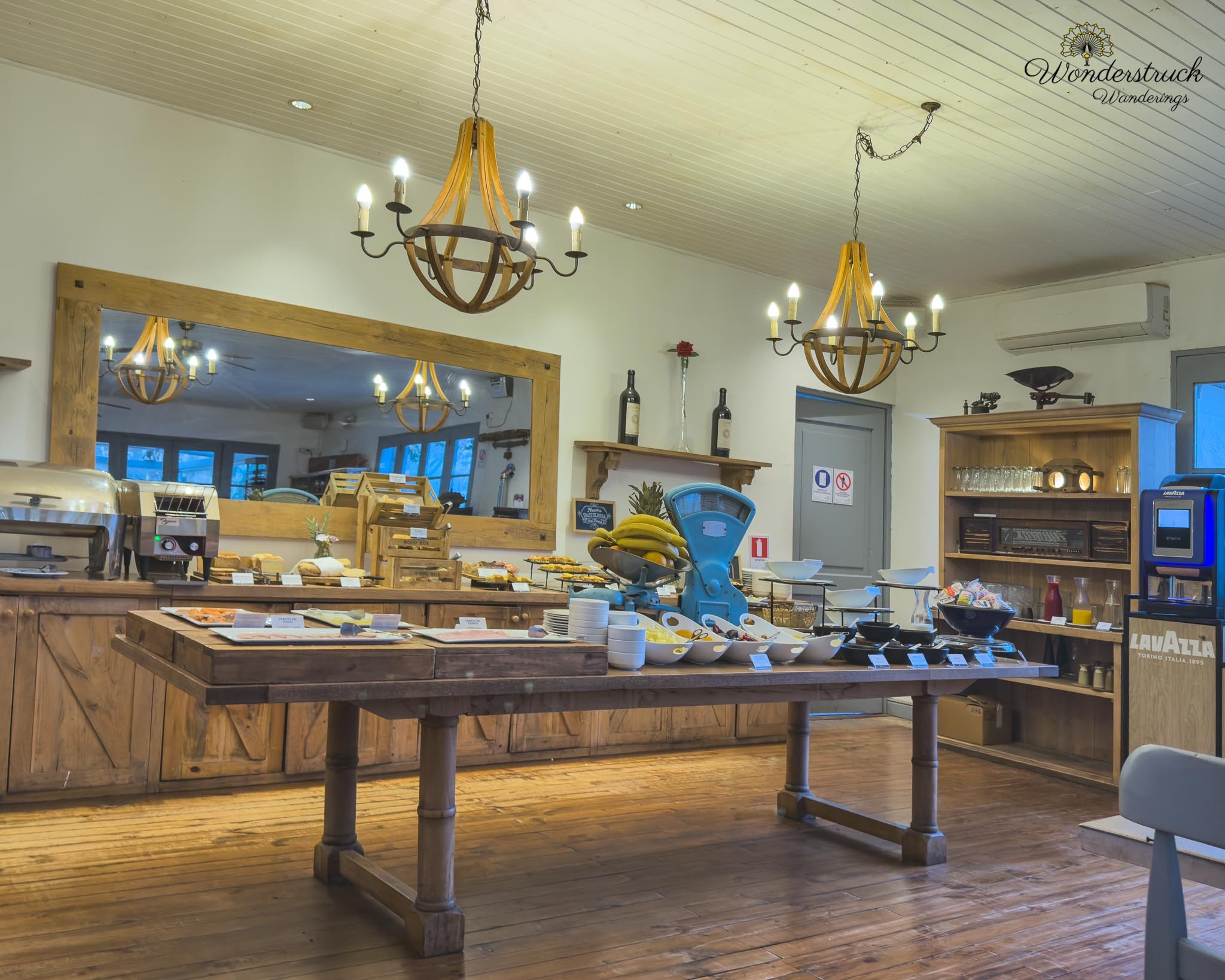
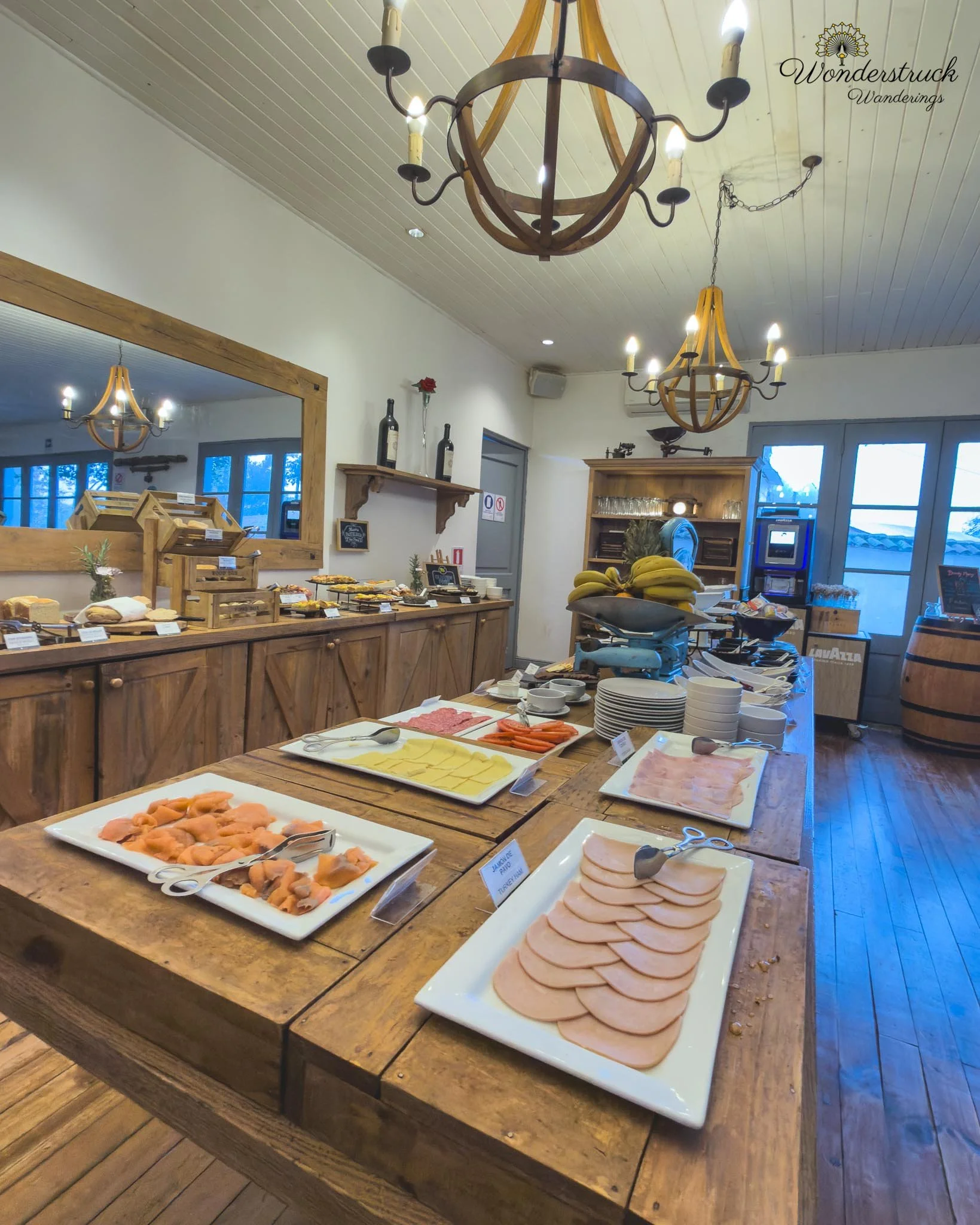
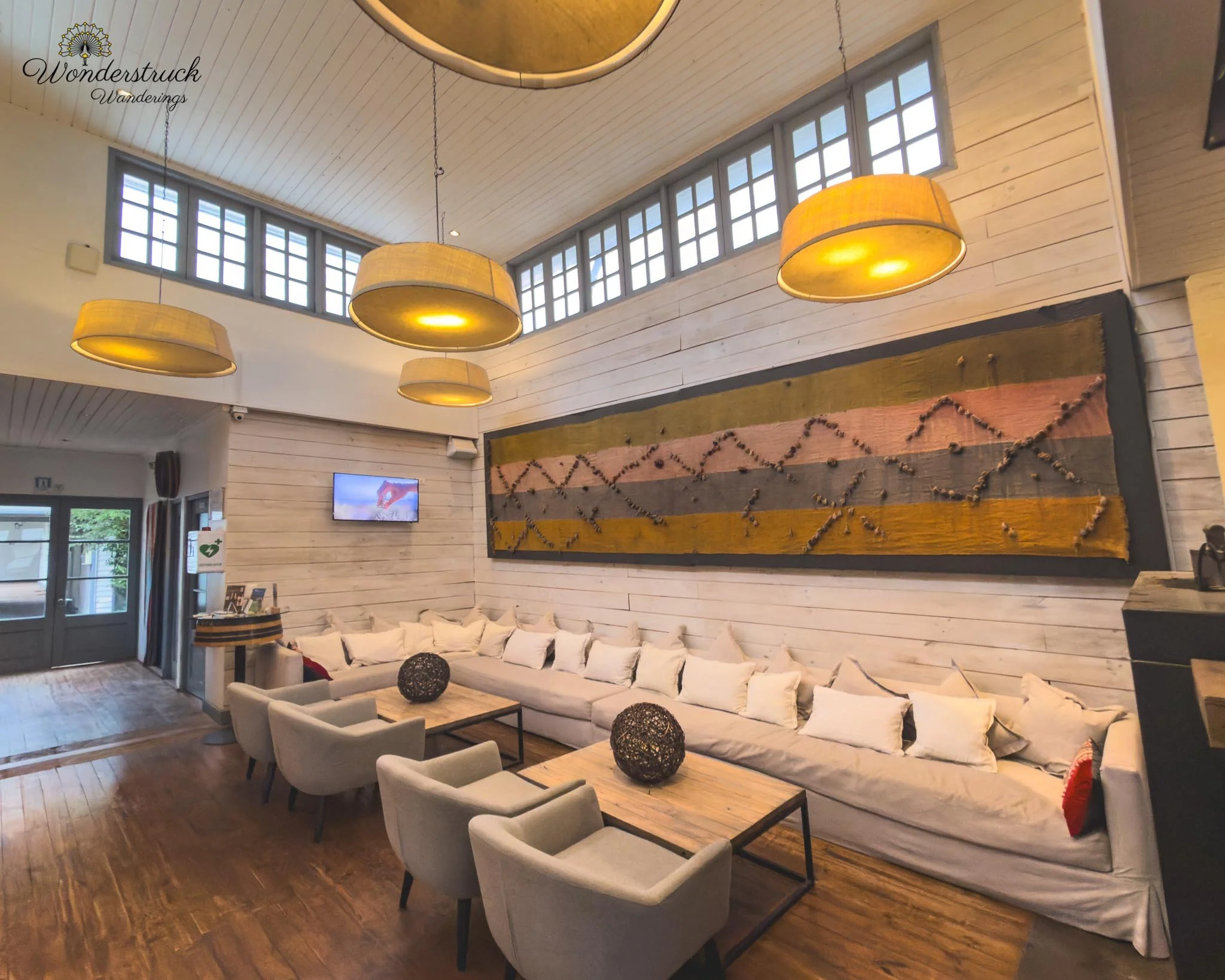
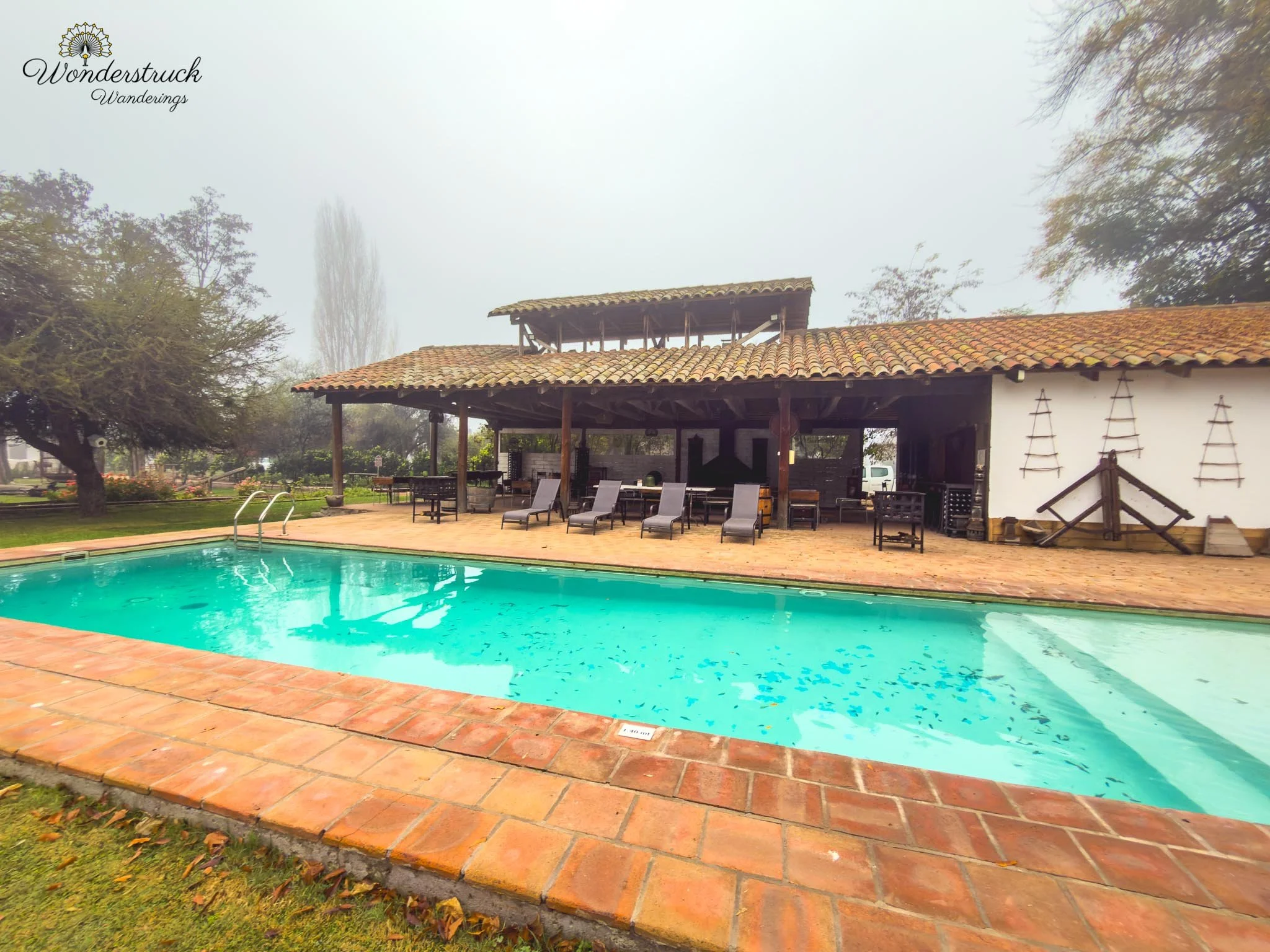
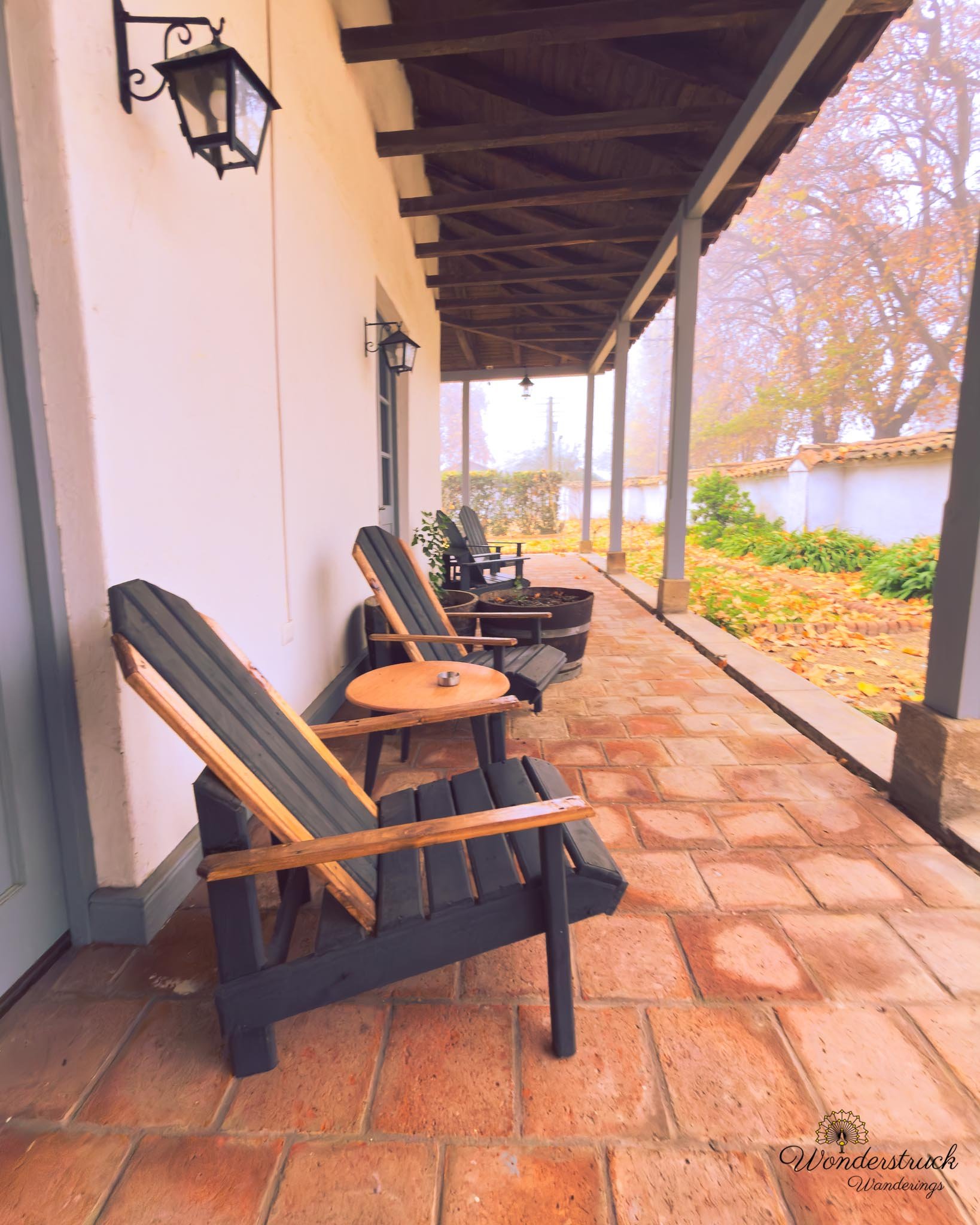
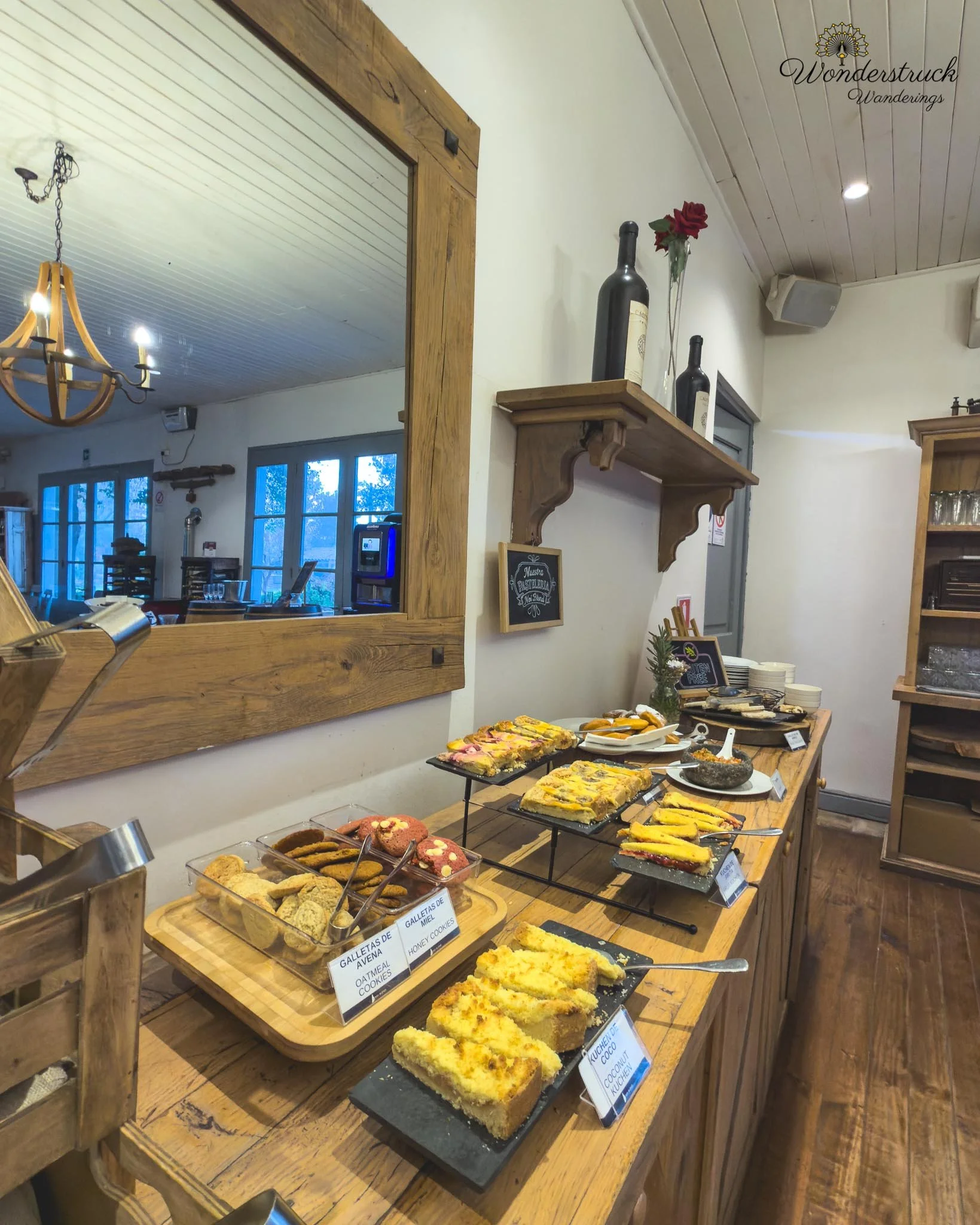
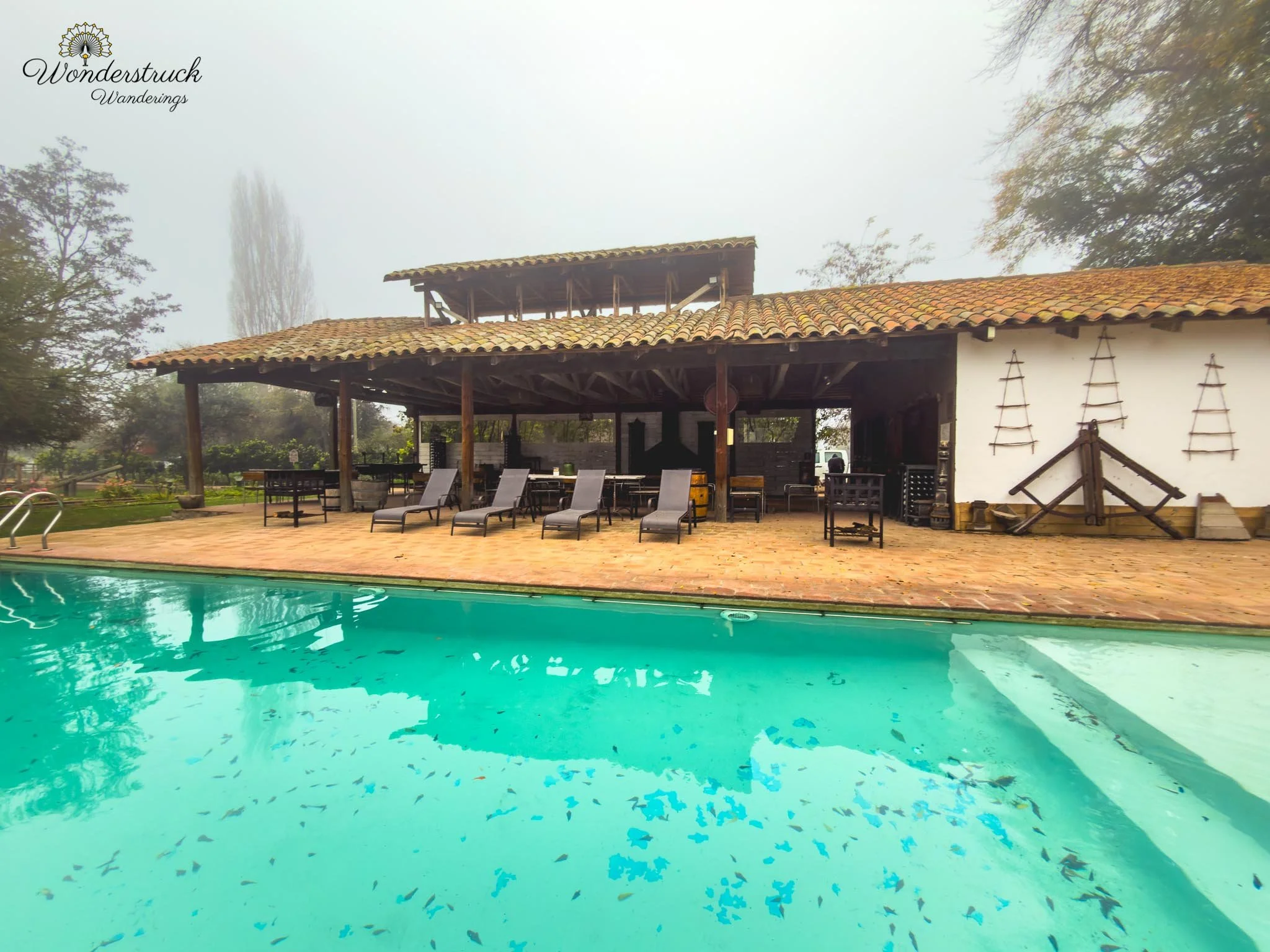
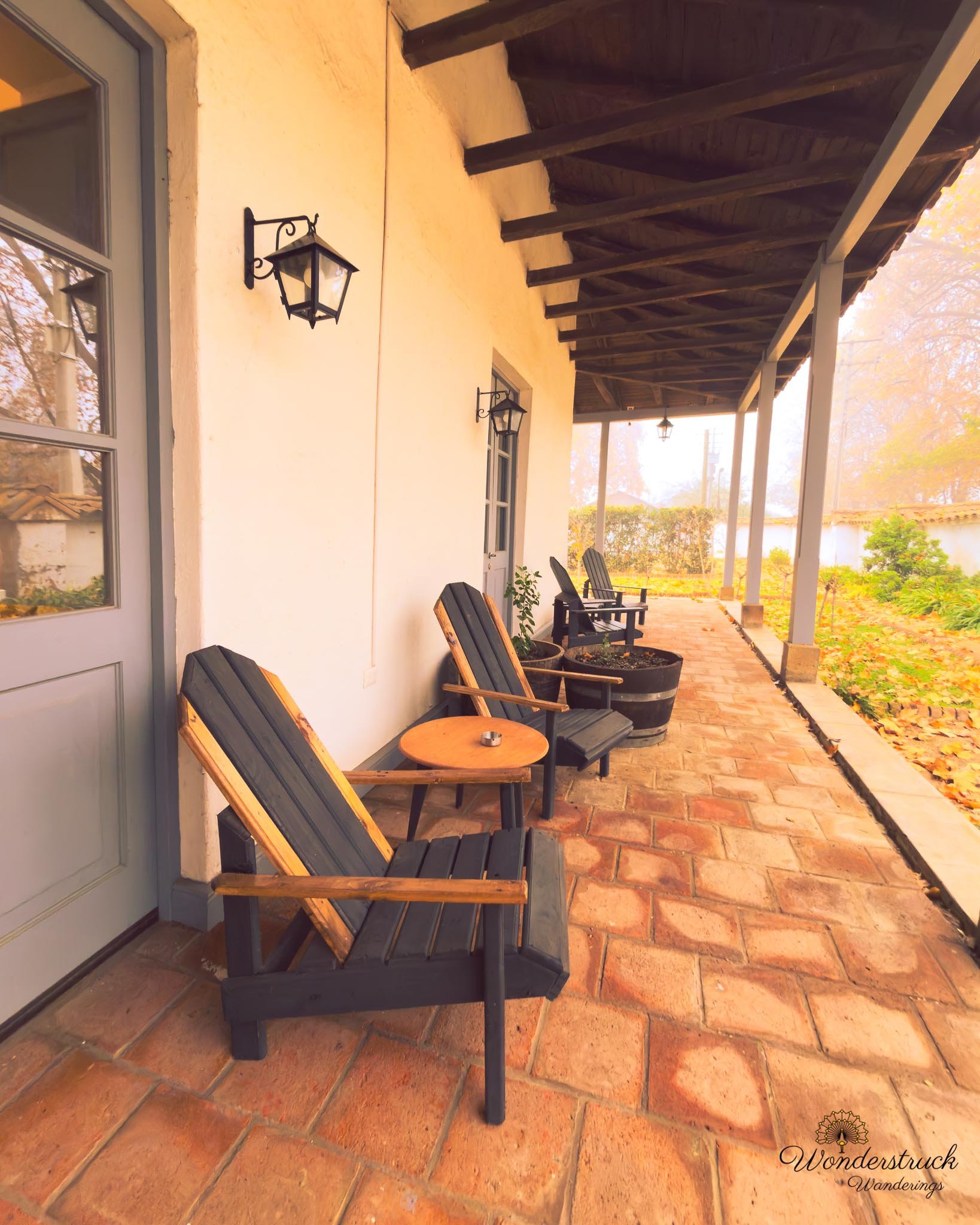
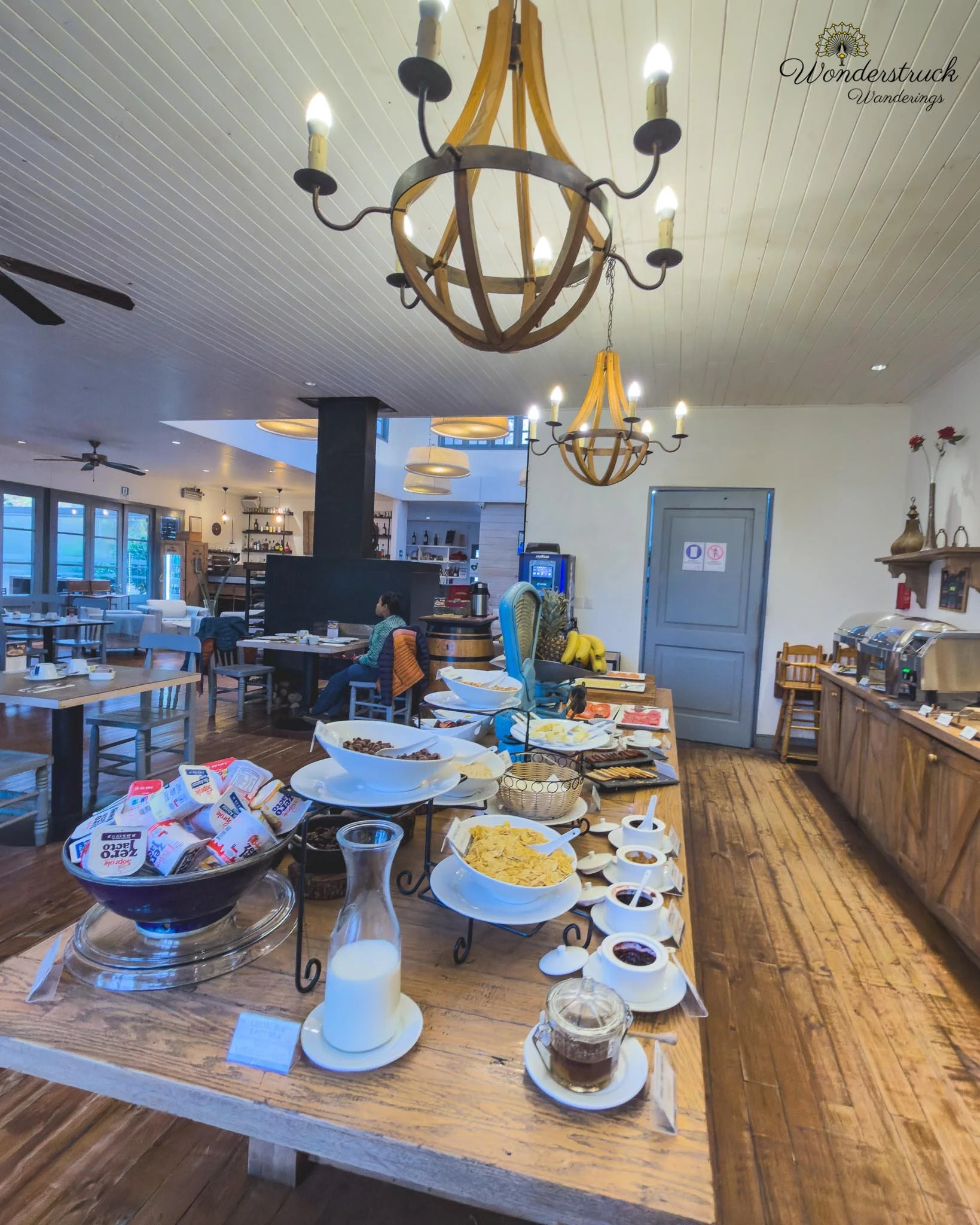
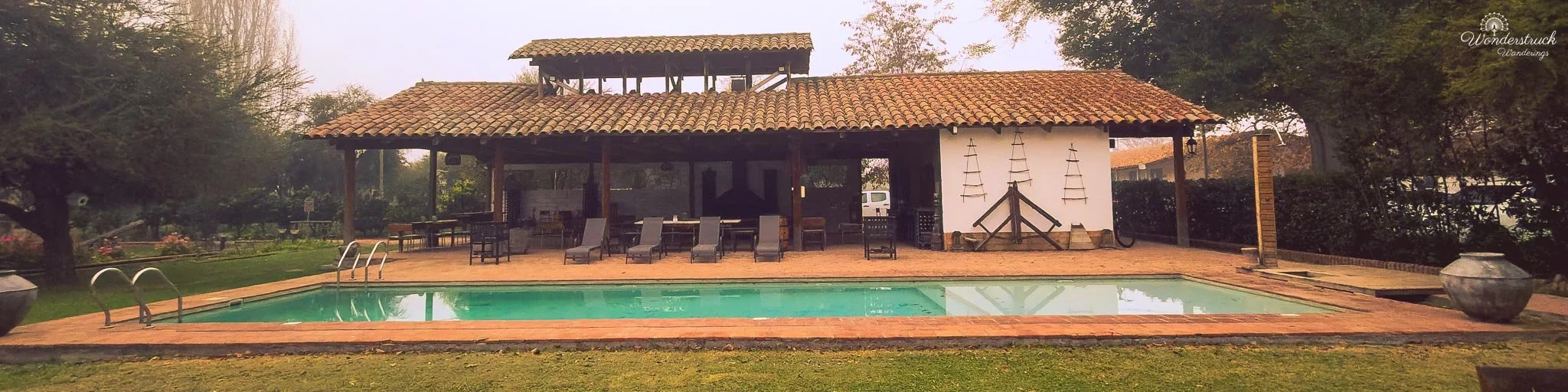
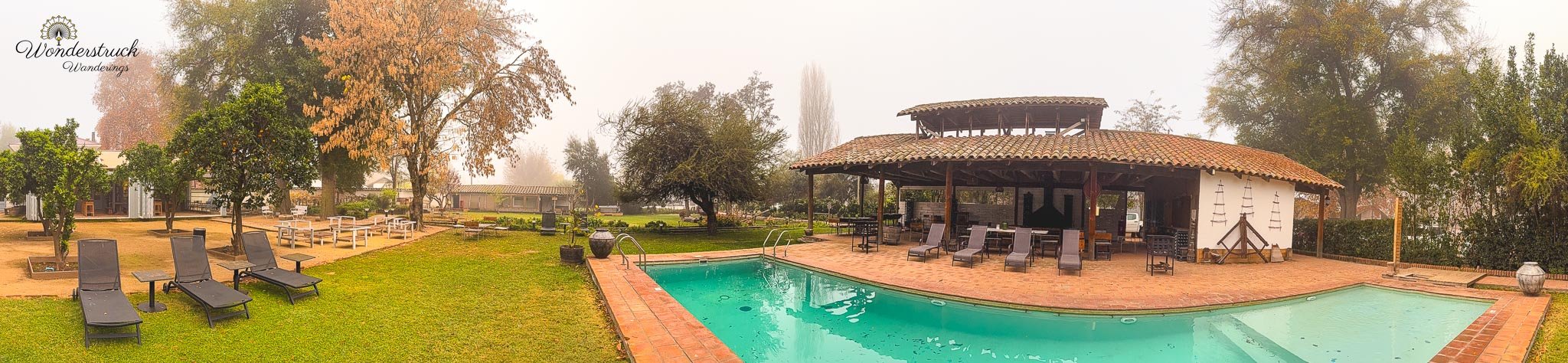
We woke up to a foggy morning at NOI Blend Colchagua. After the long transition day from the Atacama to Matetic and then into Colchagua, the fog gave the hotel a soft, almost hidden feel. The gardens were muted, the light was slow to arrive, and for a little while the whole place felt quieter than it probably was. NOI Blend had worked well for us as a practical wine-country base. It was not the most polished luxury stay of the trip, but it had character, comfortable grounds, and a location that made sense for the wine route we were trying to stitch together. The property had a country-house feel, with gardens, fog, and a softer evening atmosphere that contrasted completely with Our Habitas Atacama. Habitas had been desert-toned, open, and minimalist against dry air and volcanoes. NOI Blend felt more eclectic and wine-country oriented, a place designed around vineyards, slower meals, and foggy mornings. We had the included breakfast before leaving. I had fried eggs, and Shay had a cheese omelet, along with the now-familiar Chilean hotel breakfast spread: sliced meats, different kinds of bread, fruit, juice, and coffee. After several very early mornings in the Atacama where breakfast meant pastries in the car, it still felt nice to sit down and eat properly. Then we packed and left for VIK.
VIK: Architecture, Millahue, and the World's Best Vineyard
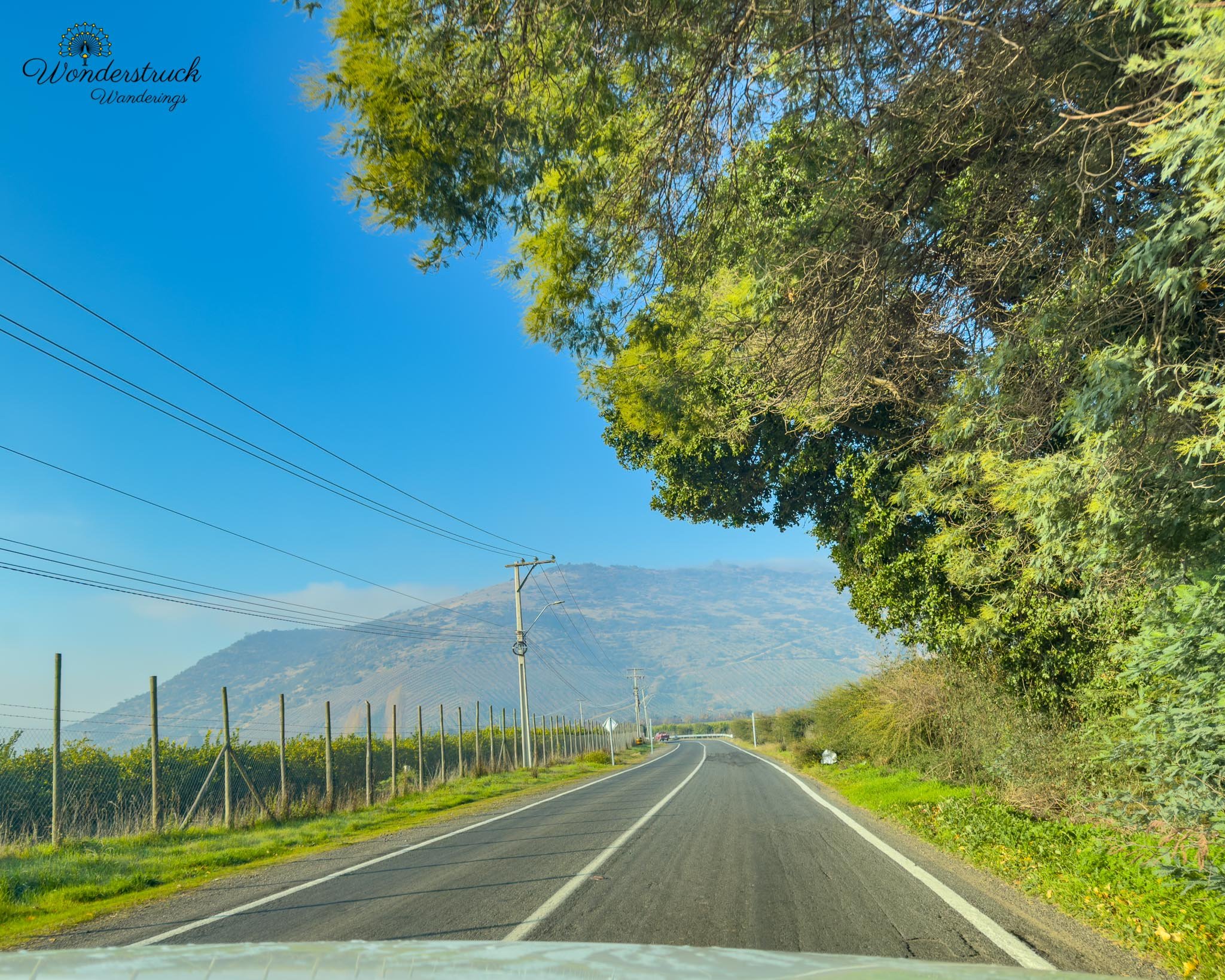
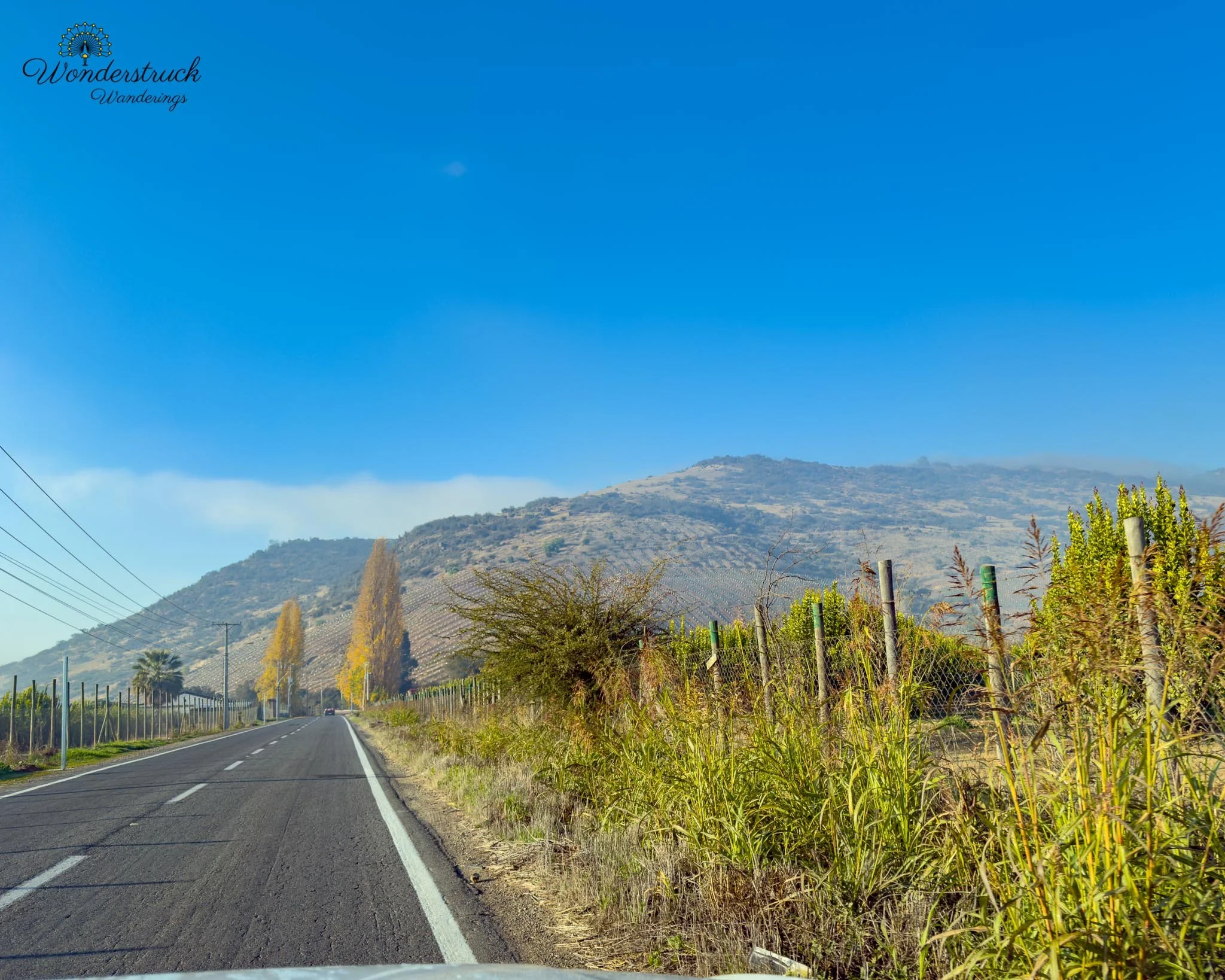
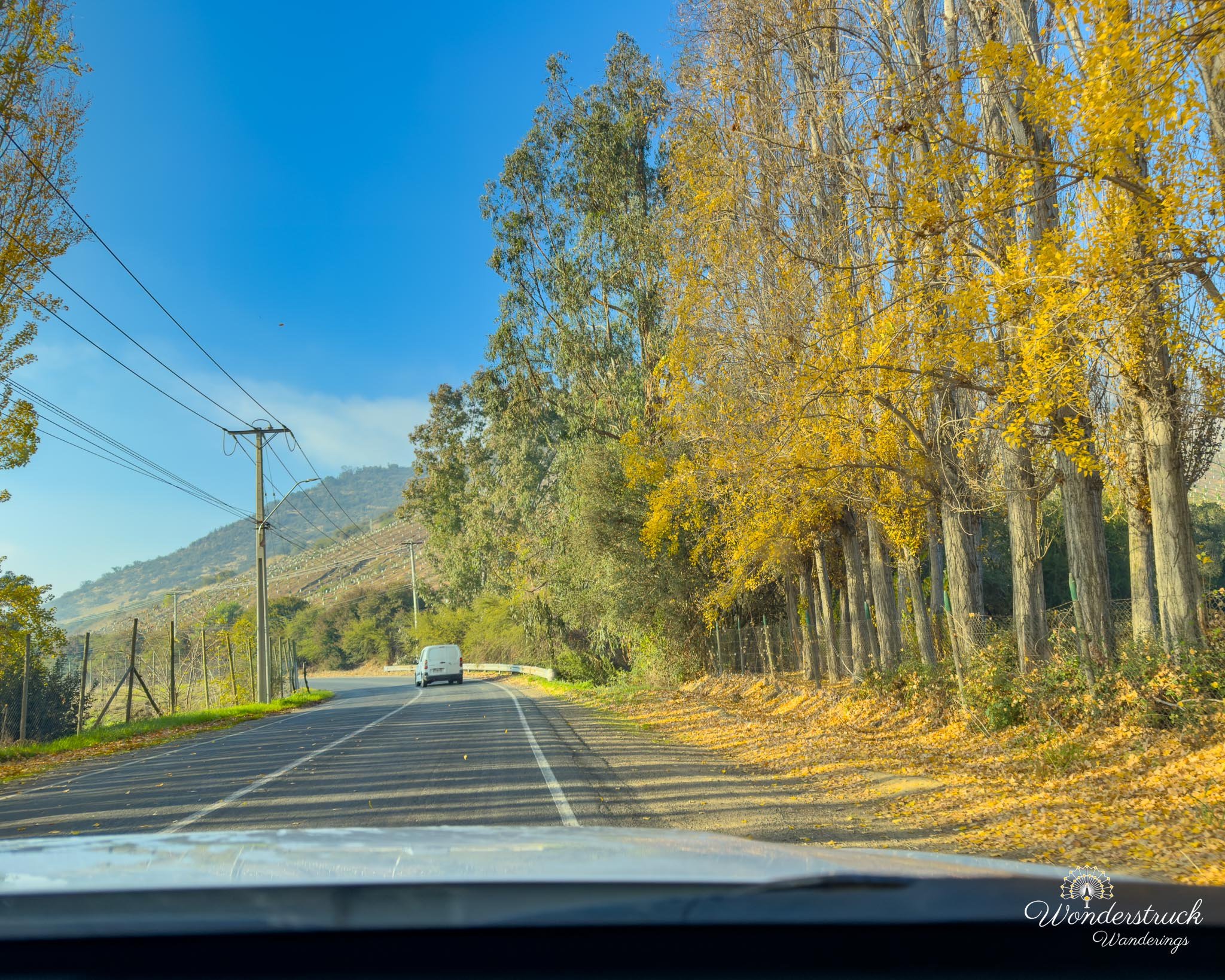
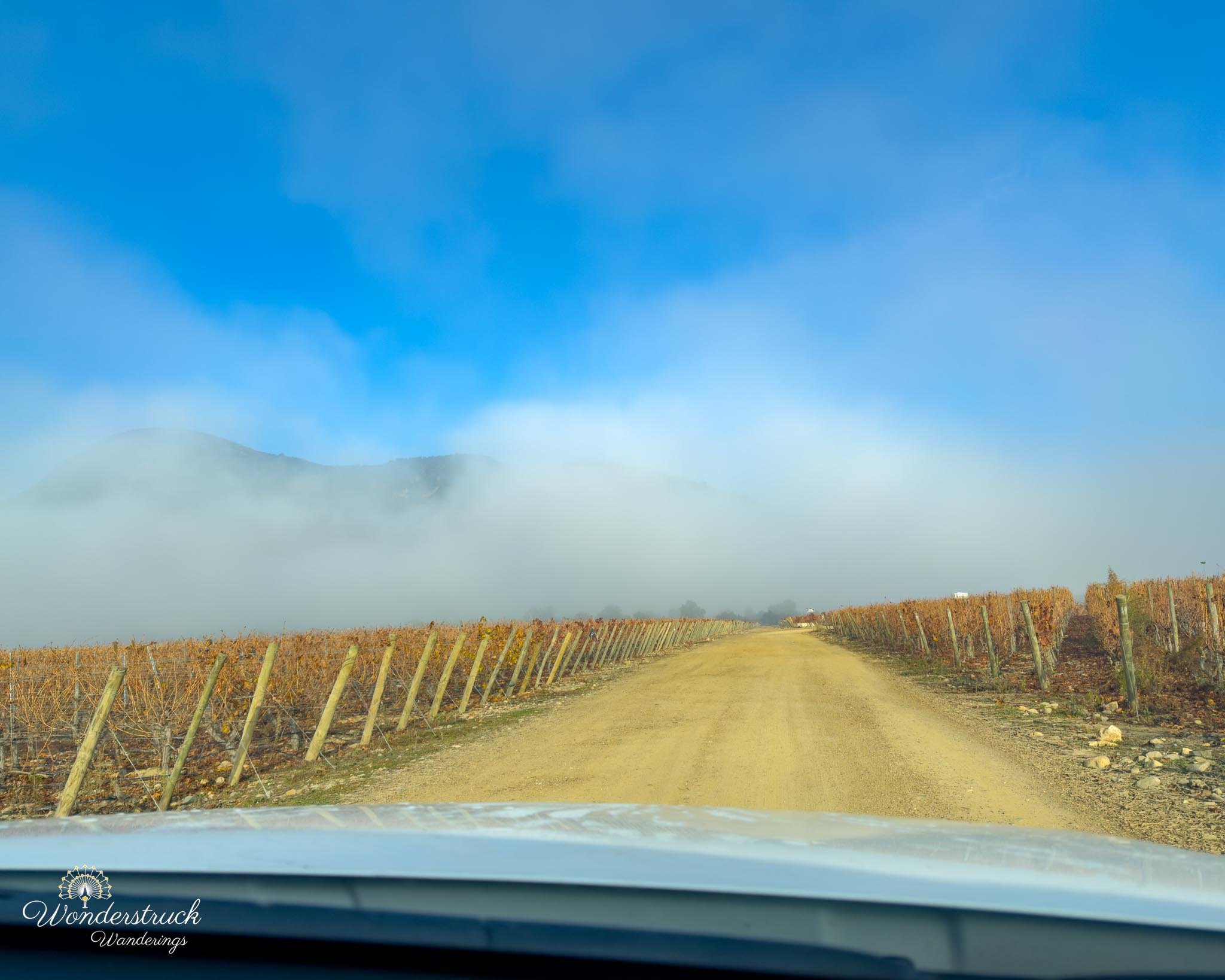
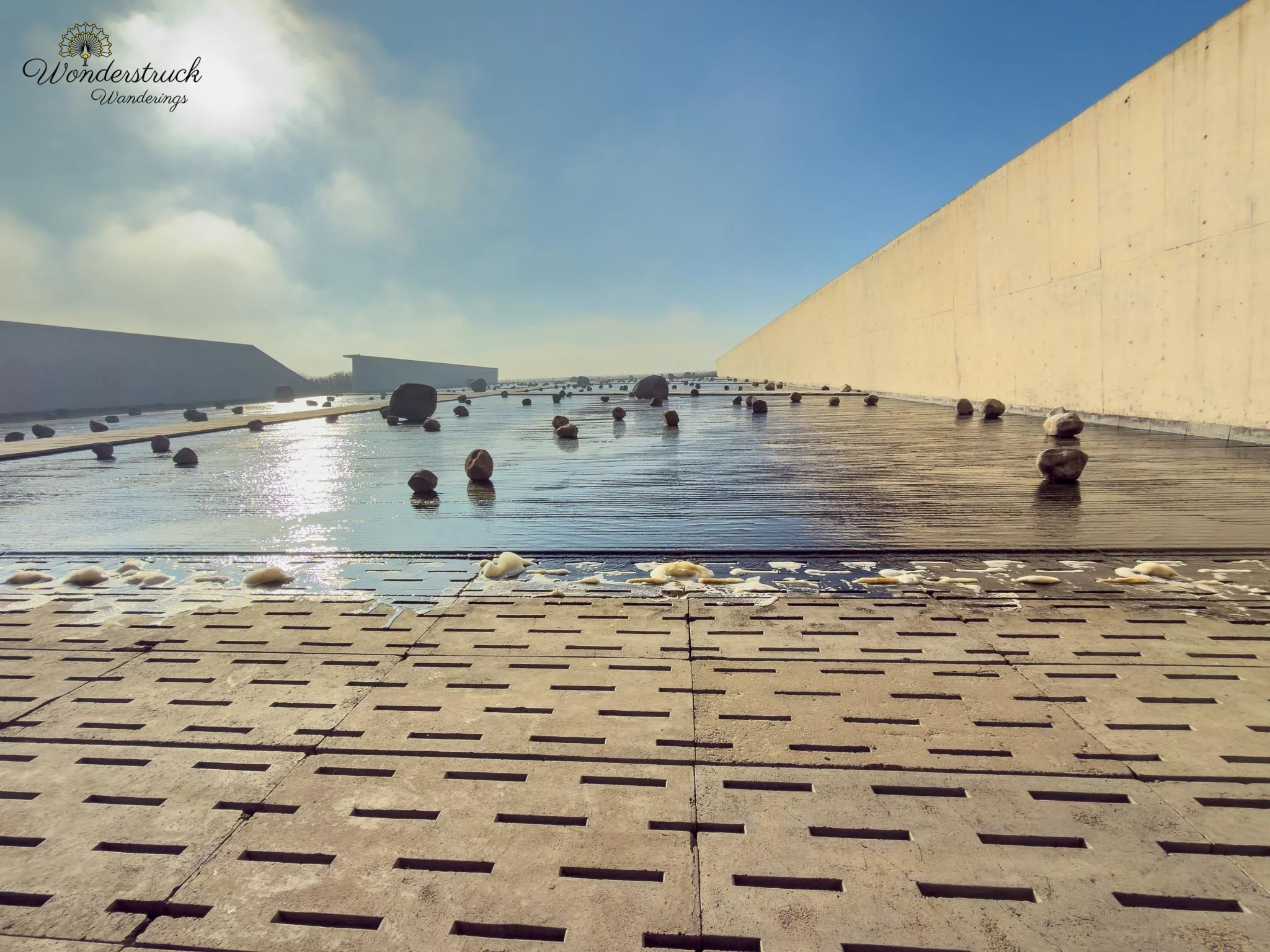
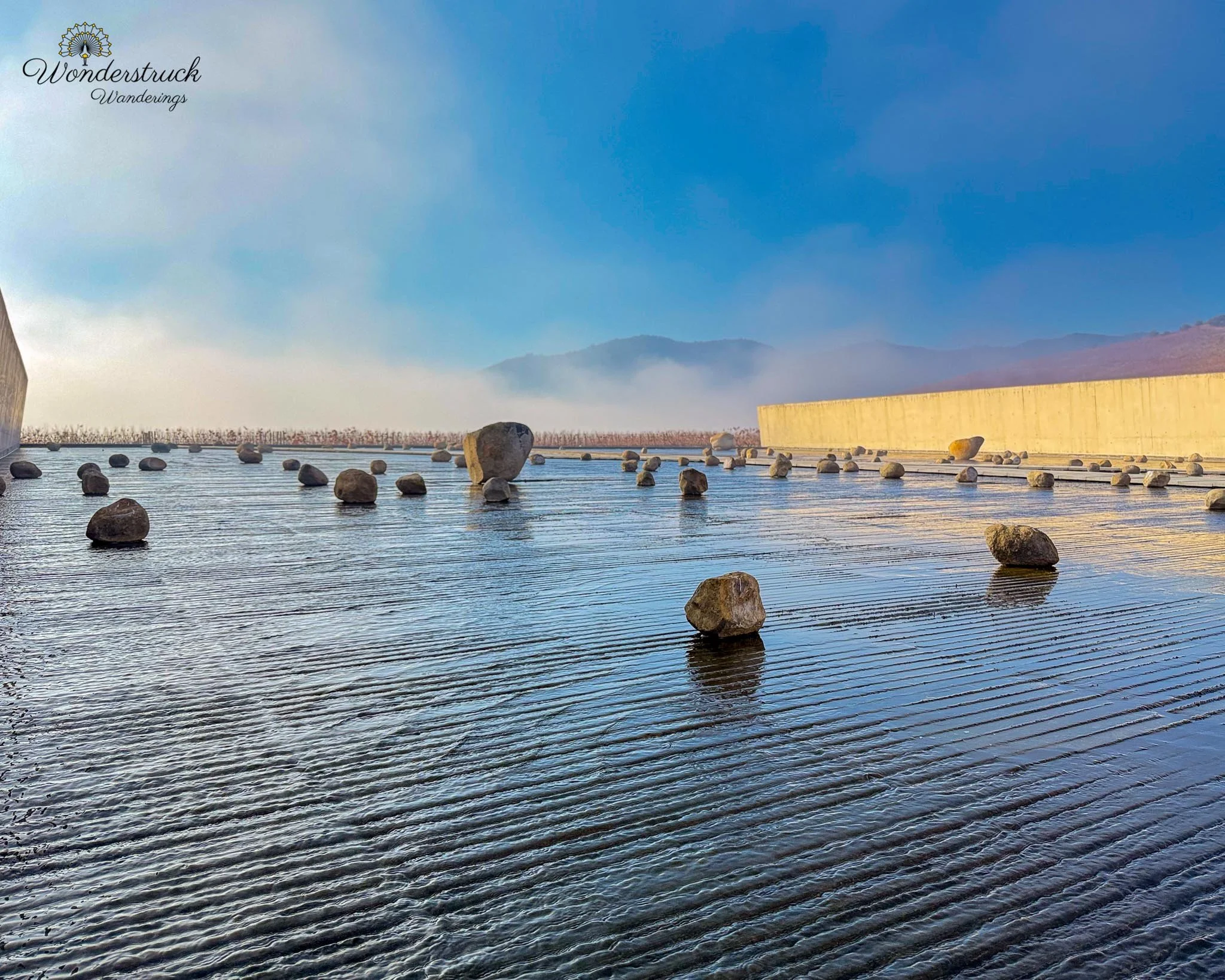
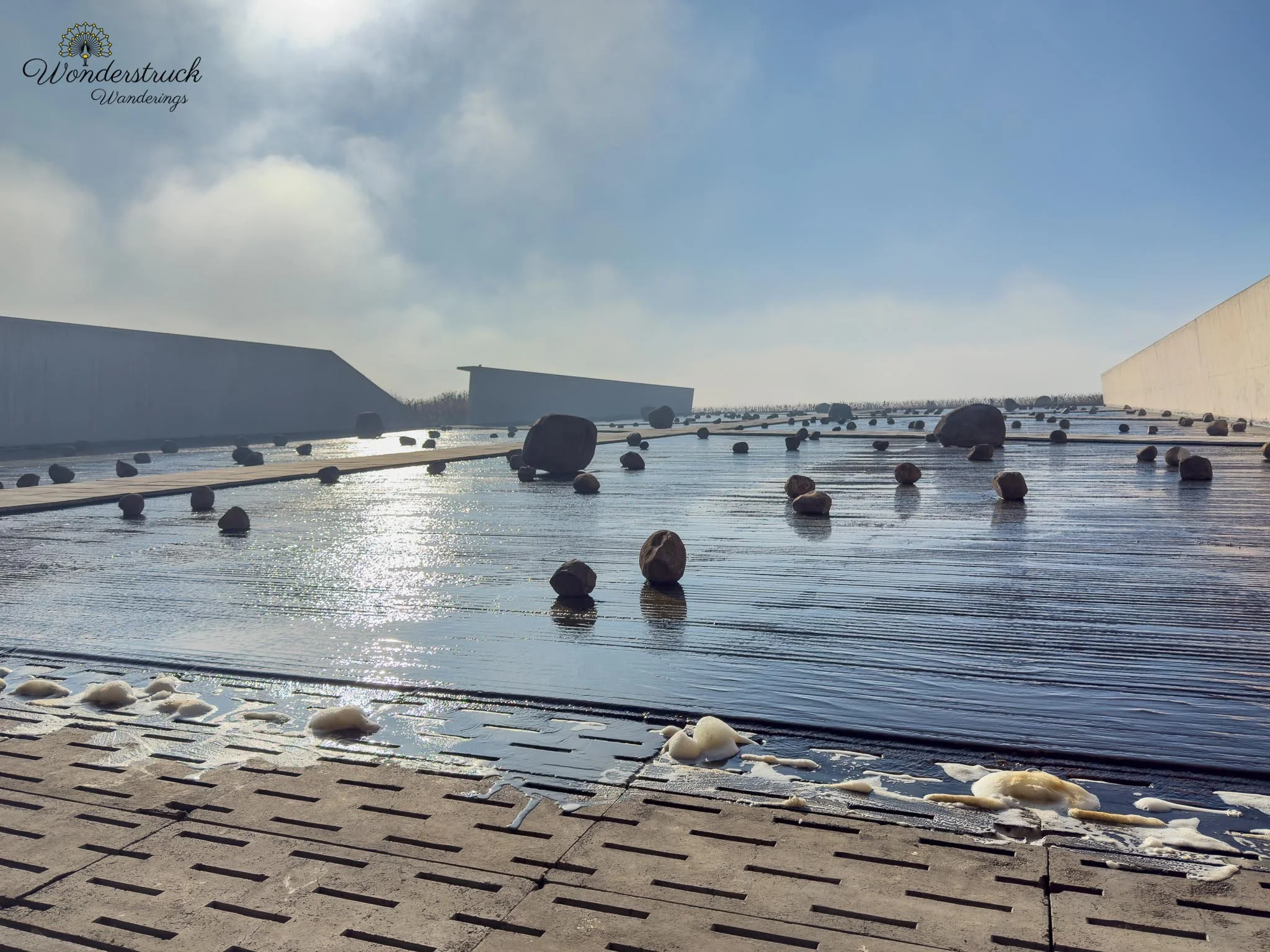
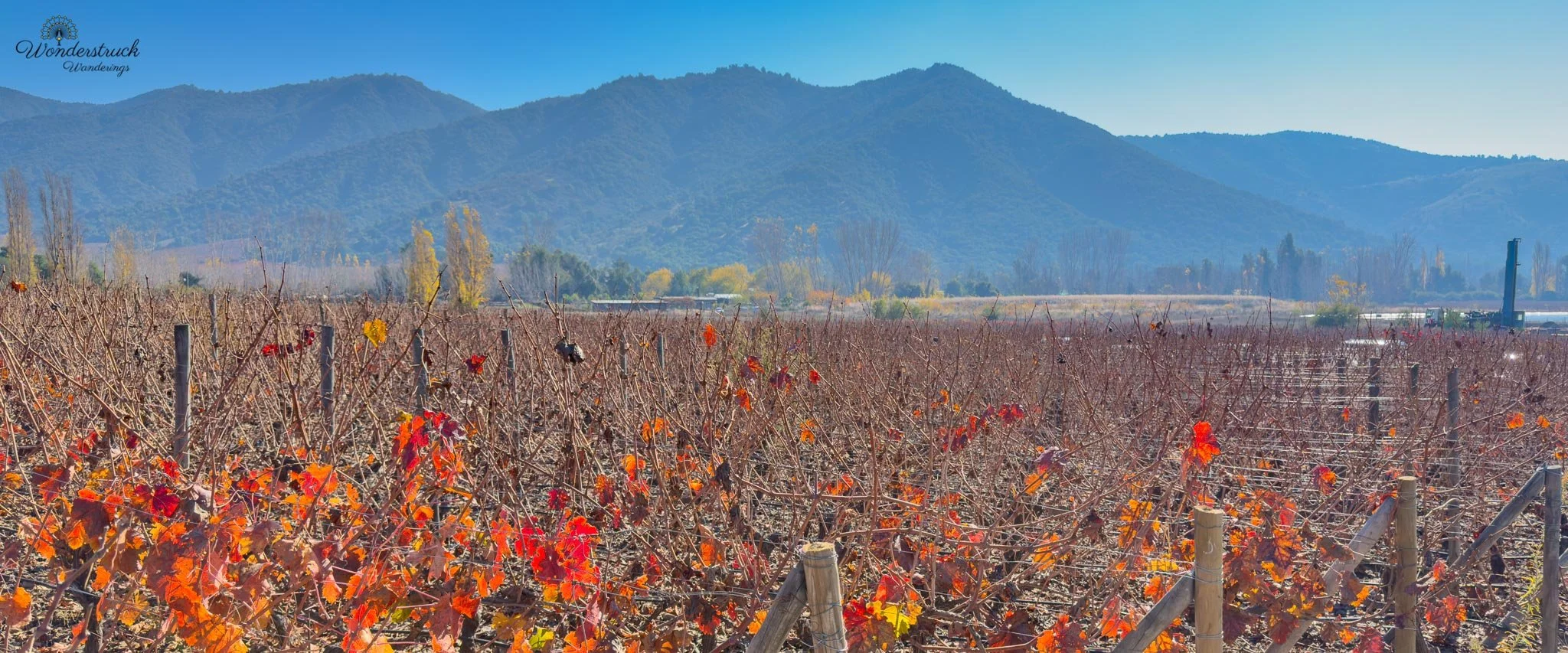
The drive toward VIK began in that beautiful in-between light where the sun was trying to push through the fog. The road moved through wine-country hills and agricultural land, and the whole morning had a quiet, silver tone before the sun finally started warming the landscape. To make the day work, we had booked the early wine tour at VIK for 10 a.m. It was not cheap, and we had imagined it might be a smaller group experience. As it turned out, there were two groups, one English and one Spanish, with around sixteen people total. It was not overcrowded, but it was larger than what we had pictured. Before and around the start of the tour, we did a little birding in the vineyard landscape and picked up Fire-eyed Diucon, our only recorded bird of the day and a lifer. It was the kind of bird that makes you wish you had more time to wander the grounds slowly, but the wine schedule was waiting.
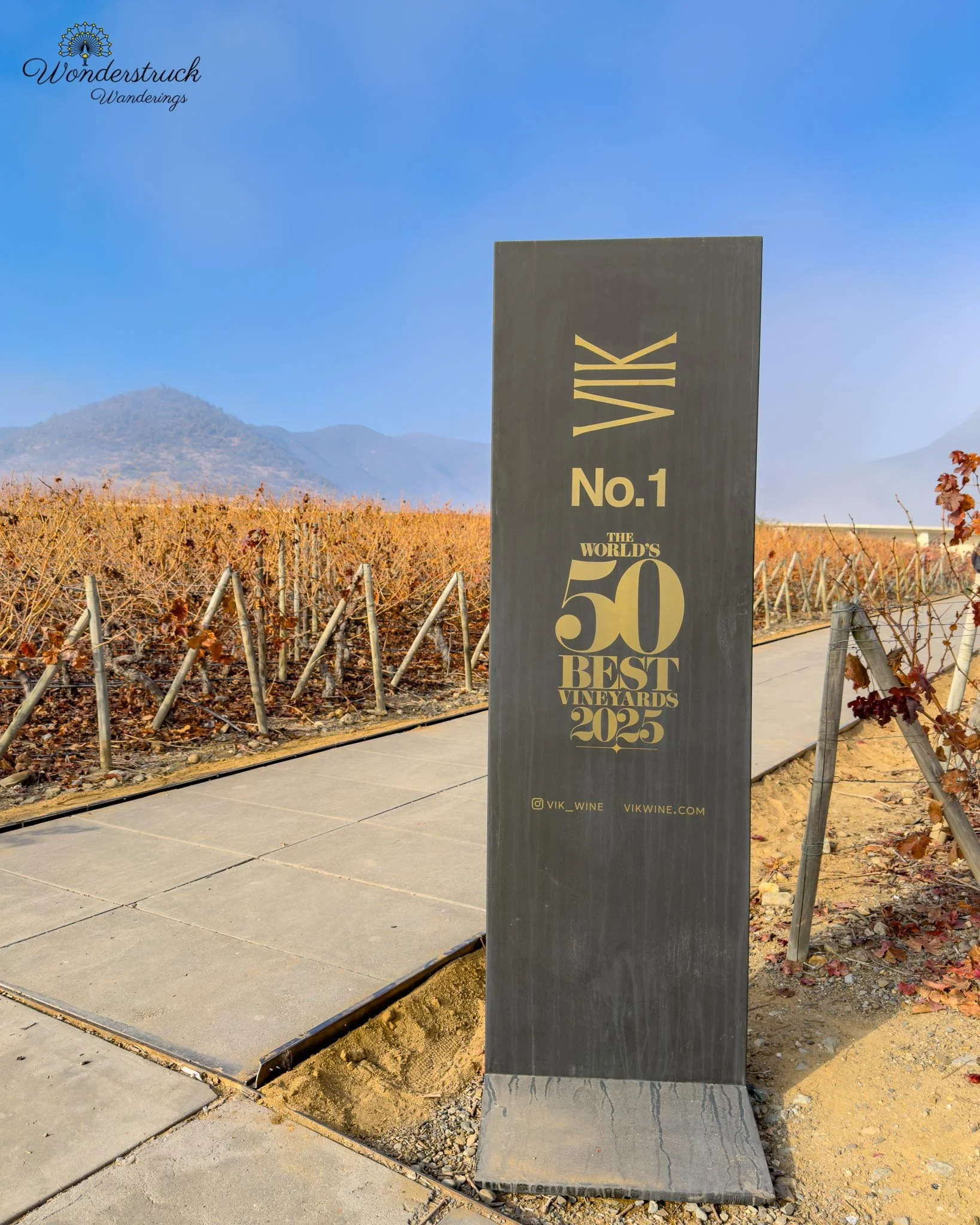
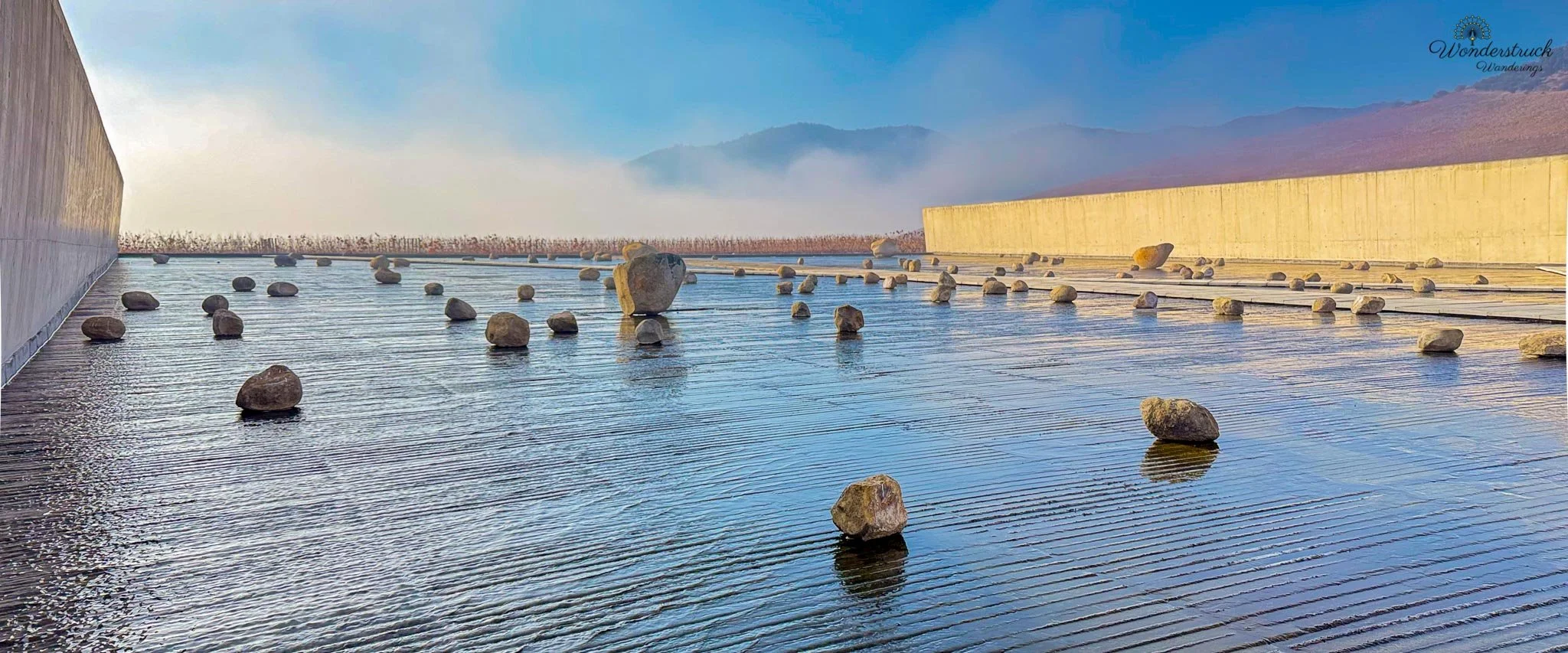
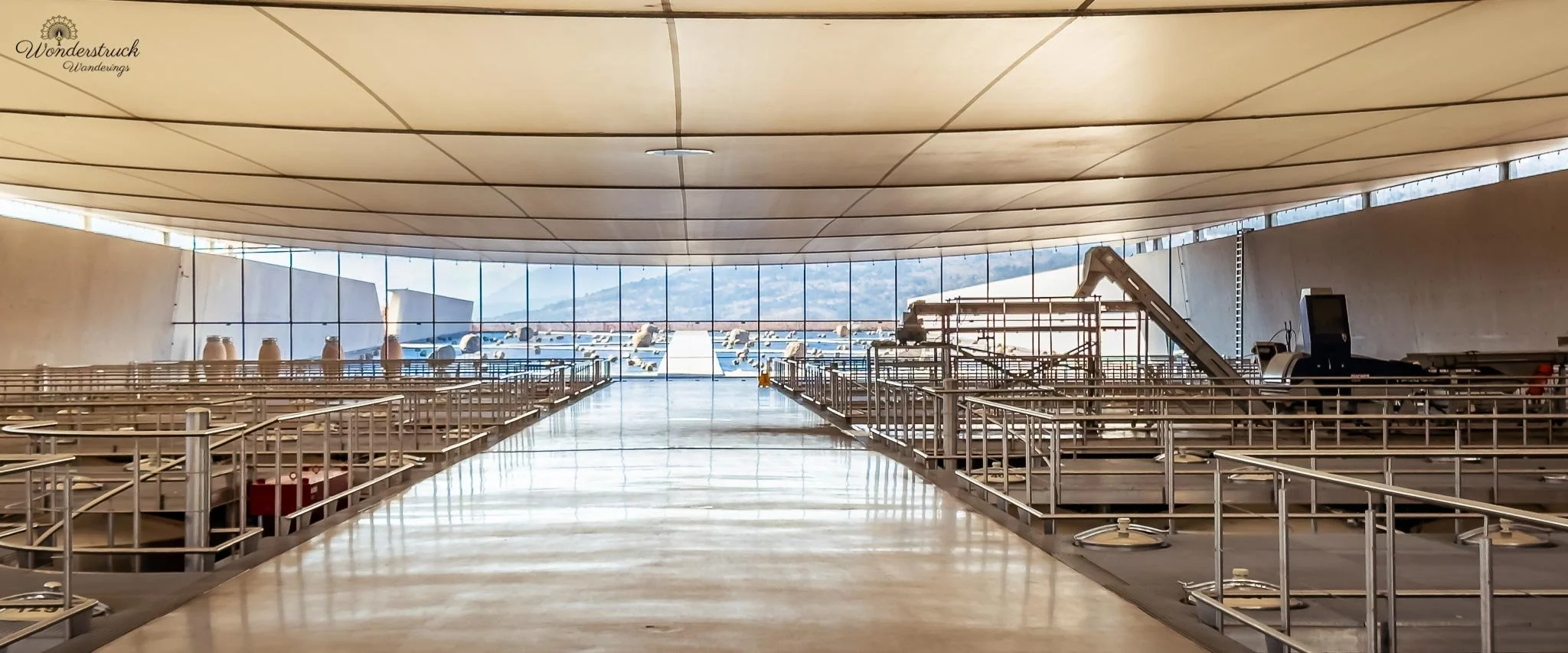
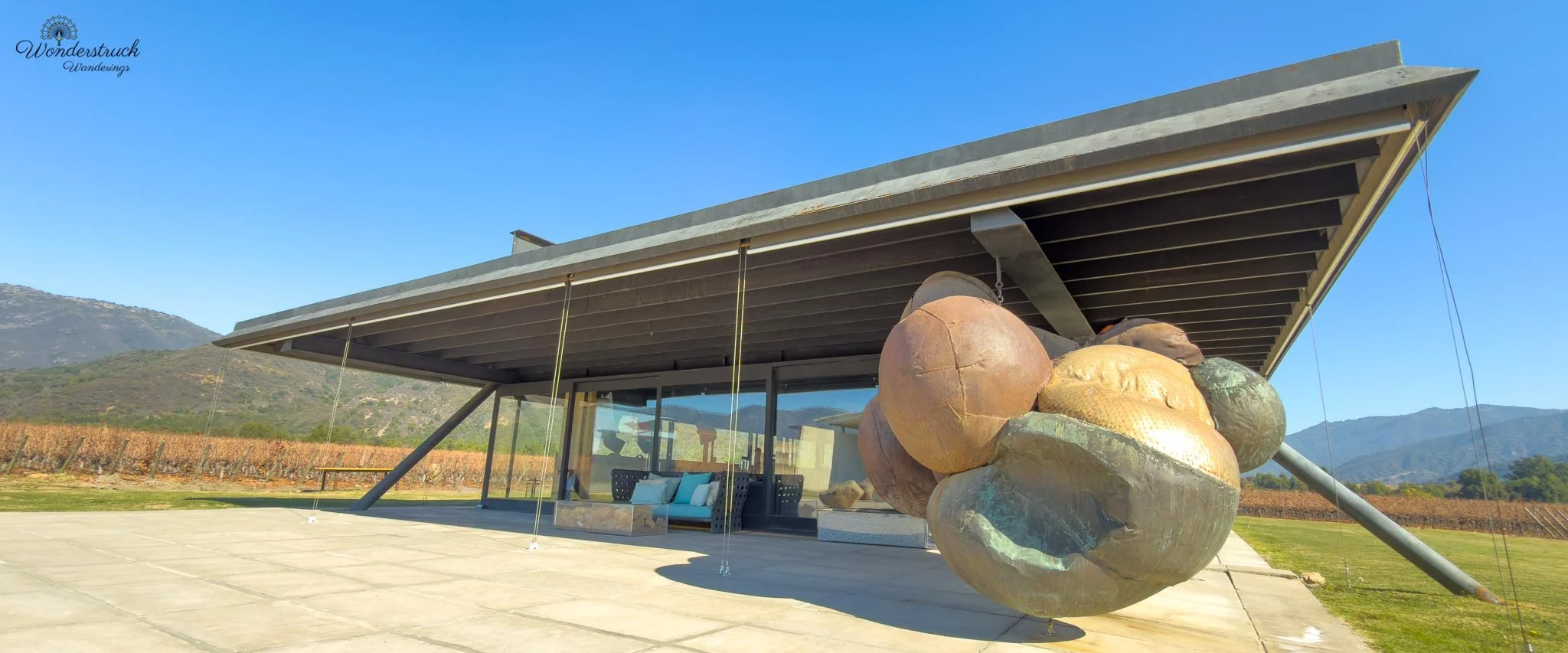
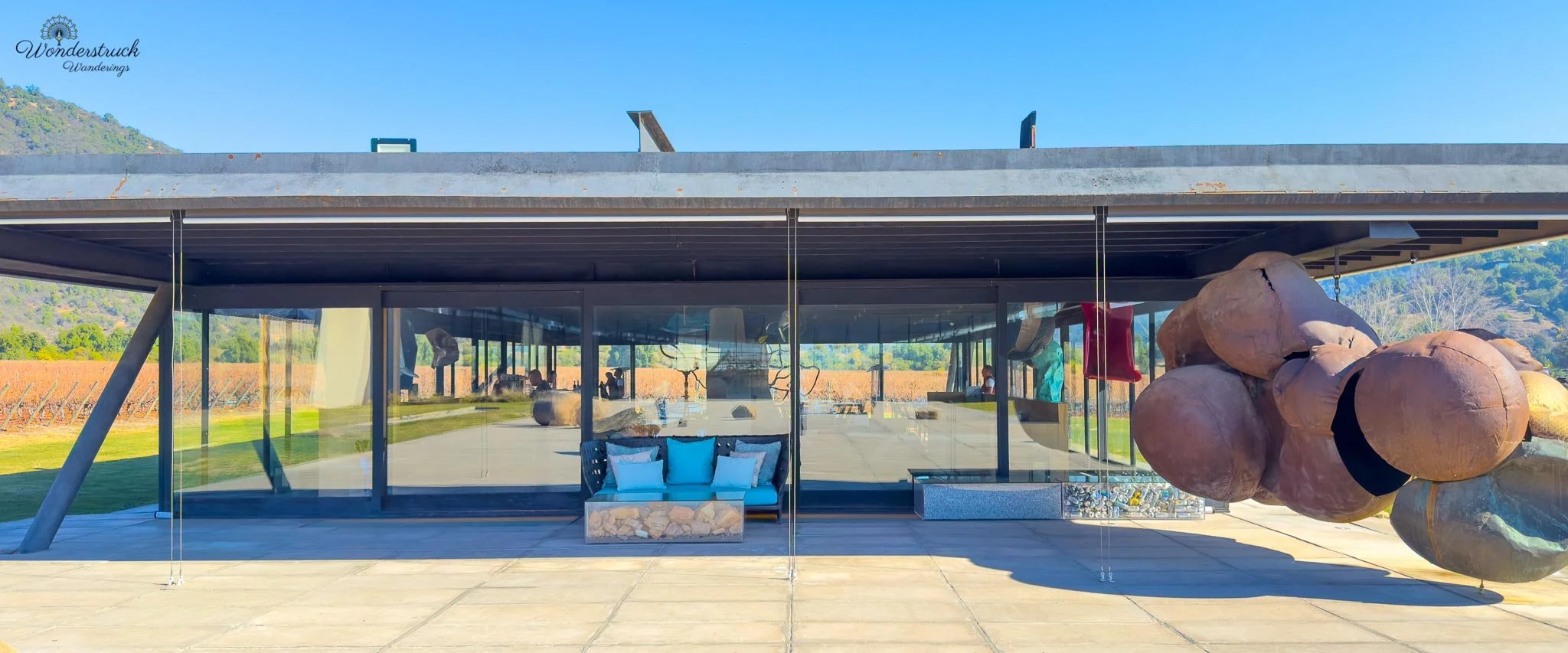
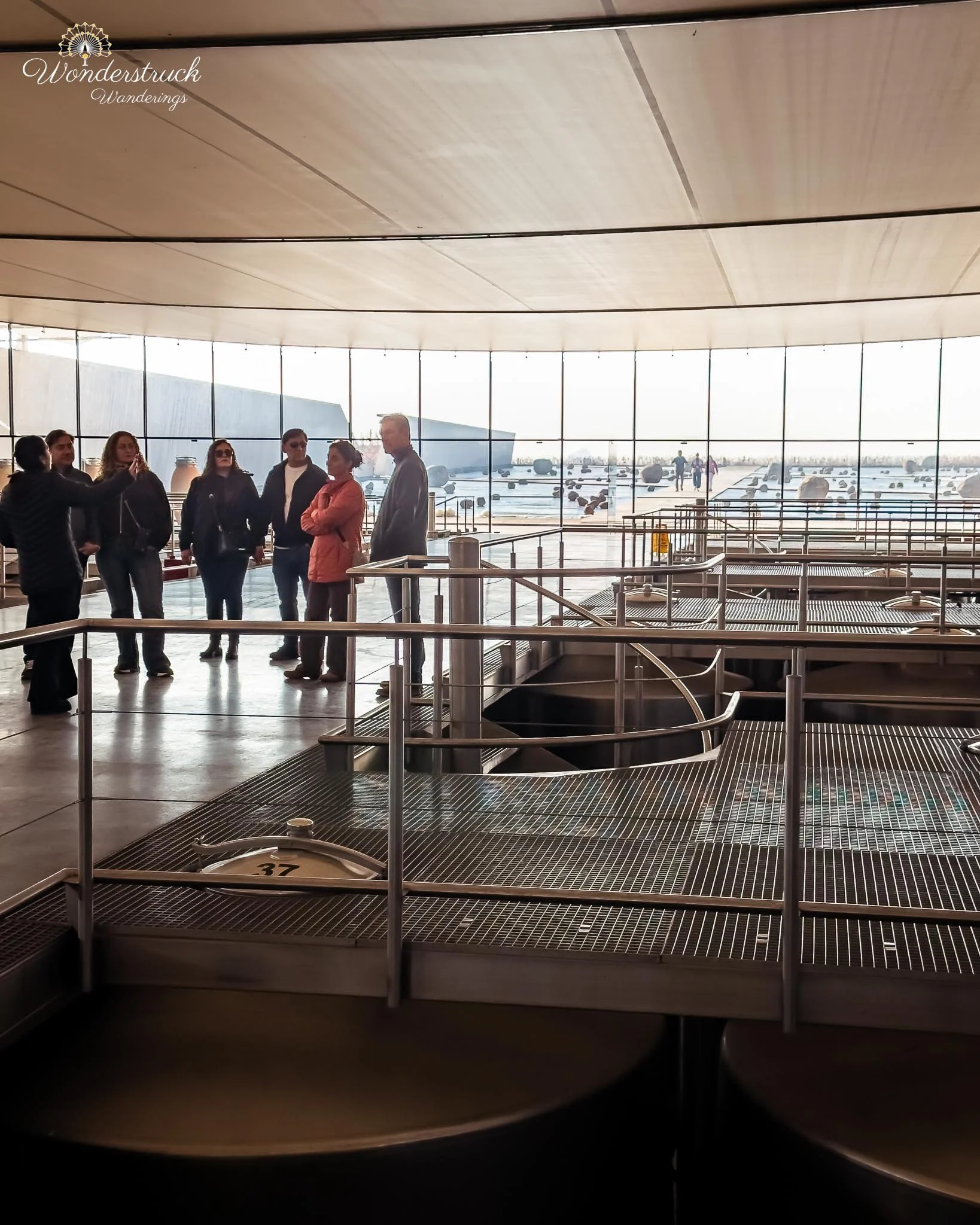
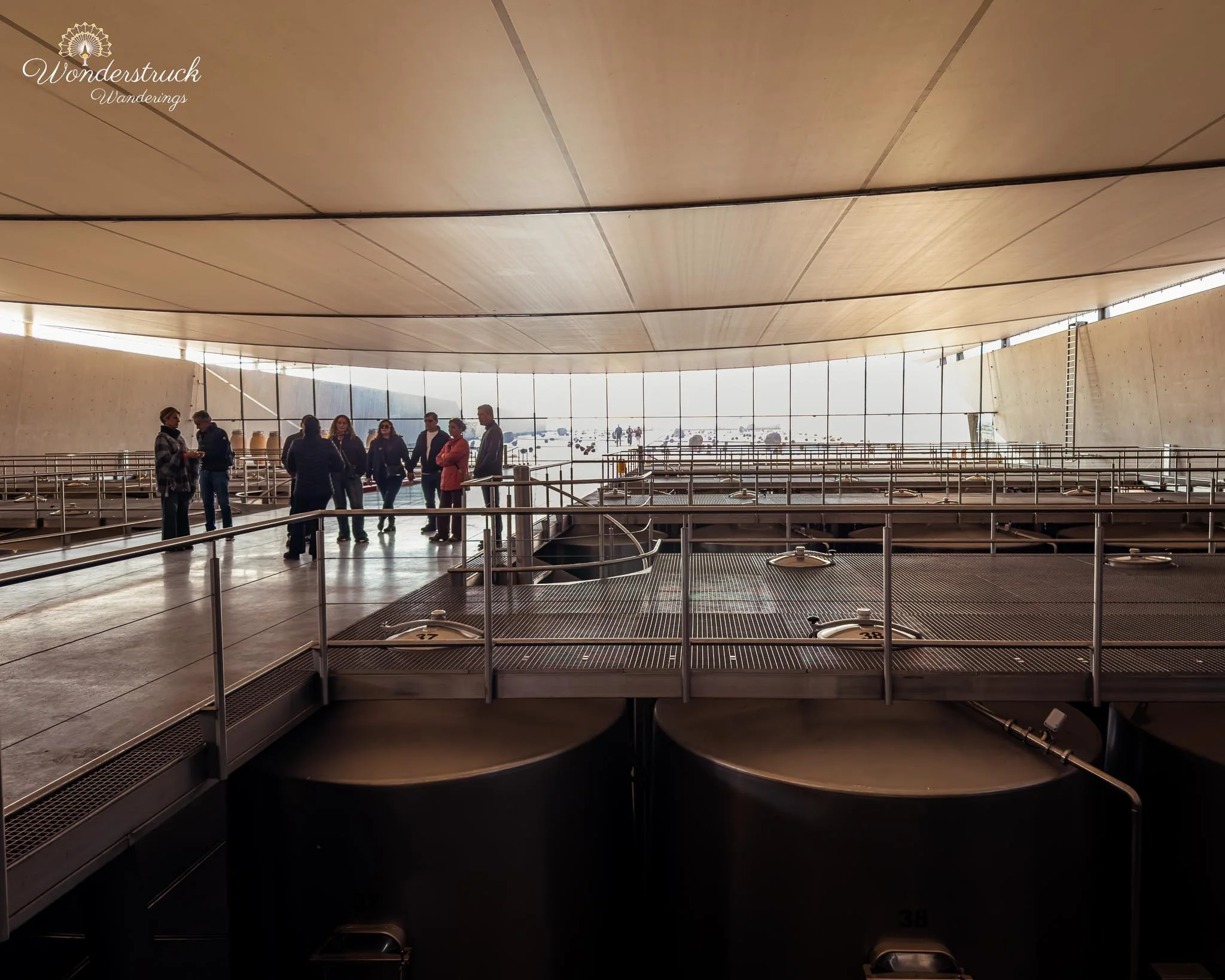
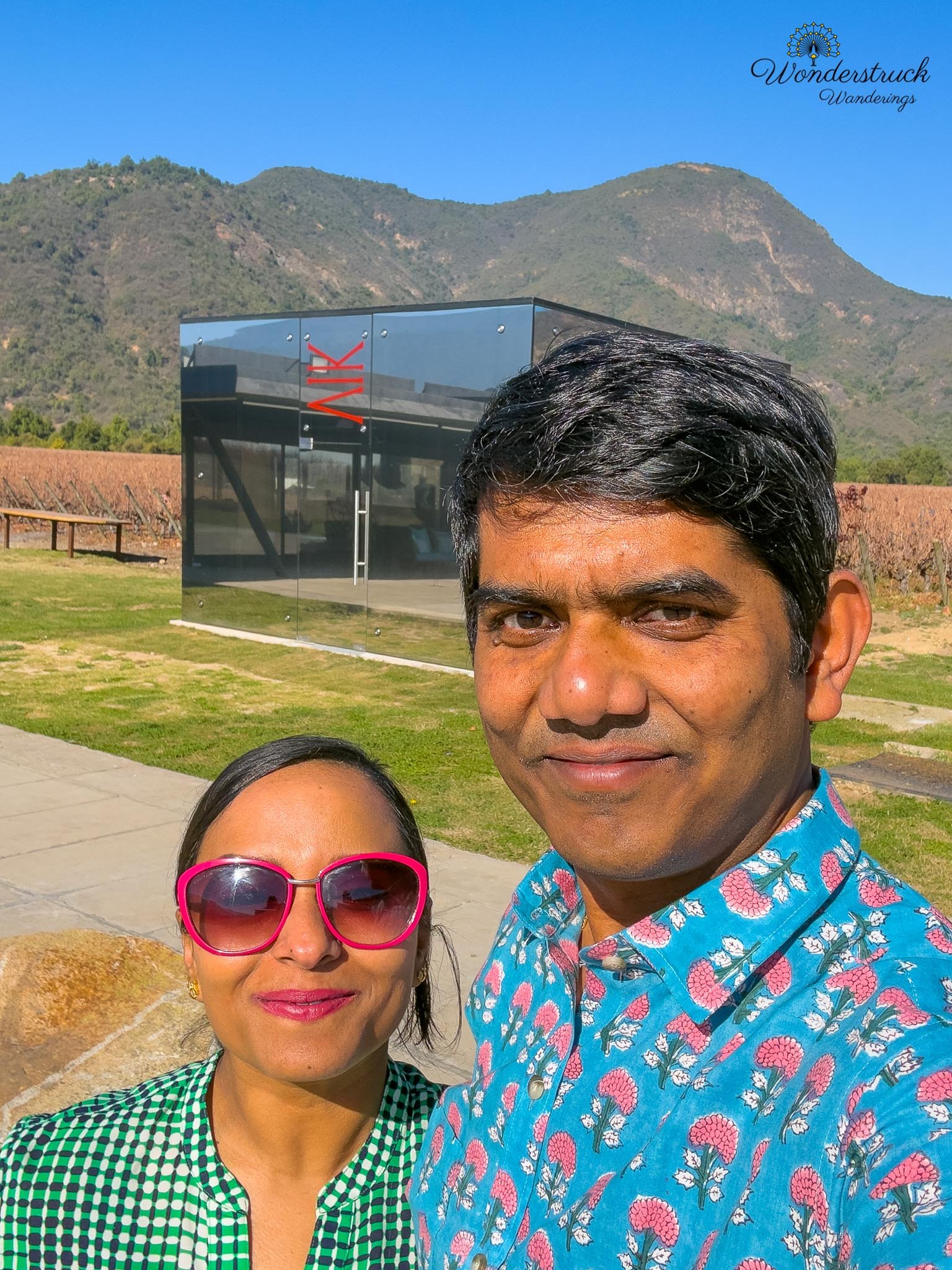
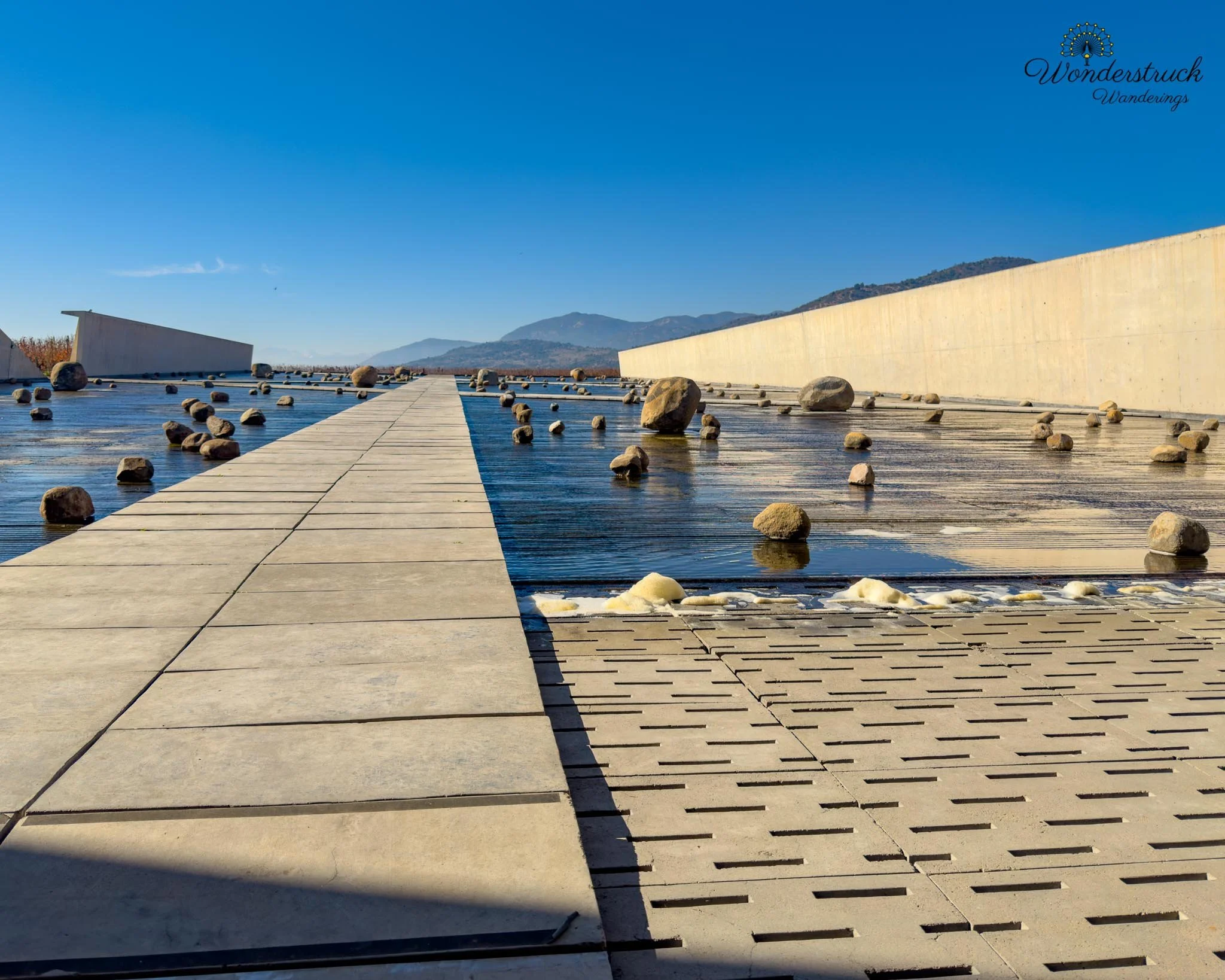
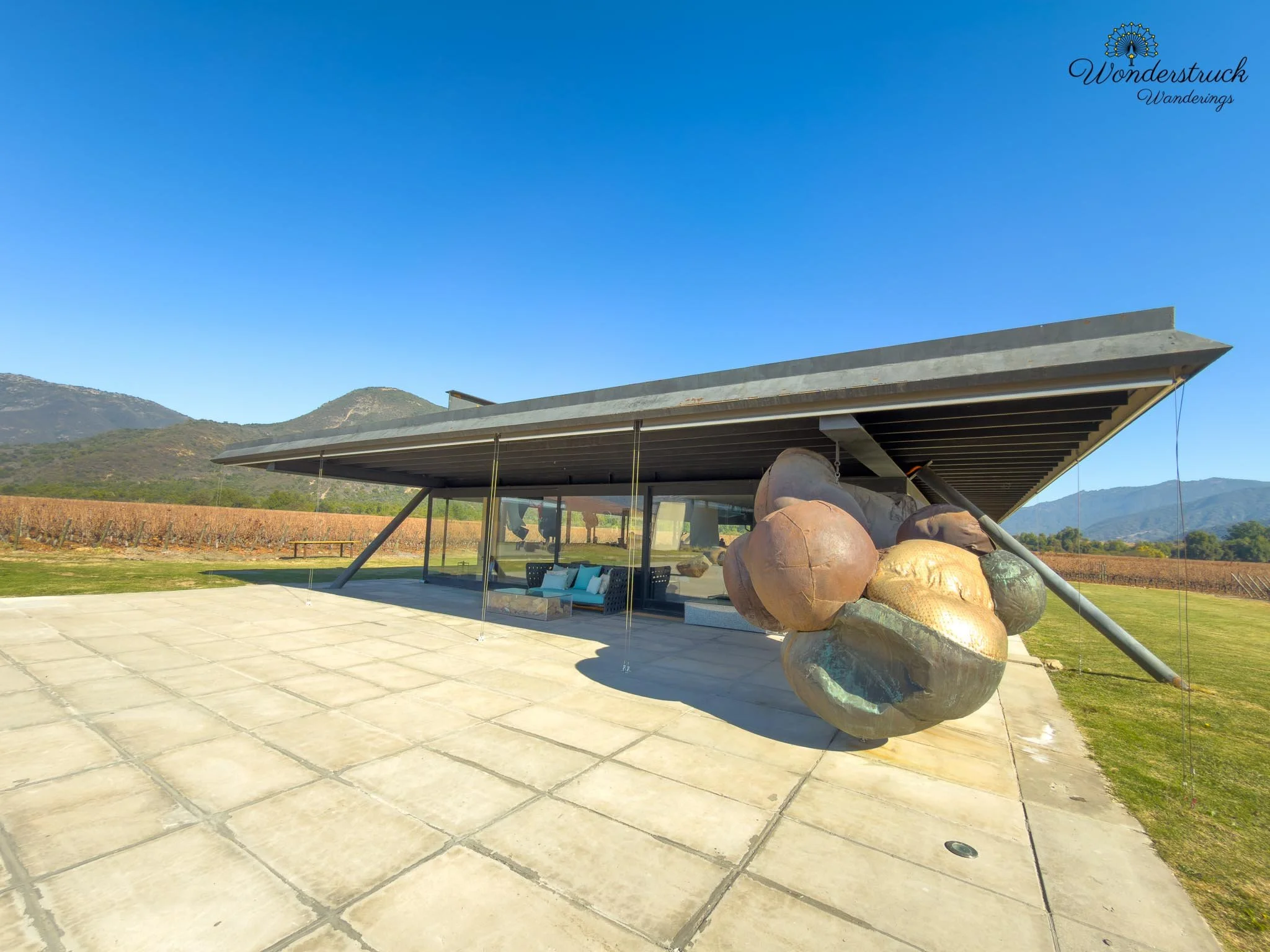
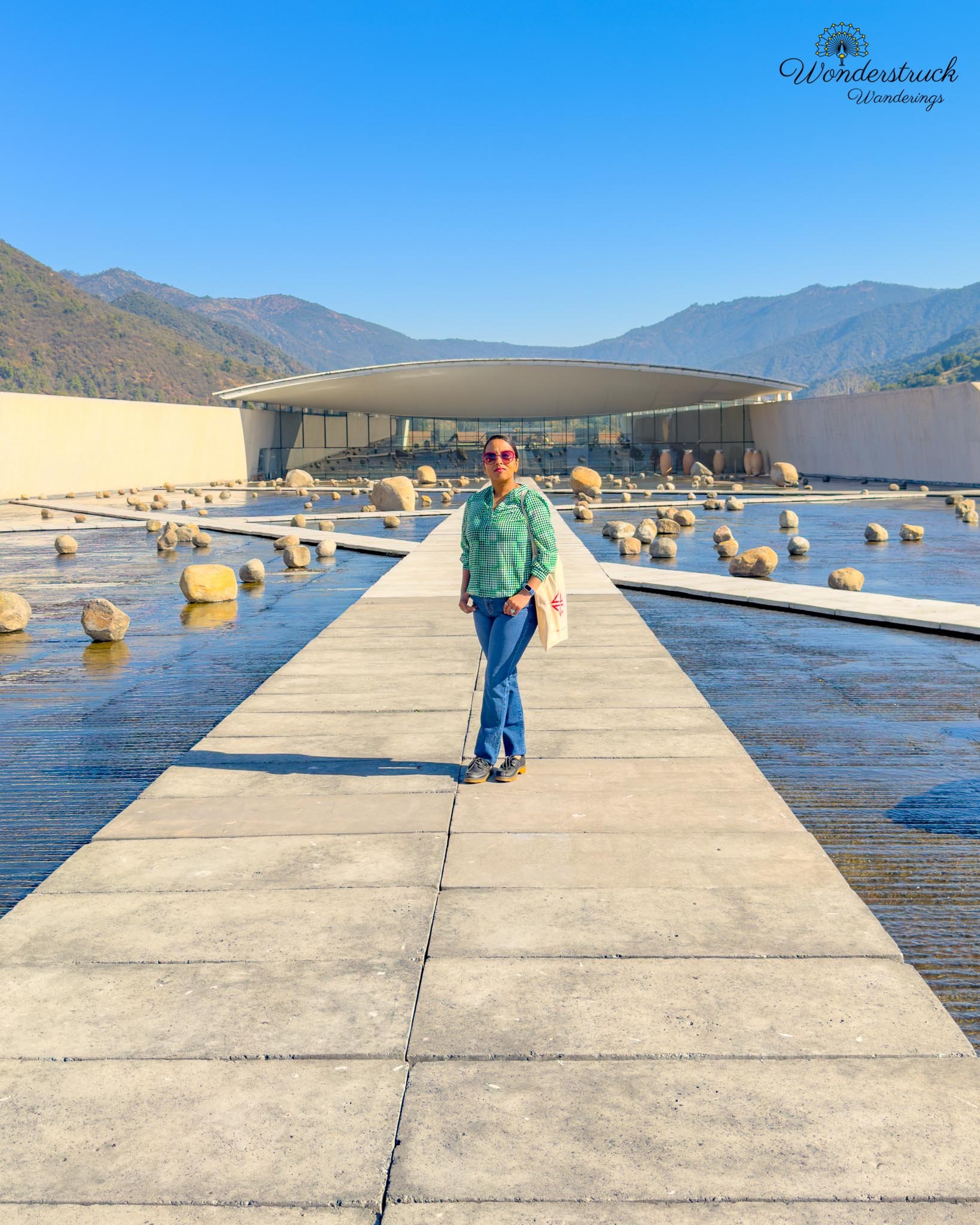
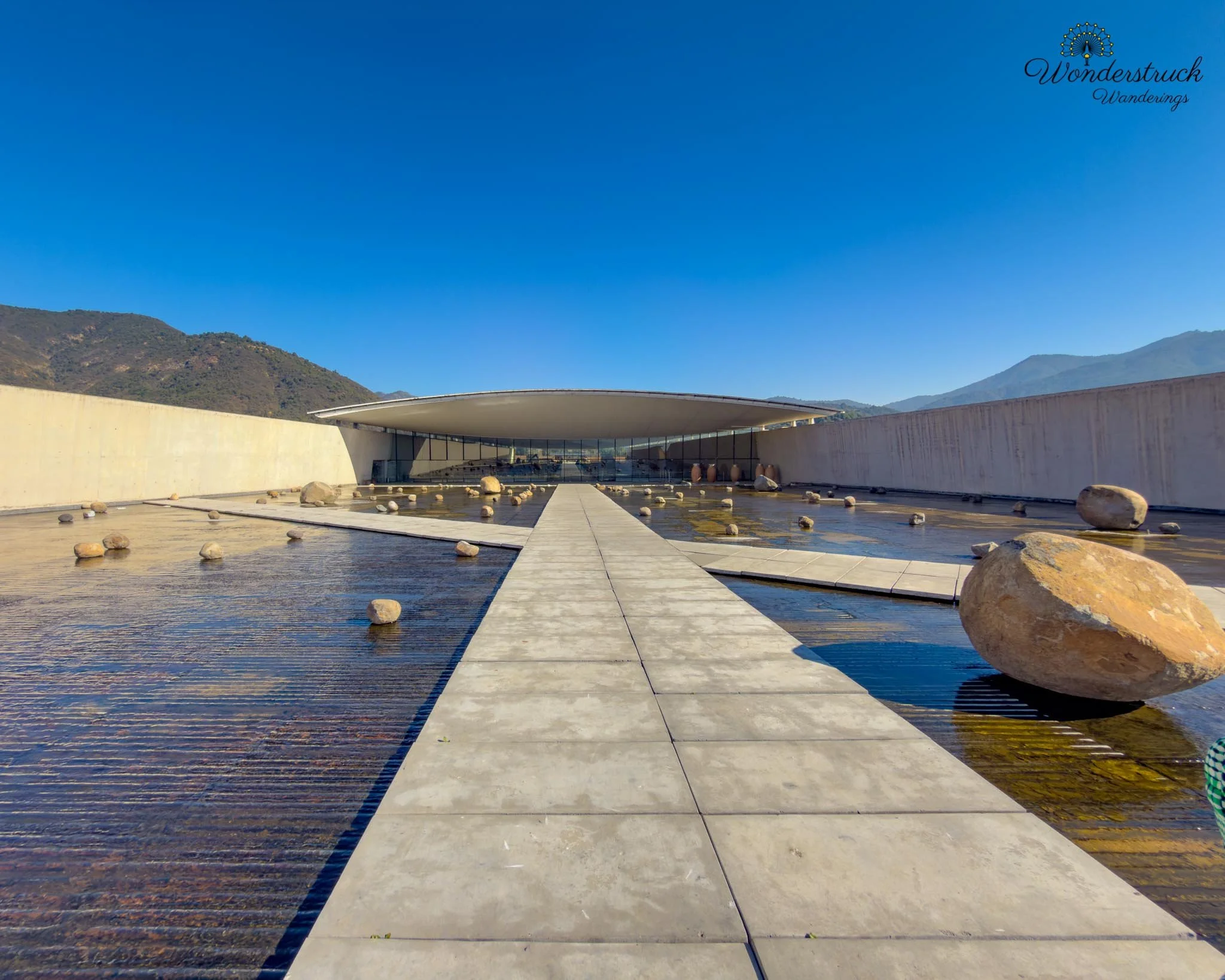
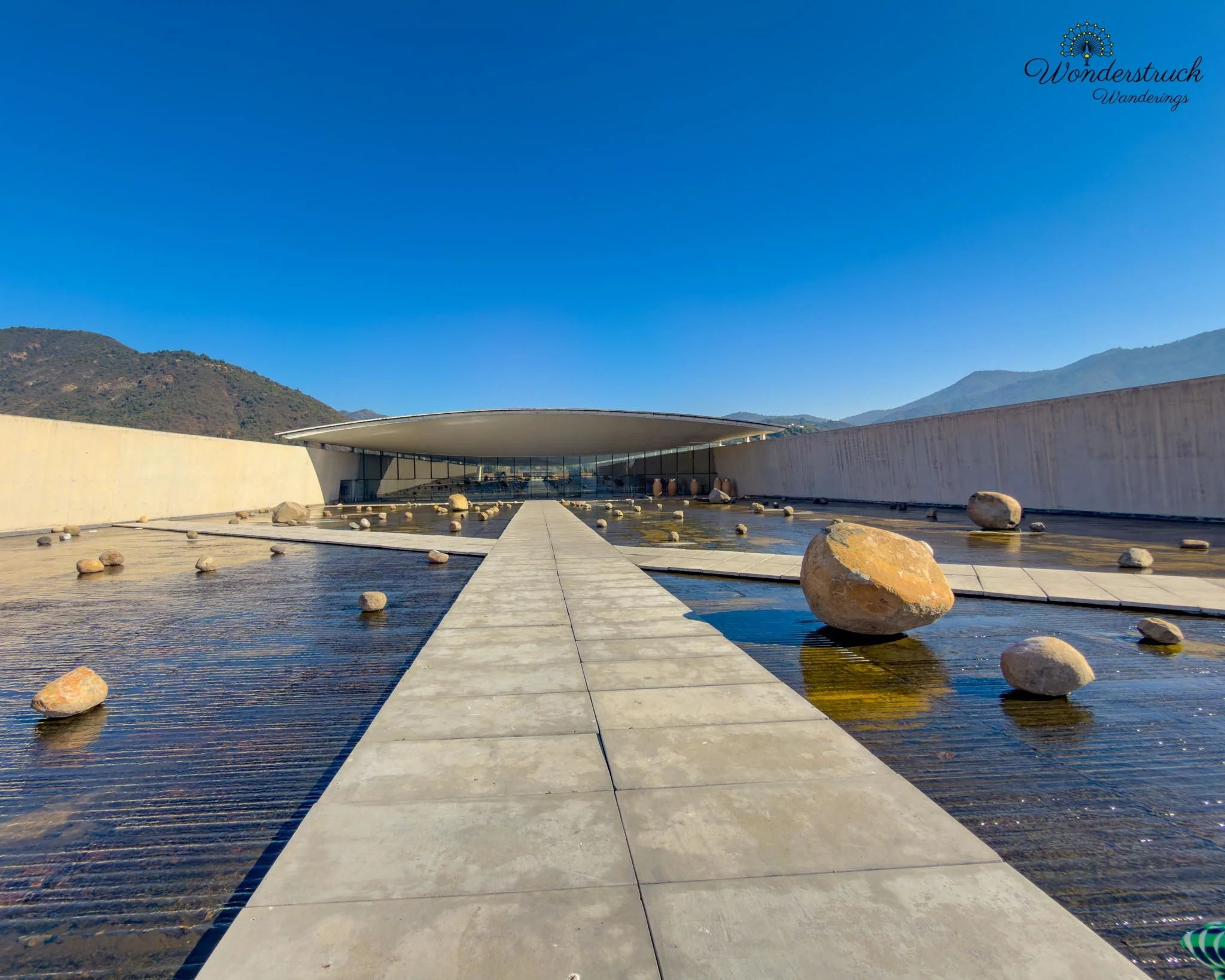
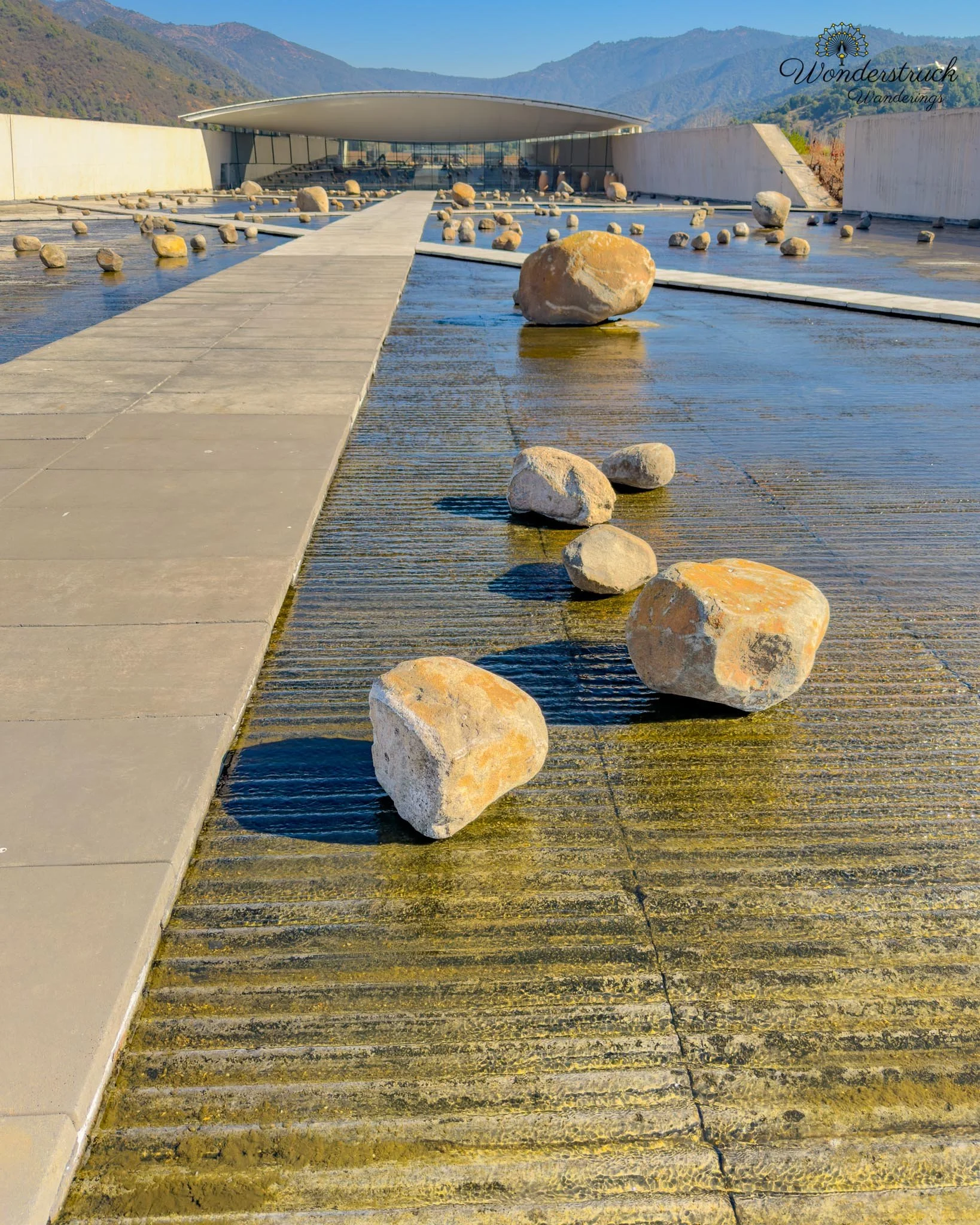
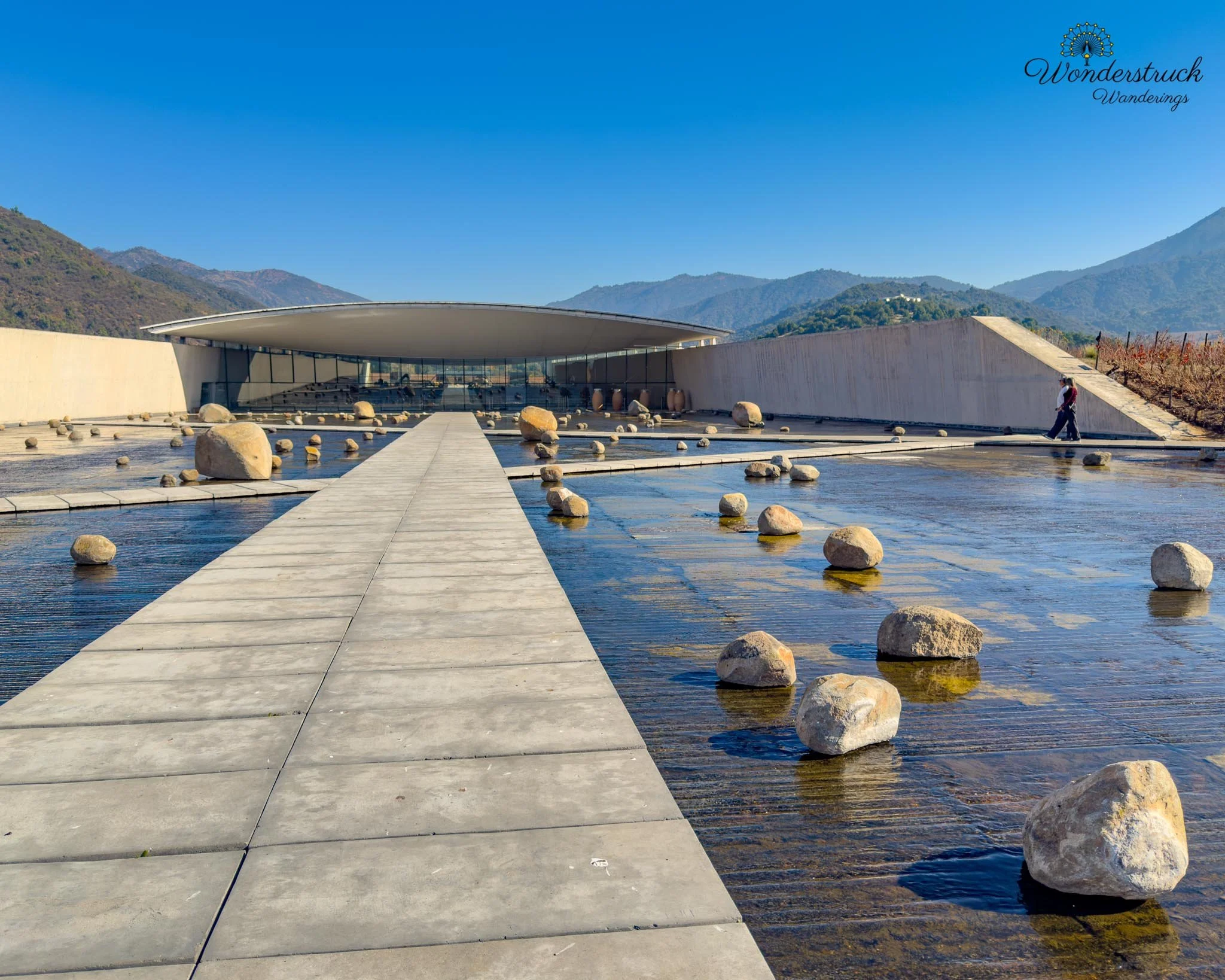
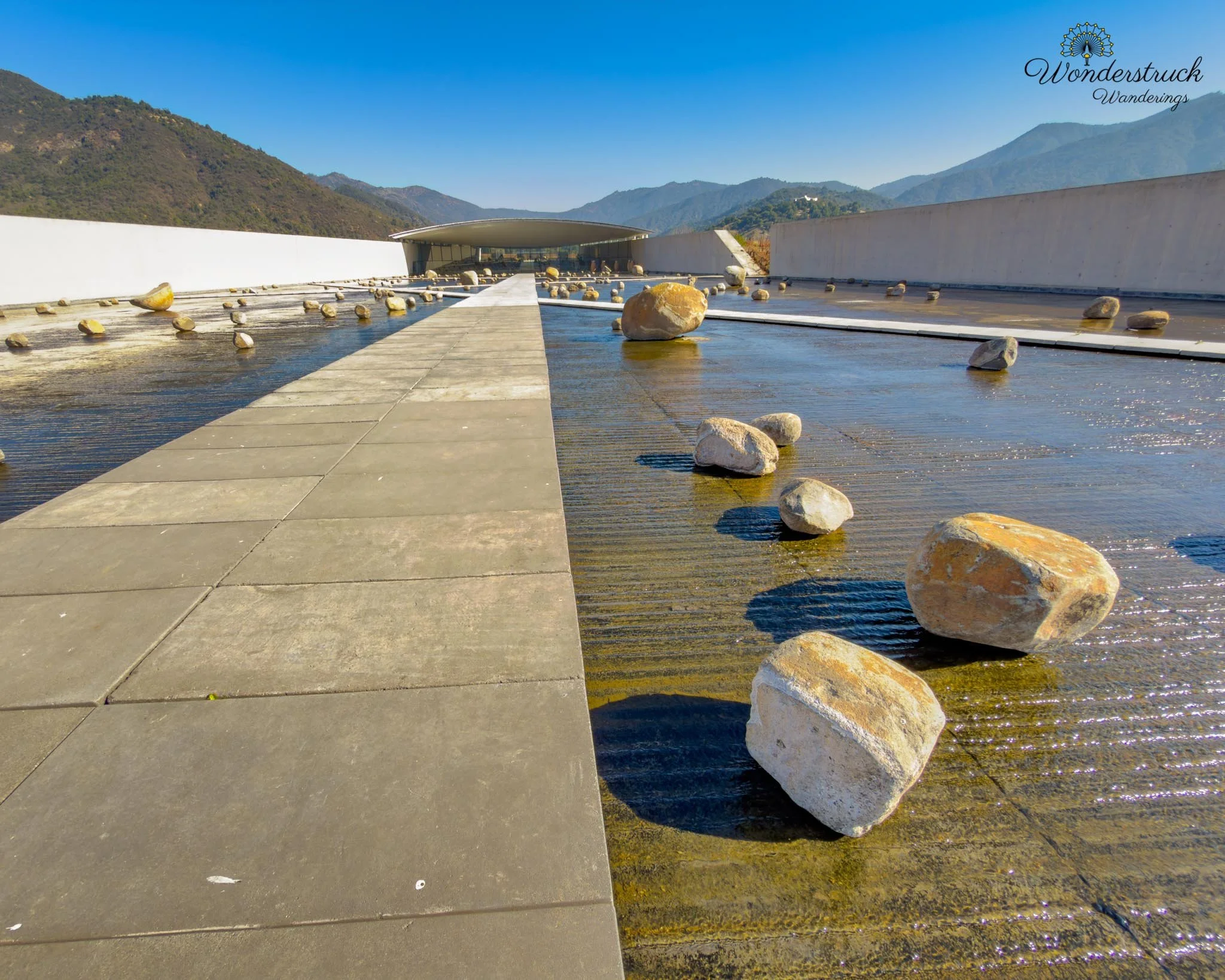
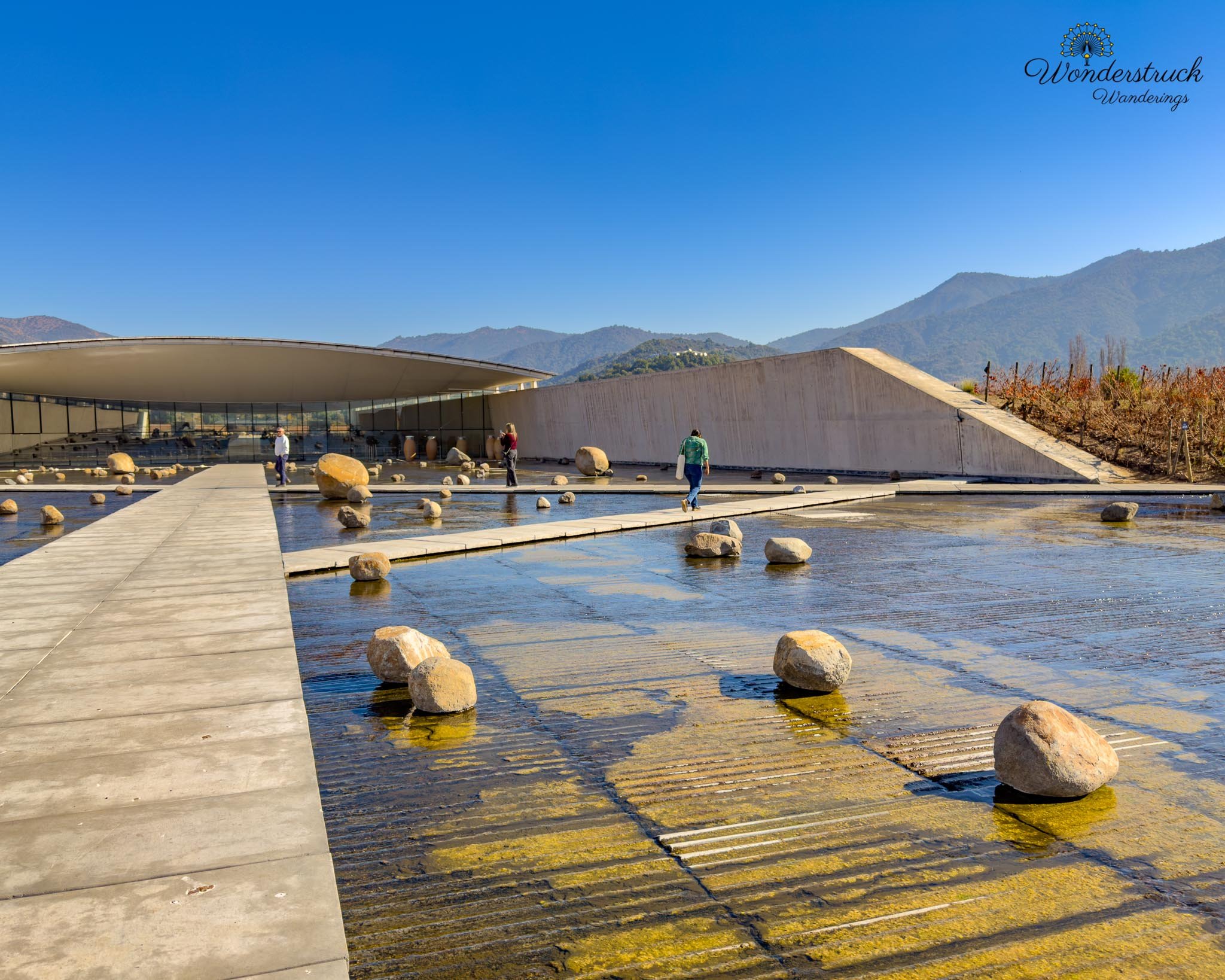
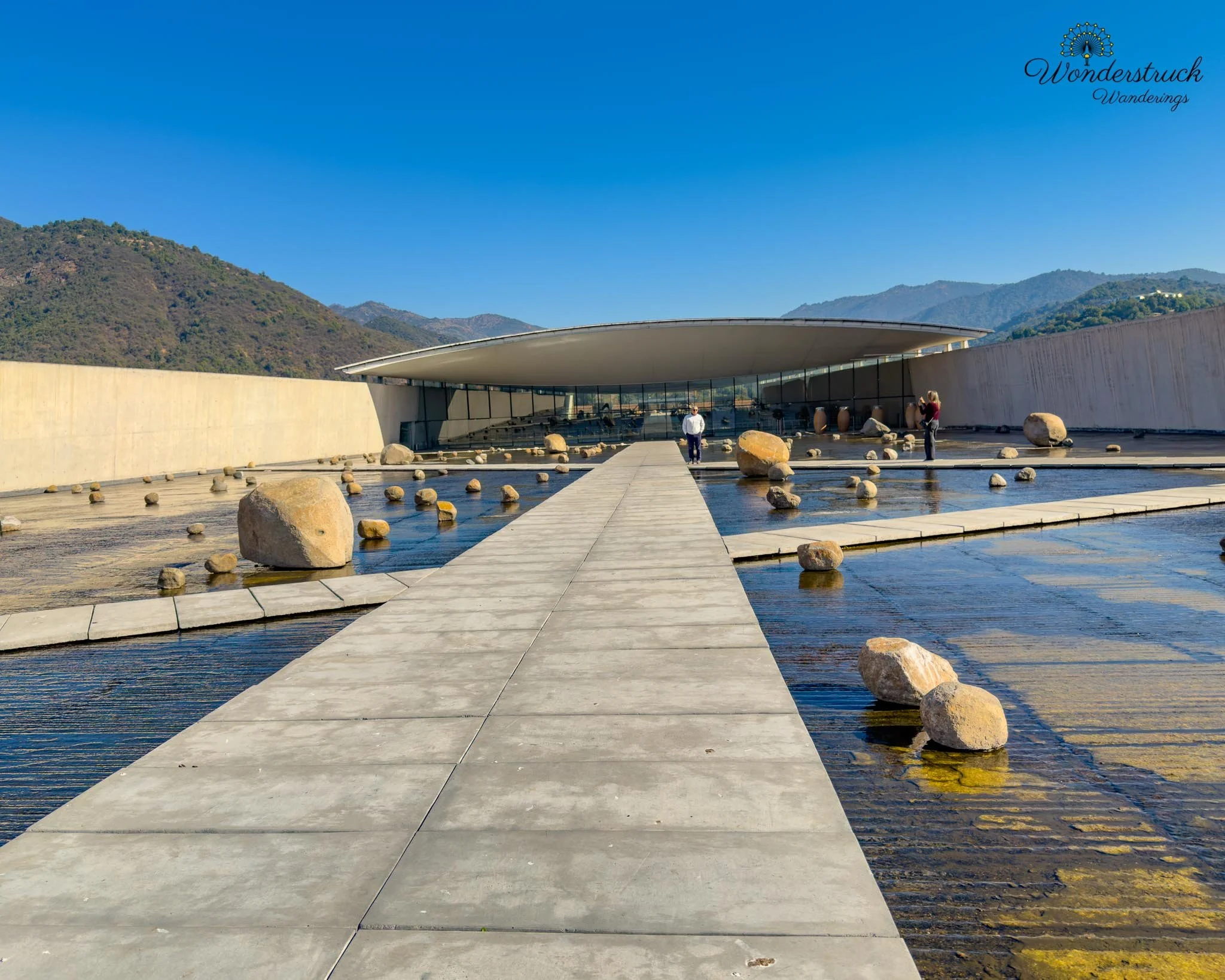
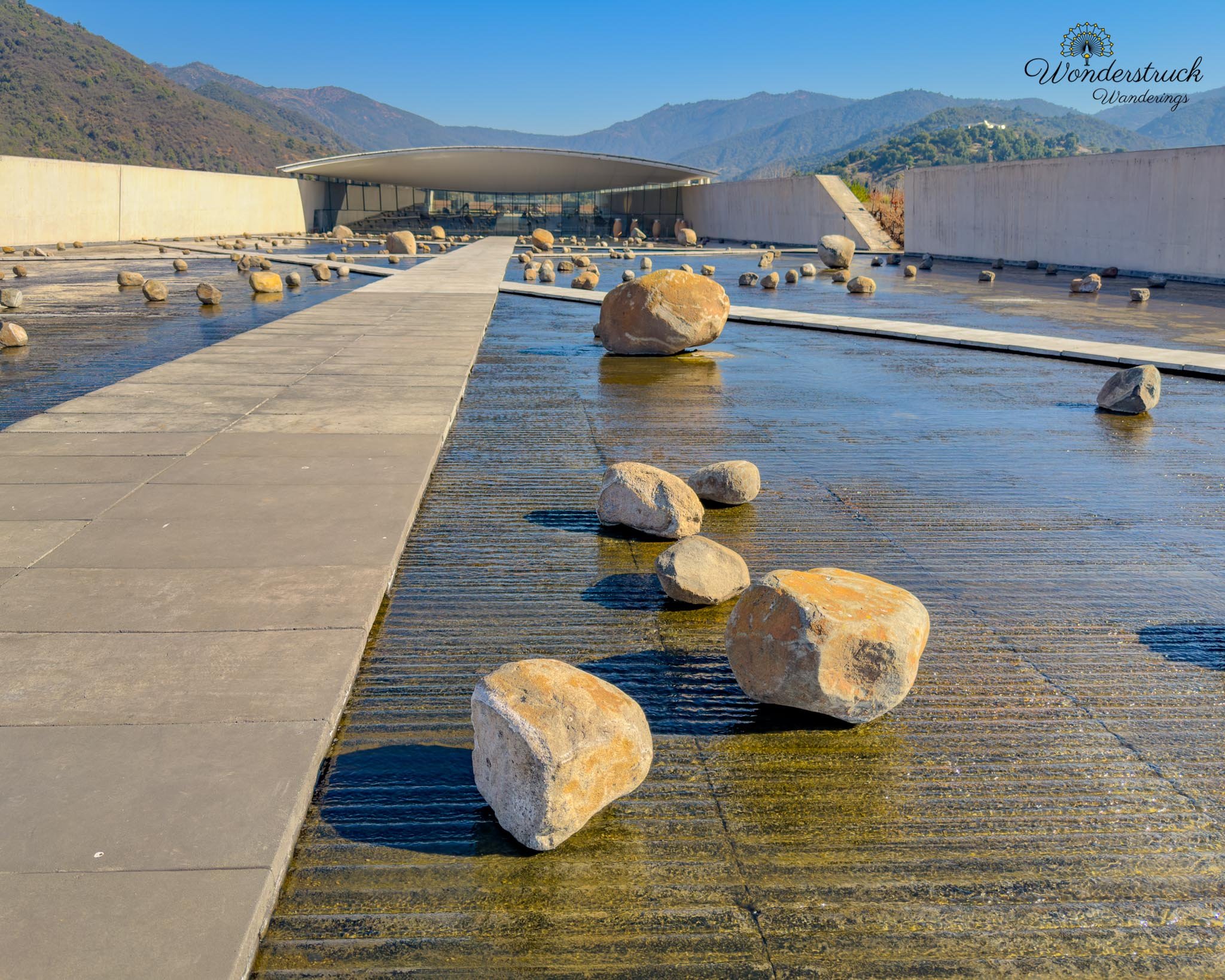
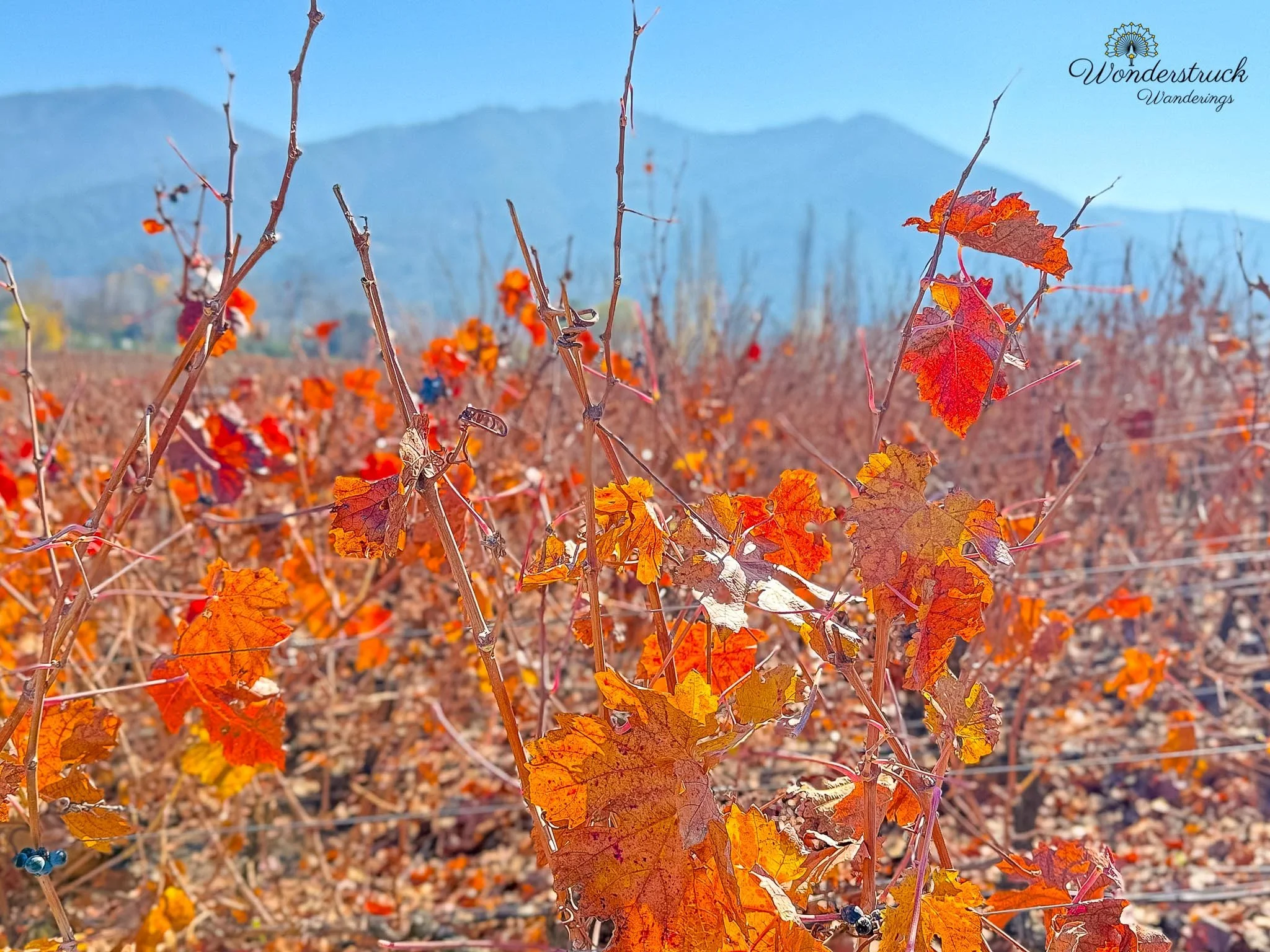
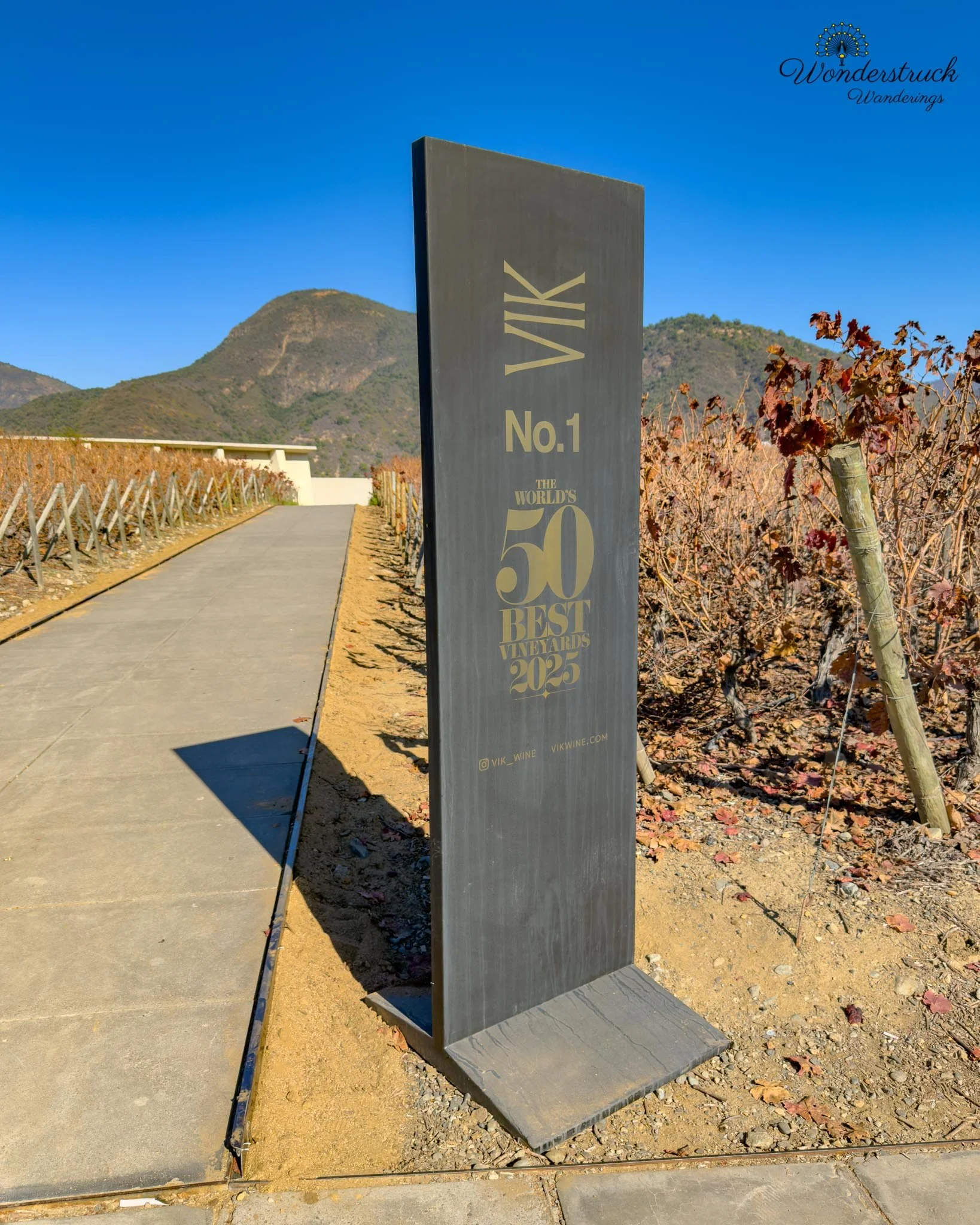
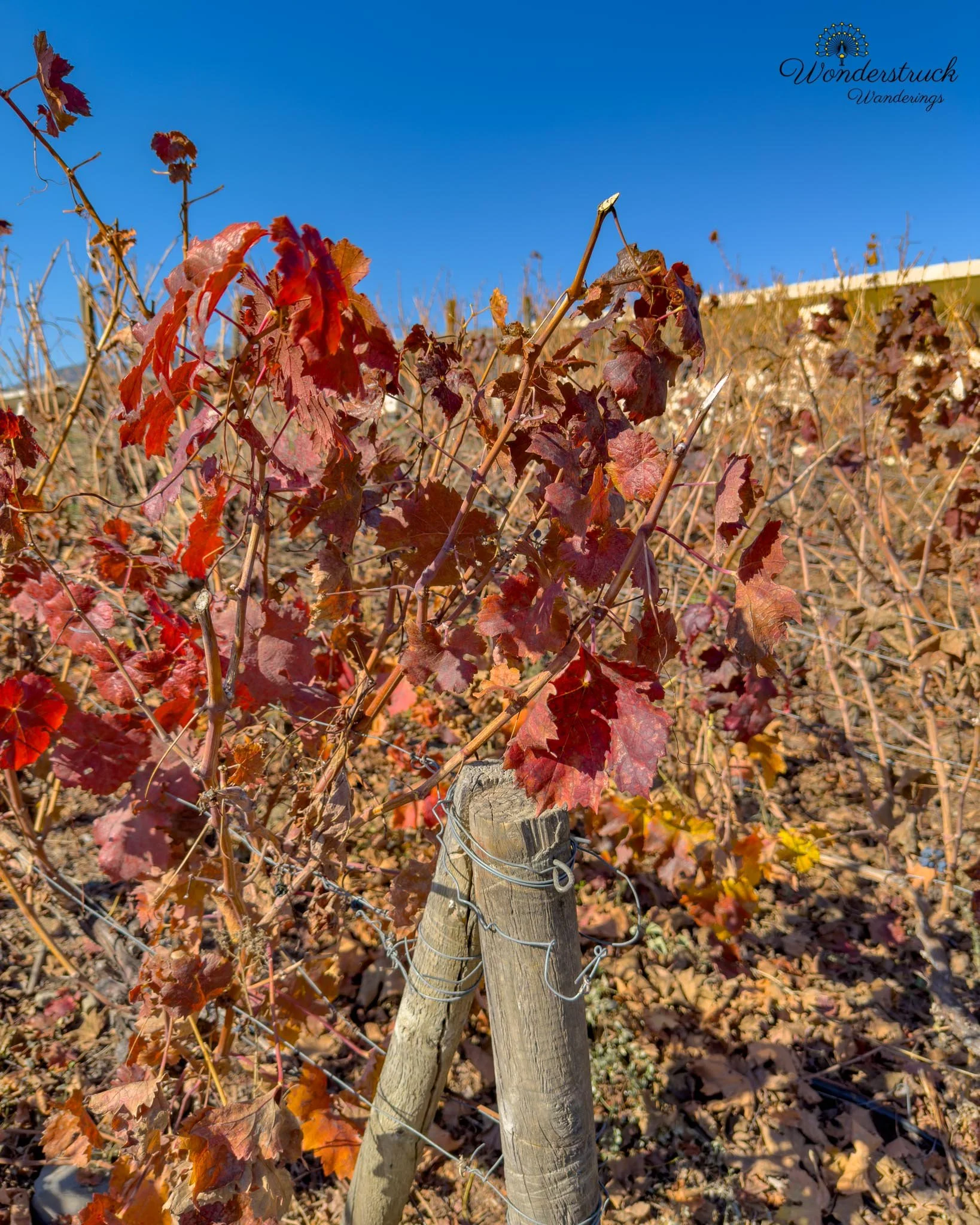
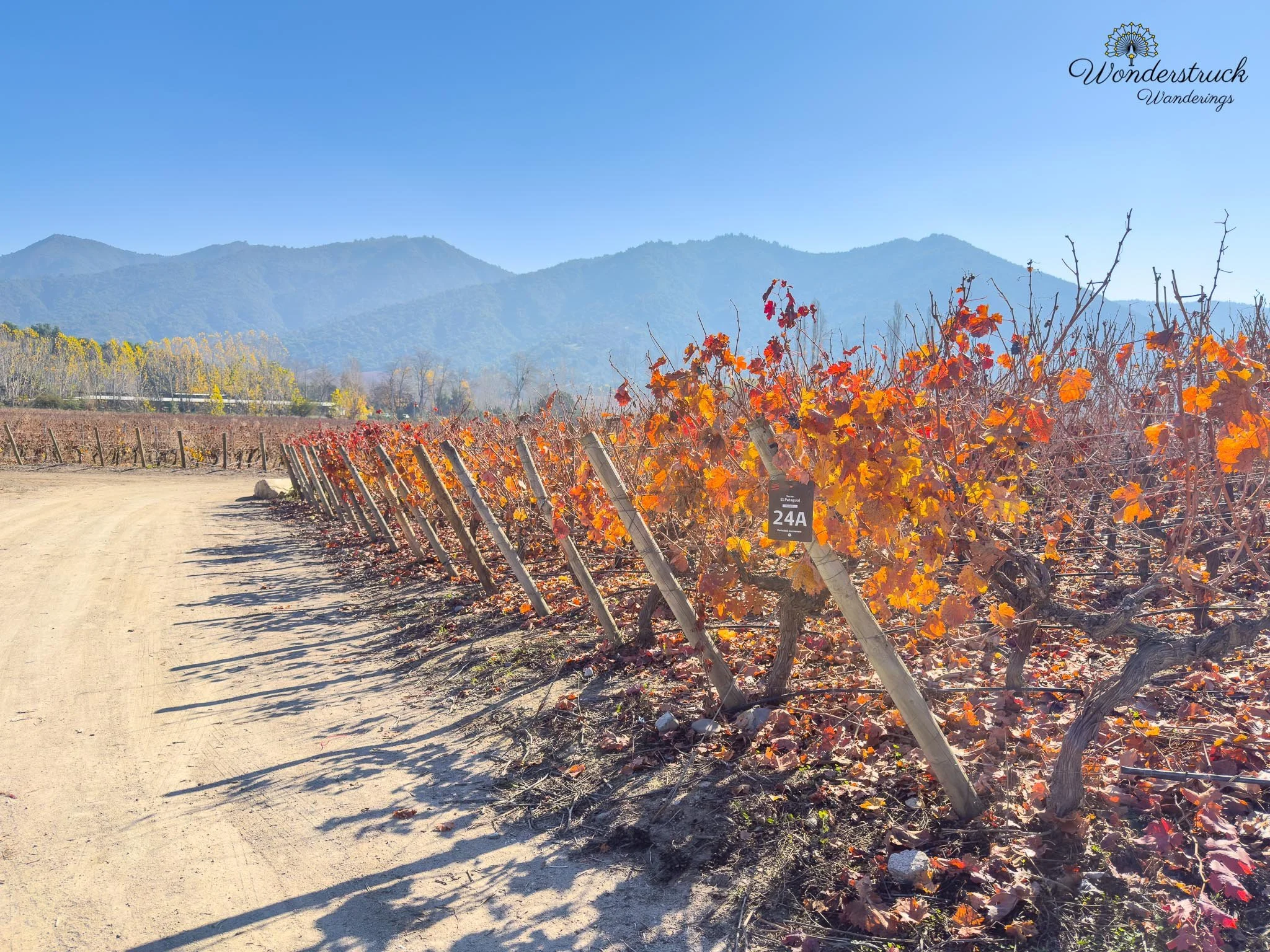
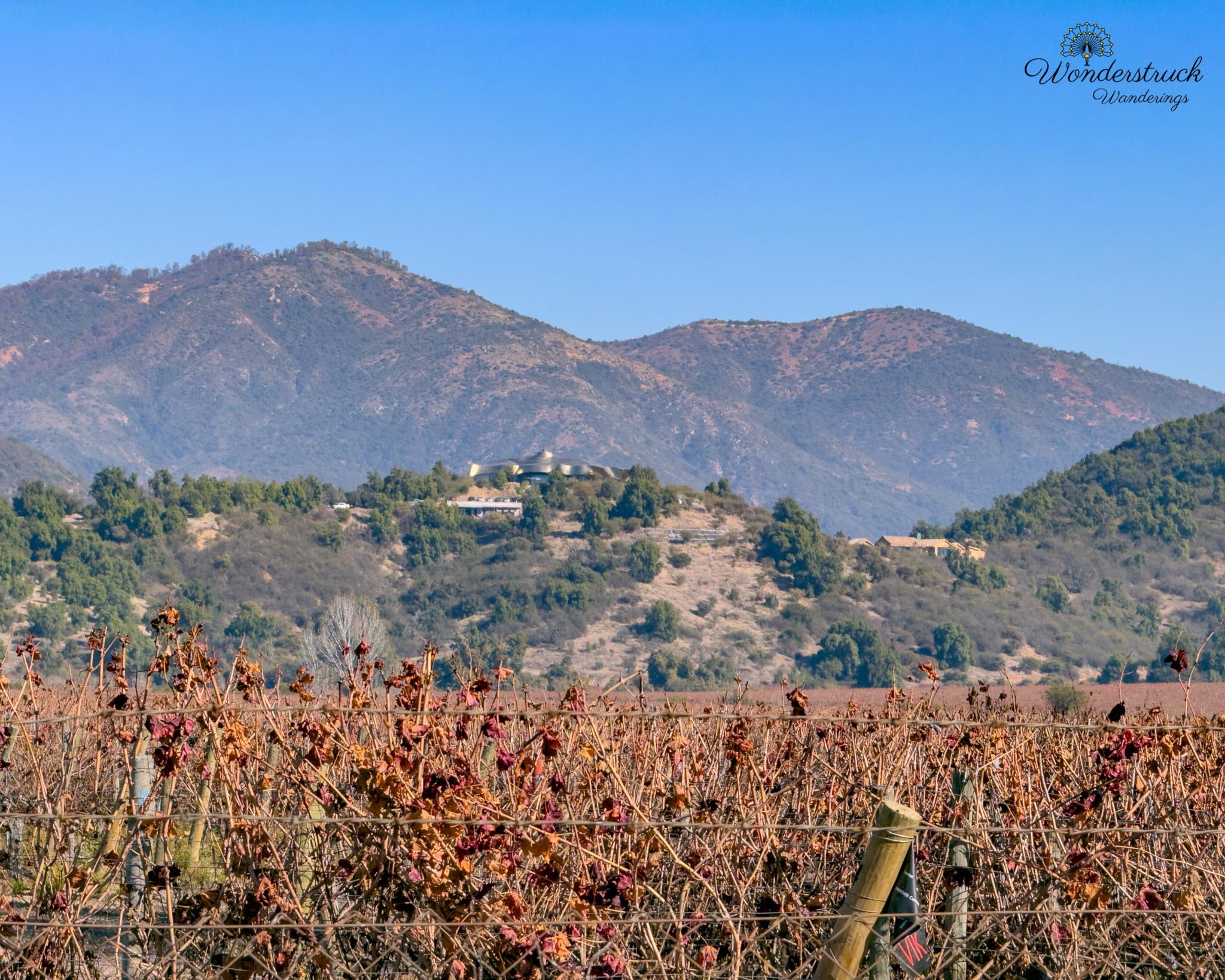
VIK is the kind of place where the architecture announces itself before the wine does. The building sits in the landscape with a futuristic, sculptural presence: metallic, angular, and dramatic, but still tied to the hills around it. Even if you are not staying there, the architecture sets the tone for the winery visit. This is not trying to be a rustic old-world cellar. It is art, technology, terroir, luxury, and branding all fused together. VIK's location is also important. The estate sits in Millahue, within the Cachapoal Valley, and the name Millahue means Place of Gold in Mapuche. The vineyards spread across a complex landscape of hills, valleys, exposures, and microclimates, with the Andes and coastal influences both shaping the wines. That combination of valley complexity, wind, exposure, and elevation is central to how VIK talks about its wines. The property had also recently received major global recognition as one of the top wine tourism experiences in the world, which made the visit feel a little different. We were not just visiting a highly designed Chilean winery; we were visiting a place that clearly wants to operate at the intersection of wine, architecture, hotel design, art, and international prestige.
Production Tour, Cellar, Barrels, and Stone Vessels
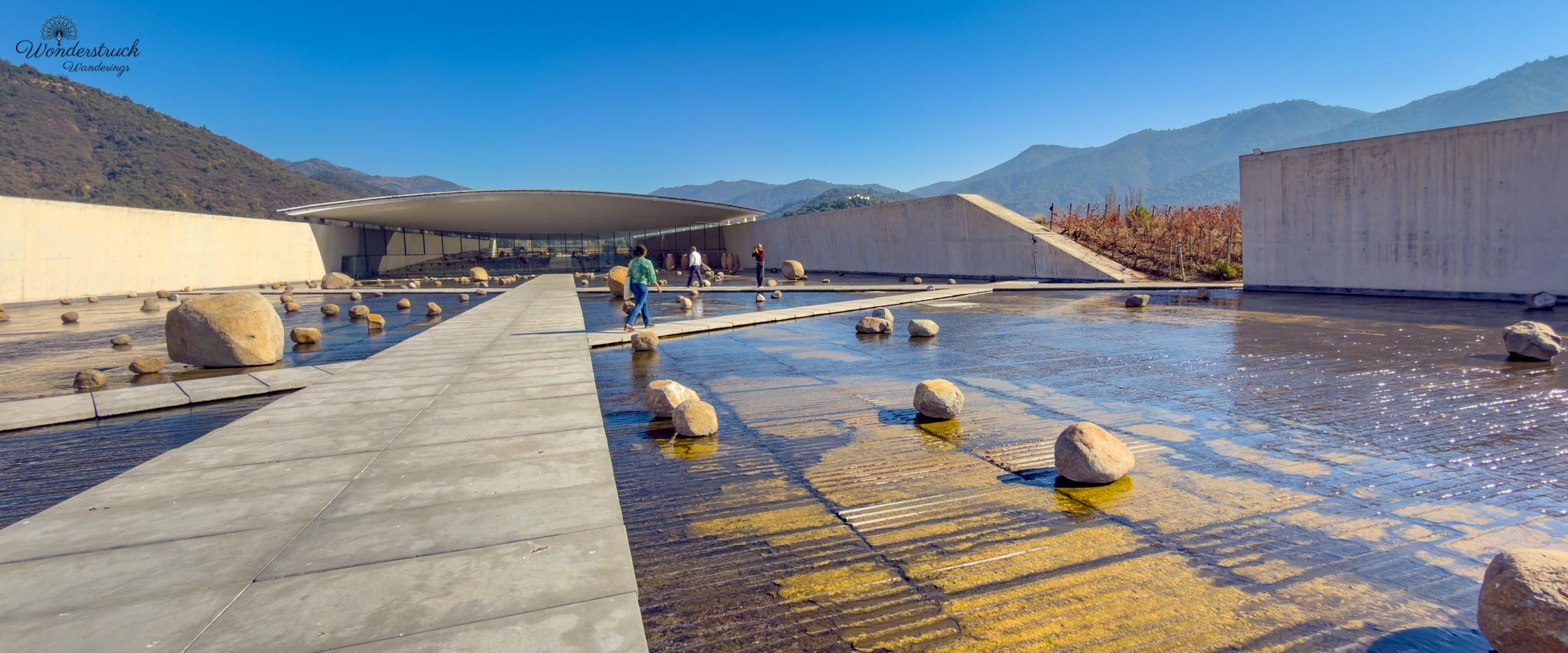
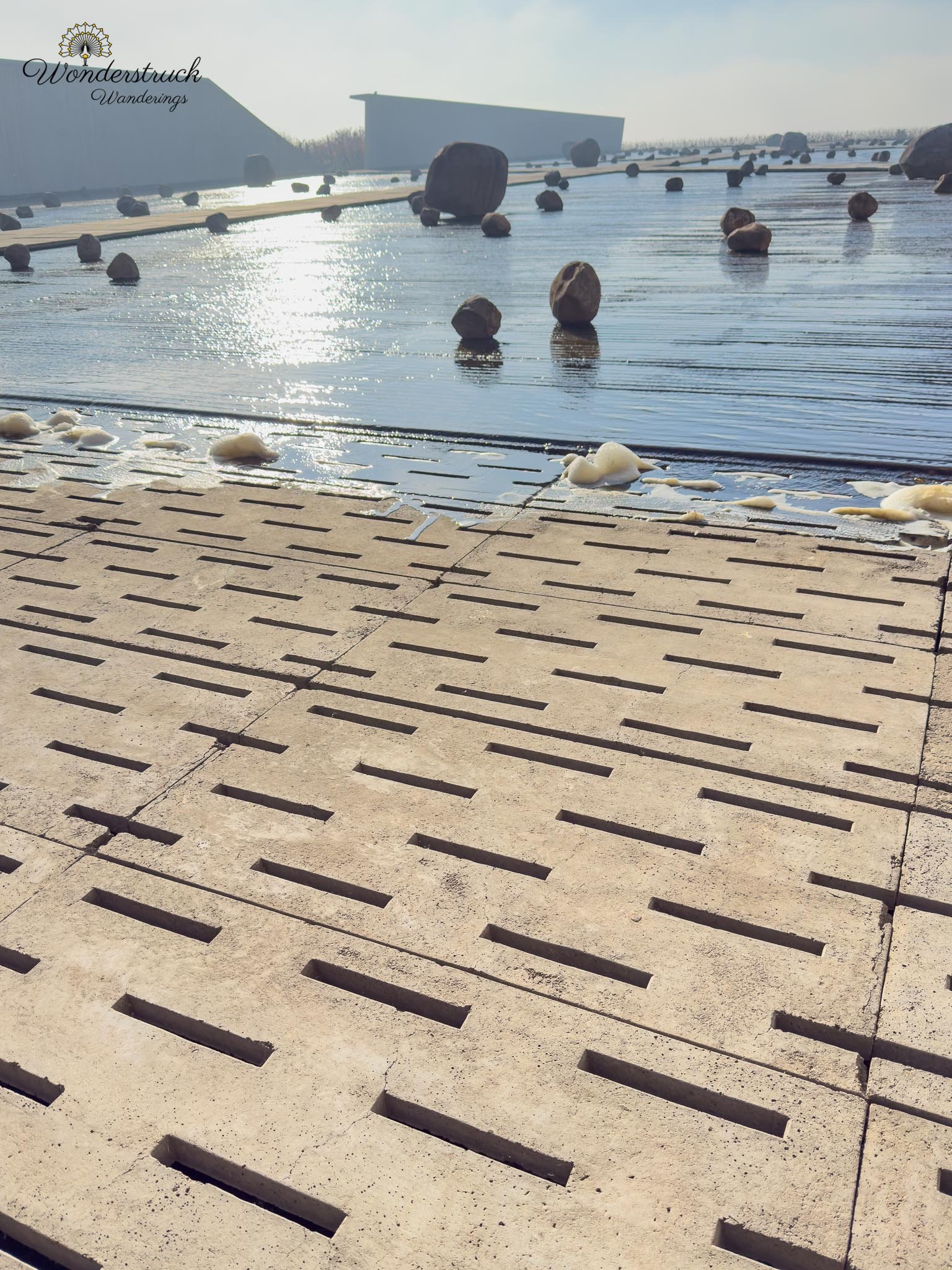
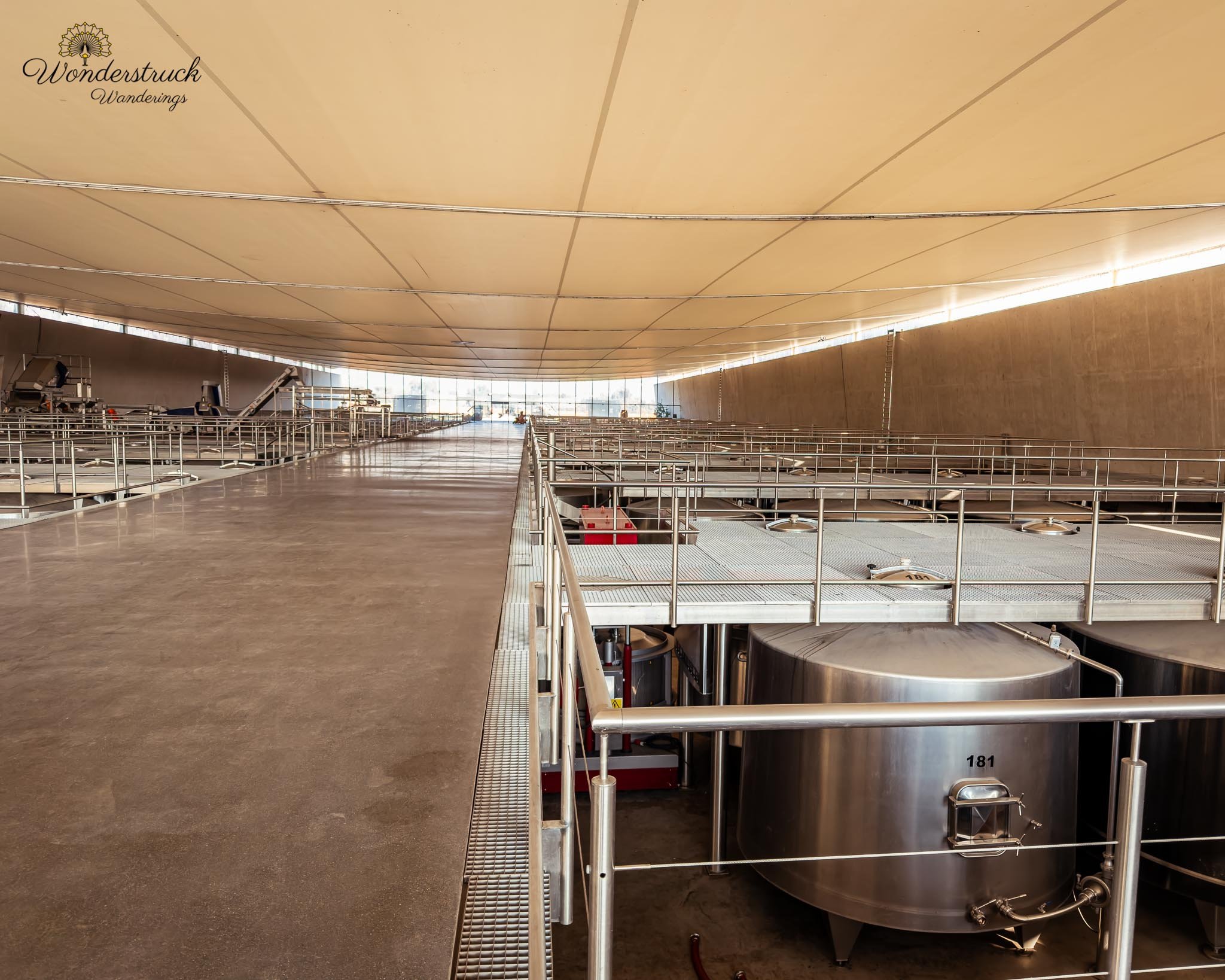
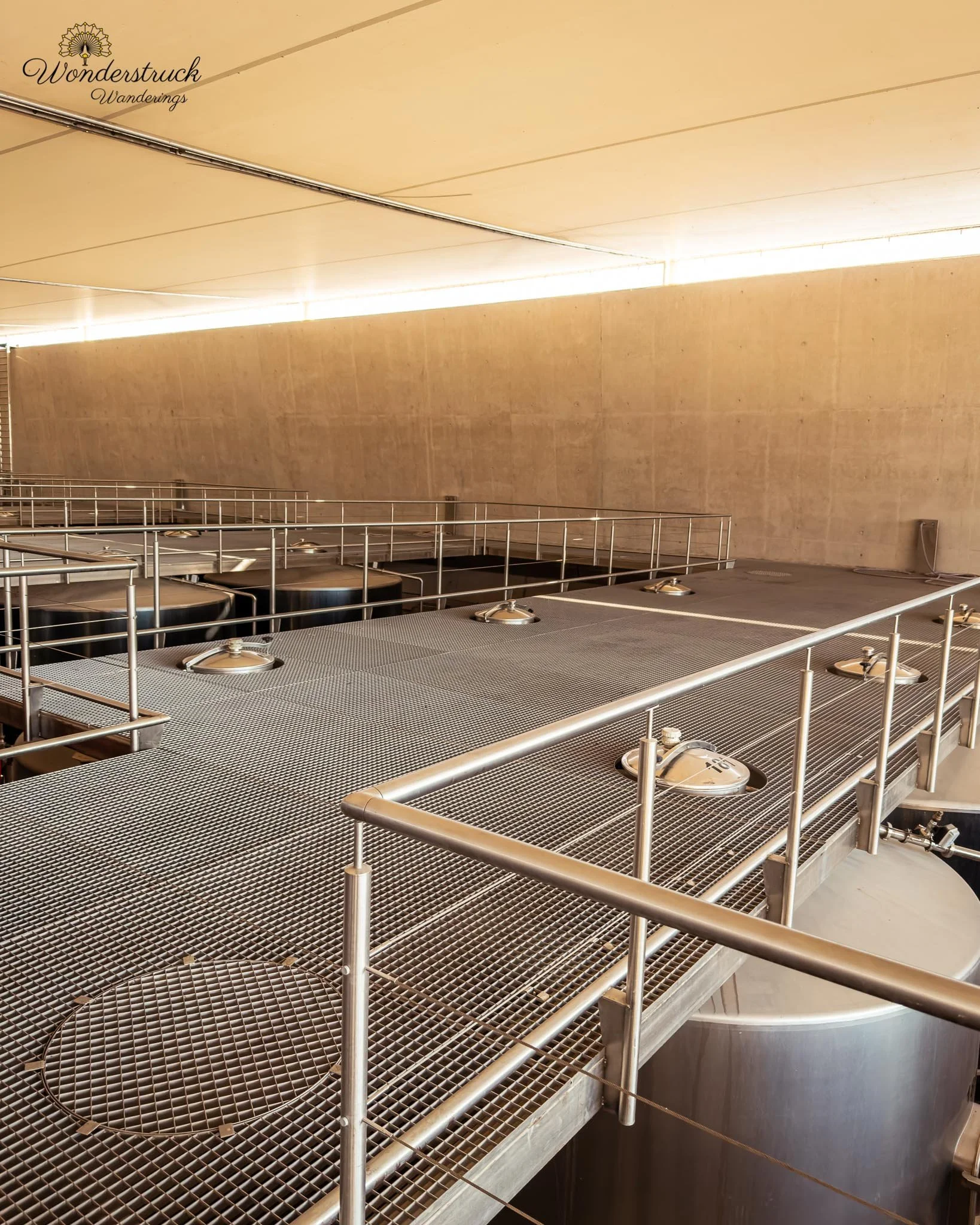
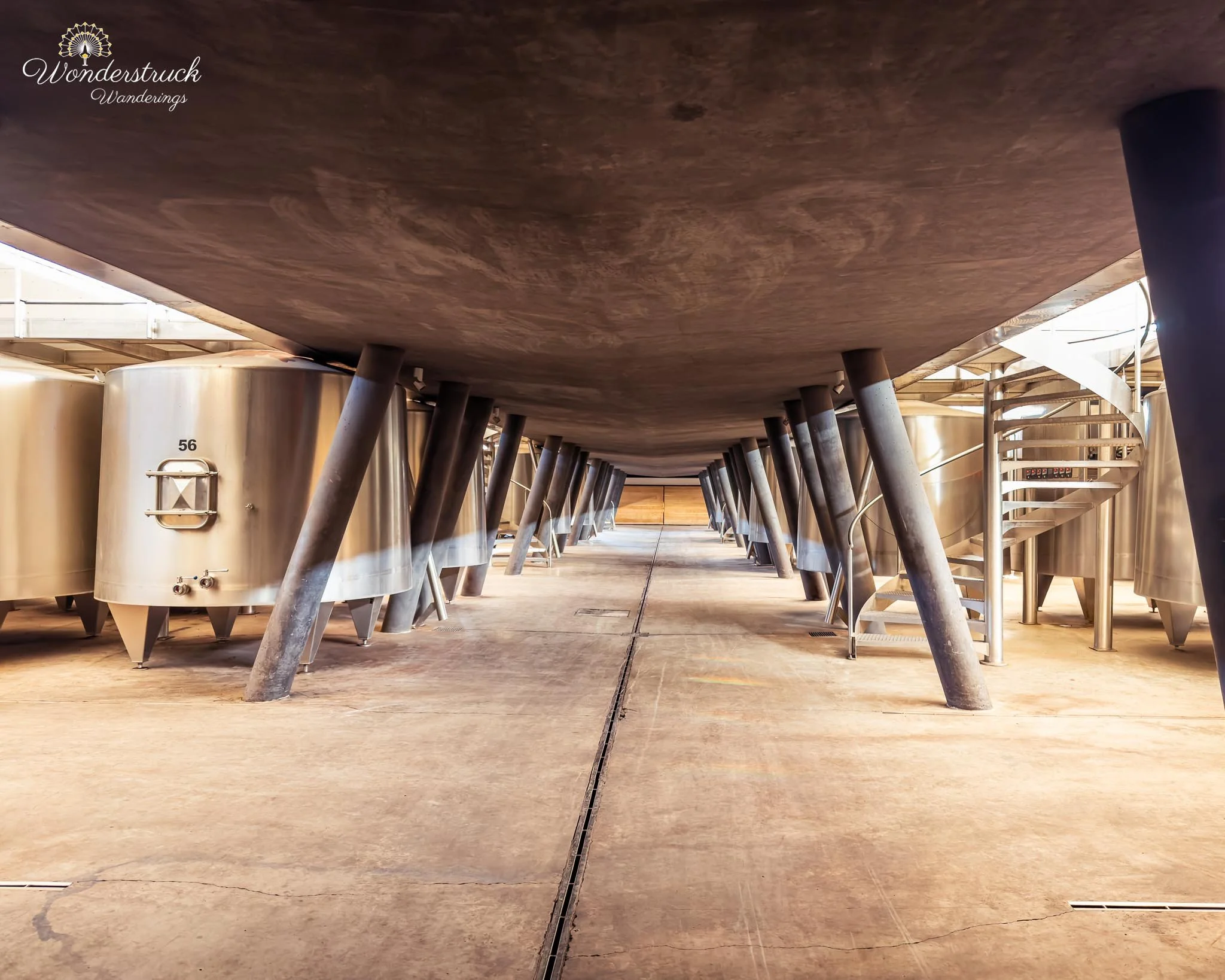
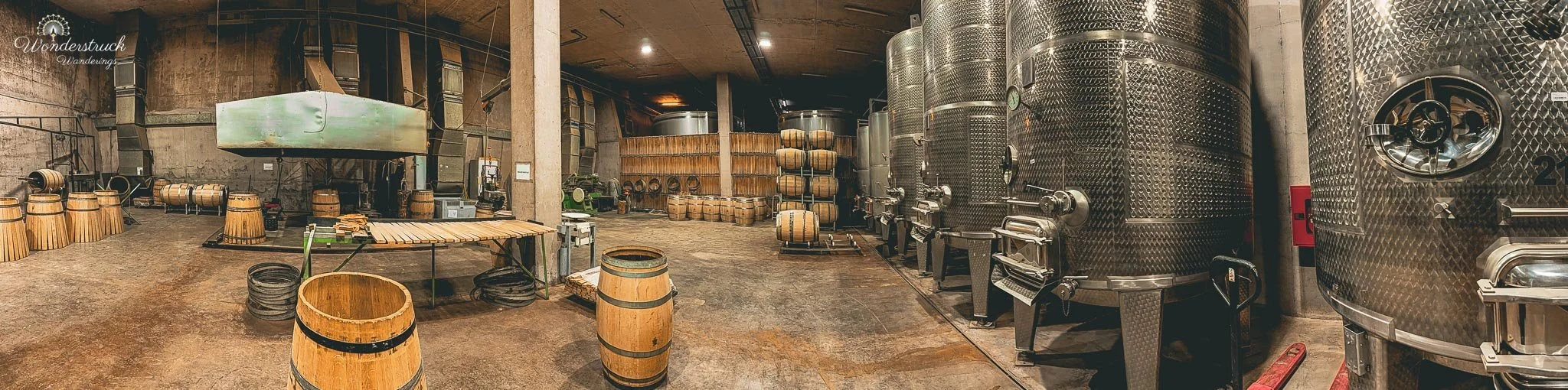
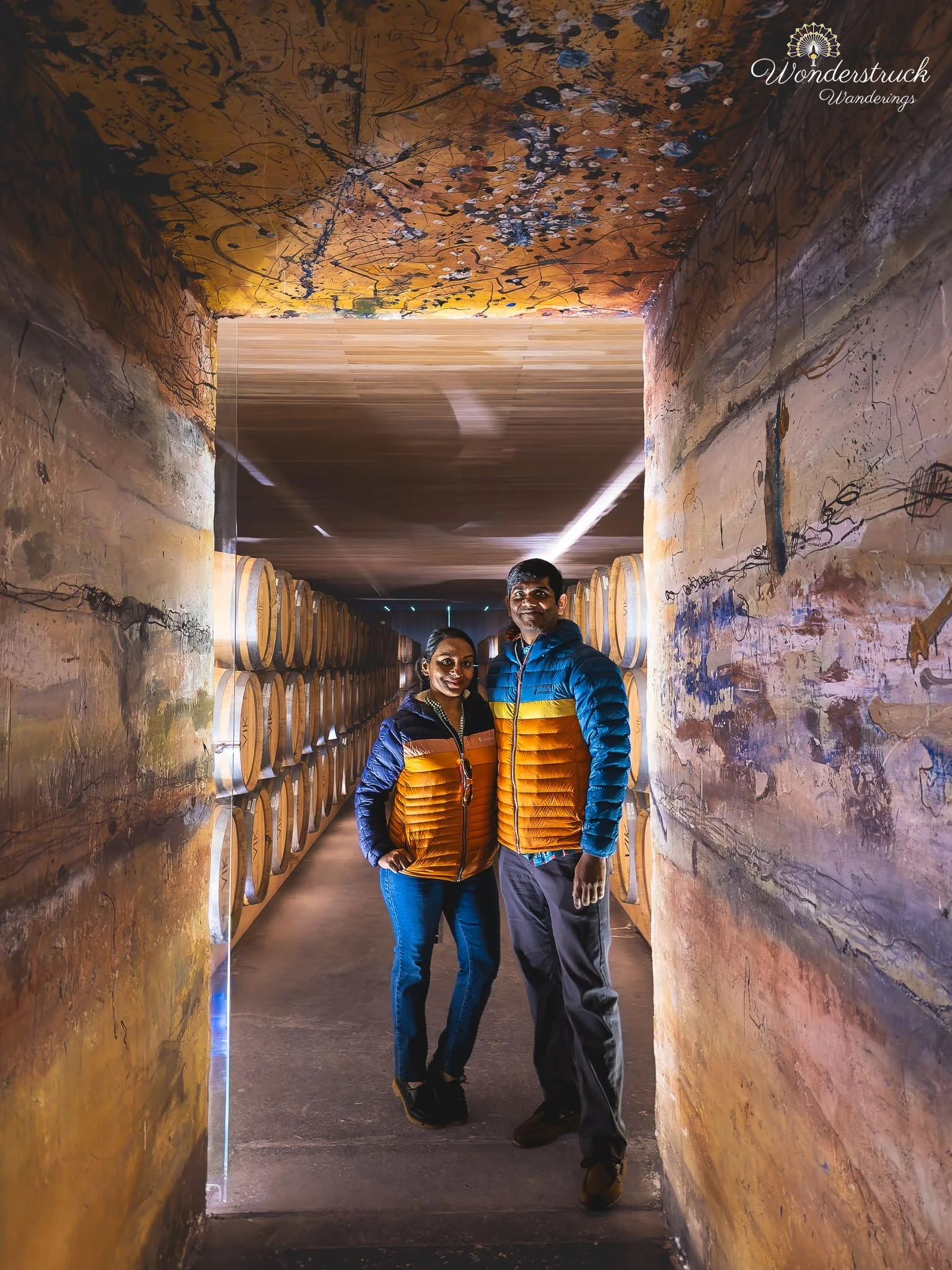
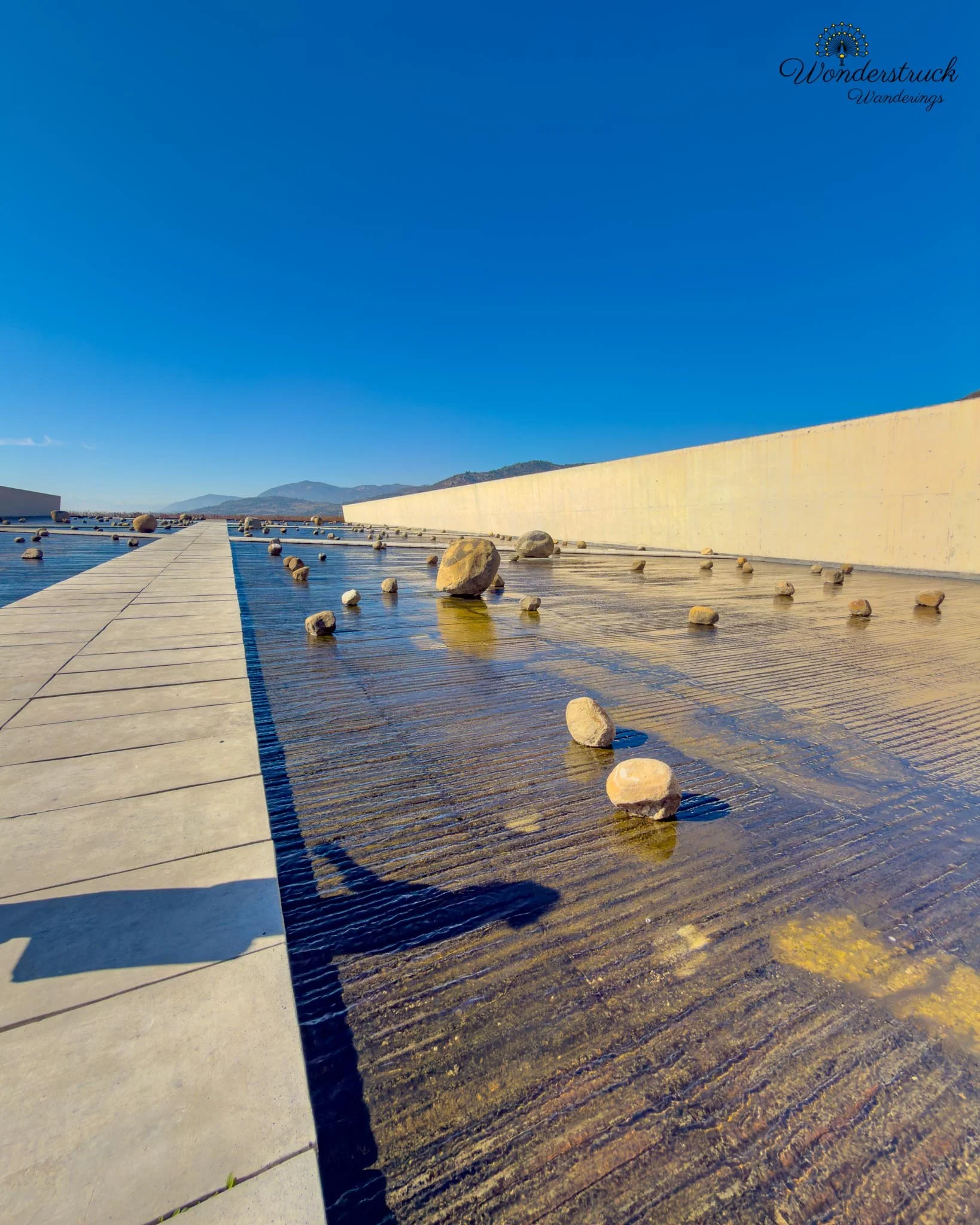
The tour began in the production facilities before taking us down into the cellar, and this was where VIK’s approach became clearer. The winery presents itself around the idea that wine is a combination of science, art, technology, and terroir, and the building is designed to support that idea rather than just look dramatic from the outside. The production spaces were clean, controlled, and carefully engineered, but not in a cold industrial way. Everything seemed built around precision: how grapes move through the winery, how temperature is controlled, how the wine ages, and how the architecture itself helps the process. One of the most interesting design details was the way the winery avoids relying on conventional air conditioning. Instead, VIK uses the architecture and water system to help regulate temperature naturally. Water flows across the top of the structure, helping cool the building below, while the cellar is set into the earth where the temperature stays more stable. It was a smart detail because it connected the visual design of the winery with function. The water was not just decorative; it was part of the cooling strategy.
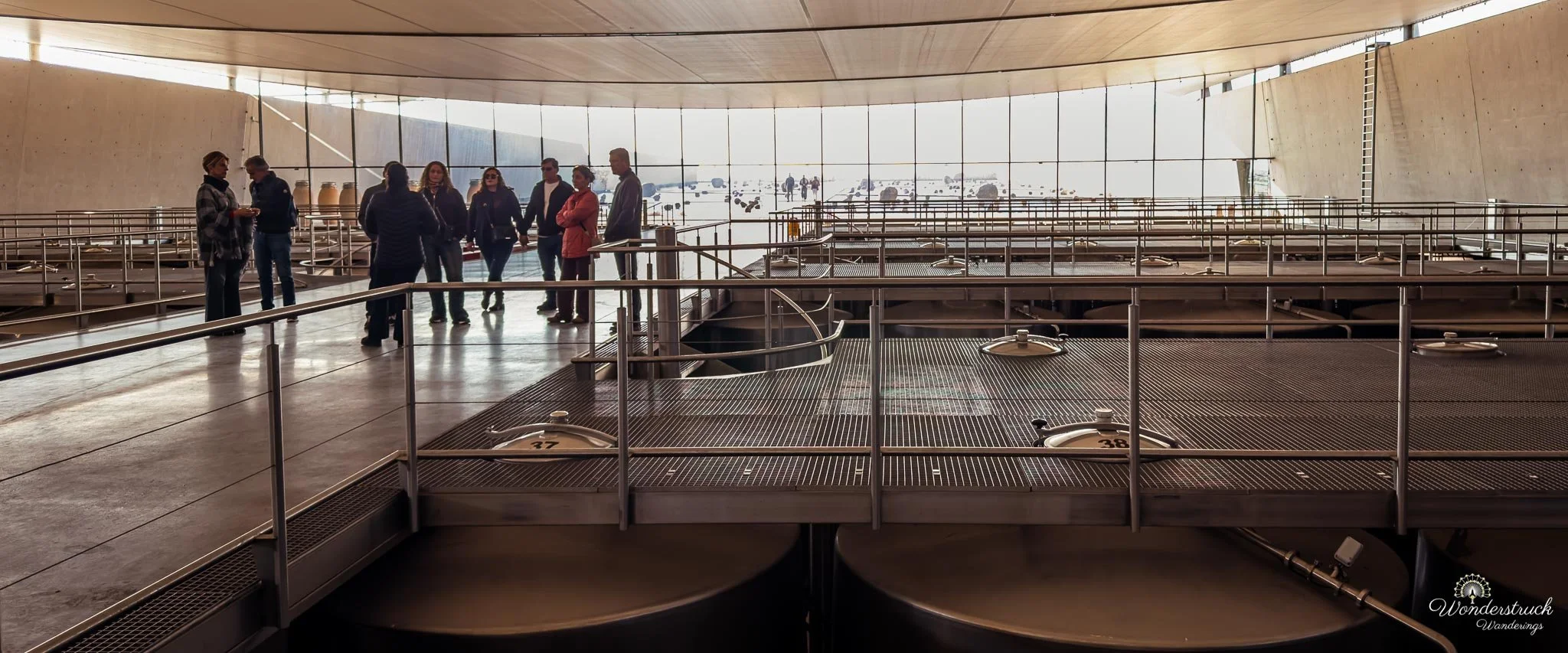
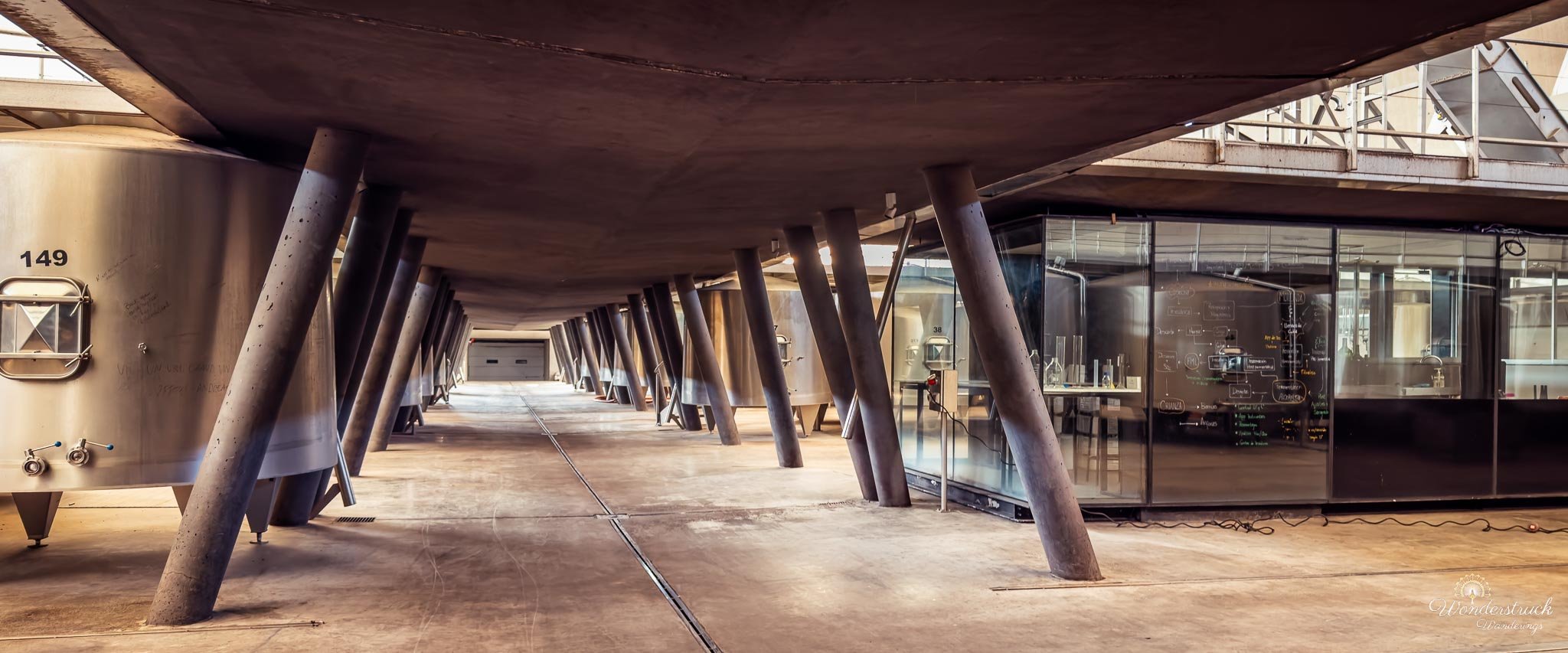
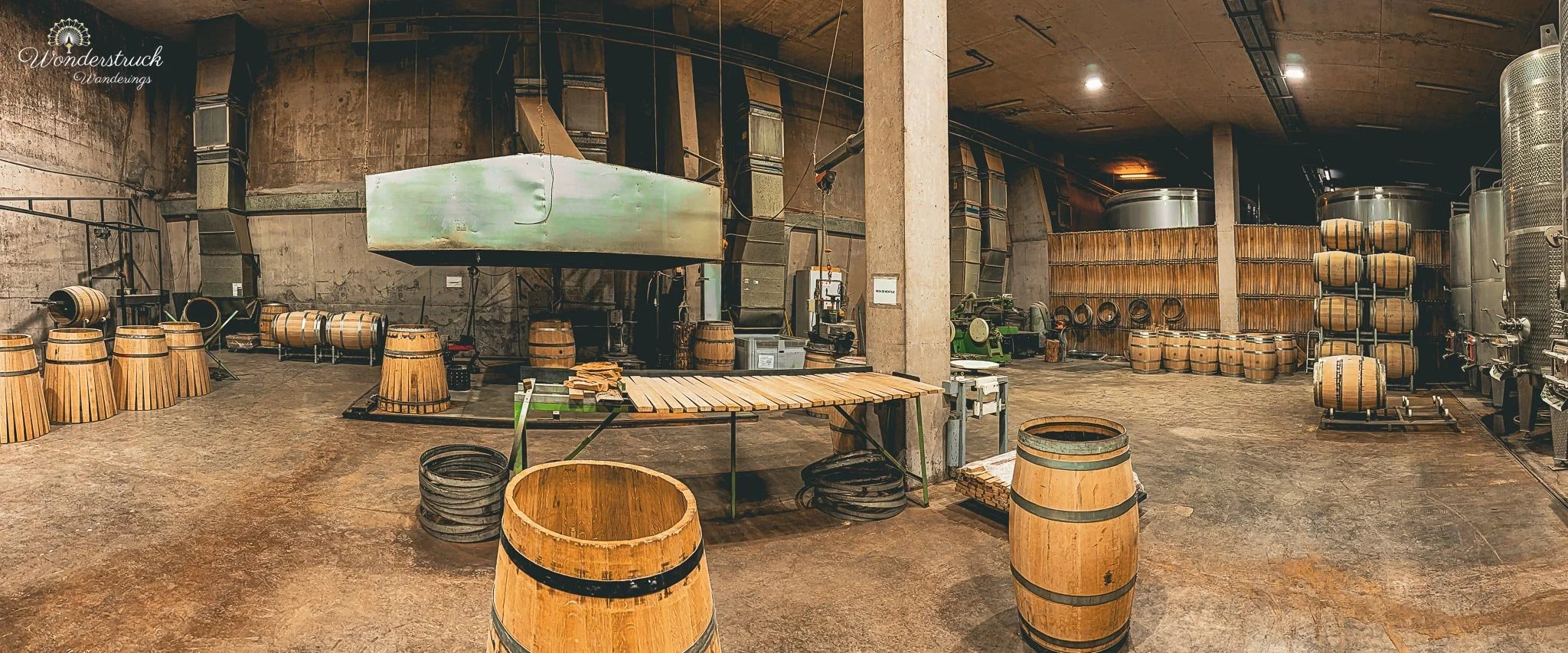
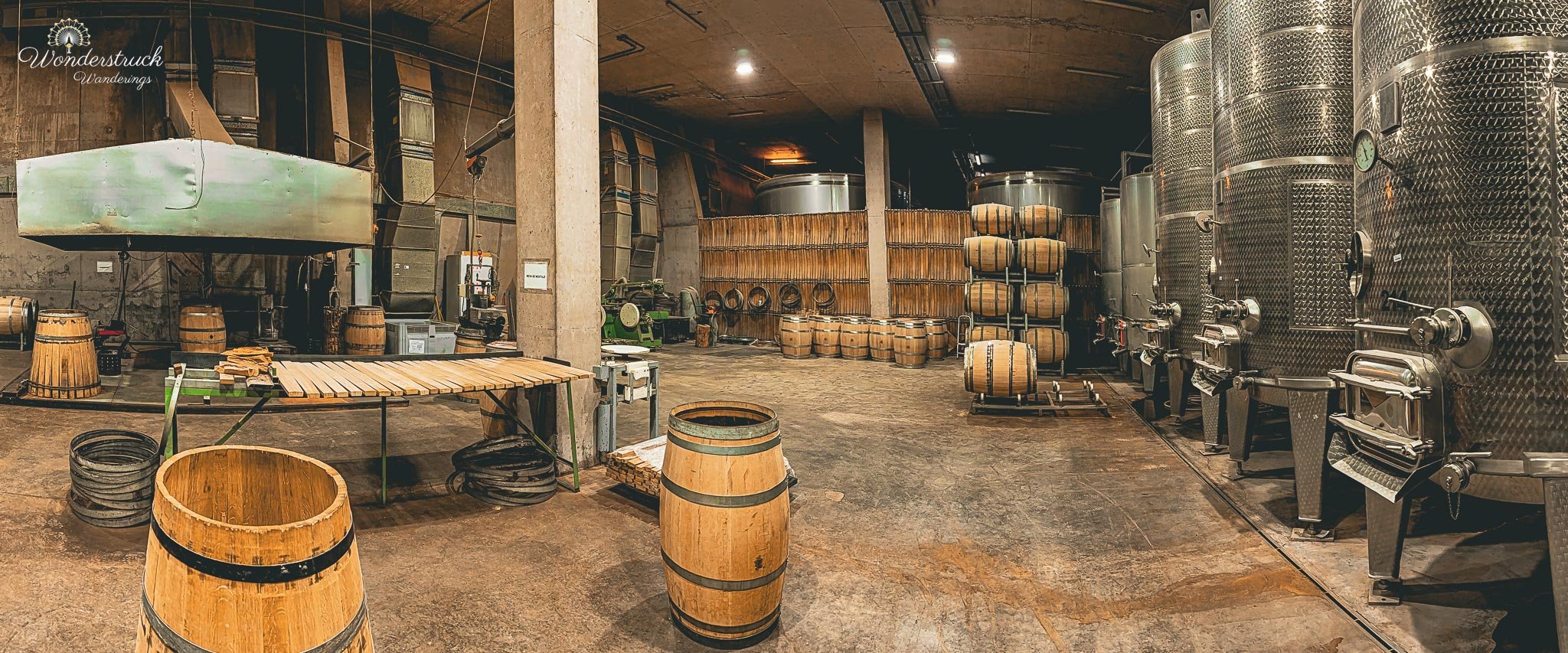
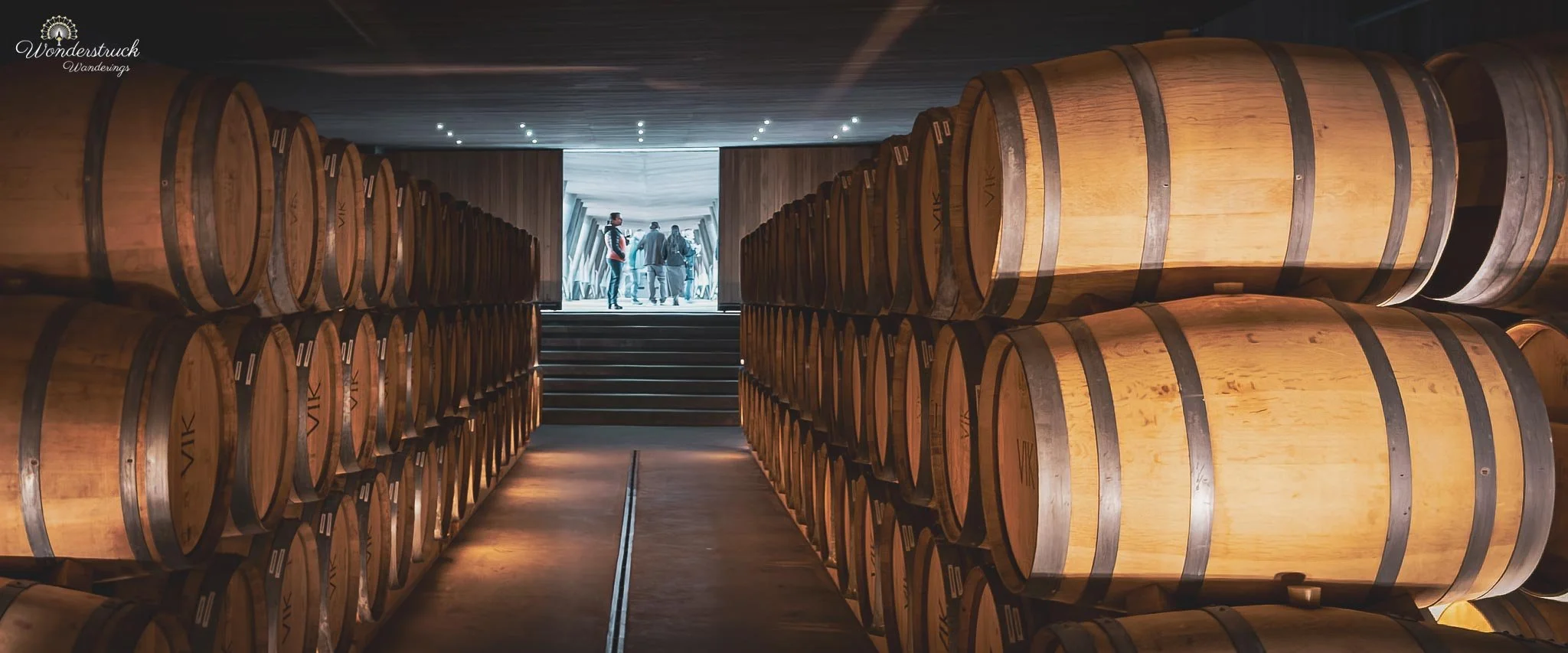
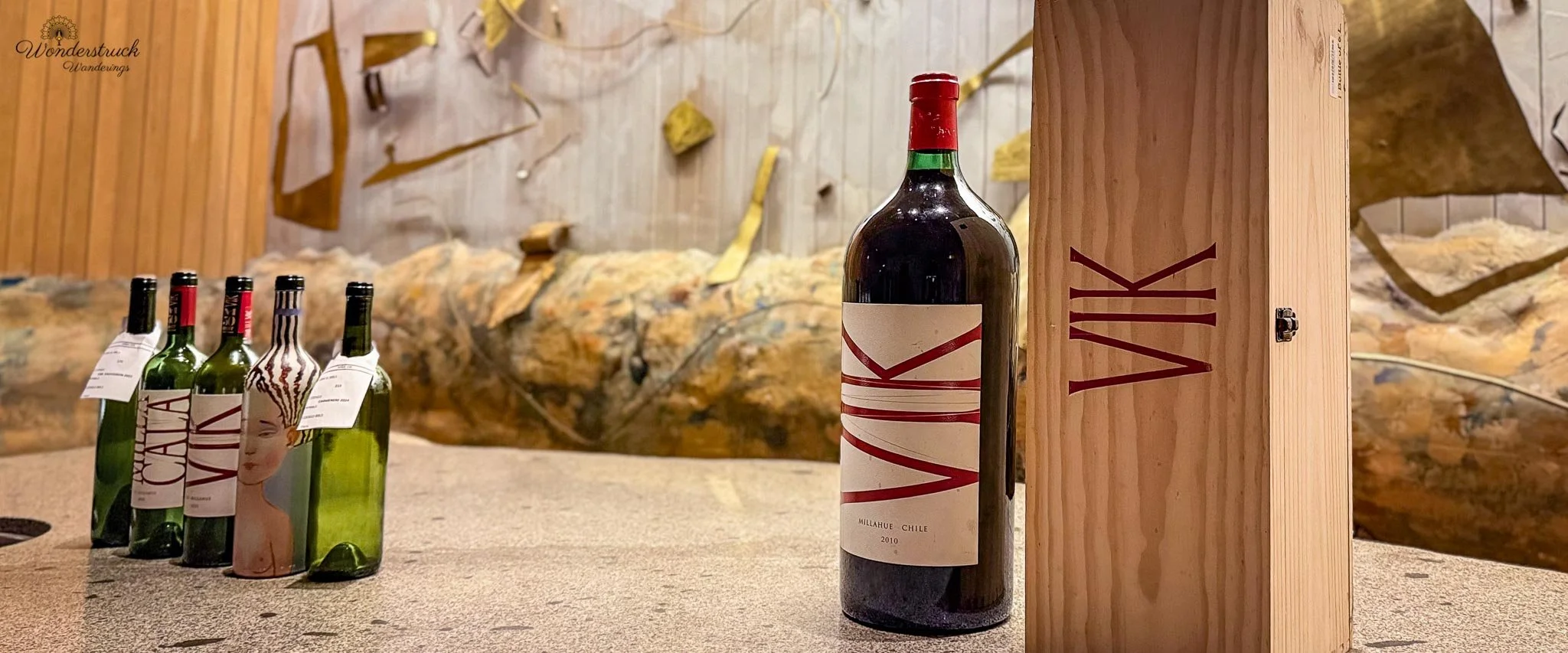
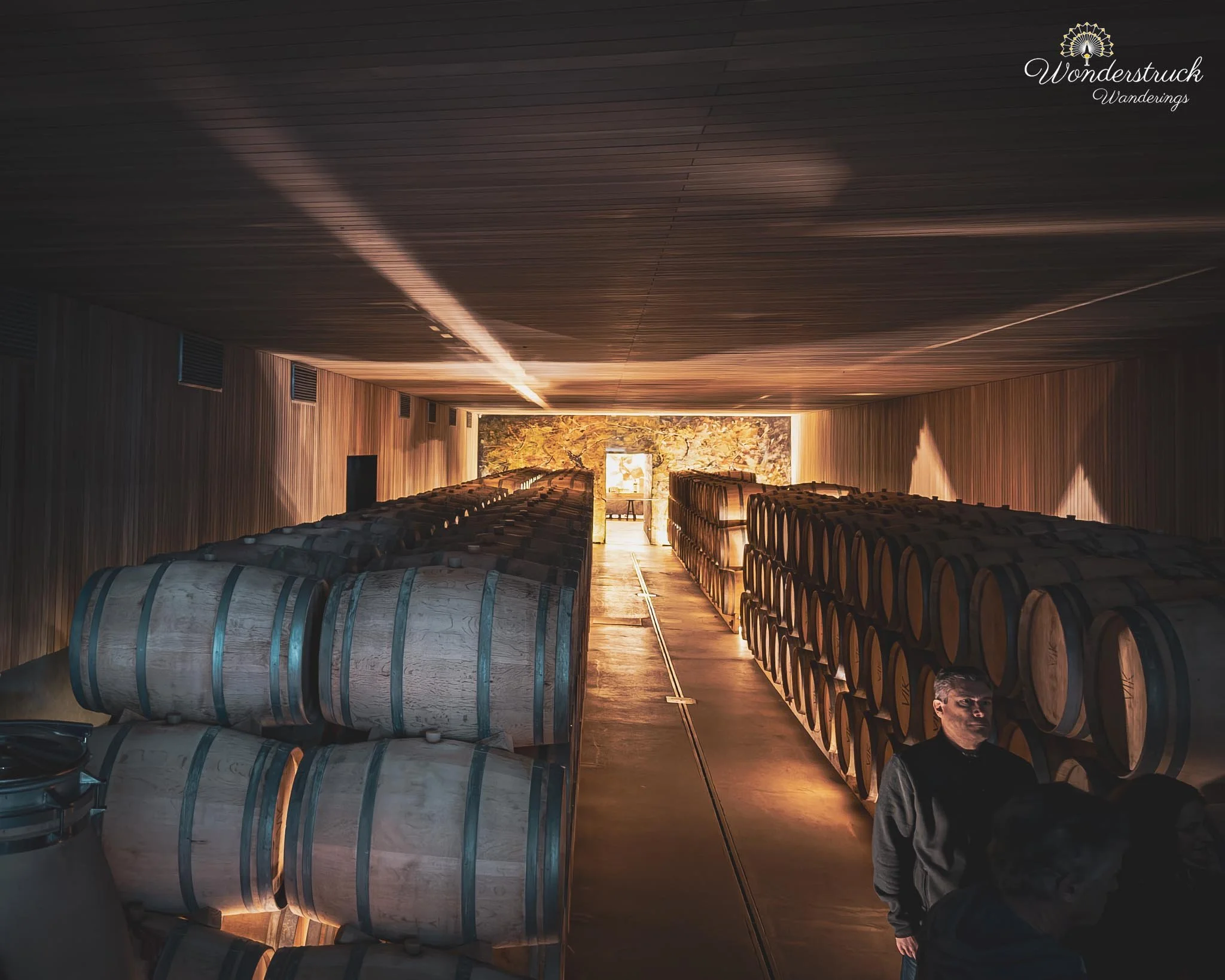
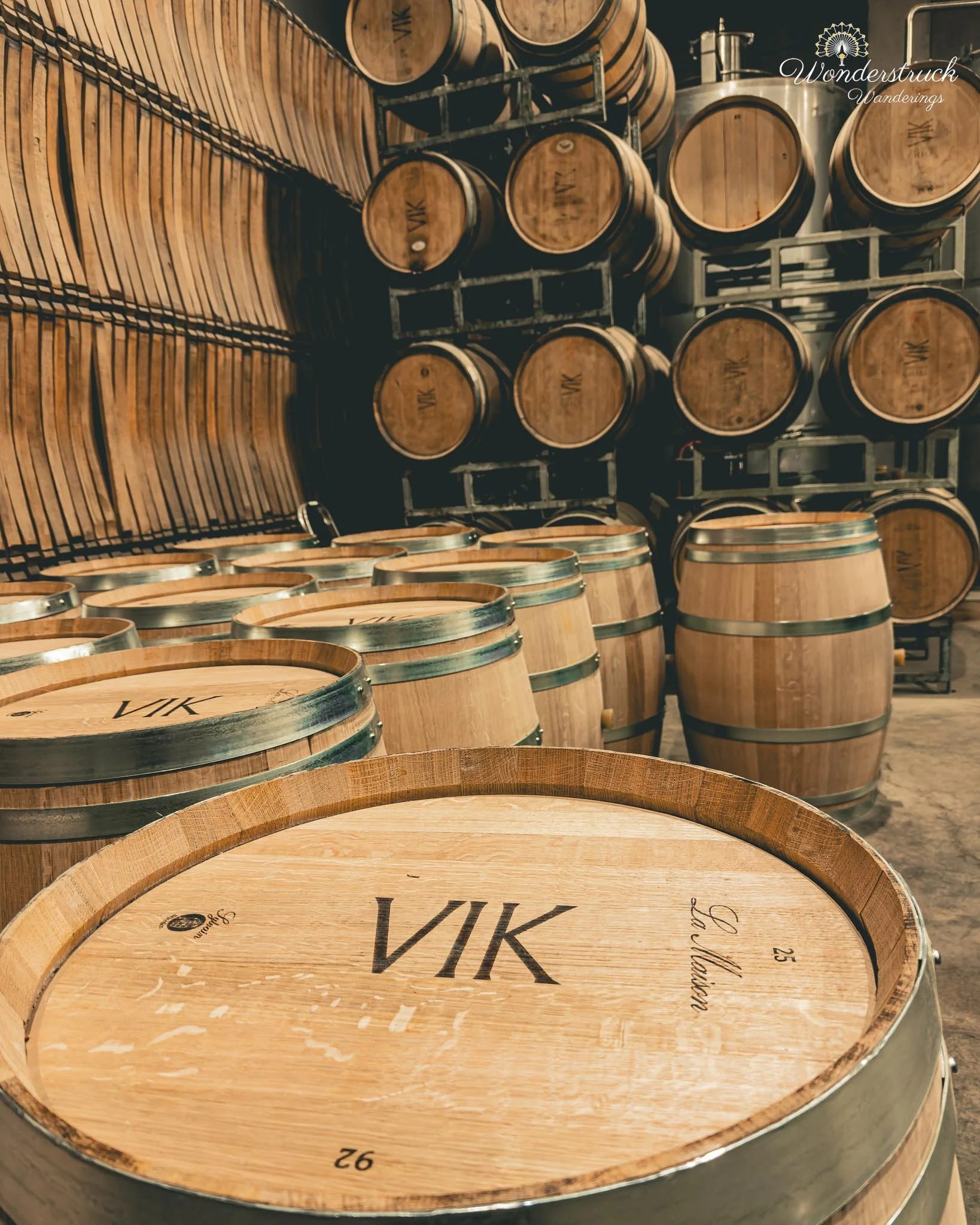
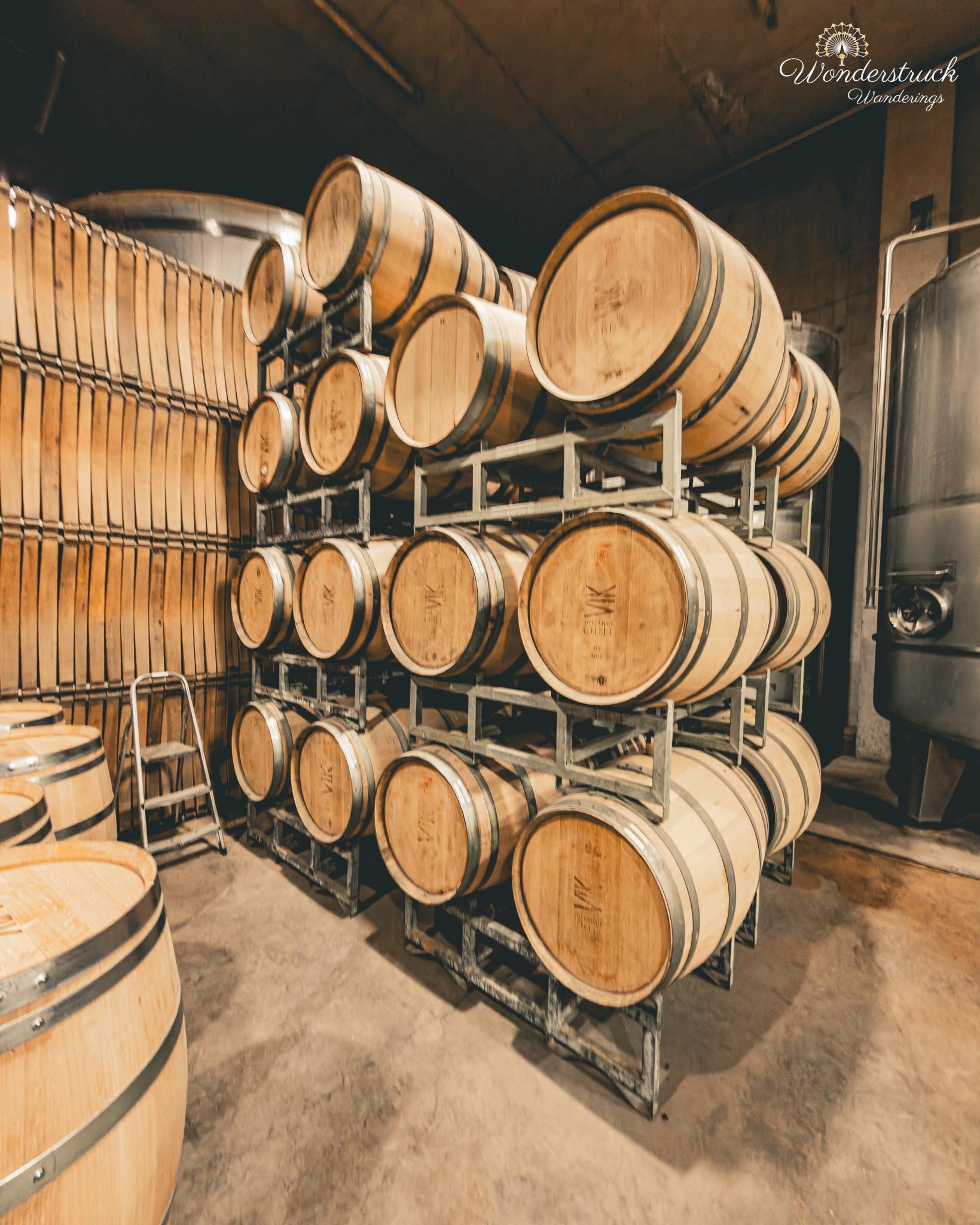
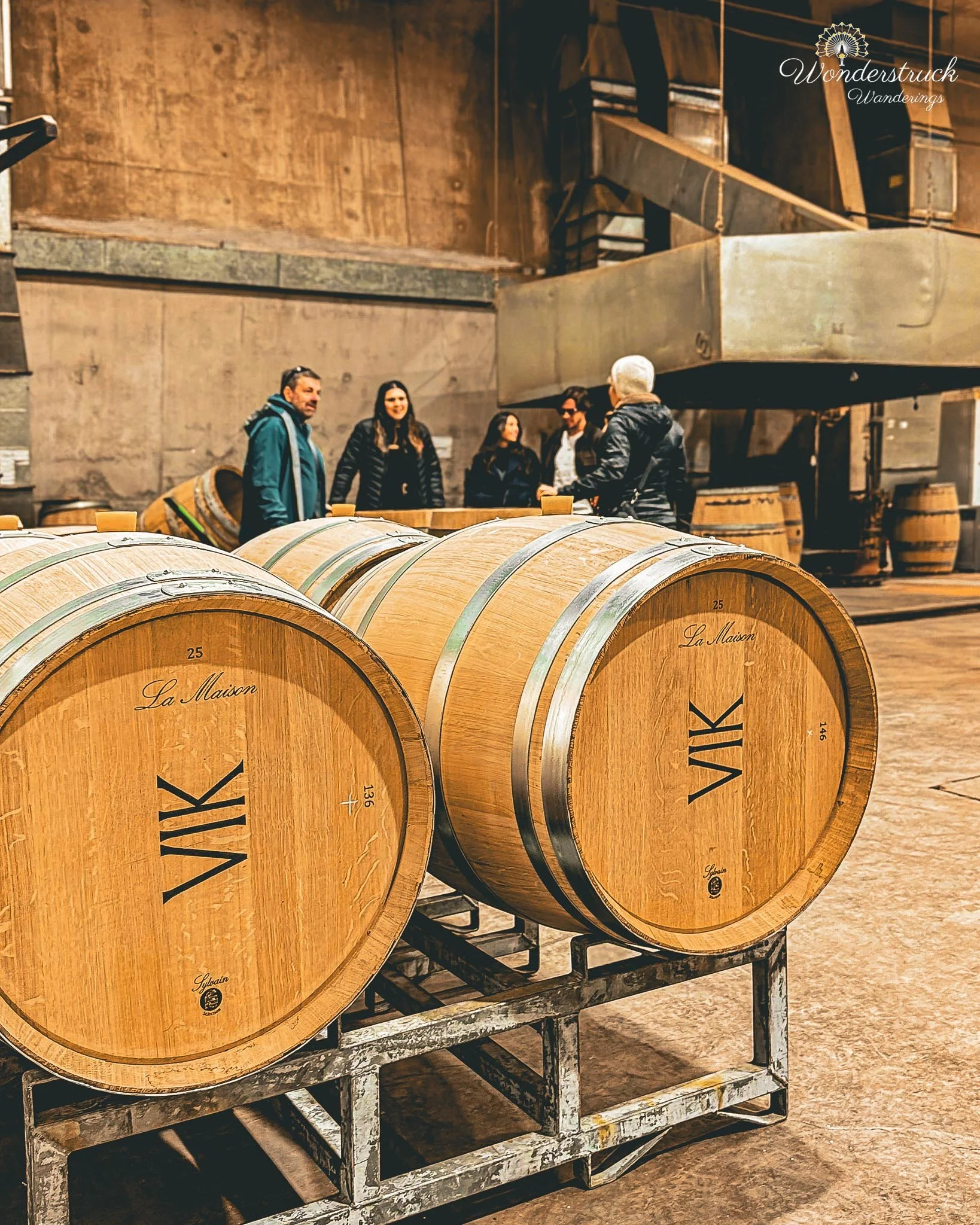
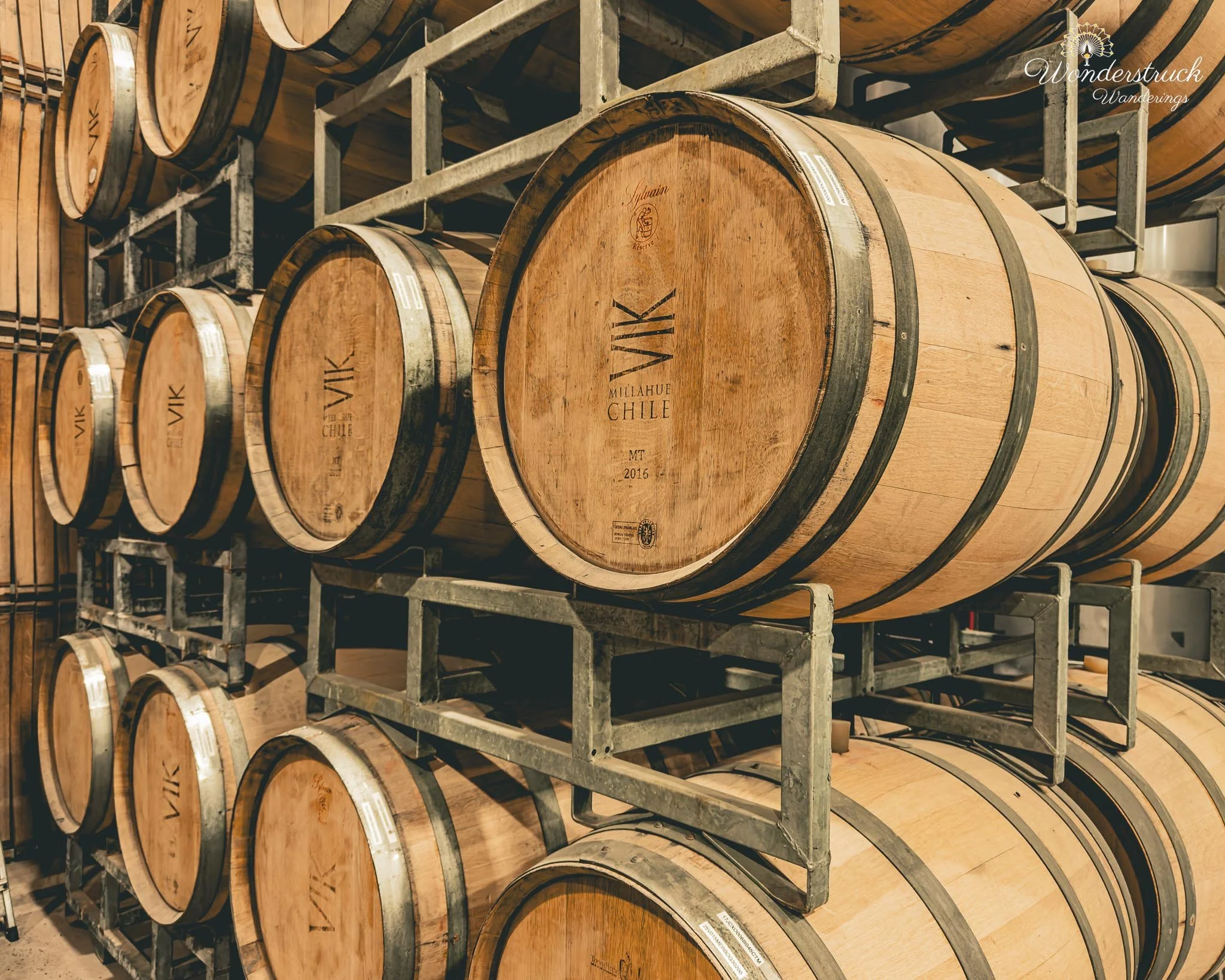
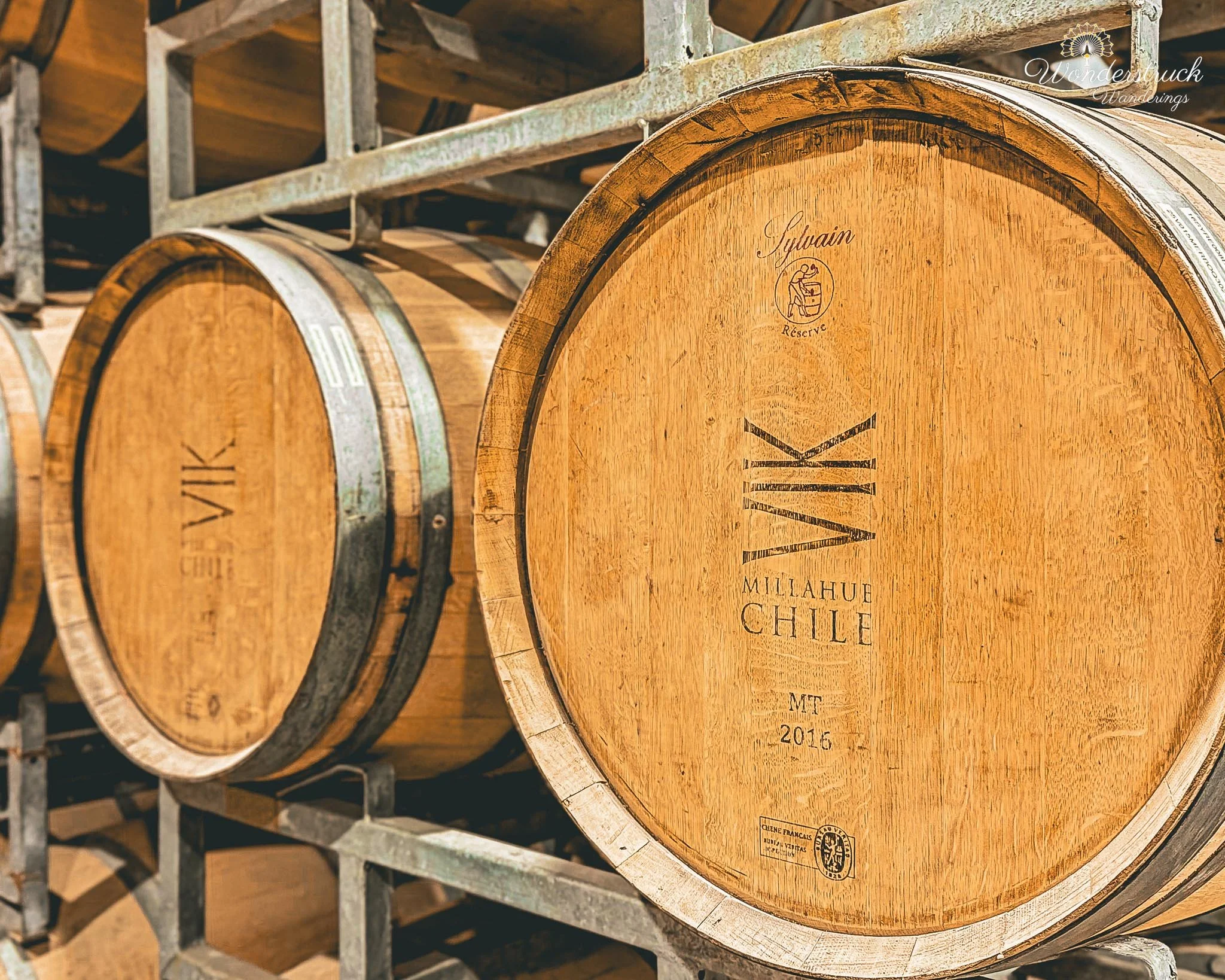
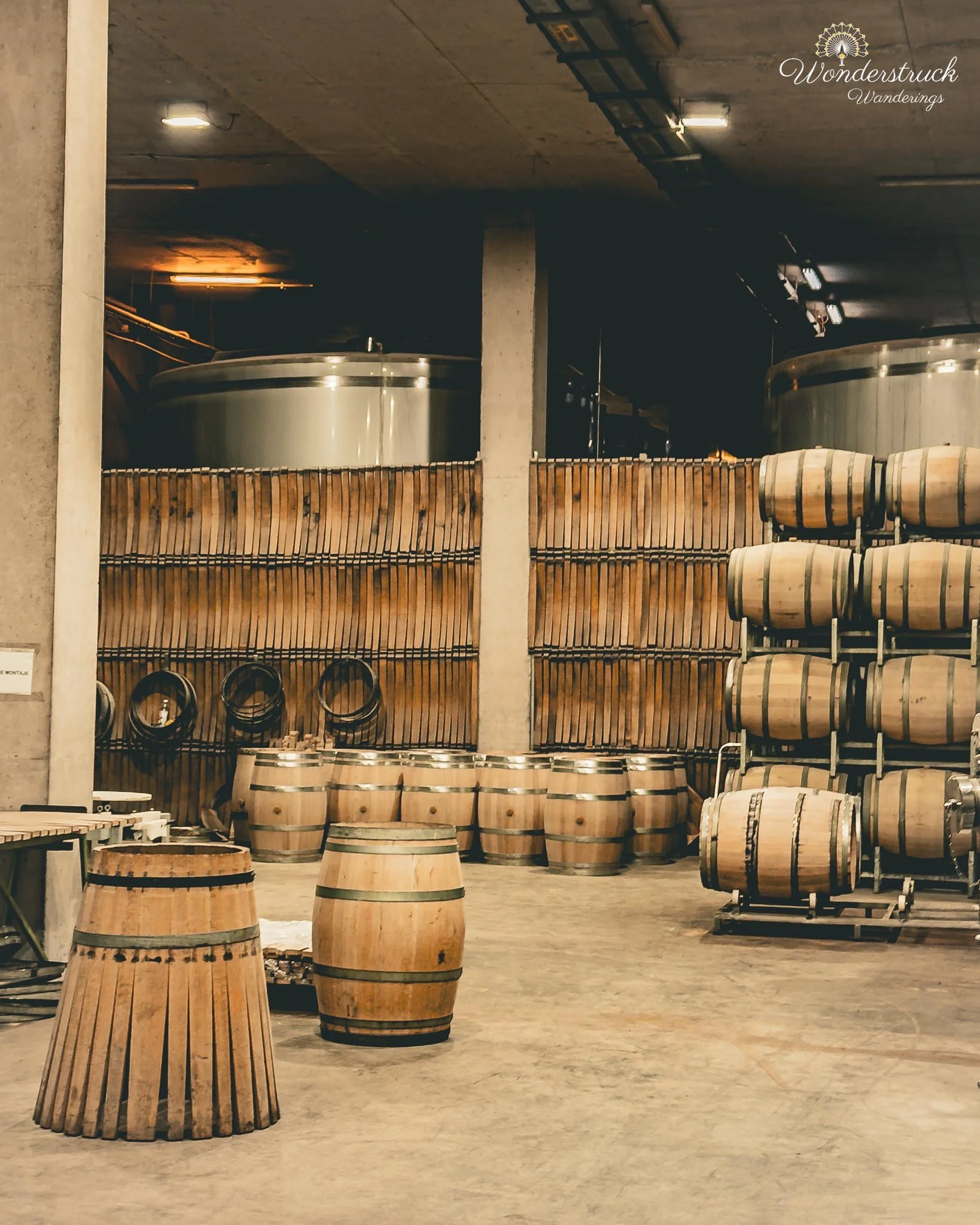
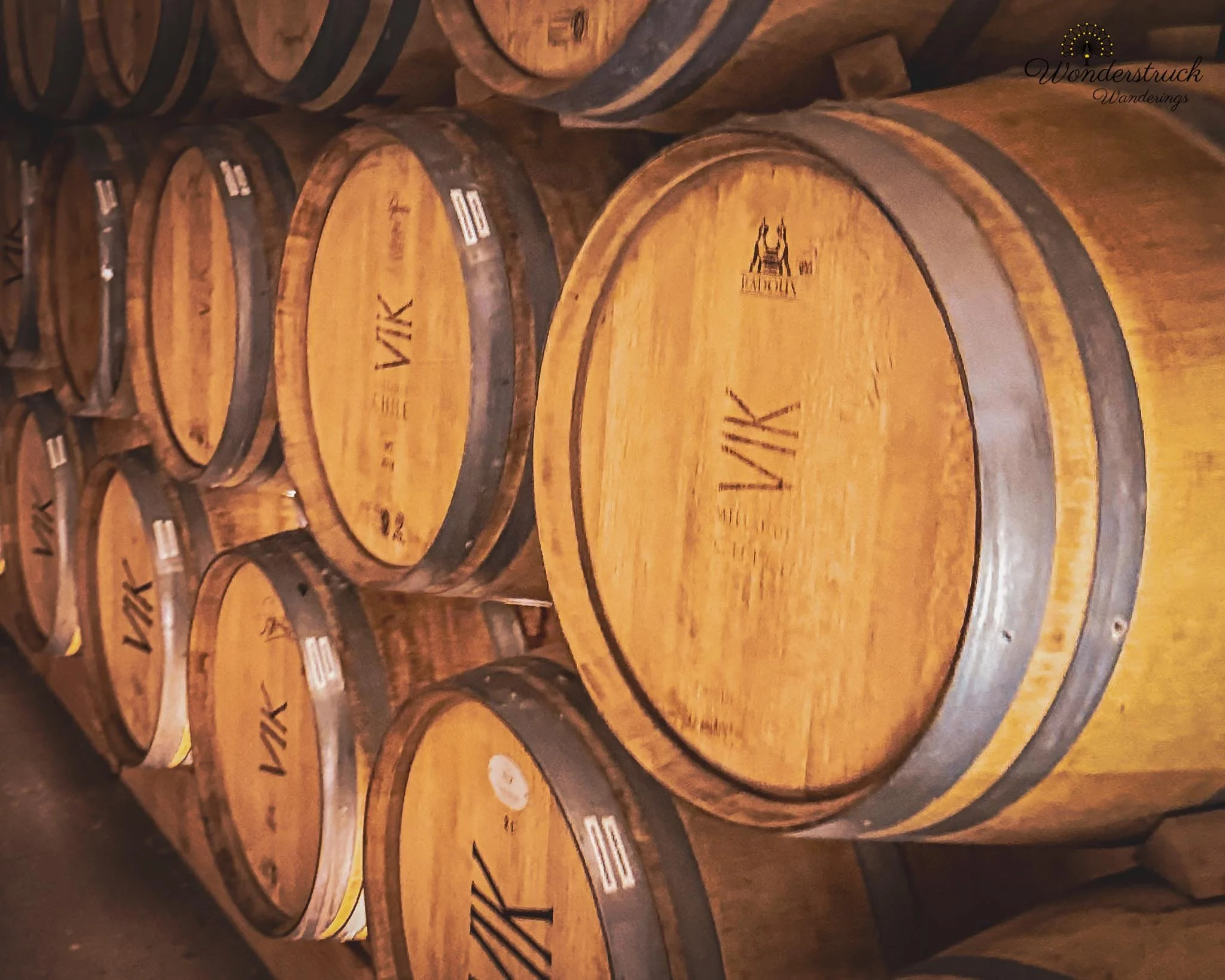
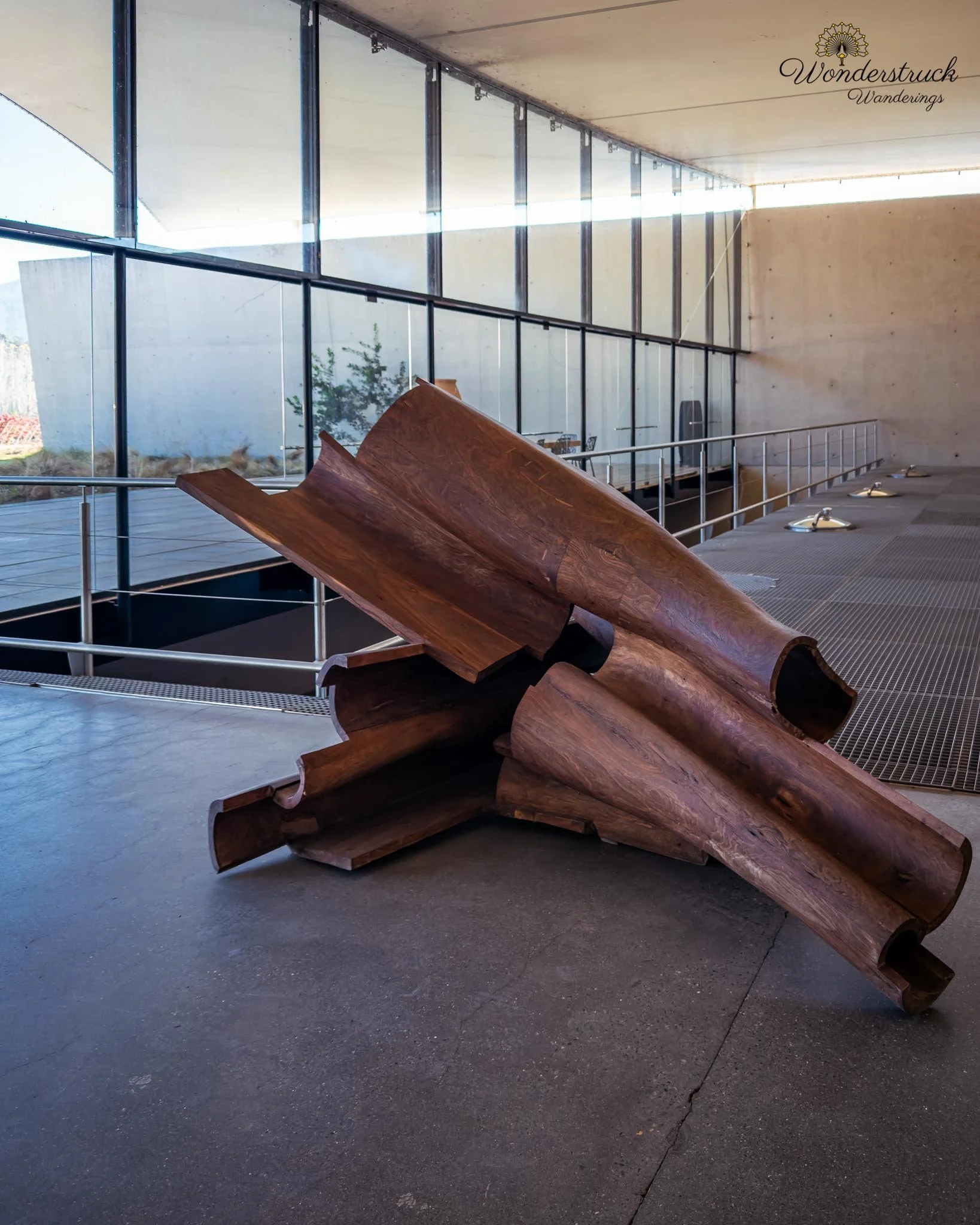
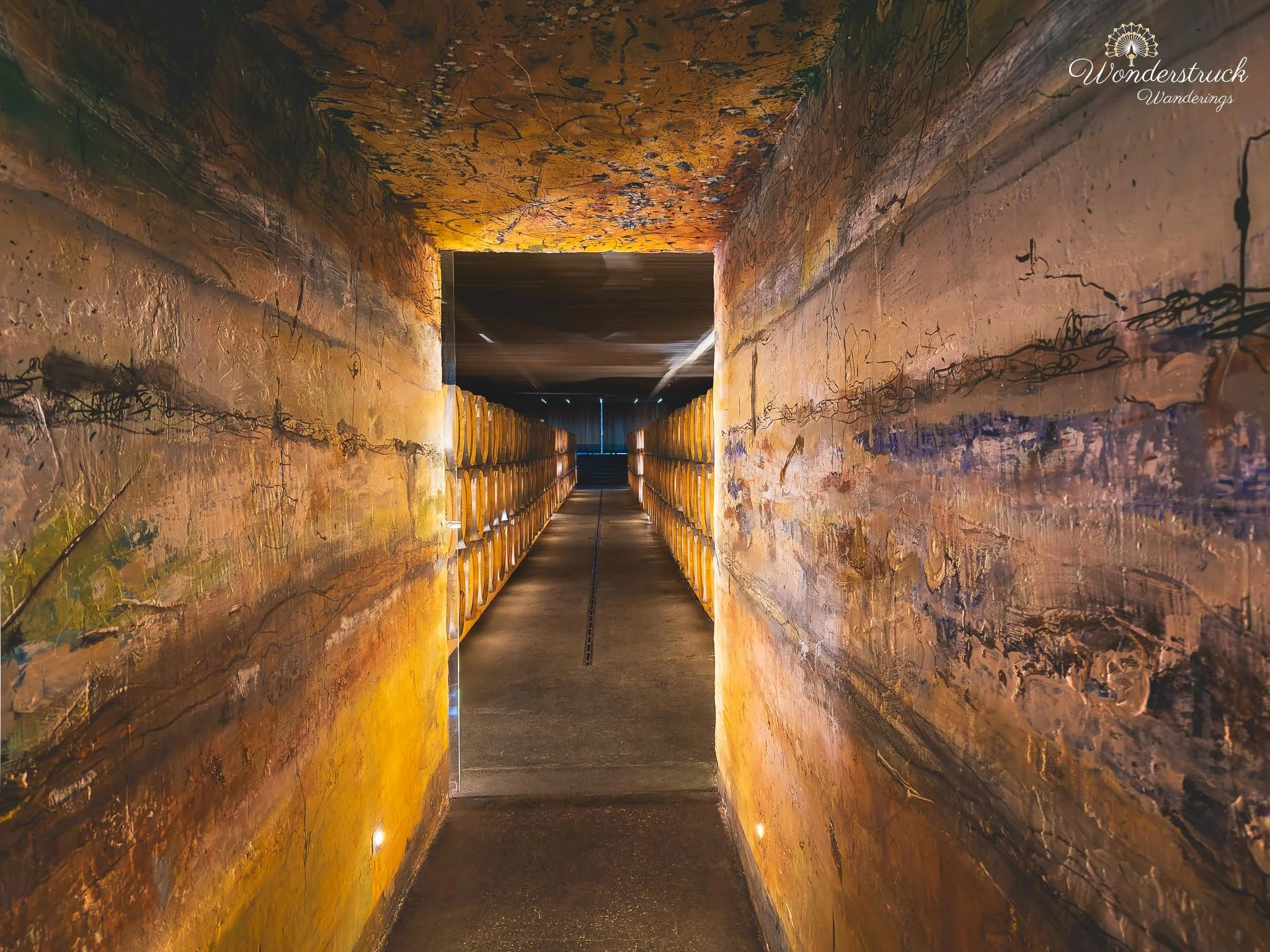
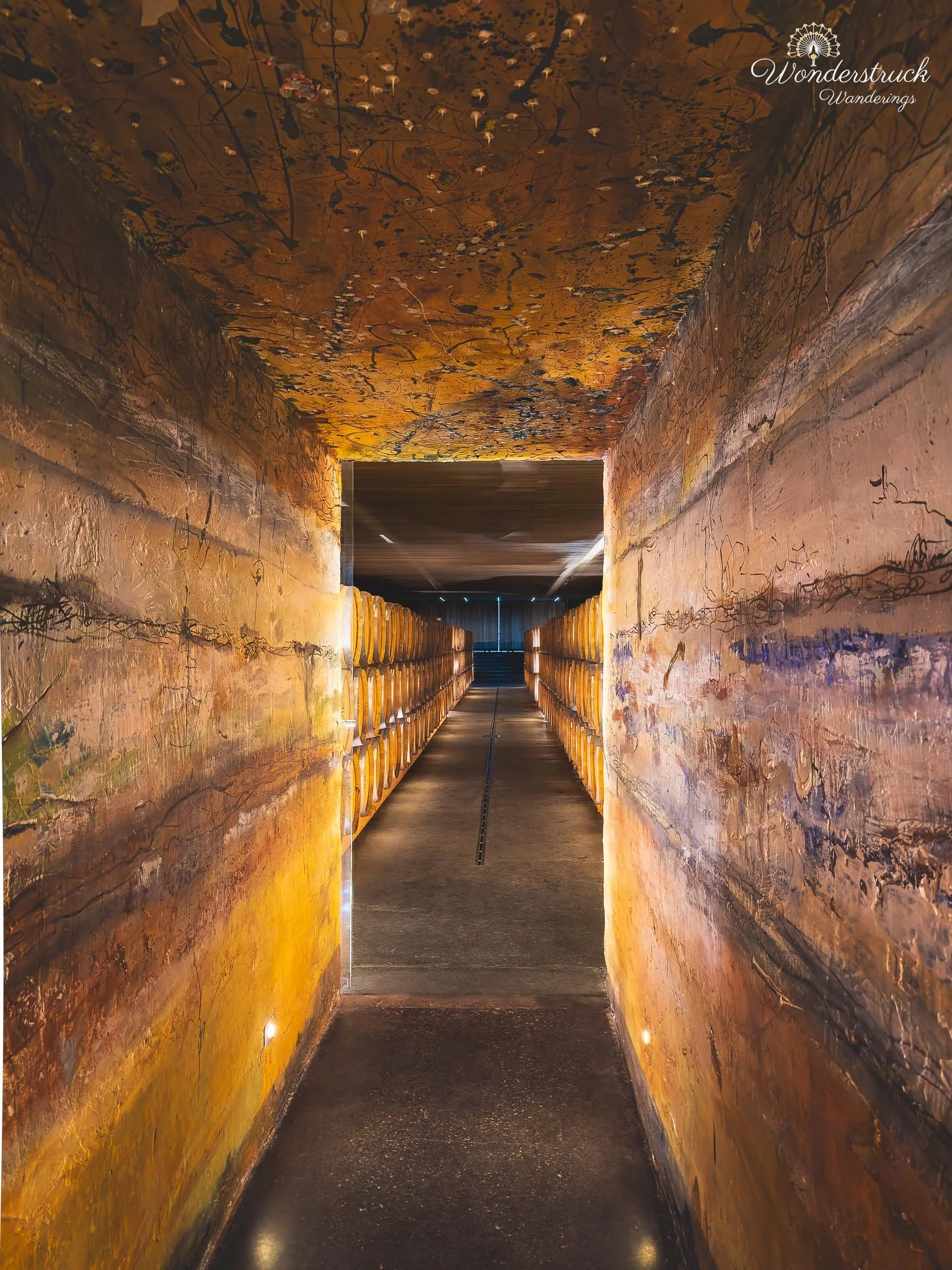
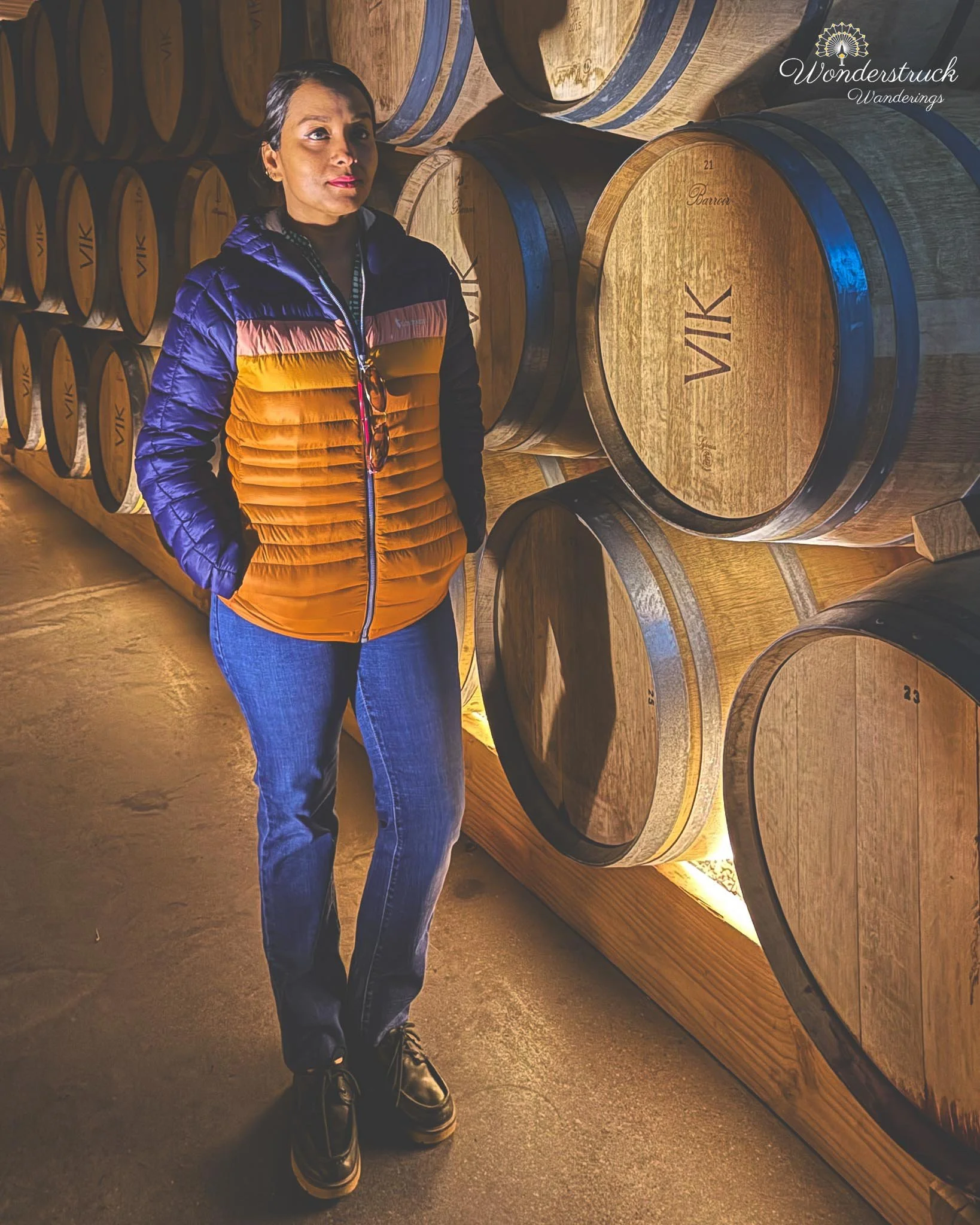
The cellar continued that same controlled, almost theatrical feeling. It did not feel like a rustic old-world cellar with dark corners and stacked barrels. It felt modern, intentional, and designed to make visitors think about every stage of aging. VIK leans heavily into the idea that the barrel should be part of the estate expression, not just a storage vessel, and that came through clearly in the barrel program. Their barrel approach was one of the more memorable parts of the tour. They use French Limousine oak for the barrel structure because it provides the right grain and shape for barrel-making. Chilean oak, by contrast, is too crooked and irregular to be used reliably for barrels. But instead of ignoring Chilean oak completely, VIK brings it into the process through smoking and toasting. The barrels are made with French oak, then smoked with Chilean oak so the wine can pick up part of that local Chilean character without sacrificing the structure and consistency needed for barrel construction. They also talked about reusing the barrels. Instead of discarding them quickly, VIK cleans out the inside of the barrels so they can be used again, with the goal of getting multiple cycles from each barrel—up to around six uses. Because the winery is still relatively new, they have not yet reached the full long-term reuse cycle across the program, but the intention is clear: control the oak, extend the life of the barrels, and make the aging process more efficient without turning the wood into a generic background element. For us, that helped explain why the wines are presented as structured, long-aging, carefully built bottles rather than casual immediate-drinking wines. VIK is not just talking about terroir in the vineyard; it is trying to control the entire chain from architecture and cellar temperature to oak source, smoke, barrel reuse, and final aging. They also showed us the large stone and amphora-like vessels used for aging some of the wine. These were one of the most visually distinctive parts of the cellar because they immediately changed the feel of the space. After rows of barrels, the stone vessels looked more sculptural and ancient, almost like archaeological objects placed inside a modern winery.
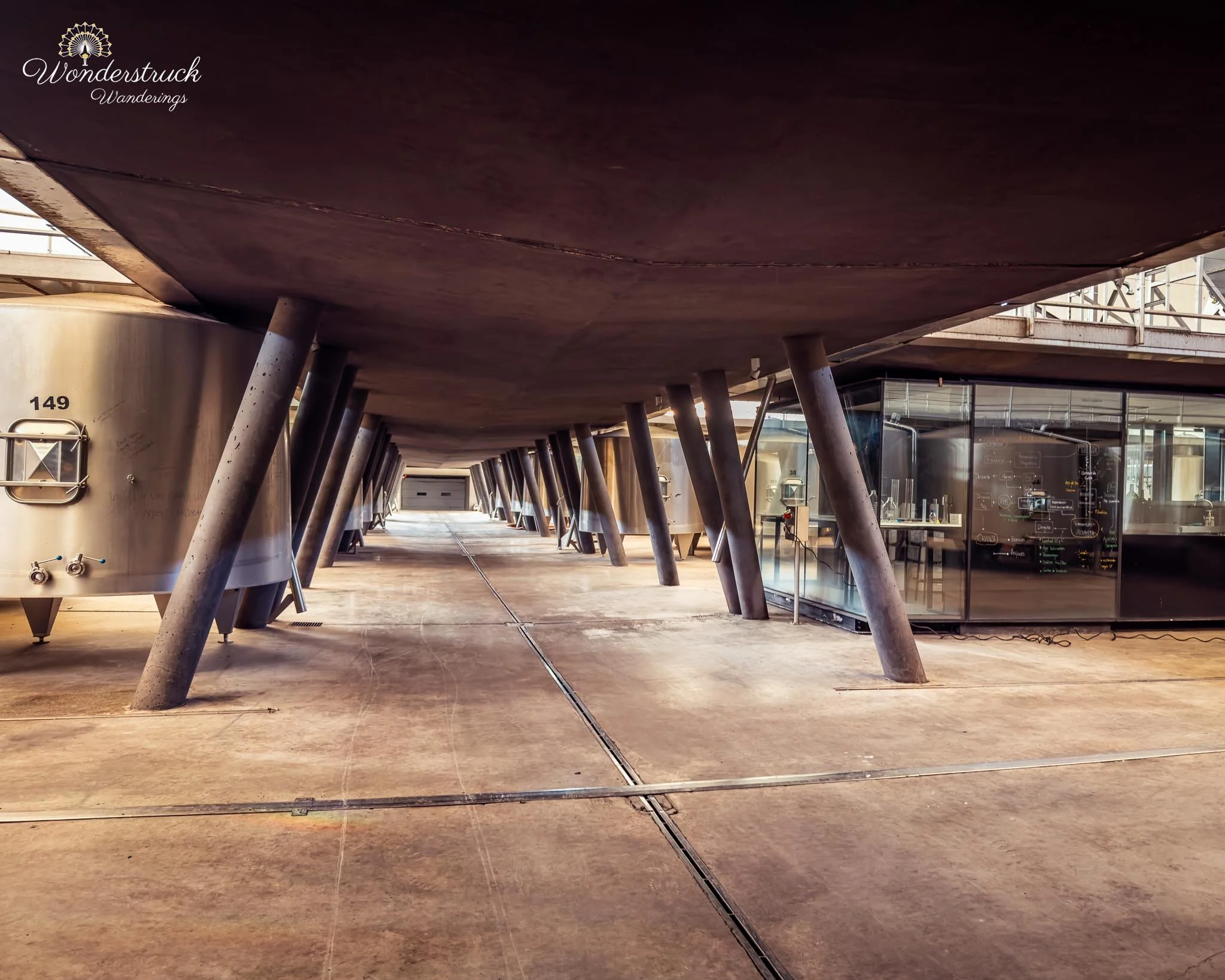
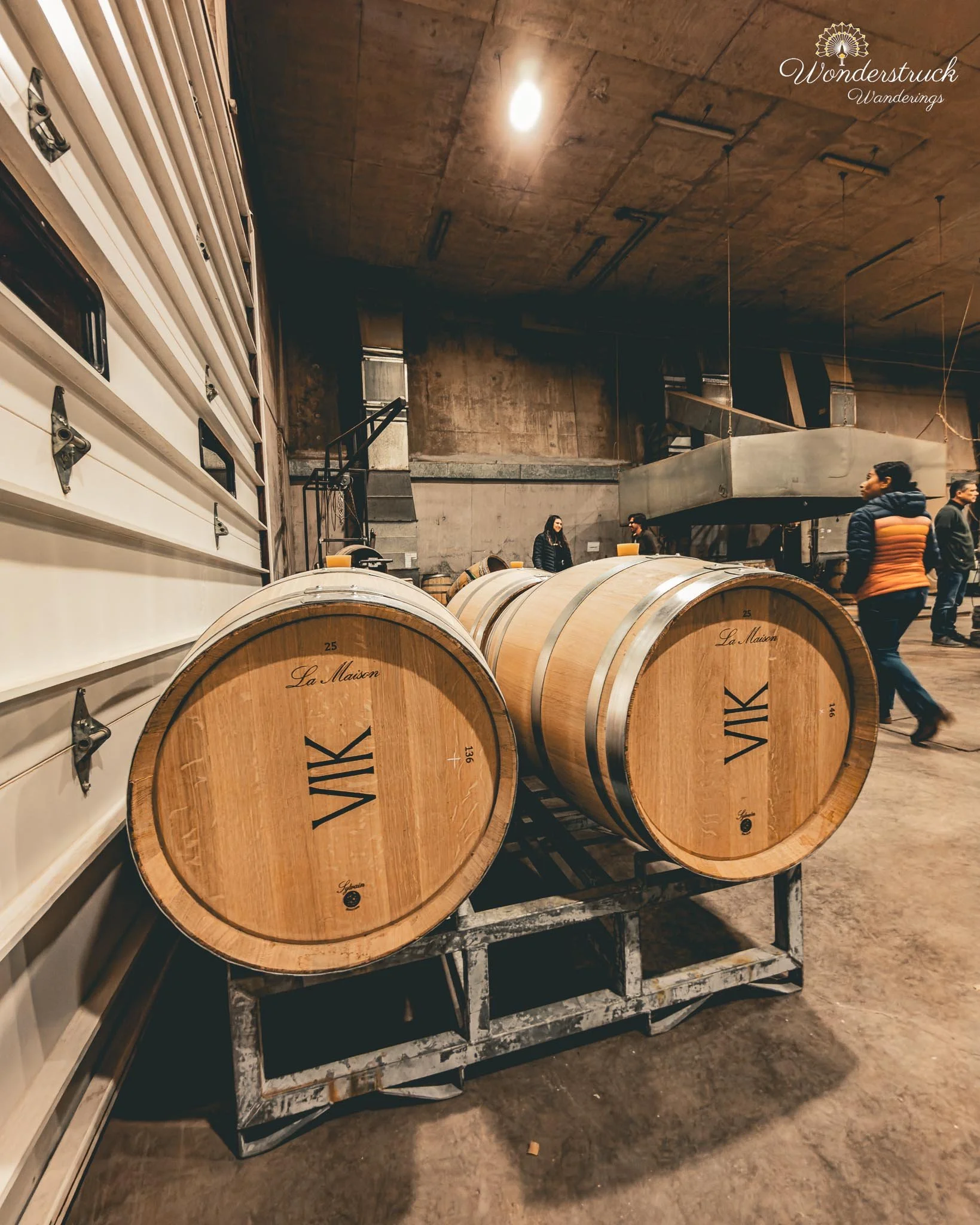
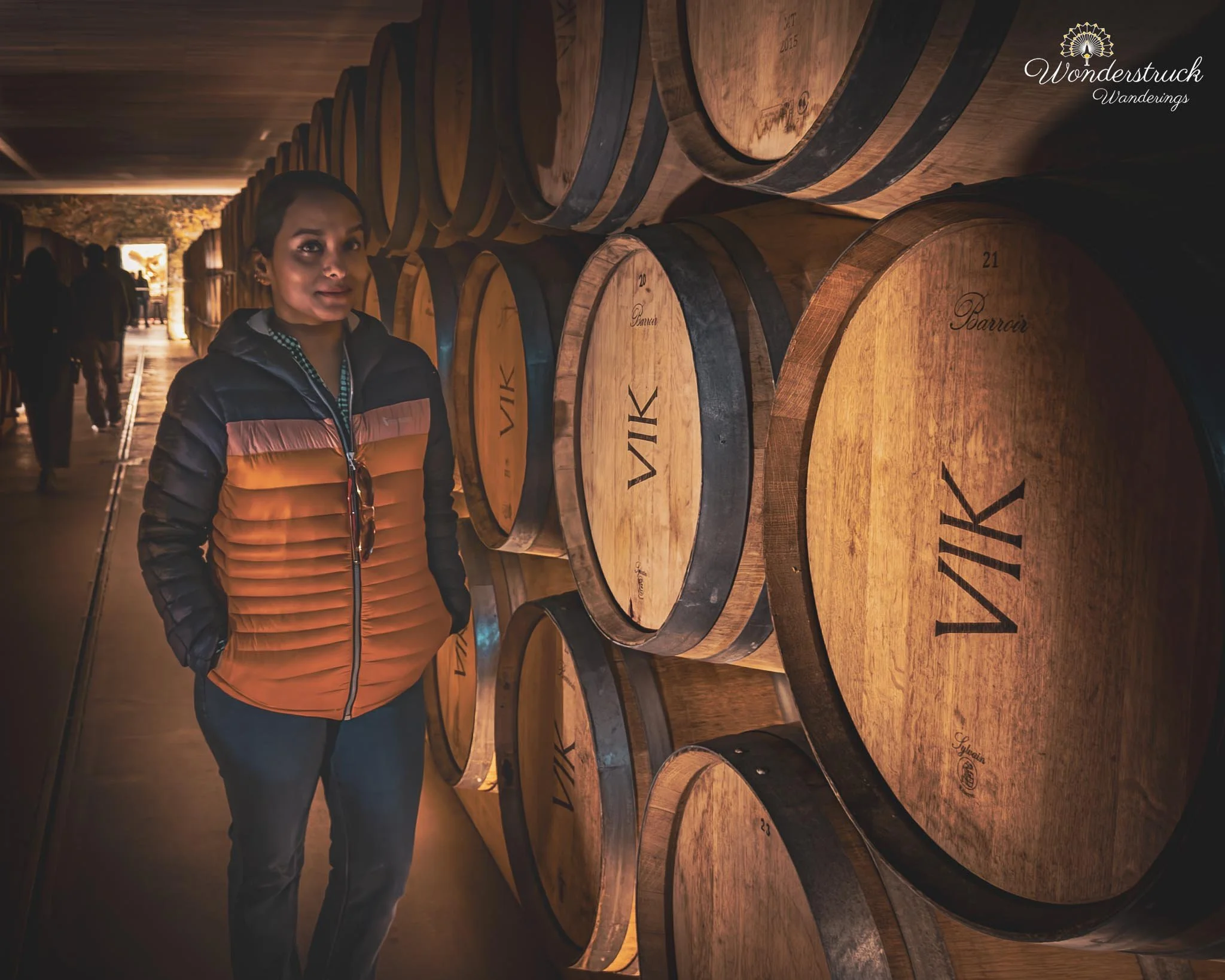
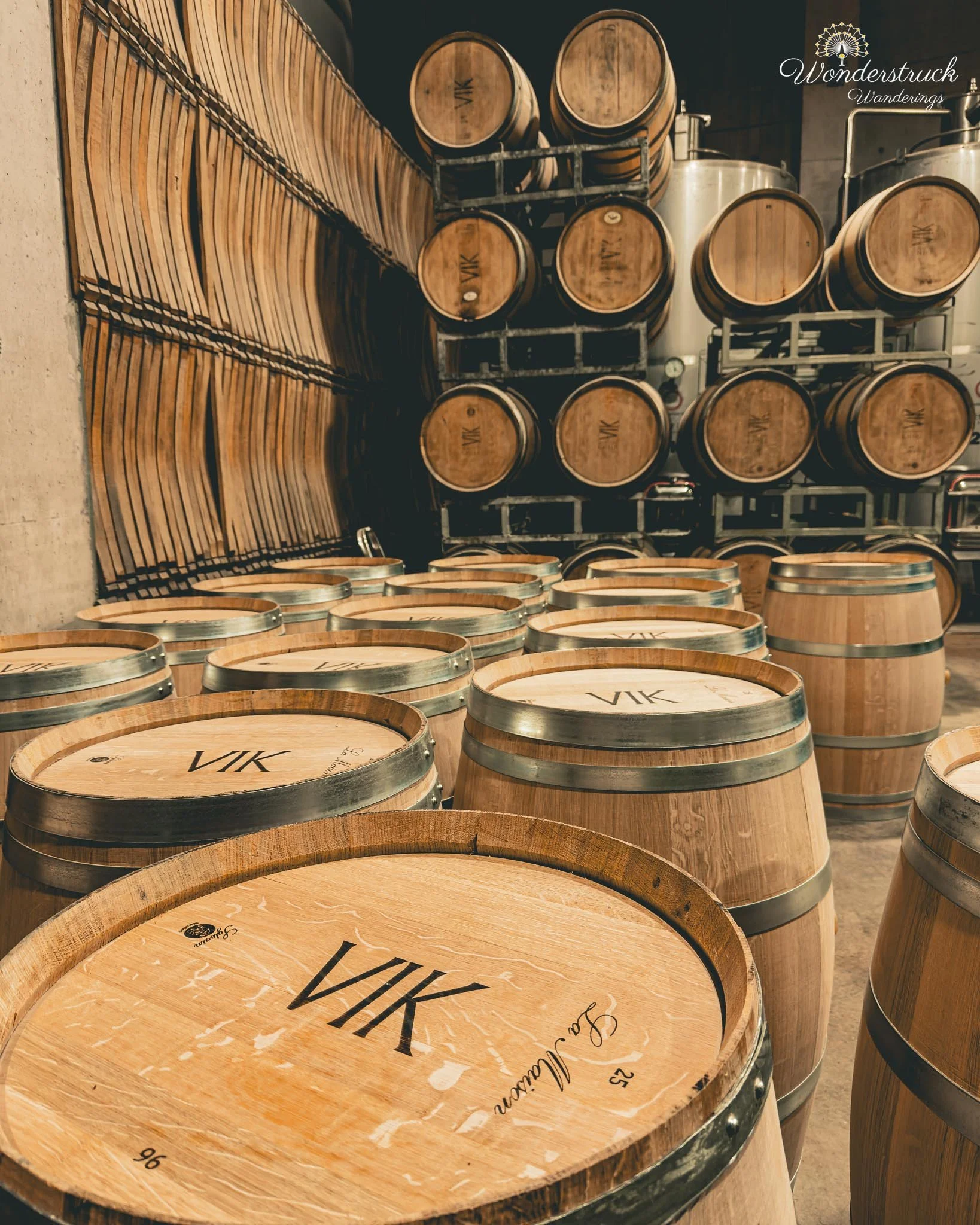
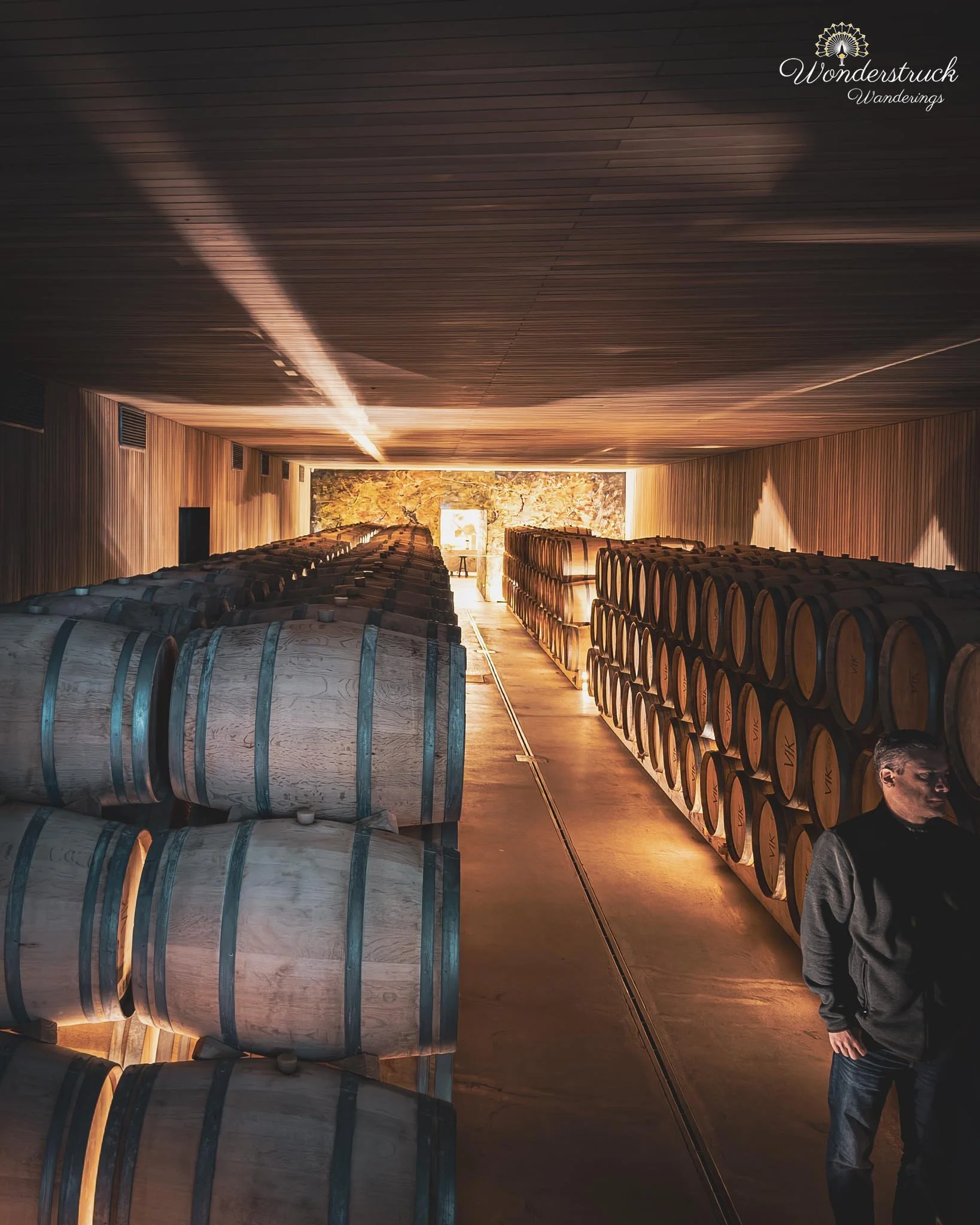
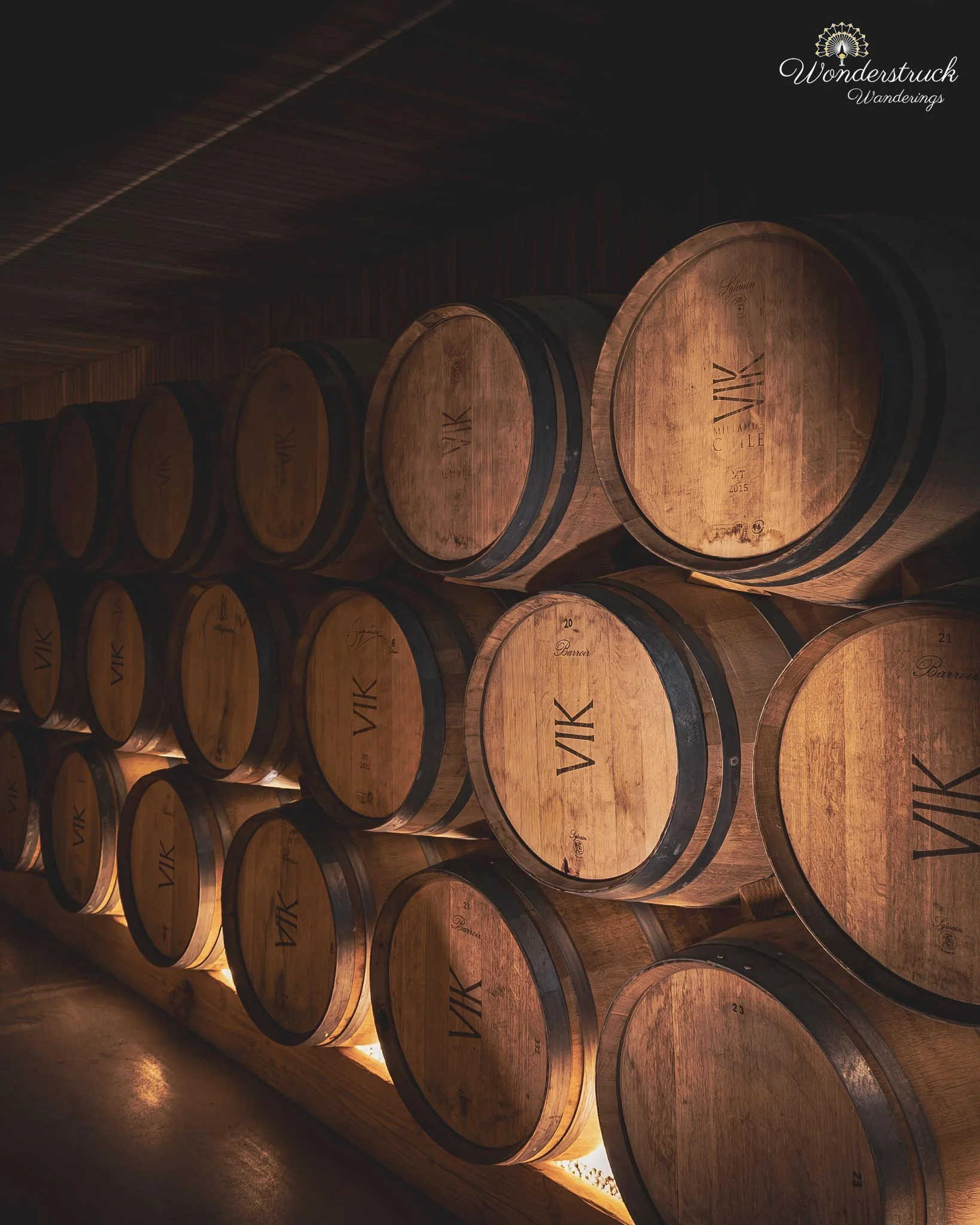
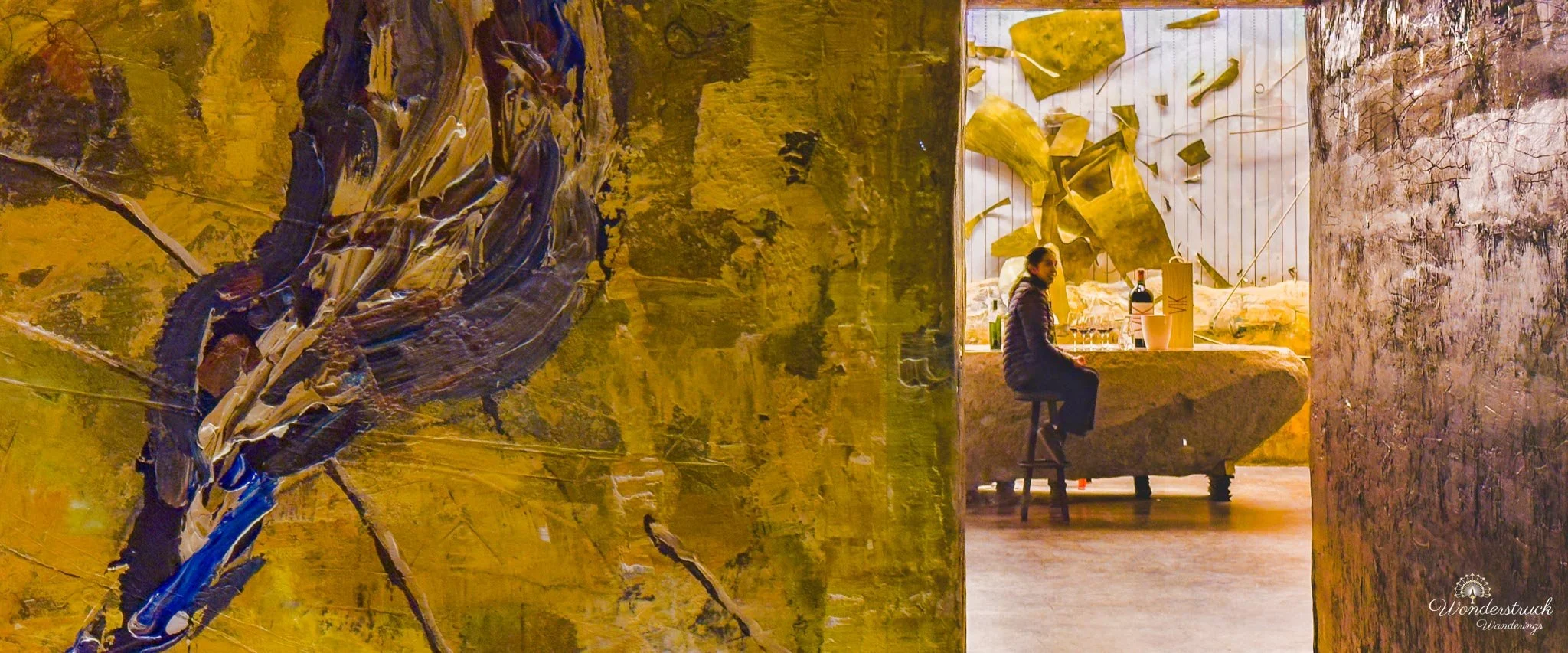
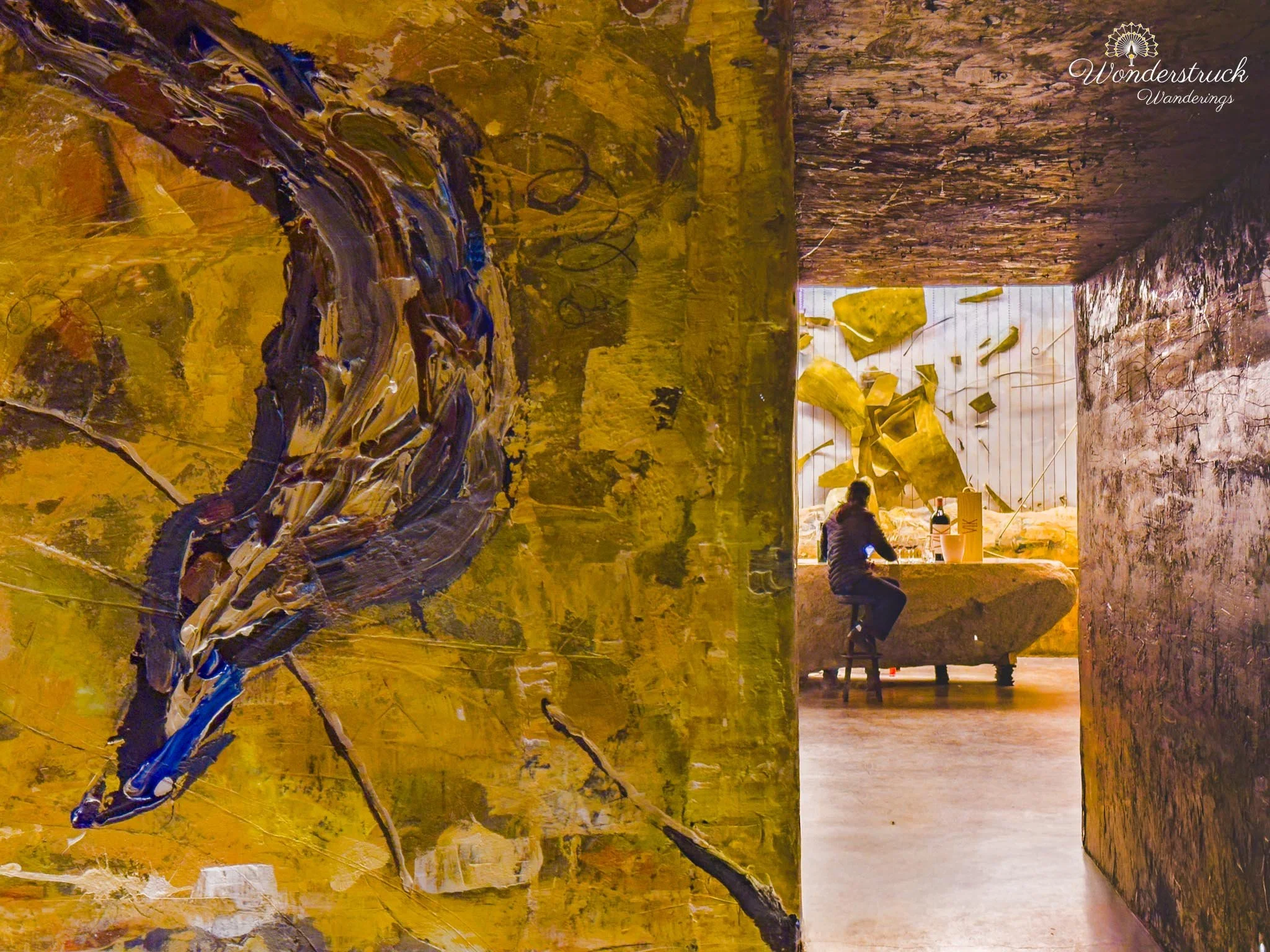
The vessels are made locally from Chilean clay and stone materials, and some hold close to 600 liters of wine. The idea is different from aging in oak. Instead of adding barrel flavors, the vessel gives the wine a different kind of texture and oxygen exchange, while keeping the fruit and structure in a more direct form. VIK uses this approach for Stone VIK, a wine that shows a different side of the estate from the oak-aged bottles. What made the story more interesting was how the process connects to older winemaking traditions. Amphora-style vessels have been used for thousands of years, and similar buried-vessel methods are especially associated with ancient and Eastern European / Caucasus wine cultures. At VIK, the method is reproduced in a modern Chilean setting: the wine is placed into these large vessels and buried in the ground, where the earth helps keep the temperature steady and the aging environment protected. It fit the overall VIK style perfectly. The vessel was not only a container; it was also an art object, a winemaking tool, and a branding statement. Just like the water-cooled architecture and the custom barrel program, the stone vessels showed how much VIK wants each part of the process to feel intentional. The cellar itself was beautiful, with a sense of drama that was clearly intentional. Then we entered the tasting area, where paintings and art on the walls continued the VIK theme of wine as a full sensory experience. The art did not feel incidental. It was part of the identity of the place, especially because VIK uses visual art so strongly in its wine labels and hotel design. The larger group took the main tasting room, while our smaller English-language group ended up in a more private tasting room. That turned out to be a win. The room was more intimate, surrounded by bottles from top to bottom, and it gave the tasting a calmer feel after the larger tour.
The VIK Tasting: Cabernet, Carménère, Milla Cala, VIK, and La Piu Belle
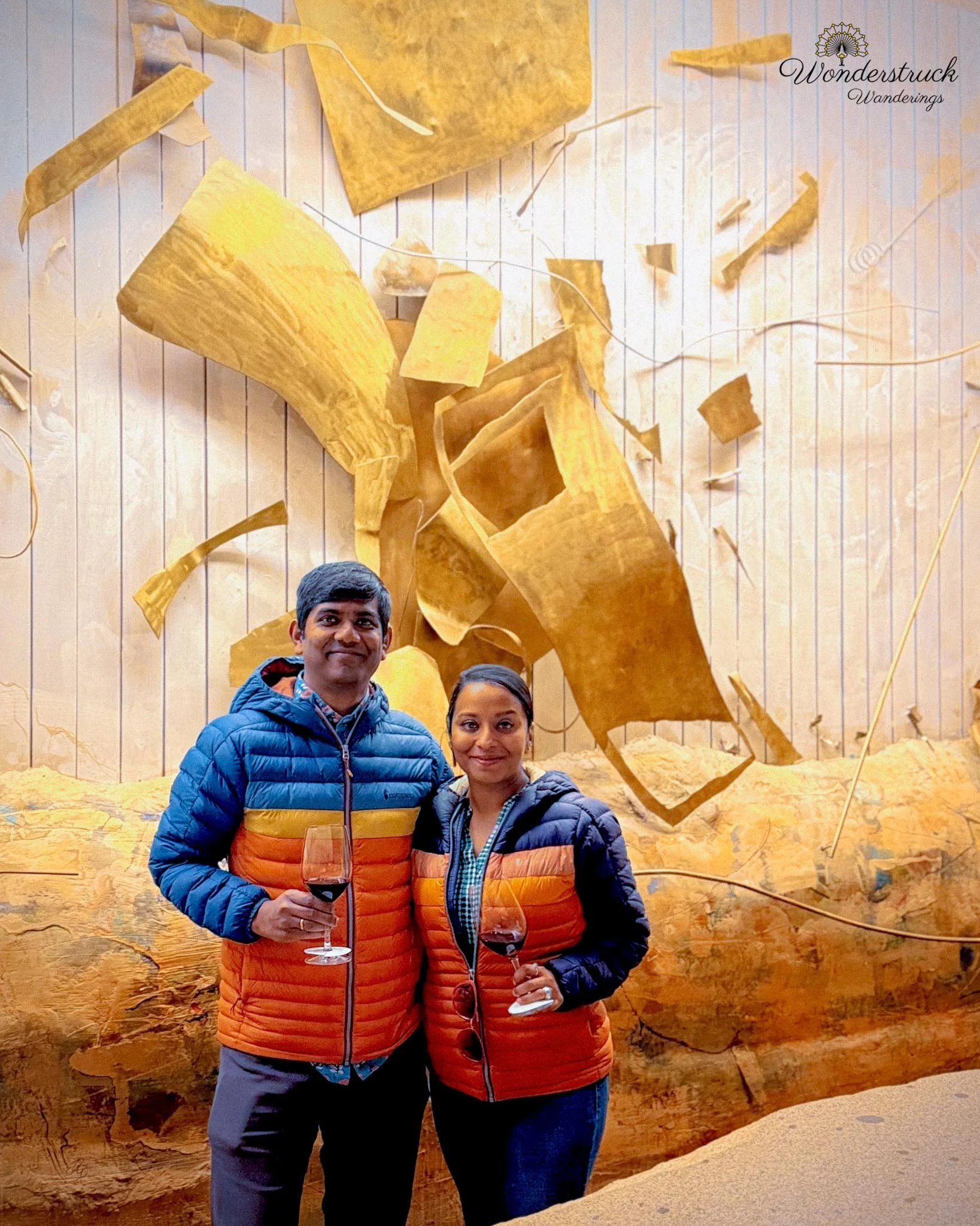
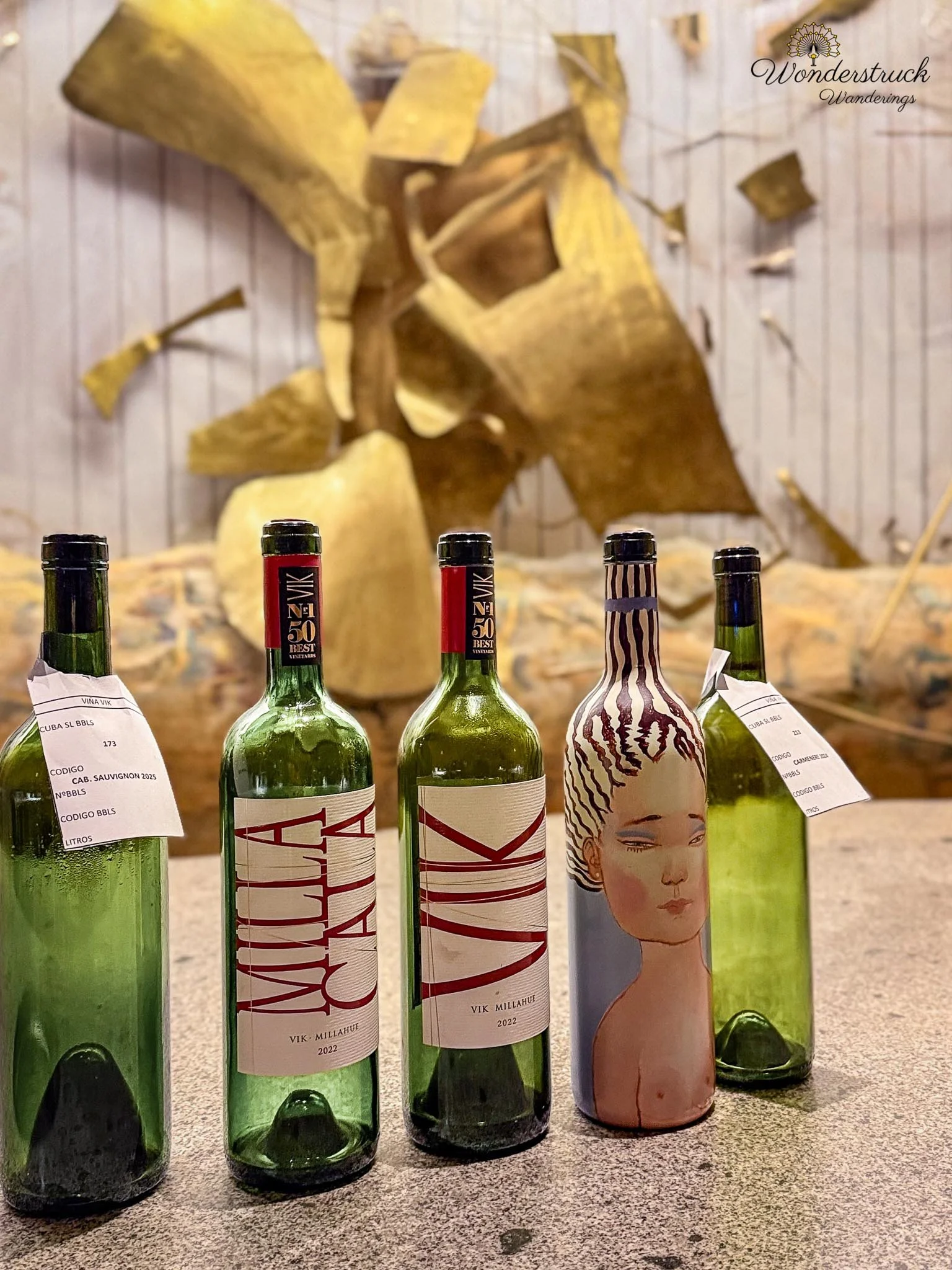
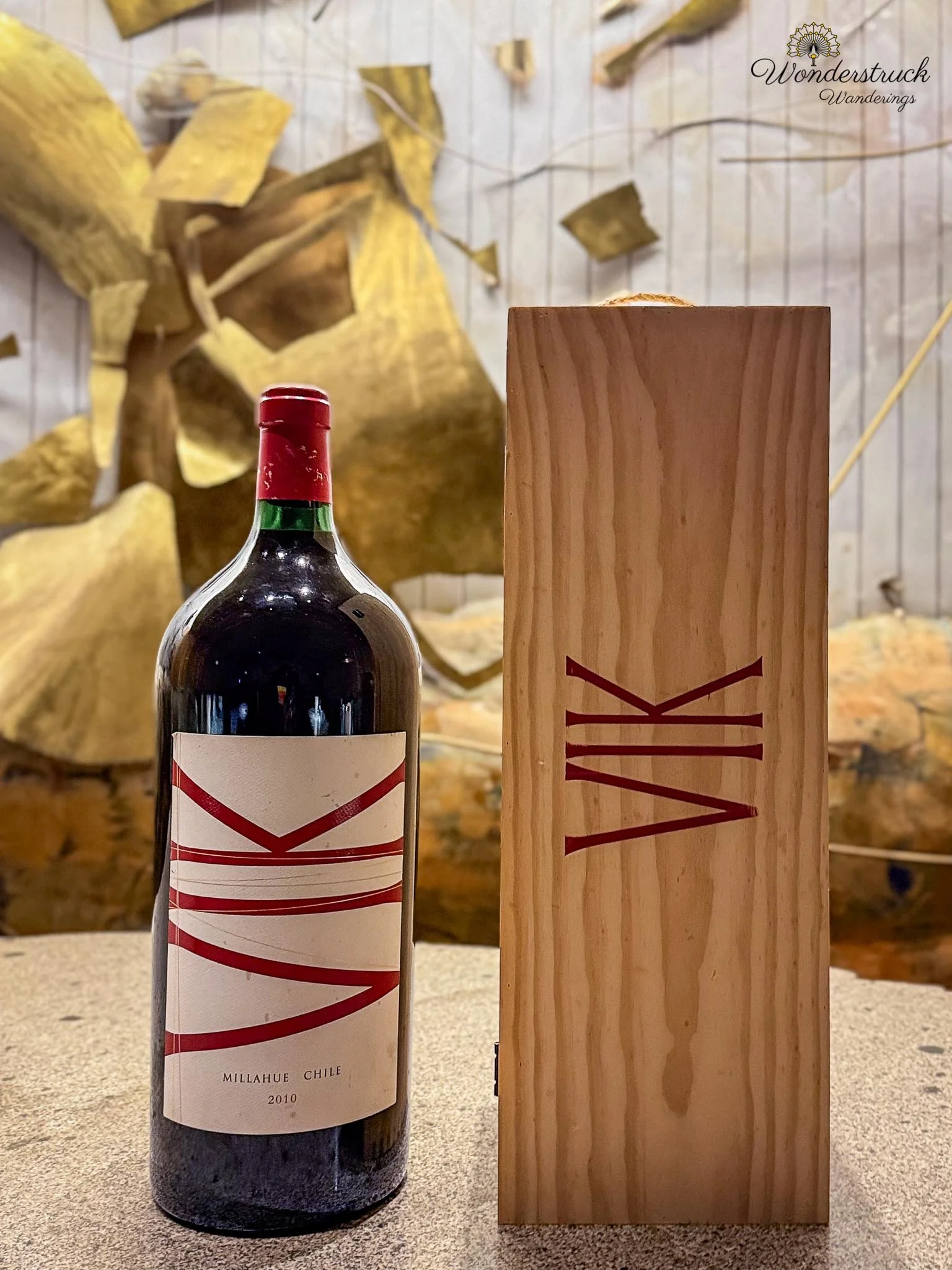
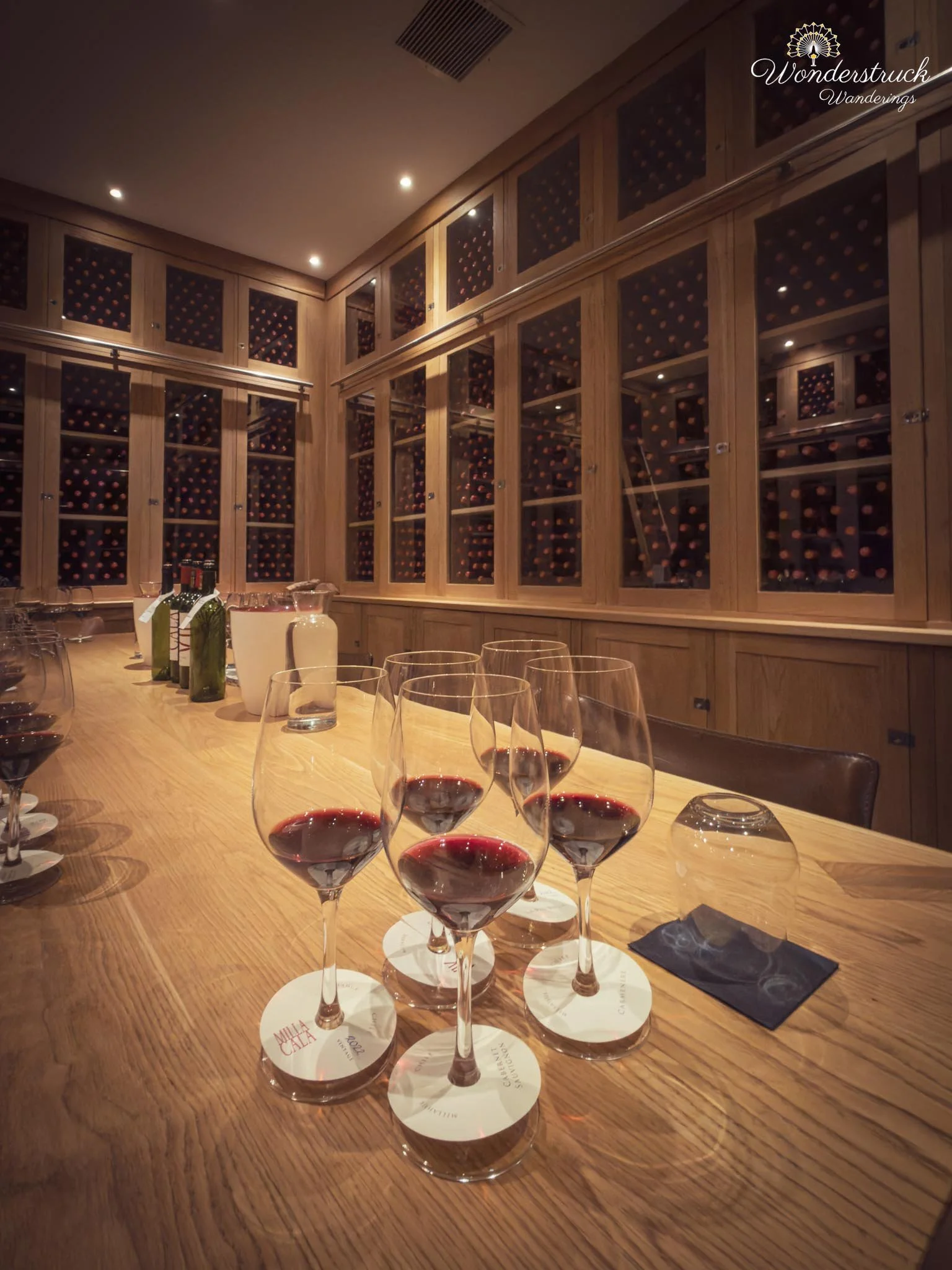
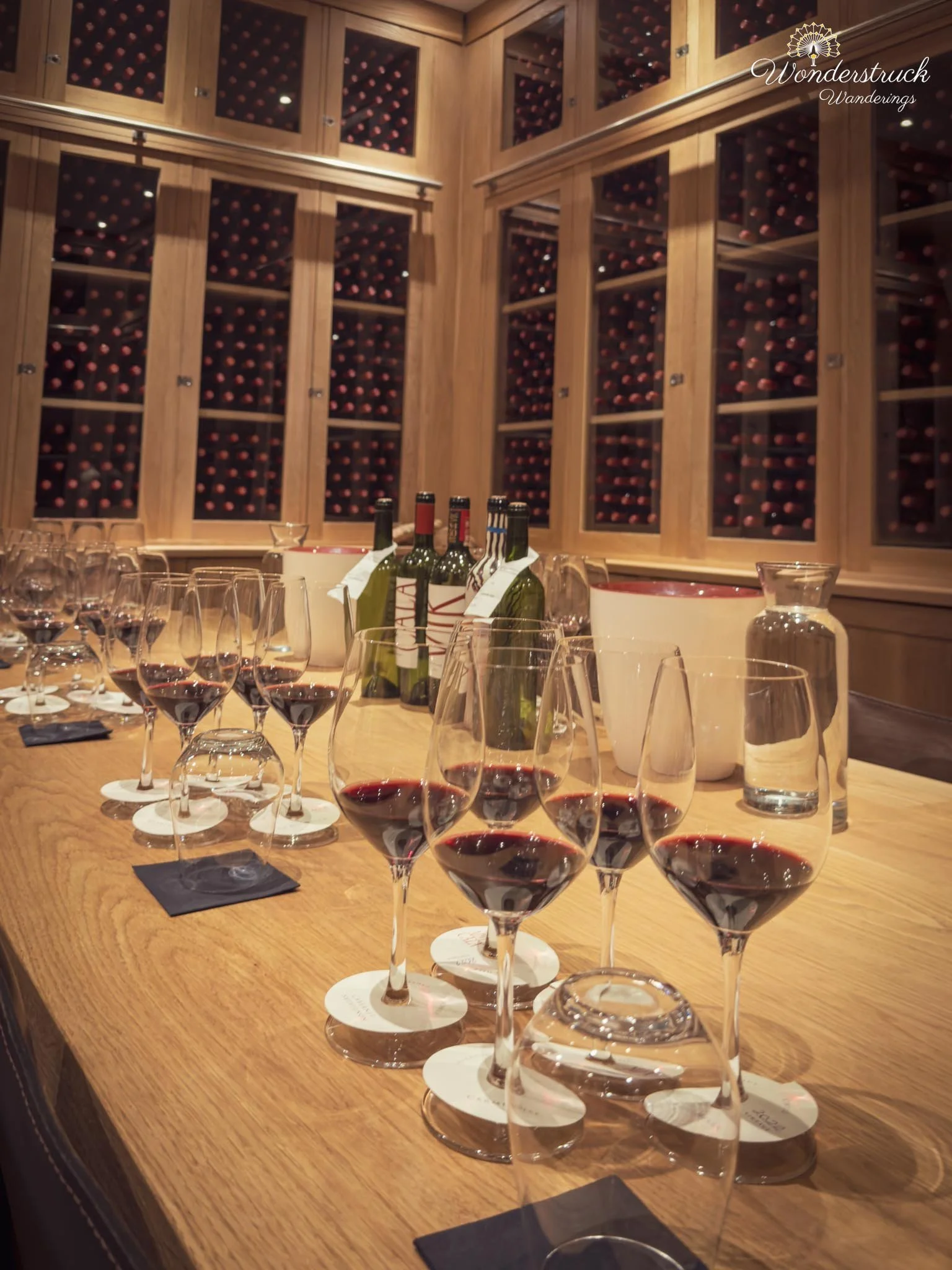
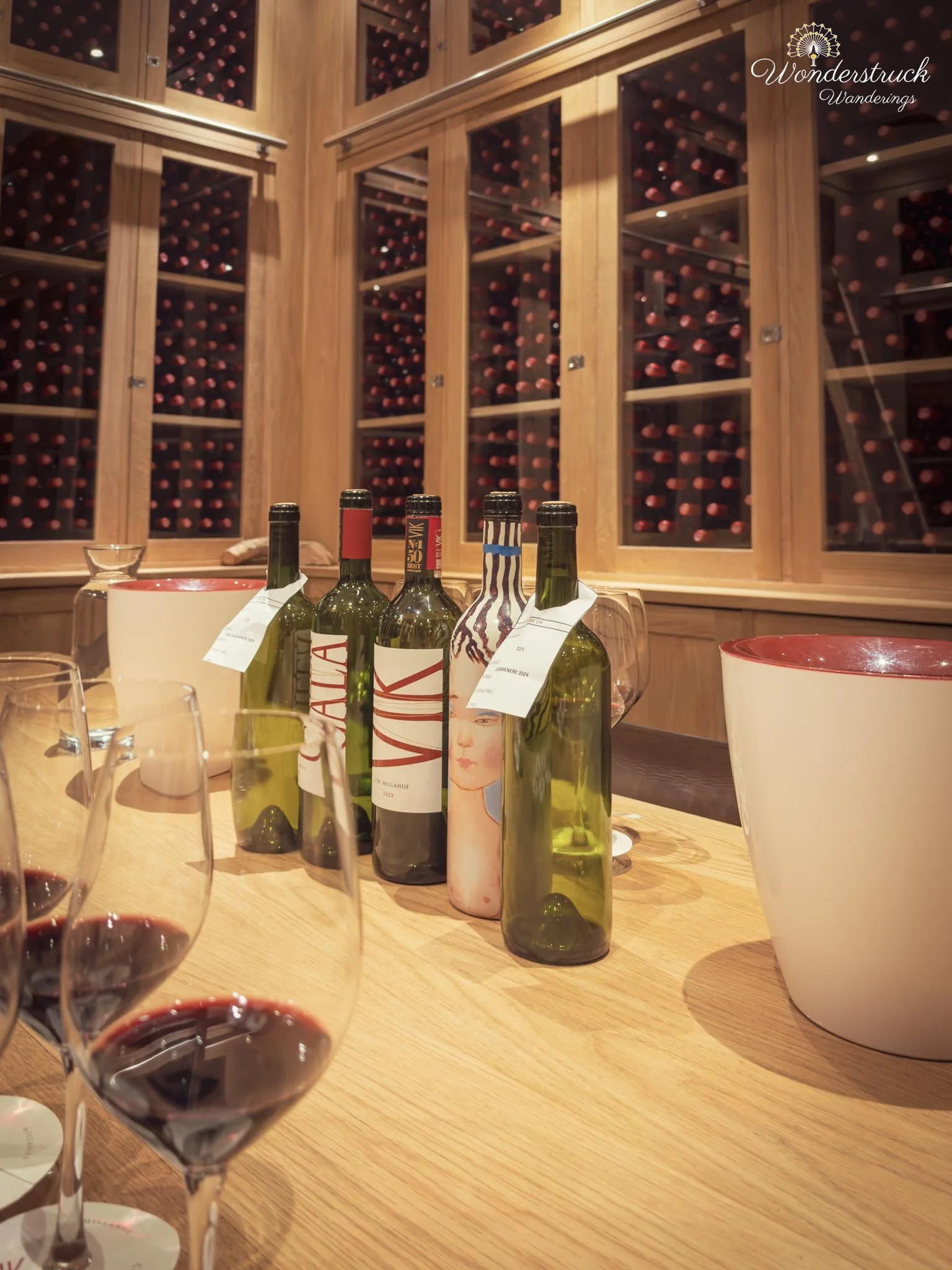
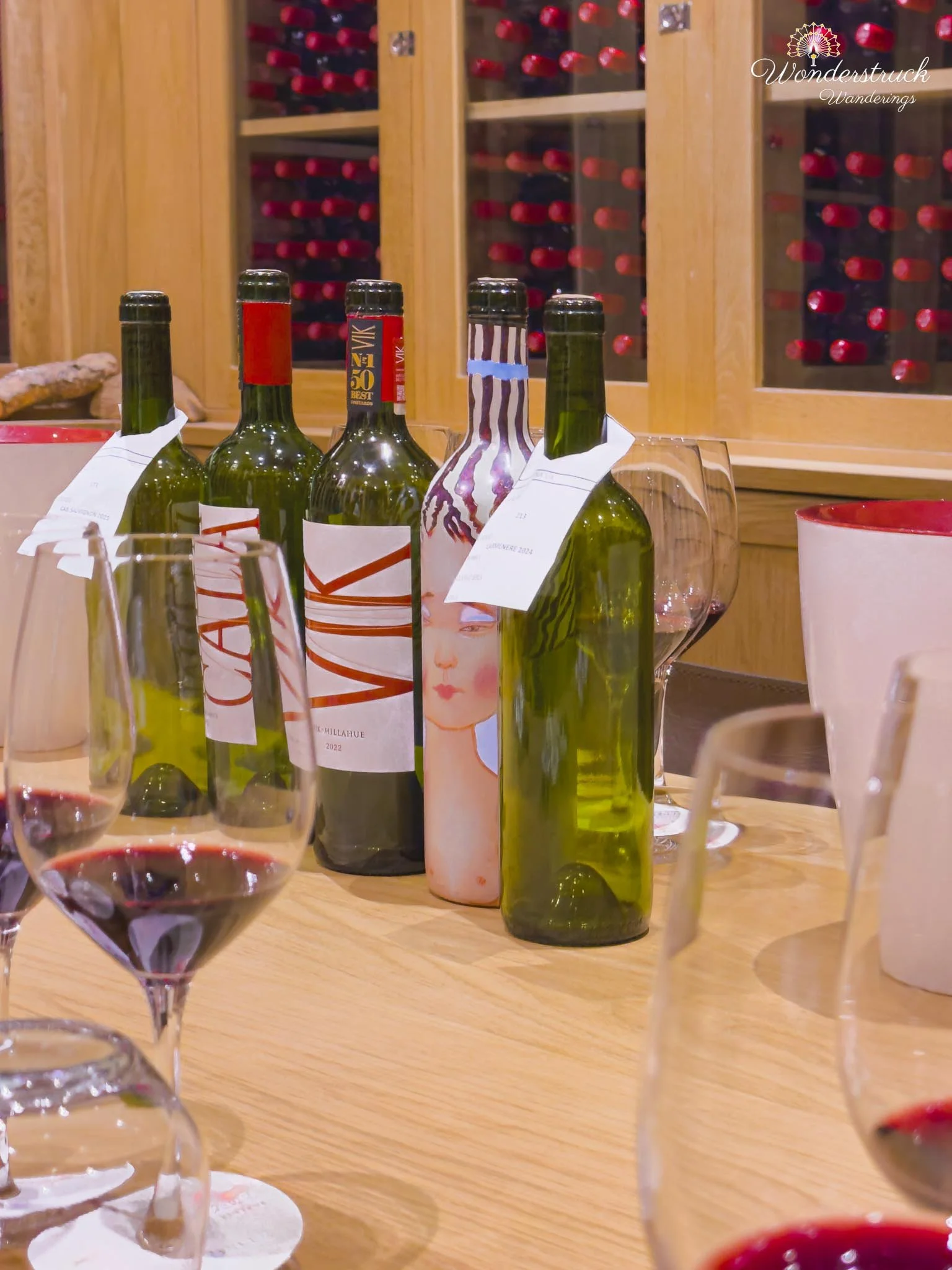
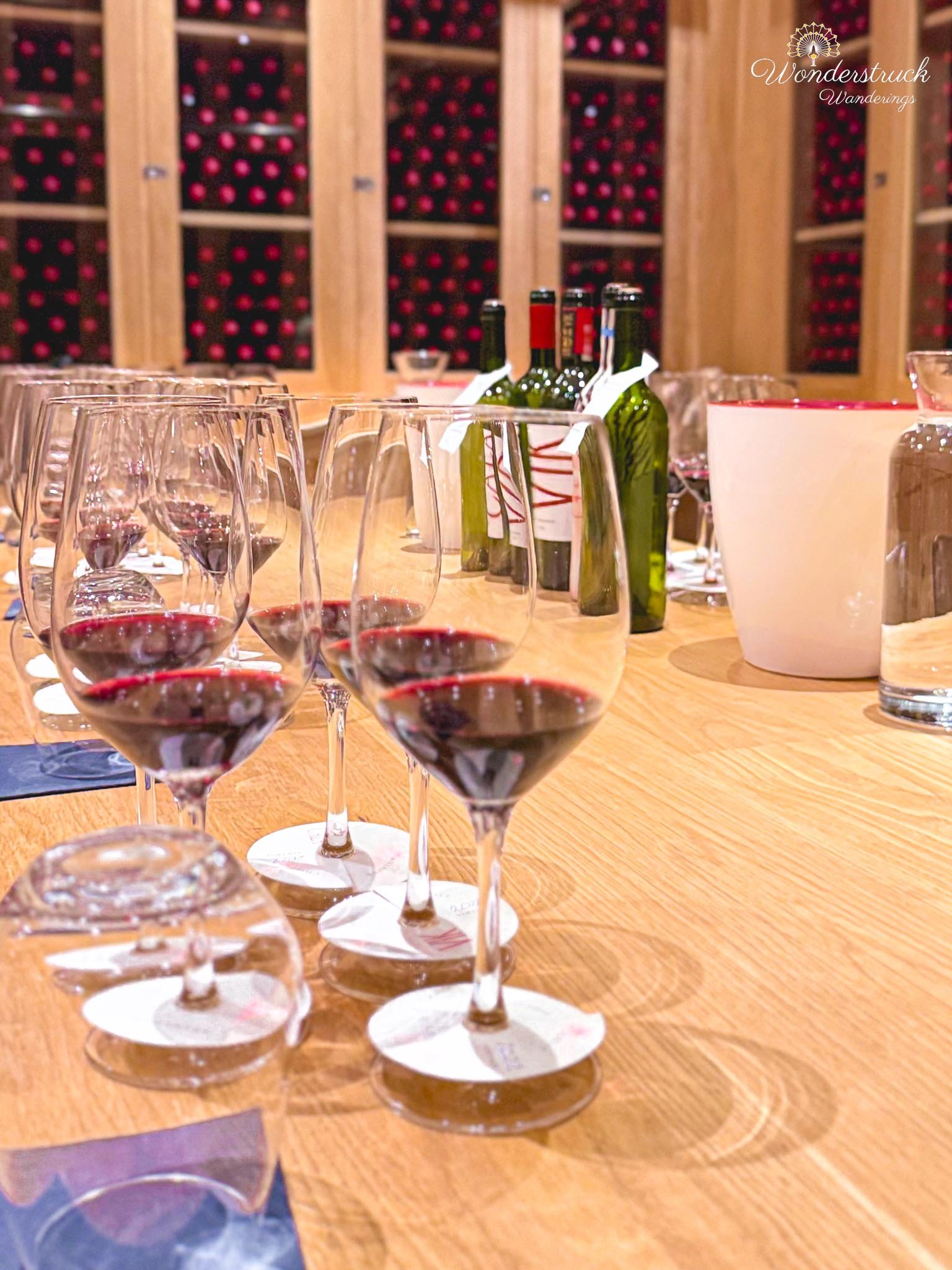
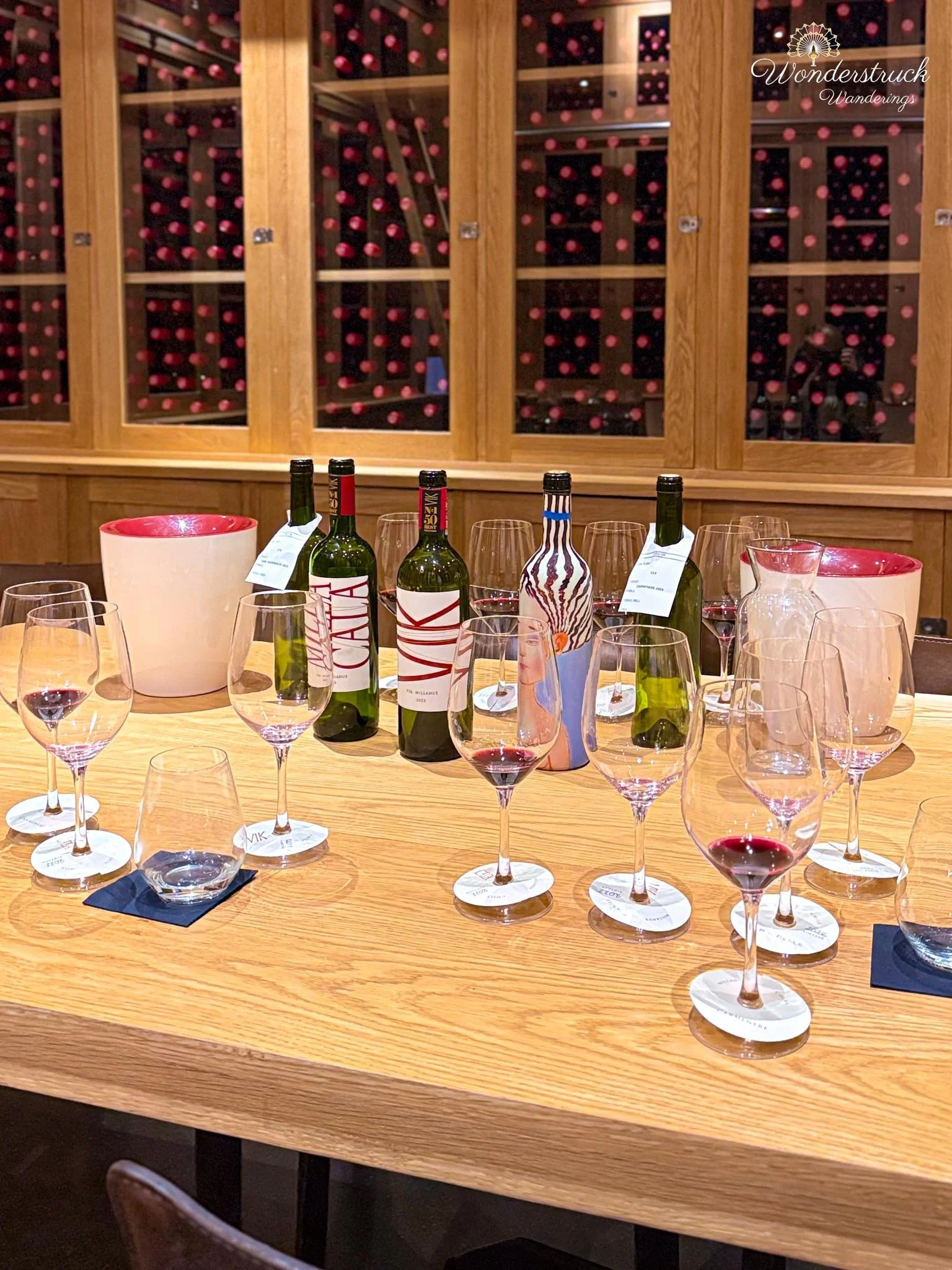
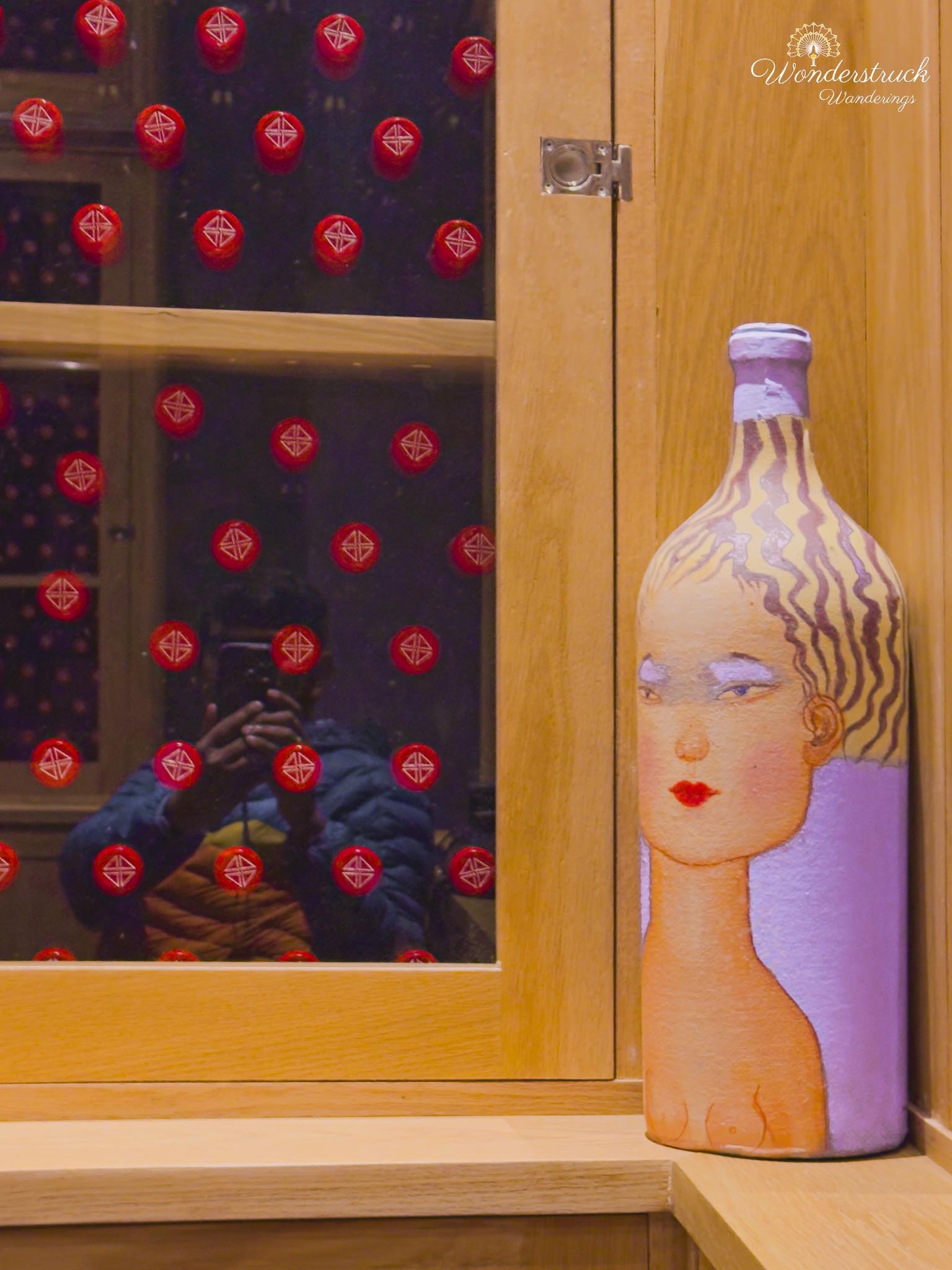
We started with the Cabernet Sauvignon and Carménère from the 2024 vintage. The Cabernet showed structure, dark fruit, and freshness, but the Carménère immediately caught our attention because of its green bell pepper note. At first pour, it leaned very much into that fresh pepper side of Carménère: green, herbal, and slightly sharp. Then we moved into the bigger wines. Milla Cala felt like the bridge wine: more polished and layered than the opening varietal pours, but not as intense or age-demanding as VIK or La Piu Belle. It carried dark fruit, structure, and a smoother blend profile, the kind of wine that felt more ready to understand in the glass than the flagship bottlings. Then came VIK itself. We tasted the 2022 vintage, which felt powerful and structured, but also clearly young. It had the frame of a serious wine: dark fruit, tannin, acidity, oak integration still settling, and that sense that drinking it now would be missing the point.
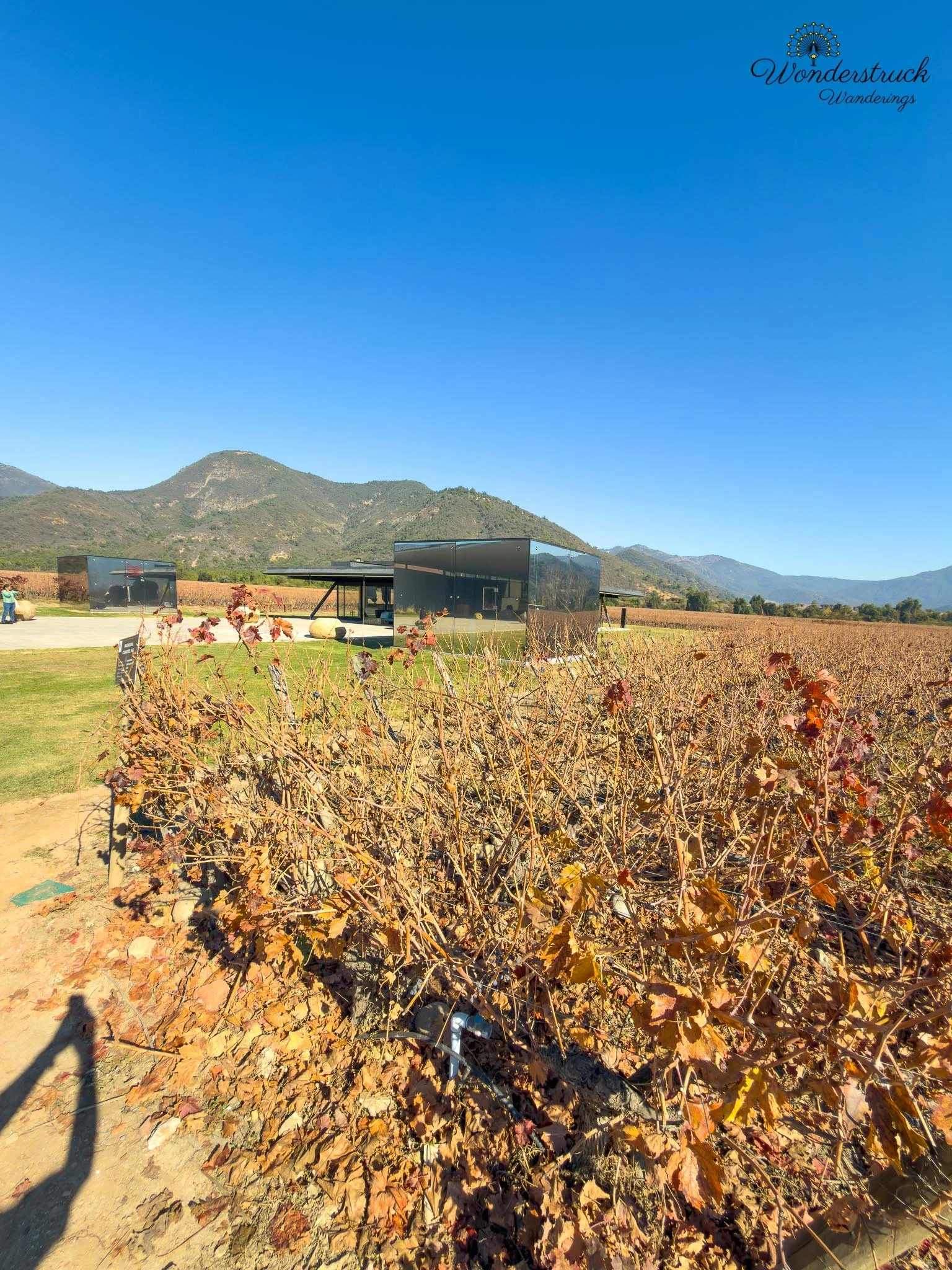
This is a bottle that needs time. La Piu Belle was also the 2022 vintage. It had plush fruit and texture but also a savory pepper quality that reminded us why Carménère can be such a distinctive Chilean signature. Like VIK 2022, it felt like it needed more time in bottle. The surprise of the tasting, though, came when we returned to the Carménère. When we first tasted it, it was all green bell pepper. But after sitting in the glass and opening up, it changed completely. The green pepper softened into roasted red bell pepper, then into something that reminded us of ajvar: sweet roasted pepper, smoky edges, and a deeper savory warmth. It was by far our favorite wine of the tasting because it evolved so dramatically and felt so expressive. It was not the biggest wine. It was not the most expensive wine. But it was the wine that told the most interesting story in the glass. Because VIK, Milla Cala, and La Piu Belle could be shipped from their U.S. warehouse, Shay arranged shipping for those. The downside is that the serious bottles probably need 10 to 15 years before opening, which is both exciting and mildly unfair. We picked up two bottles of Carménère directly because those were not available for U.S. shipping, and that felt like the right souvenir from the tasting. VIK also has a very expensive hotel component, and it is easy to understand why people build an entire stay around it. The retreat sits high above the valley with strong architectural identity, art-filled interiors, and a luxury wine-country positioning that makes it more than just a place to sleep. We were not staying there, but walking around the building after the tour made us admire how fully they had built the VIK world: wine, architecture, hotel, art, landscape, and collector culture all feeding into one brand.
Lunch at Fuegos de Apalta at Montes
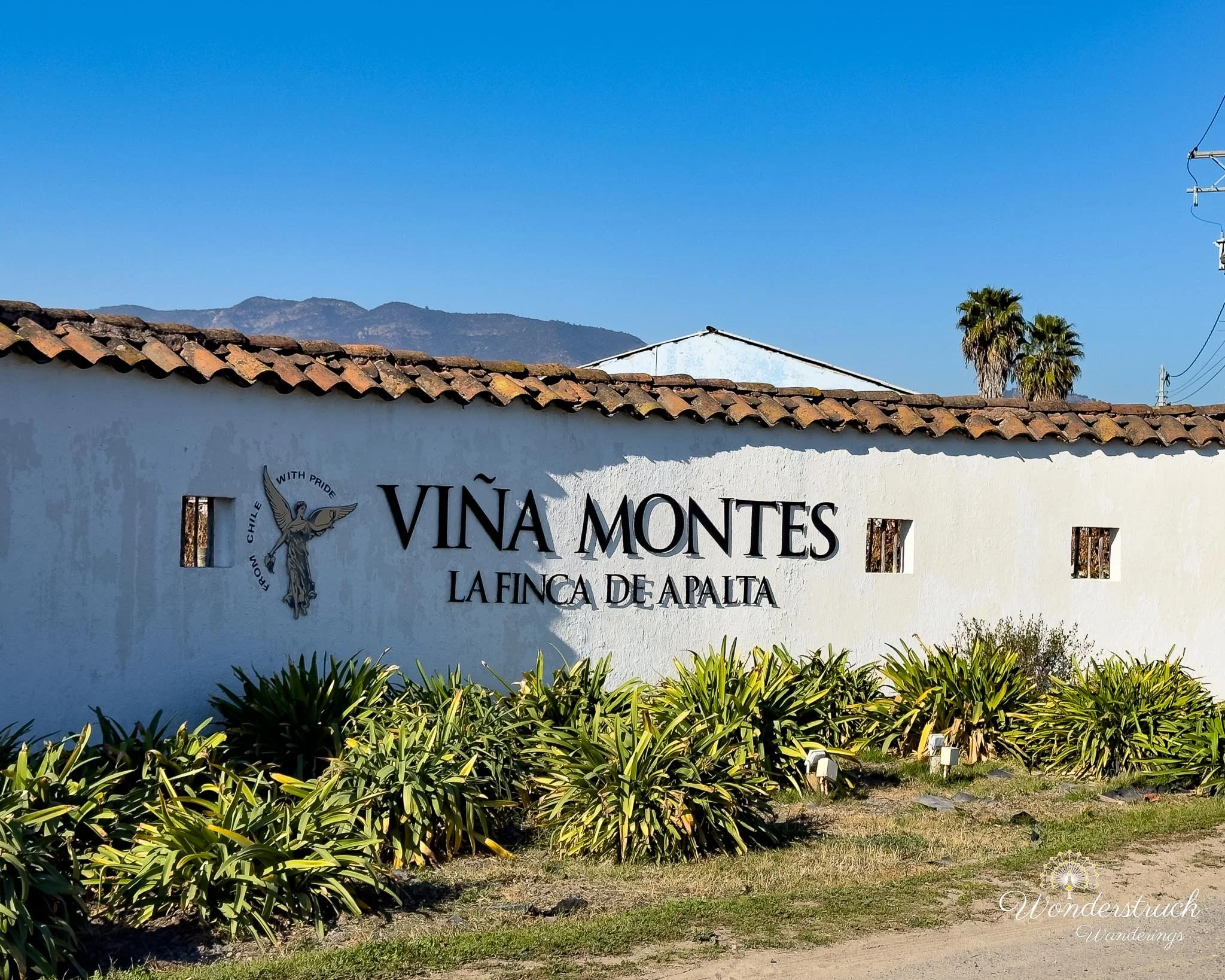
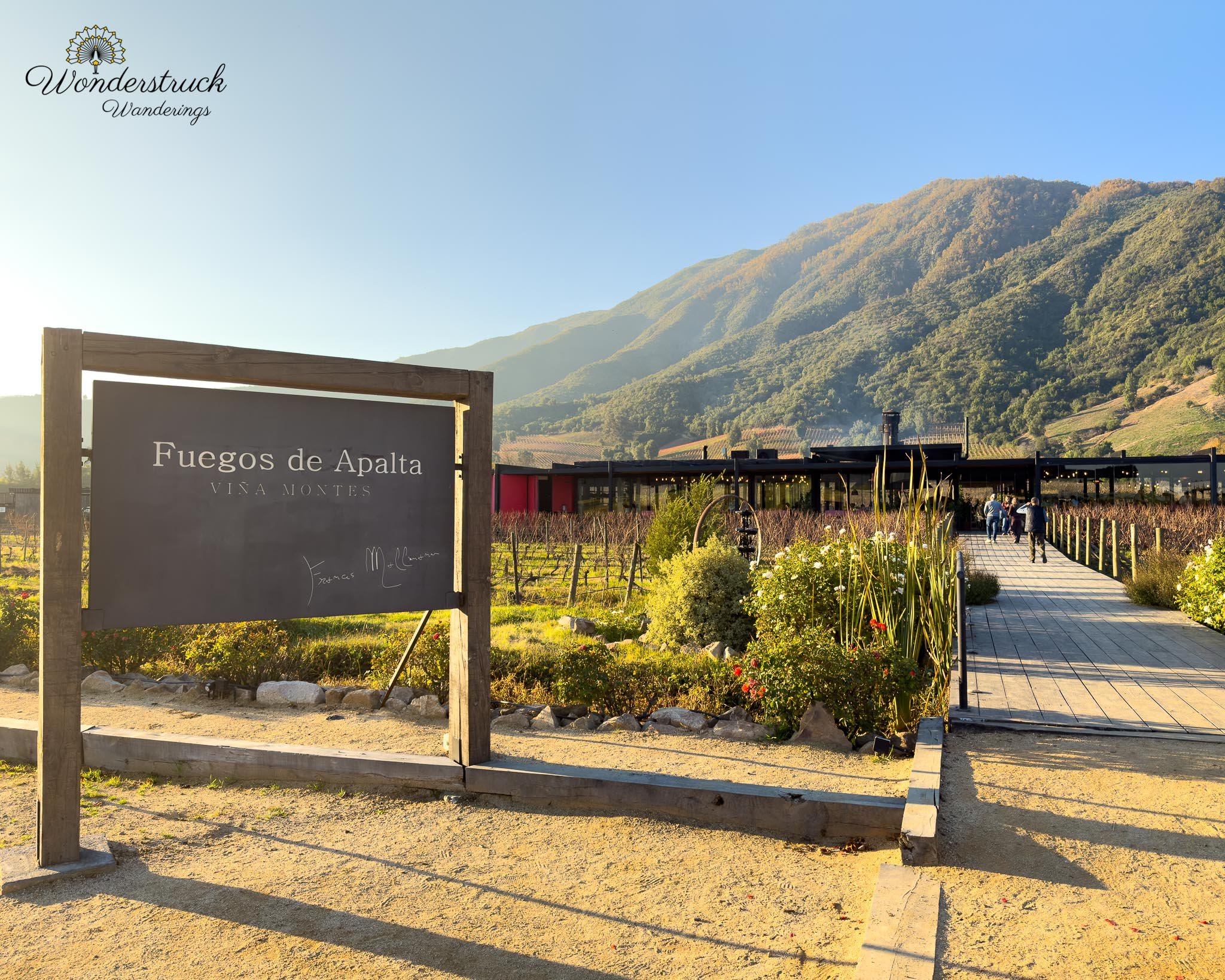
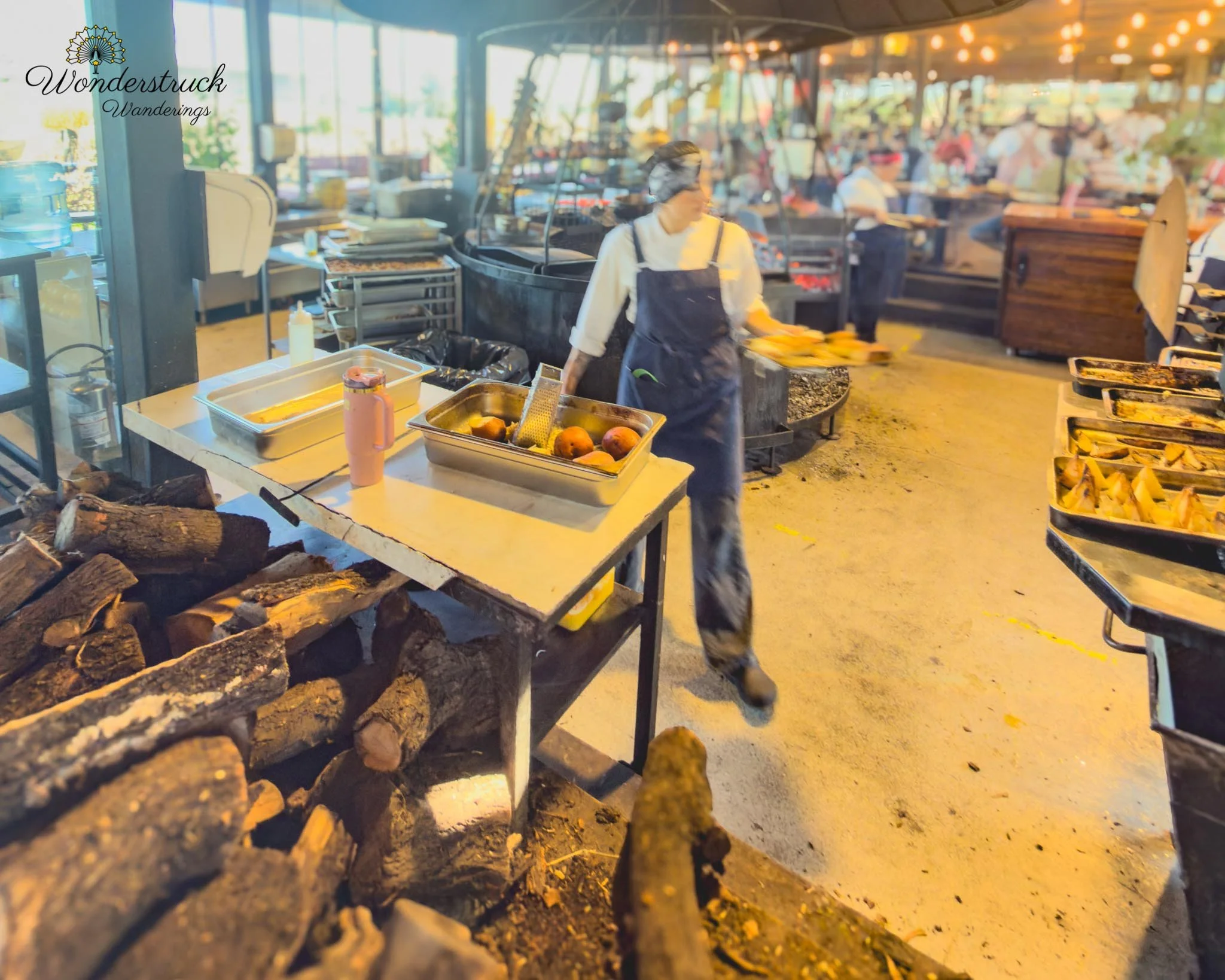
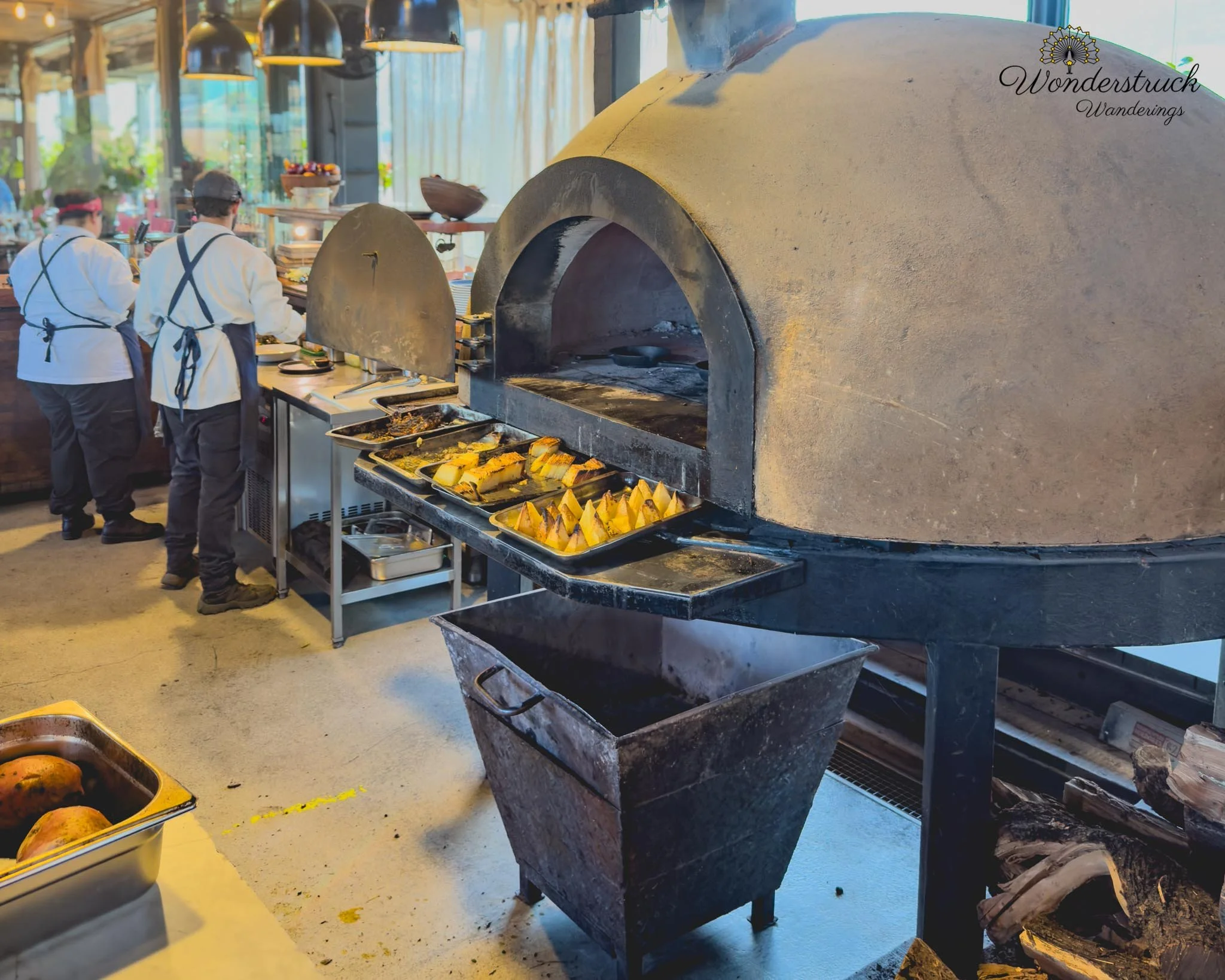
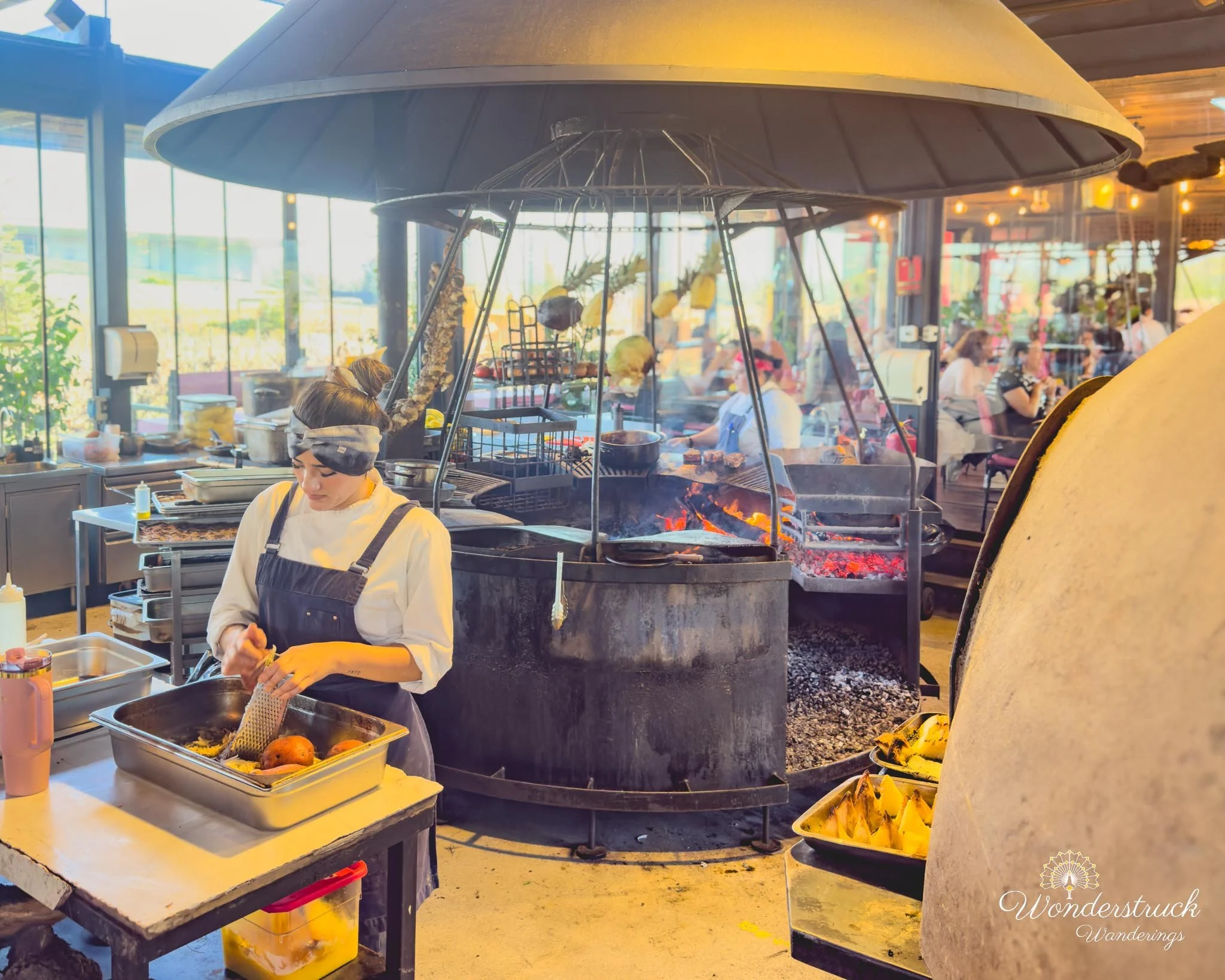
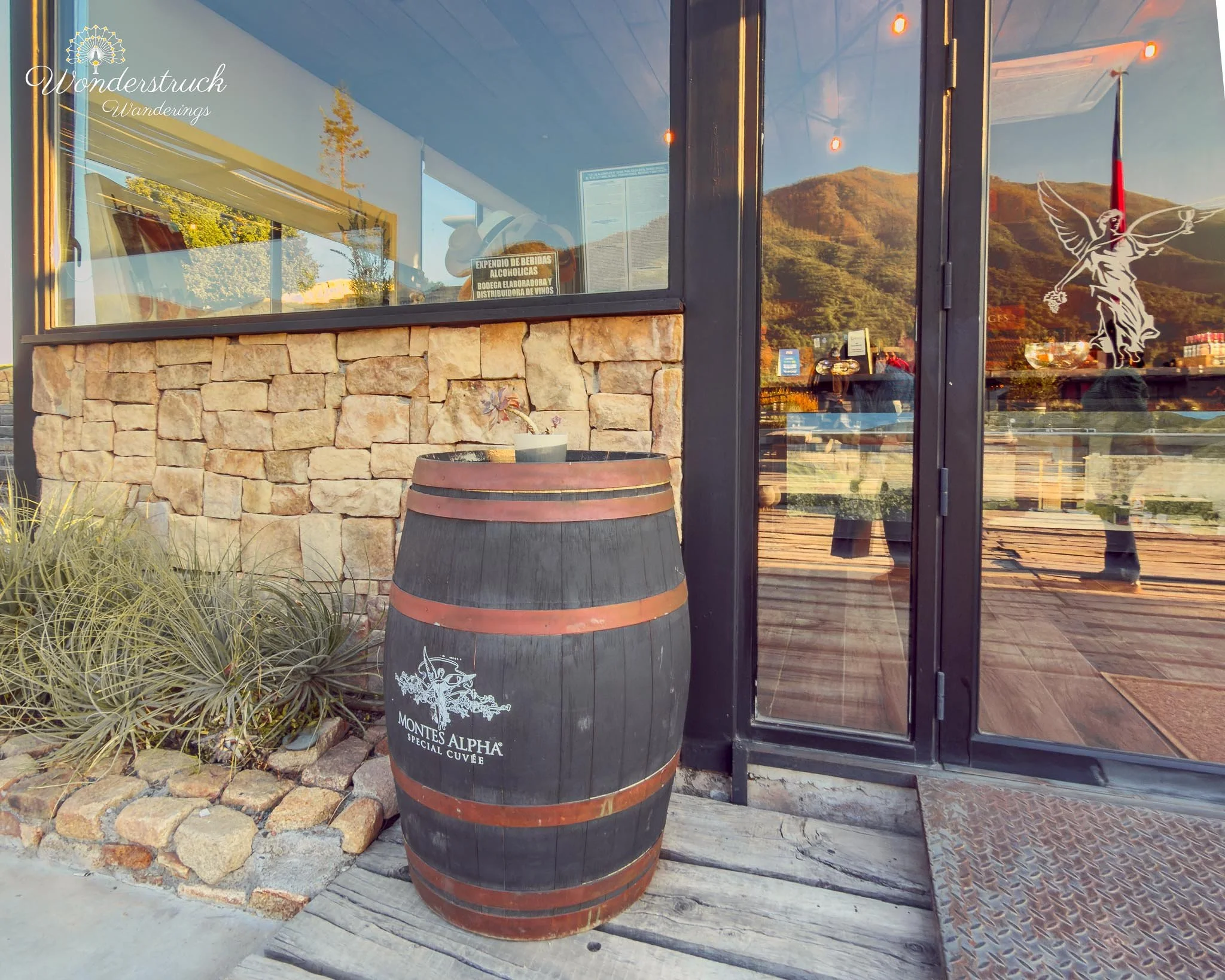
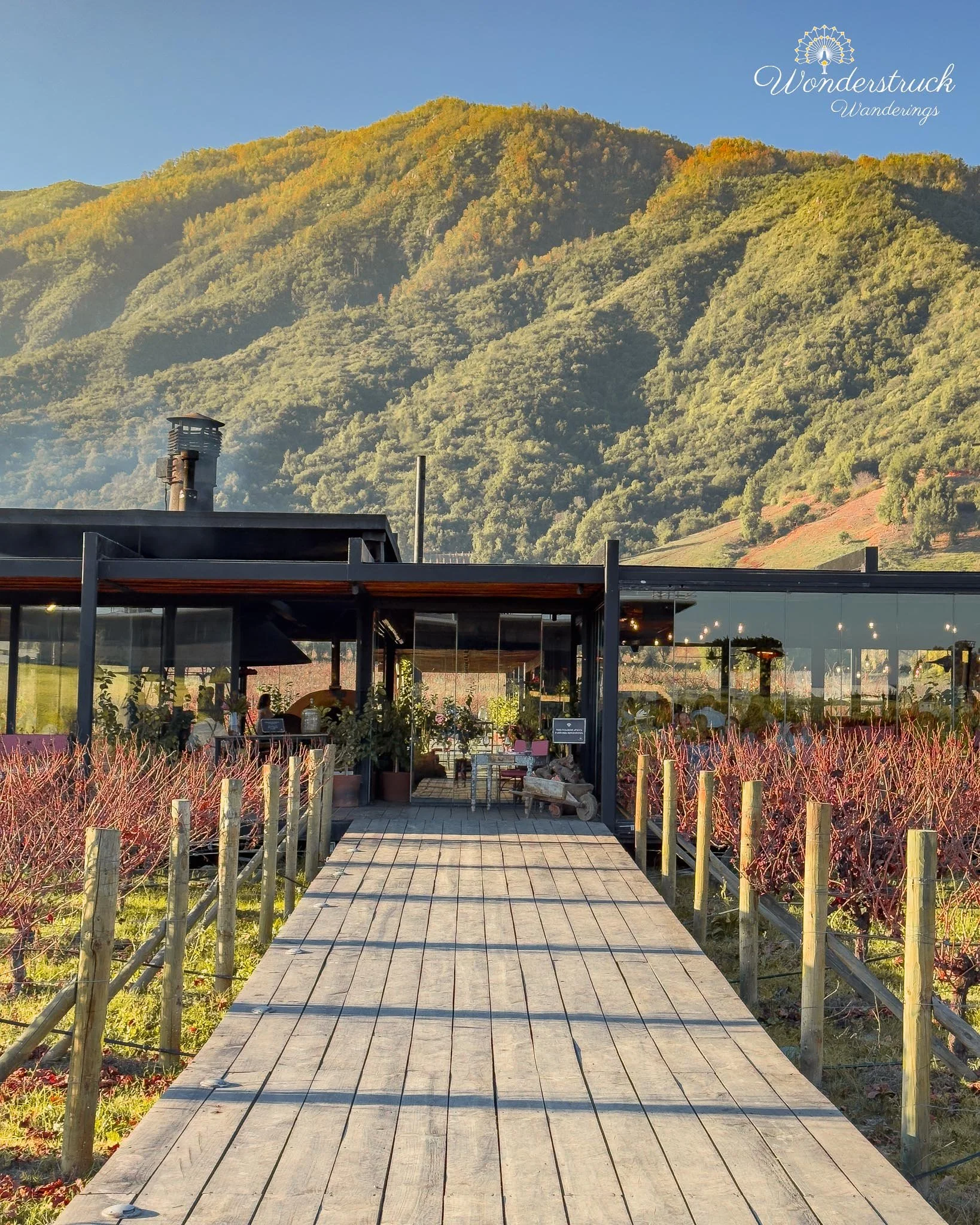
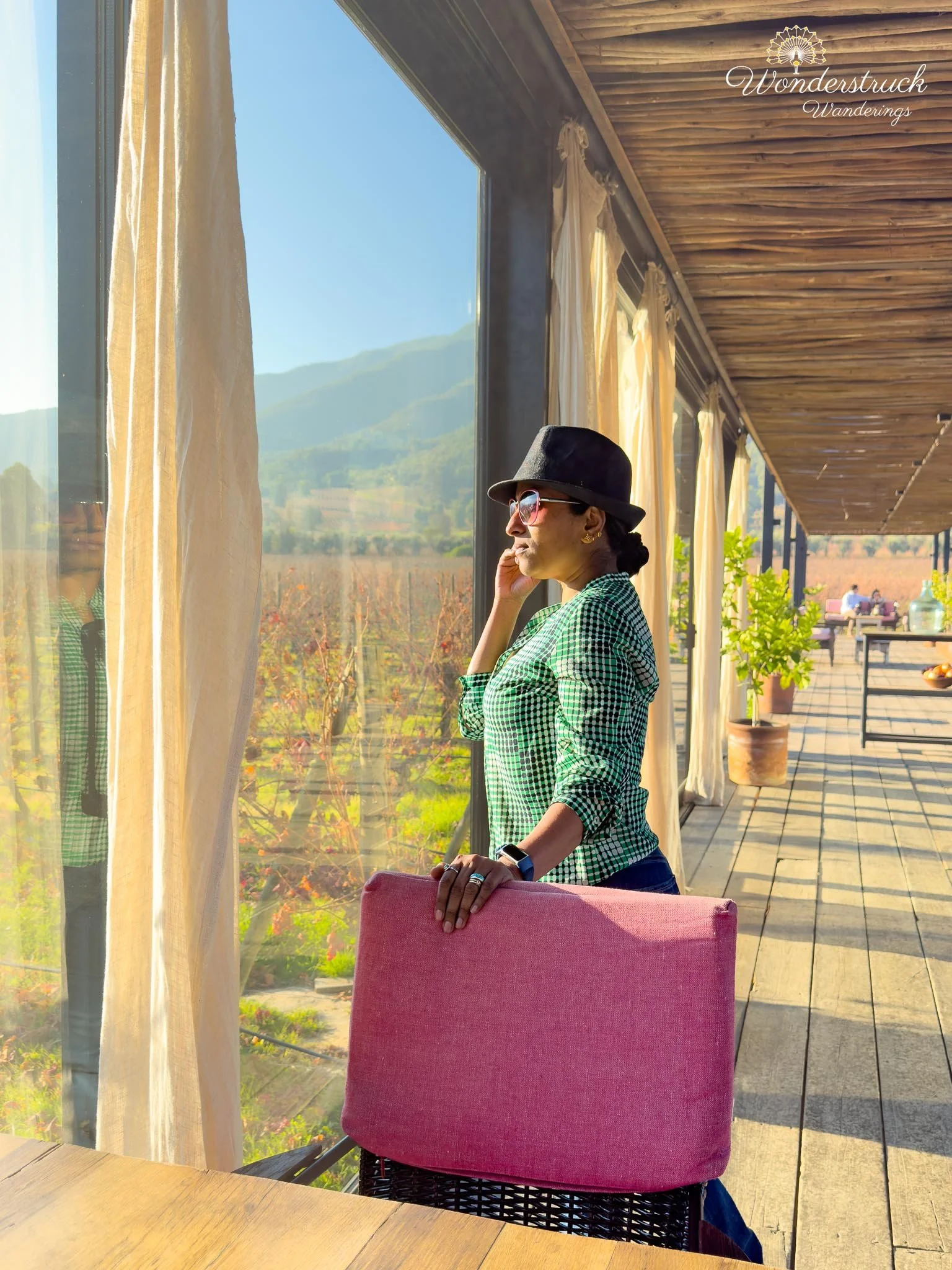
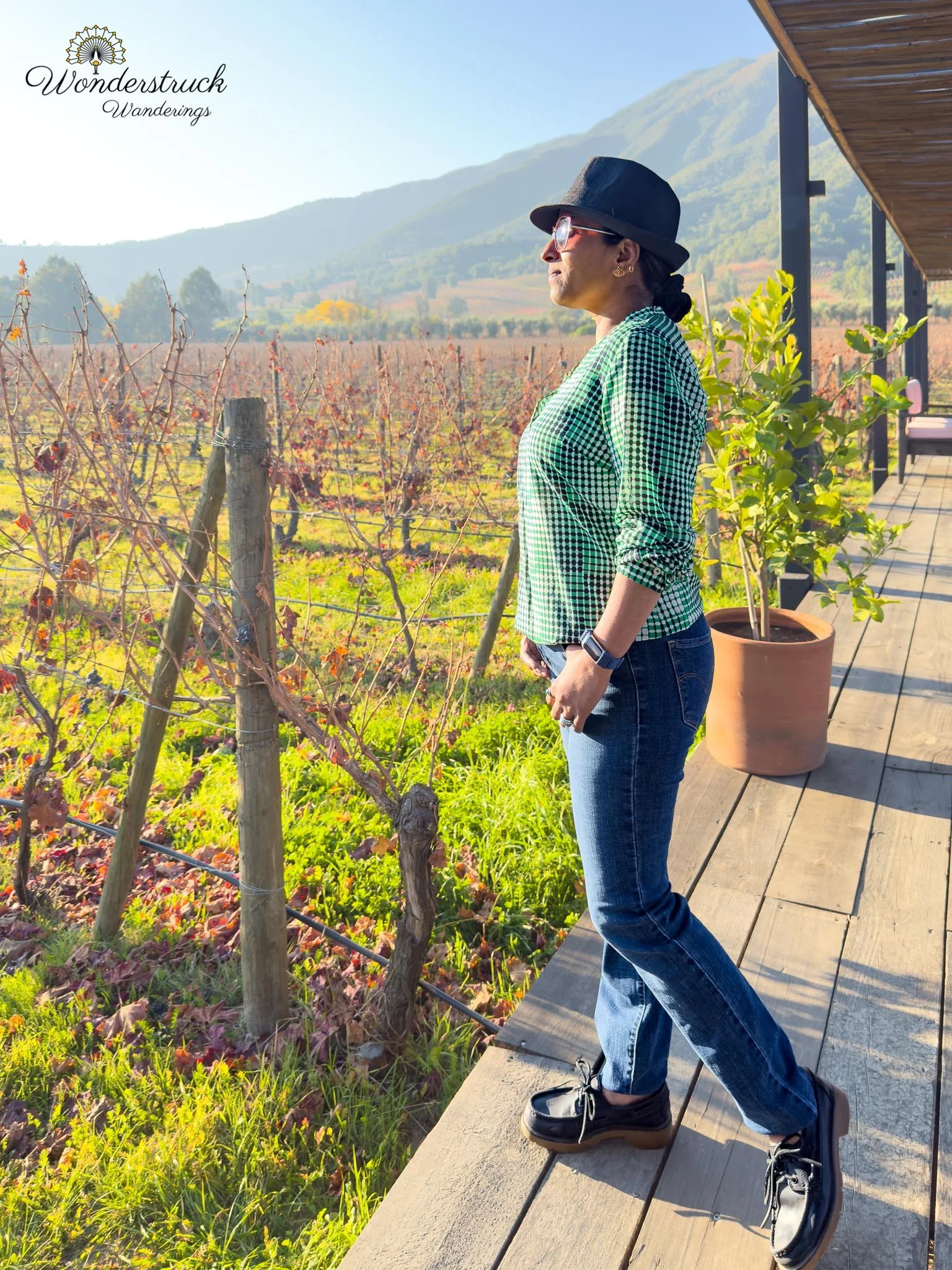
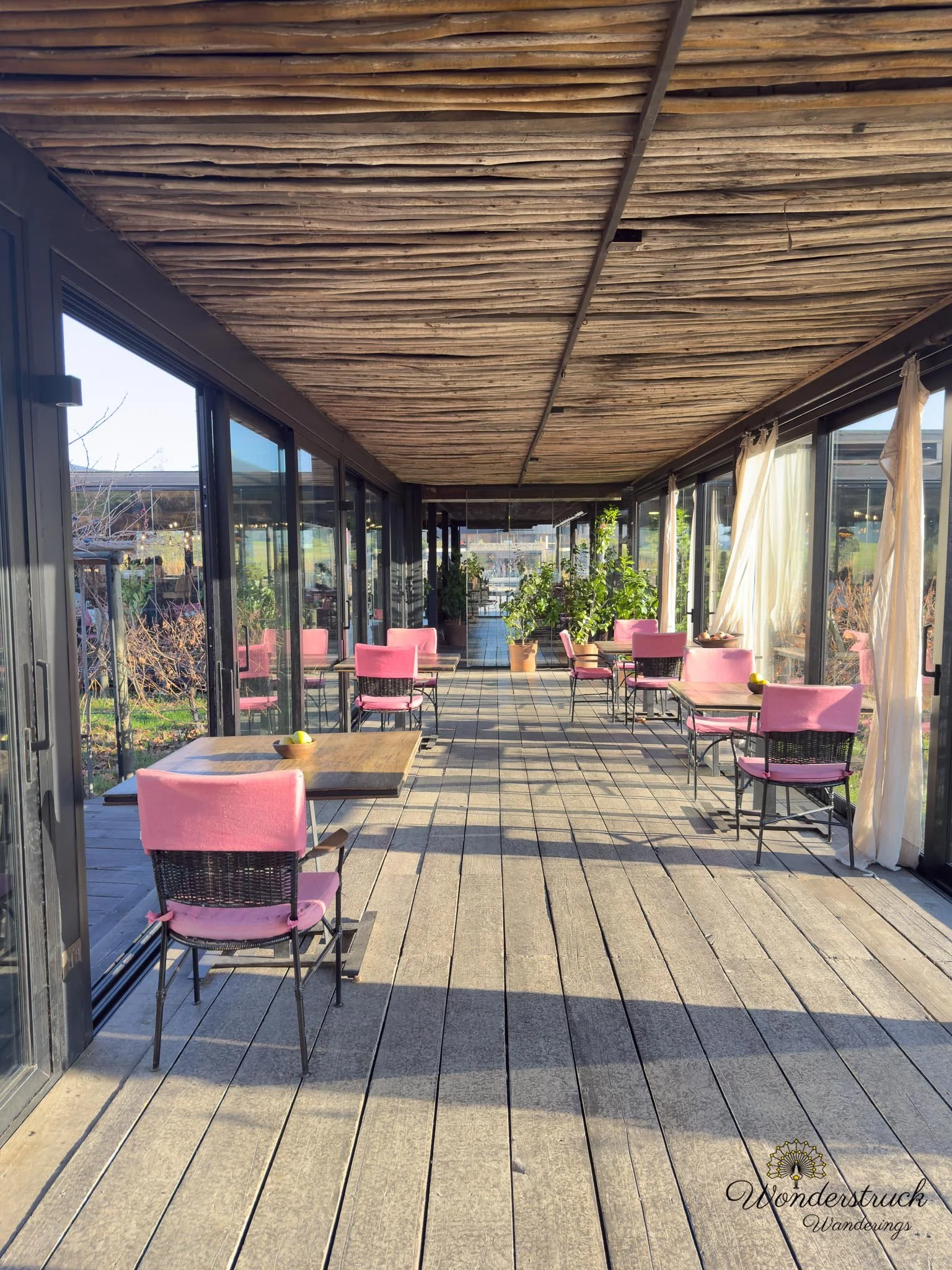
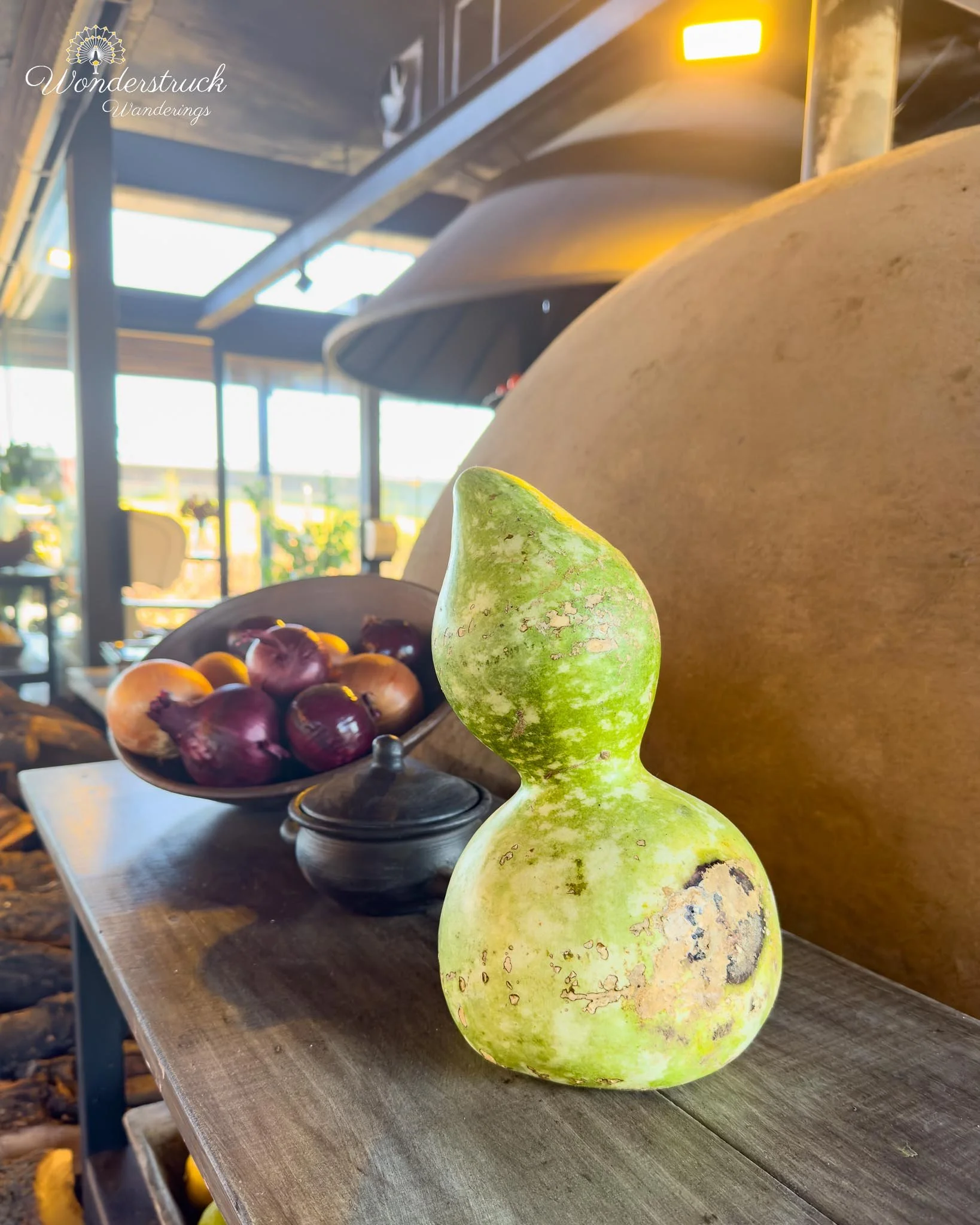
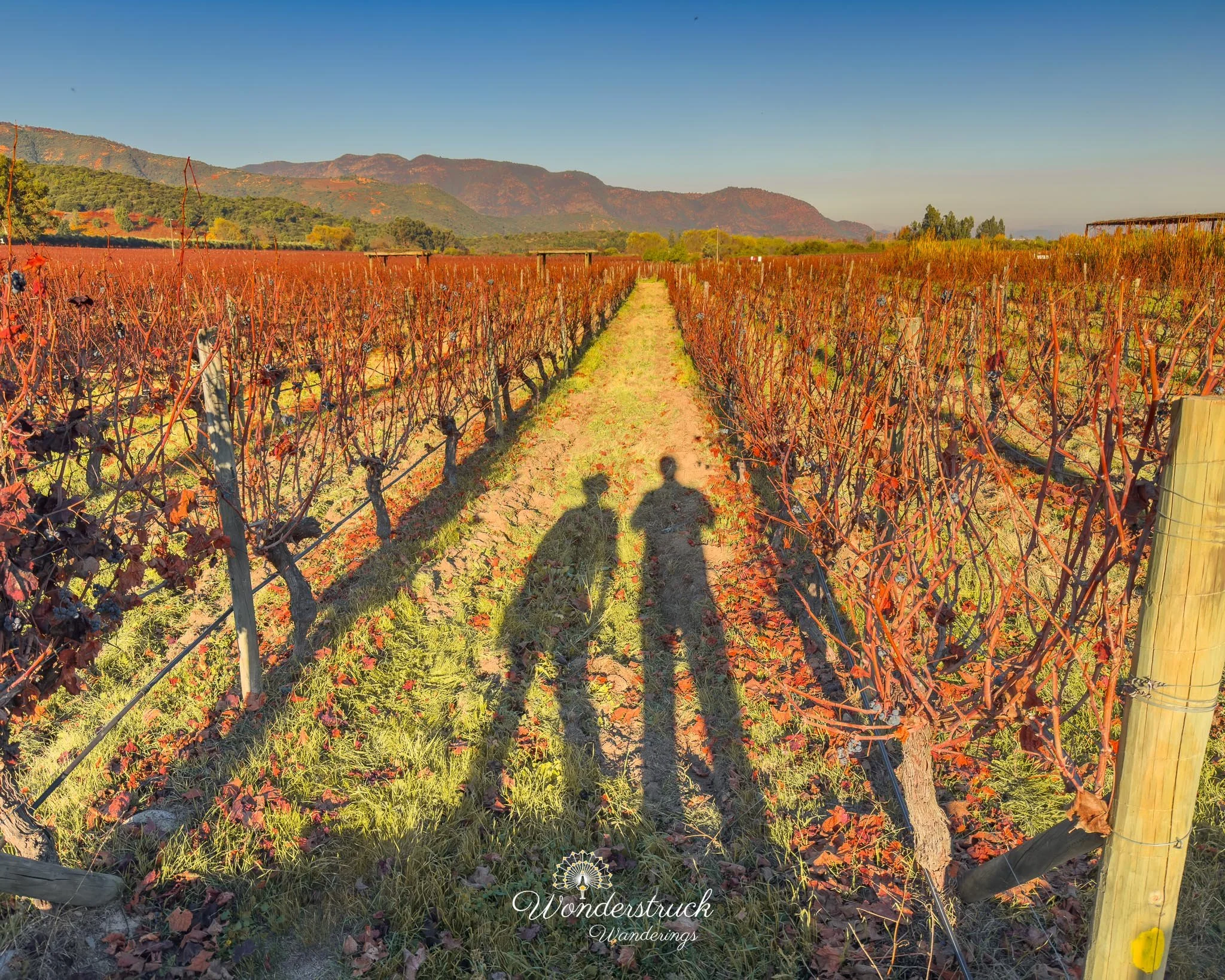
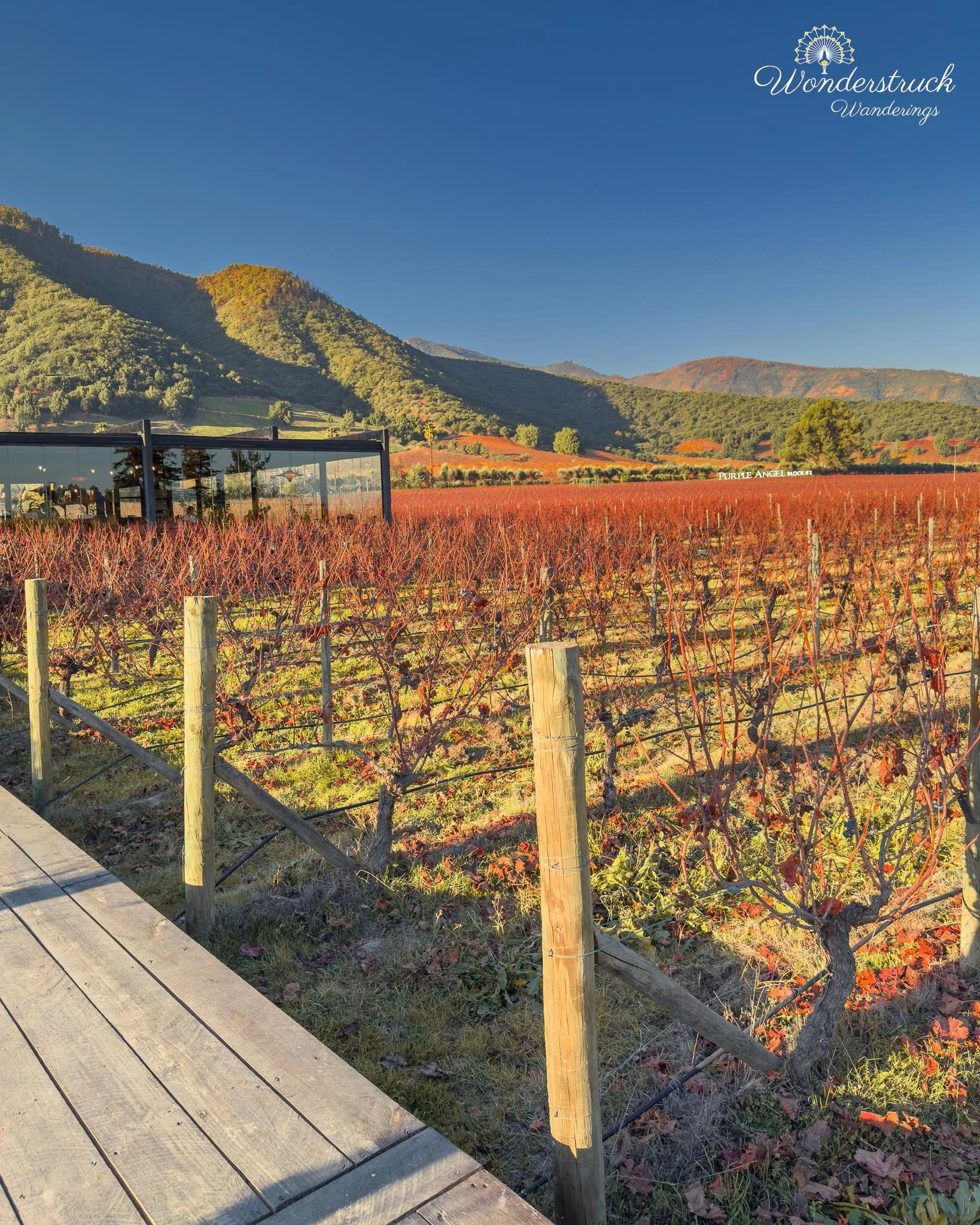
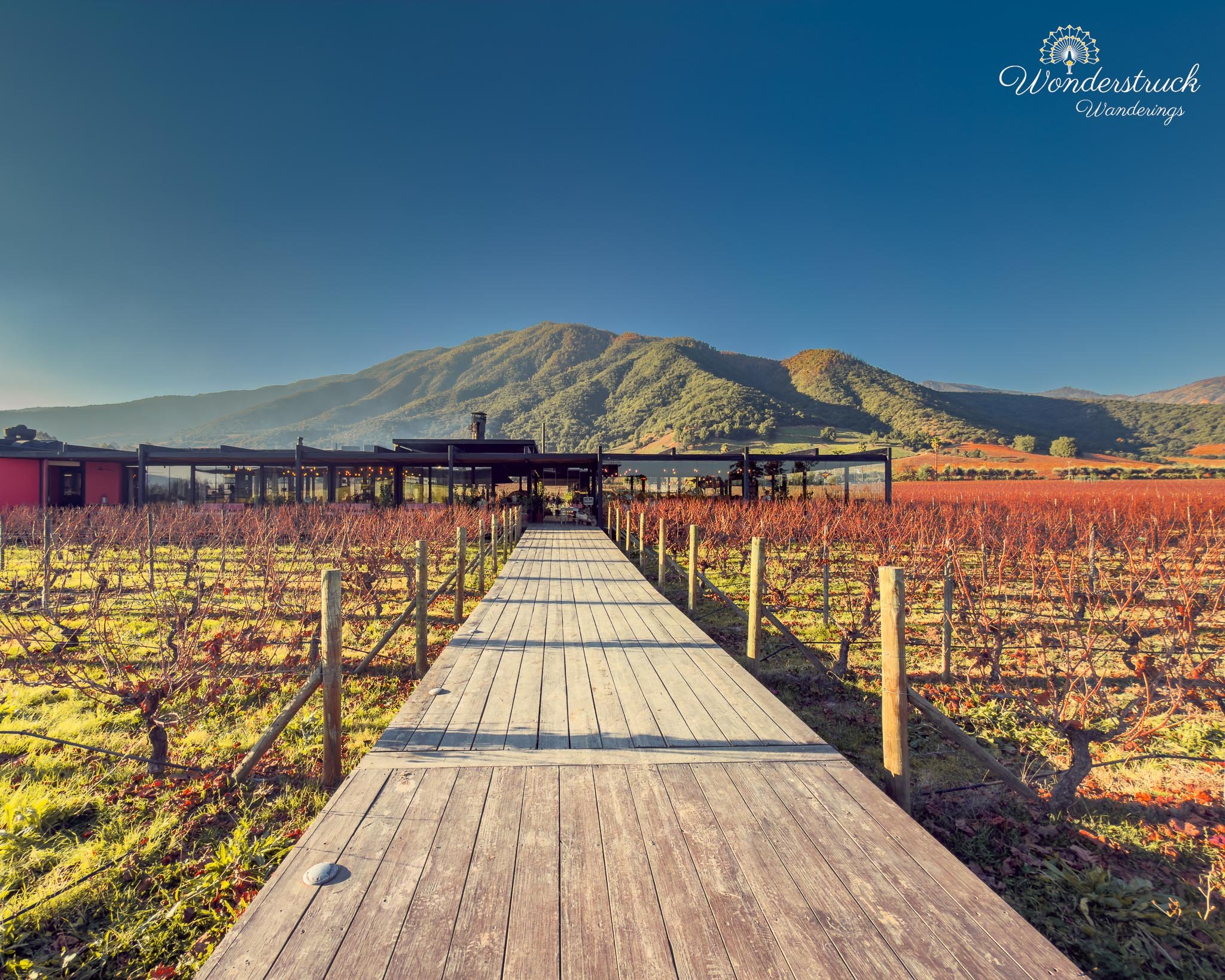
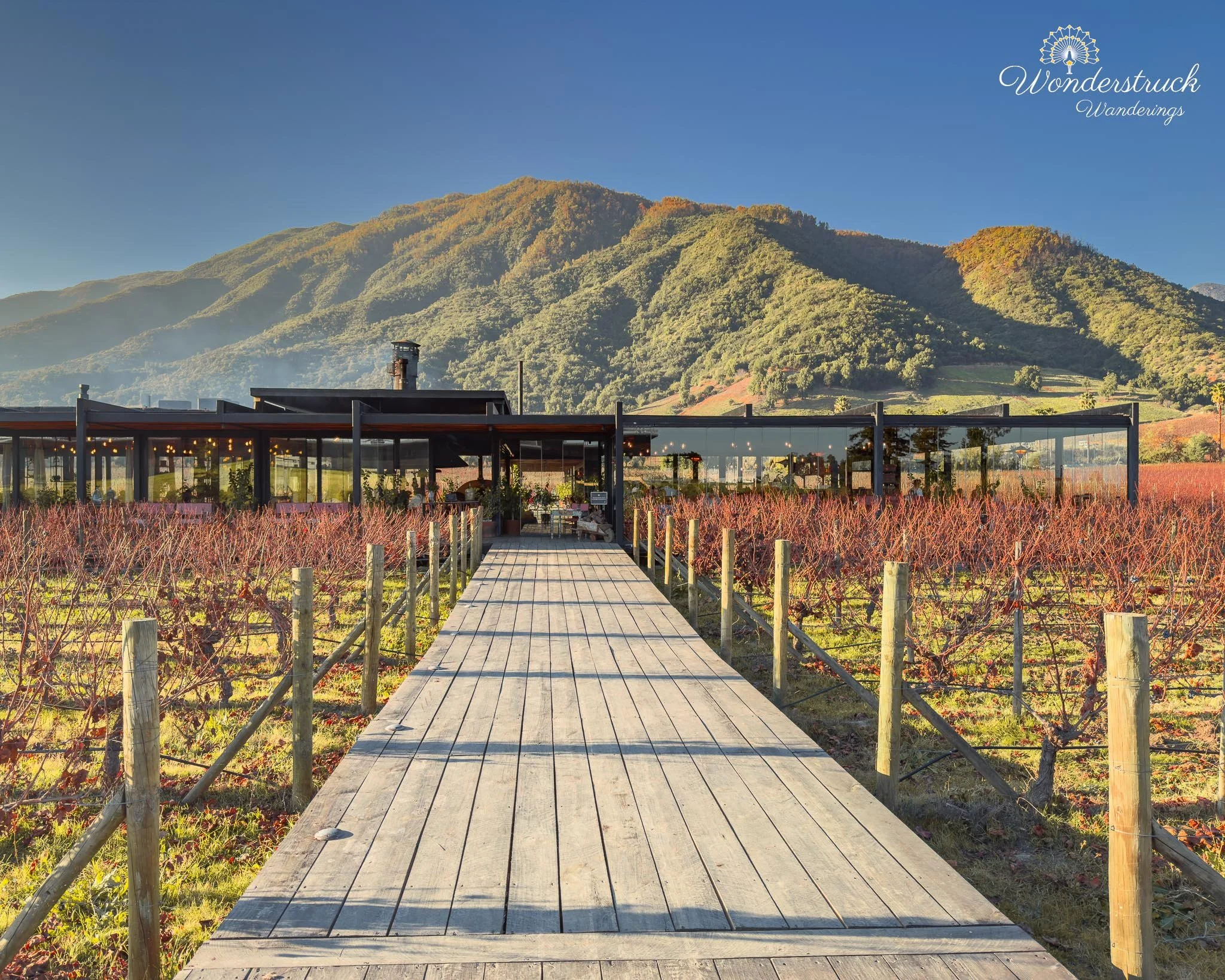
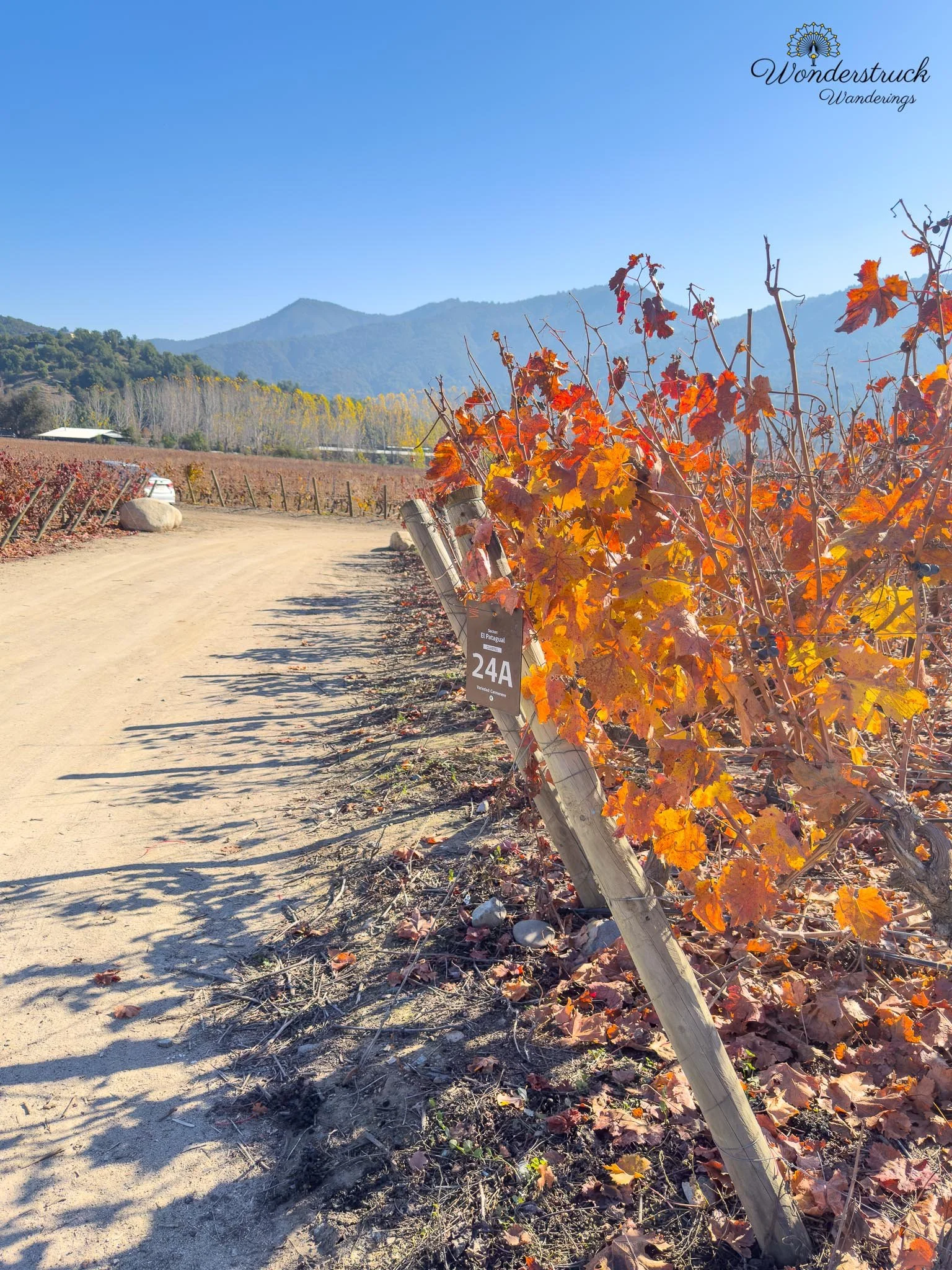
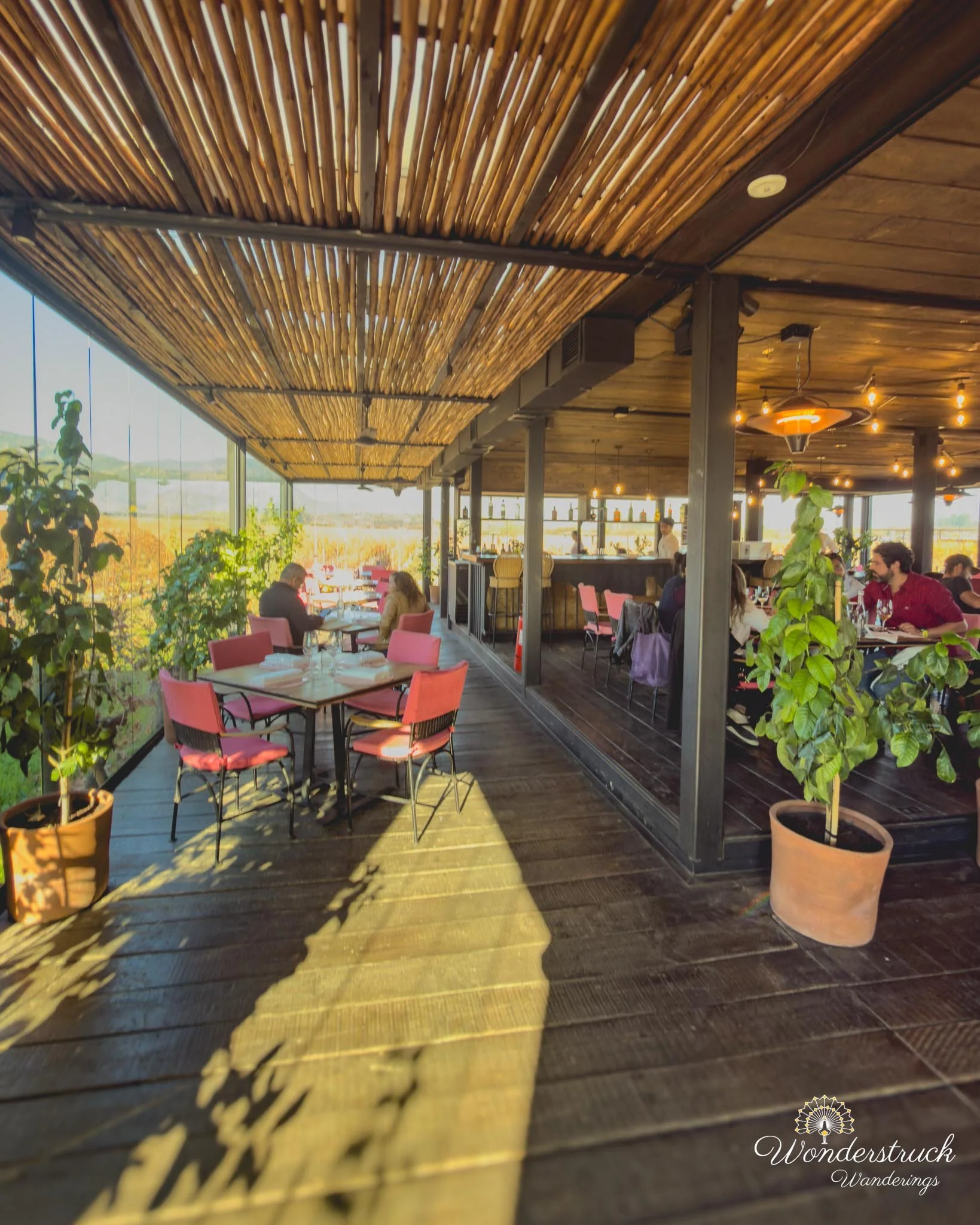
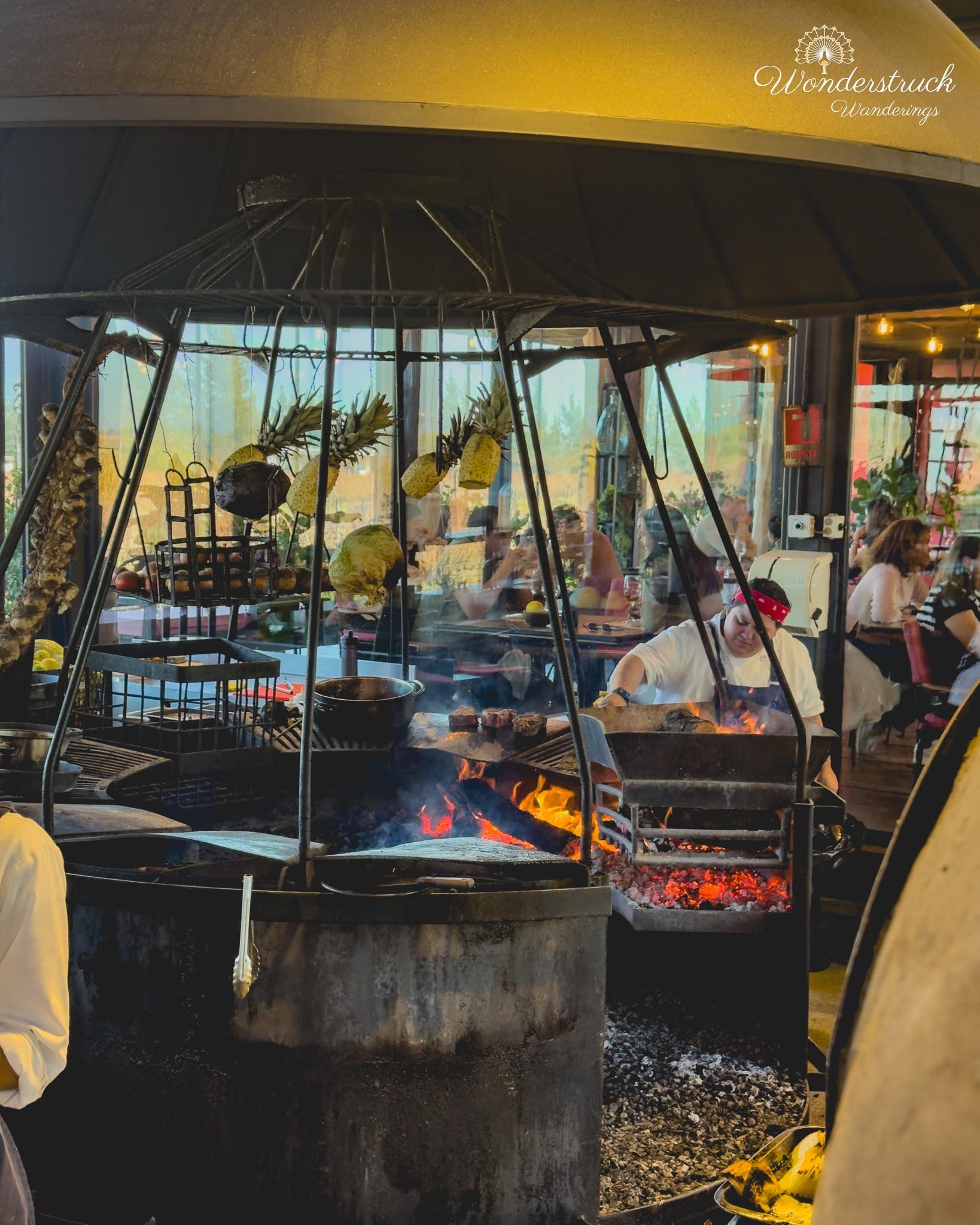
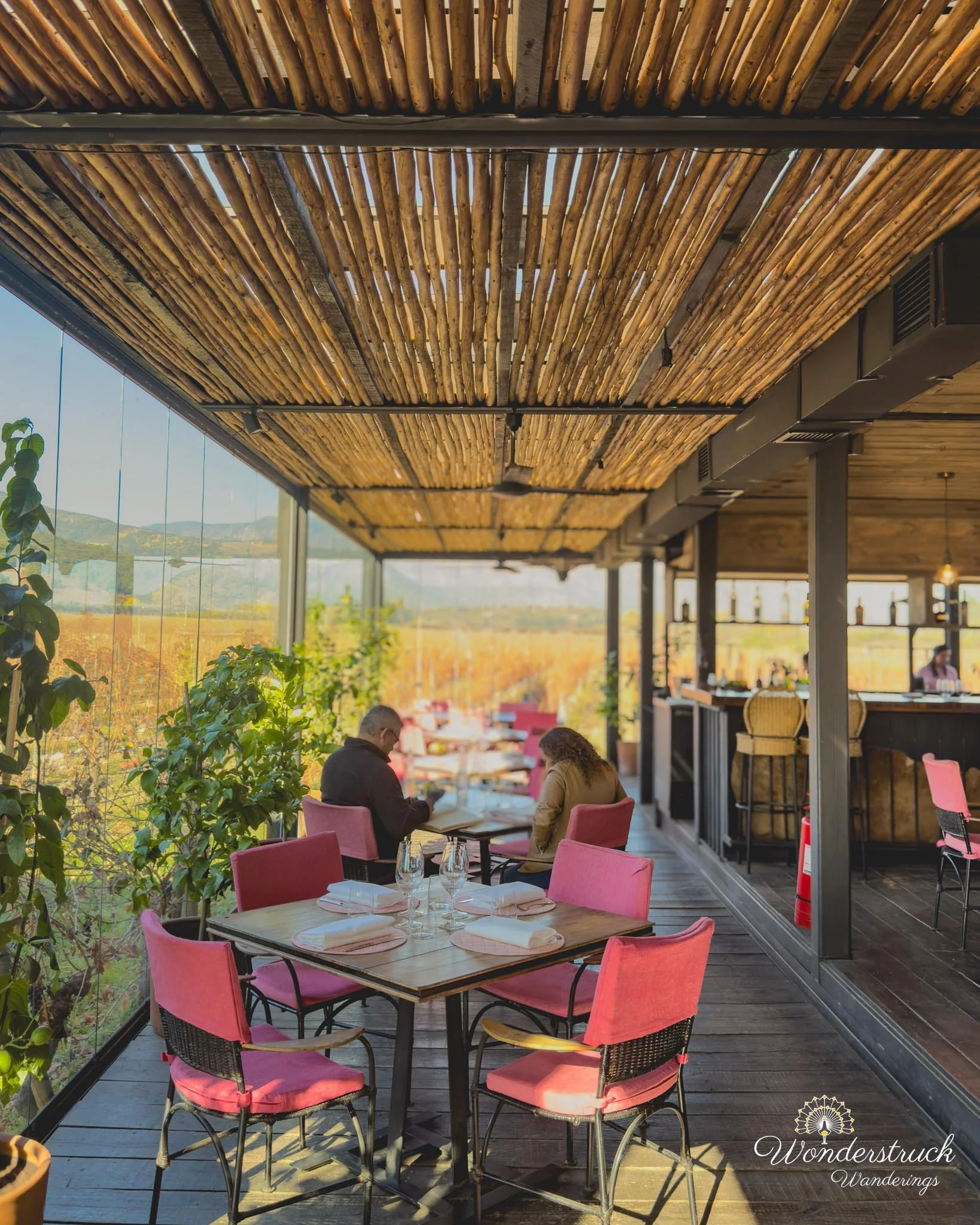
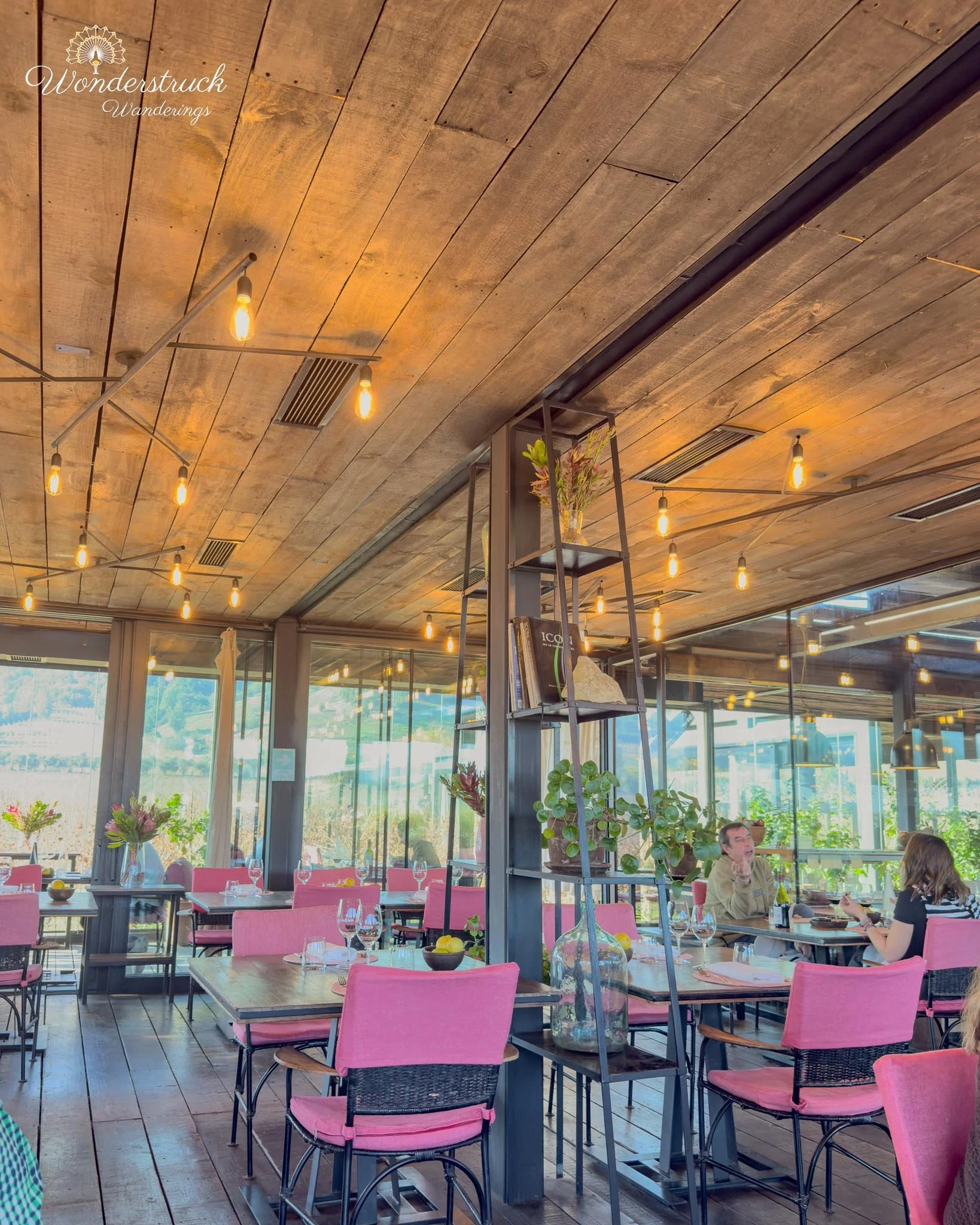
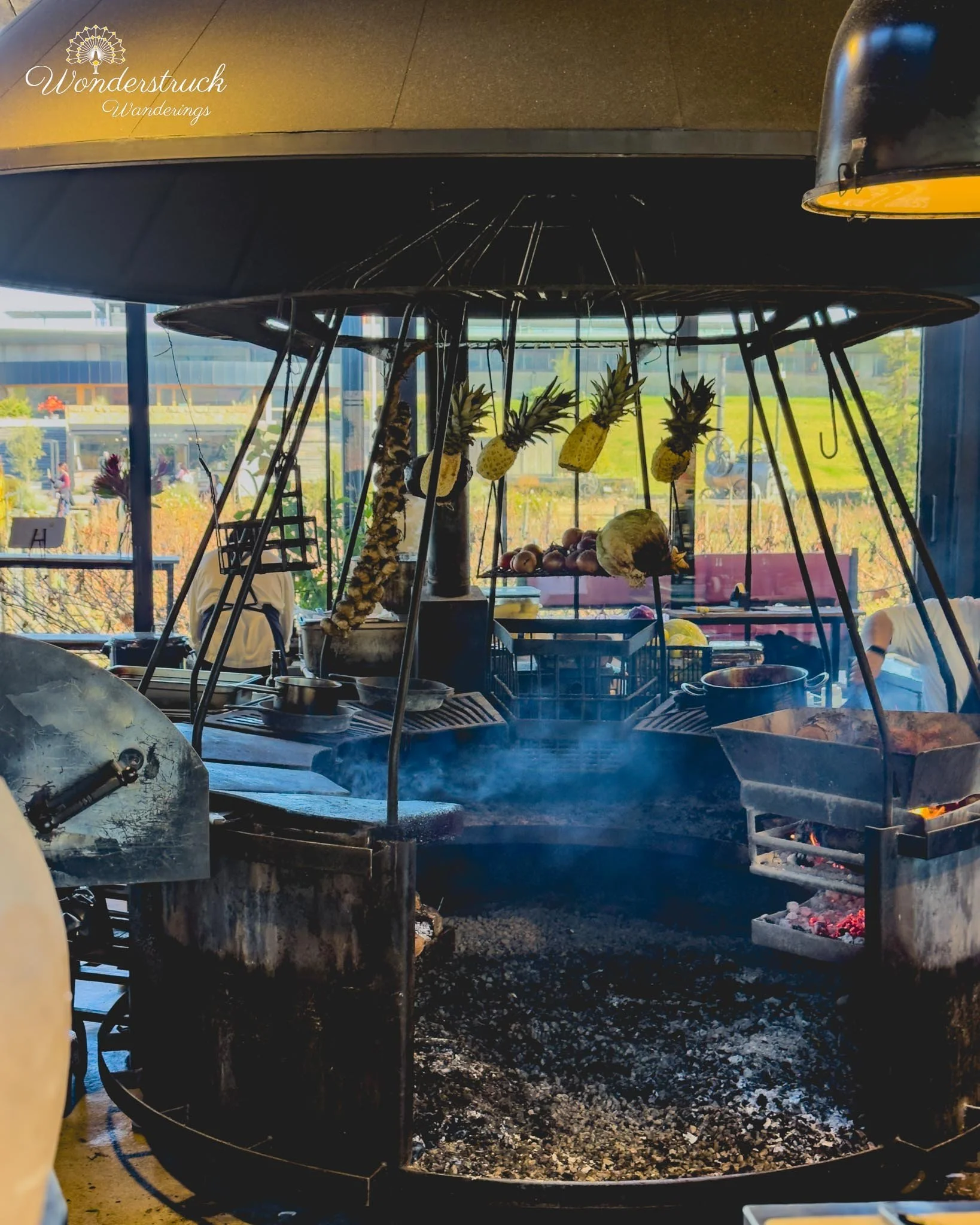
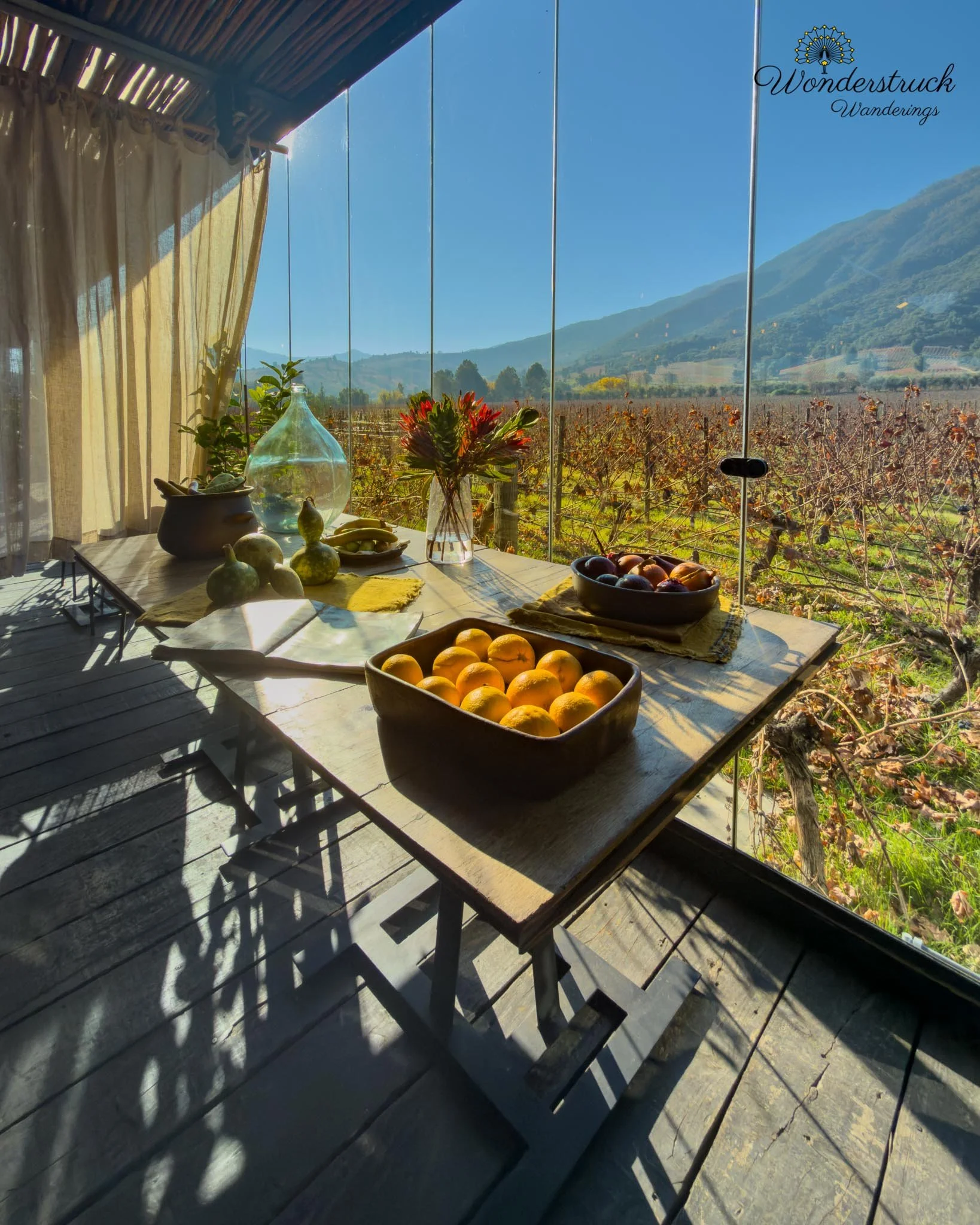
After VIK, we started the drive toward Montes for lunch. This meant looping around through the wine country again, moving from Cachapoal and Millahue toward the Colchagua side of the day. Montes is one of Chile's most recognized wineries, with vineyards and wines connected to several regions, including Colchagua Valley, especially Apalta and Marchigüe, plus coastal-influenced sites such as Zapallar in the Aconcagua area. Apalta is the heart of Montes, an amphitheater-like valley with slopes and exposures that make it one of Colchagua's most famous red-wine zones. Marchigüe, farther west, brings more coastal influence, while Zapallar gives Montes a cooler source for wines like their Alpha Special Cuvée Chardonnay. Our lunch was at Fuegos de Apalta, the famous restaurant at Montes. Fuegos de Apalta is a beautiful wine-country restaurant, set among the vines at Montes' Finca de Apalta. The restaurant is tied to Francis Mallmann's fire-driven cooking style, with meats, fish, and vegetables cooked over different types of flame in the central dome of the restaurant. The setting was gorgeous: vineyards outside, the dramatic Apalta landscape around us, and the restaurant architecture focused around fire. We had hoped to do the pairing menu, but because the restaurant was crowded, they had pulled the pairing menu off for the day. That was a bummer, but it forced us into a more flexible lunch: a few appetizers and one main course to share.
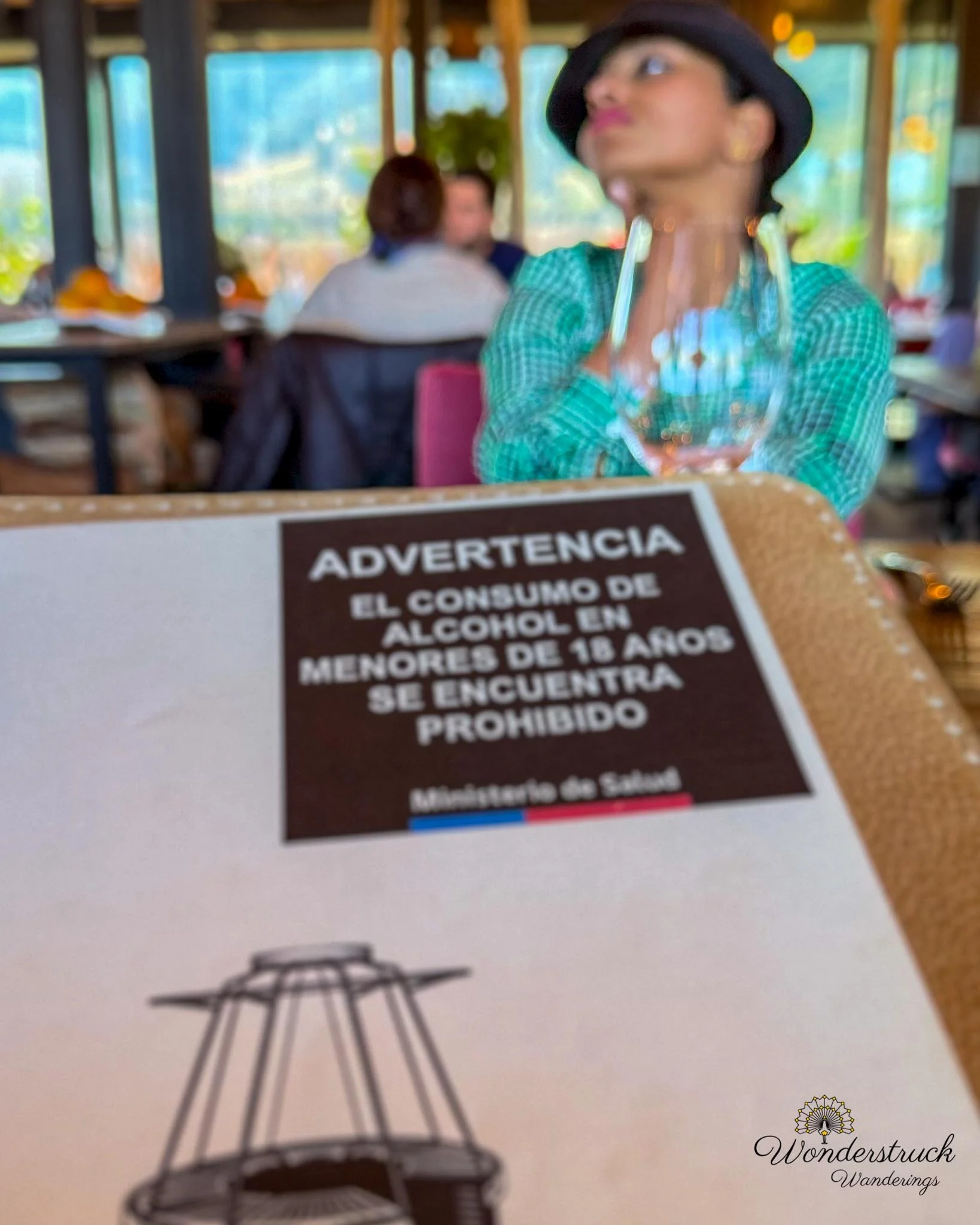
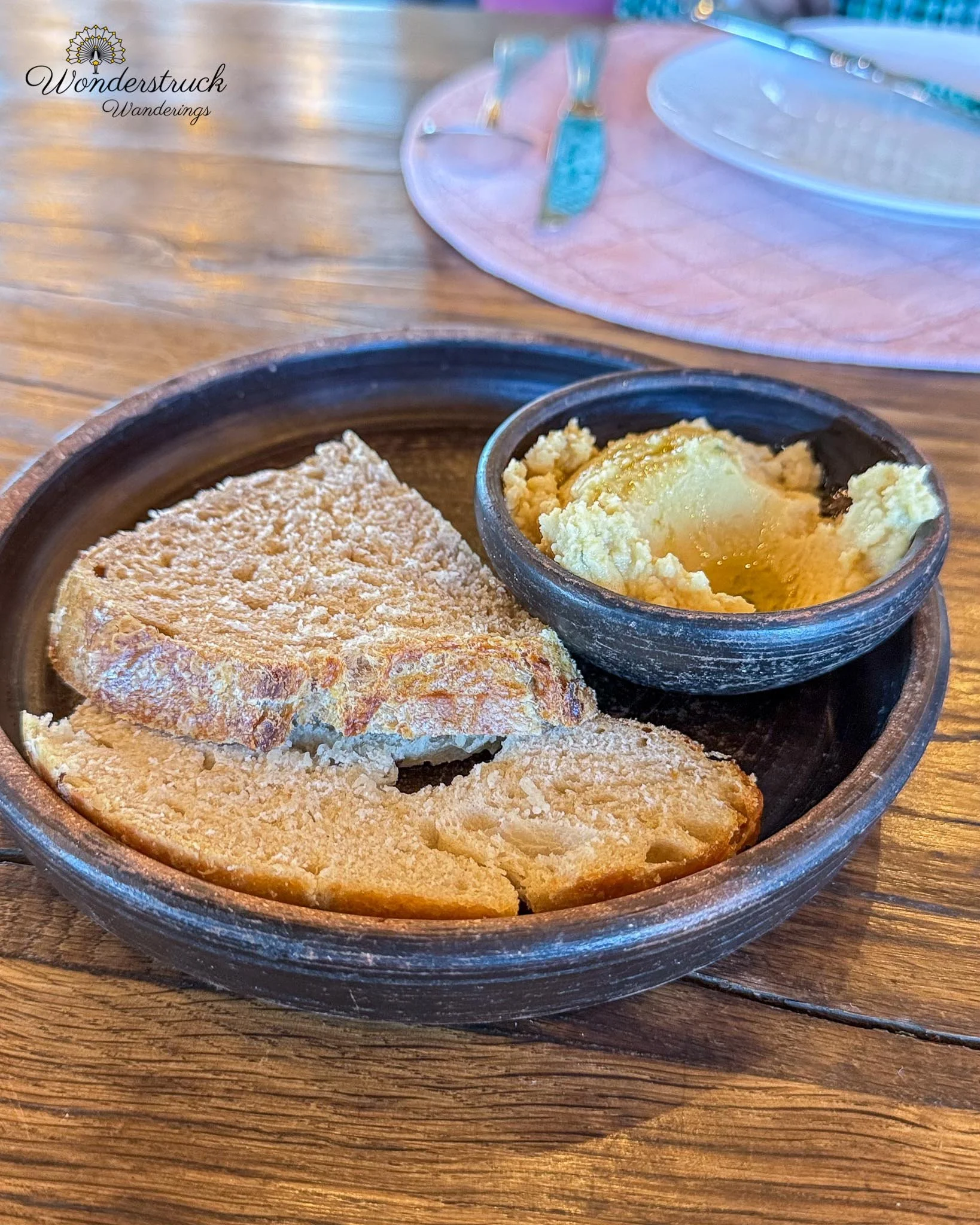
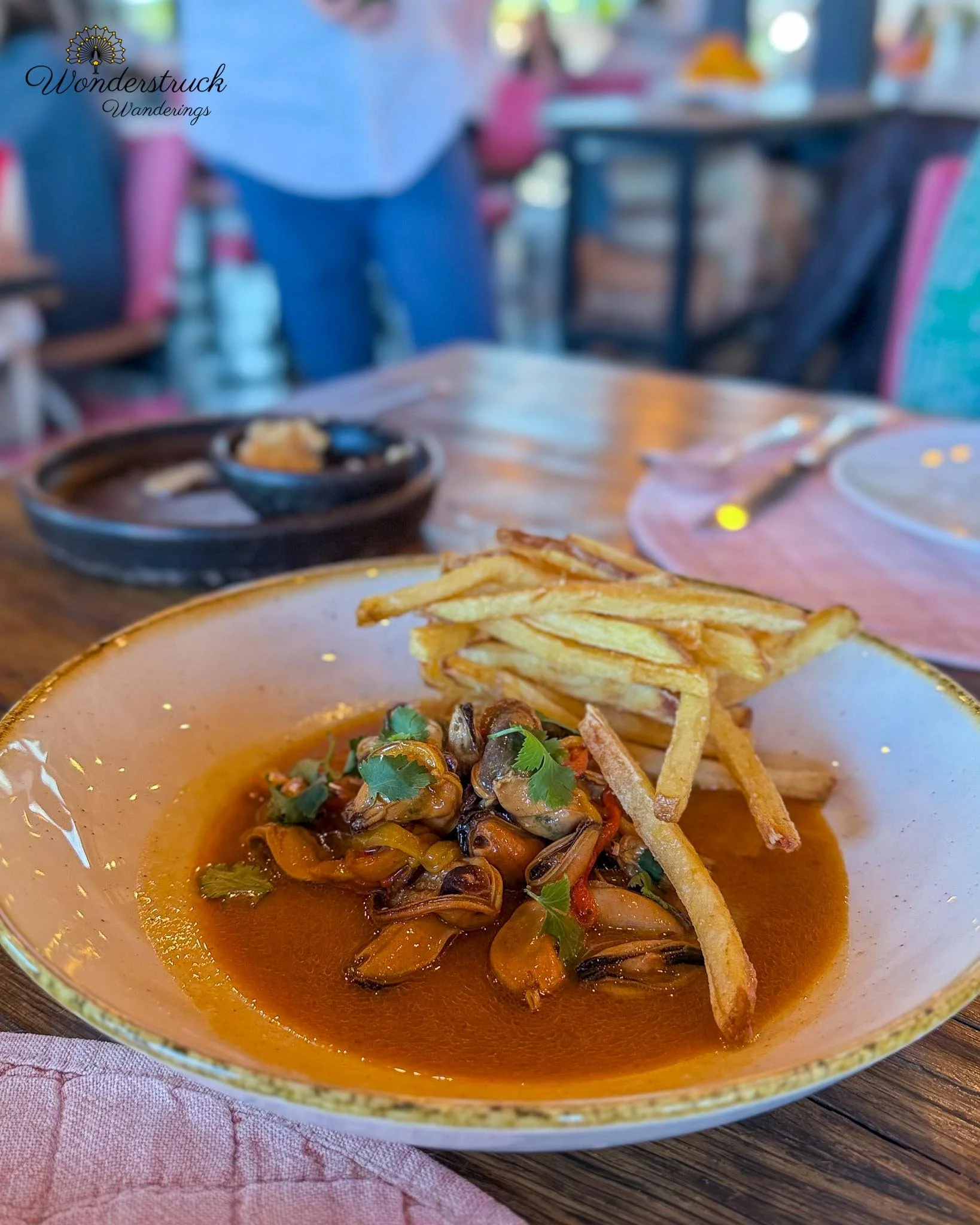
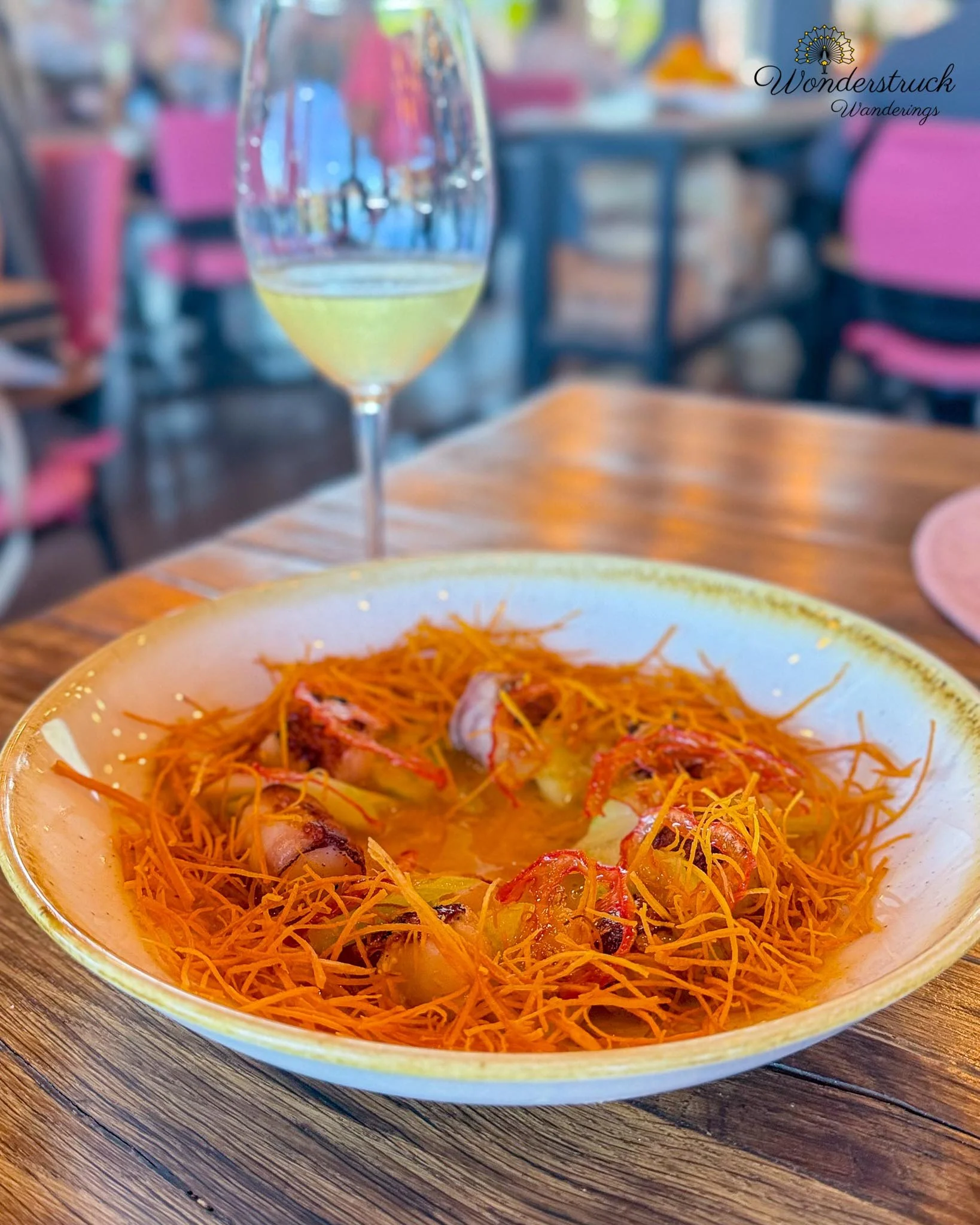
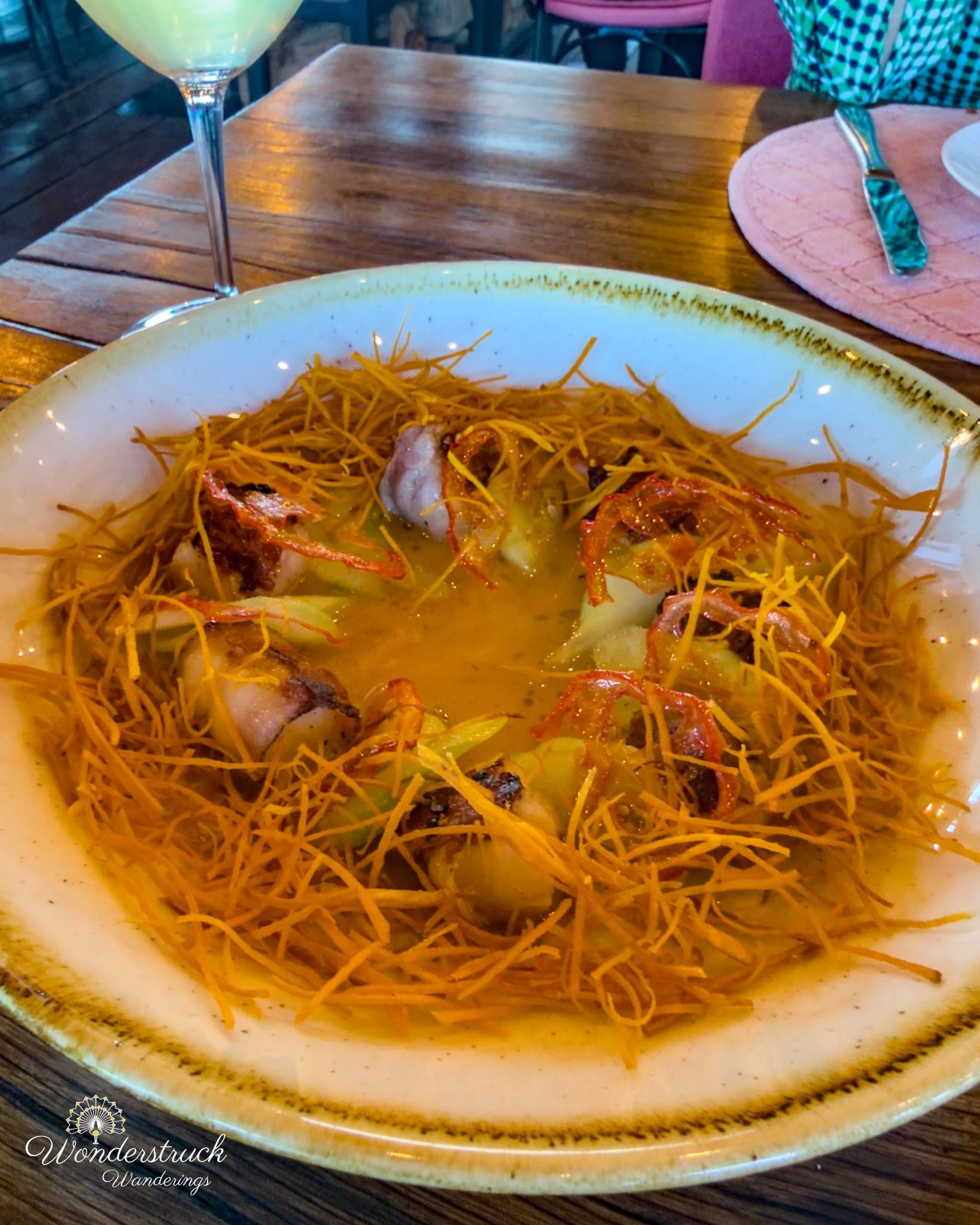
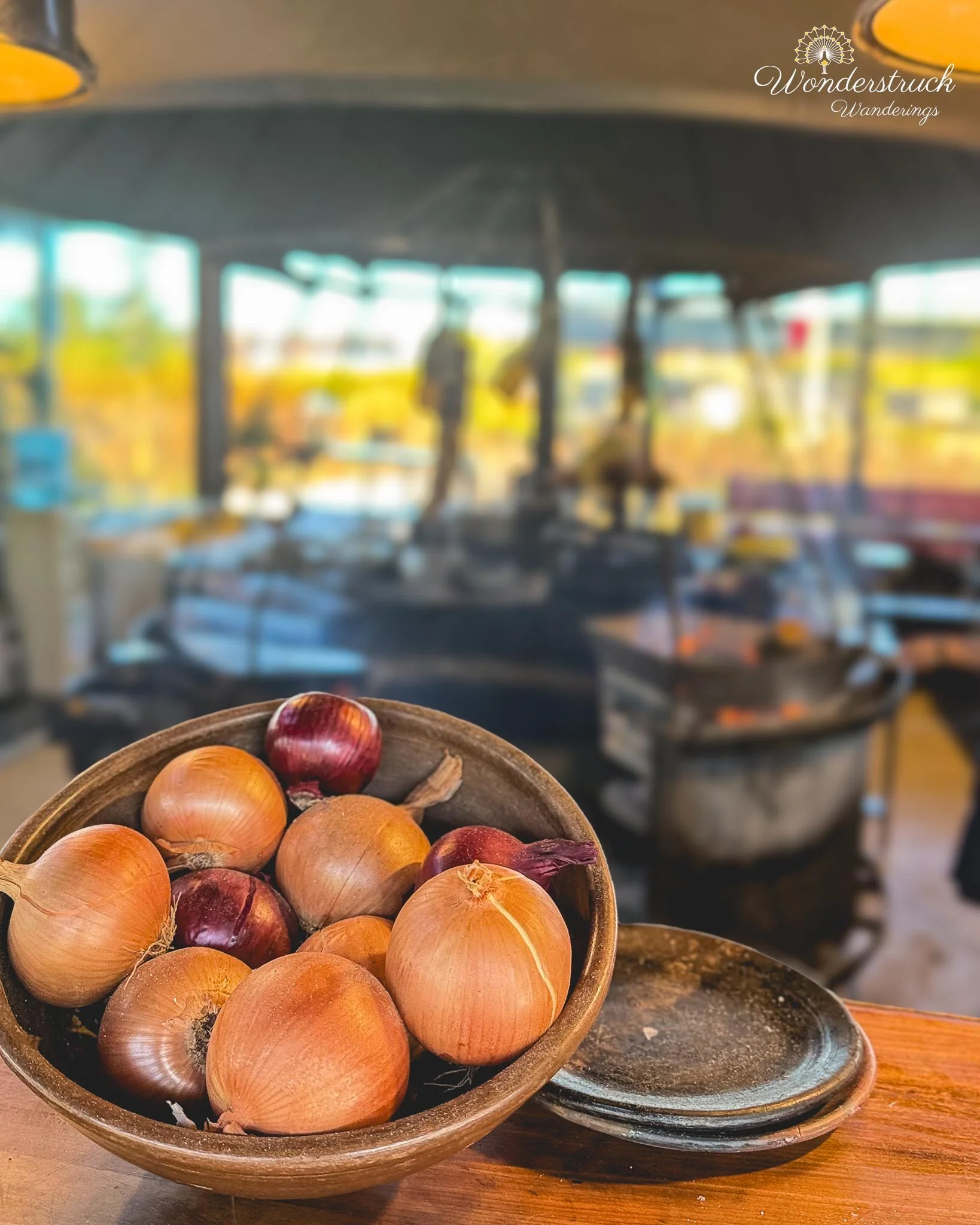
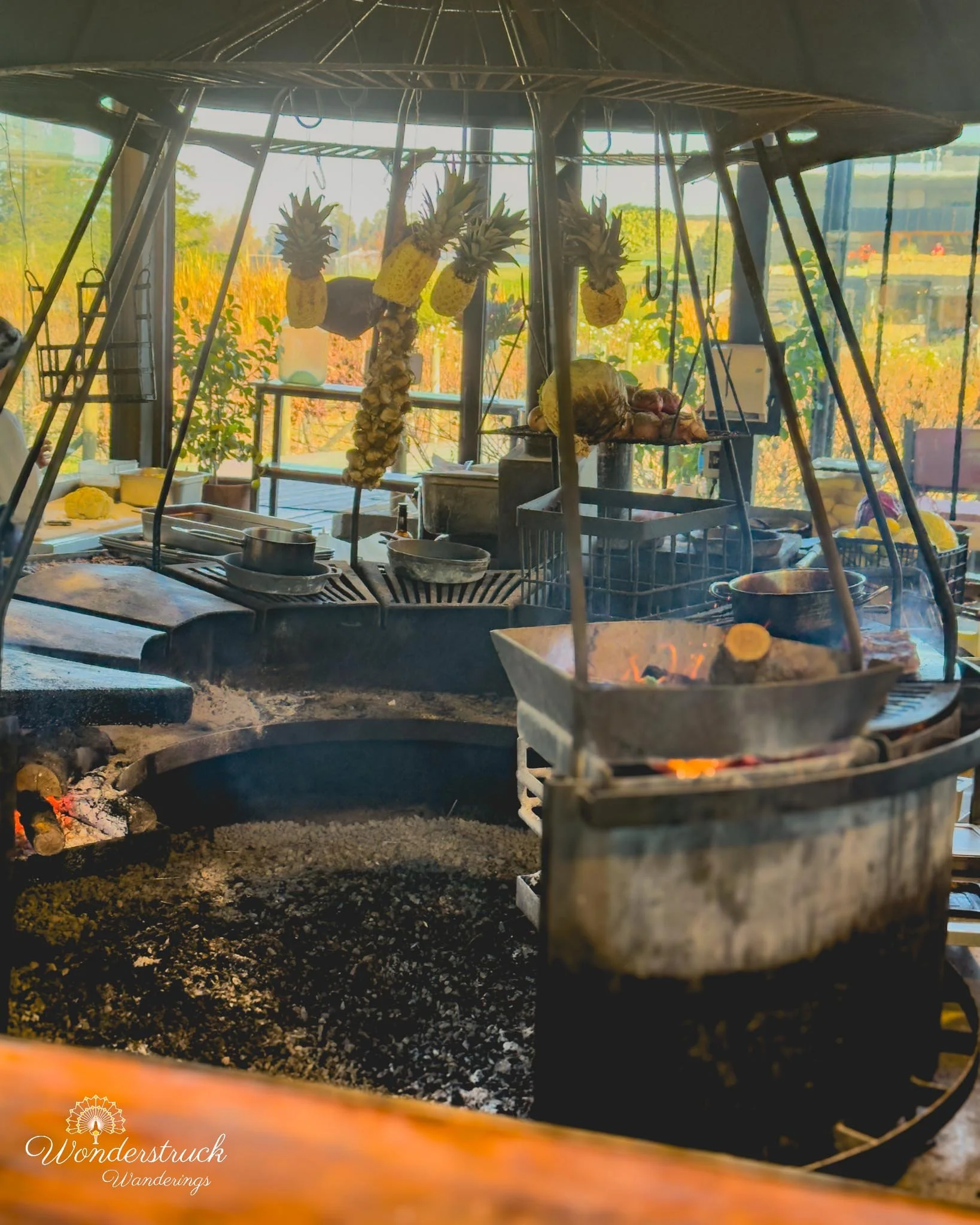
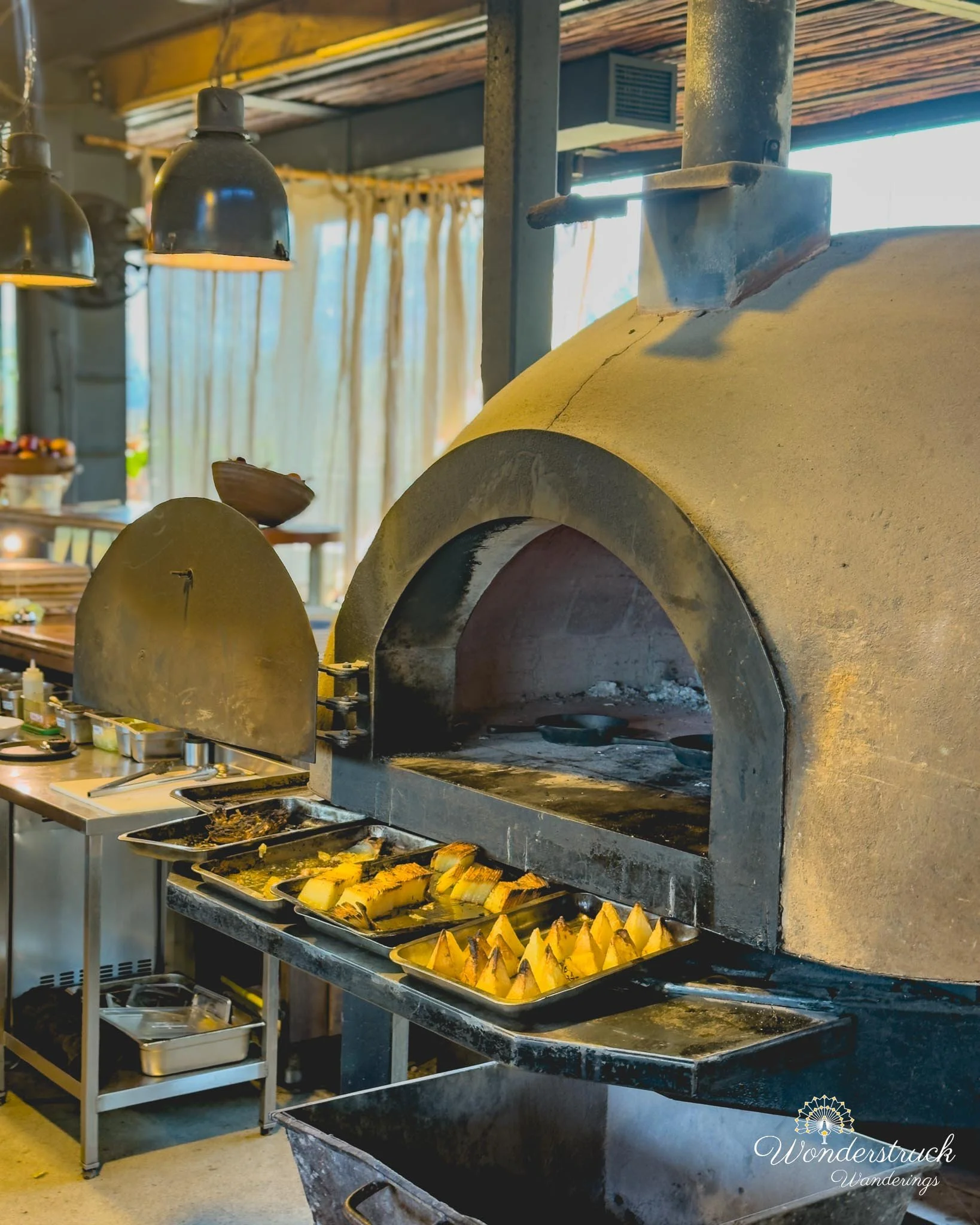
The first appetizer was marinated mussels in a tangy, smoky sauce with potato fries. The second was grilled scallops wrapped in bacon, served with dehydrated tomato slices and very thin fried potatoes. For these two seafood-heavy dishes, we asked for a wine recommendation, and the sommelier suggested Montes Alpha Special Cuvée Chardonnay from Zapallar. That pairing made sense. The Chardonnay had enough body for the smoky mussels and bacon-wrapped scallops, but still enough freshness for seafood. It was not a sharp, lean Chardonnay. It had weight, texture, and ripe fruit, which worked well with the richness of the dishes.
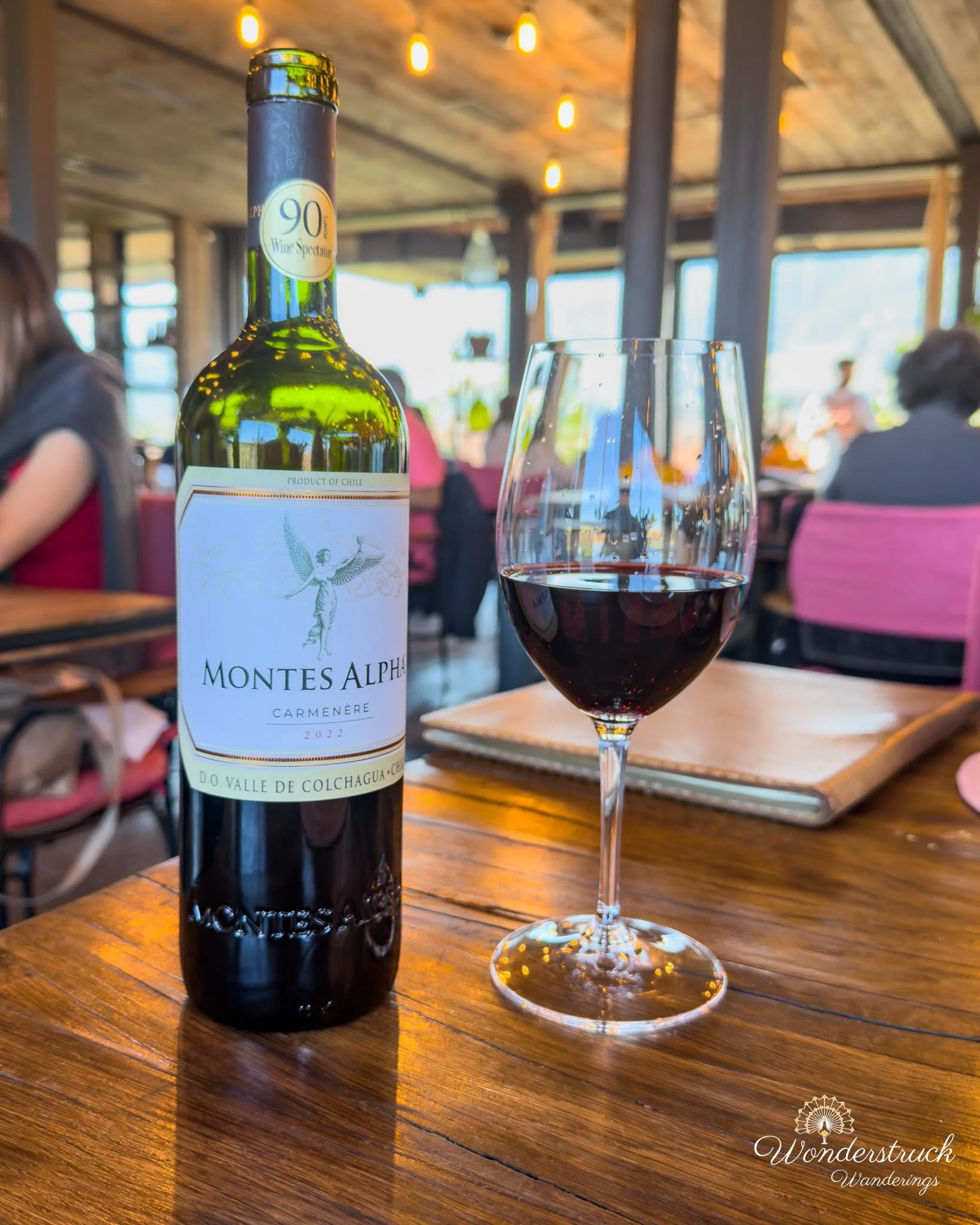
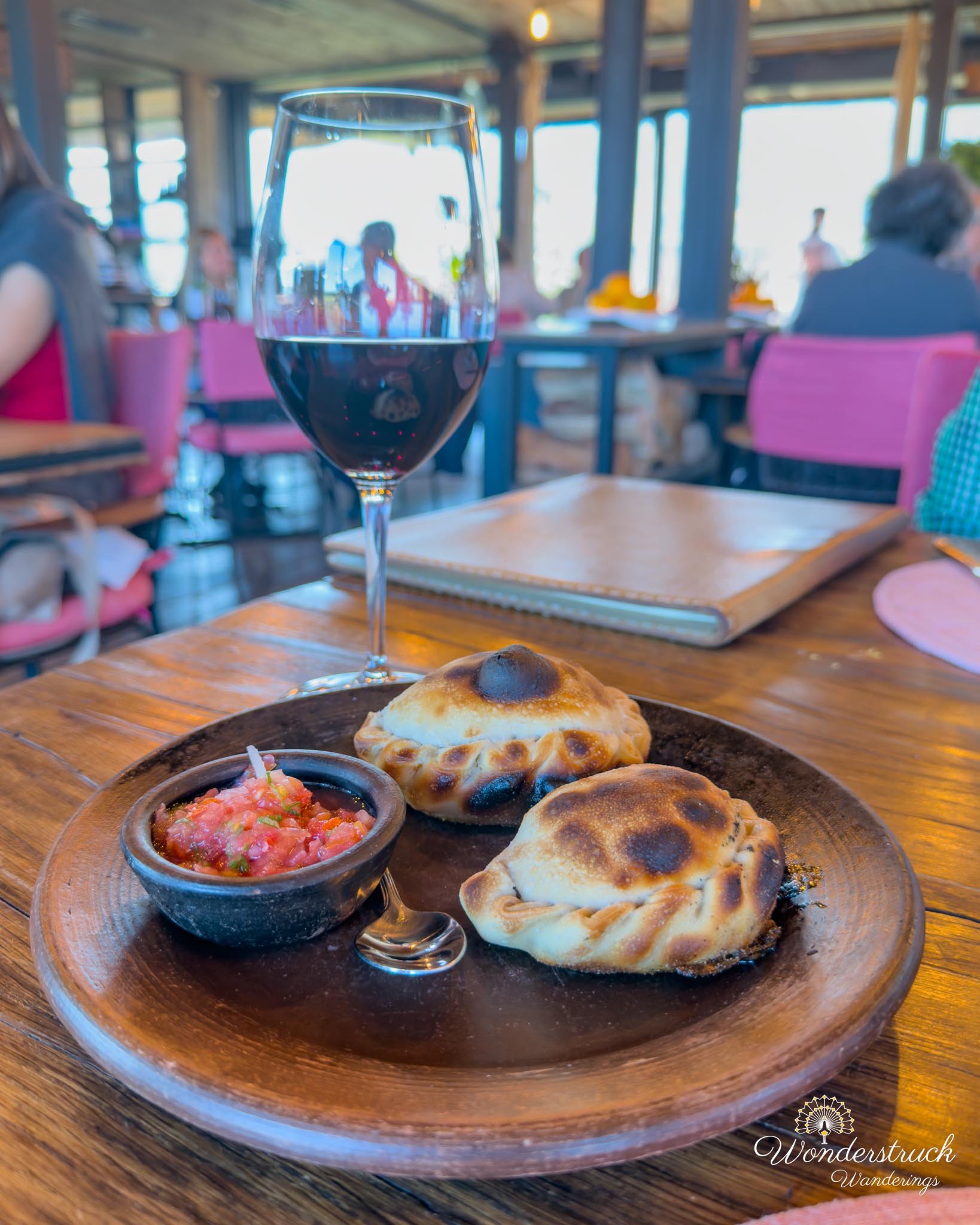
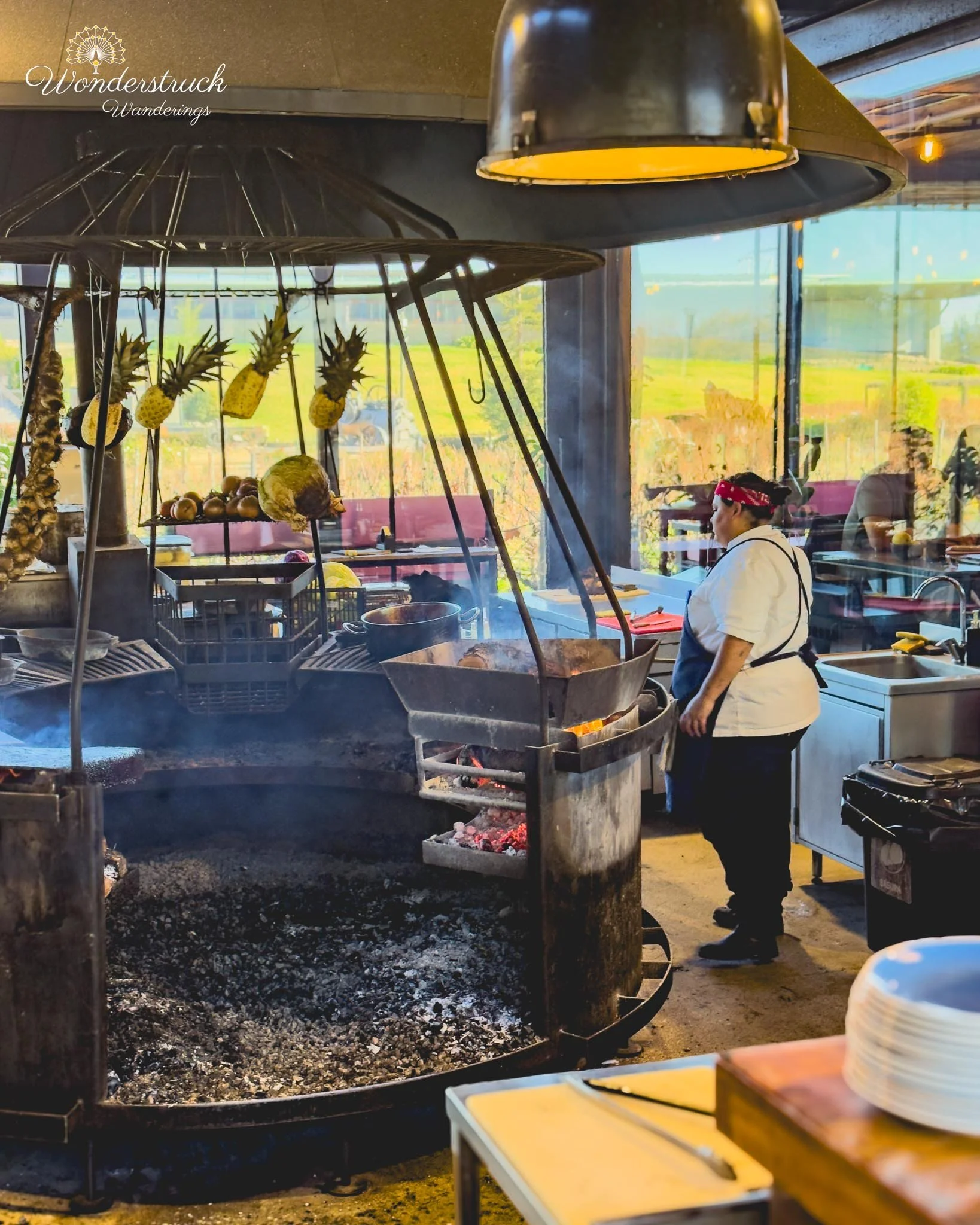
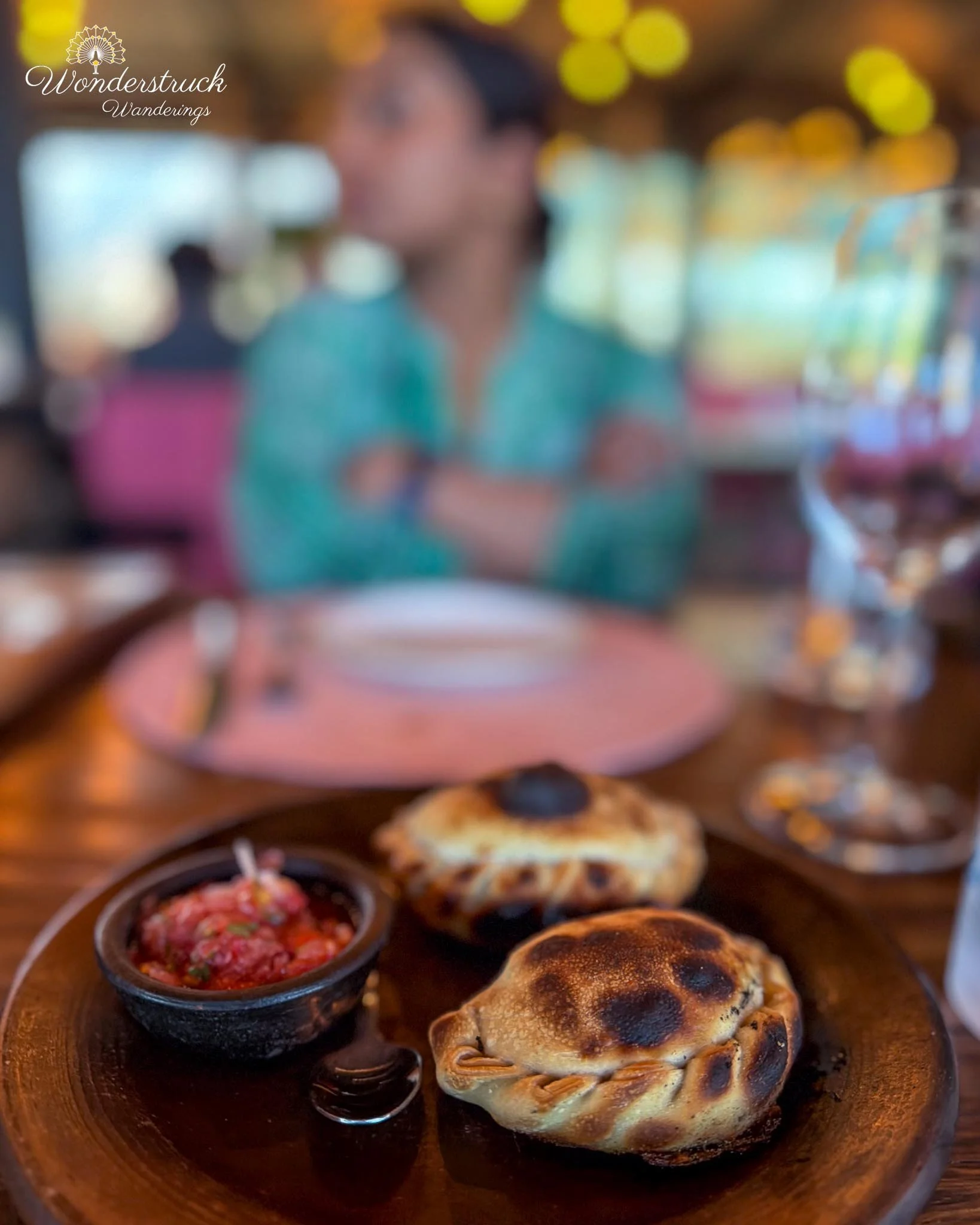
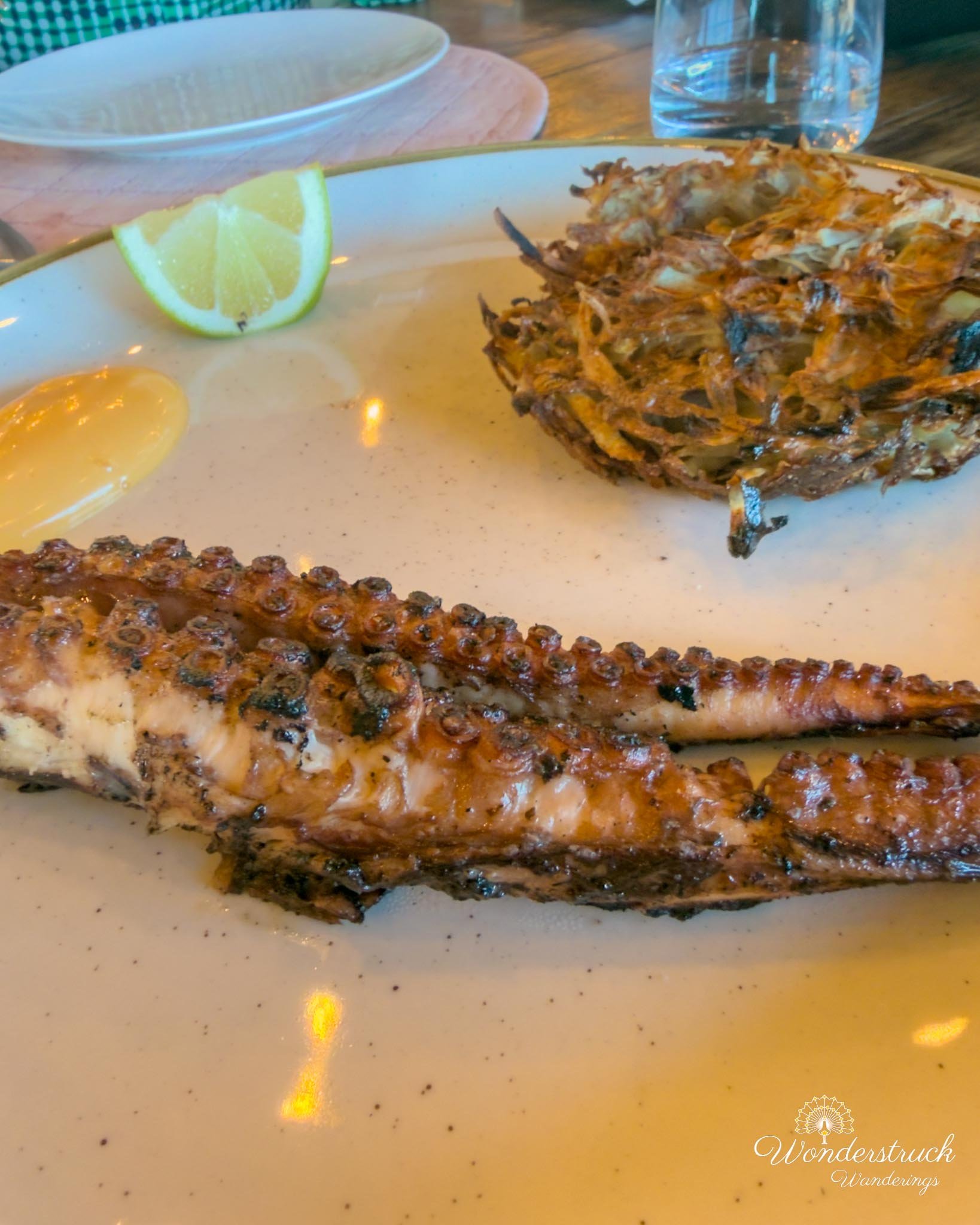
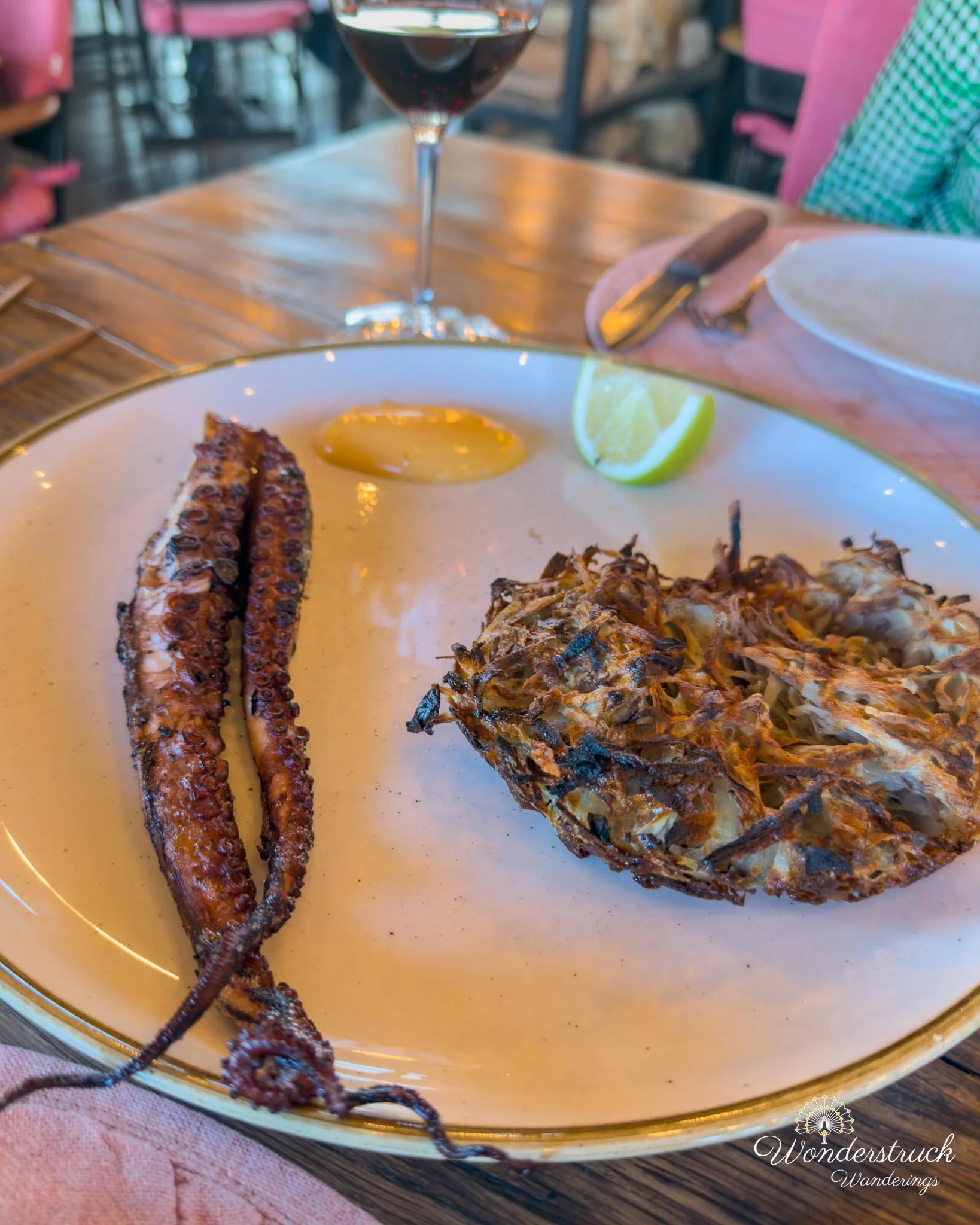
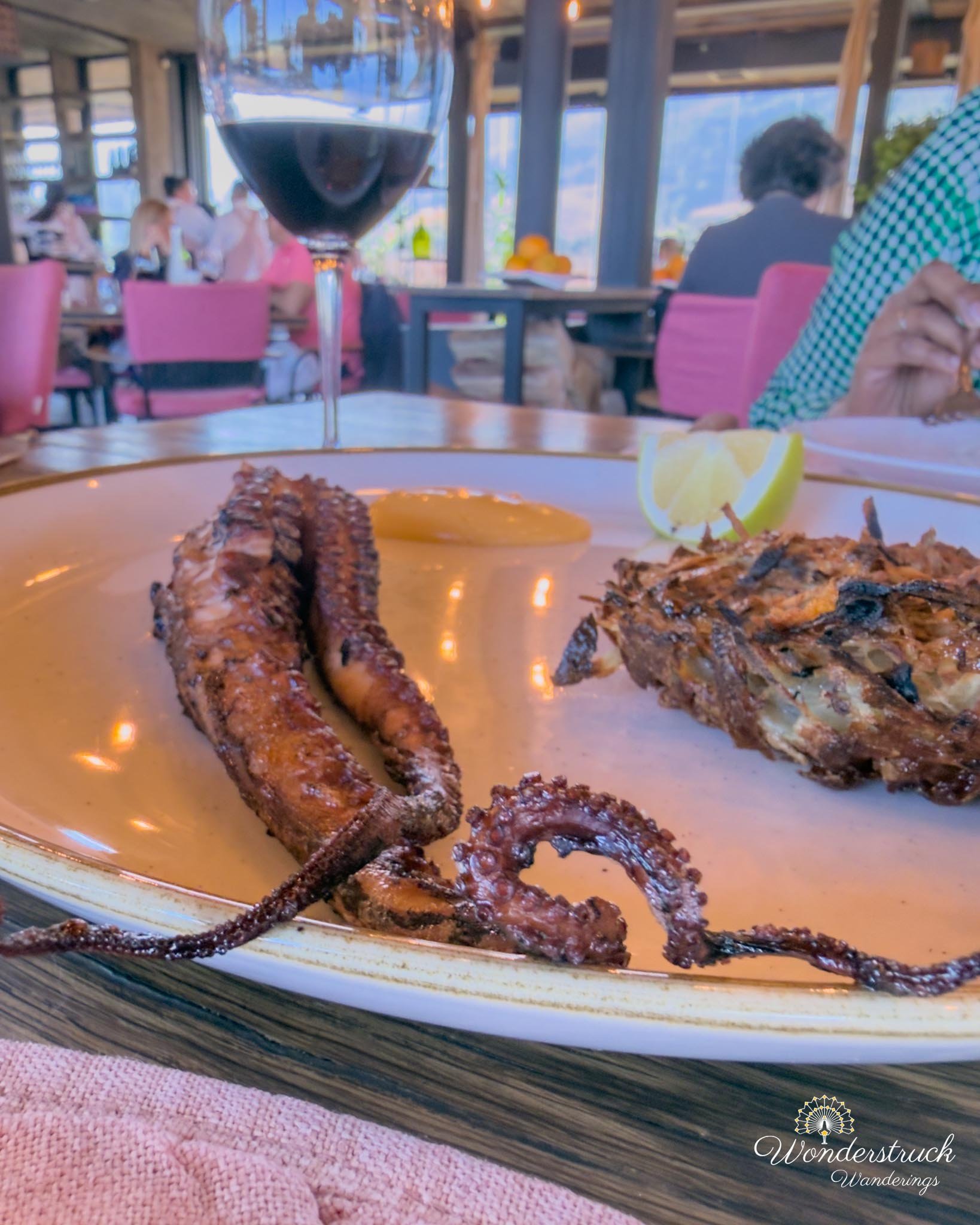
The next appetizer was a filet mignon empanada cooked in the wood fire, served with a pickled tomato salsa. For the empanada and the main course we wanted, grilled octopus with a potato pancake, the sommelier suggested Montes Alpha Carménère. By itself, the Carménère was fine but not the most exciting wine of the day. With the food, though, it improved dramatically. The darker fruit, spice, and softer tannins worked particularly well with the octopus, especially because the grilled texture and potato pancake gave the dish enough savory weight. This was a good reminder that some wines make more sense at the table than in isolation.
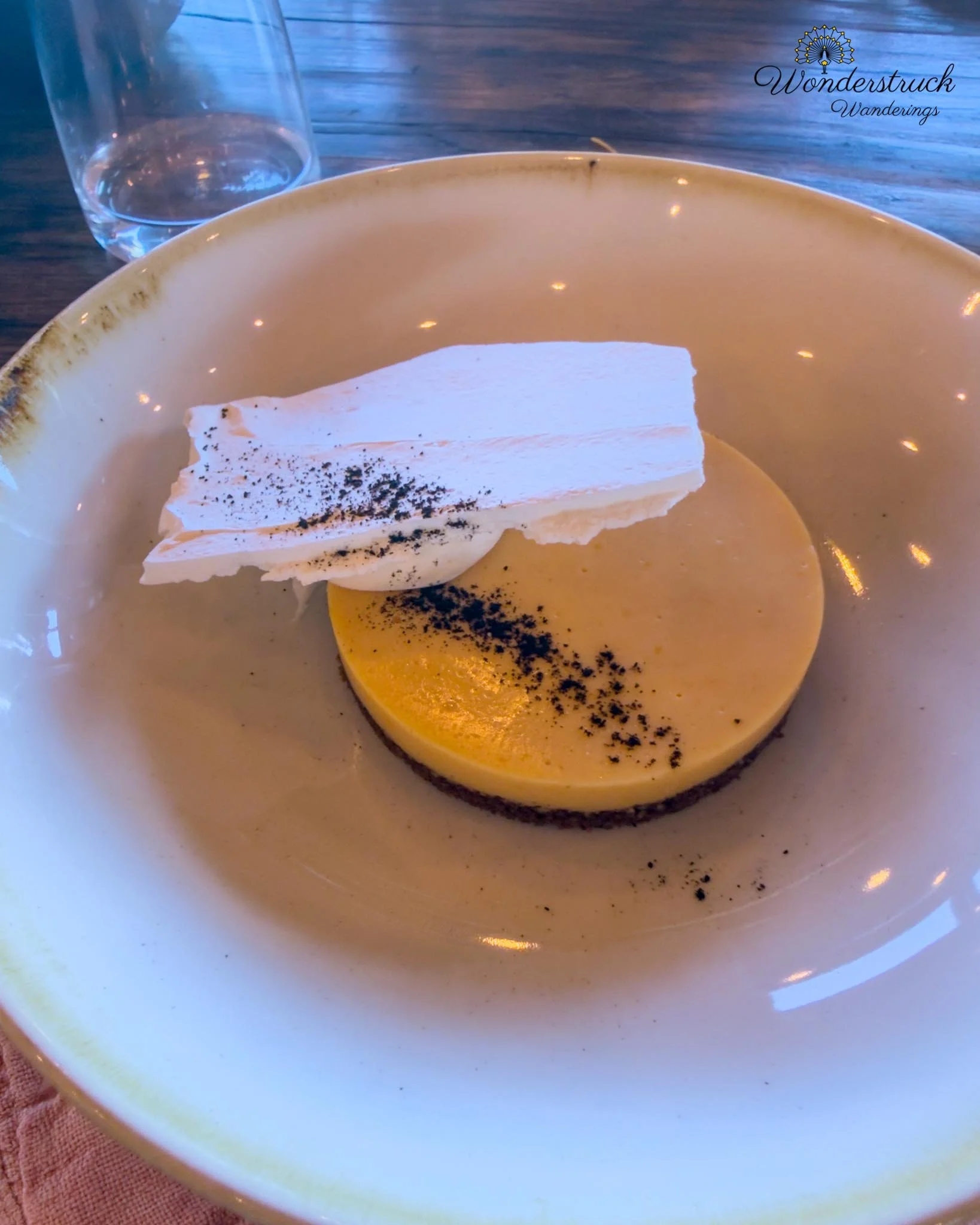
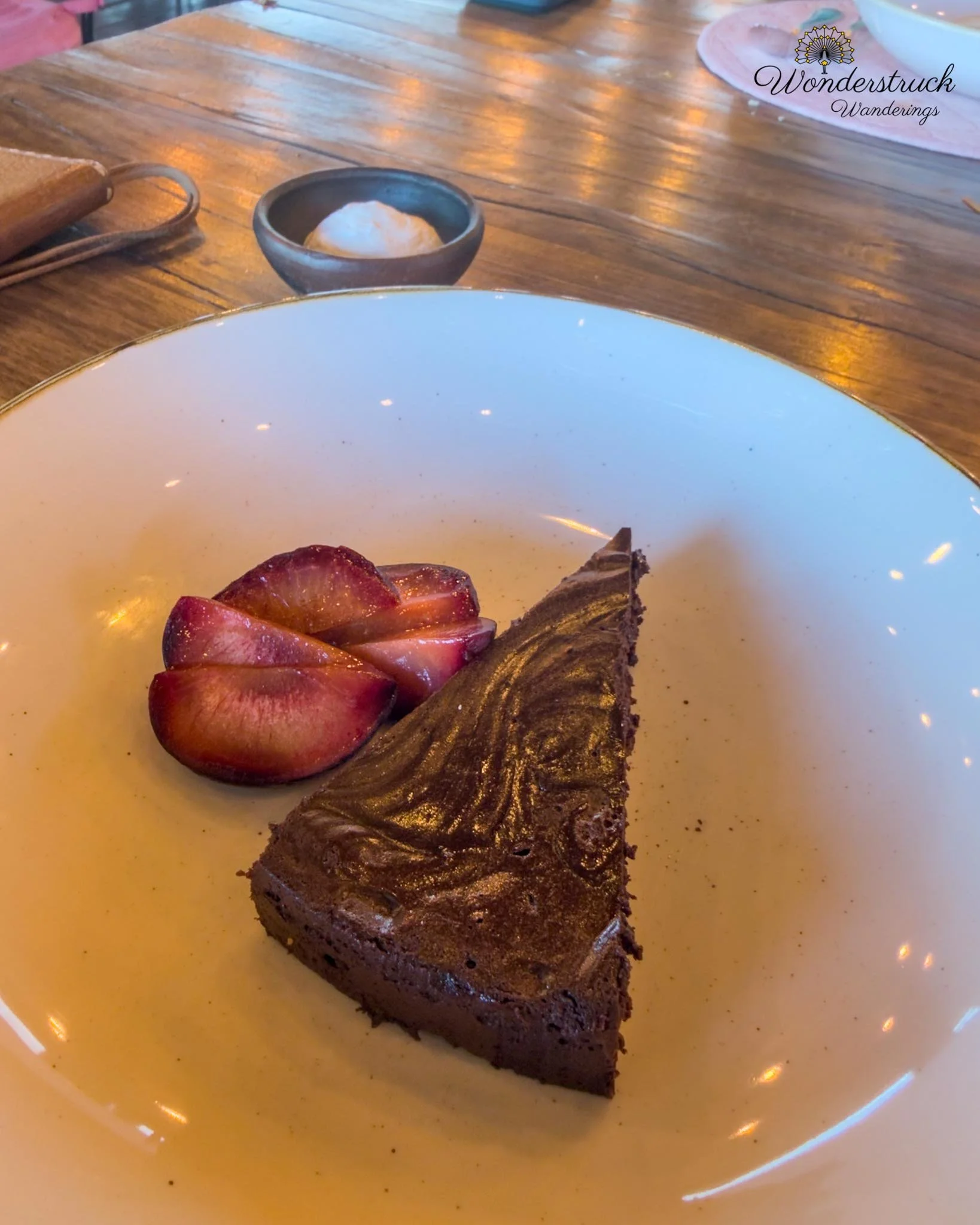
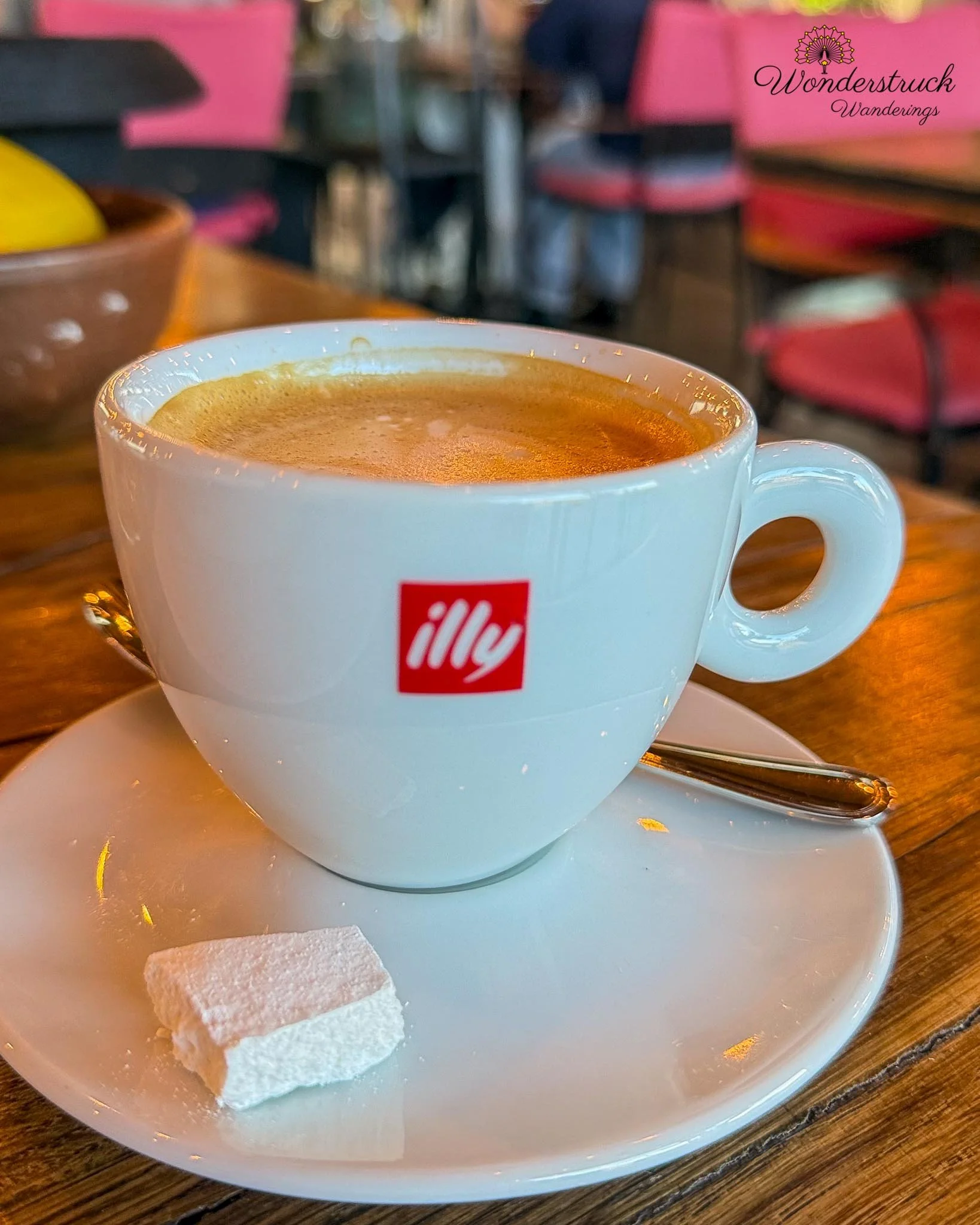
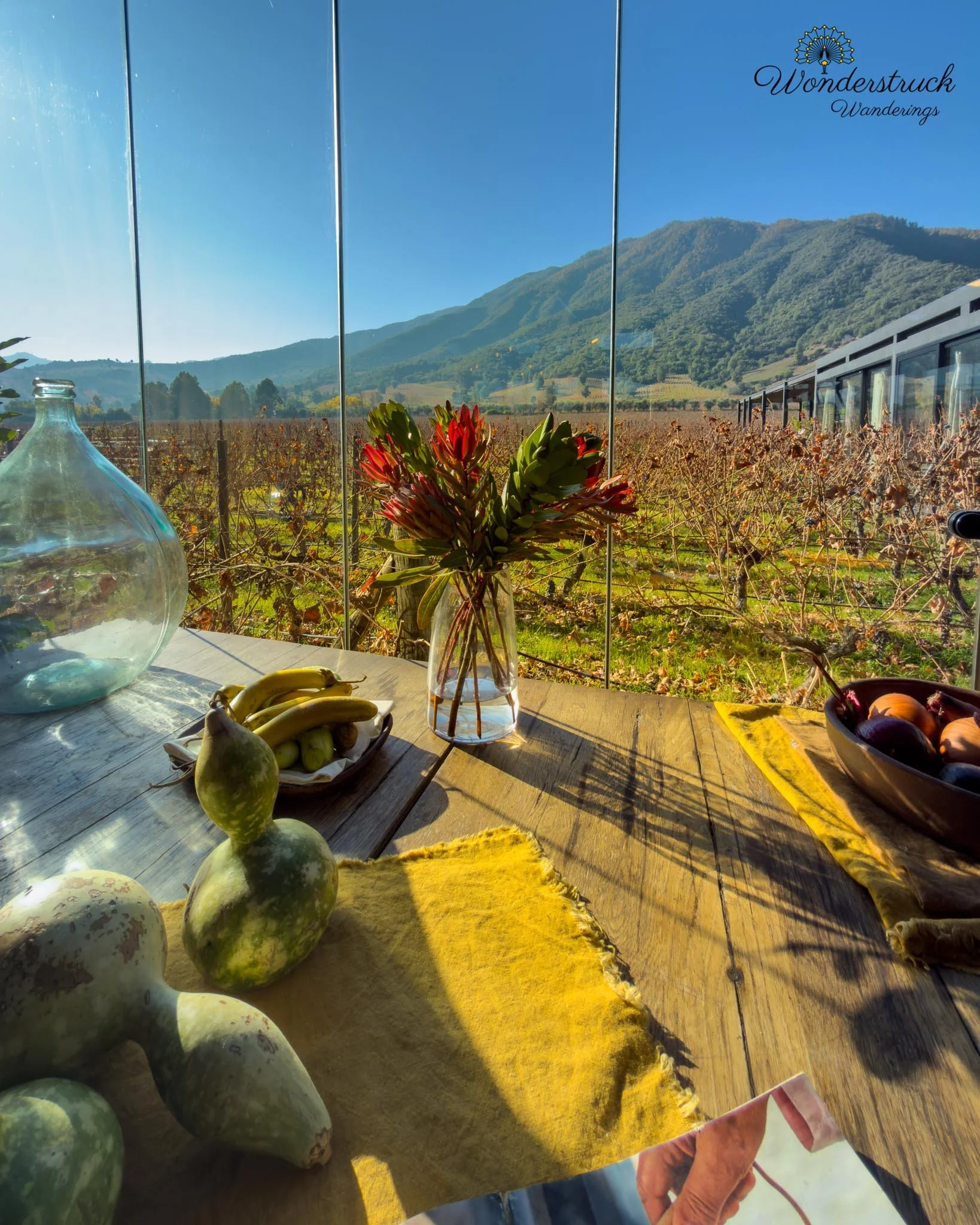
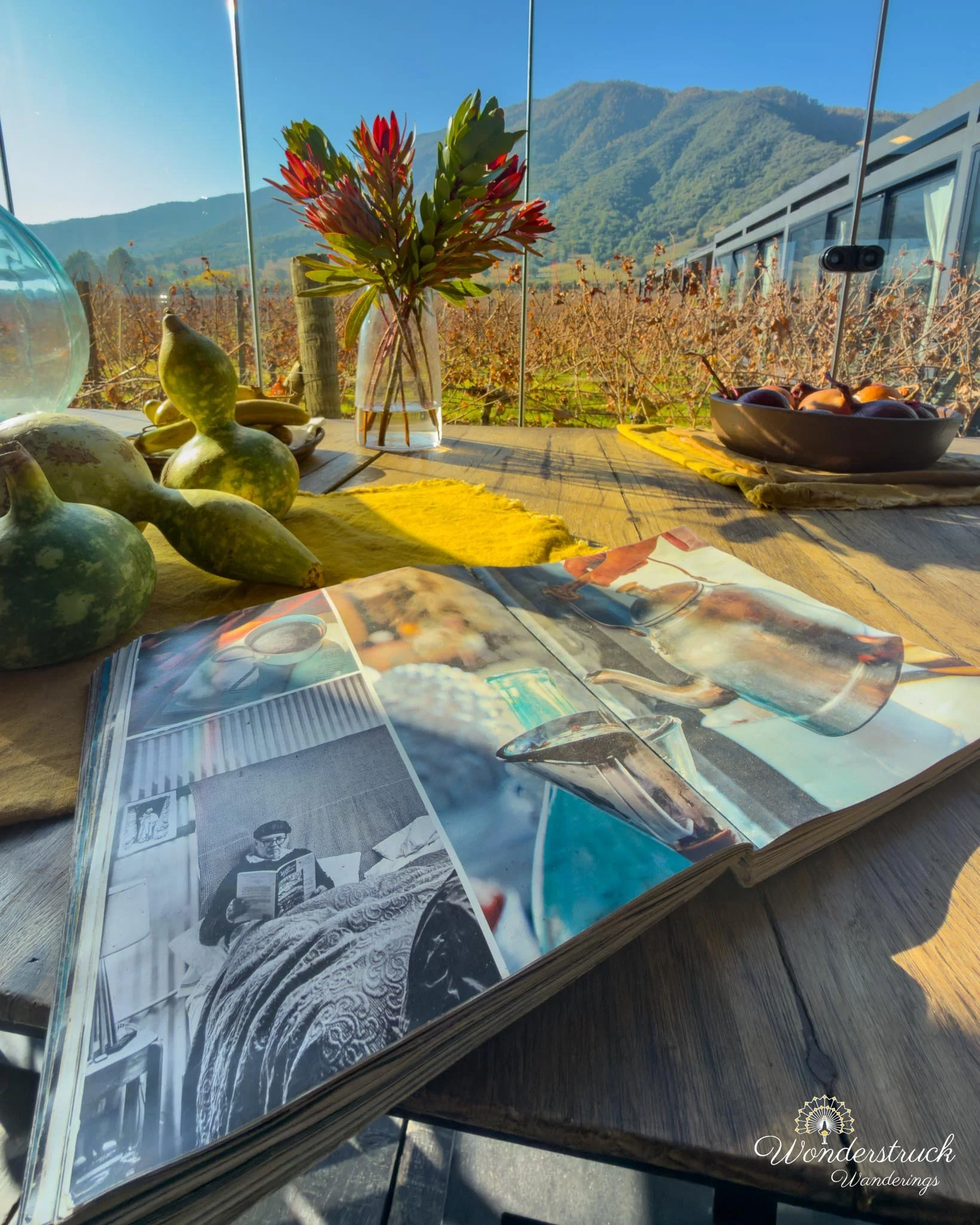
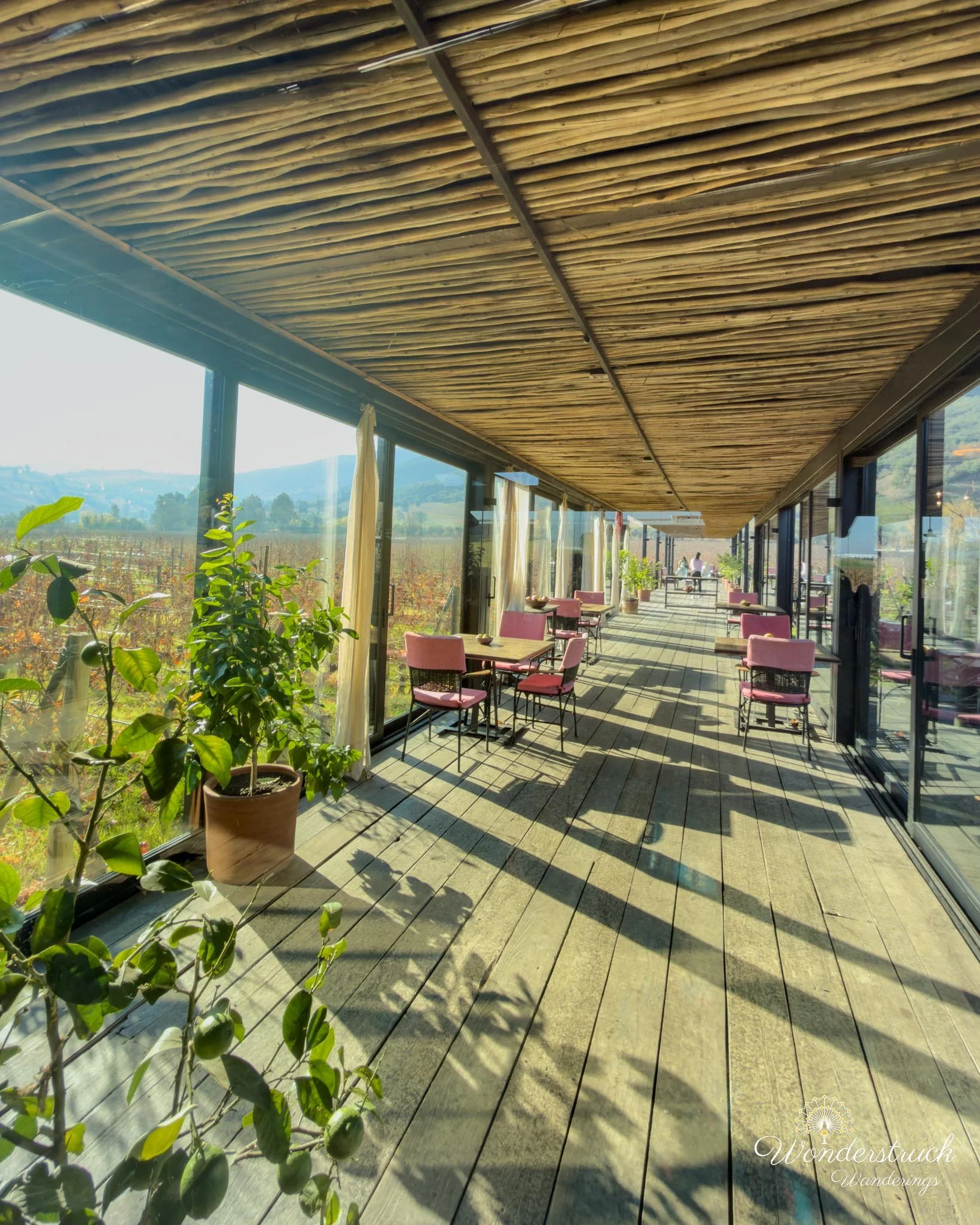
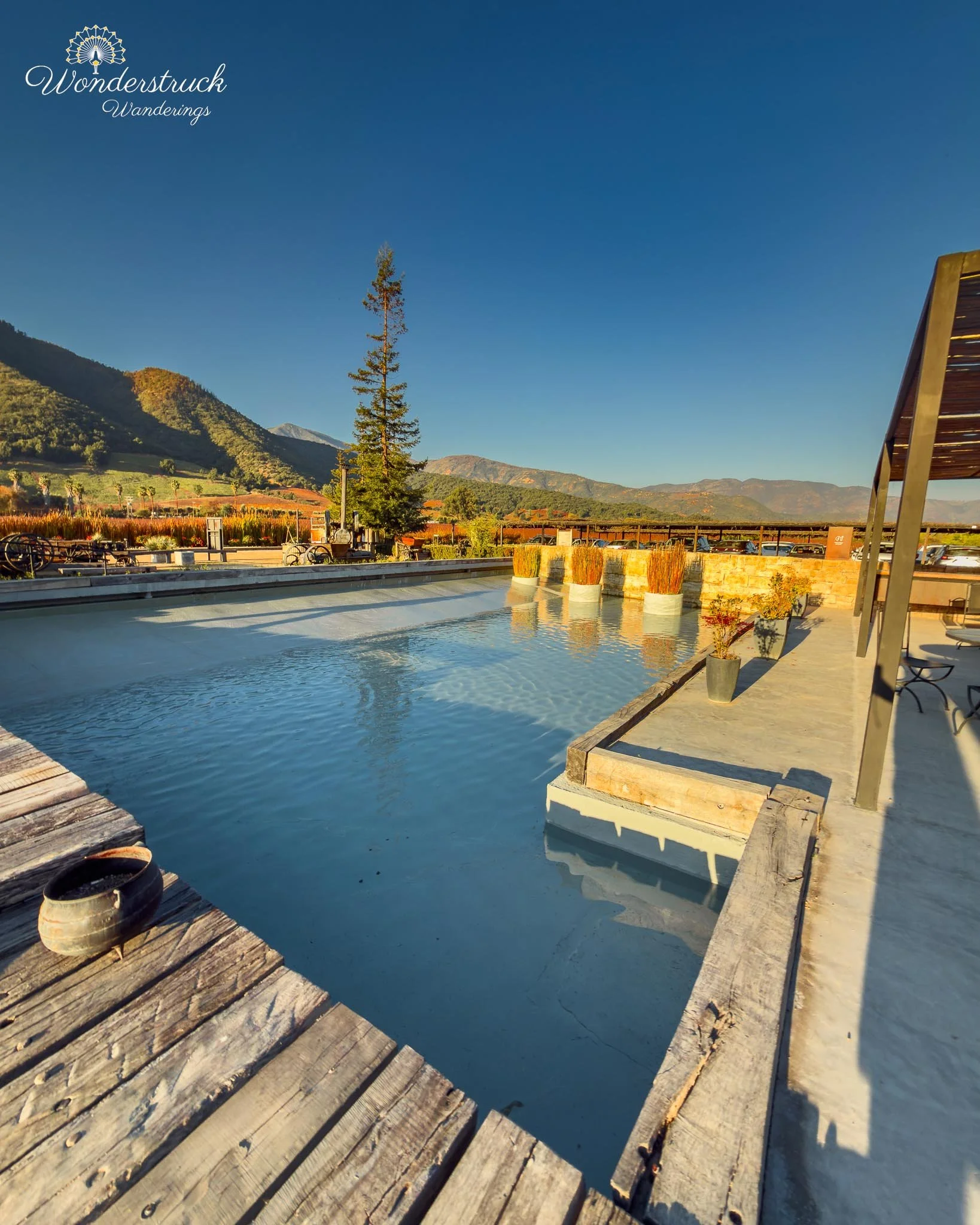
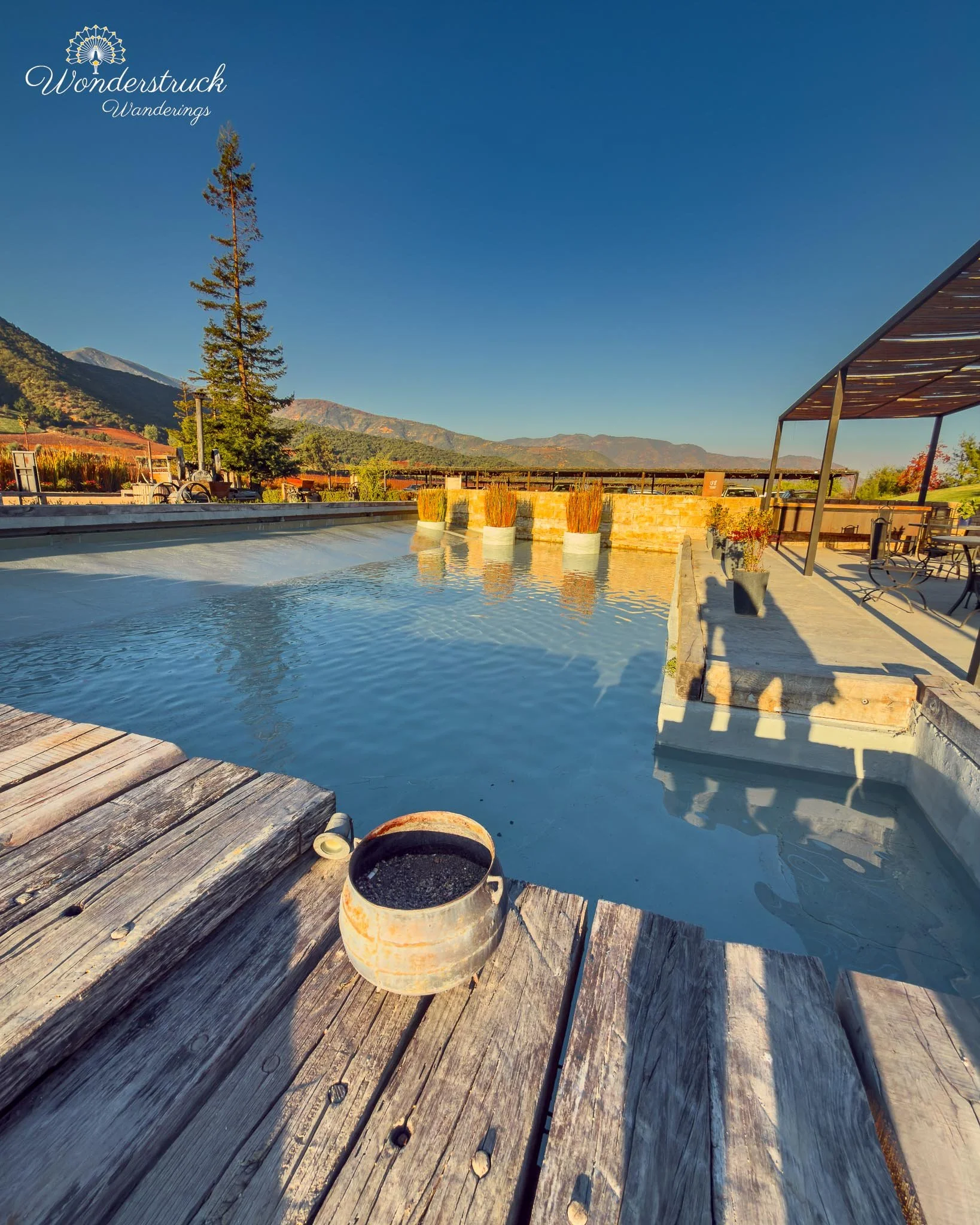
For dessert, I ordered a chocolate brownie because it had no milk in it, and Shay chose a lemon rica-rica custard cream torte. We had Illy cappuccinos with dessert. After a morning at VIK and a long lunch at Montes, this was already turning into a very full food-and-wine day. After lunch, we walked around the vineyards and restaurant area, then stopped at the store. We picked up a Folly 2017 vintage and a Wings Carménère, then started the long drive north toward the Maipo Valley.
Sunset Drive for Dinner at Haras de Pirque,Maipo Valley
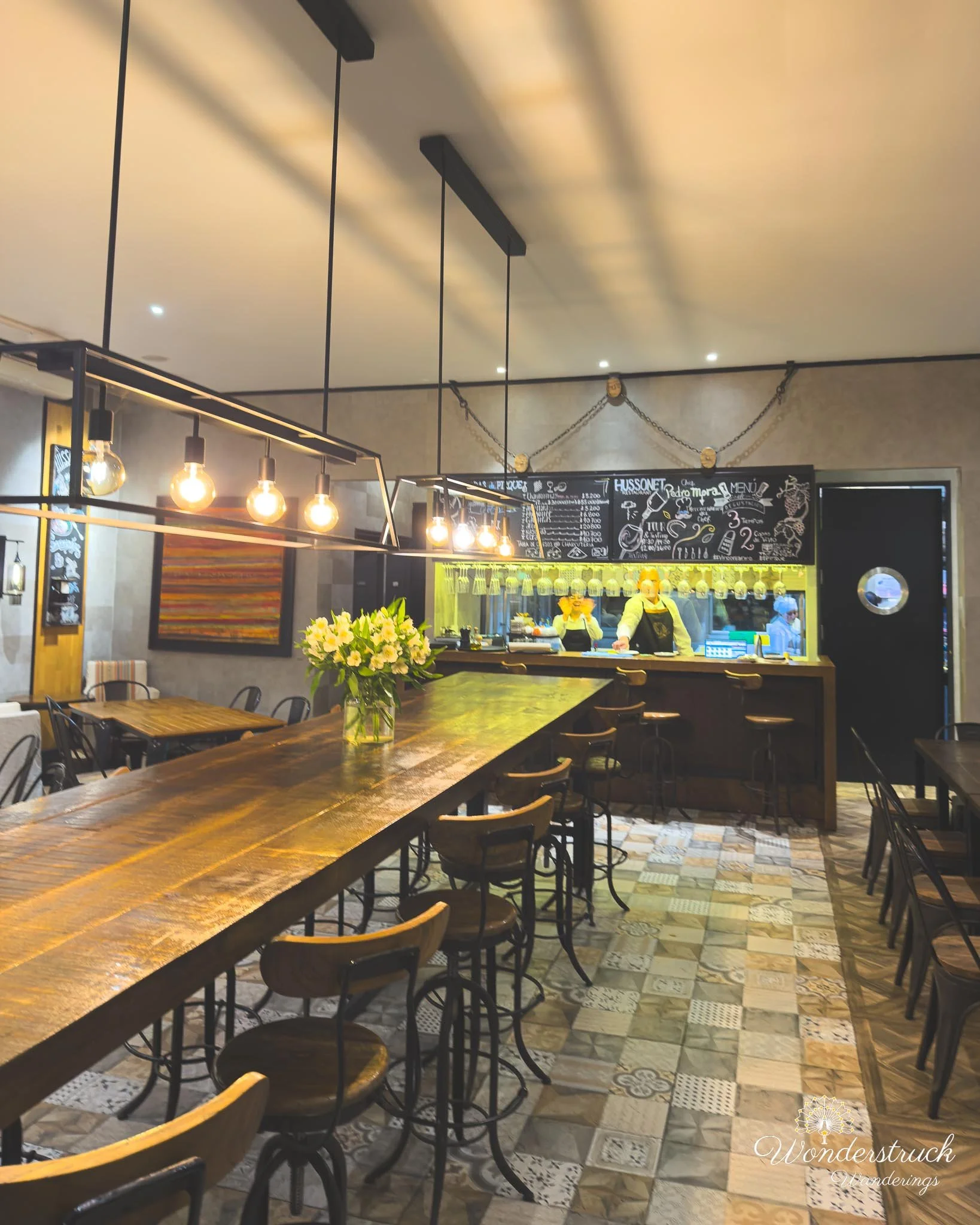
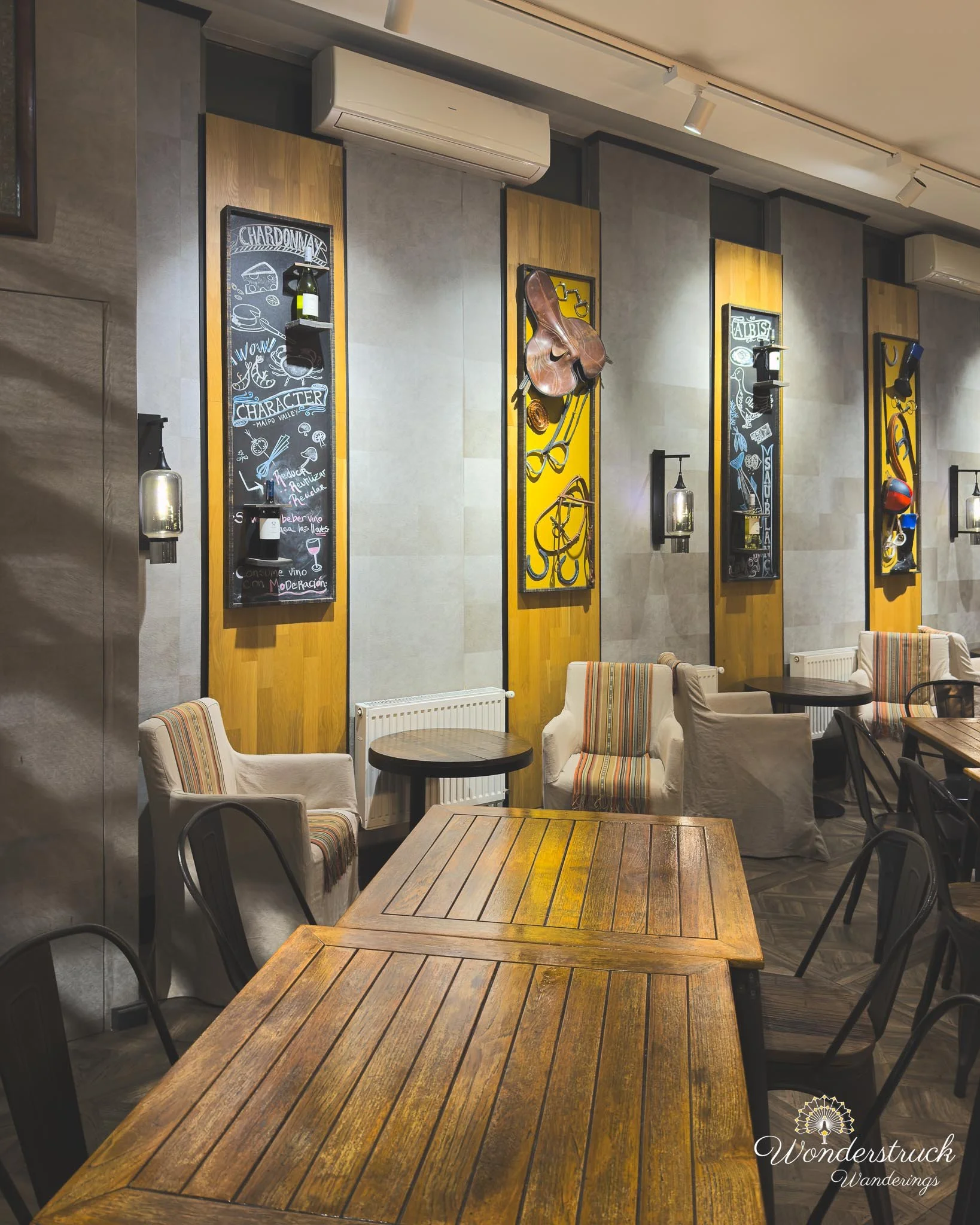
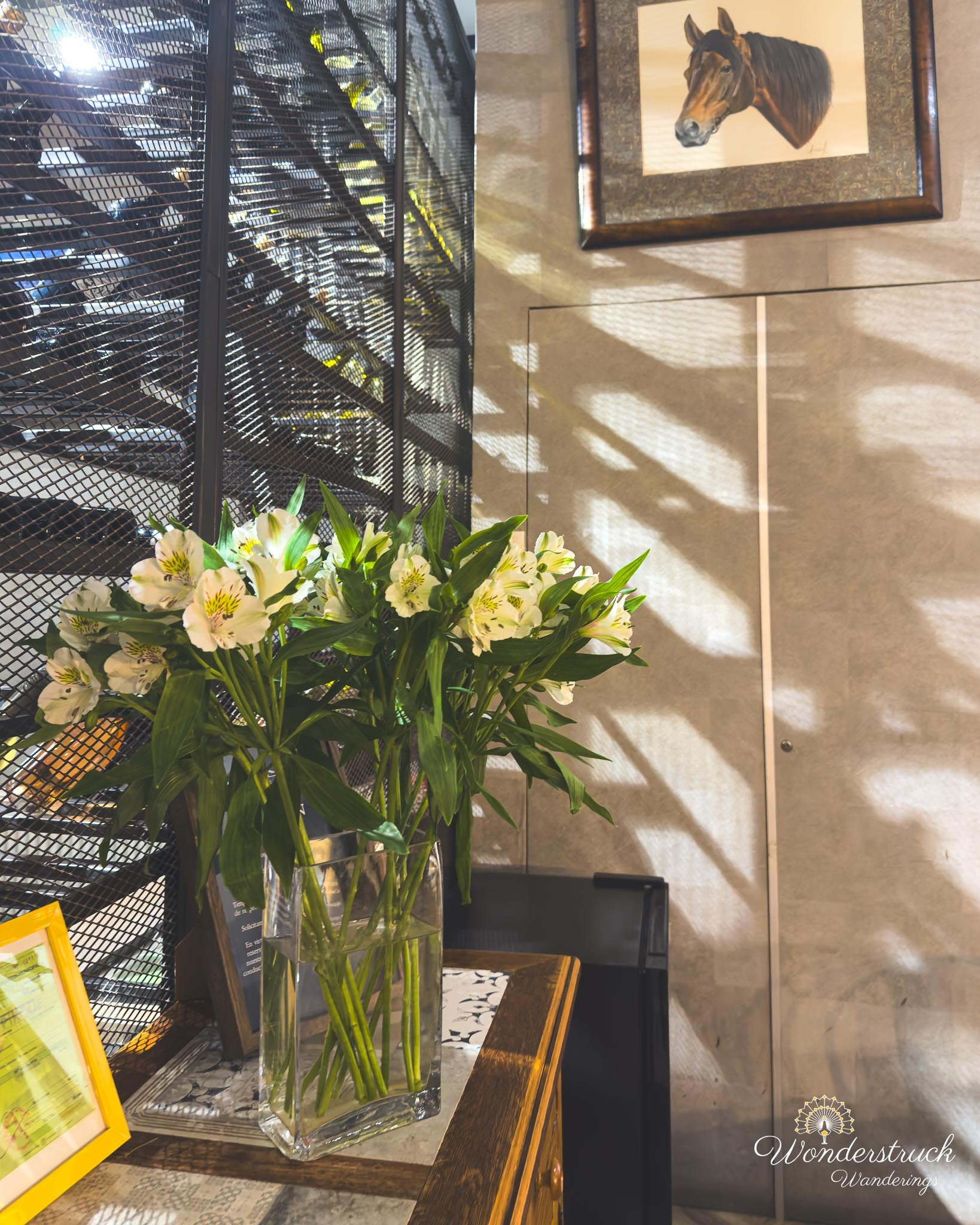
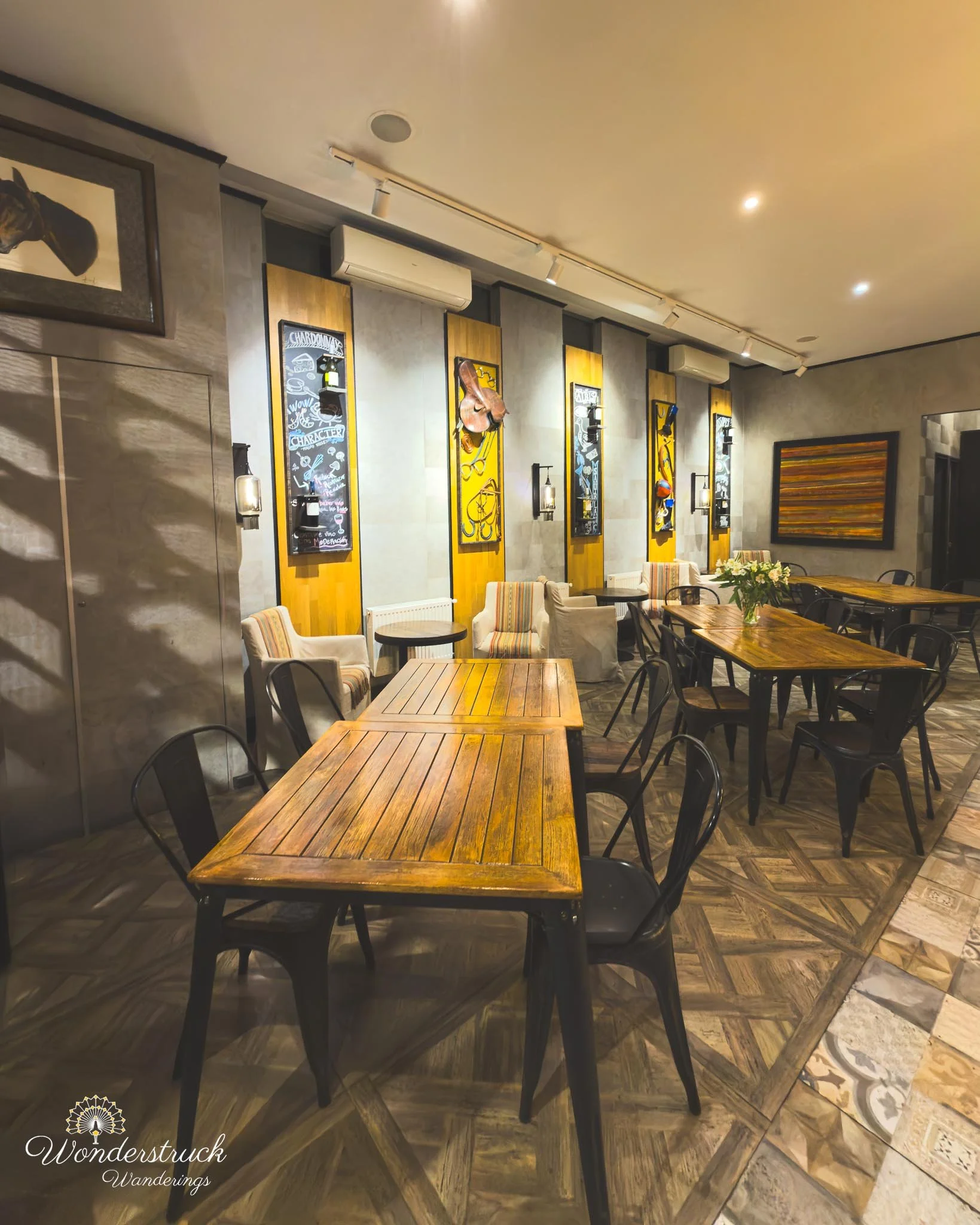
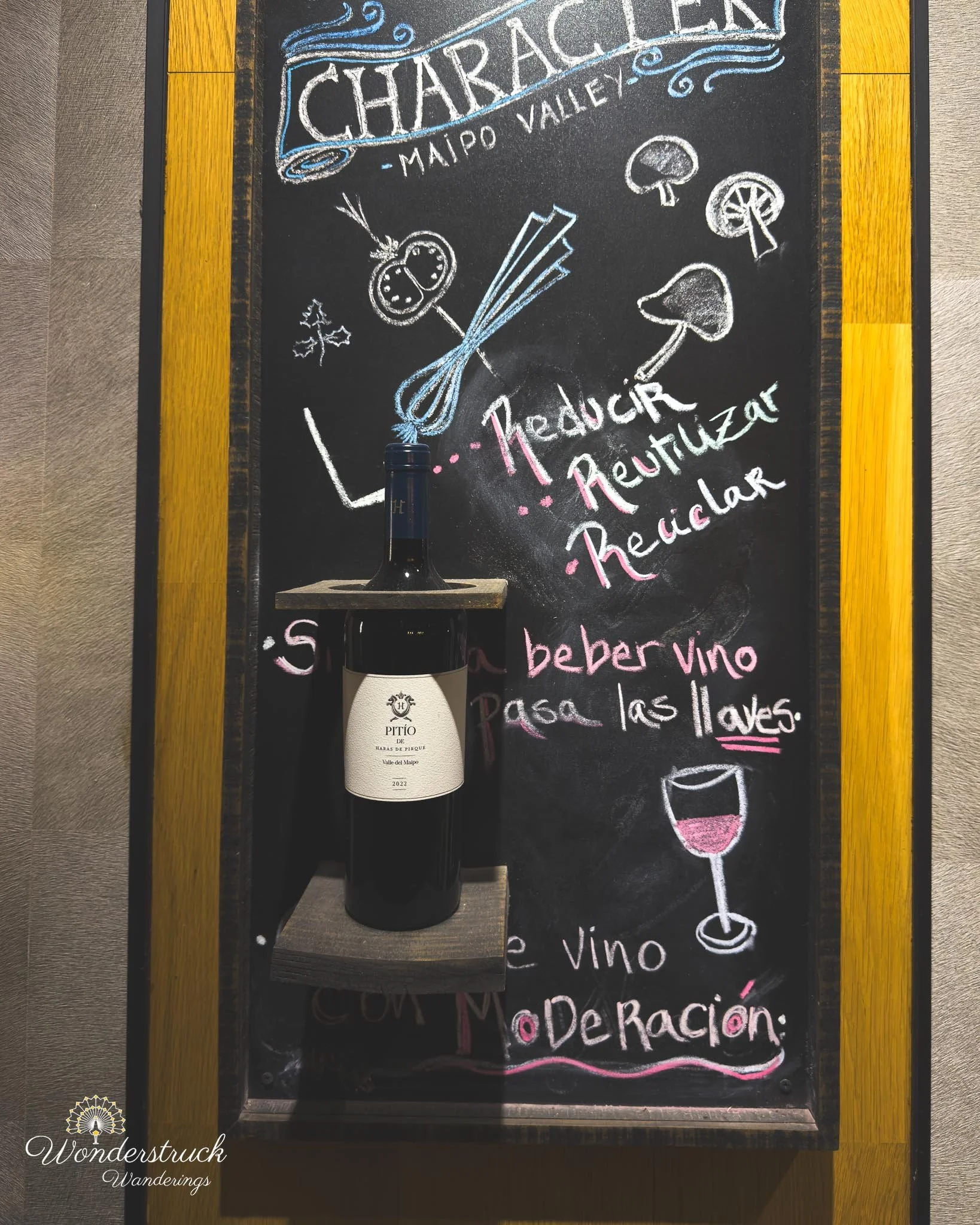
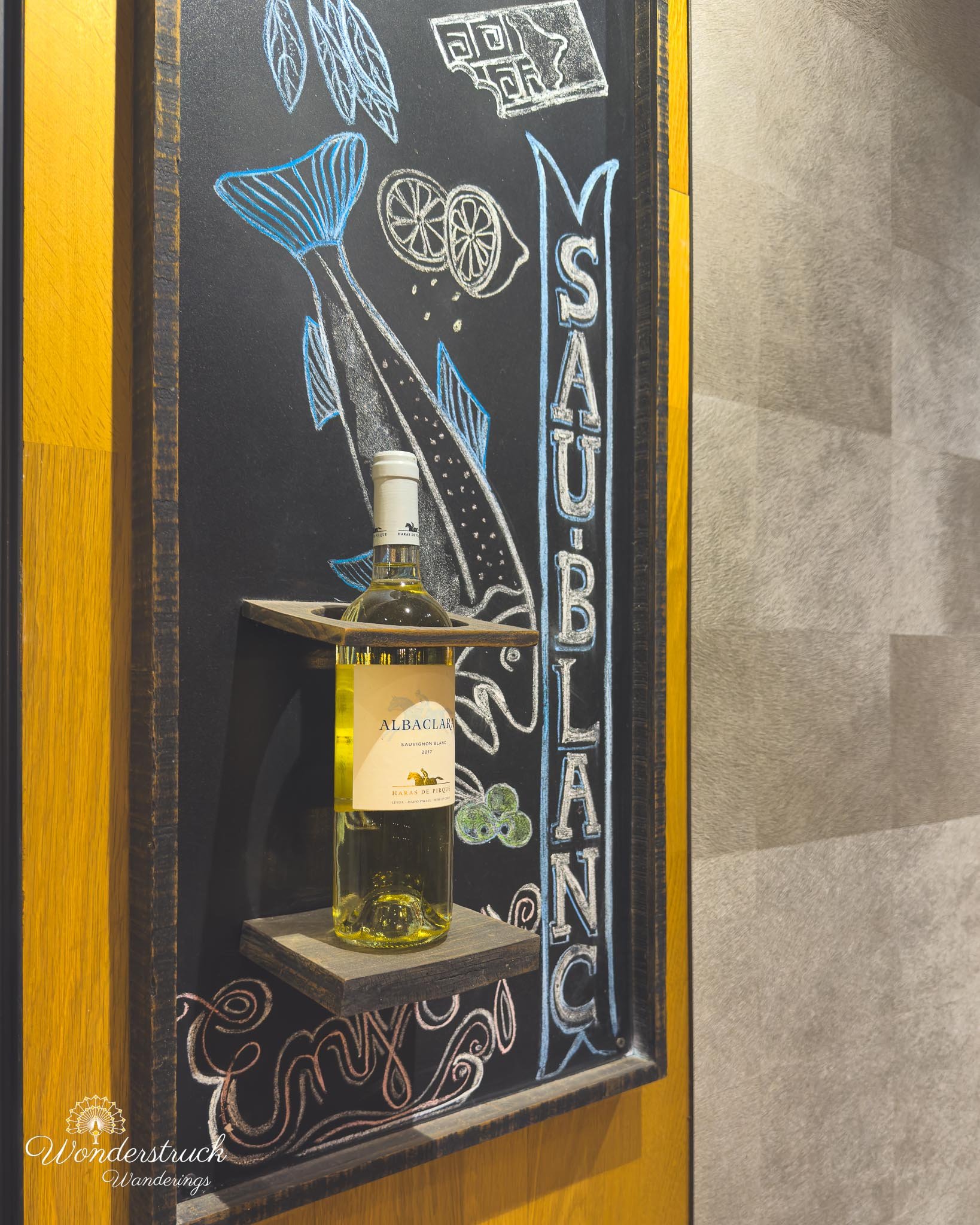
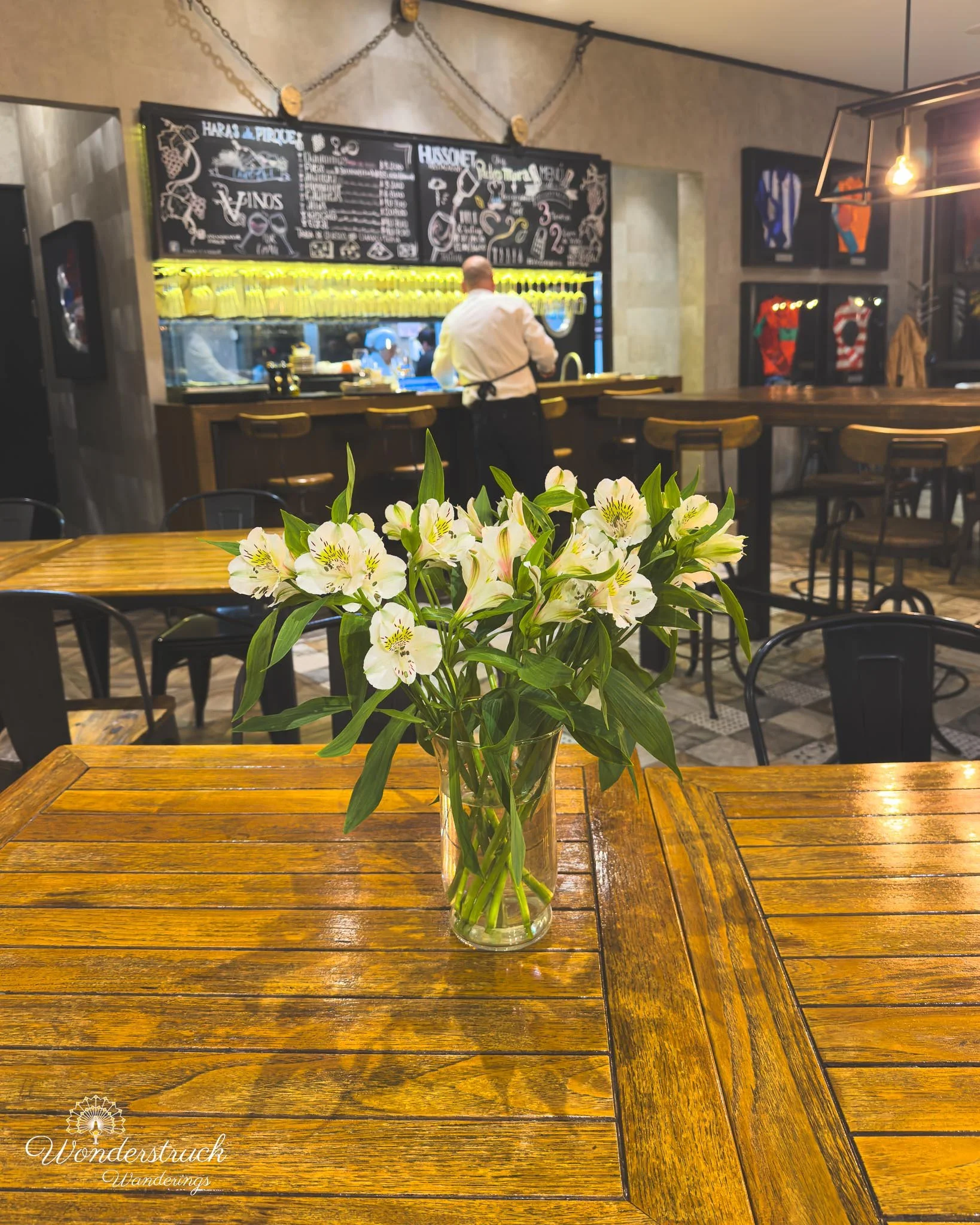
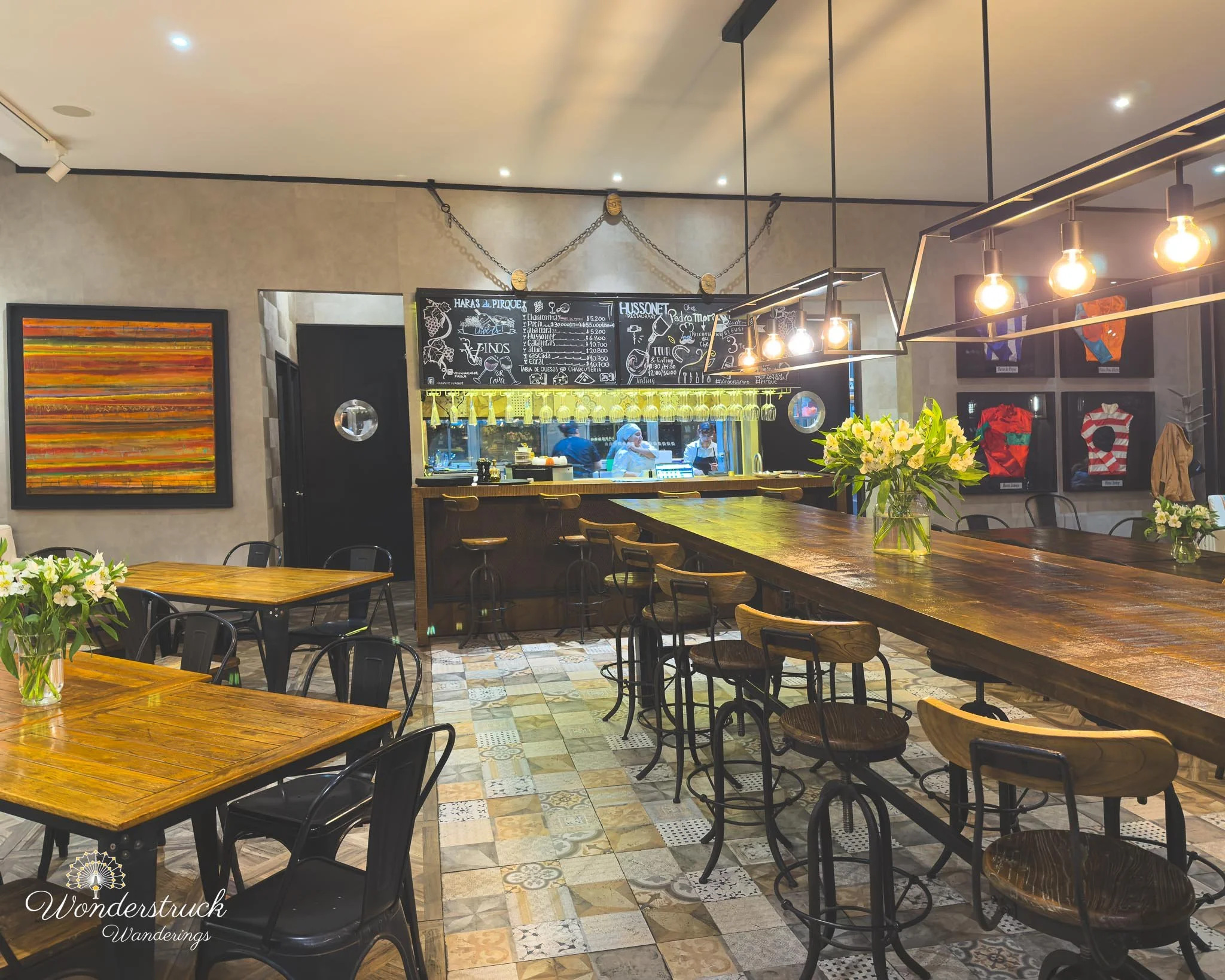
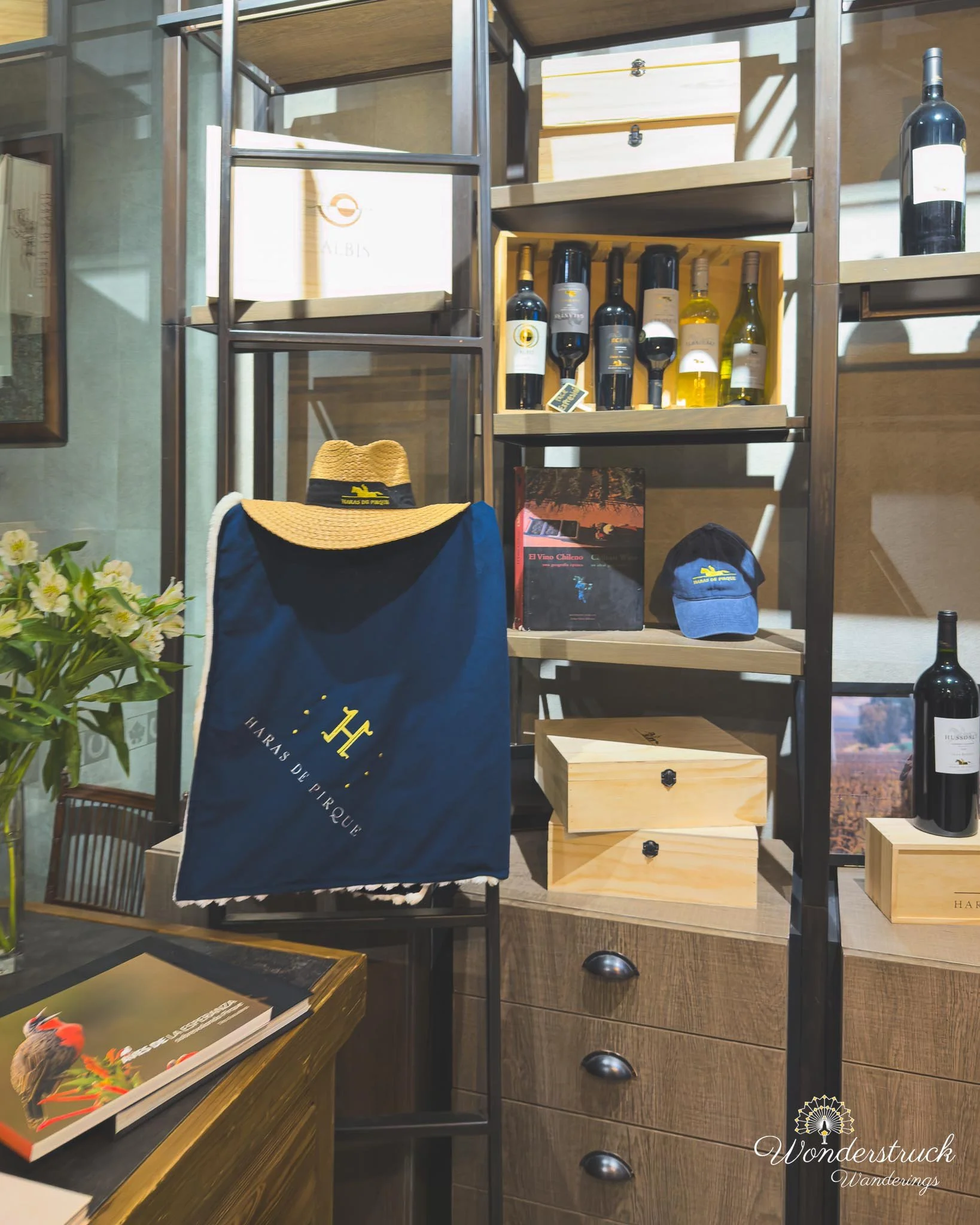
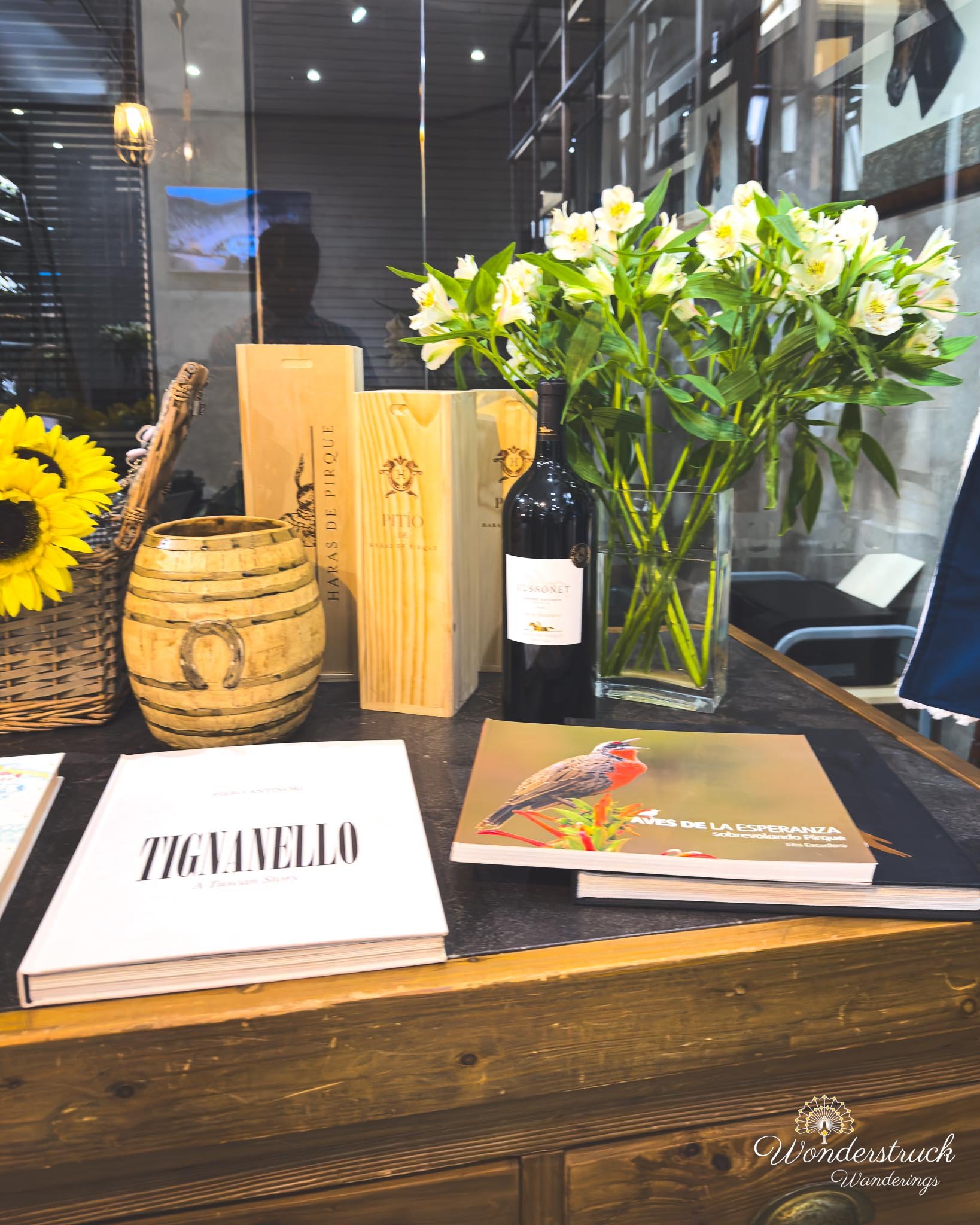
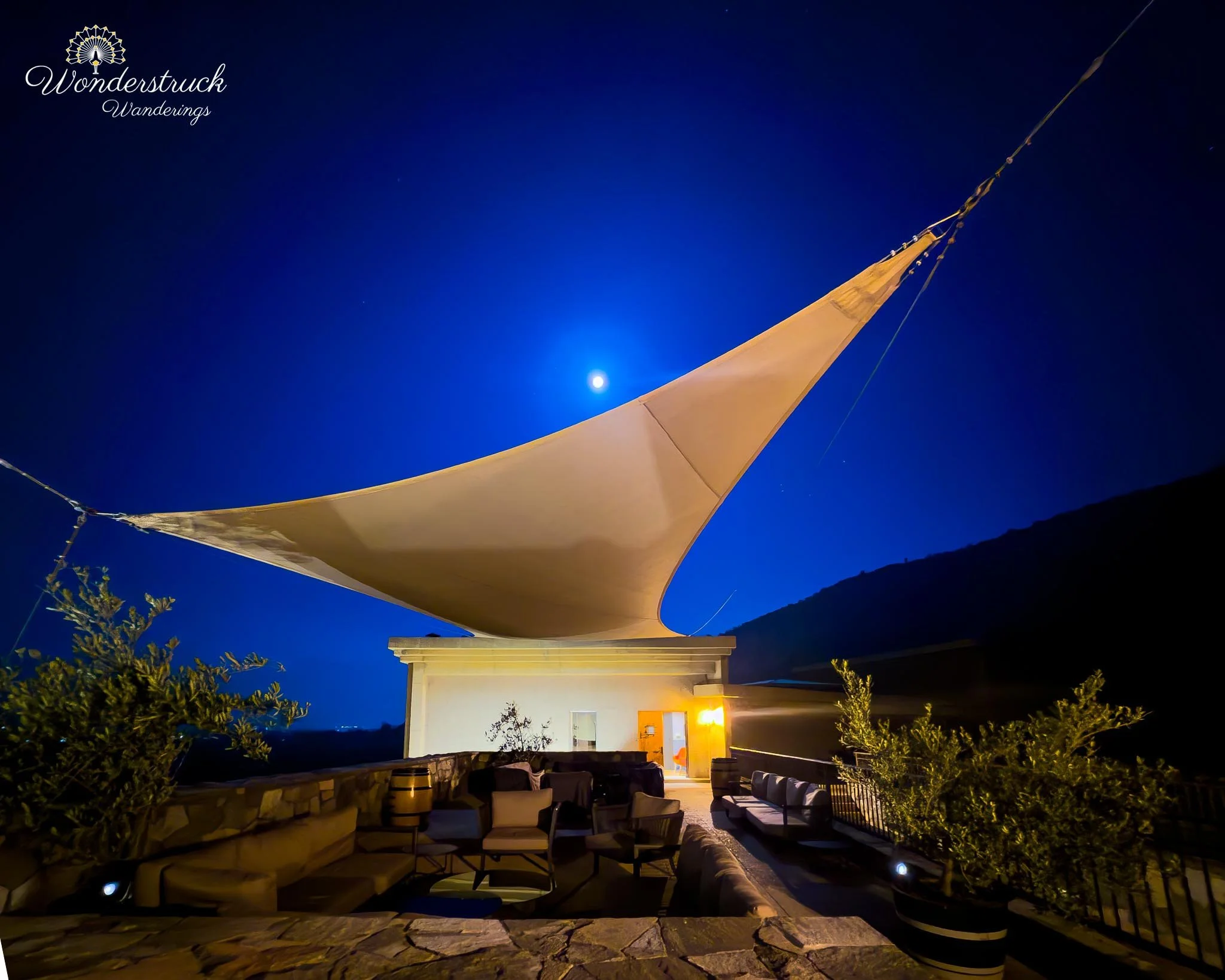
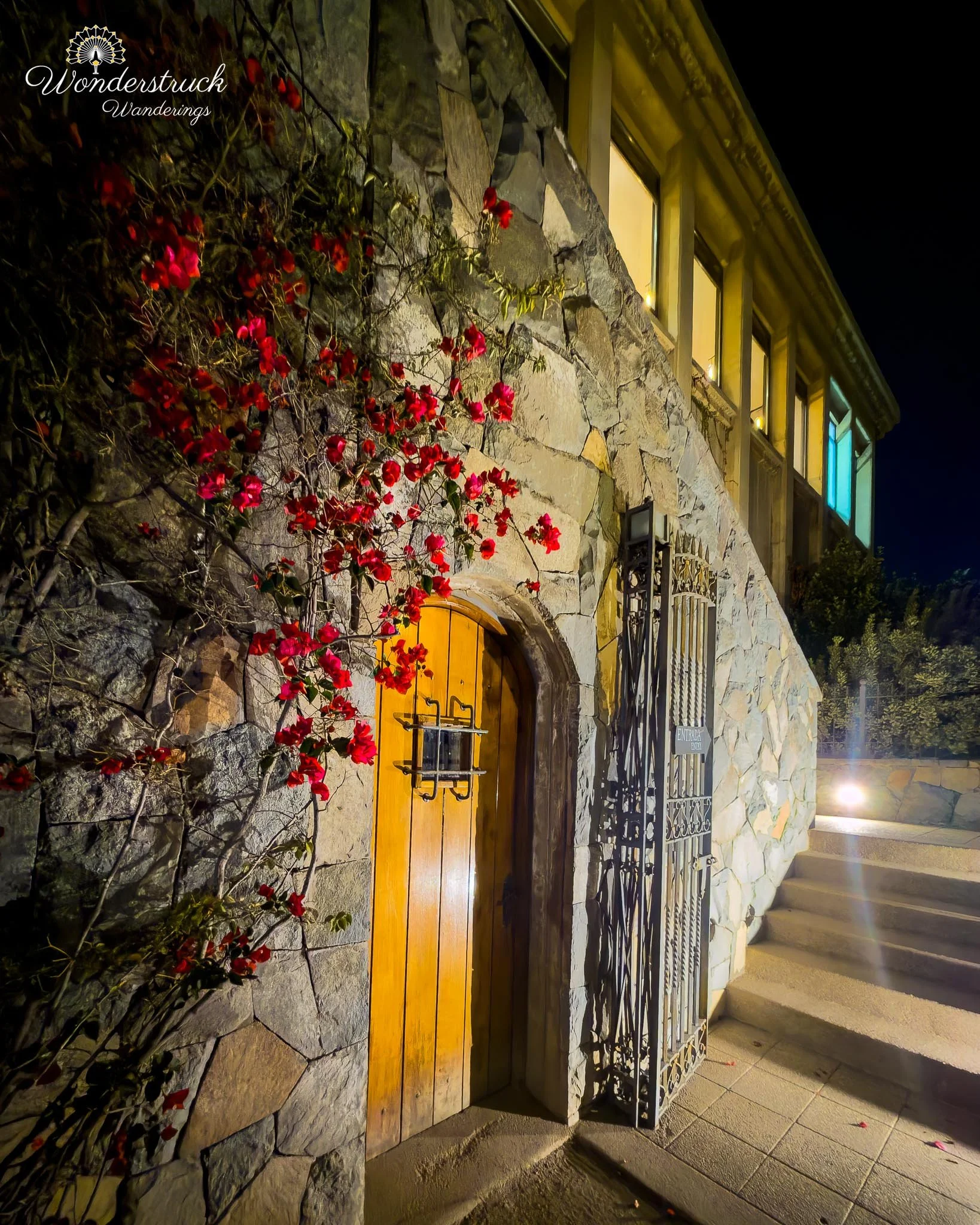
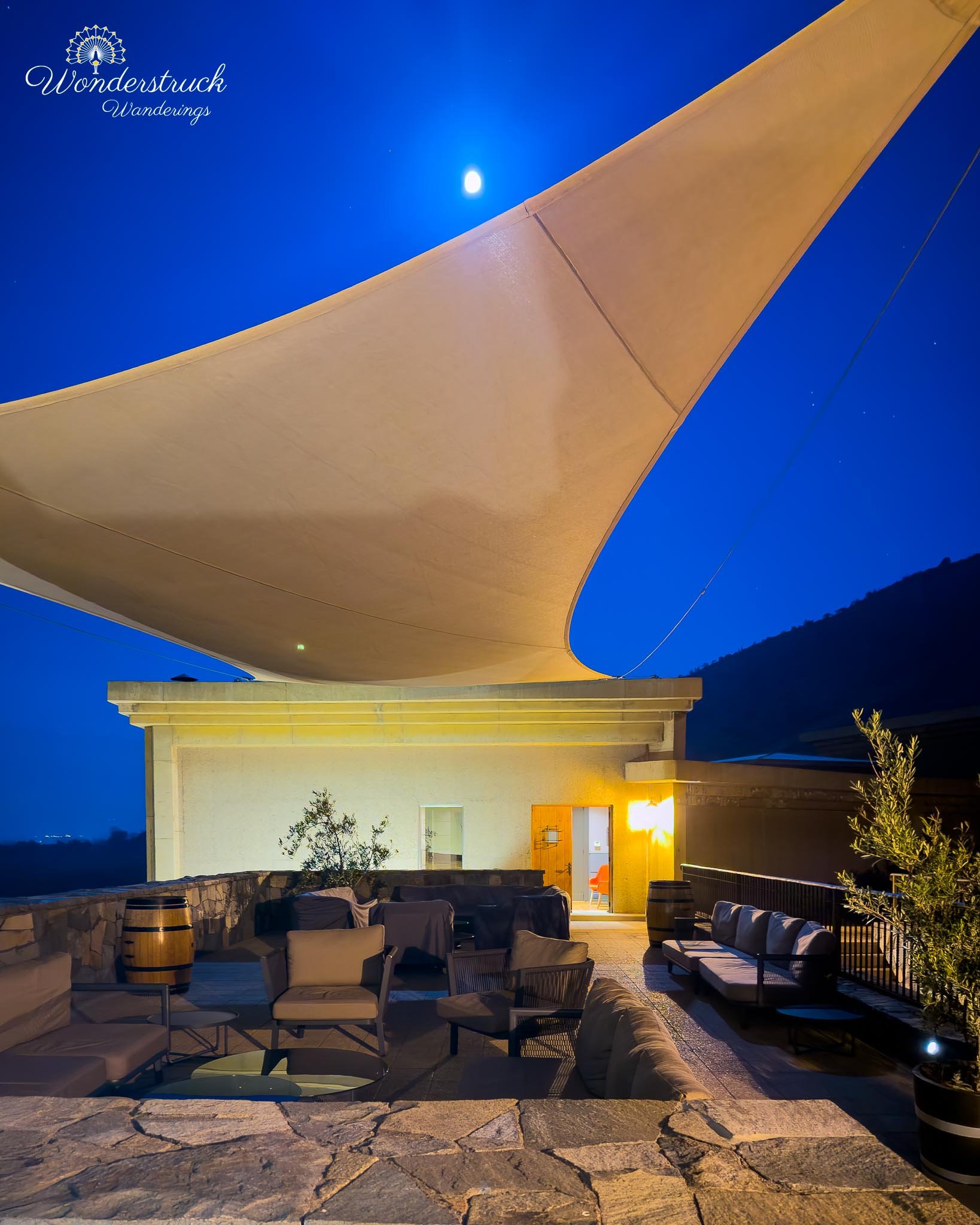
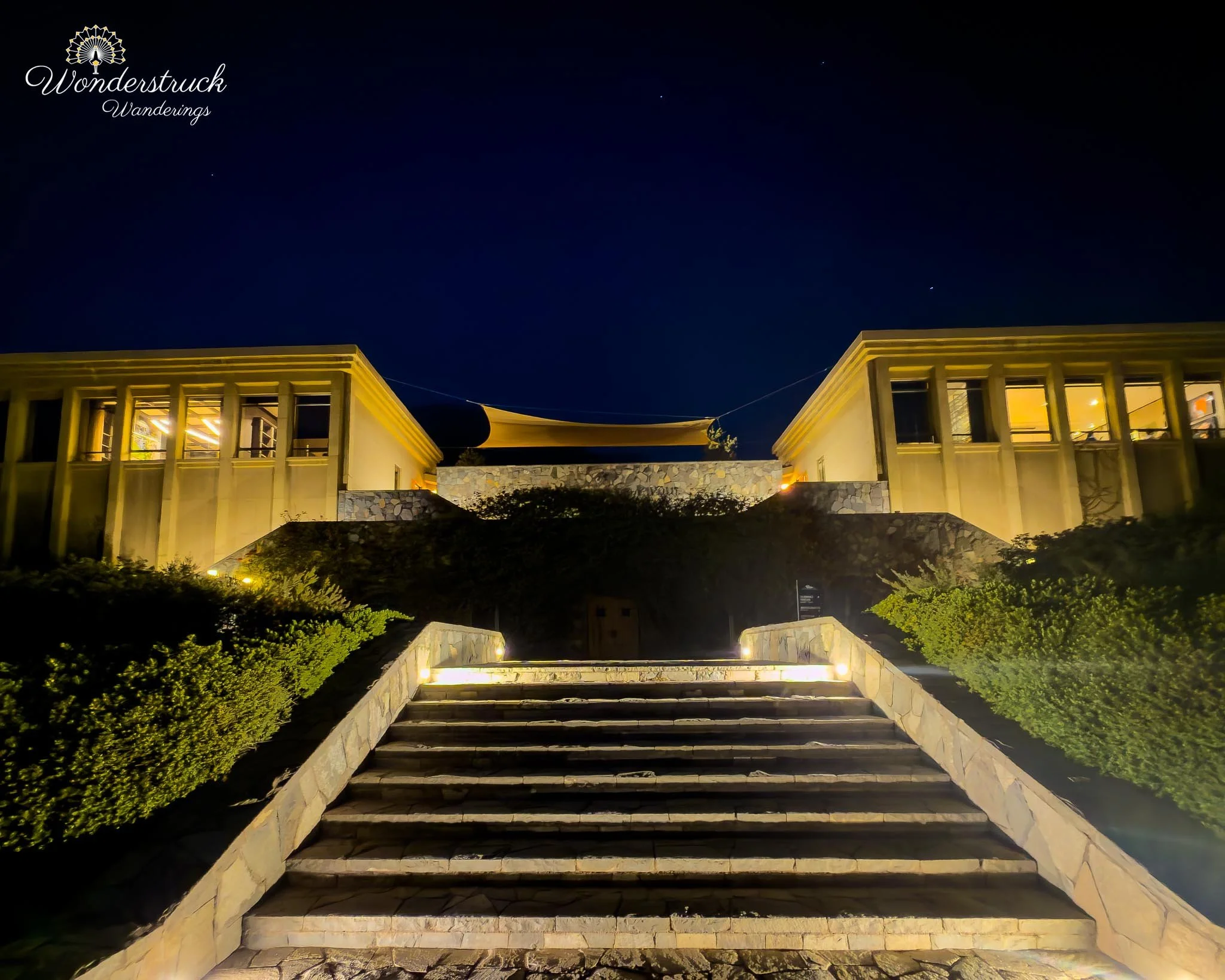
We had dinner booked at Haras de Pirque, a Maipo Valley winery, but by this point we were so full that we were not sure how we would eat again. Still, the booking was there, and the drive itself turned into one of the most beautiful parts of the day. The sun was setting as we drove north, with the last light touching the Andes foothills. The full moon began rising from the Andean peaks, and for a while the road felt almost cinematic: warm light on one side, moonrise on the other, vineyards and hills giving way to the wider approach toward Santiago and Maipo. This was also where the day's wine geography came together. We had started in Colchagua, visited VIK in Cachapoal, lunched back in Apalta and Colchagua, and were now heading toward Maipo, Chile's classic Cabernet Sauvignon country. Maipo Valley is one of Chile's most important and historic wine regions, especially for Cabernet Sauvignon. The Andes influence is critical here: warm days, cooler nights, well-drained alluvial soils, and mountain air help produce Cabernet with structure, freshness, herbal complexity, and ageability. Compared with Colchagua, which often gives rounder, warmer, richer reds, Maipo Cabernet can feel more structured, savory, minty, and graphite-edged. Cachapoal, where VIK sits, can sit somewhere between those worlds depending on site and blend: powerful but shaped by its own valley winds, exposures, and coastal-Andean influences. Haras de Pirque was our final winery stop of the trip. The restaurant is generally open for lunch because the views from the top are a major part of the experience, but it also opens for dinner on Saturdays. When we reached the gate, it was closed because normal winery hours were over. But for dinner reservations, you buzz in, and they let you through. We drove up to the restaurant and were seated at a lovely table by the window. In daylight, the view must be beautiful, with the Maipo Valley and Andes working together outside the glass. At night, we could not see the full valley view, but the building and moonlight gave the place a completely different atmosphere. Haras de Pirque has a strong horse-racing identity. The estate's winery is built in a horseshoe shape, a direct reference to its origins as a thoroughbred farm, and even the wine names carry that heritage. Hussonet, for example, is named after a famous Chilean racehorse. The architecture felt especially good at night because the horseshoe form and the stonework became more sculptural in the moonlight.
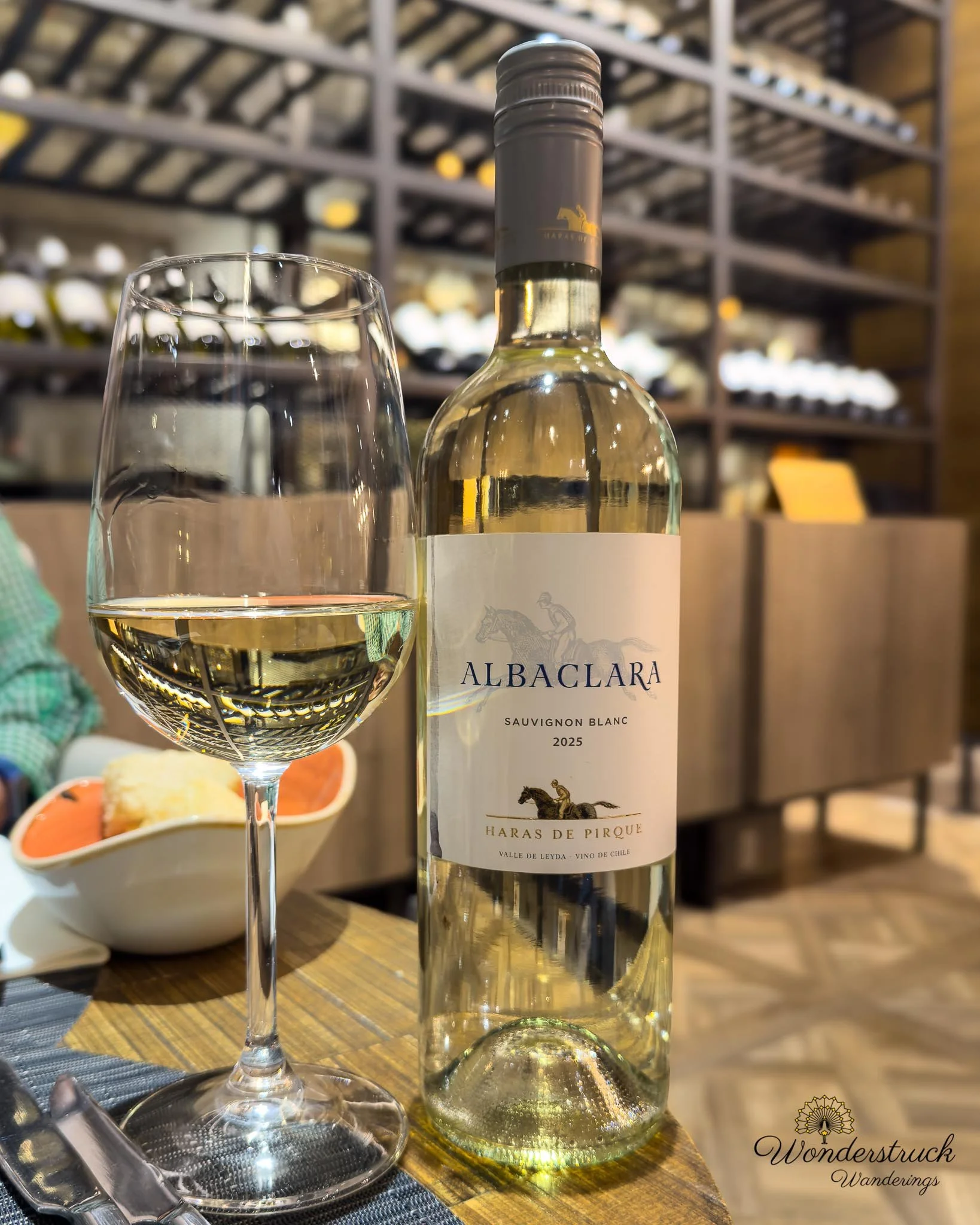
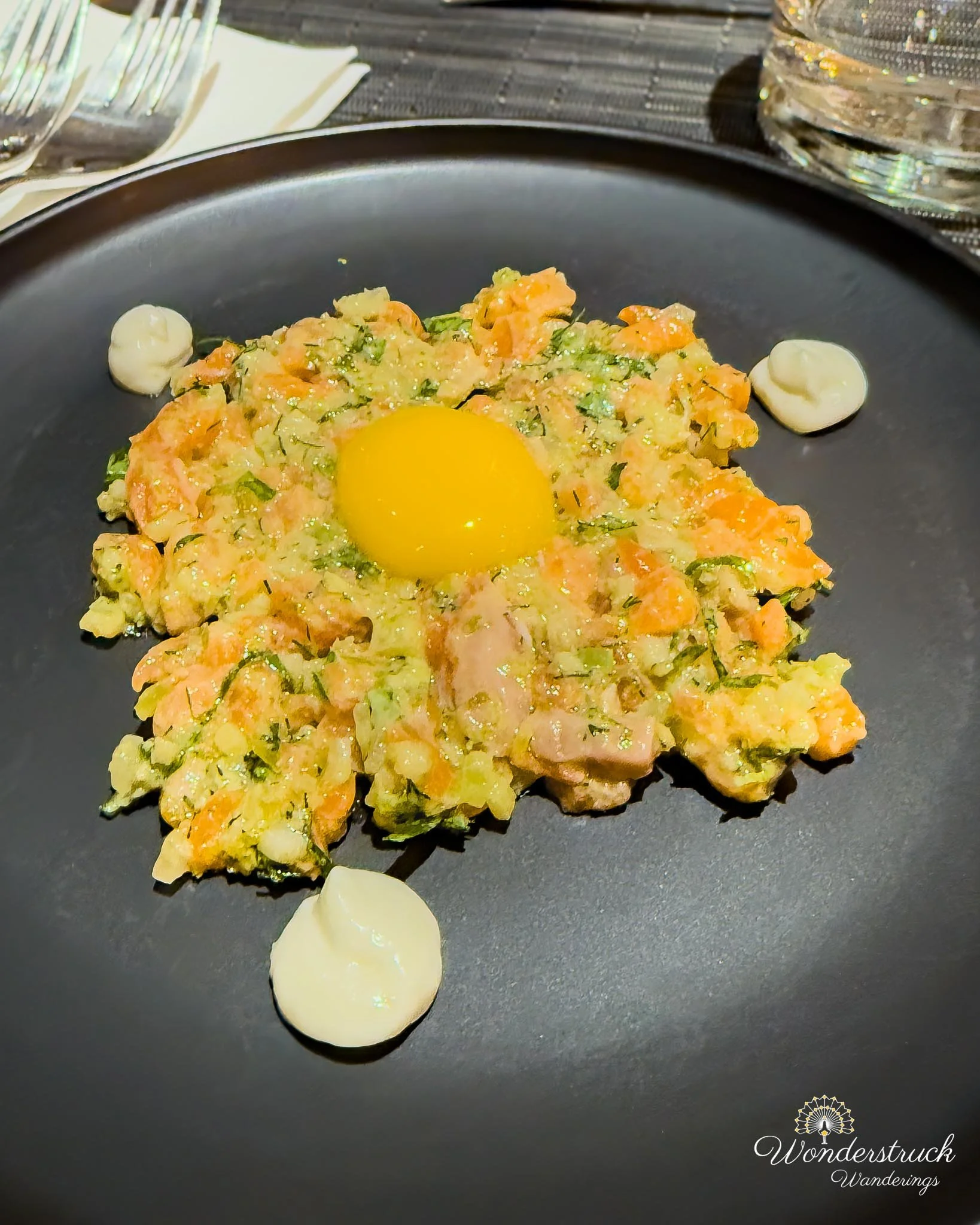
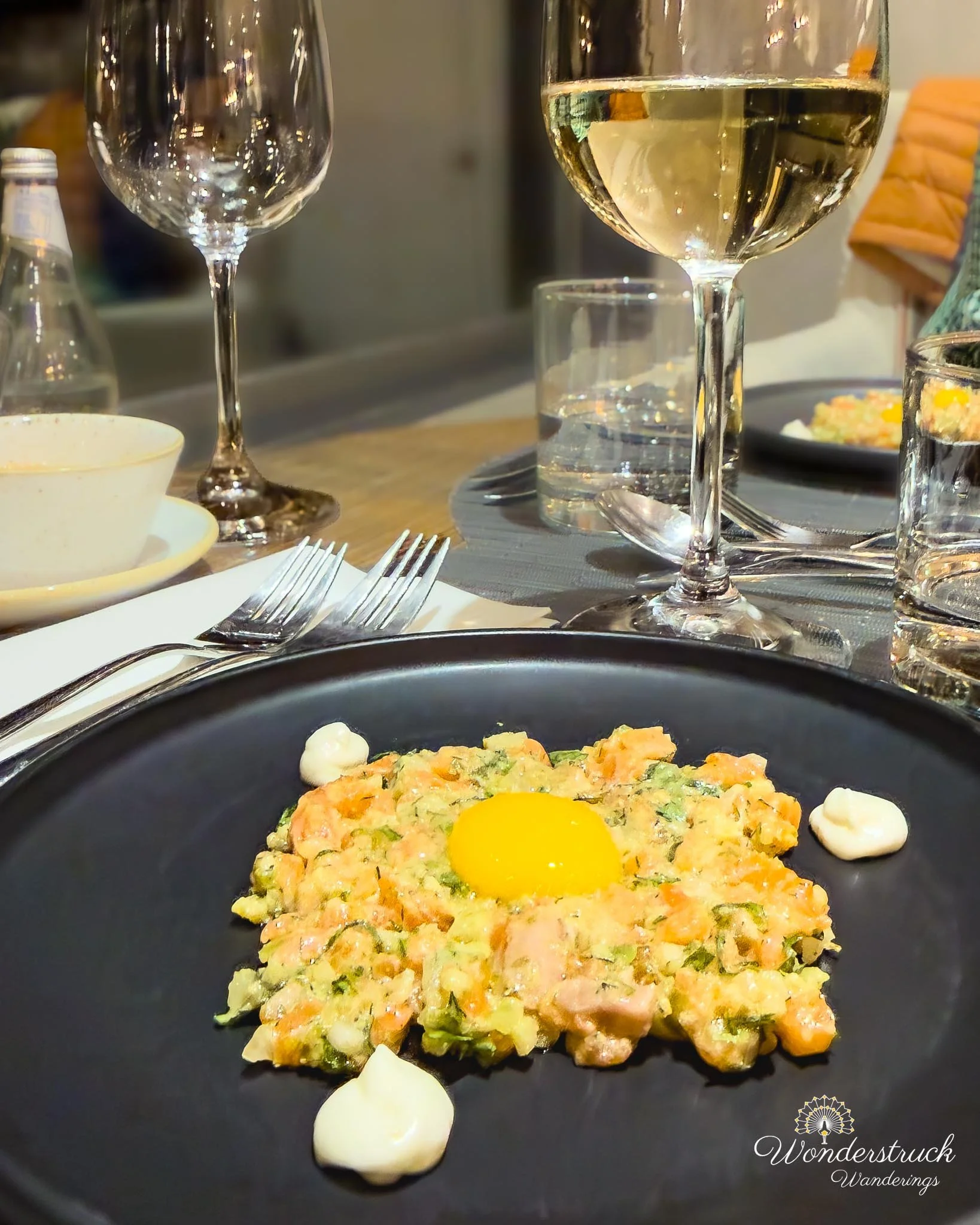
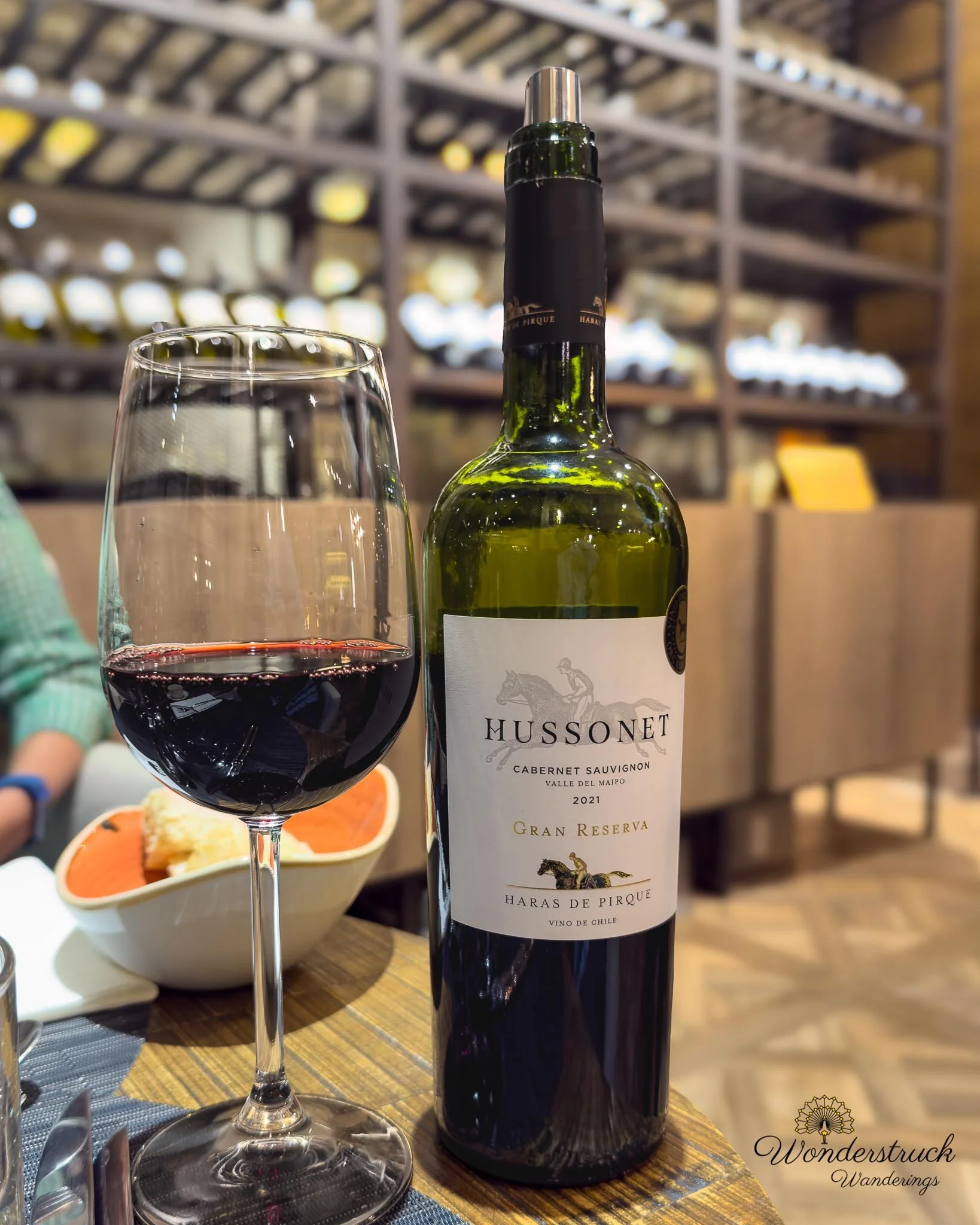
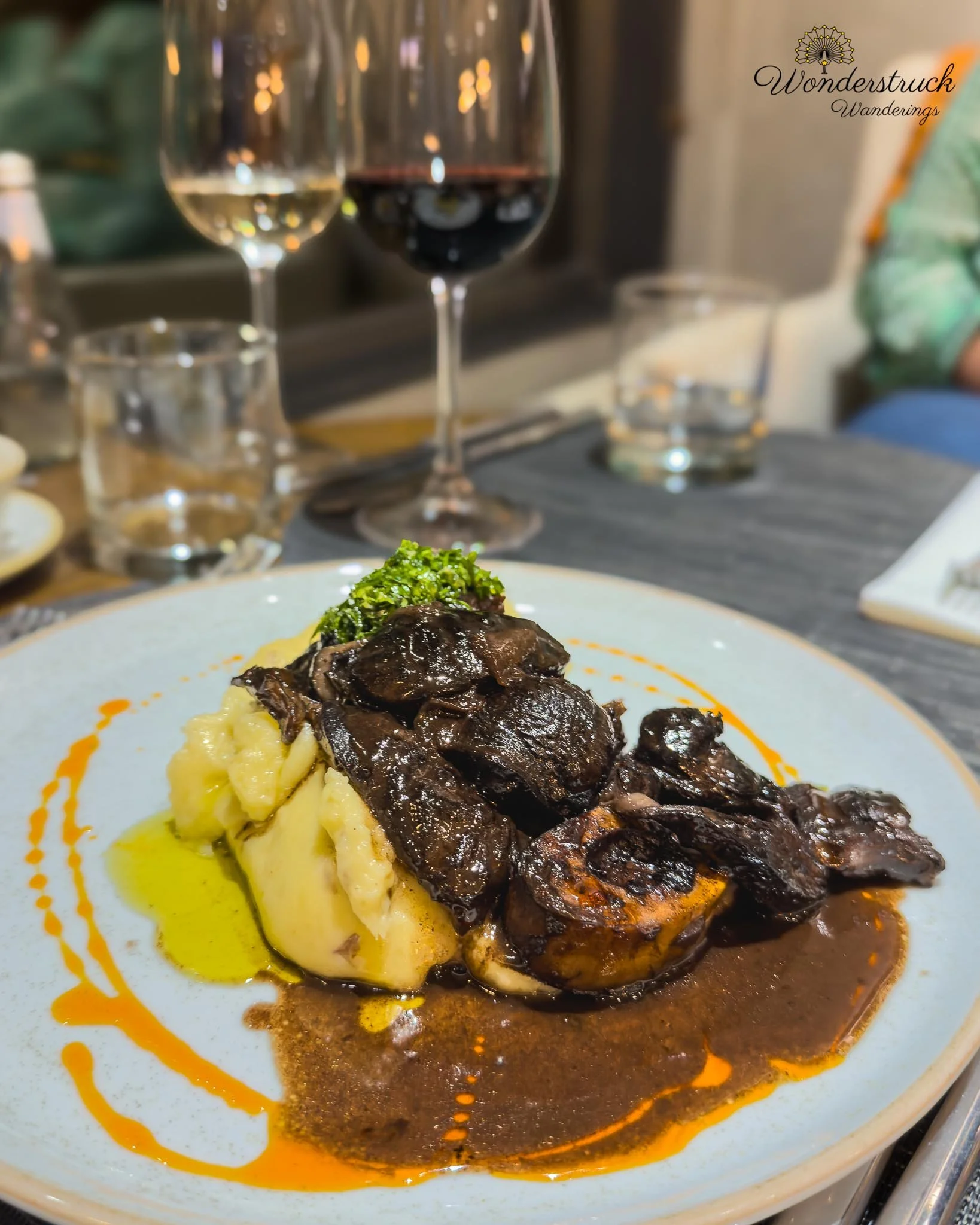
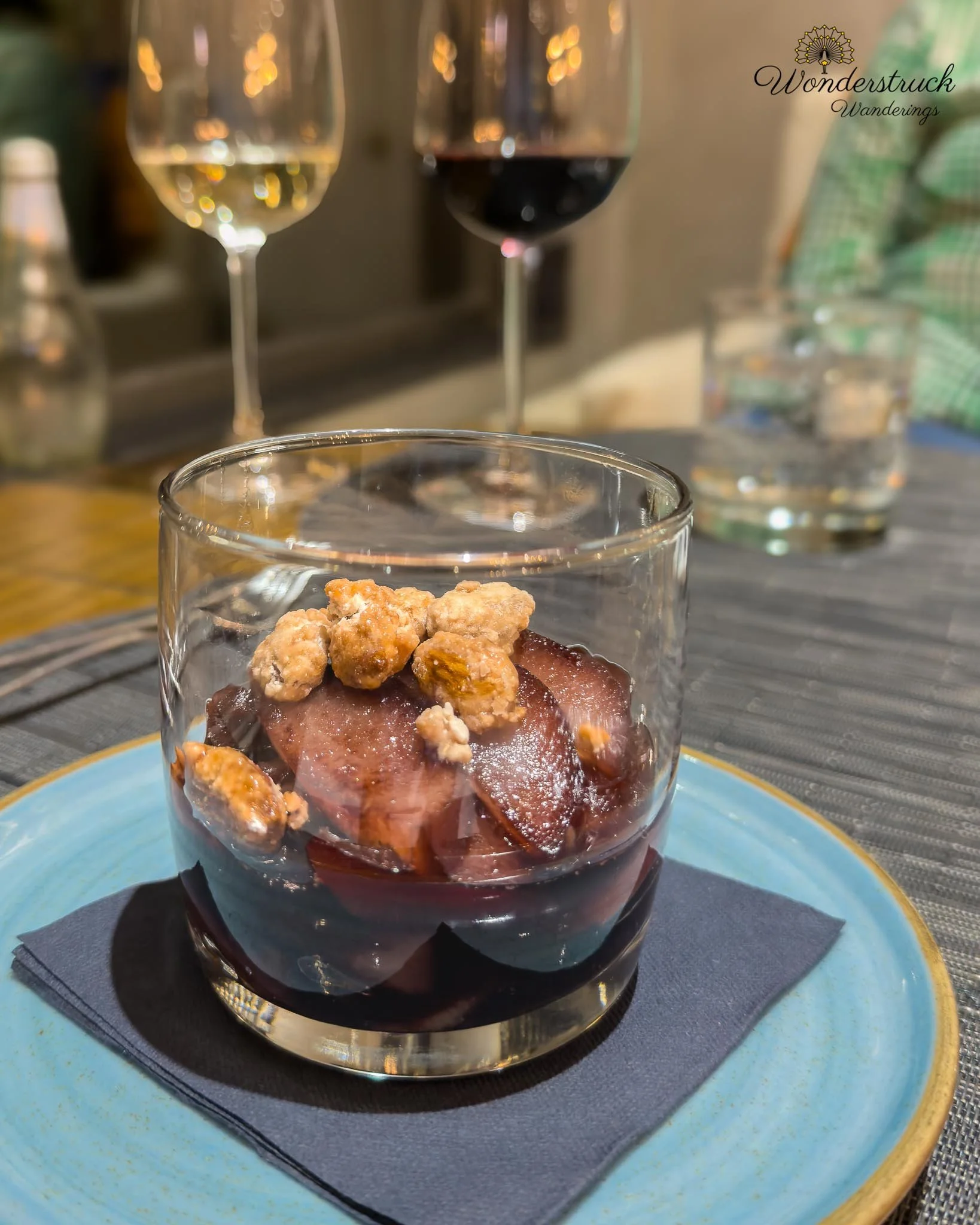
We were so full from lunch that we asked if we could share one pairing menu. They were not doing à la carte that evening, but they kindly allowed us to share. There were two menu options: a three-course menu and a five-course Andes version. We chose the three-course menu. The first course was smoked trout tartare with raw egg, and the chef was kind enough to split one order into two plates for us. It was paired with Albaclara Sauvignon Blanc from the Leyda Valley. Leyda, near the Pacific coast, is known for cool-climate whites with freshness, salinity, and mineral edges. With the smoked trout, the Albaclara worked well. It was not a flashy wine, but it was a very good table wine: clean, fresh, herbal, and bright enough to cut through the smoke and richness of the tartare and egg.The second course was oxtail osso buco in wine sauce, served over a radish and potato base. This was delicious: deep, rich, slow-cooked, and exactly the kind of dish that makes sense with Maipo Cabernet. It was paired with Hussonet Cabernet Sauvignon from the Maipo Valley. Compared with the Colchagua Carménère from lunch, this Cabernet felt more structured and classic. The Carménère had worked because of spice, fruit, and softness with grilled octopus; the Hussonet worked because the oxtail needed tannin, depth, and savory structure. The Maipo character came through in the more Cabernet-focused profile: less lush than some warmer Colchagua reds, more grounded in dark fruit, herbal notes, and backbone. The third course was red-wine-poached pear. We asked for the cream on the side, and while the dessert was good, we had preferred the poached pear at NOI Blend the night before. This version leaned sweeter. Still, it was a fitting end to the trip: another wine-poached pear, another Chilean wine-country dining room, another reminder that we had moved very far from the salt, volcanoes, and desert mornings of the Atacama. By then, we were absolutely full. Not pleasantly full. Bursting full.
Final Drive to Santiago Airport and the Journey Home
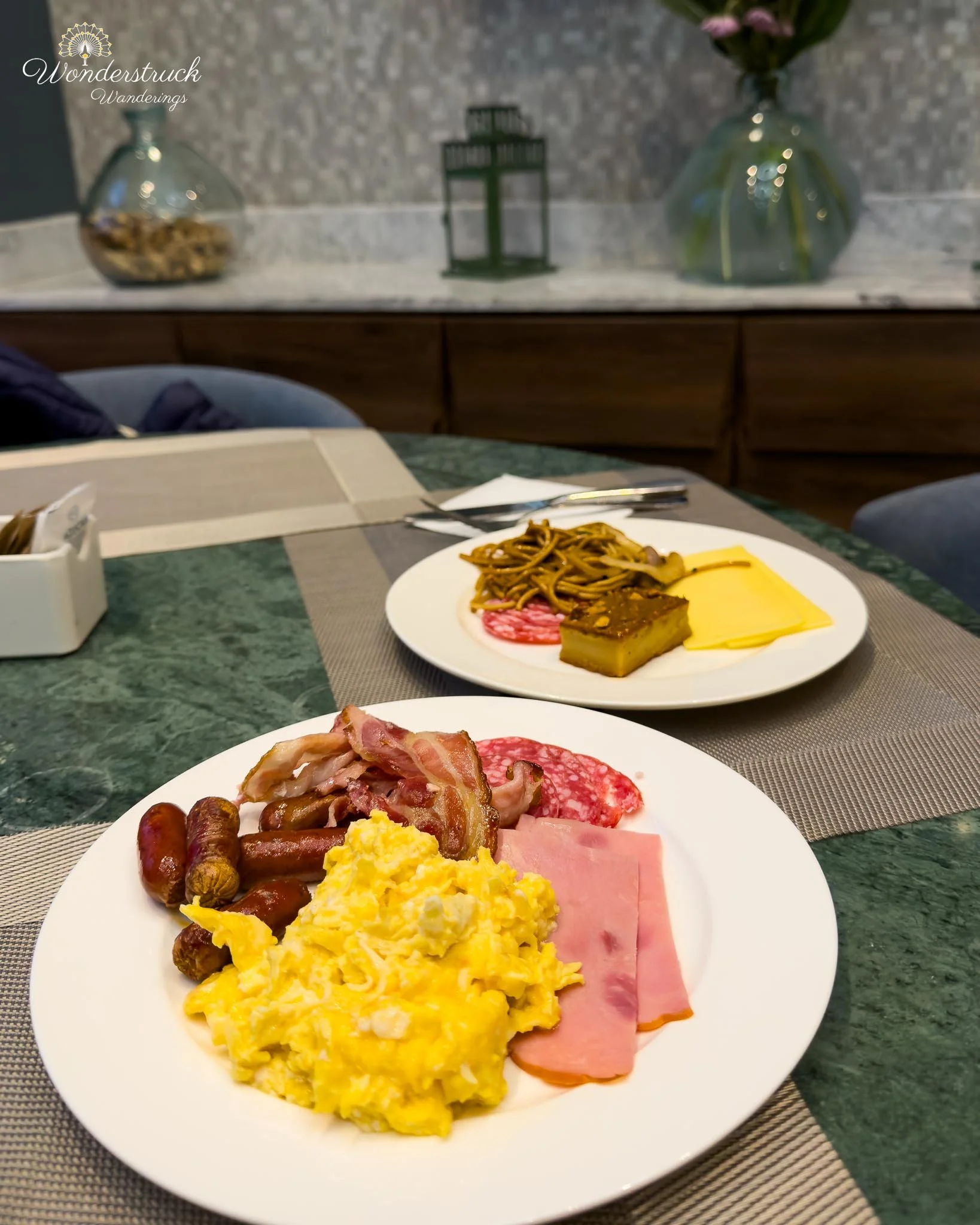
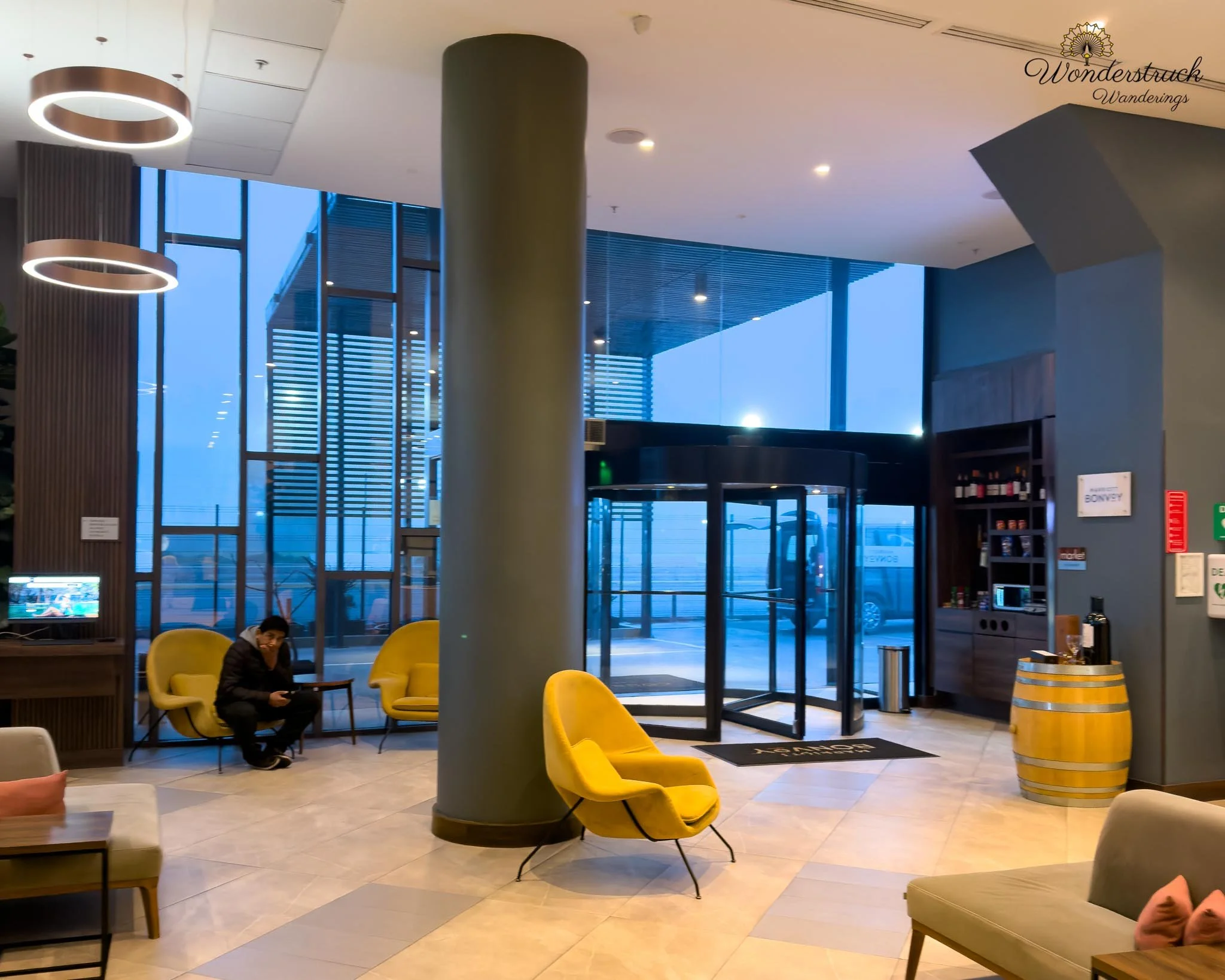
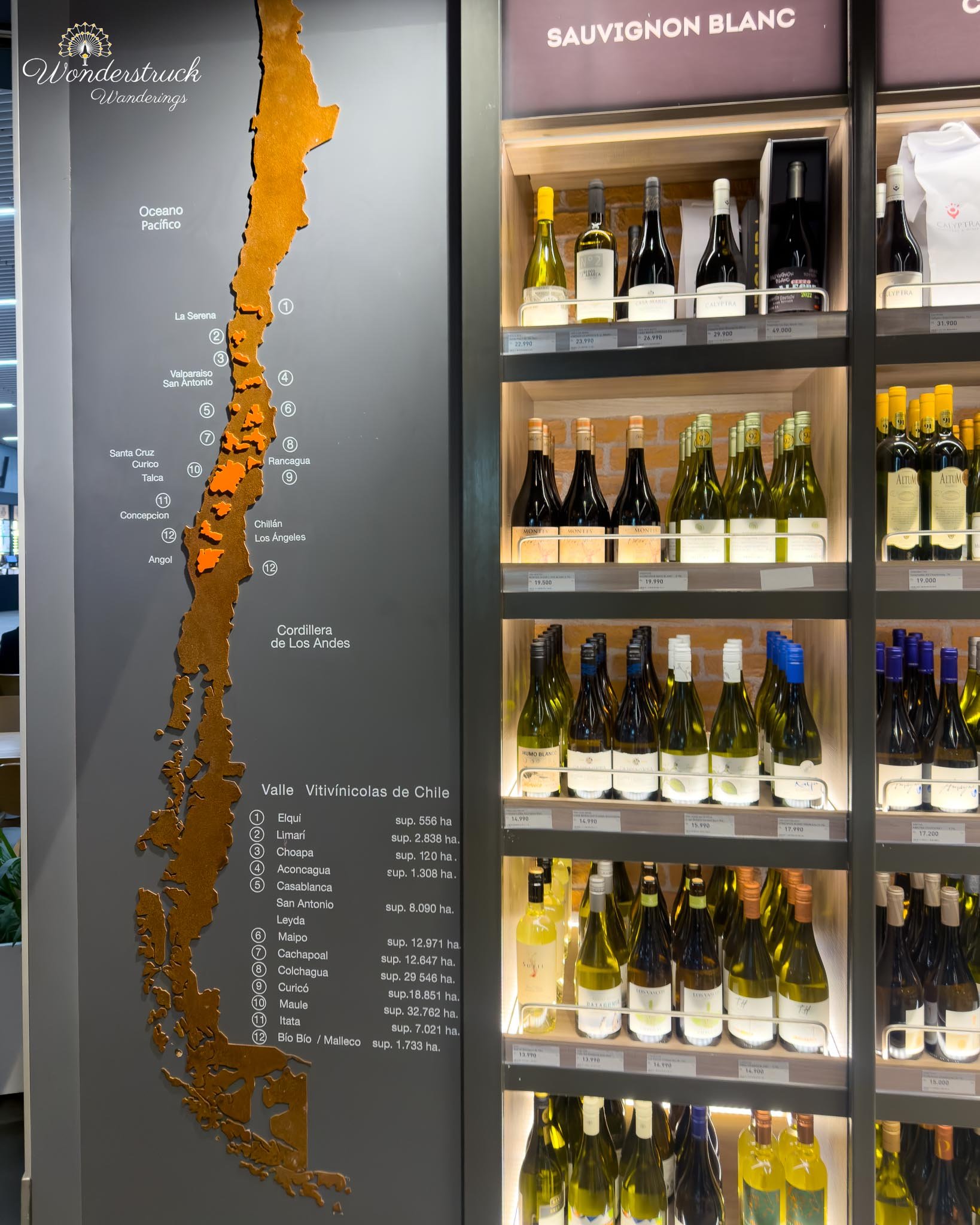
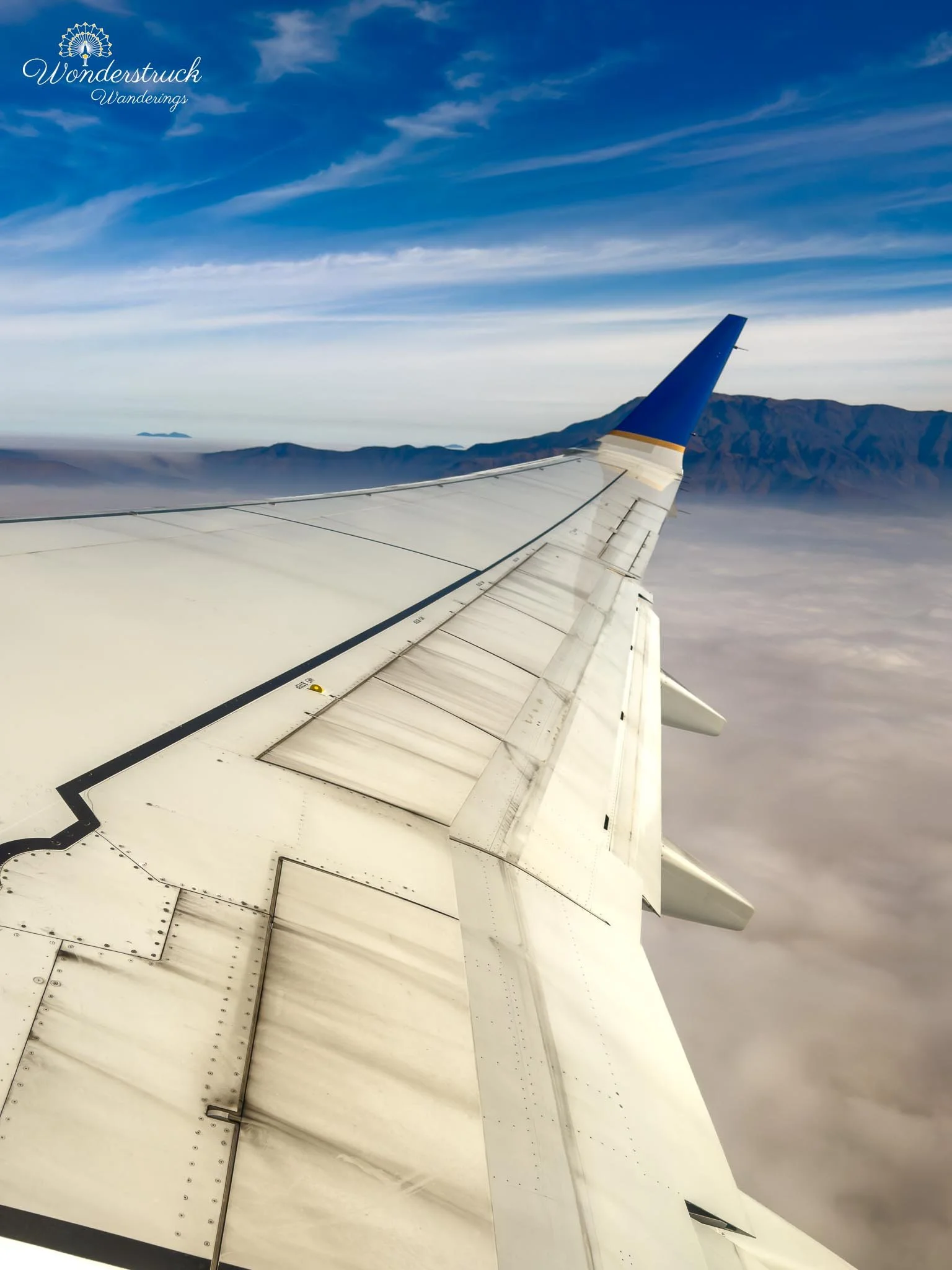
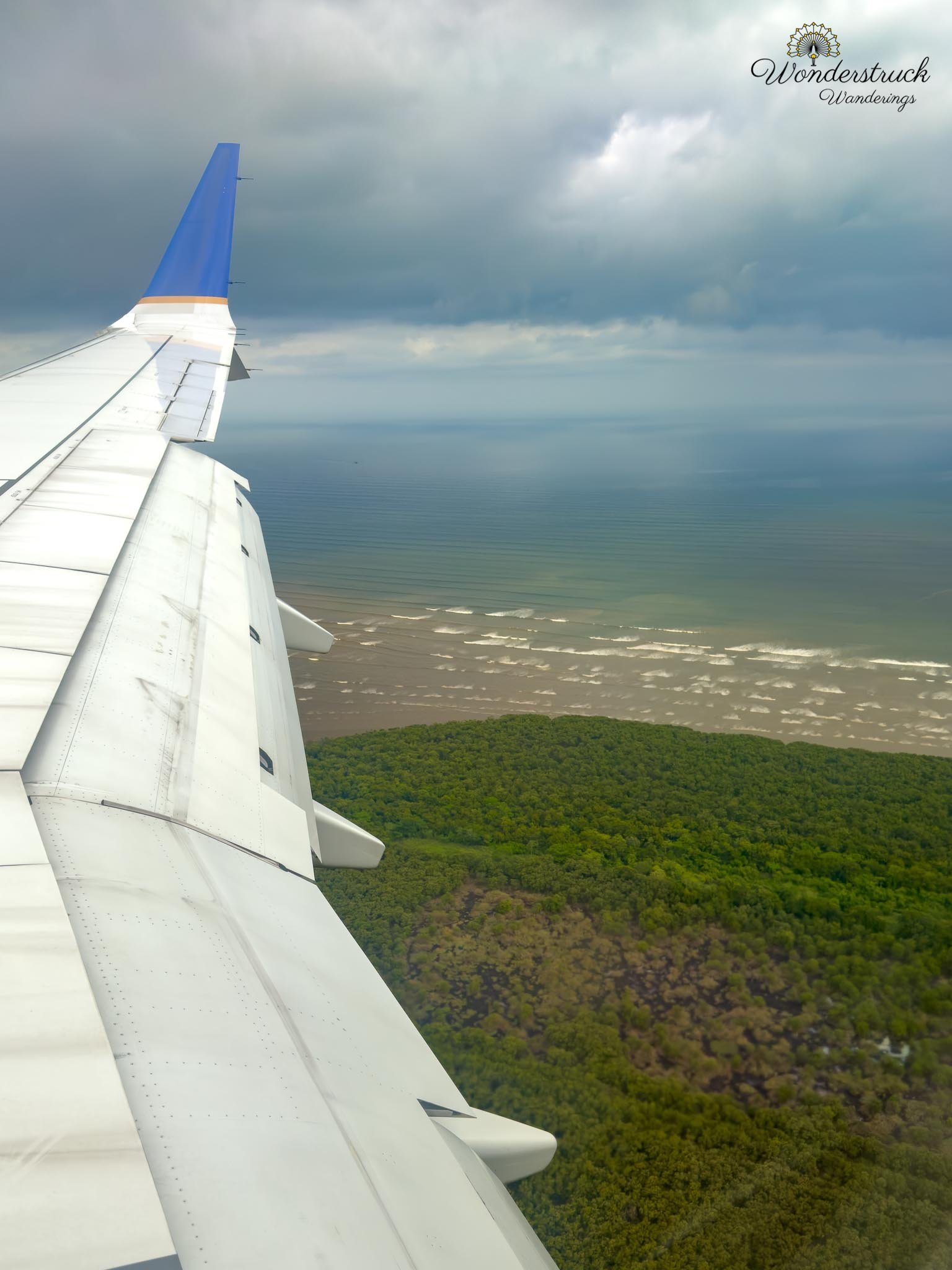

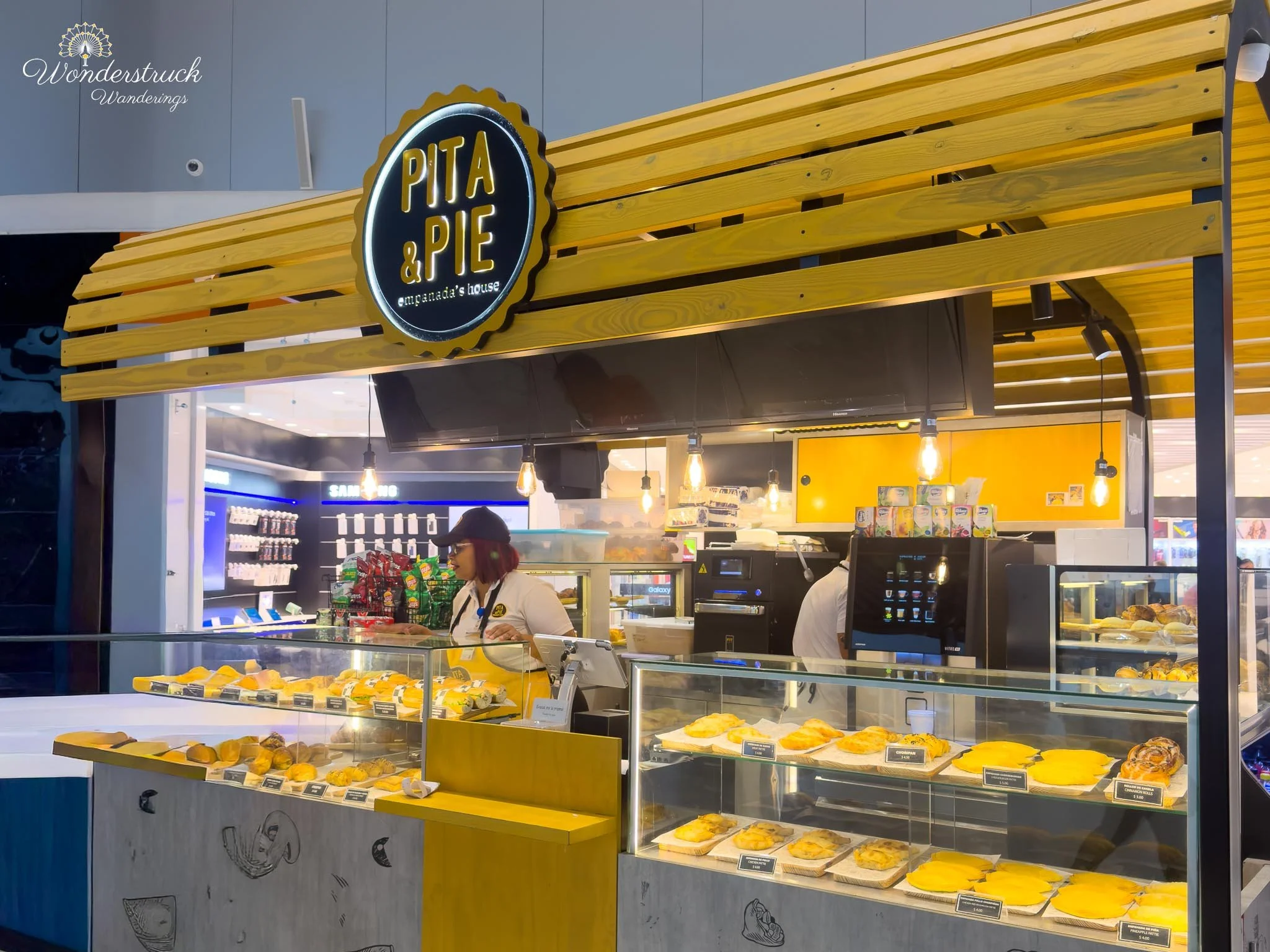
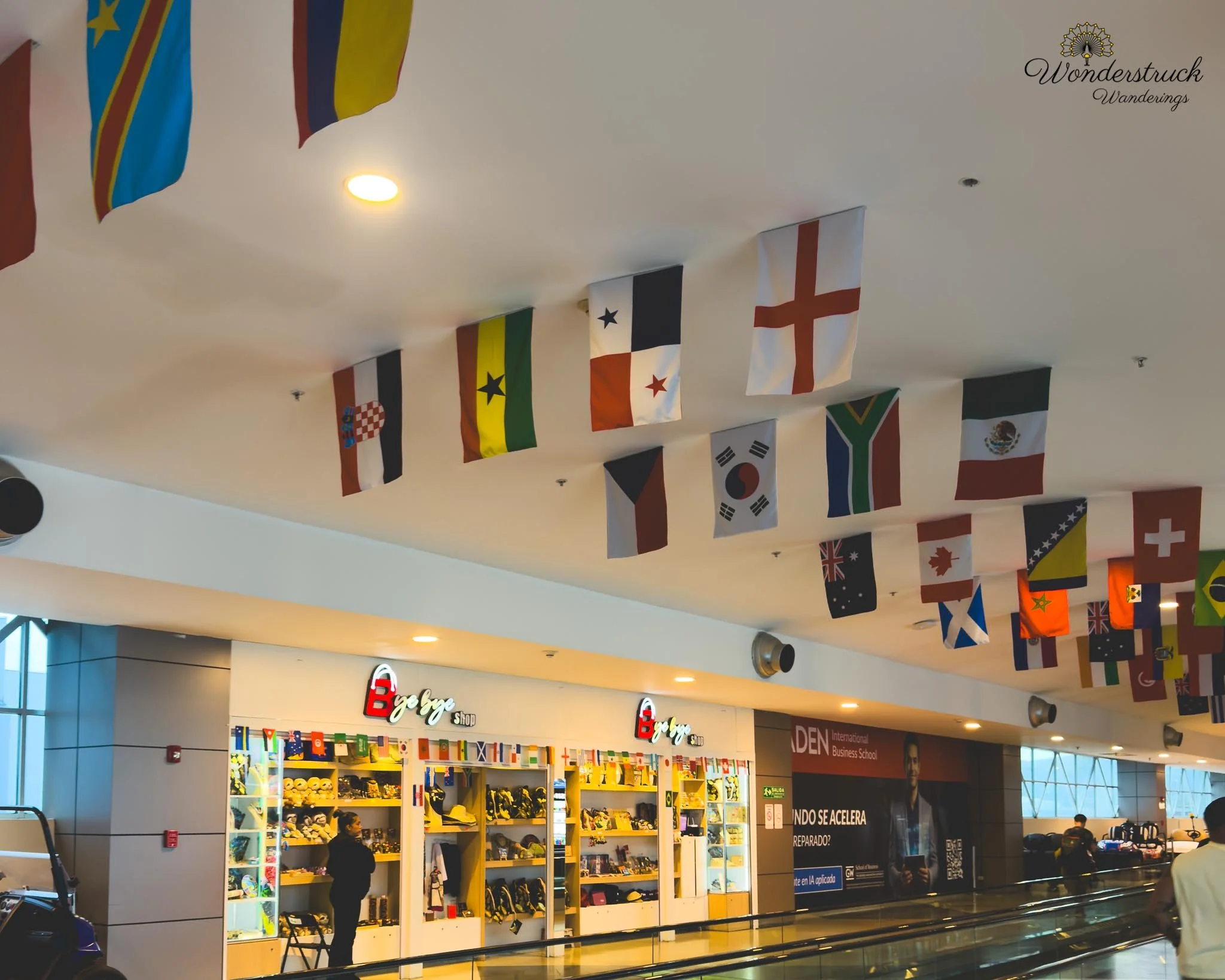
After dinner, we drove to the Courtyard by Marriott at Santiago Airport and checked in with all our luggage. At this point, the trip was effectively over, but the logistics were not. We still had to pack, reorganize the wine, make sure nothing else would break, and prepare for the long travel day home. We got everything packed and went to sleep. The next morning, we woke up for breakfast and began the journey back. We grabbed some quick breakfast from the very generous buffet section before rushing to the airport. The first flight was the longer leg from Santiago to Panama City on Copa Airlines. We had a few hours in Panama City, where we tried empanadas before boarding the second flight from Panama City to Chicago. That flight landed around 1 a.m. By 2 a.m., we were home. We showered, went to sleep, and then had to get back to work the next day. Day 8 had started in Colchagua fog and ended at an airport hotel outside Santiago. In between, it gave us a dramatic VIK tour, a Fire-eyed Diucon lifer, one of the most interesting Carménère evolutions we have tasted, lunch at Montes under the spell of fire and vineyard views, a moonrise drive toward Maipo, and a final three-course pairing dinner at Haras de Pirque. It was not a slow final day. It was a final Chilean sprint: architecture, wine, food, birds, fog, moonlight, and a suitcase full of bottles packed much more carefully than before.