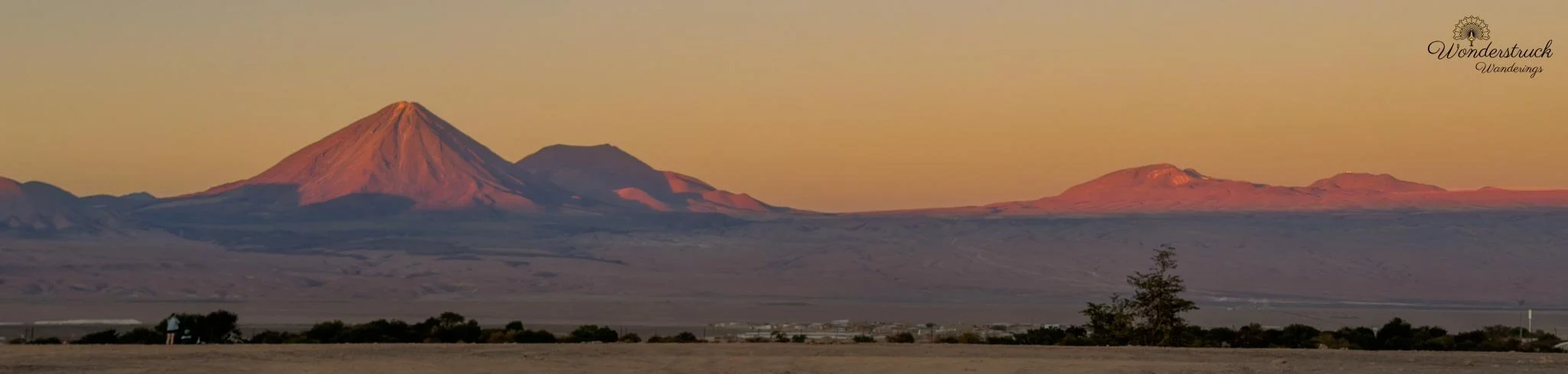
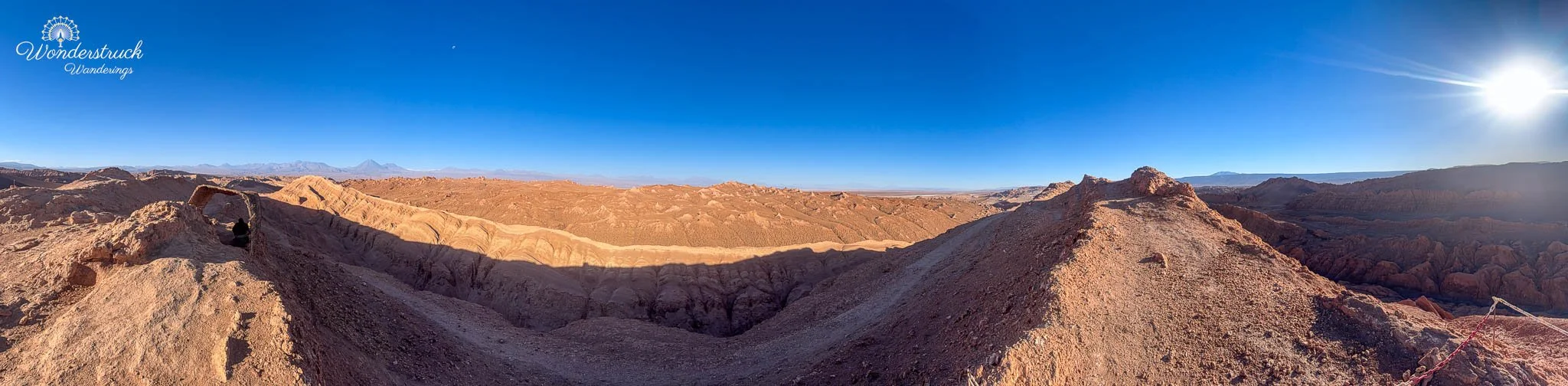
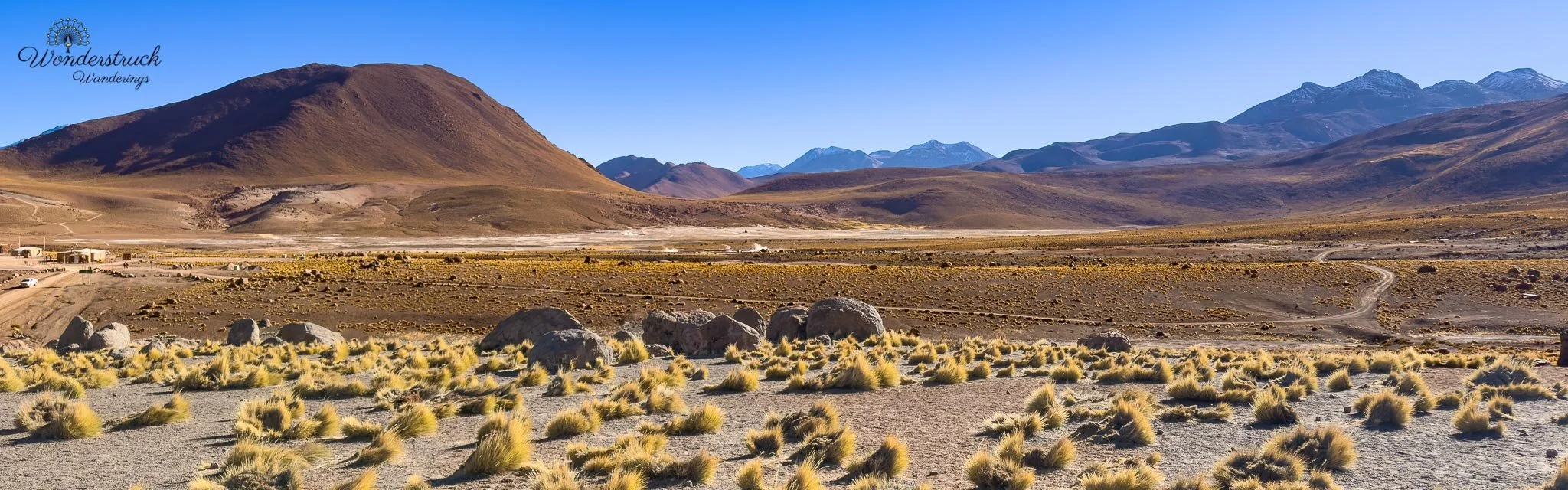
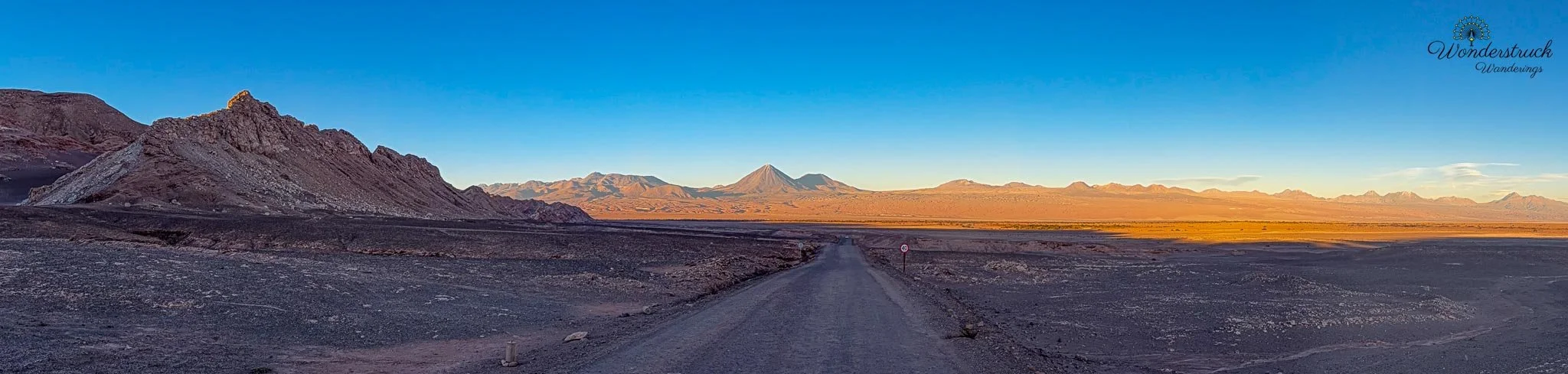
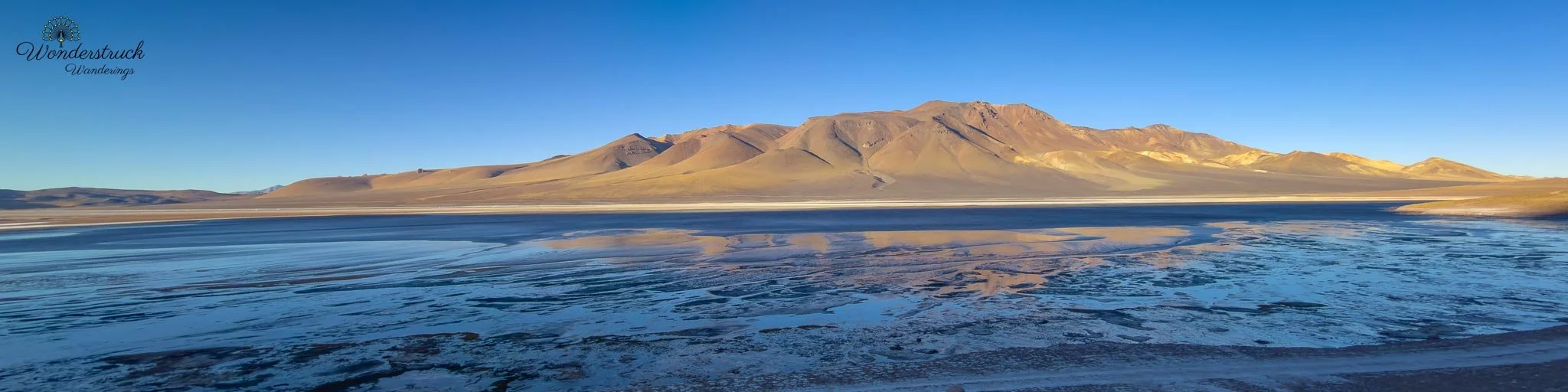
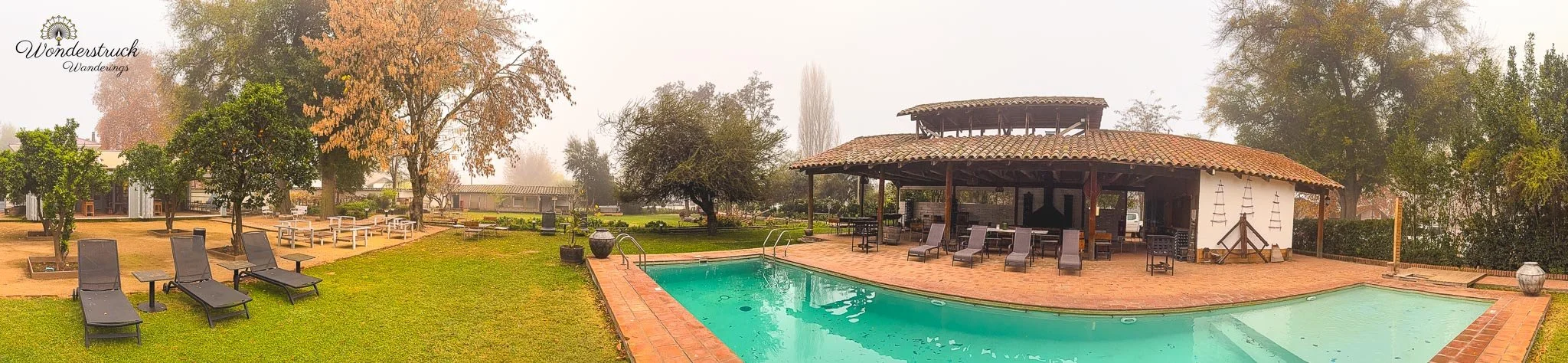
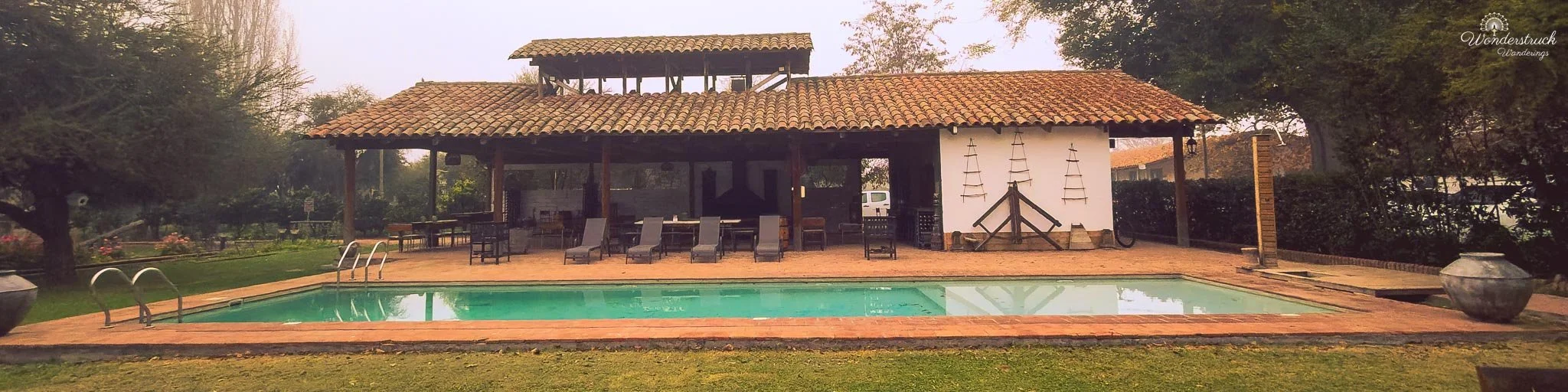
Chile had been on our travel list for a long time, particularly the Atacama Desert, with its volcanoes, salt flats, high-altitude lagoons, geothermal fields, and unusual rock formations. The region also promised excellent birding, with flamingos, Andean waterbirds, ground-tyrants, and Sierra finches among our targets. With only eight days available, we decided to concentrate on the Atacama rather than attempt to cover too much of this long and geographically diverse country. Getting to the Atacama meant flying through Santiago, Chile's main international gateway, and then taking a domestic flight to Calama. Rather than connecting immediately, we decided to spend our first day exploring Santiago. It gave us an opportunity to visit the historic center, explore Barrio Italia, discover specialty coffee shops, reconnect with friends in the craft chocolate world, and enjoy the city's food scene before heading north. We planned five nights in San Pedro de Atacama, exploring the desert independently with a rental car. While organized tours are popular and convenient, we preferred the flexibility to stop for birds, photography, and interesting landscapes along the way. That came with challenges: rough roads, elevations exceeding 4,500 meters, long driving distances, and protected areas with strict entry schedules. Sunrise and sunset photography also meant several very early departures and long days. And since our return flight from Calama brought us back to Santiago, we realized we had an opportunity to explore another side of Chile before flying home. Wine country was the natural choice, particularly because of Shay's passion for chocolate, coffee, and wine through ChocCoffeeWine. We both enjoy exploring vineyards, discovering lesser-known wines, understanding winemaking techniques, and experiencing how local food and wine complement each other. The result was an ambitious eight-day itinerary combining Santiago's culture and gastronomy, five nights of Atacama landscapes and birding, and two days exploring Chilean wine country. It was not designed to bring together the things we enjoy most when traveling: wildlife, photography, independent exploration, local food, coffee, chocolate, and wine. Read more on Daily Diaries.
Day1 - Exploring Santiago, Barrio Italia, Santa Lucía, Plaza de Armas and San Cristóbal
-
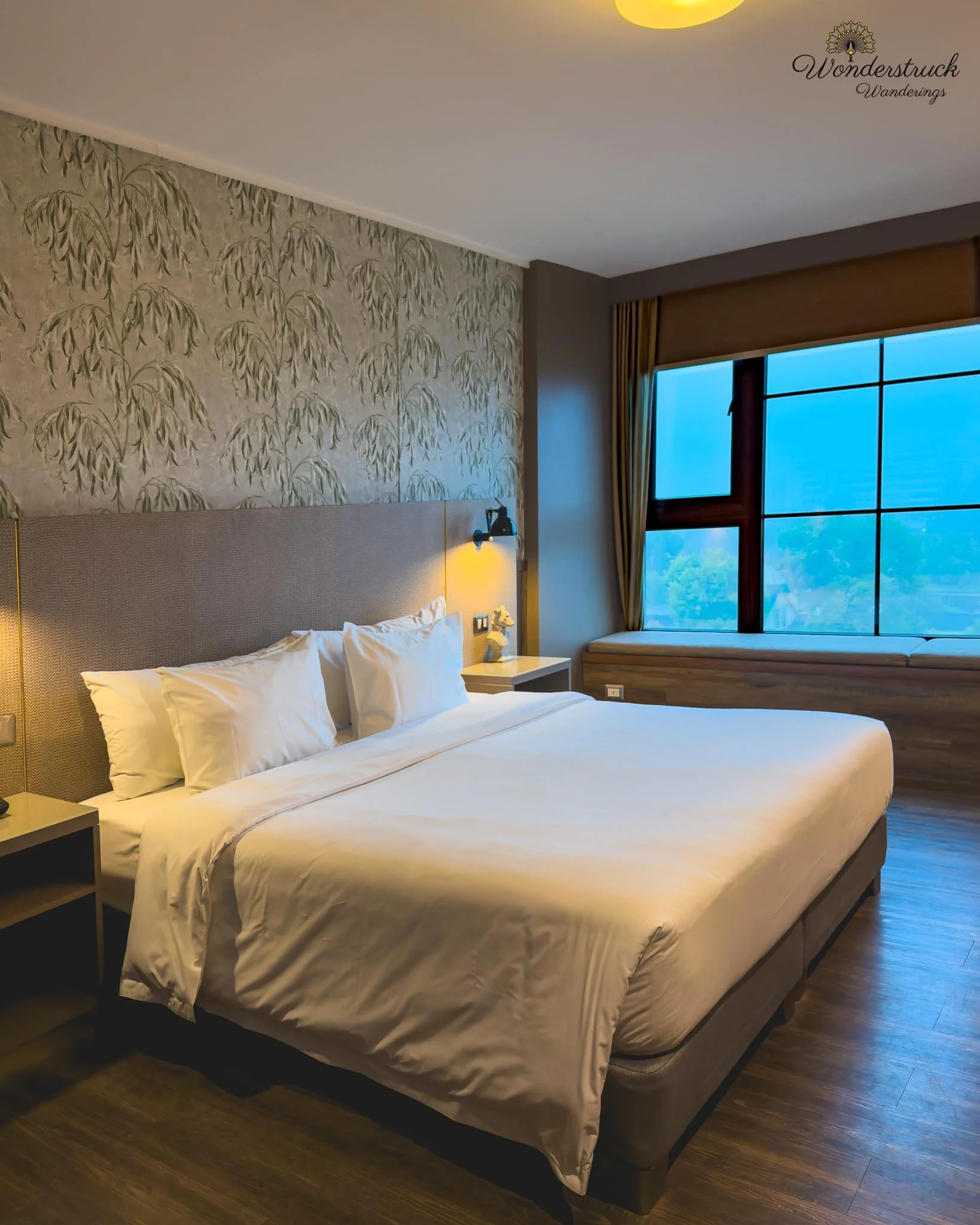
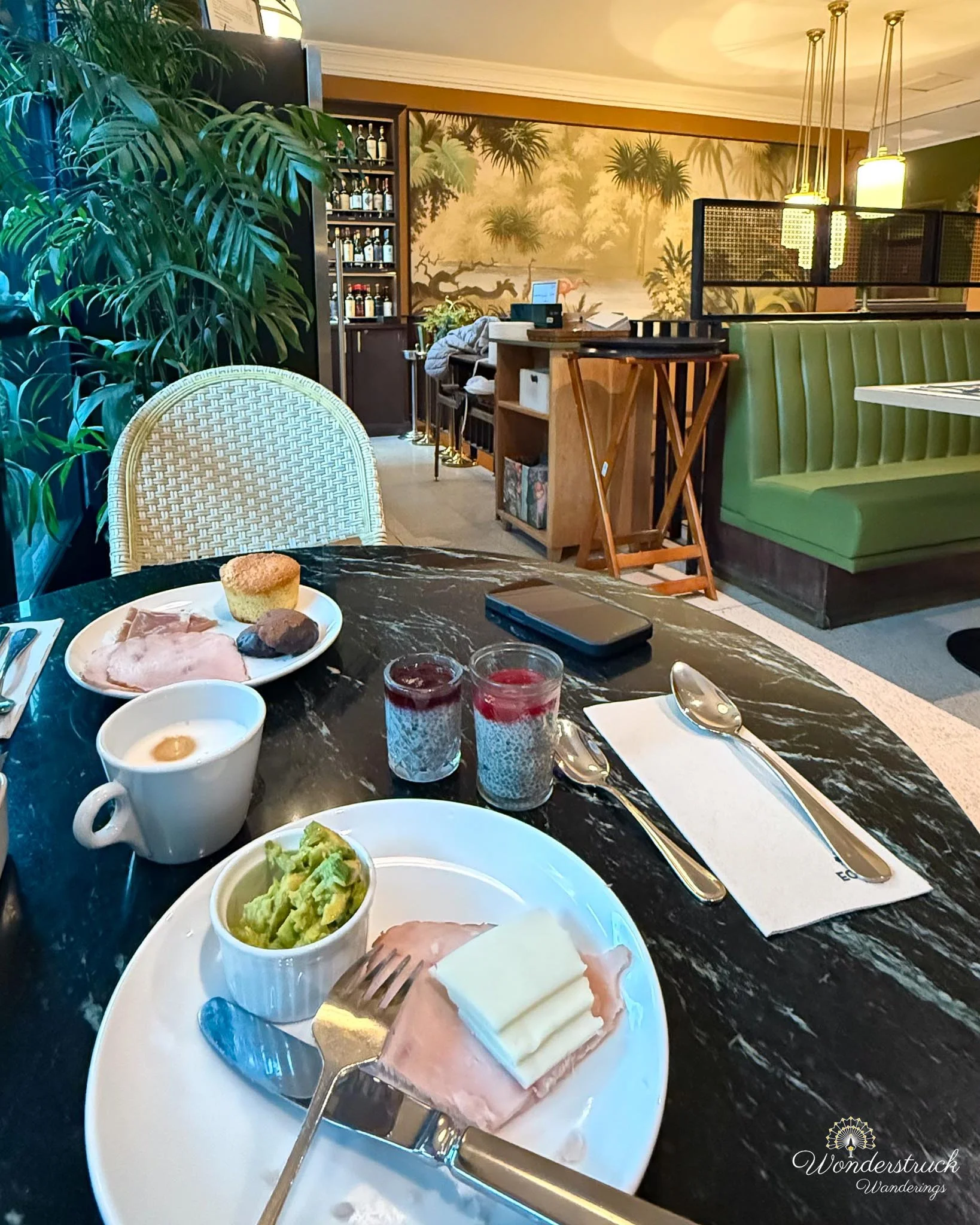
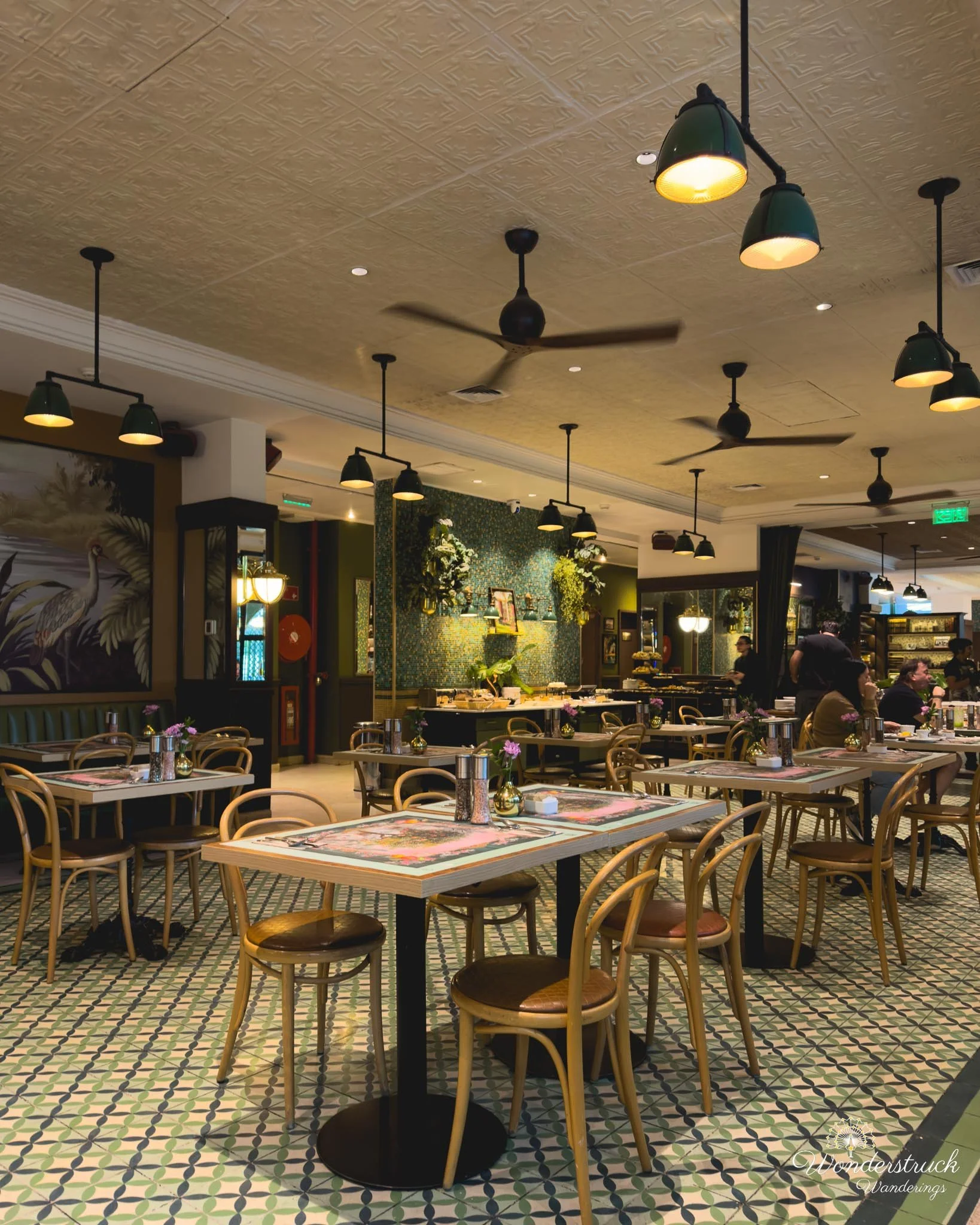
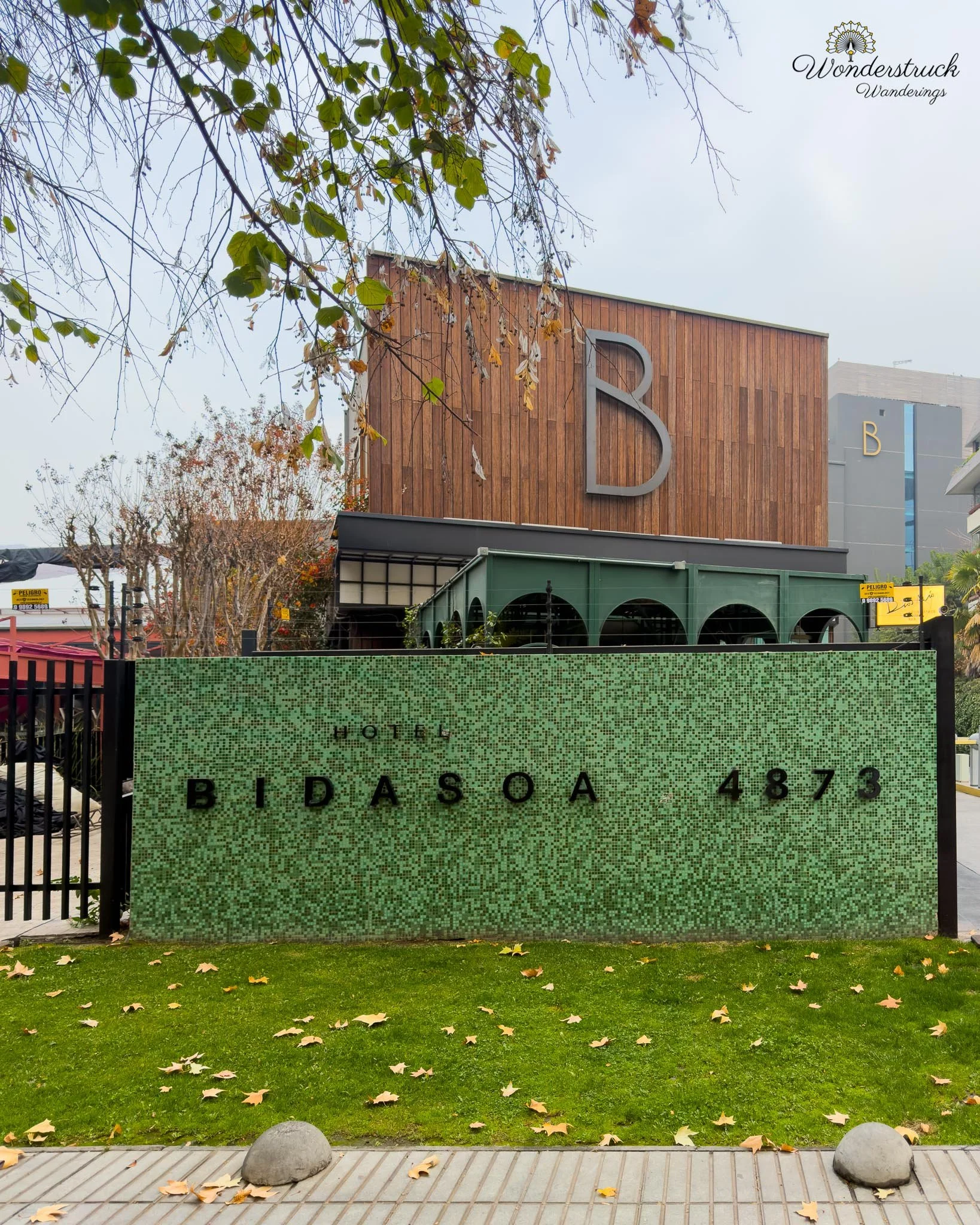
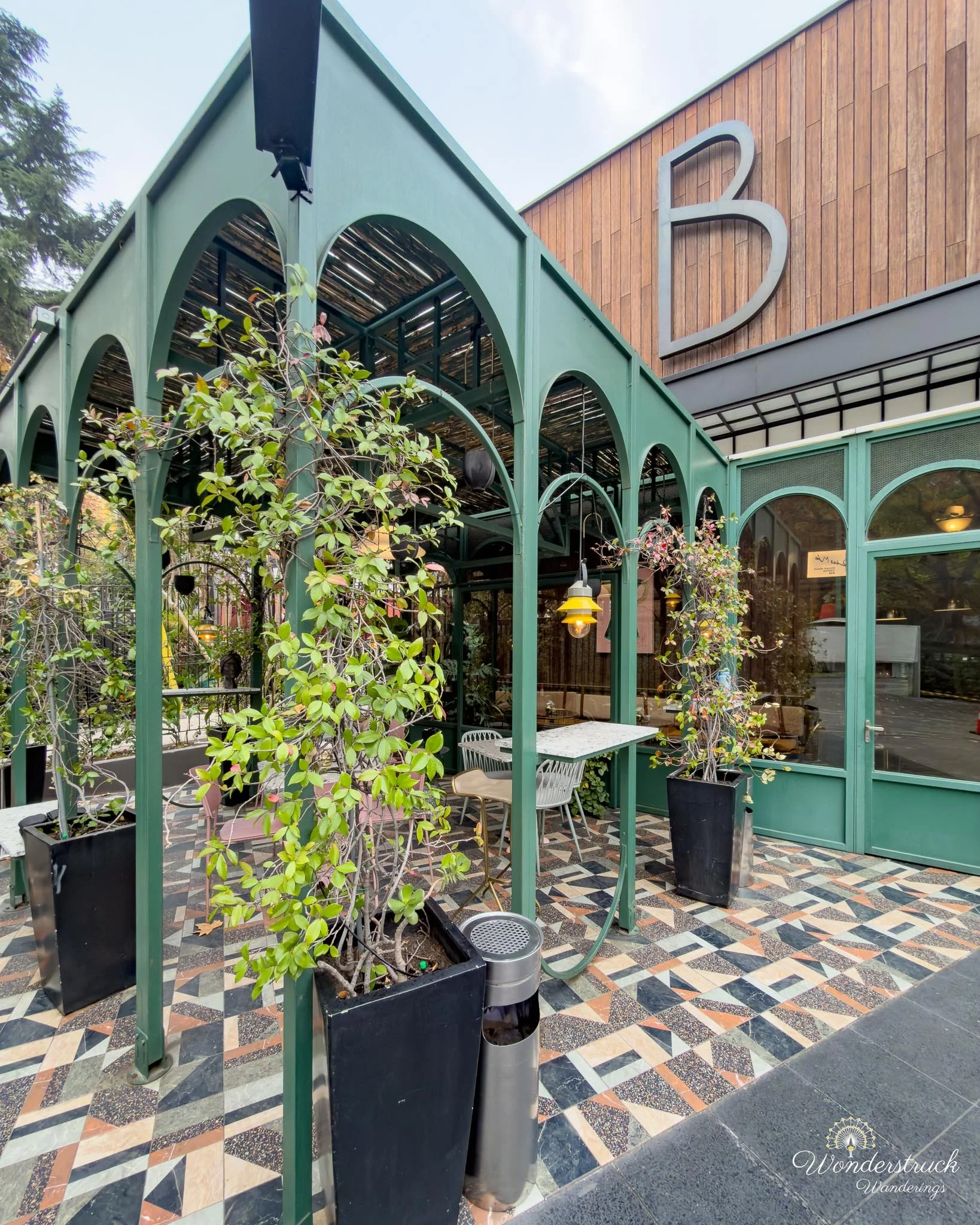
Hotel Eco Boutique Bidasoa, Vitacura – A boutique hotel in a quieter, leafy neighborhood of Santiago. We particularly appreciated the unexpected early check-in, included breakfast, and convenient on-site dining.
-
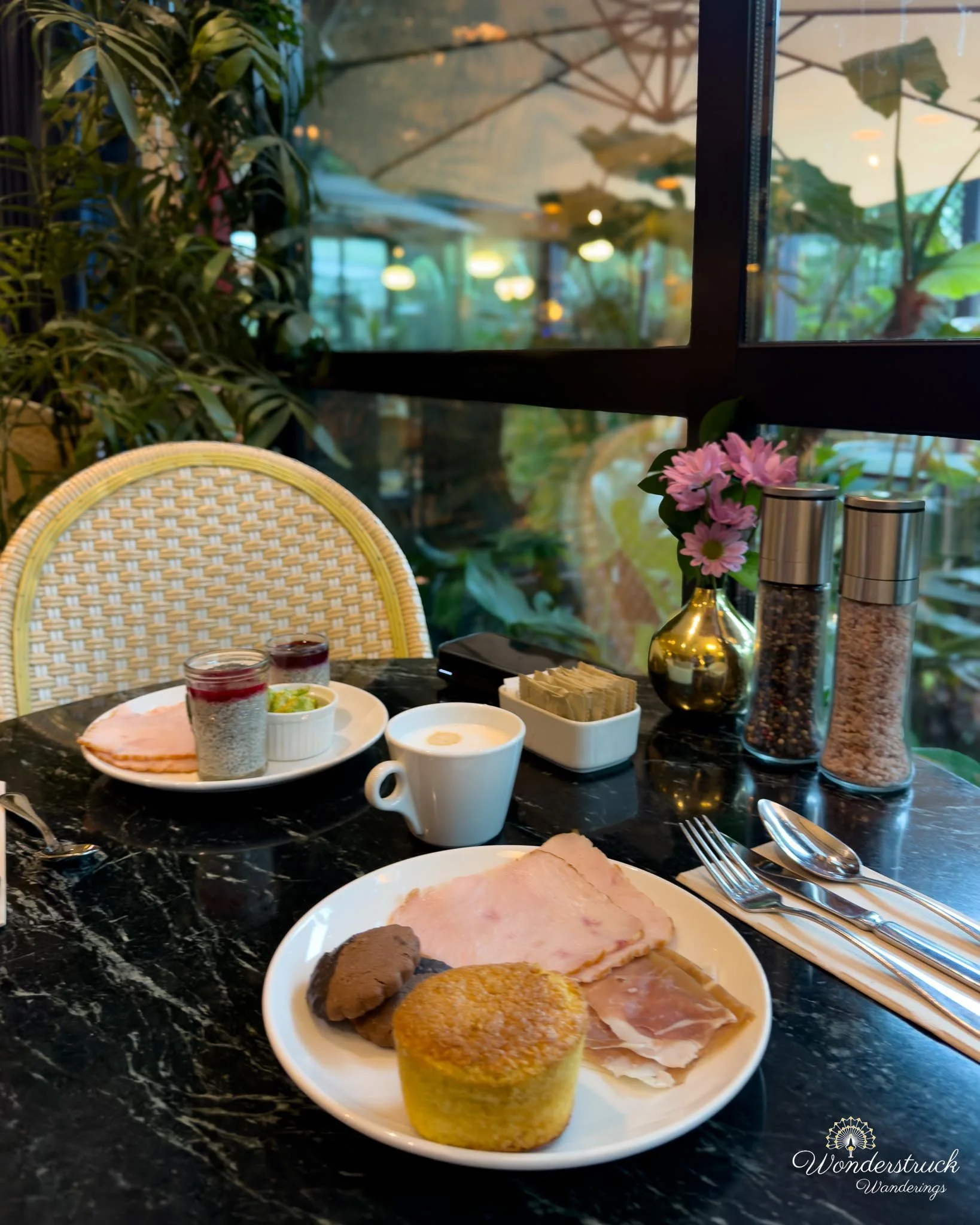
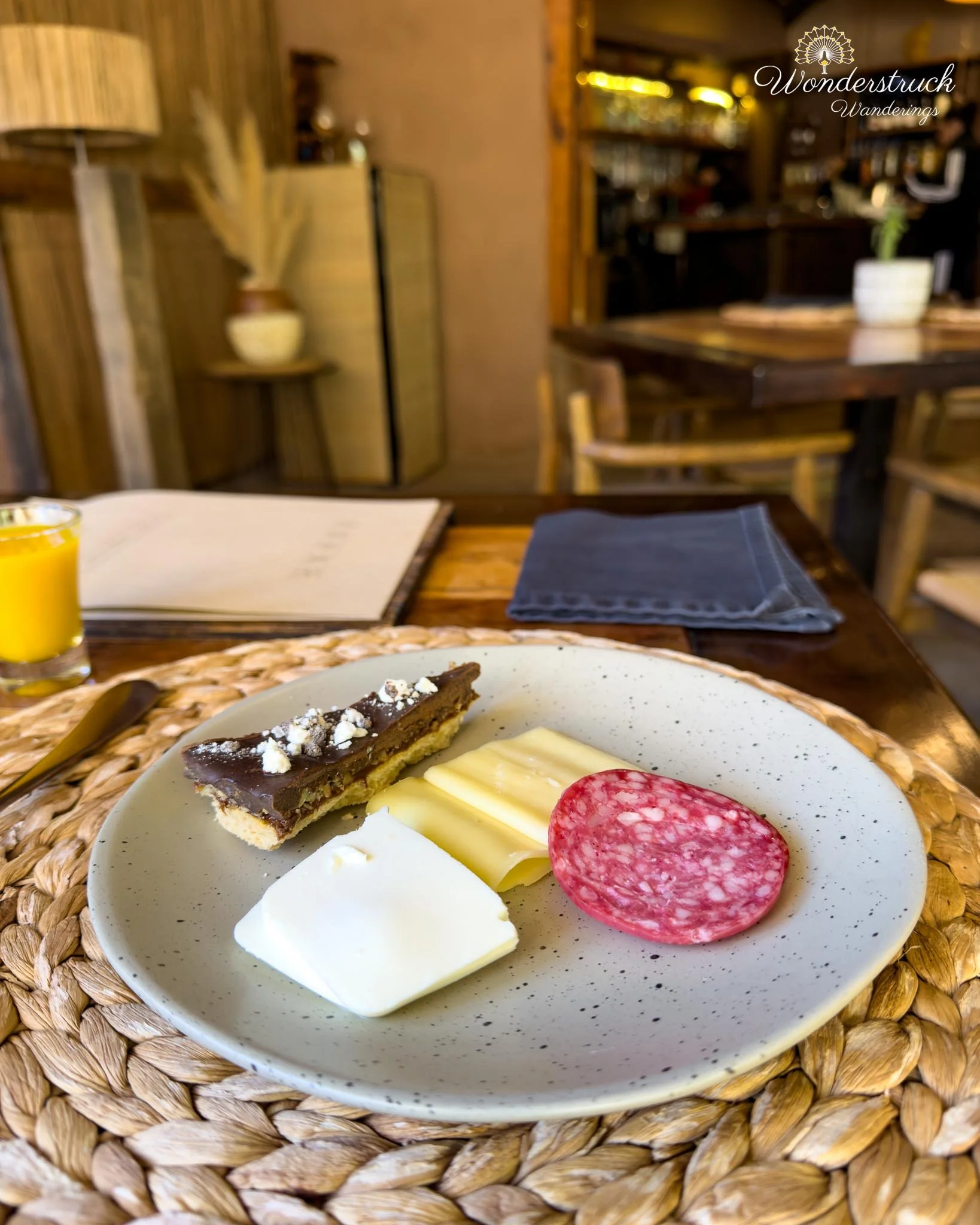
Breakfast – Hotel Eco Boutique Bidasoa: Boutique hotel in Vitacura offering fresh breads, pastries, fruit, cheeses, cold cuts, eggs, juices, and coffee in a relaxed restaurant with garden views.
Lunch – Chiloé en tu Mesa (Planned, but Skipped): Family-run restaurant specializing in cuisine from Chile's Chiloé Archipelago. Known for curanto, pulmay, seafood empanadas, and pastel de jaiba (Chilean crab casserole).
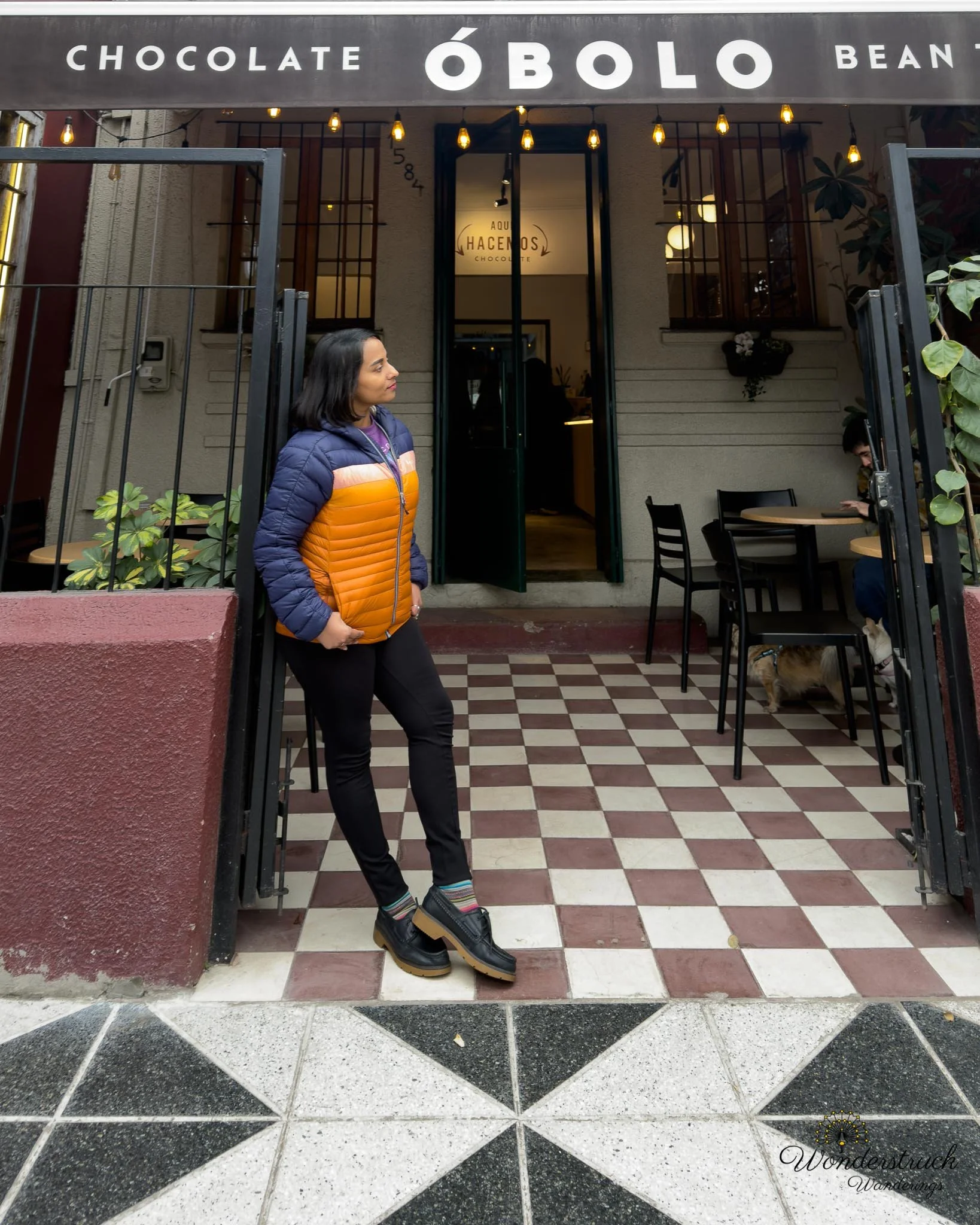
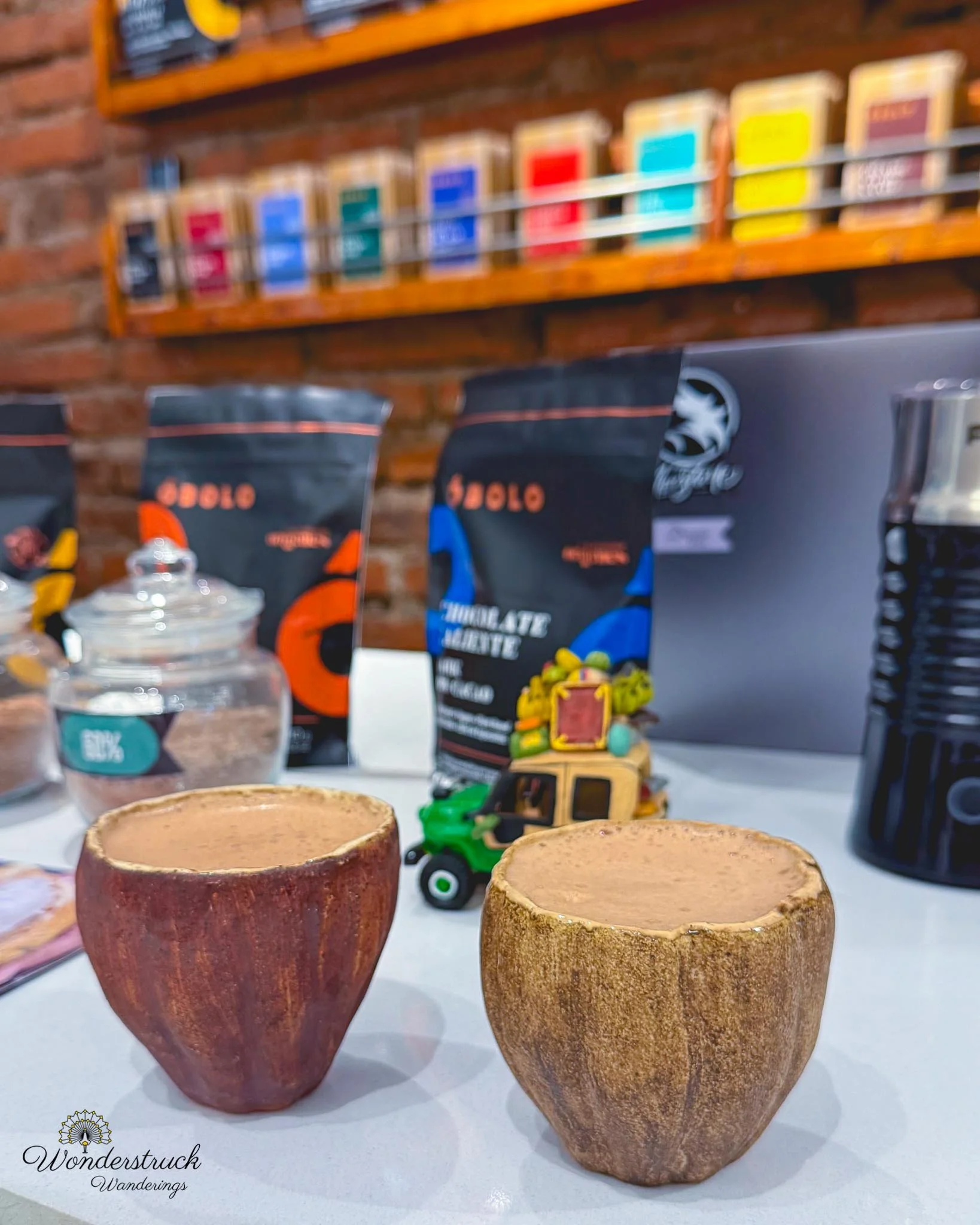
Chocolate – ÓBOLO Chocolate: Bean-to-bar chocolate maker in Barrio Italia specializing in Peruvian cacao and Chilean-inspired flavors such as rica-rica, murta, and merkén. Offers artisan chocolate bars and drinking chocolate.
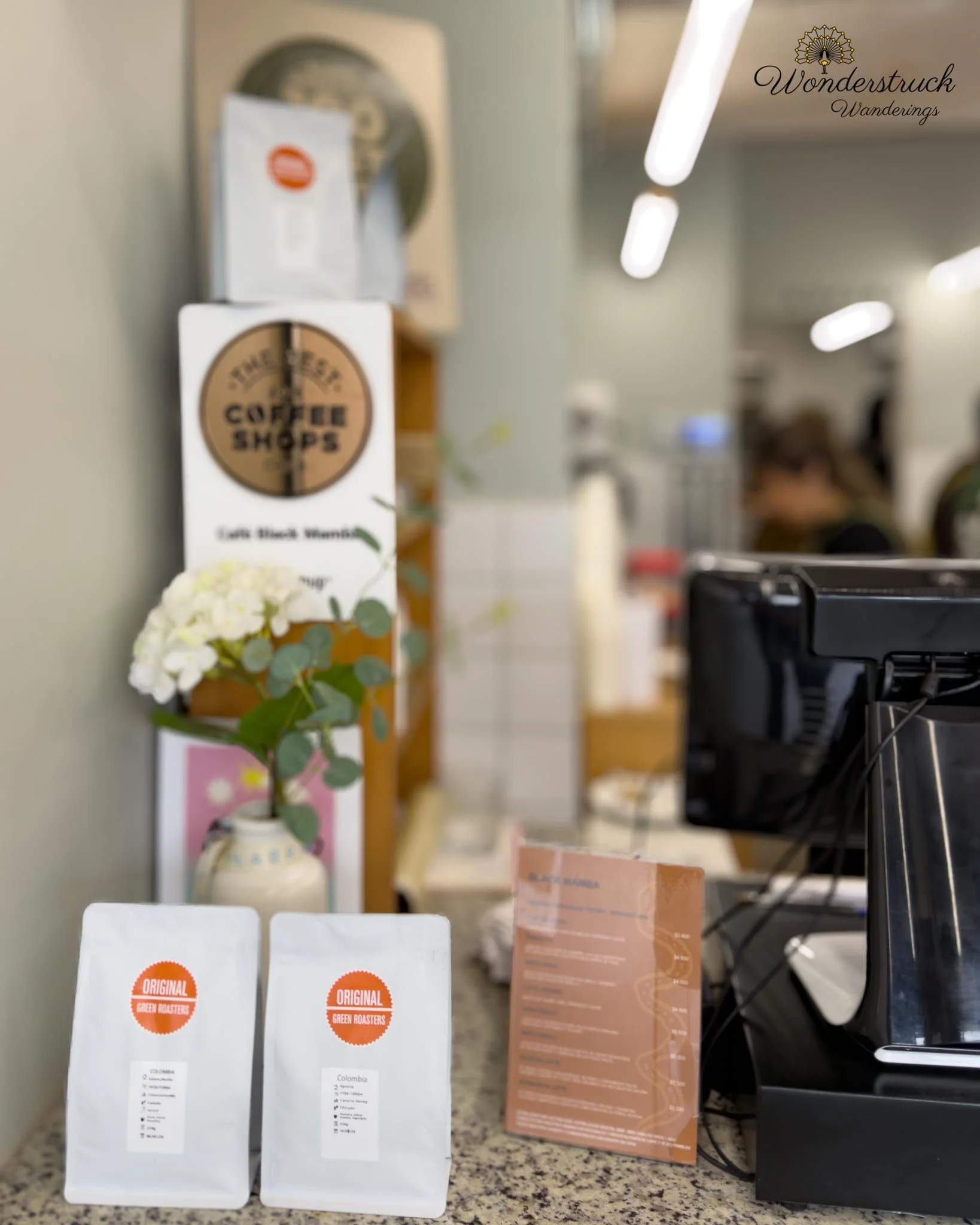
Coffee – Black Mamba: Independent specialty café in Providencia serving espresso, filter coffee, pastries, and light meals. A good stop for Santiago's specialty coffee scene.
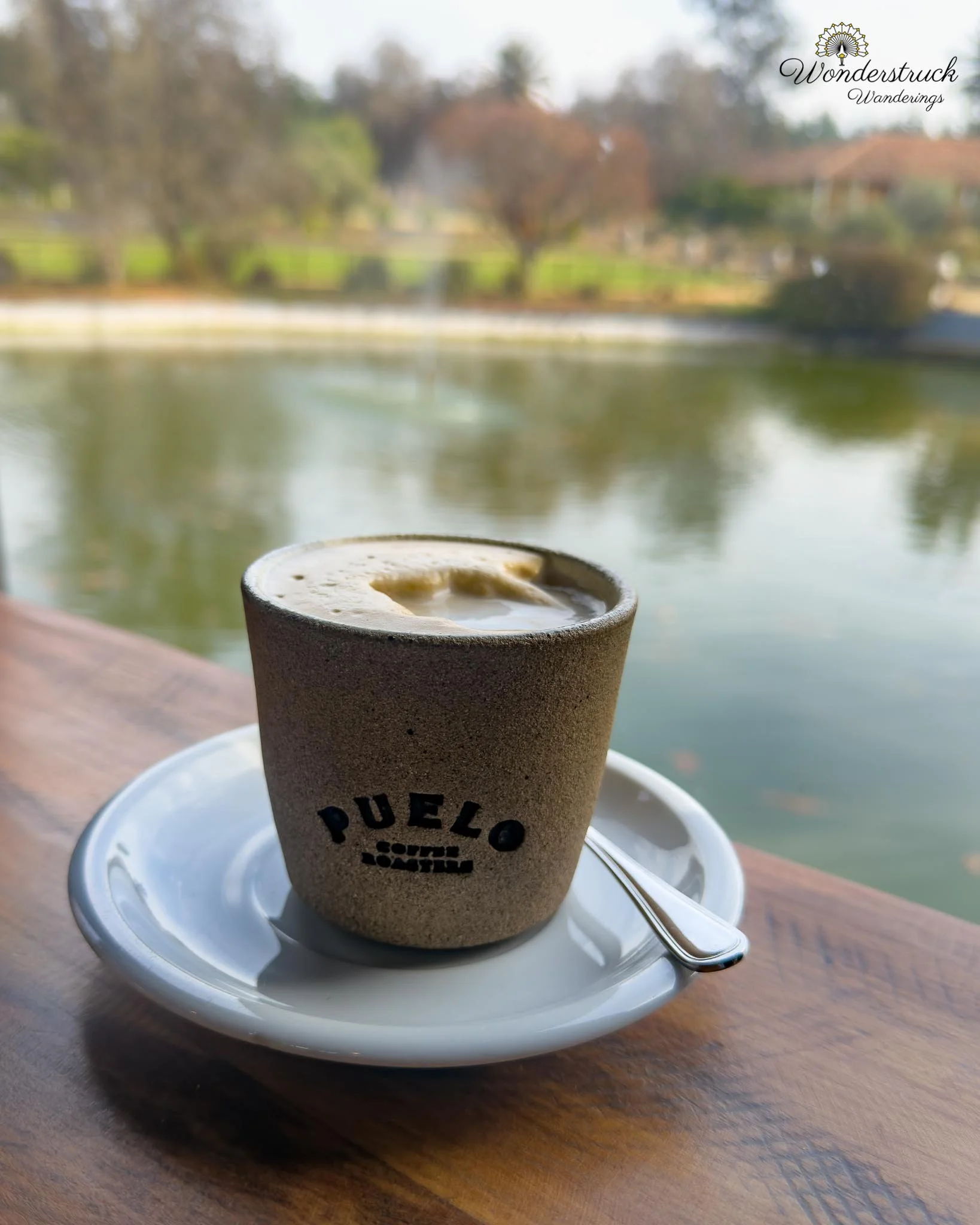
Coffee – Puelo Coffee Roasters: Specialty roaster and café in Vitacura offering freshly roasted beans, espresso, filter coffee, and cold brew in a modern roastery setting.
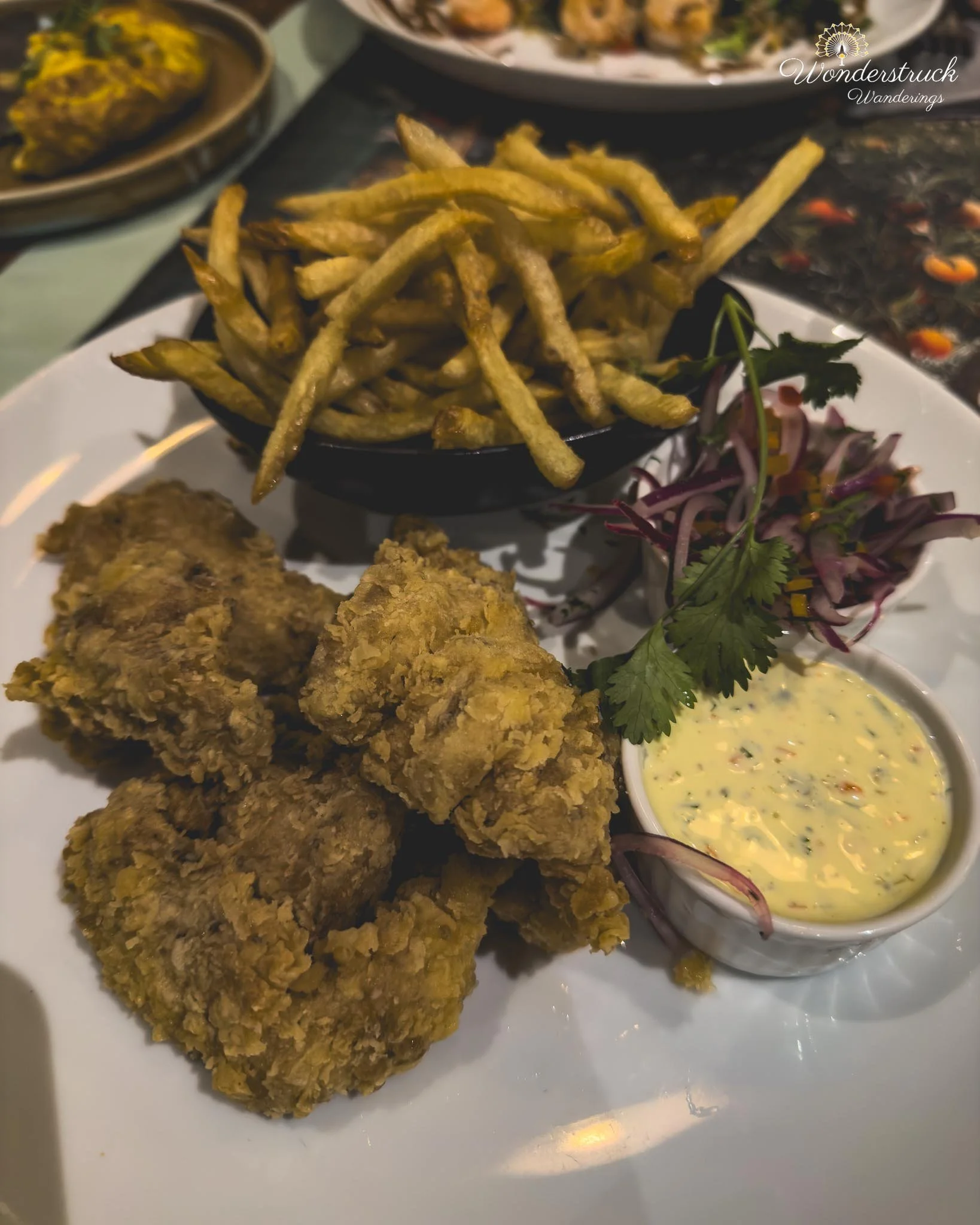
Dinner – Restorán Bidasoa: Mediterranean-inspired restaurant at Hotel Bidasoa specializing in seafood, fish, seasonal ingredients, and a selection of Chilean and international wines.
-
Barrio Italia: A lively neighborhood centered around Avenida Italia, known for restored historic houses, independent cafés, art galleries, antique stores, designer boutiques, craft chocolate shops, and restaurants tucked into courtyards.
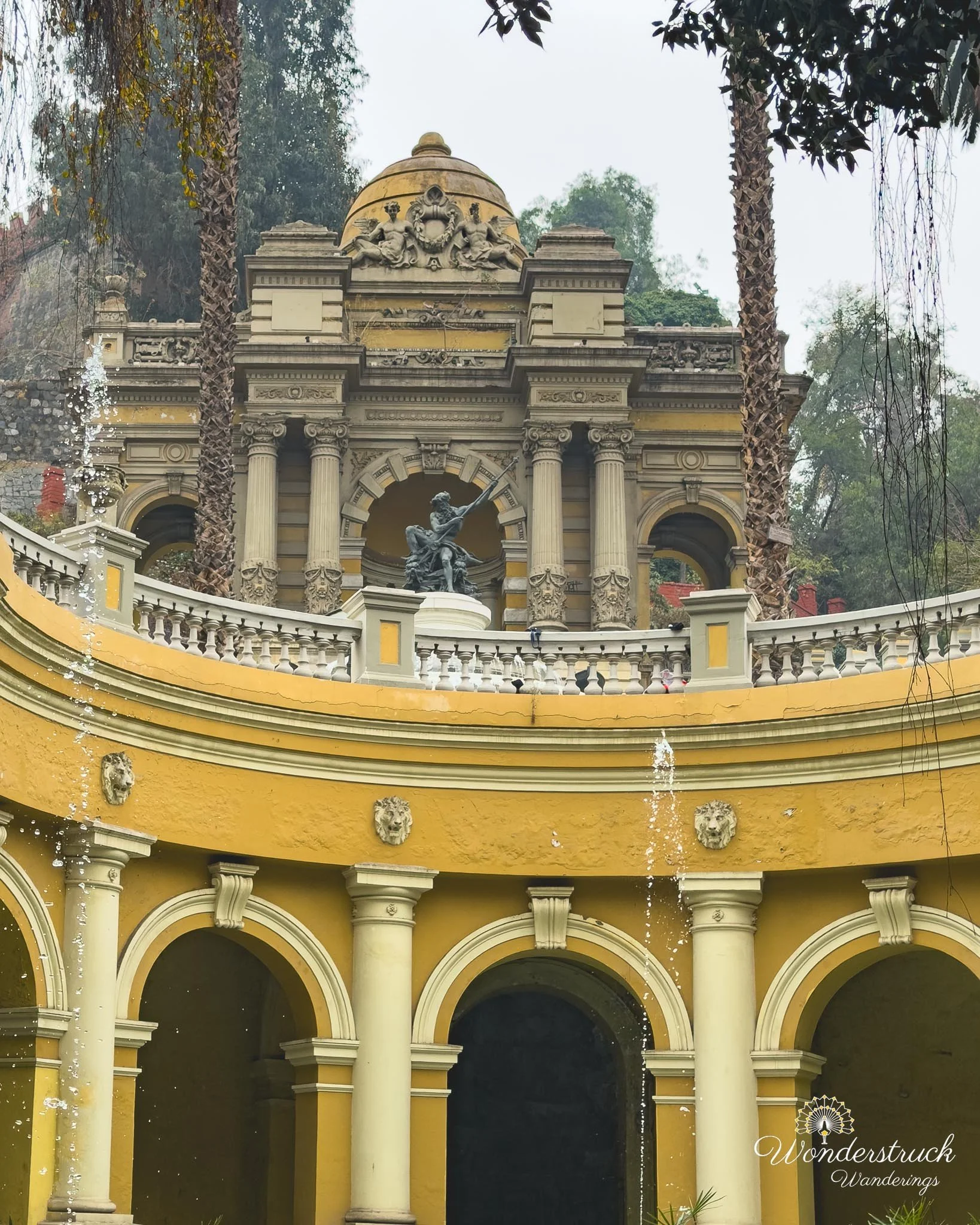
Cerro Santa Lucía & Artisan Market: A historic hill associated with Santiago's founding in 1541. Features stone staircases, fountains, landscaped gardens, Castillo Hidalgo, and viewpoints. The nearby artisan market sells Chilean textiles, lapis lazuli jewelry, copper crafts, and indigenous-inspired souvenirs.
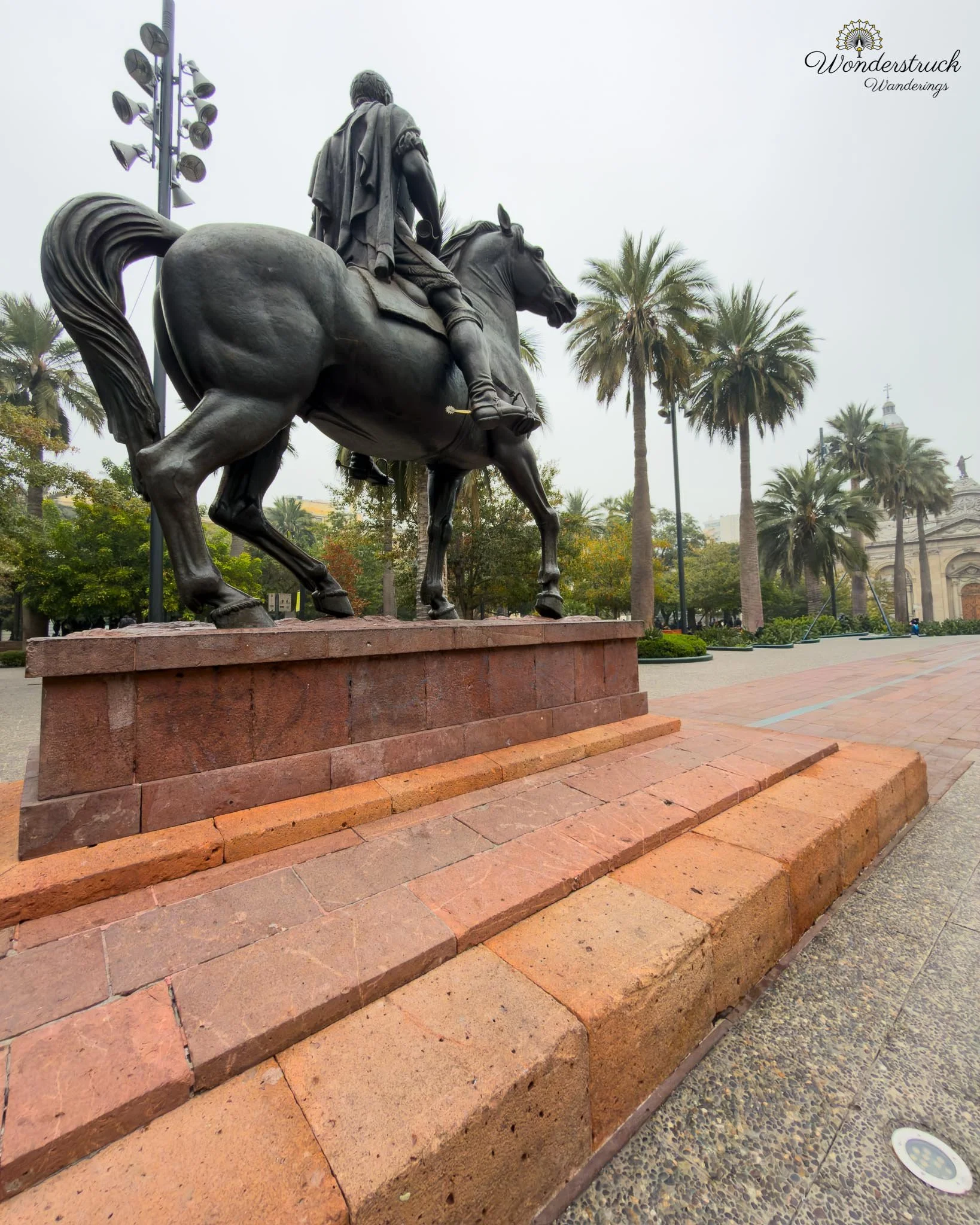
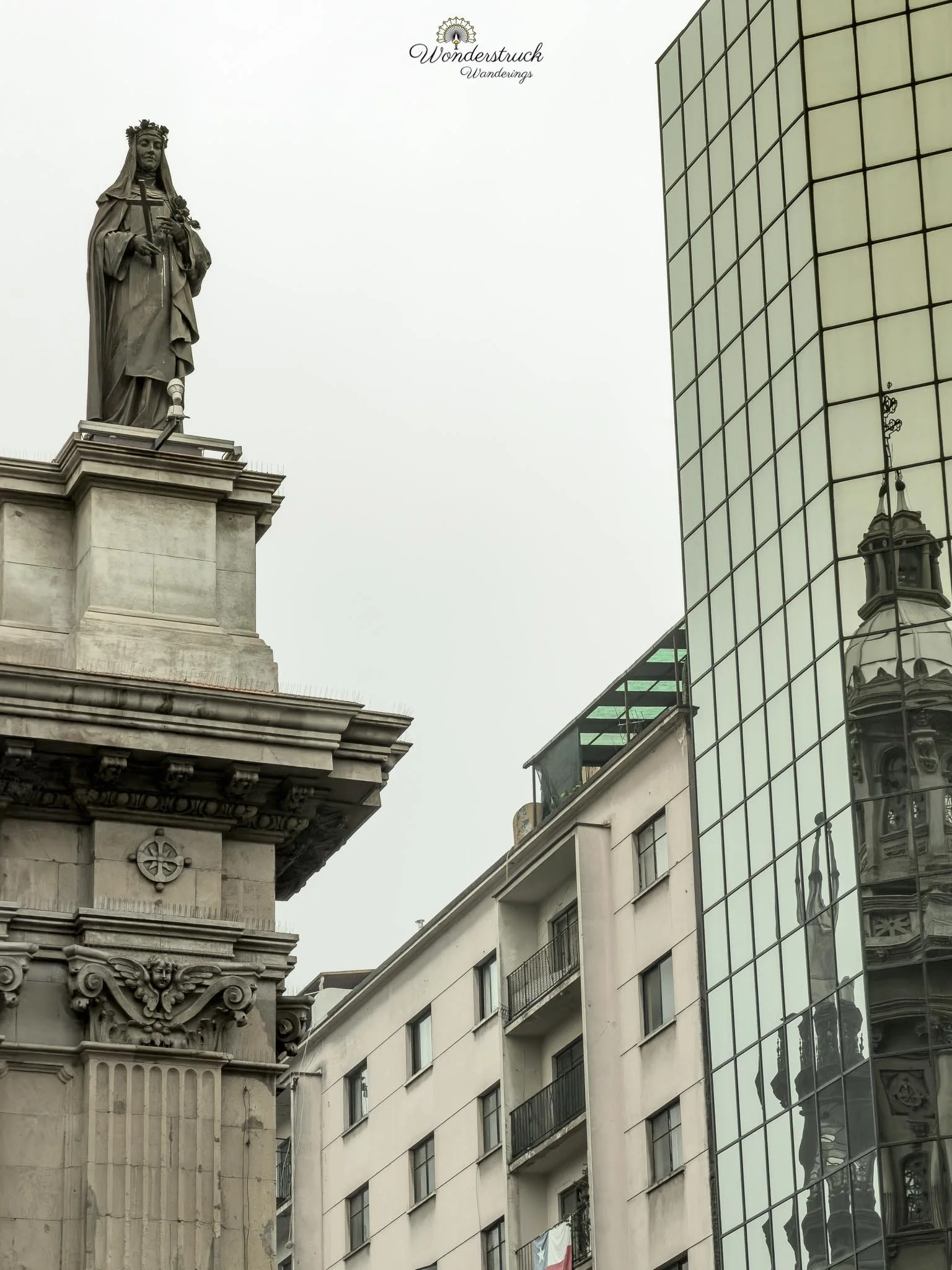
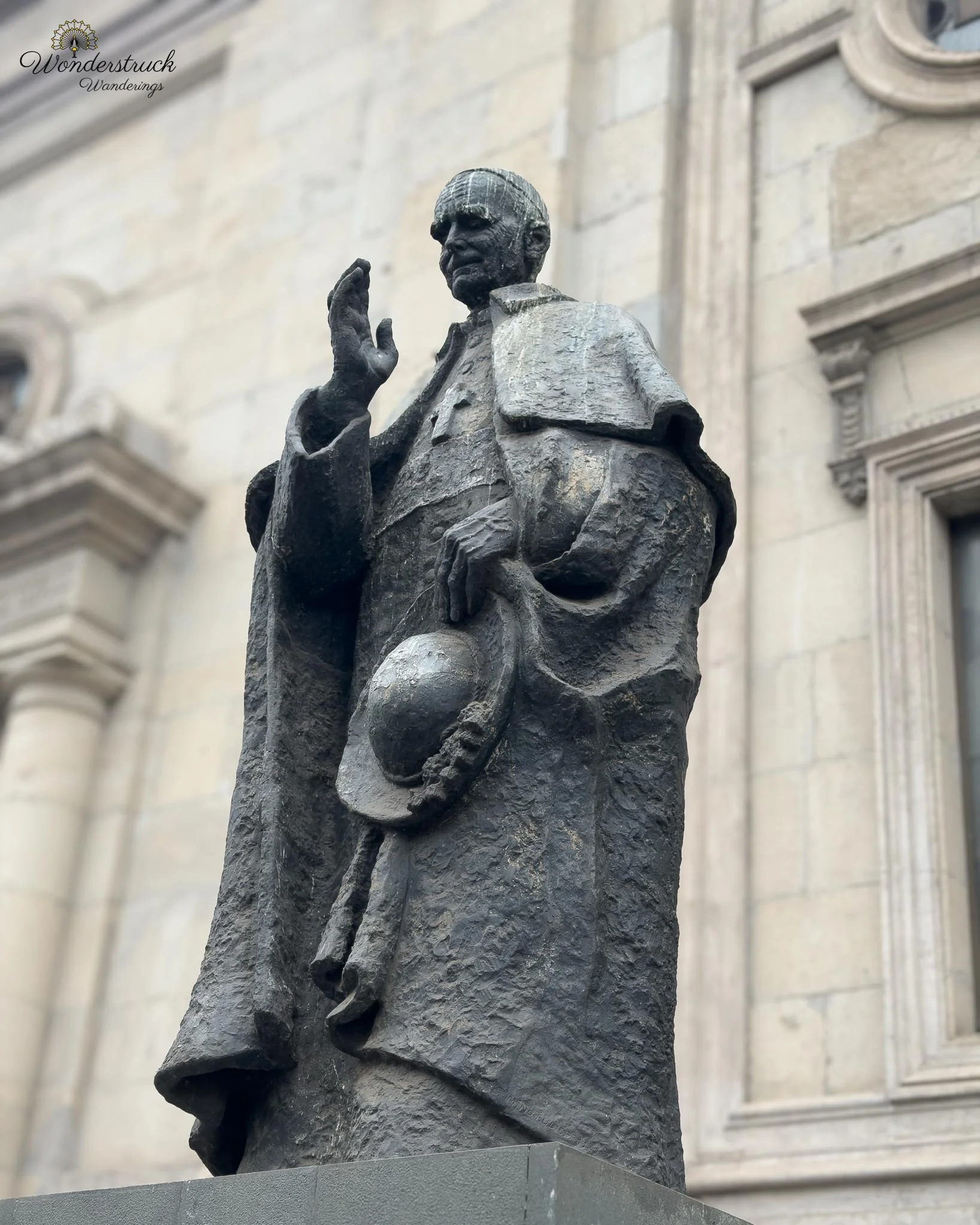
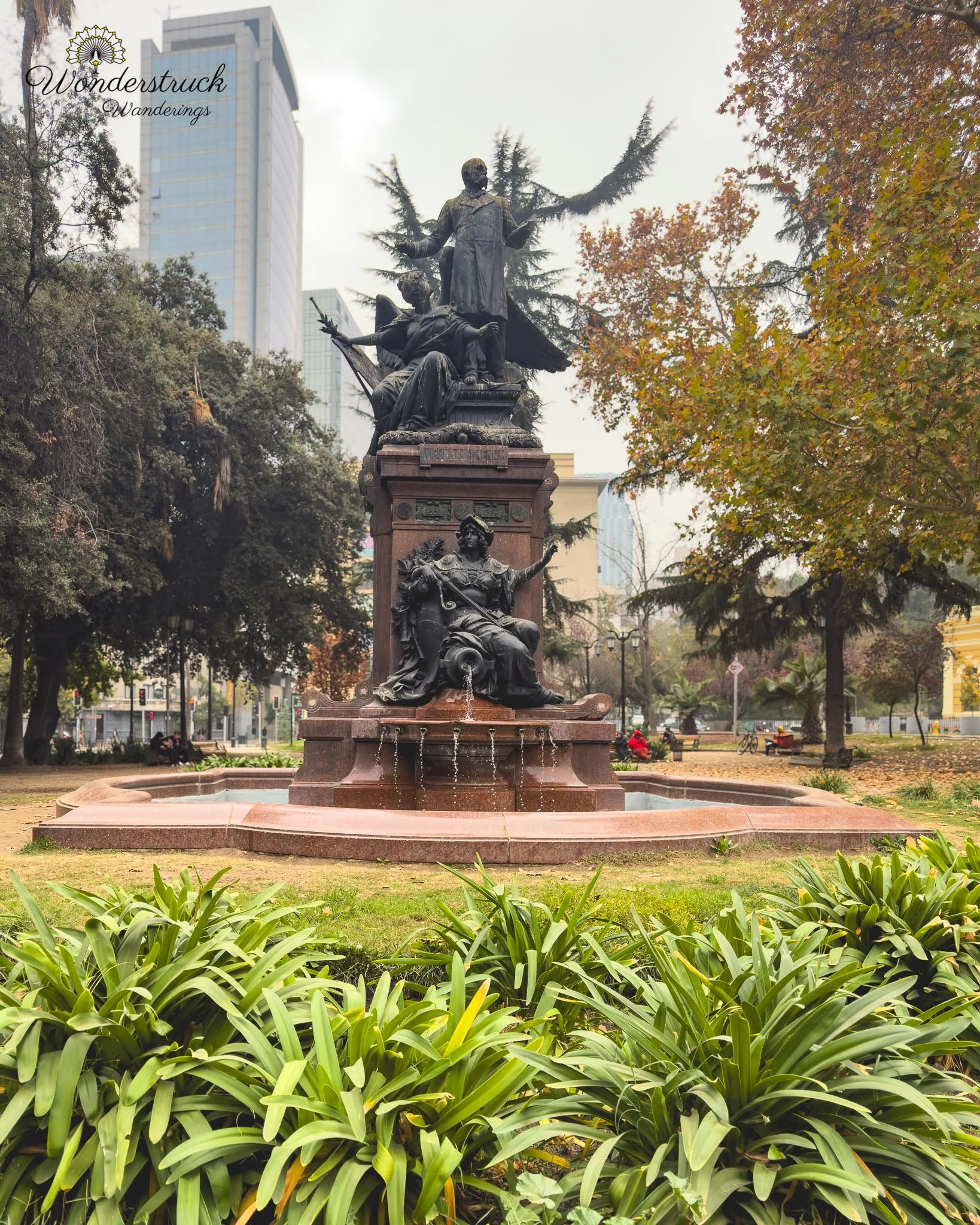
Plaza de Armas: Santiago's historic main square and original colonial center, surrounded by important civic and religious buildings. Highlights include the Pedro de Valdivia statue, bronze pavement maps, monuments, street performers, and neoclassical architecture.
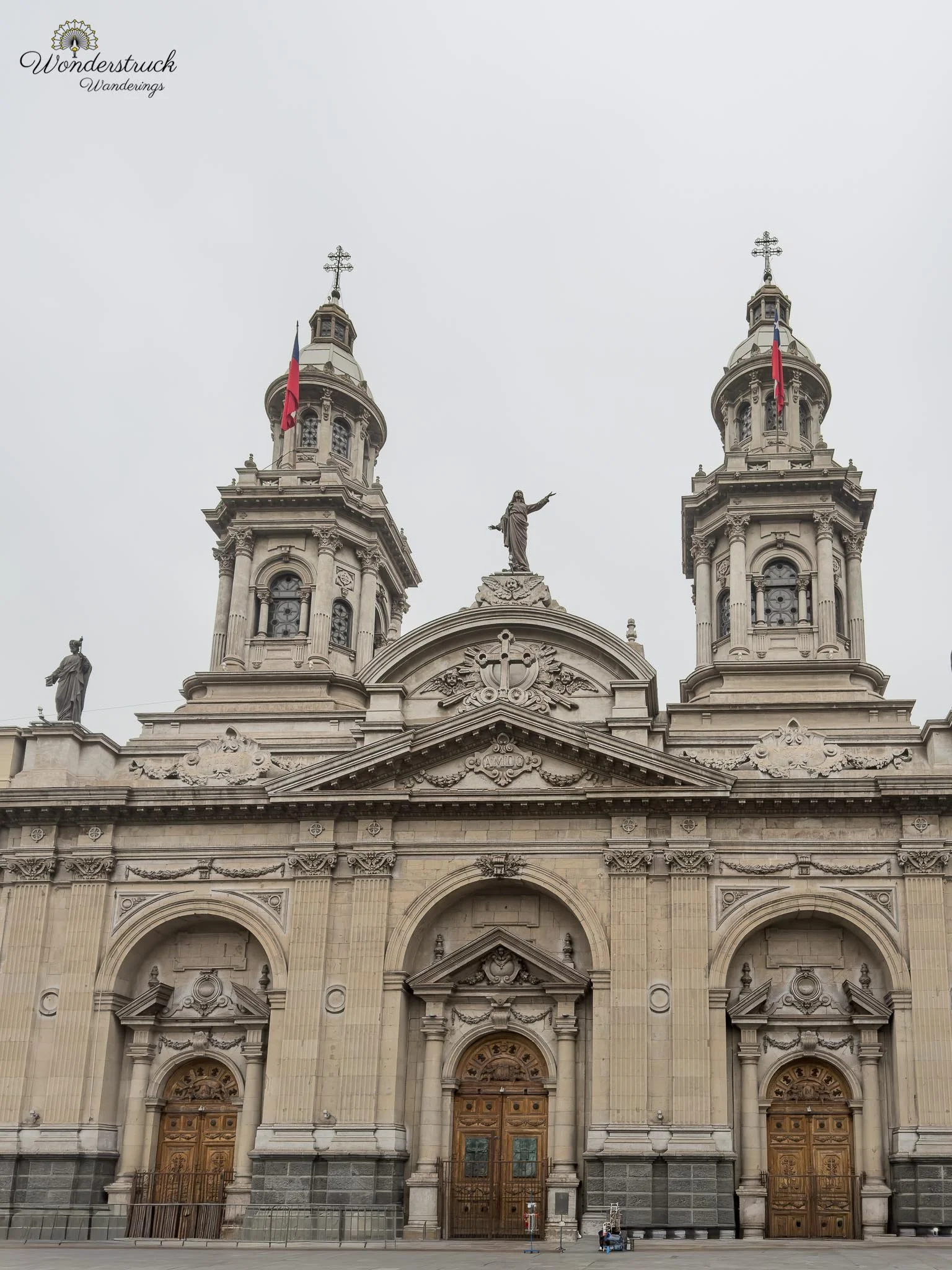
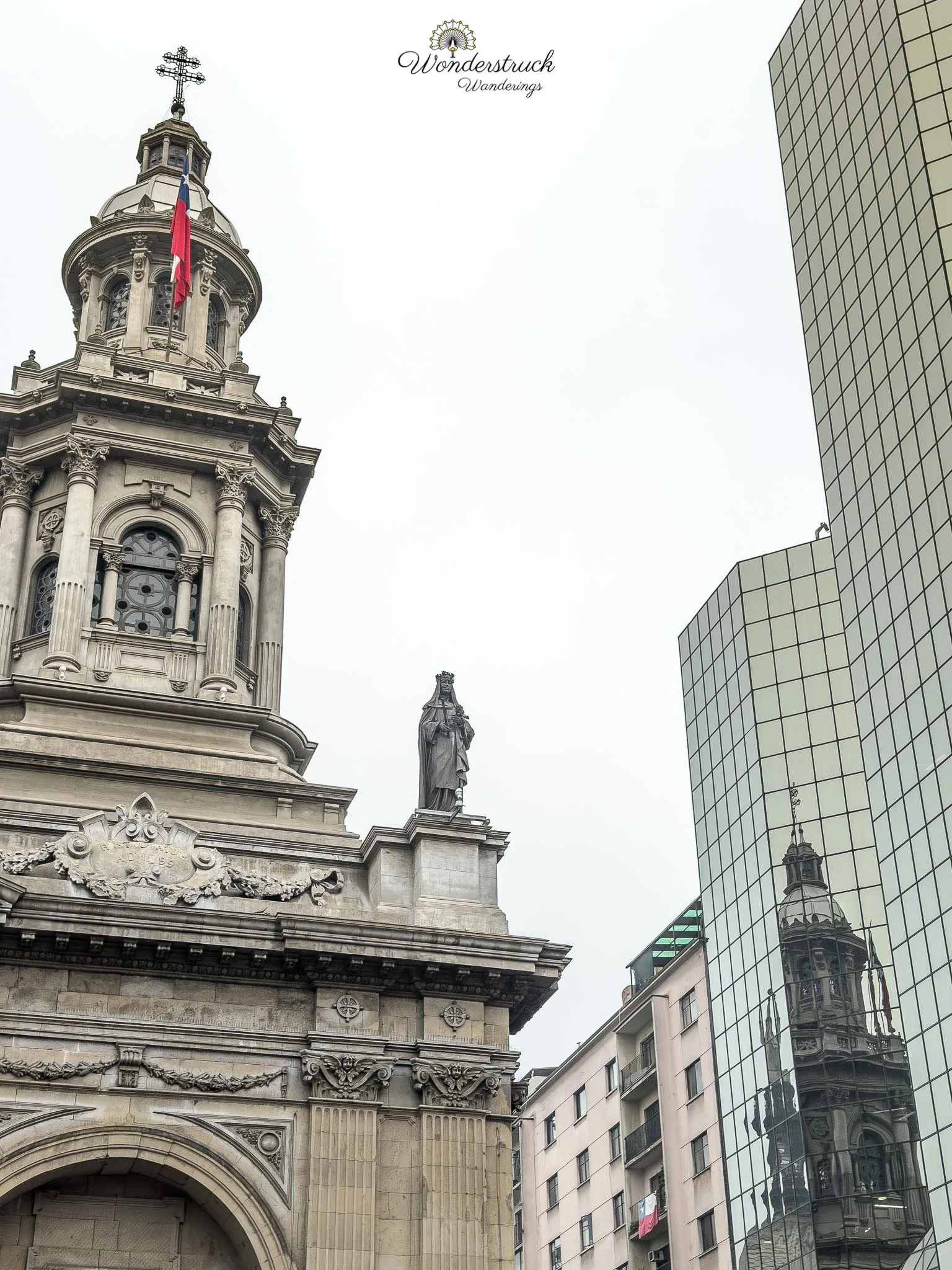
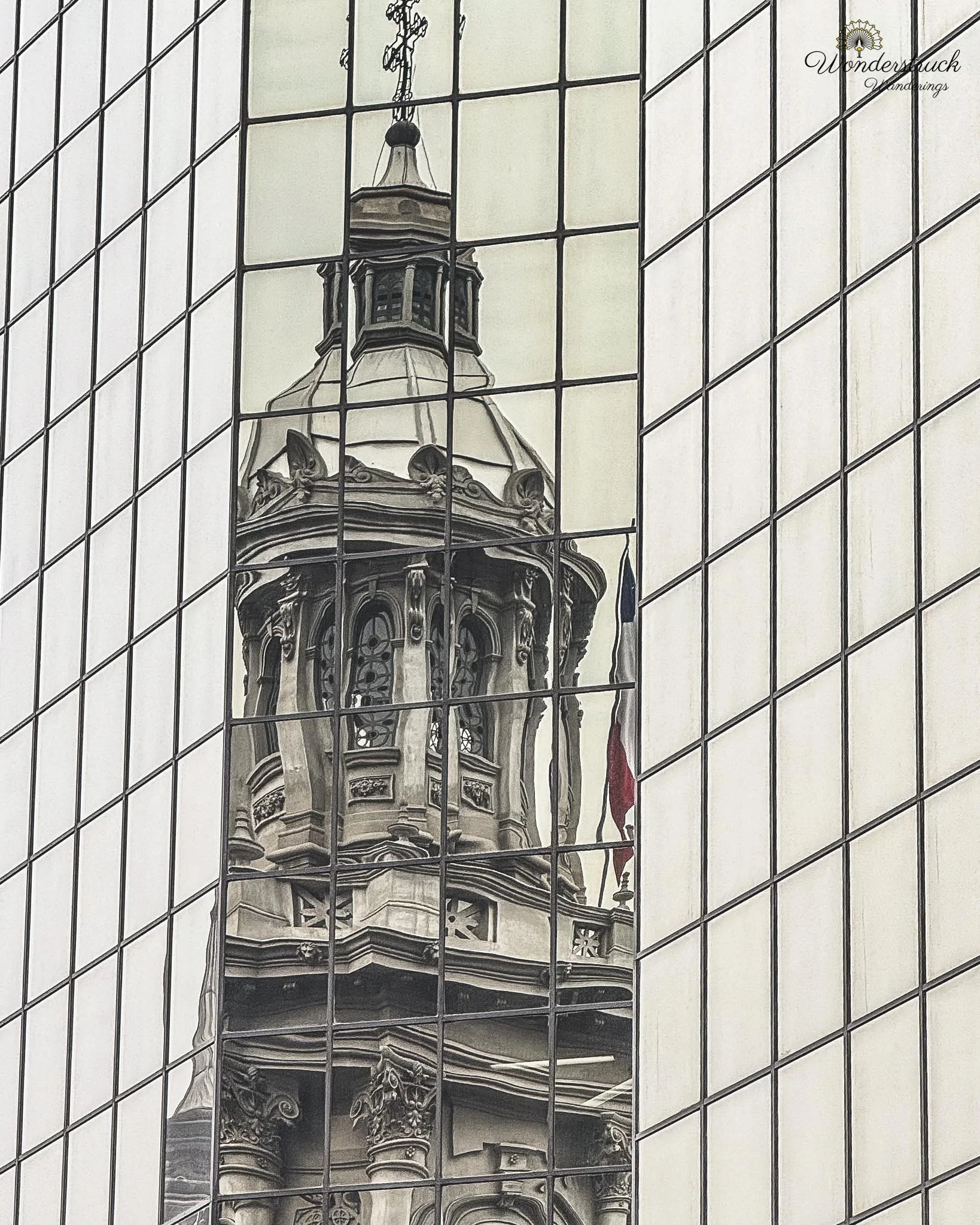
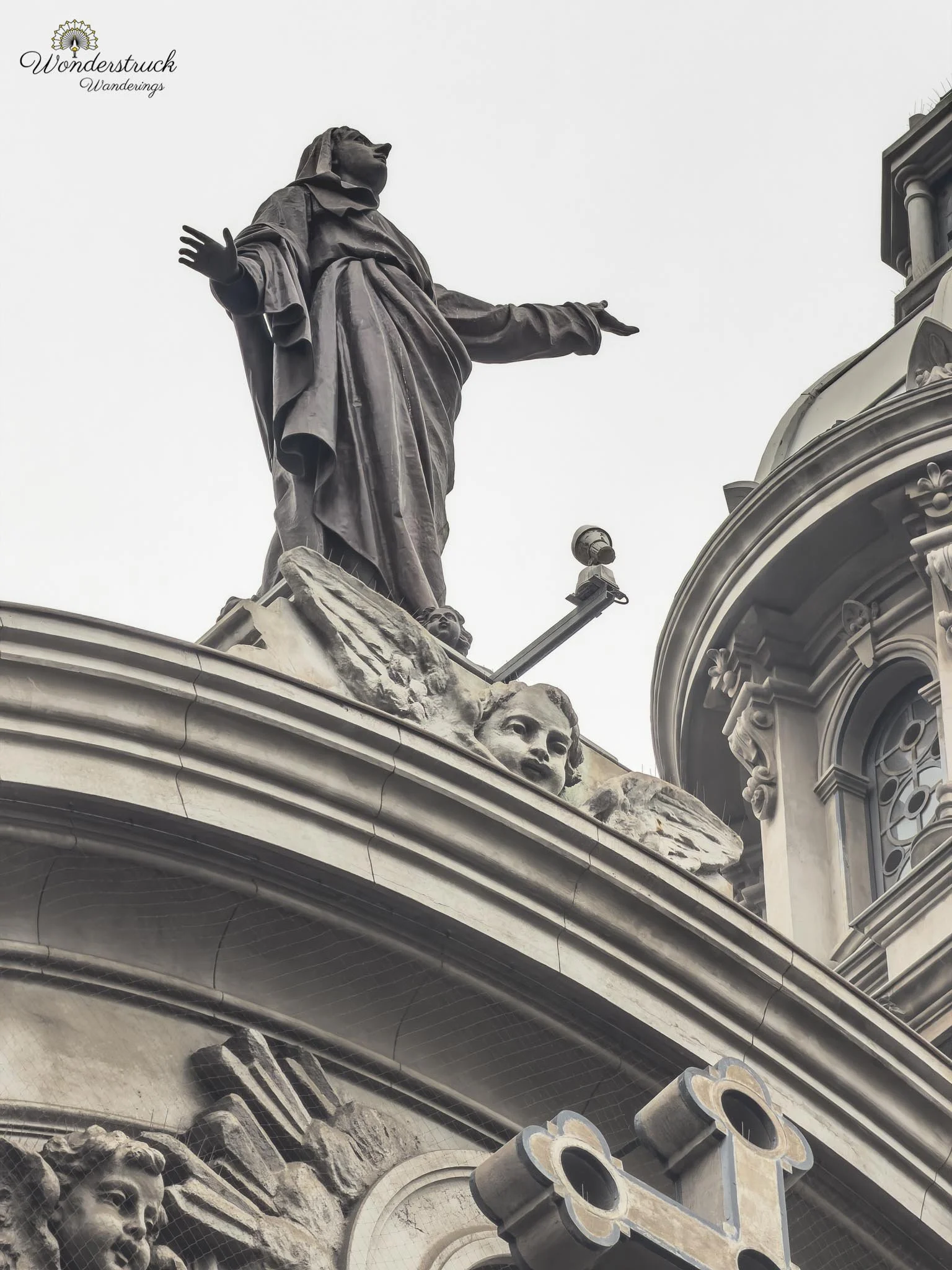
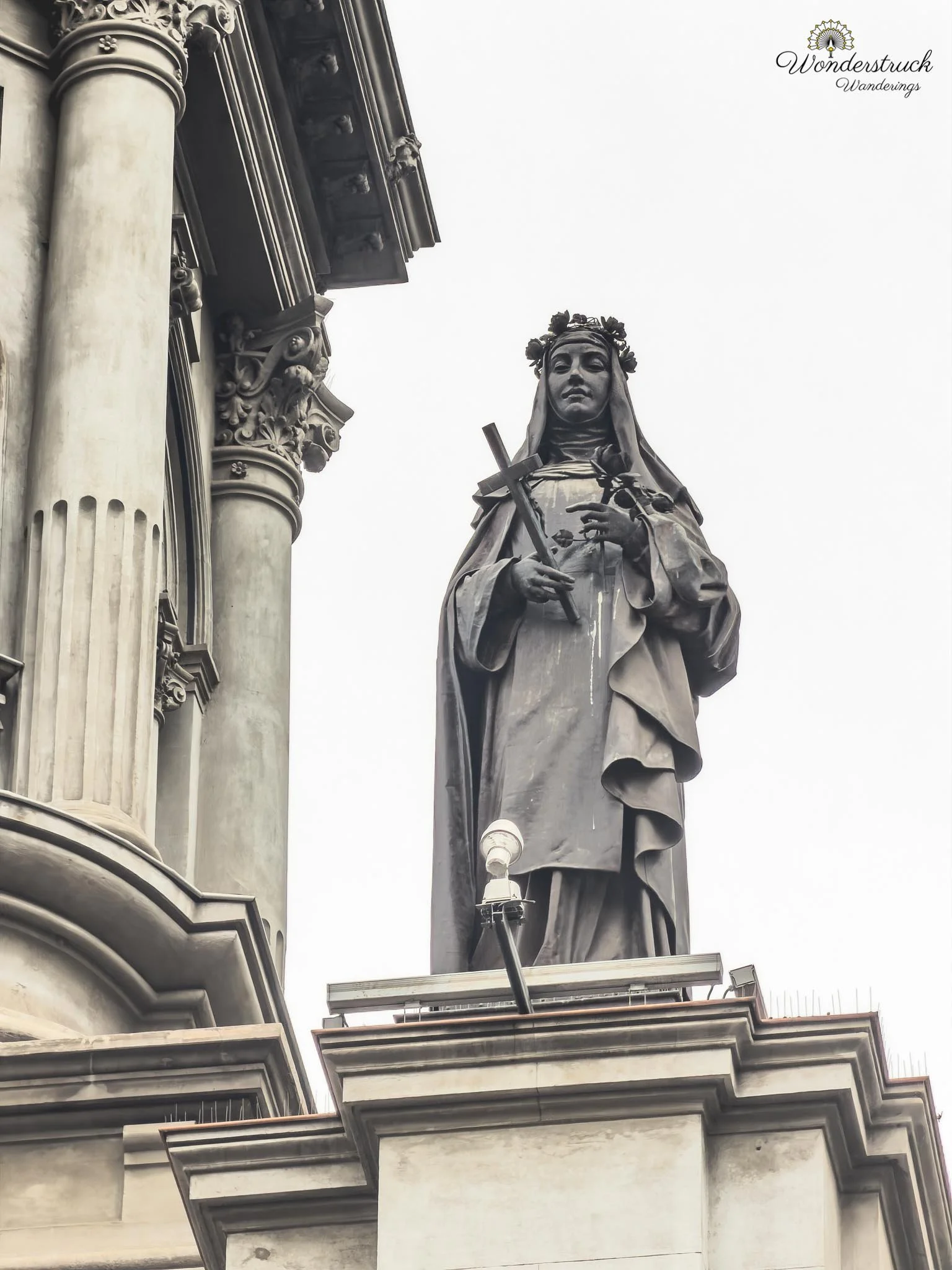
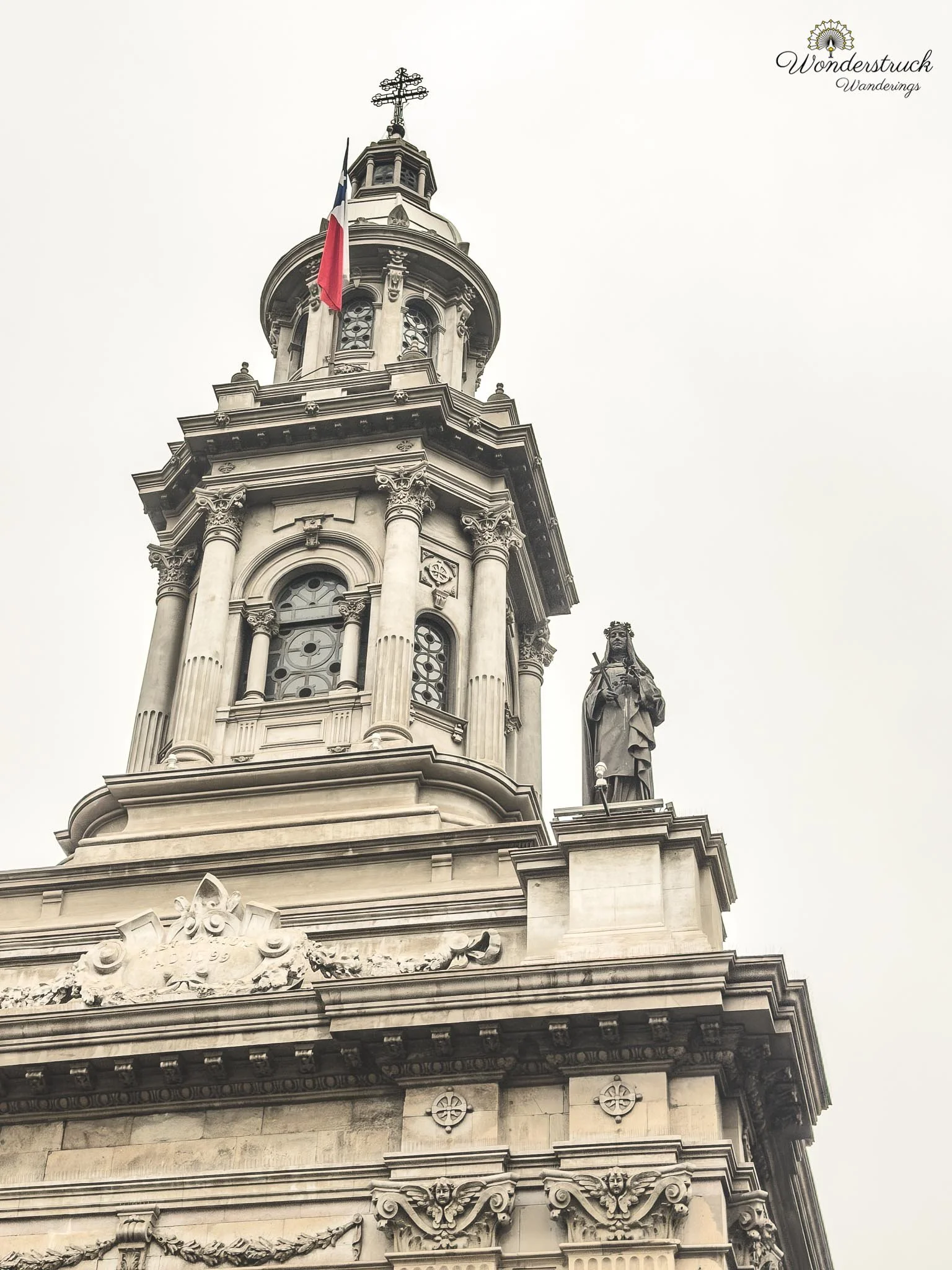
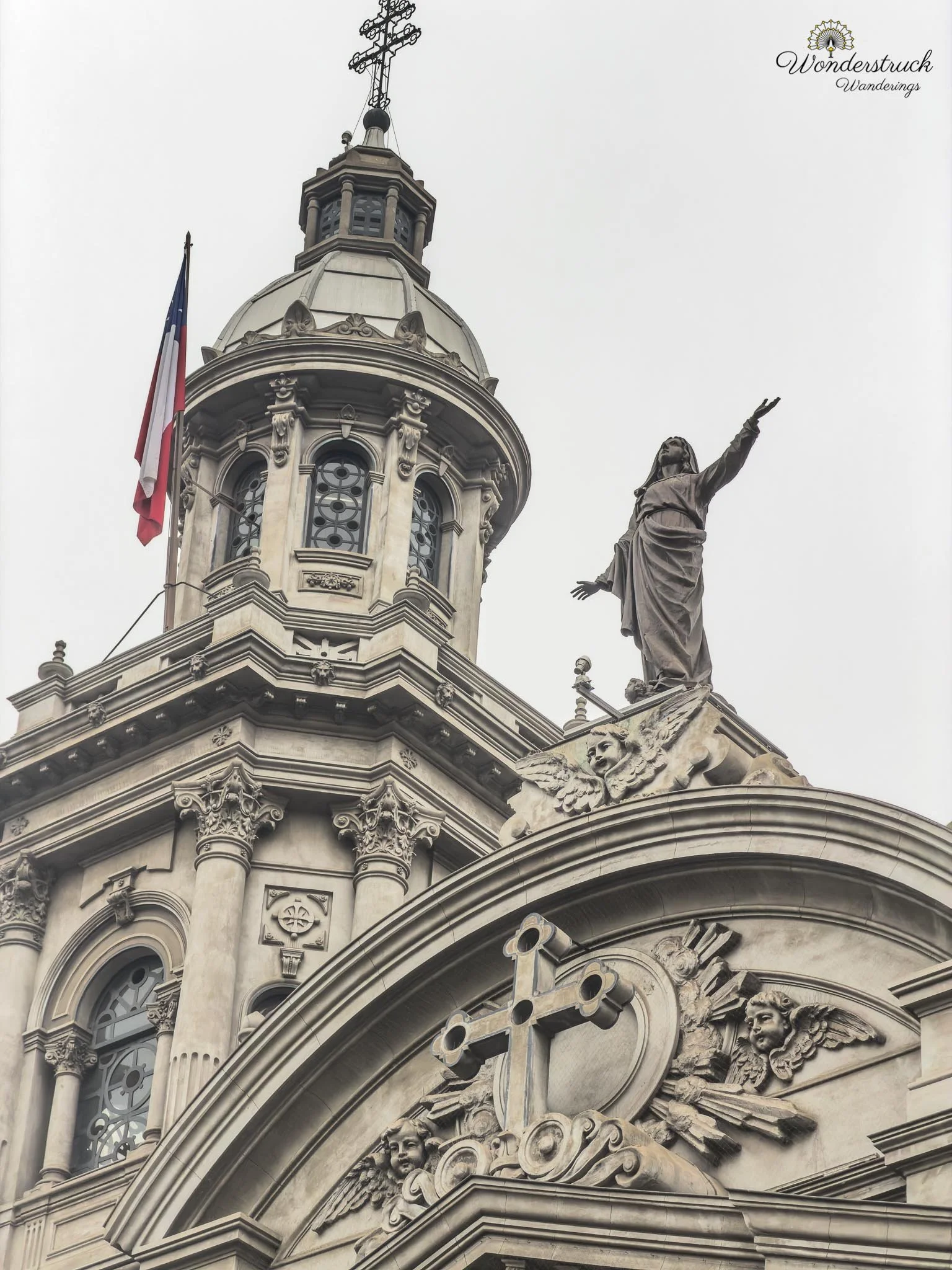
Metropolitan Cathedral of Santiago: An imposing 18th-century cathedral overlooking Plaza de Armas, featuring a neoclassical façade, richly decorated interior, religious artwork, and historic chapels.
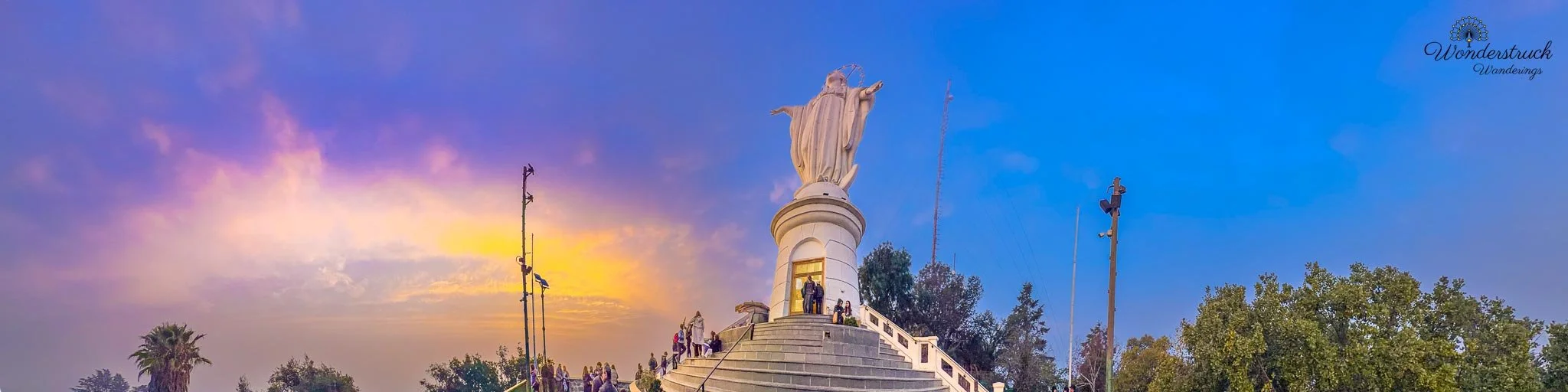
Cerro San Cristóbal, Funicular & Teleférico: A prominent hill within Parque Metropolitano offering panoramic views of Santiago and the Andes. Take the historic funicular from Pío Nono to the summit, where the Virgin Mary statue and sanctuary are located. Descend by cable car through Cumbre, Tupahue, and Oasis stations.
Additional Places We Didn't Have Time to Explore
Barrio Lastarria & Bellas Artes: Historic cultural neighborhoods near Cerro Santa Lucía and Parque Forestal with cobblestone streets, cafés, bookstores, galleries, the National Museum of Fine Arts, the Museum of Contemporary Art, and small artisan markets.
Barrio Bellavista: Santiago's bohemian neighborhood at the foot of Cerro San Cristóbal, known for colorful murals, restaurants, bars, art galleries, and Pablo Neruda's former home, La Chascona.
Mercado Central: Santiago's historic food market, housed in a distinctive 19th-century iron-framed building. Particularly known for fresh seafood, fish stalls, Chilean seafood restaurants, and traditional dishes such as caldillo de congrio and pastel de jaiba.
-
Santiago Airport → Hotel Bidasoa, Vitacura: Approximately 30–45 minutes by Uber or taxi (27 km), depending on traffic.
Vitacura → Barrio Italia: Approximately 20–35 minutes by Uber. Allow 2–3 hours to explore the neighborhood's cafés, chocolate shops, boutiques, and restaurants.
Barrio Italia → Cerro Santa Lucía: Approximately 10–20 minutes by car or 30–40 minutes on foot. Allow 45–75 minutes to explore the hill and artisan market.
Cerro Santa Lucía → Plaza de Armas: Approximately 15–20 minutes walking through central Santiago. Allow 45–60 minutes for the square, Metropolitan Cathedral, and surrounding architecture.
Historic Center → Barrio Lastarria / Bellas Artes (Optional): Approximately 10–20 minutes on foot, depending on your starting point. Allow 1–2 hours for cafés, galleries, and museums.
Plaza de Armas → Mercado Central / La Vega Central (Optional): Approximately 10–20 minutes walking to Mercado Central, with La Vega another 10–15 minutes across the Mapocho River. Allow 1–2 hours for both markets.
Central Santiago → Cerro San Cristóbal (Pío Nono Entrance): Approximately 15–30 minutes by Uber. The funicular takes 5–7 minutes to reach the summit; the cable car toward Oasis takes approximately 6–8 minutes one way. Allow 1½–2 hours for the summit, sanctuary, viewpoints, and cable car.
Cerro San Cristóbal / Oasis → Hotel Bidasoa: Approximately 15–25 minutes by Uber, depending on traffic.
Day 1 of our Chile trip began with a Friday afternoon departure from Chicago, a long layover in Miami, and an overnight flight that brought us into Santiago around 7 a.m. The city greeted us with cold air, low clouds, and fog that obscured the Andes. After clearing immigration, we took an Uber to Hotel Eco Boutique Bidasoa in Vitacura, expecting to leave our luggage and start sightseeing. Instead, the hotel offered us an early check-in around 8:30 a.m. and invited us to breakfast. After traveling through the night, having a room ready and a proper meal was an excellent start. We spent a little time birding around the leafy streets of Vitacura before heading to Barrio Italia, a neighborhood known for its independent cafés, restaurants, galleries, and design shops.
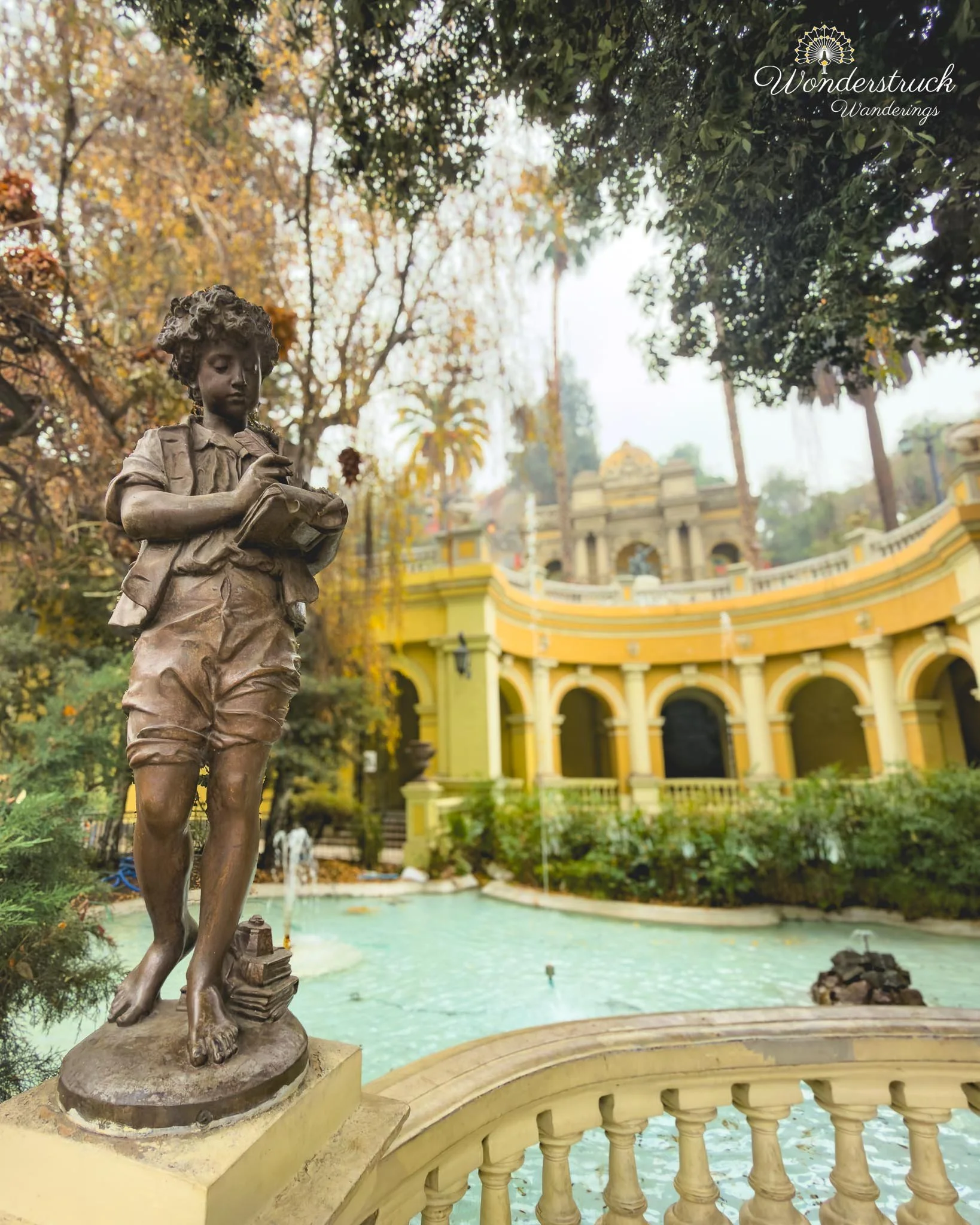
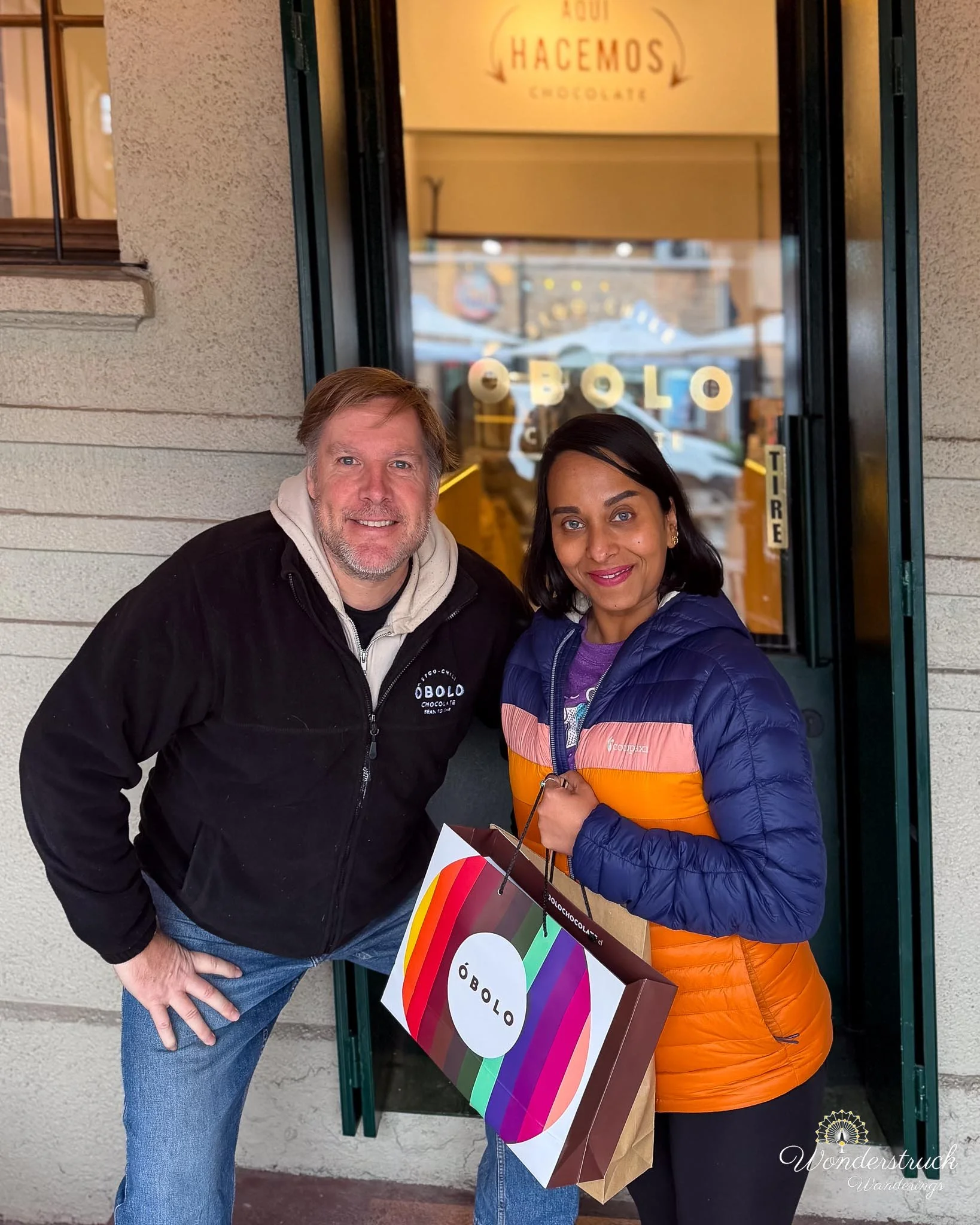
Our first stop was ÓBOLO Chocolate, where Shay reconnected with founder Mark, whom she had known since 2019 through the craft chocolate community. We spent time with Mark and his partner, Brayan, enjoying hot chocolate and discussing cacao sourcing, chocolate production, and the business. It was a personal introduction to Santiago rather than a conventional tourist stop. Following Mark's recommendations, we continued to La Cava del Barrio to explore smaller-production Chilean wines, an introduction to the wine culture we would experience more extensively later in the trip. We also stopped at Black Mamba for coffee, a specialty café where the focus is on carefully prepared espresso and filter coffee rather than the usual commercial blends. Barrio Italia was an excellent area to explore on foot, with older buildings, restored workshops, small courtyards, and interesting businesses tucked along the streets. Centered around Avenida Italia, the neighborhood has a mix of antique furniture shops, independent design boutiques, art galleries, cafés, and restaurants, many operating out of converted houses and former workshops.
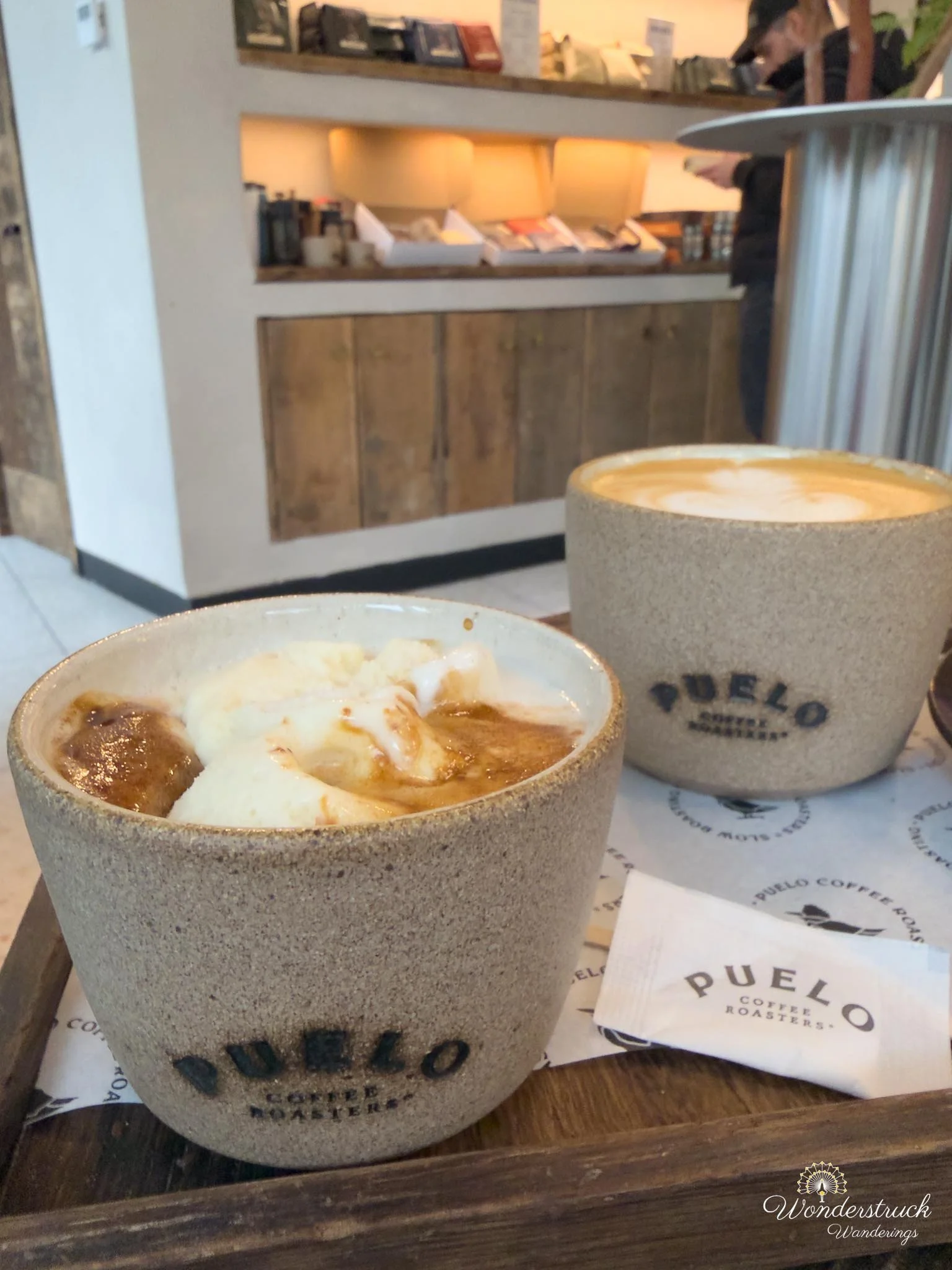
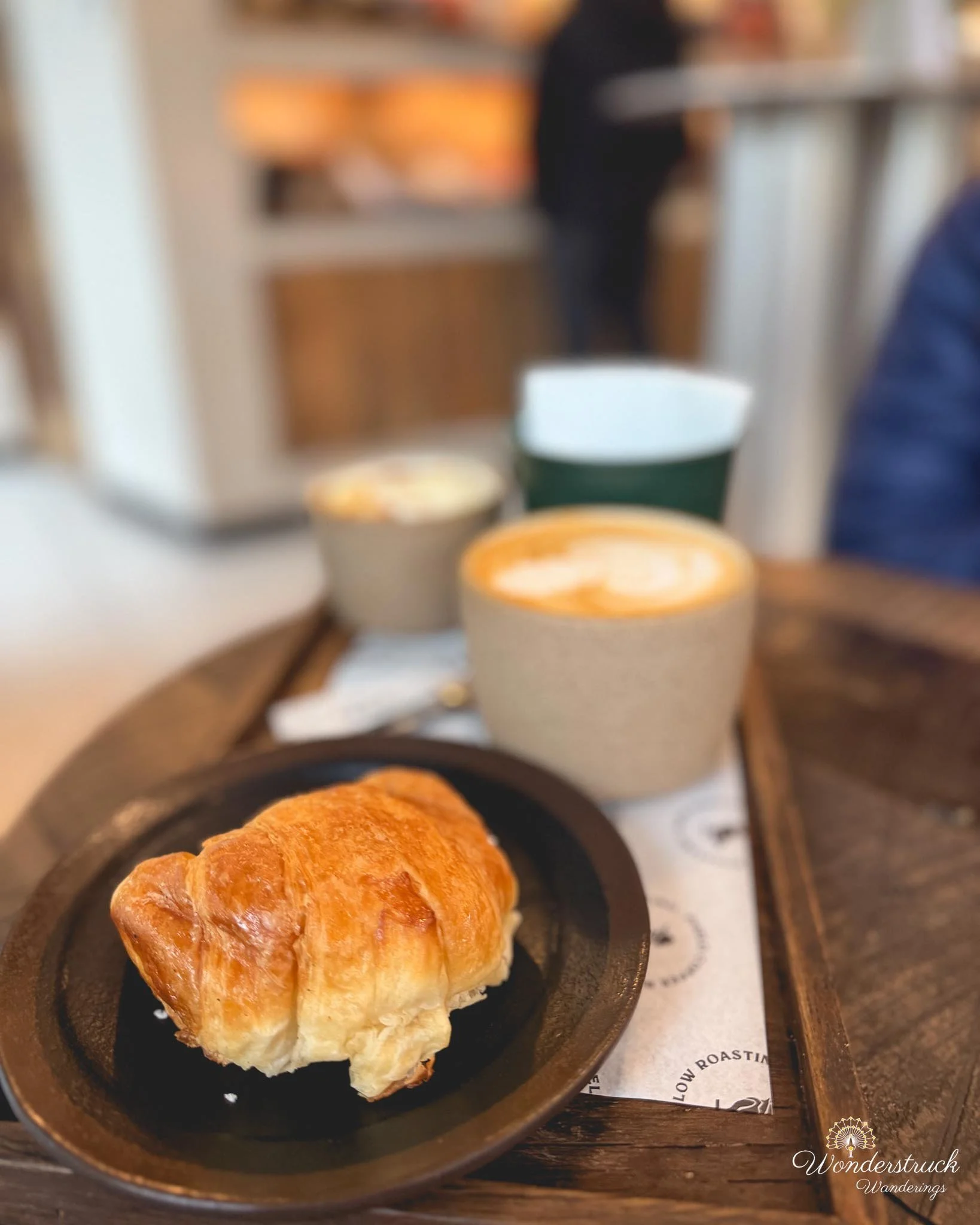
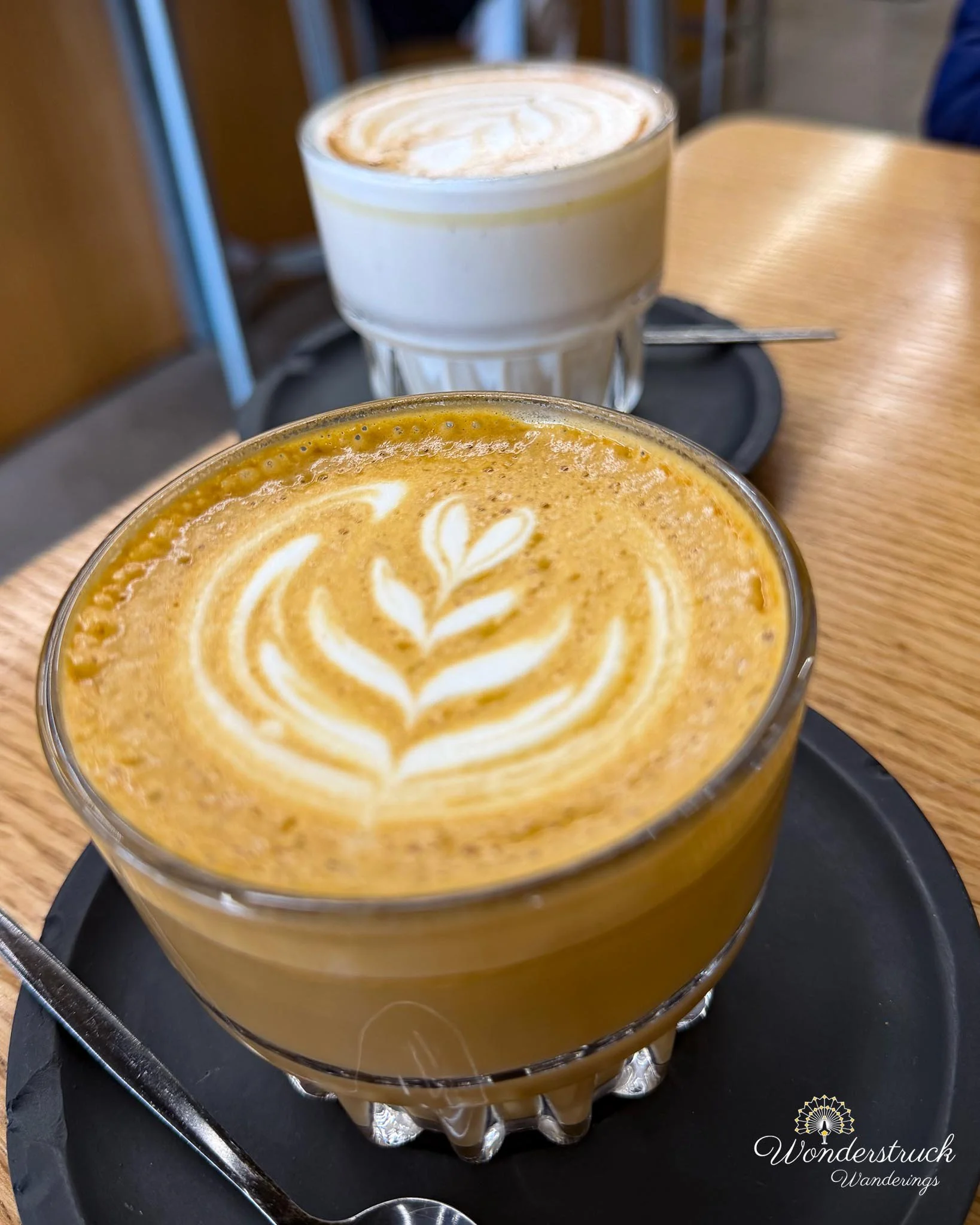
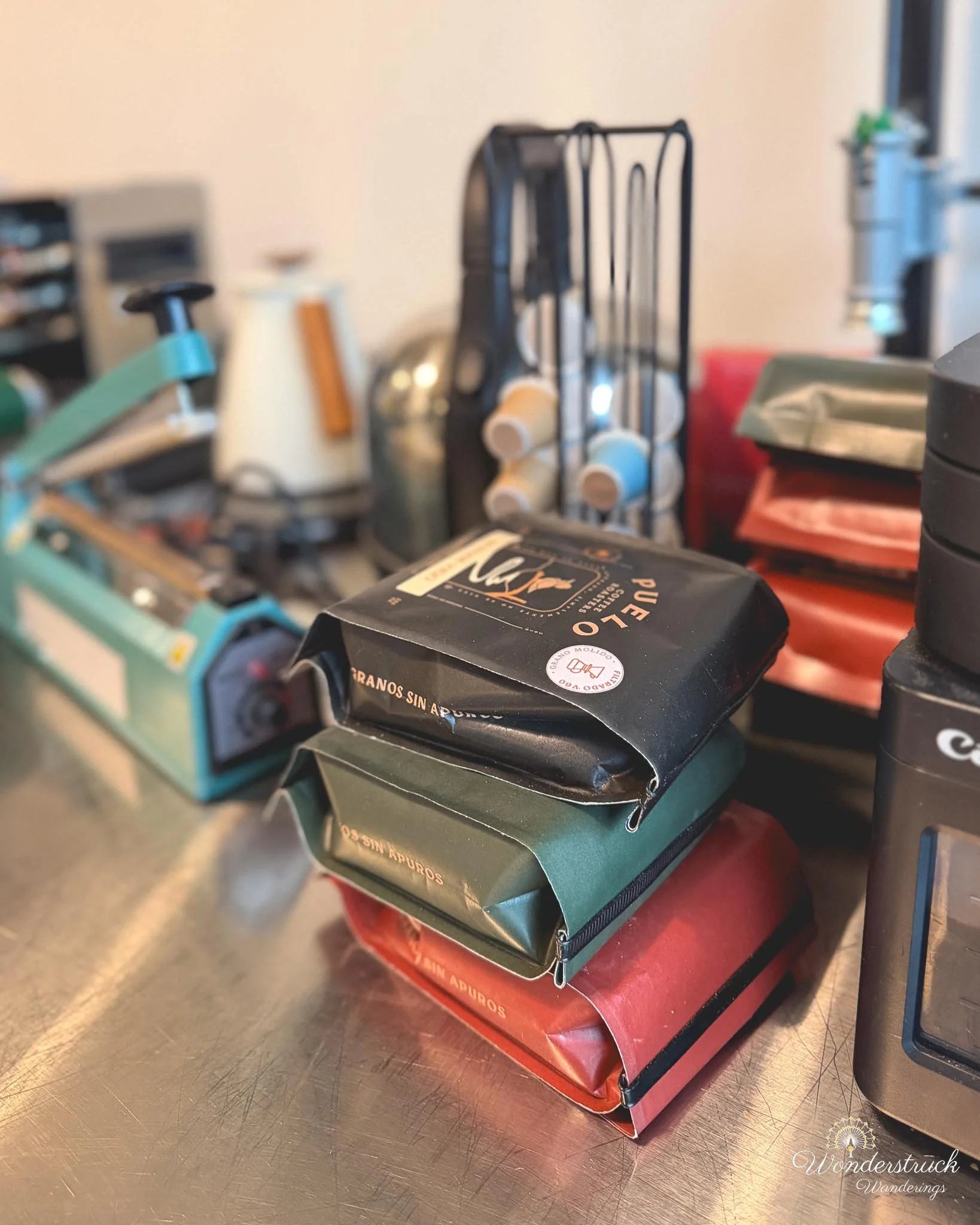
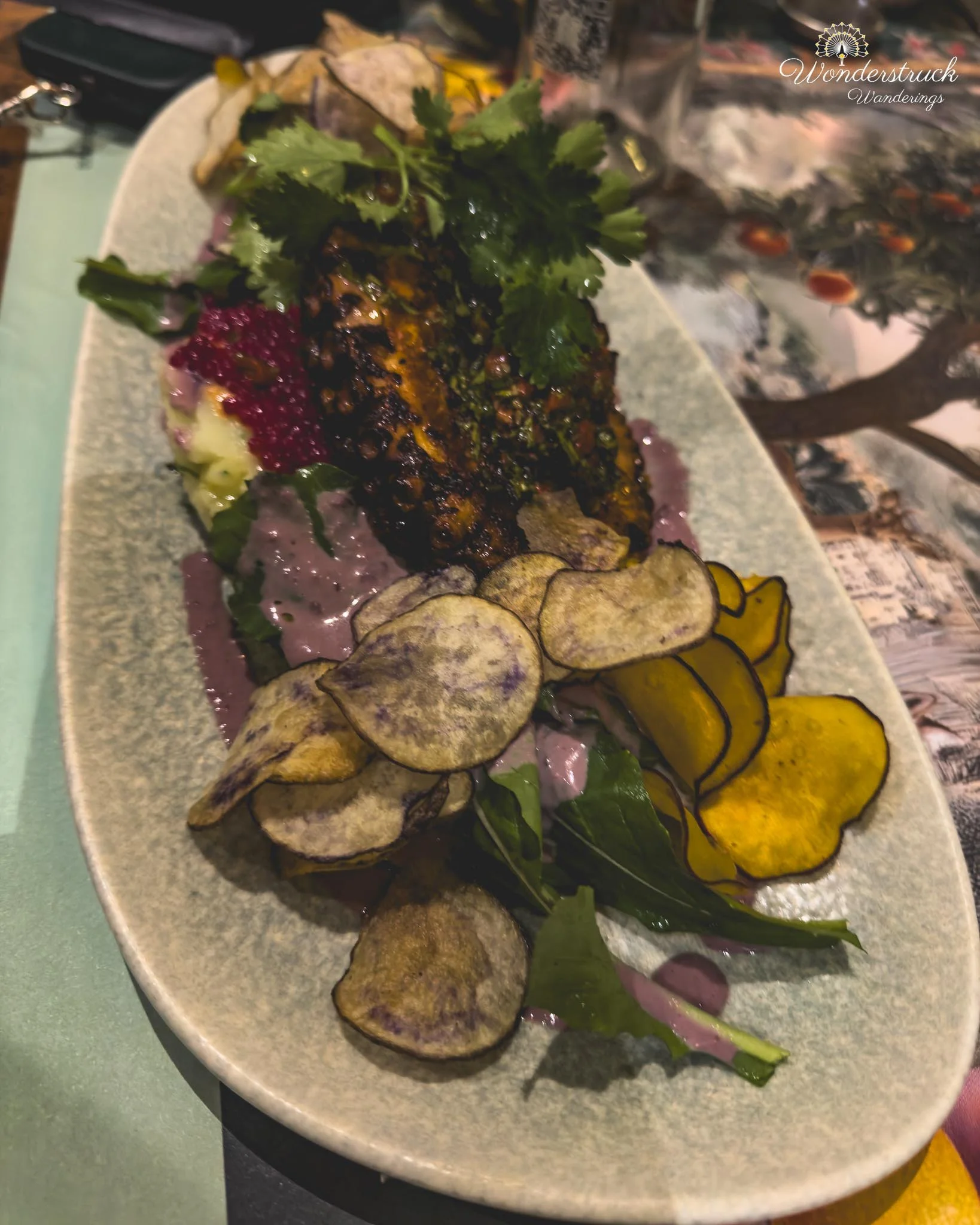
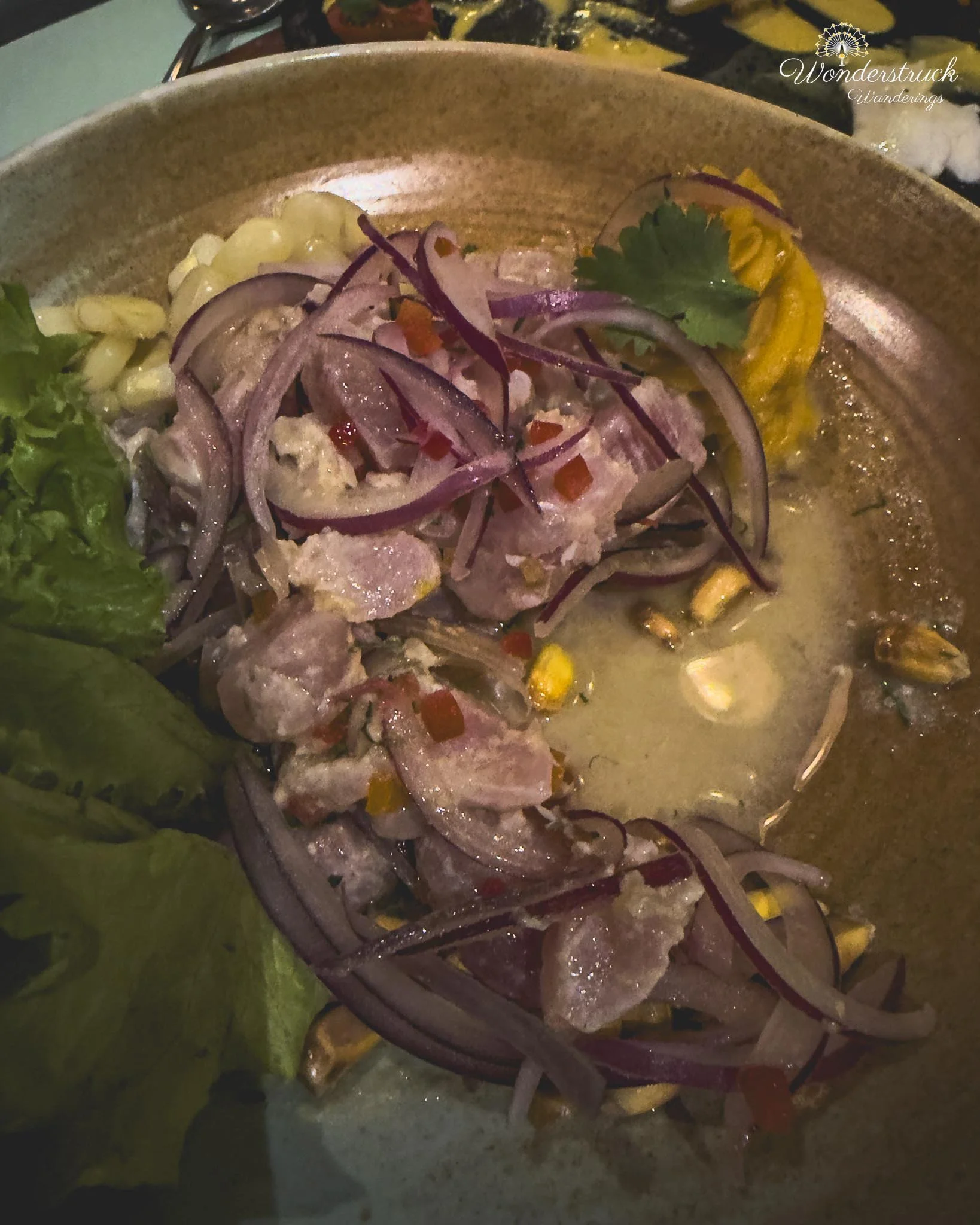
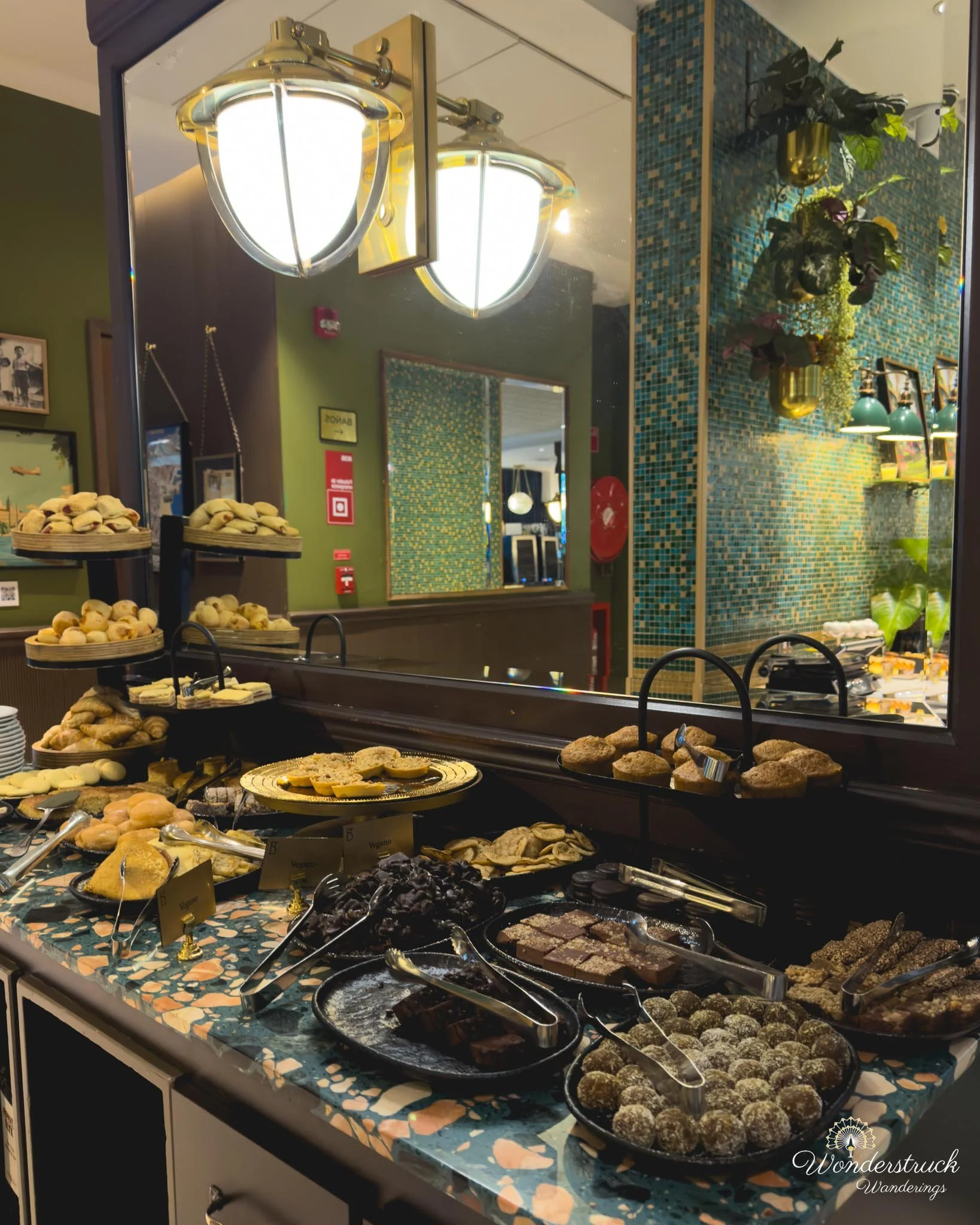
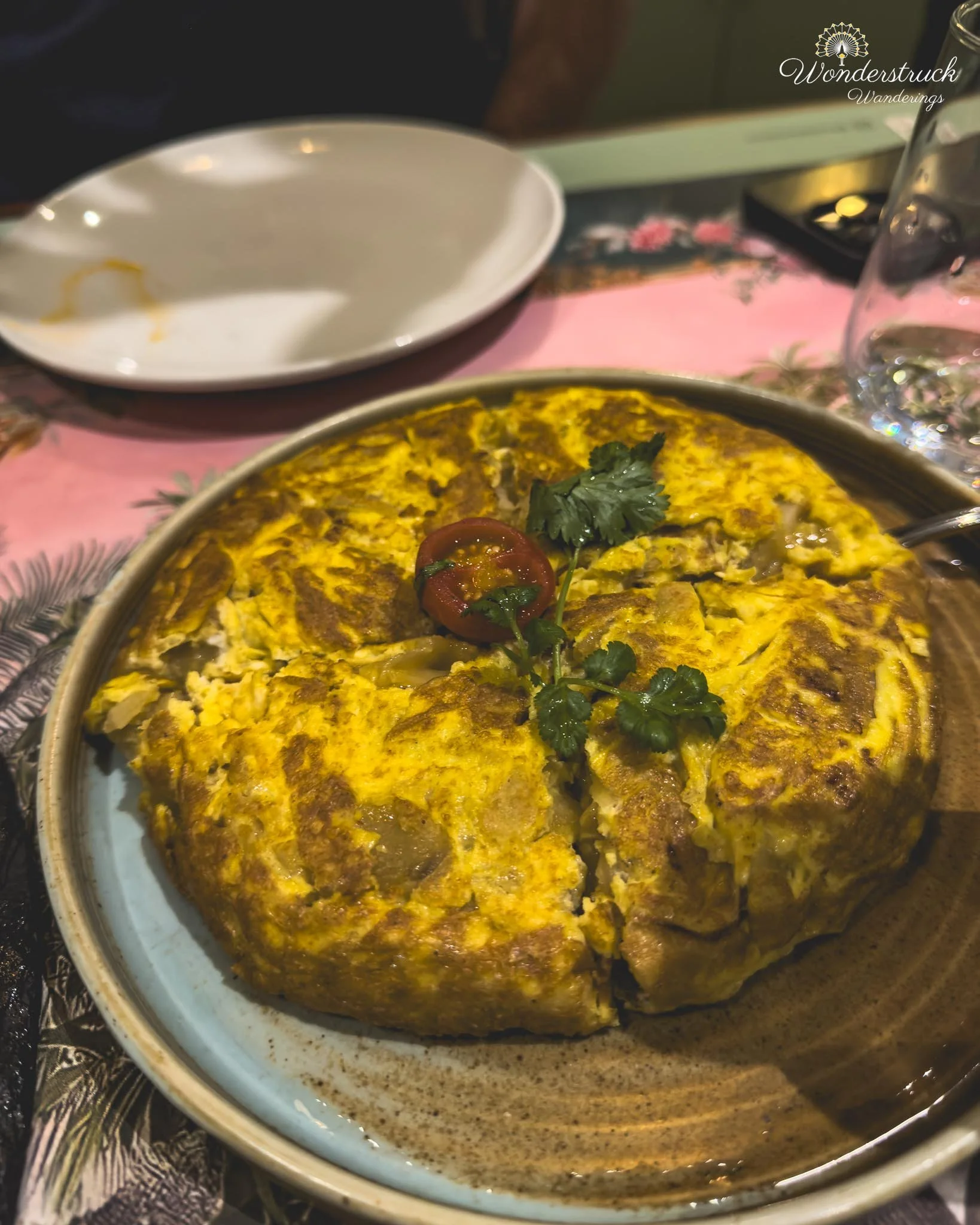
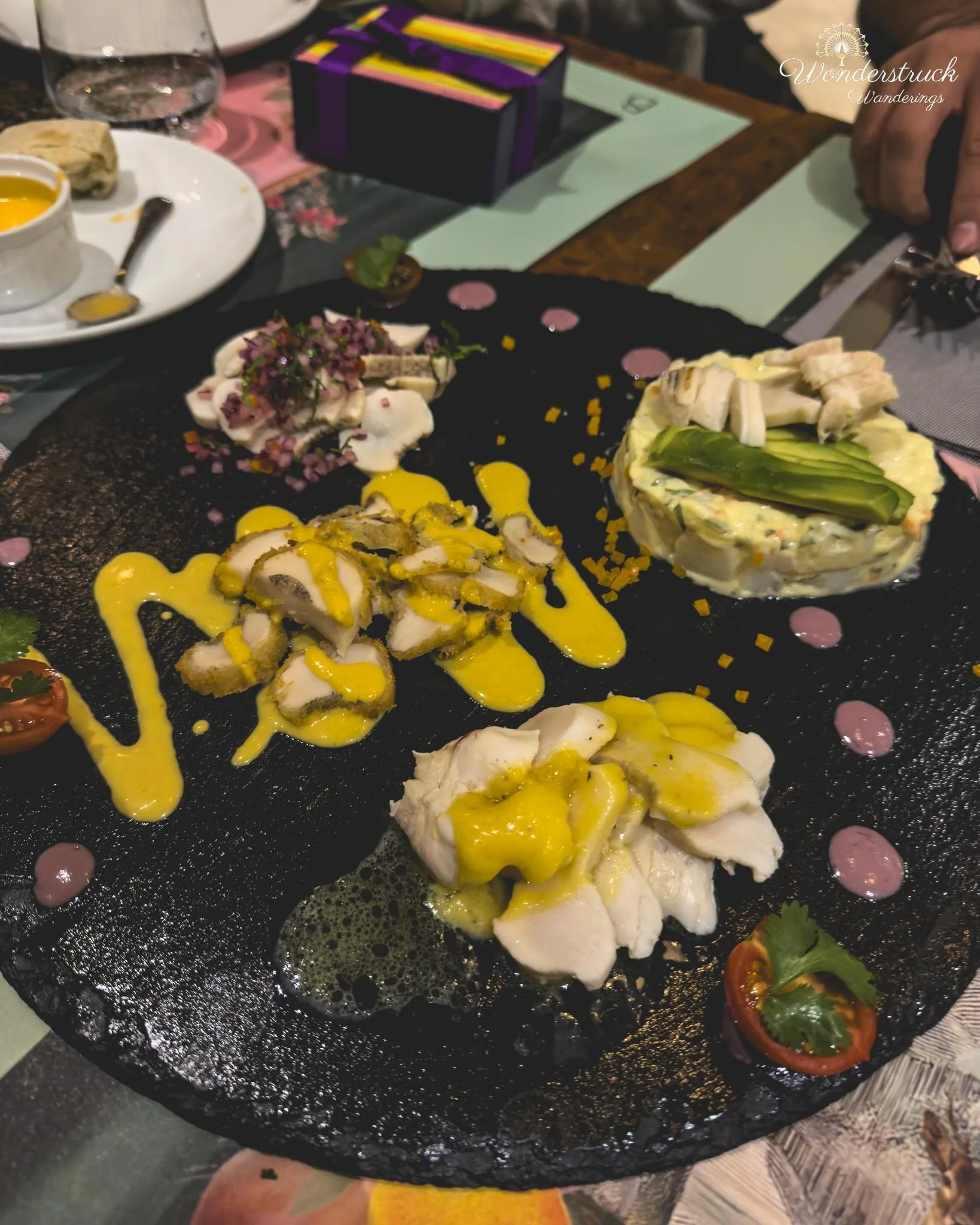
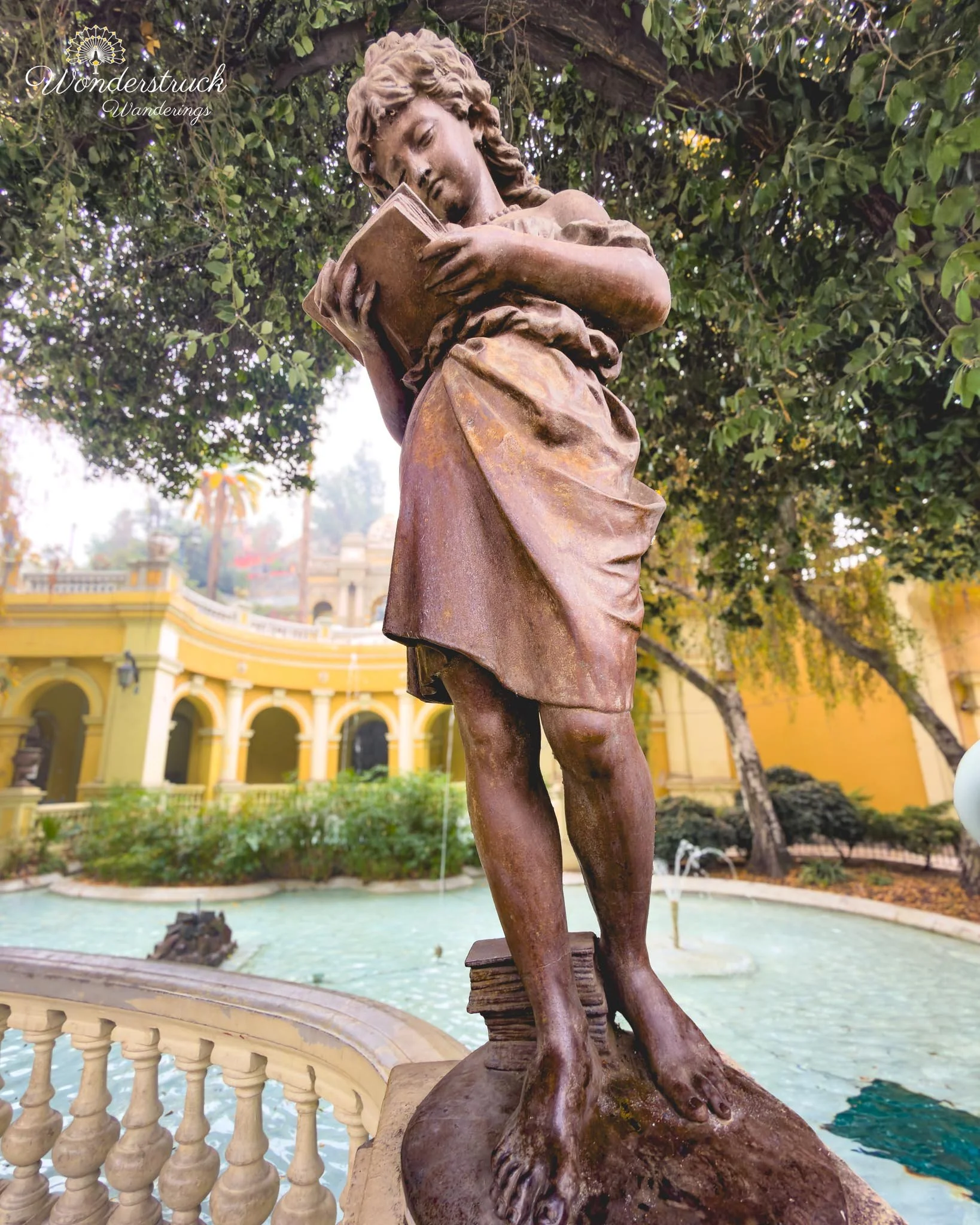
Our afternoon sightseeing began at Cerro Santa Lucía, the historic hill associated with Santiago's founding by Pedro de Valdivia in 1541. We explored its stone staircases, terraces, gardens, fountains, and viewpoints. Although the cloudy weather limited the city panoramas, the architecture and landscaped grounds made the visit worthwhile. At a nearby artisan market, we browsed Chilean handicrafts, including items representing Mapuche, Aymara, and Rapa Nui traditions, and purchased a few Mapuche wool pieces. From Santa Lucía, we walked through the commercial center toward Plaza de Armas, Santiago's historic main square. The surrounding Centro Histórico is filled with pedestrian shopping streets, older commercial buildings, department stores, and small businesses, offering a glimpse of everyday life in downtown Santiago. We examined the Pedro de Valdivia statue, the brass map details embedded in the pavement, and the surrounding historic architecture. The Metropolitan Cathedral was already closed when we arrived, so we admired its imposing façade from outside. We also browsed Creado en Chile before returning toward Vitacura, with another specialty coffee stop at Puelo Coffee Roasters. This independent Santiago roaster focuses on carefully sourced and roasted beans, offering espresso, filter coffee, and freshly roasted coffee to take home, making it a worthwhile stop for specialty coffee enthusiasts.
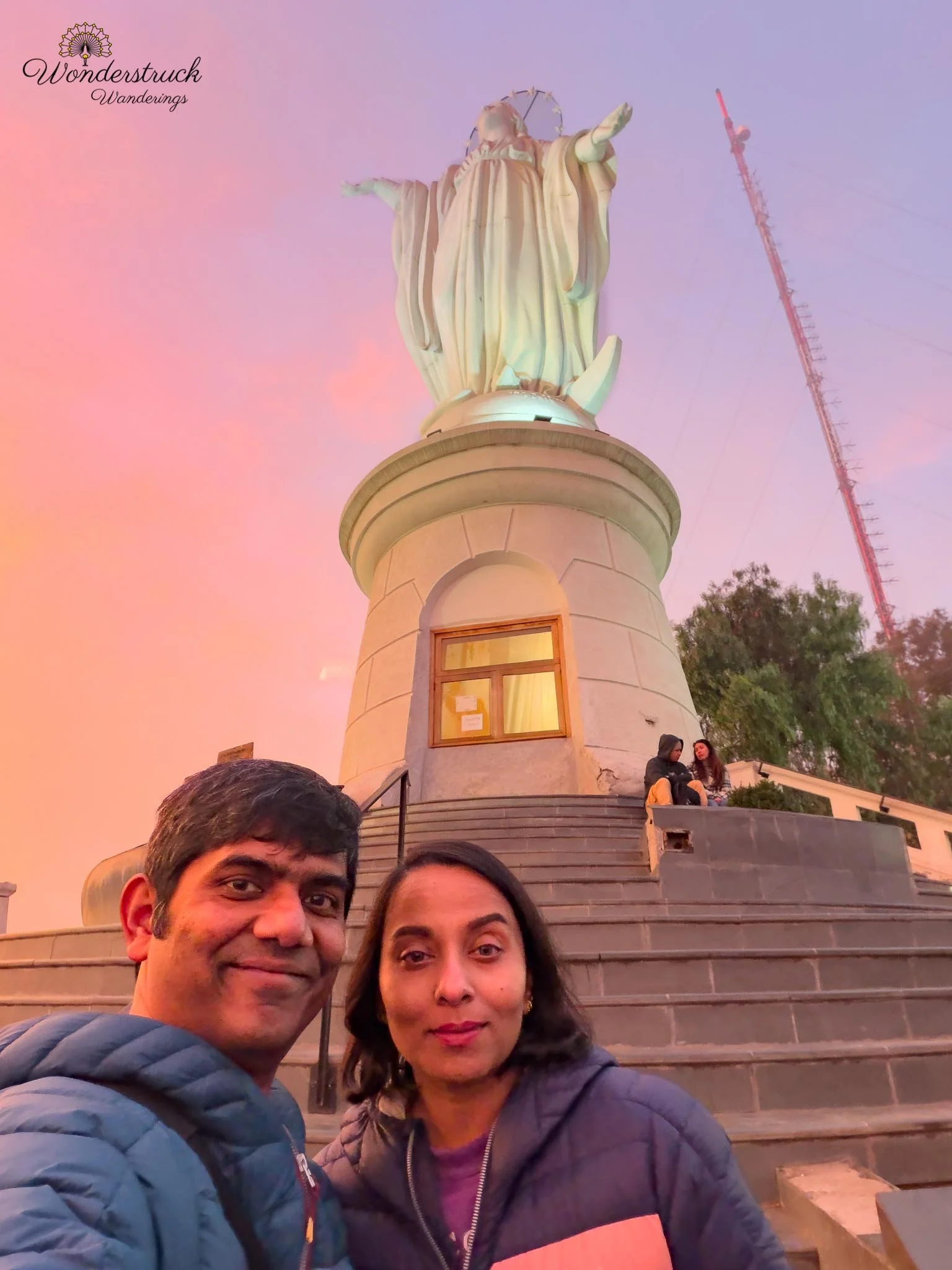
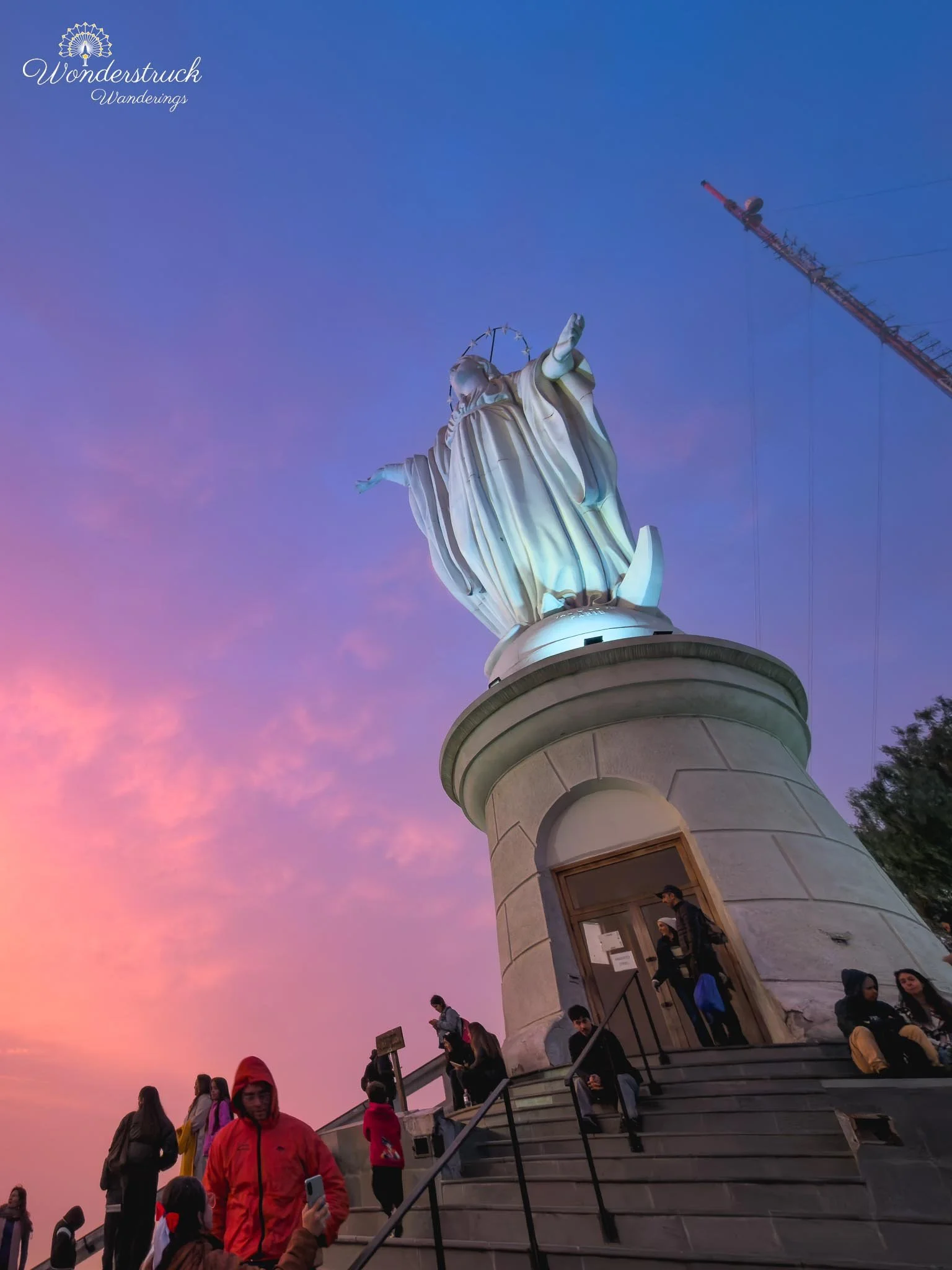
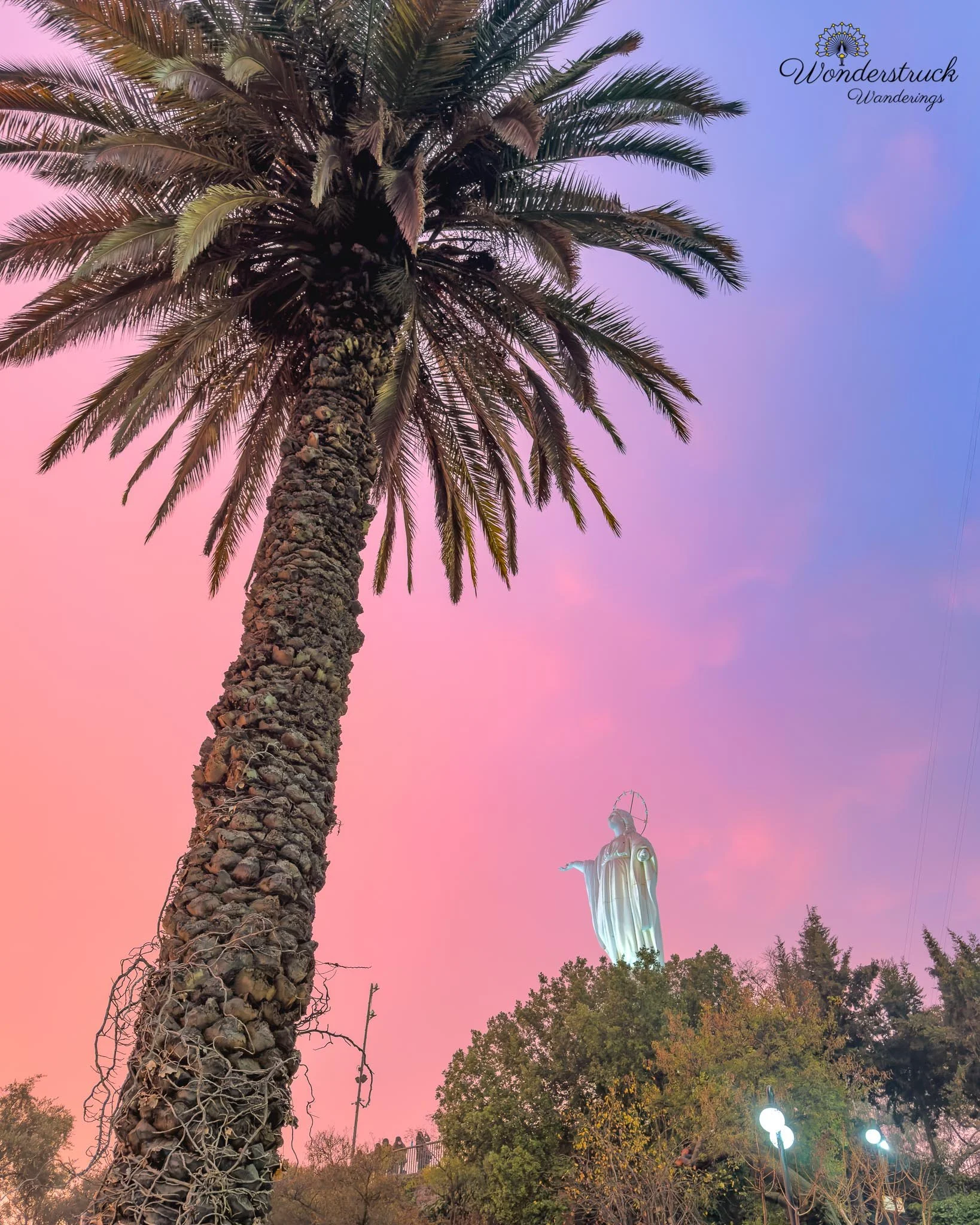
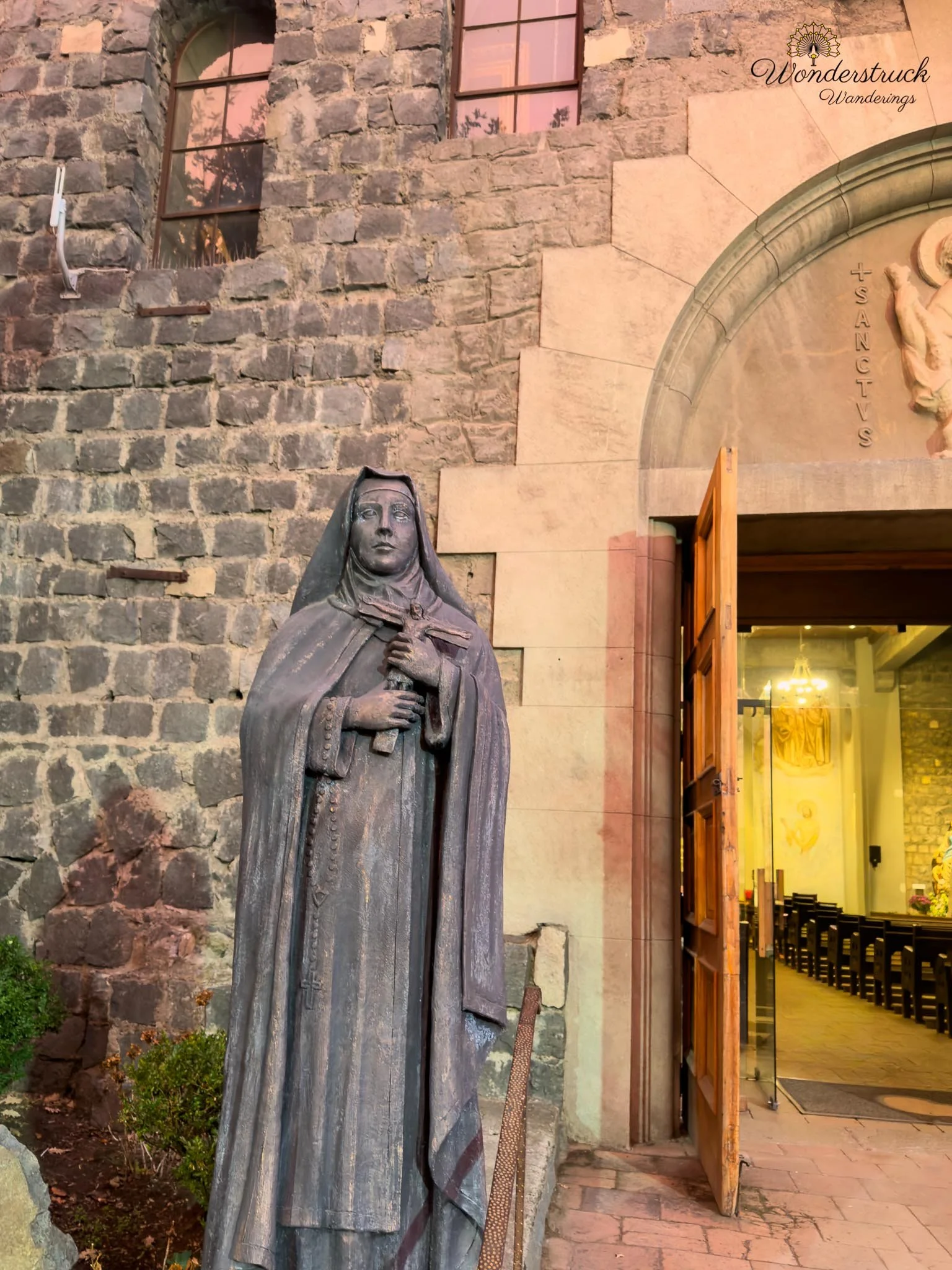
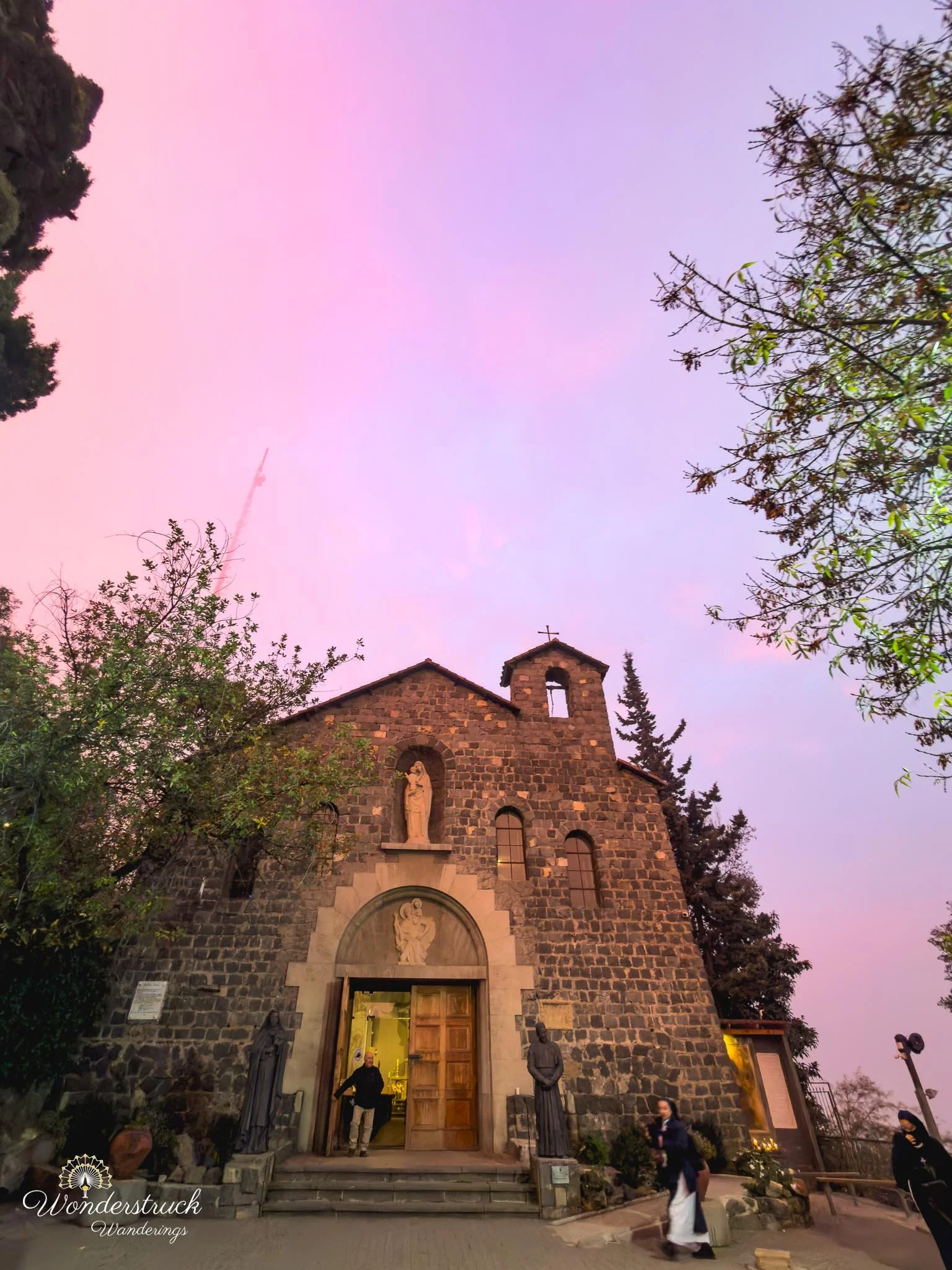
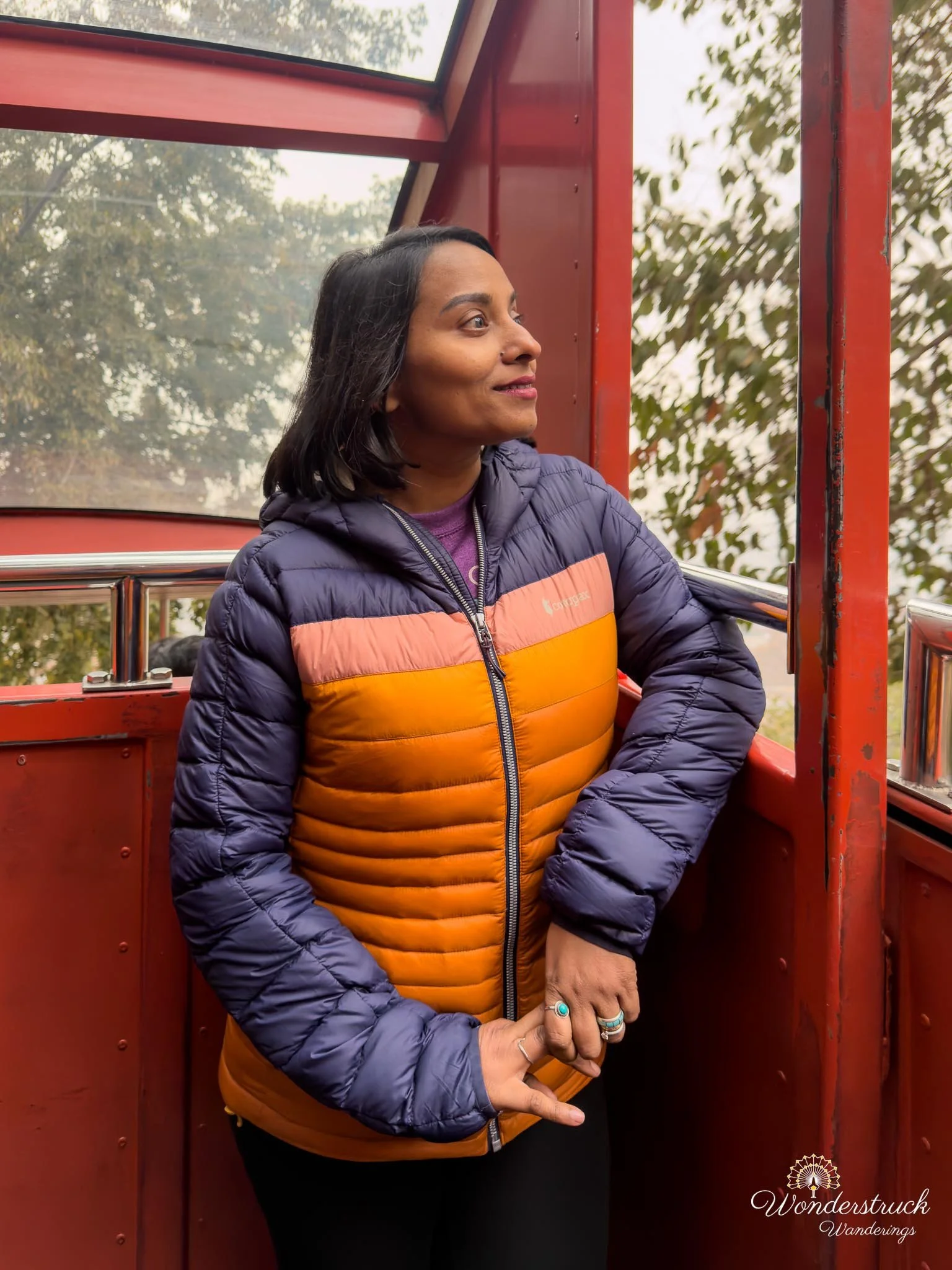
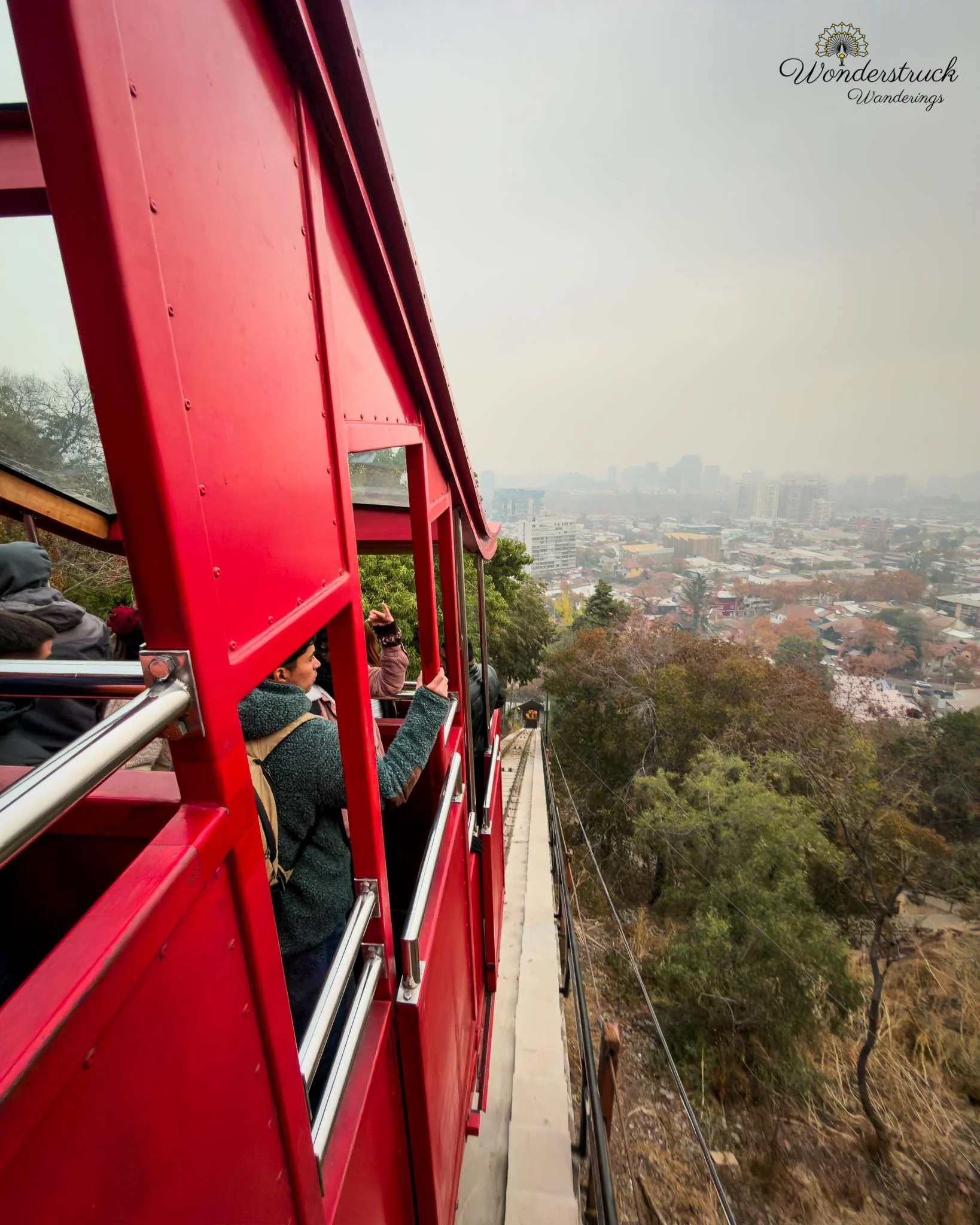
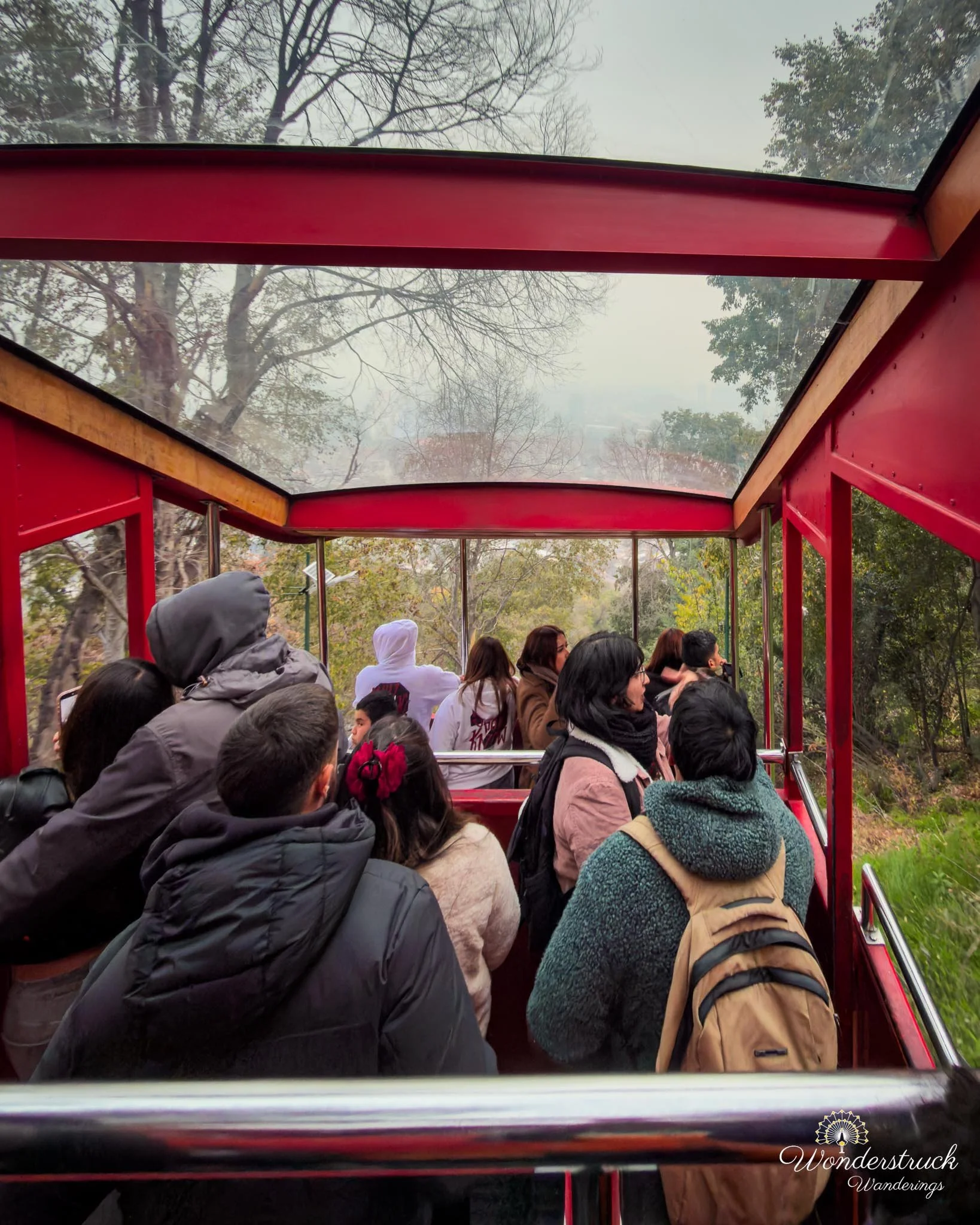
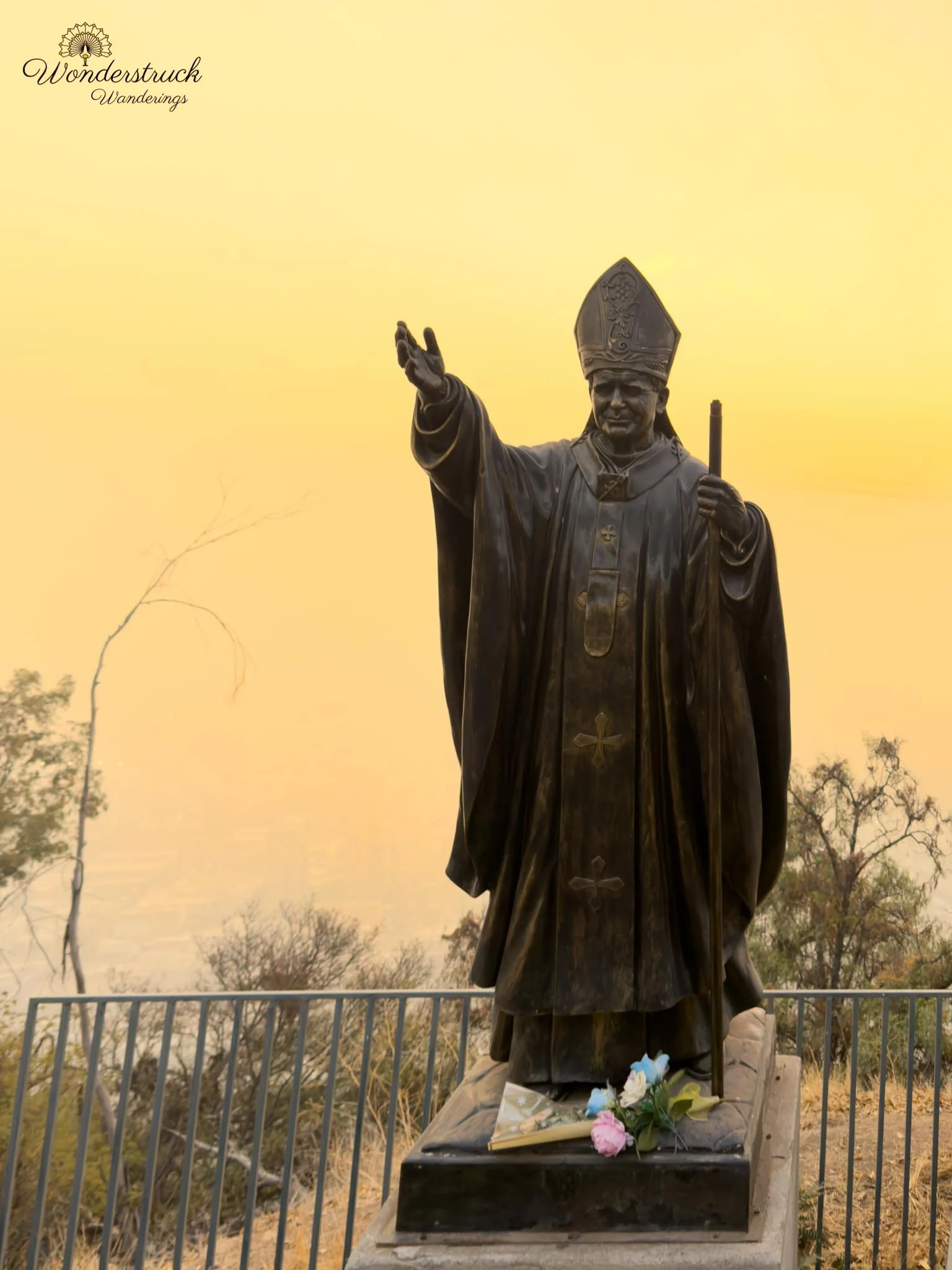
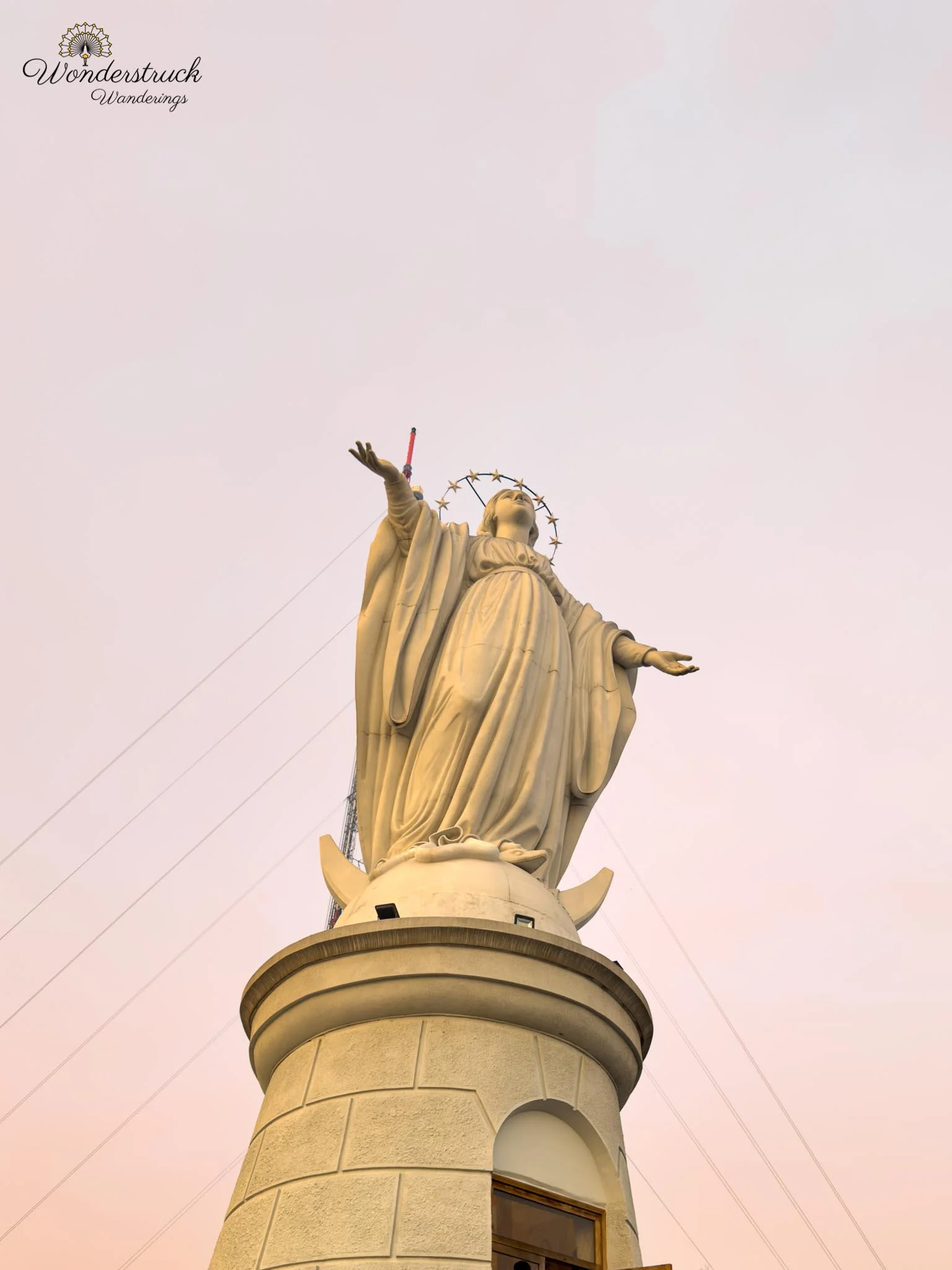
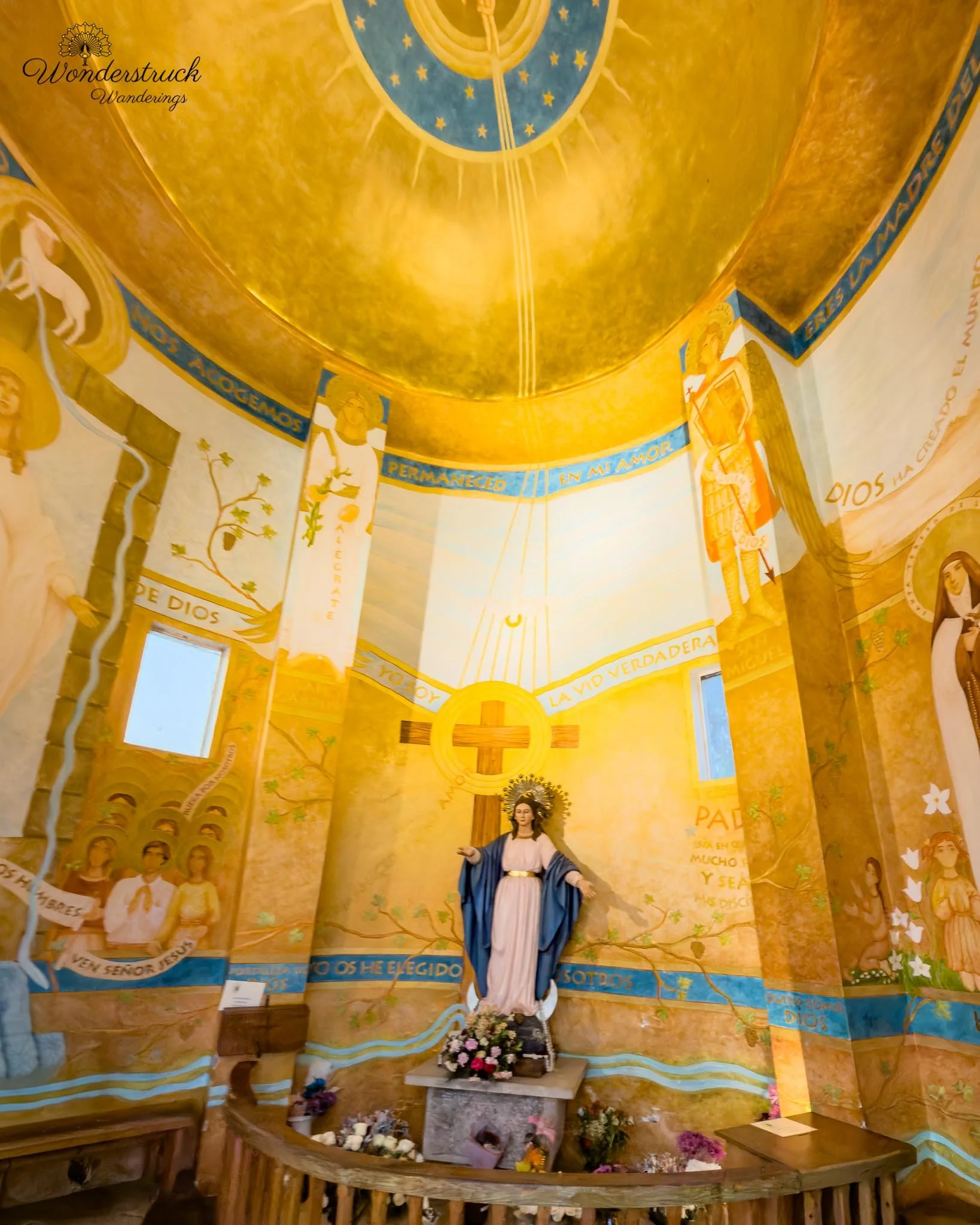
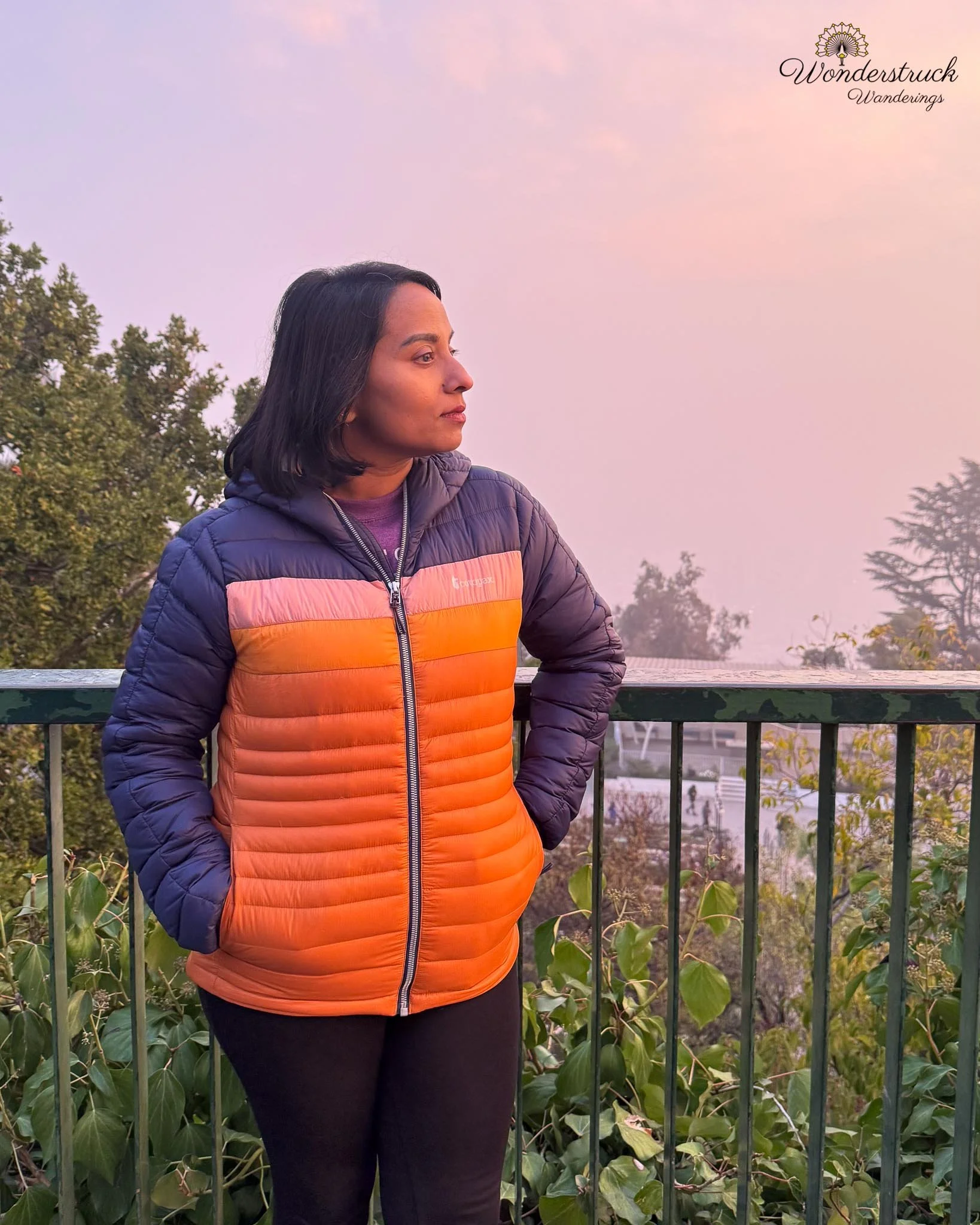
Despite the persistent cloud cover, we decided to attempt sunset at Cerro San Cristóbal, our only opportunity before leaving Santiago. We took an Uber to the Pío Nono entrance and rode the historic funicular up through Parque Metropolitano. At the summit, we explored the terraces and sanctuary surrounding the large white statue of the Virgin Mary. For a while, the city remained hidden in haze, but the clouds gradually thinned, revealing sections of the snow-covered Andes and a soft golden glow around the summit. A Chimango Caracara near the top added another birding highlight. Together with our earlier sightings of Picui Ground Dove and Austral Thrush, it brought our first-day lifer count to three. We descended by the Teleférico de Santiago, enjoying aerial views of the park, surrounding hillsides, and city as evening approached. Taking the funicular up and cable car down was a particularly good combination, offering two different perspectives of Santiago's best-known hill. We returned to Hotel Bidasoa for dinner with friends, grateful that we did not need to travel across the city again after such a long day. Despite the overnight flight and less-than-promising weather, we had managed to combine Santiago's food and coffee scene, historic landmarks, local crafts, birding, and sunset photography. Our first day ended with four bird species recorded, including three lifers, and a full introduction to Santiago before the next morning's flight to Calama and the beginning of our Atacama Desert road trip. Read more on Daily Diaries.
Day 2- Calama to San Pedro, Chiu Chiu, Pukará de Lasana and Valle de la Luna
-
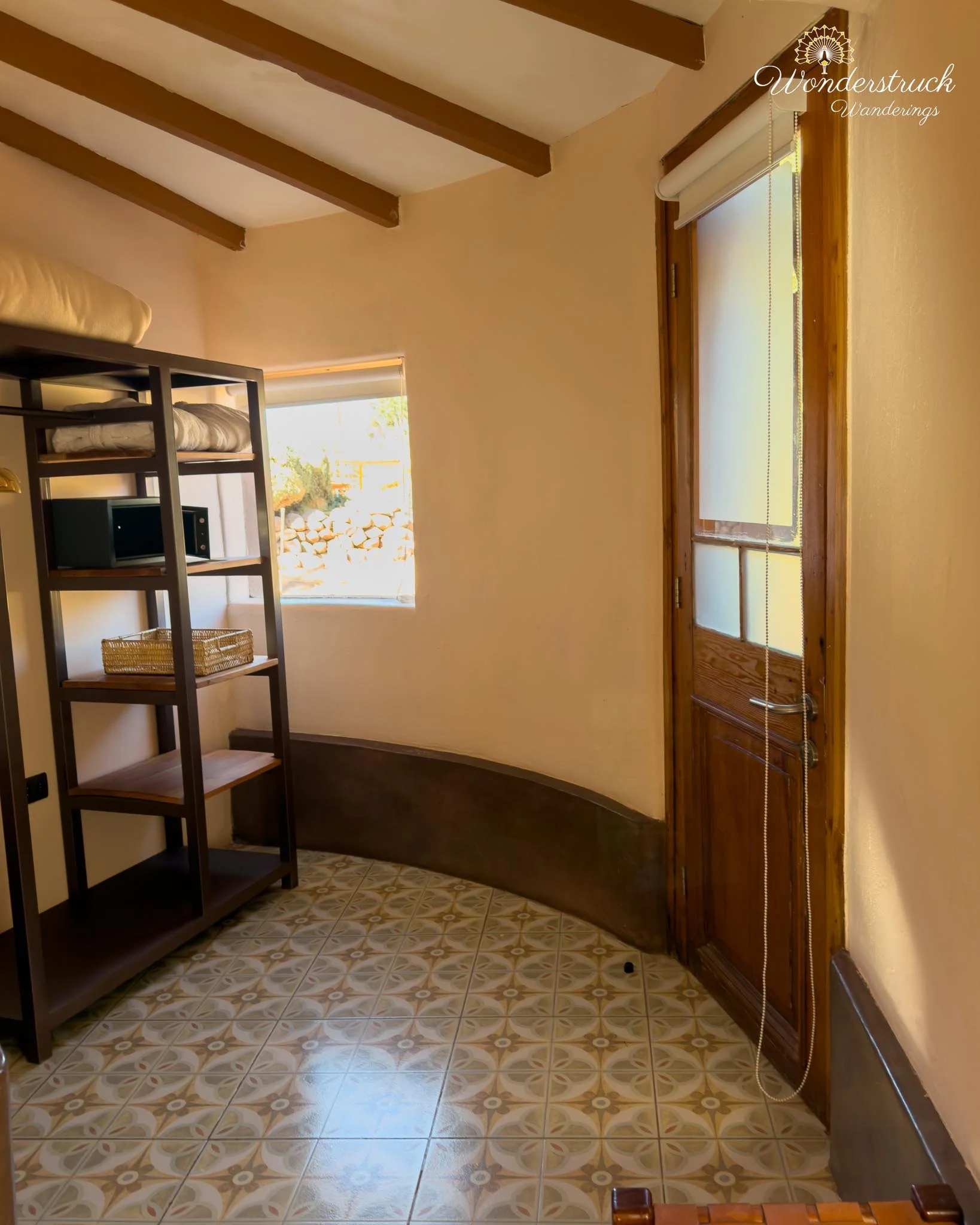
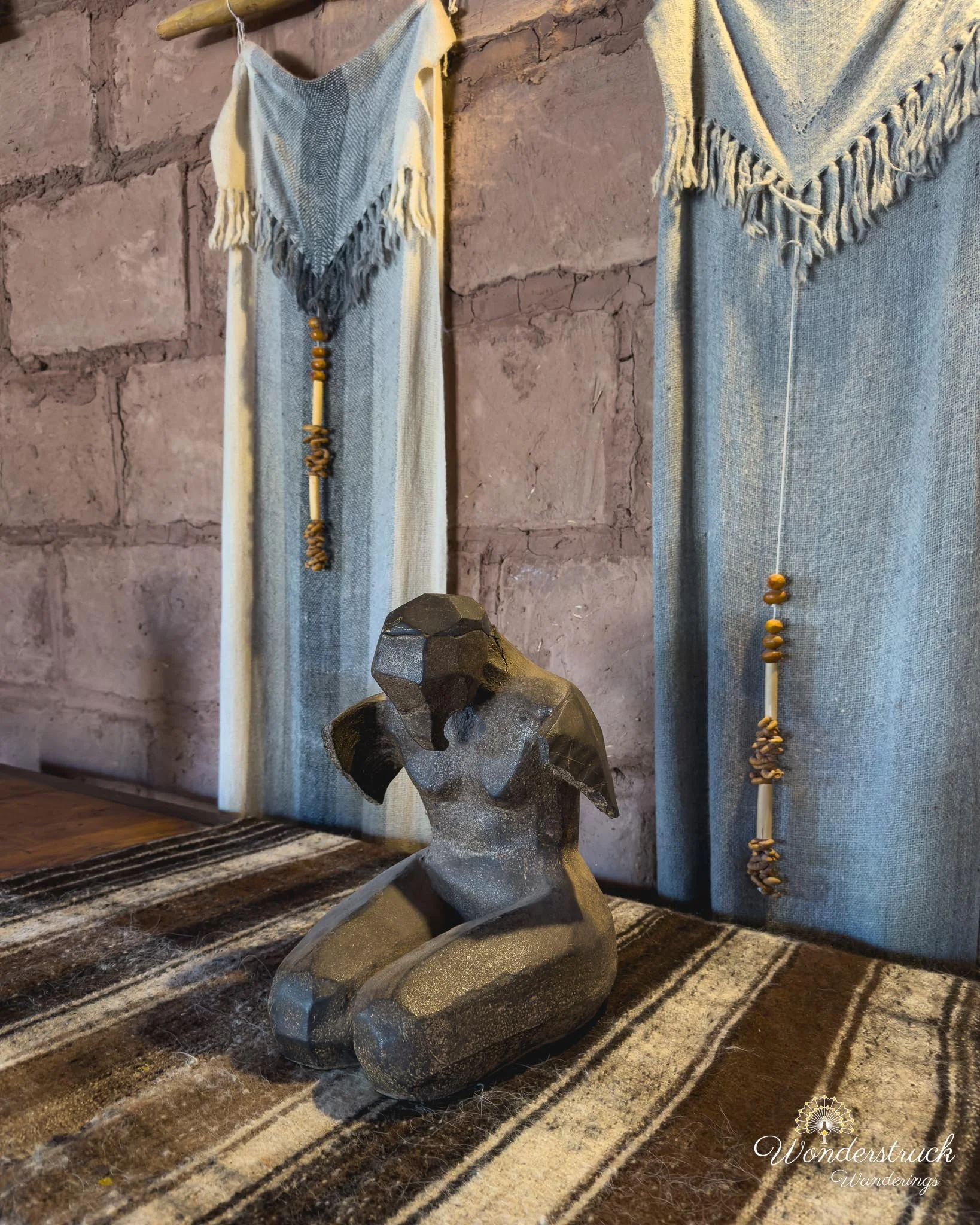
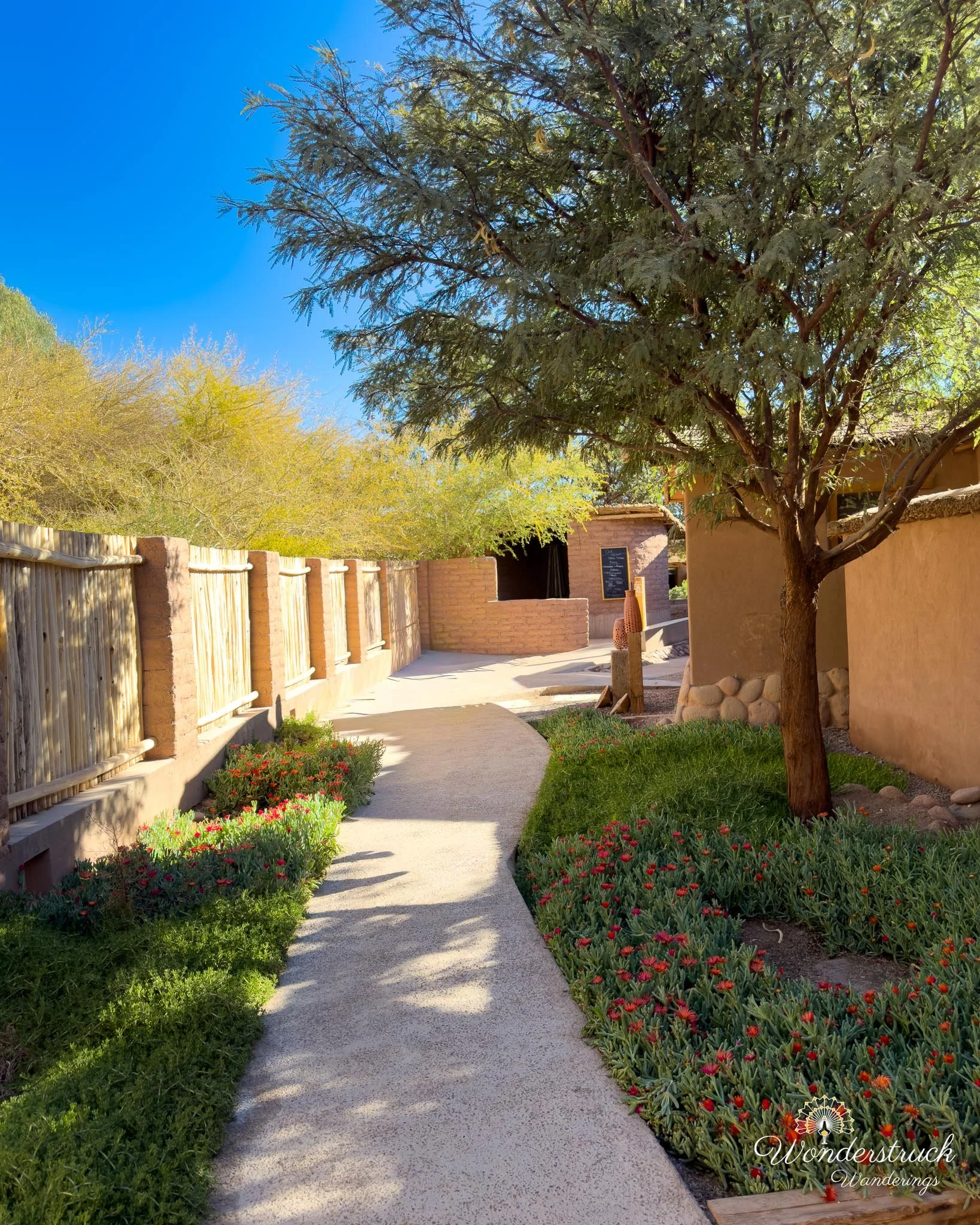
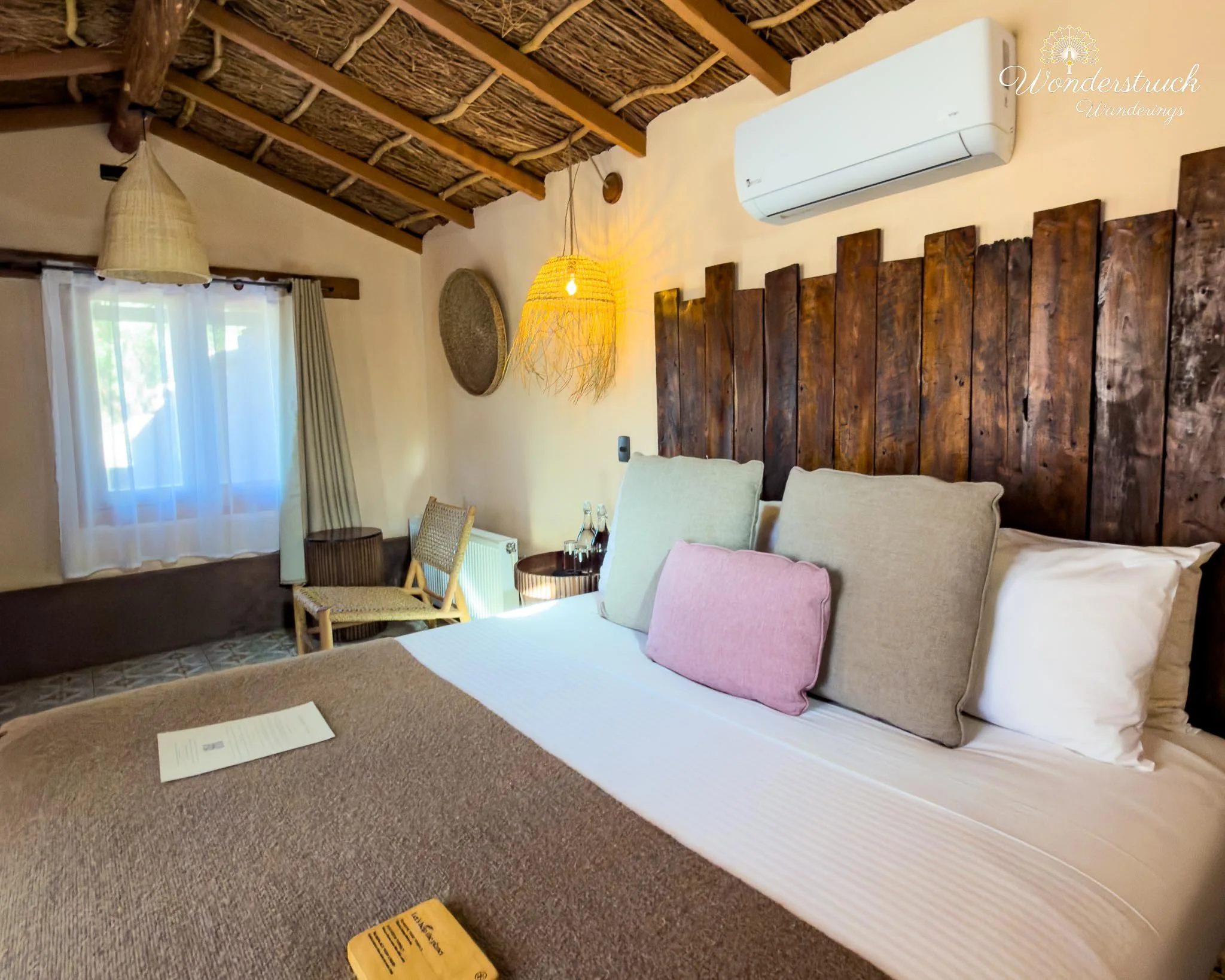
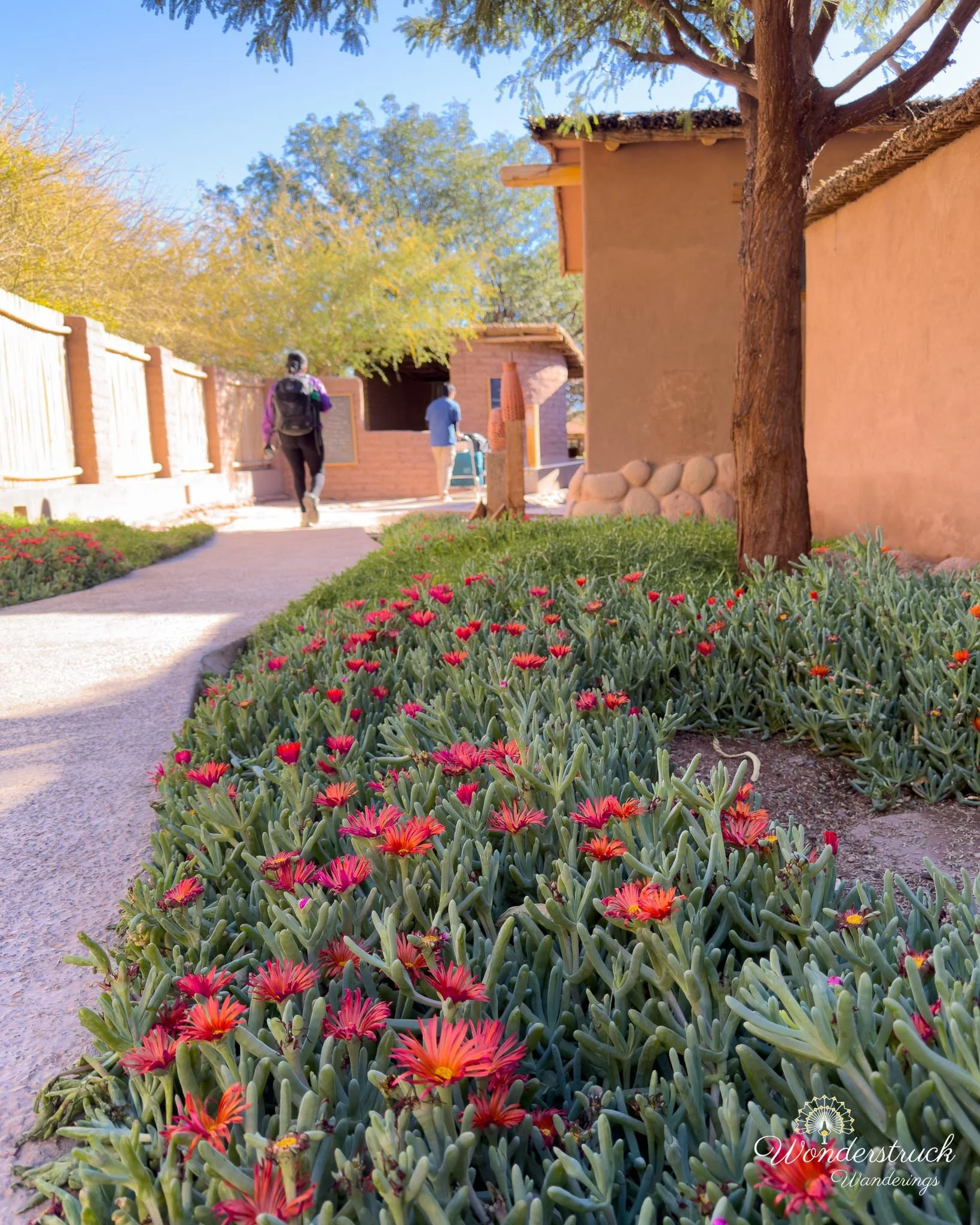
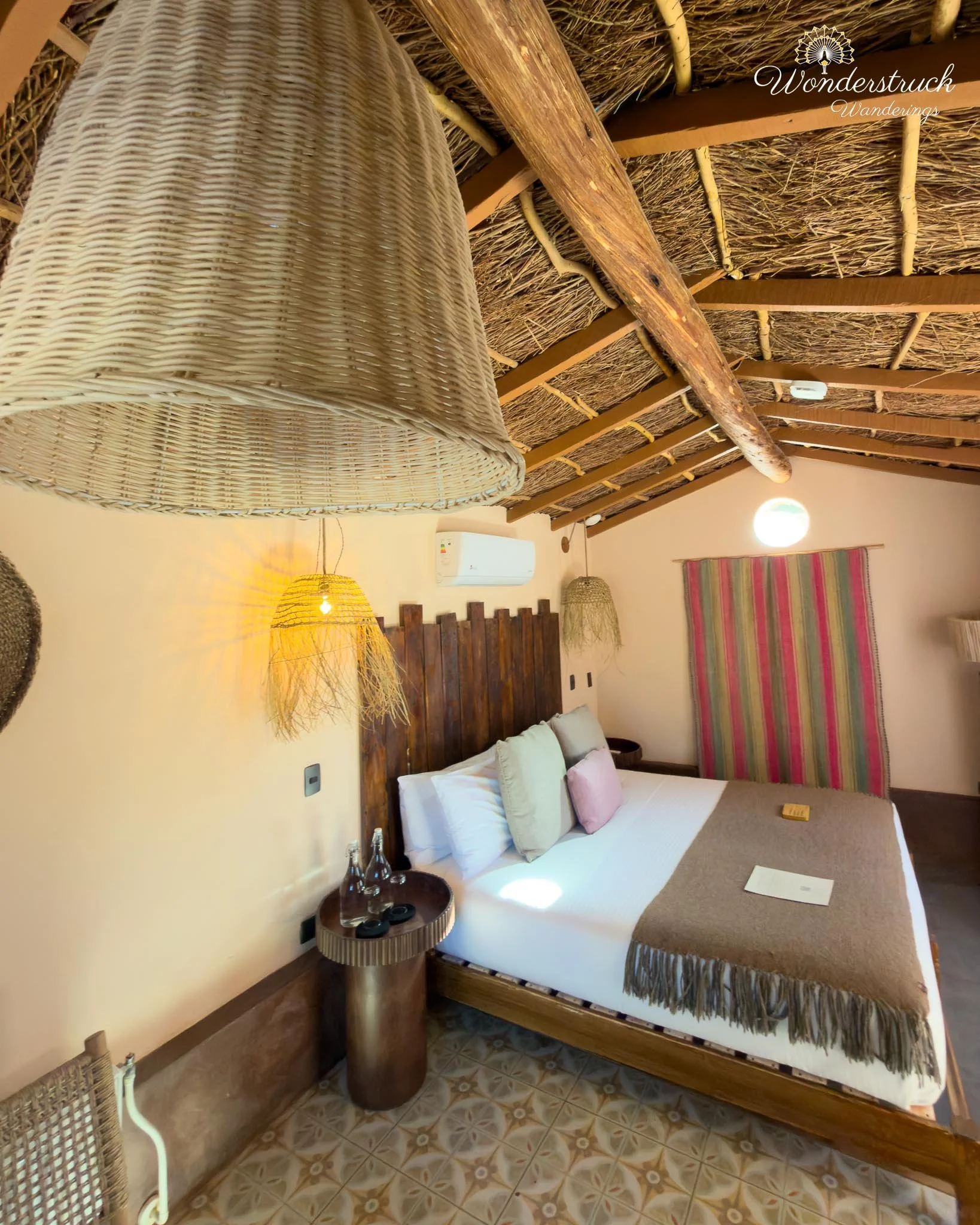
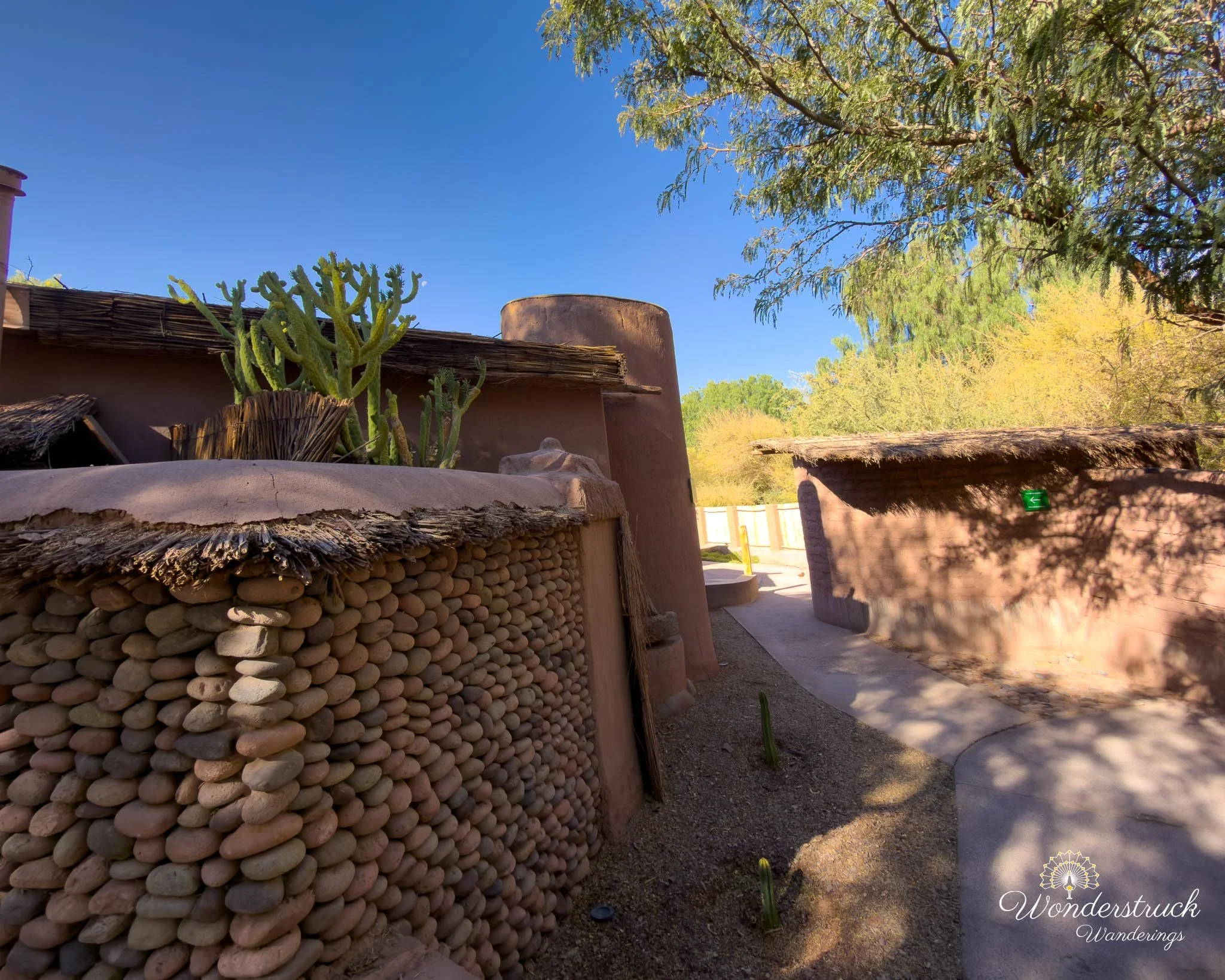
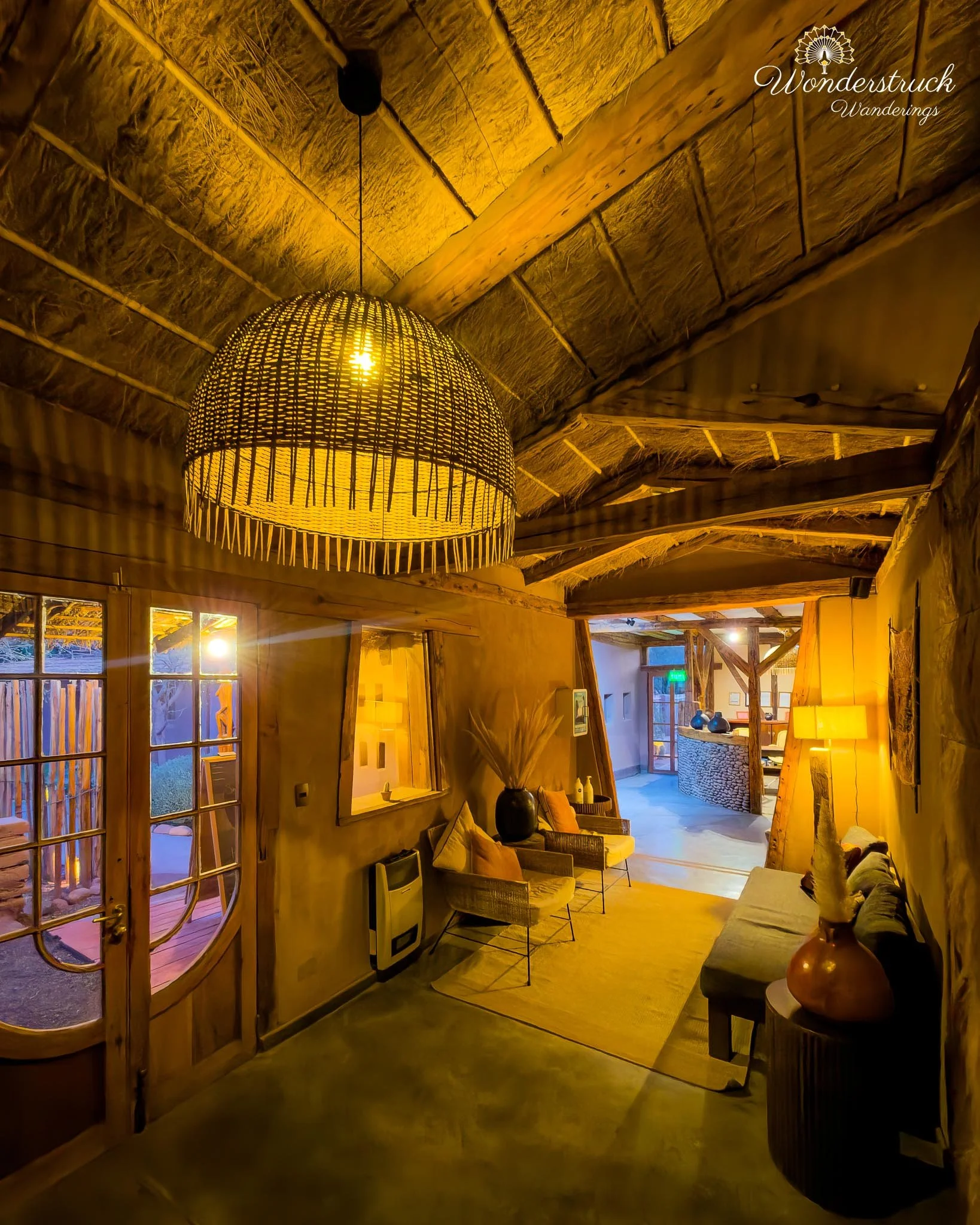
Our Habitas Atacama, San Pedro de Atacama – Our base for five nights. Desert-inspired accommodation with adobe-style architecture, local textiles, pool, gardens, communal spaces, and an on-site restaurant, within walking distance of town.
-
Breakfast – Packed by Hotel Bidasoa: A takeaway breakfast prepared by the hotel for our early flight, including sandwiches, fresh fruit, and fruit juice. Convenient for travelers departing before regular breakfast hours.
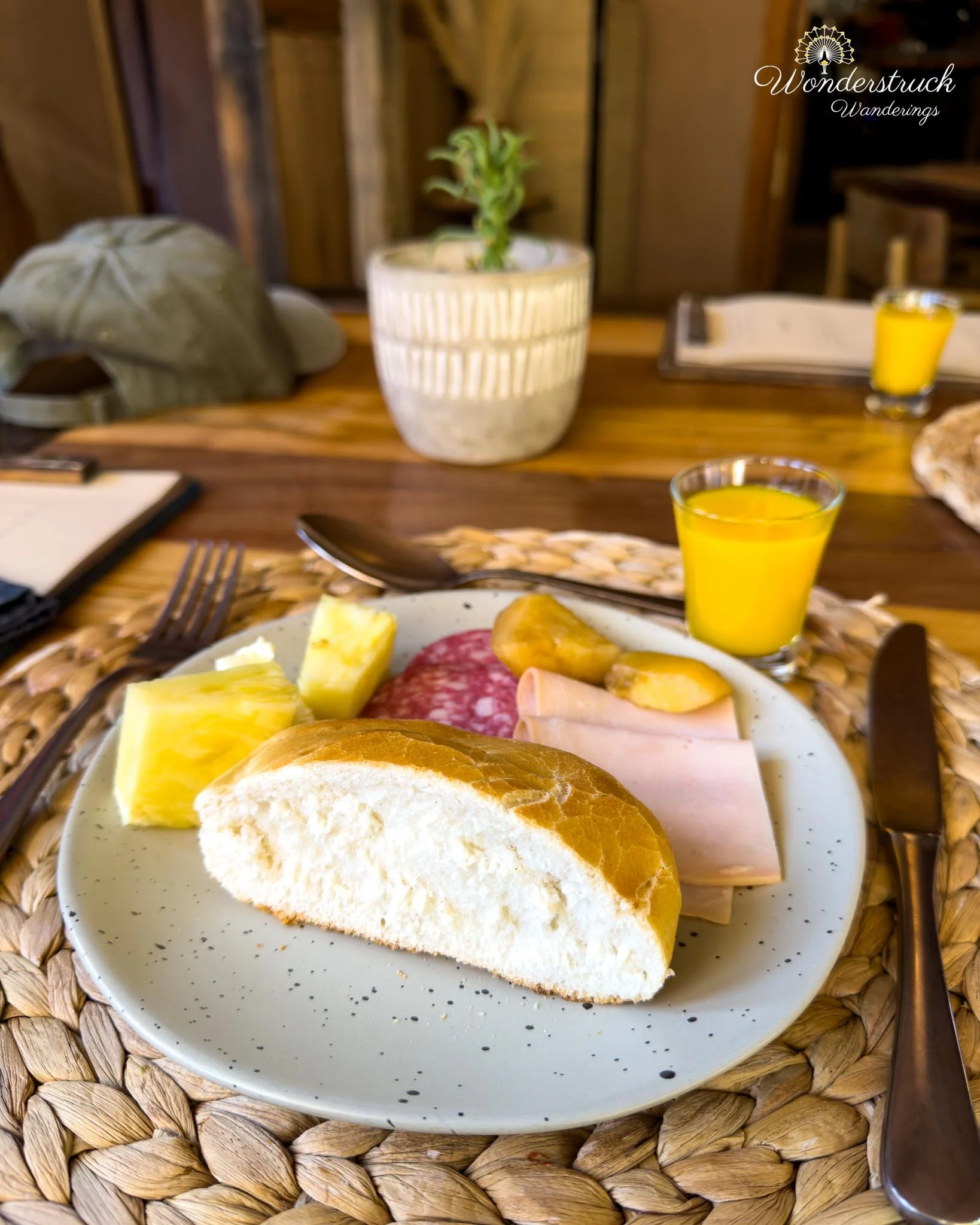
Lunch-Roadside Picnic: A simple lunch of local Chilean bread with sliced sausages and local cheese, along with snacks purchased at Líder supermarket in Calama. We enjoyed it along the drive through Chiu Chiu and Lasana toward San Pedro de Atacama.
Lunch – Sanguchón, Calama (Suggested Alternative): A family-run restaurant serving traditional Chilean home cooking, including cazuela, porotos, paila marina, and generous daily lunch menus. A good option for an authentic local meal before driving toward Chiu Chiu and Lasana.
Snacks and Supplies – Líder, Calama: A large supermarket offering fresh bread, fruit, sandwiches, bottled water, snacks, and groceries. A practical stop for stocking up before several days of self-driving and early-morning excursions in the Atacama.
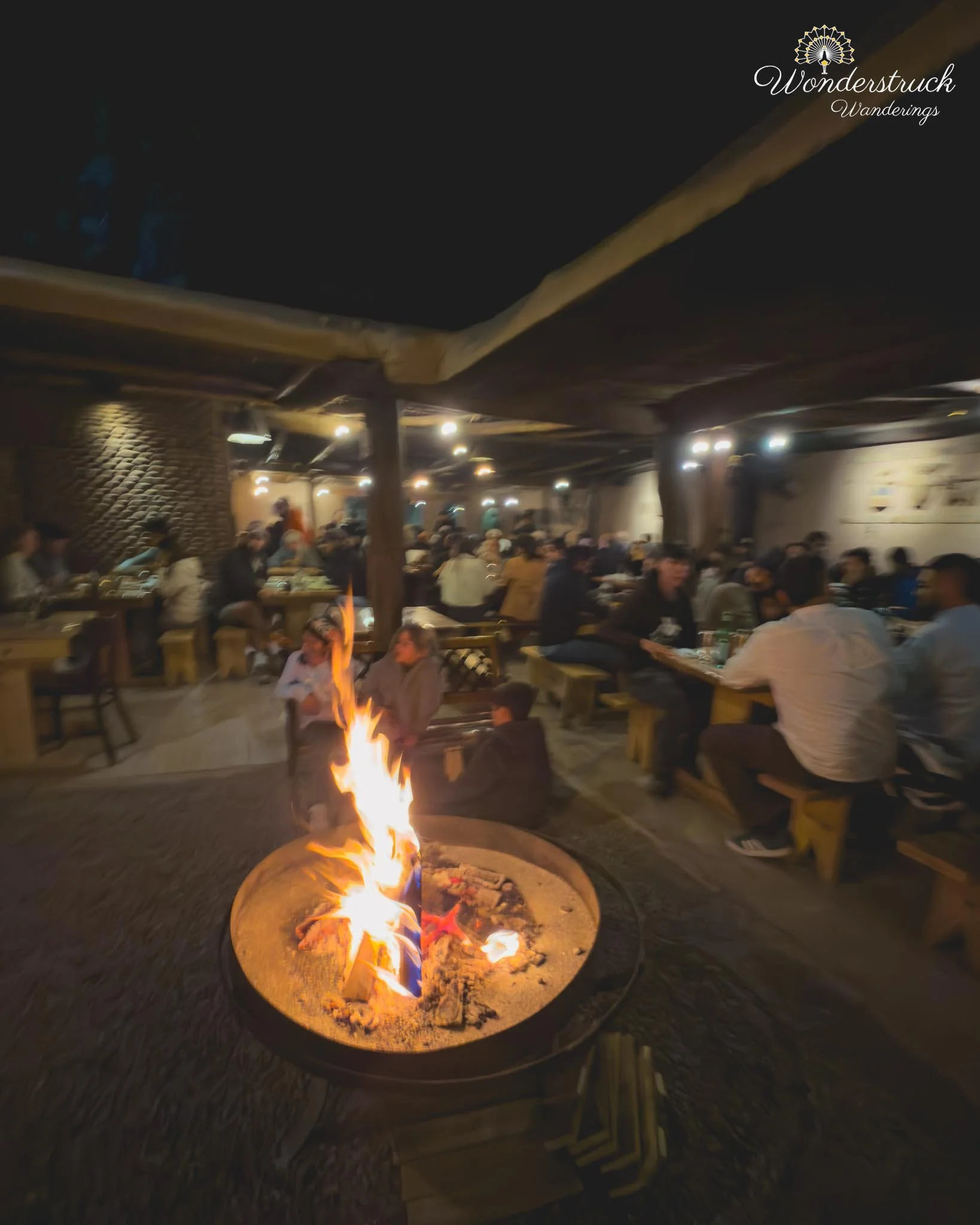
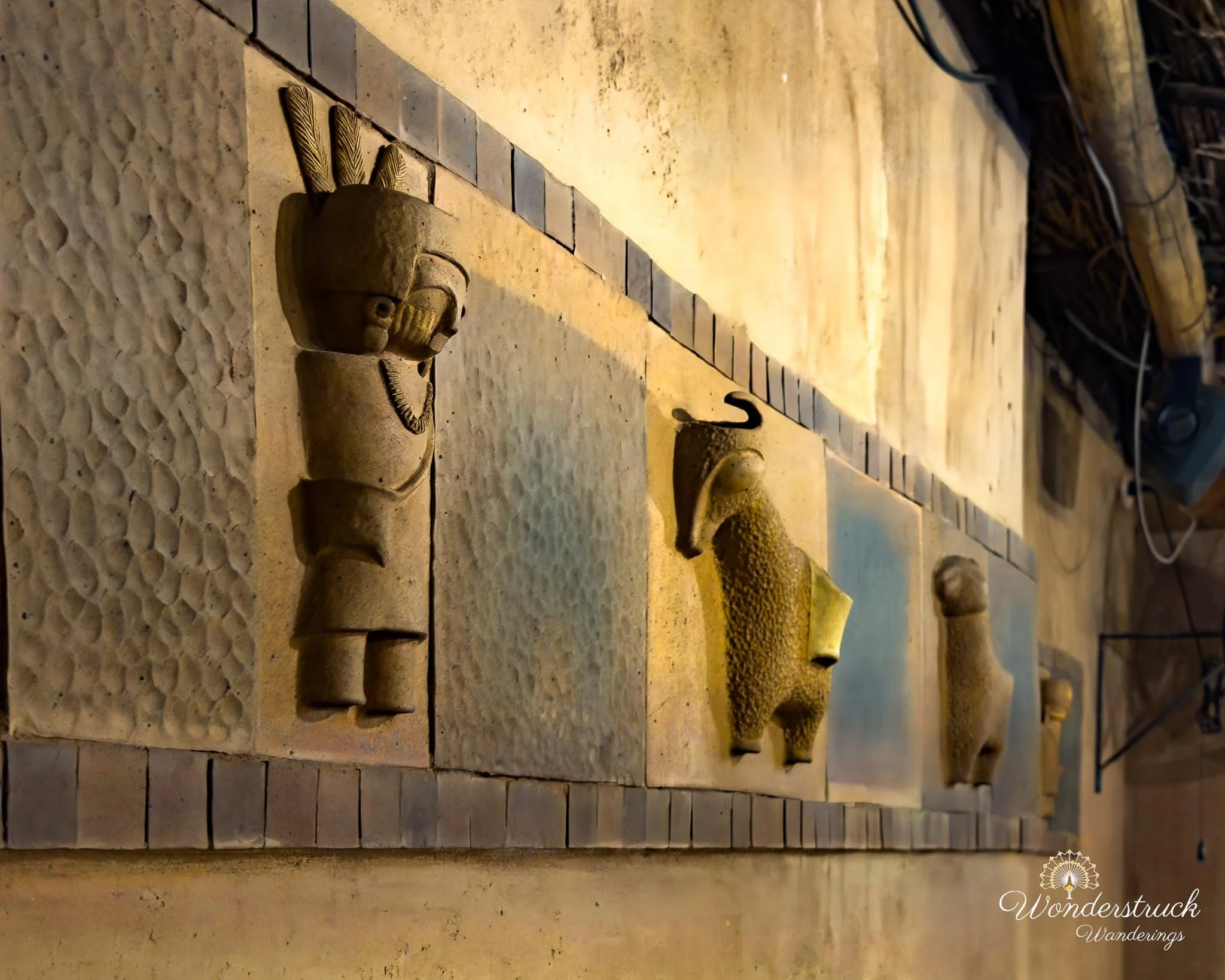
Dinner – Café Adobe, San Pedro de Atacama: A popular restaurant on Caracoles Street, known for its open-air courtyard, central firepit, rustic adobe setting, and Chilean-international cuisine incorporating regional ingredients.
-
Chiu Chiu: Historic oasis village along the Río Loa, known for the 17th-century Iglesia de San Francisco de Chiu Chiu, one of Chile's oldest surviving churches. Its adobe construction reflects the region's colonial and Indigenous heritage.
Pukará de Lasana: Pre-Hispanic fortified settlement overlooking the Río Loa canyon, featuring stone-built dwellings, narrow passageways, defensive walls, and ruins associated with the Atacameño culture.
San Pedro de Atacama: Desert town known for adobe architecture, dusty streets, artisan markets, restaurants, and tour operators. Caracoles is the main street for dining, shopping, and booking excursions.
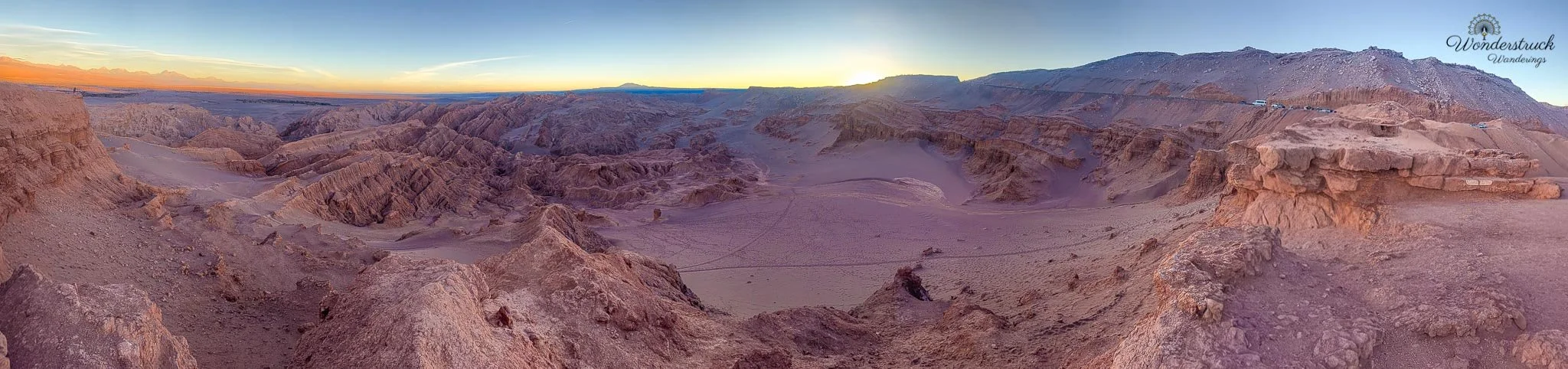
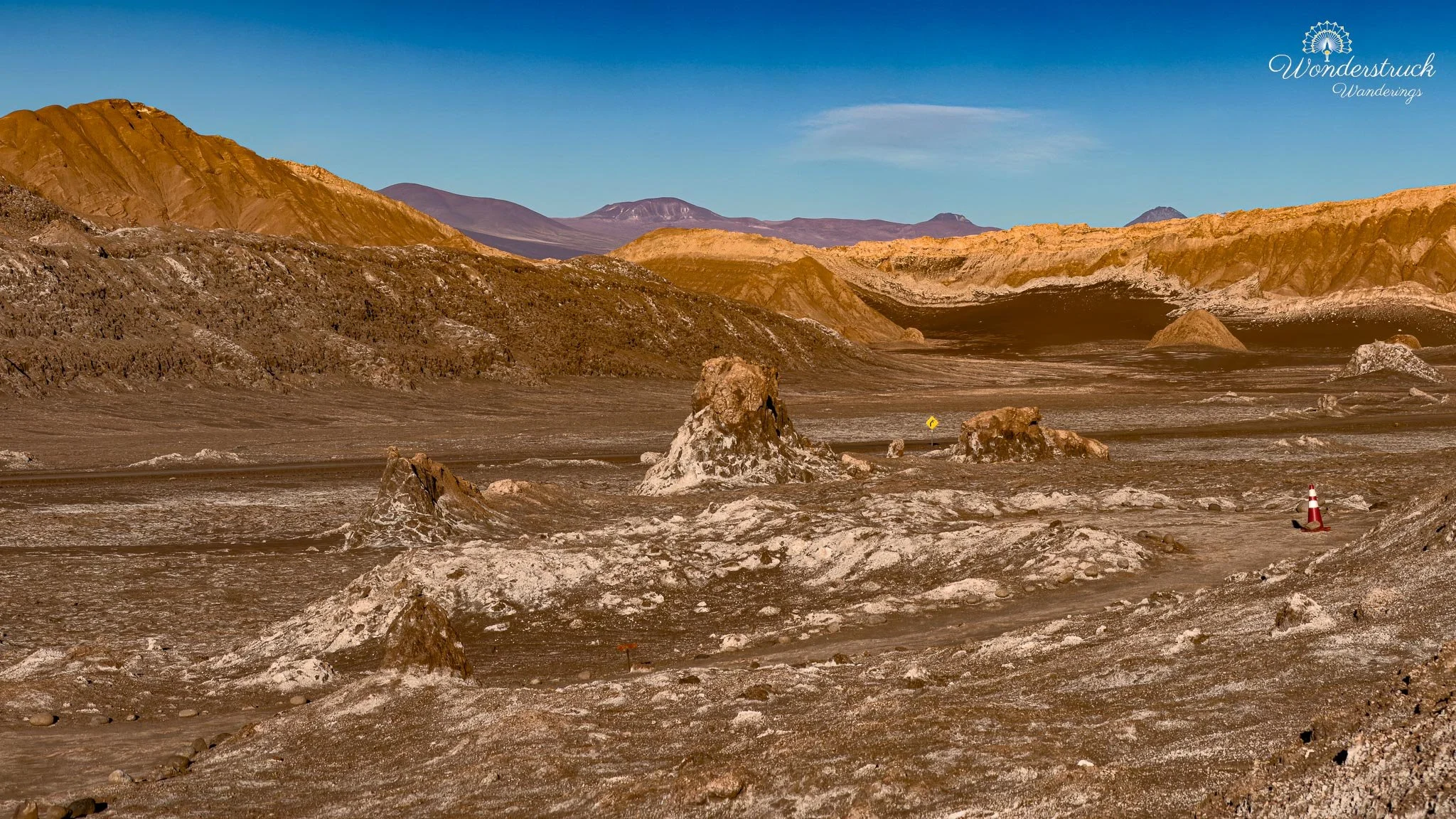
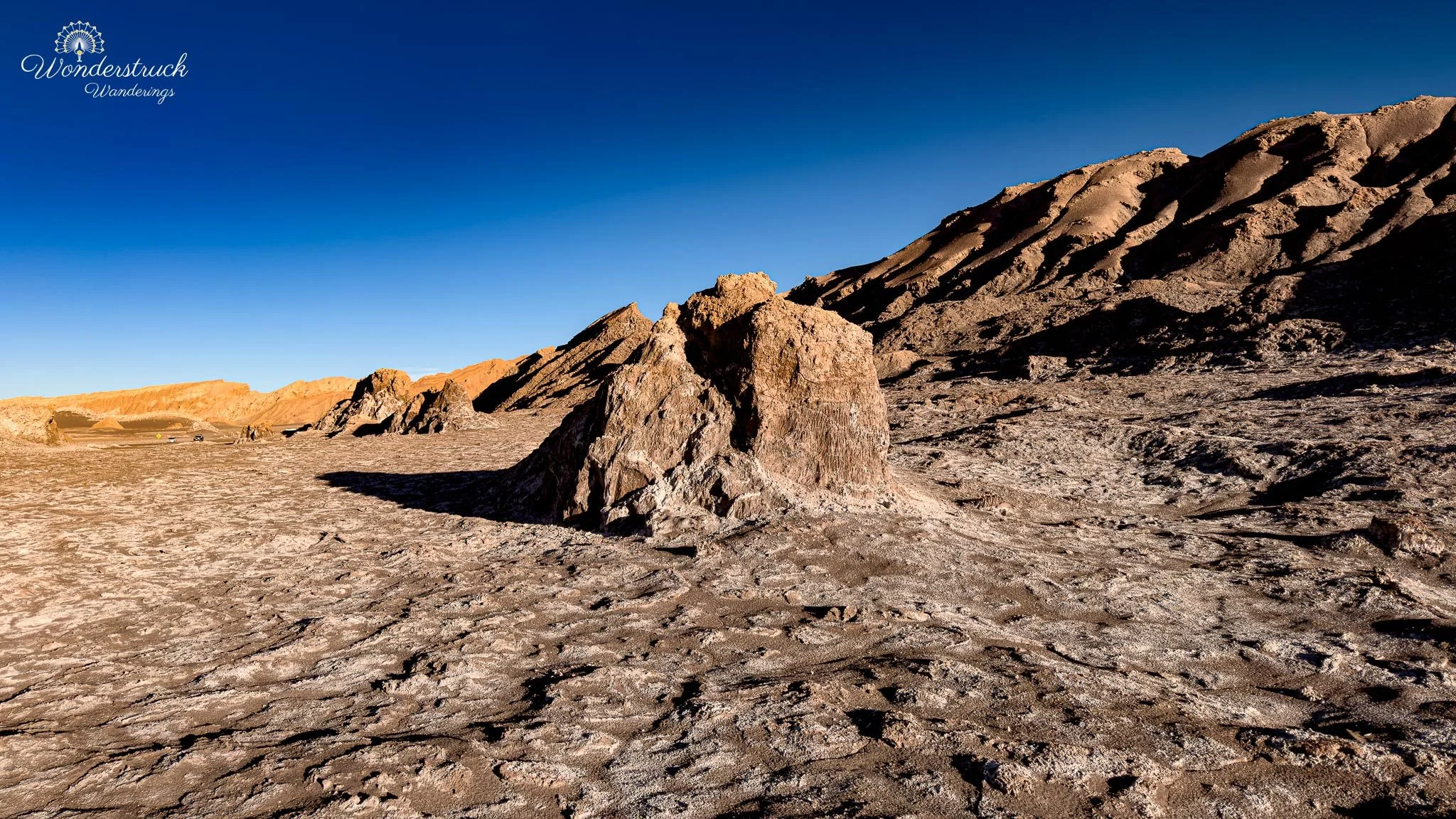
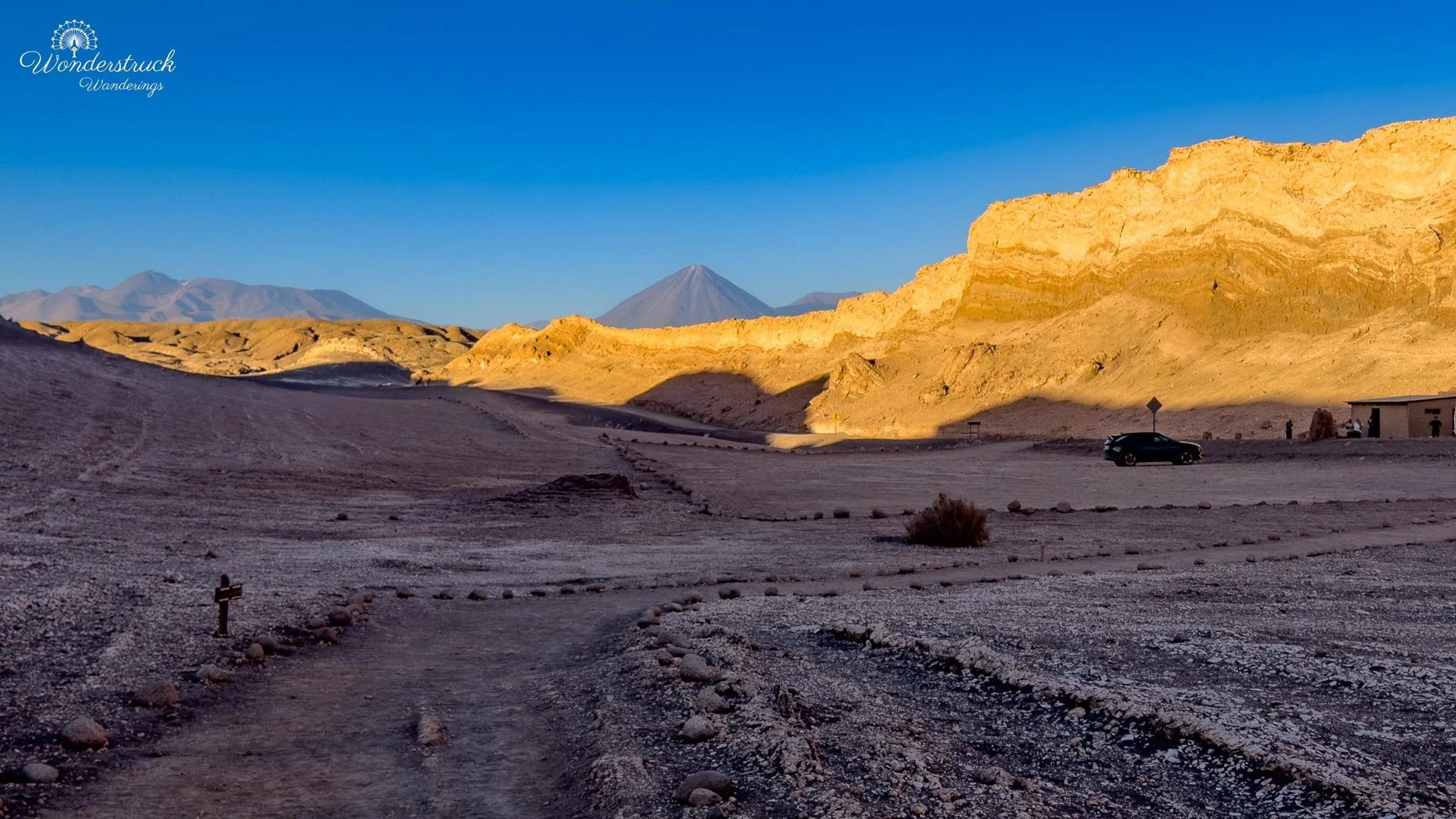
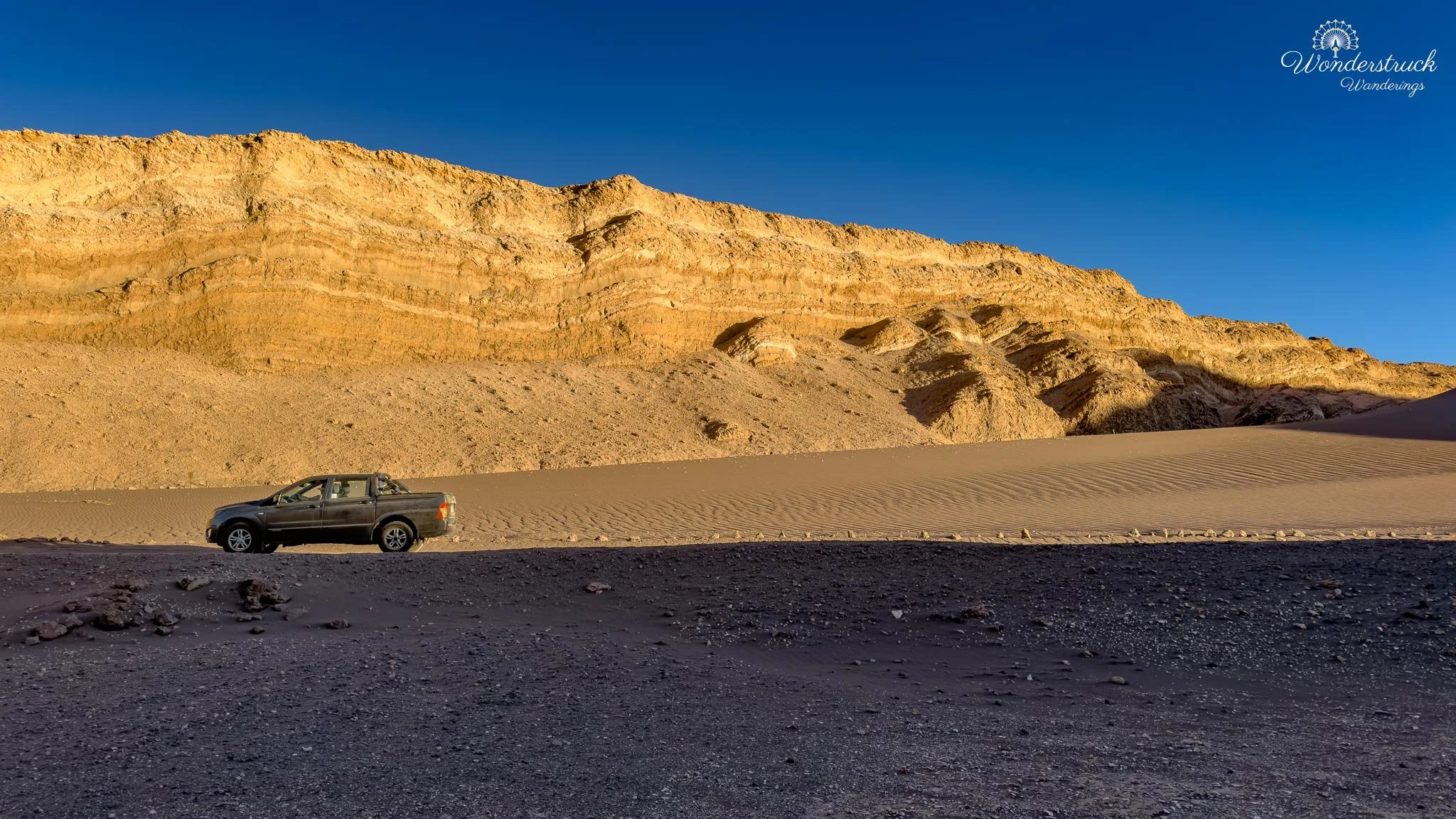
Valle de la Luna: A protected landscape within the Cordillera de la Sal, approximately 15 kilometers from San Pedro, featuring salt ridges, clay formations, sand dunes, and volcanic panoramas. The principal attractions include:
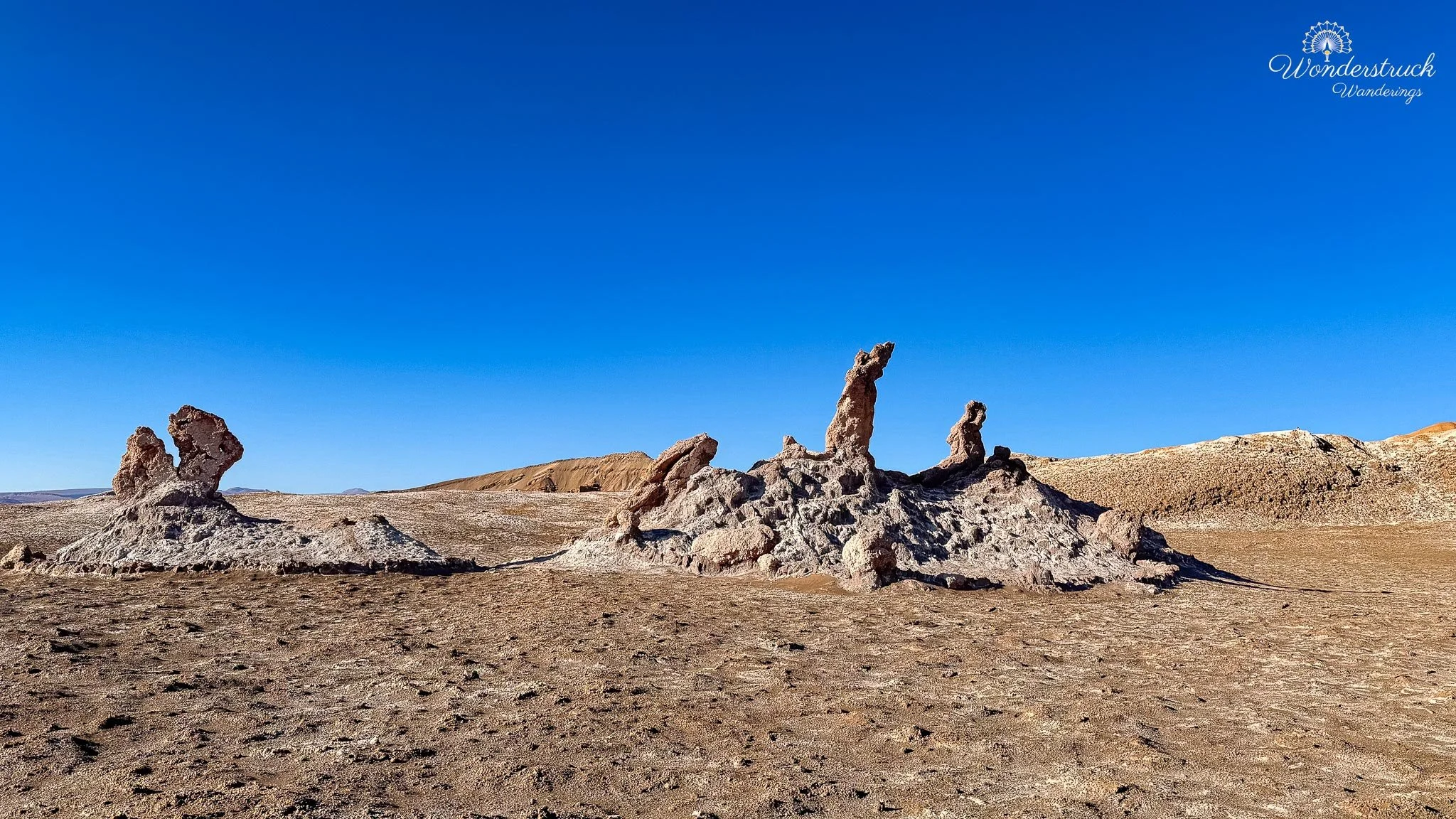
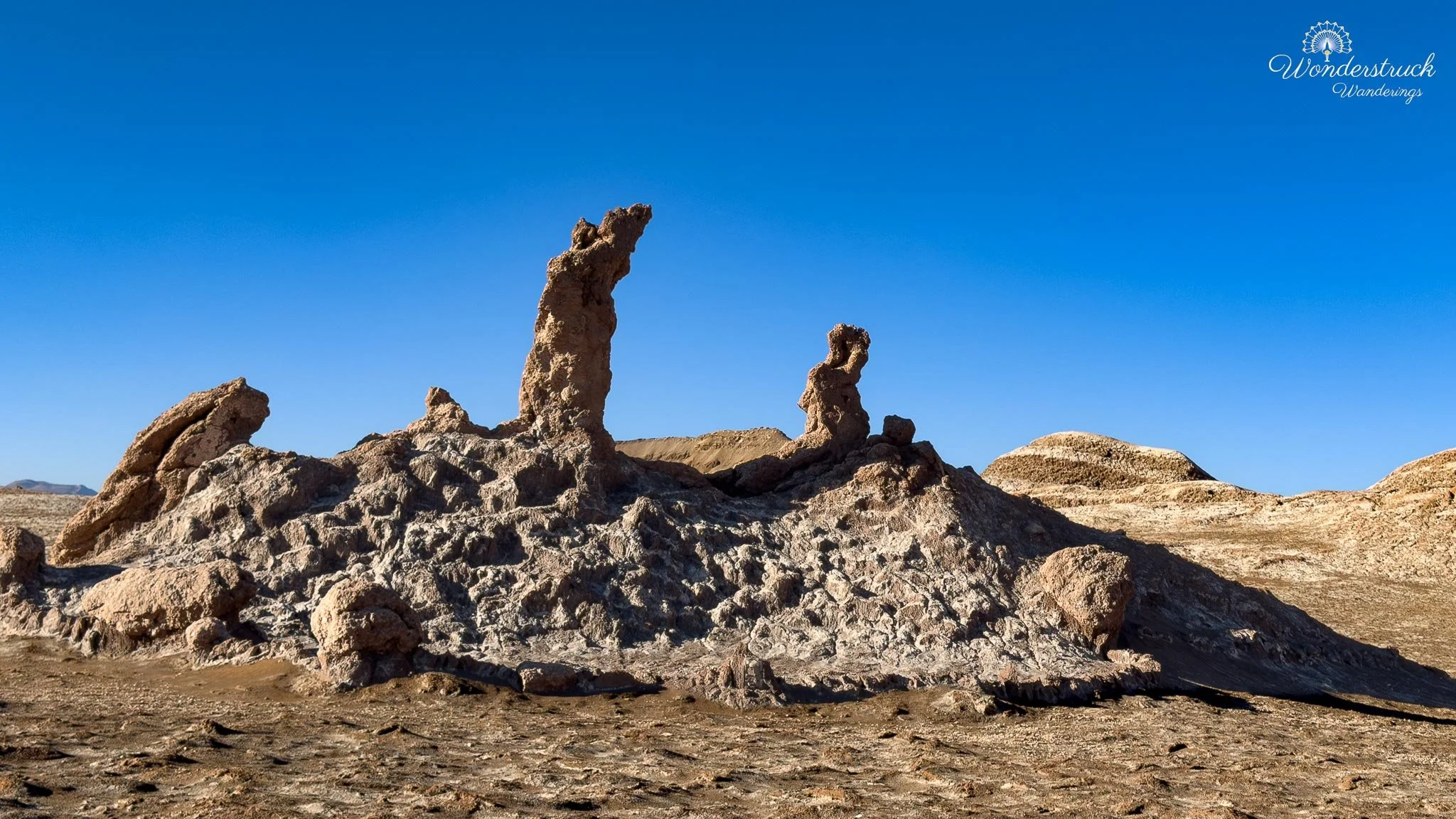
Tres Marías: Sculptural salt-and-clay formations shaped by erosion, originally known as Los Vigilantes.
Mina Victoria: Former salt-mining area with exposed mineral deposits, mining remains, and a marked walking trail.
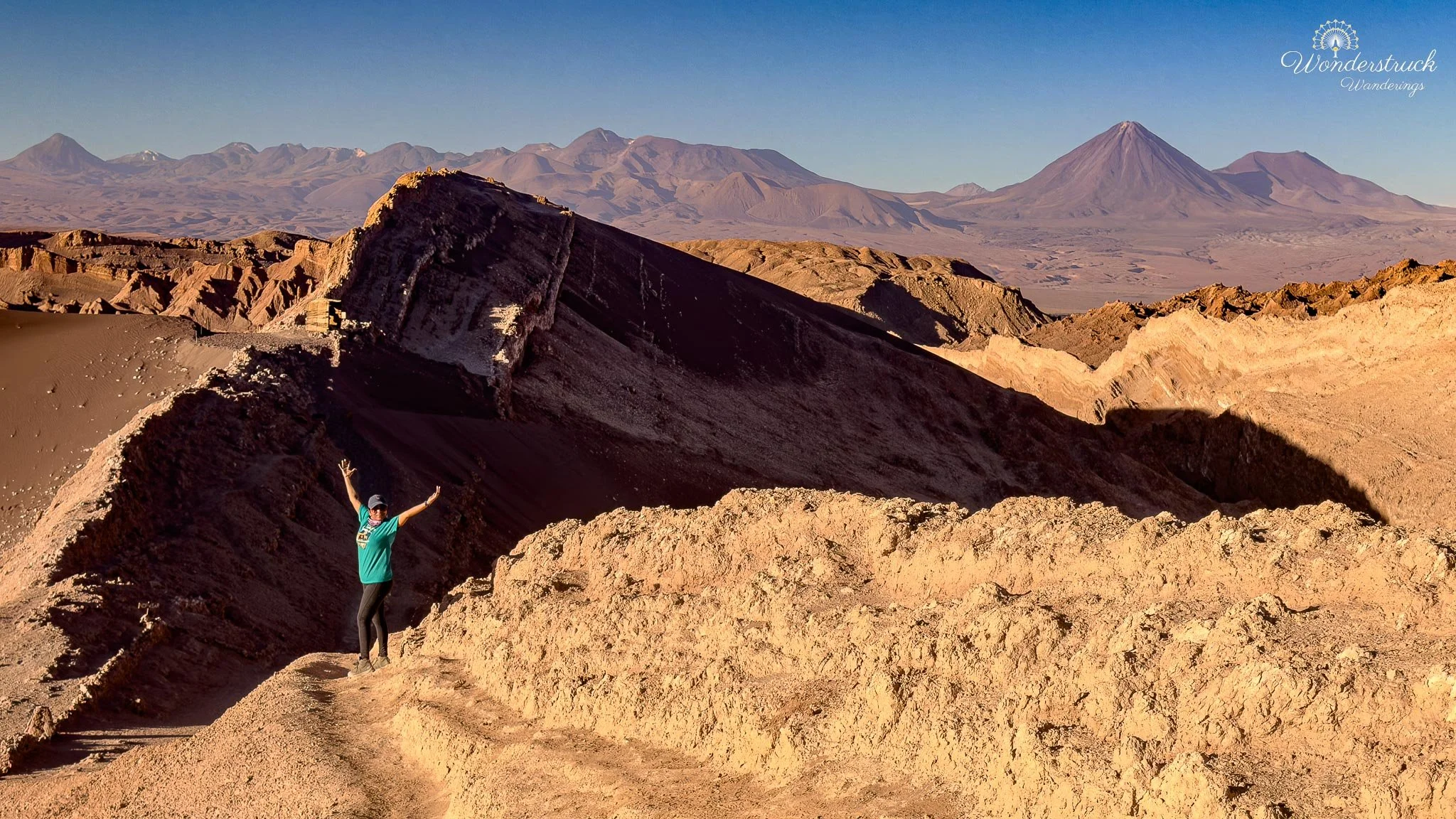
Duna Mayor – Viewpoints 1 and 2: A ridge walk overlooking the giant dune, folded salt formations, and Licancabur Volcano. Allow approximately 1–1½ hours for the longer walk. We returned to complete this on Day 4.
Mirador de Kari / Ckari (Piedra del Coyote): Cliffside viewpoint offering panoramic views of the Cordillera de la Sal and Salar de Atacama basin. A popular location for sunset photography, we kept it for next trip but an earthquake the next day closed it for public.
If you have more time, consider these additional stops within Valle de la Luna:
El Anfiteatro: A massive curved rock formation resembling a natural amphitheater, with exposed sedimentary layers and steep eroded walls.
Mirador Los Achaches: Viewpoint overlooking the central valley, folded rock formations, and surrounding desert ridges.
Cráter Central: Broad depression surrounded by eroded salt-and-clay hills, with exposed mineral layers and geological formations.
Cuevas de Sal (Salt Caves): Narrow passages and caverns formed through the erosion and dissolution of salt-bearing rock. Access depends on current park restrictions.
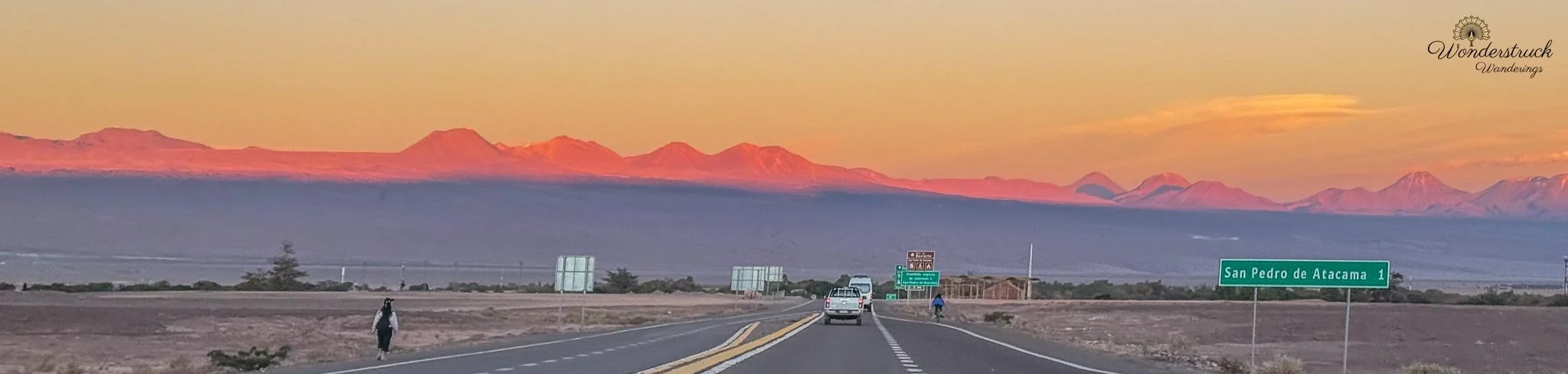
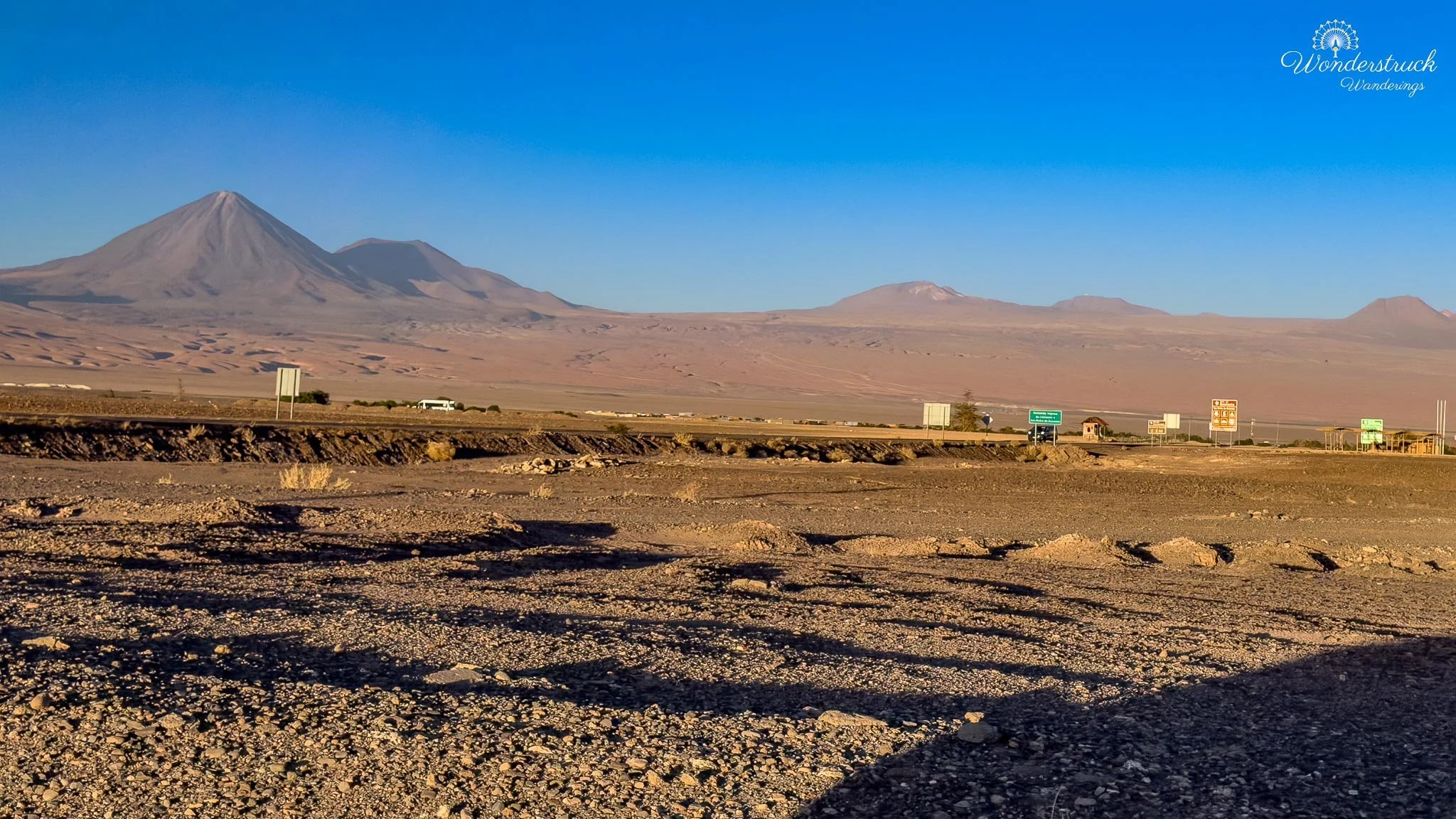
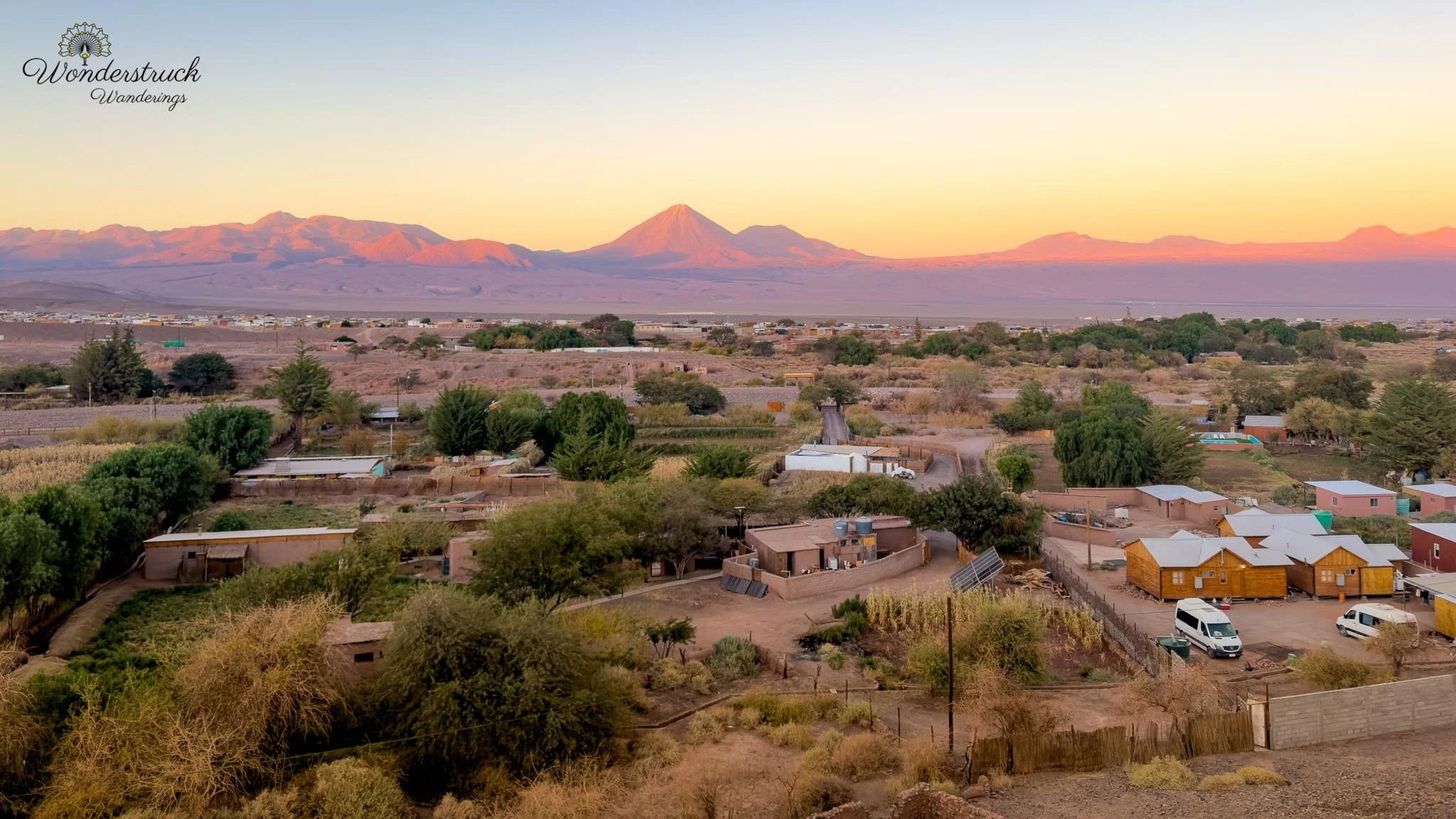
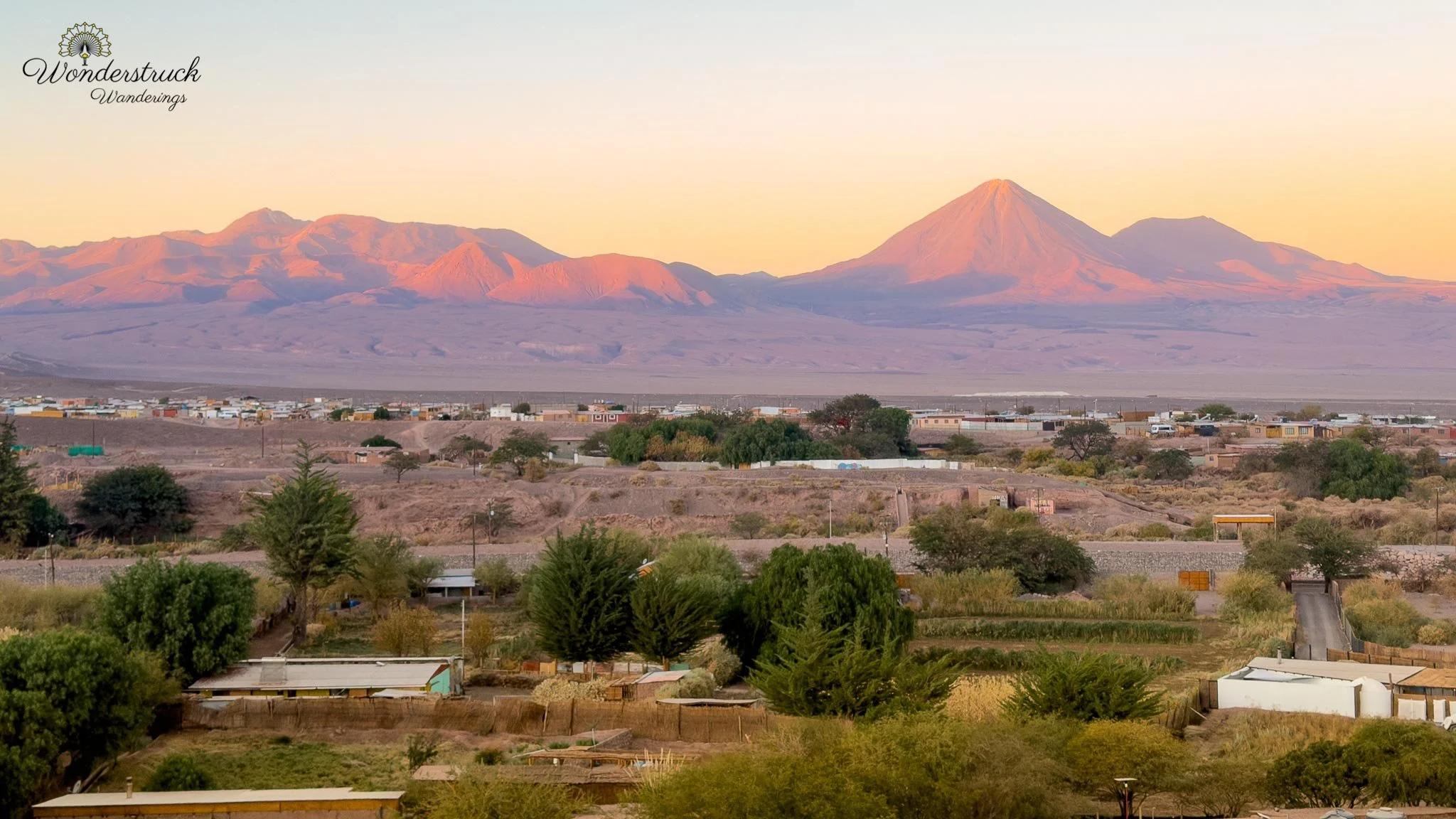
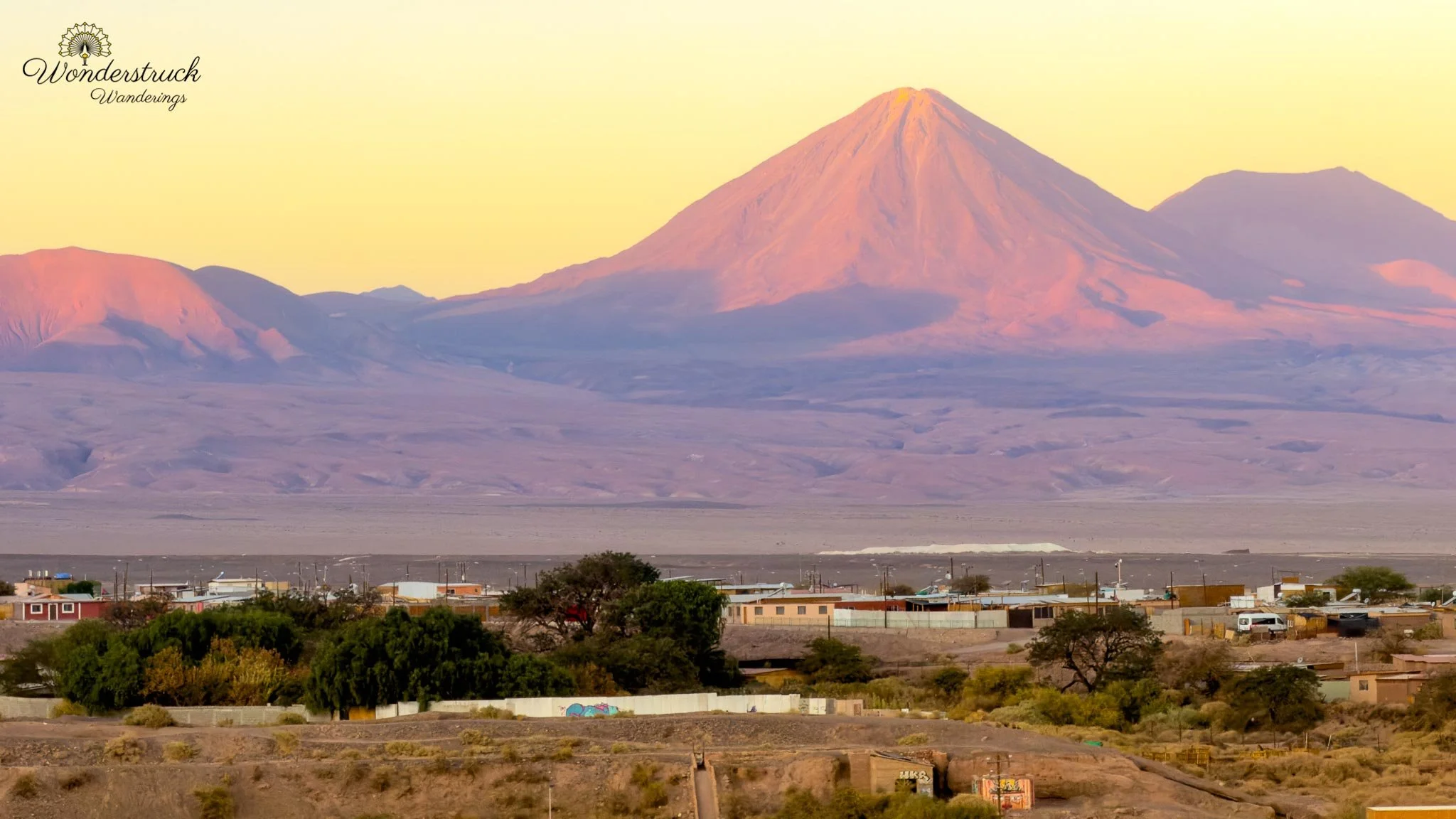
Licancabur Sunset Views: Views just outside the city toward the distinctive 5,916-meter Licancabur Volcano, especially attractive when evening light illuminates the cone and surrounding Andes.
-
Santiago → Calama: Approximately 2 hours 10 minutes by flight. Allow 45–60 minutes at Calama Airport for baggage collection and rental car pickup.
Calama → Líder Supermarket: Approximately 10–15 minutes by car. Allow 30–45 minutes for groceries, snacks, and water.
Calama → Chiu Chiu: Approximately 35–45 minutes (35 km). Allow 30–45 minutes to explore the village and historic church.
Chiu Chiu → Pukará de Lasana: Approximately 15–20 minutes (10 km). Allow 45–60 minutes to explore the archaeological ruins and Río Loa canyon viewpoints.
Pukará de Lasana → San Pedro de Atacama: Approximately 1½–2 hours, depending on the route and road conditions. Allow additional time for hotel check-in.
San Pedro → Valle de la Luna: Approximately 15–25 minutes (15 km). Allow 2–3 hours for Tres Marías, Mina Victoria, short walks, viewpoints, and photography.
Duna Mayor Trail (If Time Permits): Allow an additional 1–1½ hours to walk the ridge and visit Viewpoints 1 and 2. We completed this on Day 4 instead.
Mirador de Kari / Piedra del Coyote (If Open): Allow 20–30 minutes to get to the the viewpoint as it is in a different sector, ideally in late-afternoon light ( open later than the main park)
Other Valle de la Luna Stops: Allow another 30–60 minutes for El Anfiteatro, additional viewpoints, and accessible geological formations.
Valle de la Luna → San Pedro: Approximately 15–25 minutes for the return drive.
We left Hotel Bidasoa at 6 a.m. for our 8:38 a.m. flight to Calama — a far more humane departure than the 5:30 a.m. option I'd briefly considered after our long Santiago arrival day. A hotel cab handled the airport run cleanly, avoiding the Uber complications around Santiago's domestic terminal, and we landed in Calama under bright sun that felt like a completely different country from the fog we'd left behind. First stop was practical: Líder, Chile's Walmart-affiliated supermarket, where we stocked up on sliced meats, bread, large water jugs, and road-trip snacks. Water discipline matters in the Atacama, and getting supplies sorted in Calama before the desert drive is the right move.
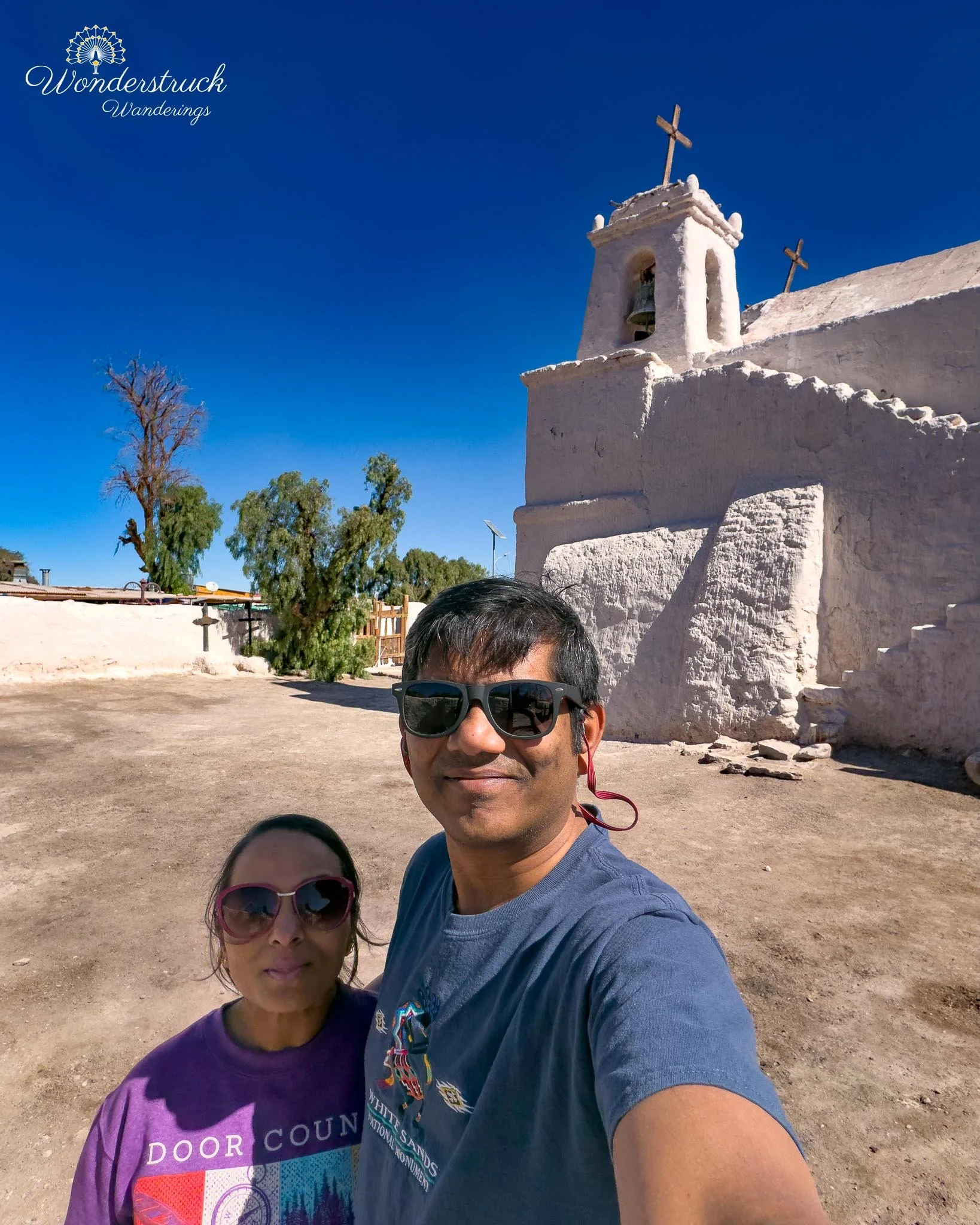
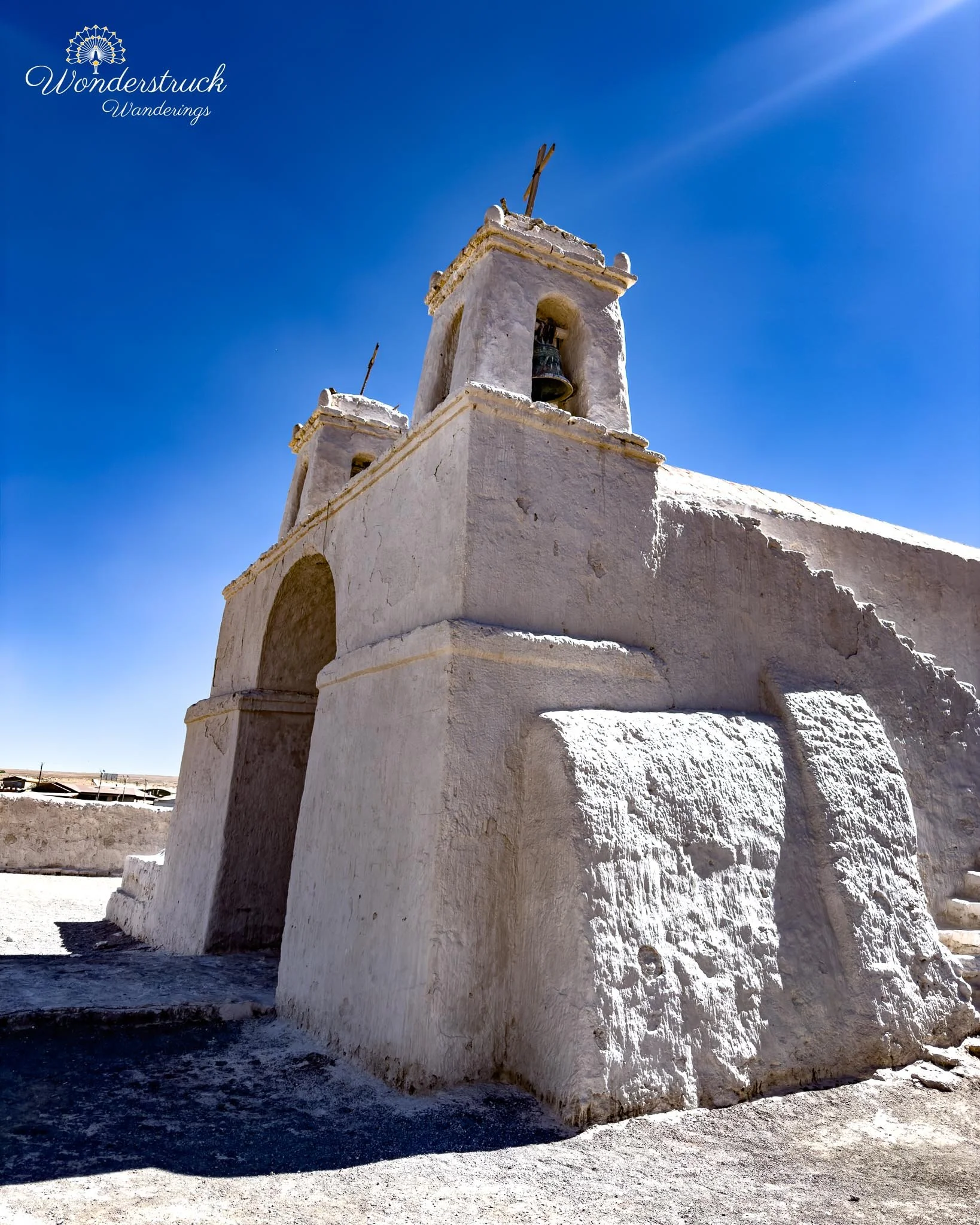
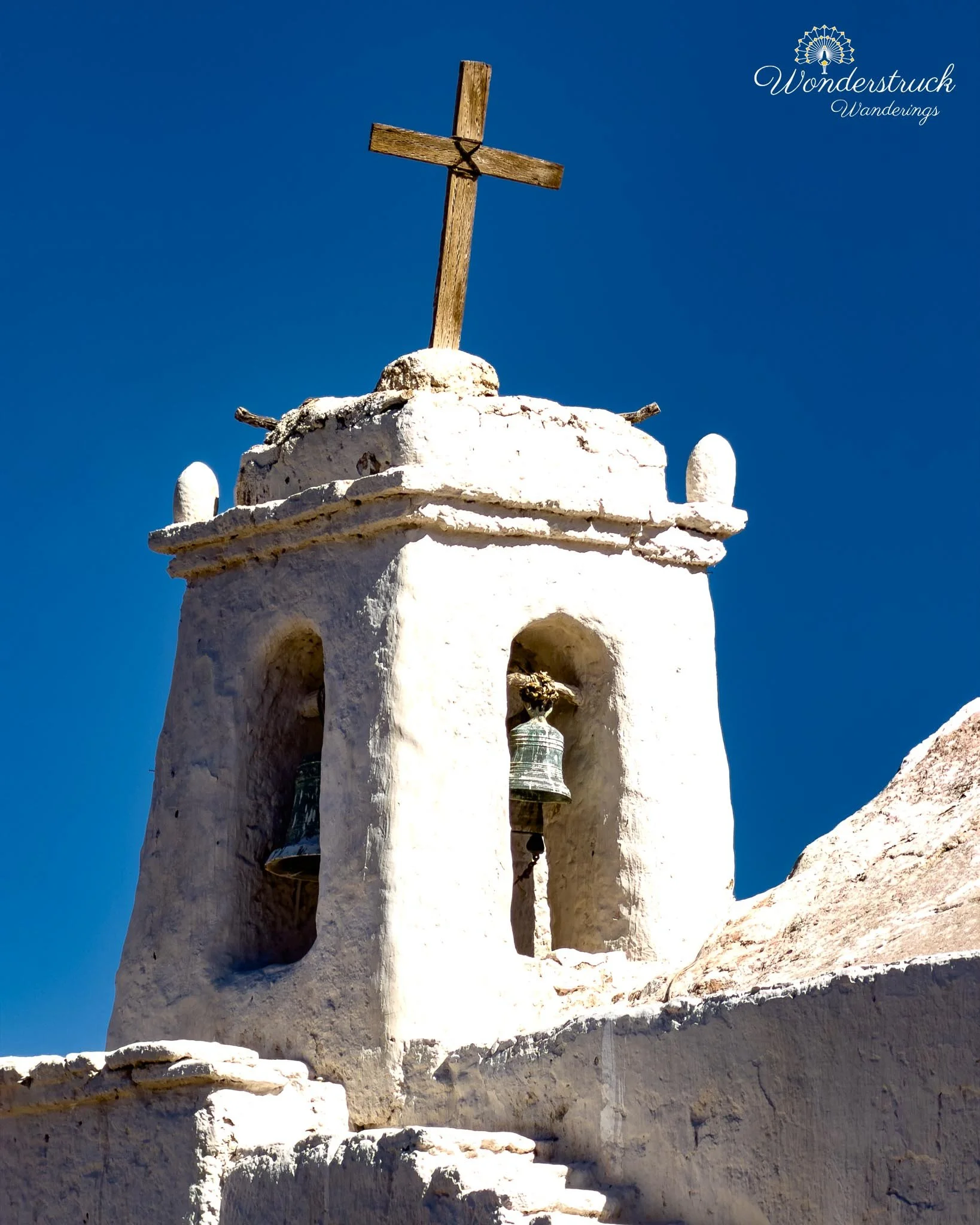
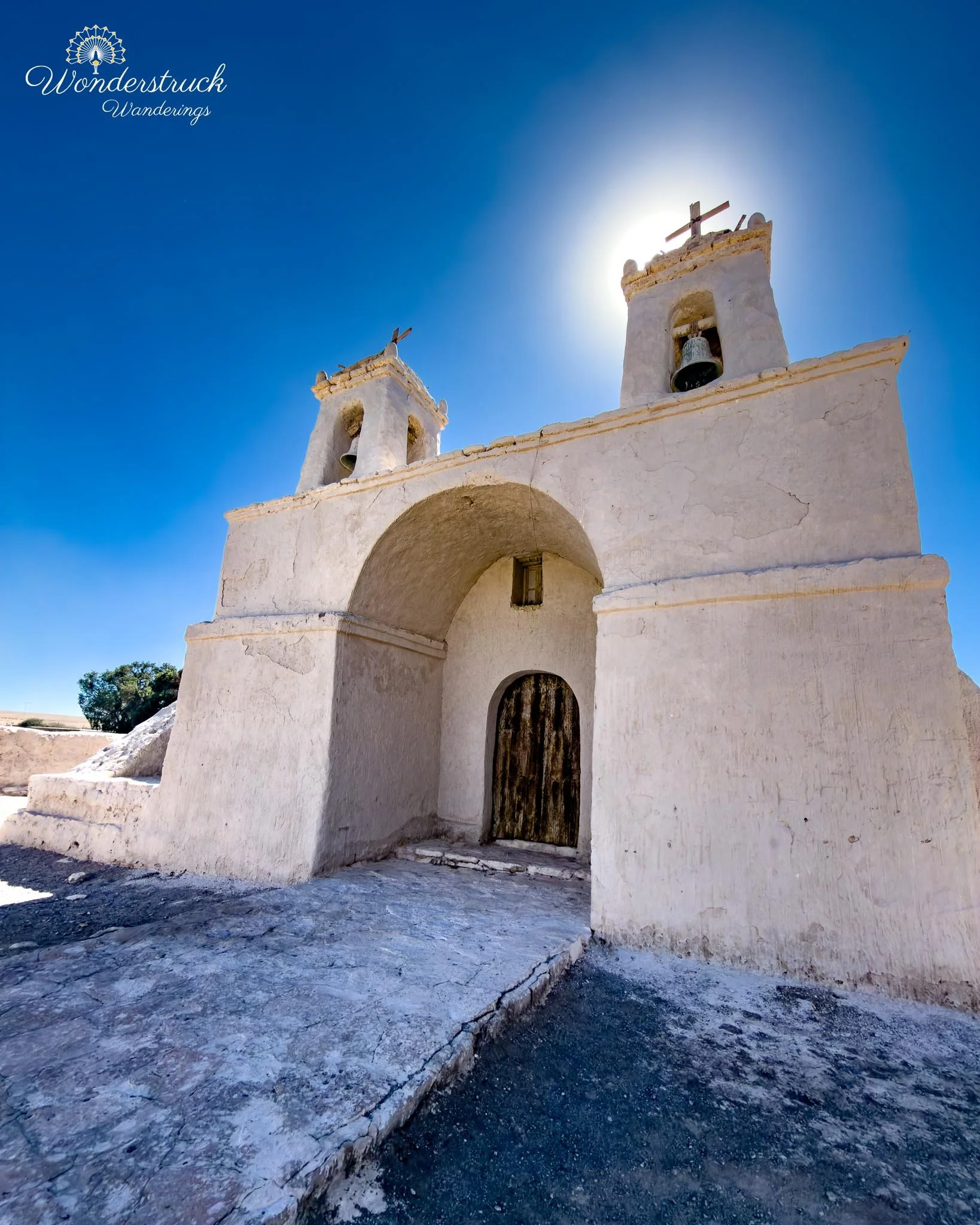
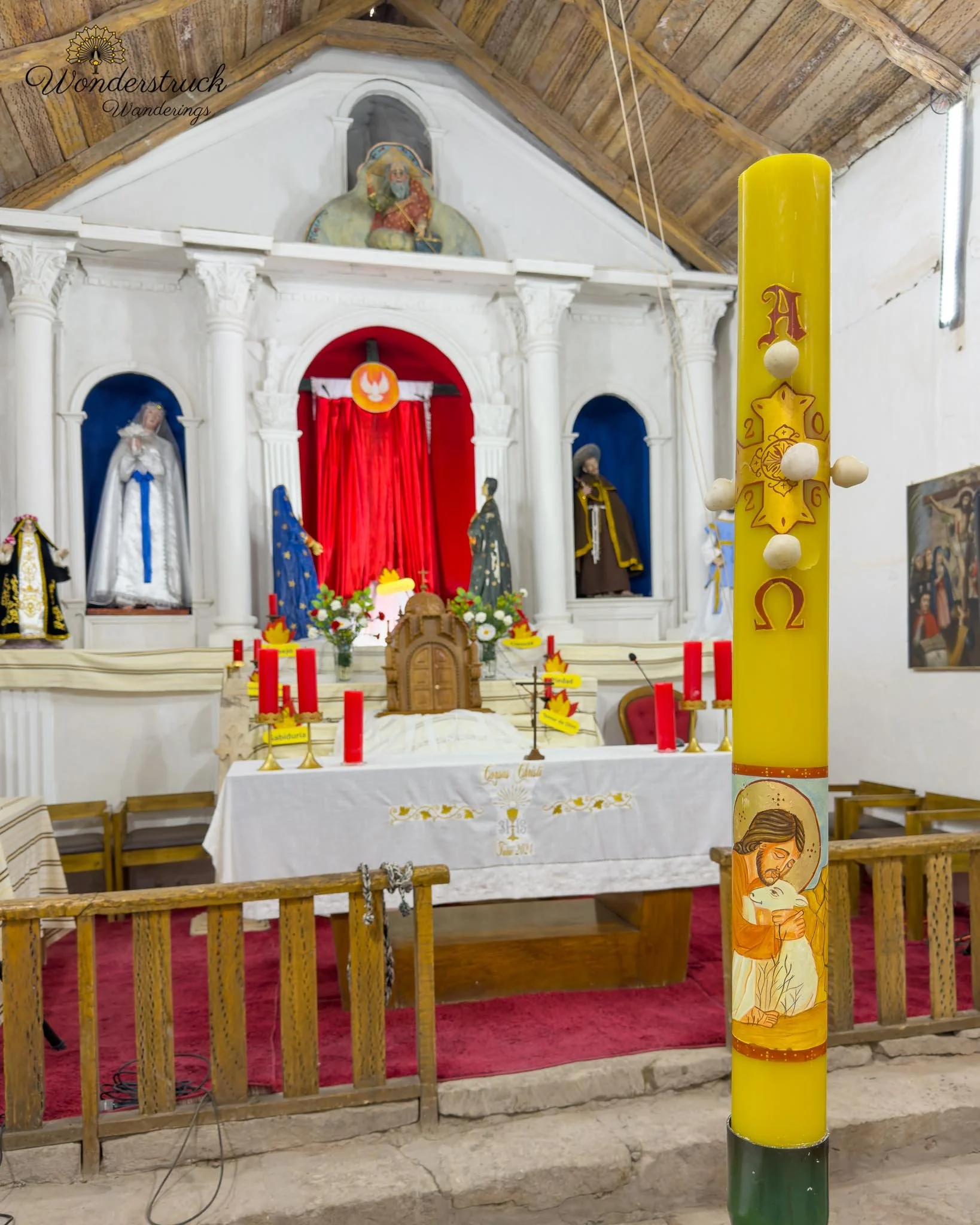
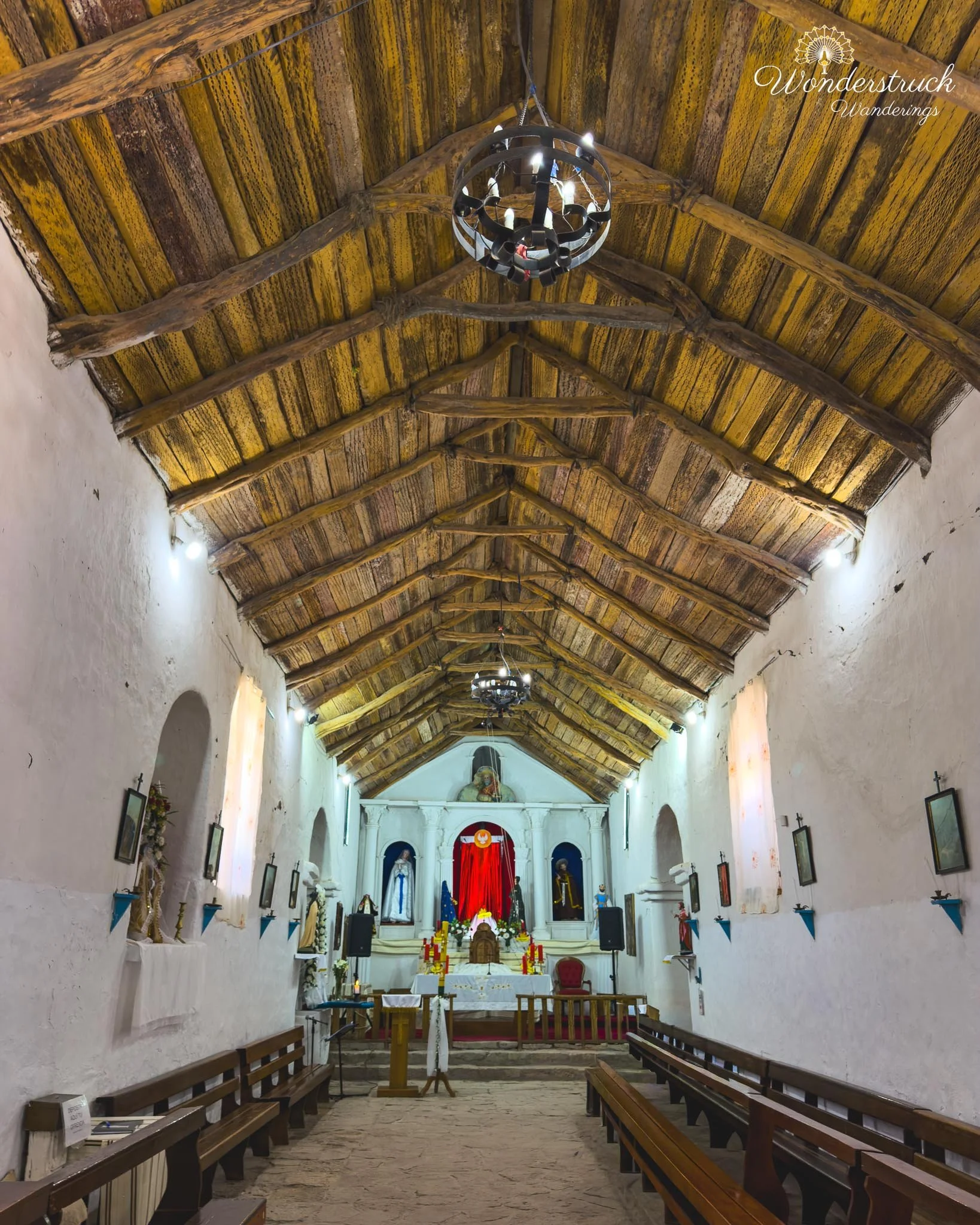
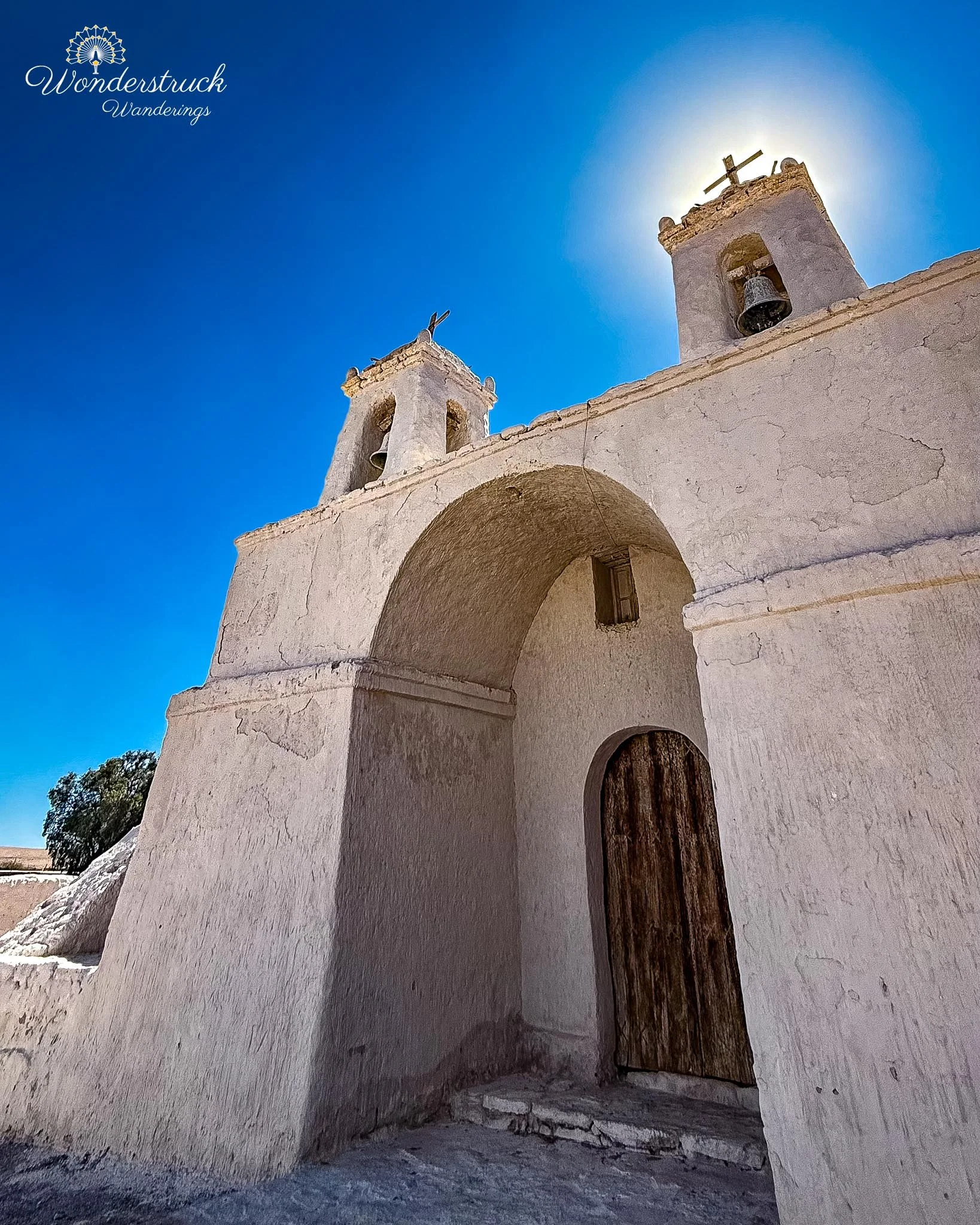
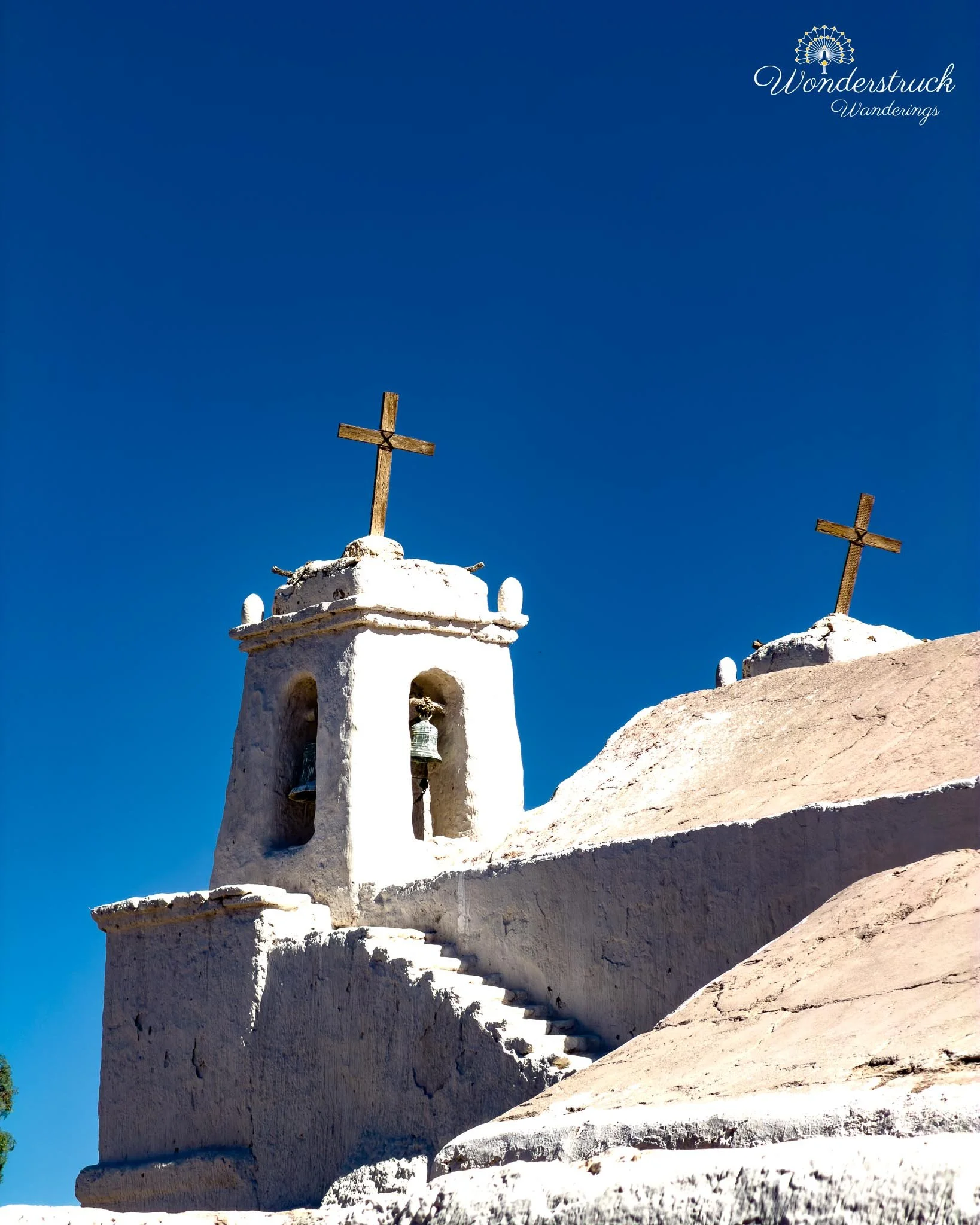
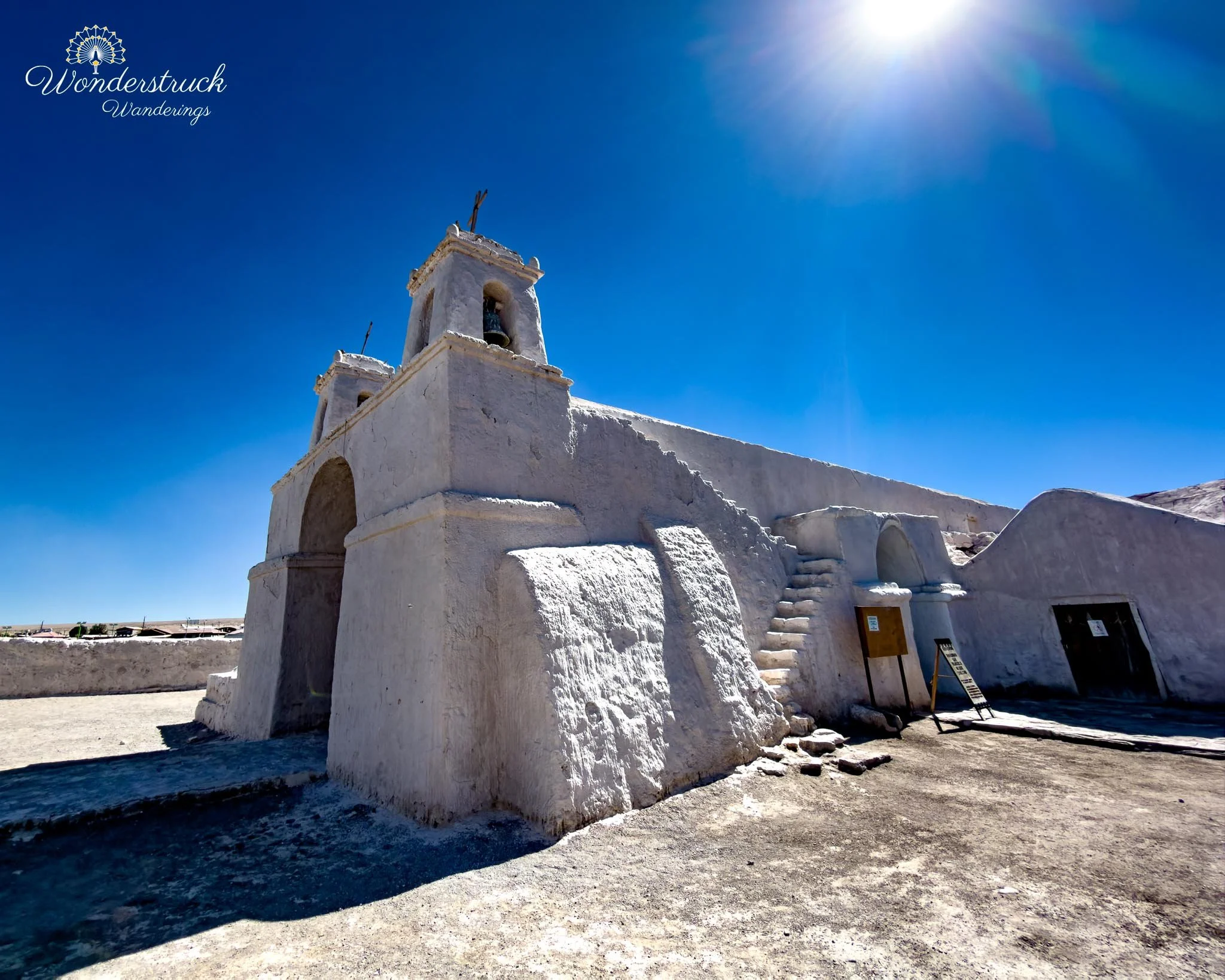
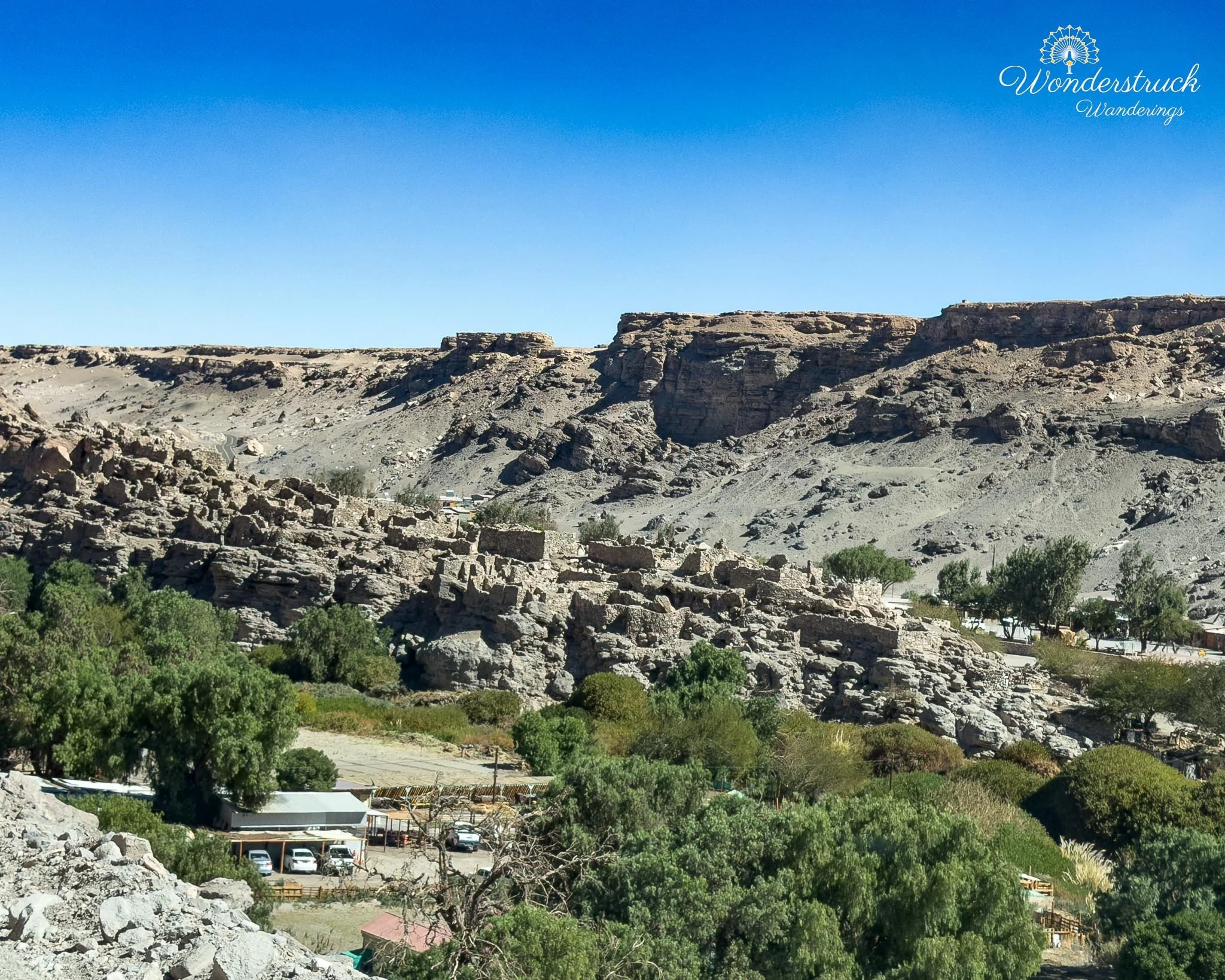
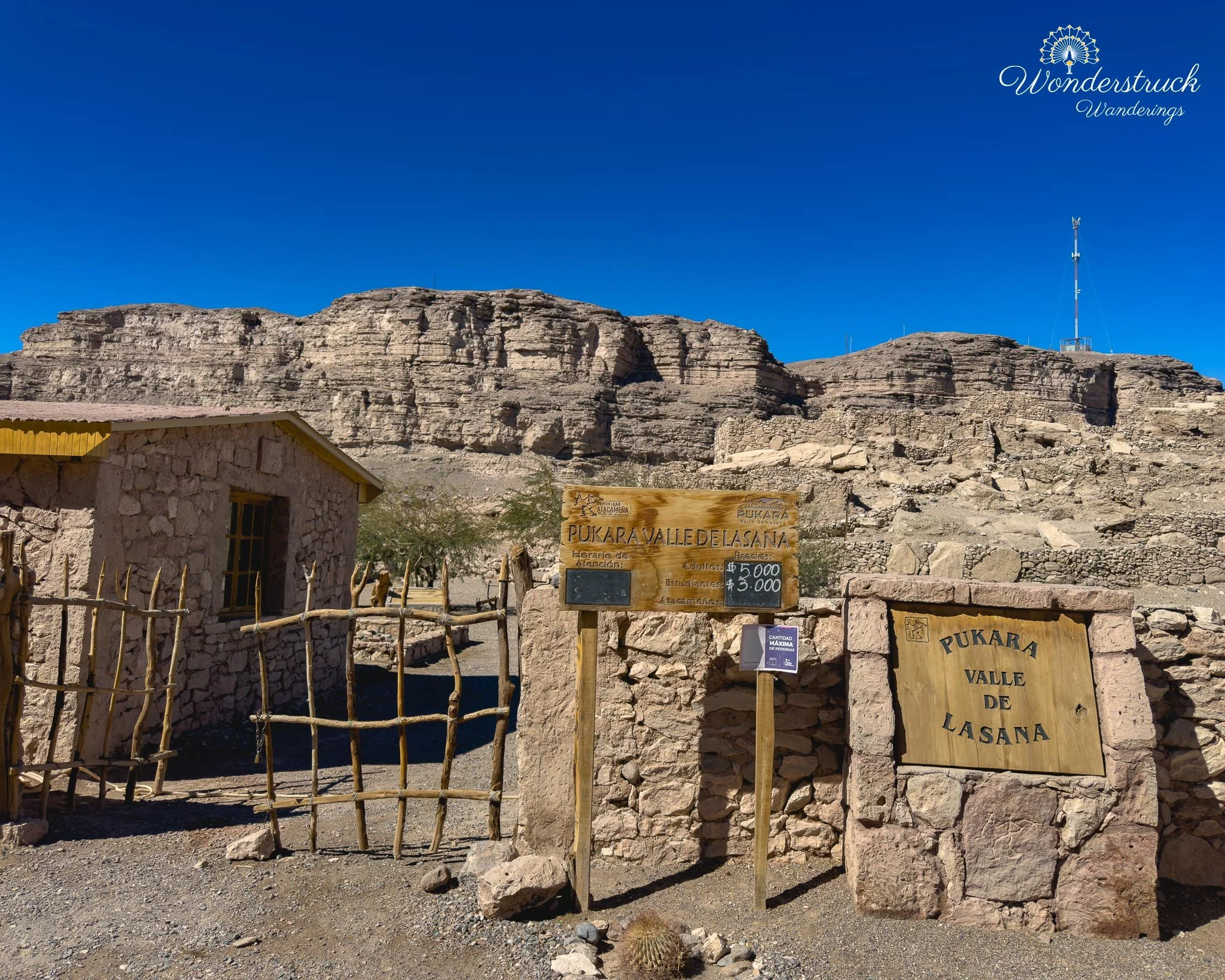
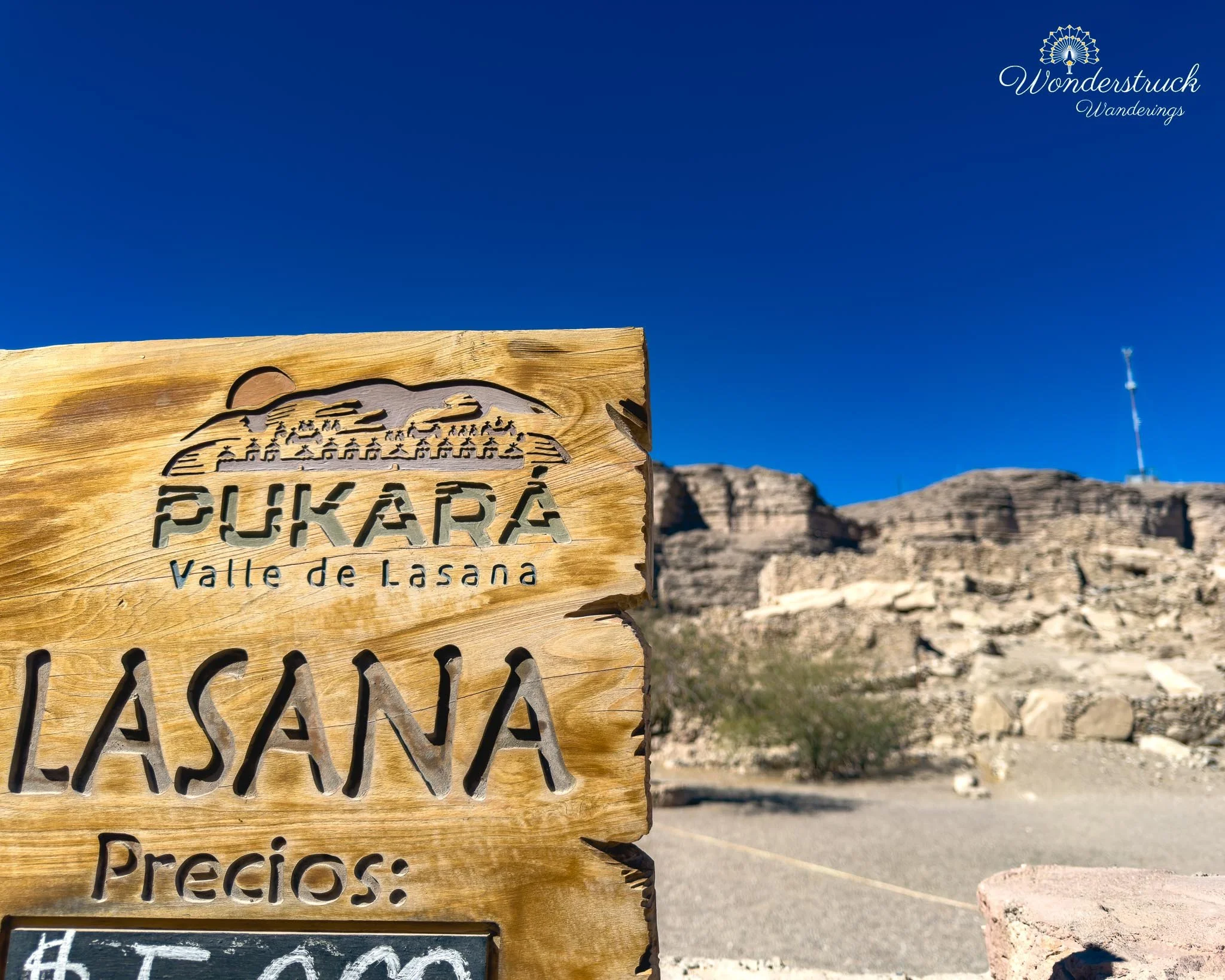
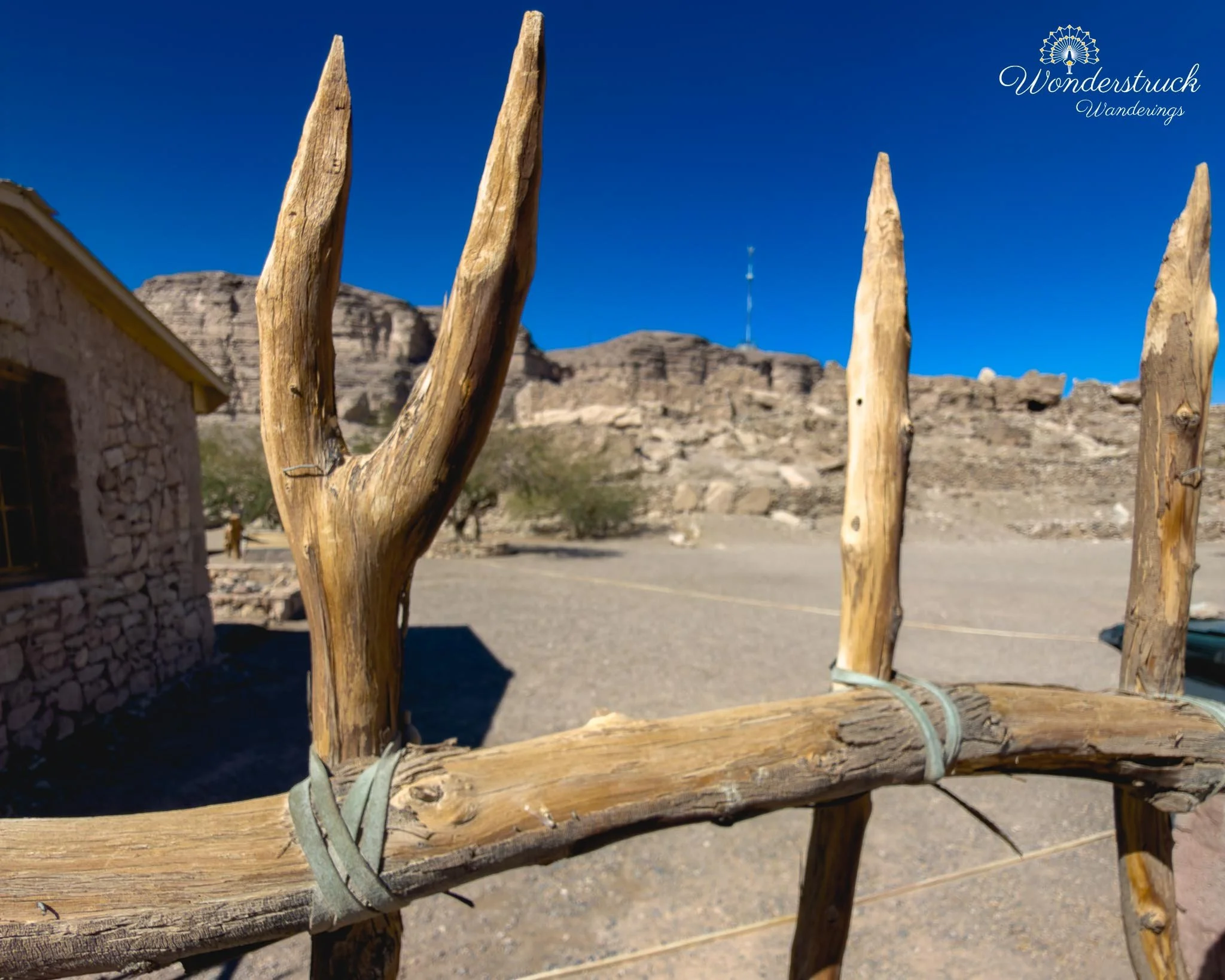
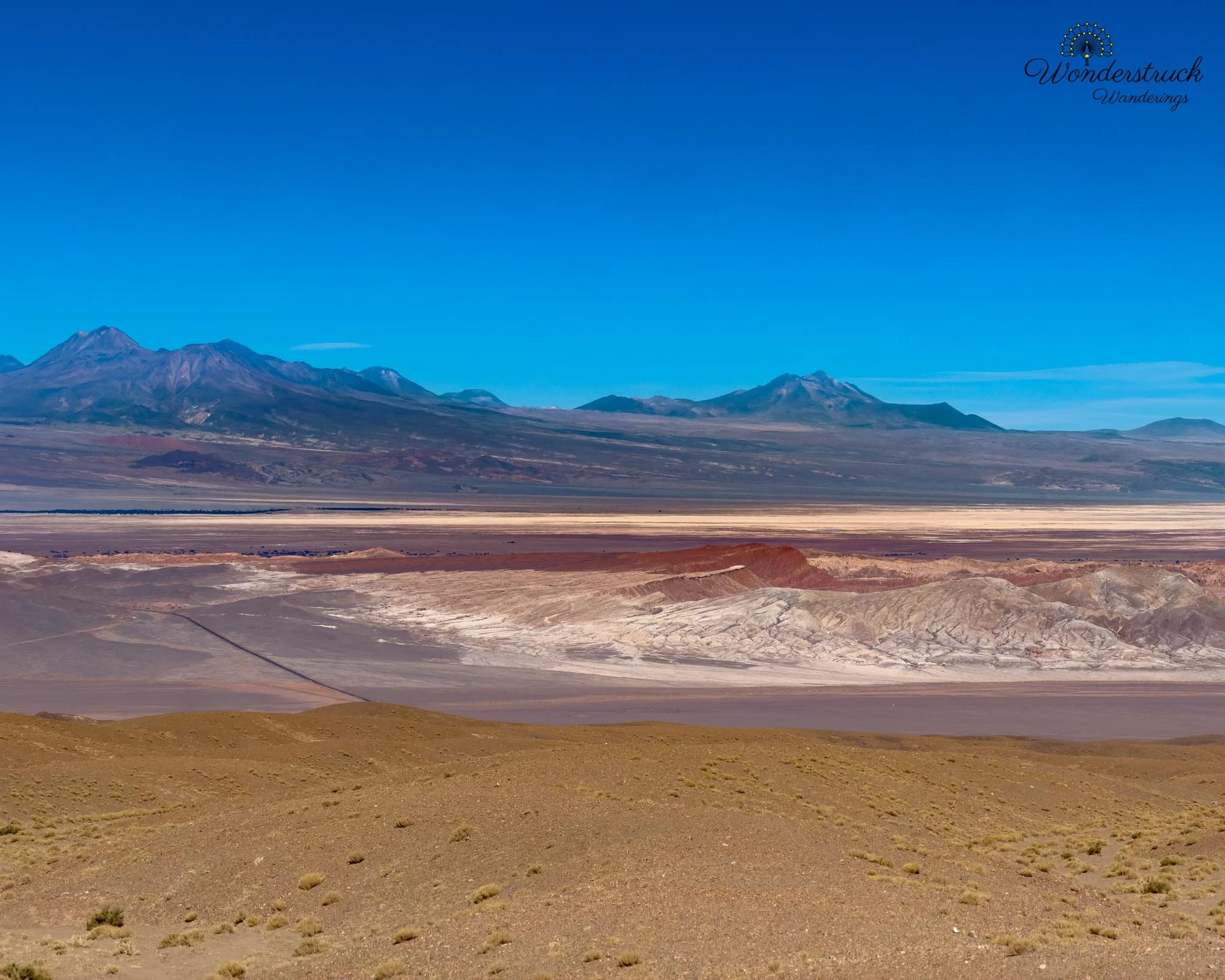
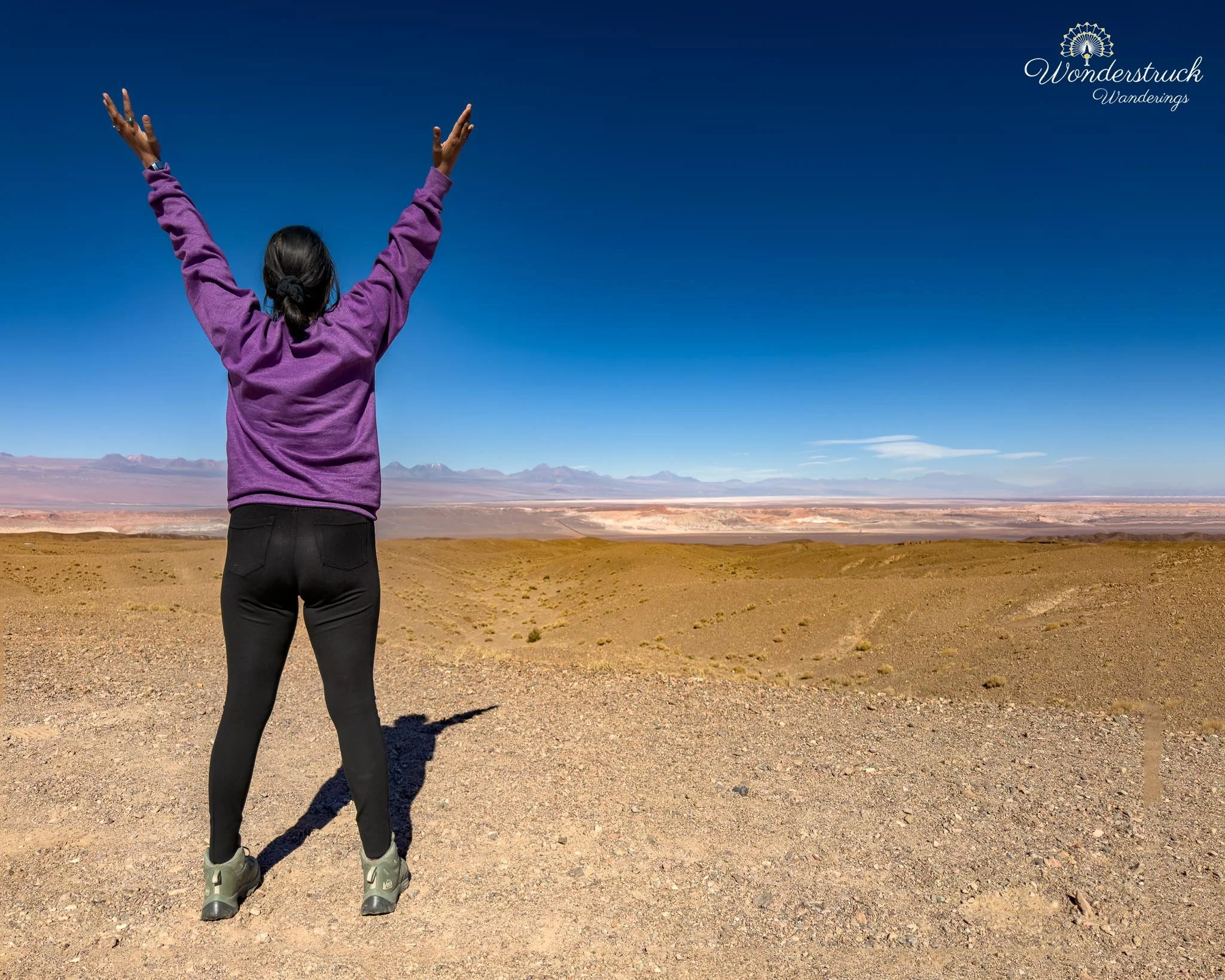
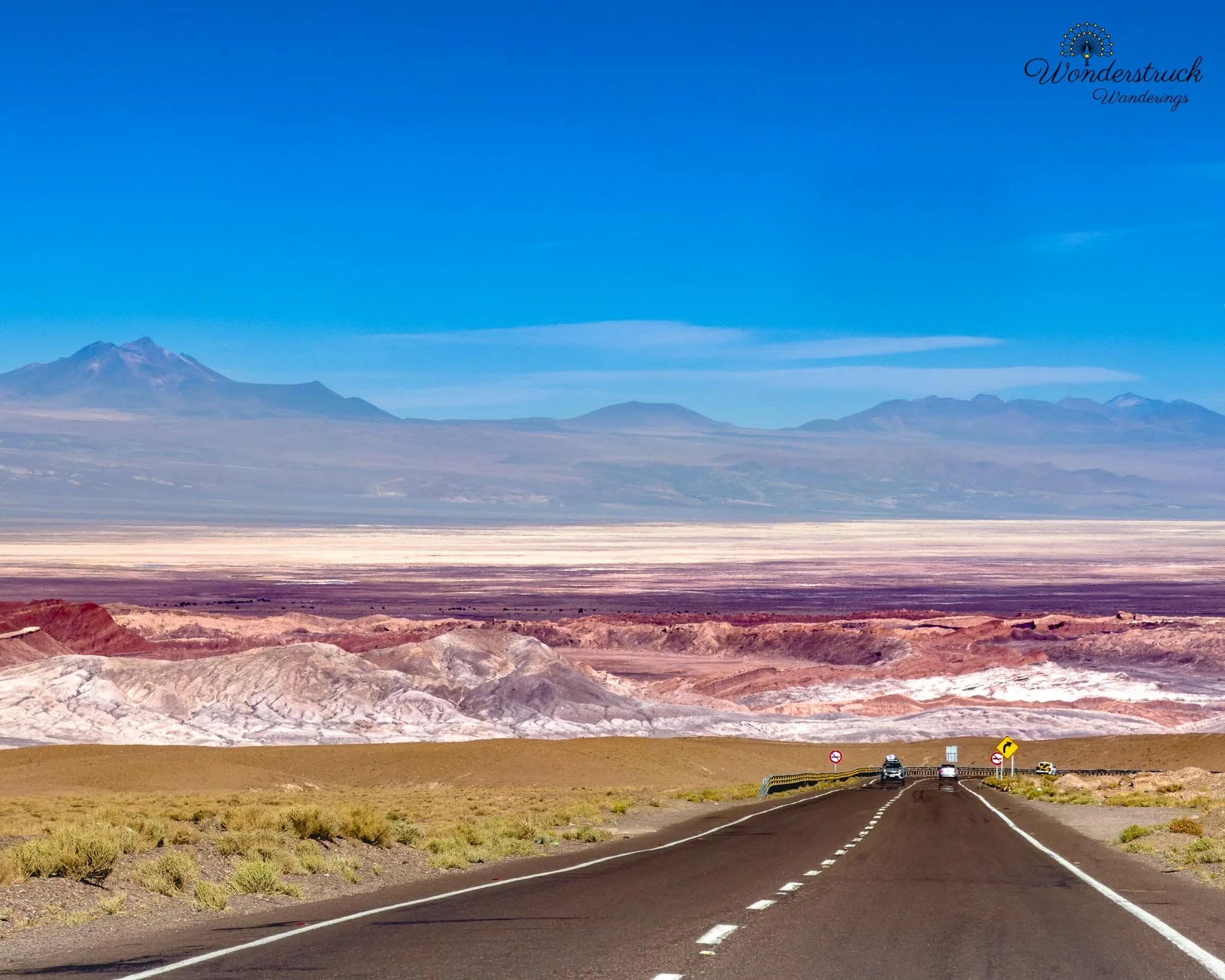
With time to spare before San Pedro check-in, we took a detour to Chiu Chiu, a small quiet town anchored by the Church of San Francisco de Chiu Chiu — one of Chile's oldest preserved churches, a National Monument with origins around 1611. Adobe walls, cactus wood, and desert stillness. The kind of stop that doesn't announce itself but stays with you. From Chiu Chiu we continued to Pukará de Lasana, a pre-Columbian Atacameño fortified settlement built around the 12th century above the Loa River. Stone structures, narrow interior paths, and elevated views that make the defensive logic immediately clear. More than a ruins stop — Lasana corrects the impression that the Atacama has always been empty. People built lives here across deep time, and the roughness of the site makes that feel real rather than reconstructed. The drive from Calama to San Pedro was our first proper introduction to Atacama scale: dry open planes, muted earth tones, mountains slowly organizing the horizon, and that hard midday light that flattens everything it touches.
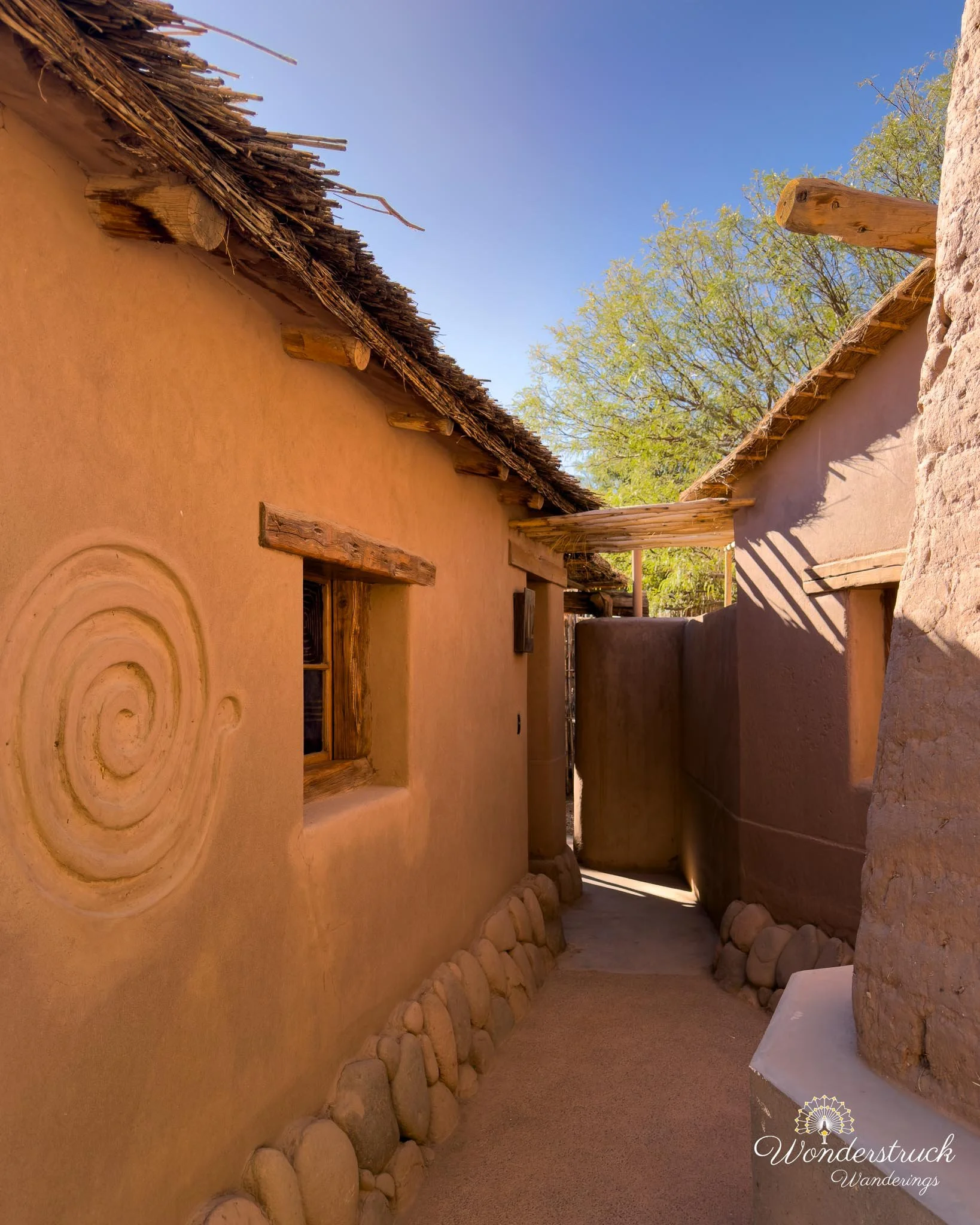
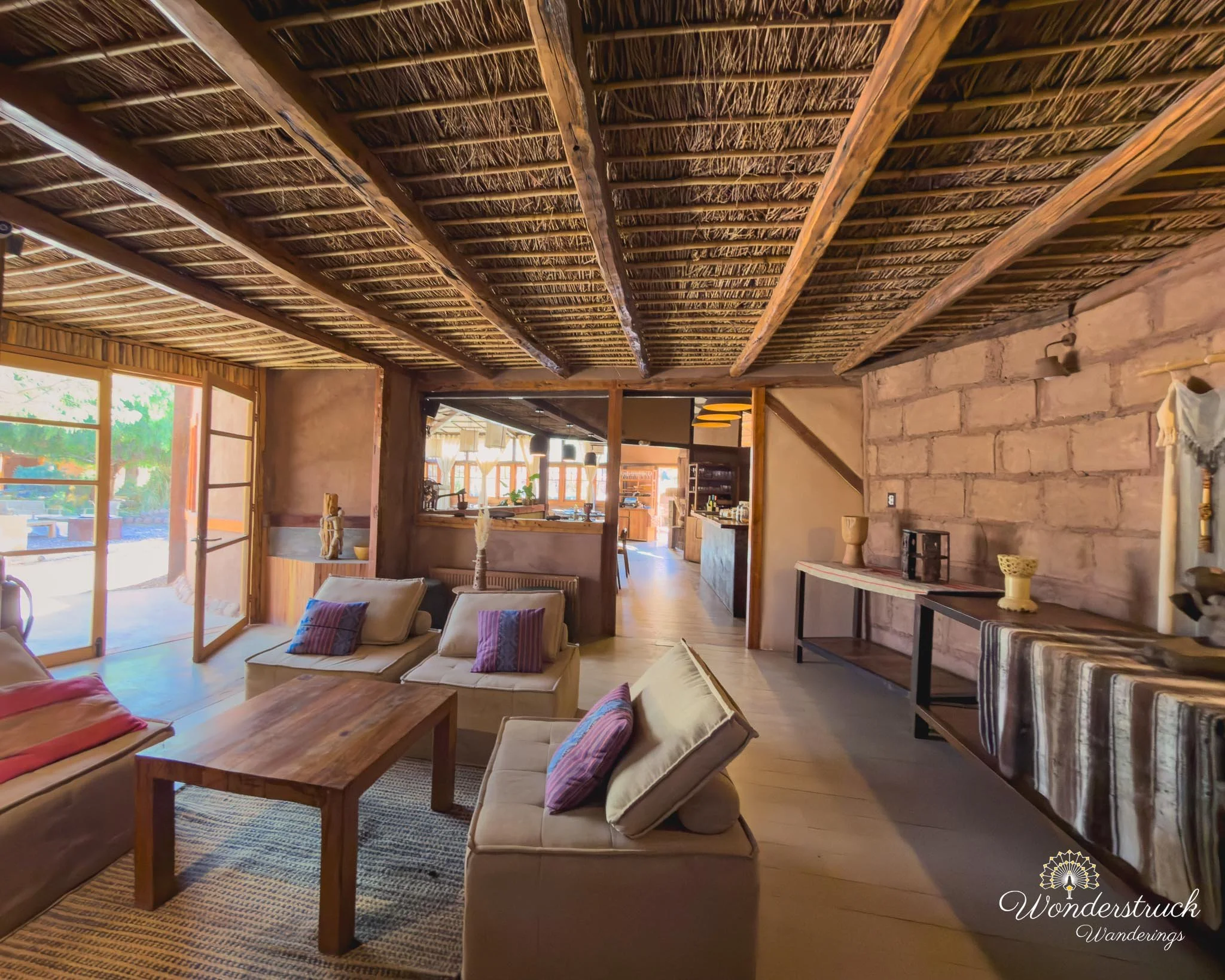
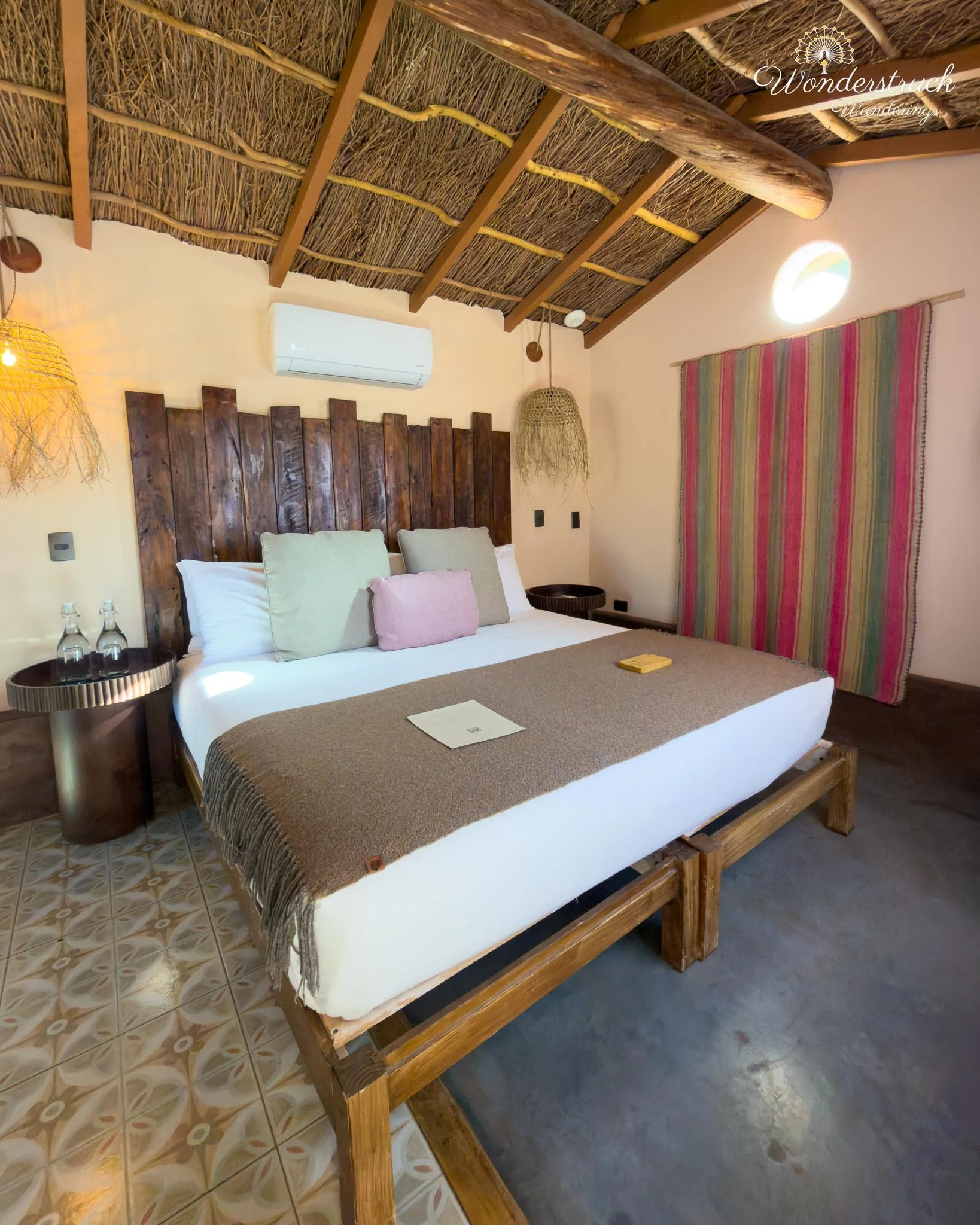
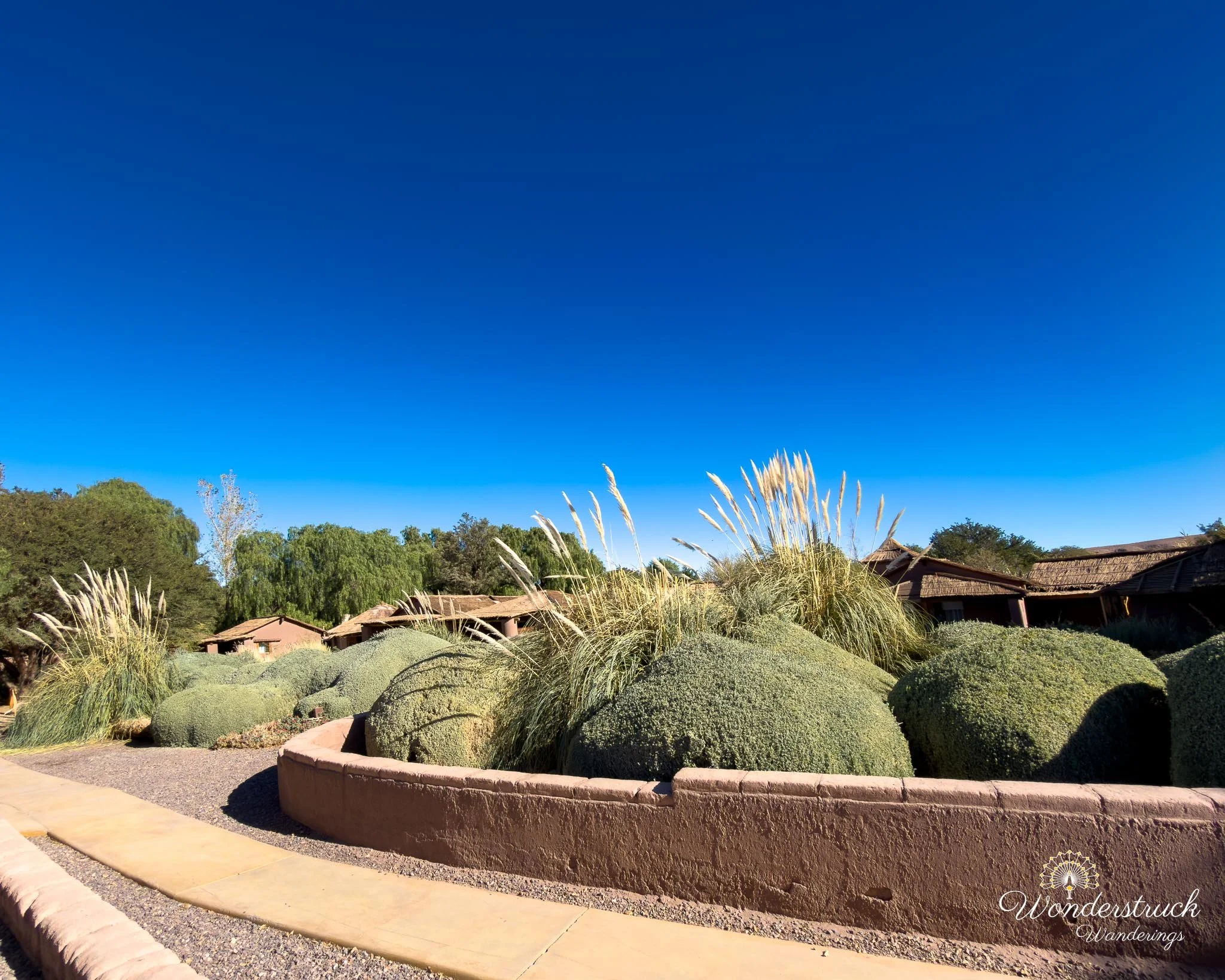
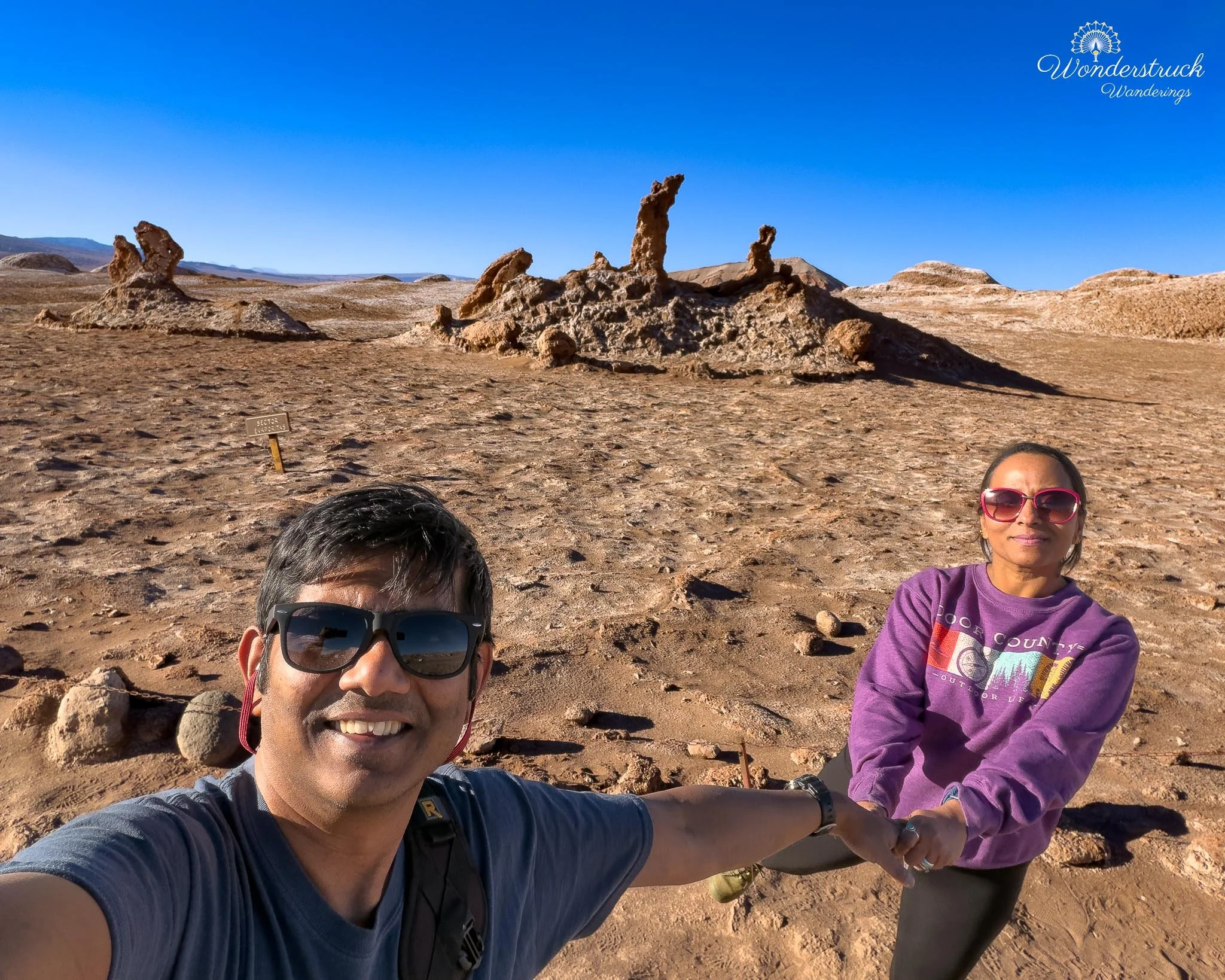
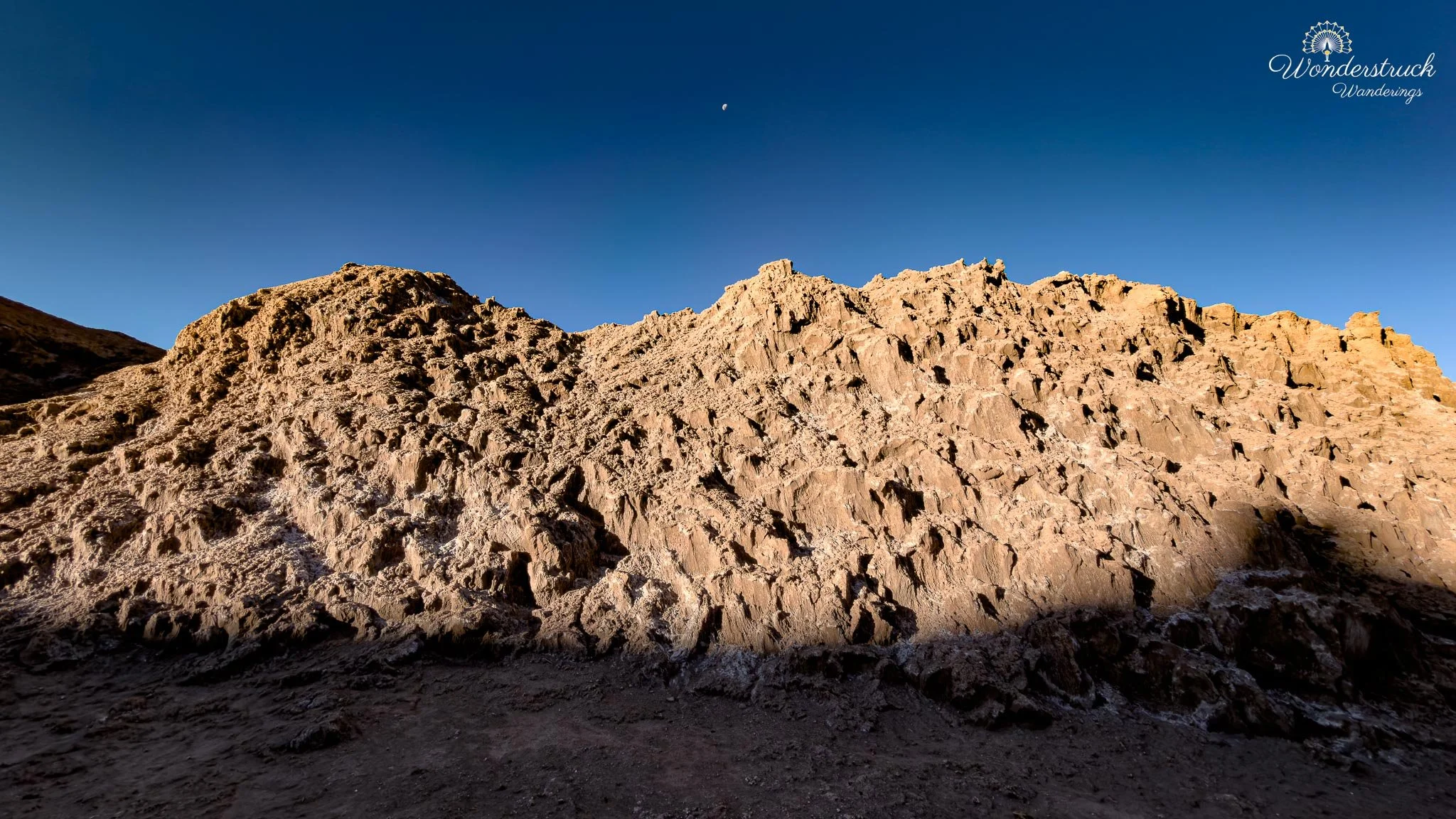
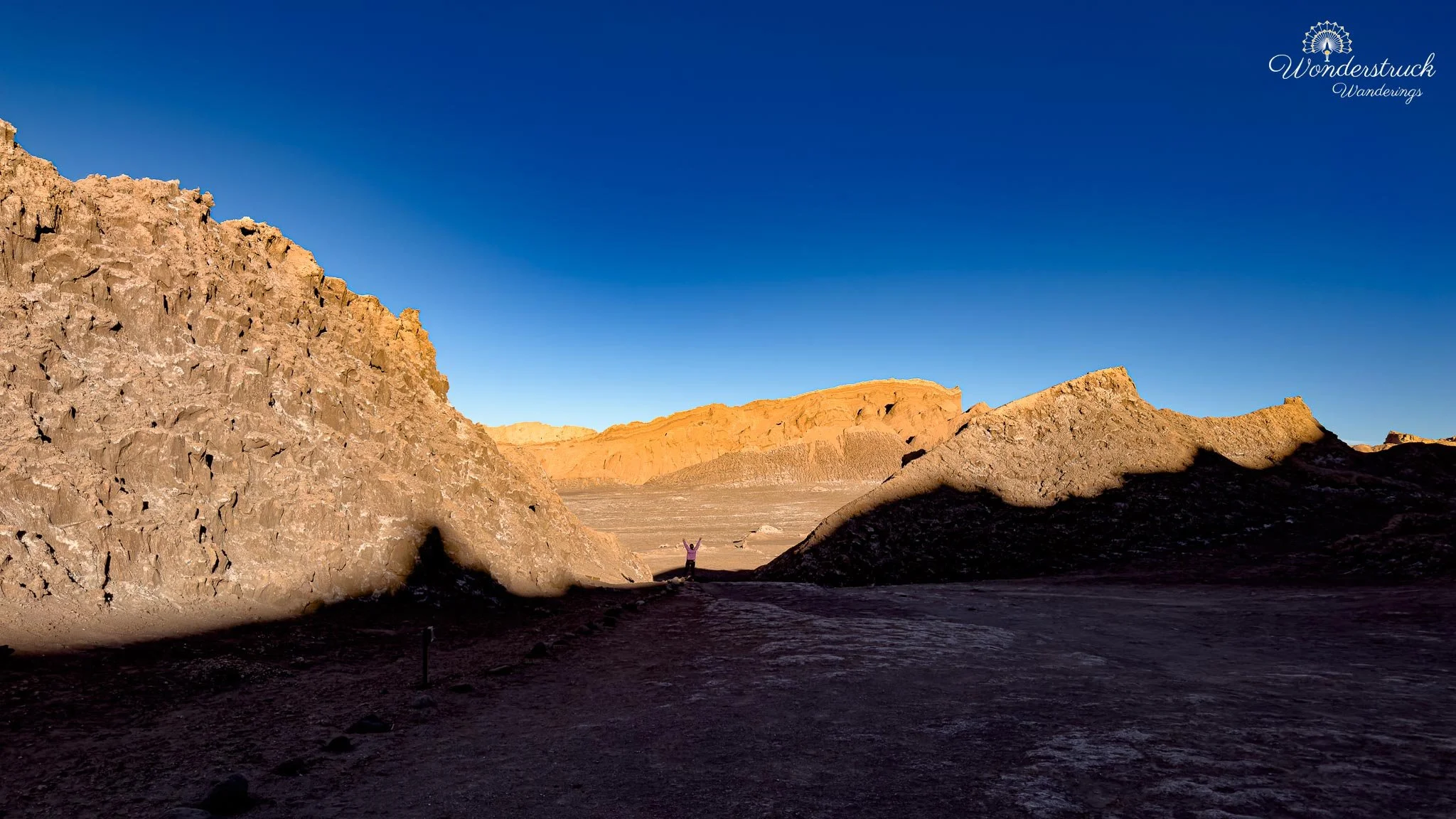
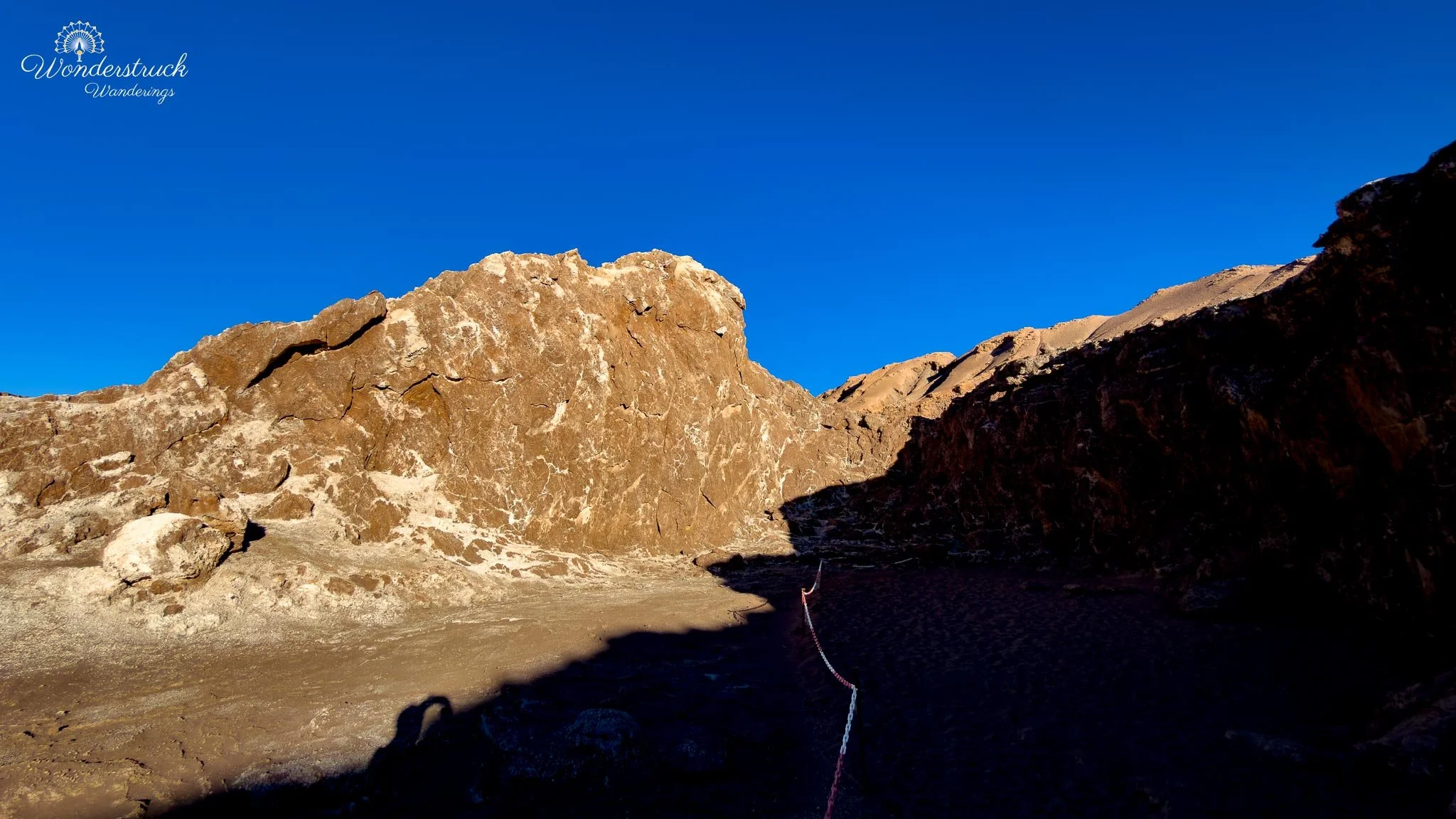
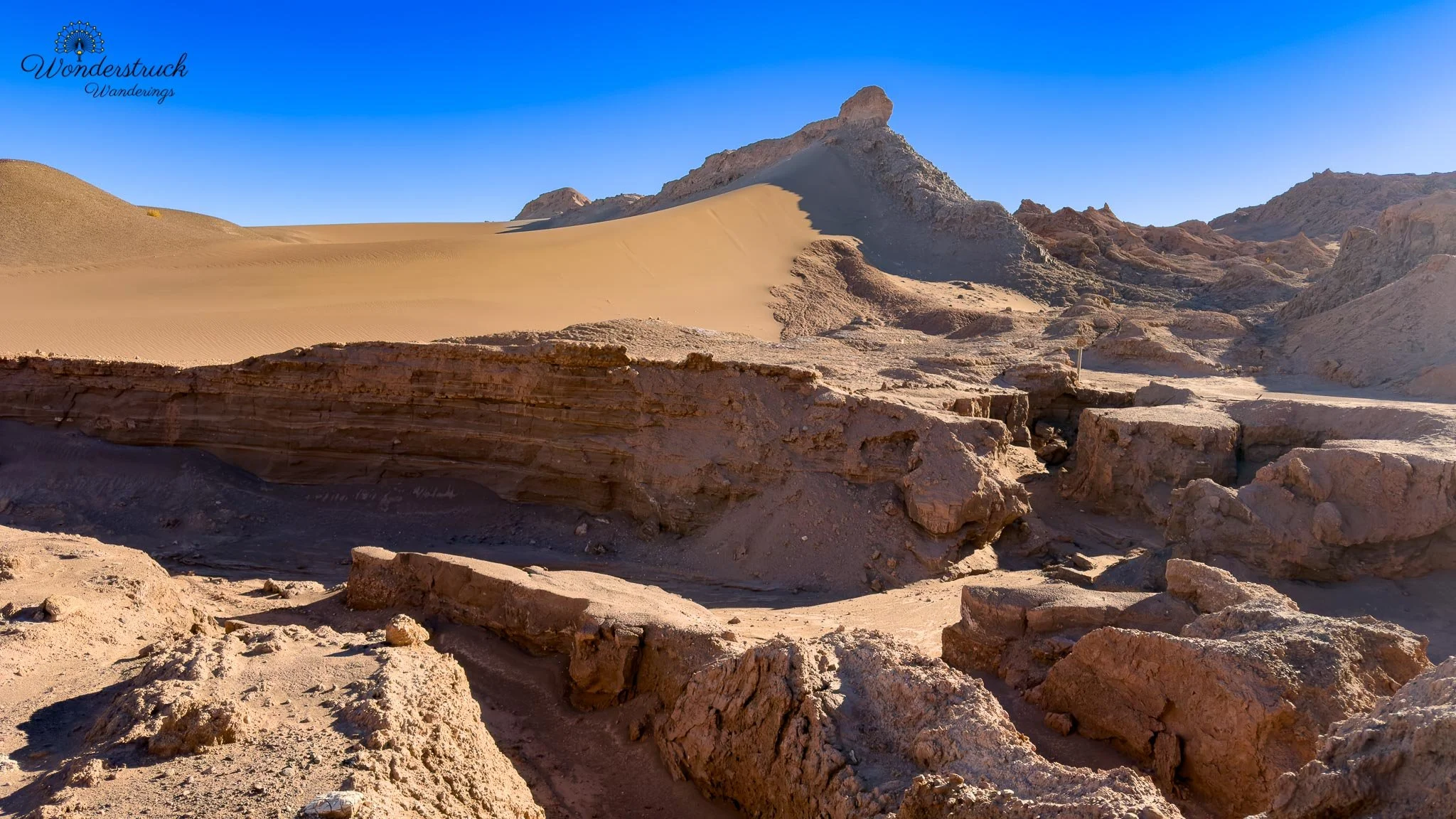
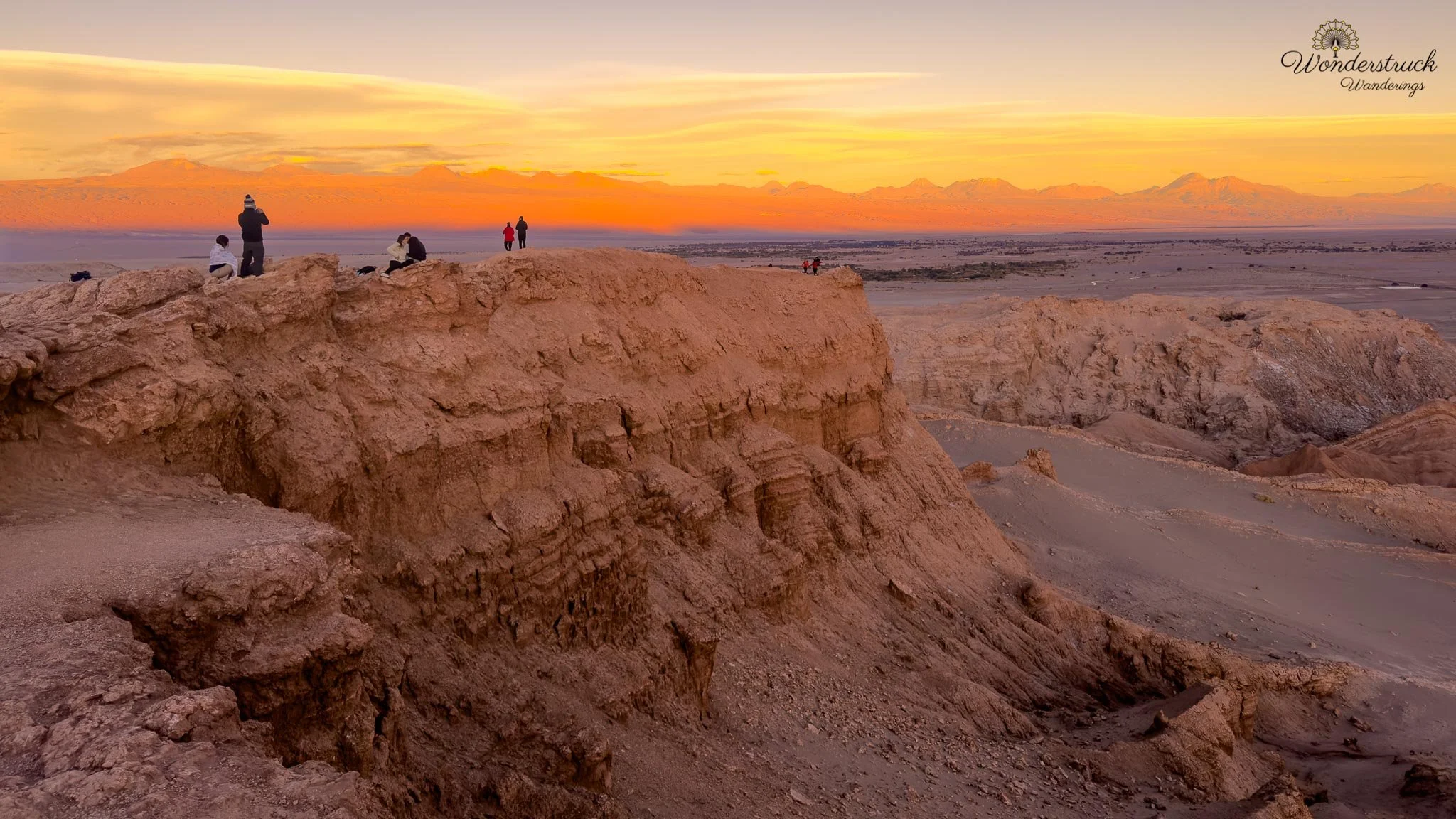
We checked into Our Habitas Atacama — our base for five nights — freshened up, and headed straight to Valle de la Luna. The choice was deliberate: Valle de la Luna sits at roughly the same altitude as San Pedro, making it the right first excursion before tackling higher-elevation days. Tickets were booked online a month ahead, though on-site availability is often possible. Official April–August hours run 8:00 a.m. to 4:00 p.m. for motorized entry, with the Ckari sector open until 6:00 p.m. The entry orientation — structured routes, suggested times at each stop — didn't suit our style, so we reversed the order, driving to the far end first to avoid the crowd wave and chase better afternoon light. Tres Marías delivered the valley's sculptural geology in compact form, with Piedra del Coyote just to the left reading unmistakably as an open-mouthed coyote howling at the moon.
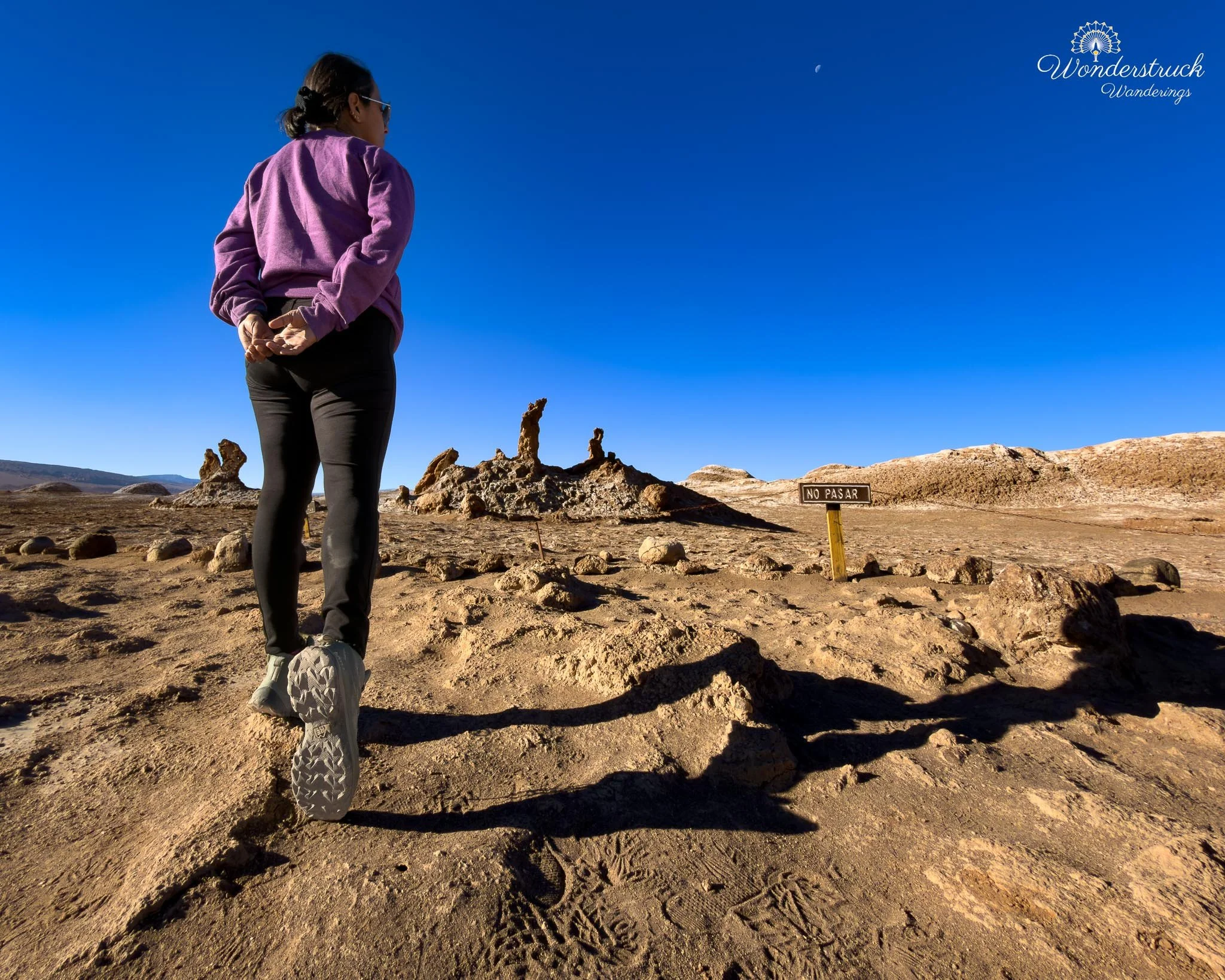
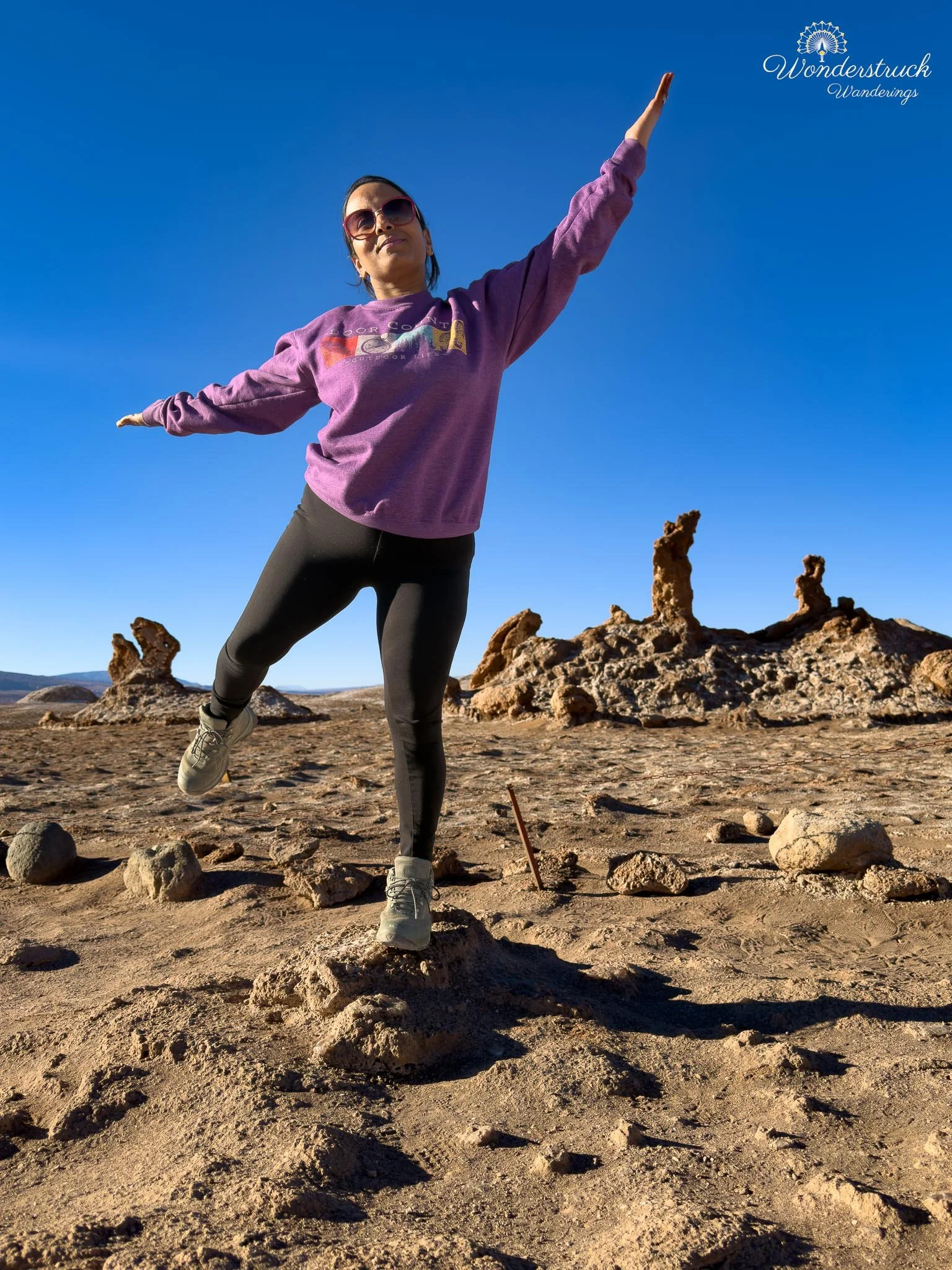
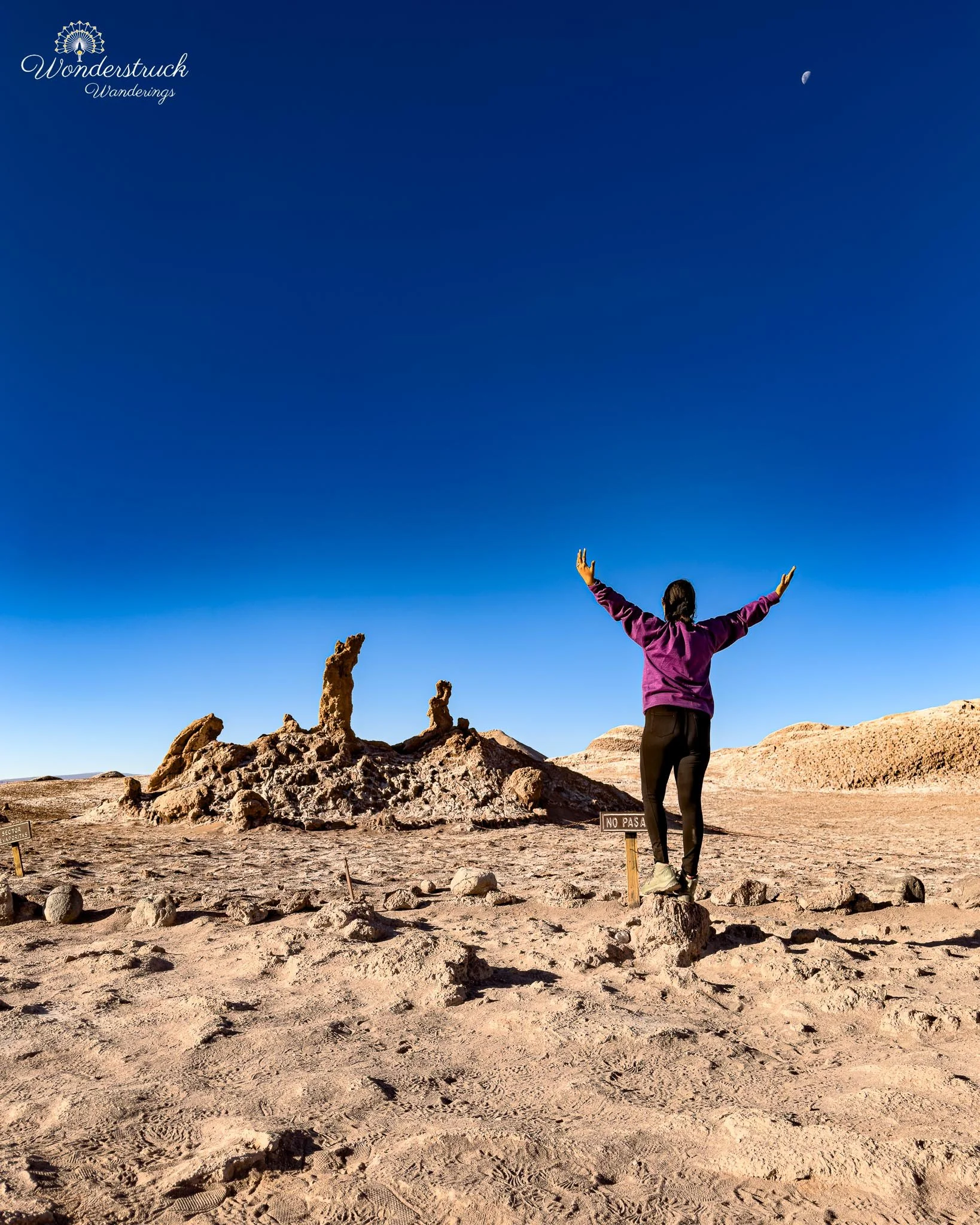
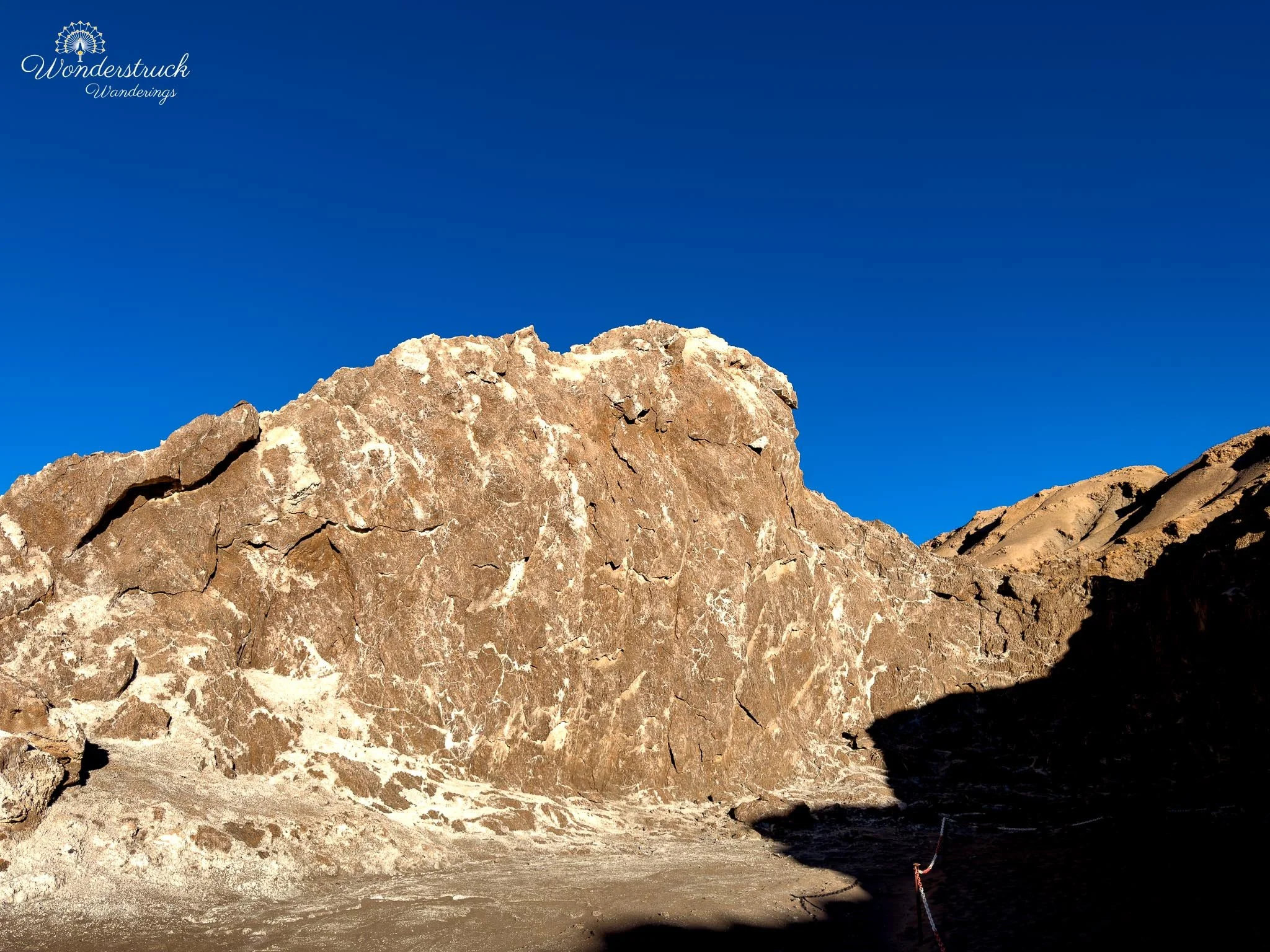
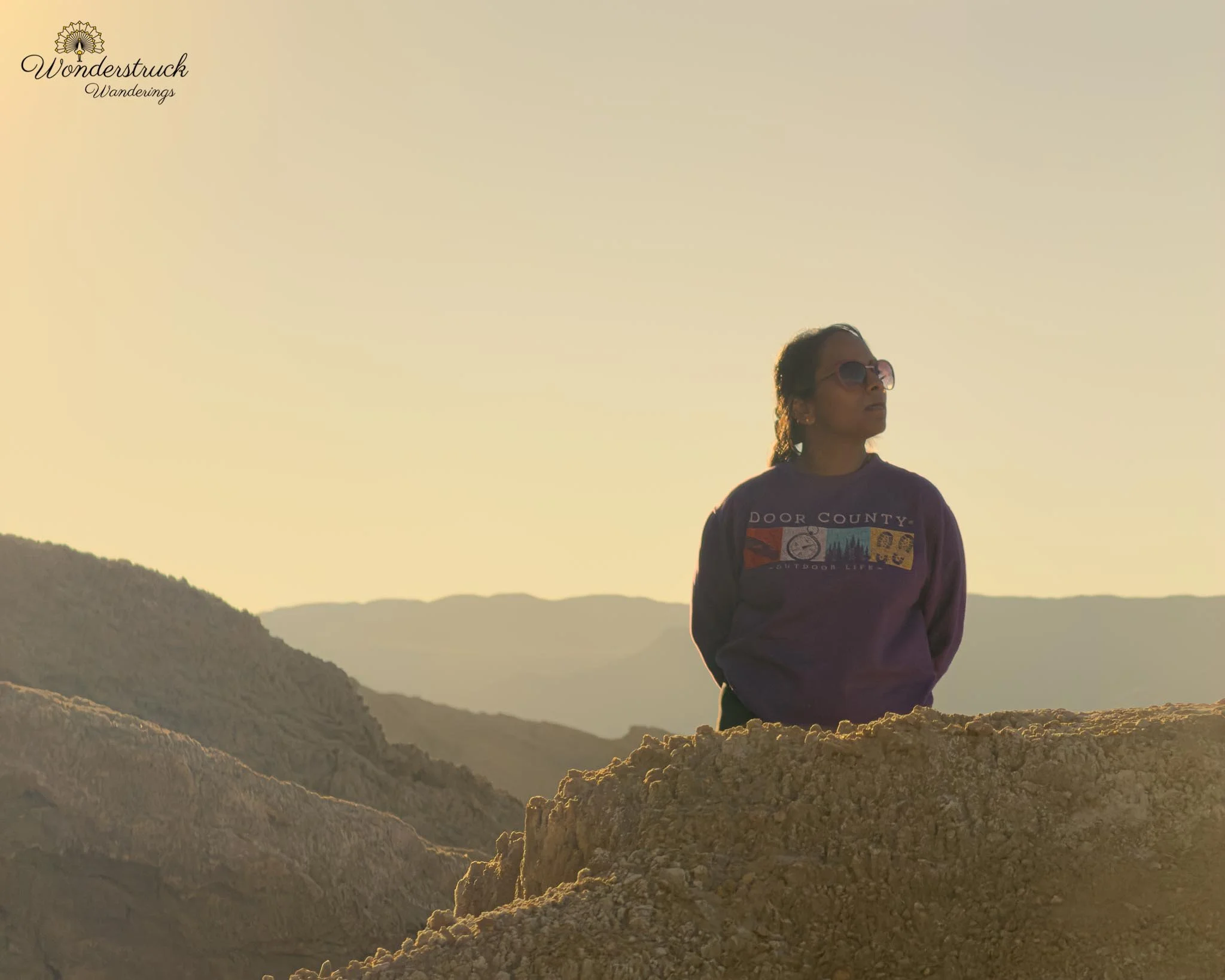
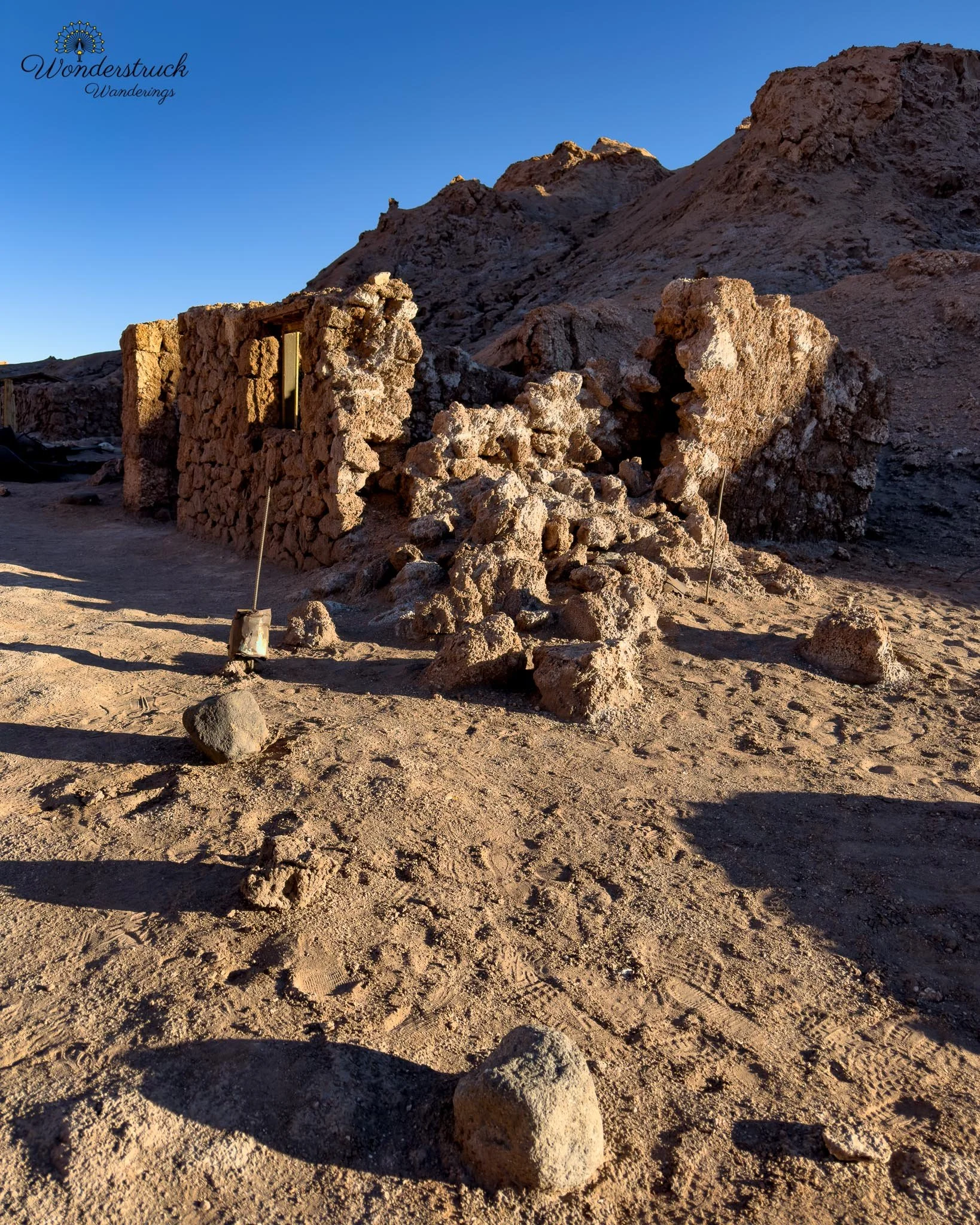
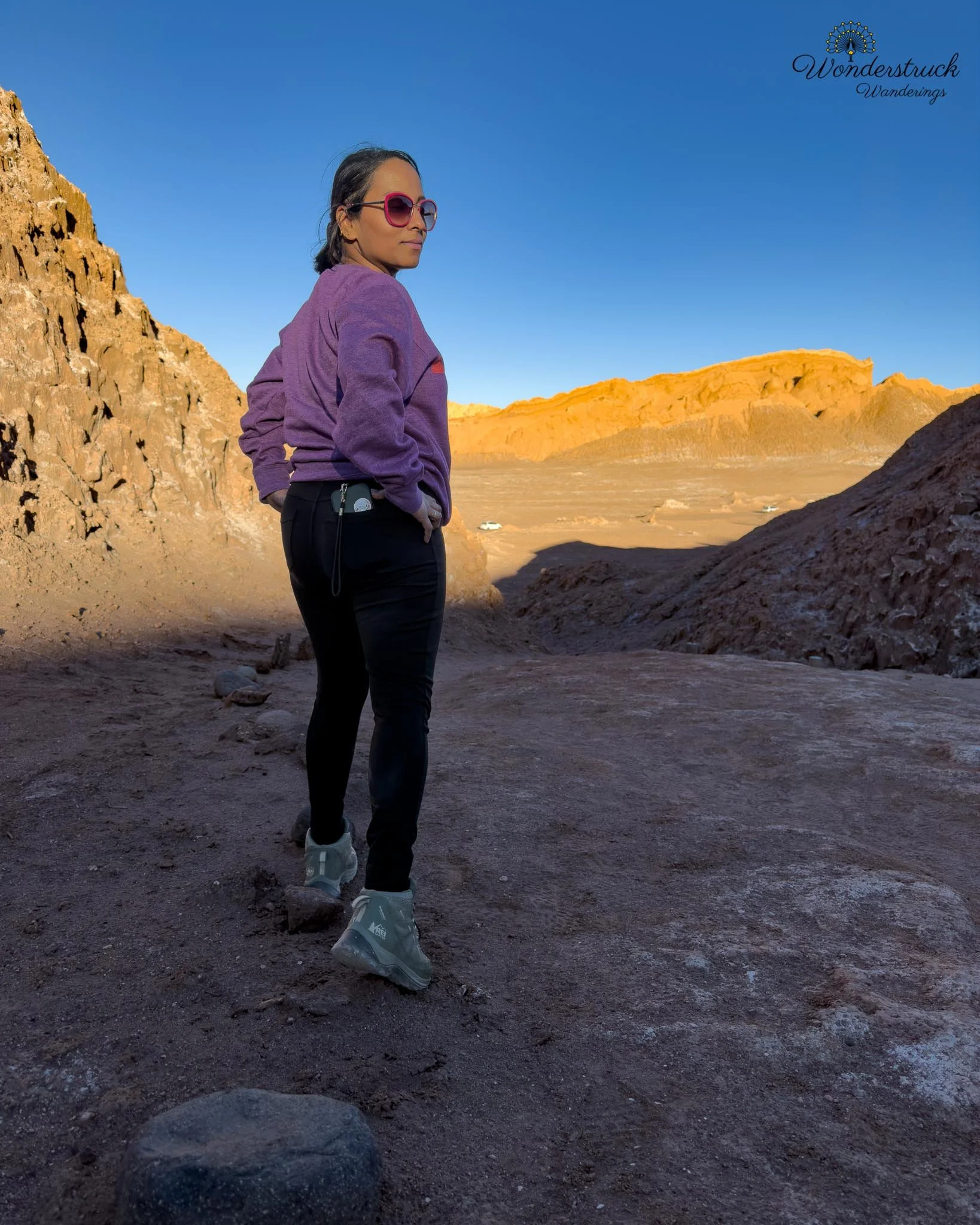
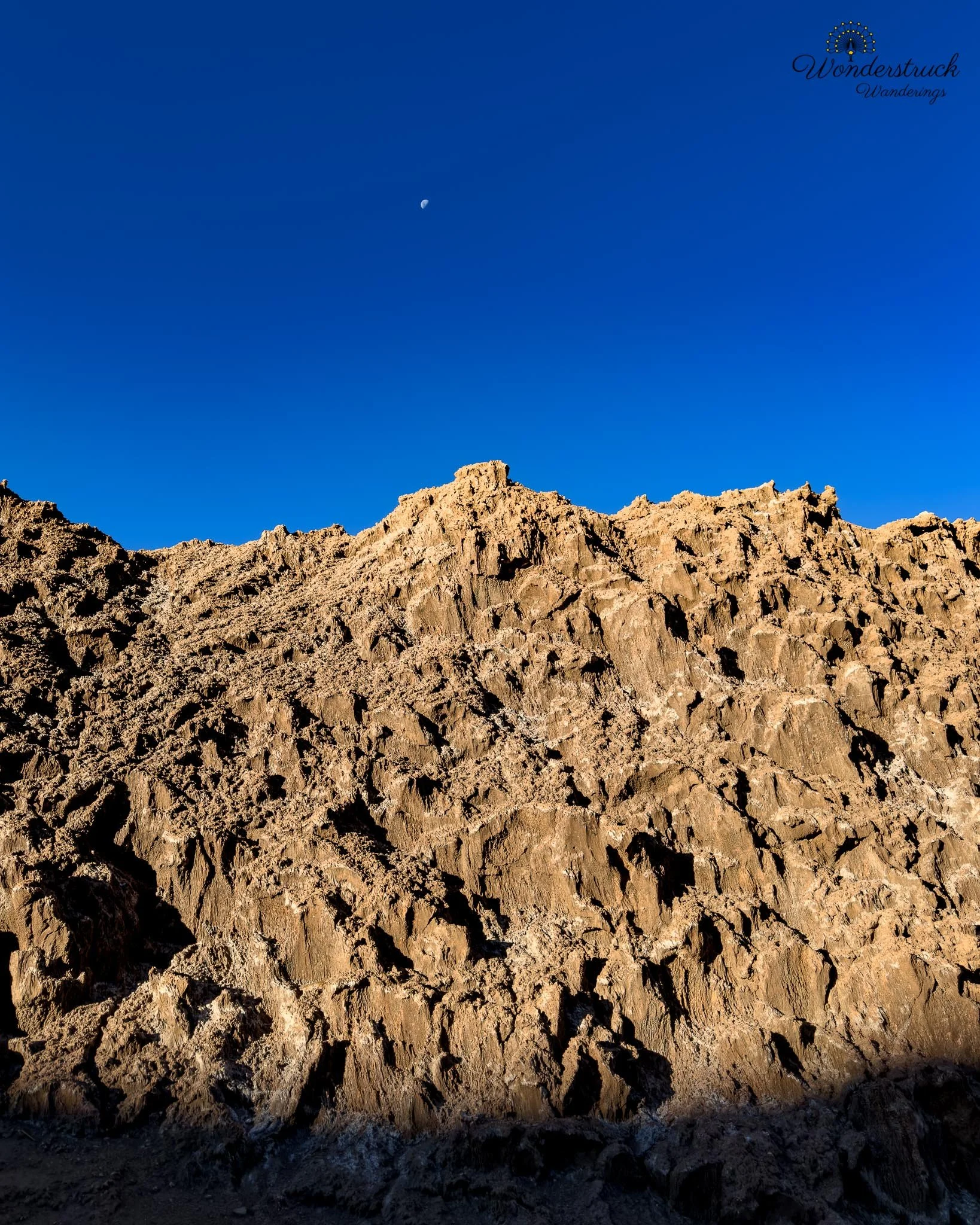
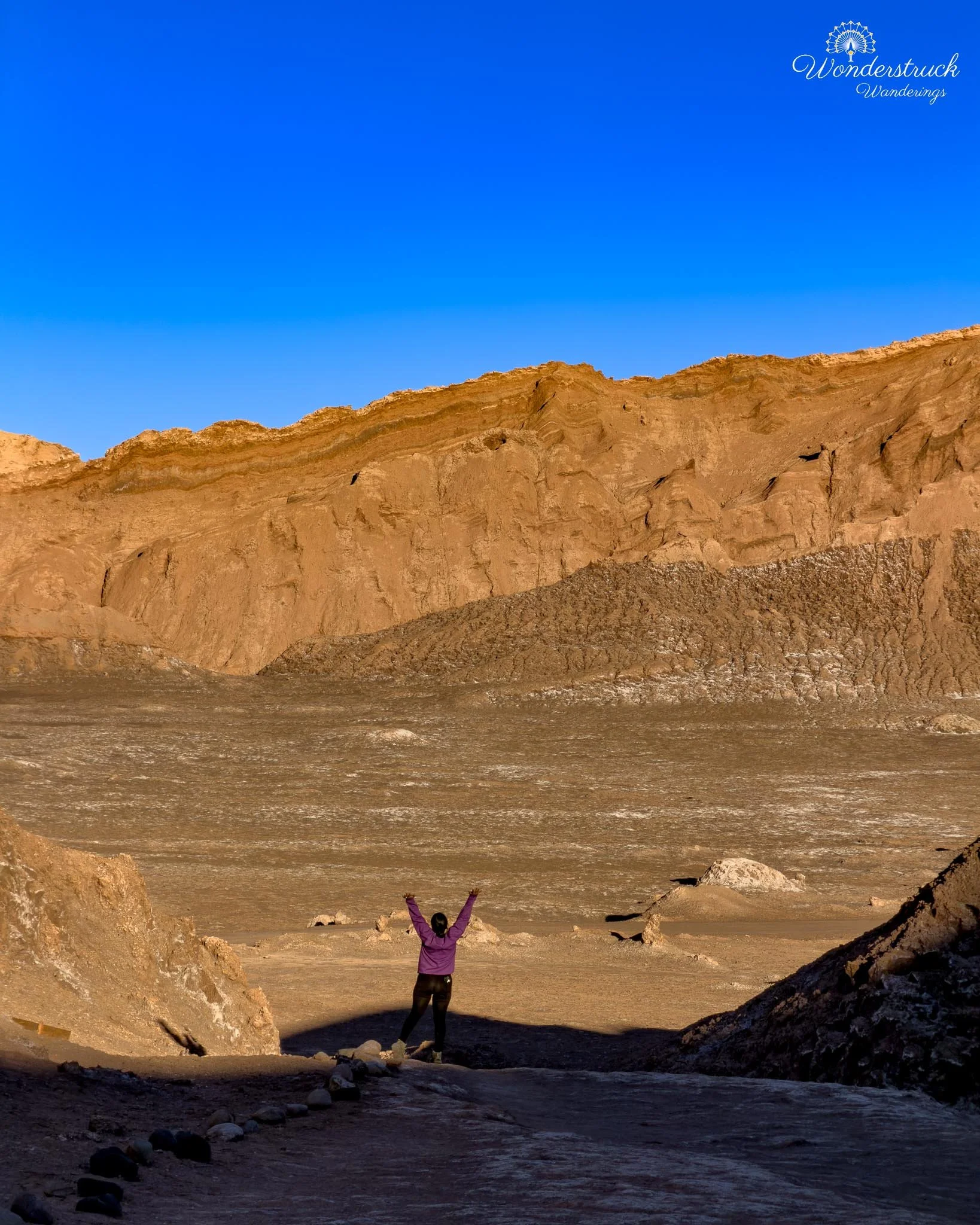
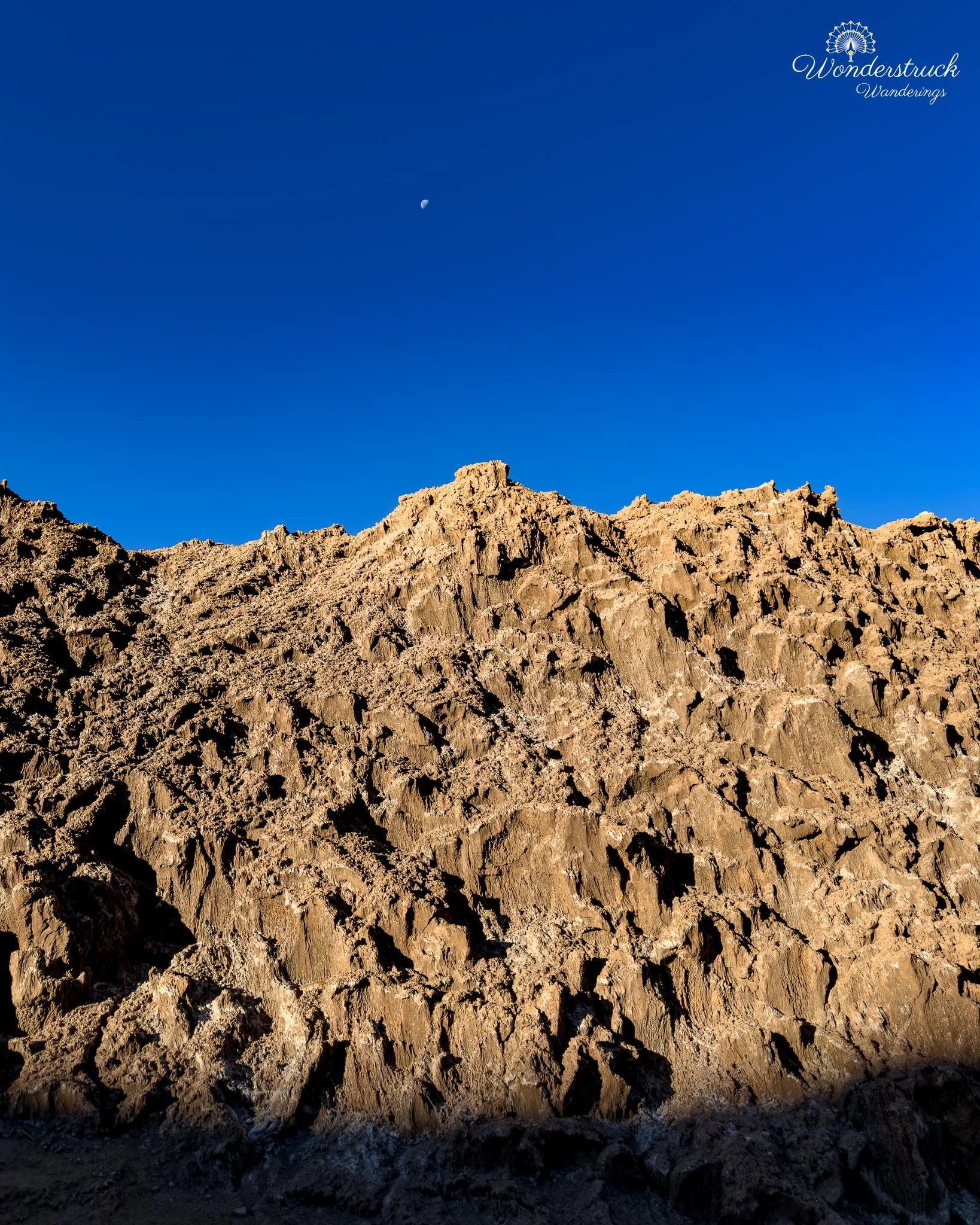
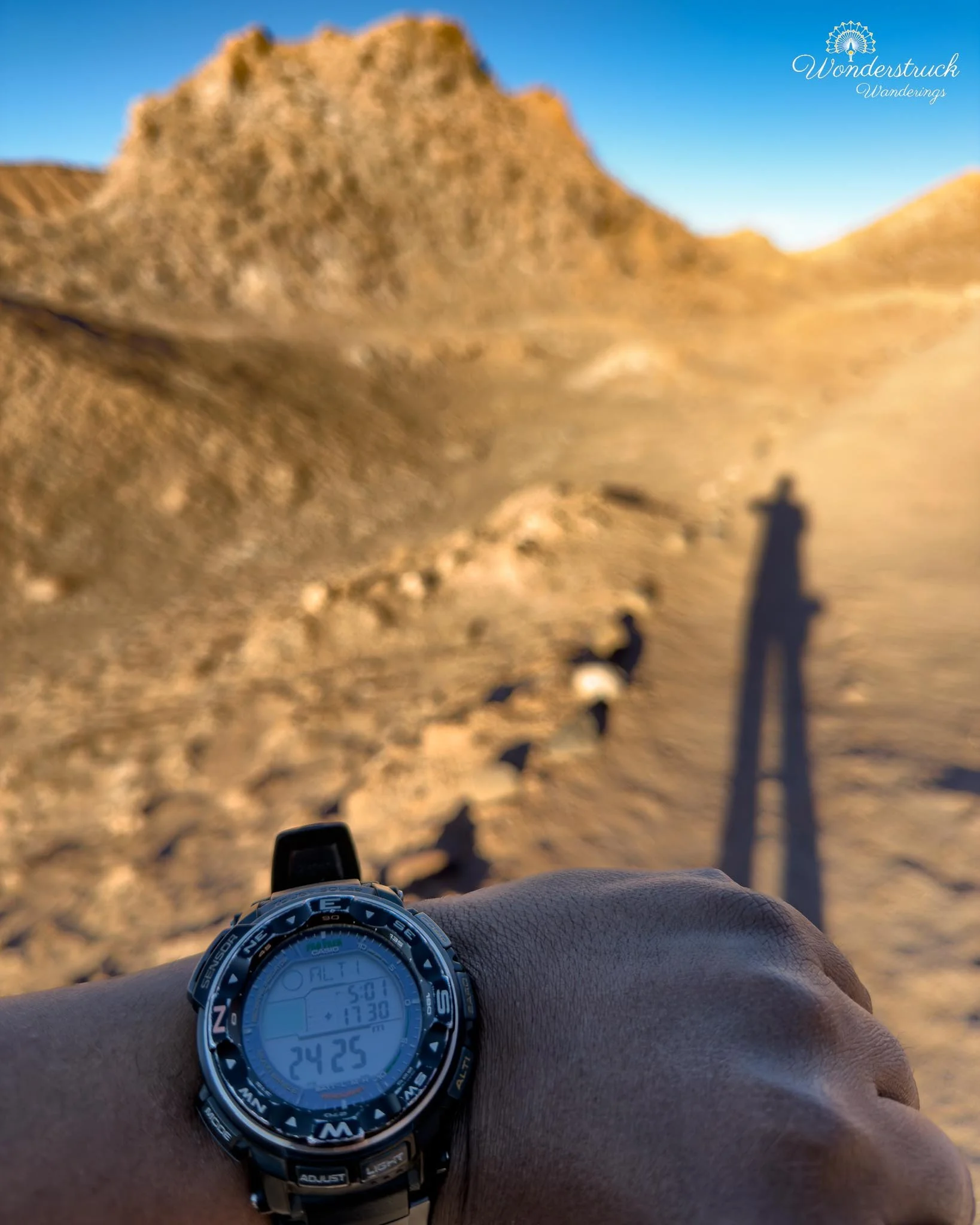
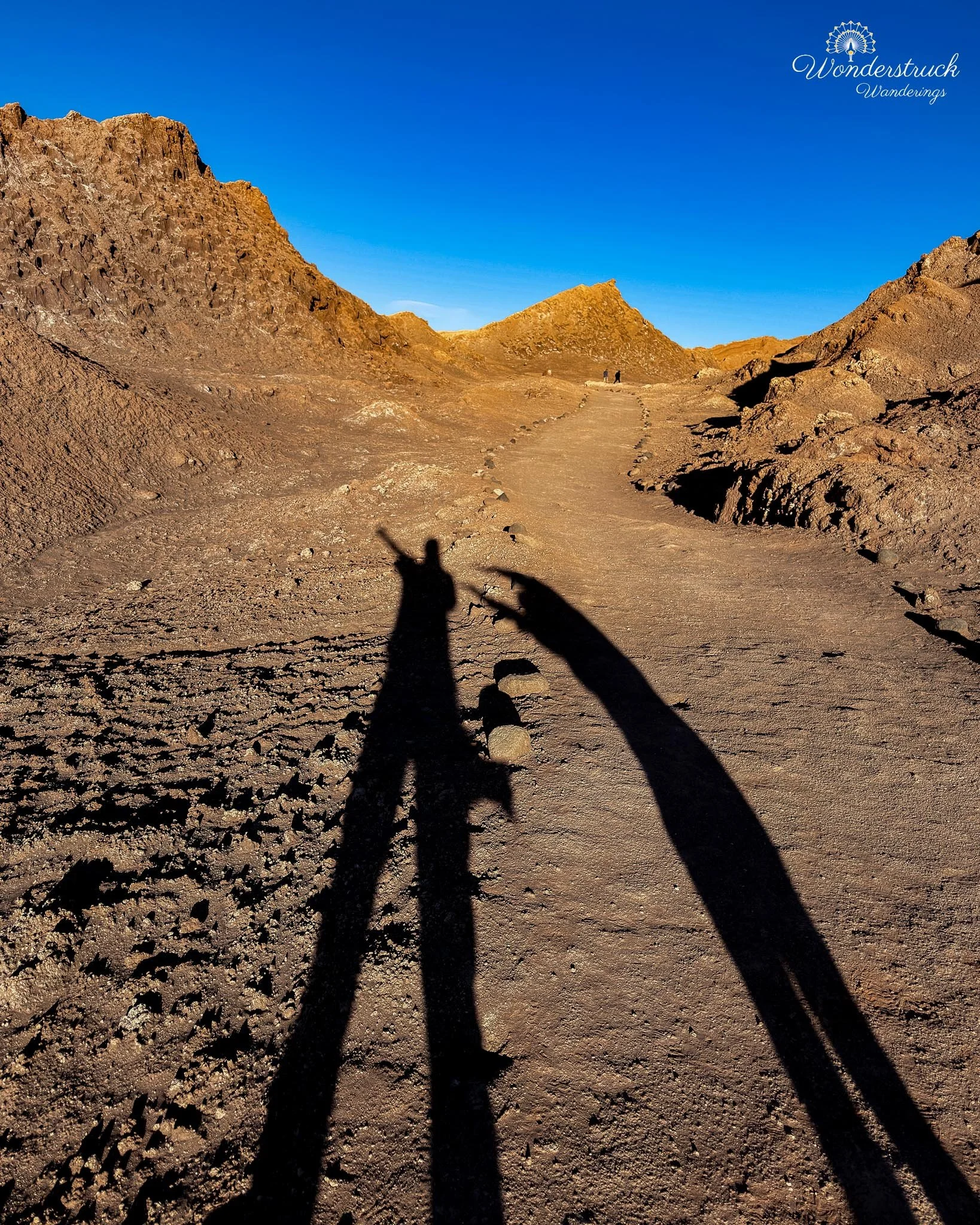
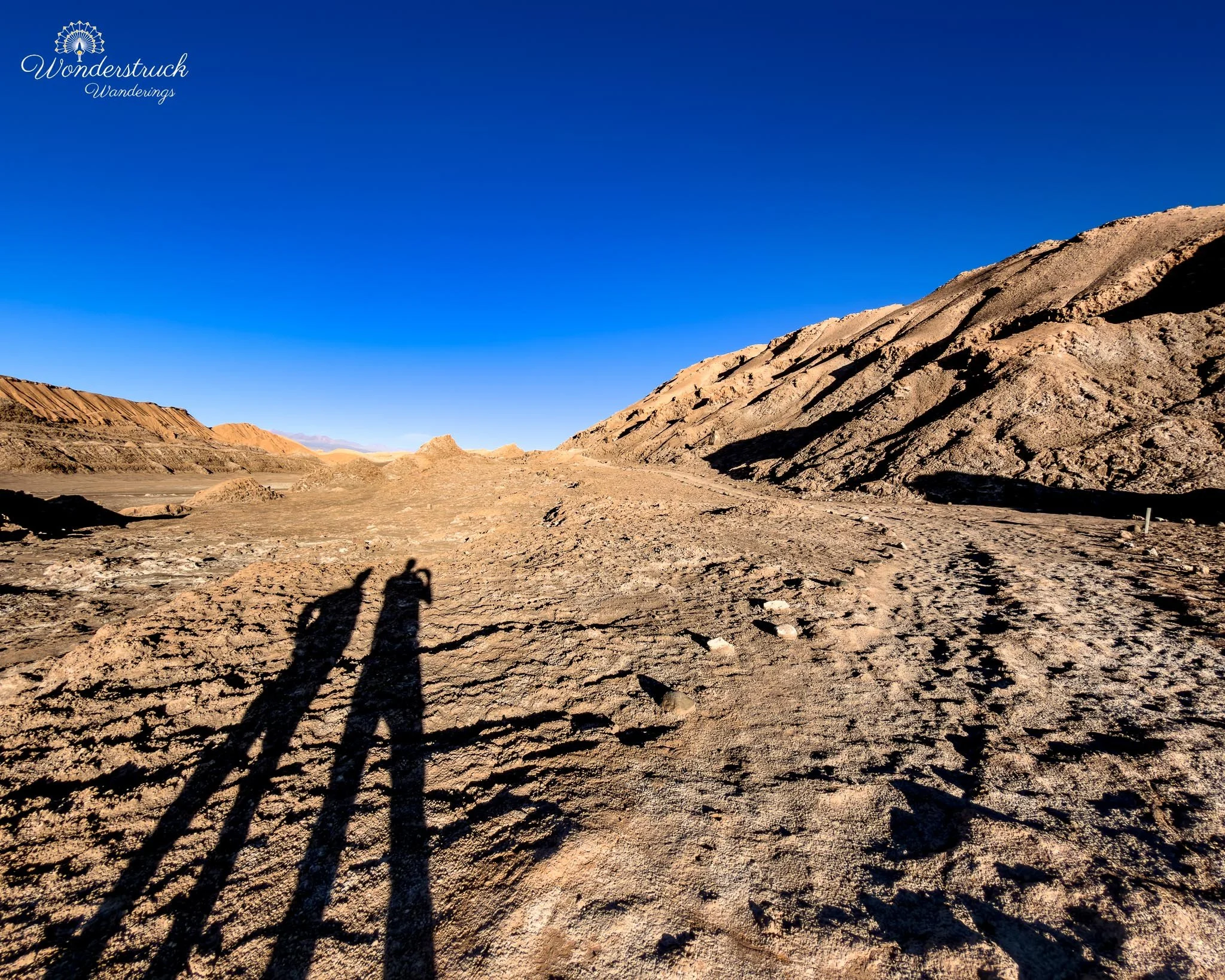
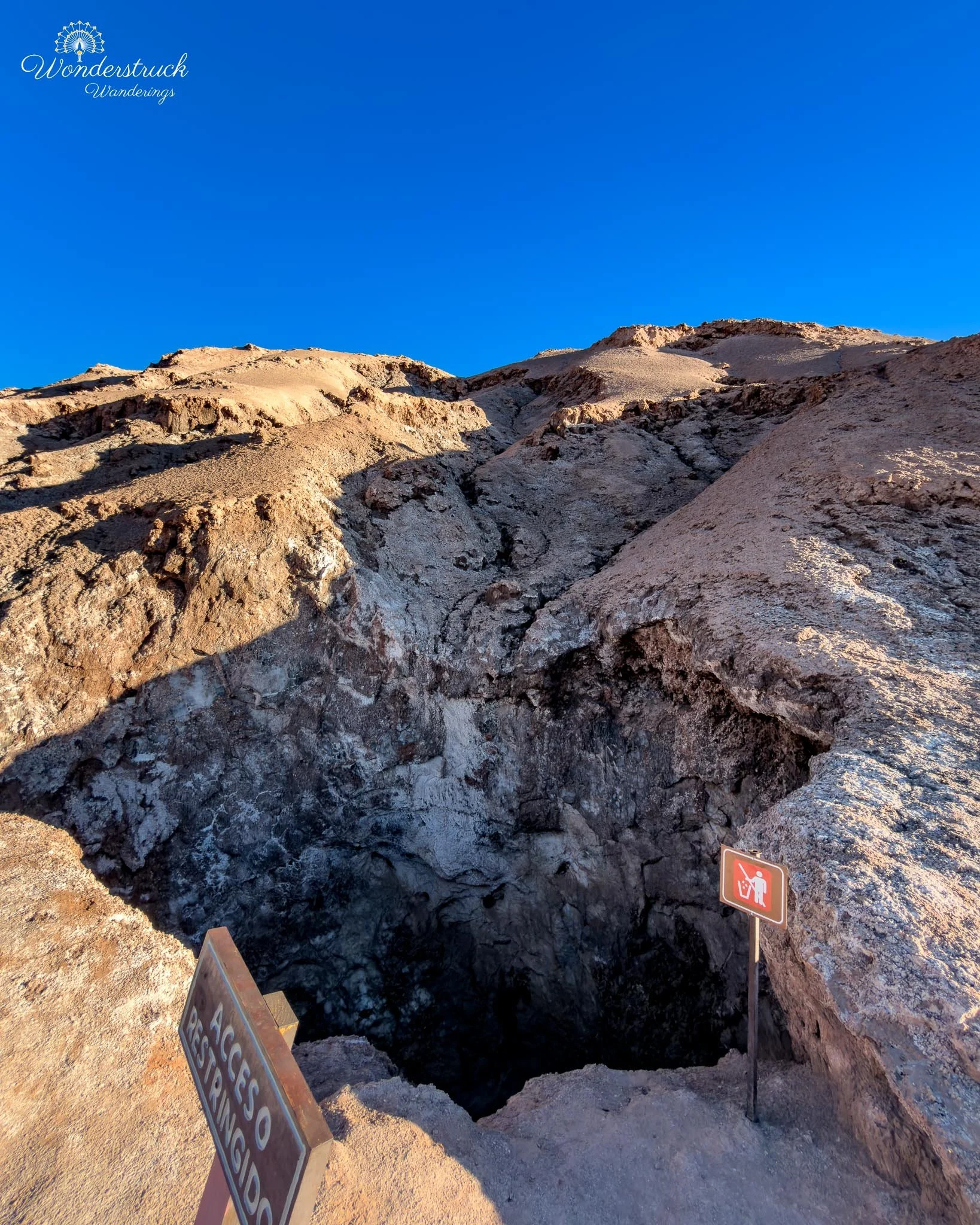
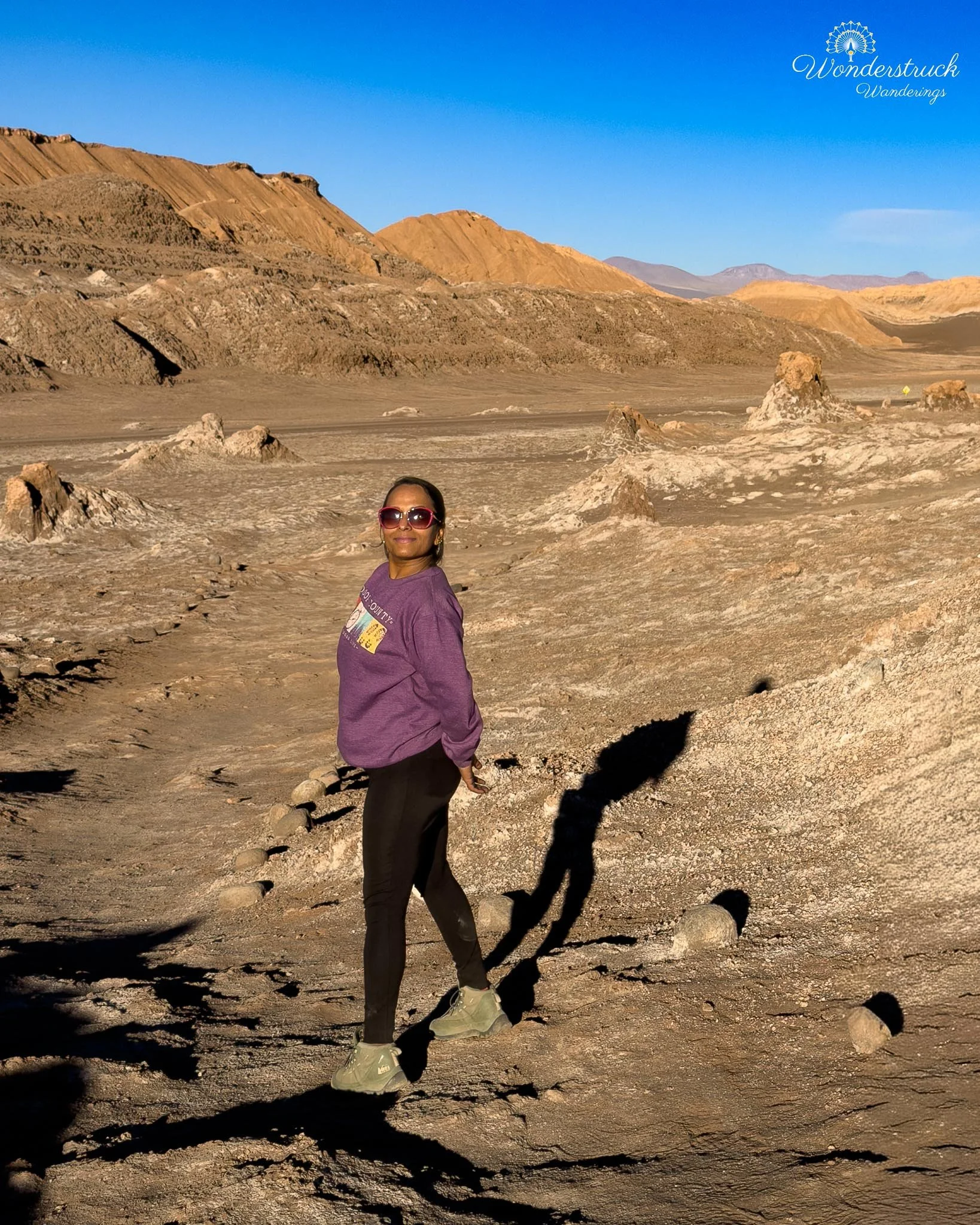
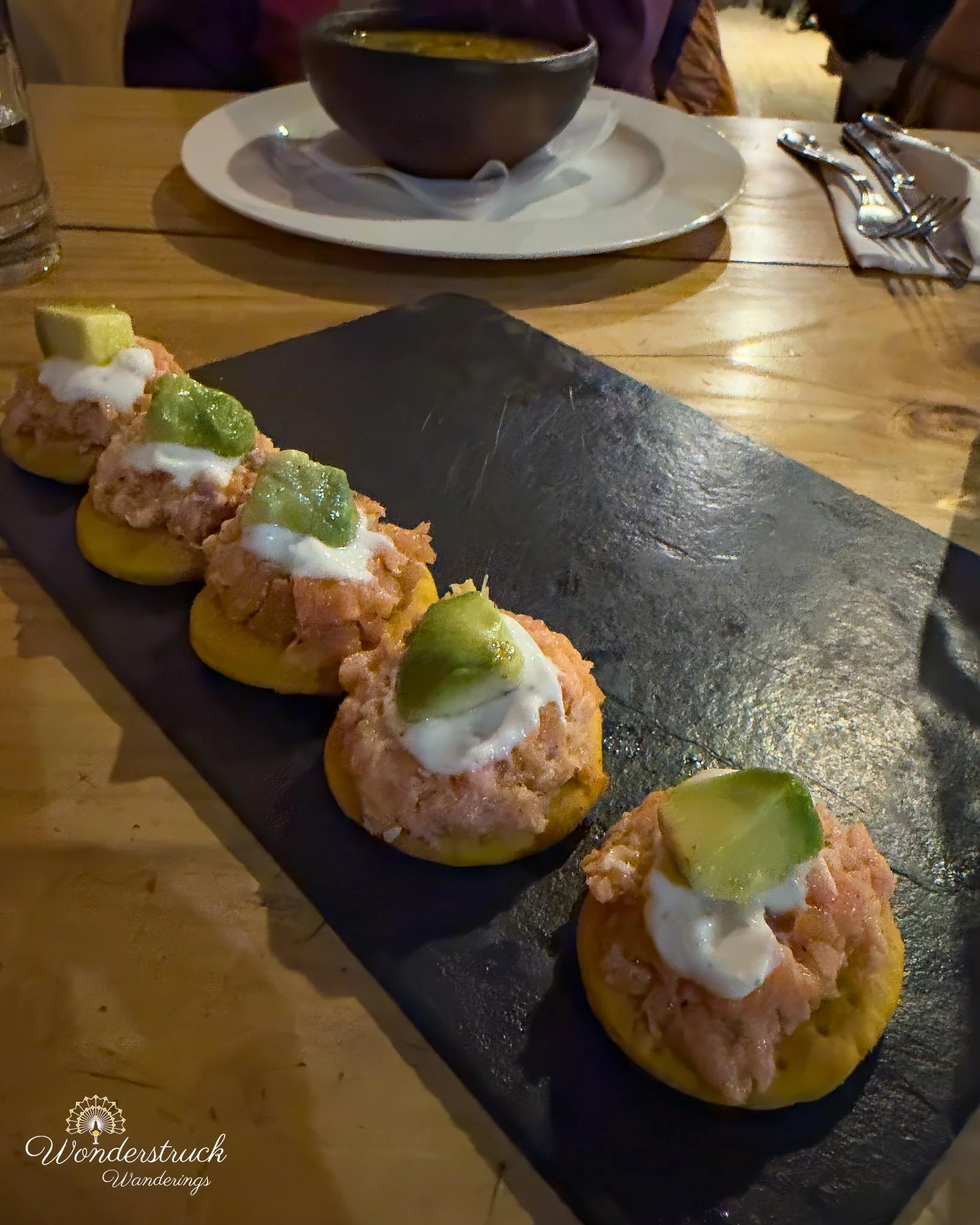
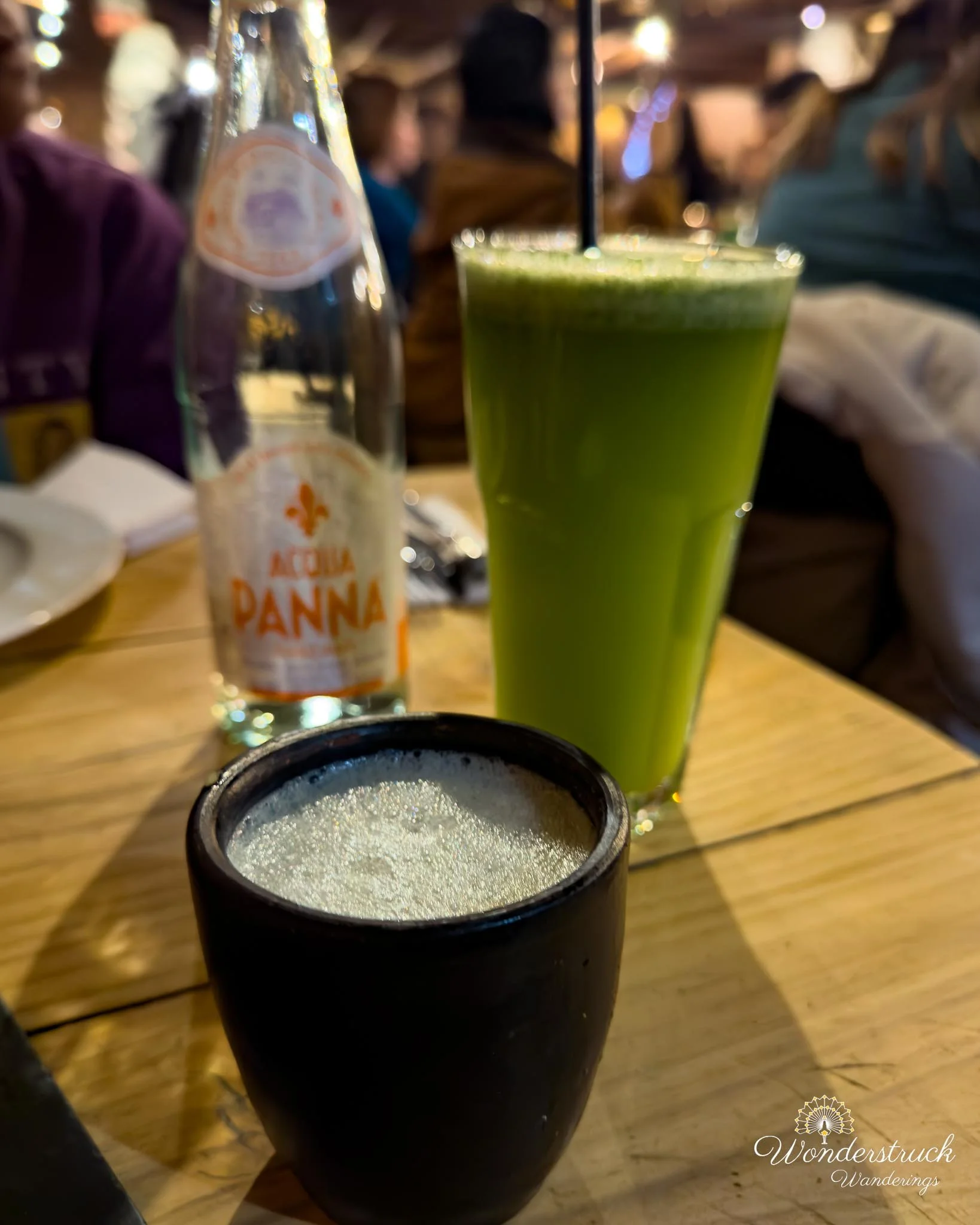
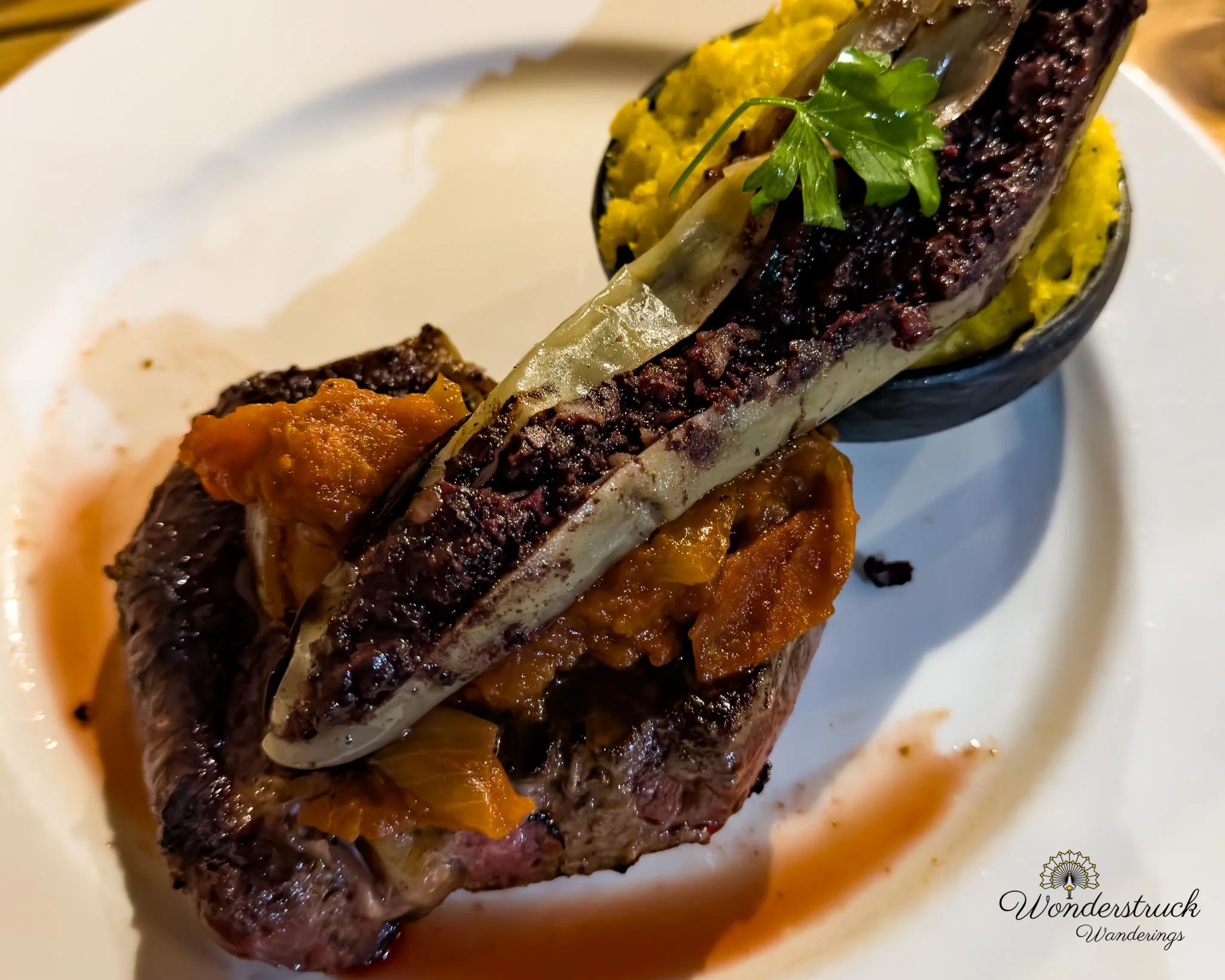
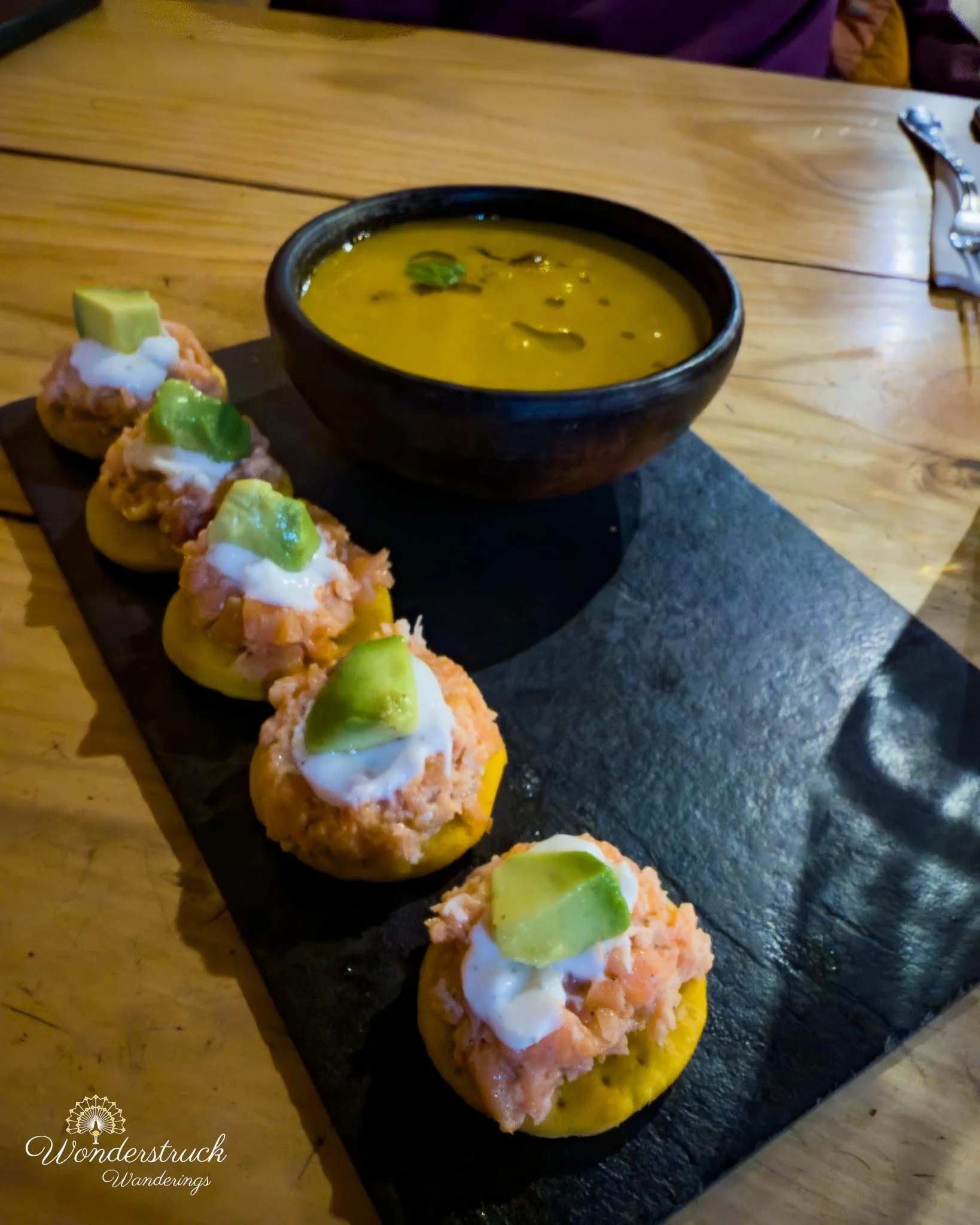
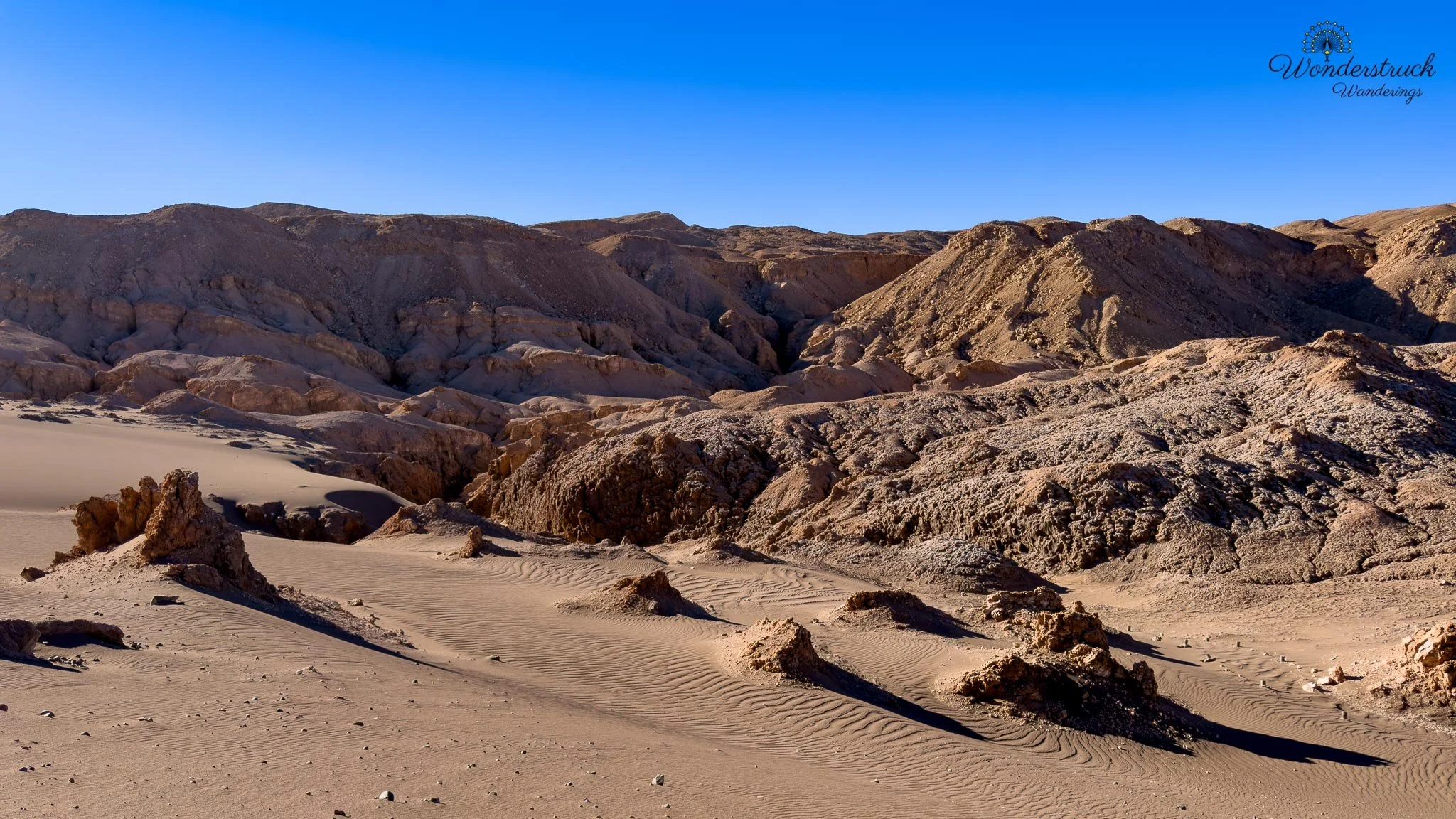
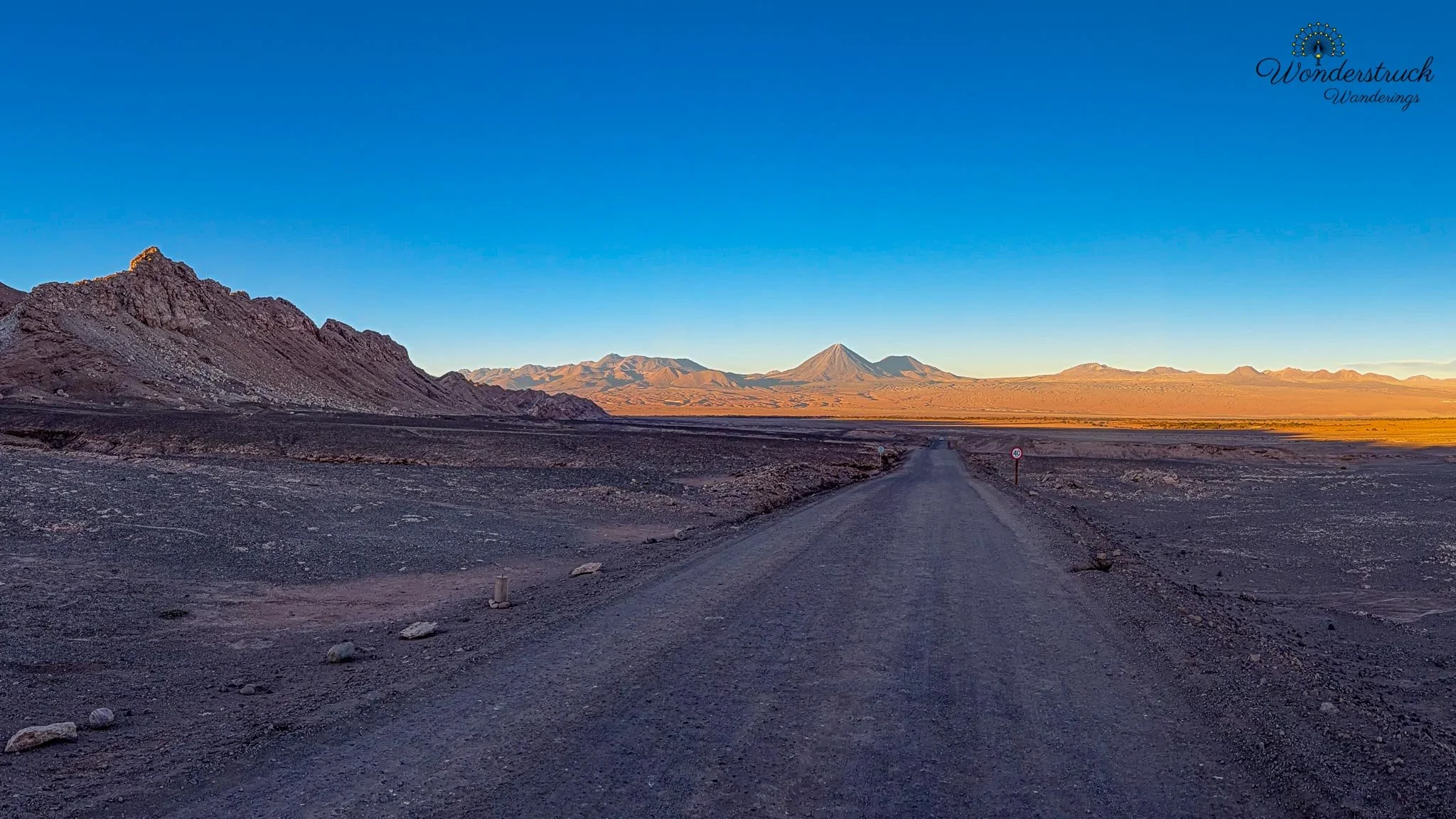
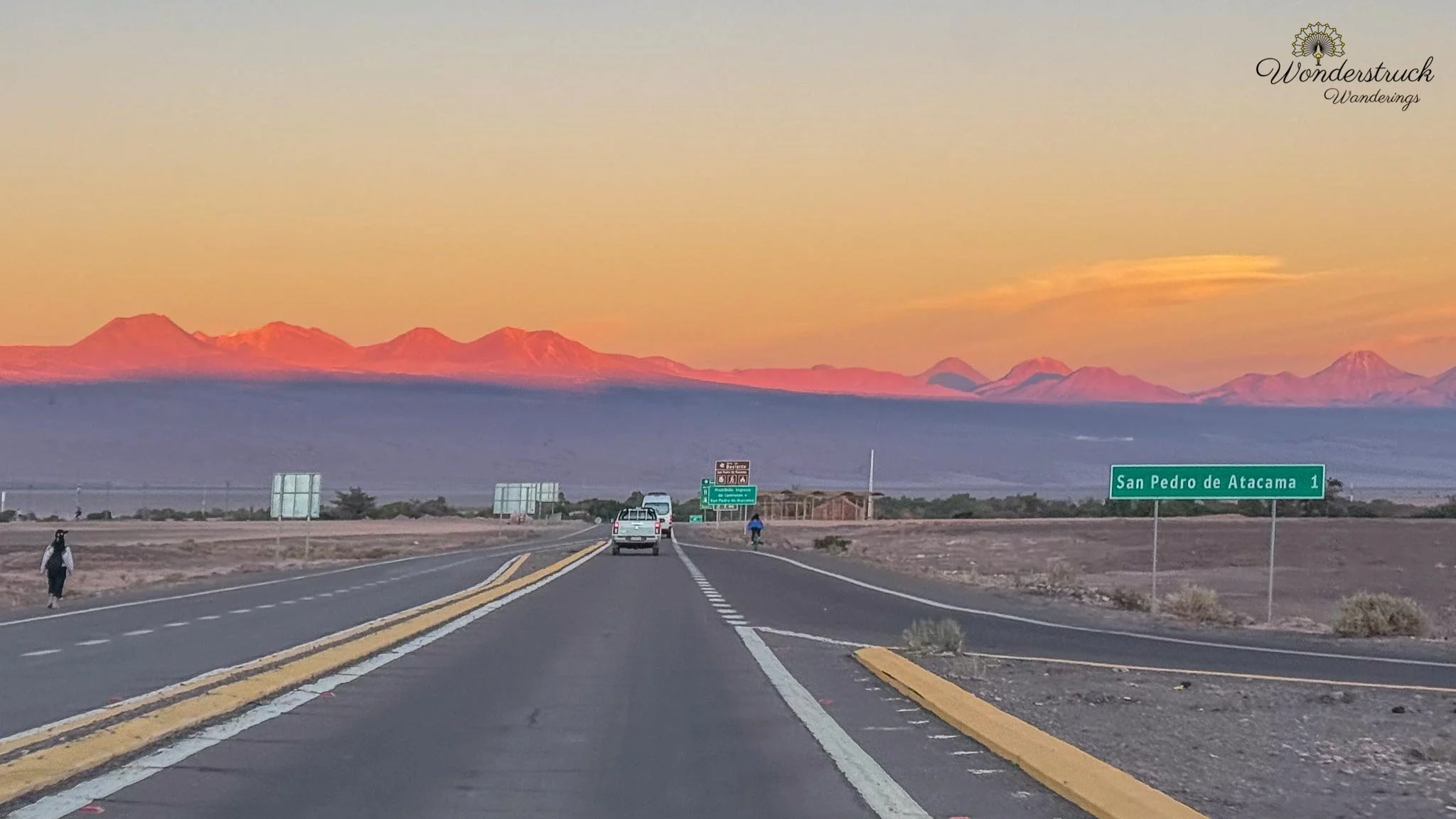
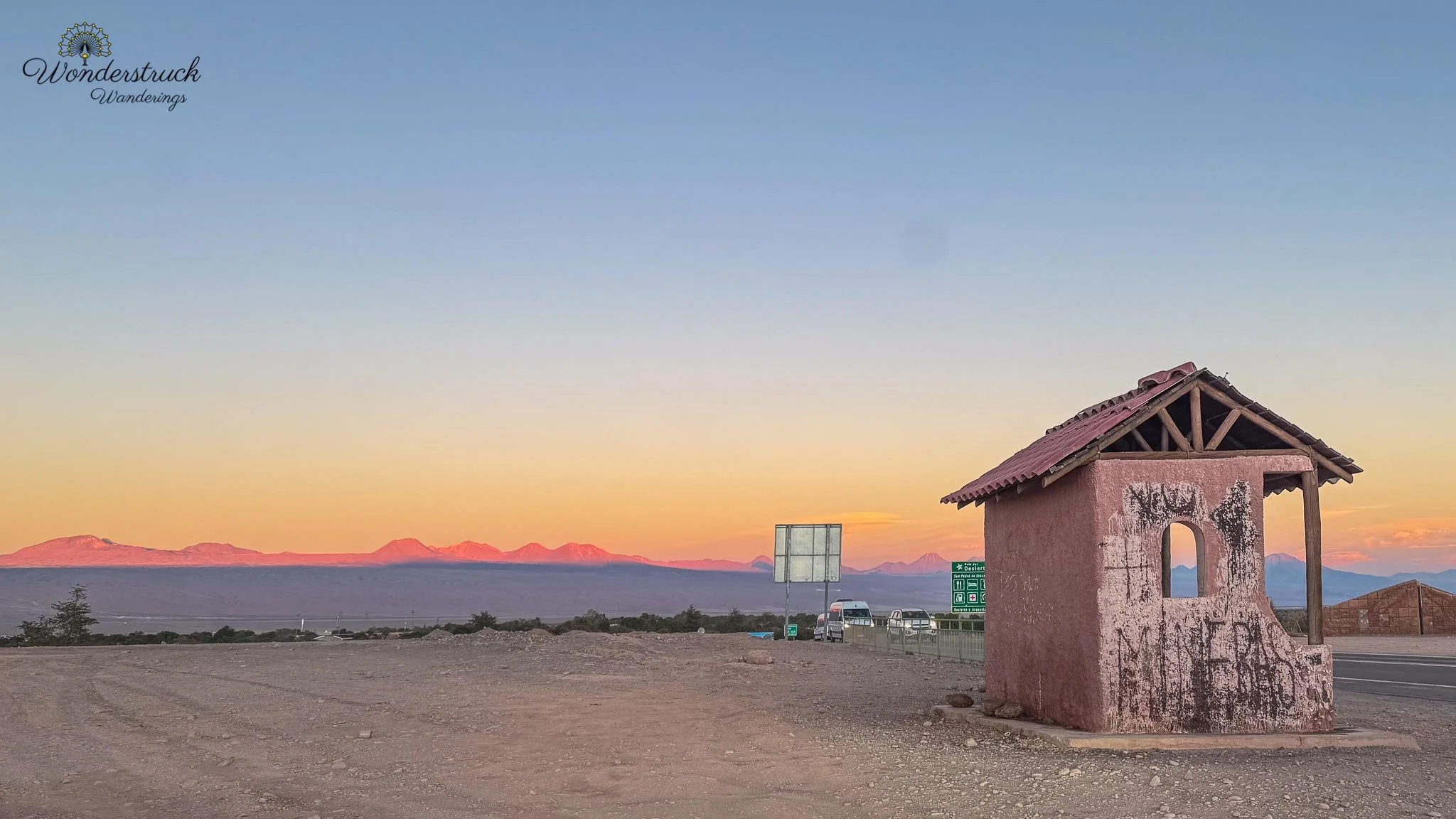
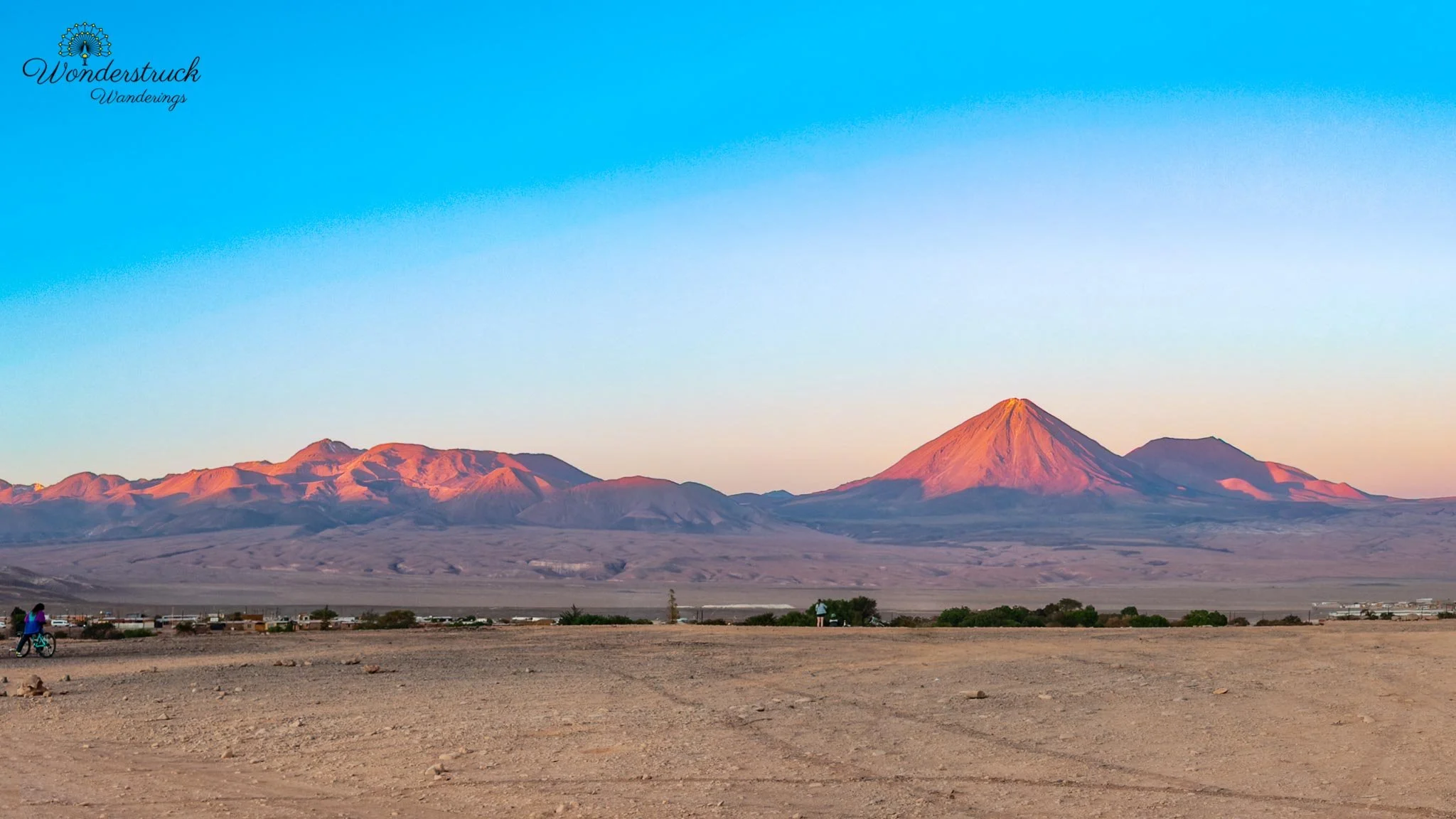
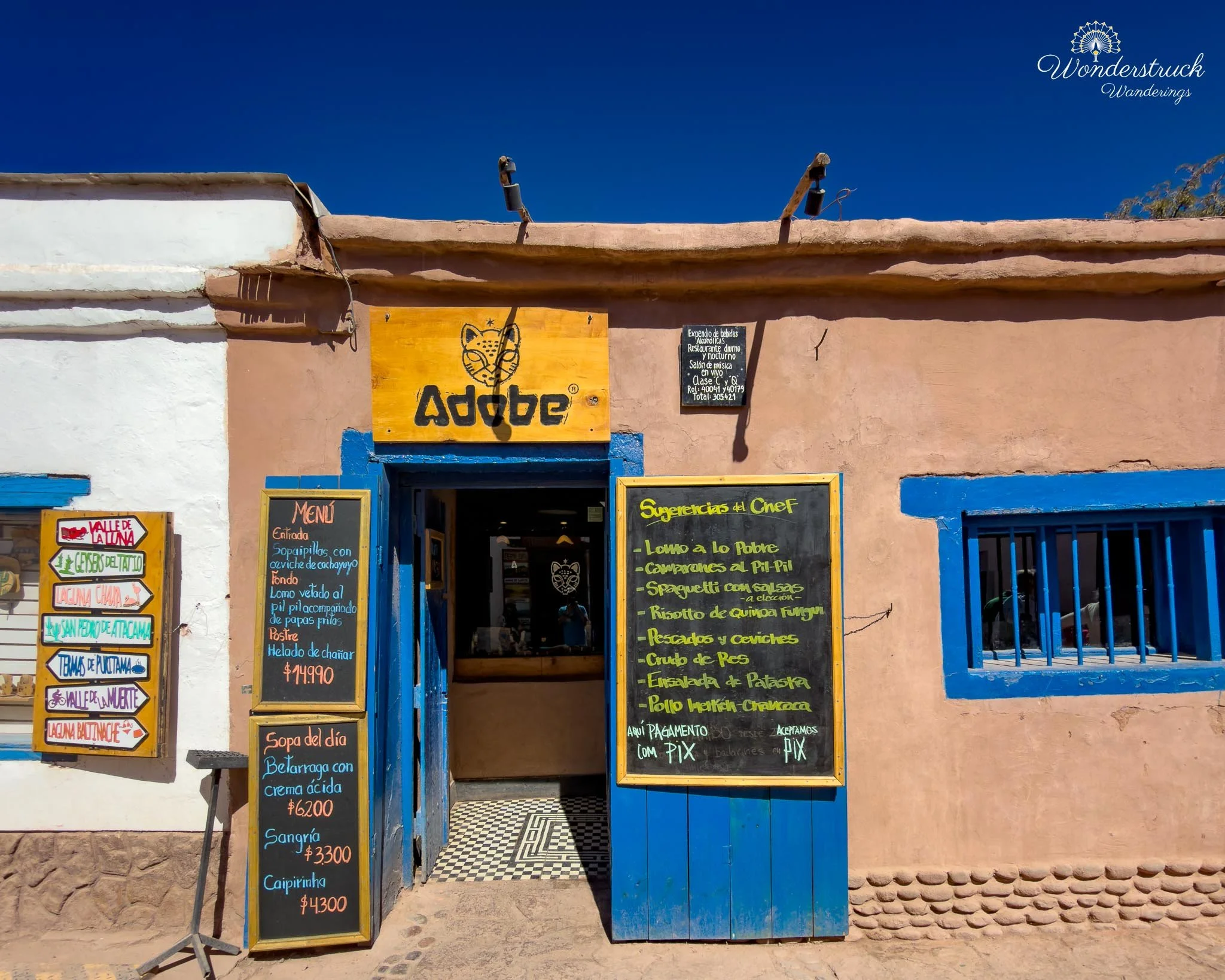
The Victoria Mine walk was the afternoon's highlight — on foot, the desert comes alive in a way it never does from the car. Salt underfoot, mineral smells, eroded walls catching small shadows, the landscape constantly rearranging itself. Timing rules kept us from Duna Mayor just as the light turned golden, redirecting us toward Ckari. A full parking lot at the Linkanatay viewpoint cost us the best window, and we ended up at a Licancabur viewpoint near the Ruta 23 junction instead — not the dramatic sunset we'd planned, but Licancabur Volcano glowing soft pink and purple against the darkening sky was still a powerful first Atacama evening. Back in San Pedro we browsed the artisan market and picked up a few things before dinner at Adobe, open since 1997 and still one of the town's best. Shay had a Chilean pisco sour; I went with a lemon-mint-ginger lemonade. We started with salmon tartare on sopaipilla and a sharp, sour tomatillo-style soup before mains of picana with blood sausage in a grilled poblano pepper — hearty and smoky and exactly right. One birding note before sleep: a Mourning Sierra Finch near the hotel, a quiet lifer that felt like the Atacama introducing itself on its own terms. Then we crashed. Two long days down, five desert nights ahead. Read more on Daily Diaries.
Day 3- Laguna Cejar, Ruta 27, Quepiaco Wetlands and Atacama Highlands
-
Our Habitas Atacama – Second night at our San Pedro base, conveniently located for visiting Laguna Cejar and exploring the high-altitude landscapes along Ruta 27. We loved the adobe-style rooms with local textiles and ceramics all within walking distance of San Pedro's main street.
-
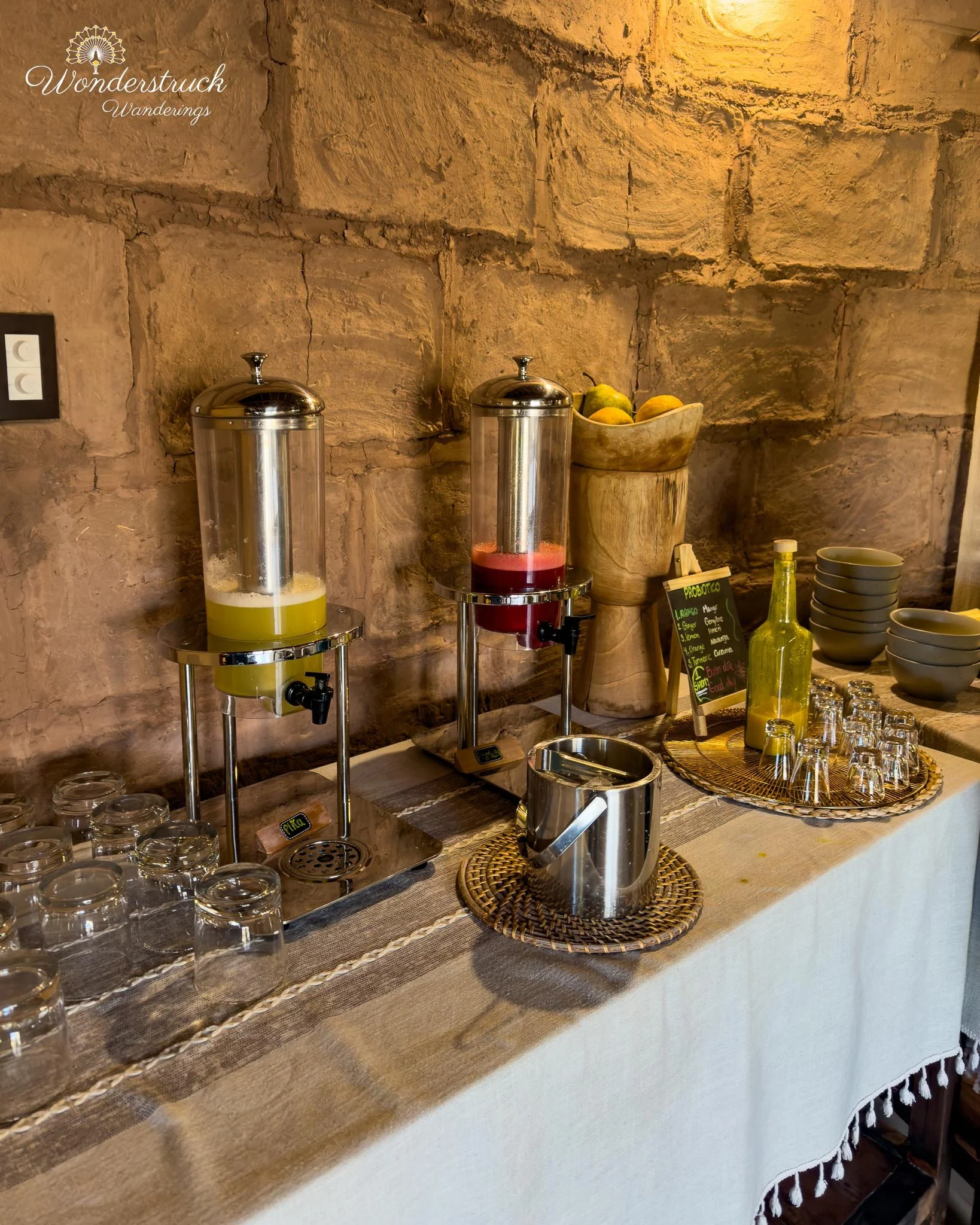
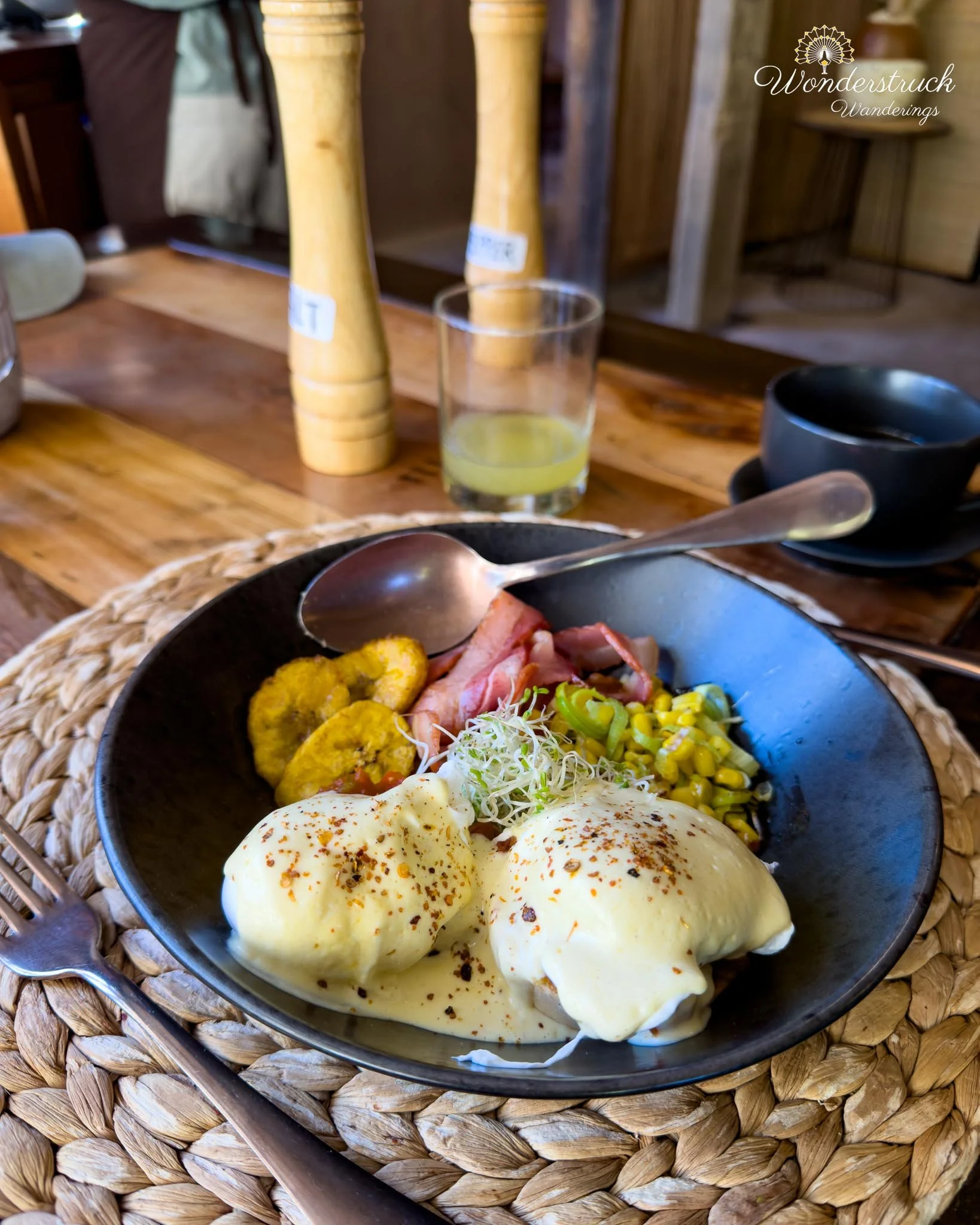
Breakfast – Our Habitas Atacama: Boutique hotel breakfast featuring fresh breads, pastries, fruit, cheeses, cold cuts, juices, coffee, and made-to-order eggs, served in a relaxed desert-inspired setting.
Lunch – La Franchutería: French-style artisan bakery in San Pedro, known for freshly baked baguettes, buttery croissants, sandwiches, quiches, and pastries. Features a shaded garden courtyard ideal for a casual lunch. Excellent stop for packing for early-morning excursions when cafés and restaurants may not yet be open.
Ice Cream – Helados Artesanales Babalu: Popular artisan ice cream shop in central San Pedro, offering creative flavors inspired by regional ingredients, including rica-rica, chañar, and other local specialties.
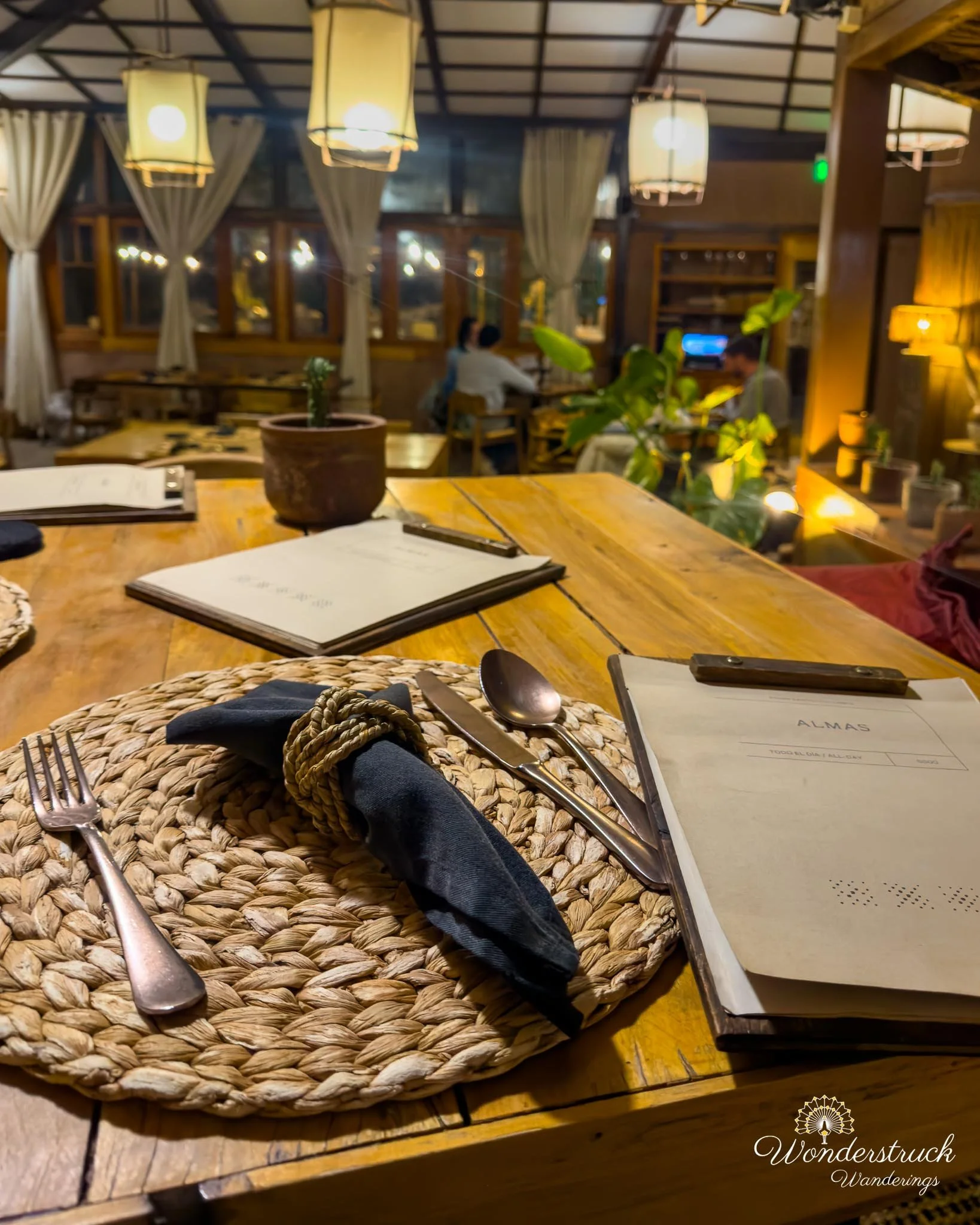
Dinner – Almas, Our Habitas Atacama: Contemporary restaurant combining international techniques with Andean ingredients and Chilean culinary traditions. Offers seasonal dishes, regional flavors, Chilean wines, and creative cocktails in an intimate desert setting.
-
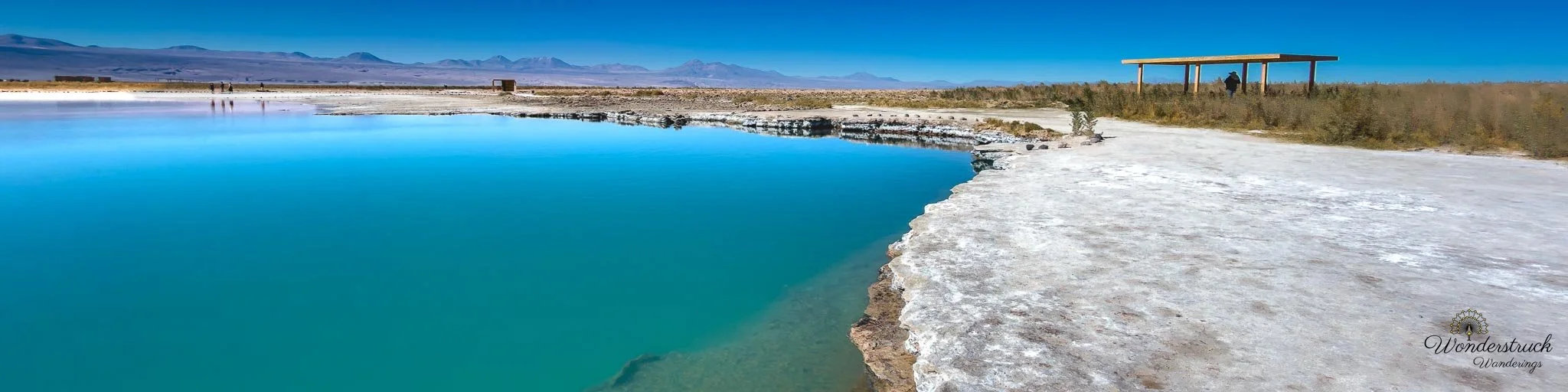
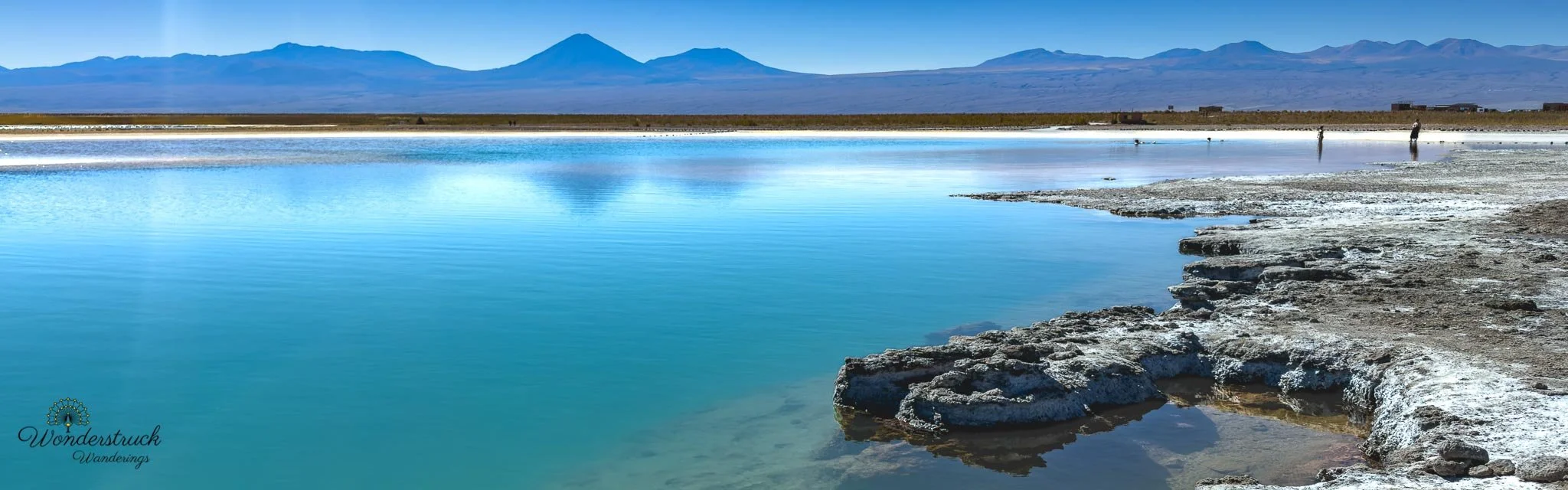
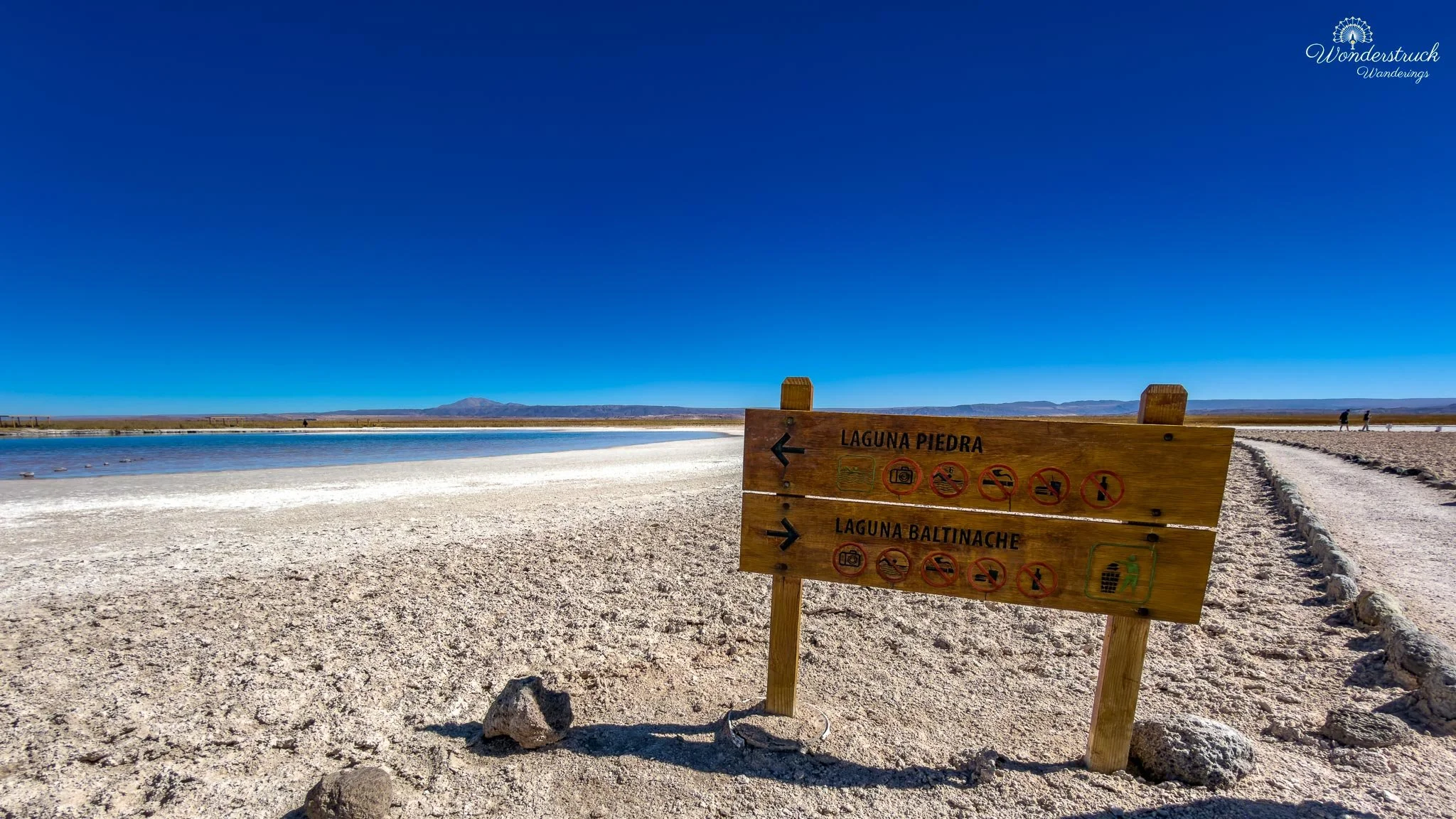
Laguna Cejar and Laguna Piedra: A salt-lagoon complex approximately 28 km from San Pedro, surrounded by white salt crust, blue water, and volcanic scenery.
Laguna Cejar: Scenic saline lagoon with flamingos, birding opportunities, and salt-flat viewpoints. Swimming is not permitted.
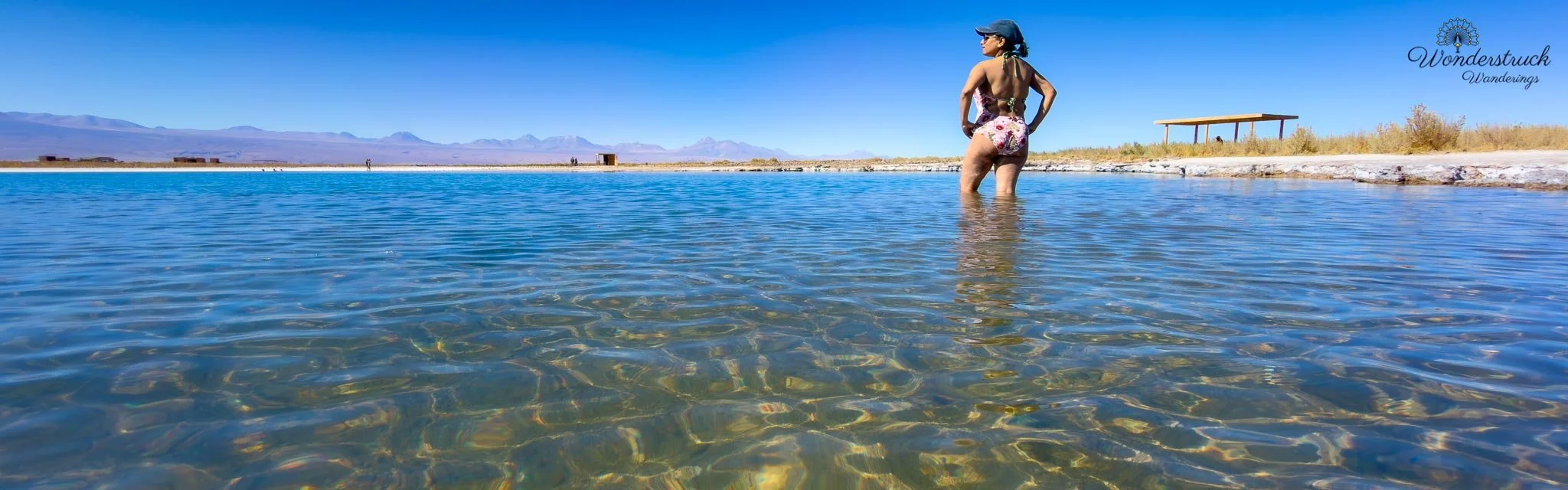
Laguna Piedra: Designated swimming lagoon where high salinity allows visitors to float effortlessly.
Lagoon Birding Trail: Marked paths and viewing areas for flamingos, Puna Plover, teals, and other wetland birds.
San Pedro de Atacama – Caracoles Street: The town's main street, lined with adobe buildings, artisan shops, restaurants, cafés, and tour agencies.
Ruta 27 – Paso de Jama Highway: Scenic high-altitude drive toward Argentina, climbing above 4,000 meters through volcanic landscapes, wetlands, and salt flats.
Mirador Licancabur: Views of the distinctive 5,916-meter Licancabur Volcano.
Hito Cajón Junction: Turnoff toward Bolivia's high-altitude lagoons and Salar de Uyuni.
Mirador Quebrada: Views of deep ravines, volcanic slopes, and the Andean plateau.
Vegas de Quepiaco / Laguna Diamante: High-altitude wetland around 4,500 meters, excellent for teals, sierra finches, and other Andean birds.
Mirador Pacana Caldera: Panoramic views of ancient volcanic formations and the surrounding plateau.
Salar y Laguna de Tara Viewpoint: Salt flats, lagoons, mineral-colored mountains, and volcanic scenery.
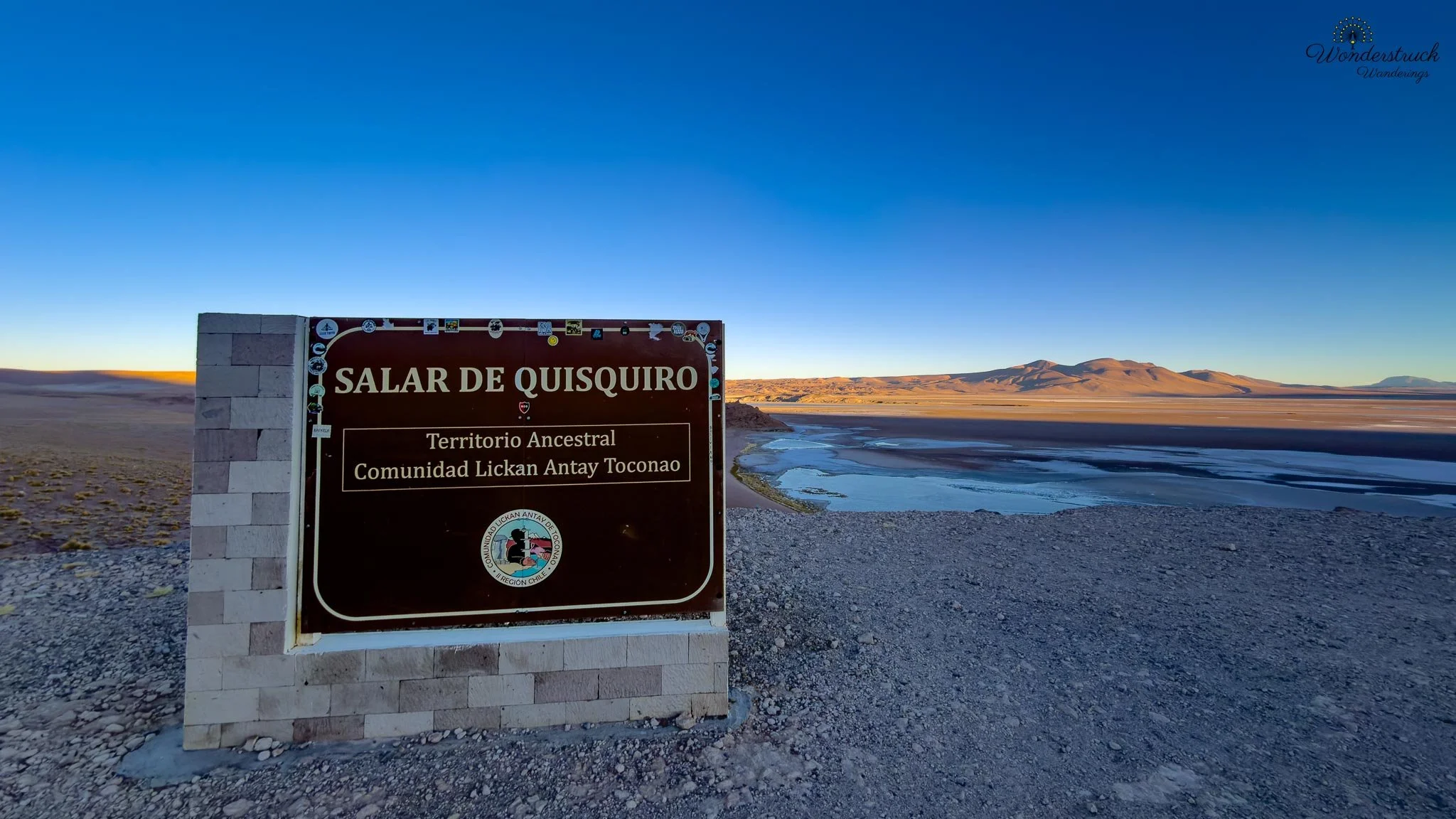
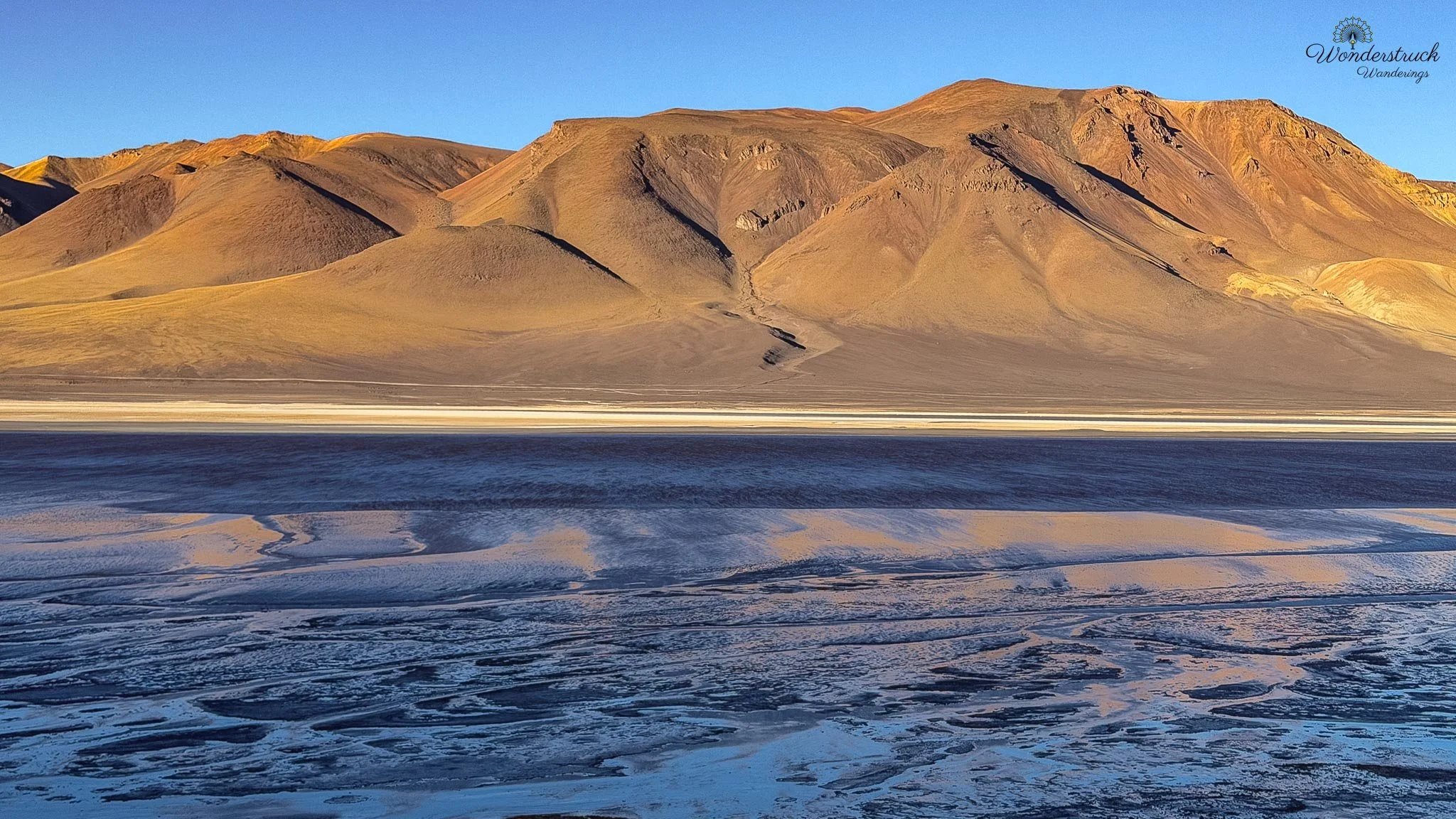
Mirador Salar de Quisquiro: Expansive saline basin with flamingos and excellent late-afternoon photography.
Monjes de la Pacana: Isolated volcanic rock towers shaped by erosion. We planned to visit but ran out of time.
Paso de Jama: Remote border crossing into Argentina, approximately 156 km from San Pedro, for those continuing farther east. This takes a long time and becomes a whole day activity if included
-
San Pedro → Laguna Cejar: Approximately 30–40 minutes (25–30 km). Allow 1–1½ hours for the lagoon circuit, swimming, and birding.
Laguna Cejar → San Pedro: Approximately 30–40 minutes. Allow another hour for lunch and exploring Caracoles Street.
San Pedro → Mirador Licancabur / Hito Cajón Junction: Approximately 40–70 minutes, depending on stops along Ruta 27.
San Pedro → Vegas de Quepiaco: Approximately 1–1½ hours (65–70 km). Allow 30–45 minutes for birding and photography.
Quepiaco → Pacana Caldera / Salar de Tara Viewpoints: Approximately 40–60 minutes, with additional time for scenic stops.
Salar de Tara → Mirador Salar de Quisquiro: Approximately 20–35 minutes.
Mirador Salar de Quisquiro → San Pedro: Approximately 2–3 hours for the return drive, depending on sunset stops.
Suggested Time: Allow 2½–3 hours for Laguna Cejar, including driving, and 6–7 hours for Ruta 27. Both excursions fit into one full day with an early lagoon reservation and a planned afternoon departure. But a visit to Paso de Jama makes it a full day excursion.
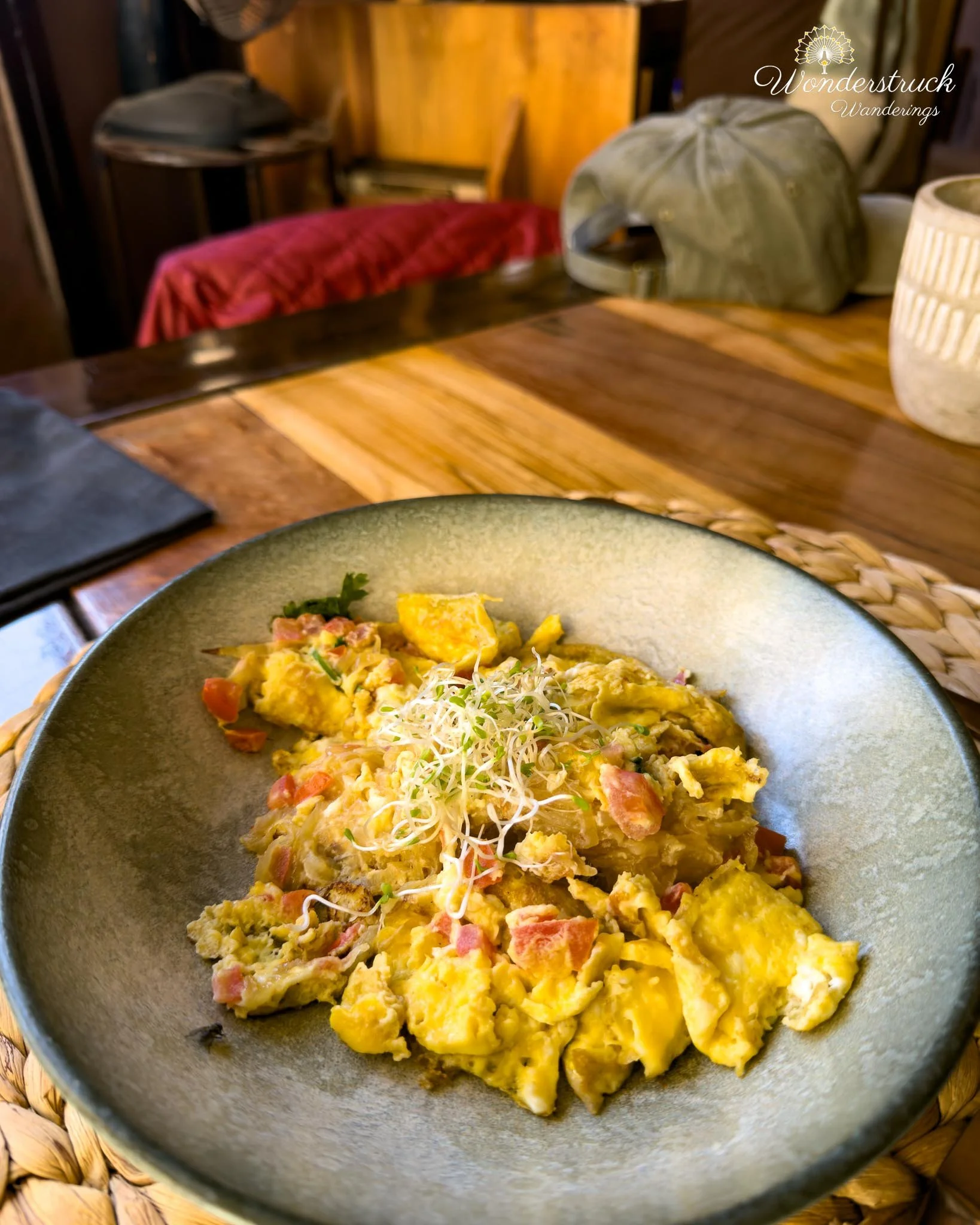
We skipped the sunrise alarm on Day 3, and after two demanding travel days, it was the right decision. Instead, we enjoyed a leisurely breakfast at Our Habitas Atacama, with sliced meats, cheeses, fresh bread, juice, and made-to-order eggs. Shay chose a Chilean-style egg dish, while I had huevos revueltos with onion and tomato. It was our first unhurried morning in San Pedro de Atacama. Our first reservation was Laguna Cejar, roughly 20 kilometers southwest of San Pedro, with a 10 a.m. entry slot. The drive took about 30–40 minutes, including the slower approach roads across the Salar de Atacama. Entry is timed, and tickets should be booked in advance. We had worn our swimsuits underneath our clothes, saving time at the basic changing facilities.
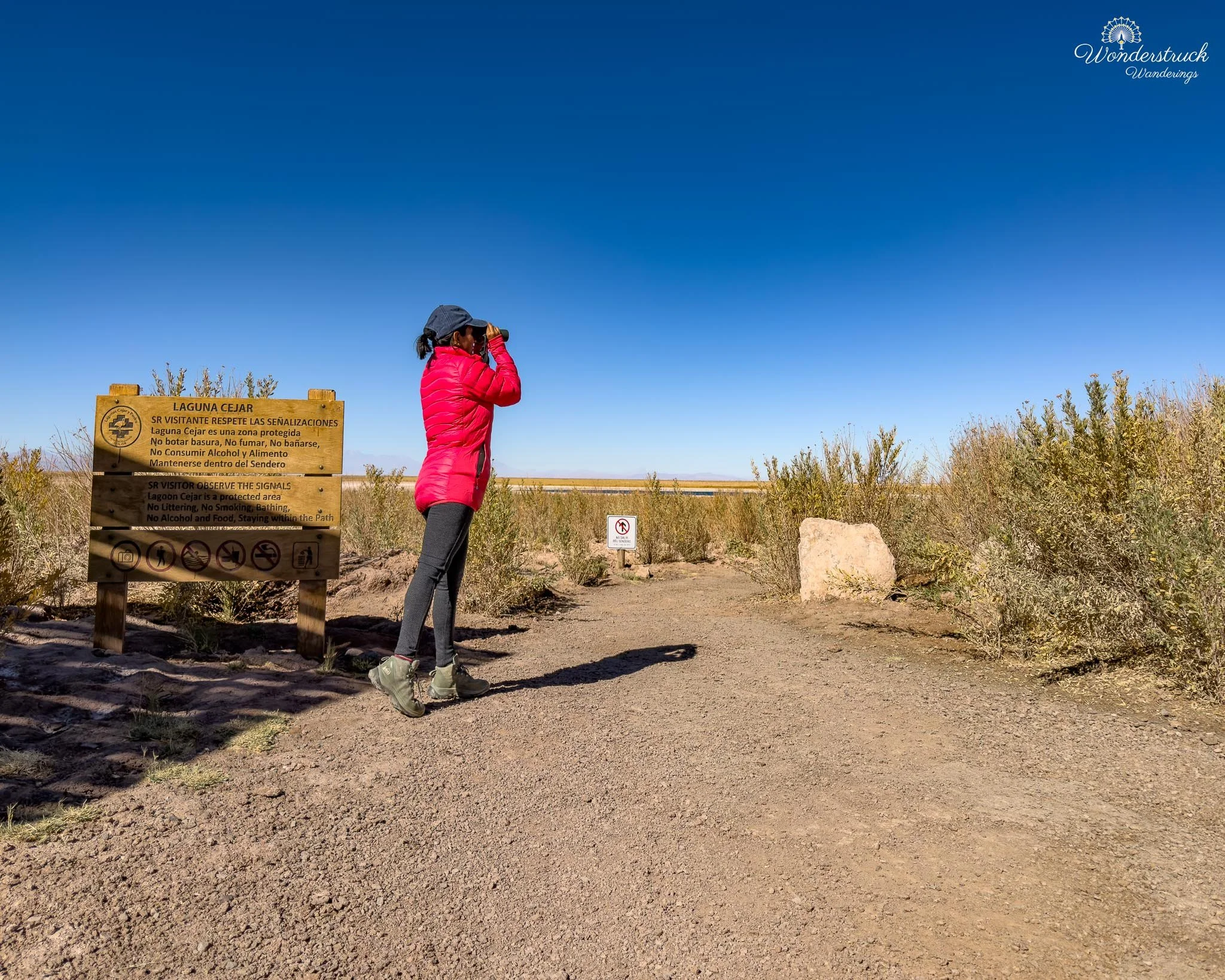
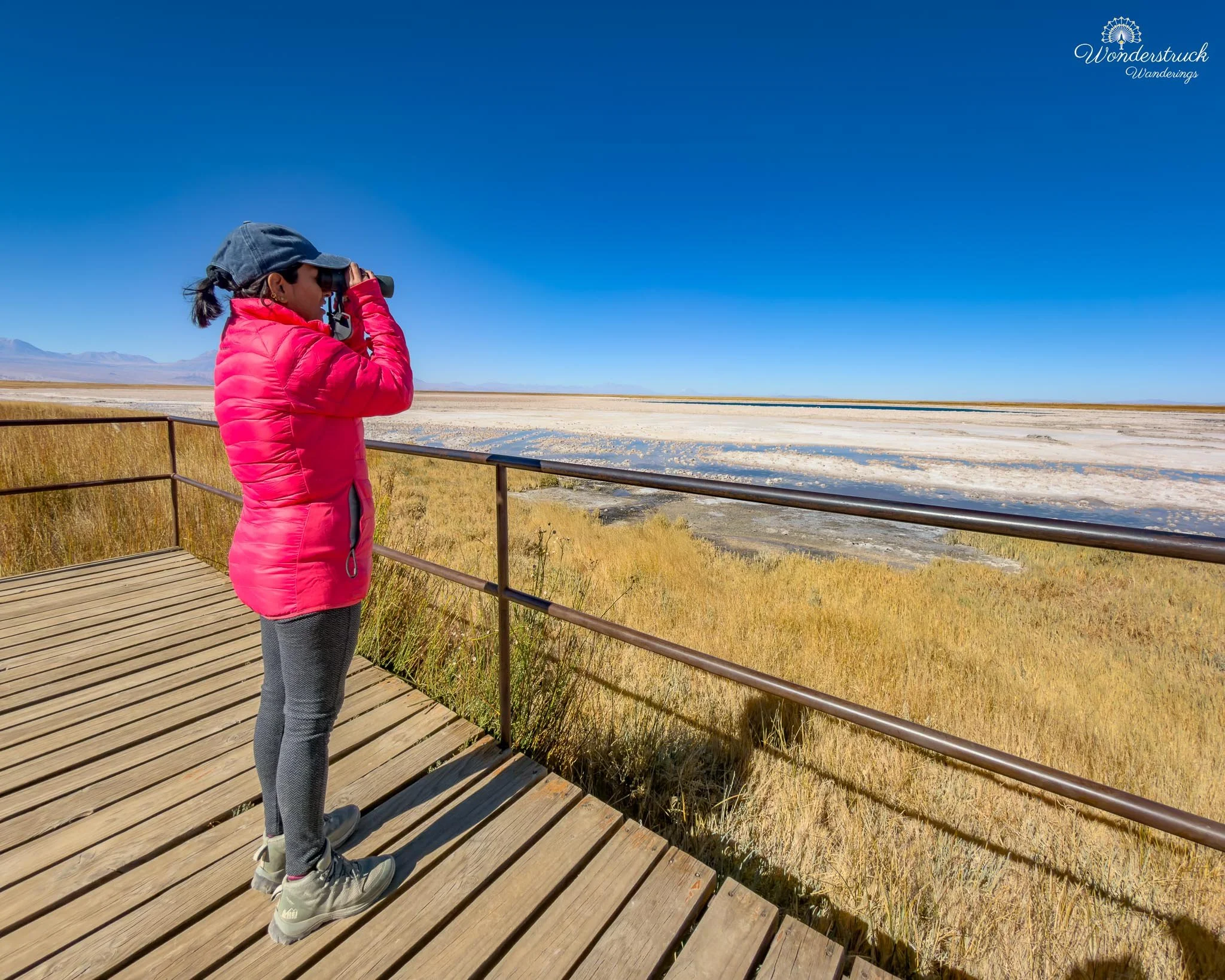
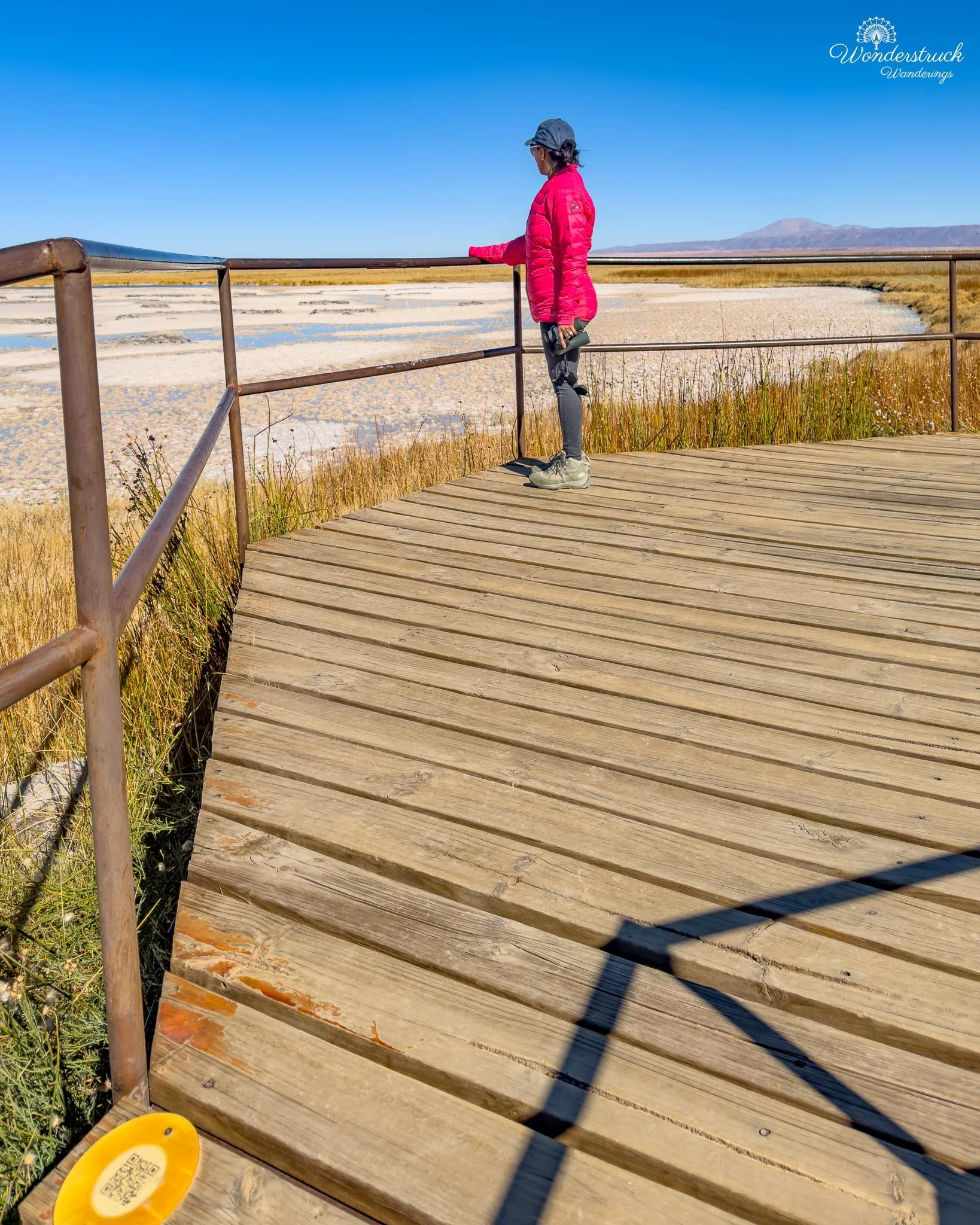
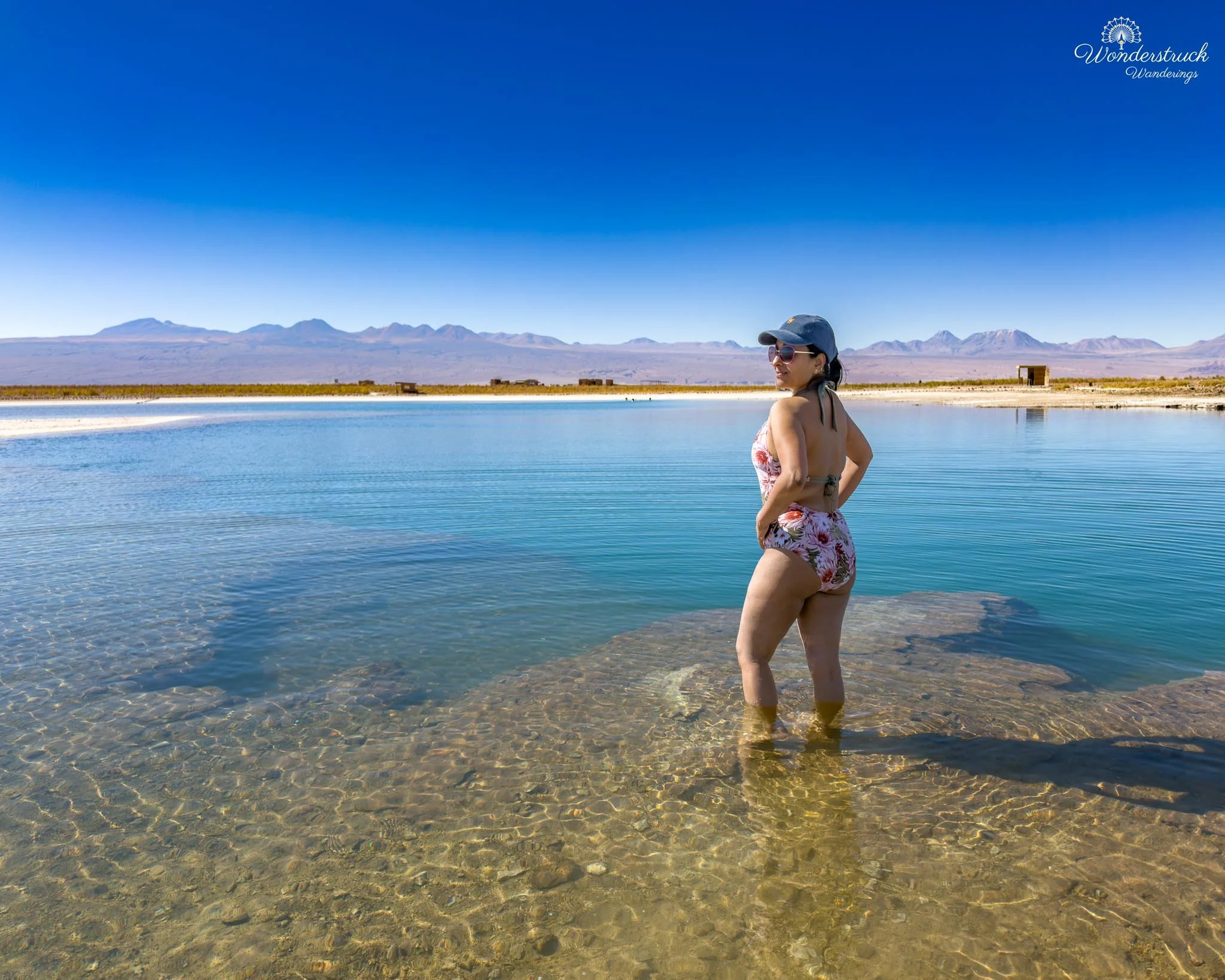
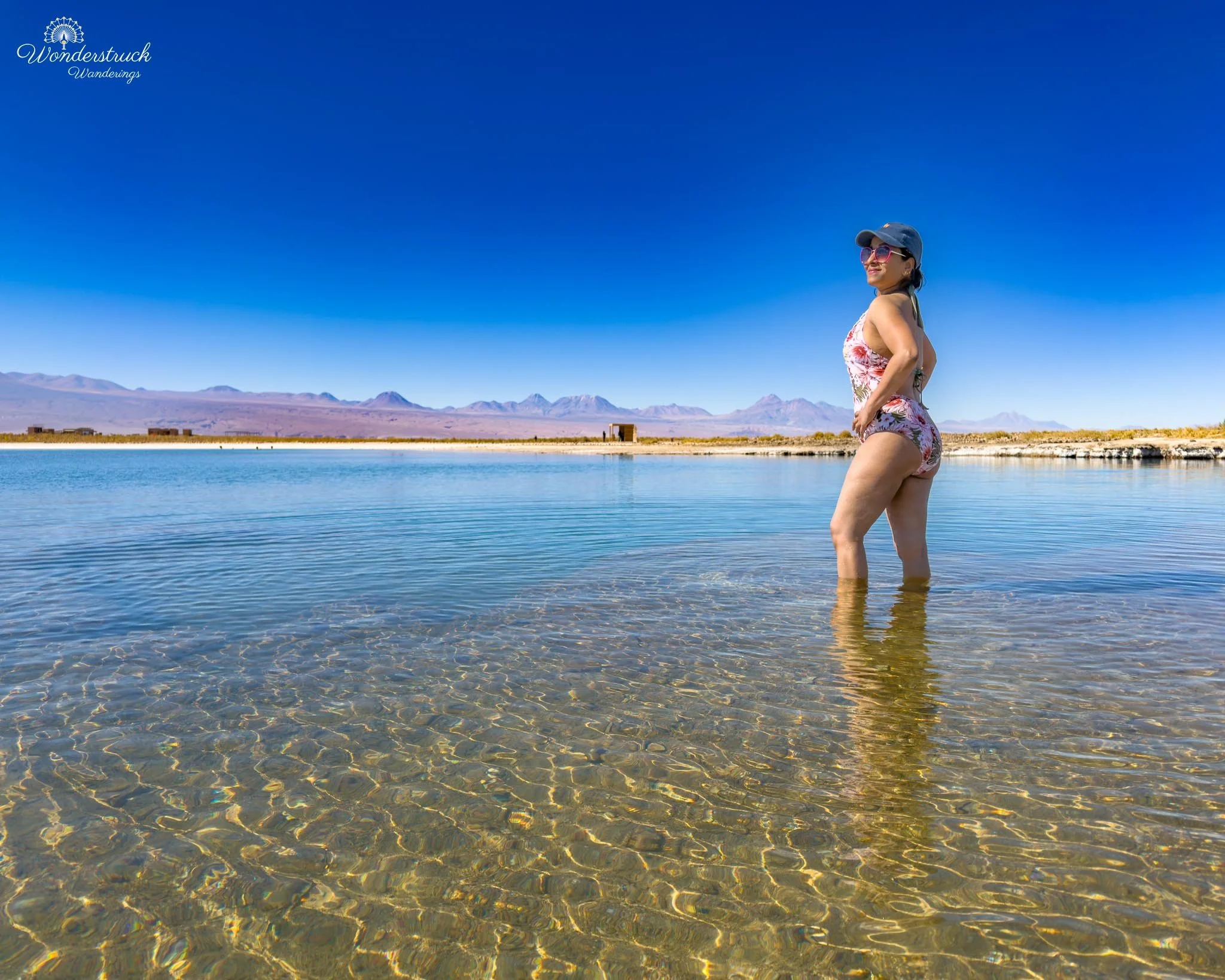
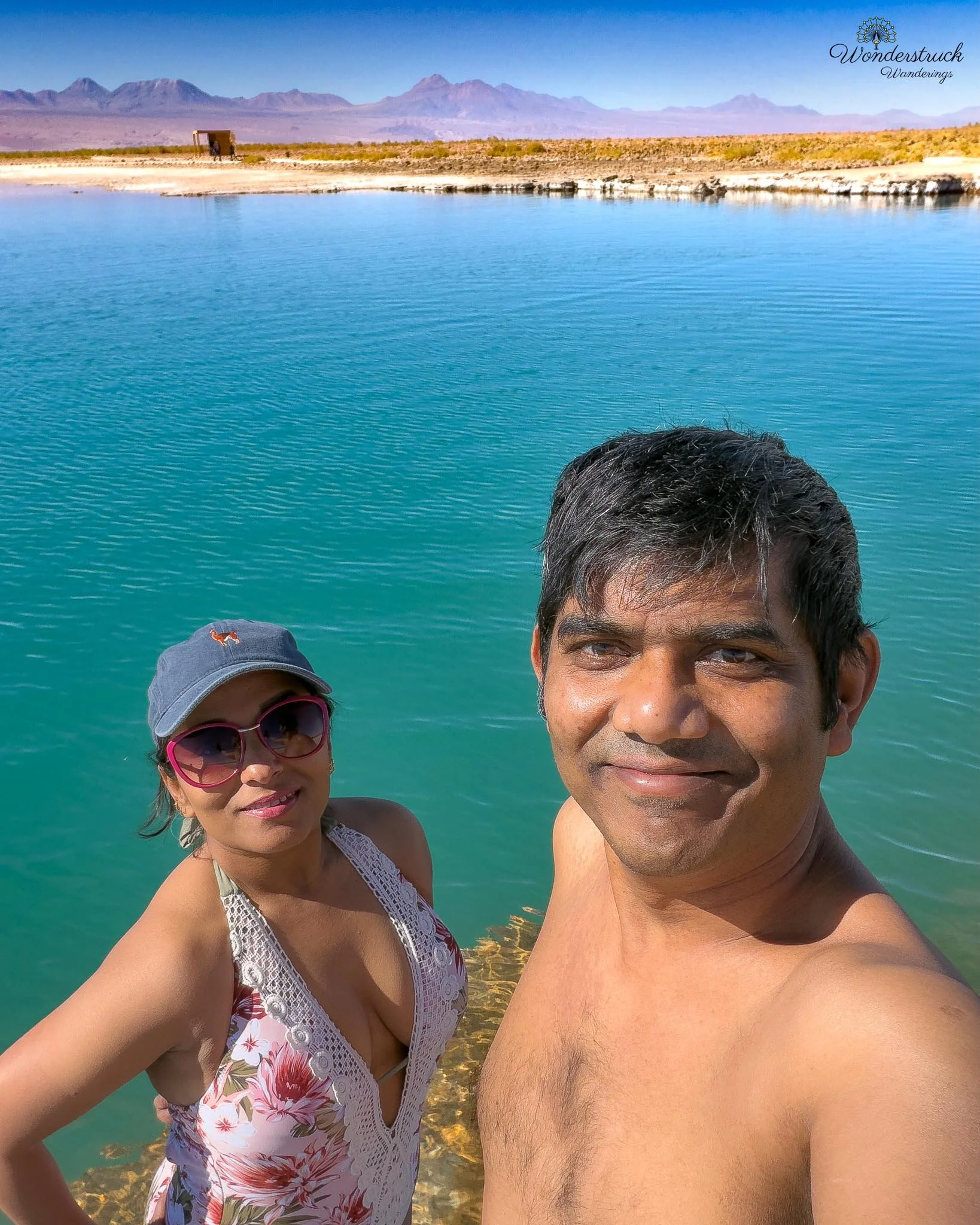
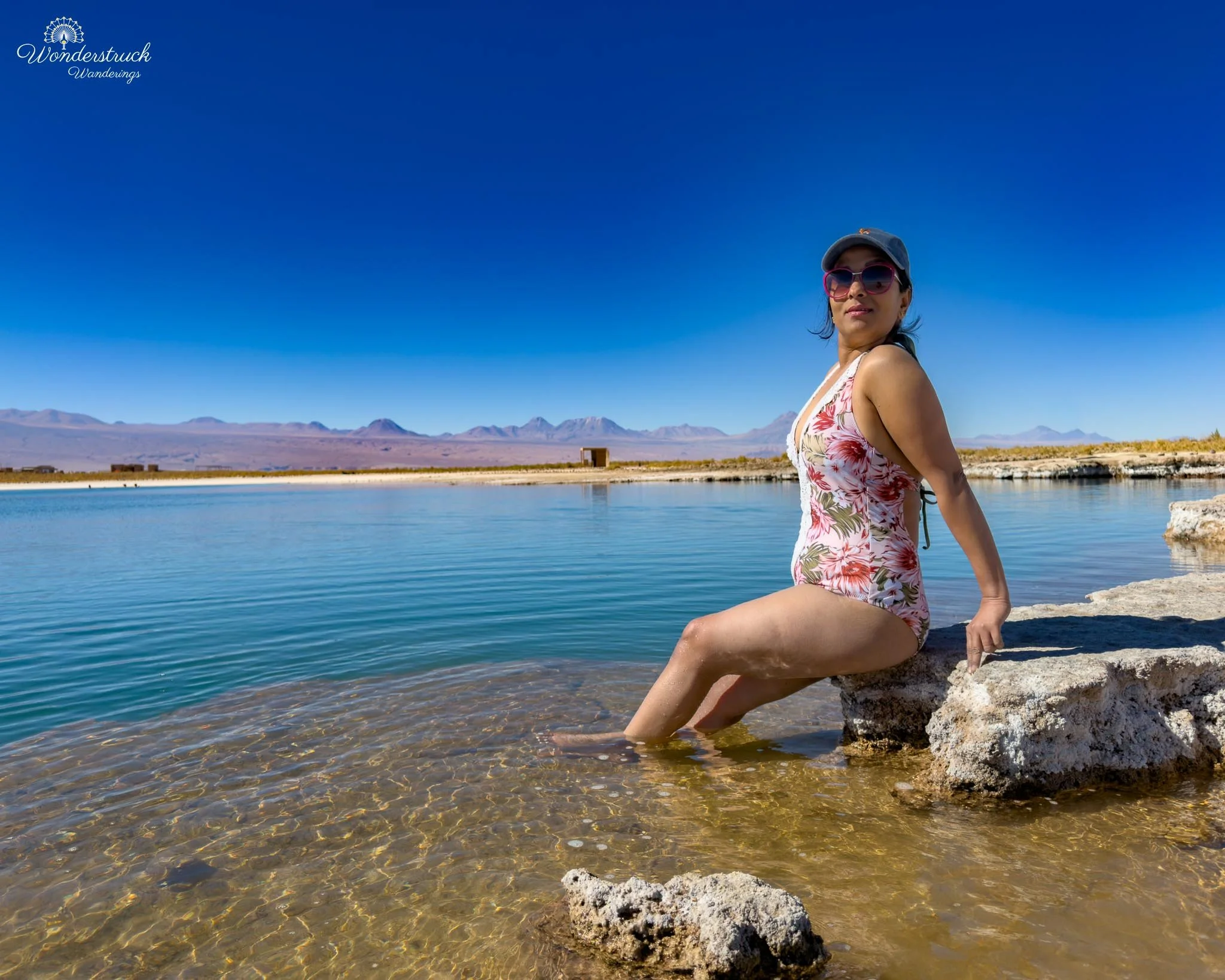
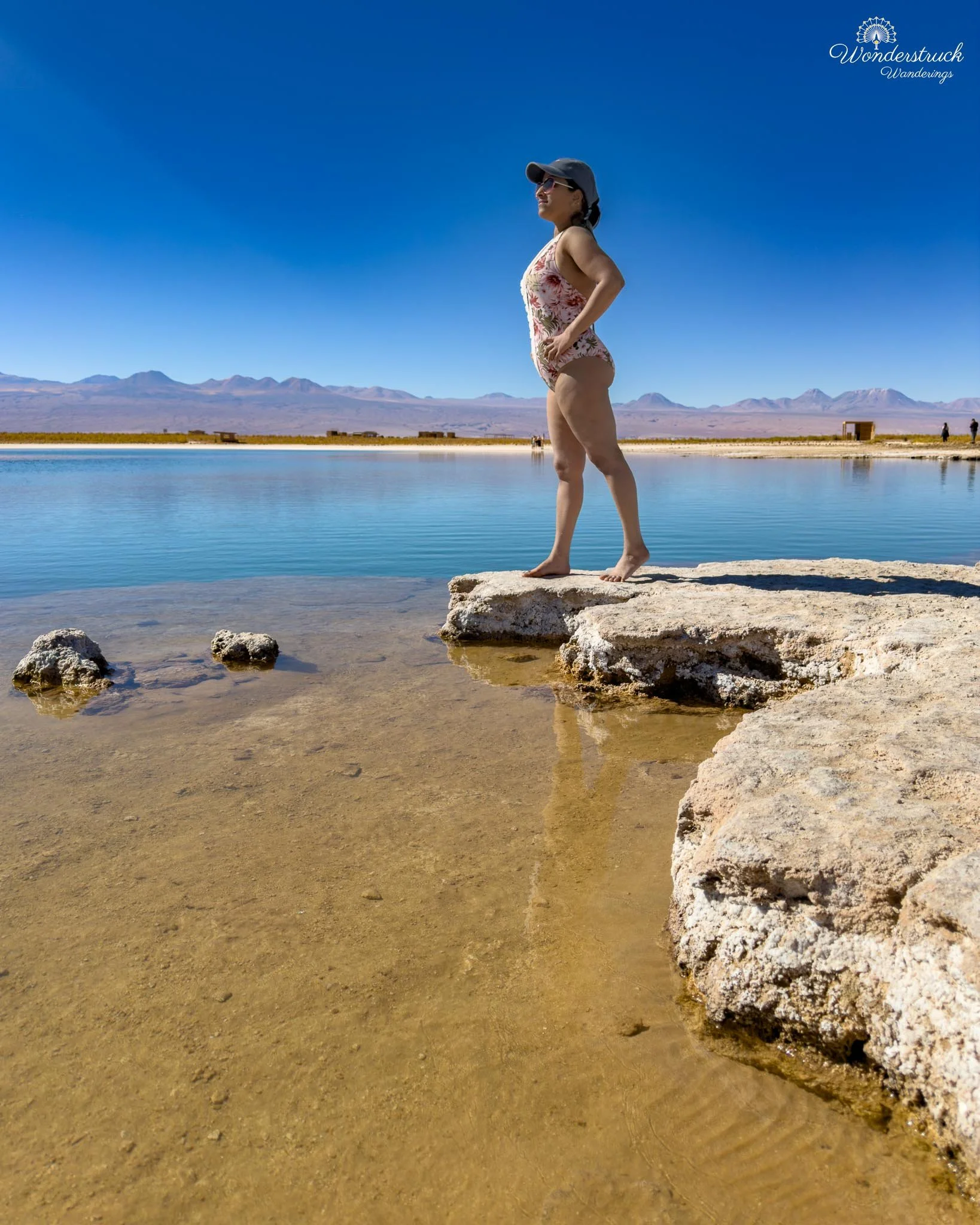
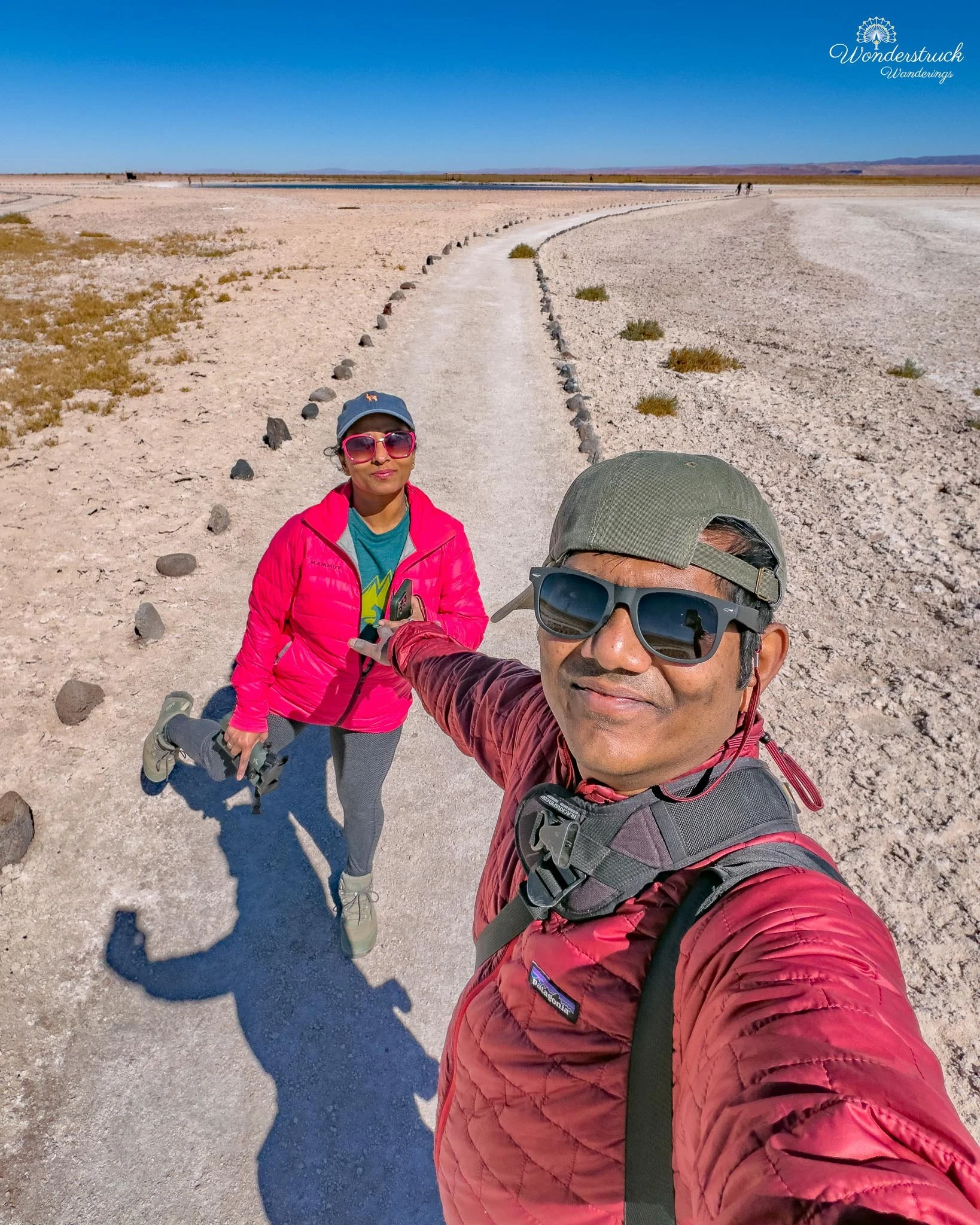
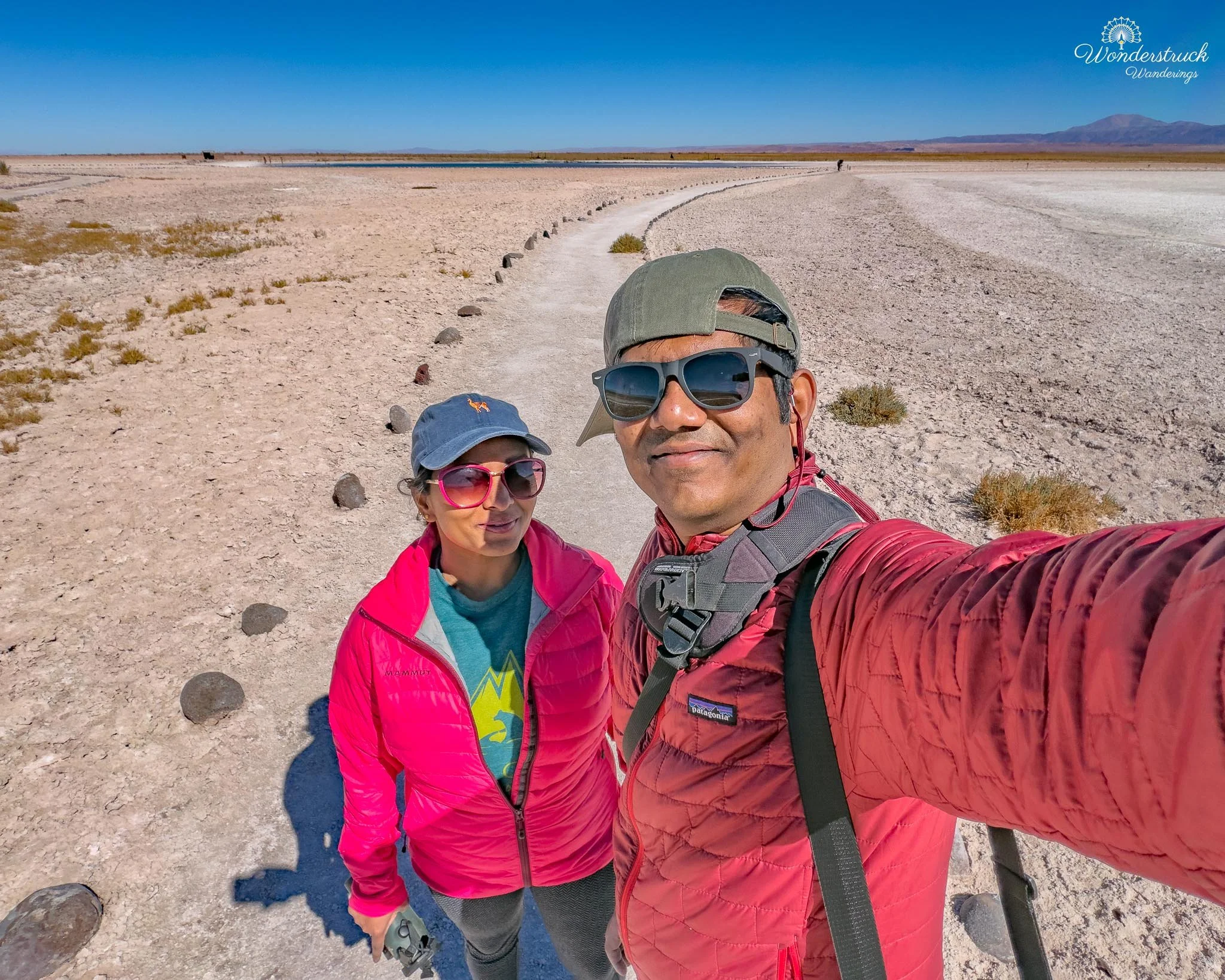
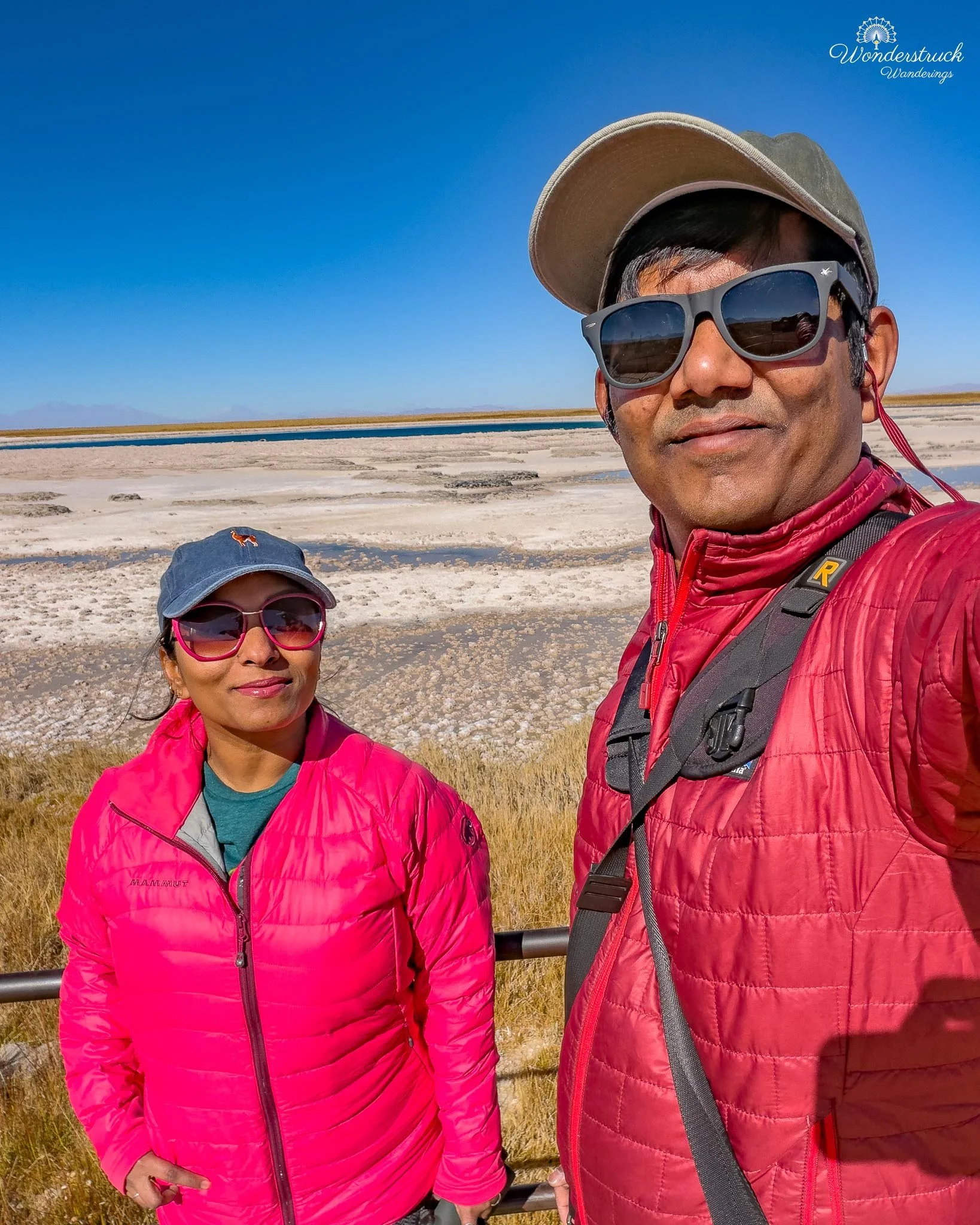
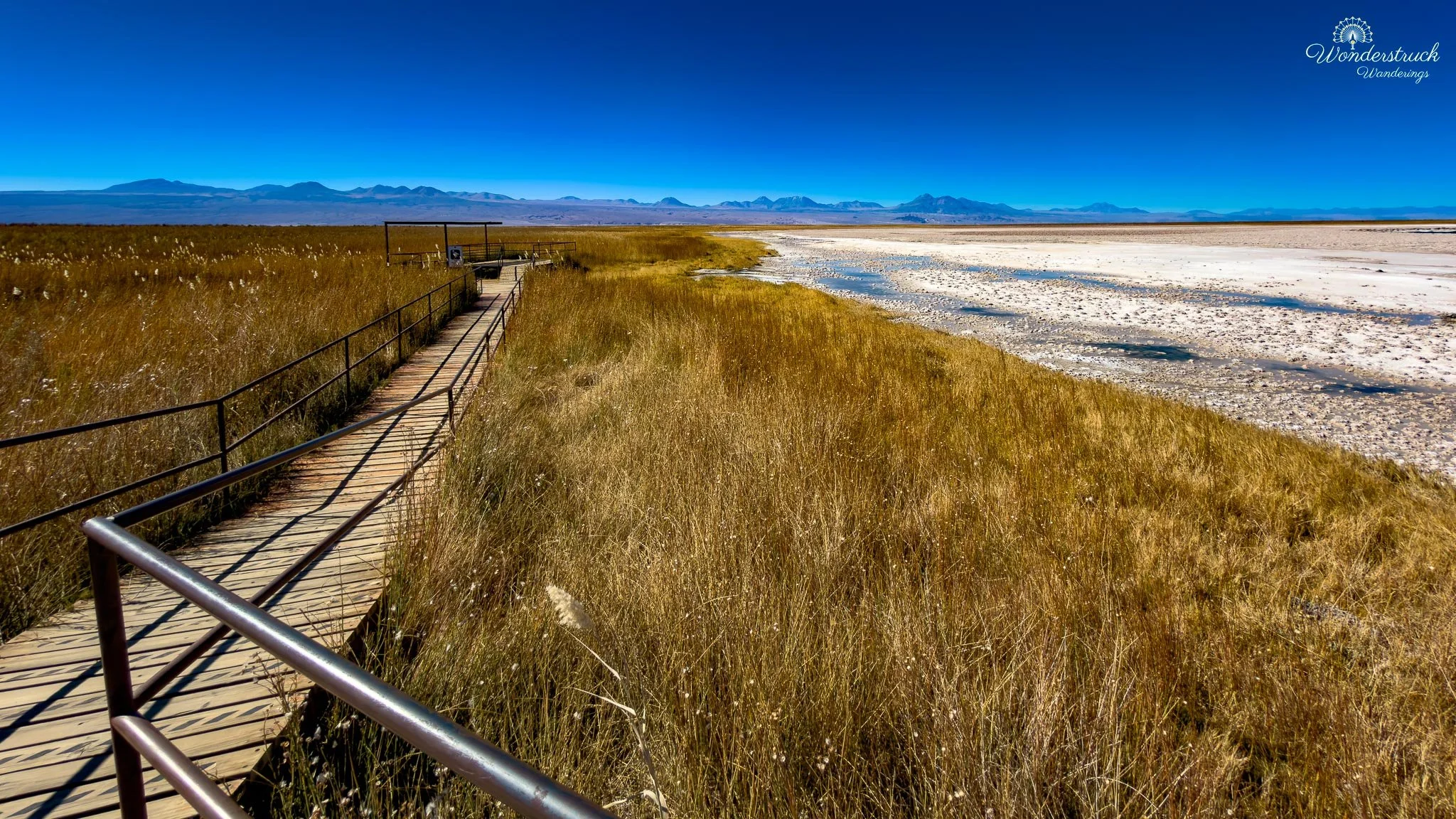
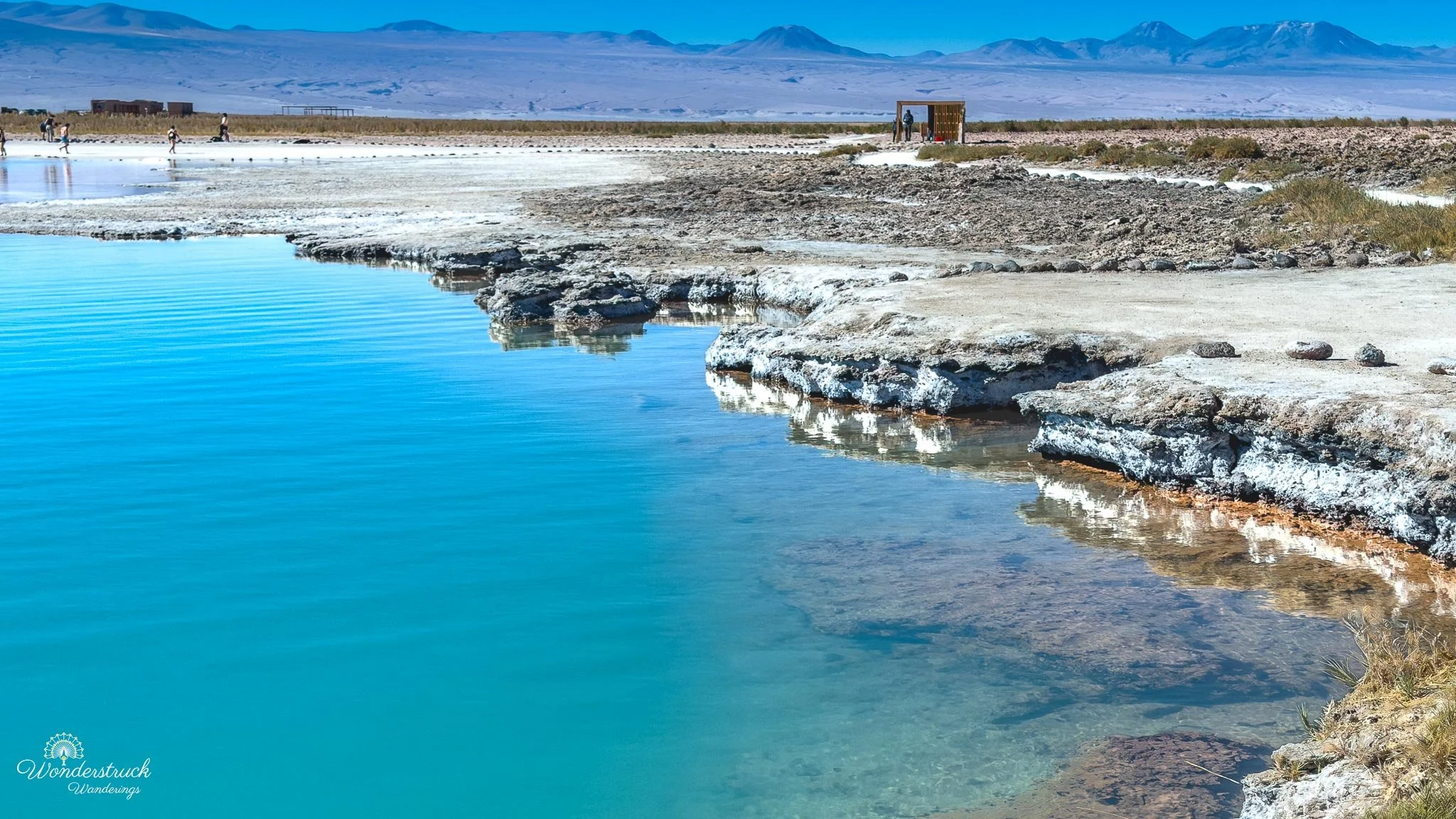
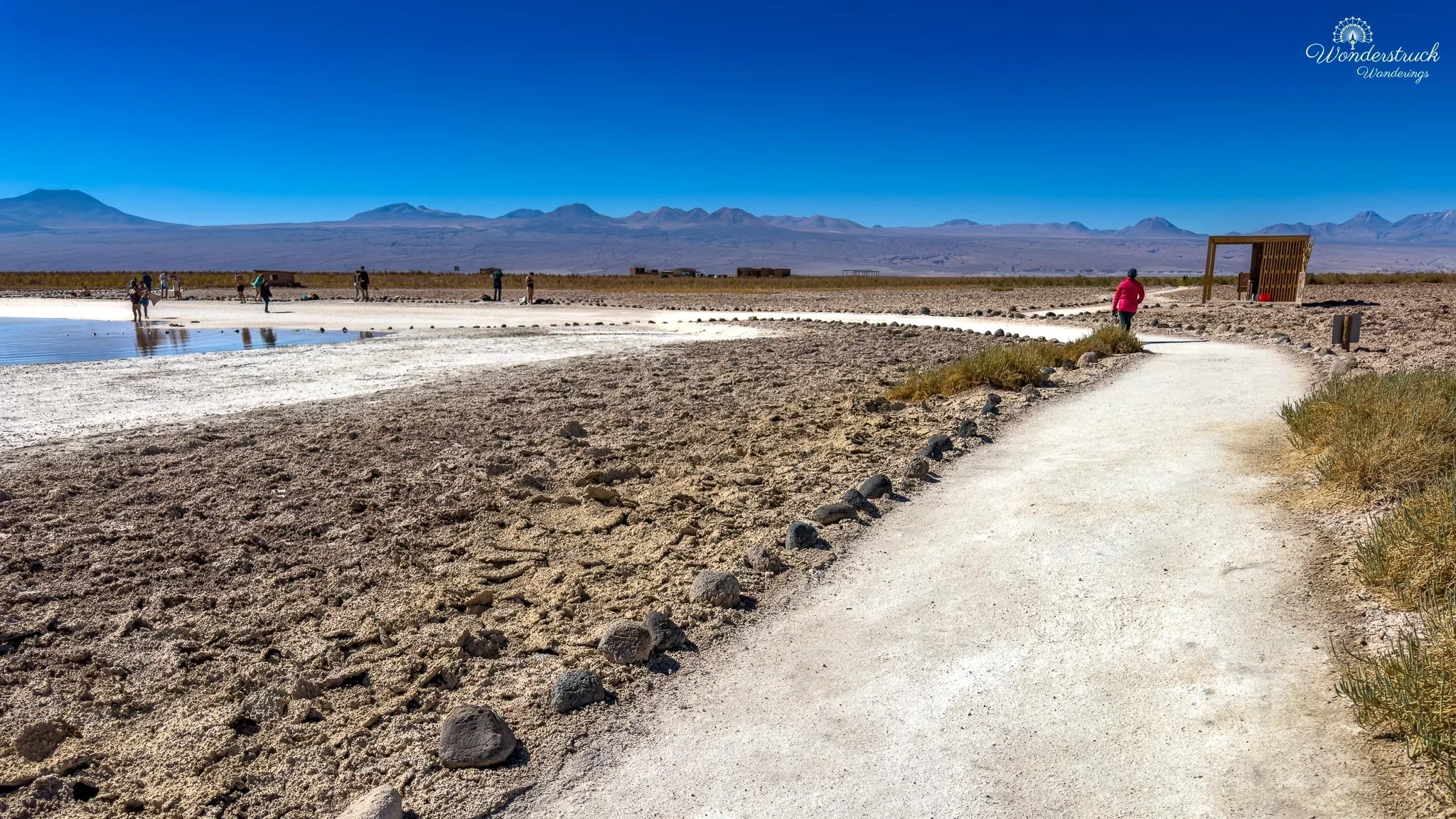
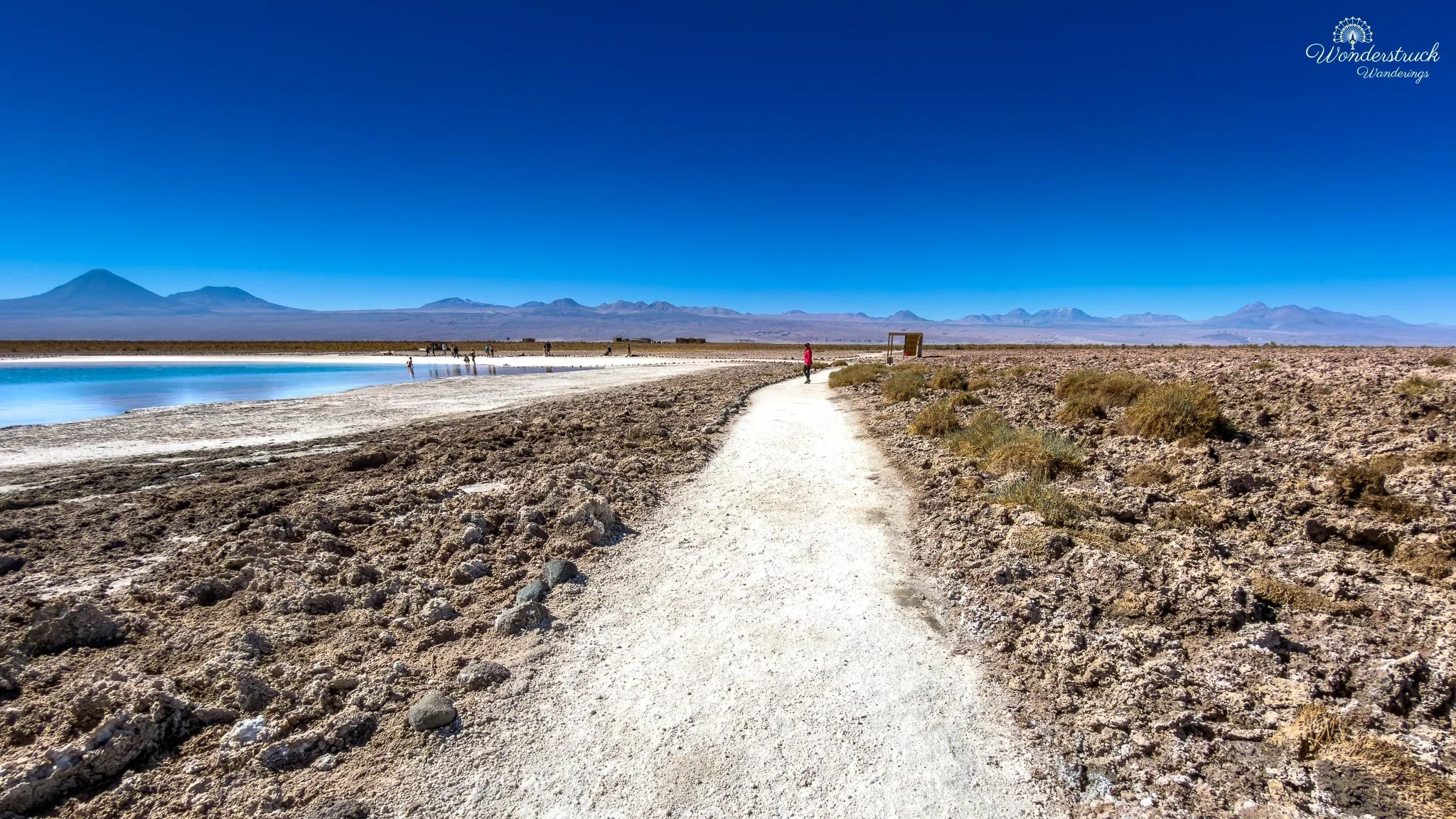
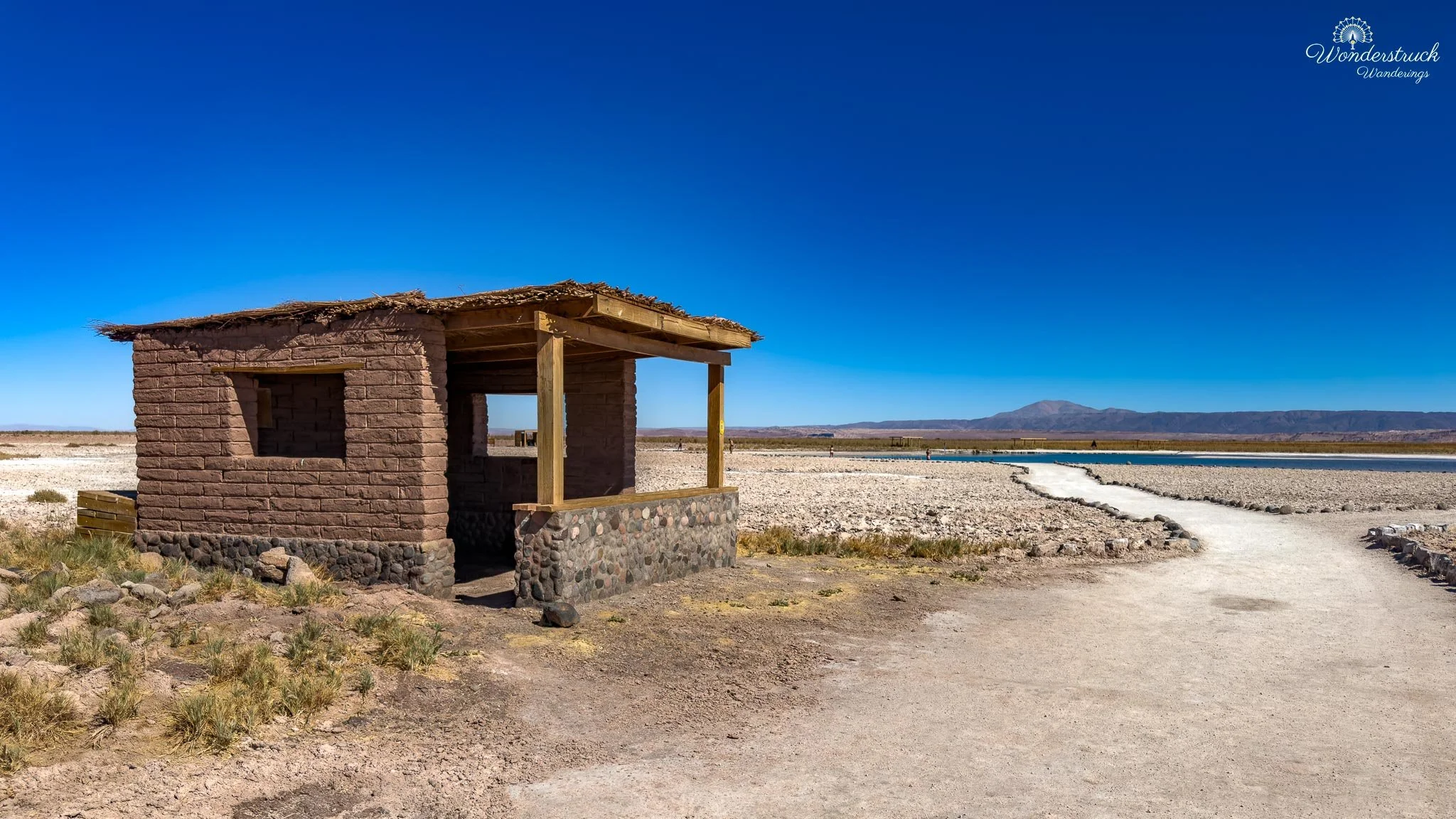
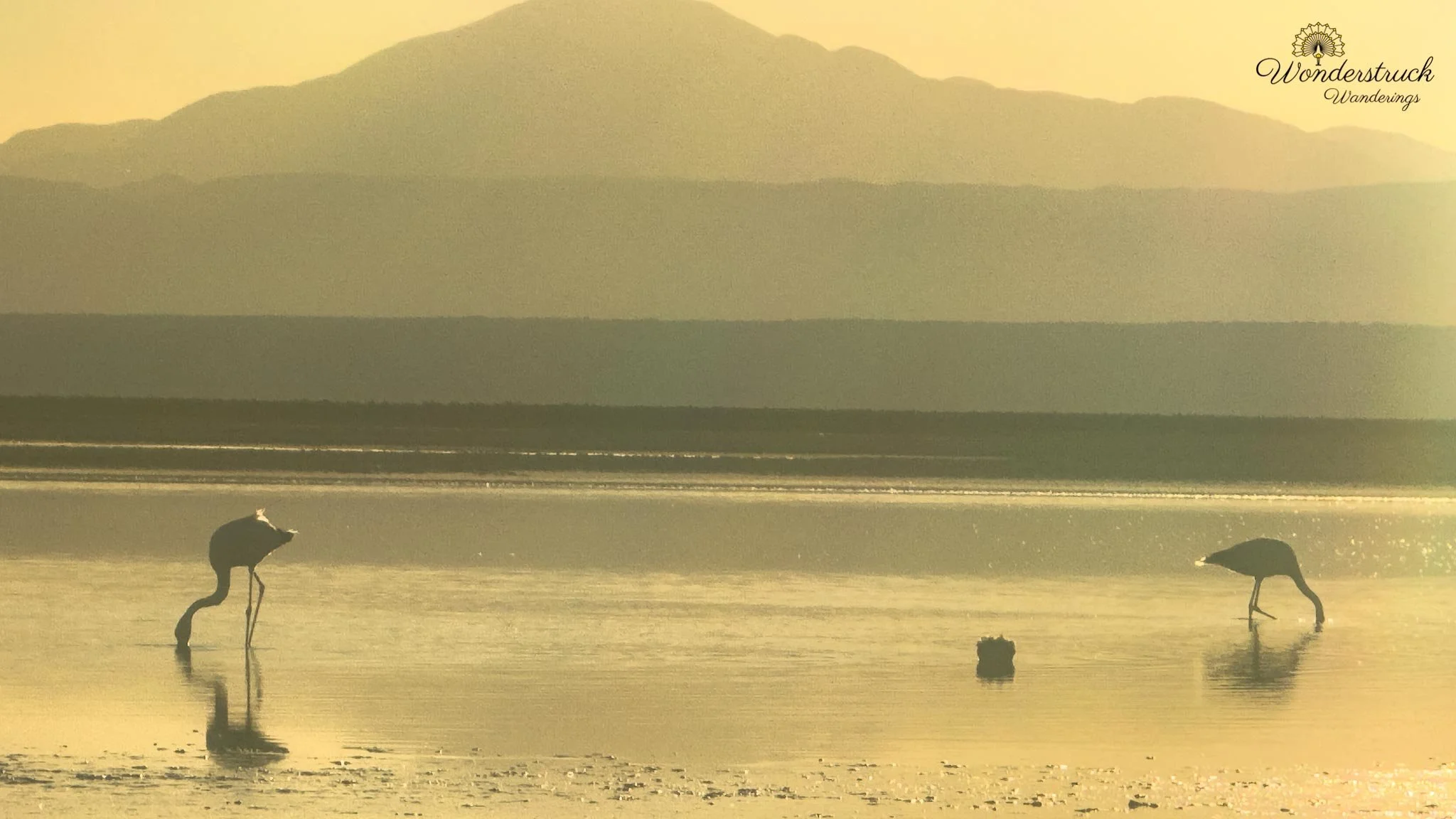
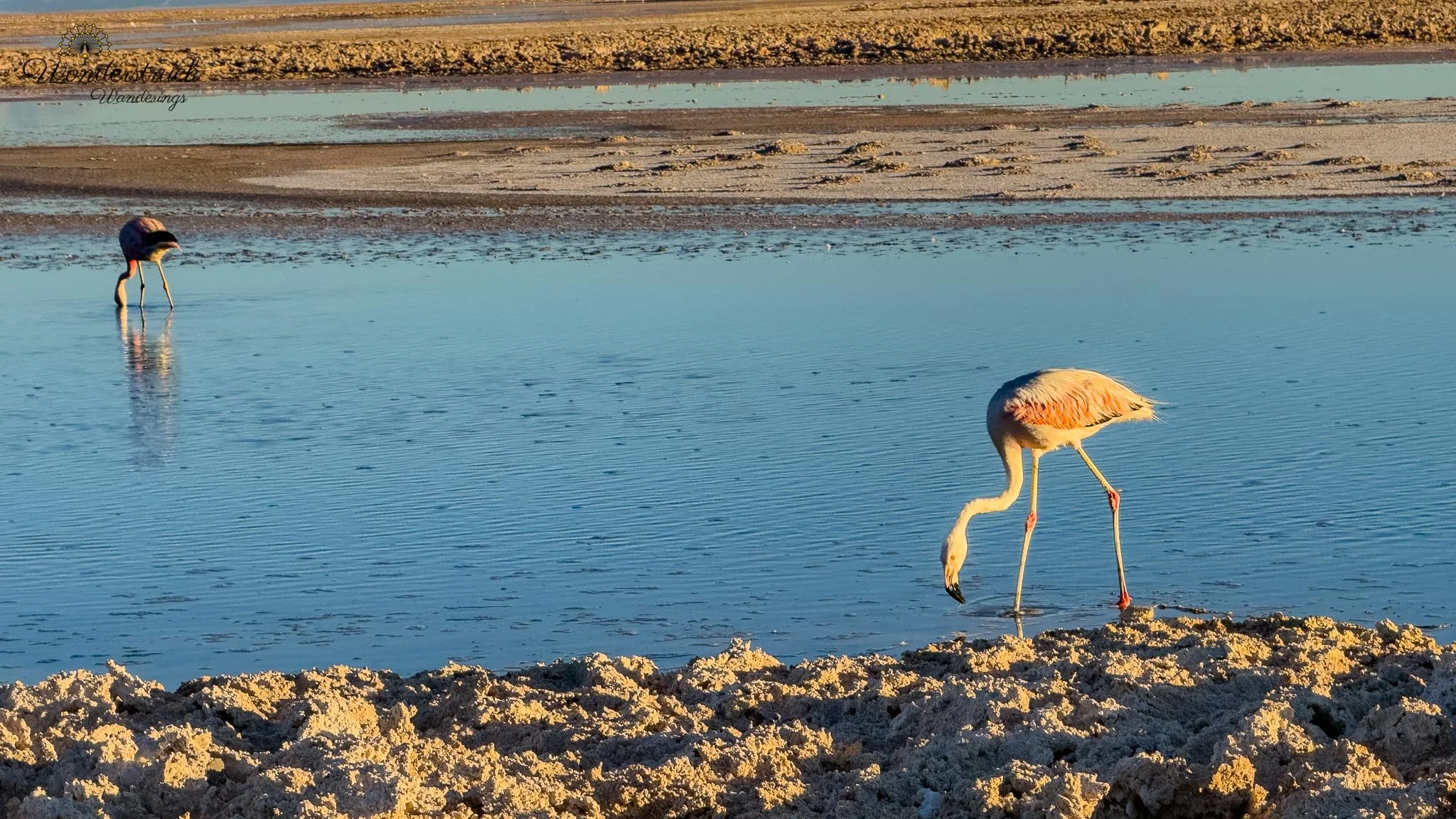
The started the lagoon circuit at Laguna Cejar, surrounded by white salt crust, brilliant blue water, and distant volcanoes. Chilean Flamingos were feeding far across the water, giving us our first views of this species. Swimming is not permitted in Laguna Cejar itself, so we continued to Laguna Piedra, where visitors can experience the unusual buoyancy of the highly saline water. The water was surprisingly cold, but once we settled in, floating required almost no effort. An attendant recommended limiting our time to approximately twenty minutes because of the salt concentration. After getting out, the water evaporated quickly, leaving thick white salt deposits on our skin and stiffening our swimsuits. It was an unusual experience, though we were already looking forward to a proper shower. Birding around the lagoons was excellent. A Puna Plover approached surprisingly close near Laguna Piedra, while a Variable Hawk circled overhead. We also spotted Puna Teal and Yellow-billed Teal around the lagoon system. With flamingos against the salt flats and smaller birds along the shoreline, the morning offered considerably more than the floating experience alone.
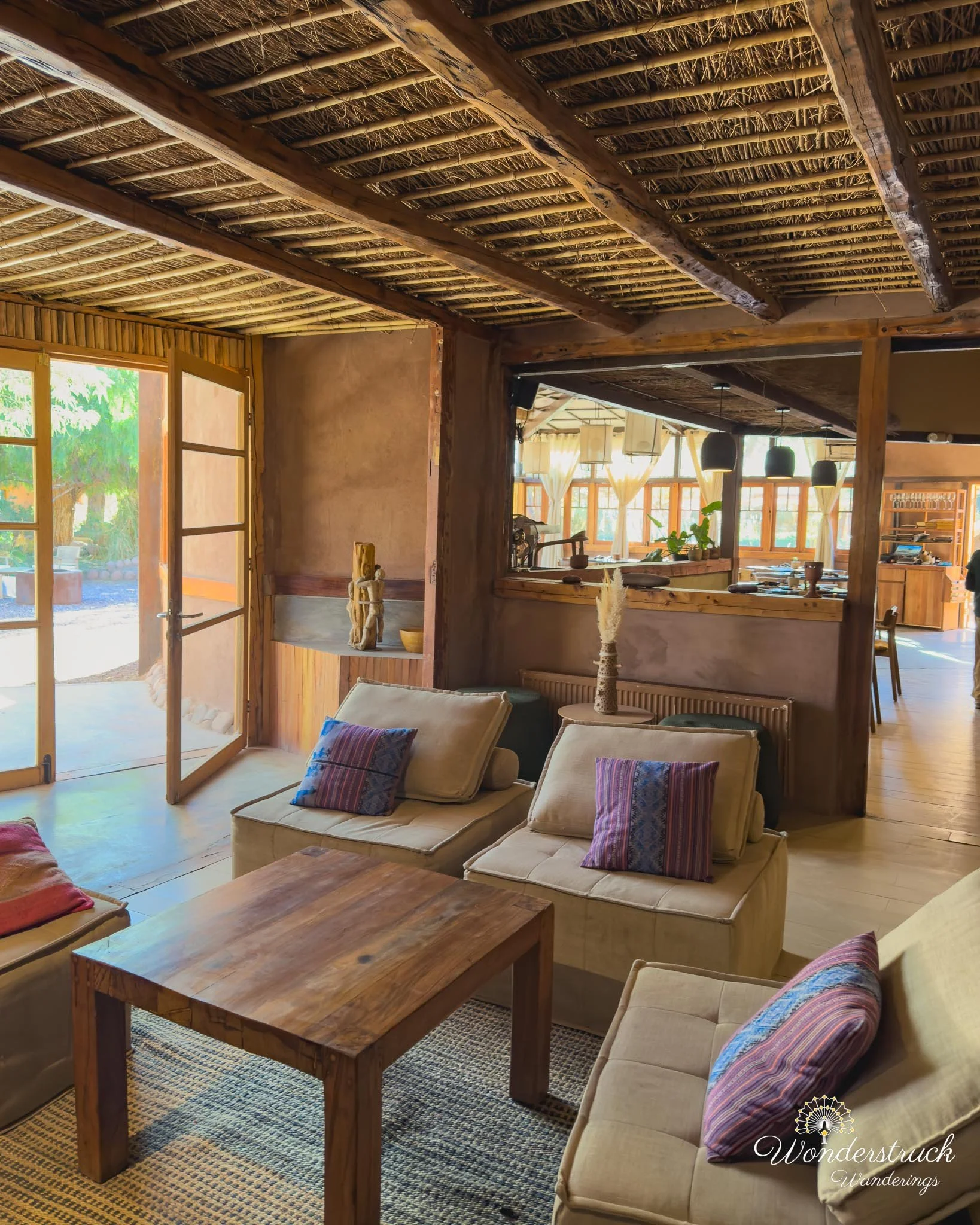
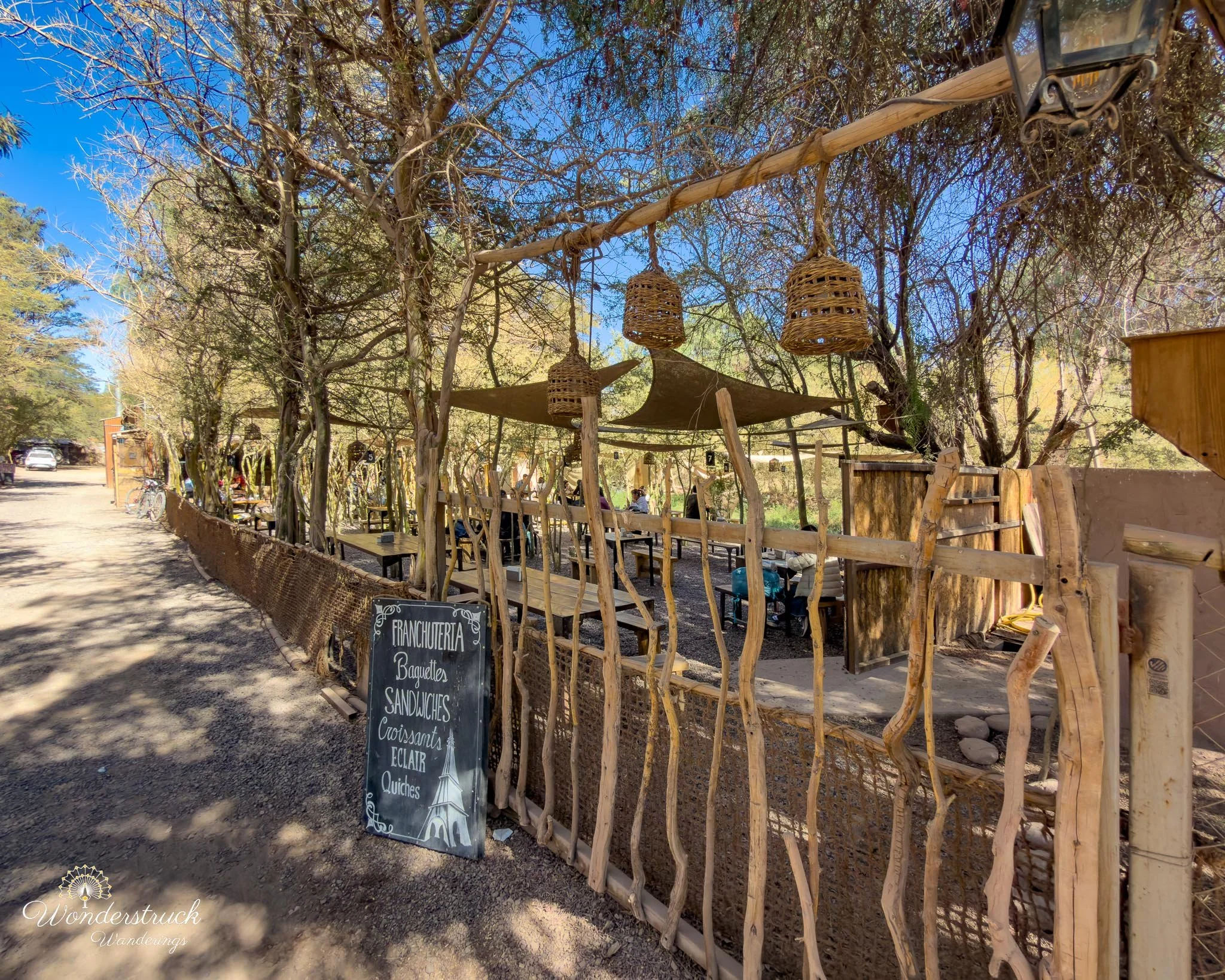
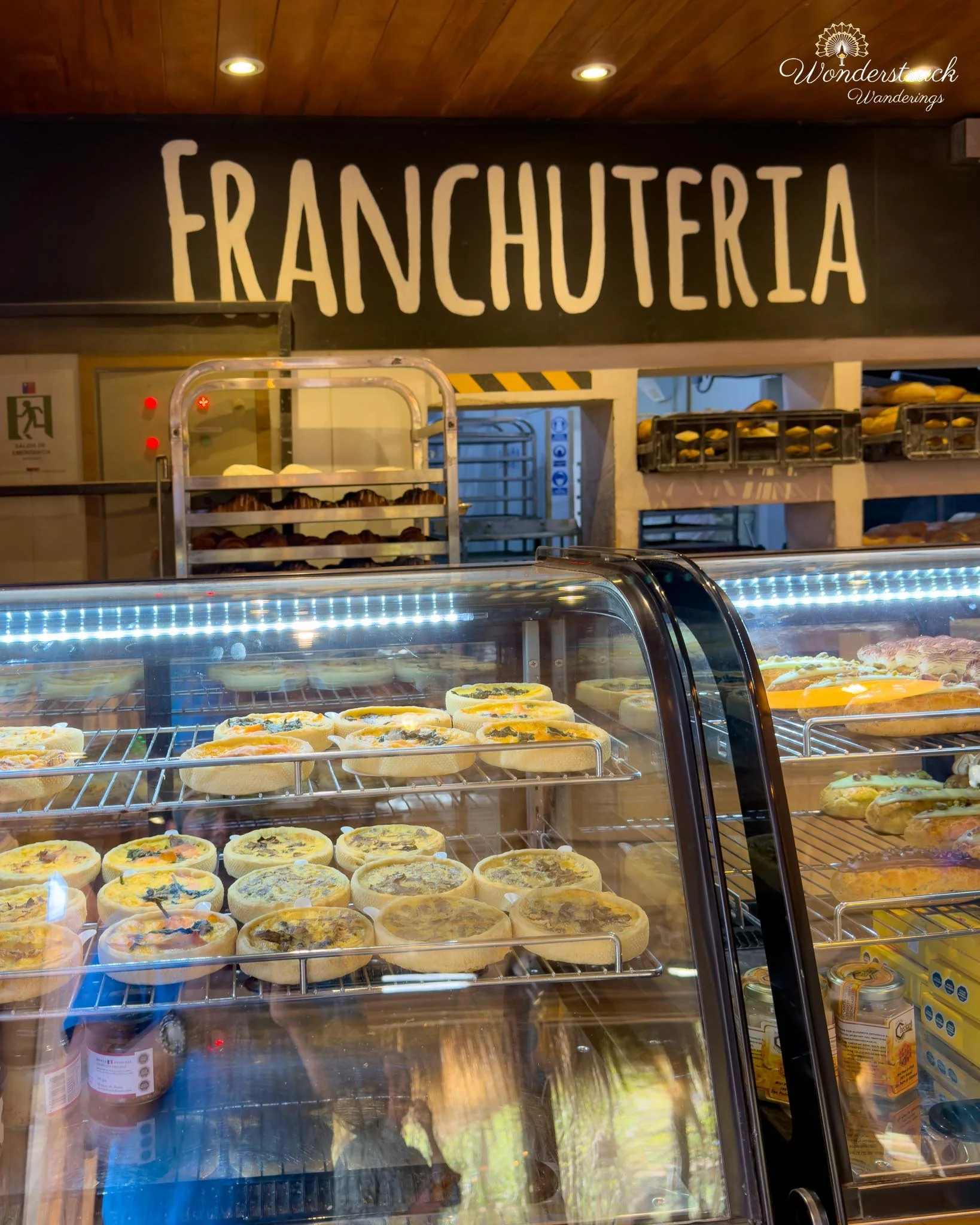
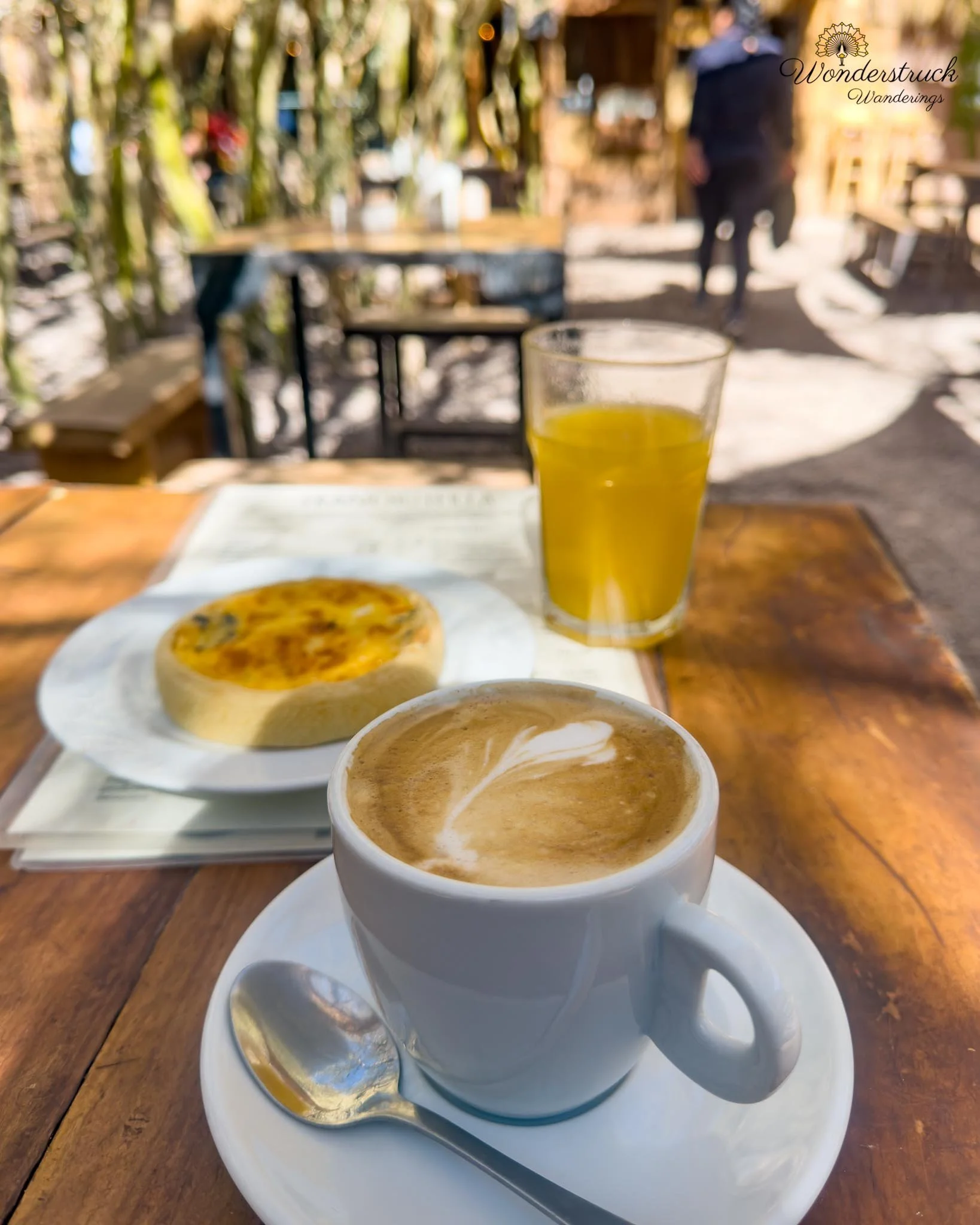
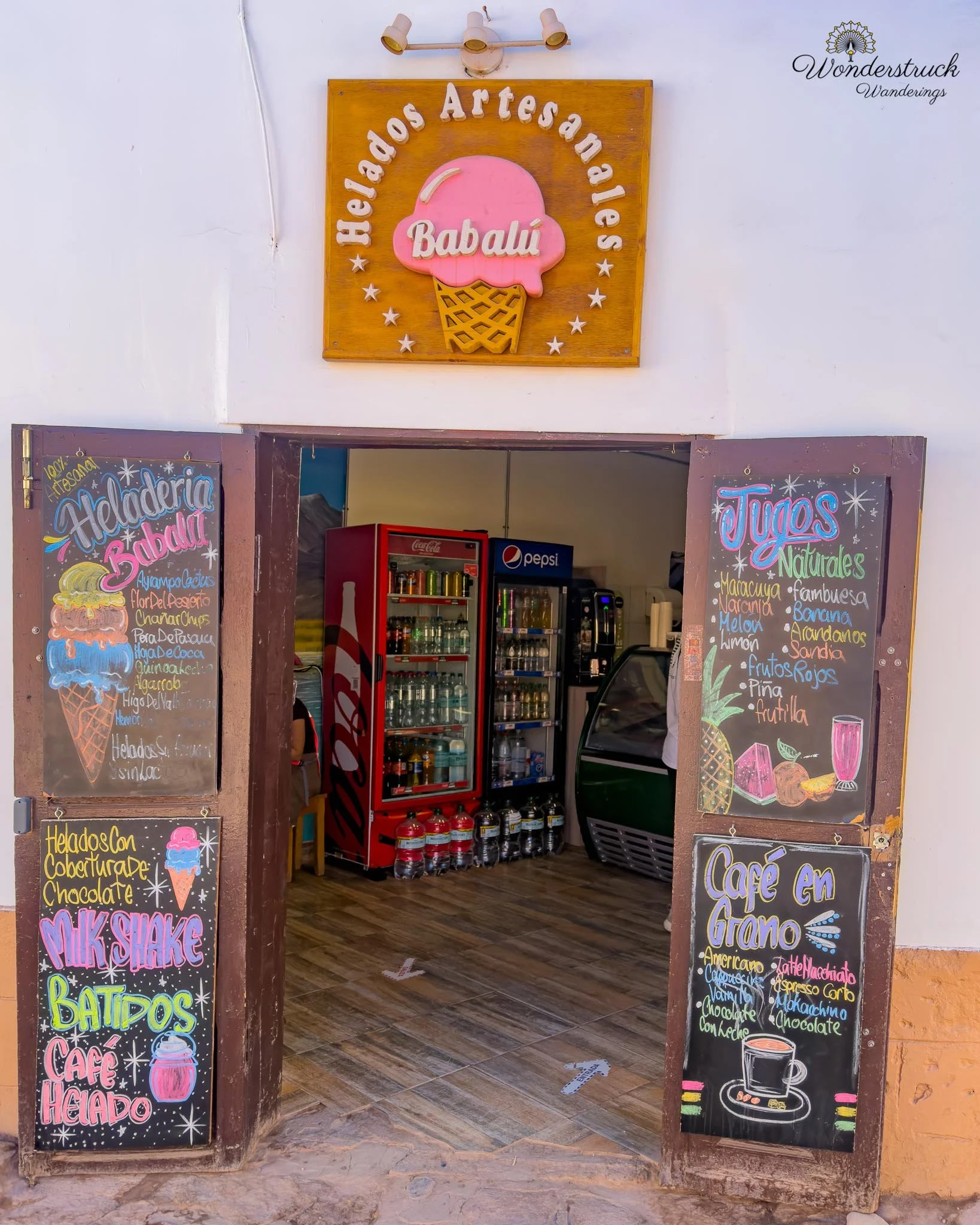
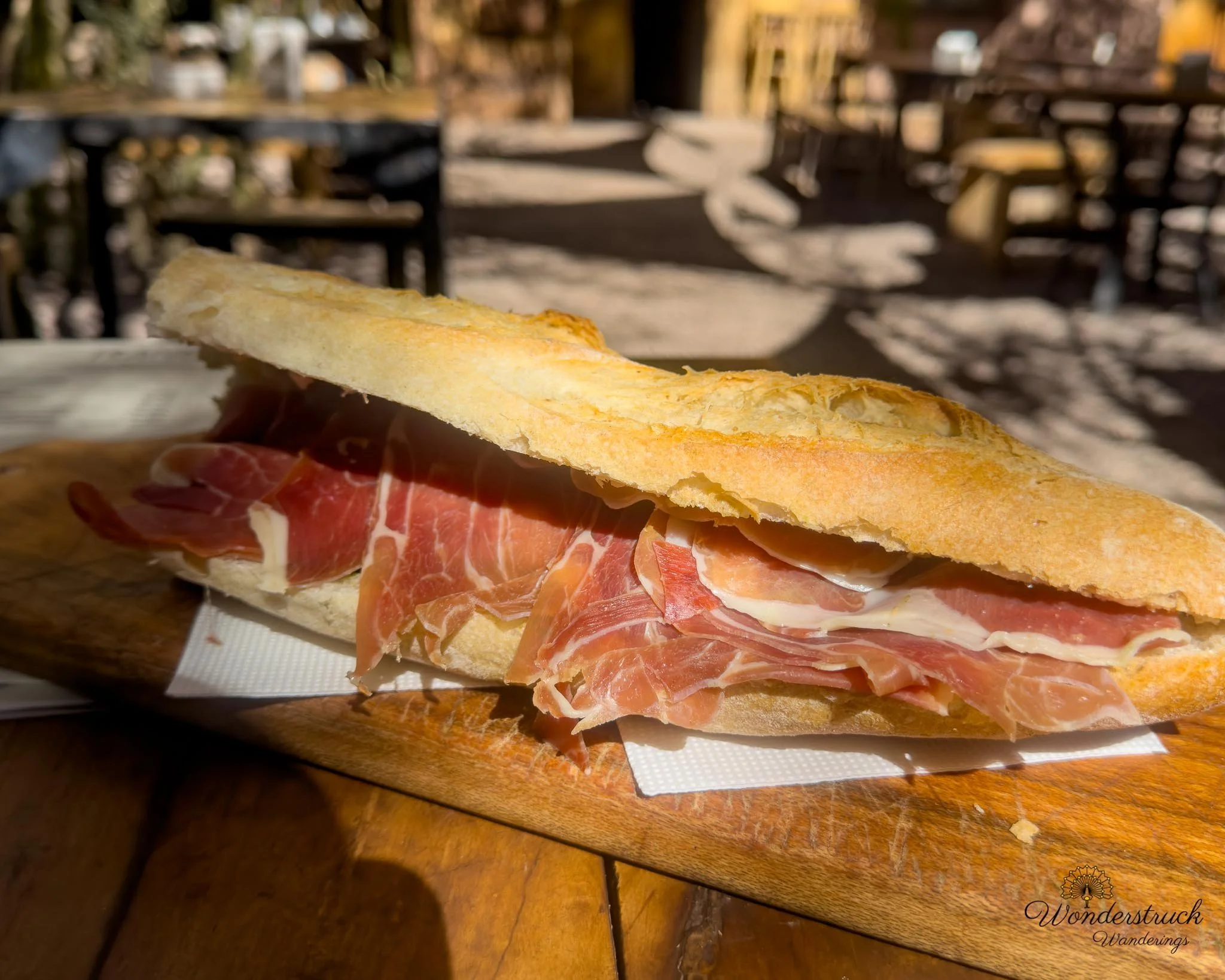
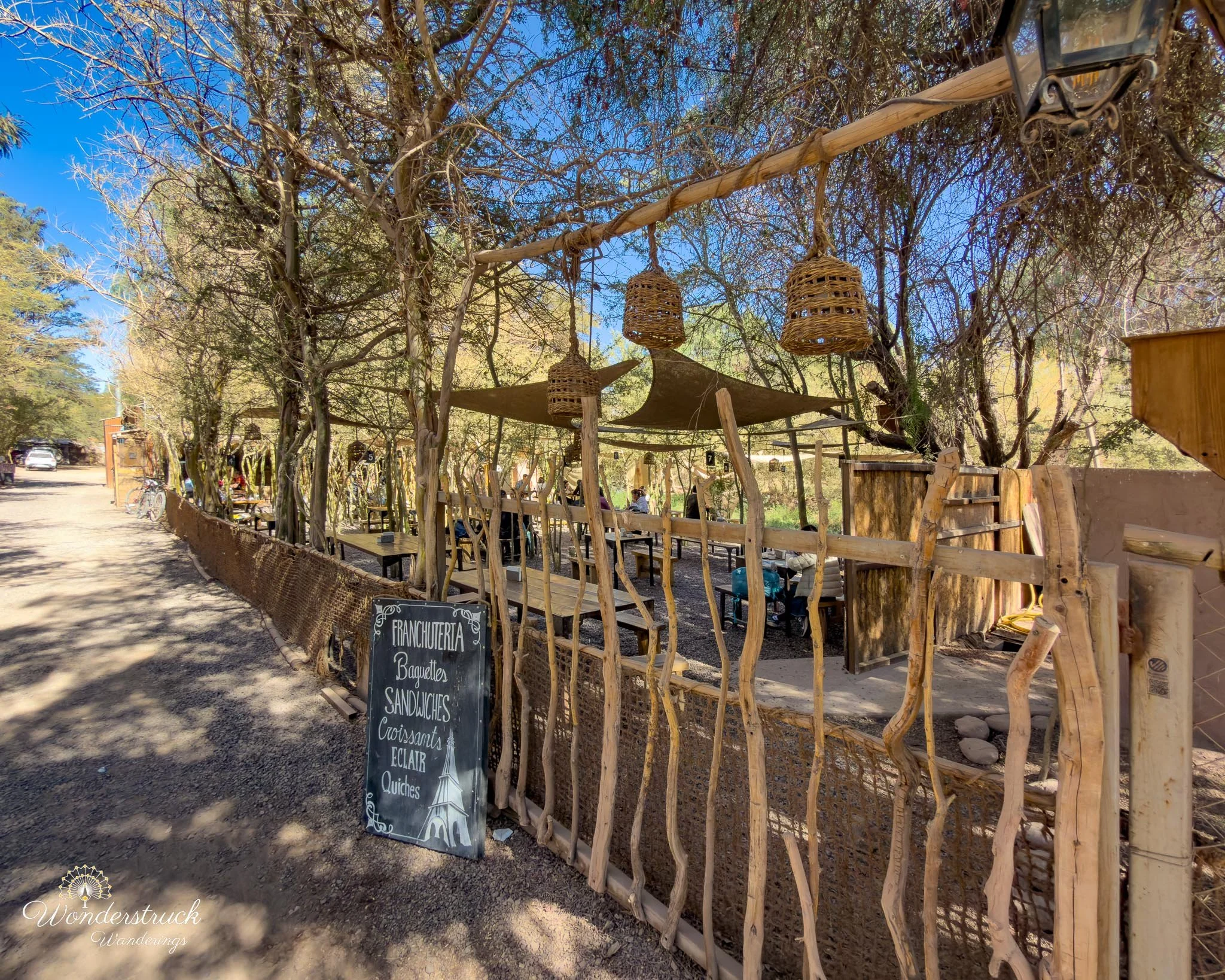
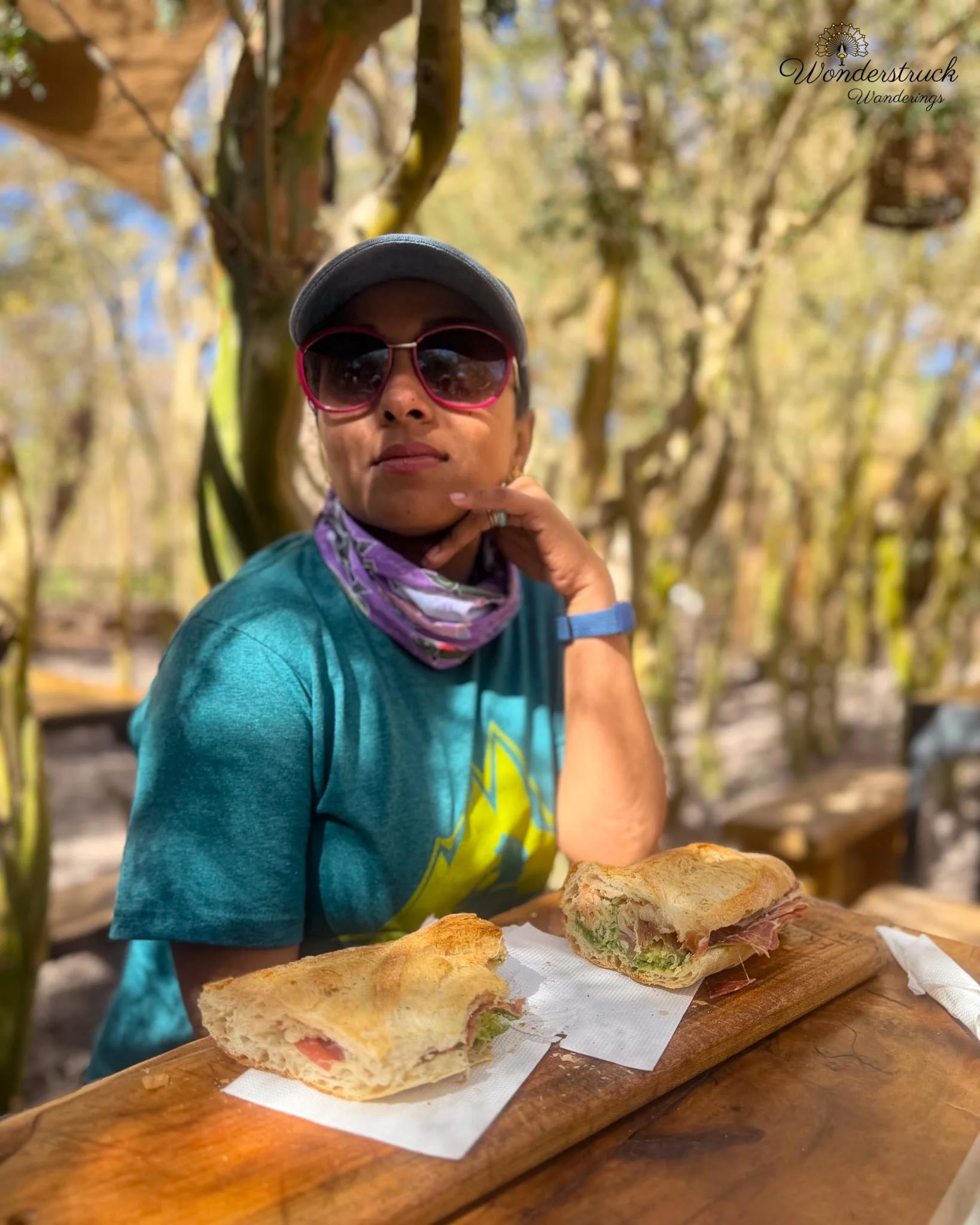
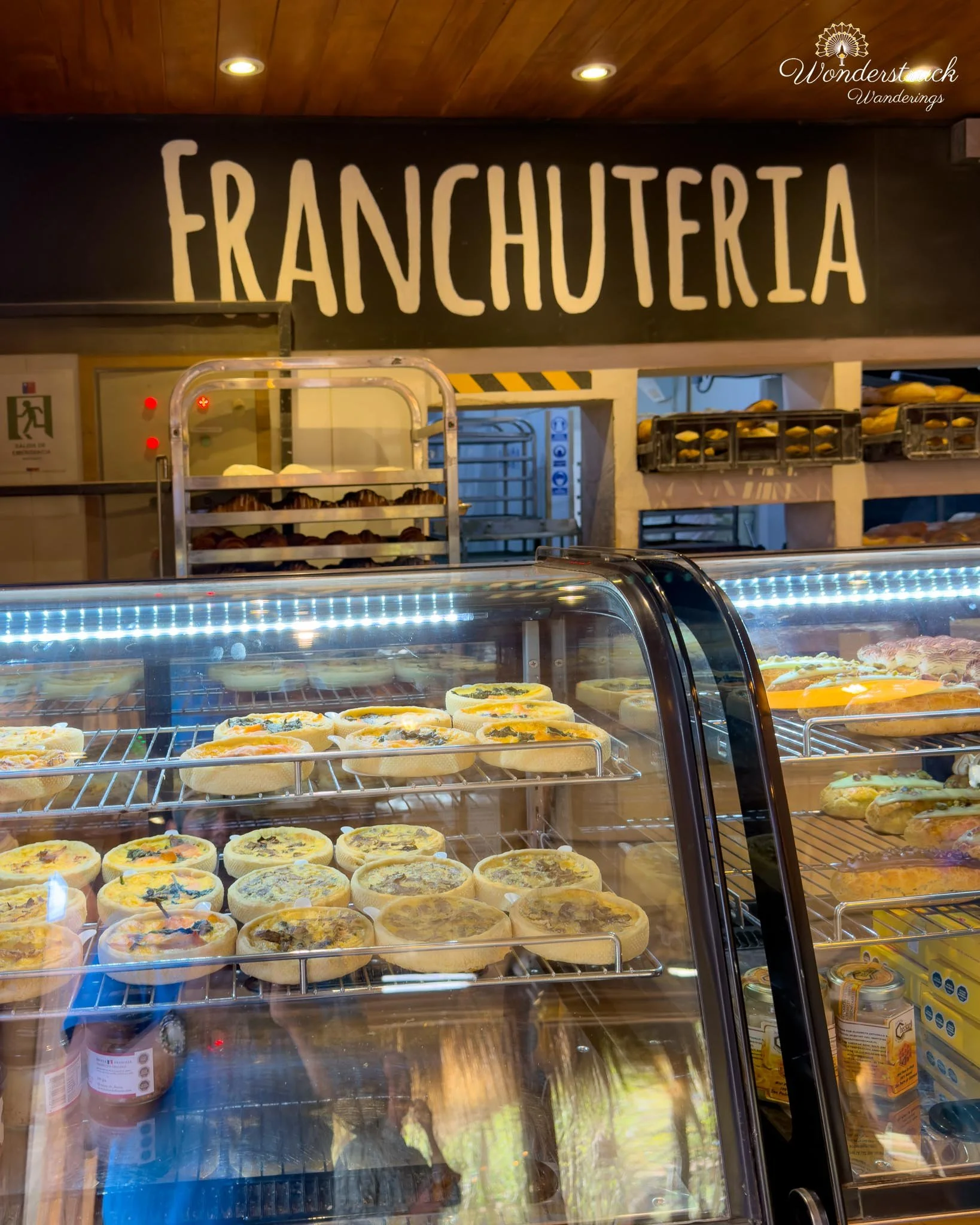
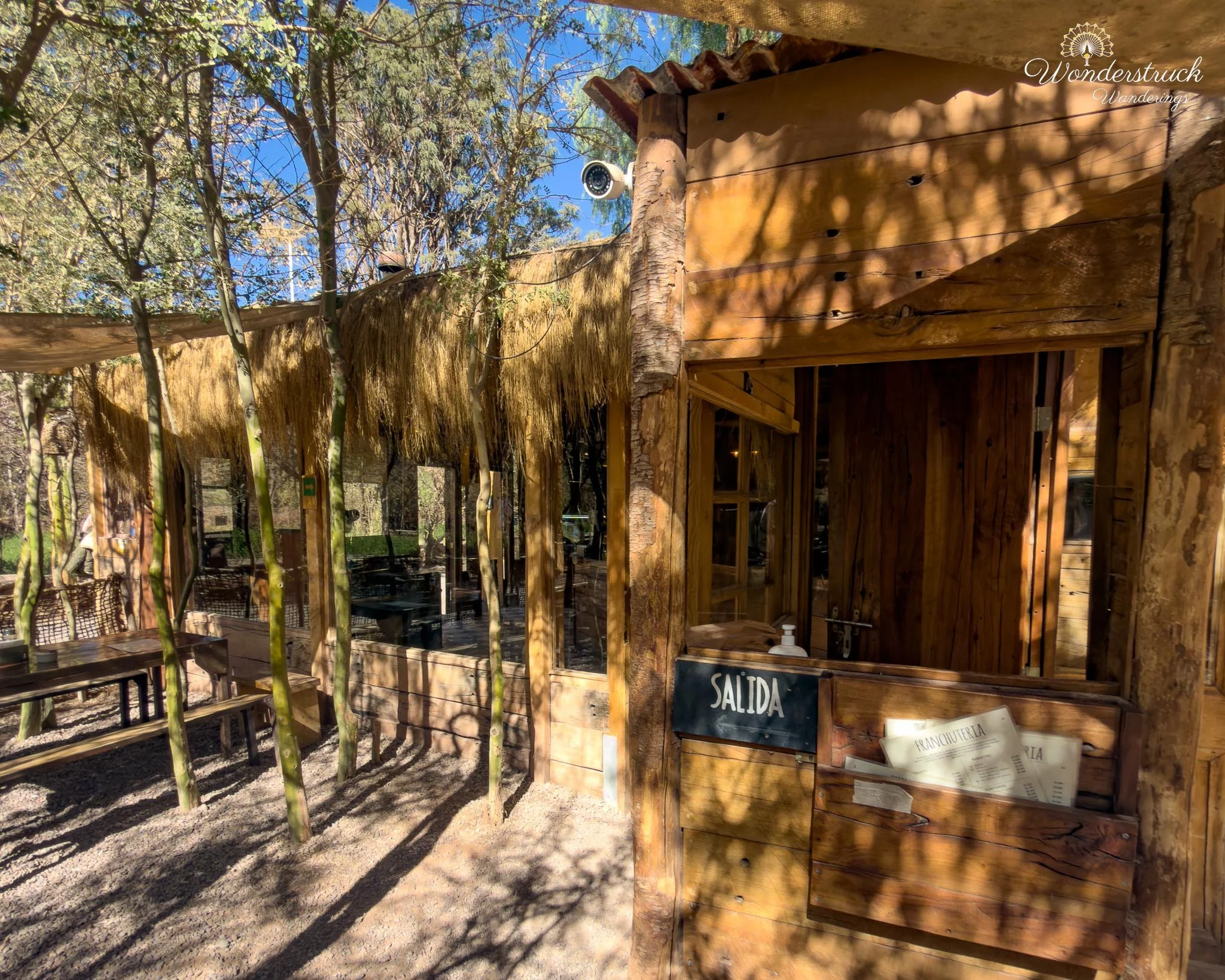
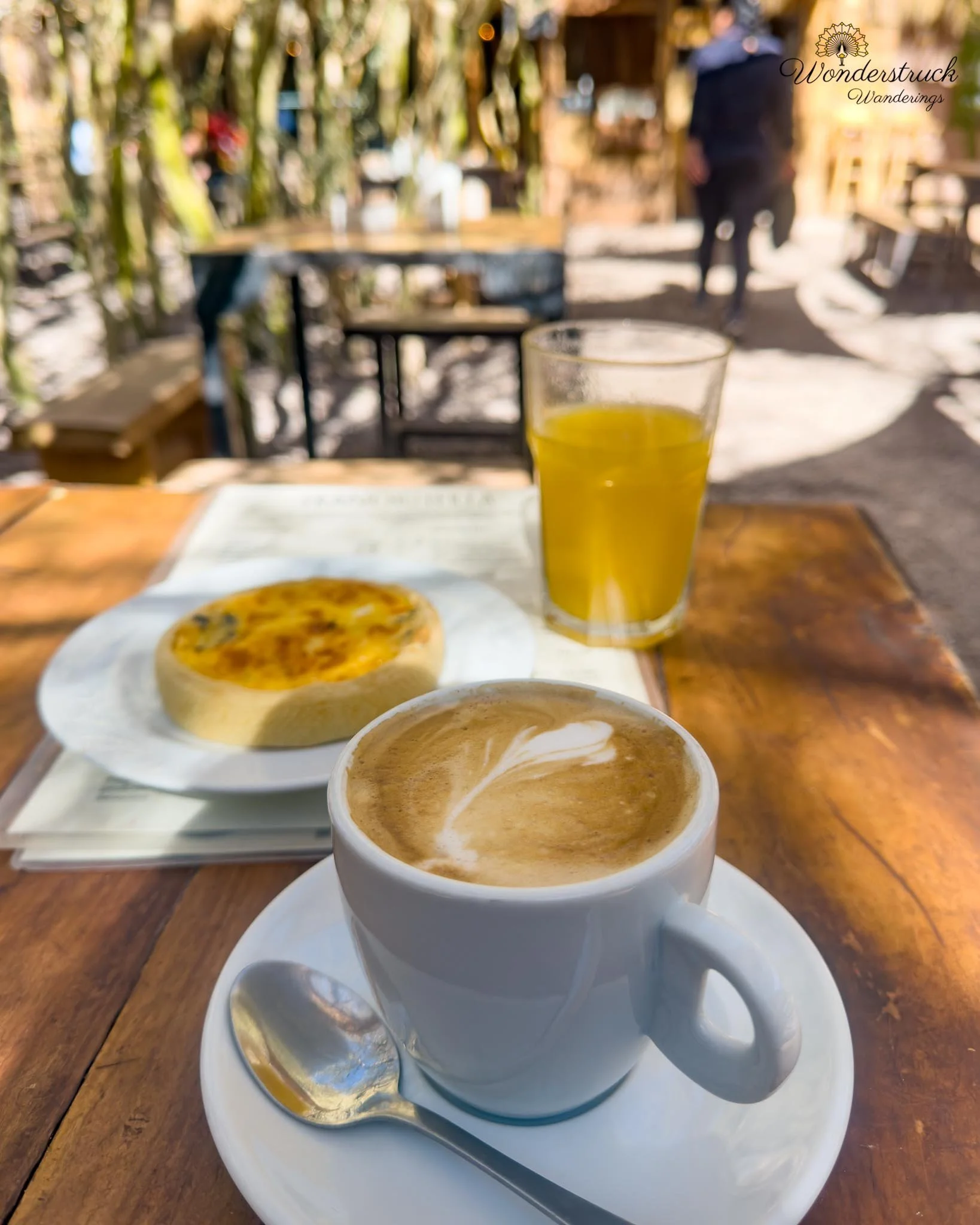
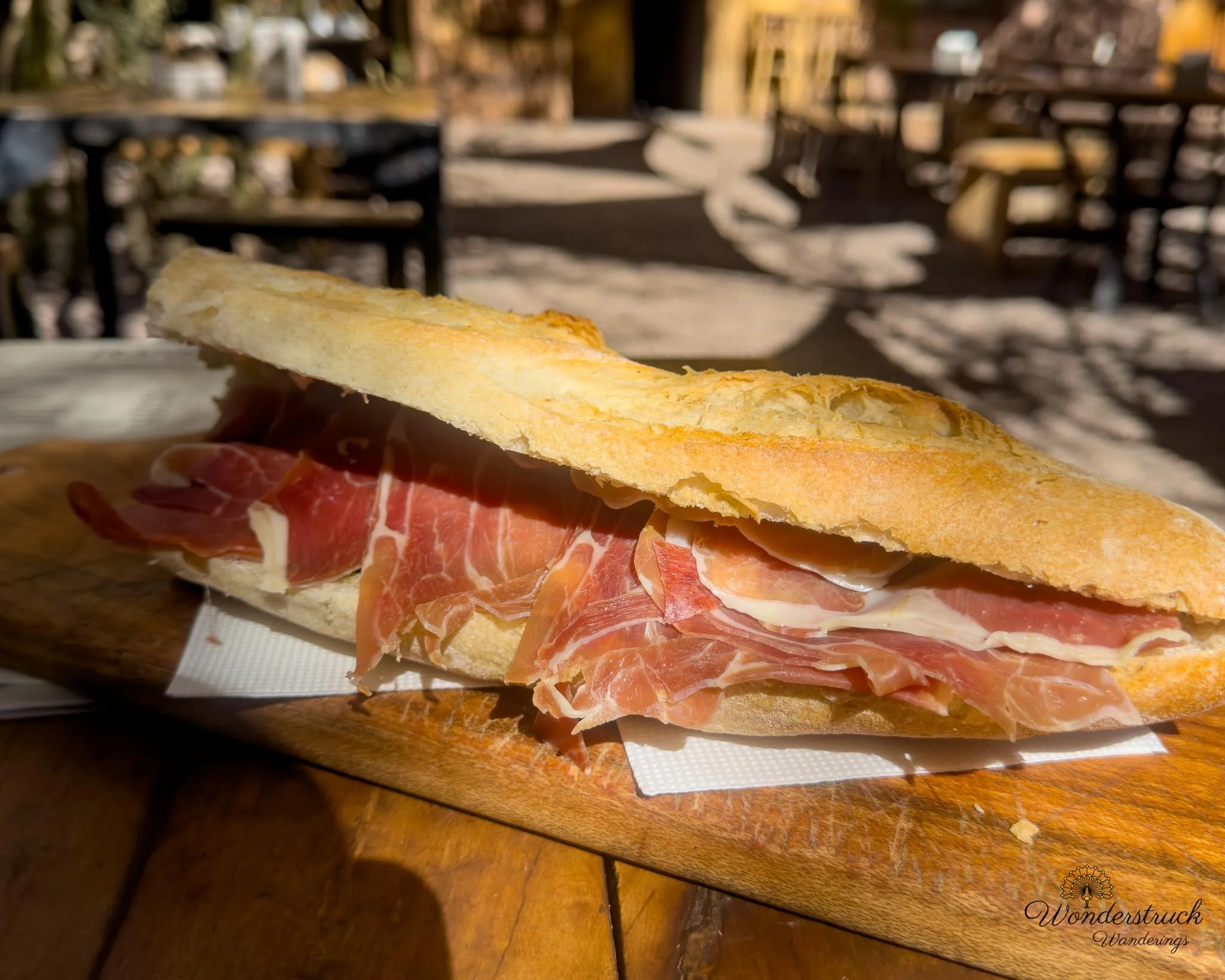
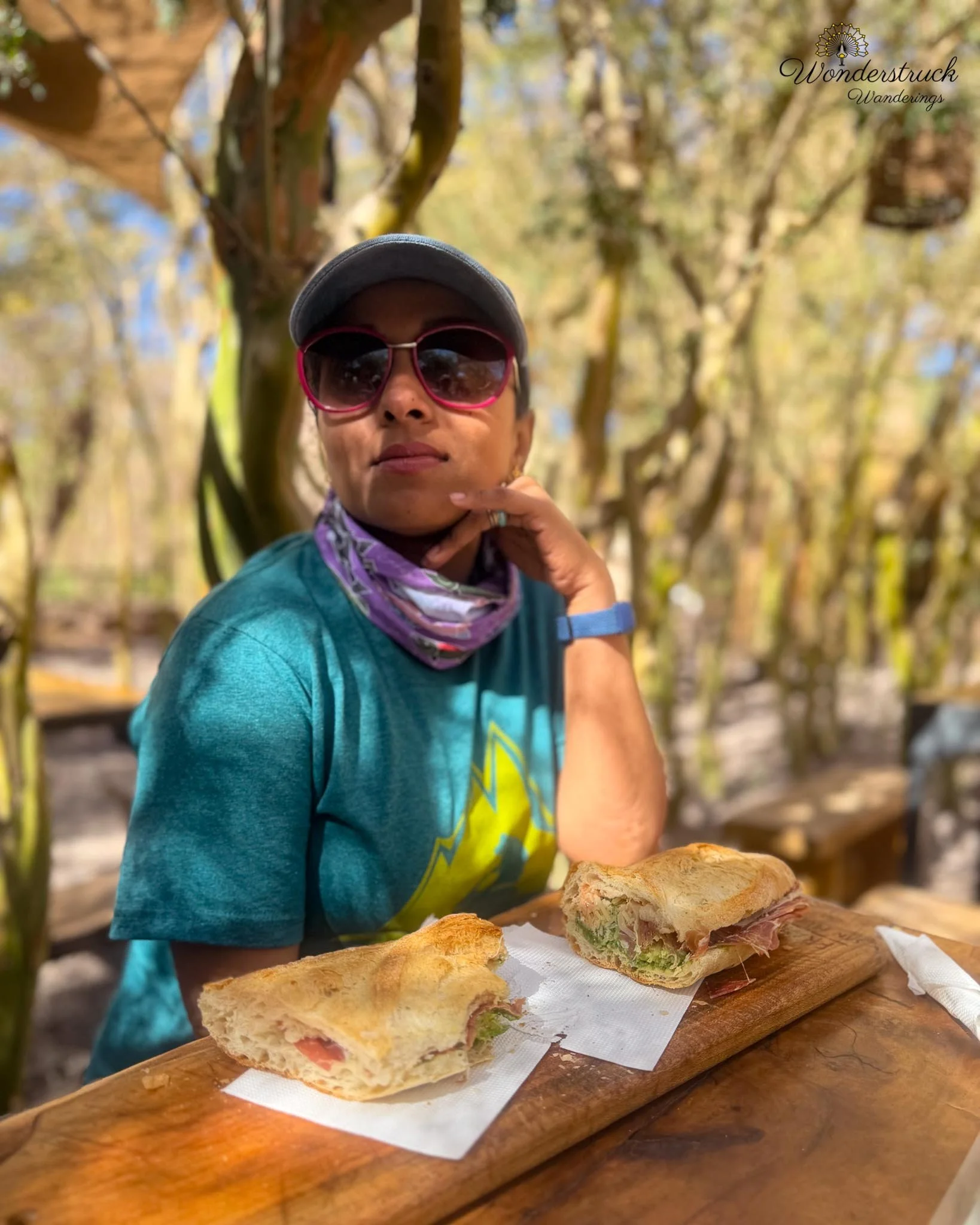
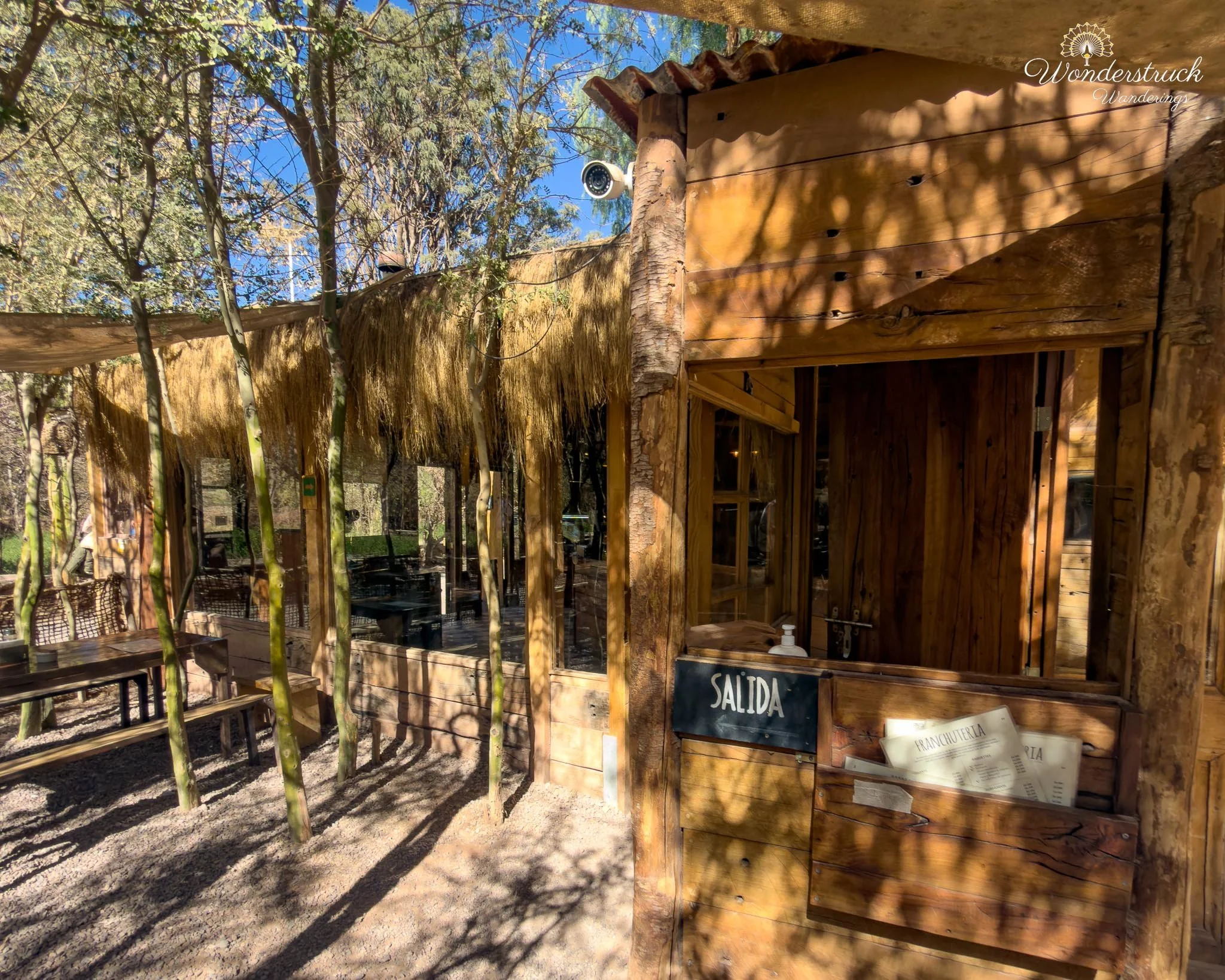
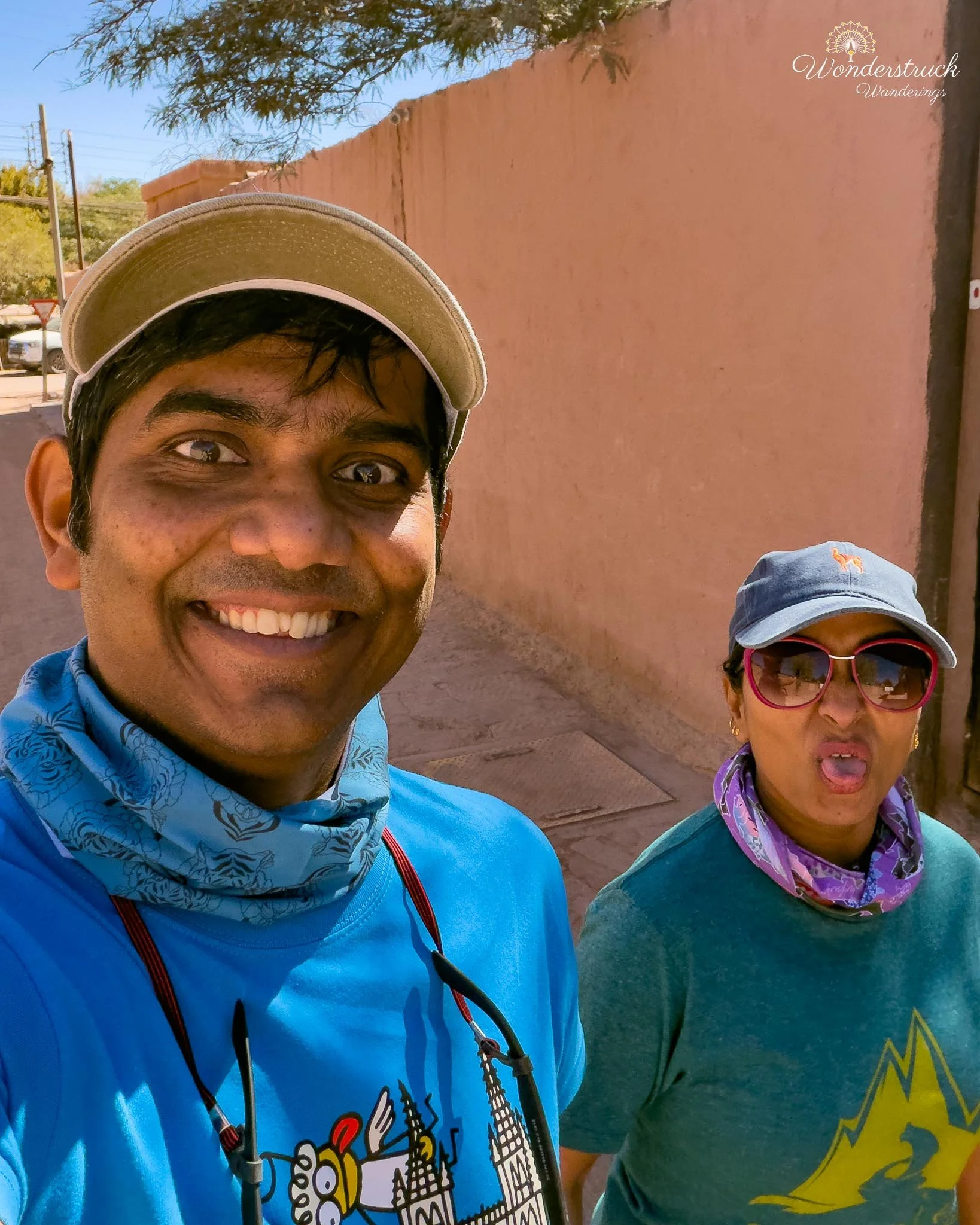
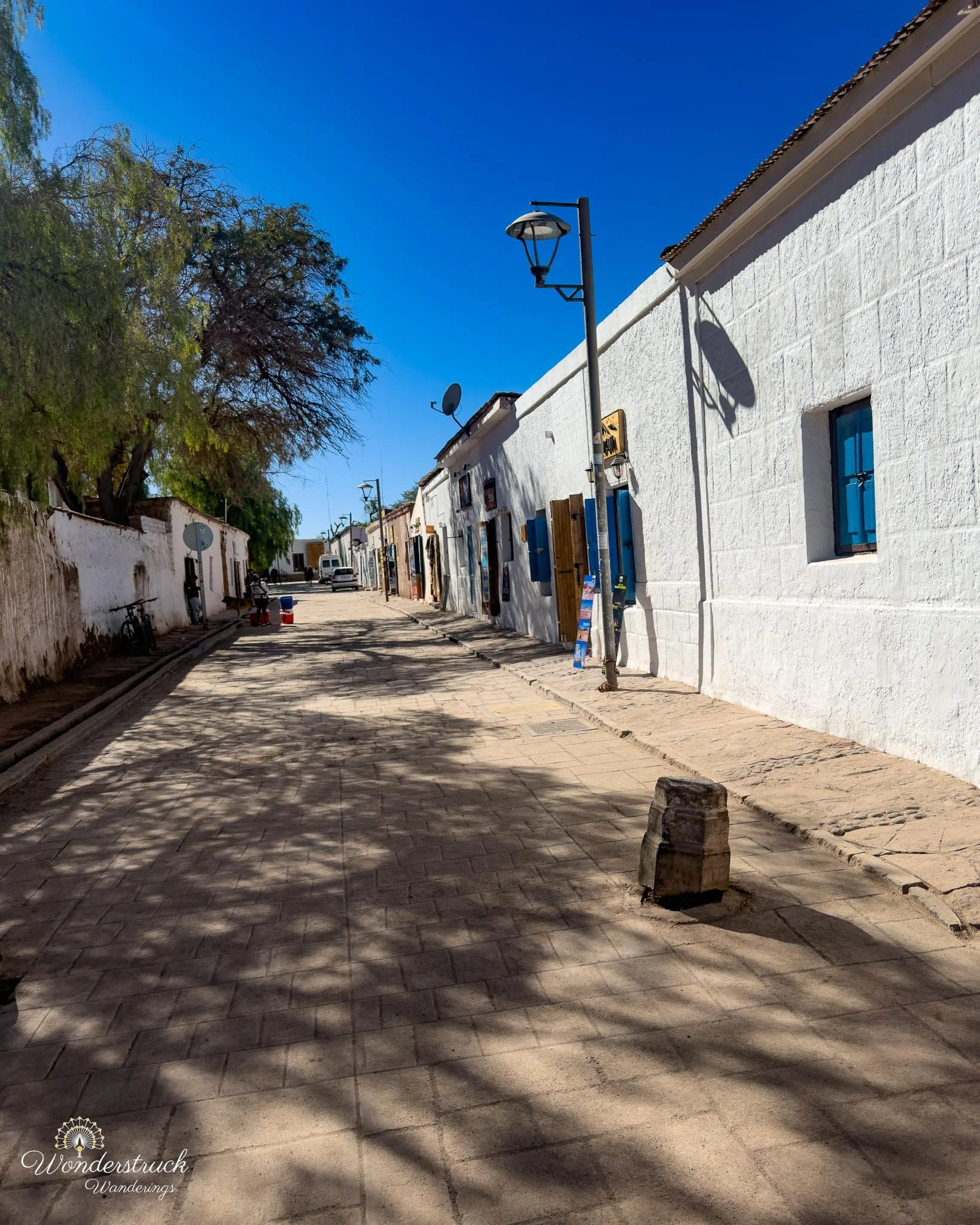
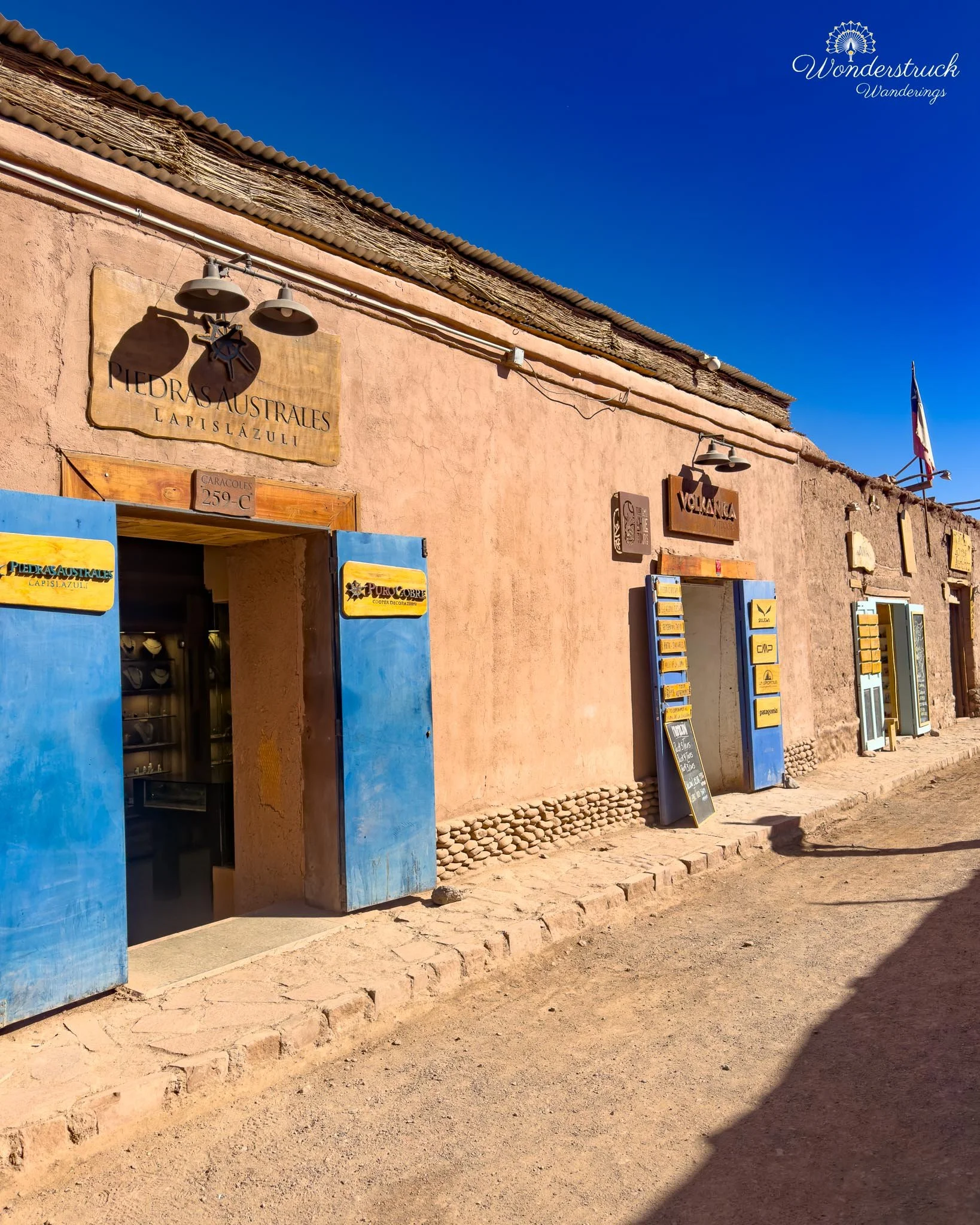
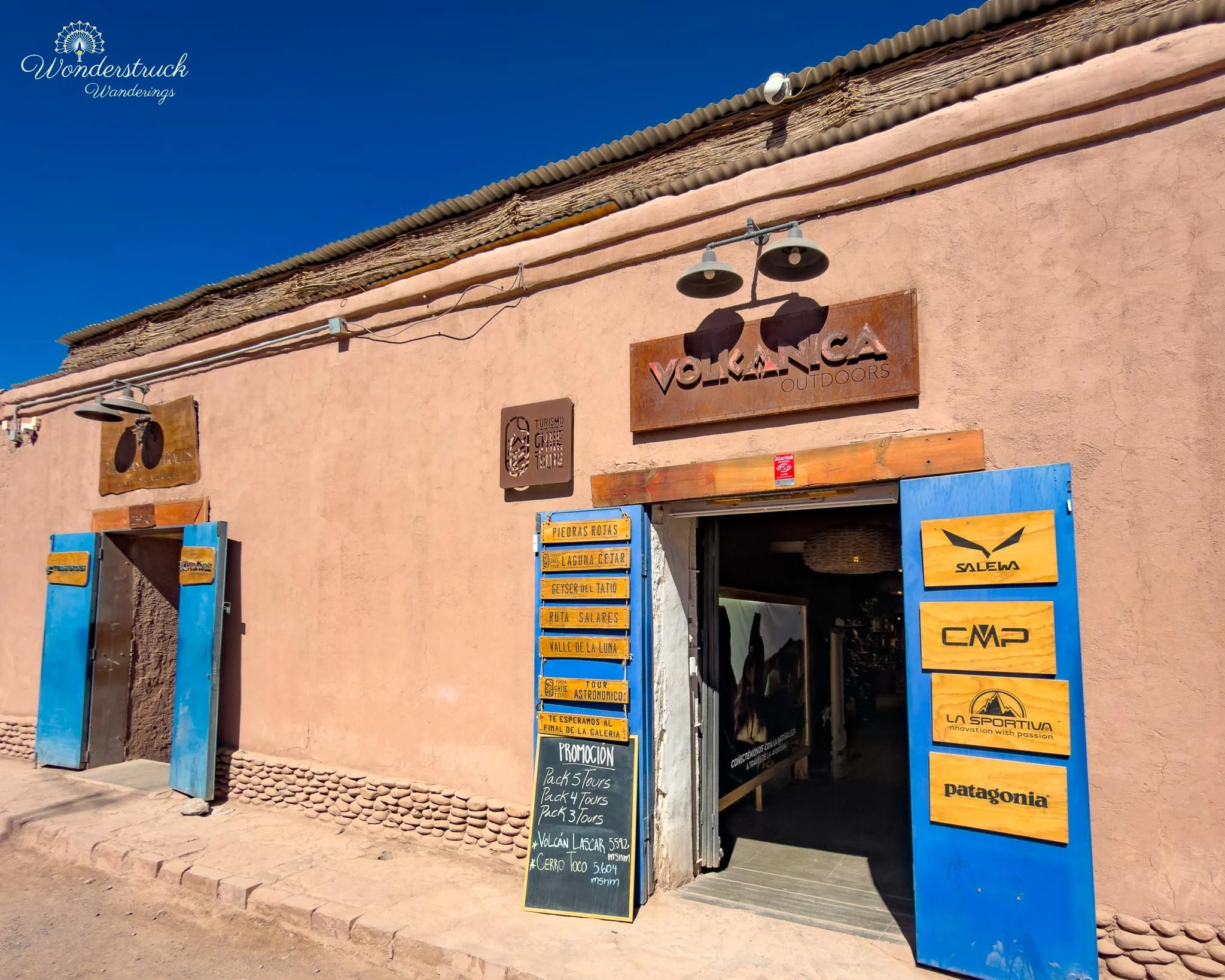
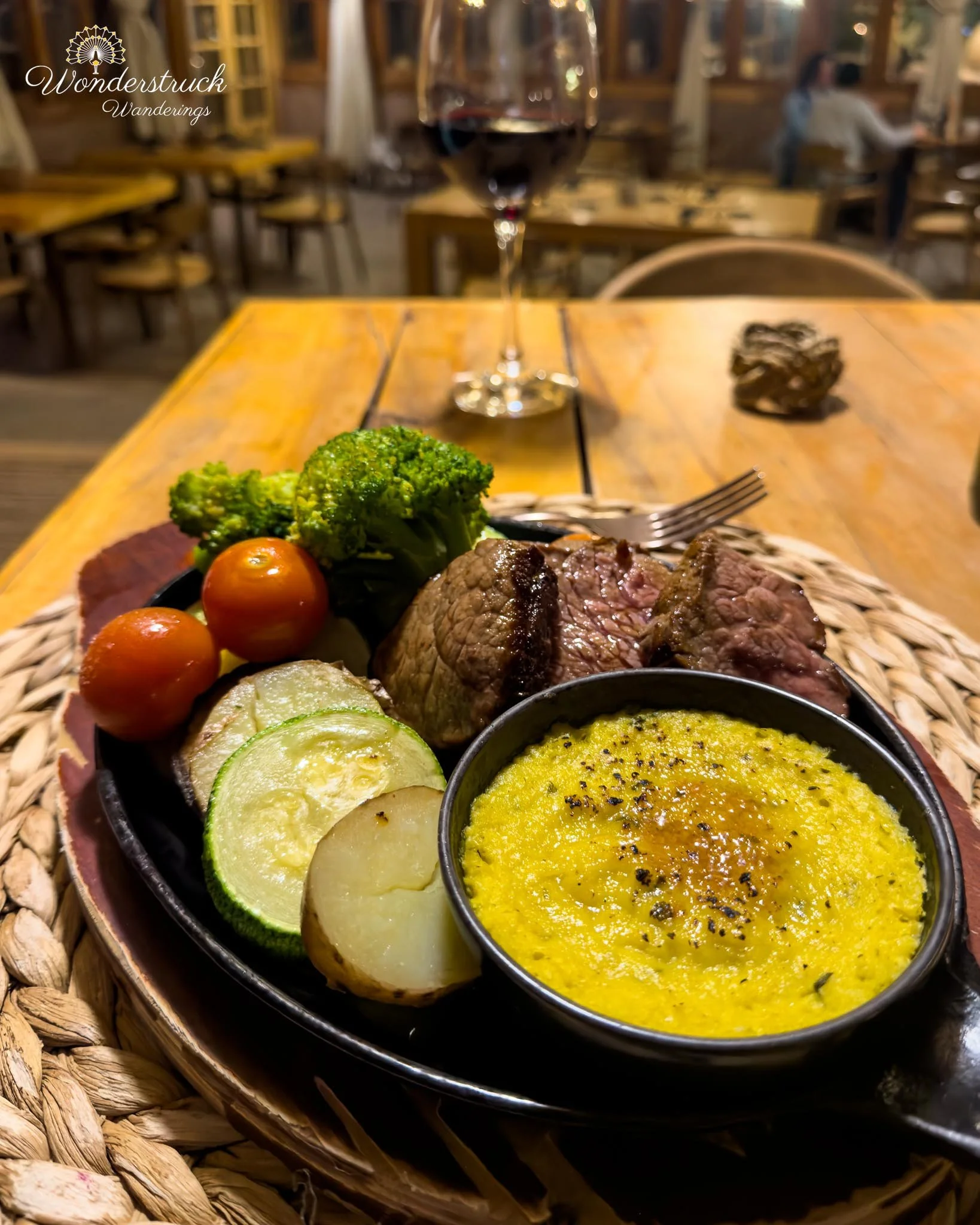
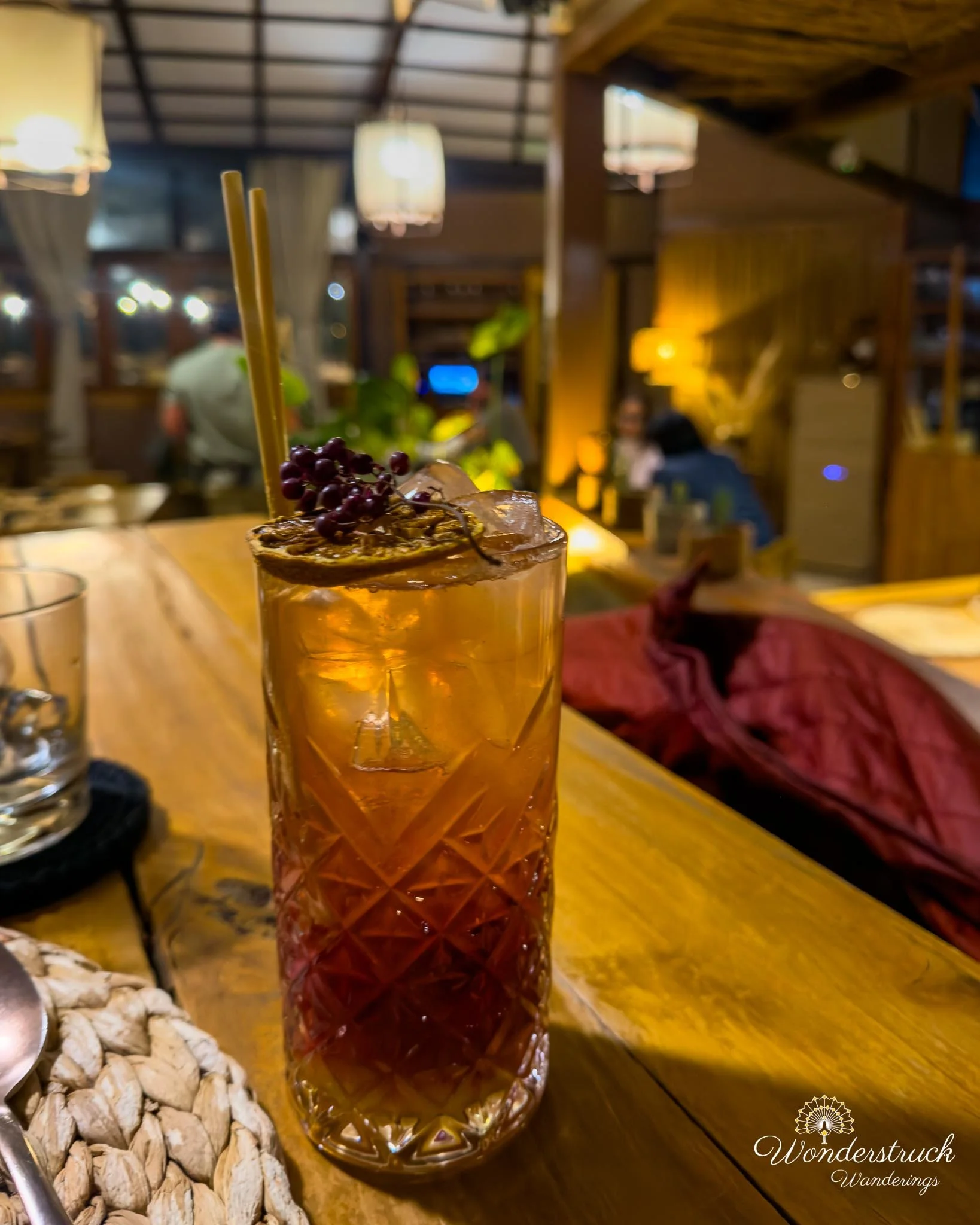
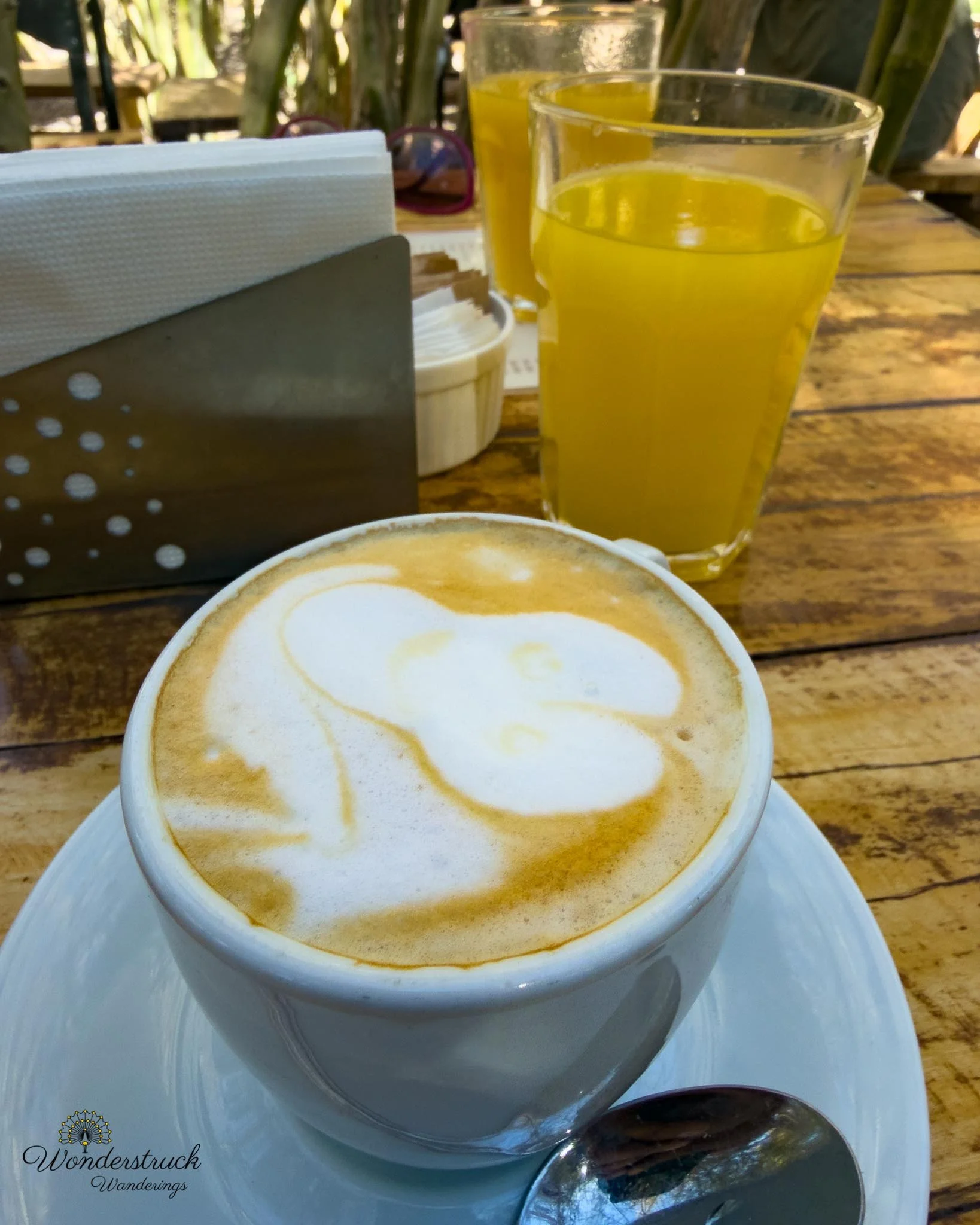
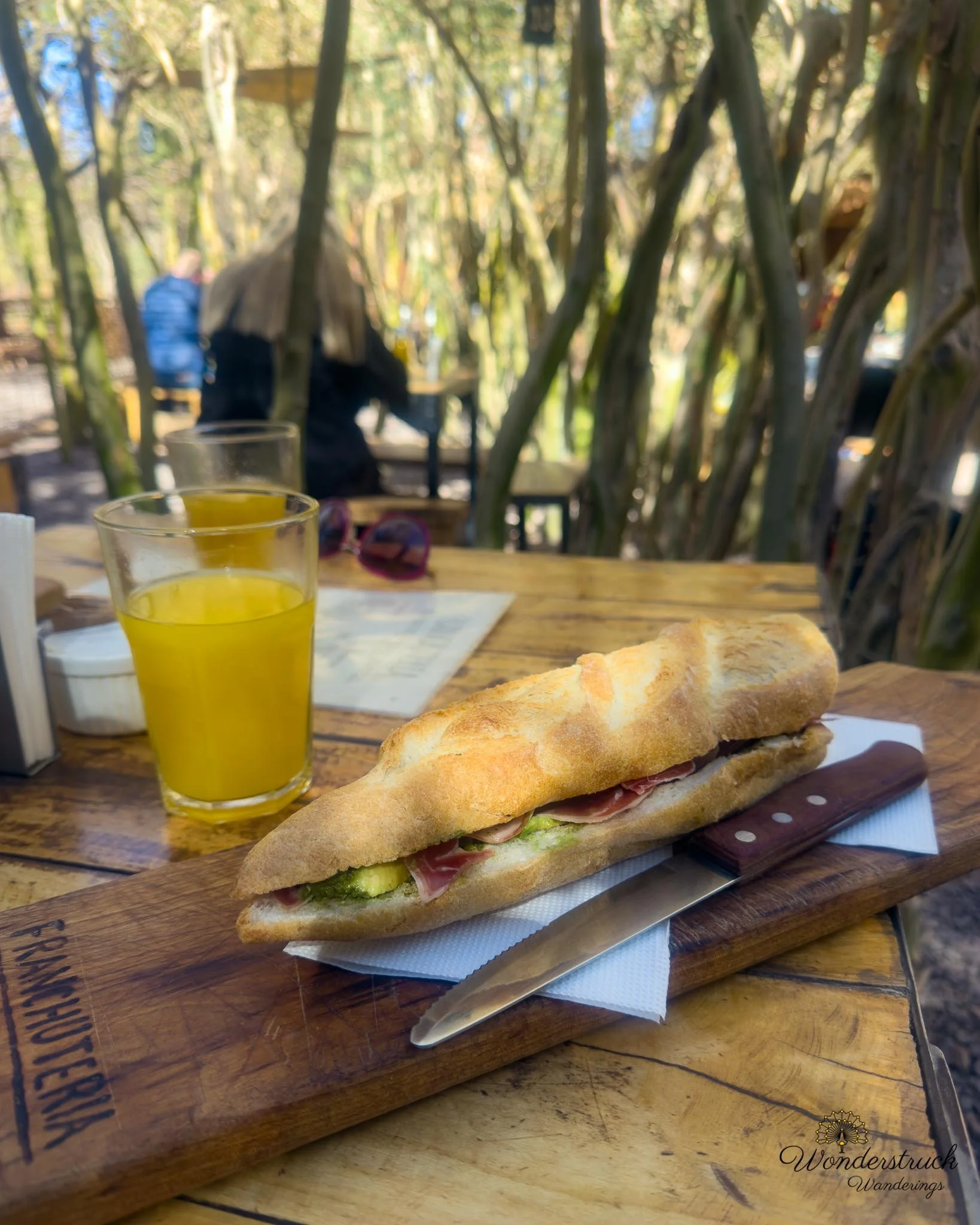
After returning to Our Habitas for a shower, we walked into town for lunch at La Franchutería, a French-style bakery with a pleasant garden courtyard. Shay ordered a four-cheese sandwich and mango juice, while I chose serrano ham on a half baguette with pesto and mayonnaise, accompanied by a cappuccino. The freshly baked bread was excellent. We also picked up chocolate and ham-and-cheese croissants for the following morning's early departure to El Tatio. We enjoyed walking along Caracoles, San Pedro's main dirt street, browsing small souvenir shops, artisan stalls, outdoor gear stores, and the many tour agencies advertising excursions to El Tatio, Valle de la Luna, the Altiplanic Lagoons, and Bolivia's Uyuni Salt Flats. With its low adobe buildings, dusty streets, restaurants, and travelers moving between excursions, Caracoles is the center of activity in San Pedro. On our way back, we stopped at Helados Artesanales Babalu for lemon rica-rica ice cream. Rica-rica is an aromatic herb native to the region, and its distinctive herbal flavor worked particularly well with the sharpness of lemon.
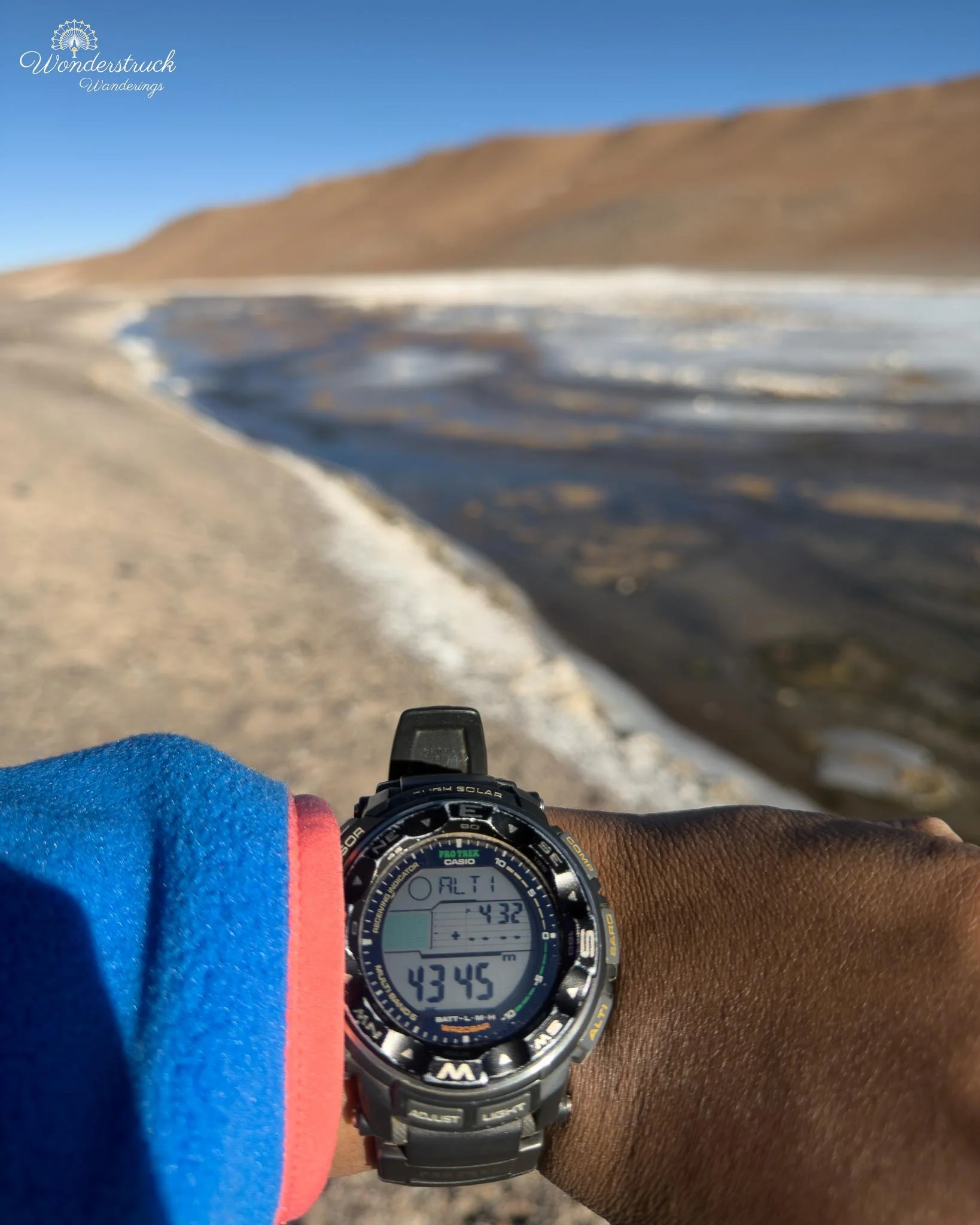
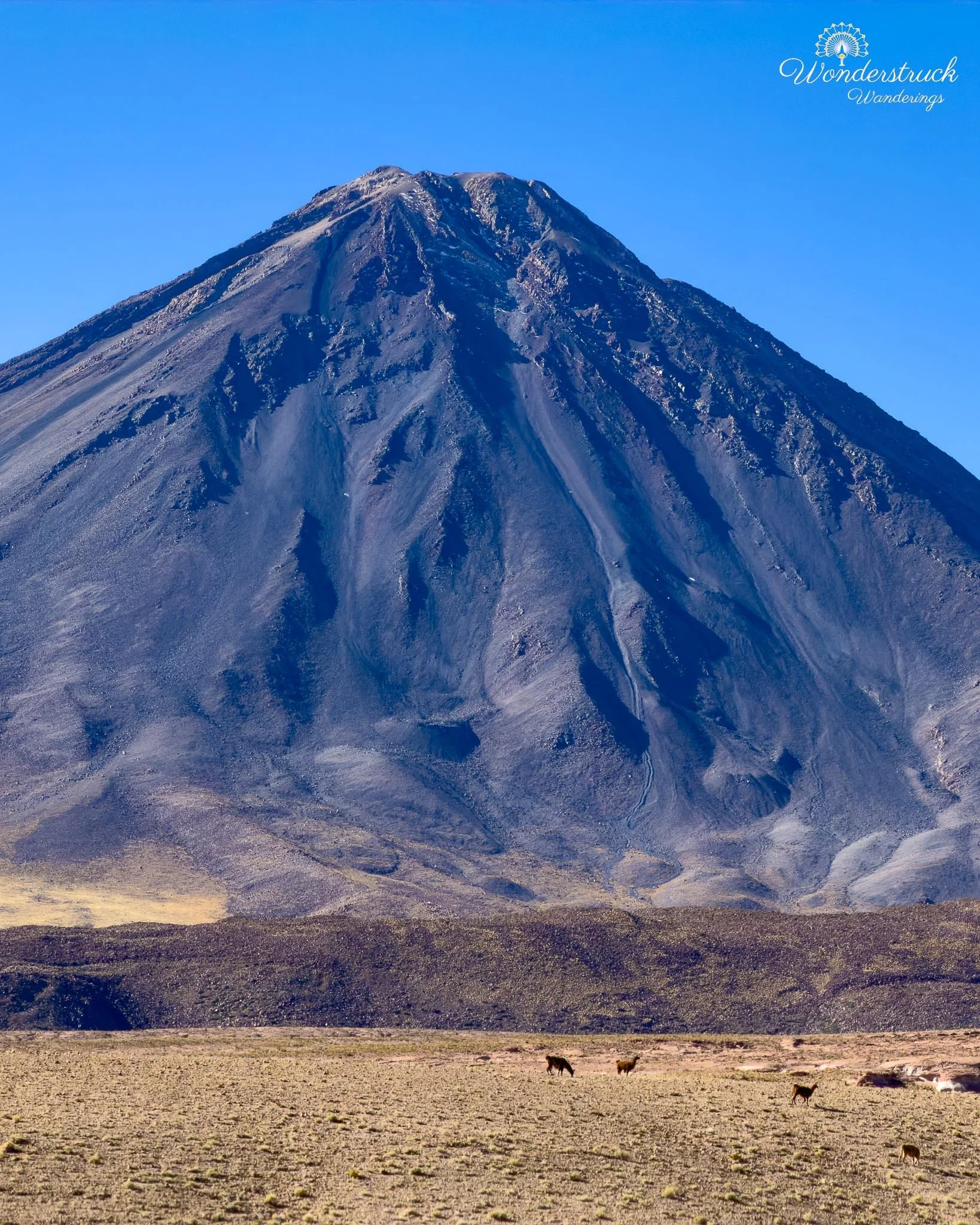
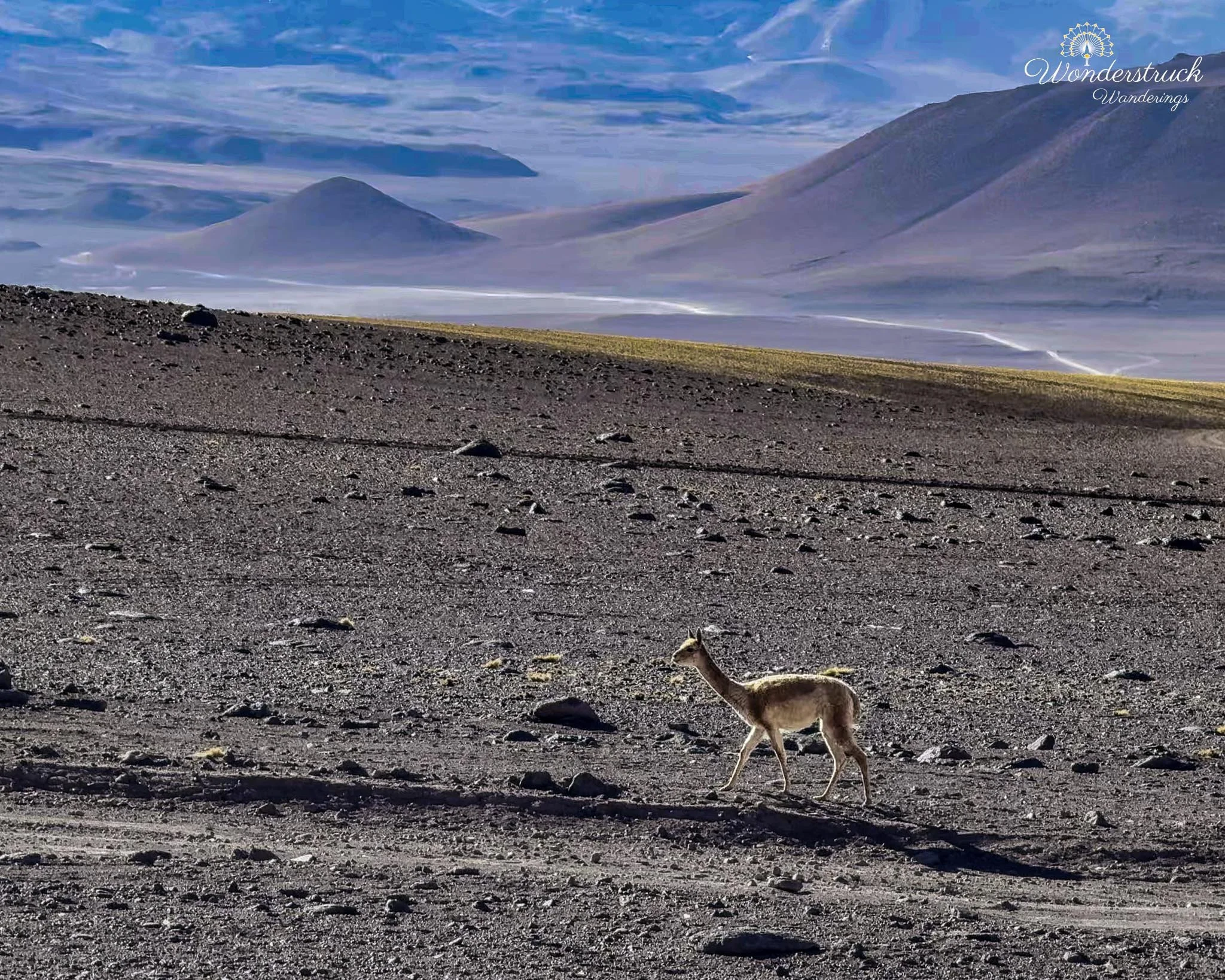
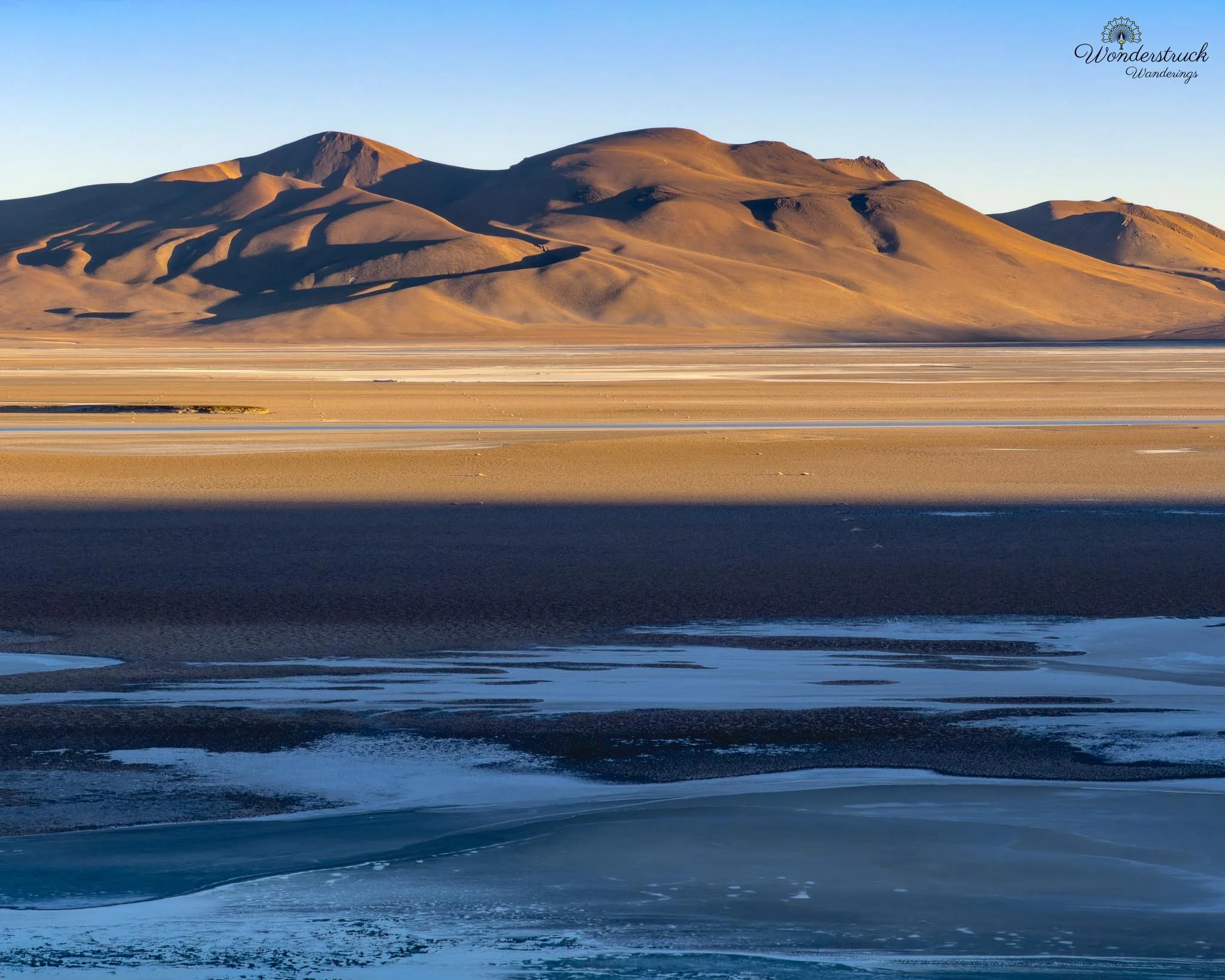
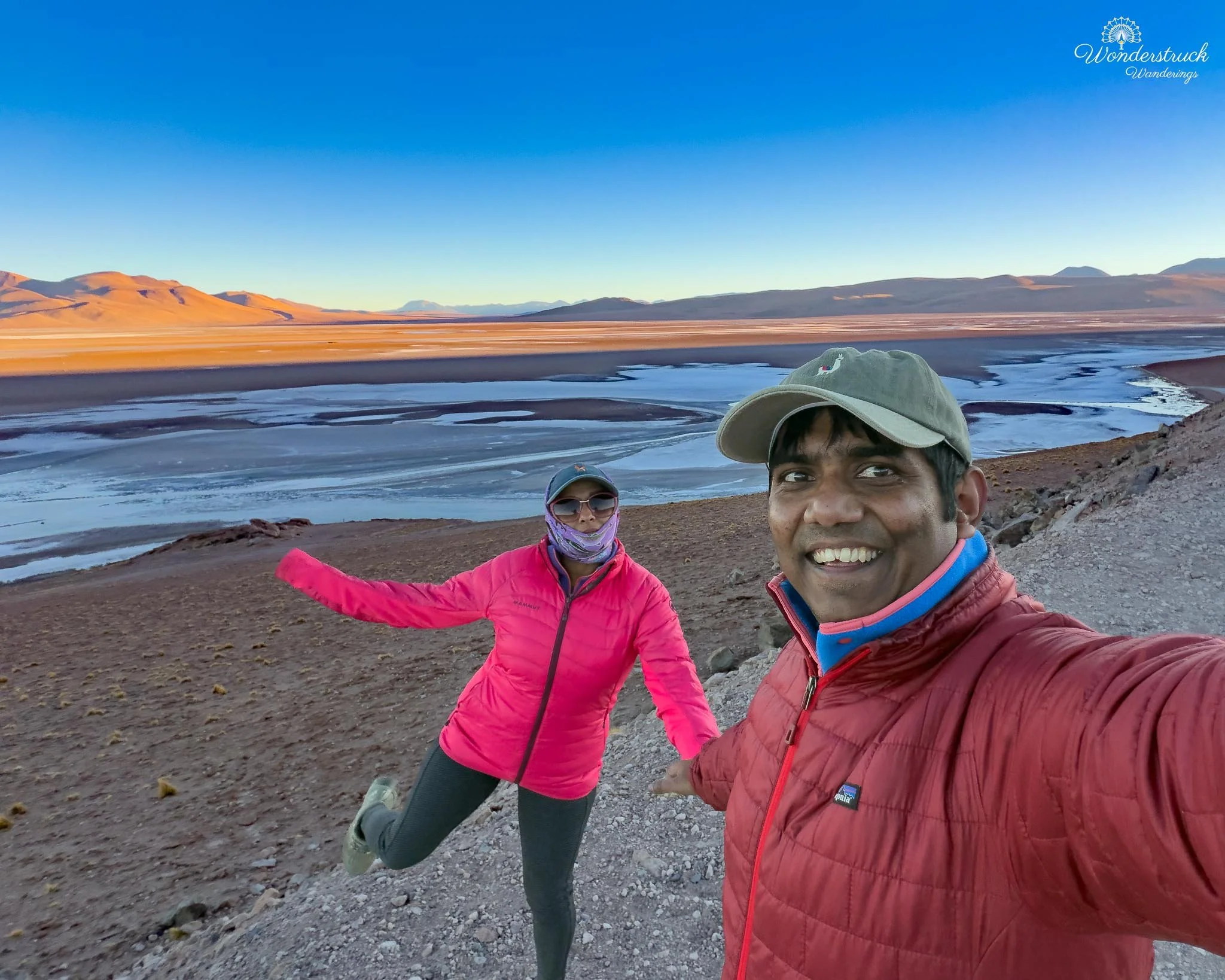
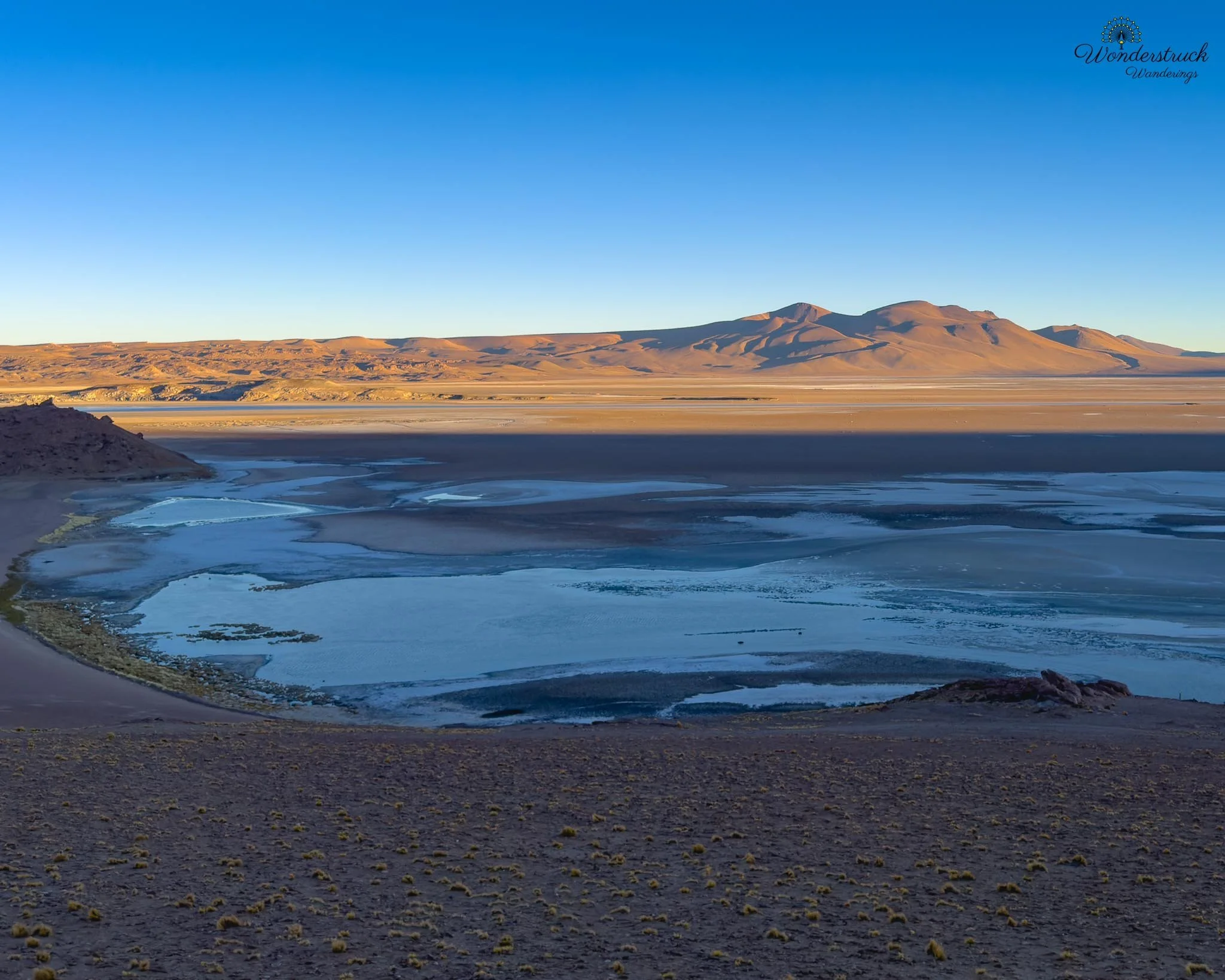
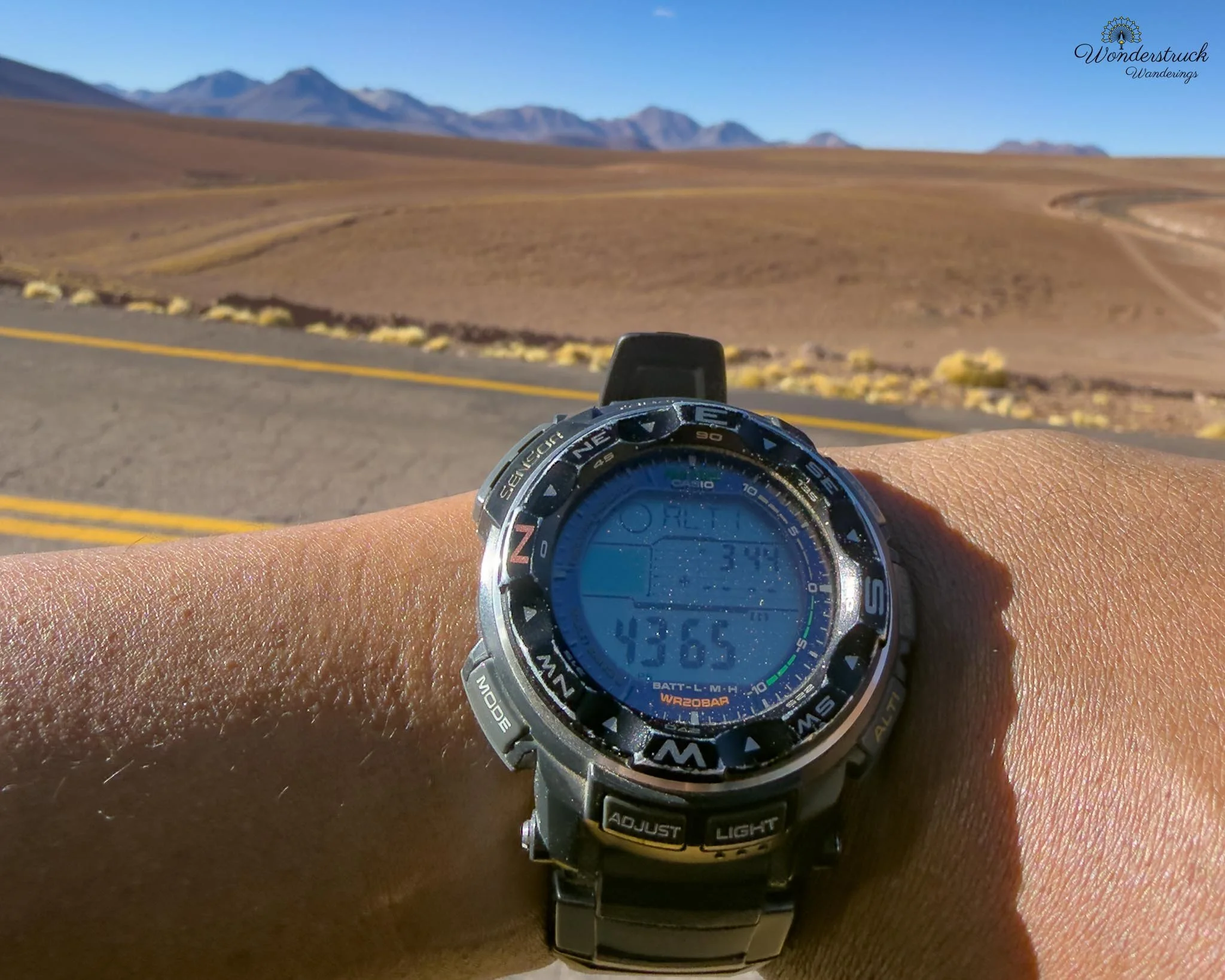
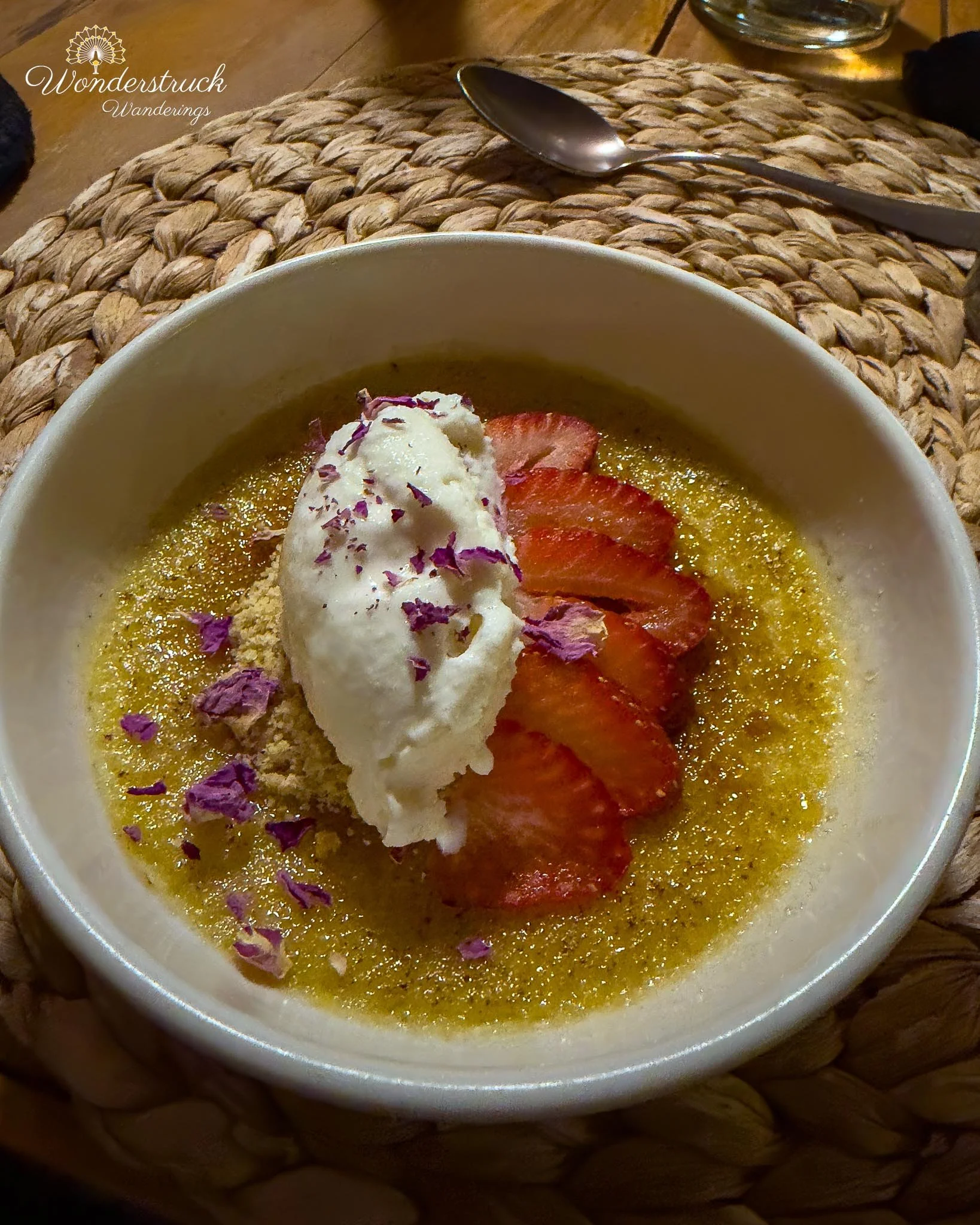
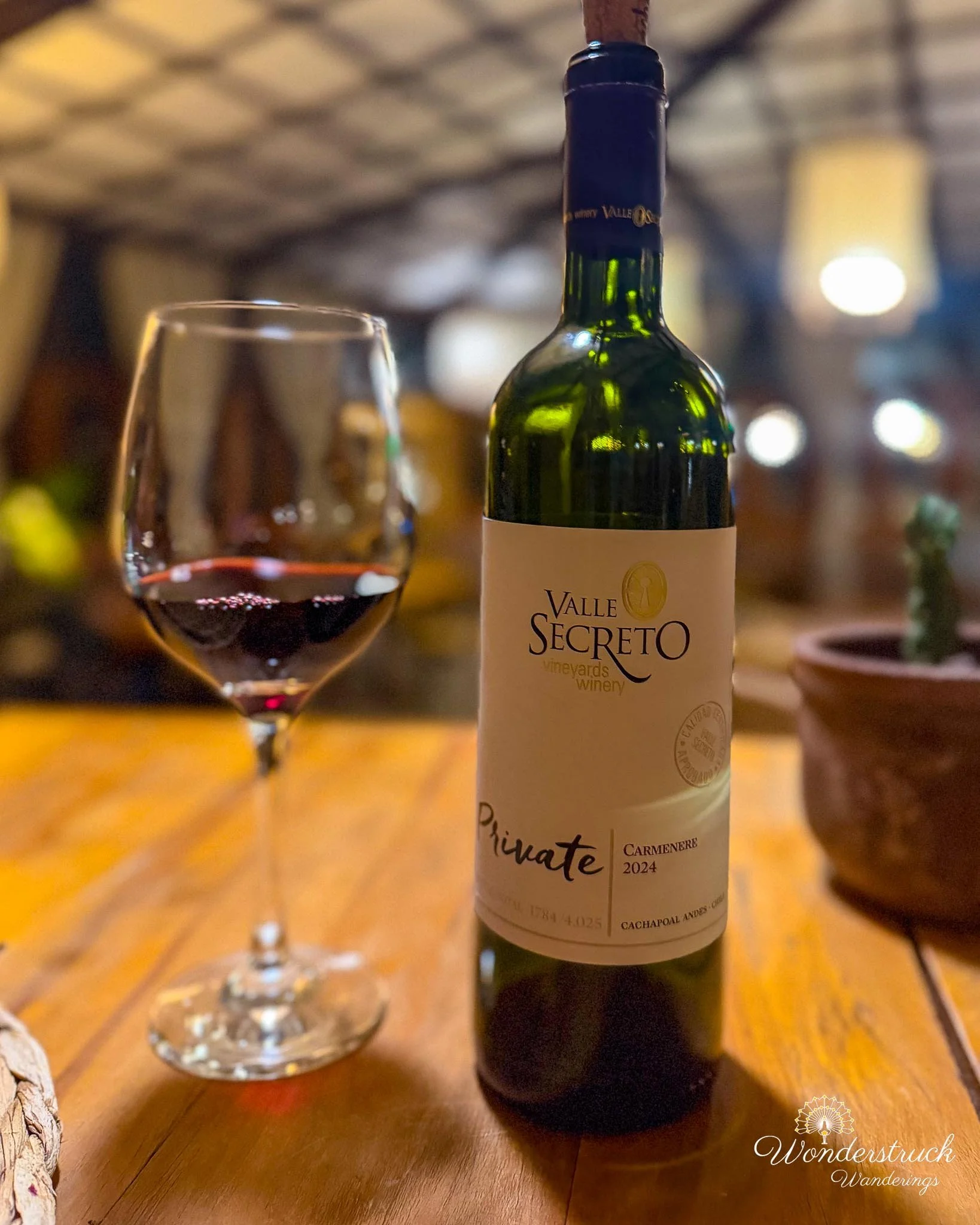
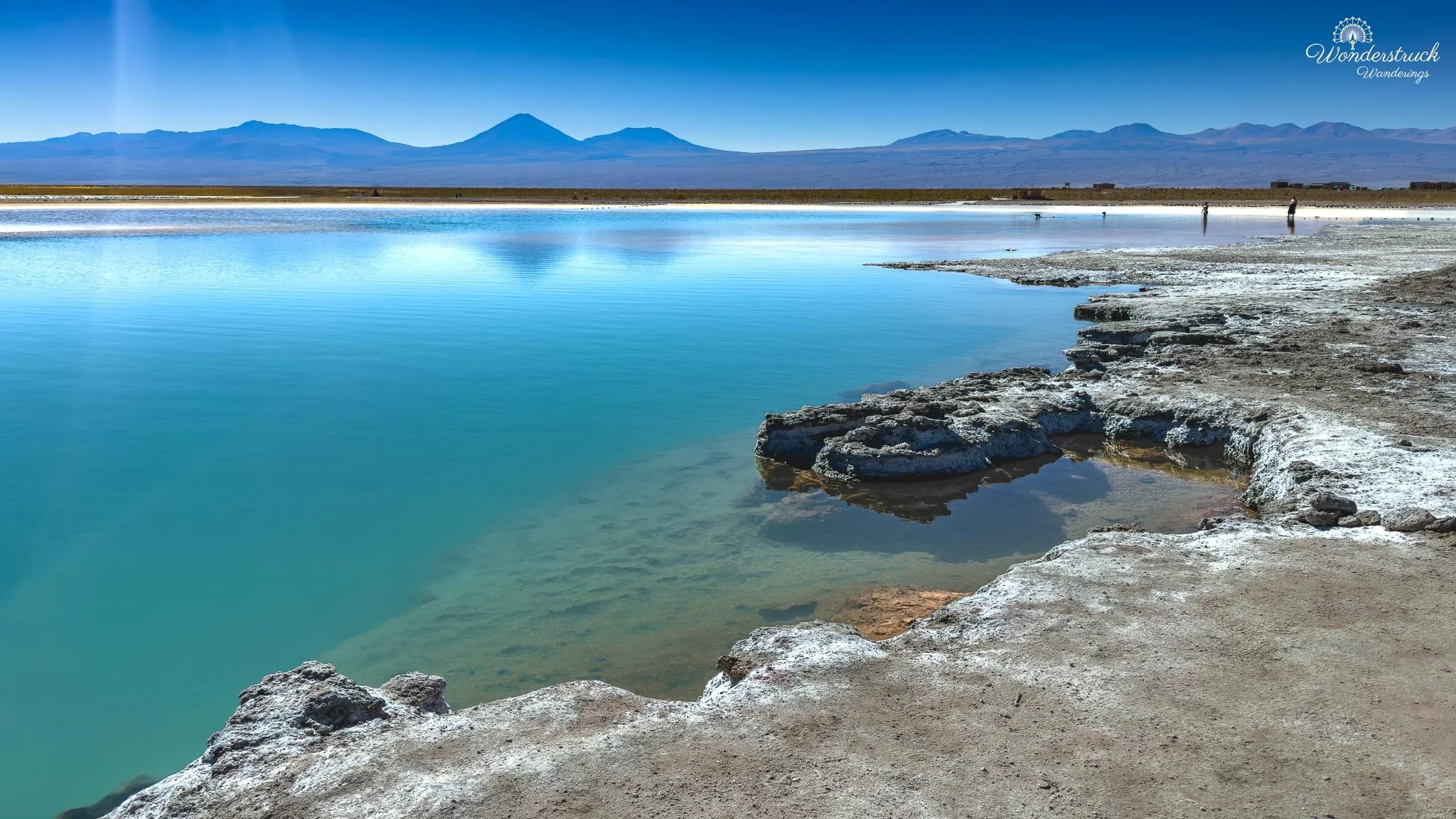
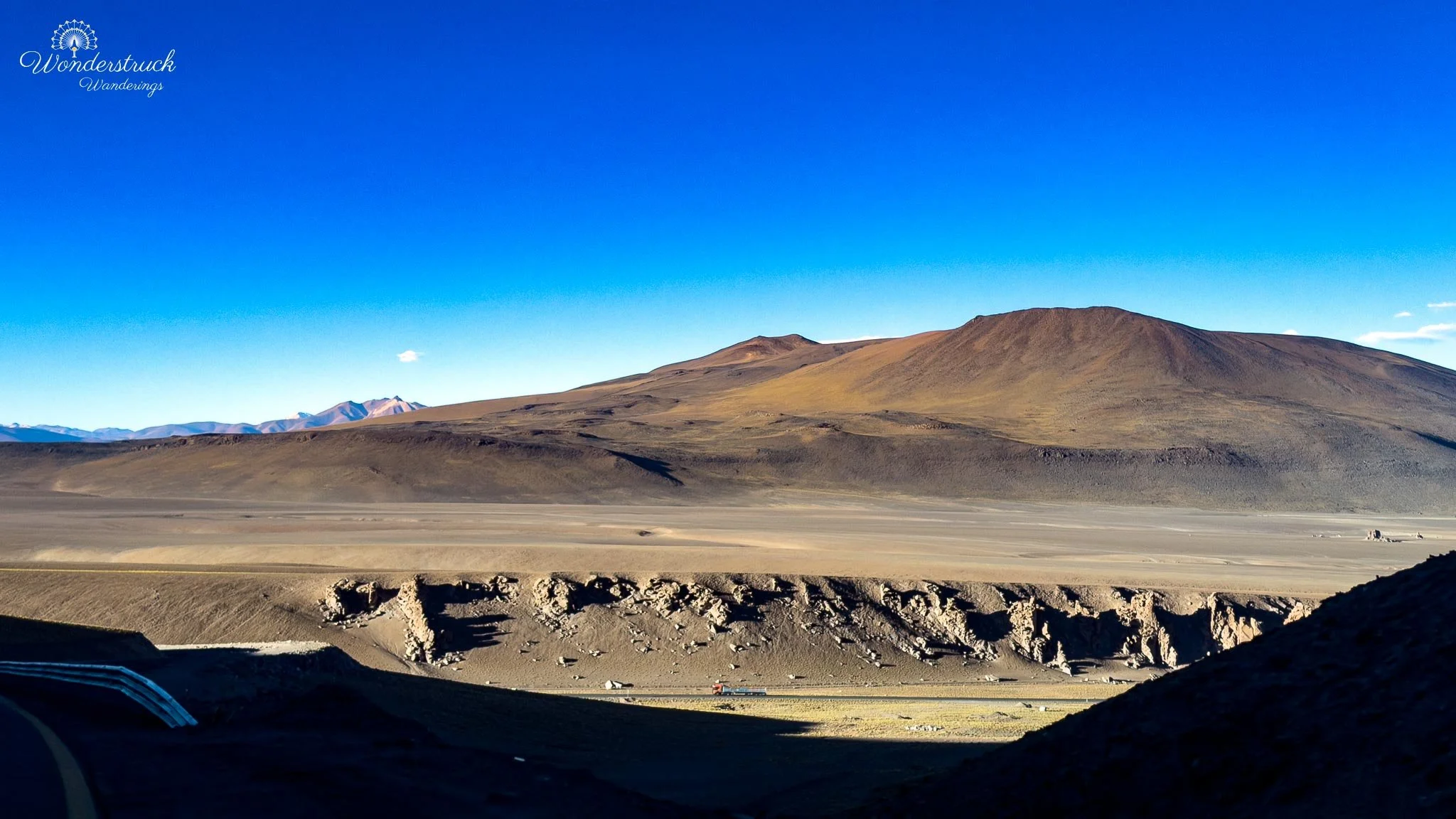
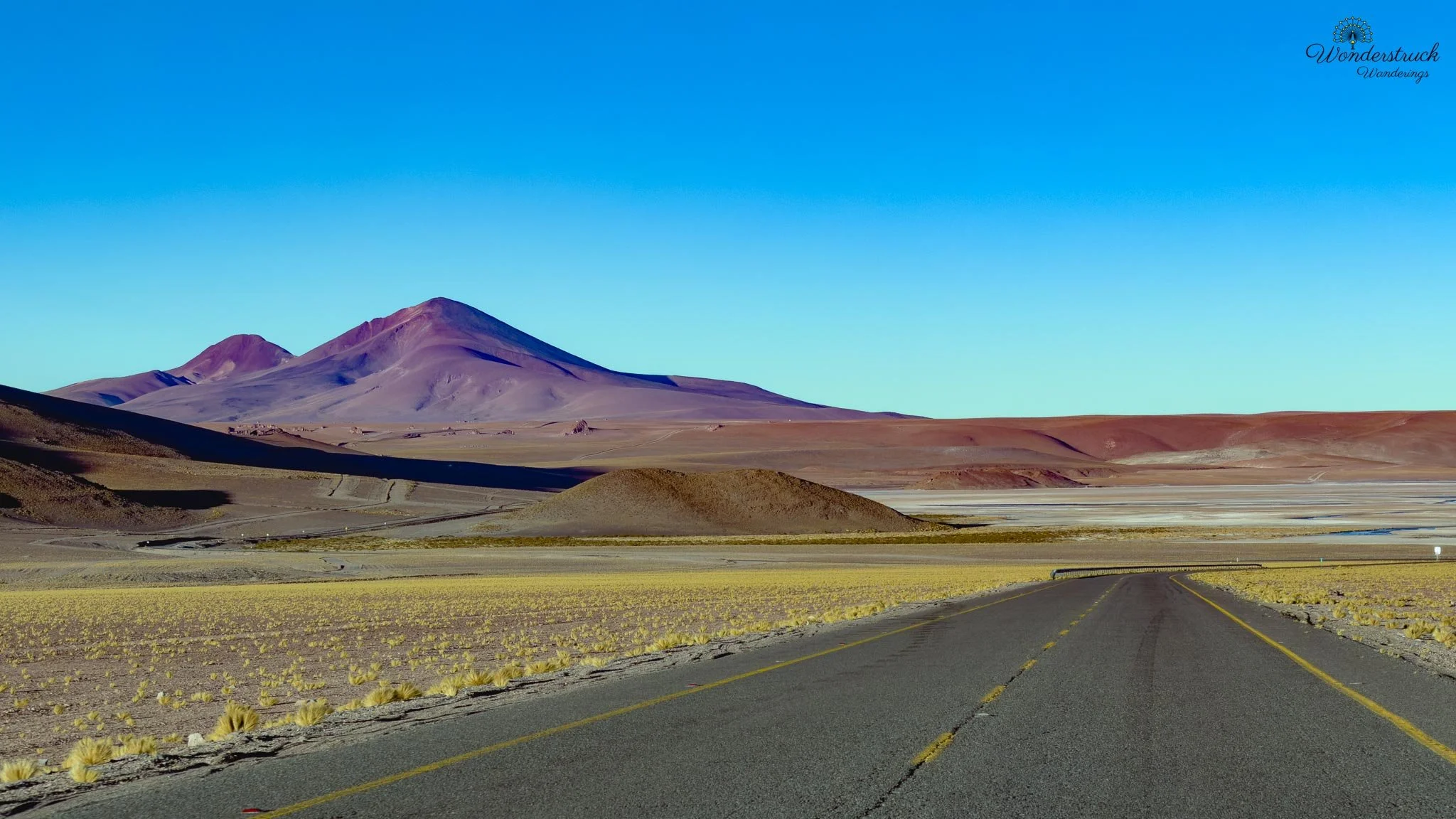
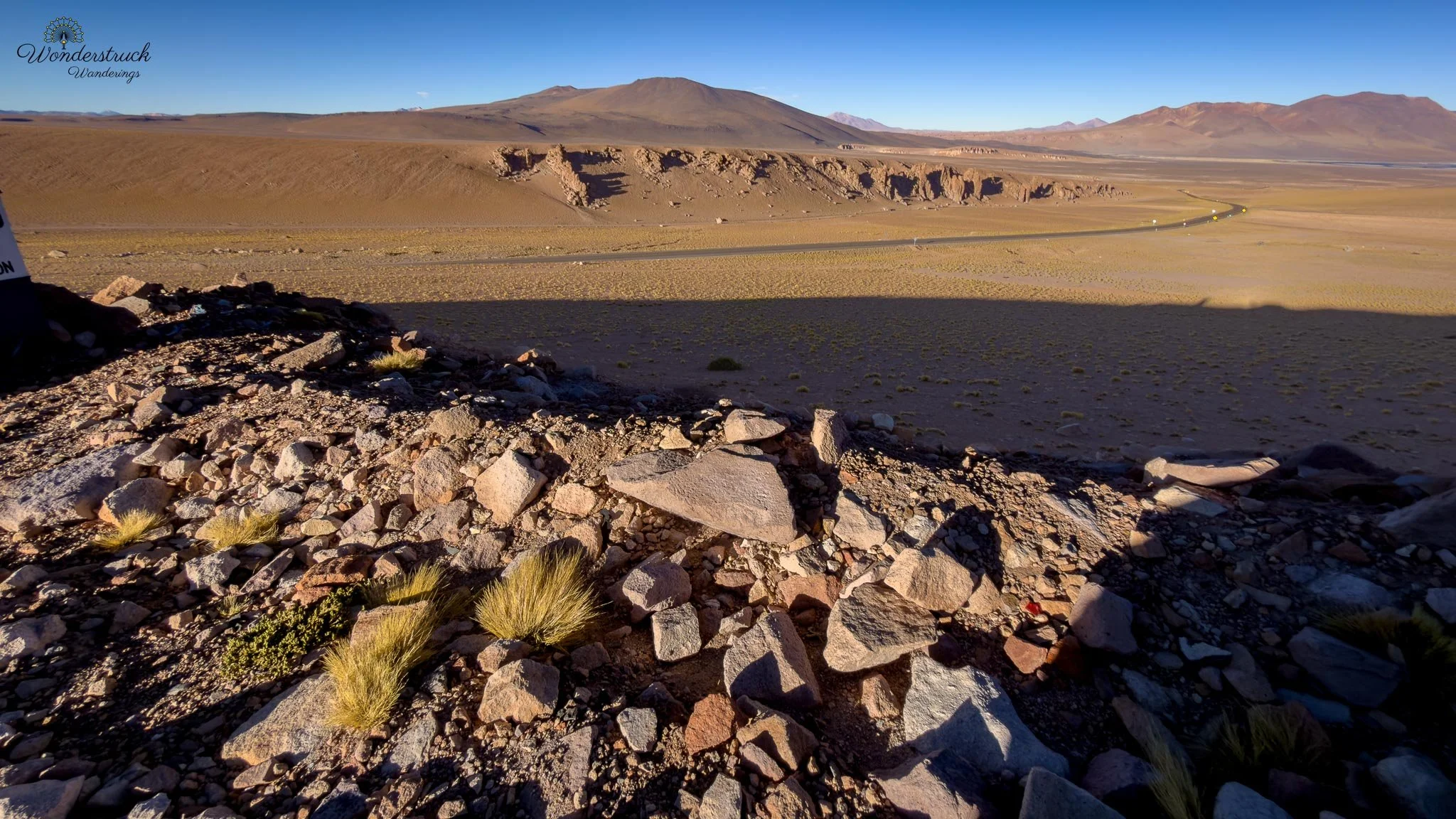
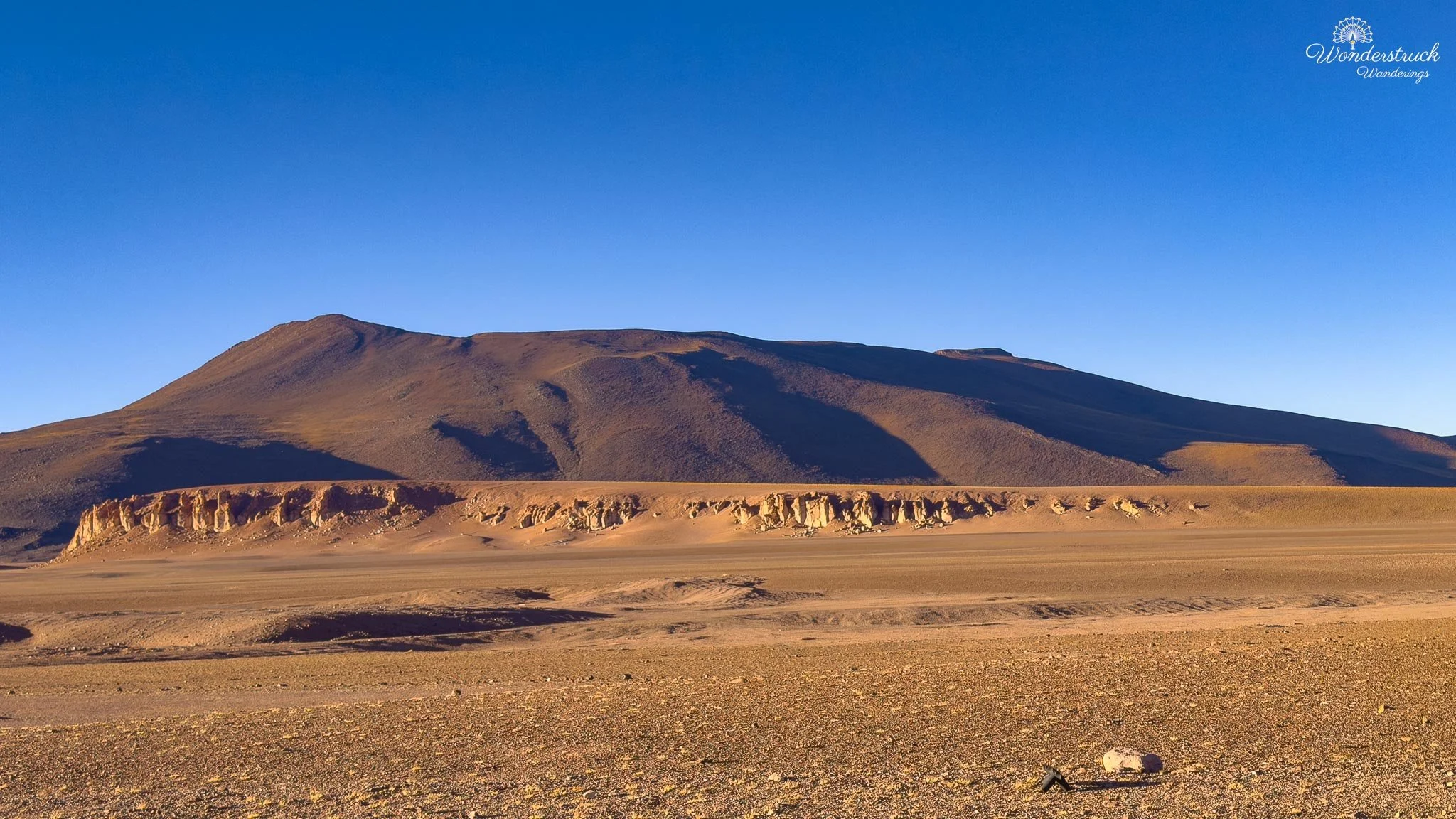
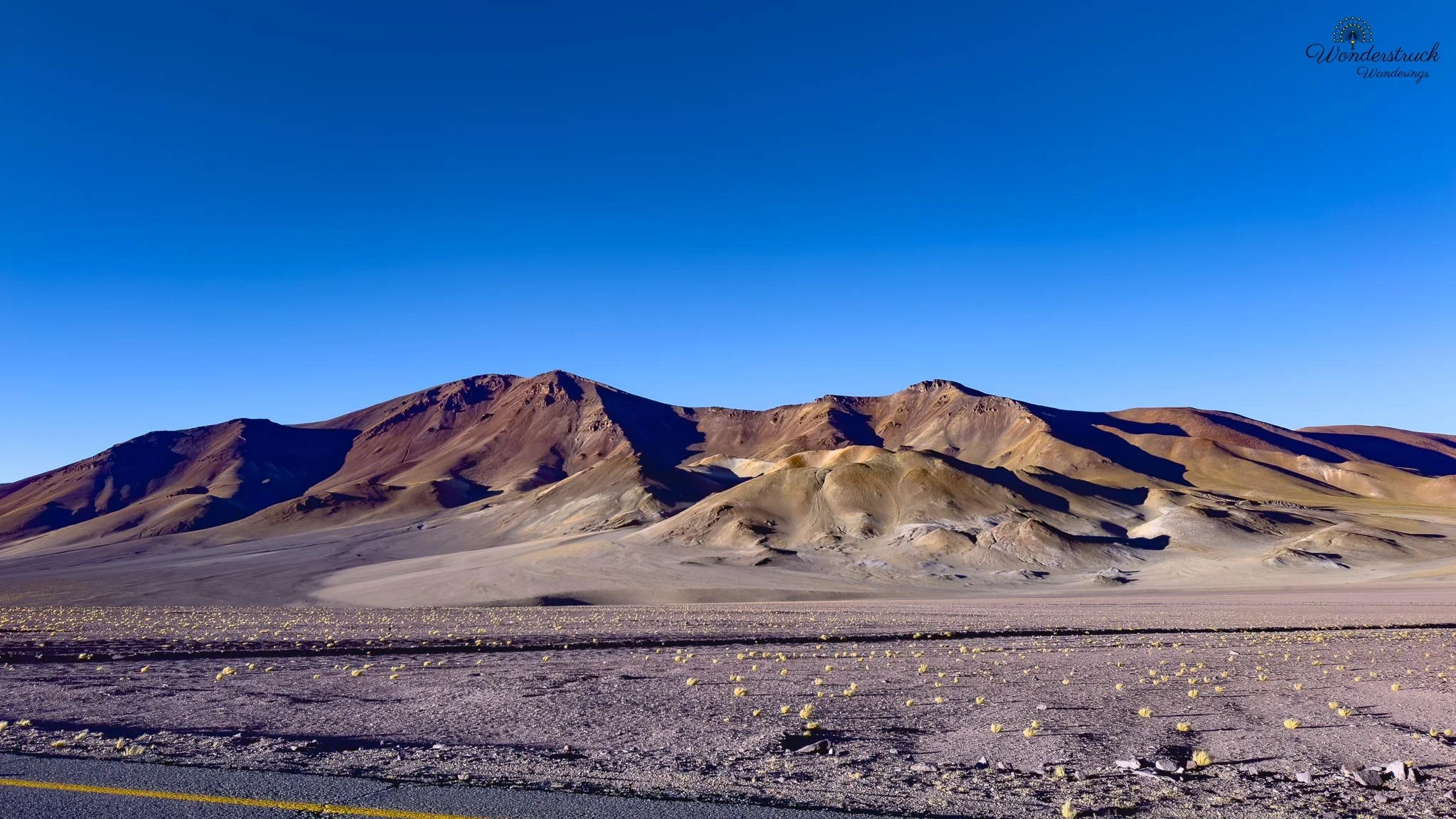
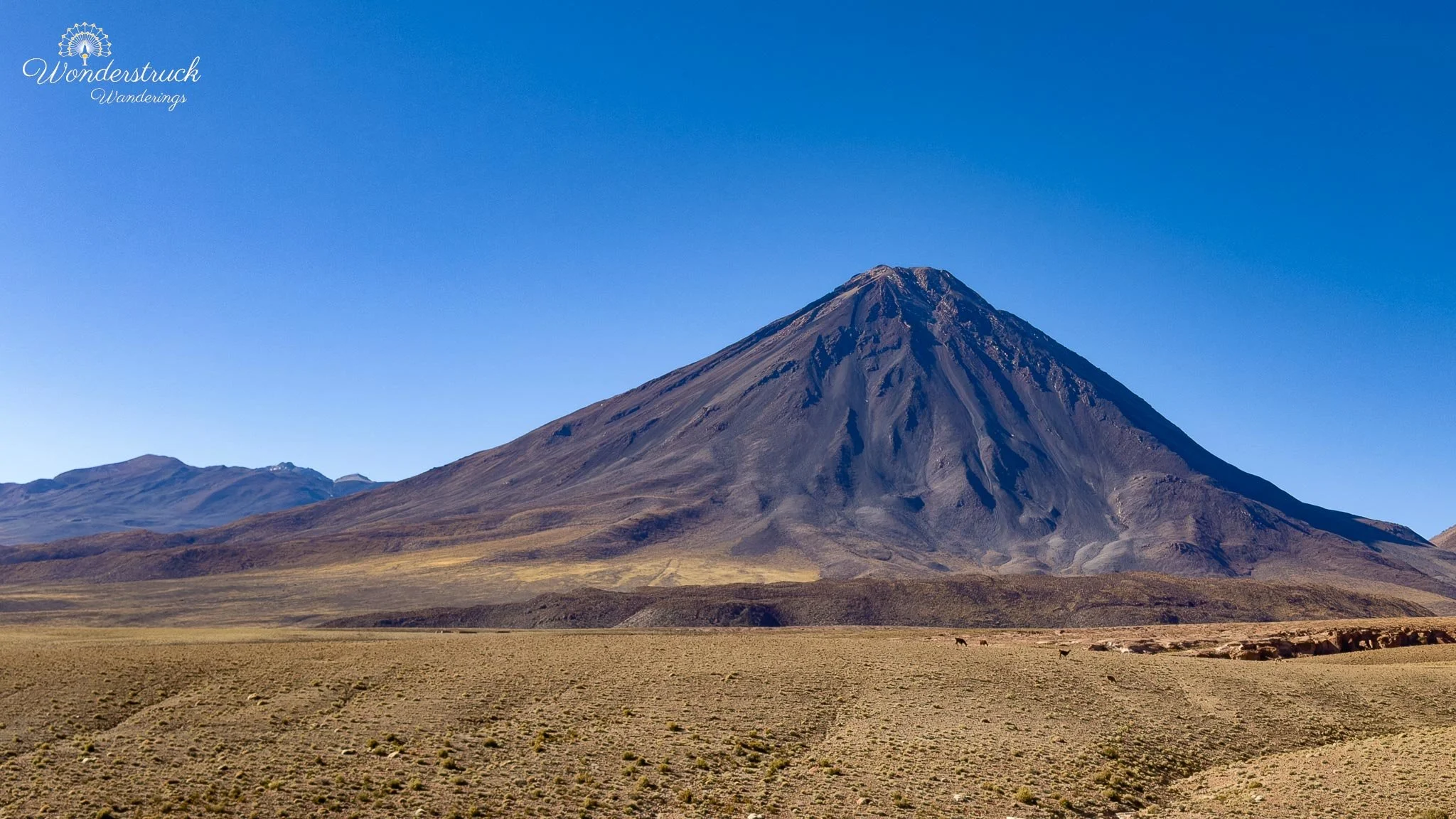
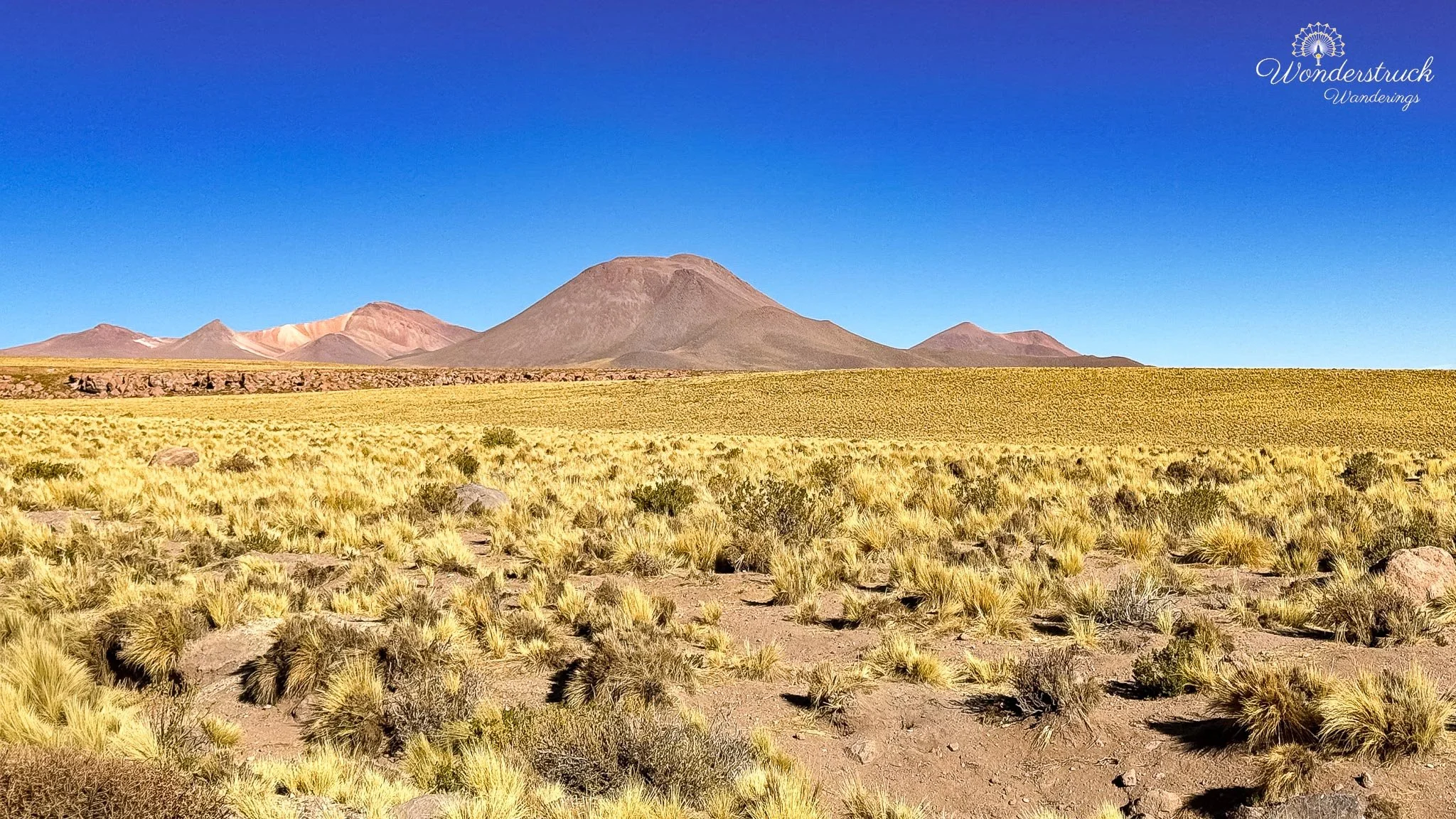
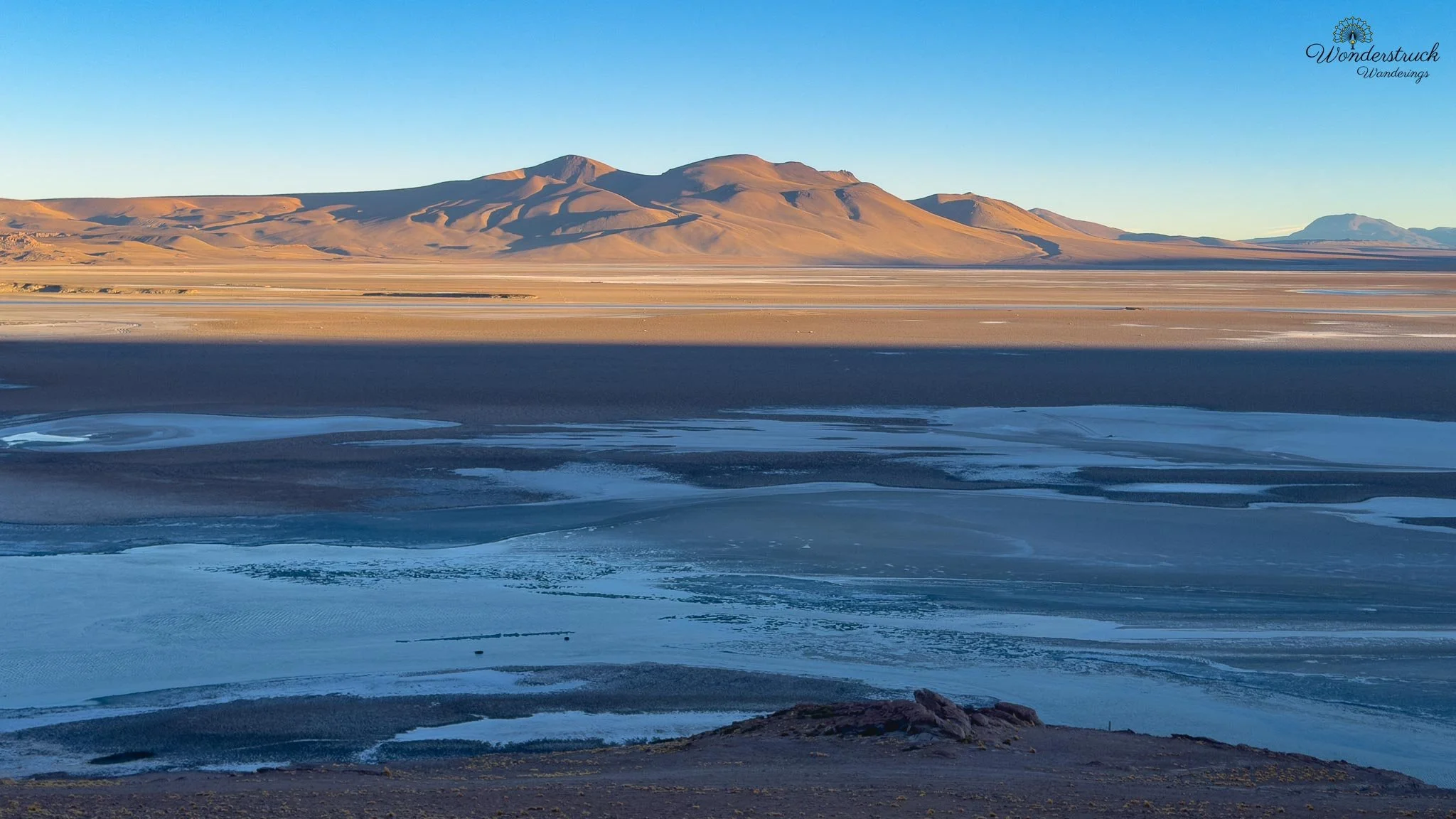
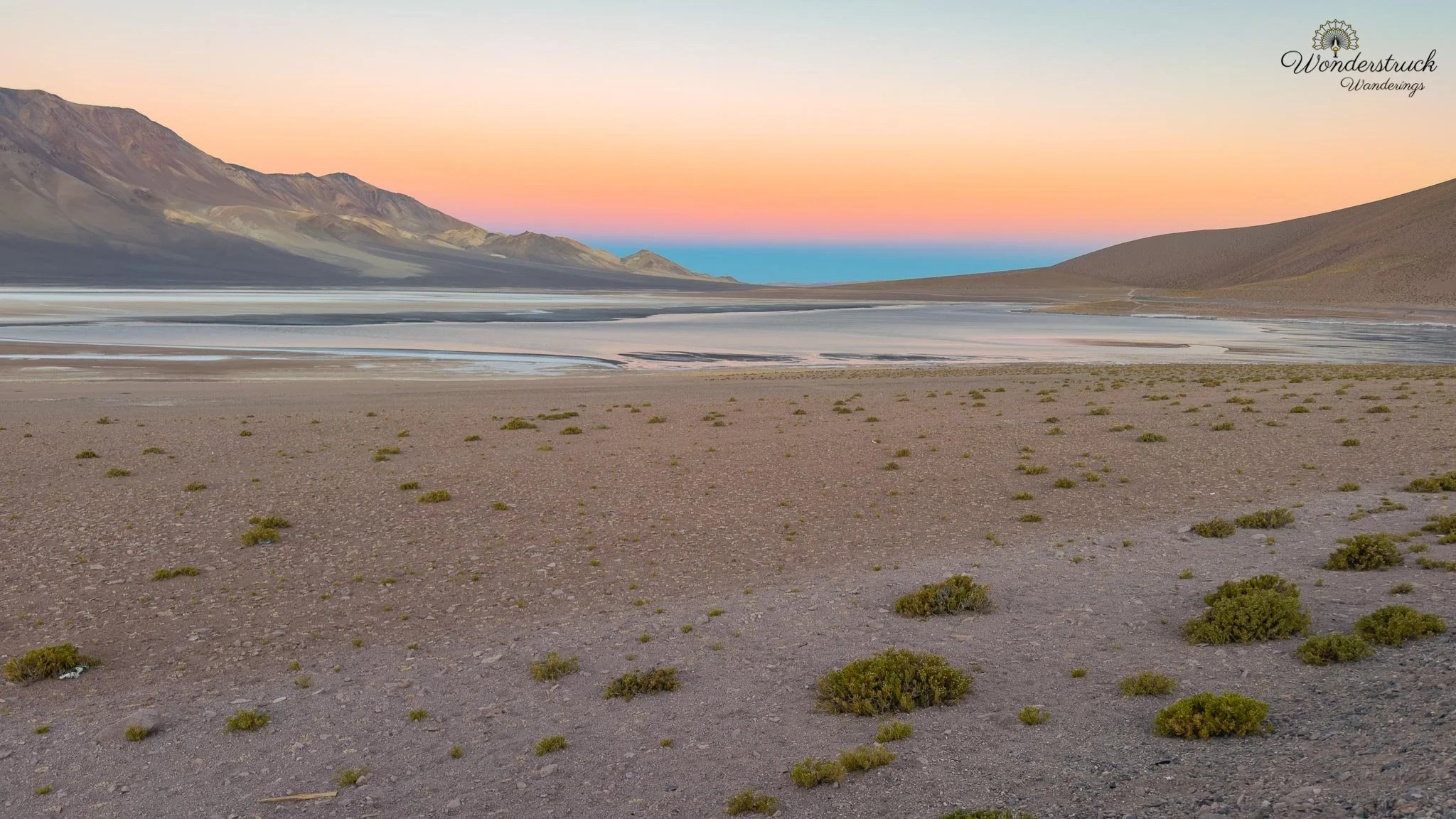
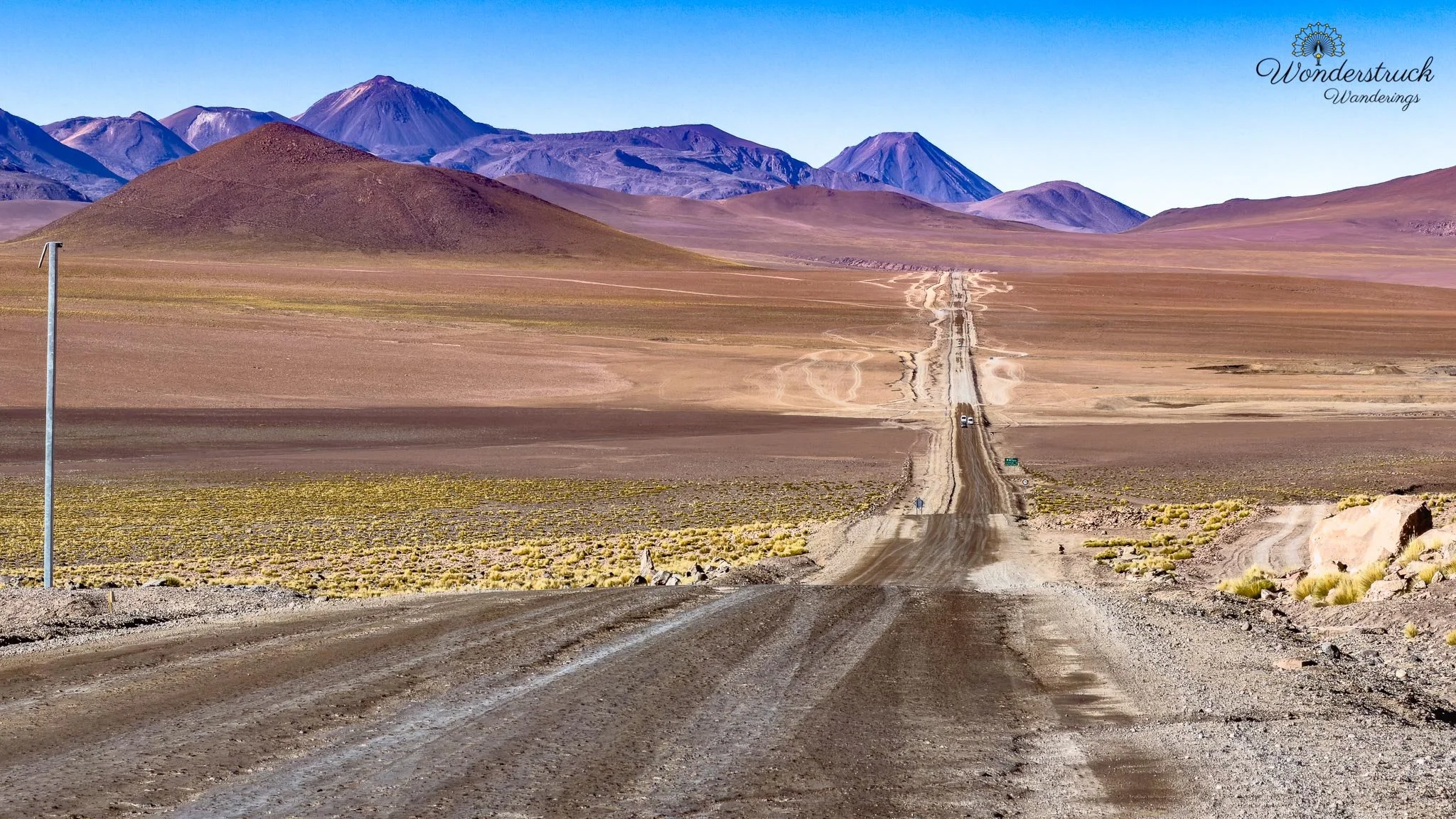
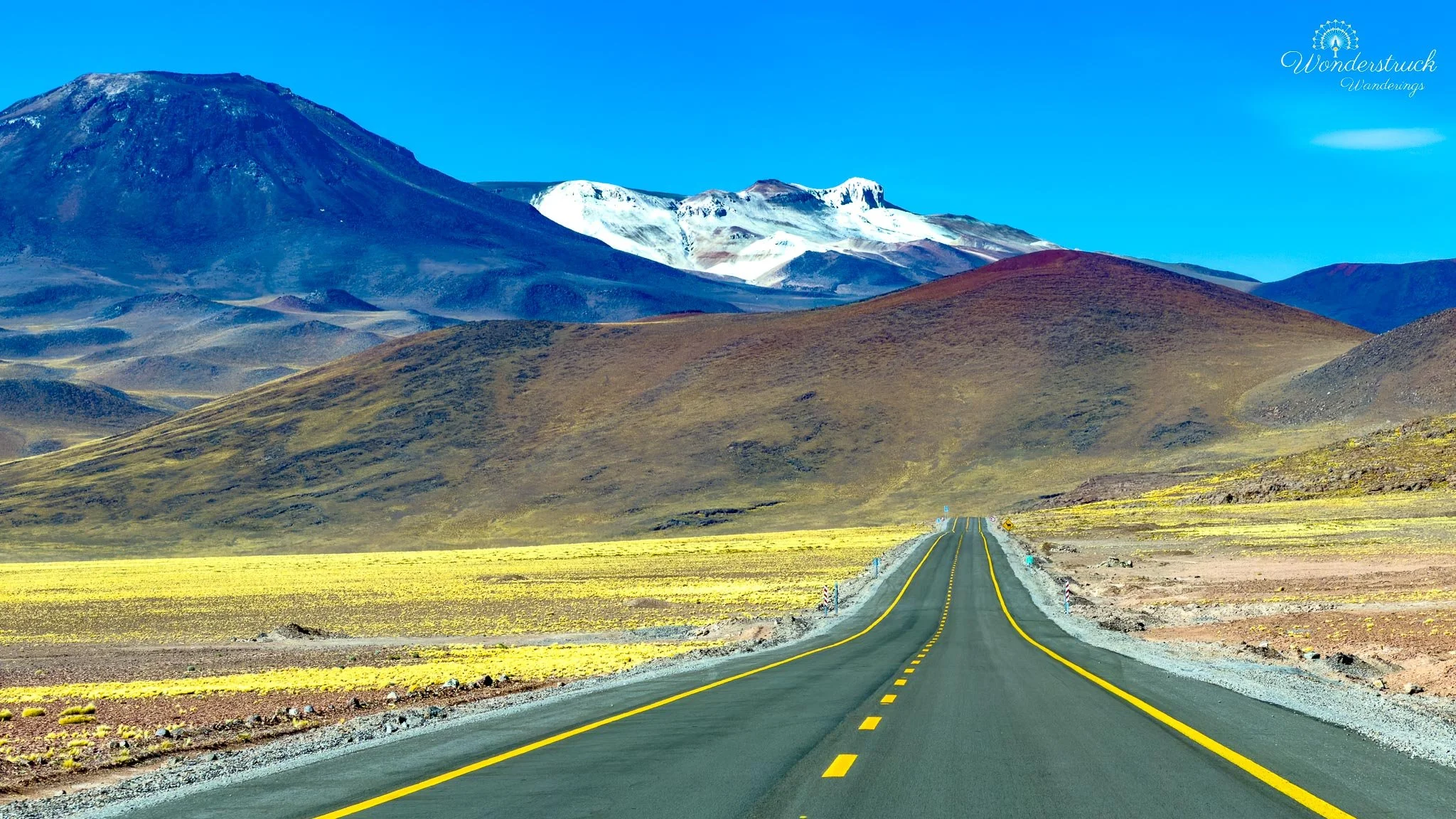
The afternoon was devoted to Ruta 27, the international highway running east from San Pedro toward Paso de Jama on the Argentine border. Starting around 2,400 meters above sea level, the road climbs rapidly into the Andes, exceeding 4,000 meters as it approaches the high plateau. We stopped near the Licancabur viewpoint, where the nearly 5,916-meter volcano dominated the skyline, and passed the junction toward Hito Cajón, the Bolivia border crossing. Beyond the Mirador Quebrada area, the scenery changed from dry volcanic slopes to open puna, deep ravines, mineral-colored mountains, and scattered wetlands. At Vegas de Quepiaco, around 4,500 meters, we stopped for birding and spotted Yellow-billed Teal and Red-backed Sierra Finch, both lifers. The wetland vegetation and shallow water provided an important contrast to the surrounding volcanic desert. Farther east, we reached the Pacana Caldera and Salar de Tara viewpoints, overlooking enormous volcanic landscapes shaped by ancient eruptions, erosion, and mineral deposits. We had considered visiting the Monjes de la Pacana rock formations but postponed the detour, a decision we later regretted when we ran out of time. Our final major stop was Mirador Salar de Quisquiro, where a lone flamingo stood against the salt flat in the softening evening light. We turned around before Paso de Jama, stopping again near Salar de Tara as the mountains shifted into shades of pink and purple. Back at Almas, the Our Habitas restaurant, Shay enjoyed a Valle Secreto Private Carmenère, while I ordered a ginger and local-berry mocktail. Dinner included lamb tagine with lentils, picana with grilled vegetables and corn mash, and crème brûlée. We finished the evening packing warm layers and preparing our breakfast pastries. The next morning's destination was El Tatio Geysers, requiring another departure well before sunrise. Read more on Daily Diaries.
Day 4- El Tatio Geysers, Machuca Flamingos and Duna Mayor in Moon Valley
-
Our Habitas Atacama – Our third night at this peaceful desert retreat. Its location makes it easy to depart before dawn for El Tatio Geysers and return for a break before exploring Valle de la Luna.
-
Breakfast – Roadside Picnic near El Tatio: Fresh croissants purchased from La Franchutería the previous day, enjoyed at a viewpoint outside the geyser park. A practical option for self-drivers departing before sunrise.
Lunch – La Franchutería, San Pedro: A French artisan bakery on Gustavo Le Paige Street, known for sourdough baguettes, buttery croissants, sandwiches, quiches, and pastries. Its shaded garden courtyard is a pleasant lunch stop.
Dinner – Ckunna, Caracoles Street: A restaurant in a restored historic building, featuring a dining room and tree-shaded courtyard. Specializes in Chilean and Andean-inspired cuisine using regional ingredients such as quinoa, chañar, and rica-rica.
-
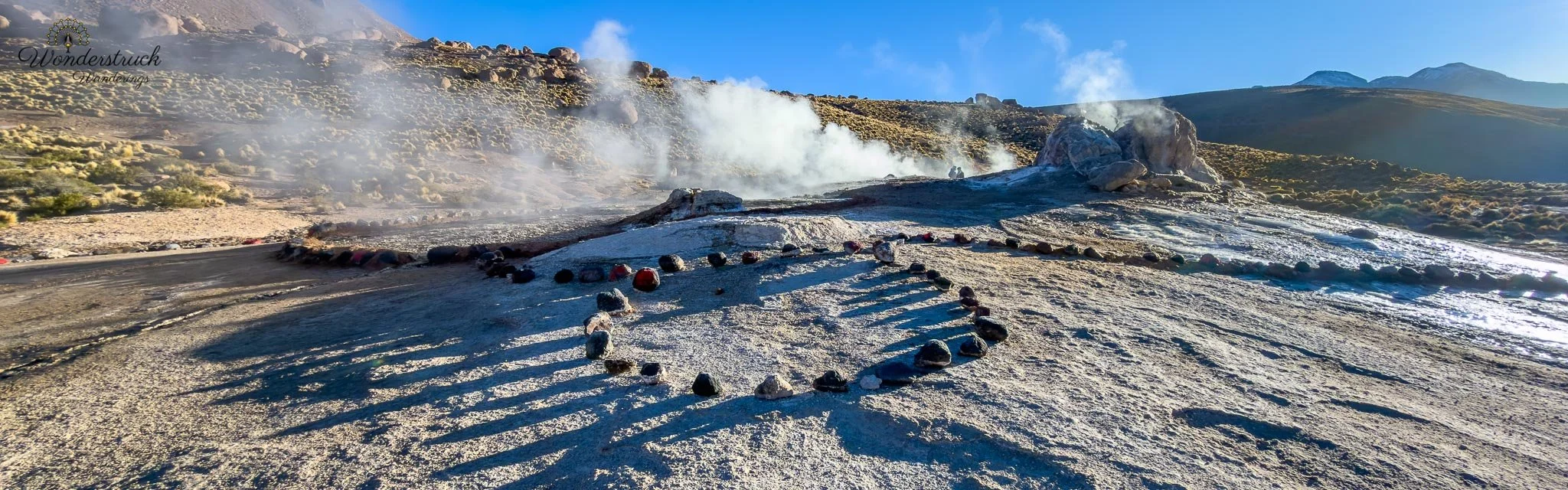
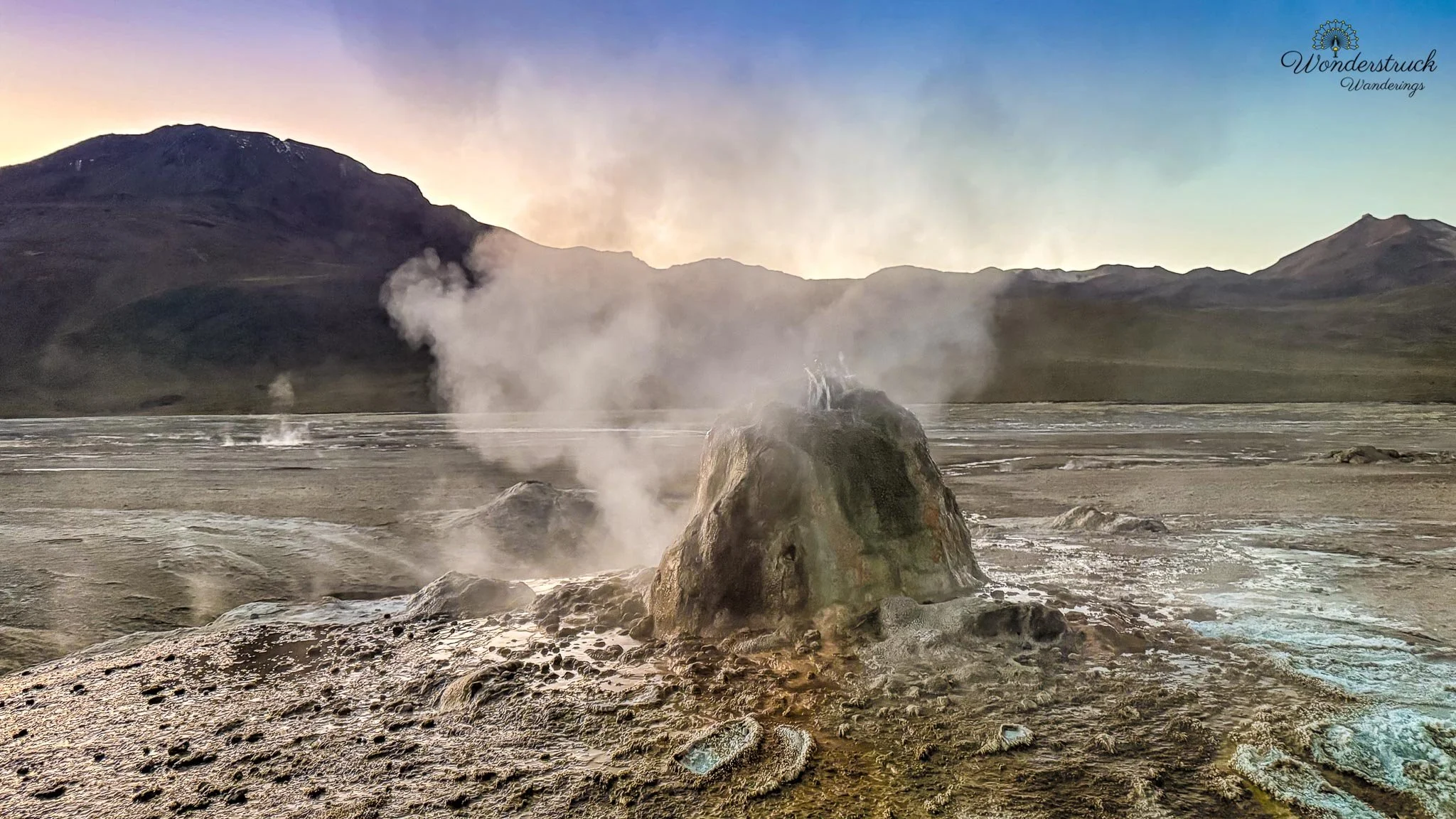
El Tatio Geysers: High-altitude geothermal field approximately 90 km from San Pedro, at 4,200–4,300 meters, featuring geysers, fumaroles, boiling pools, and mineral terraces.
Upper Basin: Most active geyser section, ideal for sunrise photography and backlit steam columns.
Middle Basin: Bubbling pools, fountain-type geysers, and hot-water channels.
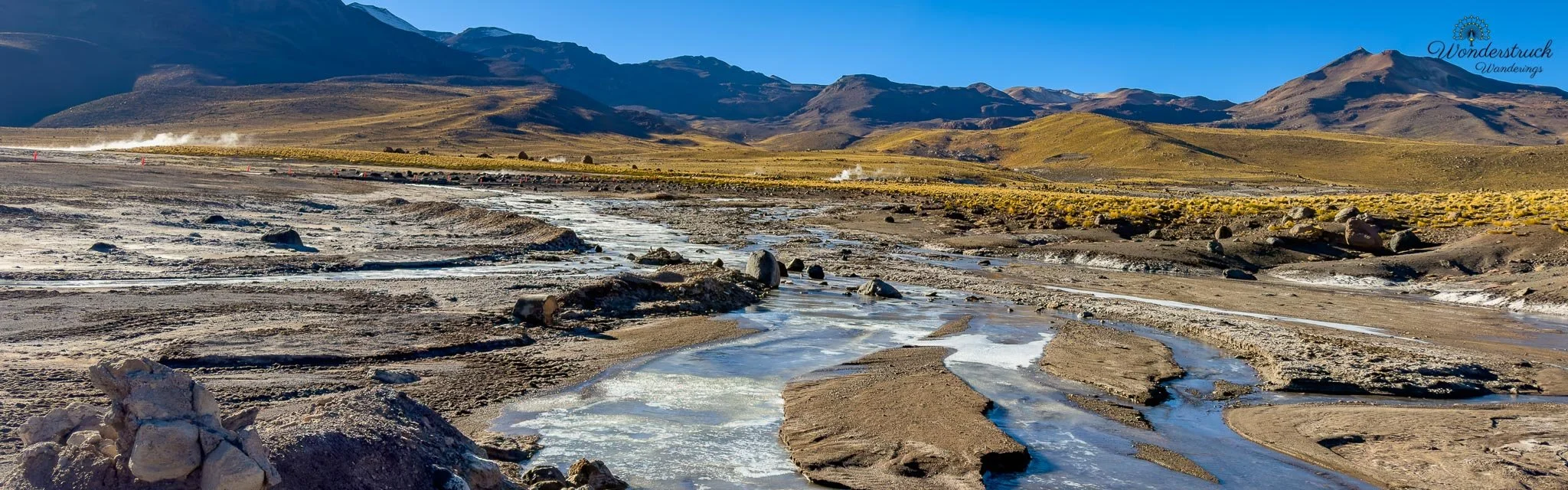
Lower Basin: Hot springs and geothermal vents along the Río Salado.
Returning from El Tatio Geysers
Vado Río Putana: Scenic Andean wetland with excellent birding for Andean Goose, Crested Duck, teals, Giant Coot, and ground-tyrants.
Machuca Village & Lagoon: Small highland village with traditional houses and a historic church. The nearby lagoon hosts Chilean, Andean, and James's Flamingos.
Puritama Hot Springs (Termas de Puritama): Natural thermal pools nestled in a lush canyon, surrounded by desert vegetation. Ideal for a relaxing soak after visiting El Tatio Geysers. We skipped this stop.
Guatín Cactus Valley: Rocky canyon with towering cardón cacti, great for short hiking trails. We skipped this stop, as it was the middle of the day and very hot.
Valle de la Luna – we went back to Duna Mayor: Scenic 1–1½-hour ridge walk connecting Viewpoints 1 and 2, overlooking sand dunes, folded salt formations, and Licancabur Volcano.
Valle de la Muerte (Death Valley): An alternative to Valle de la Luna, featuring dramatic red-rock formations, towering sand dunes, and panoramic desert viewpoints. Popular for sandboarding, hiking, and sunset photography. This fits perfectly if you don’t want visit Valle de Luna again.
Linkanatay Viewpoint Area: Sunset views over the Cordillera de la Sal, desert ridges, and surrounding volcanoes.
Mirador de Kari / Ckari: Cliffside sunset viewpoint overlooking the Cordillera de la Sal. Original location for sunset, but closed during our visit following earthquake damage.
-
San Pedro → El Tatio Geysers: Approximately 80–90 km; allow 2½-3 hours in completely dark pre-dawn conditions. 4×4 not needed but helpful, high clearance needed.
El Tatio Geysers: Allow 1½–2 hours for the Upper, Middle, and Lower Basins, including sunrise photography.
El Tatio → San Pedro via Vado Río Putana and Machuca: Allow 2½–3½ hours, including birding and photography stops.
Puritama Hot Springs (Optional Return Stop): Allow an additional 2–2½ hours for the access road, walking to the pools, changing, and soaking. Advance reservations recommended. We skipped this stop.
Guatín Cactus Valley (Optional Return Stop): Allow an additional 45–75 minutes for a short canyon walk among giant cardón cacti. We skipped this stop.
San Pedro → Valle de la Luna: Approximately 15–25 minutes (15 km).
Duna Mayor Trail: Allow 1–1½ hours for Viewpoints 1 and 2.
Valle de la Luna → Linkanatay Sunset Area: Approximately 10–20 minutes.
Suggested Time: Allow 7–8 hours for El Tatio, Putana, and Machuca, including driving. Adding Guatín and Puritama on the return can extend the morning excursion to approximately 10–12 hours. Reserve another 2–3 hours for Valle de la Luna and sunset, or choose the hot springs and cactus valley instead of the afternoon excursion.
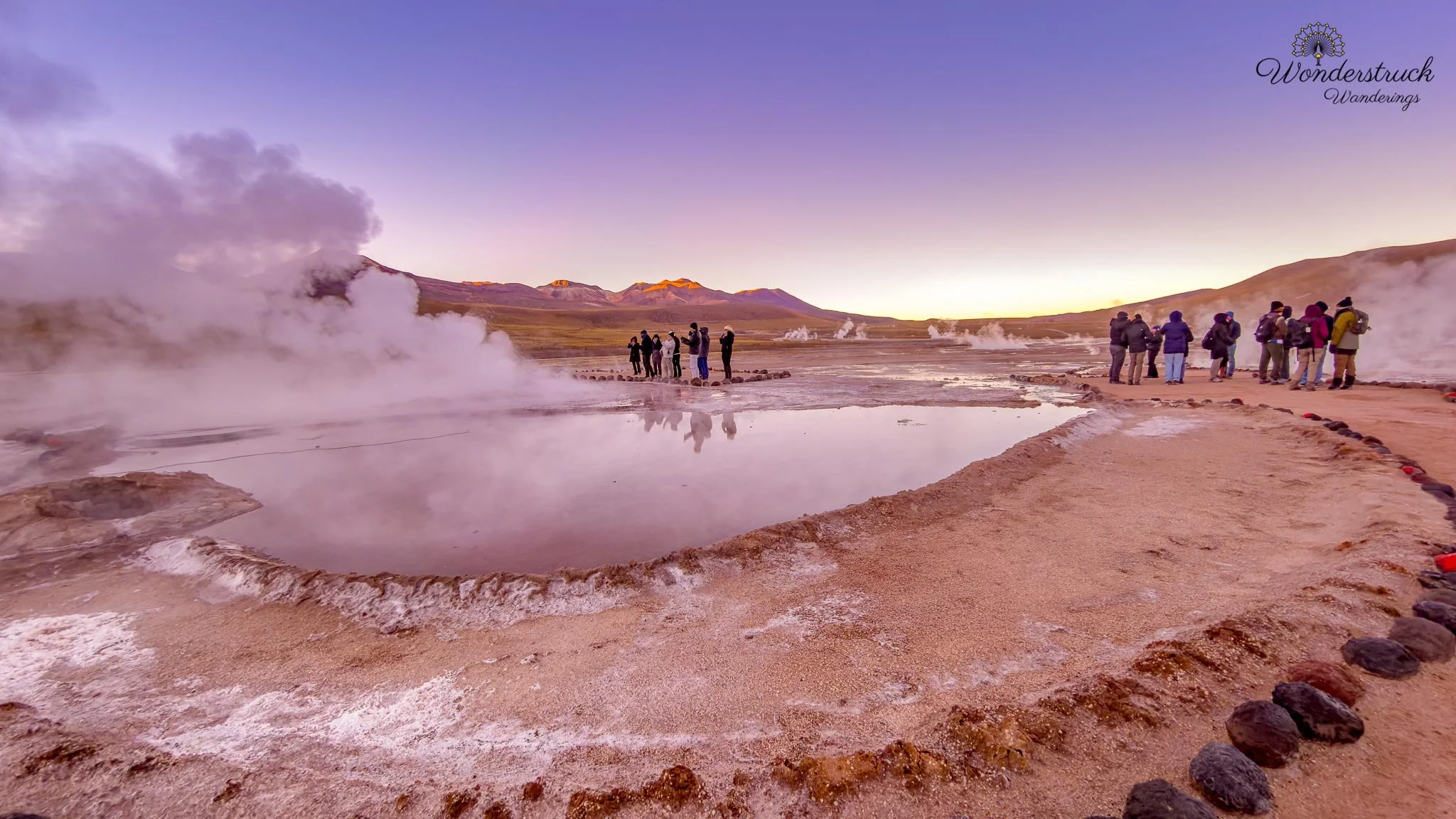
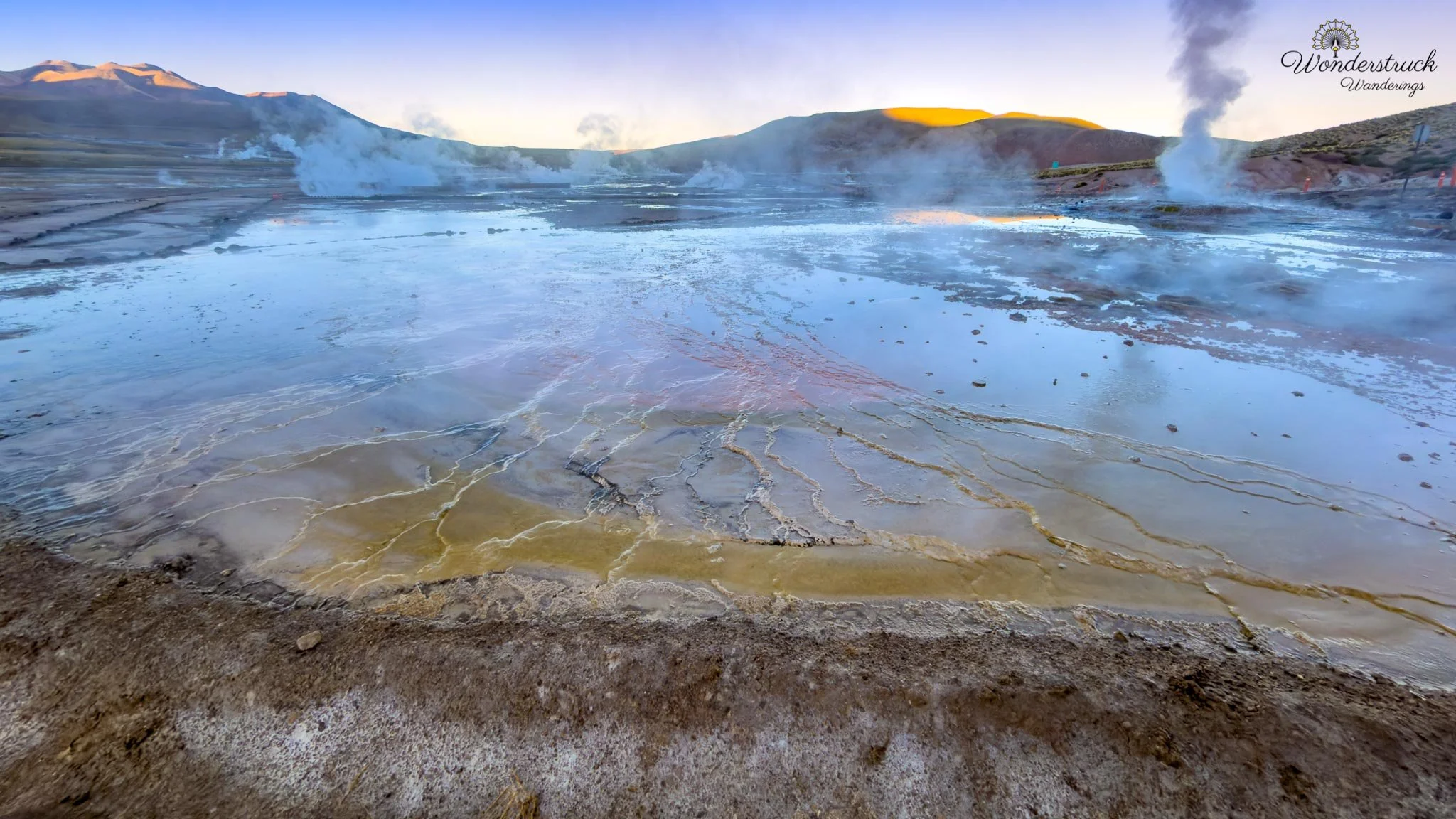
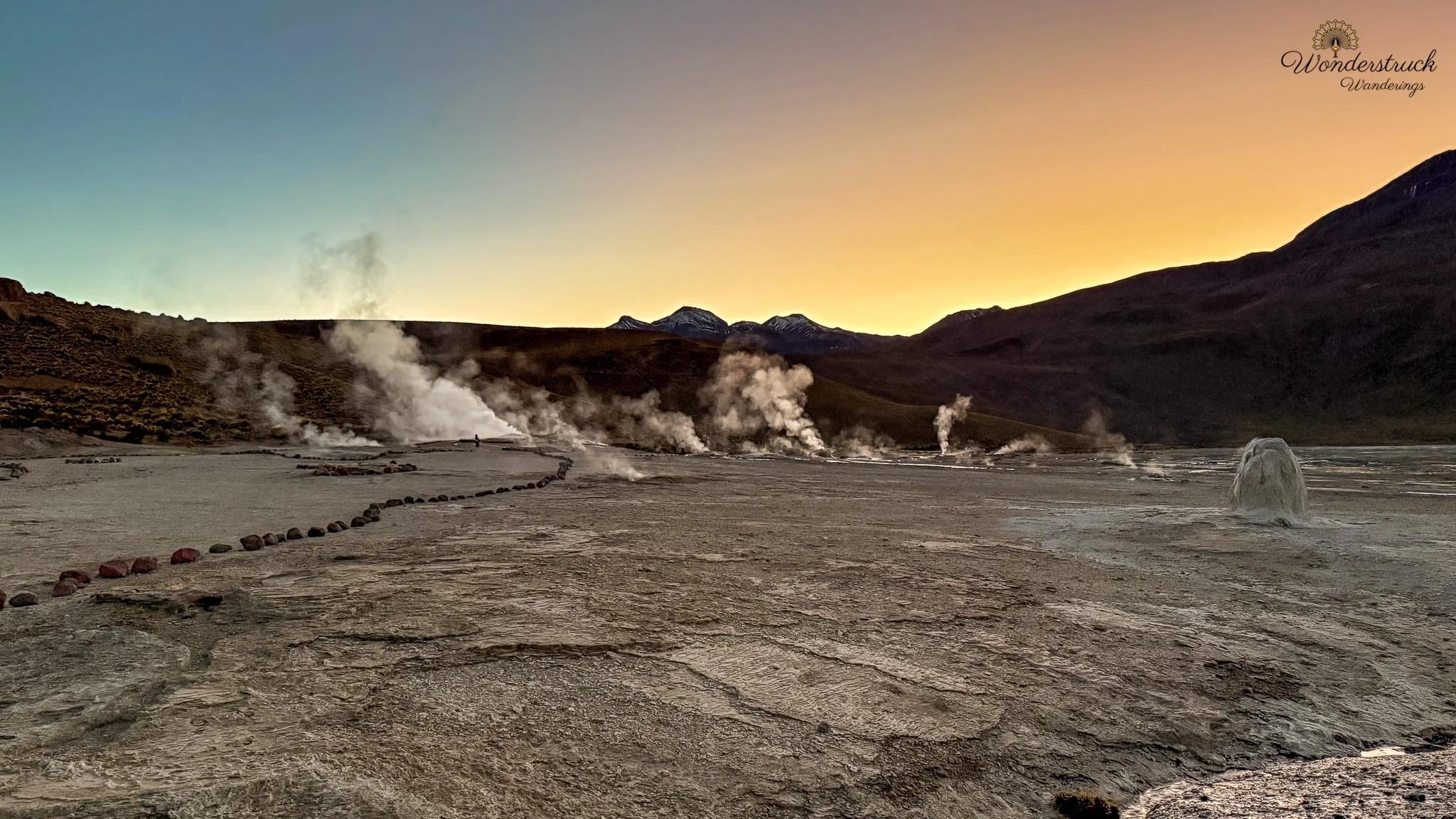
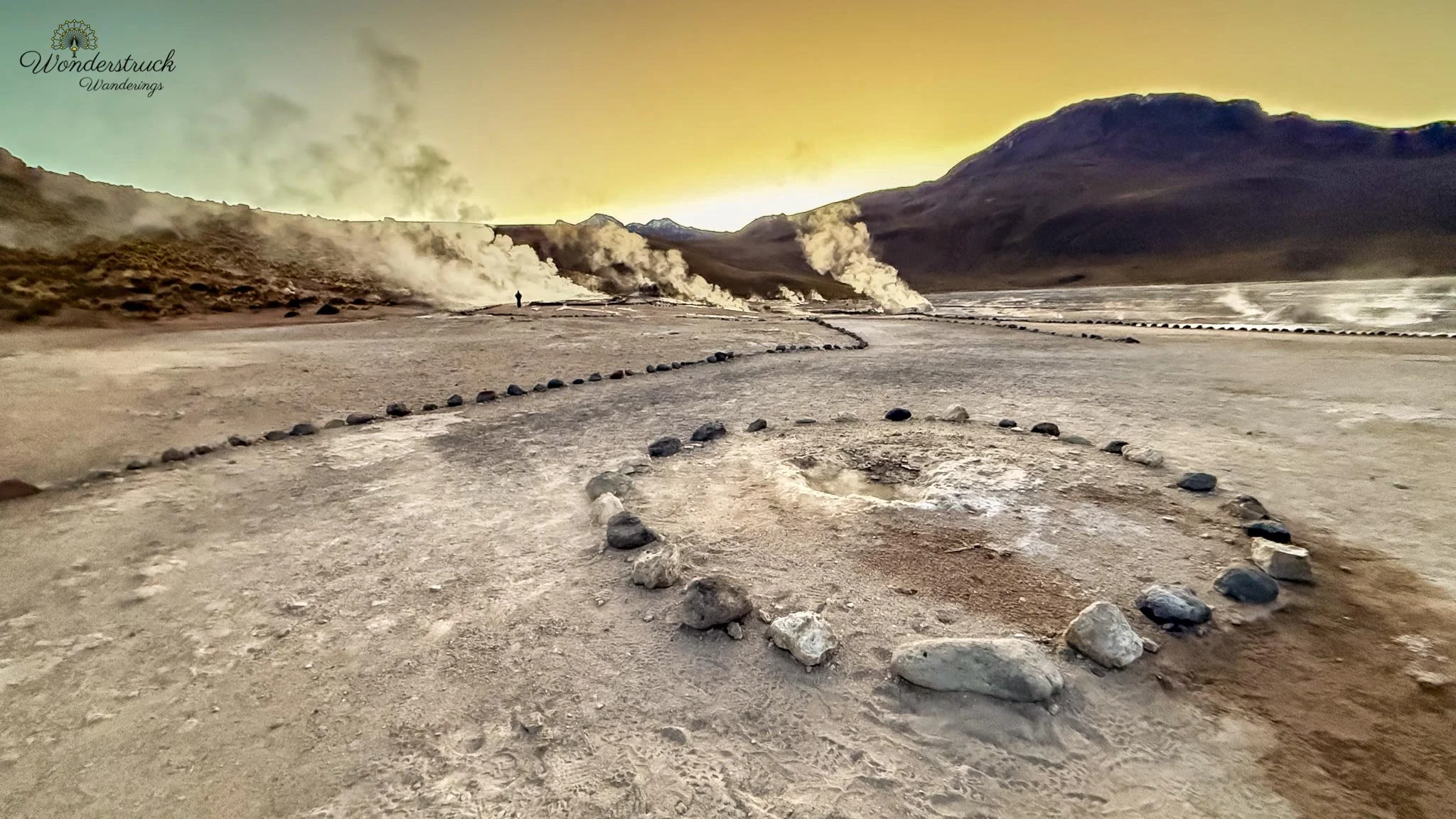
The day began well before sunrise with a self-drive from San Pedro de Atacama to El Tatio Geysers, roughly 90 kilometers north of town. The road was manageable but required careful driving, particularly along the gravel, washboard, and uneven sections beyond Machuca. For travelers uncomfortable with darkness, rough roads, or high altitude, a guided tour is a sensible alternative. We preferred the flexibility of driving ourselves, especially for photography and birding stops on the return. El Tatio sits around 4,200–4,300 meters above sea level and contains more than 80 geysers alongside fumaroles, hot springs, and boiling pools. We arrived before the entrance opened, with three cars already waiting ahead of us. After purchasing tickets, we asked the attendant where to photograph sunrise. She recommended the Upper Basin around 7:30 a.m., advice that initially made little sense in the darkness.
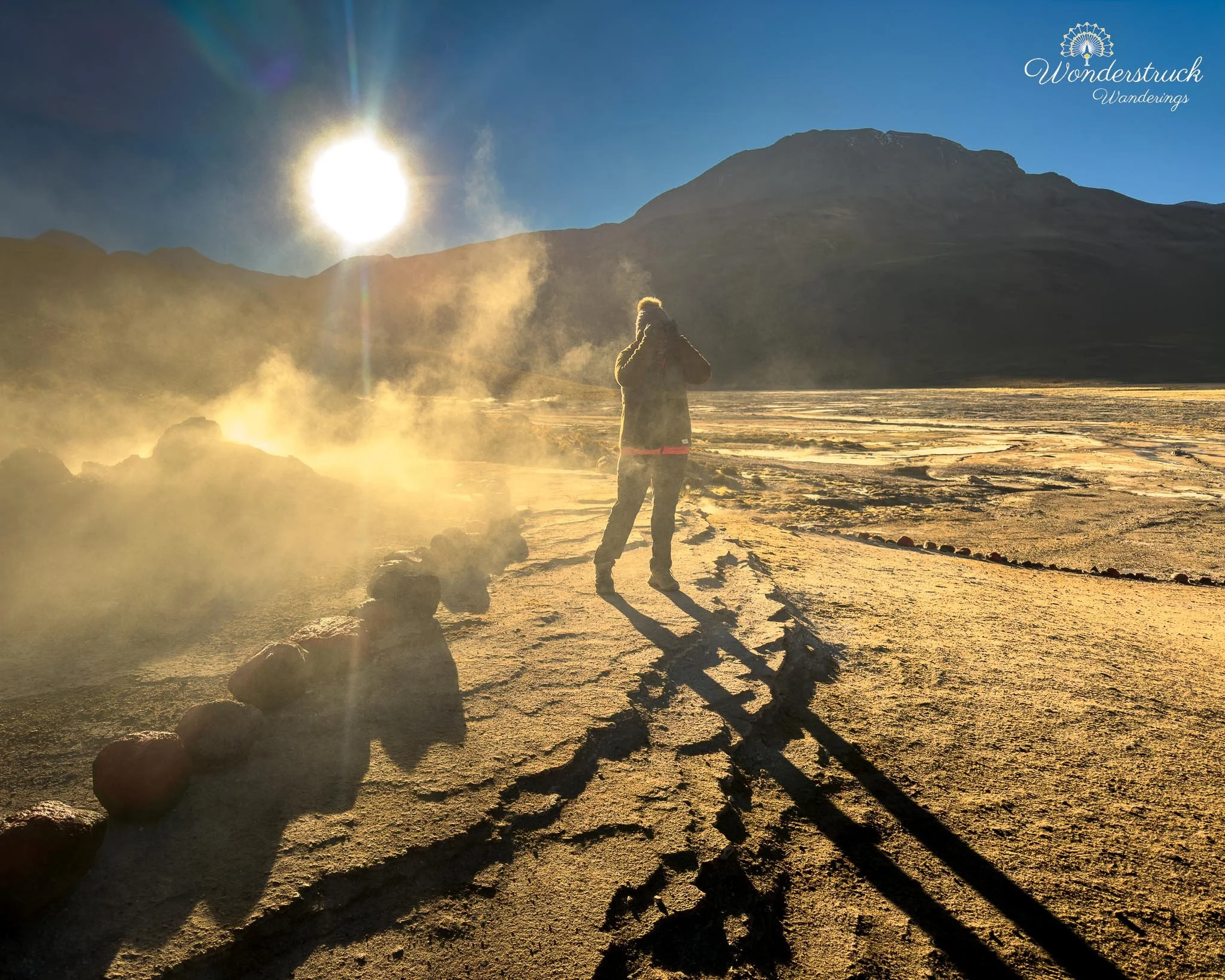
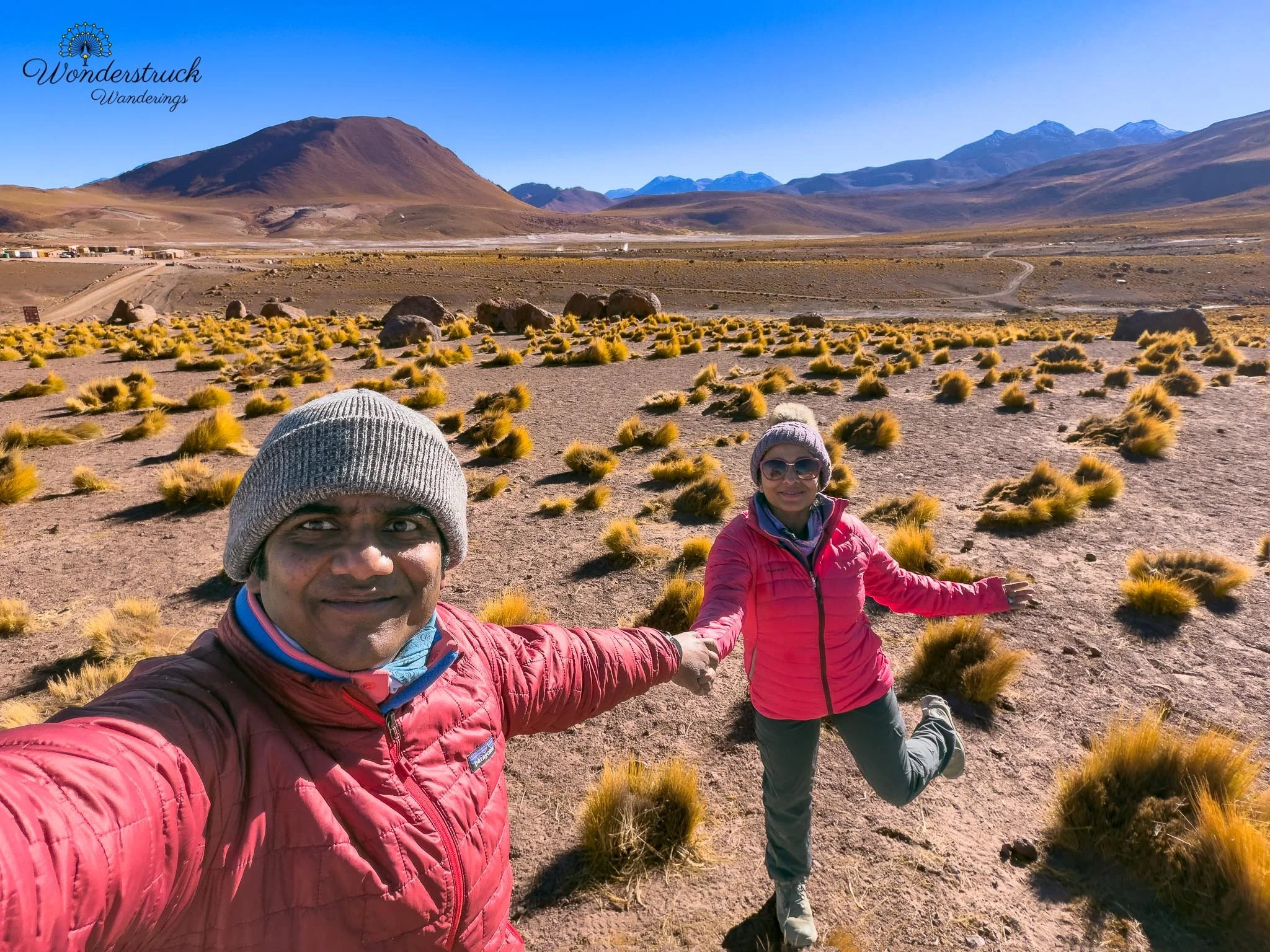
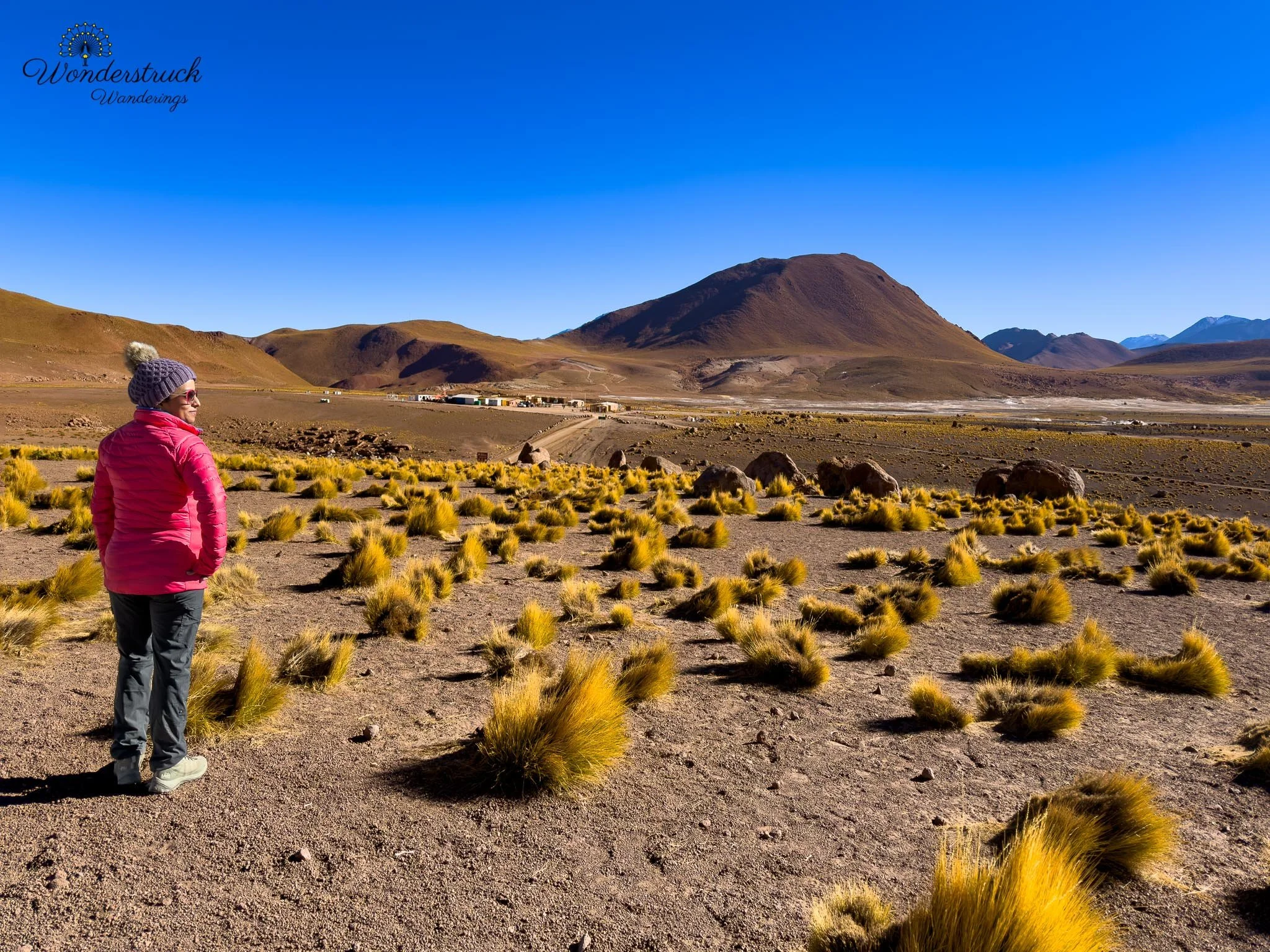
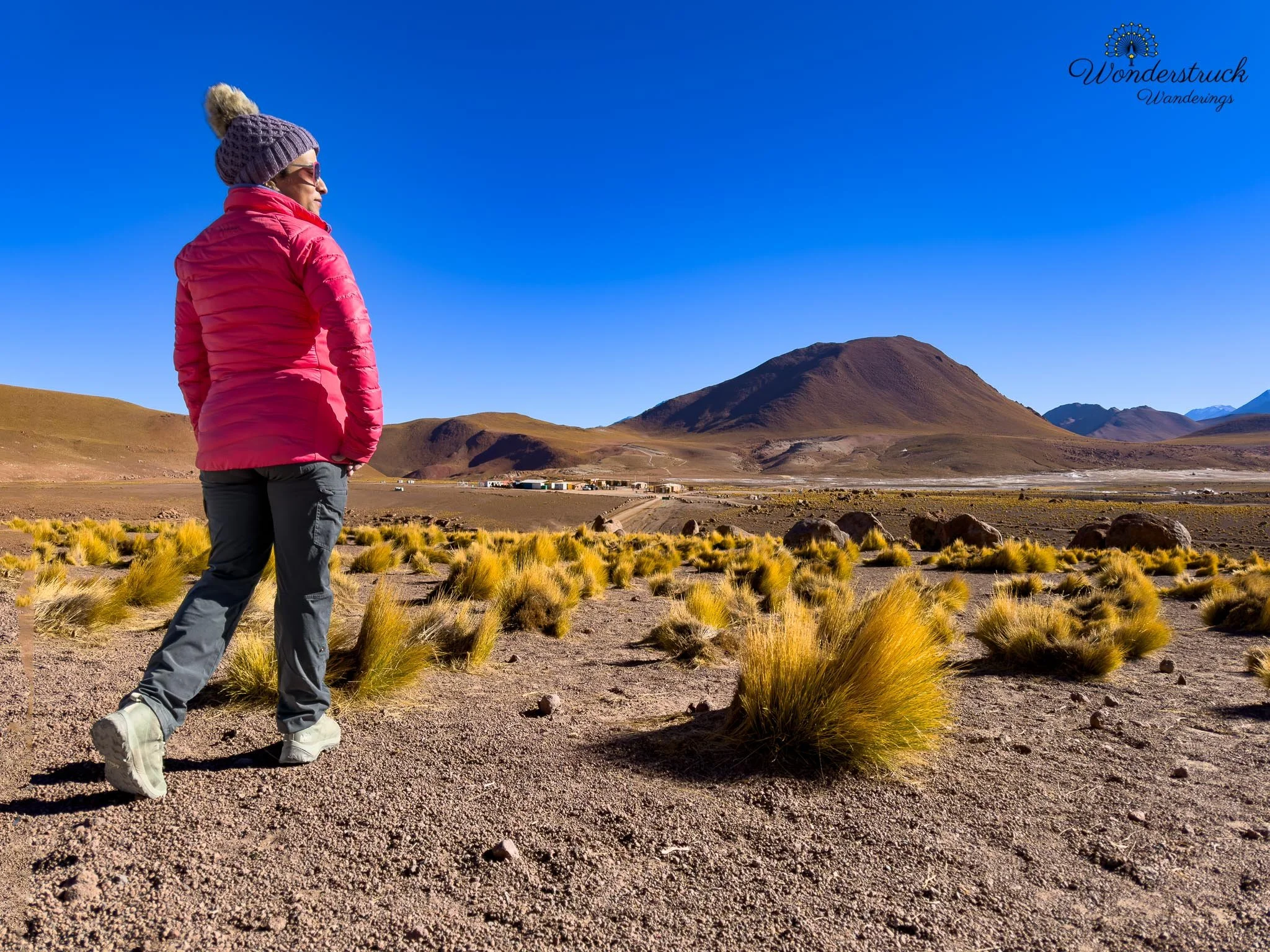
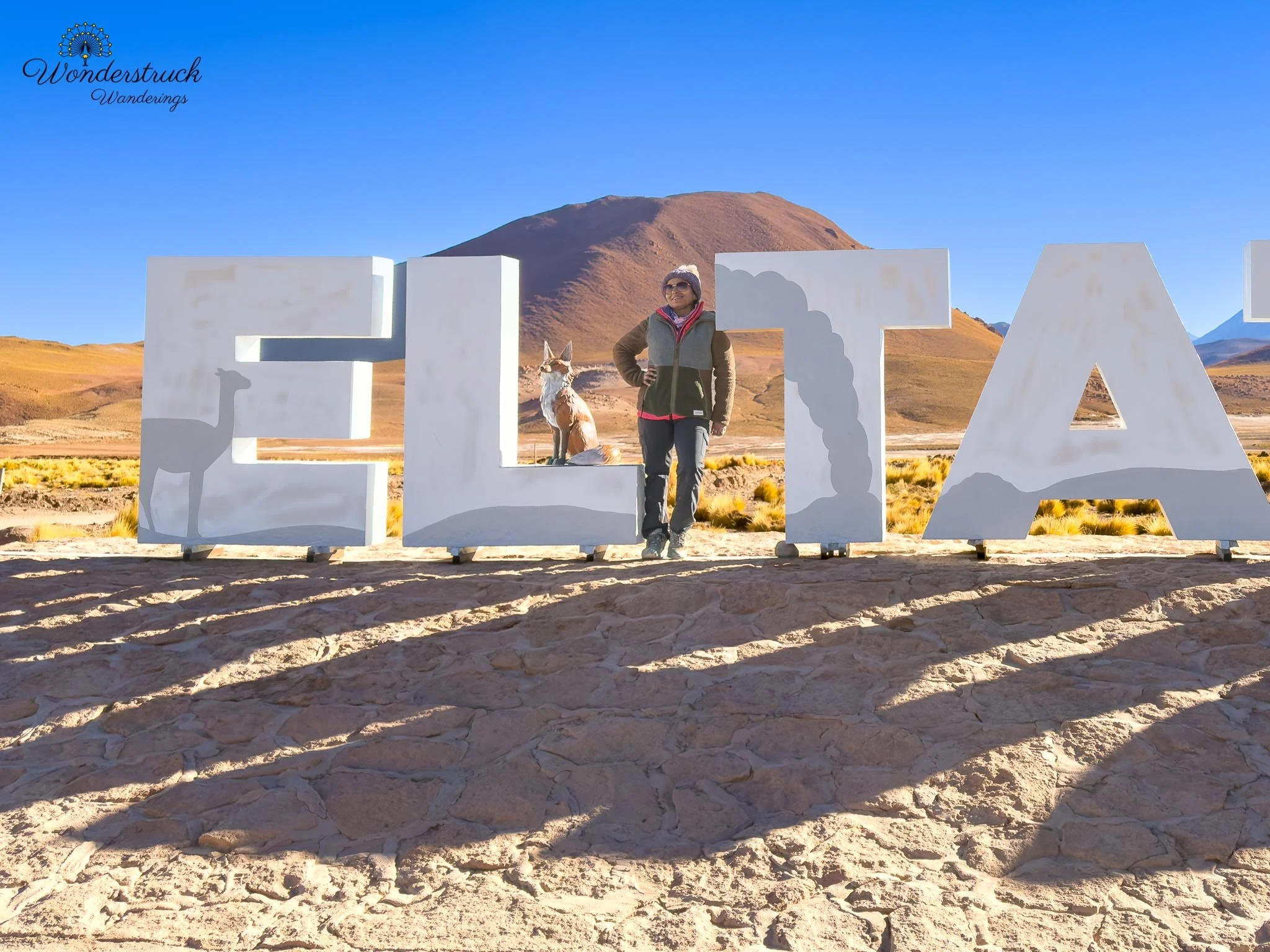
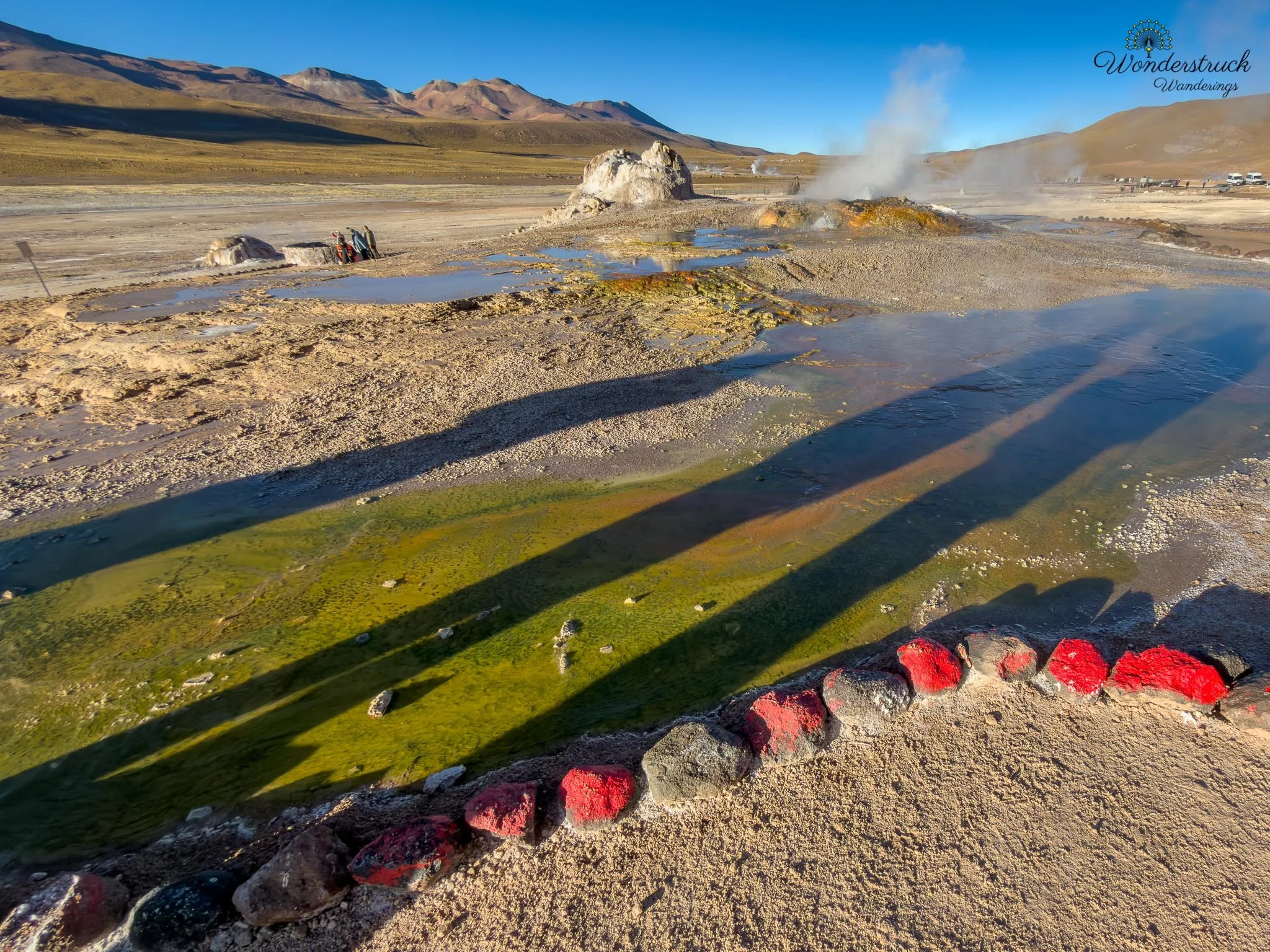
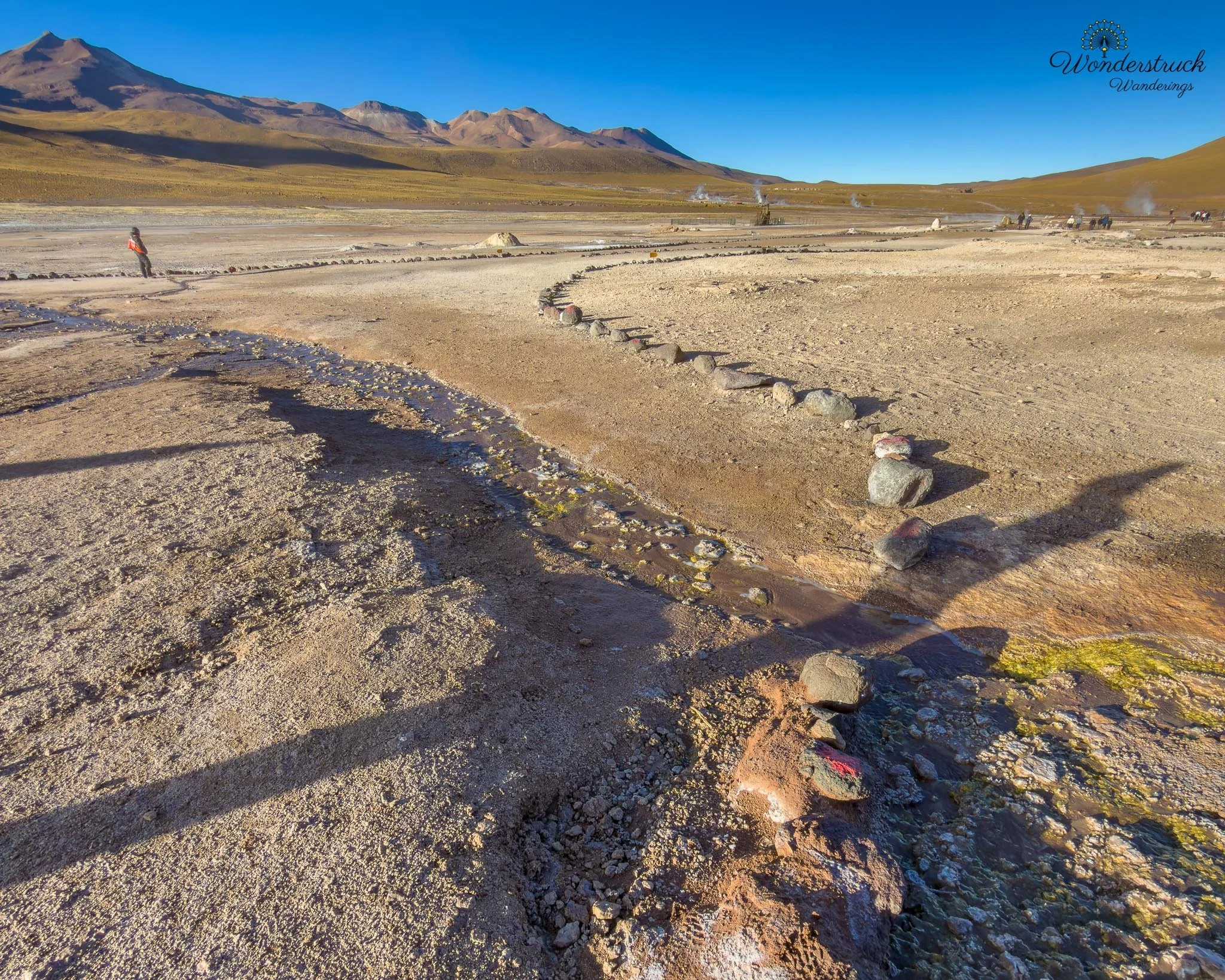
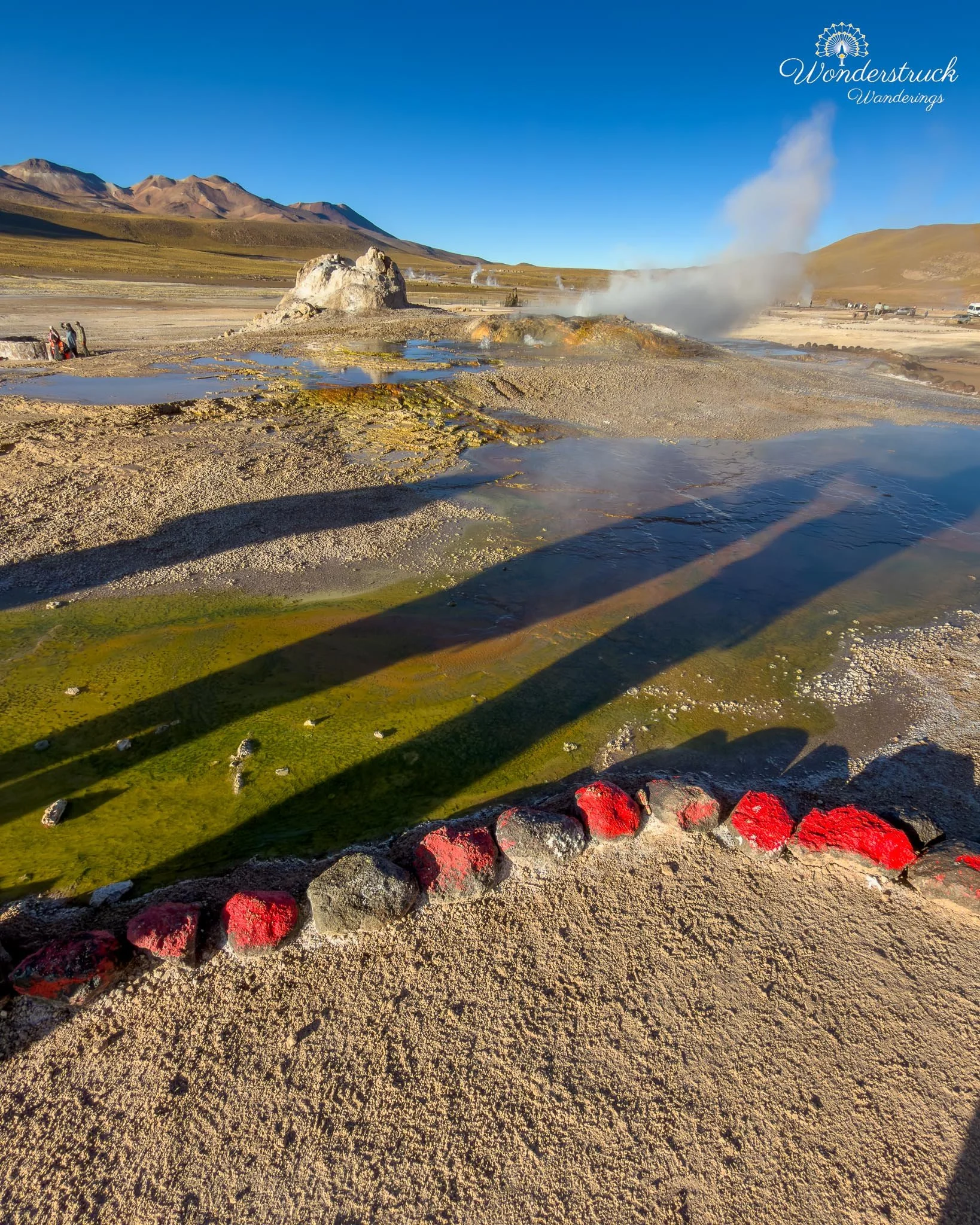
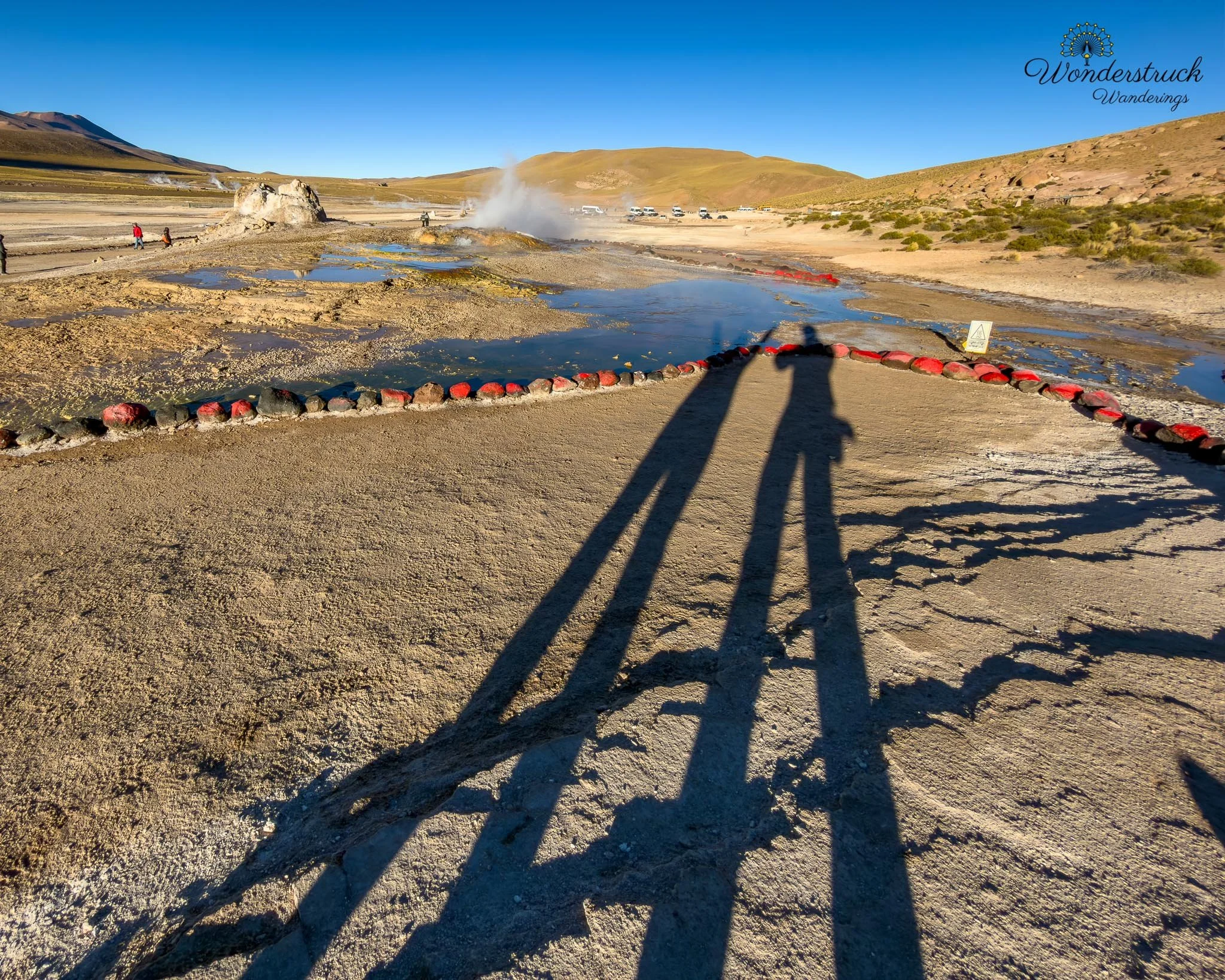
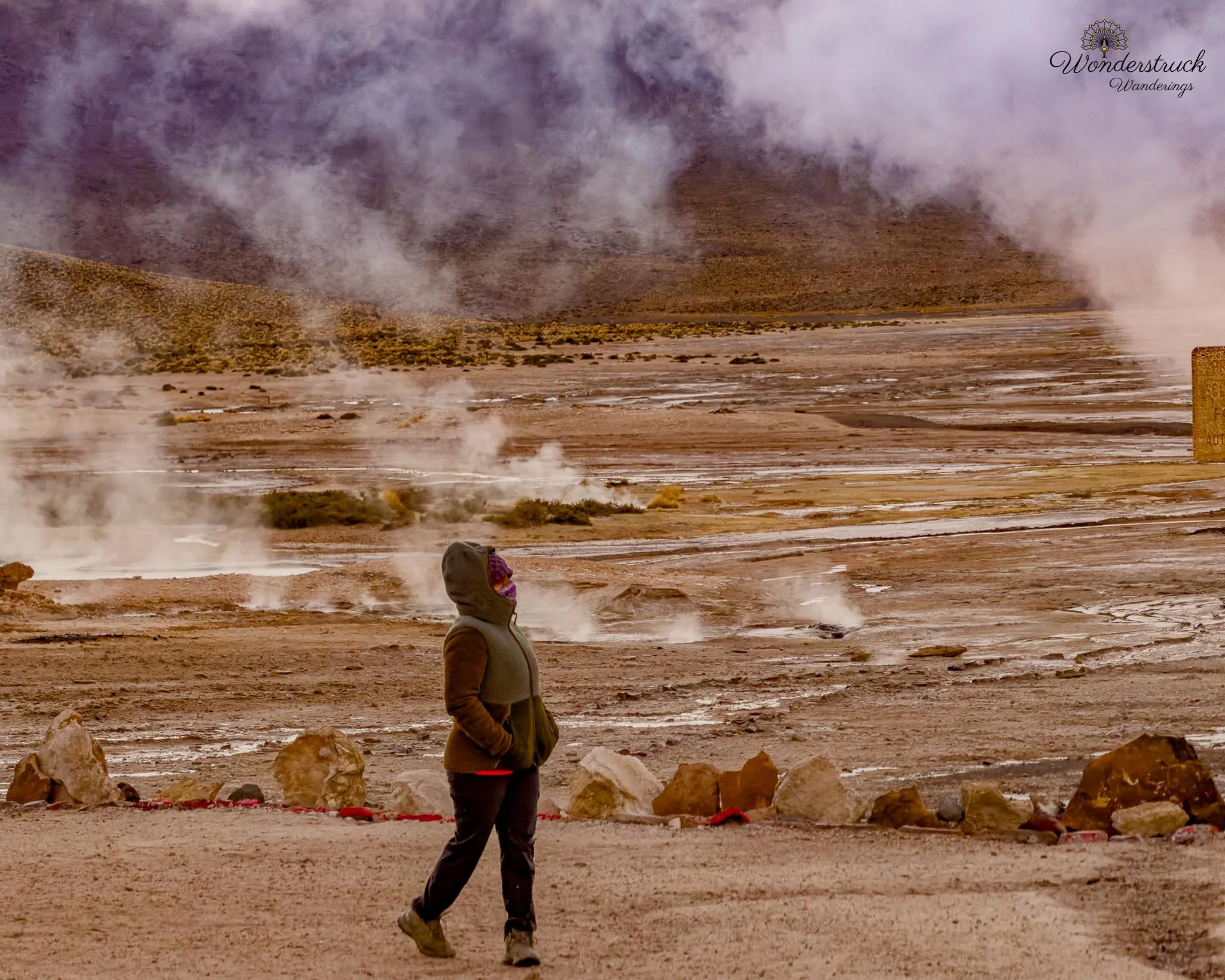
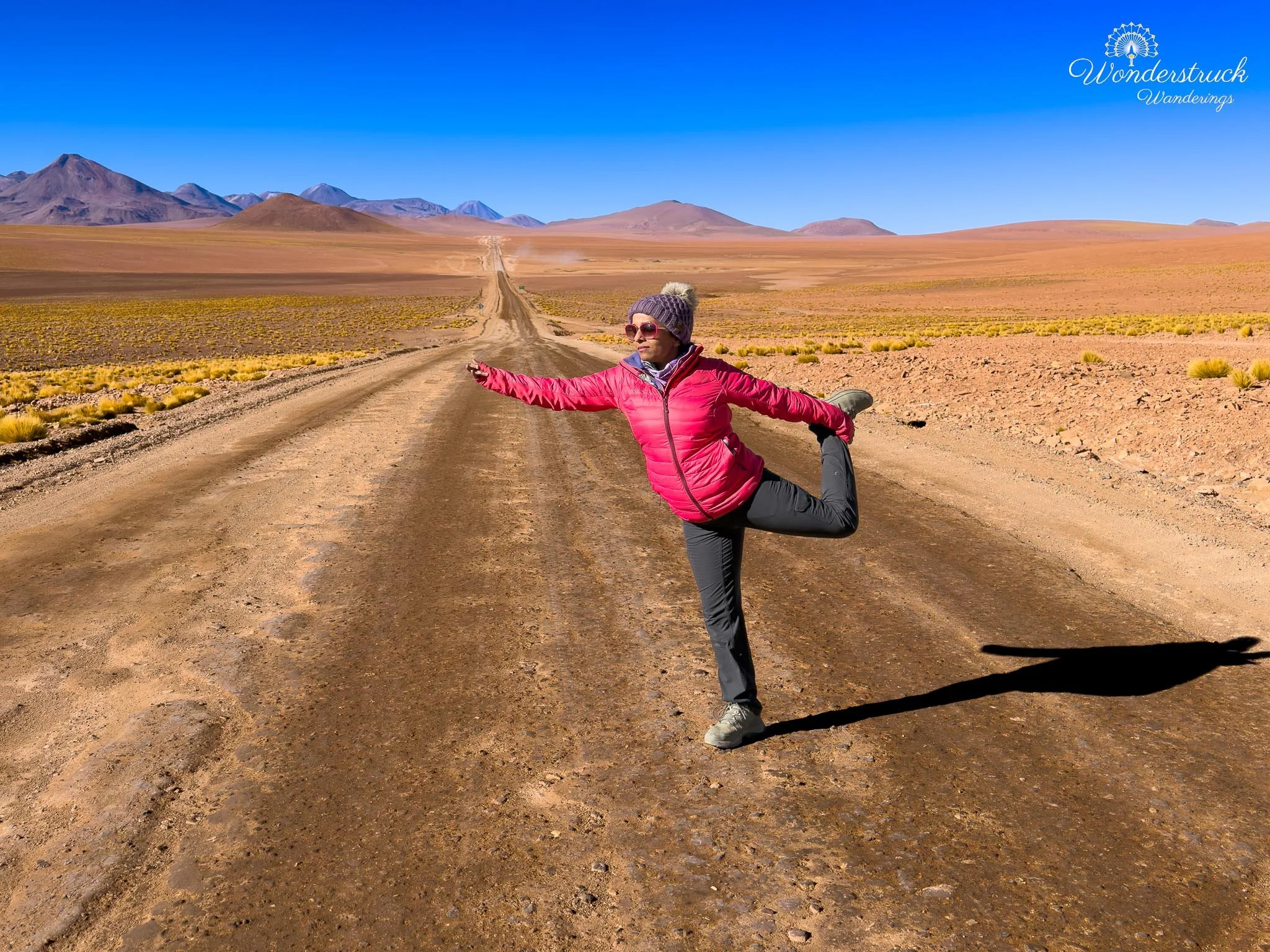
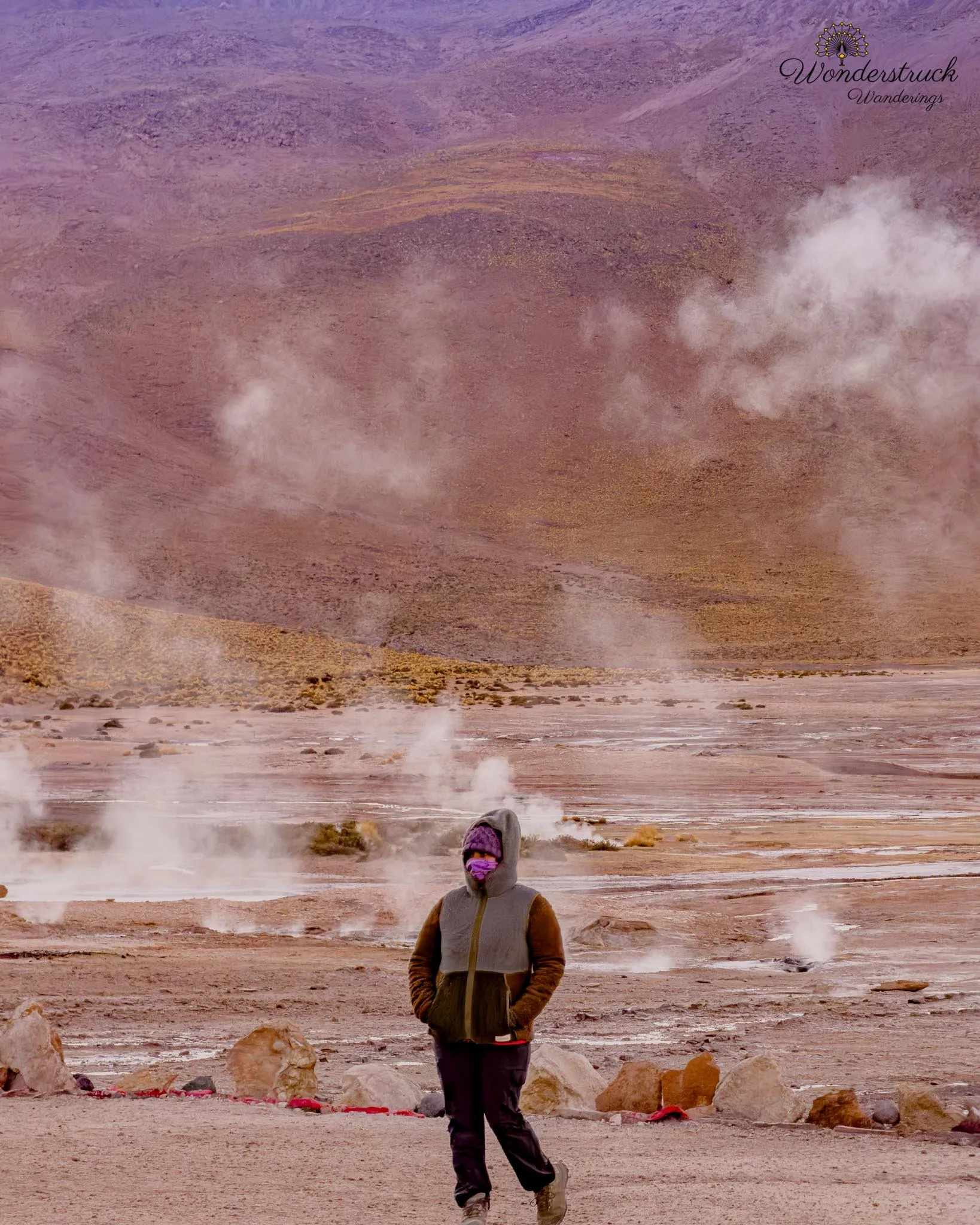
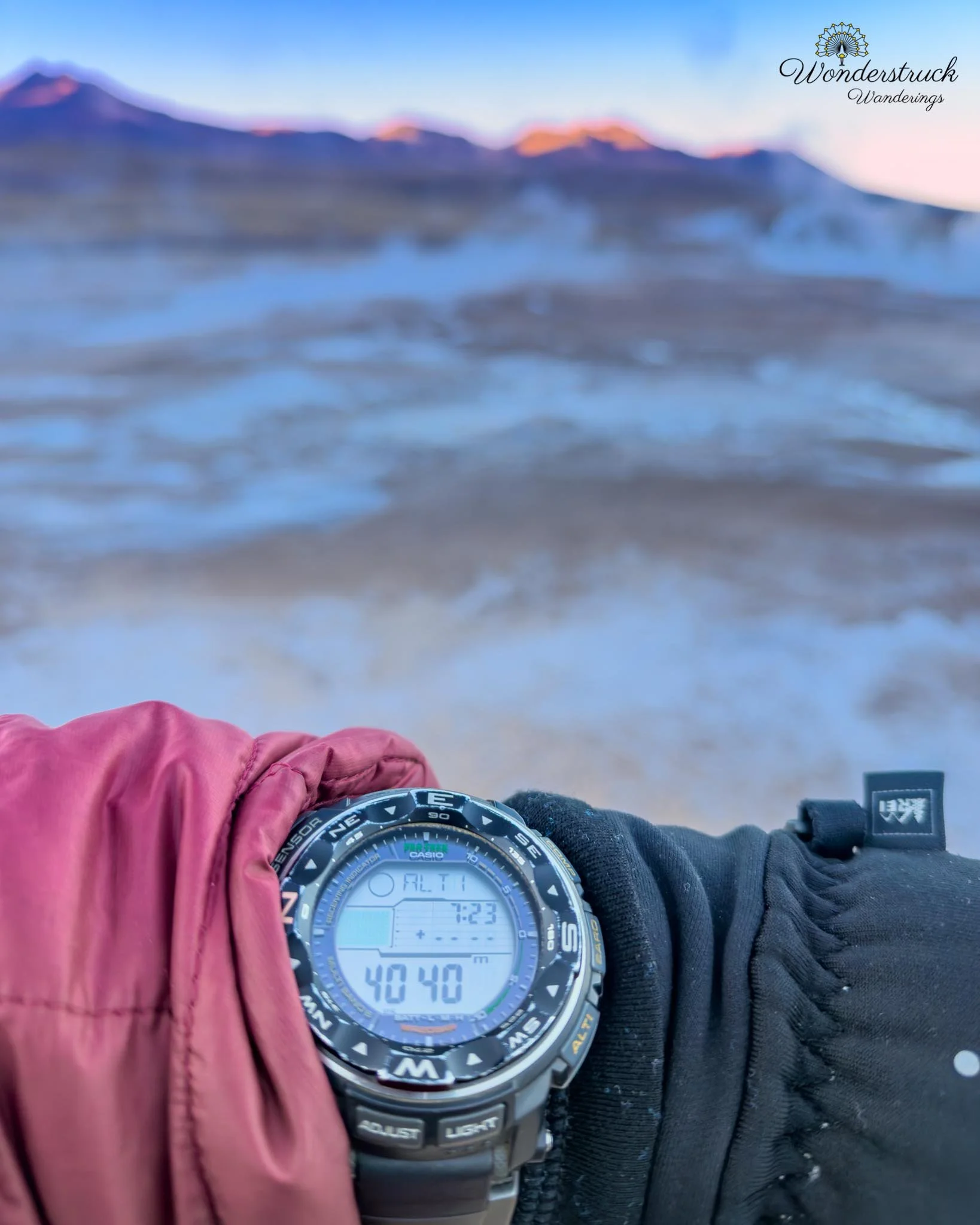
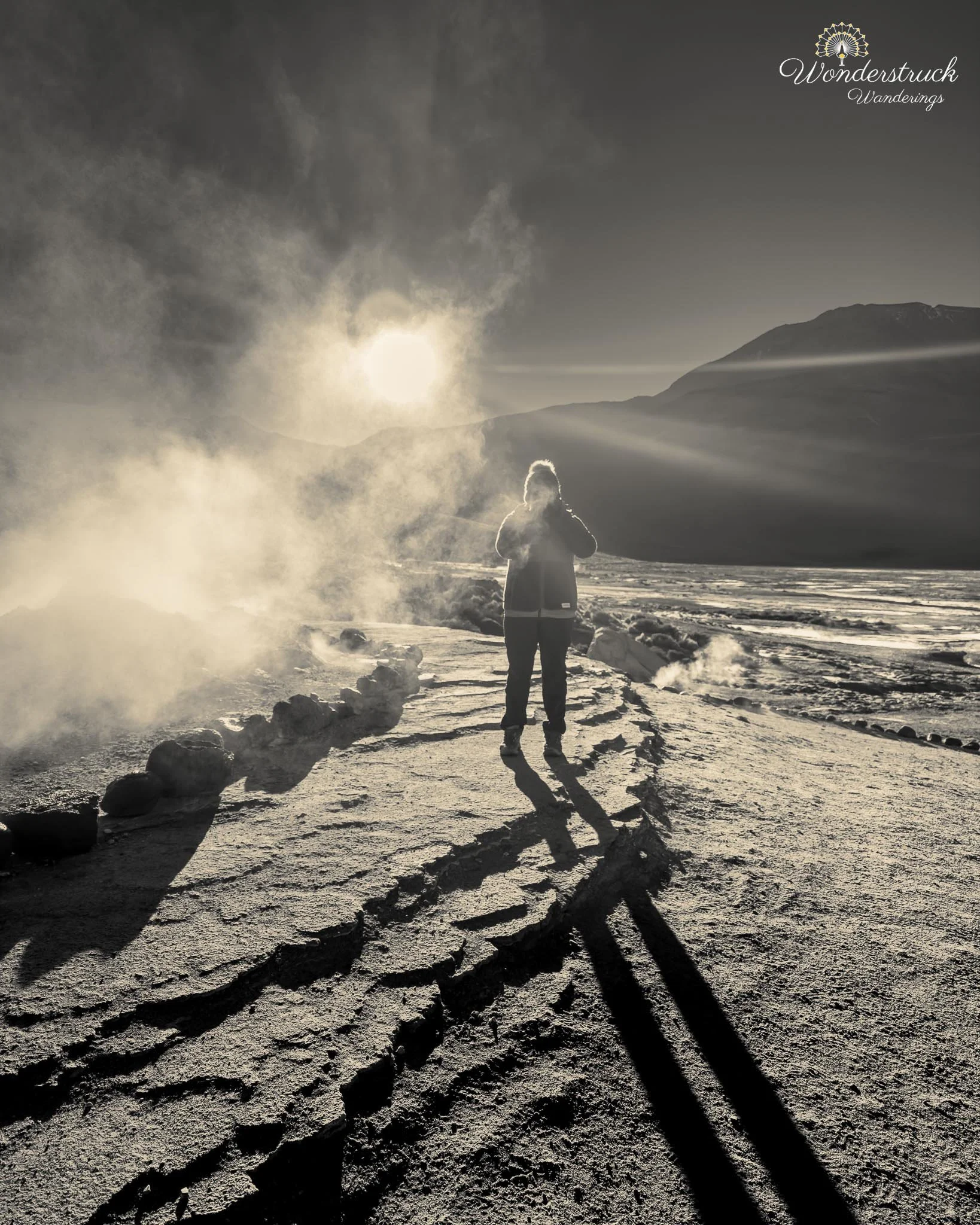
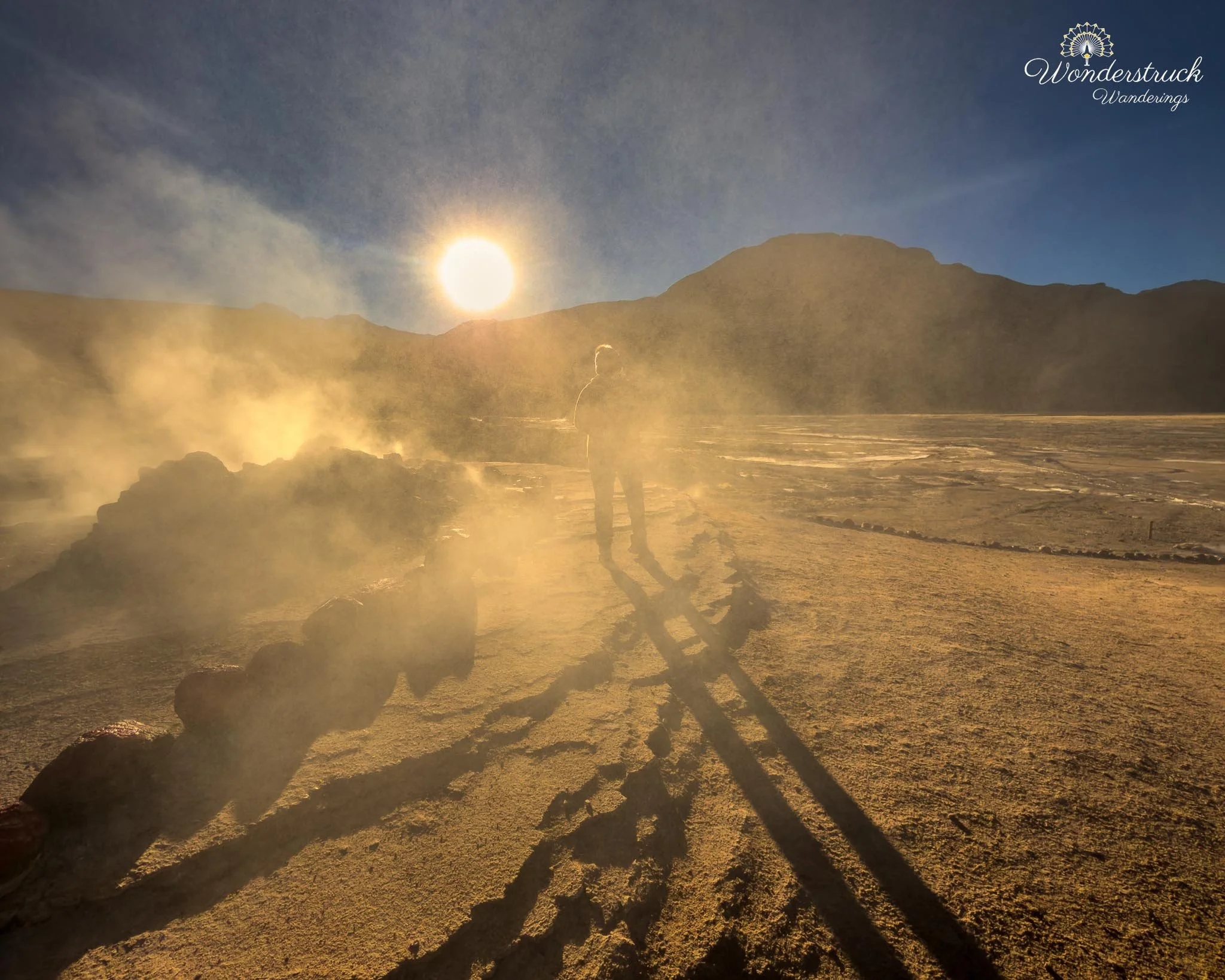
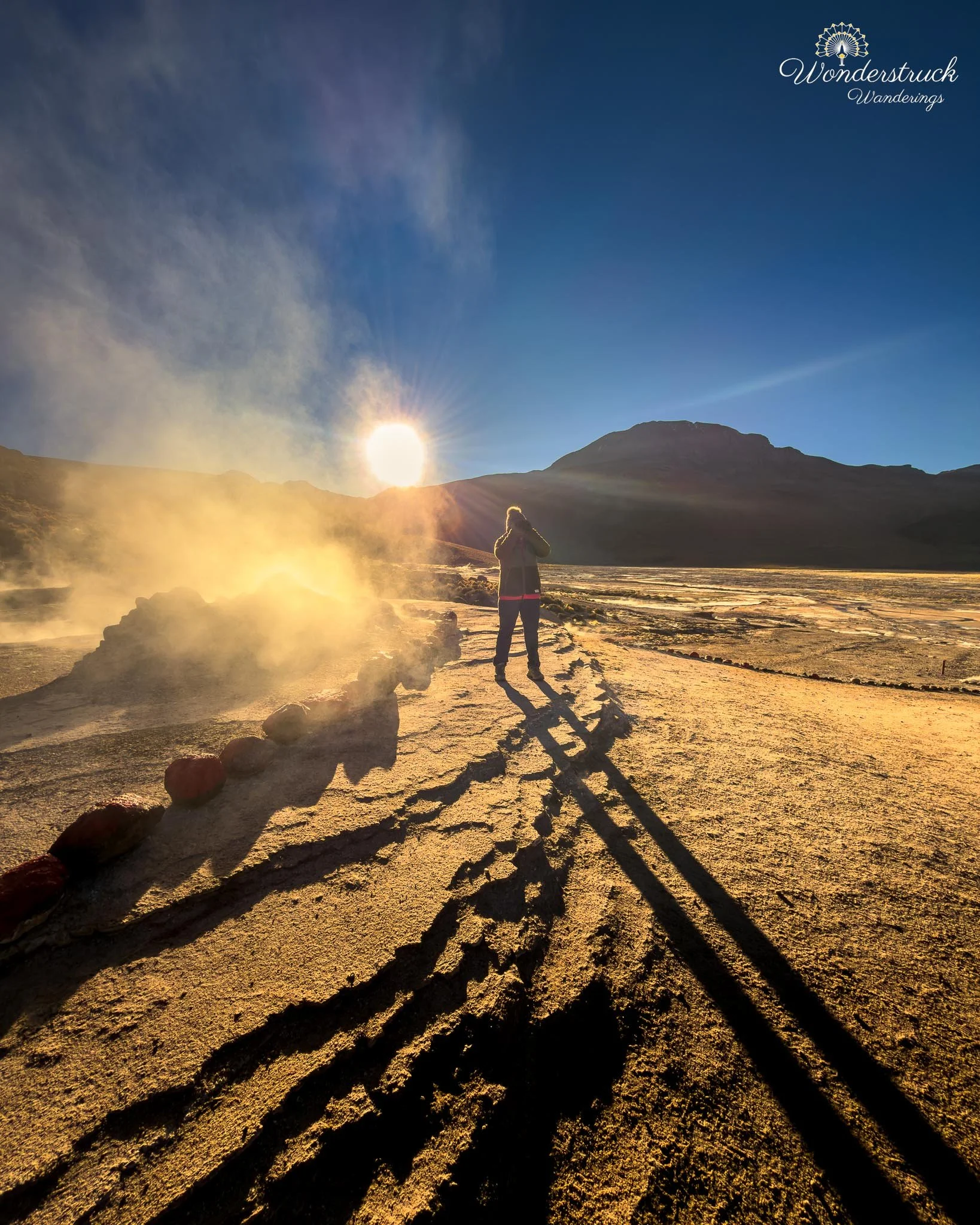
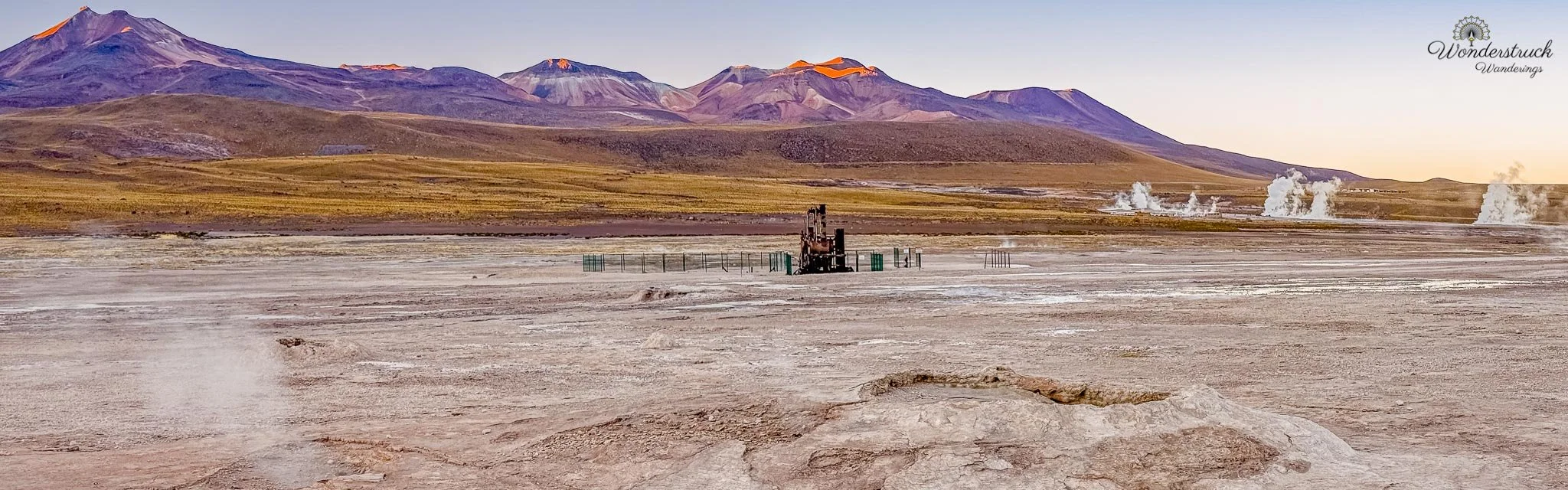
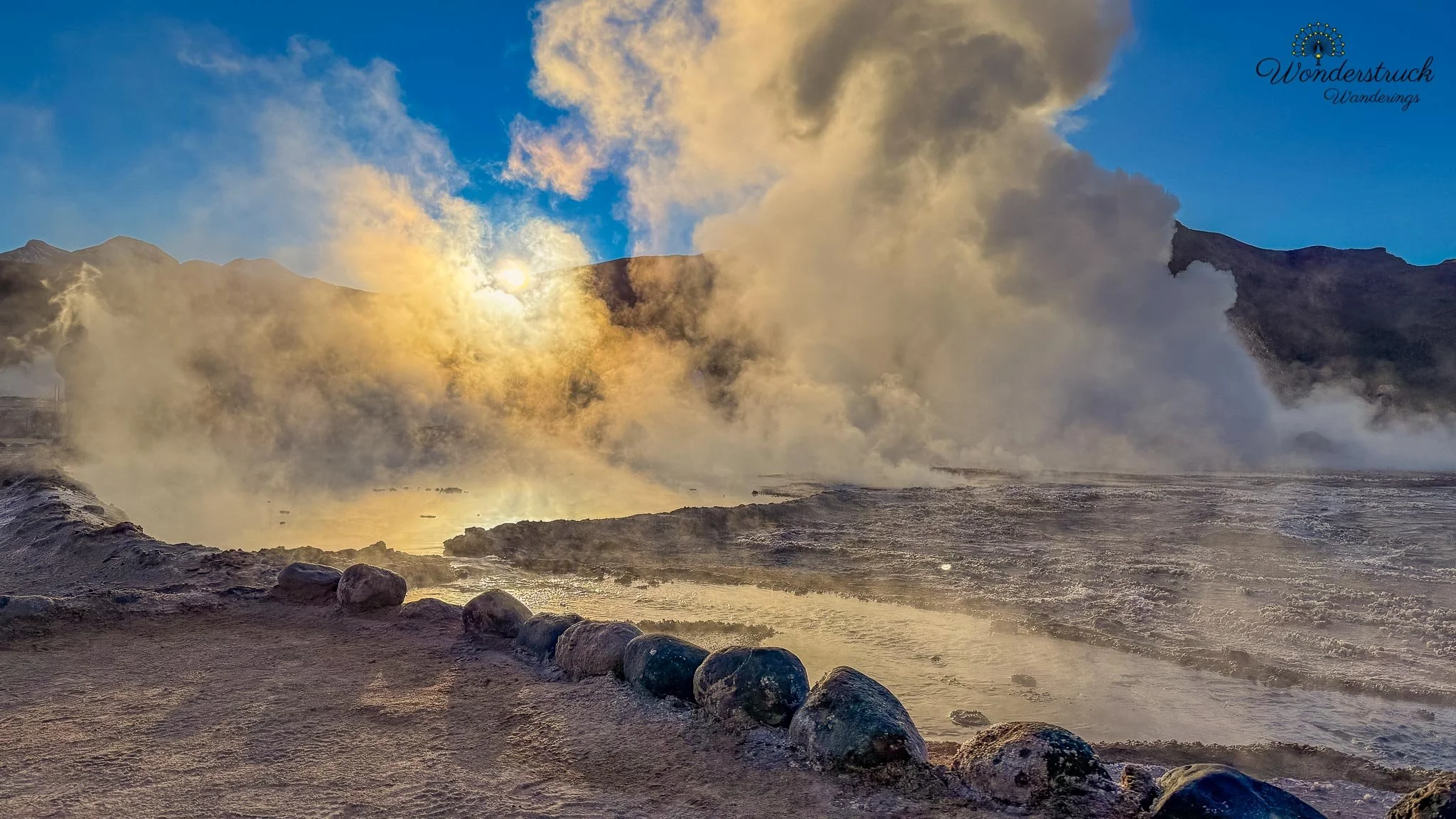
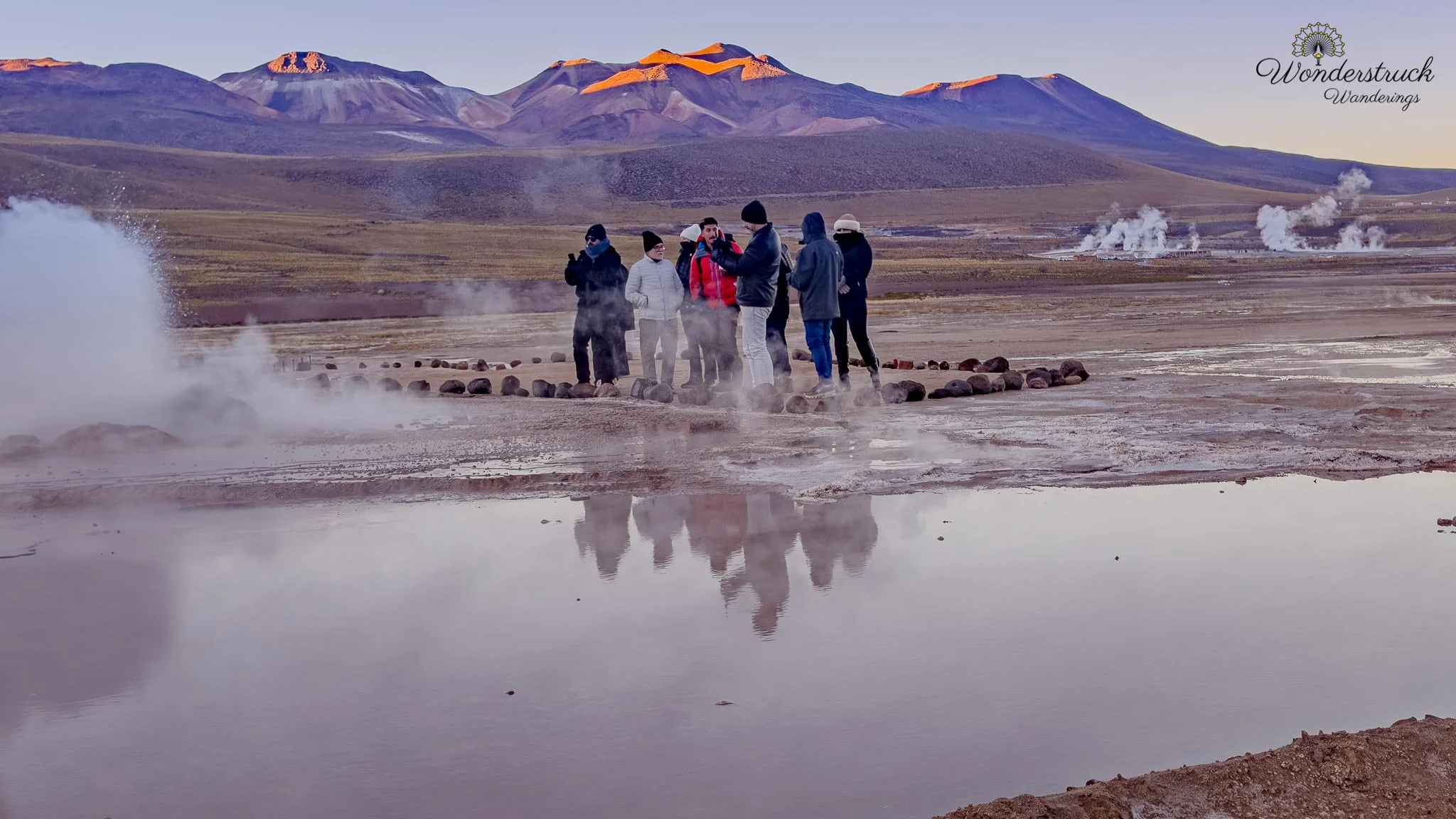
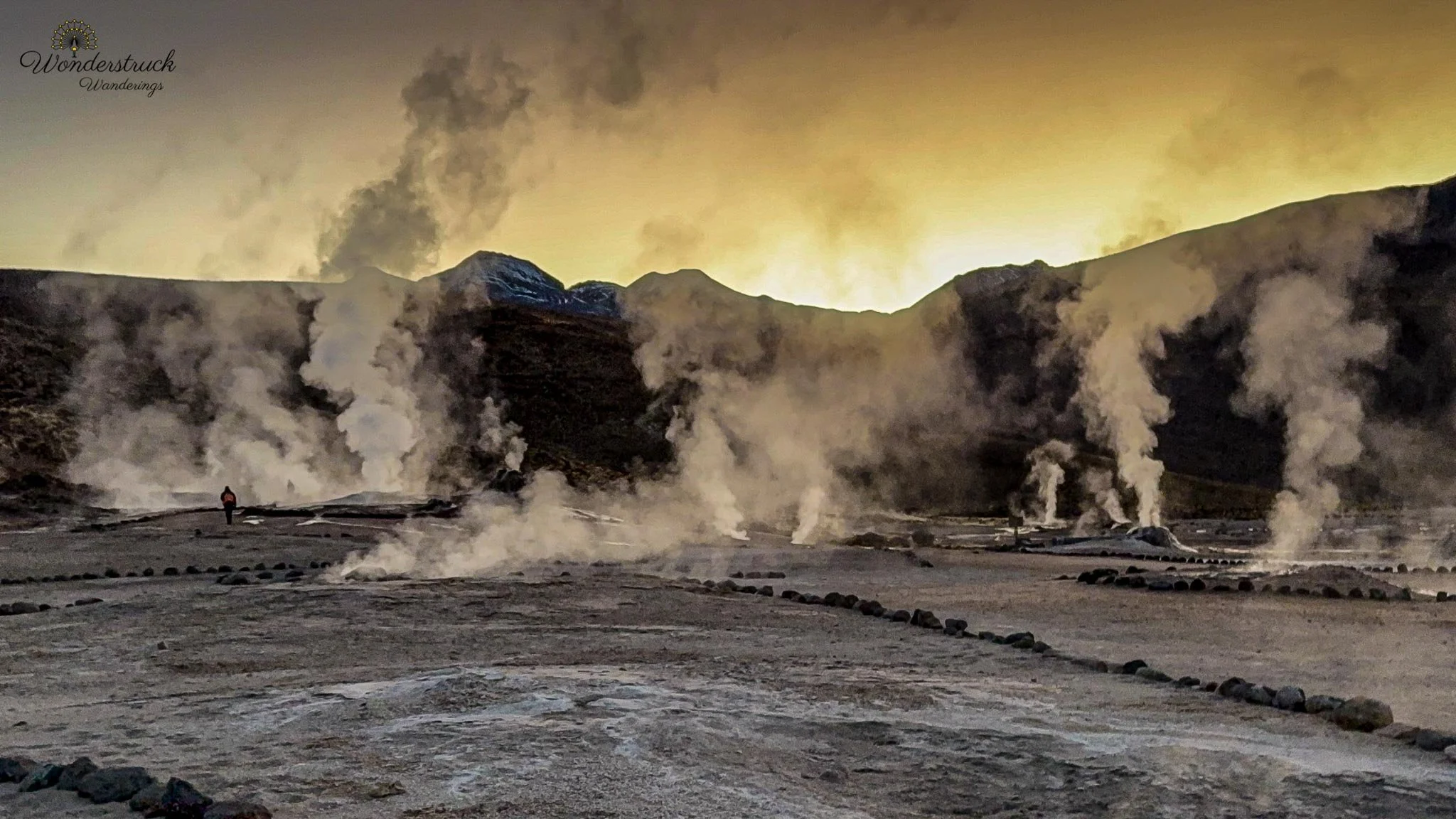
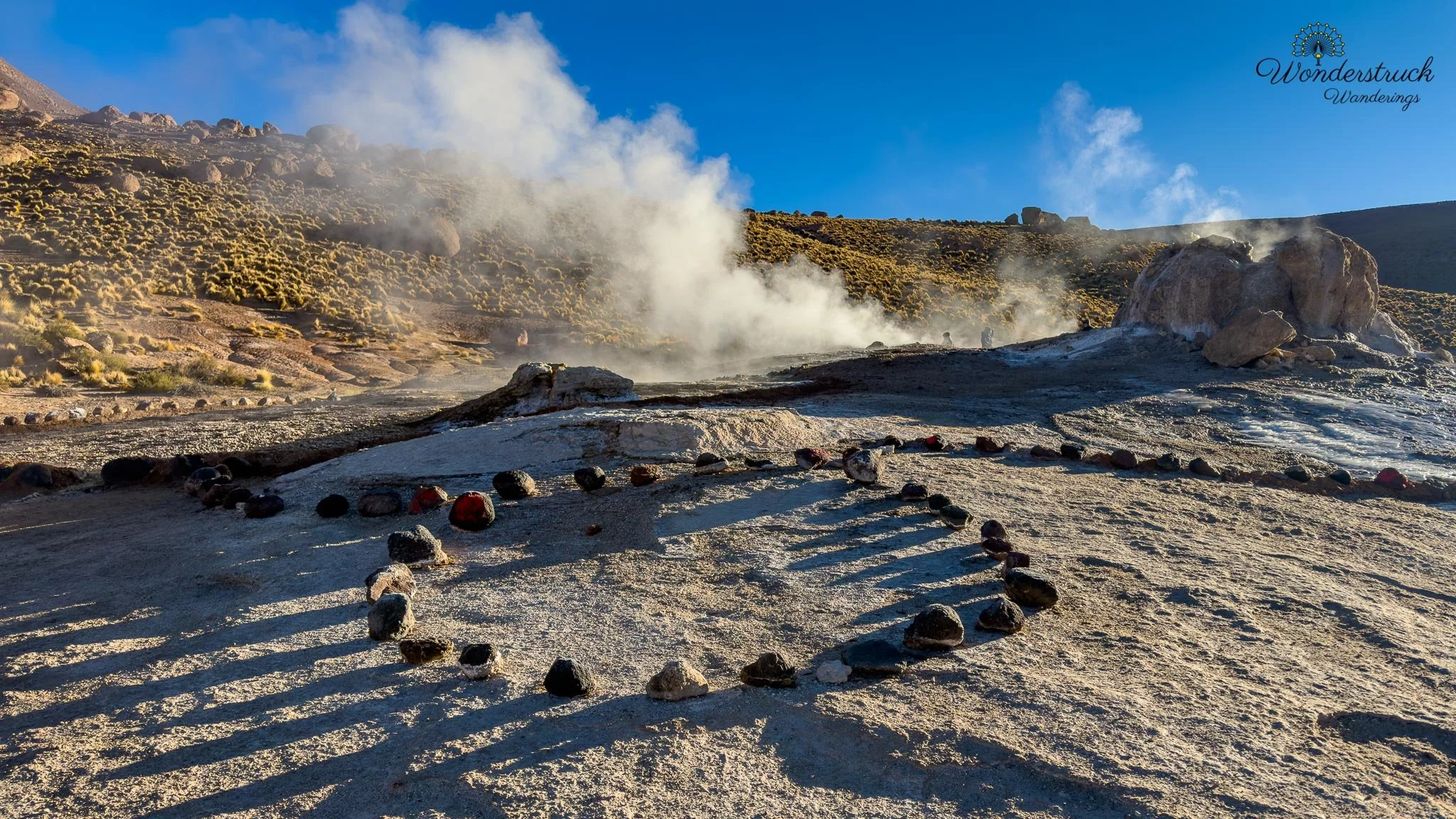
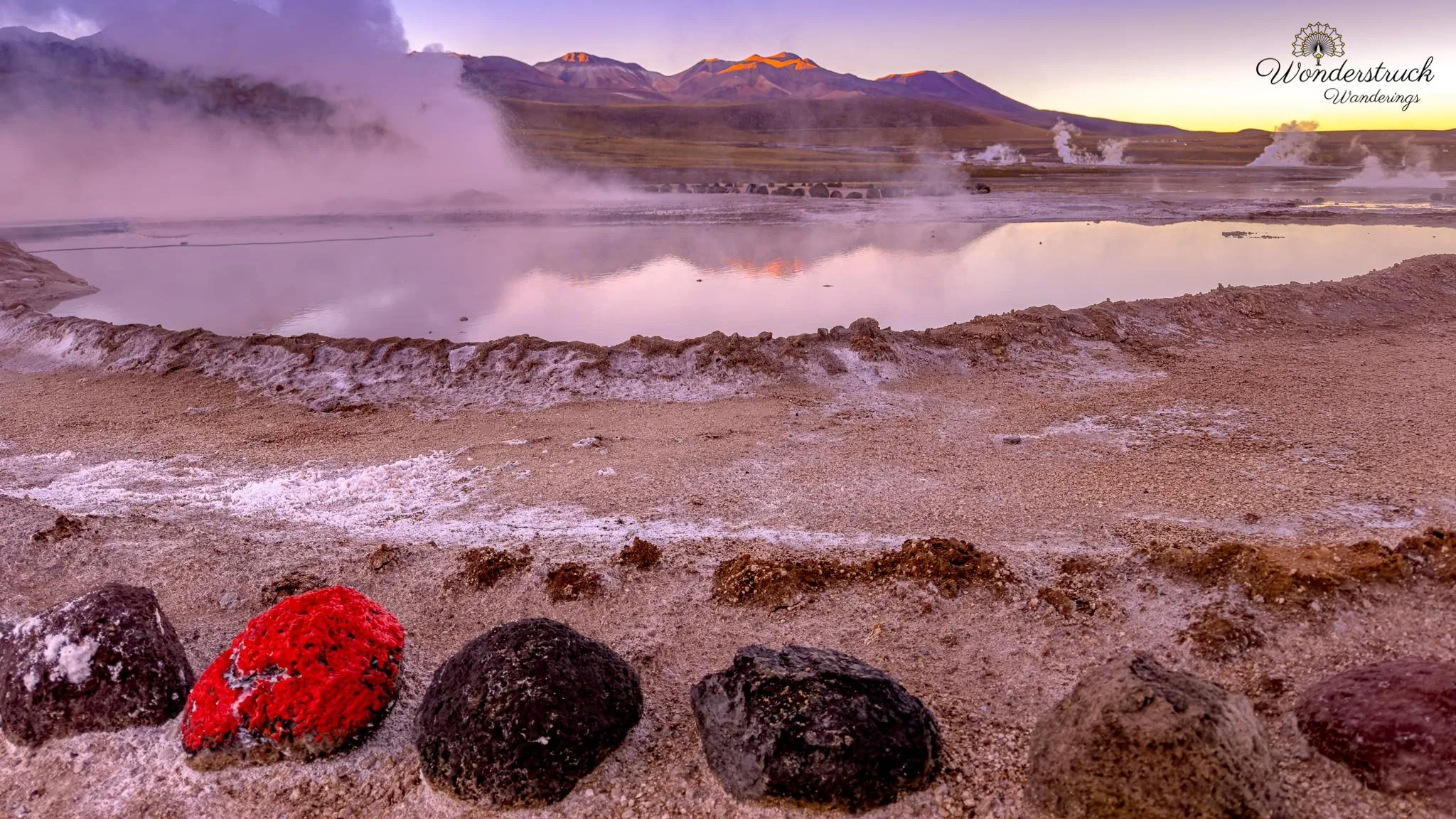
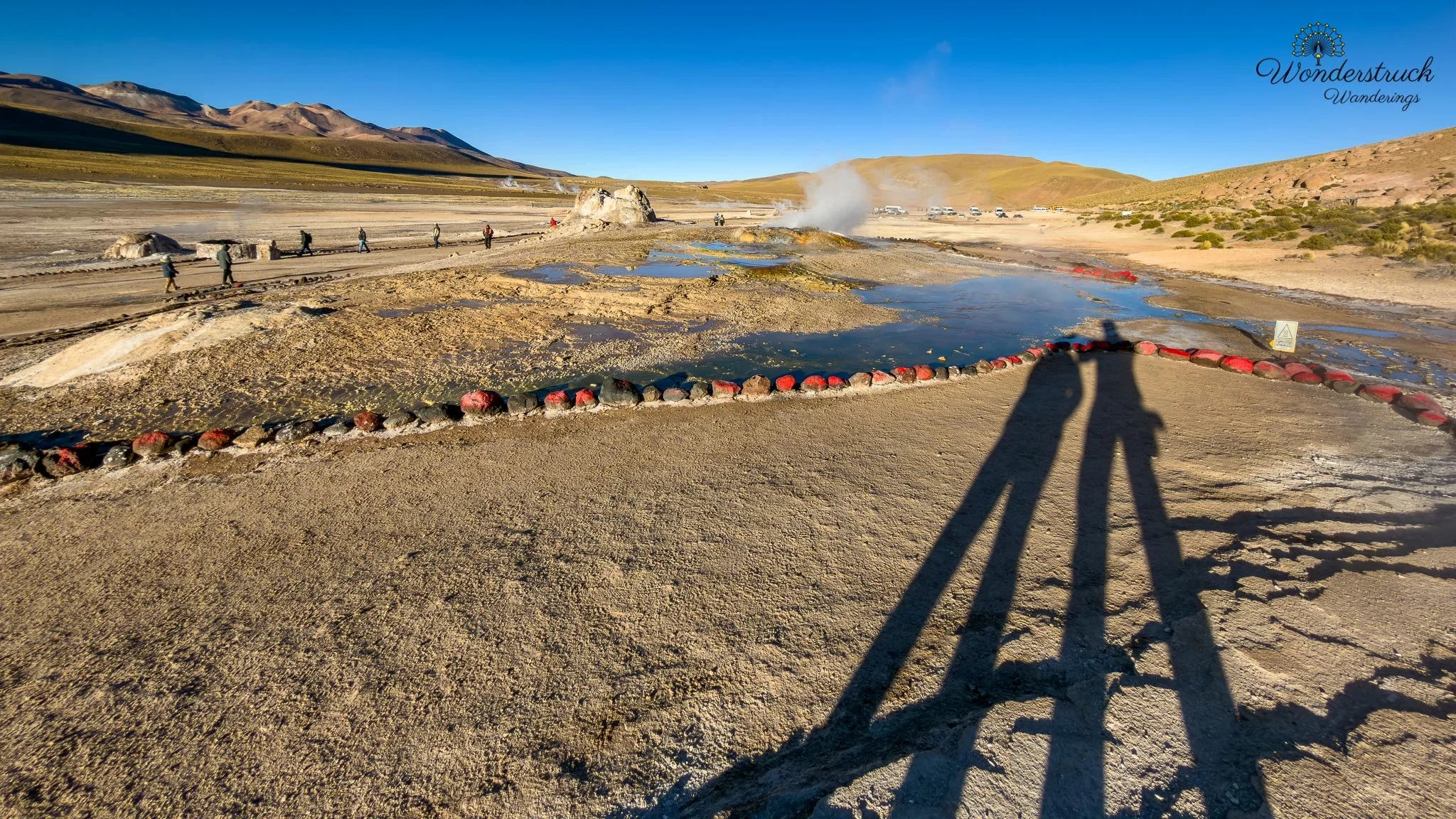
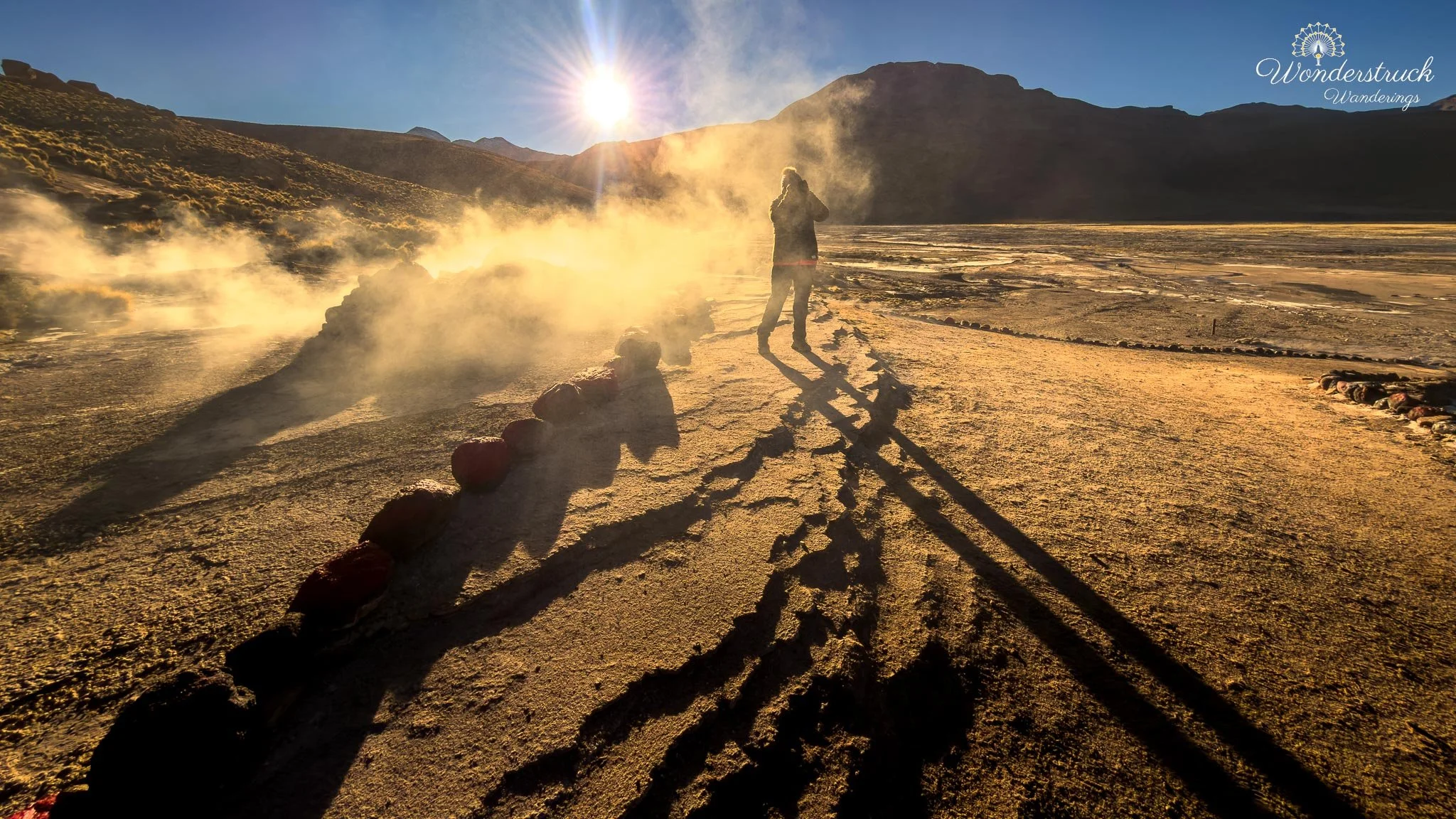
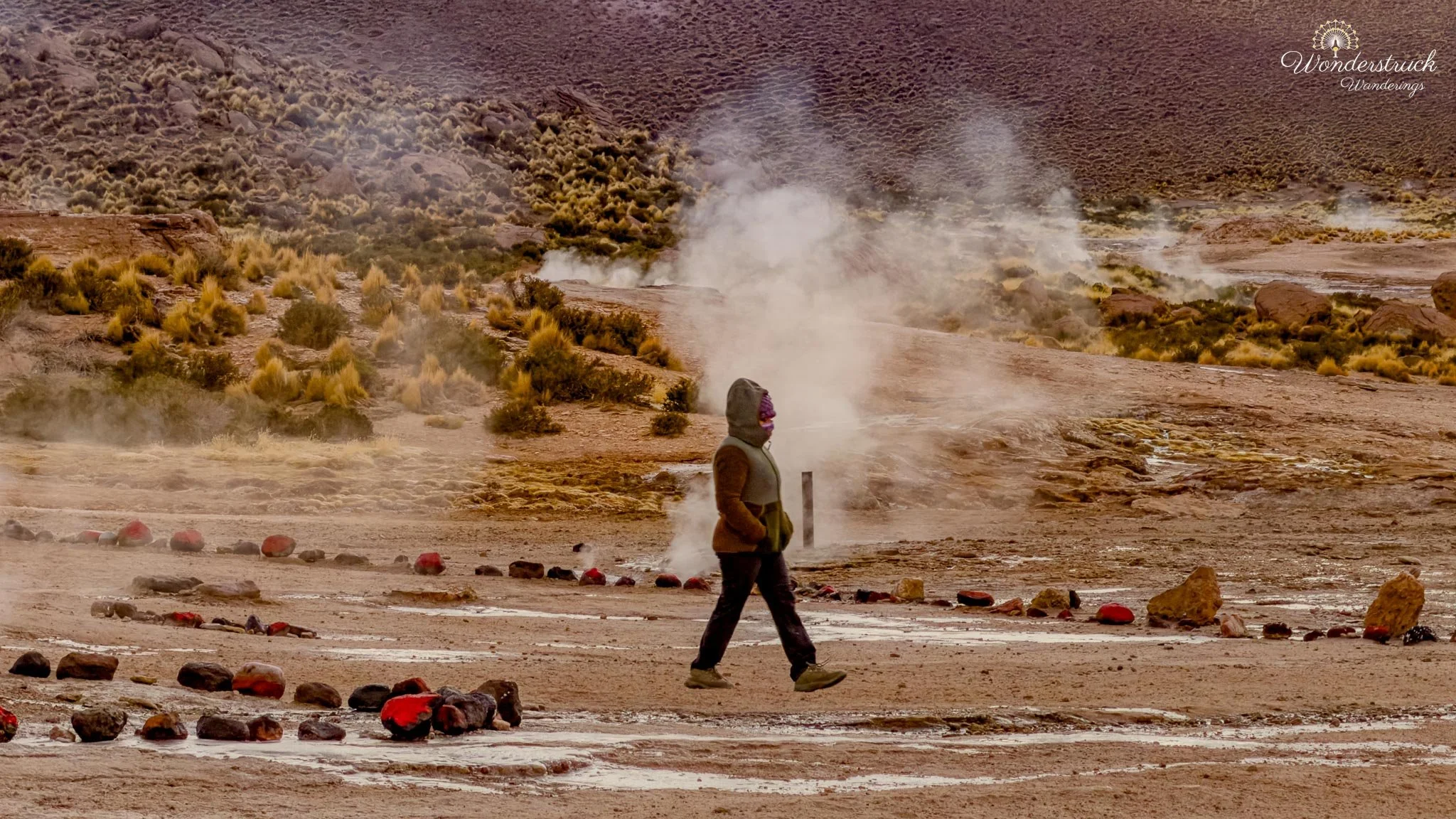
The geothermal field is divided into three main areas. The Upper Basin (Main Terrace), in the northern section, contains the greatest concentration of active geysers, mineral-encrusted cones, steaming fissures, and silica terraces. The Middle Basin, farther south, features larger geothermal pools, fountain-type geysers, and hot-water channels. The Lower Basin, toward the west, follows the Río Salado, with hot springs and vents near the river. Although several geysers have individual names, most are not clearly labeled for visitors, making navigation by basin easier. In the Upper Basin, notable features include El Jefe, a narrow-vented geyser; El Cobreloa and El Cobresal, associated with a mud-volcano feature; and Vega Rinconada, an area of geysers, hot pools, and mud activity. The Middle Basin includes La Concha, a fountain-type geyser in a roughly four-meter-wide pool. We explored the Upper and Middle Basins as dawn approached. Steam rose from dozens of vents, some continuously and others in intermittent bursts. The Upper Basin offered excellent sunrise photography, with volcanic slopes forming the backdrop. As tour buses arrived, we occasionally included visitors in our photographs to show the scale of the steam columns. Near the right side of the parking area, we overheard a guide explaining that a prominent geyser erupted approximately every seven minutes. We waited and watched it erupt before moving to another viewpoint. There, a powerful steam plume rose against the mountain ridge. When the sun cleared the peaks, it backlit the steam beautifully, creating our favorite photograph of the morning. Birding around the geothermal field produced Andean Gull, Spot-billed Ground-Tyrant, Red-backed Sierra Finch, and Plumbeous Sierra Finch. We also spotted vicuñas, although our searches for suri and foxes were unsuccessful. Afterward, we drove outside the park boundary for breakfast: croissants from La Franchutería, eaten beside the car in the cold highland air.
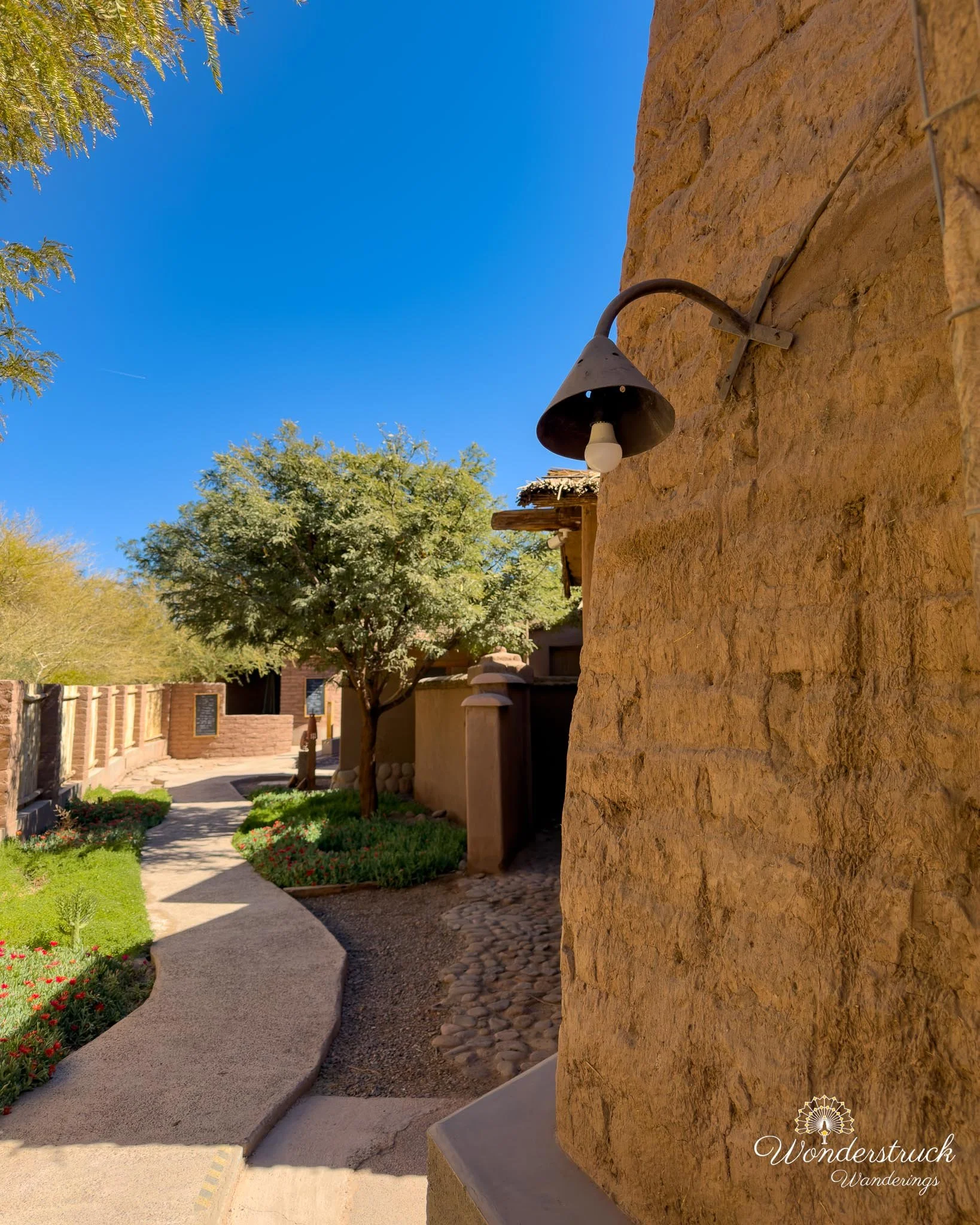
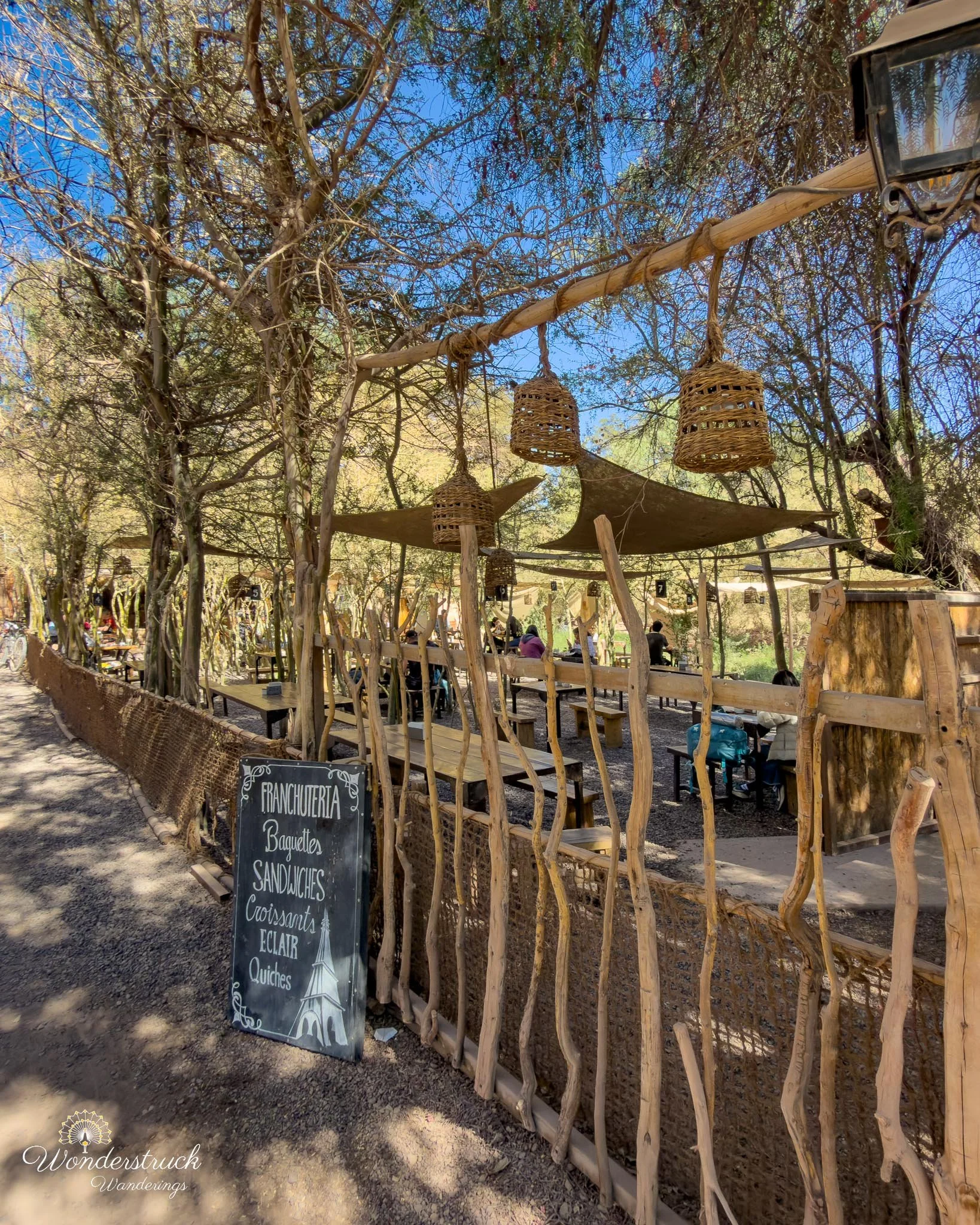
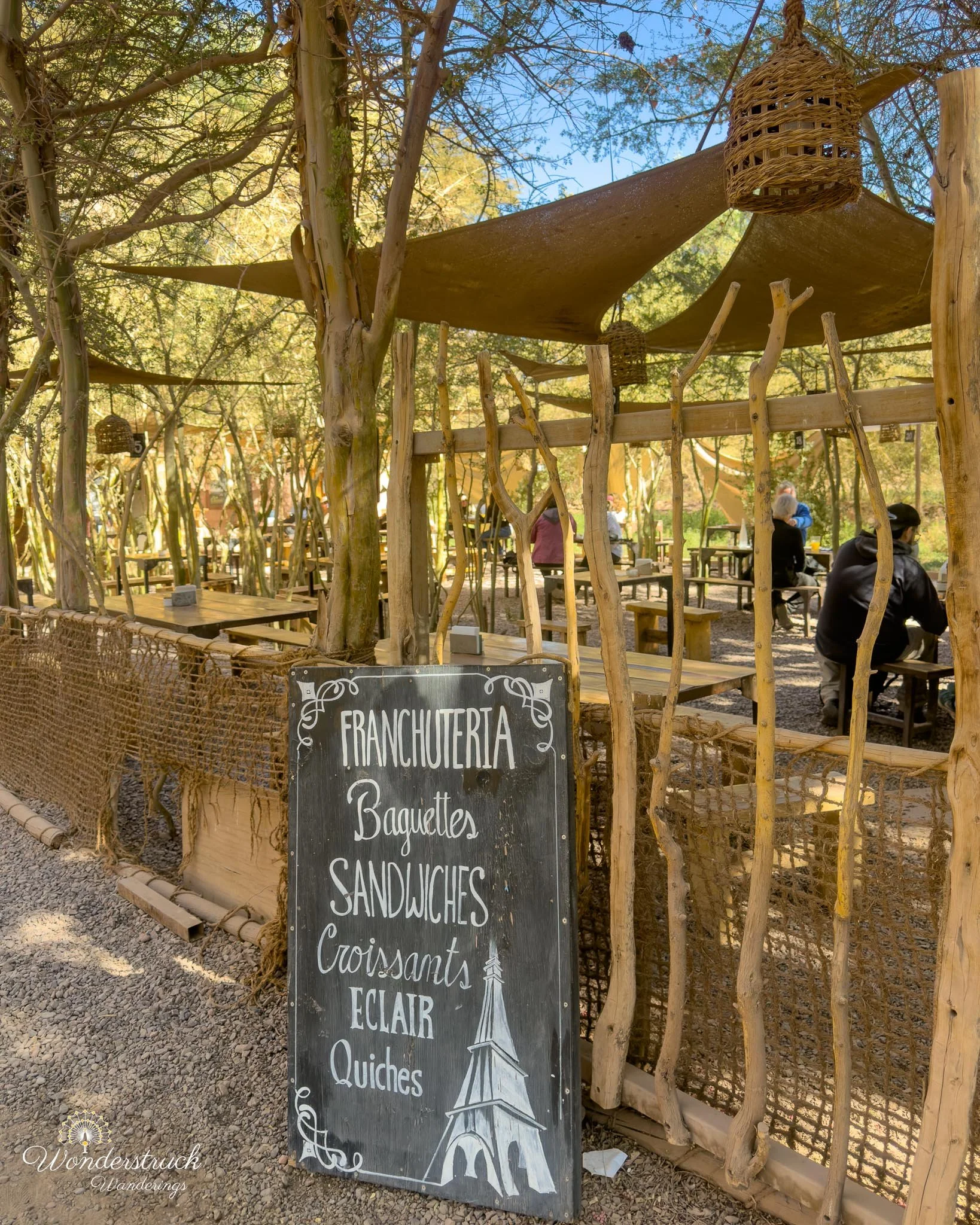
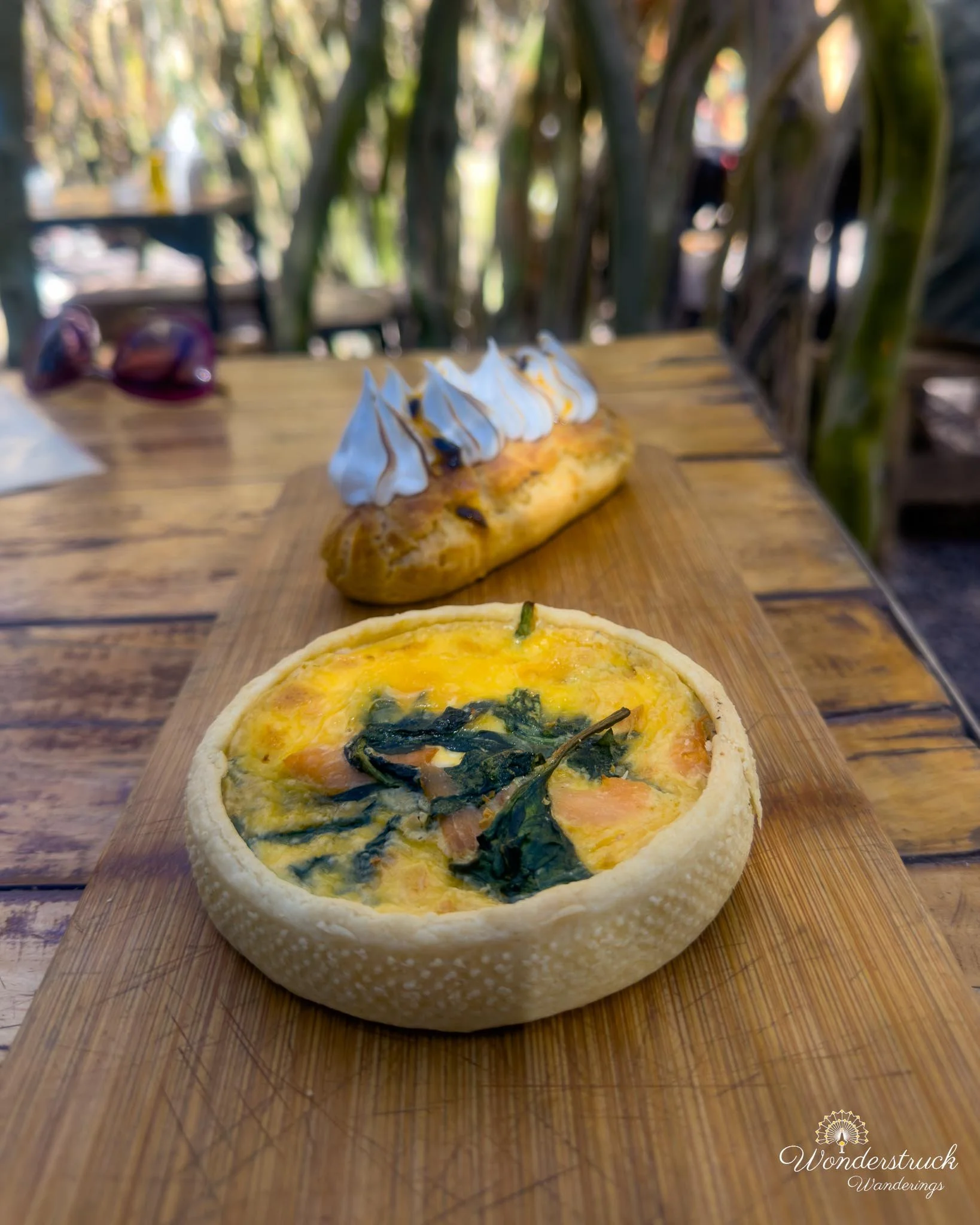
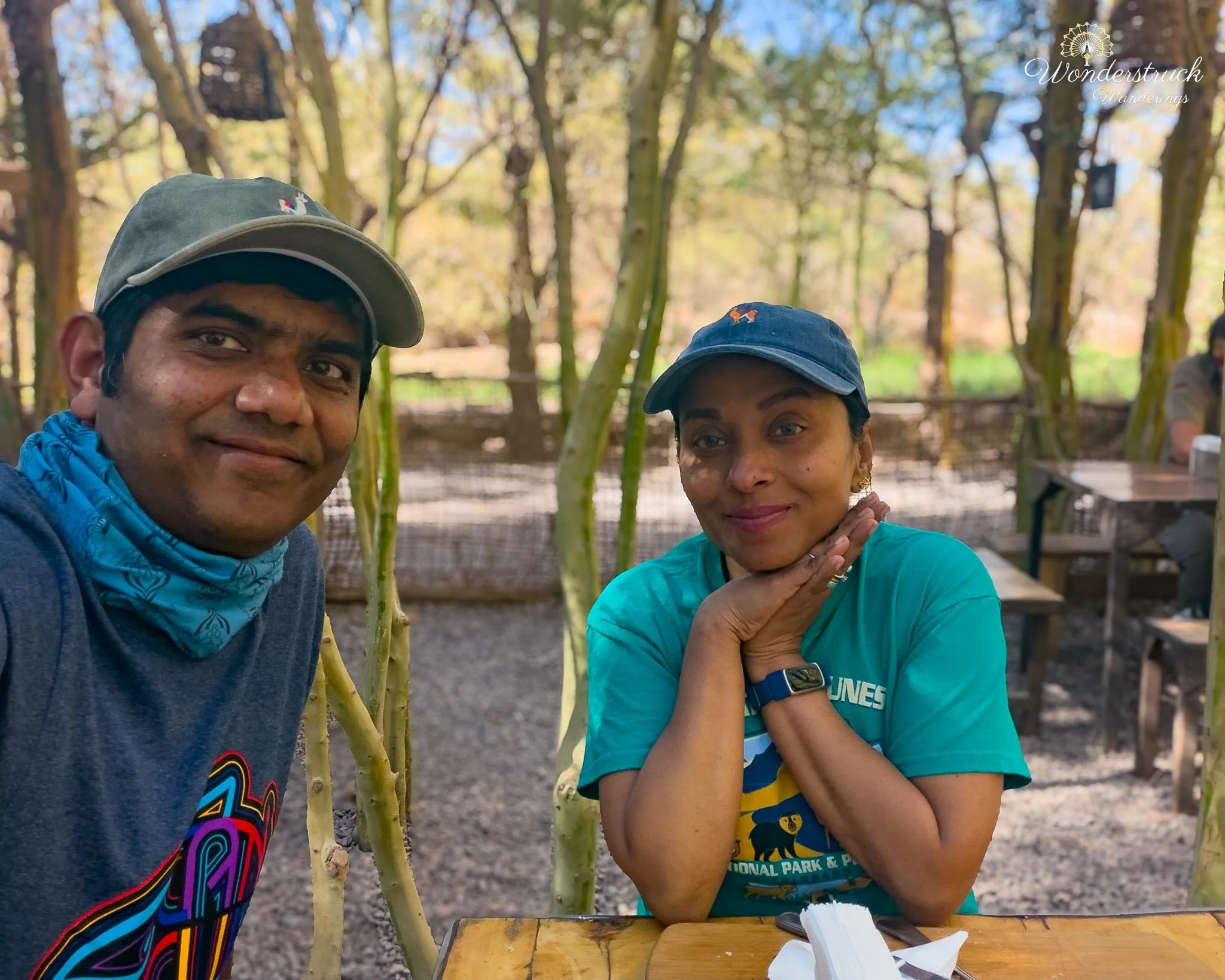
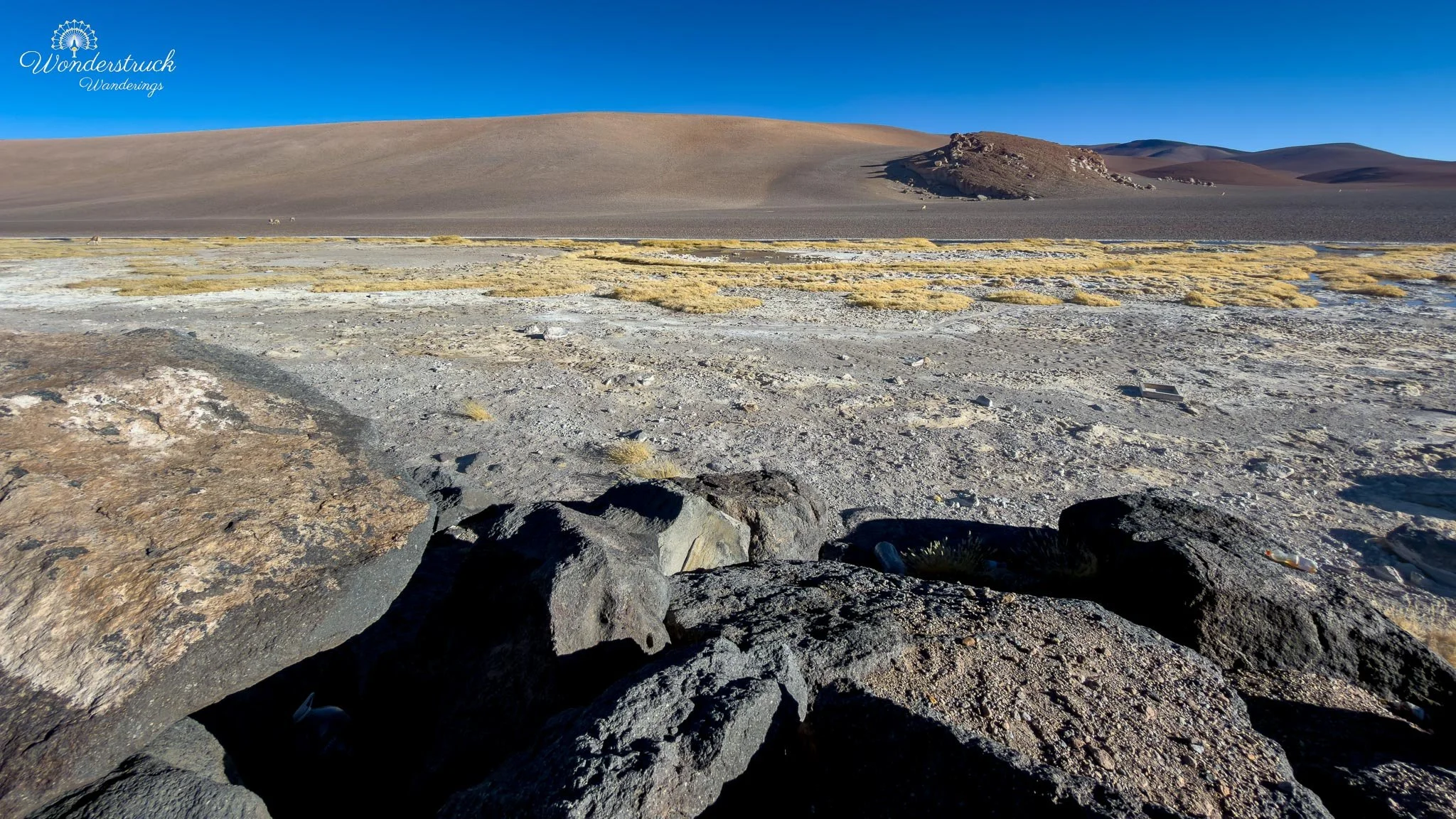
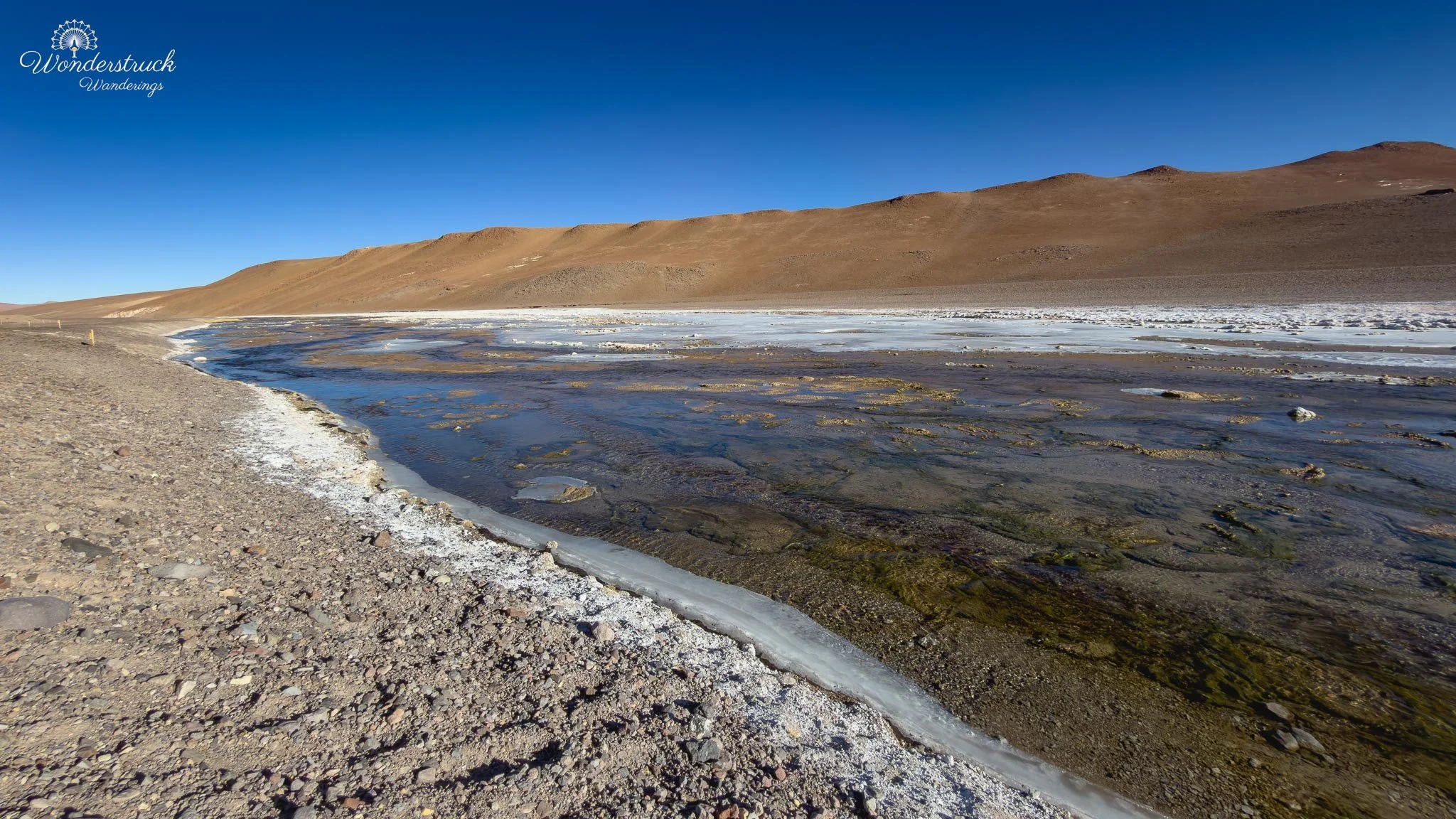
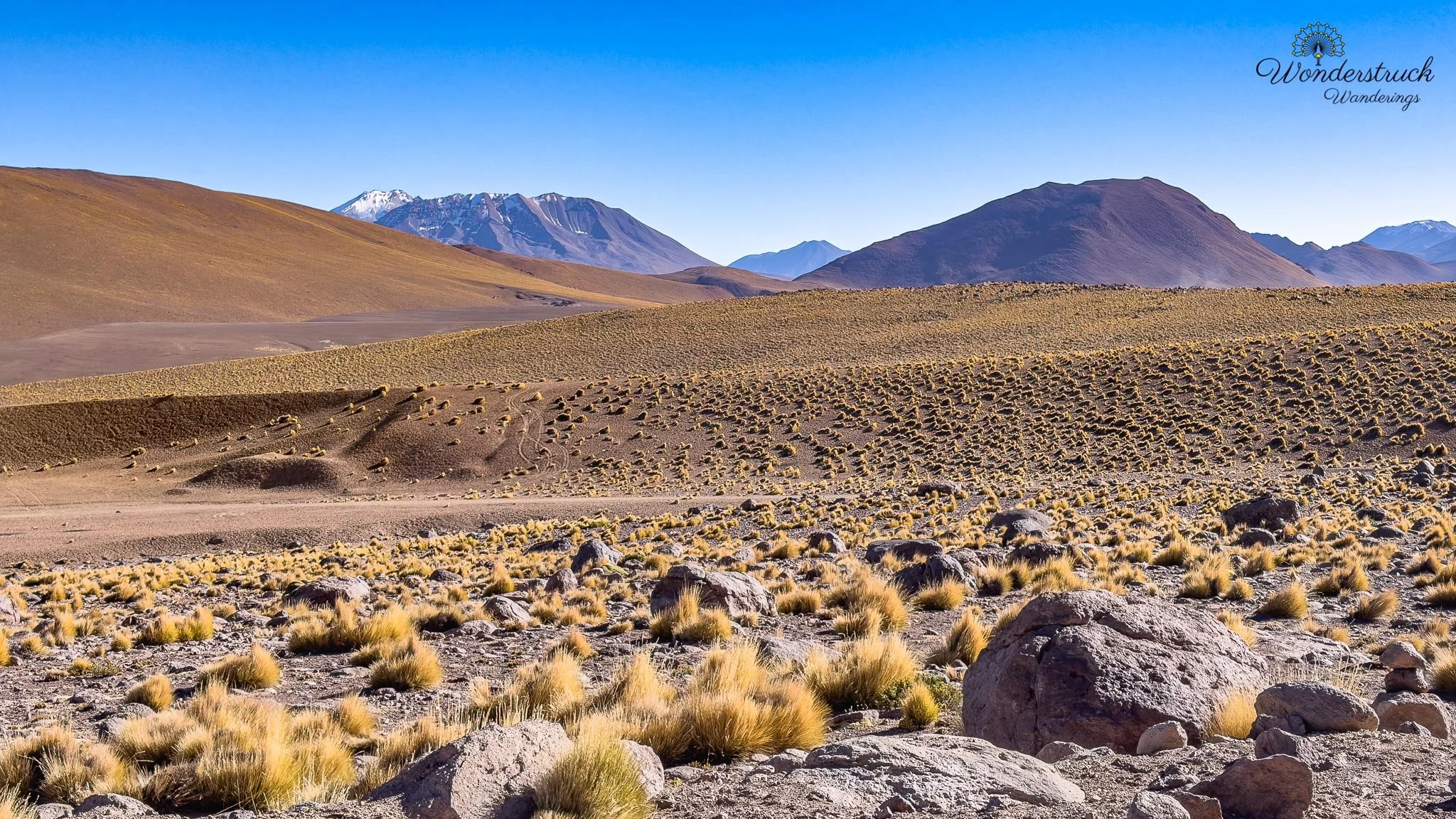
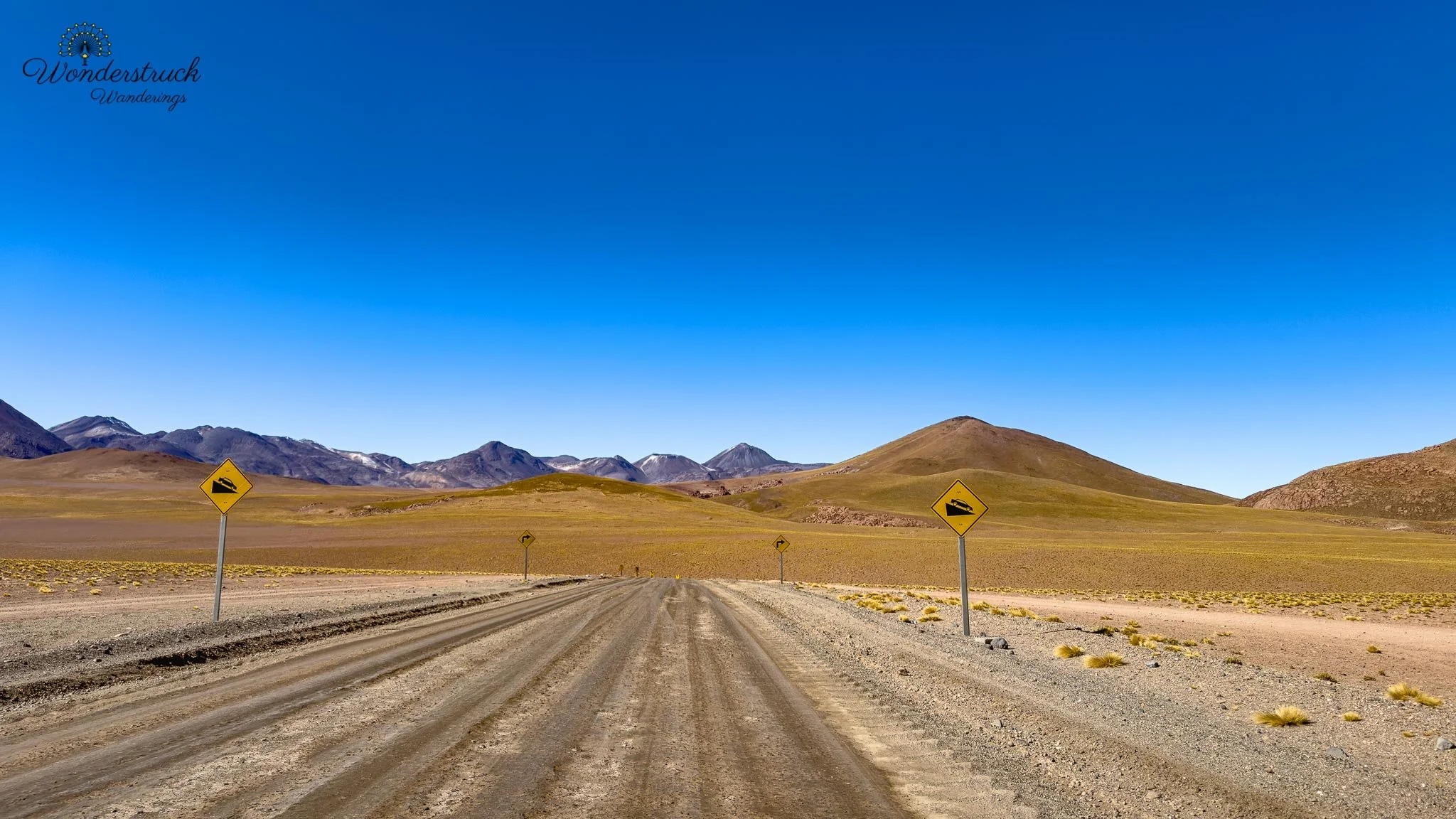
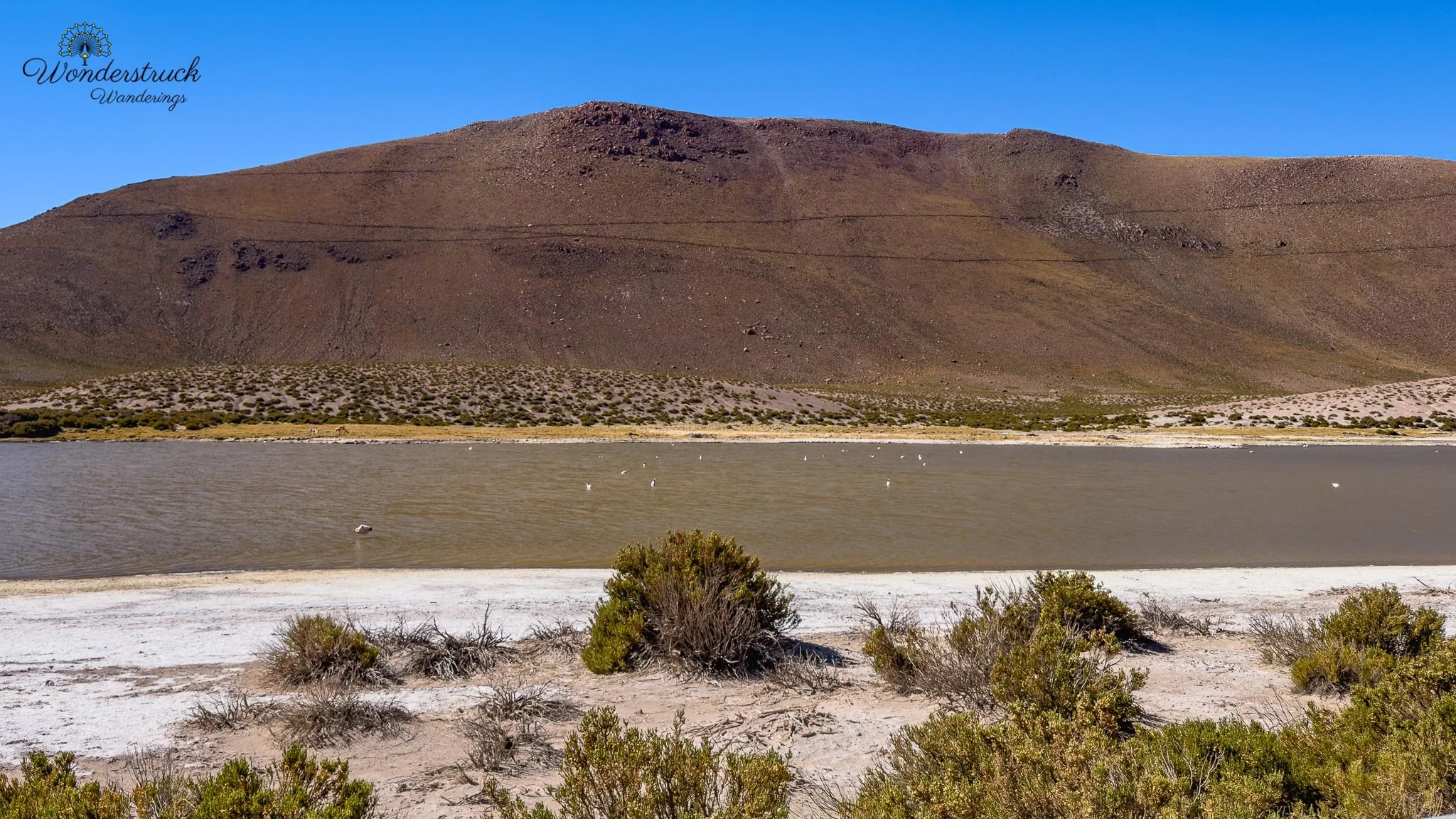
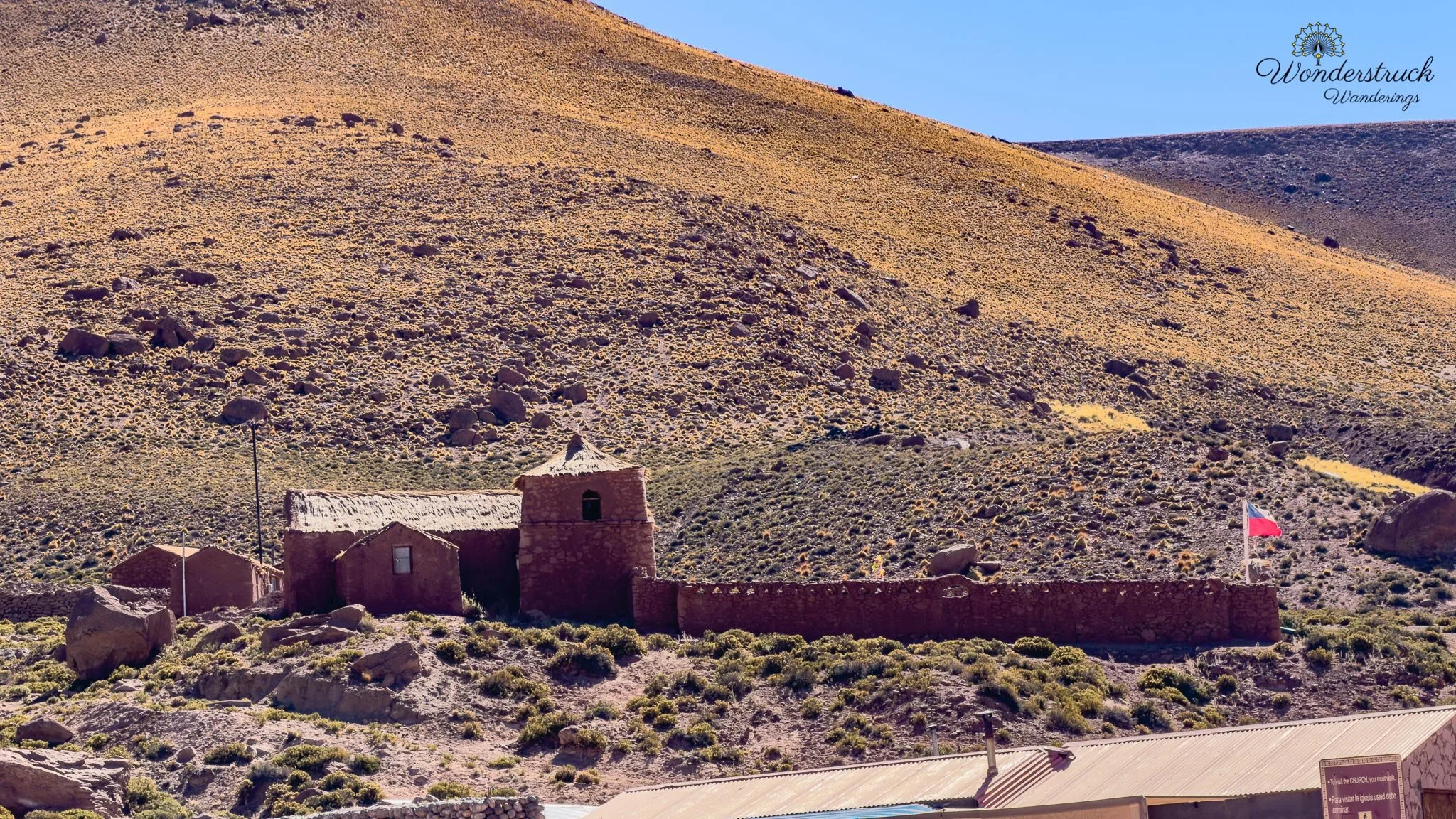
The return drive revealed scenery we had missed in darkness—volcanic slopes, yellow puna grasses, and distant mountain ridges. Our first major stop was Vado Río Putana, a high-Andean wetland where we spotted Andean Goose, Crested Duck, Puna Teal, Yellow-billed Teal, Giant Coot, and Spot-billed Ground-Tyrant. A ranger instructed us to remain near the car, but even from the roadside, birding was excellent. The Andean Geese were particularly striking against the wetland vegetation. We continued to Machuca, a small high-altitude village with traditional buildings and a picturesque church. After photographing the village and spotting Black-hooded Sierra Finches, we visited the nearby lagoon. Here, we managed to observe all three flamingo species found in Chile: Chilean, Andean, and James's Flamingos. Comparing their size, bill shape, coloration, and feeding behavior made this one of our most rewarding birding stops. We considered walking through Guatín's cactus valley, known for its tall cardón cacti, but the temperature was rising and we were tired. Instead, we returned to San Pedro around 1 p.m. and stopped for lunch at La Franchutería. I ordered another serrano ham sandwich, while Shay chose spinach-and-cheese quiche and a maracuyá éclair. We also purchased pastries for the following morning.
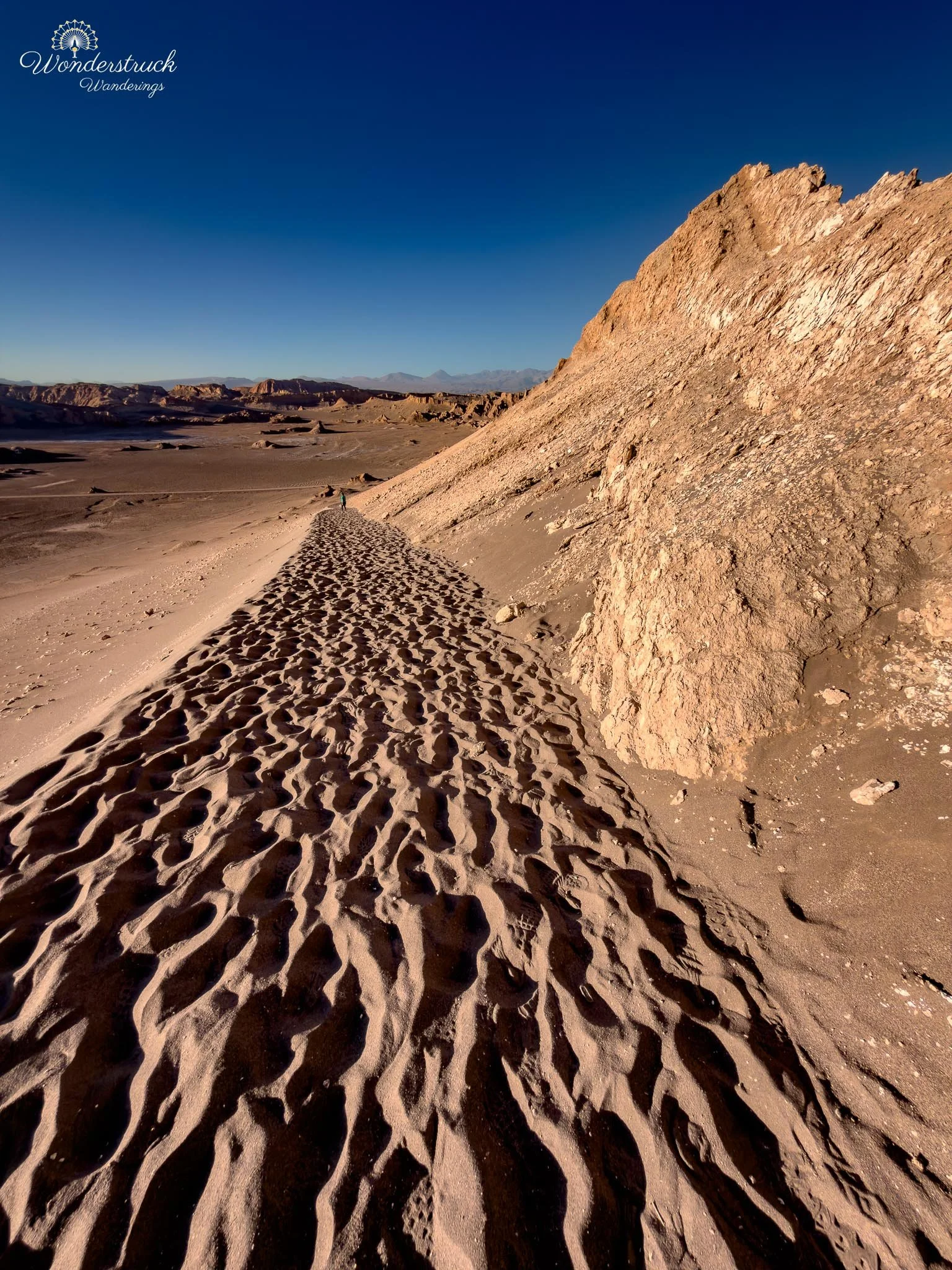
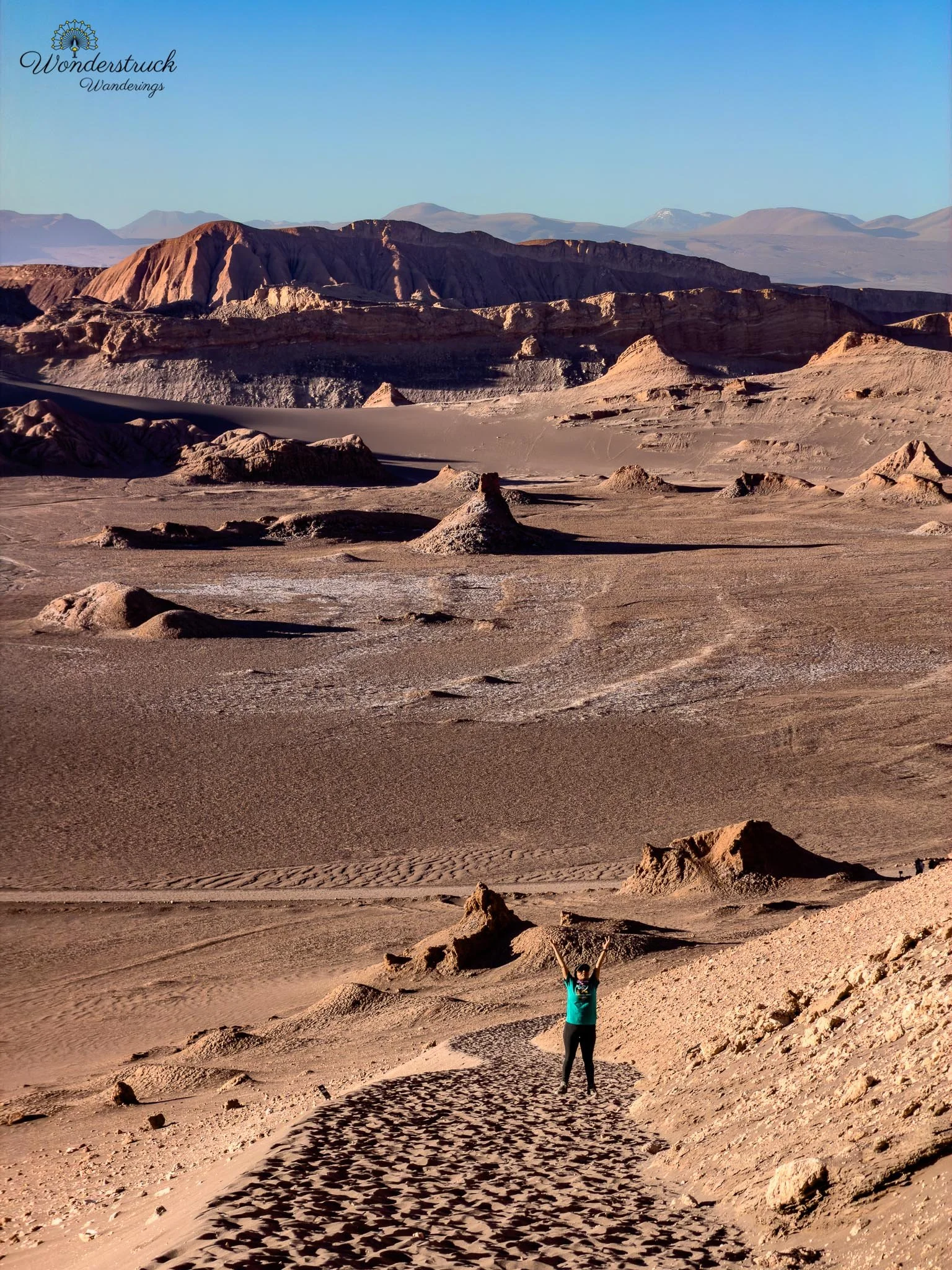
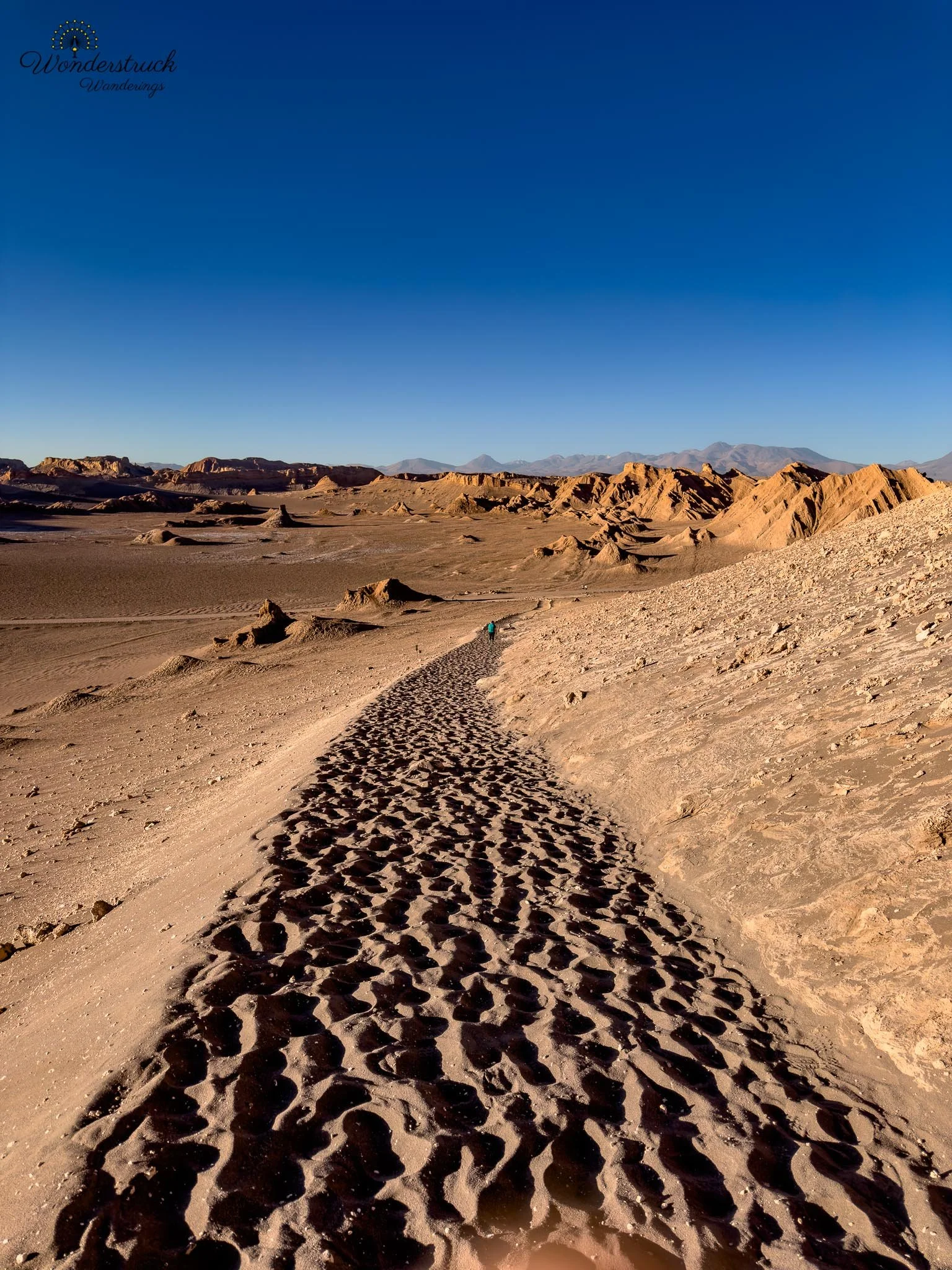
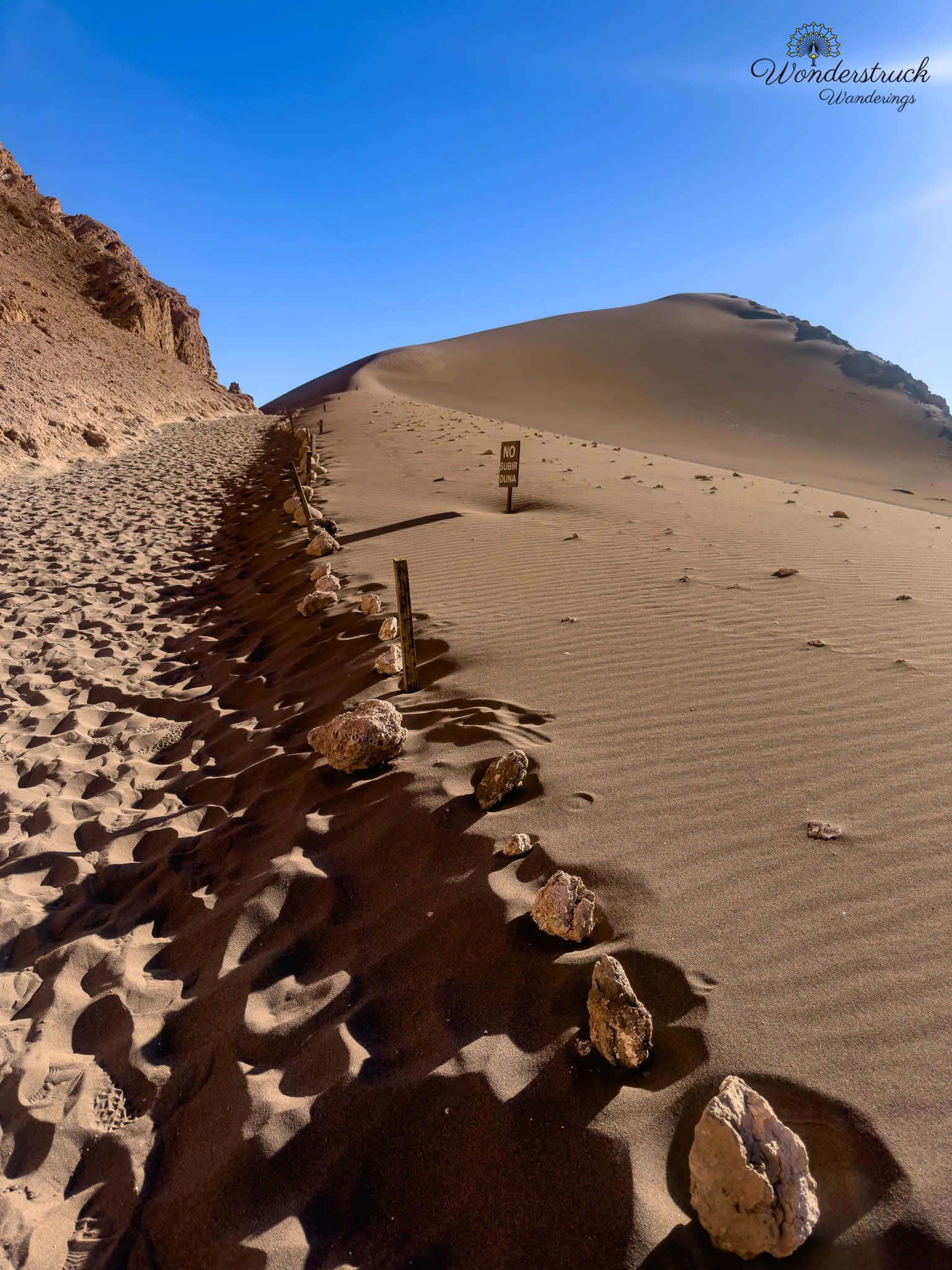
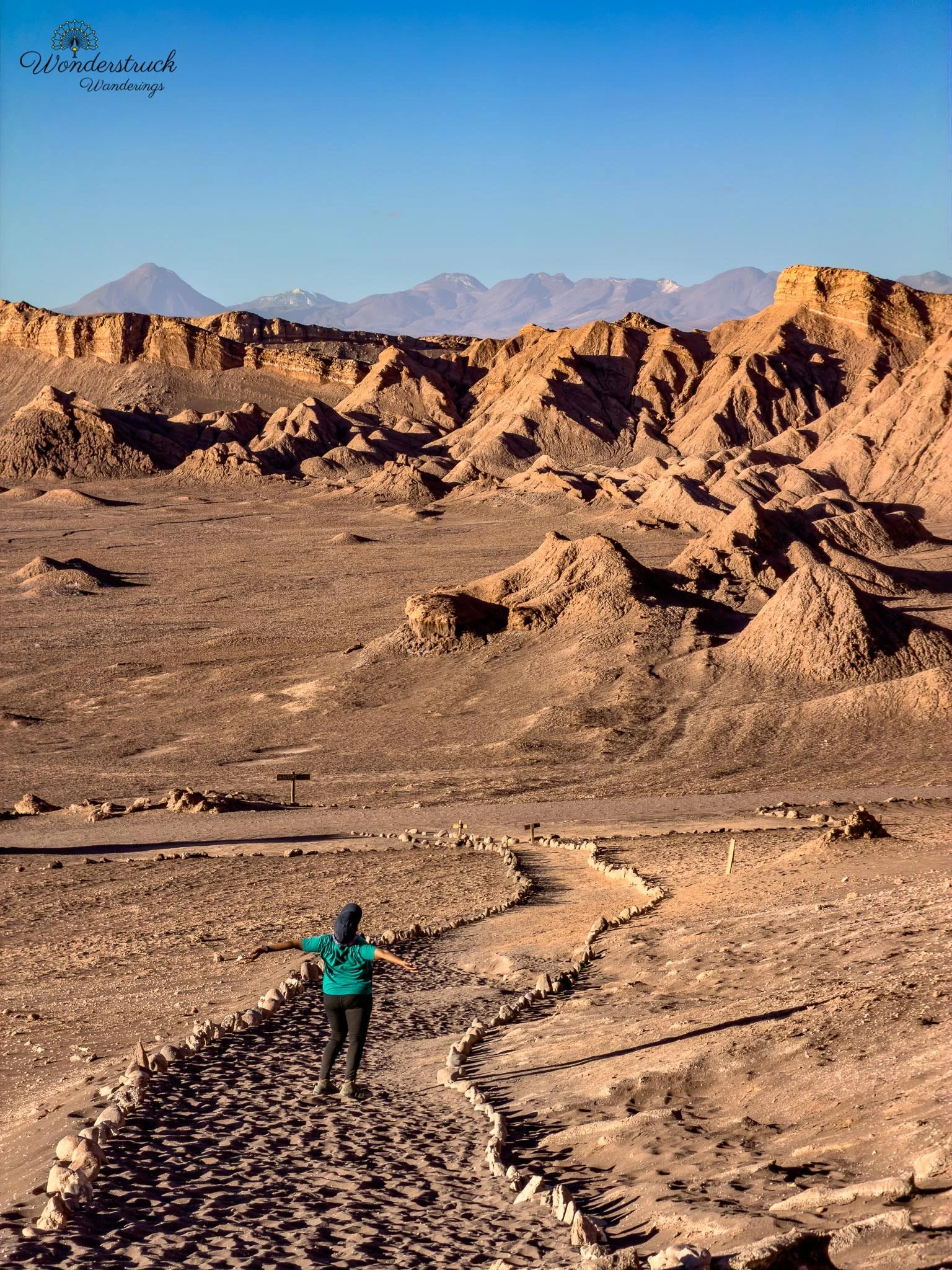
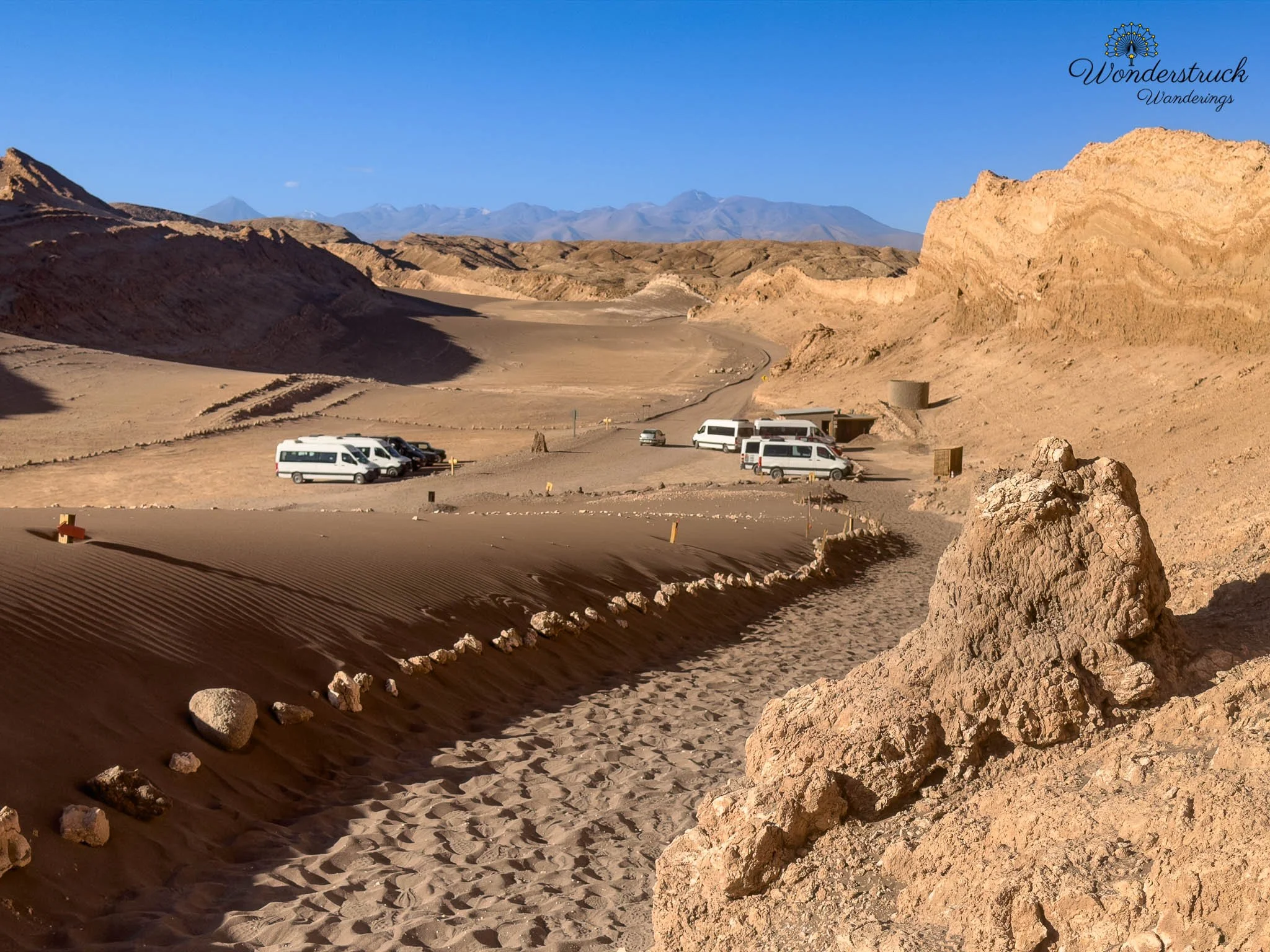
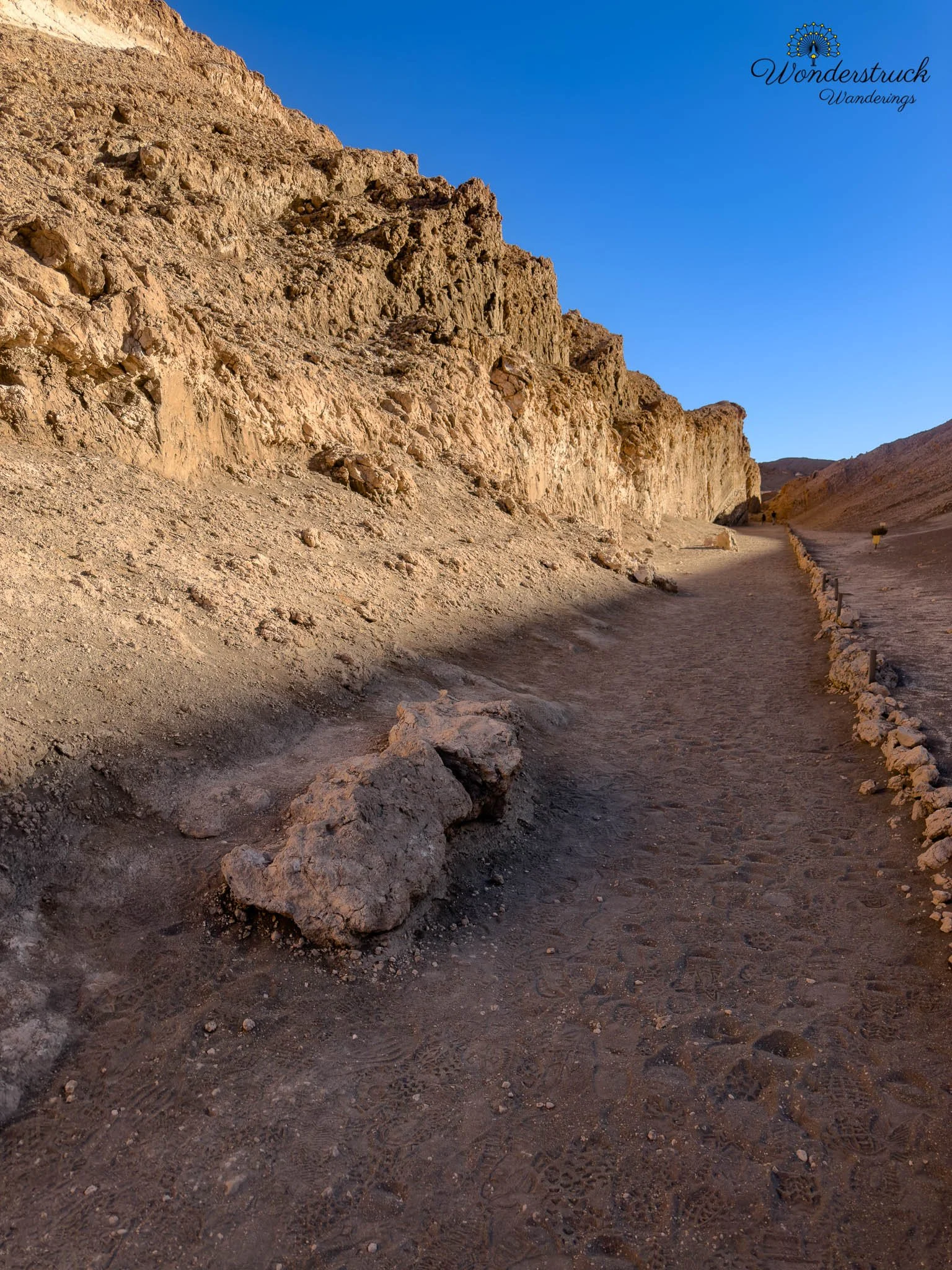
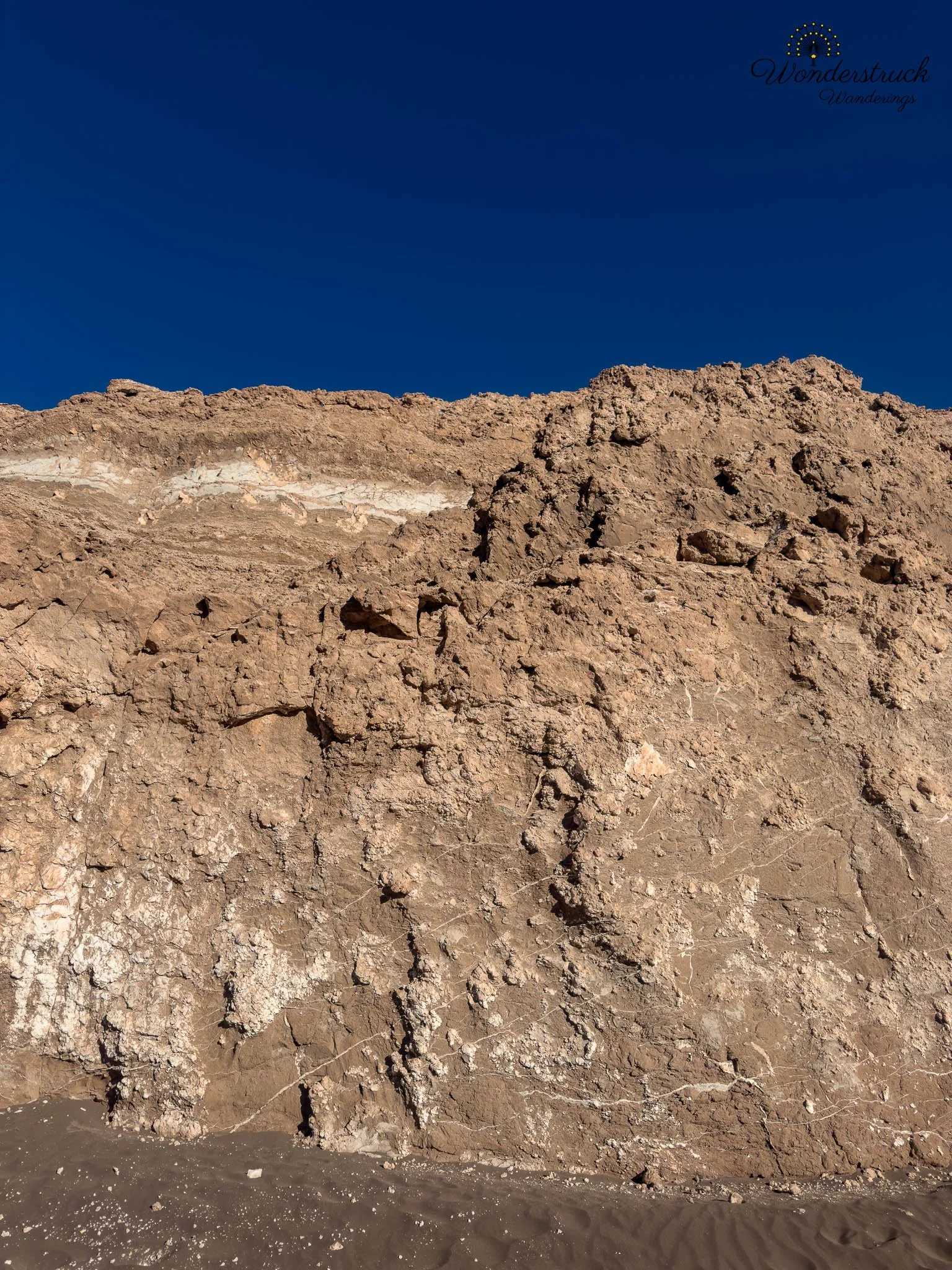
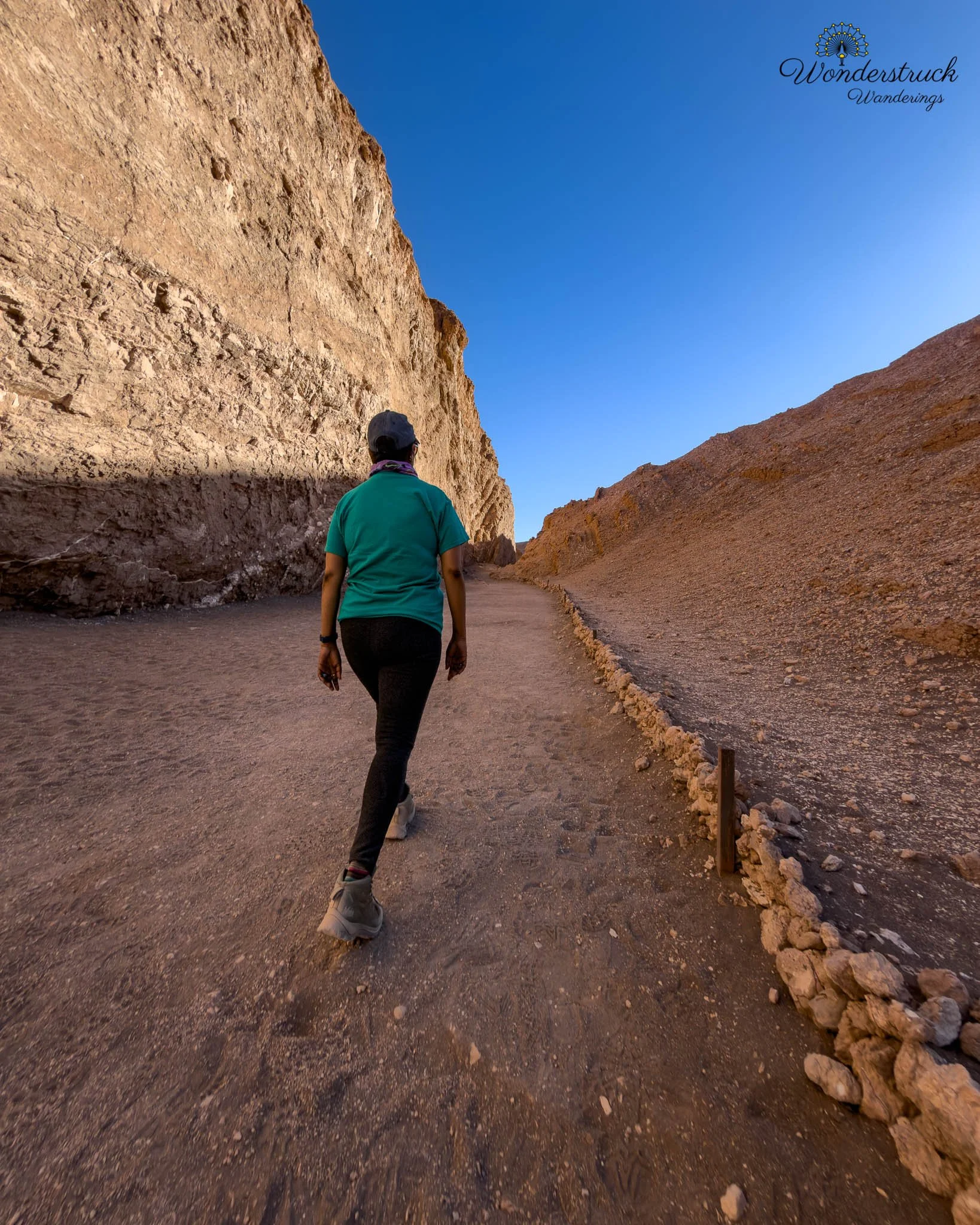
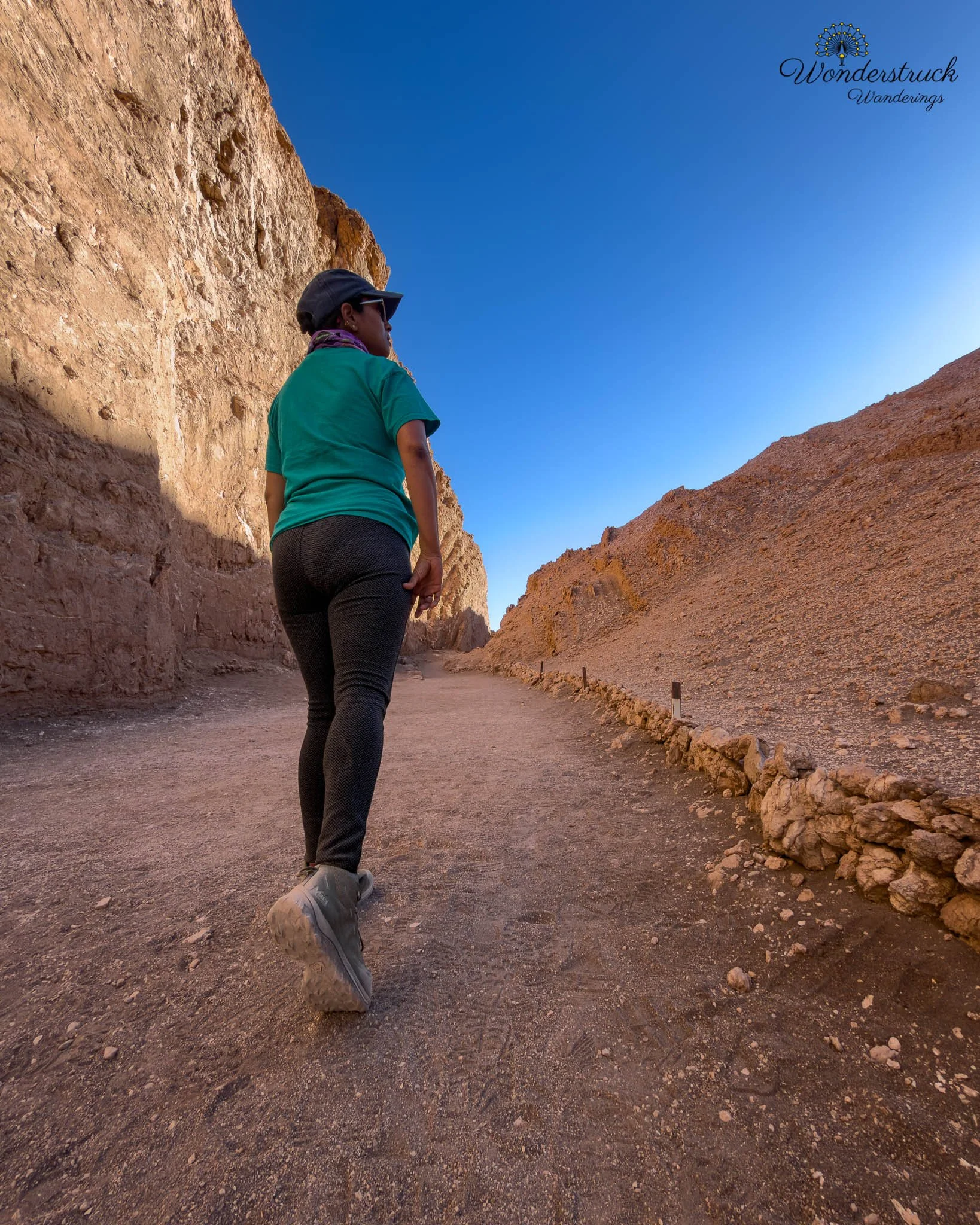
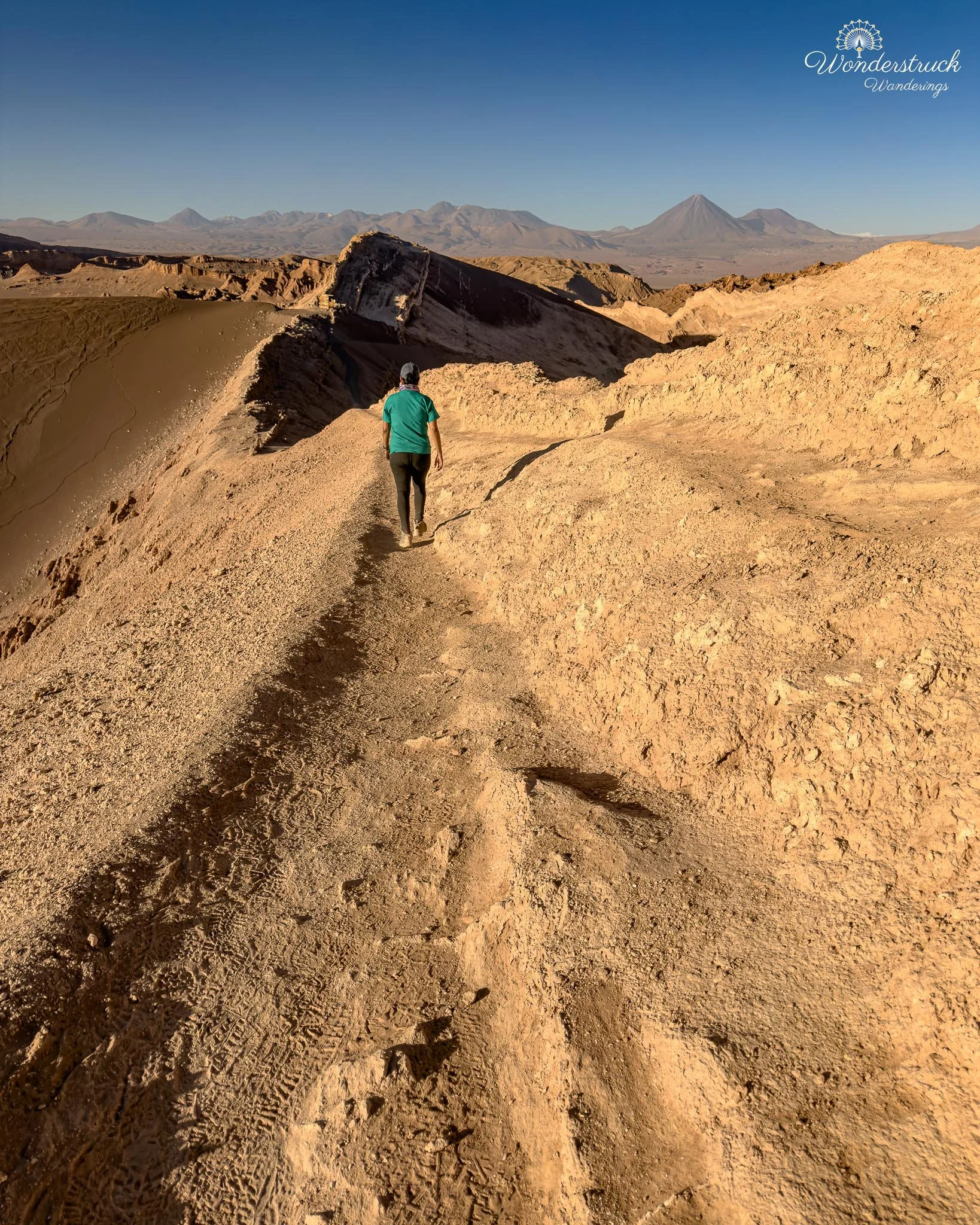
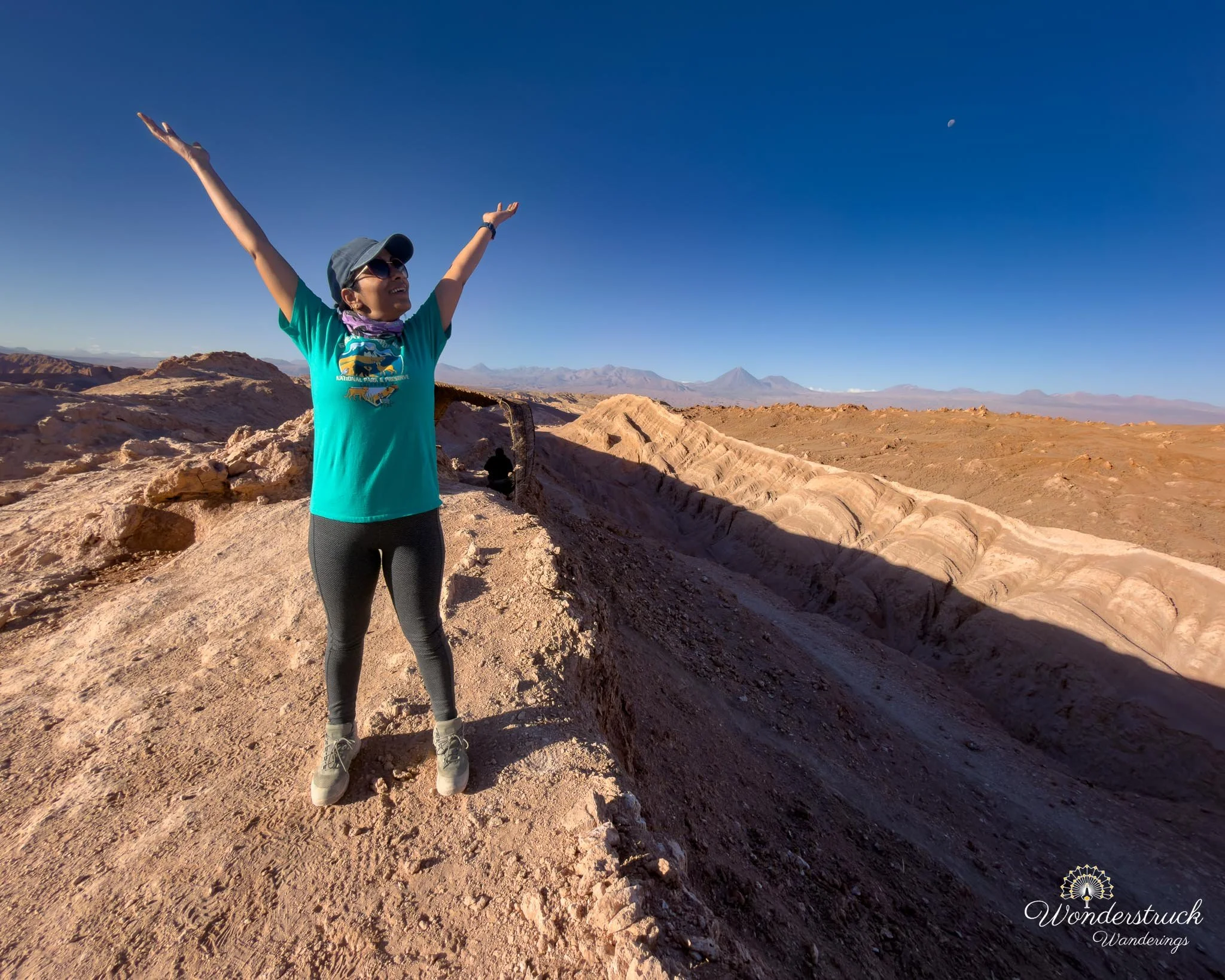
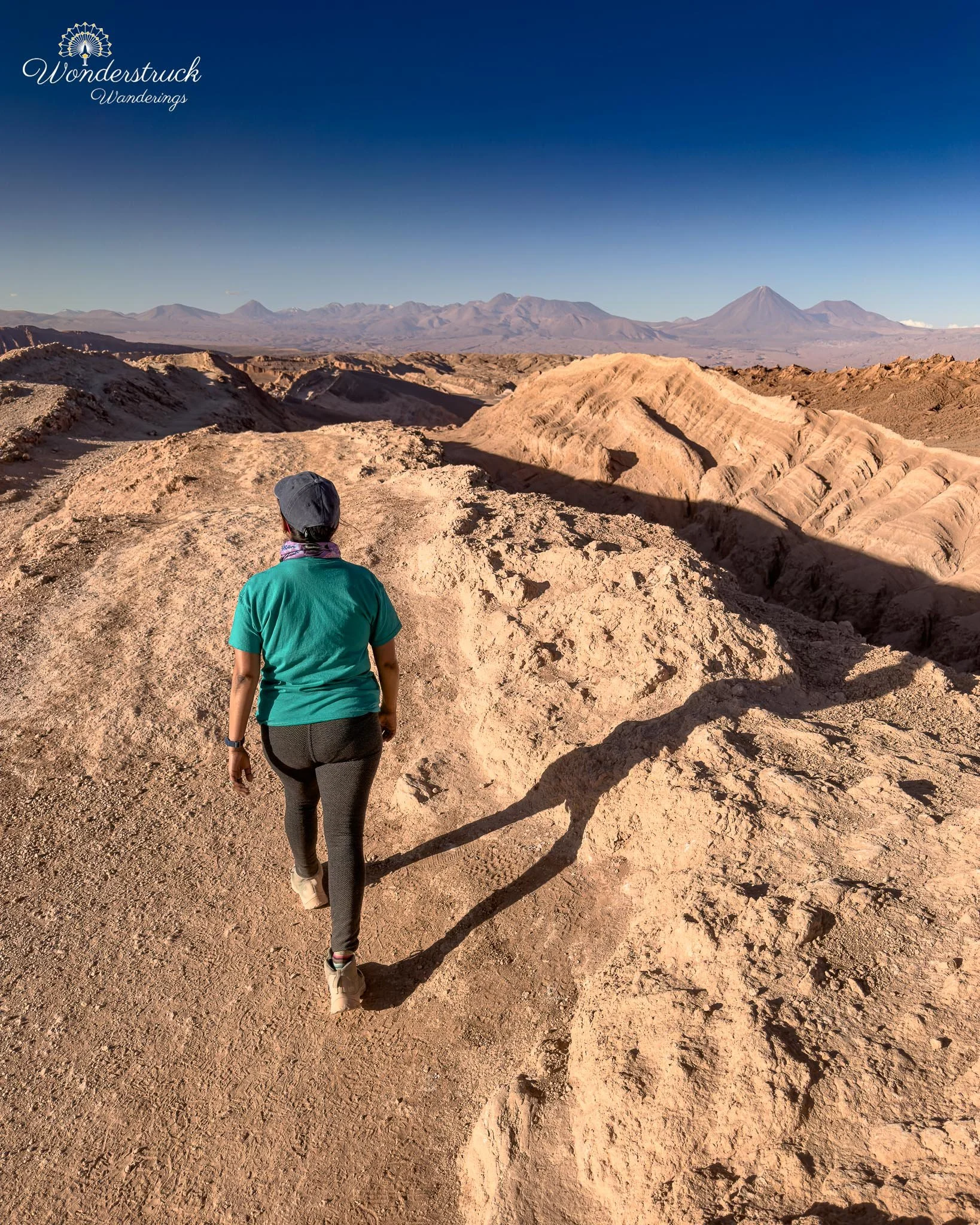
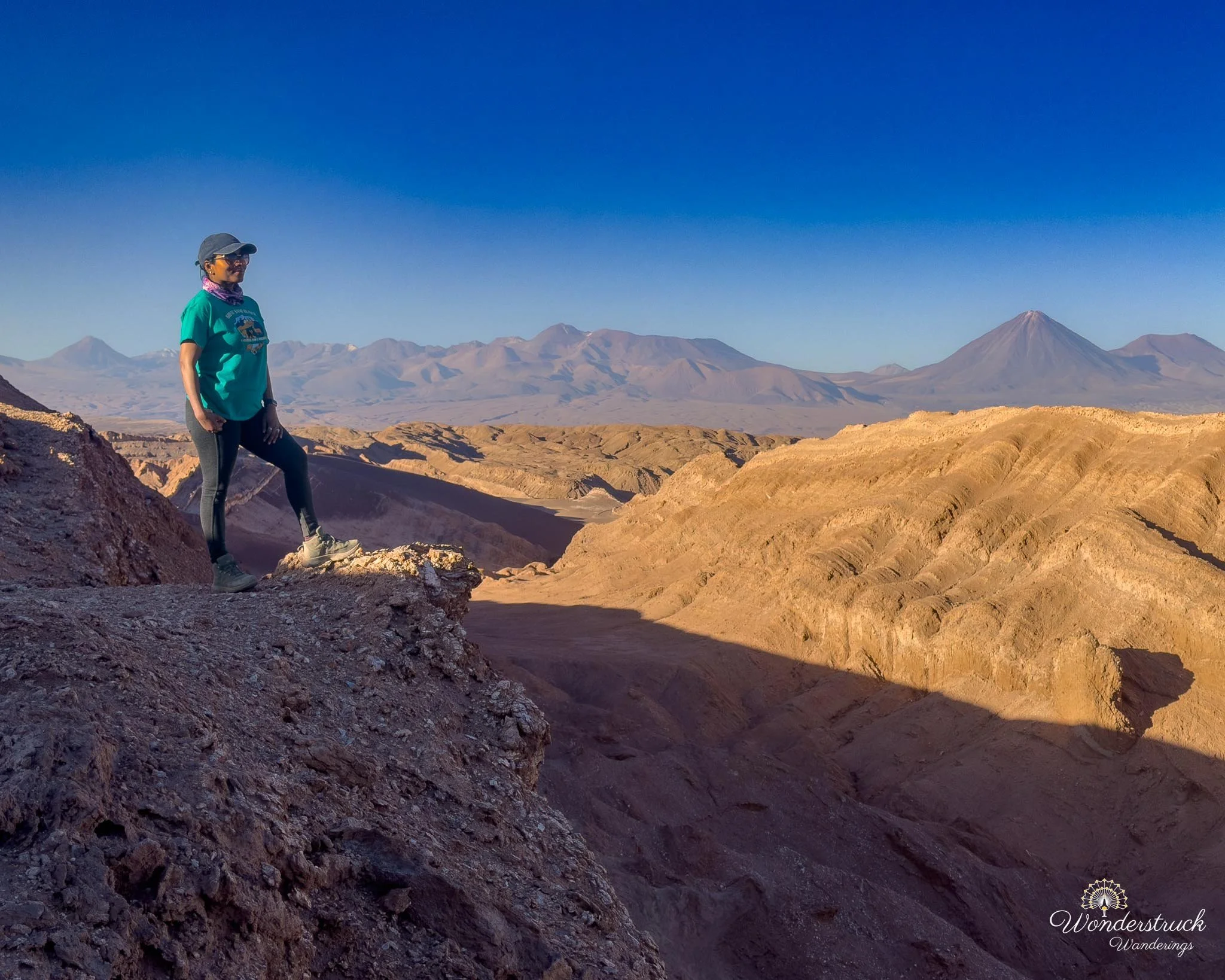
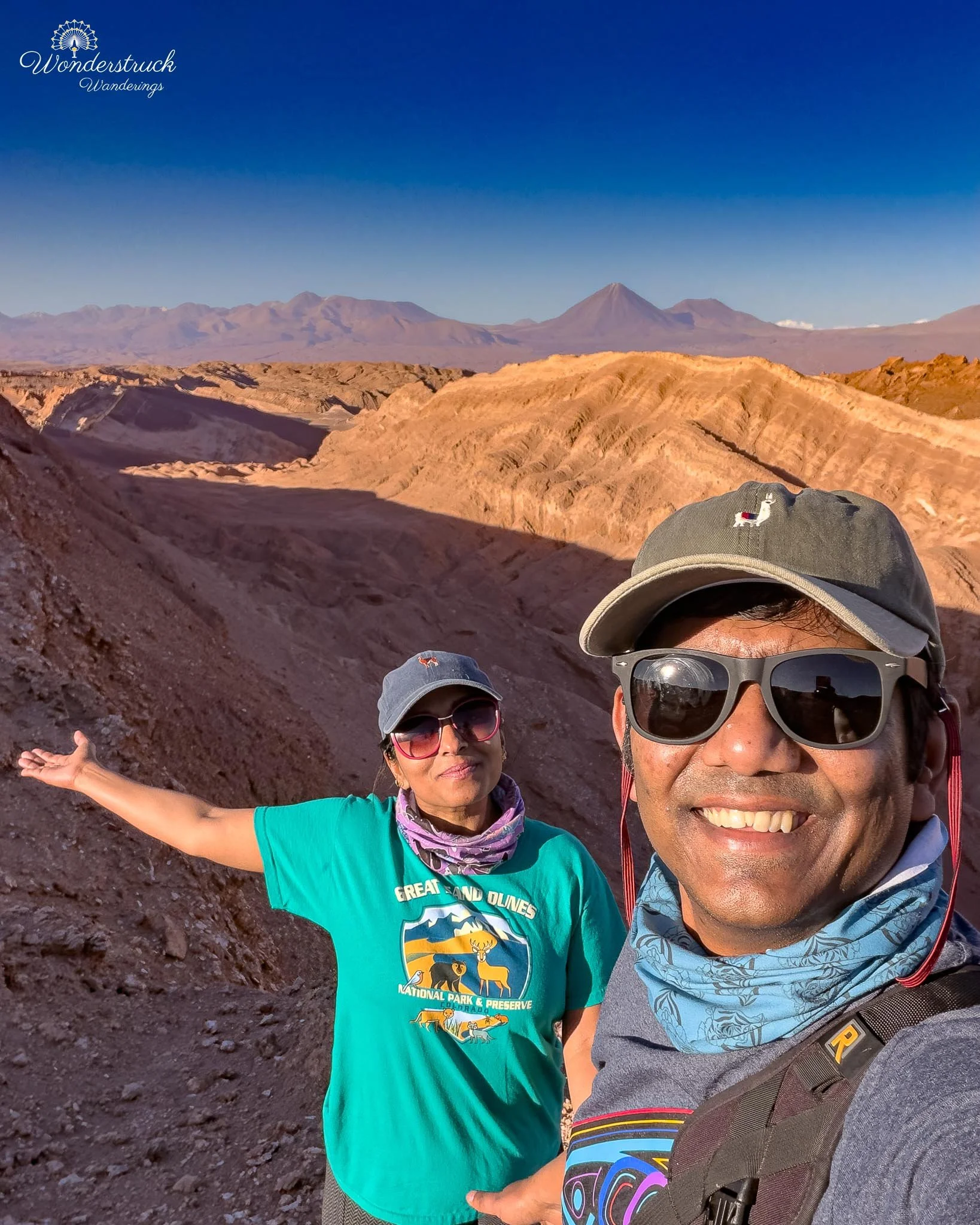
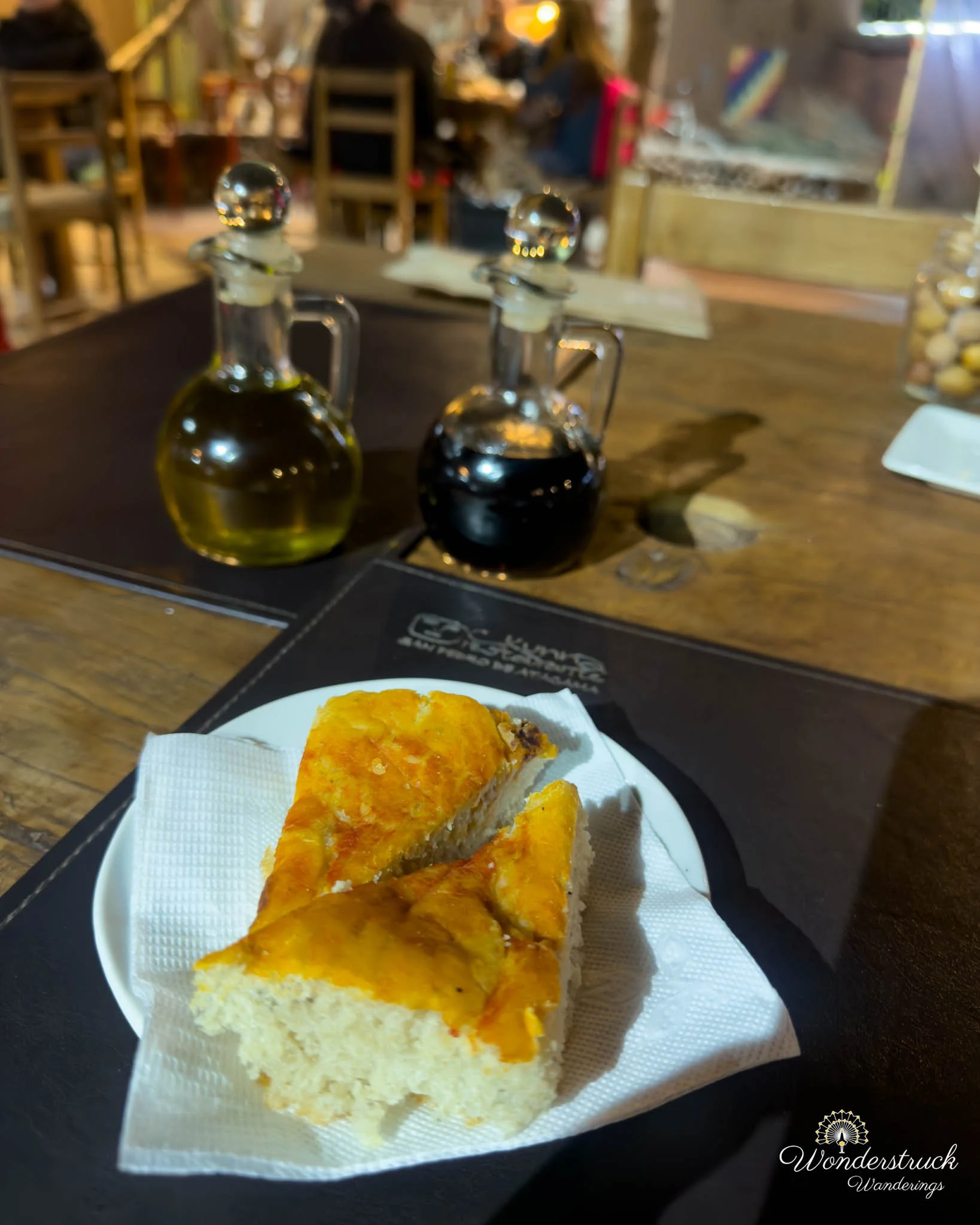
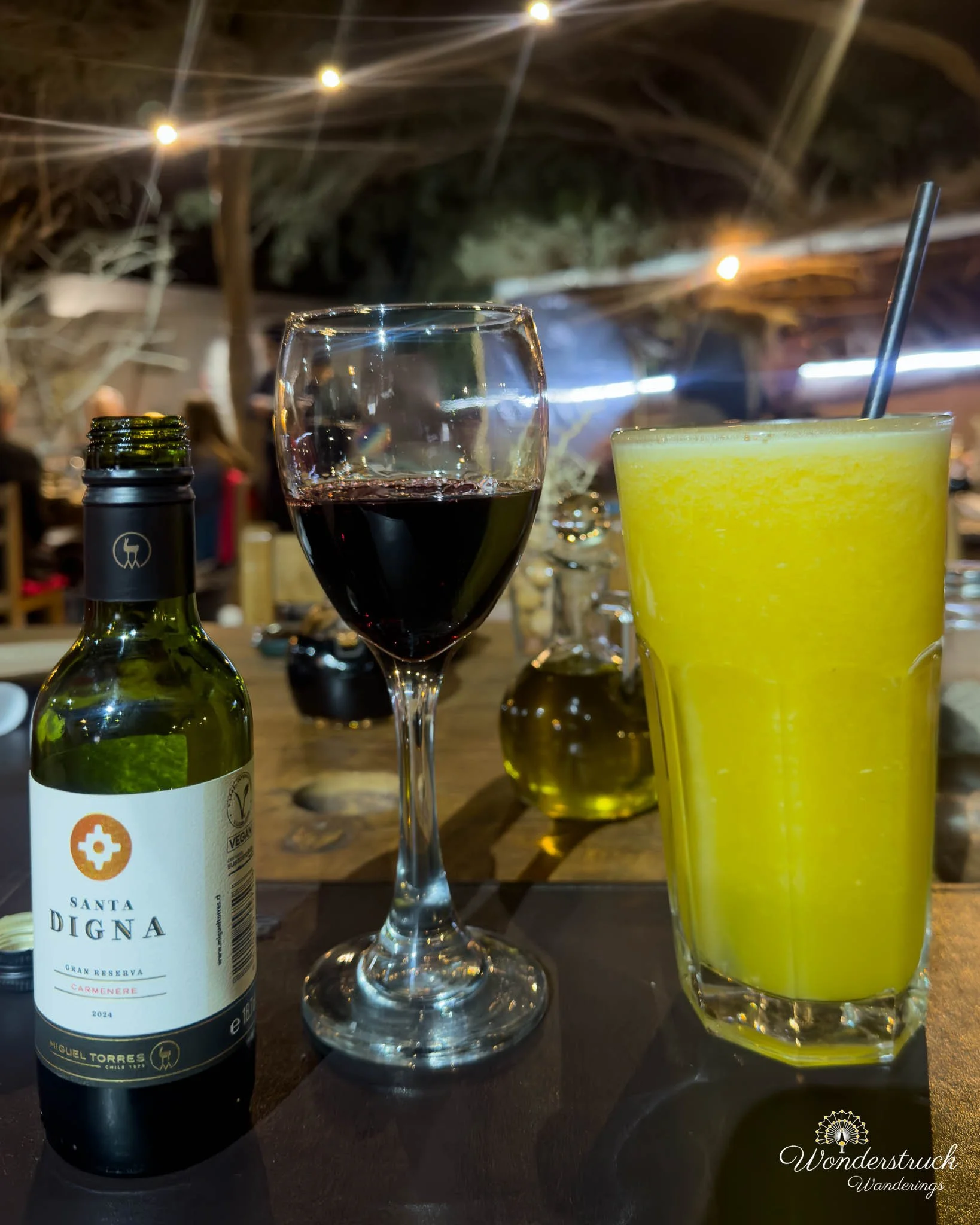
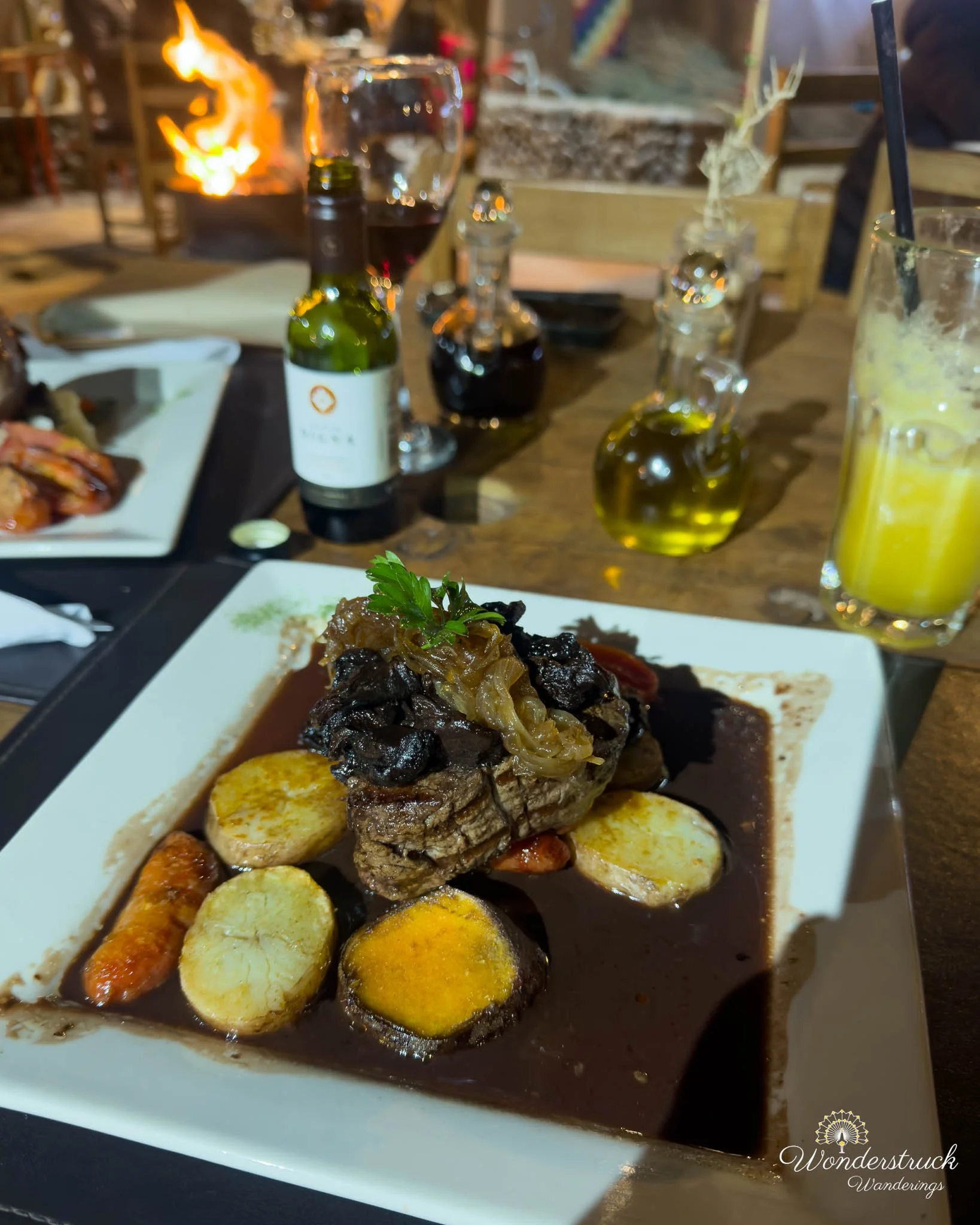
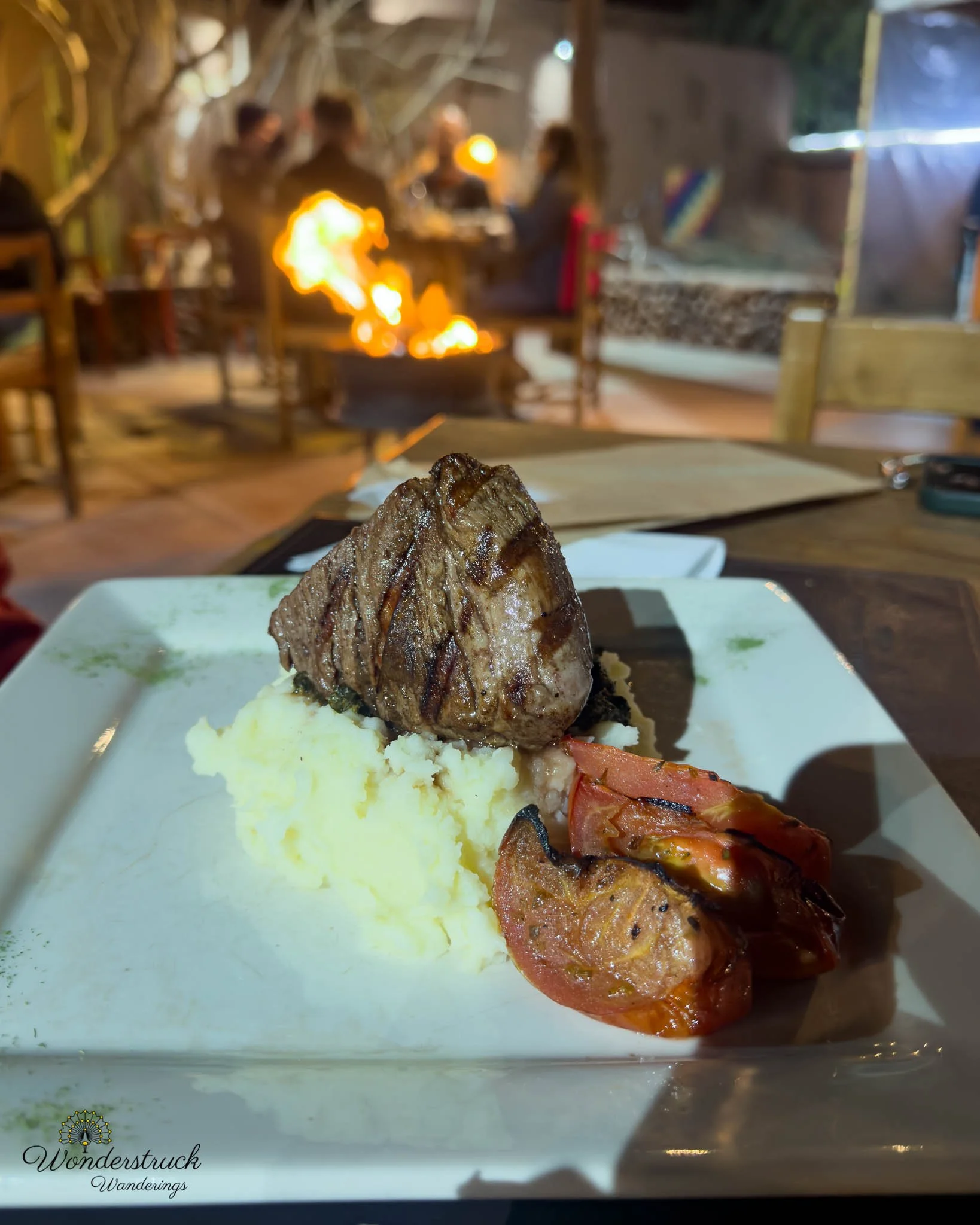
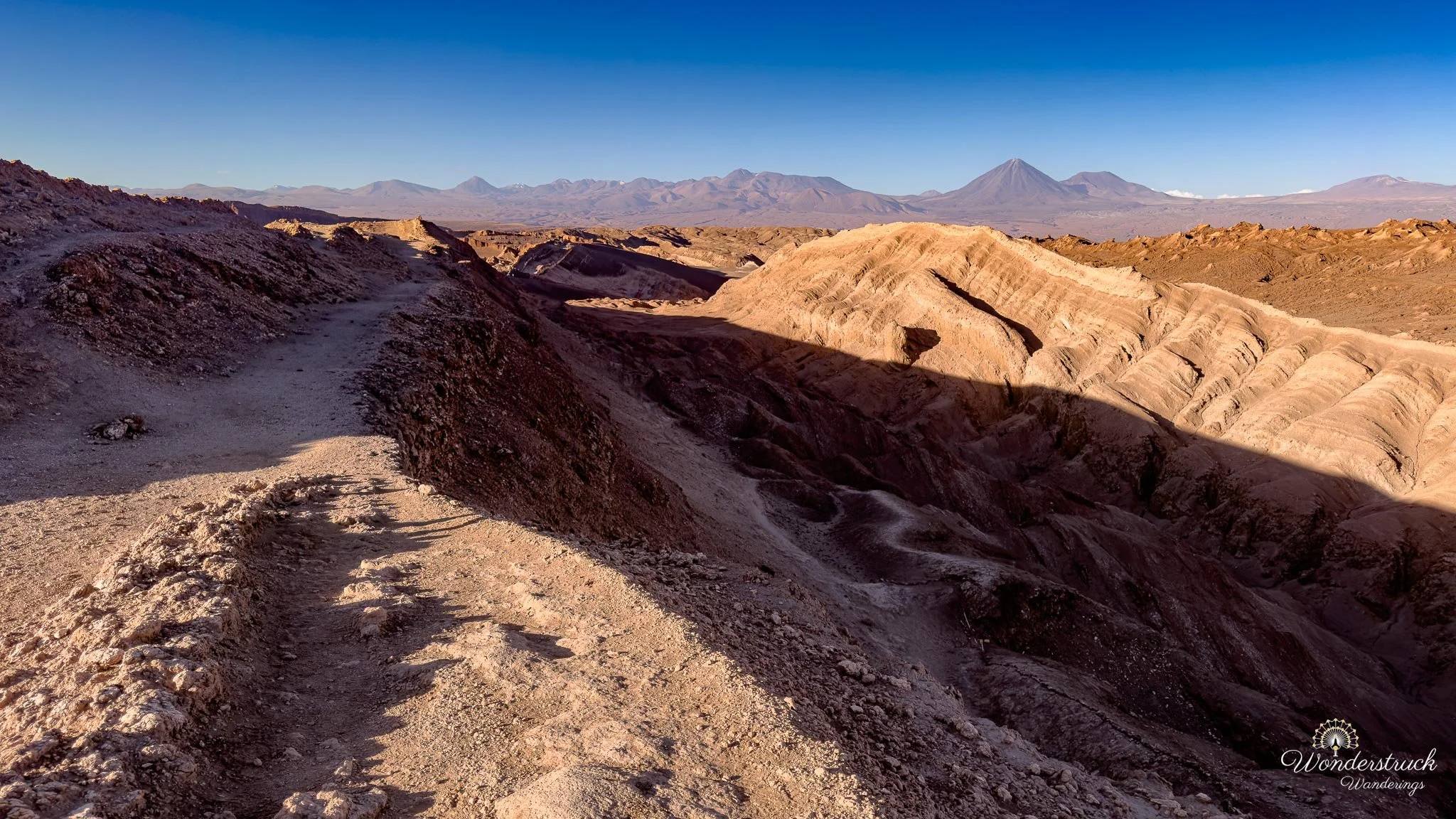
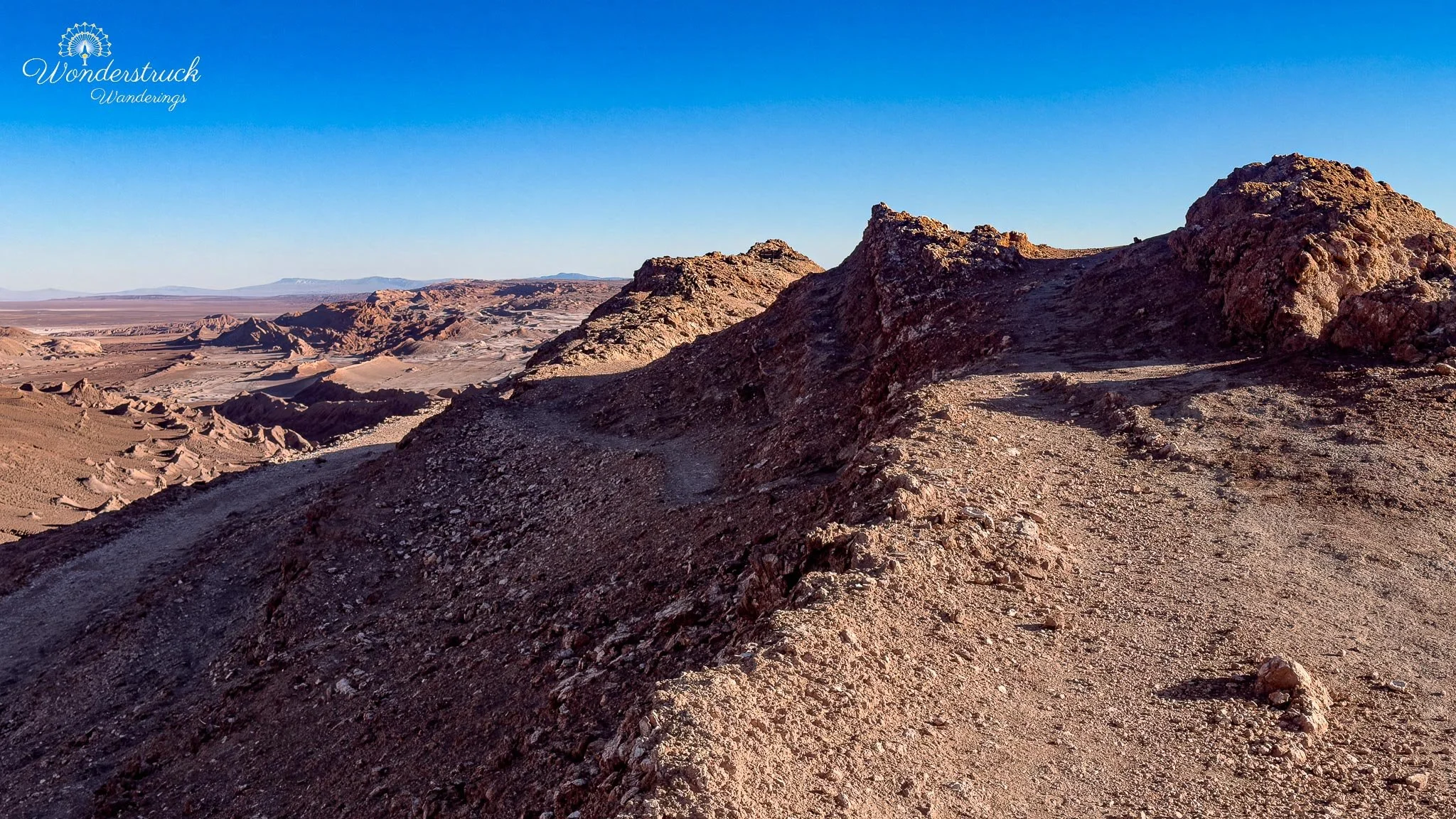
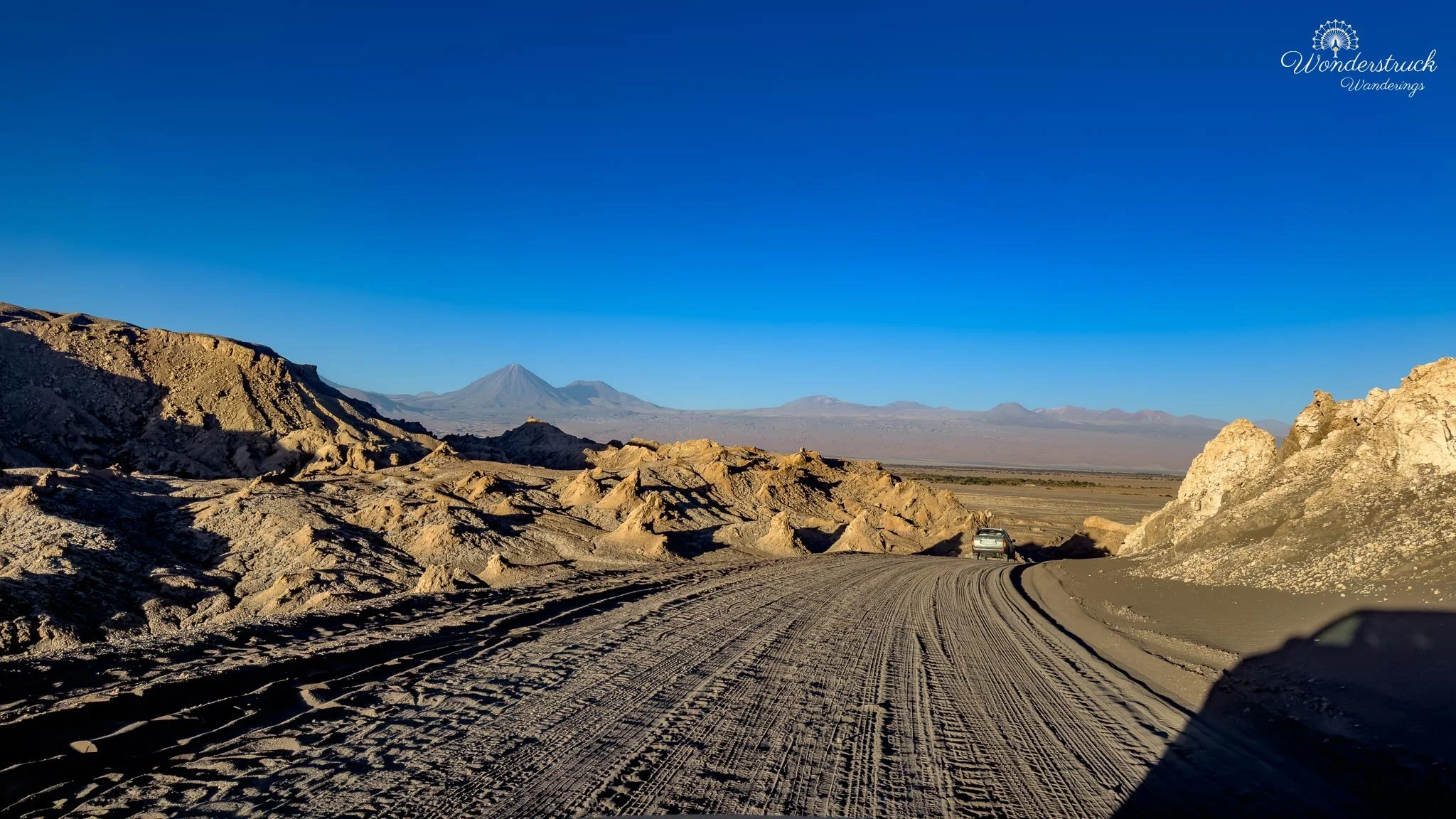
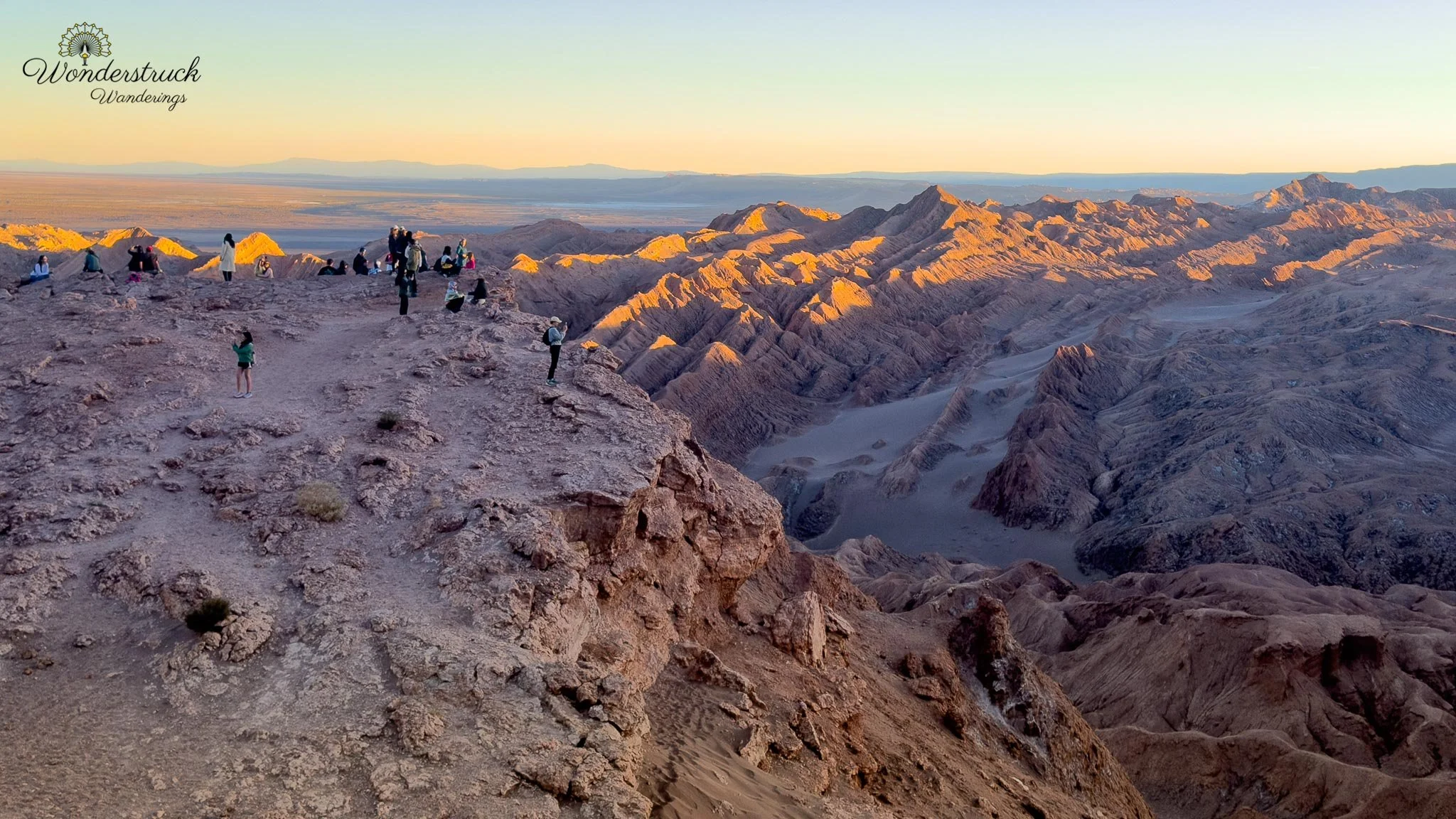
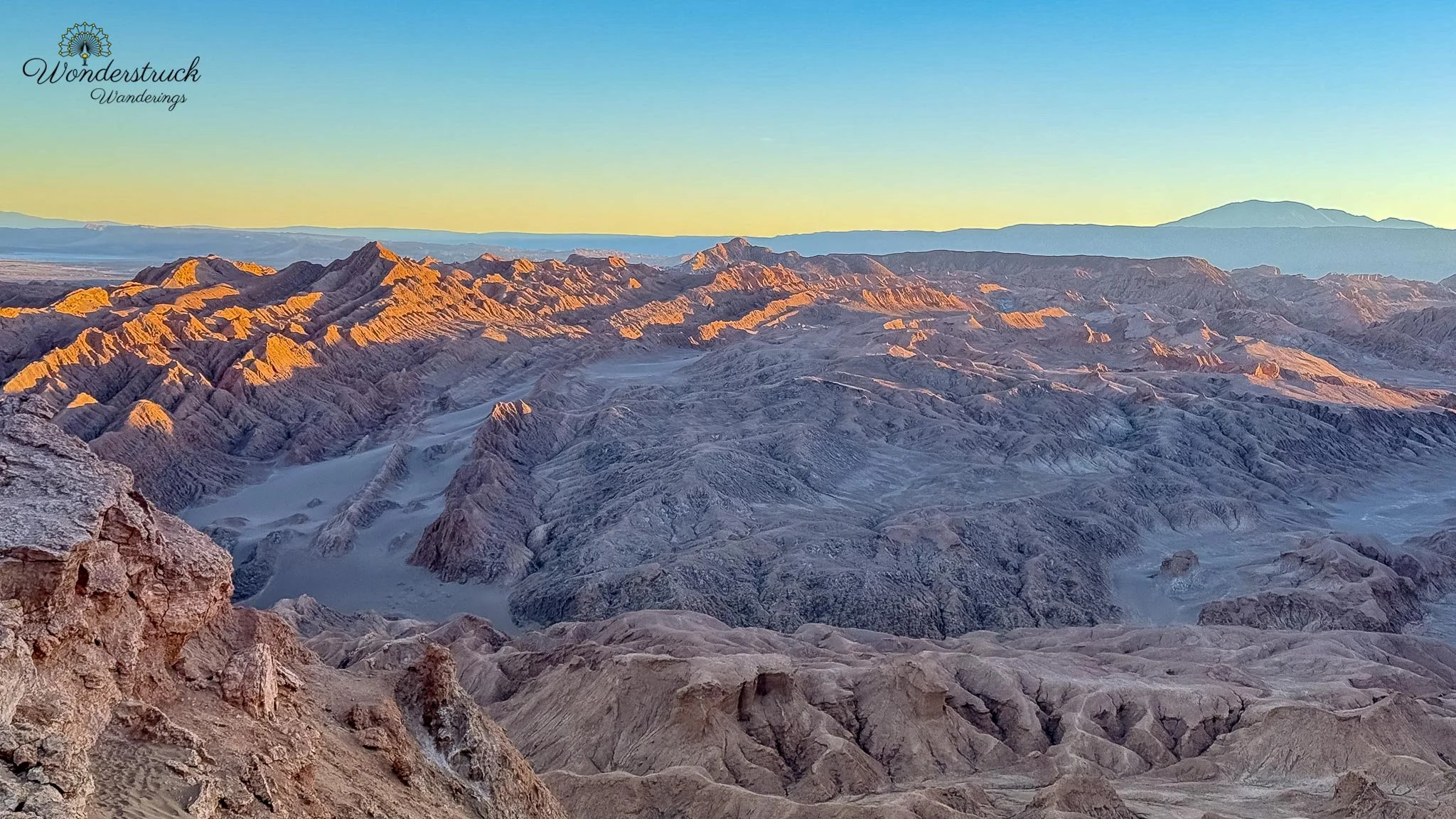
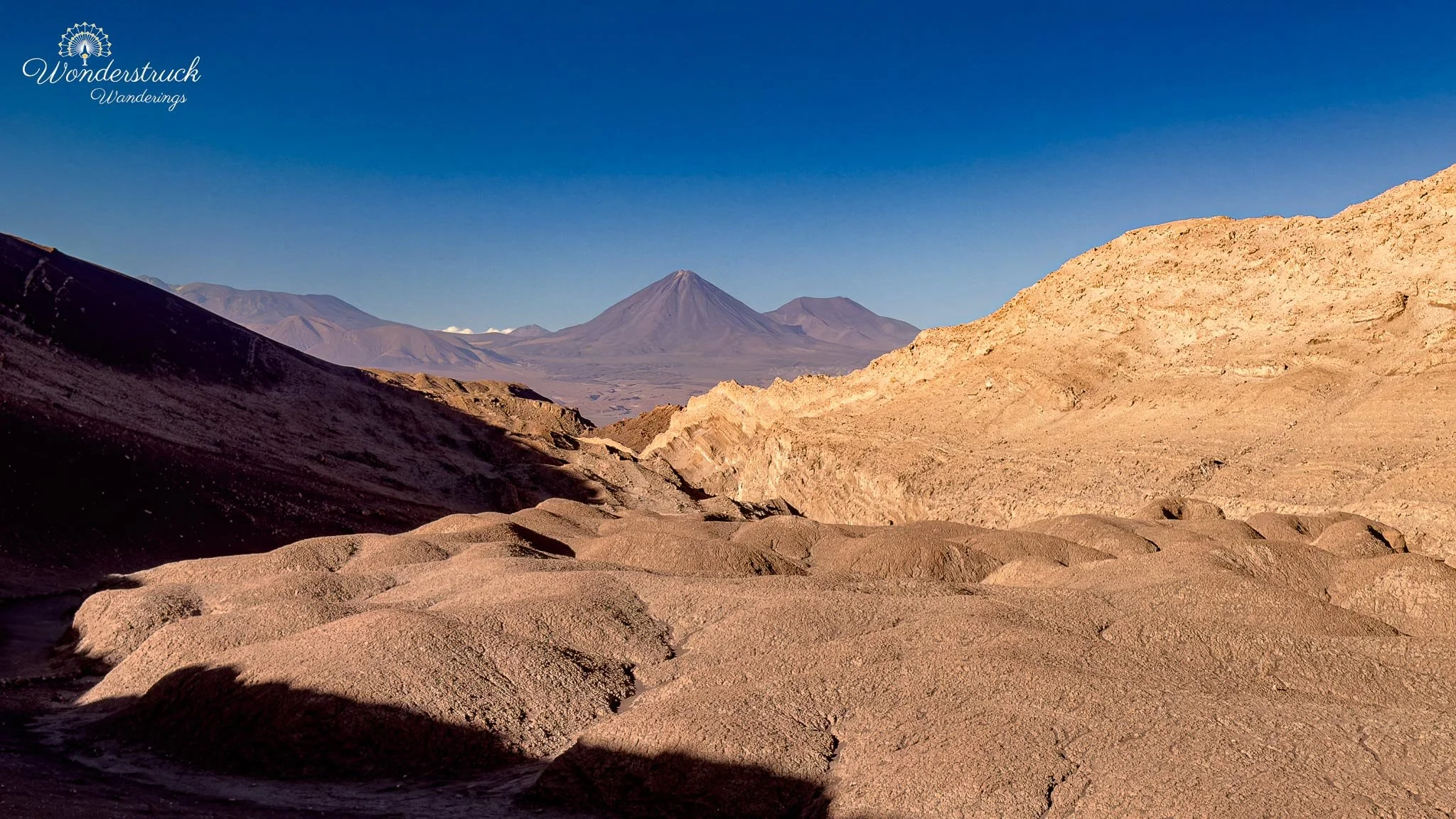
Our afternoon destination was Valle de la Luna, specifically the Duna Mayor trail we had missed during our first visit. At the entrance, staff informed us that parts of the Ckari sector were closed following a magnitude 6.9 earthquake near Calama, forcing us to change our sunset plans. The Duna Mayor walk began between a large sand dune and a towering rock wall before climbing through shaded sections toward the ridge. We continued past the junction for Viewpoint 2 to reach Viewpoint 1, overlooking the folded salt formations of the Cordillera de la Sal, the massive dune, and Licancabur Volcano. We then followed the ridge to Viewpoint 2 and descended to the road, completing the walk in approximately 90 minutes. It provided a much better understanding of Valle de la Luna's geology and scale than the roadside stops alone. We caught sunset from a roadside location near Linkanatay before returning to San Pedro for dinner at Ckunna on Caracoles. Shay ordered grilled lamb with a Santa Digma Carmenère, while I chose beef with chañar and mushroom sauce, accompanied by mango, orange, and ginger juice. The native chañar fruit gave the sauce a distinctive earthy character. Back at Our Habitas, we confirmed the correct entrance and opening time for Laguna Chaxa, avoiding a misleading Google Maps route through mining roads. With breakfast pastries refrigerated and another early alarm set, we called it a night. Read more on Daily Diaries.
Day 5- Laguna Chaxa, Jere Canyon, Altiplanic Lagoons and Piedras Rojas
-
Our Habitas Atacama – Our fourth night at this boutique desert retreat, where the peaceful courtyards, comfortable rooms, and inviting common spaces offered a welcome contrast to the rugged landscapes of the Atacama. Its proximity to San Pedro's restaurants and shops made it an ideal base for our daily excursions.
-
Breakfast – La Franchutería Takeaway: Popular French artisan bakery in San Pedro, known for sourdough baguettes, buttery croissants, and freshly baked pastries. Ideal for packing breakfast before early-morning excursions to Laguna Chaxa and the Altiplanic Lagoons.
Lunch/Snack – Local Tienda, Socaire: Small village shops in this traditional Andean settlement offer simple refreshments and homemade snacks. A good place to try freshly fried empanadas de queso, filled with melted cheese, before heading toward the high-altitude lagoons.
Dinner – Tierra Todo Natural, San Pedro: Casual restaurant on Caracoles Street with a relaxed courtyard and an emphasis on fresh ingredients. Known for sandwiches, wraps, salads, vegetarian-friendly options, natural juices, and regional cocktails. A good choice for a lighter, informal meal after a long day of sightseeing.
-
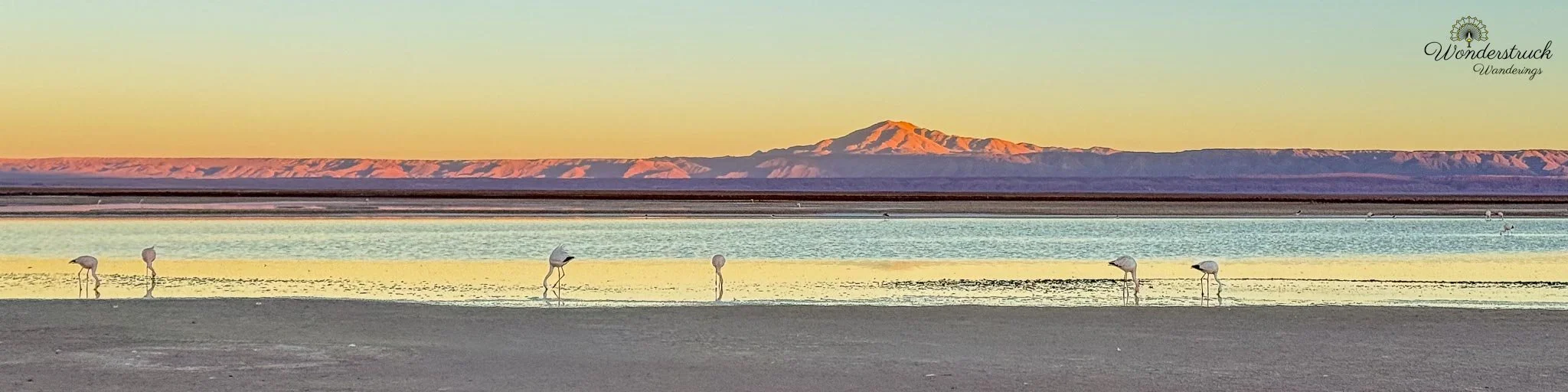
Laguna Chaxa at Salar de Atacama: Chile's largest salt flat, featuring extensive salt formations, saline lagoons, and Andean birdlife.Excellent sunrise flamingo photography, with Chilean, Andean, and James's Flamingos, Andean Avocets, and other wetland birds.
Toconao and Quebrada de Jere: Oasis area known for volcanic rock formations, freshwater streams, orchards, and desert vegetation. Upper viewpoints and lower streamside trails through a lush oasis, excellent for birding and photography.
Socaire: Traditional highland village at approximately 3,200 meters, with a stone church, terraced agriculture, and mandatory visitor check-in for the Altiplanic Lagoons and Piedras Rojas.
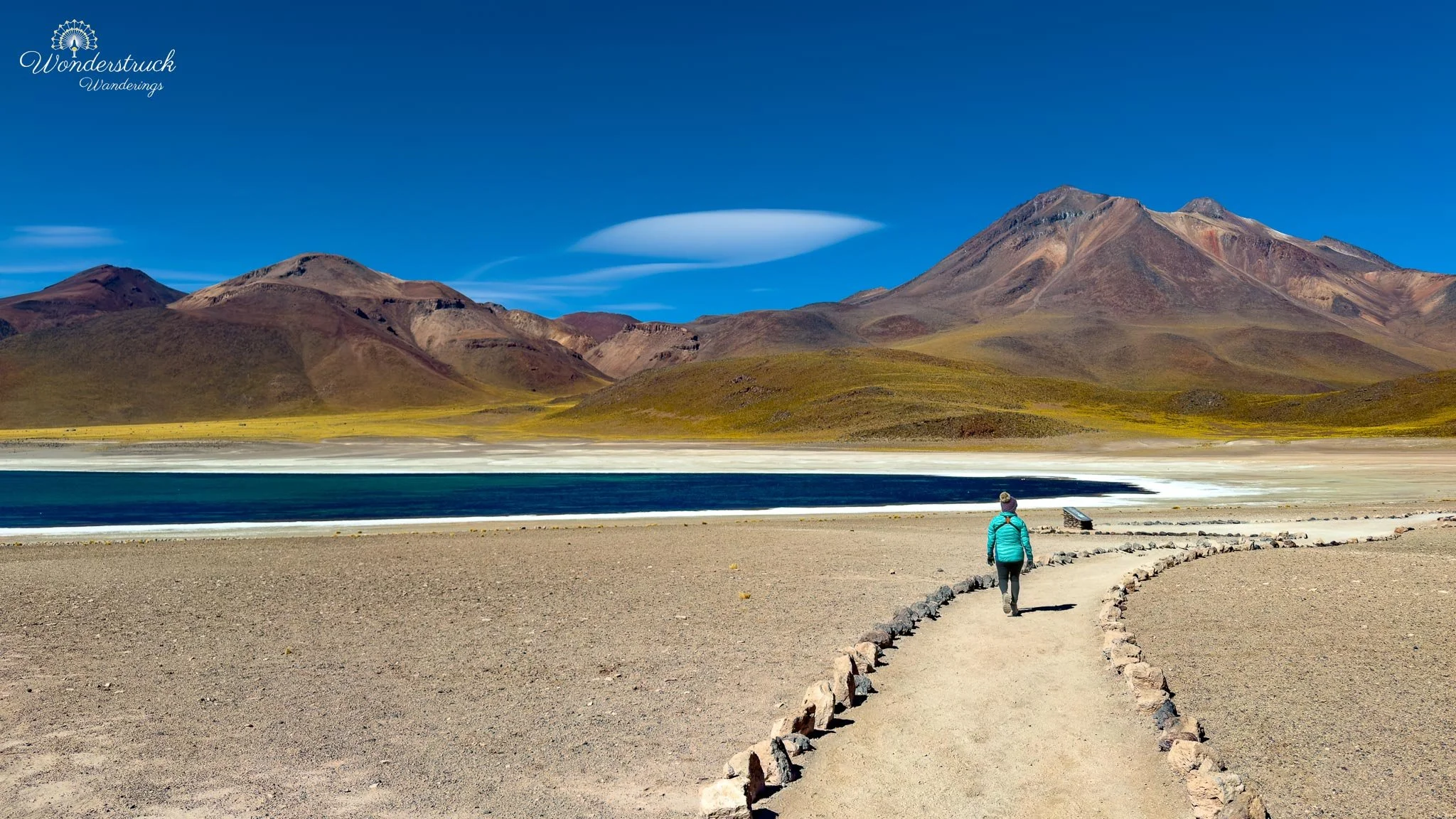
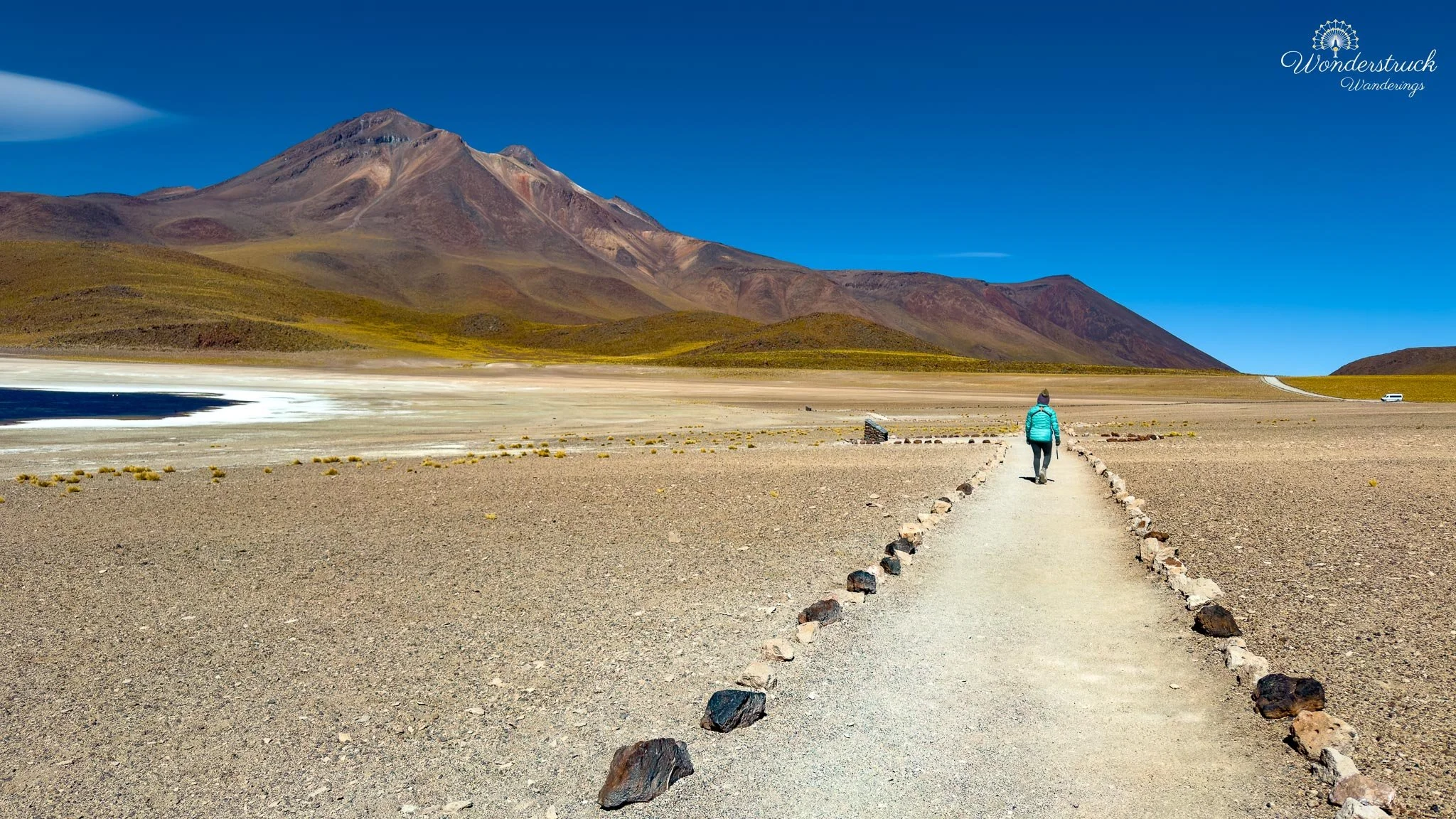
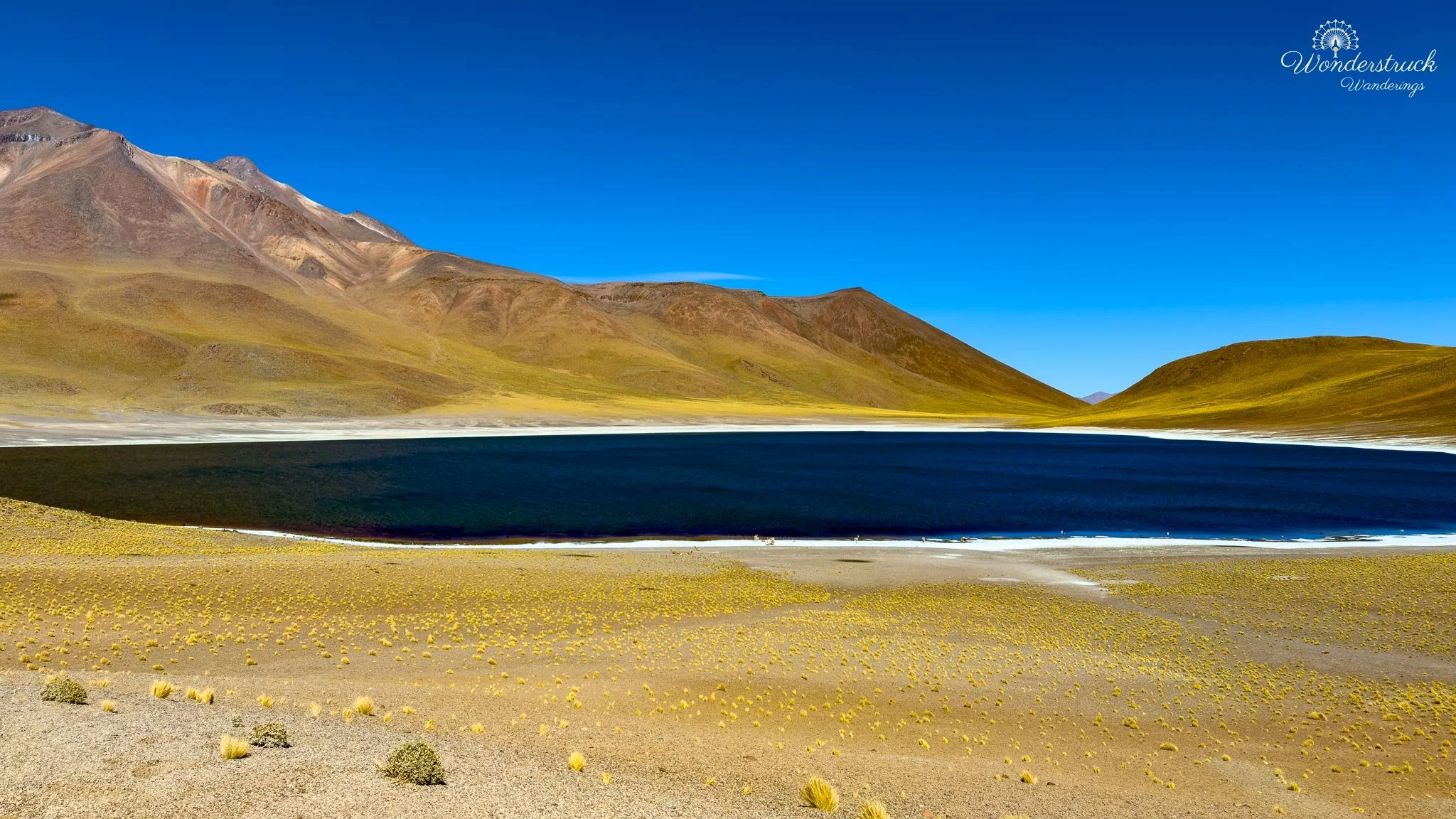
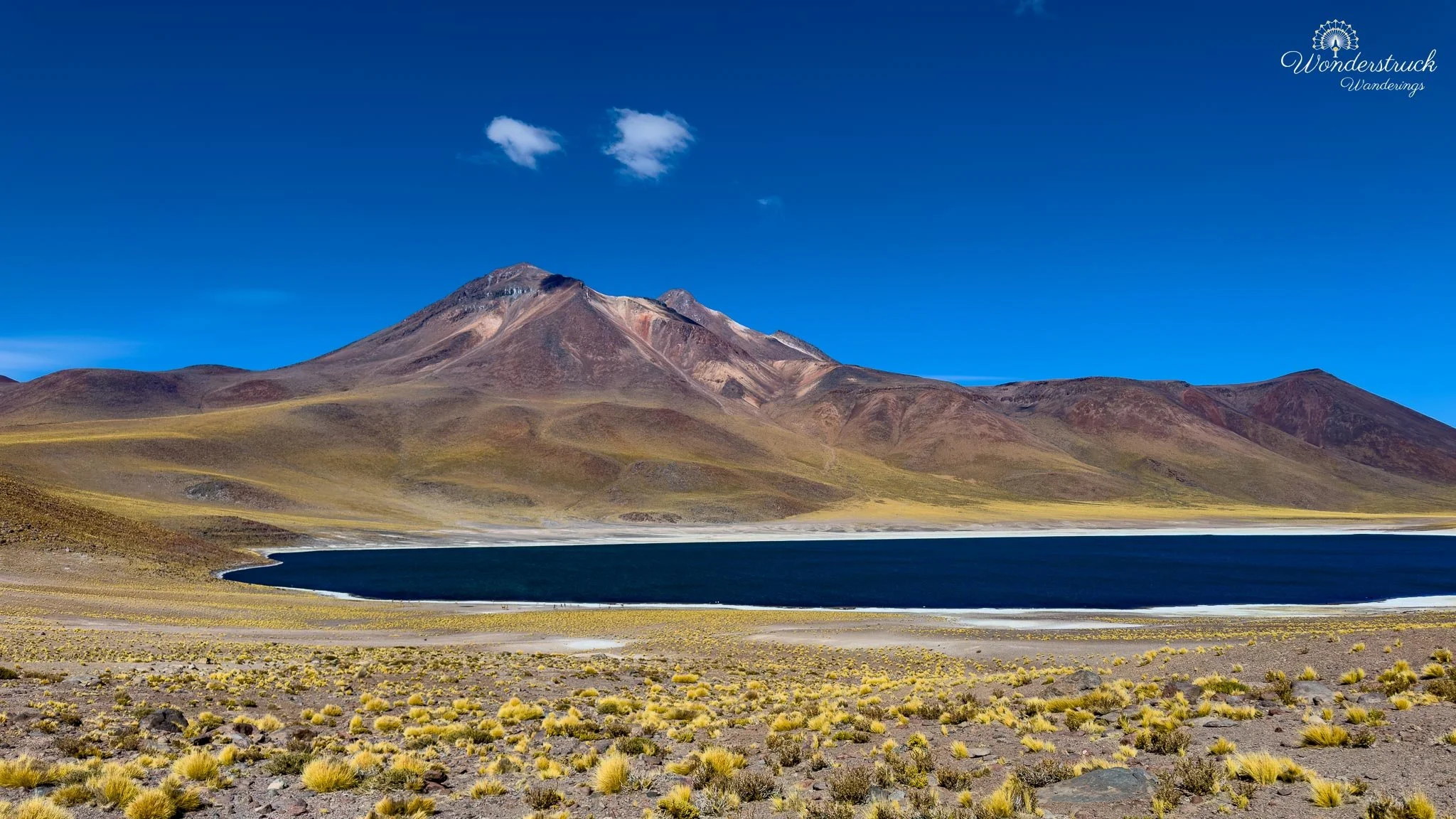
Lagunas Altiplánicas – Miscanti and Miñiques: Two spectacular high-altitude lakes at approximately 4,100 meters, surrounded by volcanic mountains.
Laguna Miscanti: Deep blue lake with Silvery Grebes, Horned Coots, and three designated viewpoints offering different perspectives of the lake and surrounding volcanoes.
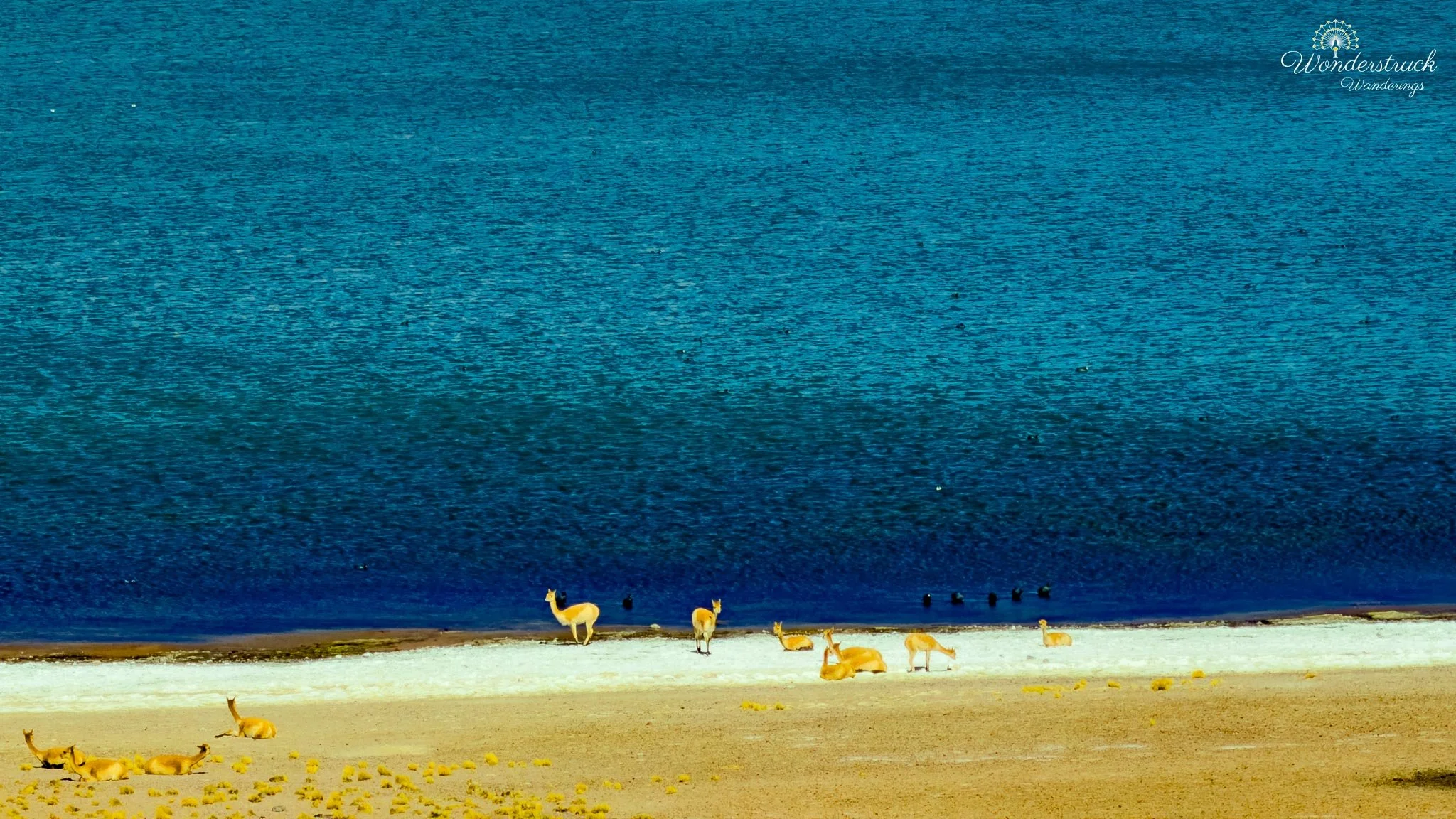
Laguna Miñiques: Smaller neighboring lagoon with vicuñas and a designated viewpoint overlooking the water, volcanic slopes, and surrounding Altiplano.
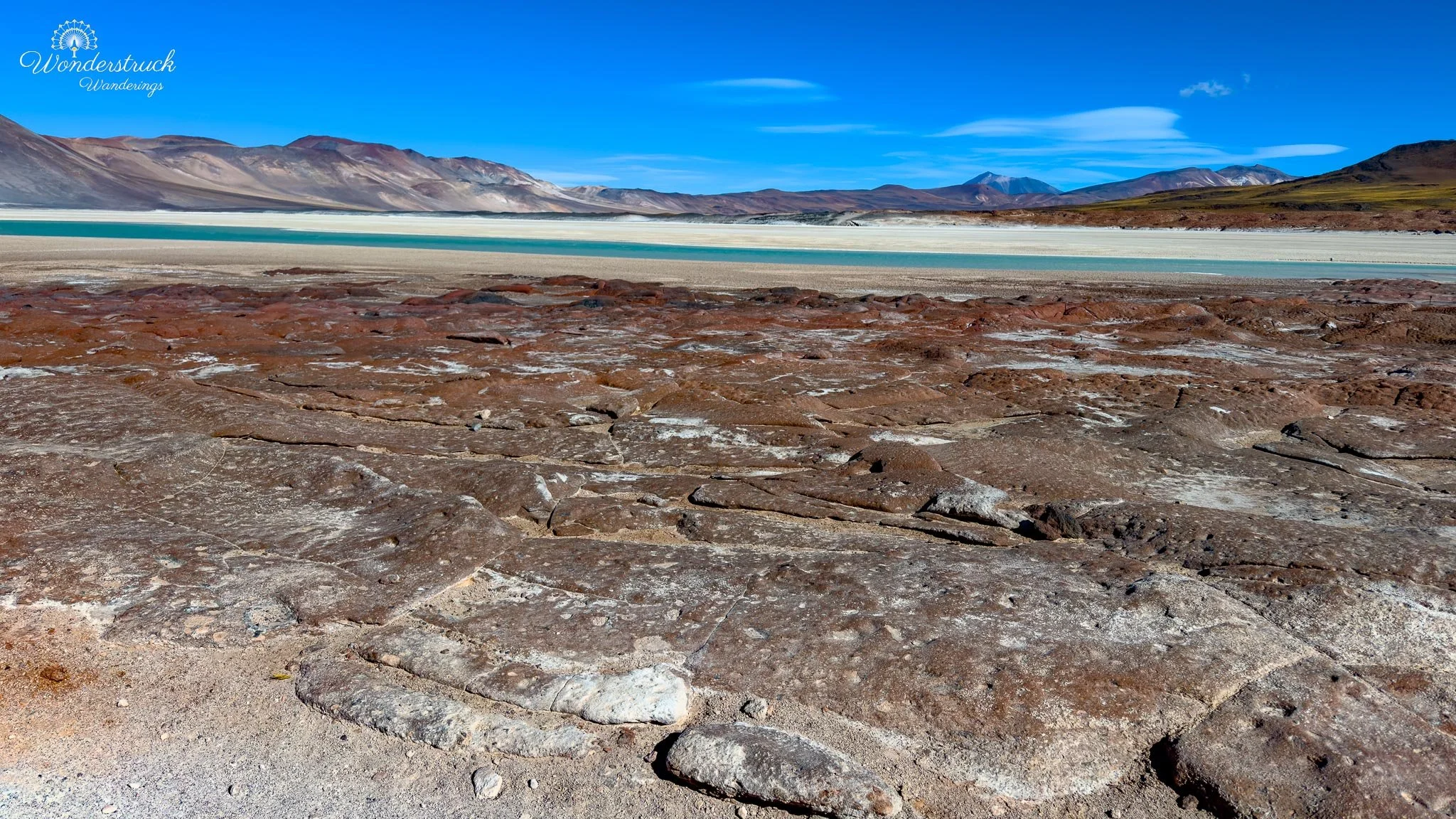
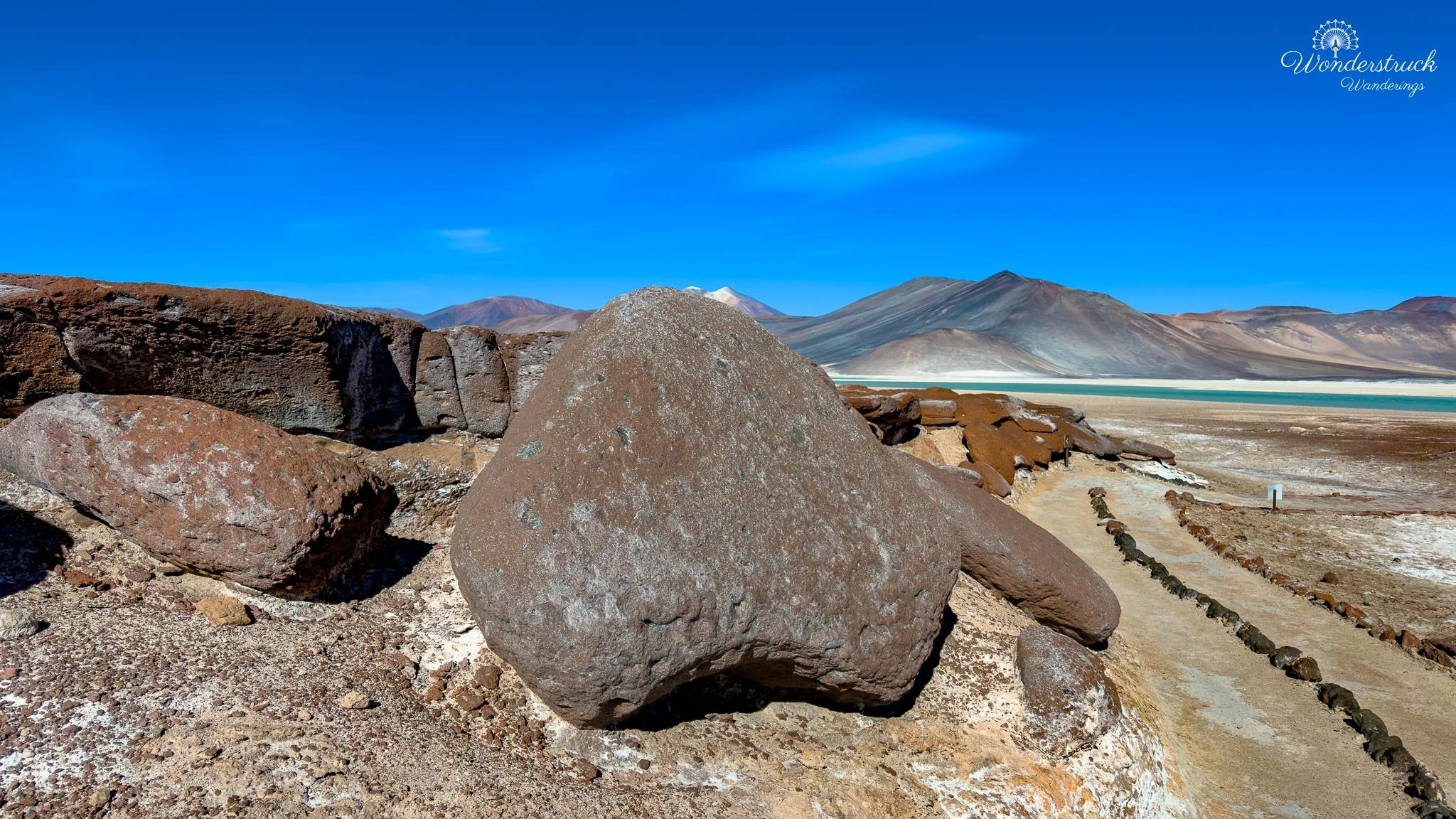
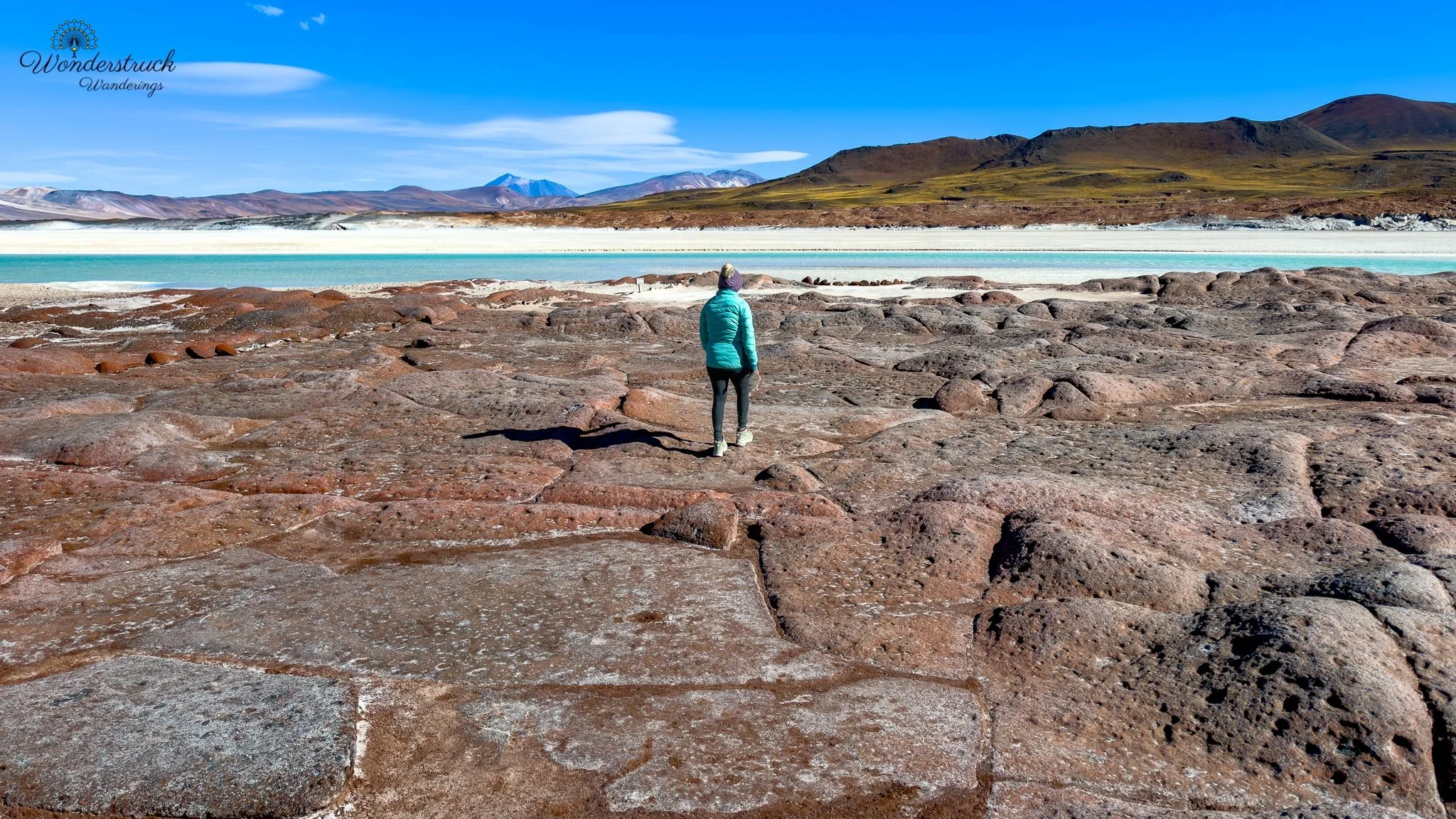
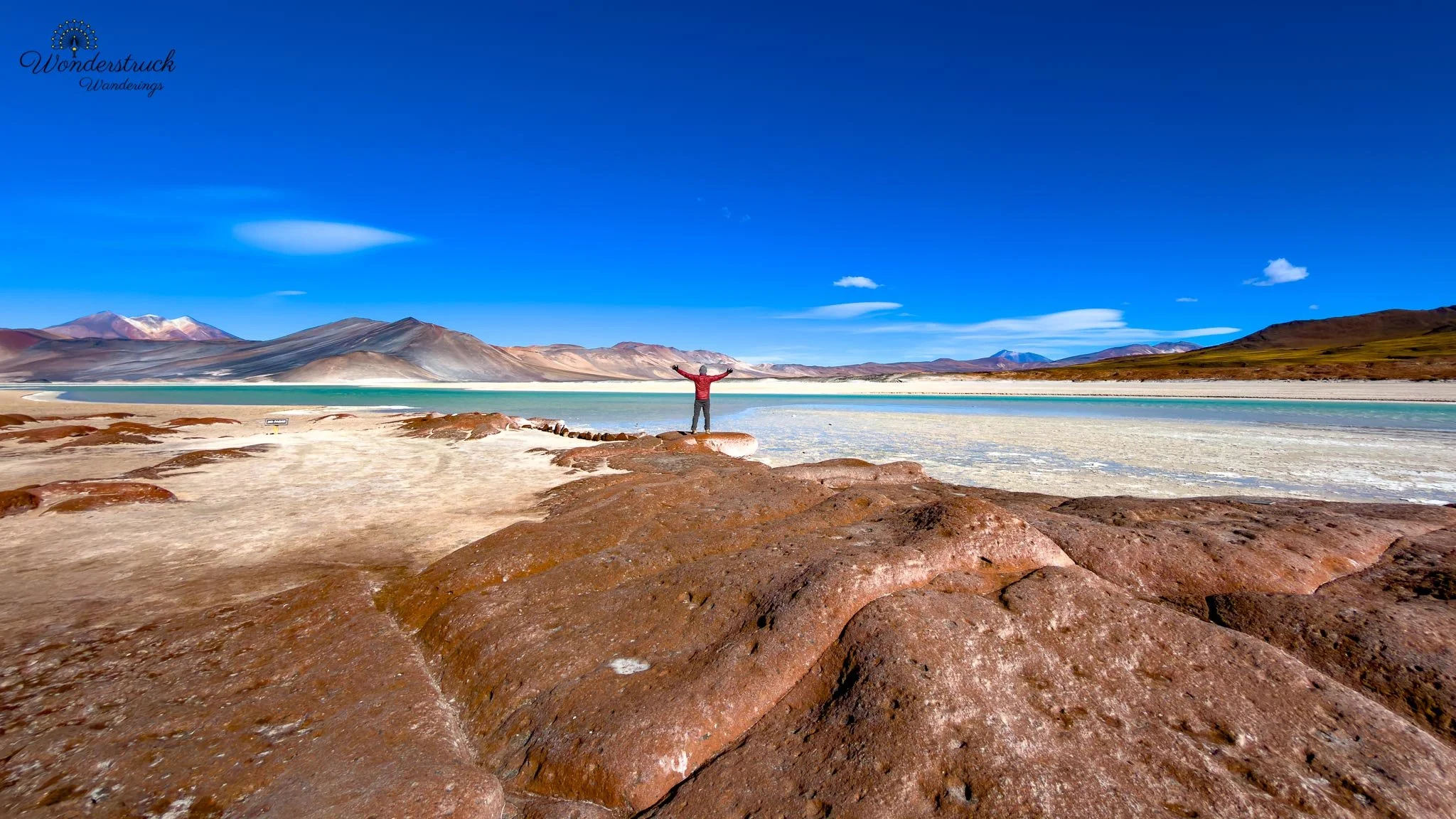
Piedras Rojas – Salar de Aguas Calientes Sur: Striking iron-rich red volcanic rocks contrasting with turquoise saline waters and Andean mountains.Marked walking trail with panoramic views of the red rock formations, turquoise lagoon, and surrounding mountains. We followed the left-hand trail, as the right-hand section was closed during our visit.
Tropic of Capricorn Sign: Roadside latitude marker along Ruta 23, covered with stickers left by international travelers.
Cordillera de la Sal Sunset Viewpoint: Golden evening light illuminating eroded salt ridges, Licancabur Volcano, and the Andes.
San Pedro de Atacama Evening Streets: Adobe-lined streets, artisan shops, and restaurants. Lucky for us we encountered a traditional procession featuring devil masks, music, and drums.
-
San Pedro → Laguna Chaxa: Approximately 45–60 minutes (50–55 km). Allow 1–1½ hours for sunrise photography and birding.
Laguna Chaxa → Jere Canyon: Approximately 25–35 minutes. Allow 1–1½ hours for the upper viewpoints and streamside trails.
Jere Canyon → Socaire: Approximately 30–40 minutes. Allow 45–60 minutes for ticket check-in, refreshments, and exploring.
Socaire → Miscanti and Miñiques: Approximately 35–50 minutes. Allow 1½–2 hours for both lagoons, viewpoints, and wildlife.
Altiplanic Lagoons → Piedras Rojas: Approximately 40–60 minutes. Allow 1–1½ hours for the walking trail and viewpoints.
Piedras Rojas → Tropic of Capricorn Sign: Approximately 1–1½ hours, including a brief stop.
Tropic of Capricorn → San Pedro: Approximately 1–1½ hours.
Cordillera de la Sal Sunset: Allow an additional 30–45 minutes for photography.
Suggested Time: A full 11–13-hour day. Start before sunrise at Laguna Chaxa, visit the Altiplanic Lagoons and Piedras Rojas during your reserved time slots, and return toward San Pedro for sunset.
Planning Note: Check in at Socaire before visiting the Altiplanic Lagoons and Piedras Rojas. Confirm ticket times and park closing hours in advance.
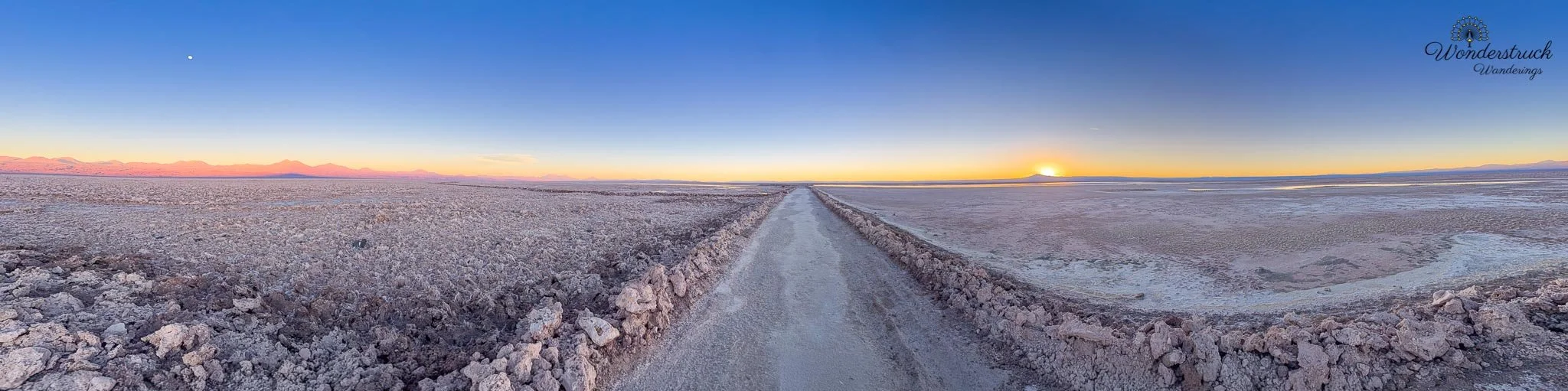
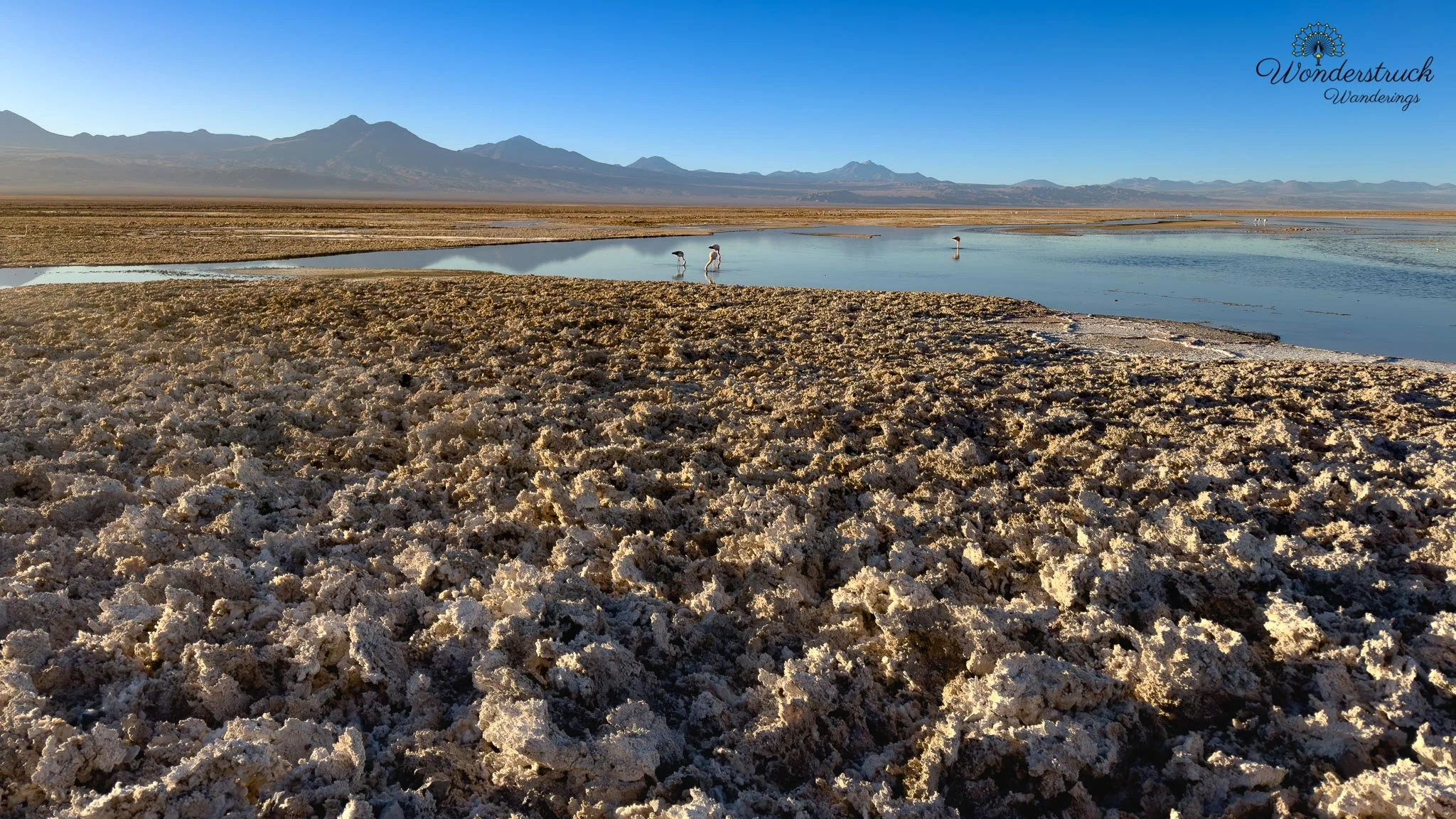
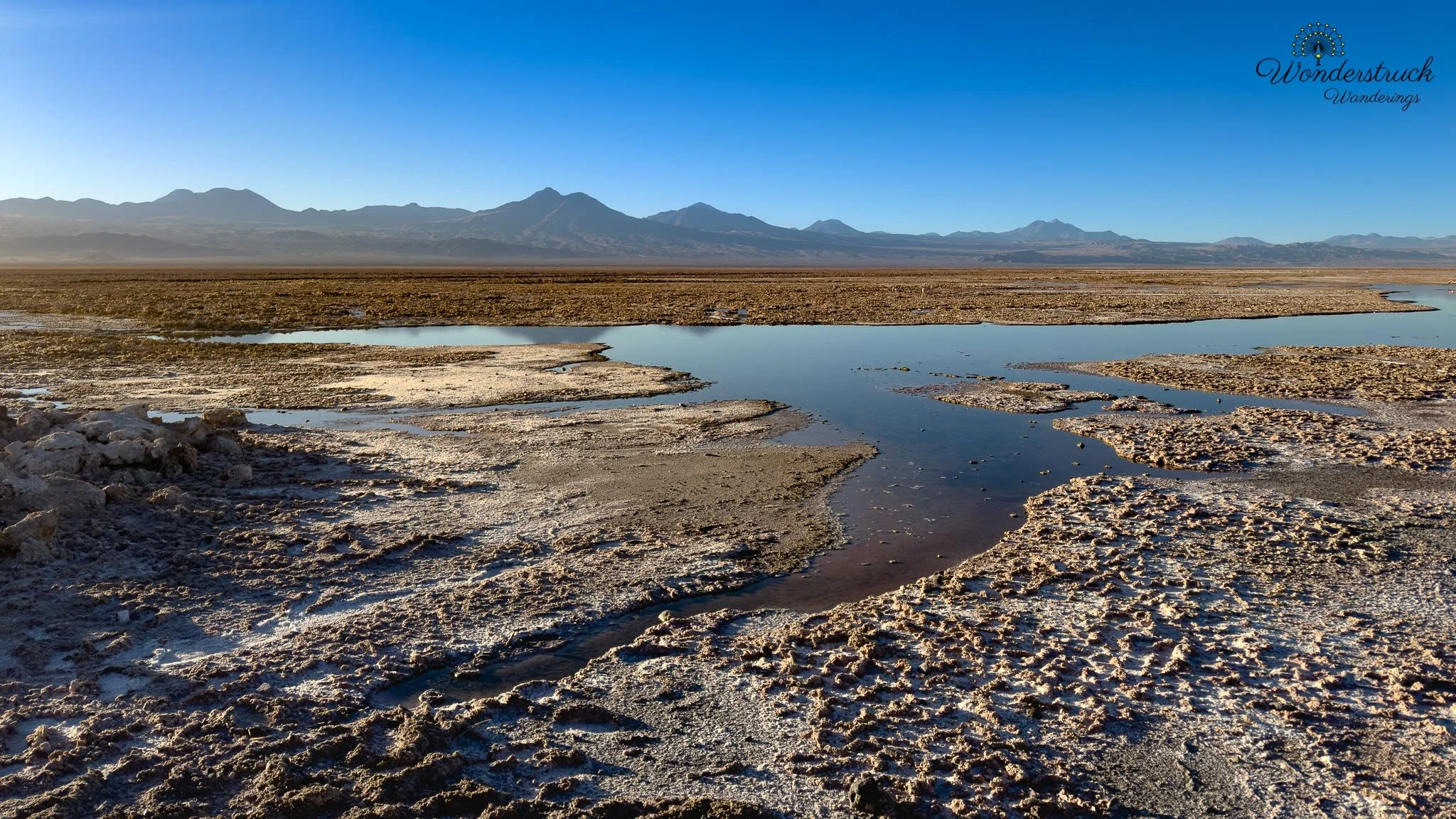
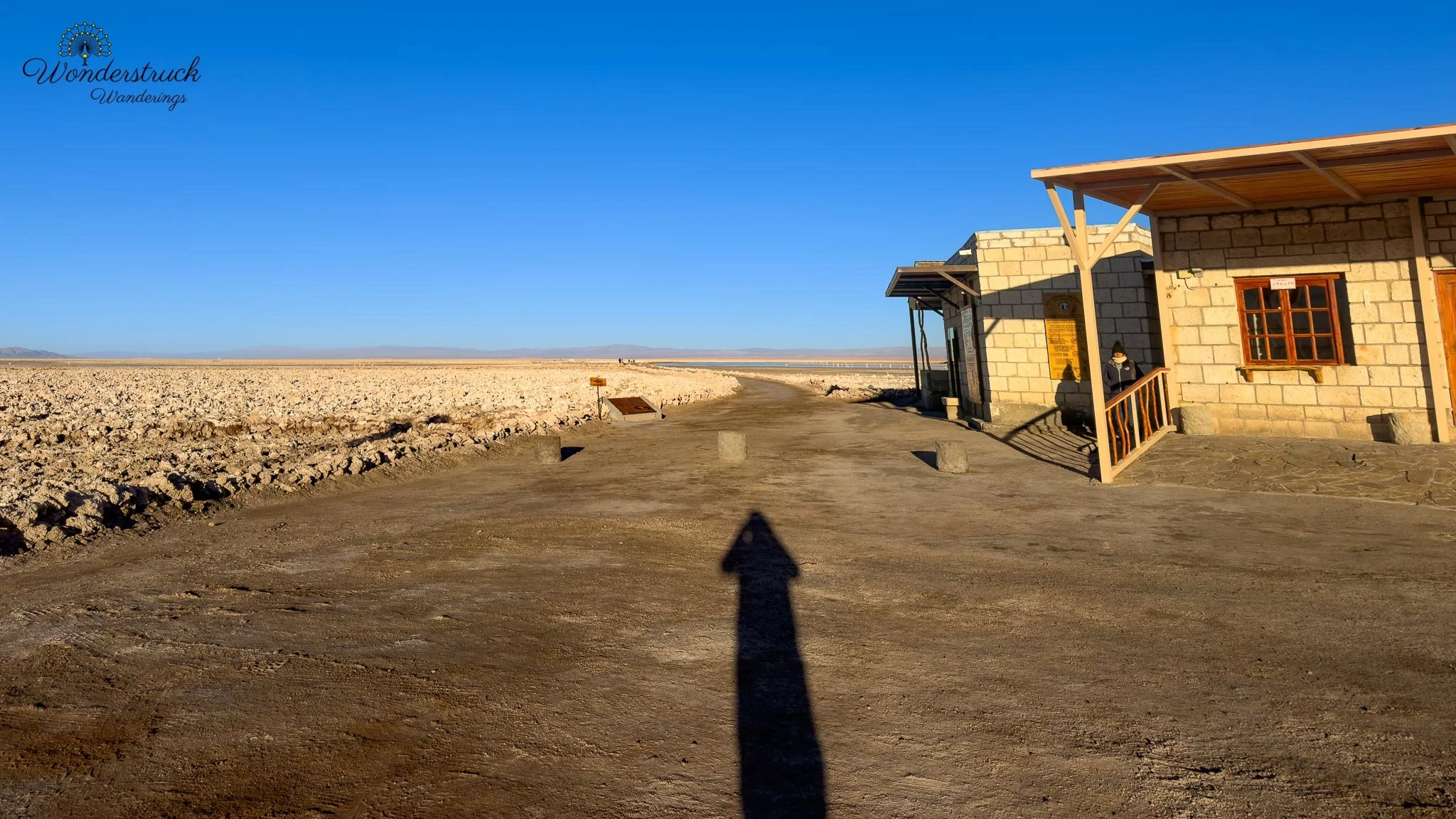
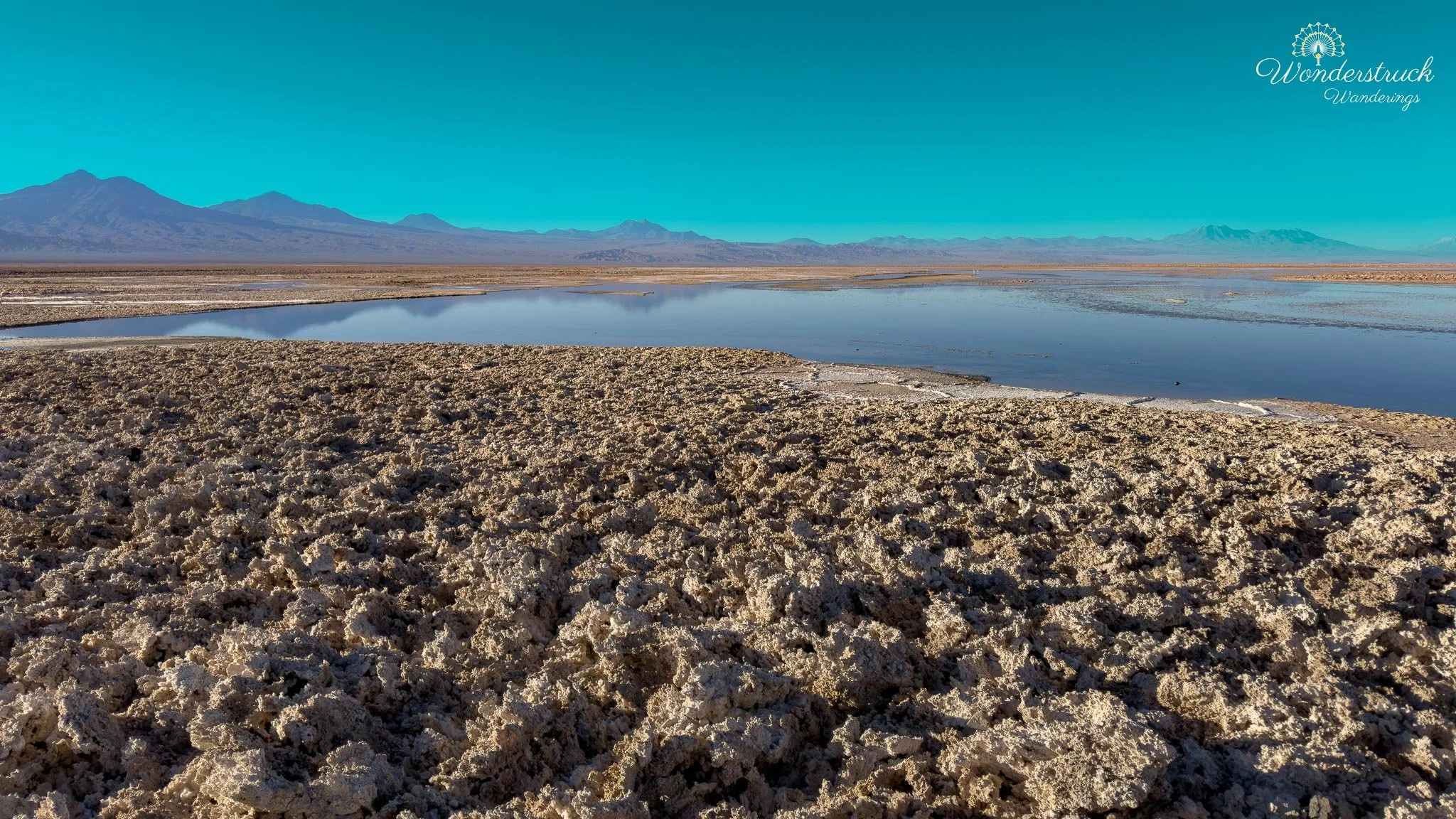
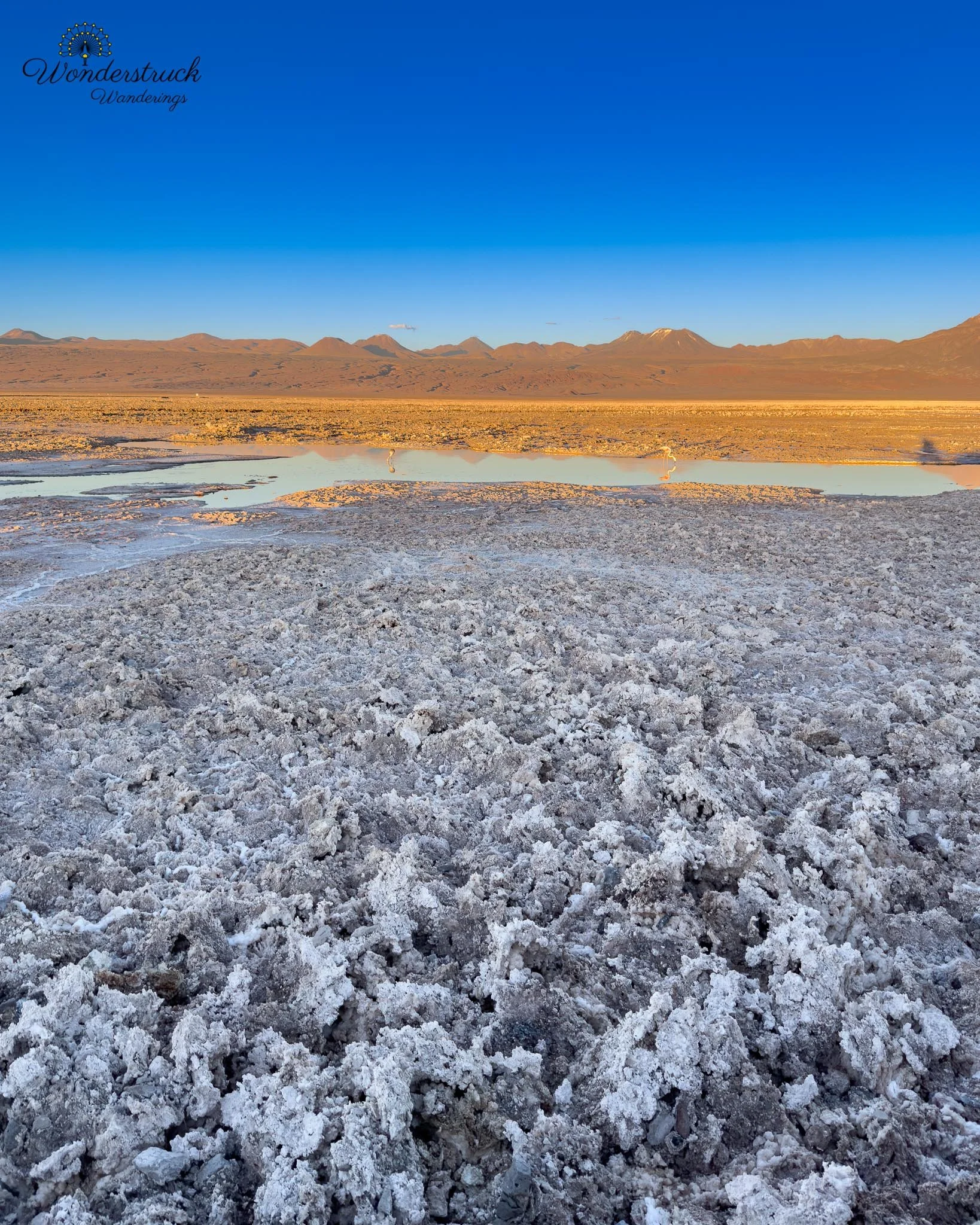
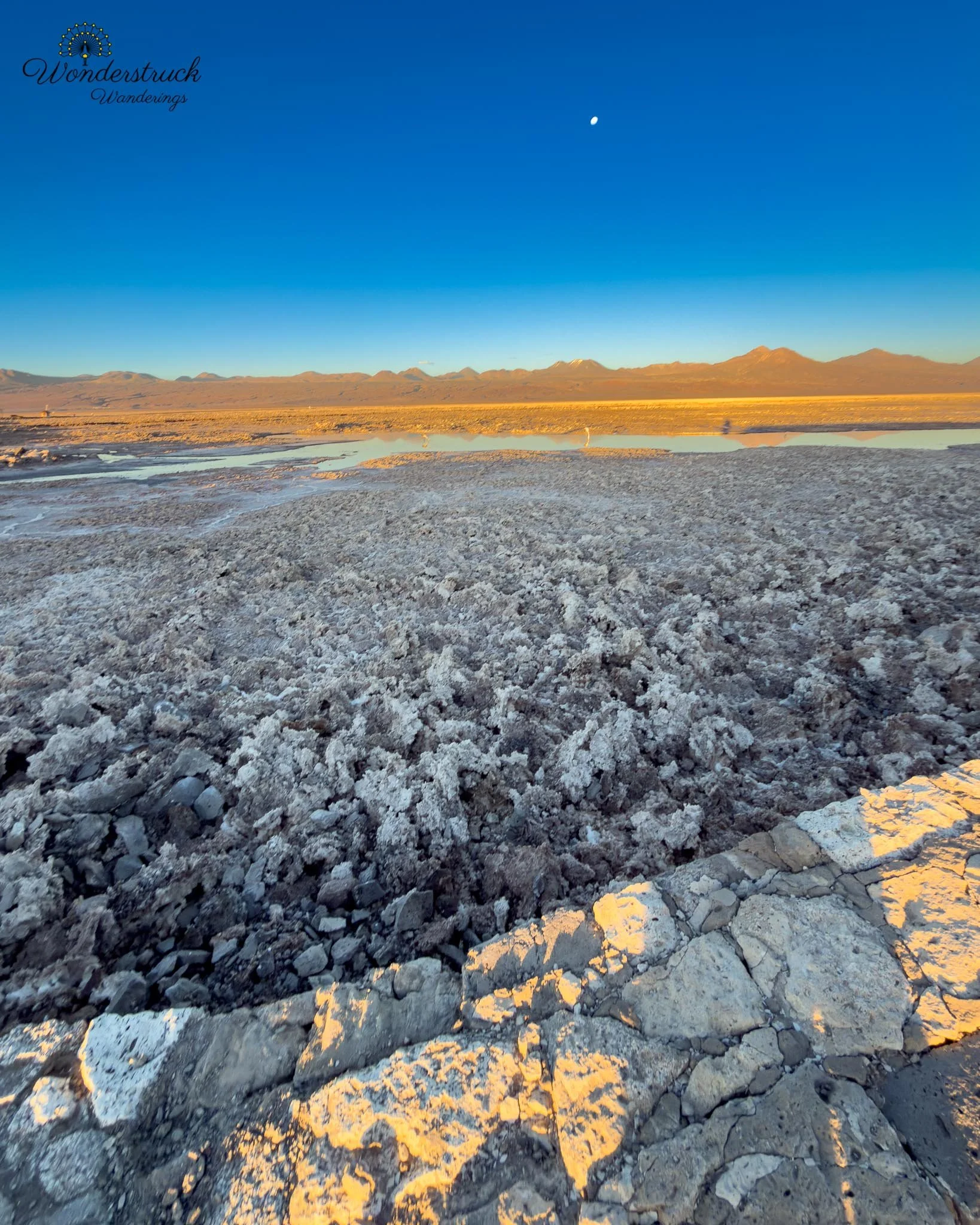
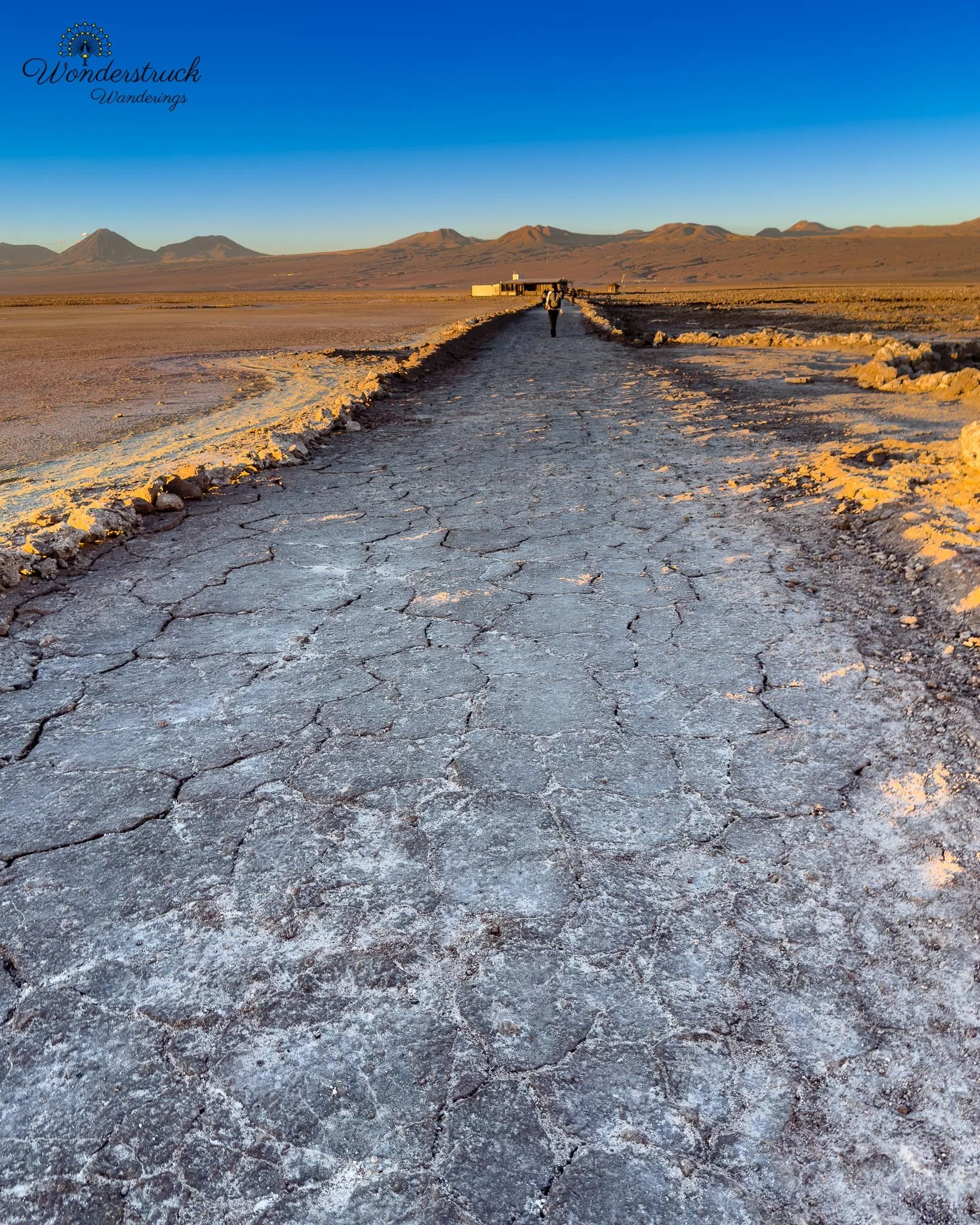
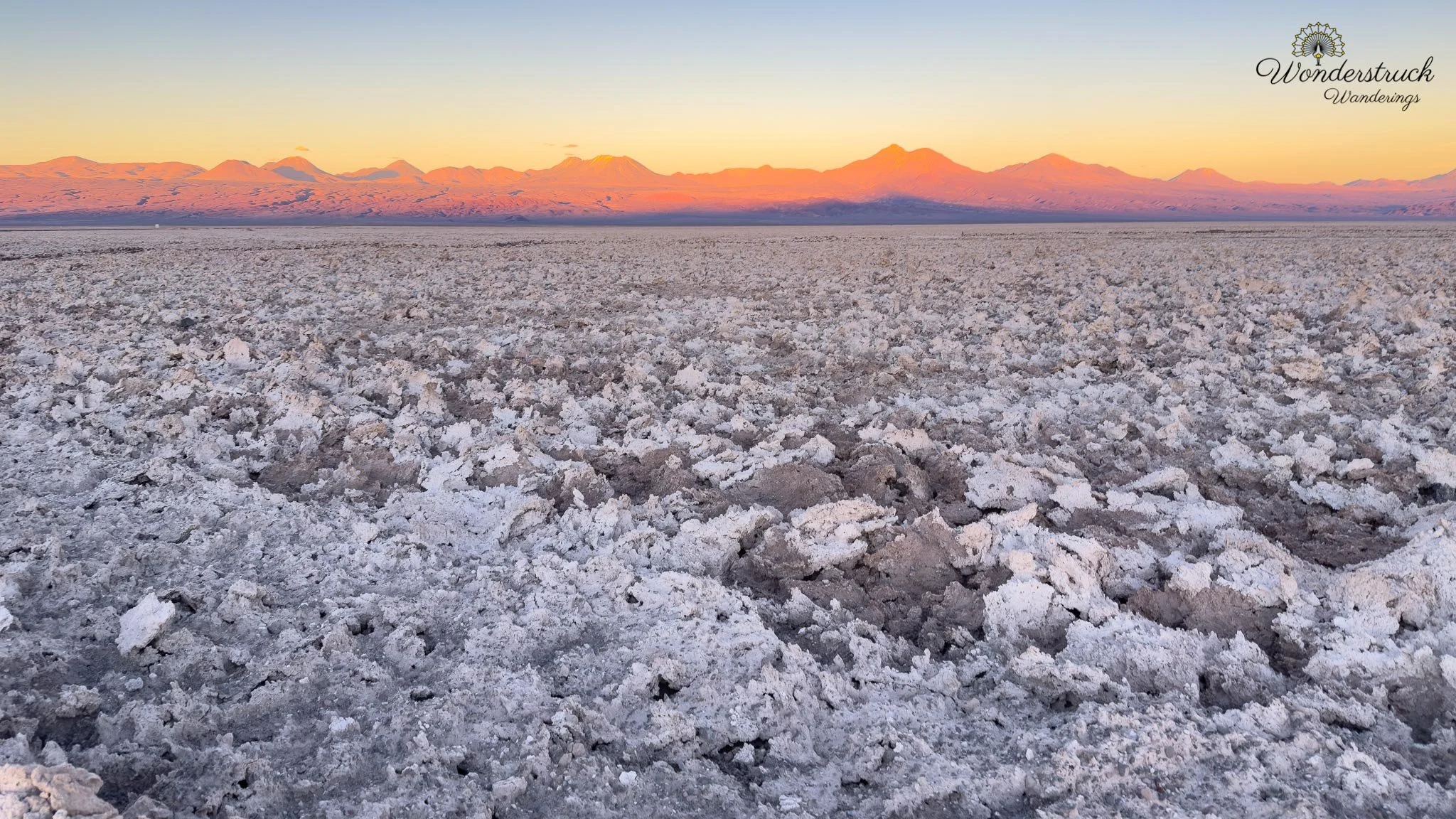
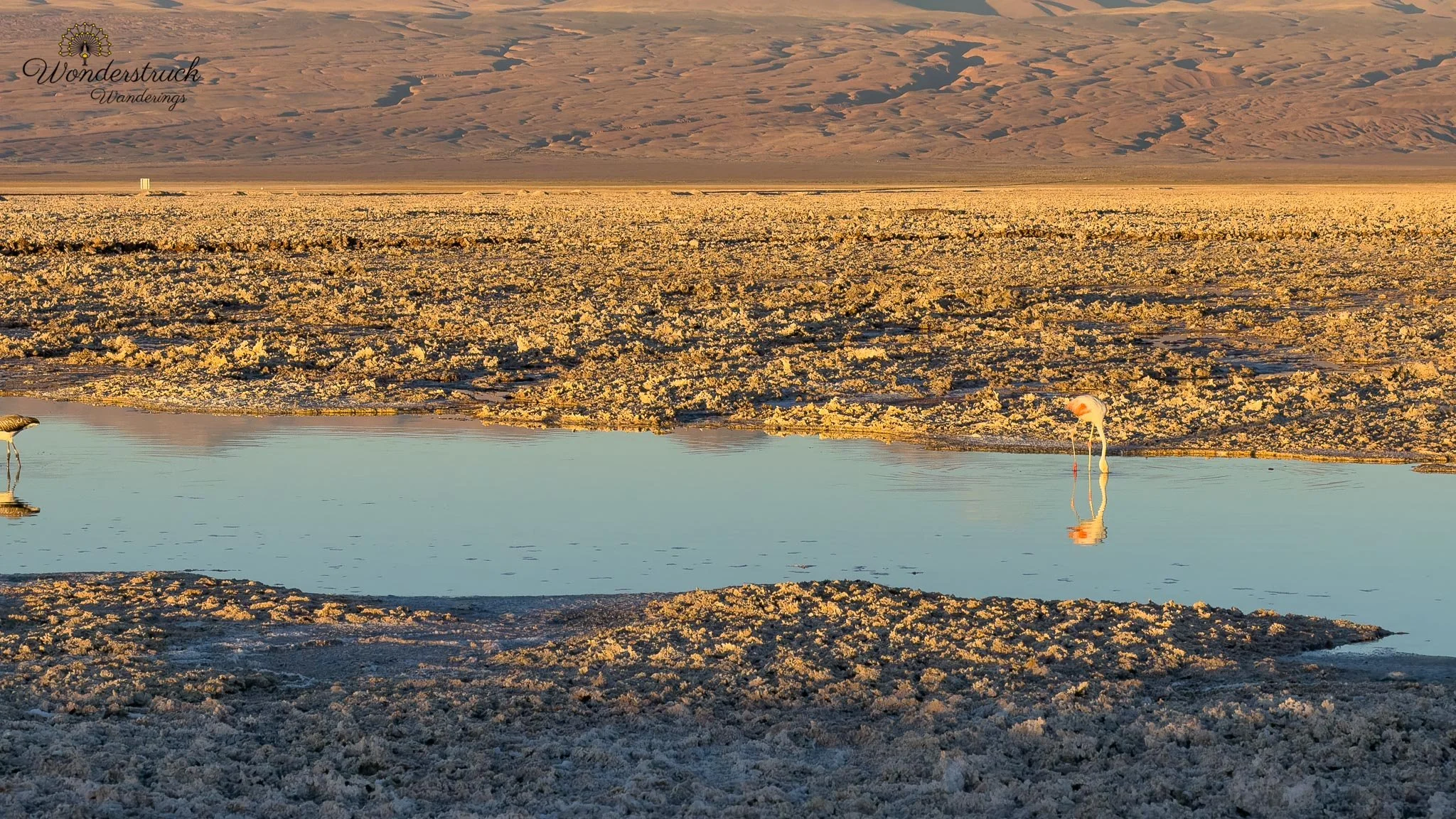
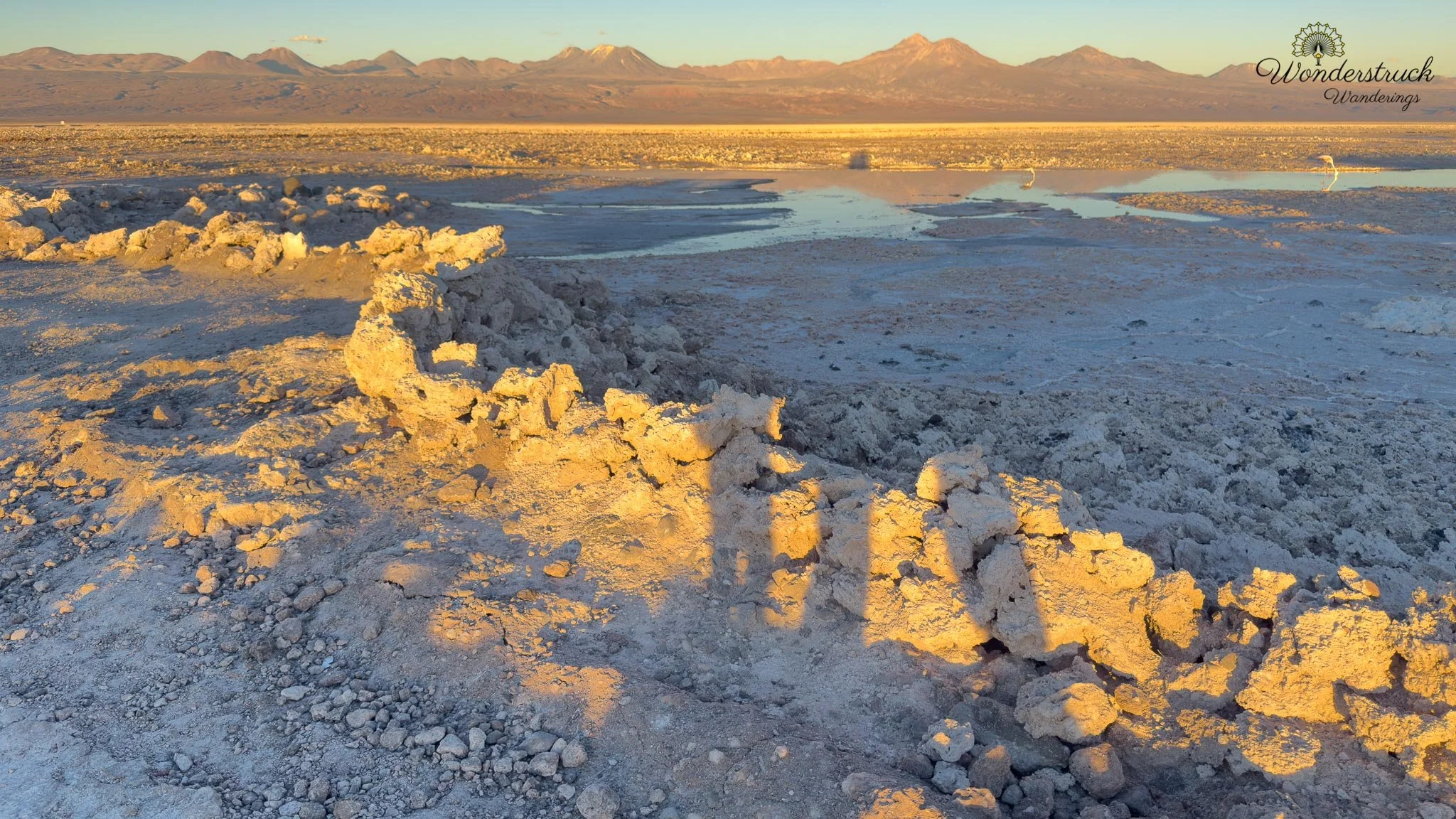
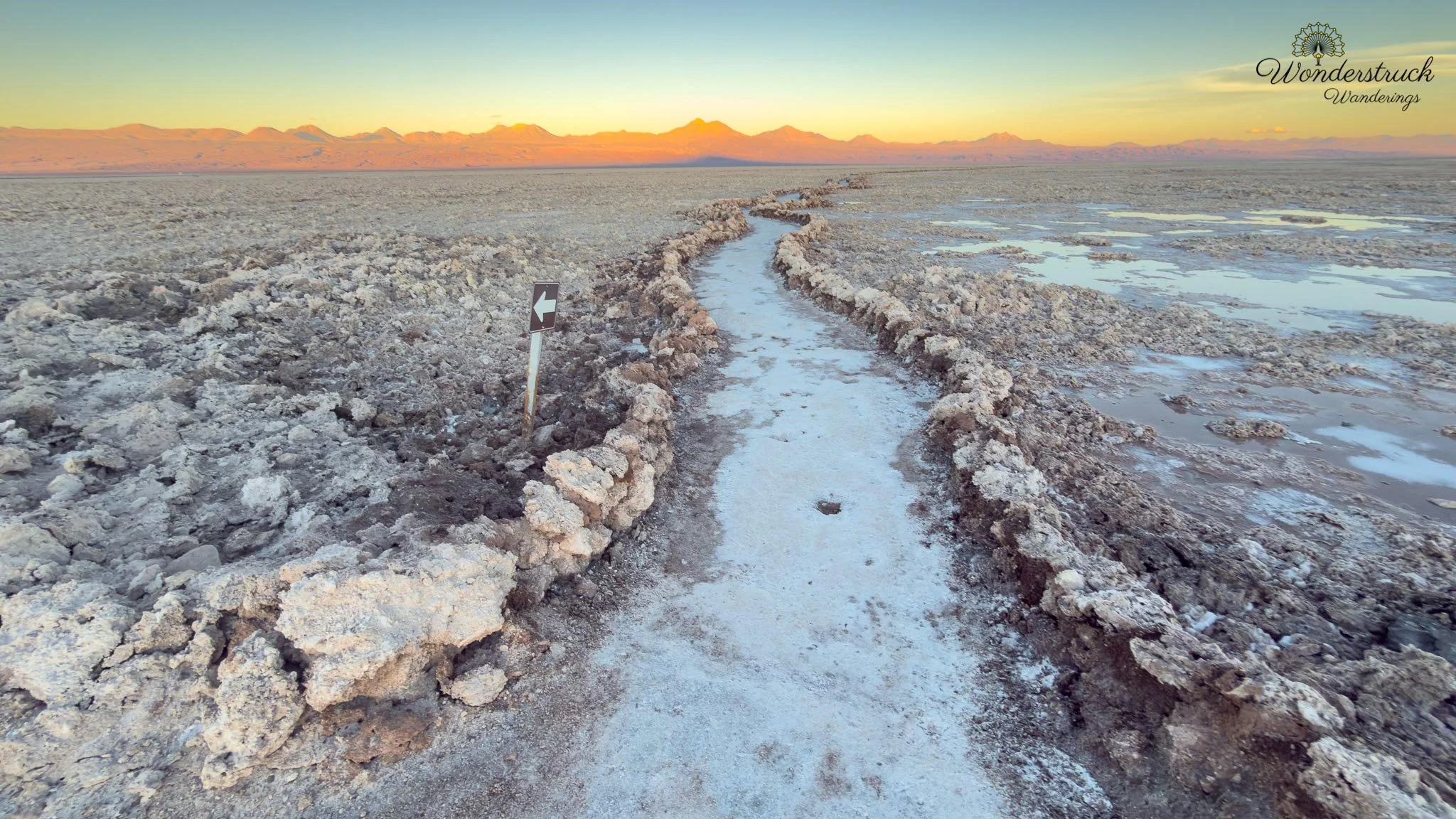
The day began around 5 a.m. with a drive from San Pedro de Atacama to Laguna Chaxa, approximately 50–55 kilometers south, within Reserva Nacional Los Flamencos. After resolving a misleading Google Maps route the previous evening, we reached the correct entrance just as the staff opened the gate. We were the first car at the visitor center, with tickets purchased online in advance. Laguna Chaxa lies in the Soncor sector of the Salar de Atacama, at approximately 2,300 meters above sea level. The salar covers roughly 3,000 square kilometers, making it Chile's largest salt flat. Chaxa's shallow saline lagoons support brine shrimp and other small organisms that flamingos feed on. The surrounding ground is covered in jagged salt crust formed through evaporation and mineral deposition, creating sharp white formations separated by shallow pools and channels.
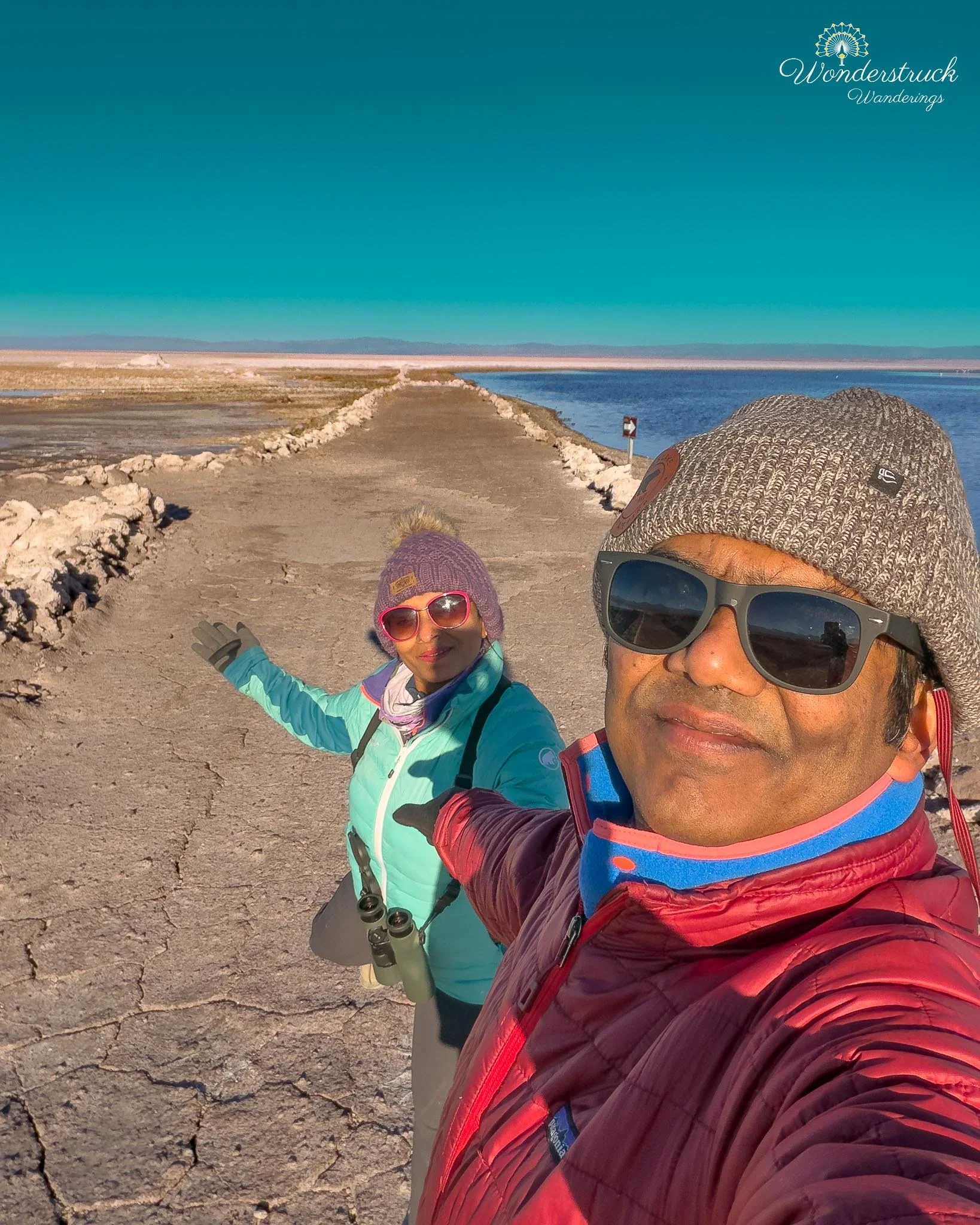
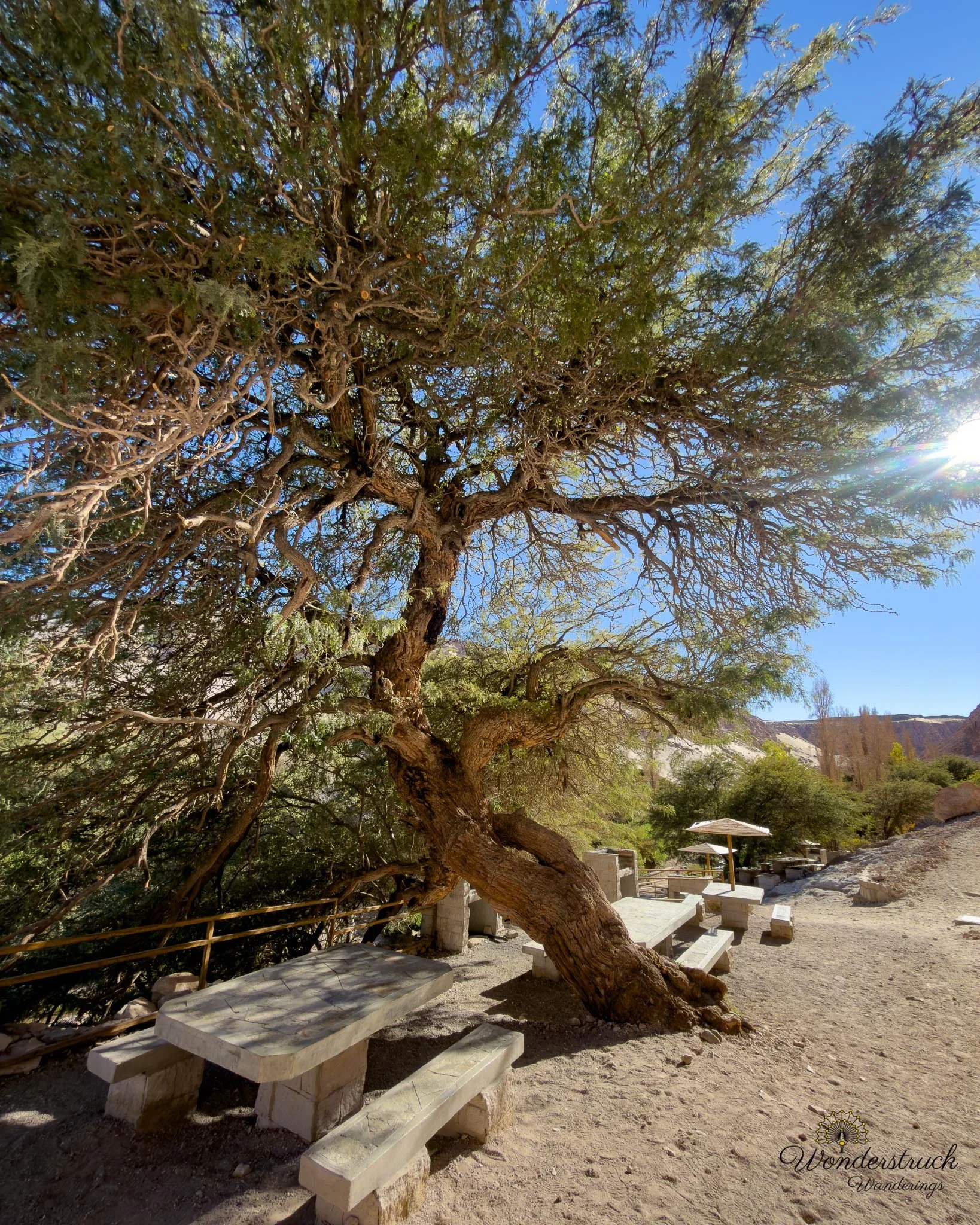
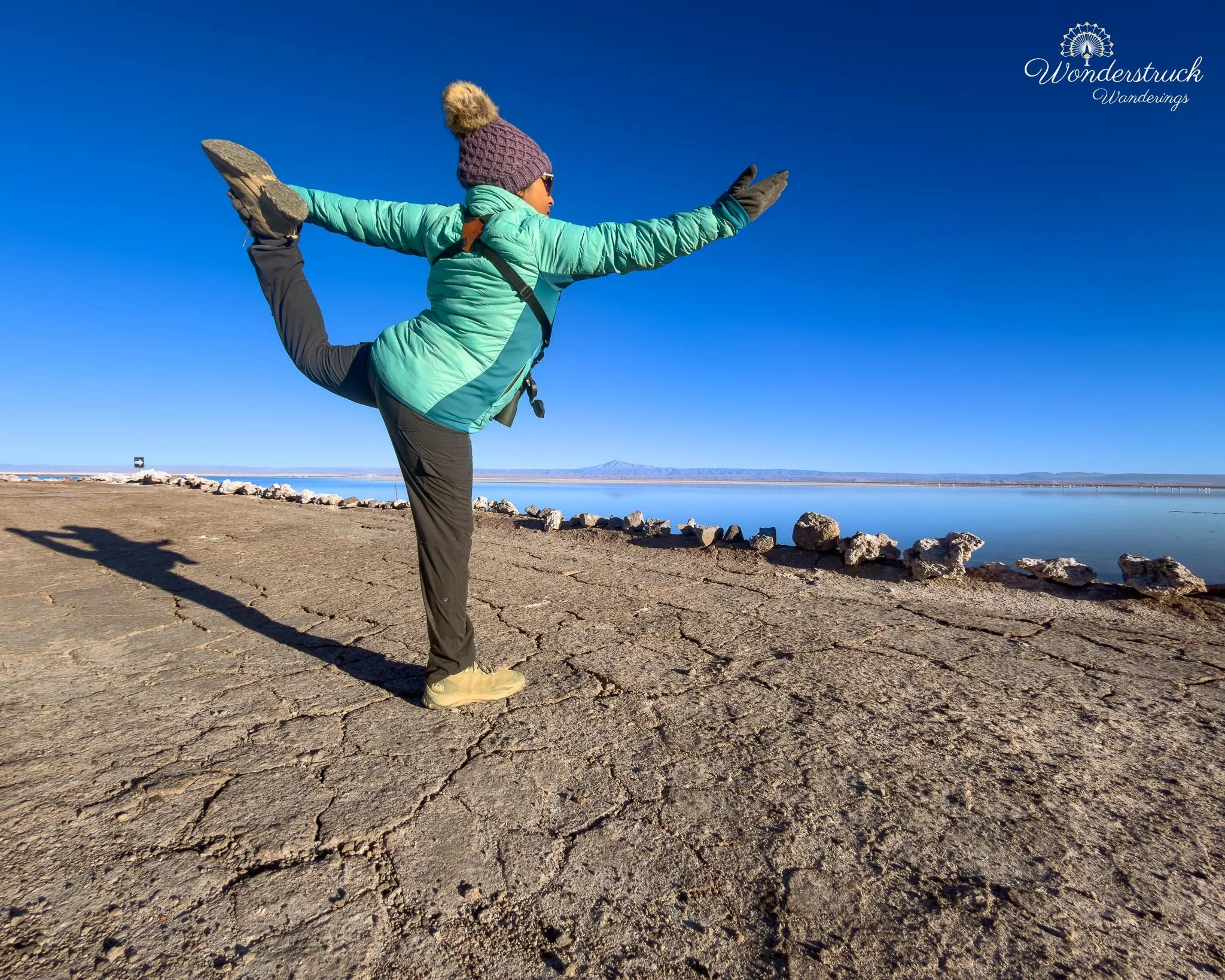
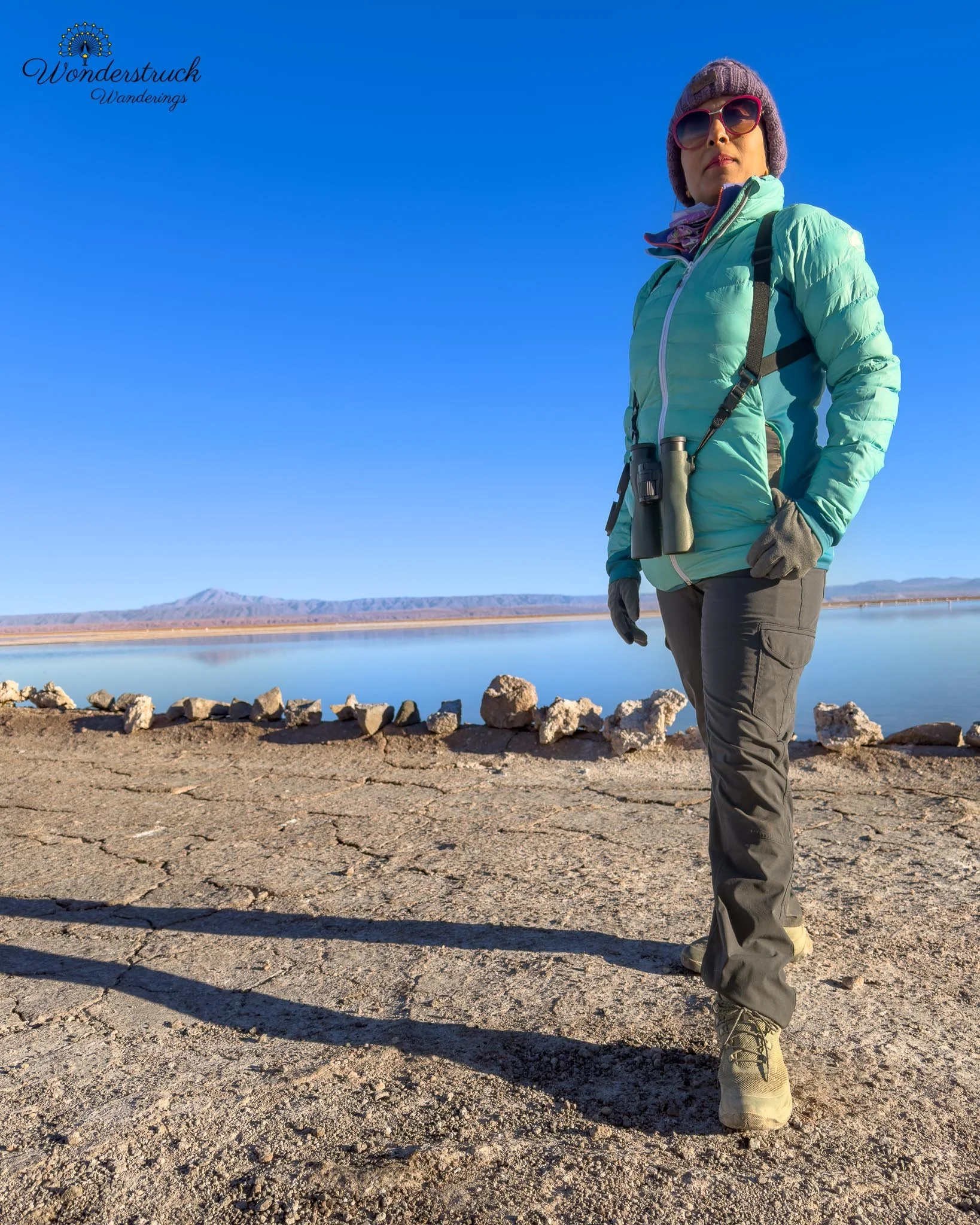
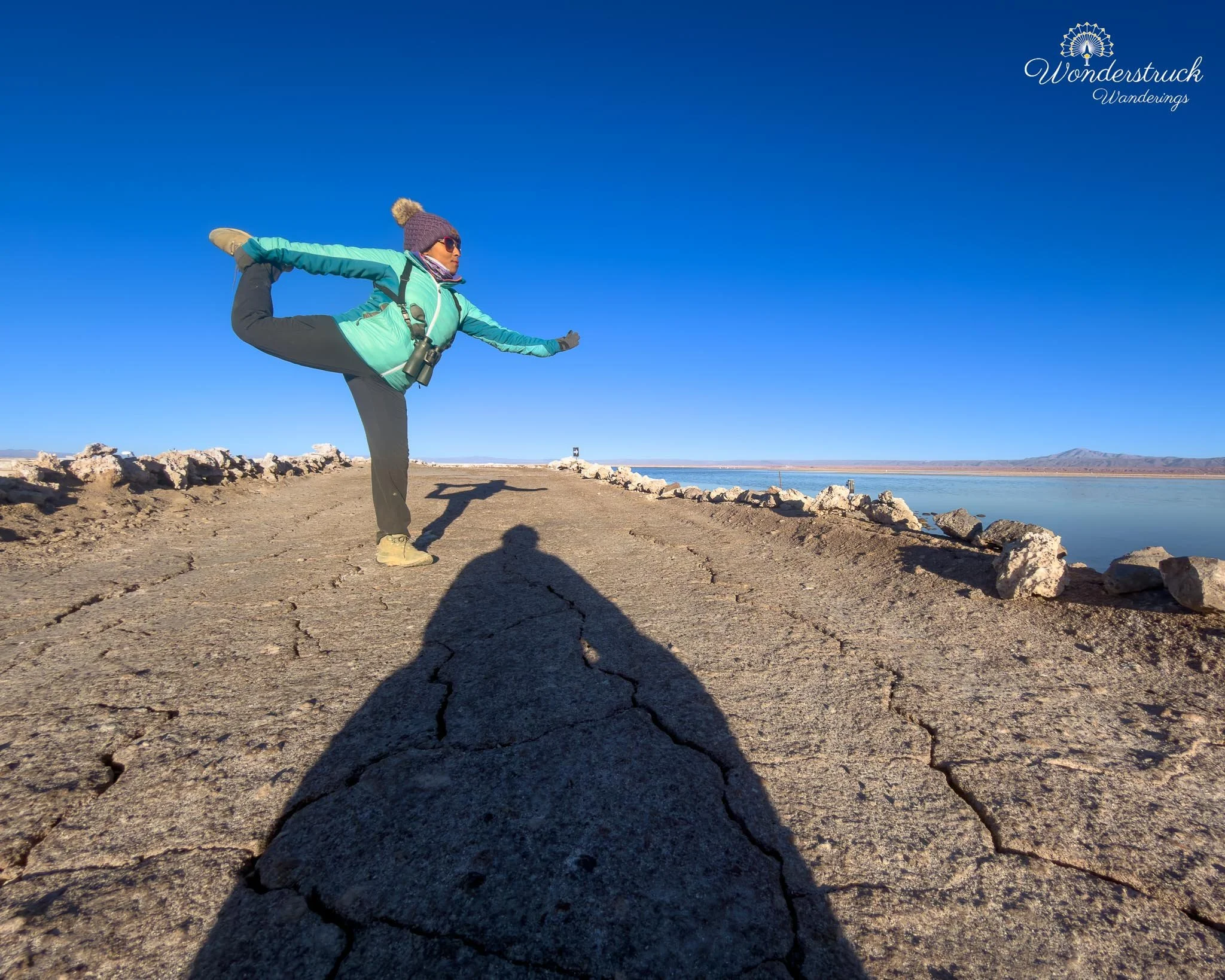
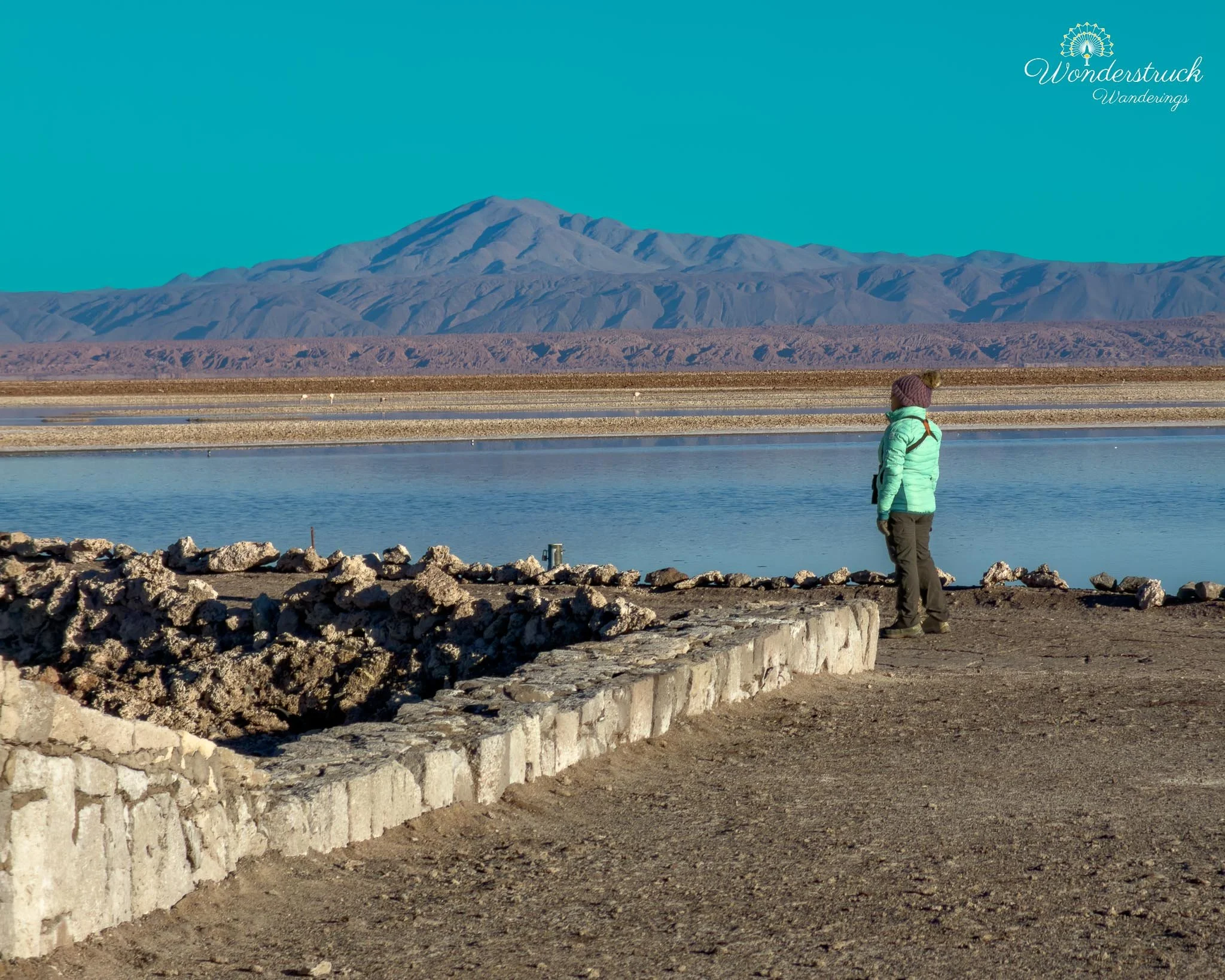
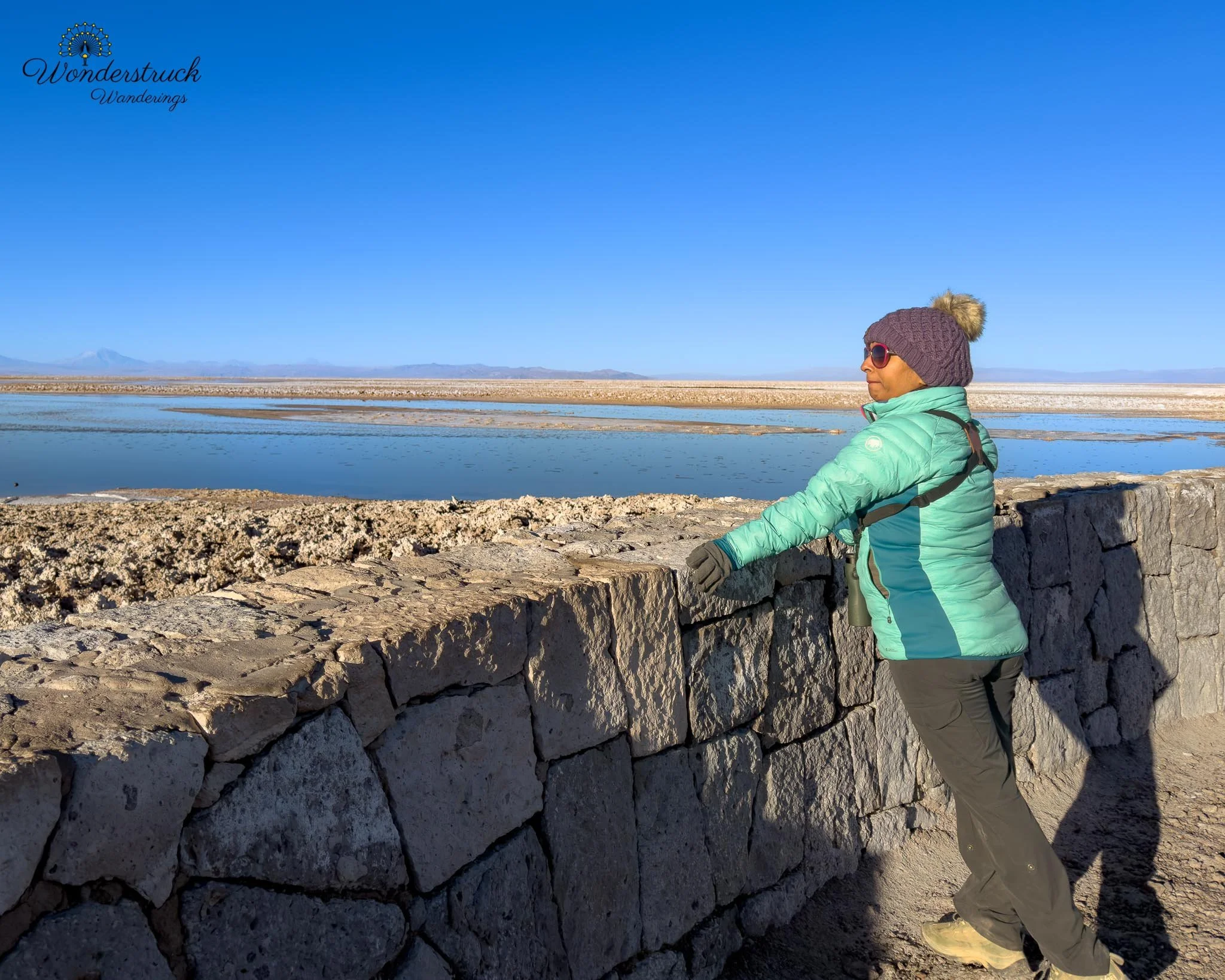
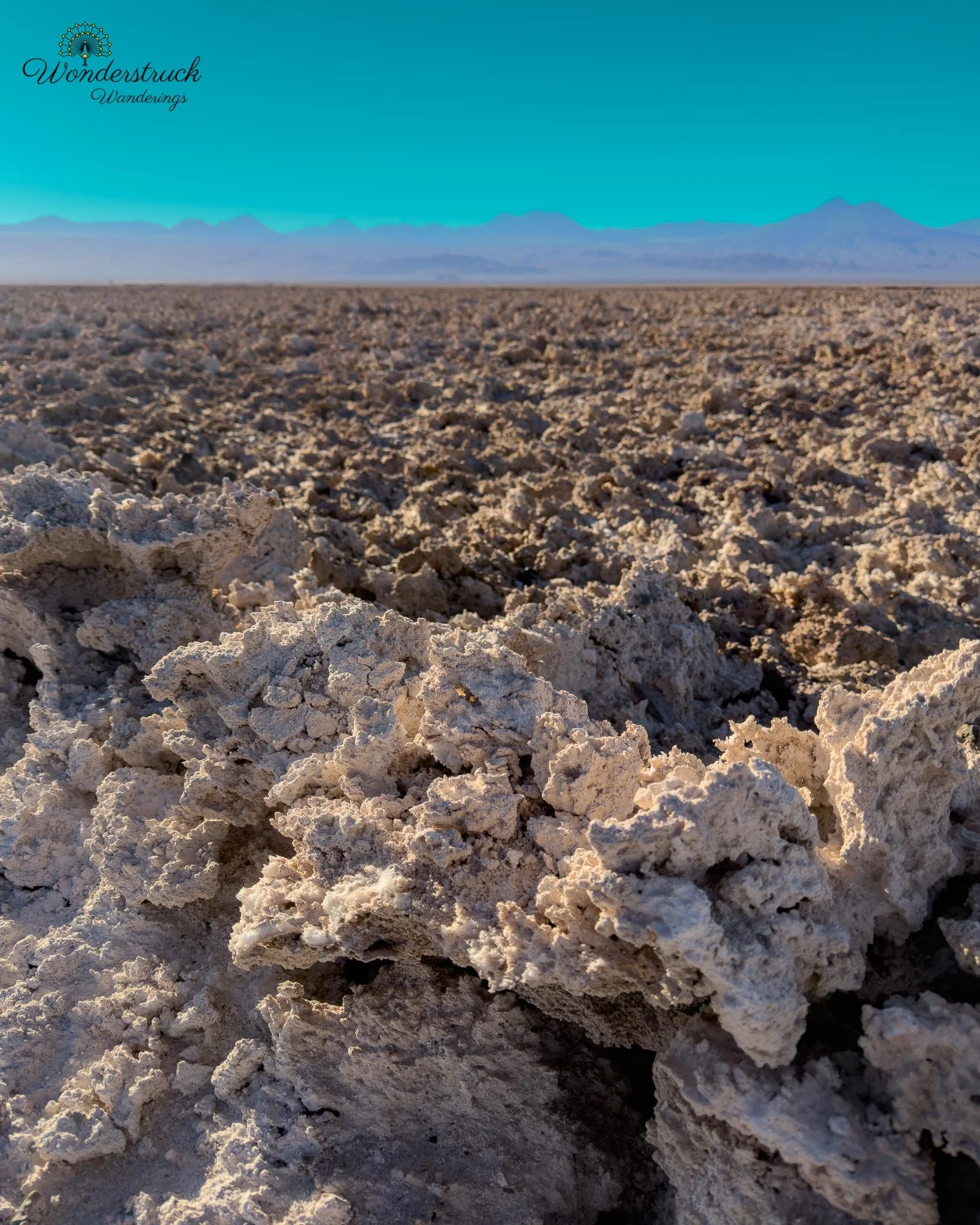
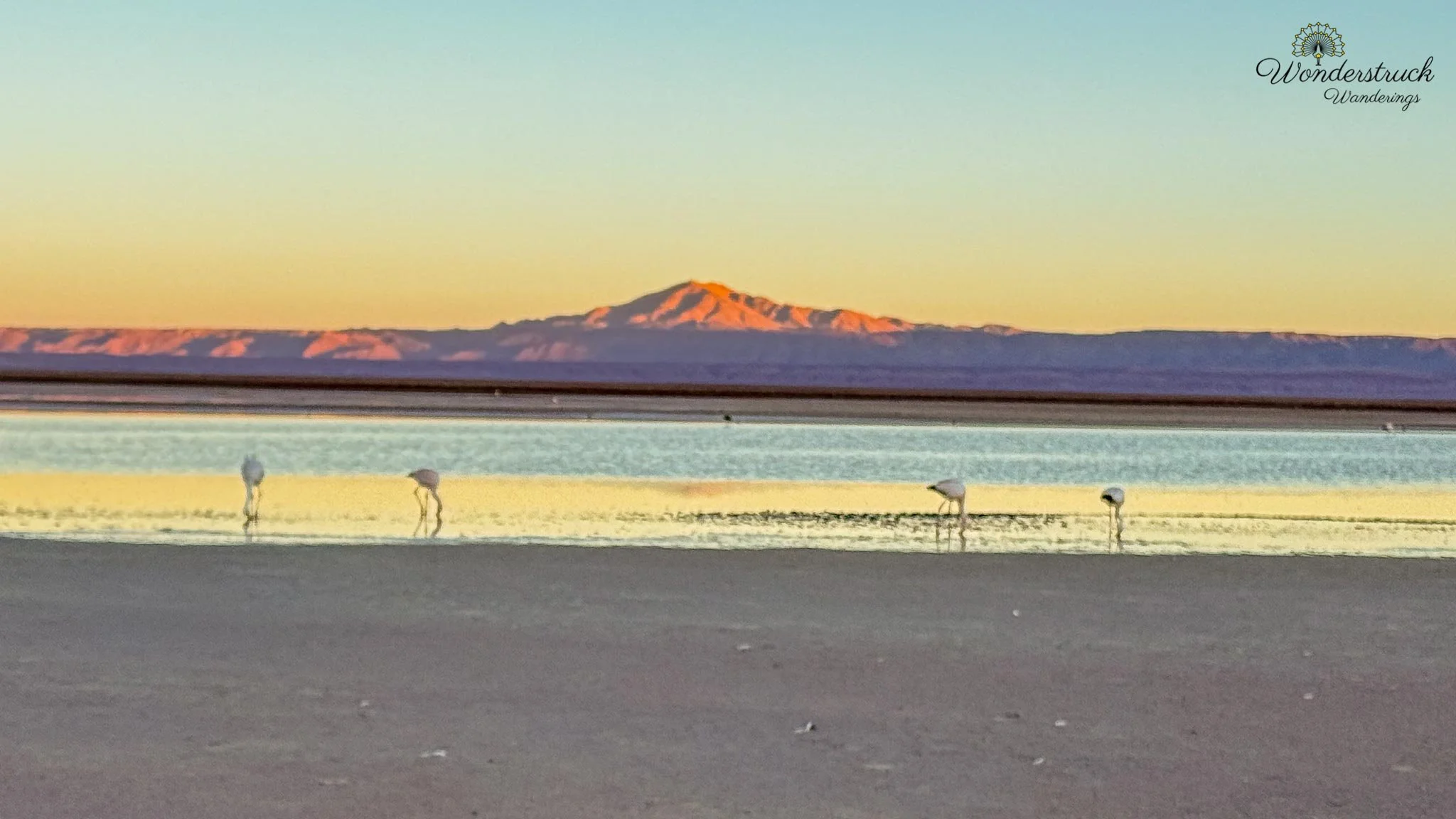
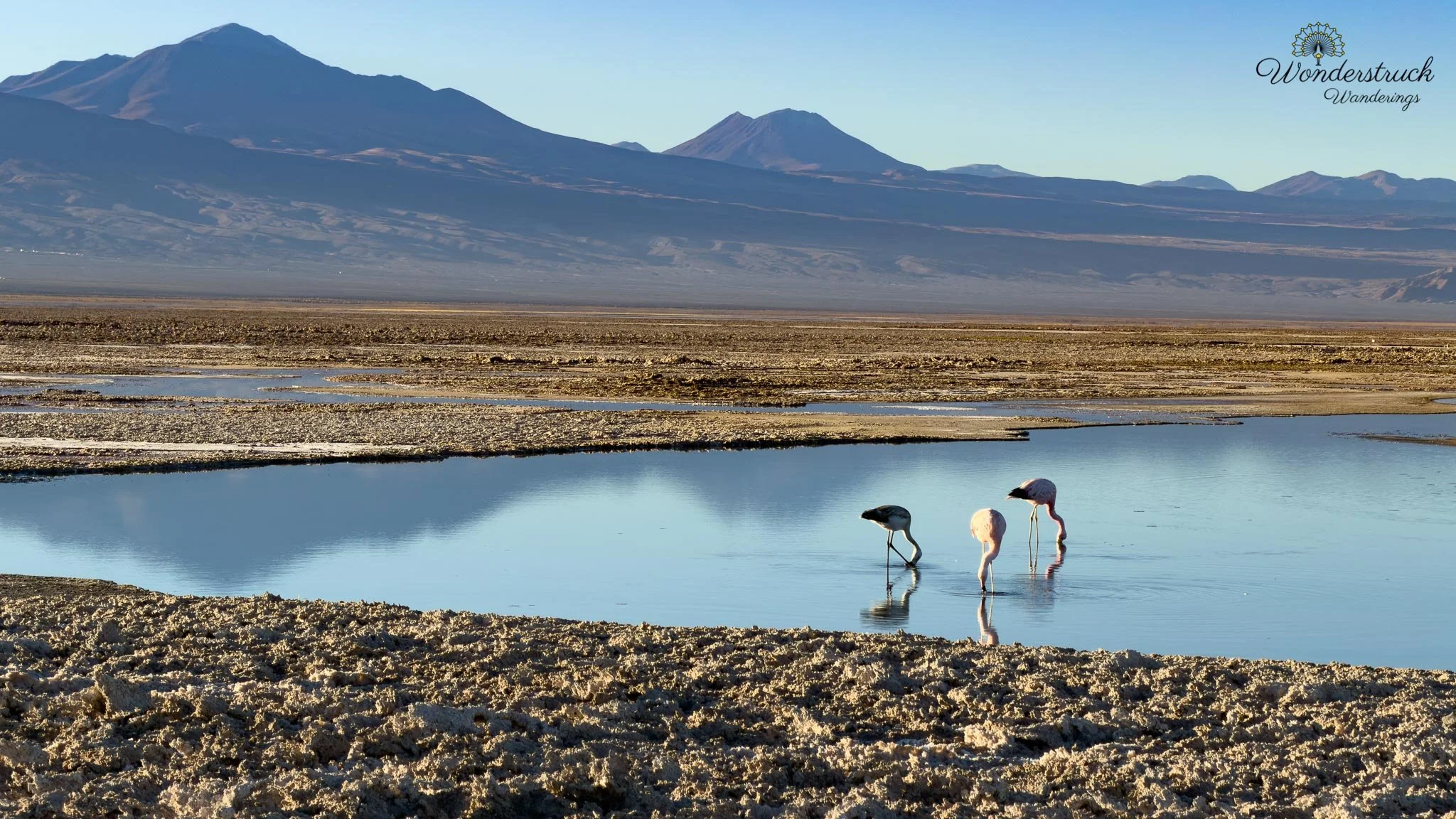
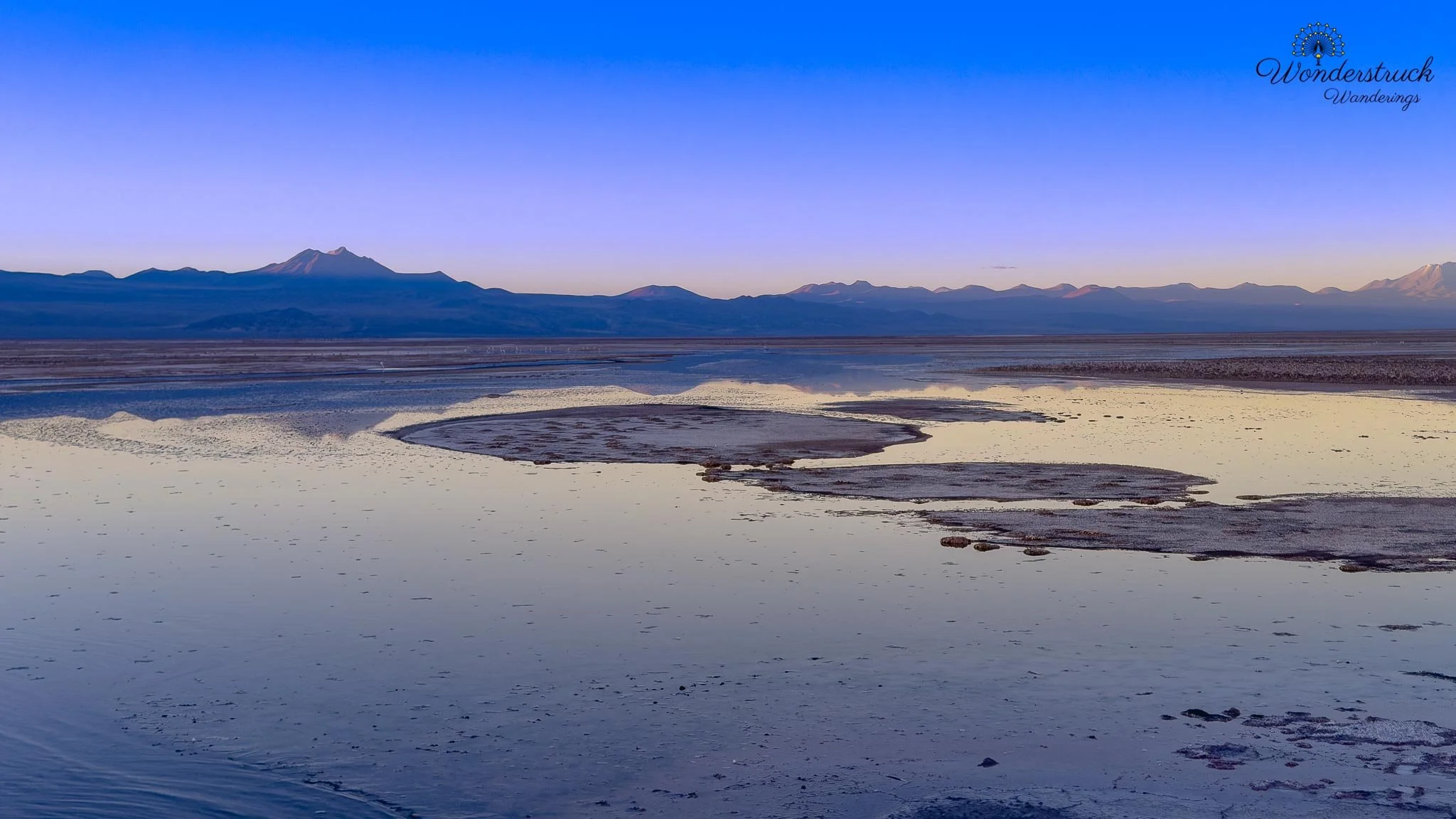
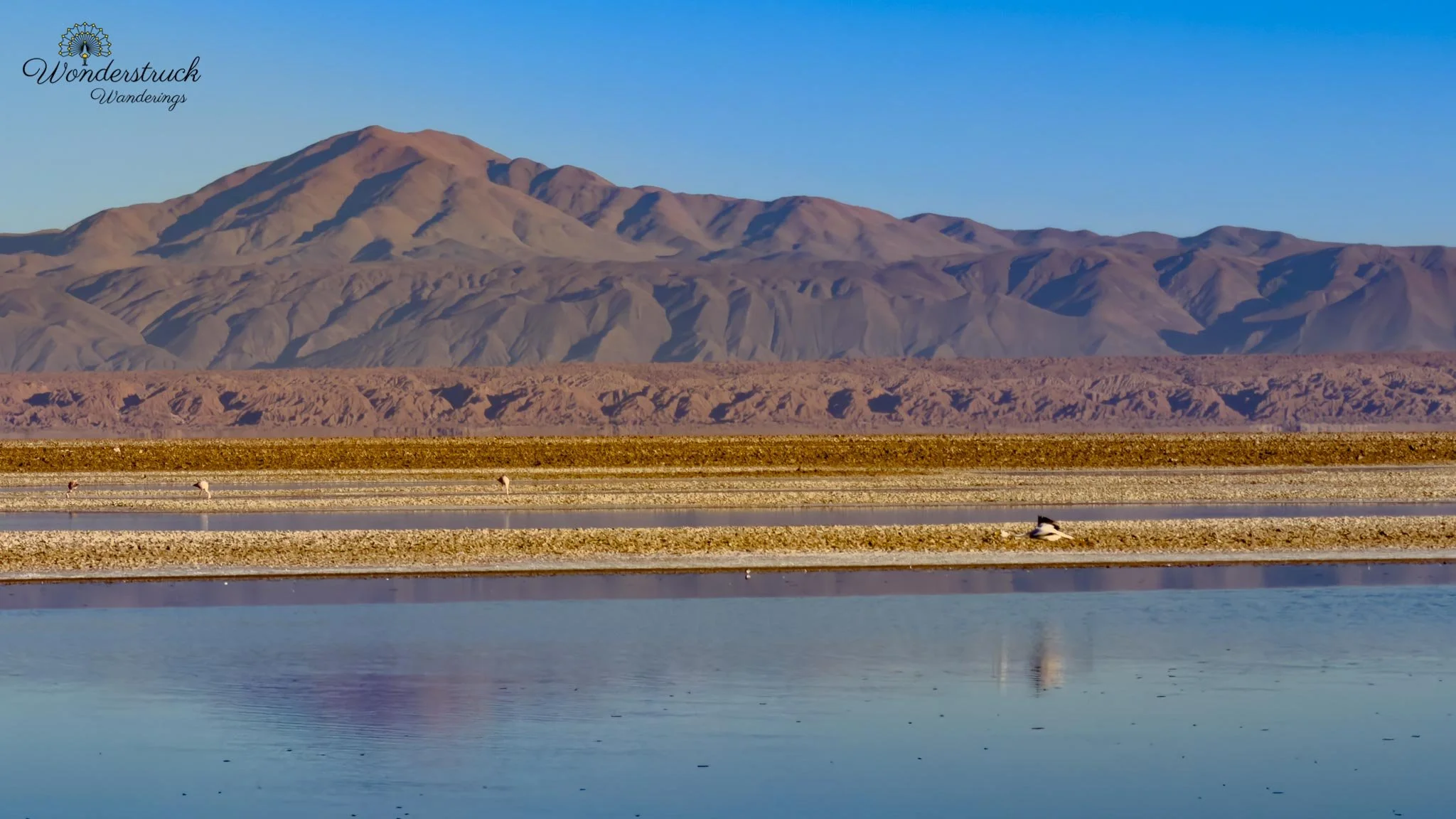
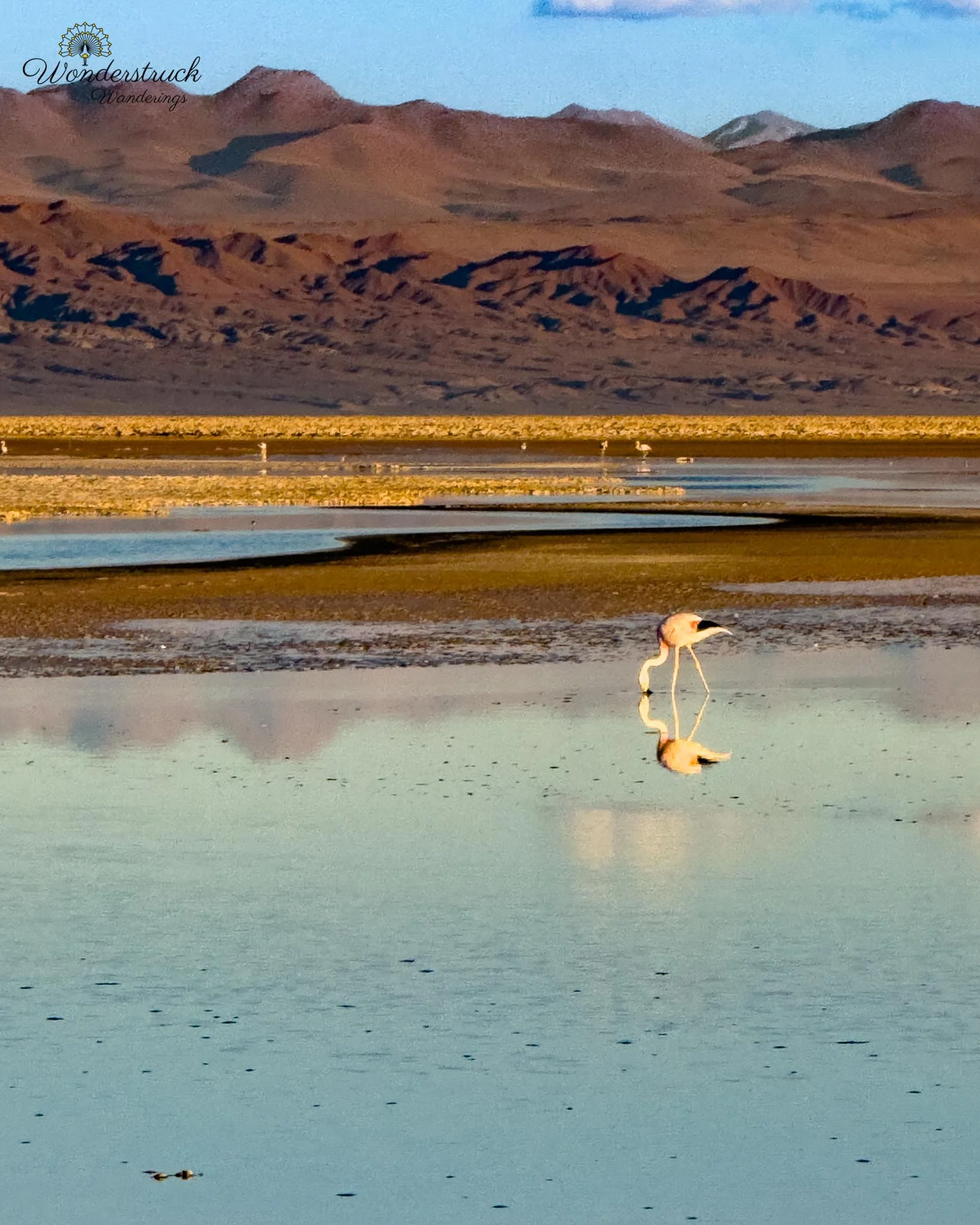
We walked the marked trail between the lagoons, with salt formations in the foreground and the Andes beyond. As sunlight reached the mountains, Chilean, Andean, and James's Flamingos moved across the water. Although few were close to the trail, several took flight around sunrise, providing excellent photography opportunities. The low light highlighted their pink plumage against the darker volcanic backdrop. While I photographed the flamingos, Shay scanned the shoreline and found one of our targets, Andean Avocet. We also spotted Puna Plover and Andean Gull. Around 8:30 a.m., we left Chaxa for Jere Canyon (Quebrada de Jere), near the oasis village of Toconao. The landscape changed from exposed salt flats to a narrow green valley with a freshwater stream, orchards, cultivated terraces, and volcanic rock walls. Water descending from the Andes supports this oasis, where local communities have traditionally grown apricots, peaches, figs, quinces, pomegranates, and grapes using irrigation channels. The canyon's reddish and pale volcanic walls have been shaped by erosion and occasional flash floods. Our Chaxa ticket included Jere Canyon, so we checked in and began exploring. We first followed the higher trail overlooking the valley, scanning trees, scrub, and rocky slopes below. From above, the vegetation formed a narrow green corridor through the desert. The combination of water, orchards, native vegetation, and rocky edges made Jere productive for birding. We spotted Black-winged Ground Dove, West Peruvian Dove, Eared Dove, White-winged Cinclodes, Plain-mantled Tit-Spinetail, Chiguanco Thrush, Rufous-collared Sparrow, Tamarugo Conebill, Ash-breasted Sierra Finch, and Greenish Yellow-Finch. The White-winged Cinclodes worked the rocky streamside habitat, while doves, finches, and smaller birds occupied the trees and drier canyon edges.
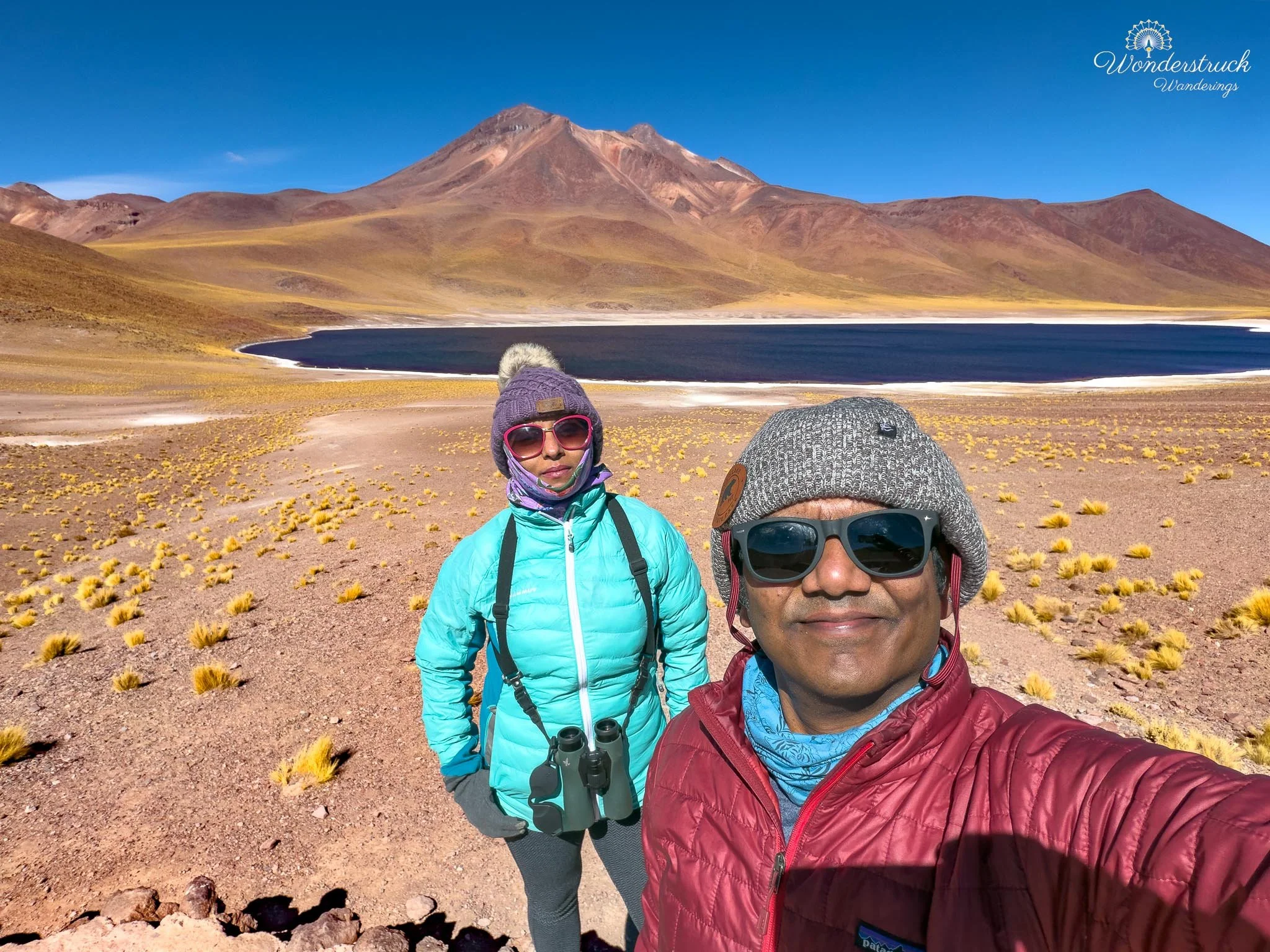
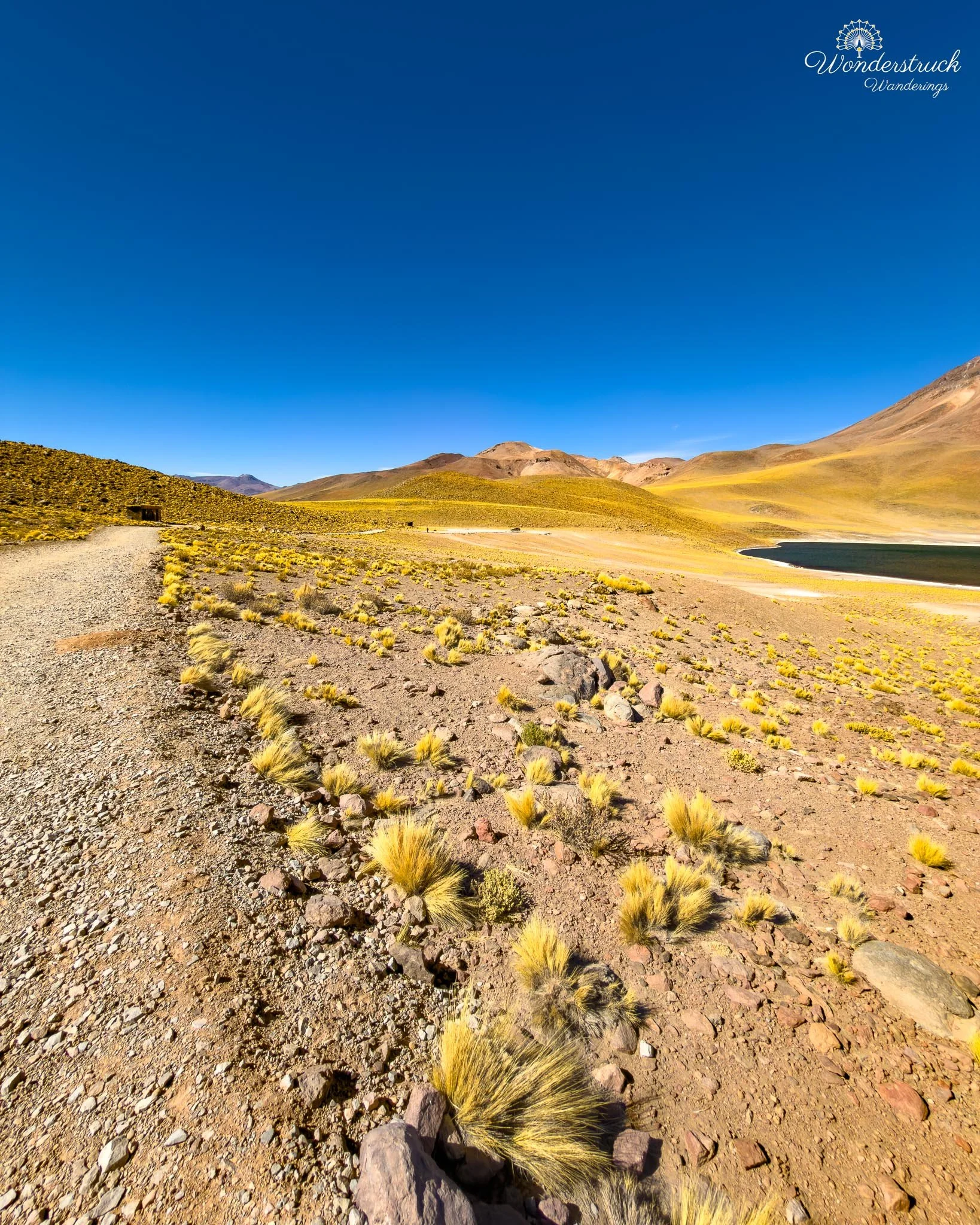
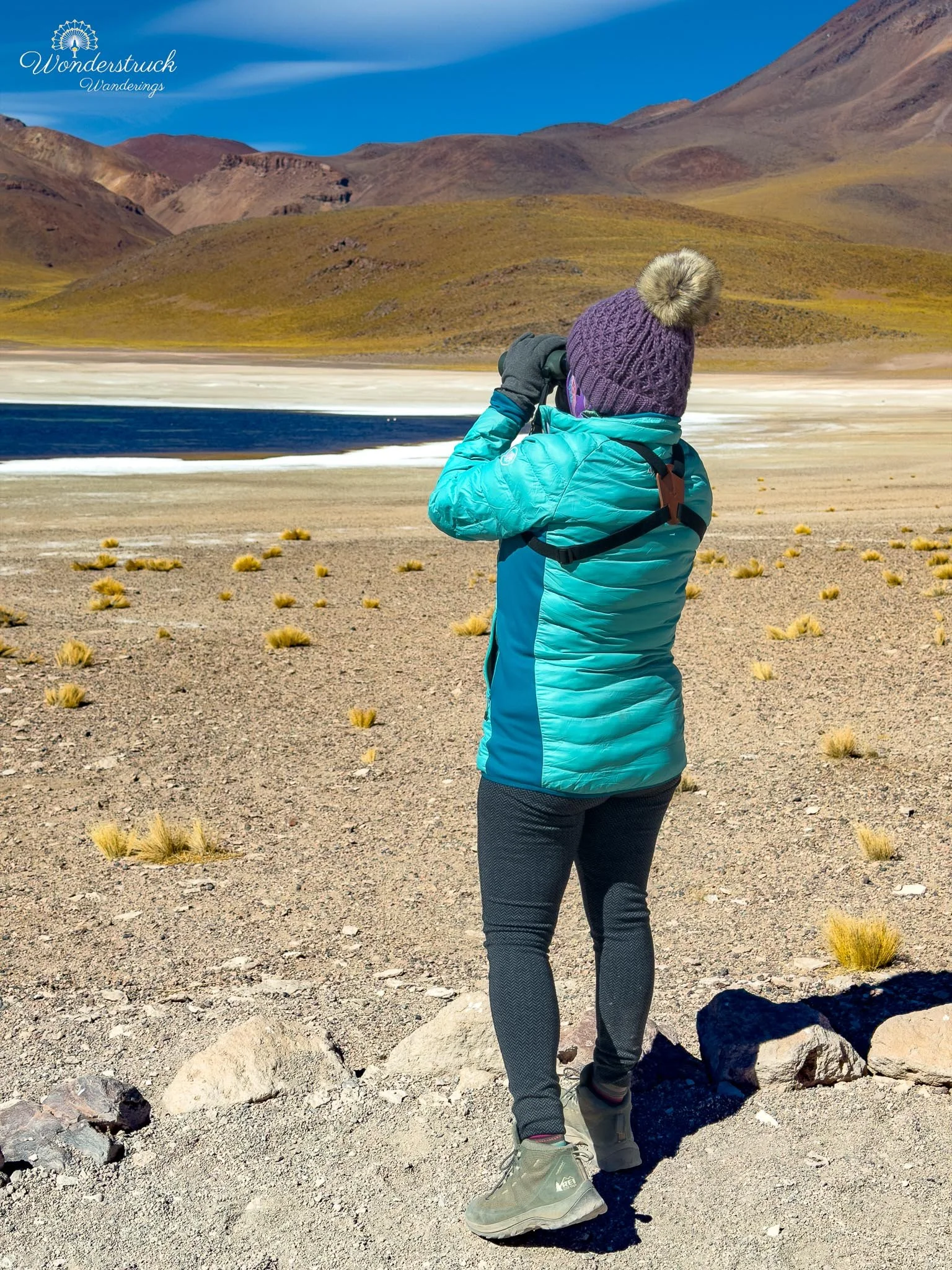
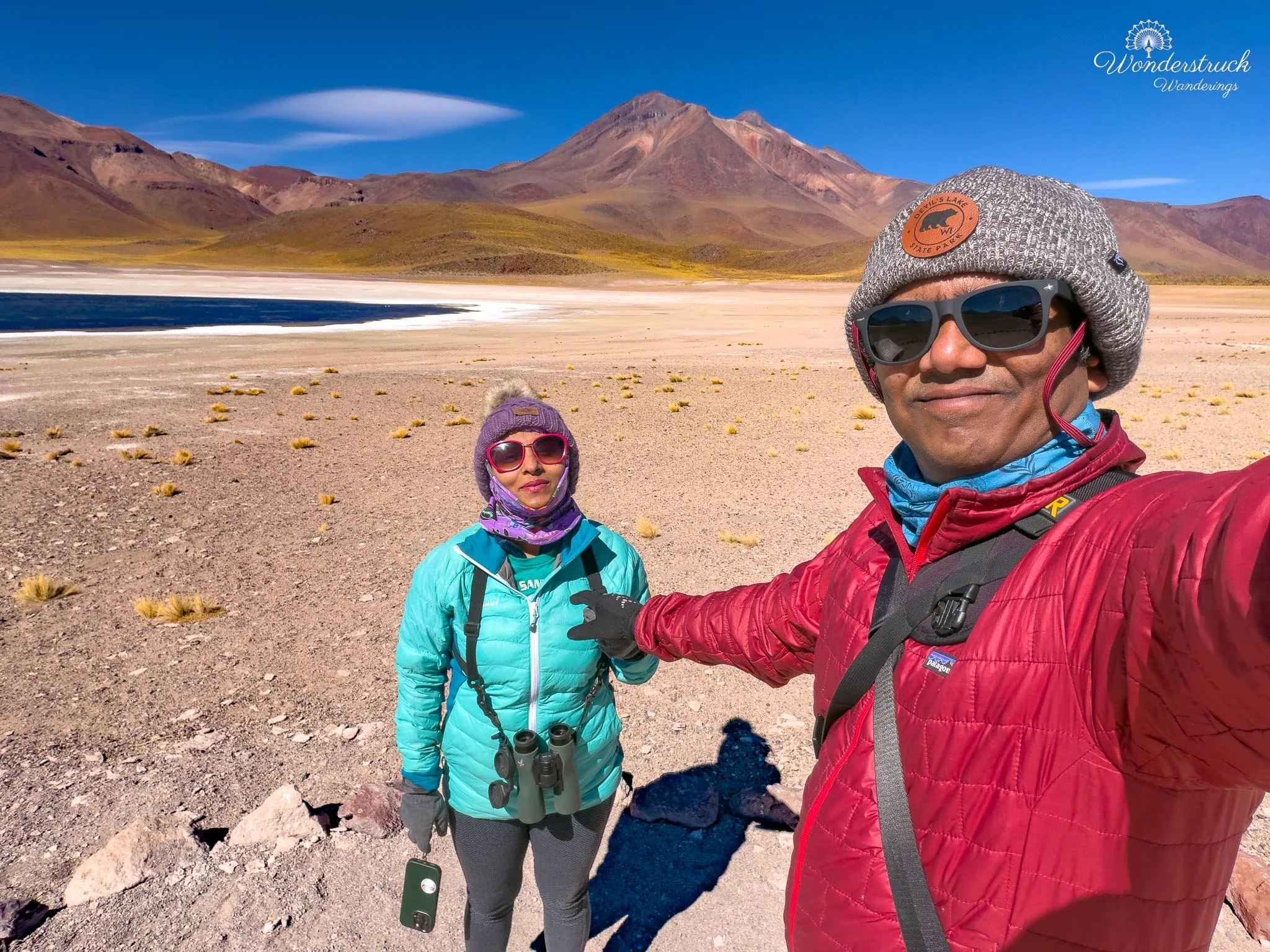
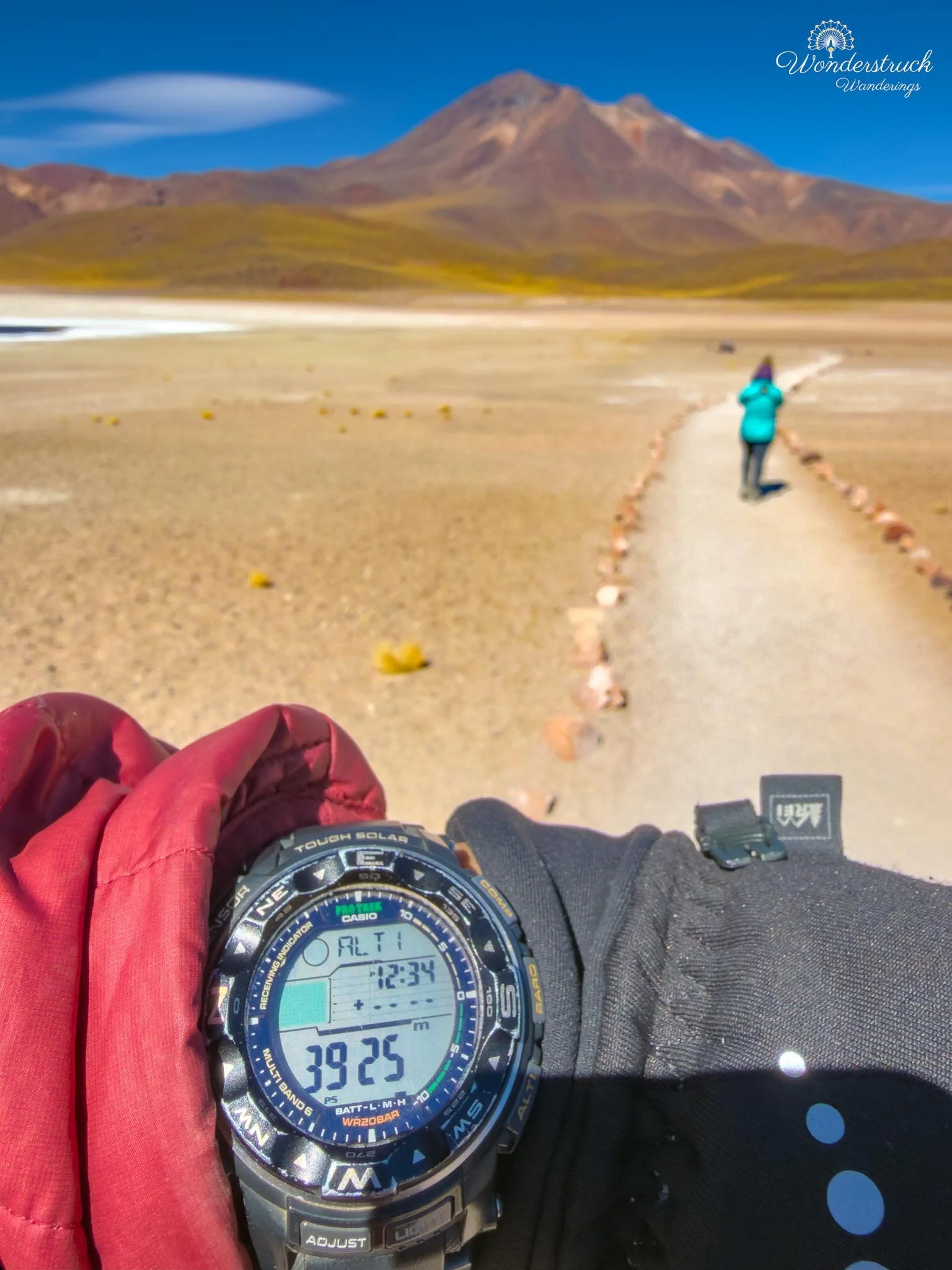
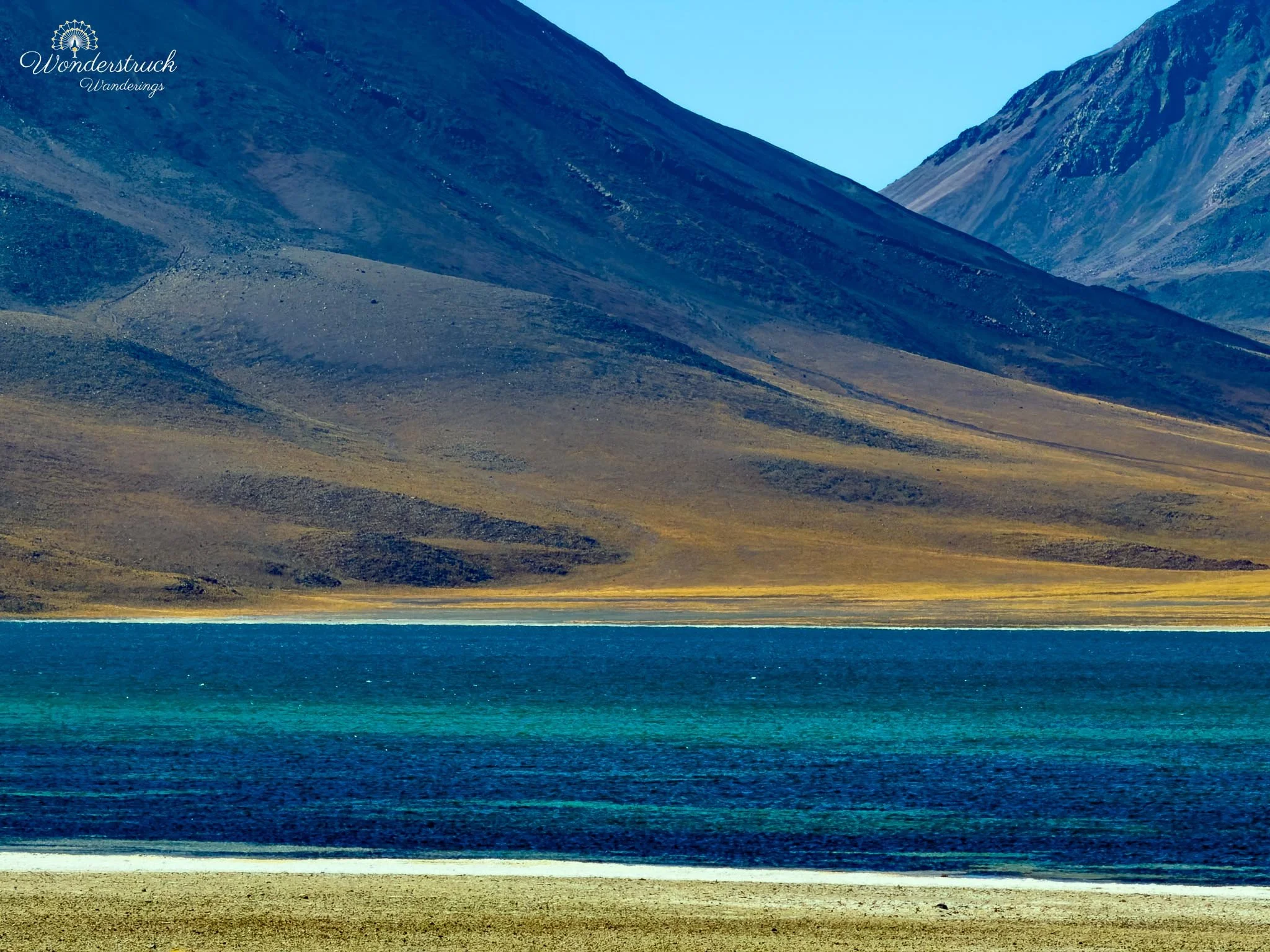
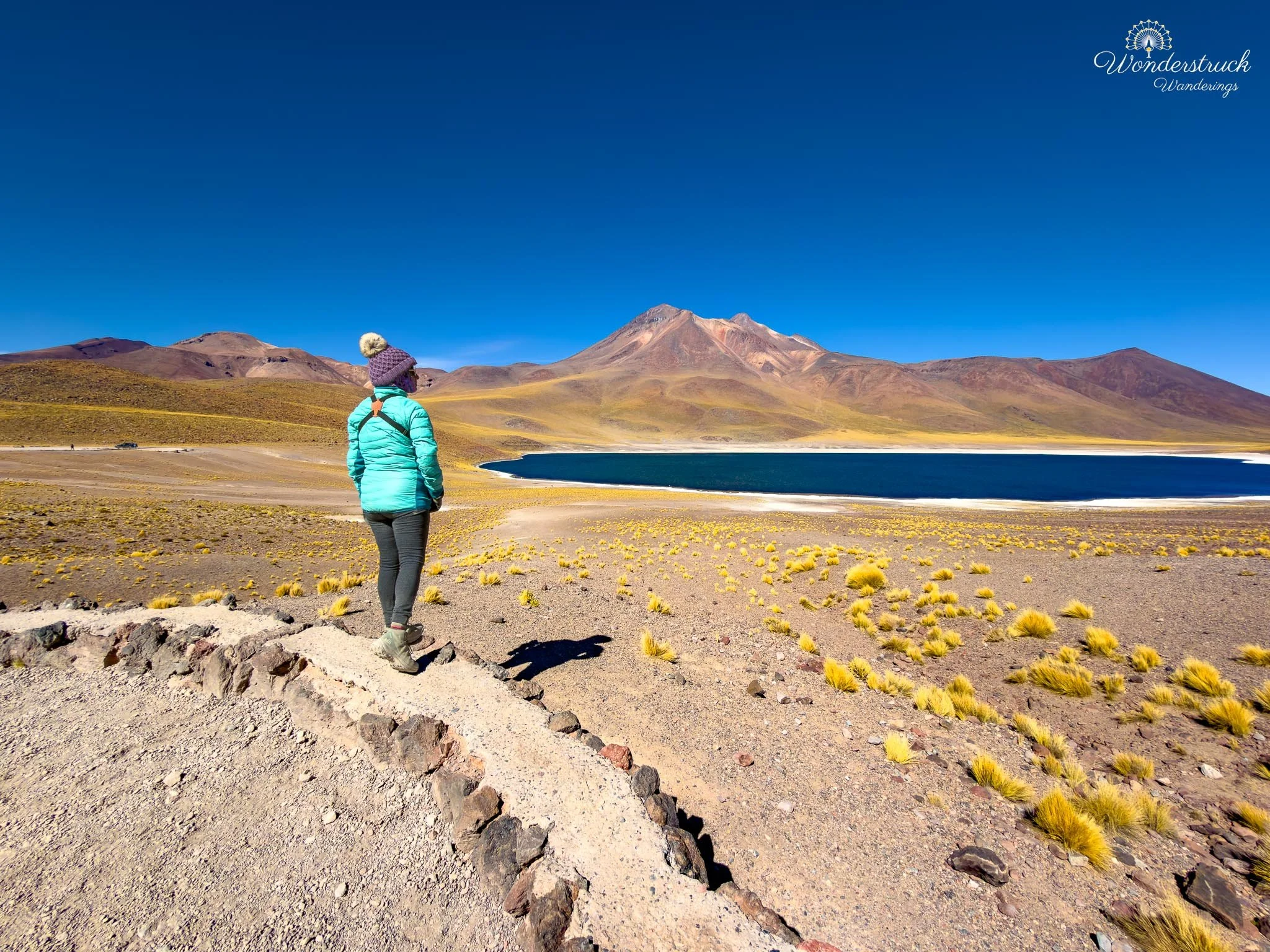
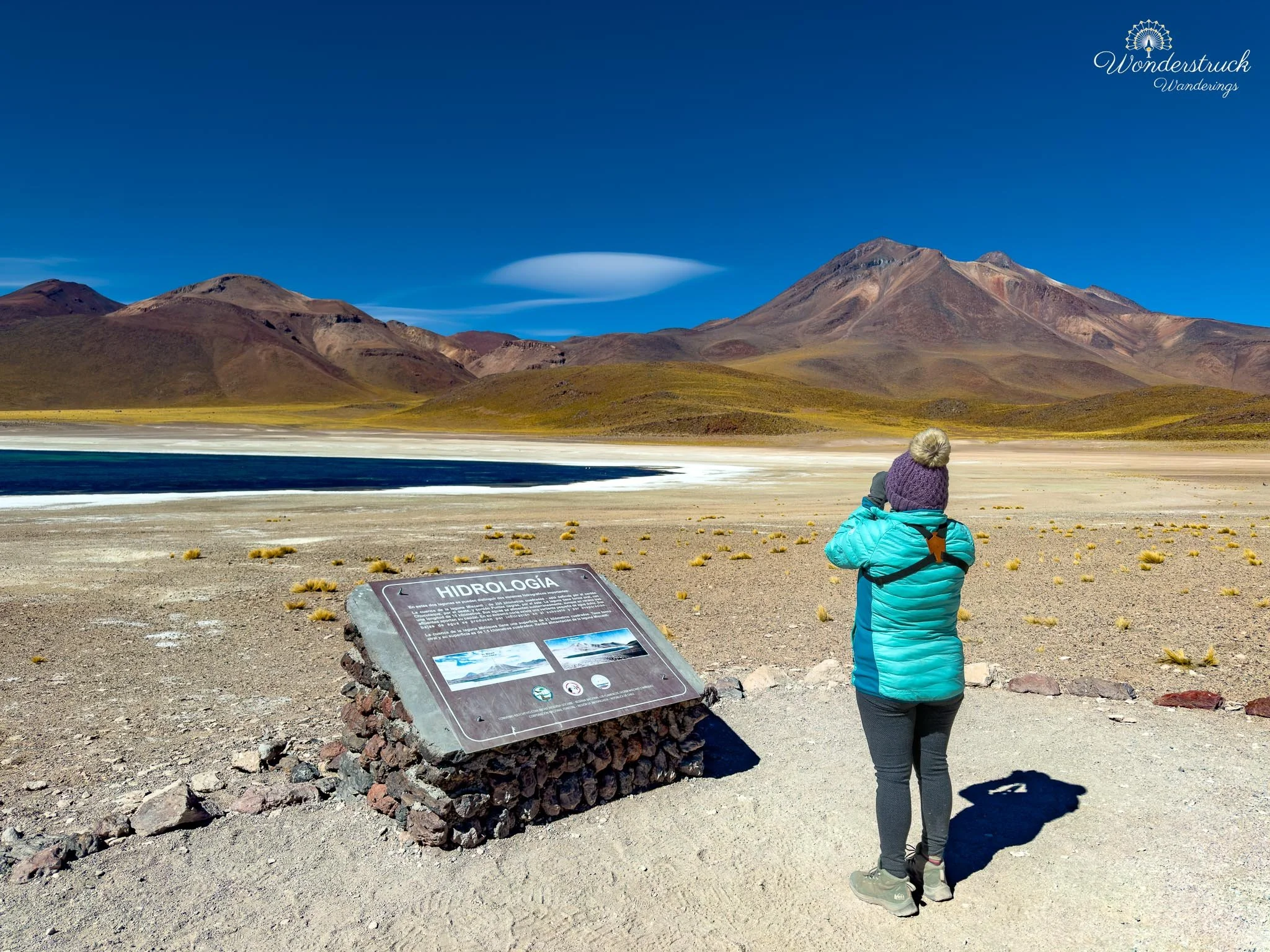
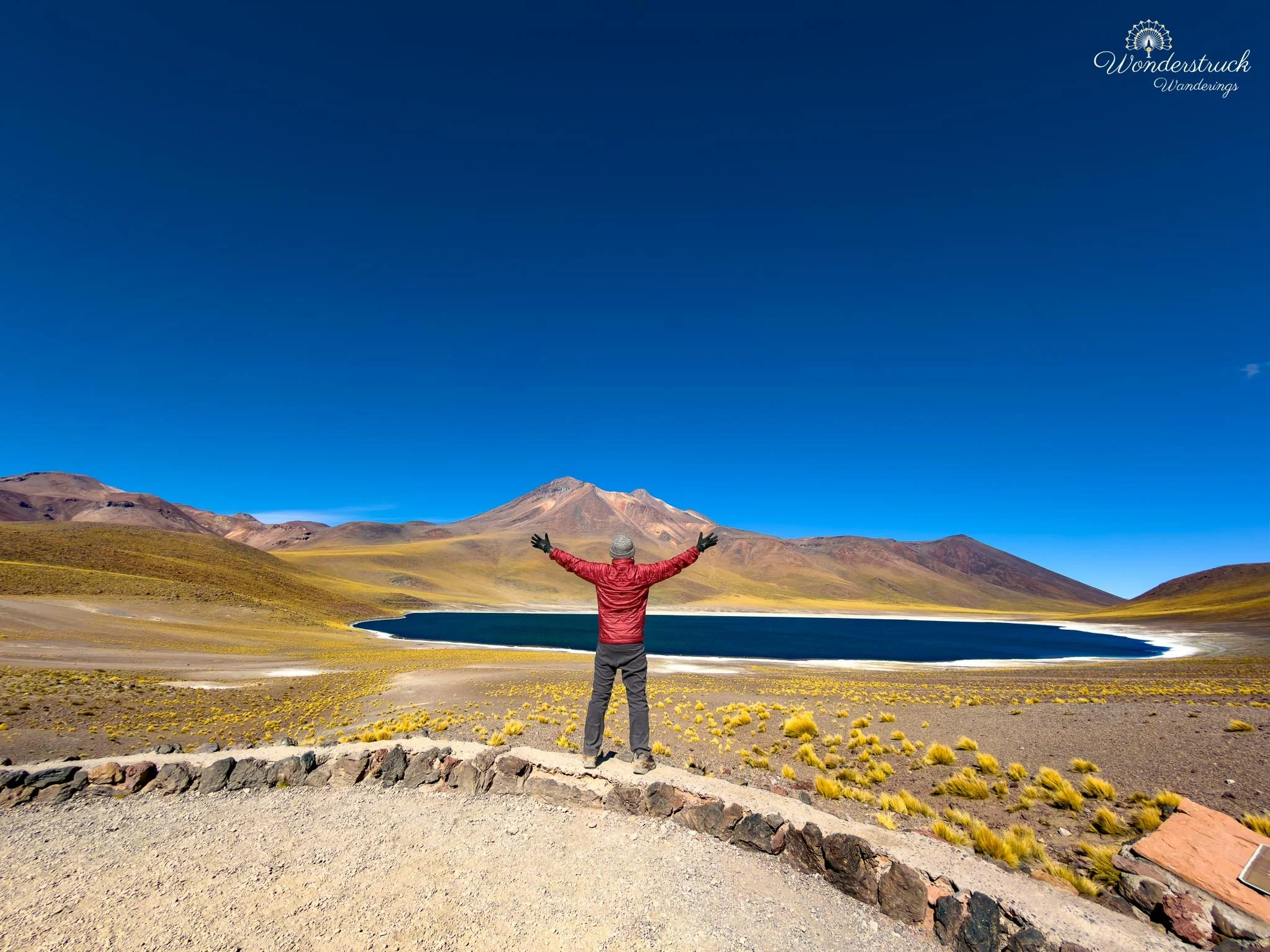
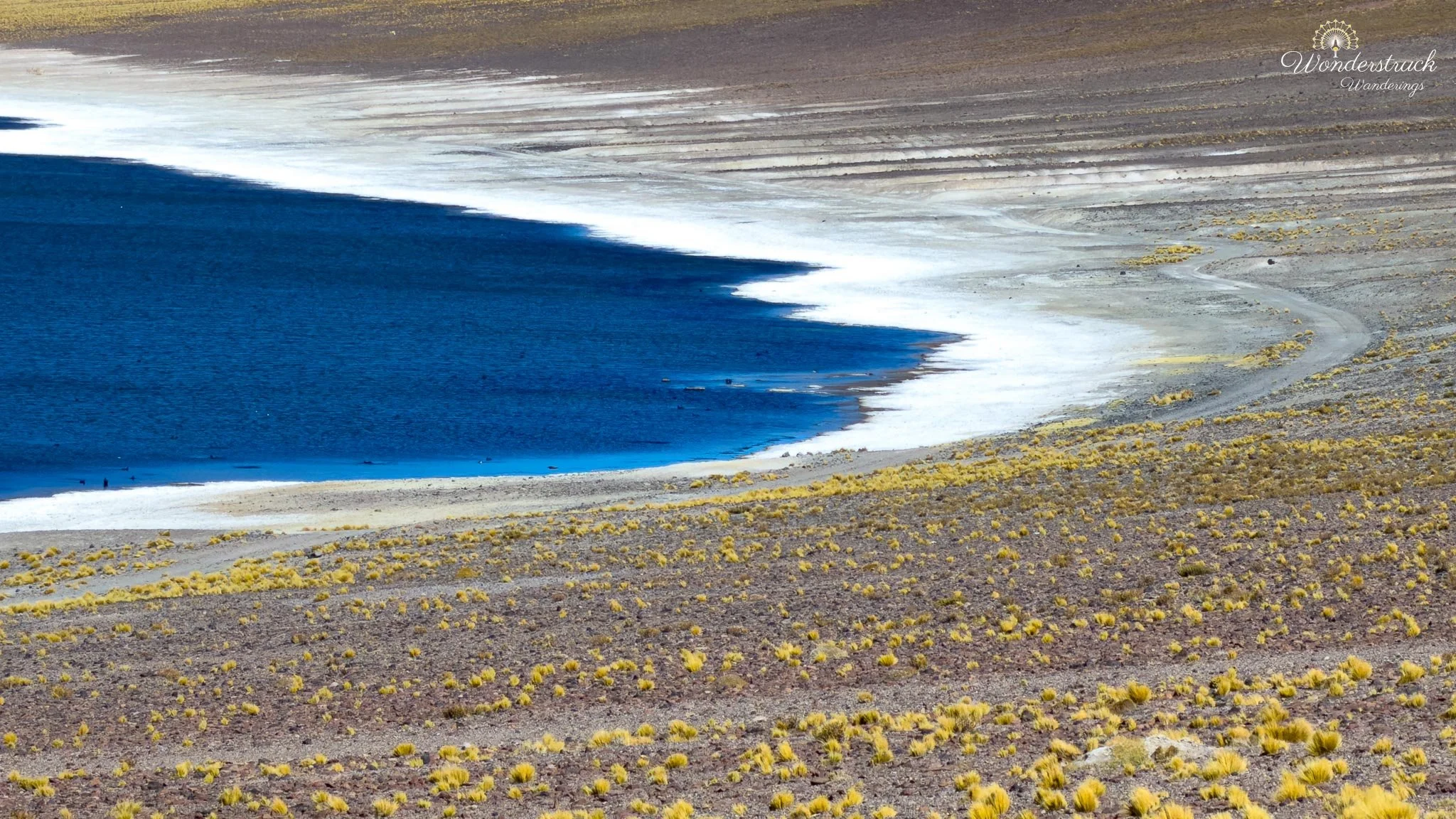
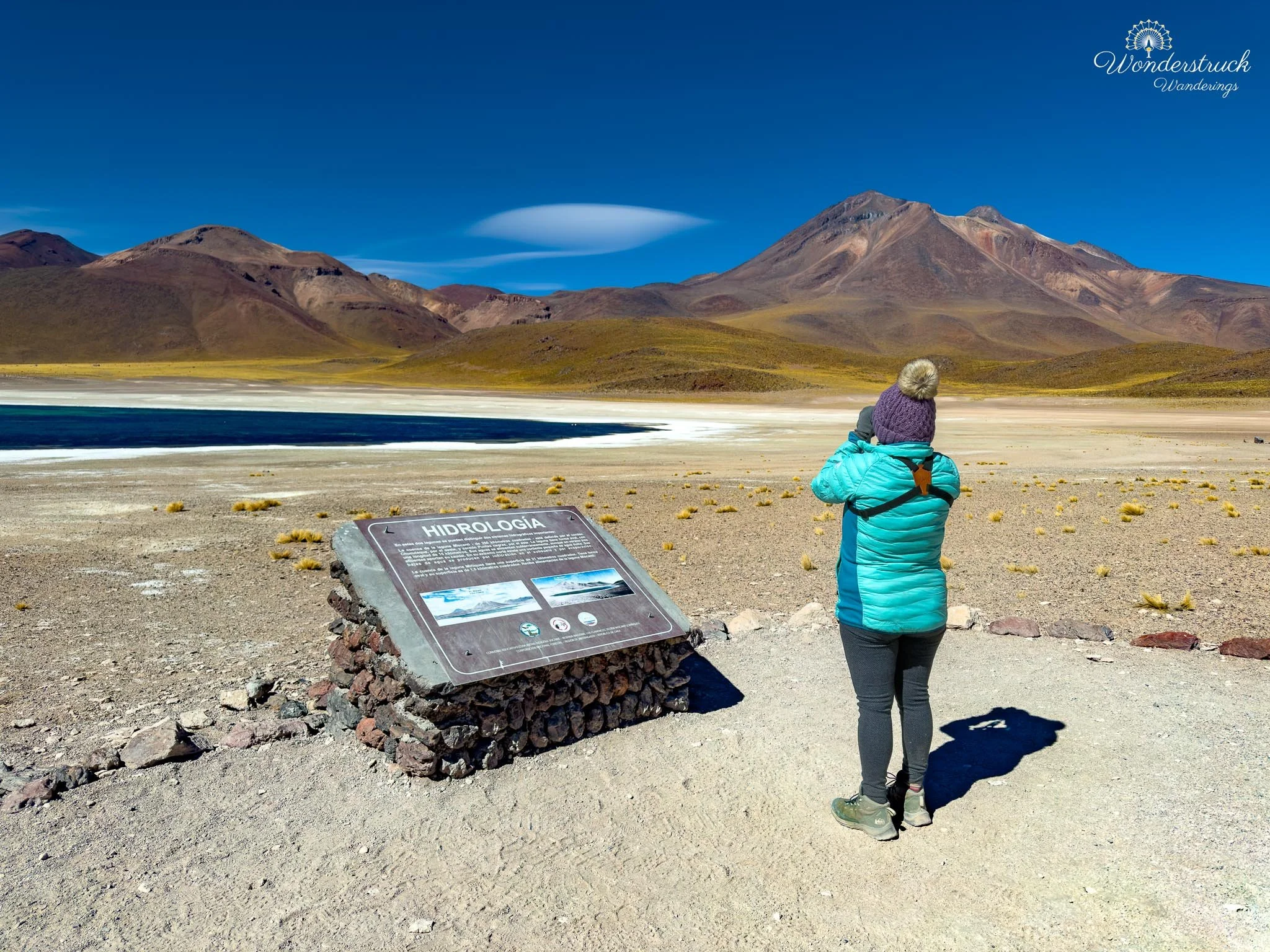
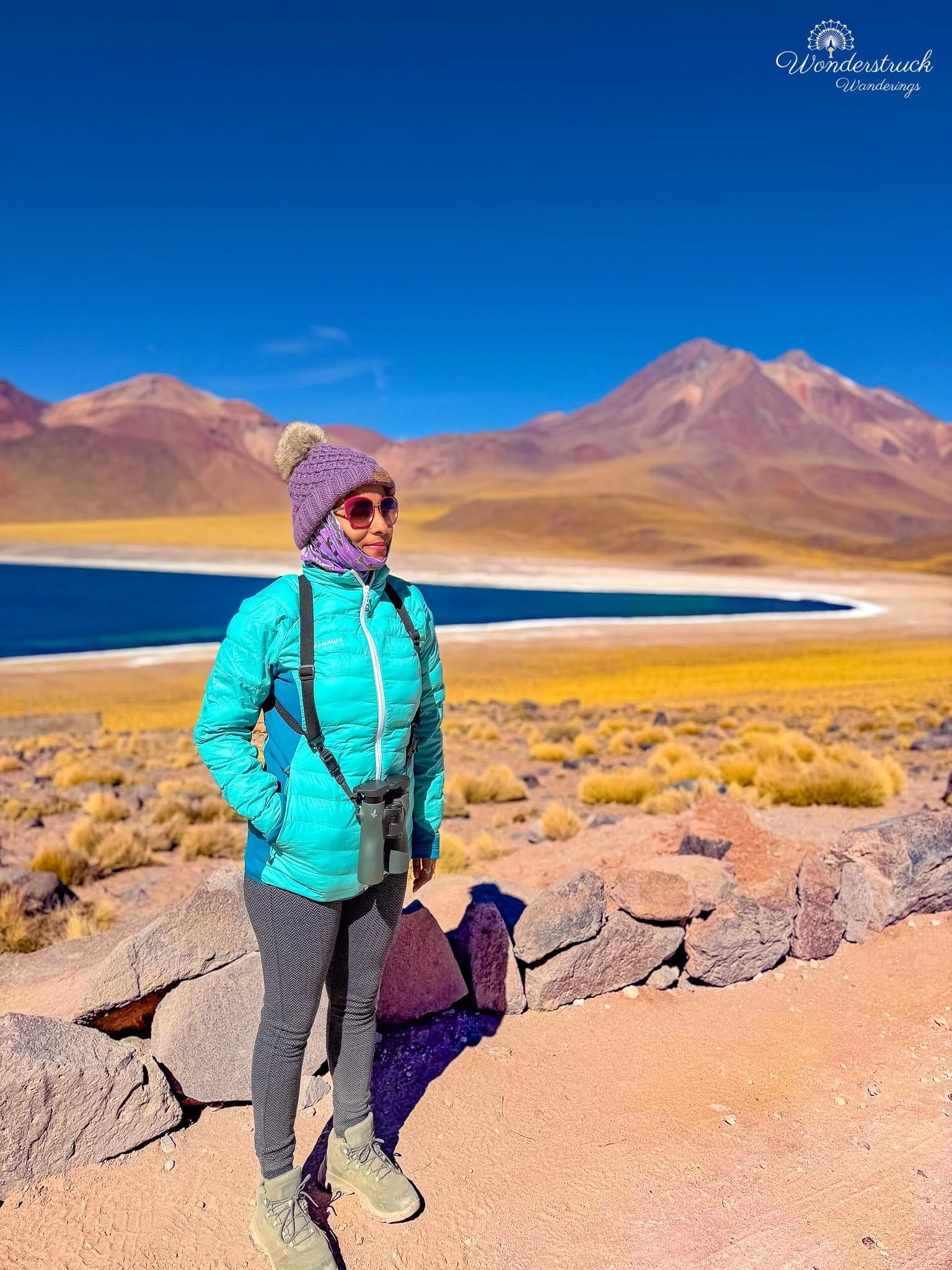
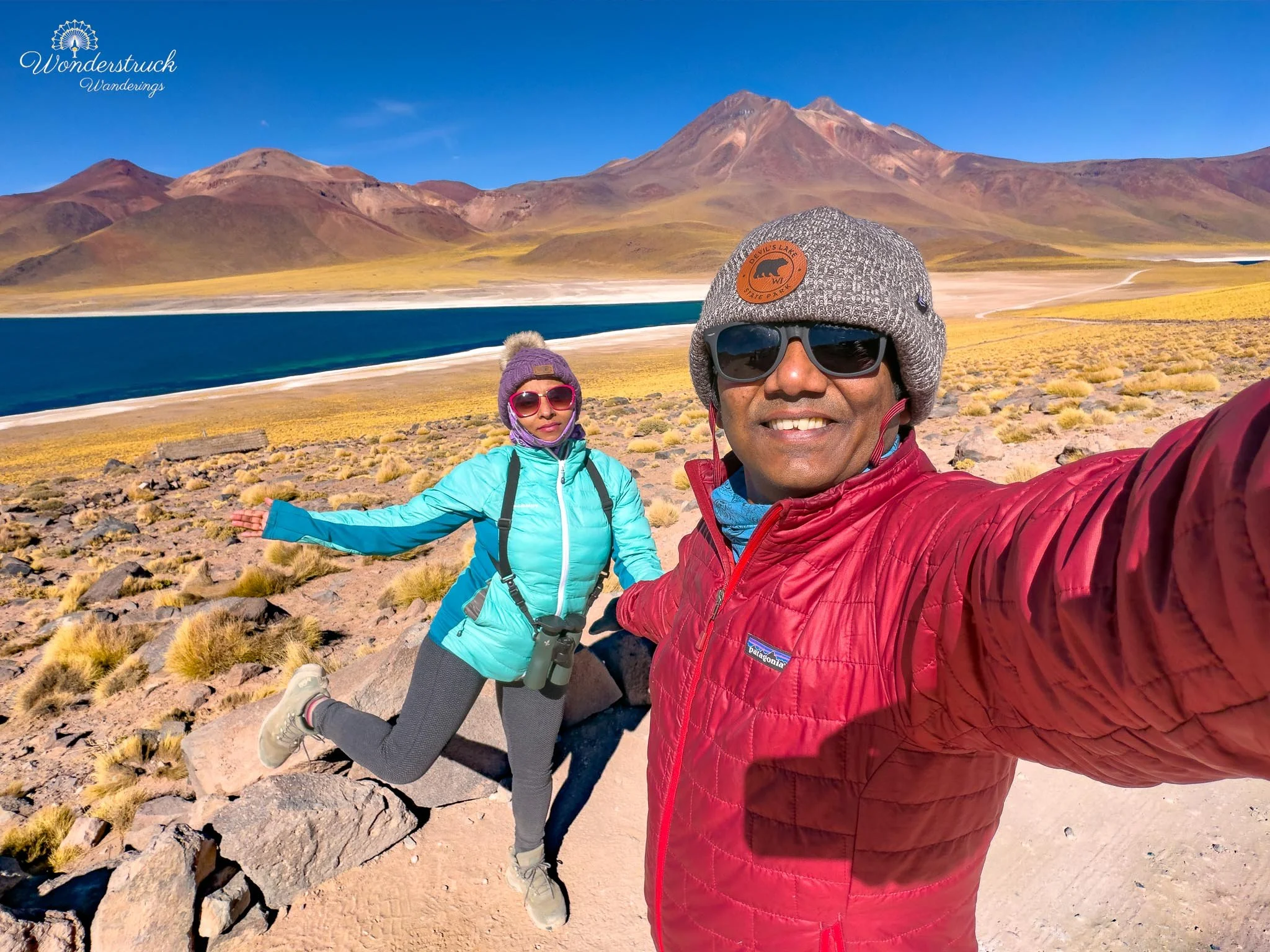
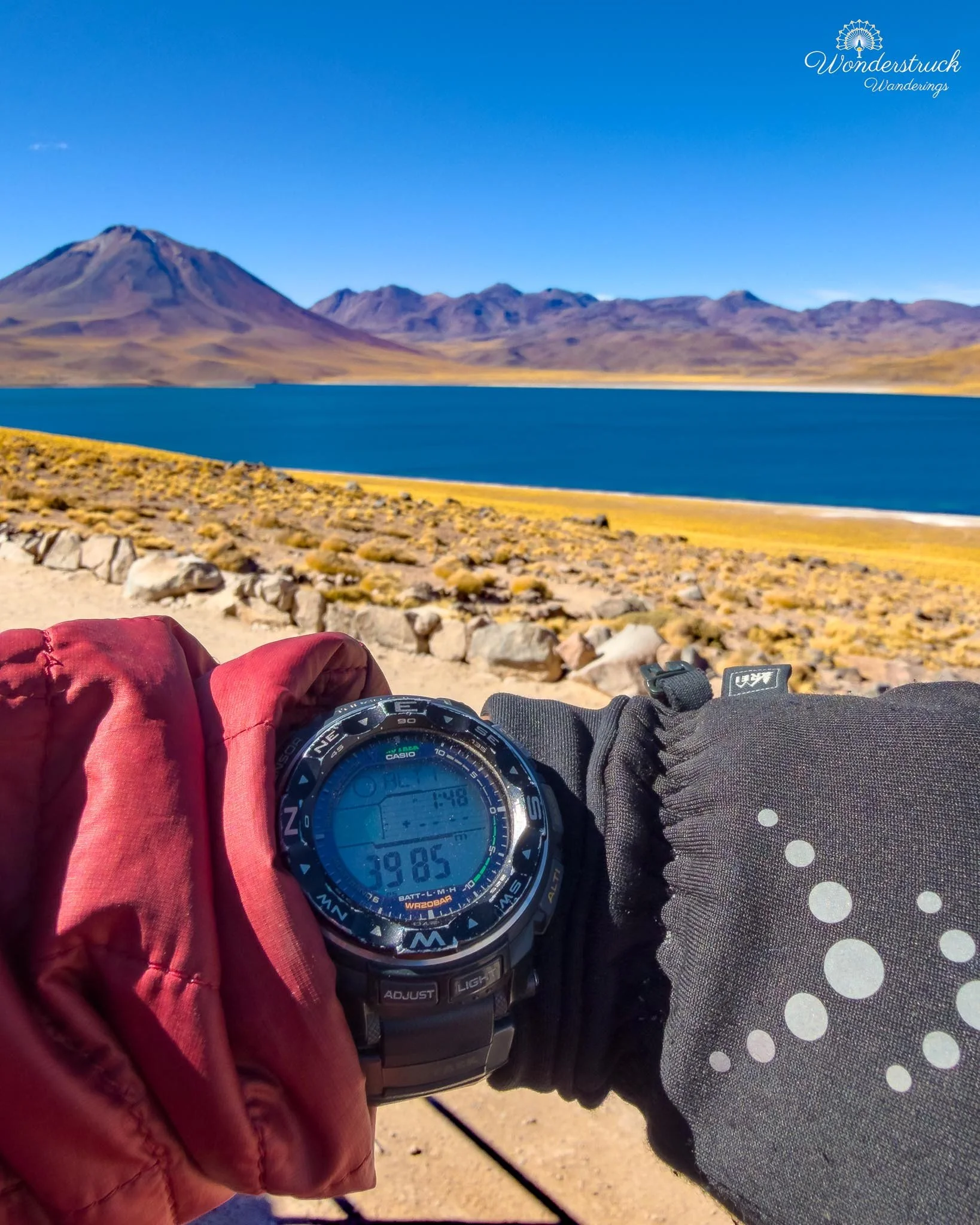
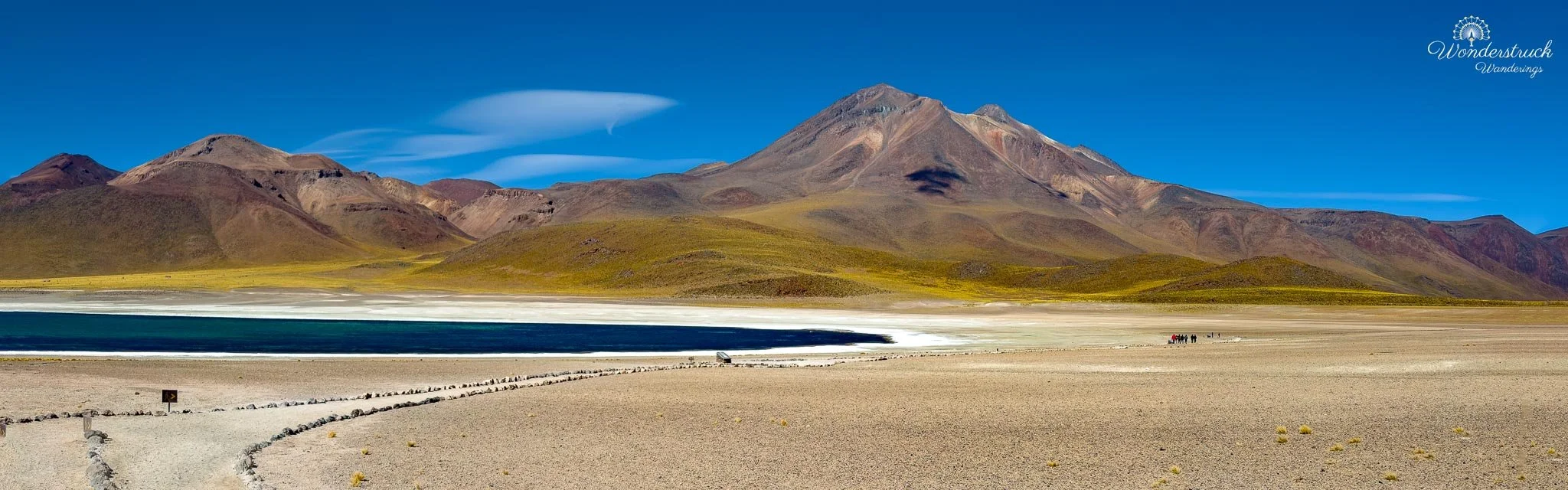
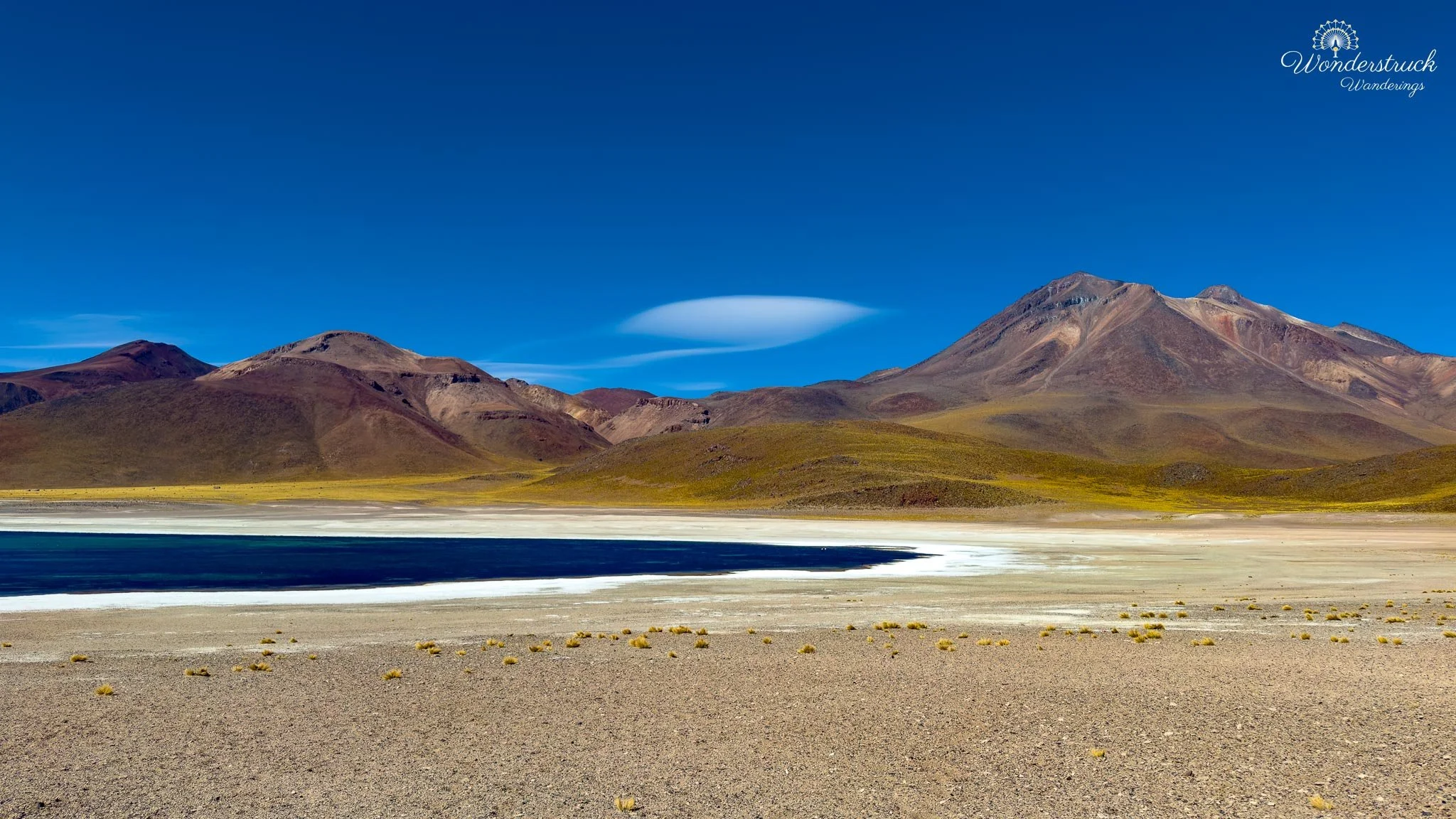
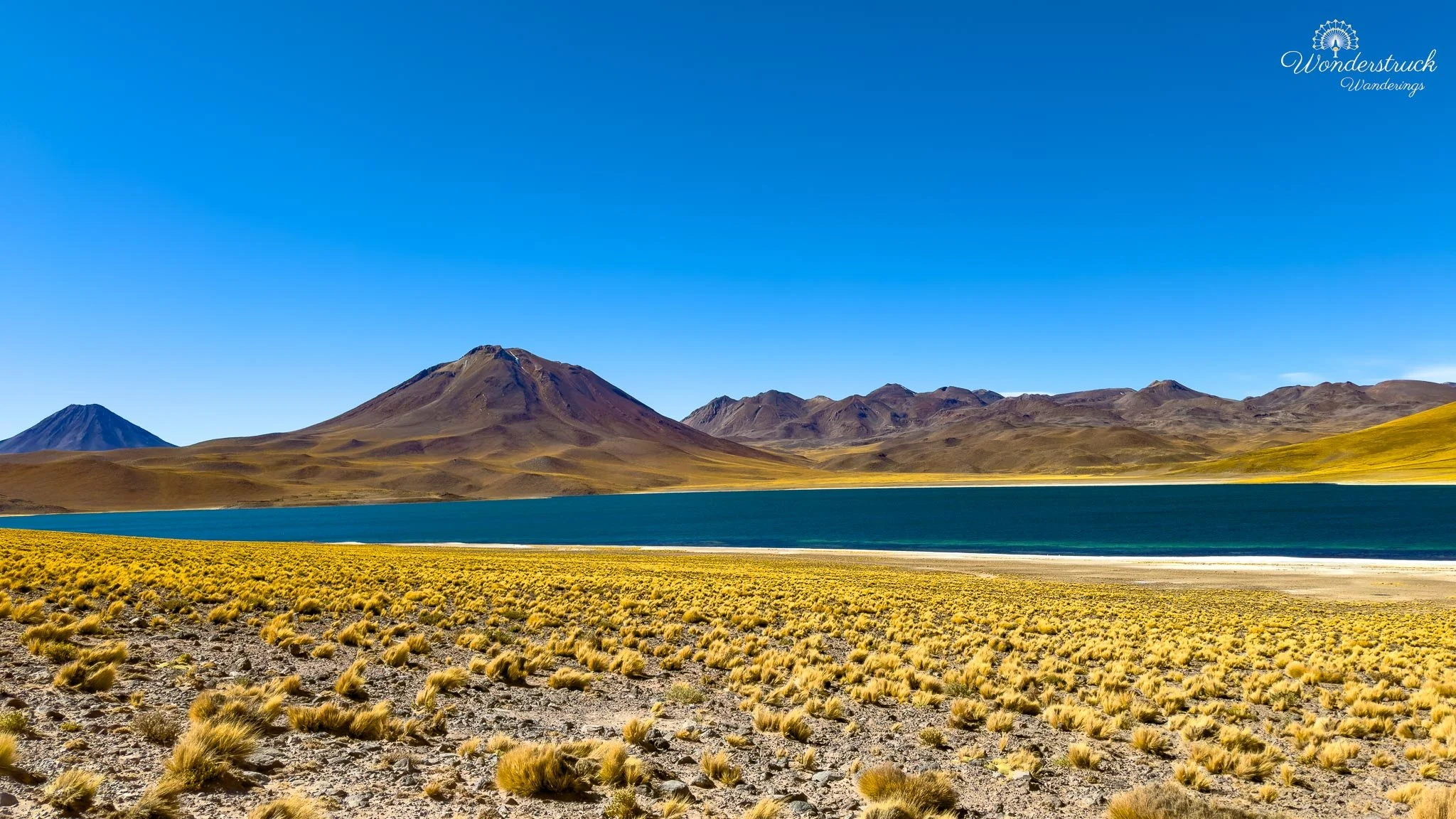
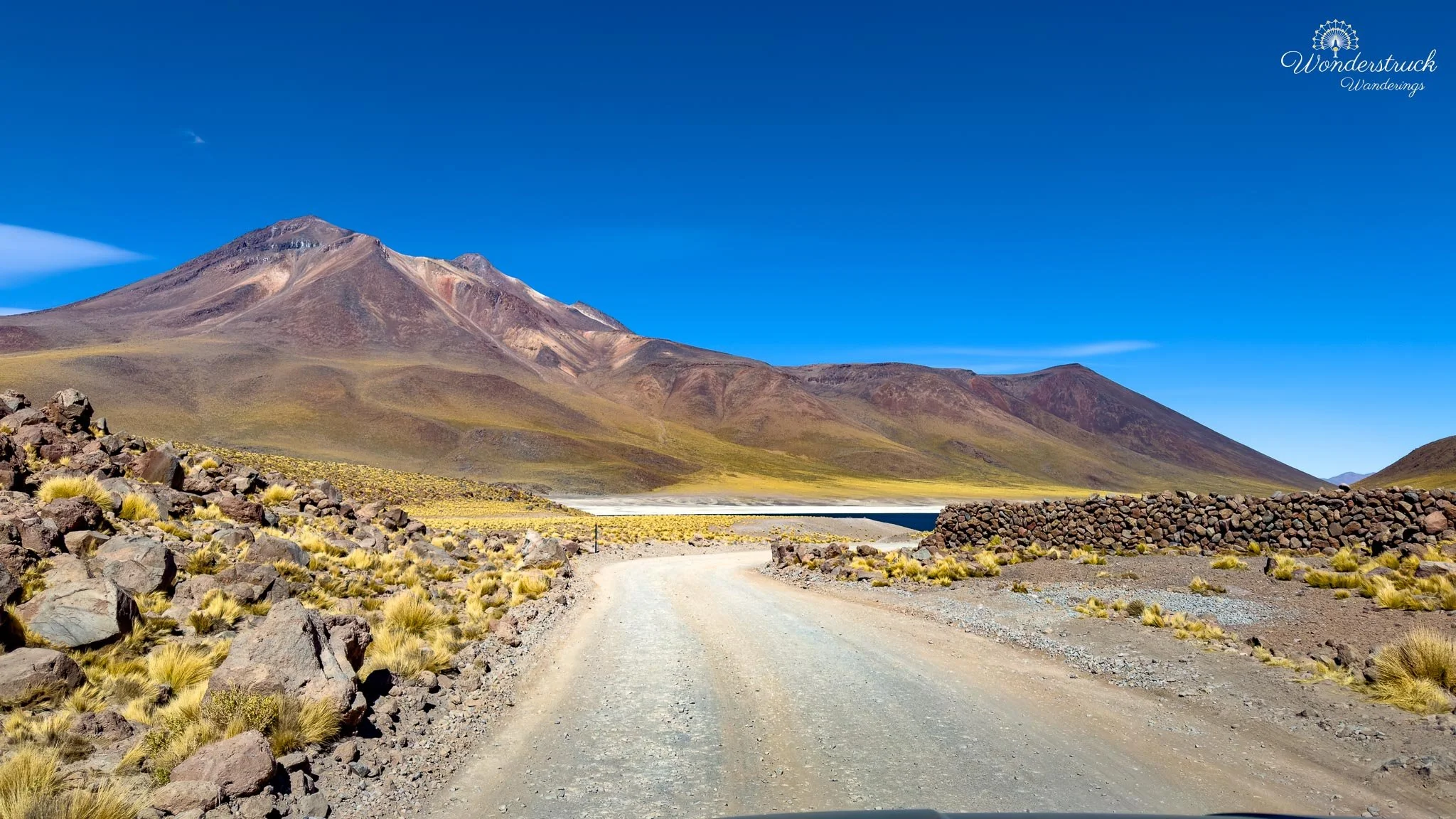
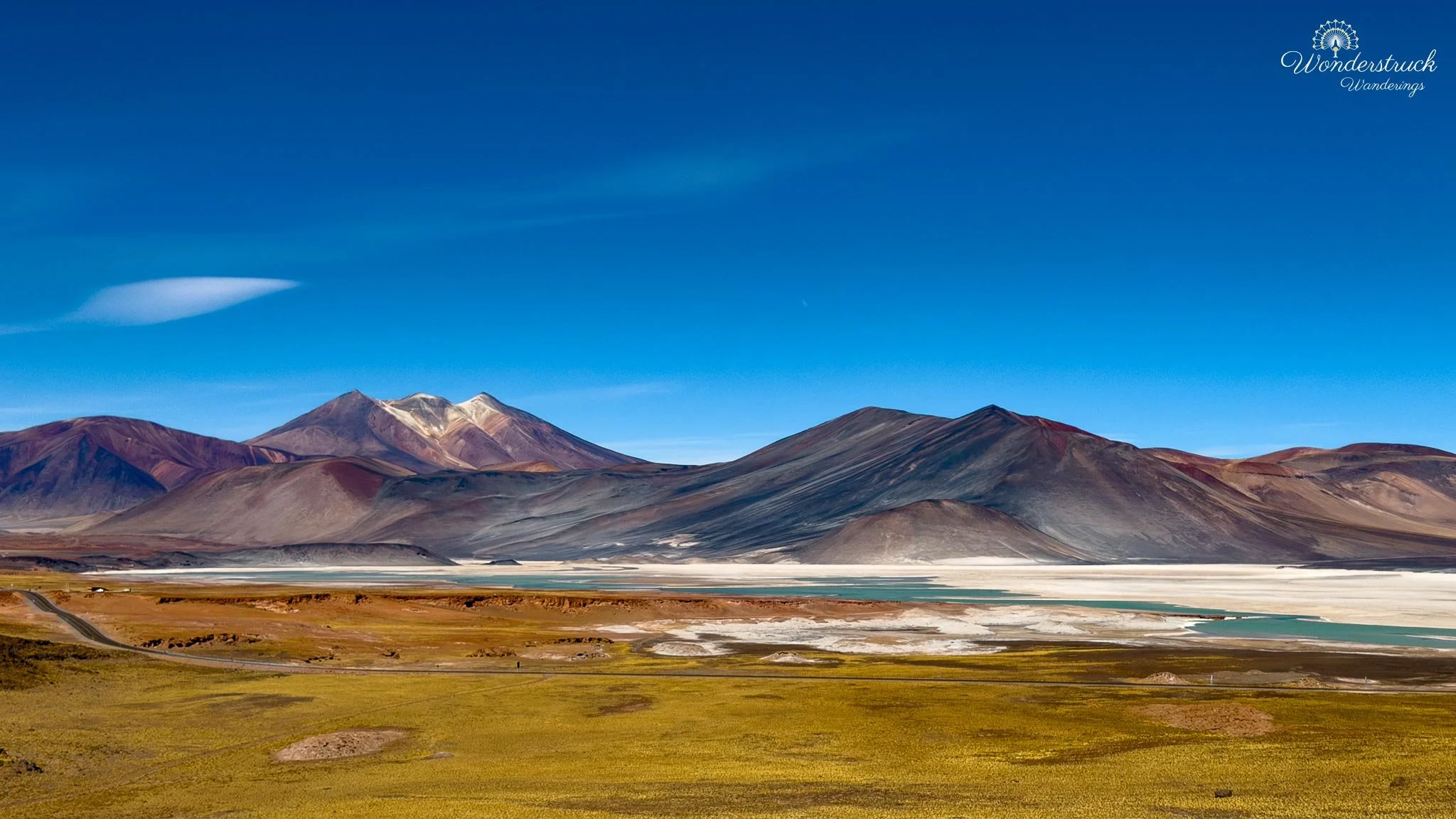
At approximately 10:30 a.m., we continued another 30–35 kilometers toward Socaire, situated around 3,200 meters above sea level. We had reserved a combined visit to Lagunas Miscanti y Miñiques and Piedras Rojas, which required an in-person check-in at the Socaire control office before proceeding. Once the formalities were completed, we stopped at a local tienda. Shay bought a freshly fried empanada de queso, while I finished the chocolate croissants we had purchased from La Franchutería. From Socaire, the road climbed toward the Altiplanic Lagoons, above 4,100 meters. The scenery changed rapidly from dry desert slopes to yellow puna grasses, volcanic mountains, and deep blue lakes. At Laguna Miscanti, we walked the marked trail past three viewpoints, taking our time with the altitude and scanning the water. The birds were distant, making identification difficult without a spotting scope, but we managed to find Silvery Grebe and Horned Coot. We then drove the short distance to Laguna Miñiques, stopping at the first viewpoint before walking toward the second. The nearby volcano dominated the backdrop, while the lagoon was edged with pale mineral deposits and grassland. Our favorite sighting here was a group of vicuñas descending from the slopes toward the water. Young animals chased one another, occasionally scattering the adults, giving us an entertaining wildlife encounter.
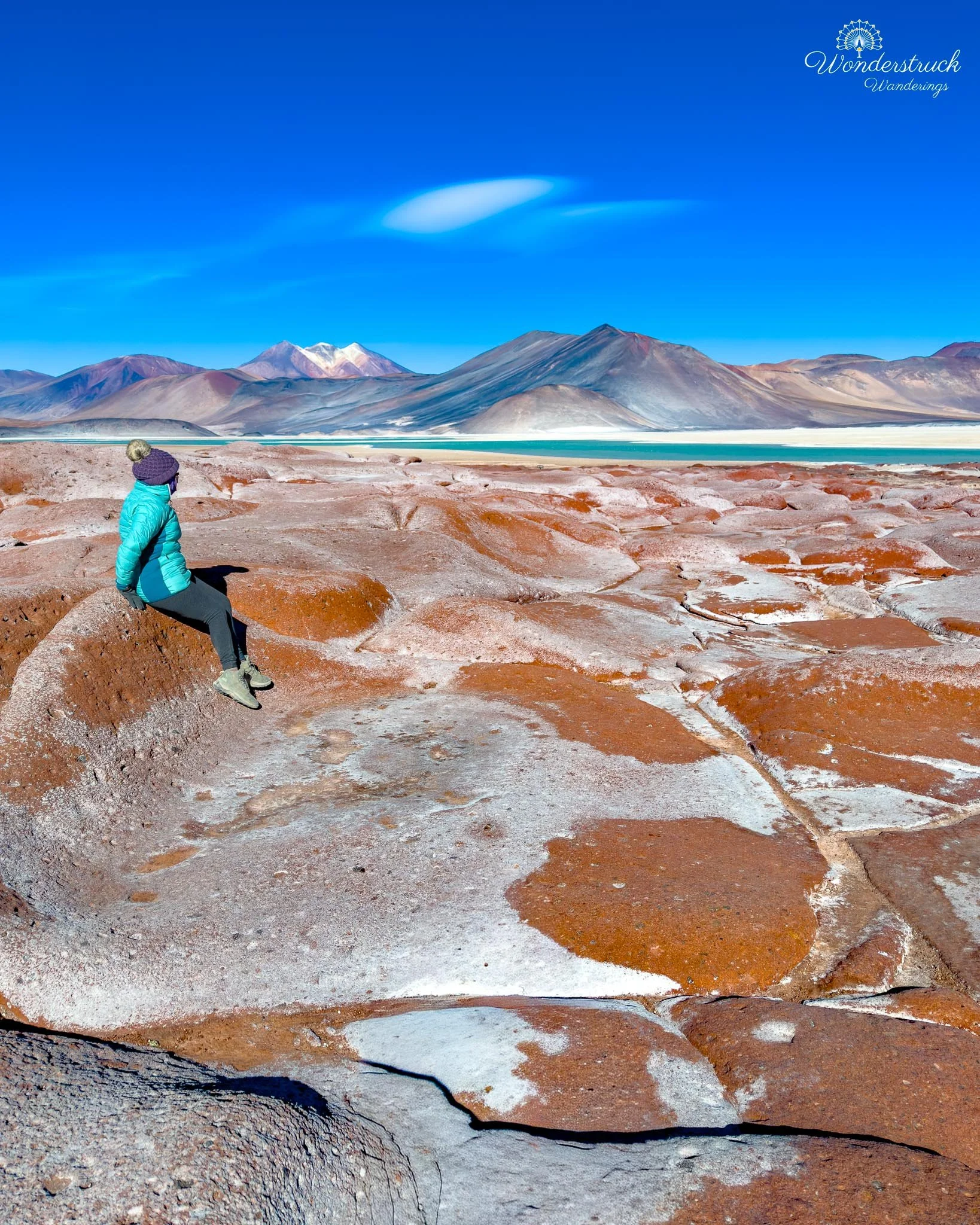
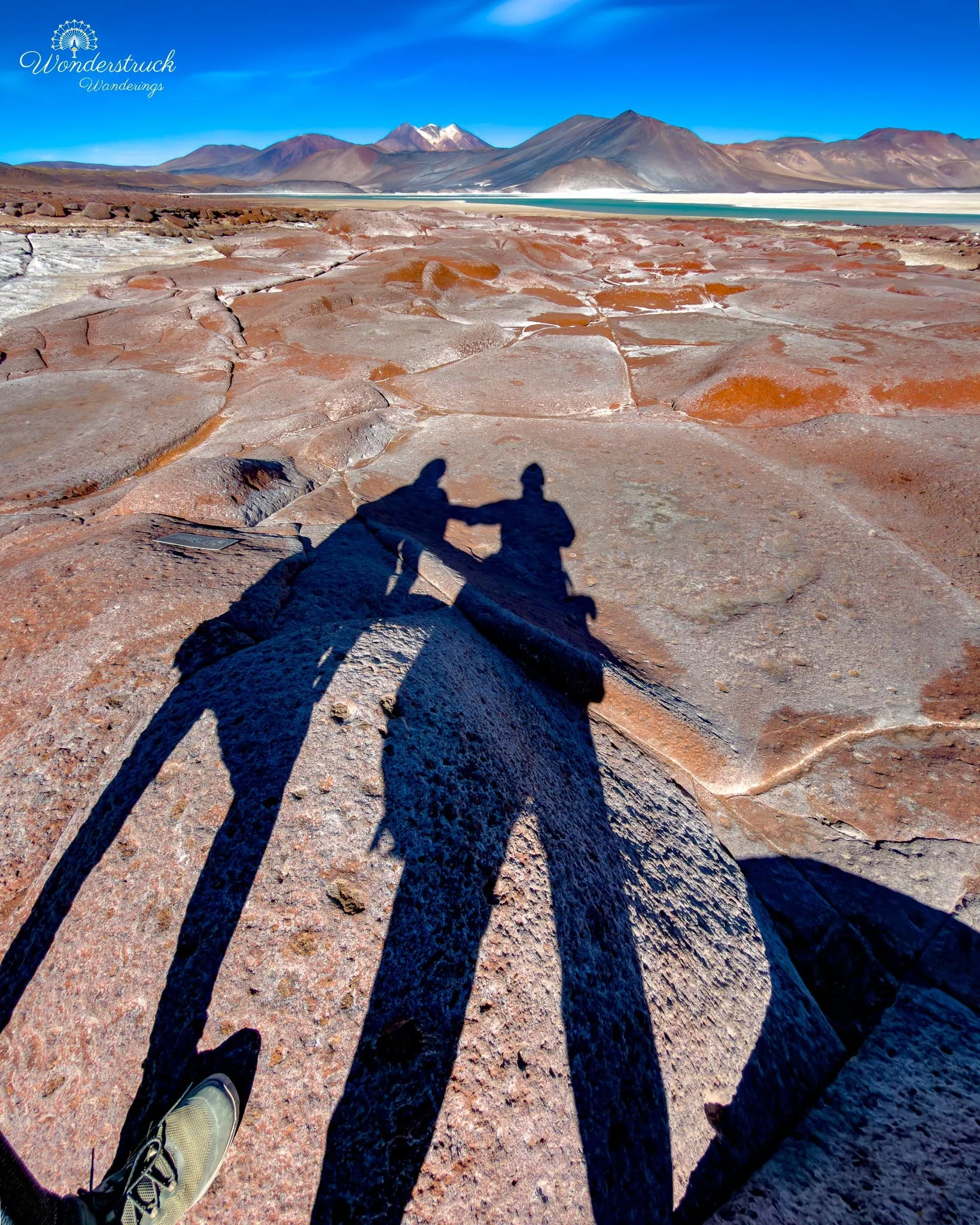
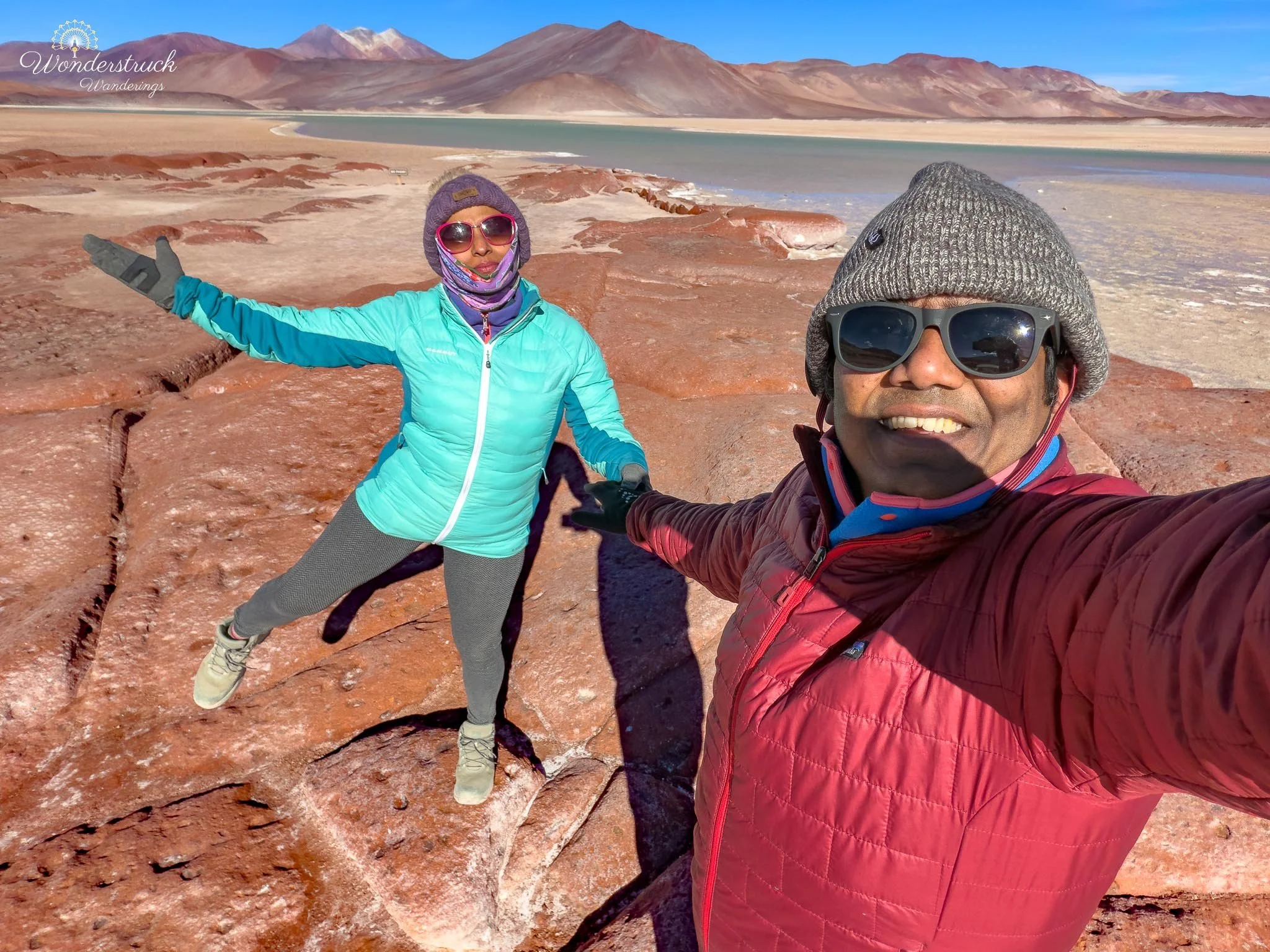
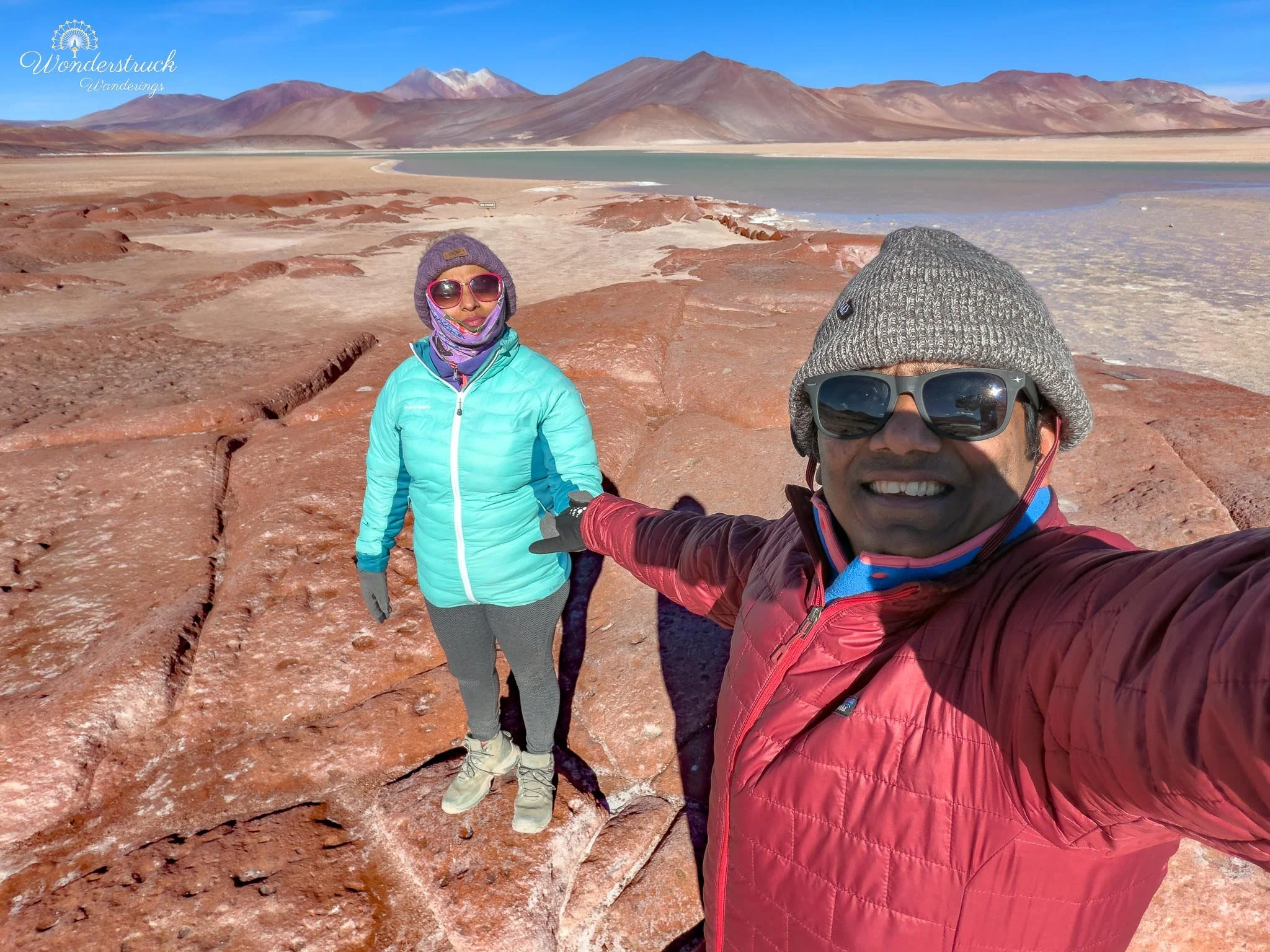
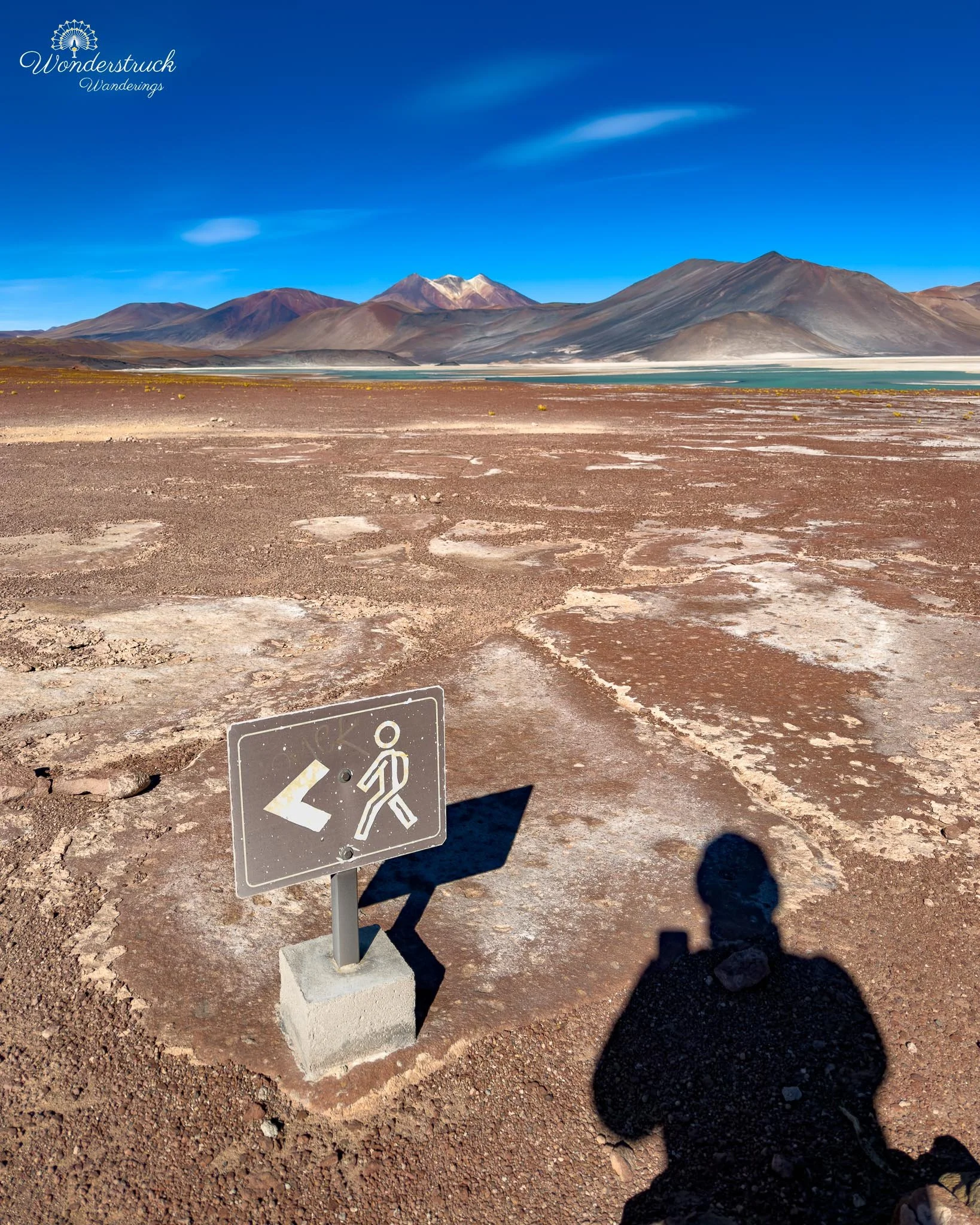
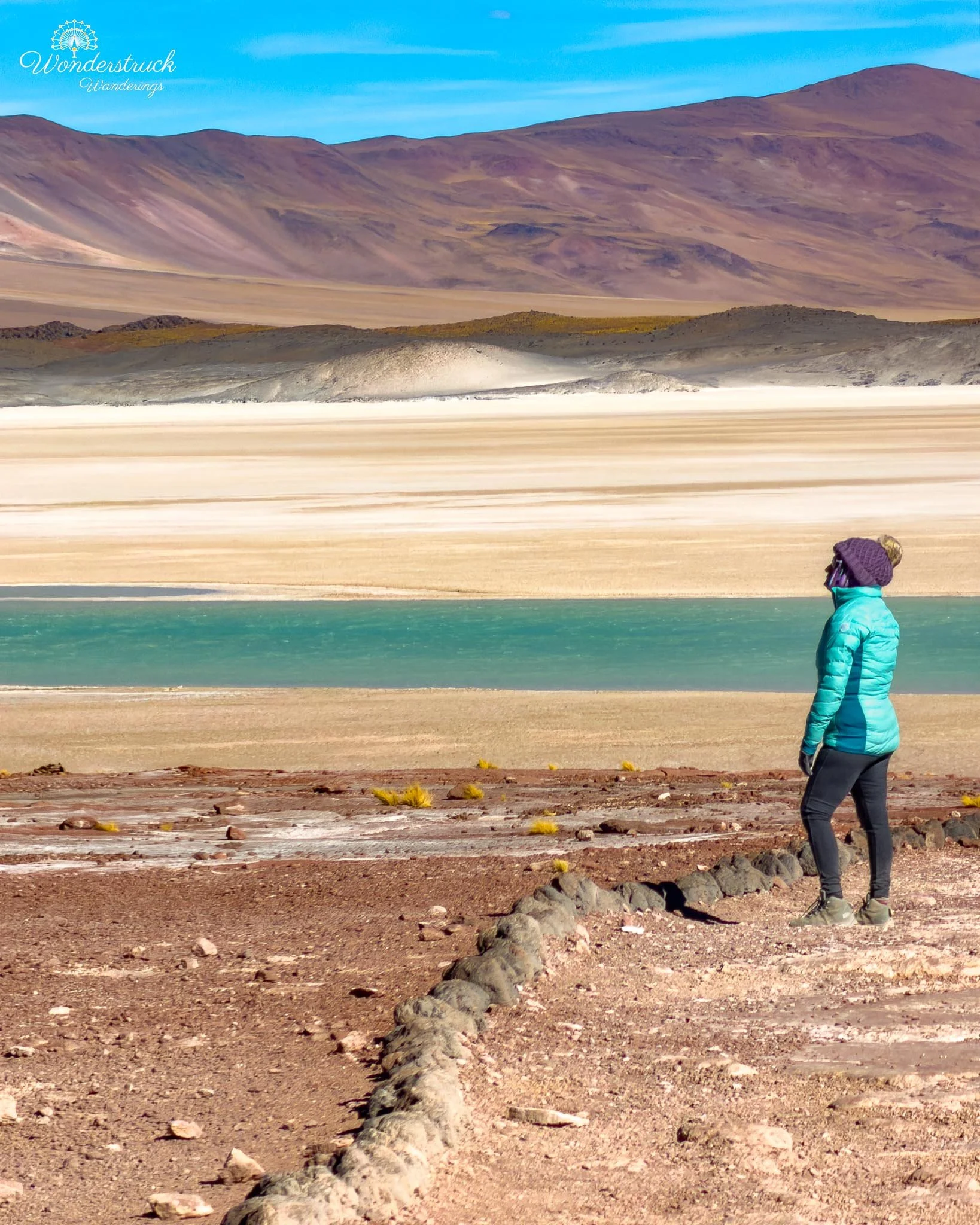
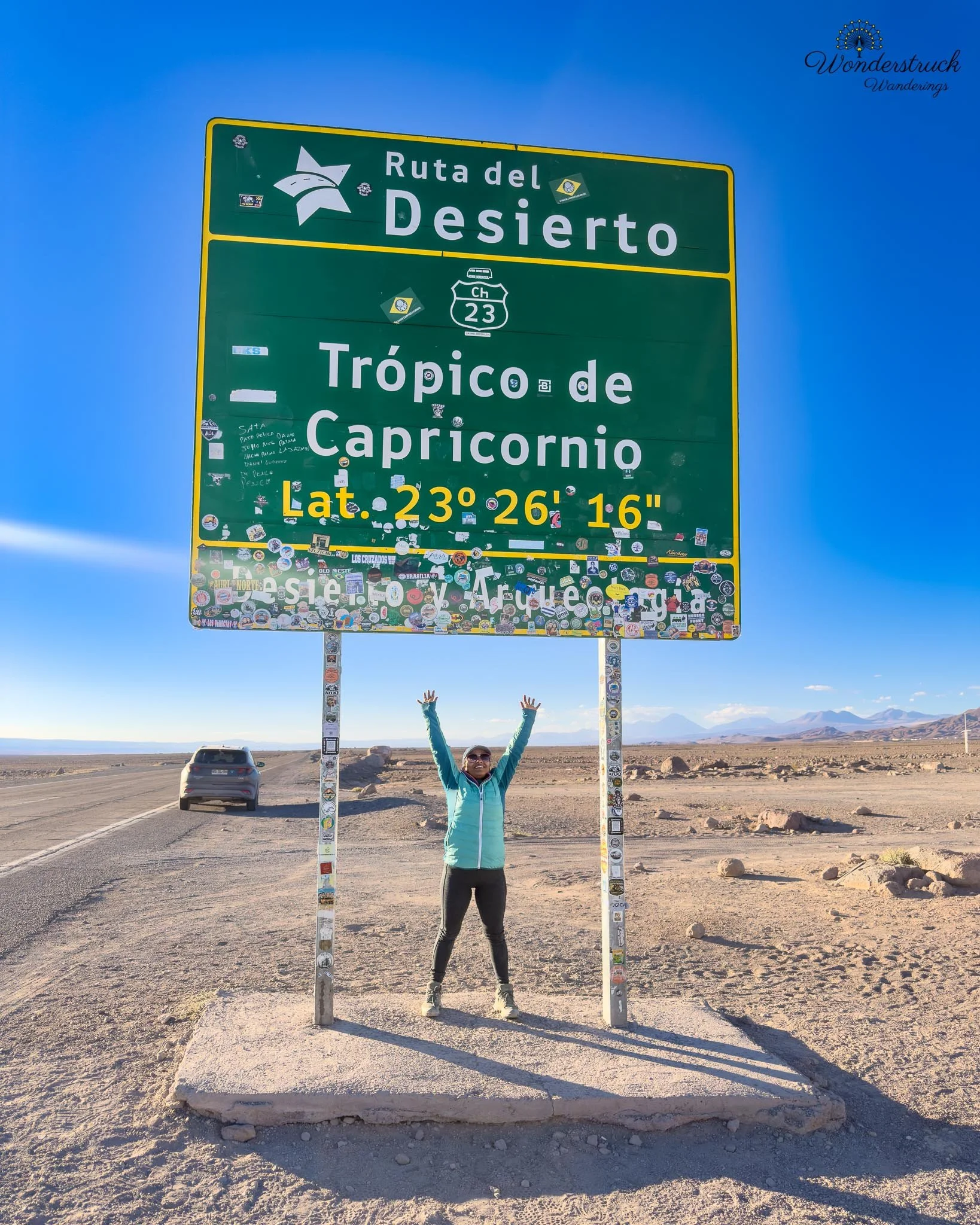
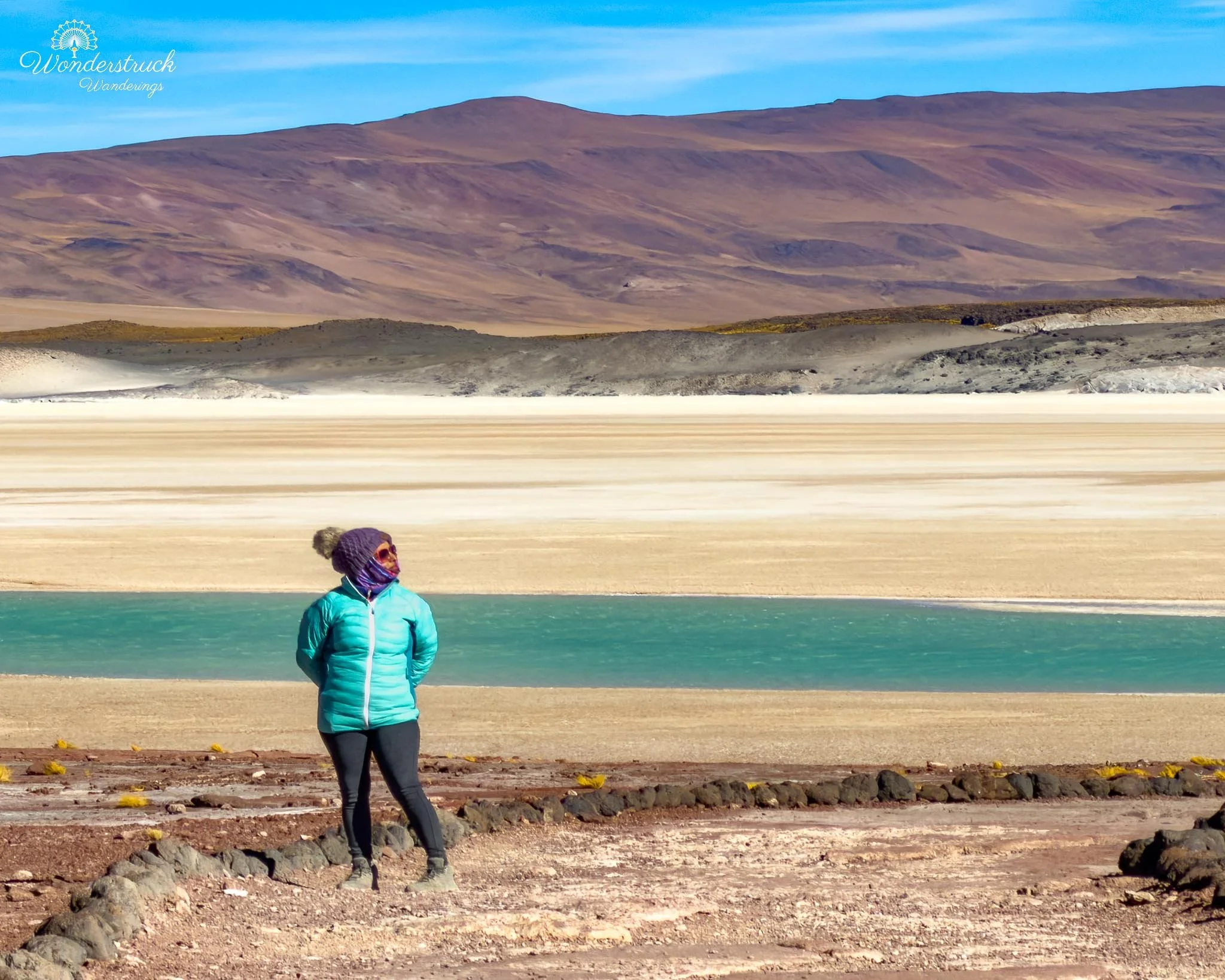
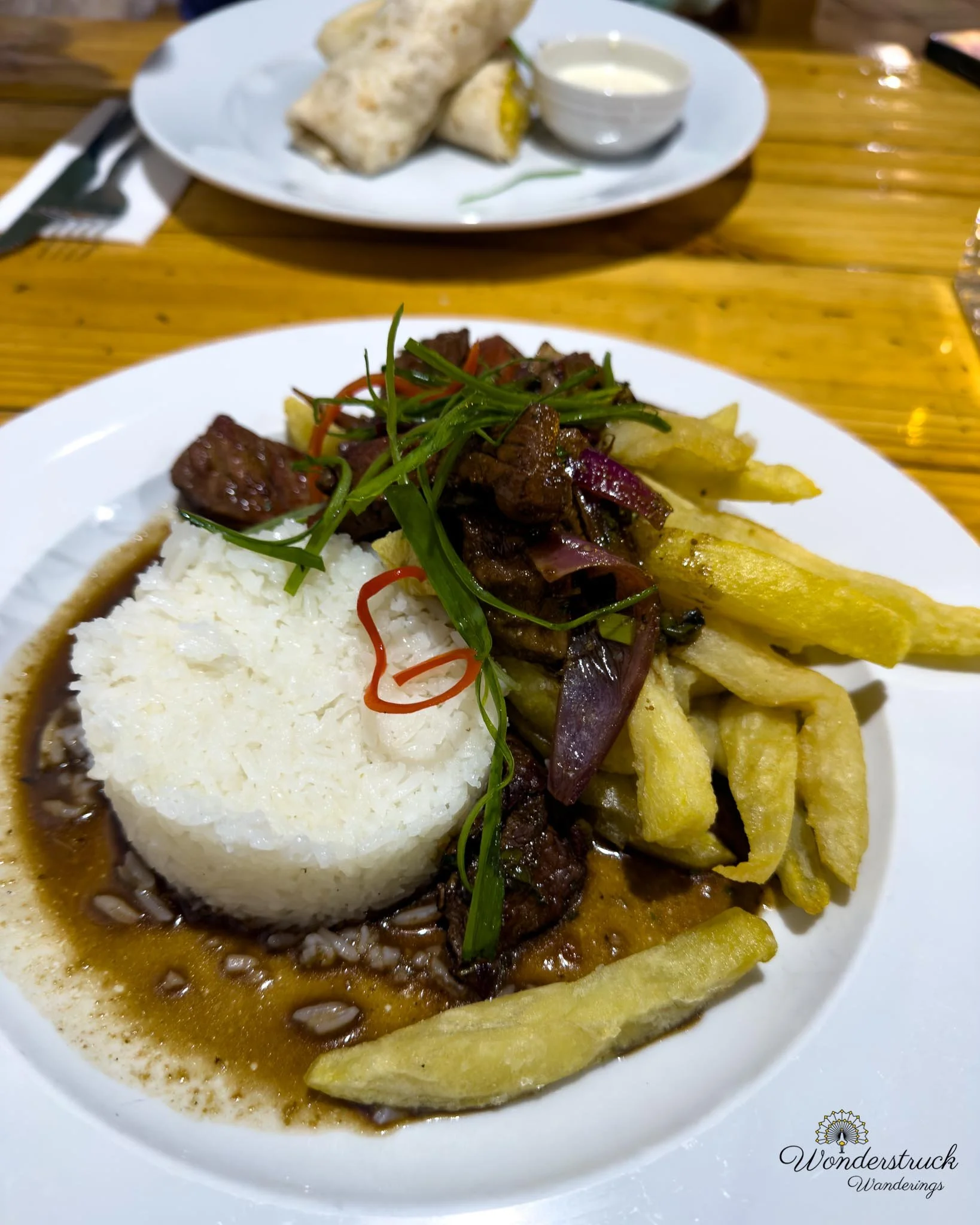
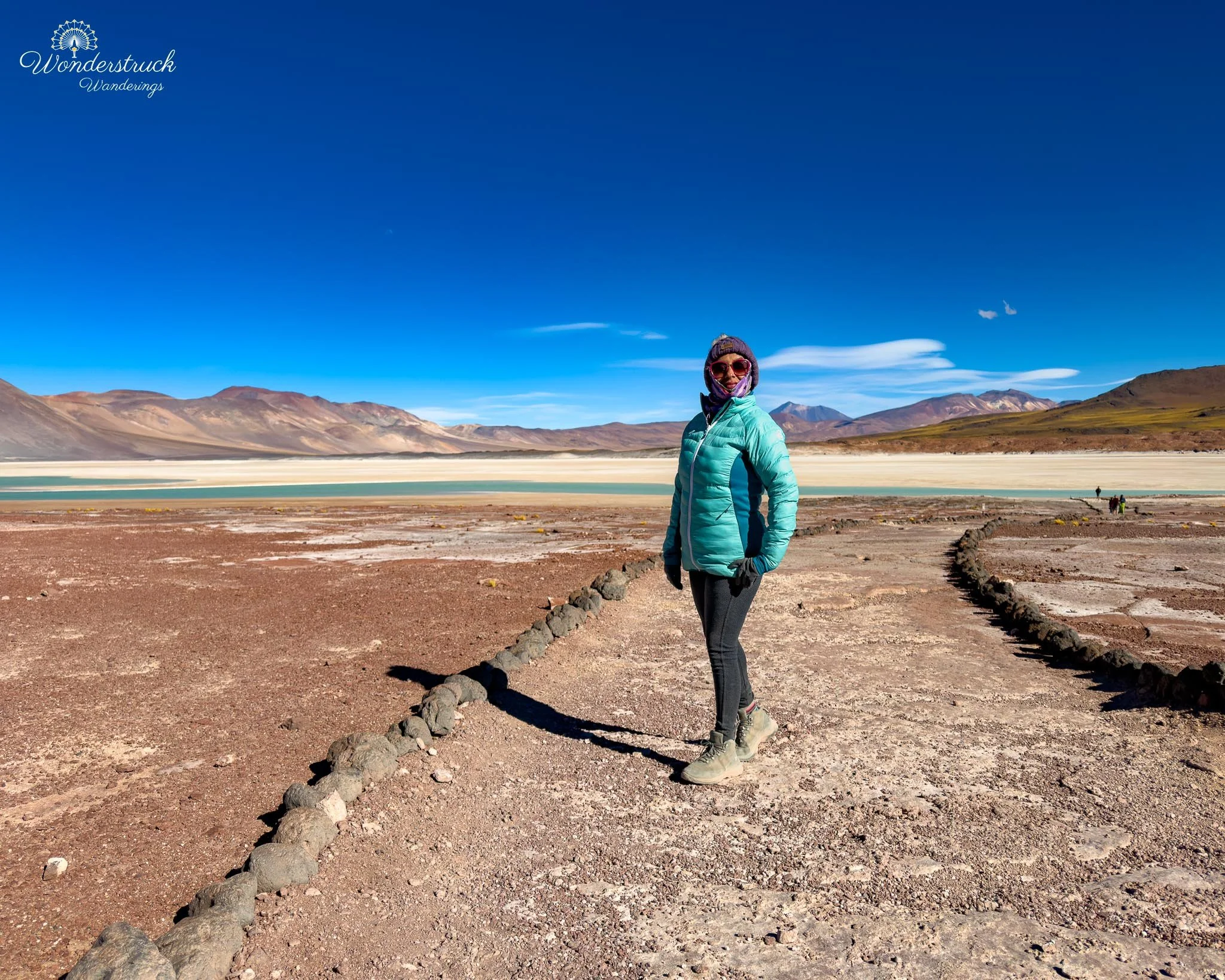
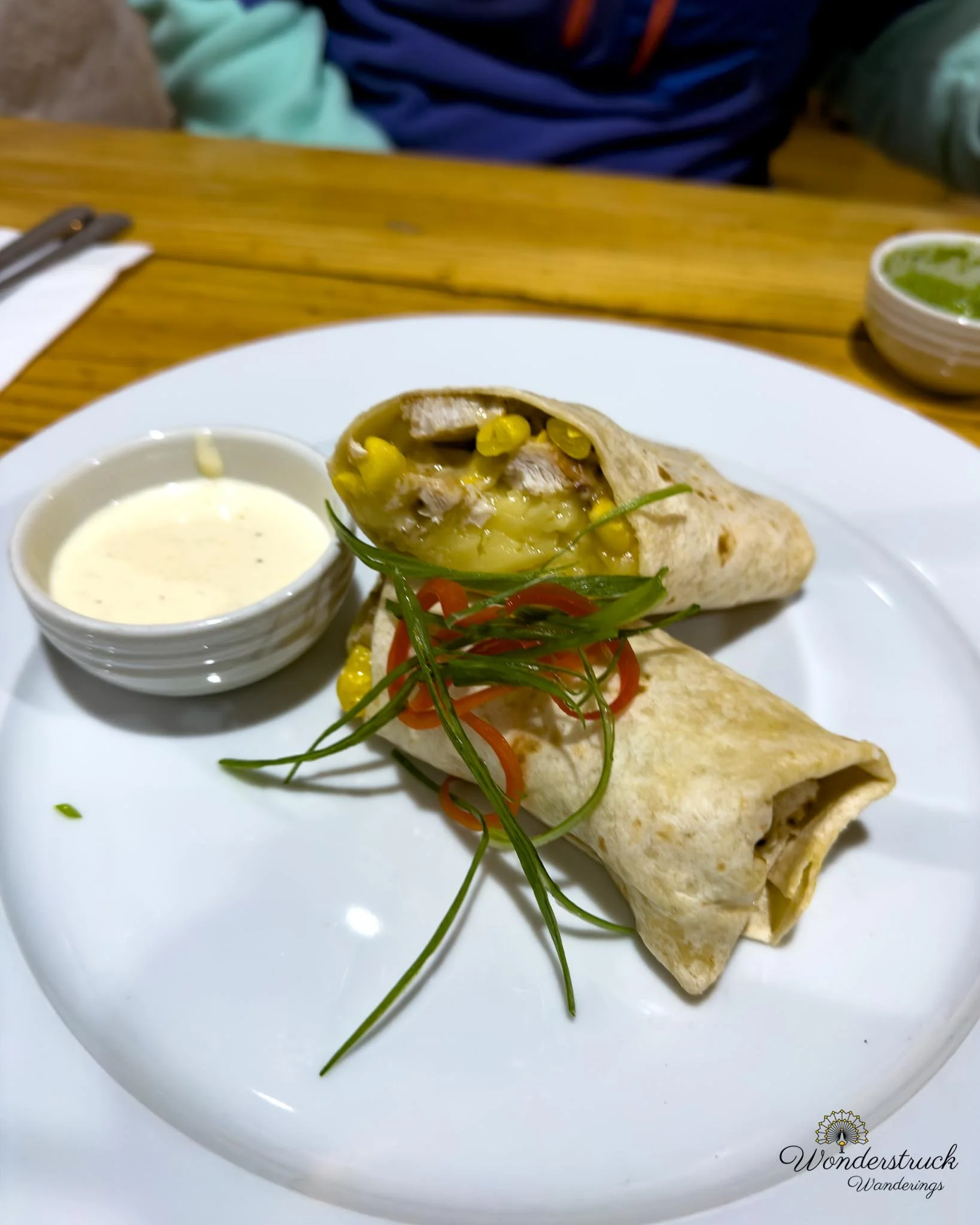
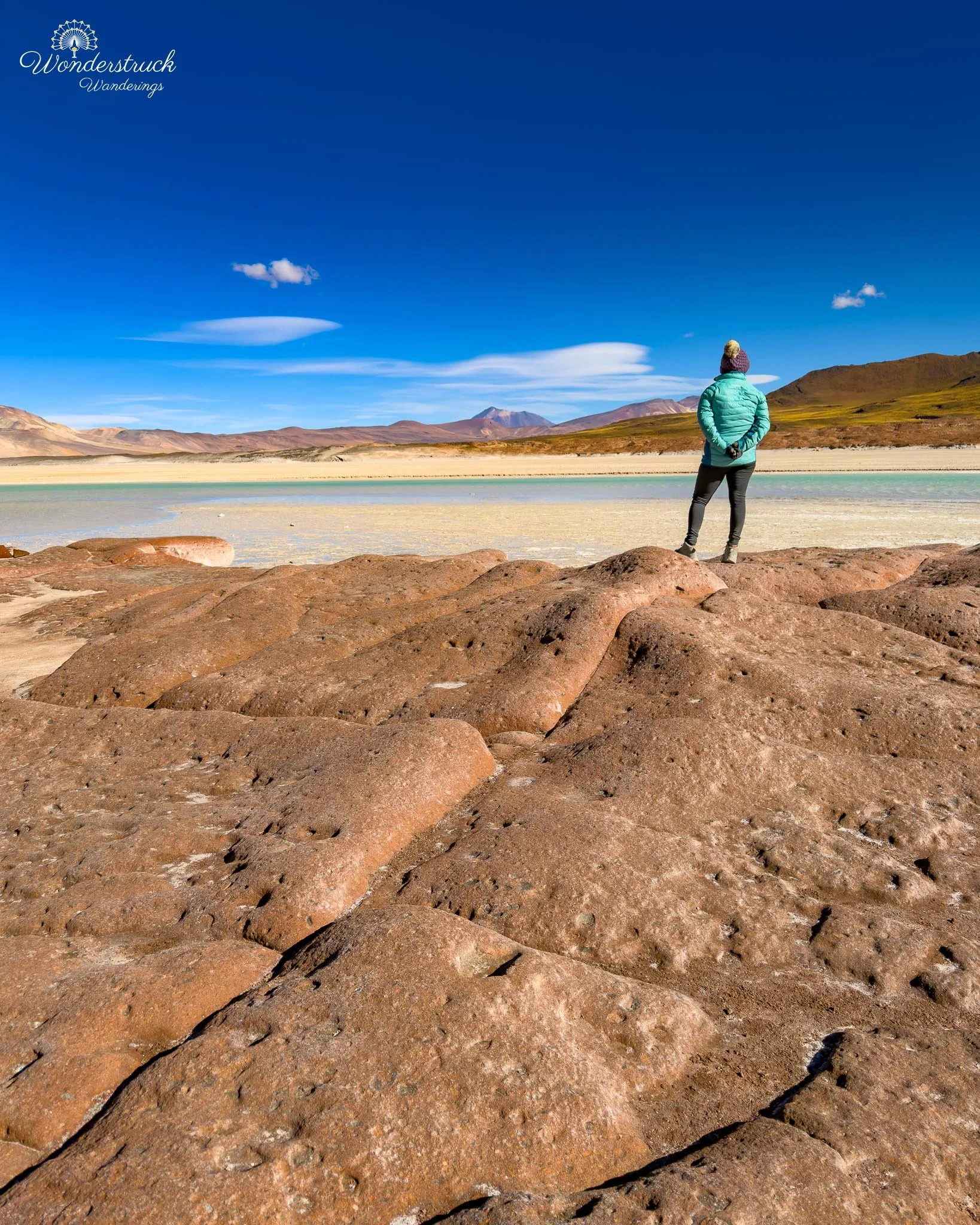
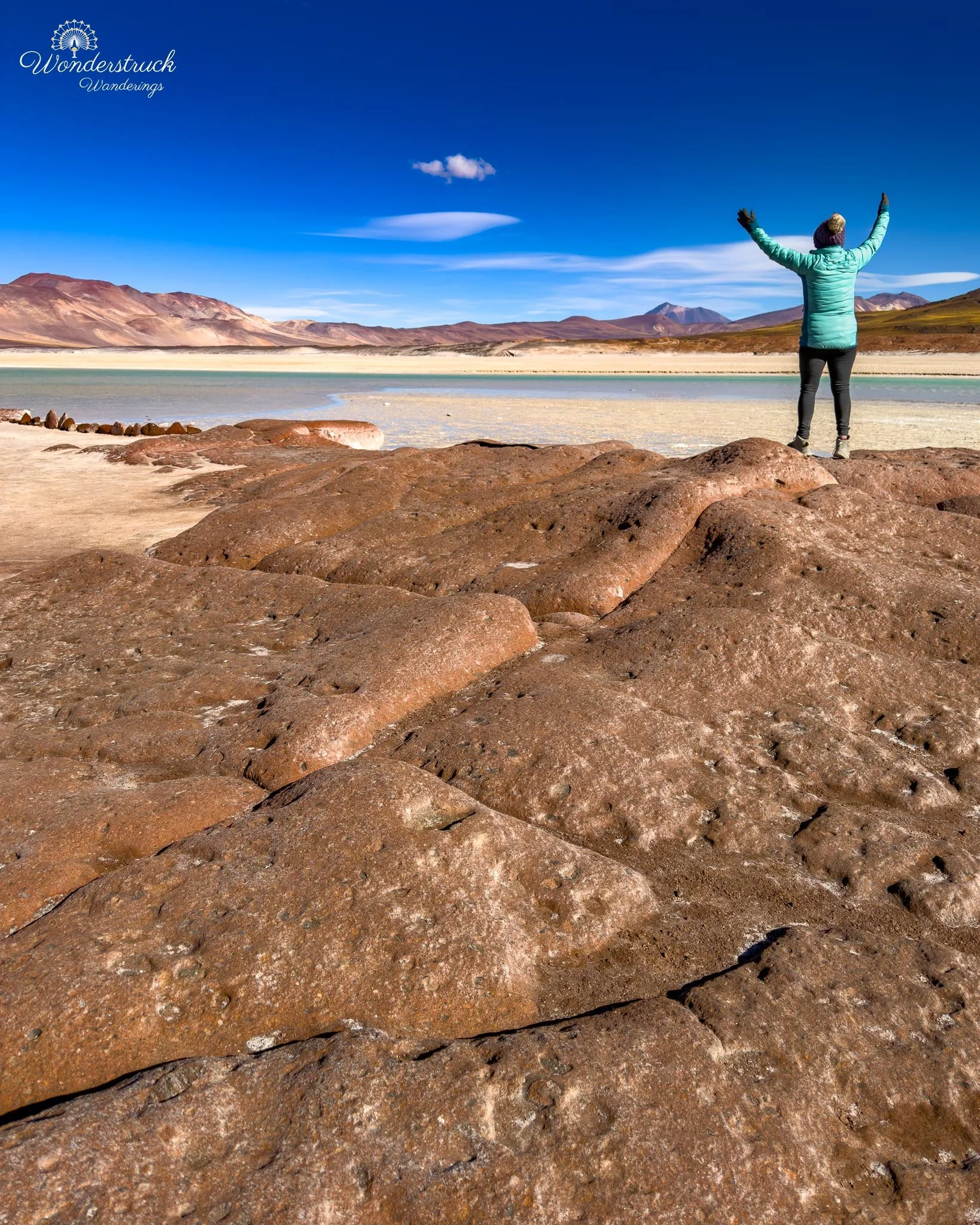
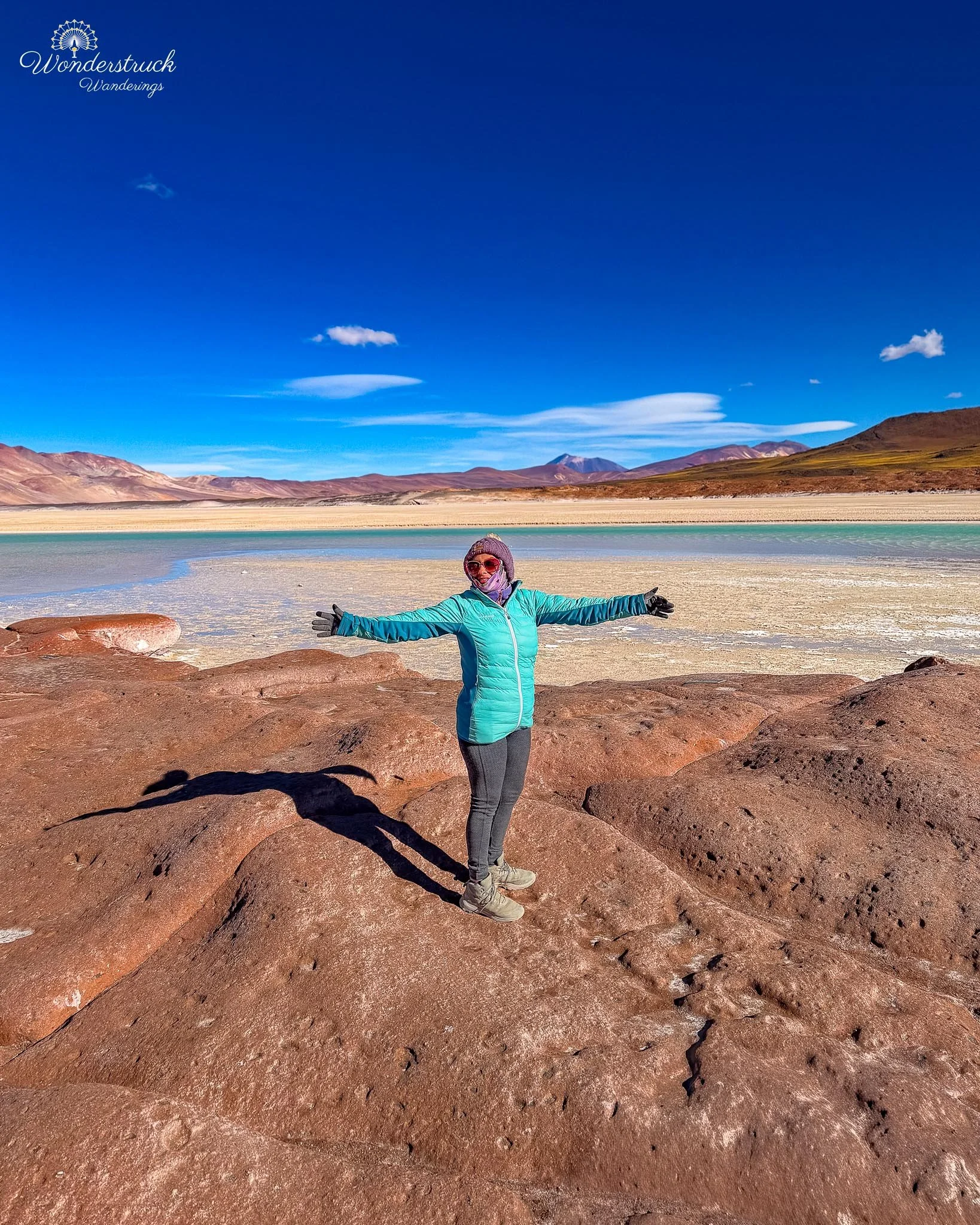
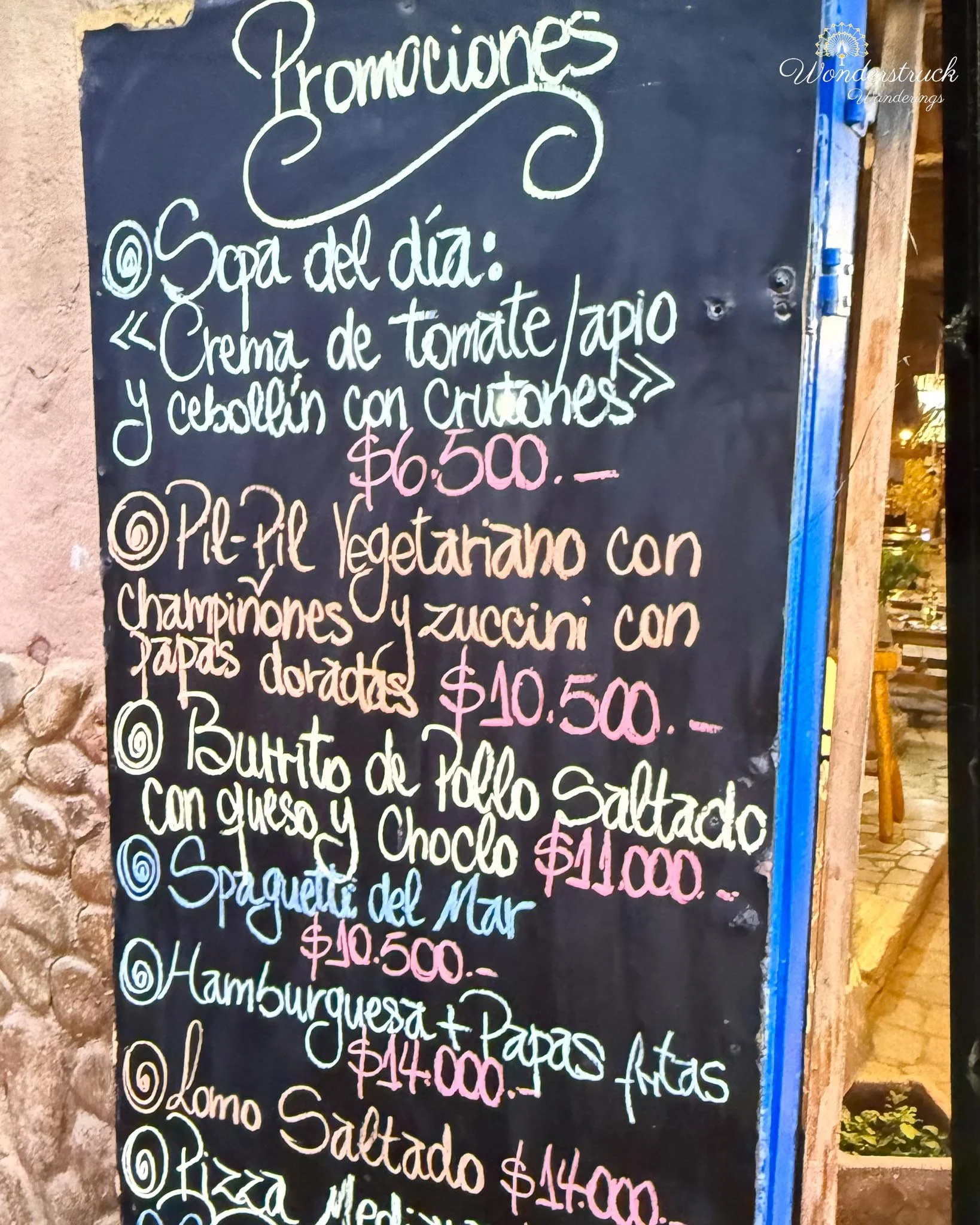
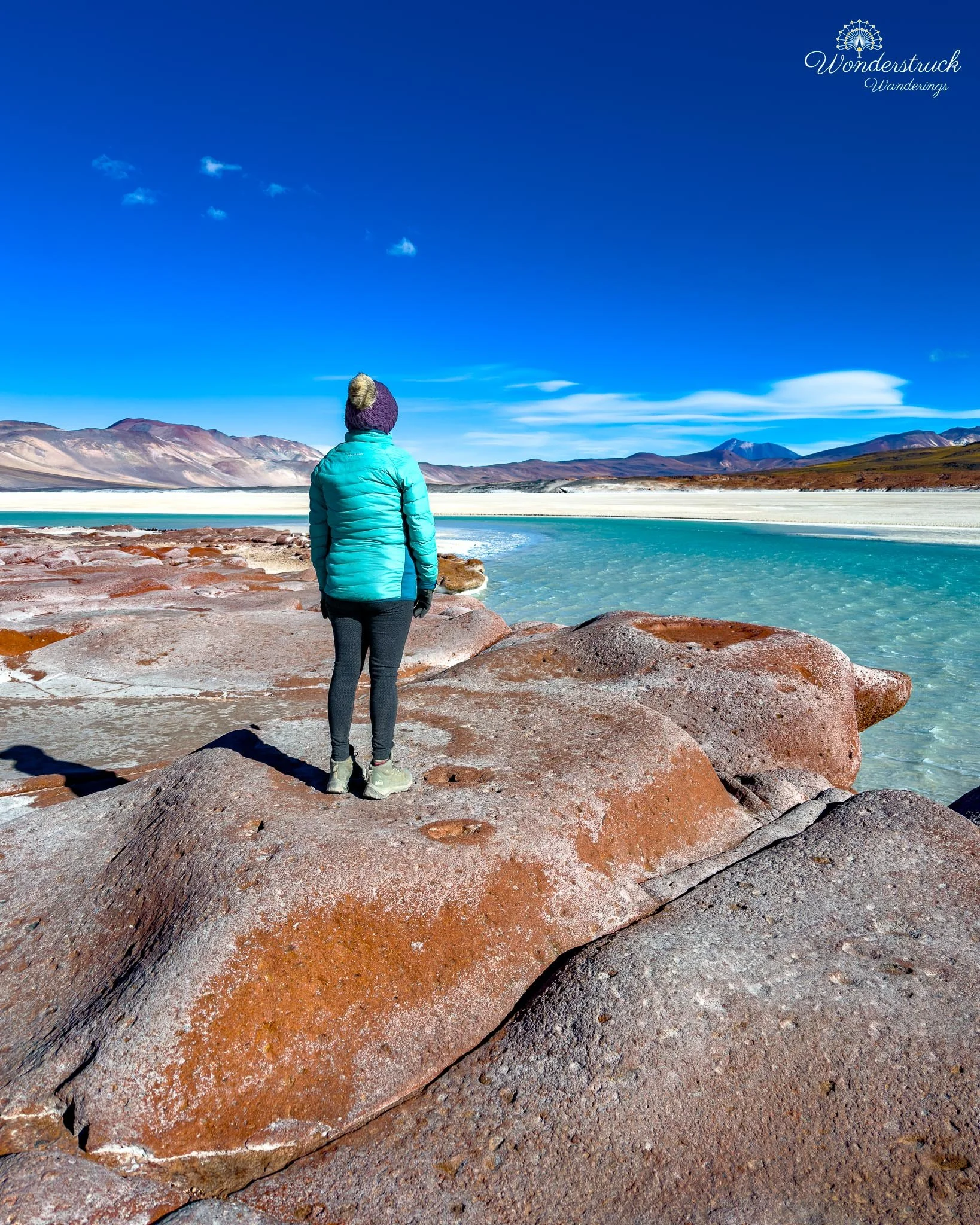
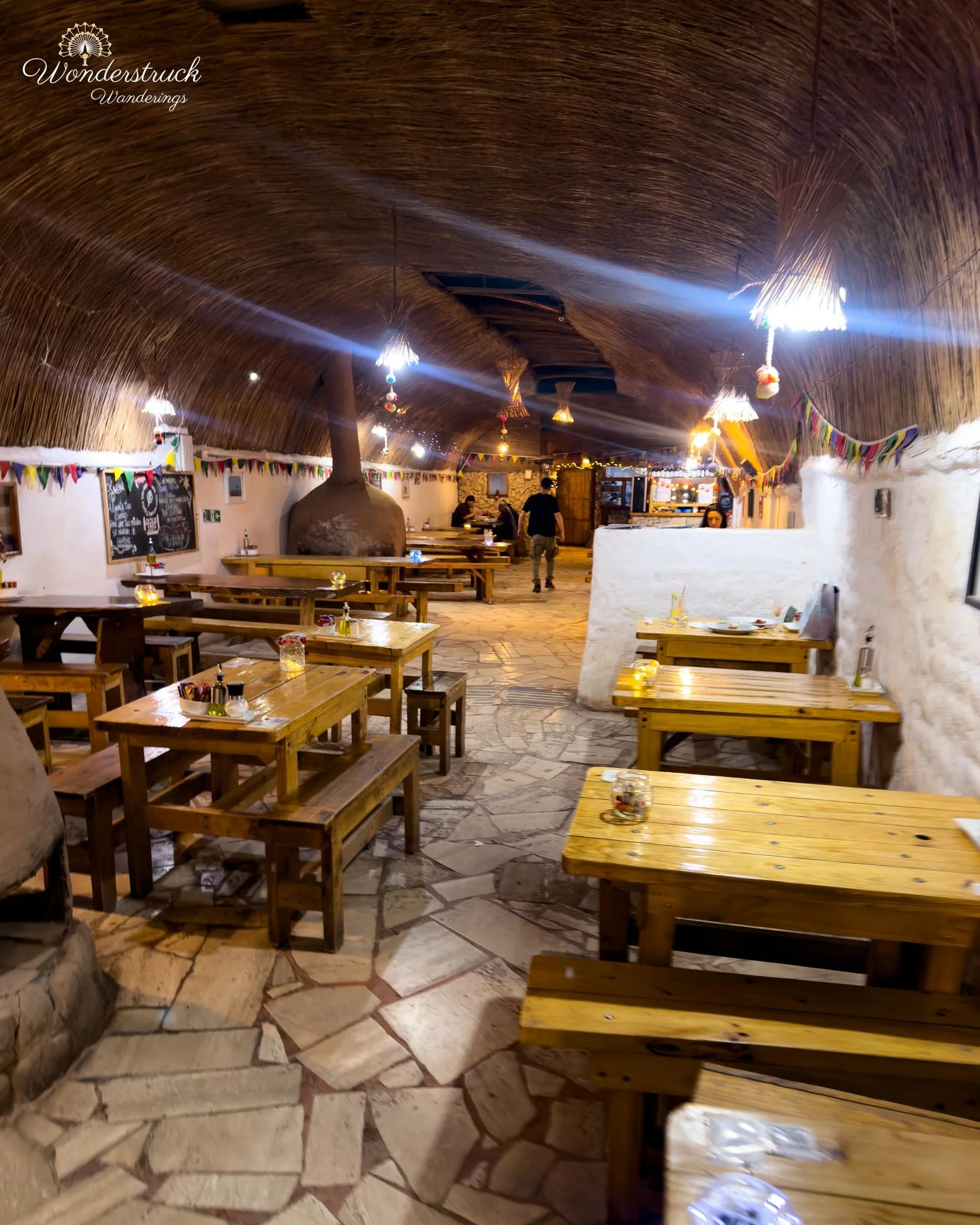
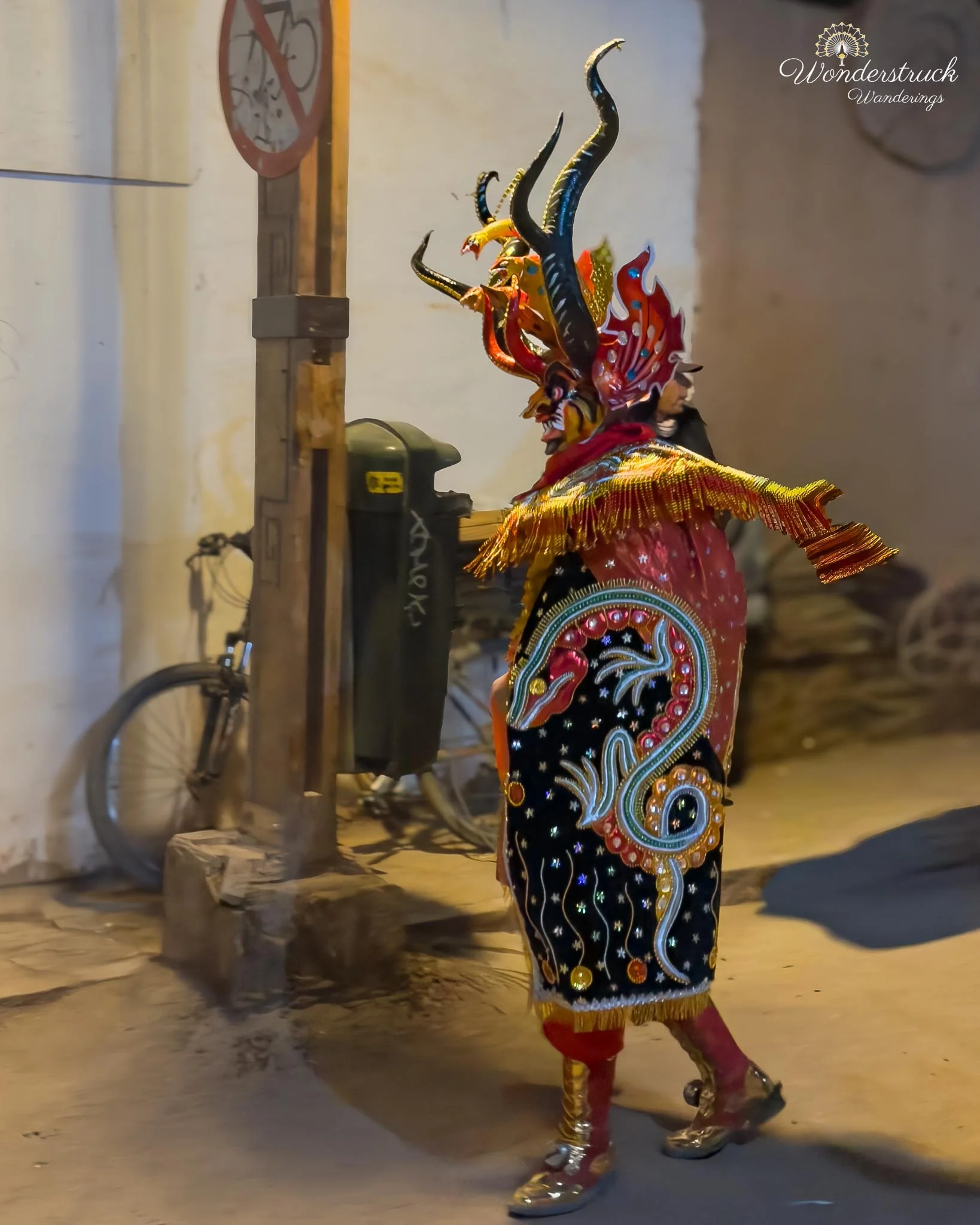
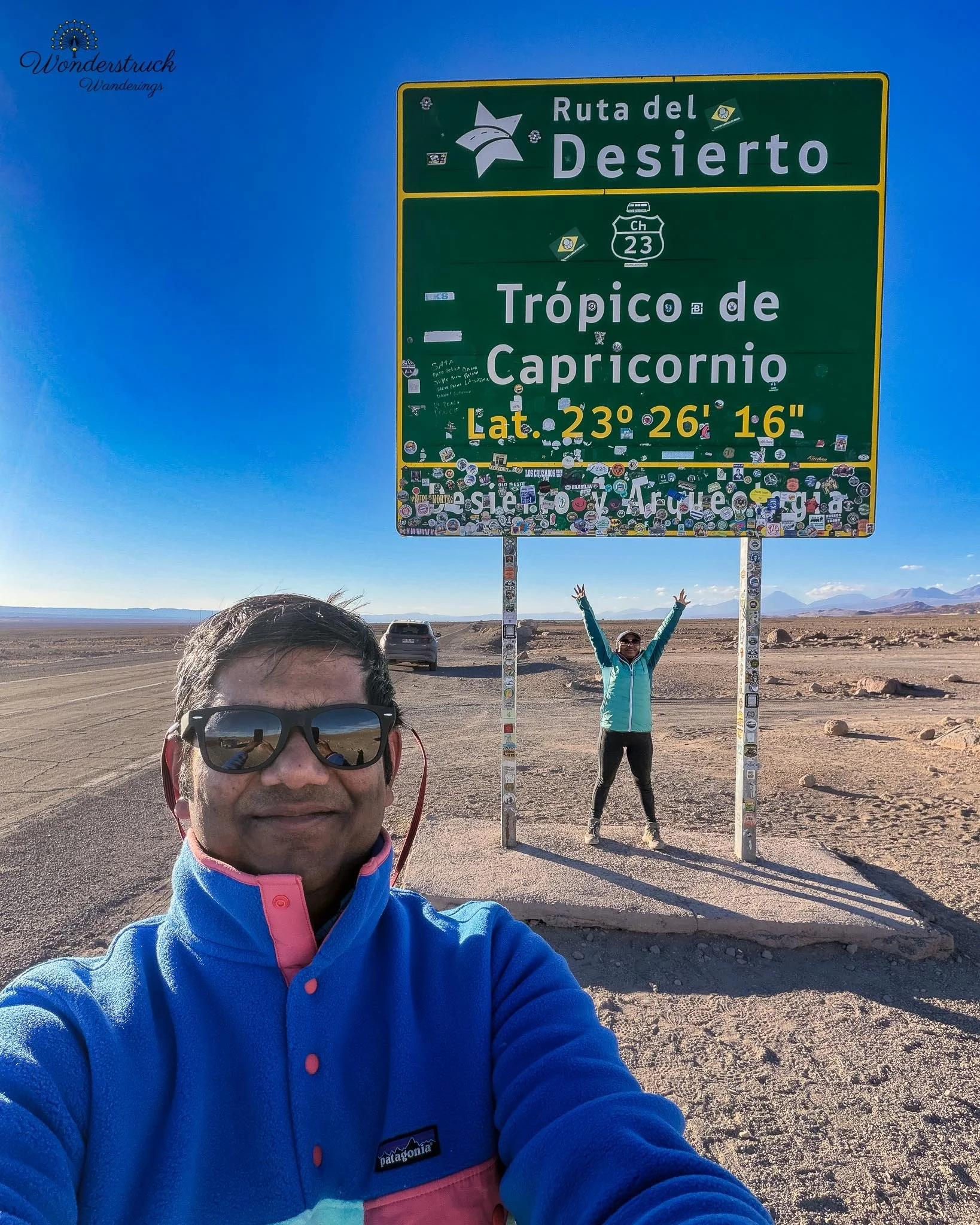
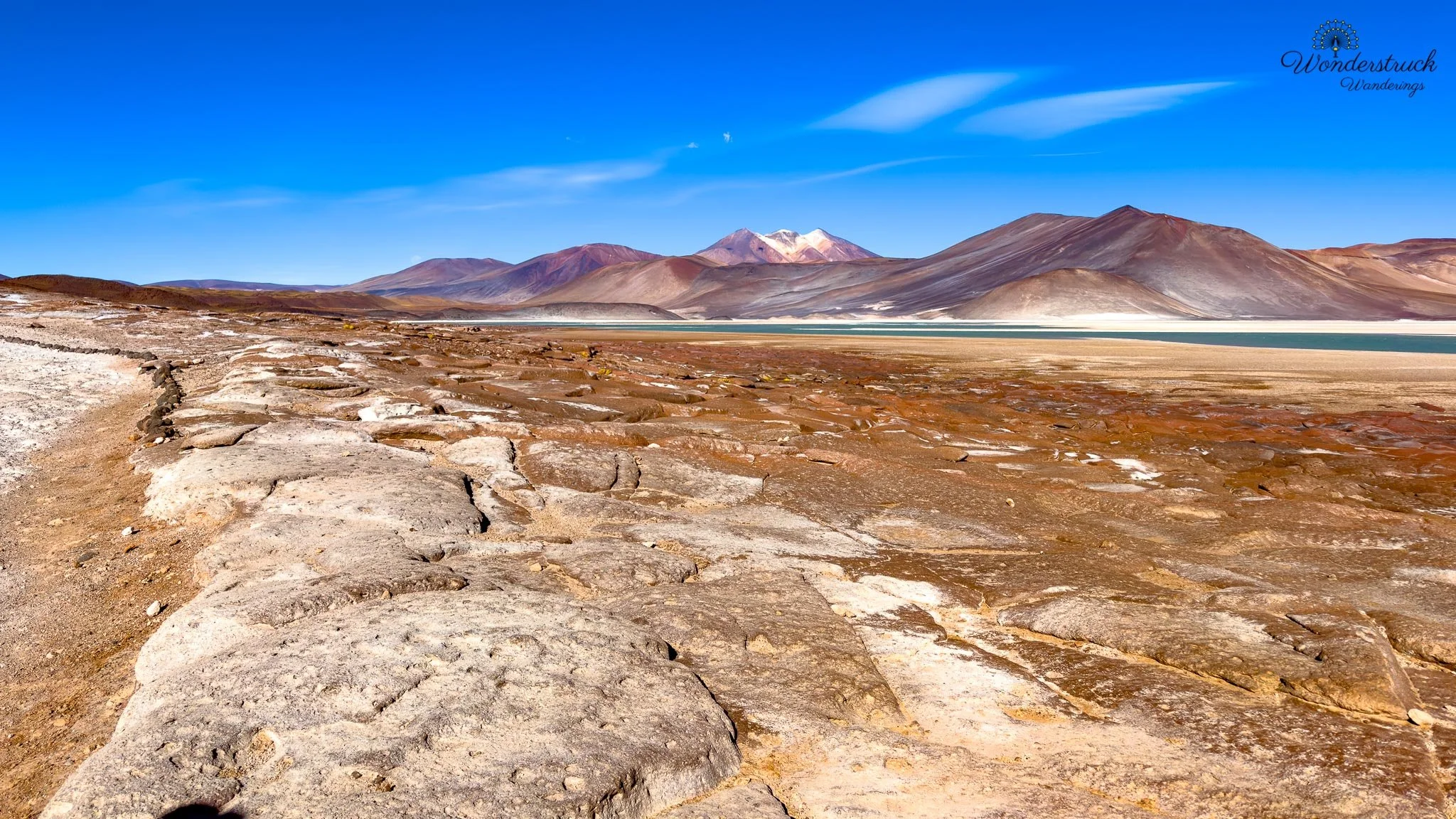
Continuing south along Ruta 23, we reached Piedras Rojas, near Salar de Aguas Calientes Sur, at roughly 4,000 meters. The approach offered an impressive overhead view of the red volcanic rocks, turquoise lagoon, white salt deposits, and surrounding mountains. At the control point, staff informed us of an earlier closing time than expected and directed us onto the left-hand trail because another section was closed. We followed the marked path across the exposed red-rock landscape, stopping repeatedly for photographs. The iron-rich, weathered rocks contrasted sharply with the mineral-colored water, while the wind and altitude made even the relatively easy walk feel more demanding. A ranger instructed us to begin returning by 4 p.m., eliminating our hope of photographing sunset here. On the drive back, we stopped at the Tropic of Capricorn sign, covered with stickers left by travelers, motorcycle groups, and overland adventurers. The marker made an enjoyable roadside photo stop before we continued toward San Pedro. We reached the Cordillera de la Sal sunset viewpoint just in time. Although the parking area was crowded, we found a spot and walked toward the edge. After the nearby salt ridges fell into shadow, we turned toward Licancabur and the surrounding mountains, which glowed orange and pink in the last sunlight. Dinner was at Tierra Todo Naturale in San Pedro. Shay ordered a chañar pisco sour and a chicken, cheese, and corn wrap, while I chose mango-orange juice and lomo saltado. During dinner, drums drew us outside, where a procession of people wearing devil masks moved through the streets. It was an unexpected ending to a long day of flamingos, canyon birding, volcanic lagoons, vicuñas, and high-altitude landscapes. Read more on Daily Diaries.
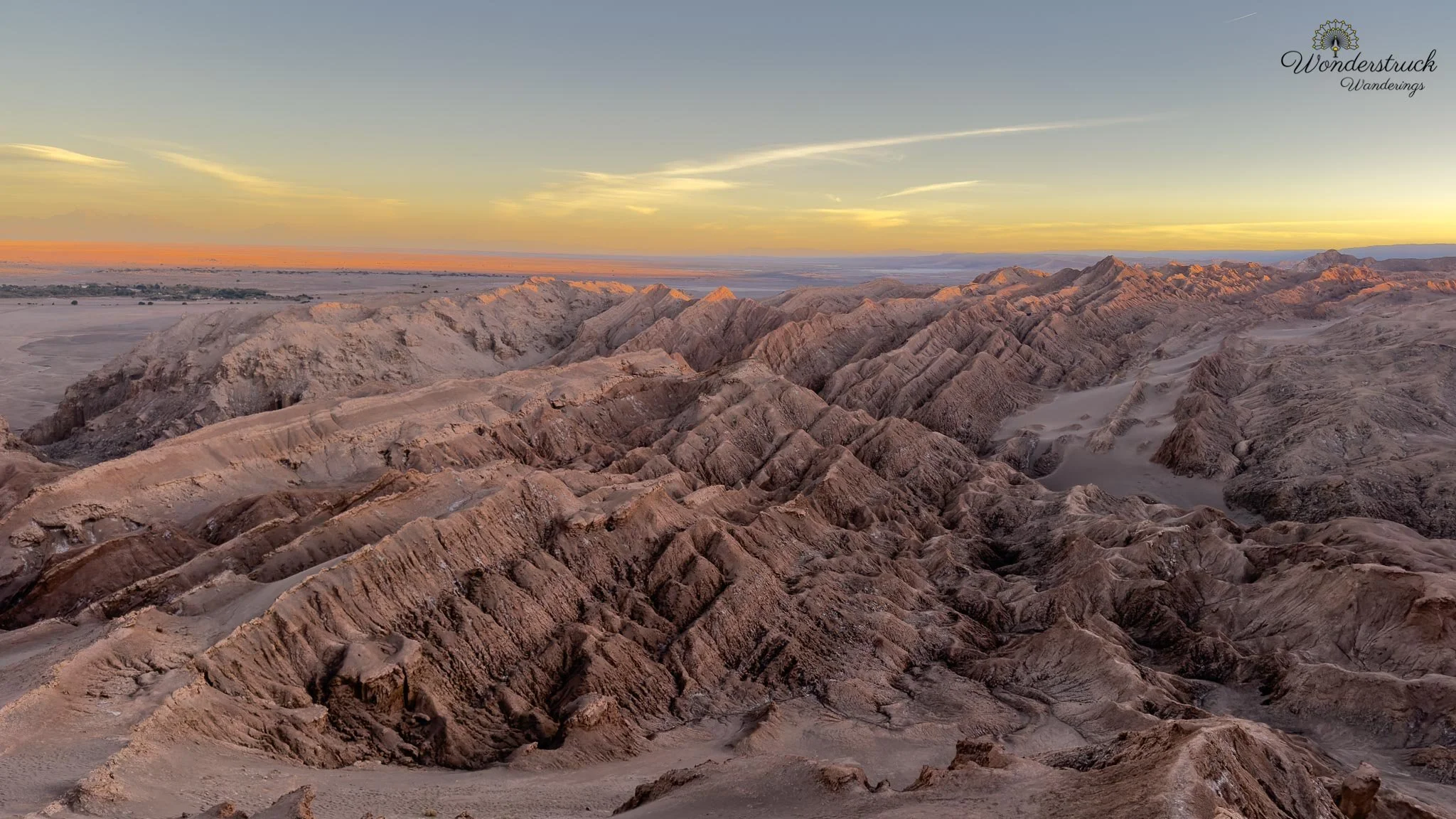
Day 6- Rainbow Valley, Yerbas Buenas, Chaxa Sunset and San Pedro Art
-
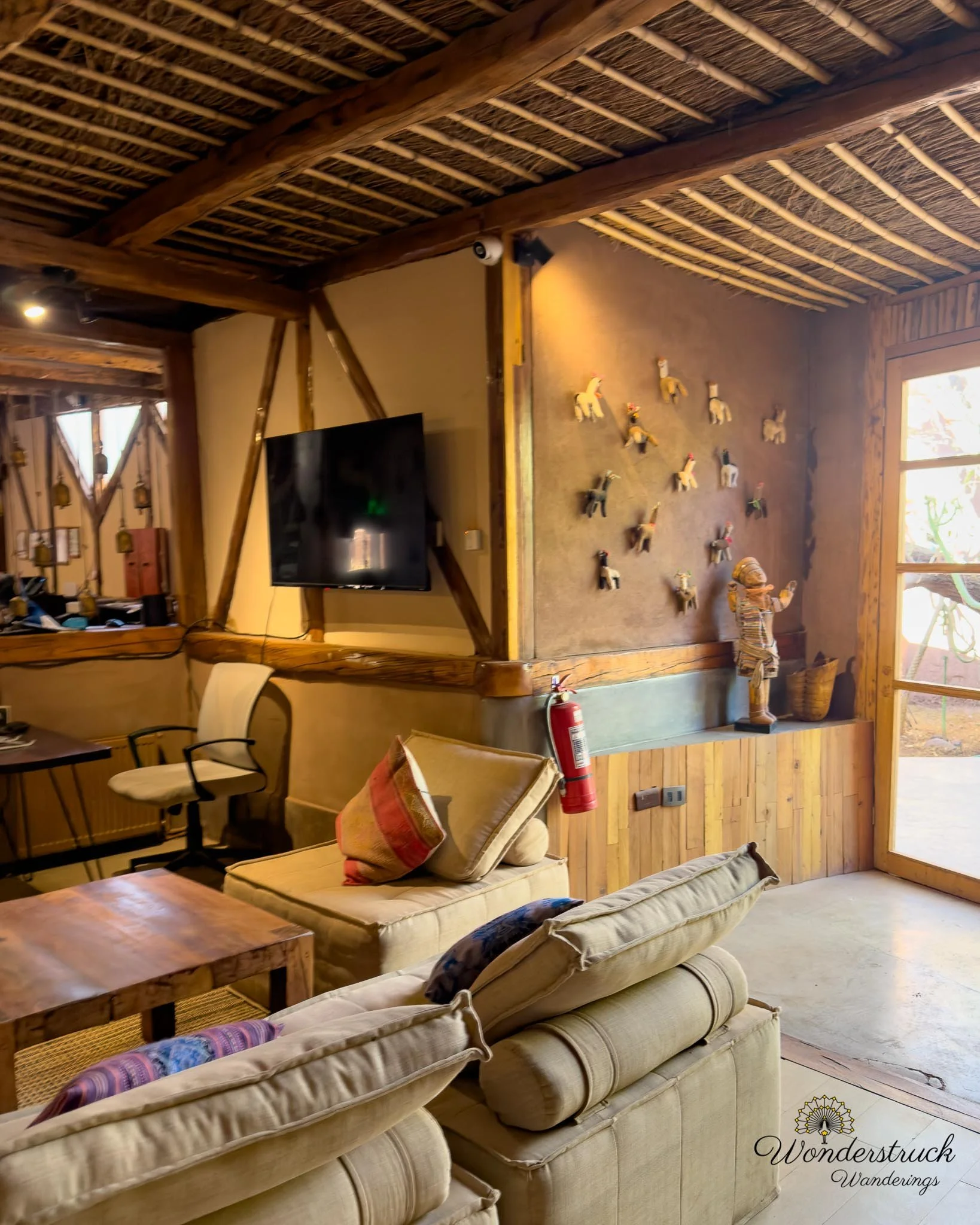
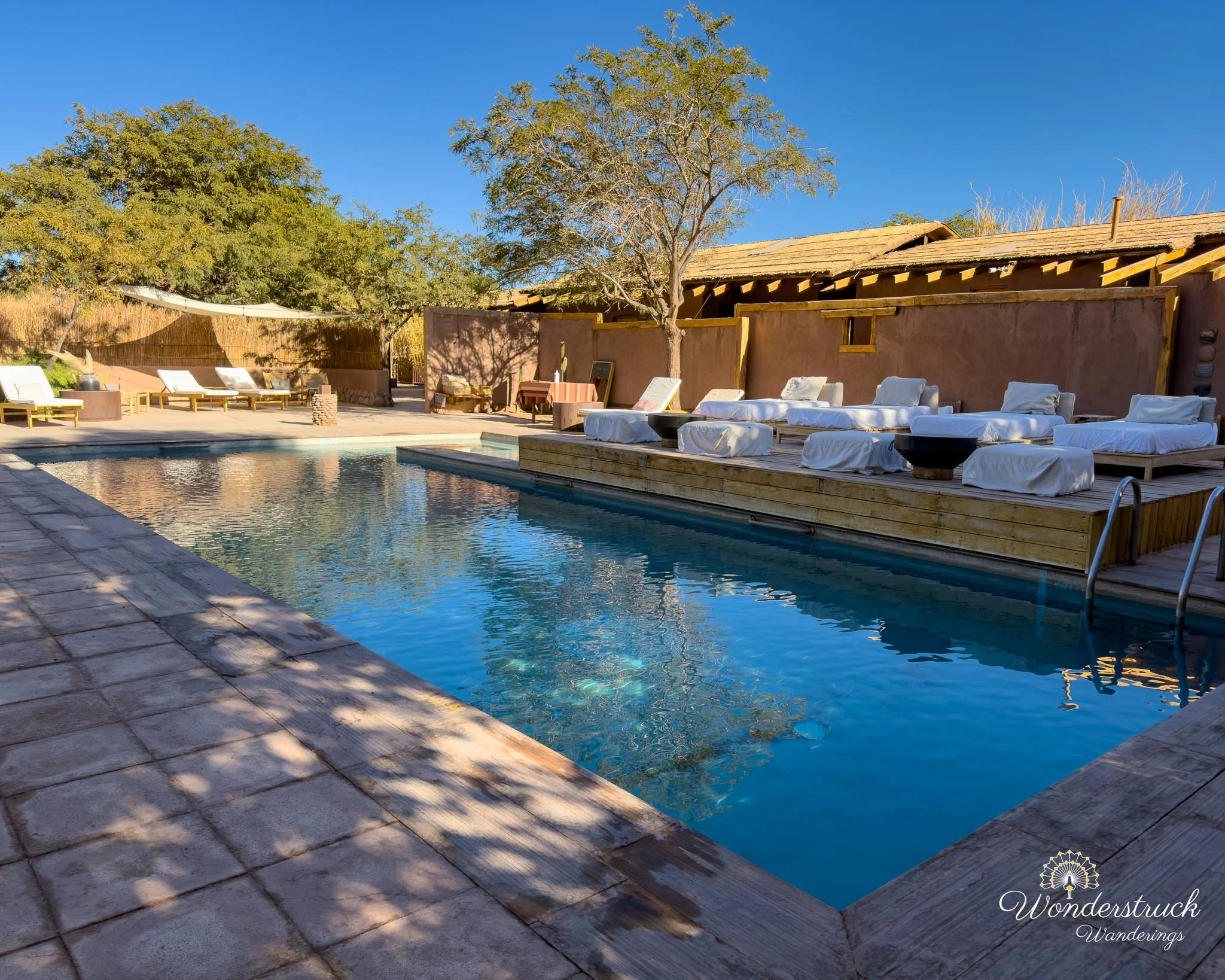
Our Habitas Atacama: Our fifth and final night at this boutique desert retreat, with its adobe-inspired rooms, landscaped gardens, swimming pool, and inviting outdoor spaces. A comfortable place to unwind between excursions before our early departure the following morning.
-
Breakfast – Our Habitas Atacama: Hotel breakfast featuring fresh breads, pastries, fruit, cheeses, cold cuts, juices, coffee, and made-to-order eggs in a relaxed desert setting.
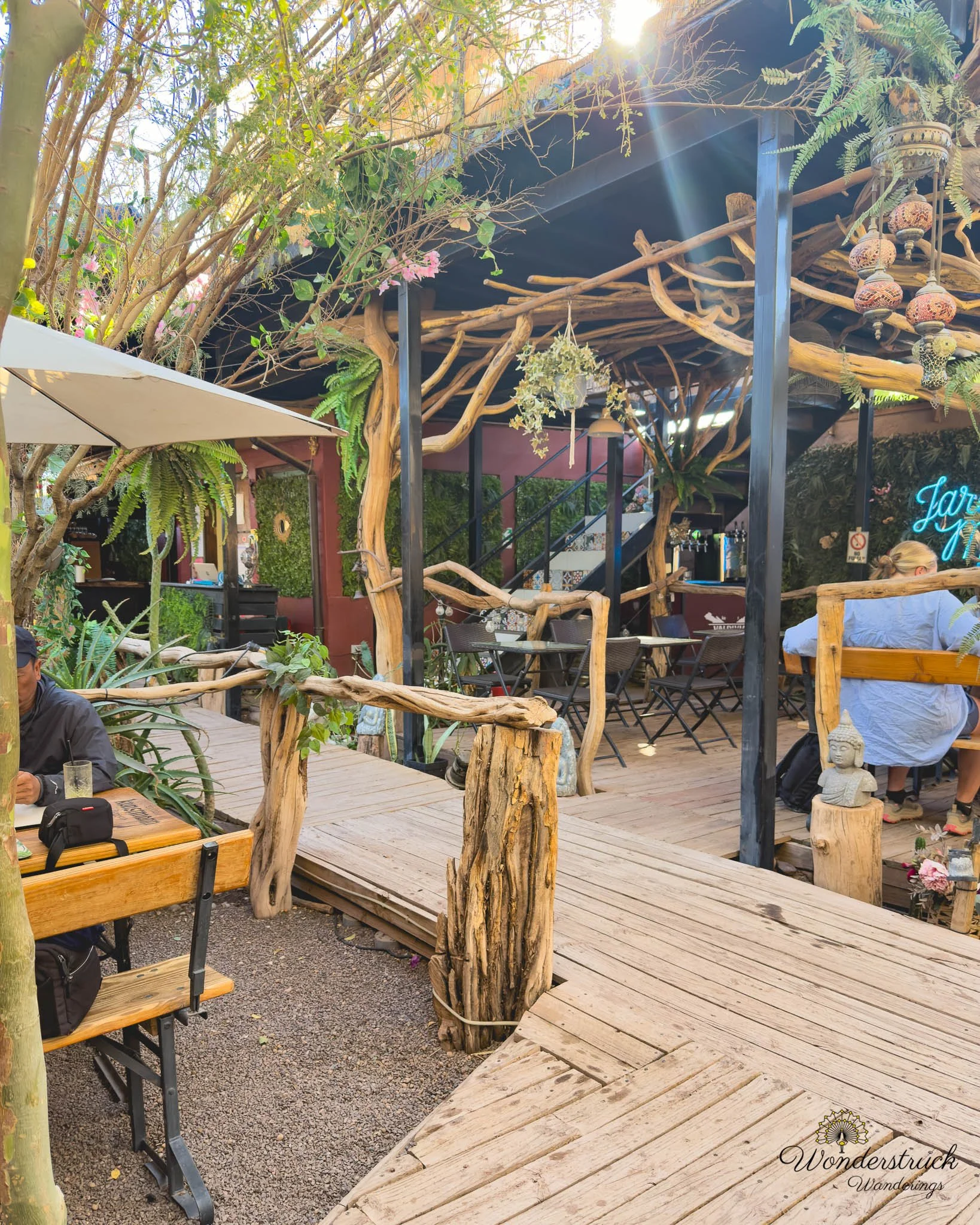
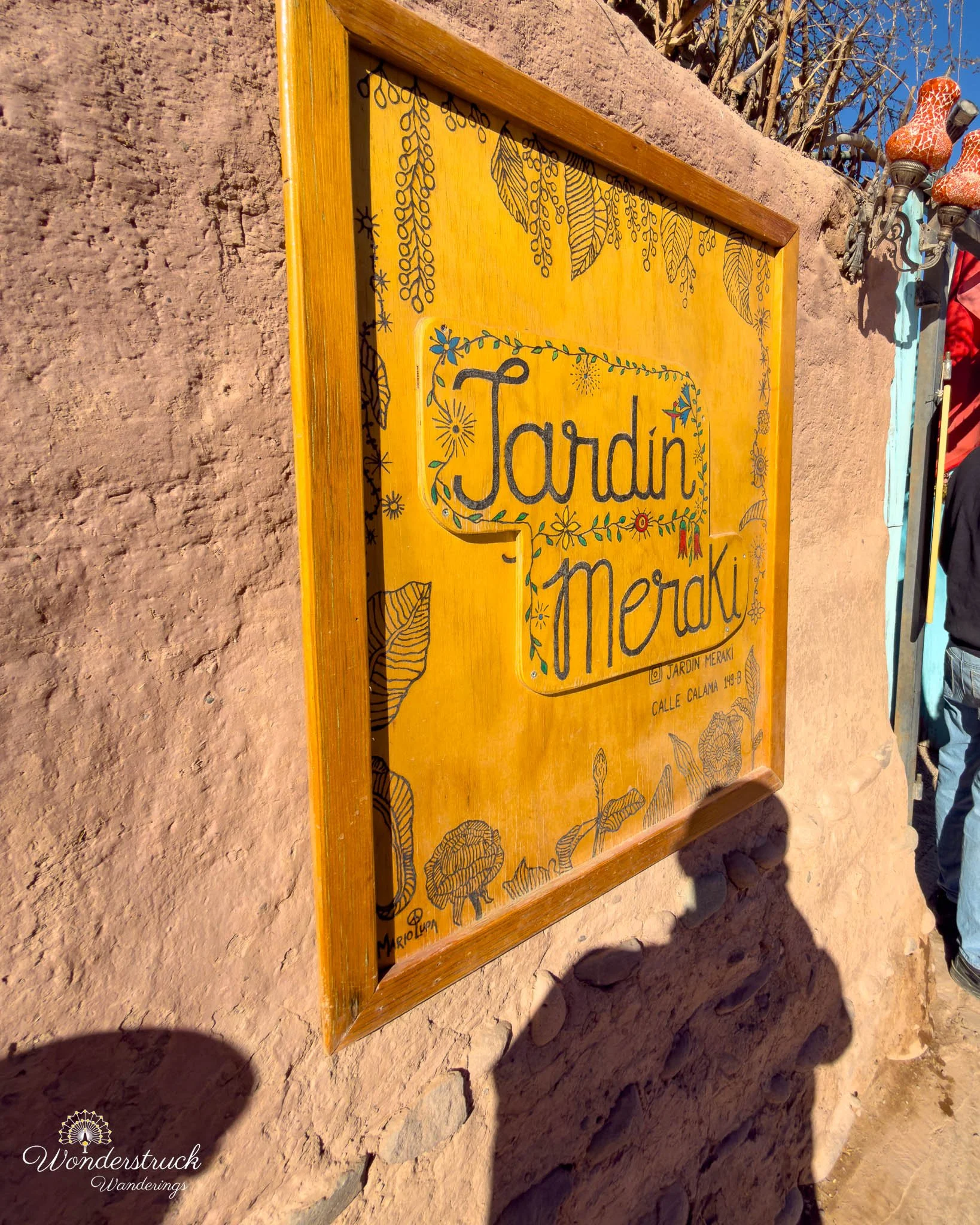
Lunch – Jardín Meraki: A charming garden restaurant in San Pedro, offering contemporary Chilean and international cuisine. Known for fresh ingredients, creative seafood and vegetarian dishes, homemade desserts, and refreshing drinks featuring regional flavors such as rica-rica.
Dinner – Almas, Our Habitas: The hotel's contemporary restaurant combines Chilean and Andean ingredients with international cooking techniques. Offers seasonal dishes, regional specialties, creative cocktails, and an extensive selection of Chilean wines.
-
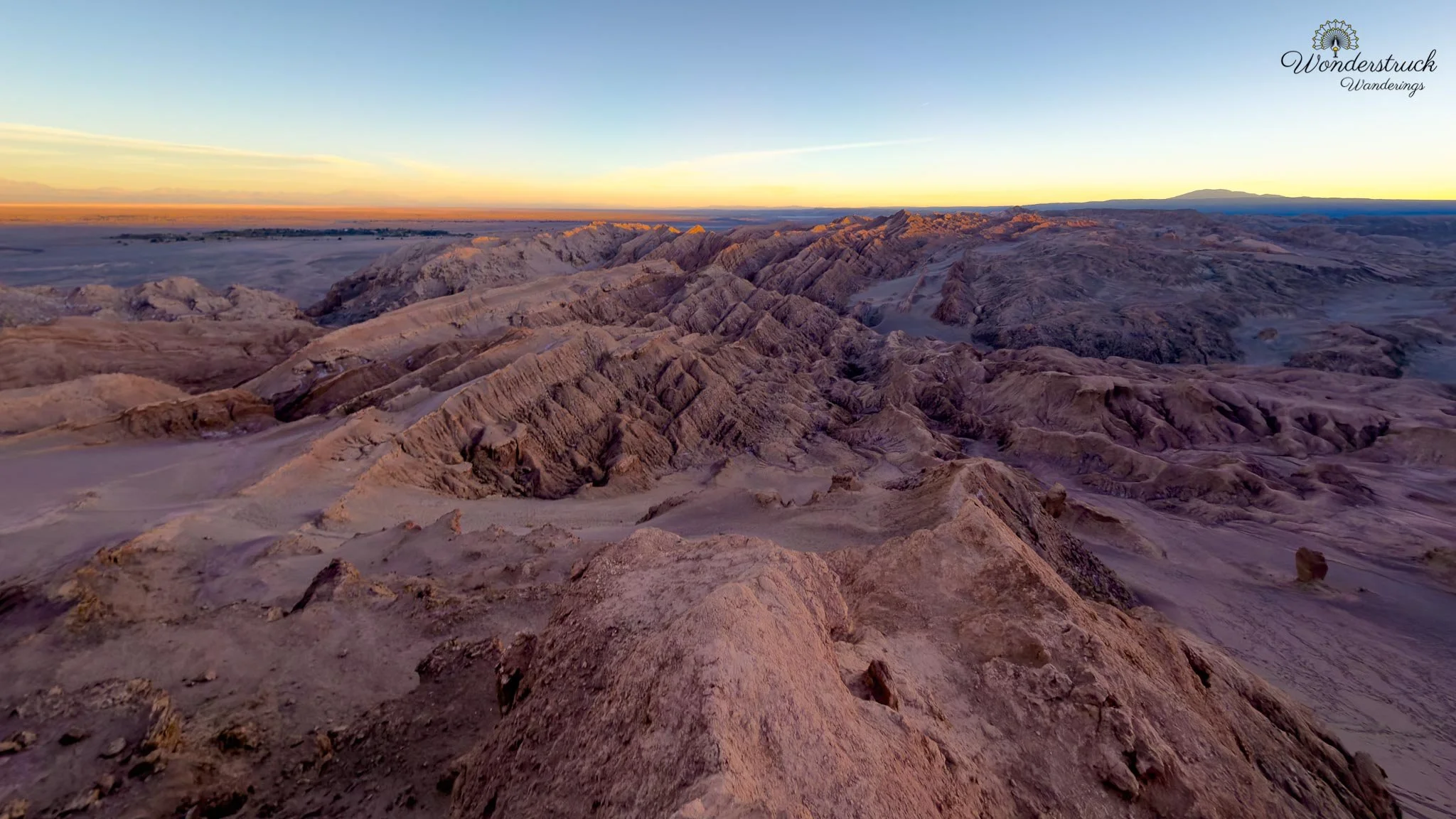
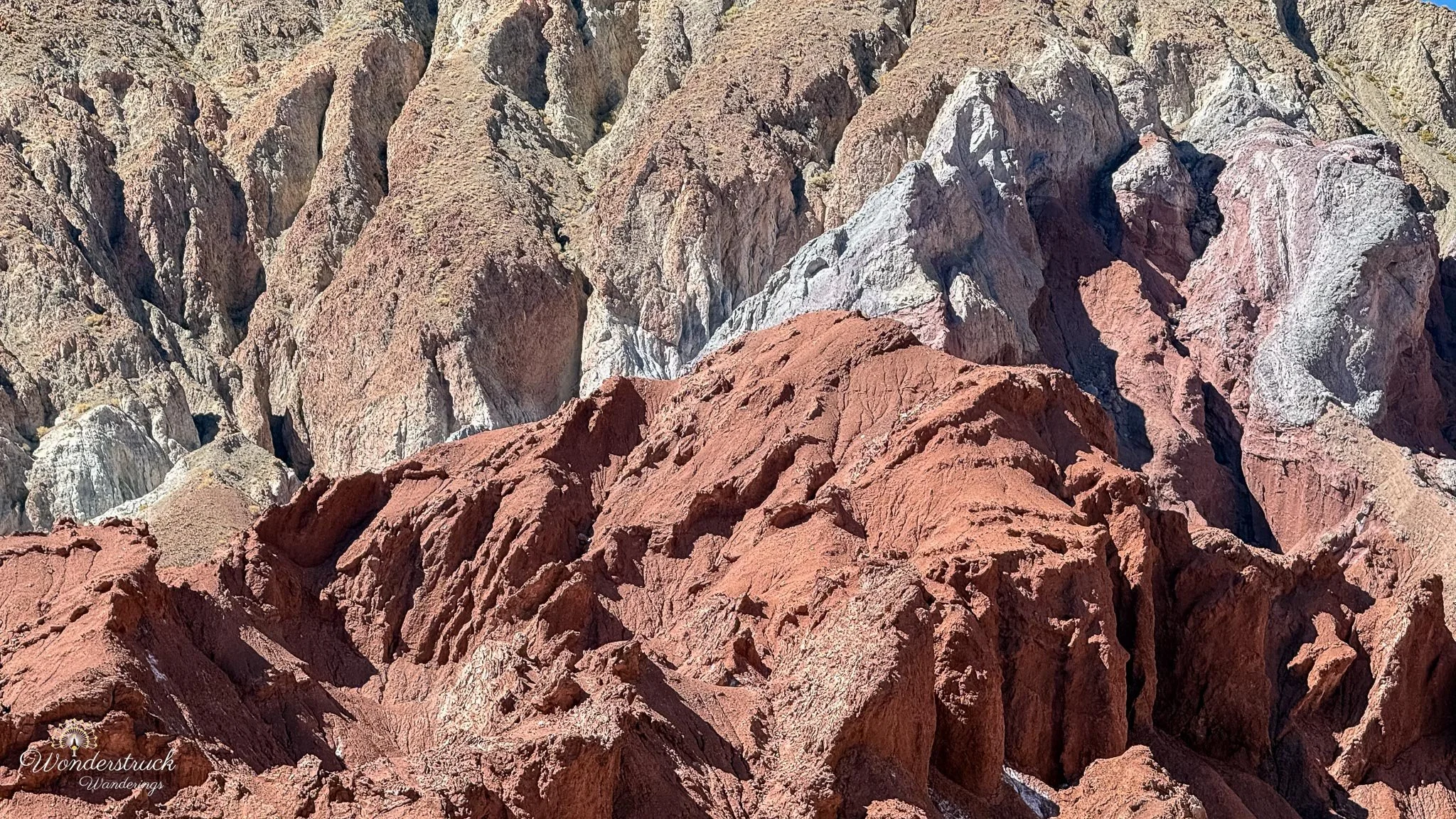
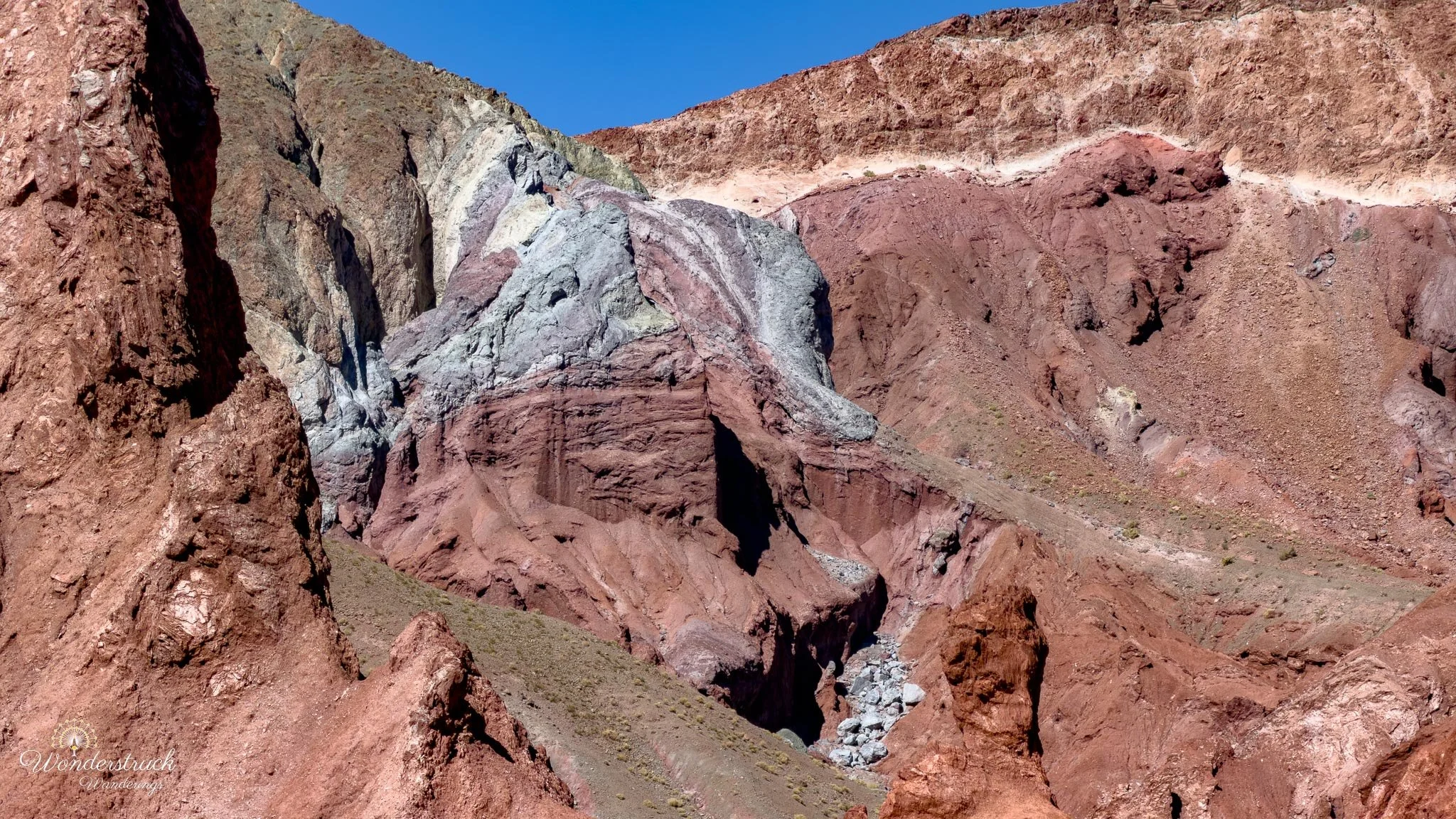
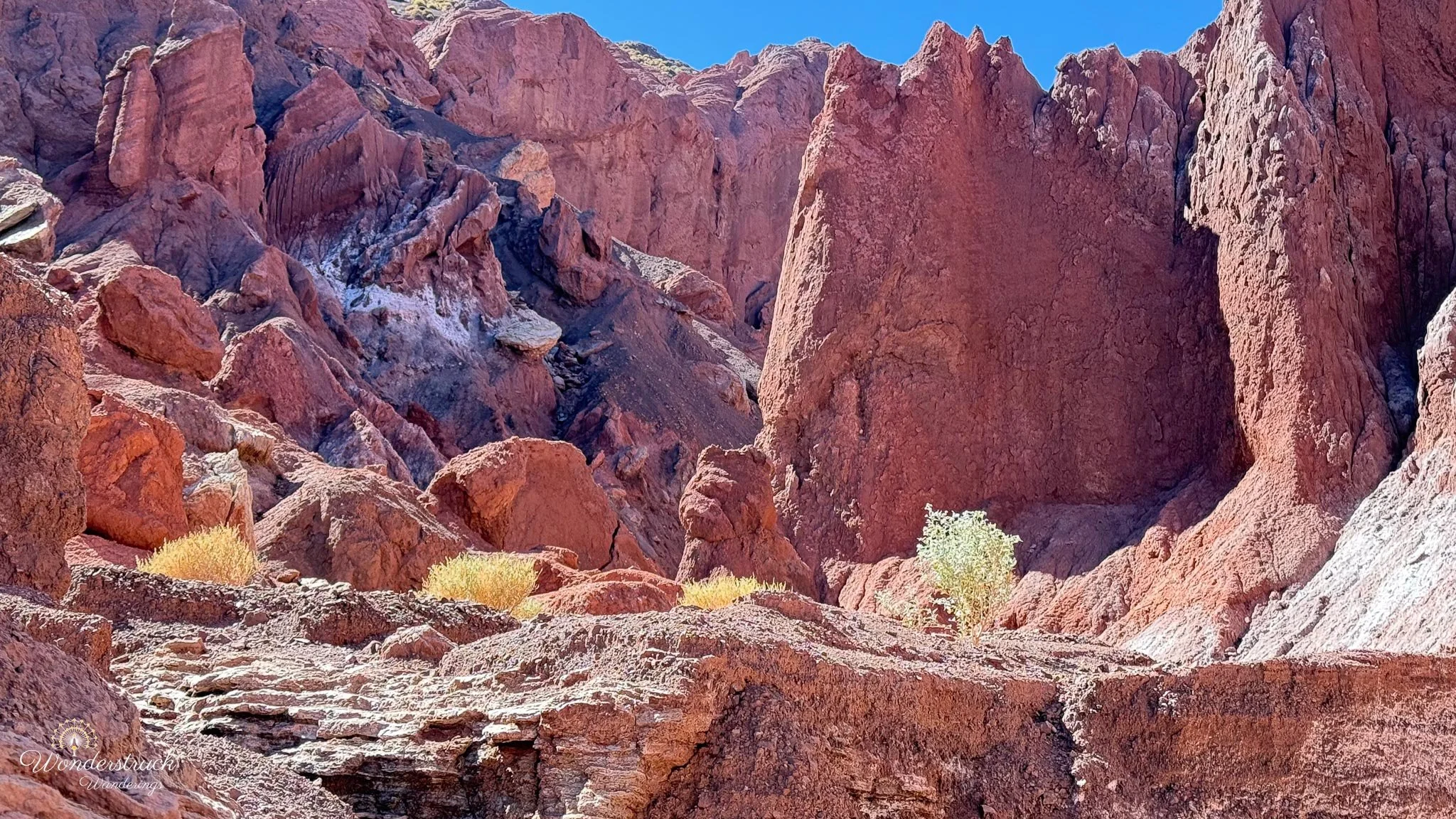
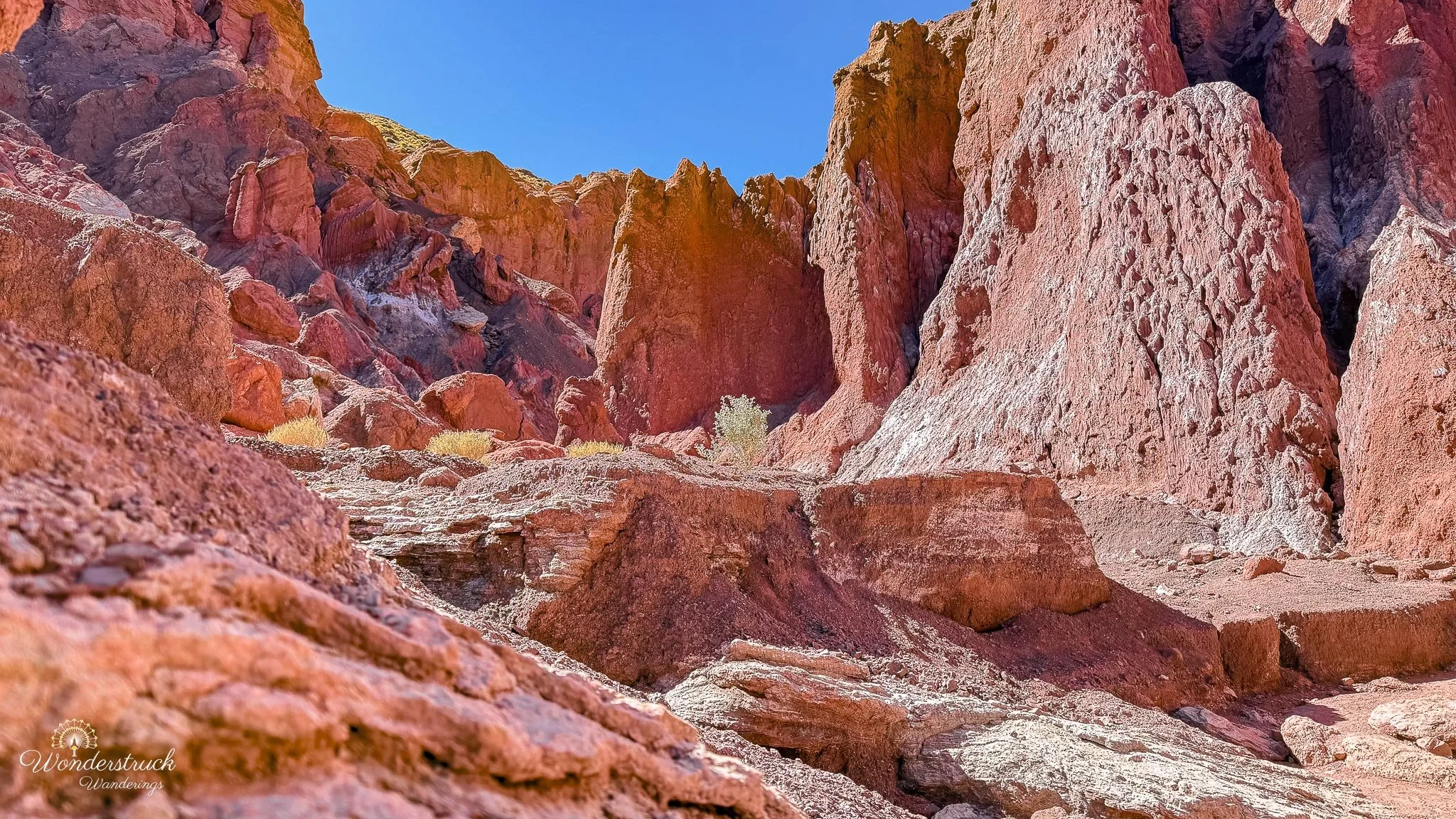
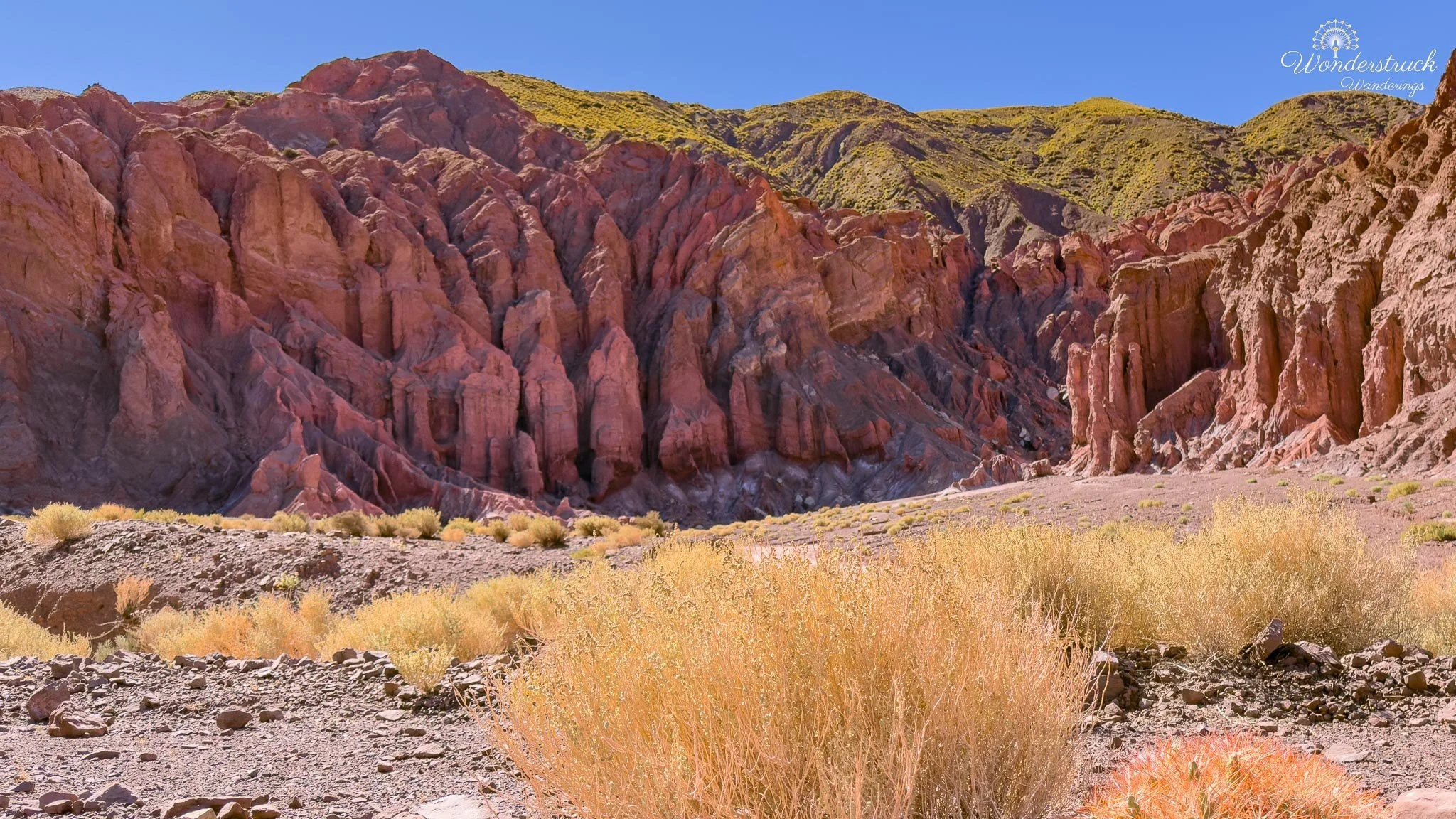
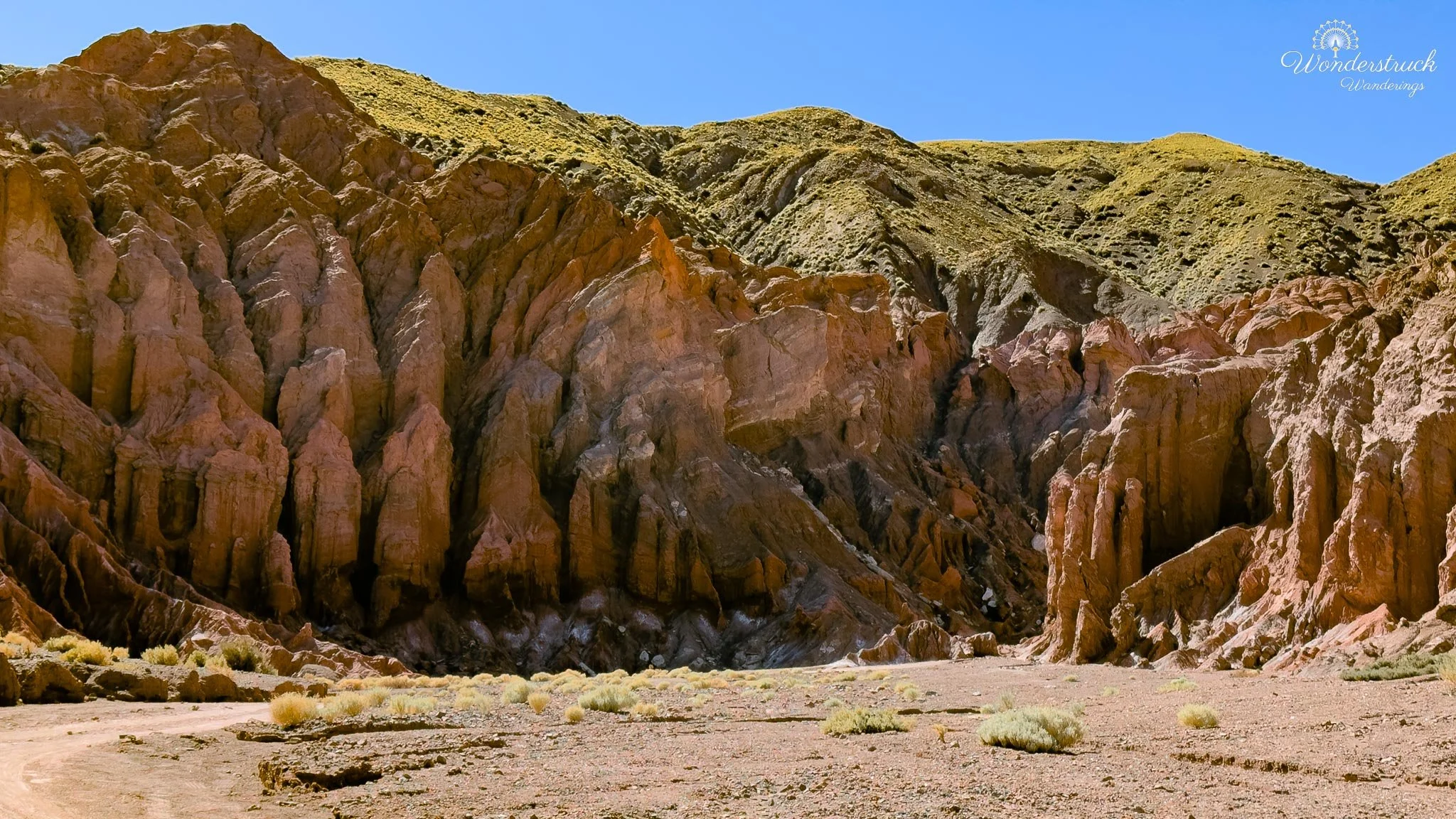
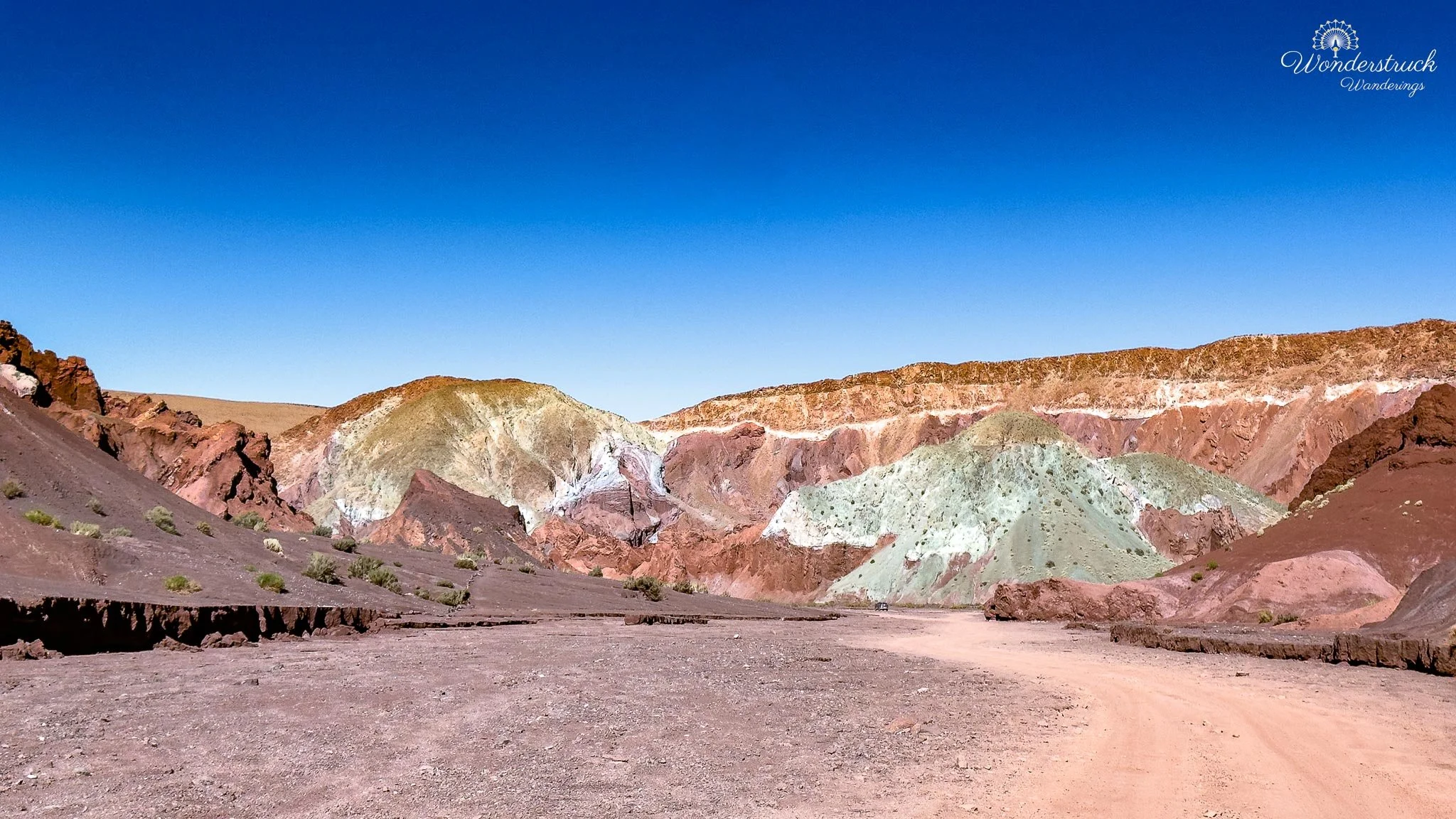
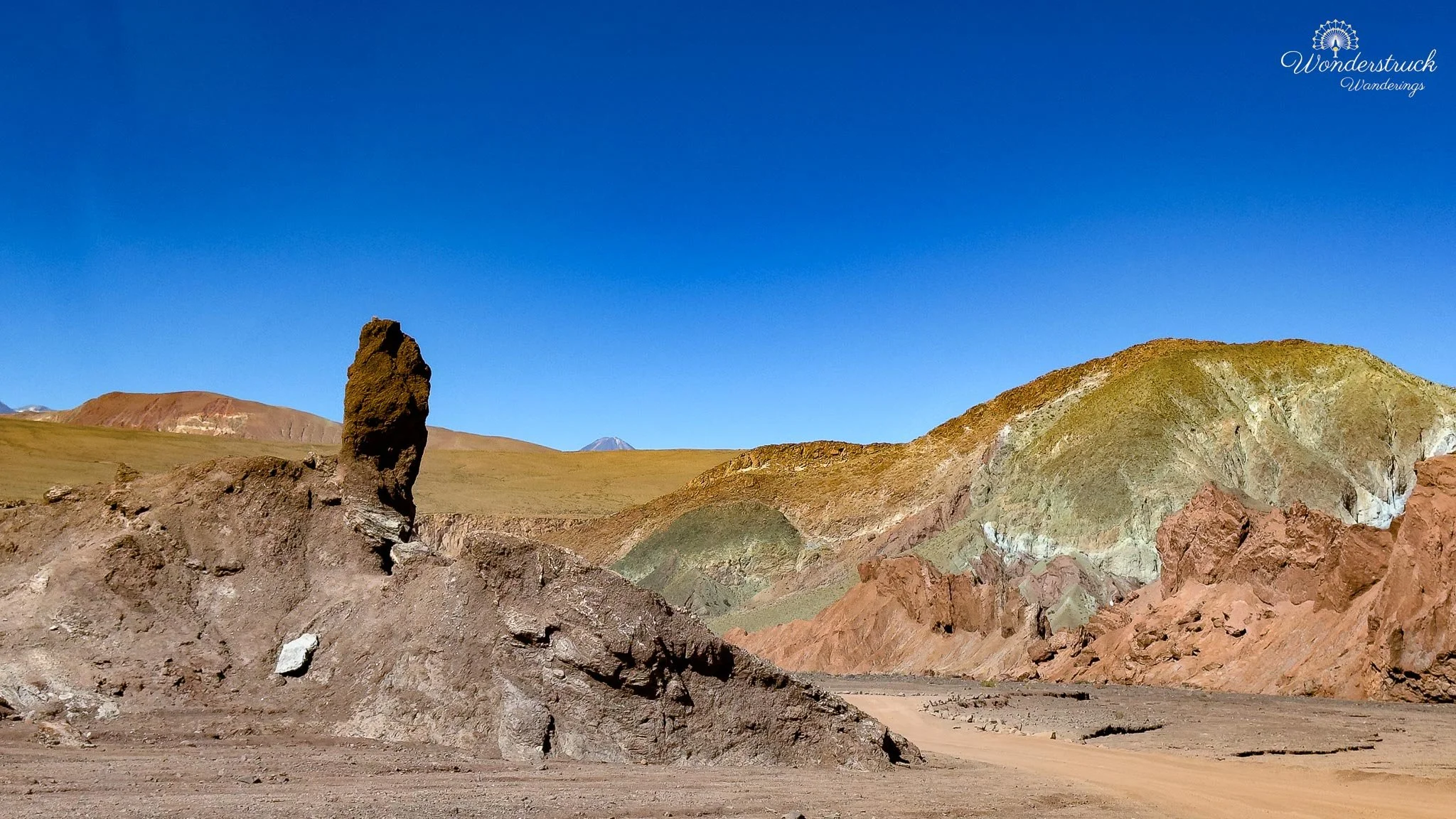
Valle del Arcoíris (Rainbow Valley): Colorful desert landscape featuring mineral-rich hills in shades of red, ochre, green, gray, and white.
Main Viewpoint: Elevated walking trail overlooking colorful hills, eroded formations, and a distinctive pedestal-shaped rock.
Dry Riverbed Trail: Rocky canyon walk with opportunities to spot Black Siskin and Black-hooded Sierra Finch.
Cascada Seca: Narrow dry waterfall with sculpted rock walls and beautiful reflected light.
Side Canyons and Viewpoints: Additional rock towers, geological formations, short walks, and panoramic viewpoints.
B-207 River Corridor: Scenic return road with shallow water crossings, mountain views, and birding opportunities, including Bright-rumped Yellow-Finch.
Petroglifos de Yerbas Buenas: Archaeological site featuring ancient Indigenous rock carvings of animals, human figures, and geometric symbols along historic travel routes.
Pukará de Quitor: Pre-Hispanic hilltop fortress near San Pedro, featuring stone ruins and panoramic valley views. We skipped this stop.
Laguna Chaxa – Salar de Atacama: Return visit to photograph flamingos in golden evening light, with excellent opportunities for silhouettes, flight photography, and reflections.
Laguna Tebenquiche: Alternative sunset location known for salt formations, shallow reflections, and expansive views across the Salar de Atacama. It is an ideal spot to visit if not for sunset photography.
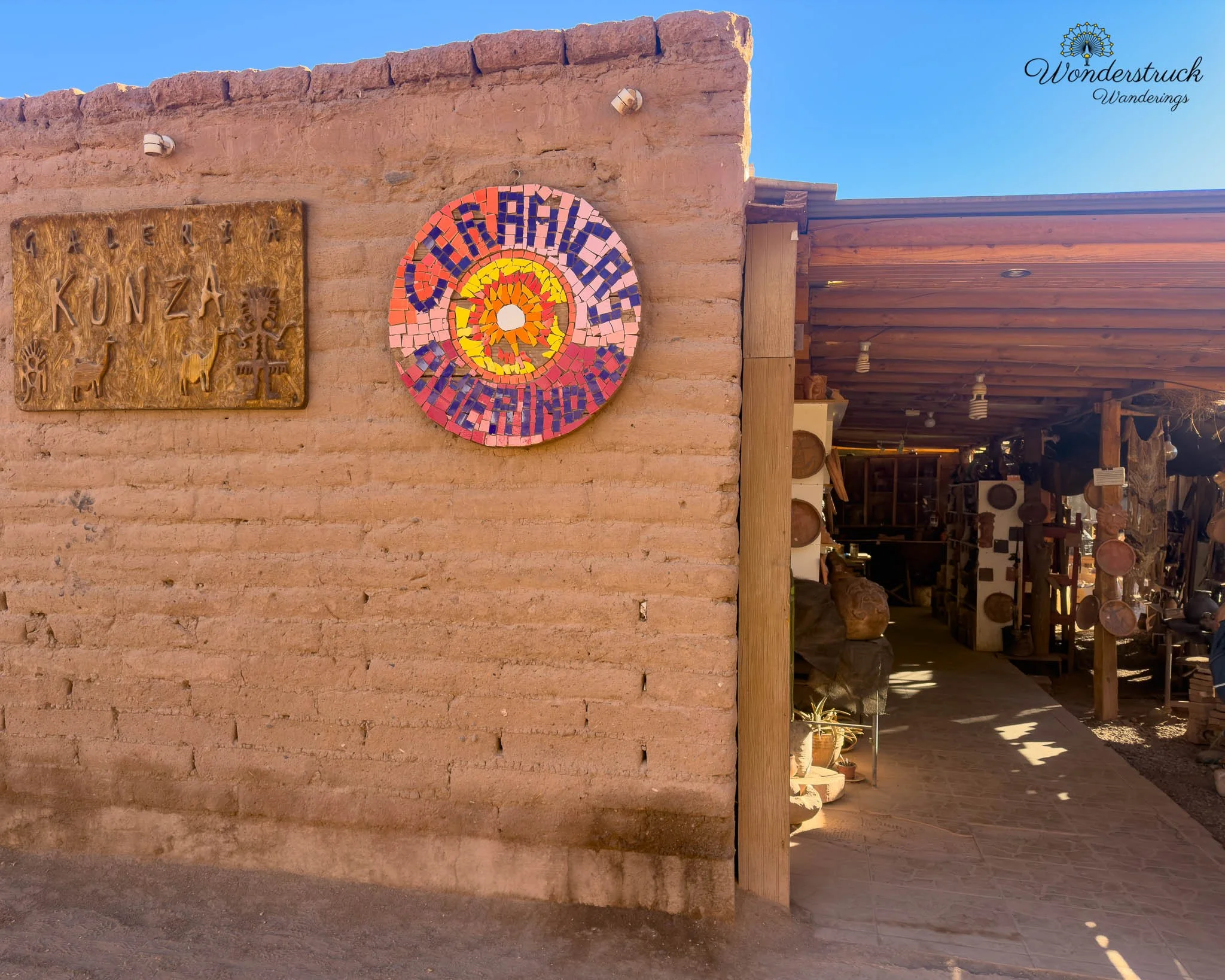
Cerámica Amerindio / Galería Kunza: Fernando Alfaro's artisan ceramic studio in San Pedro, showcasing handmade pottery inspired by Atacameño traditions and regional designs.
-
San Pedro → Rainbow Valley: Approximately 1–1½ hours (50–60 km), depending on the chosen route and road conditions.
Rainbow Valley Main Trails: Allow 1½–2 hours for the main viewpoint, dry riverbed, and Cascada Seca.
Rainbow Valley Side Canyons: Allow another 45–60 minutes for additional viewpoints and photography.
Rainbow Valley → Yerbas Buenas: Allow approximately 20–30 minutes, depending on the route. Spend 30–45 minutes exploring the petroglyphs.
Yerbas Buenas → San Pedro: Approximately 45–60 minutes, allowing extra time for B-207 river crossings and photography.
San Pedro → Laguna Chaxa: Approximately 45–60 minutes. Allow 1–1½ hours for flamingo photography and sunset.
Laguna Chaxa → San Pedro: Approximately 45–60 minutes for the return drive.
Suggested Time: Allow 5–6 hours for Rainbow Valley and Yerbas Buenas, including driving, trails, and photography. Reserve another 2½–3½ hours for Laguna Chaxa at sunset, including the return drive. Both excursions comfortably fill a day with a lunch break in San Pedro.
Planning Note: Some Rainbow Valley access roads are unpaved and may have shallow water crossings. Confirm road conditions and Laguna Chaxa's last-entry and closing times before departure.
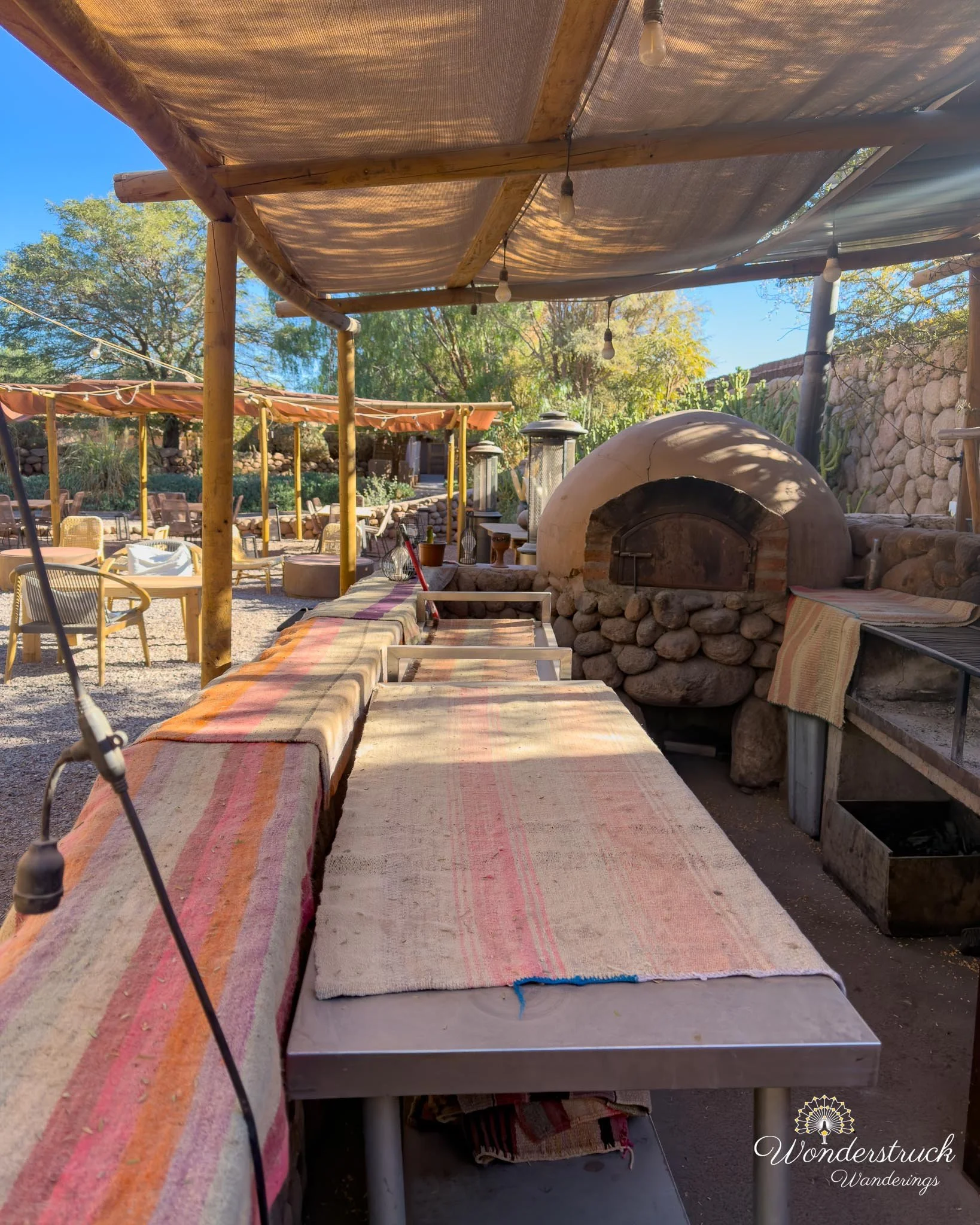
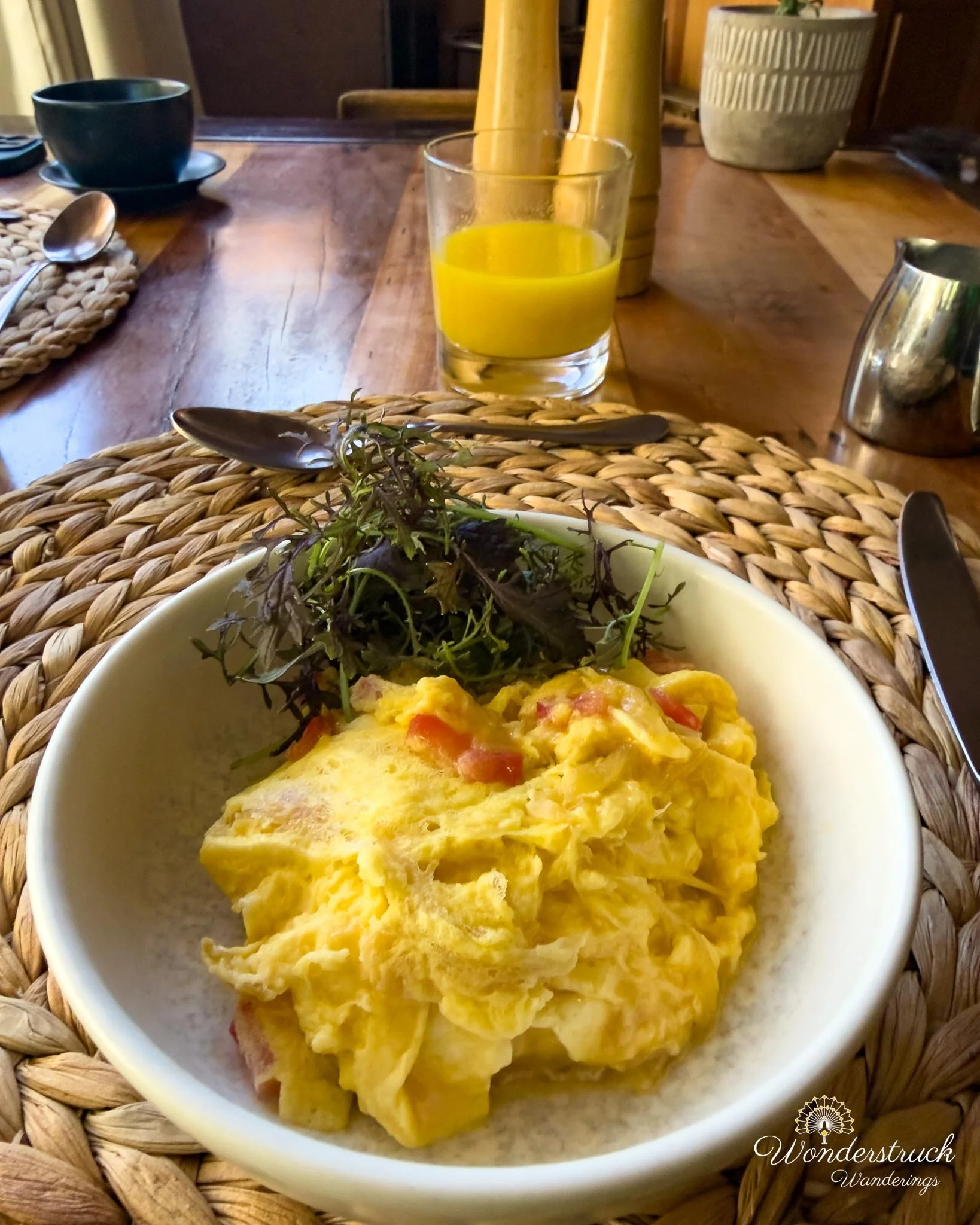
Day 6 began without our usual sunrise departure. After two consecutive days of high-altitude excursions lasting nearly fourteen hours each, we decided to sleep a little longer and enjoy breakfast at Our Habitas Atacama. Shay ordered huevos milpas, while I chose scrambled eggs with onion and tomato, accompanied by bread, cold cuts, pastries, coffee, and juice. We also had time to explore the hotel grounds, including the pool, outdoor firepit seating, and brick oven used for occasional barbecue evenings. Our main destination was Valle del Arcoíris (Rainbow Valley), approximately 50–60 kilometers northwest of San Pedro de Atacama. We headed toward Calama on Ruta 23 before turning onto the dirt roads connecting Rainbow Valley and Yerbas Buenas. Along the way, we photographed a llama grazing with Licancabur Volcano in the background. We took a signed alternative approach to the valley, encountering several shallow water crossings before eventually returning by B-207.
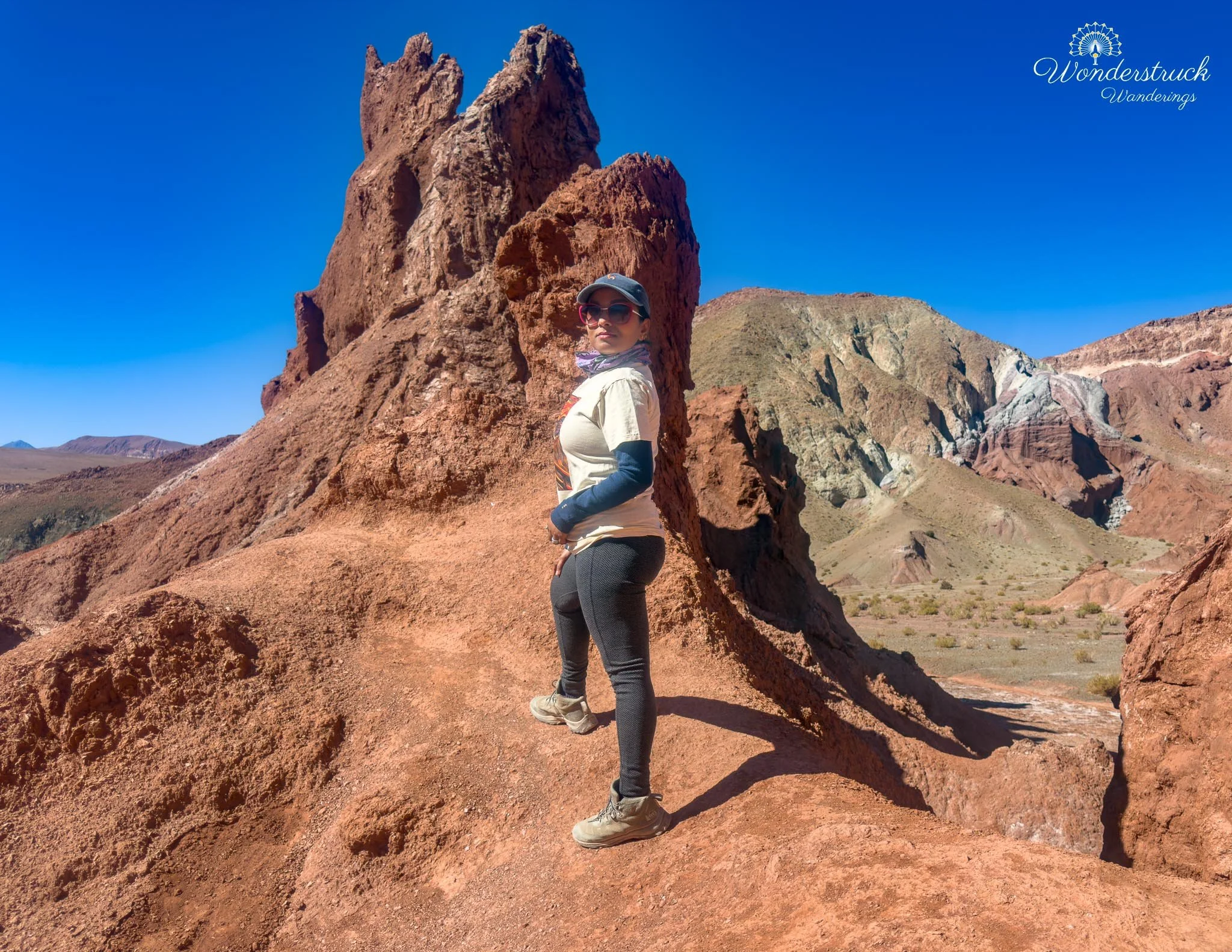
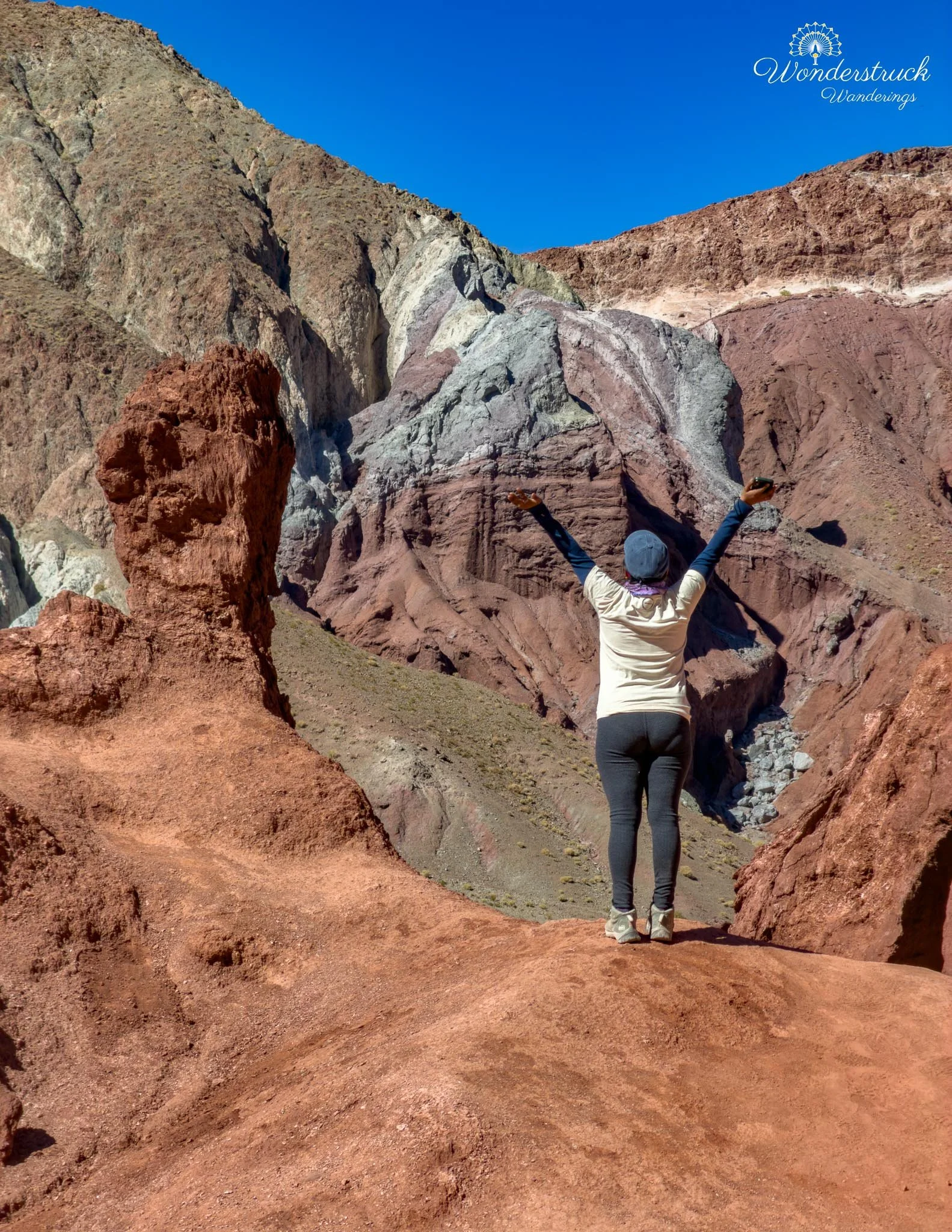
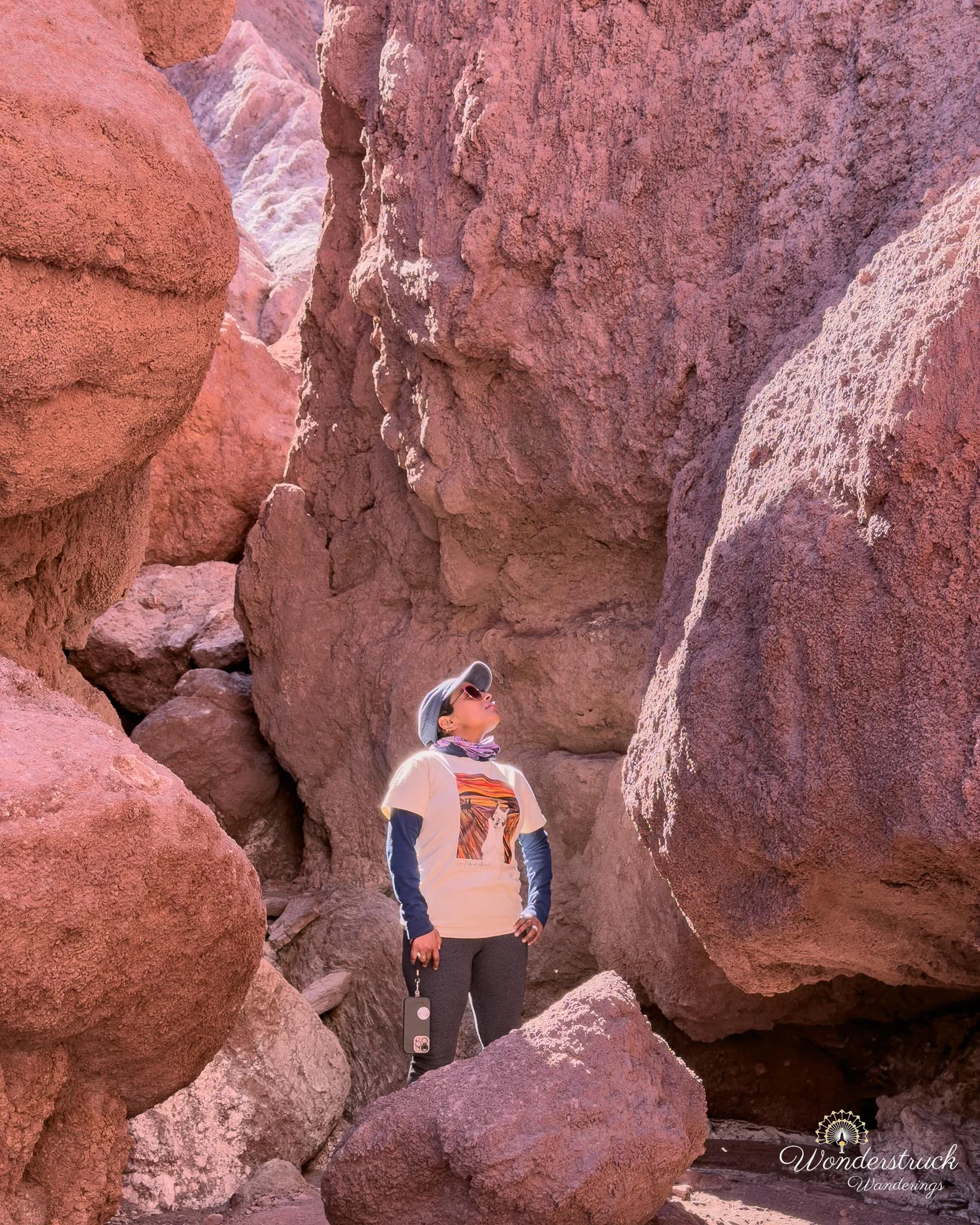
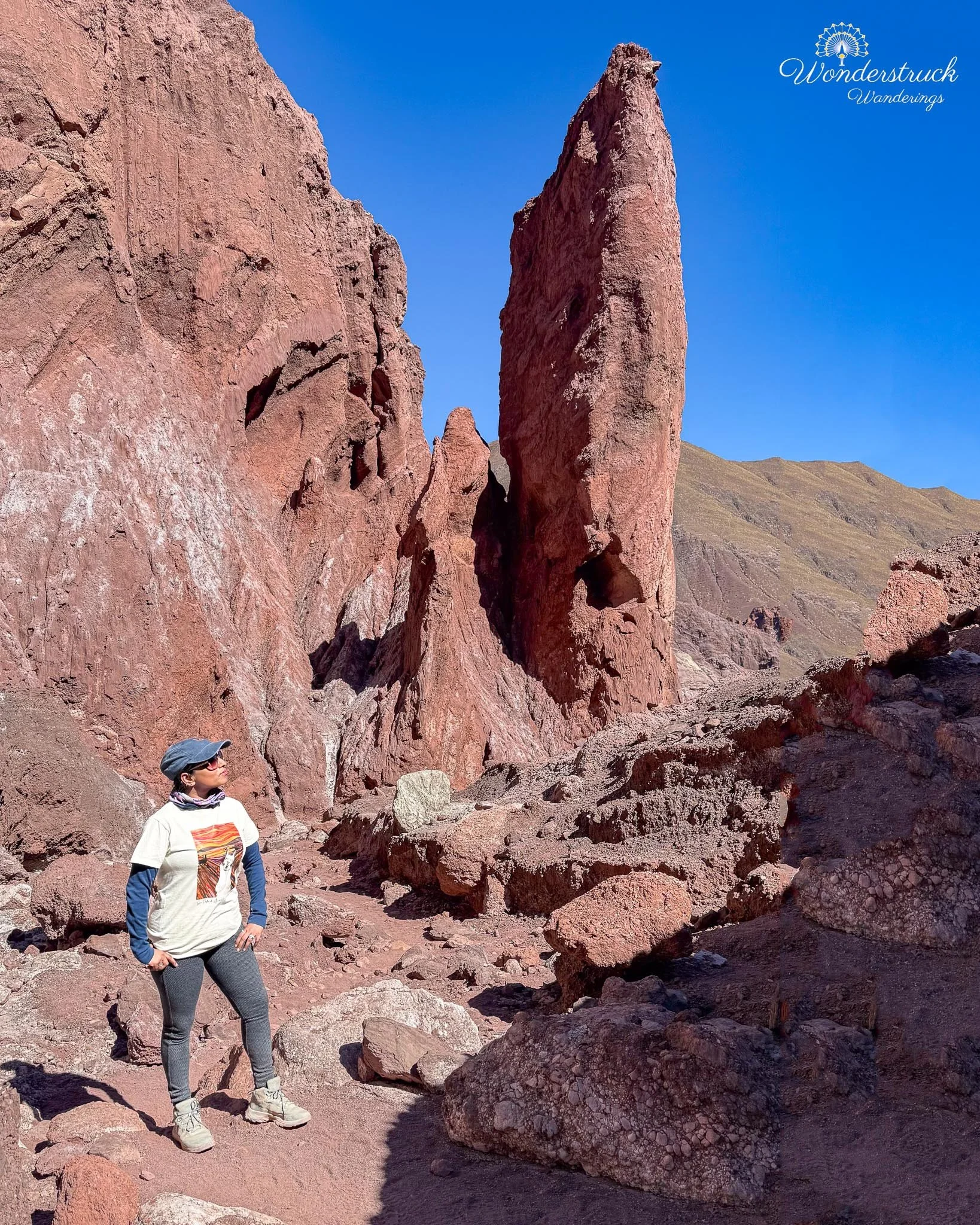
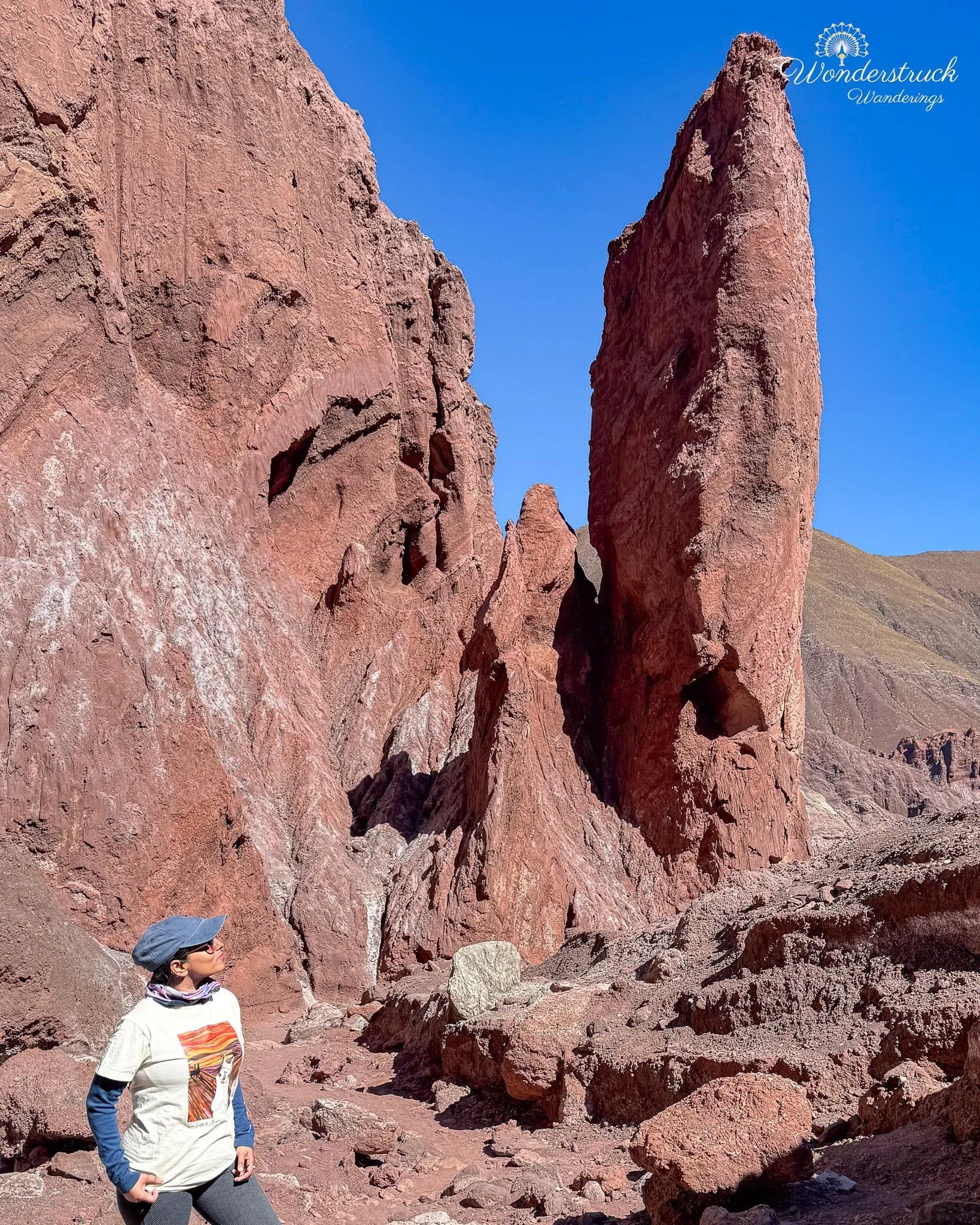
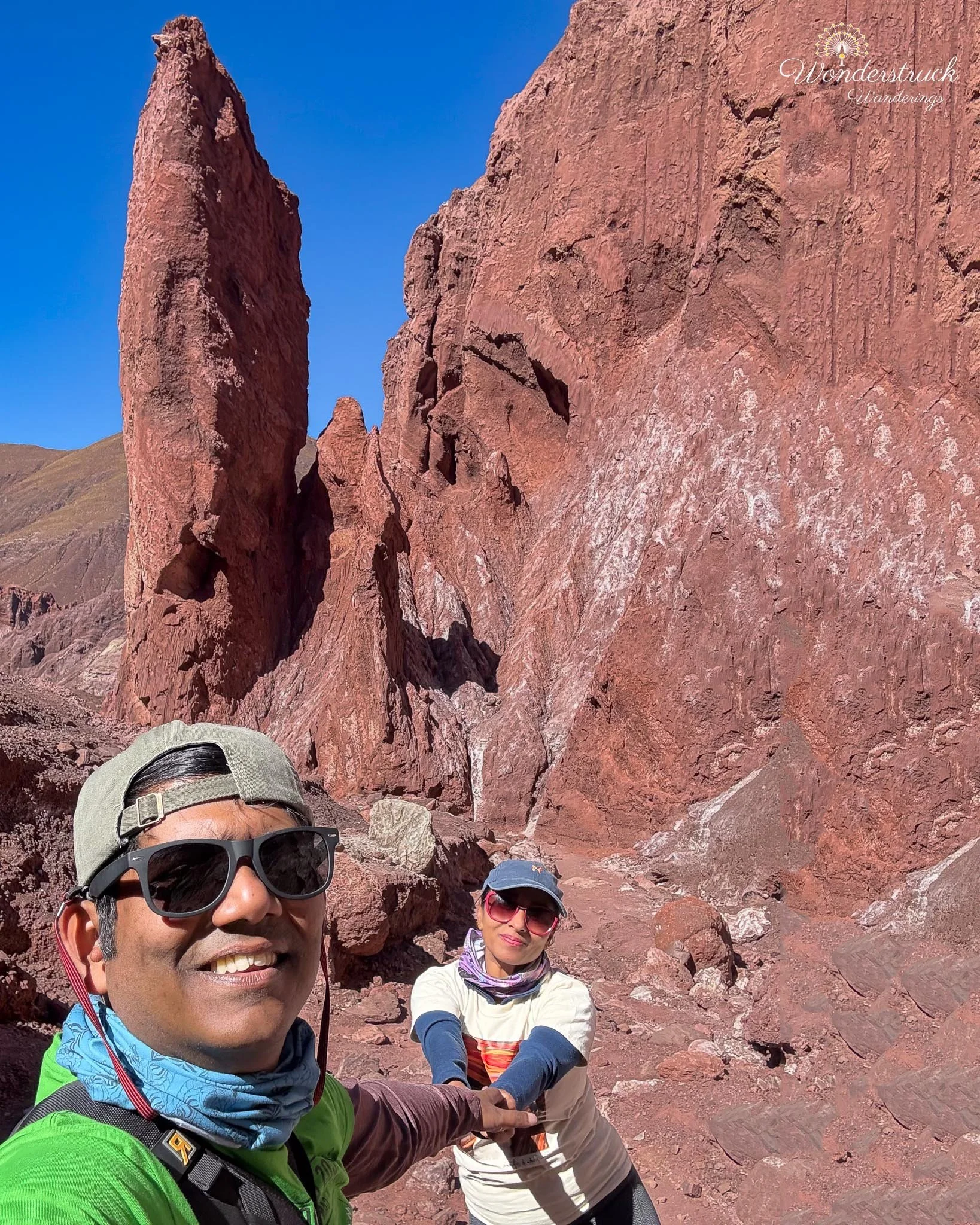
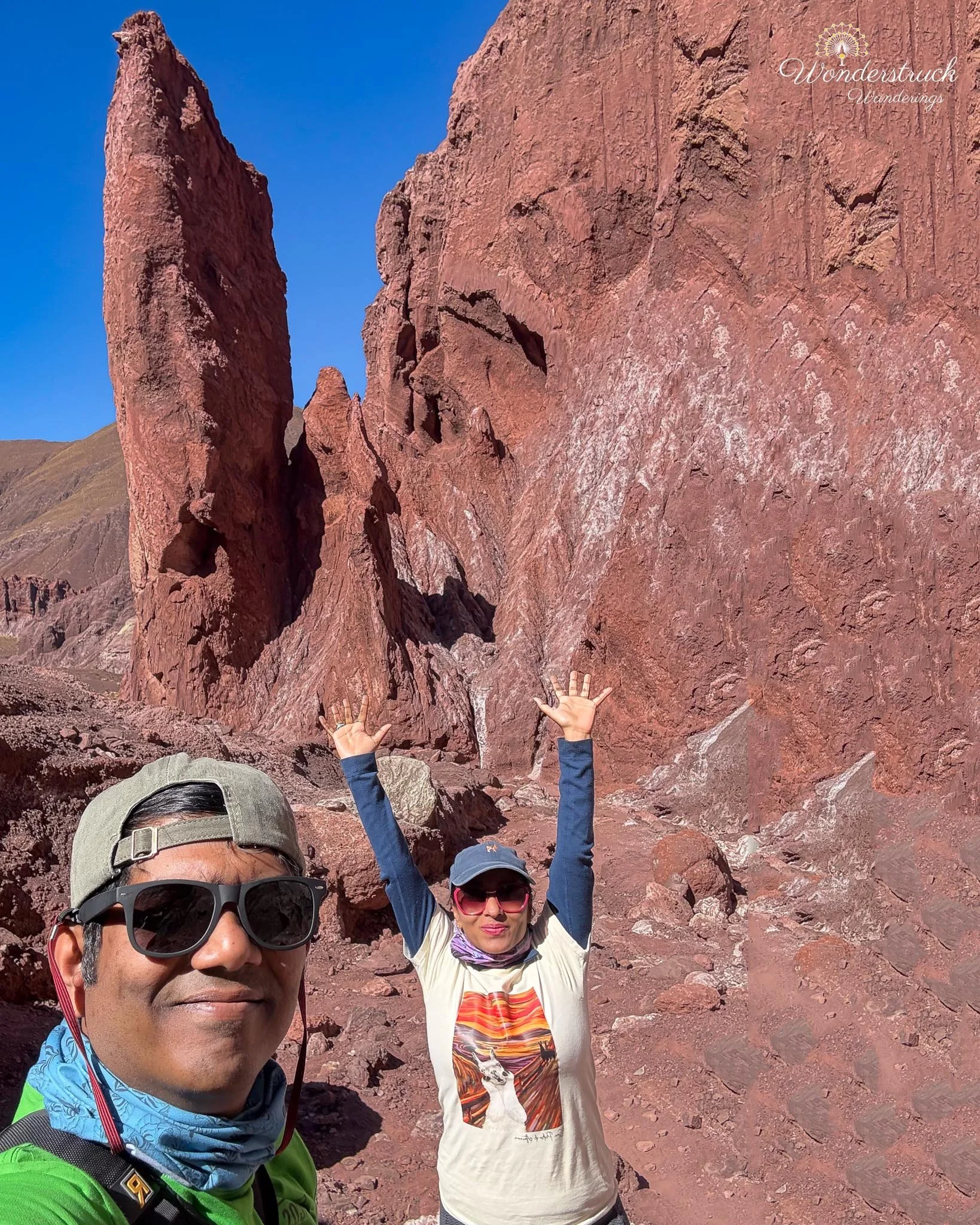
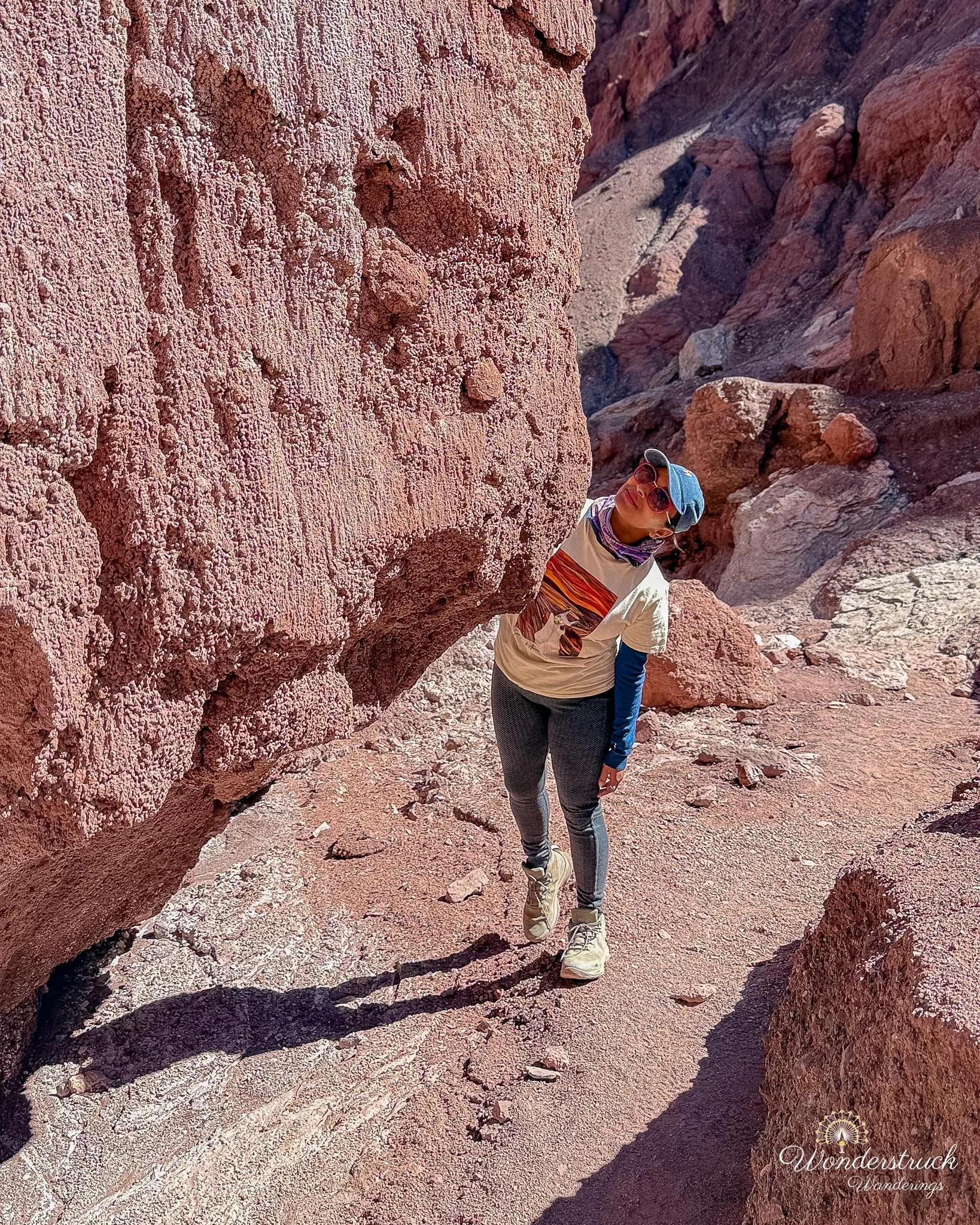
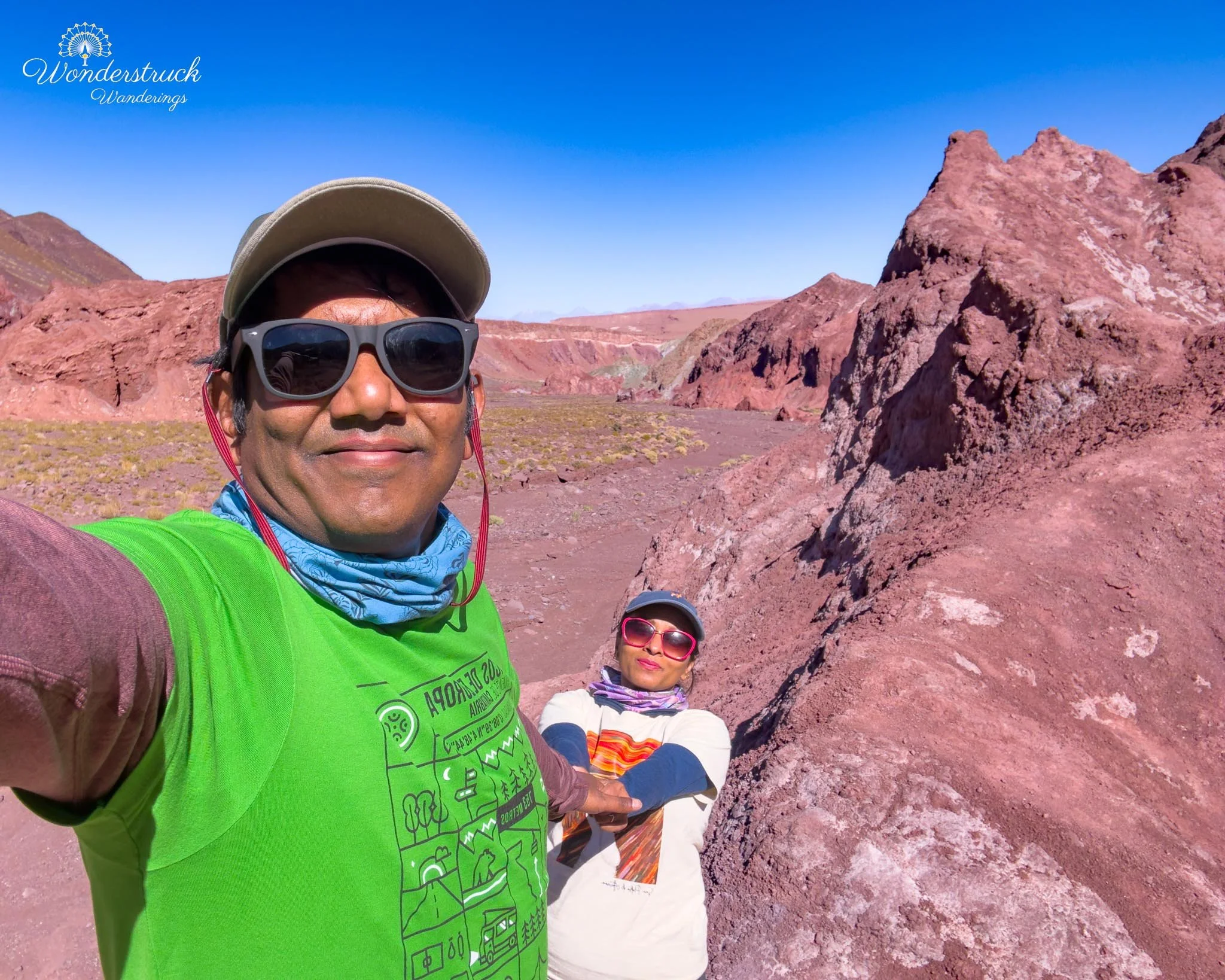
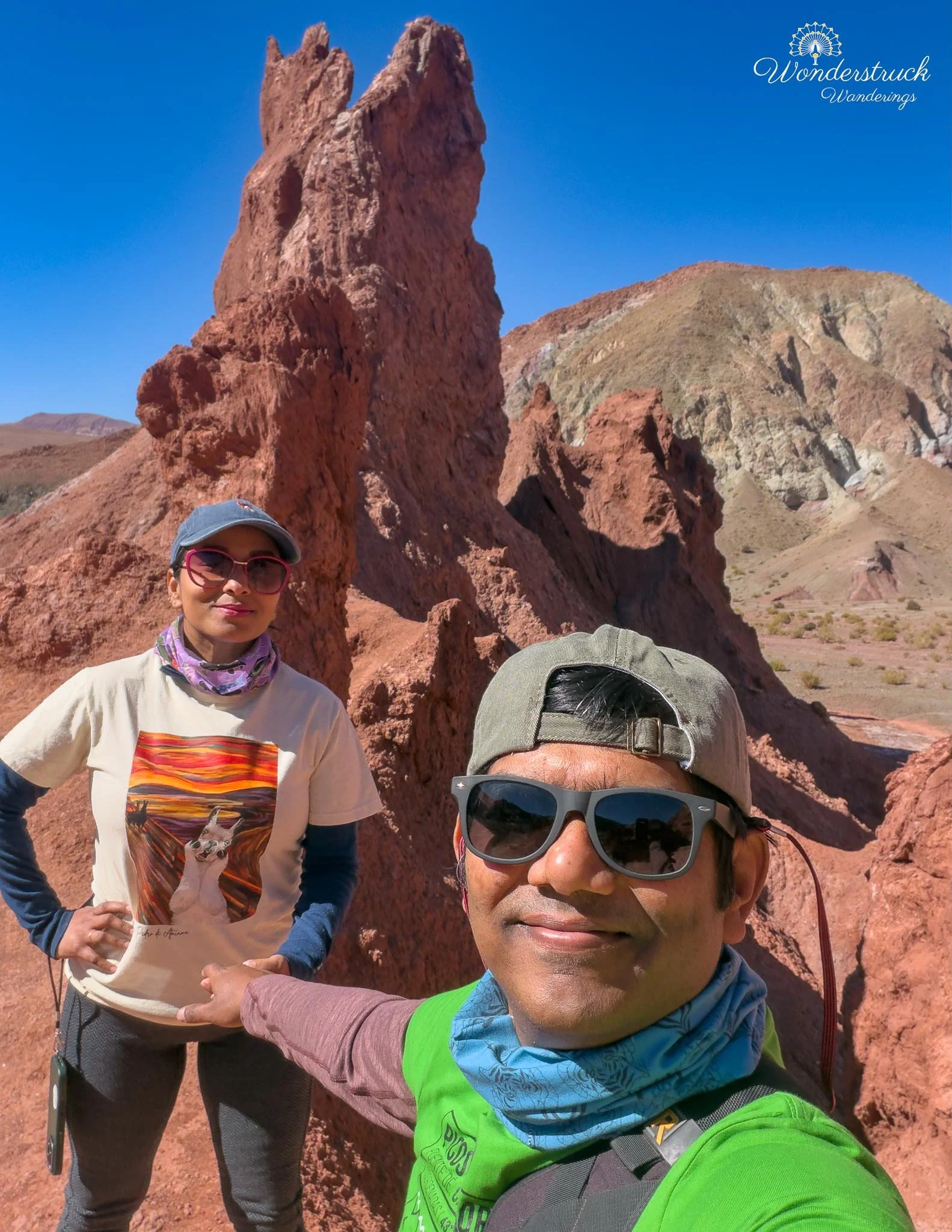
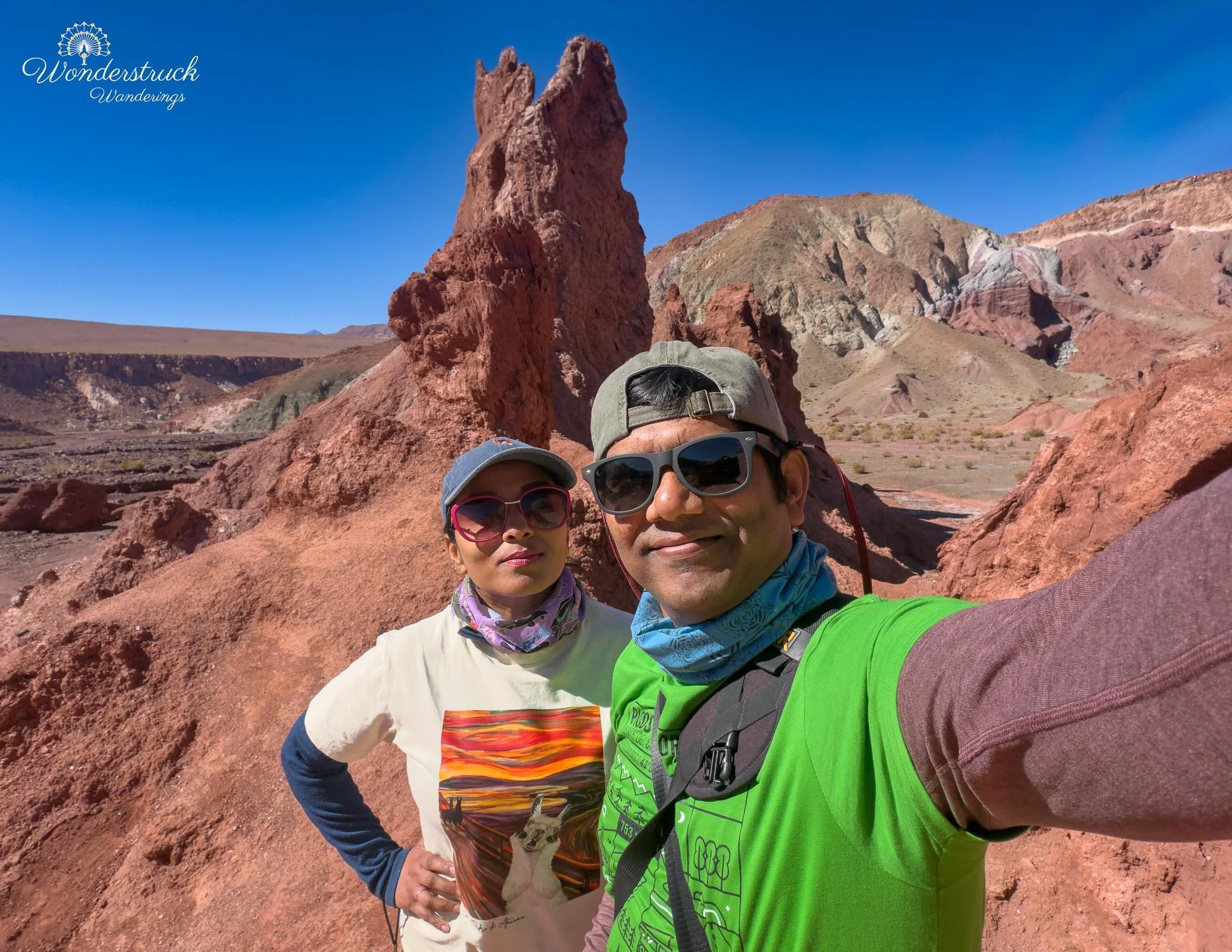
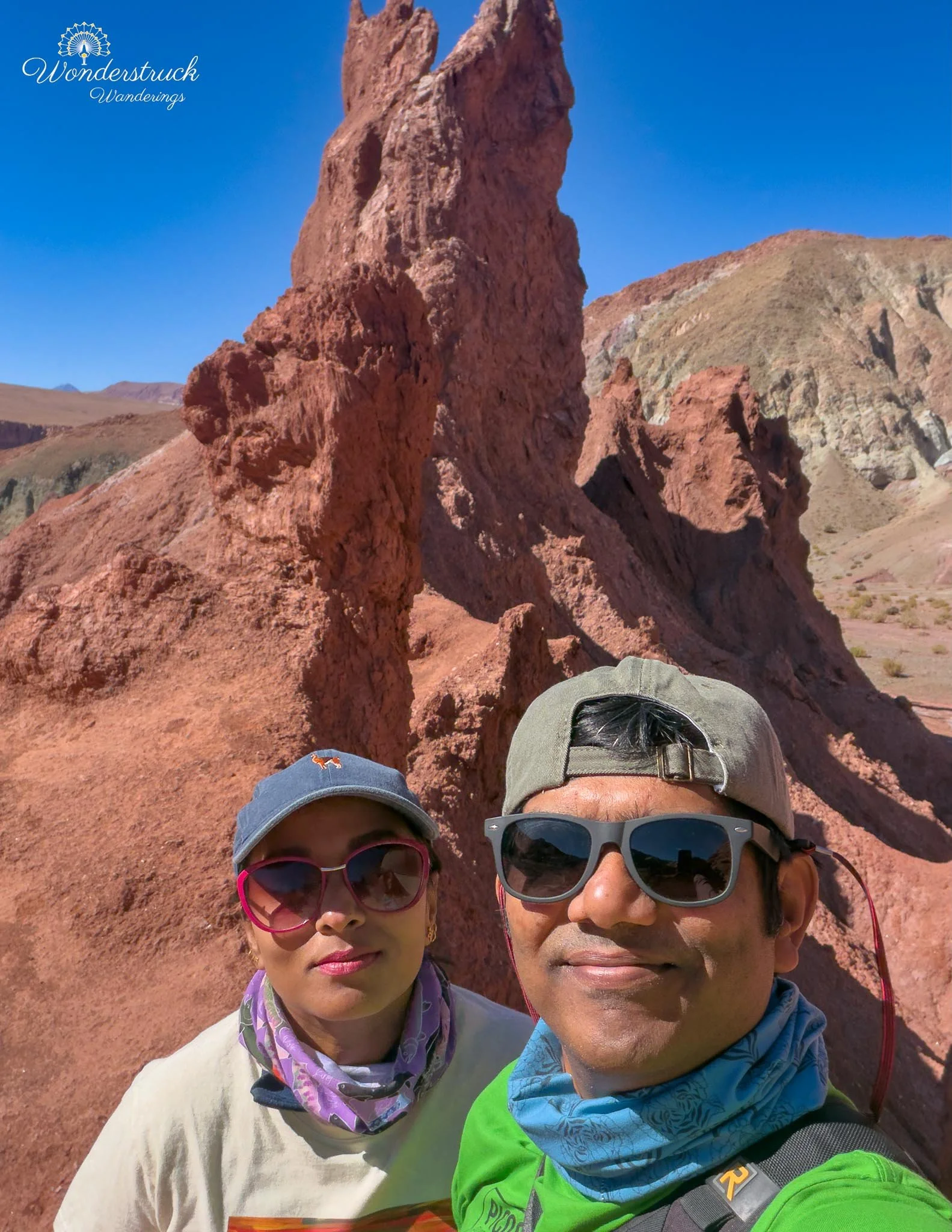
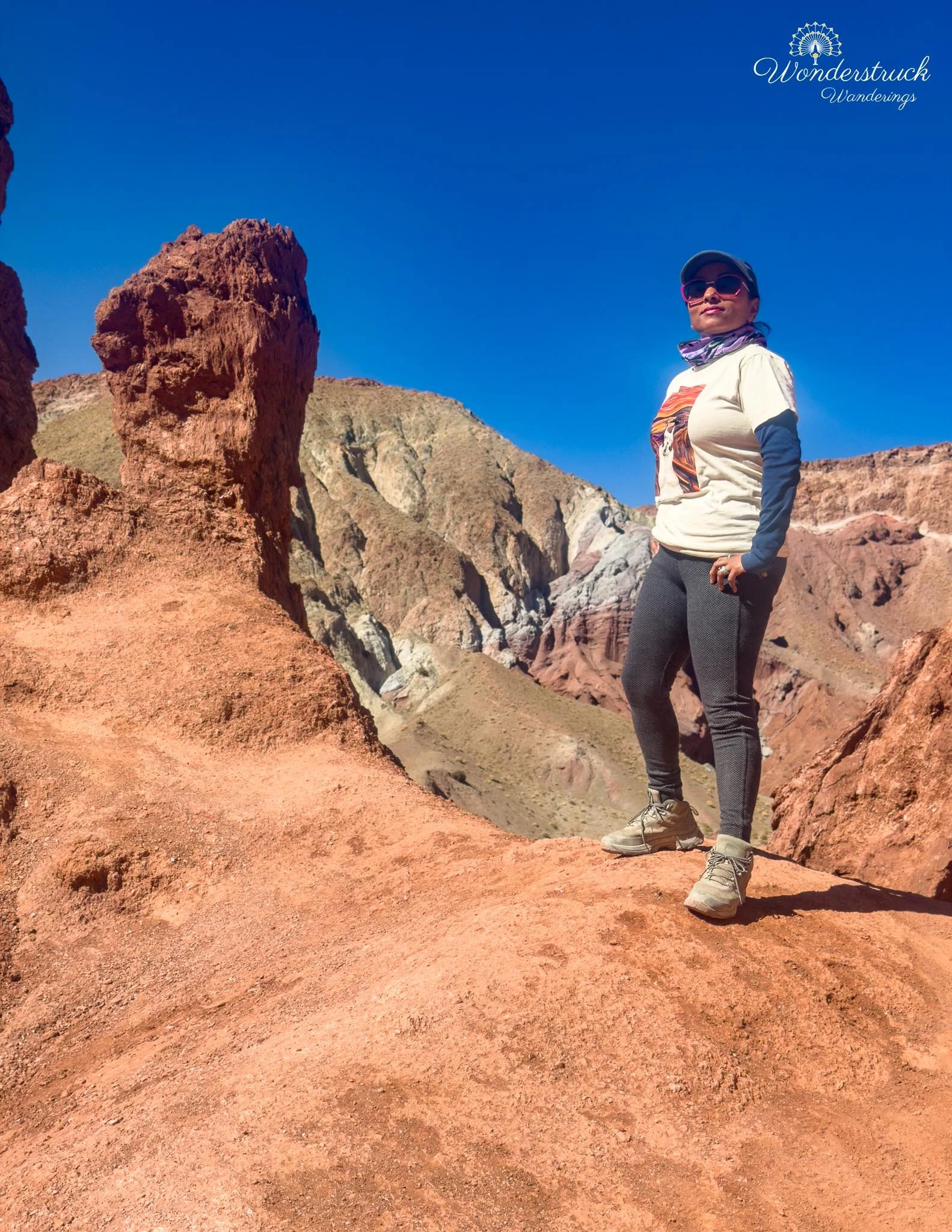
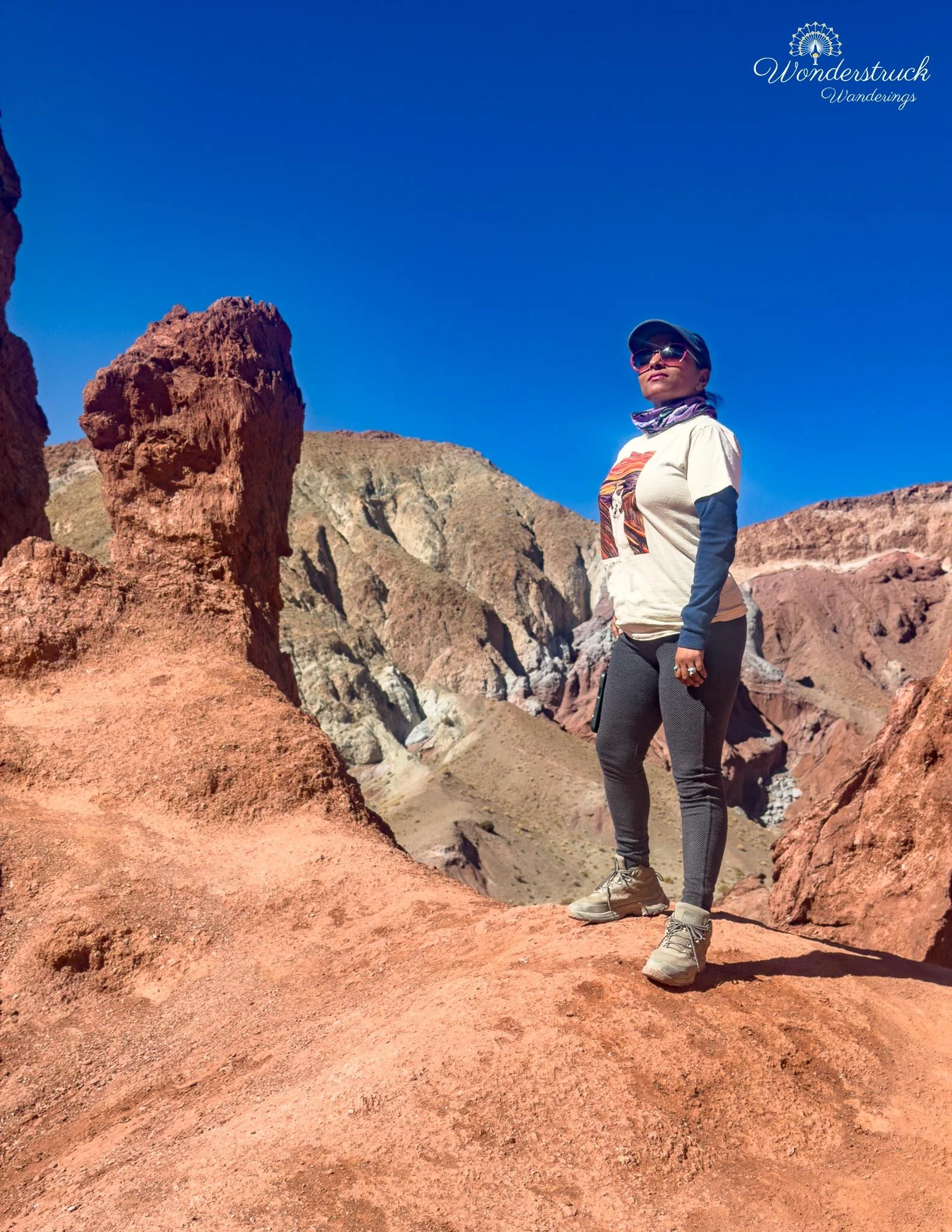
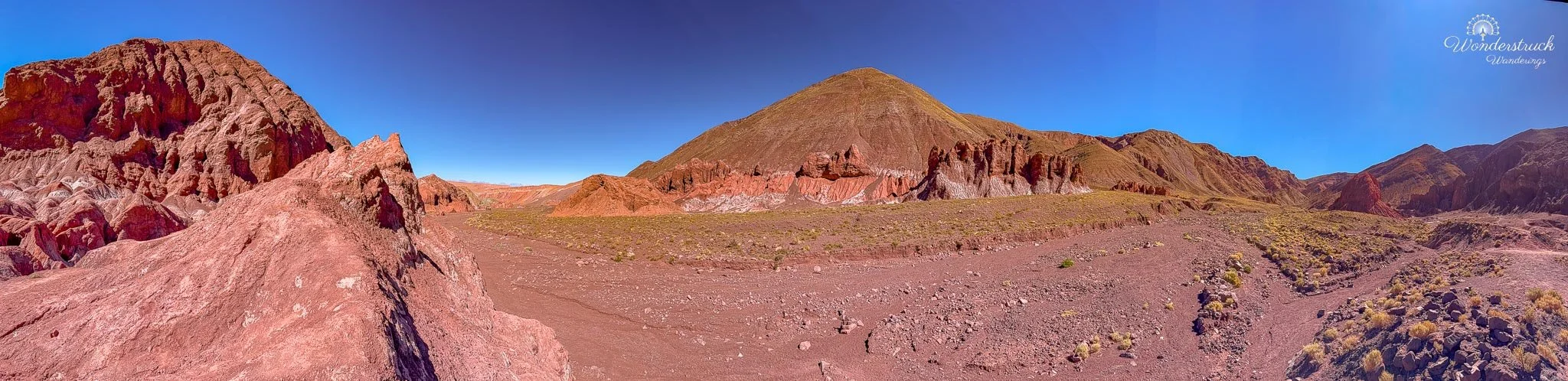
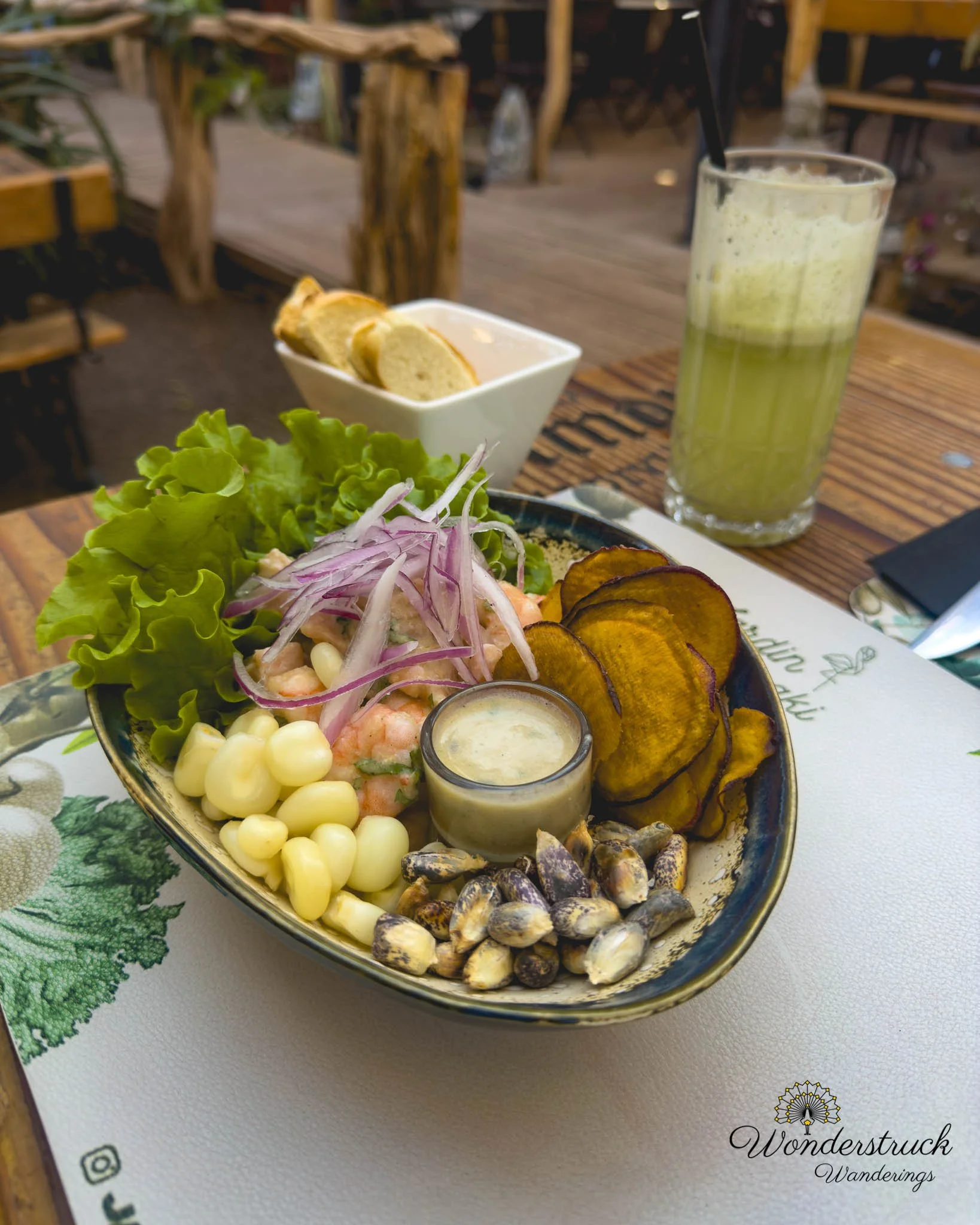
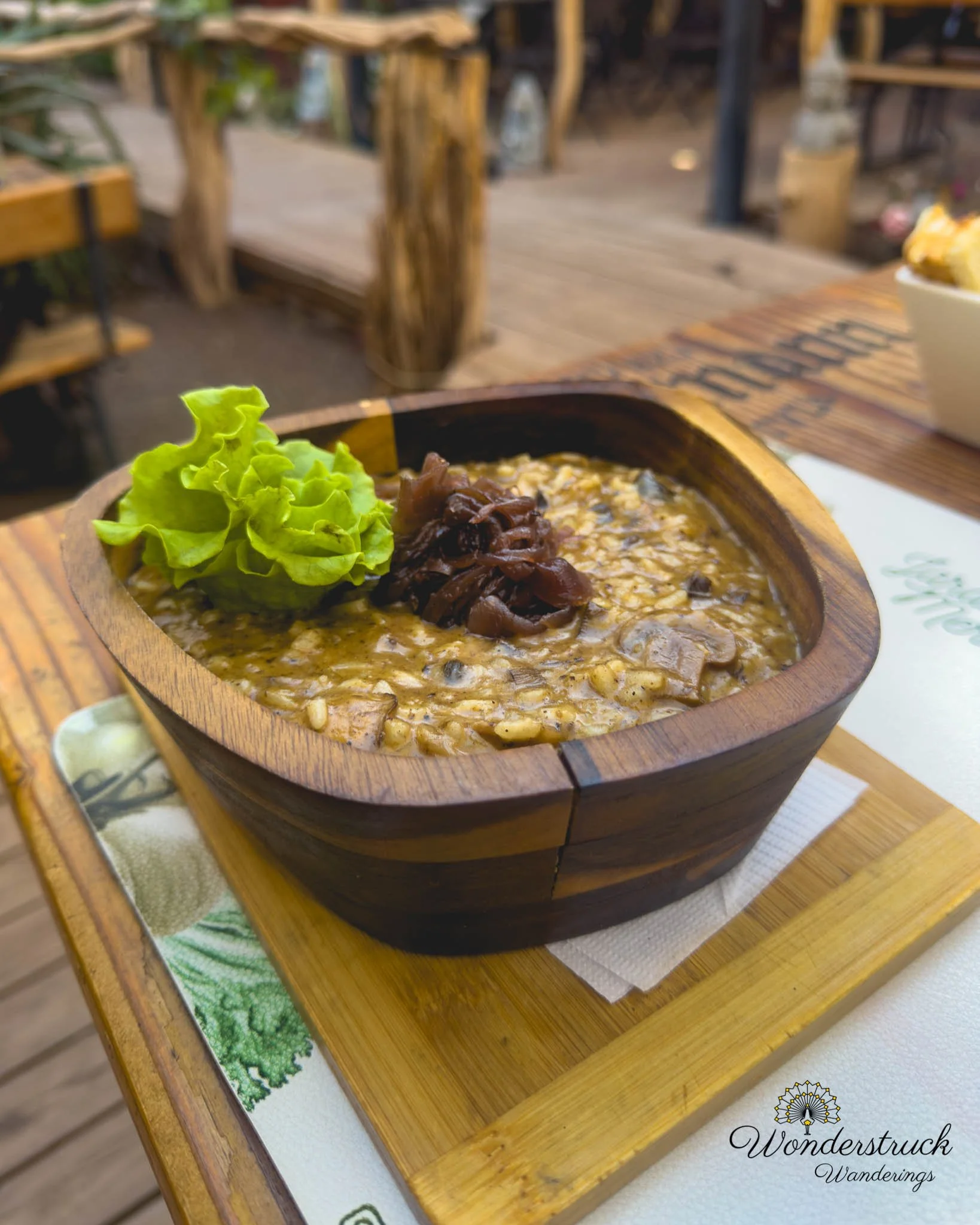
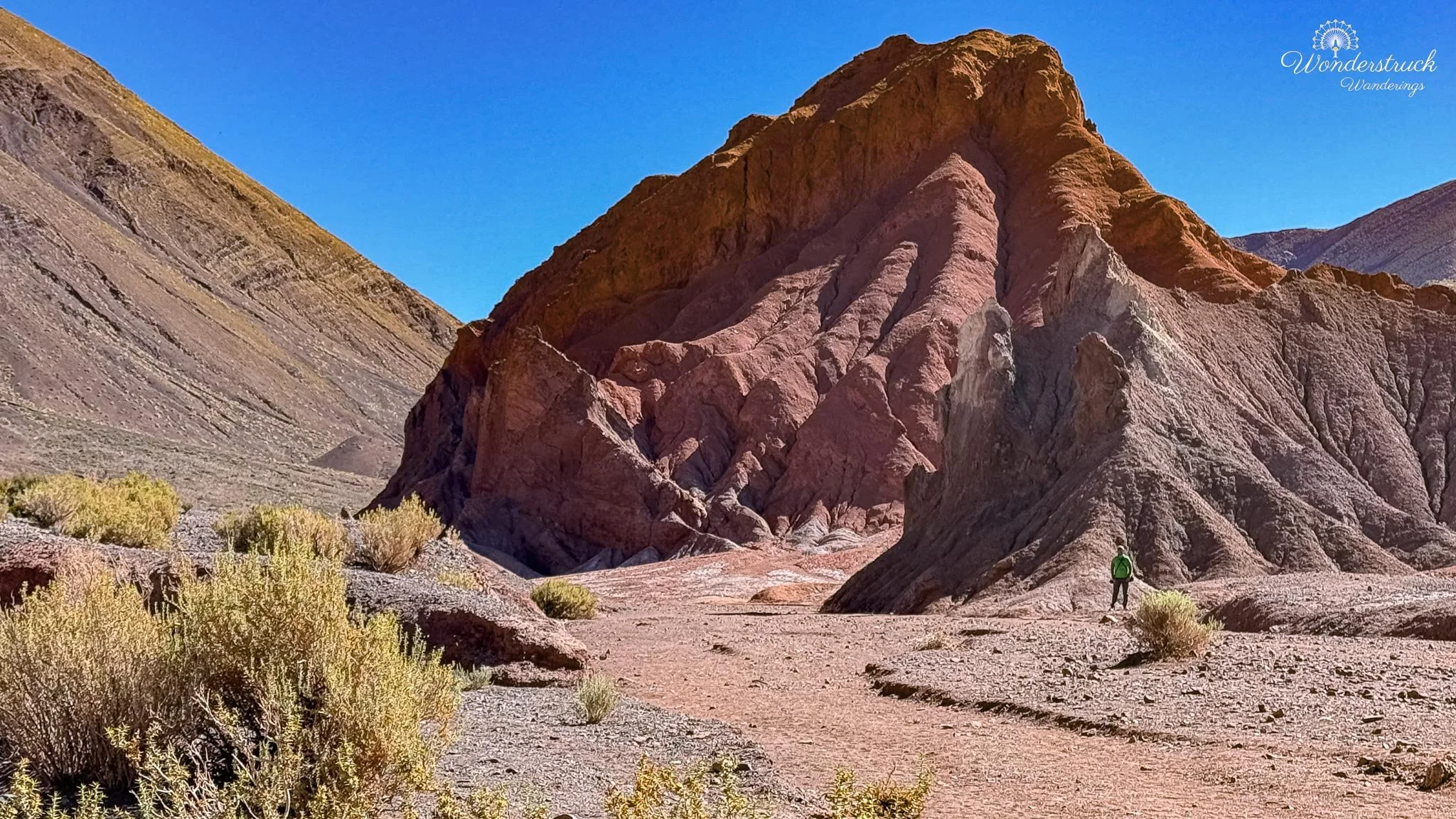
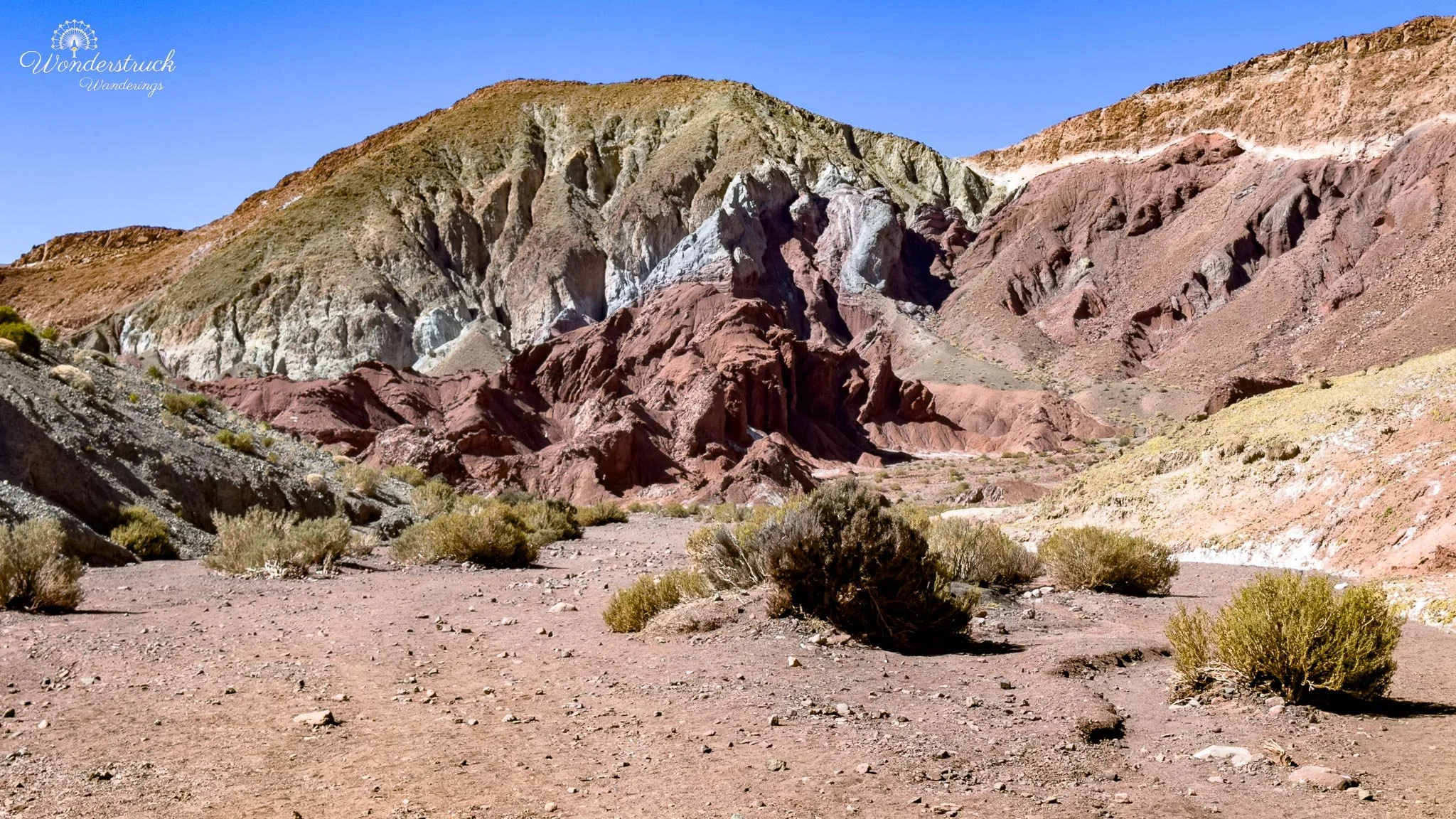
At the Rainbow Valley entrance, we paid 5,000 CLP per person and began exploring the mineral-colored hills. Unlike Valle de la Luna's expansive dunes, Rainbow Valley offered closer views of eroded cliffs, dry washes, and bands of red, ochre, green, white, and gray. From the first parking area, we followed a sandy trail to an elevated viewpoint overlooking the formations and a pedestal-shaped rock resembling a chicken thigh. We continued into a dry riverbed, where eroded walls exposed different mineral layers. Birding produced Black Siskin and Black-hooded Sierra Finch among the sparse vegetation and rocks. Instead of returning along the road, we retraced the riverbed trail, photographing the formations from different angles. Back in the car, we explored several side roads, including Cascada Seca, a dry cascade carved by flash floods. A short walk between tall rock walls revealed smooth curves, polished surfaces, and channels illuminated by reflected sunlight. Another branch led past tall rock towers to a scrambling section, where we turned back. We also followed a rougher road to an elevated viewpoint before returning to the main route. The drive back along B-207 followed a river corridor with shallow crossings and scattered vegetation. Here, we spotted a large flock of Bright-rumped Yellow-Finches feeding along the riverbed. We also visited Petroglifos Yerbas Buenas, paying another 5,000 CLP per person. Its rock carvings depict animals, human figures, and geometric symbols associated with Indigenous communities and historic travel routes. Back in San Pedro, we had lunch at Jardín Meraki, a garden restaurant with shaded seating and an upper terrace. Shay ordered mushroom risotto, while I chose fish-and-shrimp pil-pil ceviche with rica-rica lemonade. We had considered visiting Pukará de Quitor, a nearby pre-Hispanic fortress, but lunch took longer than expected, so we continued with our afternoon plan to photograph flamingos at Laguna Chaxa.
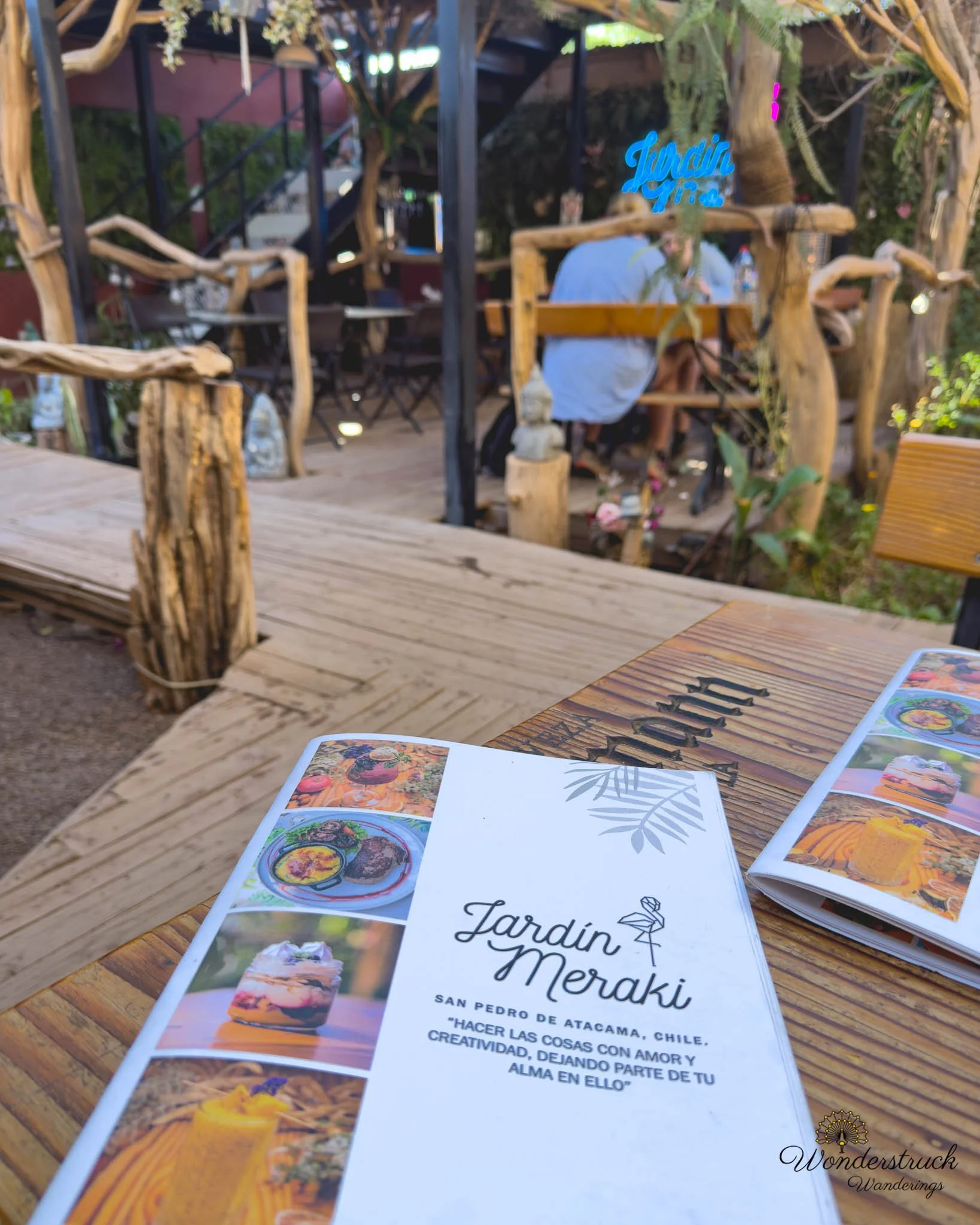
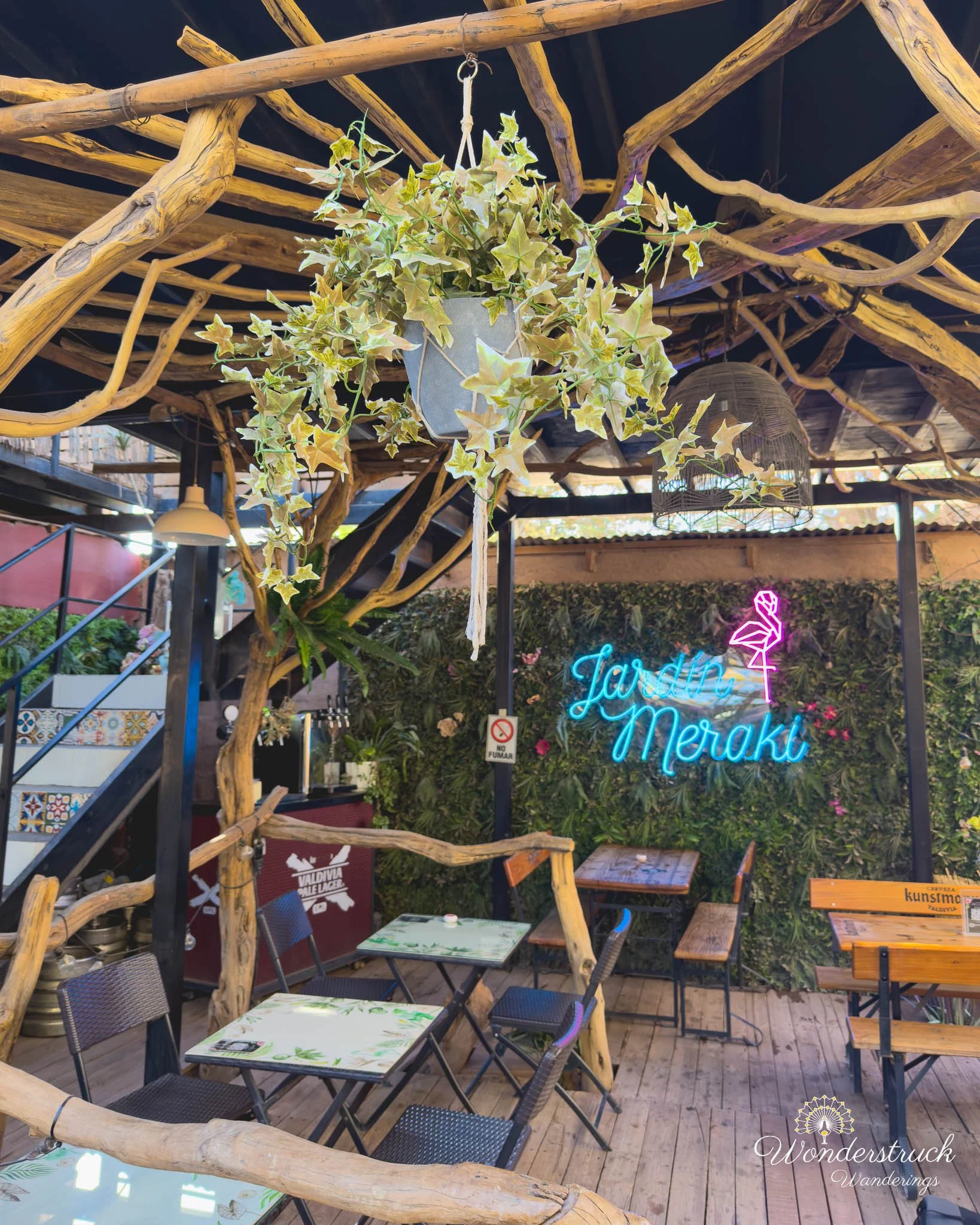
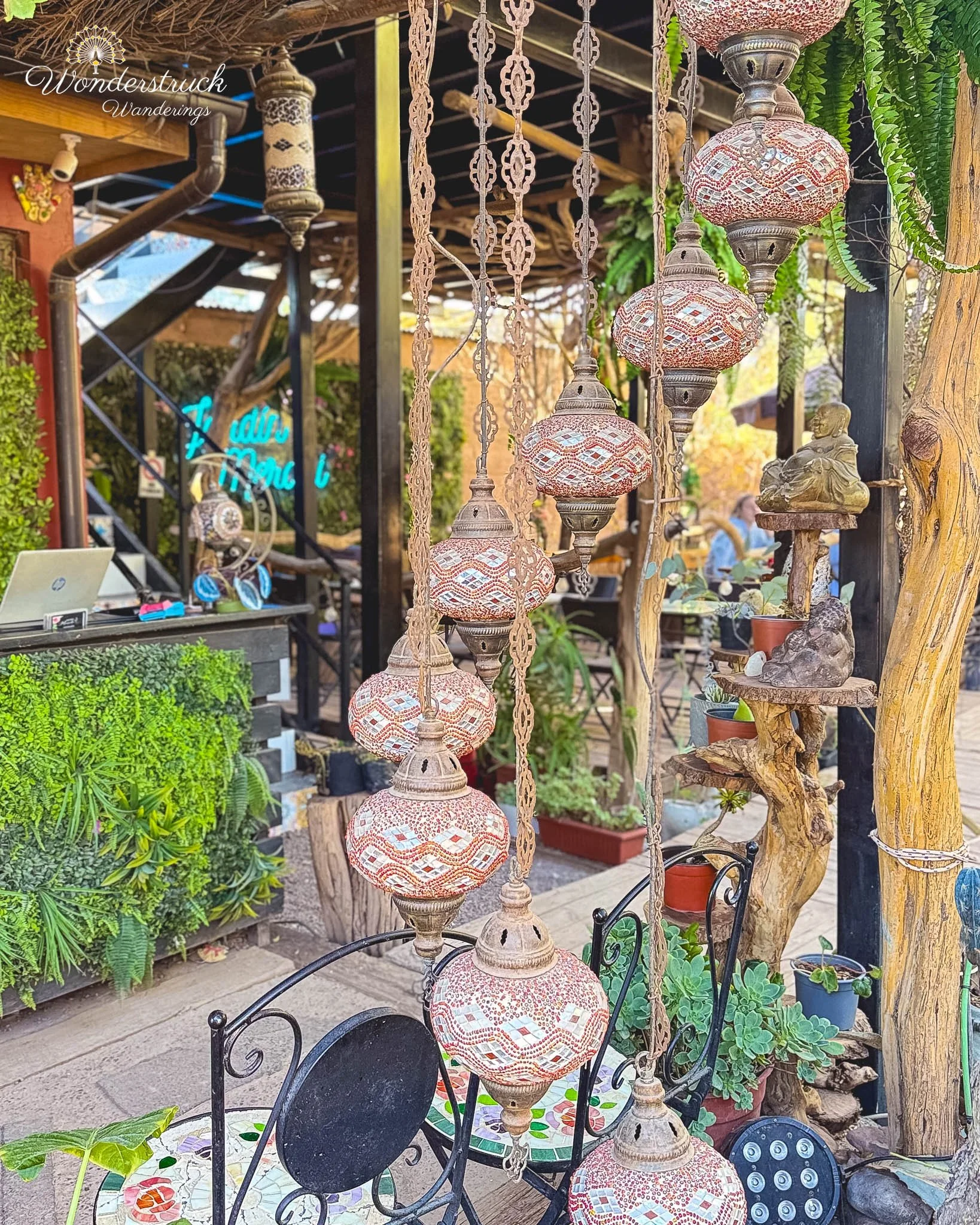
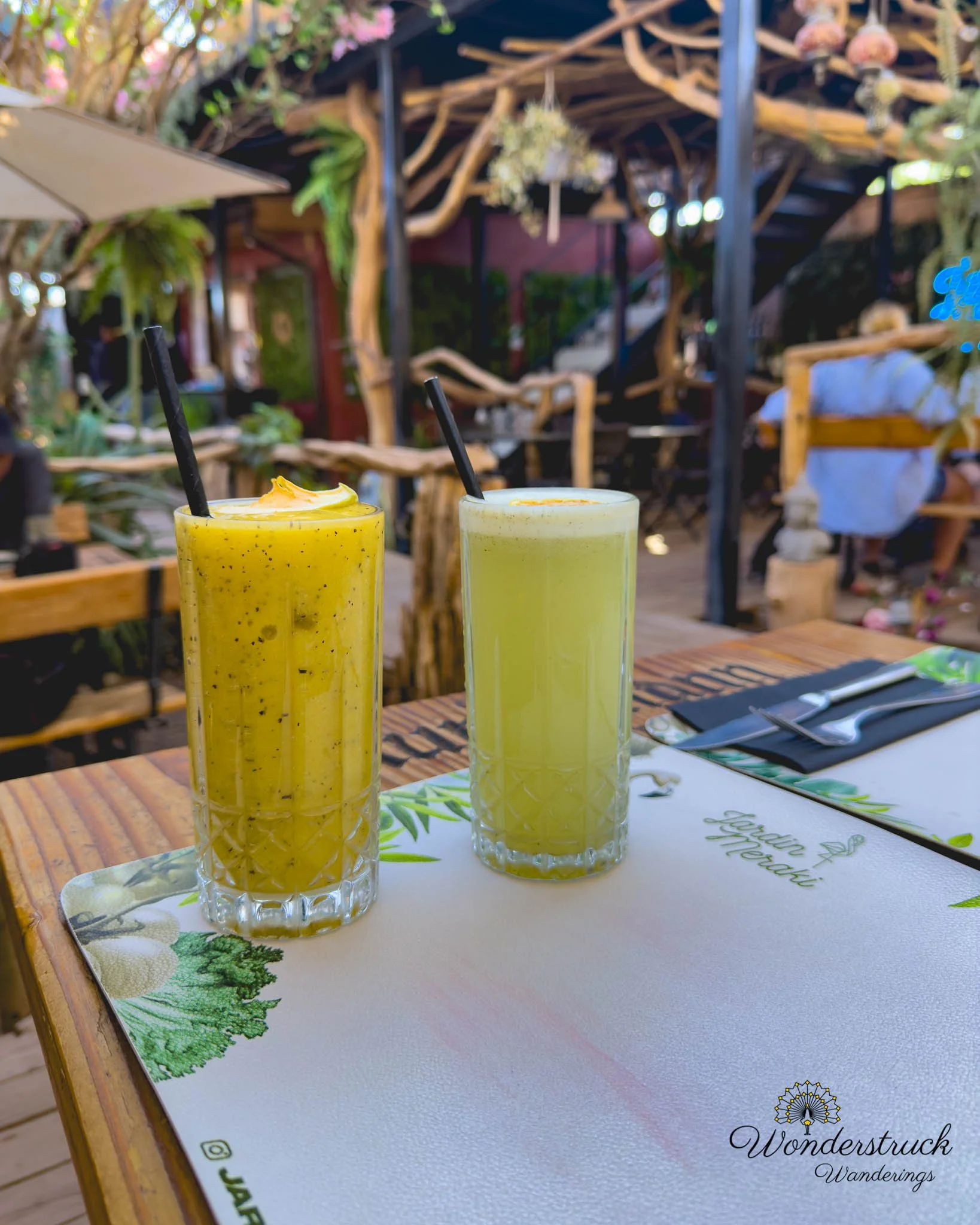
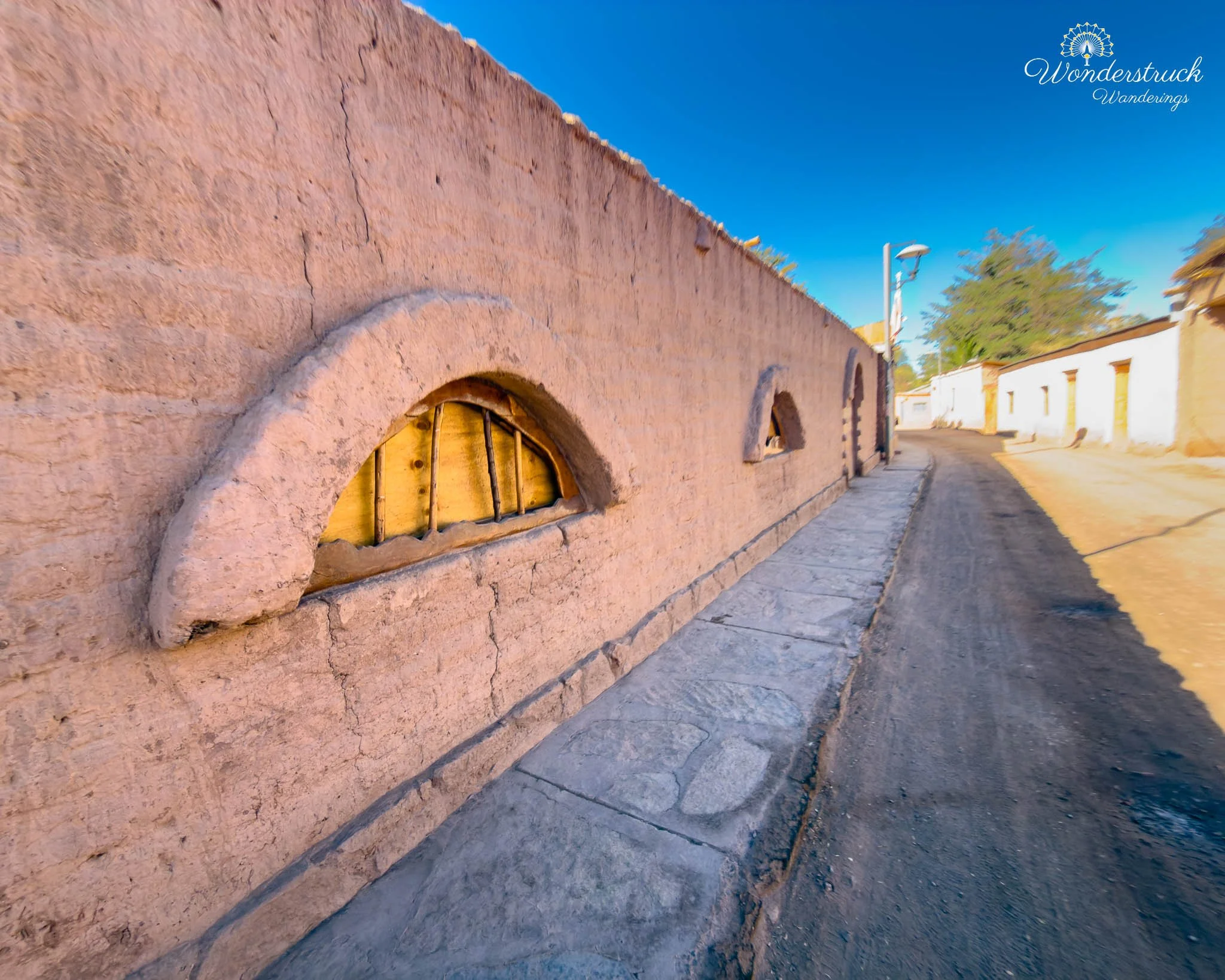
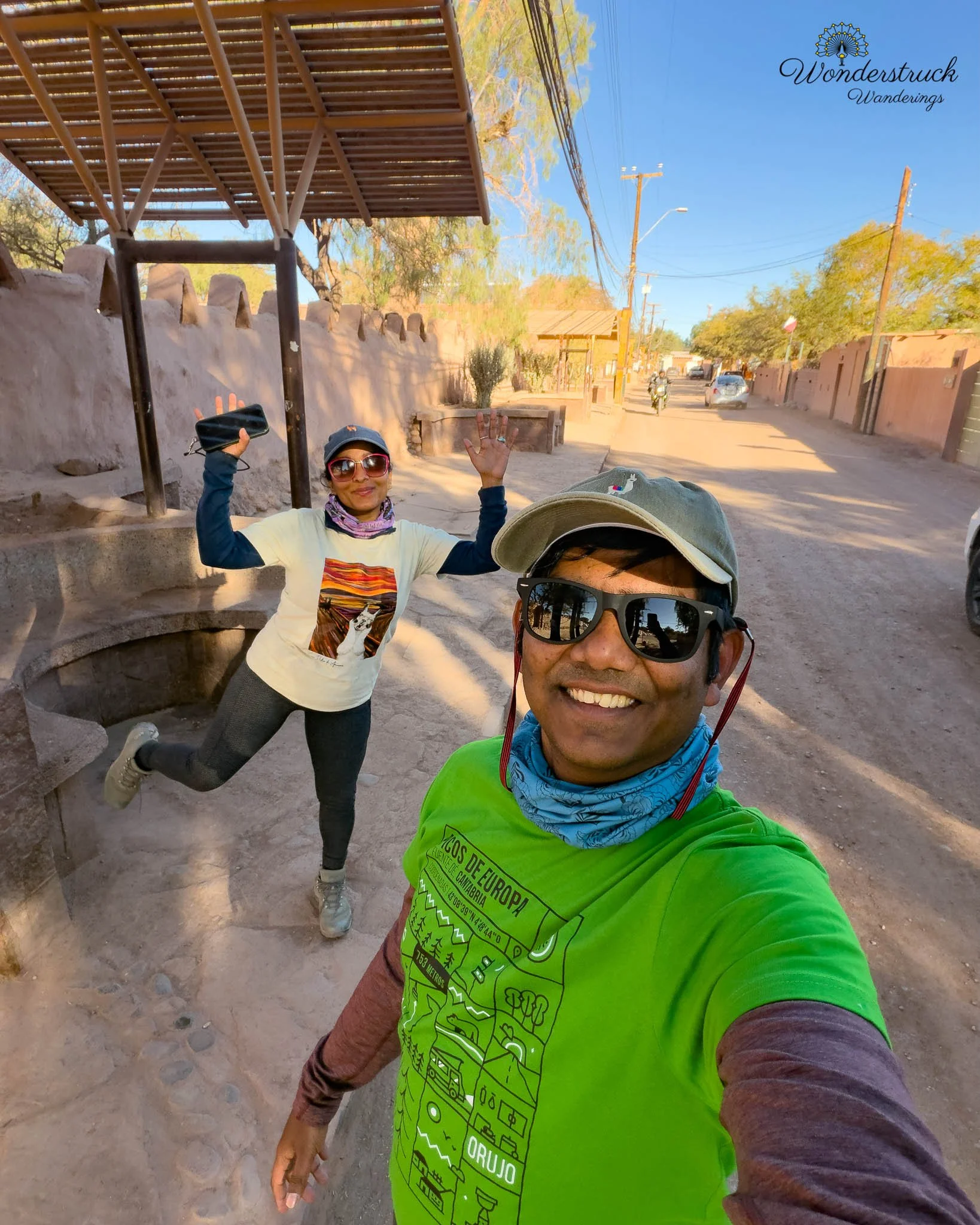
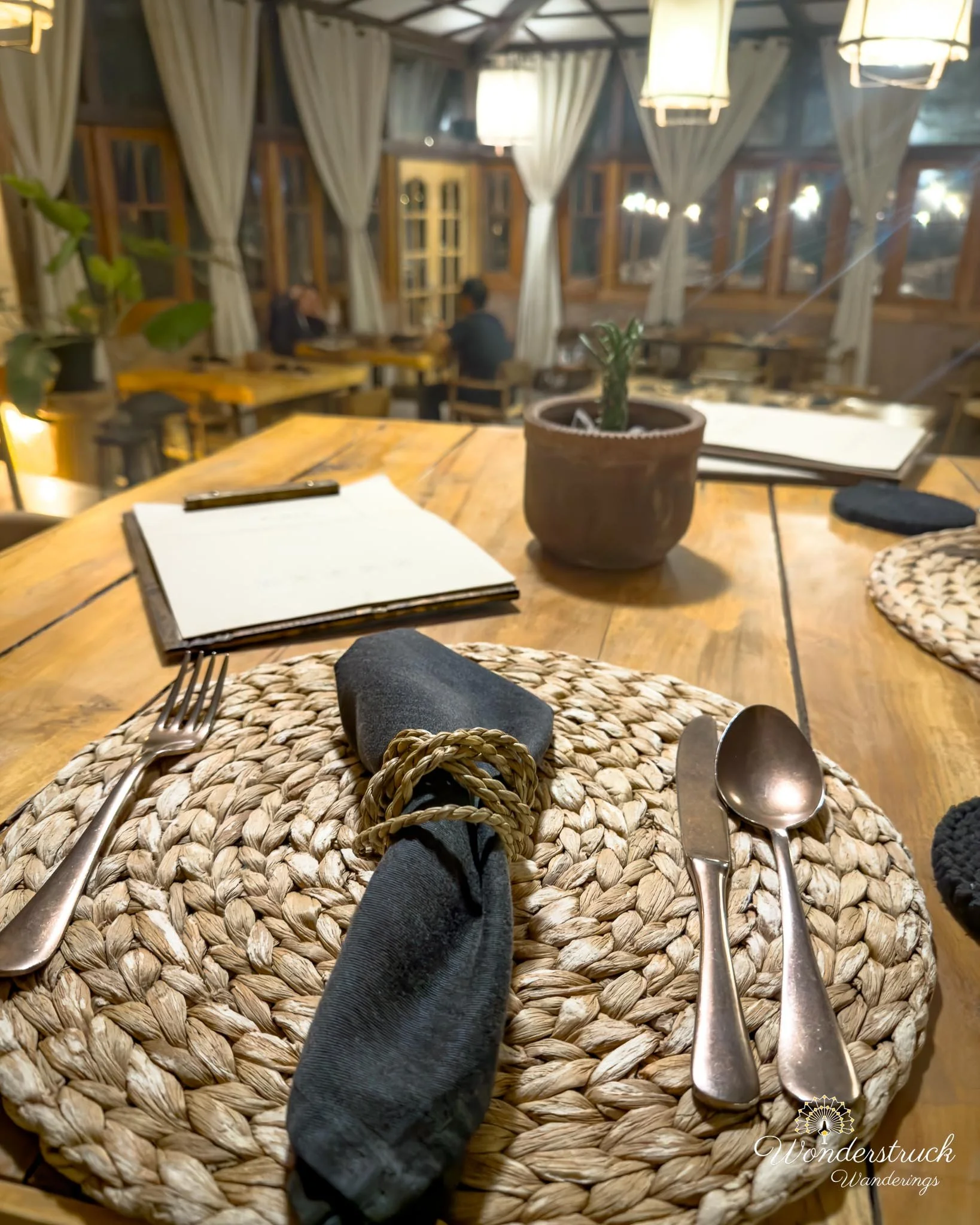
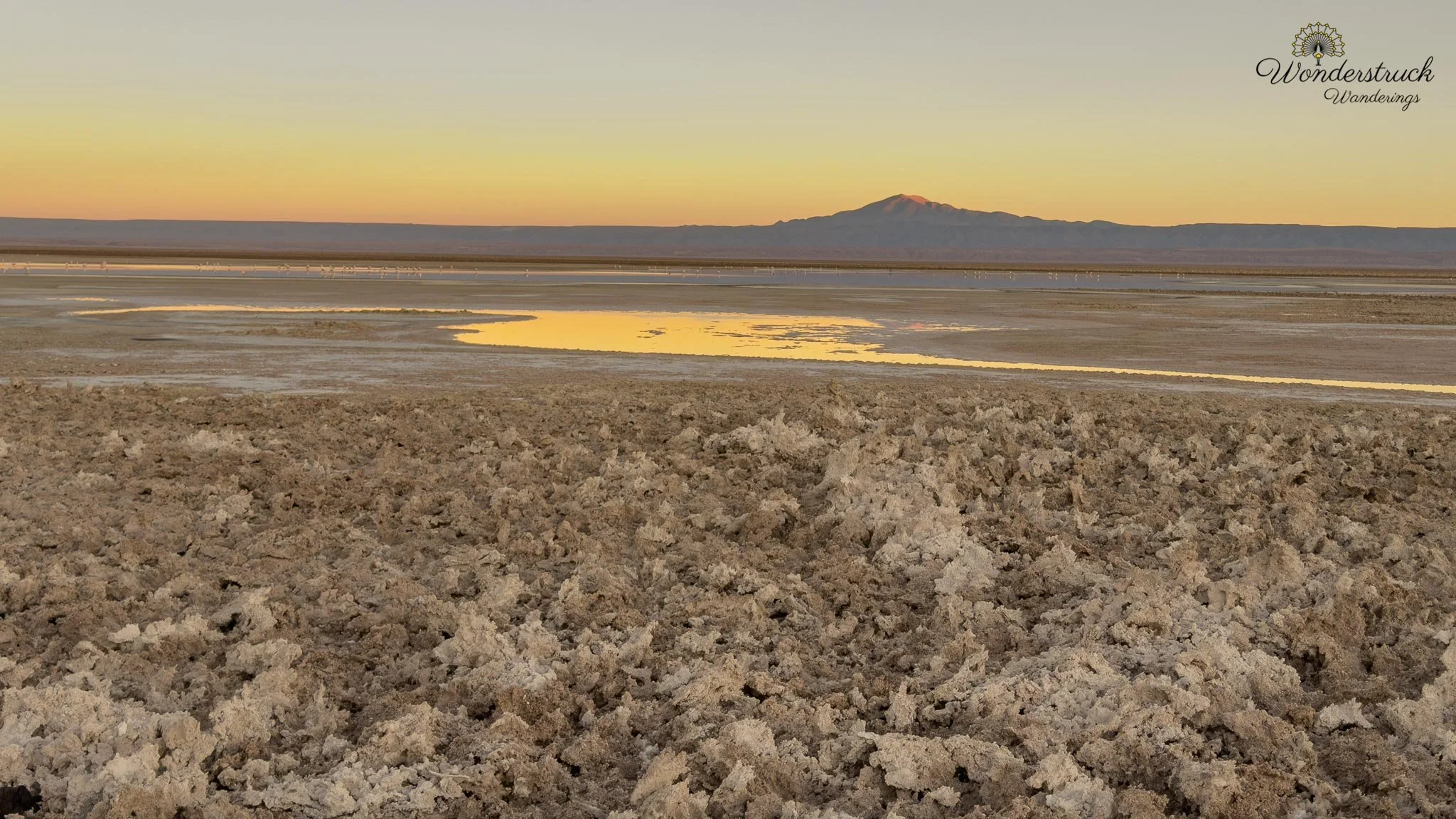
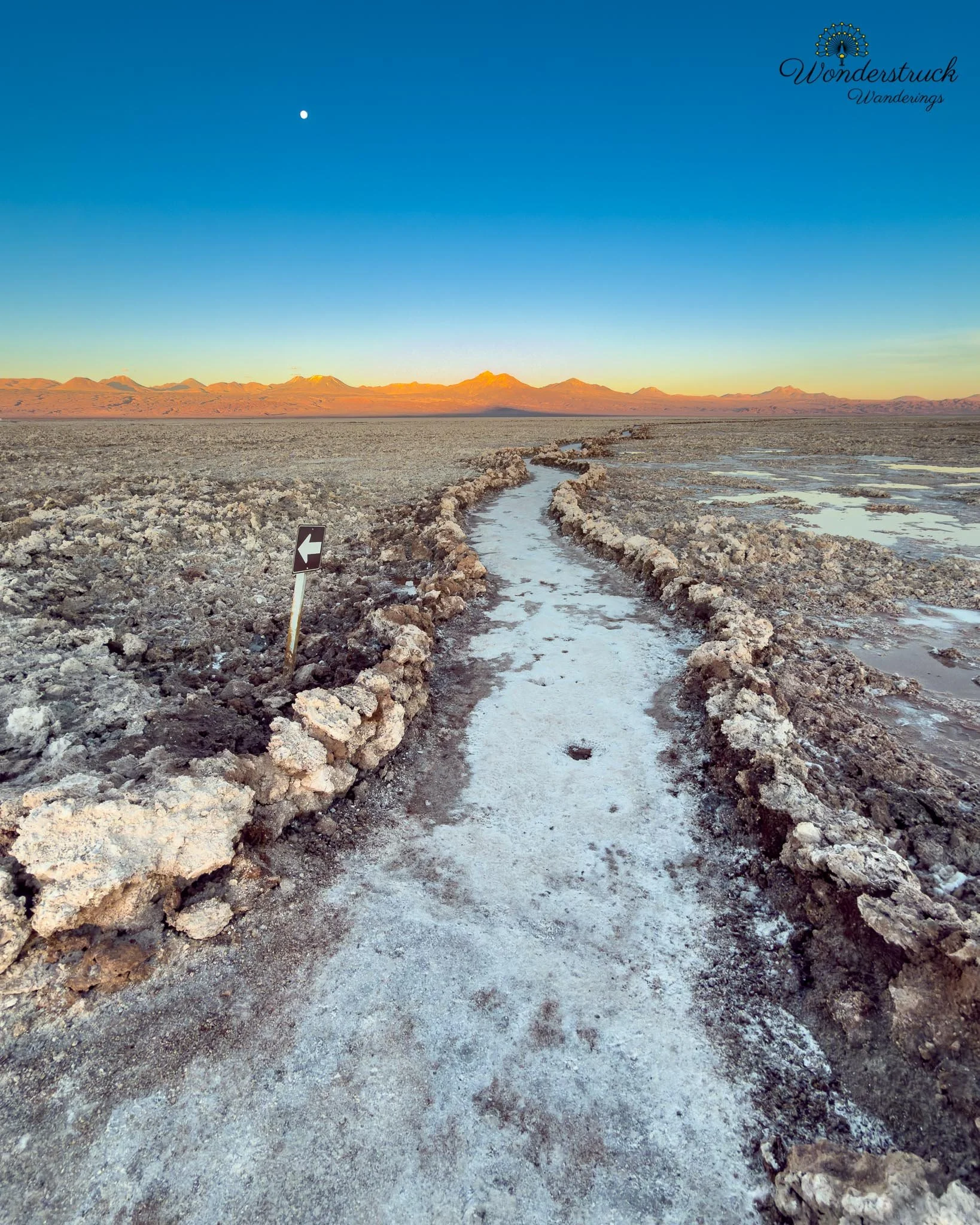
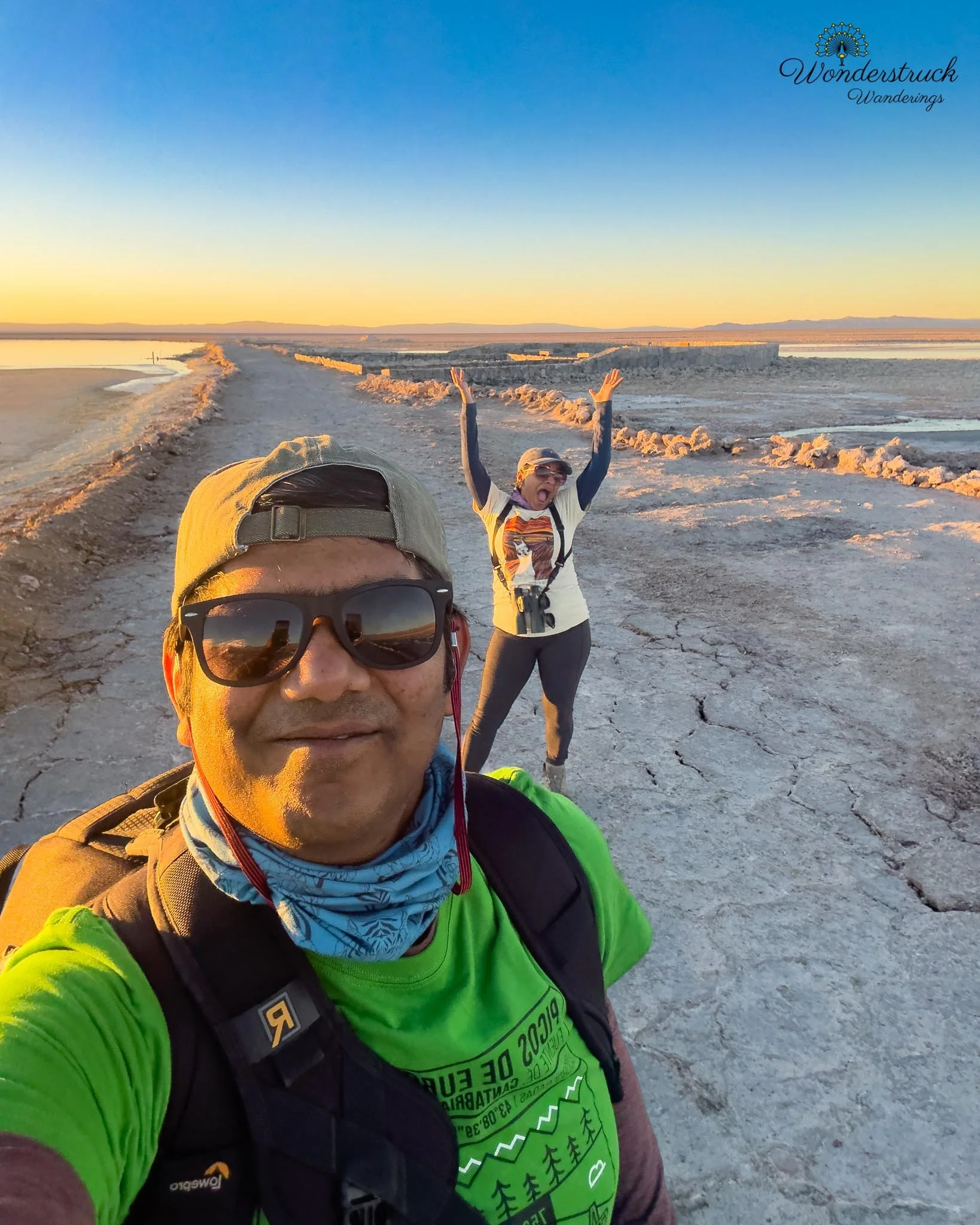
Our alternate sunset option was Laguna Tebenquiche, a shallow saline lagoon closer to San Pedro, known for its broad salt-flat views and reflections of the surrounding volcanoes. However, we chose to revisit Laguna Chaxa, approximately 50–55 kilometers south, because we wanted to photograph flamingos in evening light after our successful sunrise visit the previous day. Arriving just before 5 p.m., we found the outer gate locked despite the posted 6 p.m. closing time. After discussing the situation with the staff and asking them to confirm the regulations by radio, we were allowed to enter on the condition that we leave the lagoon by 5:40 p.m. Although the largest flamingo flock was farther away, several birds remained close enough for photography. We watched flamingos fly between the lagoons and photographed individuals feeding against the golden reflections of the western sky. On the opposite side, the Andes turned pink and orange above the white salt crust. We would have preferred more time, but the restricted closing schedule meant leaving before the light had completely faded.
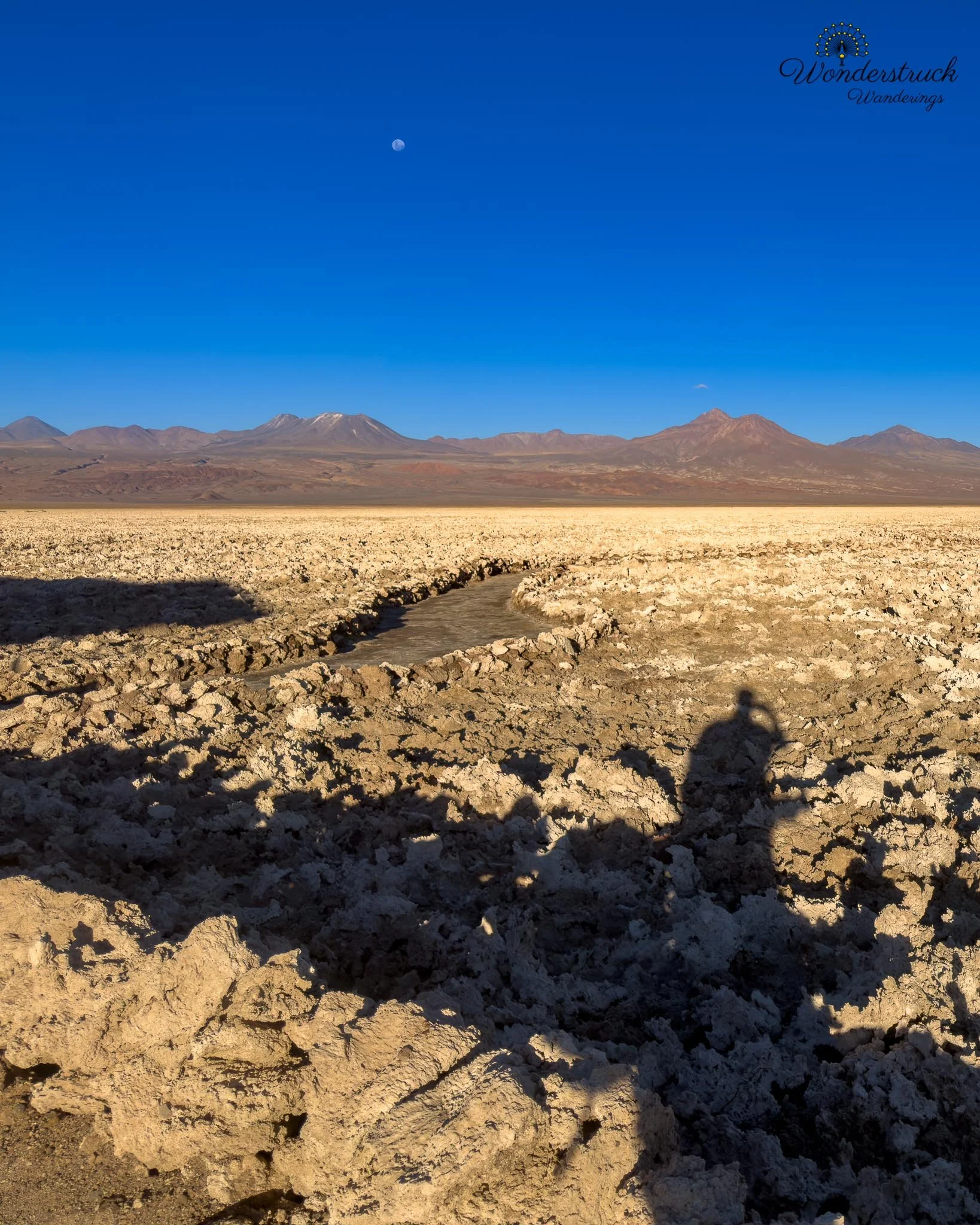
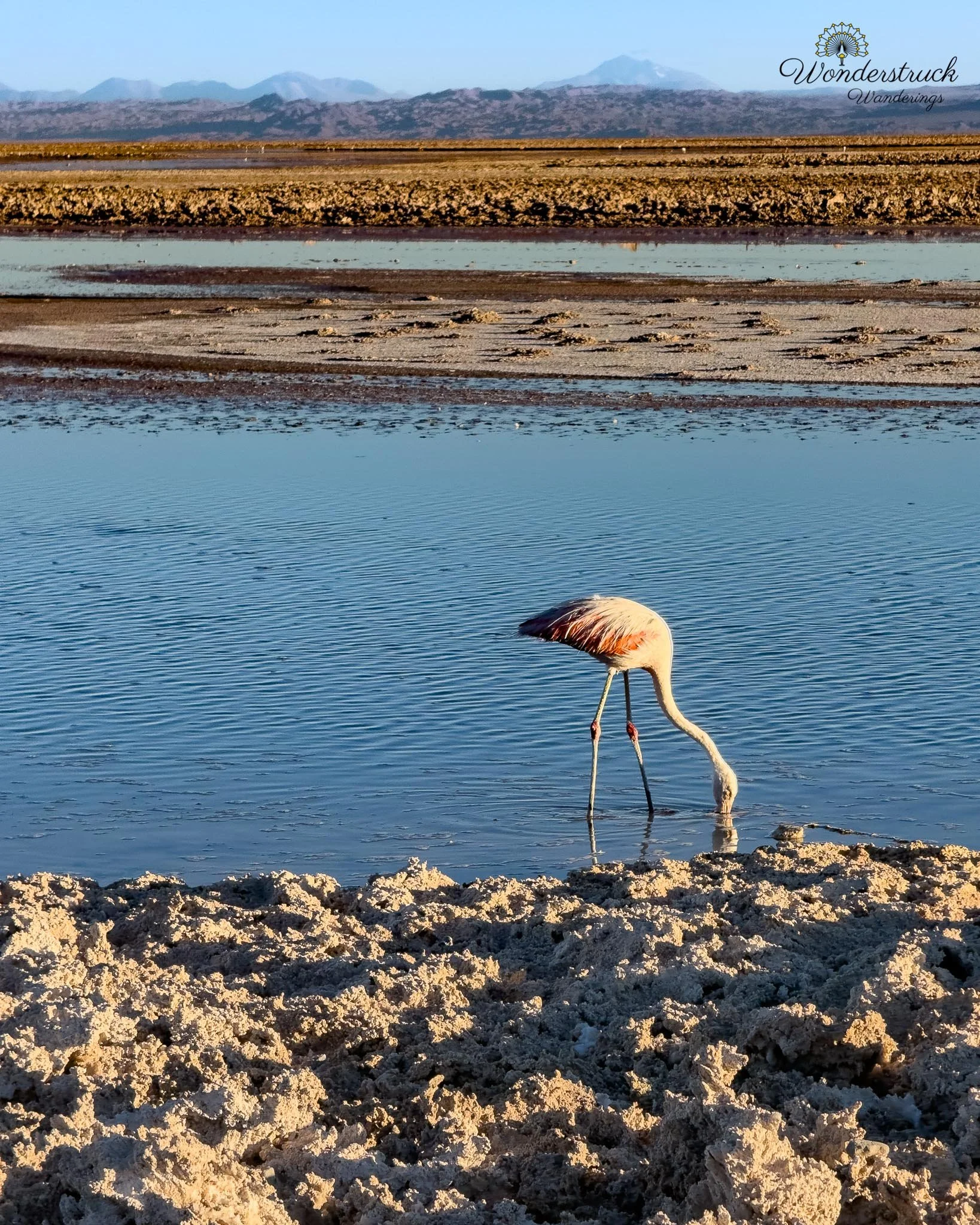
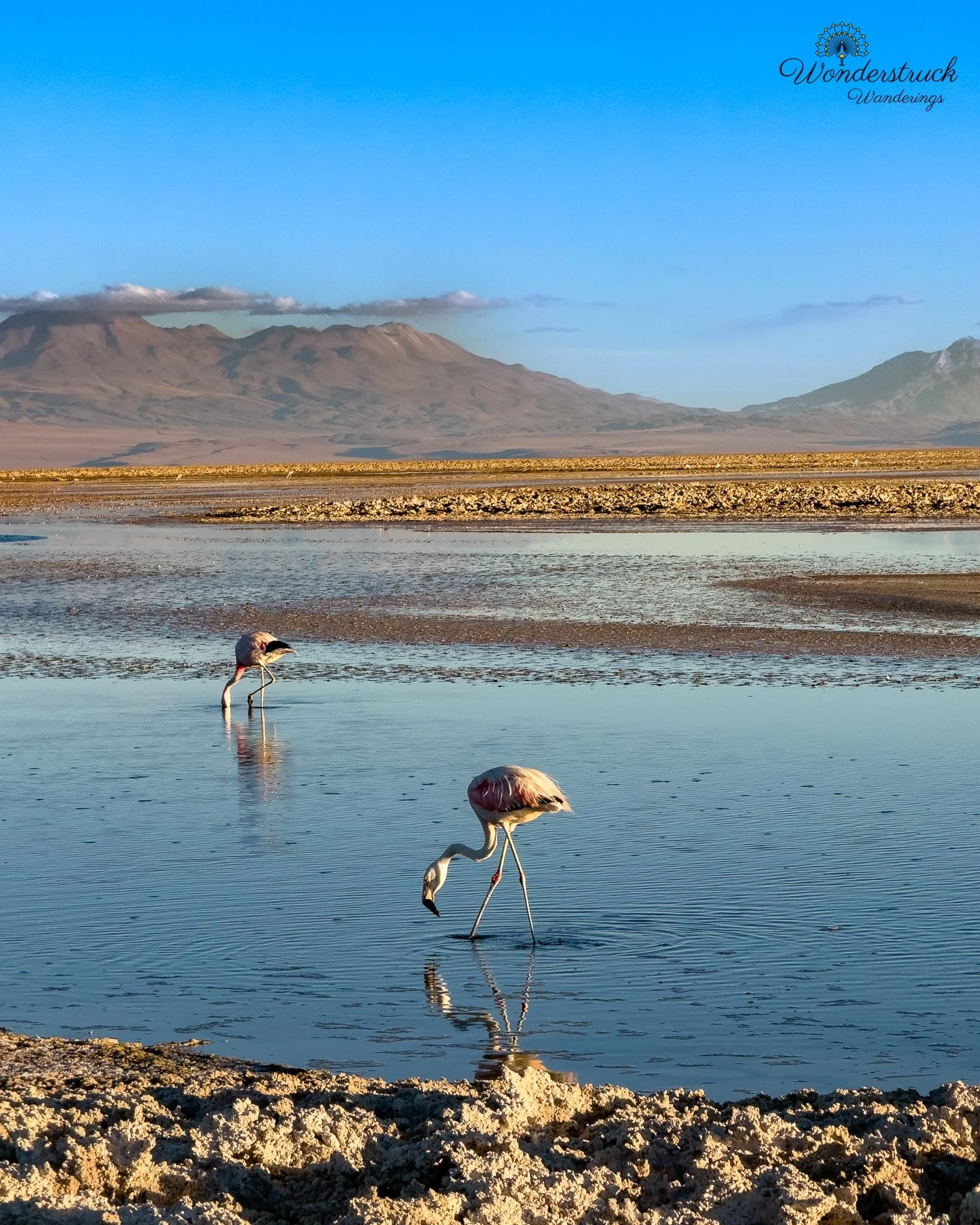
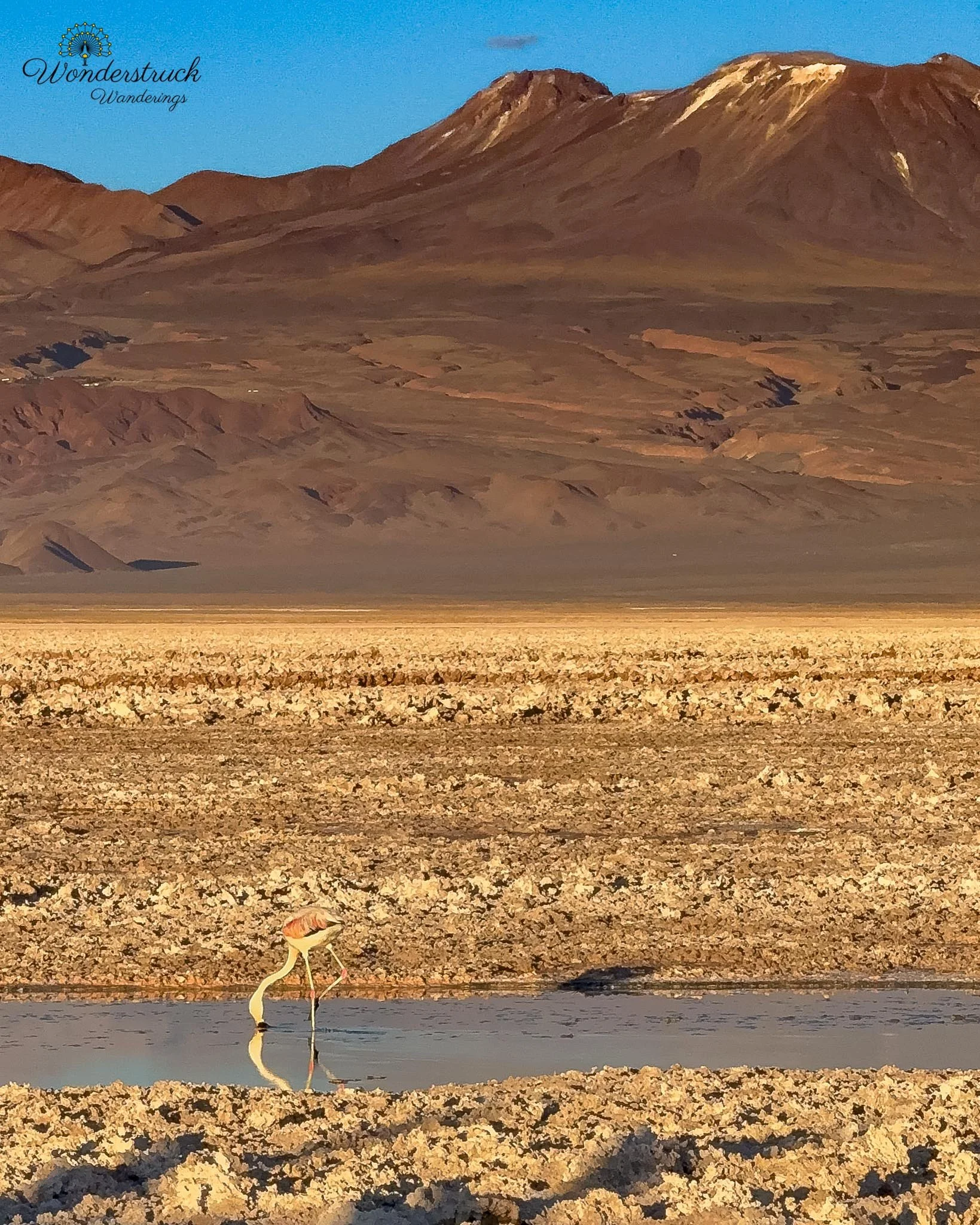
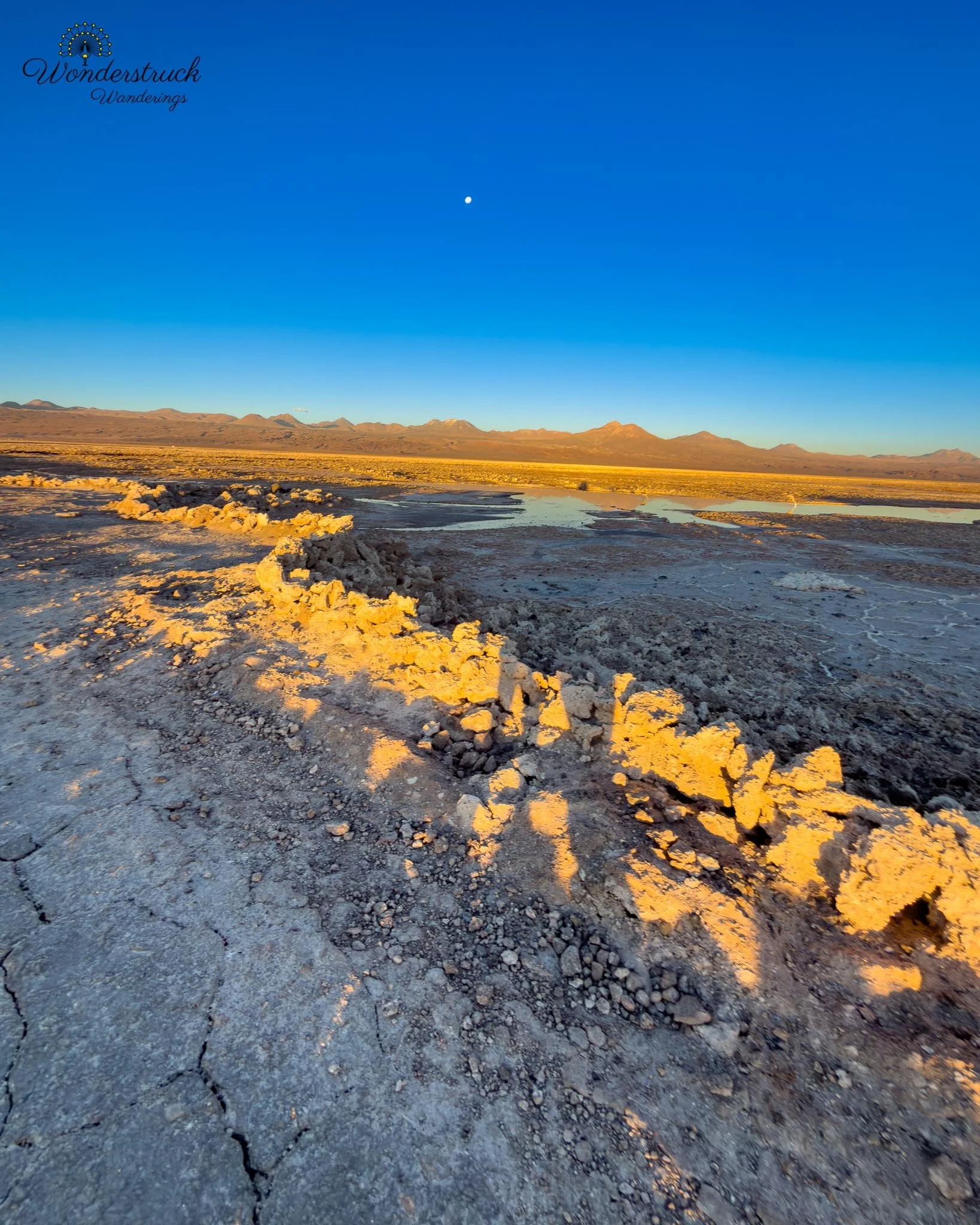
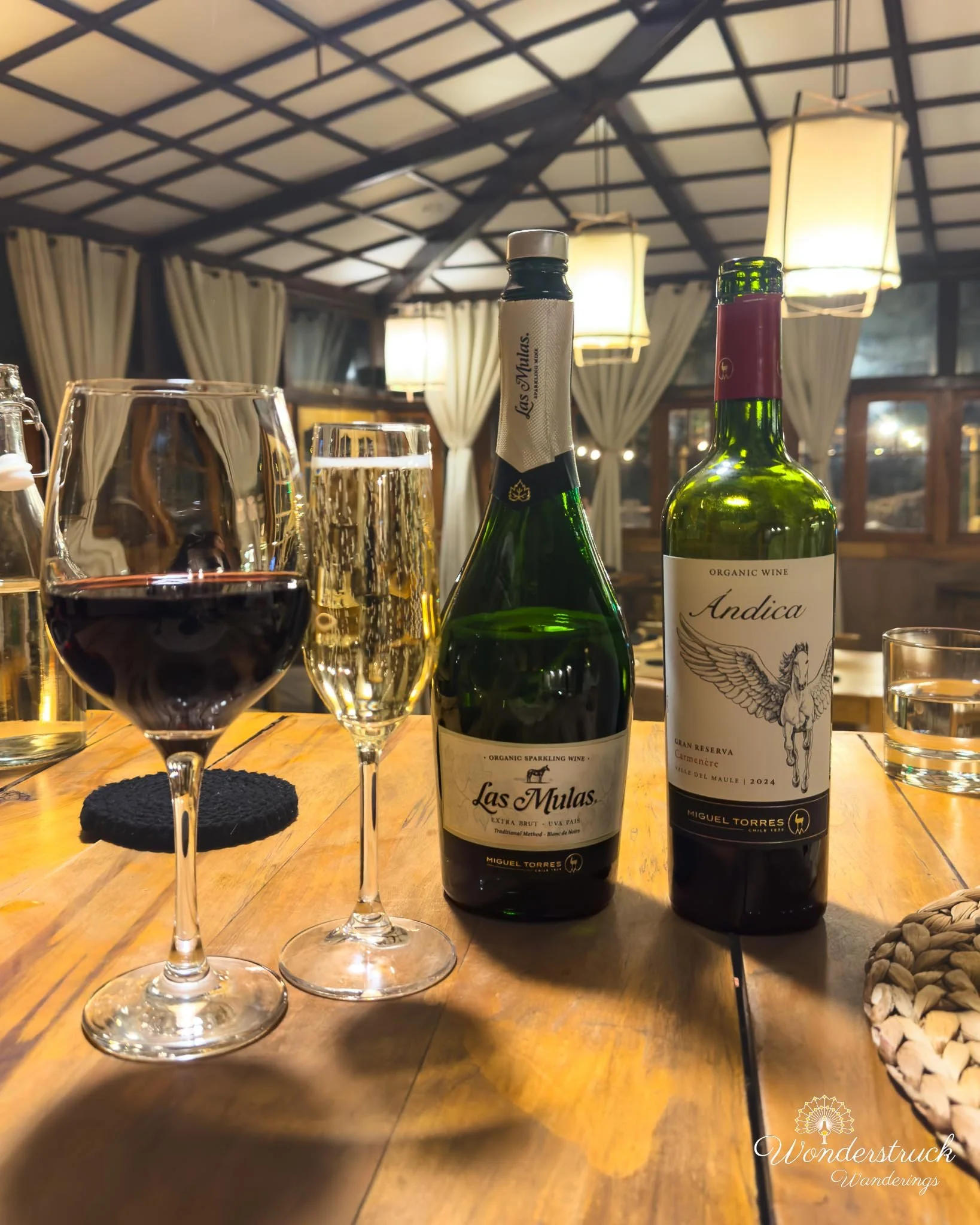
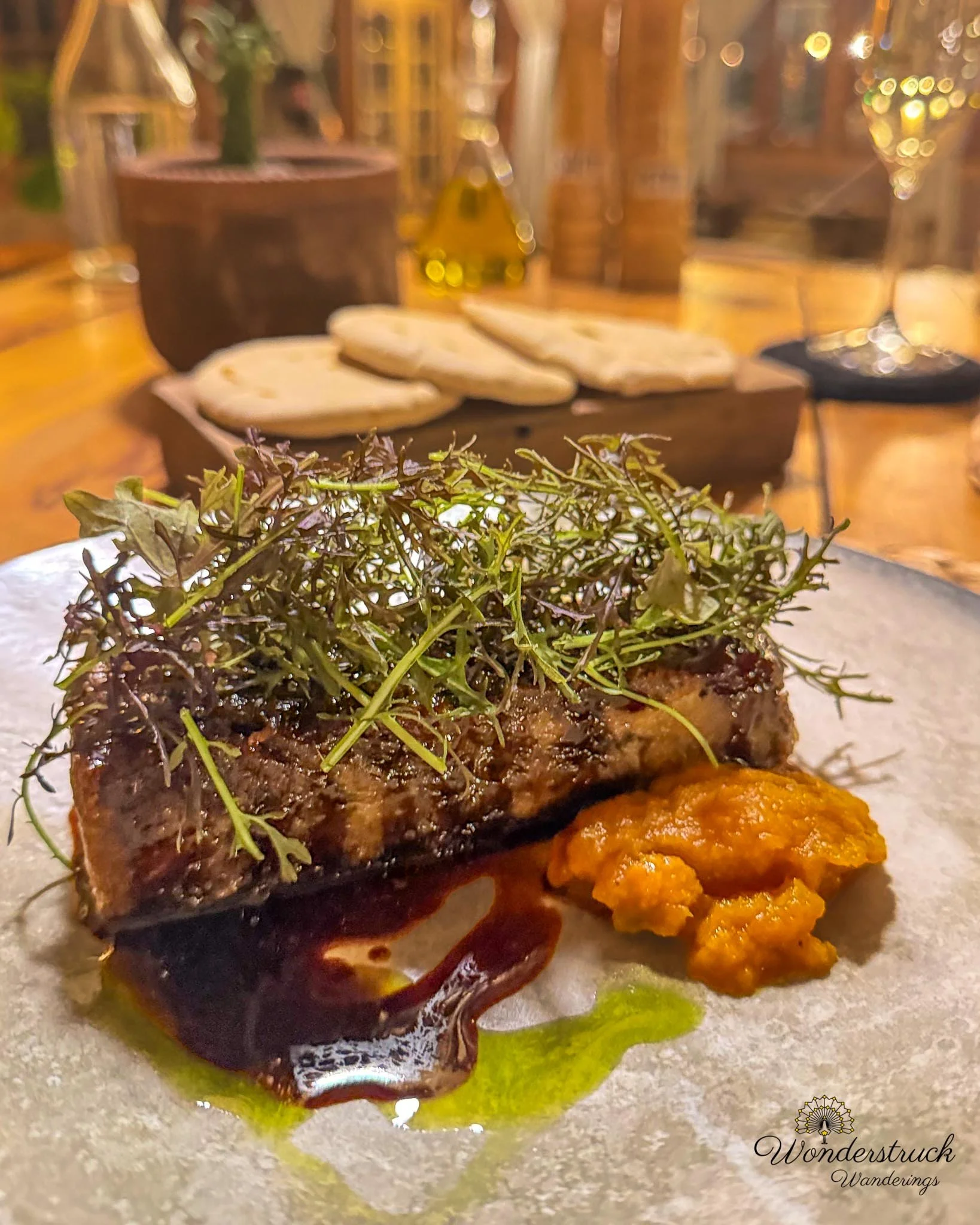
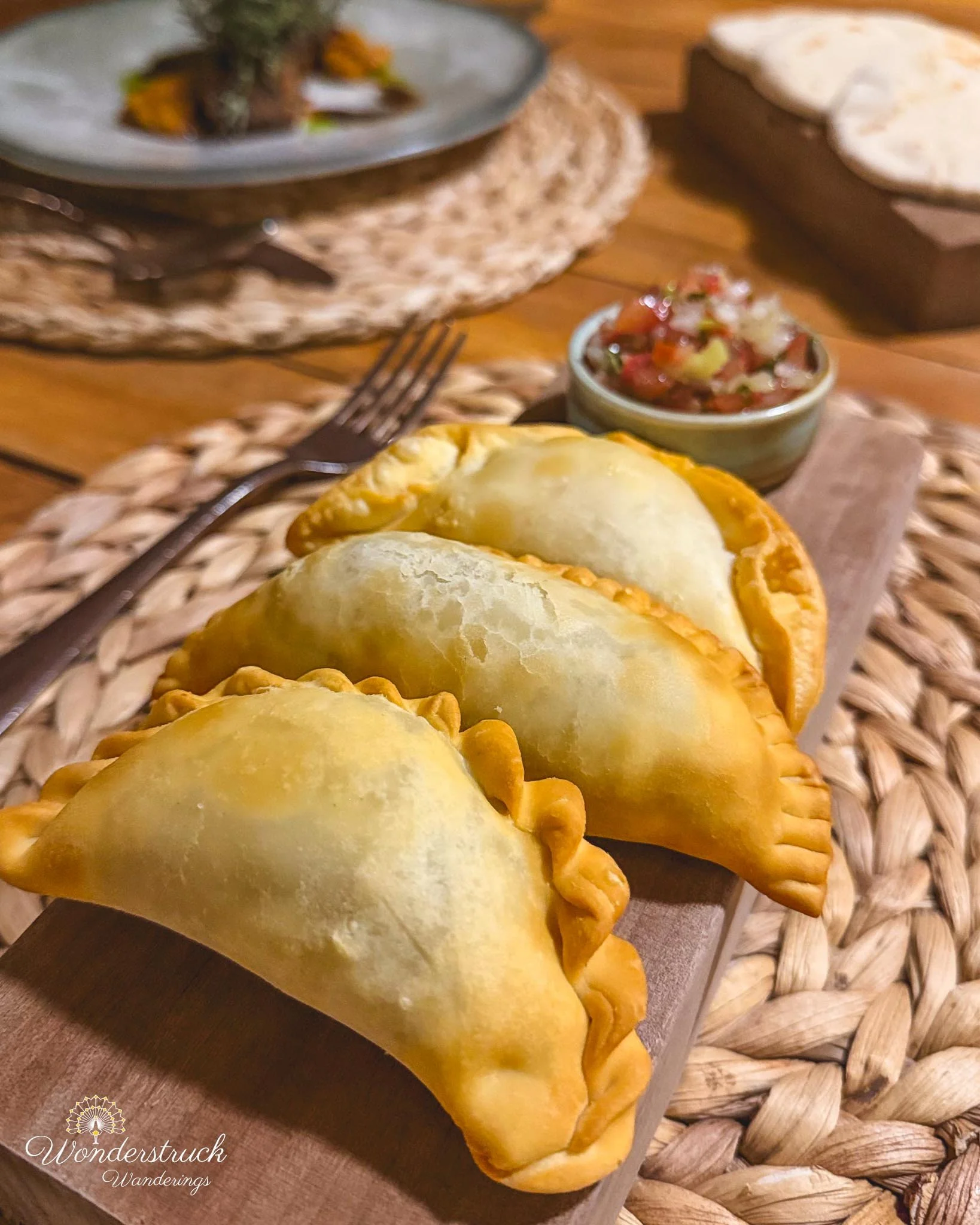
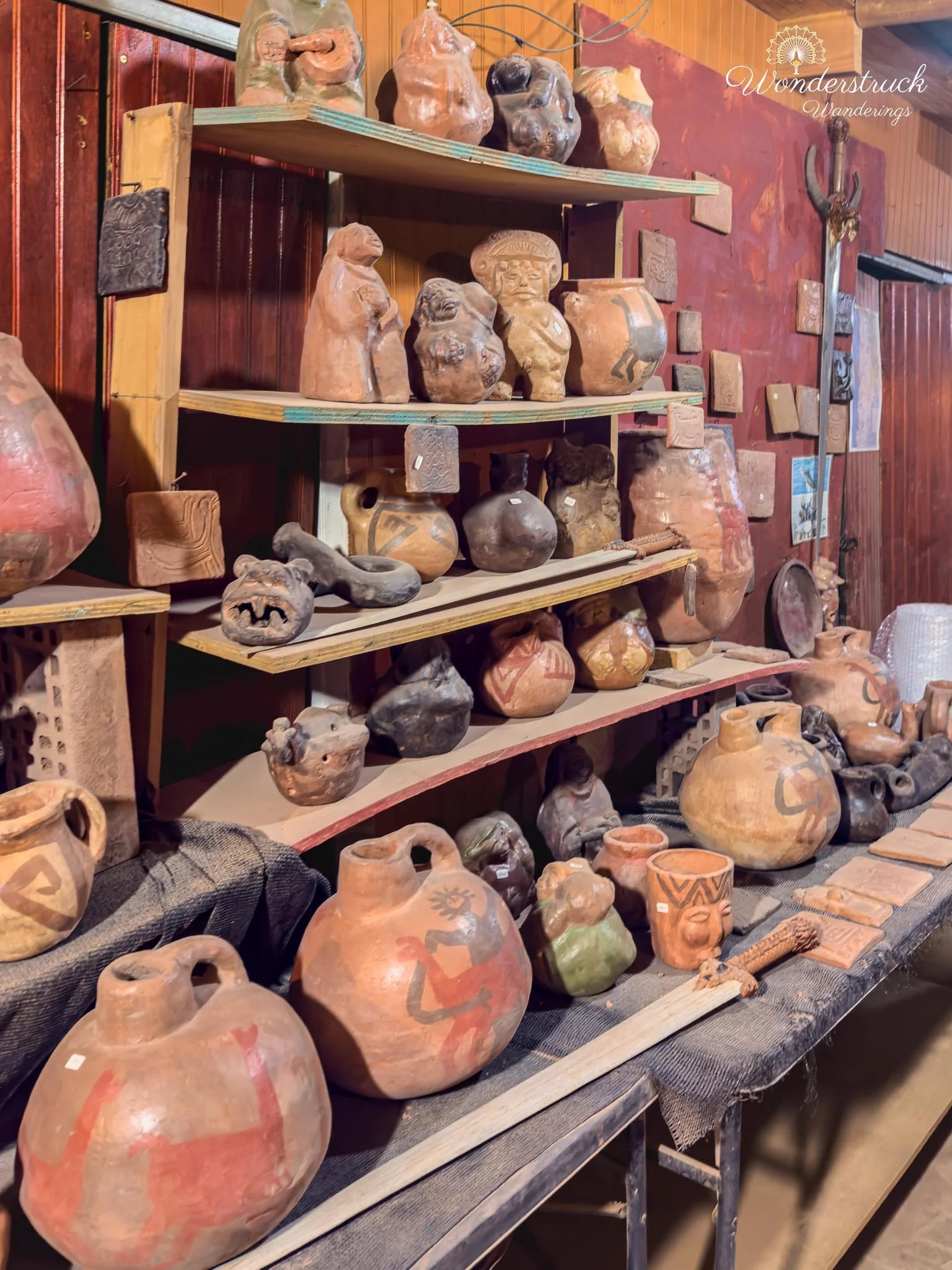
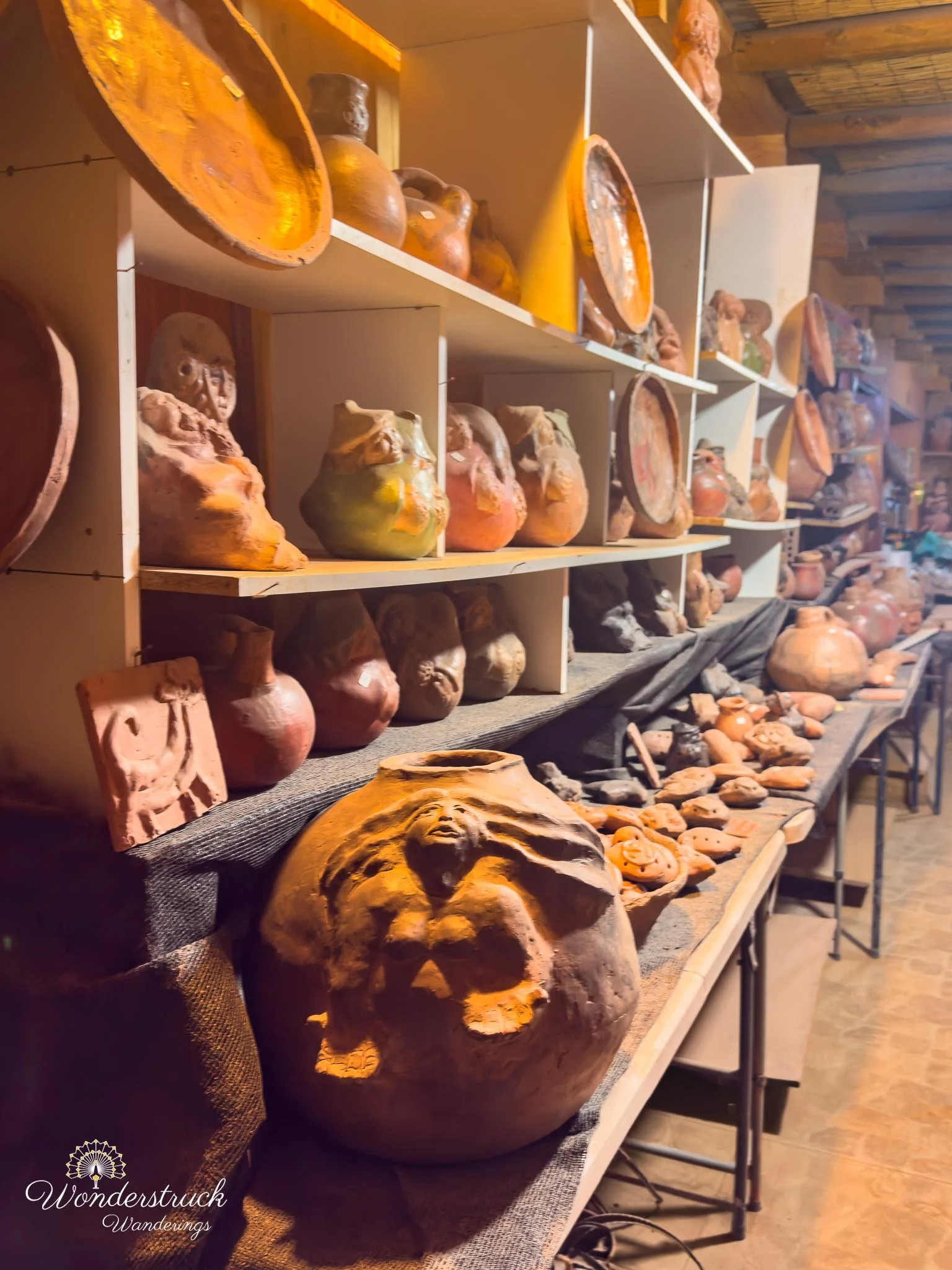
Before returning to Our Habitas, we visited Fernando Alfaro's Cerámica Amerindio / Galería Kunza on Calama Street. We had seen his large decorative clay pots at the hotel and wanted to explore his studio. His ceramics incorporated regional forms, textures, and Indigenous-inspired designs. Fernando kindly allowed us to park in his garage while we browsed, and we purchased several pieces to bring home. Dinner was at Almas, the hotel restaurant. I ordered terrina de pernil, a rich pork terrine, while Shay chose empanadas del fogón. We tried an Antica Carmenère, although it did not impress us as much as the Valle Secreto Carmenère from earlier in the trip. Shay preferred the Las Mulas País sparkling wine, which was lighter and more refreshing. We skipped dessert and returned to our room to pack. Our final full day in San Pedro had covered Rainbow Valley's mineral formations, riverbed birding, Cascada Seca, Yerbas Buenas petroglyphs, sunset flamingos at Laguna Chaxa, and a visit to a local ceramic artist. The next morning, we would leave the Atacama behind and fly back to Santiago to begin the wine-country portion of our Chile itinerary. Read more on Daily Diaries.
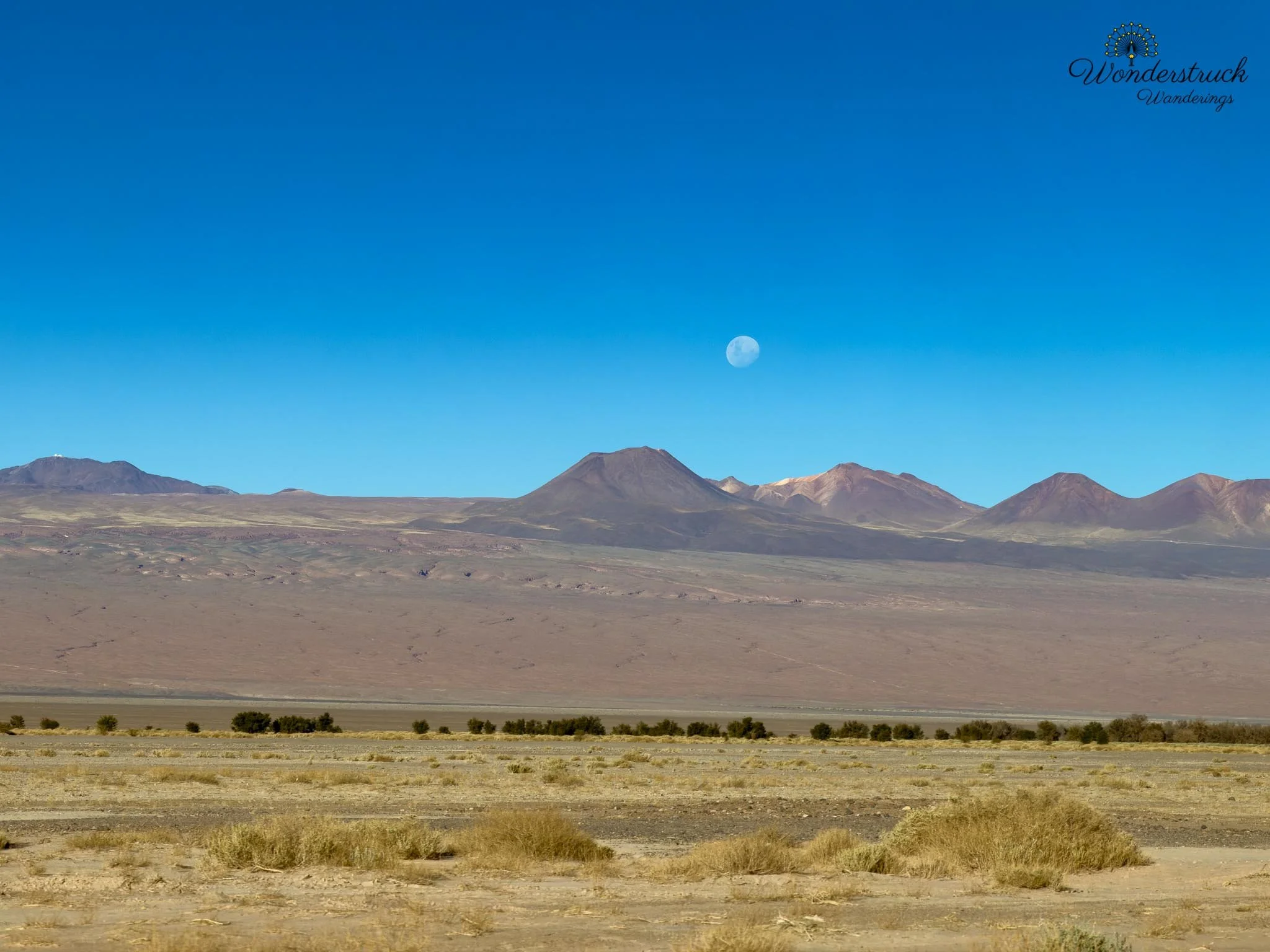
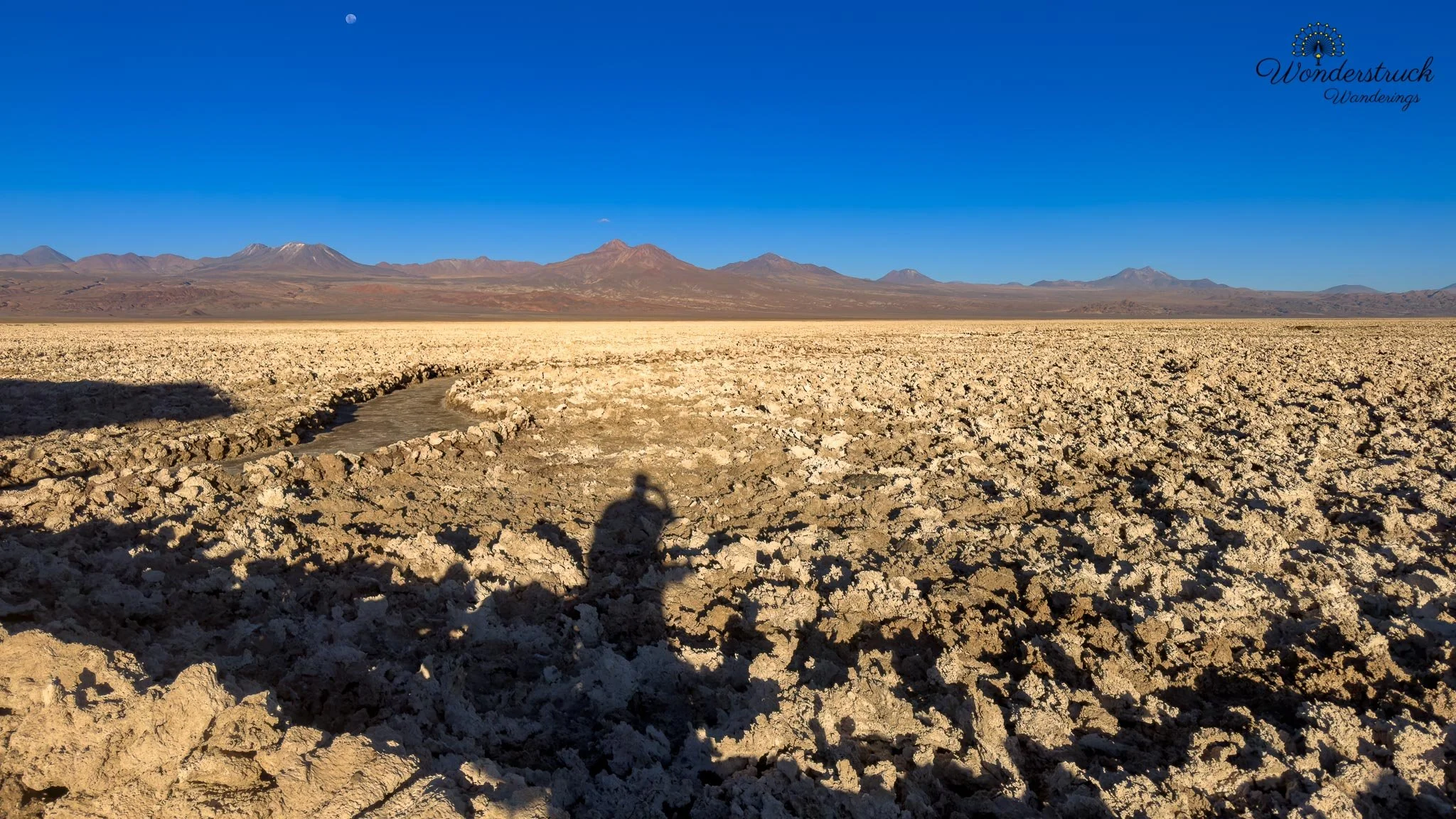
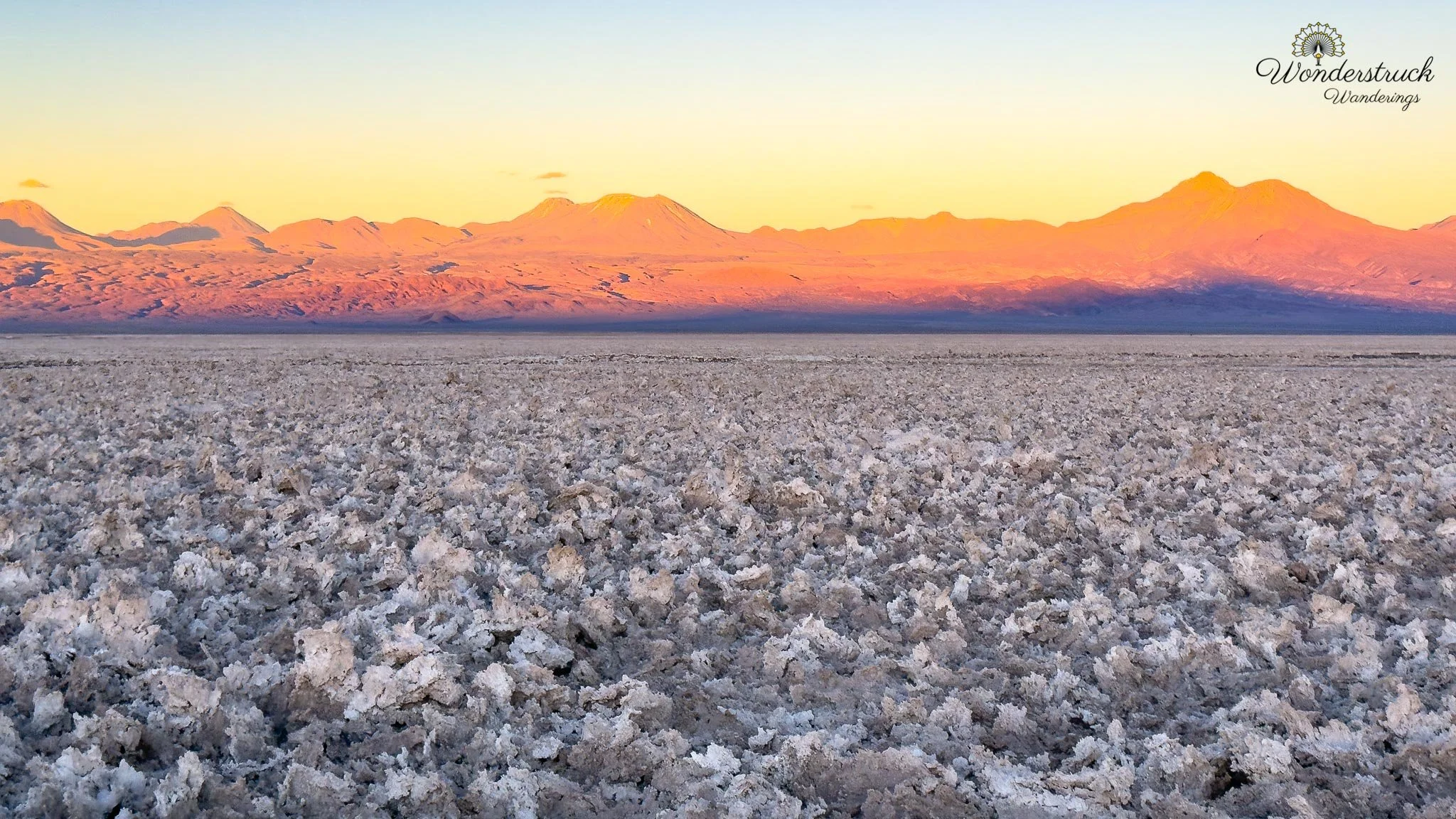
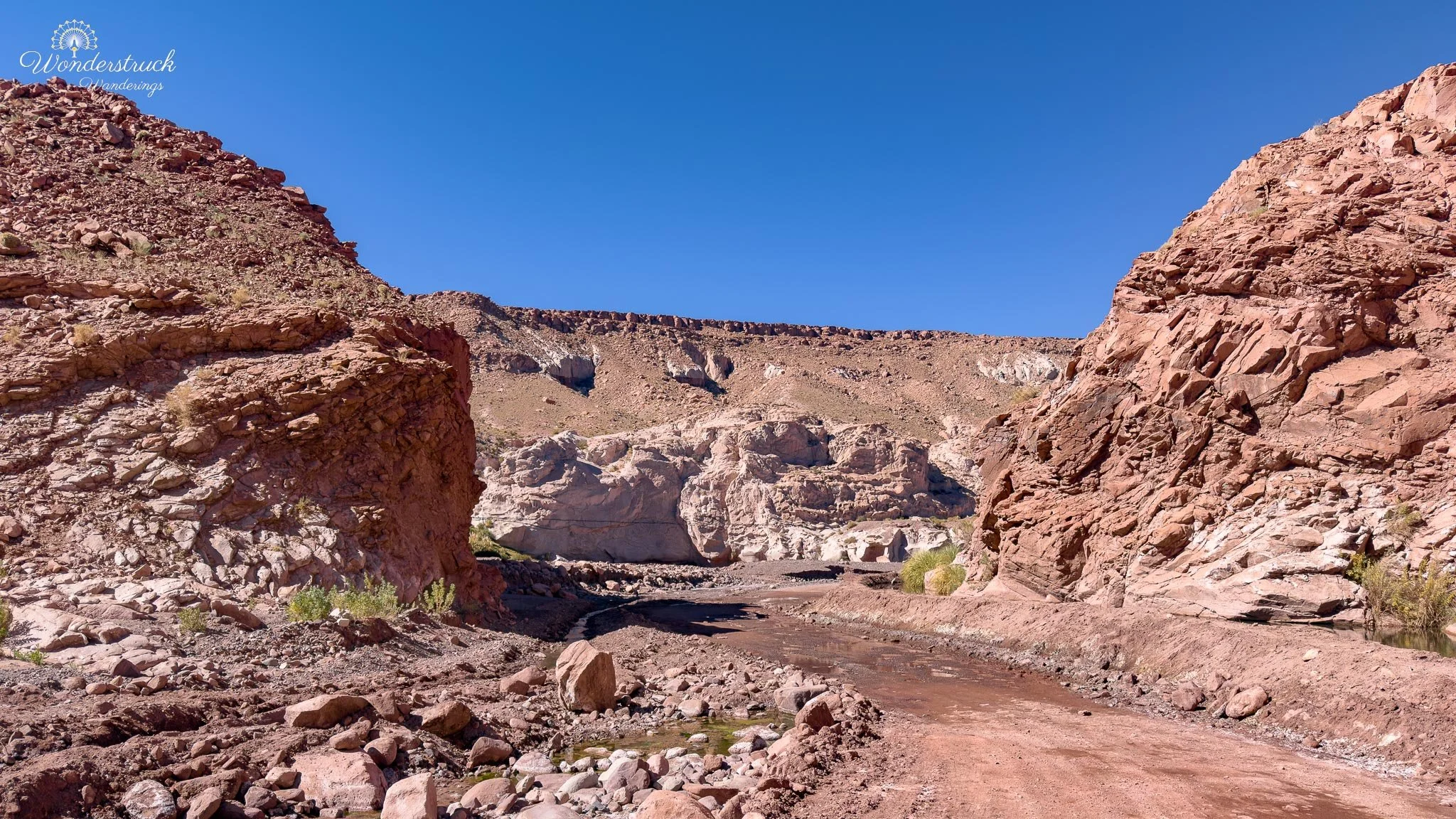
Day 7- Atacama to Matetic Vineyards, San Antonio Valley and Colchagua Wine Country
-
NOI Blend Colchagua, Palmilla: Boutique wine-country hotel near Santa Cruz, featuring individually designed rooms, landscaped gardens, a swimming pool, and a relaxed country-house atmosphere. A convenient overnight base for exploring Colchagua and continuing toward VIK the following morning.
La Casona at Matetic: Consider an overnight stay at the estate rather than continuing to Colchagua, especially for a more relaxed wine-country itinerary.
-
Breakfast : Early departure from San Pedro for our flight from Calama to Santiago, without a designated breakfast stop.
Lunch – Equilibrio Restaurant, Matetic Vineyards: An elegant vineyard restaurant at La Casona, offering seasonal Chilean cuisine, fresh coastal seafood, locally sourced ingredients, and tasting menus paired with Matetic wines. The menu highlights regional specialties such as chochar, slow-cooked meats, and traditional Chilean desserts.Family-owned winery in Rosario Valley, recognized for organic and biodynamic winemaking. Particularly known for cool-climate Syrah, Sauvignon Blanc, Pinot Noir, and sparkling wines across its EQ, Corralillo, and Matetic labels.
Dinner – NOI Blend Colchagua Restaurant: Relaxed hotel dining featuring Chilean and international dishes, including homemade pastas, slow-cooked meats, seasonal ingredients, and regional wines. Introduction to Colchagua wines, with Carménère and Cabernet Sauvignon served in the hotel's comfortable country-house setting.
-
Casablanca Valley: Scenic cool-climate wine region west of Santiago, particularly known for Sauvignon Blanc, Chardonnay, and Pinot Noir.
Matetic Vineyards – Rosario Valley: Coastal-influenced wine estate surrounded by vineyards, gardens, and rolling hills. Highlights include:
Equilibrio Restaurant: Vineyard dining with seasonal tasting menus and carefully paired estate wines.
Matetic Wine Shop: Estate wine selection, including Syrah, Pinot Noir, Sauvignon Blanc, and specialty bottlings.
Gardens and Vineyard Birding: Excellent for Green-backed Firecrown, Southern Lapwing, Chilean Mockingbird, Chilean Swallow, and other central Chile birds.
Matetic Winery Tour: Guided vineyard and cellar experience explaining the estate's organic and biodynamic practices, with wine tastings
San Antonio Coastal Area: Optional detour toward the Pacific coast for coastal scenery and photography. Places like Laguna Ojos de Mar, a small coastal lagoon with surrounding wetland scenery and Mirador Valle del Mar, a Coastal-area viewpoint and local recreation spot.
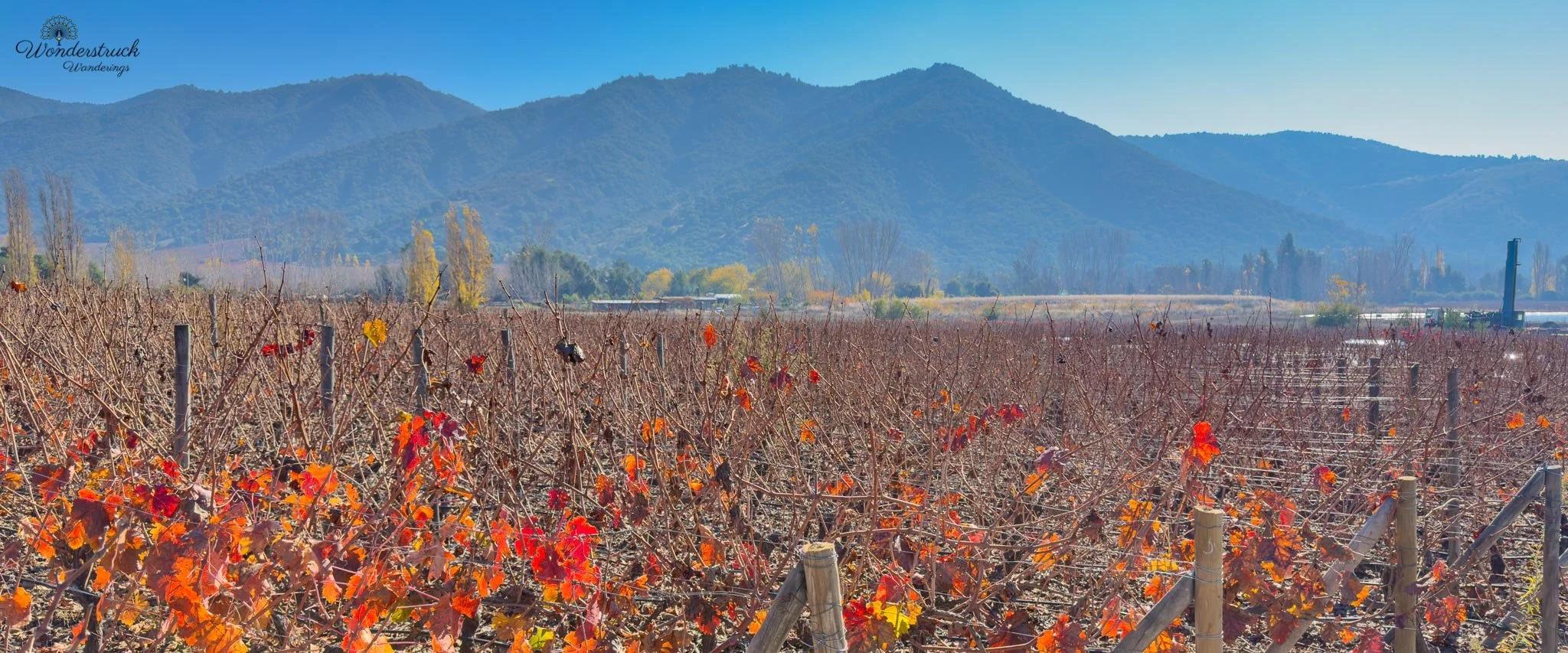
Colchagua Valley: One of Chile's premier red-wine regions, known for Carménère, Cabernet Sauvignon, and Syrah. The drive toward Palmilla passes vineyards, agricultural landscapes, and small towns.
-
San Pedro → Calama Airport: Approximately 1 hour 15–30 minutes (100 km). Allow additional time for rental car return and airport check-in.
Calama → Santiago: Approximately 2 hours 10 minutes by air. Allow 45–60 minutes for baggage collection and rental car pickup.
Santiago Airport → Matetic Vineyards: Approximately 1½–2 hours, traveling west through the Casablanca Valley.
Matetic – Equilibrio Restaurant: Allow 2–2½ hours for a leisurely lunch and wine pairing.
Matetic Gardens and Wine Shop: Allow 30–60 minutes for birding, photography, and wine purchases.
Matetic → San Antonio Coastal Detour: Approximately 30–45 minutes each way, depending on the destination.
San Antonio → NOI Blend Colchagua: Approximately 2–3 hours, depending on the chosen route.
Matetic → NOI Blend Colchagua (Direct): Allow approximately 2–2½ hours without the coastal detour.
Suggested Time: A full travel and winery day, including the morning flight, rental car pickup, lunch at Matetic, and the drive to Colchagua. Allow 3–4 hours at Matetic for dining, birding, and exploring the estate. The San Antonio detour is optional and best skipped if running late.
Planning Note: Reserve lunch and wine experiences at Matetic in advance. If driving afterward, consider sharing a tasting menu or choosing a non-alcoholic pairing for the designated driver.
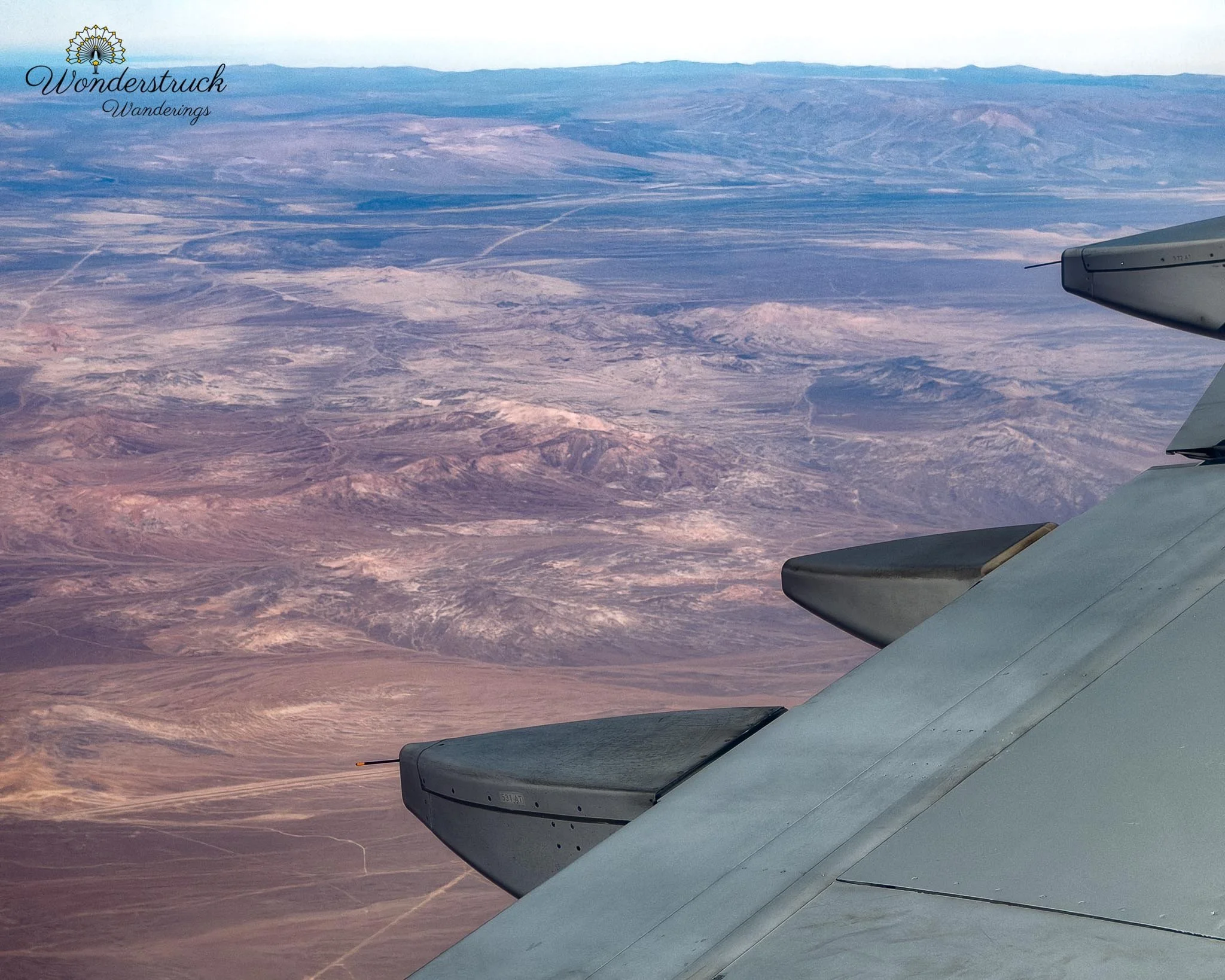
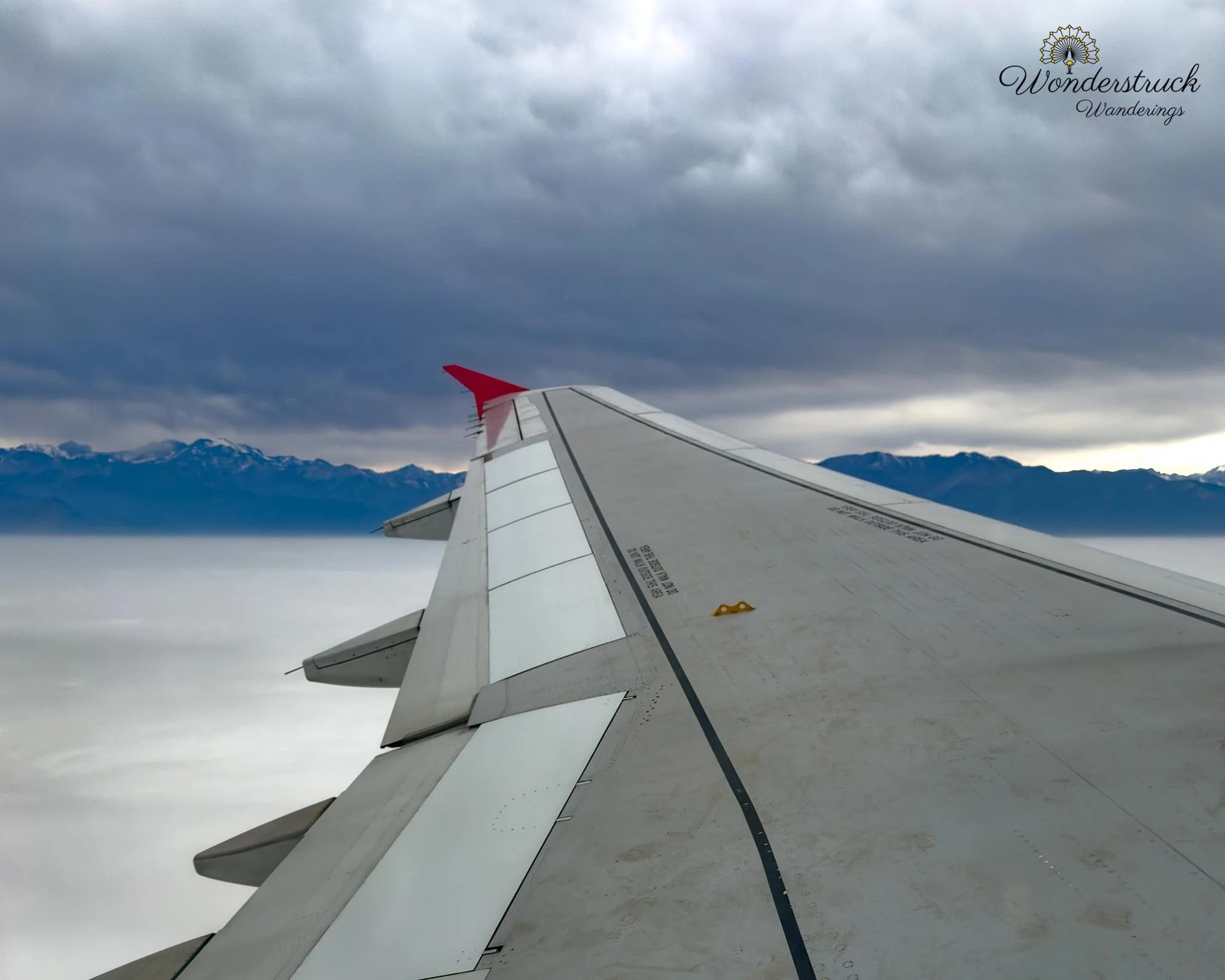
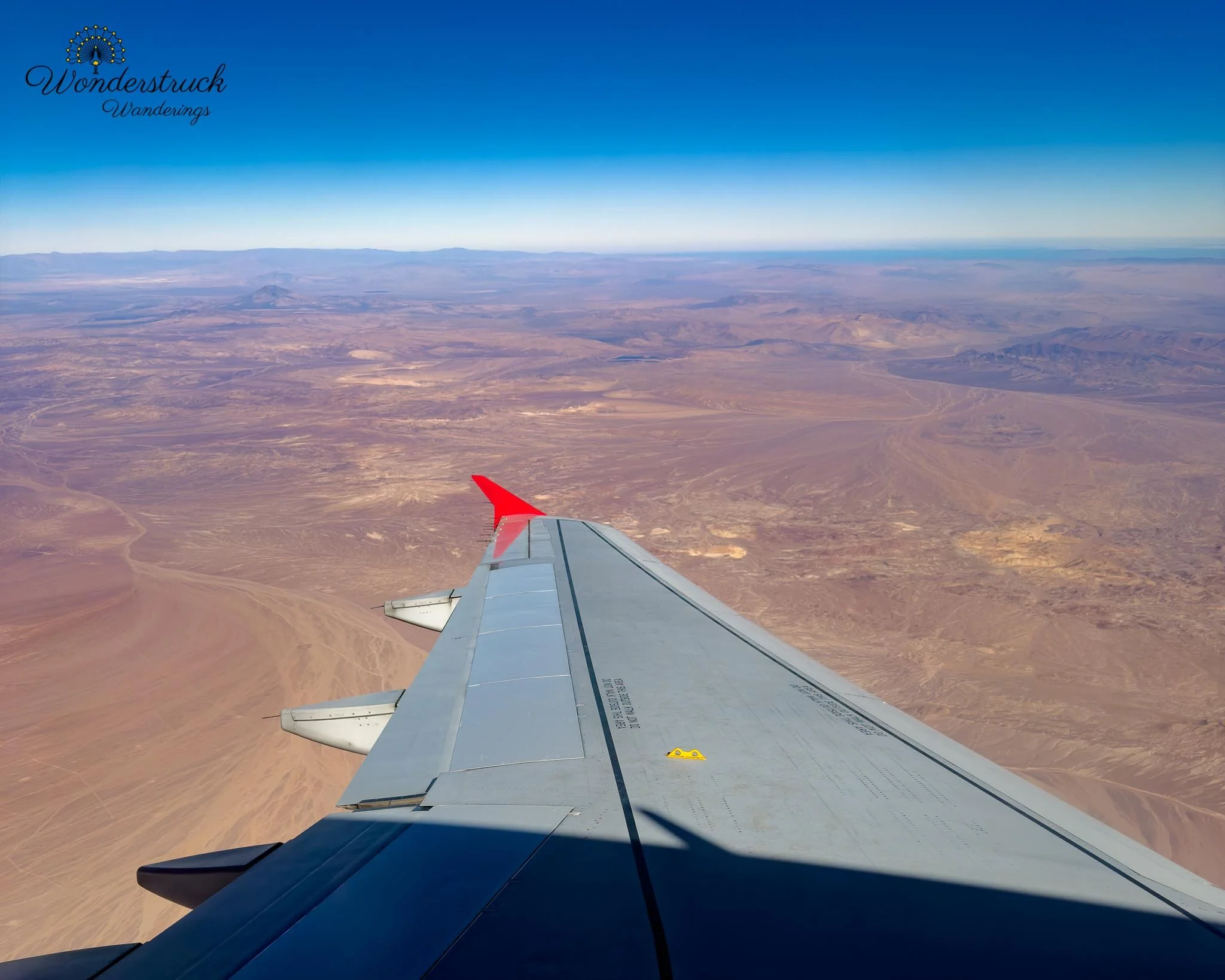
Day 7 began around 5 a.m. as we left Our Habitas Atacama for the 100-kilometer drive to Calama Airport. After five nights exploring the desert, we were leaving behind the salt flats, volcanoes, and high-altitude lagoons for the vineyards of central Chile. The roads were nearly empty beneath the star-filled sky. We refueled in Calama, returned our Avis rental car, and checked in for our morning flight to Santiago. The flight offered a final aerial view of the Atacama. Desert basins, volcanic ridges, and empty plains passed beneath us before the scenery changed to the Andes and the more cultivated valleys approaching Santiago. After landing, however, we had an unexpected problem. Shay noticed the smell of wine as our luggage arrived on the baggage carousel. One bottle had broken despite being packed in an inflatable protective sleeve. It was our first broken wine bottle in fifteen years of traveling with wine. Fortunately, most of our belongings were salvageable, and after reorganizing the suitcase, we collected another Avis rental car and continued west. Our route took us toward Valparaíso, through the Casablanca Valley, and onward to Matetic Vineyards in the Rosario Valley of the San Antonio wine region. The change in landscape was immediate. After days of desert scenery, we were driving through greener valleys, rolling hills, agricultural land, and vineyards. Casablanca and San Antonio are particularly associated with cool-climate varieties such as Sauvignon Blanc, Chardonnay, Pinot Noir, and Syrah, benefiting from the nearby Pacific Ocean.
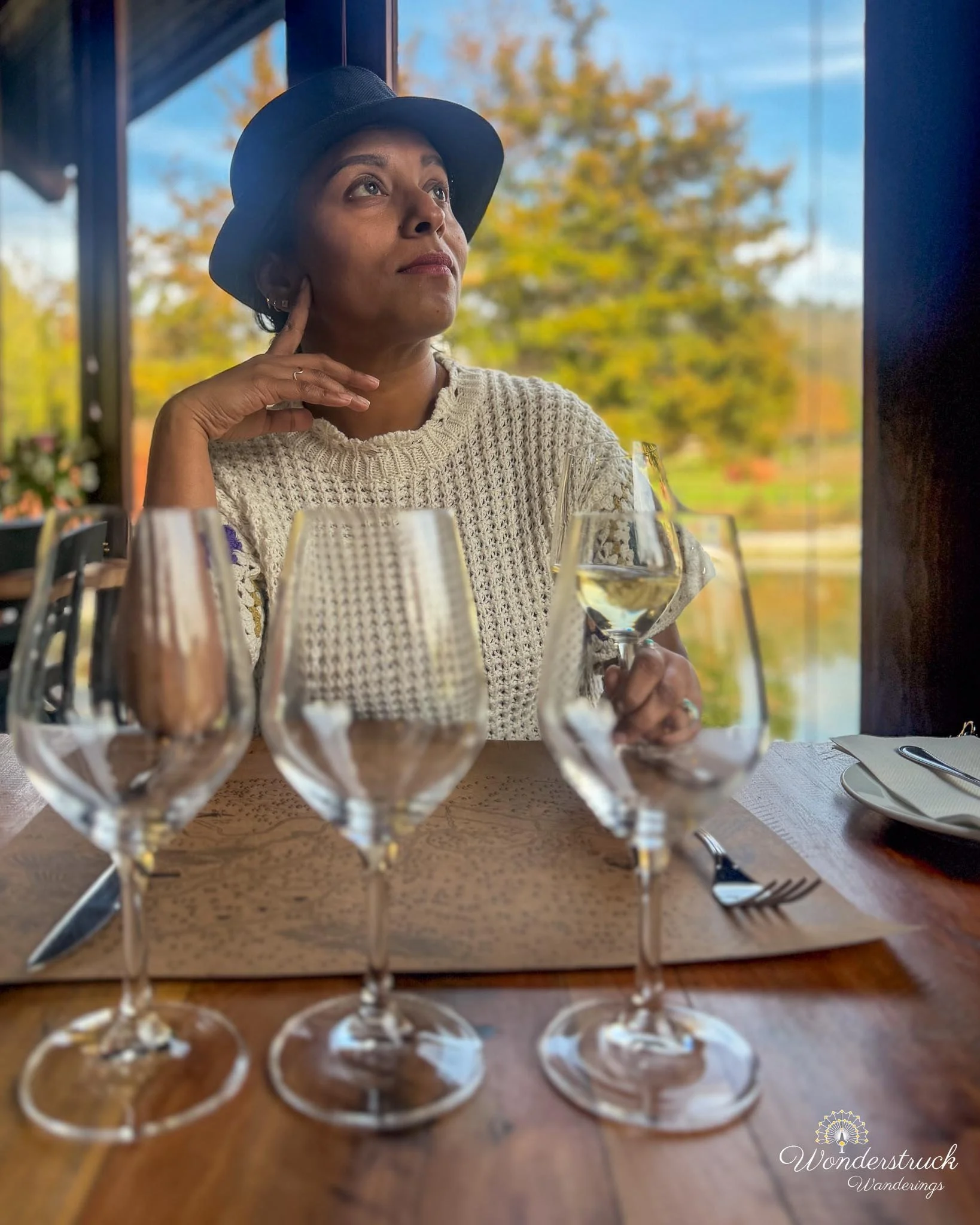
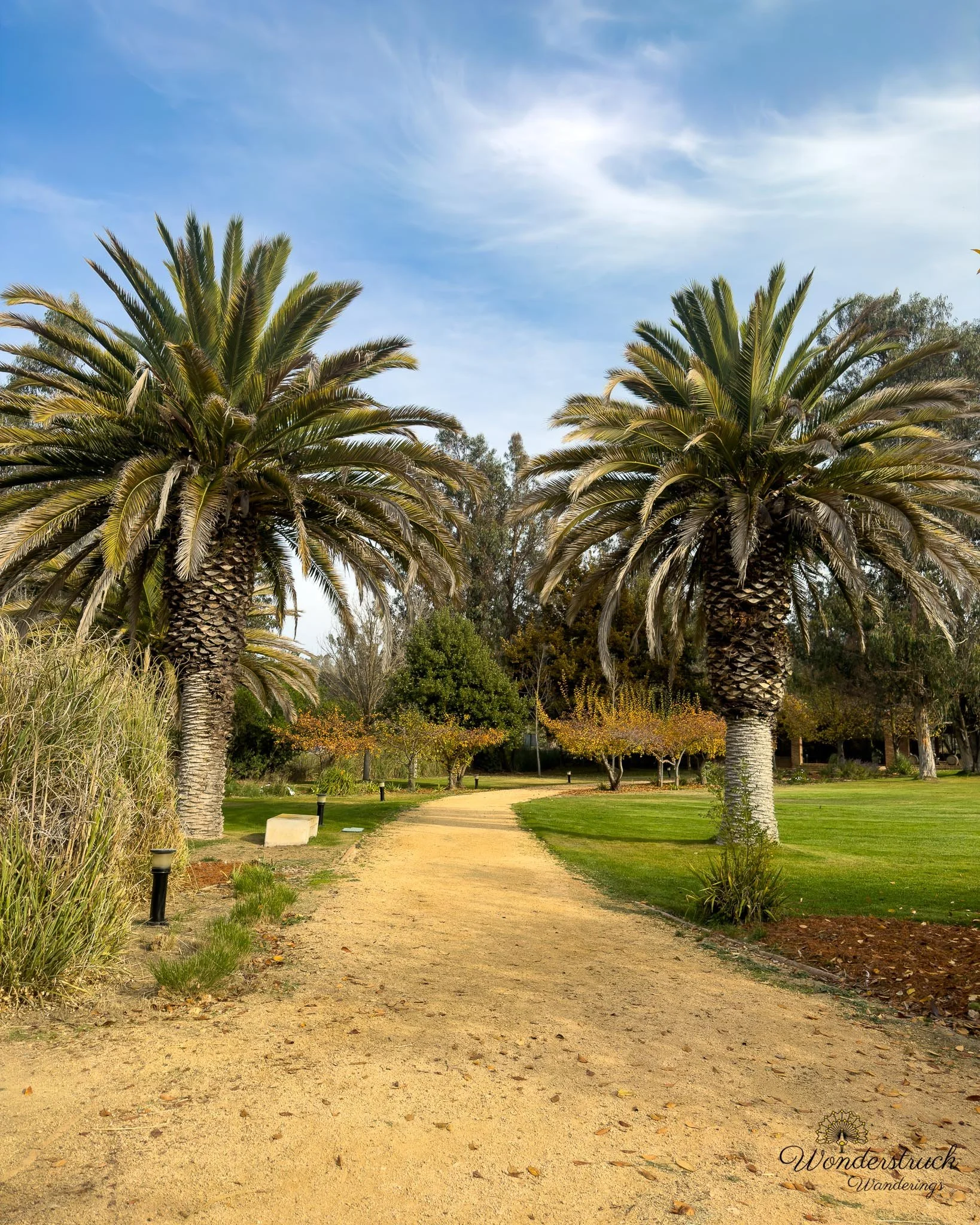
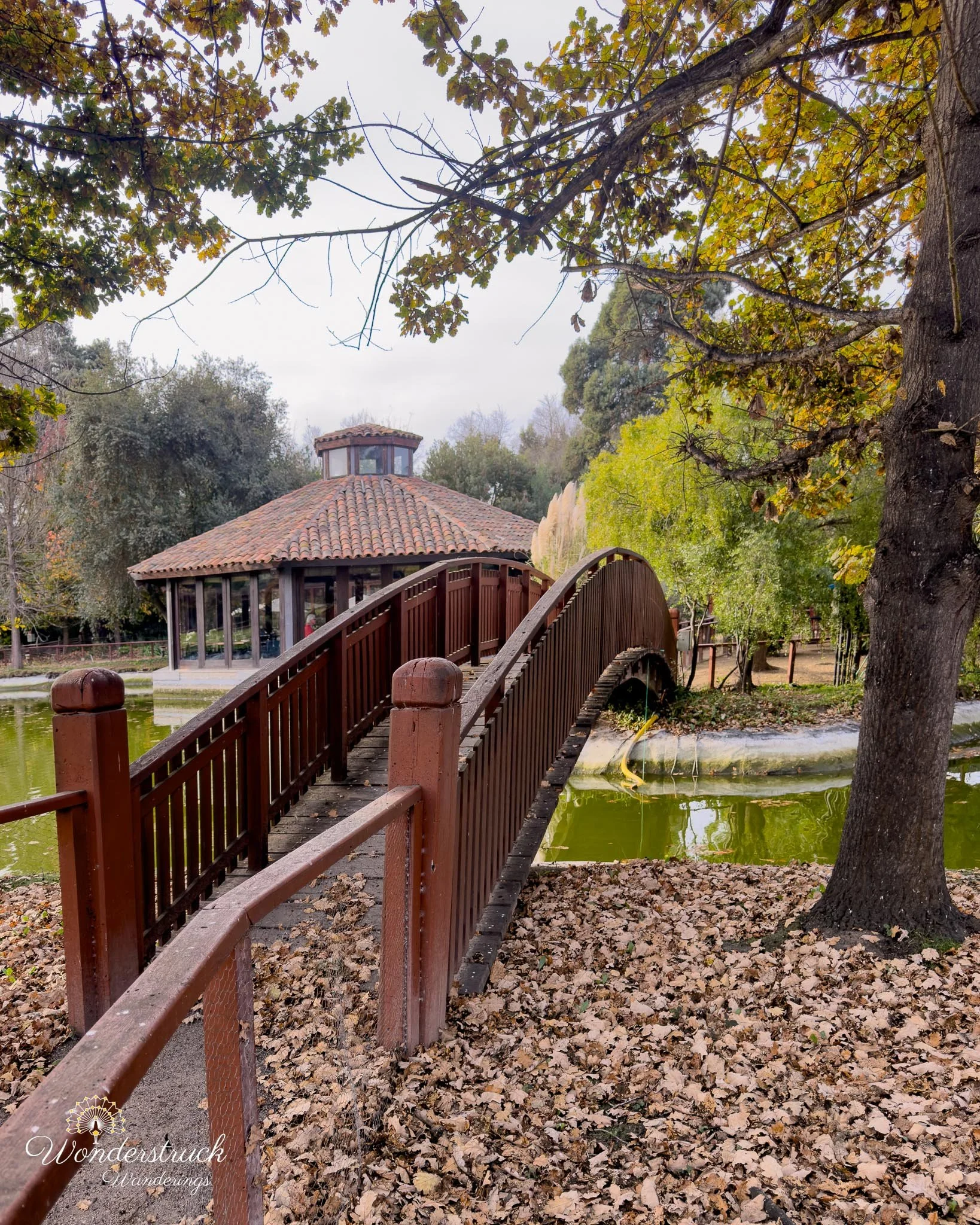
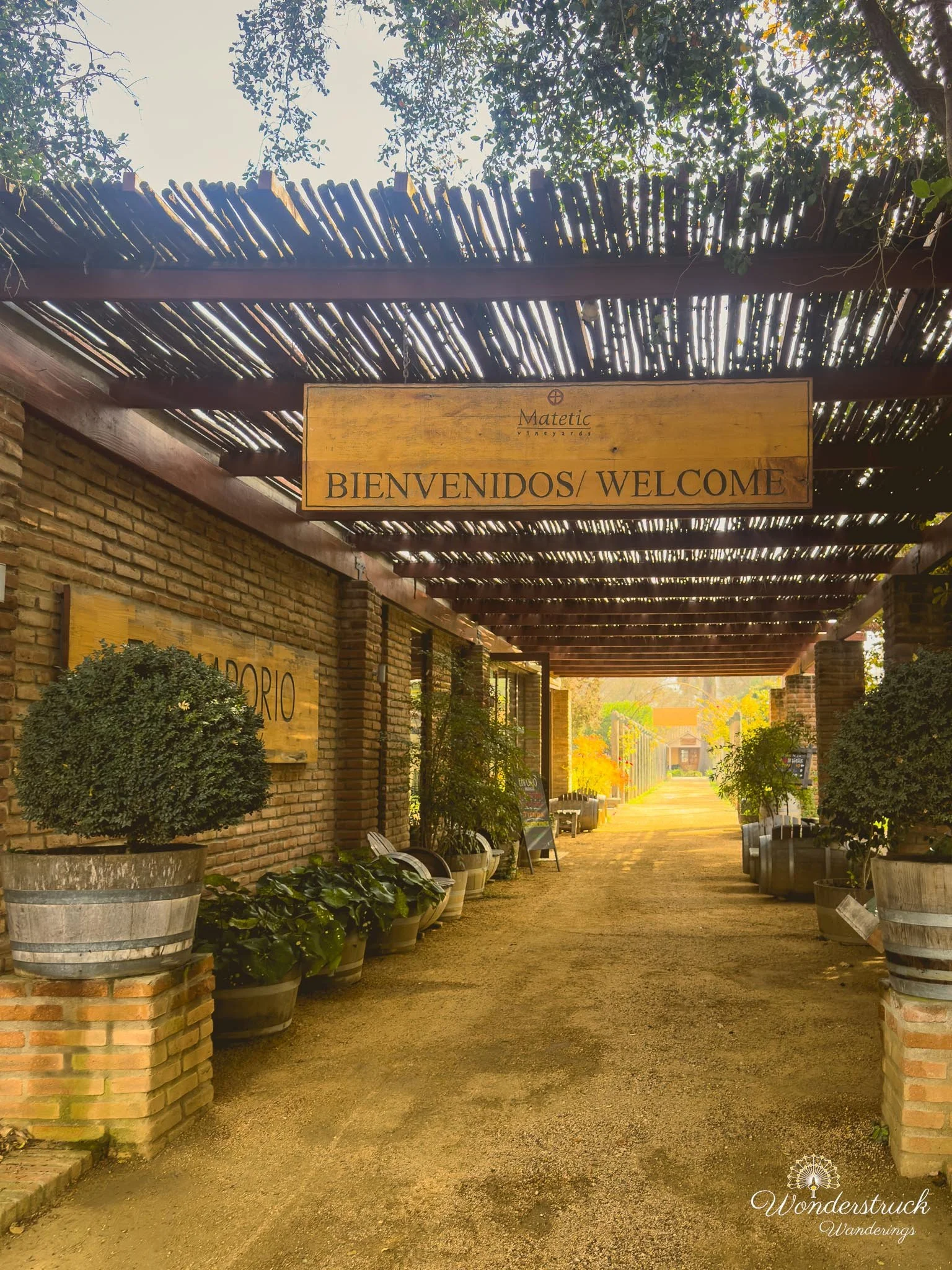
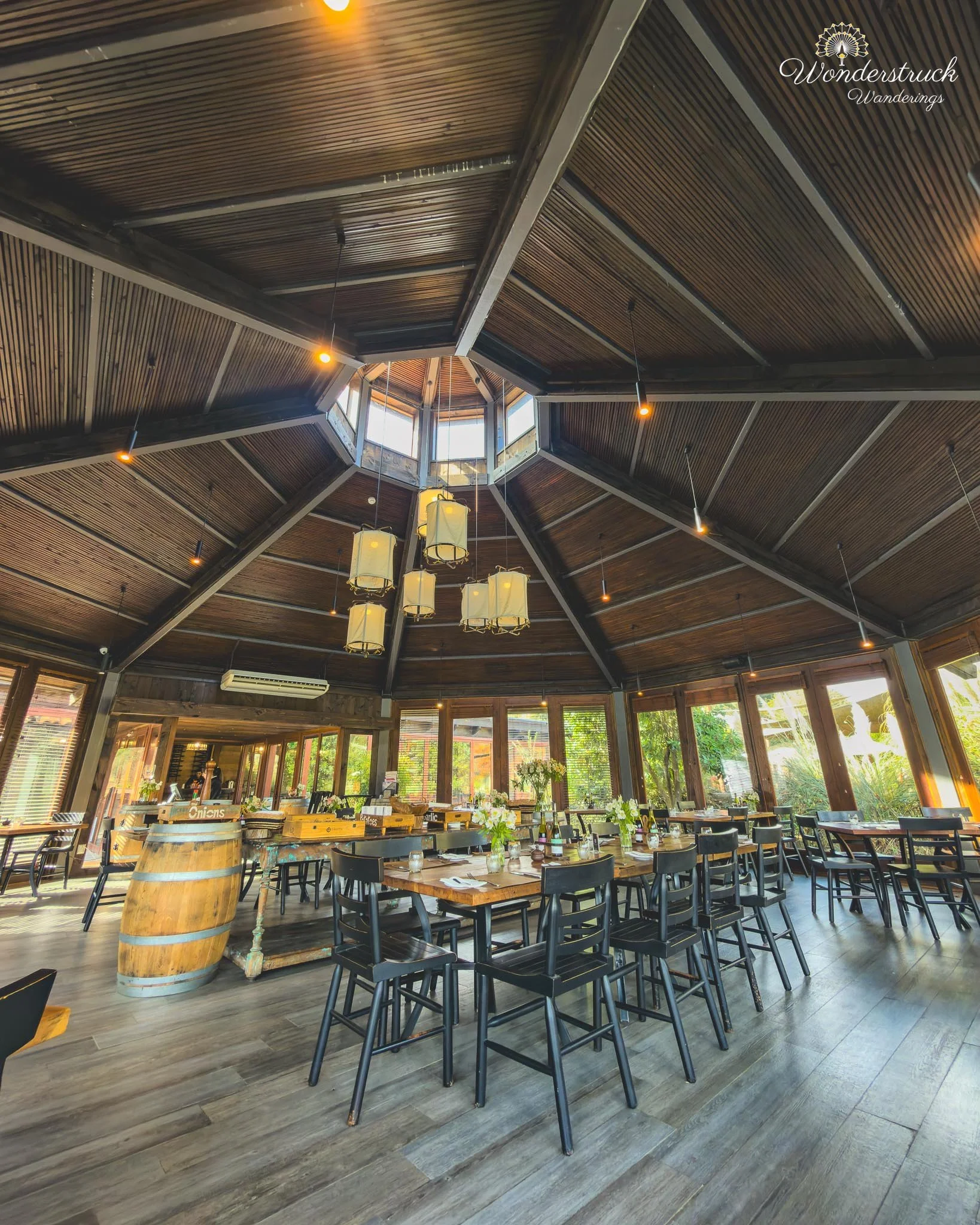
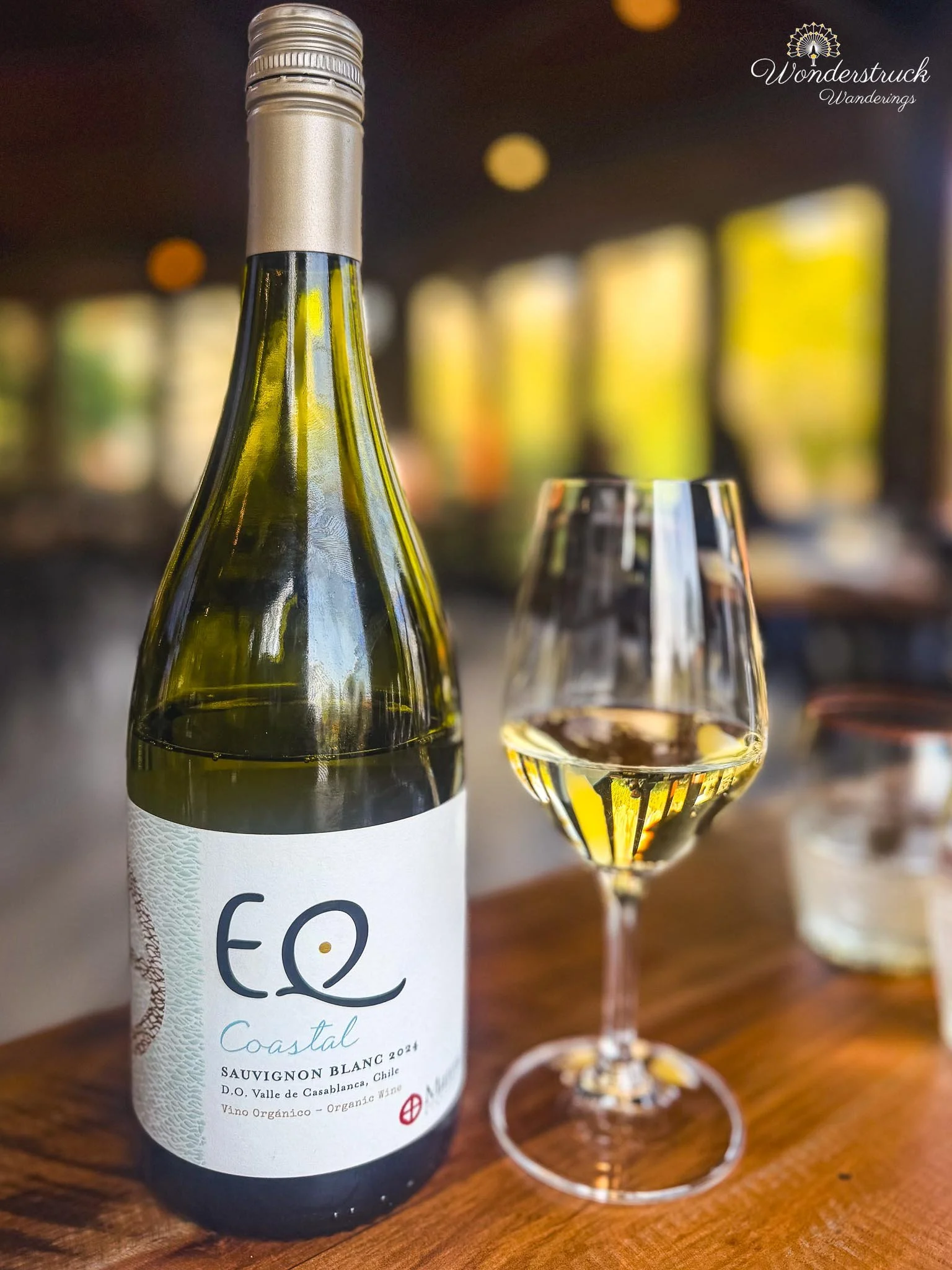
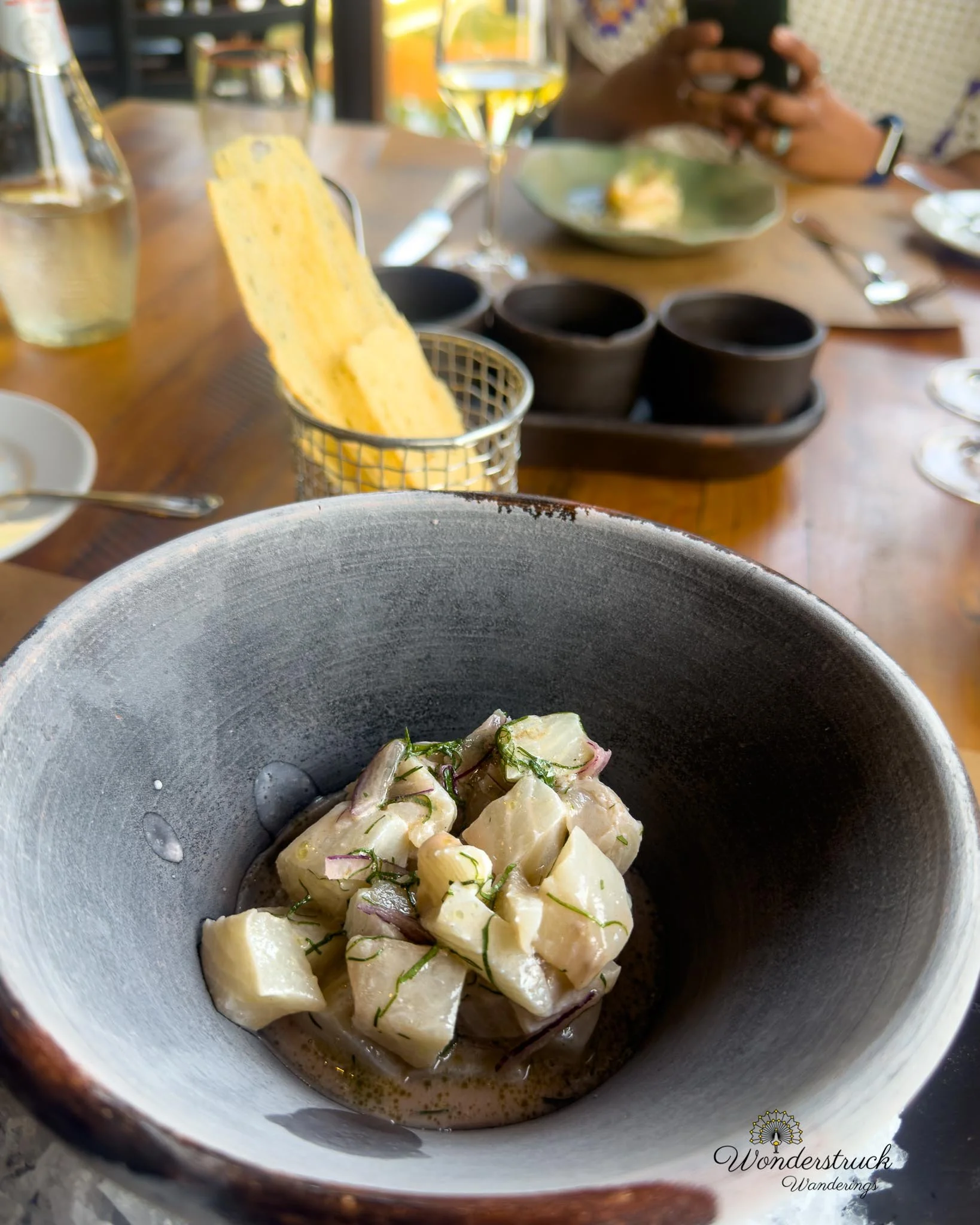
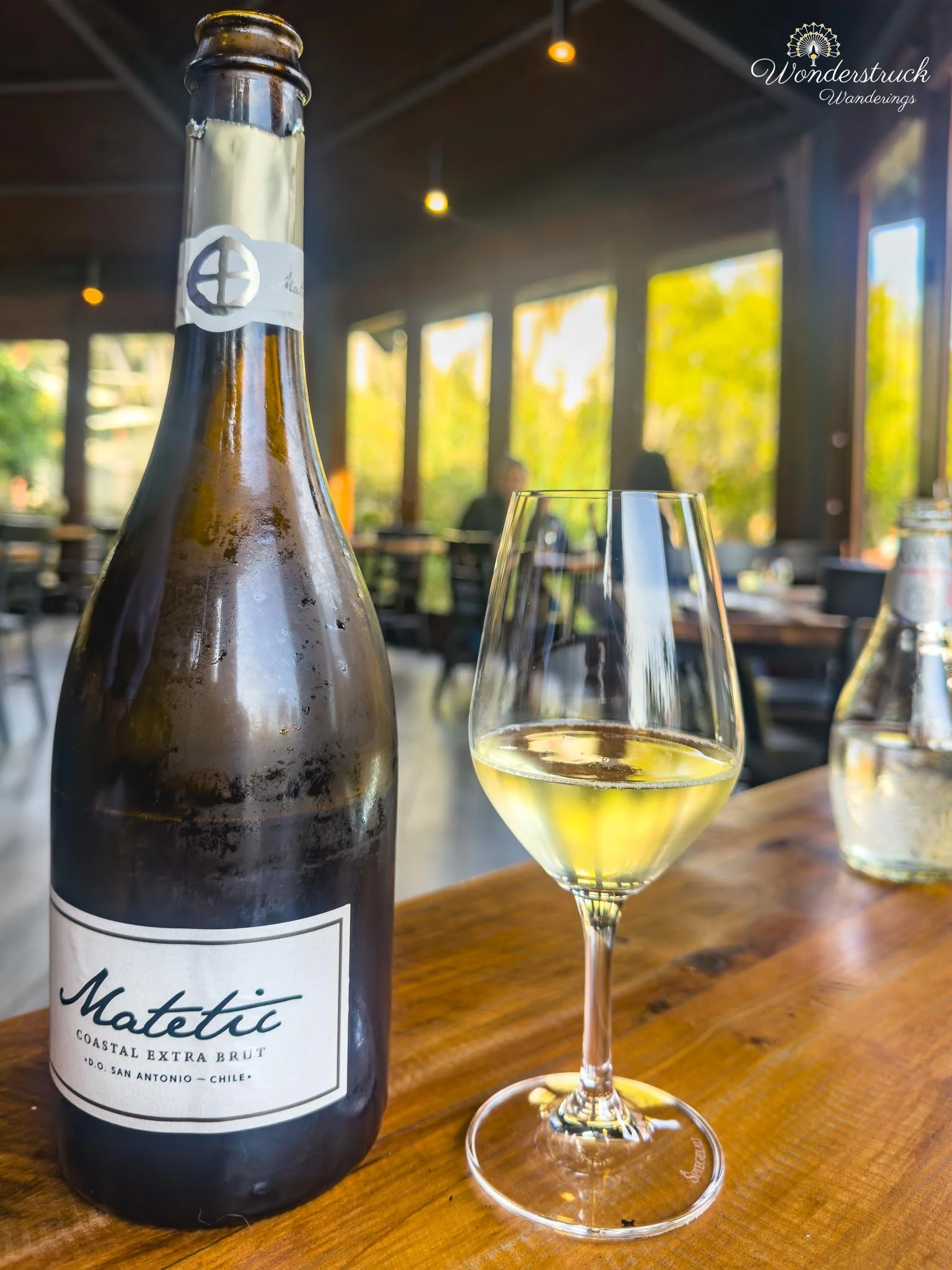
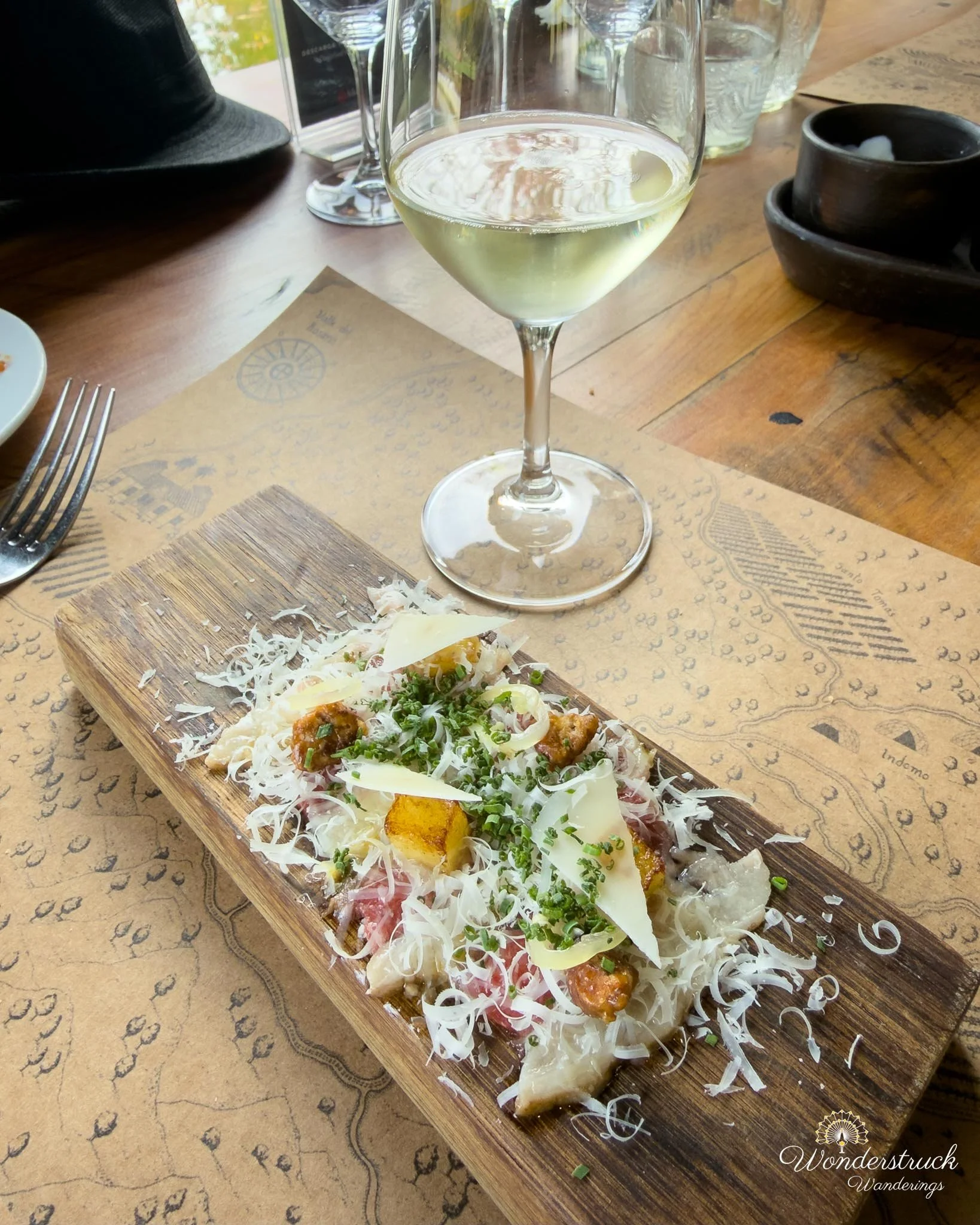
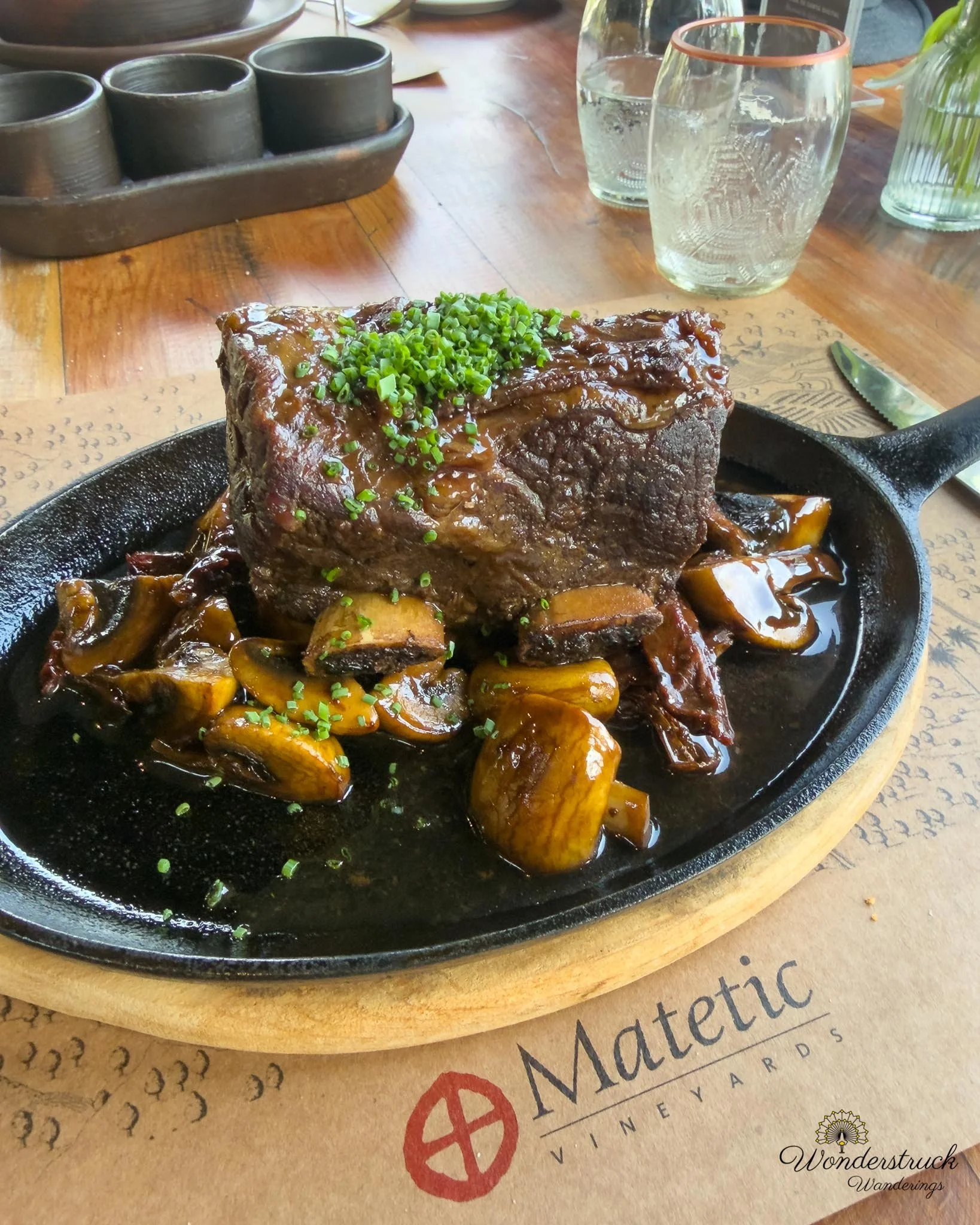
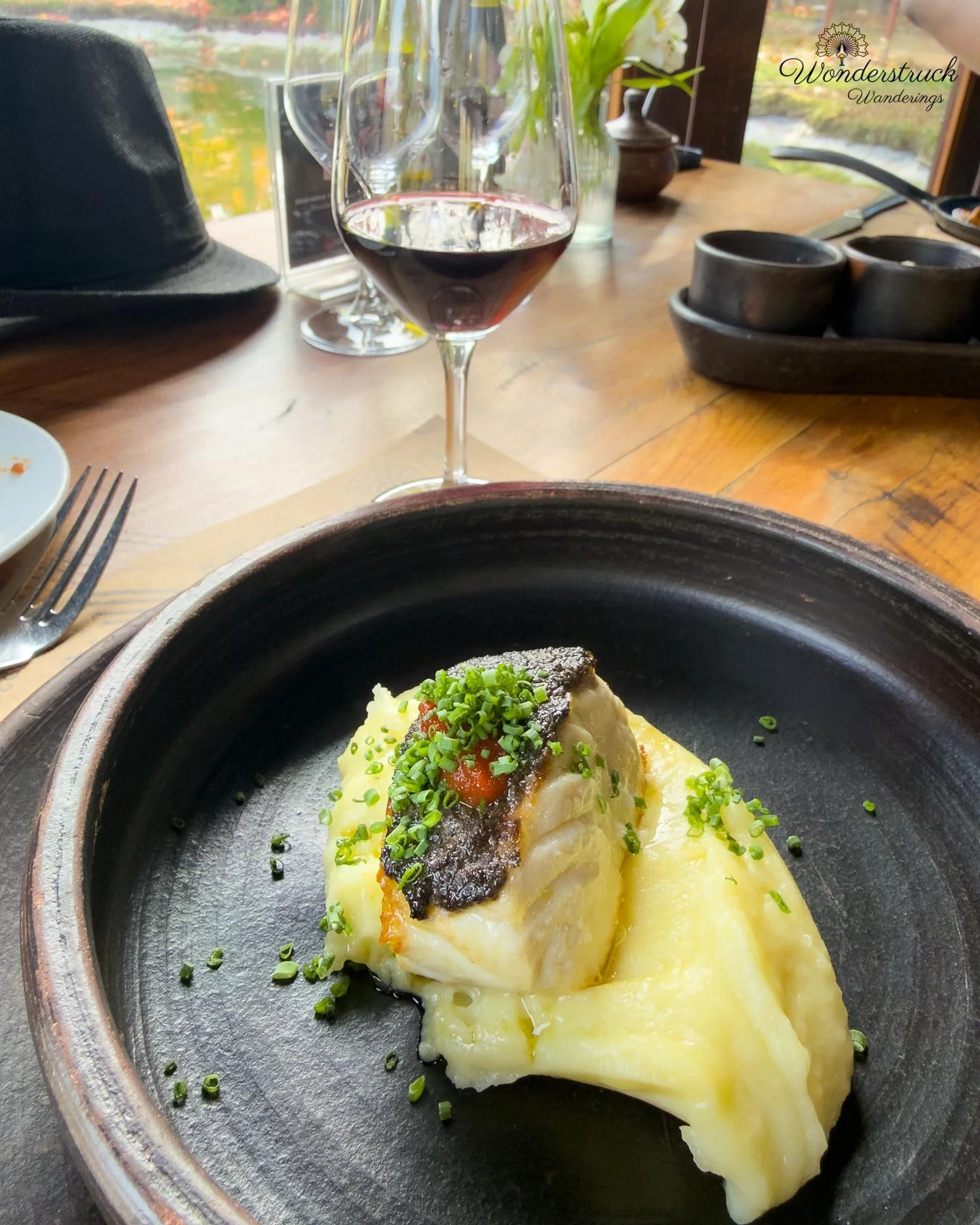
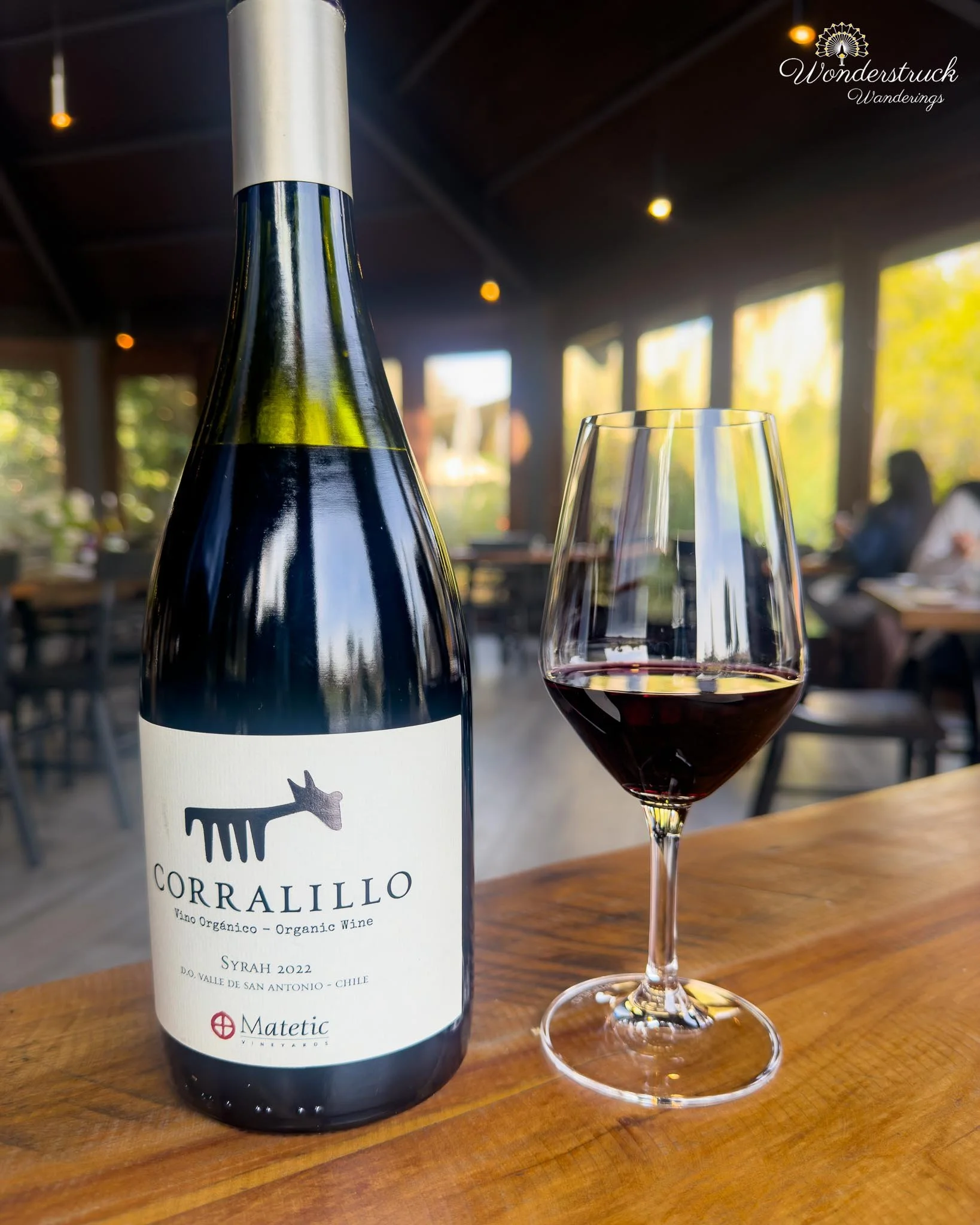
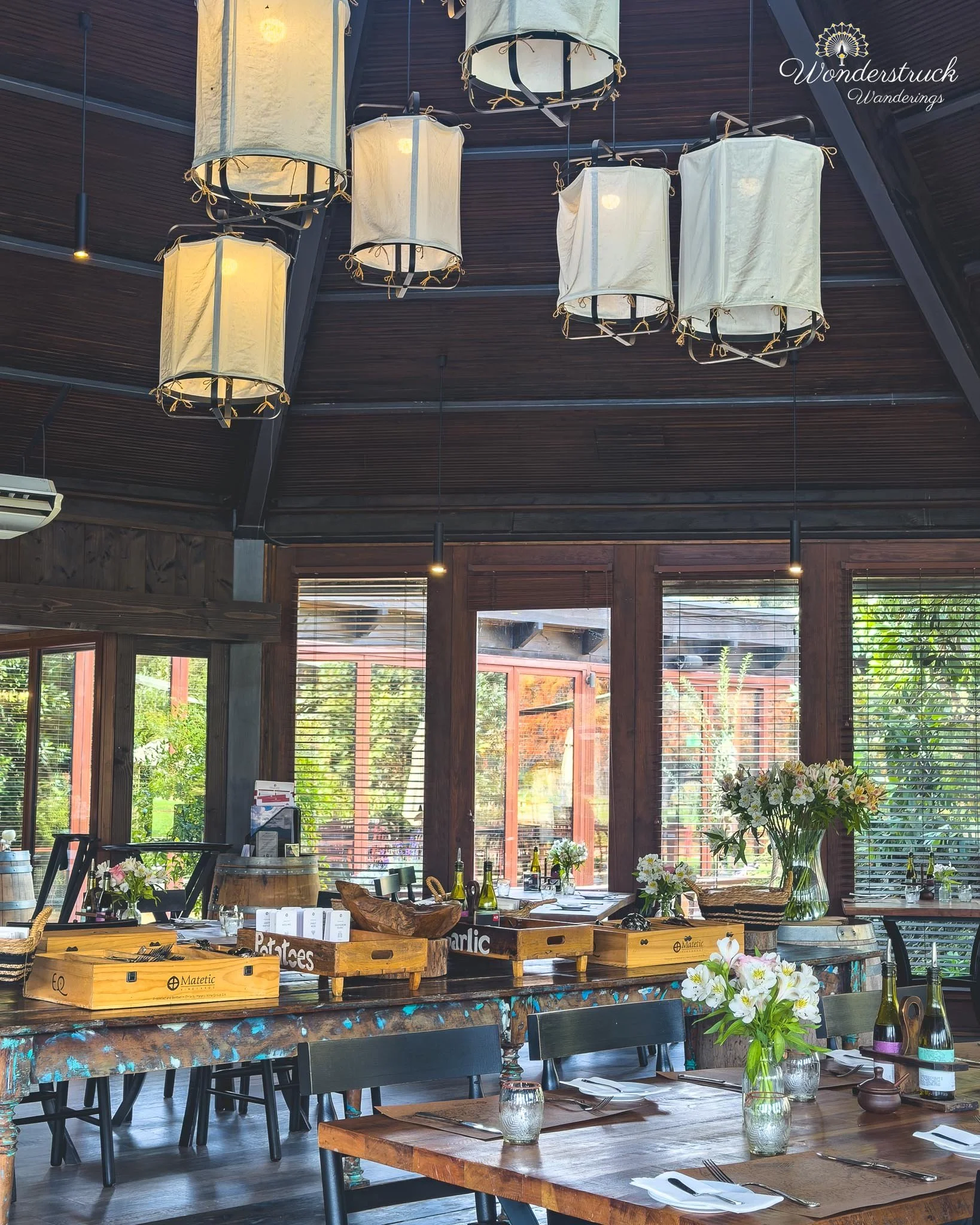
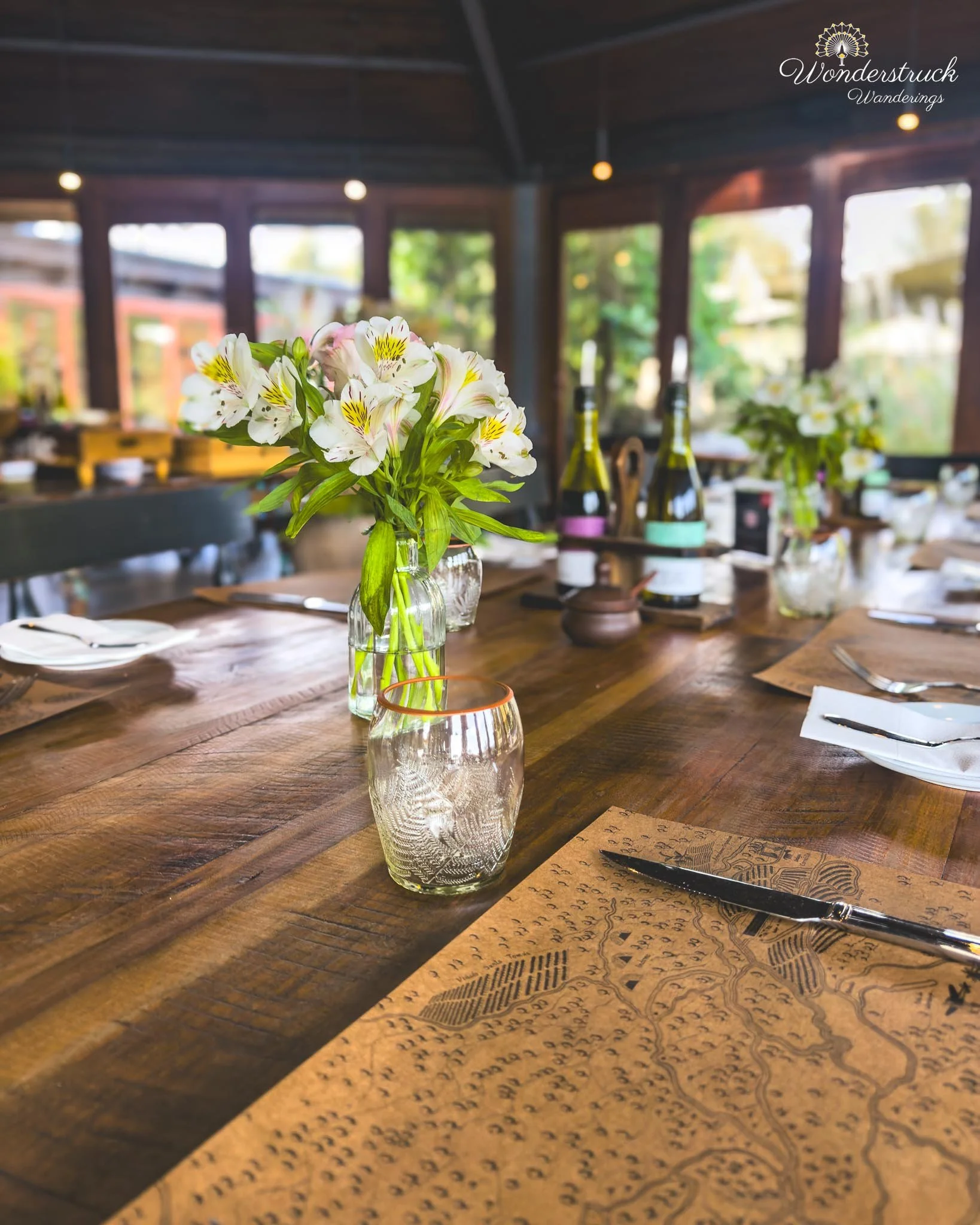
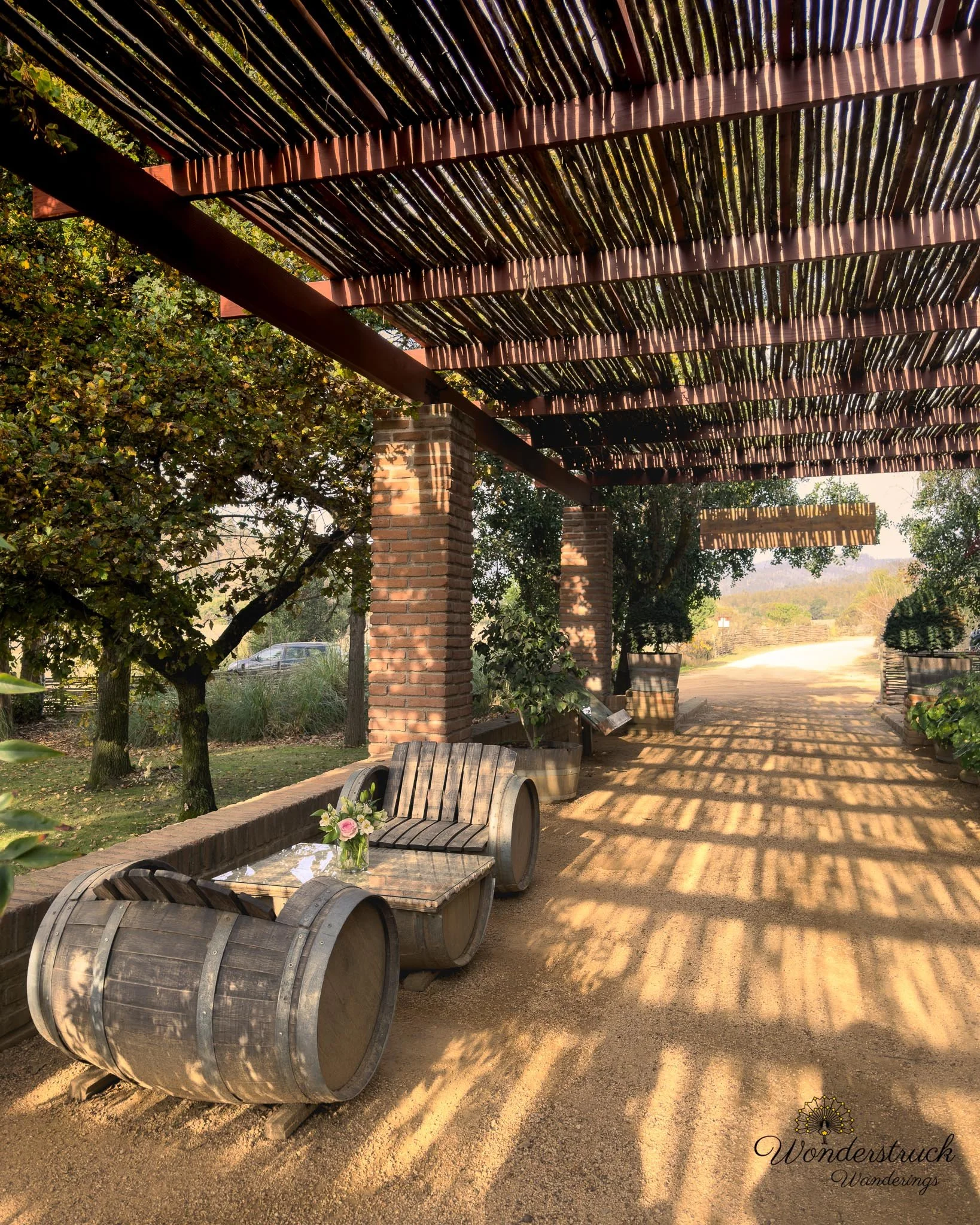
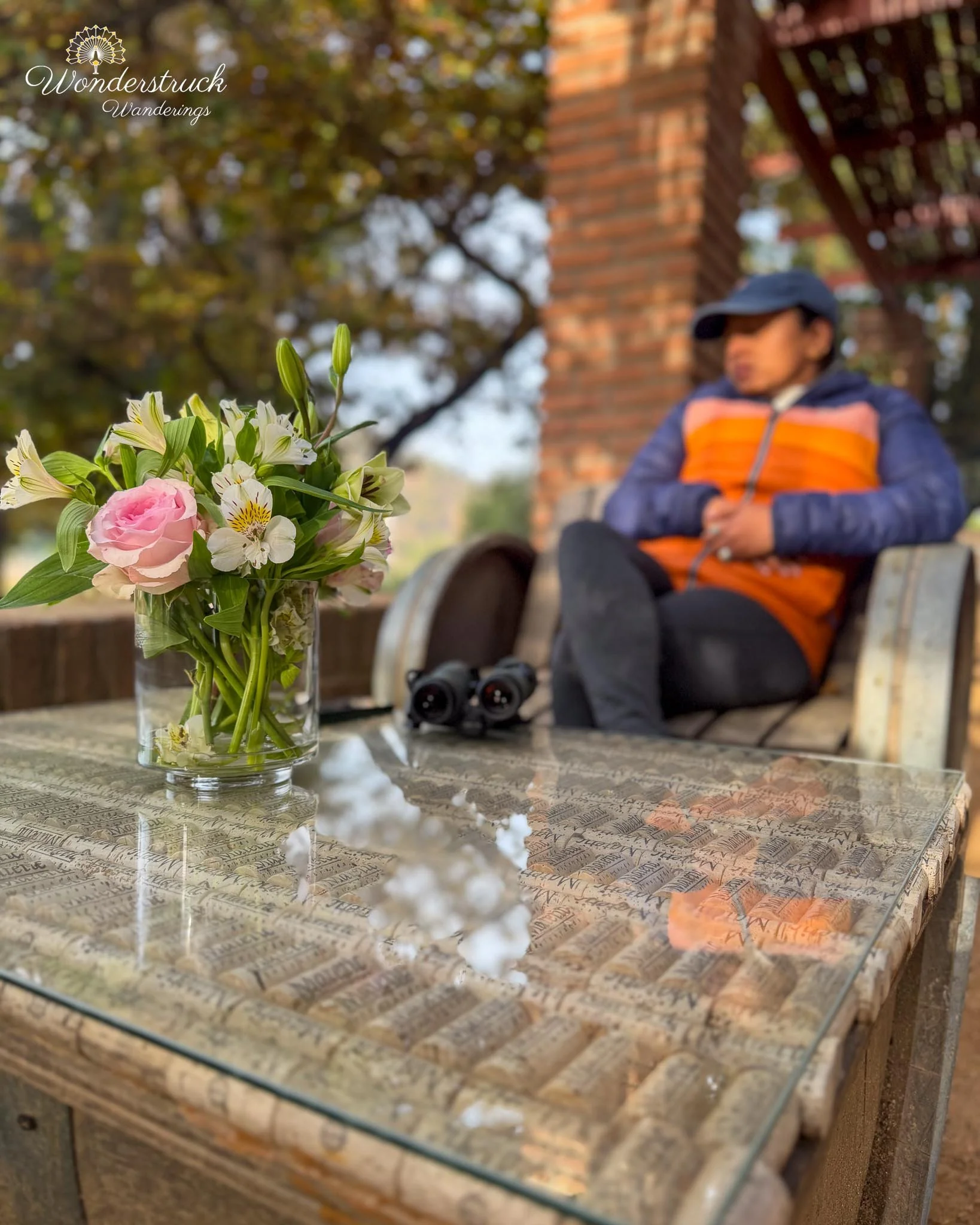
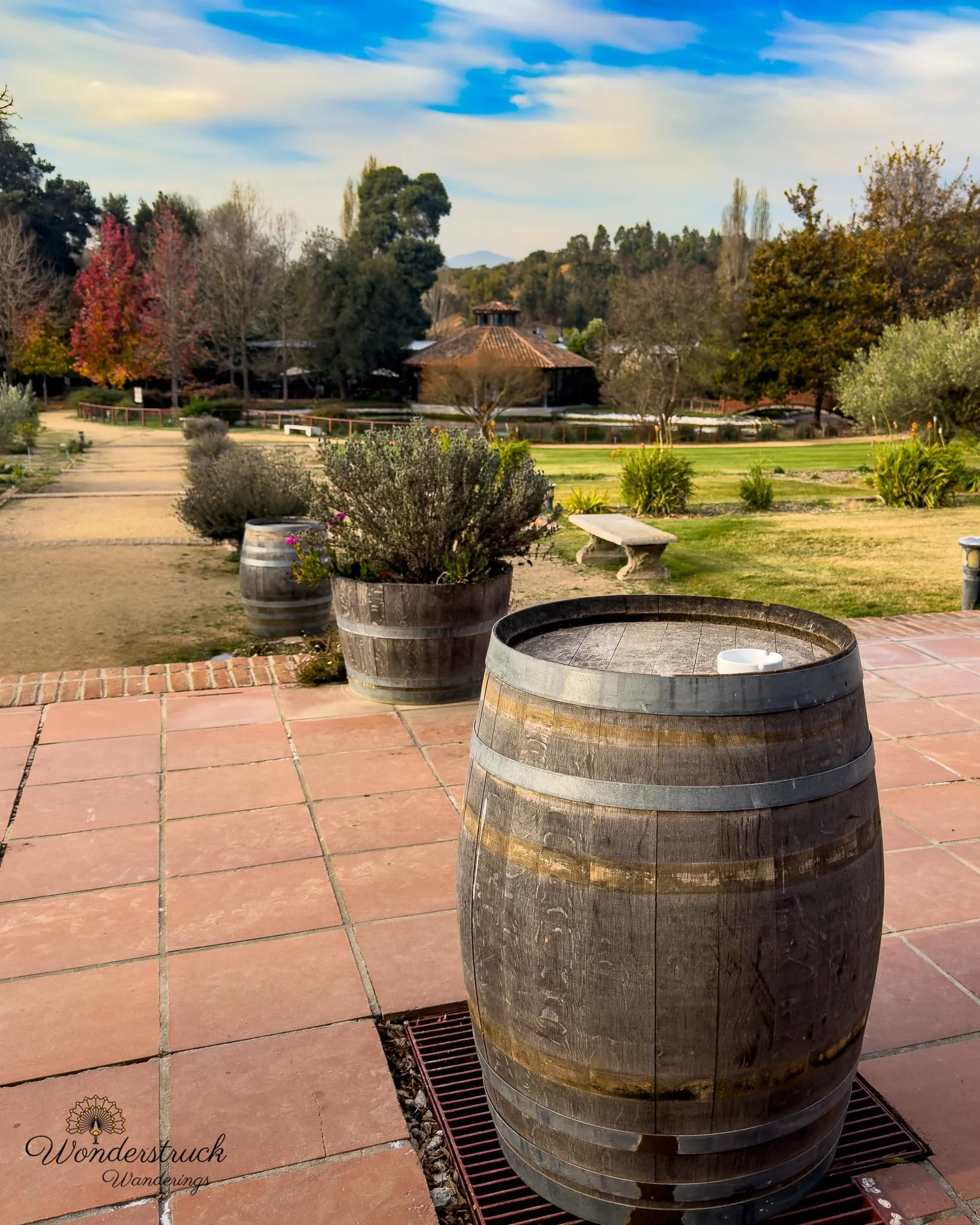
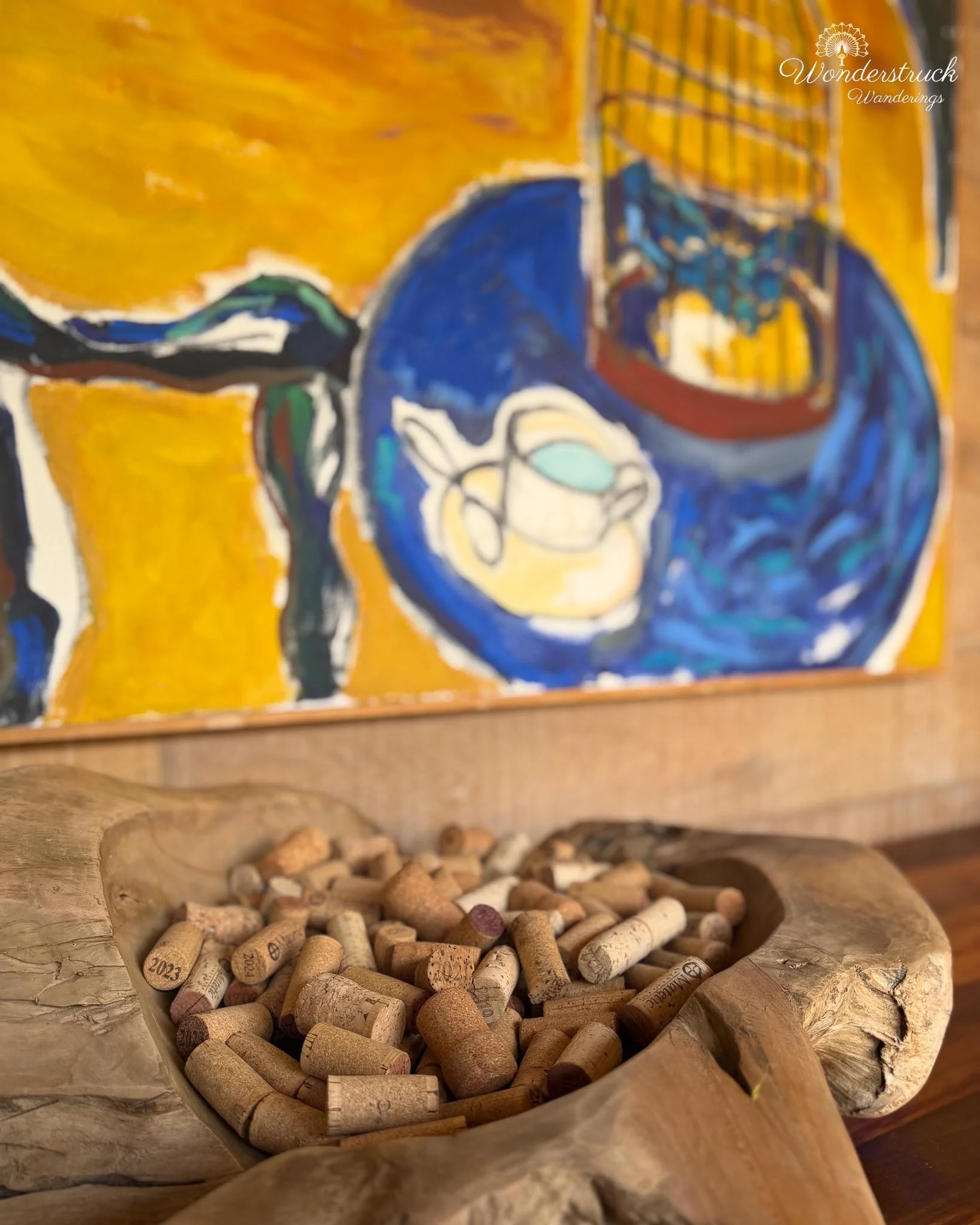
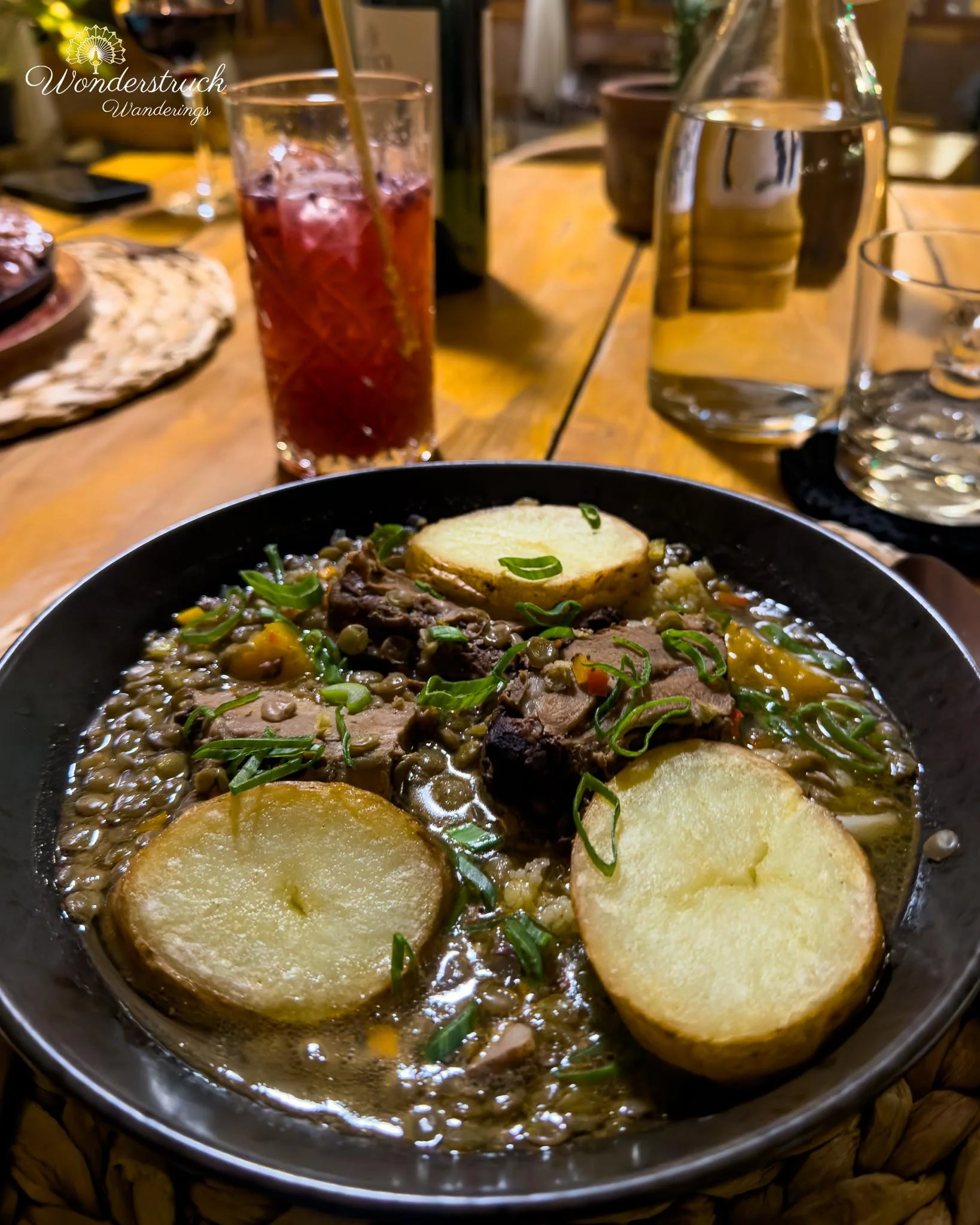
Our main destination was Equilibrio Restaurant at Matetic, where we had reserved lunch. The restaurant sits within the estate's La Casona hospitality complex, overlooking gardens and grounds that also provided excellent birding opportunities. Shay chose the five-course food-and-wine pairing, while I ordered à la carte because I was driving. The tasting menu began with chochar, a Chilean shell mollusk from the Quintero region, prepared with celery, green pepper, cilantro, and red onion and paired with EQ Coastal Sauvignon Blanc. The next course was thinly sliced beef plateada marinated in vermouth, accompanied by caramelized apple, walnuts, pickled green chile, aged cheese, and chives. Its pairing with Matetic Coastal Extra Brut was particularly interesting, with the sparkling wine balancing the richness of the beef. The third course featured roasted wreckfish from the Juan Fernández Archipelago, served with stewed tomato compote, black olives, and potato purée, paired with Matetic Syrah. Juan Fernández lies hundreds of kilometers off Chile's Pacific coast, making the fish a distinctive regional ingredient. This was followed by tender pork cheeks with mashed sweet potato, sautéed spinach, and onion chips, paired with EQ Granite Pinot Noir. Dessert was colegial, a traditional Chilean bread-pudding-style preparation, served with Corralillo Syrah. For my meal, I started with Ceviche en Equilibrio, made with rockfish. I had originally hoped to order the 24-hour short rib, but it was unavailable, so I chose the 12-hour version. After tasting Shay's beef plateada, I also ordered a full portion of that dish. The combination of vermouth-marinated beef, caramelized apple, pickled chile, and aged cheese made it one of our favorite savory courses of the trip. Birding continued throughout lunch. The restaurant's large windows overlooked gardens and open grounds, where we spotted several species new to our Chile itinerary. Highlights included Green-backed Firecrown, Southern Lapwing, Black-crowned Night-Heron, Tufted Tit-Tyrant, Chilean Mockingbird, Chilean Swallow, Long-tailed Meadowlark, and Gray-hooded Sierra Finch. After lunch, we walked around the estate for more birding and visited the wine shop, purchasing Matetic Syrah and Cordillera Grenache to bring home.
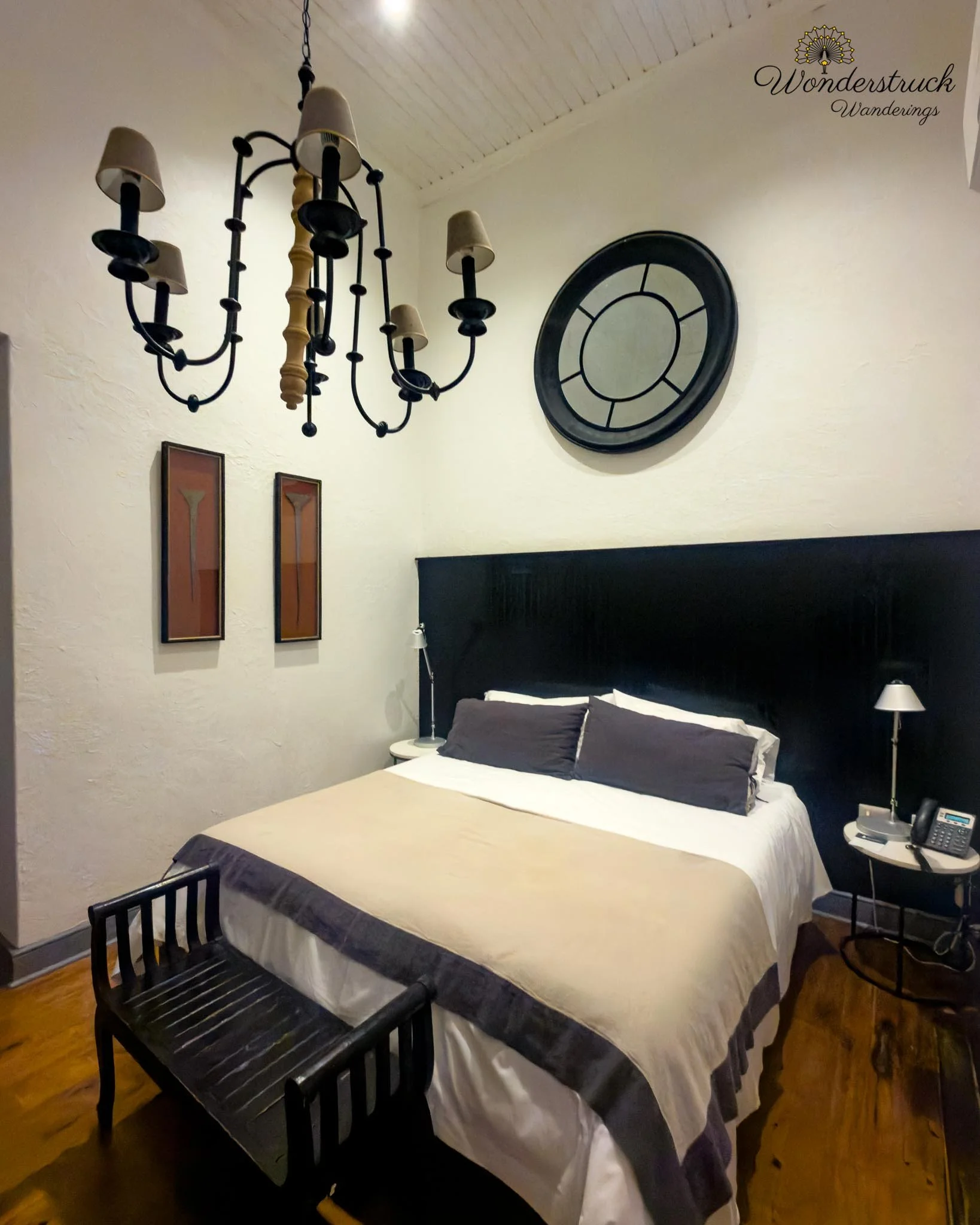
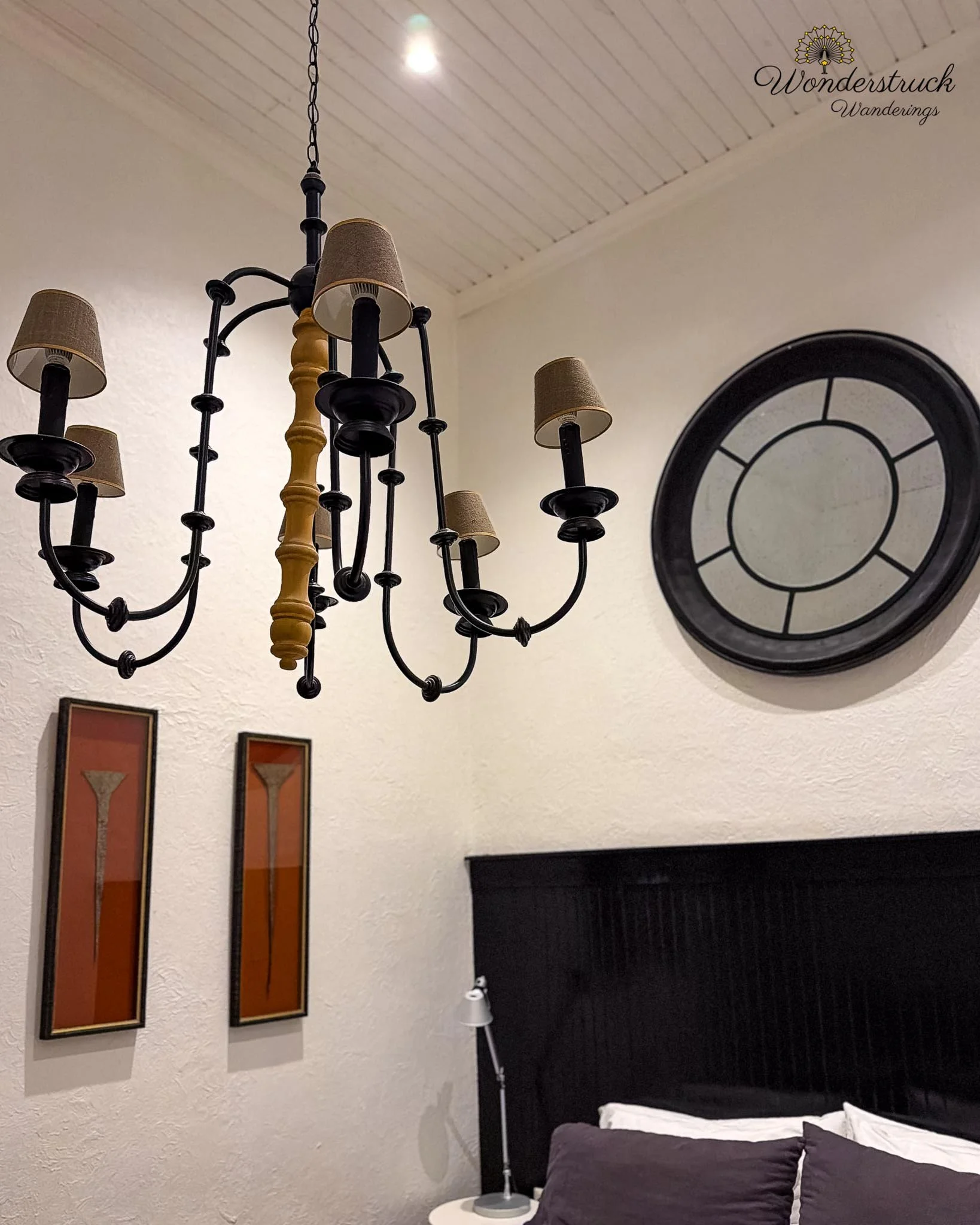
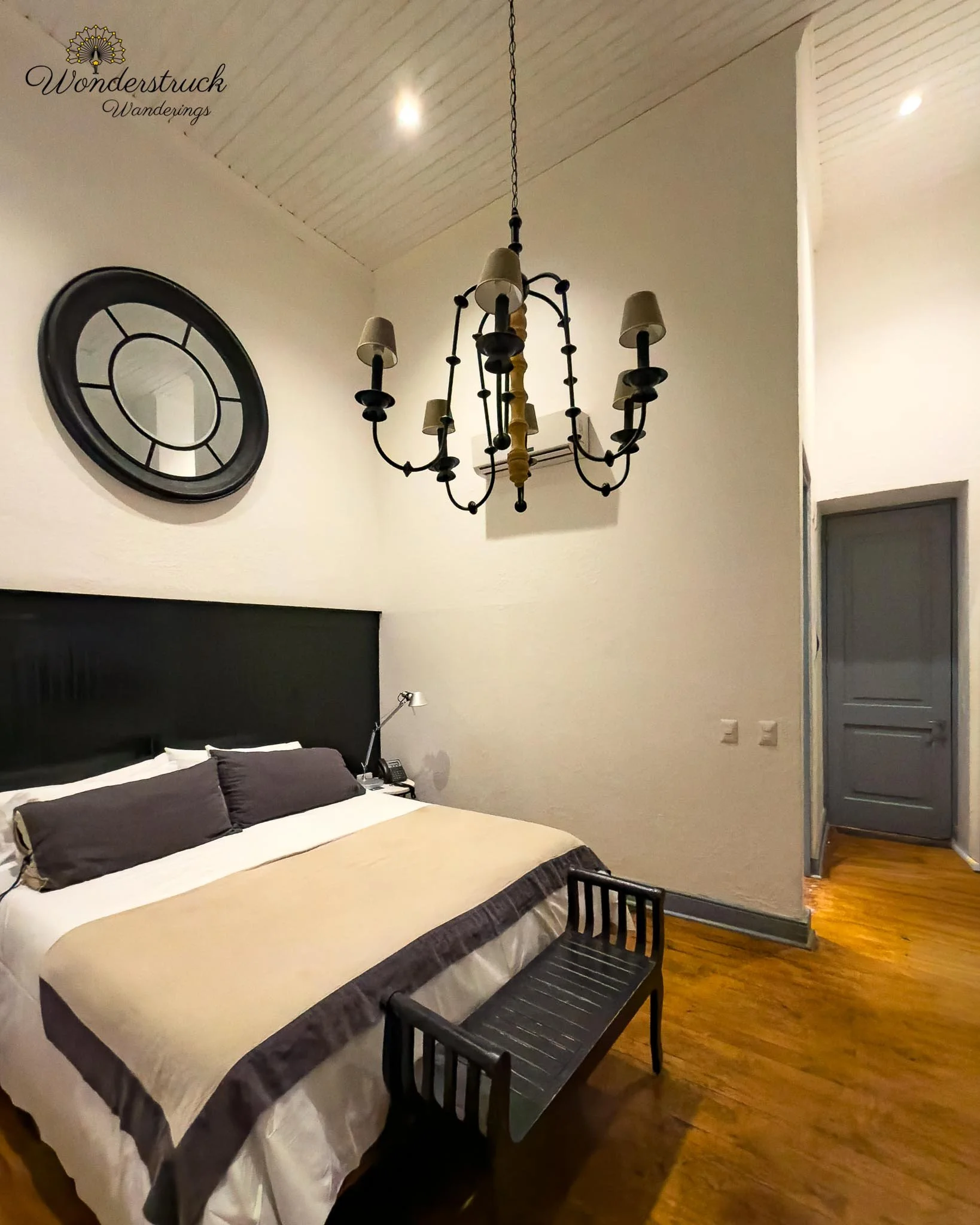
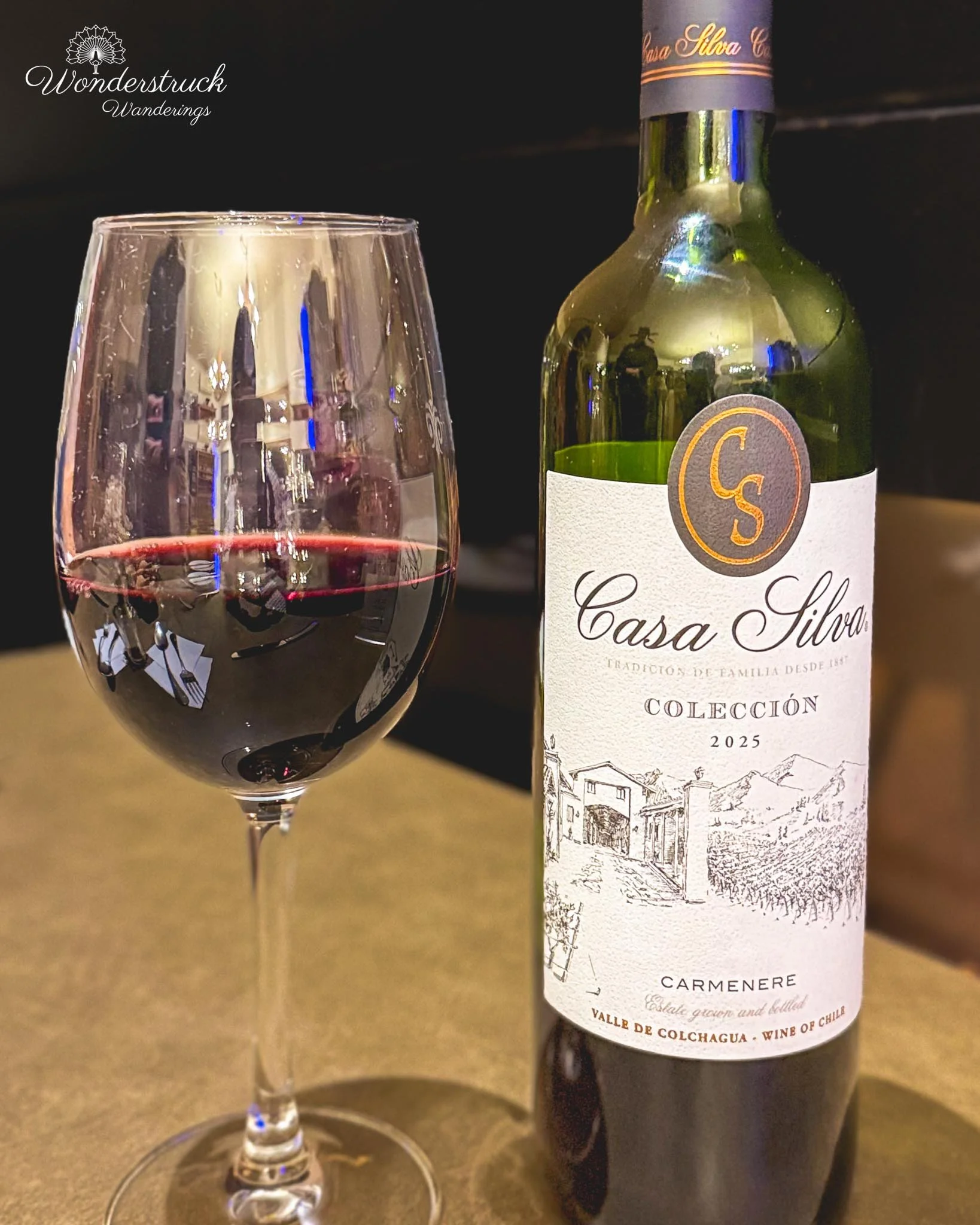
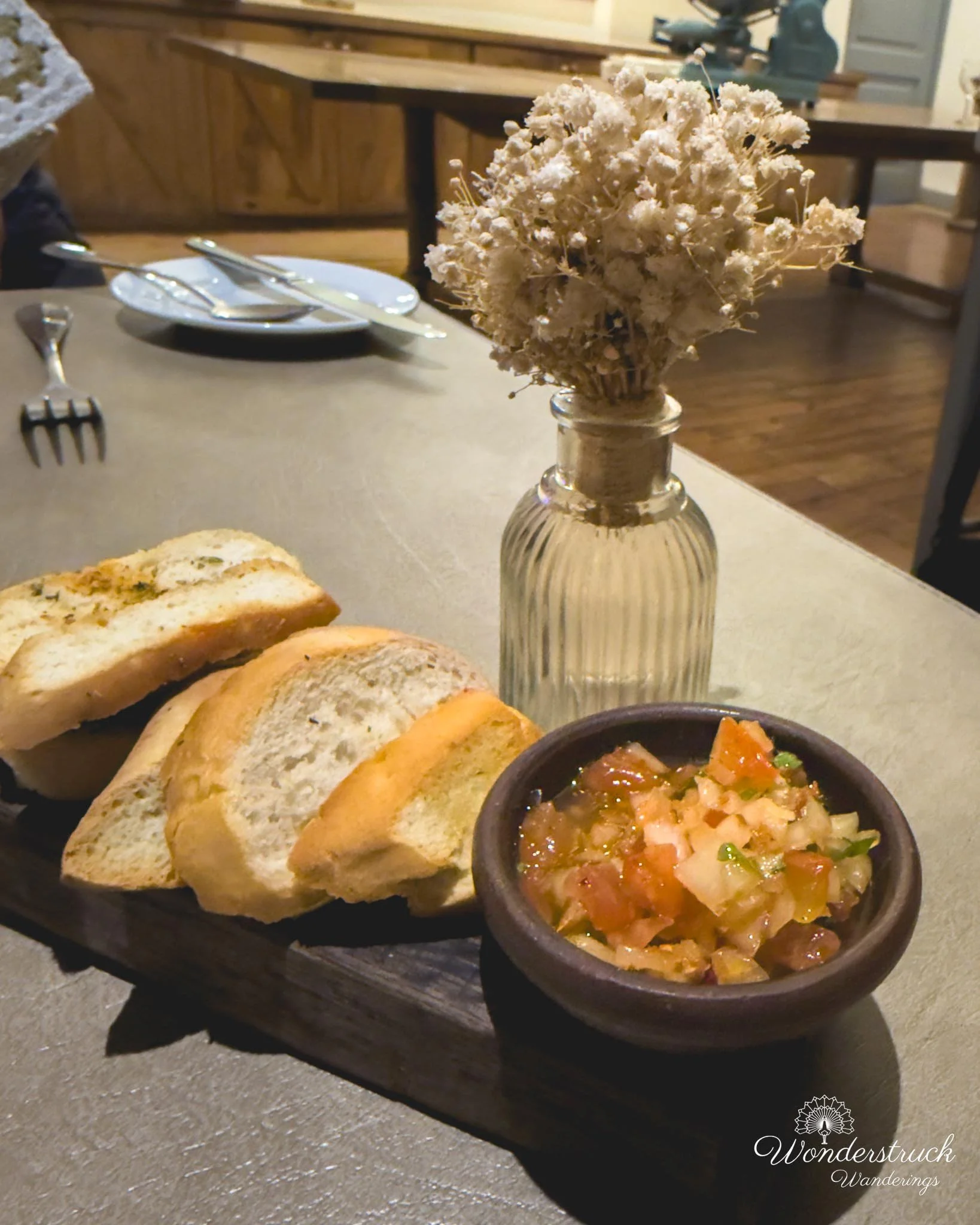
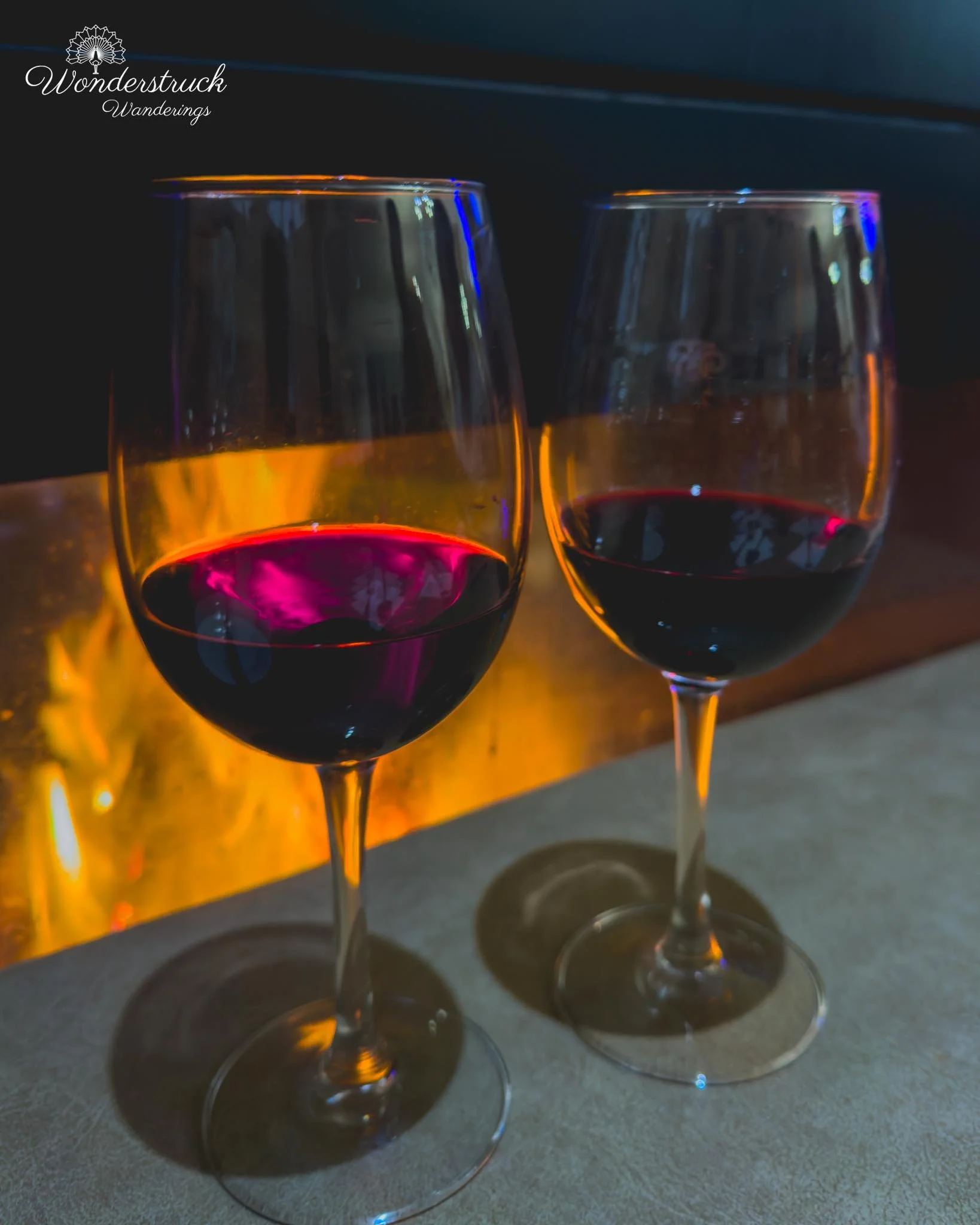
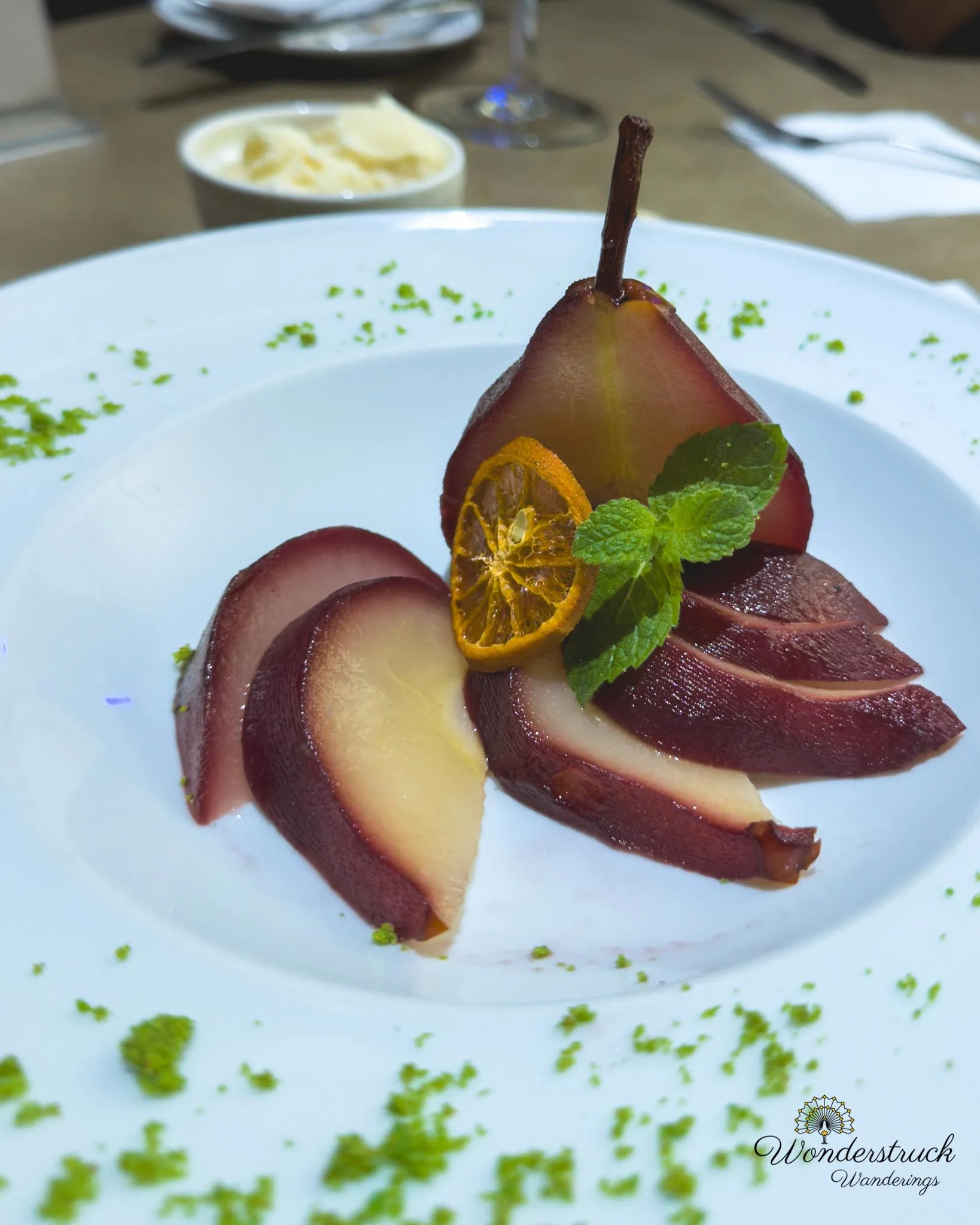
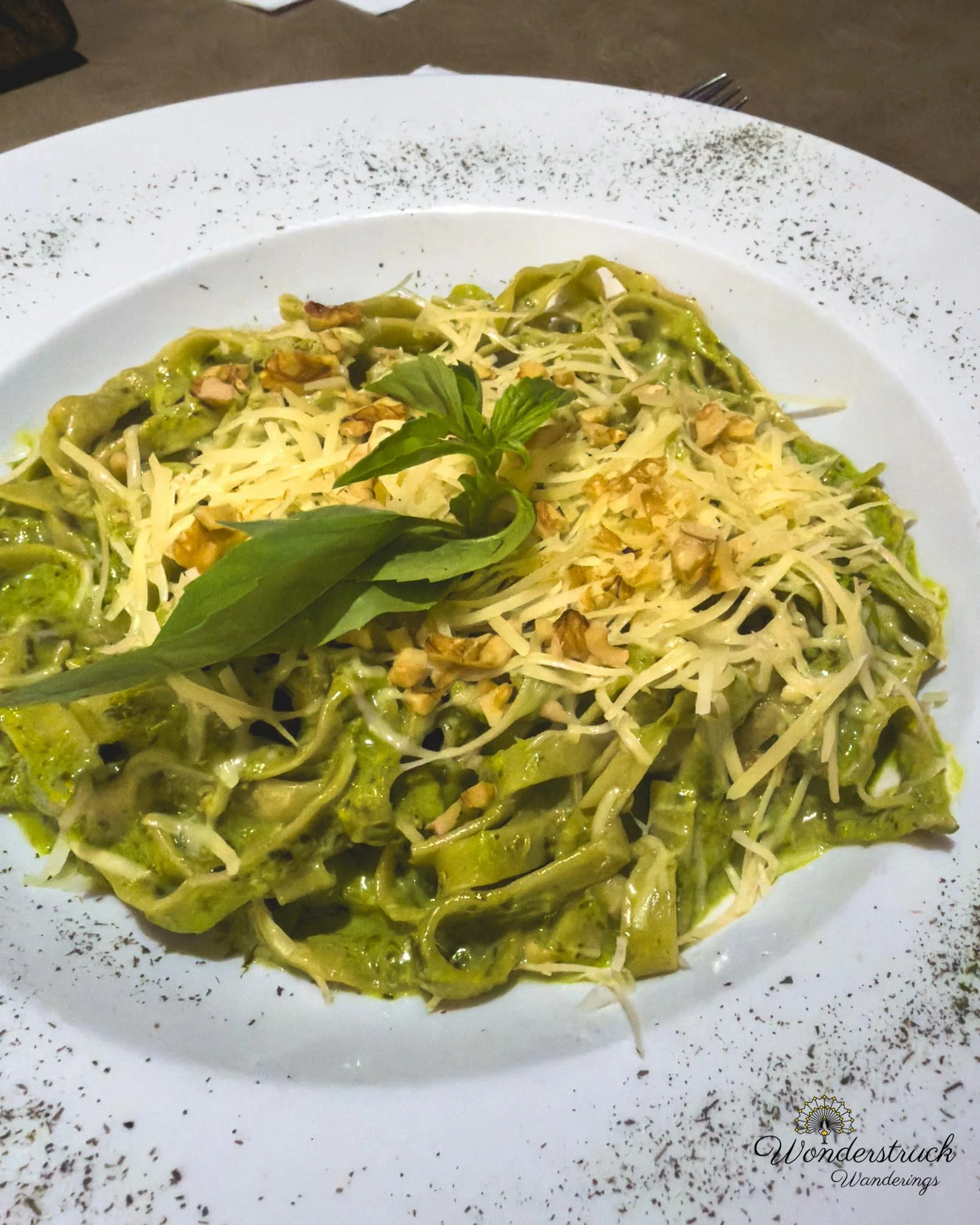
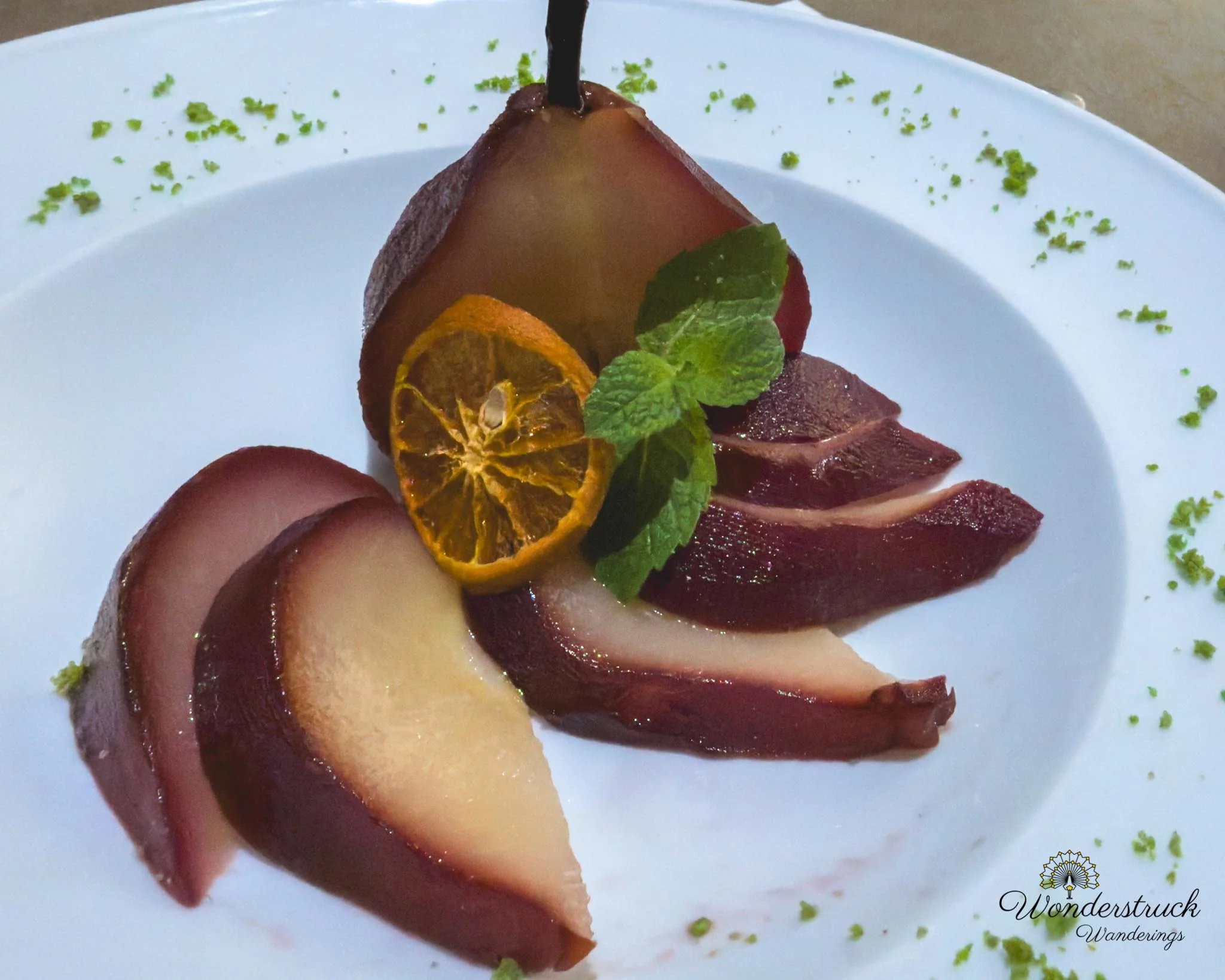
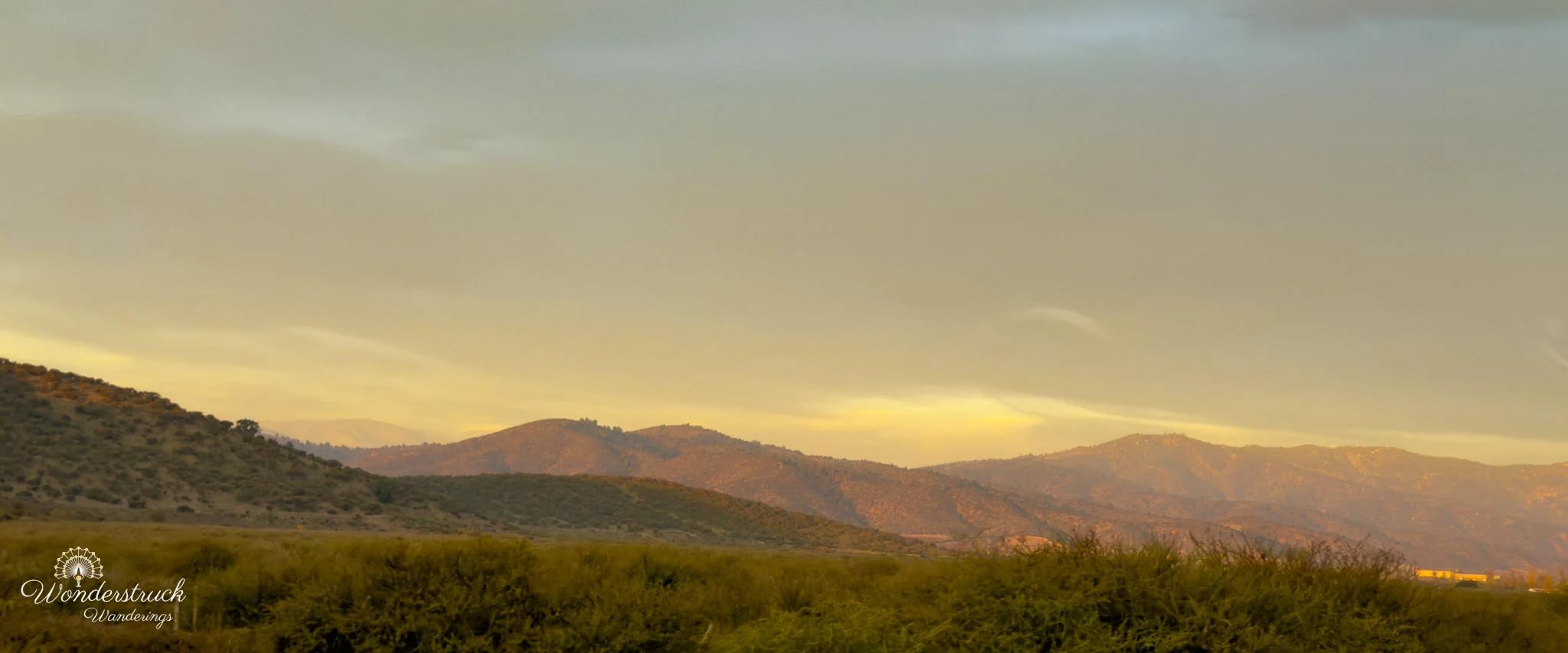
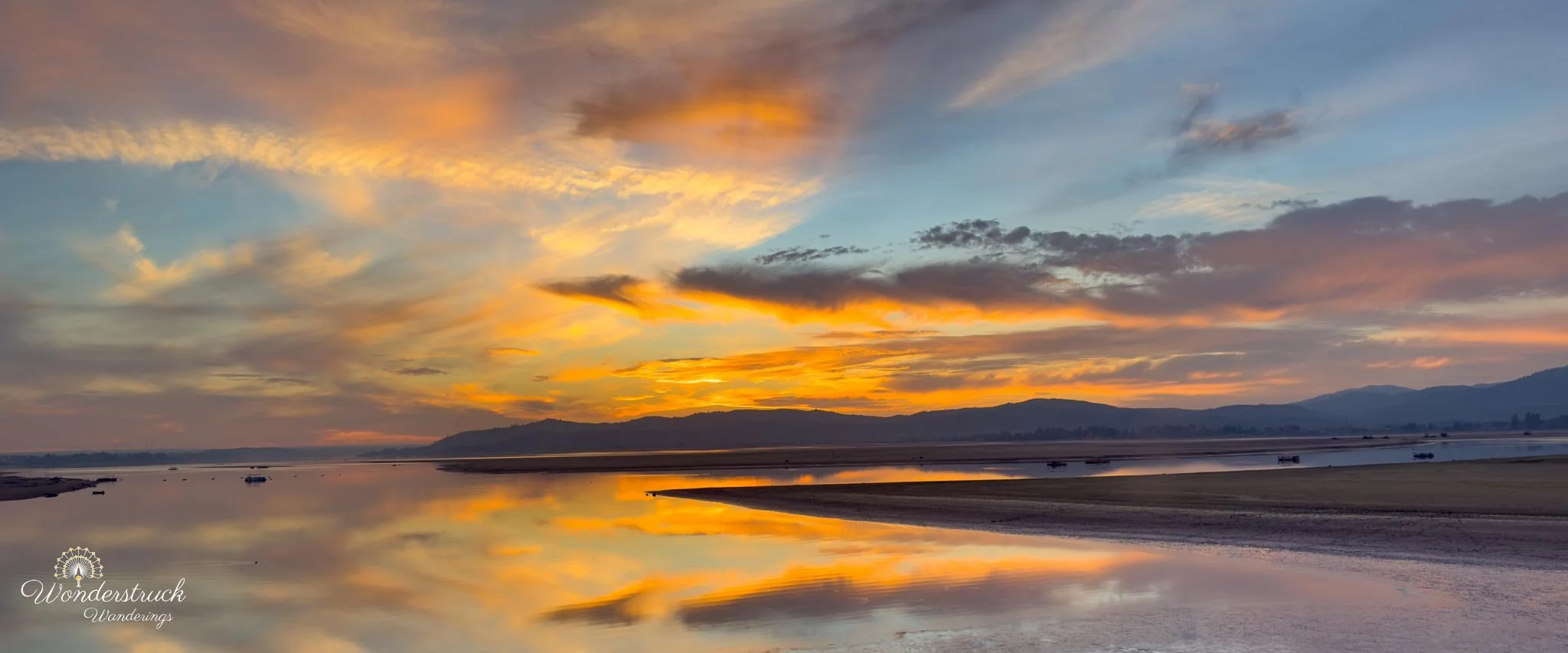
We had considered staying at La Casona, Matetic's boutique hotel, but continuing toward Colchagua made more sense for our early appointment at VIK the following morning. Before leaving the San Antonio region, we made a short detour toward Laguna Ojos de Mar and Mirador Valle del Mar. The coastal area was busy with people walking and enjoying the afternoon, limiting birding opportunities, so we continued toward Colchagua. The evening drive was particularly scenic. With the Andes foothills to our left and the setting sun to our right, the valleys and hills turned golden. Rivers and low-lying areas reflected the evening light as we approached Colchagua Valley, one of Chile's important red-wine regions, known especially for Carménère, Cabernet Sauvignon, and Syrah. By the time we reached NOI Blend Colchagua, fog was settling over the property. We checked in and enjoyed welcome glasses of Carménère for Shay and Cabernet Sauvignon for me. After our substantial lunch, we kept dinner relatively simple. Shay ordered fresh fettuccine with pesto and cheese, while I chose leg of lamb cooked in wine. I finished with a red-wine-poached pear, served with the ice cream separately. After dinner, we explored the hotel briefly and prepared for the following morning. Day 7 had taken us from the Atacama's volcanic desert to the coastal vineyards of San Antonio and the red-wine country of Colchagua, with an outstanding food-and-wine pairing, productive birding, and an evening drive through central Chile's vineyards. Read more on Daily Diaries.
Day 8- VIK, Fuegos de Apalta at Montes, Haras de Pirque and Maipo Wine Country Finale
-
Description text goes here
-
Breakfast – NOI Blend Colchagua: Boutique hotel breakfast featuring freshly prepared eggs, breads, pastries, cheeses, cold cuts, seasonal fruit, juices, and coffee in a relaxed country-house setting.
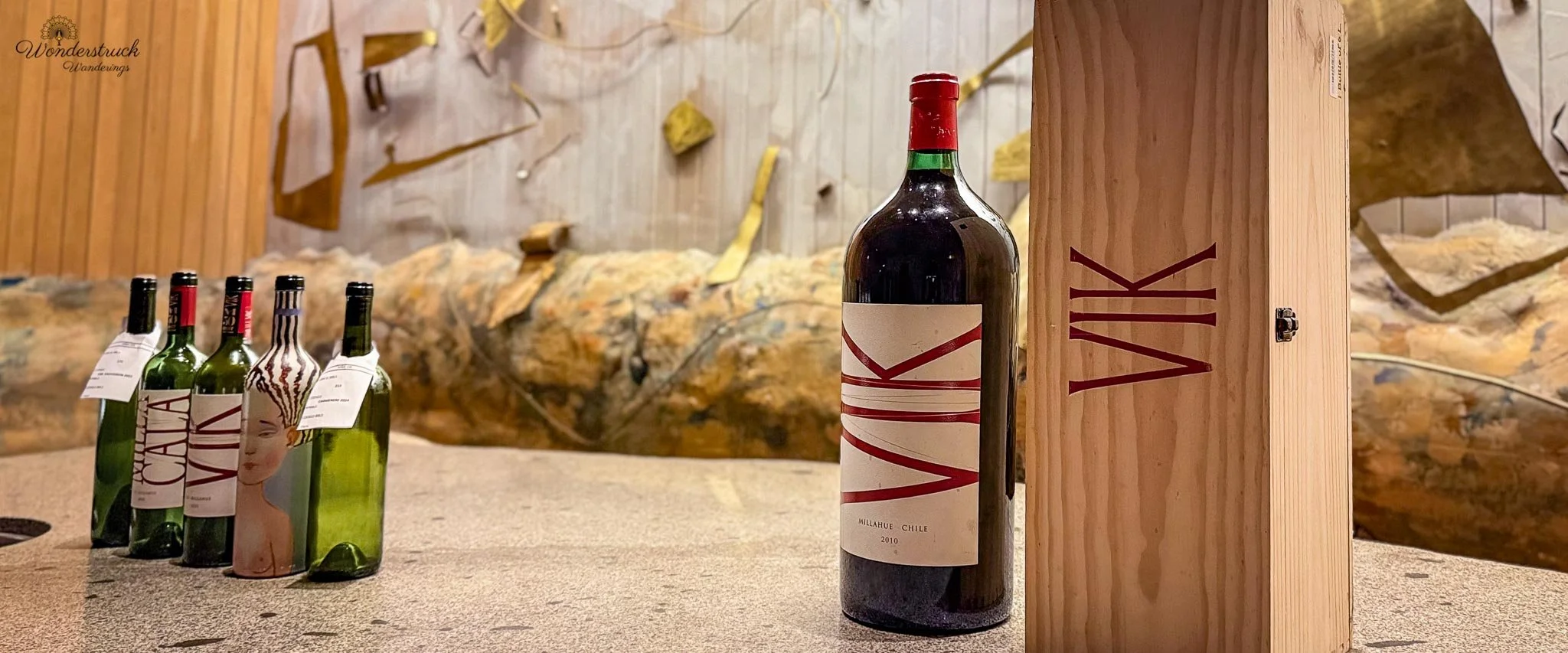
Wine Tasting – VIK Winery: Premium wine experience showcasing the estate's Cabernet Sauvignon, Carménère, Milla Cala, VIK, and La Piu Belle labels. Known for its innovative winemaking, artistic presentation, and carefully structured blends. . The Carménère was our favorite.
Lunch – Fuegos de Apalta, Montes Winery: Vineyard restaurant associated with celebrated Argentine chef Francis Mallmann, specializing in open-fire cooking, wood-grilled meats, seafood, and seasonal ingredients. Offers an outdoor terrace overlooking the Apalta vineyards and a selection of Montes wines.
Dinner – Haras de Pirque: Boutique winery restaurant in the Maipo Valley, featuring contemporary Chilean cuisine, seasonal tasting menus, and estate wine pairings. Known for its elegant dining setting, sweeping vineyard views, and Cabernet Sauvignon.
-
VIK Winery – Millahue, Cachapoal Valley: Architectural winery combining innovative winemaking, contemporary art, and sustainable design. Highlights include:
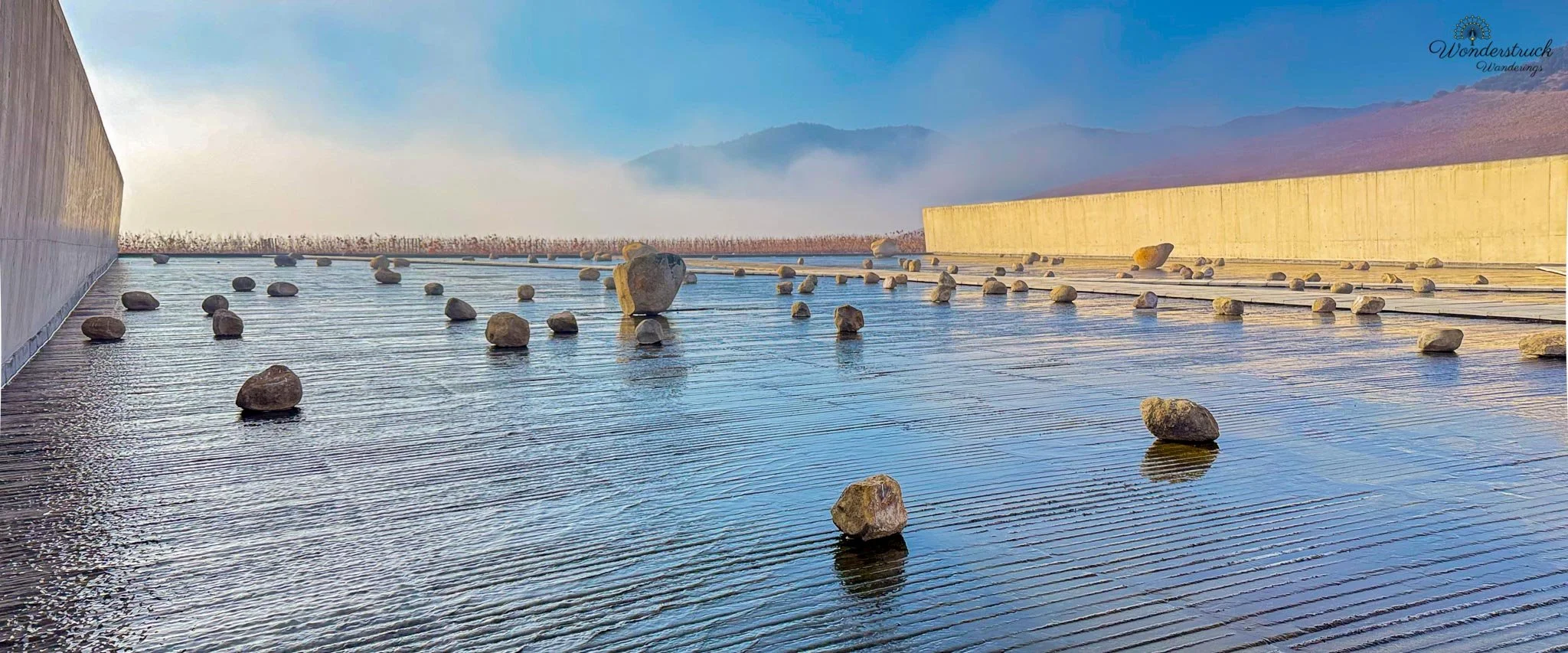
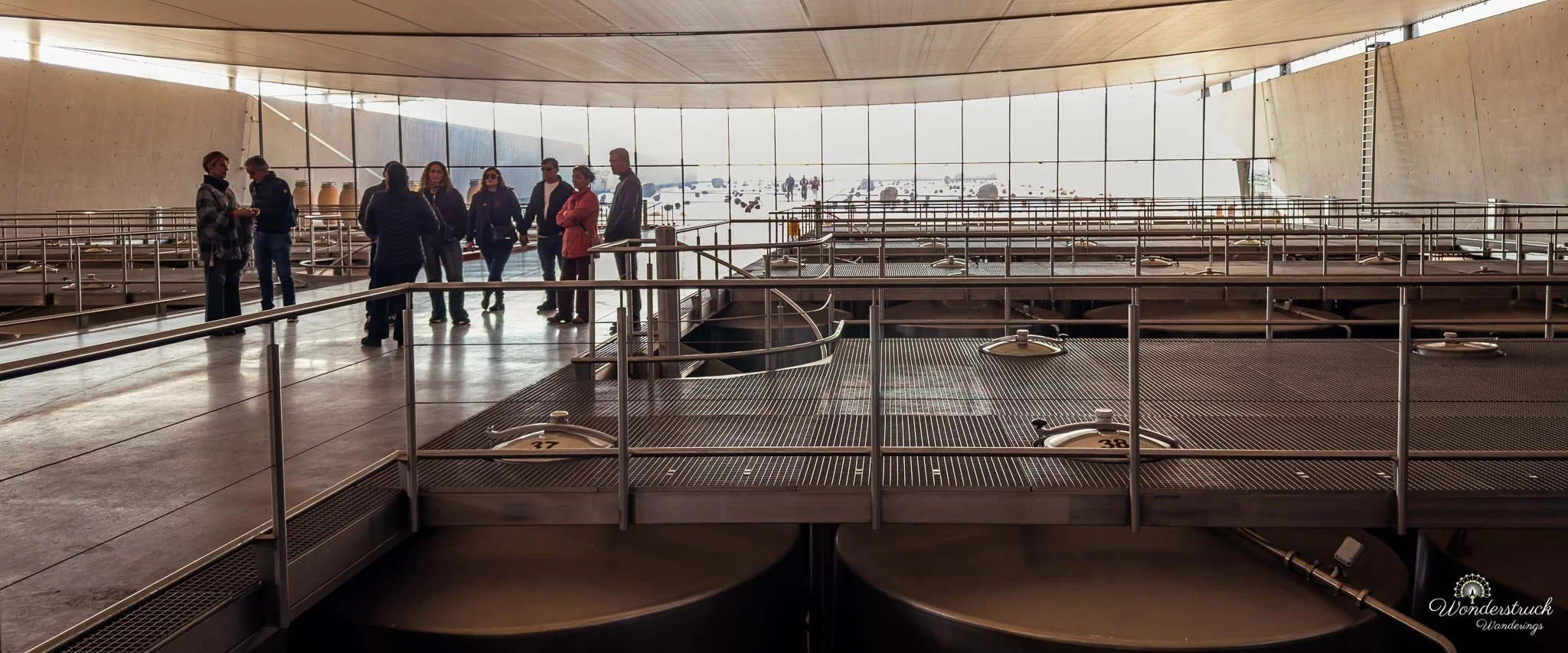
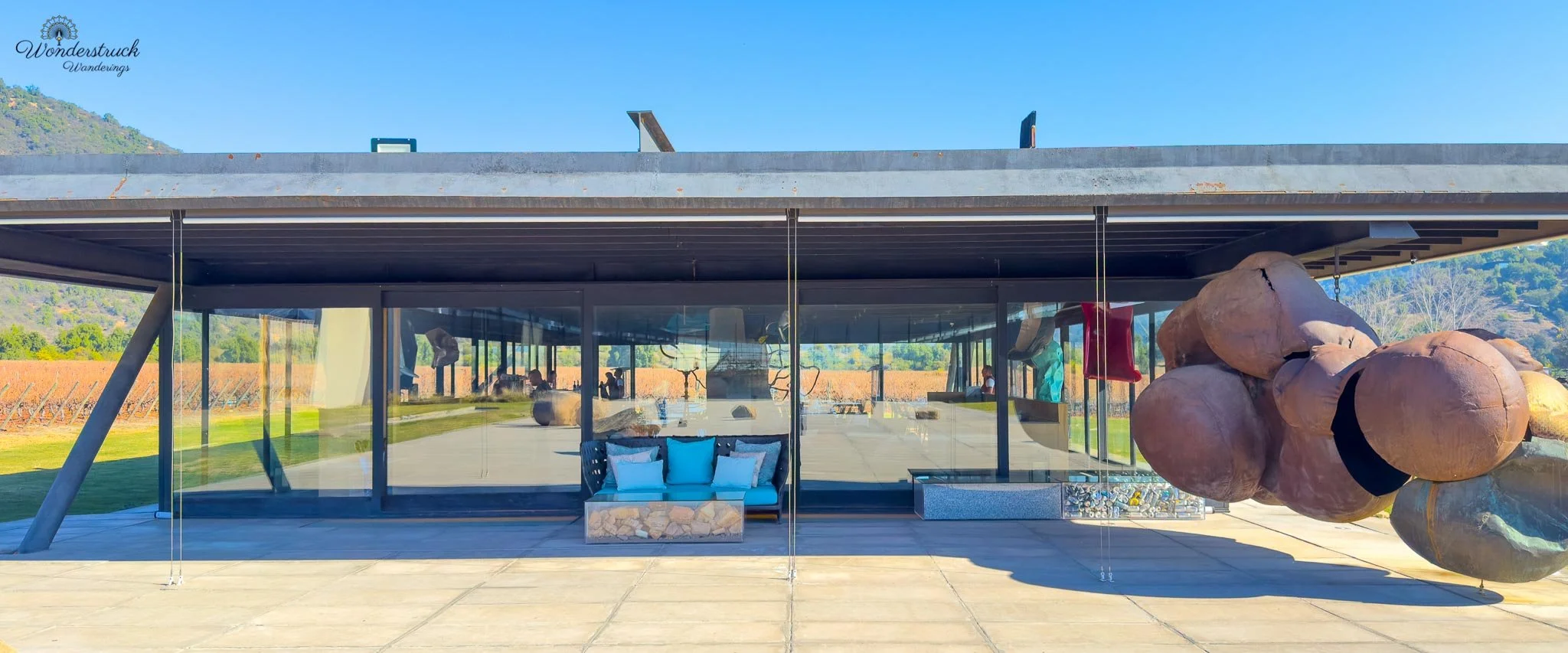
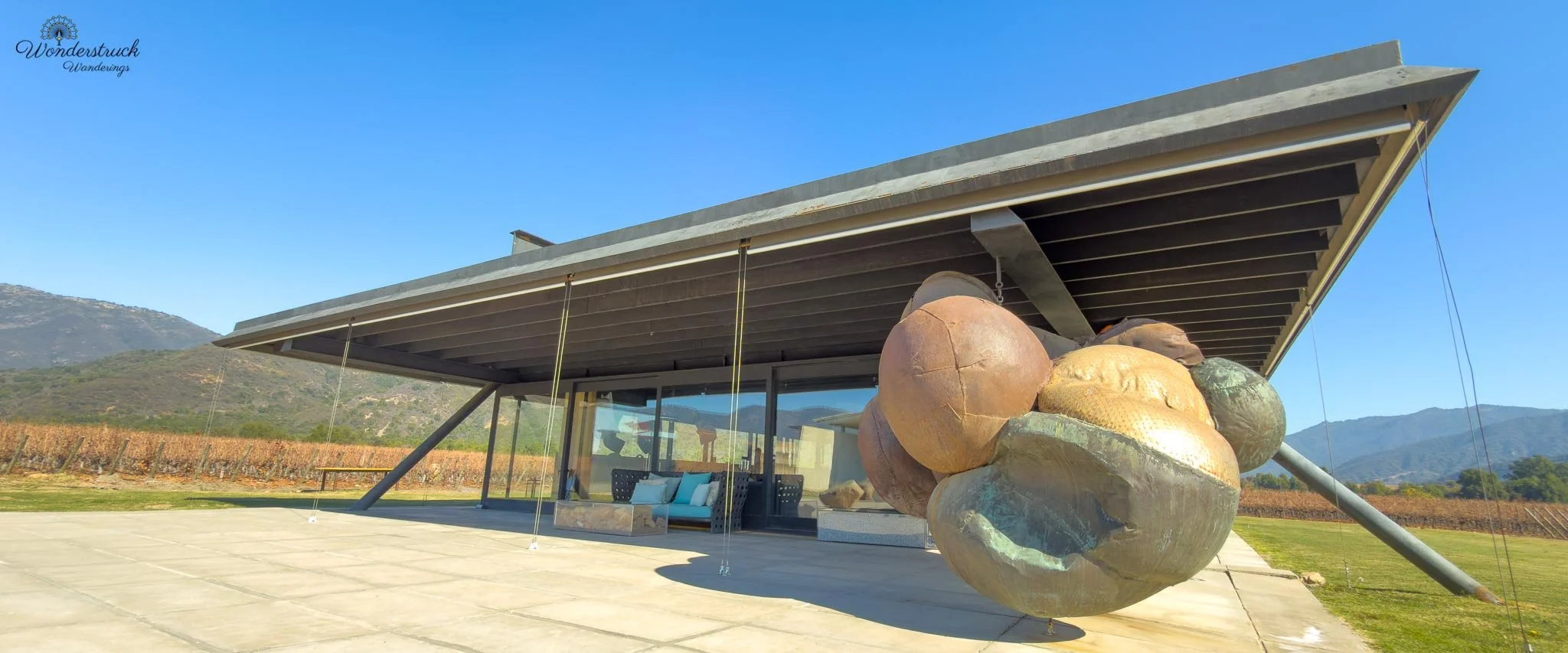
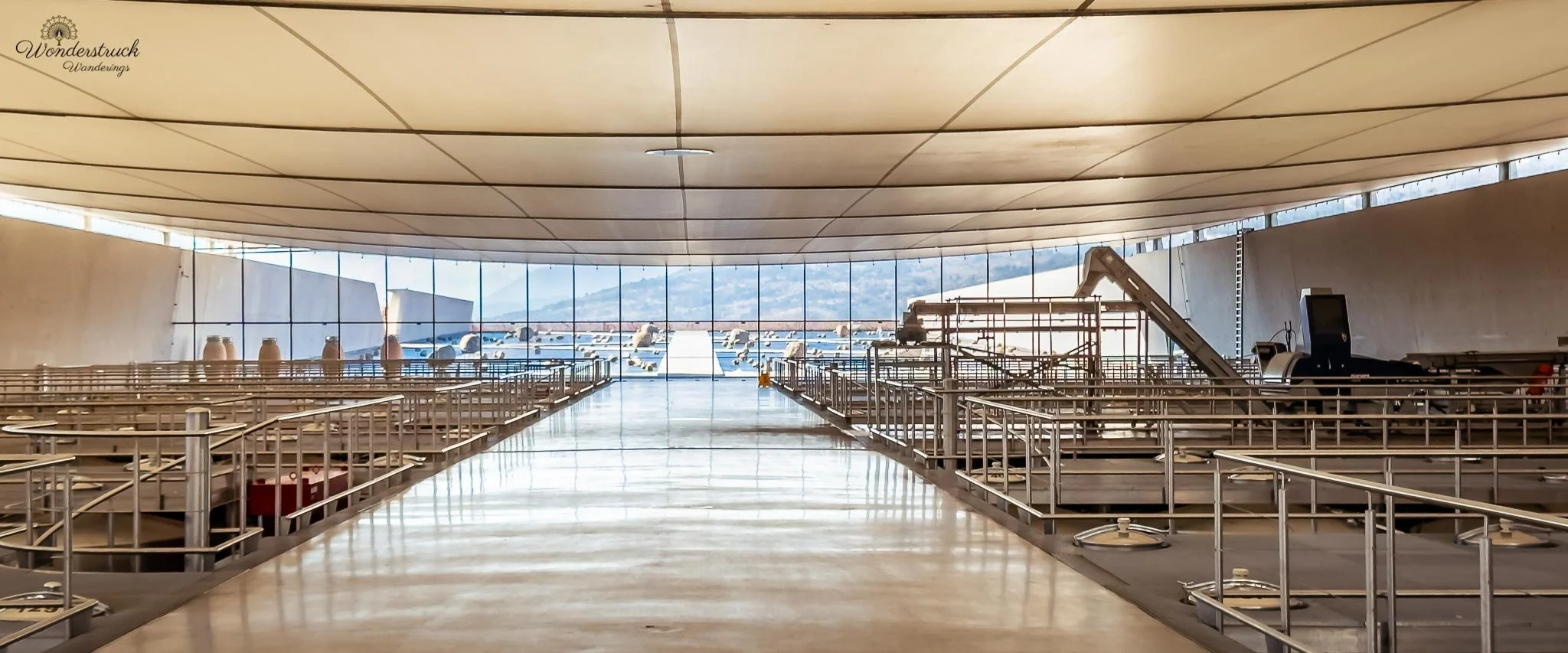
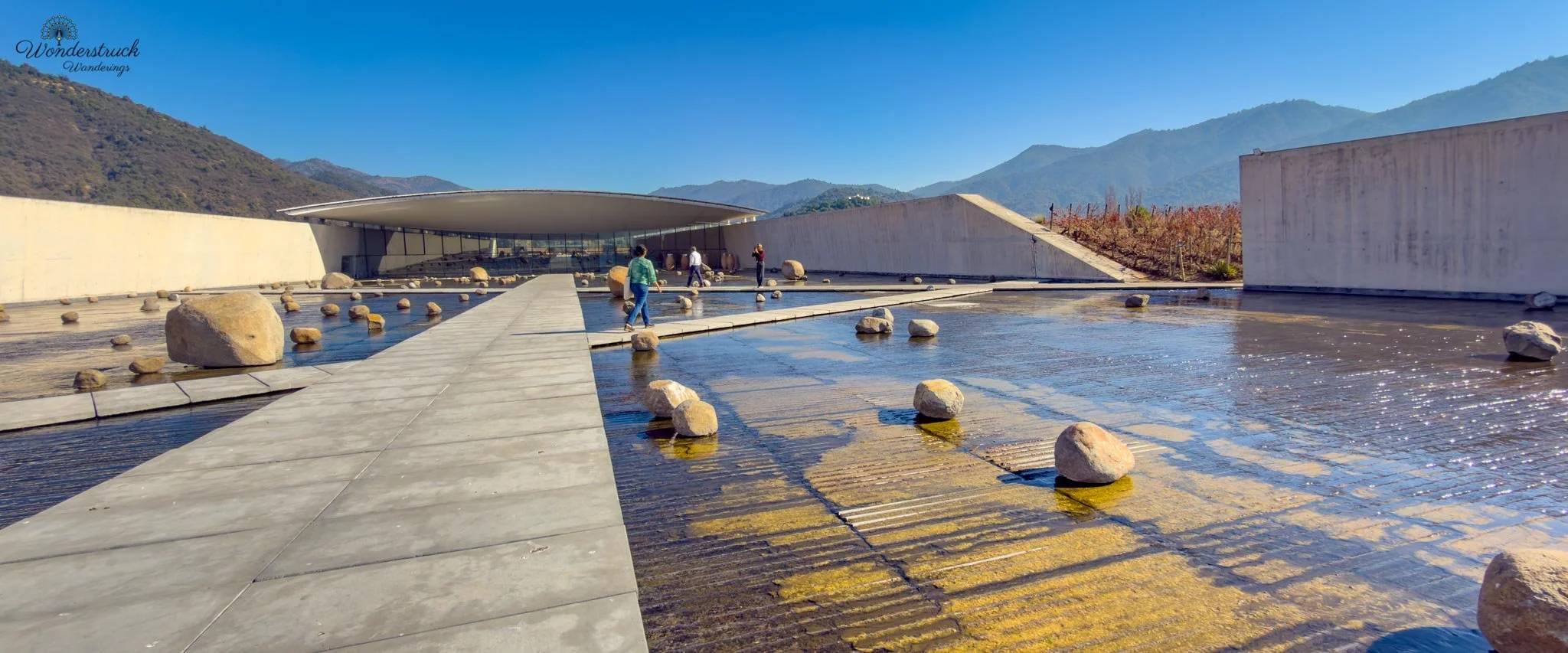
Winery Architecture: Partially earth-sheltered production facility with a distinctive water-covered roof designed to help regulate temperature.
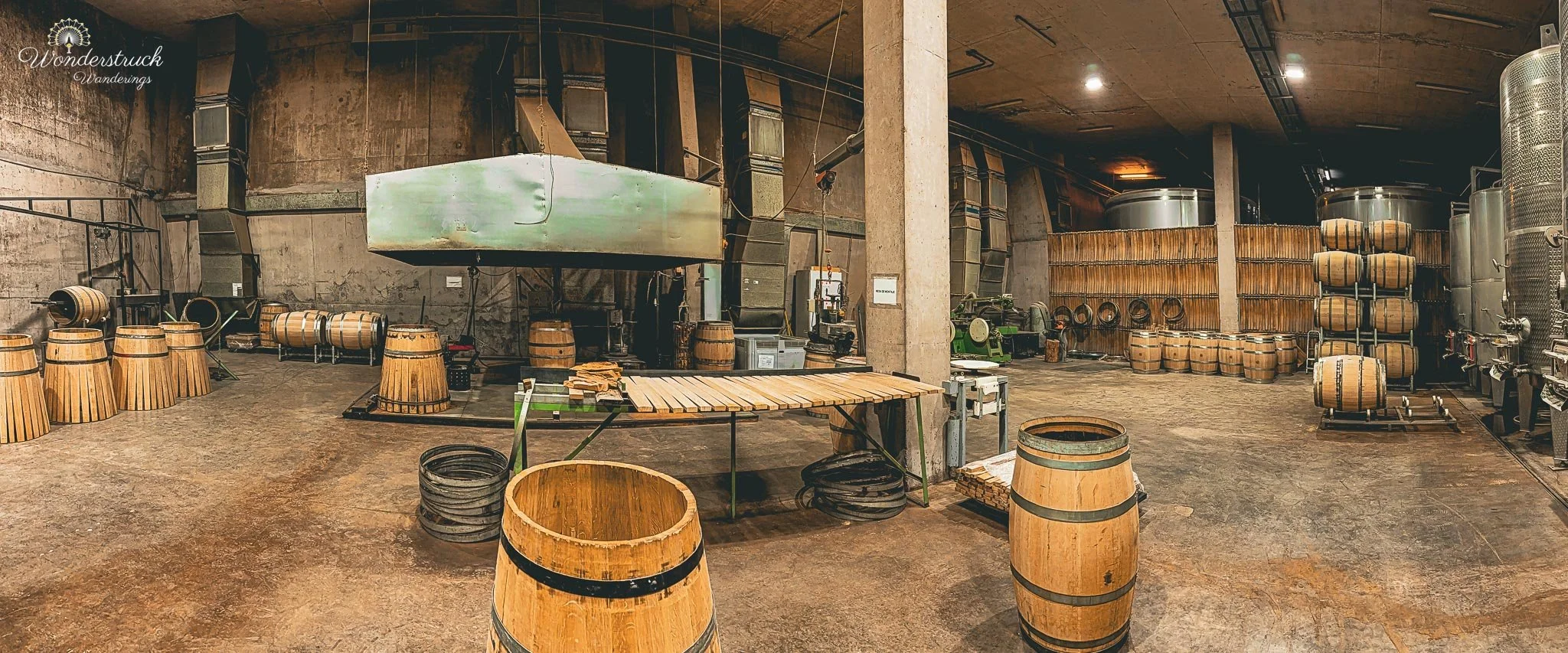
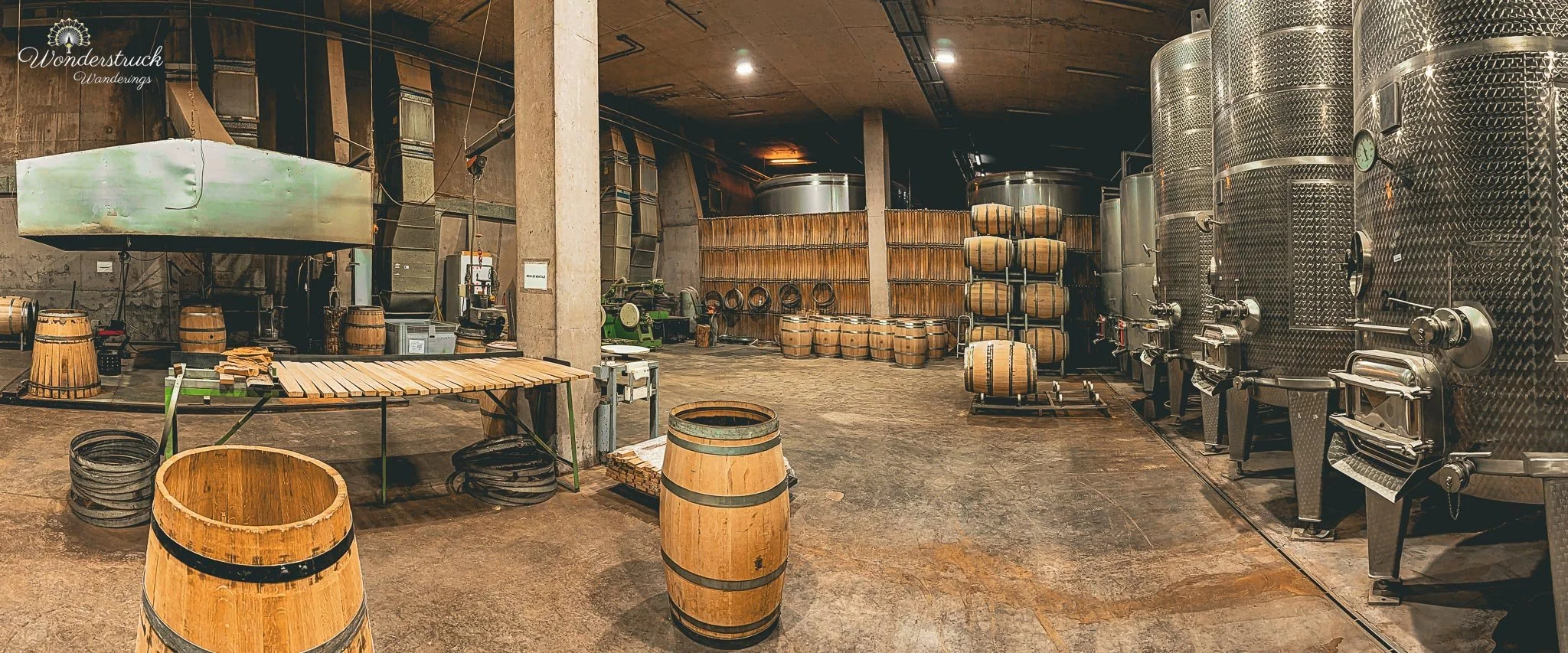
Barrel Cellar: French oak barrels, including Limousin oak, with experimental smoking using Chilean oak and techniques designed to extend barrel life.
Clay and Stone Vessels: Large earthenware amphorae and stone aging vessels used alongside traditional oak barrels.
Art and Tasting Rooms: Contemporary artwork, dramatic cellar spaces, and premium tastings in a bottle-lined room.
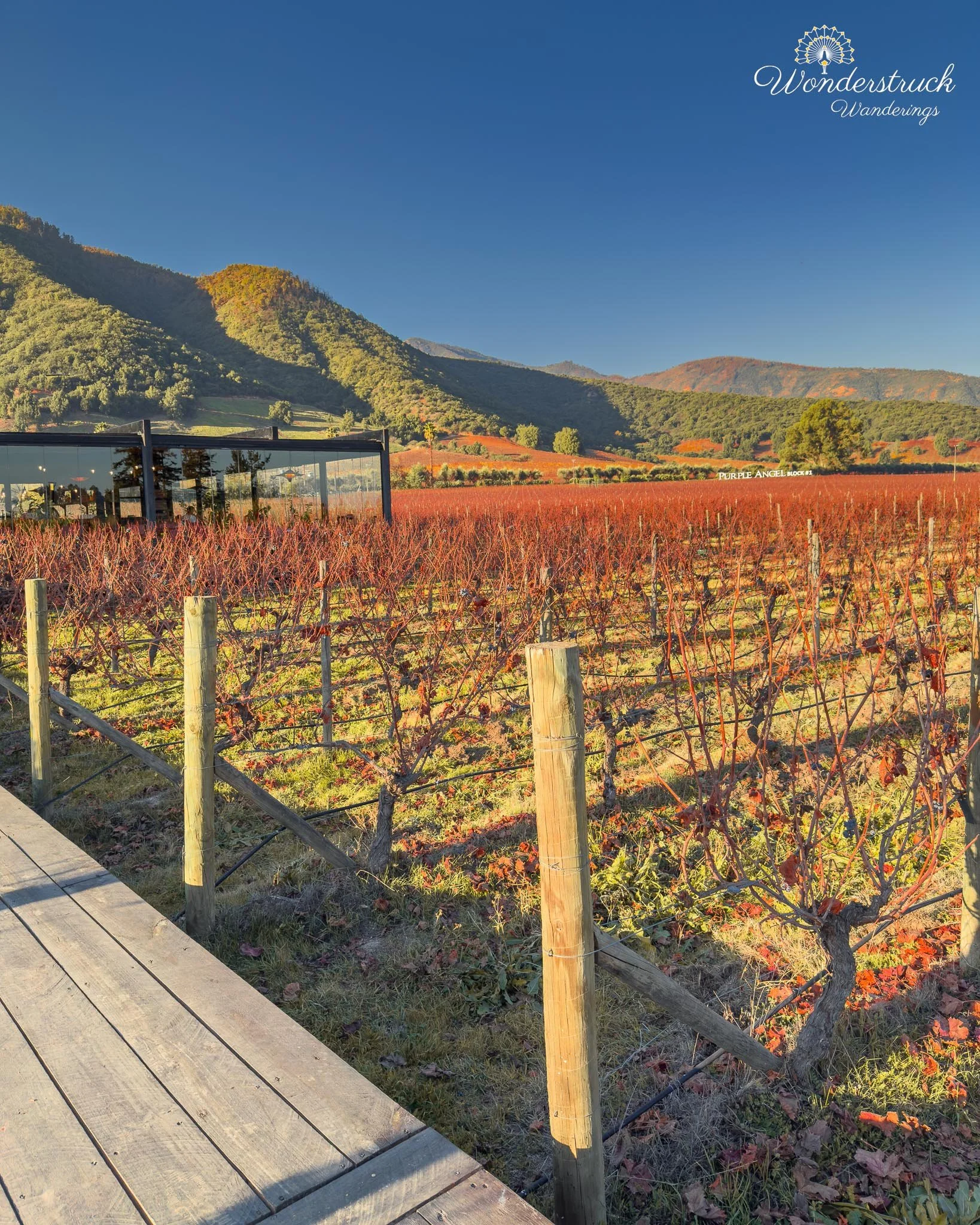
Ruta H-830: Scenic drive through the Cachapoal countryside, with vineyard scenery and birding opportunities. We spotted our final trip lifer, the Fire-eyed Diucon, along this road.
Montes Winery – Apalta, Colchagua Valley: Prestigious winery surrounded by vineyards and hillsides, recognized for premium Carménère, Cabernet Sauvignon, and Syrah.
Fuegos de Apalta: Francis Mallmann-associated restaurant featuring open-fire cuisine and vineyard views.
Montes Wine Shop: Estate boutique offering the winery's flagship labels, limited releases, and premium vintages.
Montes Winery Tour (If Time Permits): Guided tour through the vineyards, gravity-fed winery, barrel cellar, and distinctive Feng Shui-inspired architecture, followed by a tasting of estate wines. Advance reservations recommended. We skipped the tour.
Maipo Valley: Historic Chilean wine region south of Santiago, particularly celebrated for its Cabernet Sauvignon and vineyards set against the Andes.
Haras de Pirque: Distinctive horseshoe-shaped winery reflecting its connection to thoroughbred horse breeding and racing. Features panoramic vineyards, wine cellars, and an estate restaurant.
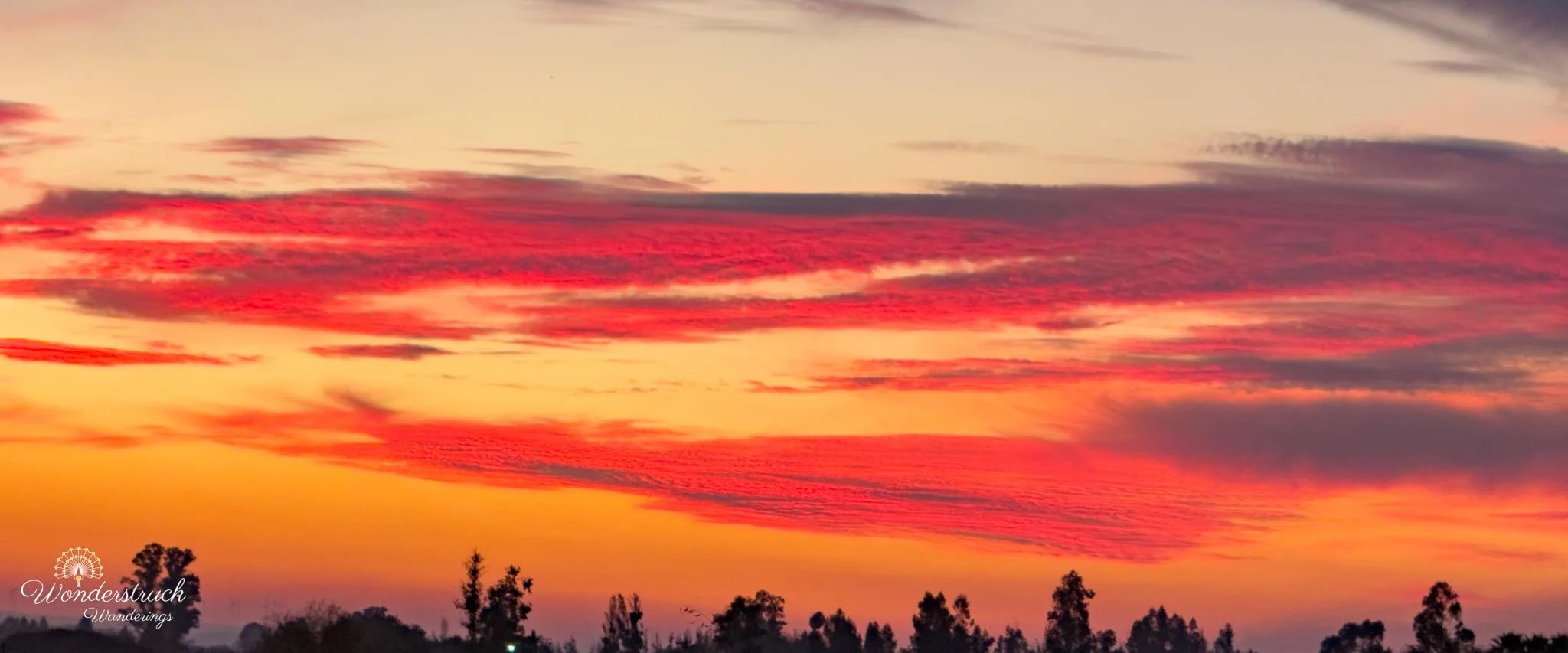
Andes Sunset and Moonrise: Scenic evening drive toward Maipo, with mountain silhouettes and a nearly full moon rising above the Andes.
-
NOI Blend Colchagua → VIK Winery: Approximately 1–1½ hours. Allow 1½–2 hours for the guided winery tour and tasting.
VIK → Montes Winery / Fuegos de Apalta: Approximately 1½–2 hours. Allow 2–2½ hours for lunch and wine tasting.
Montes Wine Shop: Allow an additional 20–30 minutes for browsing and wine purchases.
Montes → Haras de Pirque: Approximately 2–2½ hours, depending on traffic. Allow 1½–2 hours for dinner and wine pairings.
Haras de Pirque → Santiago Airport Hotel: Approximately 45–75 minutes, depending on traffic.
Suggested Time: A full 12–14-hour wine-country day, including three winery visits, driving, tastings, and meals. Book VIK's morning tour, a leisurely lunch at Montes, and dinner at Haras de Pirque in advance.
Planning Note: This is an ambitious but manageable itinerary with confirmed reservations and an early start. Allow extra driving time between valleys, particularly when approaching Santiago, and arrange for a designated driver.
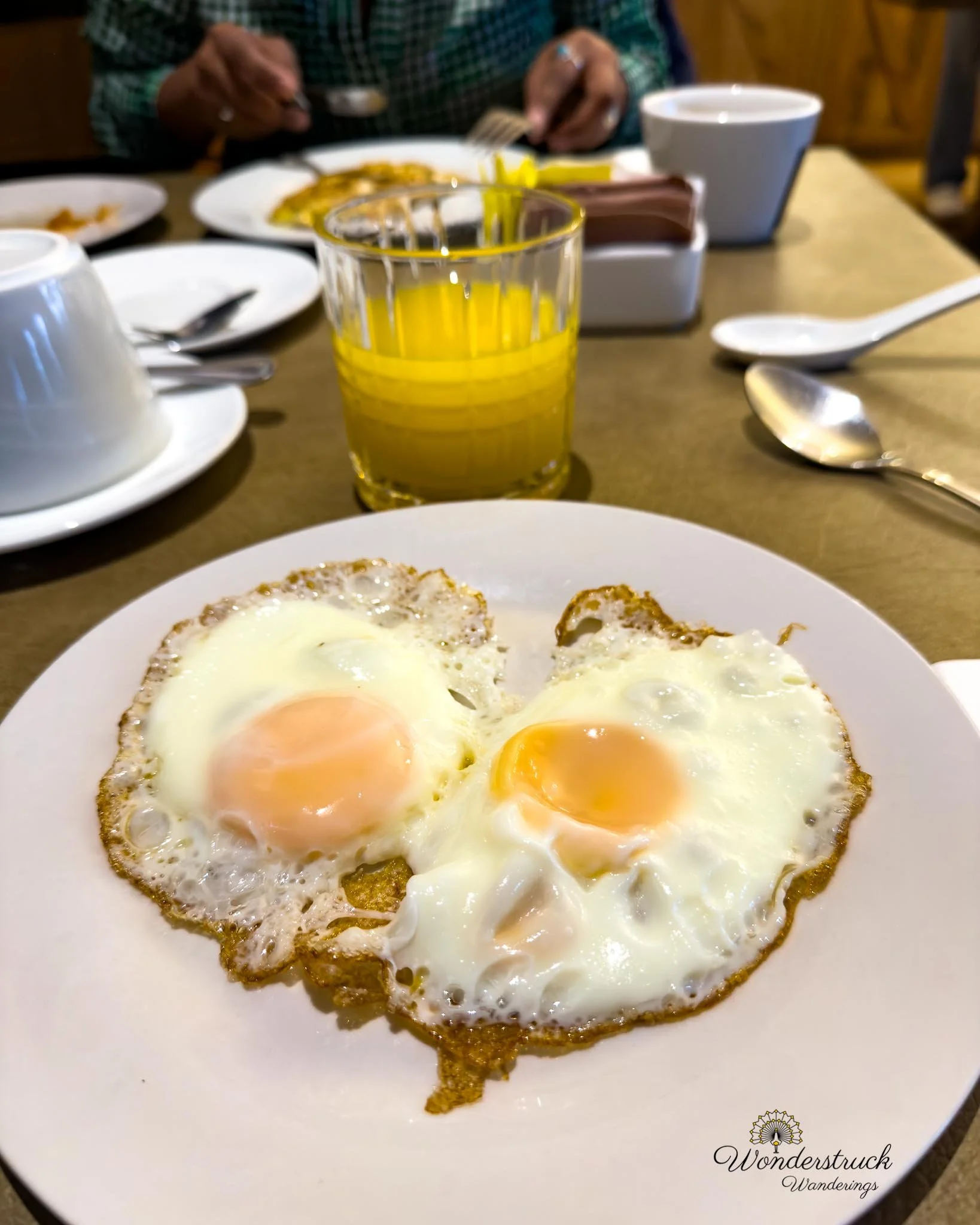
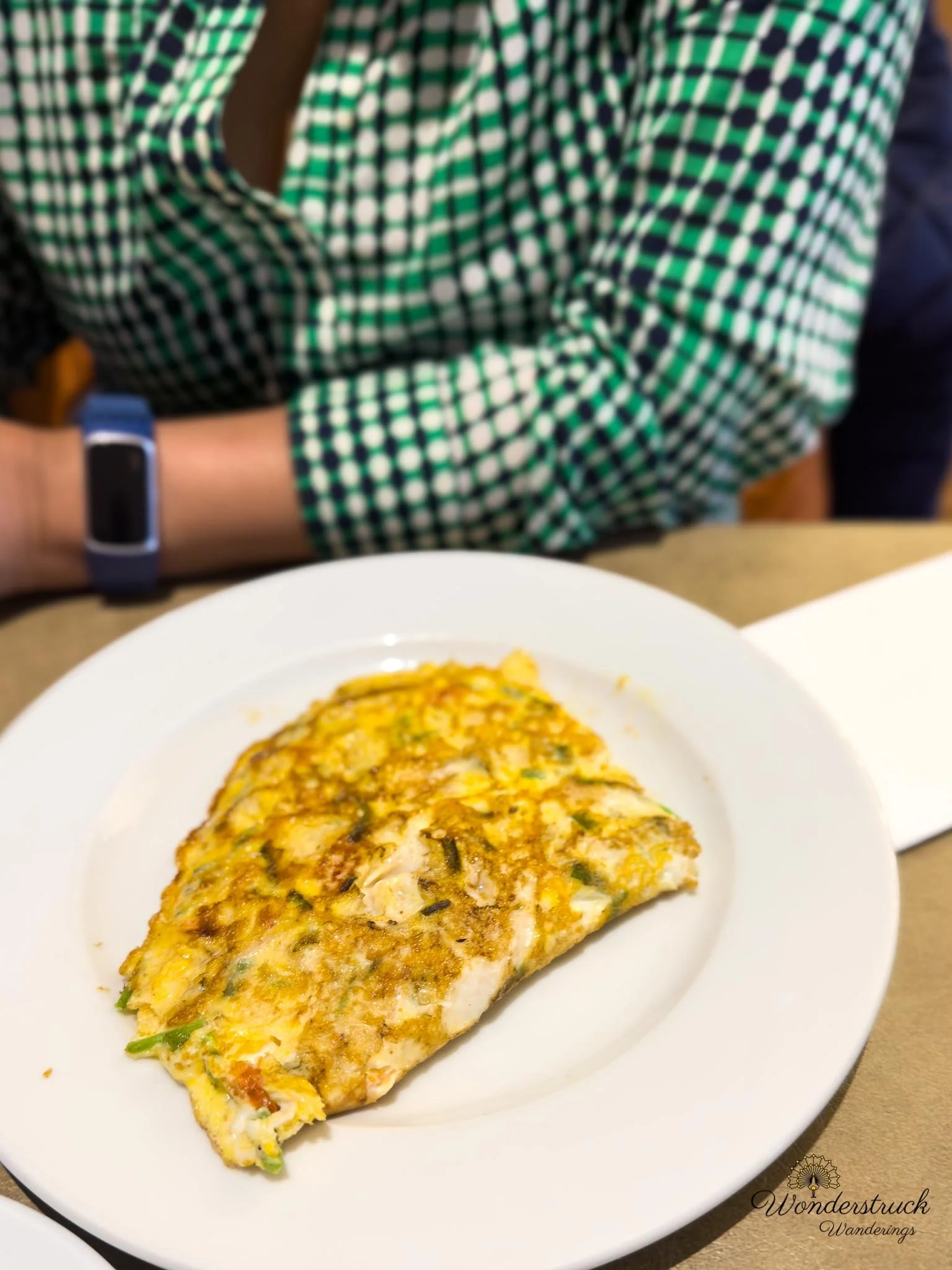
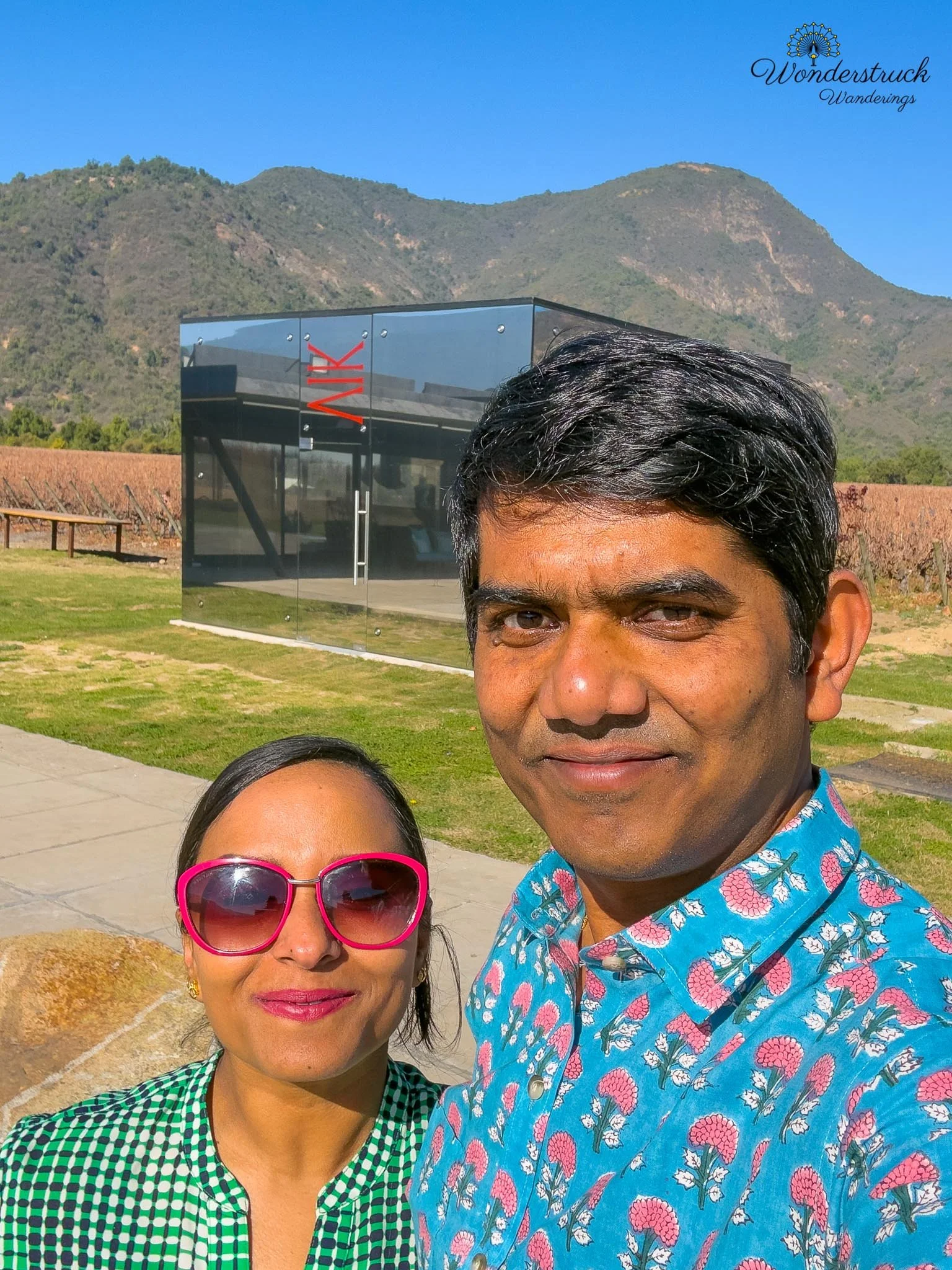
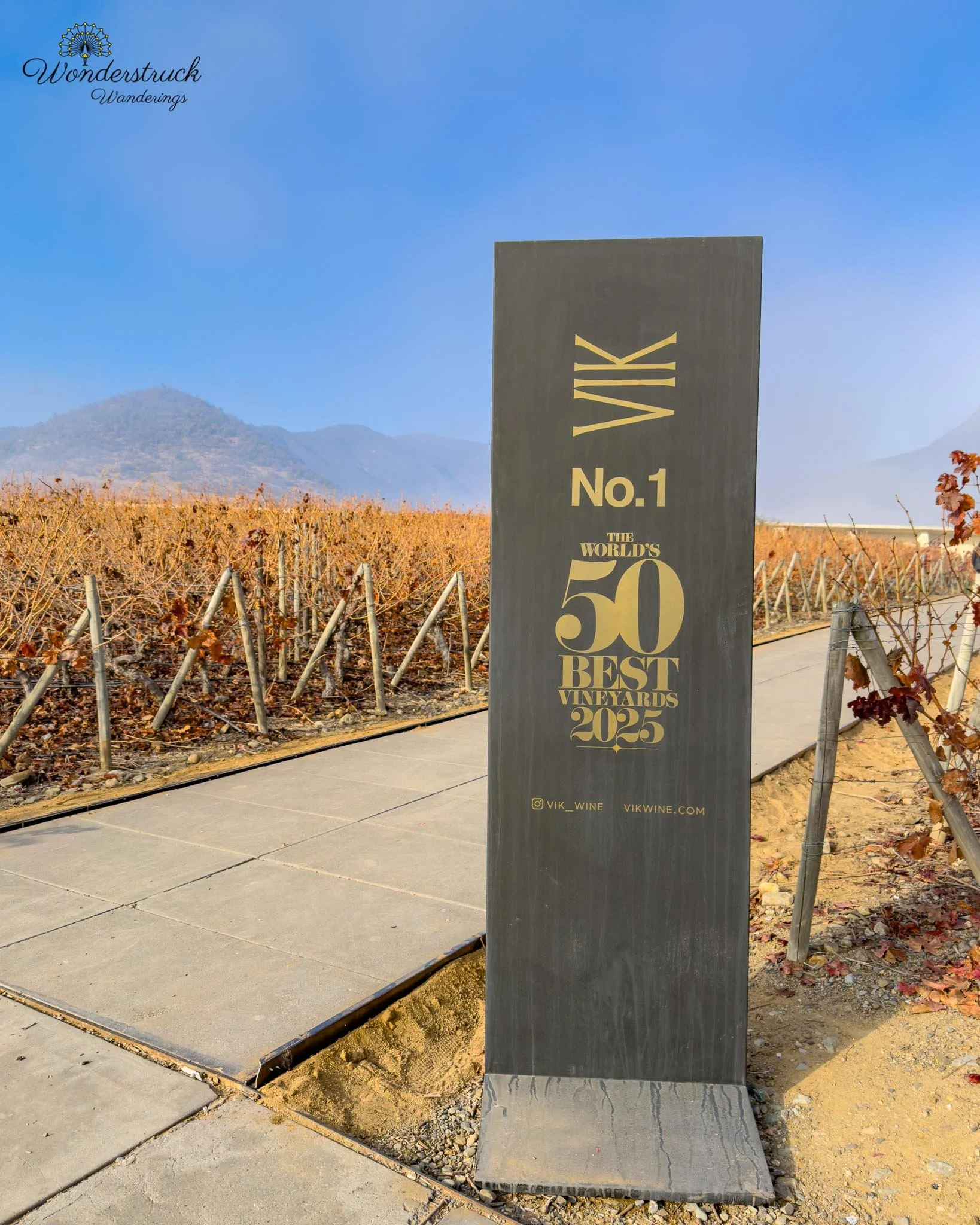
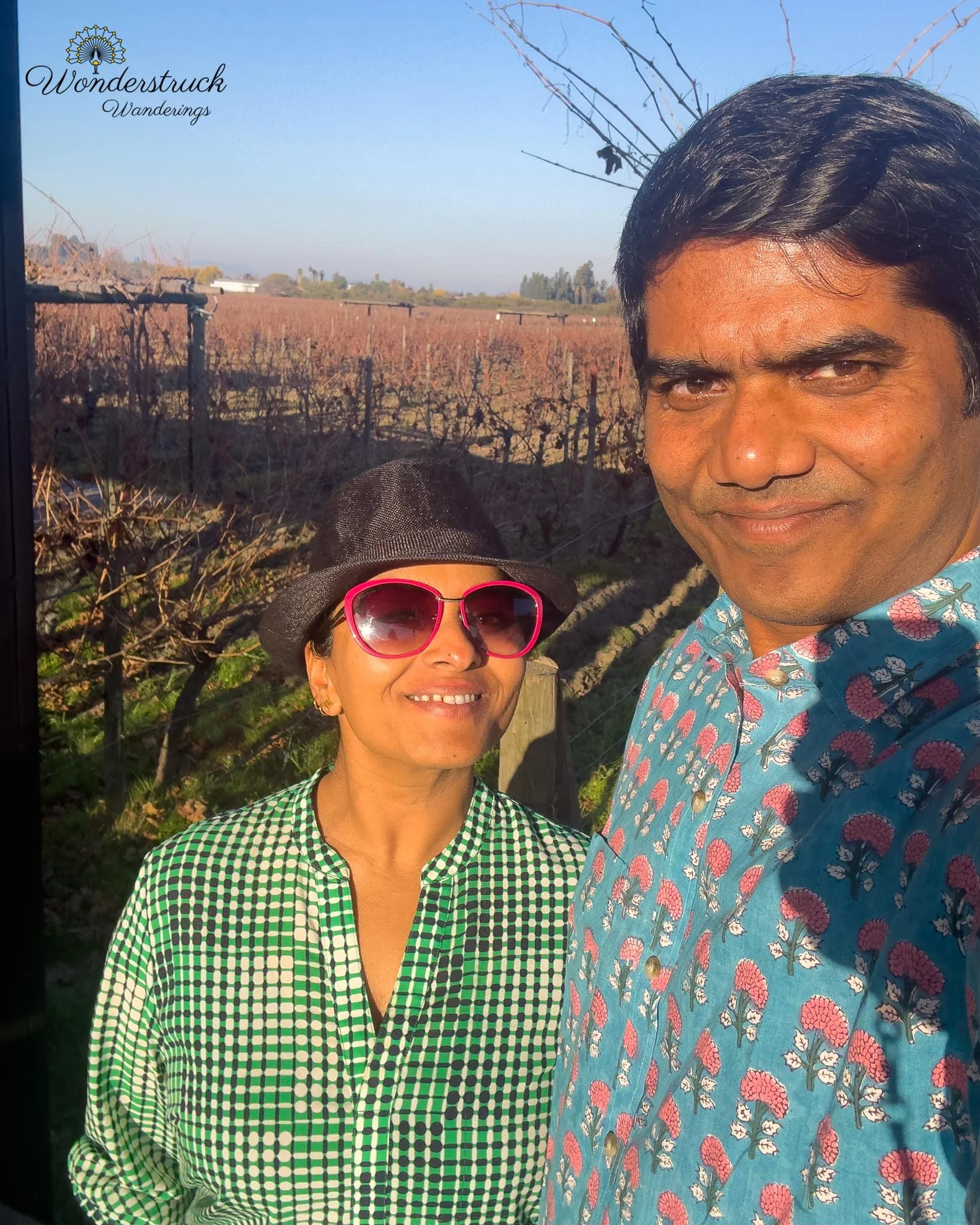
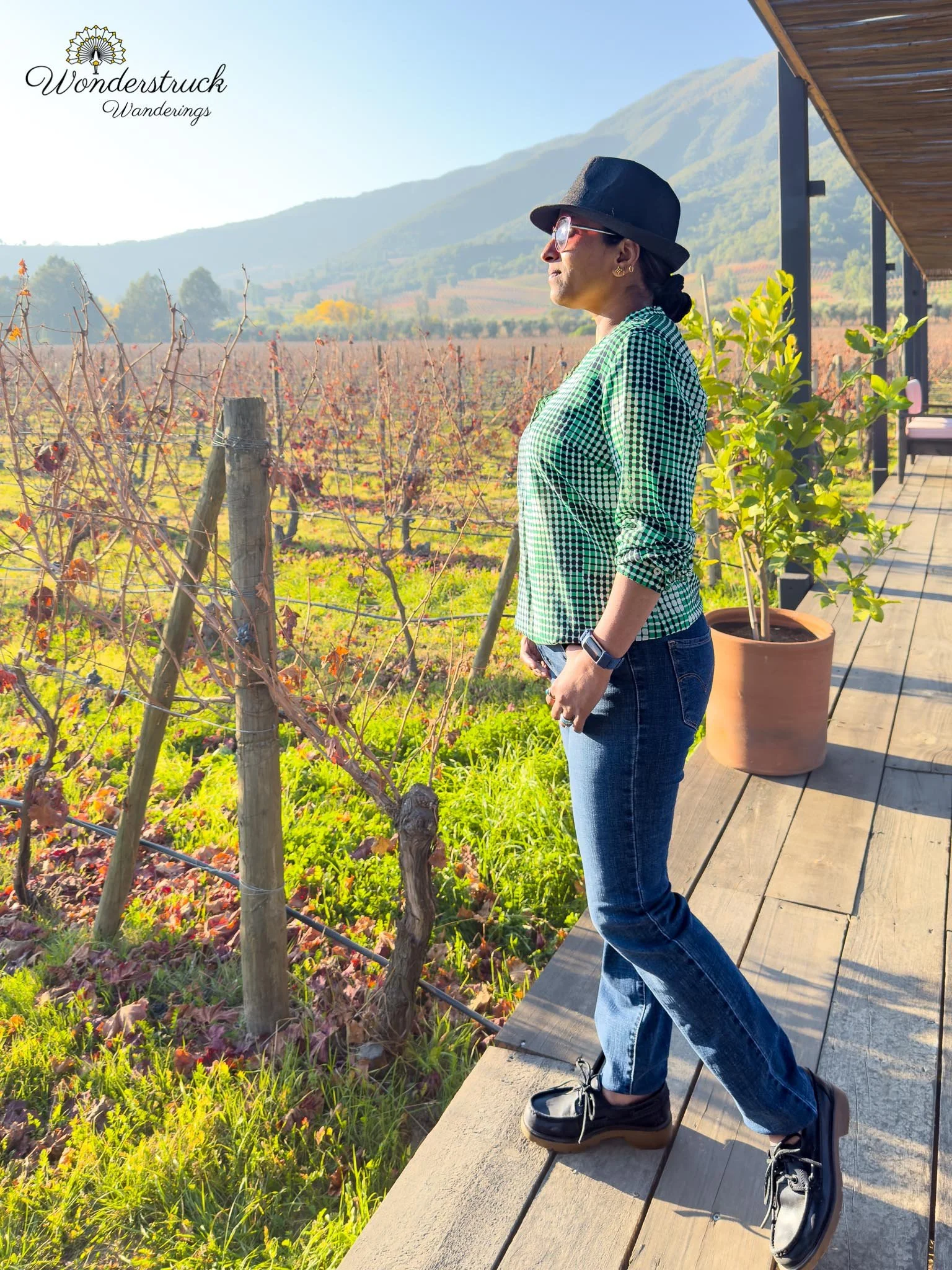
Our final full day in Chile began with a foggy morning at NOI Blend Colchagua. After breakfast—fried eggs for me, a cheese omelet for Shay, and the usual selection of bread, fruit, meats, juice, and coffee—we checked out and drove toward VIK Winery in Millahue, in the Cachapoal Valley. We had booked the 10 a.m. tour, leaving enough time for the drive through vineyards and agricultural hills as the morning fog gradually lifted. VIK was one of our most anticipated winery visits, particularly for its architecture, innovative winemaking, and premium red wines. The estate combines vineyards, a luxury hotel, and a contemporary winery in the Millahue Valley, whose name means Place of Gold in Mapuche. The tour had approximately sixteen guests divided between English- and Spanish-speaking groups. Before the tour, we managed a little birding along the vineyard roads and spotted a Fire-eyed Diucon, our only recorded bird of the day and another lifer.
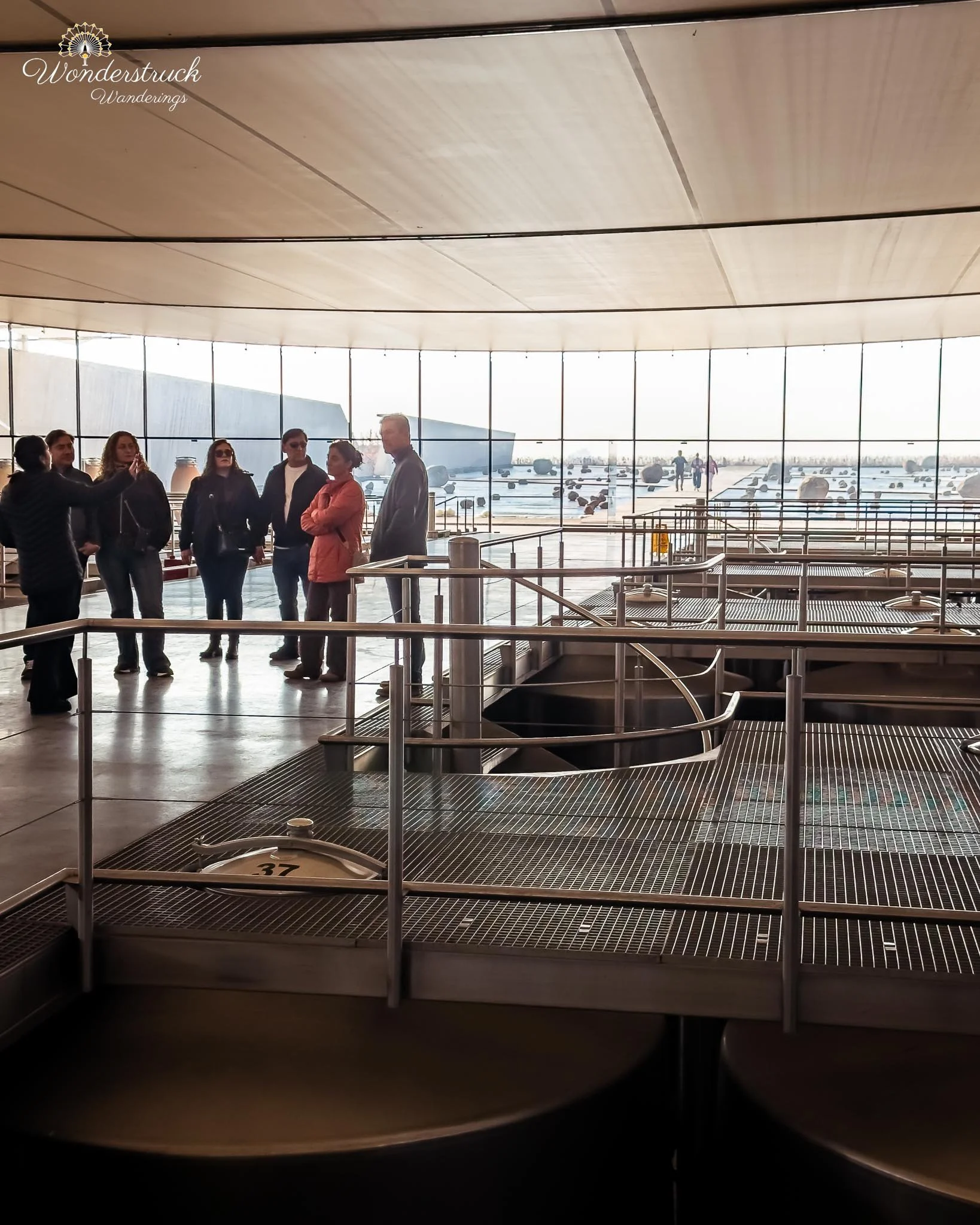
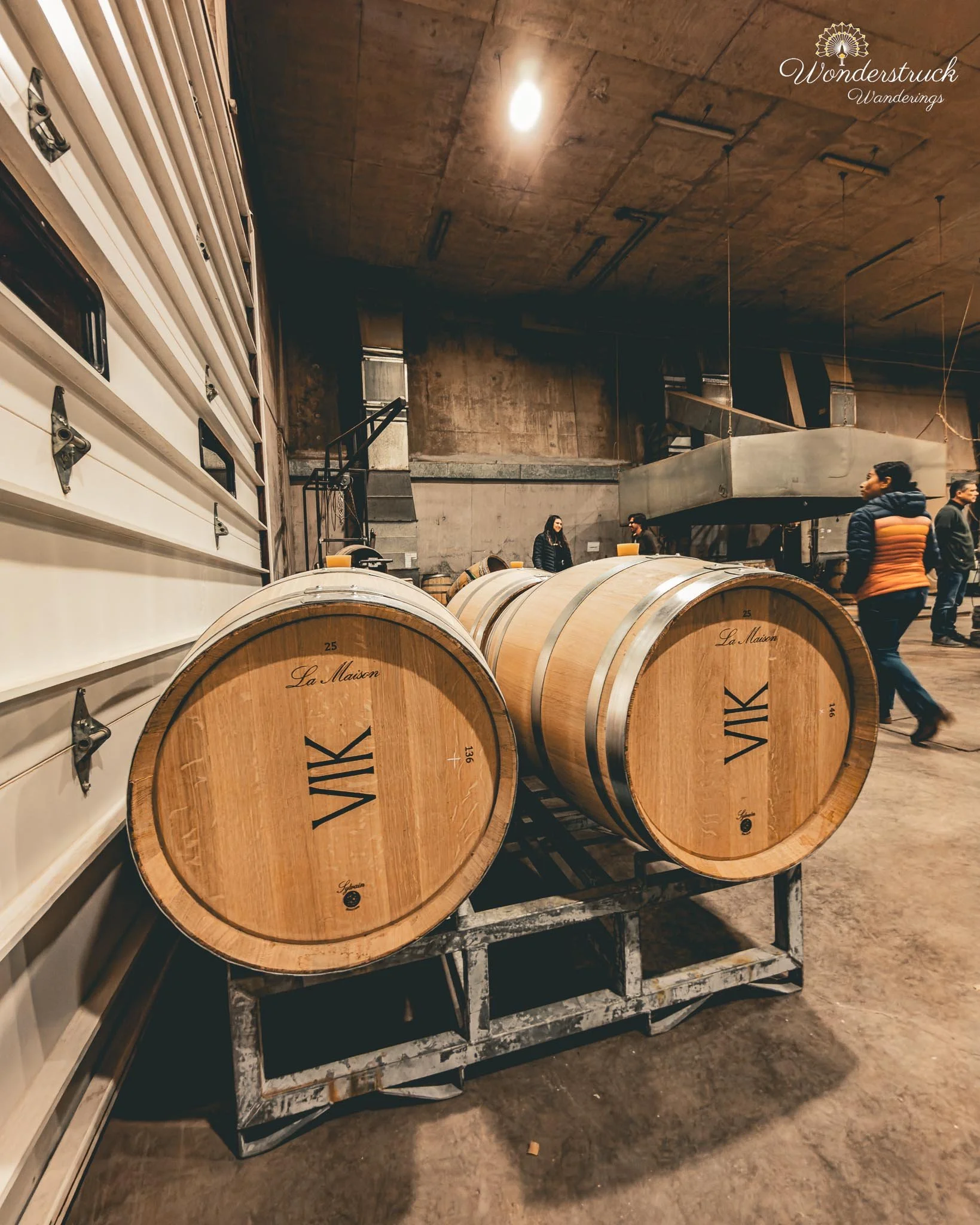
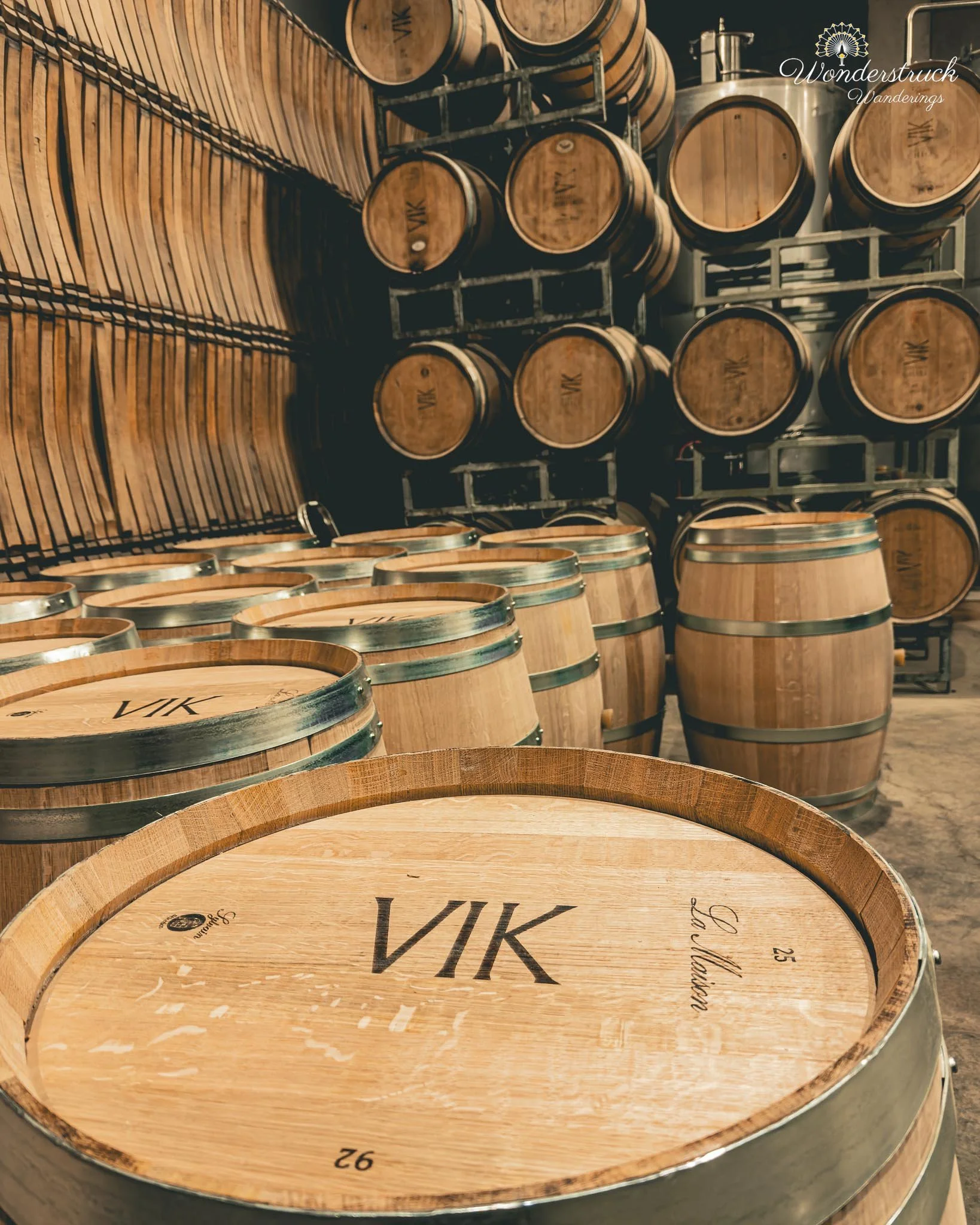
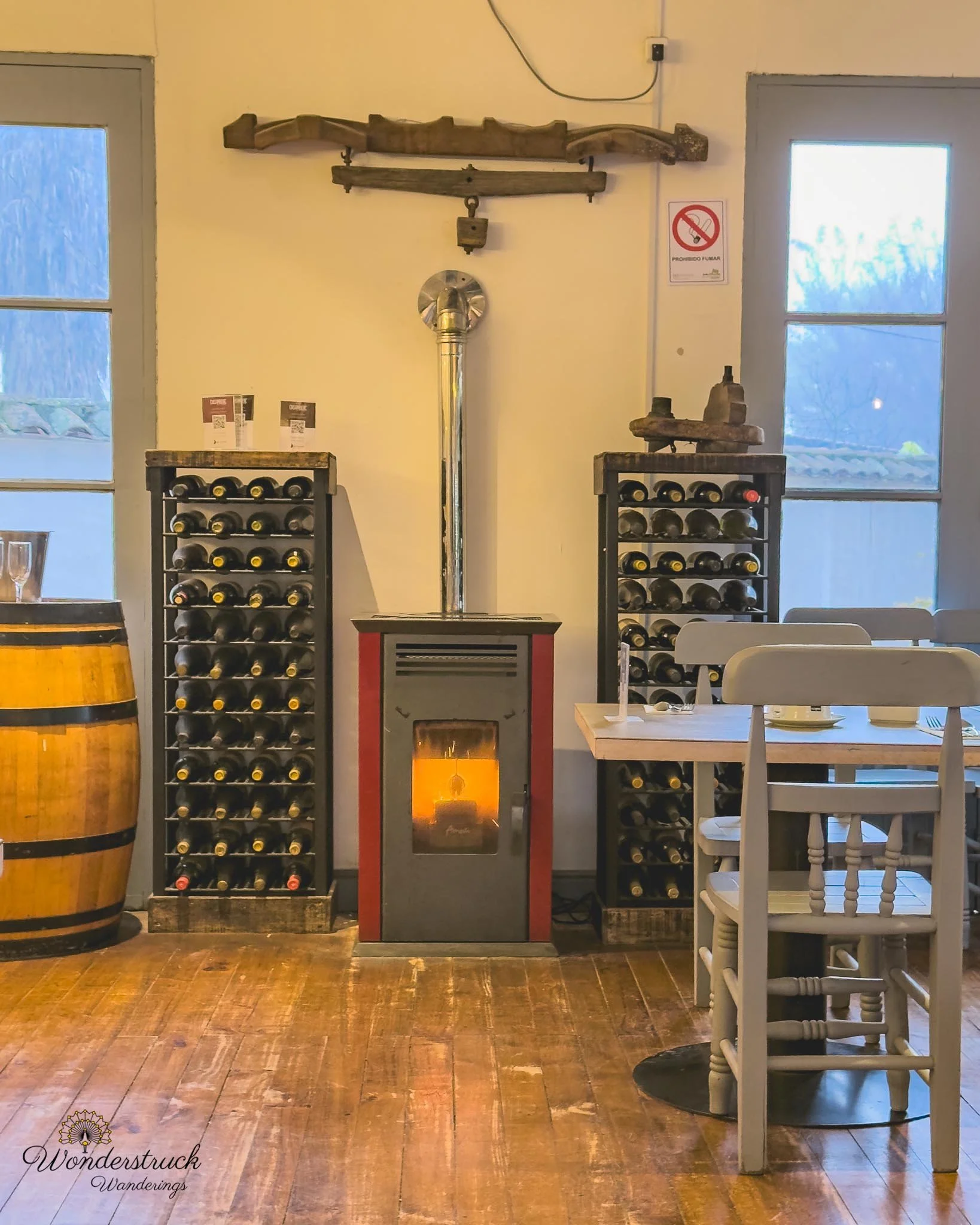
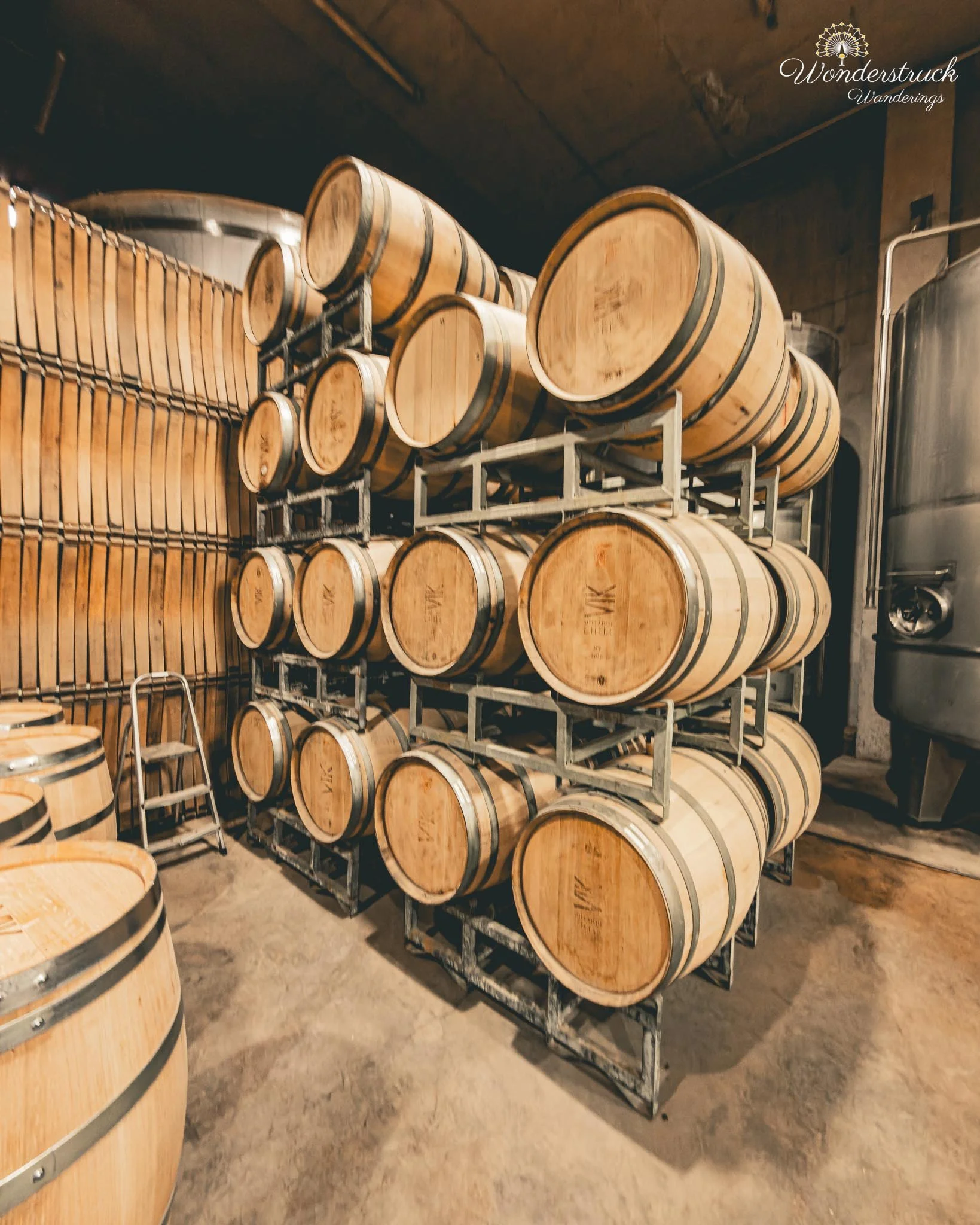
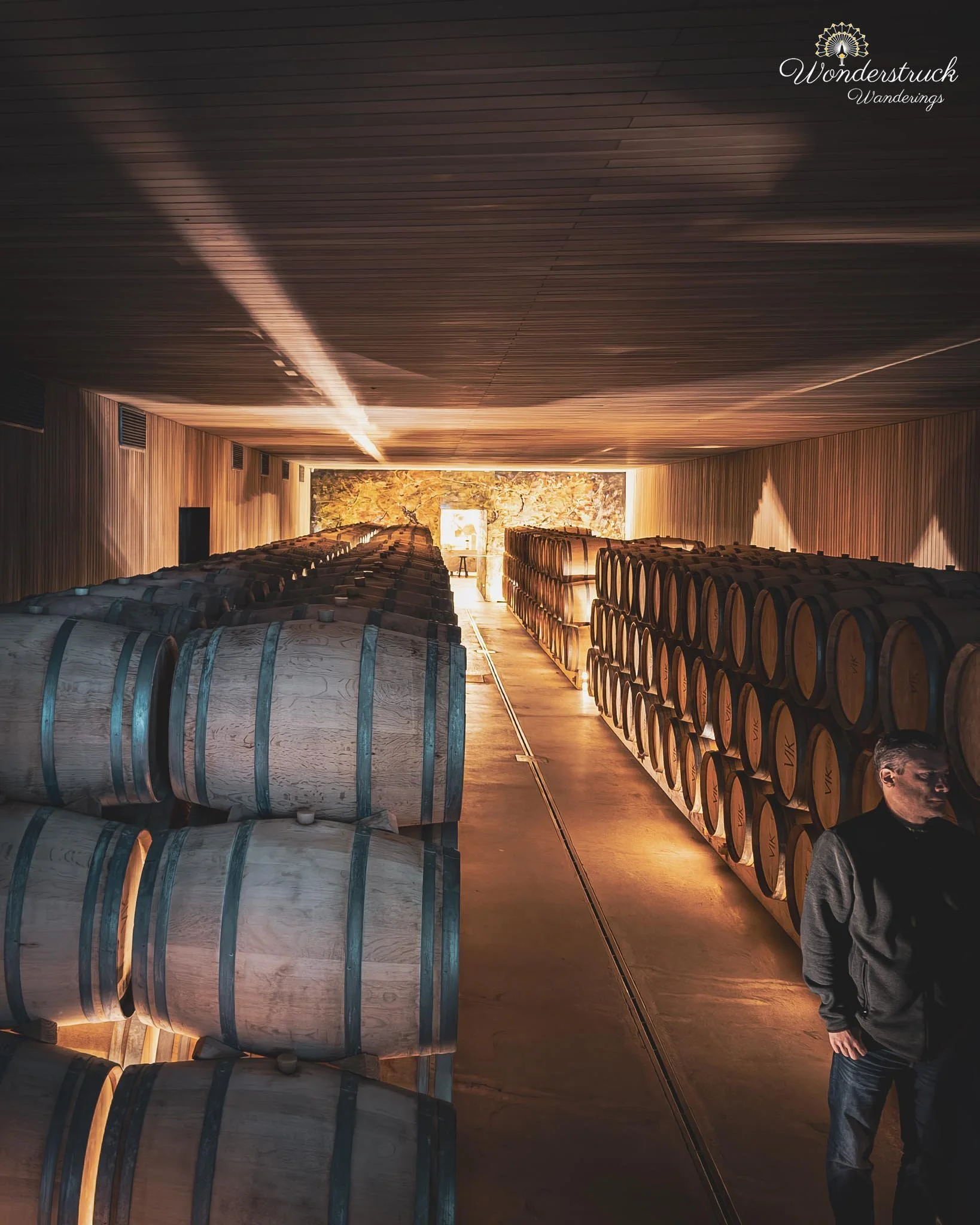
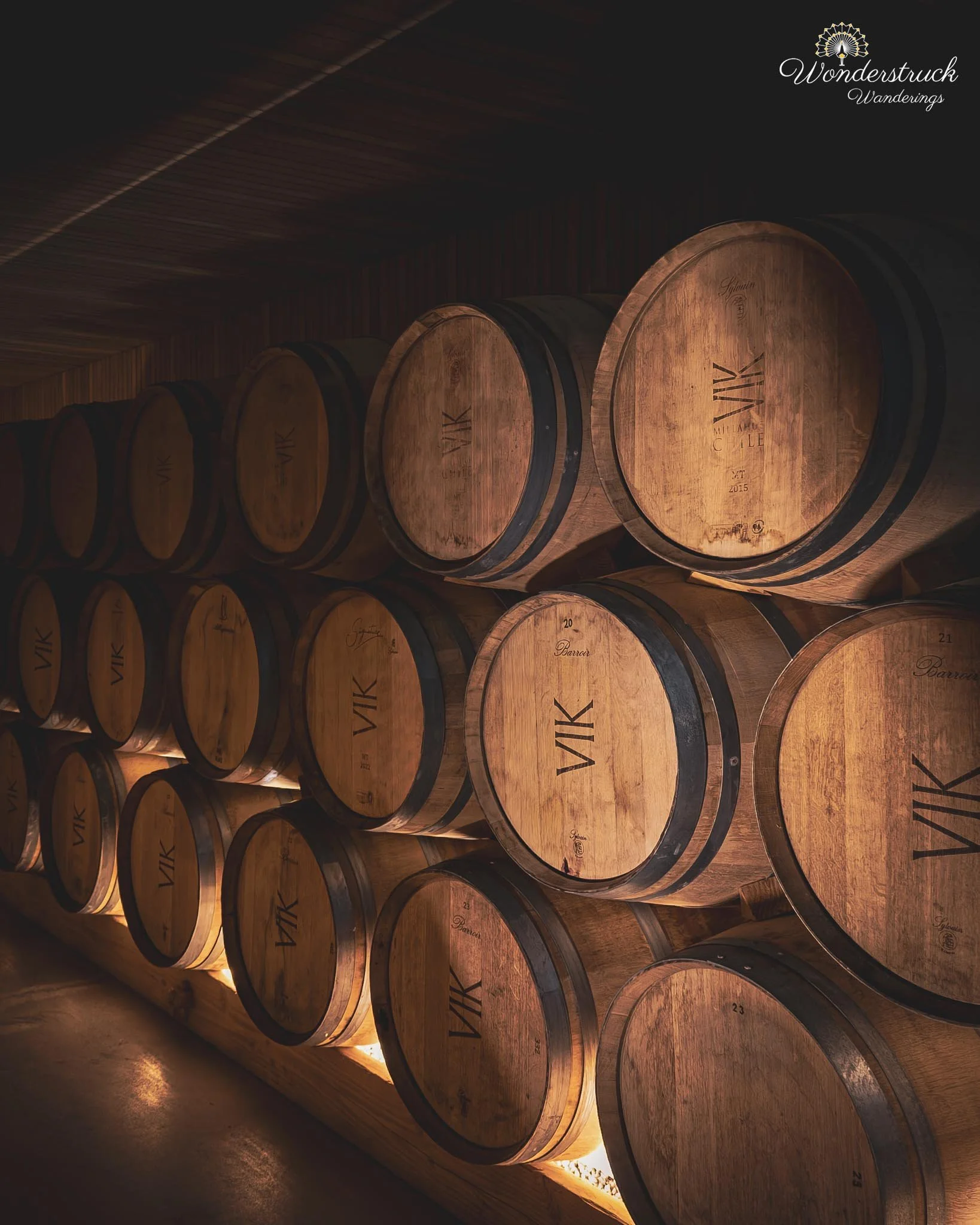
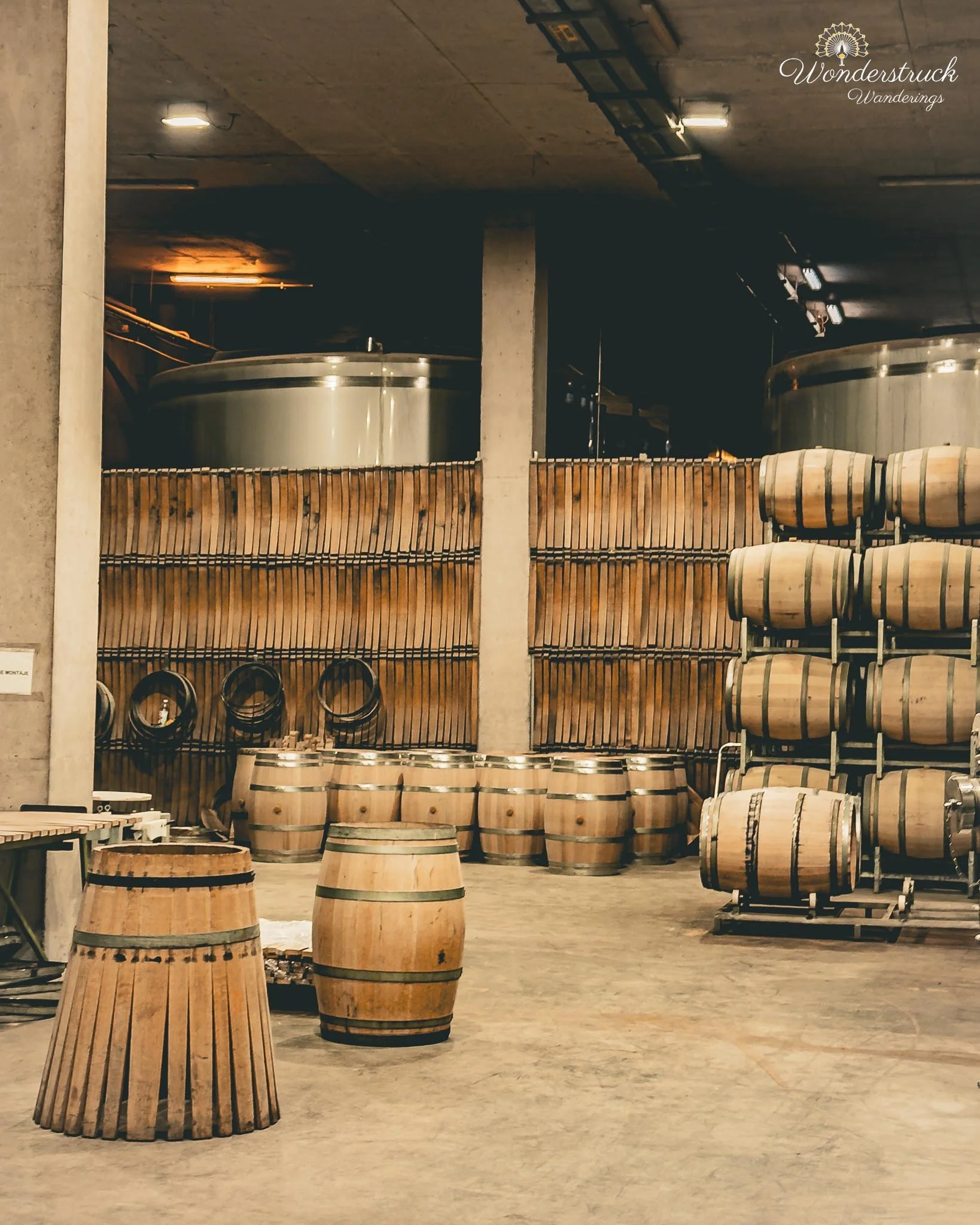
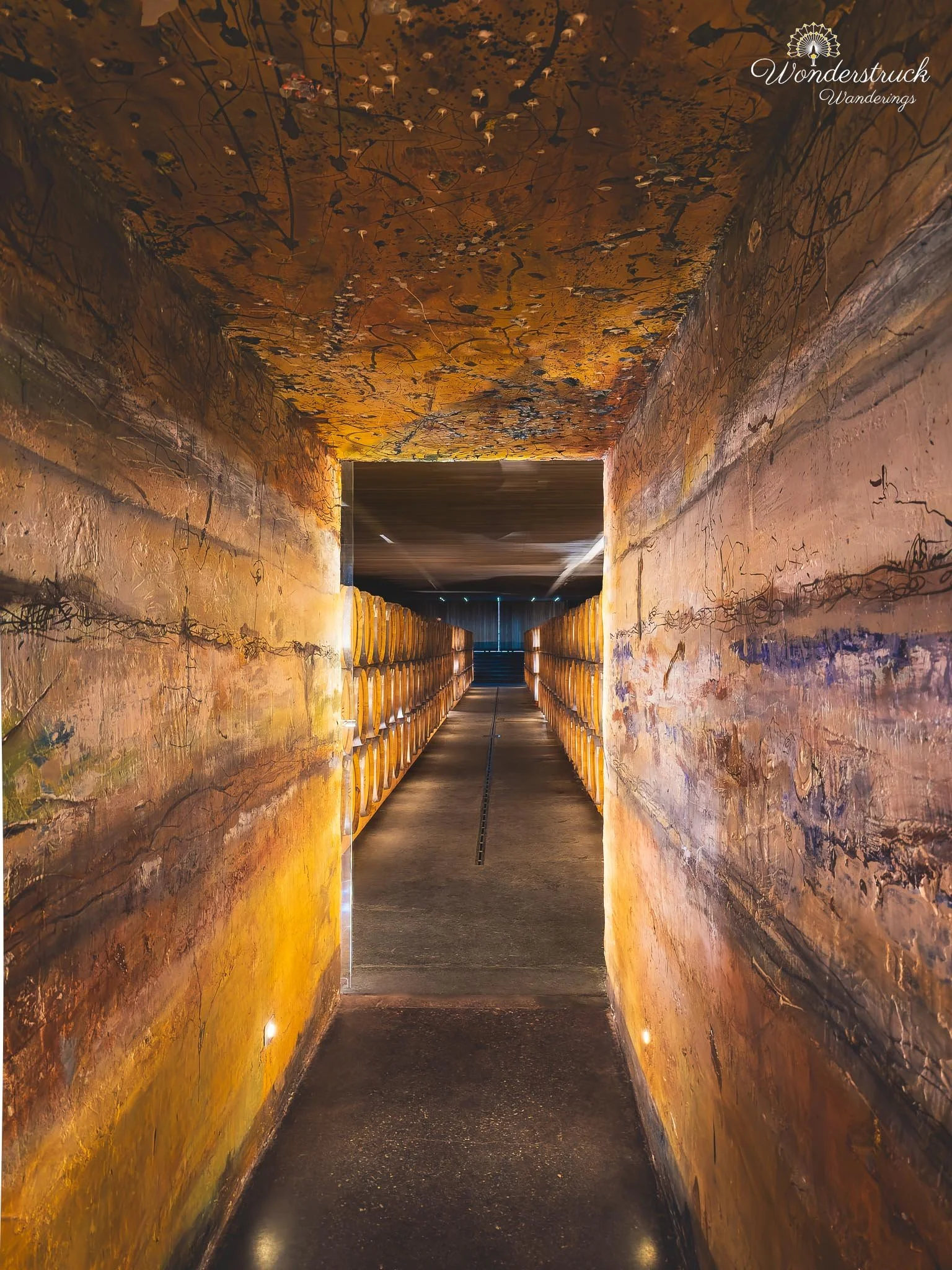
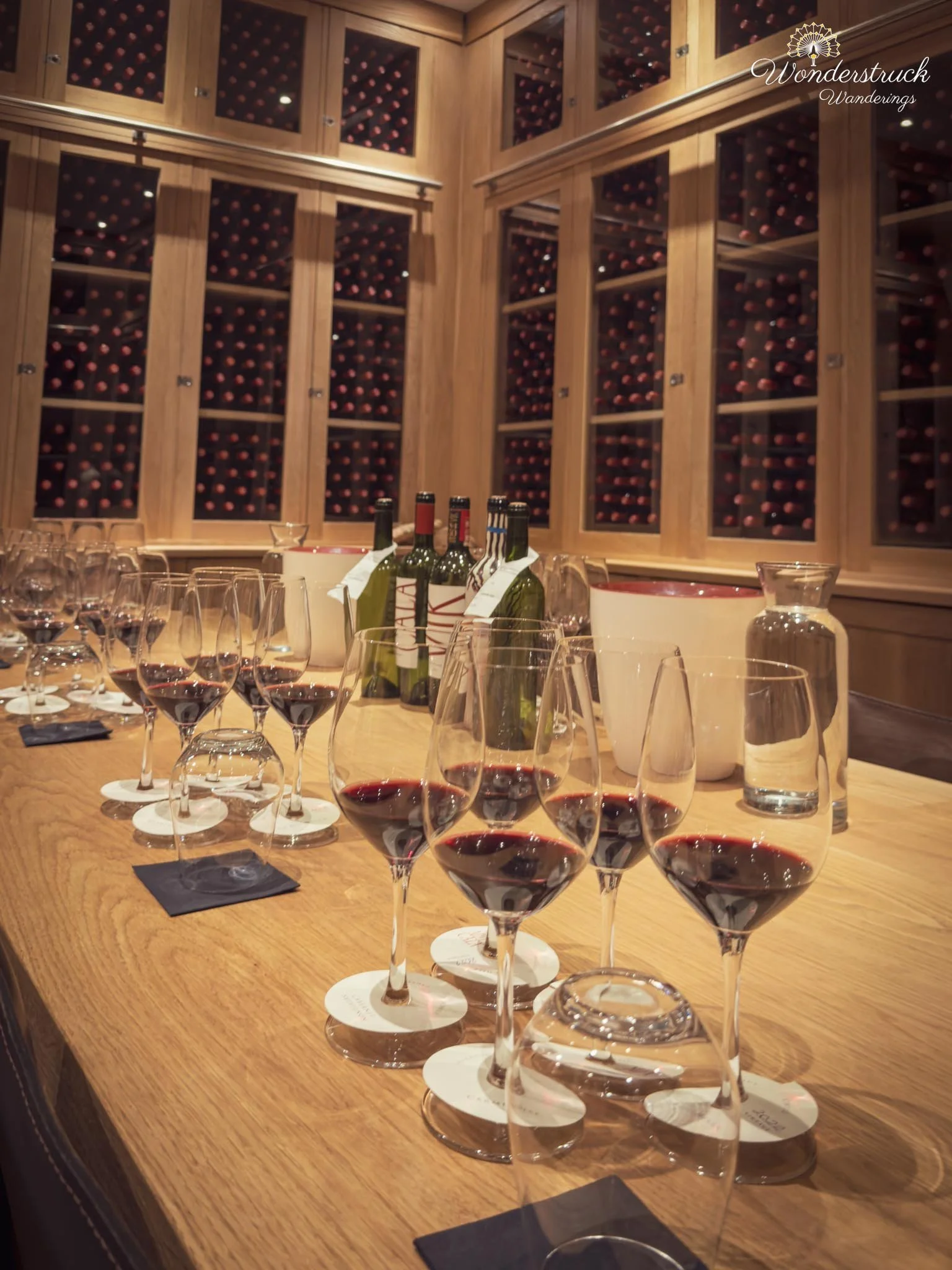
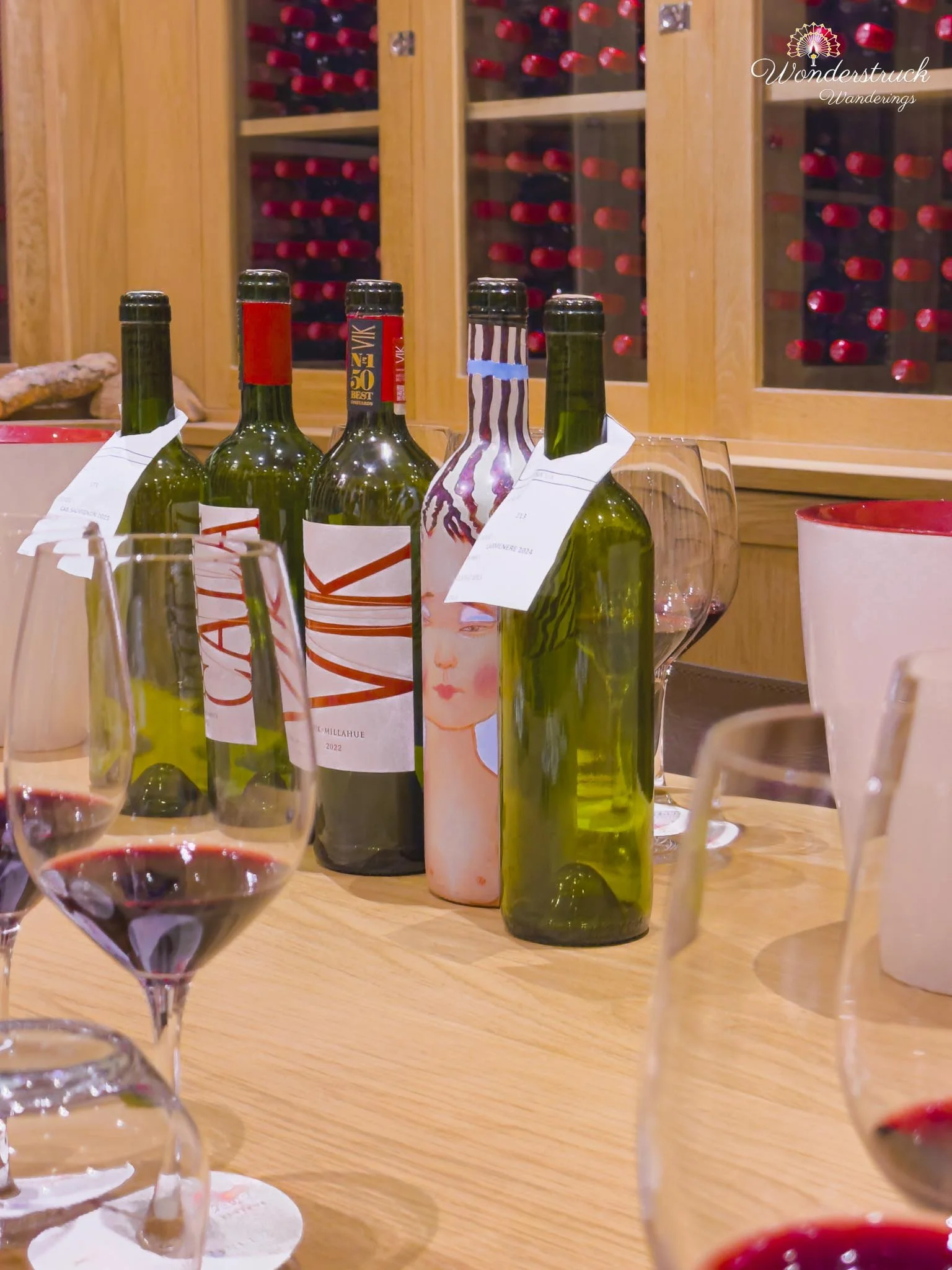
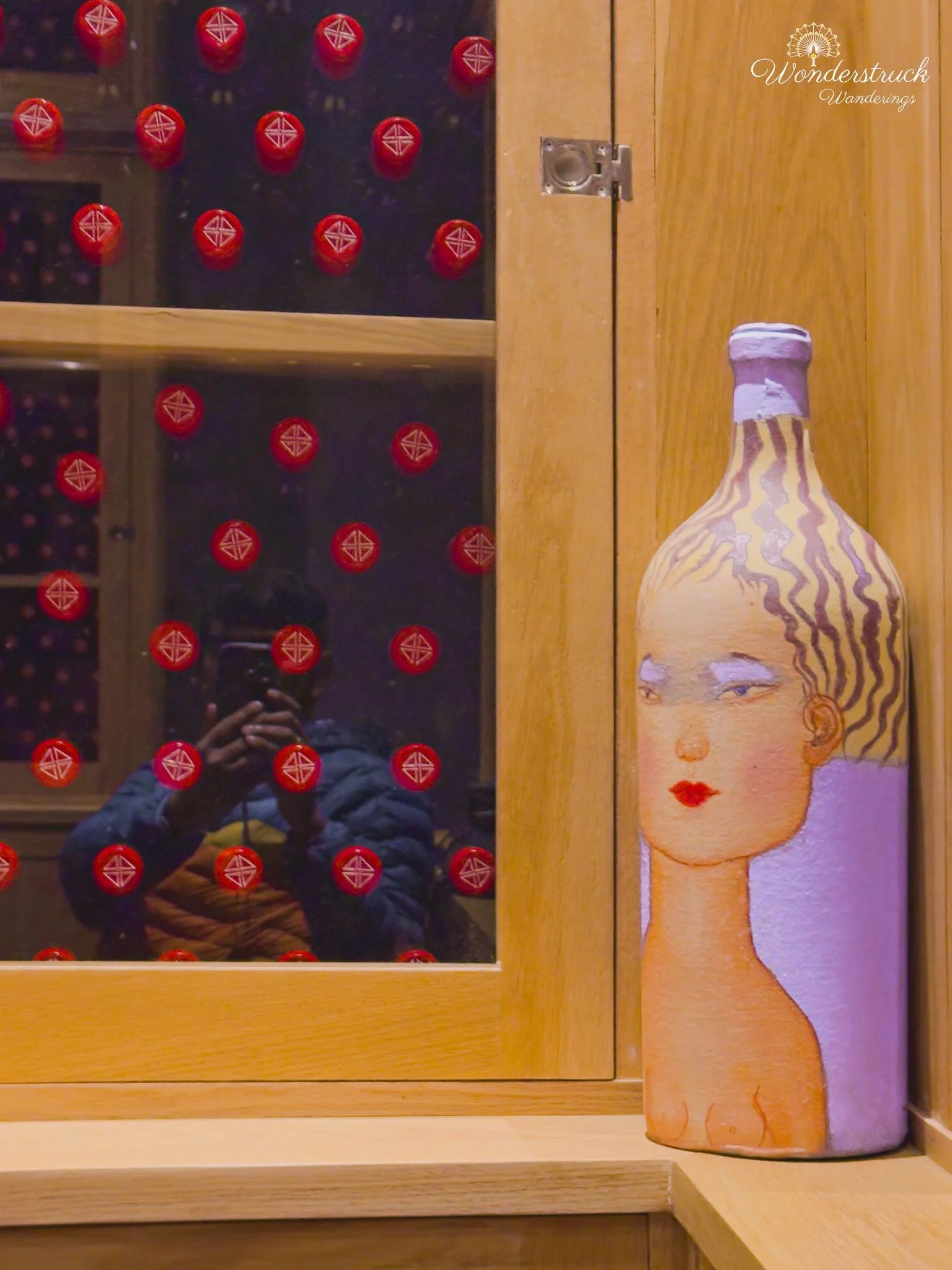
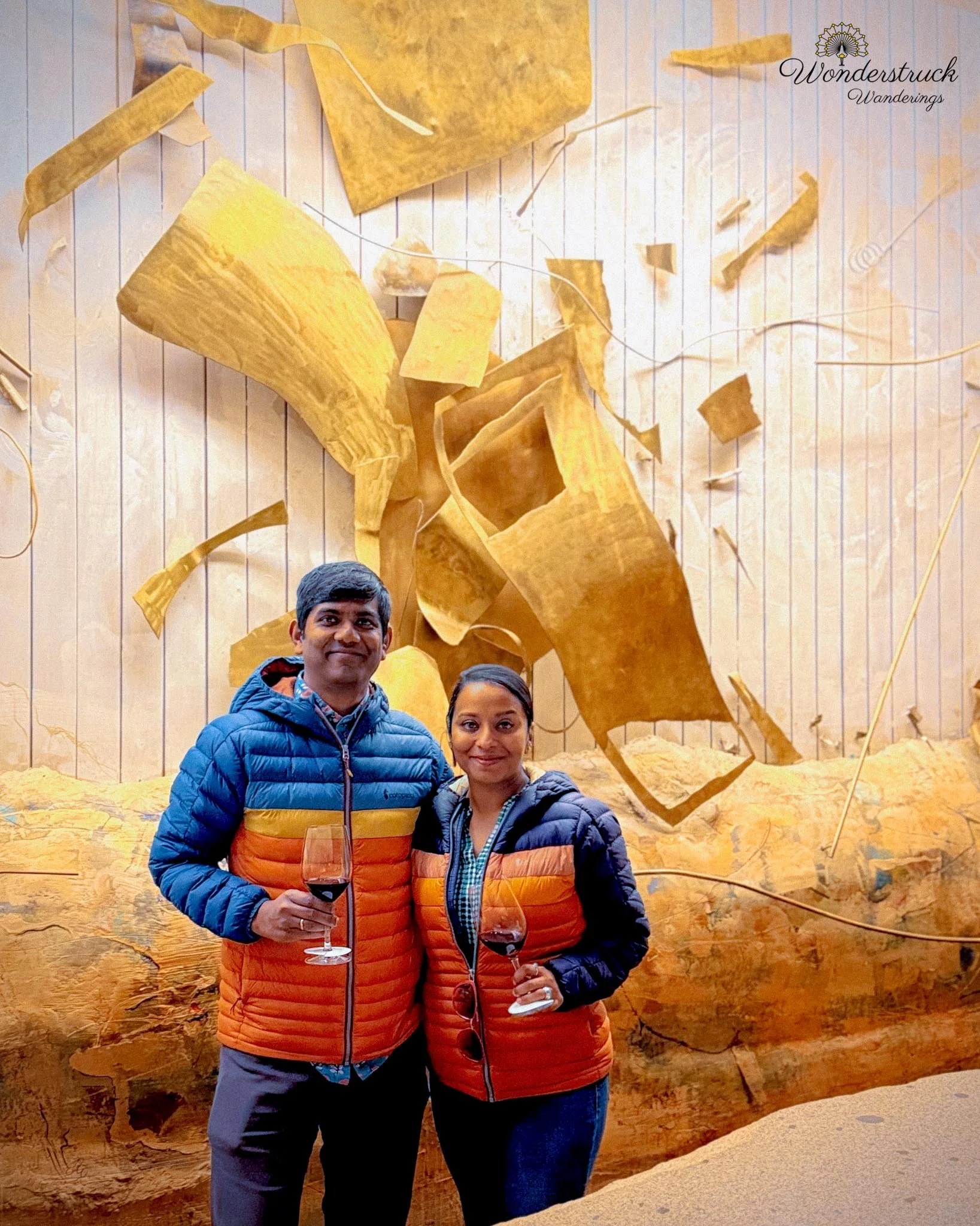
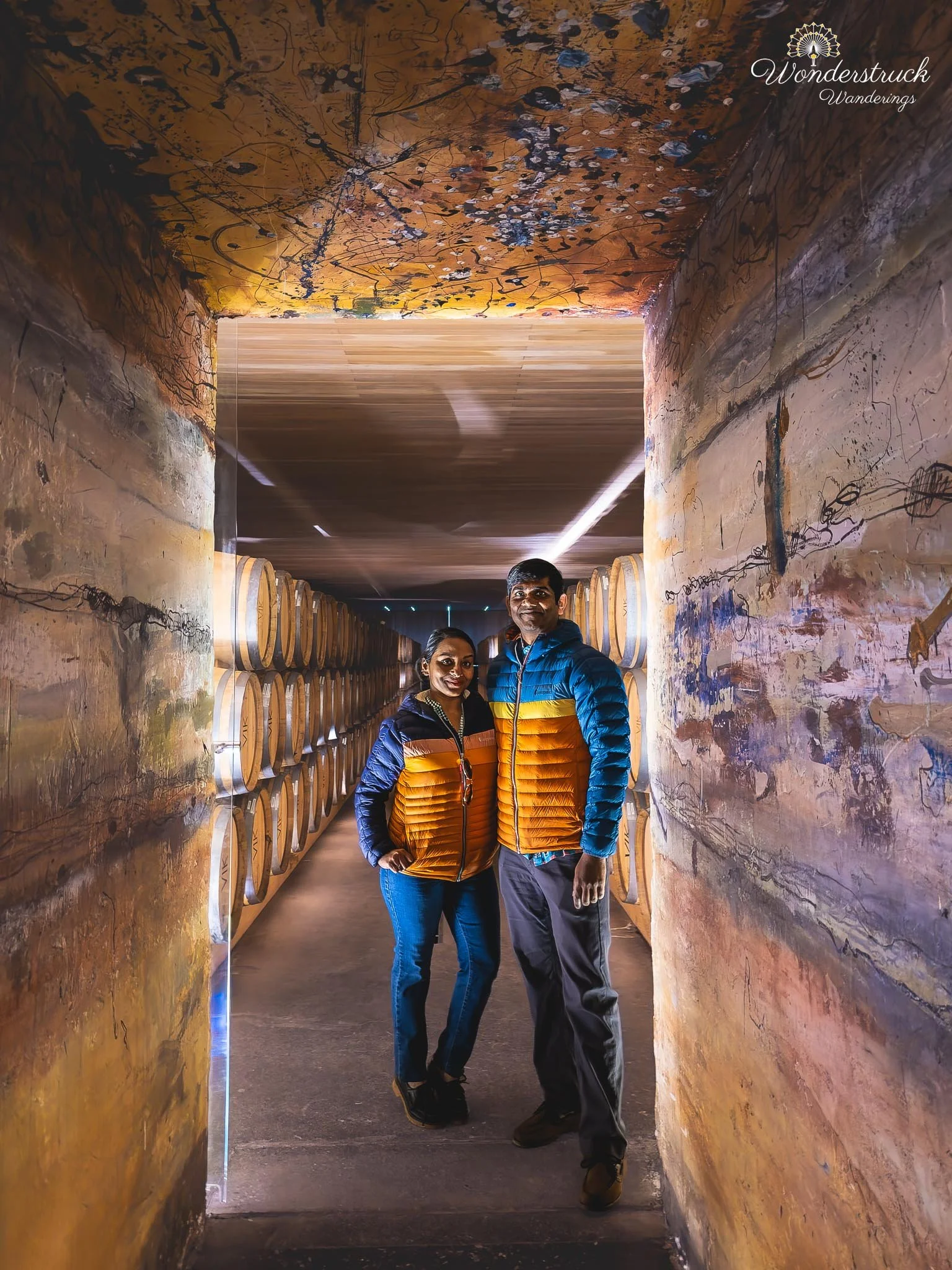
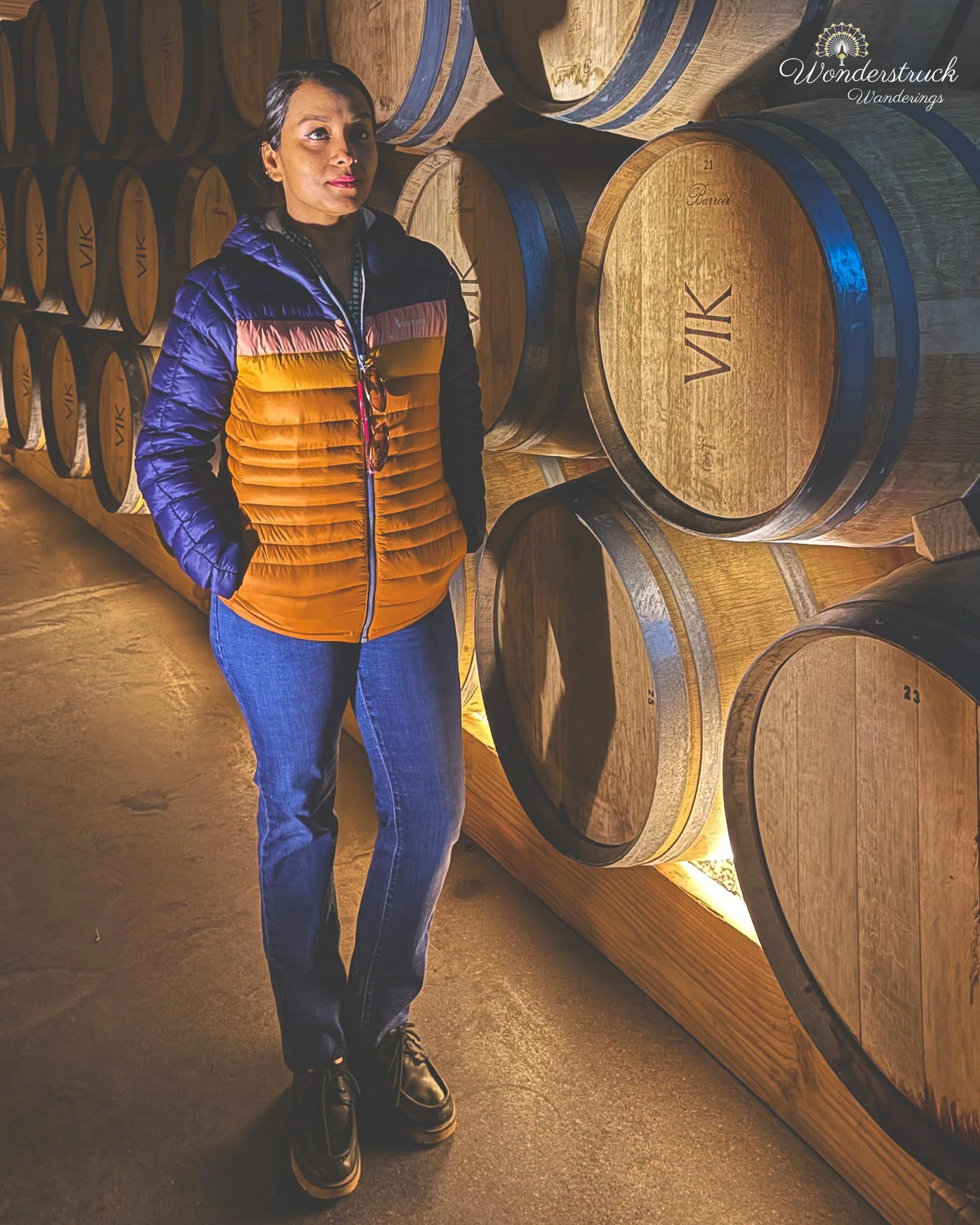
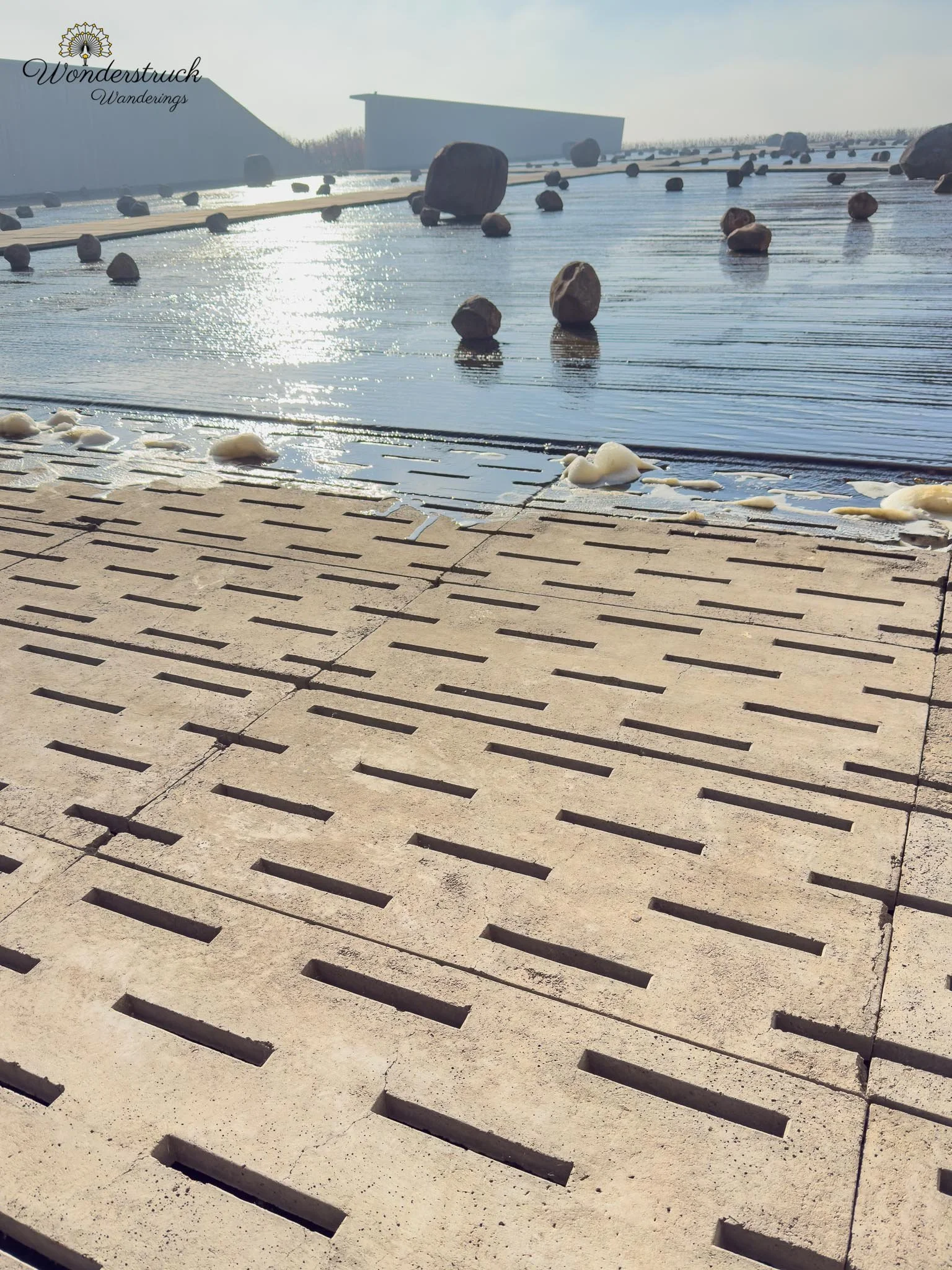
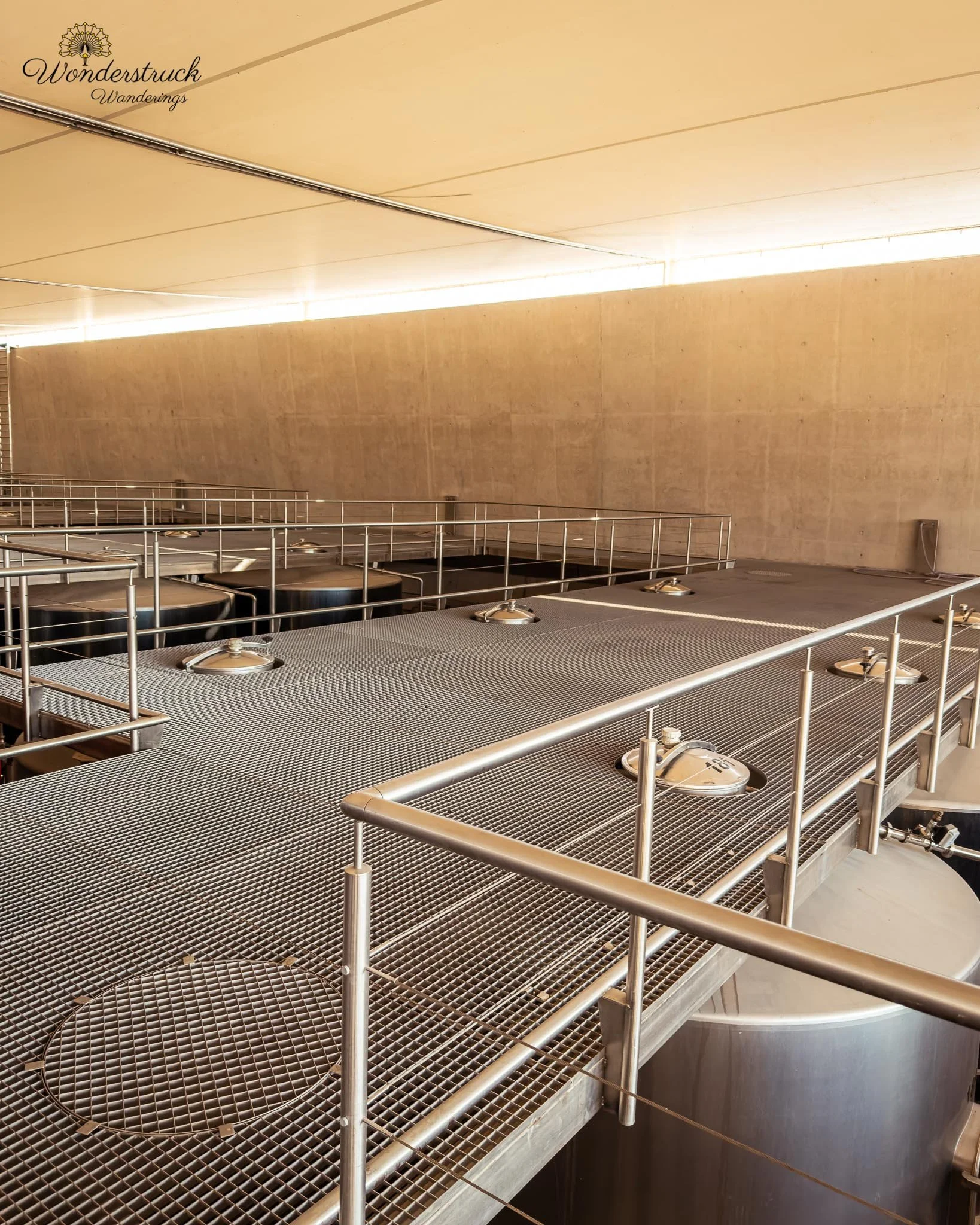
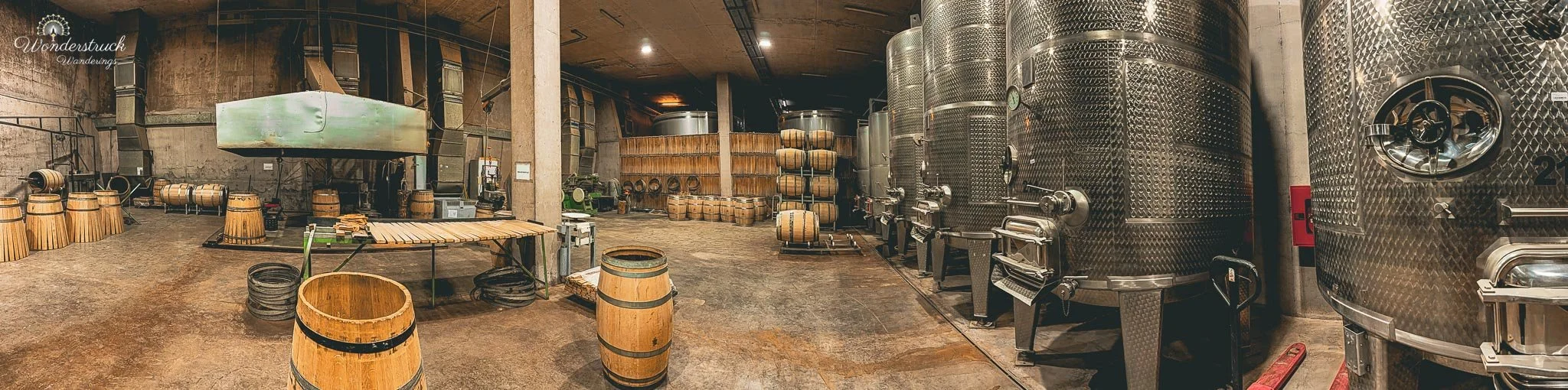
The winery tour began in the production facilities before descending into the cellar. One of the most interesting architectural features was the use of flowing water and underground spaces for temperature regulation, reducing reliance on conventional air conditioning. The guide also explained VIK's distinctive barrel program, which uses French oak barrels smoked or toasted with Chilean oak to introduce a local element to the aging process. They discussed cleaning and reusing barrels to extend their lifespan. Another unusual feature was the collection of large, locally made clay vessels, some holding approximately 600 liters. These are associated with the estate's buried-vessel winemaking approach, drawing on ancient traditions of aging wine in earthen containers. The cellar's artwork, architectural details, and bottle-lined tasting rooms made the tour as much about design as winemaking. Our smaller English-speaking group was taken into a private tasting room. We began with 2024 Cabernet Sauvignon and Carménère, followed by Milla Cala, VIK 2022, and La Piu Belle 2022. The flagship wines were powerful and structured, with considerable aging potential, but our favorite was unexpectedly the Carménère. Initially dominated by green bell pepper aromas, it gradually opened into roasted red pepper, smoky notes, and something reminiscent of ajvar, the Balkan roasted-pepper spread. We arranged U.S. shipping for VIK, Milla Cala, and La Piu Belle and purchased two bottles of Carménère directly from the winery.
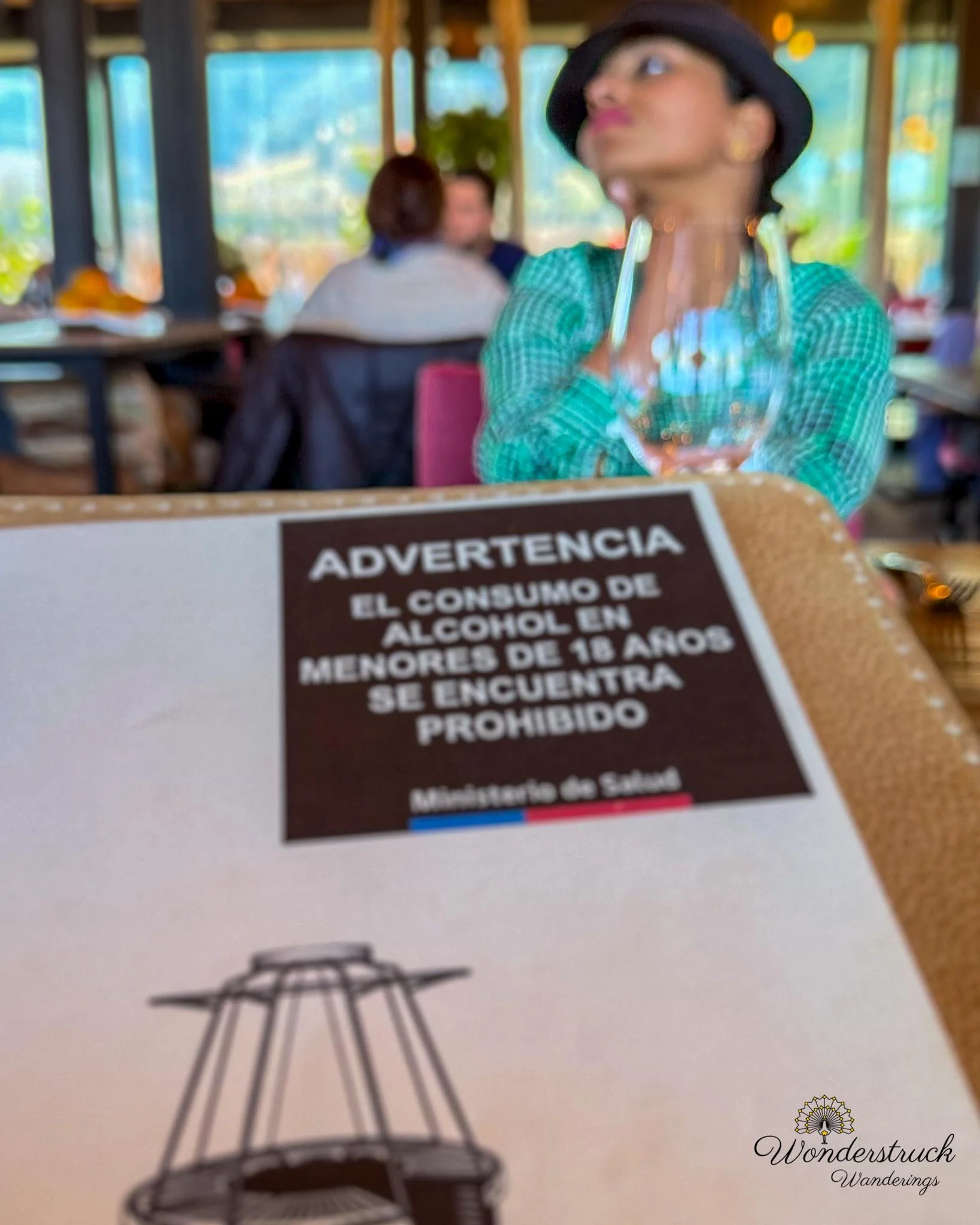
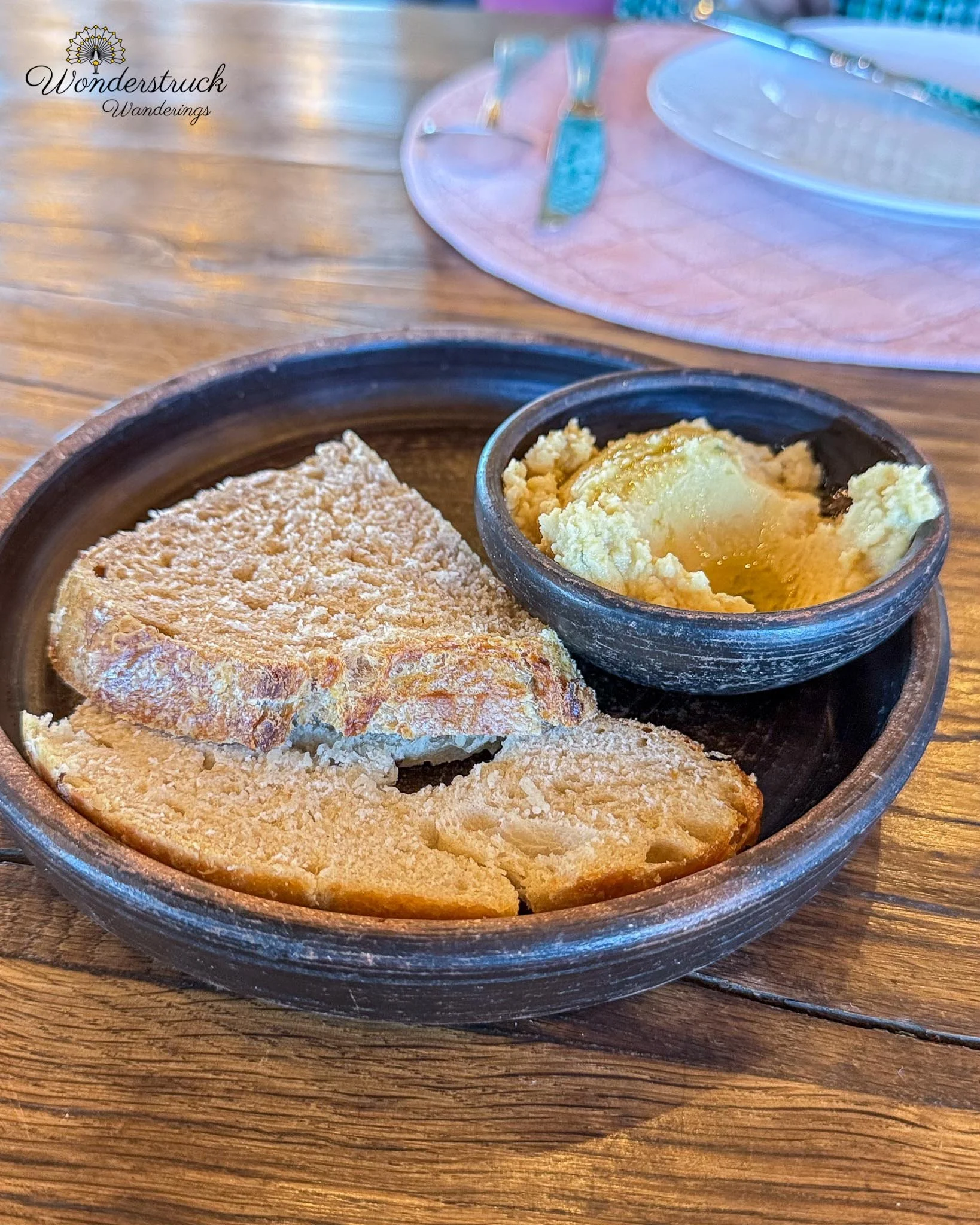
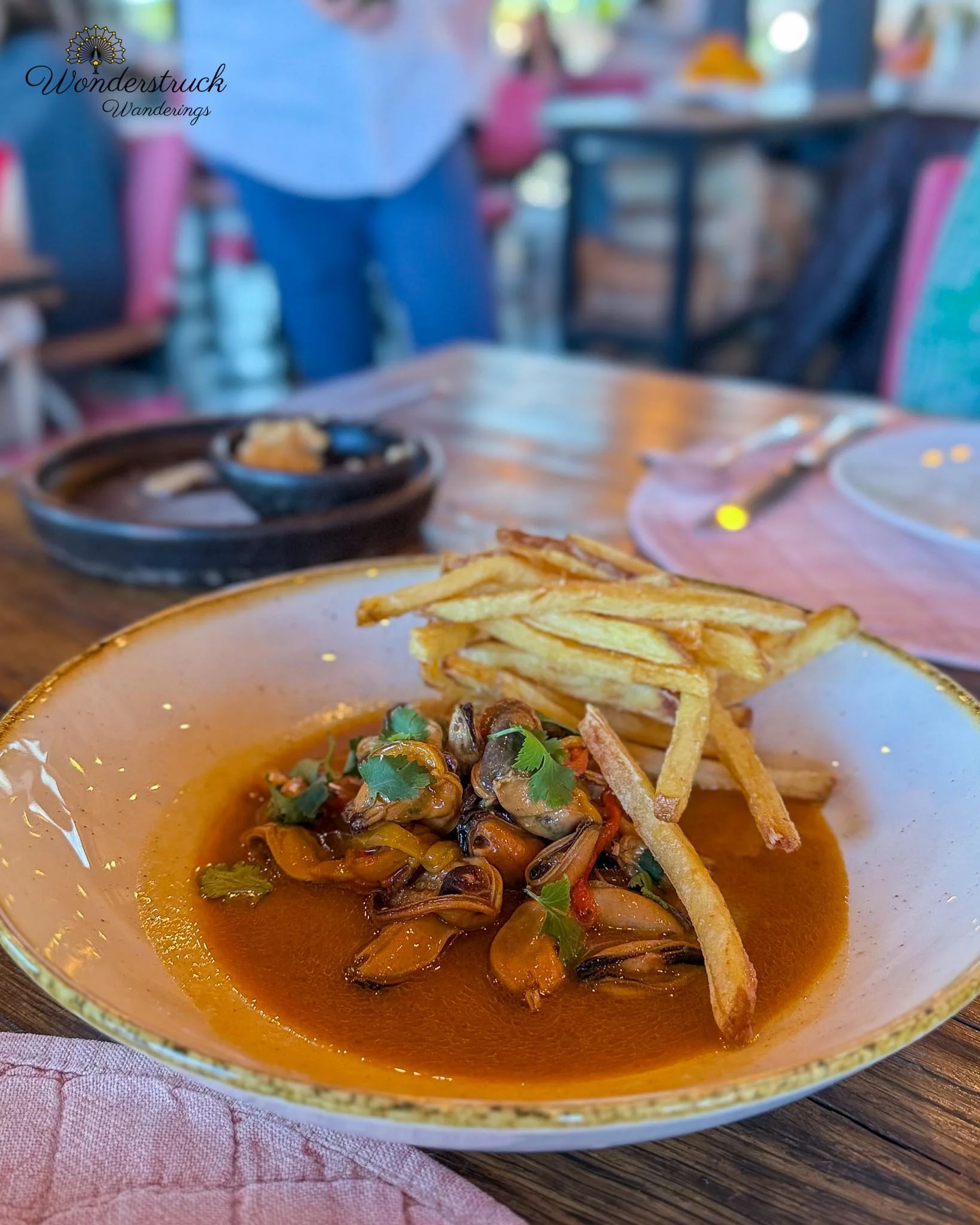
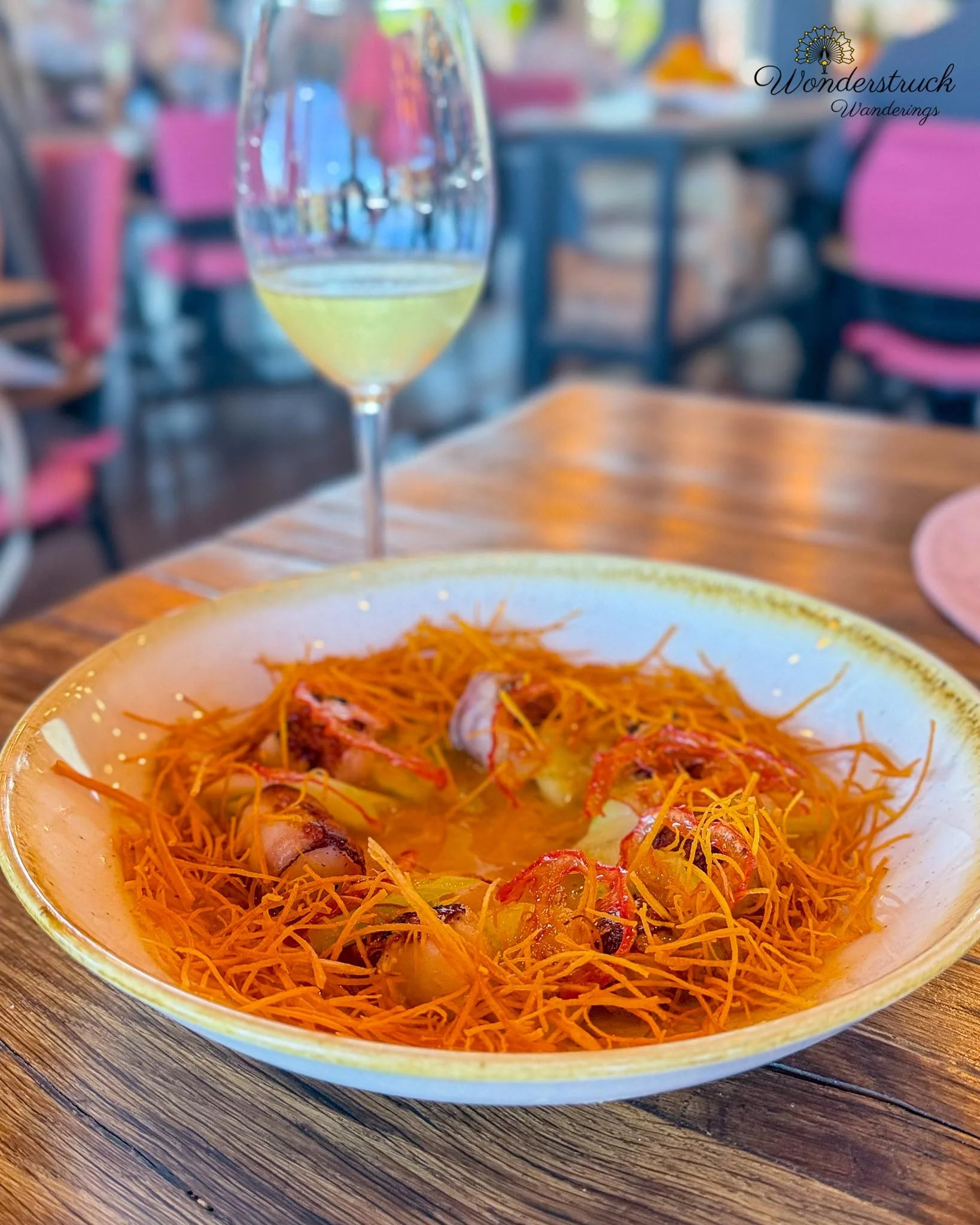
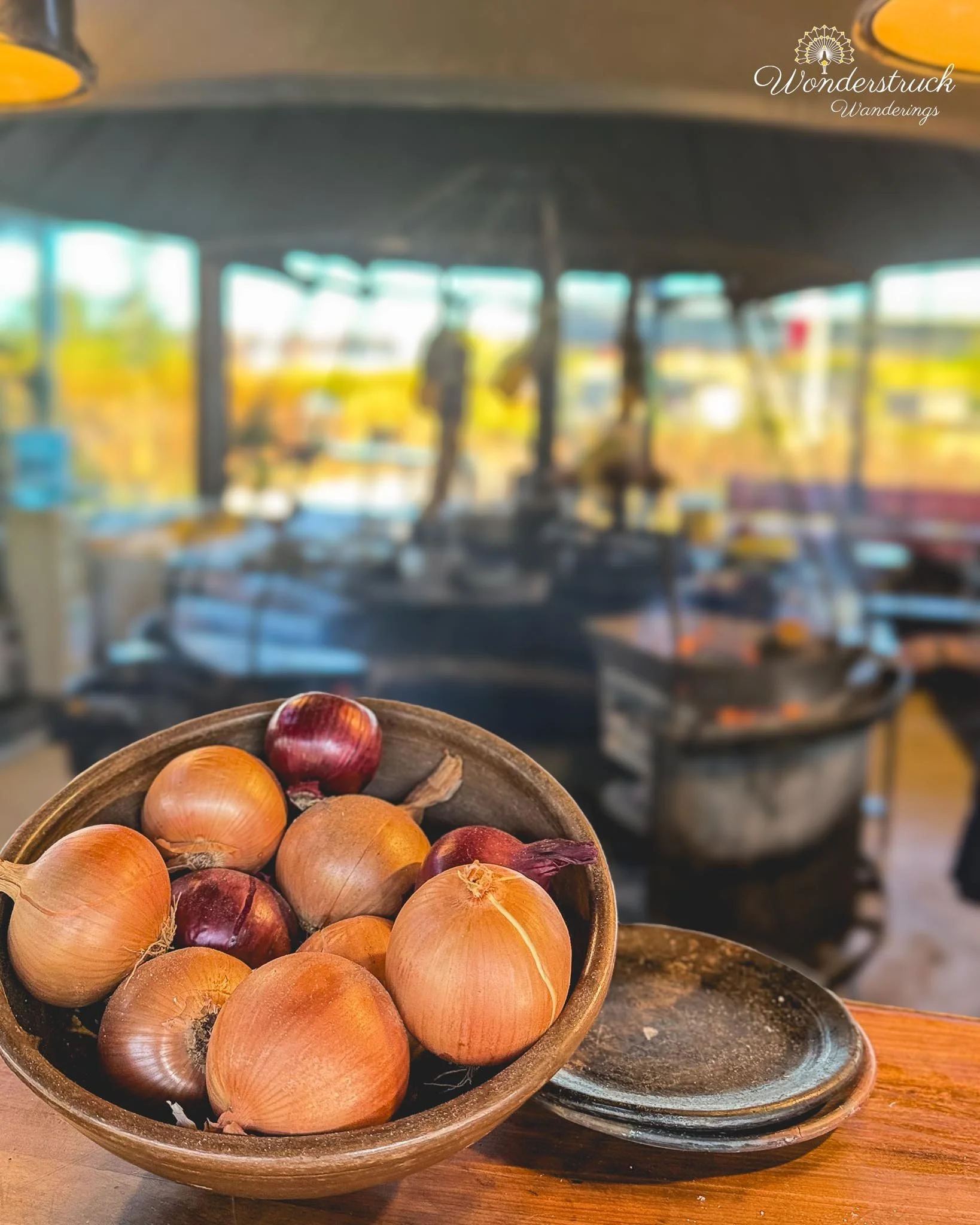
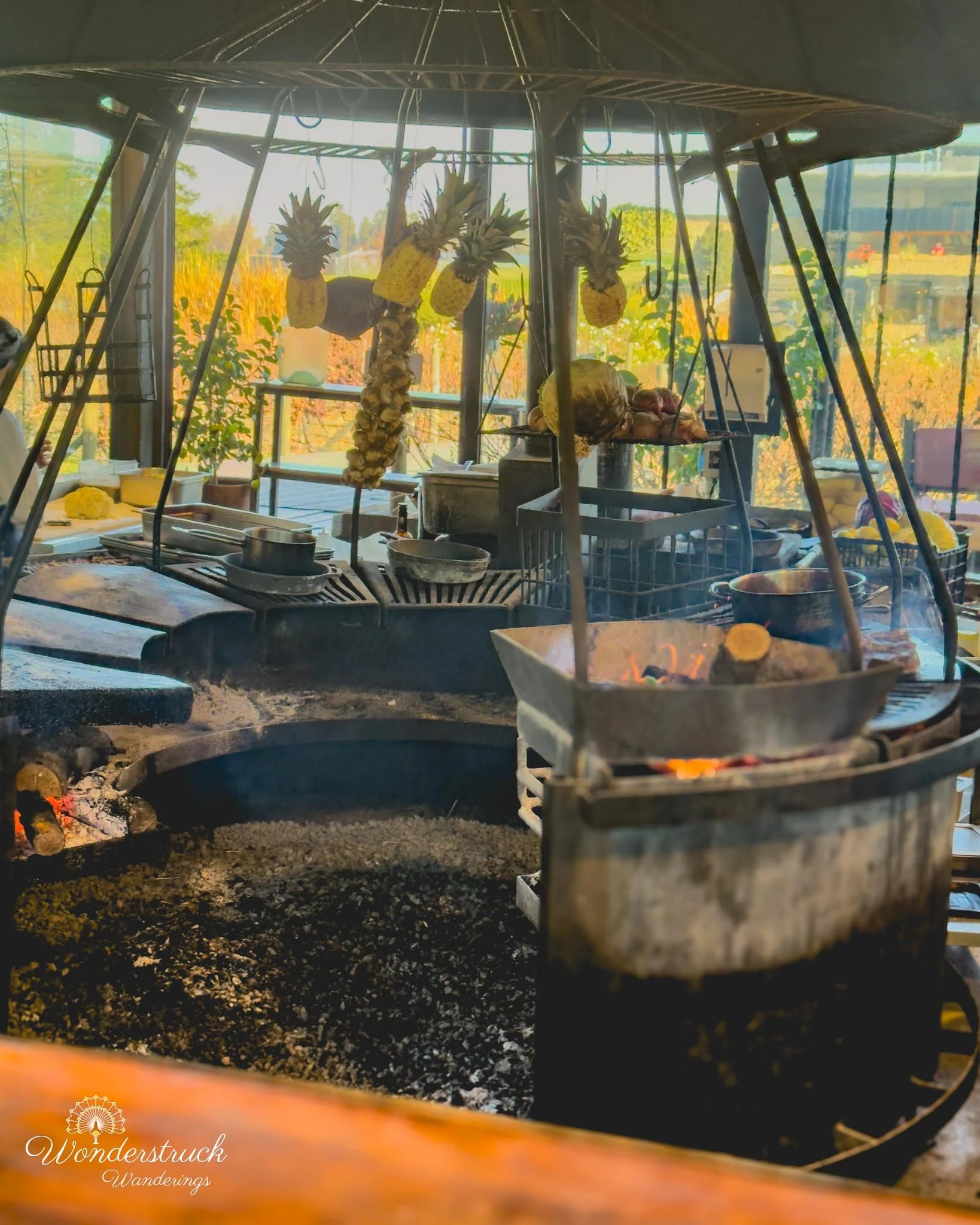
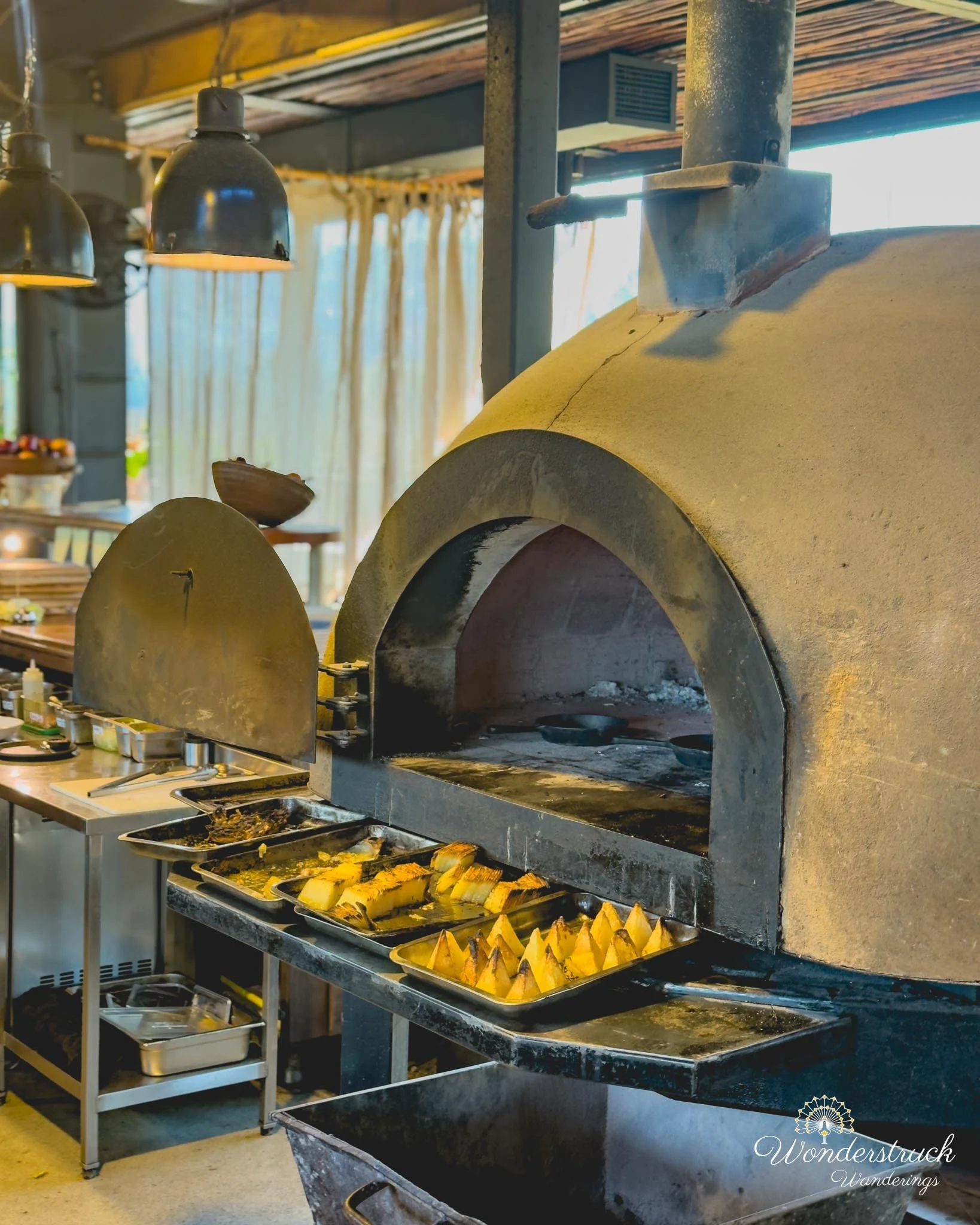
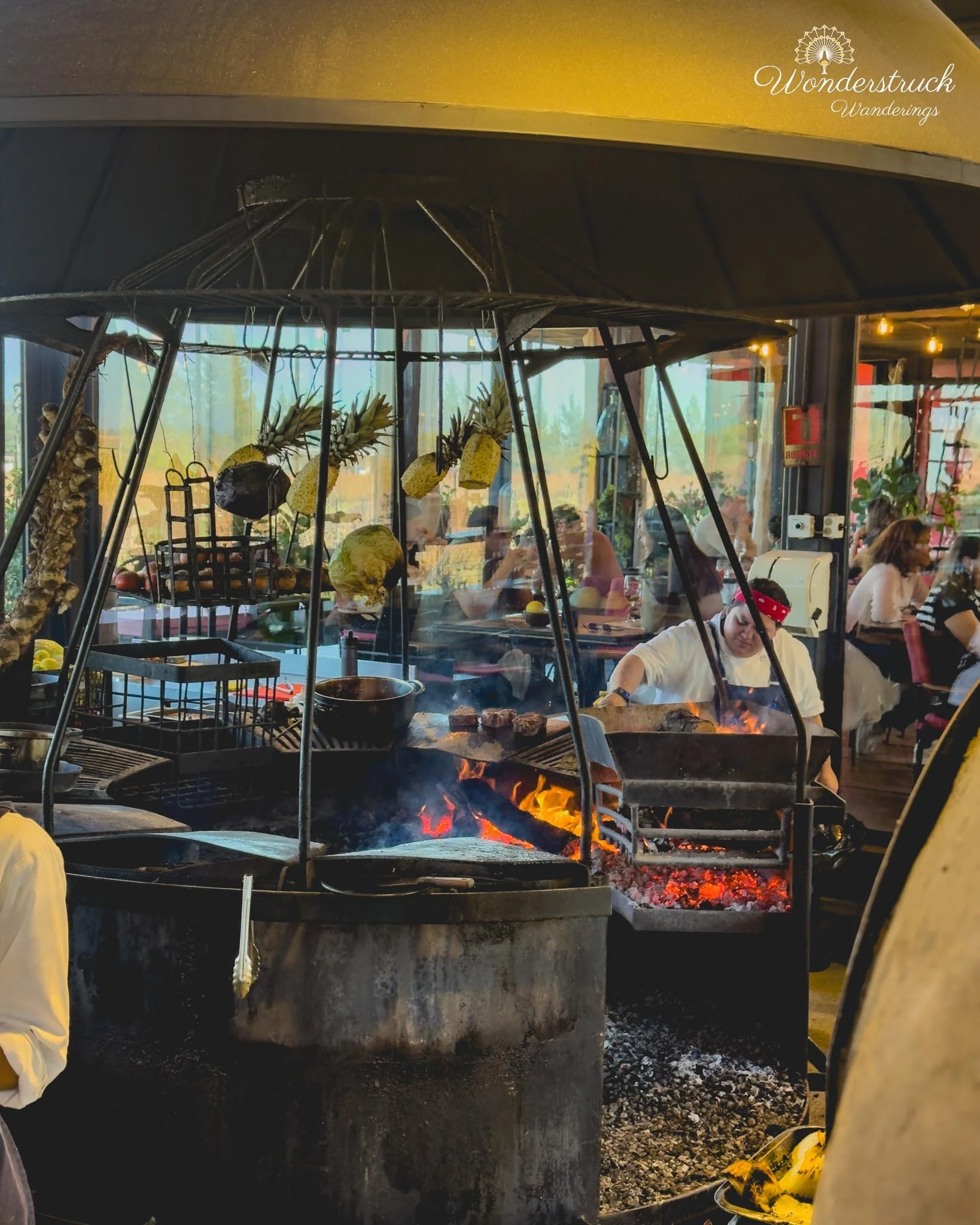
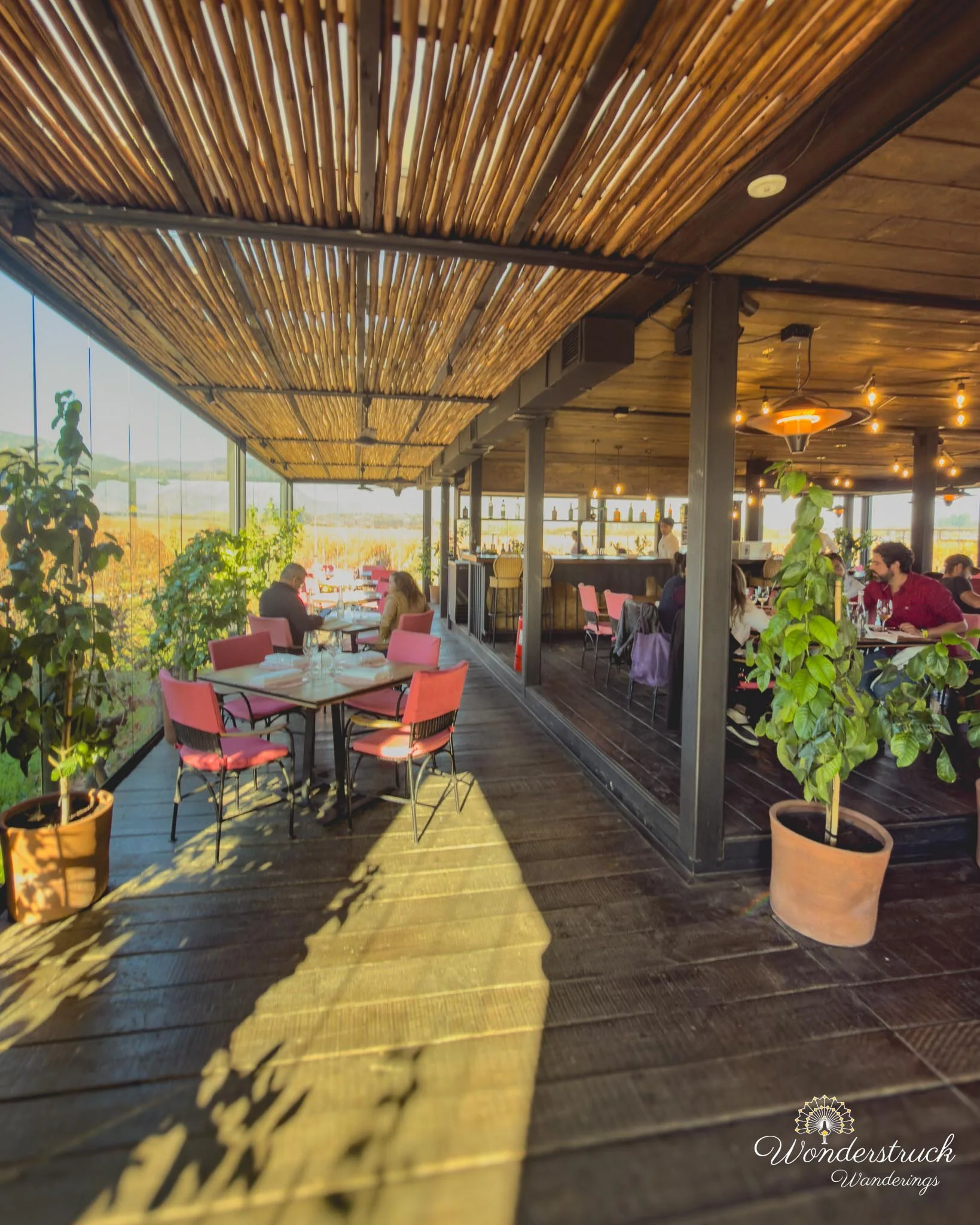
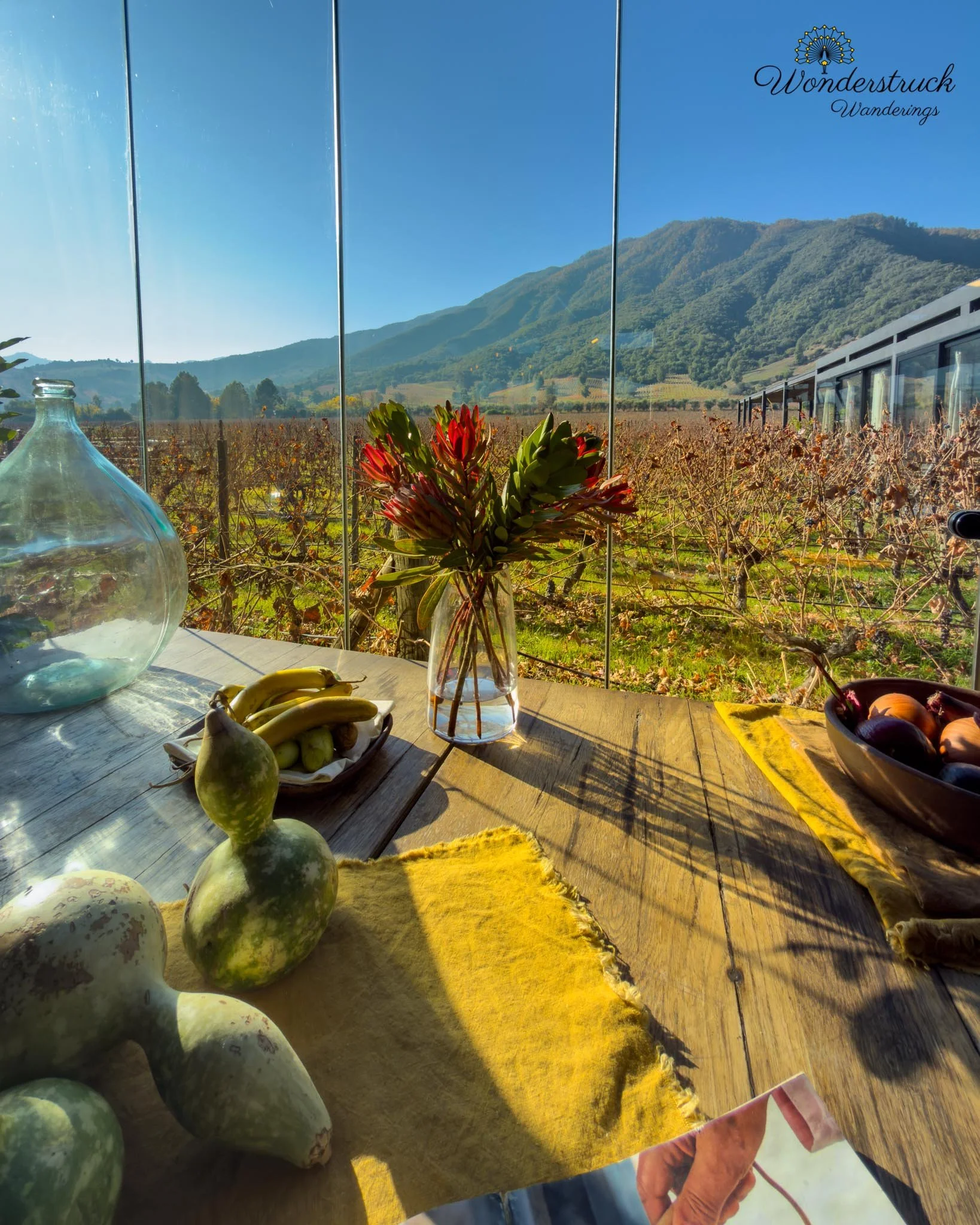
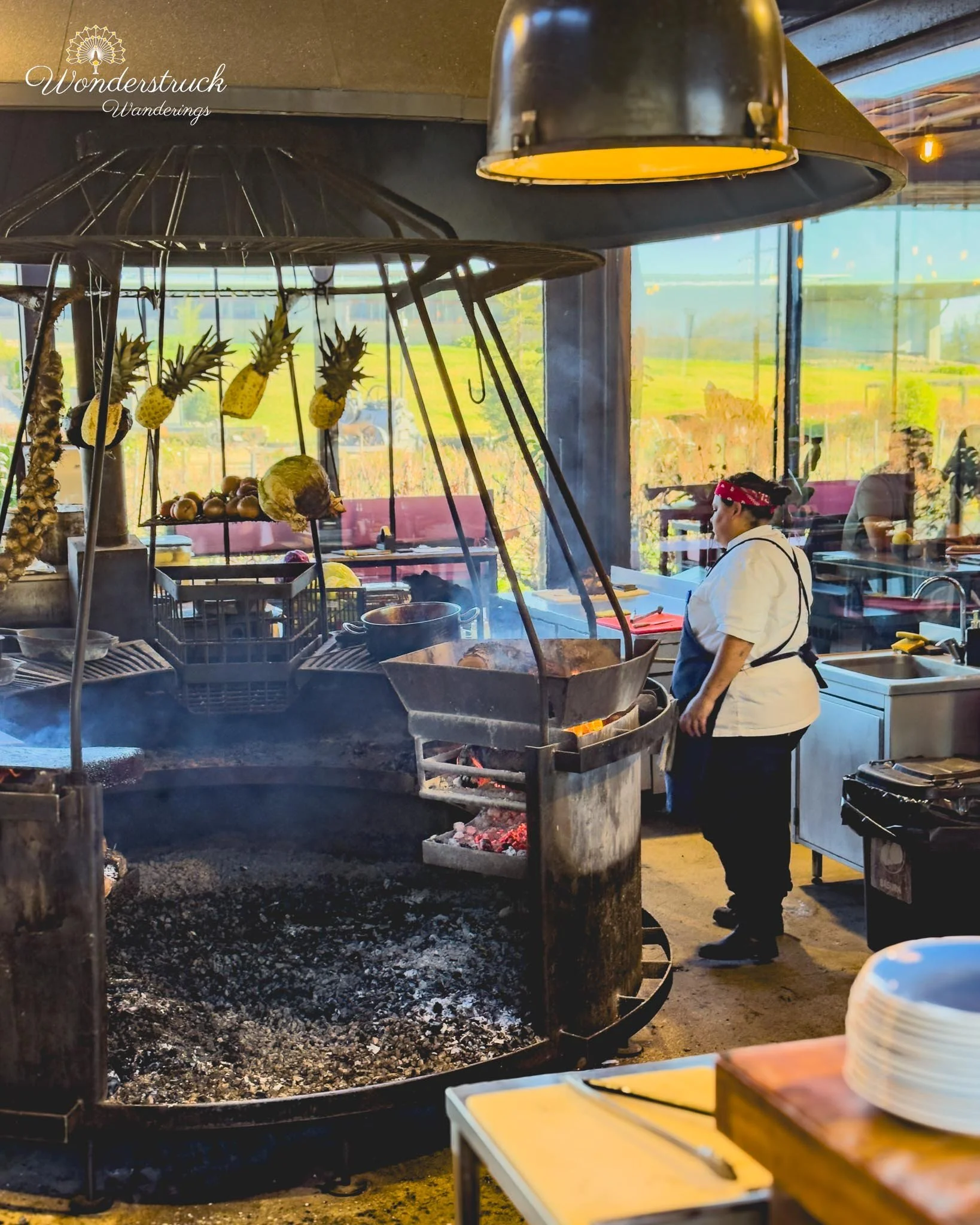
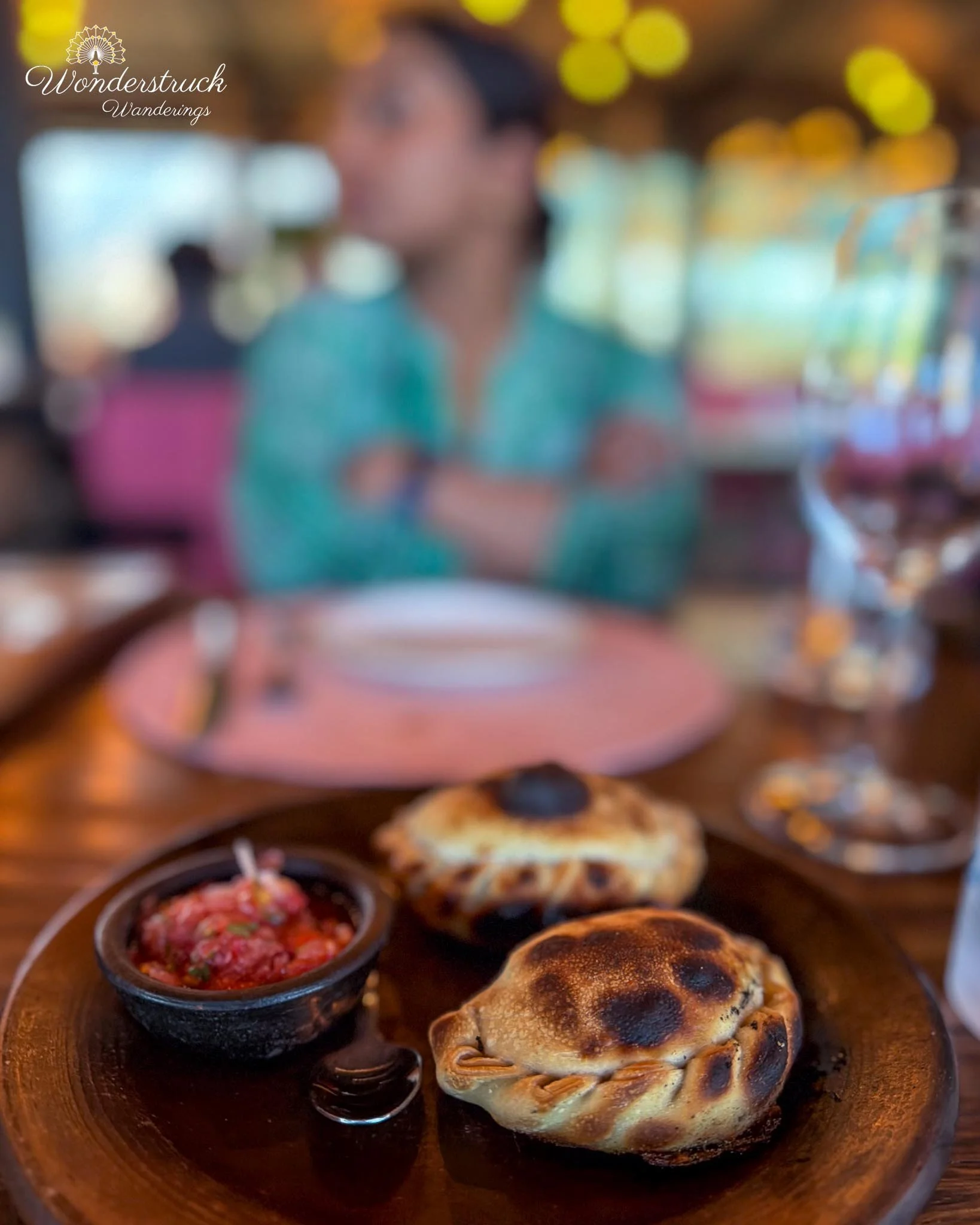
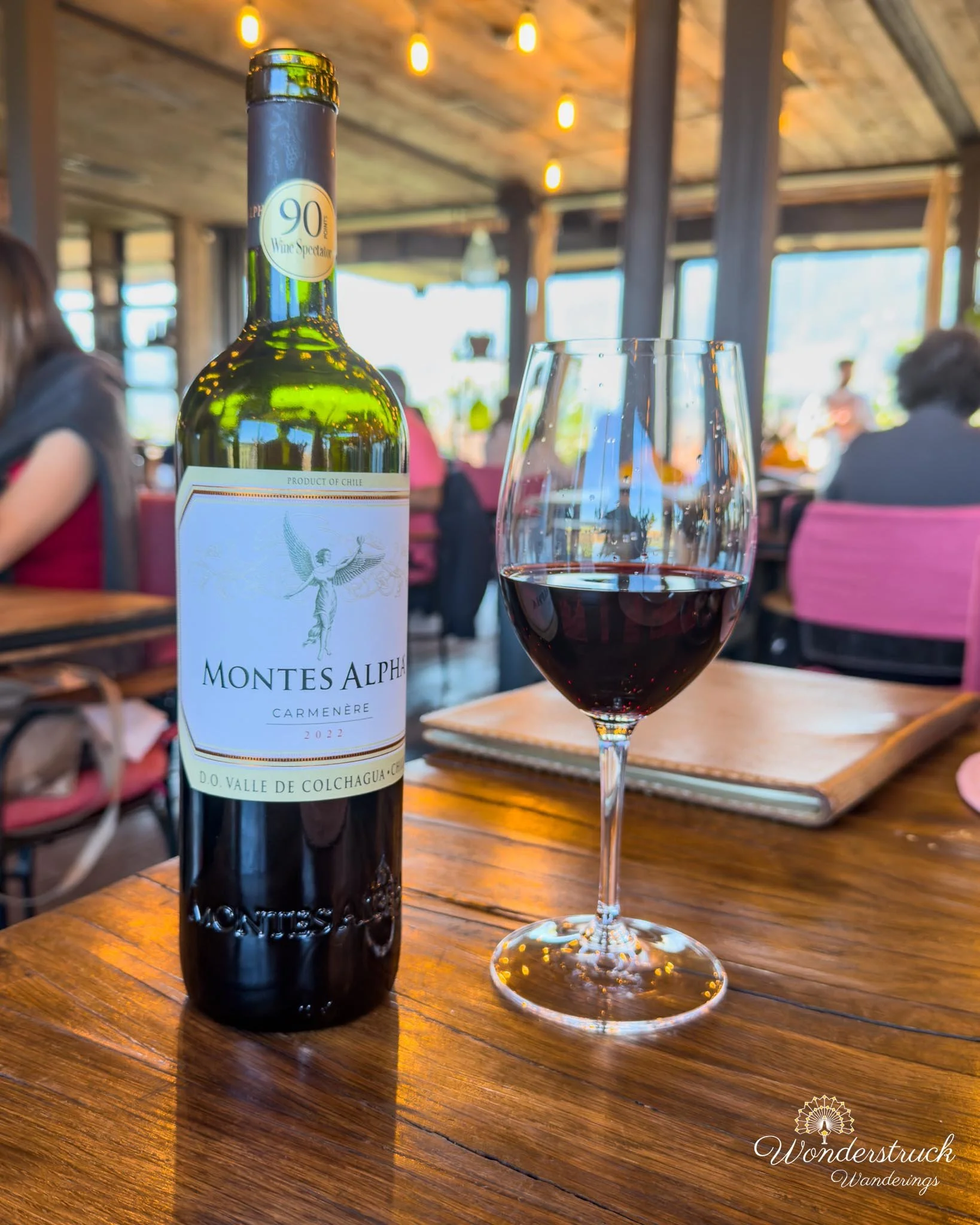
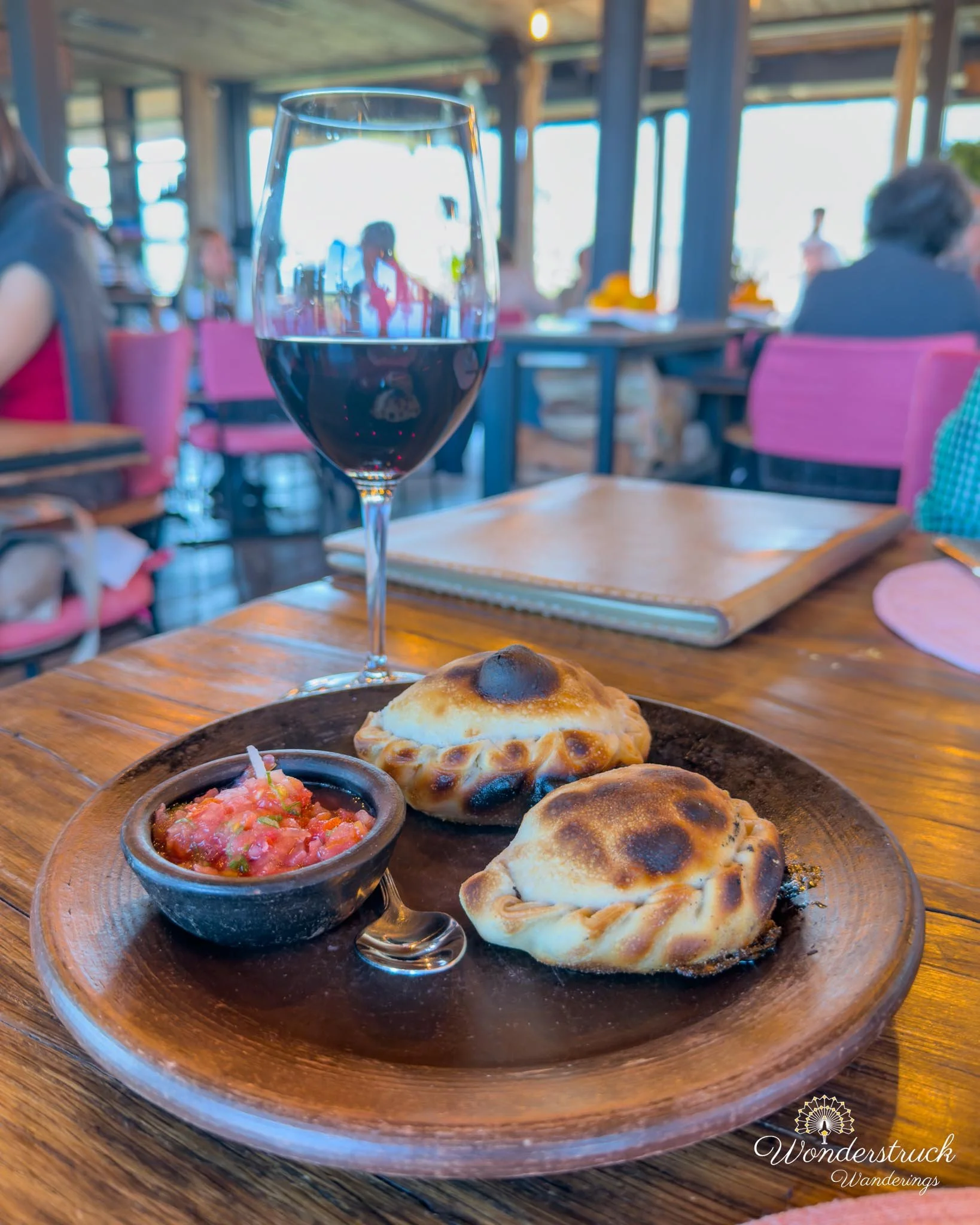
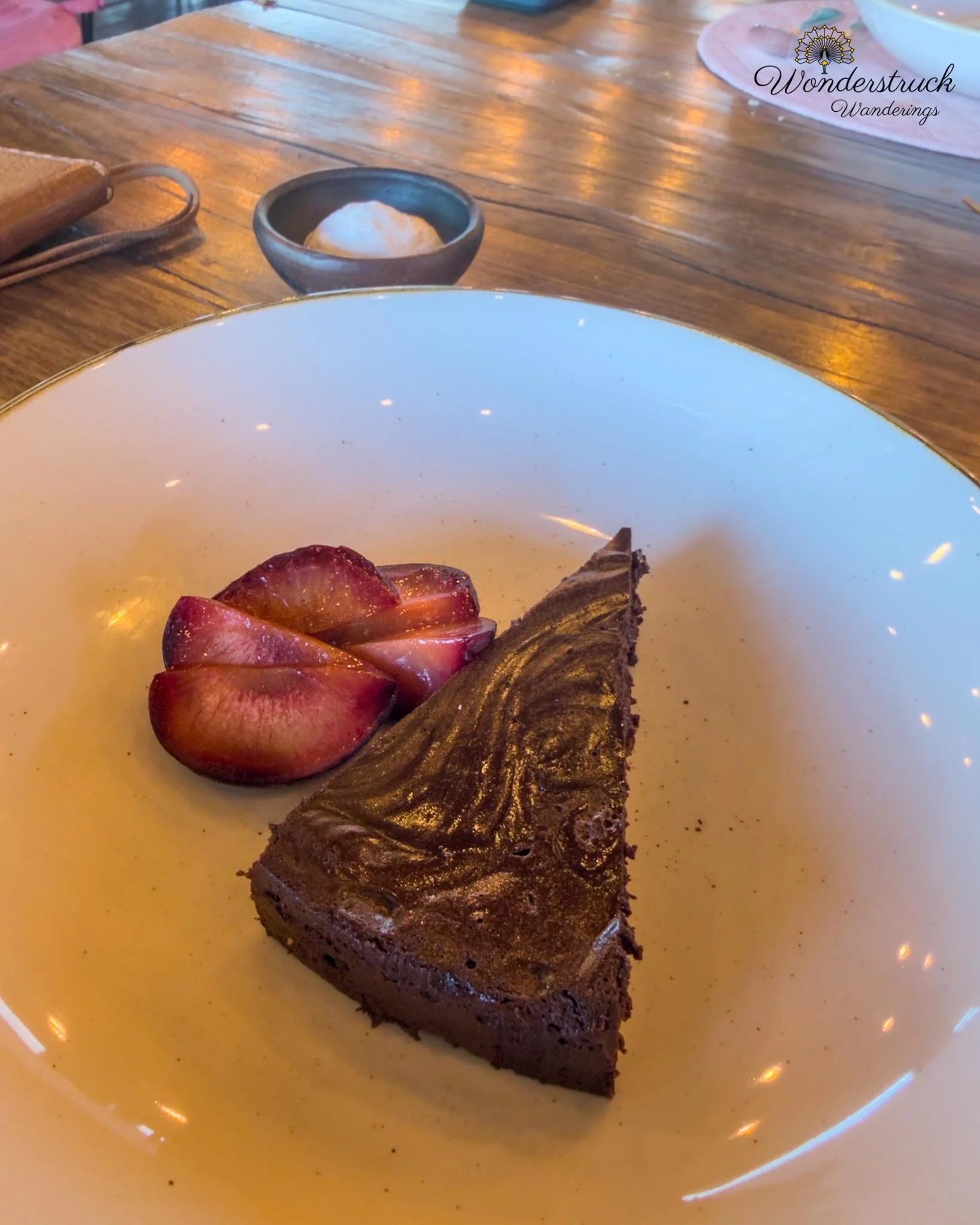
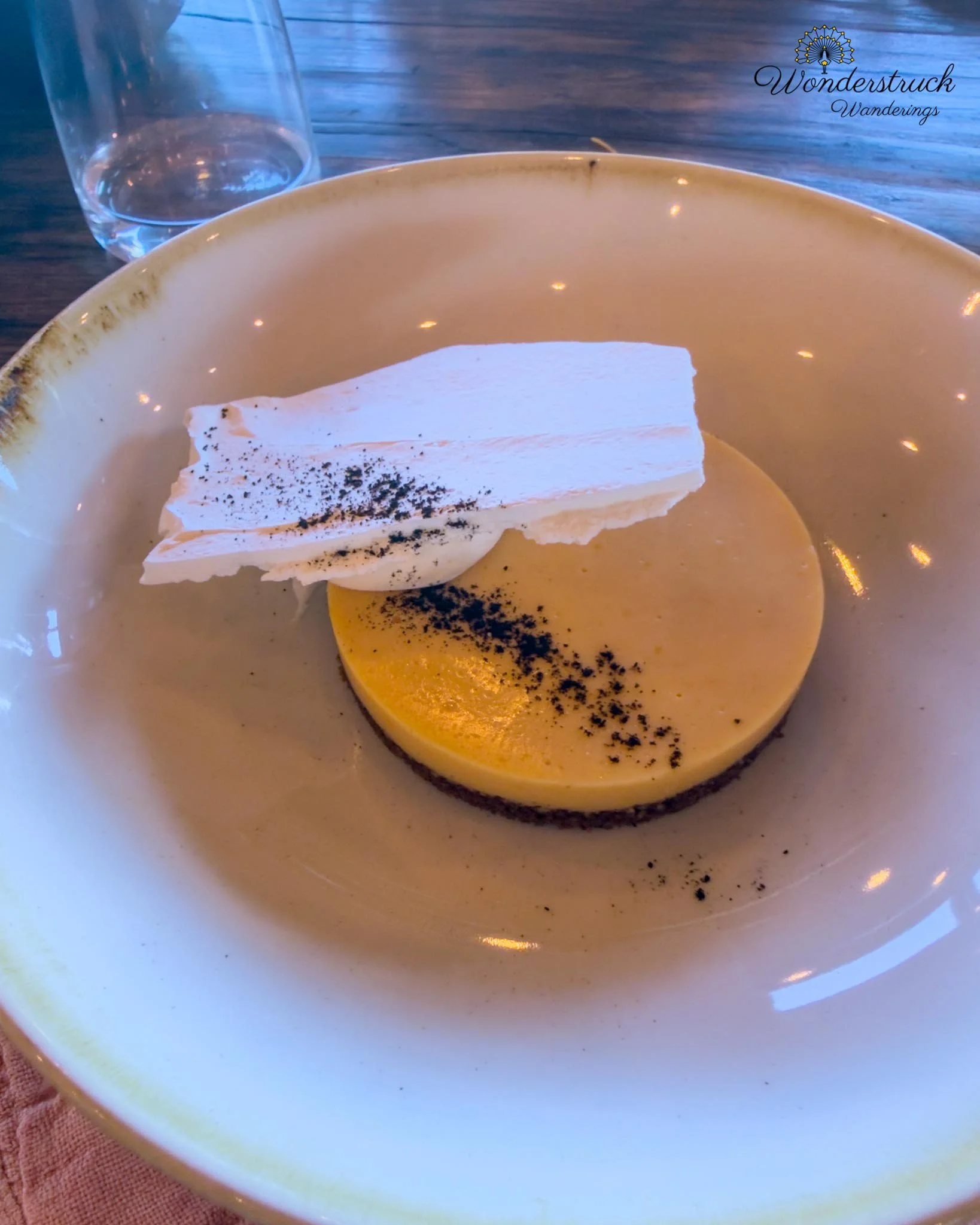
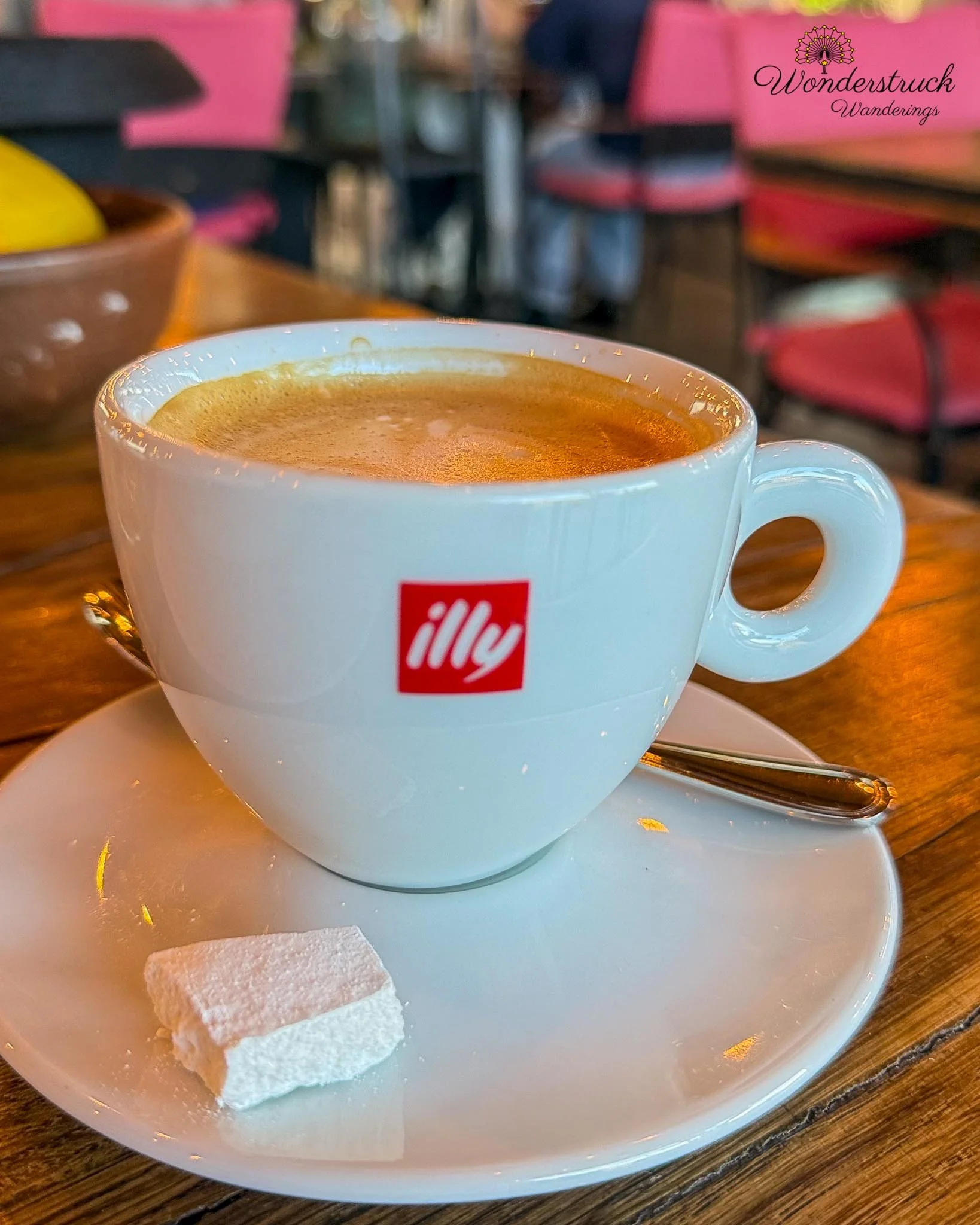
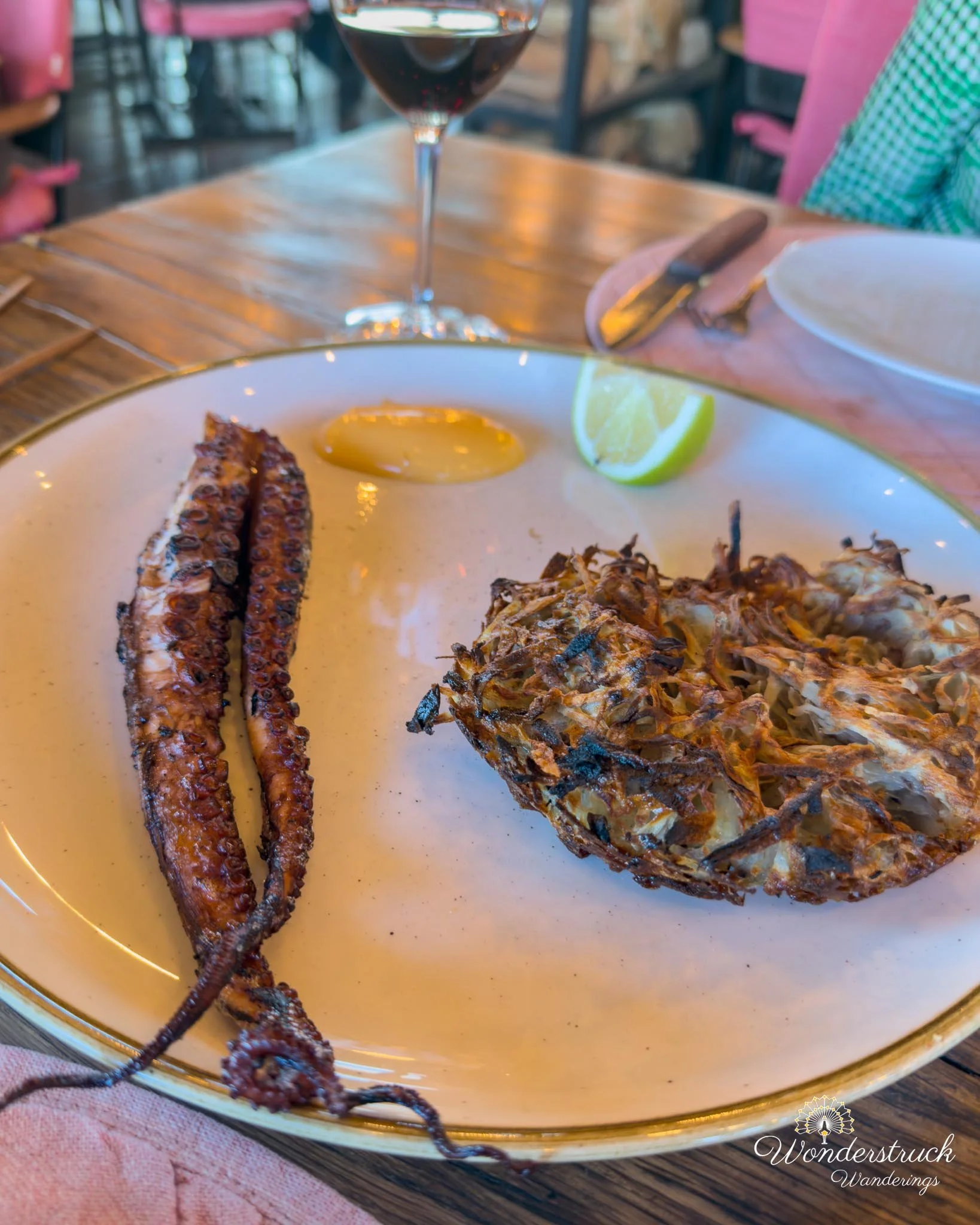
Our next destination was Montes Winery in Apalta, where we had reserved lunch at Fuegos de Apalta, associated with Argentine chef Francis Mallmann. The restaurant's central fire-cooking area and vineyard setting were impressive. Although the pairing menu was unavailable because the restaurant was busy, we assembled our own lunch with recommendations from the sommelier. We started with marinated mussels in a tangy, smoky sauce and bacon-wrapped grilled scallops, paired with Montes Alpha Special Cuvée Chardonnay from Zapallar. The Chardonnay had enough body and freshness to complement both seafood dishes. Next came a wood-fired filet mignon empanada with pickled tomato salsa, followed by grilled octopus with a potato pancake, paired with Montes Alpha Carménère. The Carménère was more impressive with food than on its own, particularly alongside the charred octopus. For dessert, I ordered a chocolate brownie, while Shay chose a lemon rica-rica custard cream torte, followed by Illy cappuccinos. Before leaving, we purchased Montes Folly 2017 and Montes Wings Carménère from the wine shop.
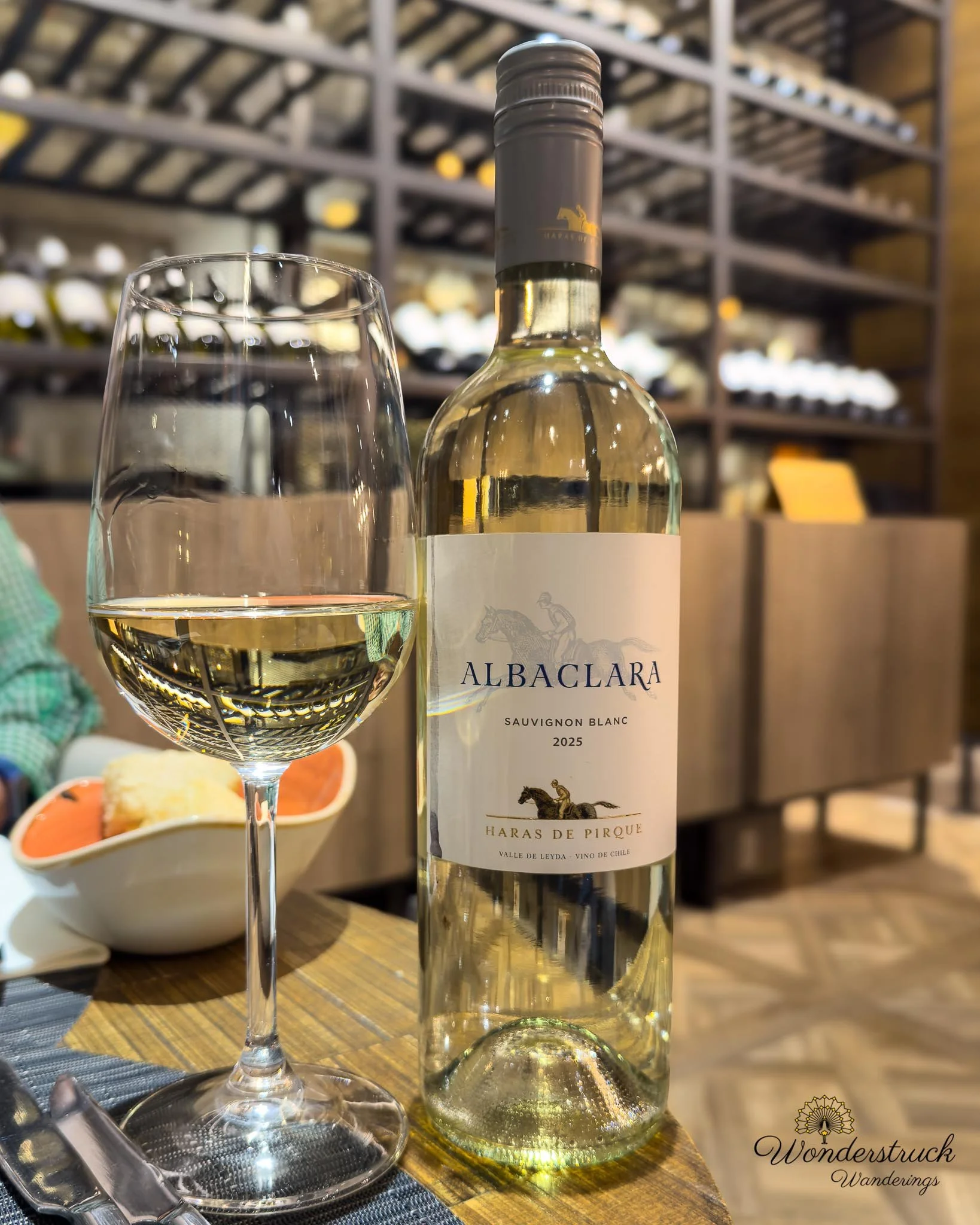
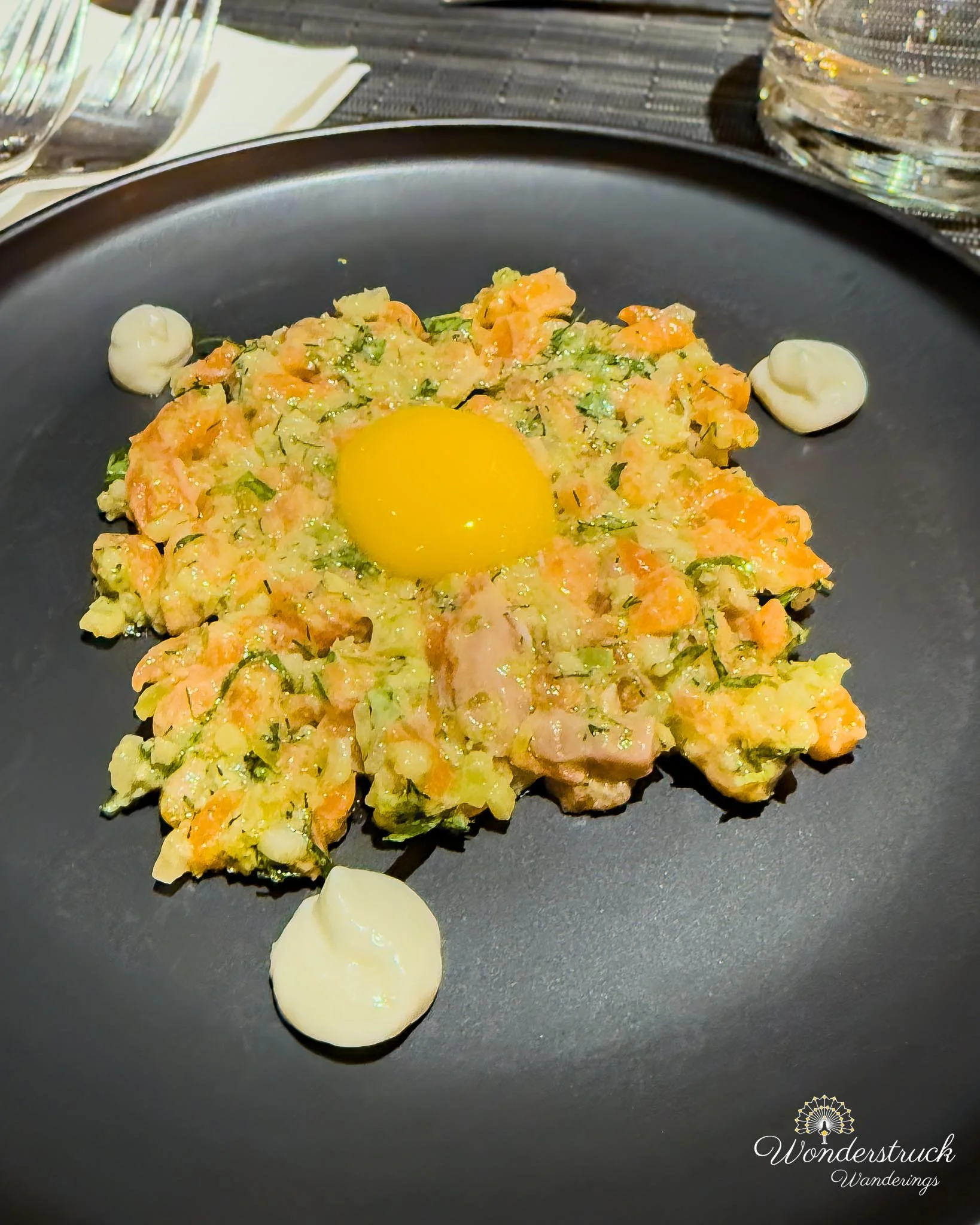
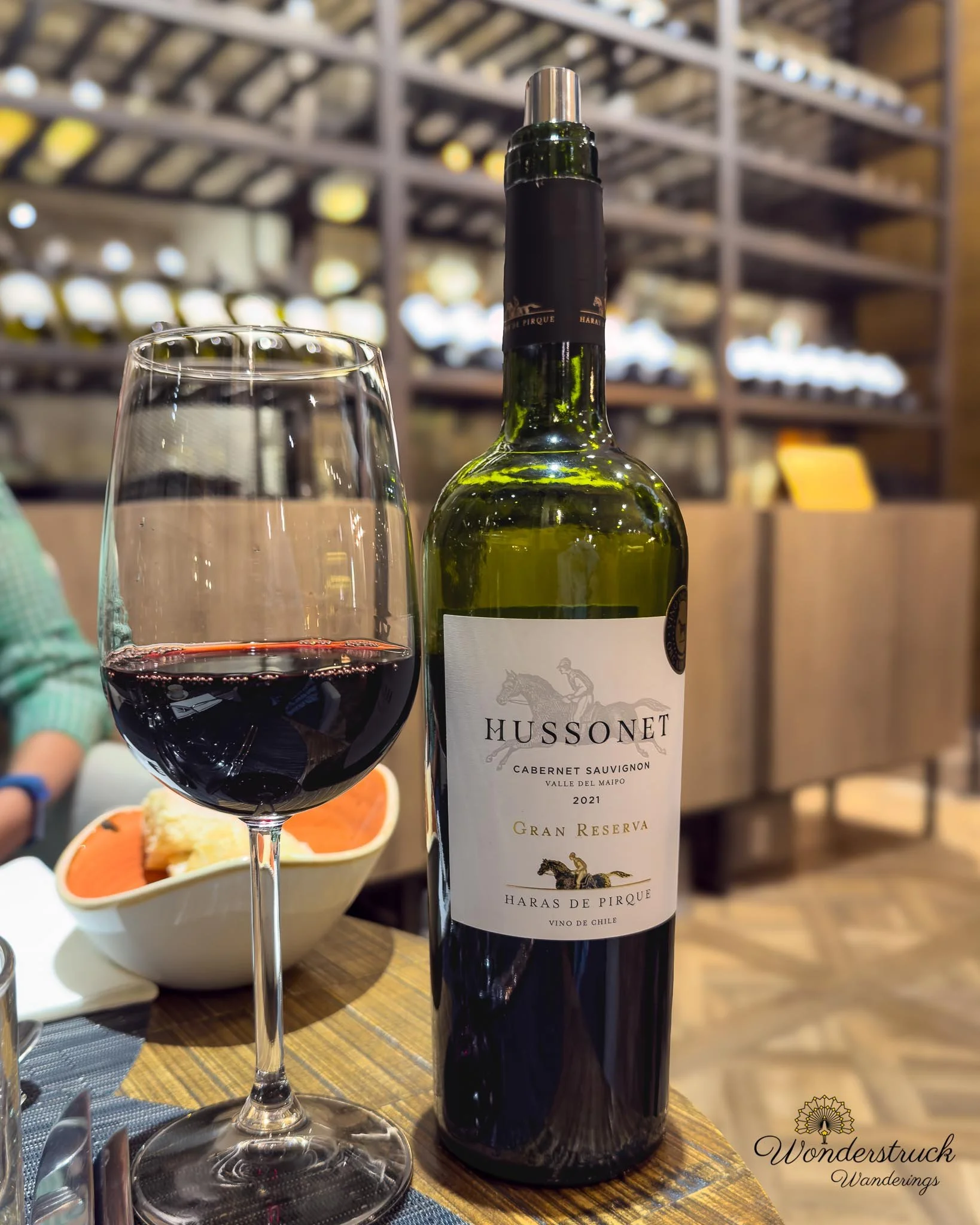
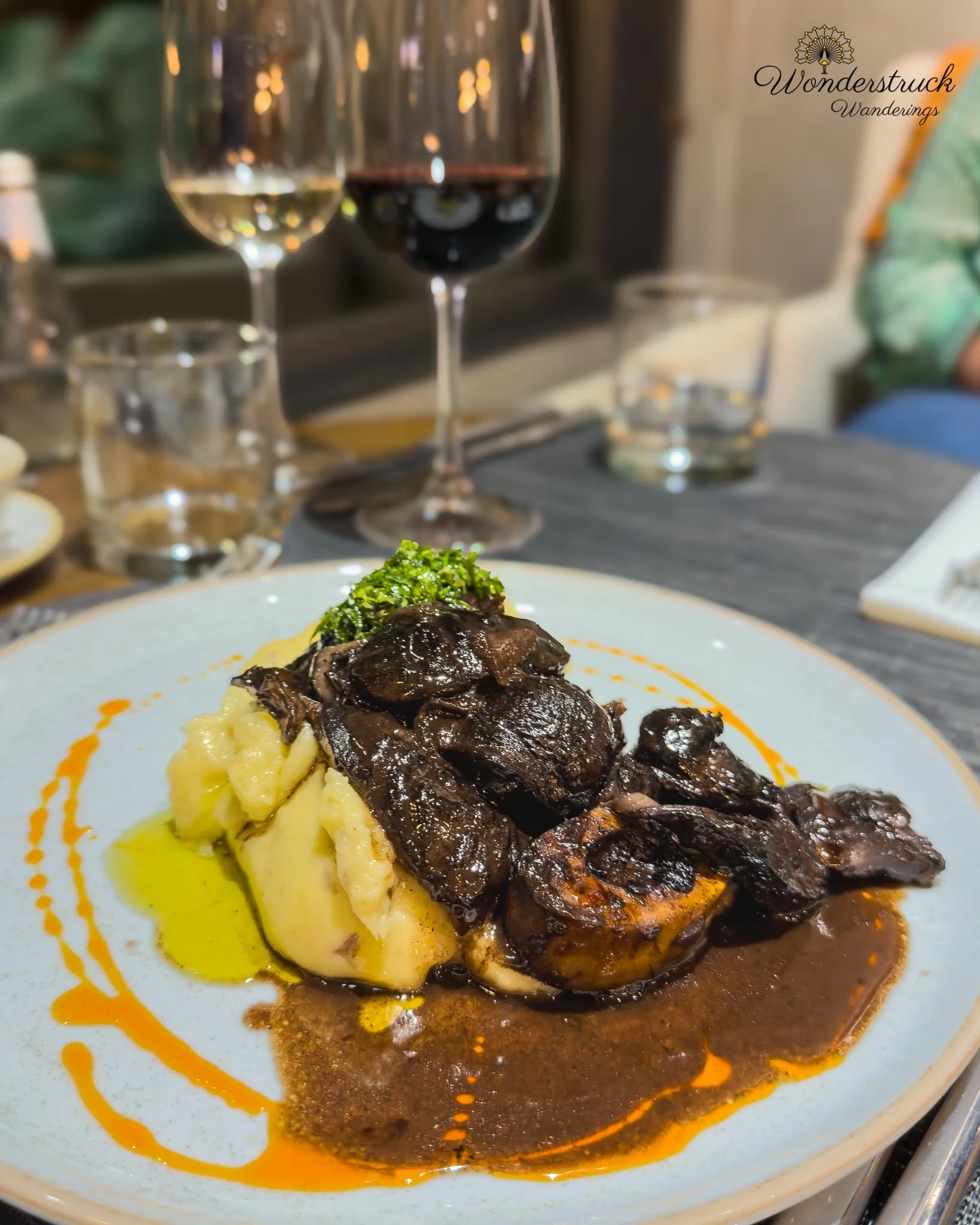
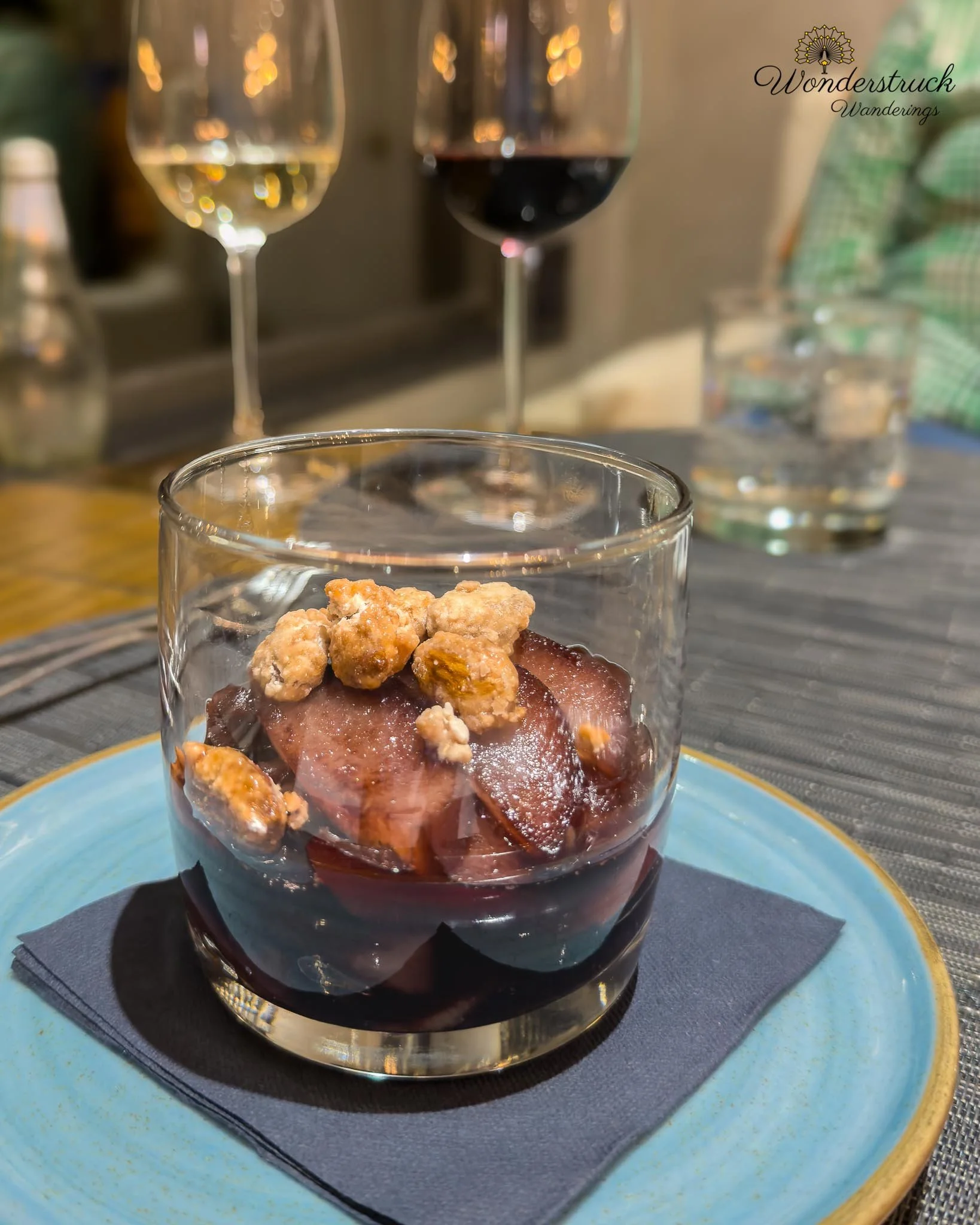
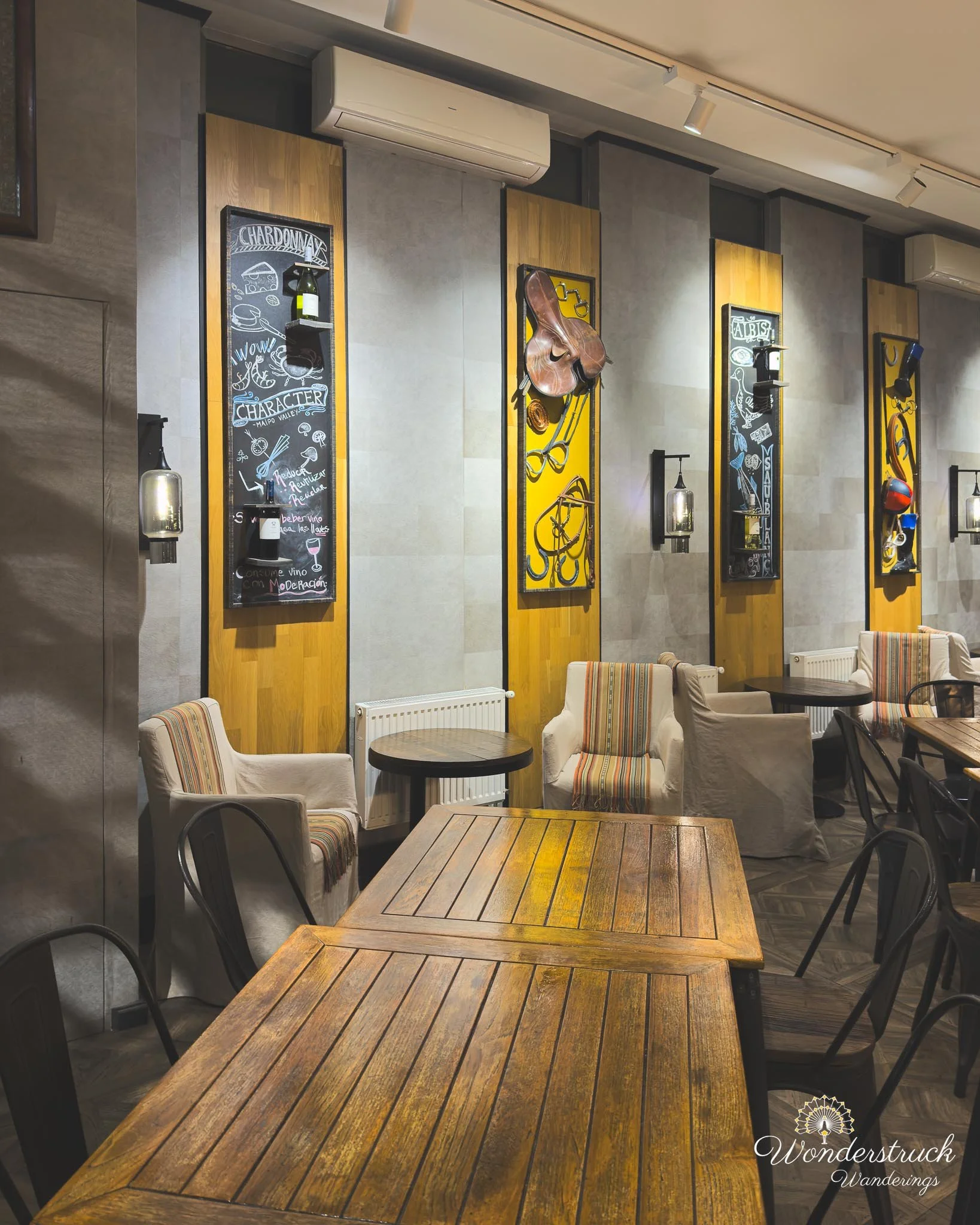
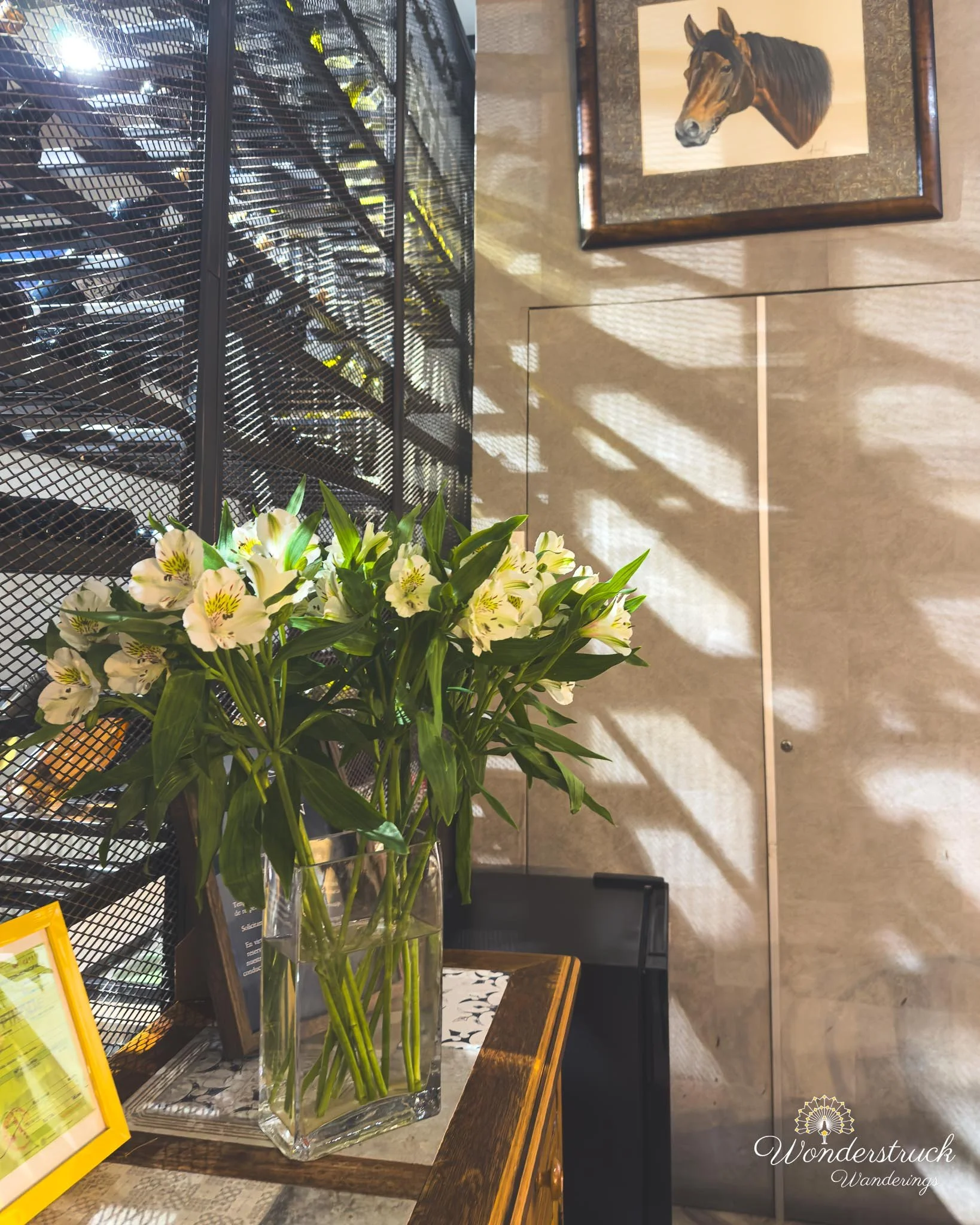
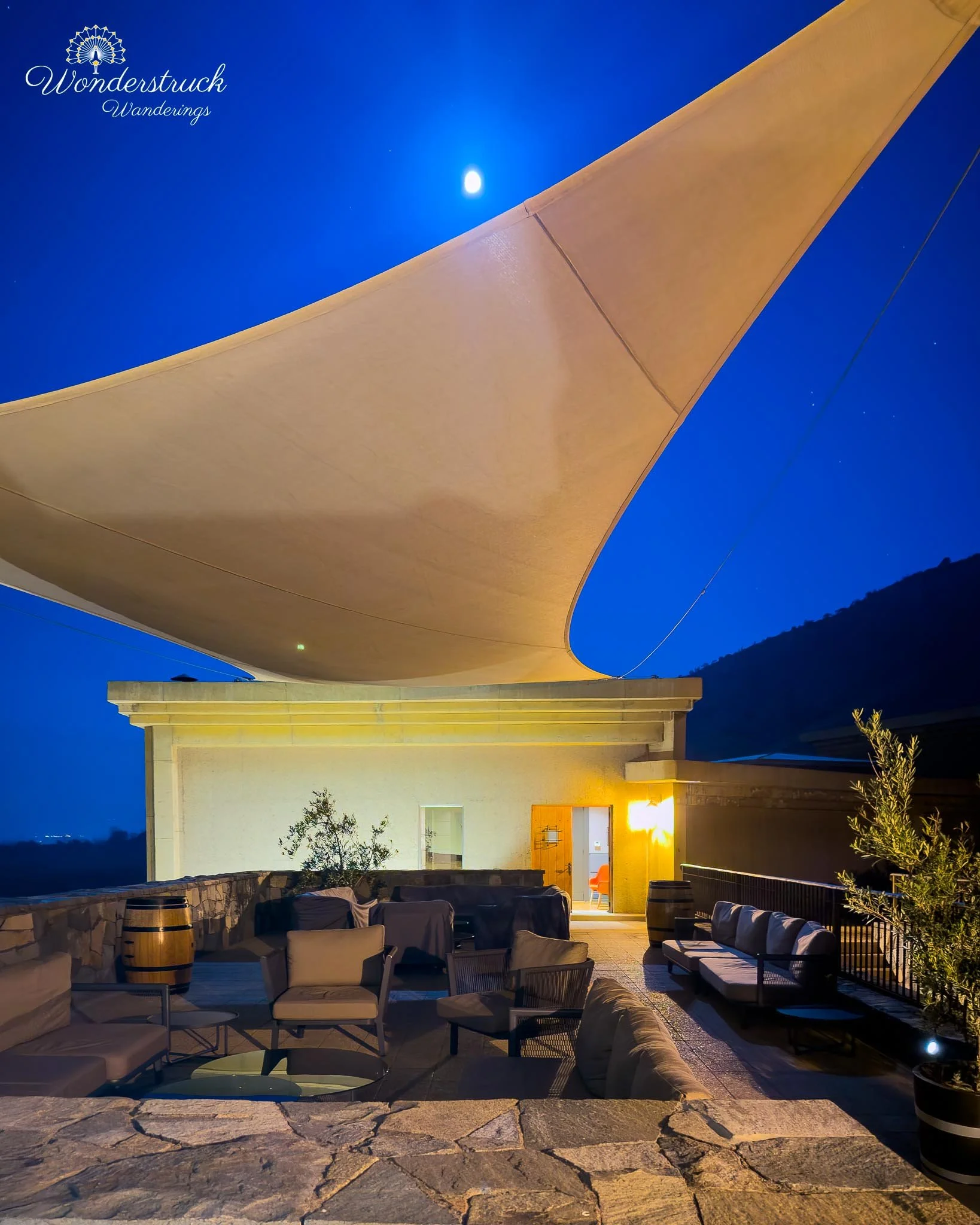
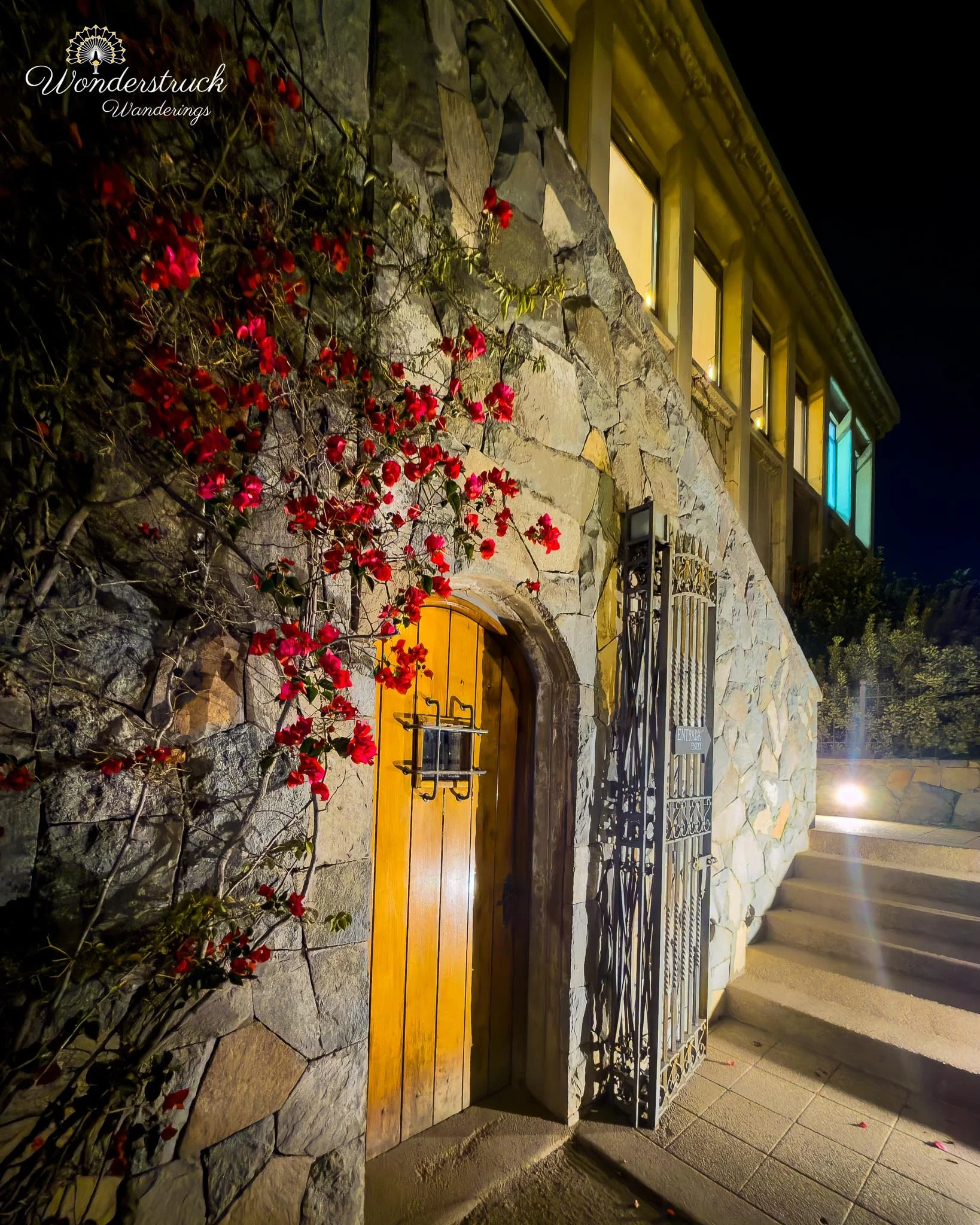
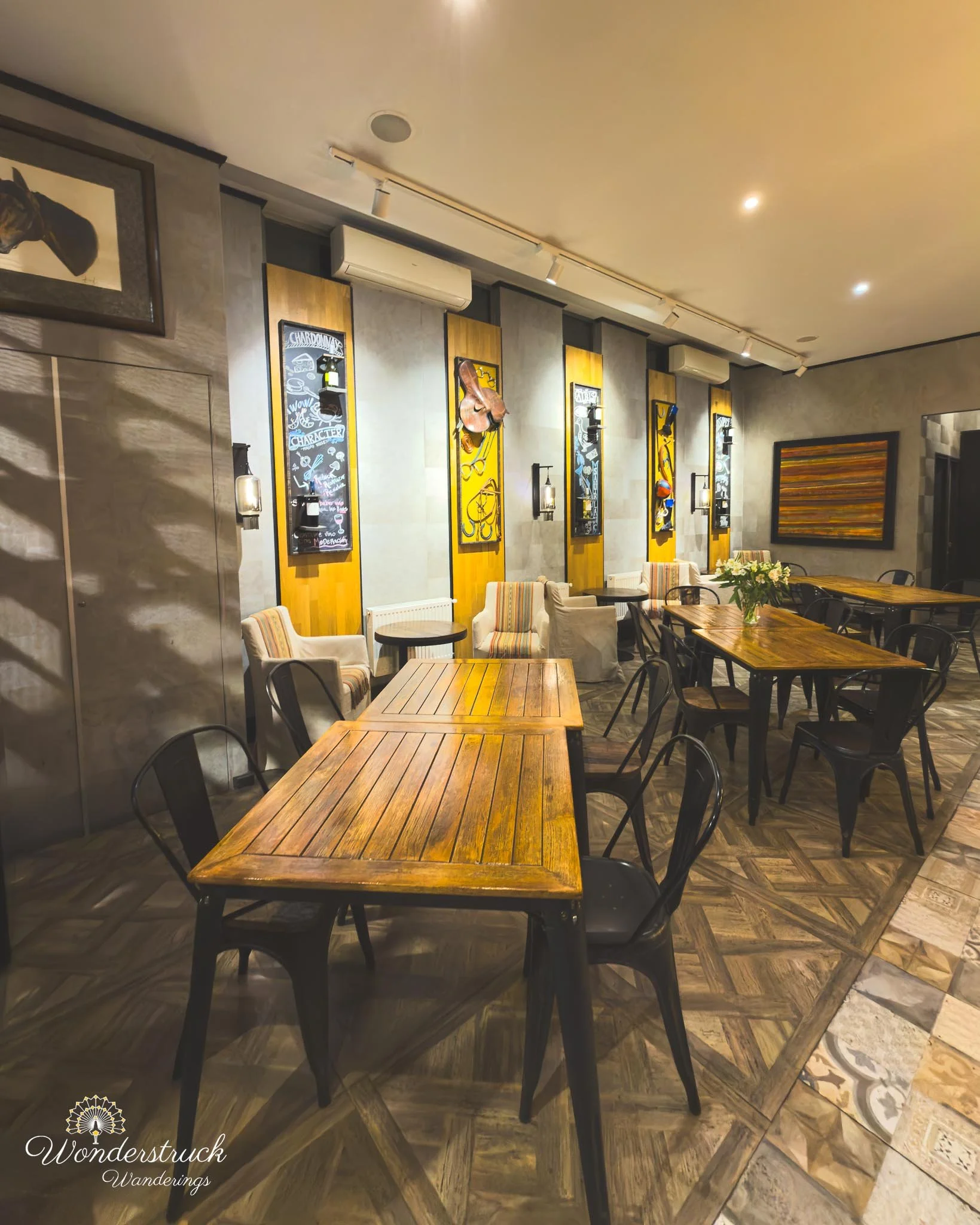
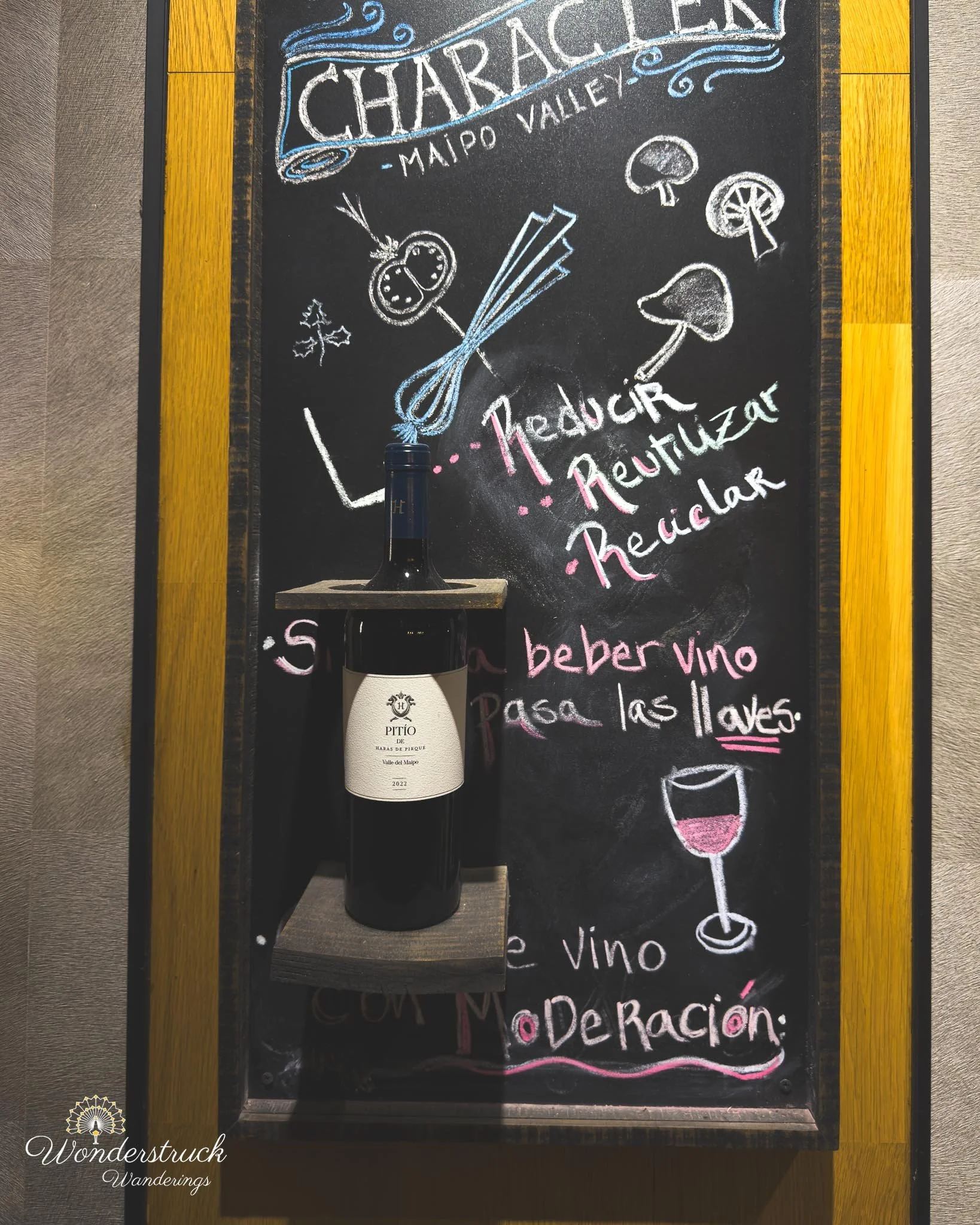
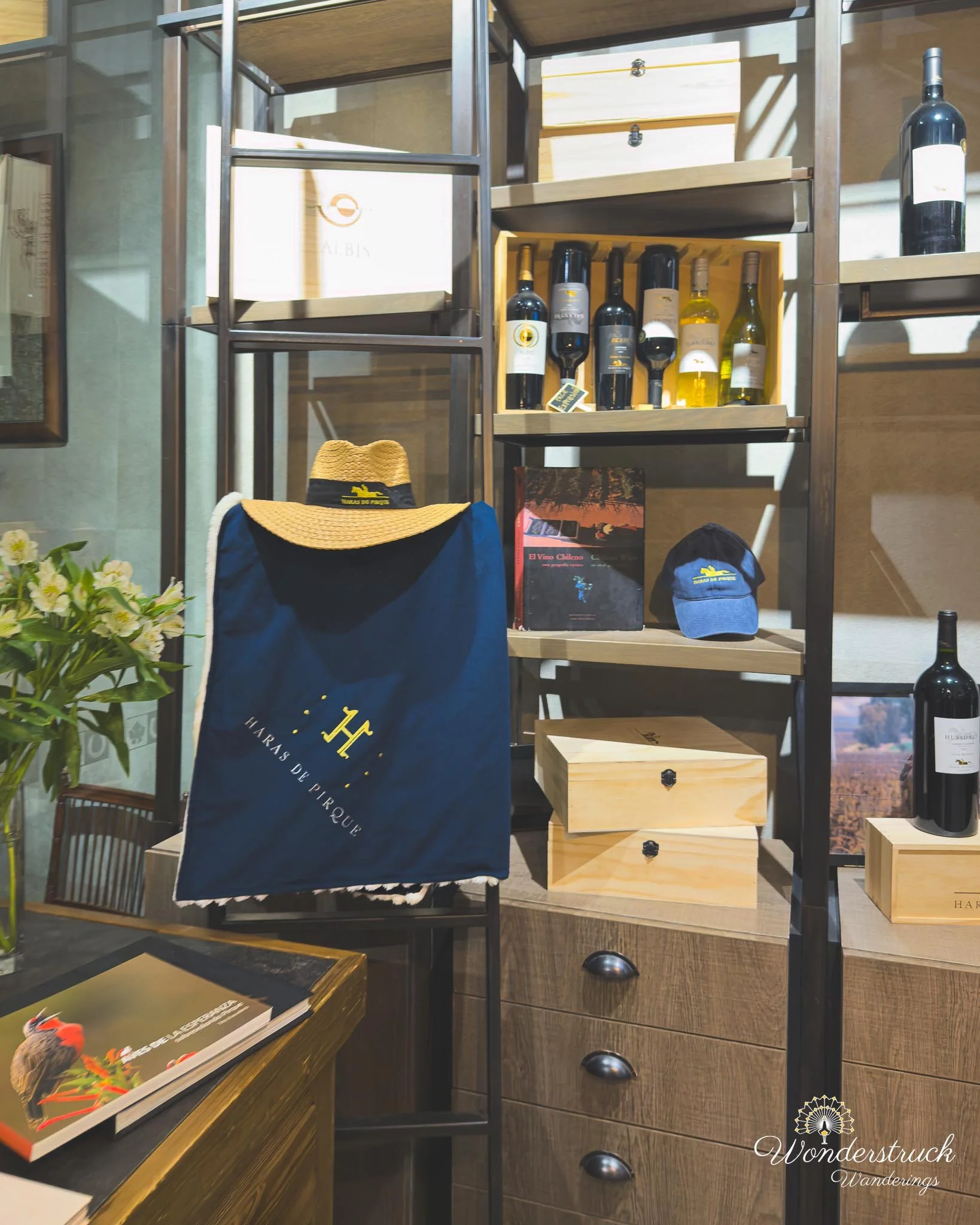
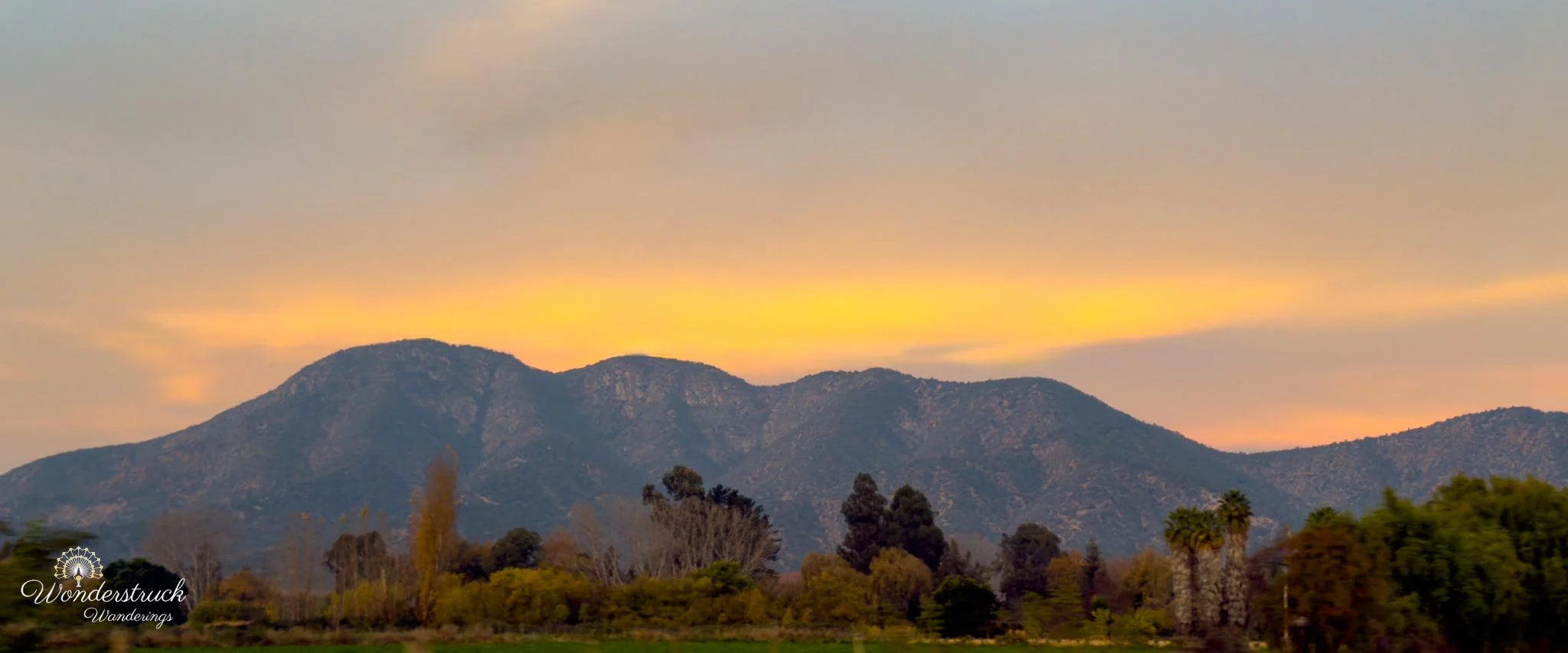
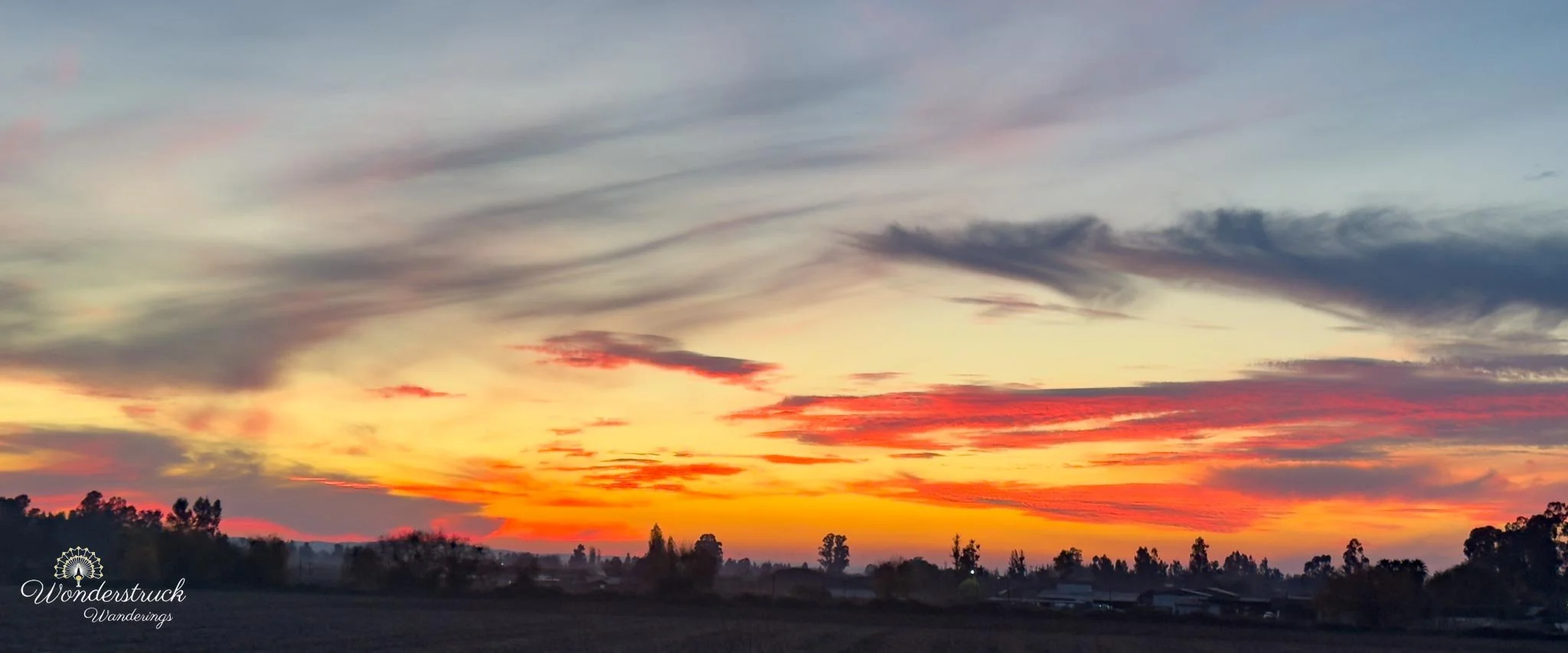
We then began the drive north toward Haras de Pirque in the Maipo Valley. The timing gave us beautiful evening scenery, with the last sunlight illuminating the Andes foothills while a nearly full moon rose above the mountains. Haras de Pirque was our final winery stop. Its distinctive horseshoe-shaped architecture reflects the estate's thoroughbred horse-racing heritage. Since we were already full from lunch, we asked to share a three-course pairing menu, which the restaurant kindly accommodated. The meal began with smoked trout tartare and raw egg, paired with Albaclara Sauvignon Blanc from Leyda Valley. The chef divided the dish between two plates. Next came oxtail osso buco in wine sauce, served over a radish-and-potato base and paired with Hussonet Cabernet Sauvignon from Maipo. The wine's structure and savory character worked particularly well with the rich, slow-cooked meat. Dessert was red-wine-poached pear, with the cream served separately. It was enjoyable, although we preferred the version at NOI Blend the previous evening. After dinner, we drove to the Courtyard by Marriott near Santiago Airport, where we carefully repacked our wine purchases before the journey home. The following morning, we flew to Chicago via Panama City, arriving home around 2 a.m. Read more on Daily Diaries.