If You Go: Istanbul Travel Guide
Istanbul is a city of layers—Byzantine stone beneath Ottoman domes—and of constant crossings: continents, empires, the call to prayer, and the everyday rhythm of tea glasses and coffee cups, sometimes all in the same afternoon. One moment we’re climbing Galata’s steep streets, the next we’re stepping into the hush of a mosque courtyard, and by evening we’re on a ferry toward Kadıköy with the skyline glowing behind us as two continents drift past. This travel guide is how we’d do it again: practical logistics, can’t-miss highlights, and the small tips that make Istanbul feel less like a checklist and more like a lived experience. Read our Travel itinerary or Tour Diary.
Arrival and Getting Around
🛬 Istanbul Airport (IST) - Istanbul Airport is massive. Plan for a 15–25 minute walk from your gate to passport control, and expect long foreign-passport lines during peak arrival windows (they do move, but it’s not quick). Once you’re out, the drive to the historic center can be 40–50 minutes with light traffic, and up to 90 minutes when Istanbul does what Istanbul does.
🚖 Airport Transfers (What Actually Works)
Budget: Havaist shuttle + connections (often metro/tram) is the cheapest route, but it’s best if you’re traveling light and not arriving late. The M11 metro can help connect you into the system, but you’ll likely still need transfers to reach areas like Sultanahmet.
Mid-range: Uber or taxi usually lands around ₺1100–₺1750 ($25–$40) depending on traffic and time. Tip: confirm the meter is running and zeroed before you roll.
Comfort (and worth it after a long flight): Pre-booked hotel transfers are typically ($55–$100) and remove the hassle of language barriers, payment confusion, or “creative routing.” They have both shared and private options.
Use an Istanbulkart for trams, ferries, buses, and metros. Even if you mostly walk, the ferry crossings are part of the Istanbul experience and should be built into your itinerary.
Where to Stay
Sultanahmet
Best for first-time visitors and early mornings. You’re walking distance to Hagia Sophia, Blue Mosque, Topkapı Palace, and the atmospheric lanes of the old city. If your plan is to walk to the big hitters—Hagia Sophia, the Blue Mosque, Topkapı, the Basilica Cistern—and still have time for sunrise photos and late-night dessert runs, Sultanahmet is the easiest base. Here are the stays that fit different budgets, grouped the way we’d actually choose them: mid-range value vs high-end splurge.
Mid-range (best value for location + comfort)
-
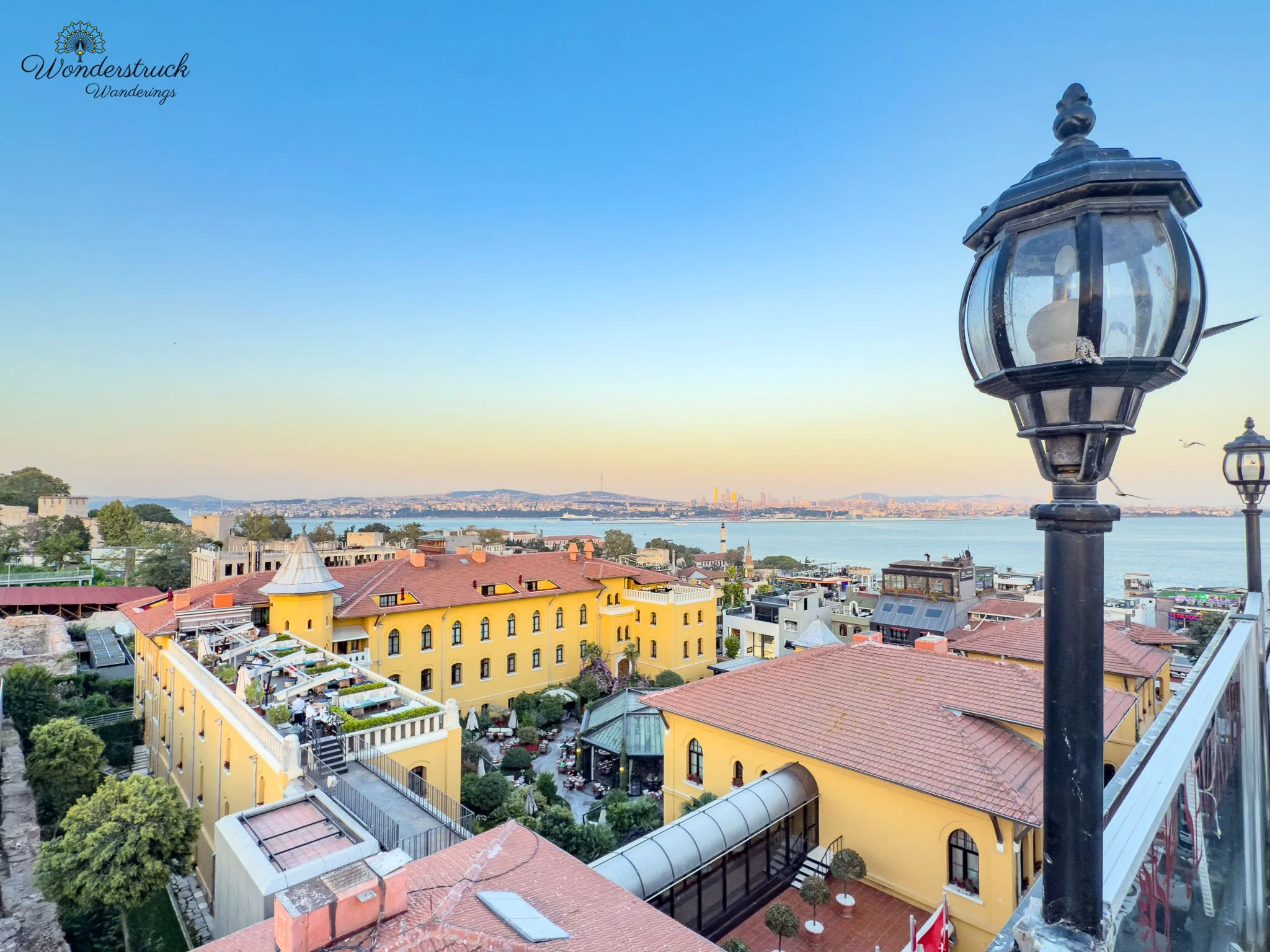
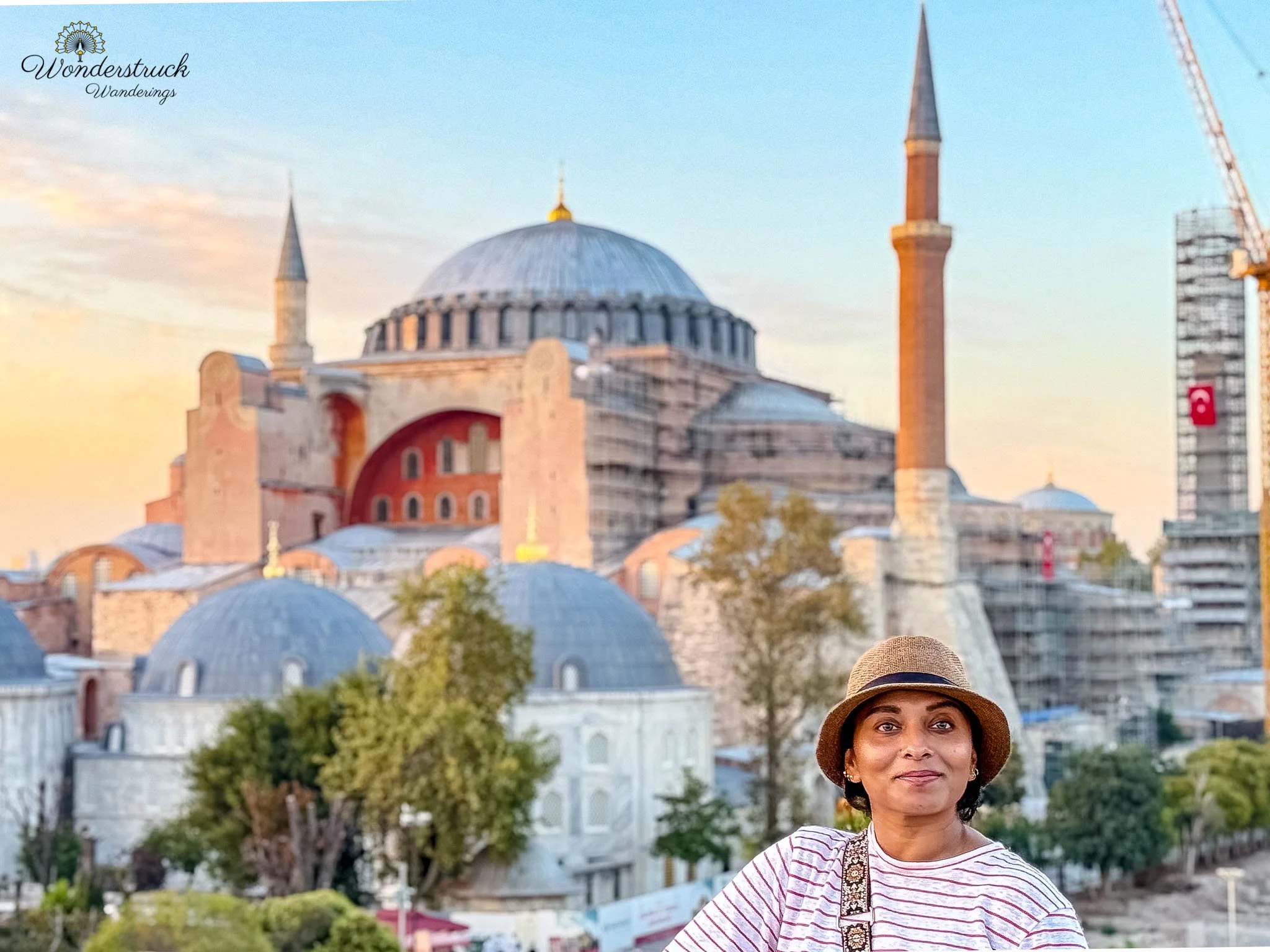
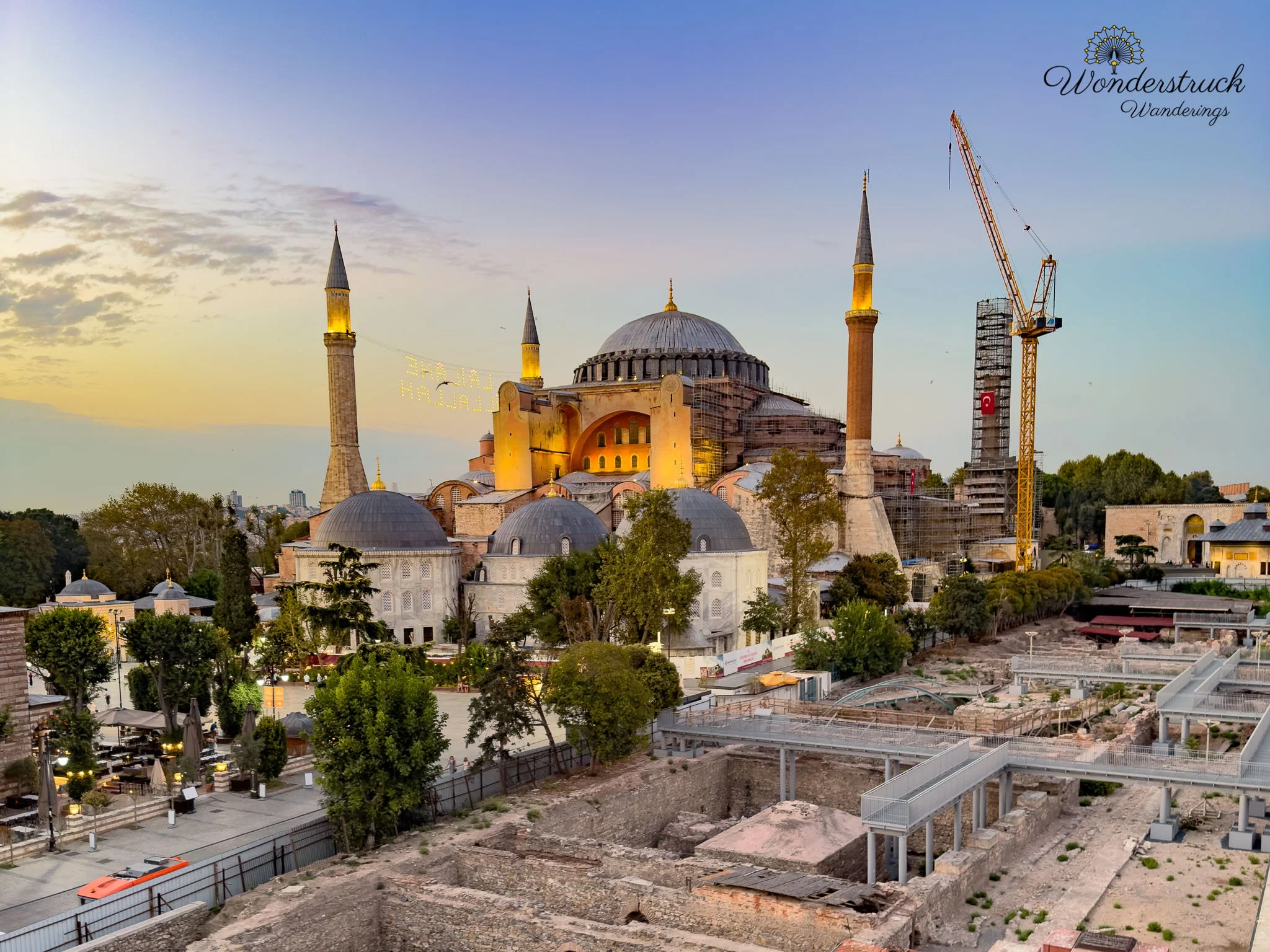
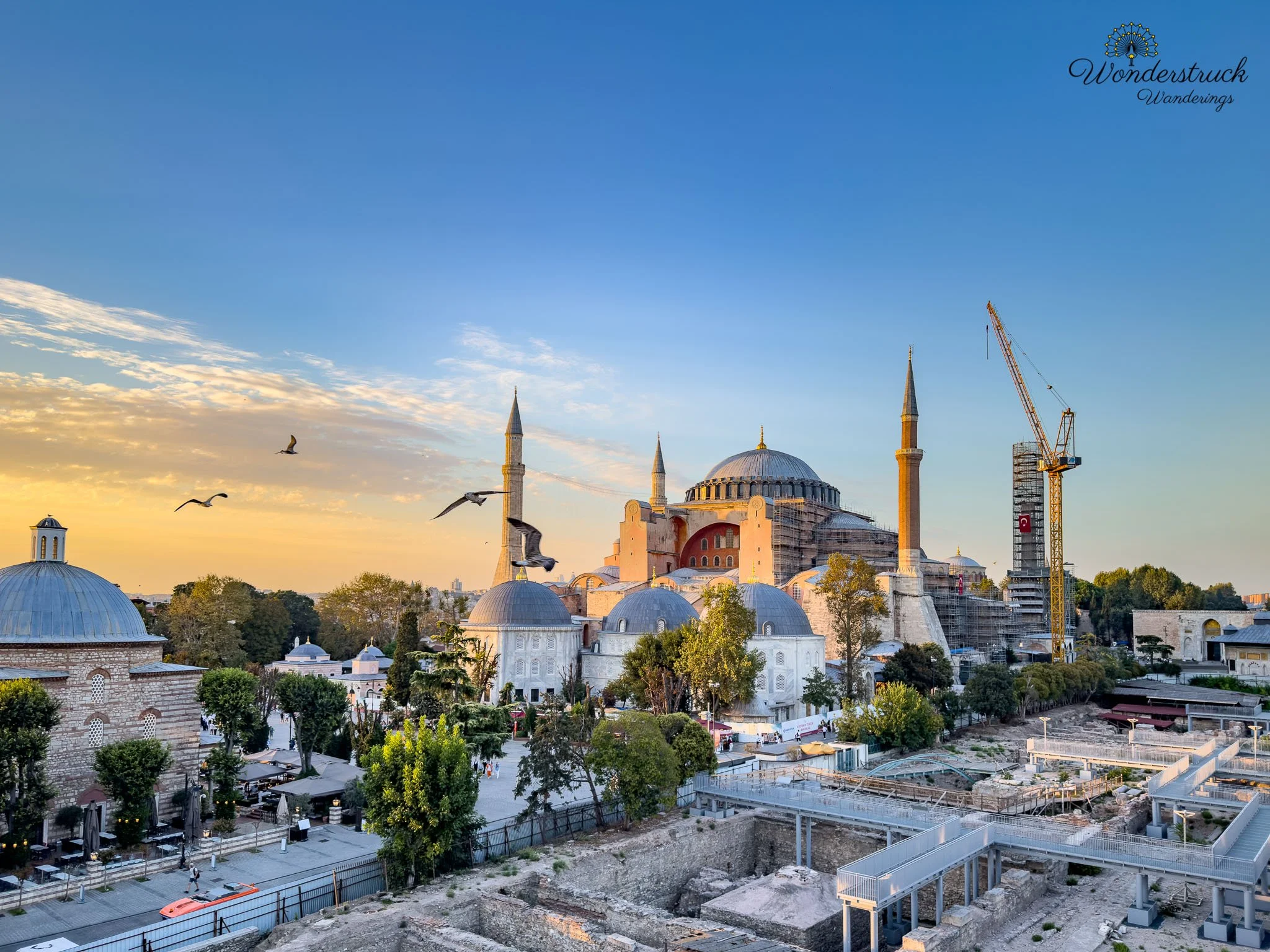
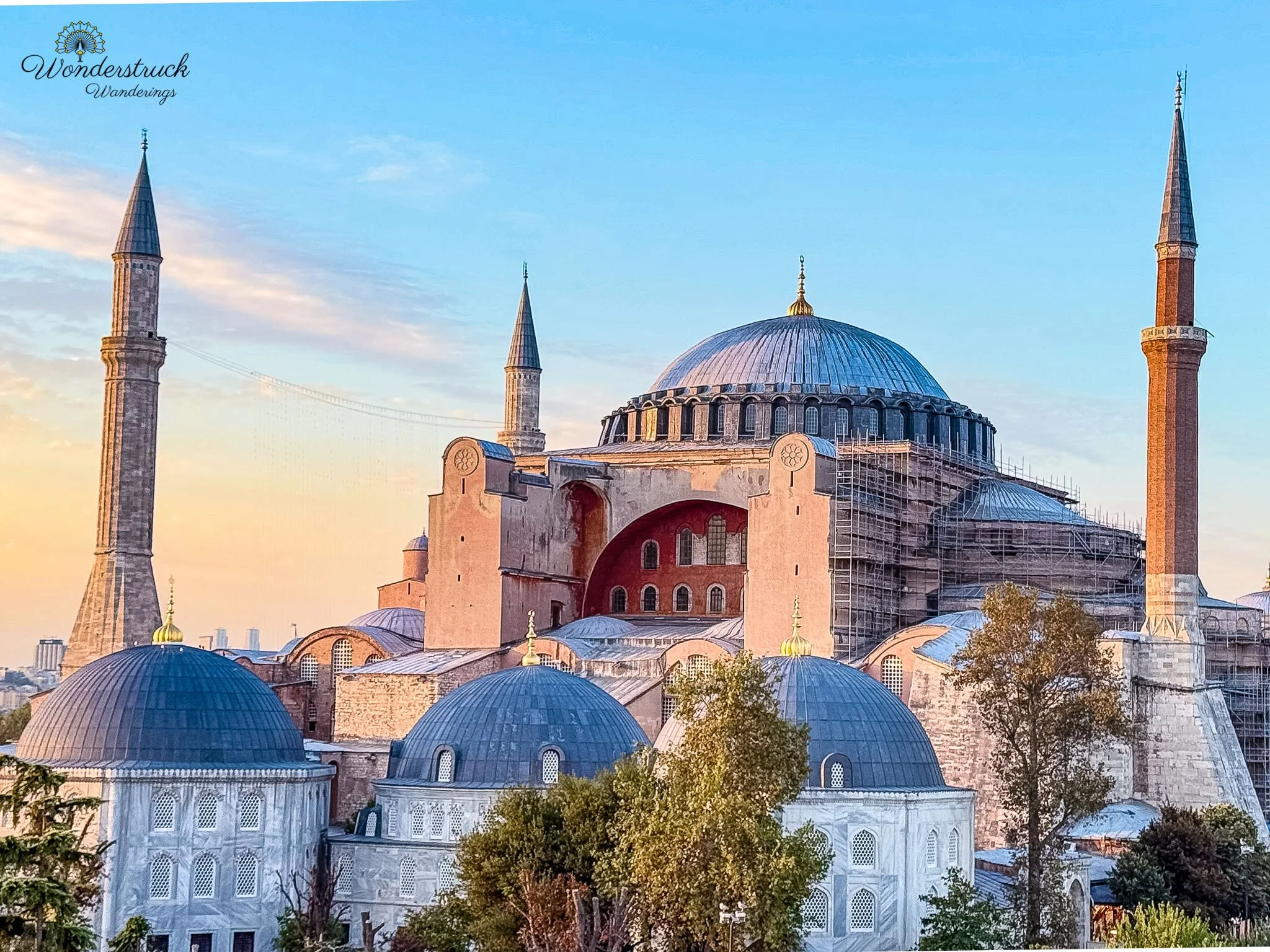
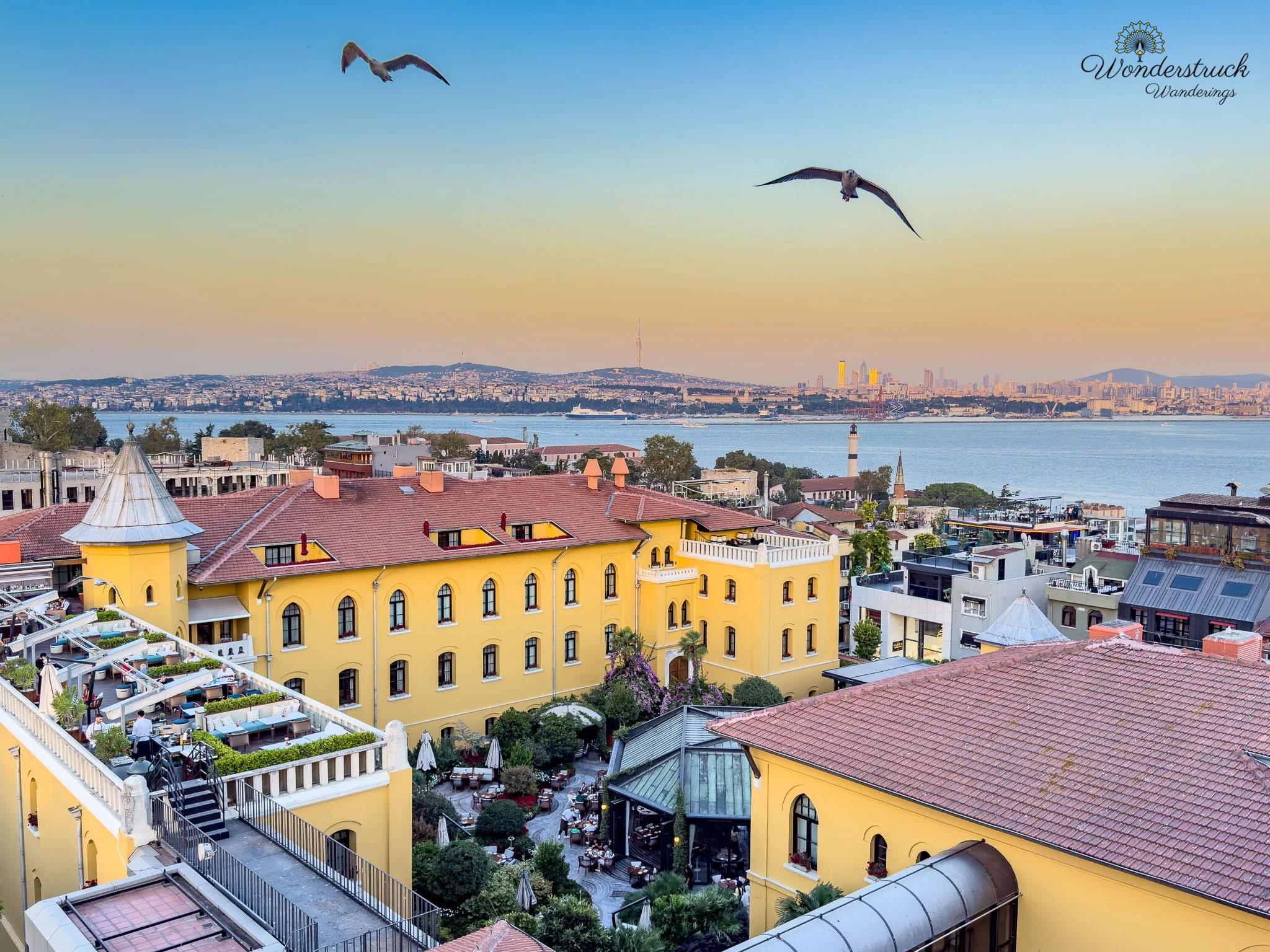
The real advantage is the rooftop—one of the most iconic viewpoints in the Old City, with Hagia Sophia and the Blue Mosque framed together. If golden-hour photos matter to you (or you just want an effortless “wow” moment without leaving your hotel), this is the move.
-
This one feels quiet, tucked-away, and charming, like you’re staying in a pocket of the historic neighborhood rather than a big tourist corridor. It’s a great pick if you want personality and calm while still being close enough to walk everywhere.
-
Old City base with an excellent location. The advantage here is simplicity: you’re staying somewhere that makes it easy to pop in and out of Sultanahmet all day—especially helpful when you’re timing prayer hours, museum entry windows, and weather changes.
High-end (for service and “once-in-a-trip” stays)
-
These are historic mansion-style accommodations that feel more residential and atmospheric than a standard luxury hotel. The advantage is the blend of Old City character + higher-end comfort, plus an overall calmer feel after busy sightseeing days.
-
This is the “do it properly” option—impeccable service, a peaceful refuge from the crowds, and a location that still keeps you right in the historic core. The biggest advantage is how it makes Istanbul feel: you can go hard all morning, then come back to a place that feels quiet, elegant, and restorative.

Quick pick guide:
Want the best rooftop view without paying luxury prices → Seven Hills (we stayed here)
Want boutique charm + quiet → Empress Zoe
Want simple, central, dependable → Hotel Sultanahmet Palace
Want high-end comfort with Old City personality → Hagia Sofia Mansions
Want top-tier luxury + service → Four Seasons Sultanahmet
Galata / Karaköy
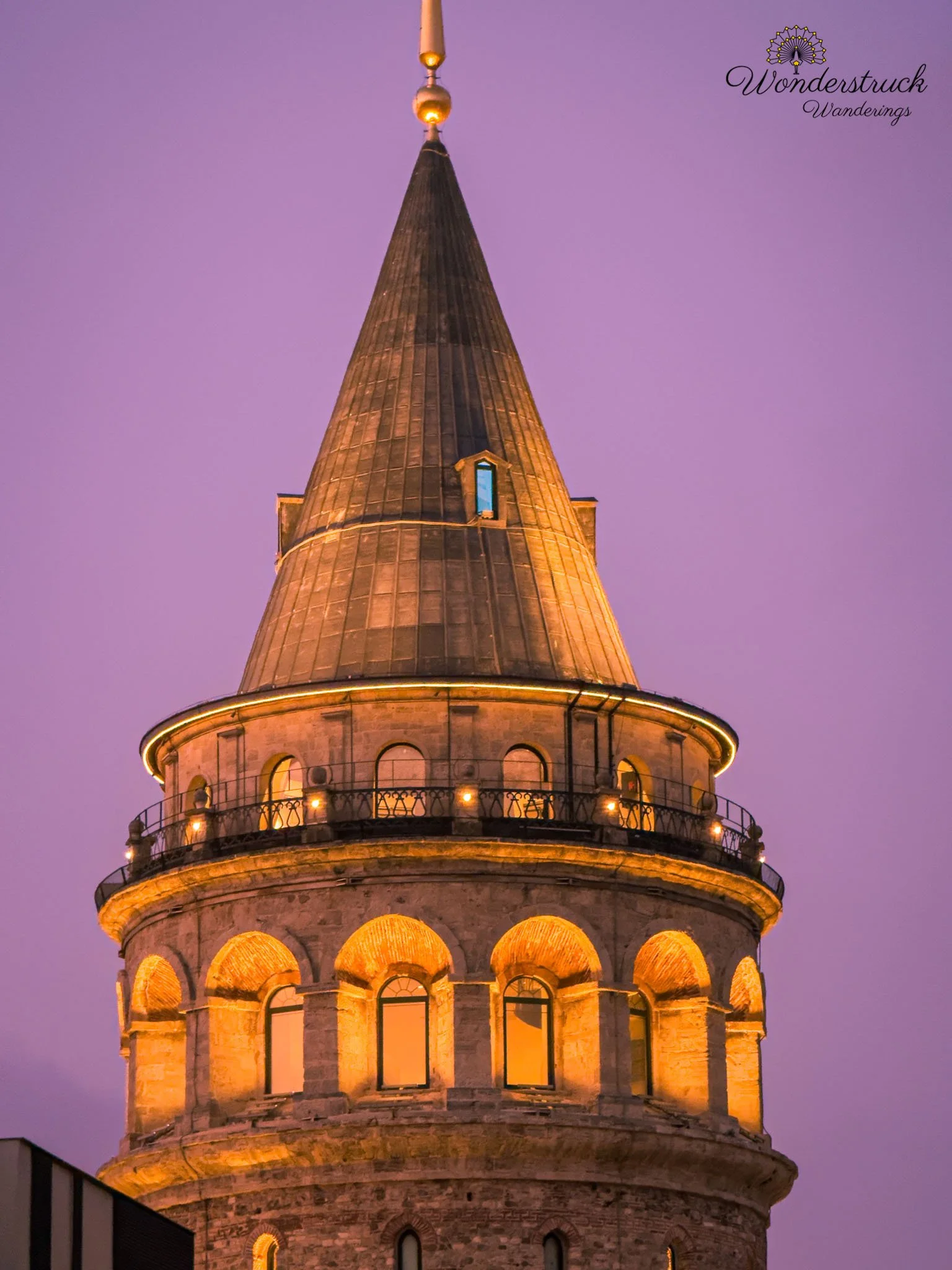
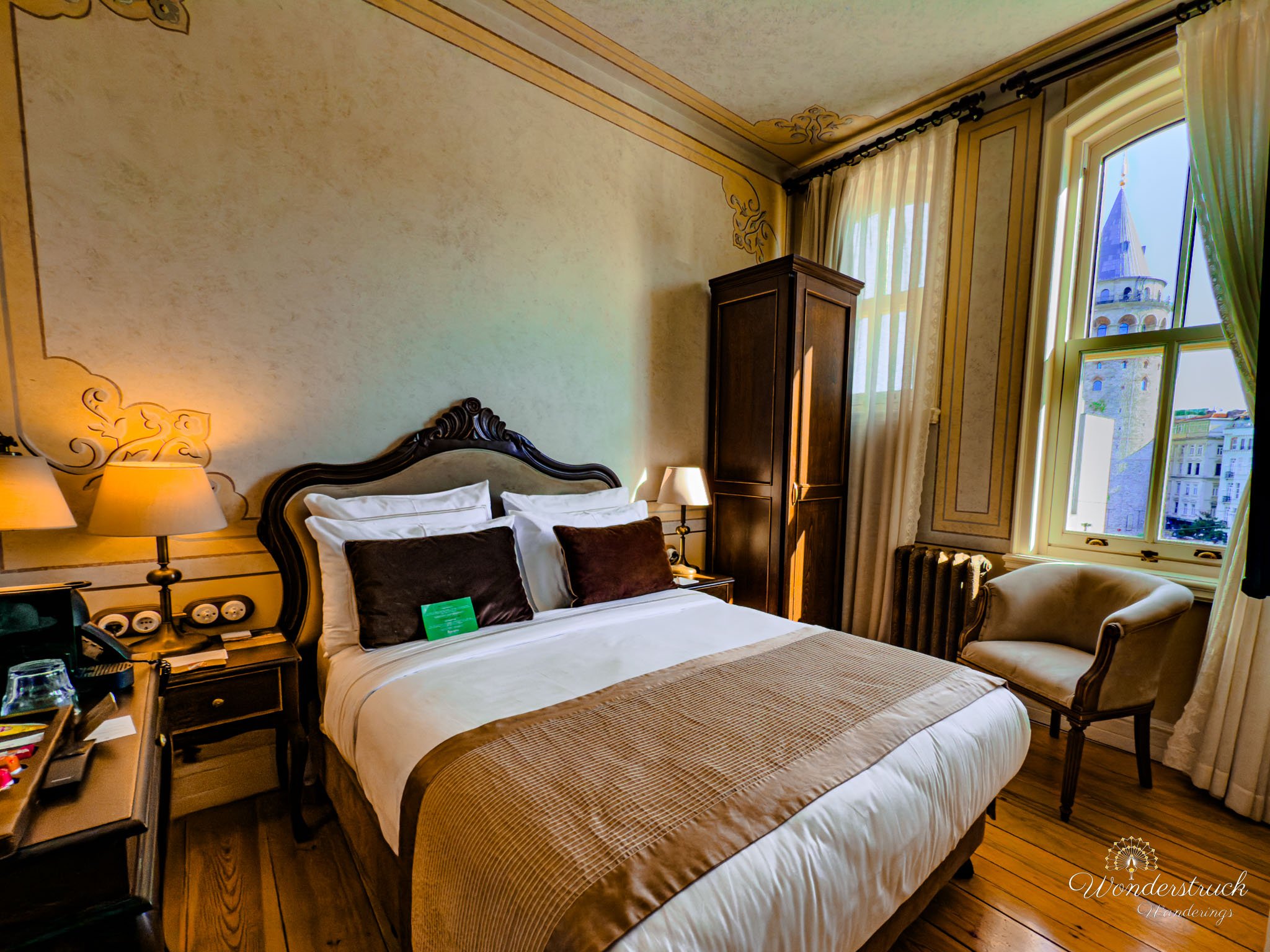
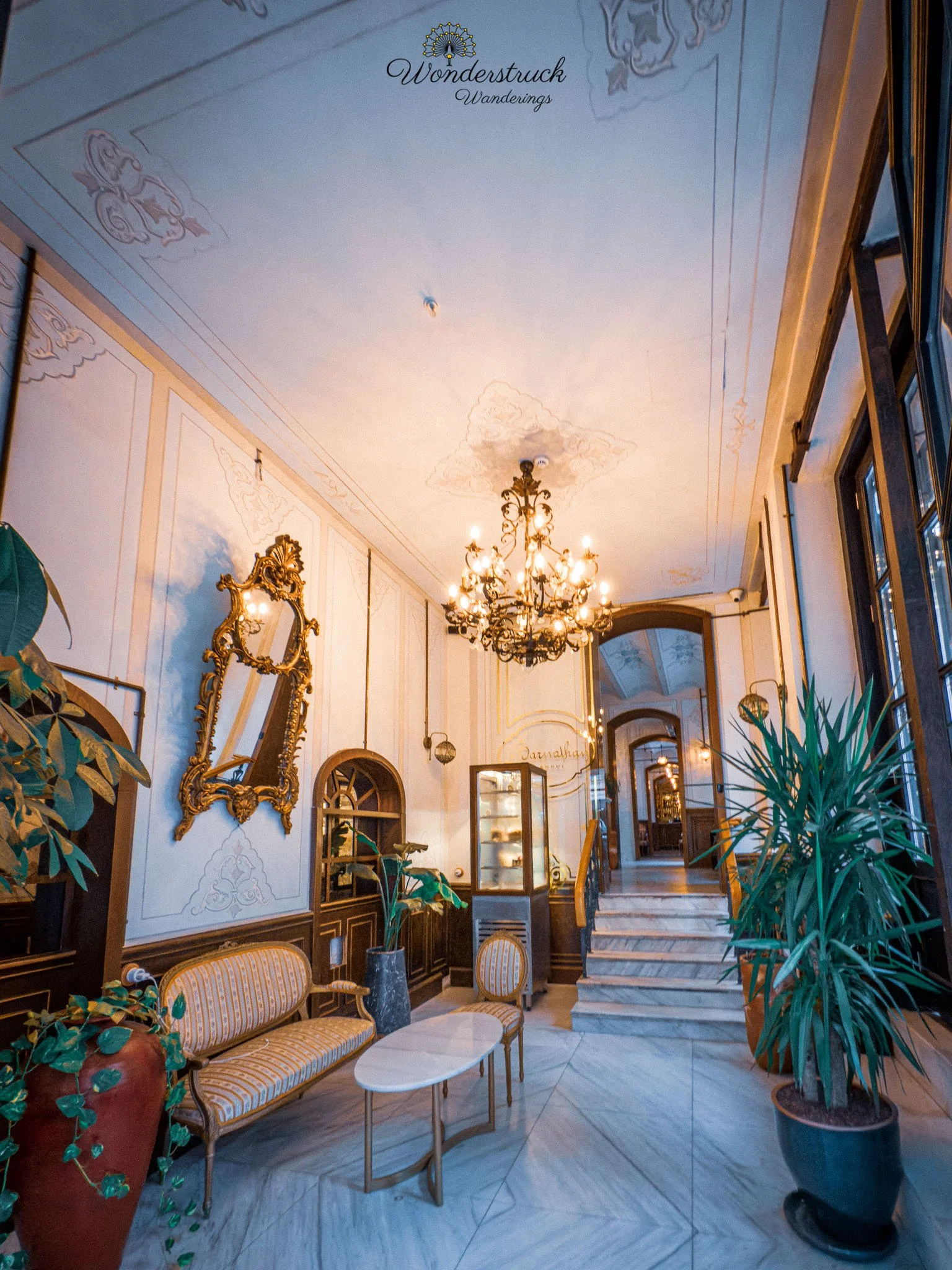
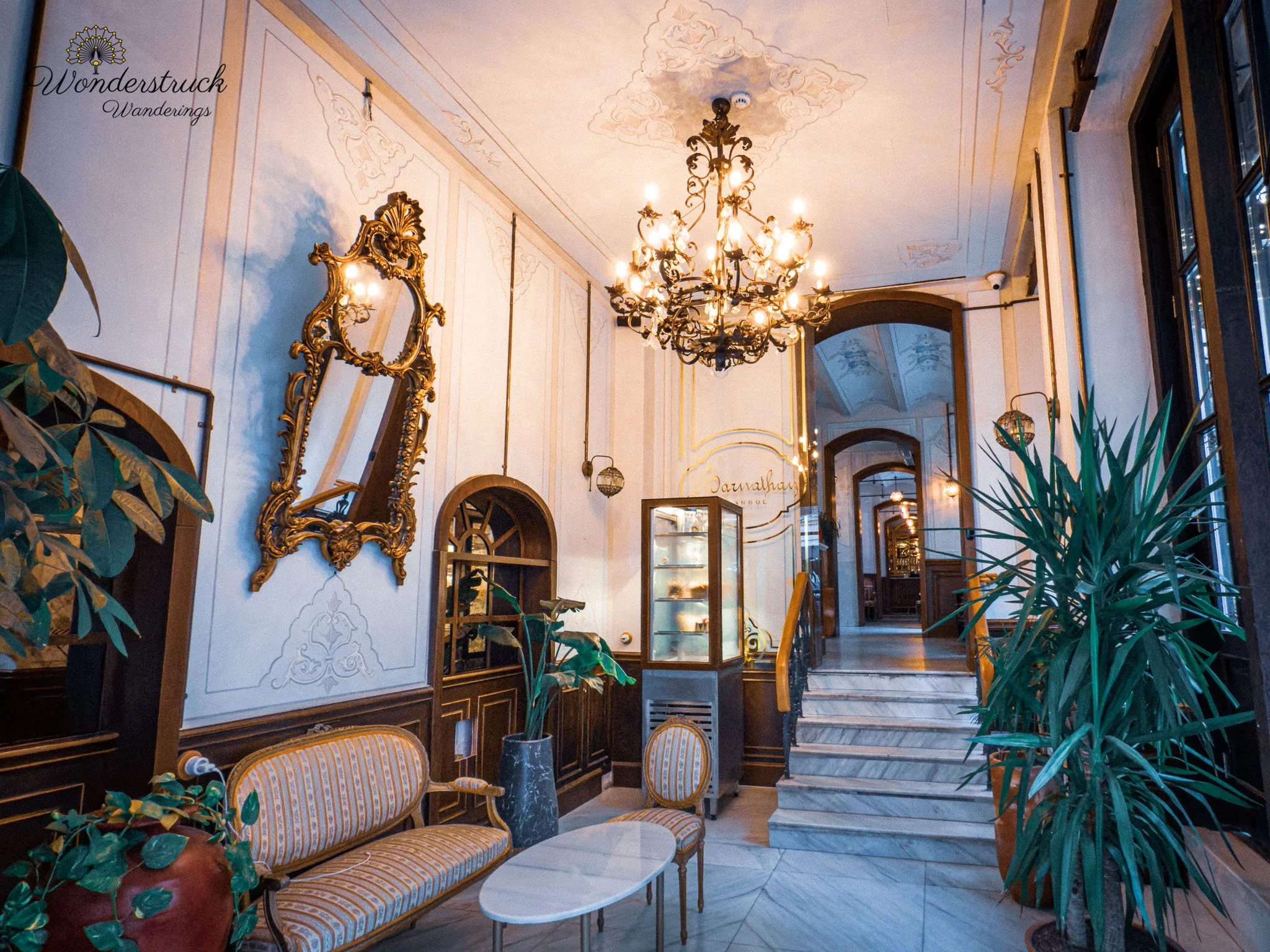
Trendy, artsy, and packed with cafés, rooftop views, and boutique stays. Great if you want your evenings to feel alive and your food options to be endless. If you want Istanbul to feel walkable, photogenic, and a little more “live-in” than museum-town, base yourself around Galata Tower + Karaköy. You’re steps from İstiklal, a quick stroll to the waterfront, and perfectly positioned for sunset rooftops and spontaneous café detours.
Mid-range (best value for location + comfort)
-
Rooftop views are the headline here. It’s a smart choice if you want that classic skyline sunset (without paying luxury rates) while staying right in the Galata/Karaköy energy.
-
Small-boutique scale with a local, neighborhood feel—great for travelers who want to be close to the action but still come back to something quieter and more personal.
-
Apartment-style comfort (more space, more independence). Best if you like having room to spread out—especially useful for longer stays, early-morning coffee routines, or travel that’s part work/part wandering.
High-end (for service and “once-in-a-trip” stays)
-
A design-forward boutique option that feels elevated and intimate—a great splurge if you want a stay that matches the Galata aesthetic (stylish, atmospheric, and rooftop-friendly).
-
This is Istanbul’s grand-hotel classic—historic, glamorous, and perfect if you want the experience to feel old-world and iconic (think lobby moments, patisserie breaks, and a hotel that’s part of the story, not just where you sleep).


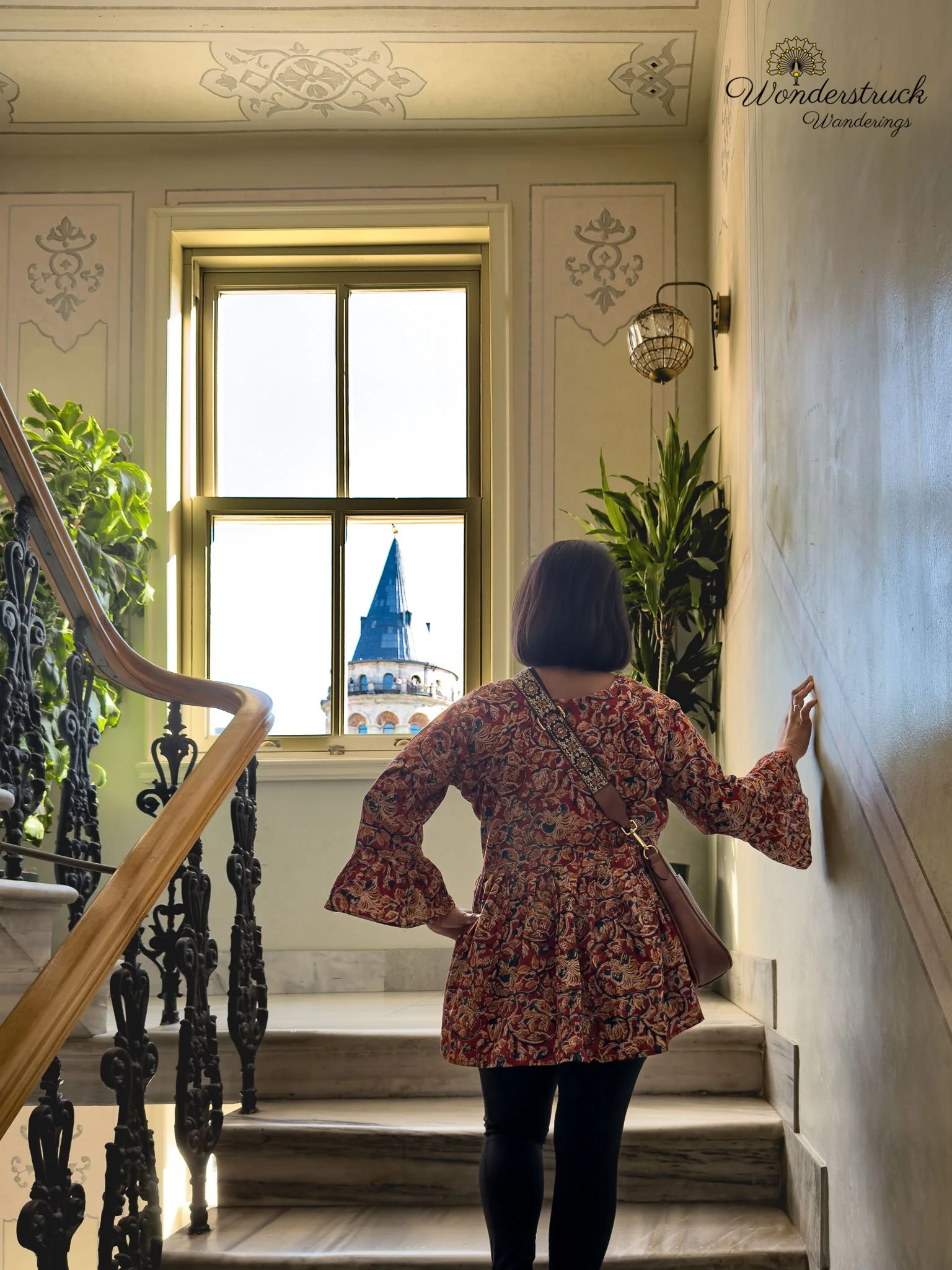
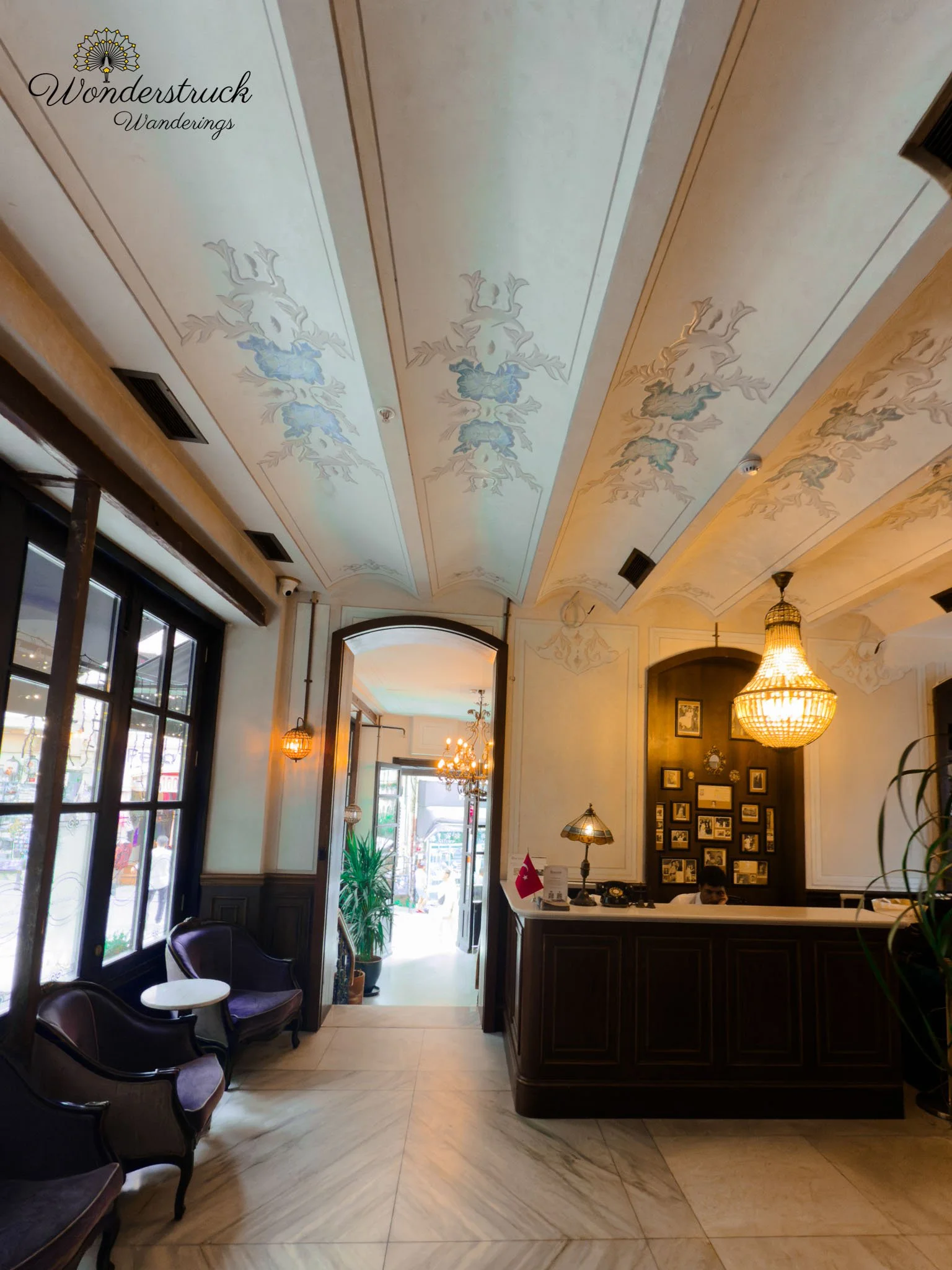
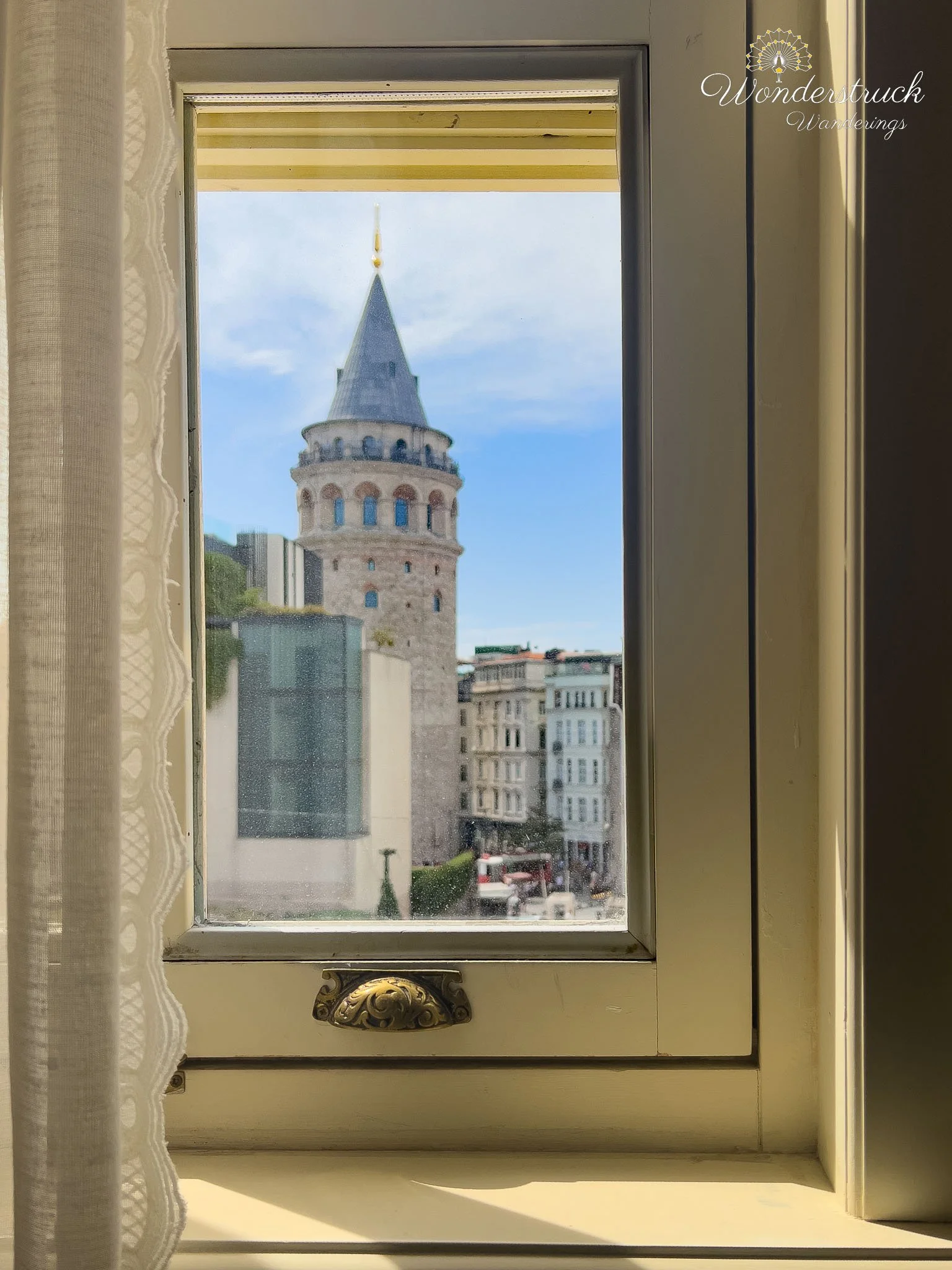
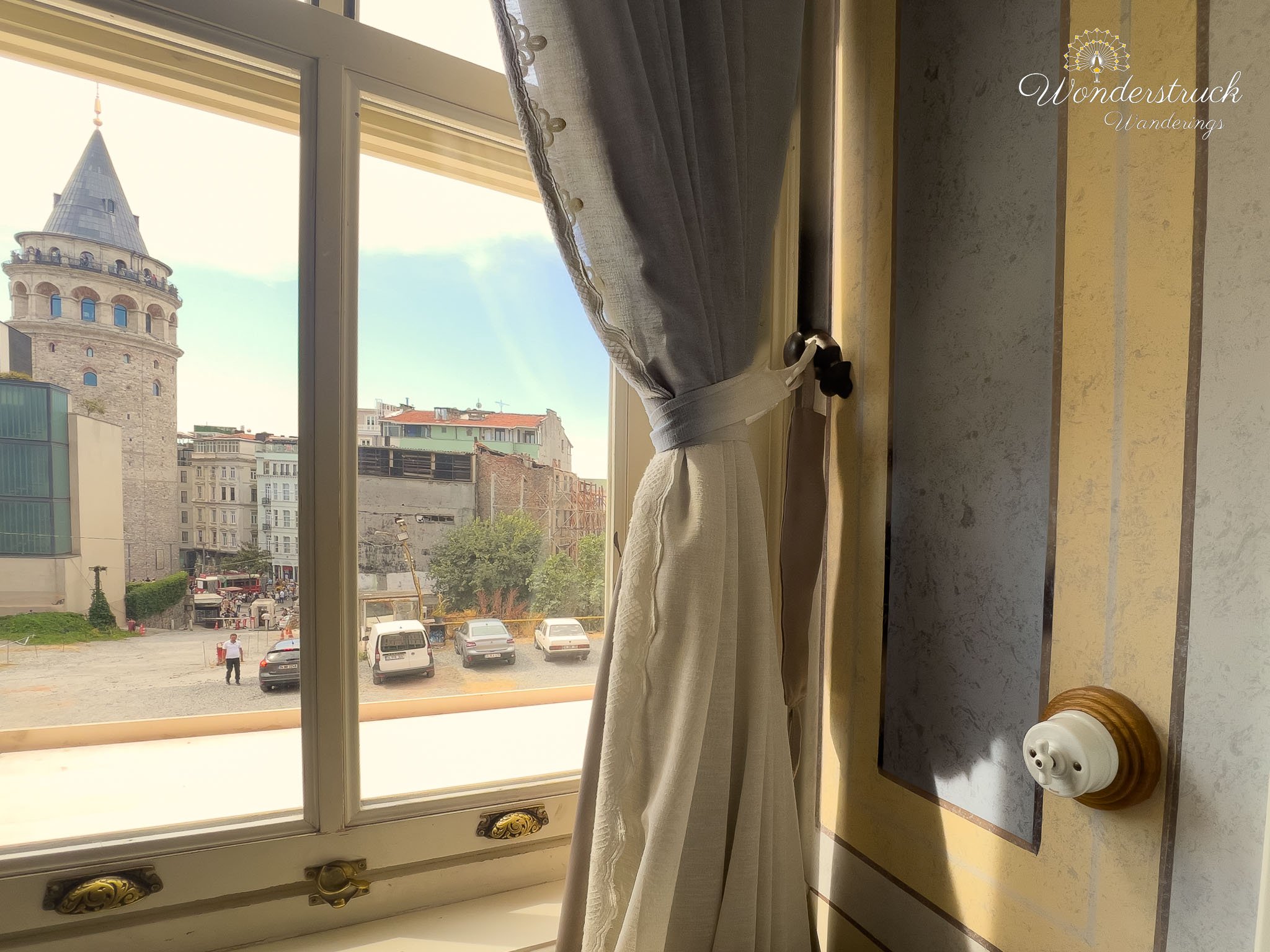
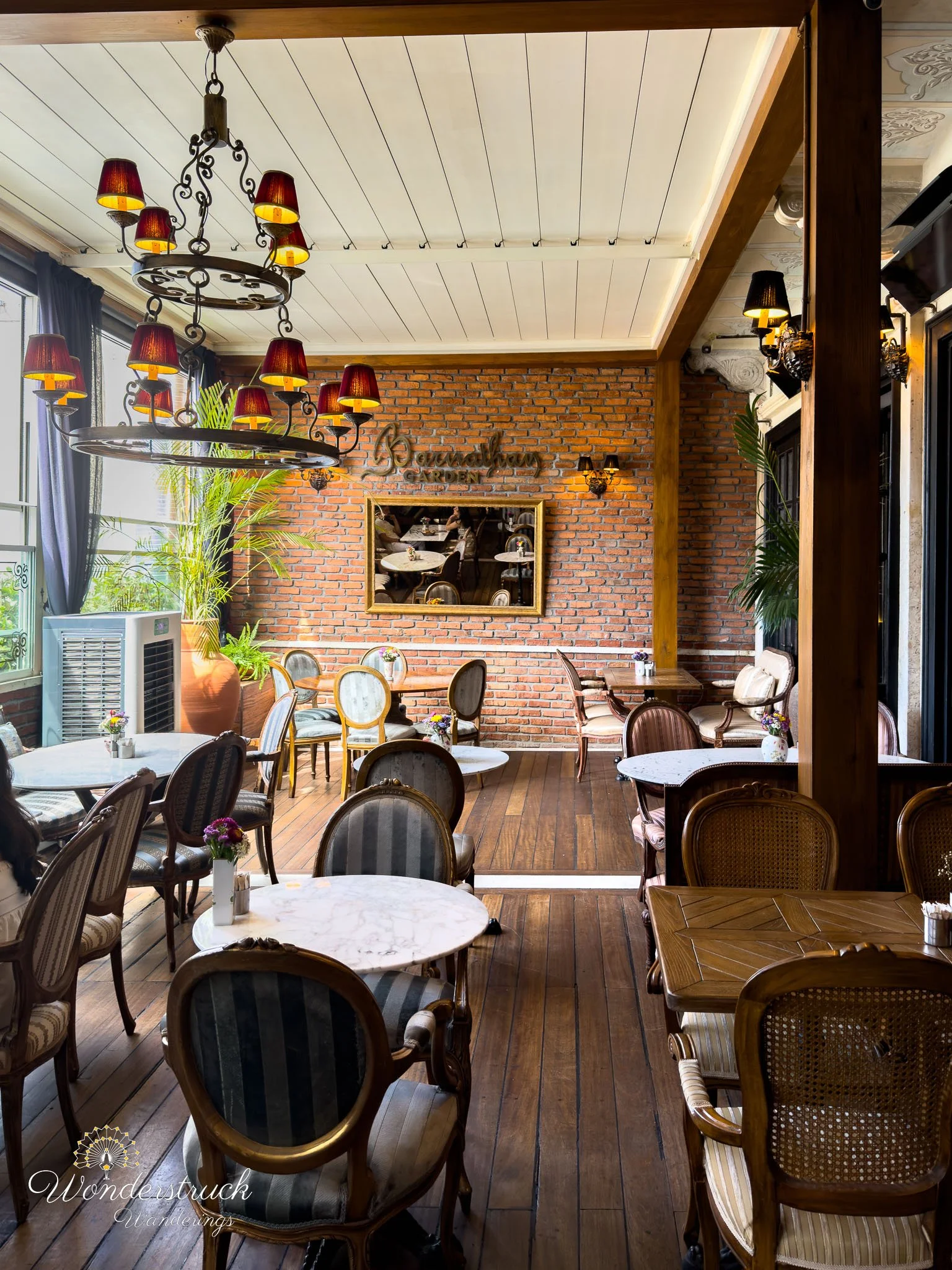
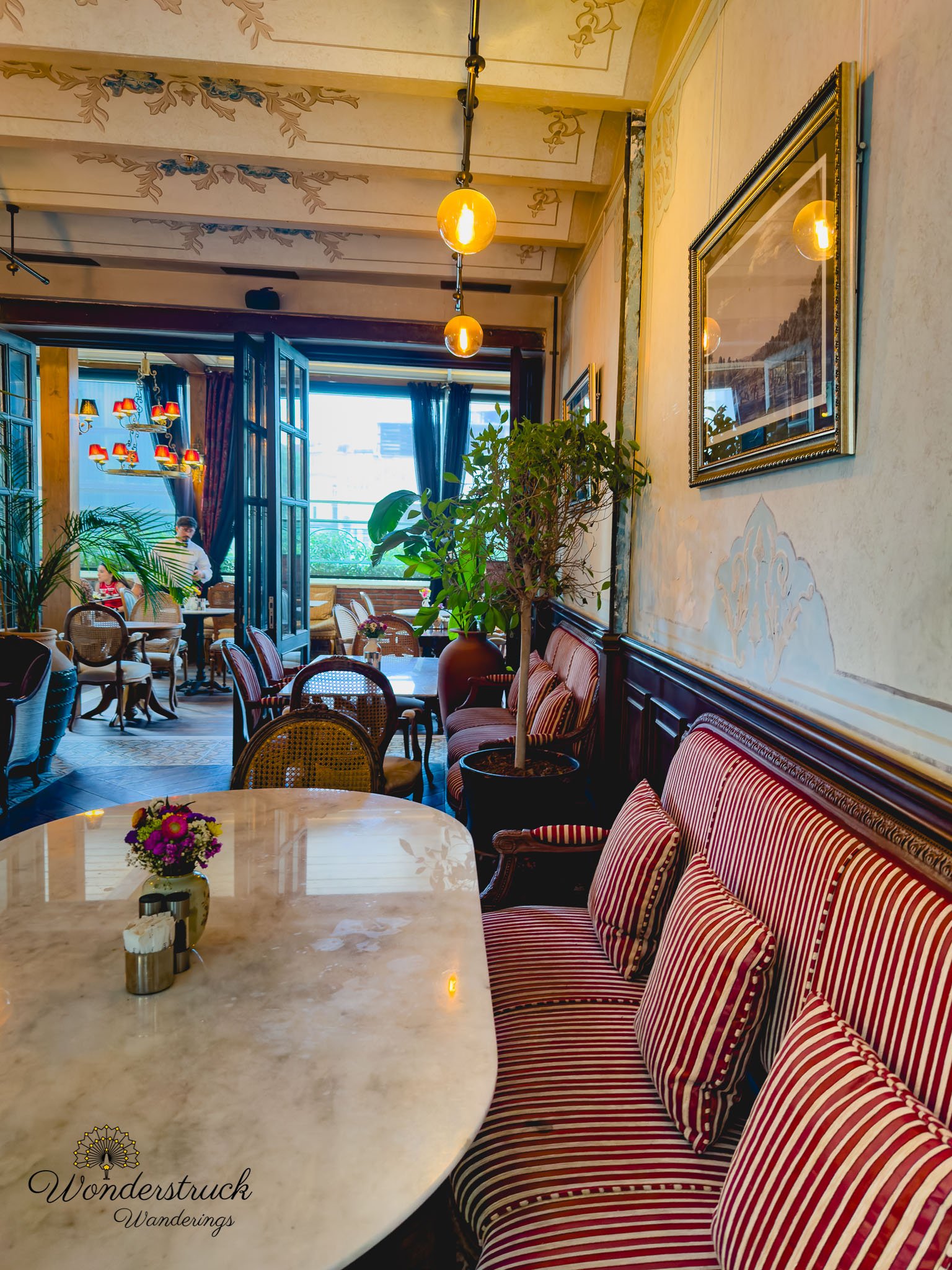
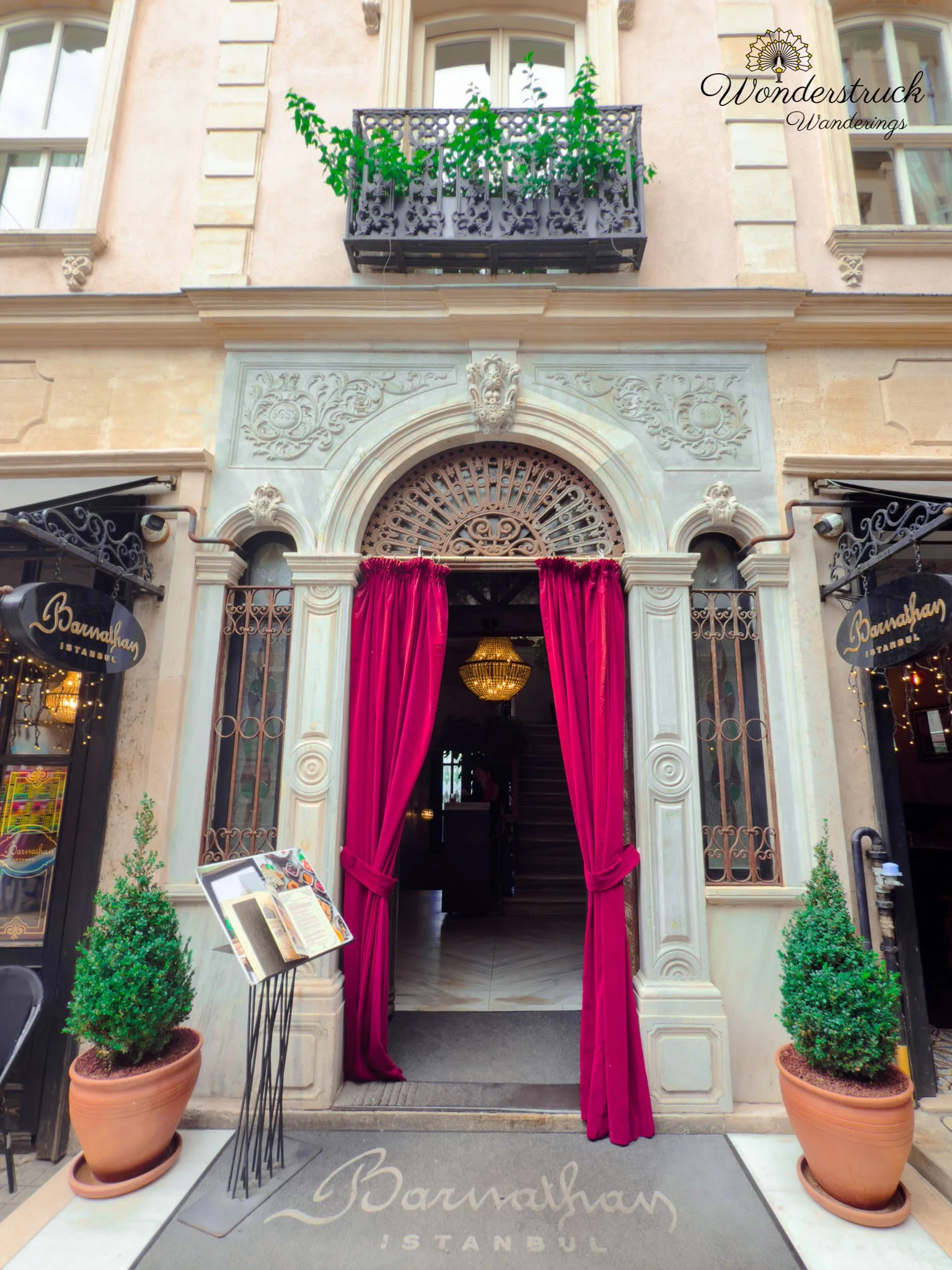
Quick pick guide (how to choose fast):
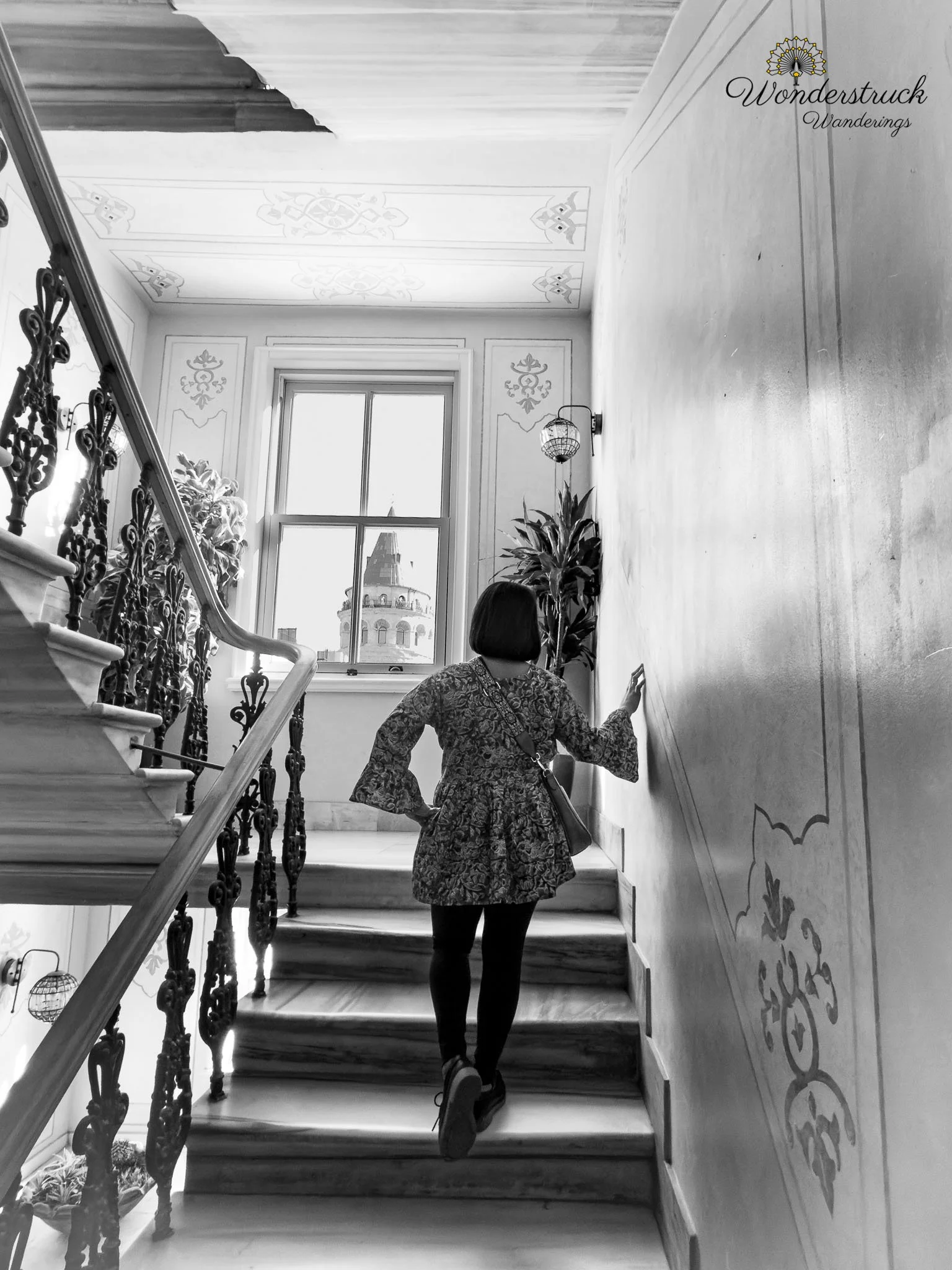
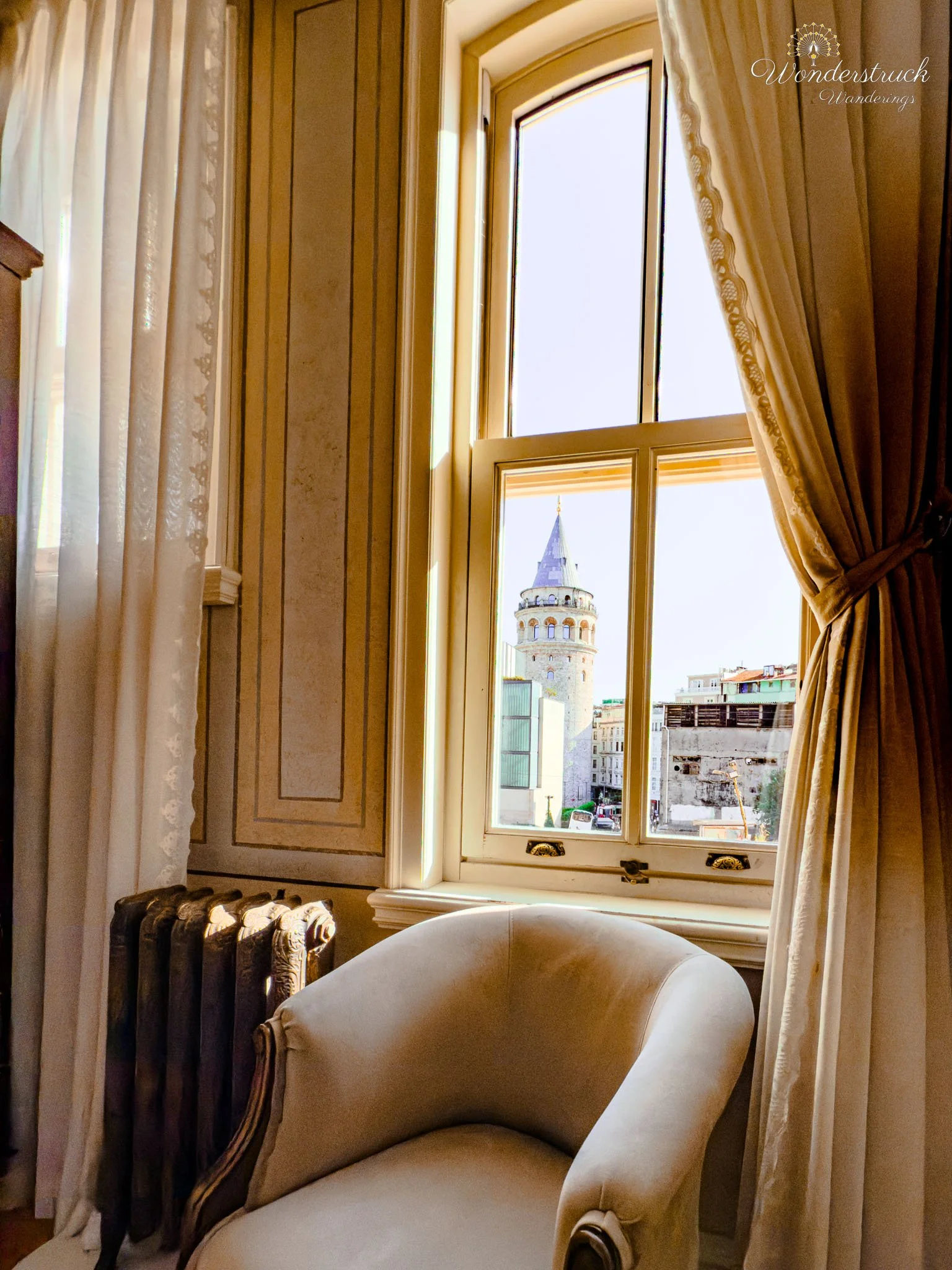
Want the rooftop-sunset cheat code near Galata → Meroddi Barnathan ( We stayed here)
Want a small, boutique, neighborhood calm → World House
Want space + independence (and great value) → Louis Appartements
Want design-forward boutique luxury → Georges Hotel Galata
Want historic, dress-up, “main character” Istanbul → Pera Palace
Kadıköy
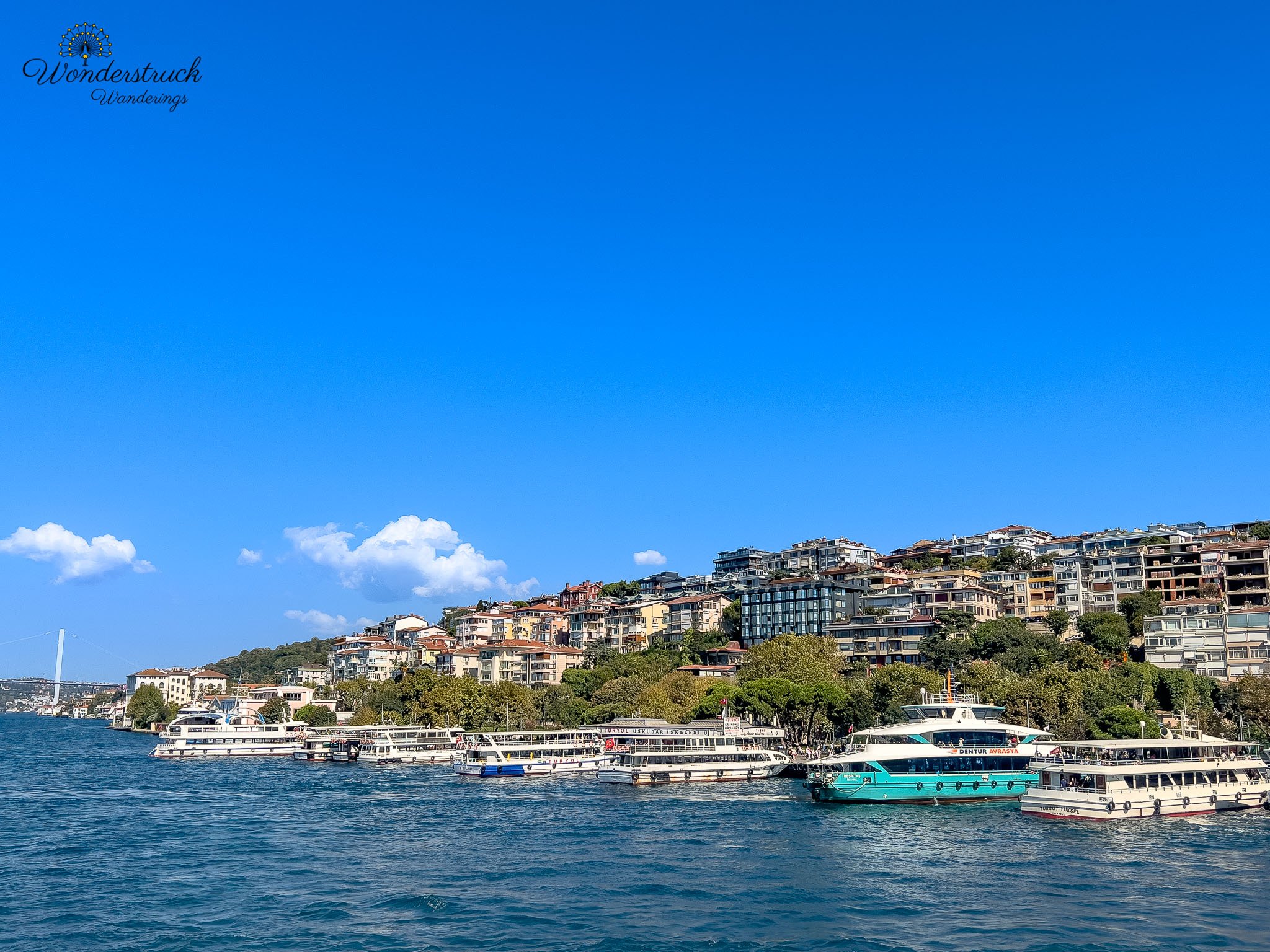
The Asian side’s local heartbeat. If you’re staying longer (or want a break from the tourist intensity), Kadıköy feels more lived-in—markets, waterfront strolls, and some of the best casual dining in the city.
Must-Try Foods in Istanbul (What & Where )
If Istanbul had one rule, it’s this: don’t save your appetite for “later.” The best bites happen between mosques, on ferry rides, and in the five-minute detours you almost skip.
Street Food Classics
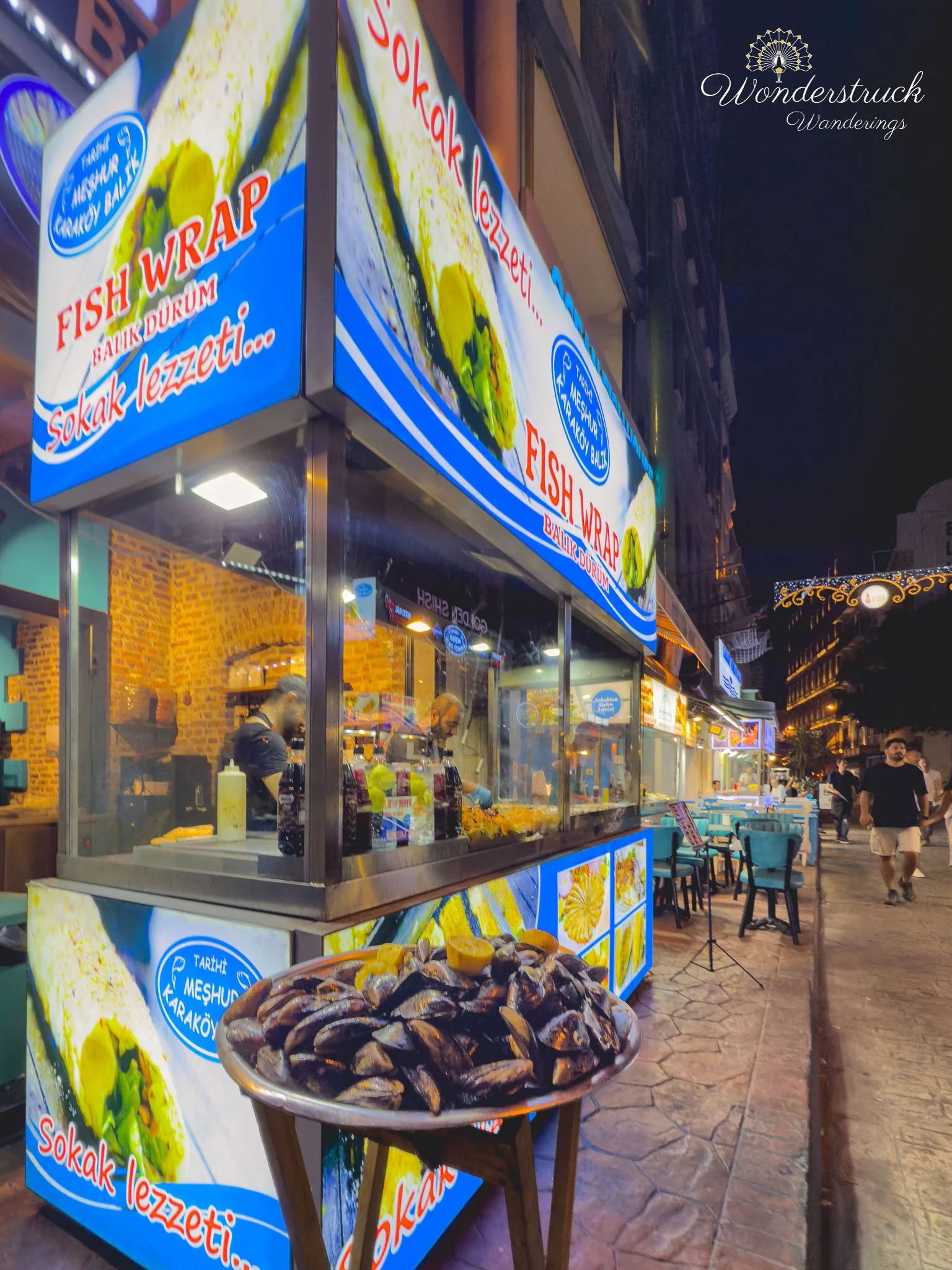
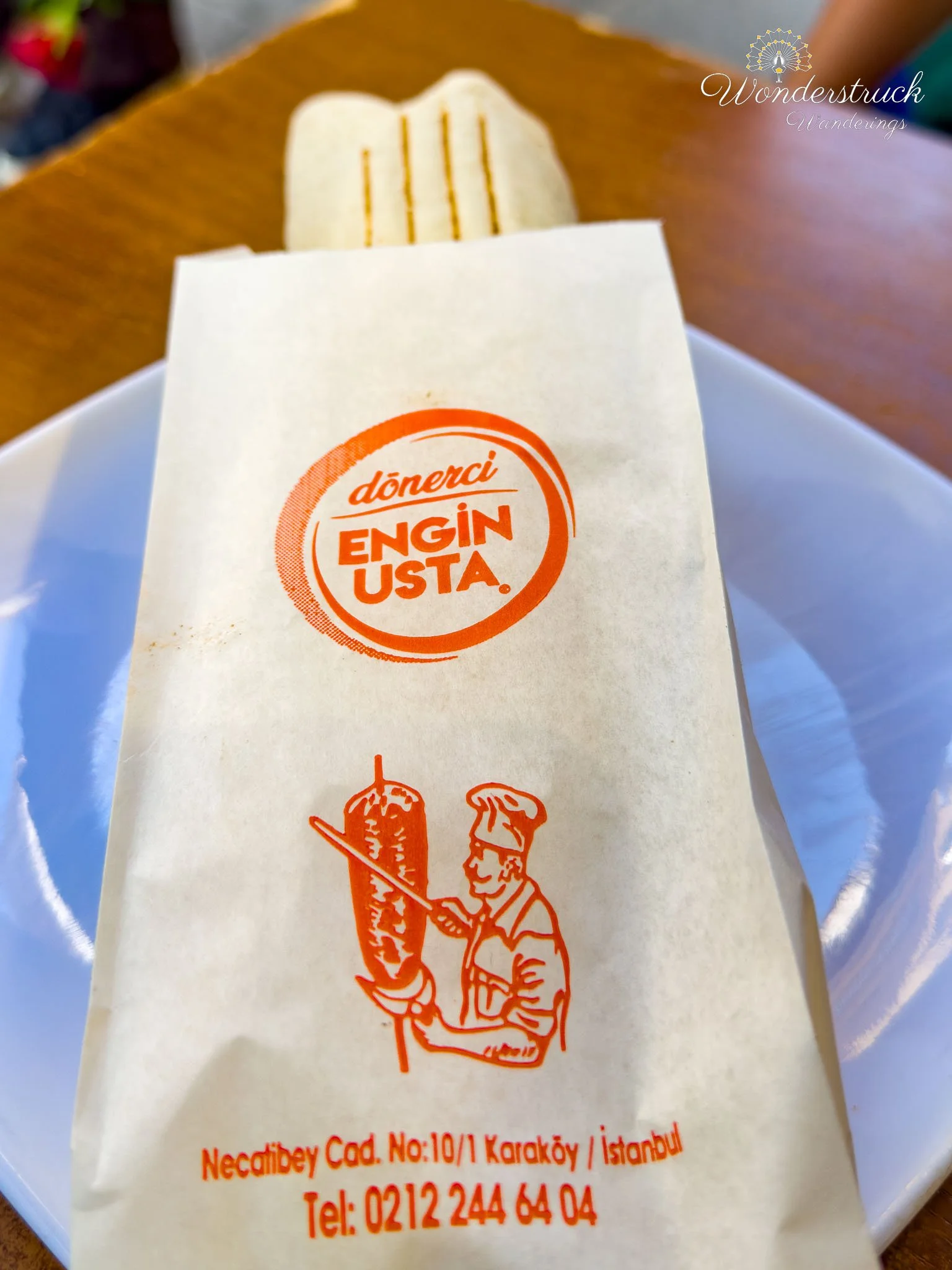
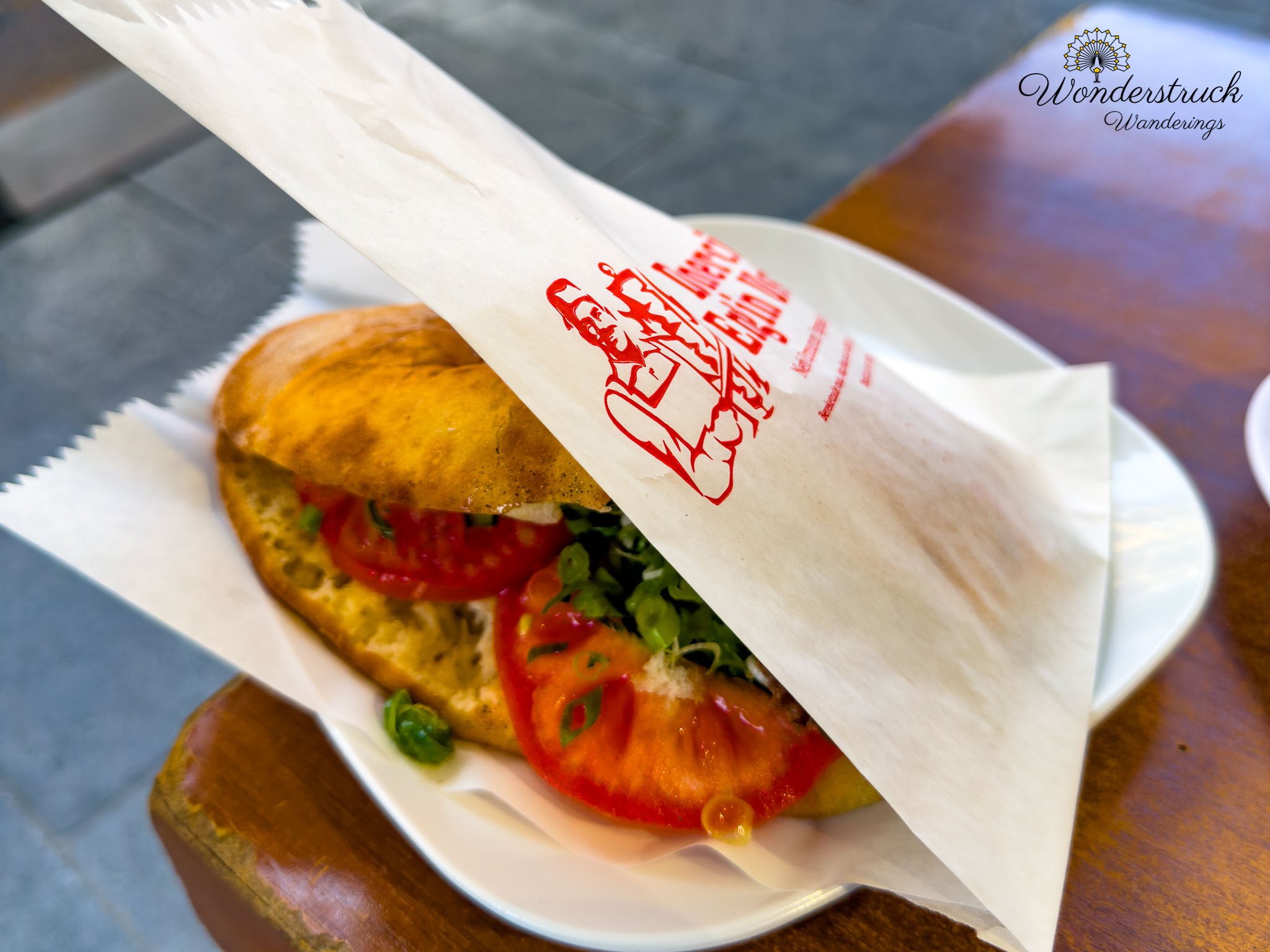
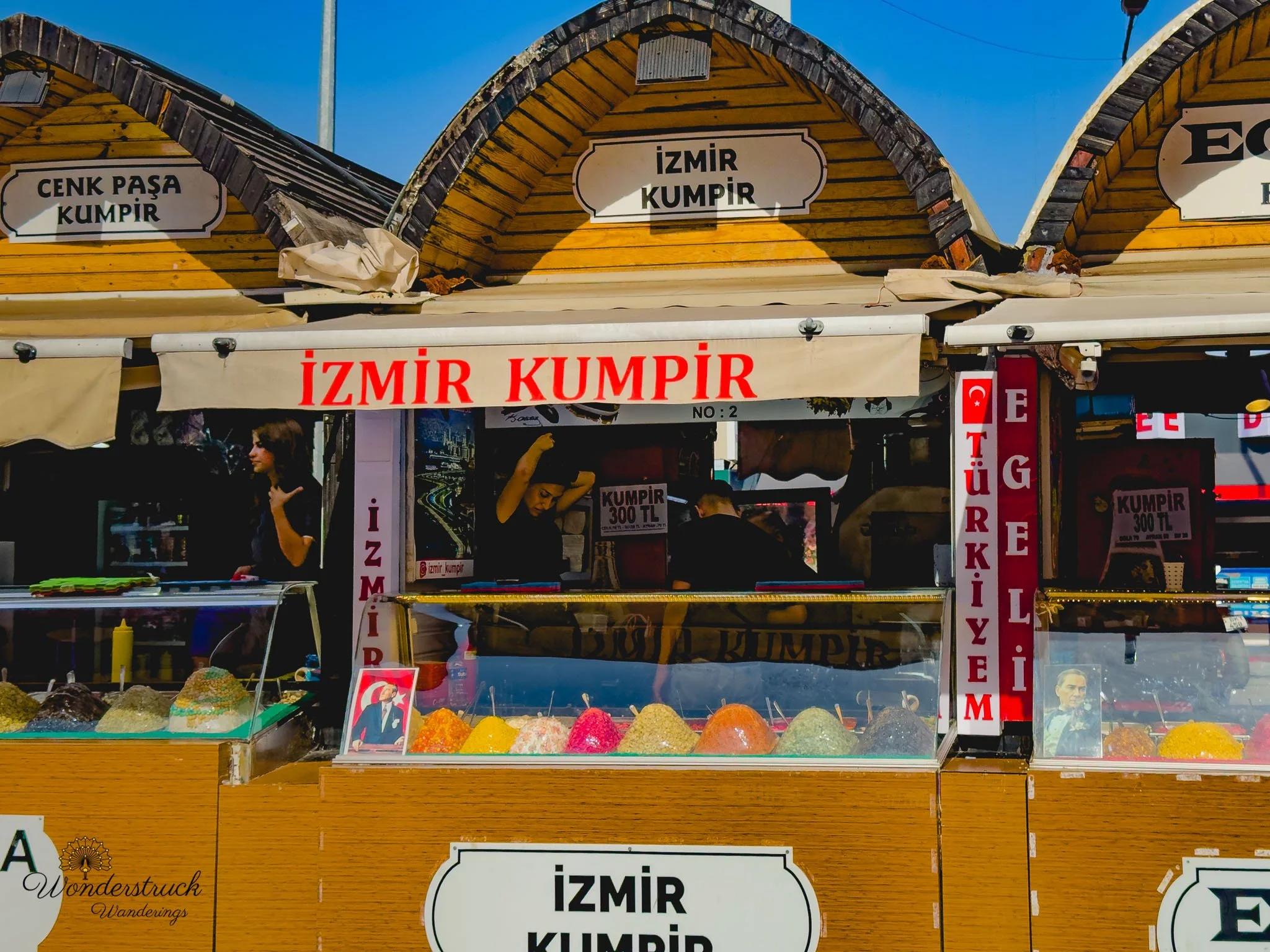
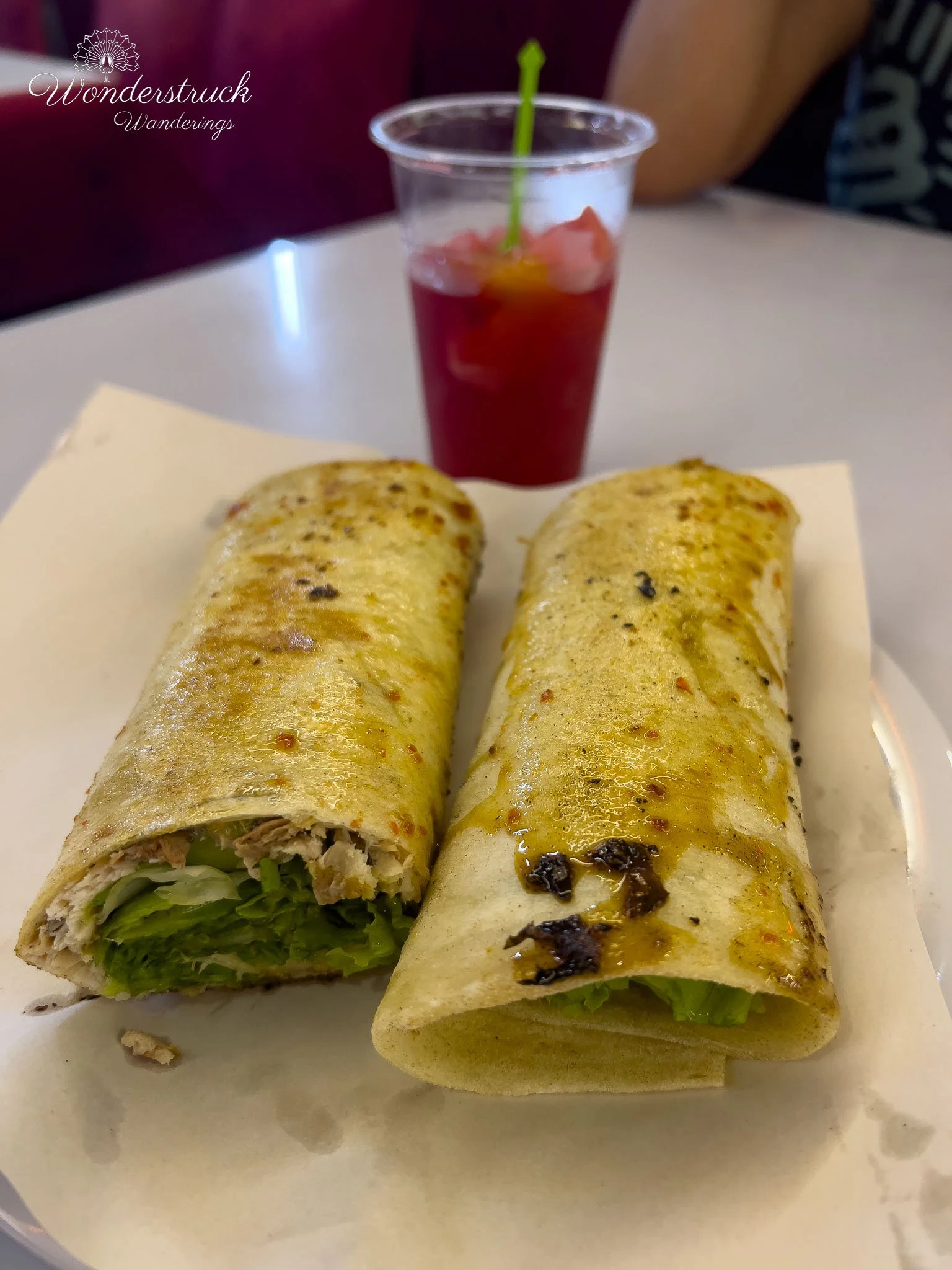
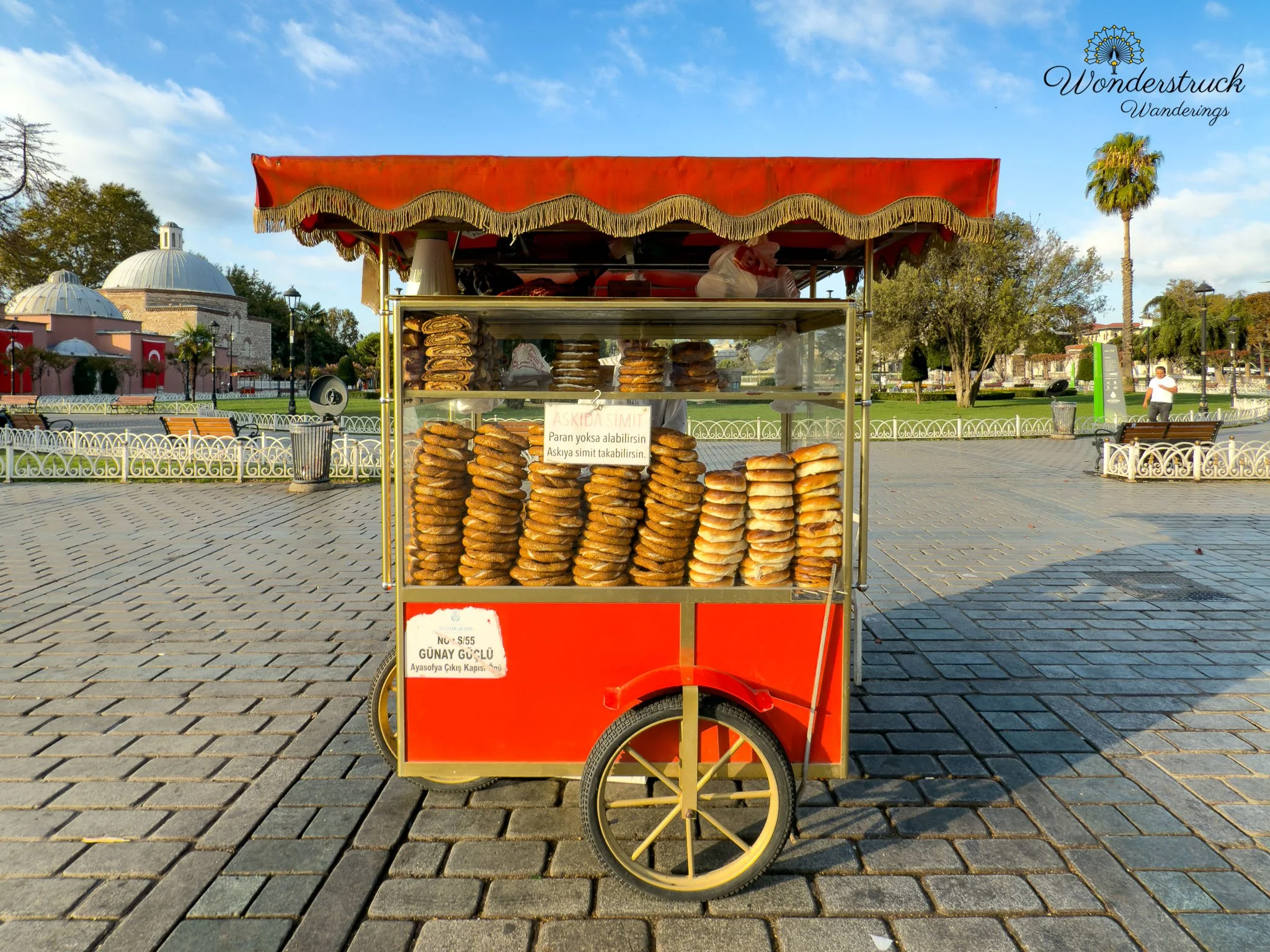
Simit (sesame bread ring) — best as a grab-and-go breakfast in Sultanahmet Square or near any ferry pier.
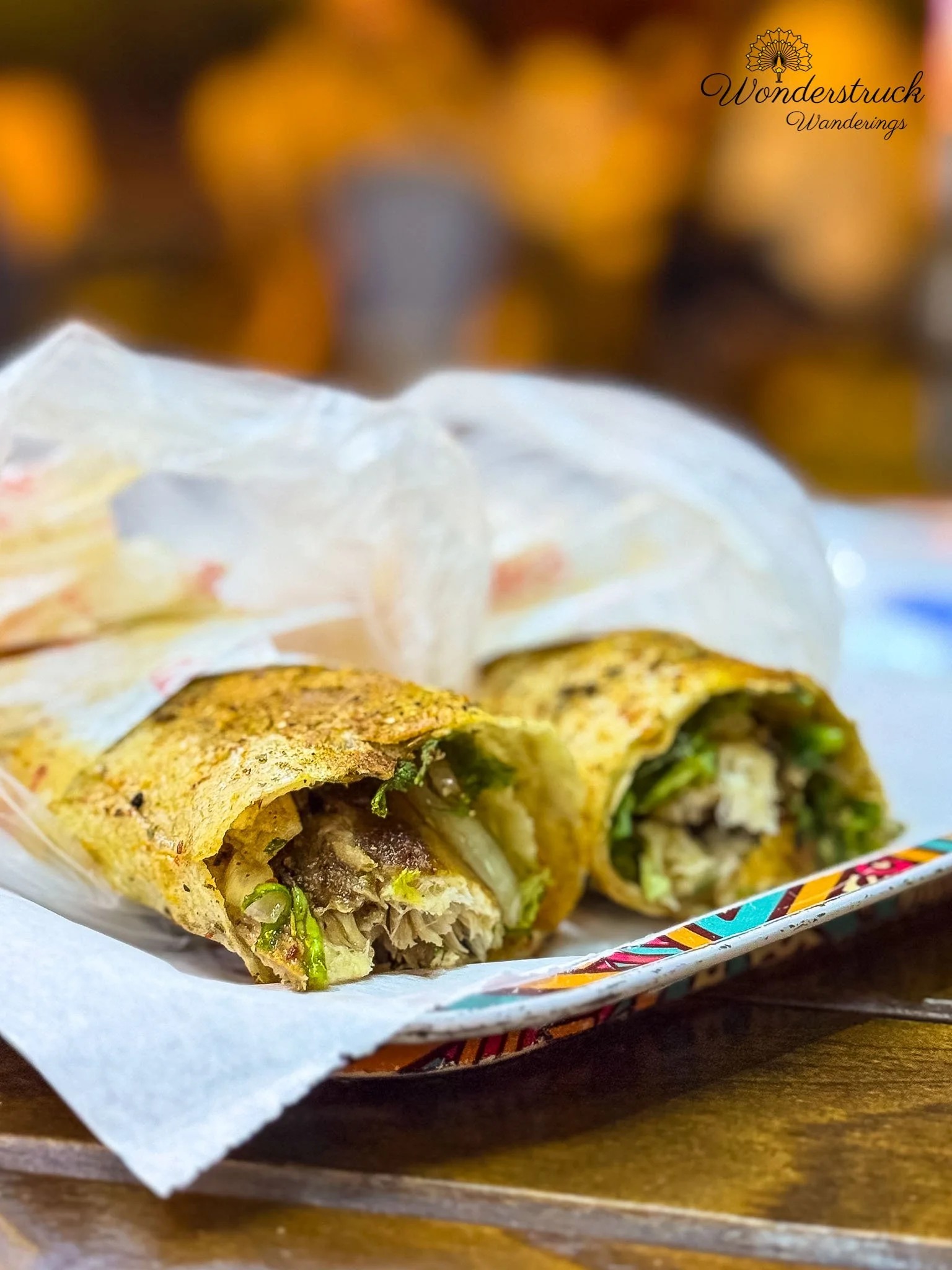
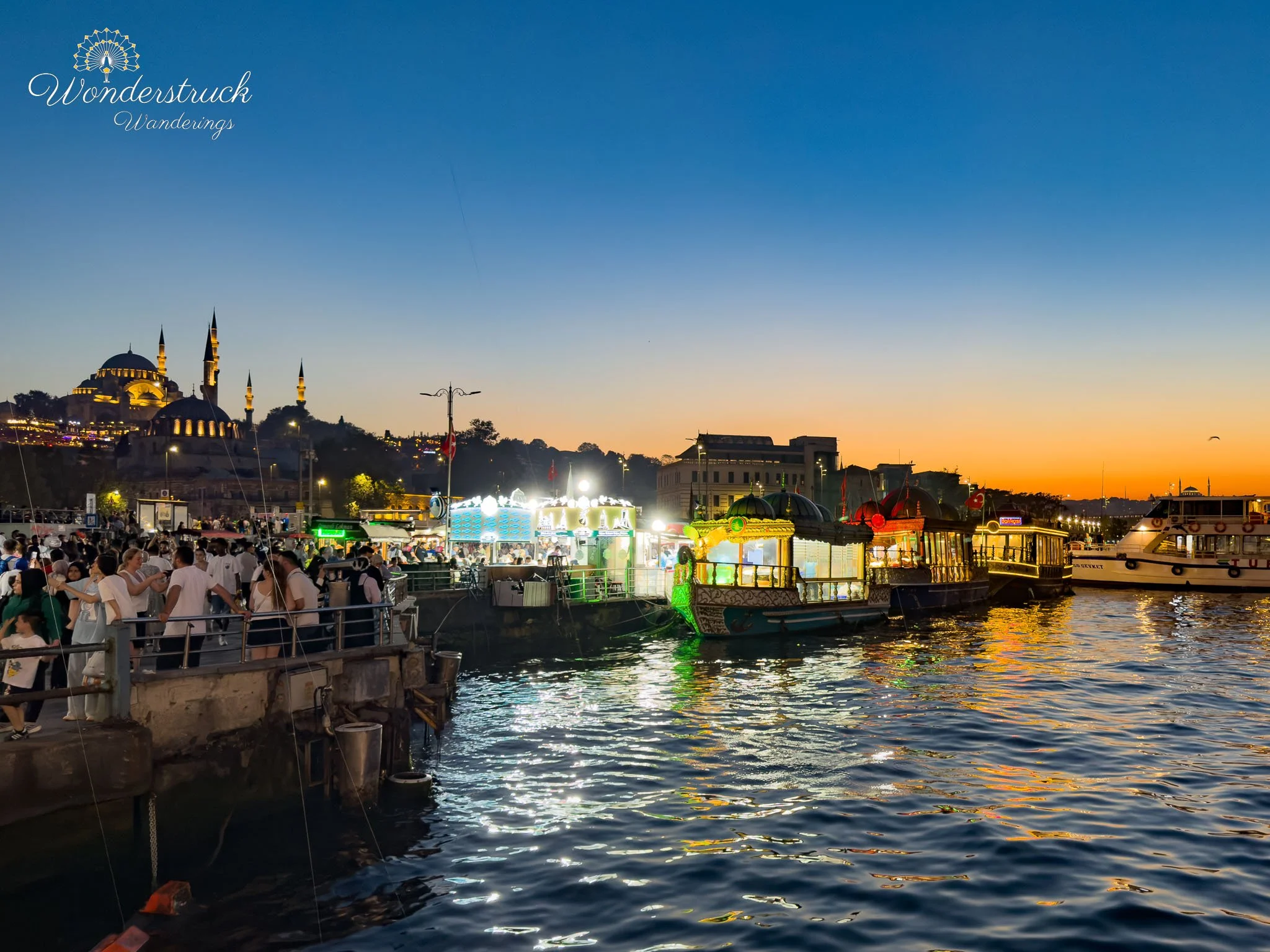
Balık ekmek (fish sandwich) — especially around Eminönü/Galata Bridge; simple, salty, perfect with a view.
Kumpir (stuffed baked potato) — the classic move in Ortaköy when you want a filling, customizable meal.
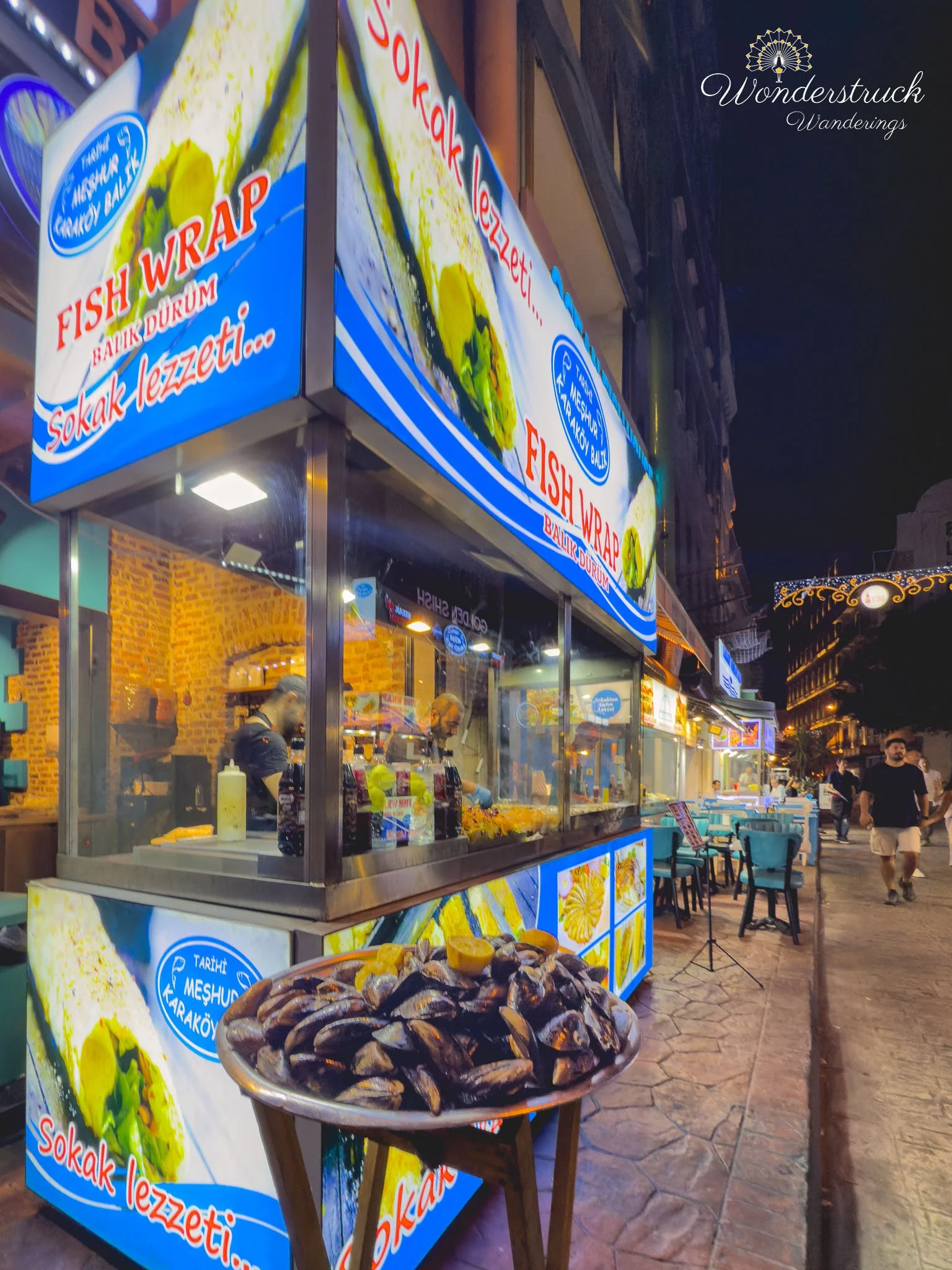
Midye dolma (stuffed mussels) — a street-snack staple; squeeze lemon, eat one, then accidentally eat ten.
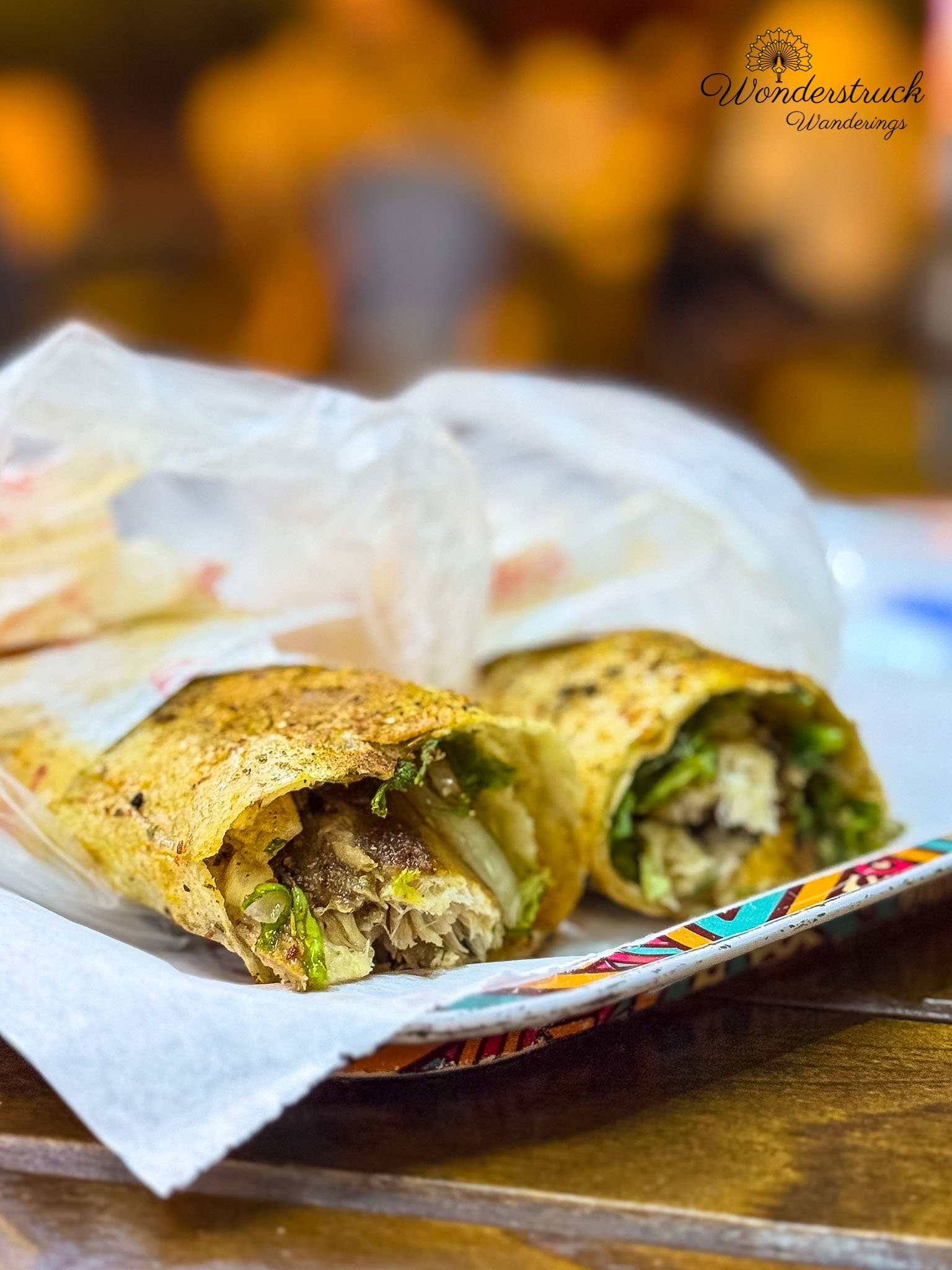
Kokoreç (spiced offal sandwich) — late-night Istanbul for the adventurous (and honestly, it’s wildly flavorful).
Döner kebab- thin slices of seasoned meat shaved from a rotating spit and tucked into bread or wrapped up with simple toppings. It’s fast, filling, and best when it’s sliced fresh and served hot, especially after a long day of walking.
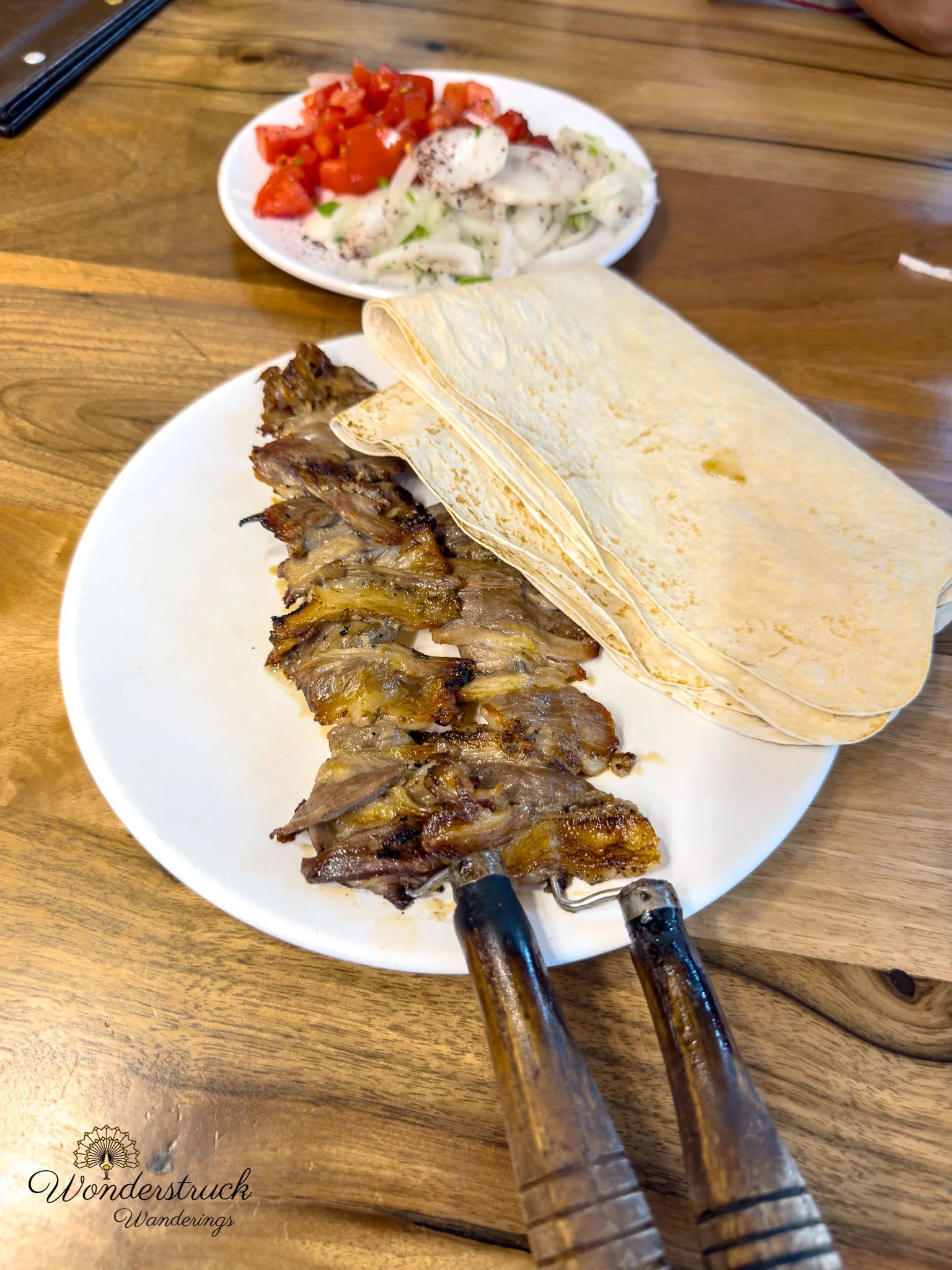
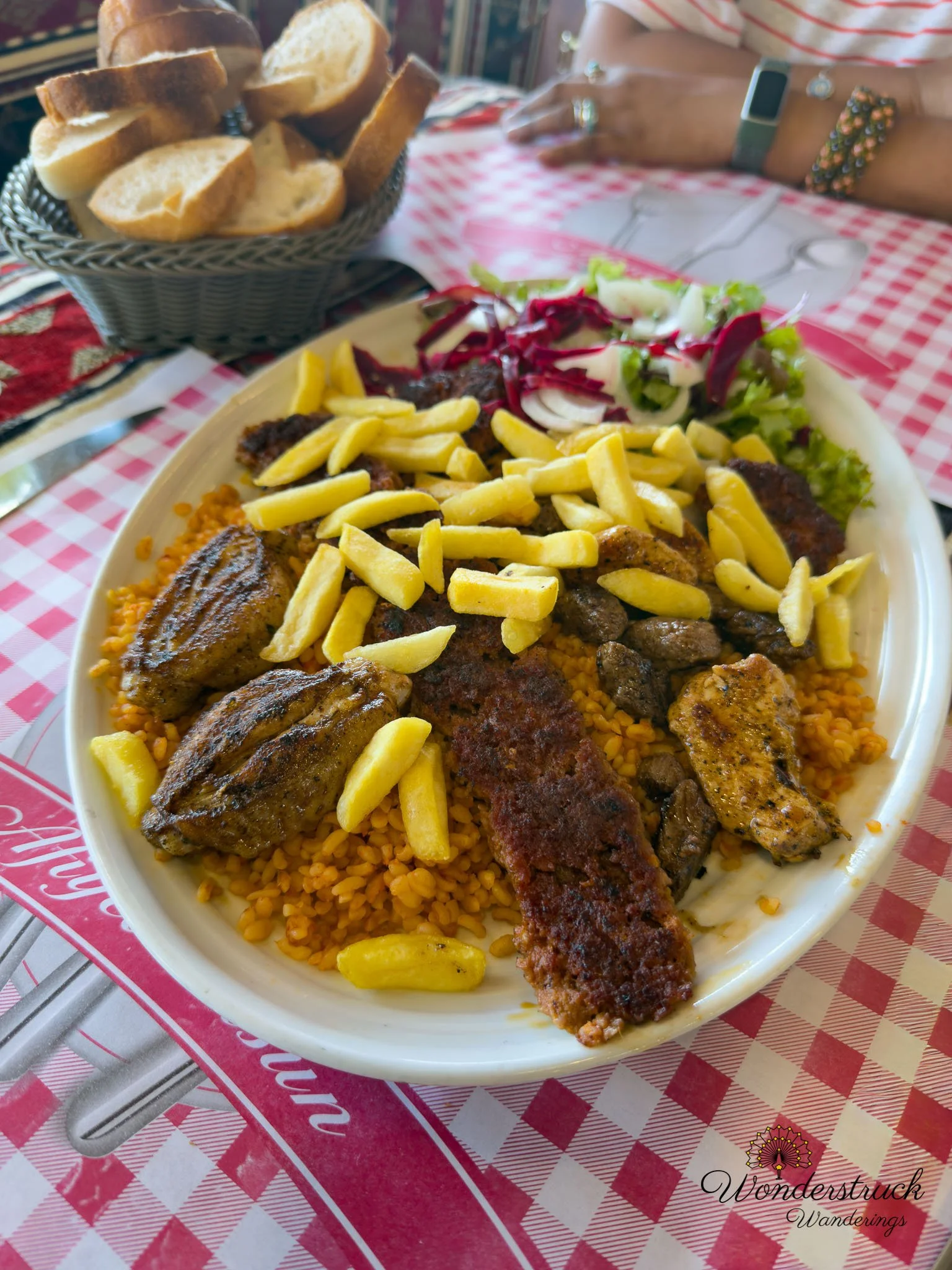
Kebabs and Oven Specialties
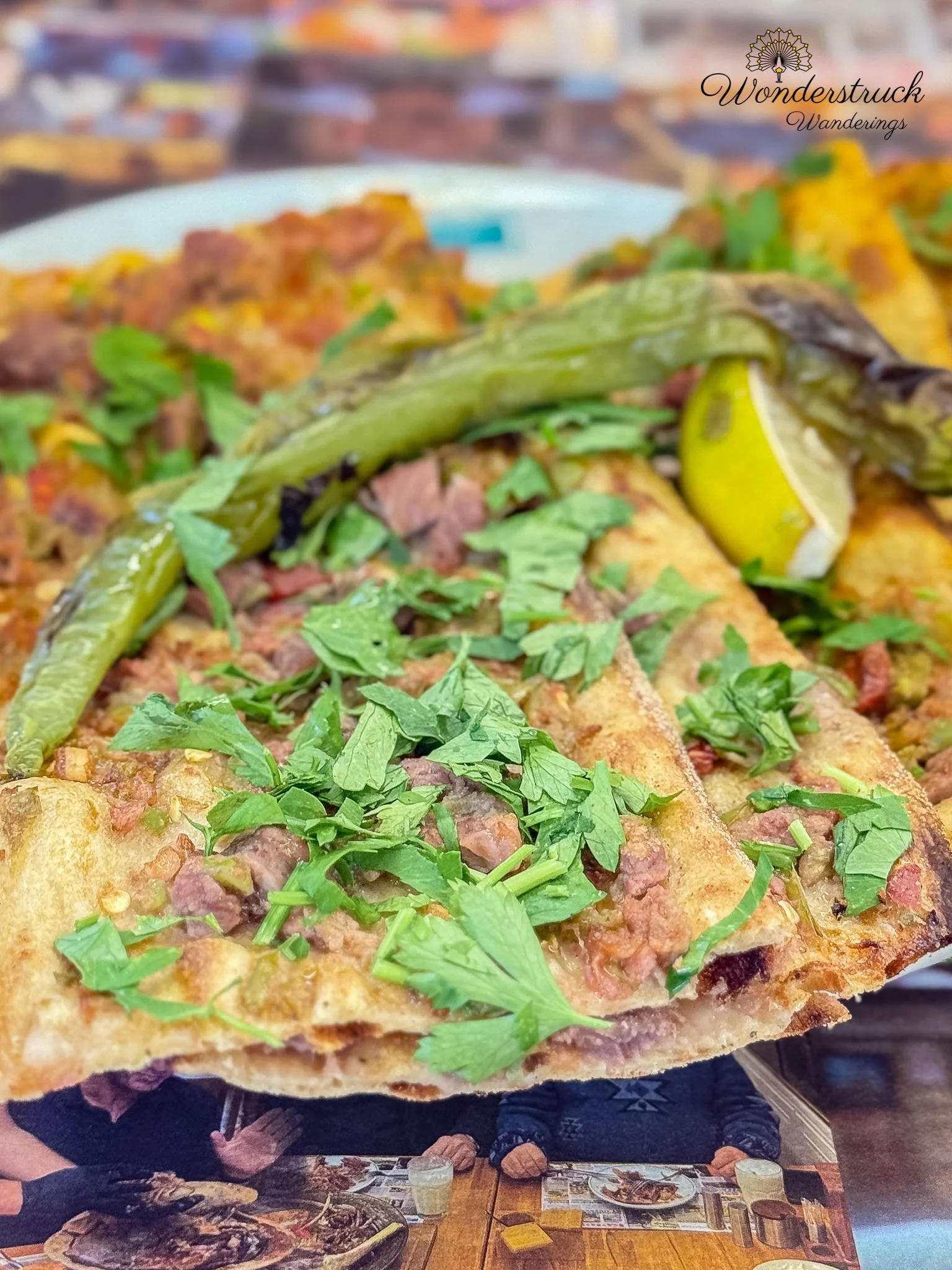
Etli ekmek (Konya-style long flatbread with meat) — go for it at Güvenç Konyalı (Day 4 lunch energy).
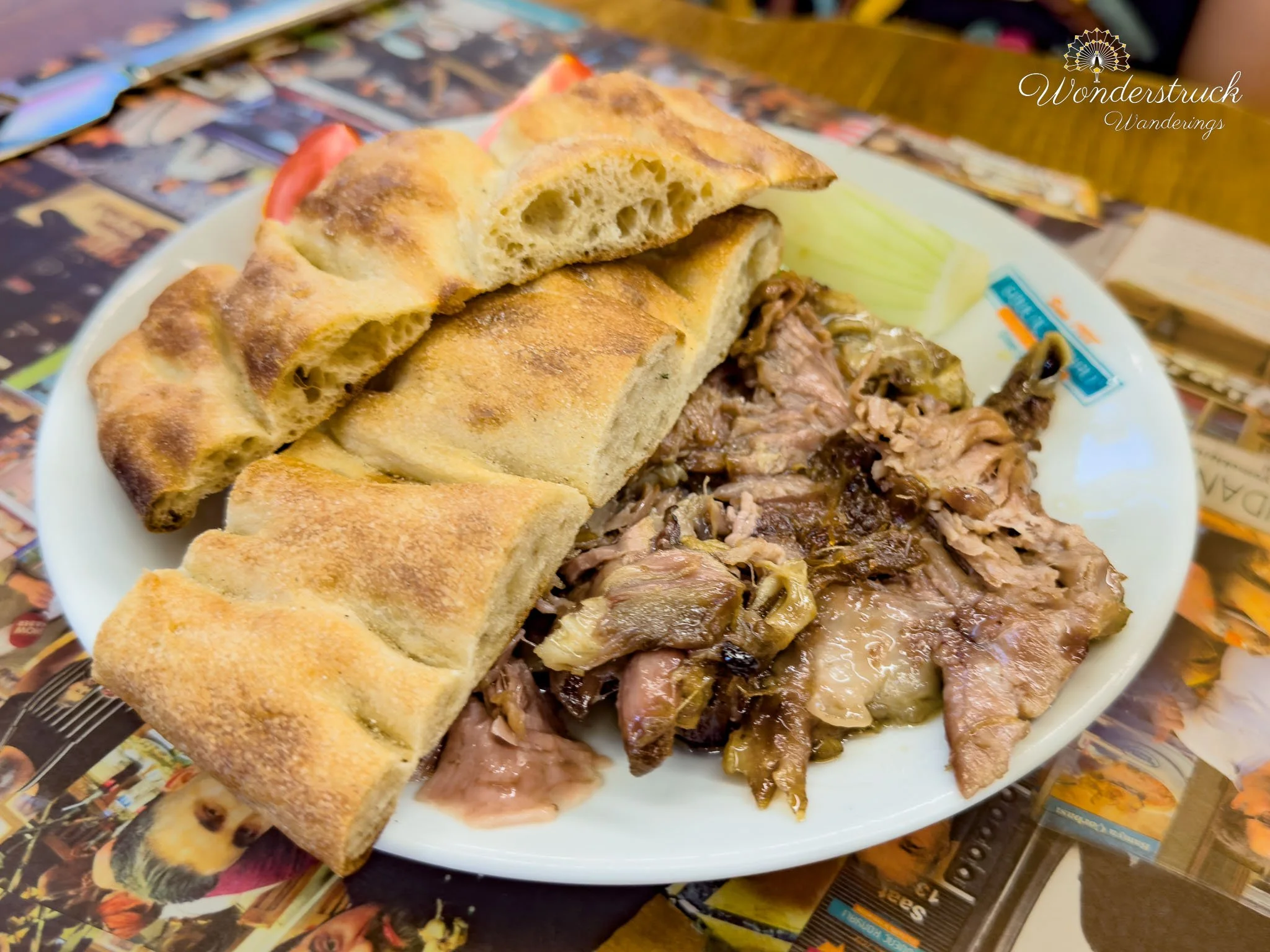
Fırın kebabı (oven-roasted lamb) — also a standout at Güvenç Konyalı; rich, traditional, and worth slowing down for.
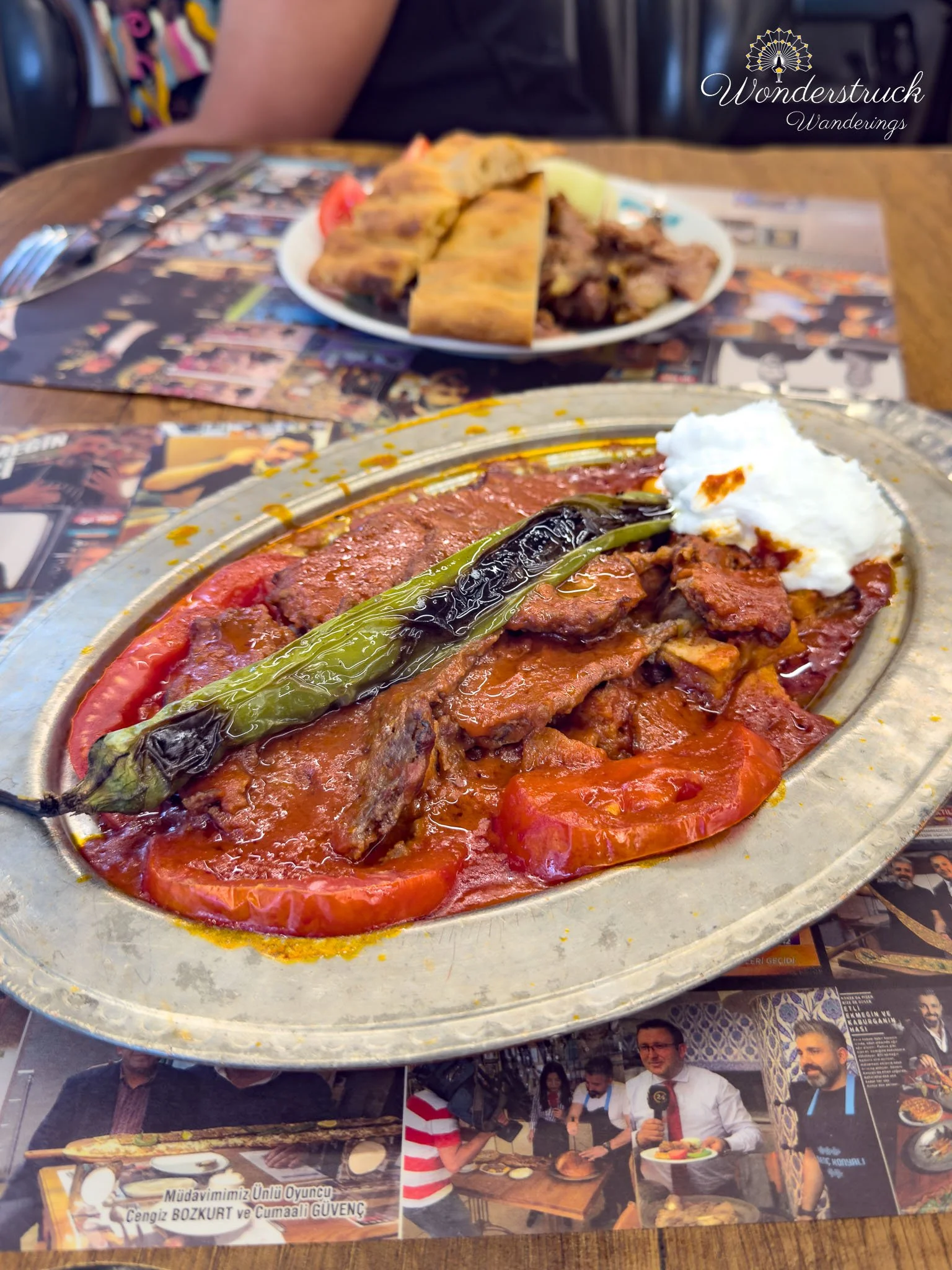
İskender (döner over bread + tomato sauce + yogurt) — a comfort-food classic when you’re starving after stairs and museums.
Şehzade-style kebab — ideal as a “we need something delicious right now” dinner after the Basilica Cistern / Old City evening loop.
Seafood Moments
Meze + grilled fish + rakı — the classic Kadıköy rhythm: start with a few cold meze (haydari, ezme, greens), then move into the grilled fish while the rakı and conversation stretch the meal into the night.
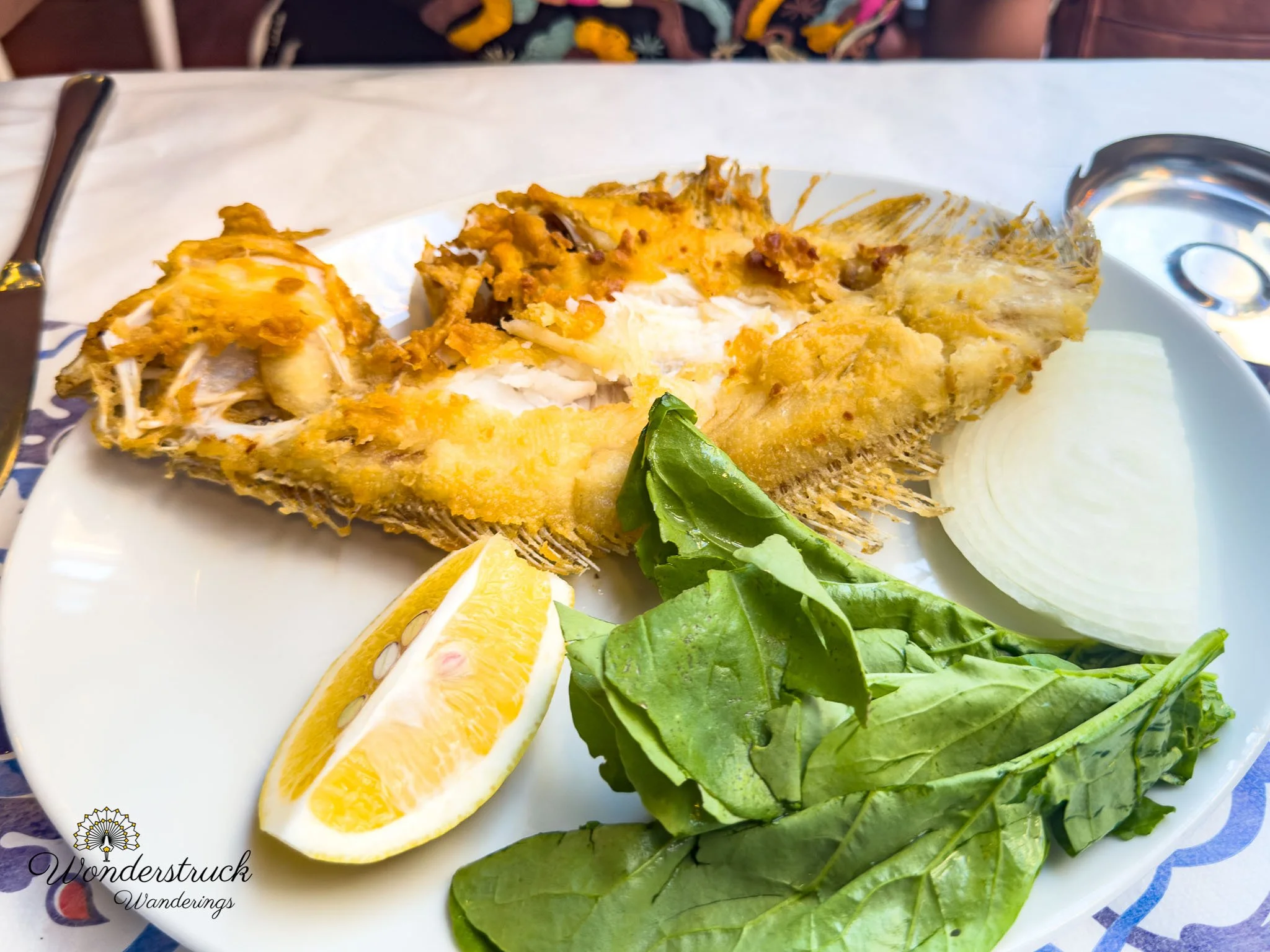
Seasonal catch done simply — at Nisan Balık (Kadıköy), ask what’s freshest (sole, sea bass, whatever came in that day) and let the kitchen keep it clean: olive oil, lemon, and fire.
Balık ekmek — the essential Istanbul fish sandwich, best eaten near the water (Eminönü/Galata Bridge area is a classic) with ferries cutting across the skyline.
Midye dolma (stuffed mussels) — a street-food staple: briny, lemony, dangerously easy to keep ordering “just one more.”
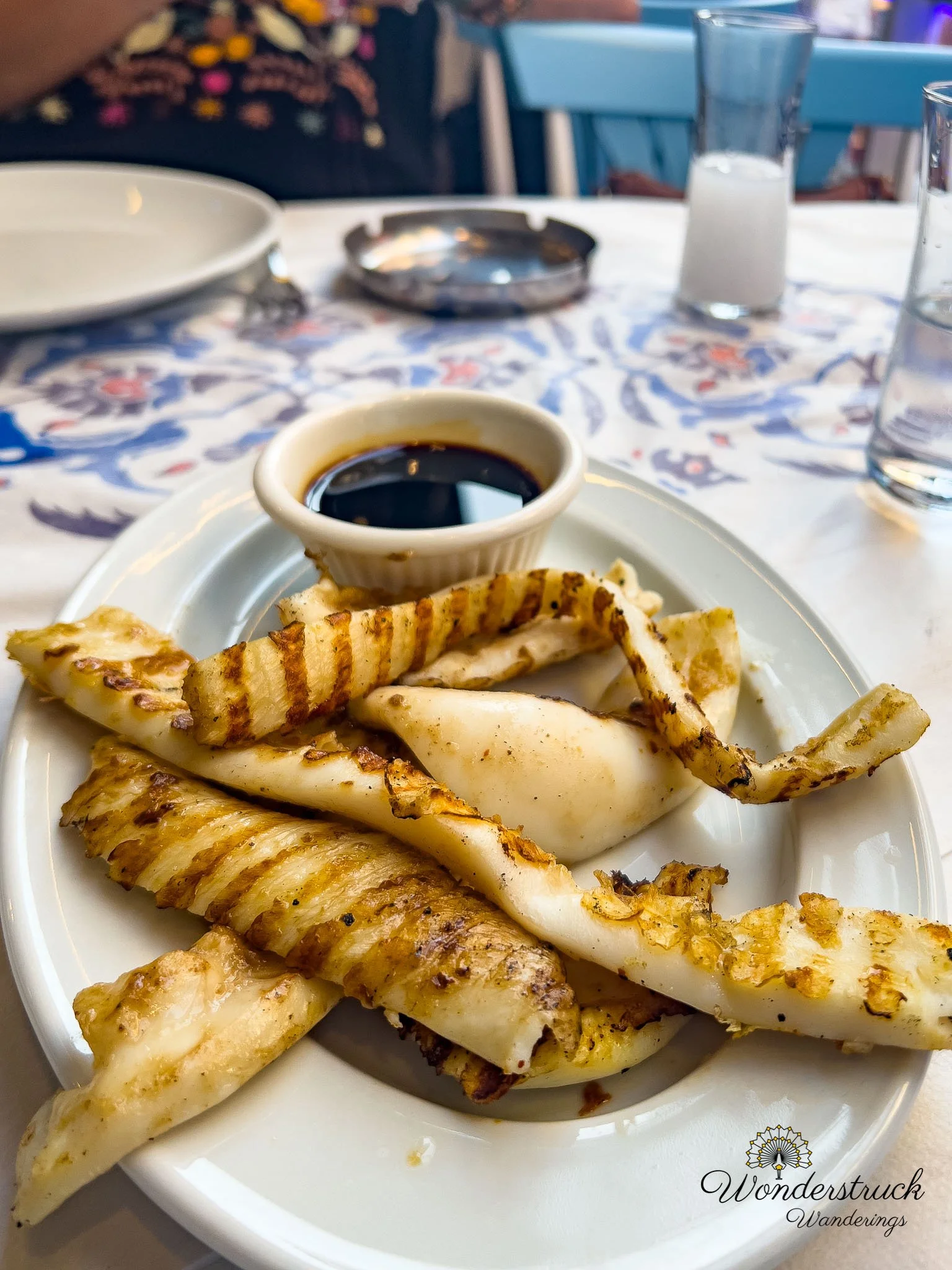
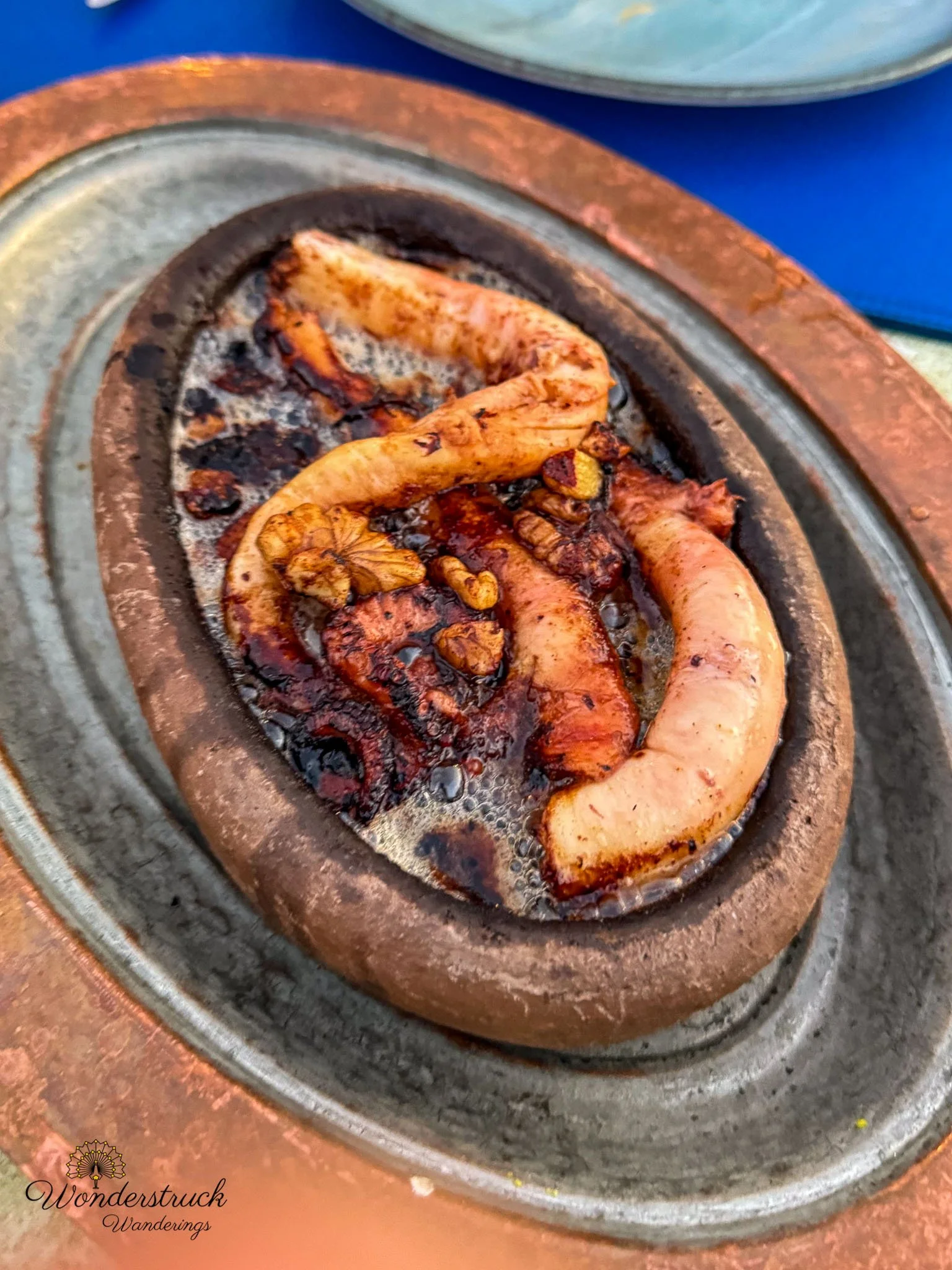
Grilled octopus — when you see it on a seafood menu, get it. Properly done, it’s tender, smoky, and perfect with a crisp Turkish white wine or rakı.
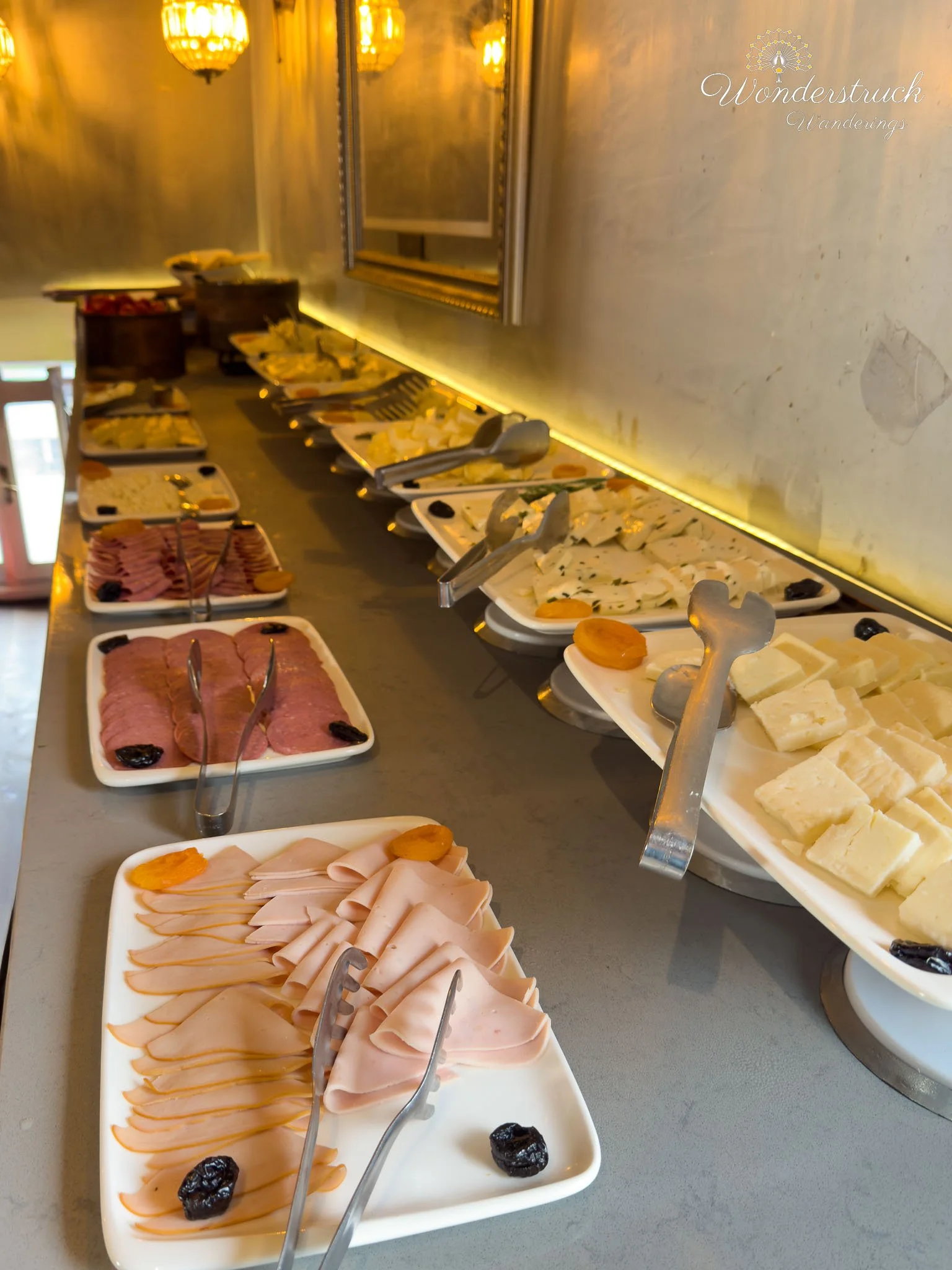
Breakfast Must-Trys
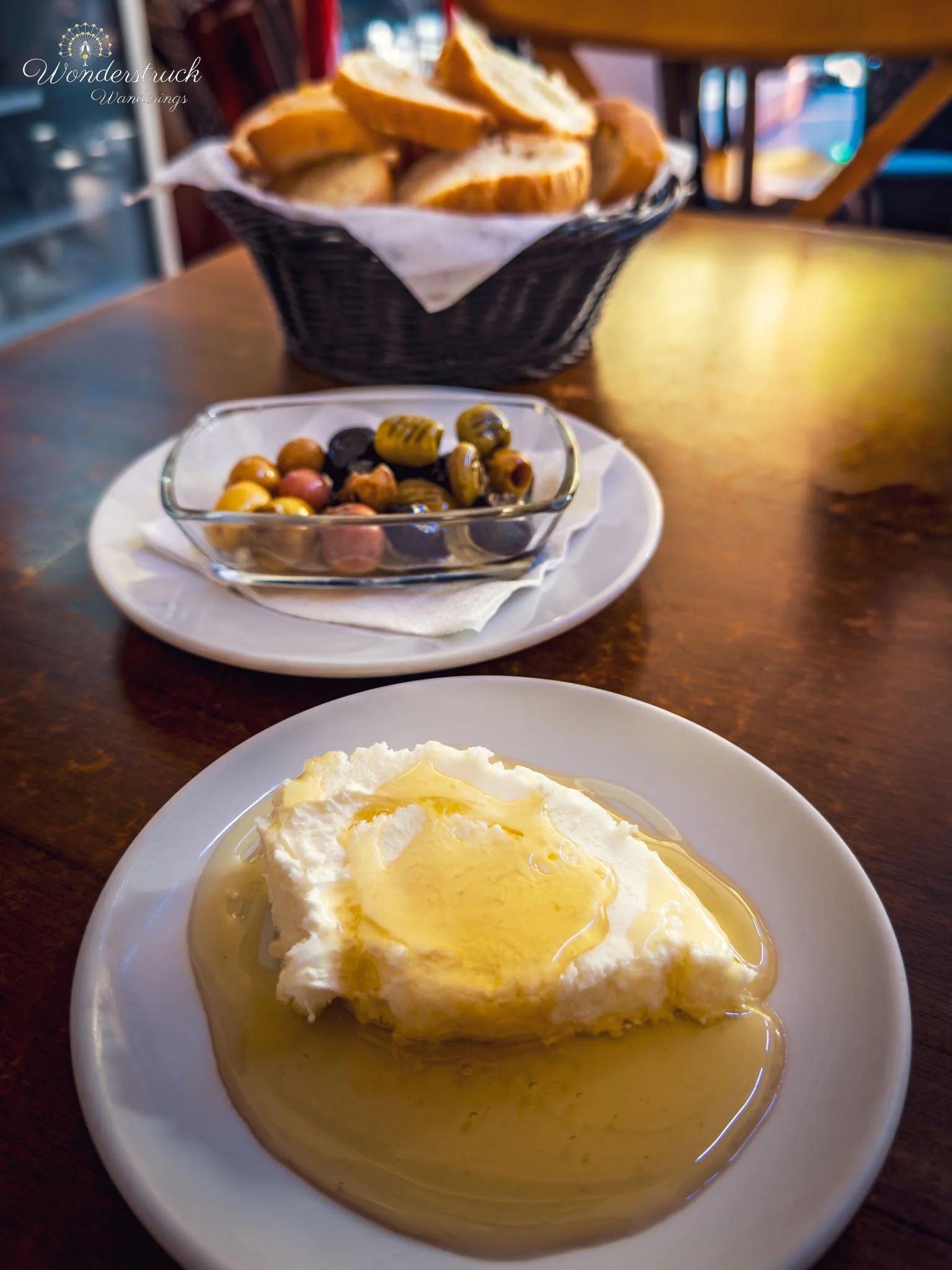
Kaymak with honey — ultra-creamy clotted cream and honey (buffalo-milk kaymak is especially good); a perfect slow breakfast treat.
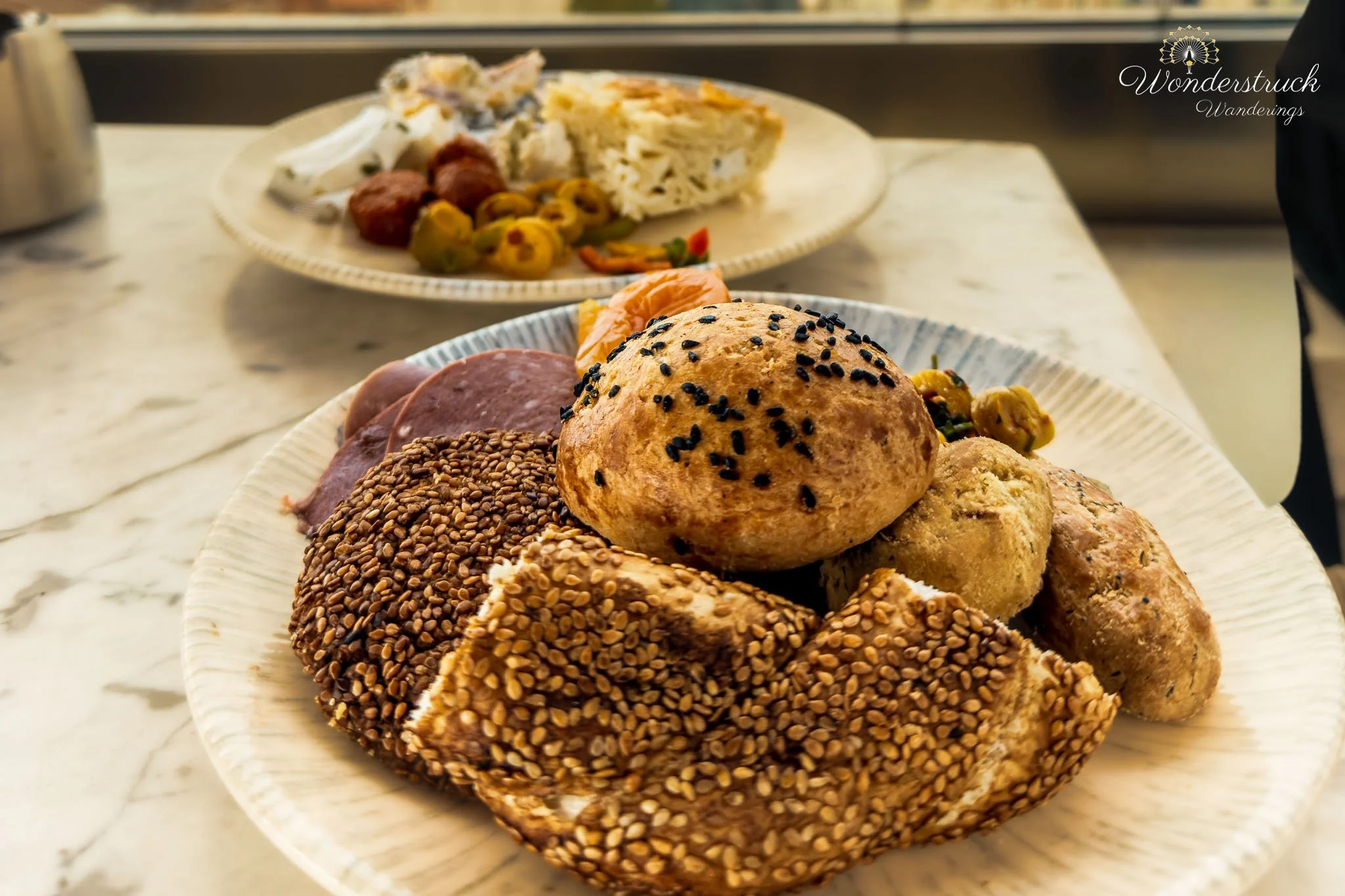
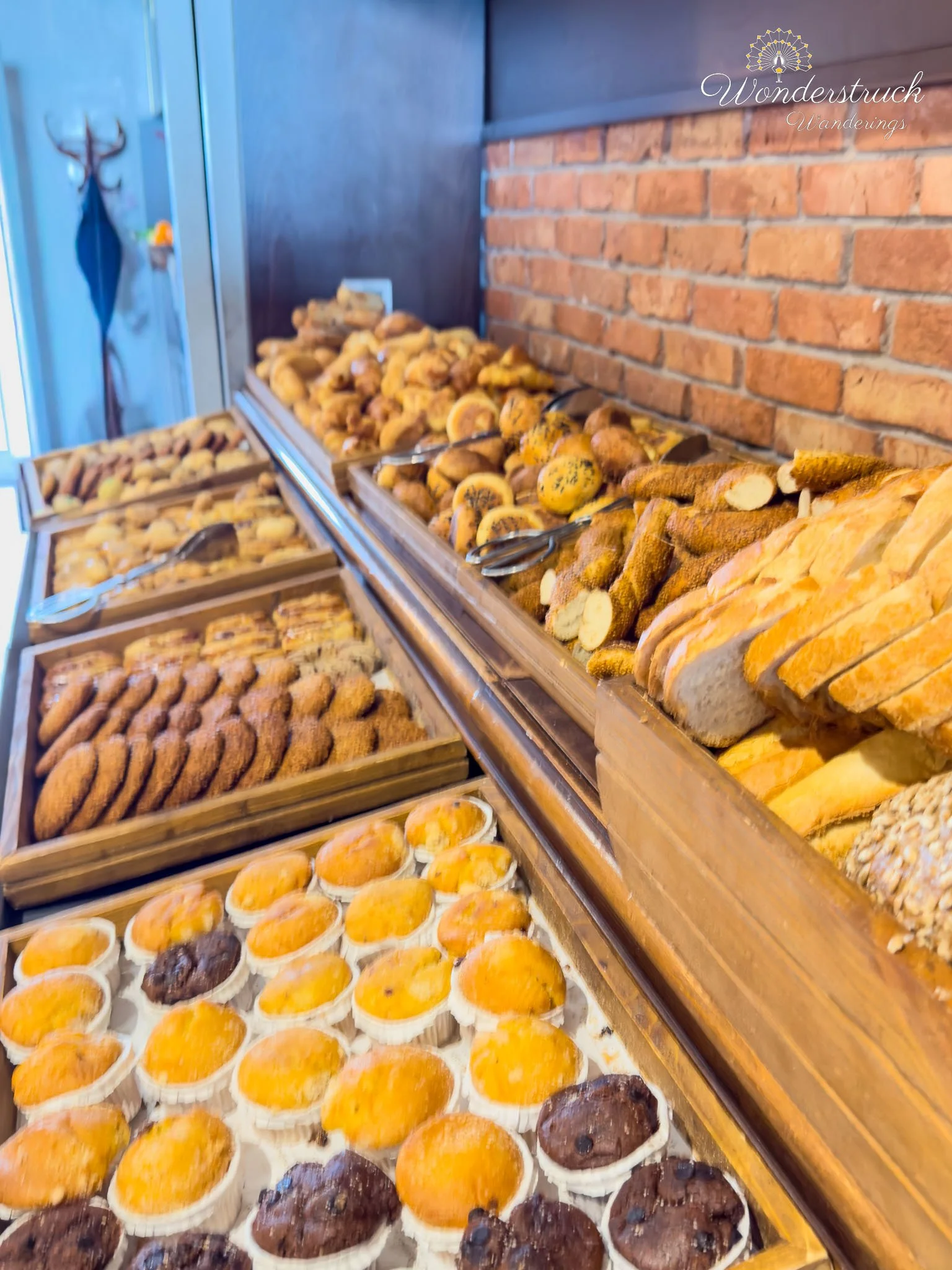
Börek — flaky, layered pastry (often filled with cheese, spinach, or minced meat). Perfect with tea for a quick, satisfying start.
Menemen — soft scrambled eggs cooked with tomatoes and peppers (sometimes with sucuk). Ideal before a big walking day.
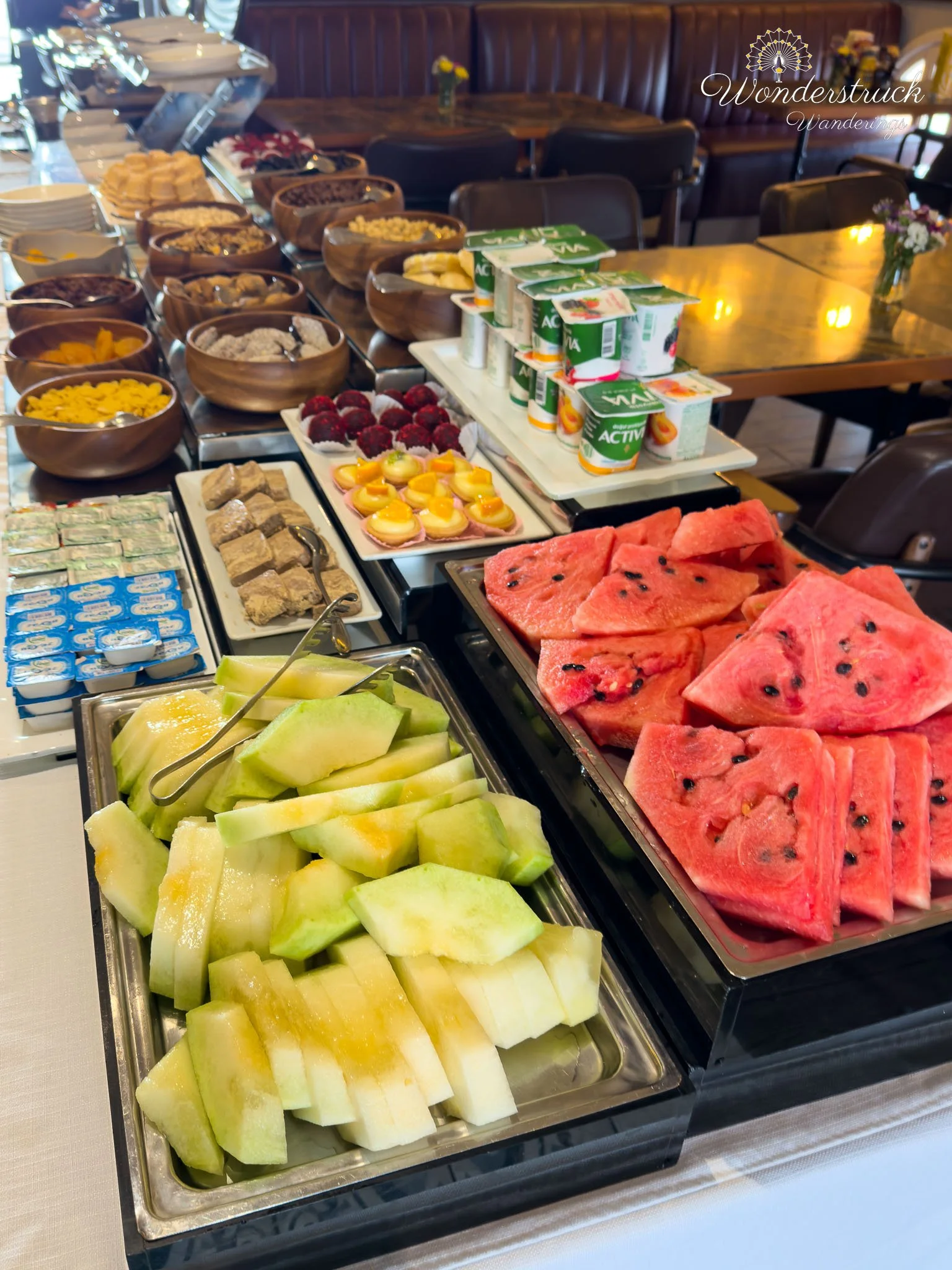
Turkish breakfast / meze-style spread (kahvaltı) — small plates of olives, cheeses, cucumbers/tomatoes, jams, honey + kaymak, eggs, and breads. It’s slow, social, and worth doing at least once.
Simit — the sesame-crusted street breakfast staple; grab one warm near Sultanahmet or a ferry pier and eat it on the move.
Sweet Staples
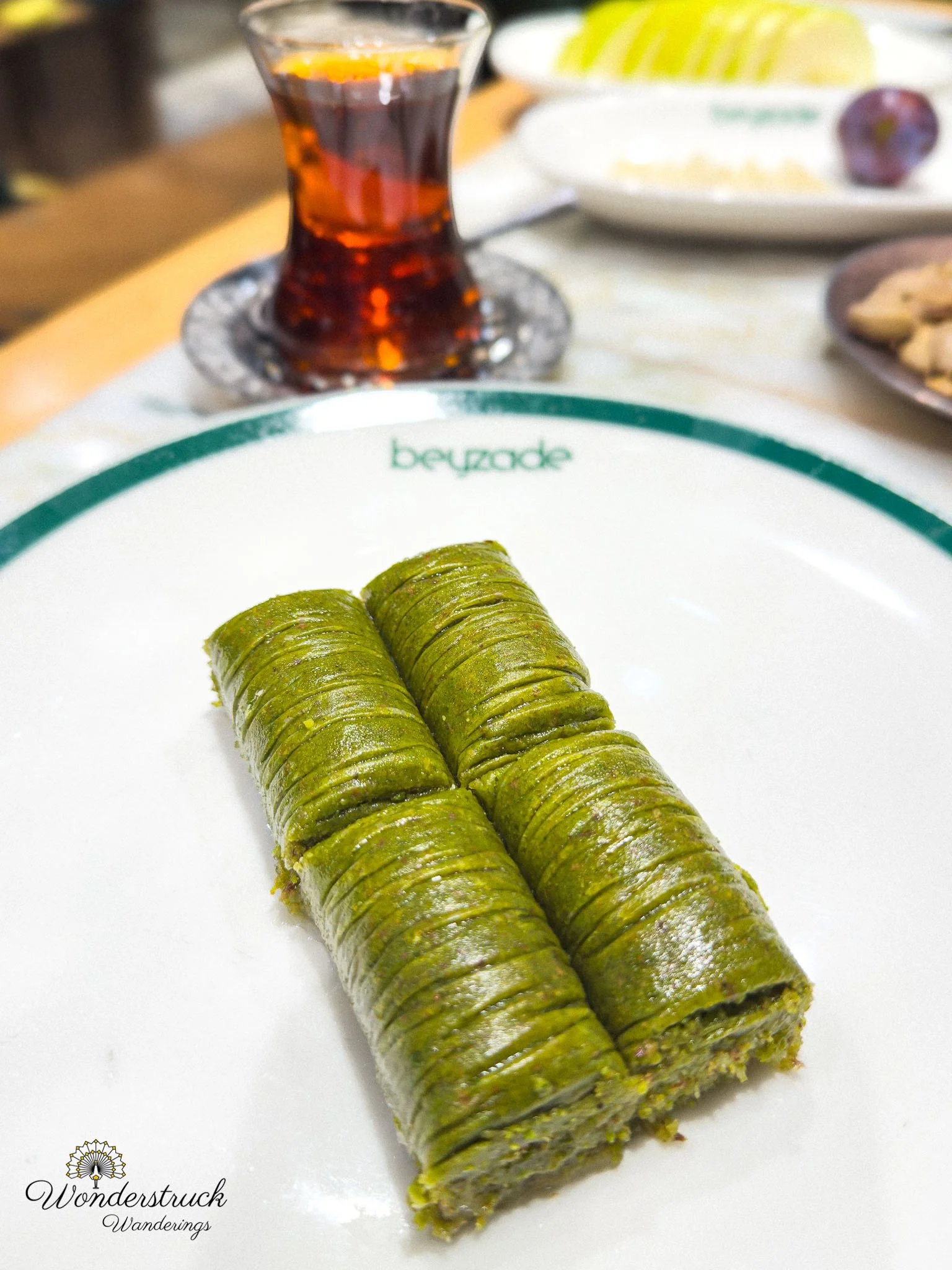
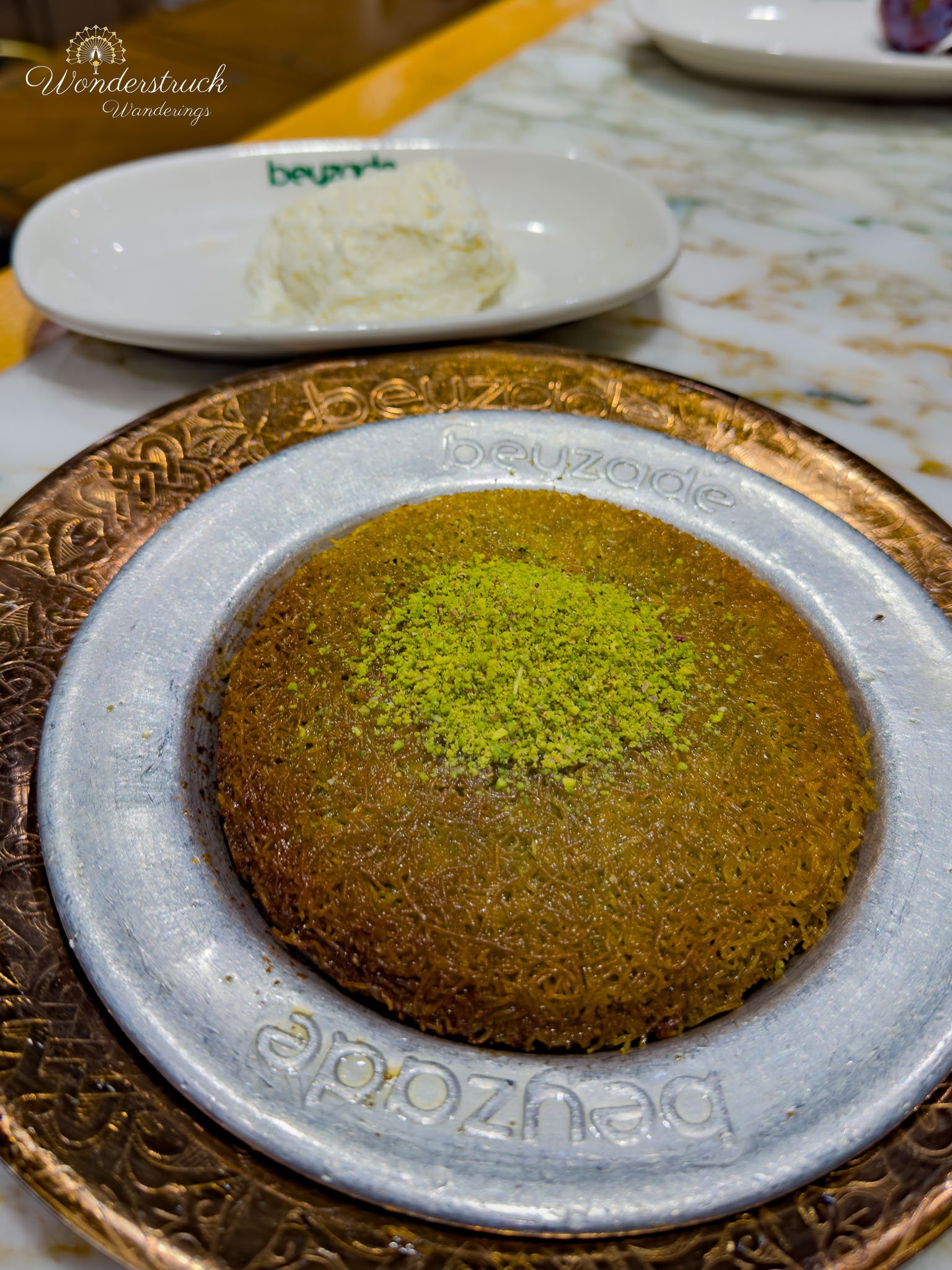

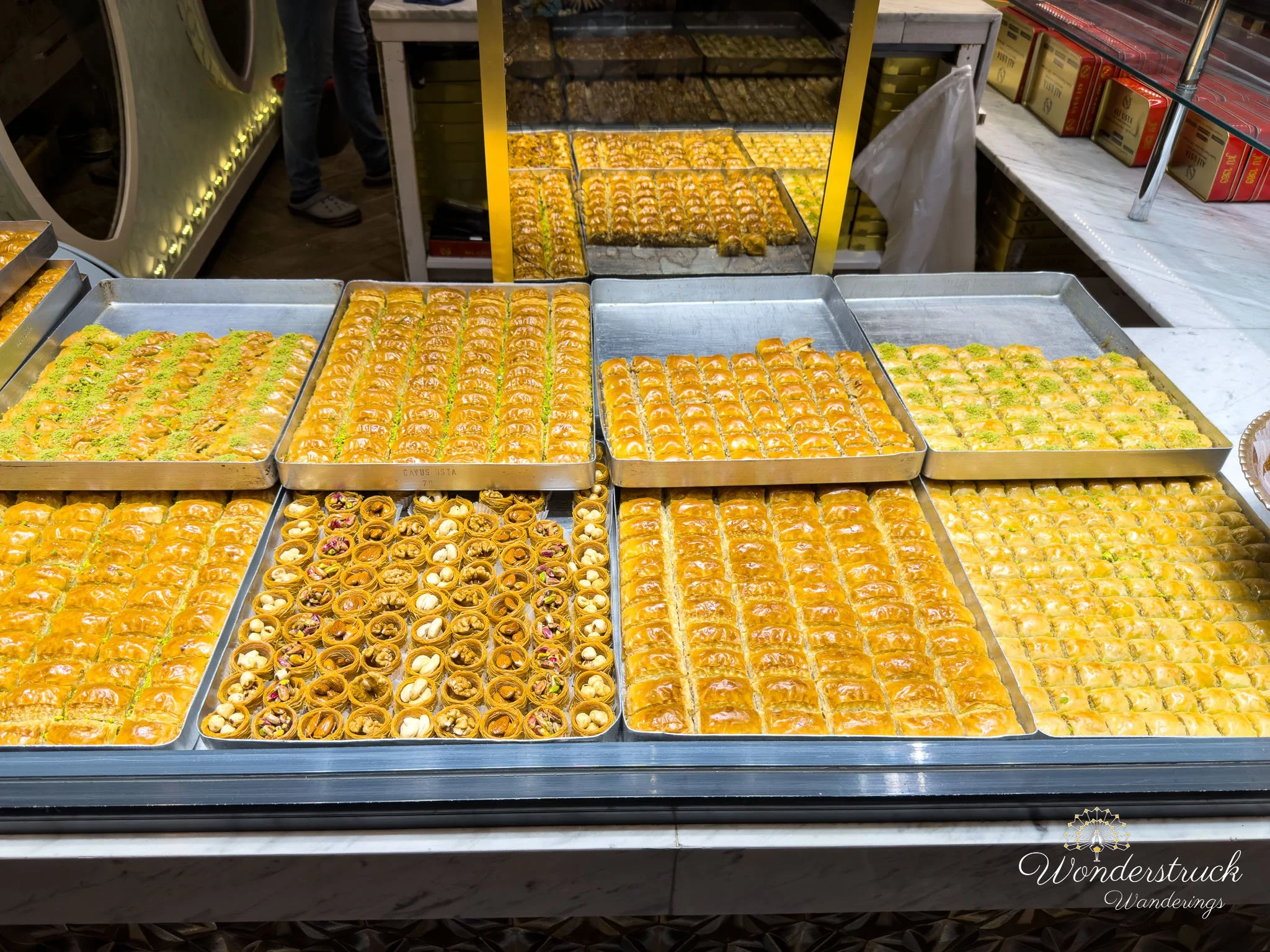
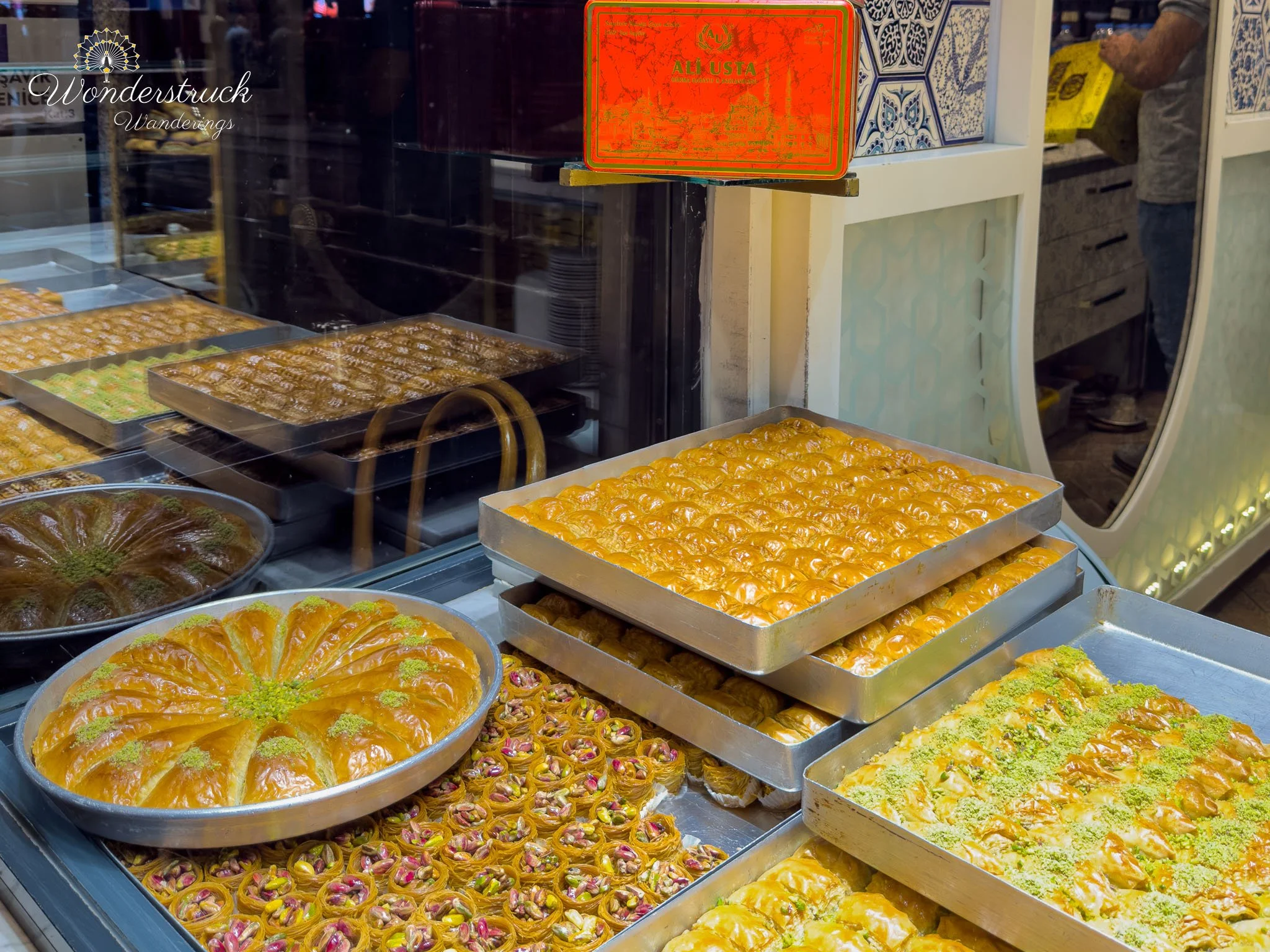
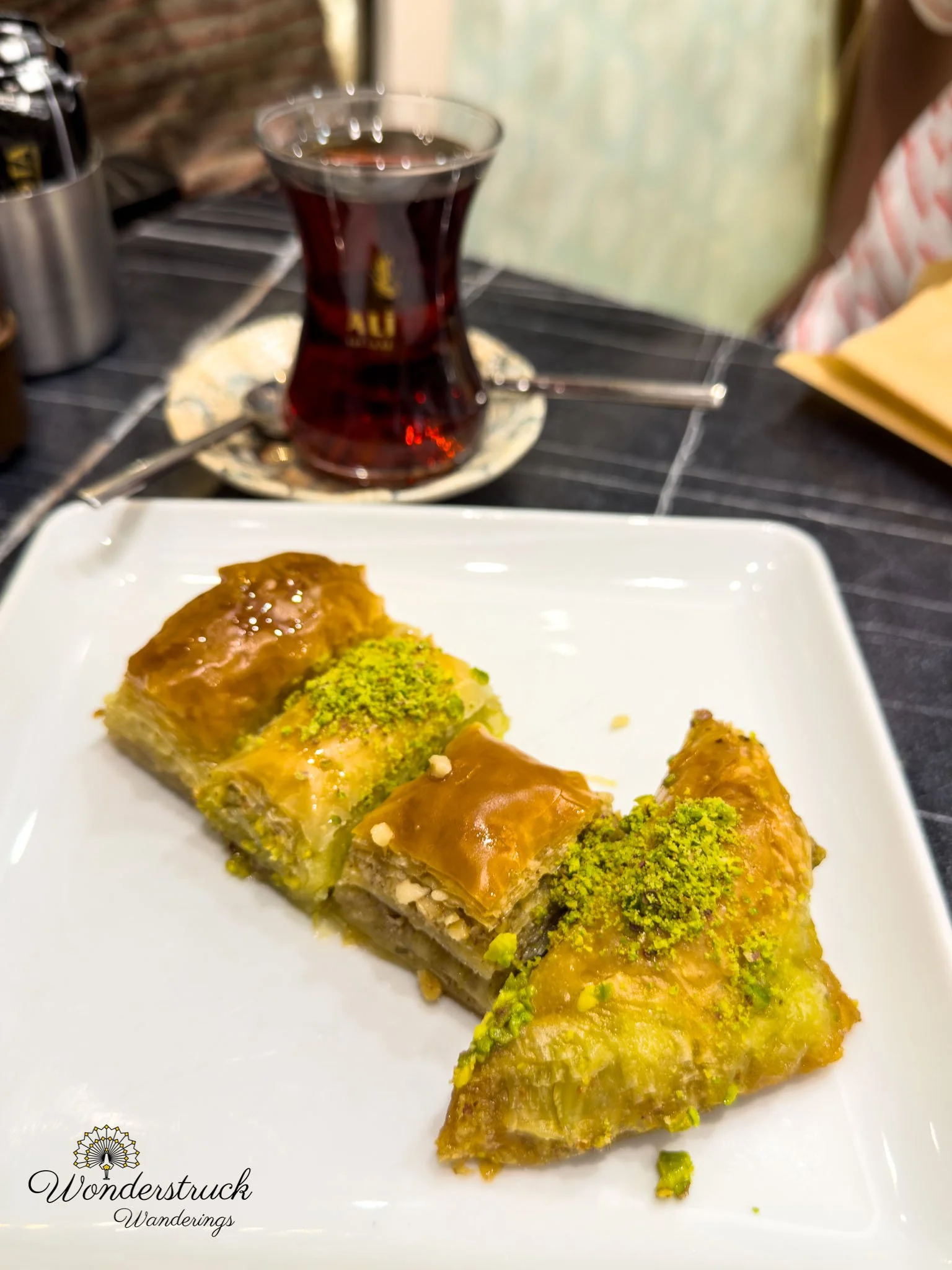
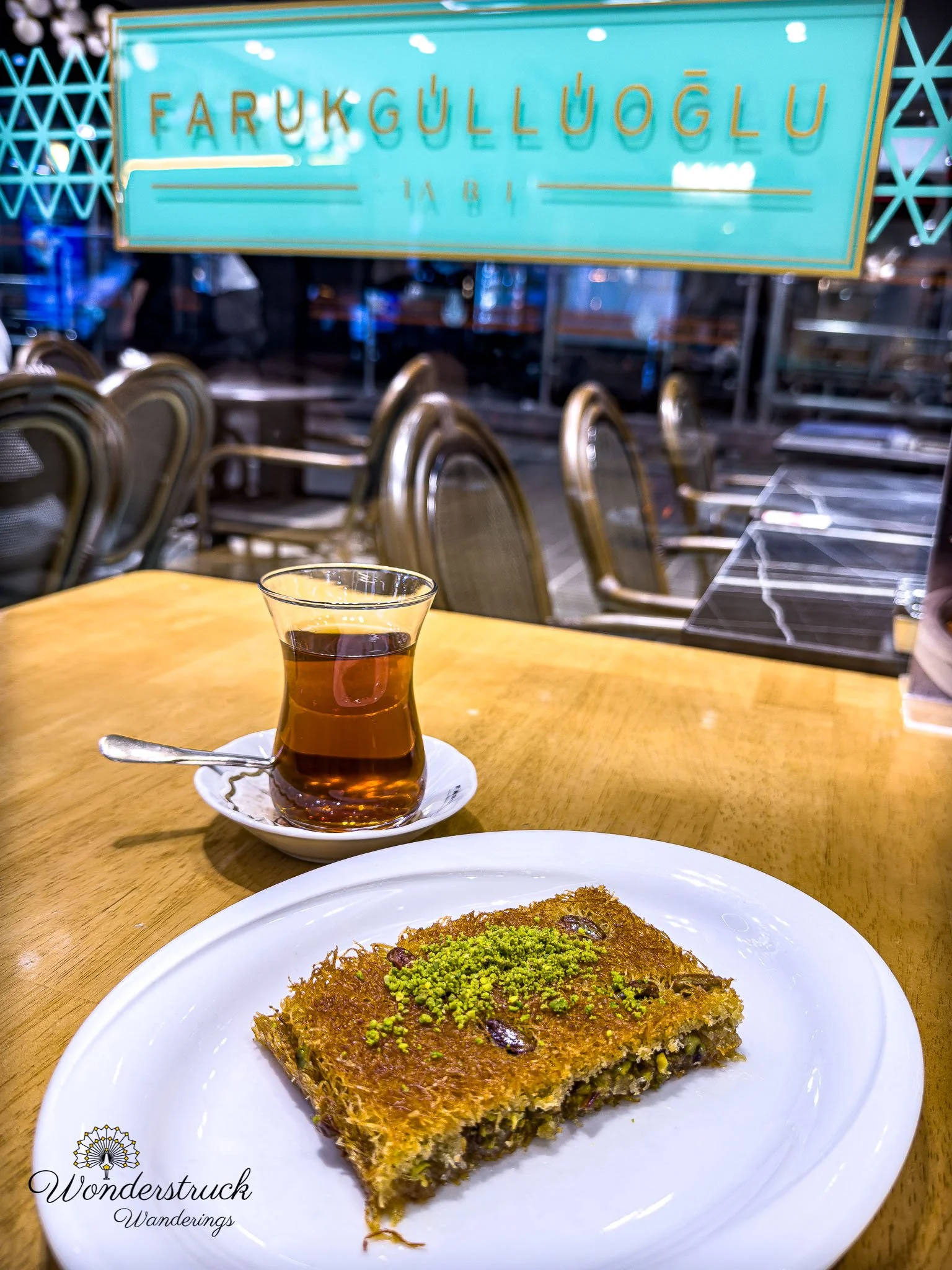
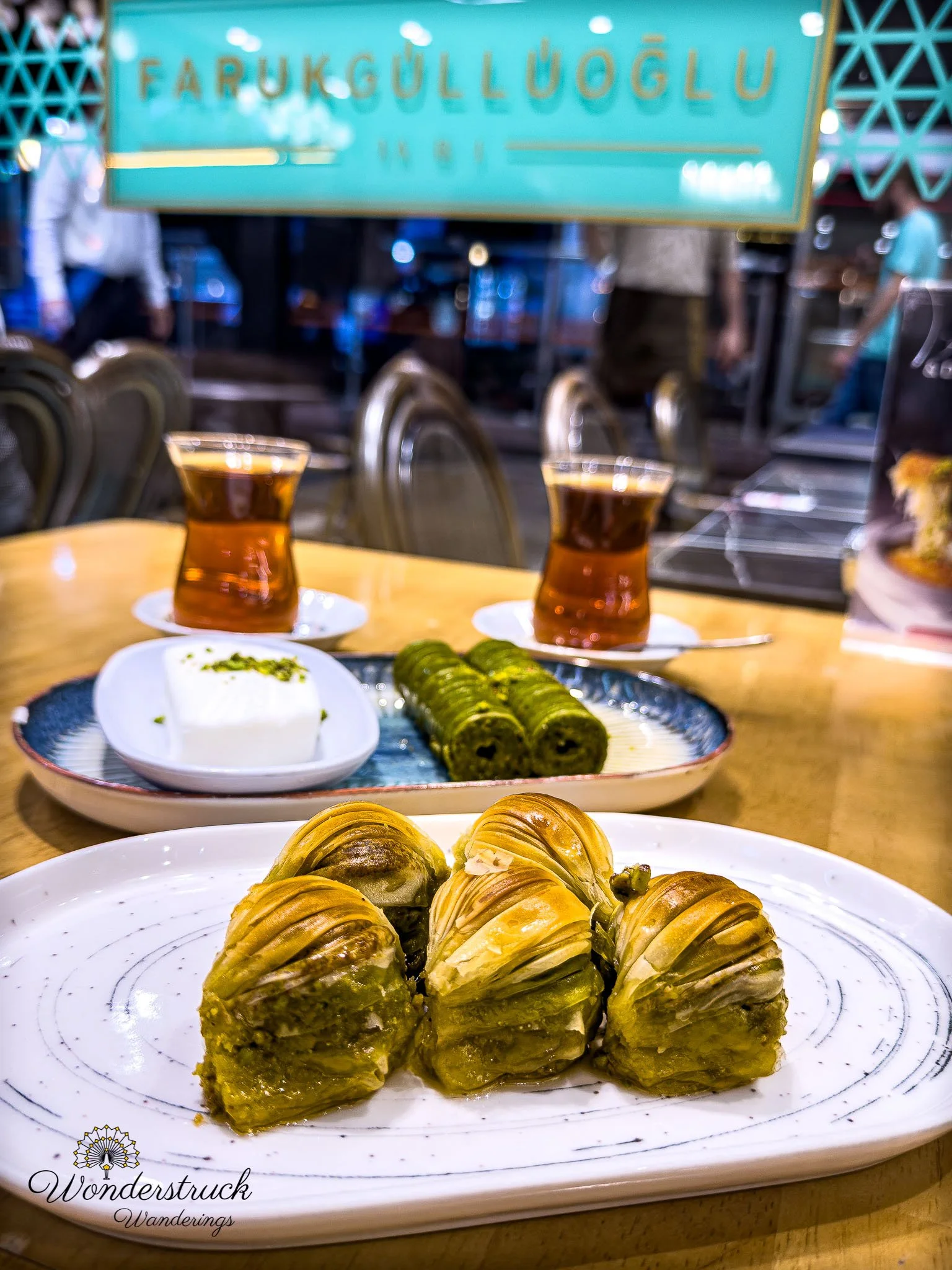
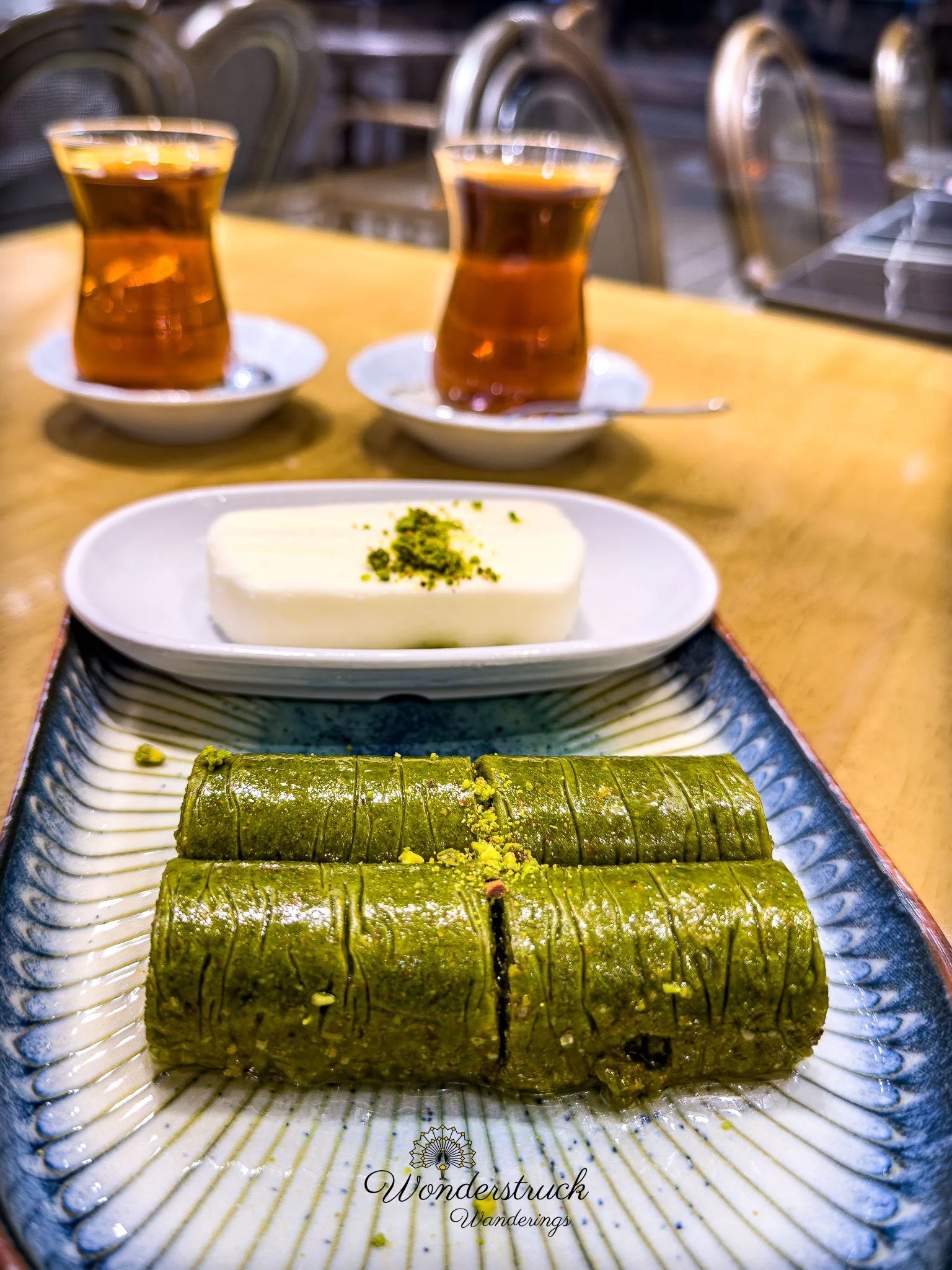
Künefe — hot, crisp shredded pastry with stretchy cheese, soaked in syrup and often finished with pistachio; best shared while it’s still sizzling.
Kaymak with honey — ultra-creamy clotted cream and honey (buffalo-milk kaymak is especially good); a perfect slow breakfast treat.
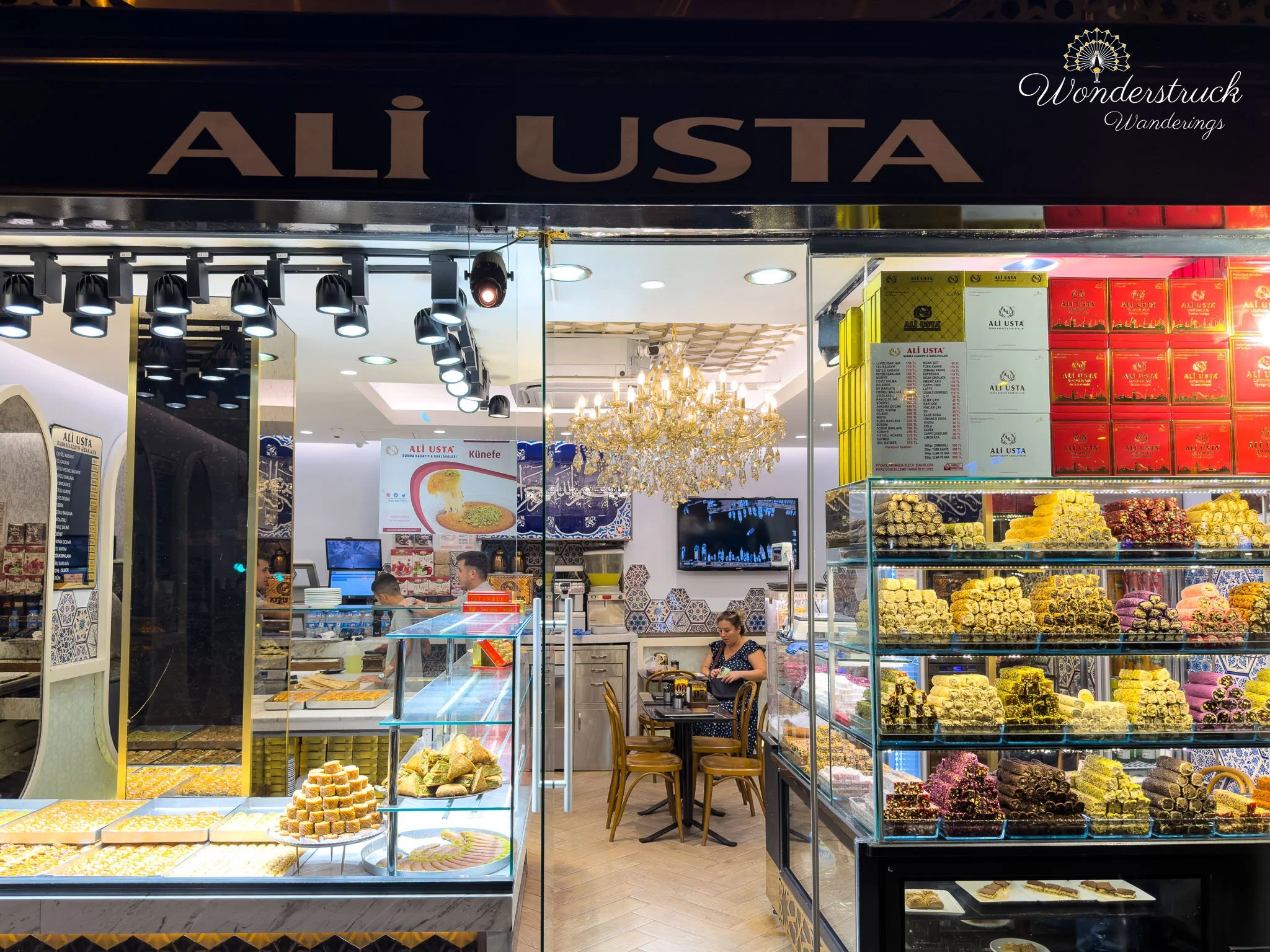
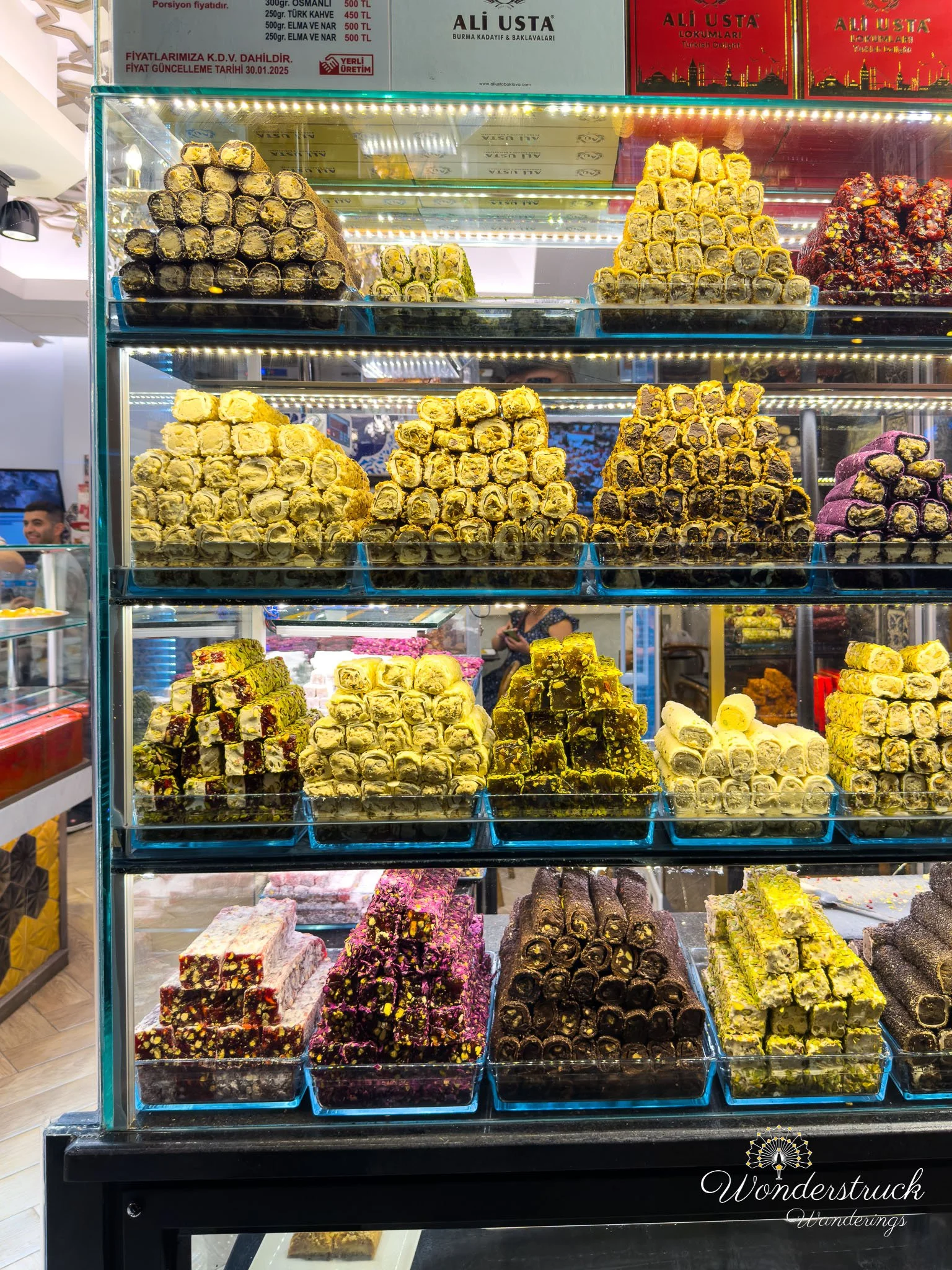
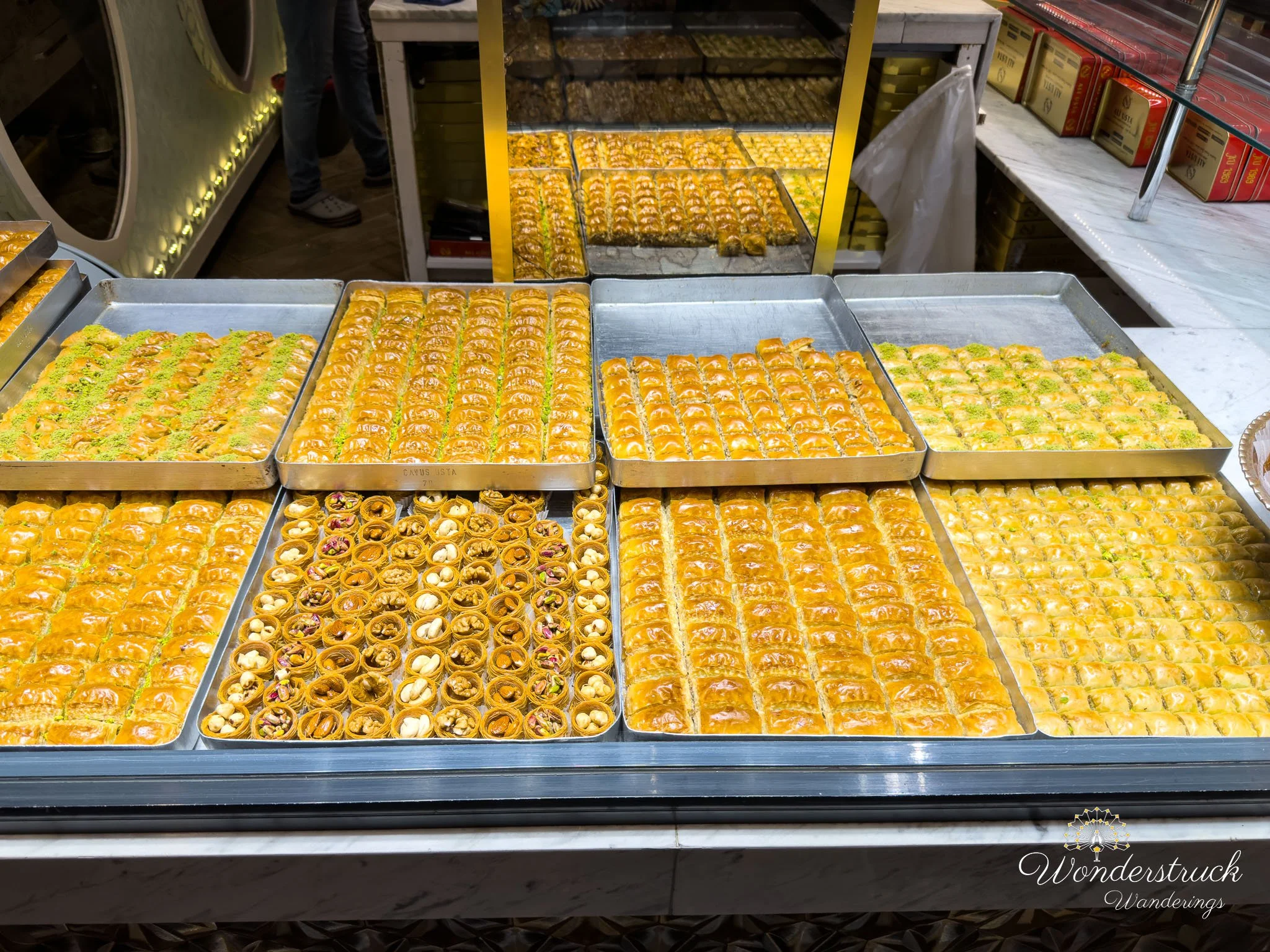
Baklava — go pistachio if you can; buttery, layered, and meant to be eaten with tea.
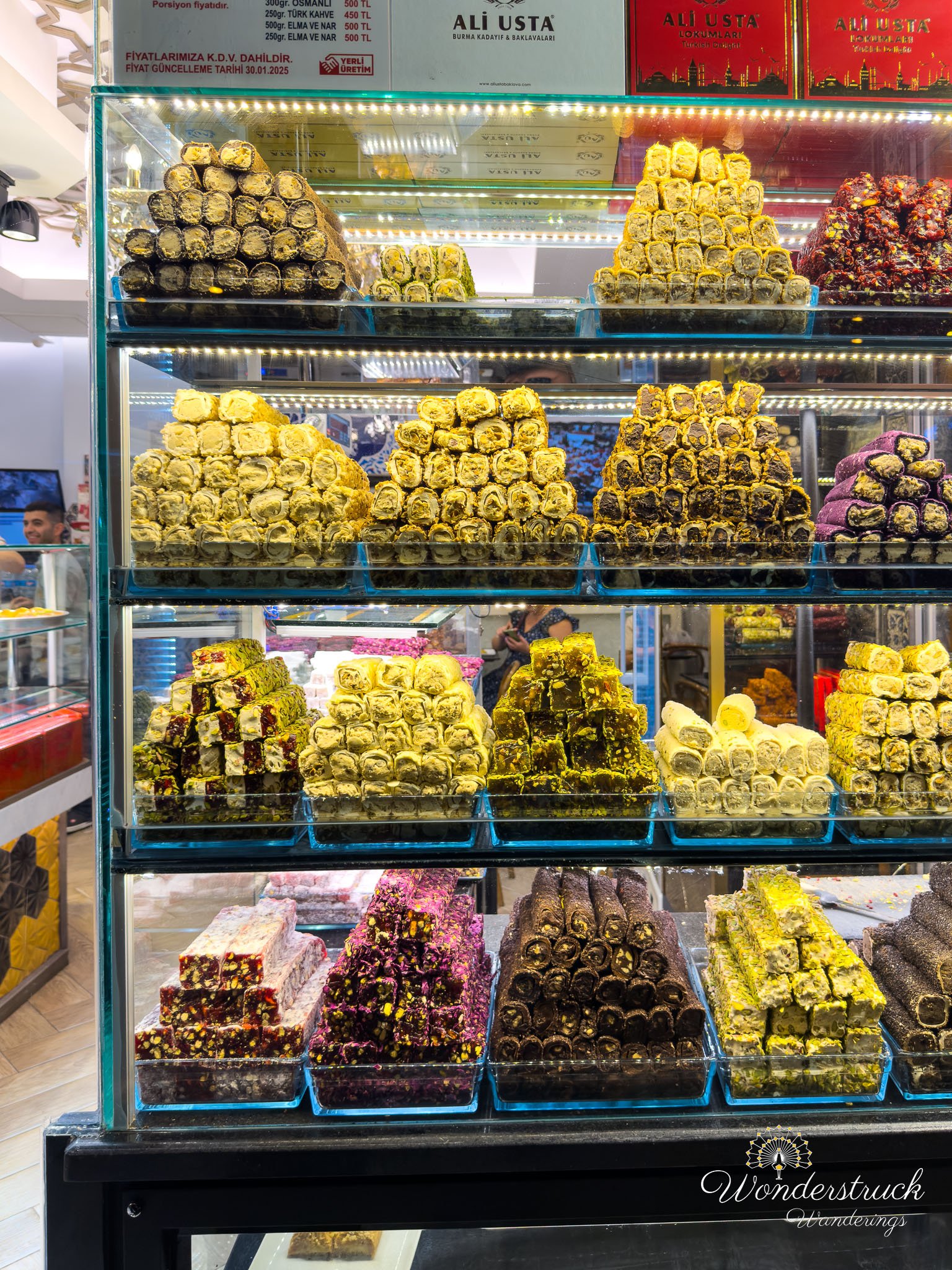
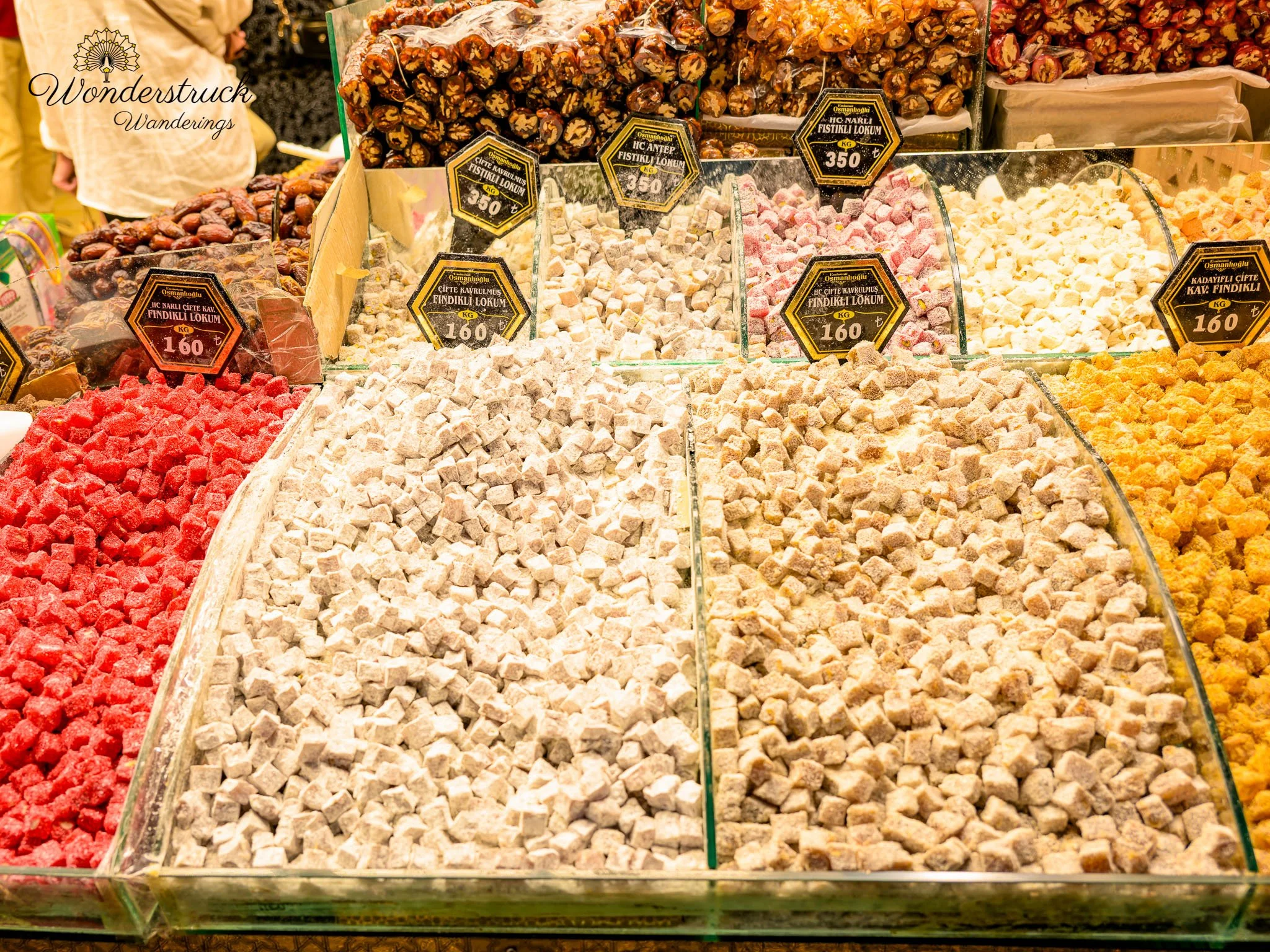
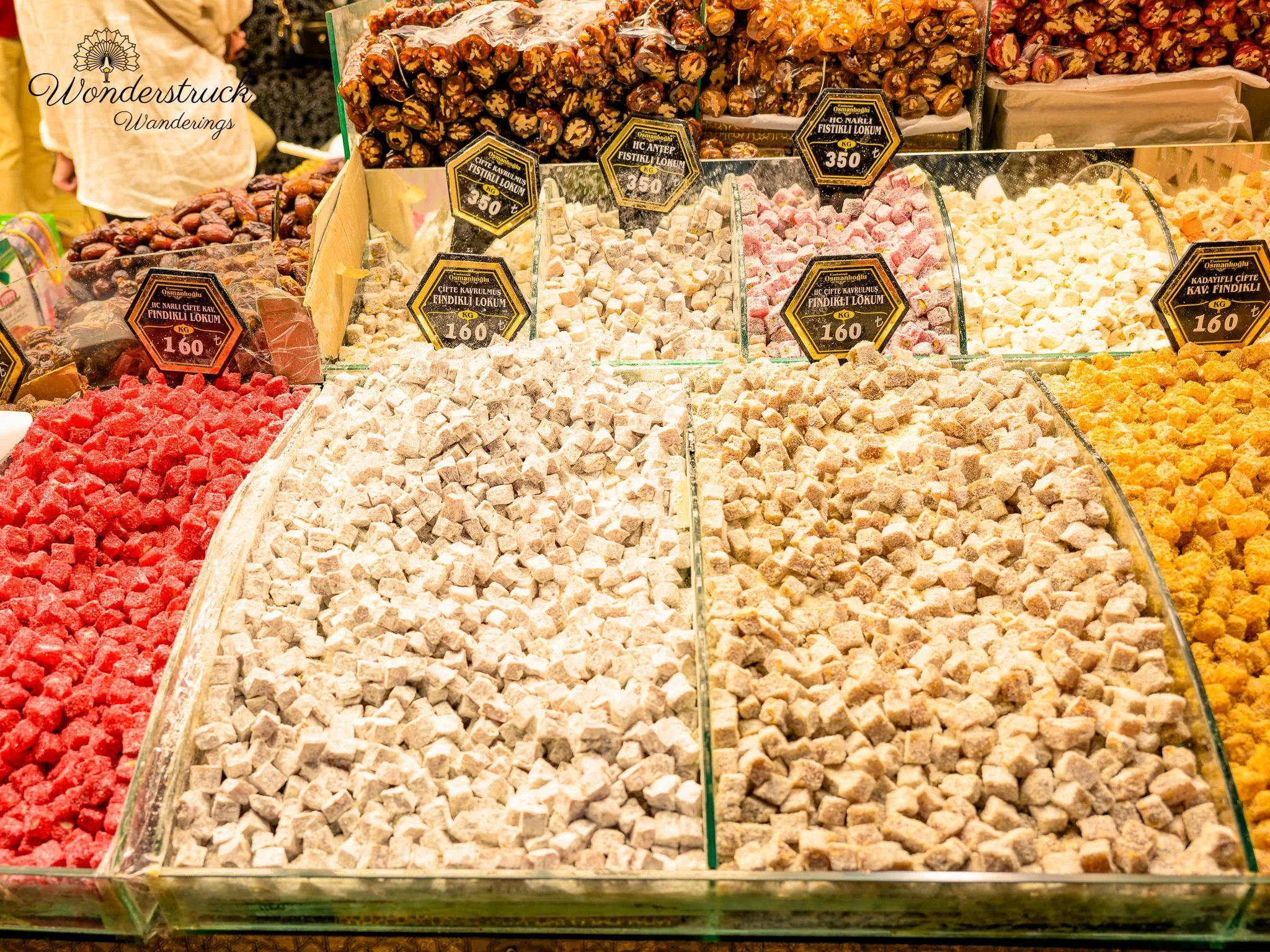
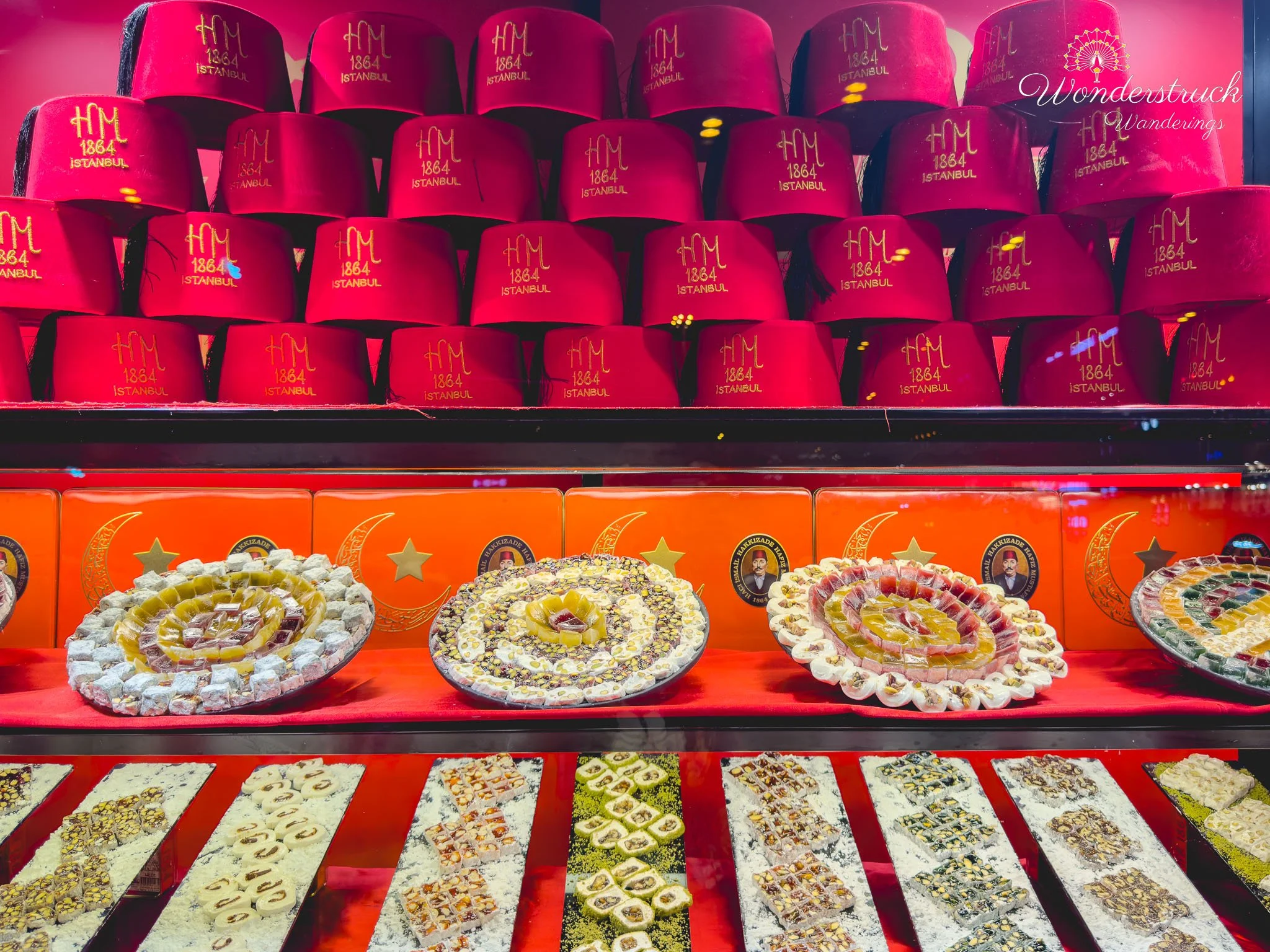
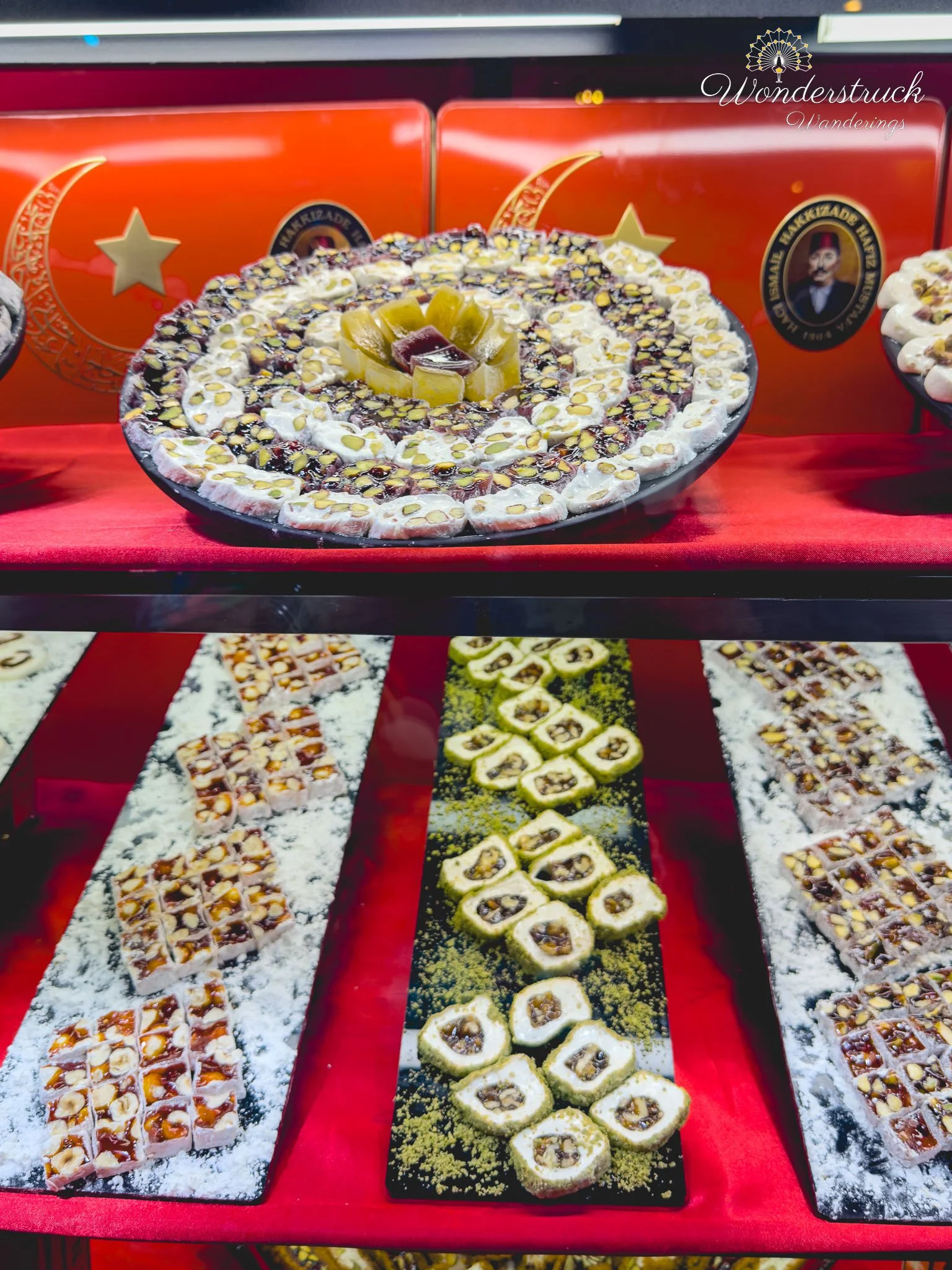
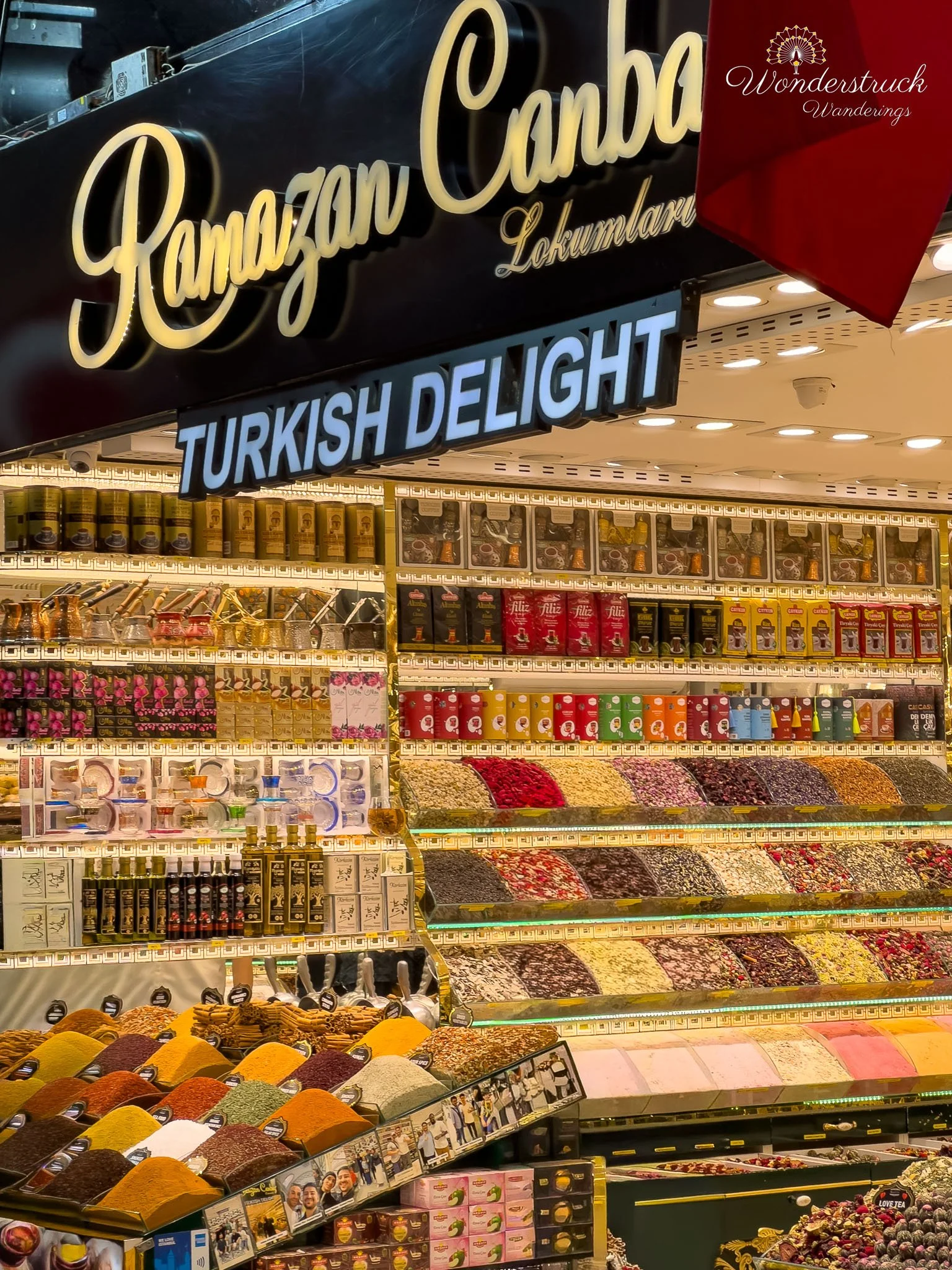
Lokum (Turkish delight) — buy a mixed box for gifting (rose, pistachio, pomegranate, mastic are common favorites).
Drinks
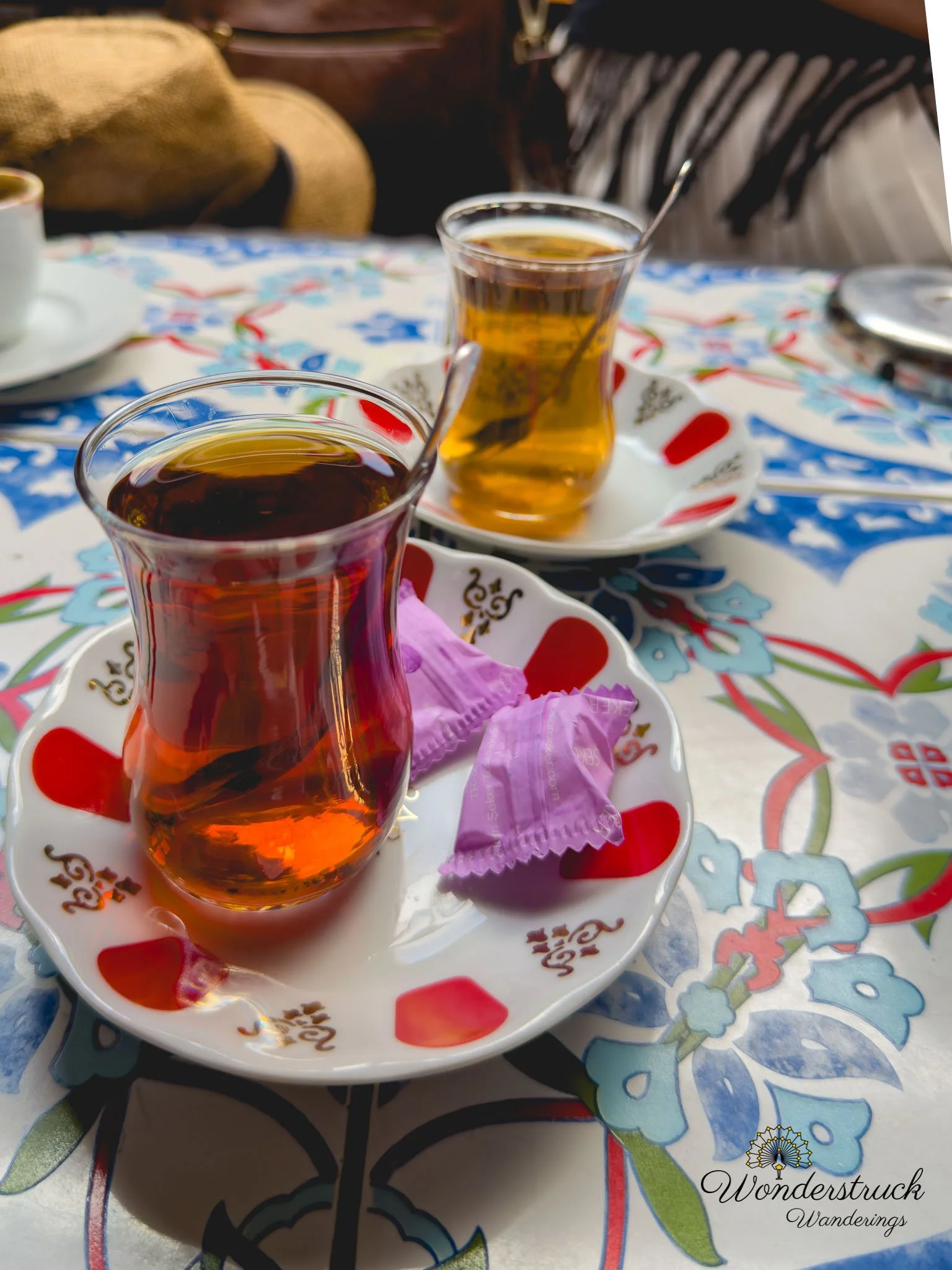
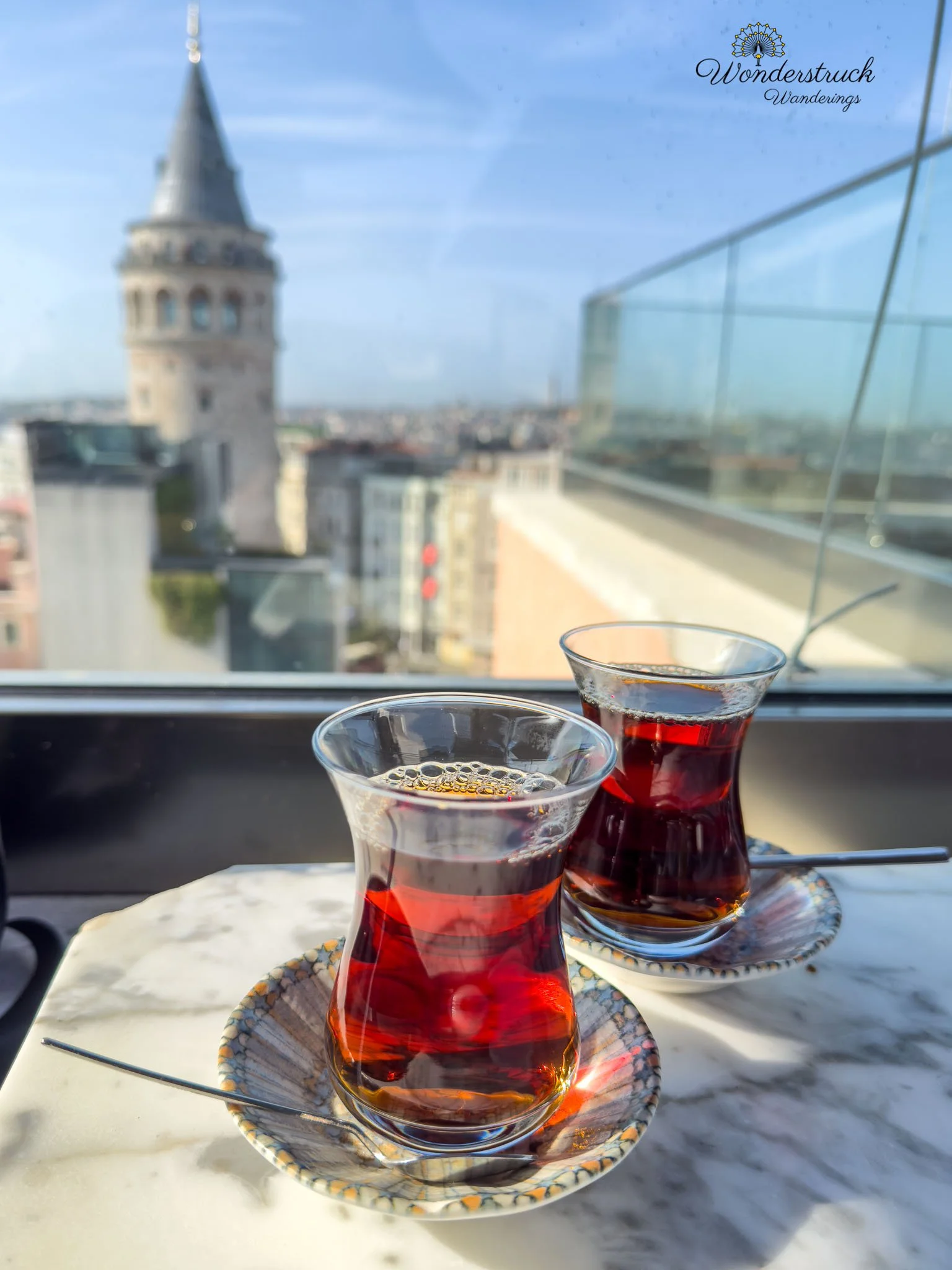
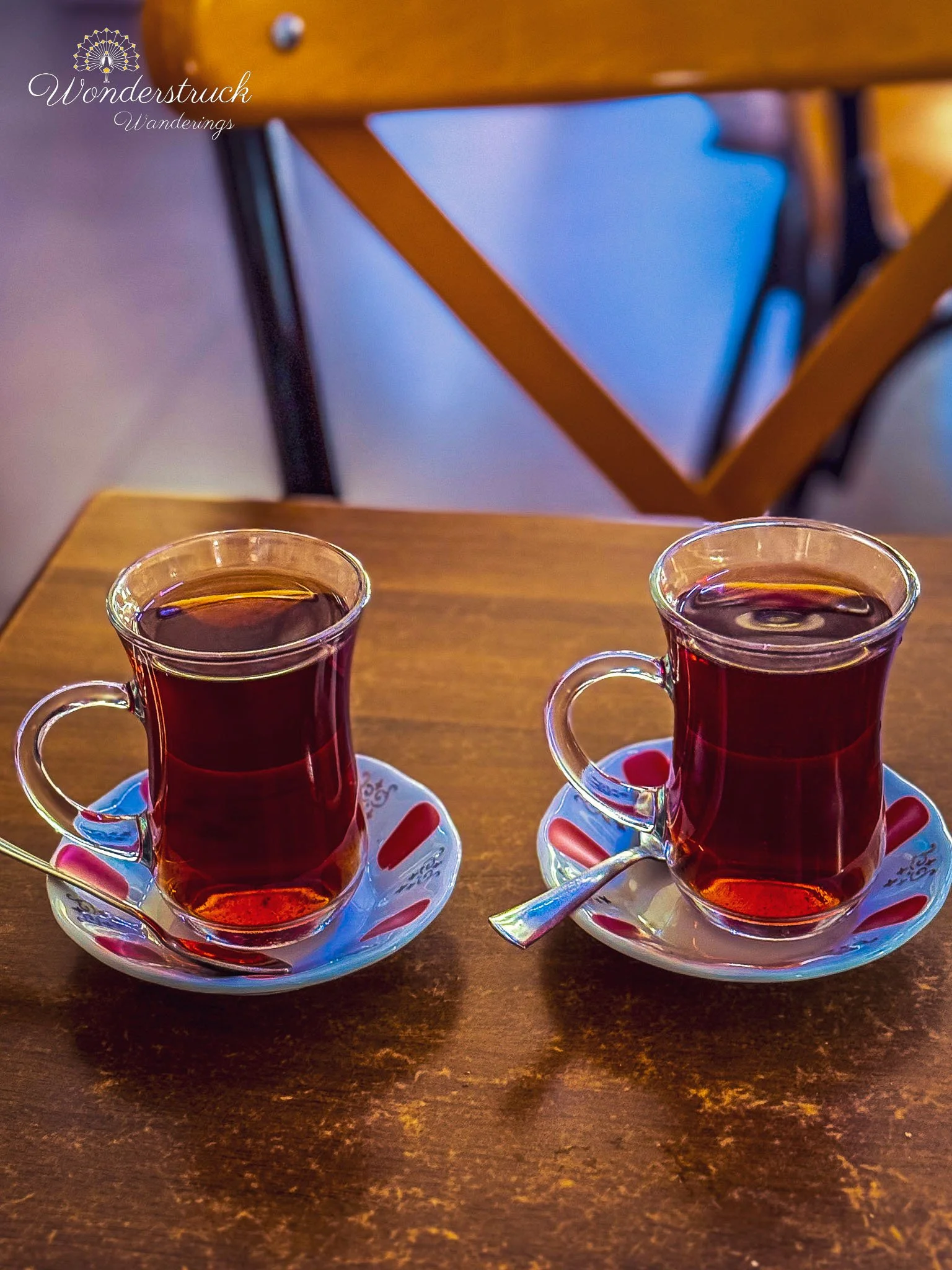
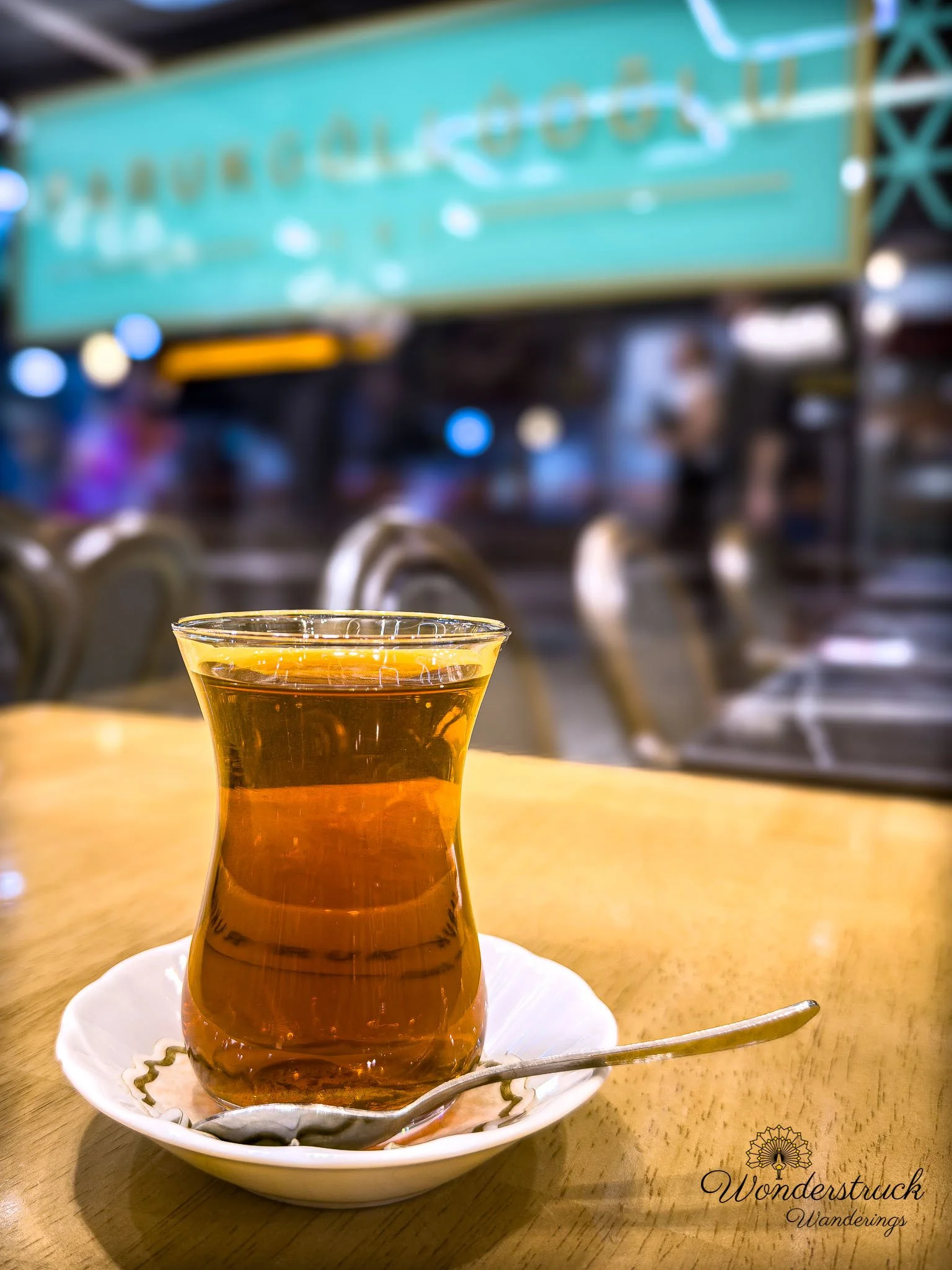
Çay (Turkish tea) — small tulip glasses, endlessly refilled, and basically Istanbul’s social currency.
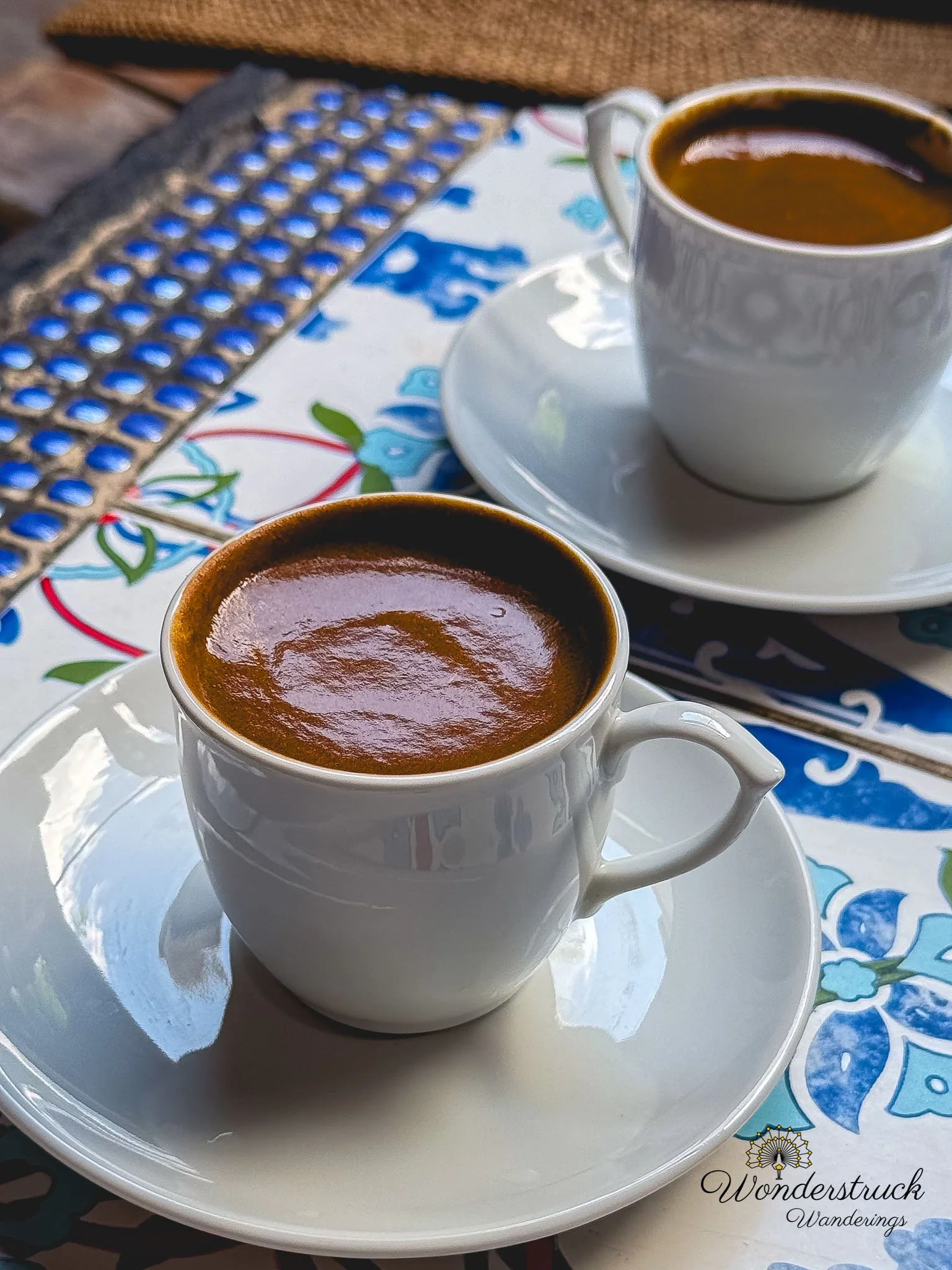
Turkish coffee — thick, strong, and slow; sip it, don’t chug it (and leave the grounds).
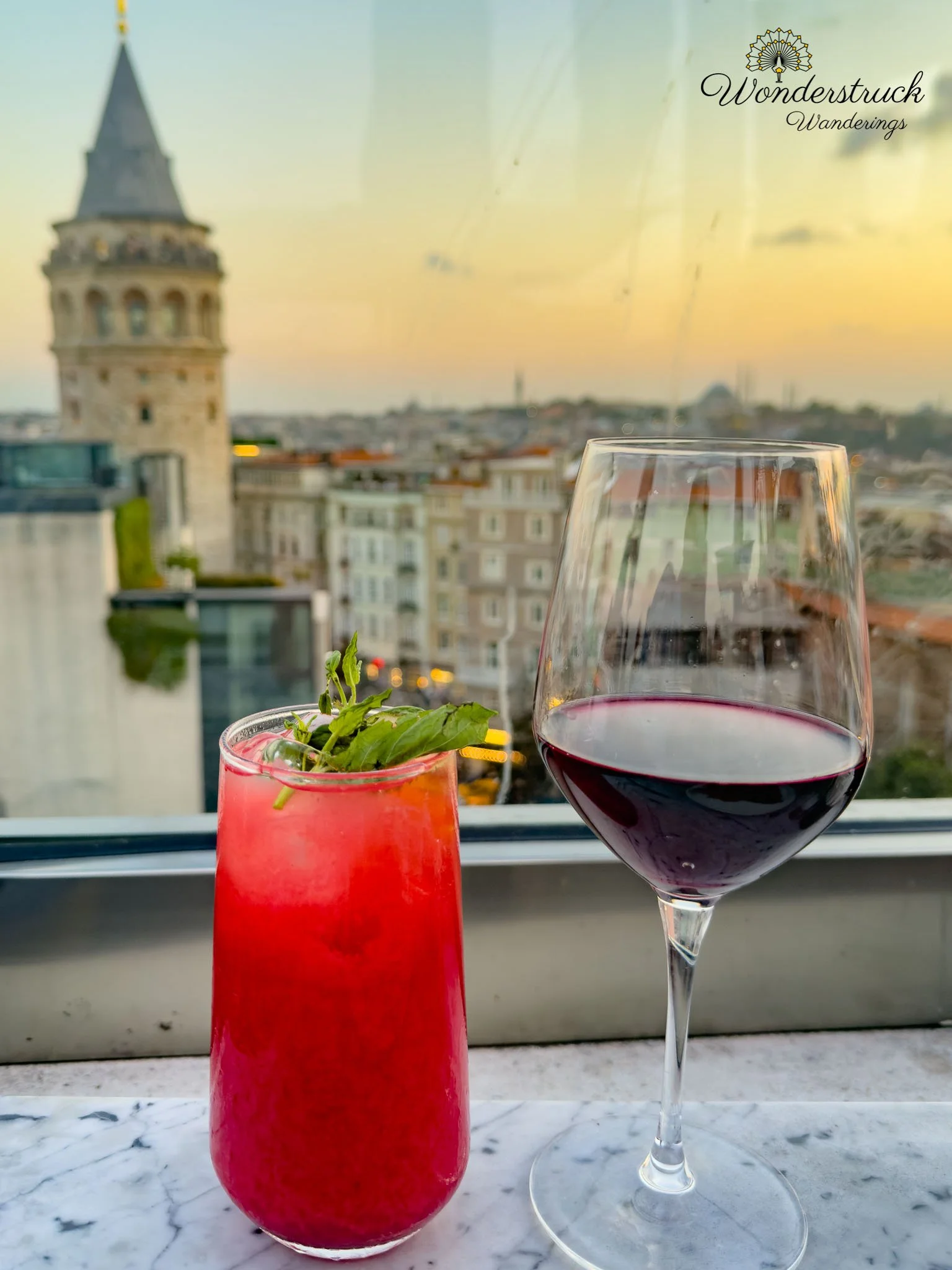
Turkish table wine (şarap) — genuinely underrated with grilled fish, meze, and rooftop dinners. If the list is short, ask for a dry white with seafood or a light red with kebab-style dishes; it’s a great alternative when you want something gentler than rakı.
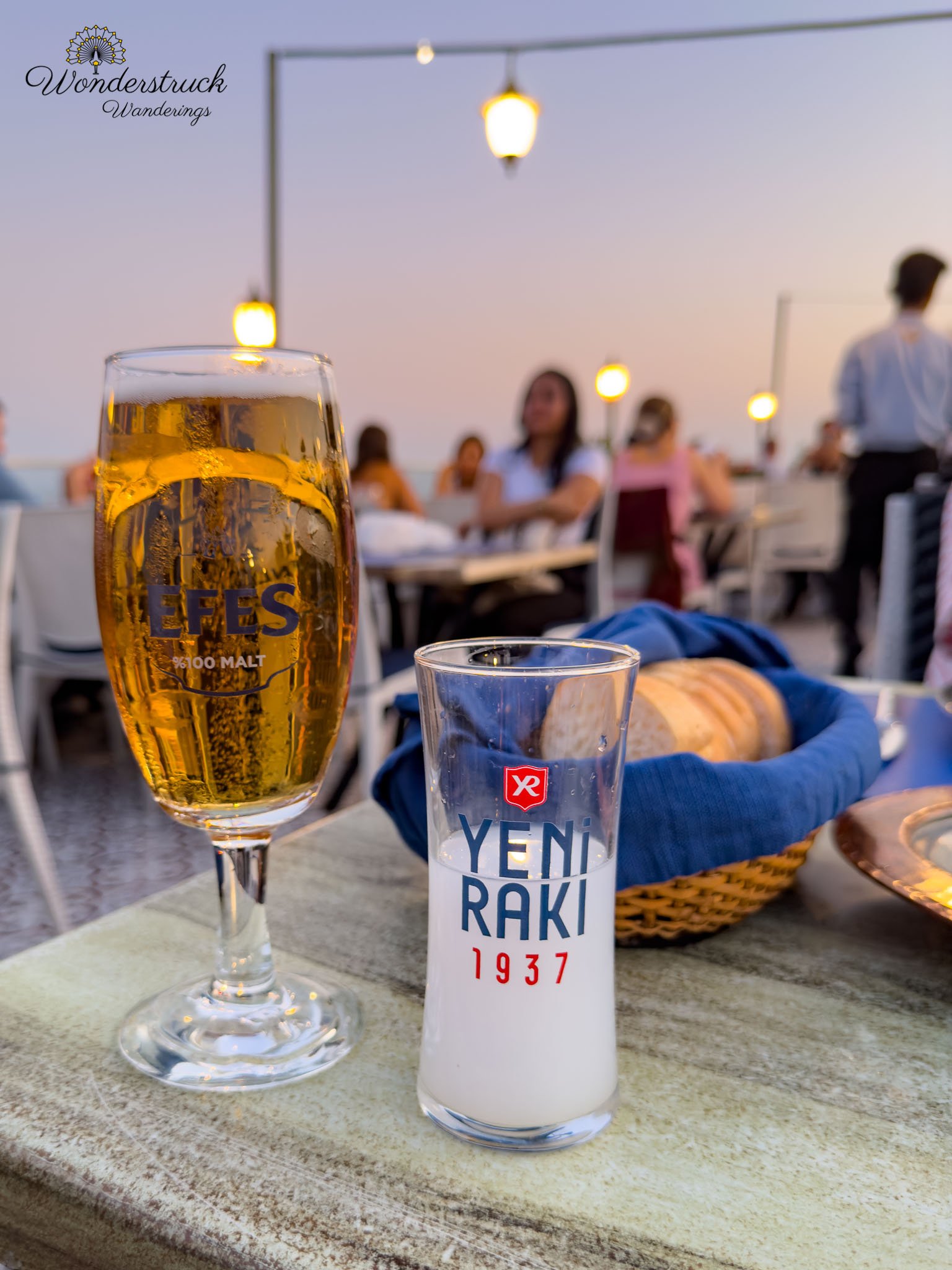
Local beer — easy and refreshing after a long walking day. You’ll commonly see Efes (classic lager) and often Bomonti; both pair perfectly with salty snacks and kebabs.
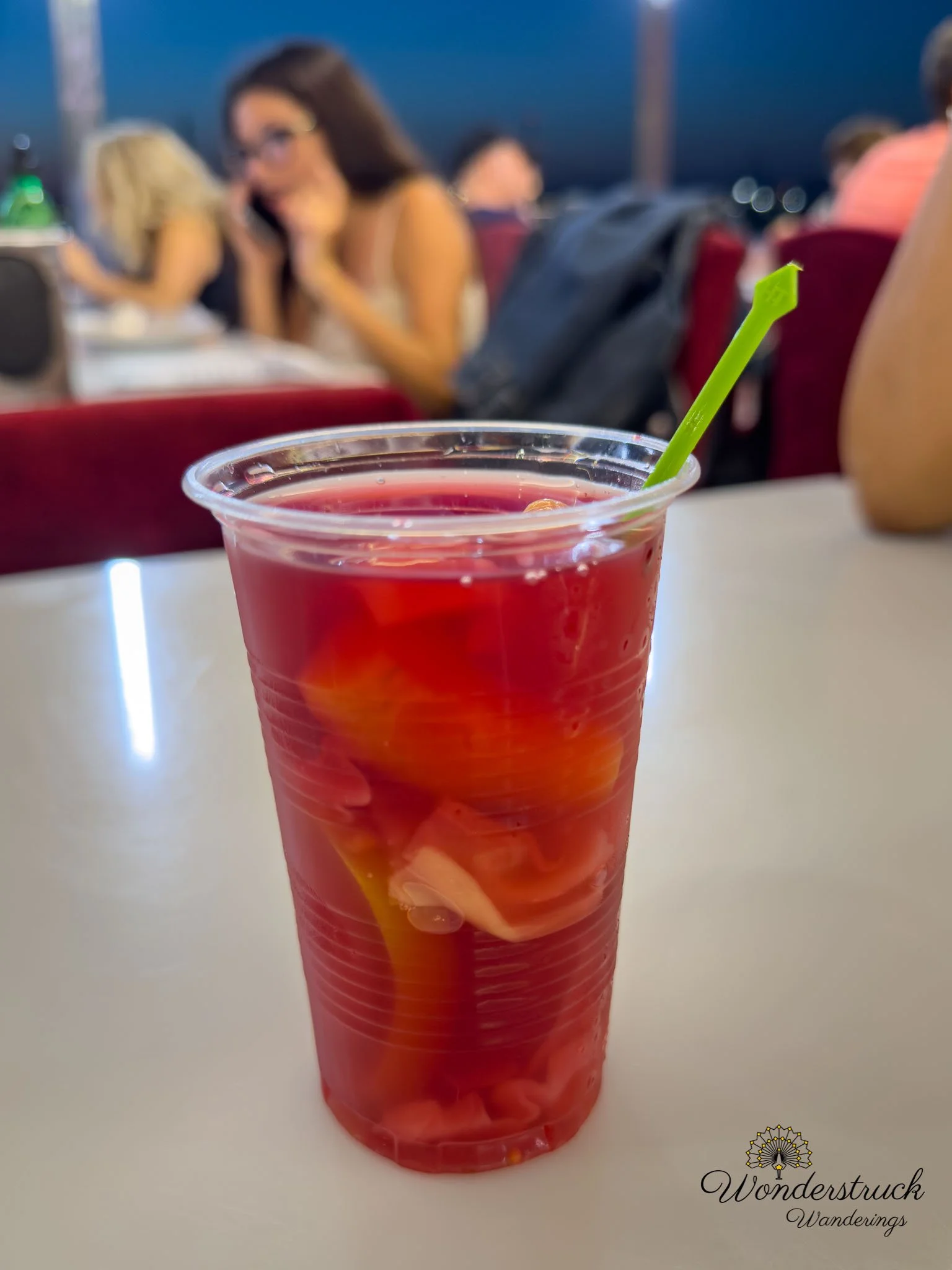
Turşu suyu (pickle juice) — the briny street-side reset: salty, tangy, sometimes spicy, and weirdly satisfying when you’re overheated or snack-heavy.
Rakı -Istanbul’s signature drink—anise-forward and usually mixed with water (often with ice on the side) until it turns milky “lion’s milk.” Yeni Rakı is the standard pour everywhere; for a smoother premium upgrade, order Beylerbeyi Göbek Rakı (Göbek 3), especially with meze and seafood.
Istanbul Must-See
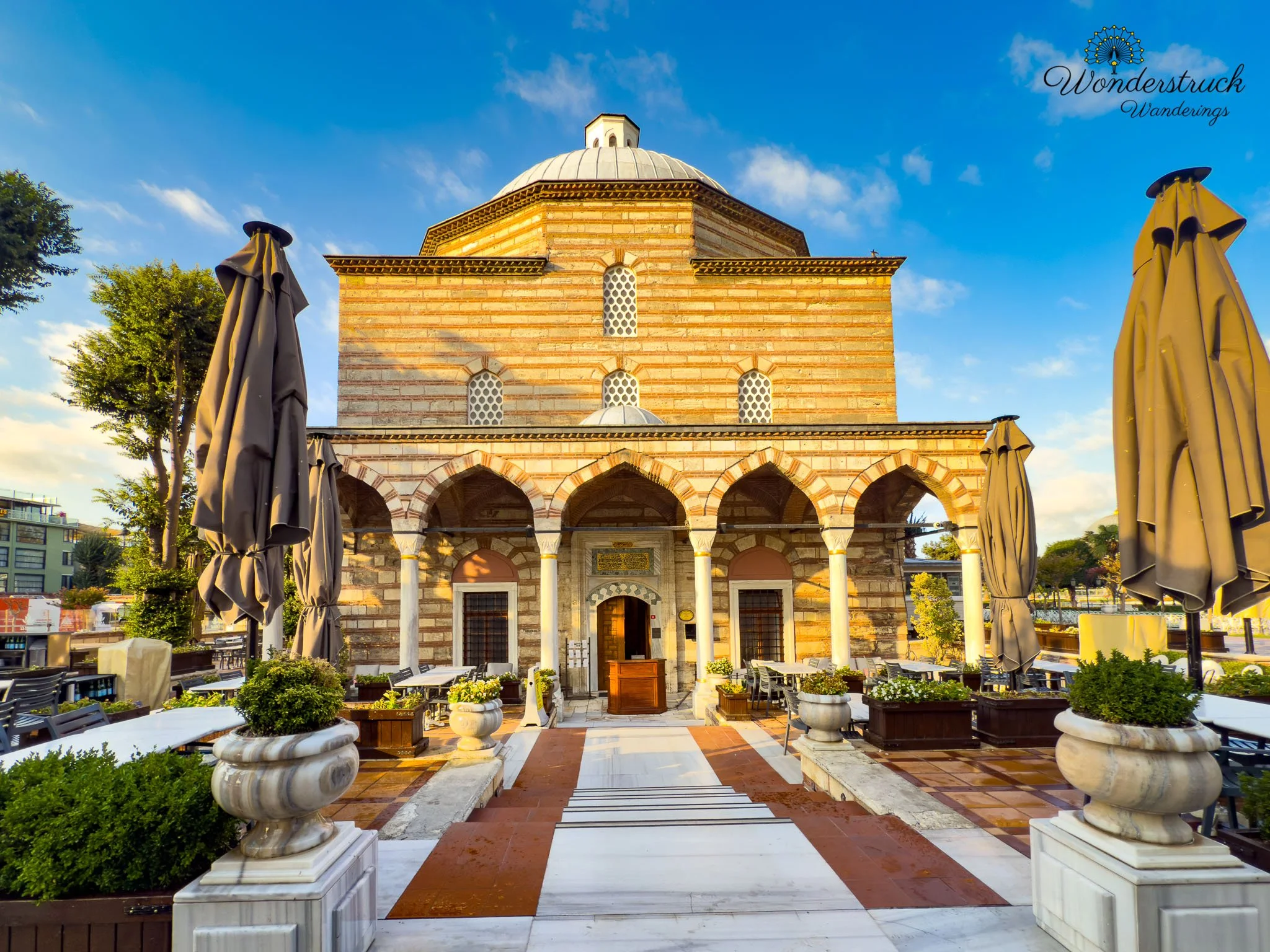
Old City essentials: Sultanahmet Square
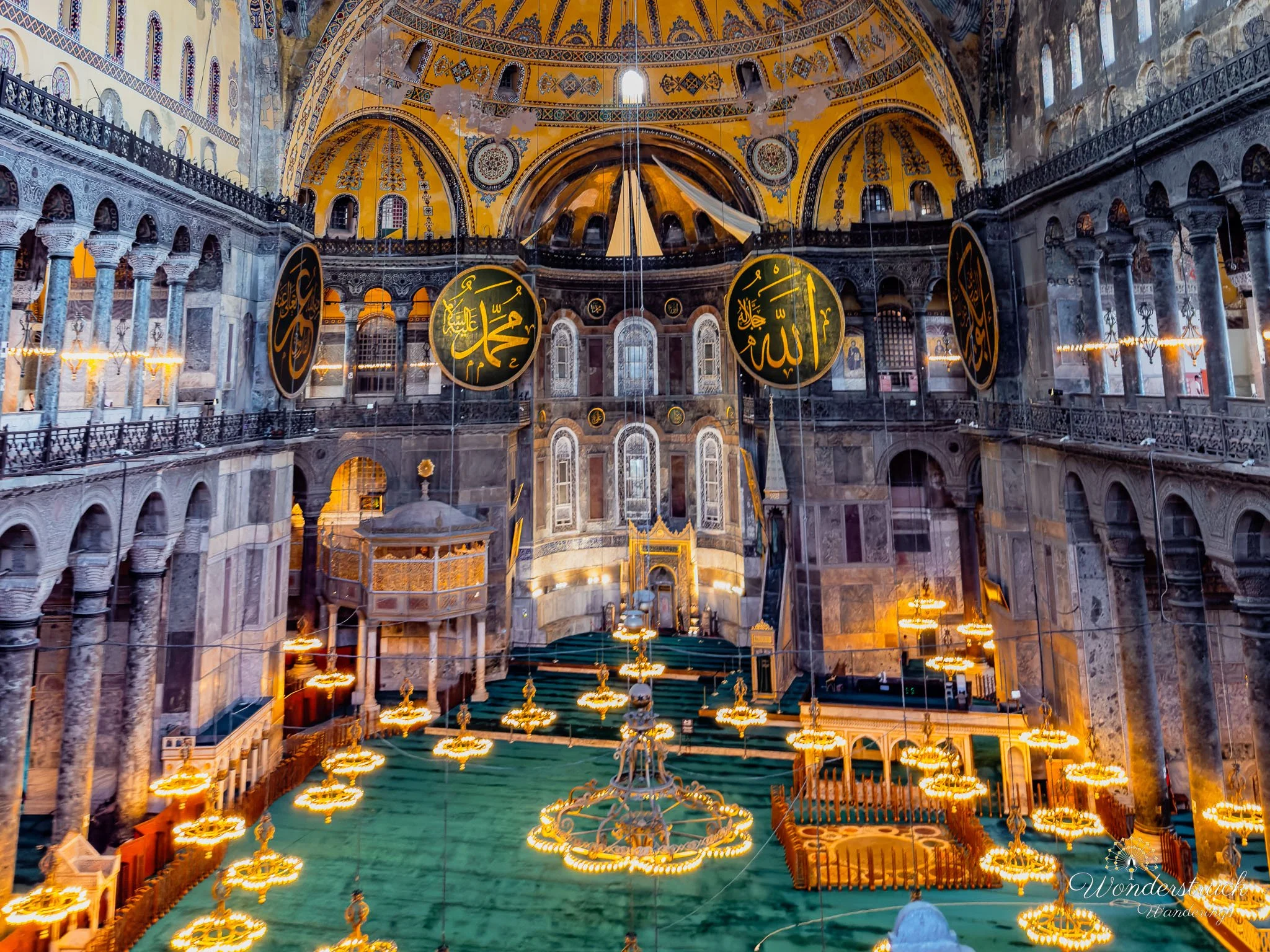
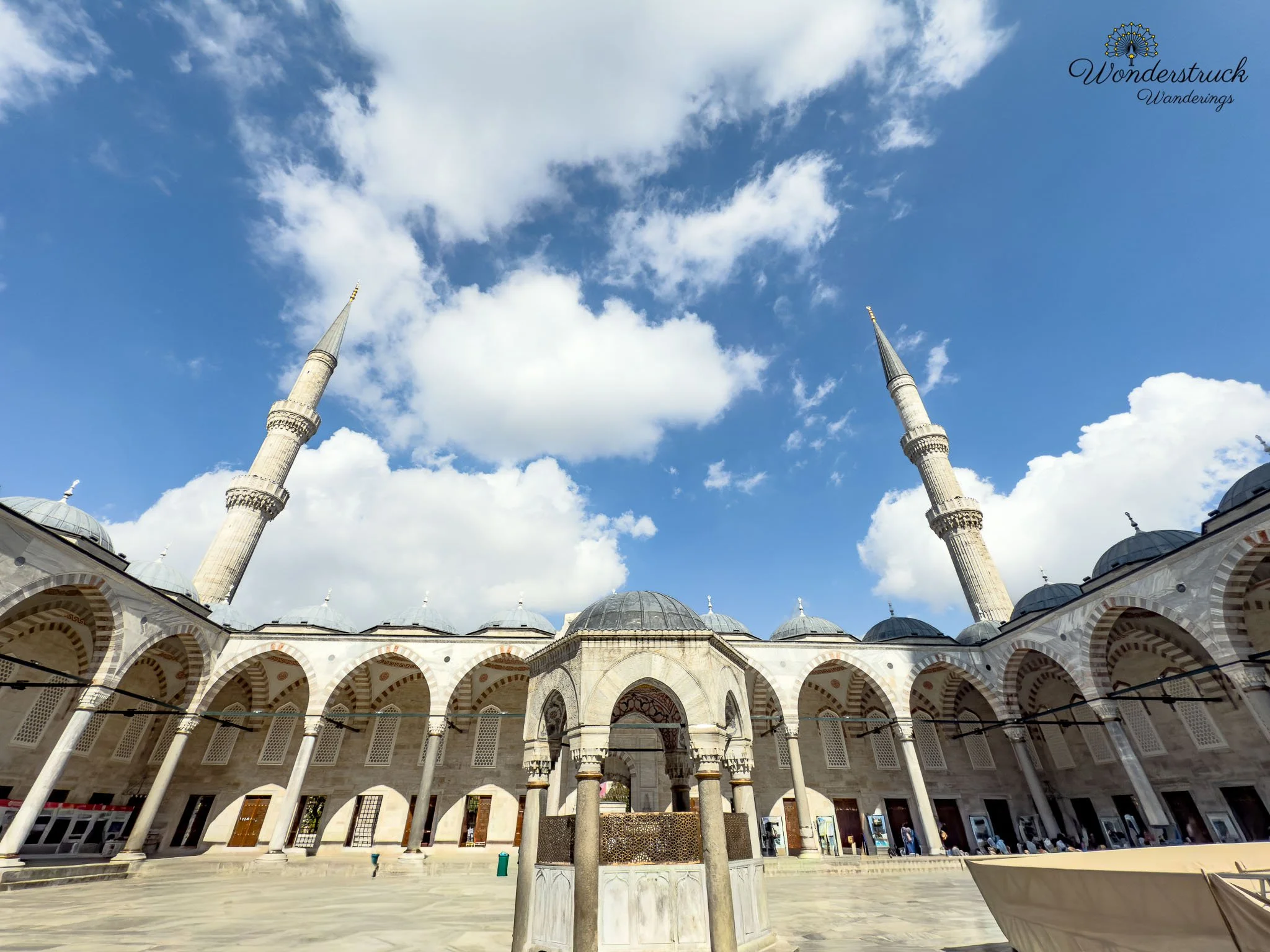
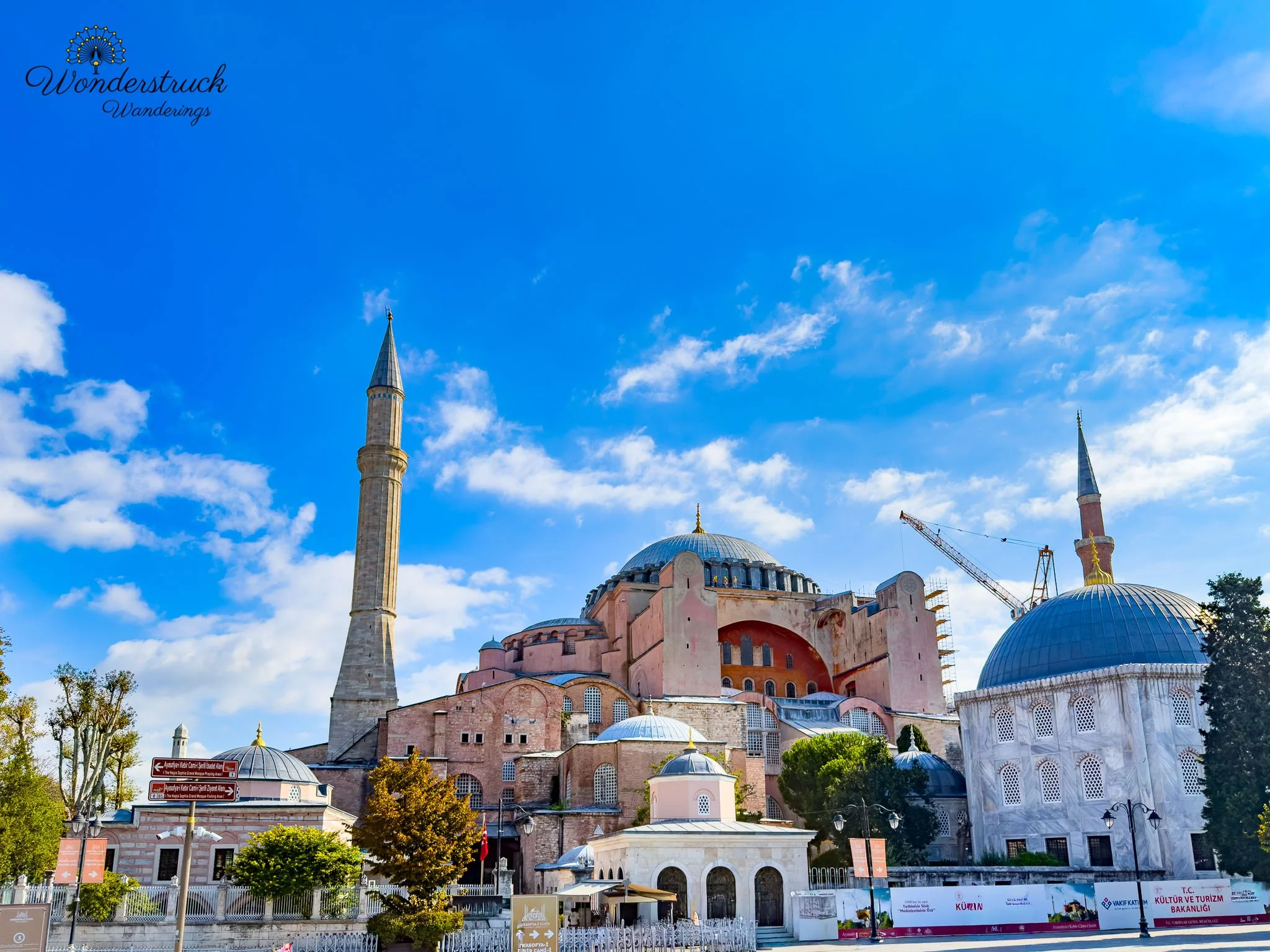
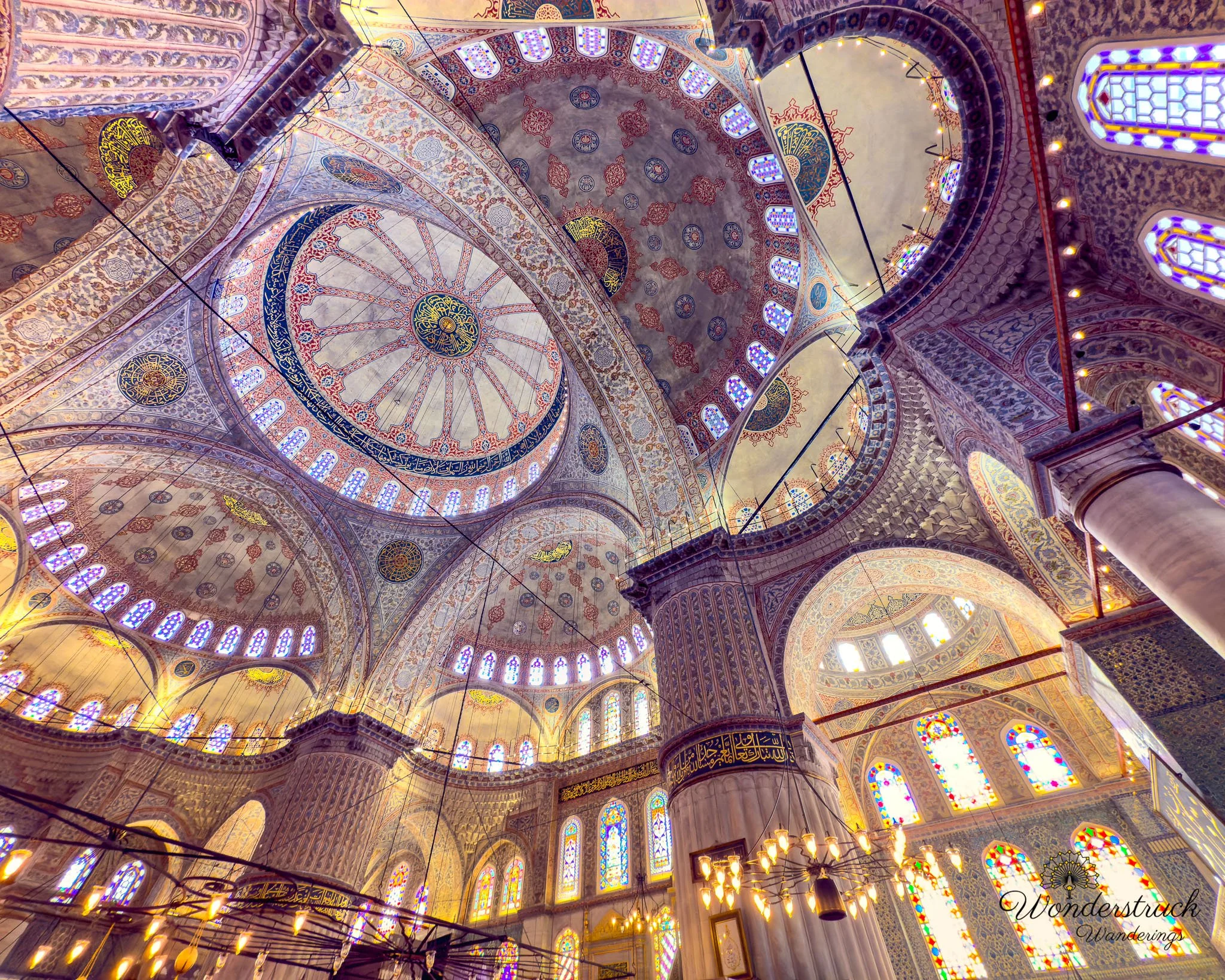
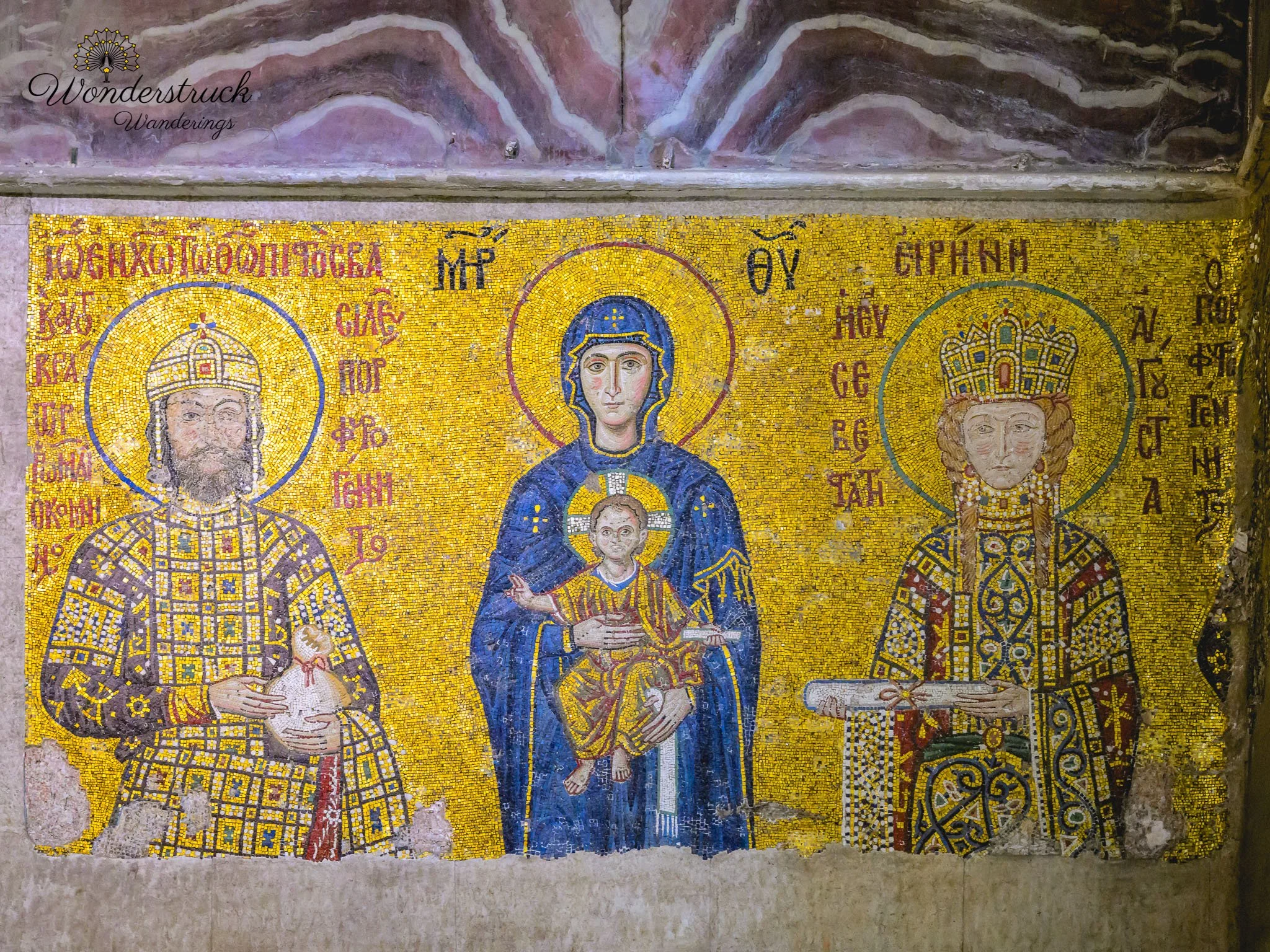
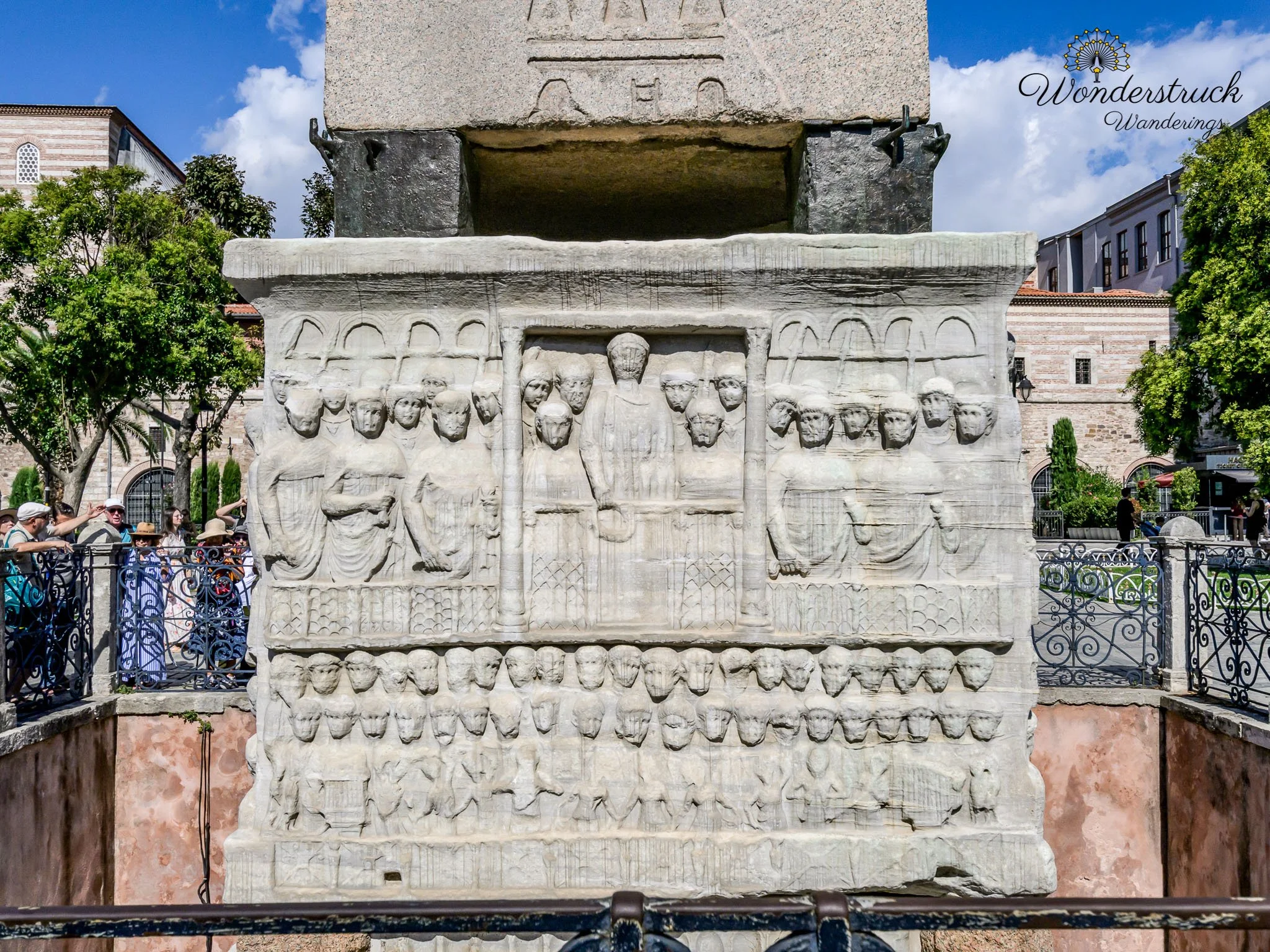
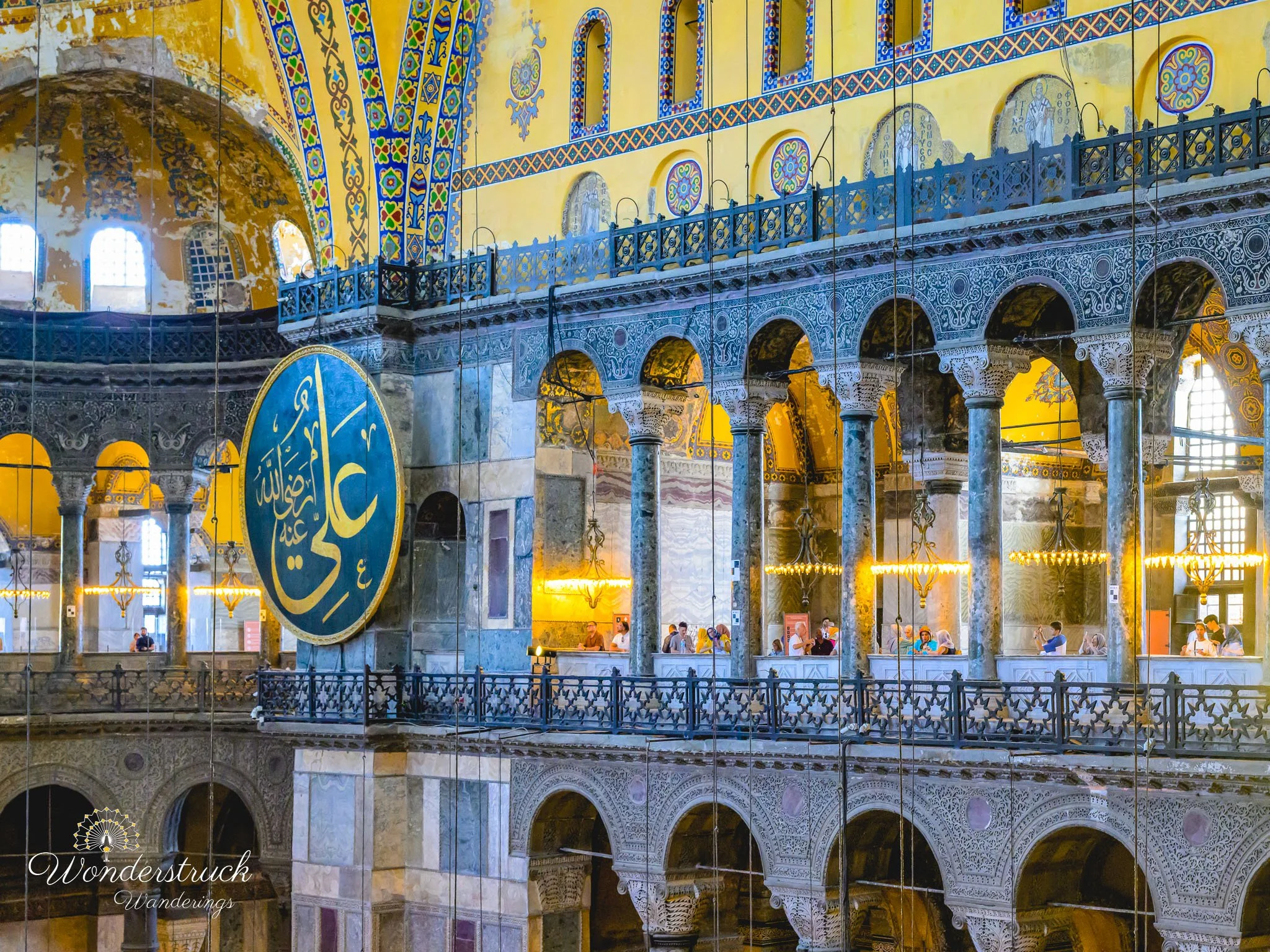
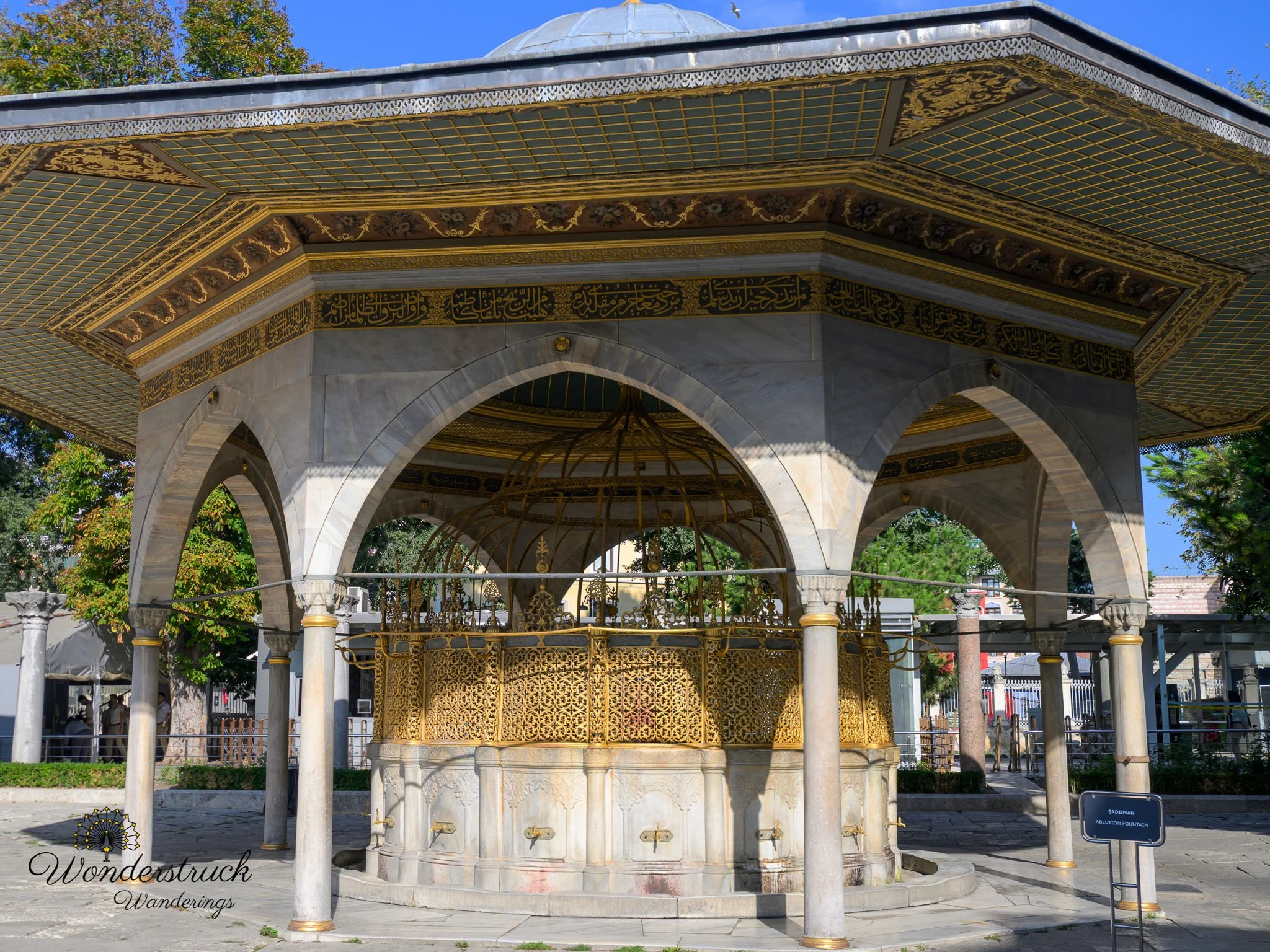
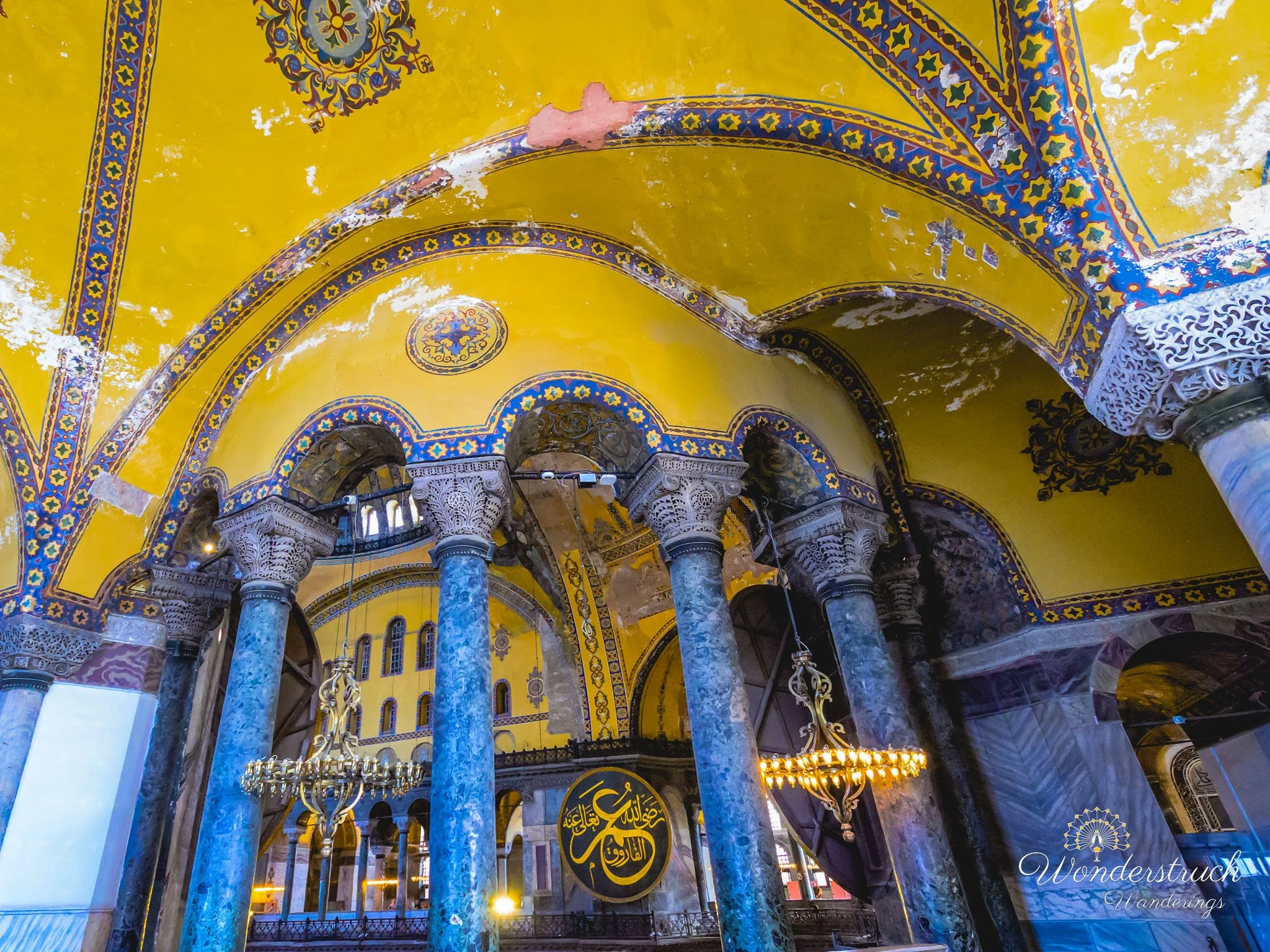
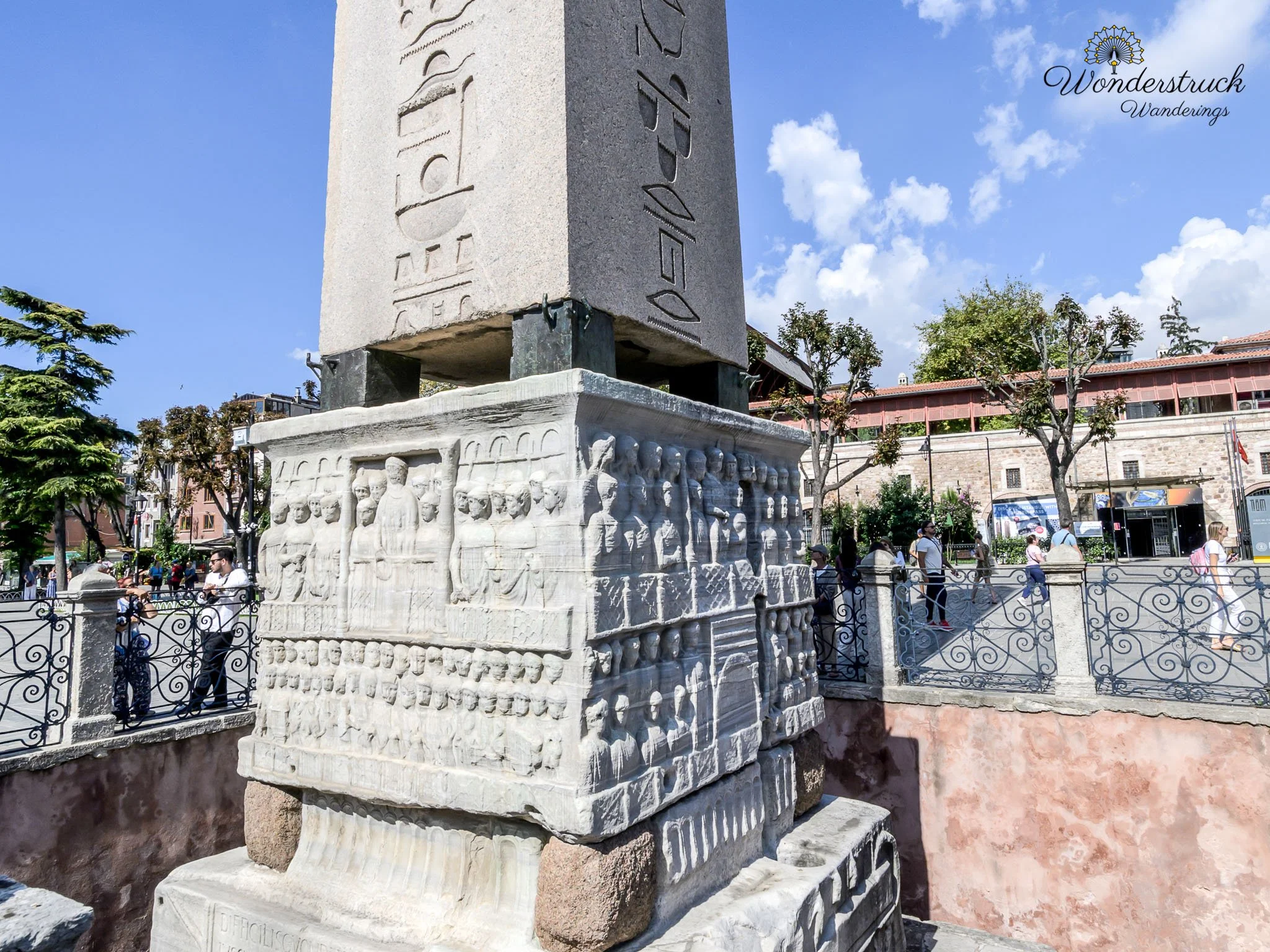
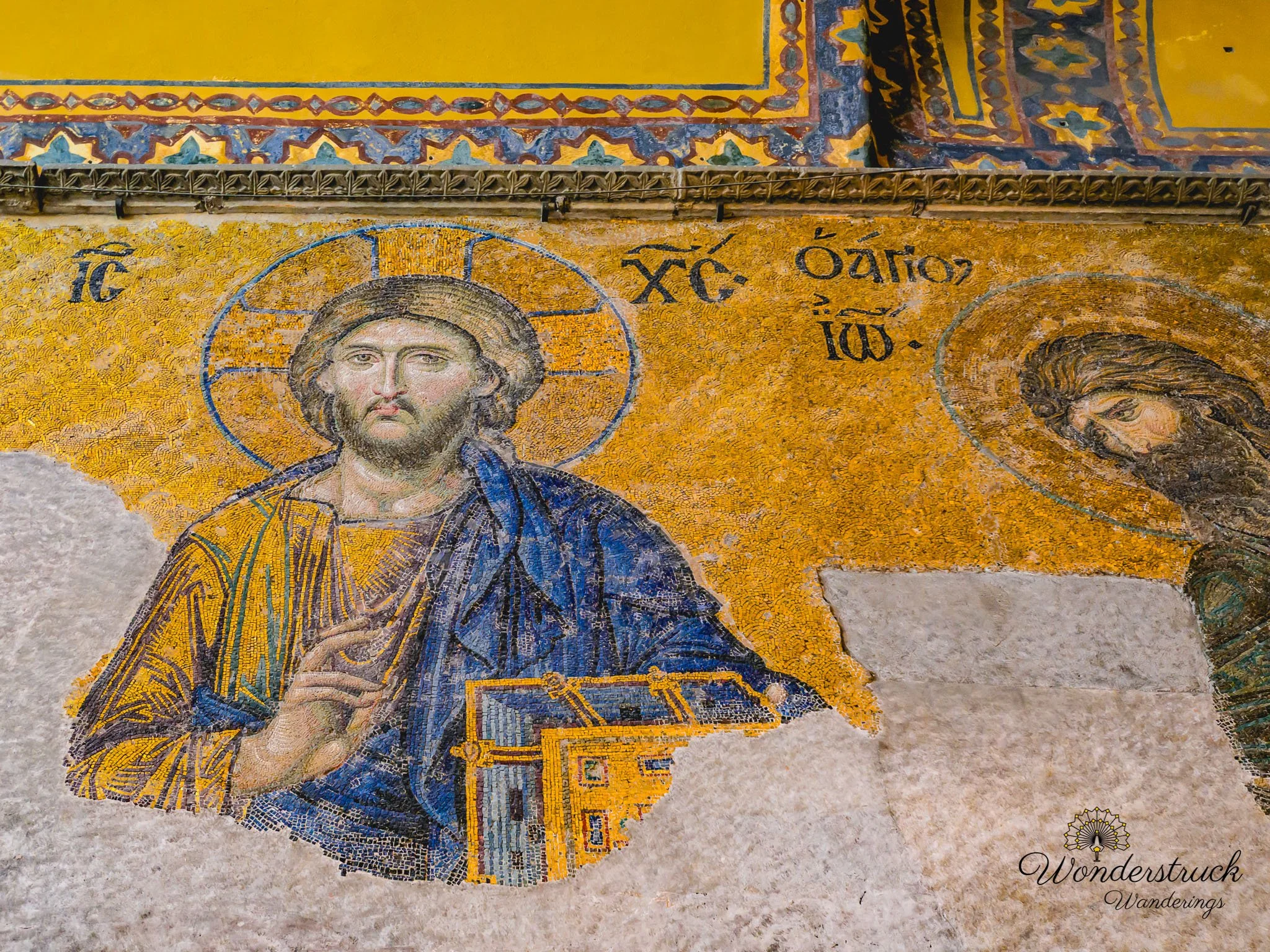
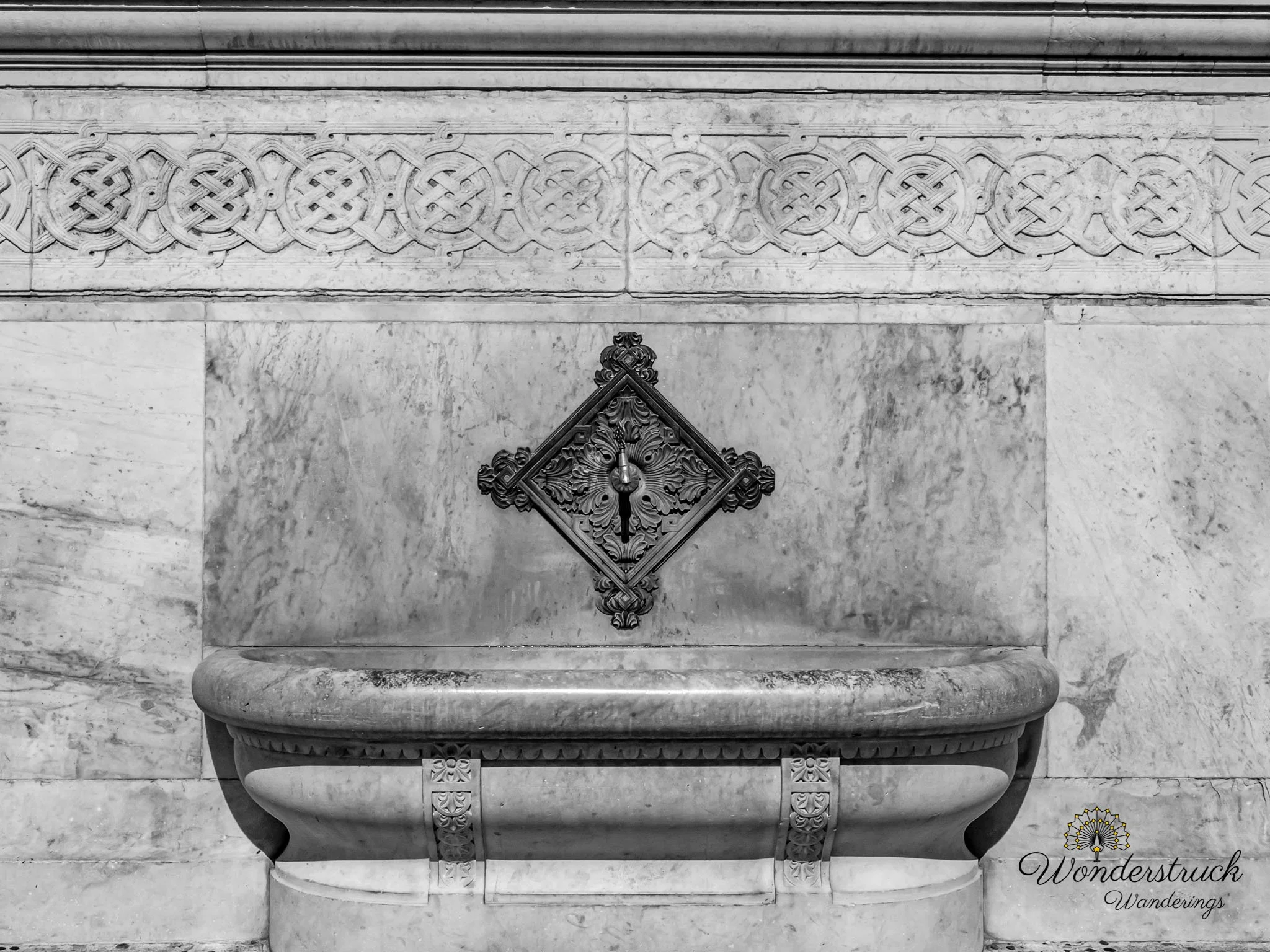
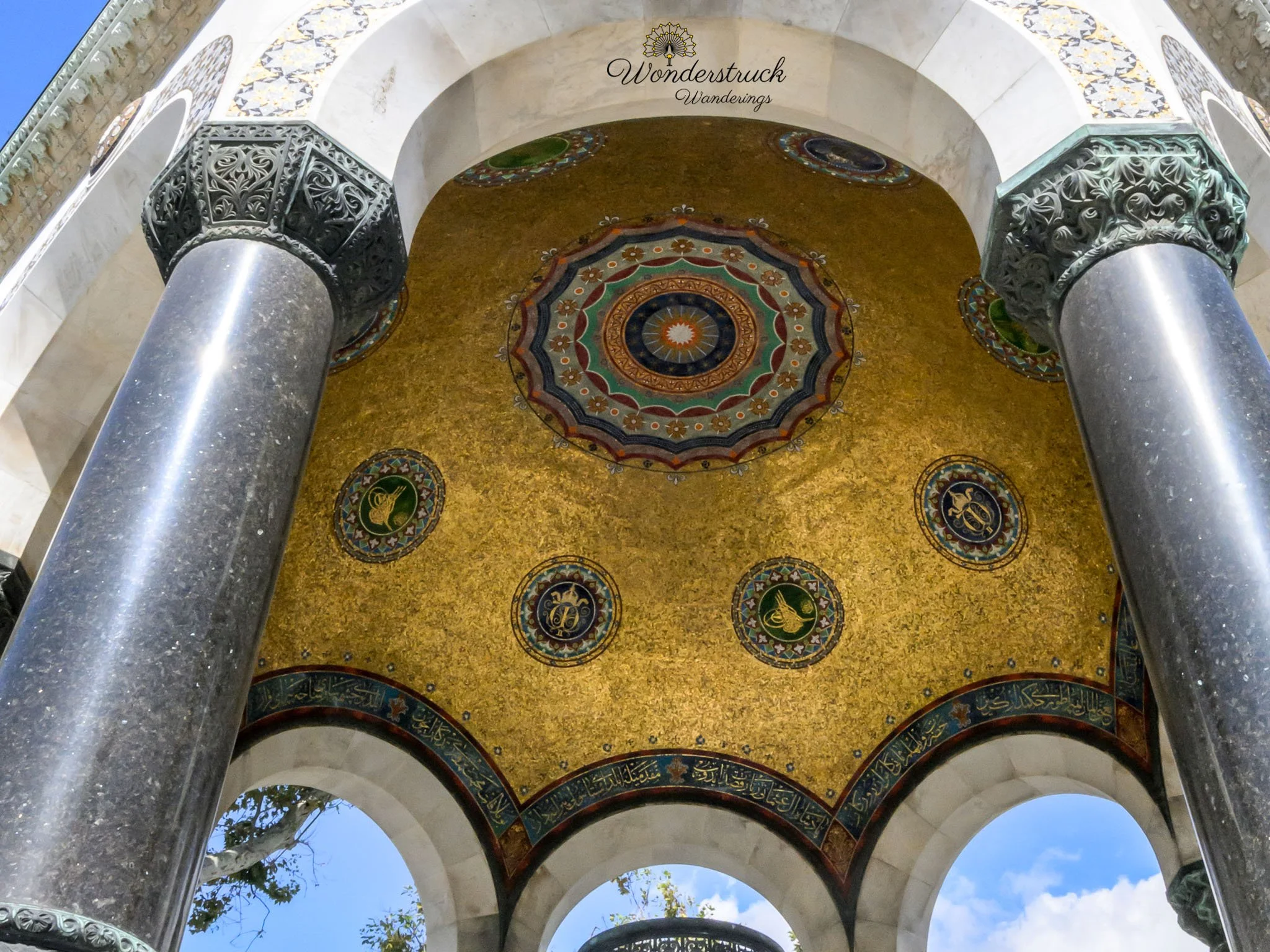
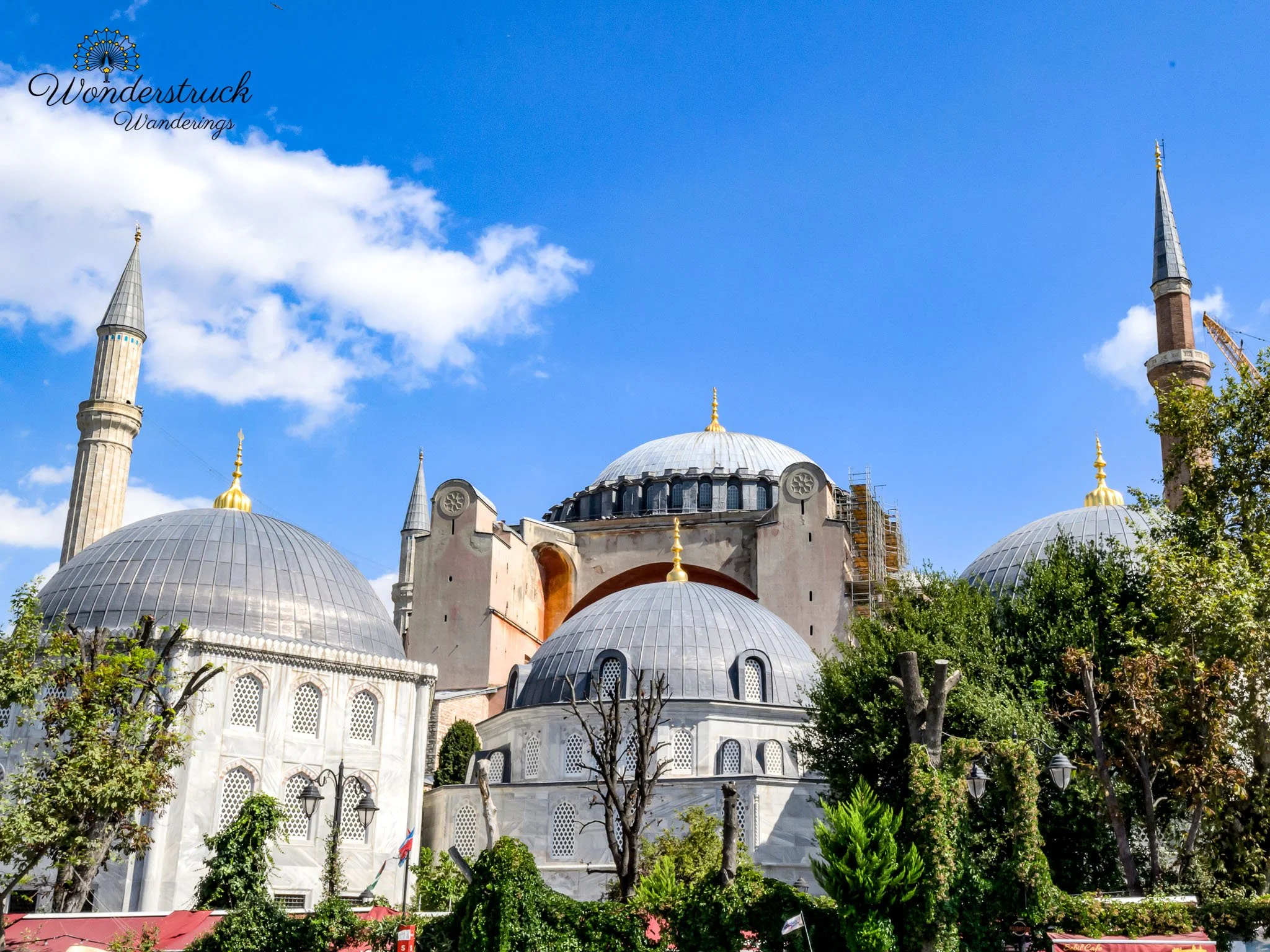
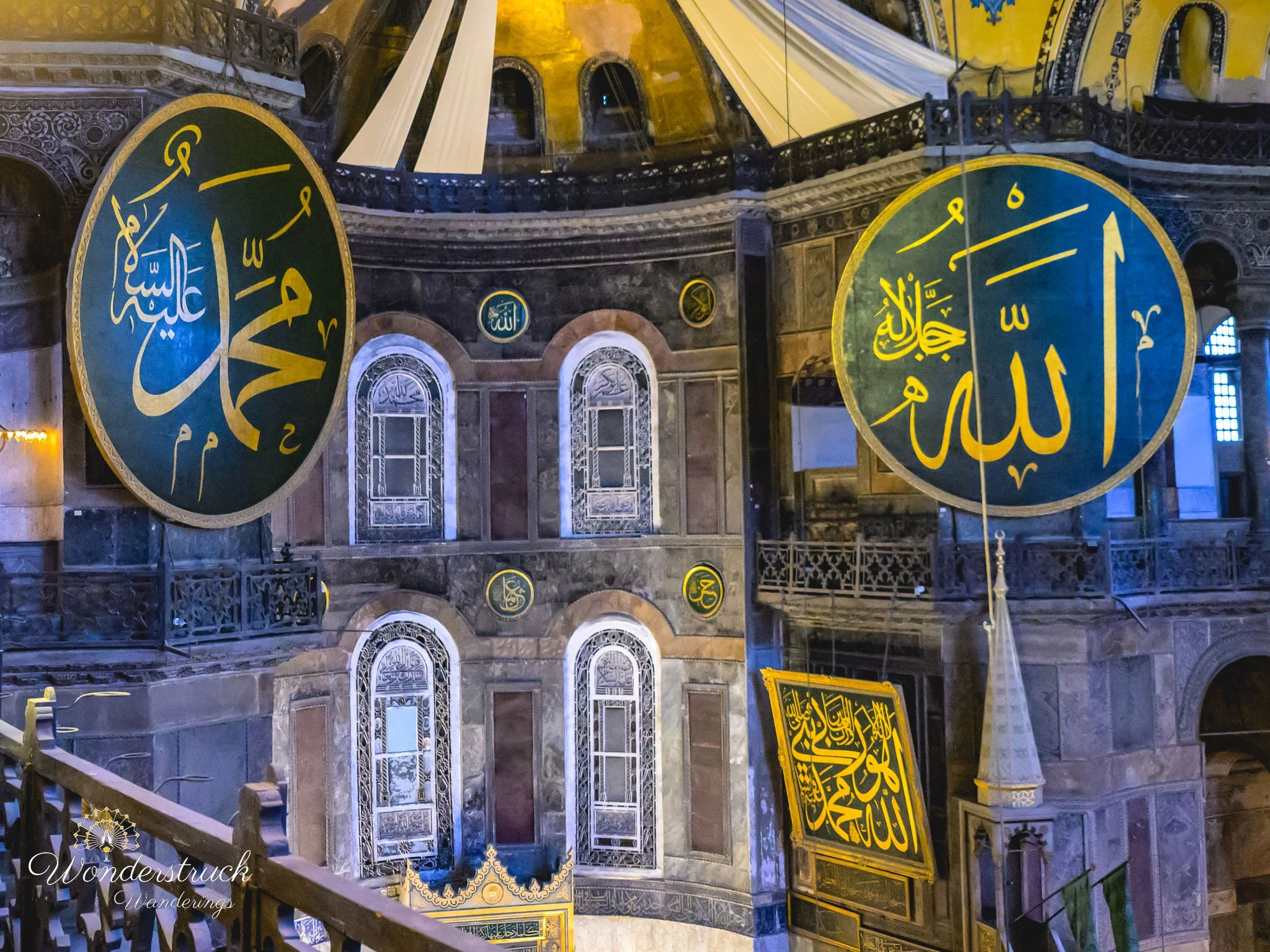
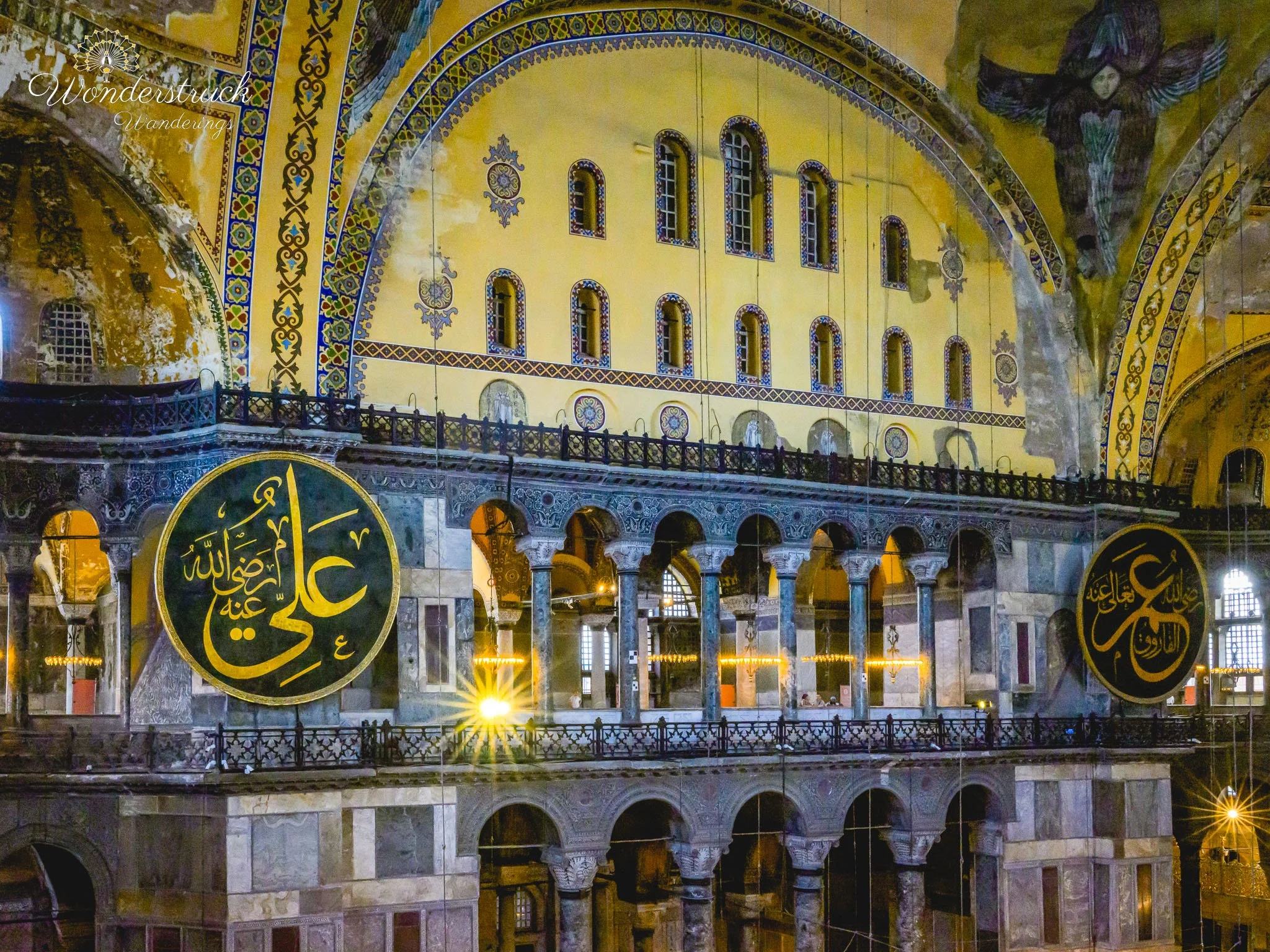
Hagia Sophia (Ayasofya Camii) — 1.5–2 hours
A once-in-a-lifetime interior where Byzantine grandeur and Ottoman layers coexist. Go early to avoid bottlenecks, and plan extra time if entry queues are heavy.
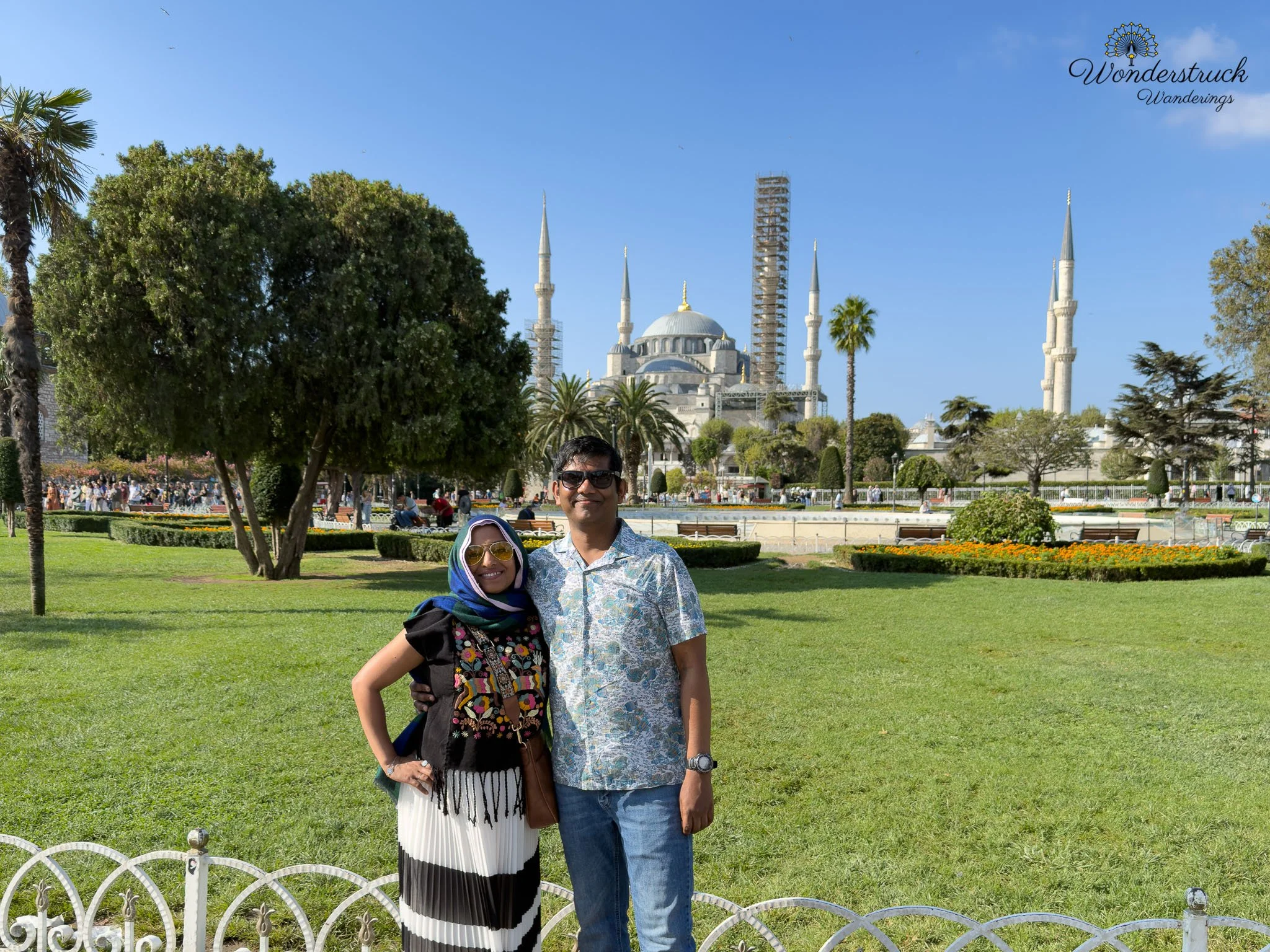
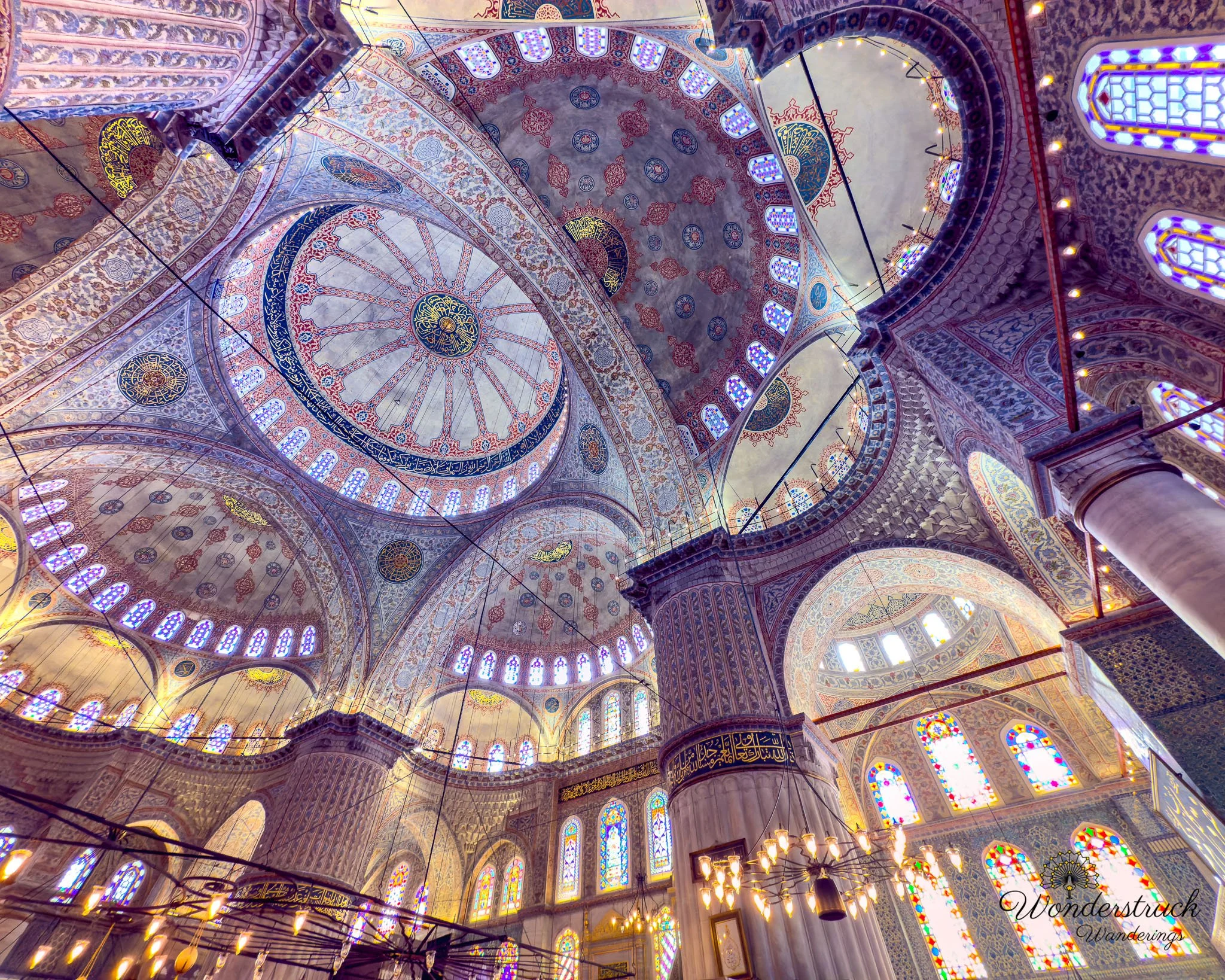
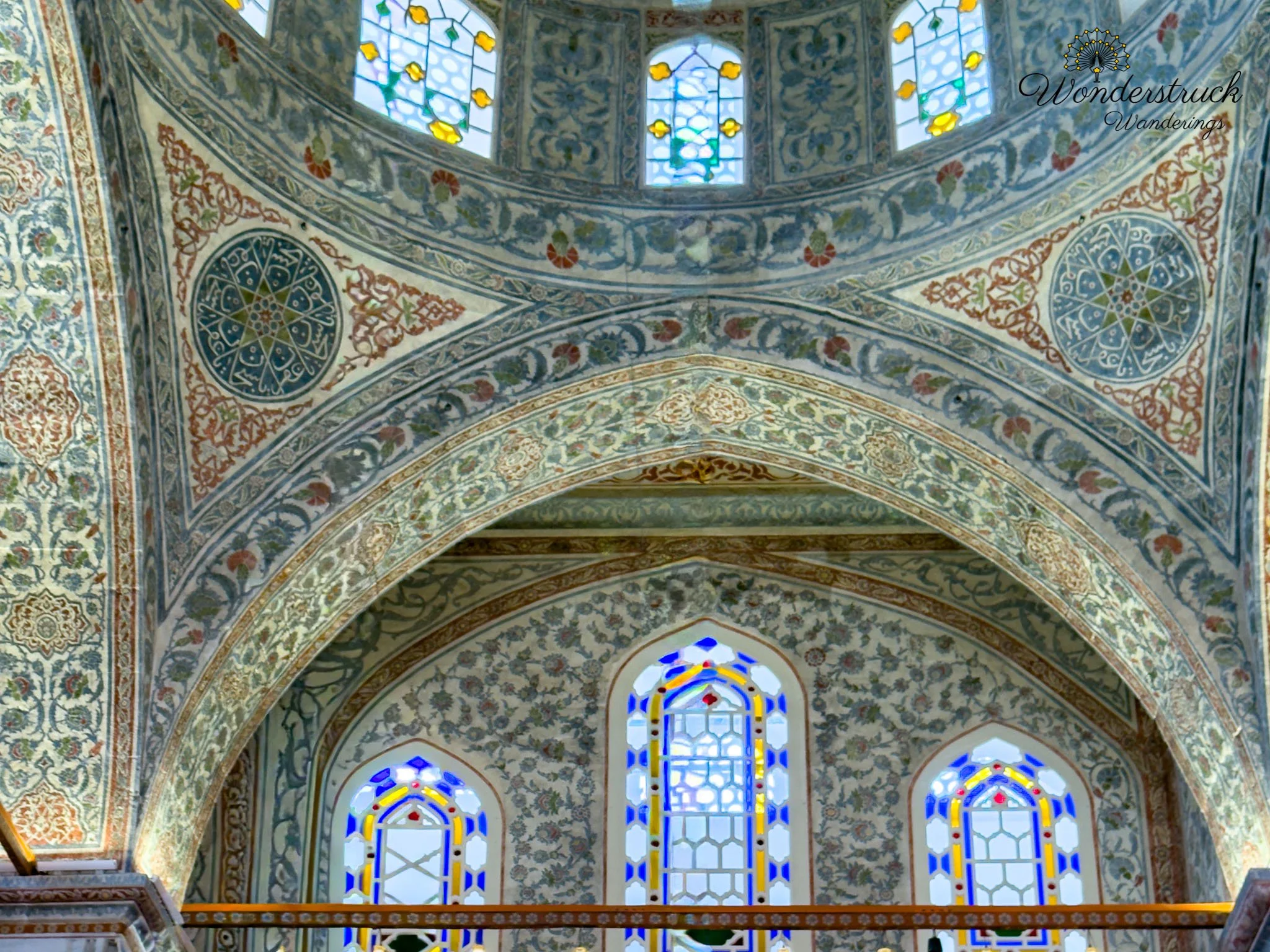
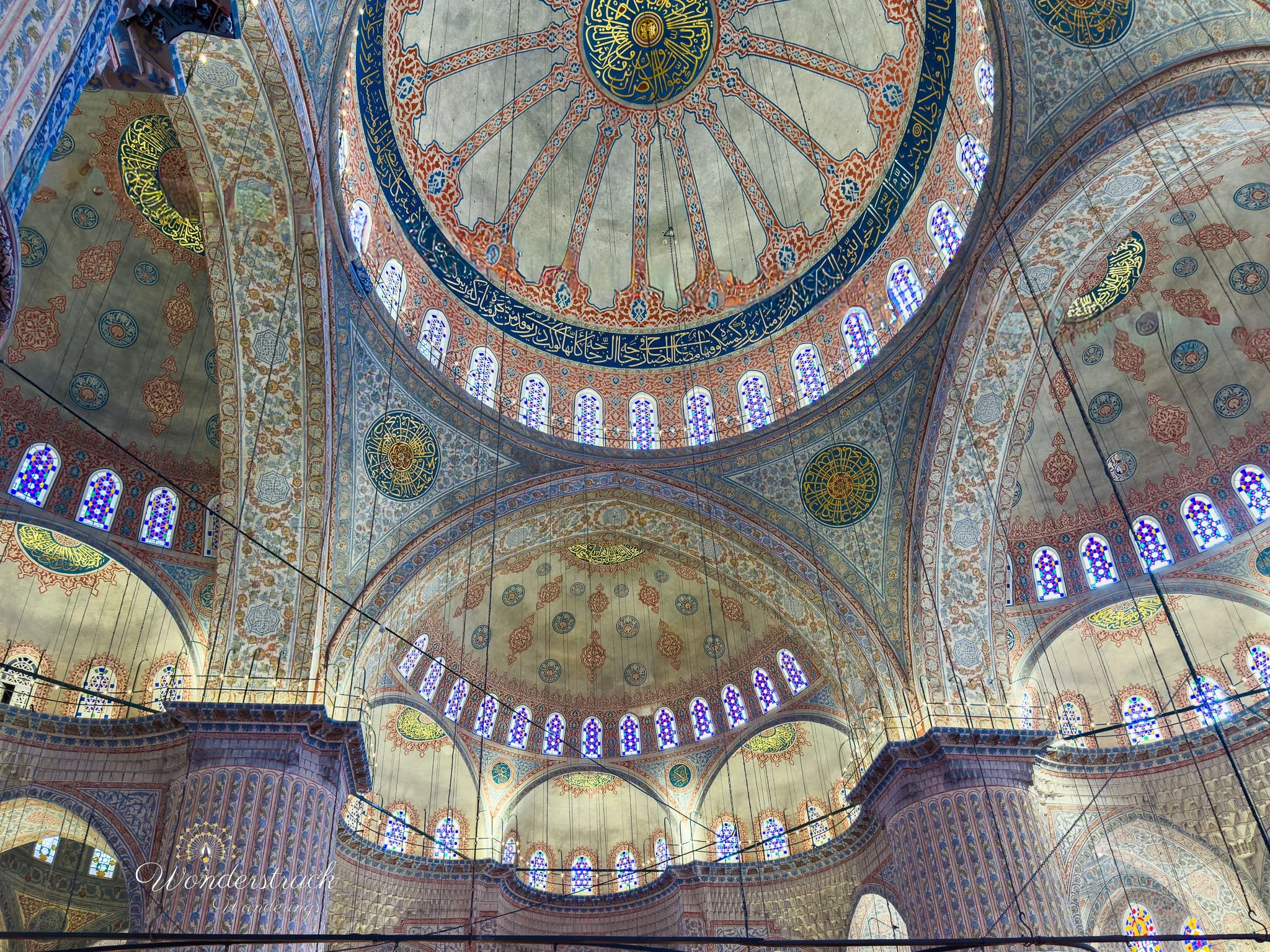
Blue Mosque (Sultanahmet Camii) — 1–1.5 hours
Soft light, soaring domes, and famous Iznik tiles. Mid-morning is ideal for the best interior glow (but avoid prayer closures).
Hippodrome / Sultanahmet Square — 20–40 minutes
A quick but meaningful walk-through: the Obelisk of Theodosius, Serpent Column, and the historic spine of old Constantinople. Easy to pair between Hagia Sophia and Blue Mosque.

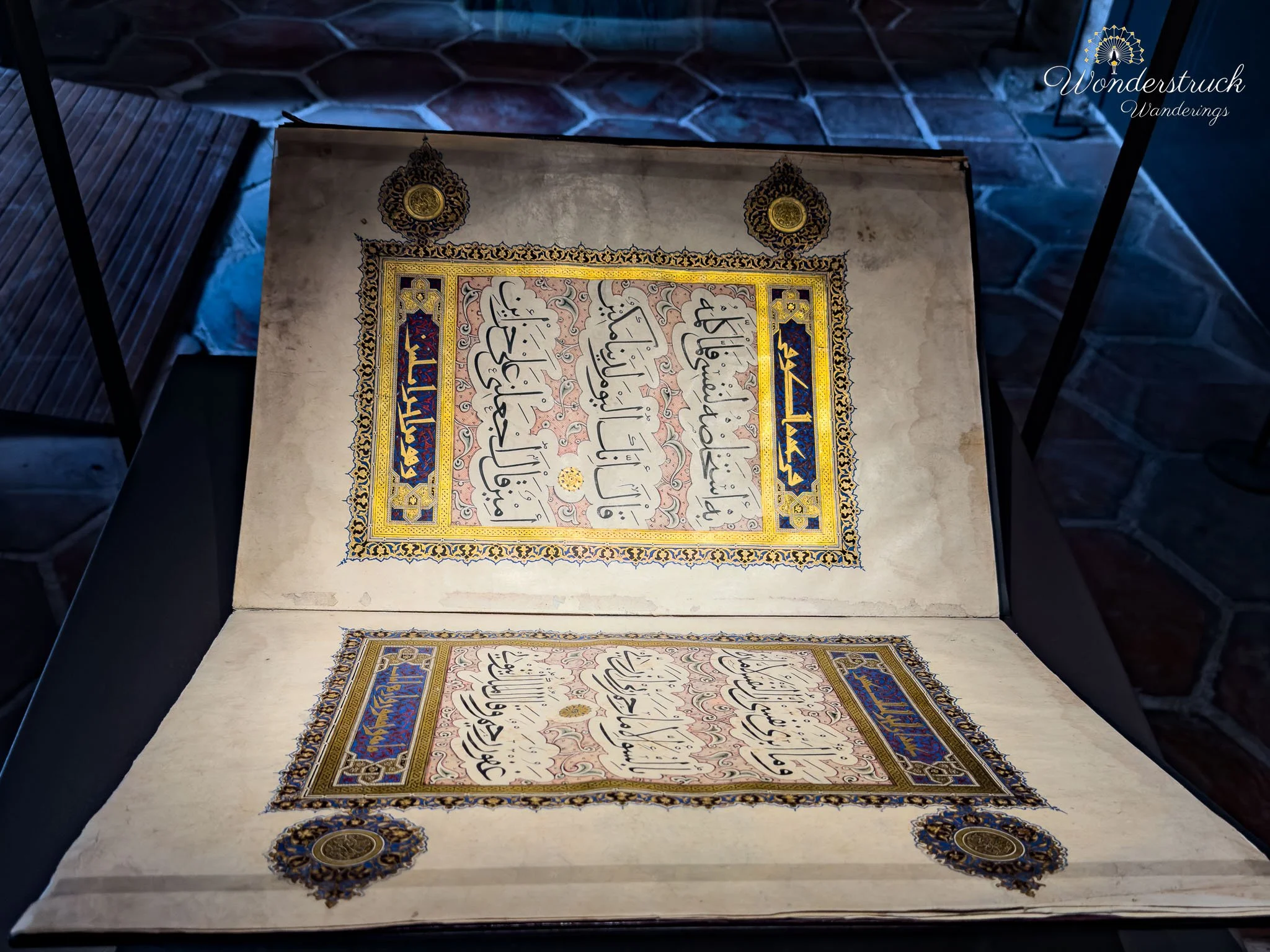
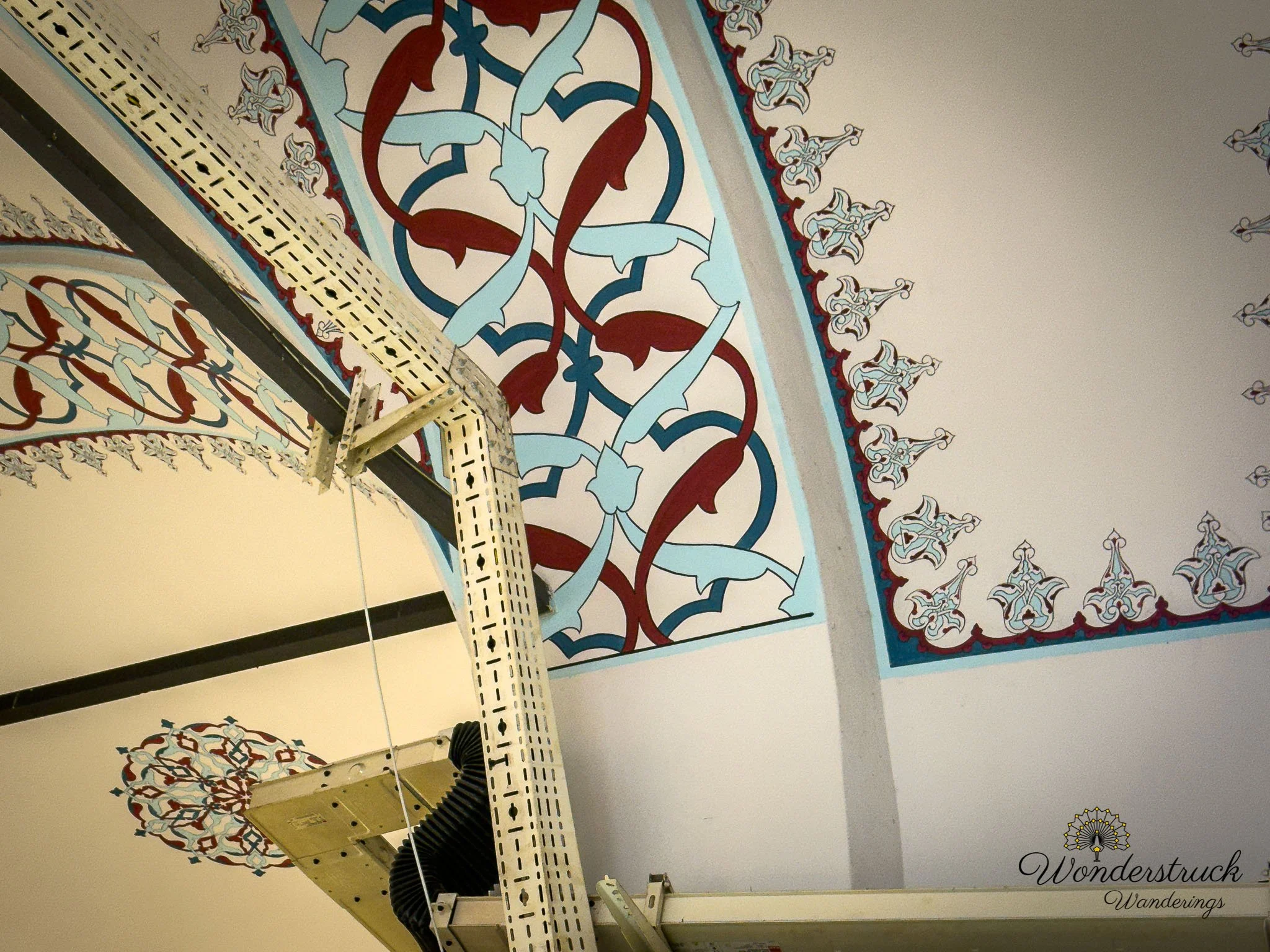
Süleymaniye Mosque (Süleymaniye Camii) — 1–1.5 hours
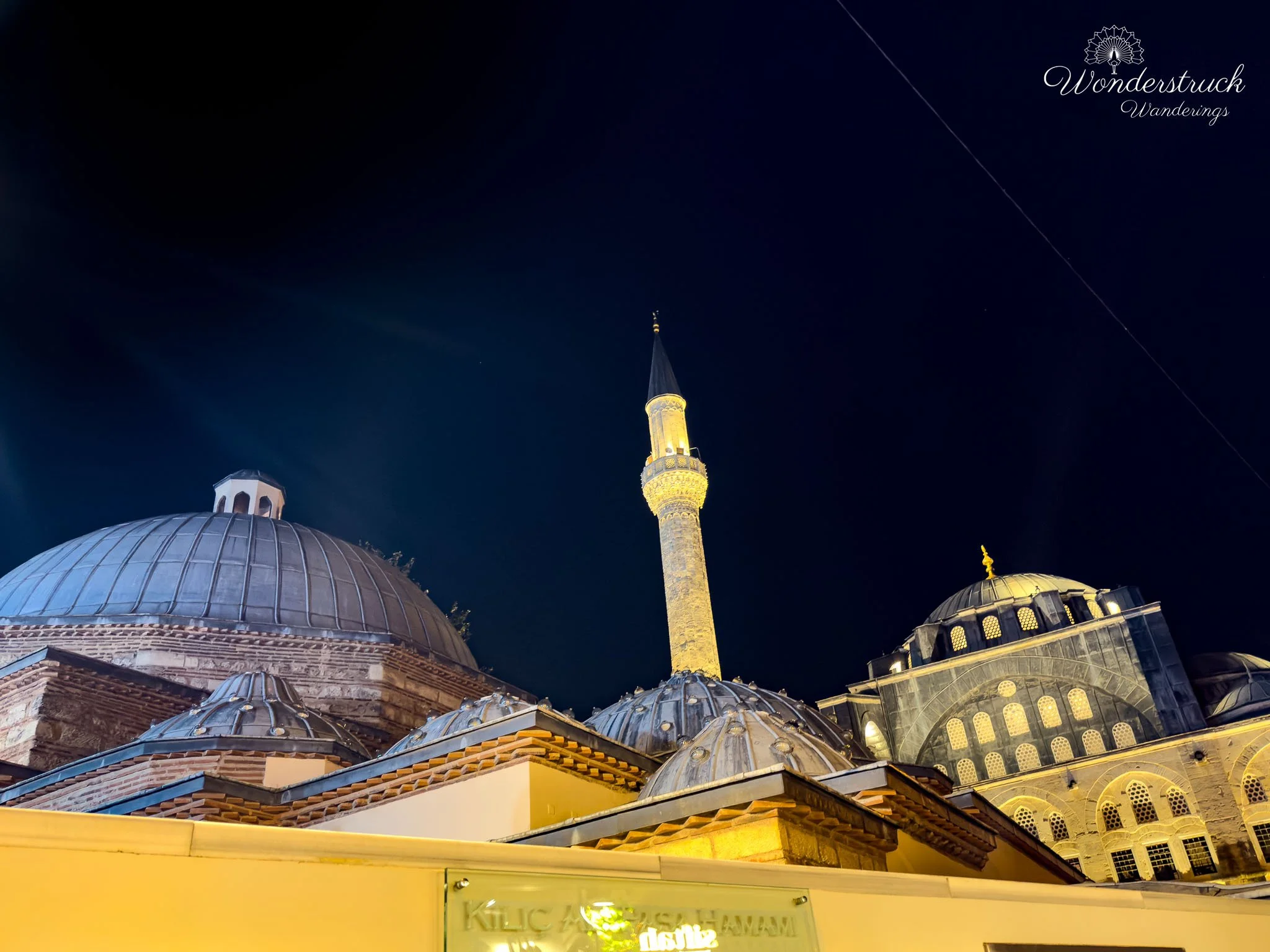
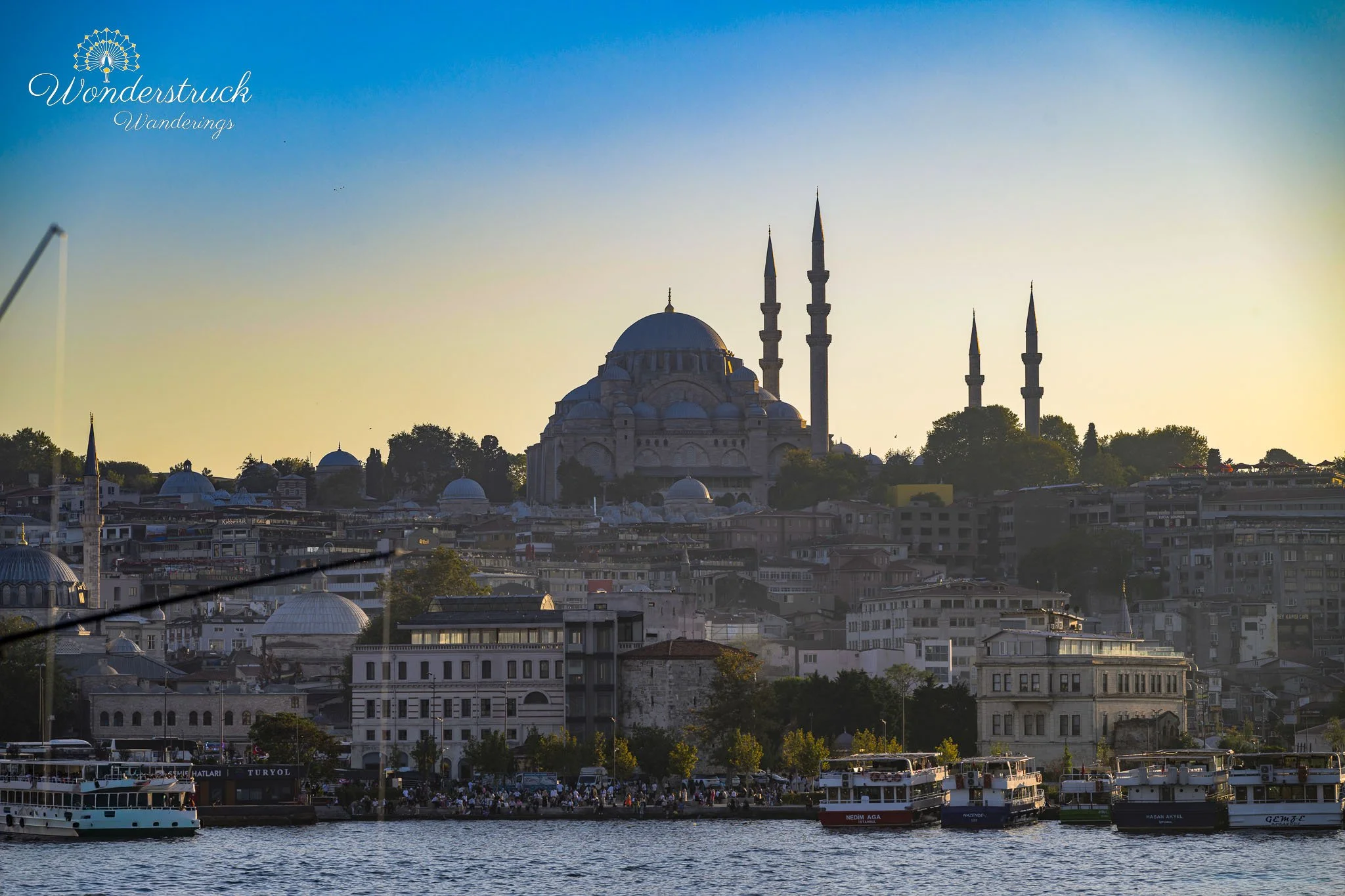
Sinan’s masterpiece feels like a deep exhale compared to Sultanahmet. Add 15–20 minutes for the terraces behind it—some of the best Golden Horn views.
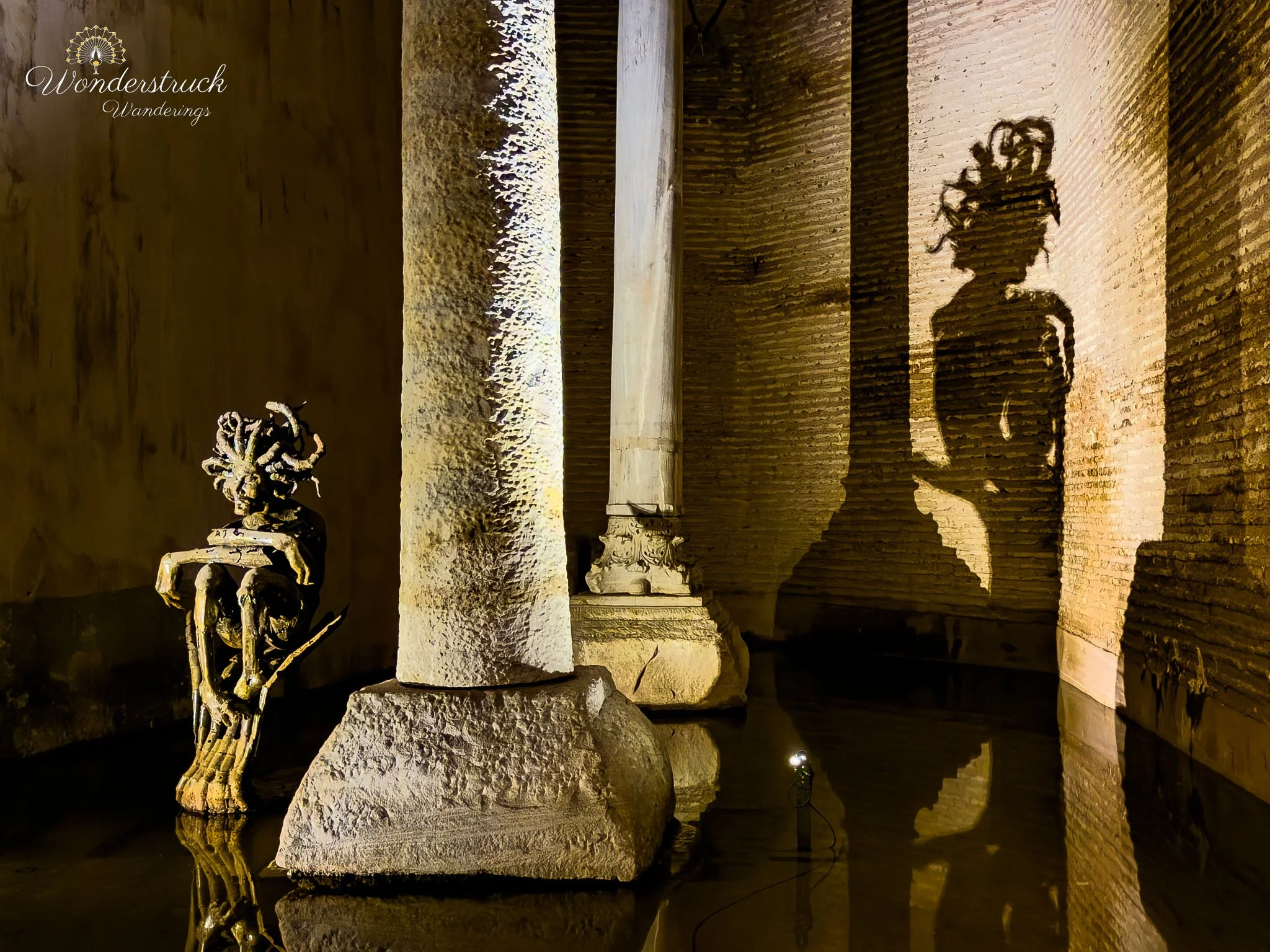
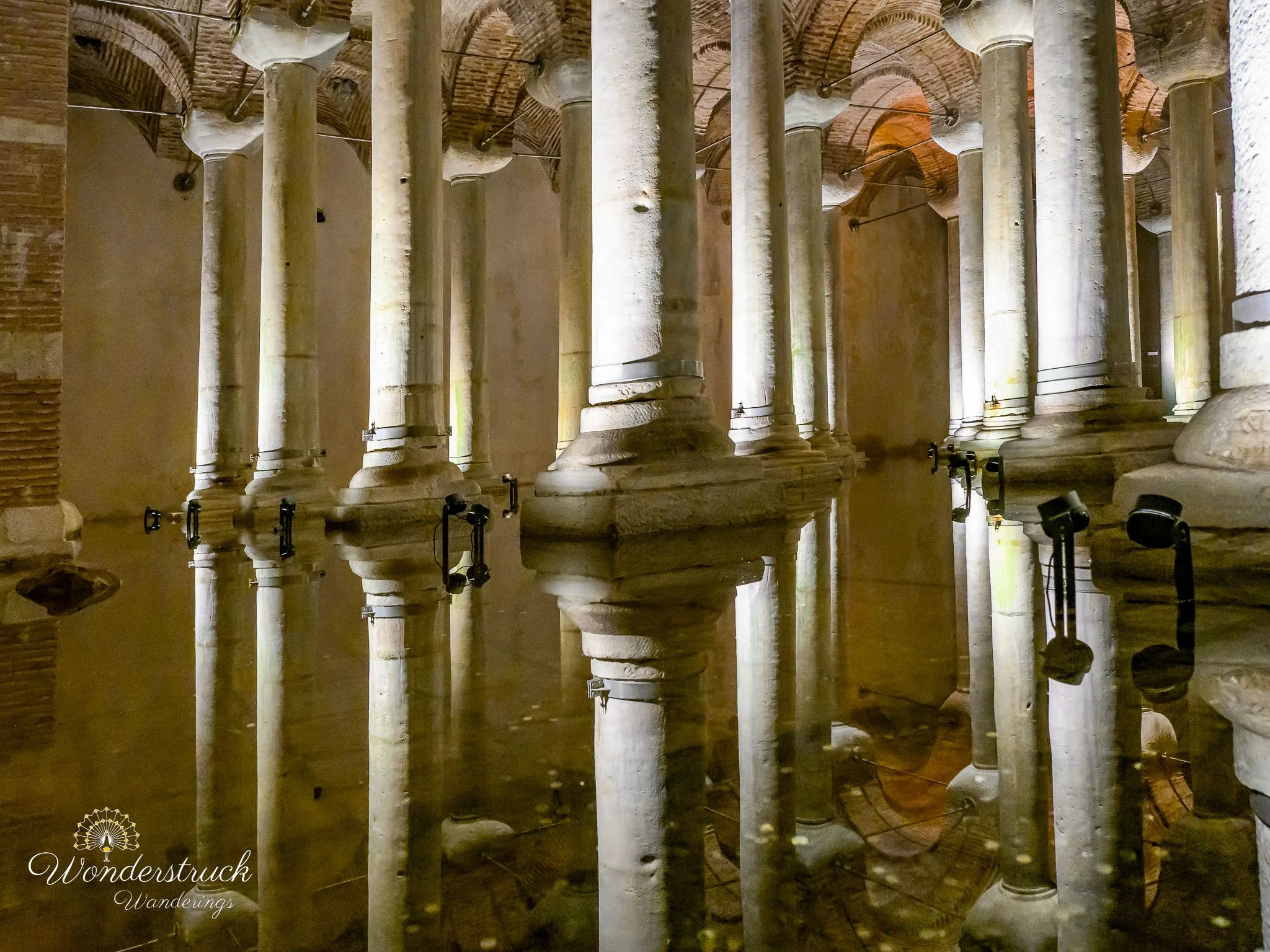
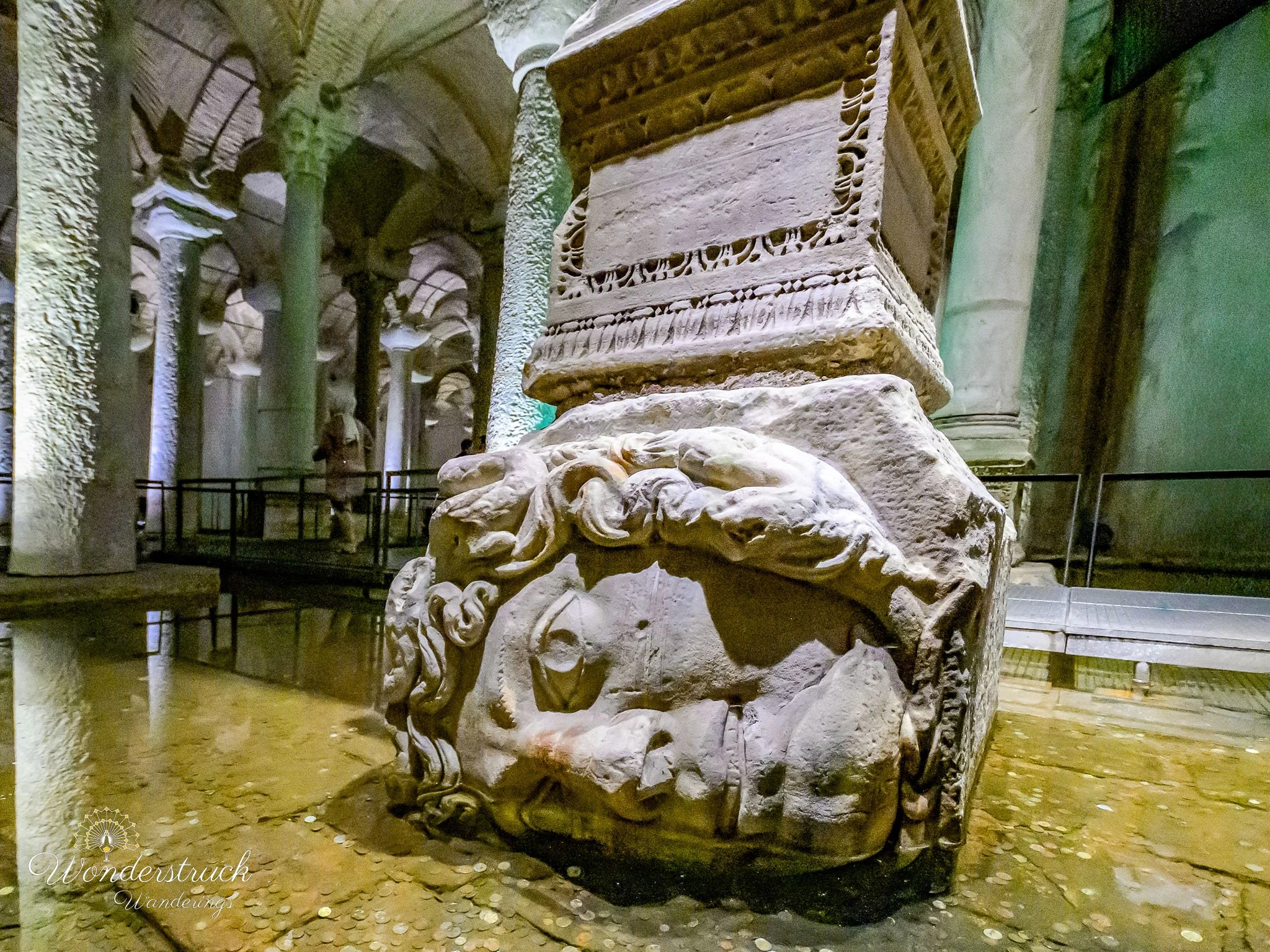
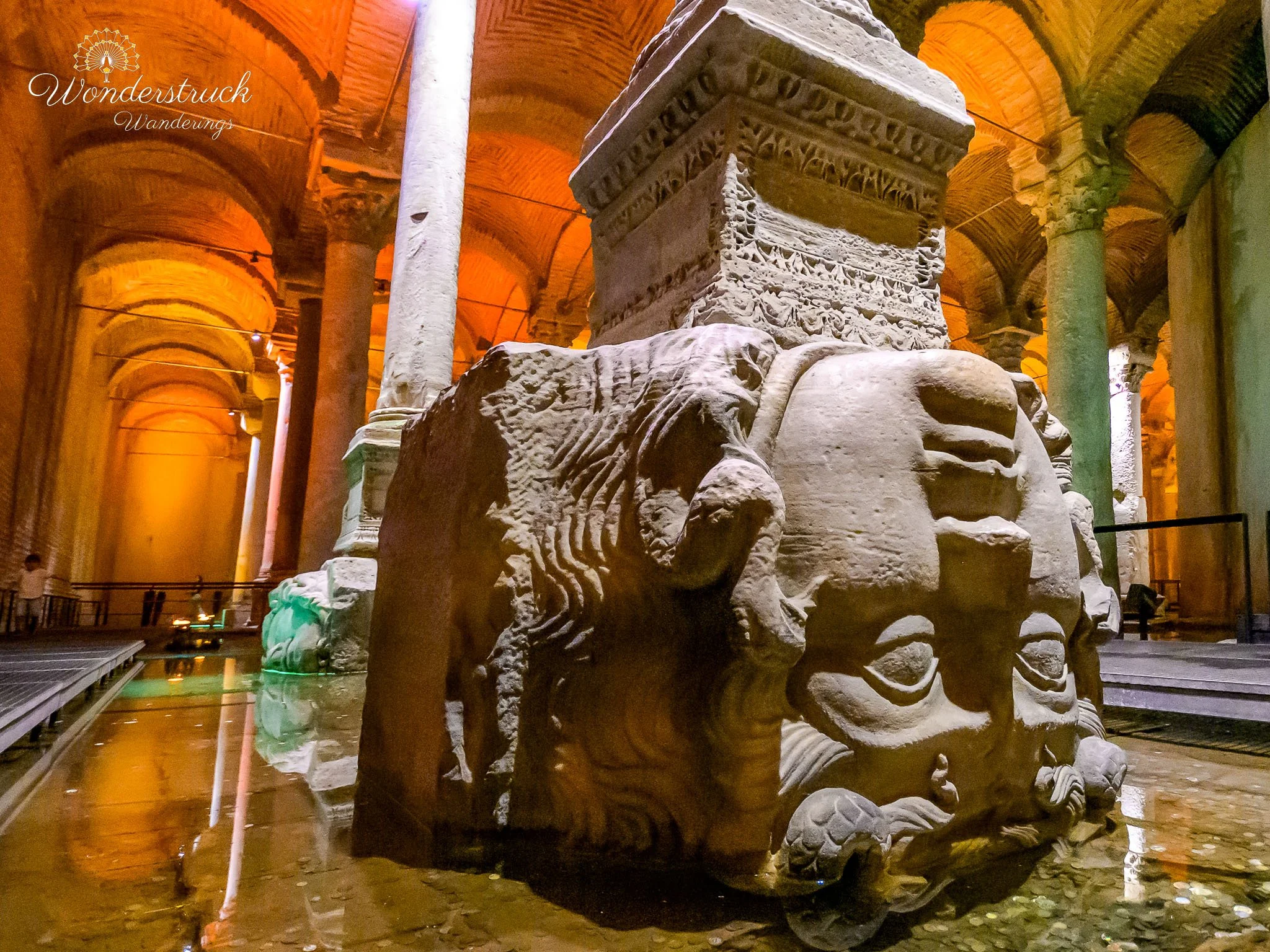
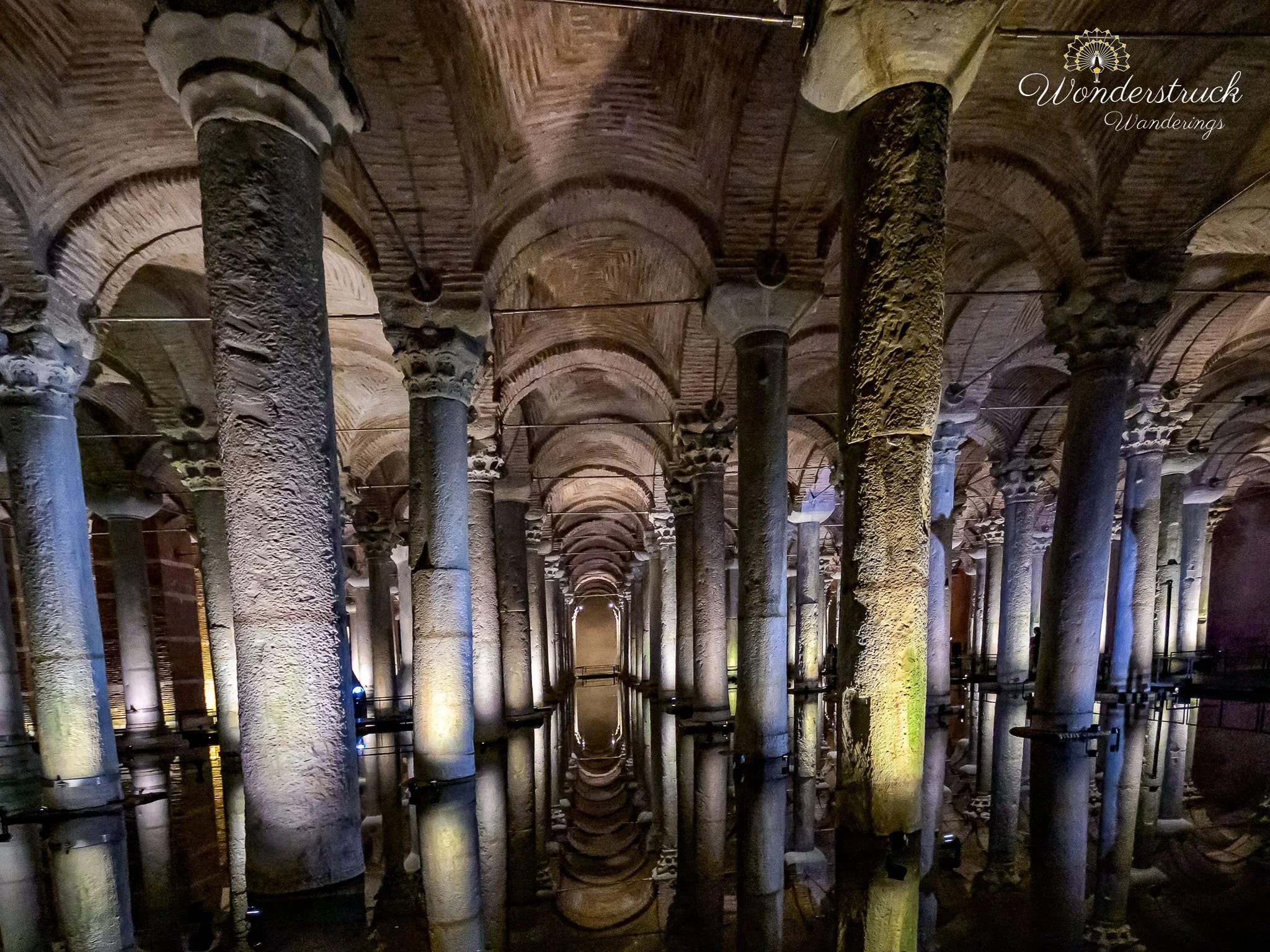
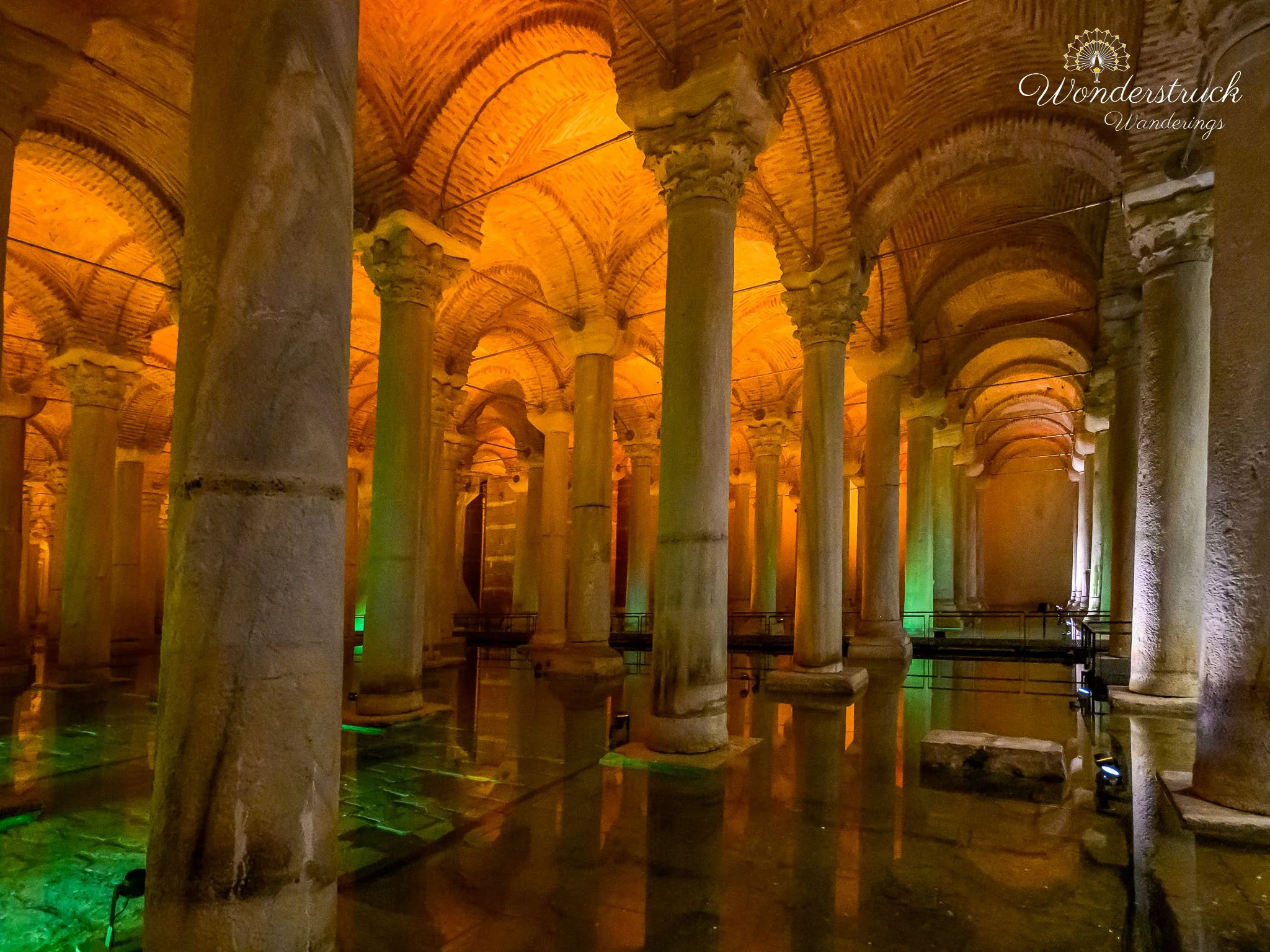
Basilica Cistern (Yerebatan Sarnıcı) — 45–60 minutes
Moody, cinematic, and surprisingly calming—columns disappearing into shadows, with iconic Medusa heads. Great late afternoon/near closing when crowds thin.
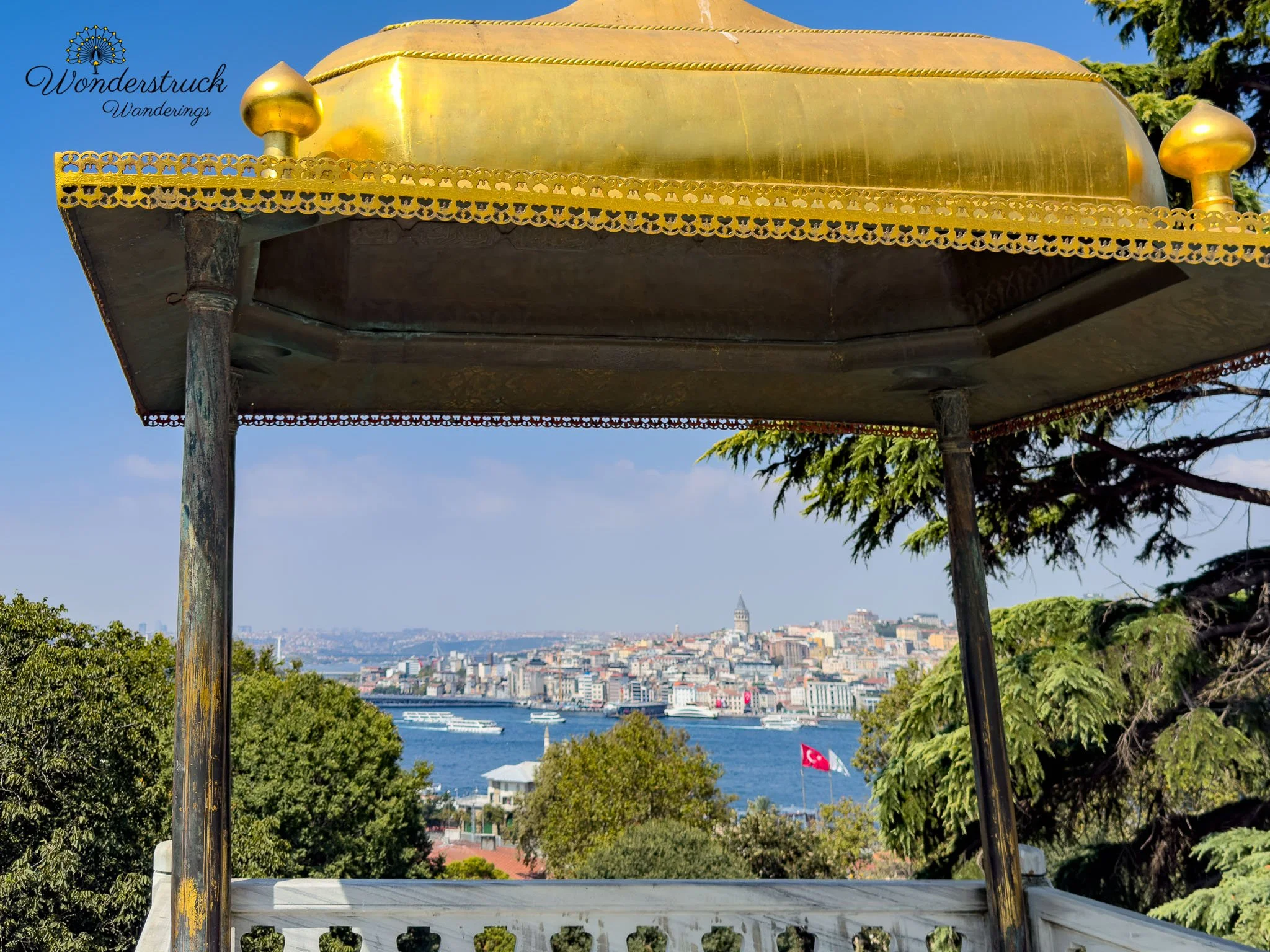
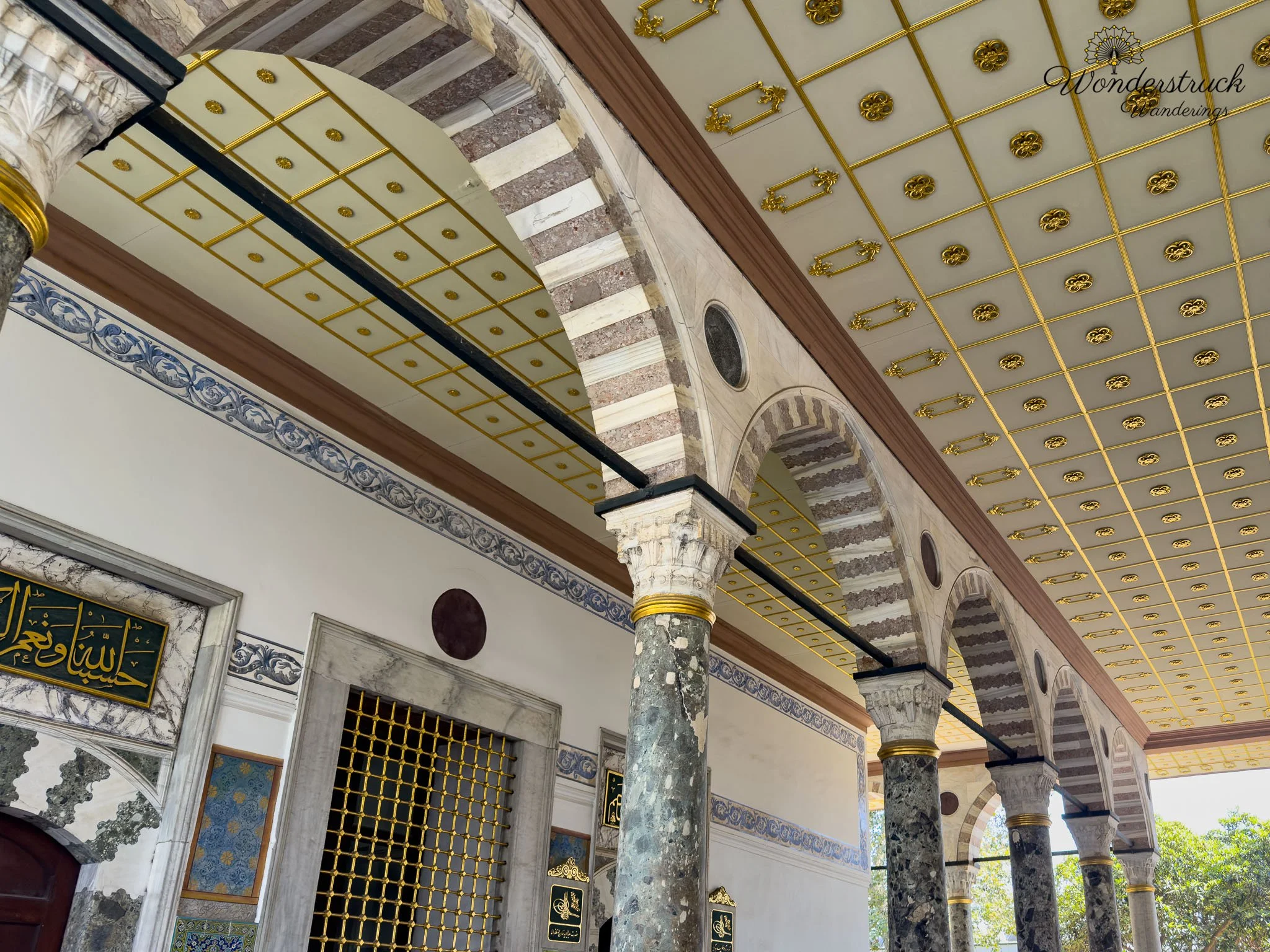
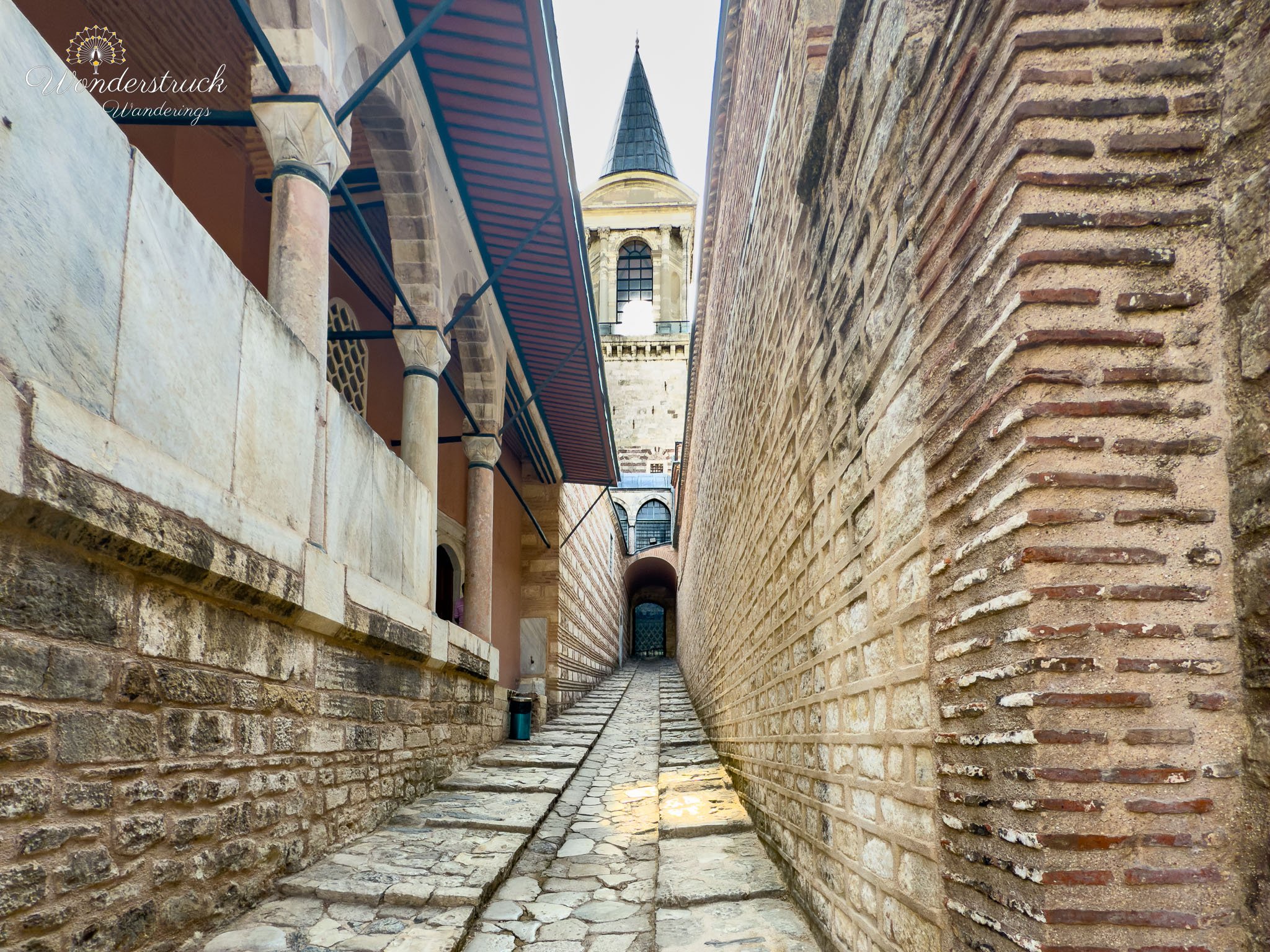
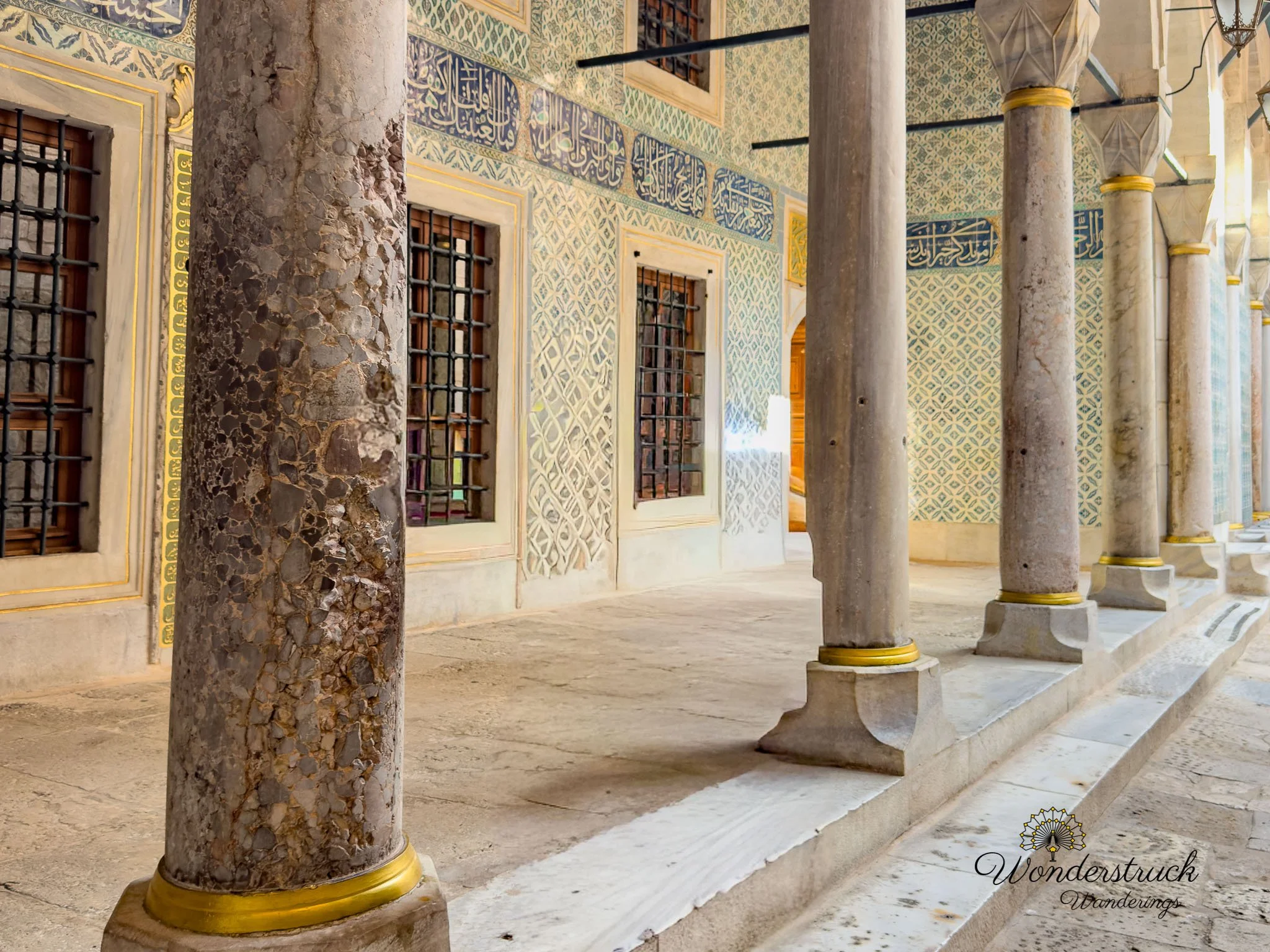
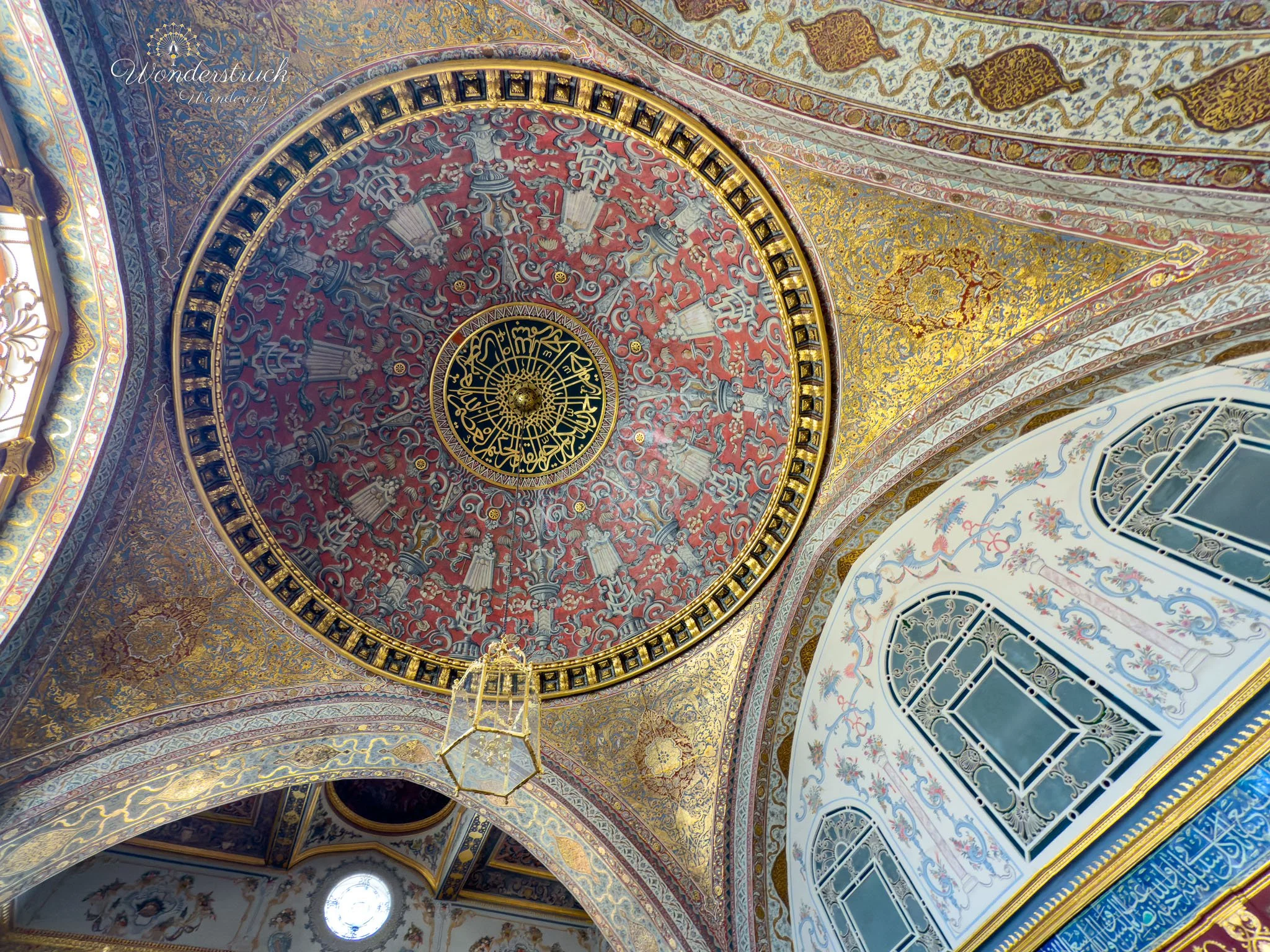
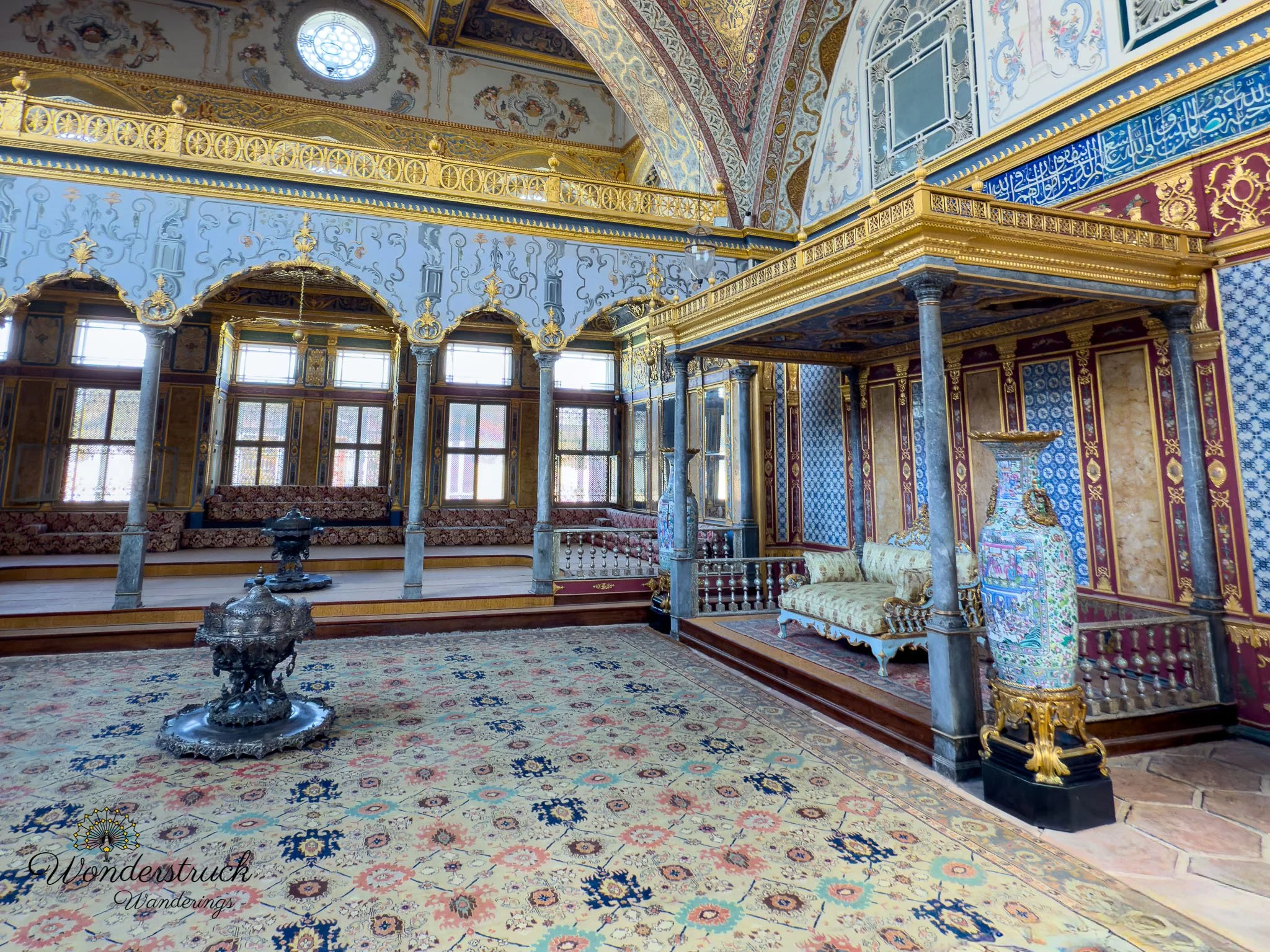
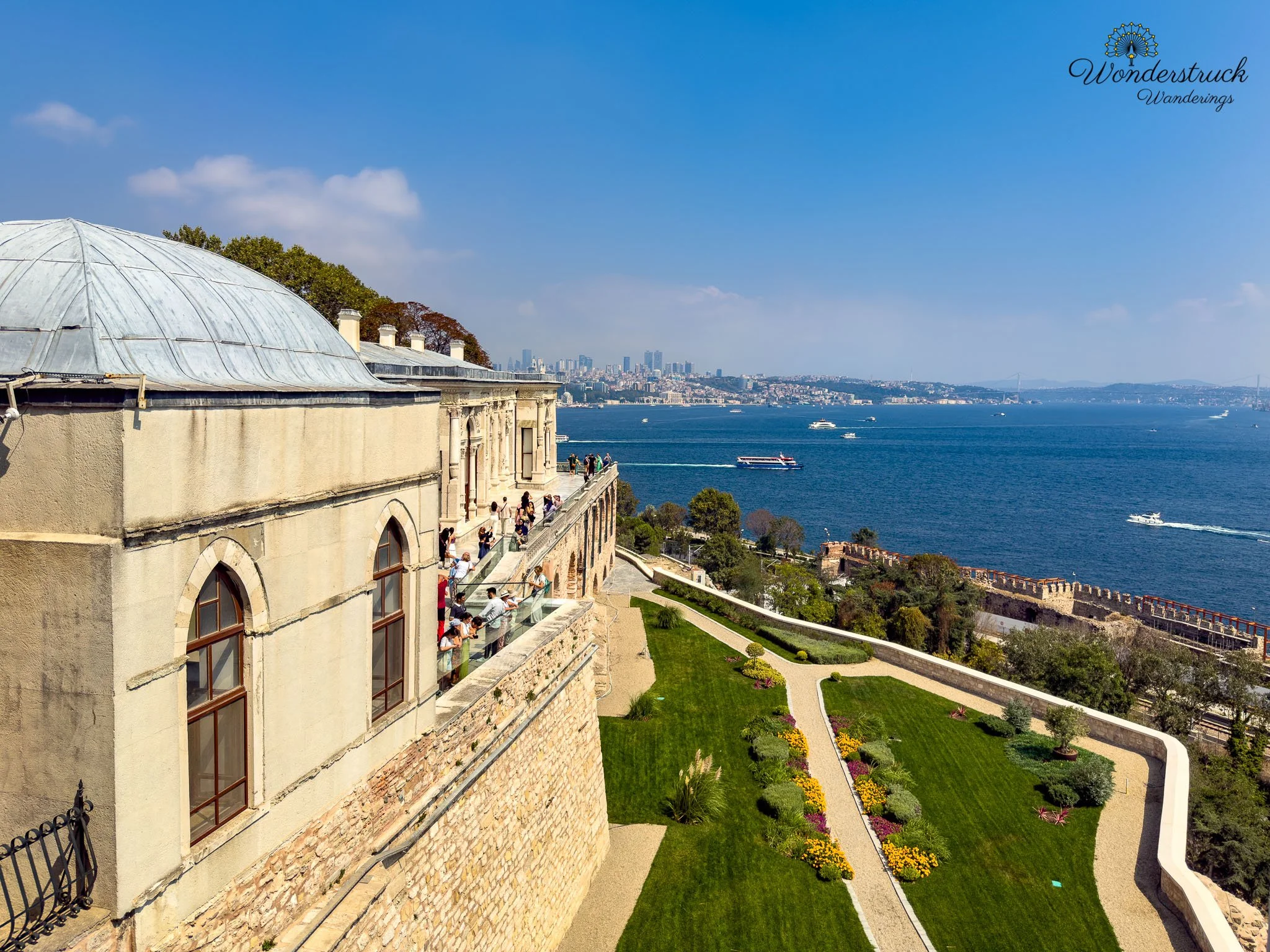
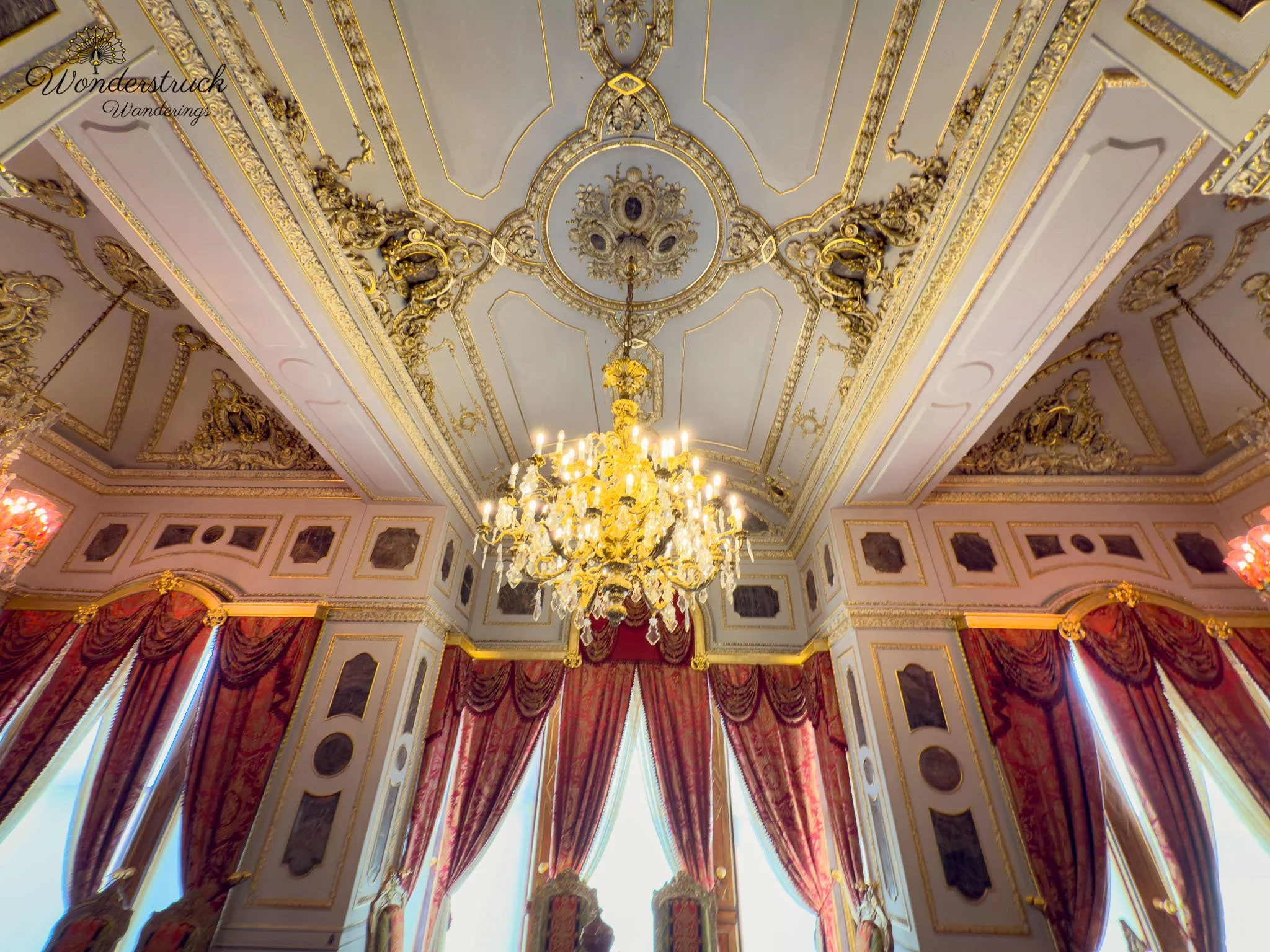
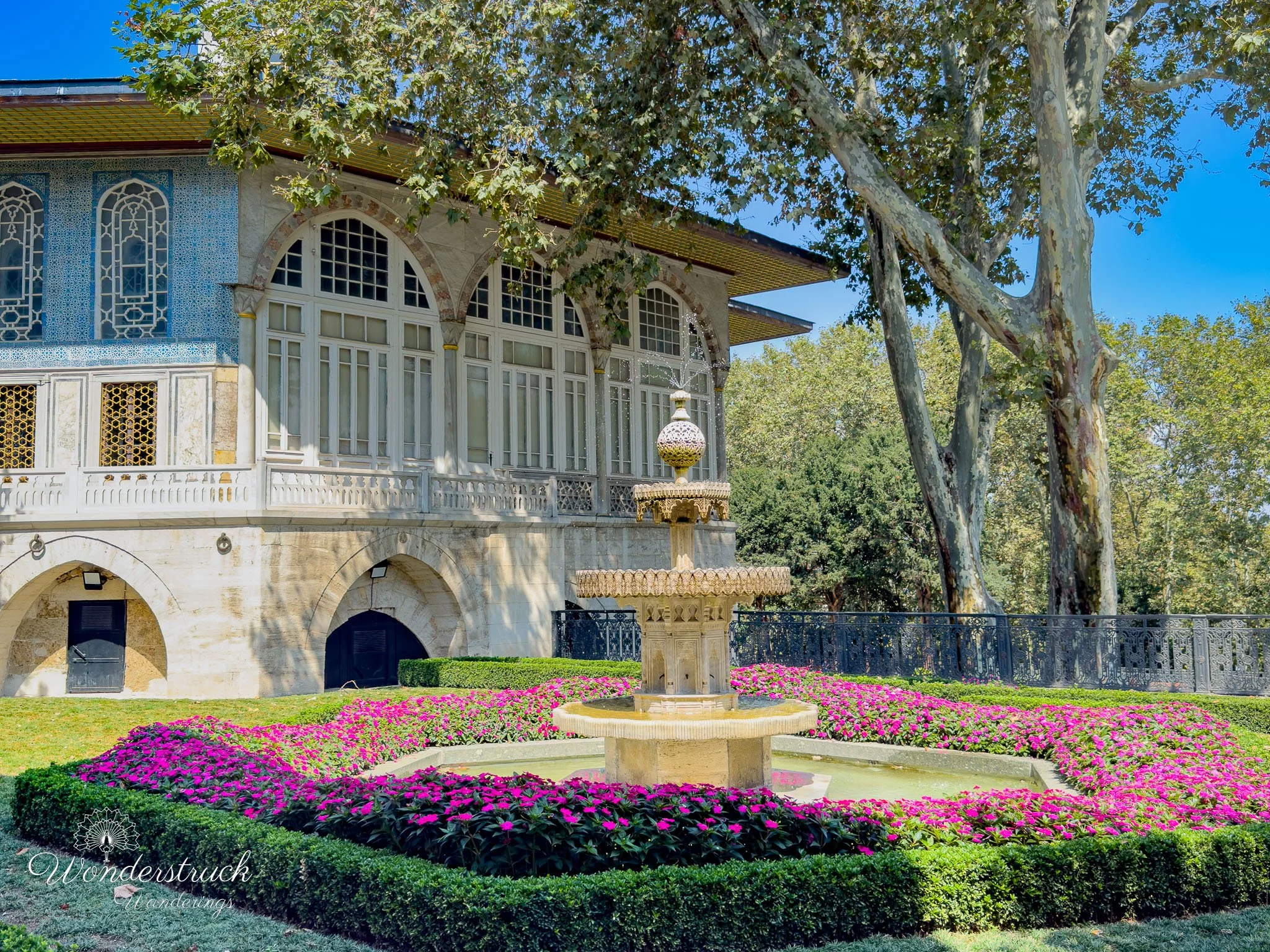
Topkapı Palace + Harem (Topkapı Sarayı) — 4–5 hours
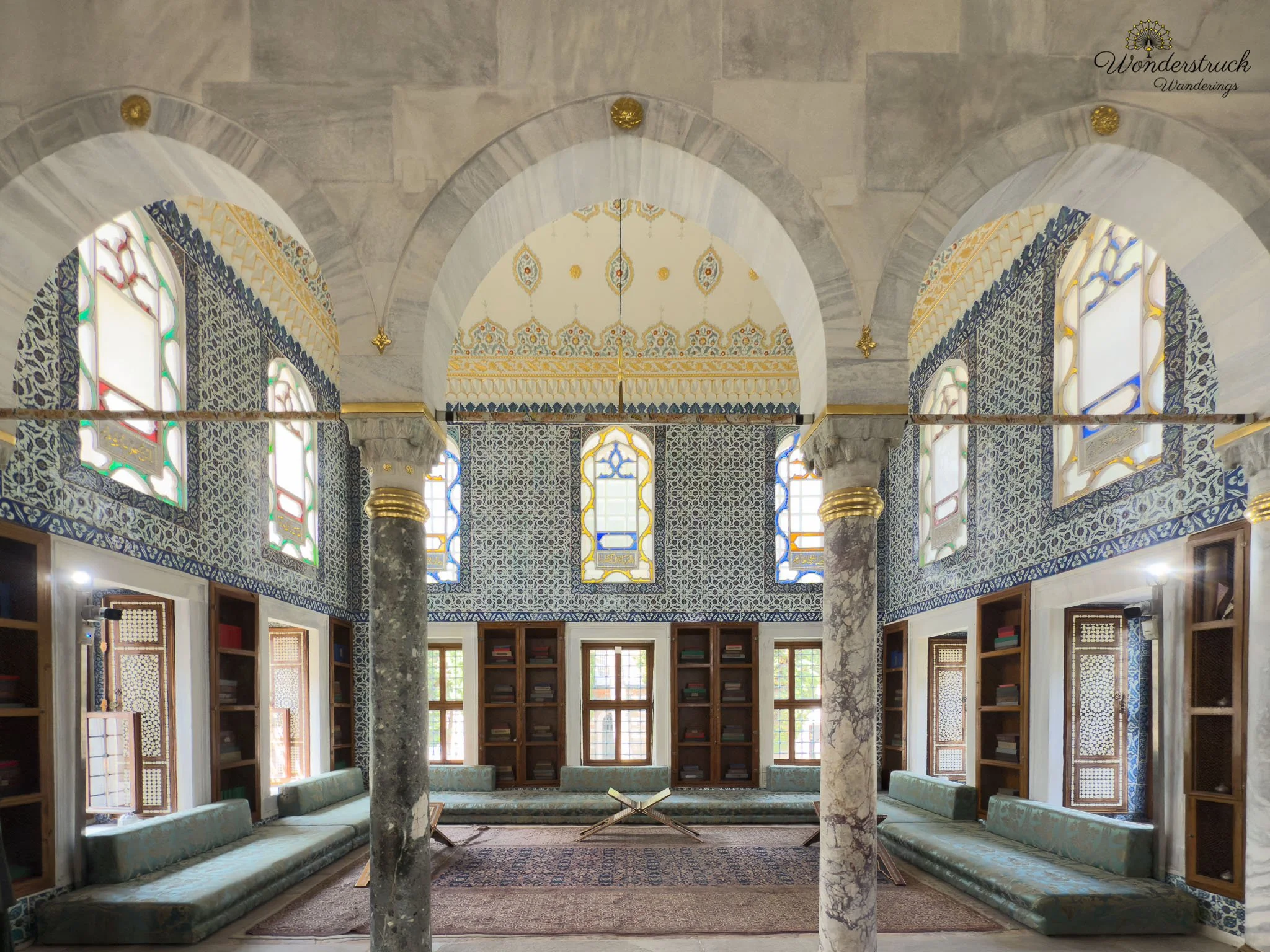
Courtyards, imperial rooms, the Treasury (no photos), and the Harem’s intimate corridors. This is a half-day if you want to do it properly, especially with breaks.
Grand Bazaar (Kapalıçarşı) — 1–2 hours
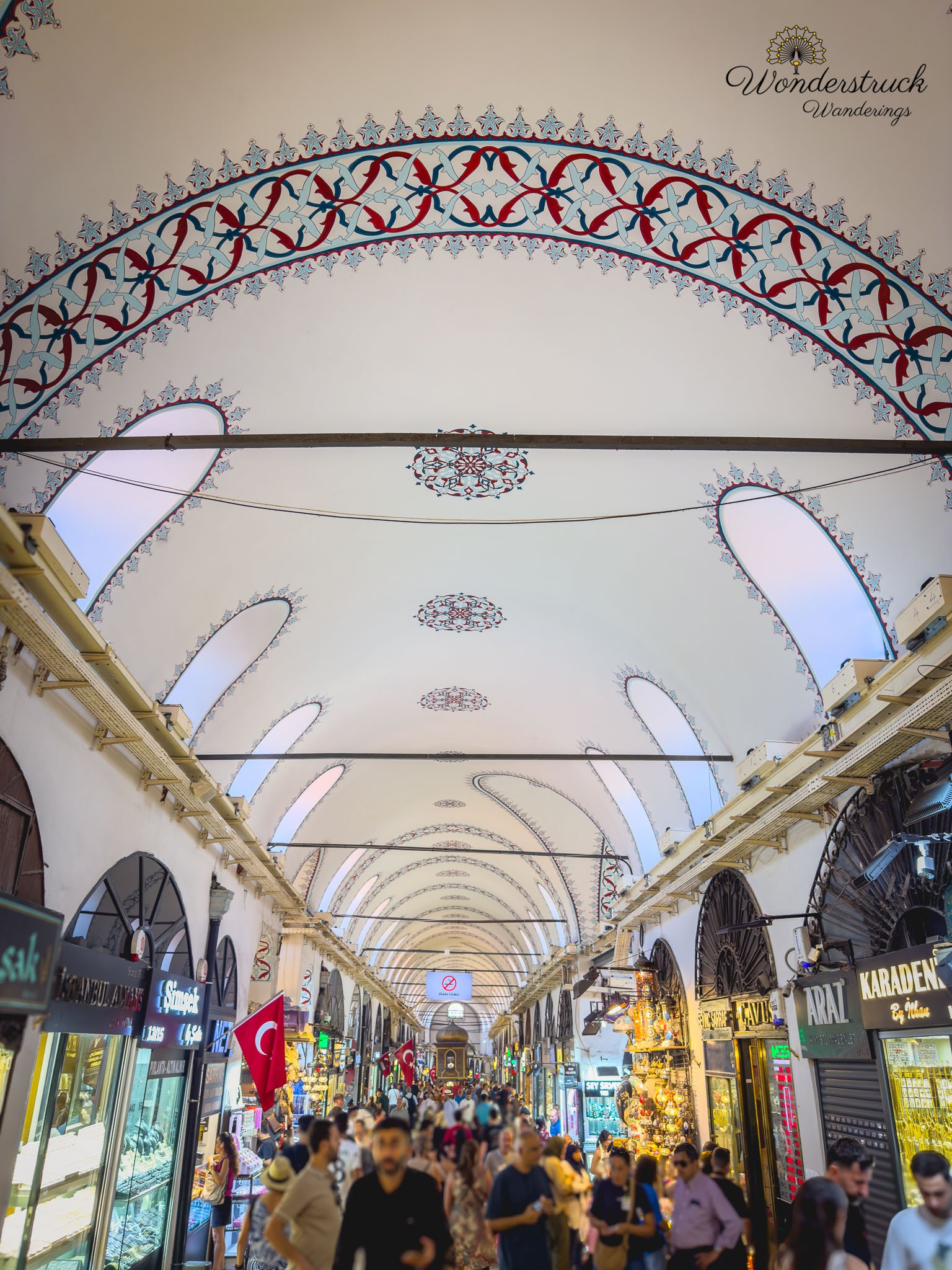
A labyrinth of covered lanes—jewelry, textiles, ceramics, copper, leather. Even if you don’t buy, it’s worth wandering. Go before noon for a less chaotic experience.
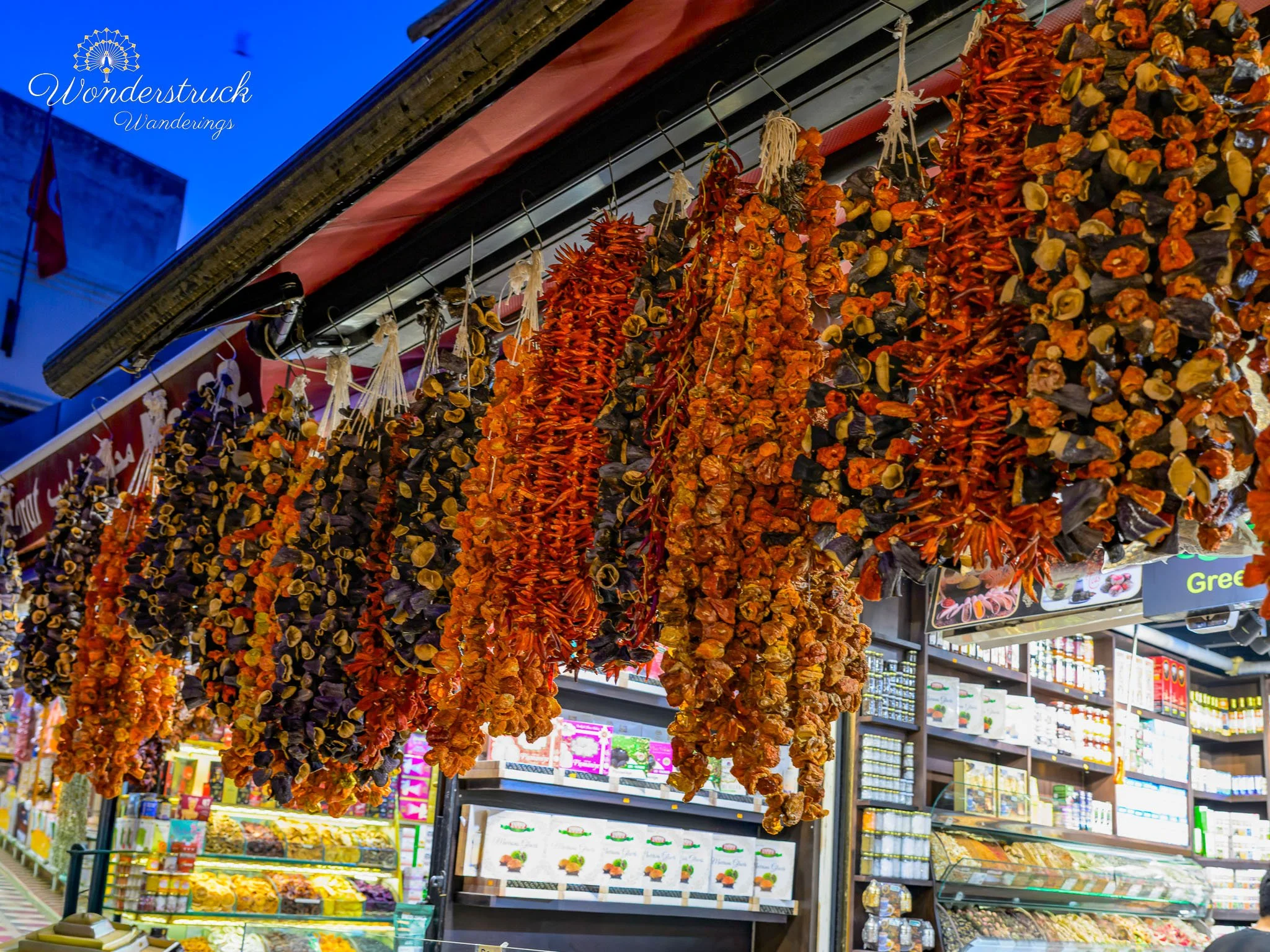
Spice Bazaar (Mısır Çarşısı) — 45–60 minutes
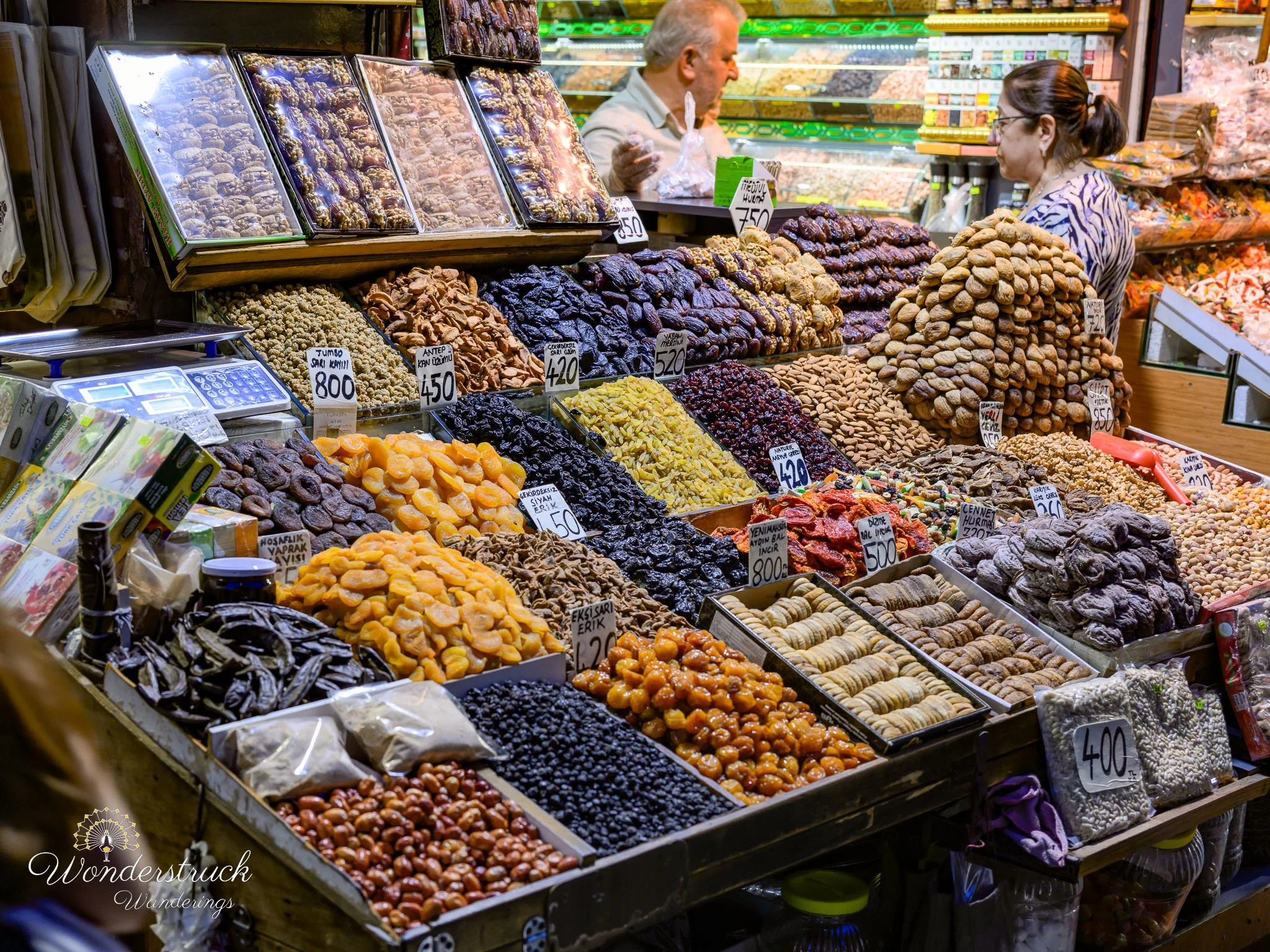
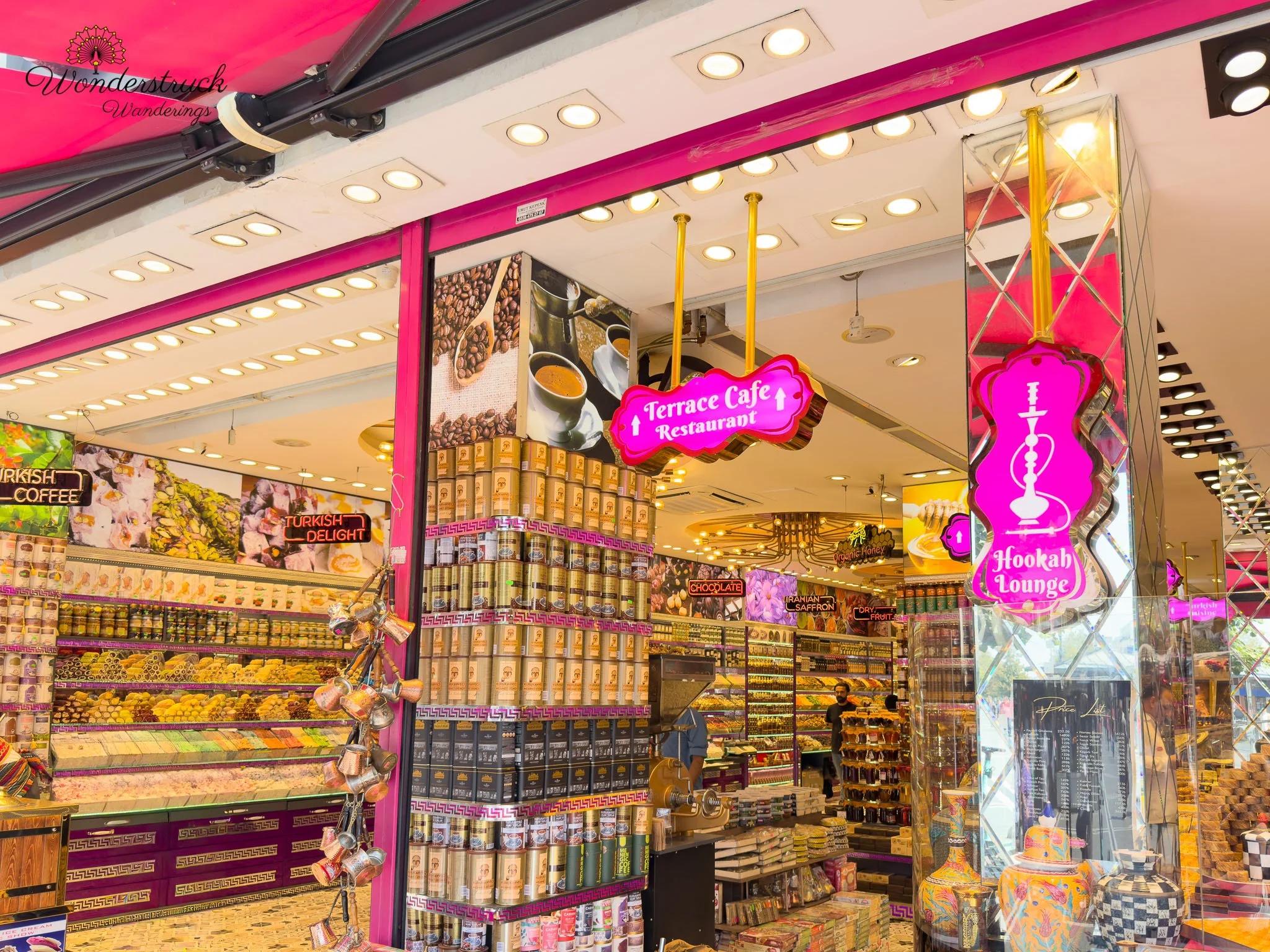
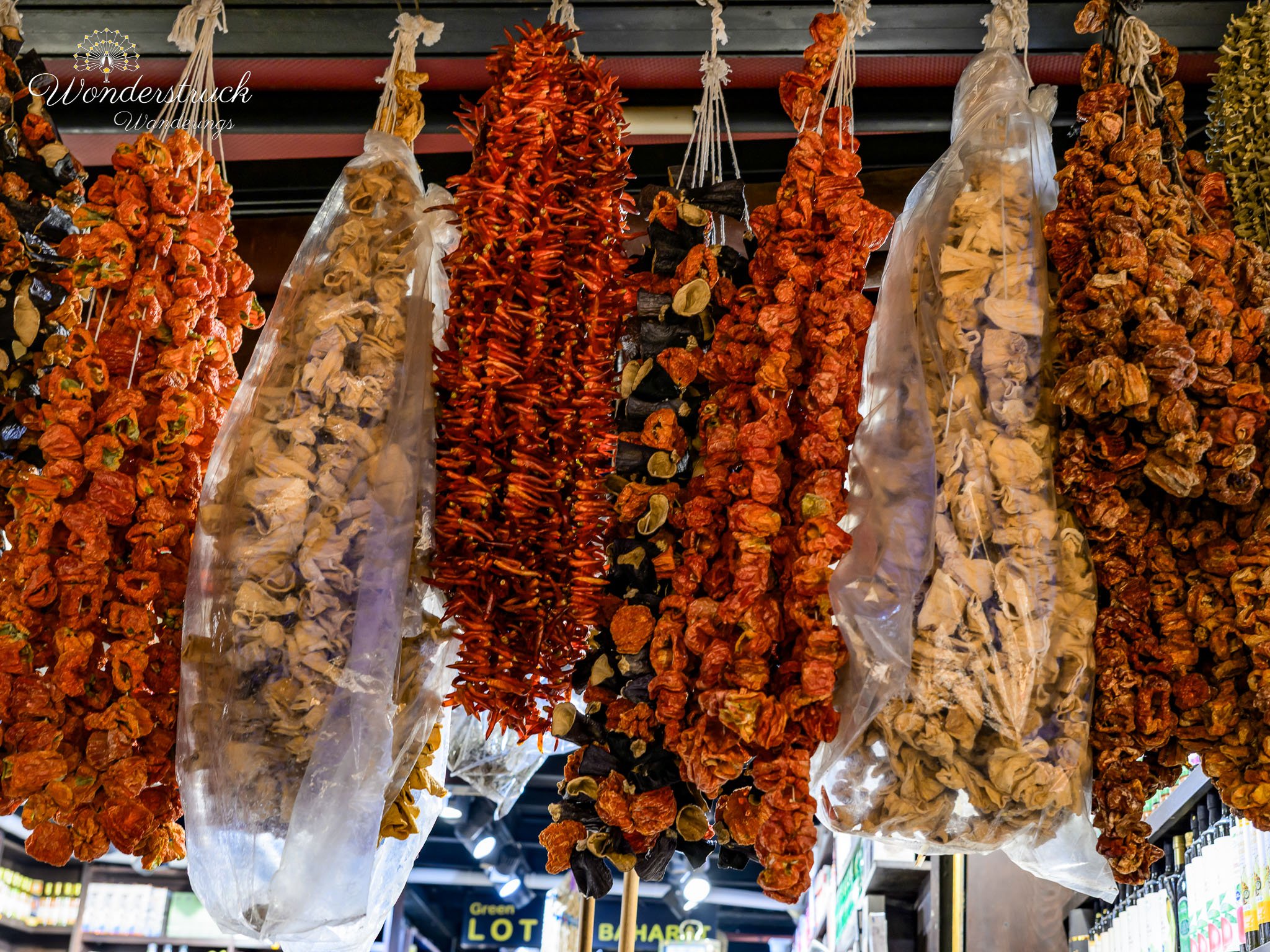
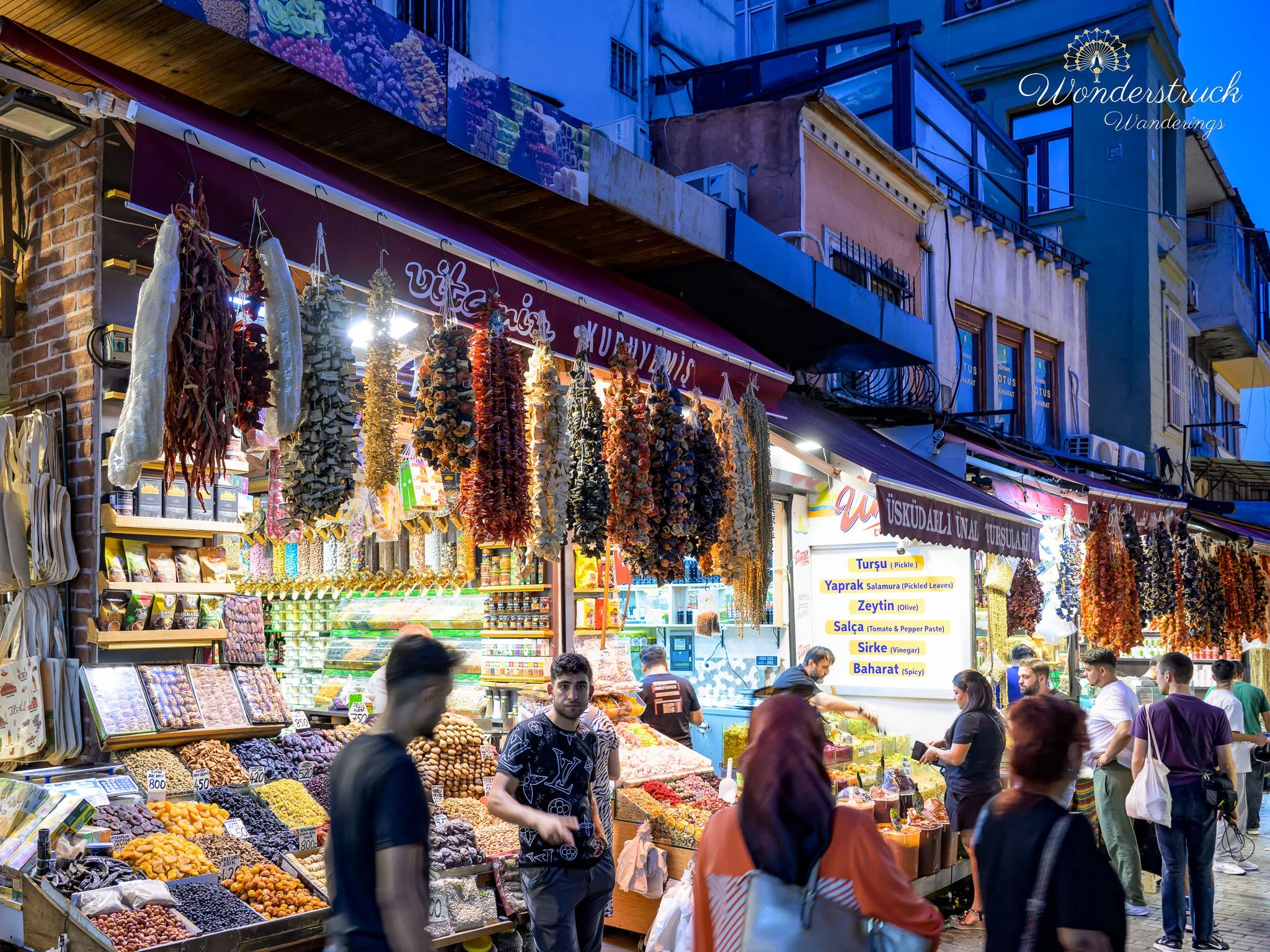
Teas, spices, dried fruit, lokum, and that “Istanbul smells like something delicious” feeling. Great for edible souvenirs and small gifts.
Galata, Karaköy, and Beyoğlu
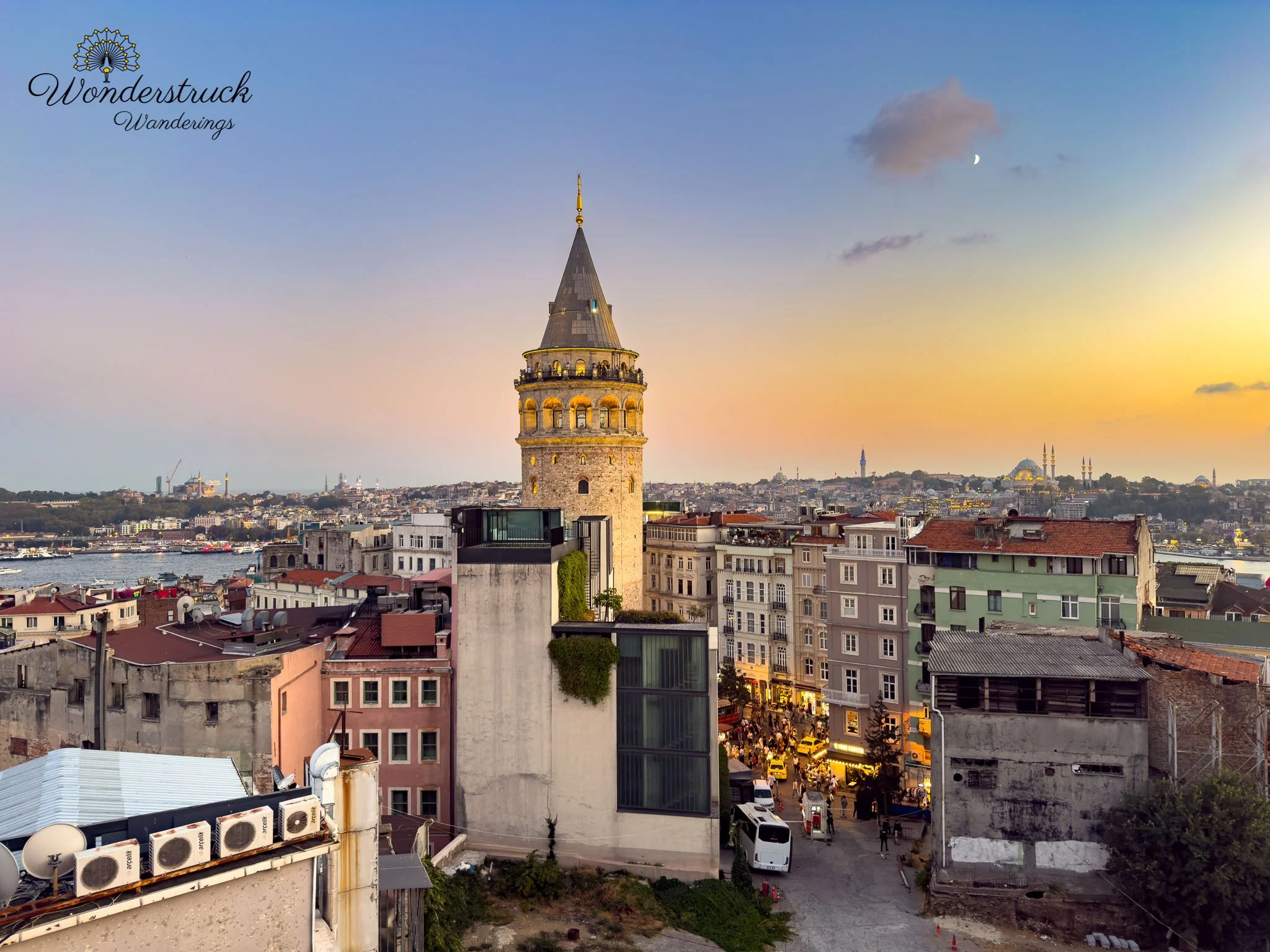

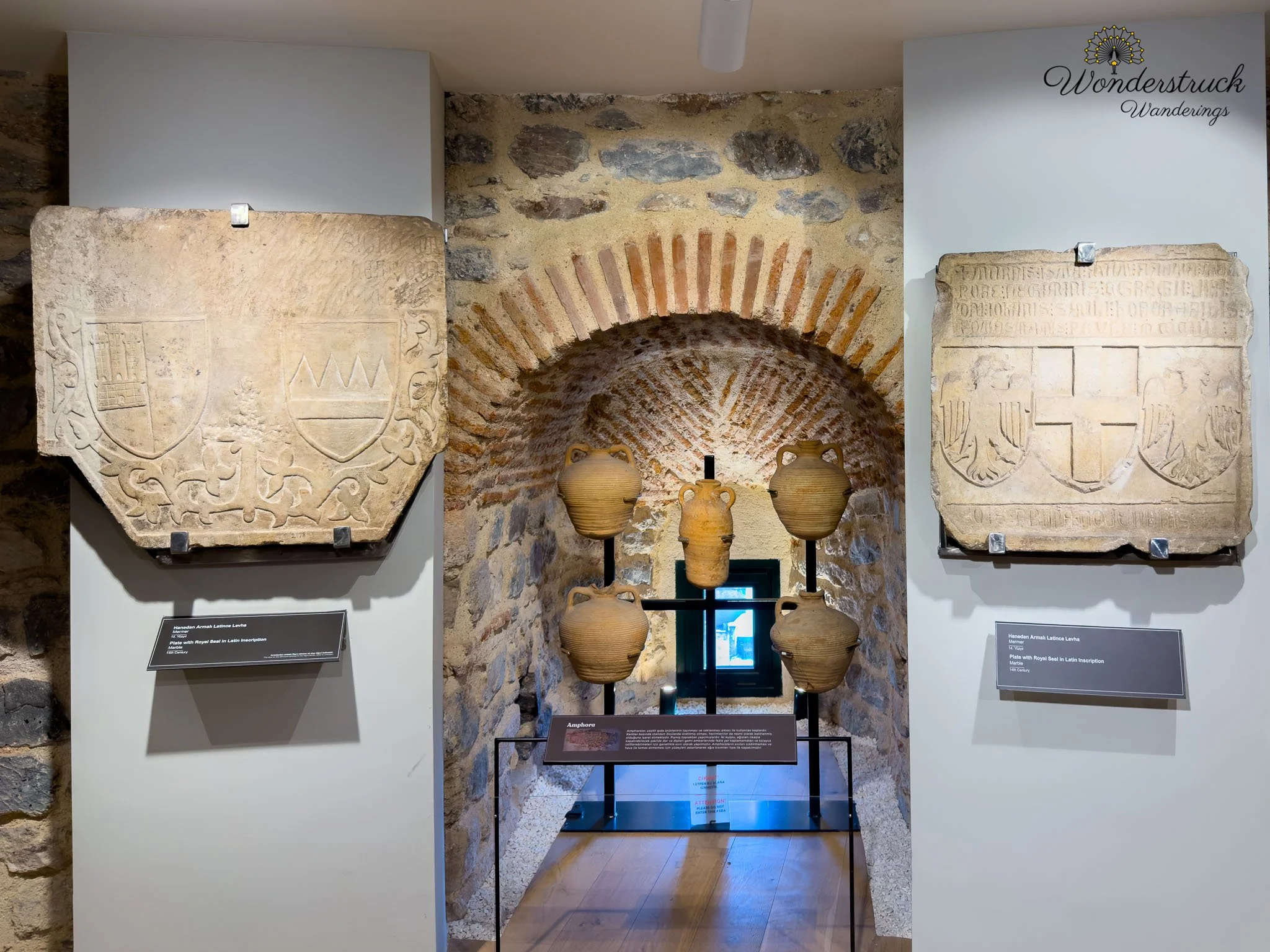
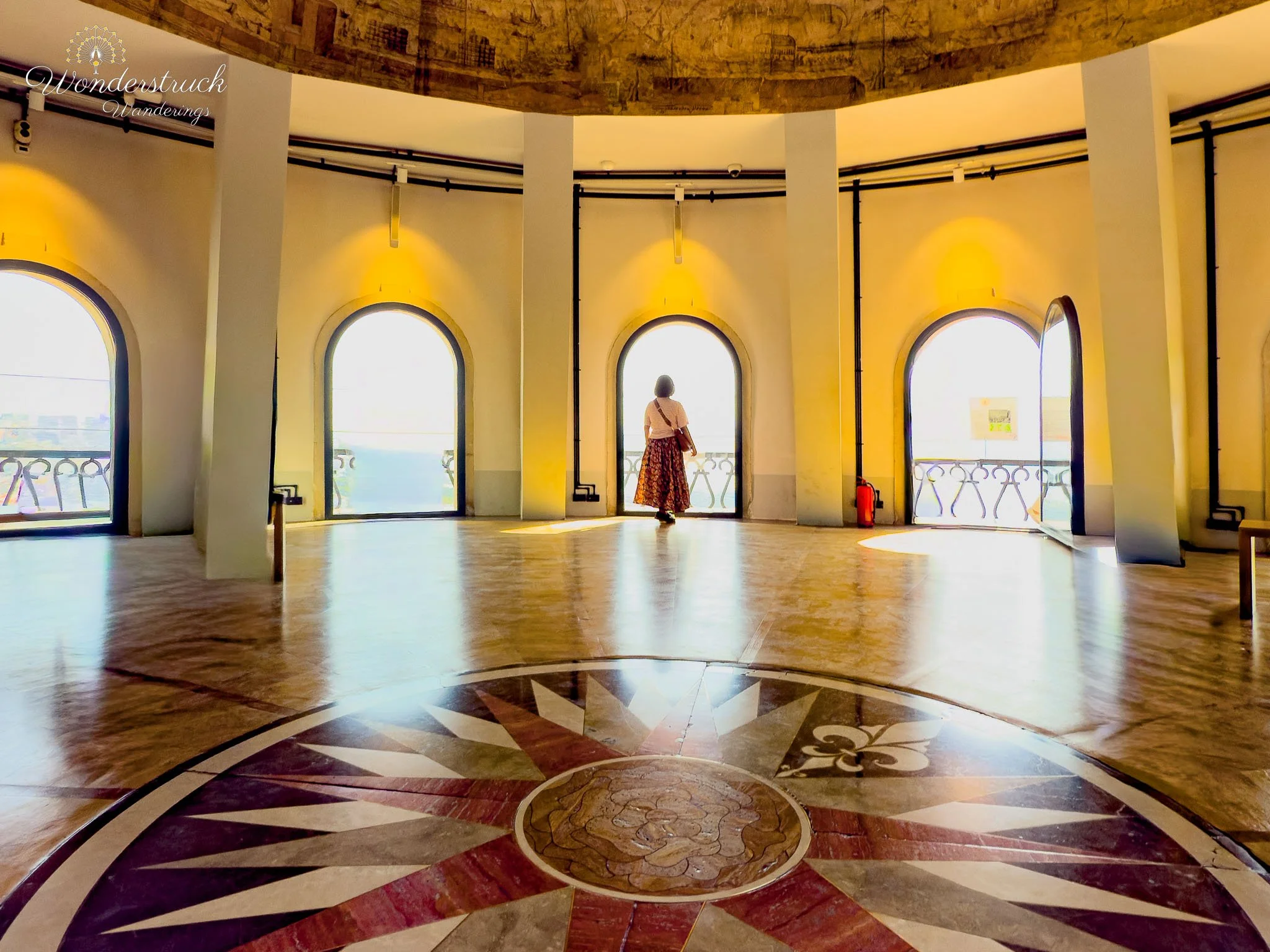
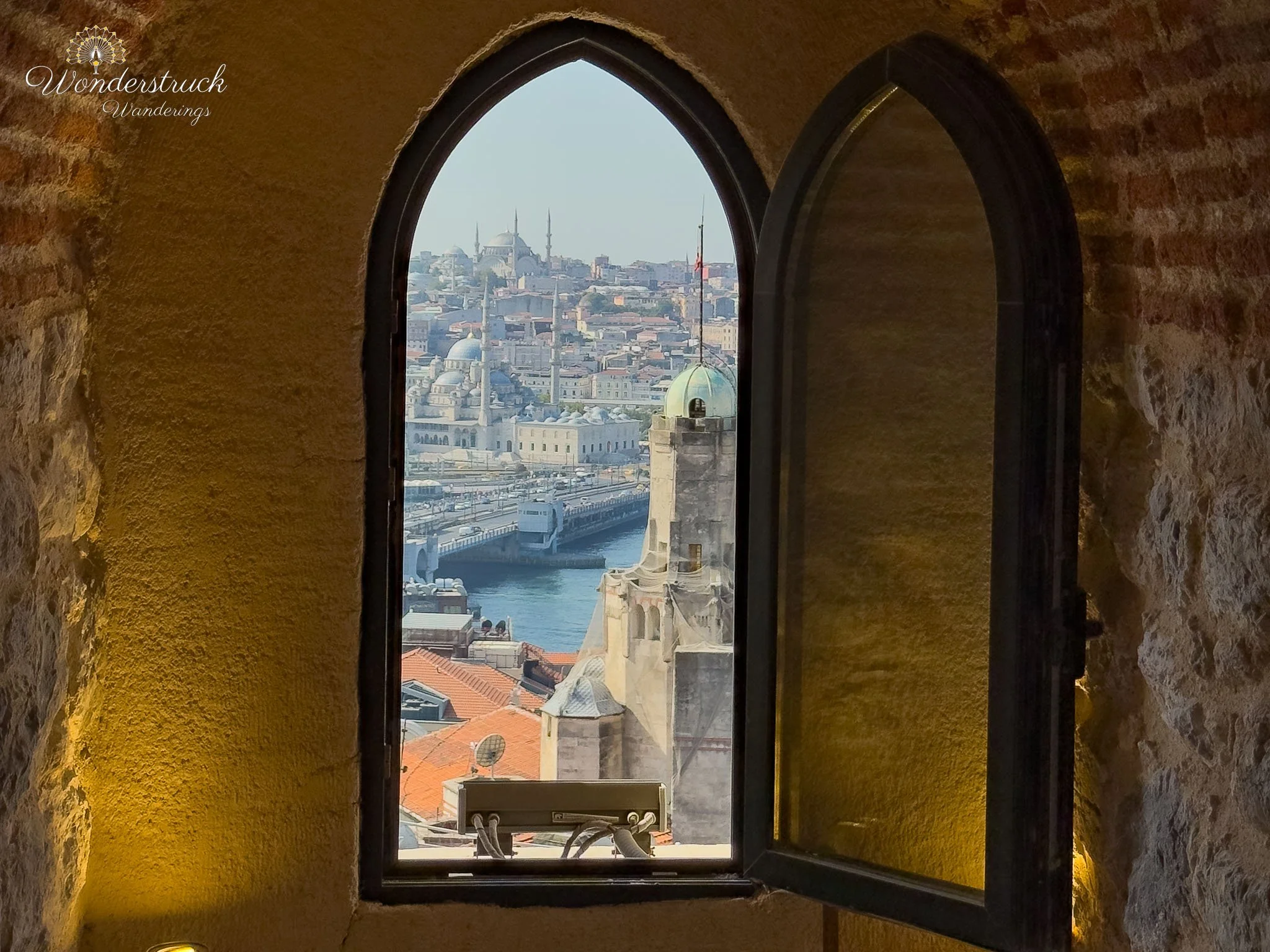
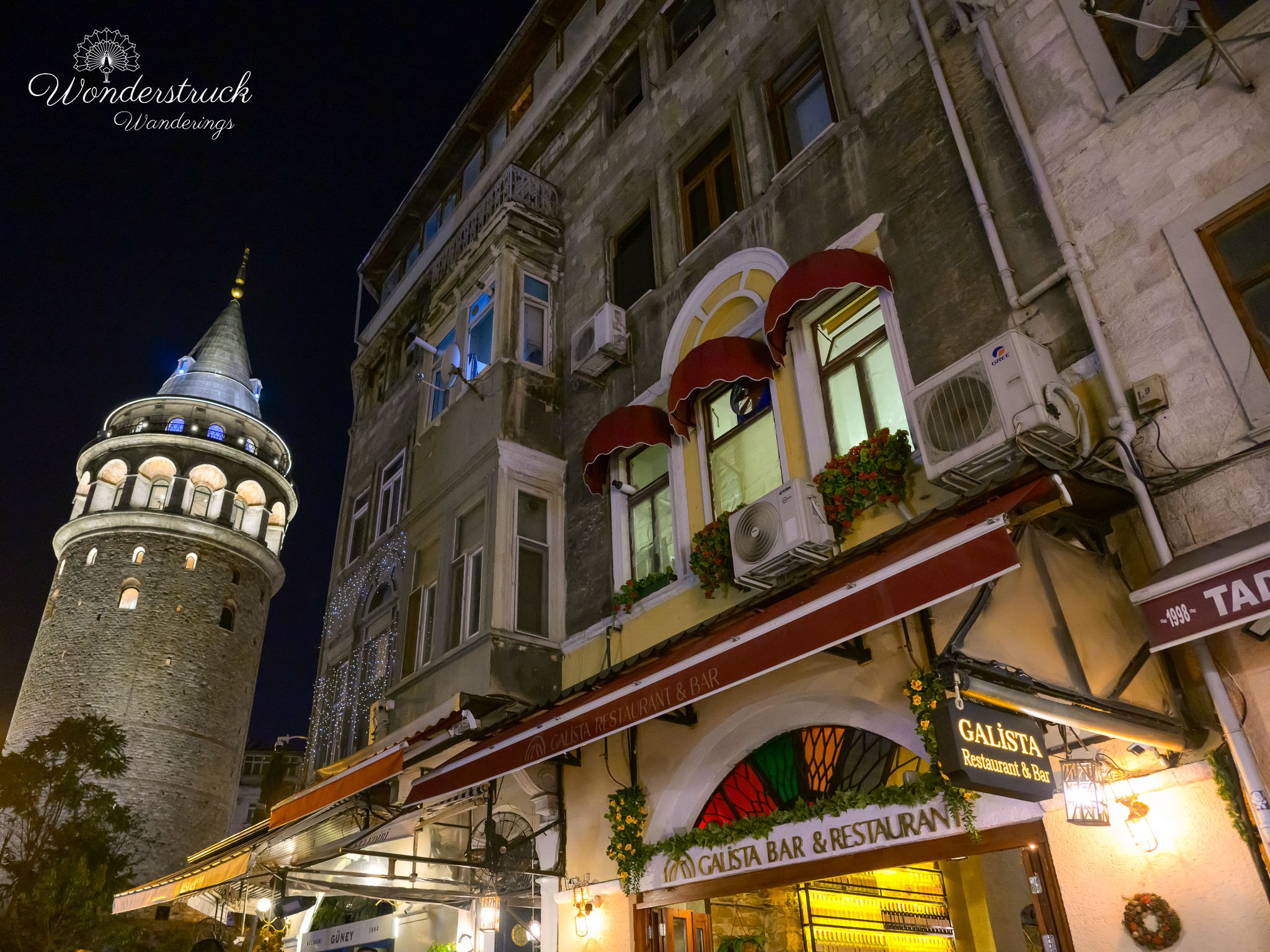
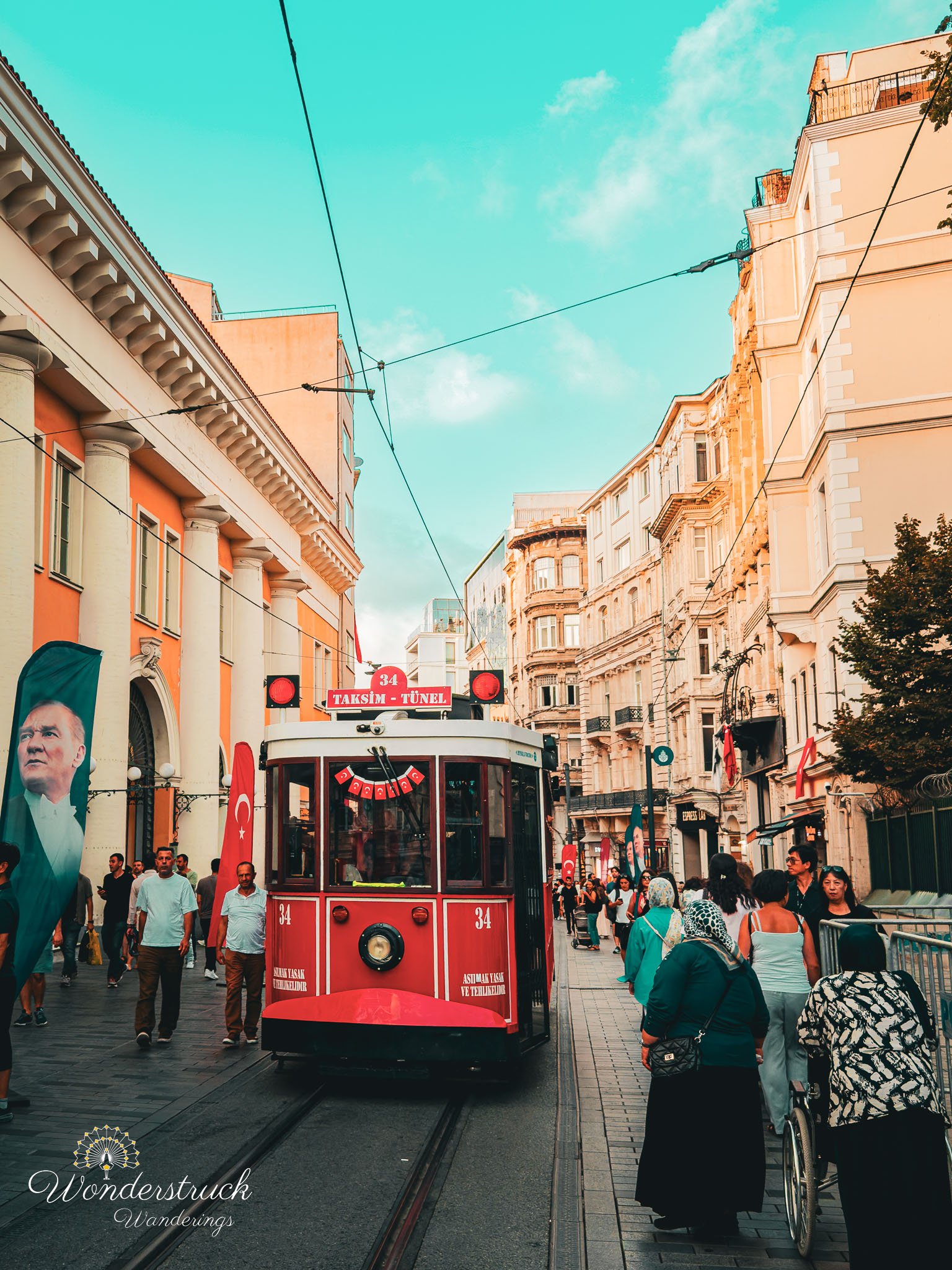
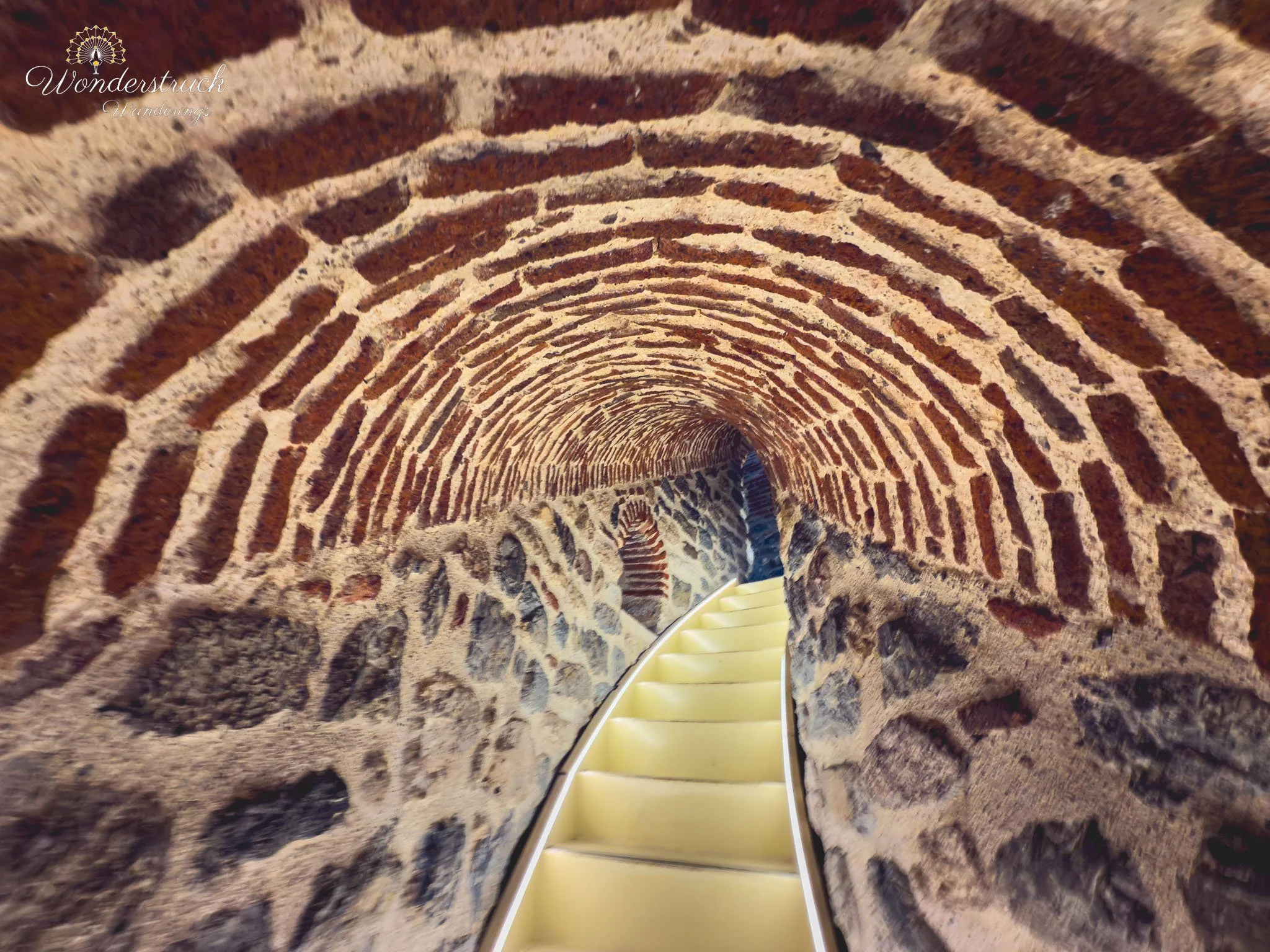
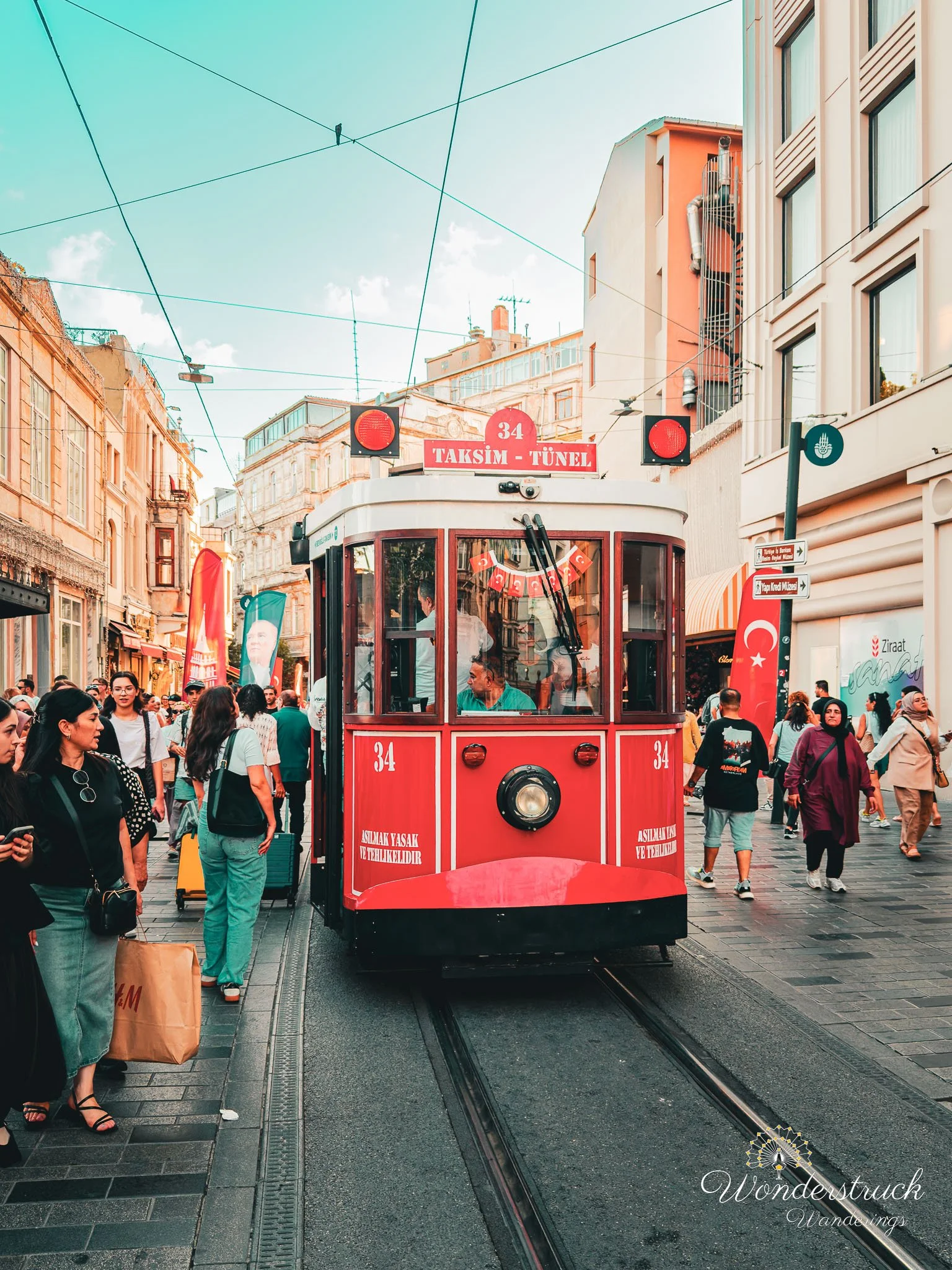
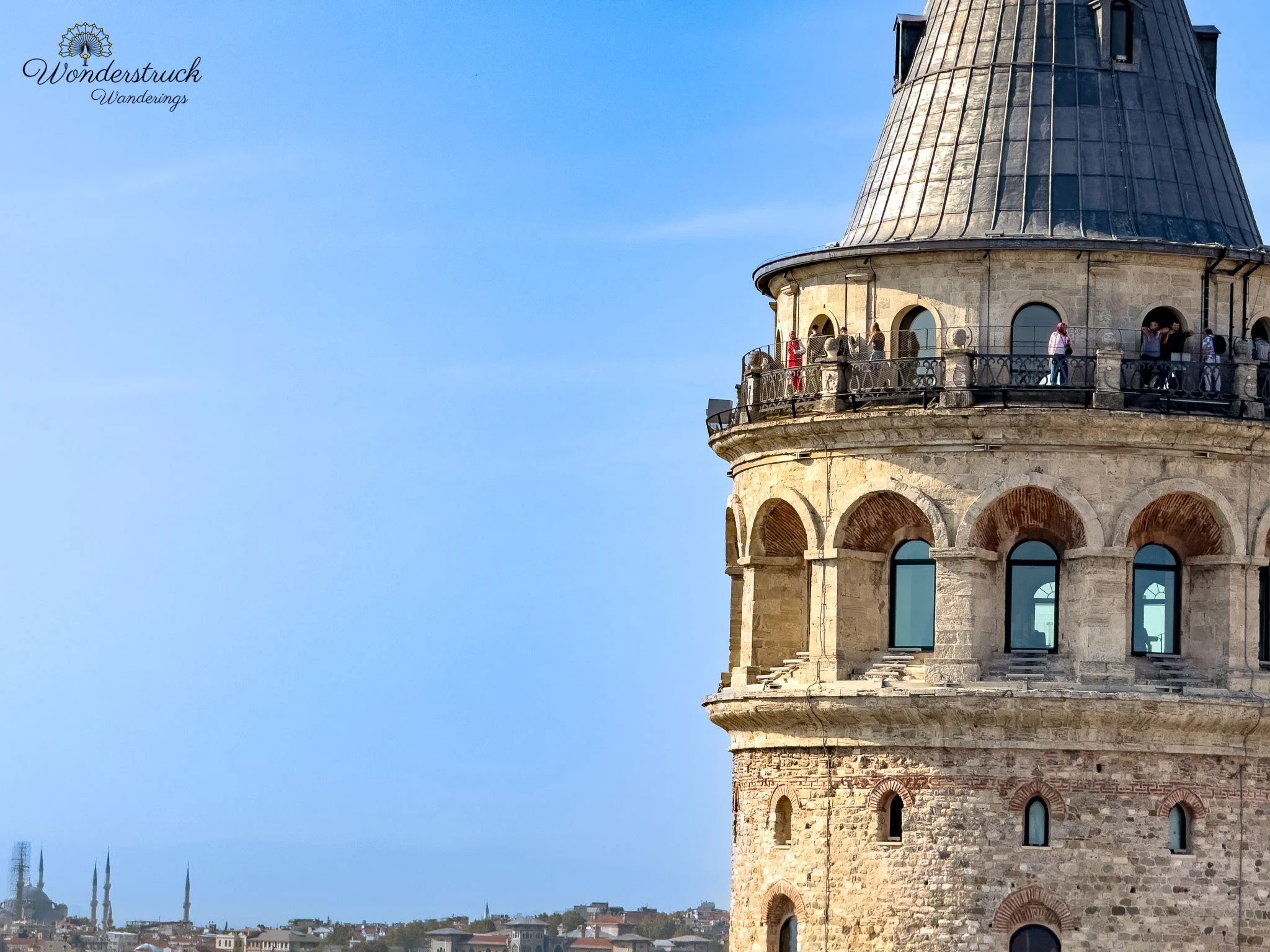

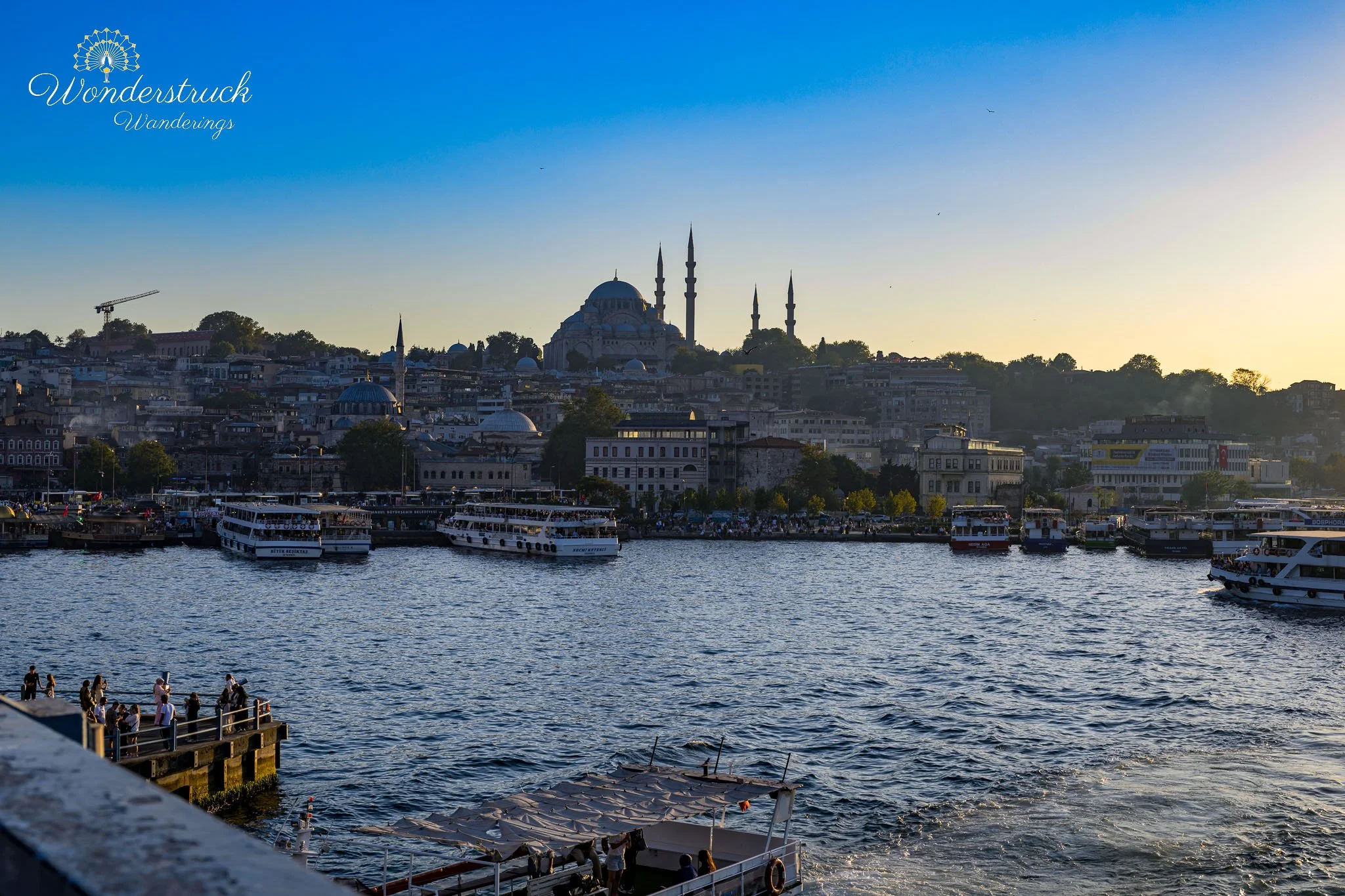
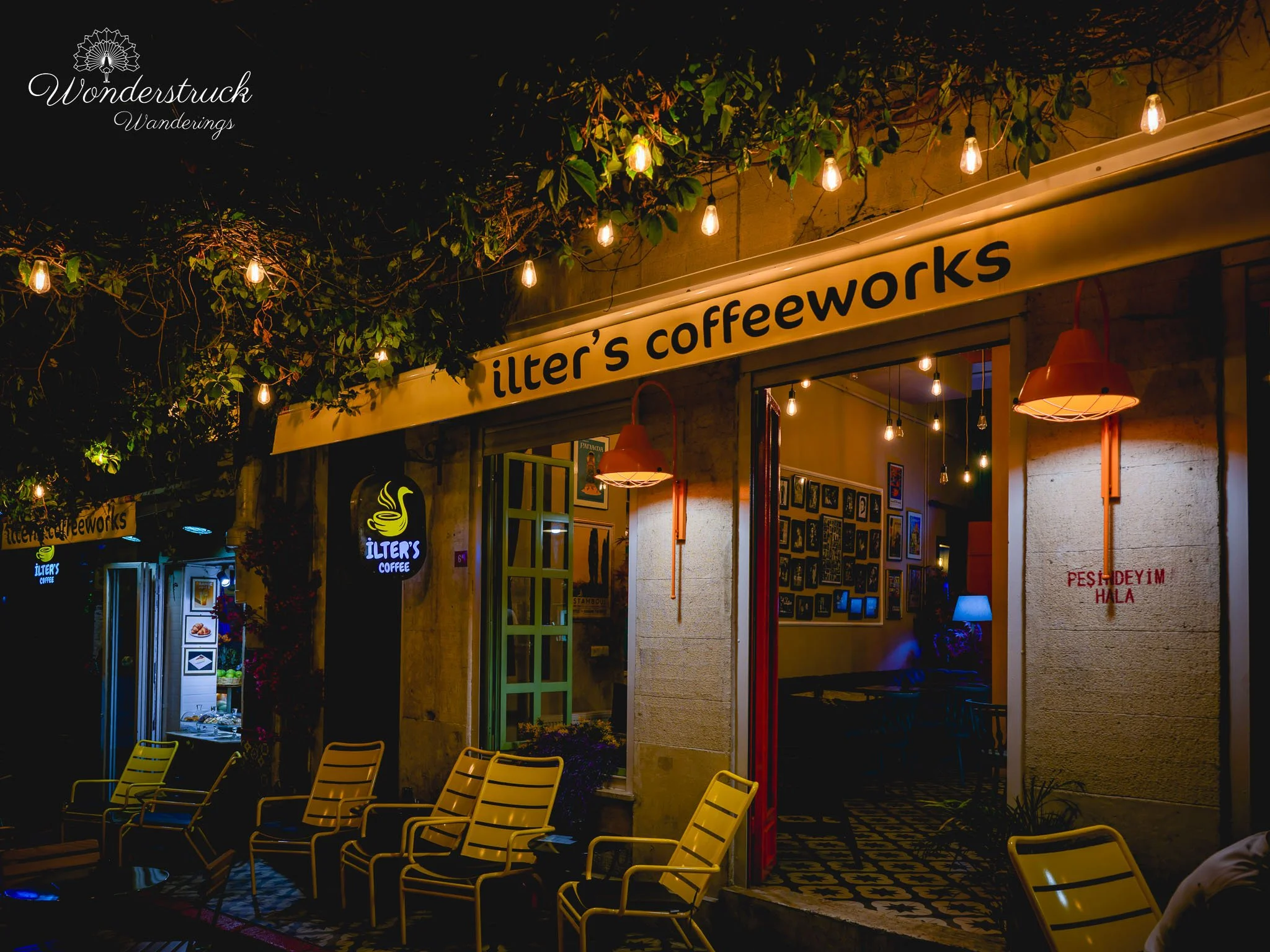
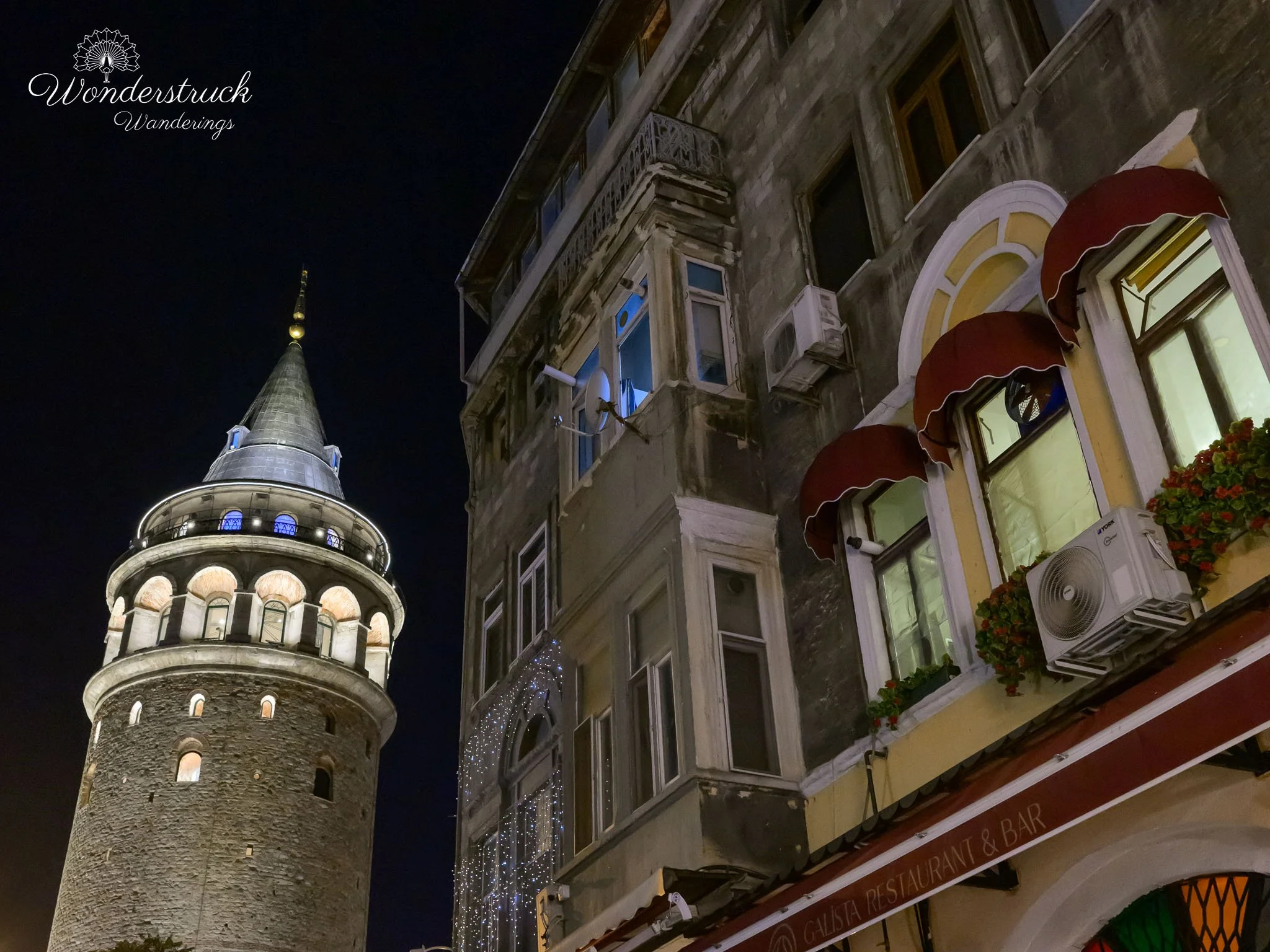
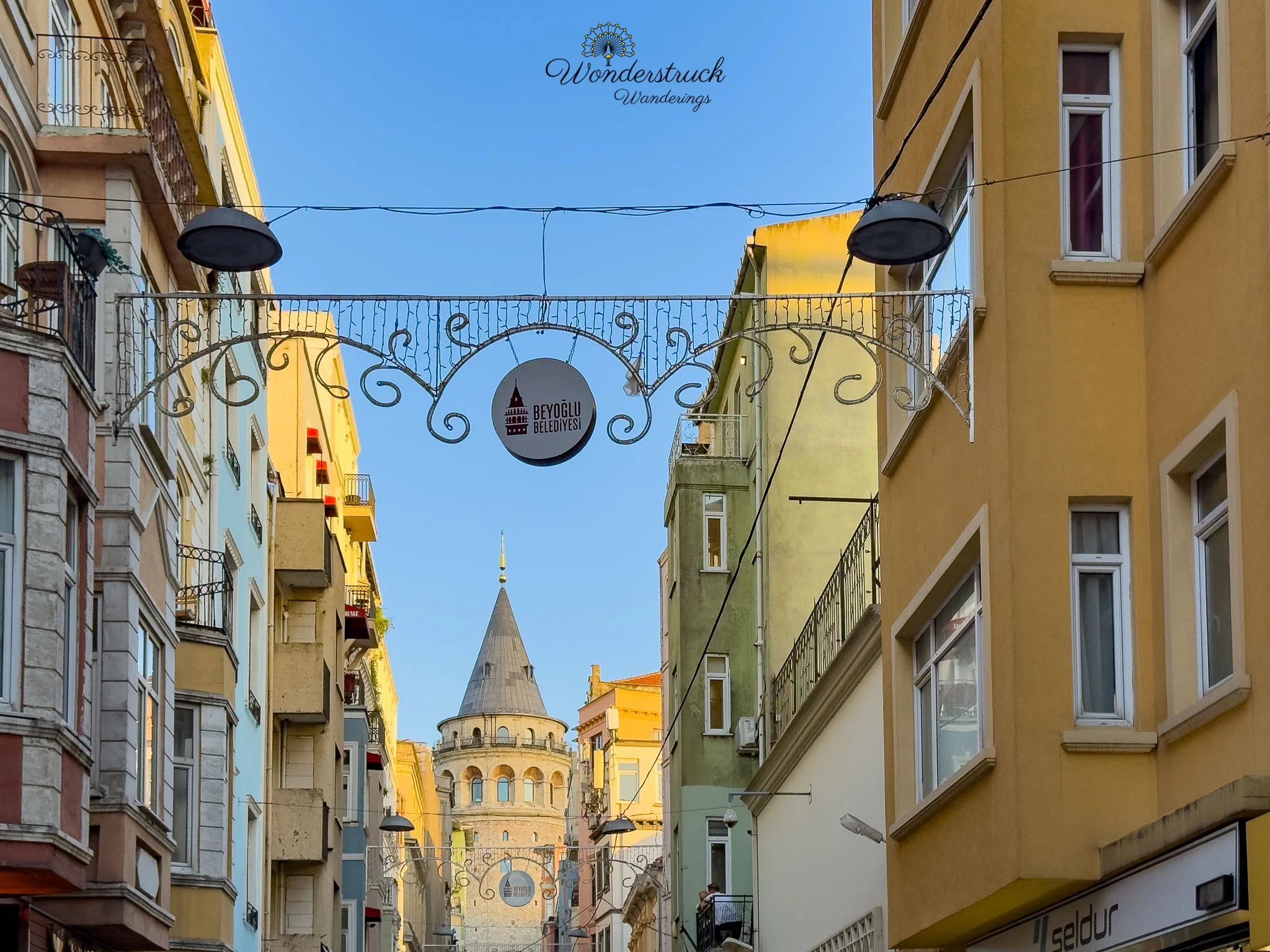
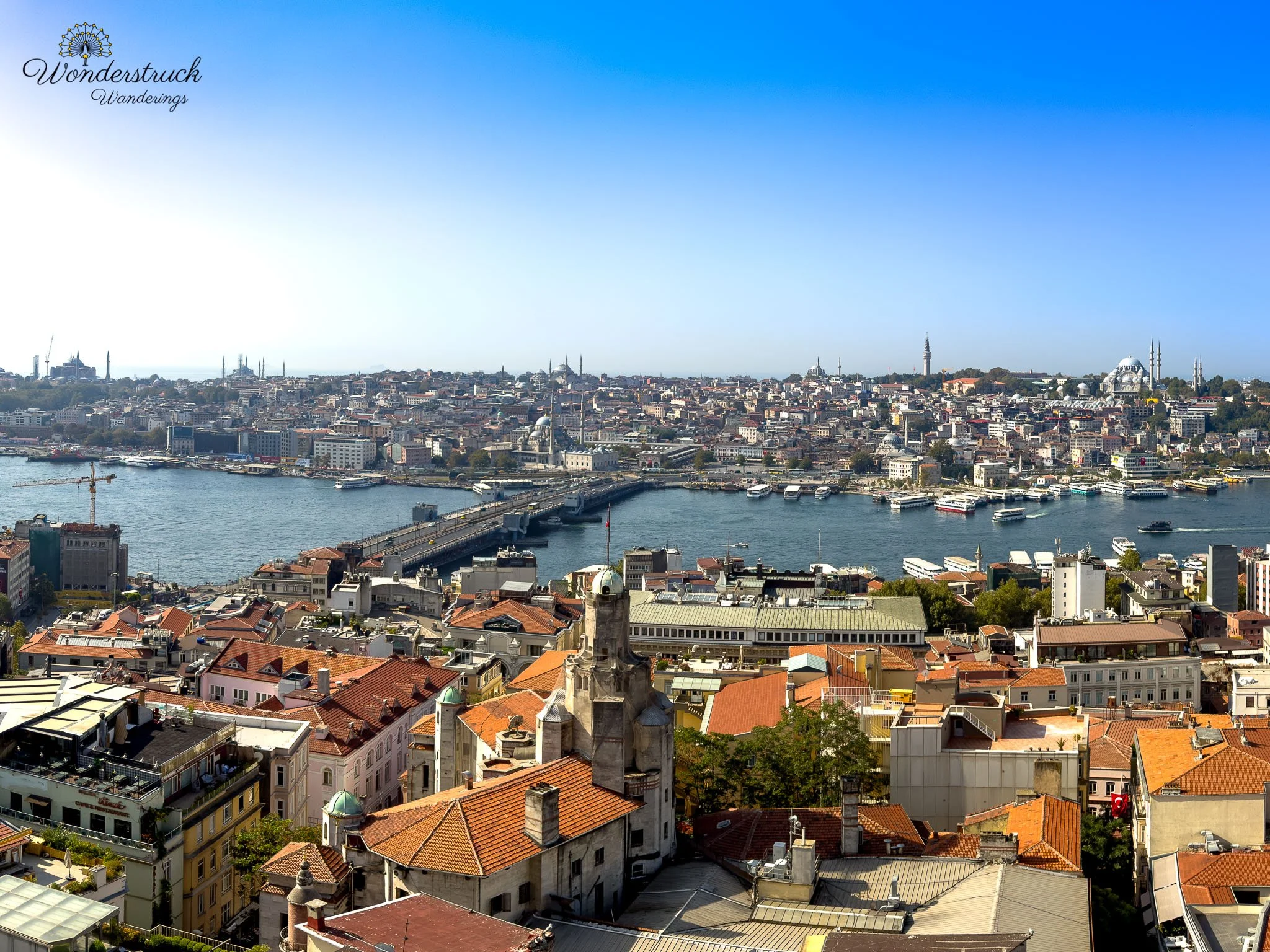
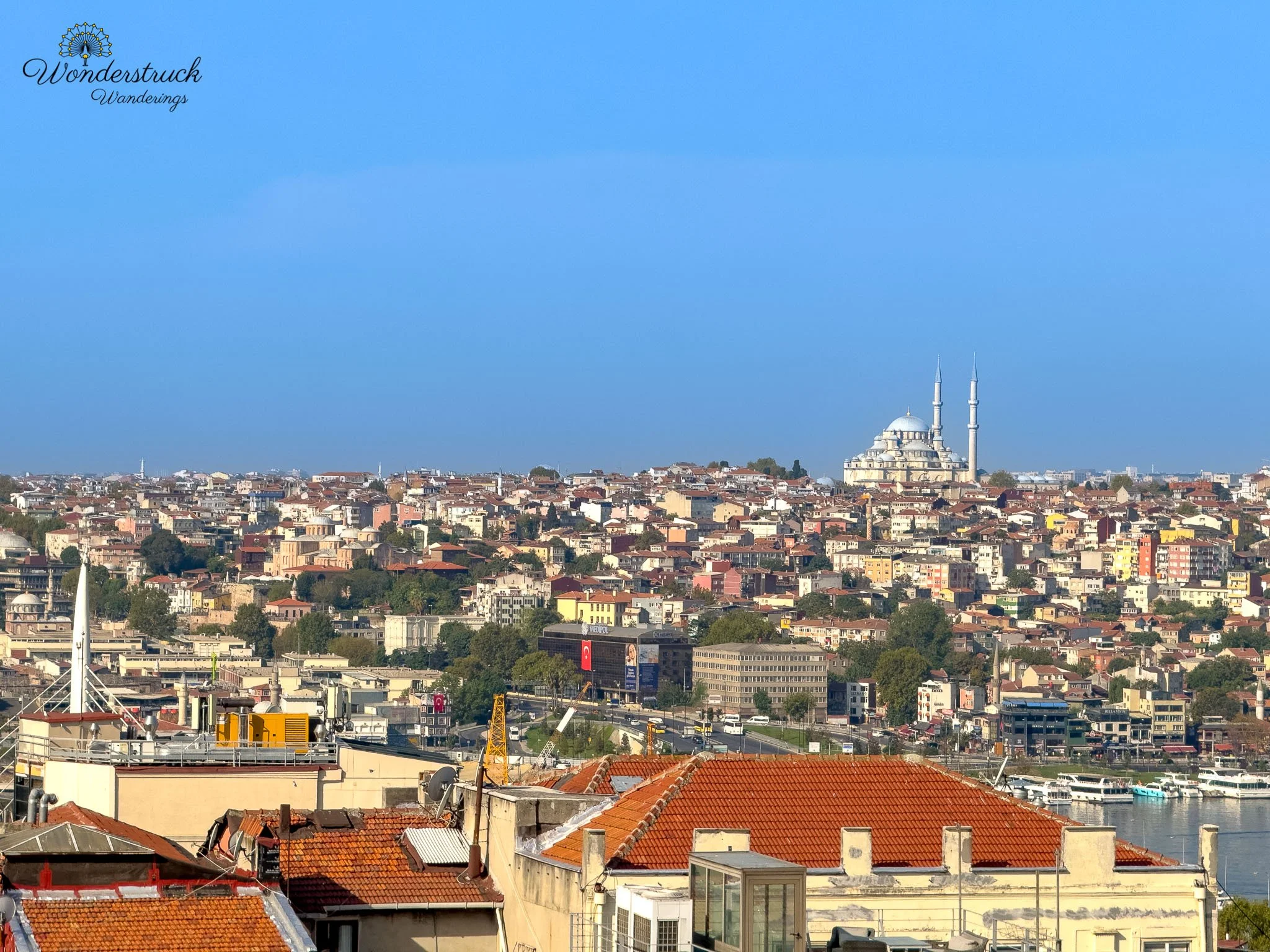
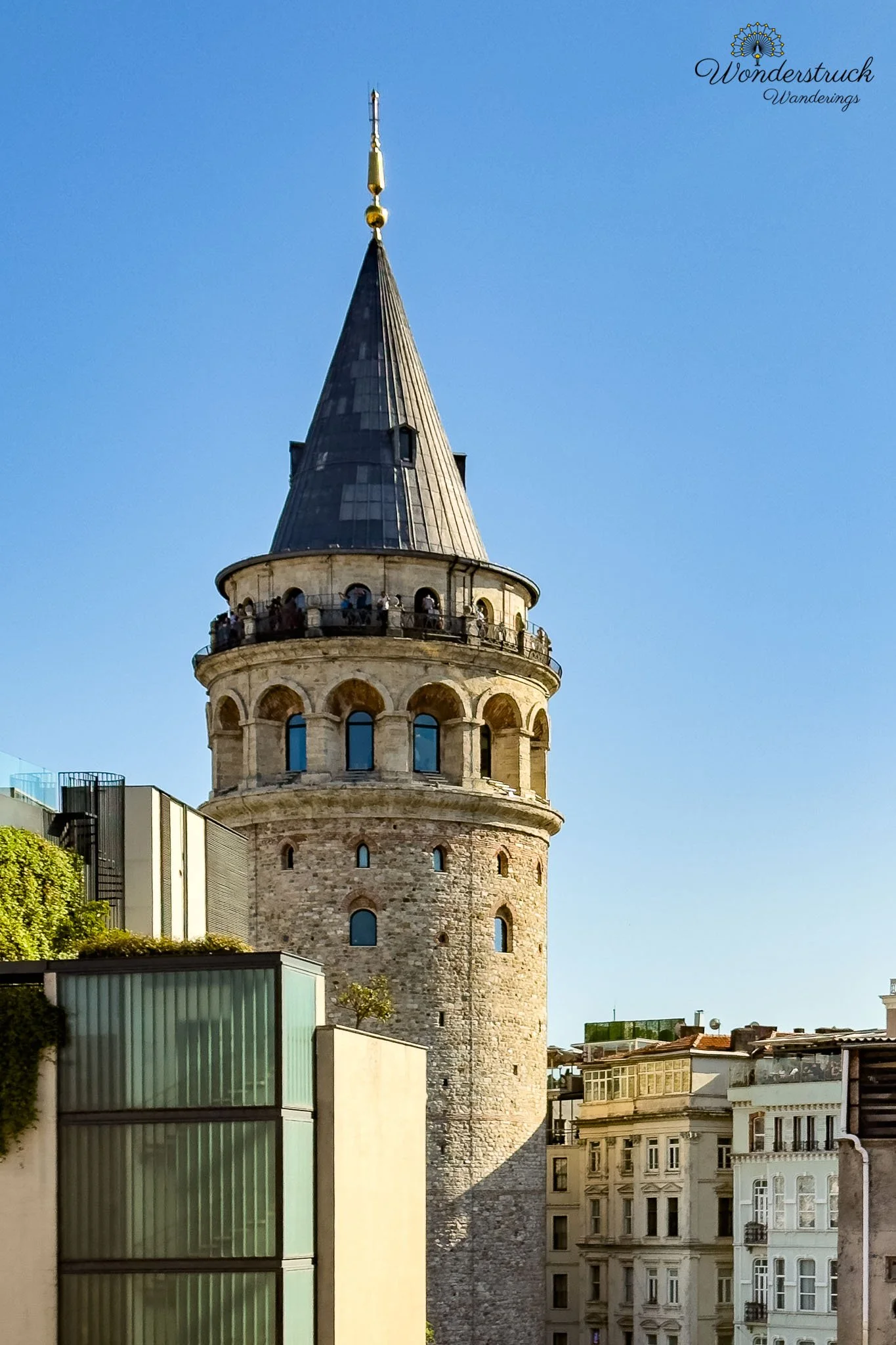
Galata Tower (Galata Kulesi) — 60–90 minutes (more with lines)
The classic panorama of minarets, water, and two continents. Go right at opening or near sunset; midday lines can eat your time.
Galata Bridge — 1–1.5 hours
Fishermen above, bustle below, ferries cutting across the Bosphorus. Best for photos, street snacks, and soaking in the city’s rhythm.
Karaköy waterfront — 2–2.5 hours
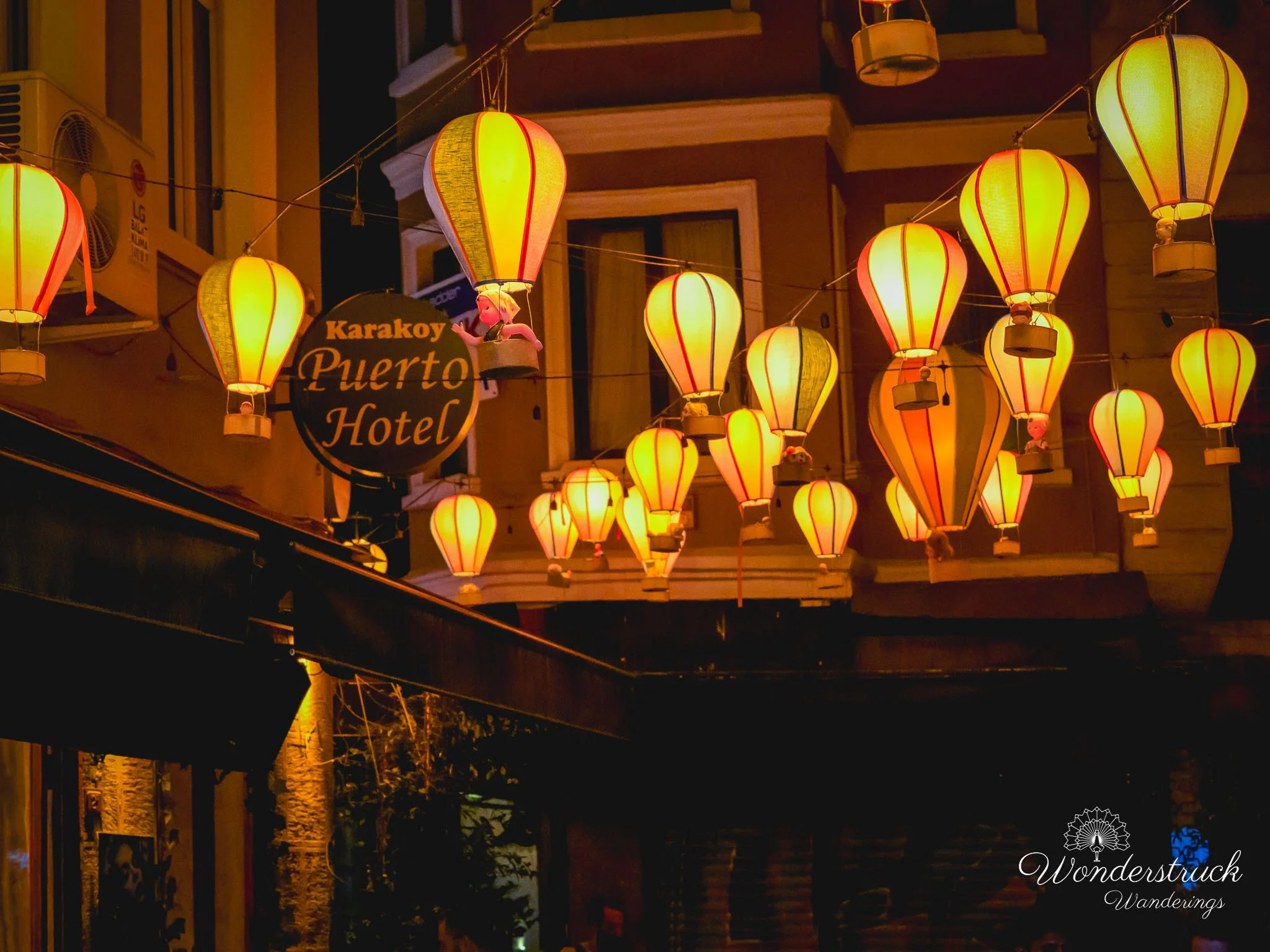
It is Istanbul’s creative waterfront neighborhood—part historic port, part modern café-and-gallery scene—where steep streets lead from the Bosphorus up toward Galata. It’s ideal for wandering between espresso stops, street food, boutique shops, and ferry views, especially in the late afternoon when the light hits the water and the city feels electric.
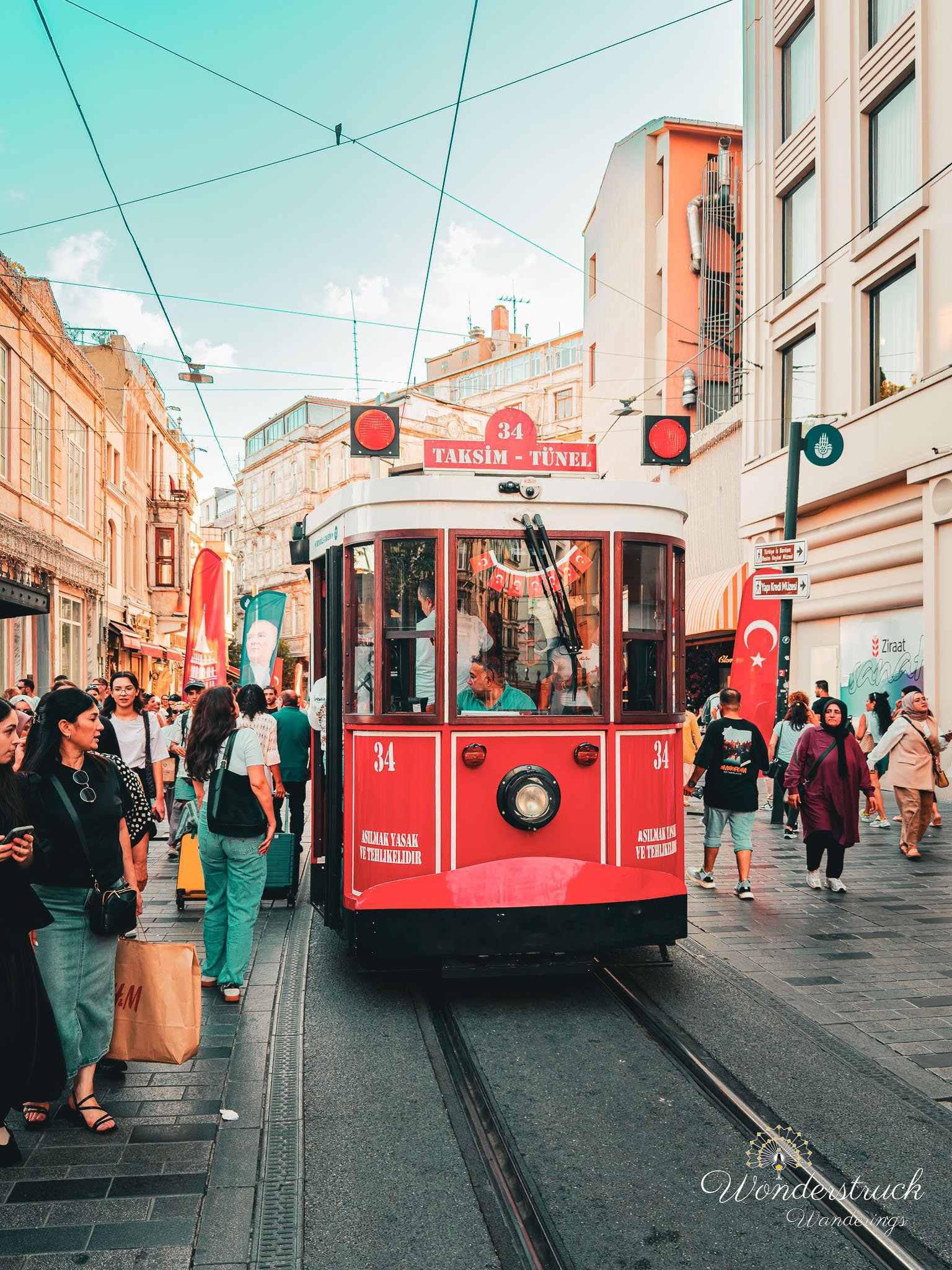
İstiklal Avenue (İstiklal Caddesi) — 45–90 minutes
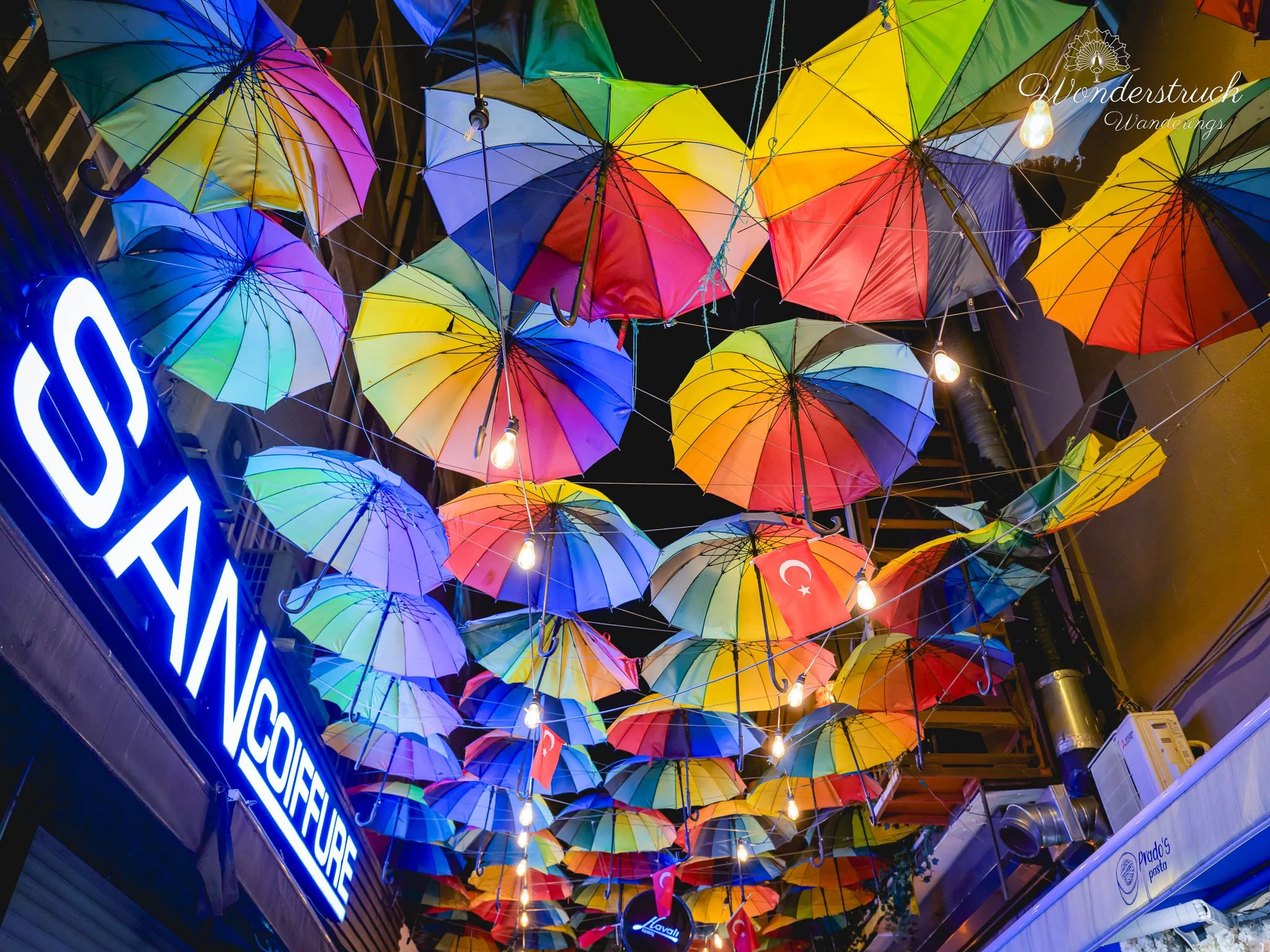
A living artery of shops, people-watching, street music, and side alleys. The magic is in detours—step into passages, arcades, and backstreets.
Pera / historic Beyoğlu (incl. Pera Palace area) — 45–90 minutes (or longer if you linger)
Belle Époque vibes, classic architecture, and a more “old Istanbul” mood. Even a short wander feels like you’ve time-traveled.
Taksim Square — 15–30 minutes
More of a reference point than a destination—useful for orientation and transit connections, then move on.
Bosphorus + Ortaköy
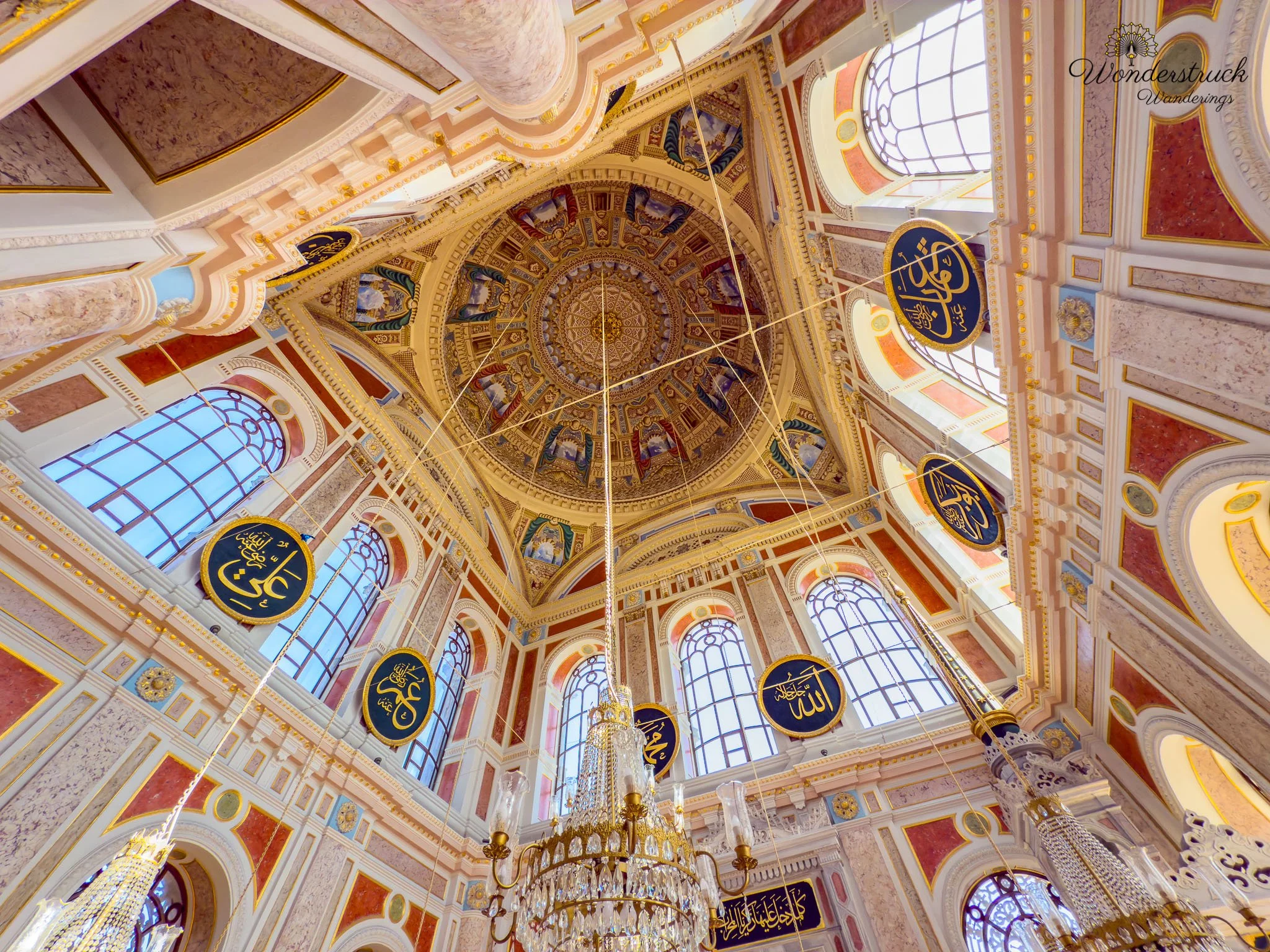
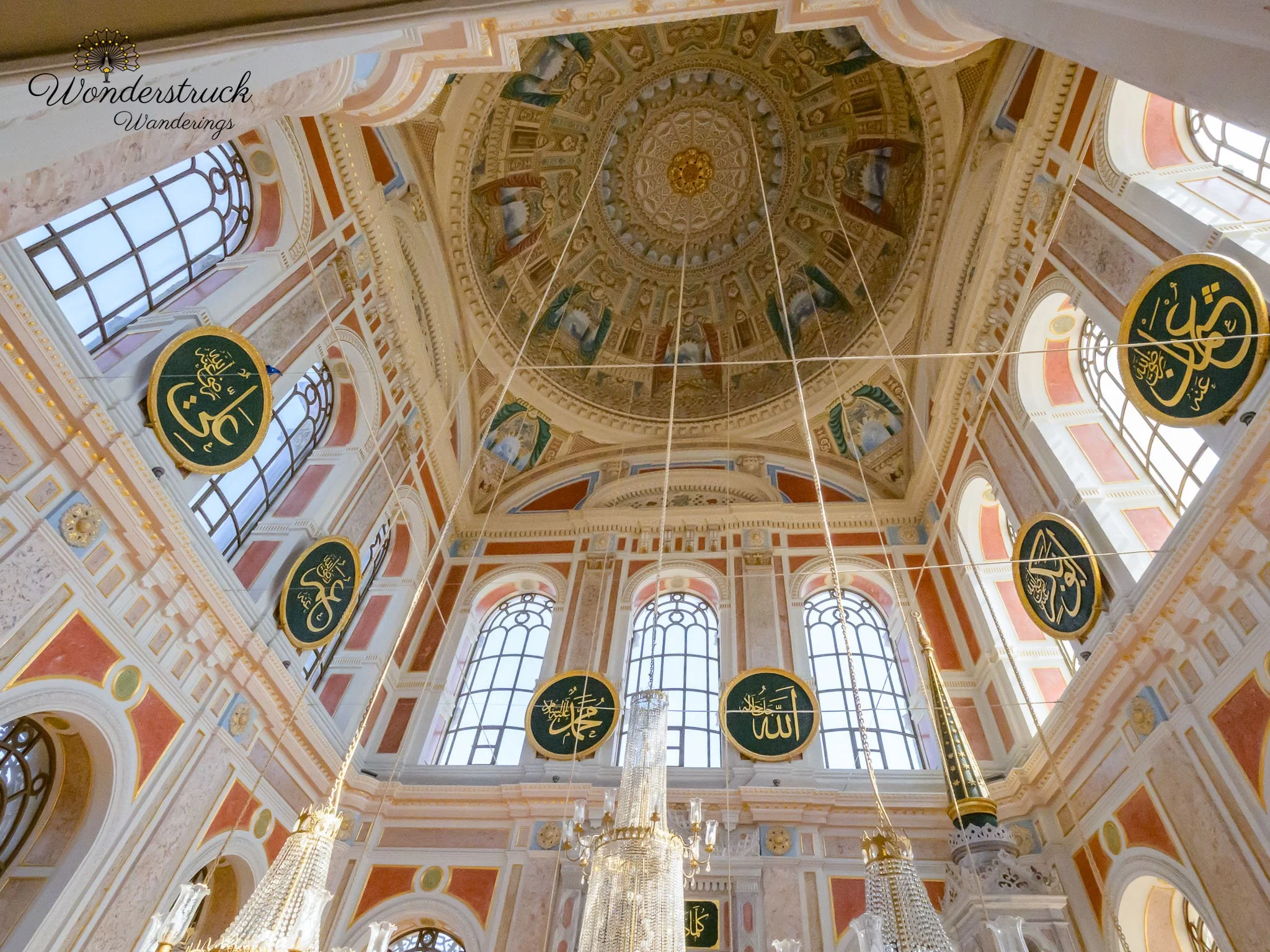
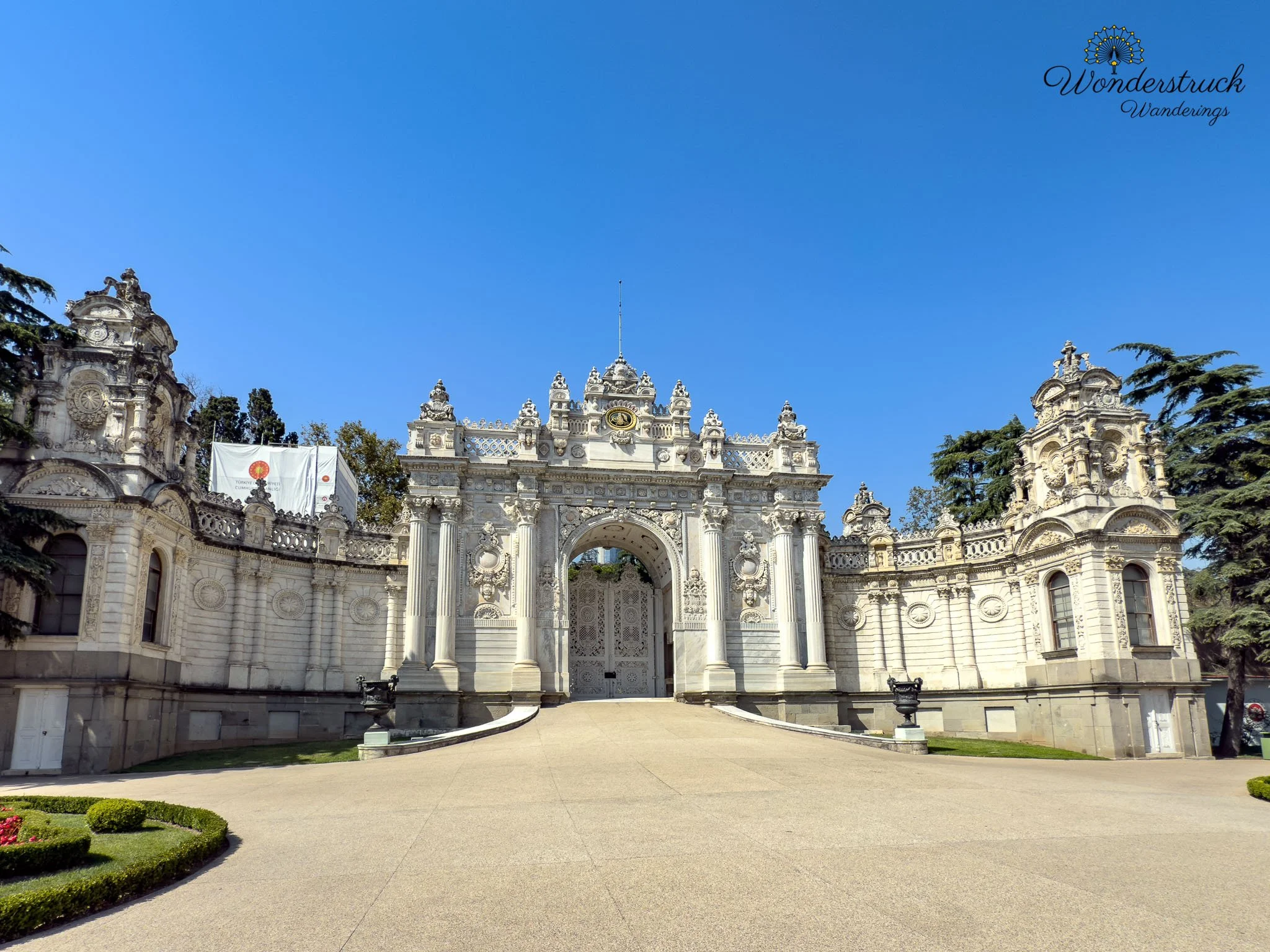
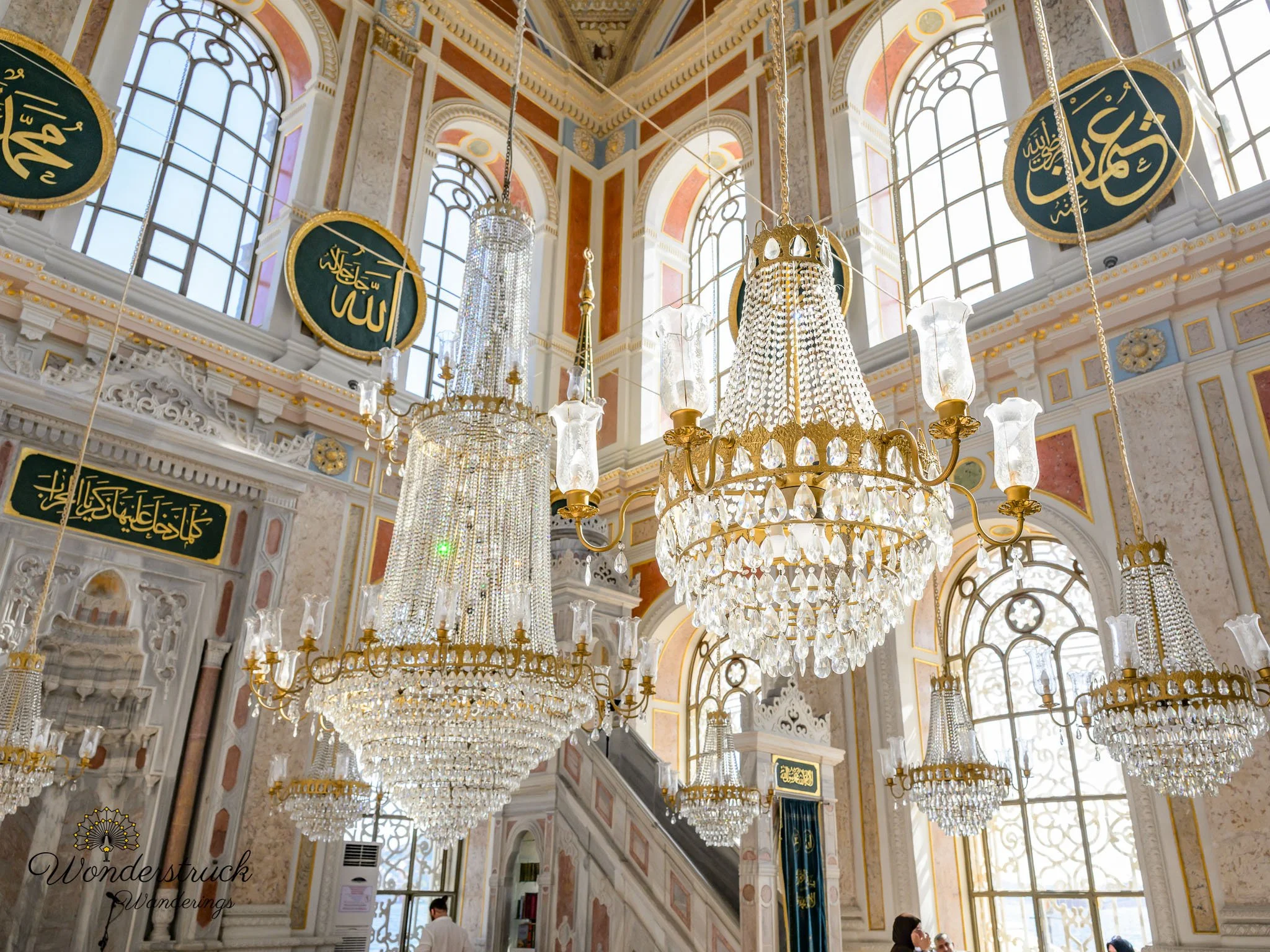
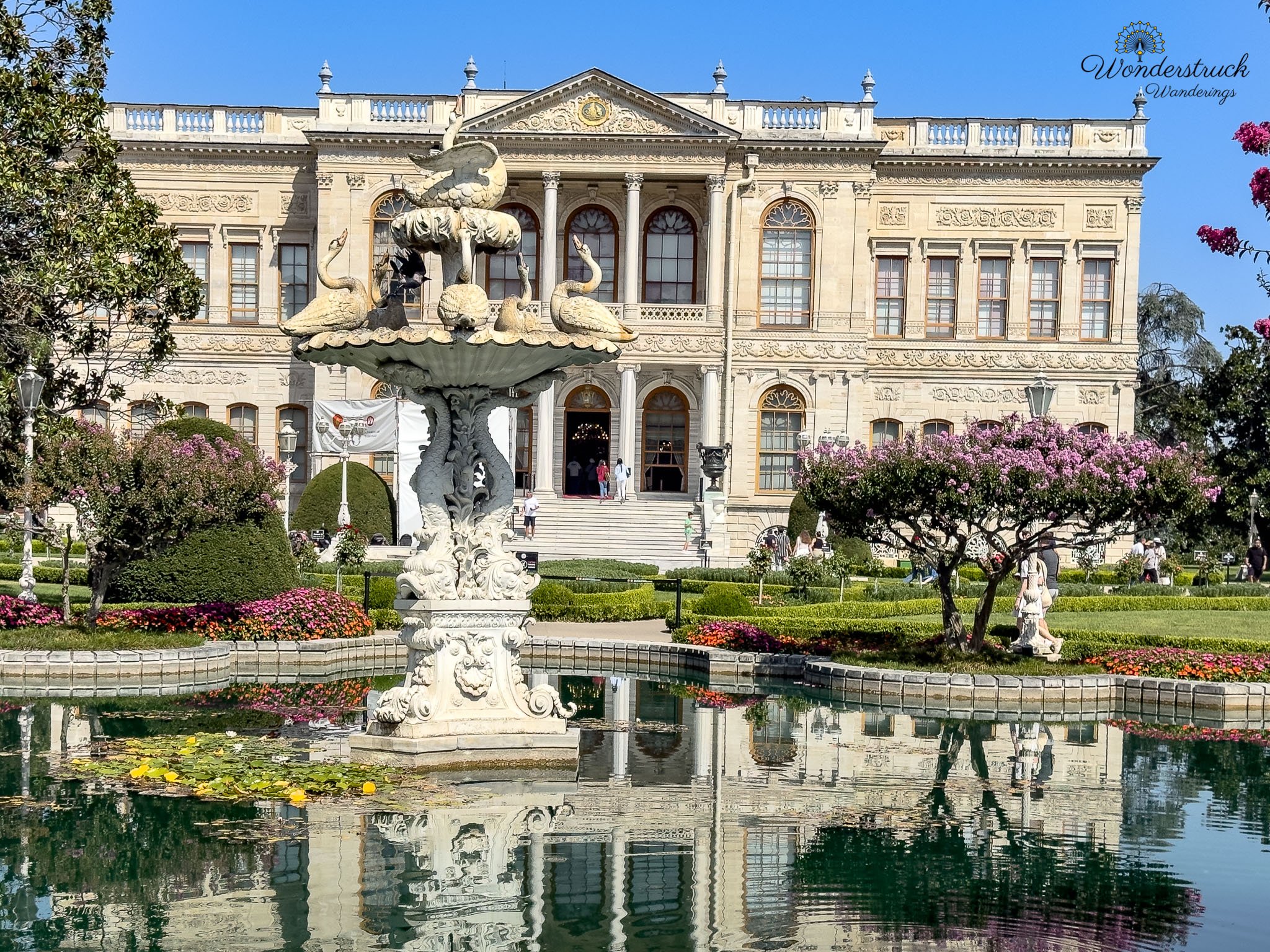
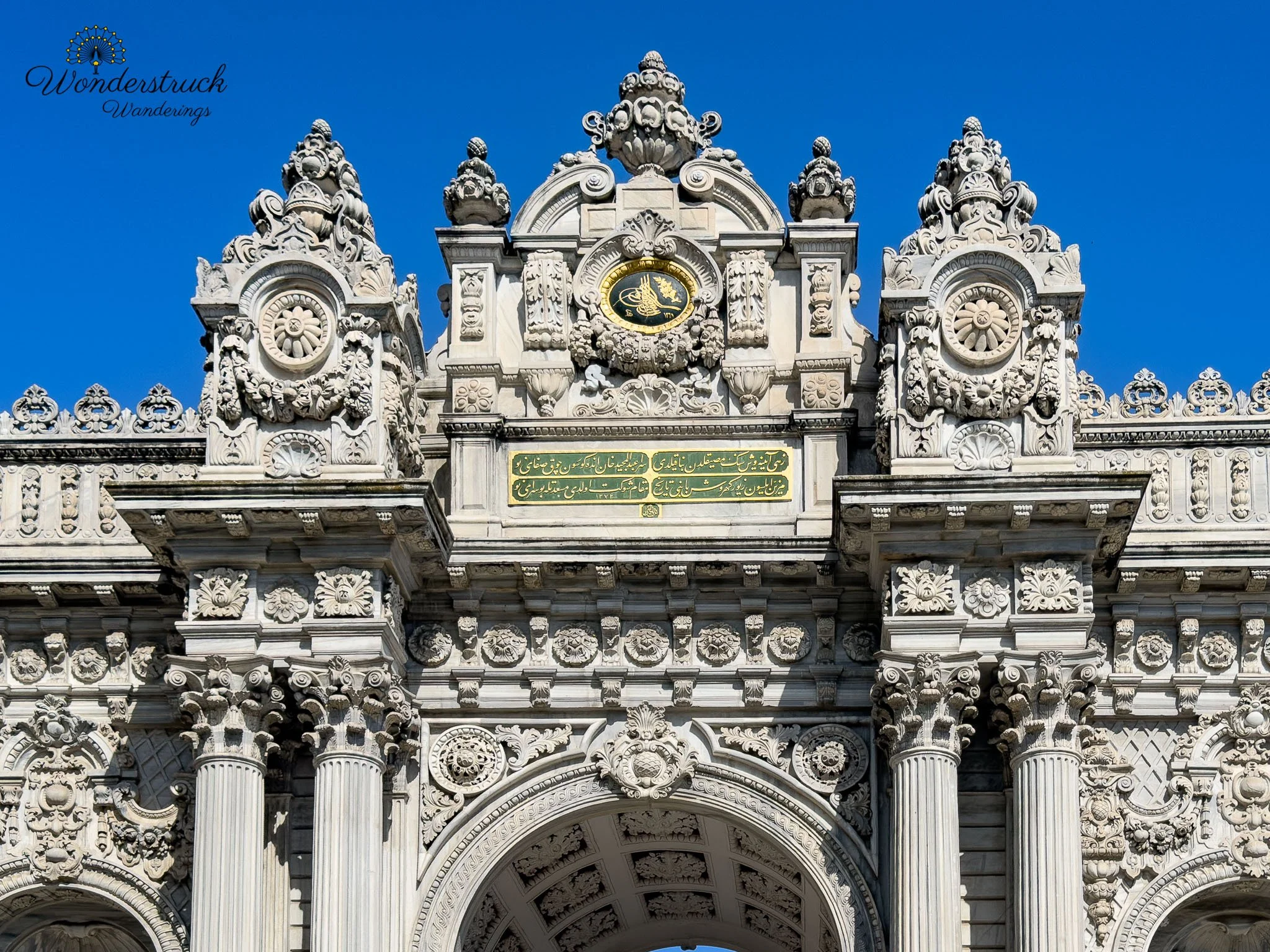
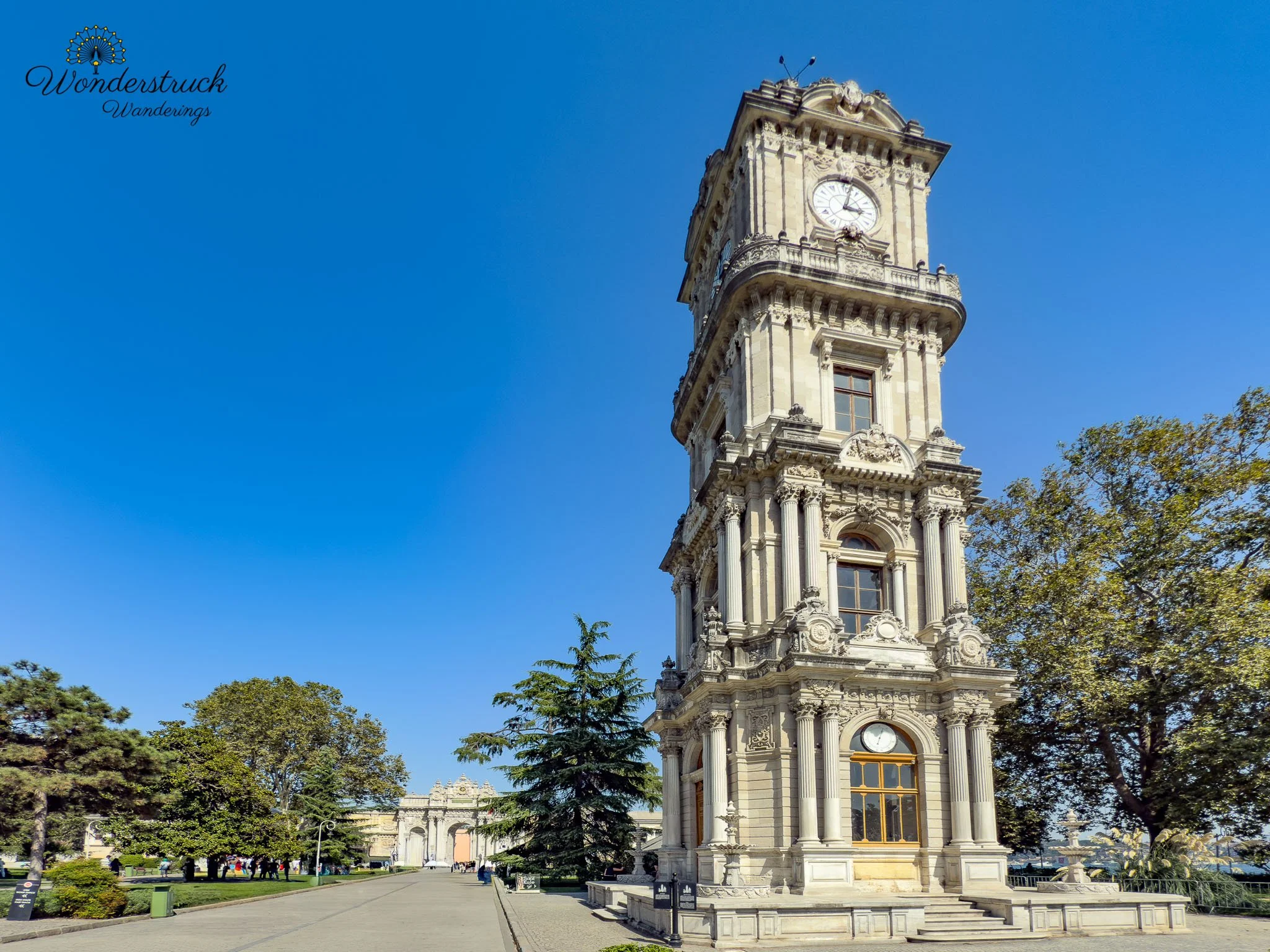
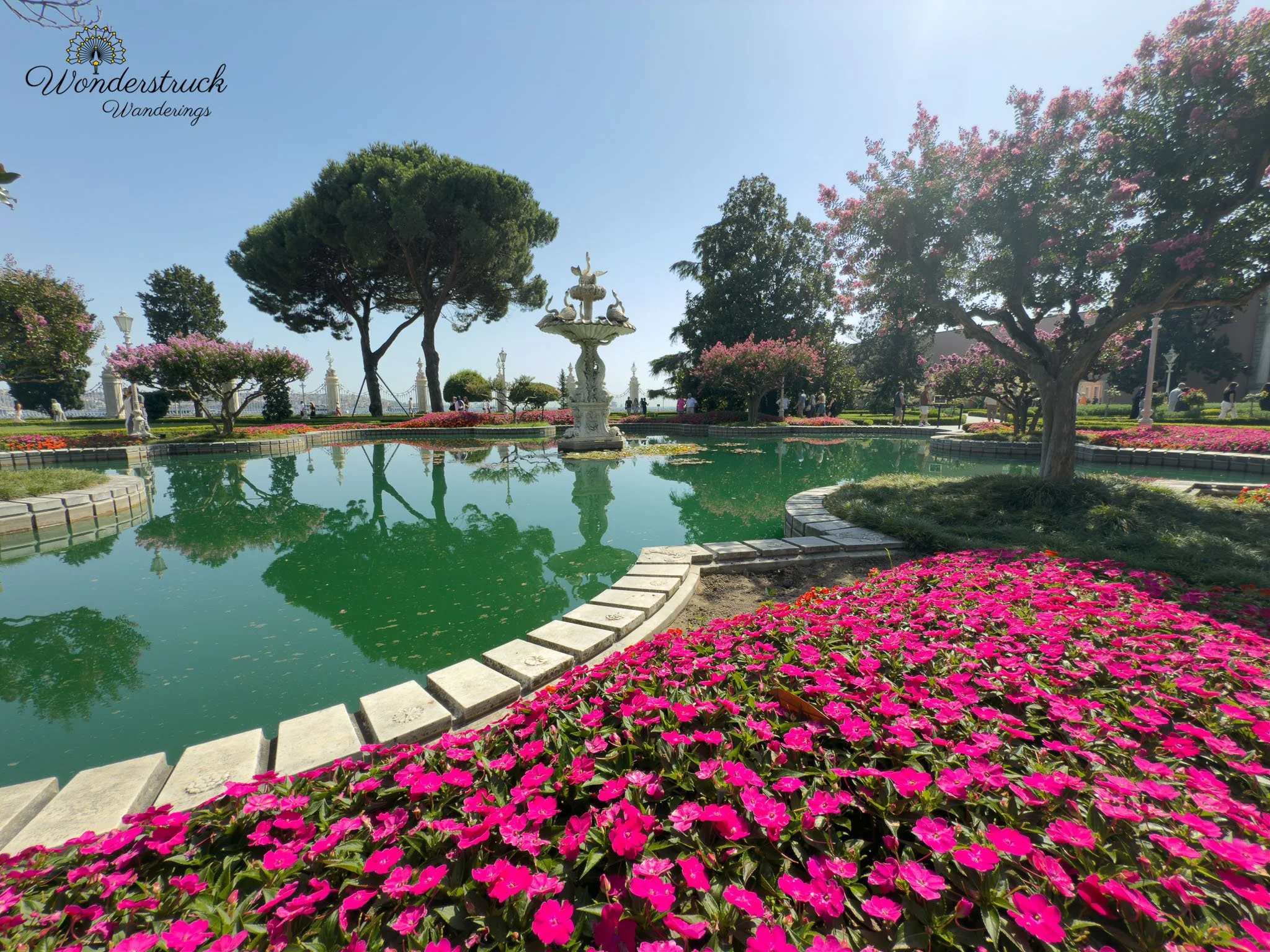
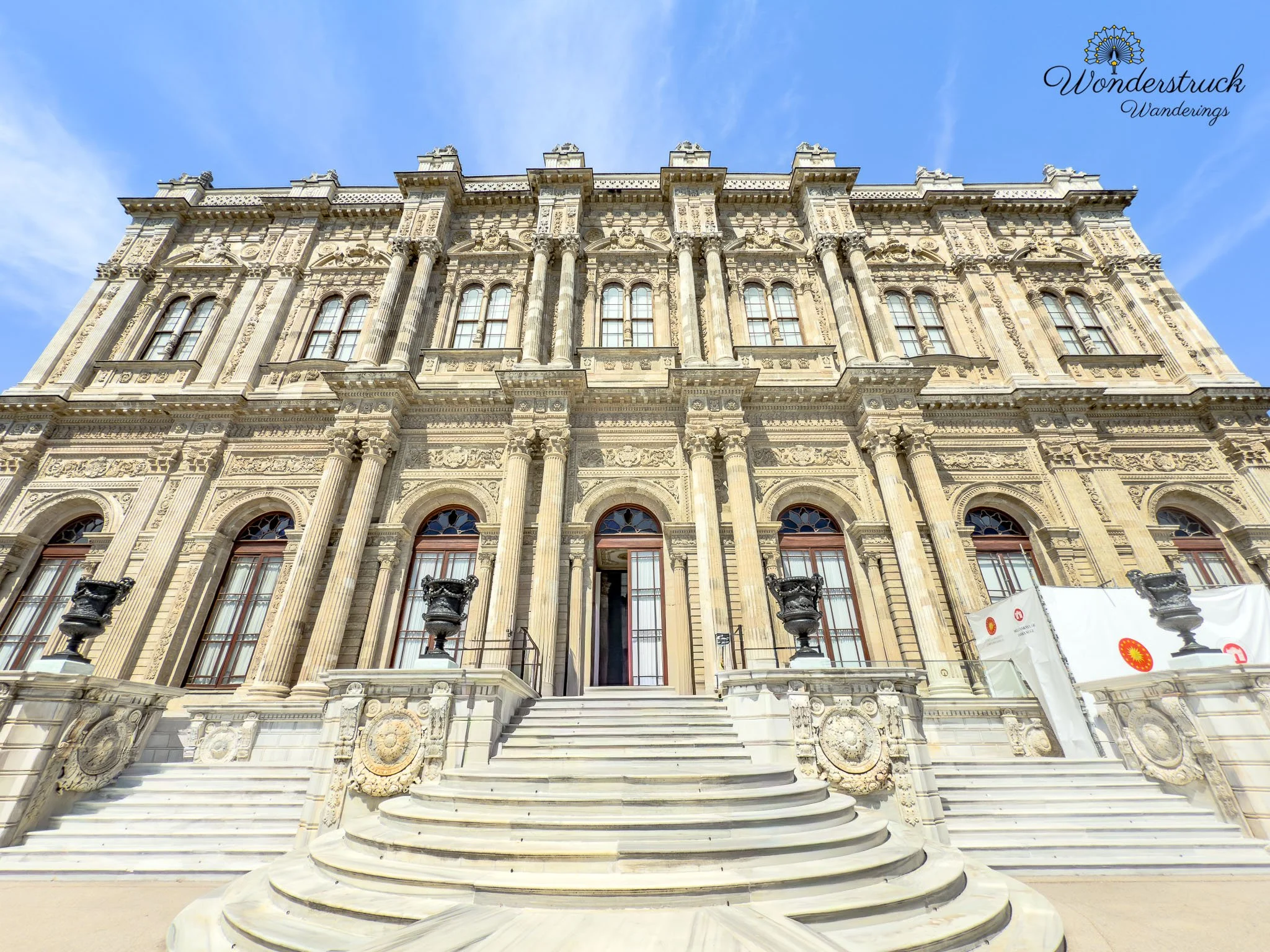
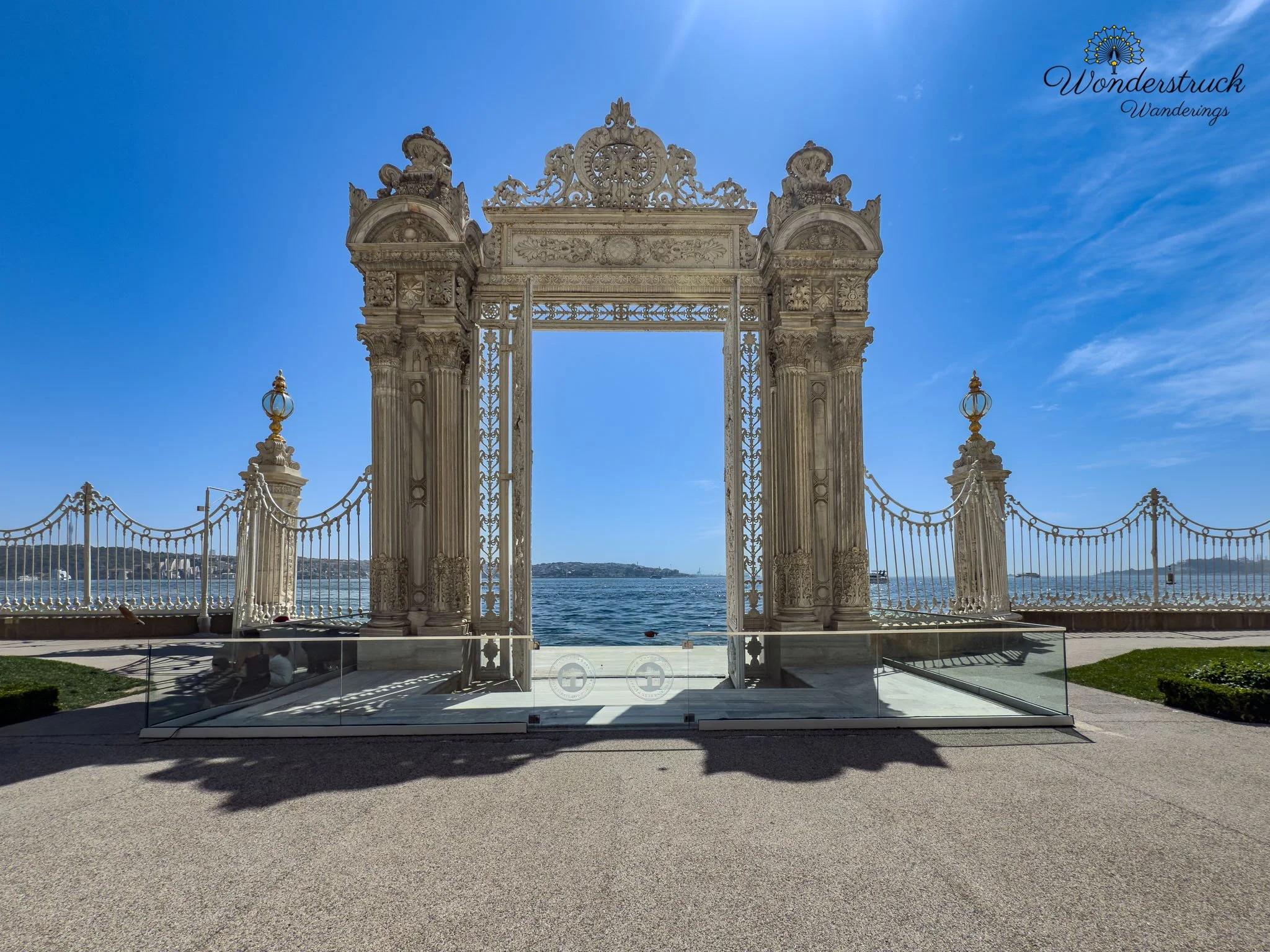

Dolmabahçe Palace (Dolmabahçe Sarayı) — 2–3 hours
Ornate, European-influenced Ottoman luxury right on the water. No interior photos, so slow down and take it in; the gardens and clock tower are great for exterior shots.
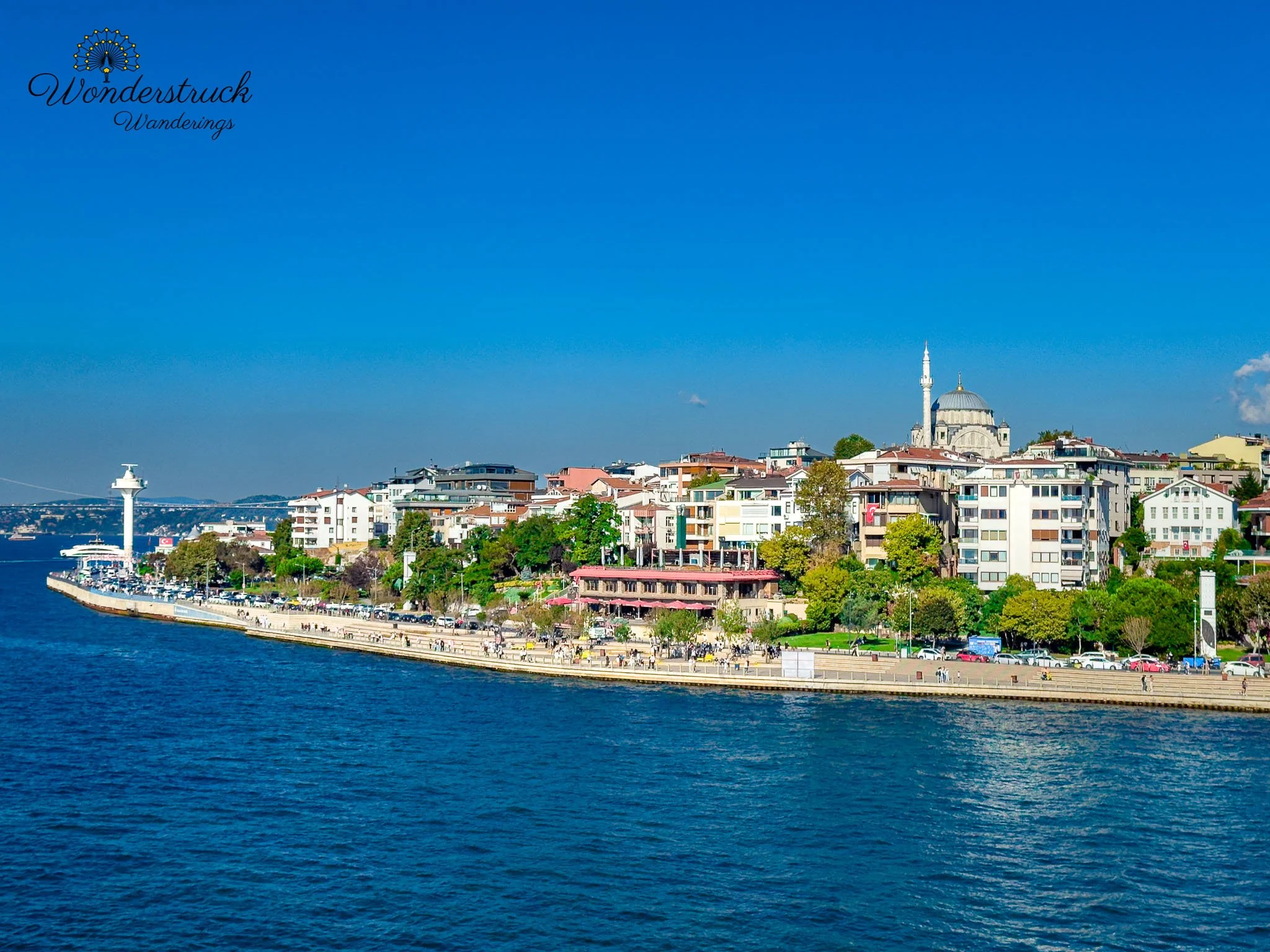
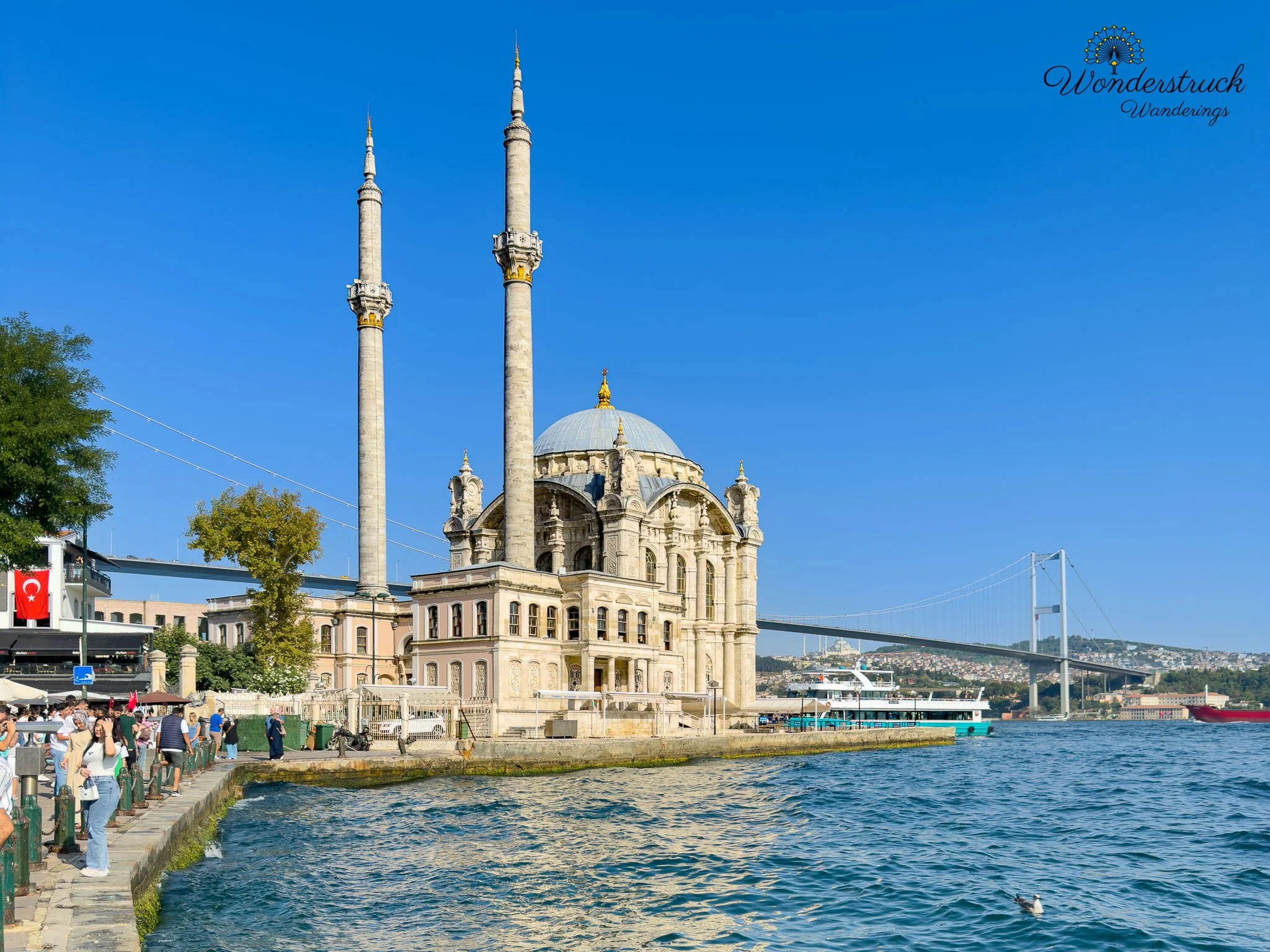
Ortaköy Mosque area — 45–75 minutes
One of the prettiest waterfront scenes in the city, especially with the bridge behind it. Perfect as a quick stop paired with a Bosphorus-side lunch or snack.
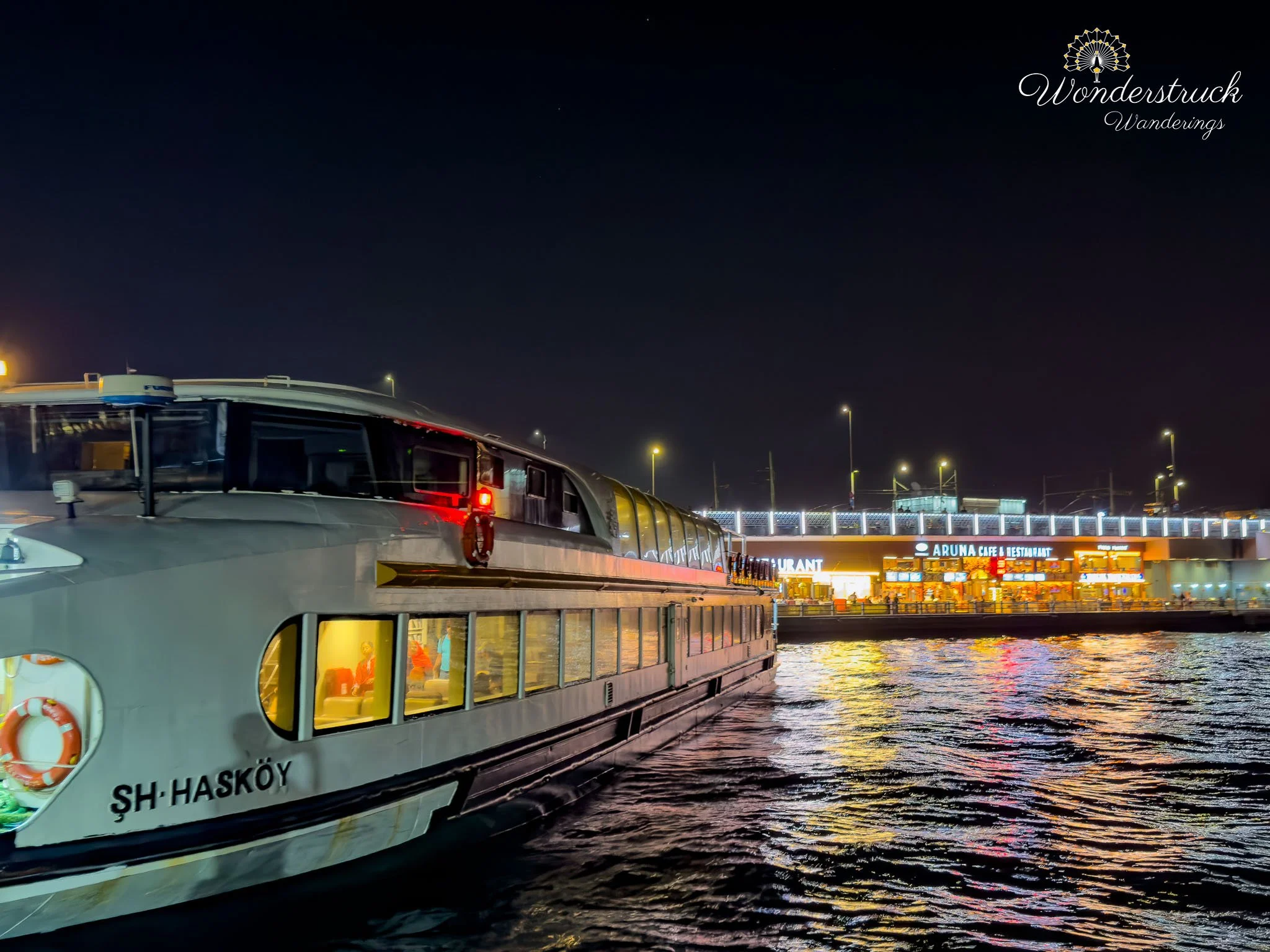
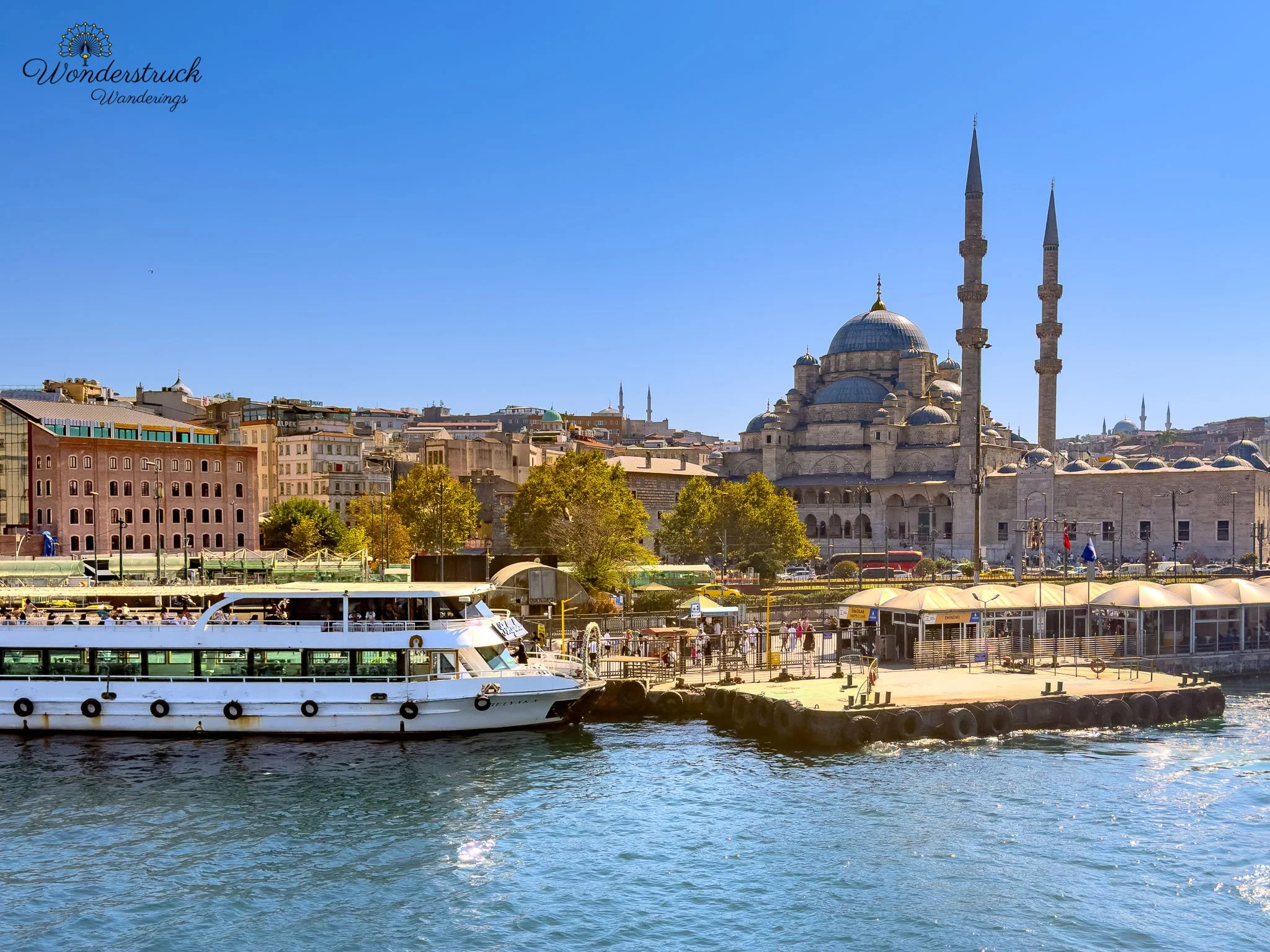
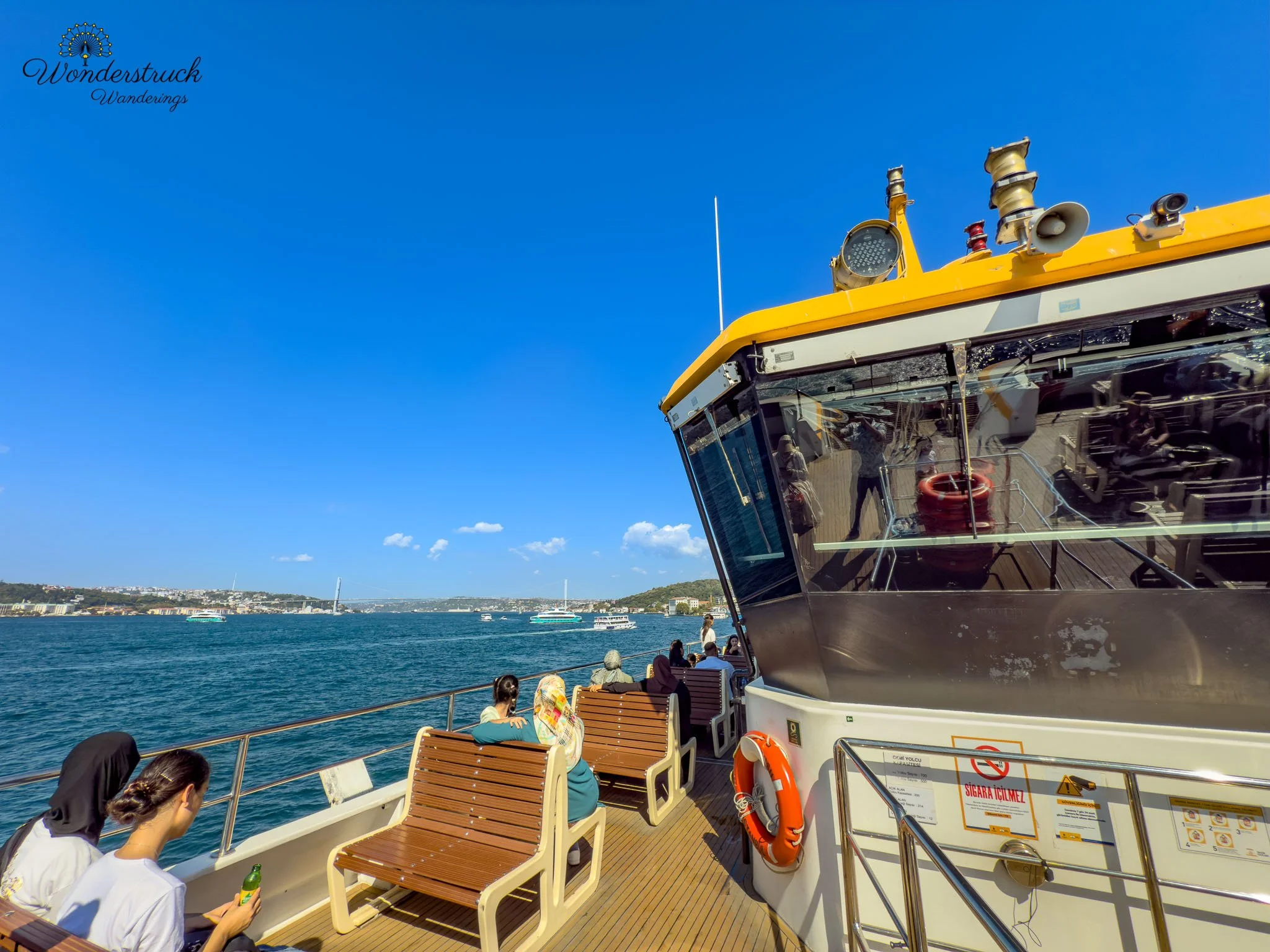
A Bosphorus sunset cruise is one of Istanbul’s best “wow” moments—palaces, mosques, bridges, and waterfront mansions sliding past as the skyline turns gold, then lights up. Plan 2–2.5 hours, plus ~30 minutes for getting to the pier and boarding (often Eminönü or Kabataş). Arrive a bit early for an outdoor seat and bring a light layer—the wind can be chilly.
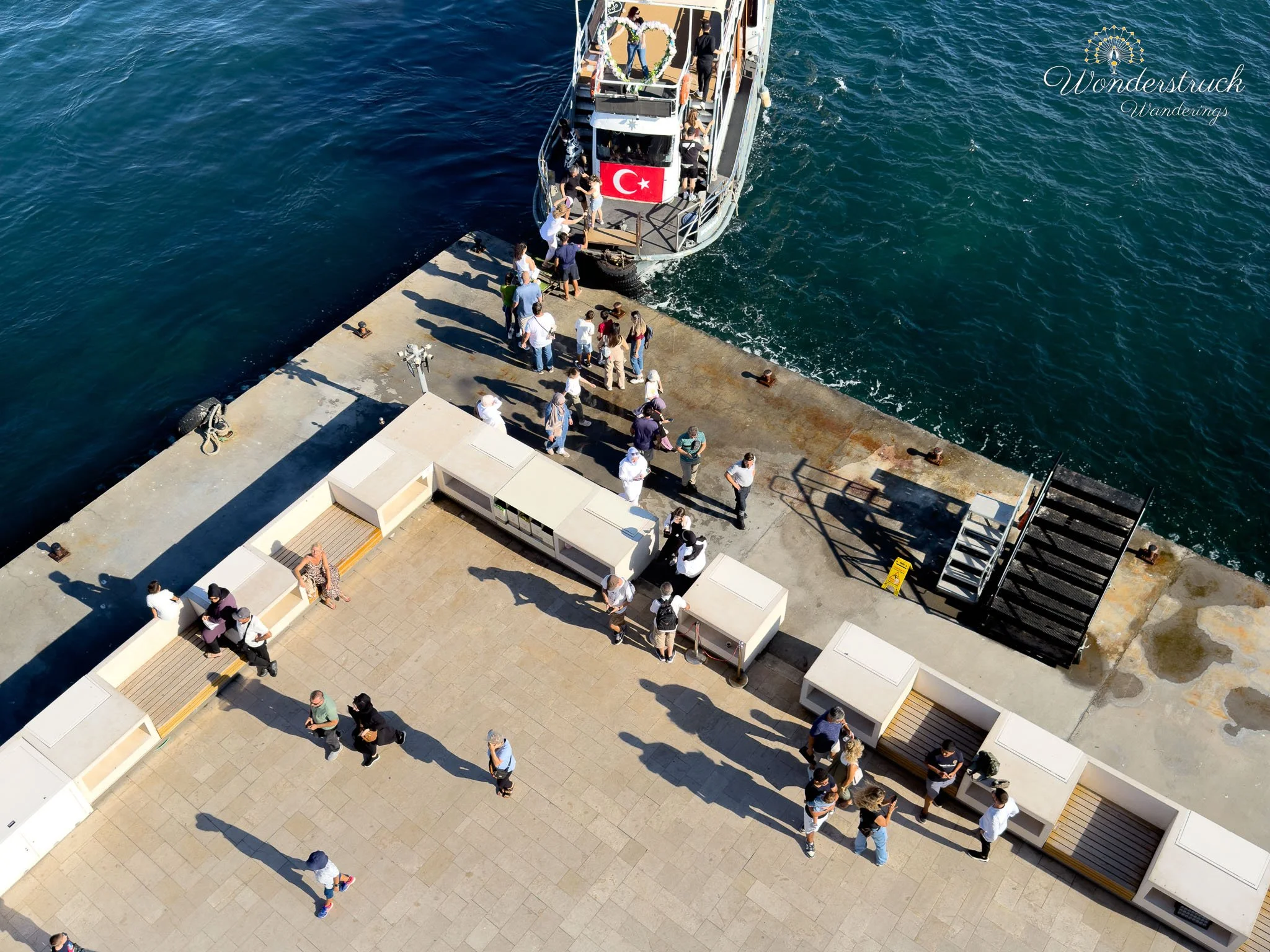
Şehir Hatları ferry ride (Eminönü ↔ Üsküdar/Kadıköy) — 20–40 minutes per ride (add buffer)
The best cheap experience in Istanbul. Treat it like an attraction: grab a spot outside, watch the skyline shift, and let the city do the work.
Asian side
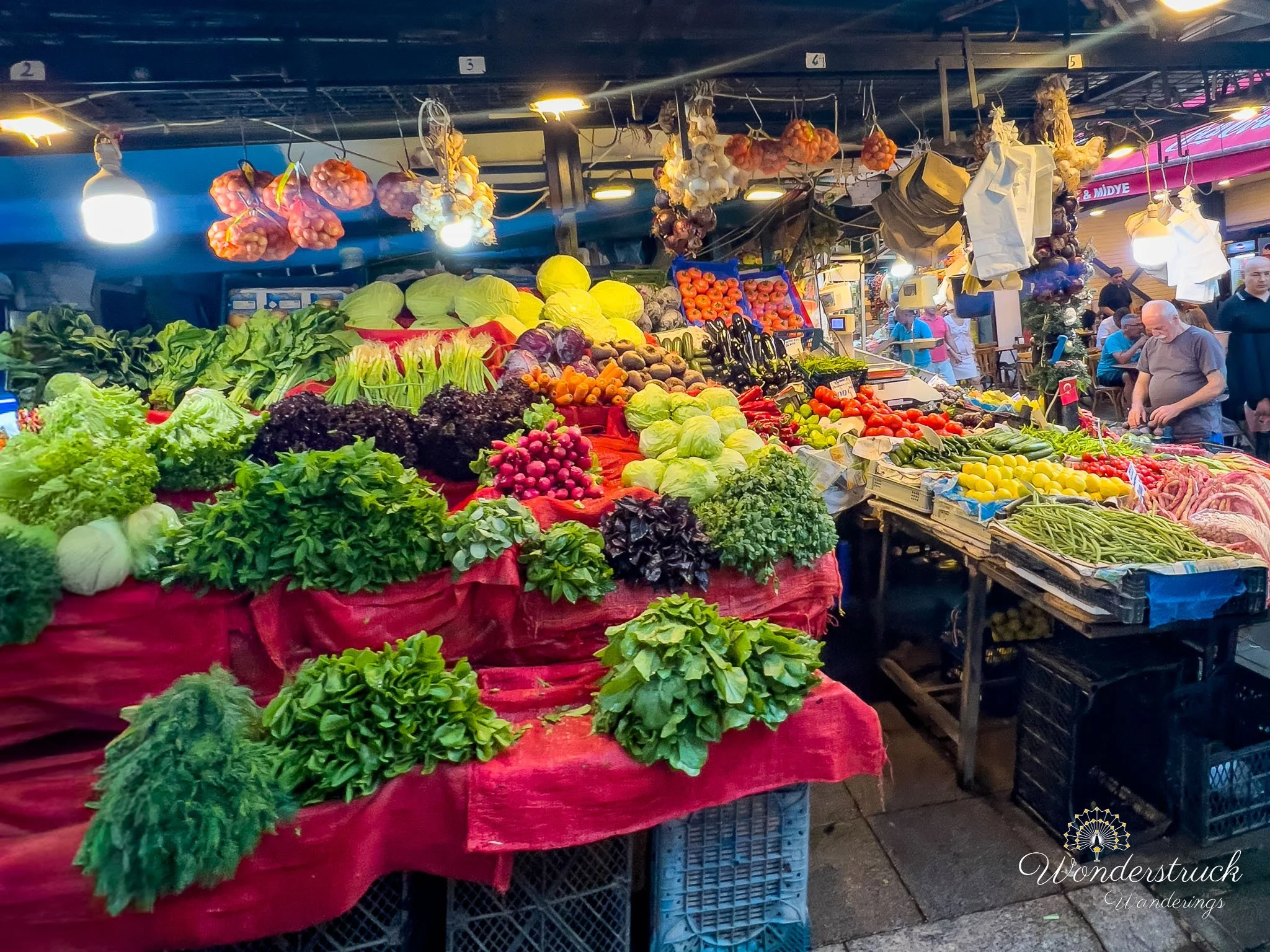
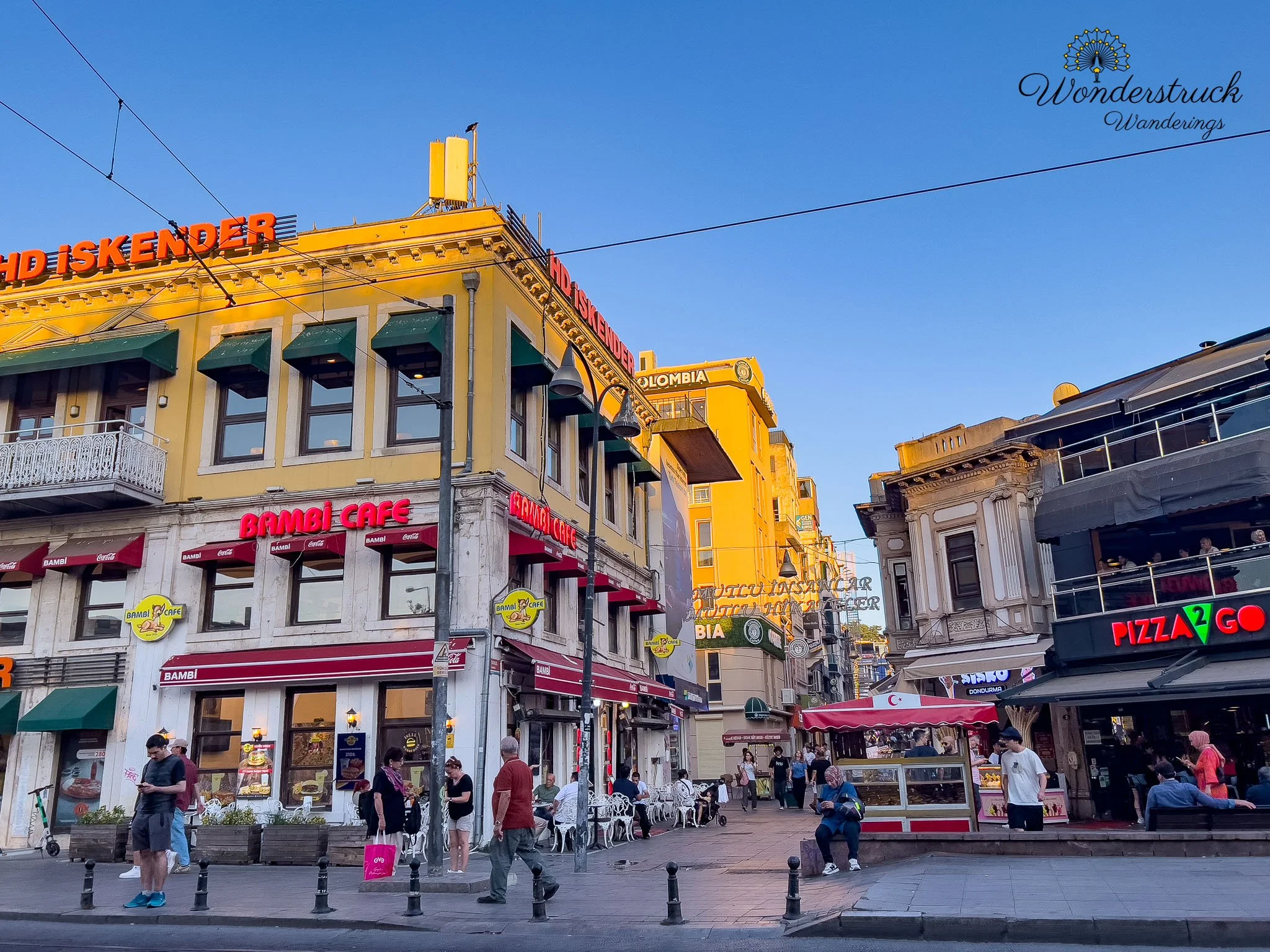
Kadıköy market streets — 1–2.5 hours
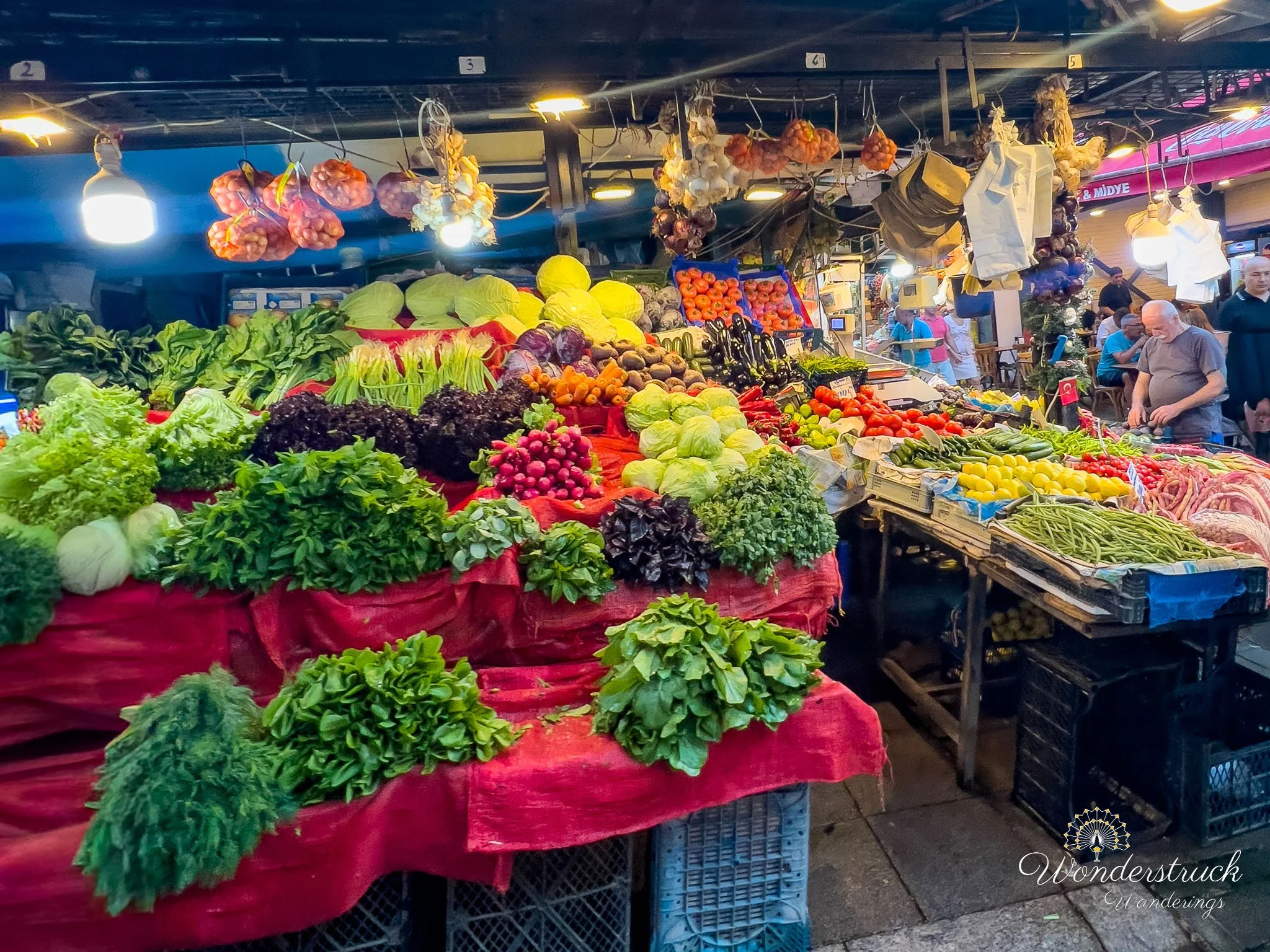
Food-forward wandering: fish counters, spice shops, bakeries, casual eats. Great for a “real Istanbul” feeling and unplanned snacking.
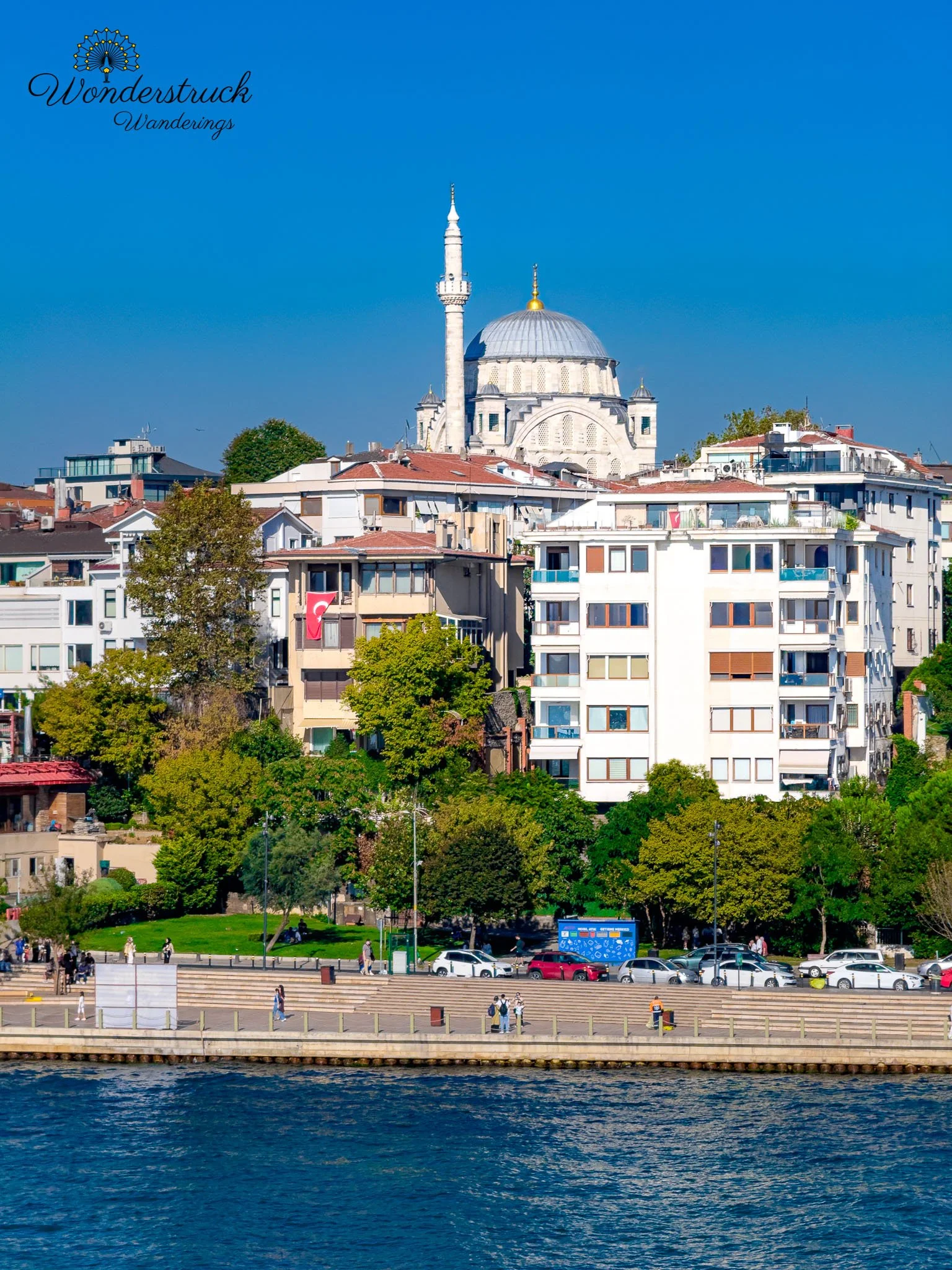
Kadıköy waterfront — 45–90 minutes
Come for the stroll, stay for dinner—this is where Istanbul slows down and feels local.
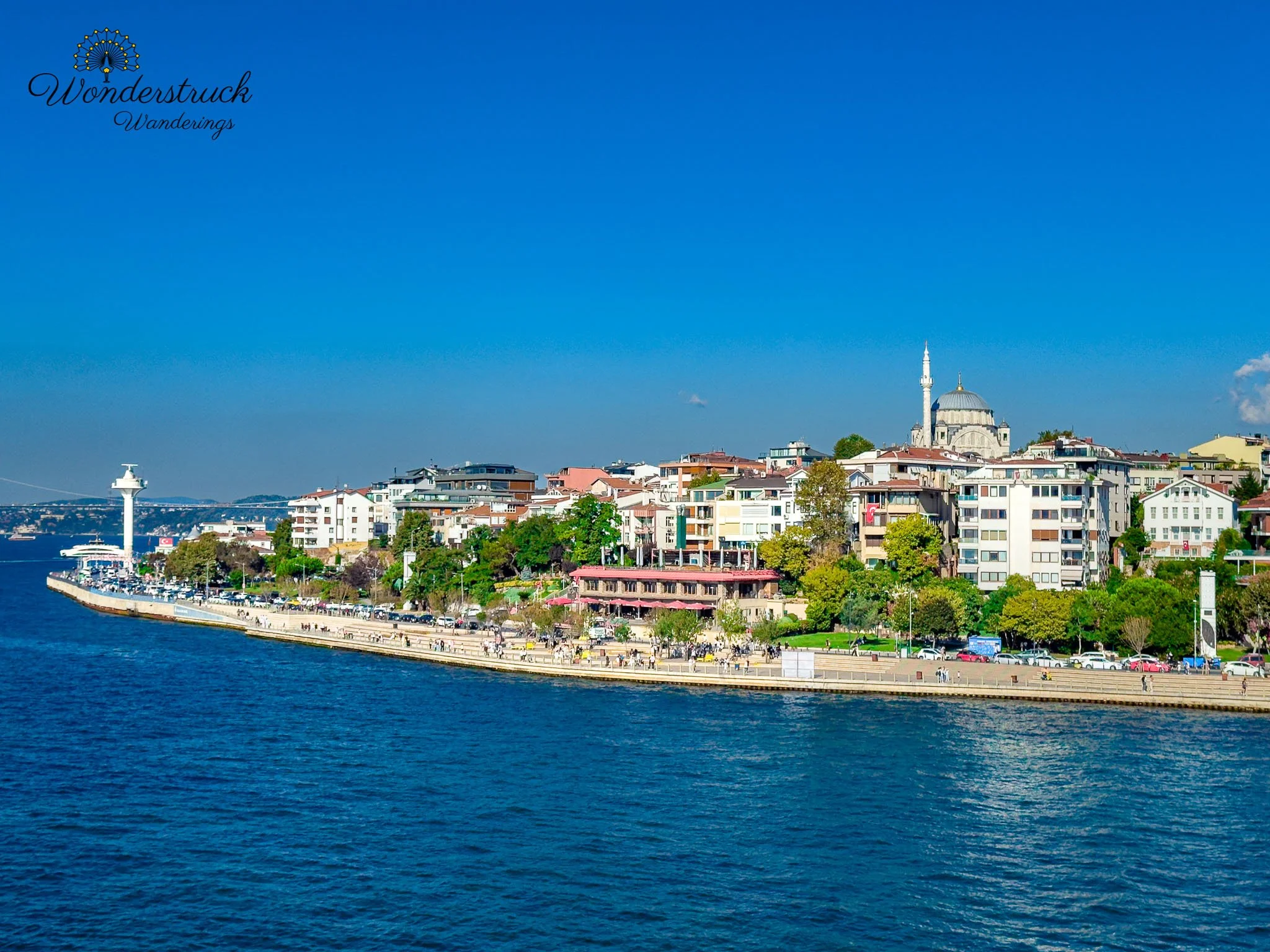
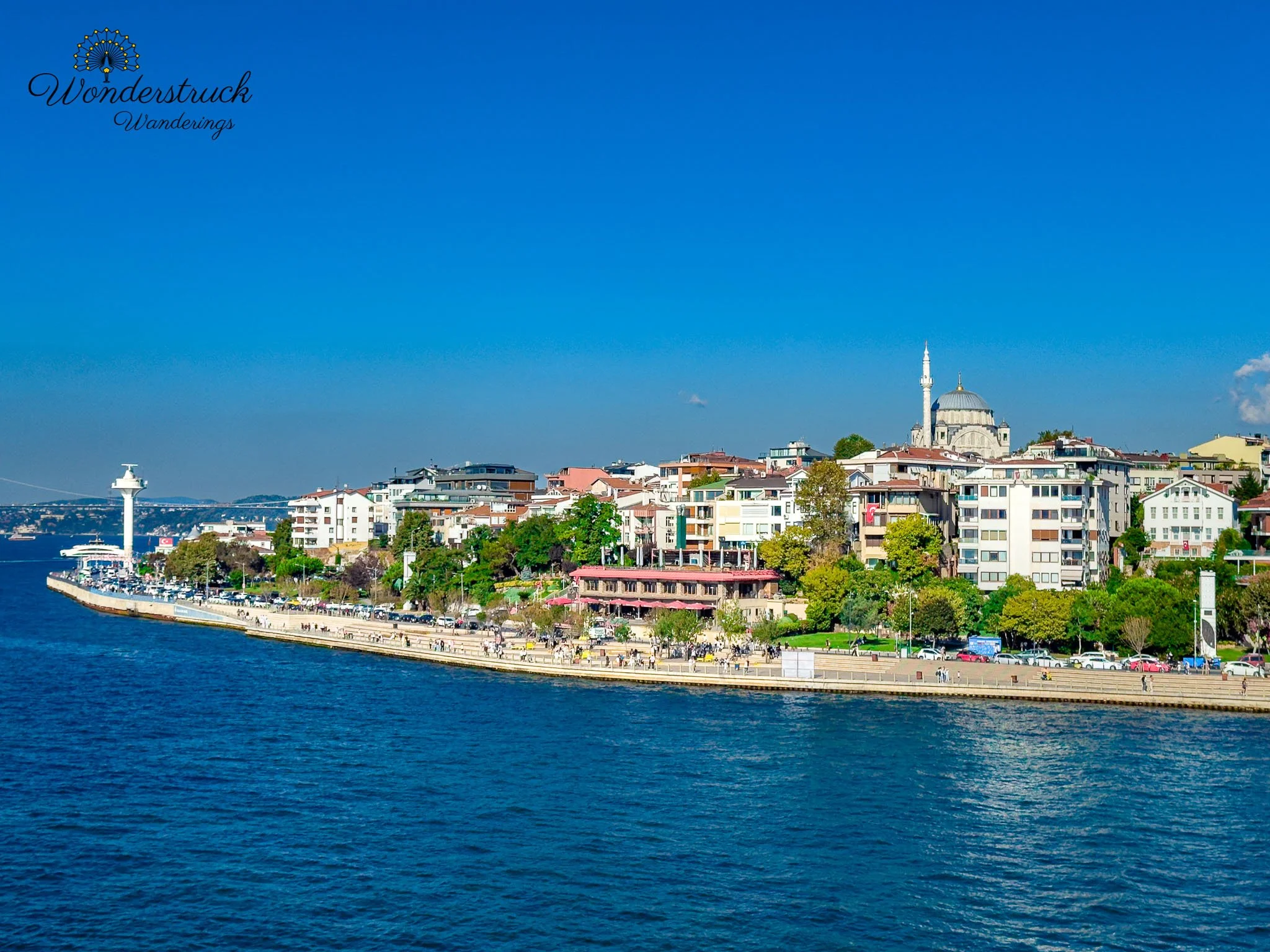
Üsküdar promenade — 45–75 minutes (sunset = longer)
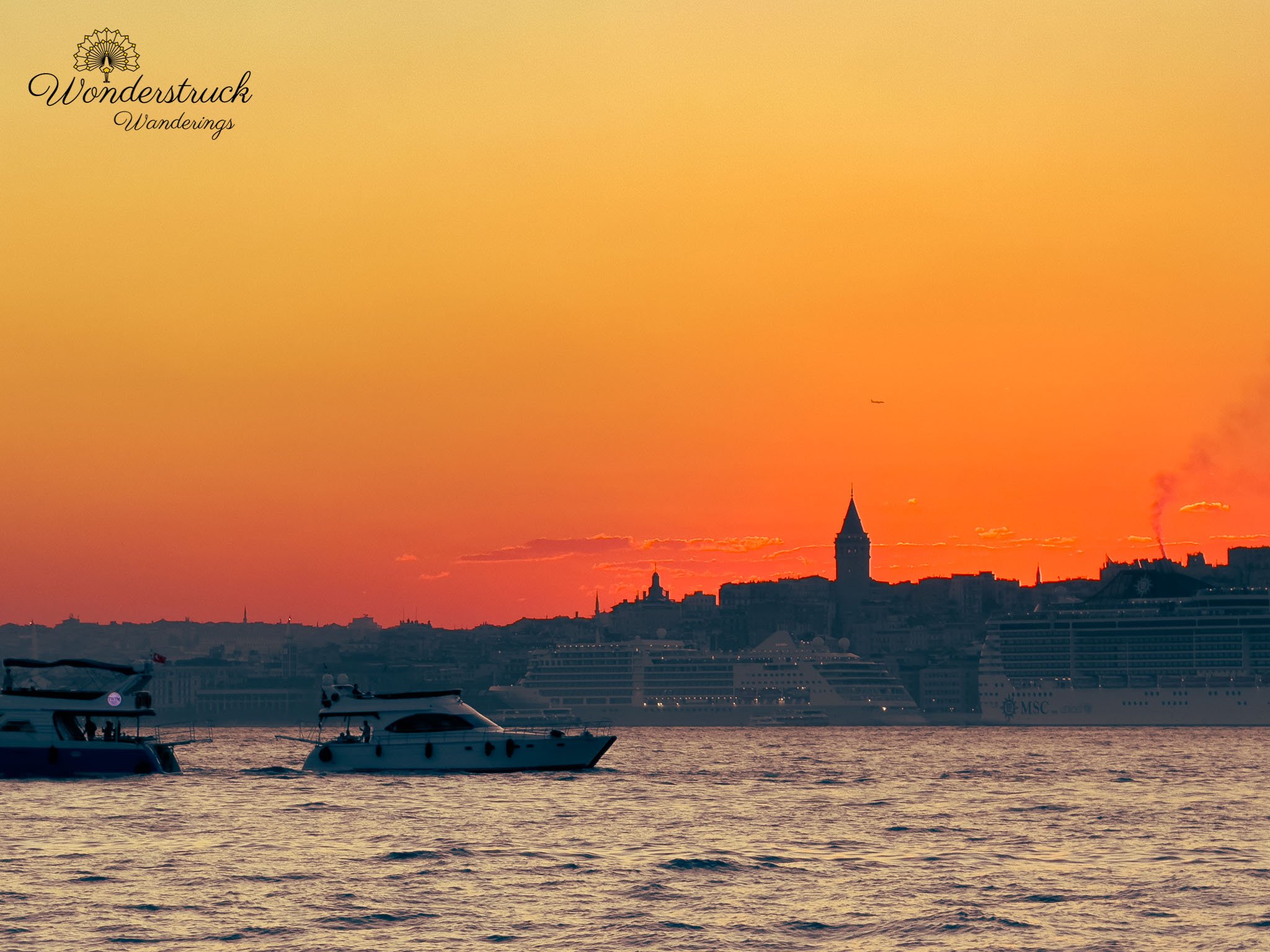
One of the best skyline viewpoints looking back at Hagia Sophia and Galata. Come at golden hour and you’ll understand why people linger.
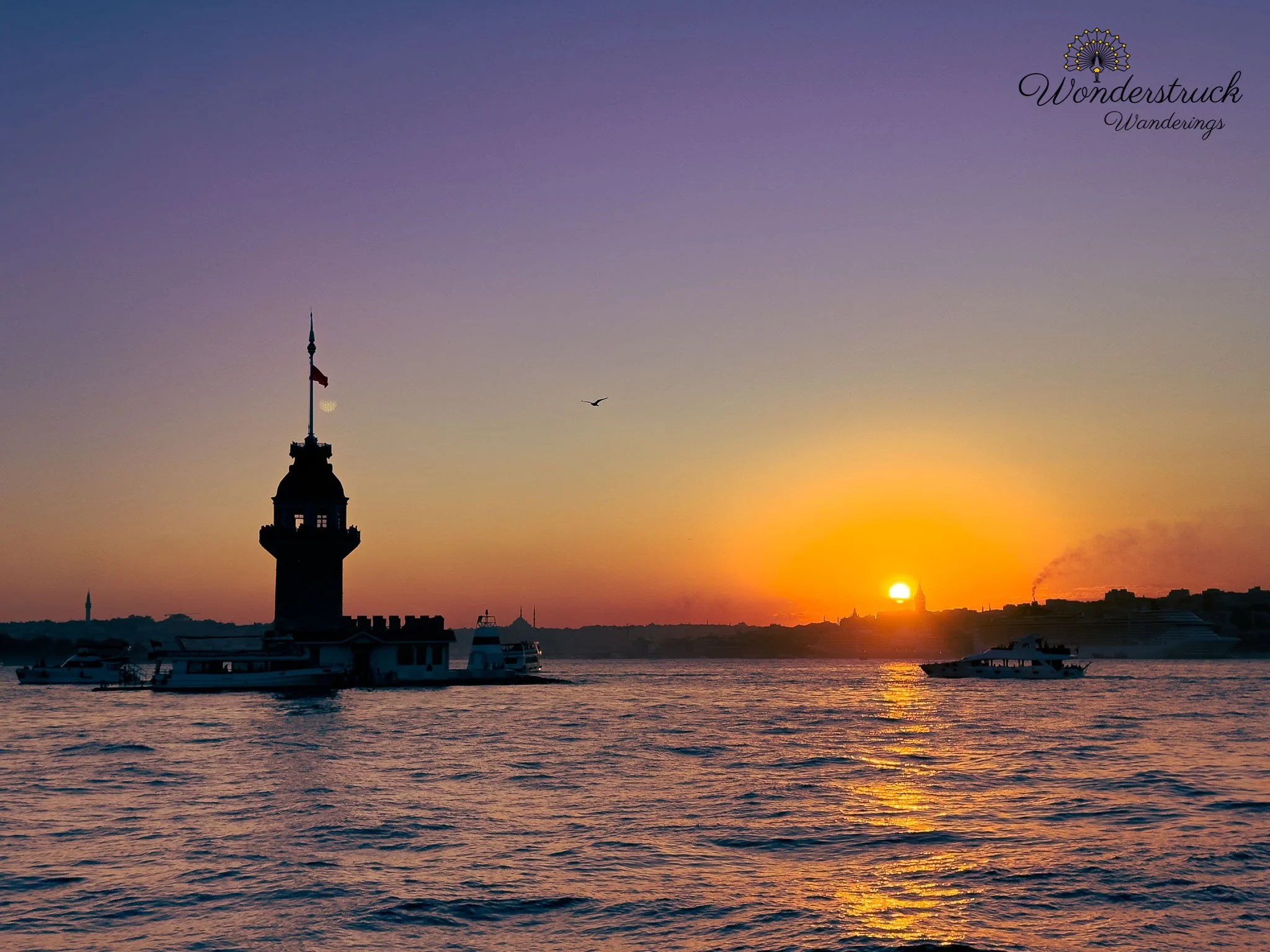
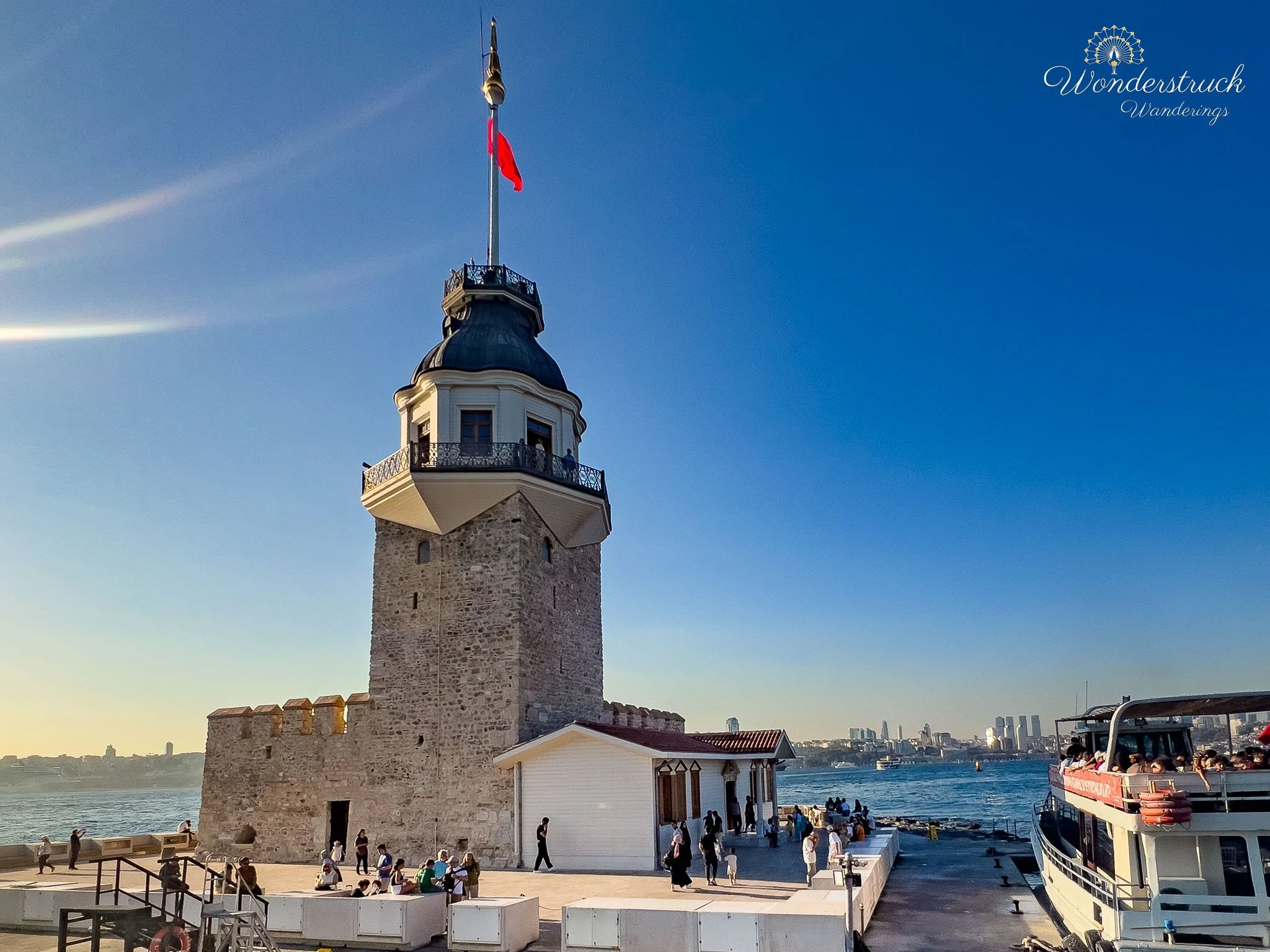
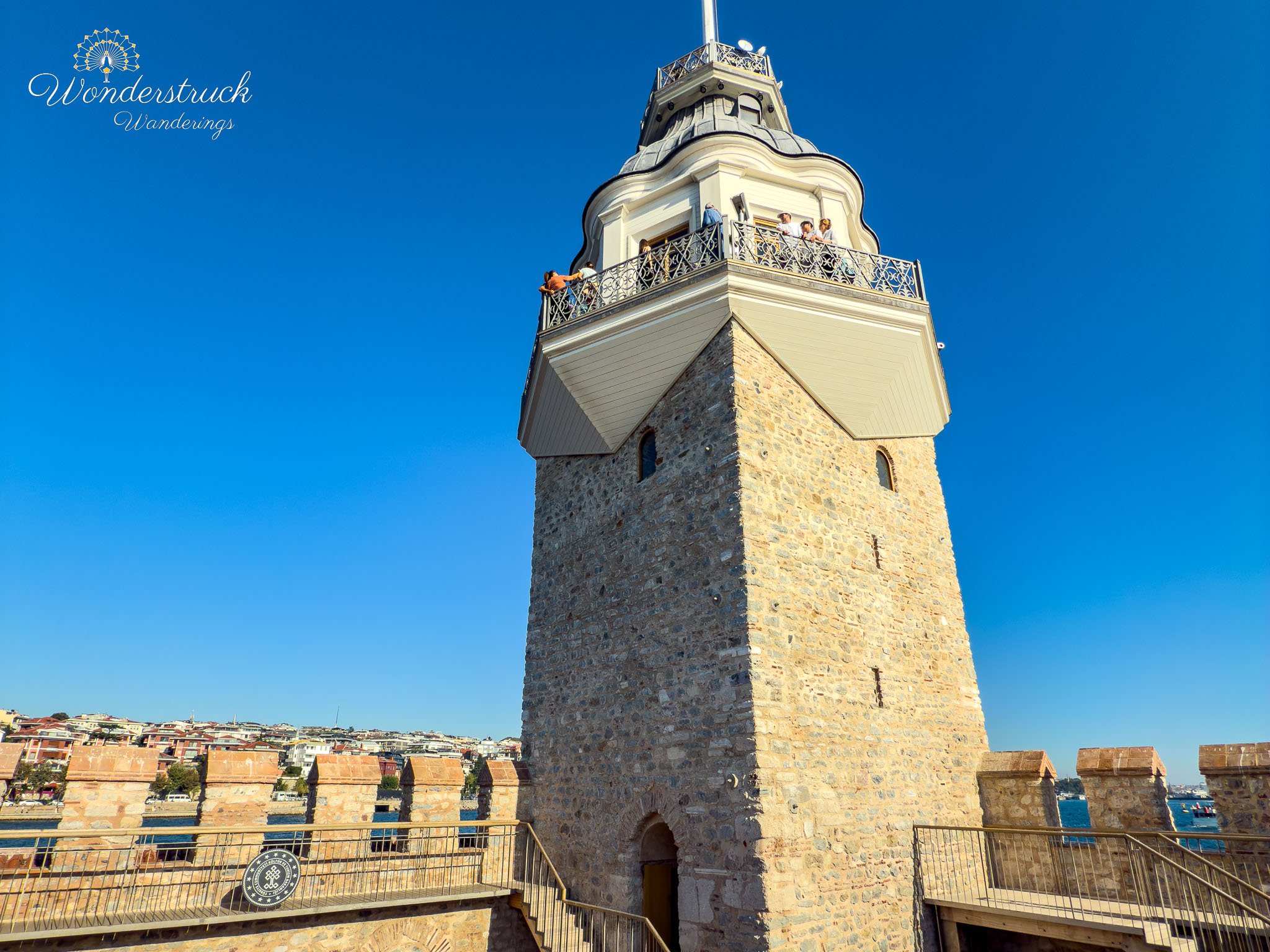
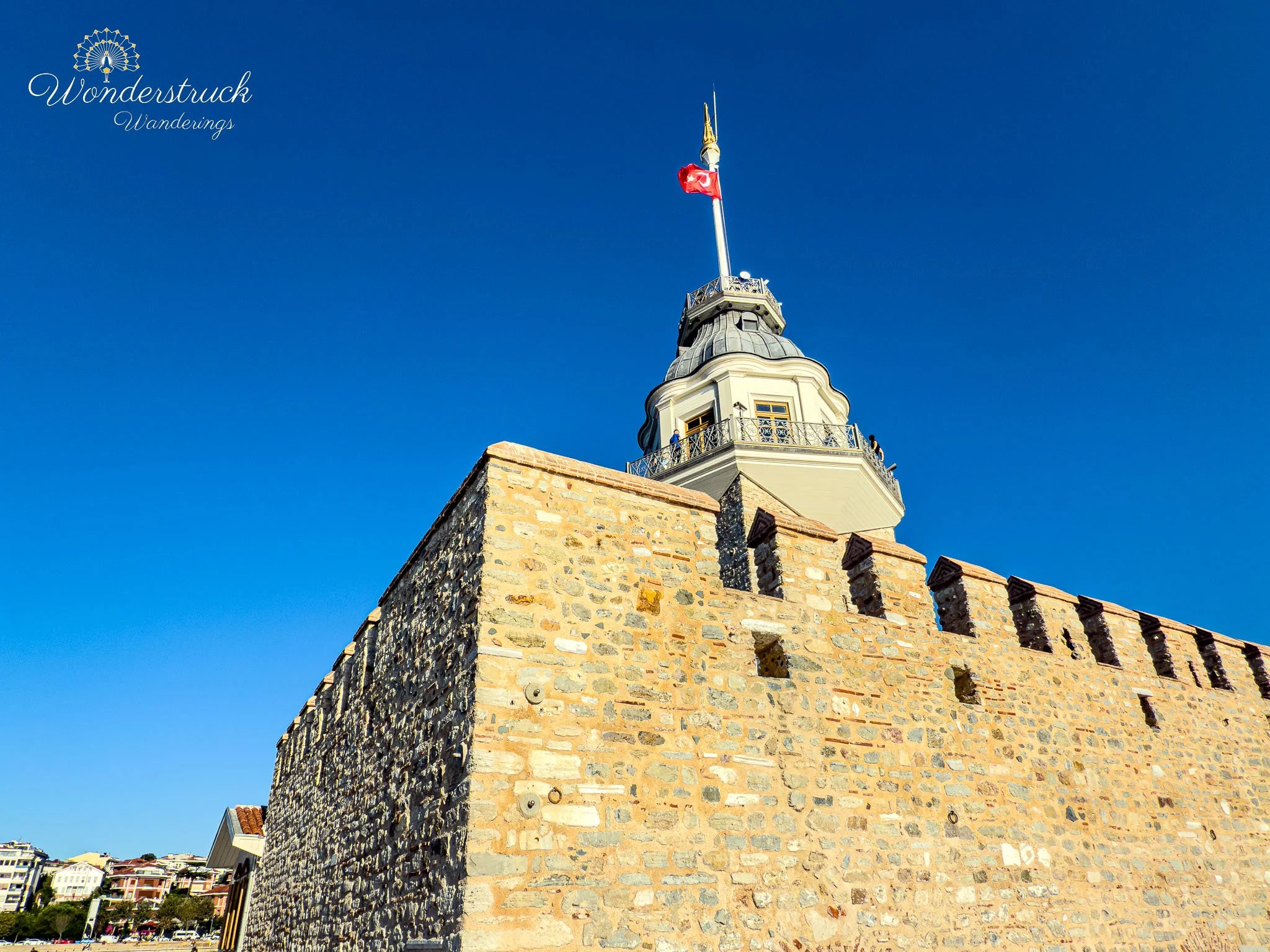
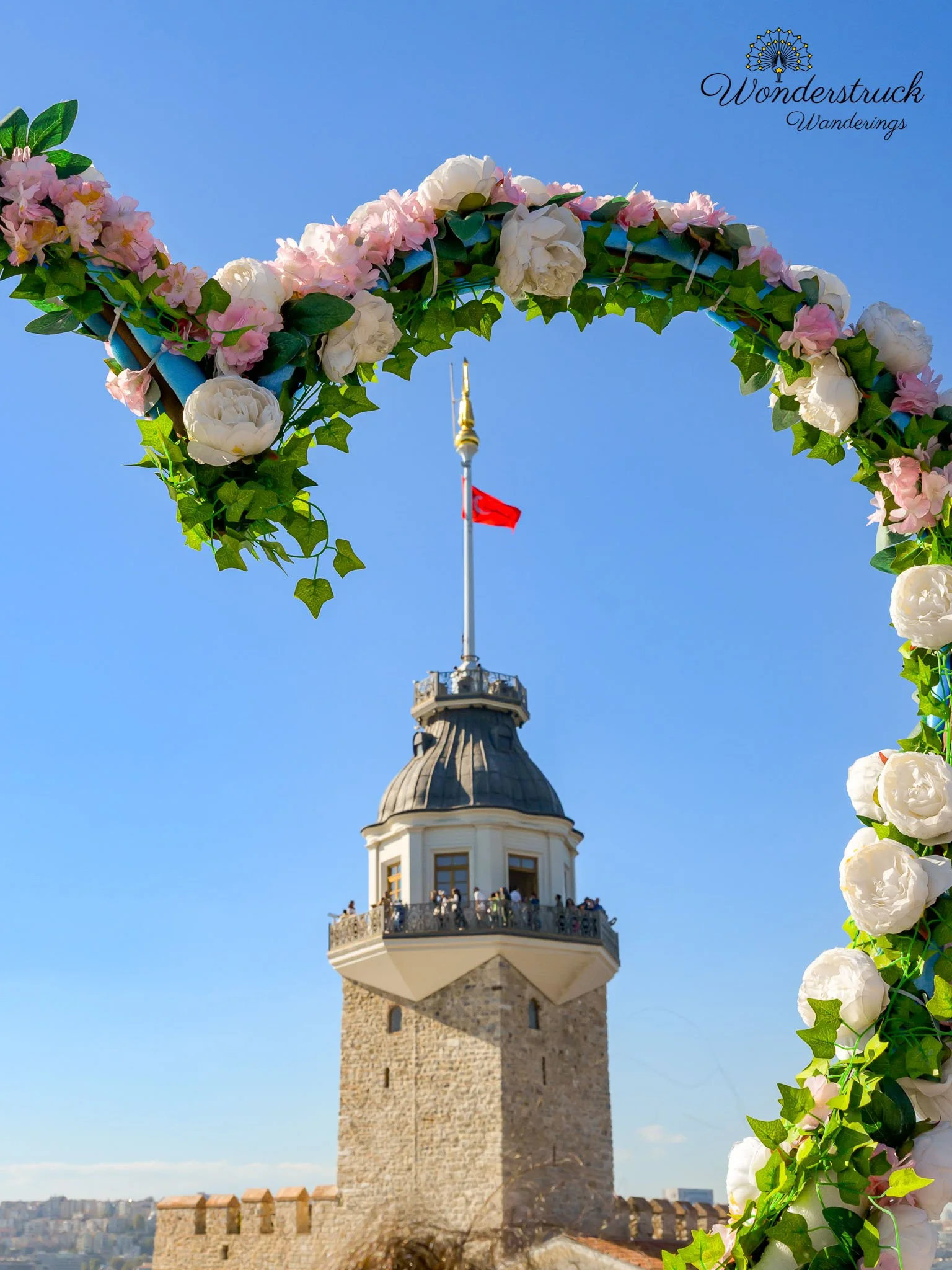
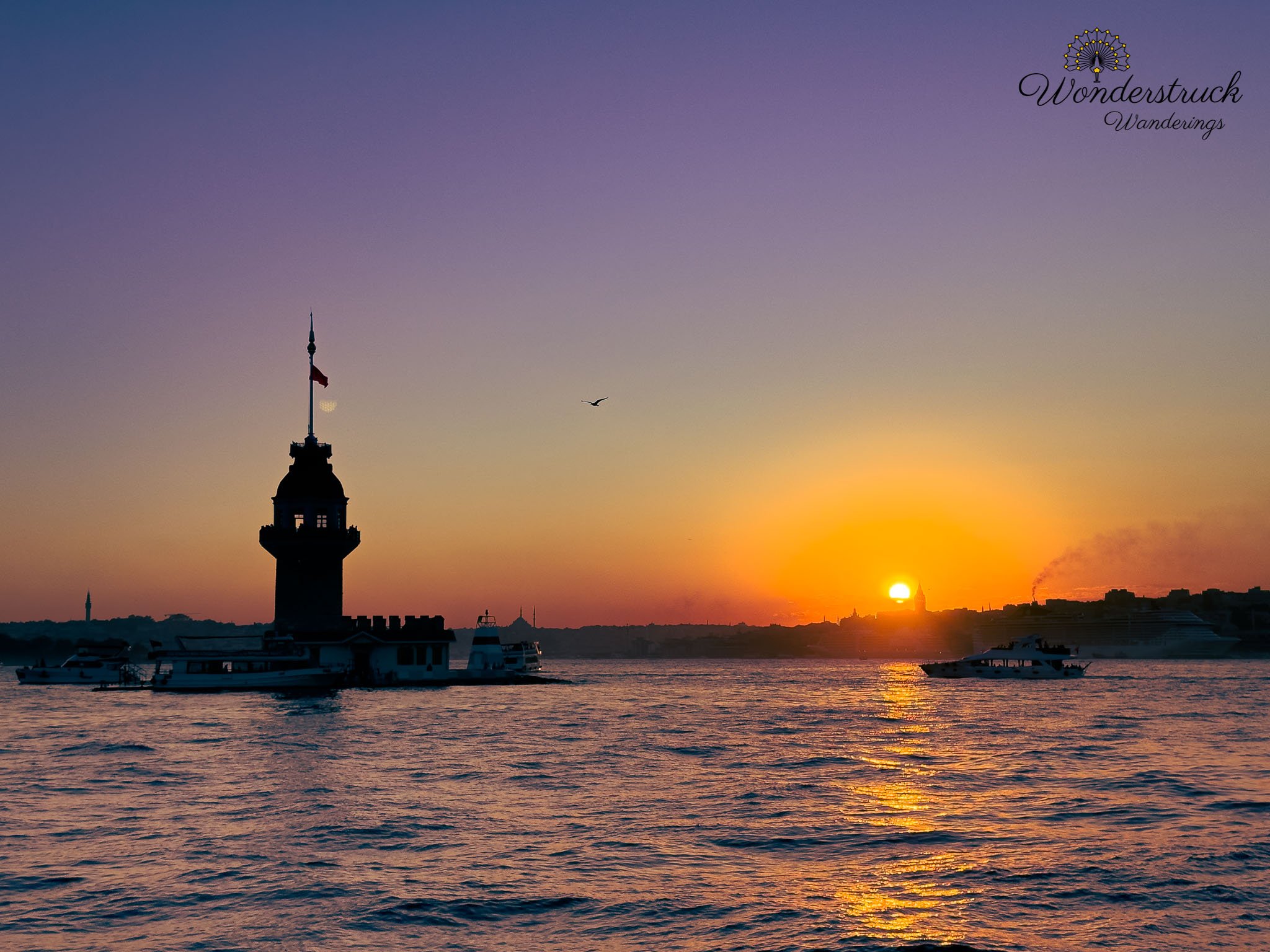
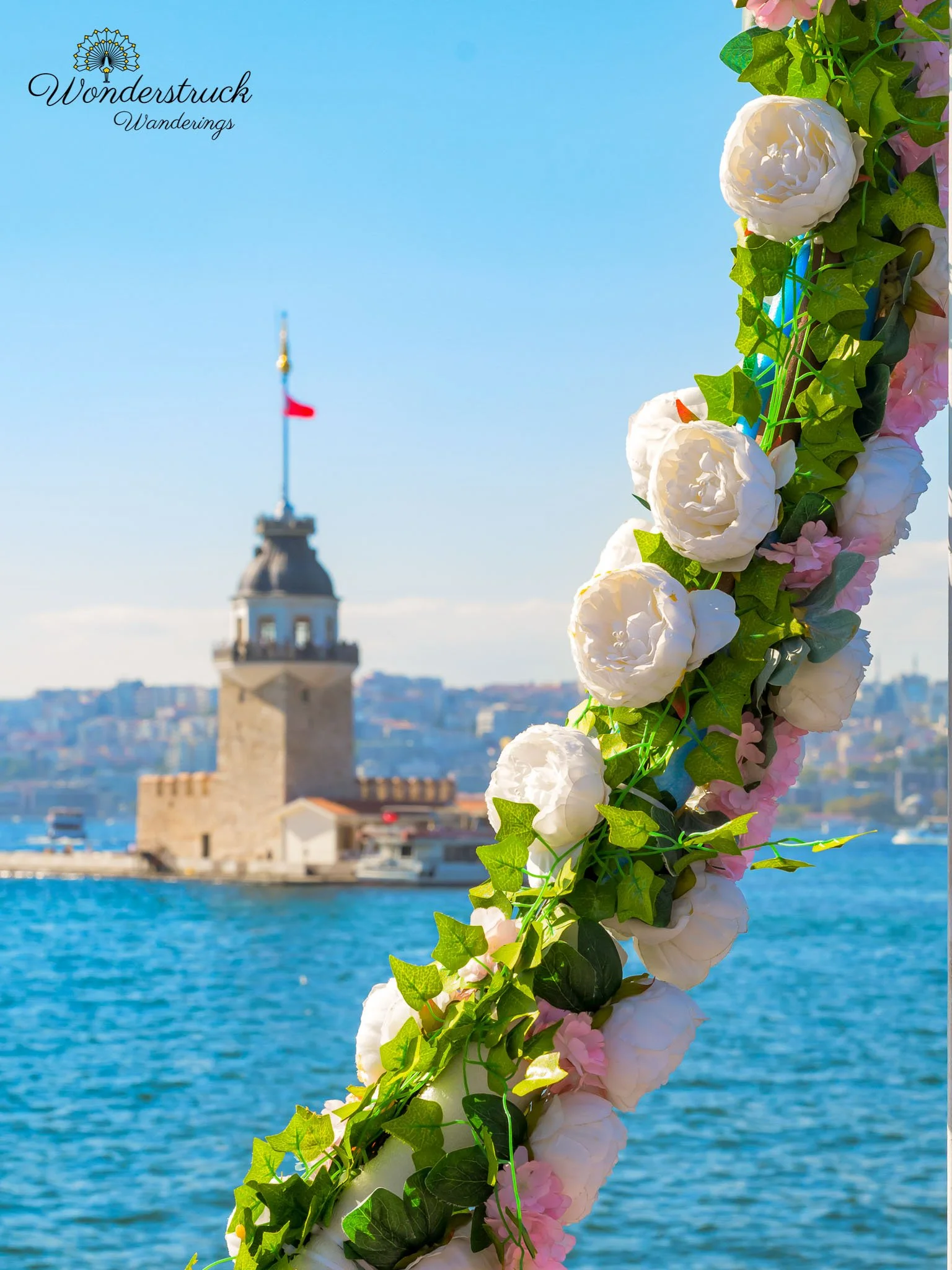
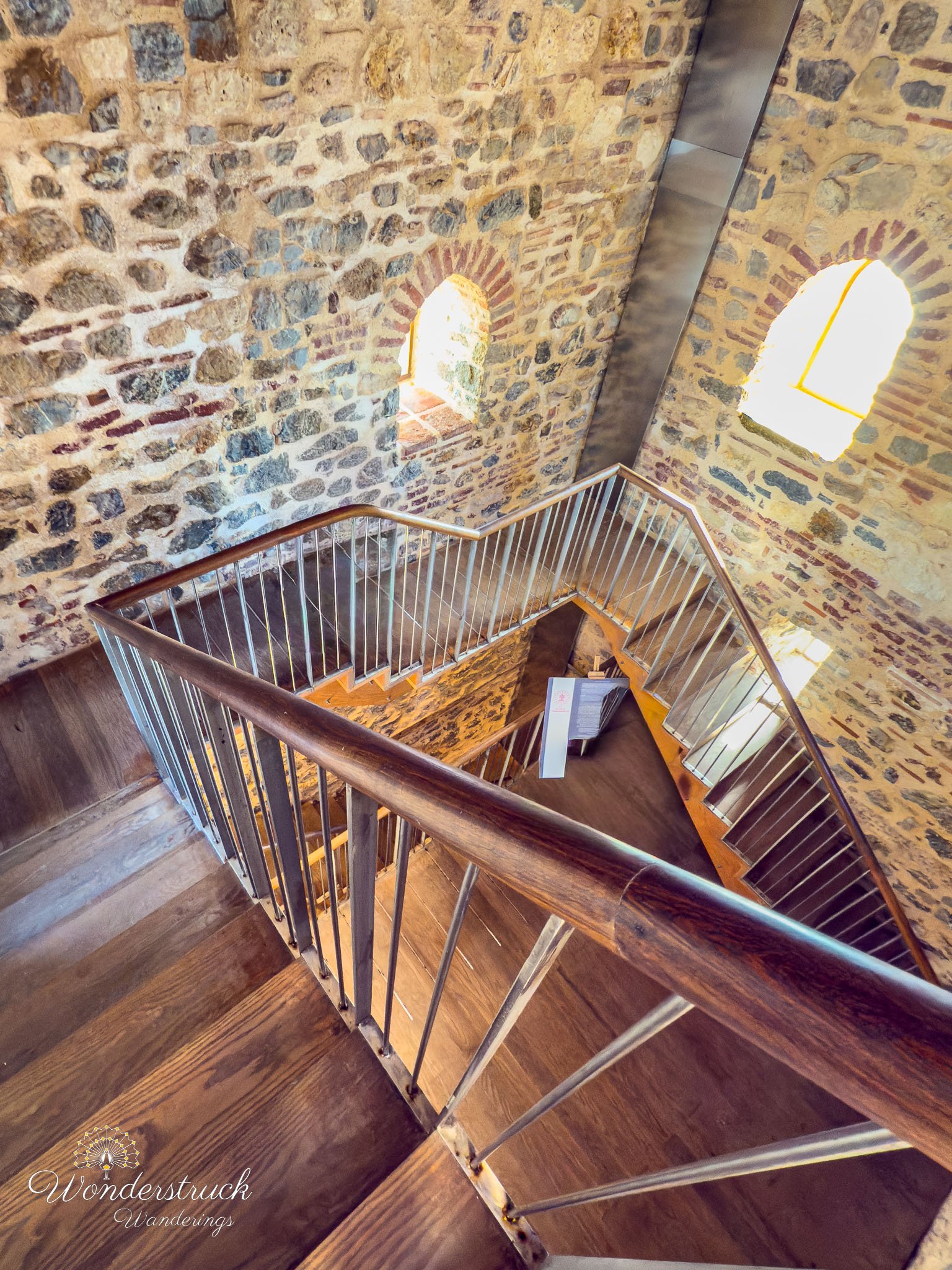
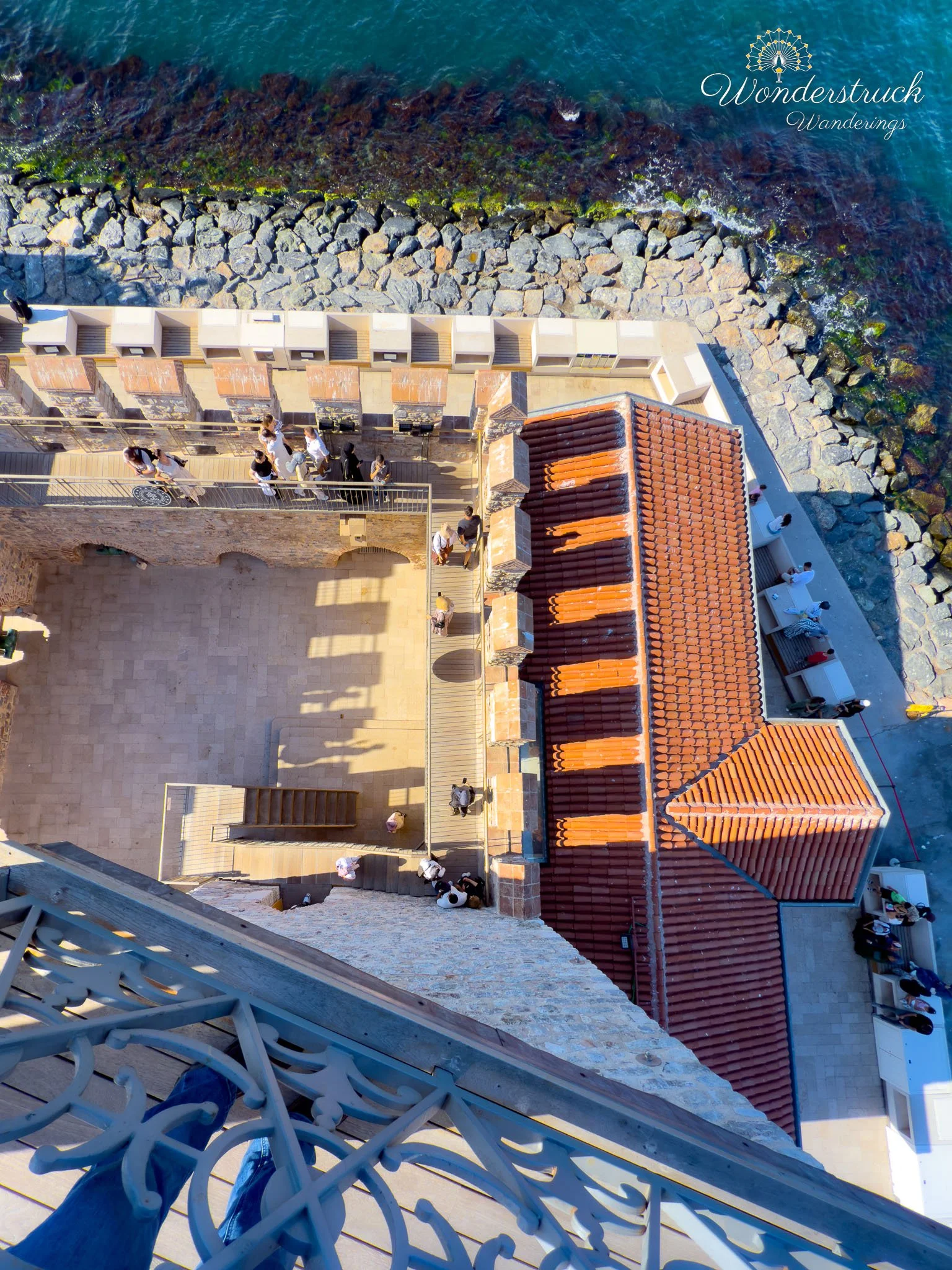
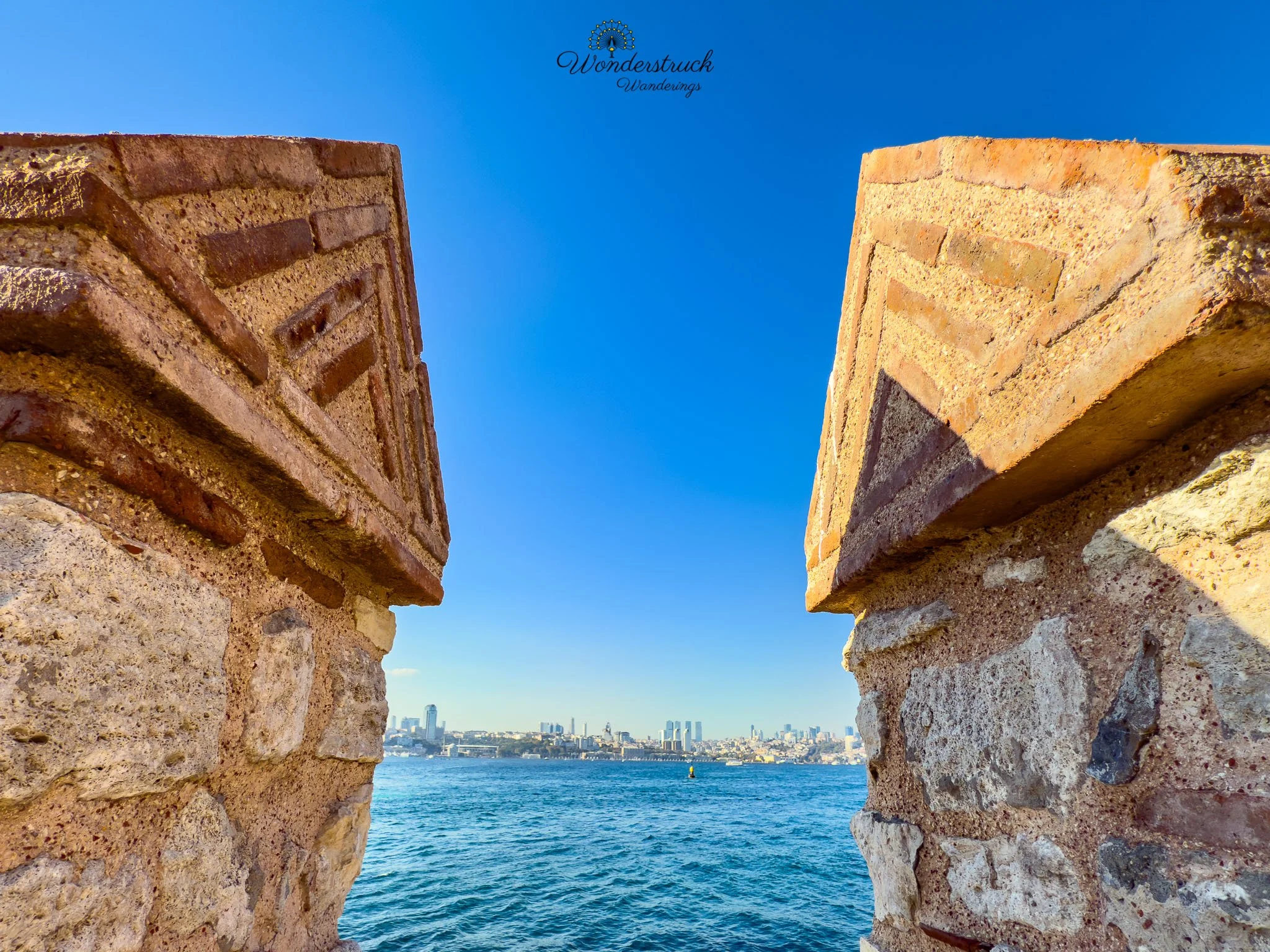
Maiden’s Tower (Kız Kulesi)— 60–120 minutes
Whether you go onto the tower or just admire it from the shore, it’s an iconic Istanbul scene. Pair it with Üsküdar time for an easy, scenic afternoon.
Small add-ons
Çorlulu Ali Paşa Medresesi (tea/coffee courtyard) — 30–60 minutes
A quiet courtyard under domes—perfect reset between sights. Ideal for Turkish coffee, tea, and shisha at slower pace.
Nuruosmaniye Mosque (by the Grand Bazaar) — 20–40 minutes
A serene, elegant mosque with Ottoman Baroque flair—excellent when you want a calm counterbalance to bazaar chaos.
A rooftop at golden hour (Seven Hills / Galata terraces) — 60–120 minutes
Not optional if you love photography. Build it into your plan like an attraction: arrive early, claim a view, and let the light do the rest.
Beylerbeyi Palace - a graceful 19th-century Ottoman summer palace on the asian side of the Bosphorus, prized for its elegant interiors and quieter, less crowded charm.
Zeyrek Çinili Hamam + Museum — A off the beaten path choice if you want a historic haman ( turkish spa). The restored 16th-century hamam reopened recently, and the site now includes a museum with tile fragments, archaeological finds, and even a cistern revealed during restoration. We are not into spa’s so we skipped it.
Fener & Balat — Not exactly unknown anymore, but still one of the best places to see Istanbul beyond the imperial monuments. Go for steep lanes, old houses, churches, neighborhood cafés, and layered Greek, Jewish, and Armenian history.
Souvenir Suggestions
Istanbul is dangerous in the best way for souvenir shopping—because the city doesn’t just sell objects, it sells textures: hammered copper, painted ceramics, warm spices, and little talismans that somehow end up tucked into every pocket of your bag. Here’s what’s actually worth bringing home, plus the smartest places to shop and a few “don’t get burned” tips.
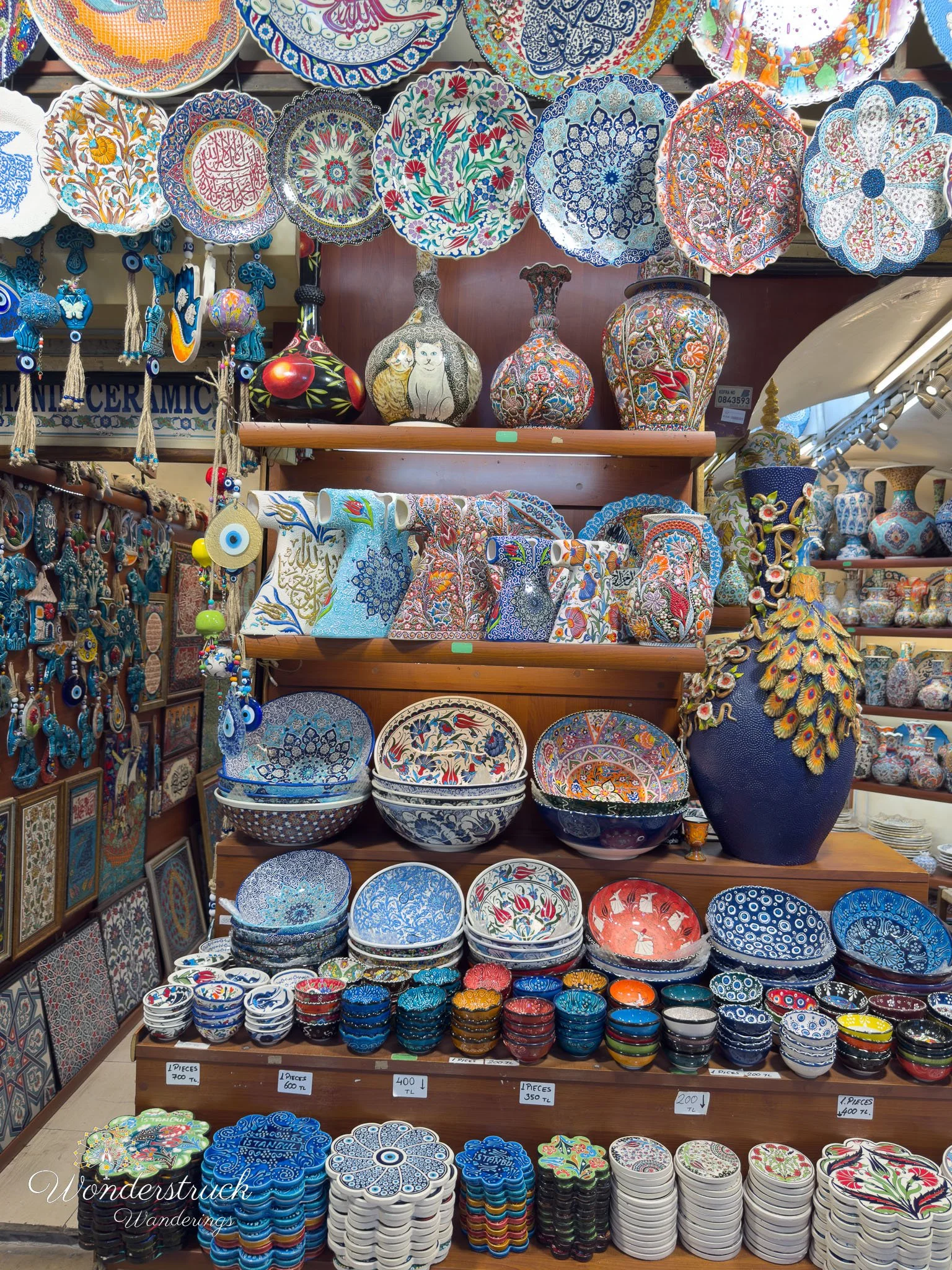
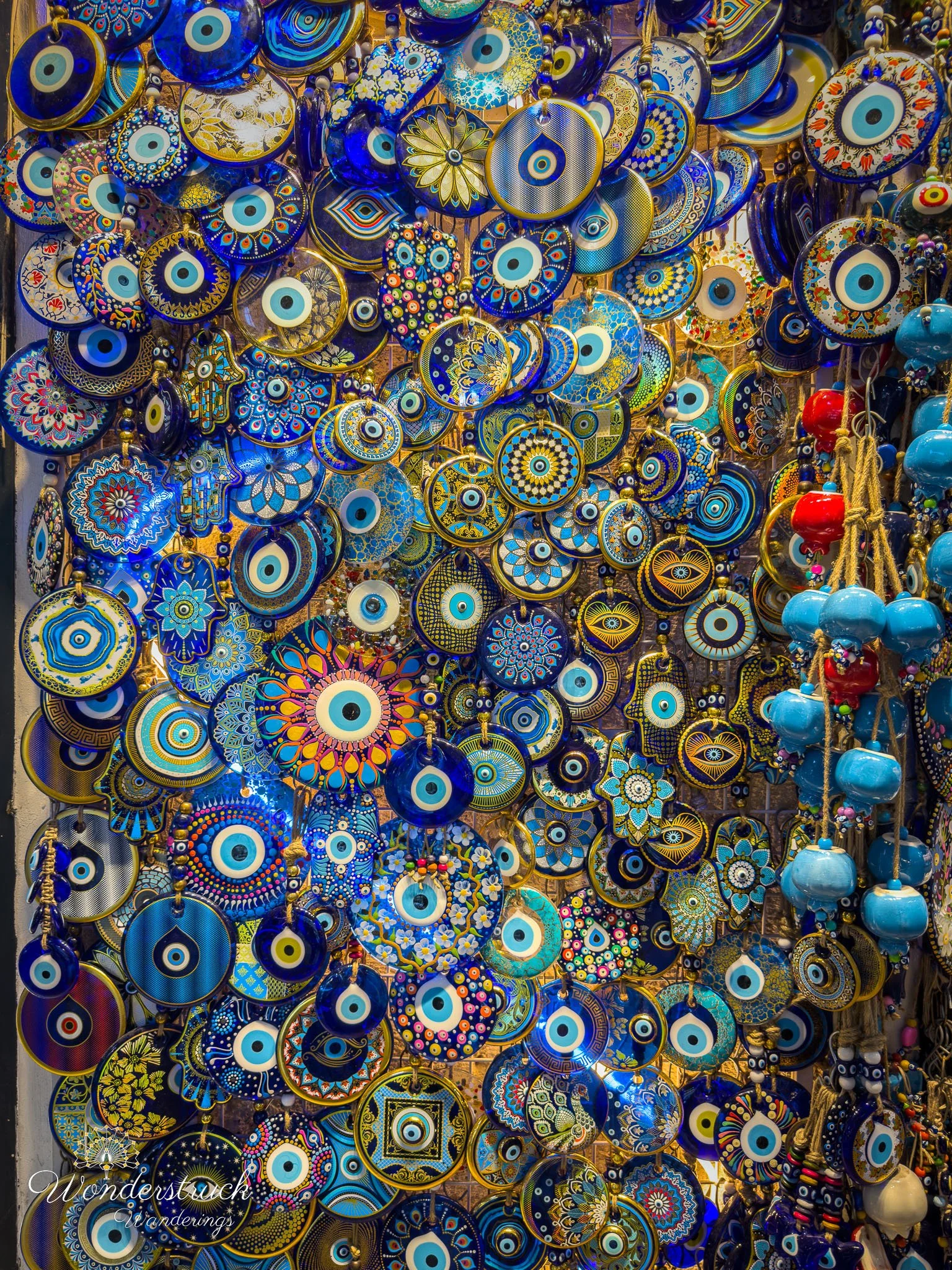
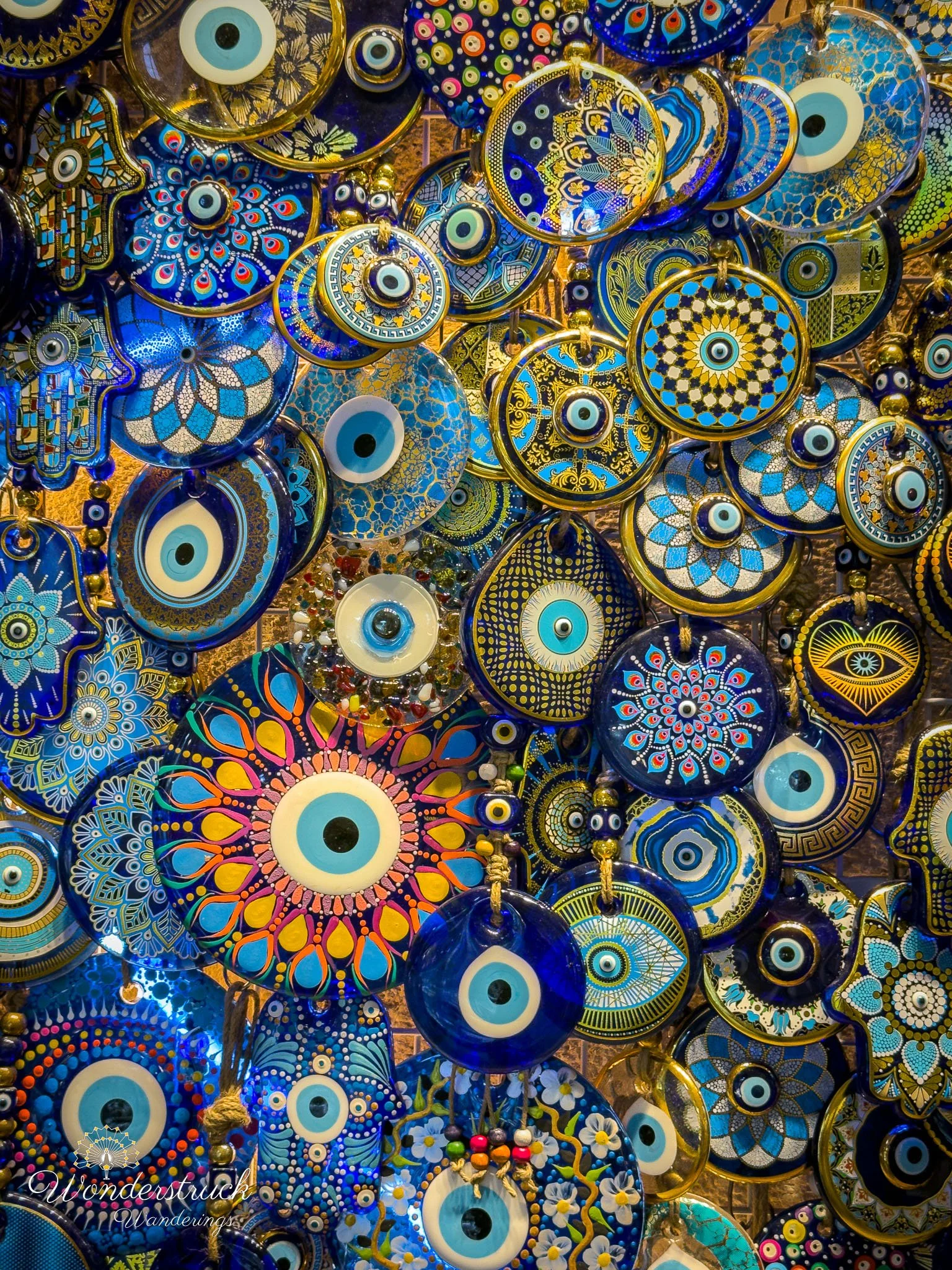
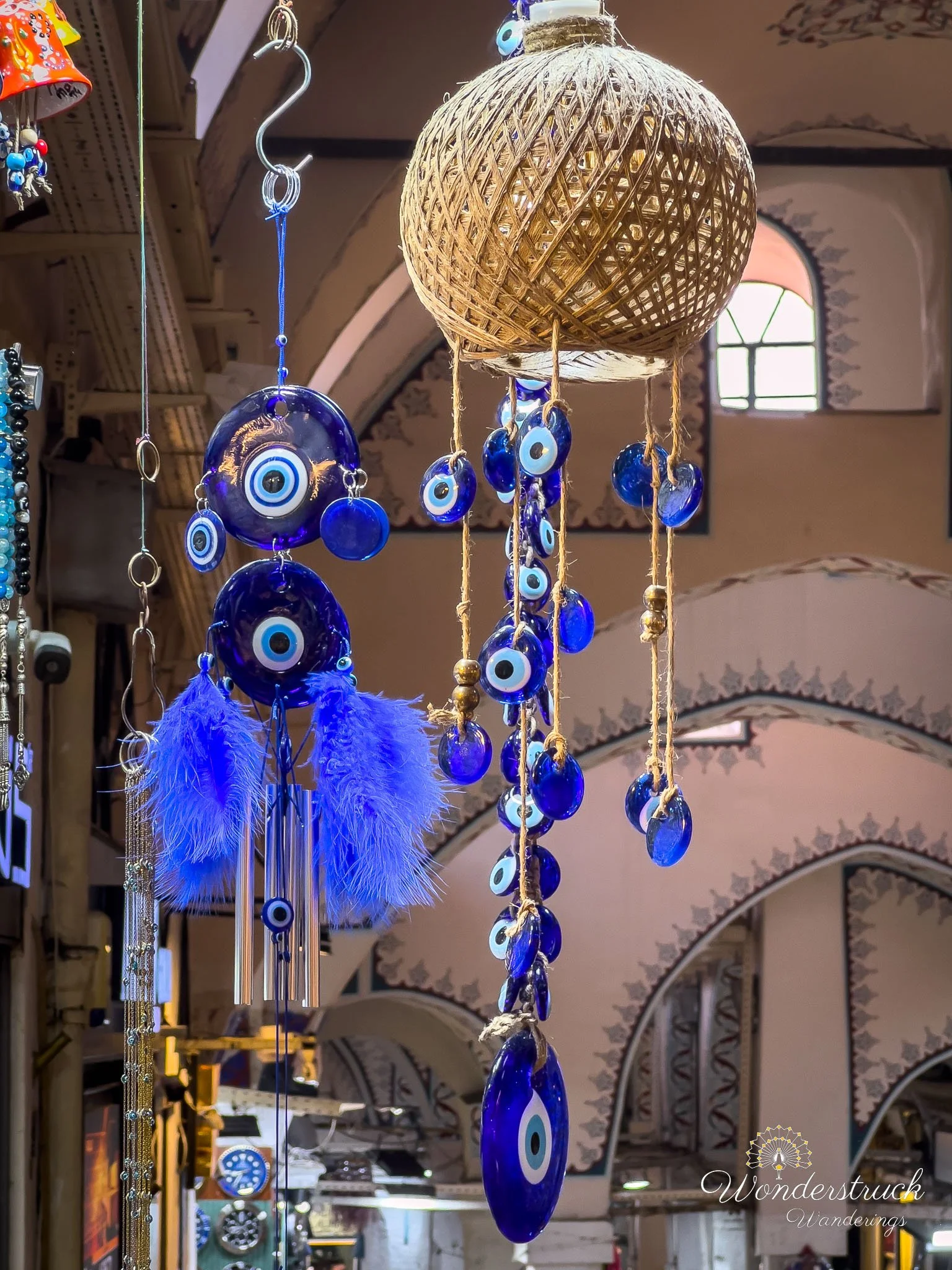
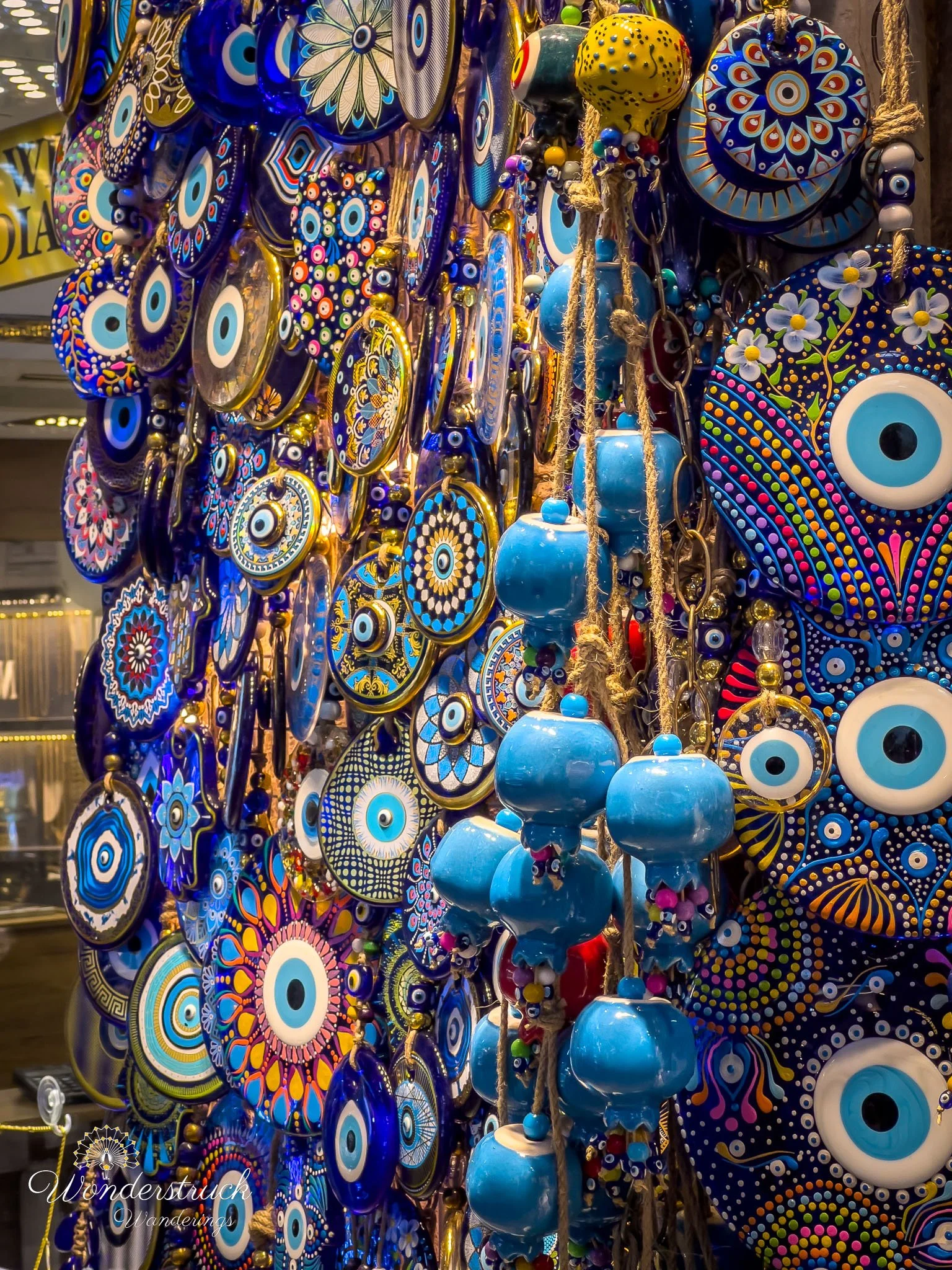
Nazar Boncuğu (Evil-Eye Charms) - Pick up small evil-eye souvenirs like keychains, bracelets, door hangers, or wall plaques at the Grand Bazaar, Spice Bazaar, or local shops in Sultanahmet and Galata—they are iconic, lightweight, affordable, and rooted in local culture. Even avialble in silver.
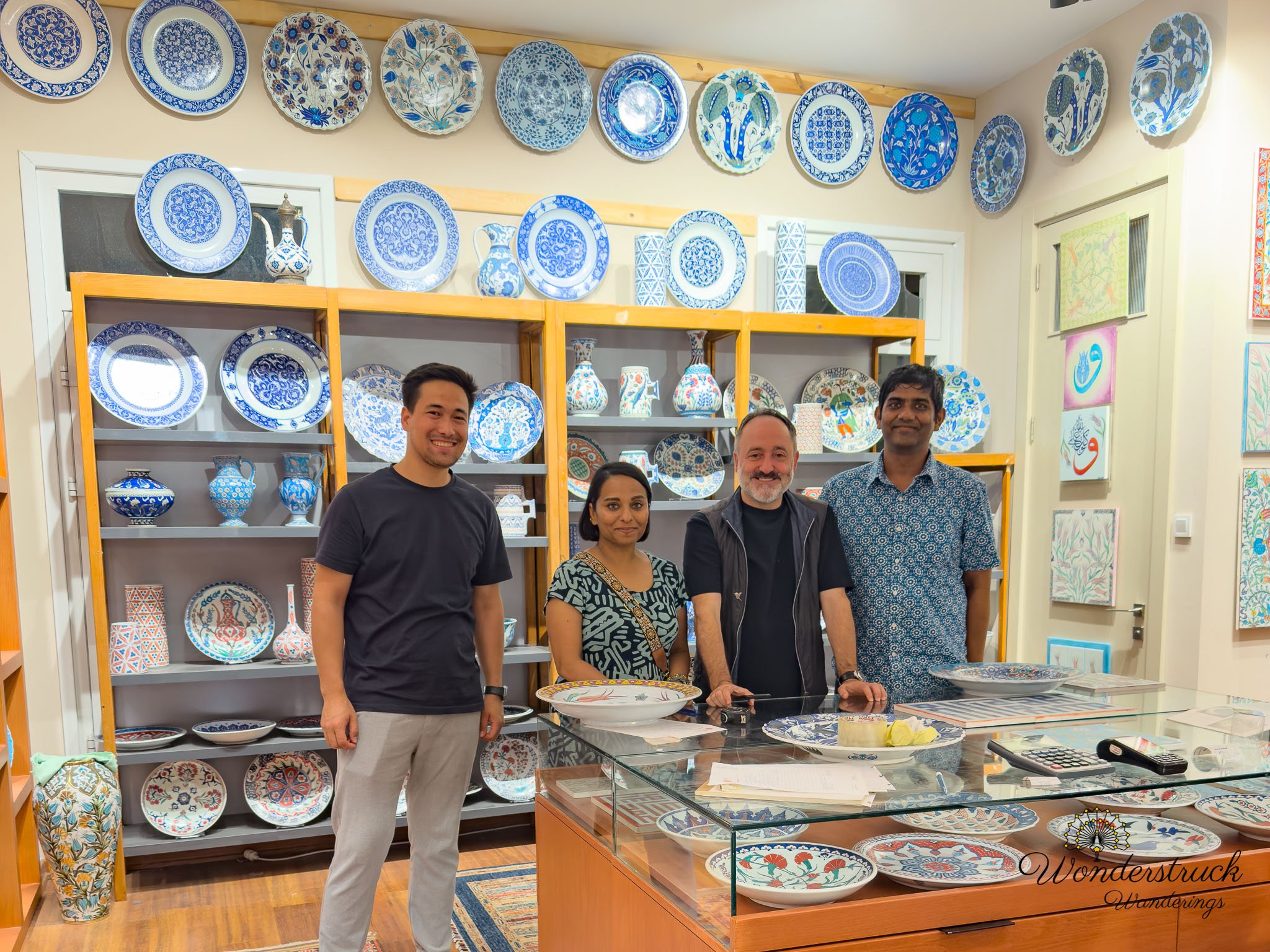
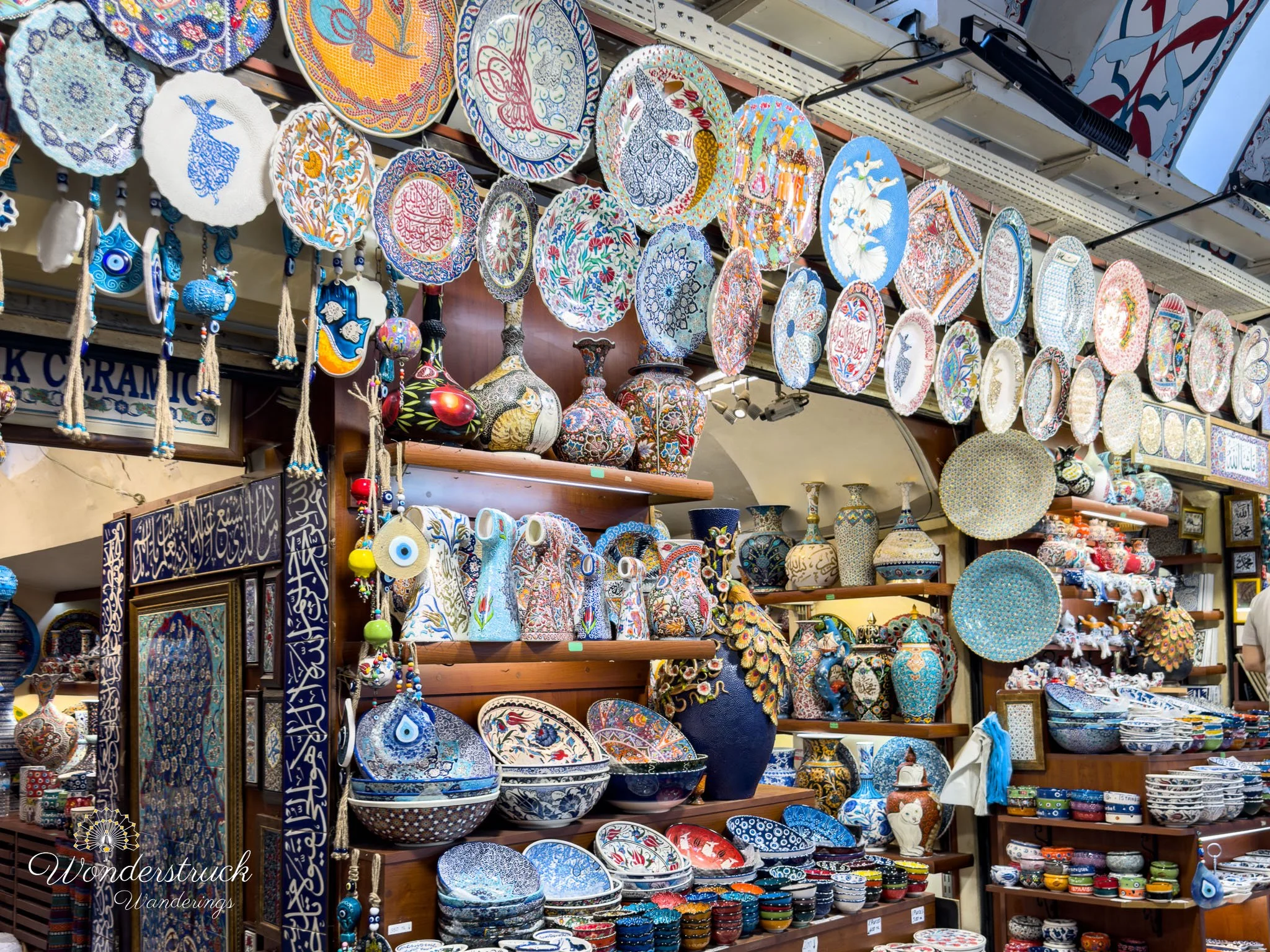
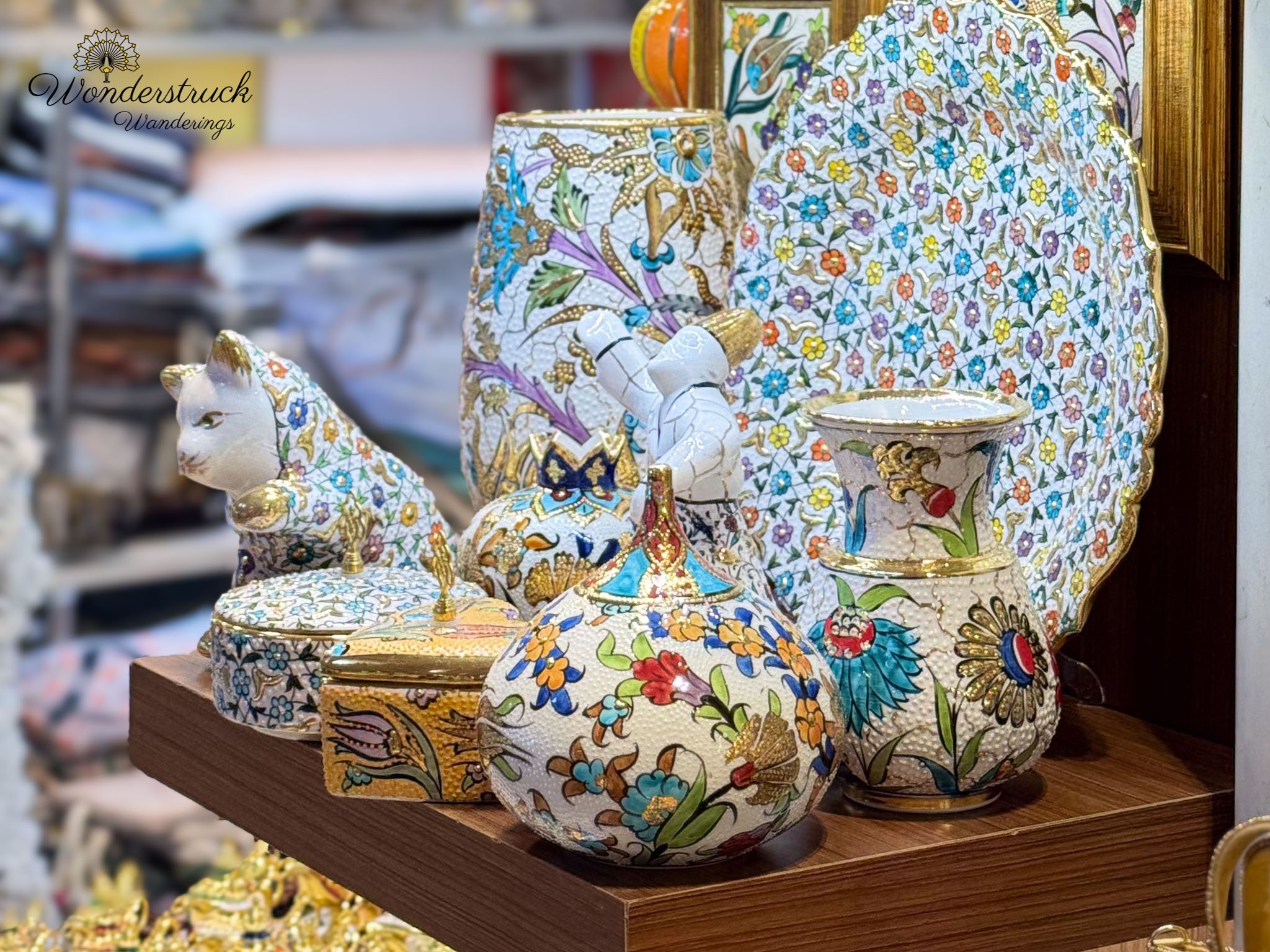
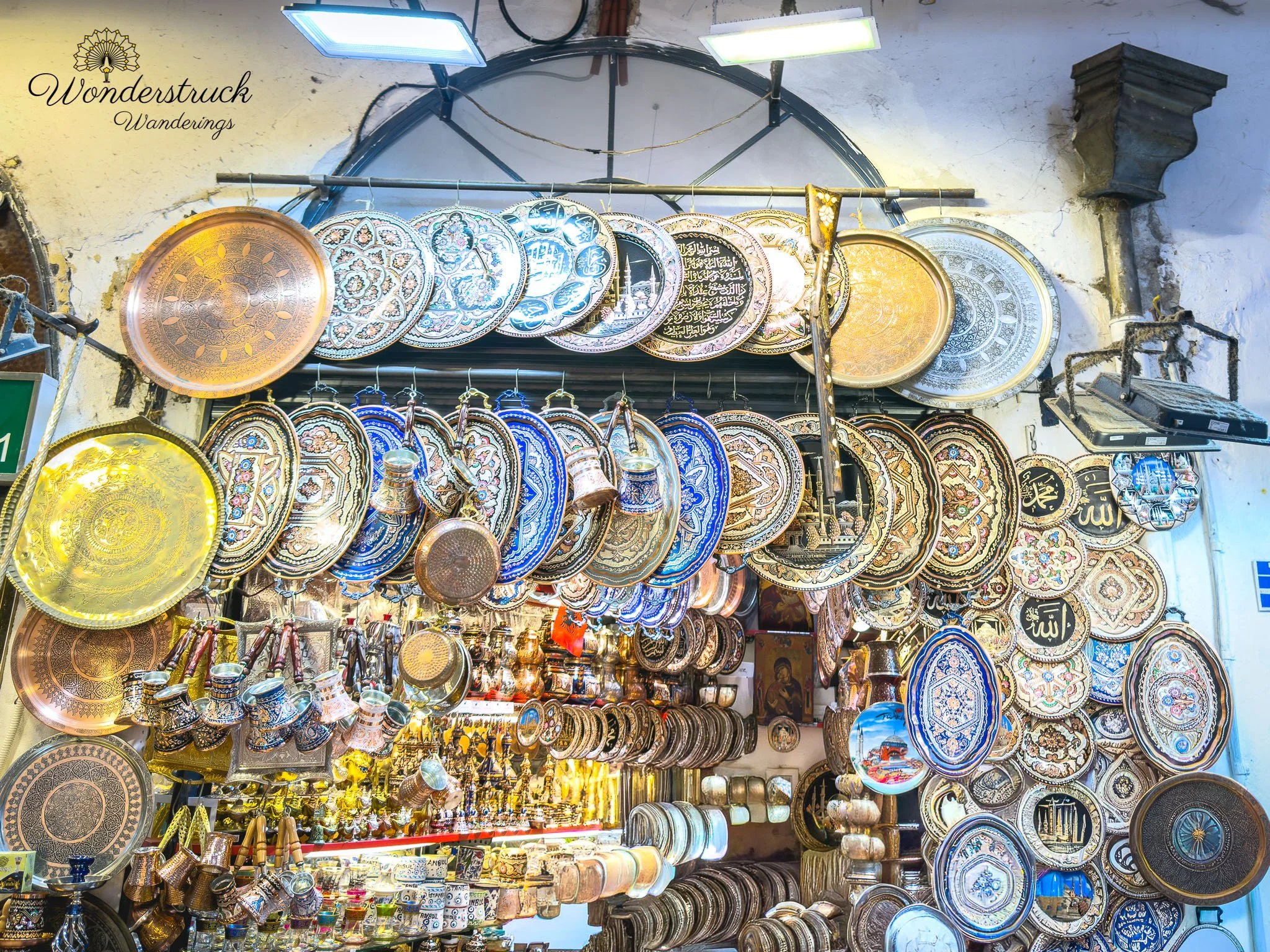
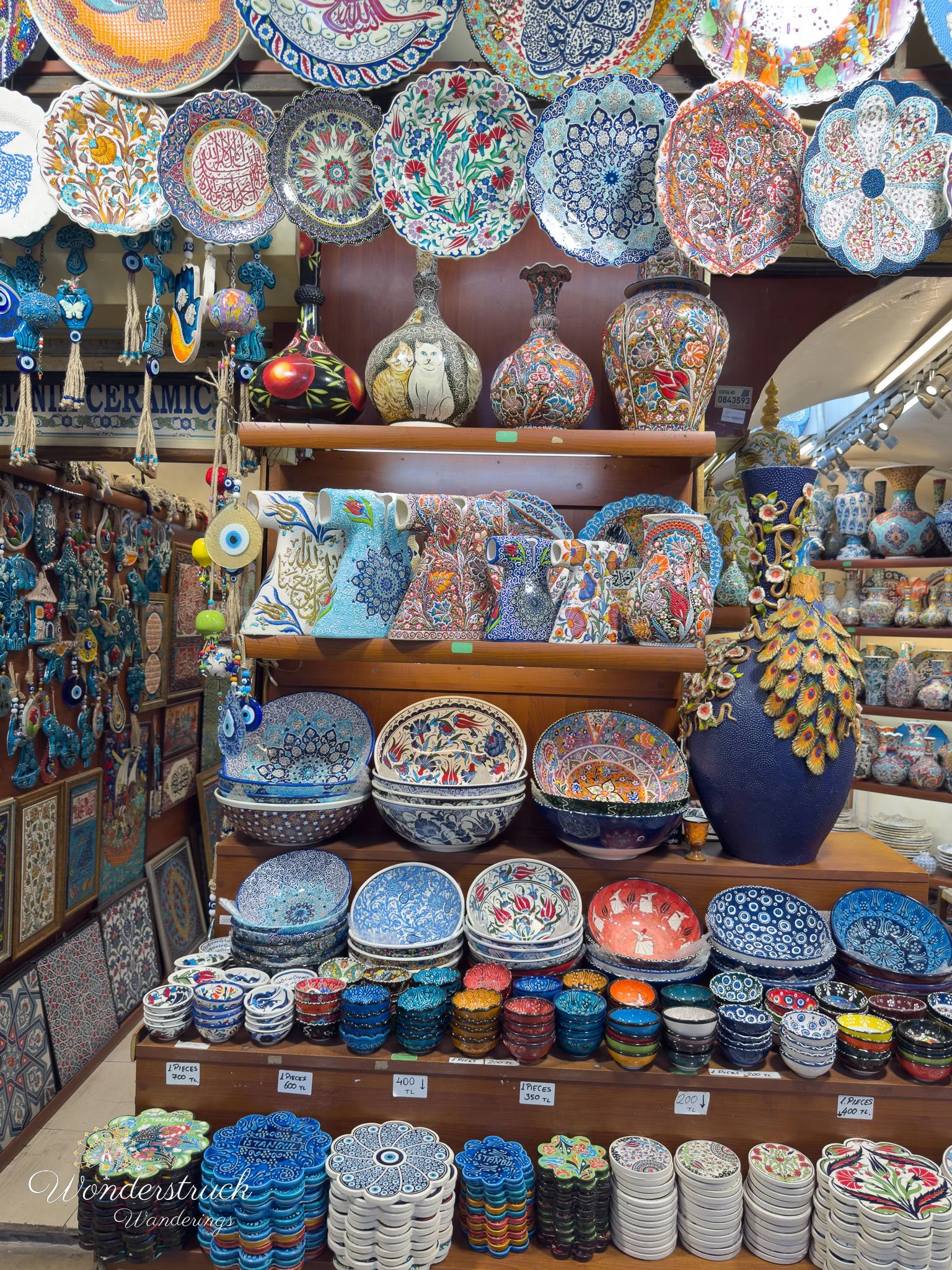
Hand-Painted İznik-Style Ceramics -small ceramic tiles, coffee cups, serving bowls, or a statement plate from the Grand Bazaar or artisan shops around Sultanahmet and Galata—their İznik-inspired patterns echo the visual language of Istanbul’s Ottoman mosques and make a beautiful, meaningful souvenir. Tip: Ask if it’s hand-painted vs. printed. Hand-painted pieces have tiny variations and brush texture. For tiles, check the weight the heavier it is the more ground quartz it has. High quality 85% or more quartz is sold in specilised shops and is quite expensive.
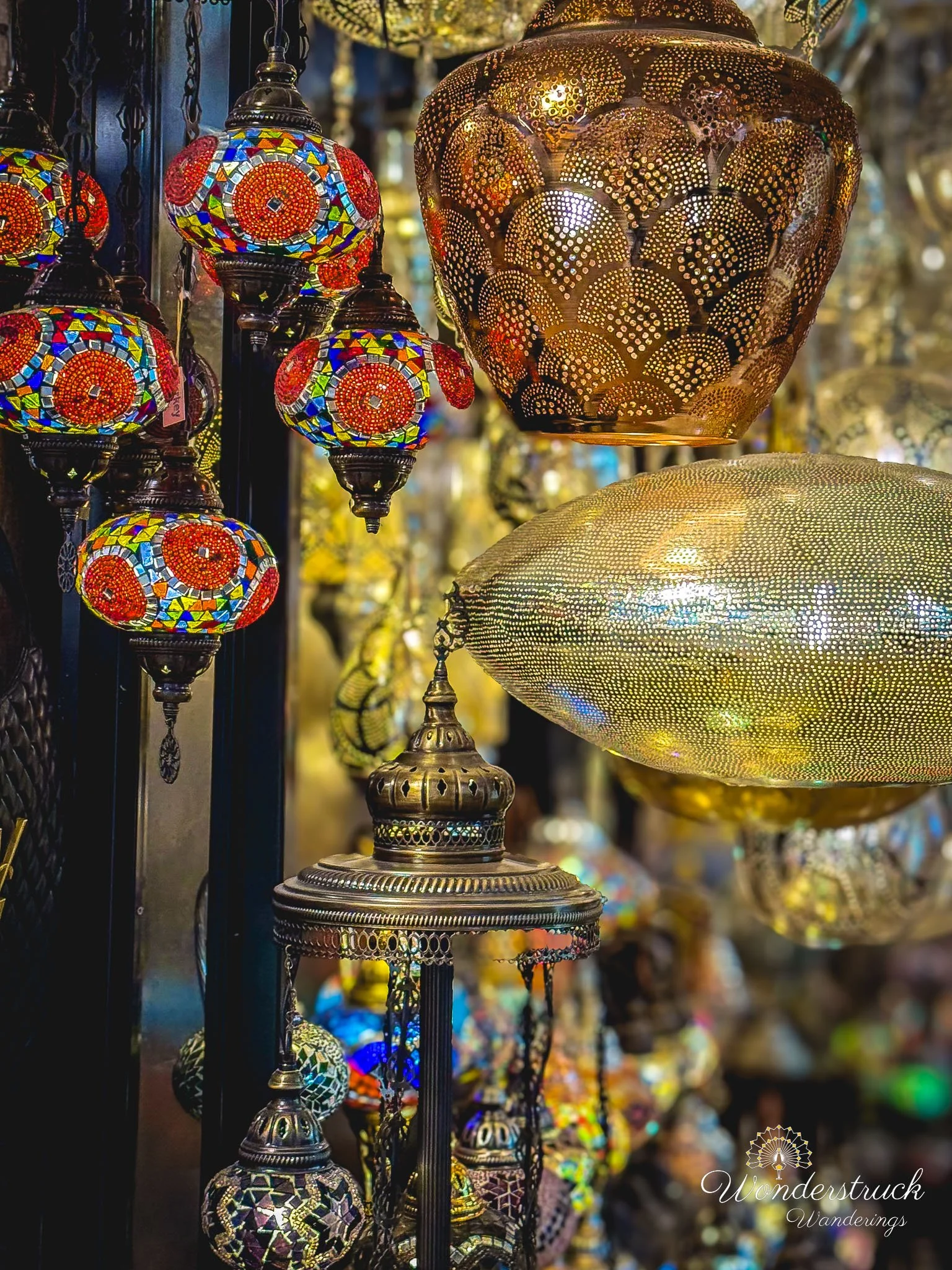
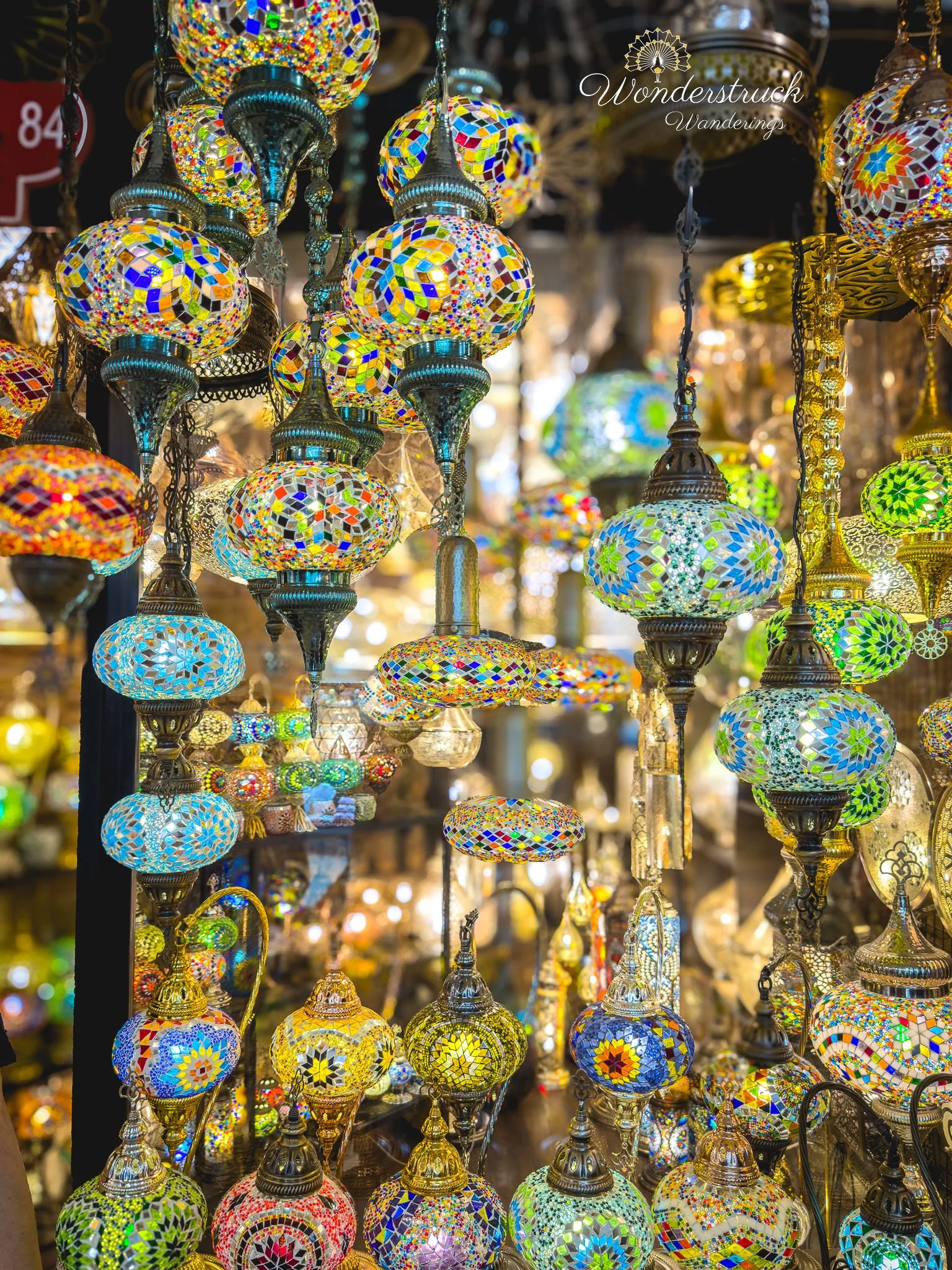
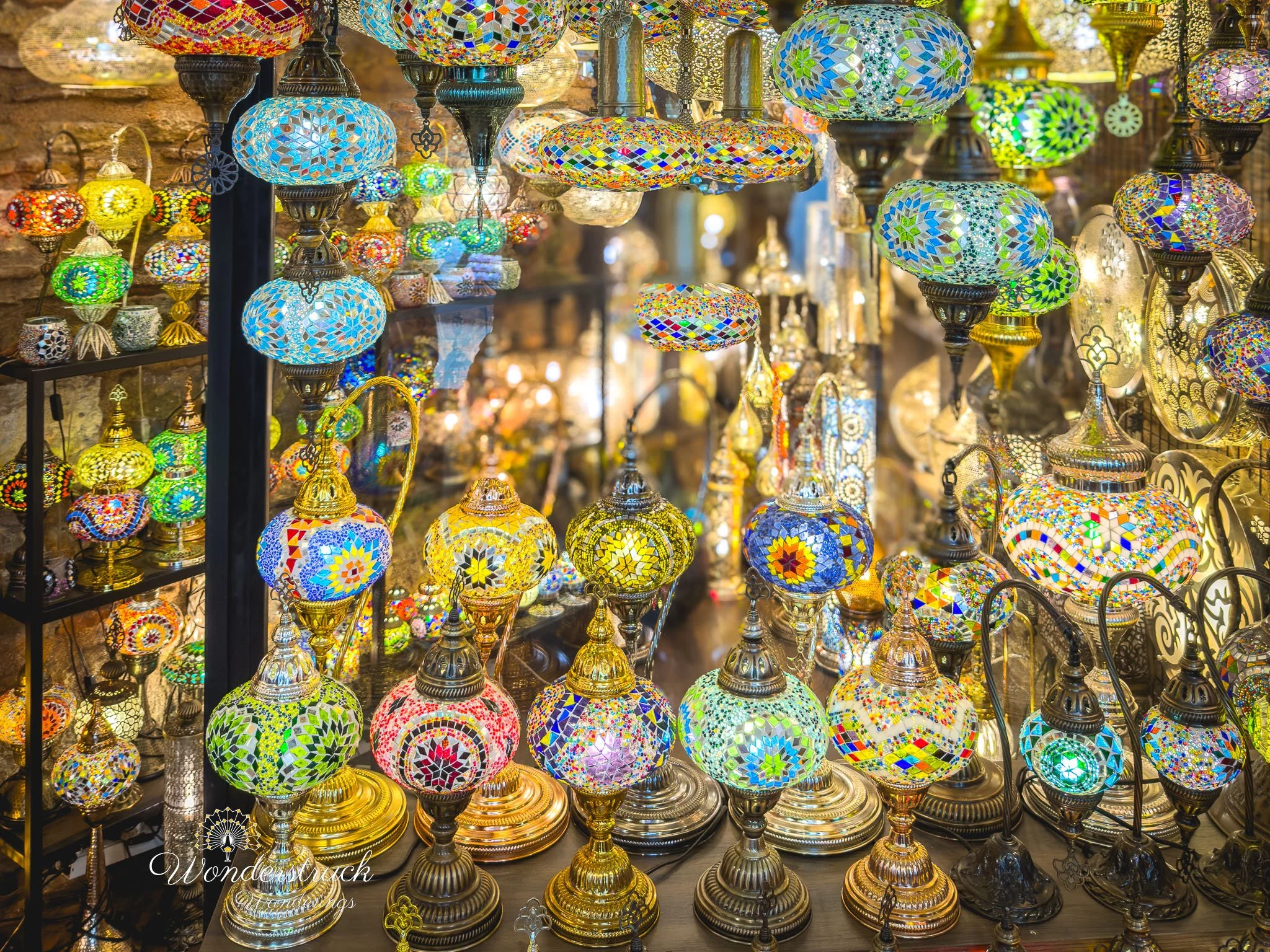
Turkish Lamps (Mosaic Glass) — small mosaic lamp or hanging lantern from the Grand Bazaar( its nearby side streets or even Galata area is cheaper)—classic, photogenic, and genuinely magical once lit at home. Tips: Check wiring/plug type and ask if it’s compatible (or plan to rewire at home). Inspect the metalwork—and see the craftsmanship. Pack it well or ship it. Good ones are quite expensive.
Copper Coffee(Cezve) or Utensils- copper cezve, engraved cups, trays, or a long-handled spoon from the Grand Bazaar, nearby streets, or specialty coffee and spice shopts. Also copper pots and pans for making mememen or stews. These functional pieces bring a bit of Istanbul’s coffee ritual home, and the best ones are heavier with clean seams. Tips- look for heavier ones with clean seams.
Turkish Tulip shaped Tea Glasses - a set of classic Turkish tea glasses, small saucers, or a tea tray from bazaar shops or local kitchenware stores—distinctly Istanbul, practical, affordable, and easy to take home even if you only pack a few pieces.
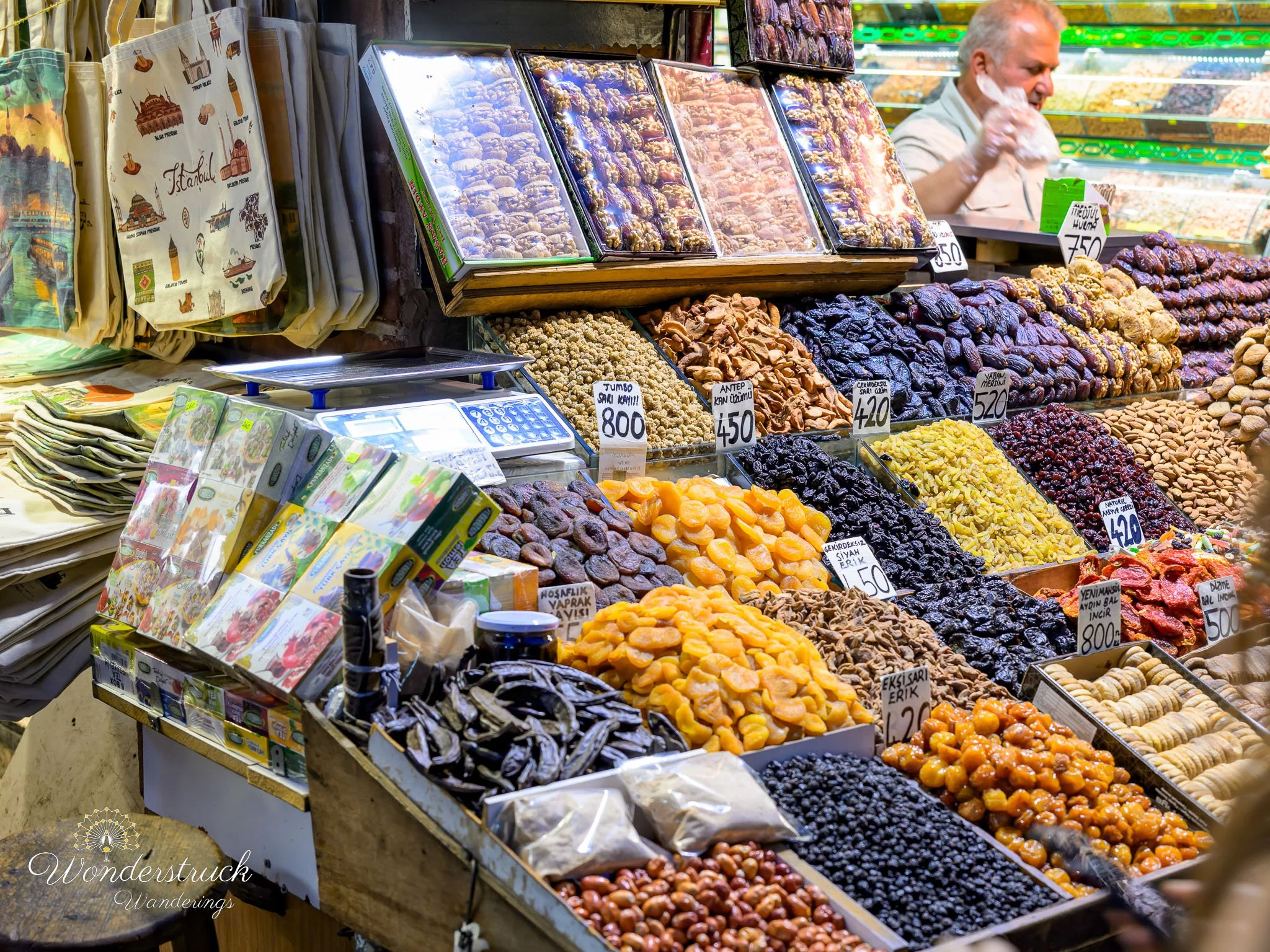
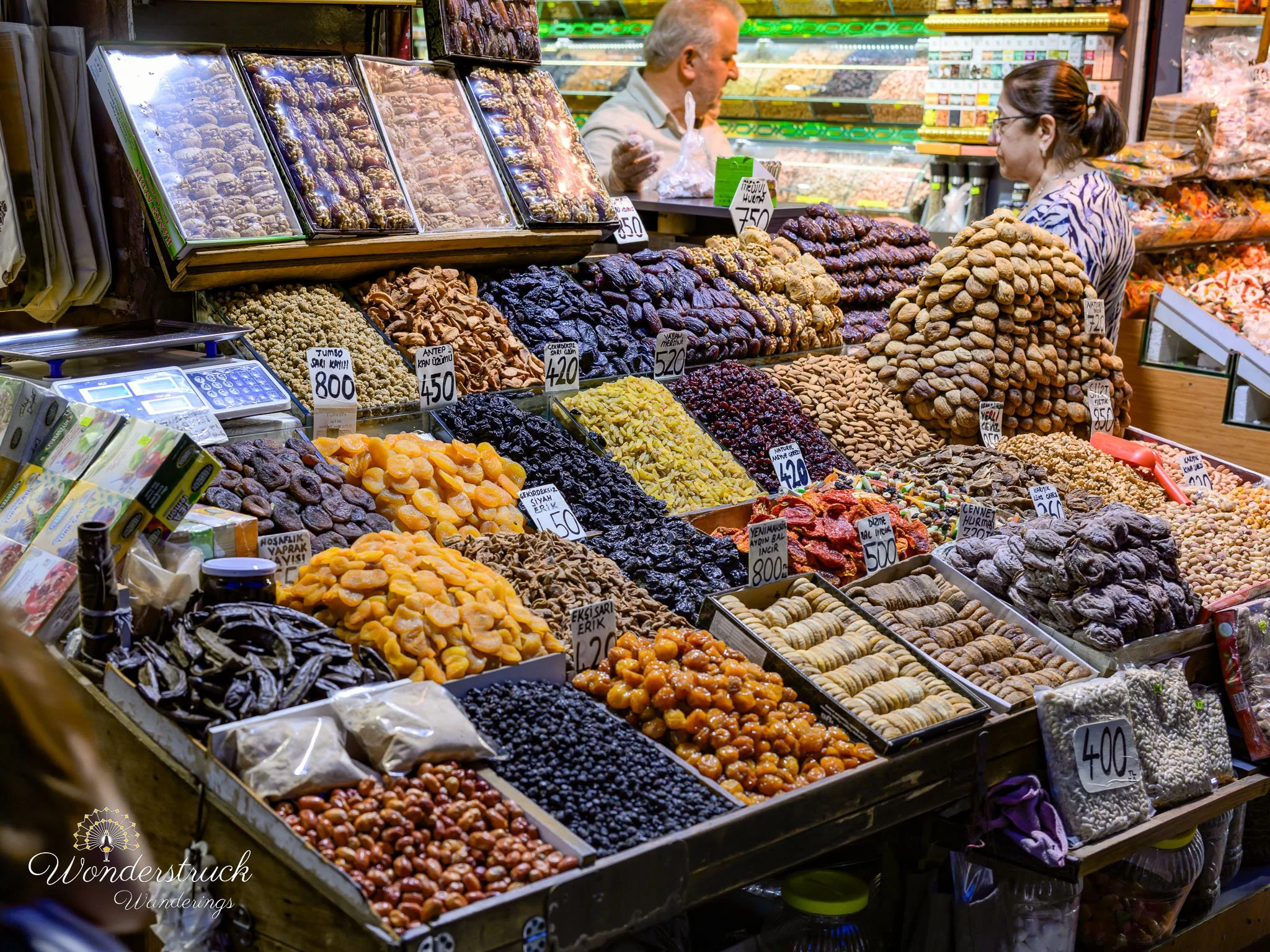
Spices, Teas, and Dried Goods - Pul biber (Aleppo-style pepper flakes), Sumac (bright, lemony), Saffron (ask origin; buy small), Apple tea (touristy , try it and get it if you like), Turkish black tea or blends, Dried fruits and nuts (pistachios, apricots, figs). Try these in Spice Bazaar (Mısır Çarşısı).
Lokum (Turkish Delight) and/or Baklava-get mixed lokum boxes in flavors like rose, pistachio, pomegranate, and mastic, plus vacuum-packed baklava if available—Faruk Güllüoğlu is our favorite and Hafız Mustafa 1864 is one of the most famous stops for giftable sweets. But try it out in the spice bazaar and grand bazaar. Tip: Lokum travels better than baklava.
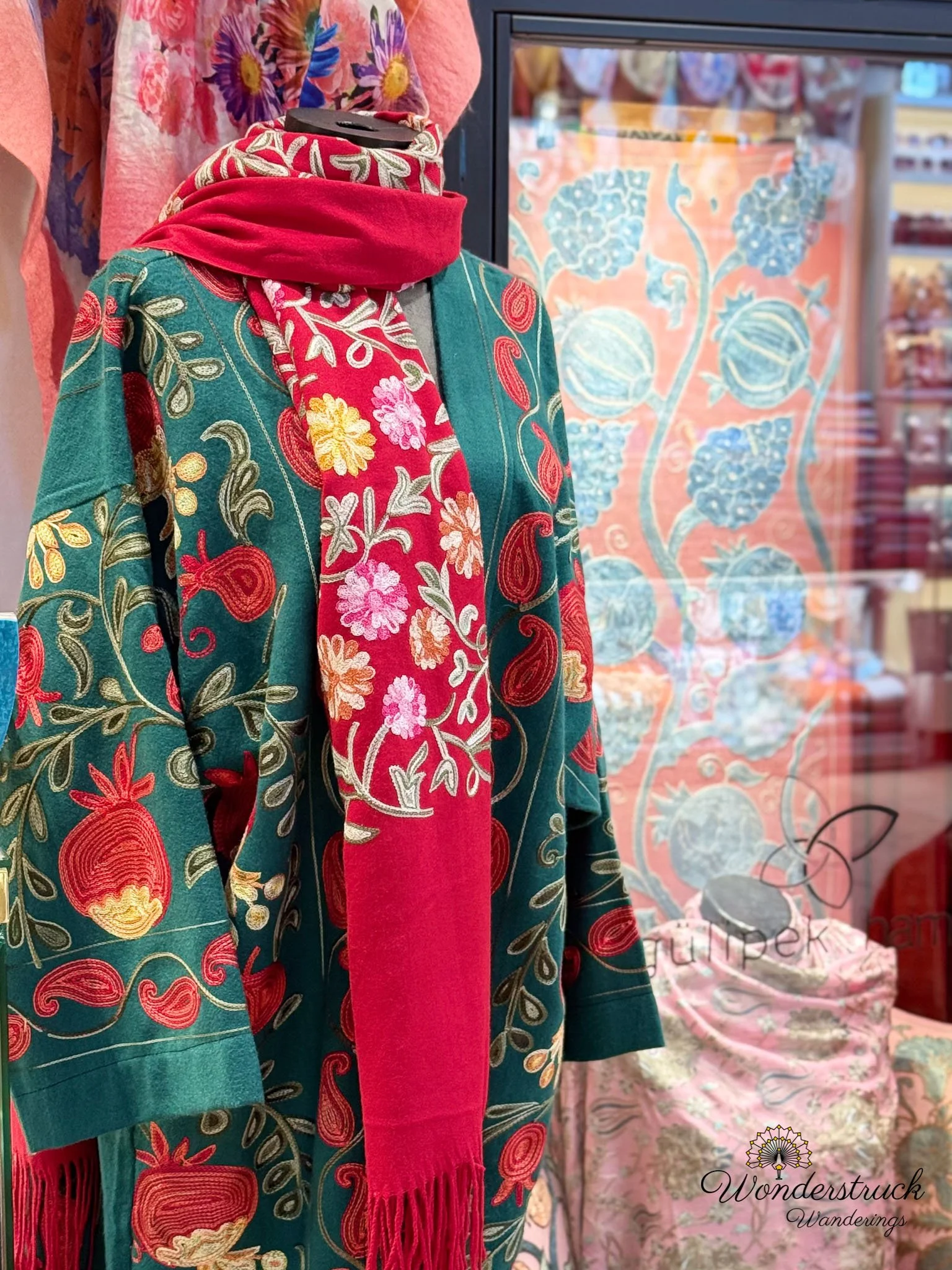
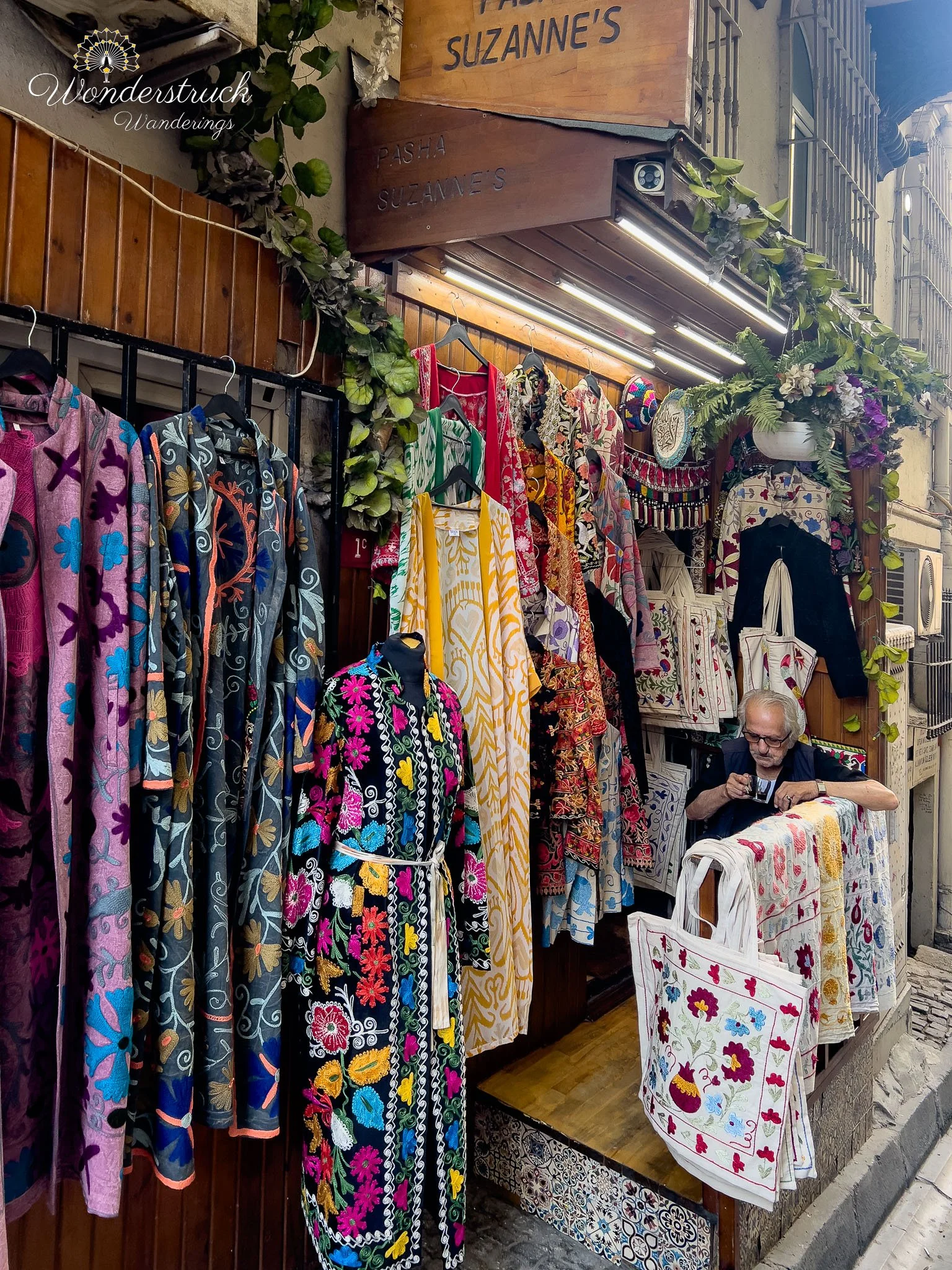
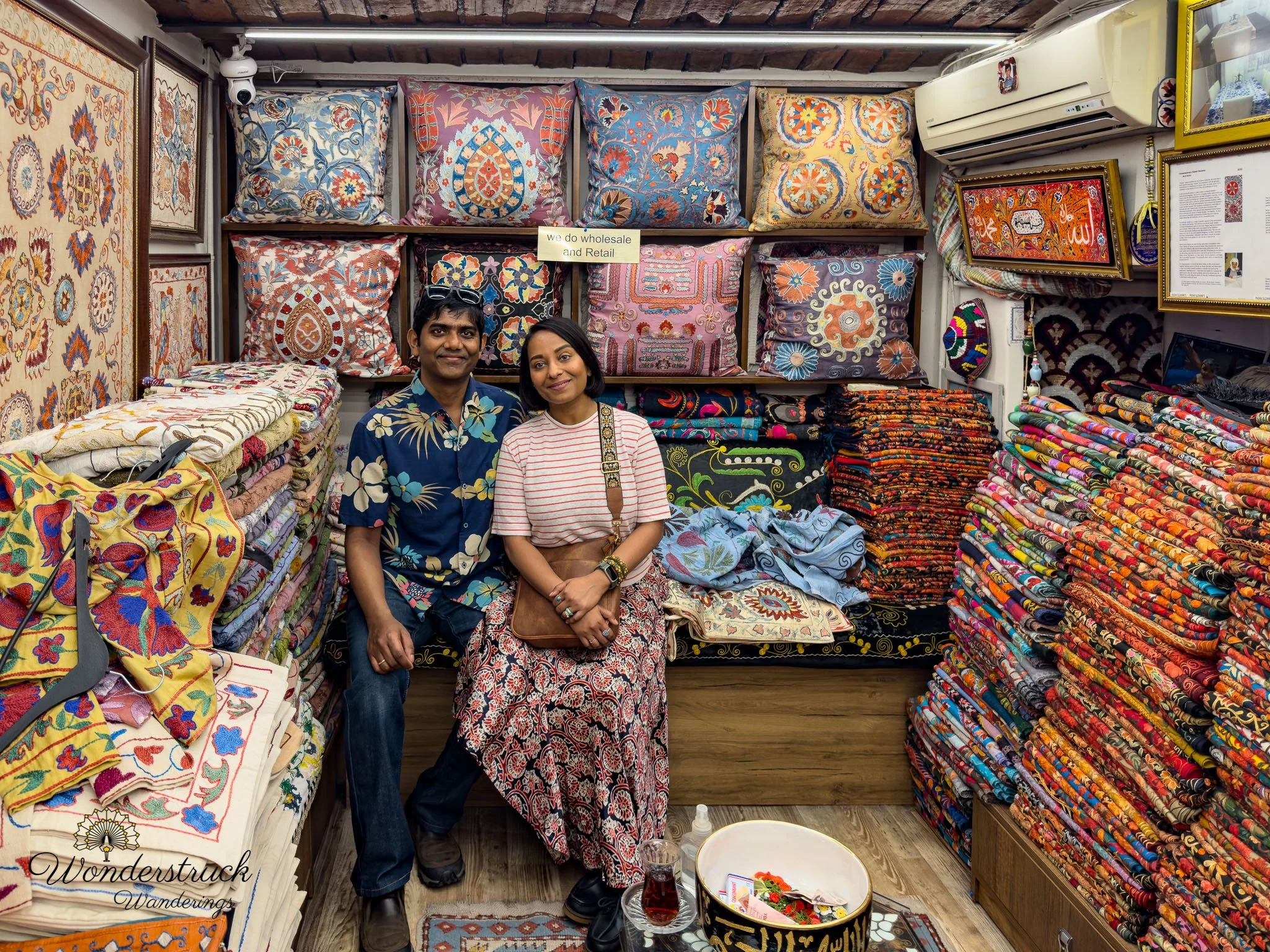
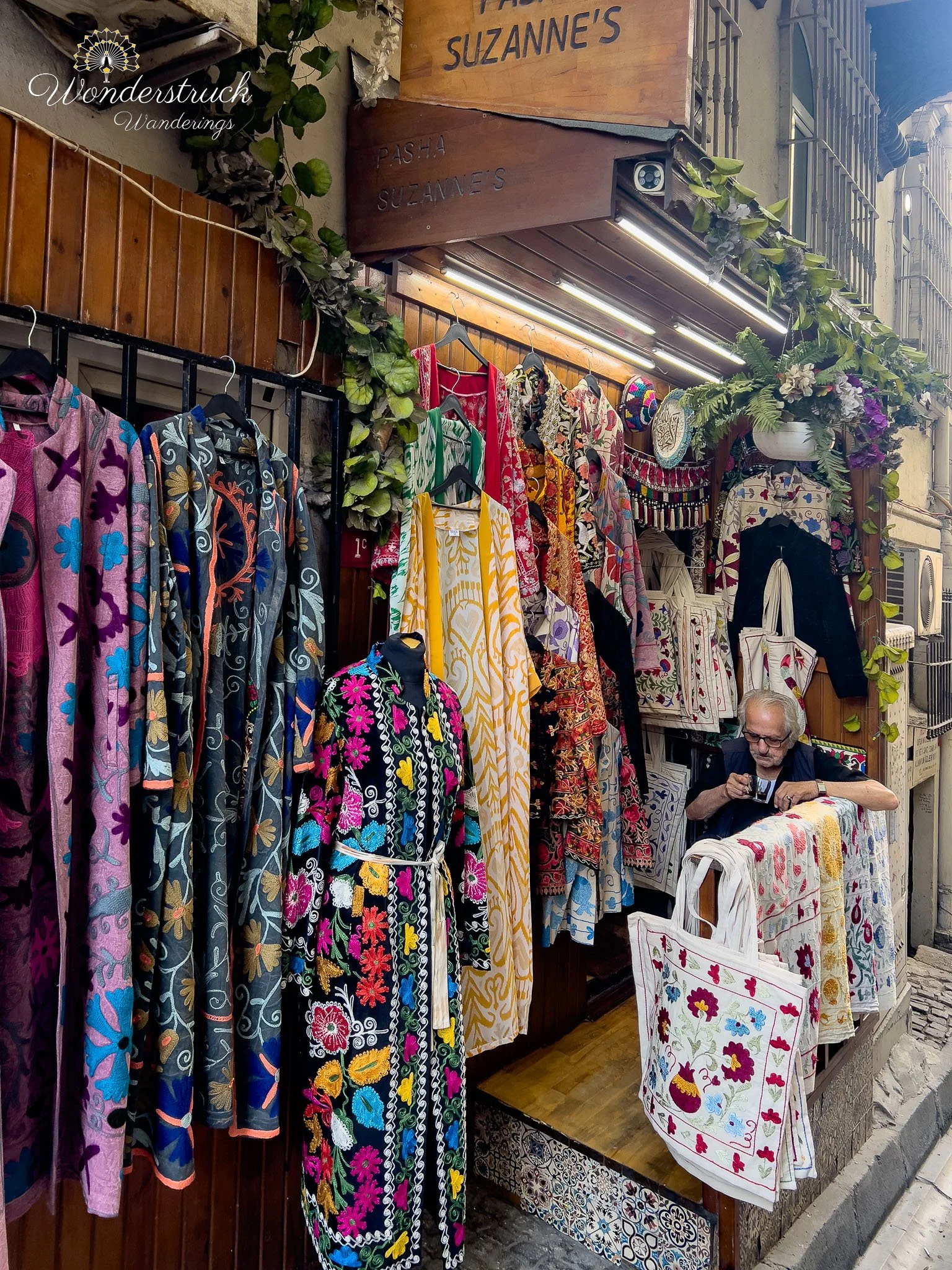
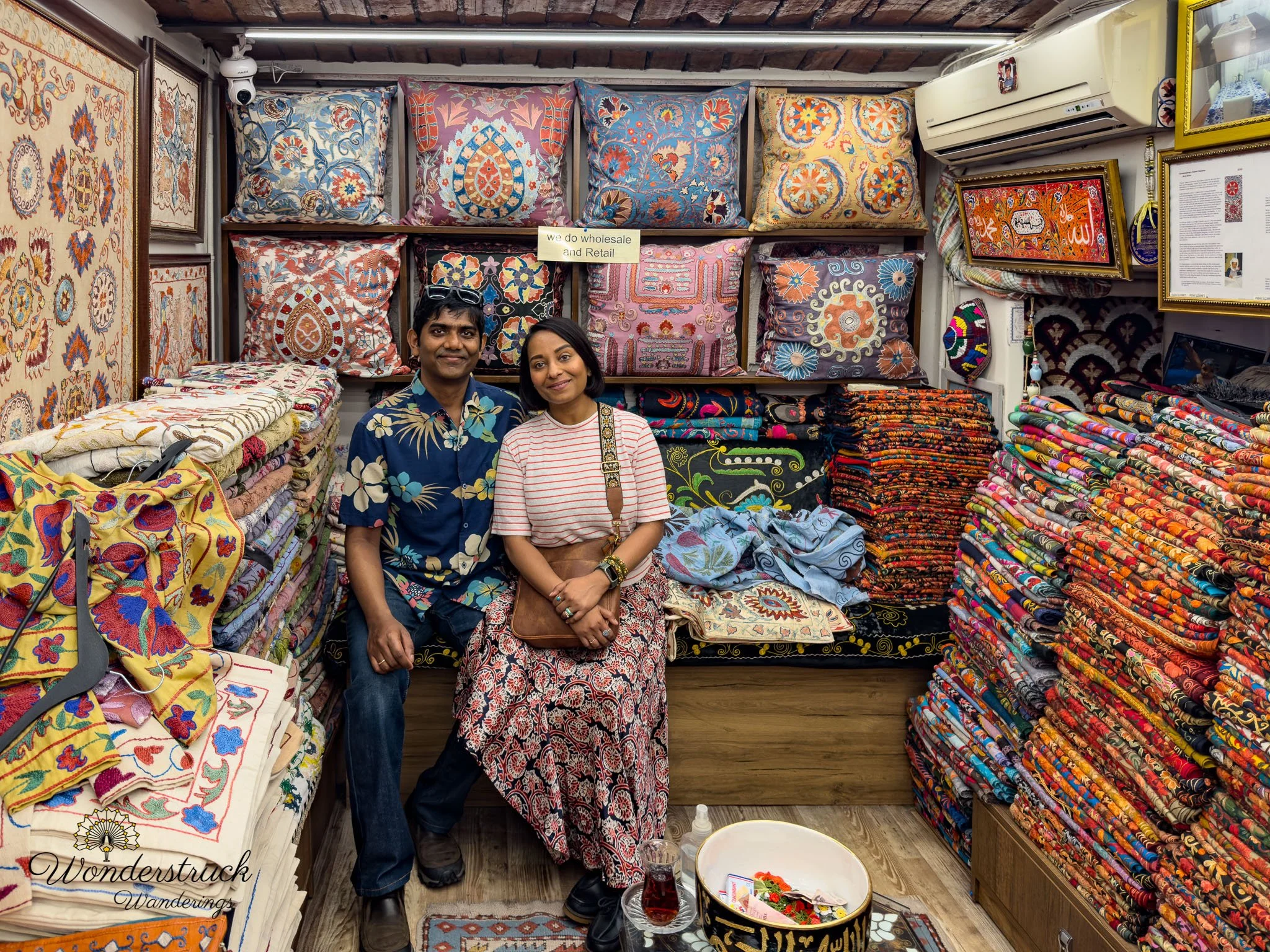
Silk Scarves, Jackets, Cushion C overs -Buy a silk scarf, shawl, or a well-chosen patterned textile from the Galata Area or Grand Bazaar or its nearby textile streets for something stylish, packable, and more distinctive than a generic souvenir. Tip: Ask what it’s made of—many are silk blends. If it’s “pure silk,” the price should reflect that. Also where its made as it could vary from Uzbekistan, turkmenistahan or india and bangladesh to china.
Leather Goods (Jackets, Bags, Belts)-Leather stores around the bazaar area or reputable shops in Galata/Karaköy.
Hammam-Inspired Gifts -Turkish towels (peshtemal), olive-oil soap, small skincare bundles from Bazaar shops or hammam boutiques. Tip: Peshtemals pack flat and work as beach towels, scarves, picnic blankets.


General Tips
Mosque etiquette: Cover shoulders and knees; women should carry a scarf for hair coverage. Shoes come off at the entrance, and keep voices low inside prayer areas.
Prayer-time timing: Mosques pause tourism during prayer—Fridays around midday (roughly 12–2 p.m.) is the biggest squeeze. Build flexibility into your schedule.
Photo manners: Skip flash/tripods in religious sites and museums; ask before photographing people, especially worshippers, workers, and shopkeepers.
Bargaining : In bazaars, bargaining is normal—but keep it friendly. Start with a polite counteroffer, smile, and be ready to walk away. If you agree on a price, follow through.
Tea culture: If you’re offered çay, it’s hospitality—not a trap. Accepting (even just one glass) often leads to better conversations and a warmer experience.
Personal space + lines: Crowds are part of the city. Be patient in queues, stand your ground politely, and don’t take “close proximity” personally.
Restaurant rhythm: Service can be slower and more relaxed.
Shoes and streets: Istanbul is steep and slippery in places—dress modestly for sites, but prioritize footwear like you’re hiking a stylish hill town.
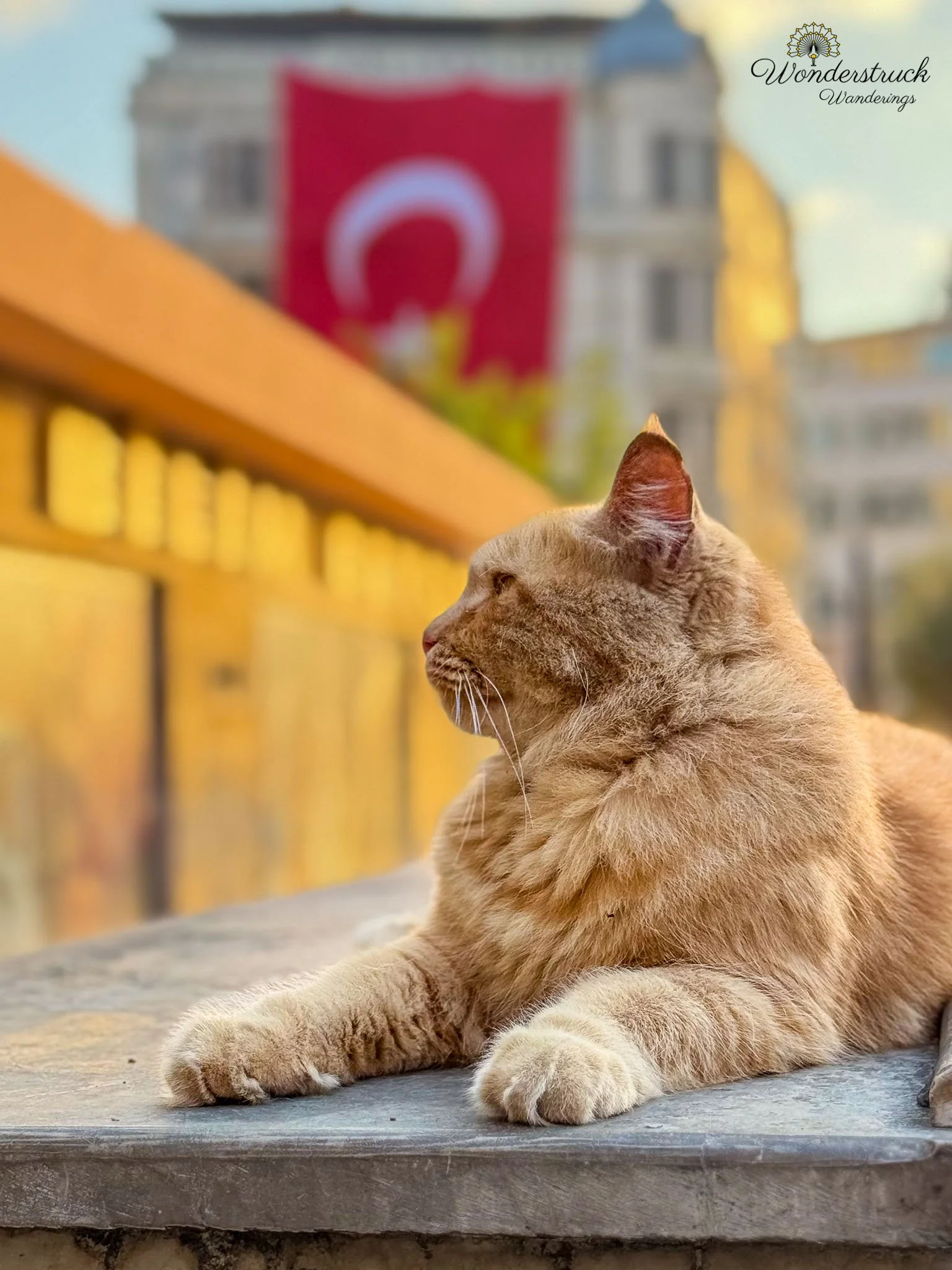
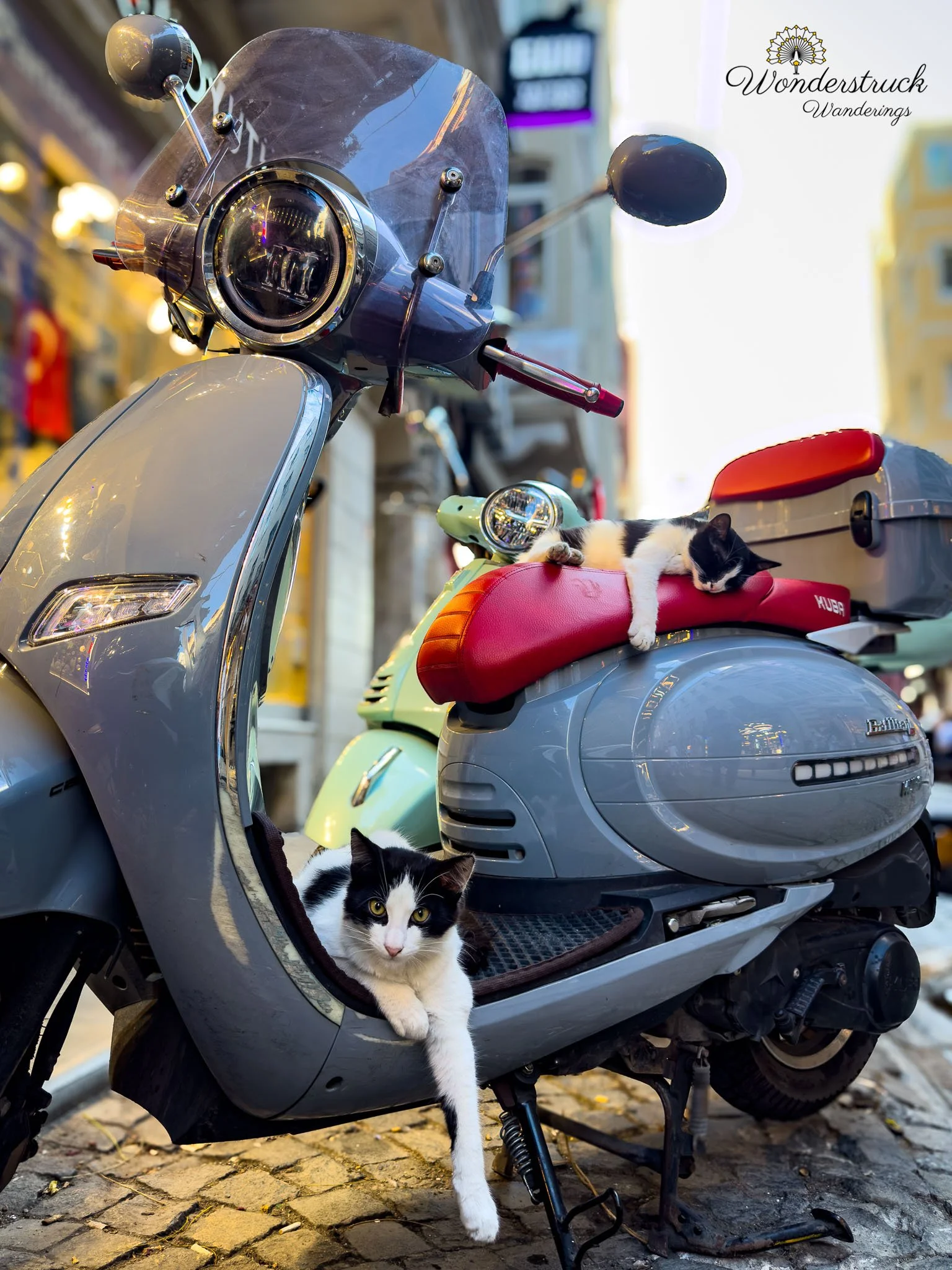
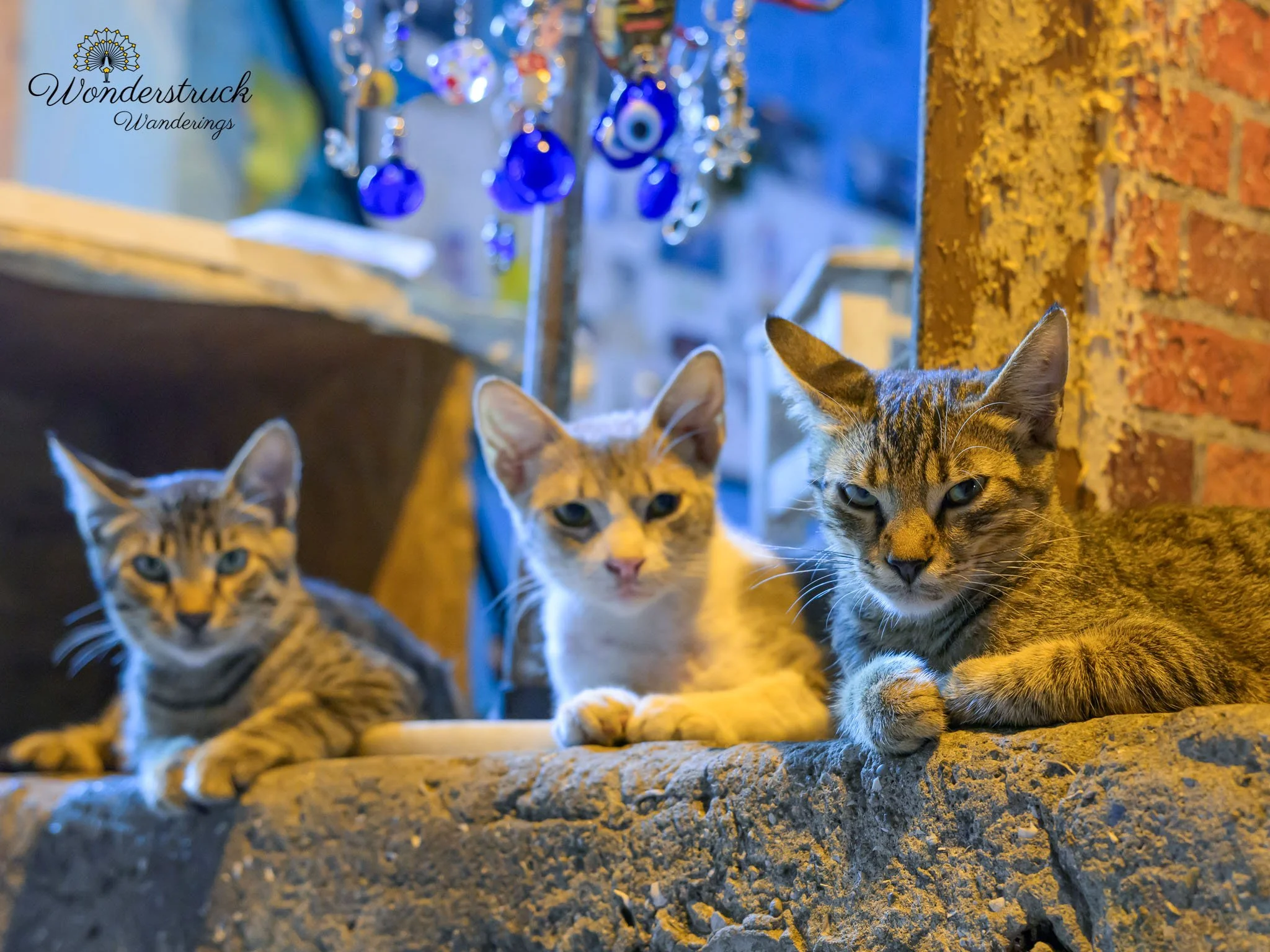
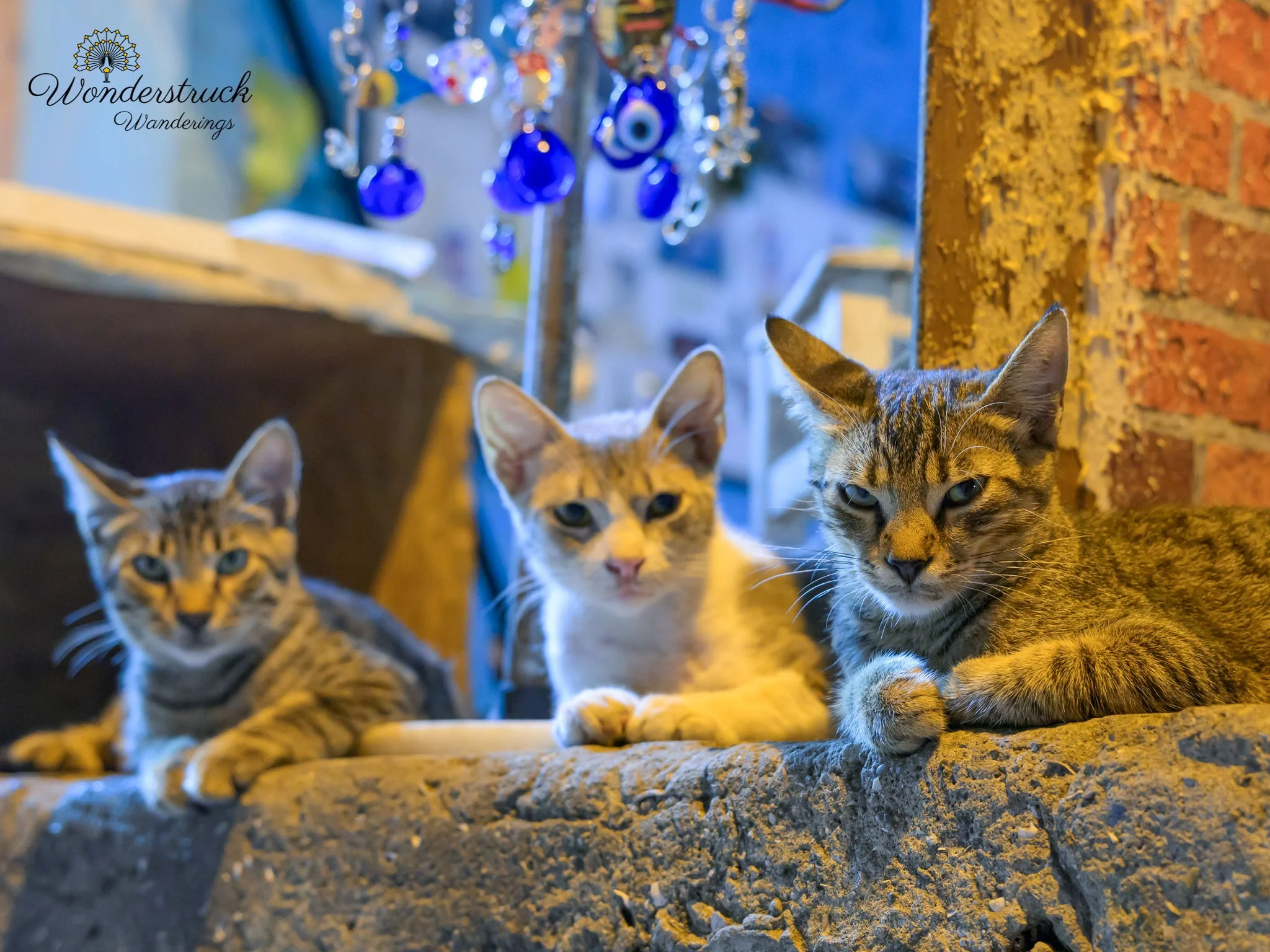
Cats are locals: Don’t chase or pick them up; give them space. You’ll see water bowls and food everywhere—people look after them.